




By Mark Ambrogi mark@youarecurrent.com
Jennifer McRoberts had the idea for her book for about a decade.
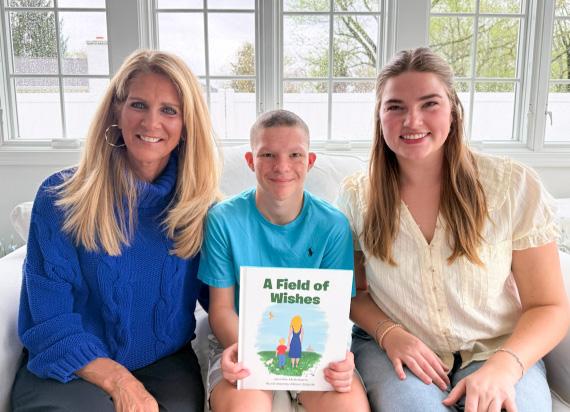
The longtime Carmel resident’s book “Field of Wishes” was published by Christian Faith Publishi//ng in late 2025. Her niece, Allison Soards, was the illustrator.
McRoberts, 62, is in her 28th year leading Kindergarten Connection, a half-day preschool and kindergarten in Carmel. She came up with the idea for the book when she walked a student from her morning school to Our Lady of Mount Carmel School.
“We came across a field of dandelions,” she said. “I just said, ‘Landon, those are weeds that don’t look good.’ He said, ‘I don’t see it as weeds, I see it as a field of wishes.’ I just thought that was so profound for a 5-year-old child to take something that I looked at as negative and he turned into a positive.”
McRoberts said she learned a life lesson of perspective from the student, Landon Barnes, a Westfield resident.
“If you want to think negatively, it’s going to bring negativism into your life,” she said. “That’s basically how Landon became my teacher that day. It’s just a little bit of a lesson on perception -- how you perceive things can change your mind and heart.”
McRoberts knew one day she wanted to write a book about it.
“I just felt it was time. I just wanted to write it and see if a publishing com-
Continued on Page 4


We’re expanding the Marque e experience with one goal in mind: illuminating the possibilities for your next chapter! Our upcoming independent living expansion will include...
• Terraces 2: sophisticated one- and two-bedroom + den residences
• e Flats: two unique oor plans and personal garage parking
• e Commons: a community hub featuring pickleball courts and a covered waterfront patio








Commentary by Dr. David Sullivan and Dr. Kenneth Stumpf
As we age, our feet face various challenges, and midfoot arthritis can become a common and painful issue for individuals older than 55. This condition affects the joints in the middle section of the foot, leading to discomfort that significantly impacts daily activities. Understanding midfoot arthritis, its symptoms, diagnosis, and the vital role of a podiatrist/foot and ankle surgeon in its management is essential for maintaining mobility and overall well-being.
What is midfoot arthritis?
Midfoot arthritis refers to inflammation and degeneration of the joints in the midfoot, often caused by previous injuries, age-related wear and tear, or underlying conditions like rheumatoid arthritis. Symptoms include pain, swelling, stiffness, difficulty walking and tenderness in the affected area.
Diagnosis and evaluation
If you experience these symptoms, seeking care from a podiatrist/foot and ankle surgeon is crucial. These specialists are trained to diagnose and treat foot-related issues effectively. Diagnosis typically involves a physical examination
play a crucial role in managing midfoot arthritis. They will create tailored treatment plans, often beginning with conservative measures, such as:
• Rest and activity modification: Reducing activities that exacerbate pain.
• Orthotics and supportive footwear: Custom devices help alleviate pressure and improve alignment.
• Medications: Nonsteroidal anti-inflammatory drugs, or NSAIDs, can help manage pain. Topical pain creams can help as well.
• Injection Therapy: Cortisone occasionally can keep symptoms controlled but won’t assist in healing or resolution.
Conservative treatments are highly effective, but your specialist may discuss surgical options to relieve pain and restore function.
Midfoot arthritis is a significant concern for those over 55, but it doesn’t have to hinder your quality of life. By understanding the condition and utilizing the expertise of a podiatrist, you can manage symptoms effectively and maintain mobility.

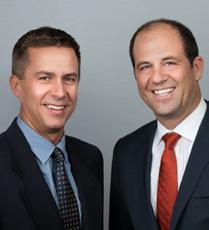
Dr. David Sullivan and Dr. Kenneth Stumpf are boardcertified foot surgeons at Westfield Foot and Ankle, LLC. Contact them at appt@westfieldfoot.com or 317-896-6655.
Continued from Page 3 McRoberts is passionate about teaching.
pany wanted it,” she said. “I wanted to build Landon’s self-esteem, too, that he changed my life. I didn’t write the book to make money. I just want my kids and grandkids to hold on to and just have the lesson of life.”





McRoberts said the entire process of writing and publishing the book took about a year.
She taught second grade in Carmel Clay Schools before starting Kindergarten Connection.
“I wanted to do something where I could stay home and be a mom and also work with children,” she said. “It worked out that I could do this at home.”
“It is just wonderful to work with children and their sweet souls and innocent minds,” she said.
Her four children graduated from Carmel High School. Her oldest son, Josh, played basketball at Duke University and 11 seasons in the NBA. Her youngest son Zach played basketball at the University of Vermont and Indiana University. Her daughters are Elizabeth and Sarah. All four children live in Carmel. One of McRoberts’ six grandchildren have gone through her kindergarten program and another is expected to attend next school year.
For more, visit kindergartenconnection.net.
Hearing aids are only one piece of the communication puzzle and our class helps talk through your challenges, find solutions and learn from other patients. Cost is $45 for 2 people to attend. Our last class was a great mix of sharing communication difficulties and ways to navigate them. Our patients who attended gave it a big thumbs up on how helpful it was and felt like they learned several new strategies to use when conversing with others. You do not need to be a current patient to attend! Sign up for our June 24, 2026 Aural Rehabilitation class by calling or emailing the office.
Meridian Audiology LLC is a private Audiology practice, founded by Alison Wyss, Au.D. and Kira VonBlon, M.S. in 2021, after working together as Audiologists in an ENT setting for more than 12 years. The seasoned Audiologists strive to consistently provide premier care to patients with hearing loss, tinnitus and auditory processing disorders as well as those who want to protect their hearing from damage.

you have, and will even have their benefit company call to verify if you have a benefit or discount plan for hearing aids through your insurance. We believe this makes the difference in you feeling comfortable and confident with your individual hearing loss action plan.
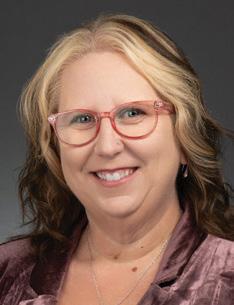
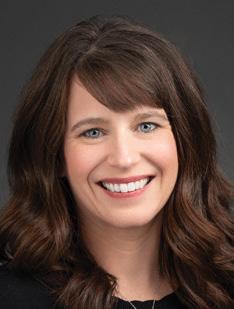
WE ARE EXCITED TO ANNOUNCE THAT WE HAVE IMPLEMENTED OUR NEW DIGITAL HEARING ASSISTANT, MICHAEL, WHO IS NOW ANSWERING OUR PHONES!
MICHAEL WILL HELP ANSWER YOUR QUESTIONS AND GET YOU SCHEDULED FOR APPOINTMENTS! PLEASE TALK TO MICHAEL AS YOU WOULD ALI OR KIRA!
In stark contrast to the medical/ ENT audiology world where patients are in and out in quick succession, private practice allows Ali and Kira to spend whatever time their patients need from them for their individual hearing healthcare situation.
Kira and Ali are available to evaluate your hearing and walk through your many options if you are a hearing aid candidate. They will spend the time to explain the differences in hearing aids, the best options for the hearing concerns
Kira and Ali are also available to speak to your local community clubs about hearing, hearing loss and the link between untreated hearing loss and cognitive decline
Meridian Audiology accepts most major insurances, offers convenient scheduling via phone, email, or online and are independent of other medical practices or hospitals.
Hours are 9am-4pm MondayFriday by appointment only. They are located at t 911 E 86th Street, Suite 035 Phone 317-731-5386
Email info@meridianaudiology.com
Website: www meridianaudiology com
S It is time to consider Independent Senior Living. Reserve a new home for you or your parents!
Save on your total cost of living compared to living at home or in a “traditional” apartment. Enjoy the luxury amenities, wonderful neighbors, and security of simplified transparent pricing at Sycamore Reserve.
• Private Luxury Apartment
• Restaurant-Style Dining
• Activities & Social Calendar
• 24-Hour On-site Staff
• Housekeeping
• Transportation
• Utilities (Power, Water, Trash)
• Emergency Trip / Fall Pendant
• Heated Saltwater Pool
• Internet (Wi-Fi)
• HD Cable TV
• Theater Room
• Fitness Center
• Dog Park
• And So Much More!
Ask About Our 5-Star Living Experience Family-Owned Independent Senior Living
SENIOR LIVING
The Rest, Then See The Best! 8275 Craig St, Indianapolis, Indiana 46250 (317) 516-5209 • SycamoreReserve.com
Imagine this: A parent starts needing help with errands, medications, appointments or daily tasks. A family member steps in because they’re close by and have already been helping. At some point, you may wonder if it makes sense to pay them for the care they’re already providing. It feels natural, but without the right paperwork, the arrangement can create confusion, strain relationships or even cause Medicaid issues down the road.
Commentary by Christine Stolle It’s also essential for Medicaid planning. Without a written agreement, paying a family member may be considered a “gift,” which can affect Medicaid eligibility during the five-year look-back period. A proper agreement keeps everything compliant and protects access to future long-term care benefits. What should be included in a caregiving agreement
A solid agreement should outline:
That’s why a written caregiving agreement matters. It protects everyone involved and keeps long-term care planning on track. At Dillman & Owen Estate and Elder Law, we help Indiana families create caregiving agreements that fit within a larger plan for aging, Medicaid eligibility, and long-term care support. Why a caregiving agreement matters A caregiving agreement gives both sides clarity about what the caregiver will do, how often they’ll do it, and how they’ll be compensated. This helps preserve family harmony and avoids misunderstandings later.
• Daily responsibilities: Such as meal preparation, transportation, housekeeping, personal care or medication reminders.
• Compensation terms: Whether hourly or monthly, along with how and when payment is made.
• Documentation requirements: Caregivers must also keep detailed care logs and invoices showing the dates, times and services provided.
• A time commitment: Specific hours, days or weekly expectations to prevent confusion.
• How the arrangement can end: Notice periods or reasons the agreement may need to change.
Legal and financial considerations in Indiana Caregiving agreements must meet Indiana’s elder law requirements, and they need to be written in a way that aligns with Medicaid rules. This documentation often becomes part of a broader Life Care Planning strategy, helping families prepare for long-term care needs, medical decisions and financial planning. There can also be tax implications. A family caregiver who receives payment may need to report income, and depending on the setup, there may be payroll or withholding obligations. Families are often surprised by this part, but with the right guidance, these steps are manageable.
How Dillman & Owen Estate and Elder Law supports your family Caregiving agreements are rarely simple forms. They connect to larger decisions about aging, care needs, finances, estate planning and Medicaid eligibility. As part of our elder law and Life Care Planning services, we help families:
• Draft legally sound caregiving agreements.
• Plan for Medicaid eligibility and long-term care costs.
• Understand tax and income considerations.
• Coordinate care and create a longterm support plan.
• Organize the medical and financial documents that make caregiving safer and easier.
We explain everything in simple terms and help your family move forward with confidence and comfort.
Take the next step with Dillman & Owen Elder and Estate Law
If you’re considering hiring a family member as a caregiver, you don’t have to navigate the details alone. Contact Dillman & Owen Estate and Elder Law to schedule a consultation. We’ll help you create a caregiving agreement that protects your loved one, supports your long-term care goals and meets Indiana’s legal requirements.

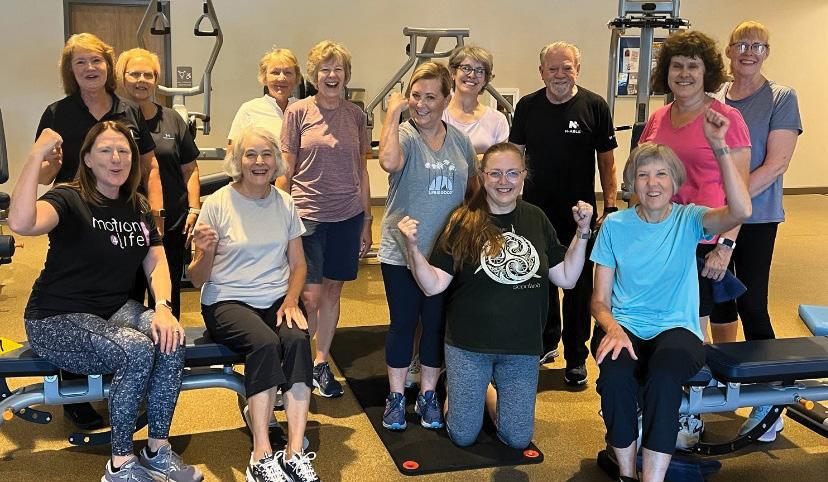
Before we discovered M4L, we felt embarrassed, apprehensive, and awkward about exercising. When we walked in the door, we were pleasantly surprised. We felt welcomed, comfortable and were called by name.

(Advertorial)
Commentary by Kyle McCune CERTIFIED FINANCIAL PLANNER® Practitioner Reify Wealth Advisors
Many people expect their taxes to decrease in retirement. After all, when you stop working, your paycheck goes away so it seems reasonable to assume your tax bill should shrink as well. In reality, retirement changes where your income comes from and how it is taxed.
If you have saved diligently in traditional IRAs, 401(k)s, or 403(b)s, those accounts were funded with pre-tax dollars. You received a tax benefit upfront, and the money grew tax-deferred over time. When withdrawals begin in retirement, those distributions are taxed as ordinary income, like your paycheck.
Then, starting in your early 70s, the IRS requires withdrawals from most pre-tax retirement accounts through Required Minimum Distributions (RMDs). These withdrawals ensure the tax-deferred money is eventually taxed. Even if you do not need the funds for living expenses, the distributions must still be taken annually.
For many retirees, this income may come alongside Social Security benefits and possibly a pension. When these sources are combined, taxable income can become higher than expected. Over time, RMD amounts typically increase as a percentage of the account value, which can gradually raise taxable income. This shift is often referred to as “bracket creep.” While it happens slowly, thoughtful planning can help manage its impact.
Medicare IRMAA Surcharges
Another area where income planning can matter is Medicare premiums. Medicare premiums are determined based on the income reported on your tax return from two years prior. When income exceeds certain thresholds, Medicare premiums for Part B (medical) and Part D (prescription coverage) can increase due to something called Income-Related Monthly Adjustment Amount (IRMAA).
For example, a large IRA withdrawal, Roth conversion, property sale, or significant capital gain this year could influence Medicare premiums two years from now.
Therefore, understanding the thresholds and timing can help retirees make more informed decisions
about large financial transactions and income planning.
Tax Planning Doesn’t End at Retirement
Many people associate tax planning primarily with deductions during their working years. In retirement, however, planning often focuses more on how and when income is generated.
During your career, your income is largely determined by your employer. In retirement, you may have more flexibility in deciding which accounts to draw from and when, including from brokerage accounts, tax-deferred accounts, and Roth accounts. There is no single withdrawal strategy that works for everyone. A thoughtful approach considers your income needs, tax bracket, Medicare premiums, investment allocation, and future goals, evolving as your circumstances change.
The Bigger Picture: Coordination Over Time
Retirement planning is not just about accumulating enough savings. It is also about using those assets efficiently over a retirement that may last 20 to 30 years.
Making decisions about retirement income involves looking beyond the current year’s tax return. It may include projecting future income, understanding tax brackets, evaluating strategies available in retirement, and considering how today’s choices could affect the years ahead.
For many retirees, coordinating these decisions can feel complex, especially since taxes are often one of the larger expenses retirees face outside of healthcare.
The good news is that guidance is available. Financial professionals can help analyze different income strategies, plan ahead for tax considerations, manage Medicare premium thresholds, and create a more predictable retirement income plan.
Retirement should bring clarity and confidence. If you are within five to ten years of retirement, or already retired, reviewing your income and tax strategy can be a valuable step toward making the most of your retirement years.
At Reify Wealth Advisors, we work with clients on an hourly basis to help them prepare for retirement, evaluate potential tax considerations, and plan thoughtfully for both their future and the next generation.

By: Dr. Folasade Imeokparia, breast surgeon at the IU Health Joe & Shelly Schwarz Cancer Center in Carmel
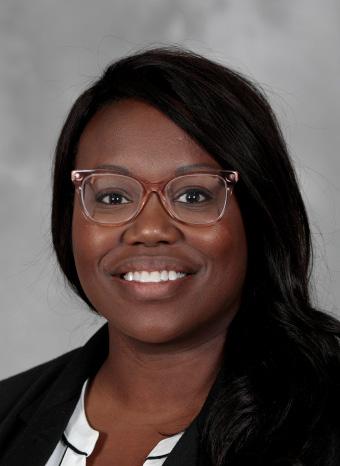
Abreast cancer diagnosis can feel overwhelming at any age, but many women over 55 find comfort in knowing that treatment options today are highly personalized and more advanced than ever. Surgery is often the first step in breast cancer treatment. At IU Health, breast cancer surgery is designed around the individual, considering not only the type of cancer, but also a woman’s overall health, lifestyle and personal preferences.
A PERSONALIZED APPROACH TO BREAST CANCER SURGERY
No two breast cancer diagnoses are exactly alike. Breast surgeons work to understand each patient as a whole person, not just a diagnosis. Highly specialized cancer teams develop a treatment plan tailored to the individual. This personalized approach is especially important for women 55 and older, who may be managing other health conditions or weighing qualityoflife considerations alongside treatment decisions.
COMMON TYPES OF BREAST CANCER SURGERY
The surgical approach to treat each breast cancer depends on factors such as tumor size and biology, location and individual health needs.
A lumpectomy, also known as breastconserving surgery or partial mastectomy, is often an ideal option for women with smaller tumors. This procedure removes the cancer with a normal rim, or margin, of healthy breast tissue. A lumpectomy works to preserve as much of the breast as possible. Lumpectomies are typically performed through a small incision to maintain the natural shape of the breast. Radiation therapy is usually recommended as part of the treatment plan for someone after lumpectomy.
For some women, a mastectomy may be recommended. This approach involves most of the breast tissue and may be necessary depending on the extent or location of the cancer. A mastectomy may focus on a flat closure, or maintenance of skin through skin-sparing or nipple sparing approaches with planned reconstruction.

For women who undergo a mastectomy, breast reconstruction may be an important part of the recovery journey. IU Health offers advanced reconstruction techniques and consultation with our skilled plastic and reconstructive surgeons. Many women choose reconstruction to help regain a sense of wholeness and confidence after surgery, though it is a personal choice. Breast reconstruction can be discussed as part of the surgical planning process, allowing women to explore their options and decide what feels right for them among the recommendations given.
Understanding lymph node status is an important part of breast cancer management. However, following lymph node surgery, lymphedema may develop. Lymphedema is chronic limb swelling caused by lymphatic dysfunction. It is often irreversible and can impact quality of life and add costs to treatment. With better understanding of the biology of breast cancers and advances in medical treatments, lymph node surgery is not a necessity in all cases. When it does develop, lymphedema management is a priority at IU Health. Our occupation and physical therapy teams offer expertise and compassion in interventions to manage the
condition. Our plastics and reconstructive surgeons may be able to offer immediate lymphatic reconstruction as a strategy to prevent lymphedema in some patients.
Choosing the right surgical option is a deeply personal decision. Women are encouraged to ask questions and take an active role in understanding their choices. Breast surgeons work closely with patients to explain recommended procedures and typical recovery. This collaborative process can help women feel more confident and supported as they move forward with treatment.
Breast cancer surgery is typically the beginning of a larger healing journey, and IU Health’s breast cancer team supports women from diagnosis through treatment and into survivorship. With focused expertise, personalized care and access to advanced treatment options, women can feel reassured that they are not navigating this journey alone. Understanding your surgical options is an important step toward making informed decisions and moving forward with confidence. To learn more about breast cancer care at IU Health, visit iuhealth.org/breast.



Indiana University Health is the state’s most preferred cancer program by physicians and patients. Our breast cancer team offers the most advanced treatment options, access to clinical trials and Indiana’s most highly-skilled physicians.




Learn more at iuhealth.org/breastcancer Breast cancer is no match for our skill.
By Mark Ambrogi mark@youarecurrent.com
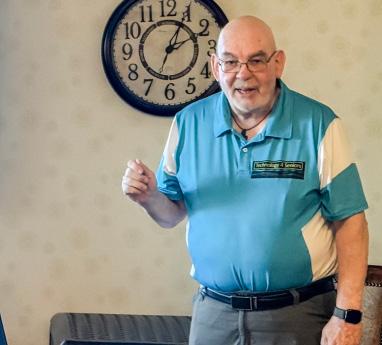
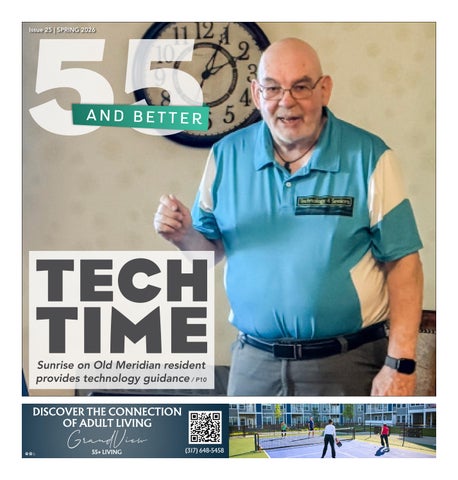
Dan Peters makes it his duty to share his knowledge of technology with other seniors.
The 79-year-old Sunrise on Old Meridian resident teaches Technology 4 Seniors classes for residents of the Carmel senior community.
“I gear most of my stuff for people probably 65 and over, because people under that age are pretty savvy with all things going on,” he said. “I find that a lot of individuals when they’re in their 70s, 80s or 90s, some of them were very tech savvy in their younger days, but now all they are using are their smartphones. So, I try to teach them the different parts of it with different technologies.”
Peters has taught technology to seniors since 2009. He has worked with computer technology since 1986.
“I was a physician assistant, and then I was in medical informatics in 1983,” he said. “I started creating medical databases. I worked with Duke University and Glaxo, a pharmaceutical company, putting (databases) together.”
Peters lived in Columbus, Ind., for 25 years, working at Cummins Engine Co. and Indiana University Health.
Peters started teaching technology in Sun City, S.C. He and his wife, Patricia, moved to Sunrise on Old Meridian five years ago.
Peters has developed a PowerPoint program to help his instruction and gives a free session, called Dan’s Tech Corner, once a month to Sunrise residents. Besides volunteering, he offers a paid service.
“People here in the community, I give them 30 minutes free, and if goes beyond that, I charge,” he said. “For
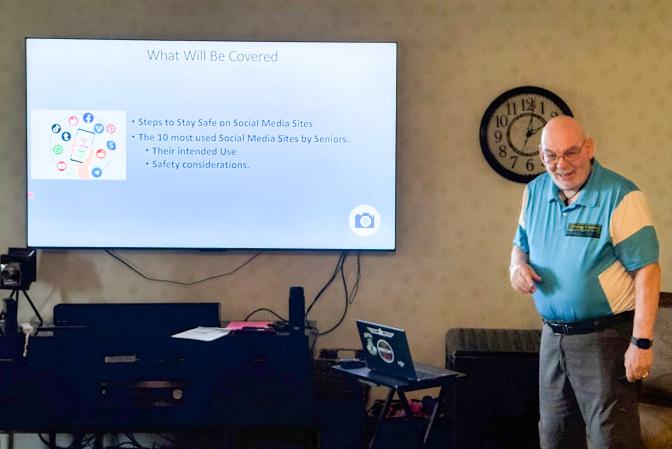
outside communities, I charge for those sessions I give. I do a lot of mentoring and I teach groups. My latest interest is health and the different apps that we can use.”
Another point of emphasis is security.
“The biggest thing with seniors is teaching them how to use AI, artificial intelligence, and where it’s safe for them to use and the big advantages it has,” Peters said. “For instance, they may get a medical report they don’t understand. I have them put it on an AI query and ask it to interpret it.”
Peters said vision and hearing loss and balance are three common issues for older adults.
“There are a lot of apps that can help them with that,” he said.
Peters said he spends 20 hours a
week keeping up on the medical and technology issues.
Sunrise resident Jan Huston, 88, said she learns better when she can see an example.
“Dan is very helpful and kind,” she said. “I mainly use my iPhone. I’ve learned so many things because of Dan. He tells you in a way that is easy to remember.”
Sunrise resident Liz Pertile, 82, still uses computers for work, such as creating flyers for the community.
“I worked with computers way back in my job, but they aren’t quite like they are now,” she said. “This keeps me up to date using things. You pull an Excel spreadsheet and it’s not the same, so I’ve had to learn. You can teach an old dogs new tricks.”
There are eight members of a Sunrise on Old Meridian trivia group called the Sunrisers, which formerly met at Nippers Grill & Tap in Carmel before it closed Feb. 28.
“We were undefeated,” Dan Peters said. “We go to a bar and they look at us when we get out of the car and they ask, ‘Where are you going?’ We say, ‘We’re going in the bar.’ Here are eight old people going in a bar.”
The Sunrisers are seeking a new home by experimenting with trivia nights at different spots around the area.
For information on his technology support, Peters can be contacted at Tech4snrs@gmail.com



Jeffery P. Schoonover, MD RPVI, DABVLM Chief Medical Officer, Fellow, American Vein & Lymphatic Society
Schedule a consult today!

• Varicose Veins/Chronic Venous Insufficiency
• Spider Veins


• Lymphatic Physical Therapy www.indyveins.com indyveins



KAREN SIGMAN AGENCY LLC YOUR OWN MEDICARE CONCIERGE NEED TO ASK QUESTIONS: UNDERSTANDING THE DIFFERENCE IN MEDICARE SUPPLEMENTS OR ADVANTAGE PLANS/HMO/PPO, WHAT IS THE NEW BIRTHDAY RULE FOR SUPPLEMENT PLANS? CAN I SIGN UP FOR MEDICARE OR MEDICAID PLANS NOW OR DO I HAVE TO WAIT? WHAT DO I DO TO SIGN UP FOR MEDICARE WHEN LEAVING AN EMPLOYER PLAN BEFORE 65 AND AFTER? SHOULD I STAY ON THE EMPLOYER PLAN UNTIL LATER IN LIFE?
I AM A VETERAN AND I WANT MORE MEDICARE BENEFITS WITH AN ADVANTAGE PLAN? DOES IT GIVE MONEY BACK FOR MEDICARE PART B PREMIUM? CAN I GET DENTAL, VISION, SILVER SNEAKERS, OVER THE COUNTER, OR GROCERY BENEFITS TOO?
SCHEDULE A GROUP OR INDIVIDUAL APPOINTMENT AT HOME OR OFFICE WITH A LICENSED AGENT NO OBLIGATION TO ENROLL 317-409-5543






By Ken Severson editorial@youarecurrent.com
For Indianapolis native Mike Coffman, living at the Sycamore Reserve Senior Living is like being at home, but with extra rooms and more things to do.
Coffman, 85, has lived at the Sycamore for nearly three years. A former basketball player and track and field athlete at Warren Central High School, he stays busy by partaking in several activities.

“What I like is there is always something to do,” Coffman said. “The way Sycamore is operated makes it a very enjoyable place to live. There’s live music, roundtable discussions, playing cards. If you don’t get involved, it’s your own fault.
There’s plenty to do.”
Coffman spent 36 years as a retail store manager, working for J.C. Penney, Venture Stores and Big Lots.
Coffman, who was married for 54 years before his died, has three daughters -- two in the Indianapolis area and one in Plymouth, Minn.
When Coffman isn’t visiting with family, he’s usually busy somewhere at Sycamore.
“I work out at the gym and also communicate with a lot of people there,” Coffman said. “I’m part of a lunch group on Thursdays. We like to talk a lot about stuff.”
Coffman is a Chicago Cubs fan, and college basketball is his favorite spectator sport.
“College basketball is what I like to watch,” Coffman said. “I’m a huge fan, but now that were in the offseason, there’s not much to discuss. But when the season is in progress, there’ a lot to talk about.”
Coffman also is an avid Butler University fan, but he does like Purdue University and Indiana University. Despite his passion for college basketball, he no longer fills out NCAA Tournament brackets.
“I haven’t done that in years,” Coffman said. “I just sit back and watch the games from noon until midnight. It’s something I love to do.”
By Mark Ambrogi mark@youarecurrent.com
Heather Mairn wanted a way to boost male participation in exercise classes.
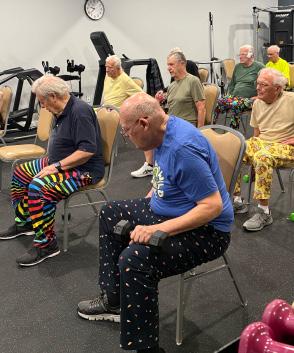
“I was having a difficult time getting men into exercise classes,” said Mairn, director of wellness at The Stratford in Carmel. “When men move into a community like this, they are coming from careers, leading businesses, supporting families. There is an identification that changes as they retire and move in here. They were walking or doing their own thing, but I decided to give them their own space and time on the calendar. It grew quickly.”
About three years ago, Mairn created a men’s exercise class that meets twice a week. She said the men support each other in and outside of class.
“It’s grown into something way bigger than just strength, but purpose,” she said.
Mairn said one person began wearing crazy color workout pants.
“It became a running joke,” she said. “Another gentleman said I bet you won’t wear those pants. Within four weeks or so, the entire class had those
Continued on Page 15







Navigating the complexities of aging can feel overwhelming, but you don’t have to do it alone.
CICOA provides the expert guidance and local connections you need to ensure life at home remains safe, comfortable, and fulfilling, including:
• Expert Navigation
• Personalized Guidance
• A Clear Roadmap
• Reliable Support
Commentary by Autumn Kolpin

Sleep — we all need it to function and feel our best throughout the day. Both your brain and body rely on sleep to recover, recharge and work properly. Without enough quality sleep, it can affect how we feel, move, think and function during the day.
How aging affects sleep
Older adults need about seven to nine hours of sleep each night. Our bodies rely on a circadian rhythm, or internal clock, to regulate sleep and wake cycles. As we age, this rhythm can shift. Many older adults feel tired earlier in the evening and wake earlier in the morning. Sleep may also become lighter and more interrupted, making it feel less restful. There can be many reasons why older adults have poor quality of sleep, including pain, illness, medications, mental health, sleep disorders and nighttime trips to the bathroom.
Risks of poor sleep
Think about how you feel after a good night’s sleep. You wake up refreshed, in a better mood and ready to take on the day. Your body feels a little lighter, your mind feels clearer, and even everyday tasks don’t feel overwhelming. Now, think about how you feel after a poor night’s sleep. You may feel groggy, irritable or just “off.” Your energy is lower, focus is harder and everything seems to take more effort. This contrast is your body giving you feedback on just how important sleep really is.
The quality of sleep becomes even more critical as we age. Chronic fatigue and poor sleep take a toll on the body and the mind. Lack of sleep has been linked to increased blood pressure, heart disease and diabetes. It also affects memory, concentration and reaction time, making everyday tasks even more difficult. Poor sleep increases stress, irritability, negative feelings and, more important, the risk of falls and accidents. When we’re tired, balance, coordination and judgement can all be affected. We often don’t realize sleep also plays an important role with muscle recovery and immune function, meaning that poor sleep can slow healing and make it harder for the body to stay resilient.
Importance of exercise Sleep, daily movement and exercise all work together to support overall

health. Regular physical activity can help you fall asleep faster and improve sleep quality by reducing stress and supporting your body’s natural sleepwake cycle. Even light to moderate movement, such as walking, strength training, stretching or balance exercises, can make a difference.
Exercise helps the body reach deeper, more restorative sleep and supports a more consistent sleep routine over time. It also can help regulate your internal clock, making it easier to feel alert during the day and ready for sleep at night.
The timing and type of movement can also play a role. Moderate activity earlier in the day often supports better sleep, while lighter movement like stretching or mobility work in the evening can help the body wind down. Intense exercise right before bed may feel too stimulating for some people.
Conclusion
When sleep and exercise are both prioritized, they work together to improve energy, recovery and overall well-being. Even small amounts of movement, around 20 to 30 minutes most days, or shorter bouts throughout the day, can have a positive impact. Consistency matters more than intensity when it comes to improving sleep.
If sleep problems are ongoing or significantly affecting daily life, it is important to take up with your health care provider.
Continued from Page 13
pants. They found their really fun identity. I joke with them that, ‘Forty or 50 years ago when you were in corporate America, did you think you’d be wearing pants with beer mugs, cats or pizza?’ They’re having a great time.”
The group includes 12 to 14 men. The oldest member is Webber LaGrange, who turns 99 May 2. He is still an avid golfer.
Steve Shank, 81, moved to The Stratford in June 2025.
“I’ve been coming here since then,” he said. “It gets me out of bed in the morning. I got to keep moving and stay flexible. There’s a lot of camaraderie. It’s fun.”
Shank still plays golf, but the exercise class is his main activity.
Doug Bosworth, 86, moved to The Stratford eight years ago from Champaign, Ill., because his daughter lives in Zionsville.
“I’ve been in this class since the beginning,” he said. “It’s a great class because there is a lot of fellowship.”
Each half-hour session begins with Johnny Cash’s “Ring of Fire” playing in the background.
Bosworth said he always tries to exercise and walks 3 miles a day.
“I’ve got bad shoulders, bad knees, bad hips, but I’ve got to keep moving,” he said.
John Amer, 80, has been part of the class since moving to The Stratford in July 2025.
“It’s keeping me active,” he said.
Gabe Vessel, an instructor who assists Mairn, has helped lead the program for the past year.
“I connected with the group pretty quickly,” he said. “It’s funny how we connected – (it) was them just making fun of me, which I can take it. We’ve grown over the last few months. We do all kinds of exercises. It’s very much based on skill set. It can be seated. We can modify exercises on how we want them to do it. It’s really about building a community with exercise.”
Vessel said the focus is to get the men out of their comfort zone.
“A lot of times you see older adult males kind of shut down and shut off the world rather than be a part of a community,” he said. “This is a great way to get them moving and getting them to have that community to continue living our motto, which is the ‘weller life.’”


WEDNESDAY, MAY 20 6:30 P.M.
Fallen Hoosier Heroes Memorial 401 N. Union Street
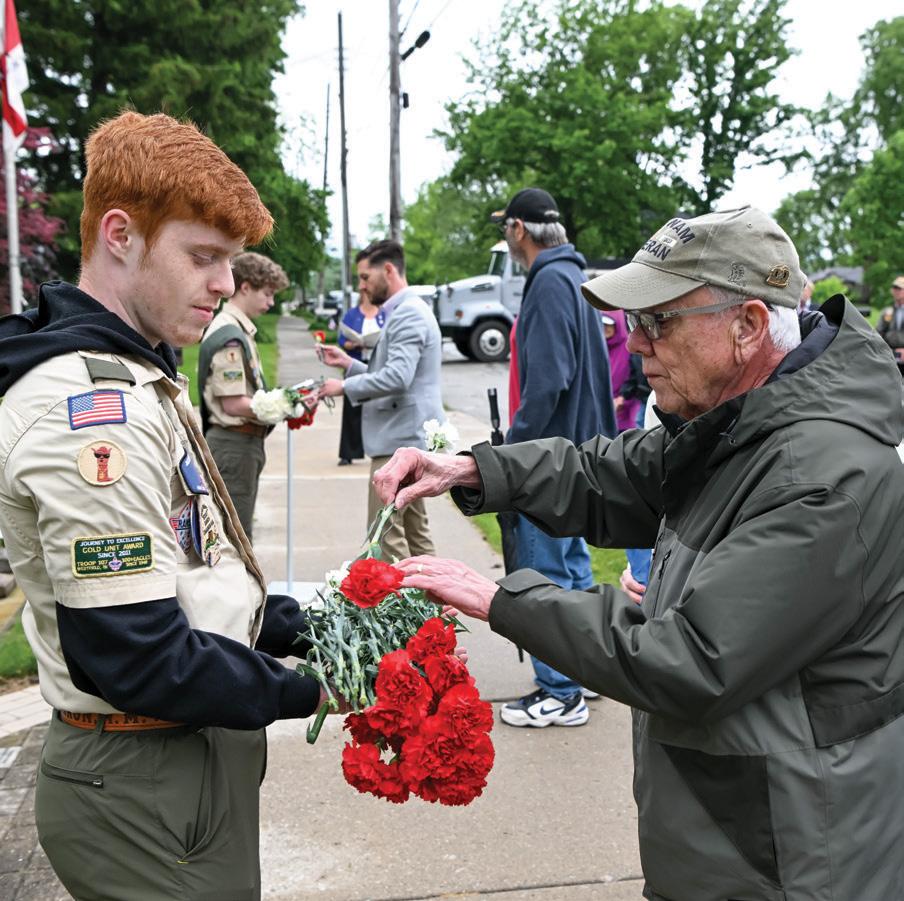
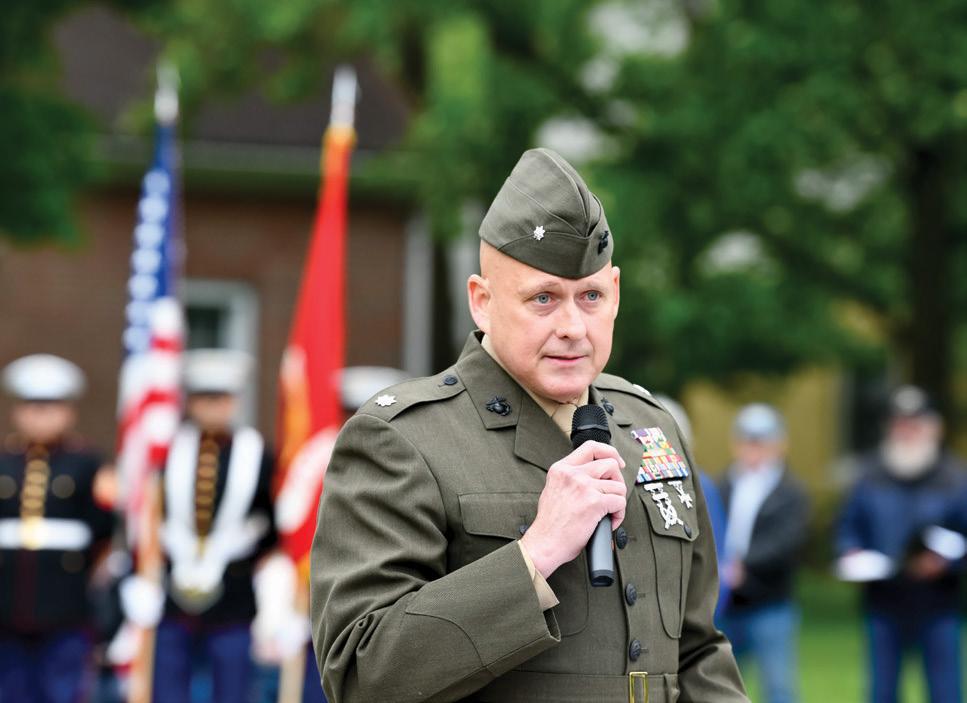
The City of Westfield invites you to join us for our annual Memorial Day Ceremony as we gather to honor the brave men and women who made the ultimate sacrifice for our nation.
This event is free and open to the public.
To RSVP, scan the QR code or visit westfieldin.gov/memorialceremony.