IB NEWS
Issue: 4 May 2026
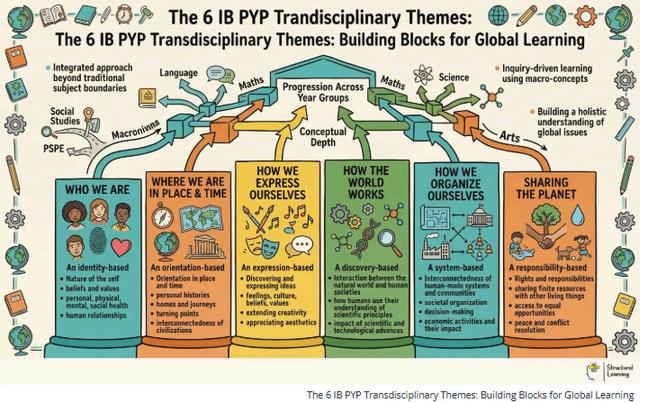
WHAT ARE TRANSDISCIPLINARY THEMES?
The transdisciplinary themes mark the starting point of our learner inquiries in each unit
Think of the transdisciplinary themes as the “big ideas” that guide learning, helping students see the world as connected rather than divided into separate subjects
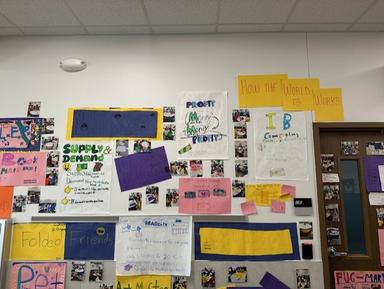
Learners use math, science, and social studies skills to investigate global issues instead of separate lessons This approach, designed by the International Baccalaureate, makes learning relevant It helps learners see connections between knowledge areas
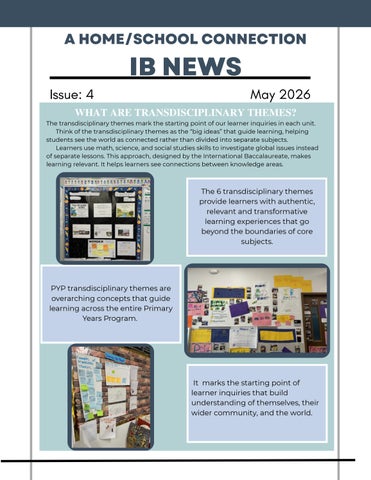
PYP transdisciplinary themes are overarching concepts that guide learning across the entire Primary Years Program.

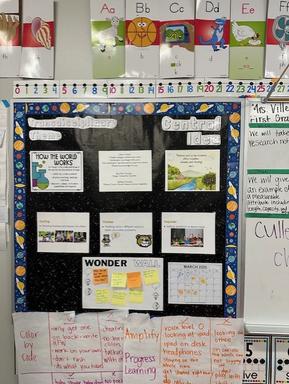
The 6 transdisciplinary themes provide learners with authentic, relevant and transformative learning experiences that go beyond the boundaries of core subjects.
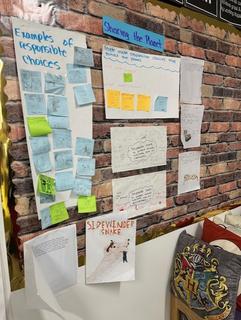
It marks the starting point of learner inquiries that build understanding of themselves, their wider community, and the world.
DEEP DIVE INTO THE 6 TRANSDISCIPLINARY THEMES
Who We Are
Focuses on identity, relationships, and well-being

Students explore what makes them unique and how they connect with others
Encourages self-awareness, empathy, and health choices
You might hear your child talking about feelings, friendships, or personal strengths
At home: Ask, “What makes you you?” or “How did you show kindness today?”
How the World Works
Investigates scientific concepts and the natural world
Students explore forces, energy, matter, and how things function
Encourages curiosity, experimentation, and problem-solving
Builds understanding of cause and effect
At home: Ask, “Why do you think that happens? or try simple experiments together
Where We Are in Place and Time
Explores history, geography, and personal journeys
Students learn about past events, cultures, and how the world has changed
Builds understanding of timelines, migration, and global connections
Helps students see how their lives fit into a bigger story
At home: Share family history or look at maps and talk about places you’ve been
Sharing the Planet
Focuses on sustainability, resources, and living things
Students learn about ecosystems, conservation, and environmental responsibility
Encourages respect for all living things
Inspires action to protect our planet
At home: Discuss ways to reduce waste or care for plants and animals
How We Organize Ourselves
Focuses on systems, communities, and how society works
Students explore roles, responsibilities, and decisionmaking
Includes topics like government, economics, and teamwork
Encourages students to think about fairness and organization
At home: Talk about jobs in your community or how your family organizes daily life
w We Express Ourselves
xplores creativity, communication, and persona xpression

tudents use art, music, writing, and movement to hare ideas
uilds confidence in sharing thoughts and feelings ncourages appreciation of different perspectives
At home: Encourage drawing, storytelling, or talking about emotions and ideas
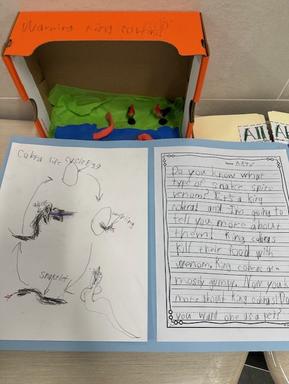
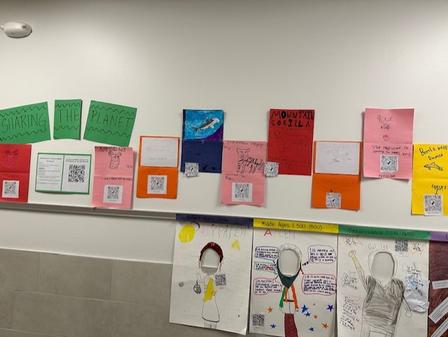
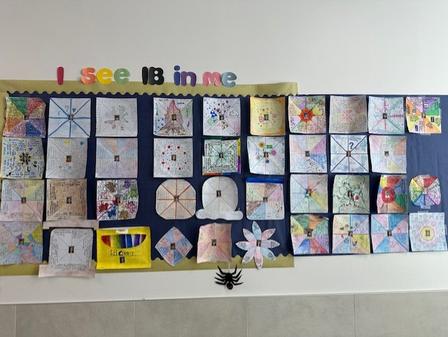
IB AROUND THE SCHOOL
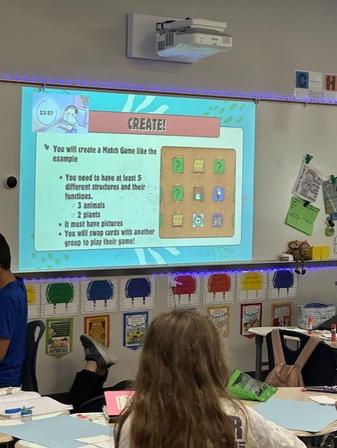
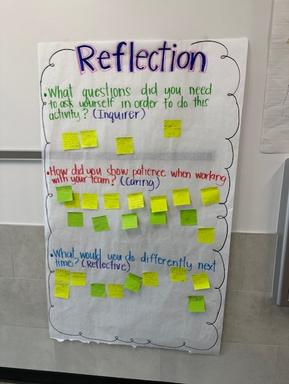
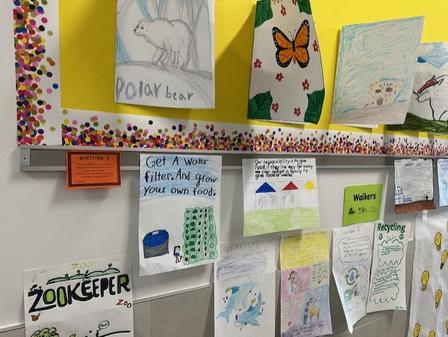
TRANSDISCIPLINARY THEMES AT HOME
Here are some ways to support our students with the themes at home.
Who We Are
Talk about family values and traditions
Encourage children to name their strengths and challenges
Model empathy by discussing real-life situations with kindness and fairness
How We Express Ourselves
Encourage kids to write, draw, or tell stories daily
Explore different art forms together (music, drawing, acting, journaling)
Ask: “What’s another way you could show that idea?”
How We Organize Ourselves
Let kids participate in budgeting small purchases or planning
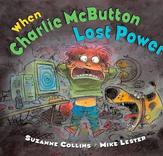
Encourage responsibility through chores or routines
Play games that involve strategy, planning, or trading
Where We Are in Place and Time
Compare “then and now” (technology, school, home life)
Visit local museums or historical sites together
Talk about family or community journeys and changes over time
How the World Works
Do simple at-home experiments (water, plants, magnets, etc )
Explore nature together (backyard, parks, weather changes)
Encourage curiosity with “I wonder…” questions
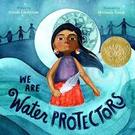
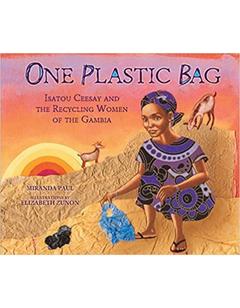
Sharing the Planet
Practice recycling, reducing waste, and conserving water/energy together
Take nature walks and talk about ecosystems nearby
Encourage caring actions like cleaning up parks or helping animals
WHAT’S THE DIFFERENCE?
Multidisciplinarity is concerned with studying a topic “in not just one discipline only, but several at the same time” (Nicolescu 2014: 187). Multidisciplinary learning begins and ends with the subject-based content and skills (Beane 1997). The boundaries among the subjects remain. Using an everyday analogy, multidisciplinarity is represented as a mixed salad where the ingredients remain separate and distinguishable (Choi and Pak 2006).

Interdisciplinarity is concerned “with the links and the transfer of knowledge, methods, concepts and models from one discipline to another” (Padurean and Cheveresan 2010: 128). Disciplinary boundaries may blur. The transfer of knowledge can sometimes yield a new discipline... Again, in everyday analogy, interdisciplinarity is represented as stew, where ingredients are partially distinguishable (Choi and Pak 2006).
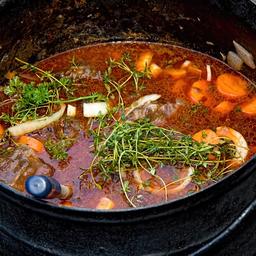
Transdisciplinarity “concerns that which is at once between the disciplines, across the different disciplines, and beyond all disciplines” (Nicolescu 2014: 187). Nicolescu notes that a key imperative of transdisciplinary learning is to unite knowledge for the understanding of the present world. In transdisciplinarity, the disciplines are no longer distinguishable, like the ingredients in a cake, and the result is something completely different (Choi and Pak 2006).

CES TEACHERS ARE LIFE LONG LEARNERS
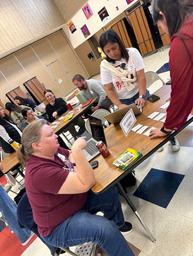
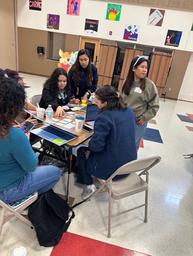
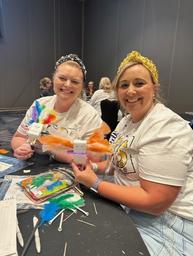
Our teachers recently had the privilege of attending an IB Round Table at Chandler Oaks Elementar y School. During this professional learning experience, teachers explored how to harness the power of each subject area within a transdisciplinar y curriculum. They engaged in learning experiences connected to the different IB themes and collaborated with fellow IB educators to share ideas and best practices. The visit also included a tour of the campus, giving our team valuable insight into IB learning in action.
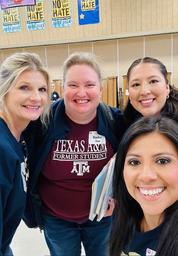
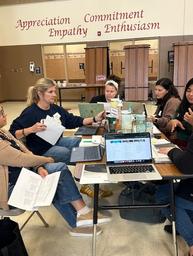
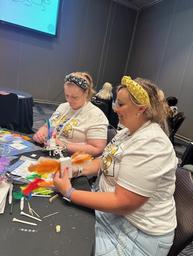
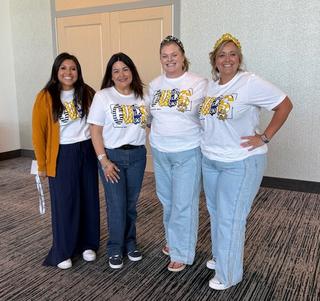
We also had the oppor tunity to attend a GT conference, where we discovered that many of the sessions closely aligned with IB practices and philosophy. It was exciting to see these strong connections, and we returned with many inspiring ideas and strategies to bring back to our campus.

NEXT STEPS IN OUR IB JOURNEY
We have submitted our application for auth orization an d have gotten approved to sch edule our auth orization visit! This will in clude th e followin g:
1. Our auth orization visit will be September 24 an d 25 t h t h
2. Th e IB auth orization team will do a rem ote visit . This will look ver y similar to wh en our consul tant cam e to visit . This in cludes:
classroom visits
tea ch er visits
parent visits
distric t a dministration visits
sch ool a dministration visits
3. Th e auth orization team will write th eir repor t an d submit it if th eir is n o fur th er information n eeded.
4. Th e auth orization letter is sent . This can take anywh ere f rom a few weeks to a few m onths.
Th ese f inal steps in th e auth orization process have en coura ged us to re patient an d reflec tive. I will conti keep you updated

ADDITIONAL INFORMATION

VICTORIA ZIMMERMAN
Hello! I am your IB coordinator and I am so excited to be on this journey here at Cullen ES. This will be my 20th year in education. I have taught Pre-K, 1st grade, 4th grade ELAR, and 5th grade ELAR. I was also an instructional coach for 3 years. I just completed my 11th year here in Hays CISD.
I received both my undergrade and masters at Texas State University. Eat ‘Em Up Cats!
ADDITIONAL INFORMATION
You can find additional information on our school website in the IB section.
https://www.hayscisd.net/o/ces
STILL CURIOUS ABOUT IB?
Please feel free to contact me victoria.zimmerman@hayscisd.net (512)268-8449 (43204)