Understanding Osteoarthritis
Symptoms, Progression & Treatments
Department of Orthopedics

Osteoarthritis (OA) is the most common form of arthritis, affecting millions of people worldwide. It begins subtly—perhaps as stiffness in the morning or a dull ache after activity but over time, it can progress into a chronic, disabling condition.
While osteoarthritis is the most common form, there are many other types of arthritis that affect people in different ways:
Autoimmune/Inflammatory arthritis – includes conditions like rheumatoid arthritis, lupus, ankylosing spondylitis, and gout, where the immune system or inflammatory processes cause joint pain and swelling
Post-traumatic arthritis – develops after an injury or repeated overuse of a joint. Infectious arthritis – caused by infections like Lyme disease that affect the joints.
There are also other, less common types. If you are experiencing joint pain, stiffness, or swelling, talk to your healthcare provider to learn more about what type of arthritis you may have and how it can be managed.
This booklet describes how osteoarthritis starts and progresses over time. It explains the early changes in your joints often felt as pain or stiffness and how these changes may eventually lead to more serious joint damage and impaired mobility

By understanding how osteoarthritis progresses, you can take steps to manage your symptoms, slow down the disease process, and improve your quality of life.
Osteoarthritis (OA) occurs when the cartilage that protects the ends of your bones gradually wears away
It is the most common type of arthritis affecting approximately 33 million people around the world.
In the early stages of osteoarthritis, the cartilage in your joints starts to lose flexibility and may develop small cracks
The joint lining can become irritated, causing mild swelling and stiffness
The bone beneath the cartilage may also begin to change, which can lead to occasional pain especially during or after activity.
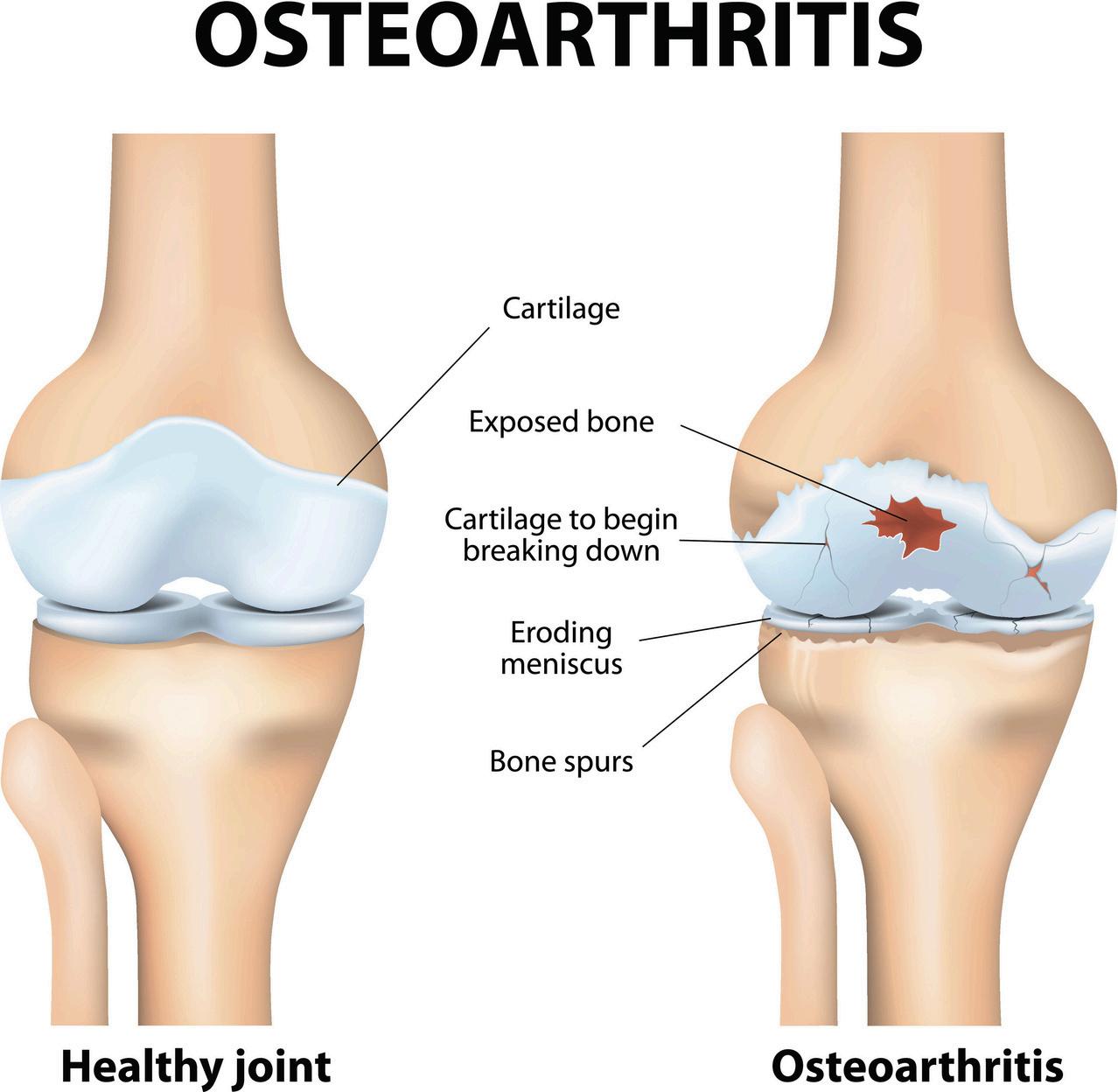
cartilage exposed bone cartilage breaking down
eroding meniscus
bone spurs
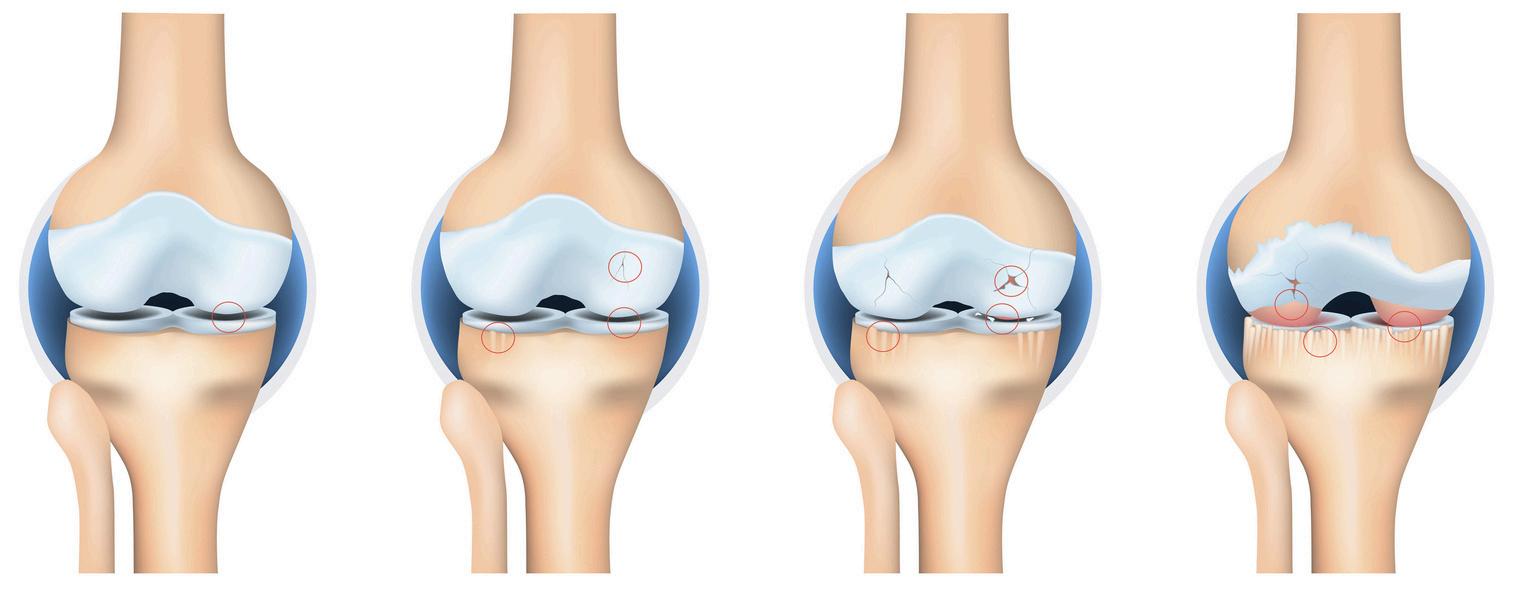
What you might feel What’s happening in the joint
Occasional pain or stiffness, especially after physical activity or long periods of rest.
In the early stages of osteoarthritis, the smooth cartilage that cushions your joints starts to dry out and lose flexibility.
Tiny cracks can start to form in the joint, or the surface may begin to wear down. The lining inside the joint, called the synovial membrane, can become slightly irritated, leading to swelling and stiffness.
The bone underneath the cartilage also begins to change as it tries to adapt to the extra stress. This can cause small areas of damage inside the bone. As the nerves in the joint become more sensitive, you may feel pain that comes and goes, especially during or after physical activity.

To help reduce pain, protect your joints, and slow the progression of arthritis, your care plan may include:
Learning how to manage your weight can make a big difference in how you feel day to day.
Gentle movement helps keep joints lubricated and flexible Activities like walking, swimming, or working with a physical therapist to strengthen muscles can ease stiffness and improve function.
Creams or gels like diclofenac can be applied directly to sore joints for targeted relief.
Over-the-counter options such as acetaminophen or lowdose NSAIDs (like ibuprofen) can help manage pain
Some people try supplements like glucosamine or chondroitin. While research results are mixed, they may offer relief for some individuals.

Increased weight adds stress to weightbearing joints. Obesity increases the risk of symptomatic OA by 2-3 times, especially in the knee.
More persistent joint pain, swelling, reduced range of motion, and sometimes a cracking or popping sound.
As osteoarthritis progresses, the cartilage continues to wear down, and damage inside the joint becomes more visible. The body may respond by forming small bony growths called osteophytes.
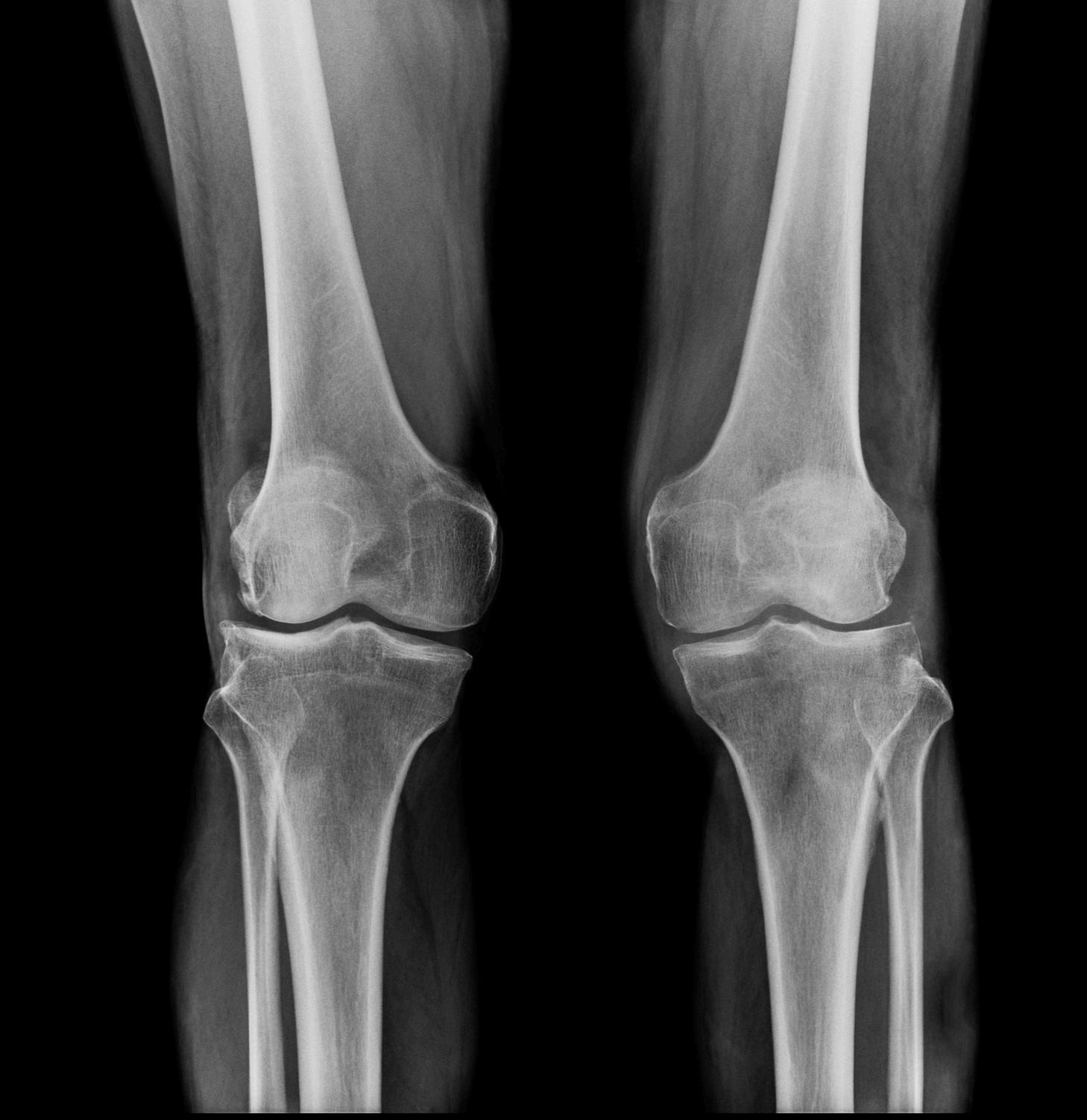
On X-rays, the space between bones appears smaller due to thinning cartilage, and the bone underneath becomes thicker and harder.
The joint lining may produce extra fluid and chemicals that increase inflammation, leading to more noticeable pain and stiffness especially after periods of rest.
As osteoarthritis progresses in order to control pain, maintain activity, and reduce inflammation, treatment may include:
May be used at stronger doses or more frequently to manage pain and inflammation

Supervised programs that improve strength, balance, and flexibility, often using specialized techniques beyond basic exercise.
These treatments are injected directly into the joint to reduce pain and inflammation. Corticosteroids may offer short-term relief; hyaluronic acid helps some, though results vary. Orthobiologics like Platelet-Rich Plasma (PRP) and stem cells are under study, but evidence of benefit is limited.
Tools like canes, braces, and ergonomic aids to reduce joint strain and improve mobility
Avoid prolonged standing and high-impact sports. These can exacerbate joint stress and worsen osteoarthritis symptoms. Instead, opt for low-impact exercises like swimming or cycling to maintain mobility and strength
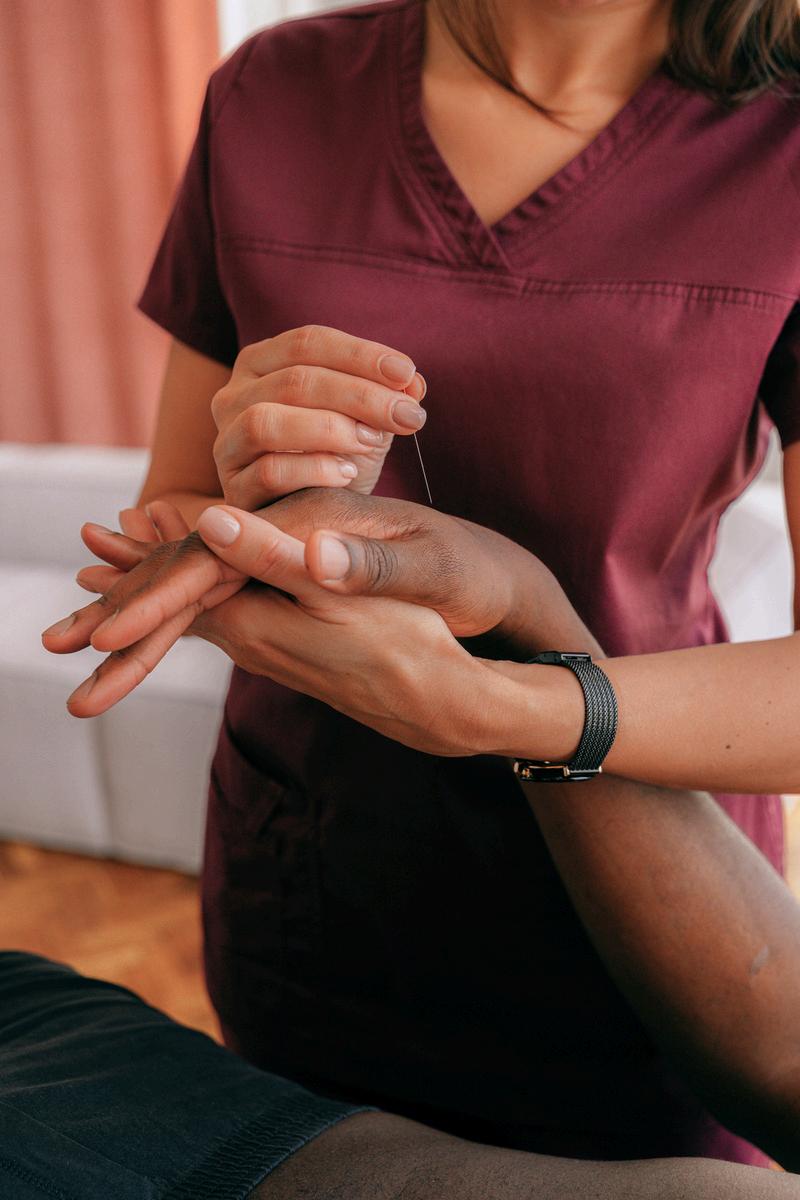
Techniques such as acupuncture and Tai Chi may help reduce pain and improve joint function. Acupuncture can stimulate nerves and muscles to relieve discomfort, while Tai Chi promotes gentle movement, balance, and flexibility, which are beneficial for joint health
These are typically reserved for isolated cartilage defects rather than widespread osteoarthritis. Options may include procedures like autologous chondrocyte implantation or osteochondral grafting, which aim to restore damaged cartilage in specific areas of the joint.
and nearly half are age 65 or older. of people with OA are age 45 or older
Chronic pain (even at rest), pronounced stiffness (especially in the morning), joint instability, or deformity.
In the advanced stage of osteoarthritis, the joint is badly damaged. The cartilage that cushions the bones is mostly gone in some areas, so the bones may rub directly against each other.
This can cause a grinding feeling, more swelling, and make it hard to move the joint. Bone spurs (osteophytes) grow larger and may press on nearby soft tissues or nerves, adding to the discomfort.
Swelling can even happen inside the bone, and small bone cysts may form. The joint lining stays inflamed, and the outer layer of the joint may thicken and stiffen.
The tissues that hold the joint together, like ligaments and tendons, may weaken, causing the joint to feel unstable. Pain often becomes constant and may bother you even when resting or trying to sleep.
Treatments

In the advanced stage, the goal is to manage chronic symptoms, maintain mobility, and delay surgery.
Tramadol or short-term opioids (carefully monitored)
With limited use due to possible side effects
This may include aquatic therapy.
Osteotomy (realigning bones to shift weight off damaged cartilage)
Cartilage repair or grafting techniques (in younger patients) Arthroscopy (rarely used in OA but may help in specific cases)
Constant pain, significant loss of mobility, and difficulty performing daily activities.
Little to no cartilage remains. Bone damage and joint misalignment may be evident on imaging. Muscles around the joint may weaken from disuse. The joint architecture is grossly altered. Joint space is almost completely gone, and bone deformities may occur.
Large bone spurs and changes in joint alignment (such as the knees turning inward or outward) can become noticeable. The muscles around the joint may weaken because of pain or not being used as much.
Swelling and inflammation can still happen, especially if other joint problems like calcium buildup develop.
Women are more likely than men to develop OA, with 1 in 5 women affected by the condition compared to 1 in 6 men.
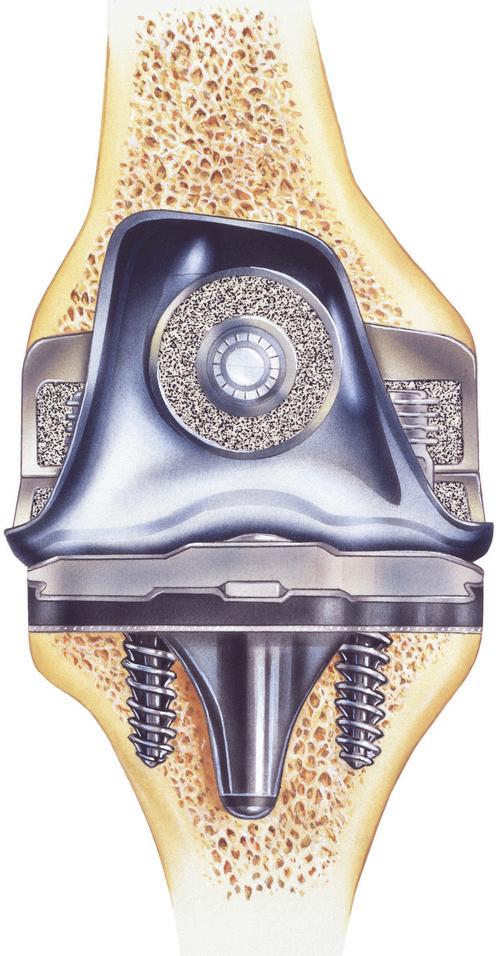
Total Knee Replacement
Illustration – cutaway view of implant showing internal components and placement
With severe disability the goal is to eliminate pain, restore joint function, and improve quality of life.
A surgical procedure where a damaged or diseased joint is replaced with an artificial implant.
Total Knee Replacement (TKR)
Total Hip Replacement (THR)
Other joint arthroplasty (shoulder, elbow, ankle)
Post-operative physical therapy for strength and mobility focuses on regaining strength, flexibility, and range of motion Therapists guide patients through exercises tailored to their surgery and physical condition
Long term strategies that may include physical therapy, lifestyle modifications, cognitive behavioral therapy, and non-opioid medications
Over-the-counter options such as acetaminophen or lowdose NSAIDs (like ibuprofen) can help manage postoperative pain.
Counseling, support groups, and integrated care approaches can help with coping with the psychological impact of joint conditions and recovery. Addressing these aspects is vital for holistic healing and quality of life.
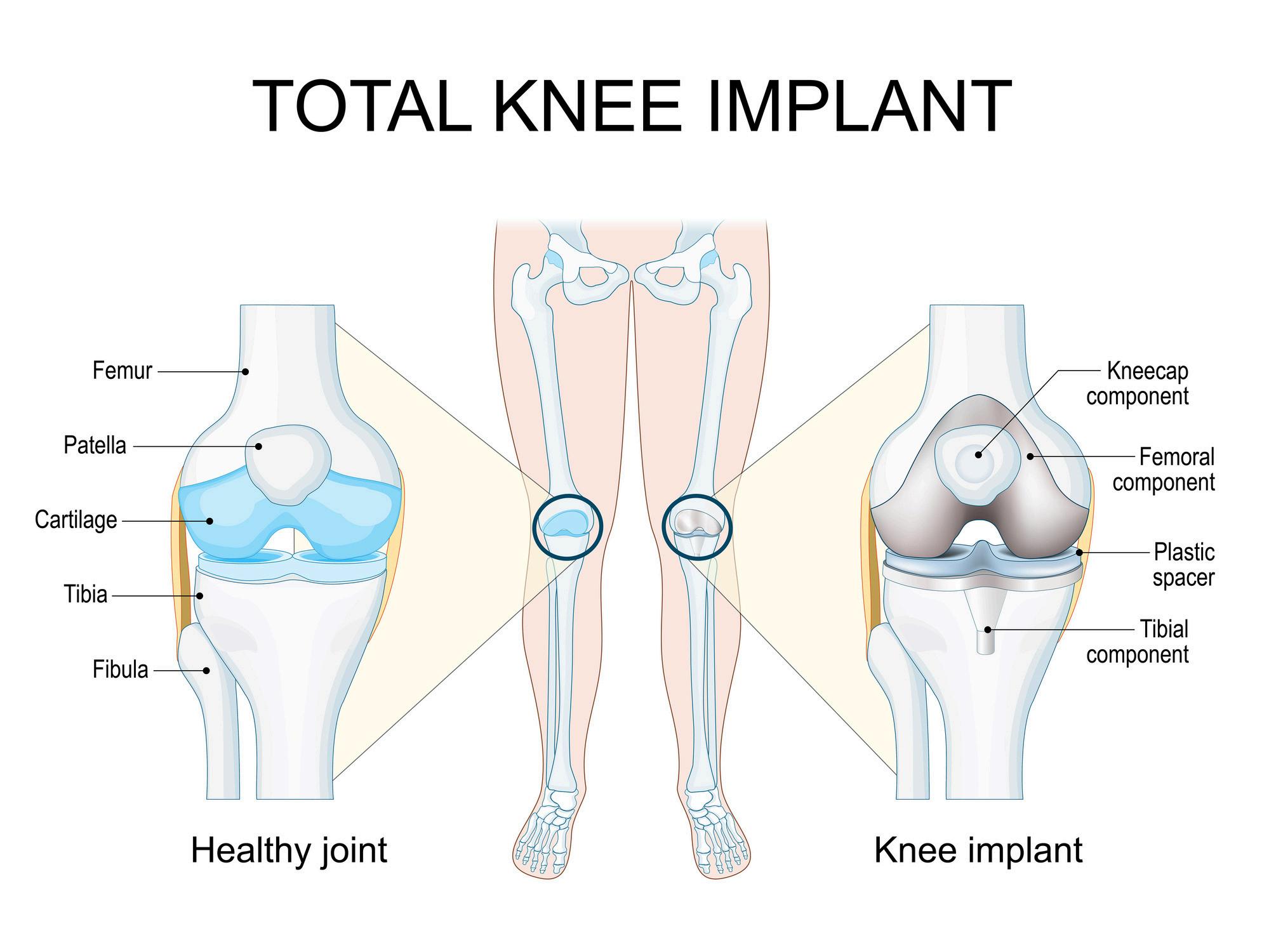
Joint replacement surgery is a transformative option for individuals experiencing end stage OA with severe joint damage and chronic pain. Among the most common procedures is total knee replacement.
This illustration highlights one example of joint replacement showing the contrast between a healthy knee joint and one that has undergone surgical reconstruction with an implant.
kneecap component
femoral component
plastic spacer
tibial component
Diagnosing osteoarthritis involves a combination of clinical evaluation, medical history, and imaging or lab tests to rule out other causes of joint pain. There is no single test that confirms OA, so doctors rely on a combination of findings.
Gradual onset of joint pain, stiffness, and loss of function that gets worse with activity and improves with rest
Morning stiffness lasting less than 30 minutes
Crepitus (grating or crackling sensation) with joint movement
History of prior joint injury or family history of OA
Physical Examination
Tenderness over the affected joints
Bony enlargement or hard swelling (osteophytes)
Reduced range of motion
Crepitus on movement
Joint instability or laxity in advanced stages
Absence of redness or warmth (helps to distinguish OA from inflammatory arthritis)
Imaging Tests
X-rays (most common) may show:
Joint space narrowing
Osteophyte (bone spur) formation
Subchondral bone sclerosis (thickening)
Subchondral cysts
Used if X-rays are normal but symptoms are present—can detect early cartilage loss, bone marrow lesions, and soft tissue changes. However, X-rays often demonstrate OA better than MRI
No specific blood test diagnoses OA, but labs can rule out other conditions (like Rheumatoid arthritis or Gout):
Rheumatoid factor (RF) and anti-CCP (for rheumatoid arthritis)
Uric acid (for gout)
Synovial fluid analysis: OA fluid is usually clear, with low white blood cell count
The American College of Rheumatology (ACR) has classification criteria based on:
Age ≥ 50 years
Morning stiffness < 30 minutes
Crepitus
Bony tenderness/enlargement
No palpable warmth of the joint
Radiographic evidence of joint changes
In partnership with researchers from CU Boulder and Colorado State University, CU Anschutz Orthopedics is working toward technologies that may one day cure osteoarthritis. If successful, Phase 1 safety trials could begin as early as Fall 2027.
By registering, you’ll receive early updates and information about potential participation. Registration is informational only—it does not enroll you in the trial.
Scan the QR code below to stay informed and learn how you can help advance this breakthrough in care.

Following strict ethical and scientific standards, clinical trials are carefully designed and closely monitored to ensure participant safety, including oversight by Institutional Review Boards (IRBs) to protect participants' rights and well-being.



Across every subspecialty in orthopedics, the Department of Orthopedics is a recognized global leader in the field, and Colorado’s most trusted orthopedic group for adults and children Our tireless pursuit of interdisciplinary innovation in medical research, education, and patient care uniquely positions us to deliver compassionate care of the whole individual with the most advanced clinical treatments—unmatched in Colorado and the Rocky Mountain Region
We are proud to partner with the premier healthcare providers in our region, boasting an extensive network of clinical sites serving communities across the Front Range






Scan QR code to find a provider near you