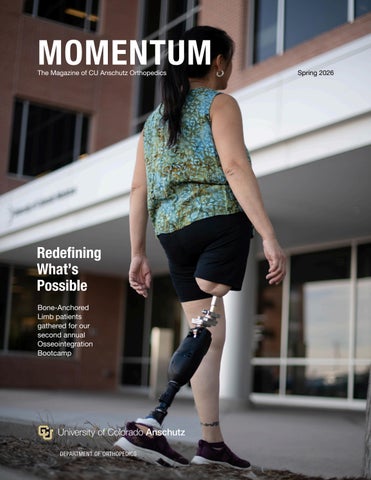
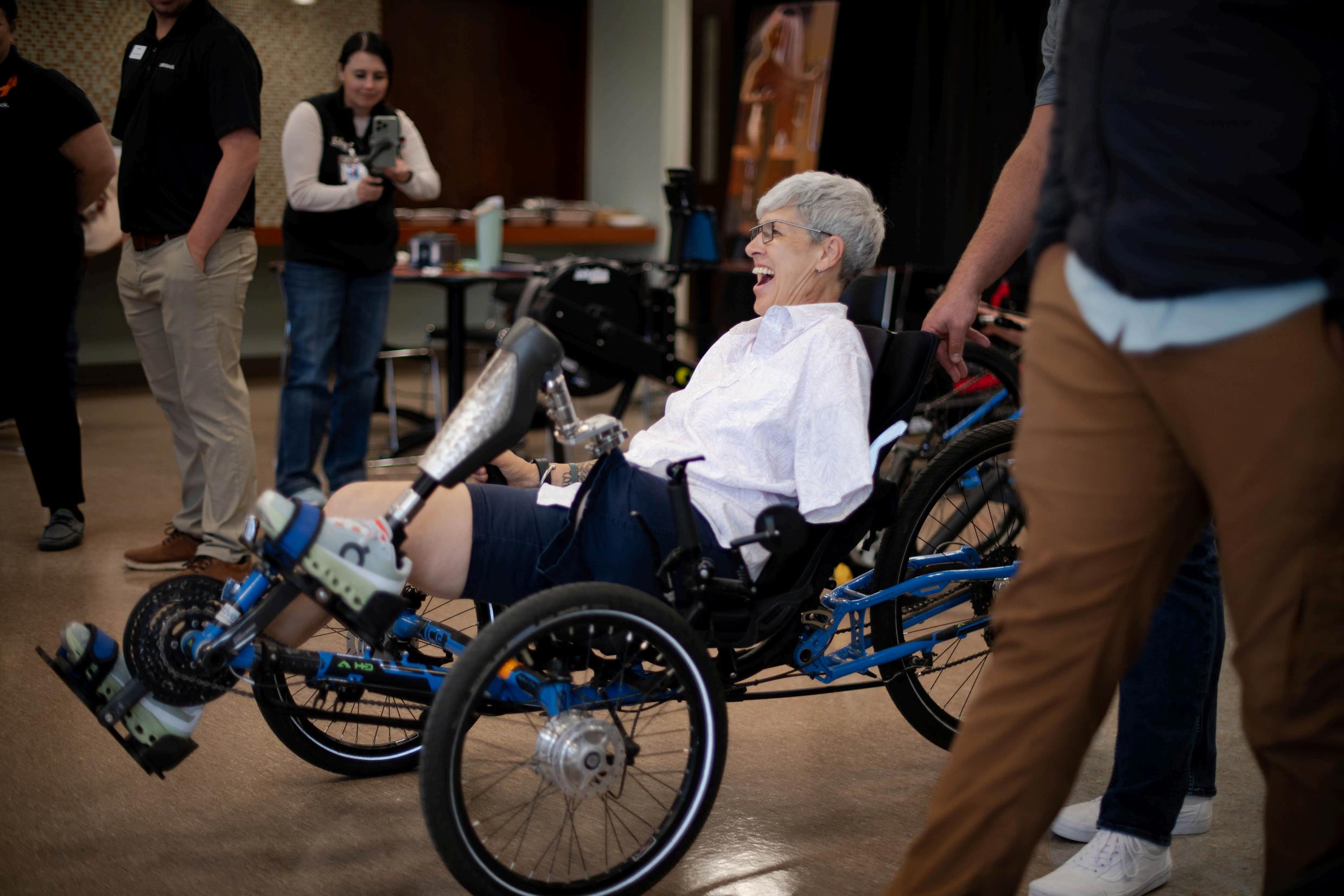
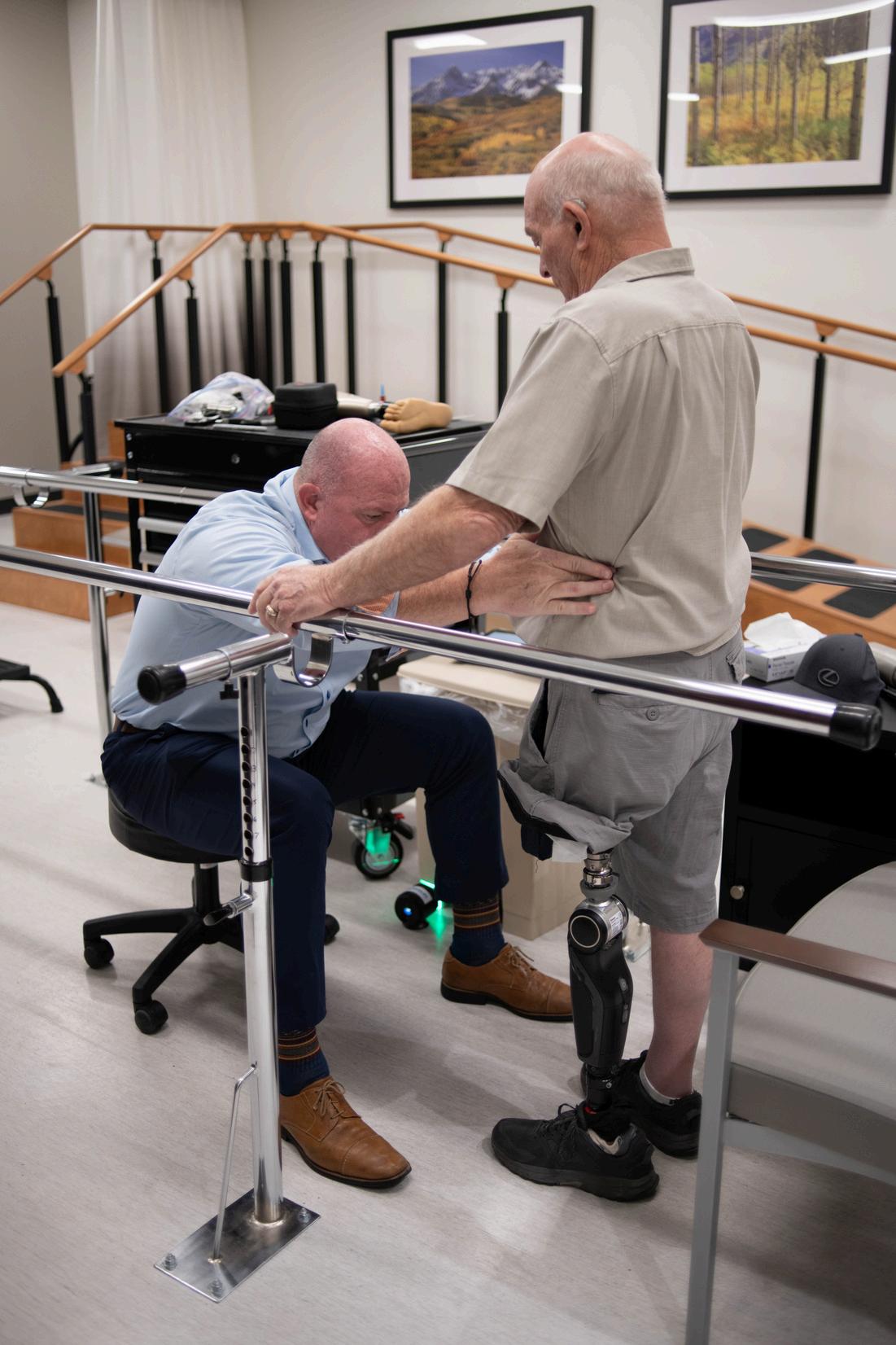
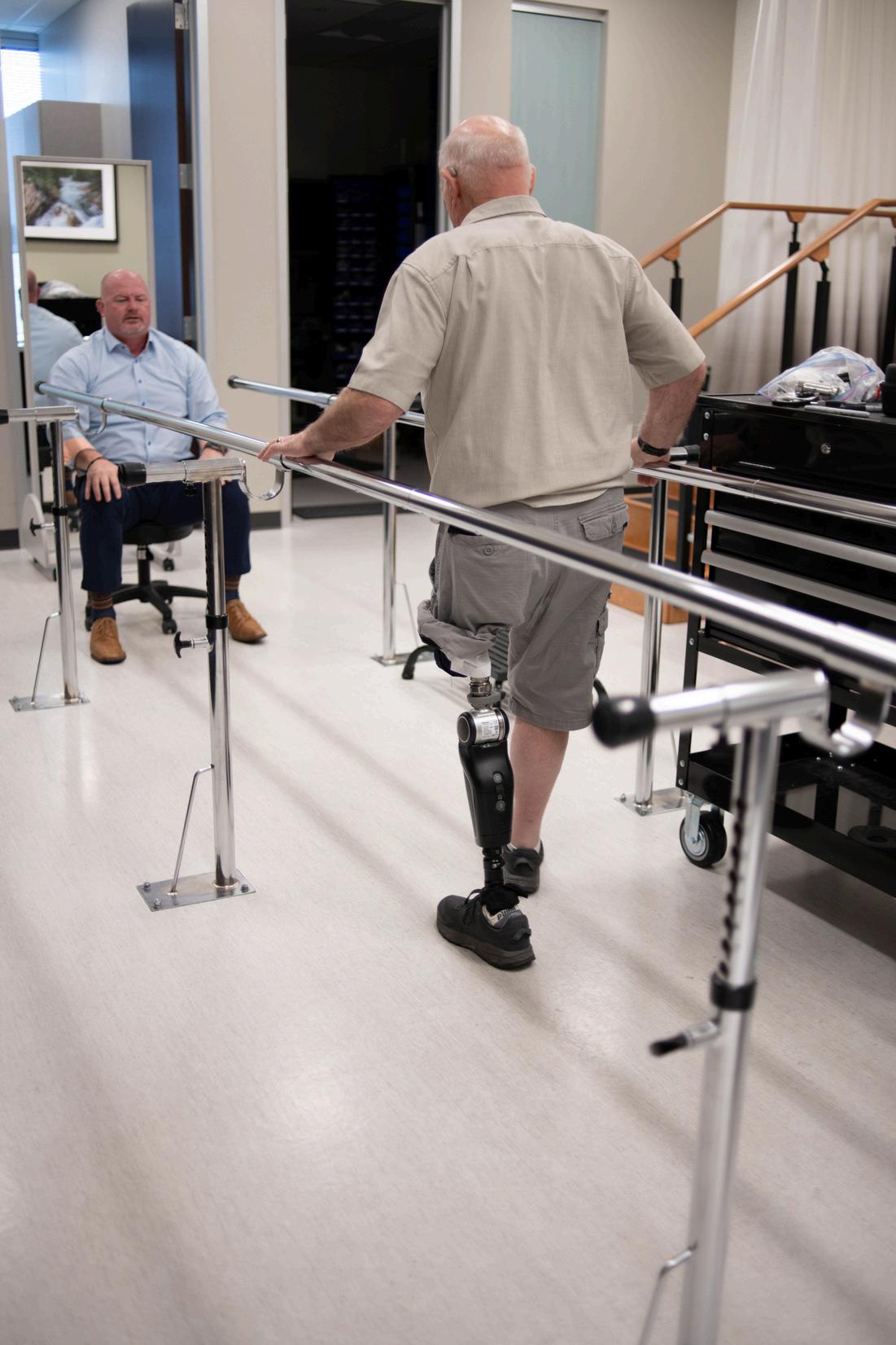
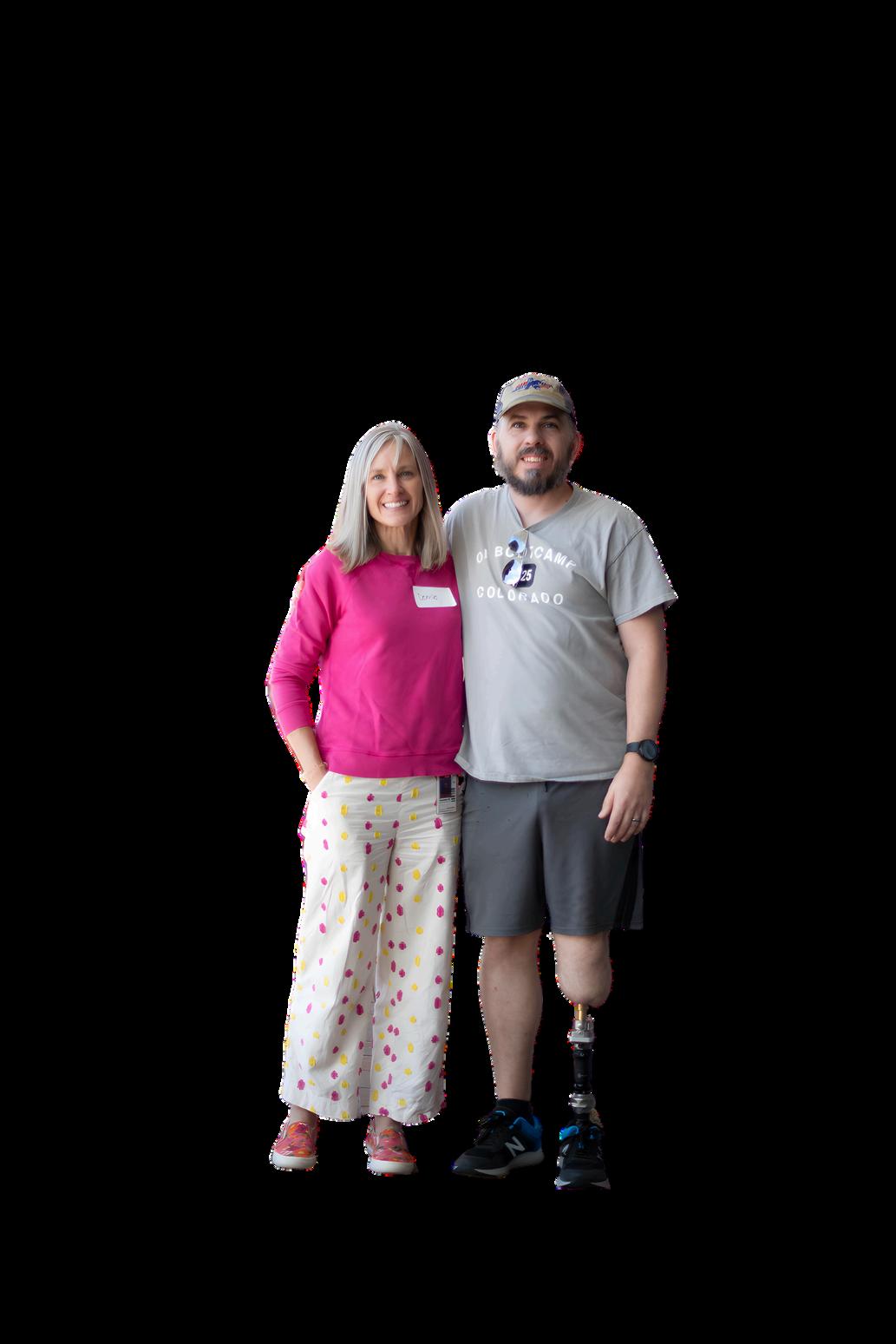
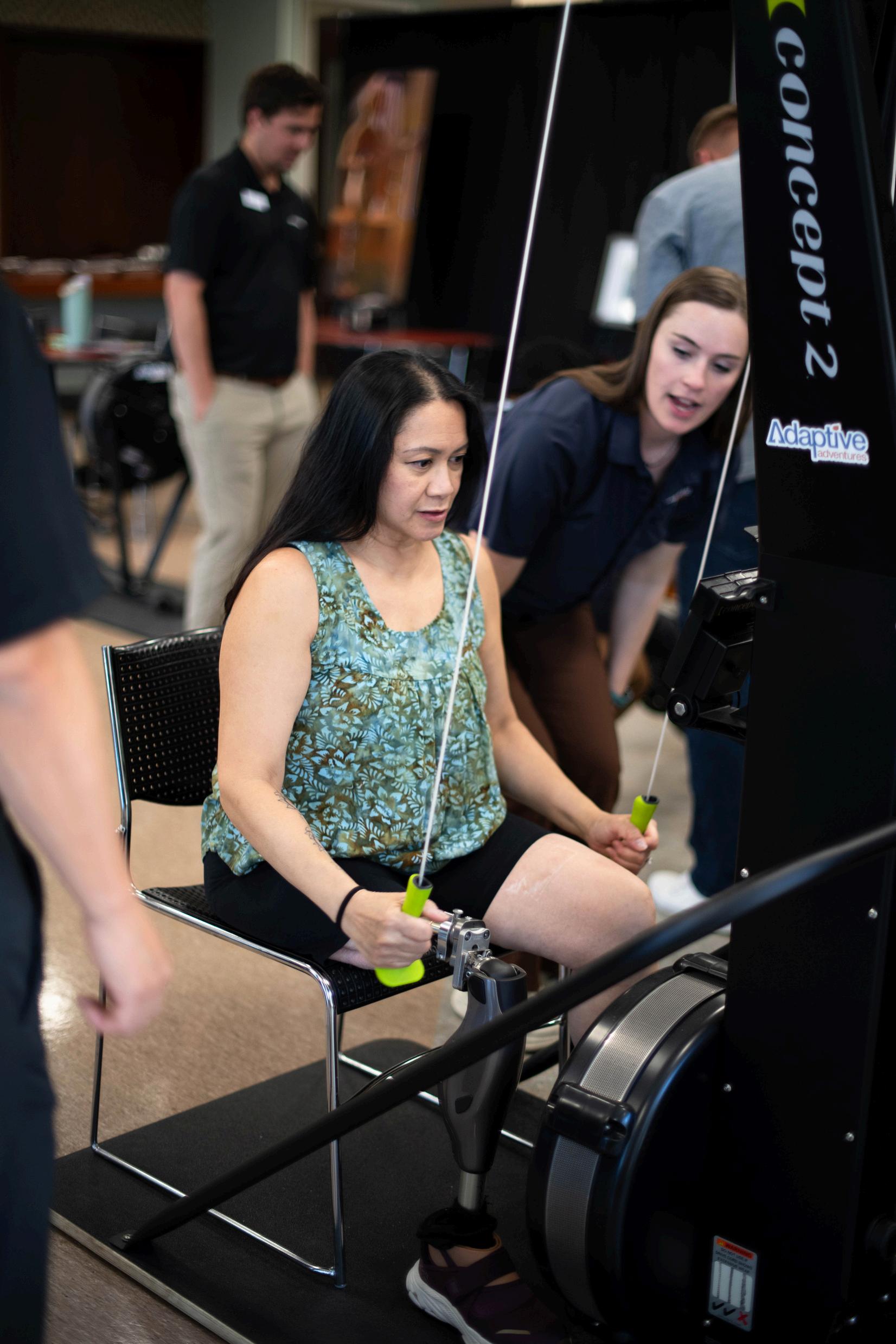
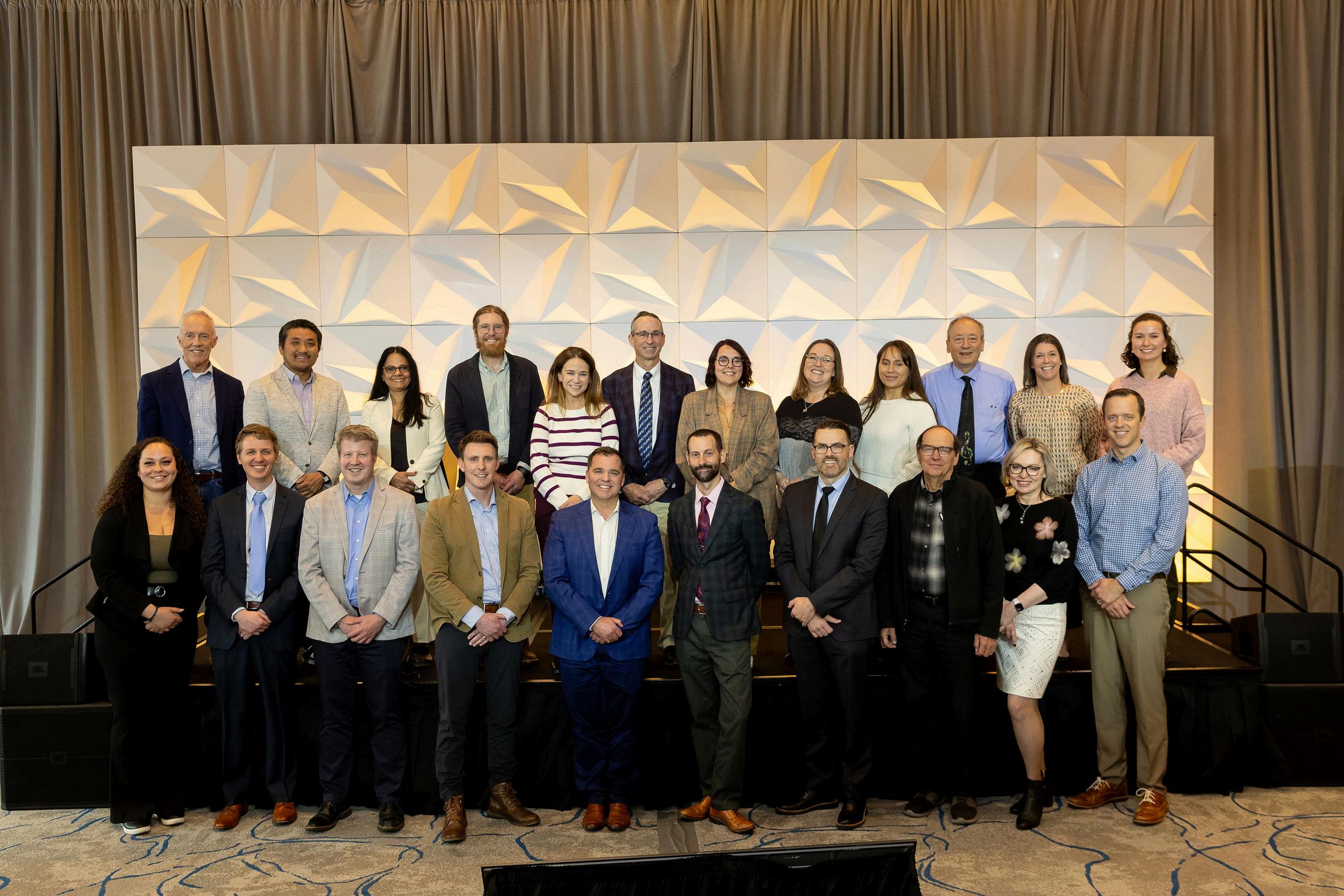
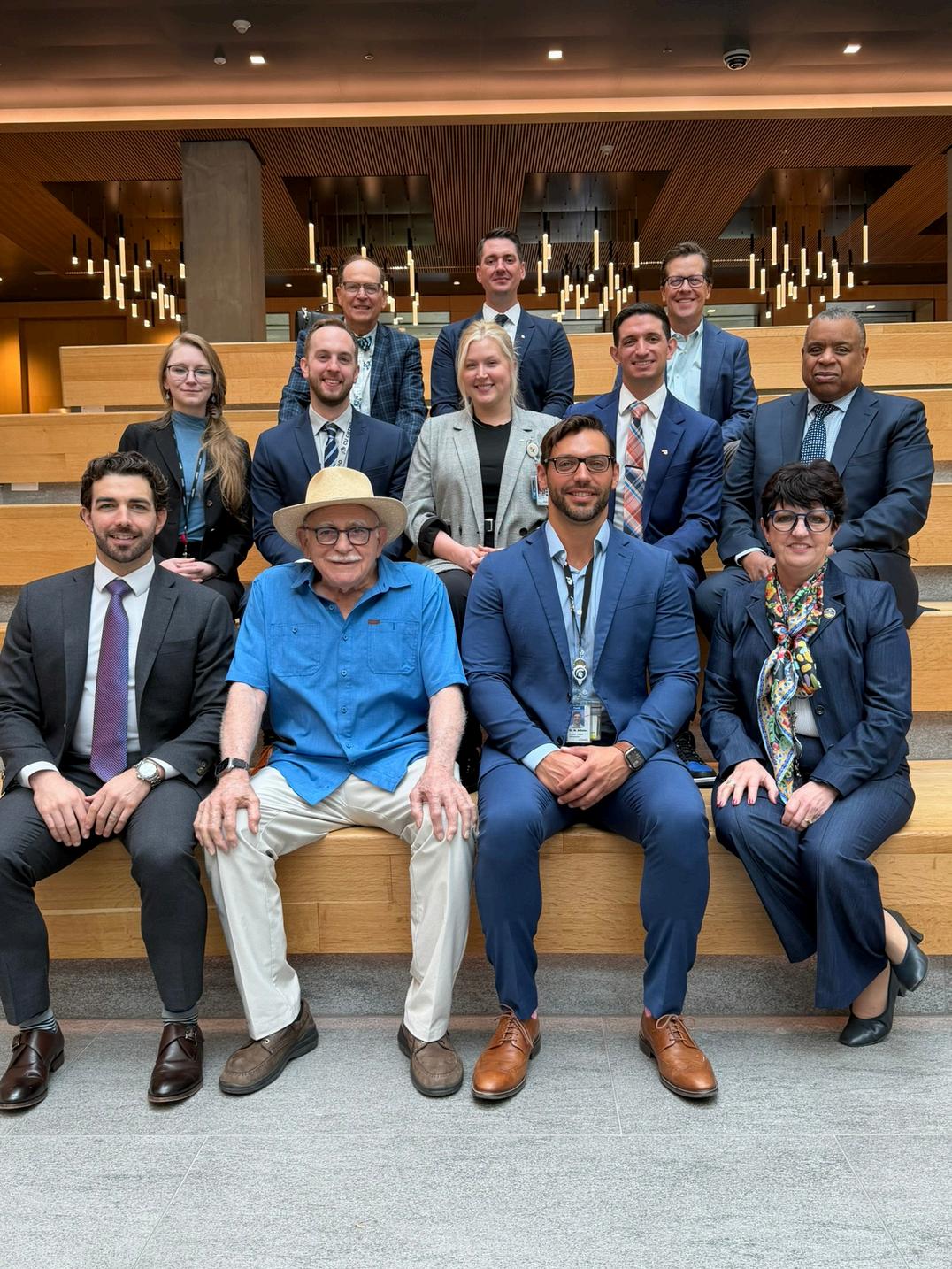
Bone-Anchored Limb patients gathered for our second annual Osseointegration Bootcamp
DEPARTMENT OF ORTHOPEDICS
Spring 2026
Our magazine is named for the forward energy, drive, and sustained commitment that compels us to push toward a better future redefining what’s possible in orthopedics, for our patients and beyond.
In each issue, we highlight the people and ideas shaping orthopedics at CU Anschutz—advancing discovery, translating innovation into lifechanging results, and leading collaboration that fuels progress across research, clinical care, and medical education.
MOMENTUM
Spring 2026 | Vol. 1, No. 2
Momentum is a quarterly review publication produced by the University of Colorado Anschutz Department of Orthopedics
CU Anschutz Orthopedics
cuanschutz.edu 12631 East 17 Avenue th Aurora, CO 80045 720-848-1900
Changing the face of medicine. Together.
The University of Colorado Anschutz is a world-class academic medical campus leading transformative advances in science, medicine, education and patient care. The campus includes the University of Colorado’s health professional schools, more than 60 centers and institutes, and two nationally ranked independent hospitalsUCHealth University of Colorado Hospital and Children's Hospital Colorado - which see nearly three million adult and pediatric patient visits each year
Innovative, interconnected and highly collaborative, CU Anschutz delivers life-changing treatments, exceptional patient care and top-tier professional training. The campus conducts world-renowned research supported by $890 million in funding, including $762 million in sponsored awards and $128 million in philanthropic gifts for research.
Across every subspecialty in orthopedics, CU Anschutz Orthopedics is a recognized global leader in the field, and Colorado’s most trusted orthopedic group for adults and children
Our tireless pursuit of transdisciplinary innovation in medical research, education, and patient care uniquely positions us to deliver compassionate whole person care with the most advanced clinical treatments unmatched in Colorado and the Rocky Mountain Region.
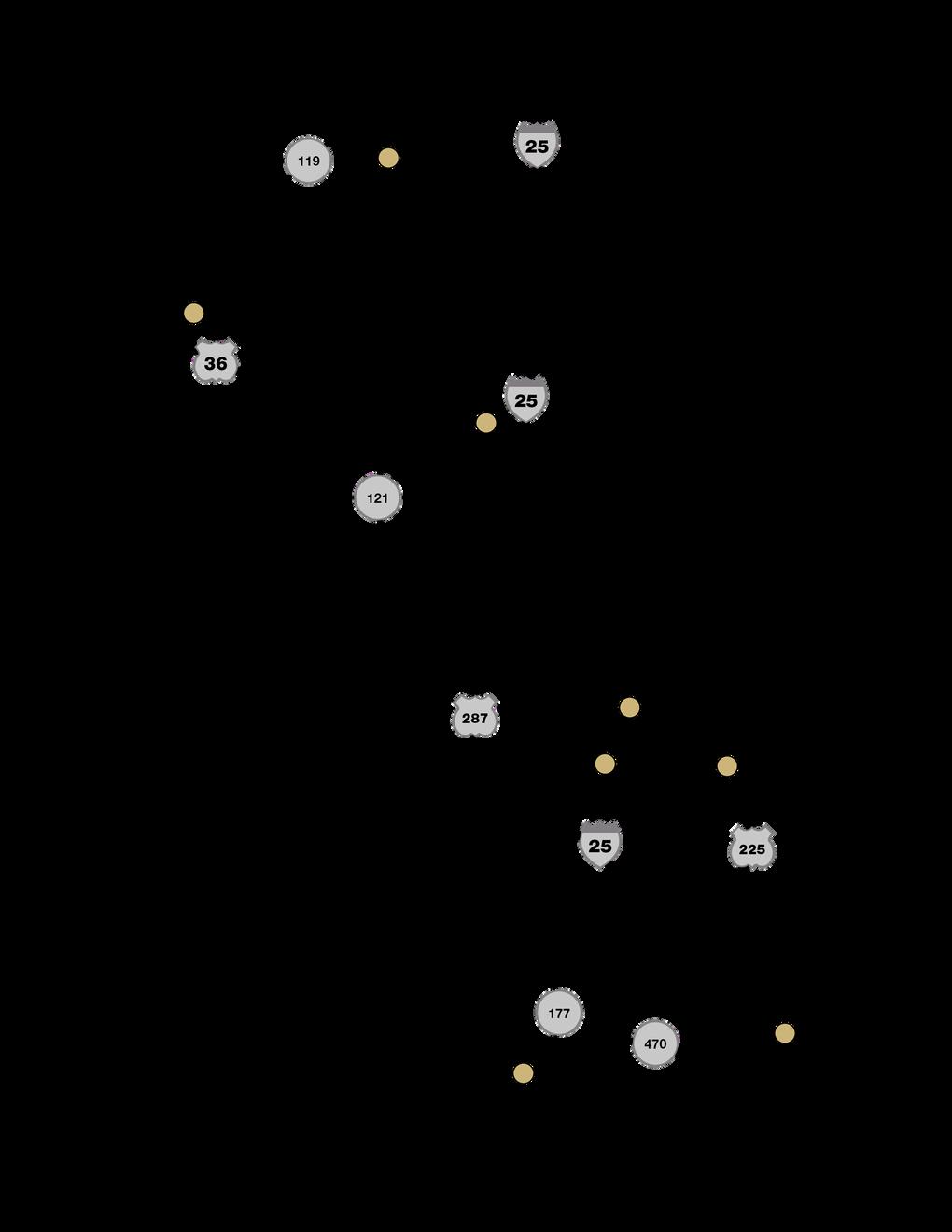
We are proud to partner with the premier healthcare providers in our region, boasting an extensive network of clinical sites serving communities across the Front Range
Foot & Ankle Care in Colorado
Advanced care, innovative treatments, and a commitment to keeping Coloradans moving.
Impact at Scale
A culture of collaboration and discovery earns national recognition.
EDUCATION
AWARDS & RECOGNITIONS
Momentum Makers From Fellowship to Faculty
Honoring faculty and staff whose leadership and dedication move our department forward.
Our T32 program helps earlycareer scientists build the foundation for lasting impact
Foot and Ankle Spotlight
In Colorado, adventure is always afoot
Colorado’s lifestyle creates a wide array of foot and ankle demands. From hiking and running to cycling and skiing, CU Anschutz foot and ankle specialists care for one of the nation’s most active populations.
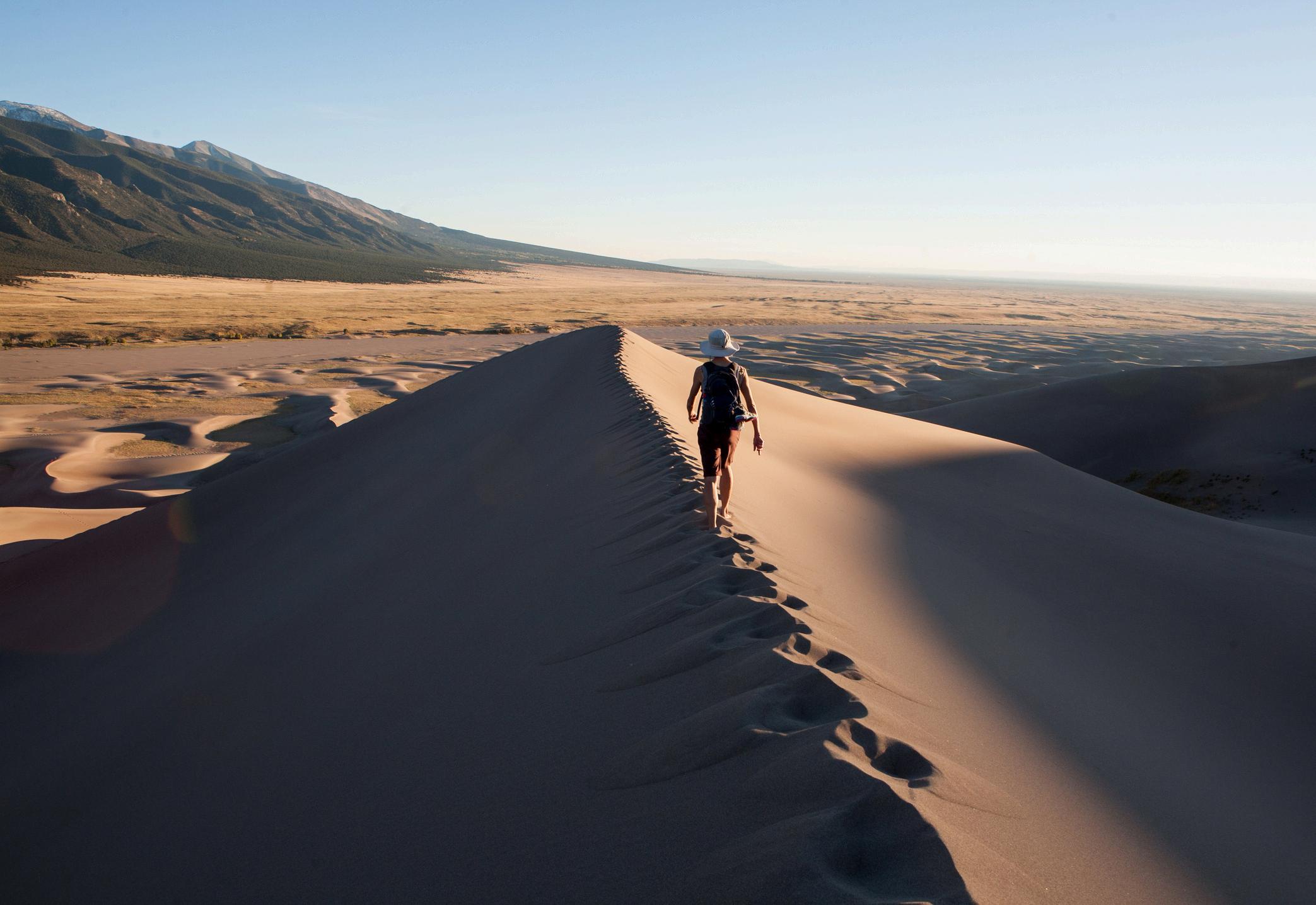
Great Sand Dunes
National Park near Alamosa, Colorado
Q&A
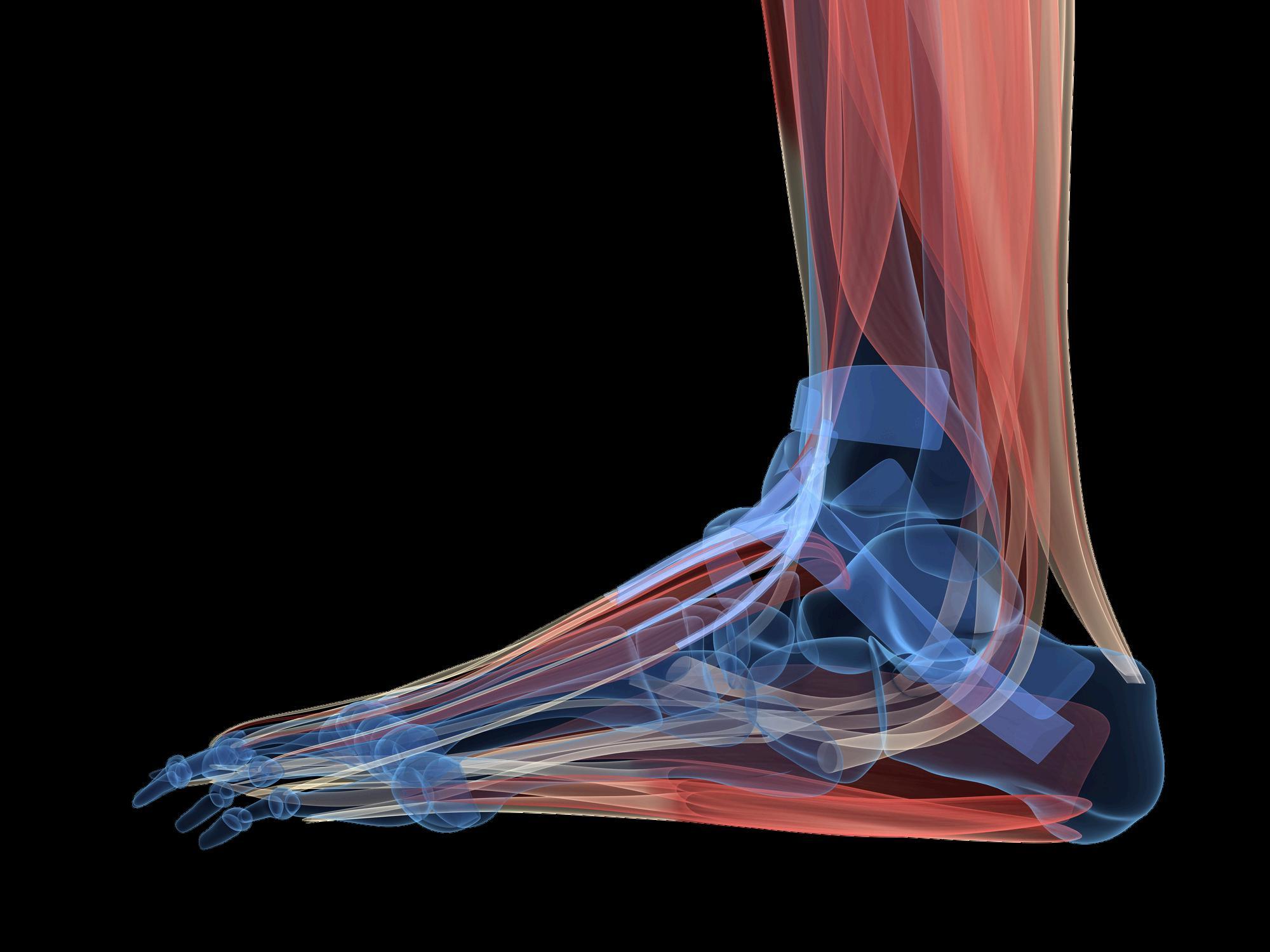
A student of anatomy, Renaissance man Leonardo da Vinci recognized what many of us take for granted: the human foot is remarkably complex. Each foot contains 28 bones, 33 joints, and more than 100 muscles, tendons, and ligaments supporting the weight of our bodies and working in concert with every step to keep us stable and moving
When even a small part of that system is disrupted, the effects can ripple upward. Over time, compensation can alter gait, affect alignment and balance, and place stress on joints and cartilage throughout the body
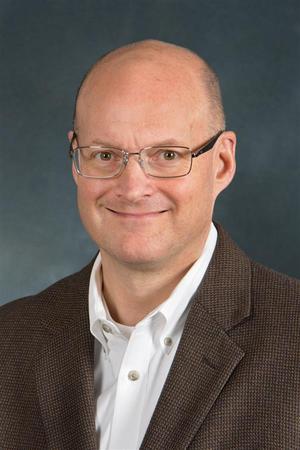
With April being Foot Heath Awareness month, we sat down with Dr Kenneth J Hunt, Professor and Chief of Foot and Ankle to talk about this foundational marvel of the body, and what it takes to keep them functioning at their best.
What
is one mistake you see patients make when it comes to foot health?
KJH: One of the biggest mistakes people make is pushing through pain. Continuing activity despite symptoms can worsen an existing problem or create a new injury Paying attention to your body, resting when appropriate, and seeking evaluation from a specialist when symptoms persist can prevent a minor issue from becoming a major one.
Because of both the magnitude and frequency of forces placed on the foot and ankle during activity, chronic conditions are very common These can include tendonitis, bone stress injuries, and chronic ligament injuries
What are some of the most common foot and ankle injuries you see?
KJH: The most common injury I see is ankle ligament injury This may be a severe ankle sprain, a high-grade ligament injury, or chronic recurrent ankle sprains that lead to ankle instability Ankle instability can also lead to additional problems, particularly involving the peroneal tendons on the outside of the ankle.
The second most common condition involves the Achilles tendon We certainly see Achilles tendon ruptures, but Achilles tendonitis and tendon degeneration are far more common These conditions are especially prevalent among runners, particularly trail runners
The third common issue is bone stress injury, often referred to as a stress fracture These injuries typically occur in distance runners and other repetitive-use athletes Repeated high-frequency loading can eventually overwhelm the bone’s ability to recover, leading to stress reactions or fractures
These three conditions ankle instability, Achilles tendon disorders, and stress fractures are among the most common problems we see in active individuals.
of art.
Leonardo da Vinci
How does foot and ankle health affect the rest of the body?
KJH: The foot is the first part of the body to contact the ground and the last part to leave it during walking or running Because of this, even small changes in alignment or function can significantly affect the entire kinetic chain Problems in the foot and ankle can contribute to knee pain, hip pain, pelvic dysfunction, and low back pain.
One issue we commonly see occurs after an ankle injury. Patients often allow the pain to resolve but never fully restore their gait mechanics or strength As a result, they may develop additional injuries or chronic symptoms elsewhere in the body Appropriate rehabilitation is critical Even a brief course of physical therapy can help restore strength, mobility, and proper movement patterns while reducing the risk of future injury
The “kinetic chain” is the idea that the body moves as a connected system, with joints, muscles, and nerves working in concert.
Like a bicycle chain in motion, each link influences the next meaning even small changes can ripple through the body as a whole.
2
What can people do to prevent foot and ankle injuries?
KJH: The first step is an appropriate warm-up routine. Stretching muscles, tendons, and ligaments, as well as incorporating joint mobility exercises, should be part of any activity regimen
Second, wear appropriate footwear to significantly reduce injury risk. Many people assume they can participate in any activity using whatever shoes they happen to have available. However, shoes are specifically designed for particular activities.
If you’re hiking, wear hiking shoes
If you’re playing tennis or pickleball, wear court shoes
If you’re running, wear running shoes
Another important consideration is the use of insoles. Every person’s foot structure is different. Some individuals do very well with over-the-counter inserts, while others require customized orthotics to properly support their foot mechanics
3
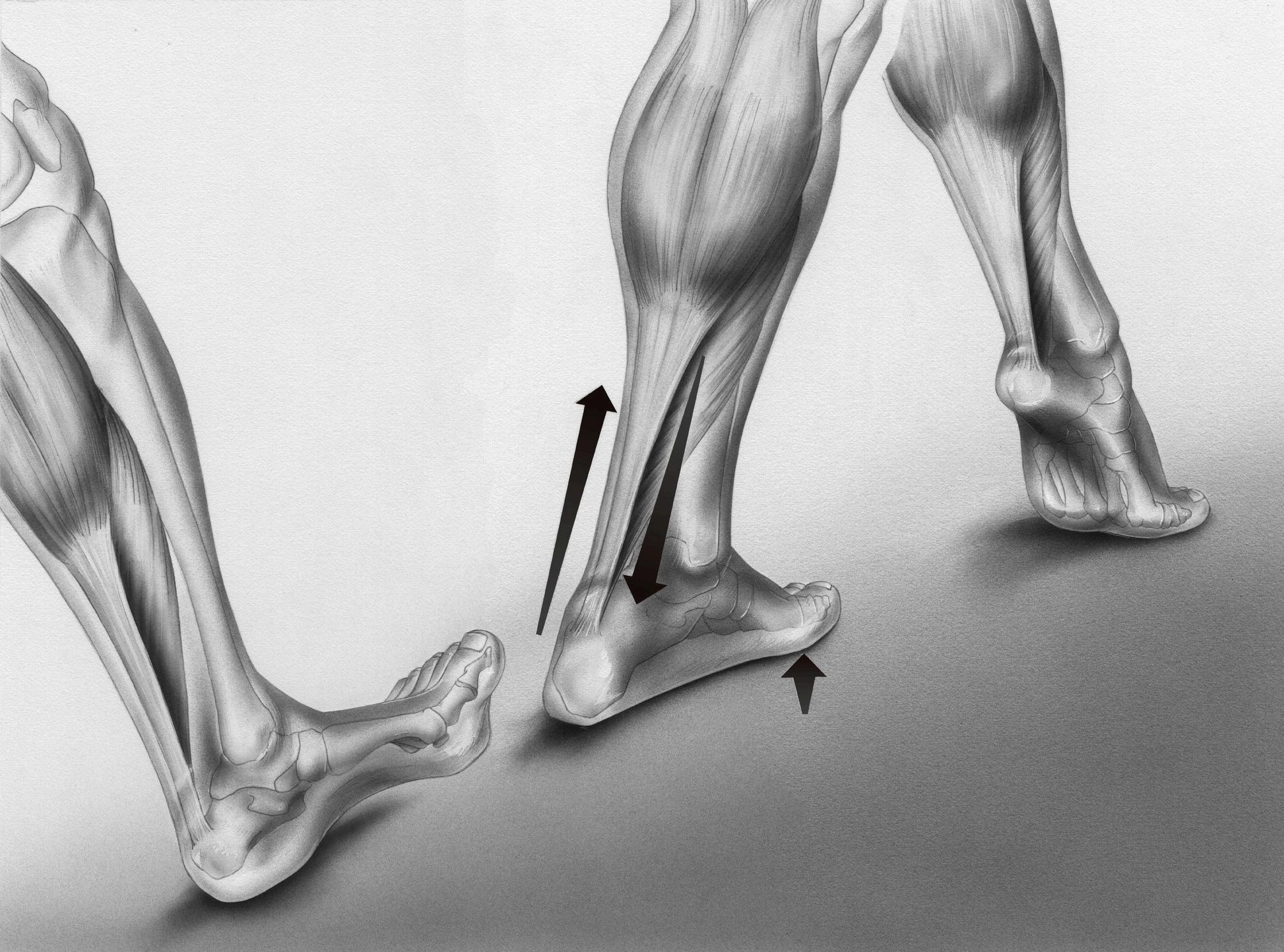
Illustration of how a walking foot strikes the ground
Shown are three stages:
1) before the foot strikes the ground, the rounded arch is poised like a steel spring
2) as the foot hits the ground, the impact flattens the arch and the Achilles tendon stretches 3) the arch springs back to shape and the Achilles tendon shortens/recoils
It’s an easy decision to overlook—but the wrong shoes can quickly remind you why it matters, as Dr. Hunt himself has experienced.
“I play tennis a couple of times a week. One day I arrived at a match and realized I had forgotten my tennis shoes. I decided to play in running shoes instead. Afterward, I developed knee pain, foot pain, and Achilles soreness. I was uncomfortable for several weeks simply because I was wearing the wrong footwear for the activity.
It’s an easy mistake to make because many of us think, ‘I could have done that when I was younger.’ But as we get older, using the right equipment becomes increasingly important.”
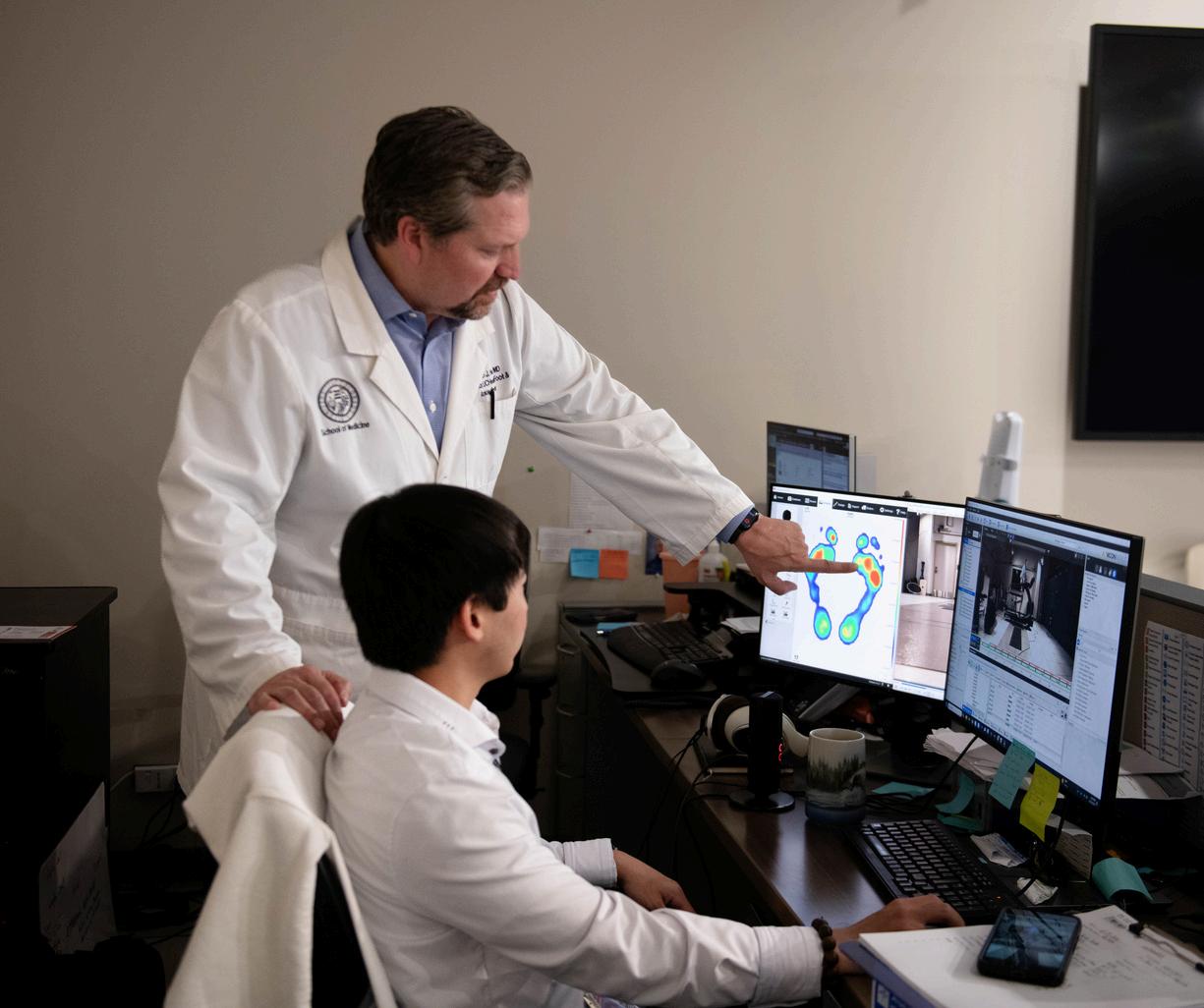
Tell us about the Gait Laboratory at the UCHealth Foot and Ankle Center.
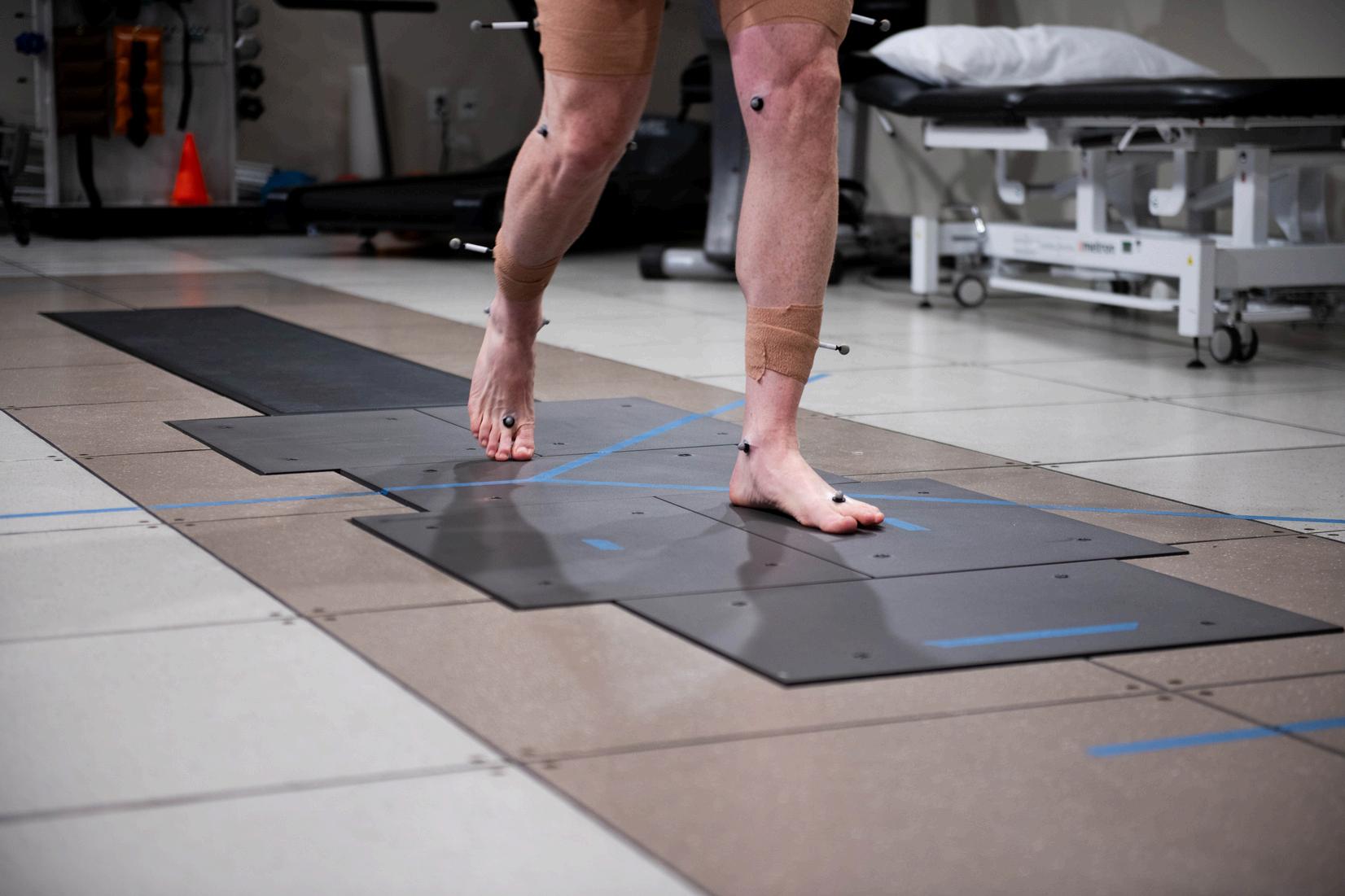
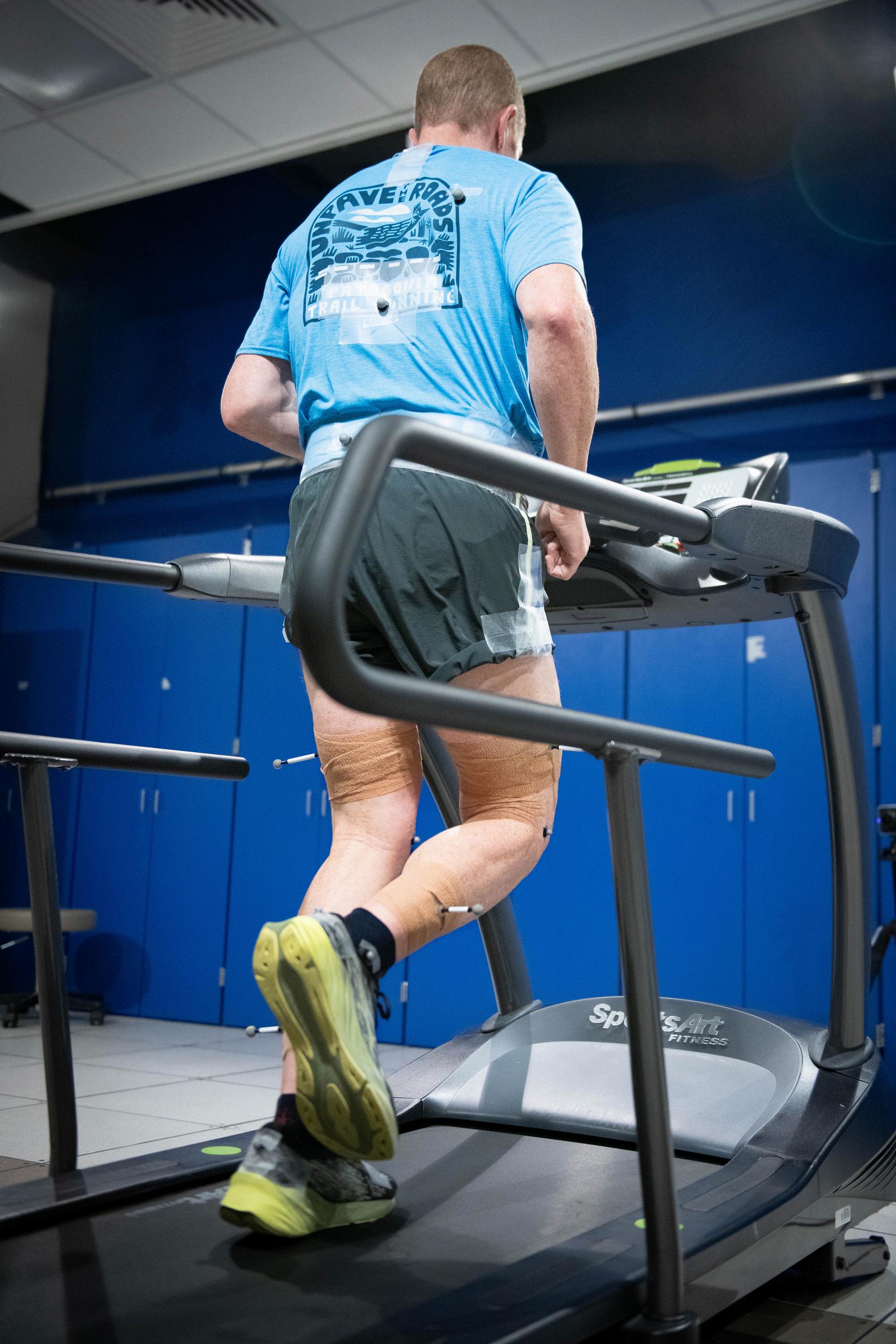
KJH: Gait analysis can be as simple as having an experienced clinician observe someone walking. However, at the UCHealth Foot and Ankle Center, we have a dedicated gait laboratory that provides much more sophisticated analysis Using 8 cameras, motion-tracking technology, and specialized sensors, we can evaluate every aspect of gait, including:
Joint motion
Muscle activation patterns
Walking mechanics
Functional movement abnormalities
This technology allows us to identify the primary source of a patient’s symptoms and distinguish it from secondary compensatory problems
The information can guide:
Surgical planning
Rehabilitation strategies
Orthotic prescriptions
Footwear recommendations
Performance optimization
Photos by Tara Bisel, CU Anschutz Orthopedics
The gait laboratory is valuable not only for patients with complex deformities or injuries but also for athletes seeking to improve performance and prevent injury
the
view our motion analysis lab and its clinical, patientcentered applications.
Tap
link icon to
Kenneth J. Hunt, MD and biomedical engineer Tony Johnson, MSE
Endurance athlete and UCHealth Foot and Ankle Center patient, James, runs on a treadmill in the Gait Lab
What makes the University of Colorado Foot and Ankle program unique?
KJH: First, we are a team of multidisciplinary experts providing comprehensive care. Our Foot and Ankle Center includes orthopedic foot and ankle surgeons, podiatrists, primary care sports medicine physicians, physical medicine and rehabilitation physicians, physical therapists, and engineers and gait specialists
We also have advanced diagnostic tools, including weight-bearing CT scanning, fluoroscopy, ultrasound imaging, and motion analysis through our gait laboratory This allows us to care for everything from simple overuse injuries to complex deformities and traumatic injuries
Second, we are committed to advancing the field through research and innovation. Our team remains at the forefront of emerging treatments and technologies, and in many cases, we are actively helping develop and evaluate these treatments For example, our group is a regional leader in total ankle replacement and custom talus replacement surgery For patients with severe injuries, infections, tumors, or arthritis involving the talus bone, we can utilize custom 3D-printed talus implants. These implants replace a damaged talus and preserve motion. Historically, many of these patients required fusion of the ankle and hindfoot, which eliminates motion. While fusion can be effective, it can limit function on uneven terrain and during recreational activities Custom talus replacement and modern ankle replacement technologies provide important motion-preserving options for appropriately selected patients and can help them maintain an active lifestyle.
Third, our specialized expertise. Our providers focus specifically on foot and ankle conditions, and we have assembled a highly skilled and experienced team dedicated to this area of orthopedic care Whether patients are asking about new surgical procedures, biologic therapies, rehabilitation approaches, or performance strategies, we have the expertise to provide evidence-based guidance
Did You Know?
One of the major advances in foot and ankle surgery is the development of minimally invasive techniques. These procedures use very small “keyhole” incisions to access joints, tendons, and bones. CU Anschutz Orthopedics specialists are highly experienced in these techniques and their application across a wide range of conditions.
Examples include:
Minimally invasive Achilles tendon repair
Treatment of Achilles tendonitis
Bunion correction
Correction of foot deformities
Benefits may include:
Less pain
Reduced swelling
Faster recovery
Earlier return to activity
For many active patients, these techniques have significantly improved outcomes and helped accelerate a safe return to movement.
Specialized care, close to home.
Comprised of nationally renowned orthopedic surgeons, our clinical services are available throughout the front range in the most comprehensive and complete network of care.
The “48 Hour Rule”
Listen to your body If you develop pain and it persists despite 48 hours of rest, it is worth seeking evaluation from a healthcare professional More severe symptoms such as sudden pain, a popping sensation, bruising, or swelling should be evaluated sooner
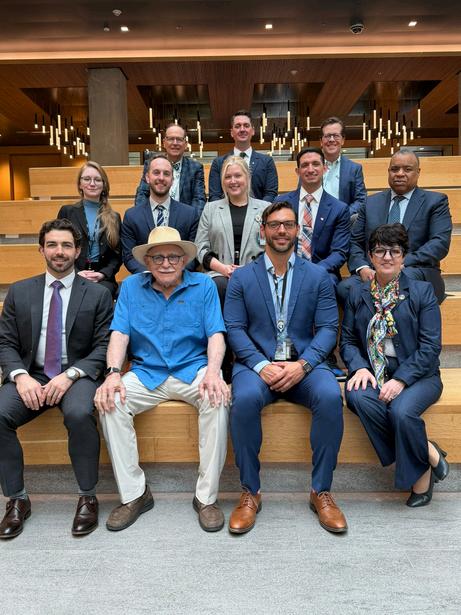
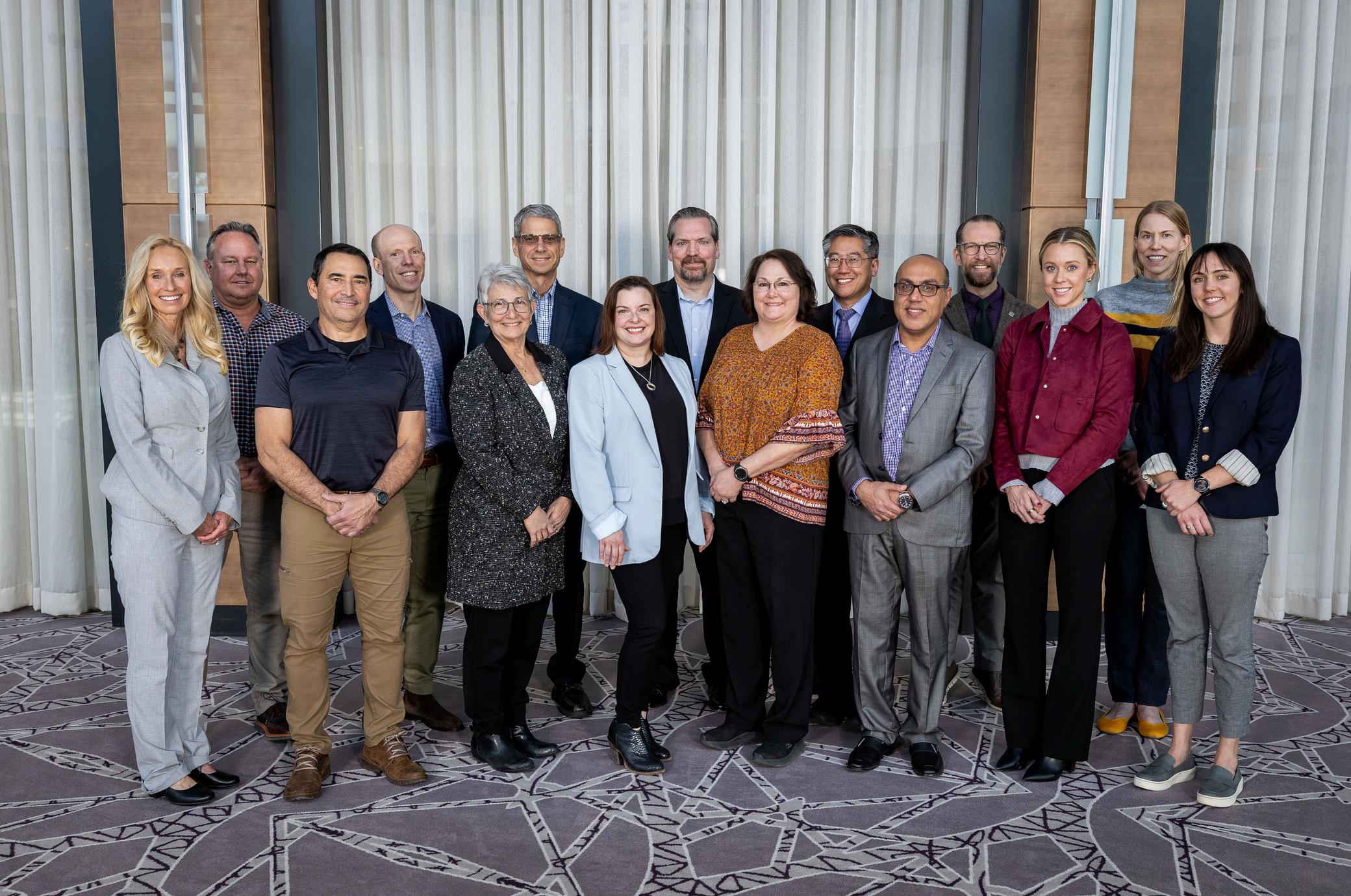
Department of Orthopedics Foot & Ankle Division
Back row (left to right):
John Murray, BA
Joshua Metzl, MD
T. Jay Kleeman, MD
Kenneth J. Hunt, MD
Daniel Moon, MD
Garrett Moore, DPM
Courtney Grimsrud, MD
front row (left to right):
Carolyn Jones, MBA, M.Ed.
Adriano Rosa, CPed.
Teresa Green, CO, C.Ped.
Rene Kafka, DPM
Cara Wylie, DPM
George Mina, DPM
Sara Skluzacek, PA-C
Sikora Cain, PA-C
Photo by Pete Eklund
Reaching Beyond Relief: A Moonshot for a Cure
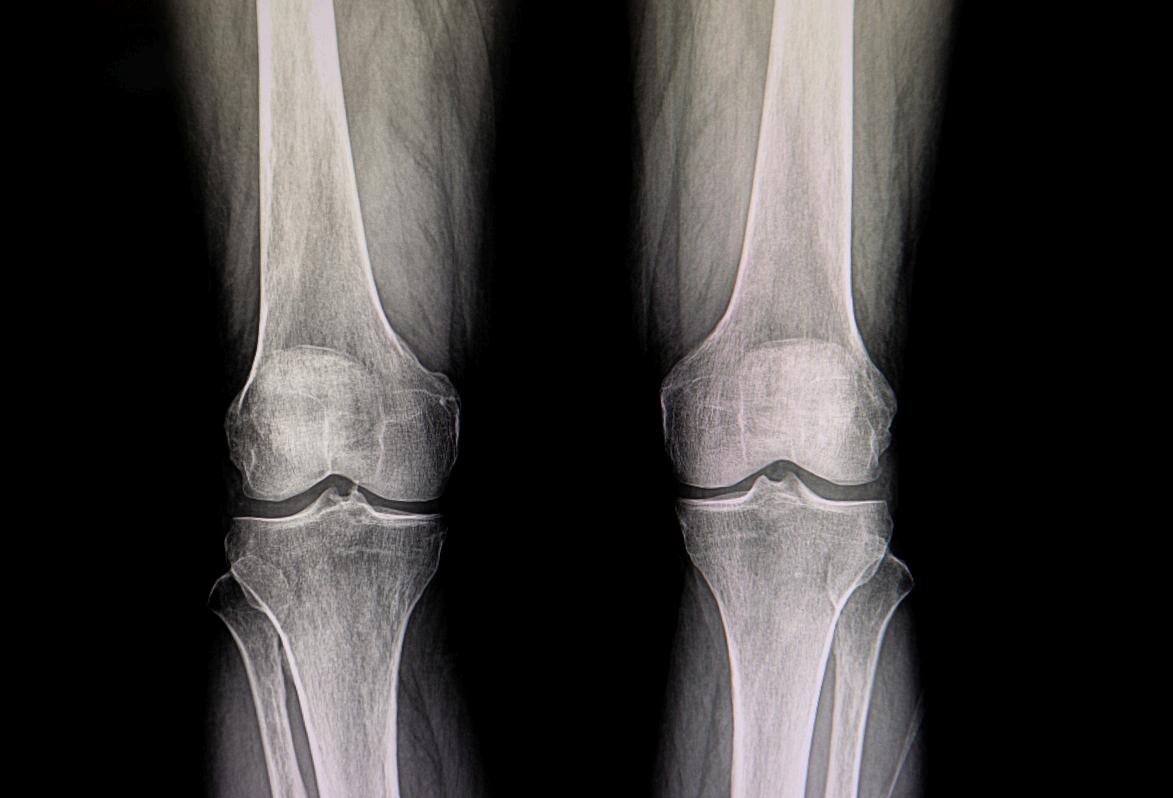
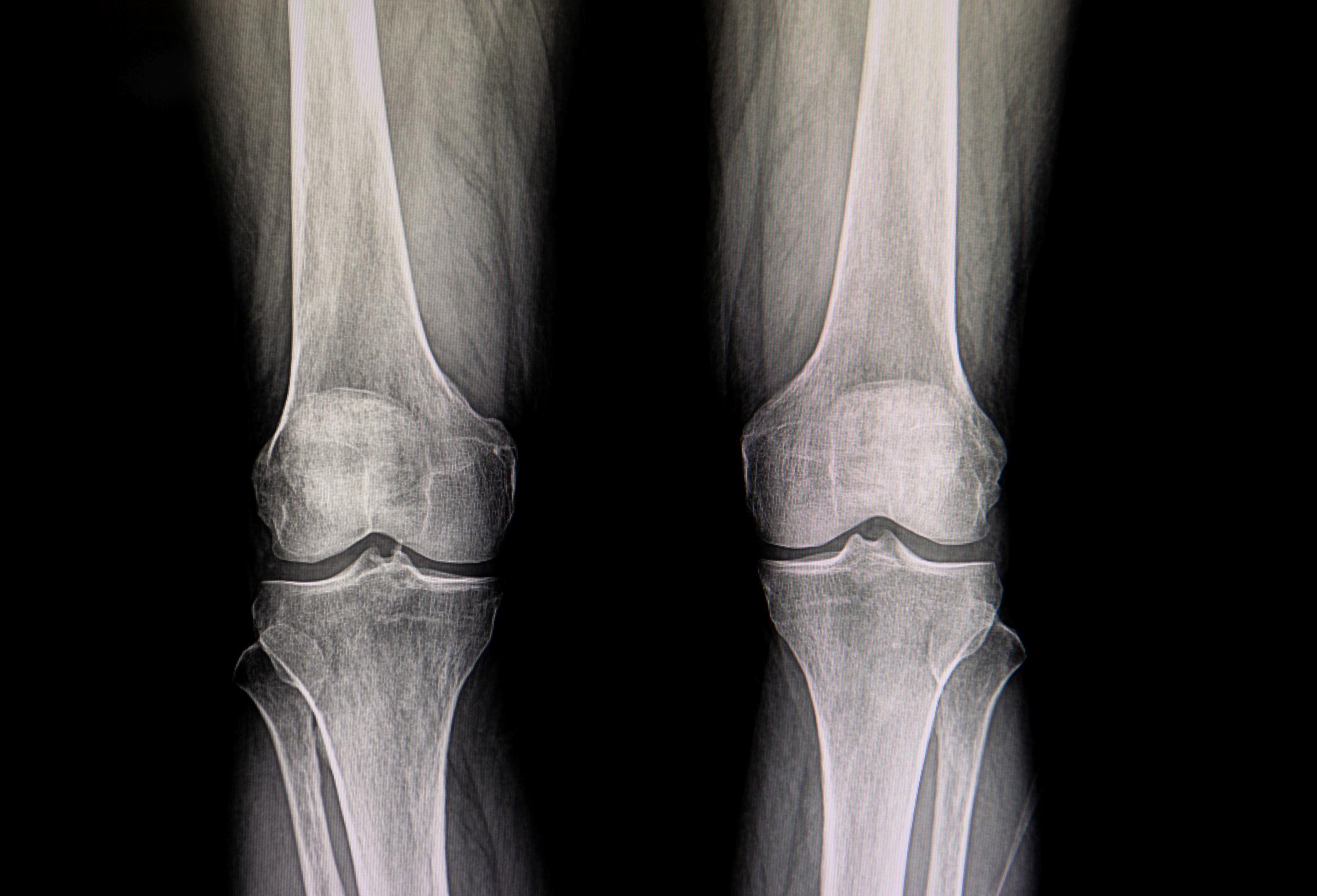
Colorized x-ray films of knees of a patient with chronic osteoarthritis showing joint narrowing (cartilage loss)
May is Arthritis Awareness Month—but for millions worldwide, awareness is a daily reality marked by pain that, for many, can become debilitating.
Researchers at CU Anschutz, CU Boulder, and Colorado State University are working to change that reality. Backed by federal support, a multidisciplinary Colorado team is developing regenerative therapies designed not simply to relieve symptoms, but to restore cartilage and bone and potentially reverse osteoarthritis (OA) itself
What began as an ambitious idea has quickly become one of the most closely watched osteoarthritis research programs in the country and one with the potential to transform care for millions.
From Managing Disease to Reversing It
For decades, osteoarthritis treatment has focused on a single goal: helping patients manage pain Medications, injections, physical therapy, and, ultimately, joint replacement surgery can help restore function and improve quality of life But none address the underlying disease itself For the nearly 33 million Americans living with osteoarthritis, the progression of joint damage has long been viewed as inevitable That challenge is what inspired the inaugural Novel Innovations for Tissue Regeneration in Osteoarthritis (NITRO) program The initiative tasked researchers with pursuing something many considered impossible: identifying technologies capable of curing osteoarthritis rather than simply treating it
Two years ago, some of these therapies were just ideas— reflecting the moonshot nature of this program from the very start."
Karin Payne, PhD Associate Professor
In just two years an extraordinary pace in a field where treatment advances have historically been incremental the Colorado team developed a suite of regenerative approaches designed to repair damaged tissue inside the joint One potential treatment is an annual injection that delivers medication directly into the joint, stimulating regeneration over time. Another combines engineered proteins with novel biomaterials that recruit the body's own progenitor cells to repair damaged cartilage and bone Together, these approaches seek to harness the body's natural healing capacity in ways that have not previously been possible.
Researchers now plan to move these technologies toward the studies required for human clinical trials which could begin as early as 2028
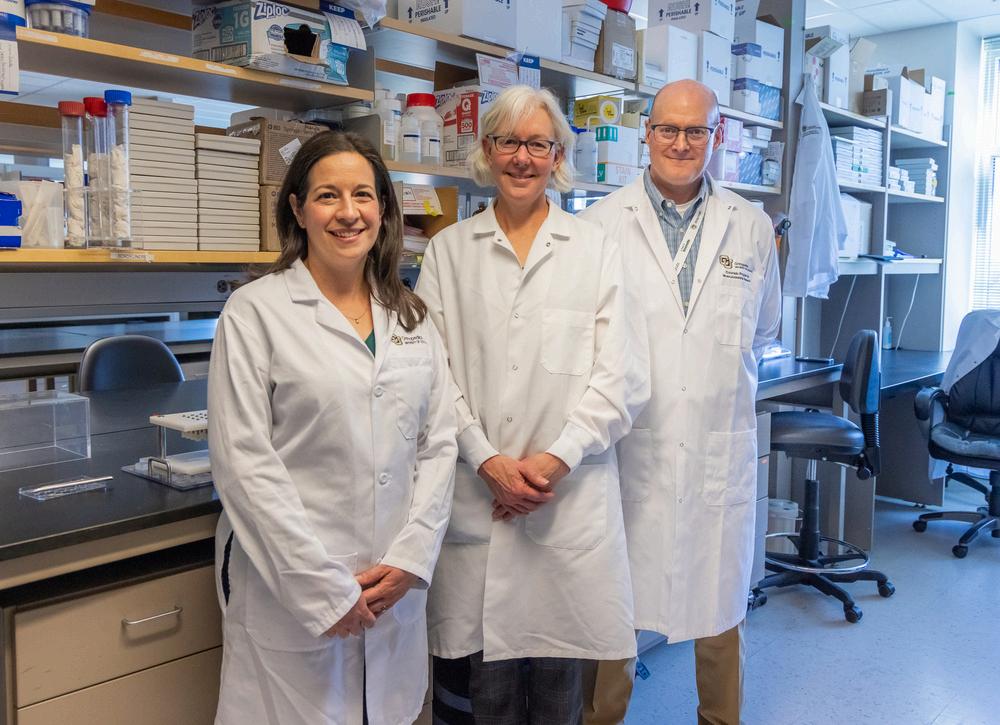
Left | The Investigative Team from CU
Karin Payne, PhD (Co-PI,
CU
Anschutz Orthopedics), Stephanie Bryant, PhD (Lead PI, CU Boulder Chemical and Biological Engineering)
Michael Zuscik, PhD (Co-PI, CU Anschutz Orthopedics)
A Colorado Collaboration Designed for Impact
The NITRO project represents more than a scientific breakthrough It is also a powerful example of what can happen when experts across institutions unite around a shared goal The effort brings together clinicians, engineers, veterinary scientists, regulatory specialists, community engagement experts, and translational researchers from CU Anschutz, CU Boulder, and Colorado State University. At its height, the project involved as many as 40 to 50 researchers working simultaneously across disciplines, each contributing a critical piece of the puzzle
At CU Anschutz, researchers collected cartilage and bone tissue donated by patients undergoing joint replacement surgery. The cells from these tissues, which would have otherwise been discarded, were sent to CU Boulder and tested with newly developed biomaterials to help scientists better understand how cells behave and respond
Materials created at CU Boulder were then tested in laboratory and animal models at CSU, creating a highly integrated research pipeline from discovery to translation The team views this collaborative structure as one of the project's greatest strengths
It has been very exciting for me to be part of this effort. NITRO underpins a set of crossinstitutional collaborations that now has the potential to move the needle both for researchers seeking new solutions and for patients who need effective approaches to address their OA.
Professor Vice Chair for Research
Michael Zuscik, PhD
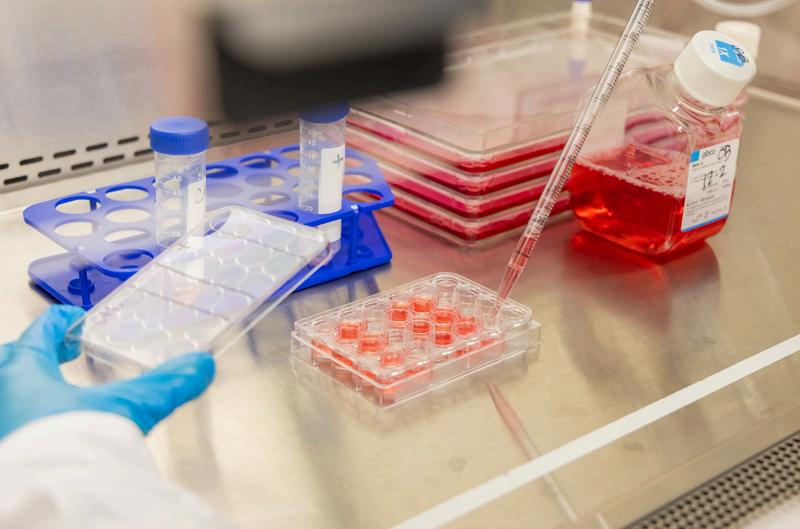
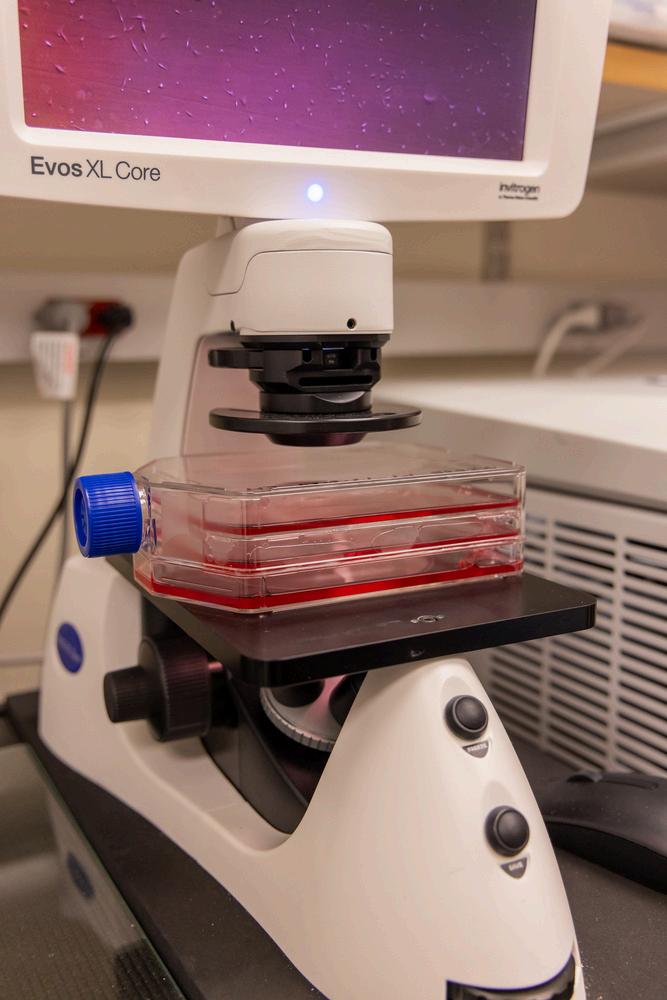
Right, top | human cartilage cells grown in the lab help researchers explore new ways to repair damaged joints Right, bottom | a flask of cultured human articular cartilage cells are viewed on a microscope
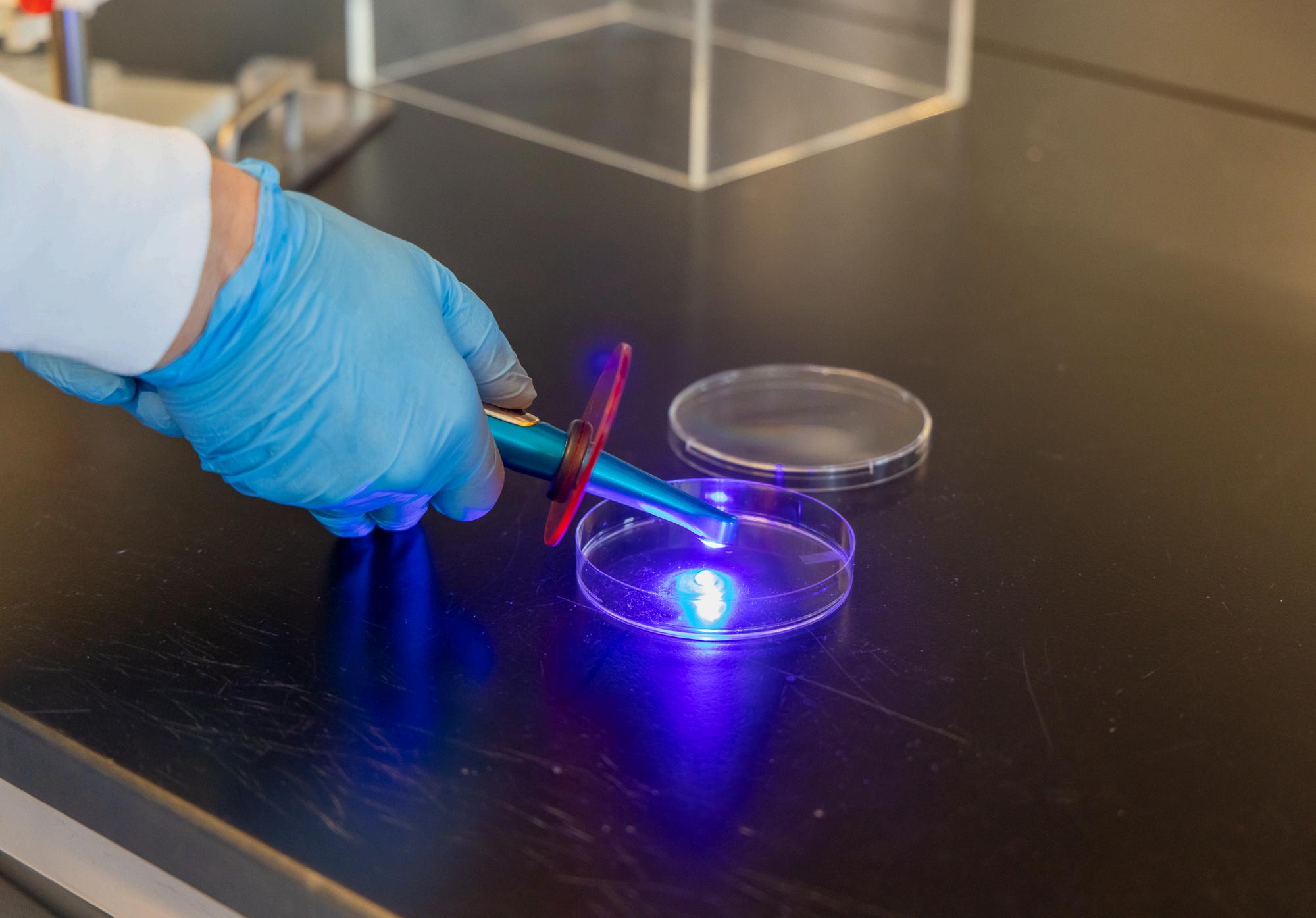
Visible light activates a regenerative, cartilage-mimicking hydrogel designed to recruit the body's own cells and support new cartilage growth. Researchers envision it as a one-time arthroscopic treatment.
Hope On the Horizon
While a cure remains the ultimate goal, the work already represents a significant shift in how researchers think about osteoarthritis
Instead of accepting degeneration as unavoidable, investigators are asking whether damaged joints can be regenerated and whether millions of patients might someday have an alternative to a lifetime of managing symptoms
For the people who live every day with osteoarthritis, that's more than an exciting scientific question. It's a future worth pursuing.
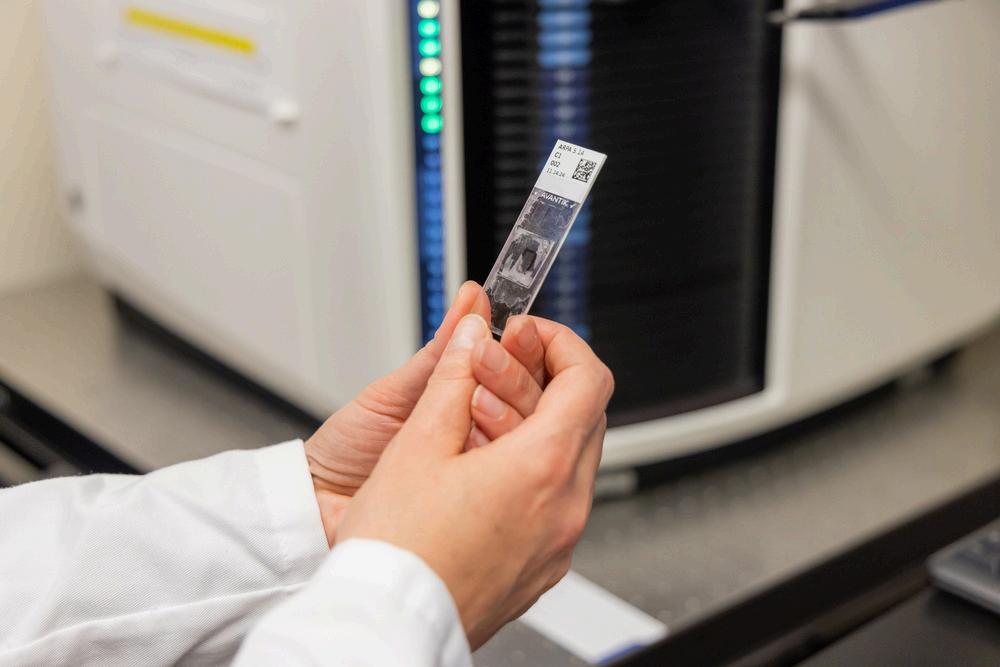
Histology study of human cartilage; images collected using an automated slide scanner
Community for a Cure
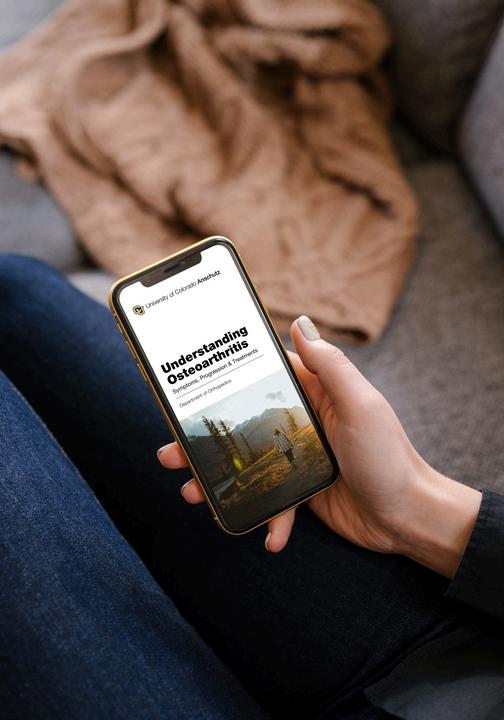
Researchers have invested heavily in community engagement Through listening sessions, educational outreach, and statewide conversations with patients, the team has worked to understand barriers to care while creating practical resources for people living with osteoarthritis. Those efforts include educational materials available in two languages, and opportunities for patients to learn about future clinical trials
Researchers have created a growing community for patients, caregivers, and anyone interested in learning more about osteoarthritis research and future clinical trial opportunities Email
Seeing Trouble Before It Starts
Even as researchers pursue a bold, long-term goal a future without osteoarthritis there is equal urgency in understanding the disease at its earliest stages If a cure represents the ultimate breakthrough, early detection may be one of the most powerful tools we have today offering new ways to intervene, preserve joint health, and change the trajectory of the disease before it fully takes hold.
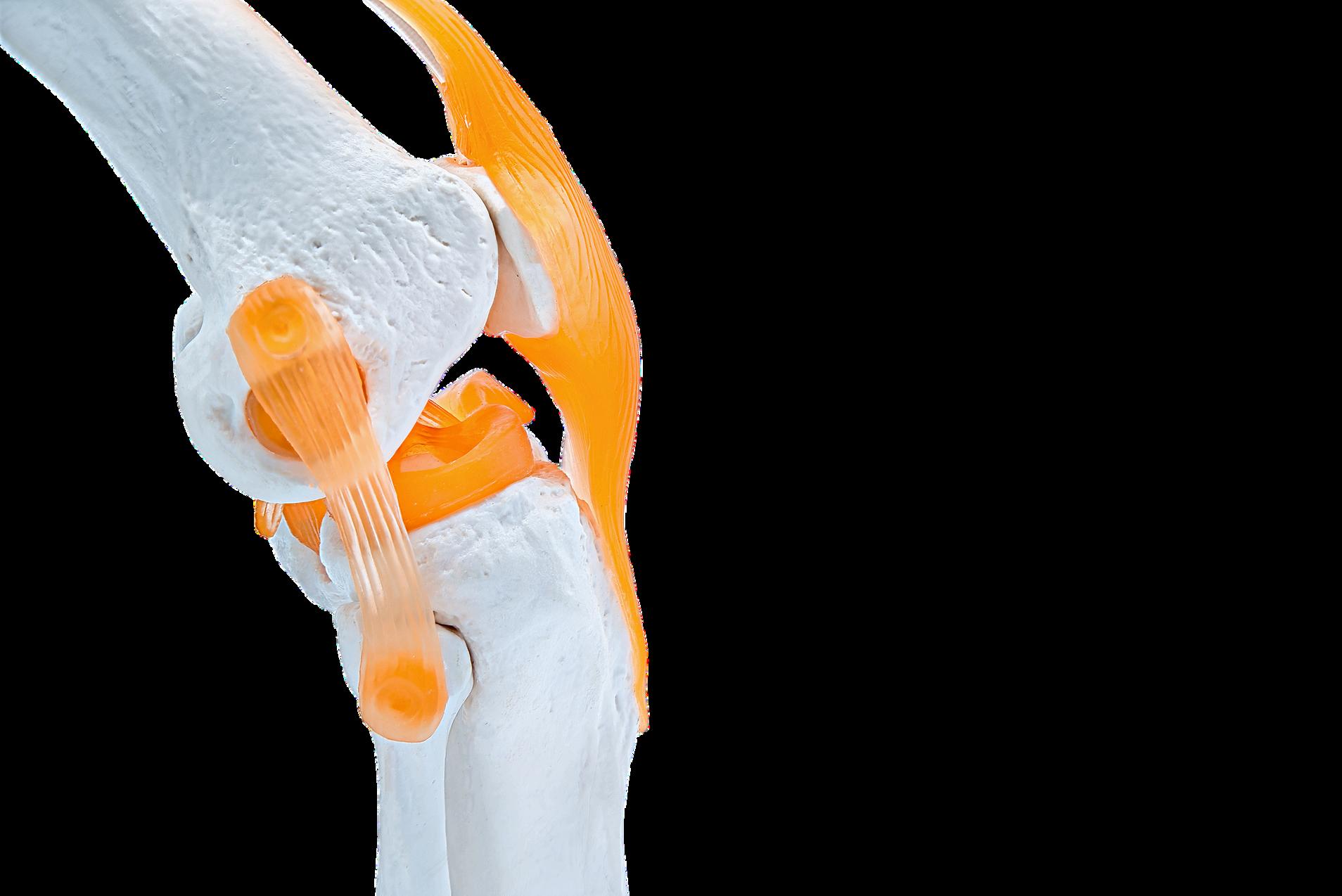
An anatomical model of the knee joint, showing the femur, tibia, and patella, with cartilage and connective tissue depicted in orange
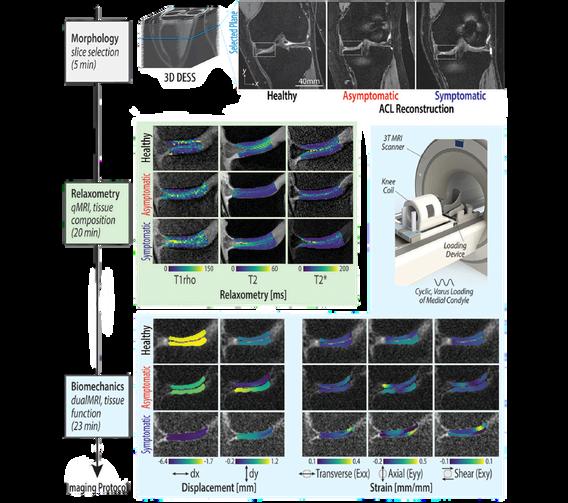
In this study, a muti-disciplinary team of University of Colorado researchers looked at people who had undergone ACL (anterior cruciate ligament) reconstruction a group known to be at higher risk for developing osteoarthritis later in life About six months after surgery, their knees may feel stable, but subtle changes can already be happening inside the joint
The findings were telling Compared to healthy knees, reconstructed knees showed signs of increased strain in key areas of the joint, meaning the cartilage was experiencing more stress than it should Among patients who reported ongoing symptoms like pain or discomfort, these changes were even more pronounced.
Interestingly, traditional MRI measures of cartilage composition could detect differences between injured and healthy knees but they weren’t as effective at distinguishing who was actually feeling symptoms The newer, motion-based imaging approach provided a clearer picture of which patients might be at greater risk
MRI Images
Using advanced MRI, researchers imaged the knee at rest and under gentle, repeated pressure revealing how it performs under stress, like a shock absorber in motion
Structure, composition, and function are captured in sequence to show what the cartilage looks like, the health of the tissue, and how it performs under stress
University of Colorado Researchers:
Woowan Lee, PhD (CU Boulder)
Pablo F. Argote, PhD (CU Boulder)
Rachel Frank, MD (CU Anschutz)
Eric McCarty, MD (CU Anschutz)
Jonathan Bravman, MD (CU Anschutz)
Daniel J. Stokes, MD (CU Anschutz)
Corey P. Neu, PhD (CU Boulder)
Why It Matters
Osteoarthritis doesn’t happen overnight. In many cases, the earliest signs of joint damage begin long before pain, stiffness, or changes on an X-ray appear. The challenge has always been catching those changes early when there’s still a window to slow or even prevent long-term damage.
These findings point to a powerful shift in how we think about joint health By detecting subtle, early changes in cartilage mechanics, clinicians may soon be able to identify patients at higher risk for osteoarthritis— months or even years before the disease becomes visible or debilitating.
That opens the door to earlier, more personalized interventions, from targeted rehabilitation to activity modifications, with the goal of preserving joint health for the long term
Osteoarthritis and Cartilage
Advancing Patient Care Through the Orthopedics Clinical Research Core
Established in 2023, the Orthopedics Clinical Research Core (OCRC) strengthens how clinical research is conducted across CU Anschutz Orthopedics bringing greater coordination, consistency, and support to studies that directly impact patient care.
The OCRC serves as the operational and regulatory backbone of clinical research, helping guide studies from launch through completion while supporting recruitment, data collection, and compliance with rigorous standards By centralizing these functions, the OCRC creates a more coordinated environment for clinical trials improving efficiency, strengthening oversight, and allowing investigators to focus more fully on advancing care For patients, this translates into more reliable and accessible clinical trials. Studies can open more efficiently, enroll more effectively, and operate with greater consistency expanding access to innovative therapies, including advanced treatment testing trials. Through standardized workflows and stronger quality oversight, the OCRC also improves the integrity of research supporting more accurate findings that translate into better treatments and outcomes for the patients we serve
The OCRC is a catalyst for innovation across our department, giving faculty the expertise, infrastructure, and support needed to advance impactful clinical research. Through a coordinated, facultycentered approach, we are building a world-class clinical research enterprise that accelerates discovery, strengthens clinical trials, and translates innovation into cutting edge treatments for our patients.
Michael Zuscik, PhD
Professor Vice Chair for Research
High-Resolution Musculoskeletal Imaging & Mechanical Testing Research Core Spotlight
Advancing musculoskeletal care begins with understanding how bones, joints, and soft tissues develop, respond to injury, and heal The Imaging and Mechanical Testing Suite provides investigators with access to advanced imaging technologies and biomechanical testing capabilities that help reveal both the structure and function of musculoskeletal tissues across a wide range of research models.
Led by Douglas Adams, PhD, the suite operates as a collaborative research resource rather than a traditional service facility Faculty, trainees, and research staff work directly with experienced scientists and technical experts who provide mentorship, study design guidance, hands-on training, and experimental support throughout the research process. This partnership model strengthens scientific rigor, fosters innovation, and helps investigators generate highquality data that advances discovery
The suite's state-of-the-art capabilities include high-resolution three-dimensional X-ray imaging, bone density and body composition assessment, and mechanical testing platforms capable of evaluating tissue performance from small animal models to human-scale specimens Together, these tools enable researchers to connect tissue structure with function, accelerating translational research and bringing new musculoskeletal therapies closer to patients.
The most powerful discoveries occur when advanced technology is paired with scientific collaboration. Our goal is to provide investigators with the expertise, tools, and mentorship needed to transform complex biological questions into meaningful advances for musculoskeletal health.
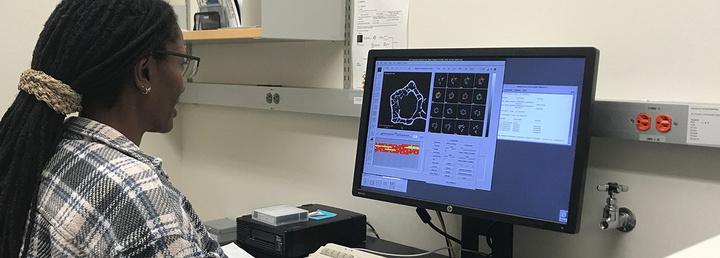
Veronica Butler, BS, Senior Laboratory Science
Professional, analyzes three-dimensional bone architecture using high-resolution X-ray imaging technologies
Associate Professor
Advocating for Athlete Care
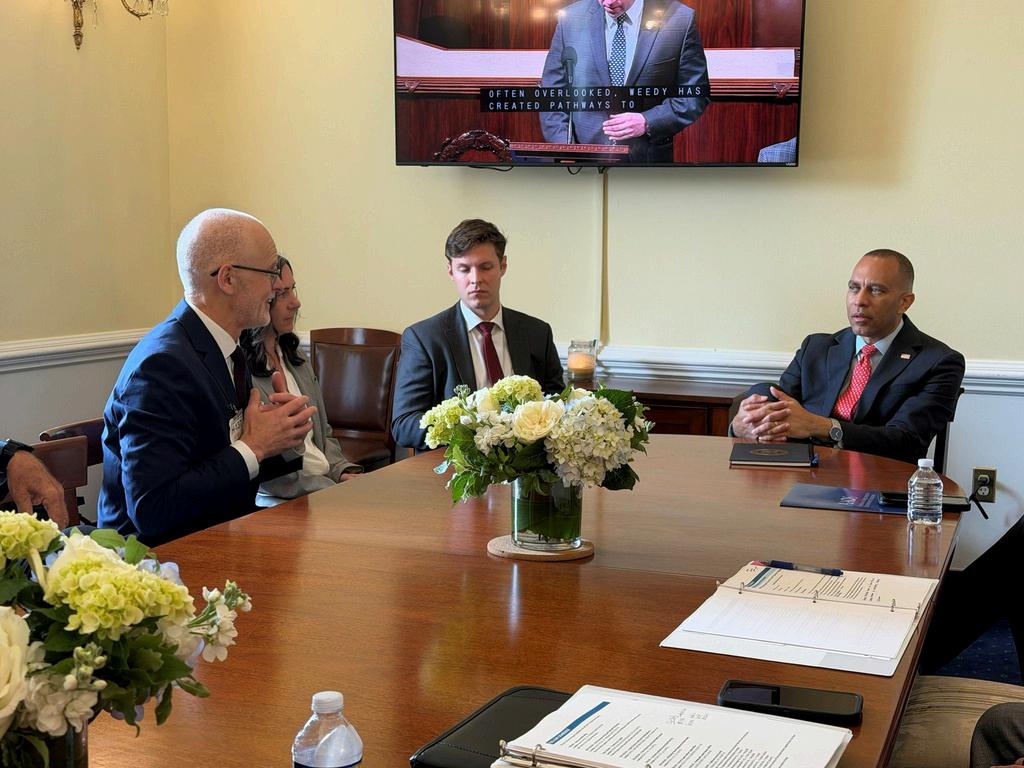
Advocacy is an extension of patient care. This spring, orthopedic leaders brought that commitment to Capitol Hill, highlighting the policies needed to protect athletes and the physicians who serve them amid a rapidly changing sports landscape
Convened by AAOS and partner organizations, the briefing focused on preserving access to care across all levels of sport while addressing growing legal and regulatory pressures on team physicians.
Panelists including AOSSM President and CU Anschutz Professor and Chief of Sports Medicine
Eric C. McCarty, MD emphasized the importance of medical independence, continuity of care across state lines, and protections for clinicians providing good-faith care As the landscape of athletics shifts, speakers warned that increasing liability risks could deter experienced physicians from serving on the sidelines, ultimately affecting athlete safety.
The discussion highlighted a broader push among physicians, policymakers, and even elite coaches to stabilize the care structures athletes rely on ensuring that medical decision-making remains centered on health, not external pressures
Every championship, every scholarship, and every comeback begins with something most people never see: trusted medical care. If we lose the physicians willing to serve athletes, we put athlete health at risk.
Eric McCarty, MD
Professor Chief | Sports Medicine
Eric McCarty, MD (left) speaking with House Minority Leader, Hakeem Jeffries
The Power of Possibility
Groundbreaking research happens every day at the University of Colorado Anschutz
Ranked among the world's leading research institutions in the latest Nature Index, CU Anschutz reflects the collective impact of faculty, researchers, clinicians, staff, and students whose discoveries are advancing science, improving patient care, and transforming lives Their work spans disciplines, crosses borders, and drives innovations that continue to shape the future of health and medicine and redefine what’s possible
This recognition is a testament to the outstanding research community at the University of Colorado Anschutz. Every day, their expertise and dedication advance health, improve patient care and change lives. We're proud to see their impact reflected on the national and global stage.
The Nature Index is a database that tracks high-impact scientific research and global collaboration across leading institutions. It measures contributions to articles in a select group of peer-reviewed journals, offering a rigorous benchmark for research excellence while mapping partnerships to avoid inflating metrics
CU Anschutz is recognized as a leader in health science, education, research, innovation and patient care by many organizations
Learn more about all our notable national designations by tapping the link icon.
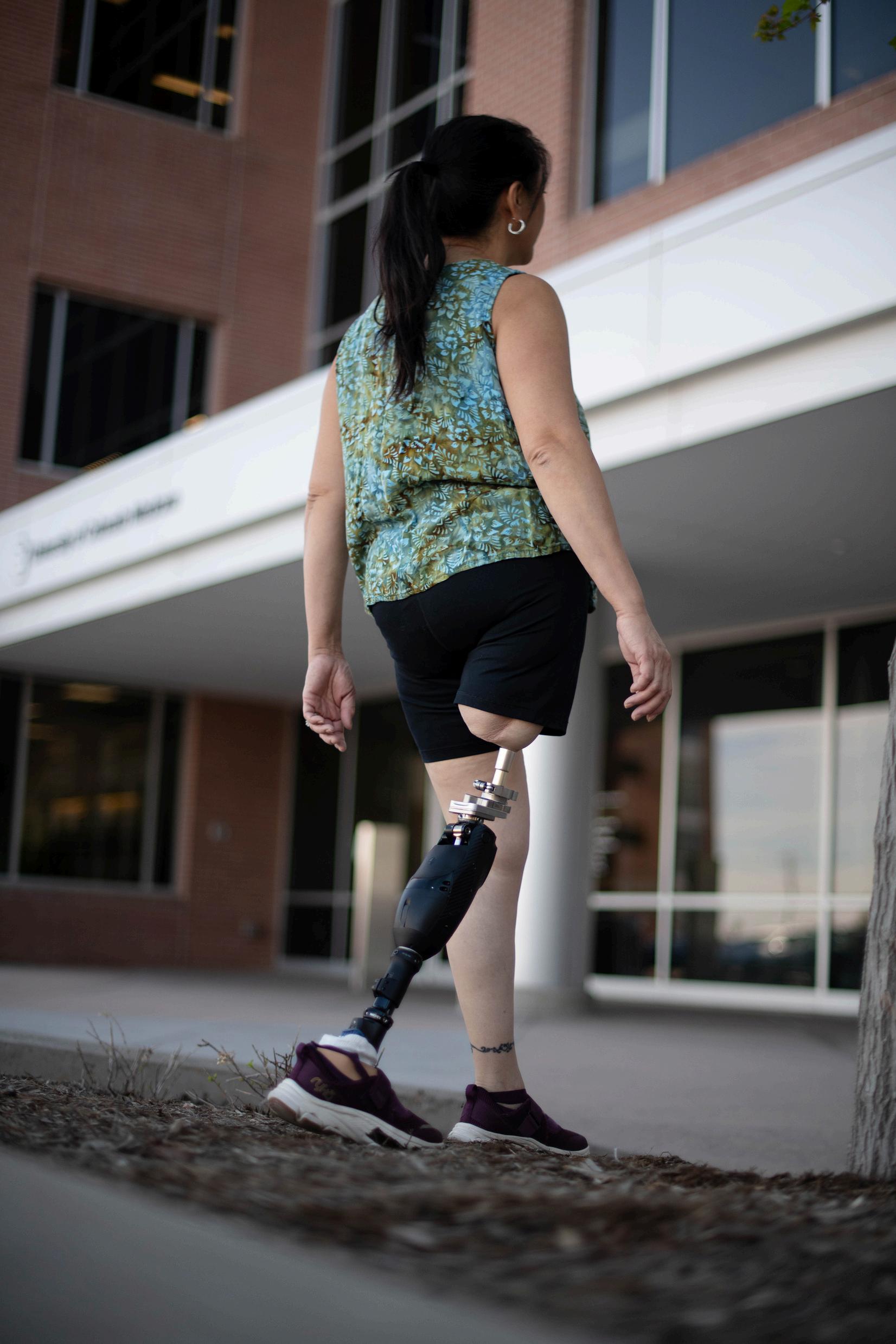
Demonstrating perfect posture and an impeccable gait, boneanchored limb patient, Nina Urbina (Pierce, CO) tests a newer technology osseointegration prosthetic by walking on uneven terrain outside the CU Medicine Center for Prosthetics
The indominable spirit and determination of our bone-anchored limb patients to redefine on their own terms what is possible for themselves is a powerful reminder of what’s can happen when expertise, innovation, and human resilience come together. N e w p o s s i bi l i t i e s
For the second consecutive year, the Limb Restoration team consisting of doctors, nurses, physical therapists, case workers and program coordinators have given patients a place to do just that in the form of the Osseointegration Bootcamp, a two day event in April that brought together patients from more than a dozen states in a shared space of support and community to navigate the unique and often challenging journey that limb difference presents Hosted across our UCHealth clinics and the CU Medicine Center for Prosthetics, the event offers immersive education, peer support, and direct engagement with care teams marking a significant step forward in patient-centered programming and innovation. Participants also received personalized feedback from our research team on studies to which they’ve directly contributed, offering valuable insights into their individual cases In addition, they took part in prosthetic foot trials and engaged in group rehabilitation sessions led by the UCHealth PT OI Team
“Redefining what’s possible” has become part of our mantra as a department. We embrace it for what it says about us as clinicians and researchers undeterred in our pursuit to push boundaries and never accept the status quo in patient care But redefining what’s possible isn’t just central to our mission it’s what we see in our patients, and no one lives this philosophy more than bone-anchored limb patients Quite literally having to learn again to walk or to use their arms, our patients have boldly pushed through tremendous physical and emotional trauma and emerged on the other side strong and determined not to let limb difference hold them back
We can talk about innovation and outcomes, but here—you see it. This is where our work comes to life, as patients come together, support one another, and push beyond what they thought was possible alongside a team fully committed to guiding them every step of the way. The medicine matters, but it’s the combination of care and community that makes this program truly transformative.
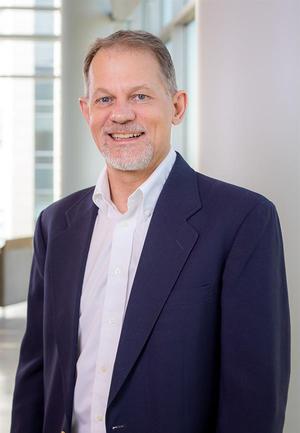
Jason W. Stoneback, MD
Professor Chief | Orthopedic Trauma & Fracture Director, Limb Restoration Program
New Ways Forward
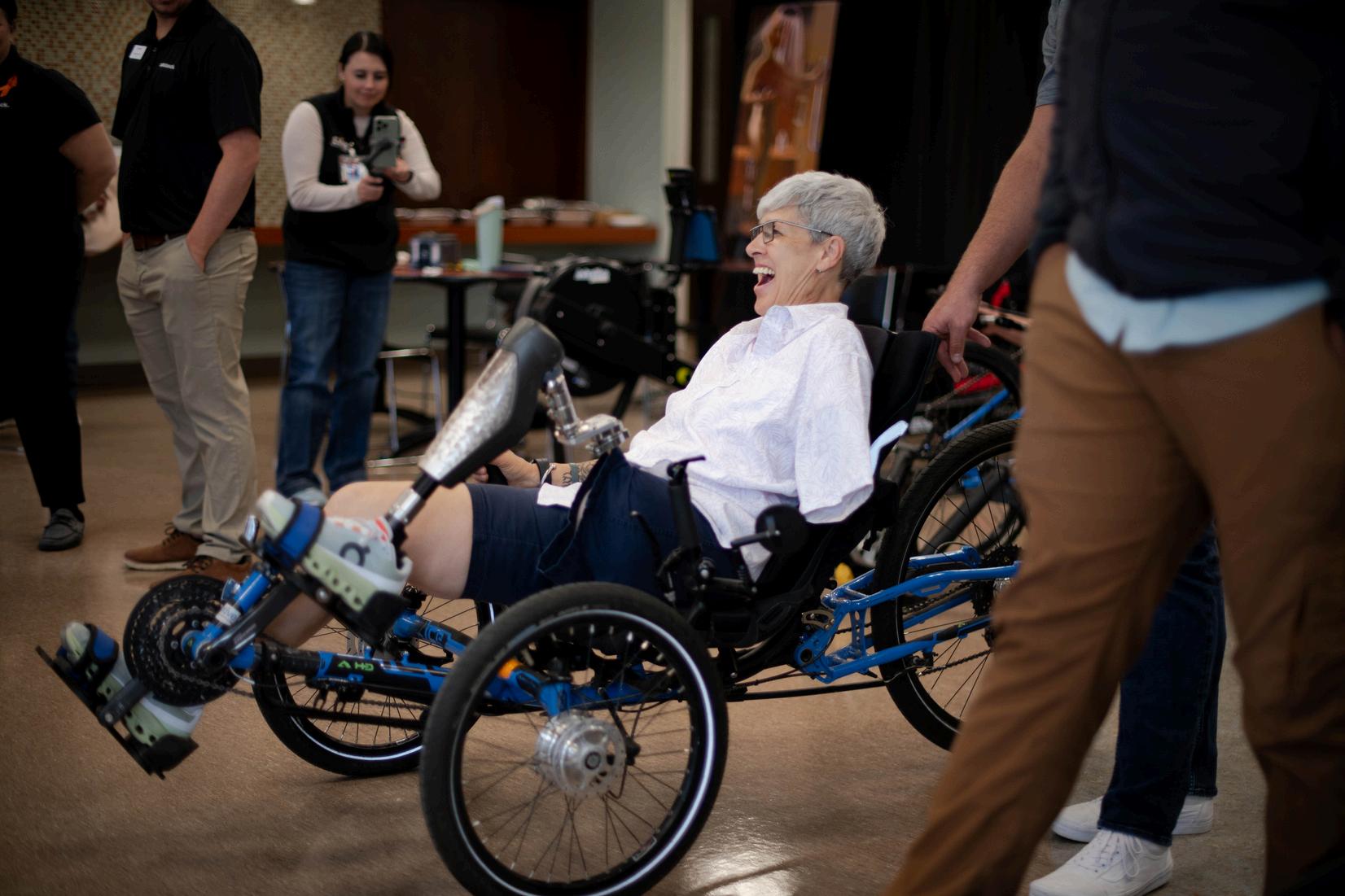
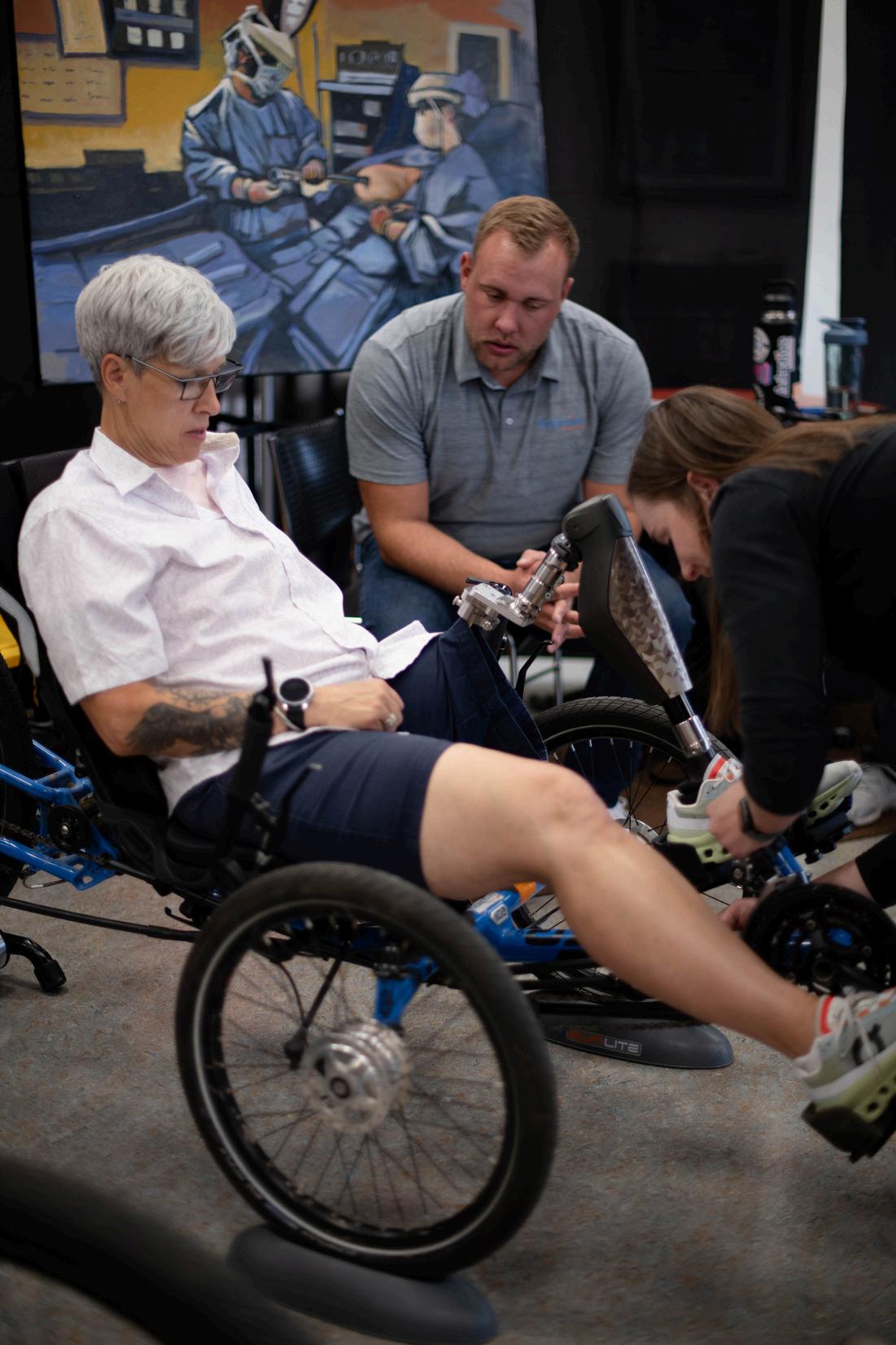
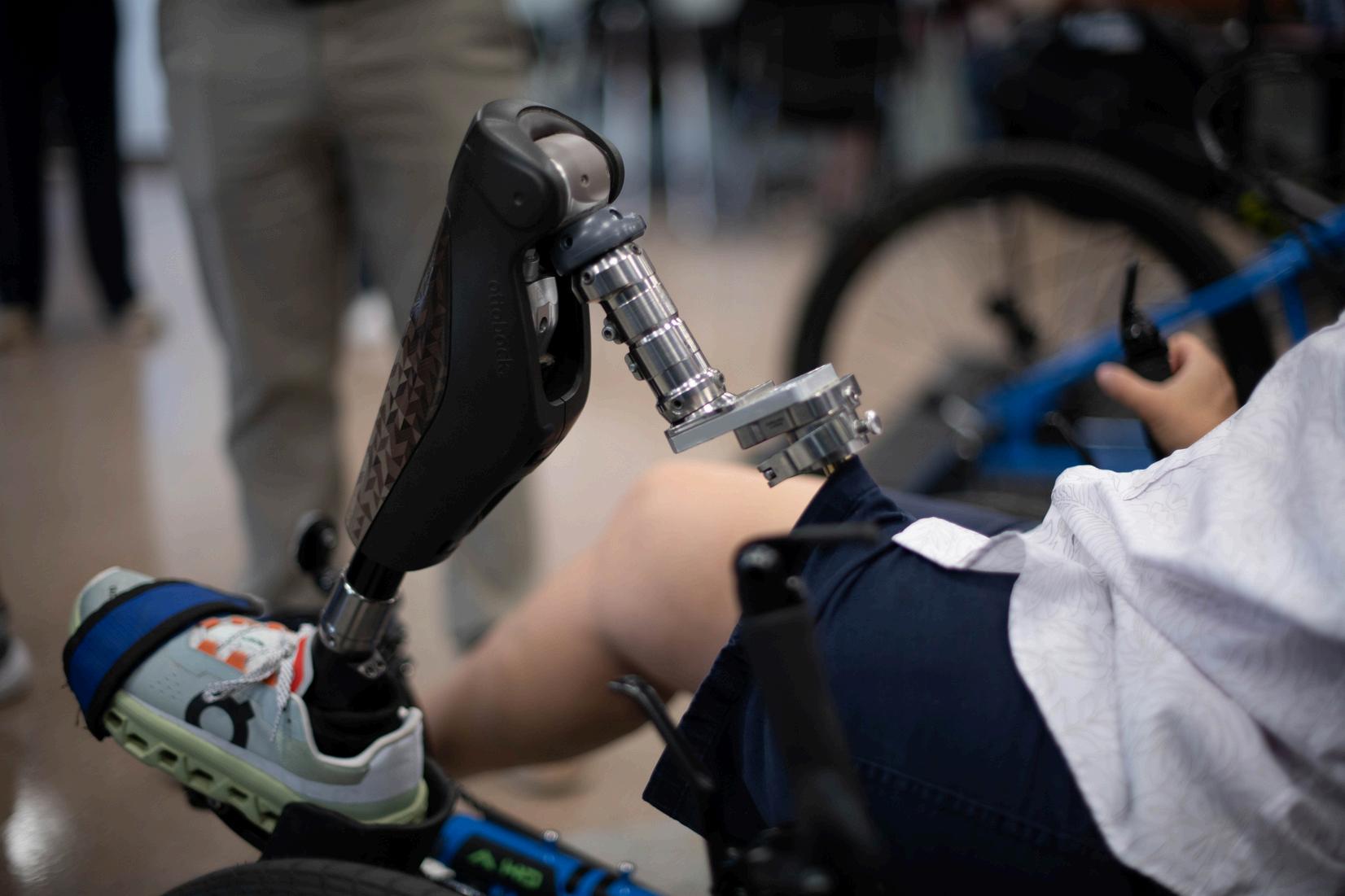
With a megawatt smile that lights up a room, and a personality to match, Lynn Kari (Ruston, LA) seems impervious to a bad day, but injuries sustained in a severe motorcycle accident resulted in a transfemoral (aboveknee) amputation of her left leg and transhumeral (above-elbow) amputation of her left arm And yet, her resilience is remarkable That same resilience and optimism shapes how she shows up for herself in this new normal approaching each new experience with curiosity, joy, and determination At Bootcamp, Lynn and other patients had the chance to try adaptive equipment designed to expand what’s possible in movement and recreation.
Through our partnership with Adaptive Adventures a Colorado-based nonprofit dedicated to making outdoor recreation accessible to individuals with physical disabilities participants explored activities that prioritize independence, community, and confidence For many, it’s not just about trying something new it’s about rediscovering freedom, one experience at a time
For Lynn and all of our OI patients, the journey doesn’t end with recovery it continues in the simple, joyful, often hard-won moments defined not by limitations, but by the determination to keep moving forward
Jessie Miller, Program Coordinator (top) captures the joy on Lynn’s face as she imagines new, exciting possibilities while demoing a recumbant bicycle.
Lynn’s foot is secured onto the bike pedal by representatives from Adaptive Adventures
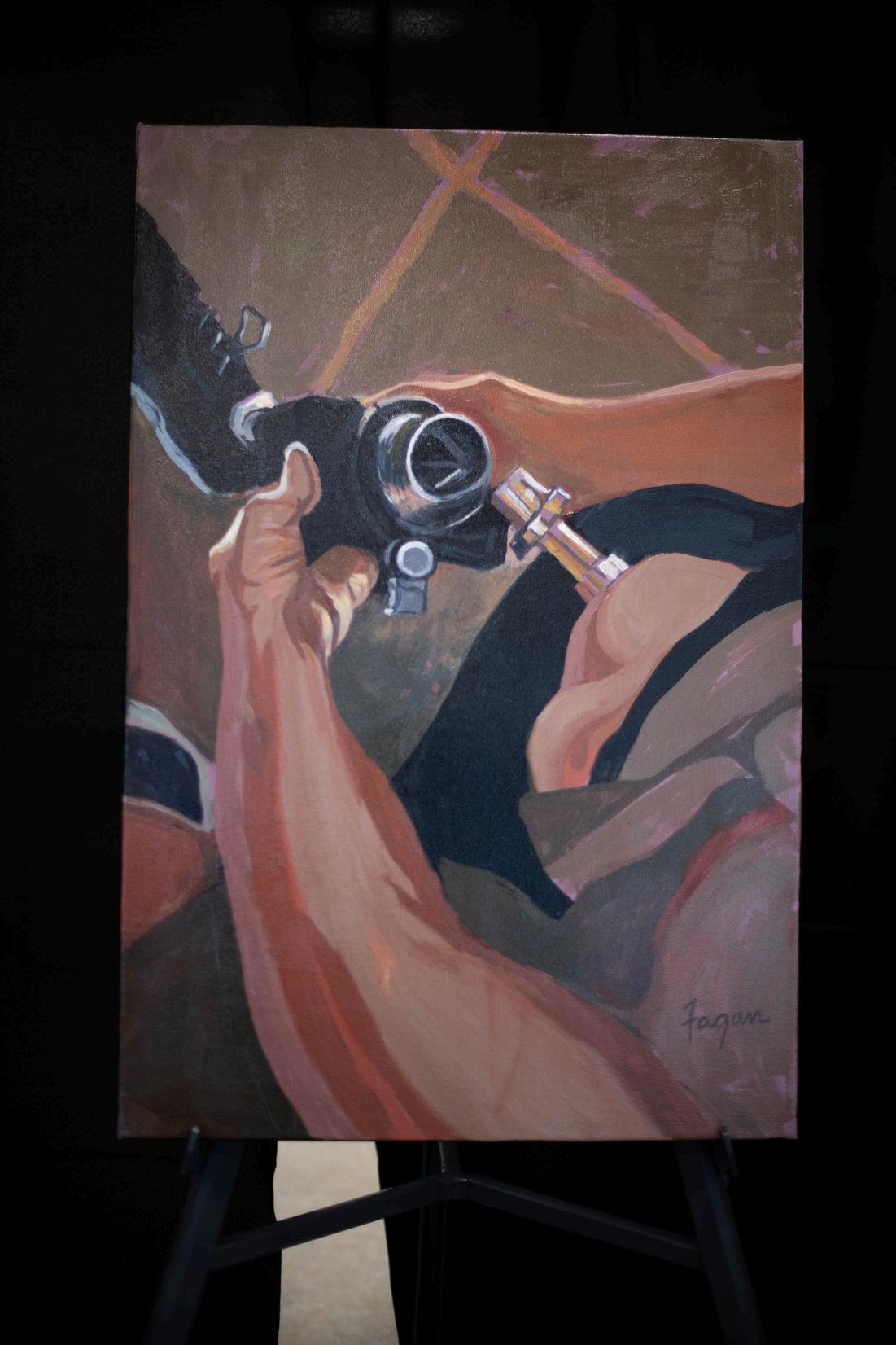
A painting created by a former patient, Tom Fagan sits on an easel in the back of the exercise equipment area. Many pieces of Tom’s art filled the space as a testament to the power of art and creativity in the healing journey
Regional Clinical Specialist and Prosthetist Dan Irlbeck examines Stan Schaar during a fitting and demo of the ÖSSUR Power Knee™ in the lab at the CU Medicine Center for Prosthetics
Did You Know?
Limb Loss and Limb Difference Awareness Month (LLLDAM) is observed every April to celebrate the resilience of over 5.6 million Americans living with limb loss or limb difference.
Originally created in 2010 by the Amputee Coalition, the month advocates for equitable medical care, accessibility, and community support
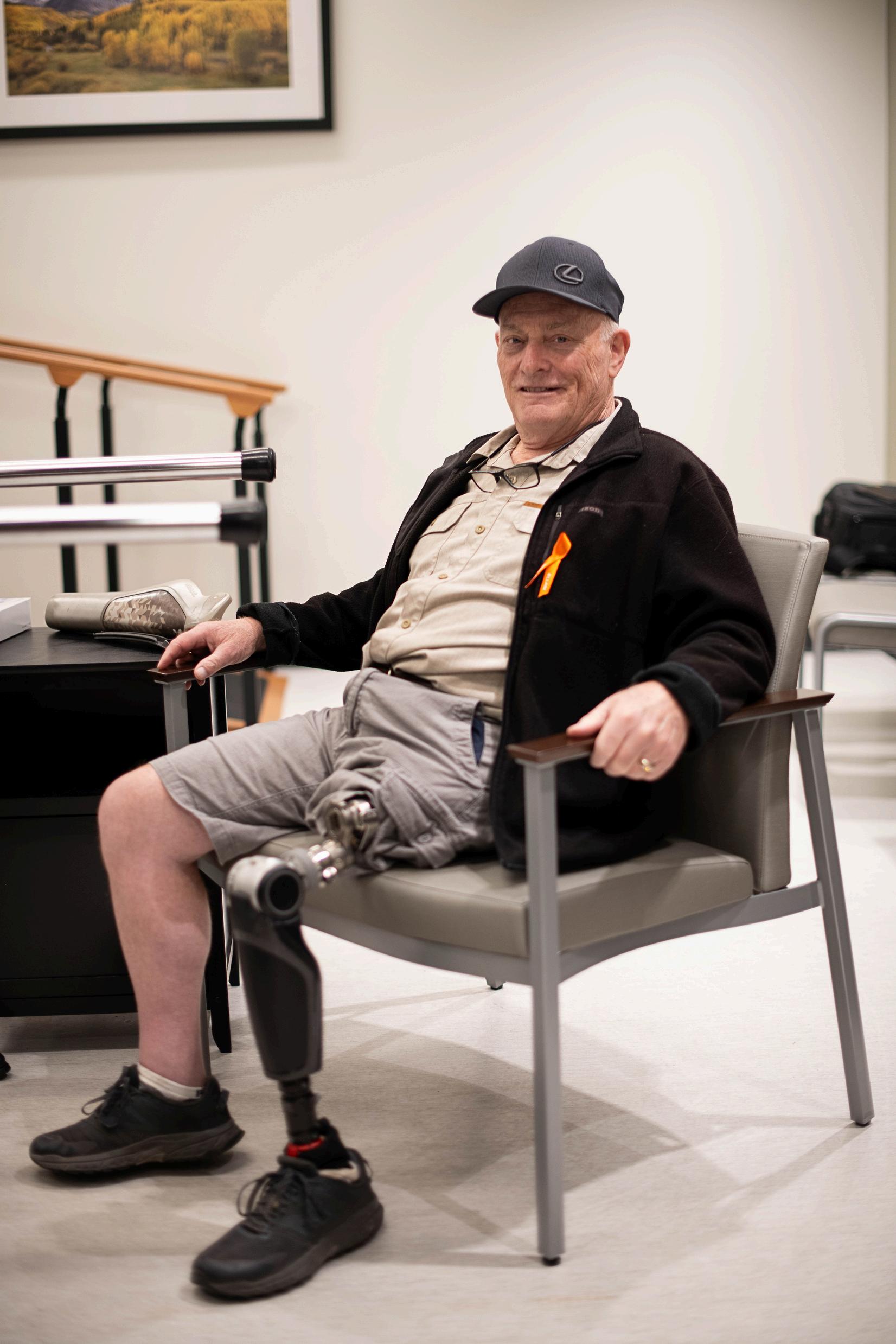
The orange ribbon is a global symbol of visibility, strength, and support.
UT) sat for a portrait in the lab at the CU Medicine Center for Prosthetics
Stan Schaar (Holladay,
After years of struggling with traditional prosthetics, Joshua Karczewski set out in search of a better way forward. Now living with osseointegration, he reflects on the physical and emotional journey—from injury to innovation— and the purpose he’s found in helping others navigate life after limb loss.
Can you share a little bit about your story?
My name is Joshua Karczewski, I’m from Bella Vista, Arkansas. I became an amputee in June 2013 after a motorcycle accident I was hit by a drunk driver It essentially tore off the lower part of my leg and shattered my femur They were able to save the femur, but I had a below-the-knee amputation
For the next eight years, I used traditional prosthetic sockets. I probably saw 12 different prosthetists trying to get the right fit, but I never really got there. There was always too much movement in the socket and too many changes throughout the day with activity I’m very active biking, hiking and sweating would lead to irritation and infections Then I would be off the prosthesis for weeks while it healed, only to start the cycle again It got to the point where I was three weeks on, three weeks off That’s when I started seriously looking for an alternative.
How did you find out about Osseointegration at CU Anschutz?
I had been researching osseointegration (OI) for a number of years I even spoke with a team in Australia but it was incredibly expensive no insurance coverage and I would have had to stay there for months. That just wasn’t realistic. So I kept watching to see when it would become more available in the U S Around 2020 or 2021, I talked with another clinic about my chronic pain and asked if they were doing OI They weren’t familiar with it but said they’d be willing to try I didn’t want to be the first case I didn’t want to be the guinea pig
I started looking more seriously and found a list of U.S. surgeons through an online community. At the time, there were only a few Dr Stoneback had the most experience After speaking with the team and coming out to meet them, it was clear they had a well-rounded approach not just the surgery, but the aftercare, physical therapy, everything It just felt like they had their system figured out. That mattered a lot. You can have a big medical center do the surgery, but without the right aftercare, you’re missing a huge part of the process. So I moved forward here. I had surgery in August 2021 and returned for therapy in October
What has been the biggest change with OI?
They told me going in that I’d start to feel things again connection to the ground, how I move in space I underestimated that Even in a socket, I thought I felt things pretty well I’ve always had a high tolerance I could walk in almost anything. But now, with OI, I actually feel the prosthetic in a completely different way. I can feel small things clicking, subtle movements in the foot.
That’s been huge, especially when testing different prosthetic feet I can give real feedback about what works for my activities It also helps inform research what should be improved and what actually matters in design With a socket, I don’t think you fully benefit from the technology With OI, you’re using the mechanics of the prosthesis in a much more complete way.
Community seems important to you. Can you talk about that?
I’m a certified peer volunteer wi Coalition I’ve been doing that fo Even before OI, I’ve always just helping others get through wha through. And so I would just pu with my prosthetist and say ‘He anyone coming through and the through something like this, let m can speak with them’ And so t create some of that community
I’ve been with folks who are decision to have an amputation the other side who had an eme an amputation and they’re sittin bed and don’t know what to do have all those scary questions t was in that same position. Som a friend of a friend One of our p -his wife was about to get an am because of cancer so I spoke w because that’s what we should doing it You know, I wish I coul I had the time to do more
Can you share an exam of that impact?
I remember seeing a post in a lo group from a mother whose son severe accident and was likely g leg He was 19, just starting his like everything was over I reached out and offered to her Those conversations matte patient but for the family. Ampu everyone around you. Families a support you, but they’re also de own emotions.
I’ve also talked to people ch amputation after years of failed sometimes without family suppo is helping them see all sides th but also what their family might There’s a lot to process, and ha who understands both the phys emotional side can really help.
Anything else you’d like to share with us?
Right | Denise Knutsen, MEd Restoration Athletic Trainer & Os and Joshua Karczewski
The People Behind What’s Possible
For every patient who comes through our doors, there is an entire team working alongside them. Bringing an event like the Osseointegration Bootcamp to life and providing comprehensive care year-round requires the coordination and commitment of specialists across more than a dozen disciplines, including endocrinology, vascular medicine, infectious disease, interventional radiology, musculoskeletal oncology, orthopedic surgery, plastic surgery, amputee rehabilitation, prosthetics, physical therapy, gait analysis, and social work
Jason W. Stoneback, MD Orthopedic Surgery Trauma & Osseointegration
Jessie Miller Program Coordinator Limb Restoration
and Rehabilitation
Kenneth J. Hunt, MD Orthopedic Surgery Foot & Ankle
Guy
DPT
Ryan McFadden, PT, DPT Rehabilitation Therapy
Kelli Cowen, PT Rehabilitation Therapy
Lee Bernhardt, PT, DPT Rehabilitation Therapy
Katherine Payne, MD Physical Medicine
Maria
Denise Knutson, MEd, LAT, ATC
From surgeons, nurses, and prosthetists to rehabilitation experts, athletic trainers, researchers, case managers, and program coordinators, our interdisciplinary care model delivers coordinated, evidence-based treatment plans tailored to each patient's unique needs By aligning expertise around the whole person, we ensure consistent, holistic care that leads to better outcomes and helps patients redefine what’s possible
Cory Christiansen, PhD, PT PM&R Research
Alexander Merkle, MD Musculoskeletal Radiology & Intervention
Michael Haden, MD Infectious Disease
Lisa Walker, MD Vascular & Interventional Radiology
Donald Jacobs, MD Vascular Surgery
Max Wohlauer, MD Vascular Surgery
Mary Kristen Jesse, MD Musculoskeletal Radiology
Lynn Pezzanite, DVM, MS, PhD Translational Medicine Colorado State University
Becca Gaffney, PhD Mechanical Engineering Research
Mohamed Awad, MD, MBA Orthopedics Research
Eric Earley, PhD Orthopedics Research
Dana Carpenter PhD Mechanical Engineering
Mark Greyson, MD Plastic Surgery
Ty Higuchi, MD, PhD Urology
Kelsey Dougherty, PA-C, MMSc Infectious Disease
Laura Damioli, MD Infectious Disease
Colin Strickland, MD Radiology
Michael Durst, MD Radiology
David Gimarc, MD Radiology Siri Lowry Program Coordinator Limb Restoration
April 2026 OI Bootcamp
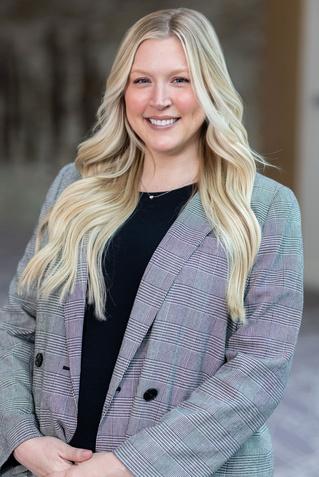
A Personal Reflection by Nina Urbina
Attending the OI Bootcamp this past April was an unexpectedly emotional and empowering experience for me I went in hoping to learn, but I left feeling deeply connected not just to the technology, but to the people who live this journey every day
One of the most meaningful parts of the bootcamp was meeting prosthetists, clinicians, and amputees from all over the country Each conversation felt like a window into someone’s lived reality Some people shared their struggles, others shared breakthroughs, and many of us found ourselves bonding over the small, everyday challenges that only another amputee truly understands. Those moments of honesty and connection stayed with me.
We also had the rare opportunity to try on the newest microprocessor knees and feet something I had never experienced in such a hands on, supportive environment Being able to actually feel the difference in stability, responsiveness, and movement was powerful It wasn’t just a product demo; it was a chance to ask real questions, talk openly about our specific needs, and explore what mobility could look like for each of us For many people there, it was the first time they felt truly heard by professionals who understood the nuances of limb loss
Another highlight was spending time with Adaptive Adventures, an organization that brought specialized equipment designed for people who are differently abled. Watching them demonstrate adaptive sports gear and mobility tools was inspiring. It reminded me that mobility isn’t only about walking it’s about reclaiming joy, hobbies, confidence, and the parts of life that make us feel whole
This experience didn’t just teach me about new technology - It gave me stories, faces, and moments I’ll carry with me It deepened my empathy and strengthened my commitment to helping others navigate their own mobility journeys with clarity and compassion It reminded me of the strength, humor, and resilience that exist in this community And it made me proud to be part of it
Nina Urbina demos an exercise machine originally designed as a trainer for cross country skiers It is easily adapted for athletes like Nina with lower body injuries
& HOPE INNOVATION, COLLABORATION,
Martin McCarter, MD and Jeff Rytlewski, MD (CU Anschutz) share insights at the 2 Annual Rocky Mountain Sarcoma Symposium nd
Photos by Photography G
From laboratory discovery to lifechanging care, a growing network of sarcoma experts is transforming what’s possible for patients.
Sarcoma care has always required a different kind of approach It’s rare, complex, and often unpredictable which means progress depends on more than a single discovery A willingness to share knowledge across disciplines and institutions is essential
At the second annual Rocky Mountain Sarcoma Symposium, that kind of collaboration was on full display. Clinicians, scientists, and care teams from CU Anschutz, CU Boulder, Colorado State University, and leading institutions across North America came together with a shared goal: to move promising research beyond the lab and into patient care
“To me, this is now a premier annual scientific meeting that I look forward to all year long—a perfect blend of basic and translational research framed by cutting edge clinical medicine talks that provides an excellent reminder of who we do this work for.”
Dan
Regan, DVM Colroado State University
Visiting faculty including Janai Carr-Ascher, MD, PhD (UC Davis), Patrick Grohar, MD, PhD (University of Michigan), Ashleigh Guadagnolo, MD, MPH and Valerae O Lewis, MD (MD Anderson Cancer Center), Robert Maki, MD, PhD (Memorial Sloan Kettering Cancer Center), Michael Monument, MD, MSc (University of Calgary), and Jane Underdown, MD (University of Utah Health) brought national perspective to discussions spanning discovery, treatment, and survivorship.
That translation—from bench to bedside— was a constant theme. In sessions on basic and translational science, researchers are zeroing in on how sarcomas develop and change over time, opening the door to more precise, targeted treatments. New approaches in immunotherapy, including next-generation CAR T-cell strategies, are being designed to better recognize and attack cancer cells bringing the possibility of more personalized care into sharper focus
In a uniquely collaborative twist, some of that work is happening across species Studies in canine osteosarcoma are helping researchers better understand metastatic disease and test new therapies, accelerating insights that may benefit both animals and people
At the same time, advances in clinical care are reshaping what treatment looks like for patients right now. New systemic therapies are expanding options for difficult-to-treat tumors like chondrosarcoma, while evolving strategies in surgery and radiation are helping control disease with greater precision
Just as important, these approaches are increasingly focused on life after treatment Surgeons are prioritizing techniques that restore form and function, not just remove tumors. Radiation oncologists are refining therapies to reduce long-term side effects. And across the board, teams are working to better predict how patients will respond so treatment can be adjusted earlier, and more effectively
For pediatric and young adult patients, that comprehensive view is especially critical Efforts to better understand genetic risk, disease progression, and long-term outcomes are helping shape care that looks beyond survival toward quality of life and prevention.
What’s emerging is a more connected model of care one that brings together national research and clinical expertise, and the shared insight to move faster than any one program could alone Sarcoma remains a formidable challenge But the momentum is real And for patients, that progress steady and collaborative is beginning to change what’s possible
Together, we are building the preferred sarcoma center in the Rocky Mountain Region, with national reach advancing research, expanding clinical trials, and offering new hope to patients.
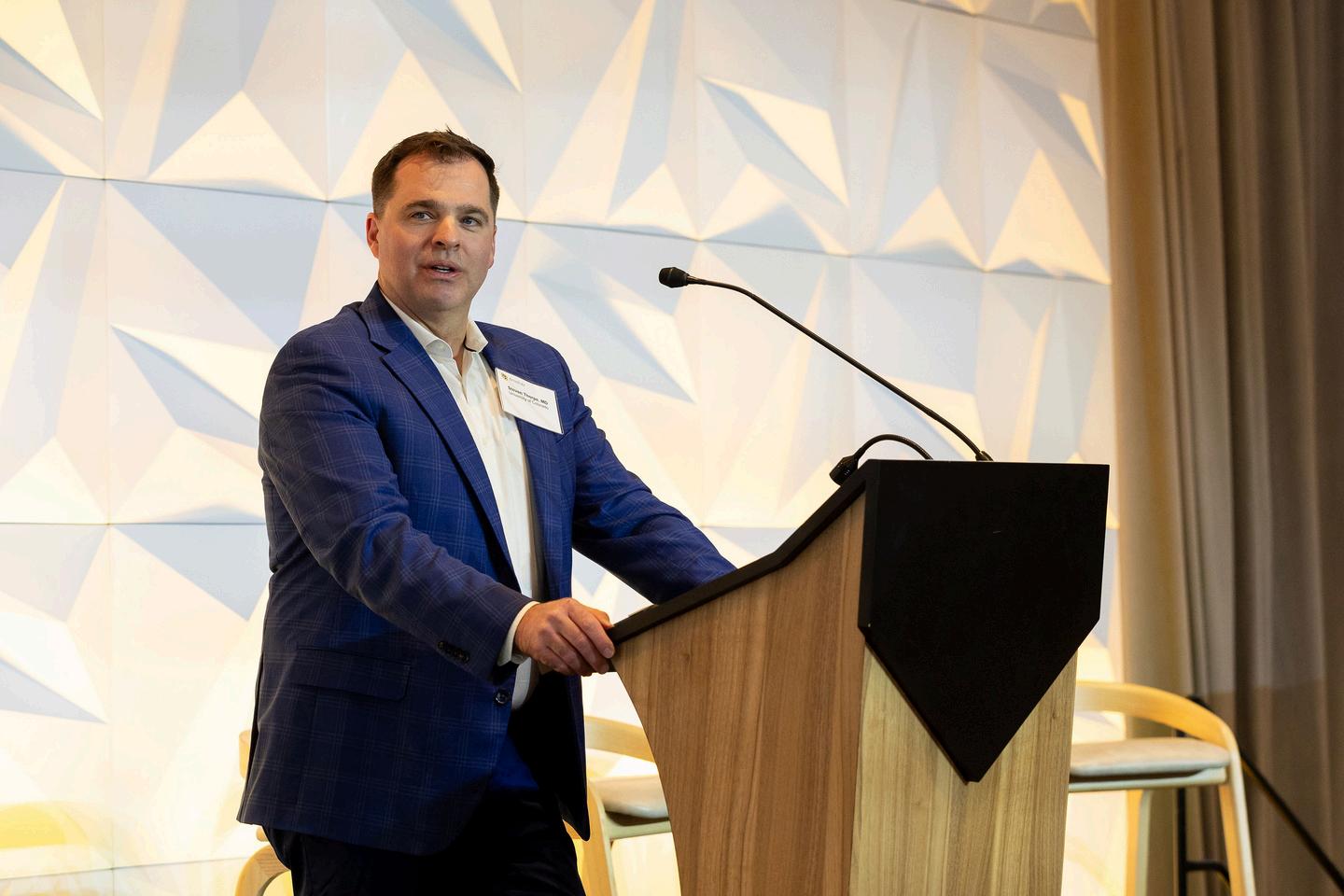
Steven Thorpe, MD
Associate Professor Chief | Musculoskeletal Oncology
What This Means for Patients
More personalized treatments New research is helping doctors better match therapies to each patient’s specific tumor.
Faster progress from lab to clinic
Collaborative research is accelerating how quickly new discoveries reach patients
Expanded treatment options
Advances in systemic therapies, surgery, and radiation are improving care for complex and rare sarcomas
Better quality of life
A growing focus on function, recovery, and long-term outcomes is reshaping survivorship
New hope for the future
Ongoing research including immunotherapy and biomarker development points toward earlier detection and more effective treatment.
Steven Thorpe, MD (CU Anschutz) delivering the welcome address at the 2 Annual Rocky Mountain Symposium nd
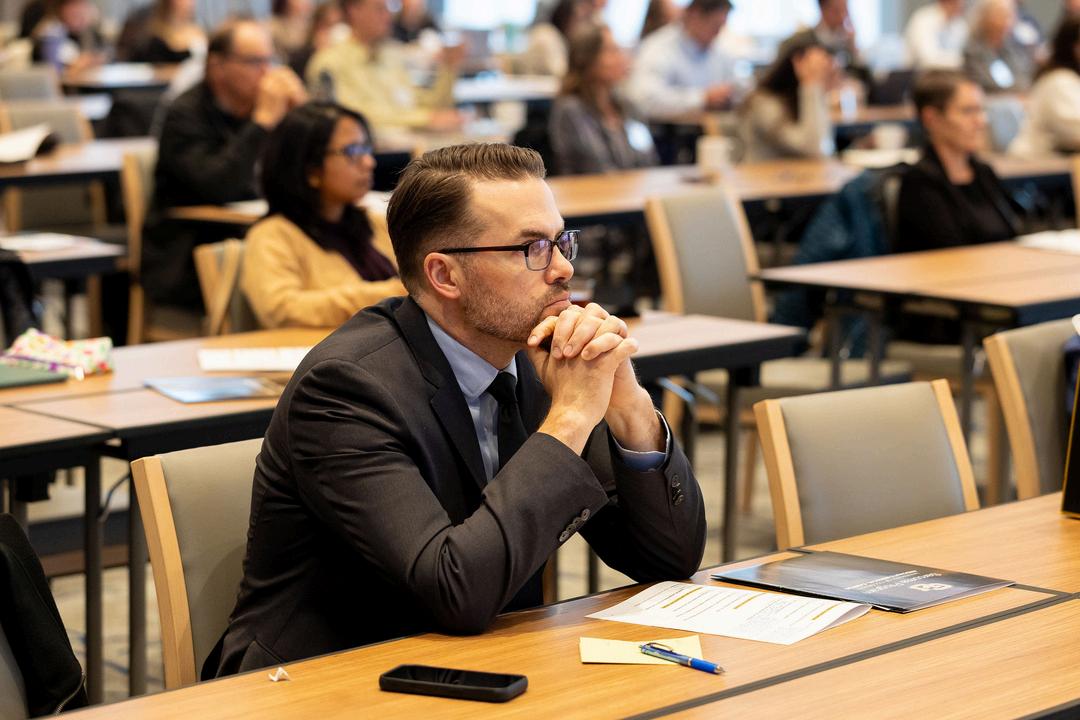
Nathan Donaldson, DO (CU Anschutz) in session at the 2 Annual Rocky Mountain Sarcoma Symposium nd
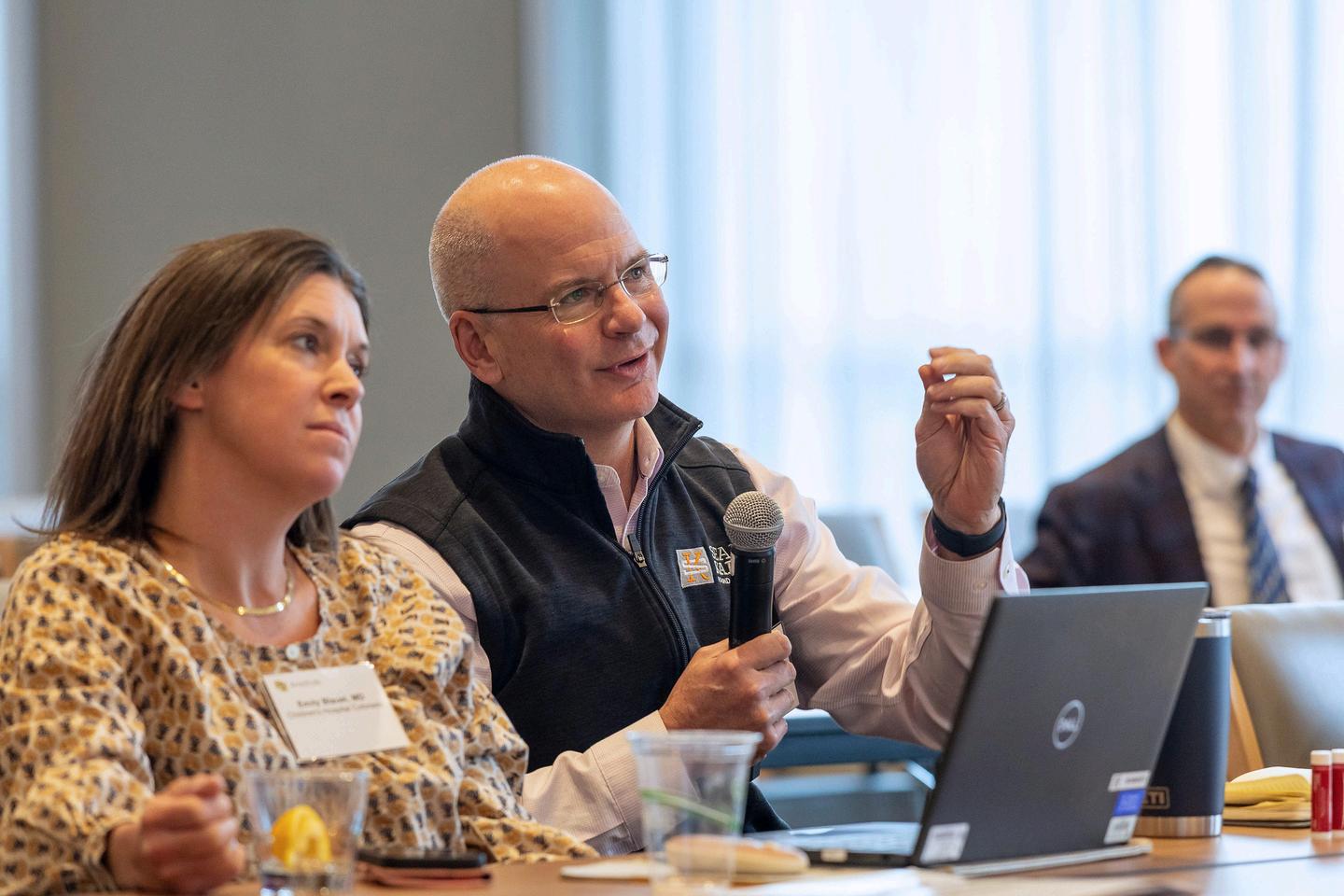
Patrick Grohar, MD, PhD (University of Michigan) and Emily Blauel, MD (CU Anschutz) engaged in discussion at the 2 Annual Rocky Mountain Sarcoma Symposium nd
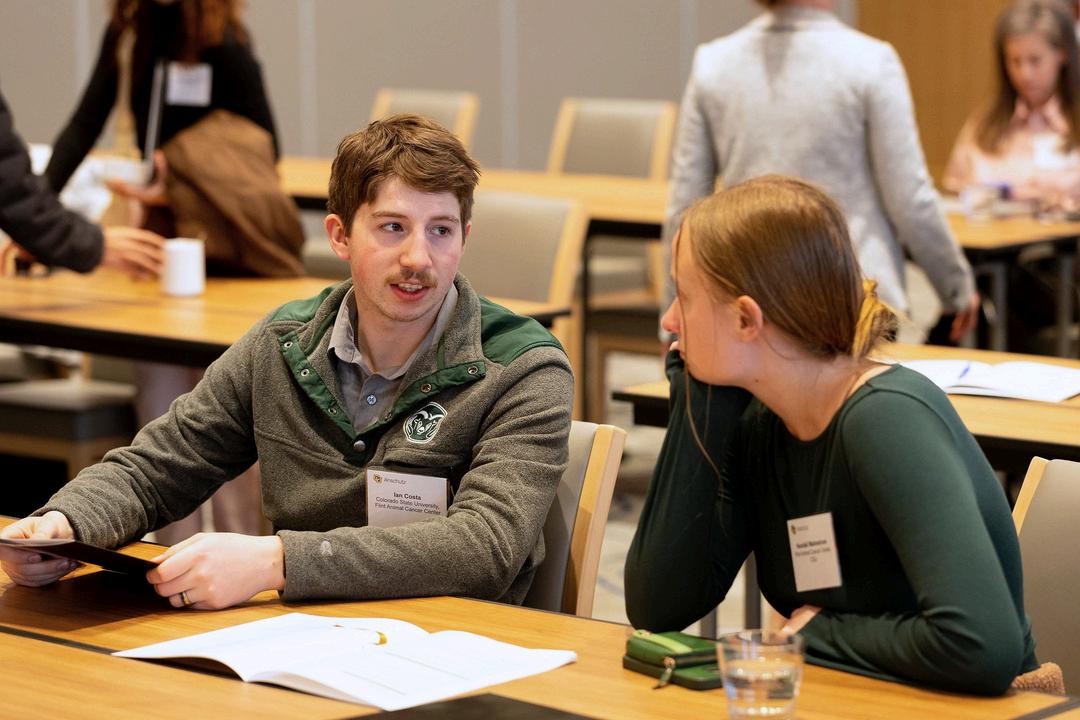
Students, Ian Costa and Kendall Malmstrom (Colorado State University), share insights at the 2 Annual Rocky Mountain Sarcoma Symposium nd
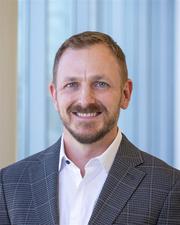
Back row (left to right): Steven Dow, DVM, PhD (Colorado State University) | Masanori Hayashi, MD Qierra Brockman | Sujatha Venkataraman, PhD (CU Anschutz) | Daniel Regan, DVM, PhD (Colorado State University) | Breelyn Wilky, MD (CU Anschutz) | Martin McCarter, MD (CU Anschutz)
front row (left to right): Qierra Brockman, PhD (CU Anschutz) | Jeff Rytlewski, MD (CU Anschutz) | Ryan Lanning, MD, PhD (CU Anschutz) | Jacob Cawley, MS, DVM (Colorado State University) | Steven Thorpe, MD (CU Anschutz)
Back row (left to right): Amber Wagner, RN (CU Anschutz) | Sarah Reynolds, RN (CU Anschutz) | Ryane Edwards, RN, (CU Anschutz) | Anthony Elias, MD (CU Anschutz) | Emily Blauel, MD (CU Anschutz) | Elizabeth Mappus, PA-C (CU Anschutz)
front row (left to right): Michael Clay, MD (CU Anschutz) | Nathan Donaldson, DO (CU Anschutz) | Bennie Lindeque, MD, PhD (CU Anschutz) | Vera Sekula, PA-C (CU Anschutz) | Ryan Mooney, PA-C (CU Anschutz)
Over a Decade of Hand Surgery Outreach
In regions with limited access to care, a single week can change the course of many lives – and their communities.
Since 2014, Dr. Fraser Leversedge, Chief of Hand, Wrist & Elbow Surgery and Co-Director of the Brachial Plexus and Peripheral Nerve Injury Program at the University of Colorado Anschutz, has led Touching Hands outreach missions to Ruth Paz Hospital in San Pedro Sula, Honduras As Team Leader of this international outreach program for the American Society for Surgery of the Hand (ASSH), he coordinates volunteer surgical teams that travel to Honduras twice each year to provide specialized hand and upper extremity care to patients who would otherwise have little or no access
The most recent mission, in May 2026, brought together a multidisciplinary team of 25 hand surgeons, anesthesiologists, nurses, hand therapists, and trainees from across the United States, including Duke University, Brown University, the University of New Mexico, Shriners Children’s Northern California, and several private practice groups.
The week began with a team-building activity followed by a full-day clinic, where the team evaluated 138 patients approximately 60% adults and 40% children Patients presented with a wide range of conditions, from congenital deformities and traumatic injuries to chronic disabilities and complex nerve disorders, many after years without access to specialty care. Over the course of the week, the team performed 57 surgeries and three minor procedures Most were complex reconstructive cases that also provided opportunities to teach local surgeons
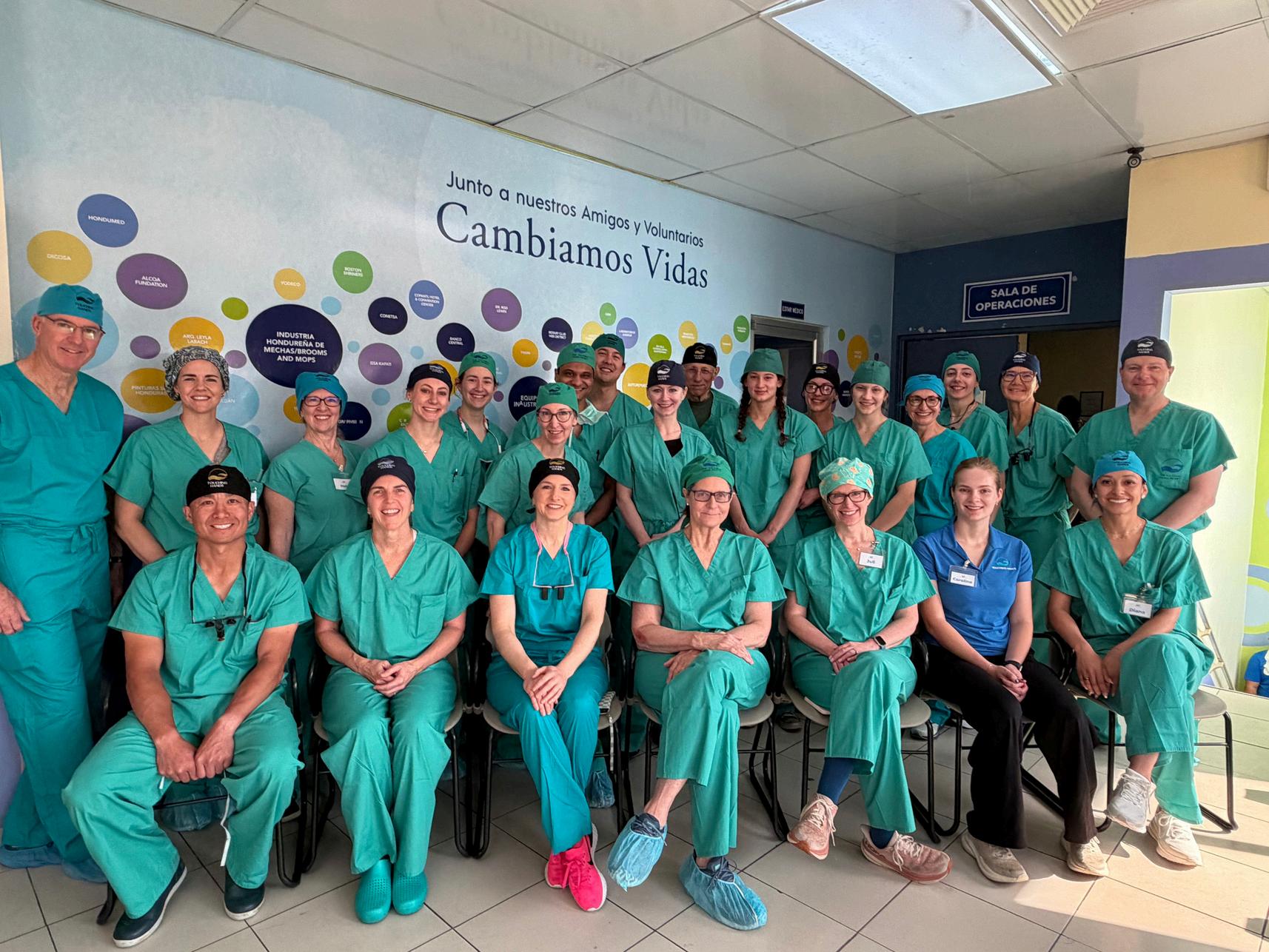
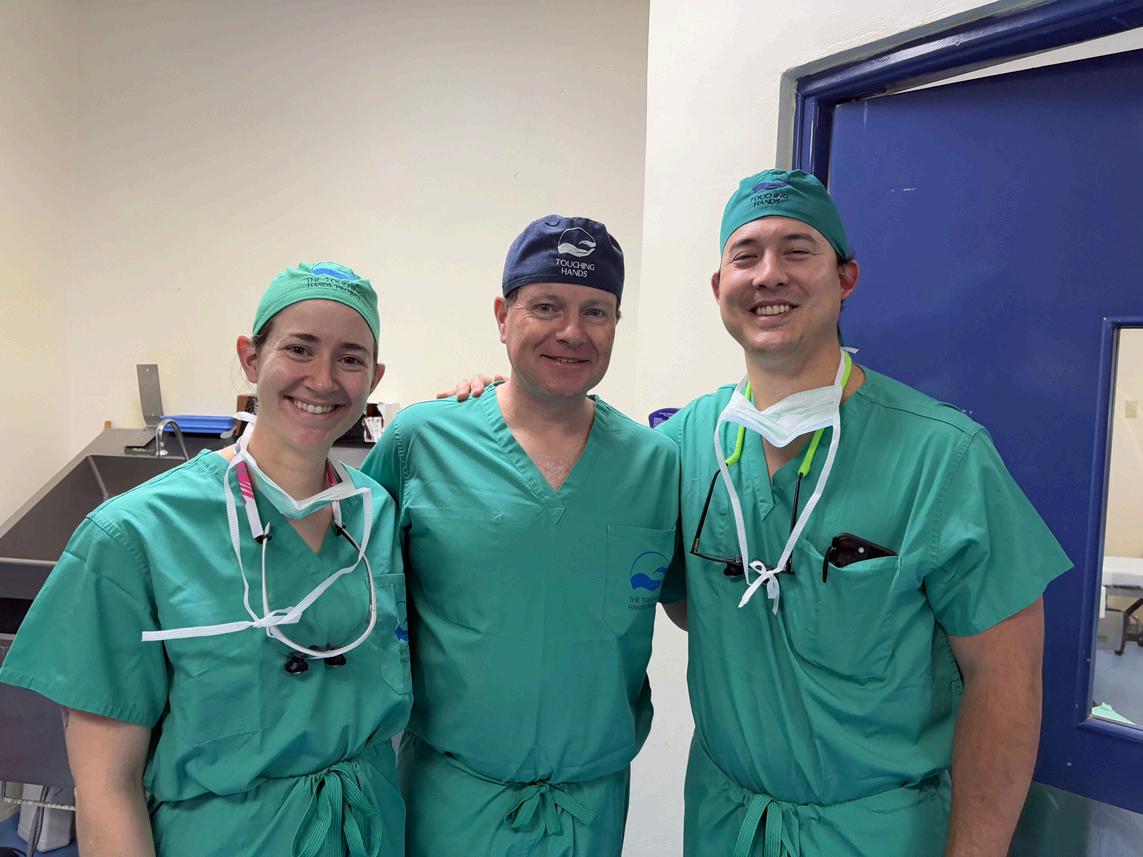
Dr. Leversedge (middle) with members of the Touching Hands care team in San Pedro Sula, Honduras
Since 2014, the trip has provided a global health experience to over 65 hand surgery fellows and 25 orthopedic and plastic surgery residents – many of whom have participated in subsequent outreach programs.
For patients, surgery can be life-changing, restoring the ability to work, care for family, attend school, and engage more fully in daily life Over the past decade, Touching Hands teams have provided surgical and non-surgical care to hundreds of patients Their gratitude is evident in follow-up visits from previous brigades and in the smiles that greet the team each year.
“The immediate goal is to provide exceptional care and a brighter future to individual patients, but also to create something that is lasting developing local expertise so that our influence continues long after we leave ” -FL
For local surgeons, the team's clinical teaching helps expand expertise and increase the availability of specialized care Dr Leversedge has also returned to Honduras on numerous occasions to participate in educational courses and surgical skills training for local and regional surgeons. In recognition of these contributions, he was awarded honorary membership in the Honduras Orthopedics and Traumatology Society in 2025
Each trip is also a memorable experience for the volunteers Approximately 18–20 participants from across North America and occasionally Europe, Japan, and South America quickly come together as a multidisciplinary team, with every member playing a leadership role in an intensely collaborative and impactful week
The team also experiences local culture through visits to a textile factory, delivering gifts to boys’ and girls’ orphanages, and spending time at a local school whose students often serve as interpreters during the busy clinic
“As the end of the week draws to a close, the Touching Hand team has accomplished a great deal, but each of us realize that we have gained just as much as we have given, through the unique team experience that resets and re-energizes each of us for what we enjoy every day at home ”
Fraser Leversedge, MD Professor Chief of Hand, Wrist & Elbow
Dr. Leversedge (second row, far right) with the Touching Hands care team in San Pedro Sula, Honduras
A Full Circle Moment in the Operating Room
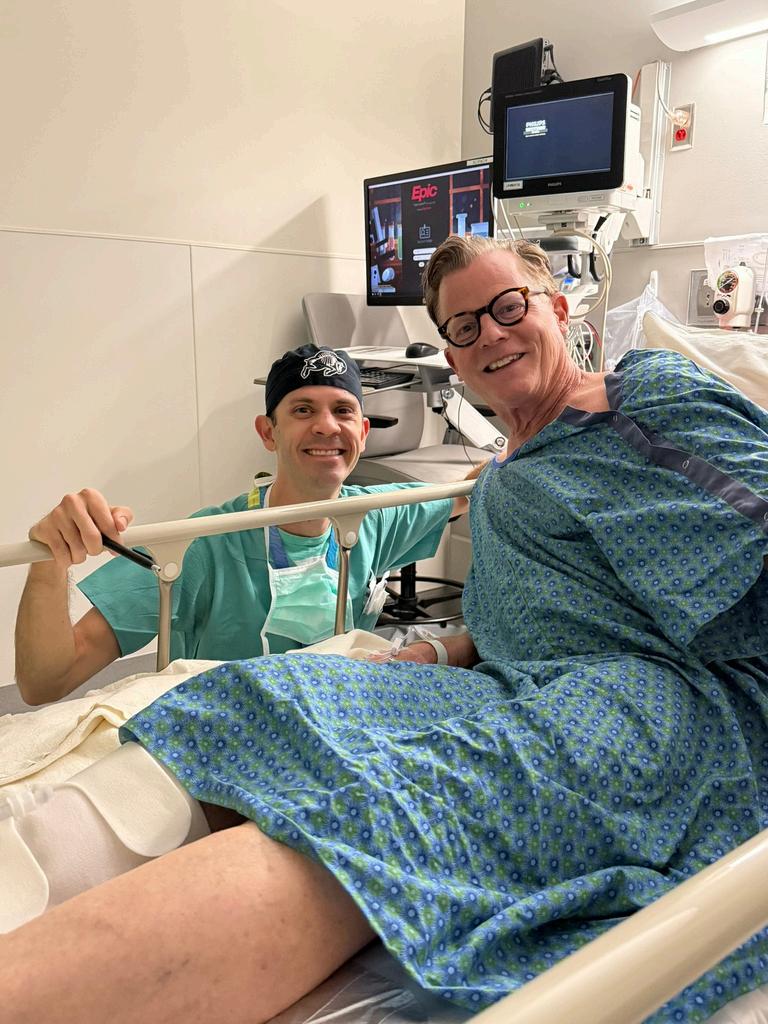
When Gerry Wienholt met his anesthesiologist before his total knee replacement he wasn’t expecting to learn the physician shared a close, personal connection with the surgeon who had treated his spine just two years earlier
Bryan Nycz, MD, of Boulder Valley Anesthesiology (an independent physician group that partners with UCHealth), is married to Nicole Look, MD, the orthopedic spine surgeon who performed Gerry’s original procedure linking two chapters of his care in an unexpected way
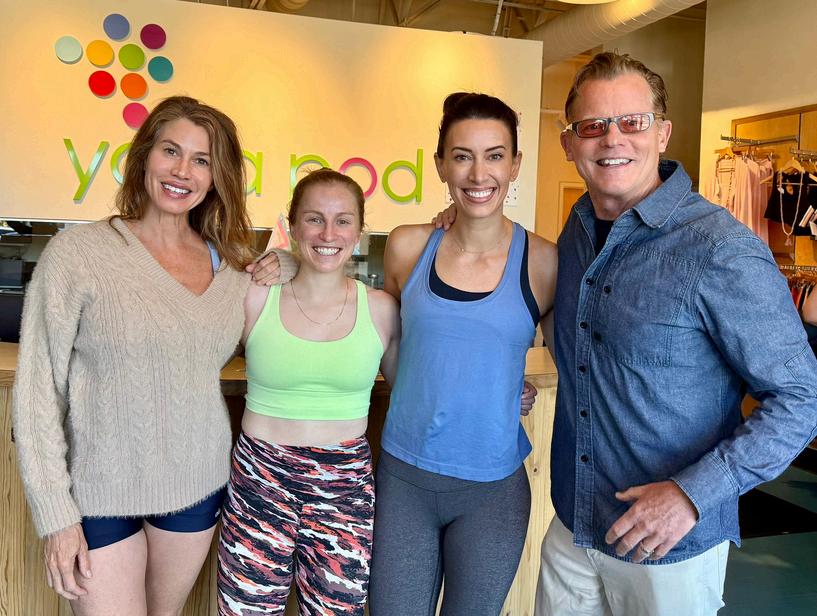
That connection became part of an already remarkable journey one that, for Gerry, started with a surprising moment of recognition. At his consultation appointment before spine surgery, he didn’t know Dr Look by her professional name; to him, she was simply “Nikki” from Yoga Pod It wasn’t until she walked into the room that he realized the physician he was entrusting with his care was someone he already knew from a very different setting
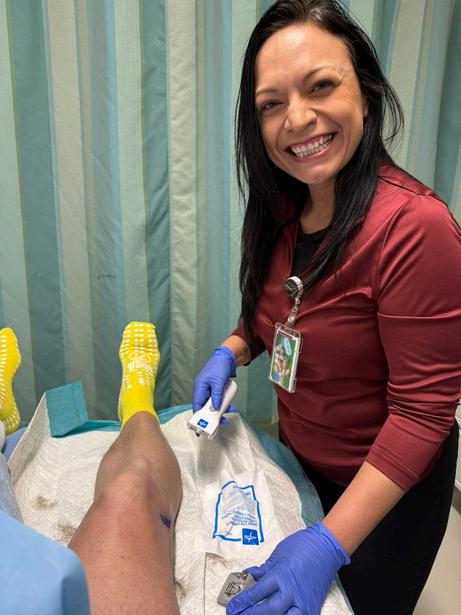
After restoring function in his spine, Gerry returned to CU Medicine for knee replacement, placing his trust in a new surgical team led by orthopedic surgeon Jessi Phillips, MD, who replaced his right knee in February and his left knee this past May Even in the moments leading up to surgery, the sense of familiarity continued his preoperative nurse, Brandy Ramirez recognized him not just as a patient, but as a fellow member of the same Boulder, CO Yoga Pod community shared by Drs. Look and Phillips.
For Gerry and his wife, Nicole who together own Yoga Pod the overlap felt especially personal, weaving together the spaces where they live, work, and find community What began as two separate procedures became a seamless, deeply connected experience one shaped by clinical expertise, compassionate care, and the kind of personal links that make a large health system feel unexpectedly small and personal.
Photo Courtesy of Gerry Wienholt
Dr. Nicole Look is an orthopedic spine surgeon specializing in cervical and lumbar conditions including myelopathy, stenosis, disc herniations, spondylolisthesis, and spine trauma helping patients regain function and quality of life.
From my spine surgery to both knee replacements, the continuity of care was remarkable. But what truly set my CU Medicine experience apart was the personal thread running through it all. Having my amazing medical staff and my personal community overlap so uniquely made the entire experience very special. It gave my wife, Nicole, and me a deep sense of peace and trust every step of the way.
Gerry Wienholt
Dr. Jessi Phillips is an orthopedic surgeon specializing in hip and knee replacement, with expertise in roboticassisted surgery, complex revision procedures, and personalized surgical approaches that optimize patient outcomes
In the Fall of 2025, we spent several days with Gerry and Nicole Wienholt to share Gerry’s story of hope and resilience
Tap the link icon to watch the short film.
Awards & Recognitions
Awards and recognitions honor the people and values that move our department forward Through dedication and leadership, our people shape a shared mission Together, these moments of recognition highlight a culture grounded in respect, collaboration, and care where progress is built through everyday commitments to excellence.
Earned Through Excellence
Dr Nicholas Alfonso and Dr Jason W Stoneback have been inducted as Fellows of the American Orthopaedic Association (AOA), a distinction recognizing leaders who have made meaningful contributions to orthopaedic surgery.
Inductees are nominated by their peers through a rigorous, multi step review process that reflects exceptional leadership and accomplishment within the specialty. Fewer than 10% of practicing orthopaedic surgeons achieve AOA membership, underscoring the significance of this honor
Their induction, marked at the AOA Annual Leadership Meeting, reflects the impact of their clinical expertise, leadership, and commitment to advancing both patient care and the profession
Jason W. Stoneback, MD
Nicholas Alfonso, MD
The Staff Innovation Award honors individuals whose creativity, initiative, and forward thinking approach elevate the mission of the department.
Suriyan Lewis | IT Senior Professional
Making it Happen
Suriyan was recognized with the Staff Innovation Award for the consistency, responsiveness, and quiet reliability that keep teams moving forward
Colleagues describe him as someone who never lets a problem linger responding quickly, offering clear solutions, and keeping projects from stalling. Whether troubleshooting issues, expediting urgent needs, or simply making himself available, his steady support saves time and effort across the department
Known for his professionalism, kindness, and willingness to step in without hesitation, Suriyan exemplifies what it means to be a trusted teammate someone others know is already “on it ”
Sandra Amendola | Operations Program Coordinator
Marcy Gilbert | Operations Coordinator
Putting People First
Kathy was recognized with the Staff Innovation Award for her persistence, professionalism, and unwavering commitment to doing what’s right for patients and the department
When faced with a complex billing issue tied to a clinical trial, she spent hours advocating on behalf of both the department and the study participant ultimately negotiating a significant reduction in costs and preventing the situation from escalating further.
Kathy’s colleagues describe her as someone who sets the tone for the team, approaching difficult situations with determination, integrity, and a clear focus on what matters most.
Kathy Dwyer-Clonts | Director of Research Services
Kathy was nominated by Tommy Hoong | Research Services Principal Professional
Suriyan was nominated by
Jason Dragoo, MD
Honored Among Peers
Dr Jason L Dragoo has been named Second Vice President in the Arthroscopy Association of North America (AANA) Presidential Line for the 2026–2027 term an appointment that places him in the organization’s formal leadership succession.
AANA’s structured progression advances leaders from Second Vice President to First Vice President and ultimately to President, positioning Dr Dragoo on a clear path toward future national leadership within the field
His appointment reflects both his contributions to orthopedic sports medicine and the respect he has earned among peers across the specialty, reinforcing the department’s presence at the forefront of academic and professional leadership
Leading with Vision
Chantel Waggle was recognized with the Staff Innovation Award for her leadership, foresight, and sustained impact in building and advancing the CU Medicine Center for Prosthetics
From spearheading the development and successful launch of the clinic to serving as its ongoing administrative foundation, Chantel has played a central role in shaping a program that continues to grow in scope and strength Her deep institutional knowledge, financial insight, and command of regulatory standards make her a trusted and indispensable member of the team.
Colleagues describe her as both a strategic leader and a generous mentor someone who creates space for collaboration, shares expertise freely, and is deeply invested in the success of those around her
Chantel Waggle, MBA, ATC, OTC, SA | Regional Program Manager
Chantel was nominated by Lyndsay Laxton, MBA | DME Program Manager
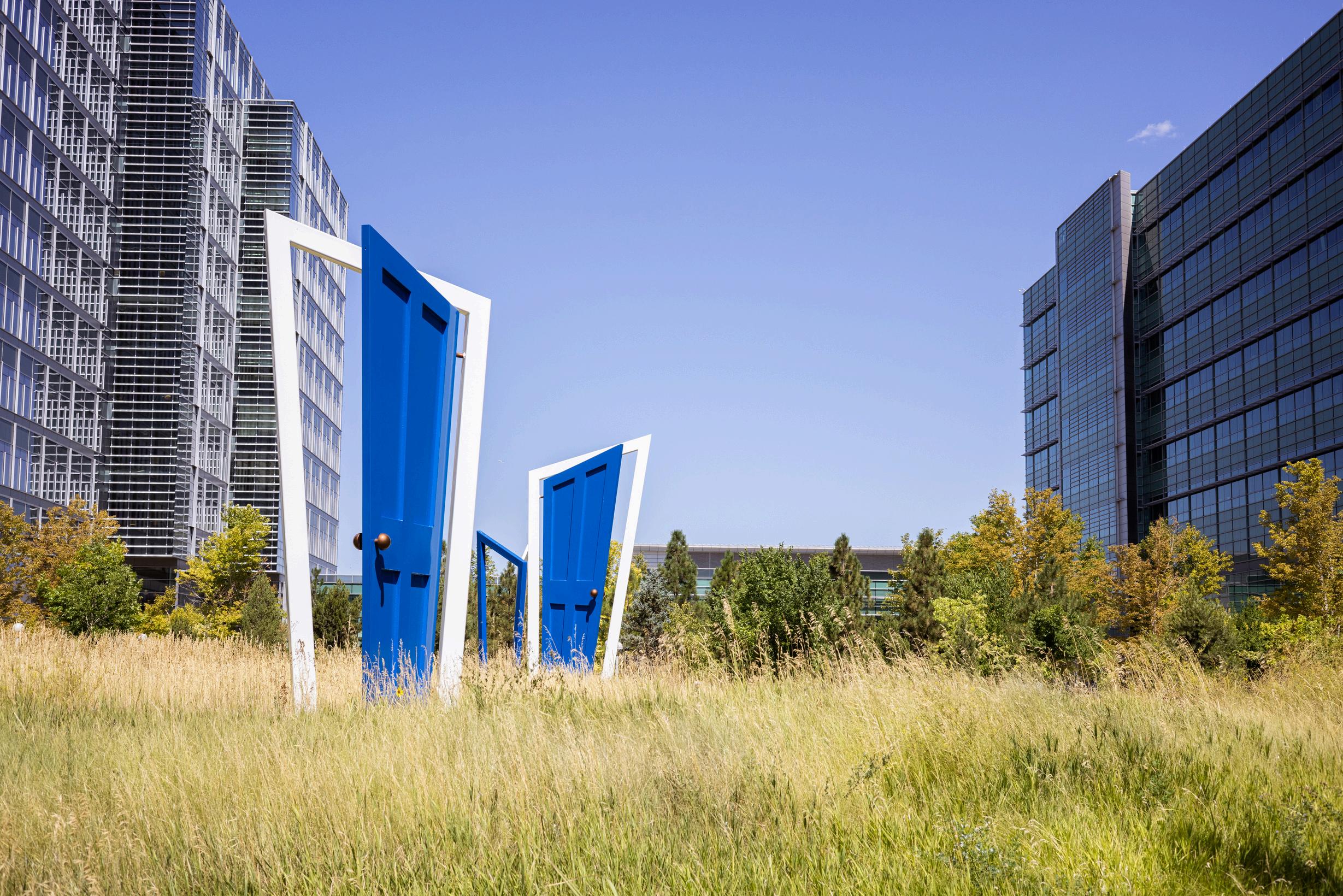
“Opening Doors”
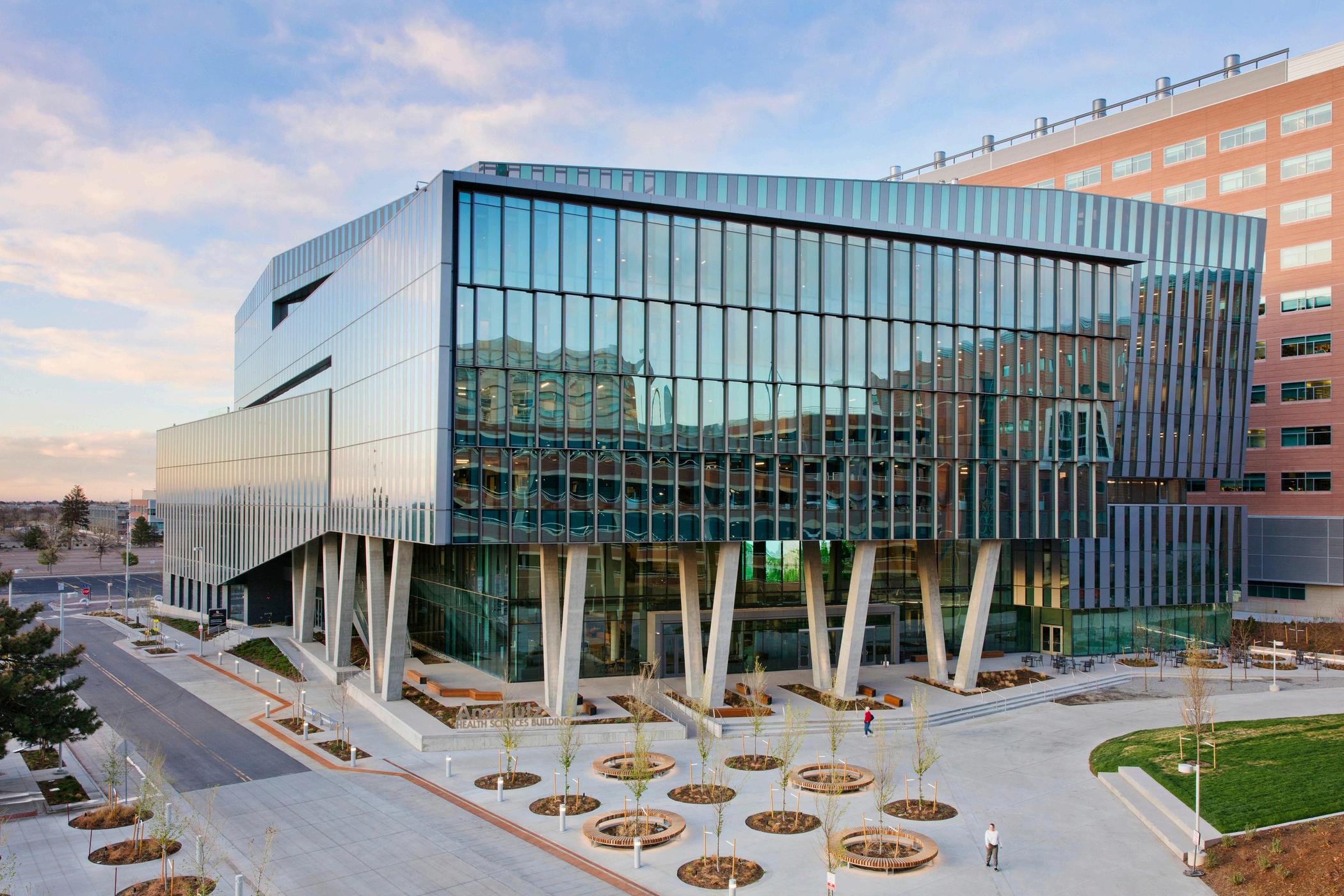
Three 19-foot-tall, 3,000-pound doors stand as sentinels between two main science buildings at the University of Colorado Anschutz An art installation by Christopher Weed, these vibrant and visually striking doors symbolize the new opportunities and discoveries that education and science provide.
Building Momentum
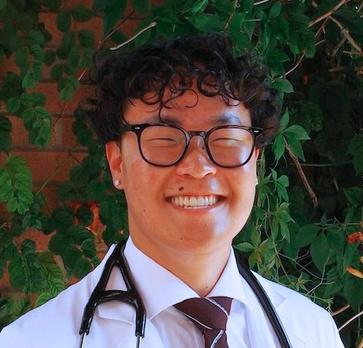
First-year medical student, Joseph J. Lim has been awarded the 2026 Douglas W. Brown Award for Best Review Paper by the Orthopaedic Journal of Sports Medicine, recognizing his team’s study as the journal’s most outstanding review published in 2025
The paper, led by Lim and co-authored by mentors Cleveland McCarty, John Belk, Carson Keeter, Rachel Frank, Jonathan Bravman, Adam Seidl, and Eric McCarty, examines outcomes in rotator cuff repair, finding lower retear rates associated with platelet-rich plasma compared with patch augmentation.
The study draws on a systematic review of 27 randomized controlled trials encompassing nearly 900 patients and provides important clarity in an area with limited direct comparative data
This recognition speaks not only to the impact of the work itself, but to the curiosity, rigor, and collaboration behind it, underscoring CU Anschutz continued leadership in evidence-based sports medicine research.
Joseph Lim is a CU Boulder alum and current first-year medical student at CU Anschutz. He was born and raised in Aurora, Colorado and grew up playing football with high aspirations
However, despite not achieving these childhood dreams, it was through his love for football where Joseph developed a growing interest in orthopedic surgery and sports medicine that has led him to pursue a career in medicine.
Joseph Lim, BA
Building the Future of Musculoskeletal Science
Over the past four years, the University of Colorado’s Interdisciplinary Training in Musculoskeletal Research Program has grown into a vibrant, collaborative community dedicated to advancing discoveries that improve bone, joint, muscle, tendon, and rehabilitation health.
Housed within the Department of Orthopedics and the Colorado Program for Musculoskeletal Research, this NIH-funded T32 program brings together trainees and faculty from across all four CU campuses, as well as partner institutions throughout Colorado, to tackle musculoskeletal disease from many different angles, ranging from basic biology and engineering to rehabilitation science and clinical care
The program's collaborative environment is further strengthened by the Mack Clayton Endowment, whose support has helped build a statewide research ecosystem that fosters trainee development, interdisciplinary partnerships, and innovative musculoskeletal research with the potential to improve patient care
The program was created to address a national need for highly trained scientists capable of working across disciplines to accelerate new therapies and technologies for patients with orthopedic conditions
Since its launch in 2022, the program has supported 13 predoctoral and postdoctoral trainees working in 10 different research laboratories, while expanding its faculty network to 34 nationally recognized investigators across 19 departments. Trainees have collectively contributed more than 40 peerreviewed publications in leading journals, presented research at major national meetings, and transitioned into outstanding next-step careers in academia, biotechnology, and clinician-scientist training programs.
What is a T32?
A T32 is a prestigious National Institutes of Health (NIH) grant given to universities to fund predoctoral and postdoctoral research training.
It provides stipends, tuition, and career development for earlycareer scientists in biomedical, behavioral, and clinical fields, to prepare them for independent, faculty-level careers
Institutions must undergo rigorous peer review to secure T32 funding, and only top-tier research universities receive them
As part of this continued momentum, we highlight two recent postdoctoral fellows now stepping into the next phase of their careers as independent investigators and orthopedic clinician-scientists Their work reflects the program’s defining strength: a commitment to translational research that bridges engineering, biology, and patientcentered orthopedic care
Julia Matthias, MD, PhD completed postdoctoral research training under the co-mentorship of Kenneth Hunt, MD and Michael Zuscik, PhD, within the Department of Orthopedics at CU Anschutz Her work focused on uncovering the molecular drivers of post-traumatic ankle osteoarthritis, particularly the role of synovial tissue in disease progression after injury Using advanced transcriptomic and molecular profiling approaches, Dr. Matthias identified pathways involved in extracellular matrix remodeling and Wnt signaling that may contribute to joint degeneration. She contributed to important publications examining ankle osteoarthritis biology and helped develop an NIH R21 research proposal investigating Wnt signaling as a therapeutic target in posttraumatic arthritis Dr Matthias will complete a second PhD in Clinical Sciences in 2027 and has matched into an orthopedic surgery researchtrack residency at the University of Rochester, where she plans to continue building a career as an orthopedic clinician-scientist focused on osteoarthritis research
Hannah Zlotnick, PhD completed postdoctoral training in the laboratory of Jason Burdick, PhD, at CU Boulder’s Department of Chemical and Biological Engineering and BioFrontiers Institute. Her research focused on developing sophisticated “joint-on-a-chip” systems that model how joint tissues respond to injury and inflammation, with the goal of improving understanding of osteoarthritis and other degenerative joint diseases Dr Zlotnick contributed to several high-impact publications in journals including Science Advances, Proceedings of the National Academy of Sciences, and Advanced Healthcare Materials, while helping advance new biomaterials and diagnostic technologies for orthopedic applications In recognition of her work, she was named a Rising Star in Engineering Health Dr Zlotnick recently accepted a tenure-track Assistant Professor position in the Department of Orthopaedic Surgery and Rehabilitation at Wake Forest University School of Medicine, where she will continue developing engineered systems to study joint injury and repair
EDUCATION
This graduating class reflects the very best of our program—surgeons shaped by rigor, guided by compassion, and carrying forward a spirit of curiosity and dedication that defines the CU Anschutz Orthopedics legacy.
Evalina Burger, MD
Professor and Chair
At the 2026 James S Miles Lectureship & Resident Research Day in June, residents sat for a portrait with Dr. Bennie Lindeque, Professor, (back left), Michael Dayton, MD , Vice Chair of Education, (back right), 2026 James S. Miles Lecturer Michael Parks, MD, Weill Cornell College of Medicine (middle, right), Robert D’Ambrosia, MD, Chair Emeritus (front, second from left), Nicholas Alfonso, MD, Resident Program Director (front, second from right), and Dr. Evalina Burger, Chair (front right)
Onward.
Among the most competitive pathways in medicine, orthopedic fellowships represent the gold standard for subspecialty training, demanding an additional one to two years of rigorous, highly focused experience.
After residency, many orthopedic physicians pursue fellowships advanced, highly specialized training that allows them to refine their expertise in a focused area of medicine, from sports medicine to spine surgery.
Fellowships prepare physicians to tackle complex cases, advance research, and shape the future of patient care
For our six graduating residents, matching into a fellowship marks both an achievement and a beginning the next step in becoming a specialist in their field They carry with them the legacy of our orthopedic surgery residency program grounded in excellence, shaped by mentorship, and defined by a commitment to imroving the lives of others
Adult Reconstruction | University of Wisconsin Madison
Alla Balabanova, MD
Spine Surgery | Vanderbilt University
Sports Medicine | The Steadman Clinic, Vail, CO
Bryant Elrick, MD
Reflections on Momentum
Momentum is more than progress—it's a commitment to continuous growth and lasting impact. That spirit lives on through our alumni, whose careers reflect the enduring influence of their training and experiences at CU Anschutz.
CU Orthopedics Residency Class of 2013 | Sports Medicine
For Rebecca Sjostrom, the lessons learned during residency continue to inform her practice every day She credits her training at CU Anschutz Orthopedics with preparing her for the demands of orthopedic practice, from trauma call responsibilities to the realities of a busy surgical career.
Her residency class gained additional operative experience while helping cover an open training position, providing surgical volume and hands-on experience that she says helped prepare her for independent practice
Today, she remains focused on continuous growth, embracing new techniques and technologies that help patients heal more reliably and sometimes more quickly.
"Momentum means continuing to learn updated techniques and use updated technology to help patients heal more reliably and sometimes quicker."
Robert J. Foster, MD
Hand Surgeon (Retired), Colorado Springs, CO
CU Orthopedics Residency Class of 1978 | Hand Surgery
A career in hand surgery began taking shape during Robert Foster's residency training at CU Anschutz Orthopedics Under the leadership of Dr James Miles, nearly every rotation included some element of hand surgery, reinforcing a professional interest that would guide the next chapter of his career
Following residency, Foster became the first fellowship-trained hand surgeon at the University of Washington before returning to Colorado in 1984 He practiced hand surgery until 2012, building a career that spanned decades and reflected a lifelong commitment to the specialty
"Orthopedics and hand surgery kept my interest and momentum for 34 years."