Hi Friends!
Let’s imagine it’s a perfect spring day and you have the idea to host a picnic in the park with friends. The first question is, “Who should I invite?” This is an easy question to some folks, and a perplexing one for others. It begs the question, “who are my friends?” When anxiety or OCD is involved, this question is often accompanied by a slew of worried thoughts and doubts.
“What does this friend think about me? Am I in the right friendship with this person? Does this person appreciate me as much as I appreciate them? I haven’t heard from this friend, I hope they are not dead or mad at me!”
Friendship can be just as difficult as they are magical. They can be hot, cold, or neutral. Sometimes they need upkeep and maintenance, while other times they don’t. I often think in black-orwhite thinking around friends. I either feel completely appreciated or not at all. I feel like I am either a good friend or a bad friend. I rarely have space for nuance. I compare myself to others and think, “Wow, that person has a lot of friends, it must come so easy to them!” This thought is a trap. Friendship is not easy for anyone. It requires the bravery to let someone down. It requires the fortitude to ask for a need to be met. It means showing up even when you would rather not. And the most terrifying: it means fighting and making up. That all sounds so overwhelming! So, why do people choose to do this friendship thing?
Continued on next page

Friendship is not easy for anyone. It requires the bravery to let someone down. It requires the fortitude to ask for a need to be met. It means showing up even when you would rather not And the most terrifying: it means fighting and making up. That all sounds so overwhelming! So, why do people choose to do this friendship thing?
Humans desire some level of companionship. Feeling connected to others keeps us grounded, entertained, and loved. Friends add perspective, point out our inconsistencies, provide a listening ear or shoulder to cry on, and can make us feel important Sometimes, a best friend knows you better than you even know yourself. Friends make us feel truly seen. Support can be accessed at any time by sending a text to a friend when you need it. Building a strong support system can make a profound difference at our highest or lowest points in life.
As we move into this season of growth and connection, perhaps friendship can be less about certainty and more about willingness the willingness to reach out, to tolerate the discomfort of not knowing exactly where you stand, and to allow relationships the space to be imperfect. Anxiety and OCD may try to convince us that every pause in communication means something is wrong, or that every interaction needs to be analyzed, but friendship often lives in the gray areas. It can withstand time, repair after conflict, and deepen through honesty and vulnerability. This spring, consider offering yourself compassion as you navigate connection. A text, an invitation, or even simply allowing the thought of reaching out without seeking reassurance may be enough. Sometimes the bravest thing we can do is let friendship be messy, human, and still worth choosing.
Sincerely,
Erin LeBeau
OUR TEAM
Dr Rachel Davis MD - Medical Director and Psychiatrist
Emily Hemendinger-Hirst LCSW, MPH, CPH, ACS – Clinical Director/Licensed Clinical Social Worker and DBS Coordinator
Dr. Stephanie Lehto PsyD – OCD Therapist/Licensed Psychologist
Dr. Jake Gadbaw MD - Psychiatrist
Katie Sinsko LCSW -- OCD Therapist/IOP Therapist
Orah Fireman, LCSW, MEd -- IOP Behavioral Health Specialist/Licensed Clinical Social Worker
Erin LeBeau MSW --IOP Therapist/OP Therapist
Cate Rush MSW --OCD Therapist/Social Work Fellow
Jennifer Quigley PA-C --Prescriber, Physician Assistant
Jake Winchester LPC --OCD Therapist
Jennifer Fishman BS --IOP Care Coordinator/Behavioral Health Specialist
Otis Rush – Therapy dog extraordinaire
Abby Osterlund -- MSW candidate/Social Work Intern/OCD Therapist
Jeremy Lawrence – MSc/Psychology Extern
Interested in contributing to the newsletter? Email the editor at Emily Hemendinger@CUAnschutz edu


GROUP OFFERINGS
Mondays at 4pm (monthly)
Intro to ERP - for new group members
Mondays at 6:30pm
For adults ages 18+ with OCD and related disorders
Tuesdays at 5pm
For adults ages 18+ with OCD and related disorders
Wednesdays at 6pm
For adults ages 18+ with OCD and related disorders
Thursdays at 4pm
For adults ages 18+ with OCD and related disorders
We do have a waitlist for individual and group therapy, please reach out to be added to our waitlist and/or send you other referrals
Are you a clinician who wants to know more about OCD and ERP? We offer trainings, consultations, and supervisions!

A NOTE ON FRIENDSHIP AND PROJECT HAIL MARY: BY JENN QUIGLEY
The unlikely, blossoming friendship between Rocky and Dr. Ryland Grace in Project Hail Mary is essential to their survival, as it allows them to feel less isolated, provides emotional co-regulation, and gives them a sense of purpose to help each other and solve what seems impossible to save their respective planets.
EXPOSUREPALOOZA!
By Emily Hemendinger
Photography by Angel Tran
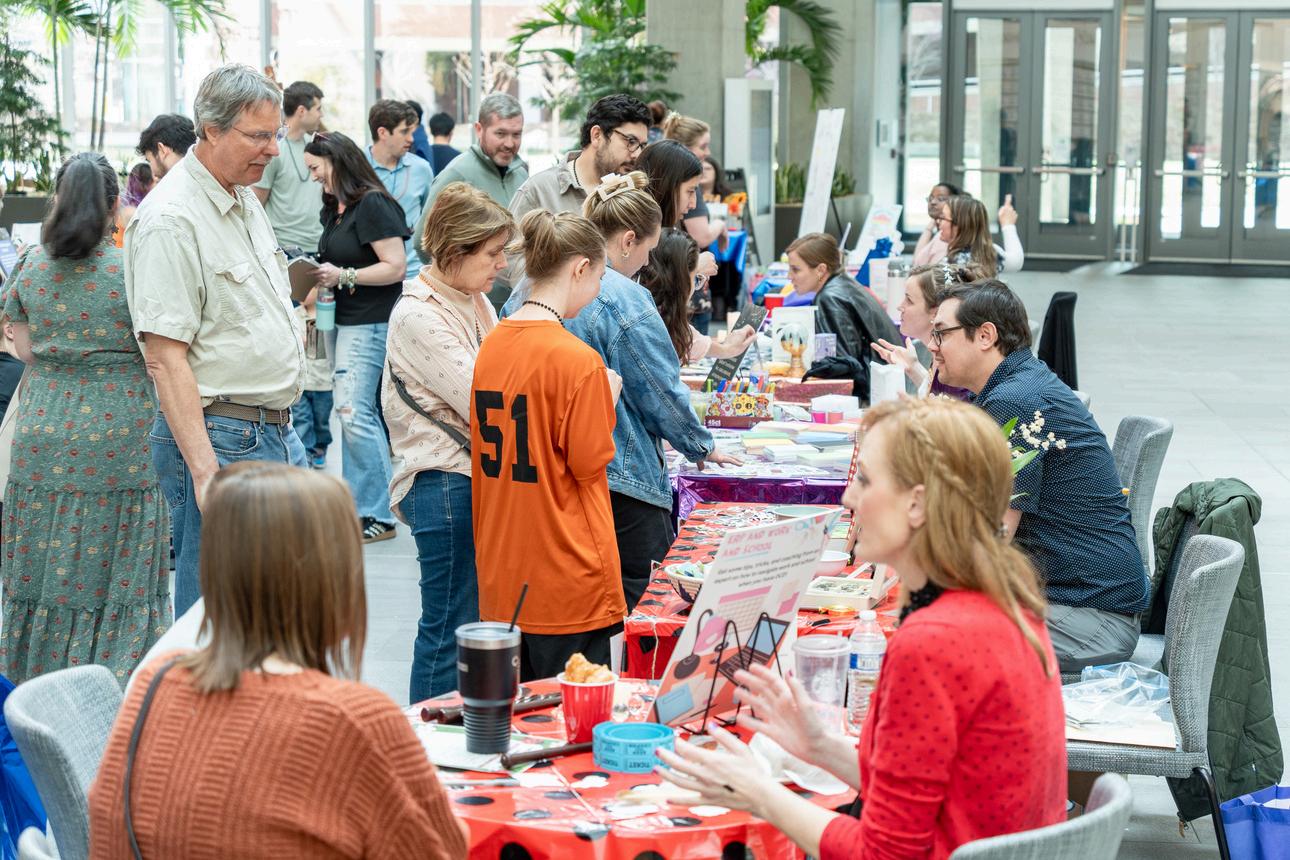
On March 22, 2026, our program hosted it’s highly anticipated third annual EXPOSUREPALOOZA event. With over 95 attendees, 18 volunteers, 3 speakers, 12 exposure booths, and one, returning popcorn toilet, community members gathered for an afternoon of adventure, learning, community building, and fun. With a hiatus in 2025, Exposurepalooza is back and it went off without a hitch. While a lot of work and planning led up to this event, the day was one that planners and community members could enjoy as a success and meaningful experience.
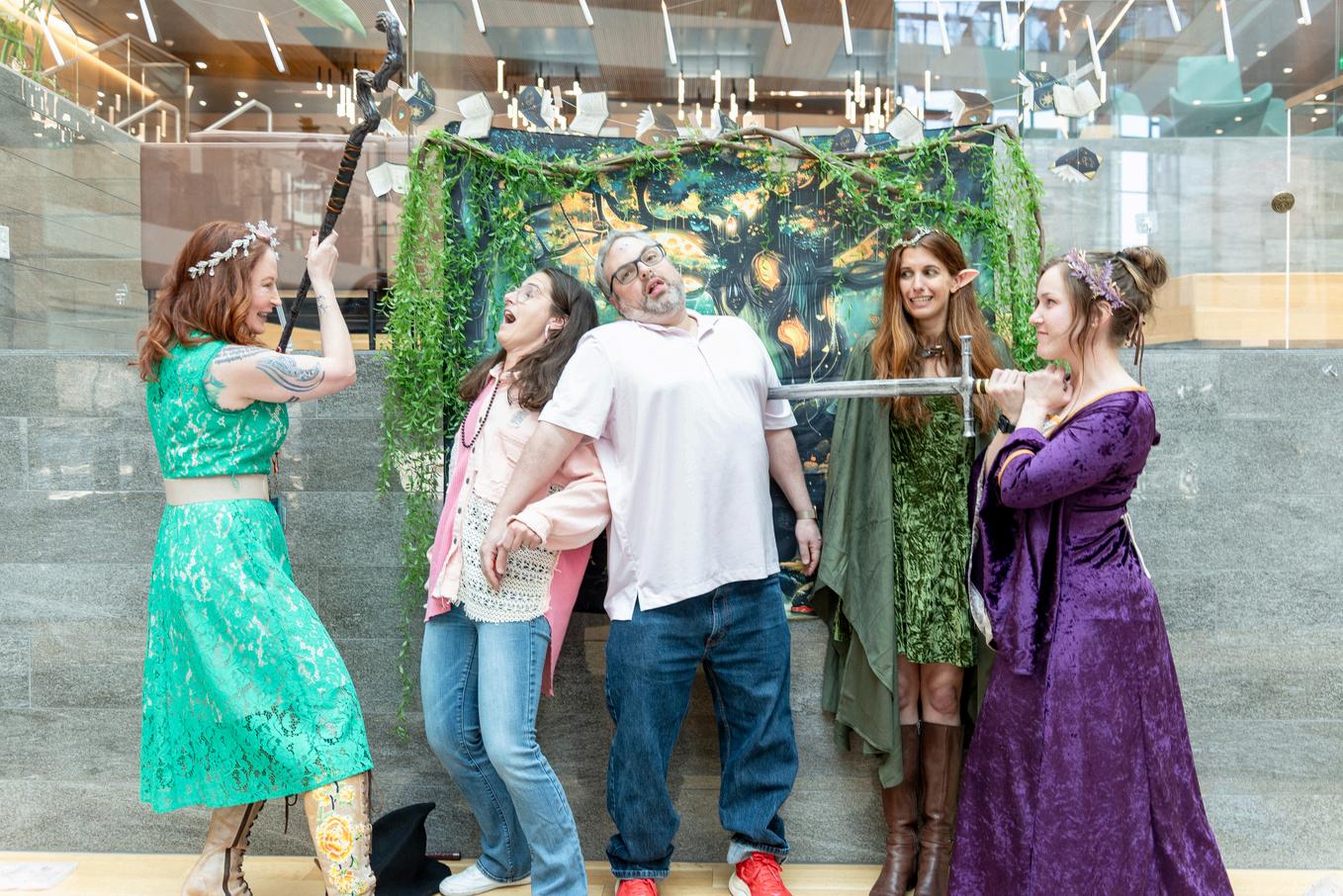

The theme of adventure was clear throughout the entire event, from the booths to the decor One of the most popular booths was the “Taming the Beast” booth. This booth targeted contamination concerns and involved petting Otis the therapy dog, in his “beast” costume, and then eating a doughnut with “contaminated” hands. Another popular booth was the Odd-yssey, which targeted “just right” and intolerance of uncertainty symptoms through a variety of tasks was another hit.
continued on next page
The speakers also followed the theme of adventure in each of their talks. Dr. Novak provided information on the current state of psychedelics in the treatment of OCD, a treatment adventure many previous attendees were curious about embarking on. Ethan Smith discussed his journey with OCD and the adventure that is seeking treatment. His talk was filled with the wisdom of Gandalf, humor of a hobbit, and courage of Aragorn.
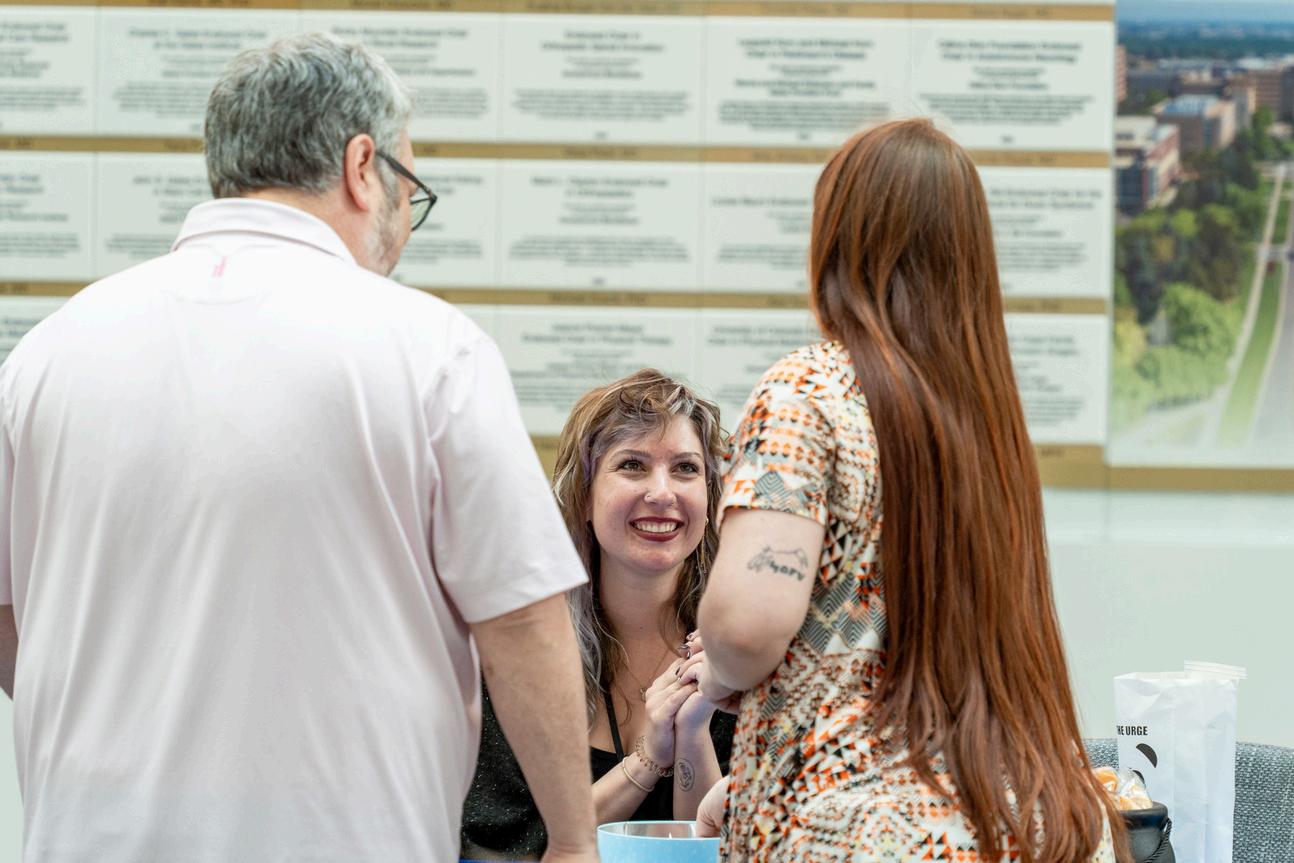

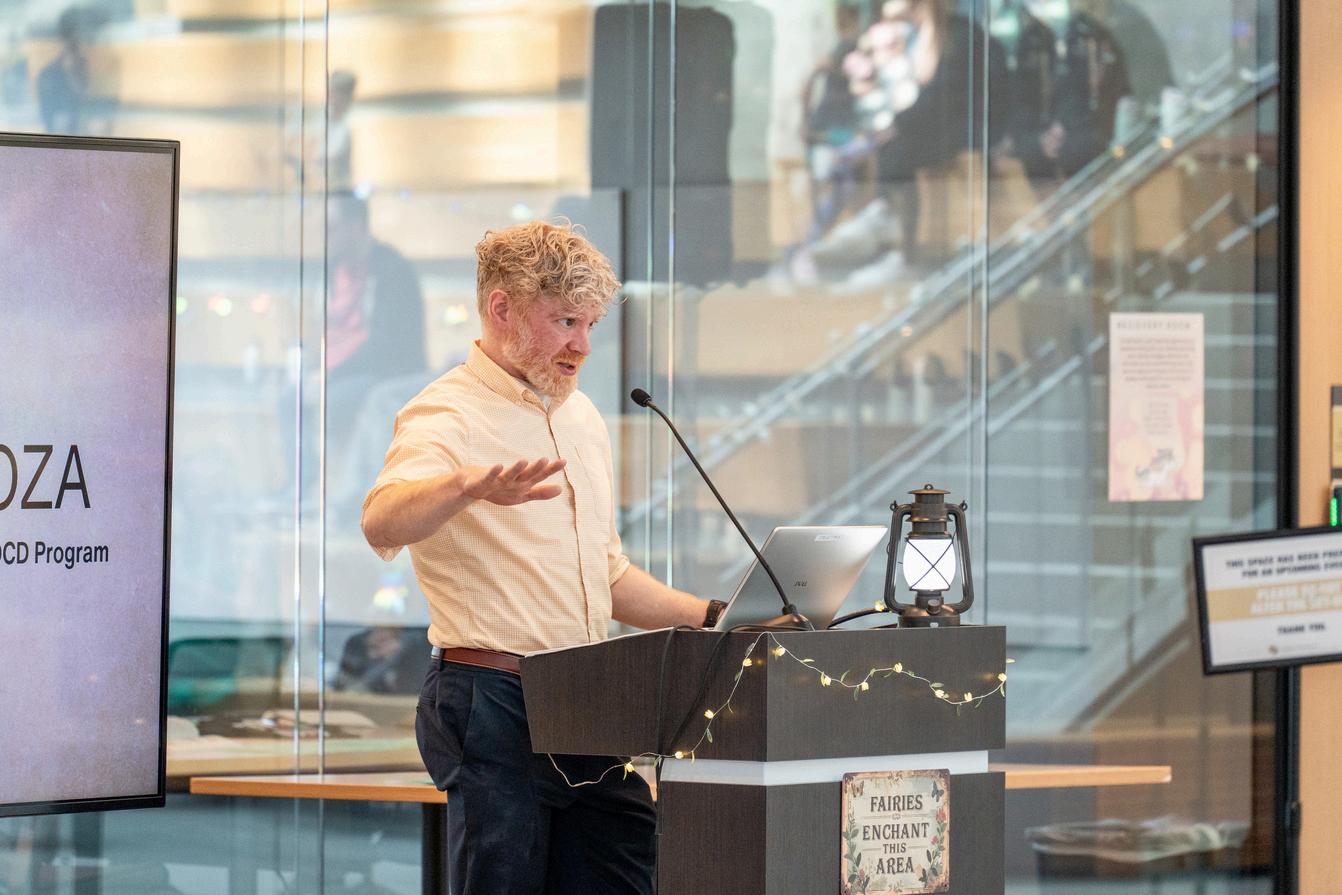
This is the part where the article author would review or make a comment about Emily Hemendinger’s speech aka I would comment on my own speech. It feels a bit weird to do that, so instead I will share one attendee’s takeaway:
“As one of the other speakers detailed, a full life is one that’s in line with our values despite the barriers OCD may try to put in our way. It takes courage to live life with OCD. I hadn’t really considered that before, but hearing her speak to it made so much sense. As this last speaker spoke about courage, I thought about the courage of each speaker sharing parts of their story as well as the courage of my own in attending Exposure Palooza this year. And I’ve looked forward to these Exposure Palooza events and the opportunity to be surrounded by the camaraderie of attendees and staff members ever since.”
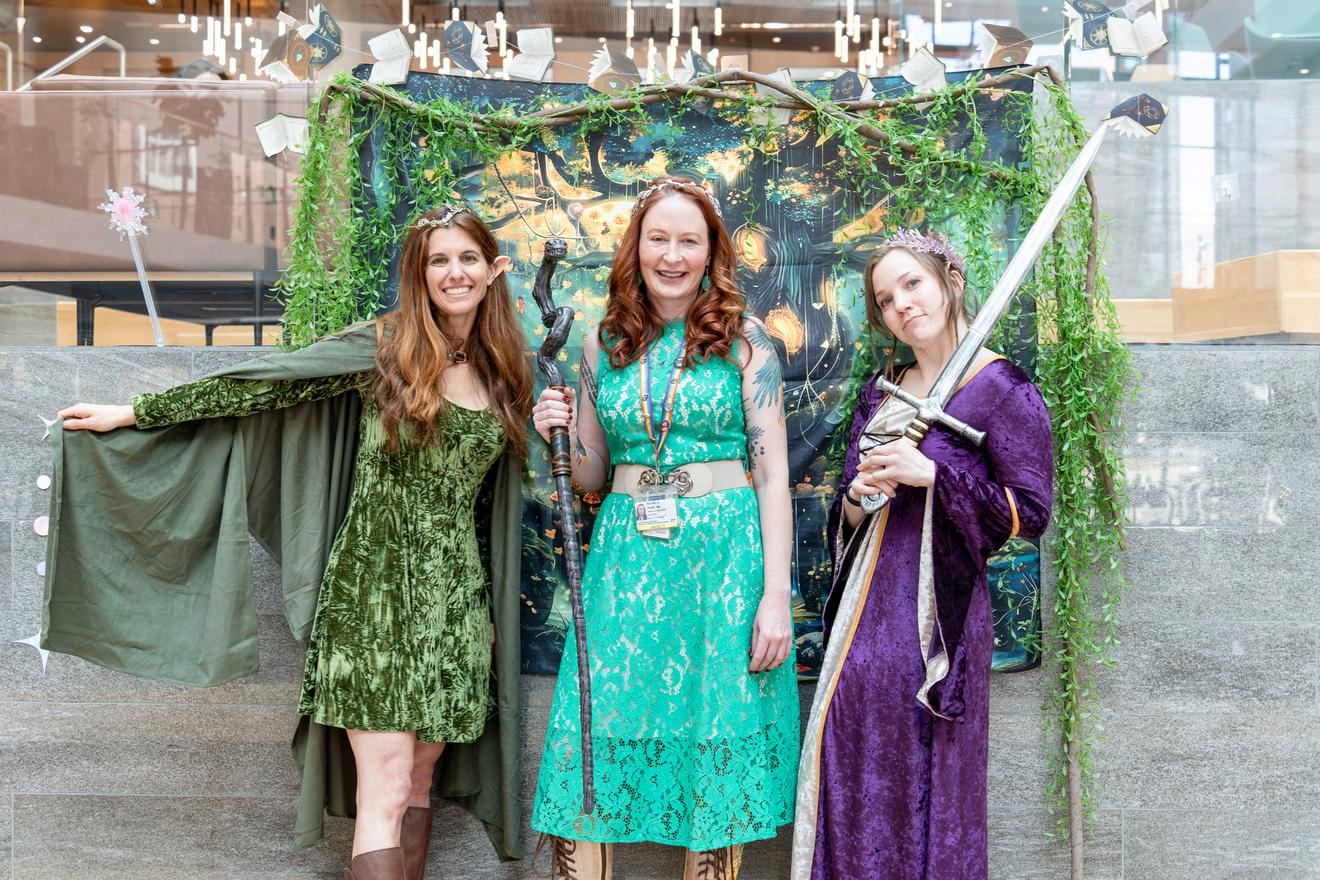
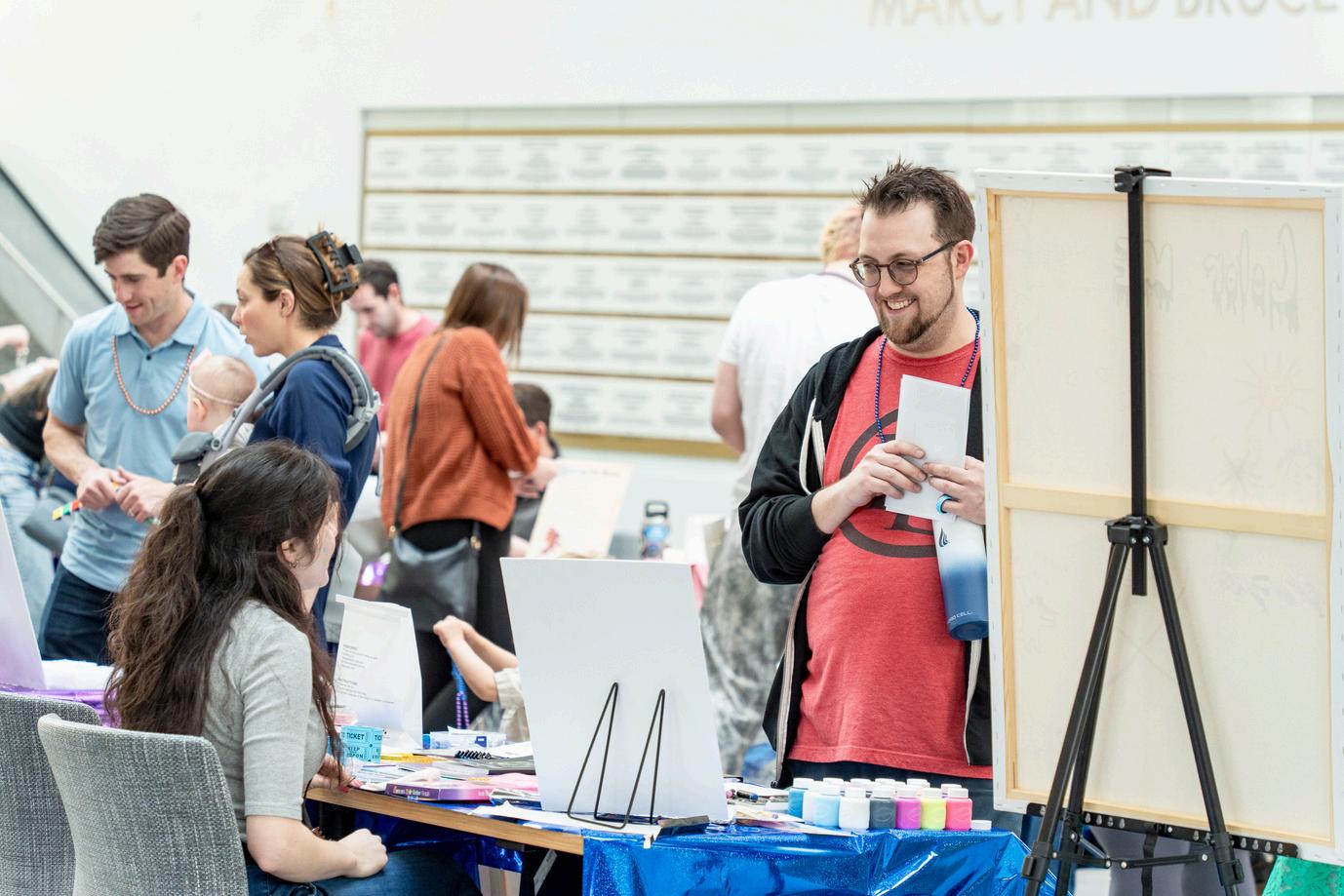
Thank you again to all who attended, supported, and made this possible. This event means so much to our team and to many community members. We look forward to seeing you all for the next ExposurePalooza in 2027!
Fortune Telling and Mind Reading: Anything to Feel Certain
By Stephanie Lehto
In our last newsletter, I talked about cognitive distortions. In an effort to not write out the same thing again, more details can be found here. Briefly, cognitive distortions are thinking errors. When I think about the constant drive to find certainty, a few magical distortions that come to mind are fortune telling and mind reading
Now, I love to think that I could be magical or see the future (that would be so COOL) because who hasn’t thought something will happen and then it actually DOES. Then our brain starts to latch onto that and we start to think we really truly can tell the future, while discounting the evidence that goes against it.
Well, we probably can think of SOME things based on our experiences, but our predictions are not facts. When we engage in the distortion of fortune telling, we predict negative outcomes without evidence which typically leads to difficult

In the same vein of us predicting the future without evidence, mind reading is another distortion where we believe we know what others are thinking without evidence. This is usually negative and can lead to some uncomfortable feelings or attempts to prevent the thoughts we think others will think (man, that’s a lot of thinking…).
Just like fortune telling, we probably are sometime right (statistics would suggest this, at least), but a lot of times we are not. For example, you may think that someone thinks you’re weird because they make a face when walking by, when there could be a million different reasons they make a face, the most likely being they have their own thoughts they are annoyed by.
You may be thinking (because I can read your mind!) that it is really nice to know about distortions but what do we do about it? Well, in traditional Cognitive Behavioral Therapy (CBT), we work on evaluating the evidence for and against a thought and create a more balanced thought. This can be done with balance in OCD, but sometimes it can be helpful to name the distortion, and use a non-engagement responses, such as: “maybe the future I predict will happen” or “I don’t know what that person was thinking.” Things like that!
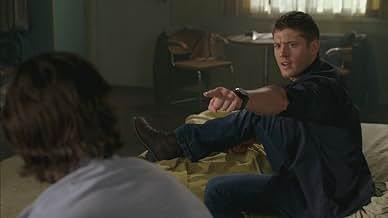
And because we cannot go a newsletter without a Supernatural reference, remember when Dean said: "Right, you're a mind reader. Cut it out. Sam. [annoyed] Sam!" If only it was that easy to tell our brains to stop…

OARS of FriendSHIP
By Jake Winchester
Springtime makes me think of connection and new beginnings, and with our theme this quarter of friendship I wanted to give my own nerdy/therapeutic take on some skills that help us connect with others To use a metaphor, OARS can keep the friendSHIP moving forward.
OARS is an acronym that many therapists are familiar with, it comes from Miller and Rollnick’s Motivational Interviewing modality and stands for four vital micro-skills not only in therapy, but for opening communication with anyone including friends and family
O = Open-ended Questions
A = Affirmations
R = Reflections
S = Summaries
Open-ended Questions are at the core of these skills and are any questions that open or expand the conversation. These questions typically start with “how” or “what” and we use yes/no questions sparingly to allow the other person to express their thoughts, feelings, opinions in detail. The main goal is to get your friends to talk and share so you can participate more in the conversation and they can feel heard Examples include: “How did you handle that?” or “What is important for you about that?”
Affirmations are statements that underline the other person’s strengths, efforts, and positive actions. Affirmations feel great to both give and receive. It’s a running joke within the OCD team that I give many validations and affirmations to my colleagues, but I truly mean it and it “fills my cup” to provide affirmations to others
Continued on next page

Examples include: “Nice, that was a great way to handle that situation.” or “I really value the way you took all of that into consideration.”
Reflections are a crucial part of this skill set, showing active listening that reflects to the other person that you understand and are interested in exploring their thoughts more, and may even point out some interesting details/insights into what they are saying/meaning. One example: “I like how you stuck to your values while solving that.”
Summaries are a distinct form of reflection that ties the whole conversation together and show active listening through reflection of main themes and concerns/worries brought up in the conversation. Summaries are not always necessary but can help reinforce what you heard previously and show that you were listening intently.
OARS skills, while originally meant to help another person develop motivation for change, are also useful for building connection and exploring topics more deeply with the ones you care about. Incidentally, your friends may end up finding some new motivation to do something different, but that only comes about because you were listening and engaged with the things that they care about. I hope these OARS help you move along swimmingly with any friendSHIPs you want to improve your communication in

When Sharing is Not Caring: Compulsive Confessing
By Abby Osterlund
Sharing is caring… but what about oversharing? In some friendships, we share a lot with our friends, but sometimes we tell our friends too much. OCD and anxiety can show up for some individuals as compulsive confessing But what is the line between sharing with a friend and compulsively confessing to a friend?
Compulsive confessing can be defined as a strategy used to reduce anxiety, guilt, or uncertainty. The urge to engage in compulsive confessing often revolves around seeking reassurance, trying to neutralize fear or guilt, or preventing feared consequences Compulsive confessing to seek reassurance may look like asking a friend, “Did I do something wrong?” repeatedly or with the aim of soothing one’s anxiety. Confessing to neutralize fear or guilt may look like telling a friend, “I just need to say this, so it doesn’t count,” to neutralize an intrusive thought that is coming up. Compulsive confessing to prevent feared consequences may look like oversharing, for fear that “if I don’t tell them everything, I’m lying.” However compulsive confessing may show up for you, we can use some Exposure and Response Prevention (ERP) to work on reducing compulsive confessing.
In using ERP with compulsive confessing, the goal is not to stop telling the truth or to stop sharing with others. Rather, the goal is to stop the anxietydriven confessing that reinforces the cycle of OCD. The hope is to shift from the feeling of needing to confess in order to feel safe to being able to tolerate uncertainty and discomfort without confessing. How can we do that? Below are some tips to work to limit compulsive confessing.
Continued on next page

Tips to limit compulsive confessing: (Pro tip: queue up “Confessions Part II” by Usher)
Ask yourself, “What is the function?” (WTF): Am I sharing this piece of information with my friend because it is relevant or will bring us closer together? Or am I sharing this information with my friend because it will temporarily reduce my anxiety?
Limiting:Give yourself an allotment of confessions for a period of time (e.g., two confessions per hangout with a friend). Sometimes using something physical, such as a ticket or token, and giving your friend this “ticket” when you confess can be a helpful physical reminder of how many confessions you have “used” and how many you “have left ”
Non-engagement responses (NERs): A response prevention tool that encourages one to lean into uncertainty. Using an NER may look like employing a “maybe, maybe not” statement, such as, “If I don’t confess to my friend, maybe she will think I am lying, and maybe not,” and really leaning into the unknown
Mindfulness: A helpful tactic for staying grounded and present when anxiety spikes and OCD urges us to engage in a compulsion. When the desire to compulsively confess is loud, try a breathing exercise such as box breathing or a grounding technique to stay centered and present in the current moment. (NOT done to get rid of anxiety, just to bring you back to the present moment).
Cognitive defusion: A response prevention tool that we use to create some distance between our thoughts and their meaning. It can look like labeling a thought, such as, “I am having the thought that I should seek reassurance from my friend.” Sometimes, it can be helpful to visualize our thoughts as leaves flowing down a stream. We can see them and label them, but they are just passing by
Reassurance Seeking vs. Support
By Katie Sinsko
Experiencing OCD and anxiety can often come with a sense of disconnection from others and feelings of loneliness. This makes it understandable that folks with OCD may reach out to others to try to combat these feelings. Getting support from others can be very helpful to include in treatment planning. However, it is important to be mindful that getting support from others doesn’t turn into reassuranceseeking for OCD. Getting support and seeking
reassurance are two different processes that also tend to create very different effects. When we are stuck in a reassurance-seeking loop, it can be hard to see anything outside of that loop. This may lead us to ask the same questions repeatedly or look for a different answer than the one we already got. This reassurance-seeking cycle ultimately reinforces to the brain that we cannot sit with any uncertainty and need reassurance (sometimes at any cost, such as cost to the relationship) to move forward
Sooooo…. how do we shift from reassurance-seeking to getting support from others? The first step, as seen in many areas of treatment, is building insight into where OCD & the reassurance-seeking cycle is showing up

You may notice that you are engaging in reassurance-seeking if you are asking the same questions repeatedly (in the same or slightly different wording each time), if you are seeking absolute certainty in the answers you receive from someone else, if you are spending a lot of time trying to “figure out” or research the “right answer,” and/or if the process feels urgent in nature.
continued on next page
Conversely, you may realize that you’re getting appropriate support from others if you only ask a support-based question once, if you can sit with conflicting perspectives, if you can practice flexibility when you receive support (i.e. – waiting for a friend to finish their work day before outreaching them), and/or you can challenge any meaning making as part of the process (i.e. challenging the thought that it must mean that my friend doesn’t want to support me if they aren’t available right now).
Once we’ve built insight into these areas, we can begin making some shifts around ways that we get support – making the main goal to challenge OCD rather than fuel OCD in the process.
Once we’ve identified where OCD is showing up, we can begin creating accommodation reduction plans, where we are actively planning and collaborating with our loved ones on where we can decrease reassuranceseeking in the relationship. This may look like getting a certain number of reassurance-based questions that you can ask each day and then having a cut-off after that point This also may look like challenging reassuranceseeking in one particular area (such as around one particular OCD sub-type) and working to decrease reassurance bit by bit around more challenging areas.
Regardless of where you start challenging reassurance-seeking, it is important to remember at the end of the day that it is not you versus your loved one, but rather it is you and your loved one versus OCD together OCD is a tough battle at times, but it is one that can be fought together with support even when we challenge reassurance-seeking.

Top 10 Reasons Why Community and Friendship Matter in OCD Treatment
By Jen Fishman
One of the things we hear the most in our OCD IOP is how life-changing the community aspect has been. Many individuals share that prior to joining the program, they felt deeply alone and isolated in their experience with OCD. They felt ashamed of their intrusive thoughts and like nobody truly understood them
Community helps break down that wall. It creates space for people to feel understood, sometimes for the first time in their lives. Hearing others share similar experiences can reduce shame, challenge self-judgment, and open the door to vulnerability and support. Whether through group therapy, shared exposures, or everyday moments of connection, community helps foster something OCD often takes away: a sense of belonging.
Top 10 Reasons:
1 Reduces shame and isolation Hearing “me too” can be incredibly powerful

continued on next page
2. Normalizes intrusive thoughts
Even when content differs, people begin to see how similarly OCD operates, which can be deeply validating
3. Builds motivation and a sense of camaraderie
Witnessing others engage in treatment and live more in line with their values can inspire hope
4. Encourages vulnerability
Having group as a safe space can make it easier to open up and connect with emotions
5. Provides support during exposures
Facing fears feels more manageable with others alongside you and can even include moments of humor and fun group exposures!
6 Creates accountability
Community can gently encourage follow-through in exposure goals and showing up authentically
7. Challenges comparison
People can realize that everyone is on their own path
8 Fosters connection
Relationships can help to counteract the isolation OCD often creates
9. Allows for shared learning
People can hear new perspectives, see how others apply response prevention strategies, and gain inspiration for creative exposure ideas
10 Restores a sense of belonging
A key part of recovery is feeling connected again
OCD Program Happenings
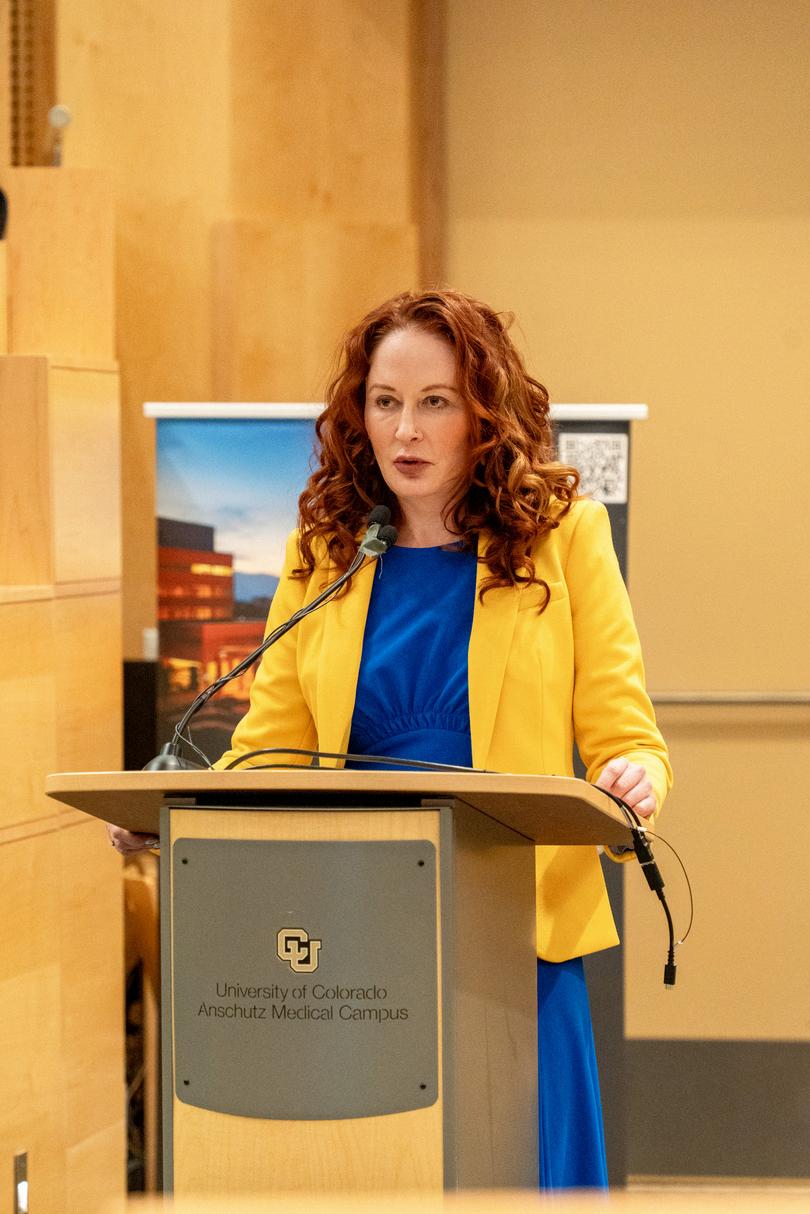
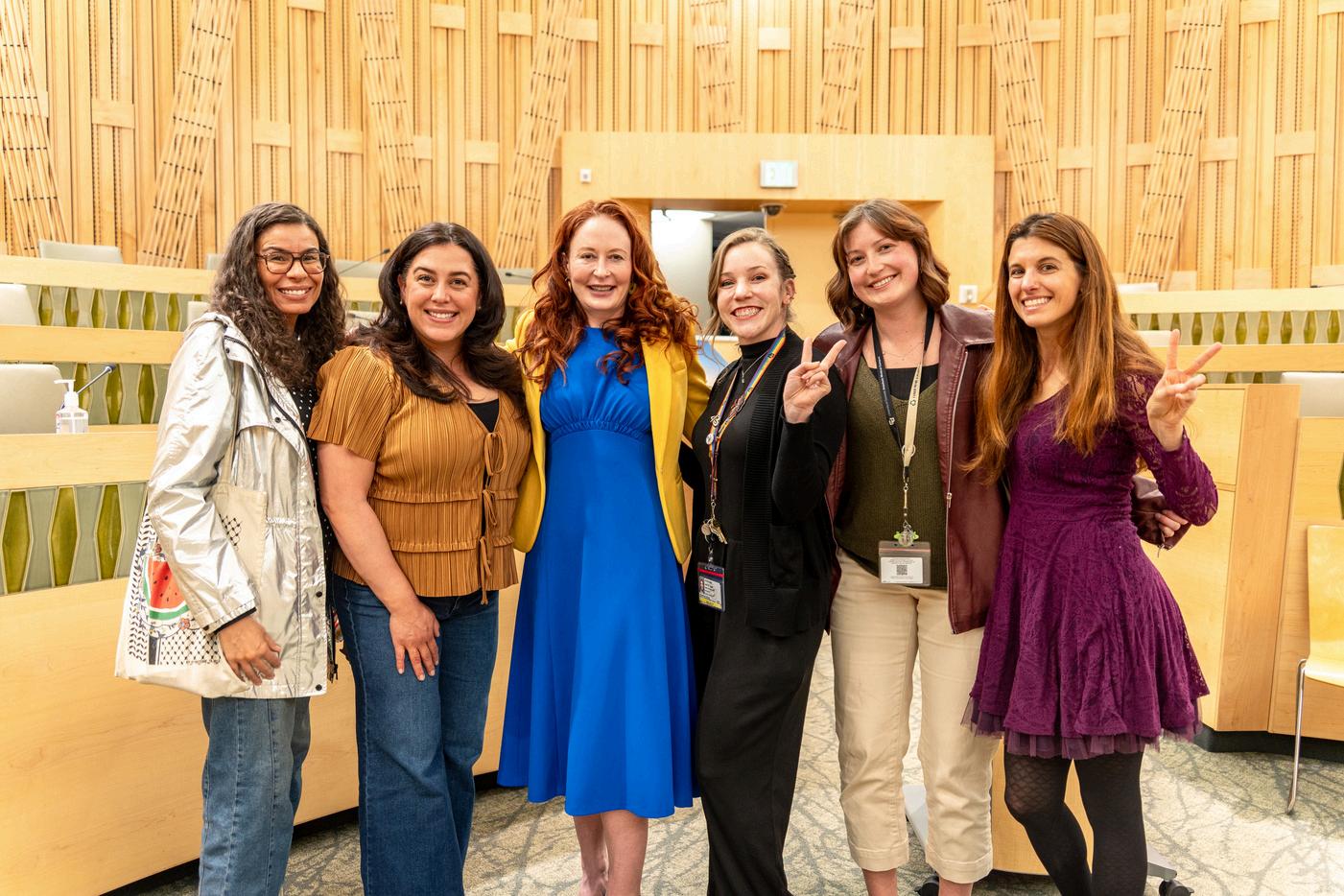
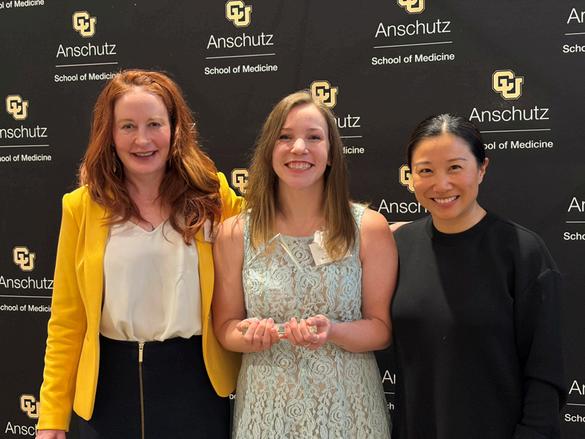
On April 10, 2026, the CU School of Medicine’s Center for Bioethics and Humanities and The Chacra Foundation hosted the opening of the “Love, Anything” Exhibit. The exhibit LOVE, ANYTHING is a photographic exhibition and OCD speaker series honoring the life of Ryyan Chacra. Our very own, Dr. Rachel Davis, opened the exhibit with an enlightening speech about living life through the lens of OCD or as she put it, “the brilliance and burden of seeing anything” The exhibit will run through June at the Fulginiti Pavilion on the CU Anschutz Medical Campus
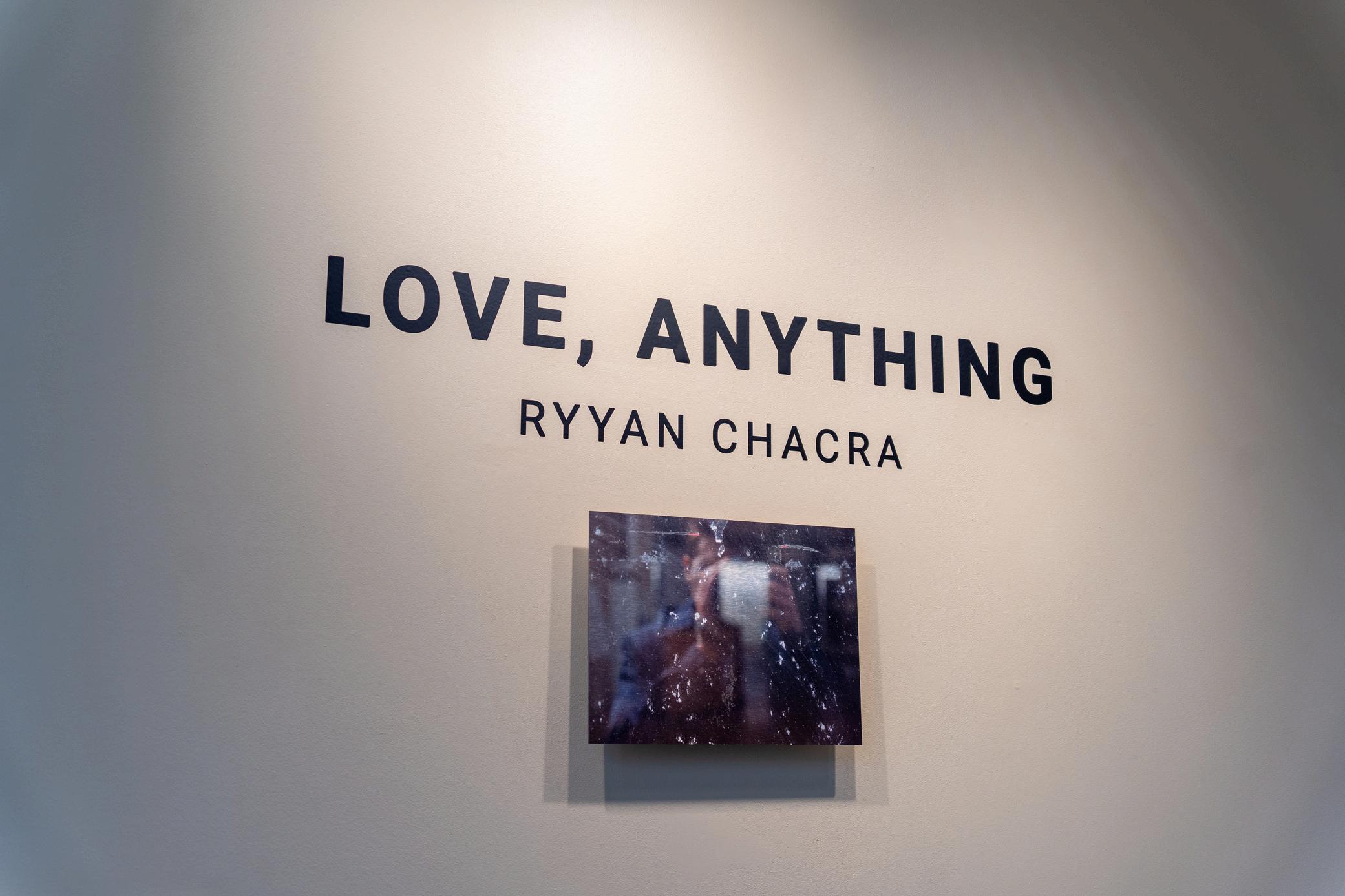
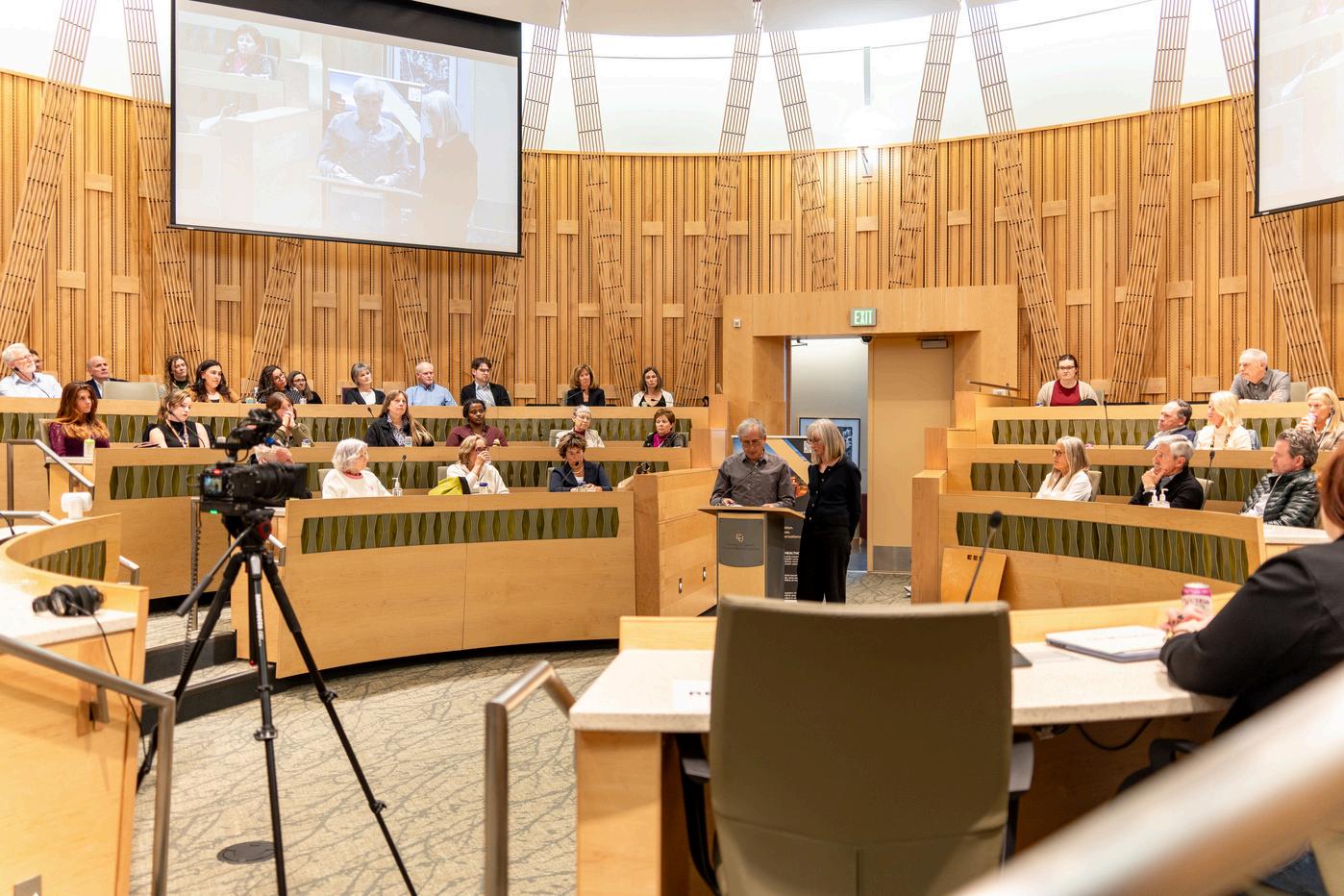
On April 24, 2026, OCD program therapist, Dr. Stephanie Lehto was honored with the fourth annual School of Medicine’s Distinguished Clinician award. Go Stephanie! (left)
As the school year ends, we say farewell to our amazing MSW intern, Abby Osterlund. Thank you for all you have done for our patient population and program. Your curiosity, humor, and compassion were such a wonderful addition to the team. We wish you all the best luck and congrats on graduation!
This summer, we welcome our PURPLE intern, Daisy Canales. Daisy will be interning under the mentorship of Emily Hemendinger. She will be shadowing clinical programming and assisting Emily and Jen Fishman with IOP research. Welcome Daisy!