A Call to Action for Connecticut’s Forests and Trails
WILL YOU ANSWER
IT?
You may wonder why we’d ask for your help to protect Connecticut’s forests and trails.
After all, they seem so undisturbed and abundant, gently winding their way through our state.
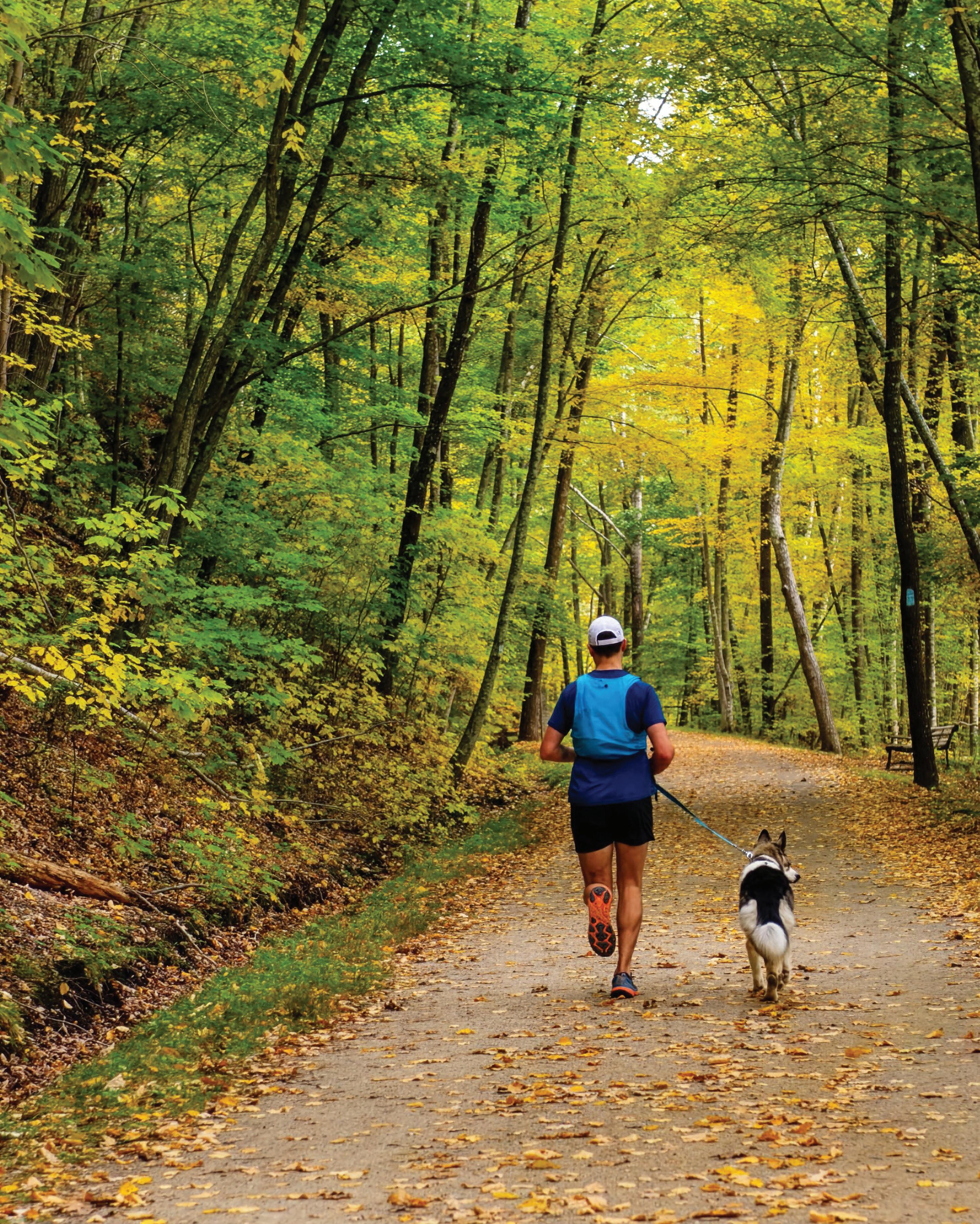
Together, you know, they form a magnificent Connecticut treasure: 825 miles of gorgeous trails for all to enjoy — a life force for you and for the natural environment.
They exist for your well-being and recreation and for the plants and wildlife that nourish our thriving ecosystem. And they are where countless Connecticut residents find peace, health, and connection in nature.
Like you, we want these forests and trails to be forever protected and maintained, always safely available to you and your Connecticut neighbors from all walks of life.
To do it, we need your help.
The hard truth is that our cherished forests and trails face growing threats.
Extreme weather, encroaching development, skyrocketing land costs, and reduced federal support are taking their toll.
Yet there’s good news. Together, we can restore and protect Connecticut forests and trails, so they are strong, welcoming, and resilient for generations to come.
We can do it by changing the things that make the most difference — and you’ll see those in action throughout these pages.
But we need support from people who care deeply about Connecticut’s forested spaces and the lives they nurture. People like you.
“Having as much conserved woodland as we do in heavily populated Connecticut is an indescribable ecological value, not just to humans but to animals in the woods, birds in the air, and fish in the rivers.
As CFPA works to protect trails, trees, and streams, it is protecting the air we breathe, the water we drink, and the food we cook. Those protections are fundamental to our well-being — our means of living.
And the uncomfortable truth is that if you take away protections such as those, we will all feel the consequences.”
KATHY CONNOLLY
Ecological Landscape Designer Old Saybrook
FOR MORE THAN 130 YEARS, WE’VE DELIVERED 1929
Designated the first Blue-Blazed Hiking Trail
1930
Developed model for the Civilian Conservation Corps, creating jobs for environmental projects
1937
Published first Connecticut Walk Book, a comprehensive Blue-Blazed Trail guide
1963 Advocated successfully for Public Act 490 to preserve Connecticut's farmland, forests, and other natural lands
Connecticut Forest & Park Association (CFPA) is recognized nationally and statewide as Connecticut’s leading conservation organization.
ESTABLISHED more than 100 state parks and forests for public use
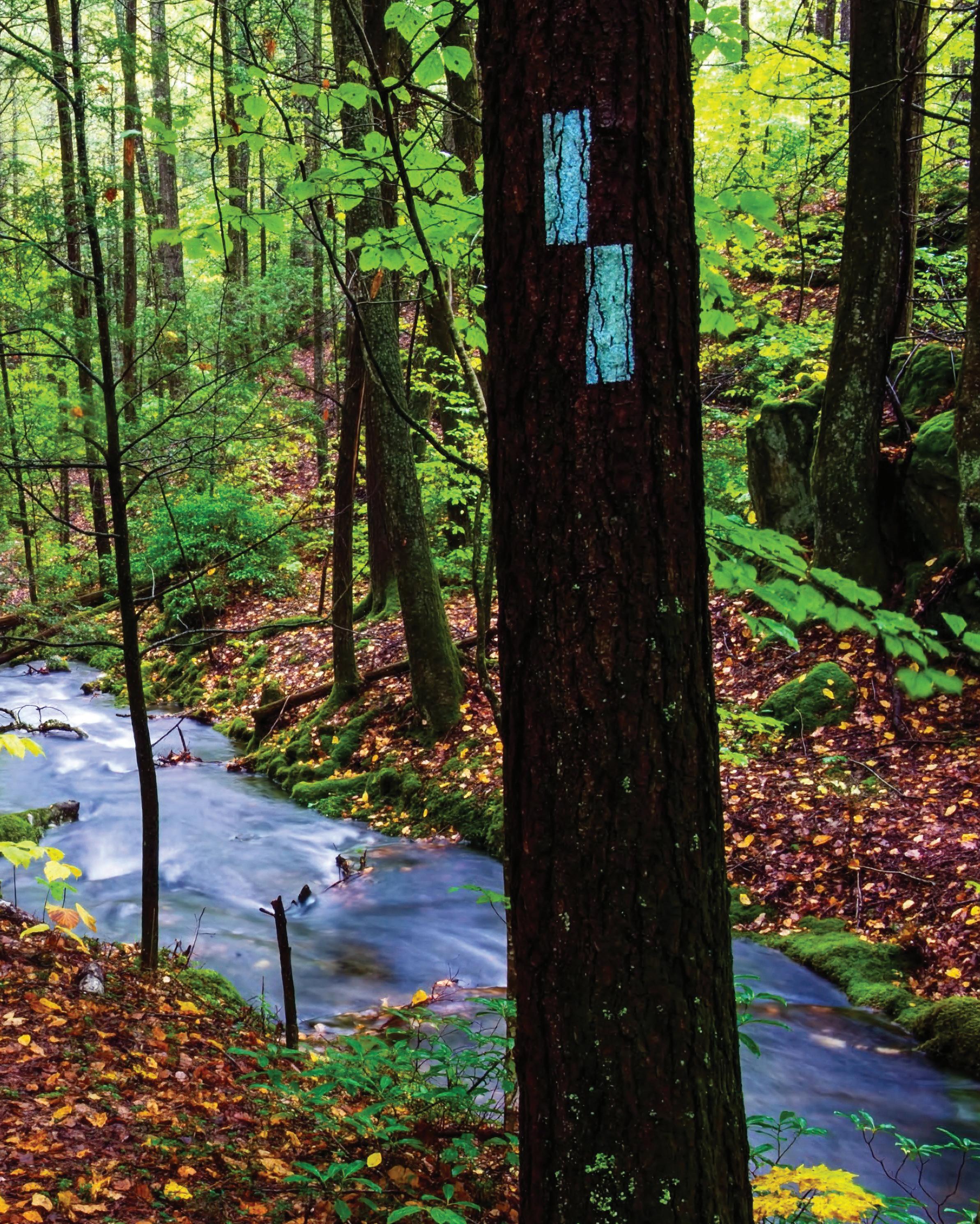
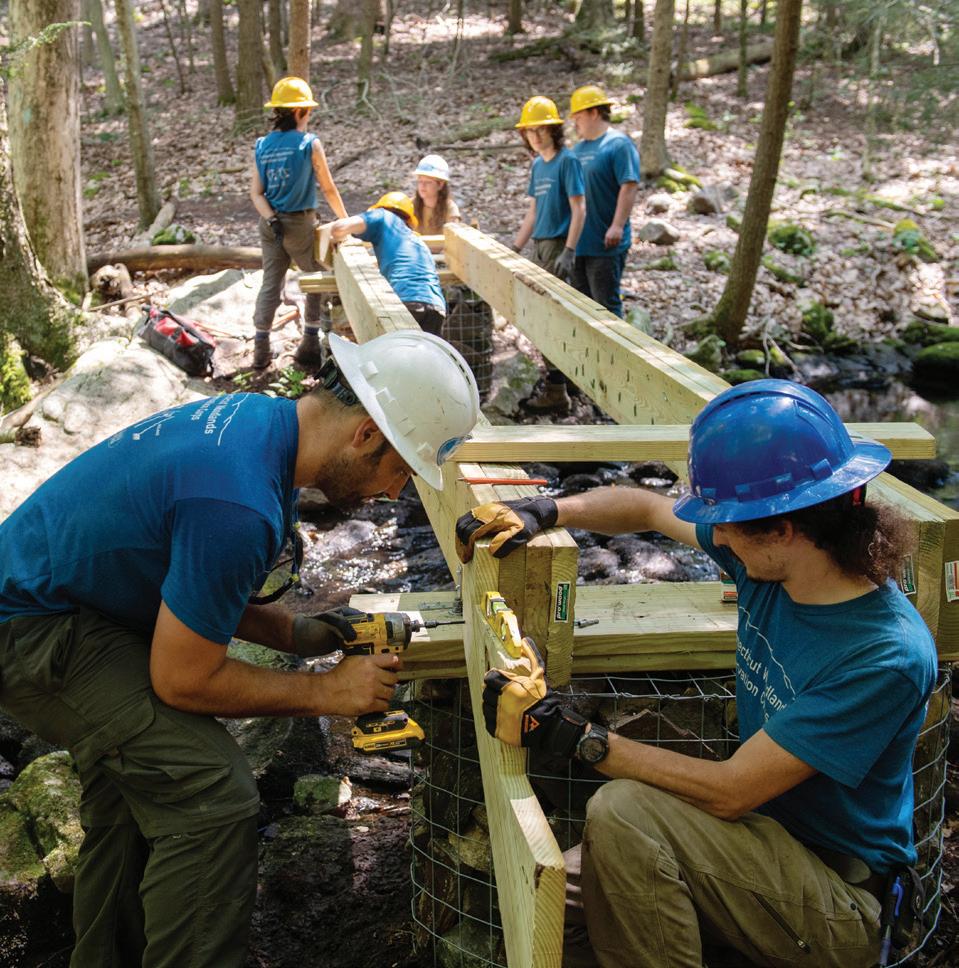
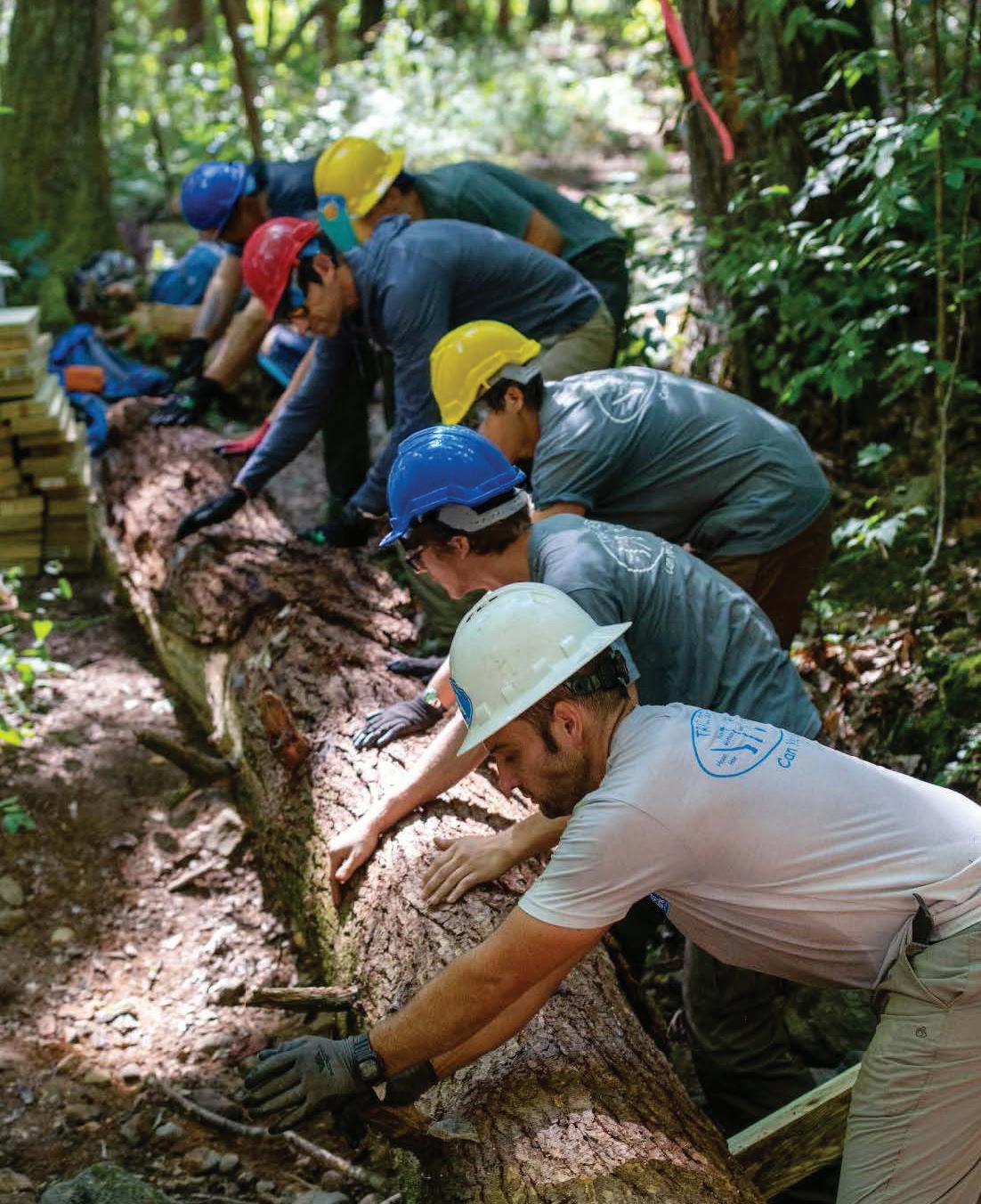
TRAINS hundreds of volunteers to maintain 825 miles of Blue-Blazed Hiking Trails so they are safe and accessible
MOBILIZES advocates to be the strongest voice for conservation at the State Capitol
LEADS the state’s efforts in creating forest education curricula, reaching more than 10,000 people annually
ORGANIZES Connecticut Trails Day, the largest trail engagement event in the nation
“One of the biggest threats to Connecticut forests is that they keep getting chopped up into smaller pieces.
Largely because of CFPA’s leadership, voters amended Connecticut’s constitution to require public notice and input before selling, trading, or giving away public land.
That was a huge win! Now, there are greater protections for our state’s forests and parks, and we have CFPA to thank for that.”
1986
Pioneered use of conservation easements, an essential legal tool for preserving private, natural land
2009
Helped establish newest National Scenic Trail, the New England Trail
ERIC LUKINGBEAL
Retired Attorney, Environmental Law Granby
2017
Advocated to create Passport to the Parks, giving all Connecticut residents free access to state parks
2018
Led campaign to amend state constitution to protect public land from being swapped or given away without public input
2021
Launched Master Woodland Manager program to train woodland caretakers to protect vulnerable forests
Connecticut’s forests can’t wait.
IT’S NOT JUST THE TRAILS BENEATH YOUR FEET. FORESTS THEMSELVES ARE IN TROUBLE.
Climate change is weakening the very ecosystems we depend on, leaving trees struggling to recover from violent storms, severe droughts, insect infestations, and rising temperatures.
Wildlife are displaced or can’t survive. Invasive species are spreading faster than ever. Harsher political headwinds and shrinking federal support have strained our funding partners — and us.
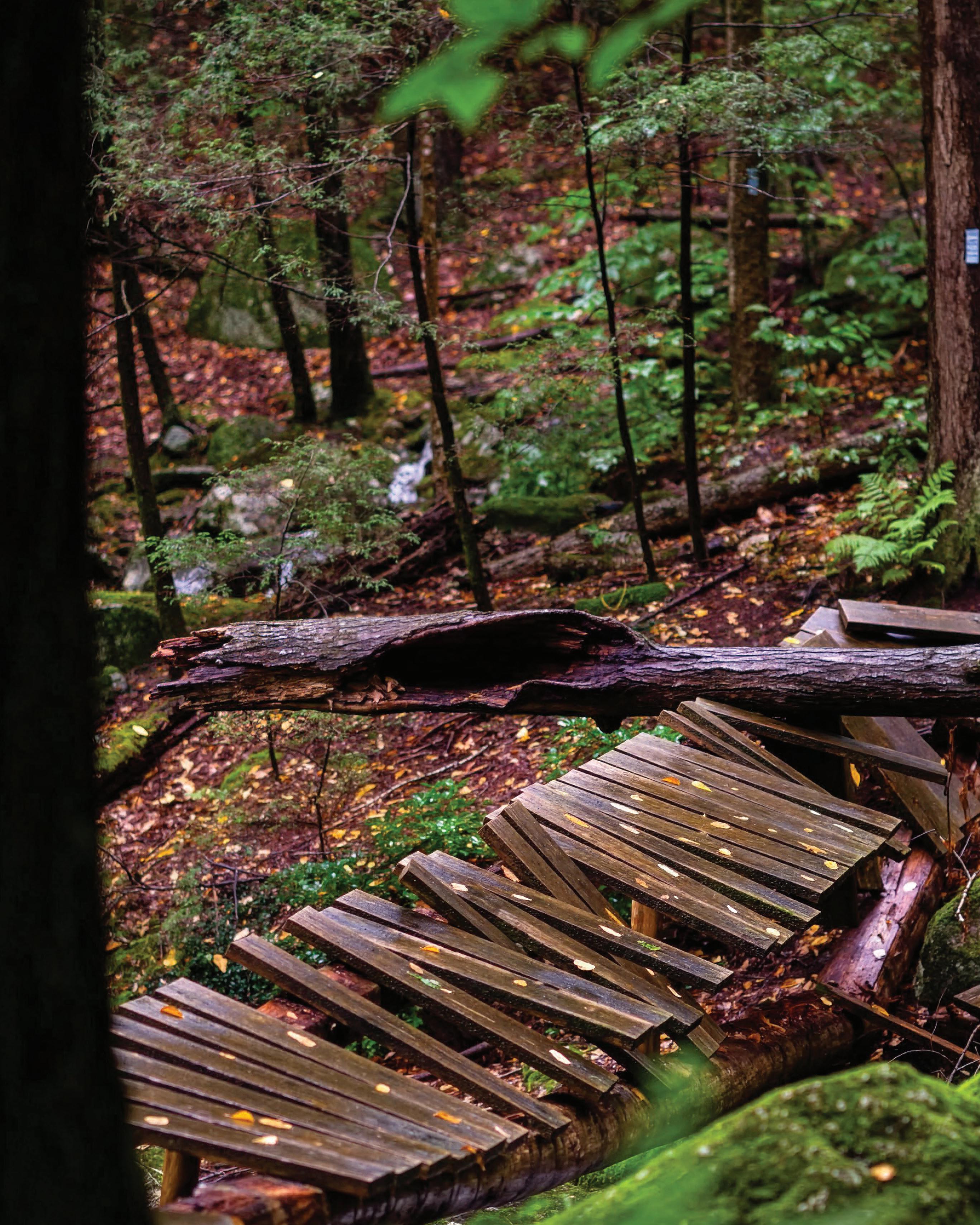
The impact on our trails is devastating. Extreme weather events are wiping out long-loved paths and bridges in a matter of hours, creating costly repairs and stretching our volunteers and staff to their limits.
Without active stewardship, the forests that give us clean air, fresh water, and a home for wildlife are becoming more fragile and depleted.
And here’s a fact many don’t realize: 40% of Connecticut’s Blue-Blazed Hiking Trails run across private land. While the landowners are heroes who make our trail system possible, property can change hands at any time, closing or breaking a trail.
The time is now for bold action.
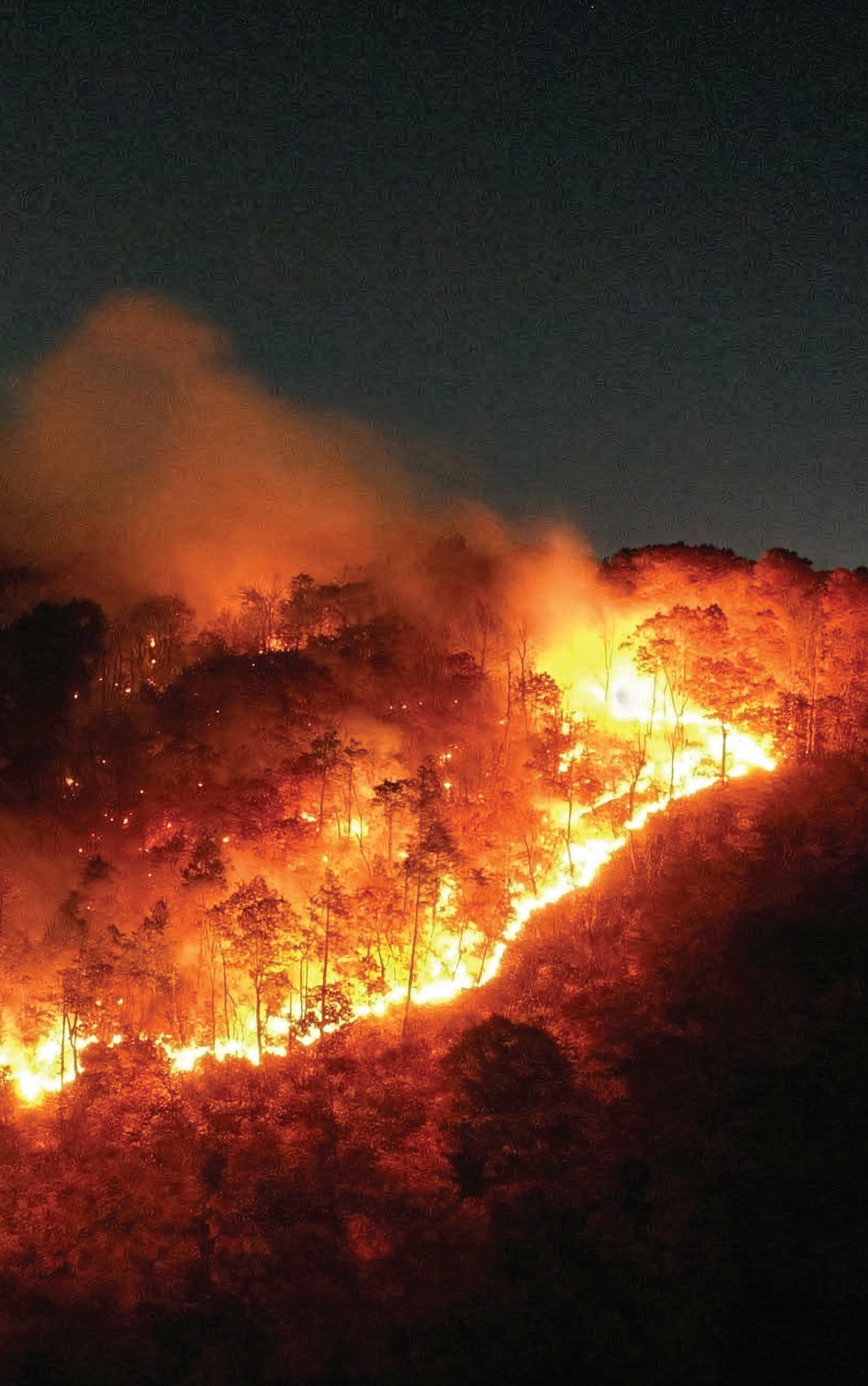
THE HAWTHORNE FIRE consumed more than 120 acres on Lamentation Mountain in Berlin and Meriden in October 2024. At that time, 93 brush and wildfires were actively burning across the state.
“It’s the worst drought since we’ve been recording droughts, which goes back to 1905,” said Governor Lamont of the conditions. “That means that our state is a tinderbox.
Everything is incredibly flammable. Anytime a dry leaf falls, it’s fuel for the flames.”
—as reported by the Connecticut National Guard
Just in the last two years, fires and floods severely damaged many Connecticut hiking trails, including the SAUGATUCK, ASPETUCK, ZOAR, PAUGUSSETT, and BLUE-BLAZED TRAILS in Kettletown State Park. Several bridges built by CFPA were completely wiped out.
We’ve got exceptional staff expertise, a track record of advocacy wins, gritty and dedicated volunteers, and award-winning environmental education programs informed by sound research. With your support, we can do much more. Here’s the plan:
REDUCE THE DESTRUCTIVE EFFECTS OF CLIMATE CHANGE BY:
ADVOCATING at all government levels for science-based forest conservation and stewardship practices, adequately staffed and well-managed parks, and connected, well-funded trails.
DEPLOYING innovative incentives with landowners, training the next generation of trail stewards, building climate-resistant trails, and enhancing the reach and expertise of a skilled trail conservation corps.
REMOVE BARRIERS TO THE OUTDOORS FOR ALL CONNECTICUT RESIDENTS BY:
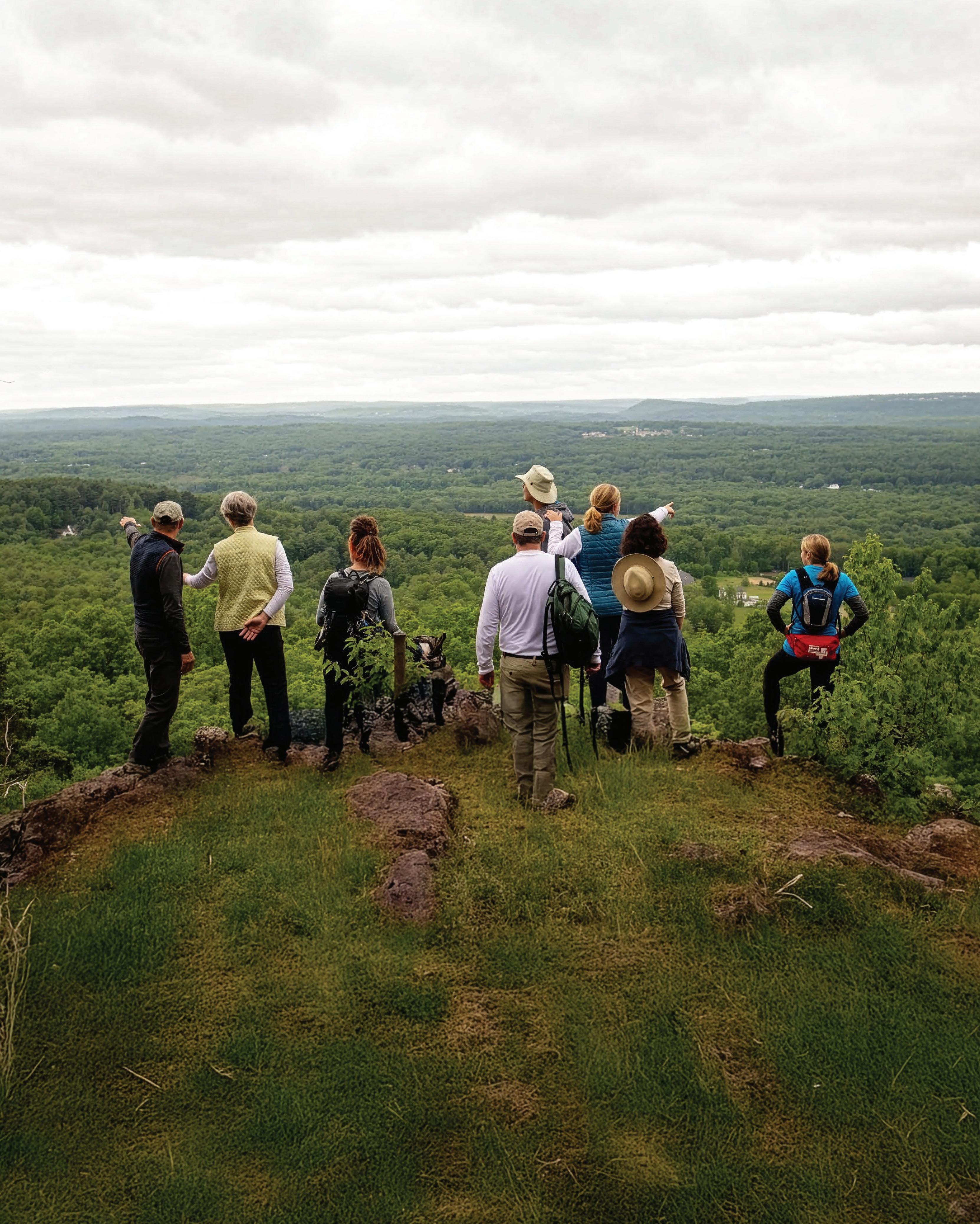
CONNECTING people of all backgrounds and ages to nature through hands-on accessible learning, guided hikes, and new technologies.
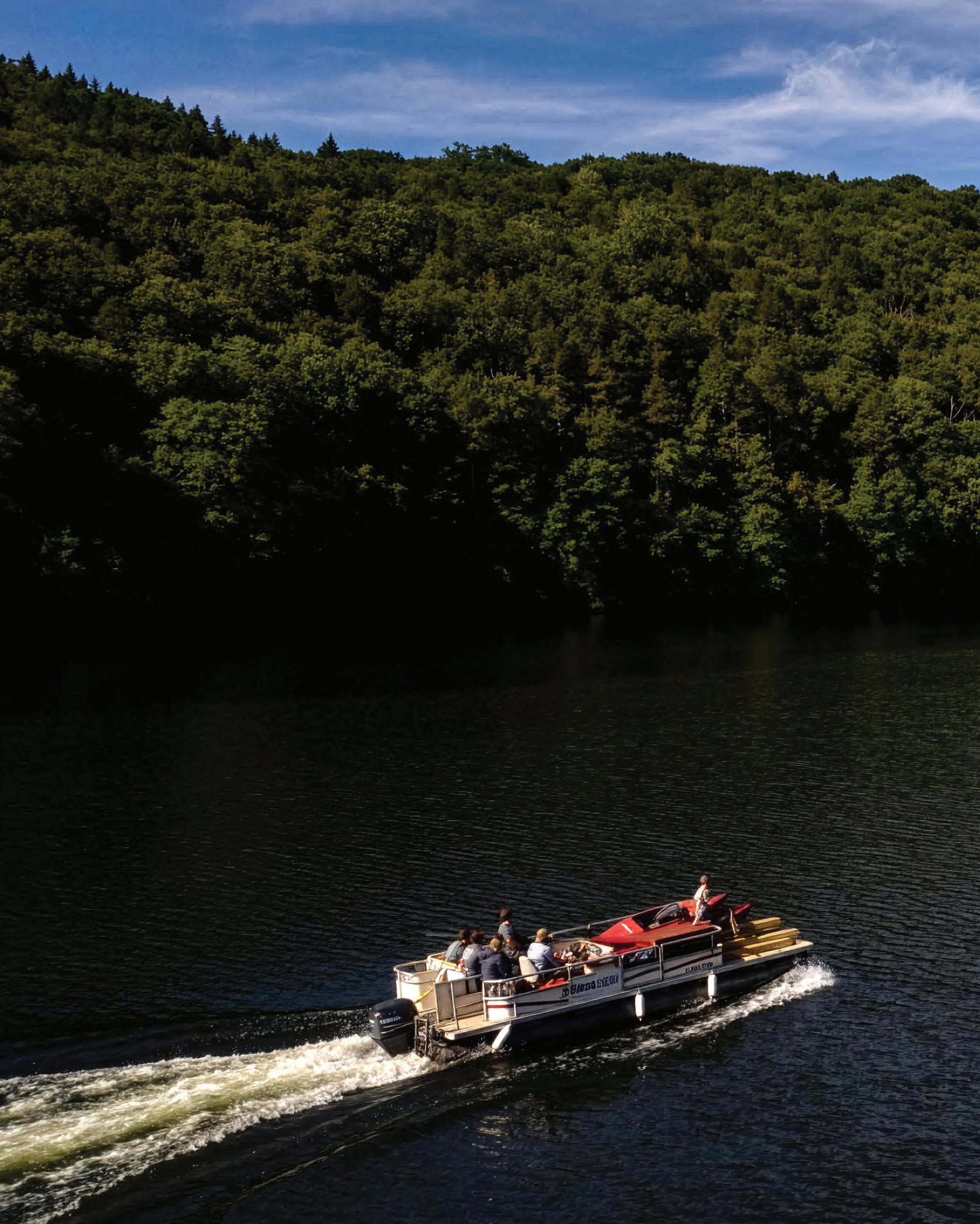
Loaded with tools and construction materials, a CFPA trail crew heads out by boat to repair hiking trails in a remote Connecticut area.
CFPA'S AVERAGE COST TO MAINTAIN ONE
MILE OF TRAIL: $550
Our vision is ambitious, but it doesn’t come cheaply.
Your investments are essential to restoring the forests and trails that restore all of us.
YOUR GIFTS WILL FUEL CRITICAL PRIORITIES:
Updated trail MAPPING software and data tracking systems
More EDUCATORS to to deliver forest-based learning
POWER TOOLS to equip scores of volunteer trail stewards
New KIOSKS, trail markers, and maps for hundreds of miles of trails
LEGAL work to create permanent trail easements and safeguard private land
Paid LOBBYISTS and communications expertise to drive our legislative priorities
VEHICLE and trailer rentals and maintenance to support trail crews and material transport
What does it take to protect 825 miles of trails?
Your support to train volunteers like Linda
When I heard about CFPA’s Master Woodland Manager Program, I was so excited. It was a way for me to learn about the habitats of the birds and animals I’d seen in the woodland and figure out what I could do to preserve the trees and trails I’d hiked, enjoyed, and appreciated.
During the year-long course, I was motivated to volunteer for my condo association to care for its 28 acres. Now we’re working to control its invasive species. We’re also walking the property to enjoy the woods, where we’ve seen the effects of the charcoal industry in the 1800s.
The Woodland Manager Program taught me about trail maintenance, so now I’m a CFPA trail steward. I go out with a trail manager who plans the work and wields the chainsaw while I help move the logs, use loppers, and refresh the blazing. It’s fulfilling.
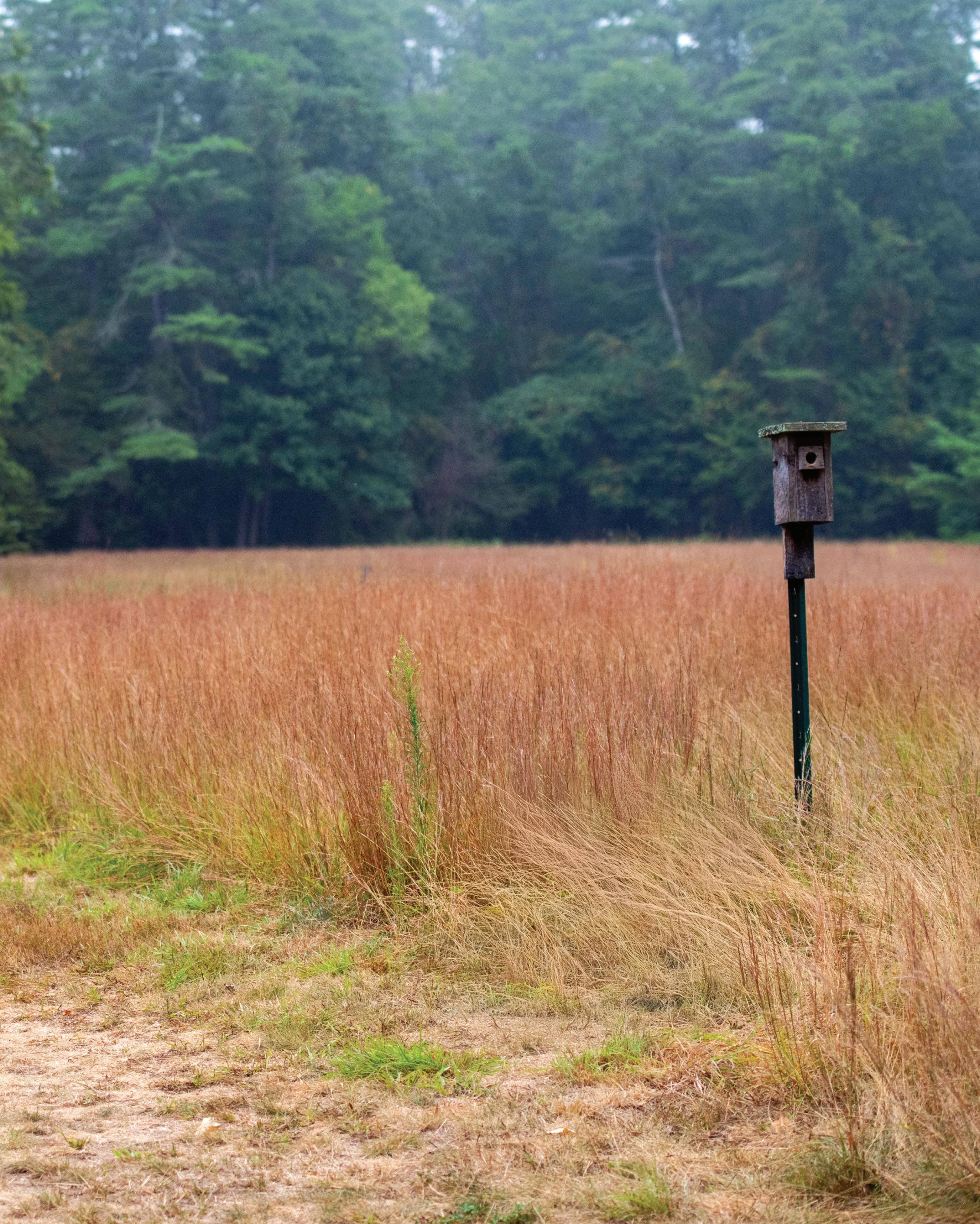
And I’m also volunteering at a local nature preserve, where I had a hand in planting 125 trees. A few times a week I walk some trails to monitor bird houses for Purple Martins and Eastern Bluebirds. I count their eggs and report the data — from nests to fledglings — to NestWatch. I feel like a parent!”
LINDA MILLER
Retired Teacher, New Milford
IN 2025, MORE THAN 200 TRAINED CFPA VOLUNTEERS DELIVERED AN ASTOUNDING
18,000 HOURS OF SERVICE
Can we count on you to help protect Connecticut’s forests and trails for future generations?
To make a gift, visit ctwoodlands.org/donate or contact Development Director Linda Pierce at lpierce@ctwoodlands.org or 860-346-TREE.
CFPA gratefully accepts gifts of cash, appreciated securities, donor-advised funds, or bequests — during or after your lifetime.
Connecticut Forest & Park Association is a 501(c)(3) nonprofit organization. Our federal tax ID # is 06-0613430.
16 Meriden Road Rockfall, CT 06481
860-346-TREE info@ctwoodlands.org CTWOODLANDS.ORG
MISSION
To connect people to Connecticut’s forests, parks, and Blue-Blazed Hiking Trails, and ensure these special places are protected and well-managed for future generations.
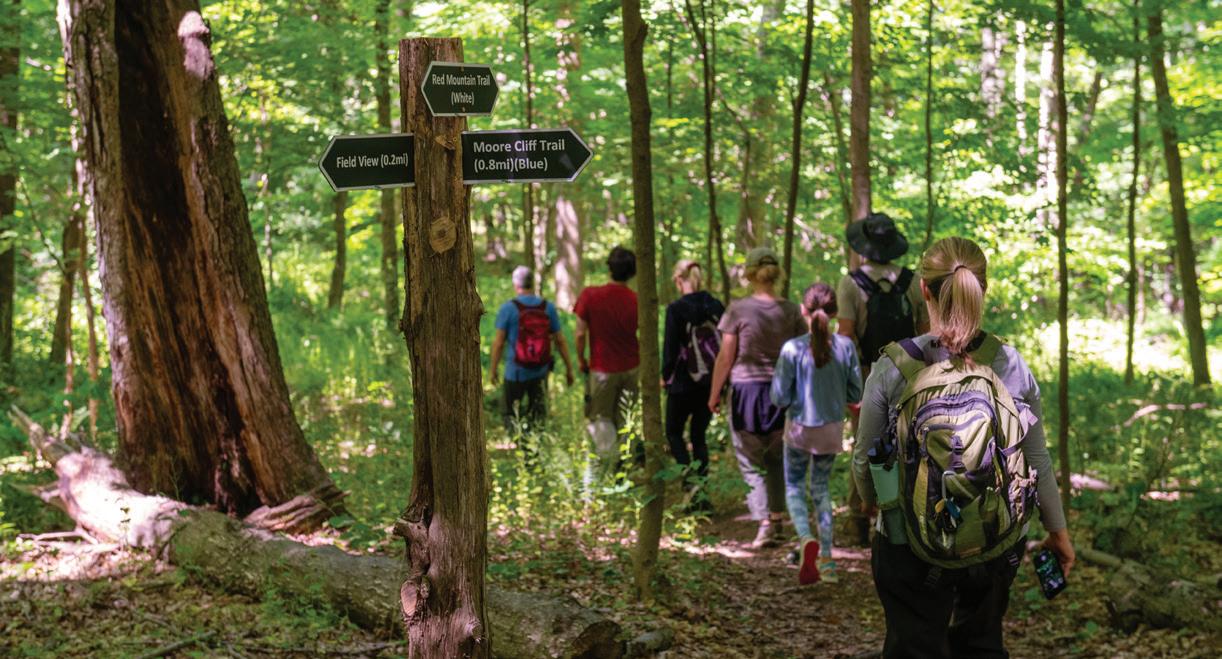
“When my son was nine, we started participating as a family in CFPA’s annual Trails Day. It was always fun to choose a new trail, meet up with a bunch of strangers, and hike together.
CFPA does such important work to maintain hiking trails by training and equipping volunteers who love the outdoors.
I don’t think we have the government structures to do that, and we’d lose a lot of trails if CFPA didn’t exist. Let’s hope that never happens.”
IVELISE (EVIE) VELAZQUEZ School Administrator (New Britain) Bloomfield
Photo credits: Owl (p. 3) - David Warner Hawthorne Fire (p. 5) - Greg Balicki