California State University, Bakersfield
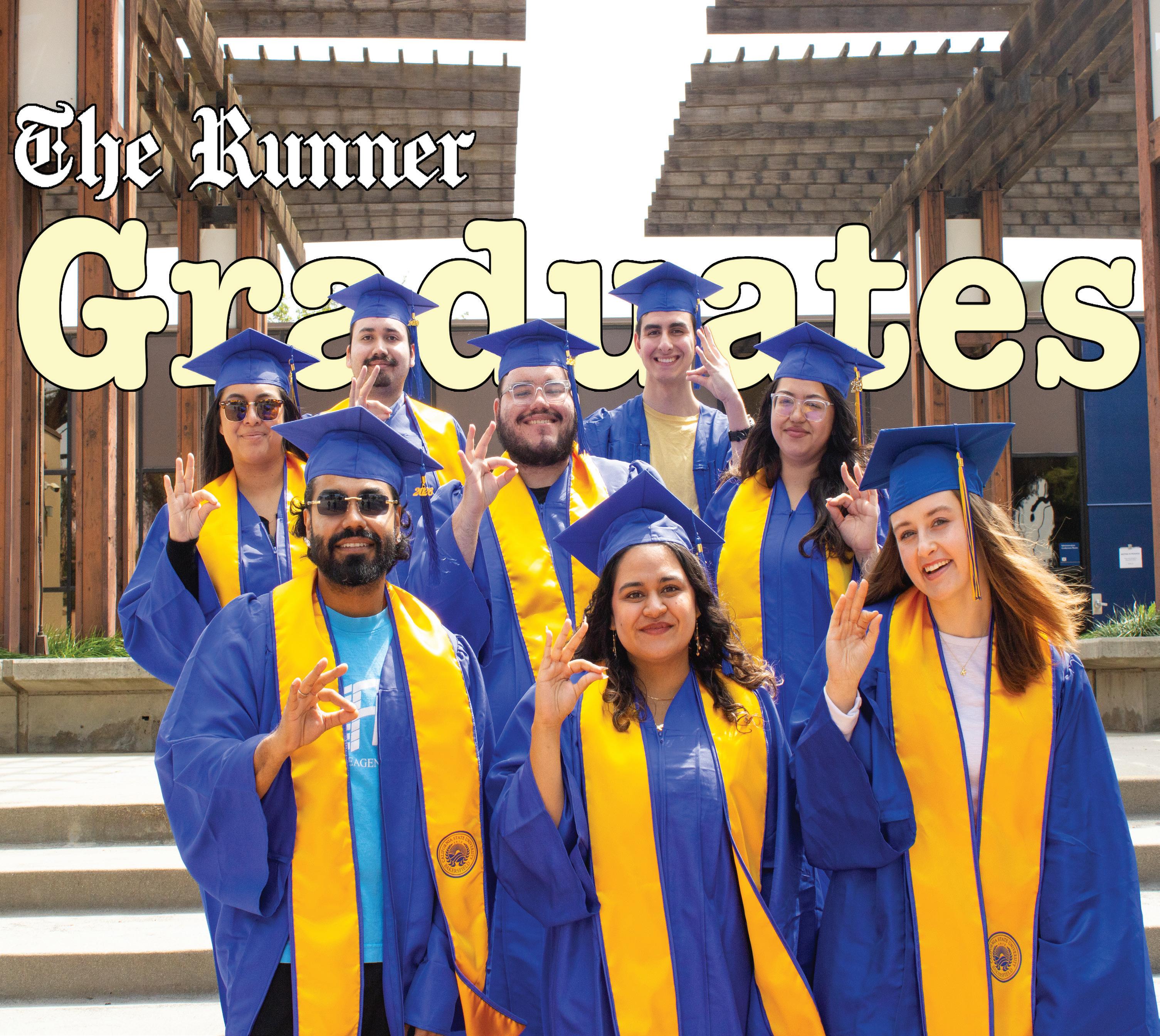
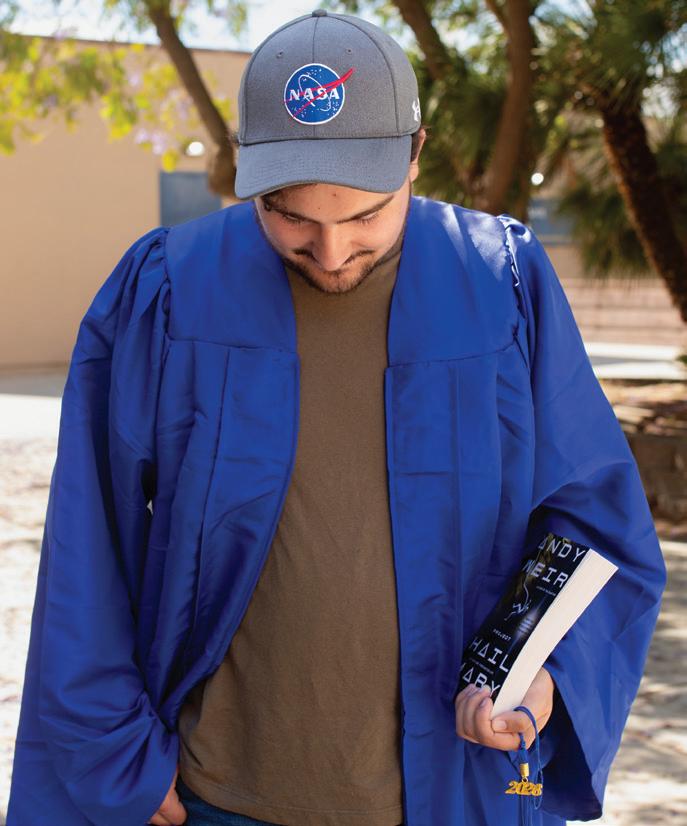
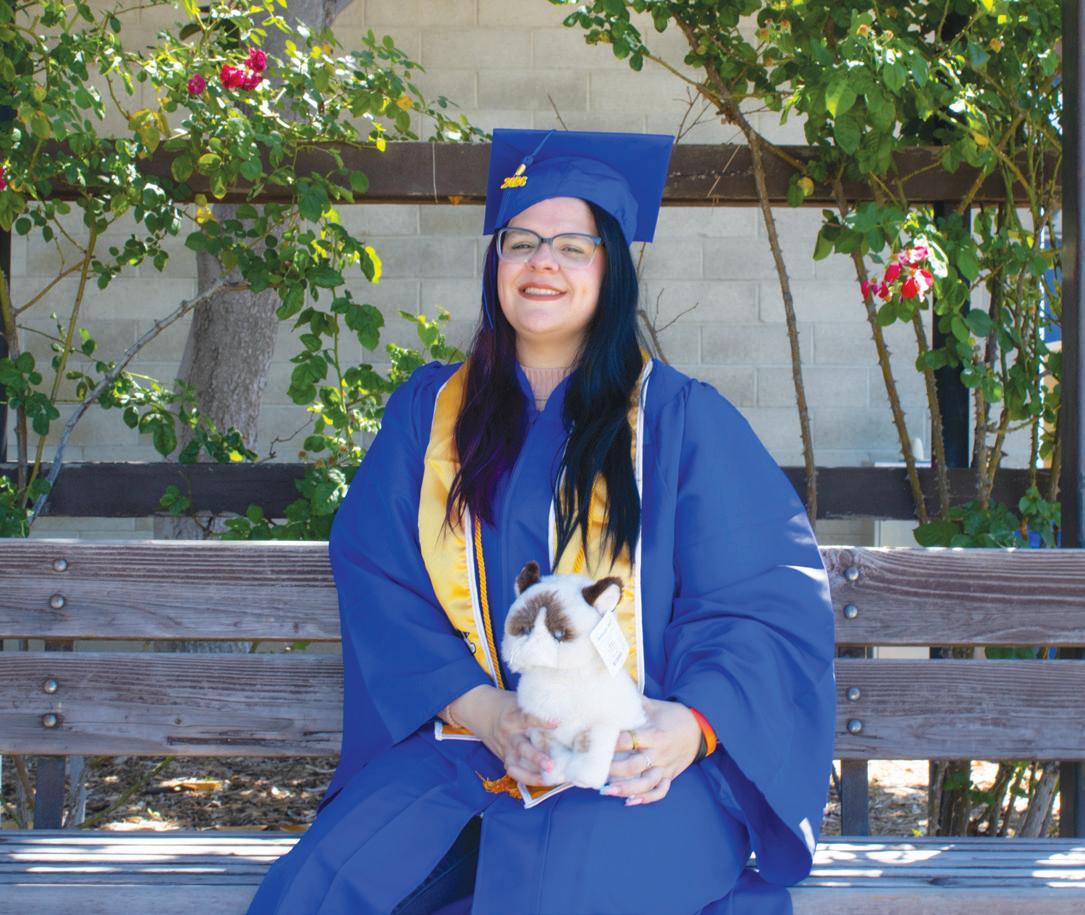
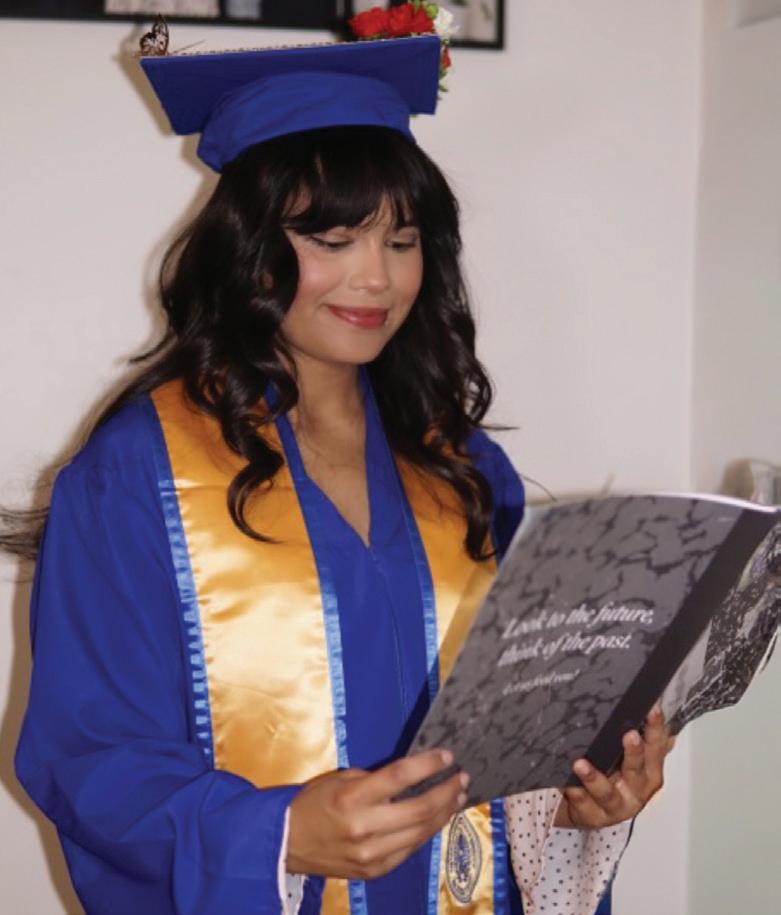
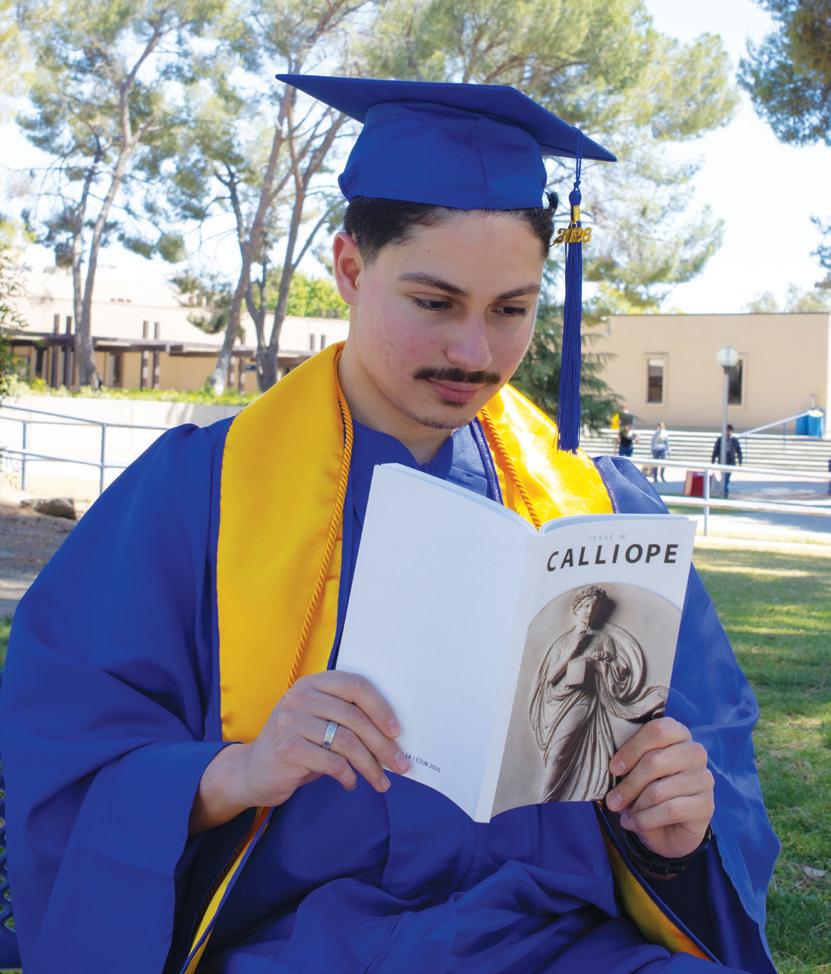
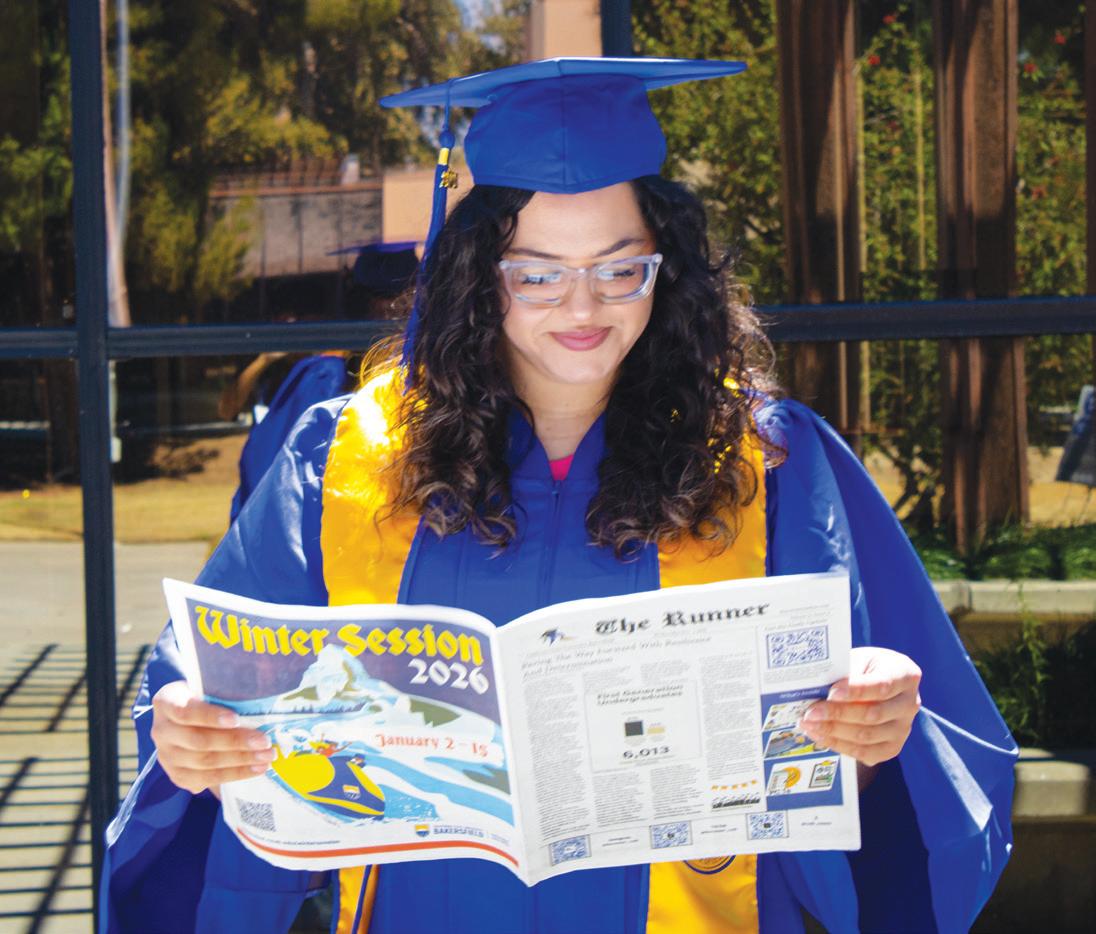
Photo by Raul Rico
Designed by Andrew Gonzalez
California State University, Bakersfield

By Micah Stover, Staff
This March, students at Cal State Bakersfield have begun registering for classes for Fall 2026. As they select their classes, they will have to decide between online or in-person courses. Online classes have become a lot more common after COVID-19, but the jury is still out on what type of courses students prefer.
In Fall 2026, the majority of classes offered for students this upcoming semester are in-person , but there is also a considerable number of online and hybrid classes offered. CSUB will offer 1,304 in-person, 129 hybrid, 16 Independent Study, 52 ITV, and 367 online/web classes, according to Associate Vice President for Institutional Research, Monica Malhotra.
Of ten people who were interviewed--seven students and three professors--four students and three professors preferred in-person classes, while the other three students said that it depends.
Fernando Sarabia, a mathematics teaching major, said he preferred in person classes due to the physical engagement. He mentioned that these classes allow a more hands-on experience and the opportunity to make connections with the professor.
“I hate to see the campus become heavily dependent on online courses,” said Dr. Miriam Raub Vivian, professor emerita of history. Vivian is strongly in favor of in-person classes and says they allow time for real conversations, discussions, and answers to questions. She also mentioned that artificial intelligence
could impact online classes, making it more difficult for faculty to detect it in students’ work.
For Sarabia, another difference is that students have more distractions sitting at home for online classes compared to the classroom. Mathew Forry, a traditional history major, also prefers in-person classes and agrees with Sarabia’s opinion. He said that it is easier for students to ask questions in person compared to digital classes. He also mentioned that with in-person classes students don’t have to worry about experiencing internet connection issues or delays and they are able to socialize with other students.
“[Students] absorb information better in class, with people,” said Johnny Diaz, a music education major.
He mentioned that online classes feel off and don’t feel like a working environment. He mentioned that while online classes can help him and other music majors complete their class requirements, online performances or rehearsals are often plagued with delays and technical issues. However, online classes offer flexibility around student’s busy schedules.
“For Gen Ed classes or easier classes, I prefer online platforms, for more difficult courses I prefer in person instruction,” said Andy Valdivia, an electrical engineering major.
Continued on page 3

By Julian Caro
Students will now pay an additional $5 for tuition next semester and $5 more in following semesters for the next five years, due to a resulution that was passed, adding up to a $50 increase to the student association fee by the Spring 2031.
The resolution, Runnervation, passed with 268 students votes in favor and 90 votes against. The total voter turnout of students was 358, less than 4% of the student body.
“I’m super proud of the board. I know we’ve been working hard over the last couple of months to get the word out, especially over the last couple weeks,” said Anthonio Reyes, president of Associated Students Incorporated.
The idea for Runnervation came from the creation of an ASI committee that focused on finding ways to better serve students at Cal State Bakersfield. A months long effort ultimately resulted in Runnervation going out to the student body and being passed.
“I feel like it’s an interesting initiative trying to bring back something they already had [Runner Night’s concert], ...and it’ll increase student enrollment,” said Daniel Harris, a sophomore that voted in favor of Runnervation.
Dalton Rojas, a senior, voted against Runnervation, expressing that while the increased fee will not affect him because he is graduating, it will affect his younger sister, who will be attending in Fall 2026, by increasing her cost of attendance.
In addition to the cost of attendance, the rate of inflation was a factor in one student’s mind before voting.
“I voted yes,” said master’s student Kayla Keifer. “I think it’s a worthwhile cause; I think it [ASI portion of the student association fee] hasn’t risen since 1980, to adjust for inflation. It’ll be $50 more, but in the grand scheme of
Continued from page 2
Whether students prefer online or in-person classes, they all see the value of online classes, especially due to its flexibility.
Online classes offer students flexibility, allowing those who have responsibilities at home, work, or a lack of transportation to complete their education.
Dr. Matthew Hanne, assistant professor of music mentioned that trying to do music with instruments online makes it extremely challenging since music is a physical, handson subject. However, he does see the value in hybrid classes, which offer students the flexibility of online, but also the interactivity of in-person.
Most students and professors here at CSUB prefer in-person classes over online ones. However, they also acknowledge the value and flexibility online courses offer students. Whether those be students with busy schedules, work, responsibilities at home, or lack of transportation, online classes can help them continue completing classes here at CSUB.
things, it’ll be kind of small.”
While student attitudes on the fee increase vary, CSUB has the highest student association fee among the entire CSU system at $474, with ASI only receiving $30 from that fee.
This is primarily due to previous ASI resolutions which have increased the student association fee in order to establish programs such as: the university’s D1 athletics, athletics scholarships, the spirit squad, the children’s center and provide funding for student clubs.
With the passage of Runnervation, ASI will be pulling money from their reserves to make good on their campaigning promises of “increased scholarships and aid” and “increased and elevated student events and activities.”
They will do so by taking $200,000 out of their reserves for the 2026-2027 academic year.
According to Reyes, ASI will borrow from their reserves until 2028, when the fee will match their operating expenses and then subsequently work to replenish their reserves.
Additionally, ASI’s current operating budget of $600,000 is slated to increase to $1.6 million by the end of the fee increase in 2031.
“I feel very excited for the opportunities that Runnervation is going to provide to students with gas cards and grocery cards,” said Marcos Ramirez, ASI Vice President of University Affairs. “We know that students need and students want the opportunities for more concerts and more extravagant events on campus, so I’m just excited for the opportunities that this will bring to the students.”
The current ASI board will create the budget for the next academic year, however, the way in which those funds will be allocated and managed depends on next year’s ASI board.
Runnervation was created and passed by students to serve one population in mind, the students.

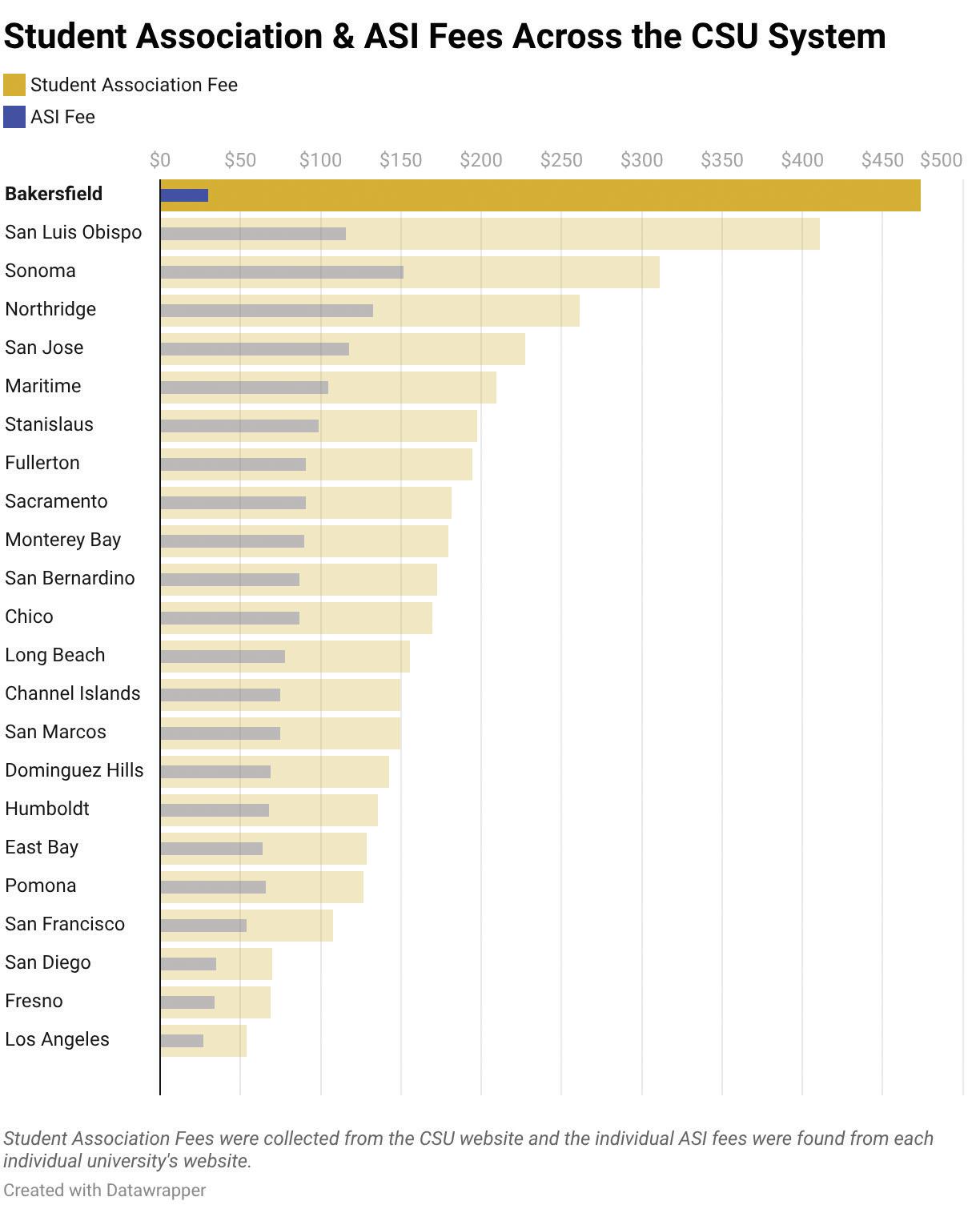
Graphic by Julian Caro
By Brittany Oceguera, Managing Editor
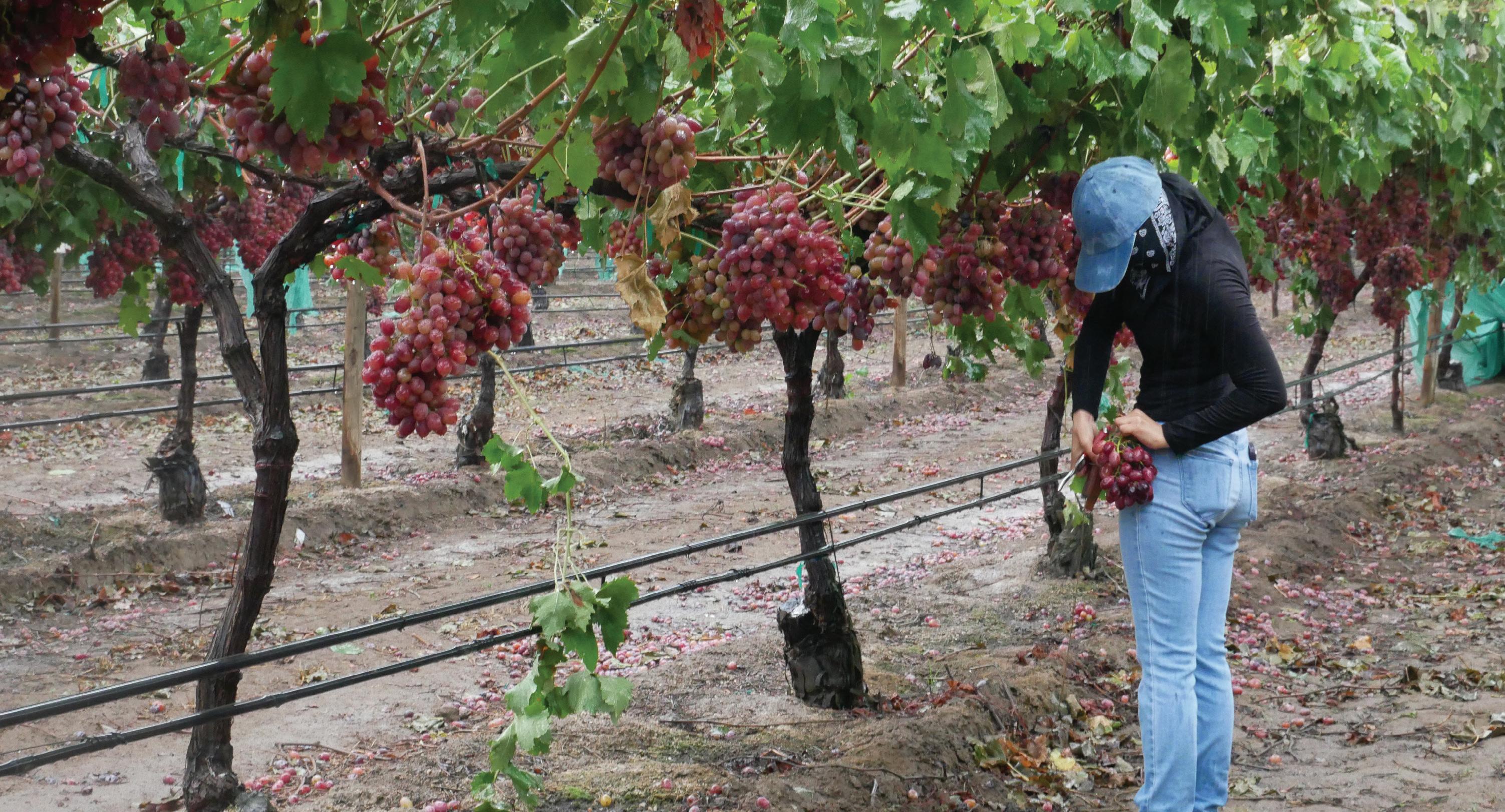
In just a few weeks, Kern County’s grape season will reach its peak. Farmworkers will soon fill the fields, moving through long rows of vines to harvest grapes while working long hours in unpredictable weather.
Of the nation’s table grapes 44% originate from Kern County according to a 2025 report from the Federal Reserve Bank of San Francisco.
The Delano Grape Strike began 60 years ago, led by leaders like Larry Itlong, Cesar Chavez and Dolores Huerta. Filipino and Mexican farm workers joined forces to create the United Farm Workers Union–led primarily by Chavez–and advocate for better wages and working conditions.
The five year strike was successful, resulting in table grape growers signing the union contracts and providing farm workers better pay and protections.
Chavez’s legacy continued being taught long after his death, having schools and streets named after him.
However, now more than three decades after his death, allegations against Chavez sexually assaulting and raping women and minors have surfaced through a New York Times investigation published on March 18.
The five-year investigation revealed that Chavez had groomed and sexually abused at least two girls, and the cofounder of the UFW Dolores Huerta, all involved in the
farmworkers movement.
Soon after the allegations surfaced, celebrations on March 31 in honor of Chavez were cancelled all over the country. Shortly after, California changed Cesar Chavez day to Farm Workers Day.
Miguel Juarez, a student in the teaching credential program, started working in the fields when he was in fourth grade. From fourth grade to sophomore year of high school he often spent his weekends and vacations working alongside his parents in the fields.
“Everything I knew about the man [Chavez] I knew from what teachers told me and documentaries,” said Juarez. “We saw how he was a man of peace, how he tried to help get farm workers’ rights.”
While Juarez grew up learning about Chavez as a man who represents the Latino community, he himself didn’t look up to Chavez much.
On April 23 CSUB hosted a community town hall about the Chavez’s revelations where students had the opportunity to share their thoughts and discuss the allegations. Dr. Jose Villagran, professor of Ethnic Studies shared that his dad was a farm worker who had died due to pesticide exposure.
“I always understood the farm workers’ movement as a collective movement that involved thousands of people, but that Cesar was more of a central figure as a spokesman for
the movement, but he wasn’t the entirety of the movement,” said Villagran.
Villagran has researched the Farm Workers Movement and shared that since he started teaching in Kern County he has emphasized teaching more about Chavez due to the local history.
The allegations against Chavez left many in the Latino community grieving the legacy of a man that is already dead.
“Whether we like the man [Chavez] or not, the work is proven and that’s also written in part of his legacy,” said Juarez.
Juarez believes that Chavez’s name should not be erased from history but that educators should include the good and the bad in the curriculum.
“I think there’s a way that you can teach about someone’s contributions to something without wholly erasing them,” said Villagran. “But I do think there is a need to decenter him.”
Many people have spoken up about how the movement was never about one person, but the collective whole, and that what one man did is not a representation of the movement.
Villagran said that he will continue to teach about Chavez’s contributions to the union but that he will include the allegations.
Dr. Moises Acuña-Gurrola, history professor at CSUB said that educators should instead assign the NYT article when teaching about Chavez and the movement, and that all sides of
history should continue to be taught.
“Oftentimes, we don’t necessarily teach enough about queer people, women and other sort of the forgotten folks of the movement,” said Villagran.
Villagran shared that he has taught about other leaders involved in the movement from different areas around the country, but that he will make an effort to decentralize Chavez in teaching about the movement.
“There were thousands upon thousands of people that were involved in the movement,” said Villagran. “And I think that one thing that perhaps we could and should have done earlier, even well before these accusations, was to emphasize the collective nature of the movement.”
Acuña-Gurrola said that he has struggled to tell people that his world is not crashing down because of the allegations against Chavez. He shared that as a historian, his job is to examine history events as they come and document all sides.
“I think we’ll have to continue to say the name Cesar Chavez because he was a monumental force in the movement,” said Villagran. “We just now have to add these allegations into the greater context.”
By Zachary Trevino, Opinions Editor
Ending things is hard. Whether it be relationships, a boring book, or finally putting your phone down after doomscrolling for two hours. A lot of students are coming to an ending of their own soon here at Cal State Bakersfield. They will soon be walking the commencement stage and moving into a new stage in life. Endings are a scary thing, no wonder TV shows are so bad at it.
Ending a show in a convincing and satisfying way is a difficult balancing act as they have become a lot more serialized and narrative driven. The audience spends years growing with these show’s characters they’ve grown to love or hate. An audience expects their efforts to not have been in vain, but the opposite is normally the case.
In trying to find what makes the finale of a show great, I have devised the three pillars of the modern TV finale which include: Finality, a reason for the show to have stopped where it did, Climax, how grand was the show’s ending and did it do a good job building up to that point and, a Throughline, did the show’s overall narrative arc make sense as to why things shook out the ways that they did.
No show can be perfect in its execution, but many are excellent examples of these three pillars. “Oz” (1997-2003) was a pioneer show of its time by being one of the first seriaized dramas, airing on HBO two years before “The Sopranos” brought this style of television into the major spotlight. The show is not for the faint of heart, centering around an experimental prison where prisoners roam around as they please in the cell block. You can assume brutal things happen to the inmates, but it begs the question of how do you give finality to a show where characters are serving a life sentence? The answer is you kill the prison. The inmates needed to be evacuated, and the last shot of the show is prison buses pulling away from the penitentiary. It’s brilliant in its execution as the show can no longer be even though the prisoners come in and come out, the prison itself was the only constant and that was no longer by the finale.
second season came into play in unique ways that still had viewer’s mouths on the floor even if they were thinking about it. This finale was bang after bang with how it went about its conclusion, and it is one that lands it in the annals of history.
The final part is the throughline. Too often, we see a show lose sight of what it is at a foundational level, but to be able to fully understand the foundational level all the way through is something special. The show that sums this up is “The Wire” (2002-2008), this whole show’s premise captures the world of cops and crooks in Baltimore.
half baked in the best of interpretations. When a show ends, you want it to be bombas-
The show was a bit wild at times and lost itself, but the ending is something of a masterclass. See, the ending consists of a montage of many characters acting out popular scenes from the early seasons, the only difference is that it has different characters than when the show started. This was done to show that the entire
crime world is cyclical as the faces change, but the archetypes stay the same, which only makes the message clearer.
Now, in all the ways that these pillars can raise a show to stardom by mastery, failure to follow in one of these three key aspects can lead a show to relative obscurity, even if the rest of it had people unable to look away.
tic and something that will keep you planted with baited breath to see what will happen next, so if the climax is bad, it leaves you questioning if the destination was worth the journey. Unfortunately, this is what fate had in store for the biggest show of the 2010s, “Game of Thrones” (2011-2019). To say this was a cultural phenomenon was an understatement. People were raving over this show and so much speculation rose from it, one of the bigger questions being what would happen when winter would come? As it turned out, the writers were wondering this question as well since the books this was based on were not finished by the time the show had to lay out its ending. What came was a sped through romp of things that had to be done for loose ends to be tied up and many aspects of the shows, through events or characters actions, leaving fans with middling reception. To be able to tank a show’s reputation that was once in the stars to now being something that is recalled as pretty good is almost impressive and goes to show that it’s not how you start, but how you finish at times.
and higher. Where in the first season our lead group of programmers have to try and win grant money at an event, the last season sees them having to fight the AI uprising and use rats to their advantage to clear their names, as confusing as that sounds. The final episode is even nothing like what the show was, opting to be a documentary of the characters years later reminiscing on the crazy life they had. It all got blown out of proportion and lost the plot, literally in this case. While the show was satire, it was grounded in reality, but the idea was stretched until it snapped and it could no longer recover from the problem that it made.
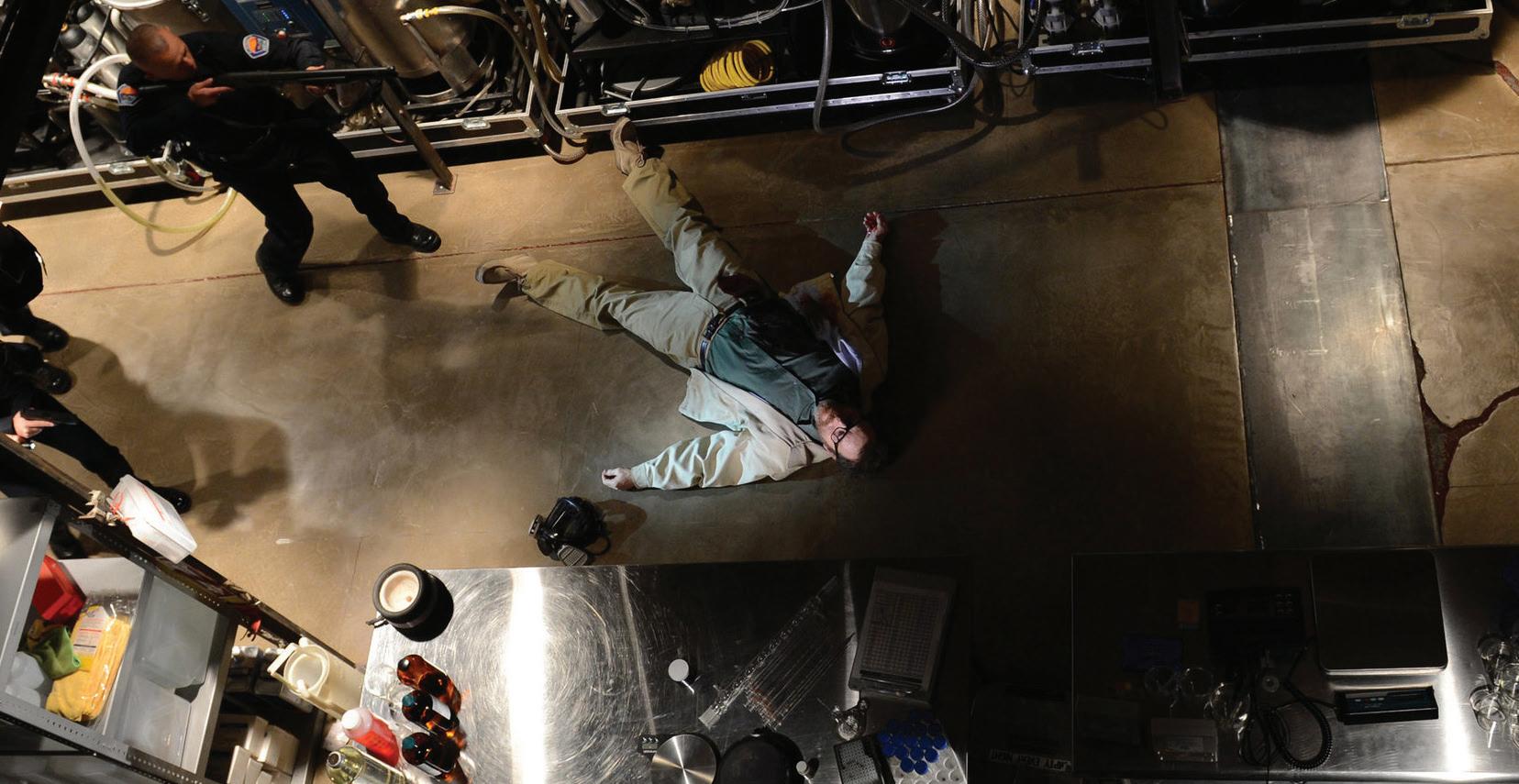
Moving to the climax, you want a show to be able to pan out every aspect to the best of its ability, and while it may be overstated, “Breaking Bad” (2008-2013) really did it like no other.
Watching the finale of “Breaking Bad” is comparable to finally pushing over that one domino that sends hundreds more tumbling soon after. Many things hung in the air in the show, and people sat with baited breath to see how this would all end with Walter White and his meth empire surrounding him. The show’s finale, titled “Felina,” made everything come together masterfully. Set ups from the opening shot of the last season finally made sense, and things that had been hinted at since the show’s
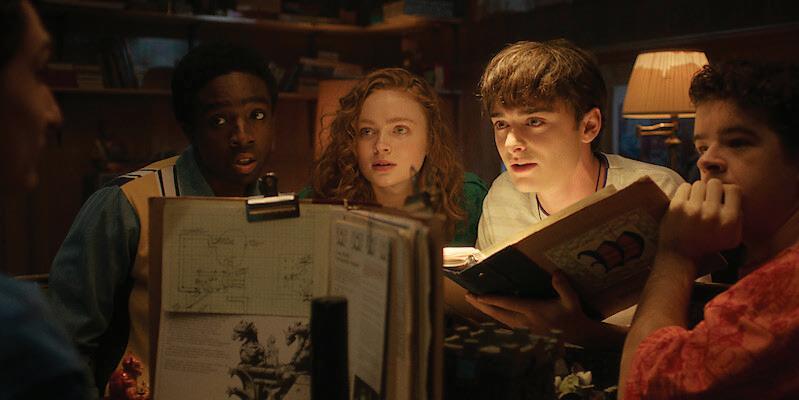
A famous modern example of this is “Stranger Things” (20162025) and its lack of finality in itself. This show dominated as one of the most popular shows on streaming, unfortunately the fans were unable to stay invested as the show had a problem that festered more and more and that was its inability to commit. The show’s creators, the Duffer brothers, were constanly chastised online for their inability to add meaningful character deaths to the show and overall getting cold feet to large changes to the status quo. The show’s fifth season left a lot to be desired, but the main takeaway was the lack of character growth. By the end of the show, evil is defeated, and they go back to doing what they had done years earlier playing Dungeons and Dragons. There lacks a sense of gravity to what was done and leaves the ending feeling
The final pillar, the Throughline, is something that really hurts to see done wrong. To see a show be so good and lose itself along the way is rough to see as you know the potential was there, but it was just driven off course along the way. A show that fell to this fate was “Silicon Valley” (2014-2019), a serialized comedy about a tech startup navigating through a satirized tech world. The show was brilliant at first, but as seasons went on the stakes got higher
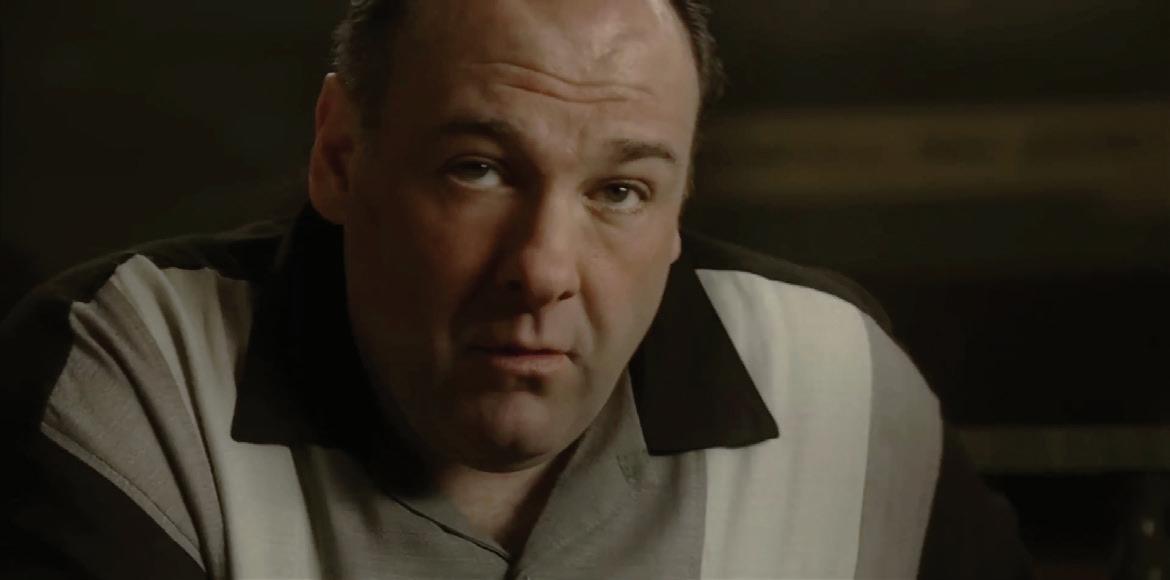
Now, this is all subjective and the popular opinion can change from time to time. With many works of art, it is important to take into account the shifting landscape of the world. This shift can lead to feelings changing on shows and make universally canned finales become more understood and sometimes celebrated as any other good finale. The poster child of this is the trailblazing drama mentioned earlier, “The Sopranos” (1999-2007). This show was groundbreaking and ahead of its time in many different regards and people needed to know what would happen to Tony Soprano and all of the other members of his mafia family. Famously however, the ending of this show was something that caused an uproar in a nation of channel surfers. This show’s final shot was an abrupt cutoff to a black screen in the middle of music playing. People famously called in to HBO and reported that their TVs messed up and there needed to be a fix. And even more curiously the show’s creator, David Chase, left the country during the airing. It was talked about on the news the next day, it was a circus of attention being brought up. With people given time to distance themselves from the ending and really think about it though, The Sopranos is not touted as an amazing ending to an amazing show. Many different nods alluded fans back then, and today there seems to be a mutual understanding between the product and its fans, leaving it celebrated as it ought to be.
So if you are going to be walking out of here with your diploma in a few weeks or a few semesters and you feel scared as you don’t know what’s going to be of you at the end of this, I will let you in on a secret. No one knows how to end anything. Circumstance and luck play a large factor in what goes on, and it’s more important to be able to ride the eave rather than properly plan out what will be your life in five years from now. While it can seem dicey now, down the line you can look back and it can all begin to make a little sense. And if you feel that no one believes in you, I believe in you. You got this.
By Ashley Vallejo, Staff
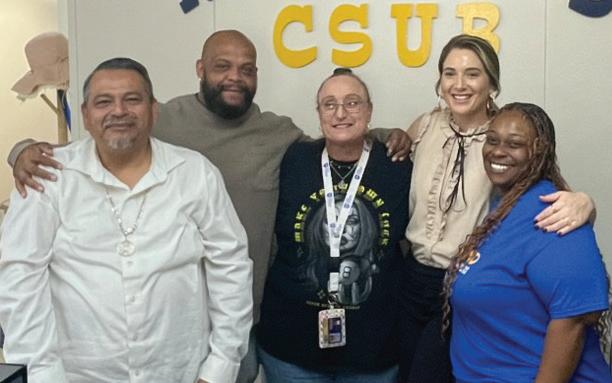
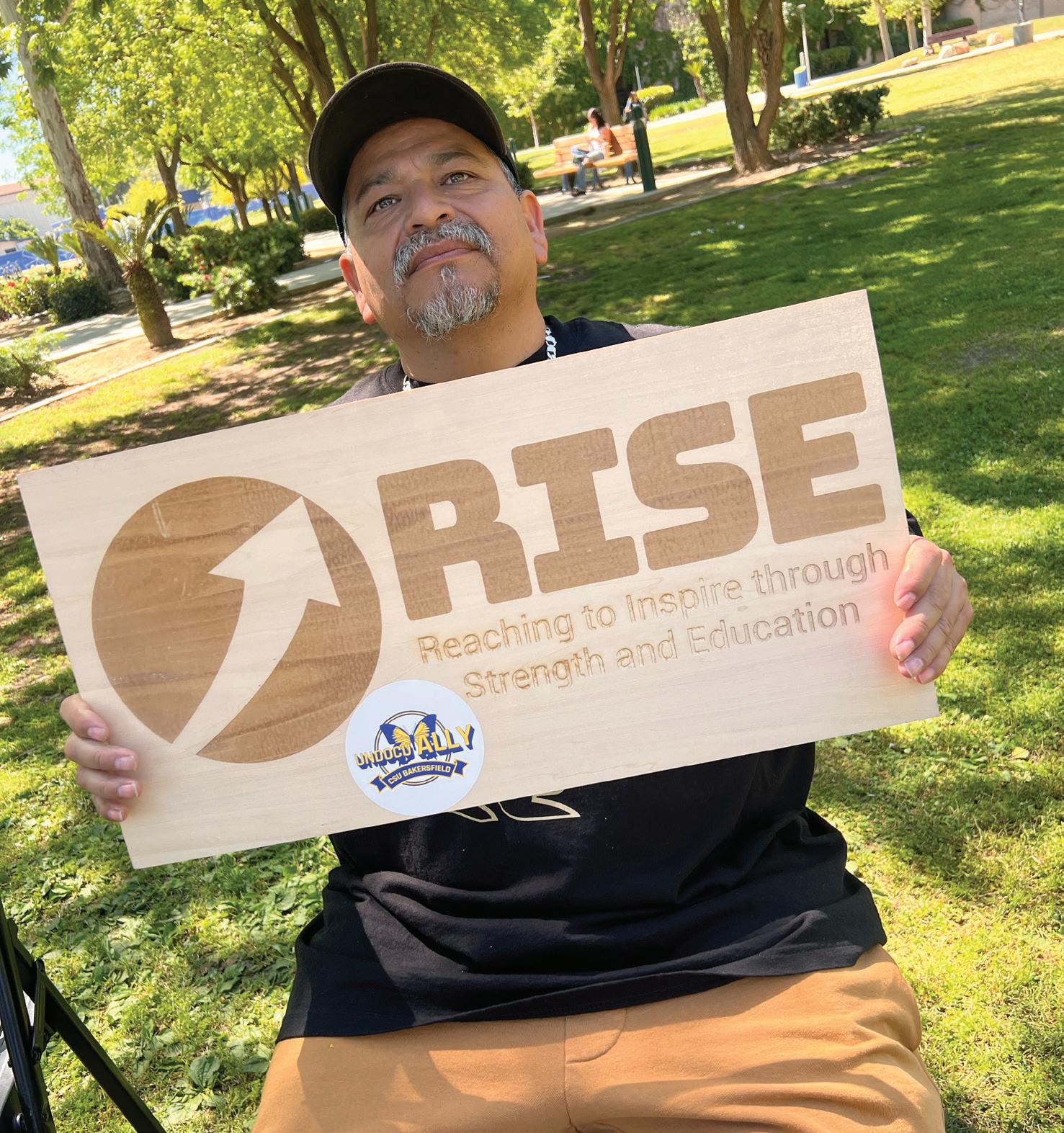
On any given day at Cal State Bakersfield, you’ll find students hurrying between classes, trying to balance schoolwork with jobs and personal responsibilities. But for members of Project Rebound and Club Rise, the journey to college carries a deeper story.
For 55-year-old psychology major Samuel Bautista, that balance represents something deeper than just the pace of college life. It represents a second chance.
Not long ago, Bautista’s path looked very different, navigating life after incarceration. Today, he walks through campus with intention, grounded in a journey shaped by resilience, responsibility, and a commitment to change.
Bautista’s road to CSUB began at Bakersfield College, where he earned two associate degrees in psychology and liberal studies. It was at BC that he searched for ways to get involved with at-risk youth. That search led him to Project Rebound; a program dedicated to supporting formerly incarcerated students as they transition into higher education.
Project Rebound isn’t just a campus program. The program’s web page says, “it’s an alternative to the revolving door policy of the criminal justice system and instead encourages students to excel in a course of study.”
The program offers academic support, community and access to opportunities, while aiming to break cycles of incarceration and empower students to become leaders in their community.
But for Bautista the transition into college life wasn’t easy.
As a first-generation adult learner, Bautista navigated the system largely on his own. From applying to school, to figuring out financial aid, the process was unfamiliar and, at times, discouraging. Without guidance, the weight of it all could have easily pushed him off course.
Still, he had a goal, to help others like himself. And he kept going.
“I came to the realization that if I wanted to break generational curses that I myself was a part of this was the way to do it,” Bautista said. To him, Project Rebound became not just a resource but a foundation for acceptance.
Balancing school and the need to make a living is the reality for many students, but for Bautista, finding both stability and a safe place to study was essential. Through Project Rebound, he found a supportive environment and a work-study opportunity that helped provide financial security.
“I’m glad that Project Rebound was here and that it offered me these opportunities because I don’t think I would be doing as great as I am,” he said.
Beyond academics, the program helped Bautista reshape how he saw himself.
“I started realizing I was in an office setting; I should dress it up a little bit,” he said.
For Bautista, success starts with mindset. Presenting yourself with intention, he believes, is part of becoming the person you want to be.
Still, life doesn’t slow down.
Bautista balances school with personal responsibilities, including being a father to a child with special needs, along with his involvement in Club Rise. His experiences within the criminal justice system, he says, have strengthened his ability to handle life’s challenges.
“You deal with life as it comes,” he said. That mindset carries into how he engages with others, especially within Project Rebound.
From the moment he arrived, Bautista felt something different.
“When I got here, I just felt like I was in the right place,” he said.
That sense of belonging didn’t happen by accident. It came from a community of people who understood his experiences and were ready to support him. Now, he works to create that same environment for others.
“When somebody comes in here, the first thing we do is ask what do you need, where are you in your journey, and how can we help with that,” Bautista said.
Whether it’s offering food, a place to study, or simply a conversation, Bautista believes those small acts of support are what keep the program strong. For him, changing perceptions is just as important as changing lives.
“Don’t judge us by the way we look,” he said.
“If you see us here, that means we’re doing
something positive for ourselves.”
Programs like Project Rebound challenge long-standing assumptions about formerly incarcerated individuals, replacing stigma with stories of growth and determination.
And the impact goes beyond campus.
“The whole atmosphere is encouraging,” Bautista said, describing the environment that helps students stay motivated.
That encouragement translates into real outcomes: higher retention, strong graduation rates, and students who go on to give back to their communities.
According to the CSU Project Rebound Annual Report, formerly incarcerated students in California, particularly those in specialized programs like Project Rebound, show high graduation rates ranging from 63% to 88%.
While general, non-supported, or in-prison completion rates can be lower, specialized support in California colleges leads to exceptionally high retention and graduation outcomes, often exceeding state averages.
Bautista believes access to education should not be limited by someone’s past.
“The only difference between us and people who haven’t been incarcerated is, we made a mistake, we tripped on life, that’s it,” he said. “We have the same abilities, the same drives. We need to be educated in the same way so that we can achieve the same things.”
Looking ahead, Bautista’s goals are clear. He plans to earn his master’s degree in psychology and become a marriage, family,
and adolescent therapist, work that reflects his belief in redemption and growth. As someone who has lived through hardship, he wants to meet people where they are and help guide them toward change.
The director of the program, Adam Turner, has witnessed Bautista’s transformation in real-time.
“I would like for him to succeed in whatever he chooses to do, whatever it is, I know he’ll make a strong, positive impact,” said Turner.
And for those who might be standing where he once stood, unsure of what comes next, his message is simple:
“Come on. Let’s get it!”
When asked to describe Project Rebound in one phrase, Bautista doesn’t hesitate.
“A blessing.”
To him, the program represents more than opportunity, it represents possibility.
“Everyone deserves second chances, and this is where you can find one,” he said.
Through his journey, Bautista has built a sense of self that is rooted in purpose and shared with others. It’s a mindset he hopes continues to grow within the program and beyond it long after he’s gone off campus.
At Project Rebound, success isn’t just measured in degrees, it’s measured in lives rebuilt, communities strengthened, and the belief that no matter how many times someone stumbles, there is always a way forward.
And for Bautista, that path is just getting started.
By Linda Gonzalez, Staff

In my early twenties, I was a single mother trying to balance college and raising my sons, a newborn, a one-year-old and an eight-year-old. I was also navigating the realities of motherhood while carrying the weight of surviving domestic violence, all while working to rebuild stability for myself and my children.
There was no room for uncertainty. With bills to pay and mouths to feed, the choice was not between school and work, it was survival. Even through it all, I felt drawn to storytelling. The desire to write and make sense of the world around me was always there, but never seemed within reach. Each time I tried to hold onto it, responsibilities pulled me in another direction.
I eventually left school for a job, trading classrooms for long hours and steady paychecks. Providing for my boys became my focus, and school faded into the background. And for years, it stayed there.
I worked 16 years as a recruiter in human resources for a staffing agency and over time, began noticing practices that did not sit right with me. Workers were sometimes misled about job conditions. But what stayed with me most was how women were treated.
Supervisors made comments that reduced them to their appearance. I was asked to send younger women to certain job sites, not for their qualifications, but for how they looked. I could not ignore it. I faced a choice: stay silent or walk away. I chose to leave.
After stepping away, I spent time with my family. I thought about the kind of world my grandchildren would grow up in, and it became clear that I wanted to do more.
My life shifted as my sons grew up and built families of their own. Today, I have nine grandchildren. For the first time, the timing felt right. Returning to school was no longer about what I had missed, it was about what I could still become. I wanted to finish my degree and become a stronger advocate for my community and for the generations coming after me.
As a member of the Pascua Yaqui Tribe, I was able to return to school with the support of a tribal scholarship, an opportunity that made this next chapter possible.
But I did not do it alone. My husband,
Daniel, supported me mentally and financially. My sons and daughter in law helped me with transportation when I needed it. My sister and her family stepped in to care for my grandchildren, since I was their regular babysitter, while I attended class.
What began as a personal goal became a collective family effort. Returning to school to study communications and journalism gave that purpose a direction.
Around 45, I began to recognize injustices I could no longer ignore. So, I started writing, first on my laptop, then with more intention. Writing gave me a voice in a way speaking never had. Studying journalism is not just about earning a degree, it’s about telling stories that matter, inform, challenge and help others see a way forward. That purpose became deeply personal when I wrote a story I called “Calladita.”
For years, there were parts of my life I had never shared, not even with my husband of 17 years. Writing that story forced me to choose between staying silent and telling the truth.
I chose to speak.
I learned that silence does not protect people. It isolates them. Using my voice became a way to connect, to advocate and to remind others they are not alone.
Now, at 52-years-old, I am preparing to graduate college. My royal blue gown hangs against the closet door, and a cap and tassel rest on the bed, waiting for a moment that once felt out of reach.
This degree represents more than an education. It represents resilience, growth and a commitment to something bigger than myself. I want to leave this world better than I found it.
I want to let my grandkids, especially my granddaughters know that their voice matter, that they should never feel silenced or overlooked.
Going back to school at this stage in my life is not just about finishing what I started. It’s about setting an example and showing the next generation that their voices are powerful and that it’s never too late to begin.
I have a new goal now, to become an activist for those who are shy, like I once was.
Poem by Jessica Mil, Staff
After all these years It’s finally our turn, To say goodbye, Carrying what we learned.
We came here curious, And full of questions. We leave here nervous, And full of dreams.
We gave it our all, And we did our best. We got back up After every test.
We came here uncertain, And full of wonder Now we leave proud, And more put together.
Time to chase our dreams, And leave the hallways behind. Time to hear our voice, For the very first time.
Time for our courage to win, And our brave face to set in. We can no longer wait, For our new life to begin.
After all these years
We see the finish line, It’s bigger than we thought, And our goals come to mind.
When we first arrived, We didn’t know who we would be, But these halls paved, And gave us the answer key.
Now, it’s our turn To chase our dreams, With the lessons we’ve learned, And the memories we keep.
We are here now
After all these yearsThinking we had more time, And now graduation is here.
The world is now waiting, This is where it begins. We need to be brave, And find our courage within.
We are grateful for our time, And the memories that we made. But now, we must wave goodbye, And say hello to the new road paved.

By Steven Kertis, Sports Editor
While Cal State Bakersfield’s athletics 2026 spring semester was full of ups and downs, some athletes made history at CSUB’s athletics program. Here is a recap of some of the amazing moments this semester.
Taken Down:
The wrestling team struggled this season, winning only against Bloomsburg and Westcliff. Richard Castro-Sandoval dropped his opening match at the Pac 12 Championships but battled back to nearly gain himself another trip to the NCAA Championships. RJ Jones had a great season at 133 lbs as he went 1-1 finishing in third place at the Pac 12 Championships. The biggest upset of the season was Guillermo Escobedo who upset, No. 8 ranked MJ Gaitlan from the Iowa State Cyclones at the Cliff Keen Invitational. Three wrestlers, Castro-Sandoval, Chris Neal, and Santino Sanchez were selected for NWCA Scholar Honors. Santino Sanchez is being honored for the third time and Chris Neal is being honored for the second time.
Rattled at the Rim:
The men’s basketball team struggled in the Big West conference play this season going 2-18 with a 15-game losing streak. Most of the games this season, CSUB was playing from behind early in the season. Their last win was on Jan. 8 against UC Riverside where they won 67-66, hitting crucial shots late in the game. Despite the losses, there were some bright spots on the team with Dailin Smith as the lead scorer with a total of 495 points, averaging 16.5 points per game. Followed by Ronald Jessamy with 417 points and averaged 13.5 points per game. Jessamy also led the team in rebounds with 206. Despite missing nine games due to injury, CJ Hardy had a big impact on CSUB averaging 12.4 points per game. The `Runners averaged 73.1 points per game but gave up 82.2 points per game. Interim head coach Mike Scott led the team this season, but Todd Lee, the new coach will lead in the 2026-27 season.
Trust the Process:
The court was not the `Runners best friend on the women’s basketball team either. They ended the season on a 10-game losing streak and 2-18 in the Big West conference play. Some of the key players were Chrishawn Coleman, who led the team scoring 475 points this season, Tena Ikidi who racked up 42 blocks and 251 rebounds, and Marley Langi who had the most accurate three pointer making 53 as part of her 324 points scored. Their last win of the season was against Cal Poly on Jan. 29. On March 5, head coach Ari Wideman was placed on administrative leave and resigned from her position a month later. The women’s basketball team will now be under the direction of interim head coach Ray Alvarado.
A Driving Force:
The women’s golf team took some big strides this spring. Sarah Mutai was the key leader for the `Runners, her lowest round was three under par with an average of 73.93 after a total of 28 rounds and had the two lowest scores by an individual this season for CSUB. Iris Han, went three under par in her lowest round, her average was 75.36 on the season after a total of 29 rounds of golf. CSUB had its best event
of the season at the MSU SoCal Invitational where they finished fourth as a team. That was their highest finish in a tournament in program history. CSUB finished eighth in the Big West Championship this season. Running Rampant: The Track and Field team had much success on the men’s and women’s team. The women’s team, Makiah Parker dominated the 100-meter and 200-meter dashes with blistering times running an 11.62 and 23.56. She’s also in the 4x100 meter relay team which currently holds the second fastest time in the program’s history with a 45.44. The `Runners had success in the hurdles department led by Emilia Mandela who has the top time of 13.87 in the 100-meter hurdles, fourth all time in the program.
On the men’s side, Francisco Felix crushed the distance scene, now holding the school record in the 3,000-meter race with a time of 8:23.95, and 14:23.61 for the 5,000 meters race. Jacob Yagers right behind him with a time of 3:44.24 in the 1,500-meter race. The hammer throwers have taken center stage for the `Runners. Javier Toro led with a throw of 64.88 meters and in the shot-put event his best distance was 17.31 meters. Another hammer thrower who has been taking strides is Adam Torres with a distance of 59.58 meters. The `Runners are running strong into the finish. Splish, Splash Success CSUB swim and dive had a rollercoaster of a season, that led to lots of success especially for one swimmer who qualified for the NCAA Championships in Atlanta. Before the season, Head Coach Eric Bugby left CSUB on Oct. 30, three months after being hired. Ryan Brimer took over for the season. Despite the changes, some athletes did really well this season. On the women’s side, Amanda Cerny was a force in the backstroke this season. She finished 9th in the conference in the 100-backstroke with a time of 55.11, 5th and in the 200-backstroke getting under the two-minute barrier with a time of 1:59.26. Mayu Yager had a major impact on the women’s swim team swimming the three longest events at the Big West Championships the 500 freestyle, 400 individual medley and 1650 freestyle which add up to 102 laps. She capped off the 1650 freestyle with a sixthplace finish with a time of 17:09.43.
On the men’s side, Vili Sivec dominated the Big West championships sweeping both the 100-butterfly and 200-butterfly. He won the 100 with a time of 45.91 qualifying him for the NCAA championships, being the first CSUB athlete to qualify for the event since 2015. He kept the momentum rolling with a dominant performance in the 200-butterfly with a time of 1:42.37 finishing three seconds ahead of the second-place athlete.
Another top performer on the team was Karsten Eichler who made a splash immediately coming in eighth at the conference championships in the 500-freestyle with a time of 4:27.92. He finished the meet with a runner up finish in the 1650 freestyle with a 15:22.76 time. Entering next season, the `Runners will be under the new direction of head coach Shane Pelton.
Diving in the Sand:
The Beach Volleyball team entered the Big West Tournament with an 11-23 record, many of those losses being a 3-2 scoreline. CSUB went 2-2 at the Islander Classic with wins over the Louisiana Monrow Warhawks and the Tarleton State Texans. Kendall Kaelin and Vili Kaelin were the most successful pairing this season with a record of 22-13. Ella Ensign and Vianna Garcia have an 18-11 record. The `Runners had a successful finale of the regular season beating the Pacific Tigers 5-0. CSUB lost their opening match in the Big West Championships to #10 Long Beach St 5-0, and faced Sacramento State in a must win game to advance to the Big West bracket play. They tied 2-2 and came down to the final set where Havi Montano and Greta Davis keeping CSUB’s season alive. As of April 23, the `Runners are still alive in the Big West championship. Scoring Abroad but Striking Out
CSUB baseball team has been one of the top scoring teams in the Big West but has yet to win. CSUB was two outs away from taking down No. 11 ranked USC until they hit a walkoff homerun in the 9th inning. They played against the Texas Tech Red Raiders in the final game of the series, setting a program record of 6 home runs in their win, 15-8. Bakersfield scored 17 runs against the UNLV Rebels and won, 17-14. CSUB has been scoring an average of six runs per game but have been conceding 7.5 runs per game. Despite the losses, there
have been some bright spots on the team. Evan Cloyd has been the lead batter with 48 hits, 39 runs batted in, and six home runs on the season. Elgin Bennett also has six home runs on the season along with 33 hits and 32 RBIs. Jacob Gutierrez has been dealing on the mound for the with an earned run average of 3.99 as the closer bringing in 4 saves on the season for CSUB. The `Runners look to finish the season strong and find their way to get into the Big West tournament.
A Young Resurgence:
The softball team has endured many ups and downs this season. The team record is 8-36 having played some top-level competition like the Duke Blue Devils, Arizona State Sun Devils and the Grand Canyon Antelopes. Under interim head coach Alyssa Graham, this team has taken many strides. For the first time in program history, they were able to take down the CSUN Matadors and win two games out of three to take the series. The young guns have taken center stage for the softball team. Cedes Saldana has taken control as the lead pitcher for the `Runners with an ERA of 6.77 that includes getting seven wins on the season and a total of 43 strikeouts. The bats have been led by Hannah Garcia who has 21 hits and 18 RBIs with two home runs on the season. CSUB is currently in eighth place in the Big West standings as of April 23 and looking to make a run at potentially getting a spot into the Big West tournament.

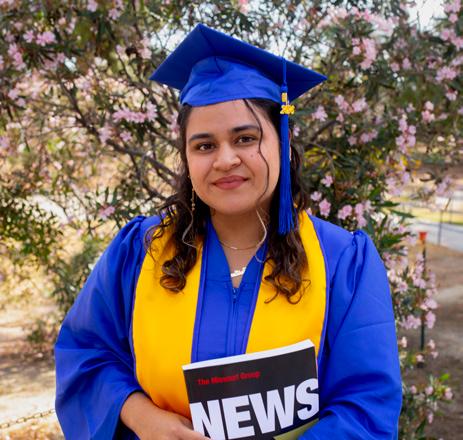
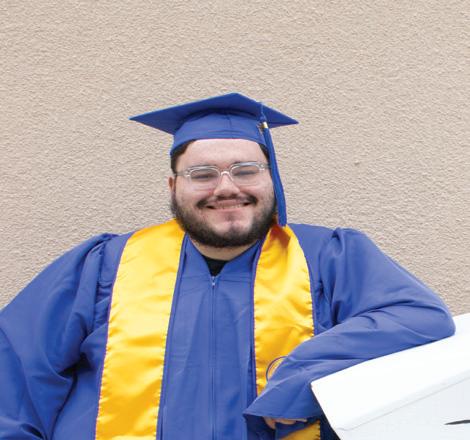
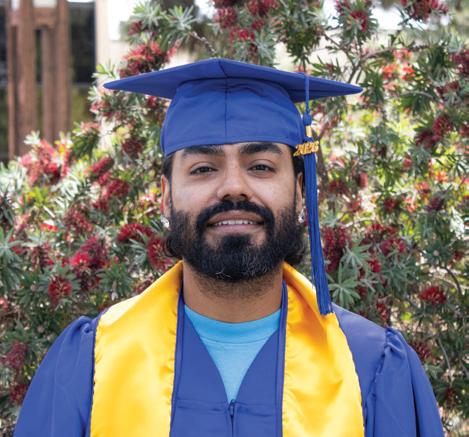
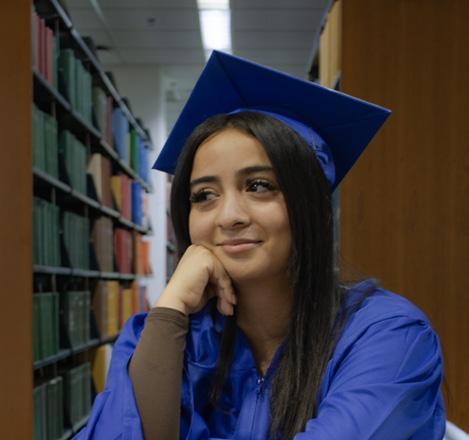
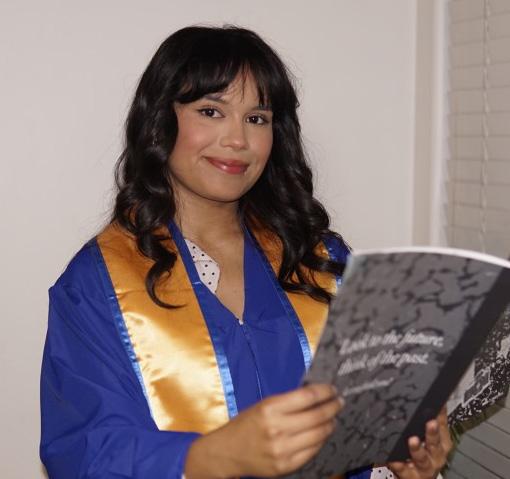
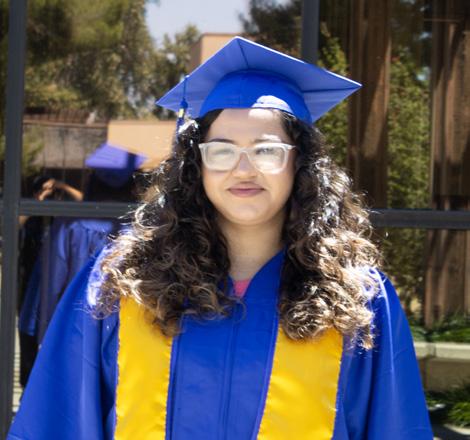
Brittany Oceguera Managing Editor
“Can’t wait to finally delete Canvas.”
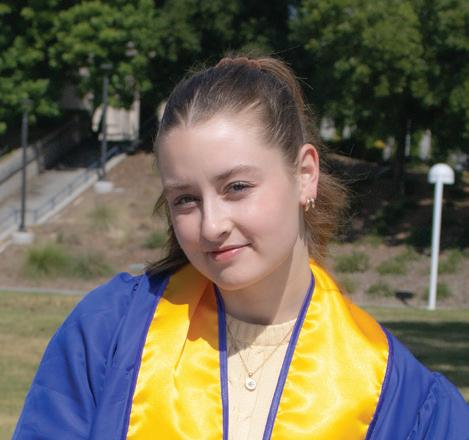
Zachary Trevino Opinion/Blog Editor
“The Runner? I hardly know her!”
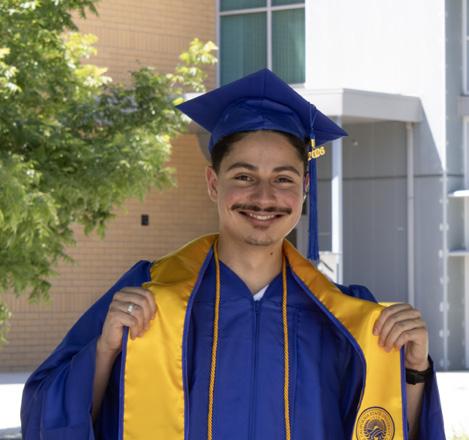
Jonathon Cortes Podcast Director
“I better not be here next semester.”
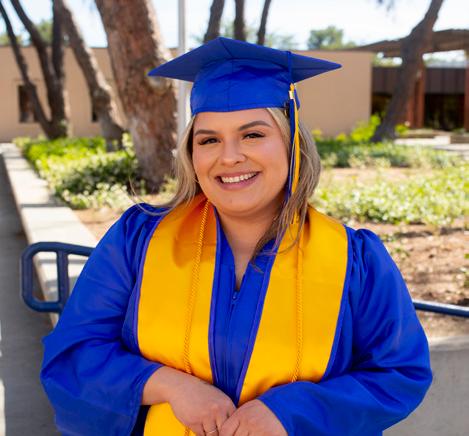
Angelica Haro Chief Copy Editor
“Take it one day at a time.”
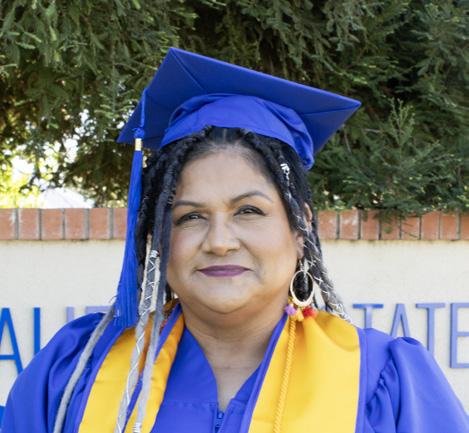
Angela Torres Magazine Editor
“Pushed through everything for the bragging rights.”
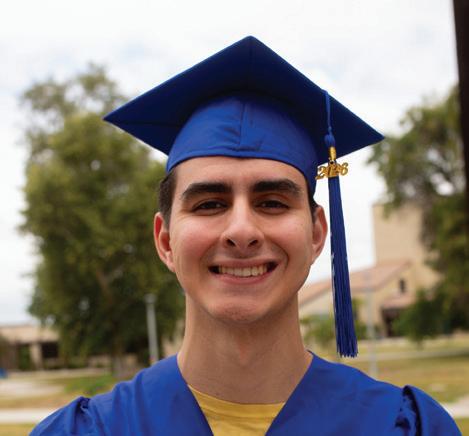
Vanessa Figueroa Staff
“Whatever the next guy said.”
PR Director
Jacquelin Garcia Garcia
Broadcast Director
Andrew Gonzalez
Social Media Manager
Josue Rosas
News Editor
Ivanna Verastegui
Lily Wyatt Staff
“soli Deo gloria”
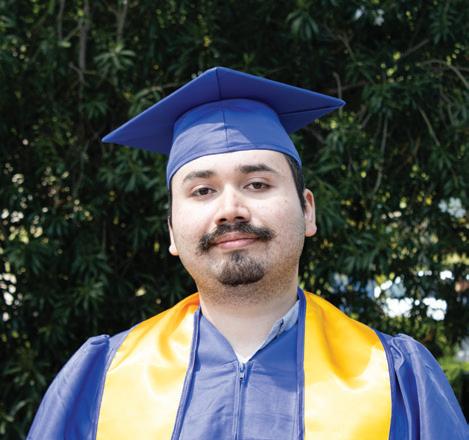
Julian Caro Staff
“I took the road less travelled, now I’m a runner.”

Ashley Vallejo Staff
“Degree in communicatons, minor in leaving people on read.”
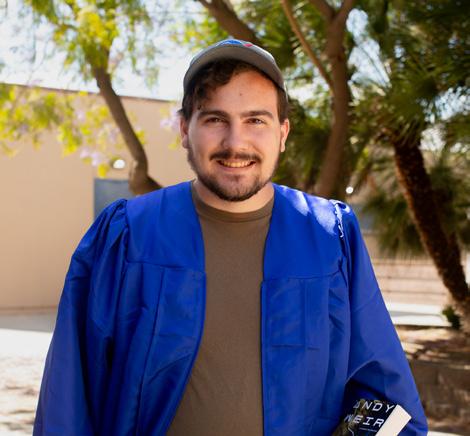
Linda Gonzalez Staff
“It’s never too late to become who you were meant to be.”
Ryan Petitt Staff
“Asking for help isn’t giving up, it’s refusing to give up.”
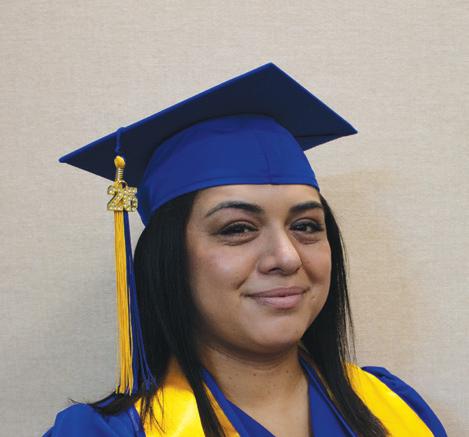
Features Editor
Jacqueline Villatoro
Sports Editor
Steven Kertis Staff
Raul Rico
Idallas Gomez
Megan Zelinka CJ Hardy Staff
Yssamari Valencia
Penny Lanae Gaylord
Estefani Perez
Mariana Abad
Sofia Nava
Jayleene Castro
Kassie Herrera
Shaila Rubio
Jessica Mil Staff
“To my babies, this one’s for you.”
Gustavo Jimenez Staff
“Be yourself, there’s no one else quite like you.”
Christina Hurst Staff
“The tassel was worth the hassle—now lets talk law.”
Micah Stover Staff
“Everyone has the strength to push forward. It may just take a little longer for some to find it.”
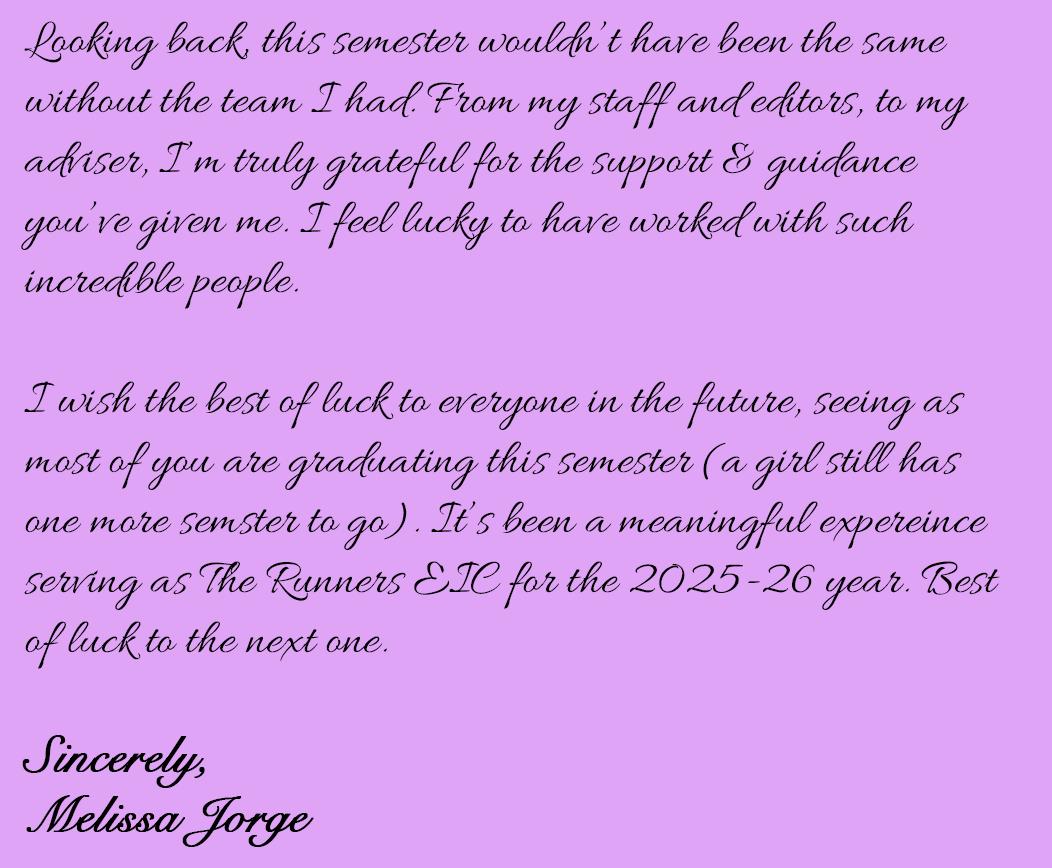
California State University, Bakersfield 9001 Stockdale Highway Bakersfield, CA 93311-1099
COPYRIGHT
Copyright belongs to the Department of Communications at CSU Bakersfield
ABOUT US
The Runner is a labratory newspaper published daily online with monthy printed edition and PDF e-edition, in conjunction with the Department of Communications at CSU Bakersfield.
CONTACT US
Send correction requests, letters to the editor, op-ed submissions and press releases to runner@csub.edu/ Send ad inquires to jgarcia415@csub.edu or bmoreno1@csub.edu
DISCLAIMERS
Views and opinions in The Runner are not necessarily those of the editors, staff, or the Department of Communications. The staff of The Runner reserve the right to refuse or omit any advertising or material which advocates illegal activity, or which may be considered libelous, irresponsible, or tasteless.
Photos By Raul Rico and Lily Wyatt