
California Special Districts Alliance
The California Special Districts Alliance is a collaborative partnership between the California Special Districts Association (CSDA), the CSDA Finance Corporation (CSDAFC), and the Special District Risk Management Authority (SDRMA). These three highly respected statewide organizations join forces to help special districts in California better serve their communities.
CSDA Board and Staff
OFFICERS
LORENZO RIOS, CSDM, PRESIDENT, Clovis Veterans Memorial District
PETER KAMPA, CSDM, VICE PRESIDENT, Groveland Community Services District
DON BARTZ, CSDM, SECRETARY, Phelan Pinon Hills Community Services District
ANTONIO MARTINEZ, TREASURER, Contra Costa Water District
ELAINE MAGNER, PAST PRESIDENT, Pleasant Valley Recreation and Park District
MEMBERS OF THE BOARD
RYAN CLAUSNITZER, CSDM, Alameda County Mosquito Abatement District
SCOTT DUFFIELD, CSDM, Heritage Ranch Community Services District
VINCENT FERRANTE, Moss Landing Harbor District
CURTIS JORRITSMA, Hilmar County Water District
JO MACKENZIE, Vista Irrigation District
NOELLE MATTOCK, El Dorado Hills Community Services District
GREG P. ORSINI, McKinleyville Community Services District
PATRICK OSTLY, North of River Sanitary District #1
STEVE PALMER, Donner Summit Public Utilities District
KEVIN PHILLIPS, Paradise Irrigation District
FRED RYNESS, Burney Water District
KATHRYN SLATER-CARTER, San Mateo County Harbor District
NIKKI WINSLOW, Altadena Library District
STAFF
NEIL MCCORMICK, Chief Executive Officer
MEGAN HEMMING, Chief Professional Development Officer
MUSTAFA HESSABI, Chief Counsel
KYLE PACKHAM, Chief Advocacy & External Affairs Officer
CASSANDRA STRAWN, Chief Member Services & Communications Officer
RICK WOOD, Chief Finance & Operations Officer
TOMICKO ABELLA, Member Services Representative
AARON AVERY, Director of State Legislative Affairs
BRITTNEY BARSOTTI, Legislative Representative
ANNA C. STAGG, Legislative Assistant
EMILY CHA, Database & Online Communities Specialist
MARCUS DETWILER, Legislative Representative
BRENT FARRAR, Design & Websites Manager
AUBREY GOHL, Member Services Representative
JOSE GUERRERO, Graphic Design/Video Specialist
COLLEEN HALEY, Public Affairs Field Coordinator
CASSIE HASKINS, Member Services Representative
LILIA M. HERNANDEZ, Associate Legislative Analyst
MORGAN LESKODY, Communications Specialist
MICHAEL MEYER, Member Services Manager
CHRIS NORDEN, Public Affairs Field Coordinator
RICHELLE NOROYAN, Public Affairs Field Coordinator
CHRIS PALMER, Senior Public Affairs Field Coordinator
AMBER PHELEN, Management Analyst
RACHAEL POPPINO, Professional Development Coordinator
OLIVIA ROBERTSON, Member Services Specialist
JENNIFER SMITH, Professional Development Coordinator
OPHELIA SZIGETI, Legislative Analyst
ANTHONY TANNEHILL, Legislative Representative
ERASMO VIVEROS, Public Affairs Field Coordinator
DANE WADLÉ, Director of State Field Operations
KRISTIN WITHROW, Senior Communications Specialist
SDRMA Board and Staff
OFFICERS
ROBERT SWAN, PRESIDENT, Groveland Community Services District
JESSE CLAYPOOL, VICE PRESIDENT,
Honey Lake Valley Resource Conservation District
THOMAS WRIGHT, SECRETARY, Clovis Veterans Memorial District
MEMBERS OF THE BOARD
ROBERT HOUSLEY, CSDM, Midway City Sanitary District
VIRGINIA CHANG KIRALY, San Mateo County Harbor District
SANDY SEIFERT-RAFFELSON, Herlong Public Utility District
MIKE SCHEAFER, Costa Mesa Sanitary District
STAFF
DEBBIE YOKOTA, CPCU, Chief Executive Officer
MATT CLUTTERBUCK, CPA, MBA, Chief Financial Officer
ENRIQUETA CASTRO, CSP, Chief Risk Officer
WENDY TUCKER, AU, Chief Underwriting Officer
ALANA LITTLE, Health Benefits Manager
DANNY PEÑA, SIP, WCCP, Workers’ Compensation Claims Manager
ROBERTO LOZANO, Liability Claims Manager
PETR KOVALCHUK, CPA, Finance Manager
JASON THORN, Data Architect
MARGARITO CRUZ, Senior Accountant
ERIC LUCERO, ARM, Senior Risk Control Specialist
GUILLERMO DE LA TORRE, Senior Risk Control Specialist
TAMARA BAKKIE, SIP, WCCA, Senior Workers’ Compensation
Claims Supervisor
JOHN PESHKOFF, SIP, WCCA, Senior Workers’ Compensation
Claims Examiner
MARTHA WARREN, SIP, WCCA, Senior Workers’ Compensation
Claims Examiner
MICHELLE BROWN, Senior Health Benefits Specialist
TERESA GUILLEN, Underwriting Specialist II
KEITH IKAMI, Senior Liability Claims Examiner
LISA SANDOVAL, Underwriting Specialist II
CANDICE RICHARDSON, Senior Management Analyst
MARIETTA HARRISON, SIP, WCCA, Future Medical Claims Examiner
CHER DARLING, Workers’ Compensation Claims Assistant
KOJI LO, Liability Claims Examiner I
AMY SUTHERLIN, Underwriting and Program Manager
CAMREN BUTLER, Program Specialist II
HEIDI SINGER, Medical Only/Claims Assistant
Special District Risk Management Authority
1112 I Street, Suite 300 Sacramento, CA 95814
tel: 800.537.7790 www.sdrma.org
CSDAFC Board and Staff
OFFICERS
JO MACKENZIE, PRESIDENT, Vista Irrigation District
VINCE FERRANTE, VICE PRESIDENT, Moss Landing Harbor District
ELAINE MAGNER, SECRETARY, Pleasant Valley Recreation and Park District
GREG P. ORSINI, TREASURER, McKinleyville Community Services District
MEMBERS OF THE BOARD
RONALD COATS, DIRECTOR, East Valley Water District
PAULA HANSEN, CSDM, Southgate Recreation & Park District
GLENN LAZOF, Regional Government Services Authority
CONSULTANTS
RICK BRANDIS, Brandis Tallman, a Division of Oppenheimer & Co. Inc.
JEFF LAND Brandis Tallman, a Division of Oppenheimer & Co. Inc.
STEFAN MORTON, Municipal Finance Corporation
WILLIAM MORTON, Municipal Finance Corporation
ALBERT REYES, Kutak Rock LLP
DMITRY SEMENOV, Ridgeline Municipal Strategies, Consultant to the Working Capital Financing Program
NICOLE TALLMAN, Brandis Tallman, a Division of Oppenheimer & Co. Inc.
STAFF
NEIL MCCORMICK, Chief Executive Officer
DAVID MCMURCHIE, Legal Counsel
MICHAEL MEYER, Member Services Manager
AMBER PHELEN, Management Analyst
RICK WOOD, Chief Finance & Operations Officer
CSDA Finance Corporation 1112 I Street, Suite 200, Sacramento, CA 95814 tel: 877.924.2732 www.csdafinance.net
For editorial or advertising inquiries: Phone - 877.924.2732 Email - membership@csda.net
California Special Districts Association 1112 I Street, Suite 200 Sacramento, CA 95814 toll-free: 877.924.2732 www.csda.net
Purchasing, Travel, and Fleet in One Card.

Anastasia Efstathiu
VP, Relationship Manager 916-774-3923
AnastasiaEfstathiu @ColumbiaBank.com
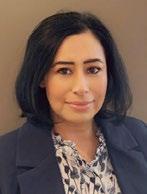
Baldeep Atwal
VP, Commercial Card Sales Consultant Global Payments & Deposits 916-742-0942
BaldeepAtwal@ColumbiaBank.com

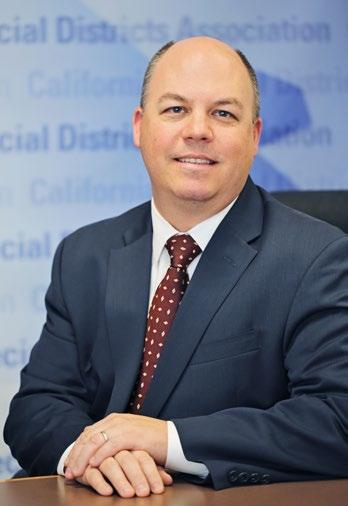
Neil McCormick, CEO
CSDA is Strengthening Leadership Connections Across Special Districts Online
One of the greatest strengths of California’s special district community is the willingness to learn from one another. Whether facing new regulatory requirements, workforce challenges, infrastructure needs, or evolving community expectations, district leaders consistently demonstrate that collaboration is one of our most valuable resources.
That is why I am excited to announce the expansion of CSDA’s online communities with the launch of a new, dedicated community for General Managers, Administrators, and Fire Chiefs...the “General Manager Community”!
At CSDA, we know that these professionals occupy unique leadership roles within their organizations. They are responsible for balancing strategic vision with day-to-day operations, guiding boards and staff, managing risk, fostering organizational culture, and ensuring exceptional service to their communities. While every district is different, the leadership challenges they face are often shared.
This new online community will provide a dedicated space for executive-level leaders to connect with peers across California, exchange ideas, seek advice and guidance, discuss emerging issues, and share practical solutions. By creating opportunities for meaningful dialogue among those serving in these critical positions, we can strengthen leadership capacity throughout the special district sector.
The “General Manager Community” is part of a broader effort to expand opportunities for member engagement and peer-to-peer collaboration. As we continue to listen to member feedback and identify emerging needs, we anticipate launching additional online communities that connect professionals with shared responsibilities, interests, and expertise. Our goal is to create a more robust network where members can easily access knowledge, build relationships, and find support from colleagues facing similar challenges.
As local government service delivery continues to evolve, strong professional networks become increasingly important. The challenges ahead are complex, but no district leader should have to navigate them alone. Through CSDA’s expanded family of online communities, we are creating new opportunities to collaborate, innovate, and learn from one another while strengthening the collective voice and effectiveness of special districts throughout California.
I encourage all eligible members to join the conversation, share their experiences, and take advantage of this valuable new resource. Together, we continue to build a stronger, more connected special district community that is prepared to meet the needs of California’s residents today and into the future.
CSDA News
CSDA Advocates for Special Districts in Washington, D.C.
CSDA CEO Neil McCormick and Chief Advocacy & External Affairs Officer Kyle Packham joined representatives from the National Special Districts Association (NSDA) in Washington, D.C. to advocate for special districts on Capitol Hill. As a founding member of NSDA, our commitment to elevating the voices of special districts nationally remains strong. Your CSDA membership also includes access to NSDA support, services and advocacy efforts. Learn more about the trip to the nation’s Capitol on page 27. To learn about NSDA, visit nationalspecialidistricts.org.
Conference Resources, Right at Your Fingertips
Make the most of your upcoming CSDA conference experience with CSDA – The Hub mobile app. Whether you are attending the Annual Conference & Exhibitor Showcase in August, the Special District Leadership Academy in September or the Board Secretary/Clerk Conference in November, The Hub makes it easy to stay connected before, during, and after the event.
Download the app to access CSDA resources on the go, including professional development information, publications, CSDA Communities, advocacy updates, and more. CSDA – The Hub also offers daily special district news items curated from across the state. Simply search “CSDA – The Hub” in the Apple App Store or Google Play, then log in using the same email and password you use for csda.net.
Get Involved with CSDA in 2027: CSDA Committees & Expert Feedback Teams
CSDA’s strength comes from the members who lend their time, experience, and perspective to the work of the association. Special district board members, staff, and business affiliates will have the opportunity to submit interest forms for CSDA committee service and expert feedback teams. These groups help guide CSDA’s priorities, policies, advocacy efforts, and member programs while ensuring the association continues to reflect the needs of California’s special districts.
Submit your form by October 2 at 5pm to get involved at https://www.csda.net/about-csda/get-involved#form
We Work for You. Tell Us How We Can Serve You Better.
CSDA’s 2026 Member Satisfaction Survey is now open, and your feedback will help shape the future of our programs, communications, resources, benefits, and member services. As we begin implementing CSDA’s 2026–2028 Strategic Plan, this survey will establish an important baseline for how well we are meeting member needs and where we can continue to improve.
Your input helps guide staff work plans, strengthen member benefits, inform future training and communications, and ensure CSDA remains responsive to the districts we serve. If CSDA could do one thing for you or your district in the coming year, we want to hear it!
Take a few minutes to complete the survey and help us continue building a stronger, more valuable CSDA membership experience.
2026 Member Satisfaction Survey
csda.secure-platform.com/site/solicitations/106003/home
ProDev
Bringing Required Training Across California
CSDA has quickly mobilized to help special districts meet new mandatory fiscal education requirements under SB 827. Through a statewide series of in-person workshops and webinars, CSDA is bringing required fiscal and financial instruction directly to local agency officials, while also providing legislative updates and timely resources to support strong district governance. With more than 13 sessions planned or already completed this year, CSDA continues to serve as a trusted resource for board members, general managers, and staff working to stay compliant, informed, and prepared.
CSDA’s statewide SB 827 Required Training series continues this year with additional opportunities for special district officials to complete the required fiscal coursework and stay current on key legislative and governance updates. Can’t attend in person? Explore our on-demand resources and complete your training on your schedule.
Coming This Fall!
Fall into Professional Growth at CSDA’s Board Secretary/Clerk Conference!
Whether you’re earning your certificate for the first time or returning for advanced track sessions, this conference offers fresh opportunities to strengthen your skills, stay current on key responsibilities, and connect with others in your field. With new sessions and speakers added each year, attendees can continue building confidence, deepening their expertise, and growing in their role.
Continue your professional journey with CSDA at the Board Secretary/Clerk Conference, November 3–5, 2026.
Strengthen the Roots of Effective Governance
Redding, Oct. 27
Clearlake, Mar. 26
csda.net/all-events-workshops All Upcoming Workshops
As the season turns, it’s the perfect time for special district leaders to strengthen the roots of effective governance. CSDA’s Special District Leadership Academy helps board members and general managers build a stronger partnership, clarify roles and responsibilities, support healthy board culture, and move from “I” to “we” as a governance team. Designed for both new and experienced board members, this curriculum-based training provides practical tools to help districts lead collaboratively, uphold fiscal accountability, and better serve their communities.
This fall, join CSDA, in San Luis Obispo for the Special District Leadership Academy, September 13–16, 2026. Early bird registration is available through August 14, 2026. Sacramento, Feb. 24
San Rafael, SDLA, July 19-22
San Leandro, Oct. 14
Watsonville, May 18 Fresno June 9
San Luis Obispo, SDLA, Sep. 13-16
Apple Valley, Jan. 7
San Bernardino, Sept. 9
Fountain Valley, June 24
Palm Desert, Annual Conf. Aug. 24-27
San Diego, SDLA, May 11-14
Dates & Deadlines
2026 CSDA Webinars
Securing Your Greatness in the Eyes of the Public
September 8
Mastering Difficult Conversations at Work
September 22
Sexual Harassment Prevention Training for Supervisors
October 6
Sexual Harassment Prevention Training for Non-Supervisors
October 13
Ethics AB 1234 Compliance Training
October 20
Building Public Trust Through Financial Transparency
October 27
Cyber Threat Trends and Safeguards
October 28
2026 CSDA Workshops (Virtual & In-Person)
Virtual Workshop: SDLA Module 3 –
The Board’s Role in Finance & Fiscal
Accountability
September 2–3
In-Person Workshop: SB 827 Navigating Governance and Finance in Special Districts
San Bernardino | September 9
Virtual Workshop: Supervisory Skills for the Public Sector
October 7–8
In-Person Workshop: SB 827 Navigating Governance and Finance in Special Districts
San Leandro | October 14
Virtual Workshop: Human Resources Boot Camp for Special Districts
October 14–15
Virtual Workshop: Financial Management for Special Districts
October 21–22
In-Person Workshop: SB 827 Navigating Governance and Finance in Special Districts
Redding | October 27
2026 CSDA Conferences
Annual Conference & Exhibitor Showcase
August 24–27 – Palm Desert
Special District Leadership Academy
September 13–16 – San Luis Obispo
Early bird savings ends August 14
Board Secretary/Clerk Conference
November 3–5 – Santa Barbara
Early bird savings ends October 2

To view more details and to register for conferences, events, workshops or webinars go to the CSDA Events Page https://qrco.de/bddc8t
Tech Tips


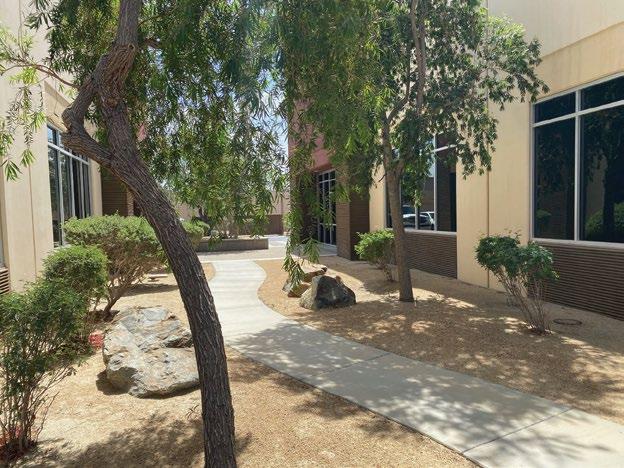
Tech Checkup: Are your Payroll Systems Ready for OBBBA Overtime Tracking?
Recent updates under the One Big Beautiful Bill Act (OBBBA) require districts to track overtime more precisely, including separating taxable wages from the exempt “halfrate” portion.
Review your current payroll system to confirm it can support this level of tracking. If not, implement supplemental tracking tools or manual workflows in coordination with payroll and finance teams. Monitor emerging automation solutions as systems evolve. Be prepared to adjust internal processes and clearly communicate changes to employees, as expectations around overtime exemptions may not align with actual reporting requirements.

Ask the Experts

Maximizing the Value of an Organizational Assessment
By Michelle New, Director, Organizational Development Services and John Andrews, Senior Advisor, Jacob Green and Associates
Most district leaders can recognize the symptoms of organizational strain. Projects stall, decision-making slows, and communication becomes more challenging. The real challenge is determining whether the underlying cause is staffing, structure, processes, culture, or some combination of factors.
An organizational assessment gives a district the chance to step back from daily demands and examine how work is structured, supported, and carried out. Done well, it shows whether roles, processes, and decision-making still fit the organization as it operates today and where practical changes could improve service delivery.
What matters most is not the format of the assessment, but the intent behind it. The strongest assessments are built to uncover practical insight, not confirm assumptions or assign blame. When leadership makes that clear, people are more likely to speak candidly, and the results are more useful.
Listening is central to that process. Documents and organizational charts provide context, but interviews and confidential staff surveys often reveal where responsibilities are unclear, decisions stall, or processes work against each other. Employee input should be part of the process and handled in a way that builds trust.
workload trends or staffing patterns, with what staff and stakeholders are experiencing on the ground. When both are telling the same story, leaders can move with greater confidence. When they are not, that is usually a sign that the issue deserves more discussion before anyone jumps to a solution.
In many assessments, leaders discover that challenges initially attributed to staffing shortages are actually rooted in unclear roles, inconsistent decisionmaking, or outdated processes. These insights often lead to more effective solutions than simply adding resources.
Listening is central to that process. Documents and organizational charts provide context, but interviews and confidential staff surveys often reveal where responsibilities are unclear, decisions stall, or processes work against each other. Employee input should be part of the process and handled in a way that builds trust.
Focus matters just as much. Districts are complex, and assessments can quickly become too broad to be useful. The most productive efforts stay centered on a few operational questions: Is the district’s purpose clear in dayto-day priorities? Do staffing, tools, and systems support the work? Are leadership expectations and decisionmaking practices clear and consistent? Does the culture support accountability, collaboration, and trust? Keeping the inquiry tied to how work gets done makes the findings far more actionable. Organizational assessments can be especially valuable during periods of growth, leadership transition, workforce change, or when districts are seeking greater alignment between boards, leadership teams, and operational priorities.
Data by itself rarely changes an organization. Strong assessments combine quantitative information, such as
The final measure of success is what happens next. Useful assessments translate findings into a short list of prioritized, implementable recommendations. Not every issue needs to be addressed at once. Sequencing improvements and aligning them with organizational capacity often determines whether change is sustained.
Used thoughtfully, an organizational assessment is more than a report. It gives district leaders a practical tool for making better decisions about people, processes, and priorities so the organization can keep improving over time.
At this year’s CSDA Annual Conference & Exhibitor Showcase, we will share a practical framework for conducting or commissioning organizational assessments, using real examples from special districts and municipalities. Our goal is to help leaders recognize what makes an assessment useful and how to turn what they learn into meaningful operational improvement. Conference attendees can attend our session, Optimizing District Performance Through Strategic Organizational Assessments, on Tuesday, August 25.






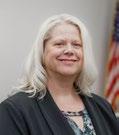
The Indian Wells Valley Water District recently announced the appointment of the district’s first female General Manager. Dr. Renee Morquecho has worked for the district since 2005, beginning as the assistant engineer then becoming the district engineer in 2006. She holds master’s degrees in Public Health and Civil Engineering, a Ph.D. in Civil Engineering, and is a licensed Civil Engineer in California.
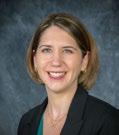
Christine Marick, Councilmember for the City of Brea, has been elected Vice Chairperson of the Orange County Sanitation District Board of Directors. Marick has served on the OC San Board since 2022 and currently serves as Chairperson of the Administration Committee and as a member of the Steering Committee. Her two-year term as Vice Chairperson began July 1, 2026.
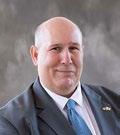
Jon Dumitru, Councilmember for the City of Orange, has been elected Chairperson of the Orange County Sanitation District Board of Directors. Dumitru has served on the OC San Board since 2023 and previously served from 2007 to 2012. He currently serves as Board Vice Chairman and as a member of the Steering Committee, Operations Committee, and Audit Ad Hoc Committee. His two-year term as Chairperson began July 1, 2026.
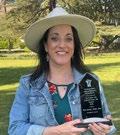
Camarillo Health Care District CEO Blair Barker was honored with the Caregiver Award during the Ventura County Medical Resource Foundation’s 33rd annual Ventura County Community Awards Event.
Barker, a Certified Special District Manager, has served the district for 13 years in roles spanning health promotion, care services, program management, and leadership. A passionate advocate for caregivers, Barker’s commitment is both professional and personal, shaped by her own experience caring for her mother. In accepting the award, she recognized the district, staff, Caregiver Center, and community partners who support caregivers throughout Ventura County.
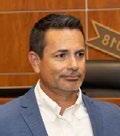
Alex Sanchez of La Quinta has been appointed to the Coachella Valley Water District Board of Directors, filling the vacant Division 4 seat previously held by Peter Nelson. Sanchez brings more than 20 years of agricultural operations experience and currently serves in several regional leadership roles, including President of the Coachella Valley Irrigated Lands Coalition and Vice President of the Riverside County Farm Bureau.
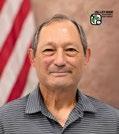
John Norman has been appointed to the Valley-Wide Recreation and Park District Board of Directors, representing Division 1 in San Jacinto. A longtime San Jacinto resident and retired educator, Norman previously served 23 years on the San Jacinto Unified School District Board of Directors, including 20 years as Board President.
Jon Dumitru
Alex Sanchez
John Norman
Blair Barker
Dr. Renee Morquecho
Christine Marick

The Monterey Peninsula Water Management District has hired Mollie Wooden as its new Water Demand Manager. In this role, Wooden will oversee conservation, permitting, demand forecasting, and water allocation to local jurisdictions. She succeeds Stephanie Locke, who retired after 38 years of dedicated service to the district.
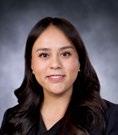
Natalia Gonzalez, Director on the Desert Recreation District Board of Directors, was honored with the WLF Spirit of Excellence Award at the 13th Annual Women Who Rule Awards and Scholarship Luncheon. The award recognizes women leaders making a positive impact in the Coachella Valley and supporting the advancement of the next generation.
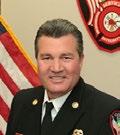
Aaron McAlister has been appointed Fire Chief of the Contra Costa County Fire Protection District. McAlister has served with Con Fire since 2016, most recently as Deputy Fire Chief of Administration, overseeing communications/fire dispatch, information systems, support services, finance, and human resources.

Jayden Sangha has joined Dublin San Ramon Services District as Finance Director. Sangha brings extensive public finance leadership experience across transportation agencies, local government, and utilities, most recently serving as Controller for the Santa Clara Valley Transportation Authority. At DSRSD, he will lead the Finance, Accounting, and Utility Billing Customer Service divisions.

Jon Wunderlich has joined Dublin San Ramon Services District as Assistant General Manager. Wunderlich brings more than 20 years of public sector finance and administration experience, most recently serving as Director of Finance & Administration for the Alameda County Water District. In his new role, he will support the General Manager and oversee DSRSD’s Finance and Administrative Services Departments.
MOVERS & SHAKERS
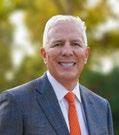
Kevin Alexander, a seasoned water and wastewater leader with more than three decades of experience, has been appointed General Manager of the Inland Empire Utilities Agency, effective April 16, 2026. Having served as Acting General Manager and previously as Deputy General Manager, Alexander brings deep operational expertise and institutional knowledge to the role. His leadership will support the Agency’s continued focus on reliability, transparency, and sustainable water management for the communities it serves.
Mollie Wooden
Natalia Gonzalez
Jayden Sangha
Jon Wunderlich
Kevin Alexander
Aaron McAlister
Got Governance?

Everything You Wanted to Know About Being a Board
Member but Were Afraid to Ask
By Kelley Donaldson, APR, Community and External Affairs Manager, Monte Vista Water District
Candid Advice From a 25-Year Veteran Board Member
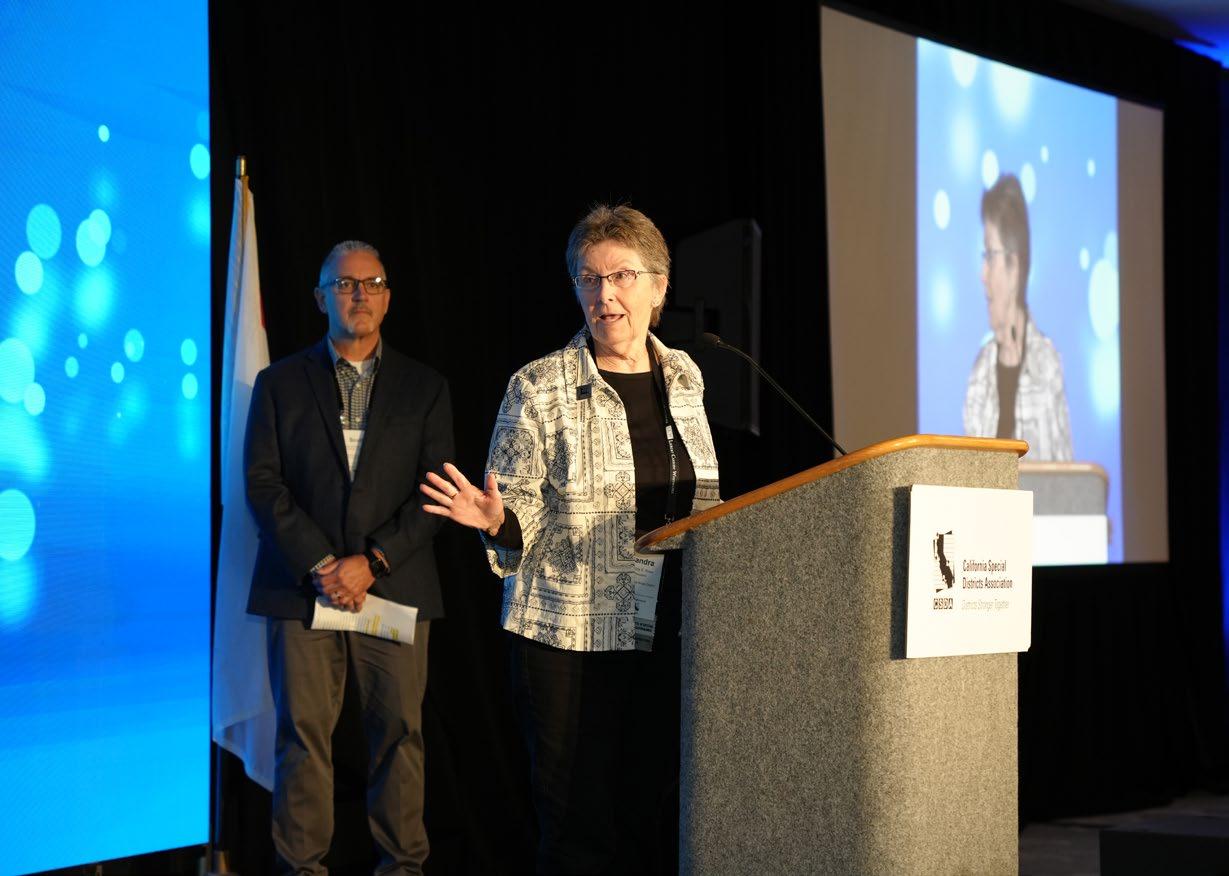
When Sandra Rose was elected to the Monte Vista Water District board in 1999, she was, by her own admission, a typical water user who knew nothing about the complexity or cost of water service. With eagerness to understand and serve her community, once sworn in she enrolled in CSDA’s Special District Leadership Academy and earned her Certificate in Special District Governance from the Special District Leadership Foundation in 2004. Twenty-five years later, she’s still serving, now as Board President, and she’s ready to share what those decades in the boardroom have taught her.
At this year’s CSDA Annual Conference, Rose will be joined by Monte Vista Water District General Manager/ CEO Justin Scott-Coe for a candid session titled Top 10 Board Member Best Practices. Together, they’ll walk through meaningful best practices that cover everything from meeting preparation and board conduct to staff relations
and political boundaries — the kind of practical guidance that governance textbooks rarely spell out.
Some of the advice is straightforward but so simple it’s often overlooked. For those who won’t be attending the conference session, this article shares some of the insights that will be covered.
• Read your board packet before you arrive — don’t open it at the dais.
• Put your phone away during meetings; when the audience can only see the top of your head, they know your attention is focused elsewhere.
These may sound basic, but Rose has seen these things happen too many times.
More Tips for Board Members
• Think carefully before endorsing candidates. As flattering as it may feel to be asked, endorsements can create unnecessary enemies and future complications.
• Resist the temptation to use an elected position to bypass proper channels when dealing with other officials or agencies. Your role opens doors; it doesn’t replace due process.
Board and Staff Relationship Advice
Rose says that the foundation of an effective board-general manager relationship is mutual trust, and trust that is built through consistent, honest, two-way communication. If you need something, ask – but don’t go directly to staff. Carry your general manager’s business card to defer questions or vendor inquiries. Understanding each other’s roles helps provide better service as an elected official and as a district.
Rose is someone who came in knowing nothing, committed to learning, and spent 25 years figuring out what works. Her practical and candid message is backed with experience and confidence of someone who has been in the room when things go right, and when they go sideways. Whether you are newly elected, considering a run for a board seat, or a seasoned member looking for a fresh perspective, this session offers the kind of honest, peerto-peer guidance that can make you a more effective and impactful leader. Board members and directors, whether new to the role or seasoned over decades, can learn new skills and develop thoughtful leadership practices by attending the Special District Leadership Academy offered multiple times each year by CSDA.






























In Review
2026 General Manager Leadership Summit
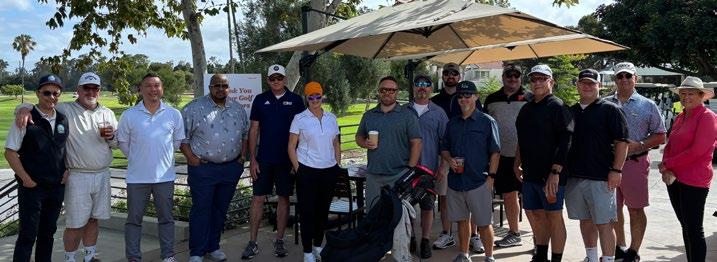
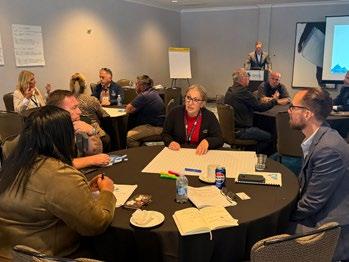
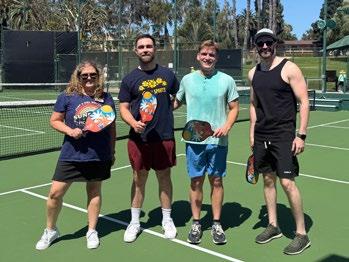
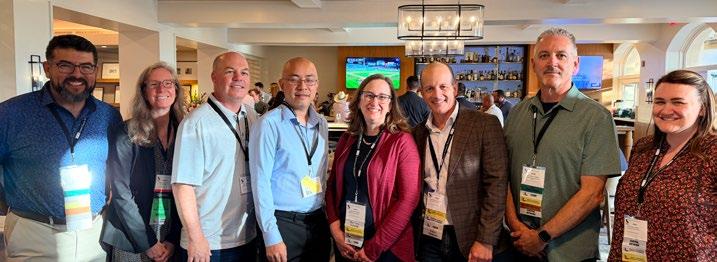
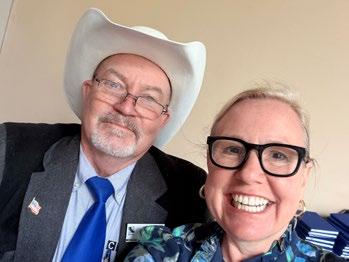
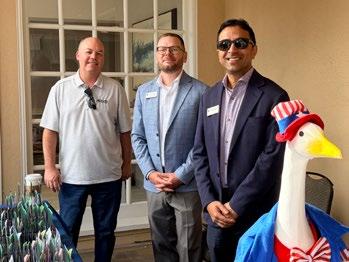
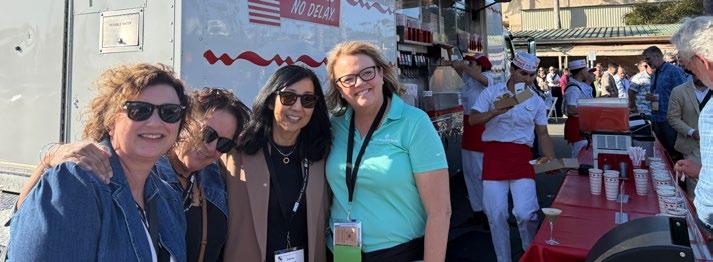
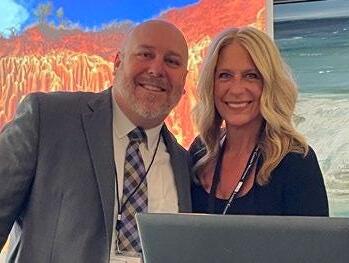
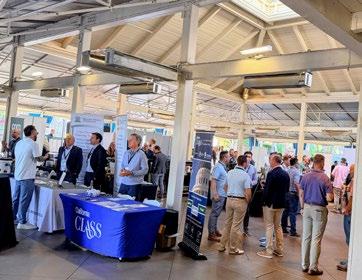
CSDA’s 2026 General Manager Leadership Summit brought special district leaders together in Newport Beach for two days of practical learning, meaningful connection and renewed inspiration. From dynamic keynote presentations to timely breakout sessions and networking opportunities, attendees explored the leadership, governance, workforce, financial and operational issues shaping the future of special districts.
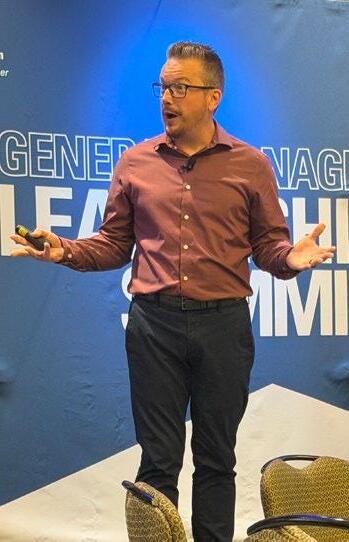
1 Keynote Speaker Joe Mull brought energy and his signature style to the stage.
2 Attendees got an early start with a variety of preconference activities, including workshops, pickleball and golf.
3 Keynote Speaker John O’Leary inspired attendees with his uplifting session.
4 CSDM Study Group Meet Up.
5 No CSDA event is complete without a selfie from Chief Professional Development Officer Megan Hemming, pictured here with CSDA Chief Finance and Operations Officer Rick Wood.
6 CSDA staff enthusiastically welcomed attendees to pre-conference activities and registration.
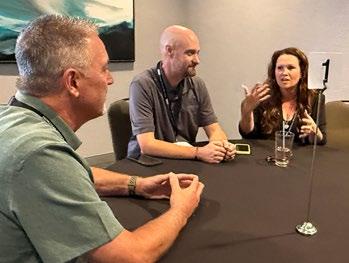
7 Attendees enjoyed a fast and easy way to connect with one another during the speed networking session.
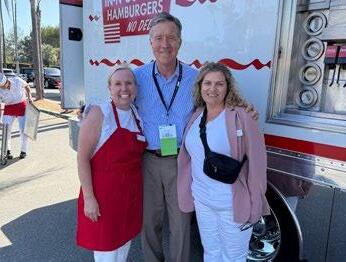
8 At the California CLASSic evening reception, sponsored by California CLASS, attendees enjoyed In-N-Out and other special treats.
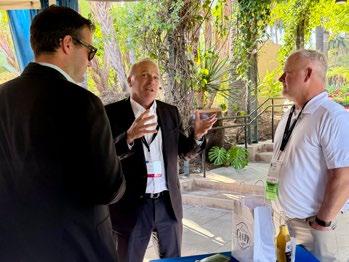
9 Throughout the event, attendees had opportunities to connect with the many exhibitors and sponsors who supported the conference.

Solutions & Innovations

Ally AI to the Rescue: How One District Got Ahead of a Public Service Challenge
By Alameda County Mosquito Abatement District
Special districts throughout California are under growing pressure to respond faster and serve more without adding staff. The Alameda County Mosquito Abatement District (ACMAD) has found a practical way to do both.
Aedes aegypti, an invasive mosquito, has been working its way up California for over a decade. It first took hold in Fresno and Madera counties in 2013, then spread throughout the state over the following years. Wherever it became established, the same cycle happened: residents who had never encountered such aggressive daytime biting mosquitoes started calling their local mosquito and vector control districts in droves. Alameda County had been watching the mosquito creep northward for over a decade, tracking the map closely and knowing it was only a matter of time before the same wave arrived at its doorstep.
With the mosquito already established in neighboring counties, and the high volume of resident phone calls in the Valley and Southern California offering a preview, ACMAD recognized that it would need additional support to handle public interaction. Rather than wait for the mosquito to arrive, the district chose to get ahead of the challenge.
That solution was Ally, an AI-powered communication assistant, and its story offers a practical roadmap for special districts across California facing similar staffing pressures. ACMAD started the Ally AI journey in 2024 with full implementation in the first quarter of this year.
The goal was never to replace staff. It was to give employees back the time they were losing to tasks that did not require human judgment.
SOLUTIONS & INNOVATIONS
What Ally Does
Ally is a public communication system that manages initial interactions through phone calls and web channels in up to 74 languages, helping to serve Alameda County’s diverse communities. There are no button menus, no rigid prompts. Residents speak naturally in the language they are most comfortable with, and the system interprets and responds in real time. Ally’s presentation is so naturally human, the district refers to it using the pronouns she/her. When a question falls outside Ally’s knowledge, or when she senses a caller is getting frustrated, she transfers the call to a staff member immediately, with intake already completed.
Ally also filters spam, phishing, and marketing calls before they ever reach an employee. On the web side, she operates as a live chat assistant around the clock, drawing only from verified district information. Residents can submit service requests directly through Ally, no phone call required or form to hunt down on the website. The request goes straight into the district’s workflow for processing.
ACMAD also built in clear boundaries from the start for Ally to follow. She has been trained only on district documentation, and guardrails have been set up to limit her exposure to the internet and external data that could corrupt her answers.
The Results
or overstep its intended role. Fixing those issues required deliberate work: verified sources, operational guardrails, and ongoing monitoring. District staff compare it to onboarding a new employee: you would not hand anyone the phones on day one without training and supervision. Agencies that treat AI as plug-and-play will be disappointed. Those that invest in thoughtful integration will find it genuinely useful.
Built to Scale Across Any District
What makes Ally’s story relevant beyond mosquito abatement is how transferable the model is. The underlying technology is not specific to any one type of agency. Any special district that handles public inquiries, whether by phone or web, can deploy a similar system.
The communication challenges ACMAD faced are the same confronting many special districts across the state: high volumes of repetitive questions, limited staff to answer them, and residents who expect immediate responses regardless of the hour.
The goal was never to replace staff. It was to give employees back the time they were losing to tasks that did not require human judgment.
During one of ACMAD’s busiest periods, Ally handled more than 1,700 calls in just over a month. Staff interruptions fell sharply, residents received service around the clock, and employees were able to focus on field operations, complex problem-solving, and direct community engagement, the work that truly requires human judgment.
What Districts Should Know
ACMAD’s rollout was not without friction. Early testing revealed the system could produce inaccurate responses
Modern AI communication platforms like Ally are designed to integrate with existing phone systems, websites, and service request infrastructure. Districts do not need to rebuild their technology environment from scratch to integrate AI. Implementation can start narrowly focused on call intake or a single communication channel and expand gradually as the agency builds confidence and experience.
A Model Worth Watching
ACMAD’s experience with Ally demonstrates that even small, specialized public agencies can innovate effectively when they approach new challenges with preparation and care. For districts across California facing the same staffing pressures and rising public expectations, it may be the most practical proof yet that this technology is ready for the real world of local government service.



You Ask We Answer
Q&A
Questions Appear in CSDA Online Communities
Q: Ivan DelSol, Director, Bombay Beach Community Services District
Last year, the Bombay Beach Community Services District lost our general manager, and we want to make sure that we are doing everything properly. In particular, we need an accountant to help with our books, but it would be great to have someone consult on our whole operation to make sure we are in compliance and not letting anything fall through the cracks.
I am a new director on the service district board and don’t even know the right questions to ask!
If anyone has ideas for how to find an accountant that knows specifically about working with special districts and/or a consultant that can make sure we’re up to speed, it would be much appreciated.
A: Samantha Prall, Director, Platinum Strategies Inc.
We offer full-service accounting support, ranging from day-to-day transaction processing, such as invoice entry and accounts payable to higher-level financial management, reporting, and long-term planning.
We work exclusively with special districts and a small number of nonprofits, we bring a vast understanding of governmental accounting standards, compliance requirements, and other issues that special districts face.
I would welcome the opportunity to discuss your accounting needs and explore how we might be able to assist your district.
Engage with your peers and ask questions on CSDA’s Open Forum community!
https://www.csda.net/communities-home
A: Sandy Raffelson, General Manager, Herlong Public Utility District
CSDA has several accountants that are CSDA sponsors and could help you; they specialize in special districts. I would start first with Rick Wood at CSDA, Chief Financial Officer, he or his staff could come in and help you get organized with your financials and suggest how to go about getting someone or some firm permanently. If you go to the SDLF website and look at what is necessary to get your District of Transparency Certification, that will give you a list of items your district should be achieving or at least give you questions to ask staff if the district already has or needs to implement.
CSDA Disclaimer: This section is not intended to be legal advice. Members should always seek legal counsel. The information contained here is for general reference purposes only.
From the Capitol
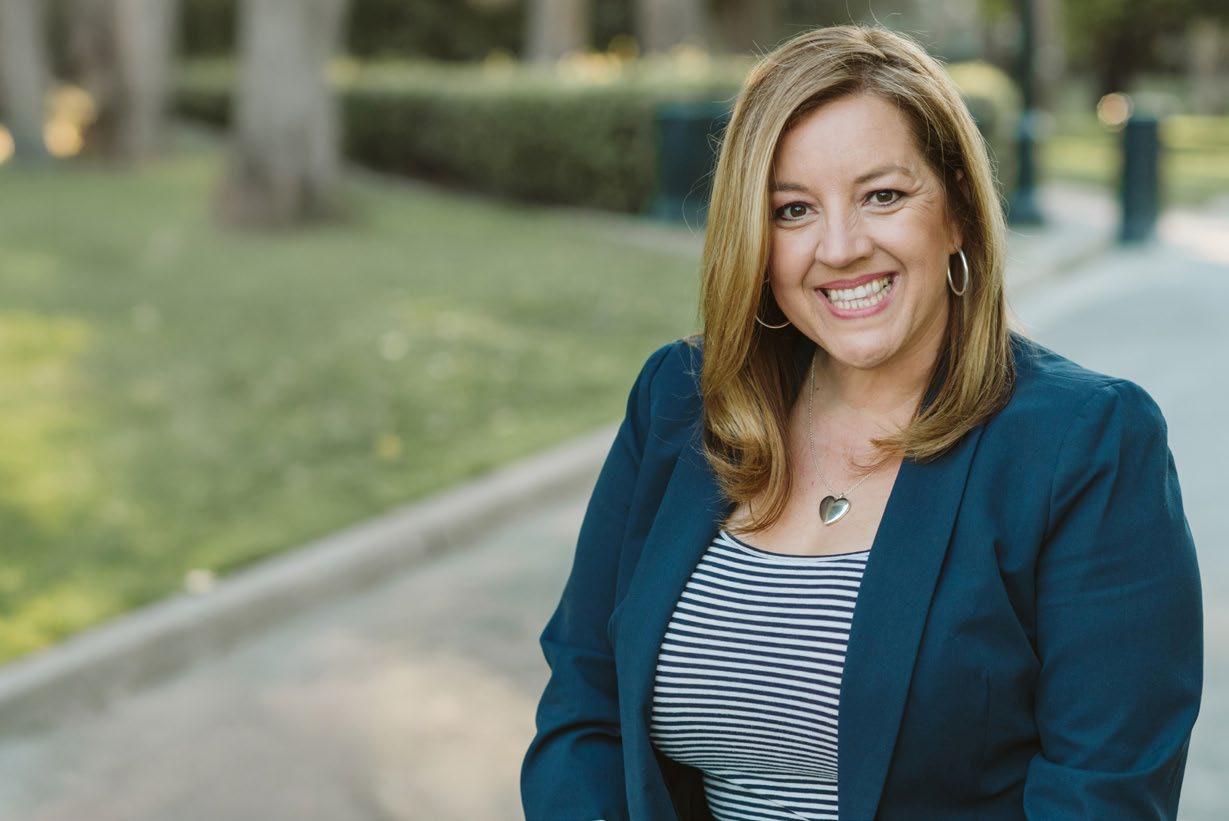
Q&A with Senator Angelique Ashby
Can you please share your highlights and biggest accomplishments in your first Senate term?
One of my proudest accomplishments is the Middle Class Scholarship for Foster Youth, adopted in the 2023/2024 state budget, which secured ongoing statewide funding to allow former foster youth in California to attend instate college, debt-free. This year, I’m authoring SB 961, which will ensure California college students know about their eligibility for CalFresh benefits, helping ensure they are connected to resources. I’ve also worked to support domestic violence survivors and trafficking victims by advancing policies that expand safety, access to services, and pathways to stability and recovery. In the last three years, Sacramento investments have eclipsed over $800 million in state funding, delivering real improvements for local neighborhoods, students, and families.
Based on your years as a public servant at the local and state level, what do you believe are the major issues facing California special districts?
I think the major issues facing California special districts are the same ones facing many local governments: how to keep essential services affordable, how to replace aging infrastructure, and how to adapt to drought, wildfire, and other climate-related pressures. At the same time, districts need greater public awareness, clearer accountability, and a stronger voice in state policymaking so they can continue to deliver the services our communities depend on.
As a Senator who represents a significant portion of Sacramento County, what do you see as some of the biggest challenges facing the local community? Affordability remains a major concern for people not only here in Senate District 8 but across the state and the nation. Rising prices are affecting housing, groceries, utilities, gas, and more, with little to no relief in sight. In Sacramento, that pressure is directly tied to our homelessness crisis, which is why I introduced SB 802 to create a more coordinated regional response and better align local governments on funding, services, and accountability.
SB 802 is about making sure Sacramento County and its cities can work together more effectively to address homelessness at the regional level, rather than continuing with a fragmented system. The goal is to strengthen coordination, improve service delivery, and make sure the region’s housing and homelessness resources are used more strategically to help people move into stable housing.
How will your new role as Majority Leader help you advocate for your special districts?
Being Majority Leader is a true honor. The role is really about working with my colleagues. In that regard, it’s a great opportunity to partner with other members of the Senate who also have special districts in their communities.
What advice would you offer to special districts who want to build stronger relationships with state lawmakers and elevate the voice of their district and the community it serves?
Communication is key. Stay in touch with your state lawmakers on a regular basis, not just when there’s a crisis. By doing so, you keep the conversation going about what’s working, what’s not, and how we can modernize and improve upon issues before they arise. An open line of communication will allow you to advocate more clearly and effectively and keep state lawmakers in the know about how we can help. Our district offices are fantastic resources for maintaining that conversation and getting help for constituents with a range of issues and concerns. By working together, we can partner with special districts to better serve our communities and deliver the services people depend on every day.
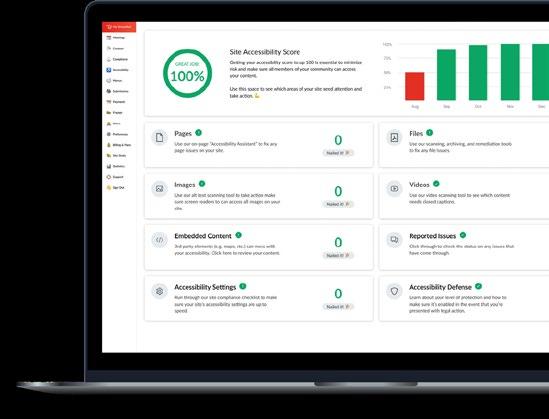
Websites Built for Special Districts
Streamline, powered by CivicPlus®️, delivers beautiful, accessible websites that help special districts better serve and connect with their communities.
Designed specifically for special districts, Streamline combines accessibility, transparency, and easy content management in one platform.
Built ADA-compliant from the start
Easy to update and manage
Trusted by districts nationwide

Interview


Energy Intelligence: What is it and How Do We Develop More?
By Kristin Withrow, Senior Communications Specialist, CSDA
In local government, conversations about productivity often focus on calendars, deadlines, finite resources, and workloads. According to leadership coach and keynote speaker Marli Williams, there is another resource that deserves equal attention: energy.
Williams will explore the concept of “Energy Intelligence” during the upcoming CSDA Board Secretary/Clerk Conference in Santa Barbara, offering attendees practical strategies for managing personal energy while also shaping healthier workplace cultures.
“Energy intelligence is the ability to manage, protect and direct your energy with intention and purpose,” Williams said during a recent interview.
The distinction matters because, unlike time, energy is renewable.
“We’ve been taught to manage our calendars and prioritize our tasks,” Williams explained. “Time is finite. But energy is a renewable resource. We can create more of it.”
For special district professionals, juggling public expectations, operational demands and legal constraints, that perspective can be transformative.
Williams describes Energy Intelligence as having two core components: personal responsibility and relational responsibility. The first asks individuals to become more aware of how they are showing up each day. The second focuses on how their energy affects the people around them.
“Energy is contagious,” Williams said. “What do you want to spread: positive or negative?”
One of the most practical tools she recommends is what she calls a “24-hour energy audit.” The exercise is simple but revealing: spend a typical day paying attention to what gives energy and what drains it.
Williams suggests assigning experiences a plus, minus or neutral designation. A productive conversation with a colleague might be a plus. Doom-scrolling headlines first
thing in the morning might be a minus. Routine tasks like showering may fall into the neutral category.
The goal is not perfection, but awareness.
“With awareness, there’s freedom and choice,” Williams said. “If we’re not aware, we can’t do anything about it.”
That awareness can also help employees identify natural rhythms throughout the day. Williams noted that many people experience predictable periods of high and low energy but fail to plan accordingly. Rather than forcing mentally demanding work into an afternoon slump, she encourages people to schedule heavier cognitive tasks during peak-energy periods and reserve lowerenergy windows for routine work such as email or administrative tasks.
She encourages leaders to think intentionally about the energetic flow of the workday. Even small adjustments — shortening meetings, building in transition time or encouraging movement breaks — can improve focus, morale and resilience.
Another strategy Williams shares is shifting perspective through language. She encourages people to notice how often they say “I have to” throughout the day and experiment with replacing it with “I get to.”
Williams encourages people to shift their perspective by noticing how often they say “I have to” throughout the day and experiment with replacing it with “I get to.”... If everything feels like a ‘have to,’ everything’s going to feel hard and heavy.
Equally important are the small resets people often deny themselves in the name of productivity.
“Sometimes we think, ‘I don’t have an hour to go for a walk,’ so we just sit at our desk,” Williams said. “But five or 10 minutes of stretching, moving your body or stepping outside can completely shift your energy.”
That message carries important implications for district leaders and supervisors.
Workplace culture can either support or deplete employee energy. Leaders help shape that culture through both policies and unspoken expectations. Are employees encouraged to take breaks away from their screens? Is walking at lunch viewed positively or interpreted as disengagement? Are meetings structured thoughtfully, or are calendars packed with back-to-back obligations that leave no time to recharge?
“So many people are running on empty and trying to be innovative, creative and productive,” Williams said. “And they’re exhausted.”
The shift may seem subtle, but Williams believes it changes perspective from obligation to choice and gratitude.
“If everything feels like a ‘have to,’ everything’s going to feel hard and heavy,” she said.
For public service professionals, whose work often directly impacts their communities, reconnecting with purpose can also be a powerful energy source.
Energy Intelligence is about recognizing that individuals have more influence over their energy than they may realize, and that leaders have an opportunity to create environments that support productivity through energy resilience rather than depletion.

Additional content is available through The Marli Williams Podcast and on YouTube at @marlibethwilliams.
For attendees heading to the CSDA Board Secretary/Clerk Conference in Santa Barbara this November 3-5, her keynote address on Energy Intelligence will offer inspiration, introspection and a practical framework for building healthier, more sustainable workplaces.




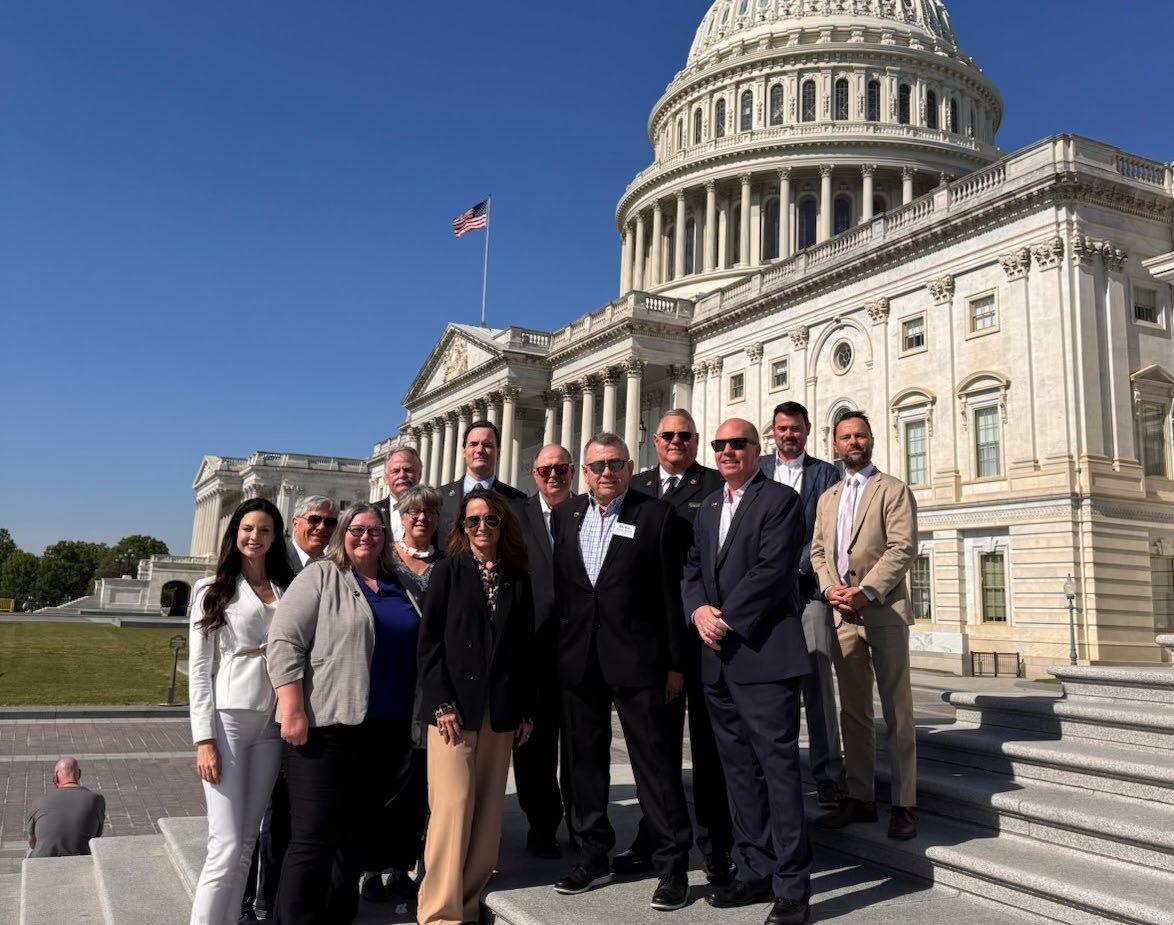
Leaders Travel to Washington, D.C., to Advocate on Behalf of Special Districts Nationwide
By Chantal Unfug, Public Affairs, National Special Districts Association
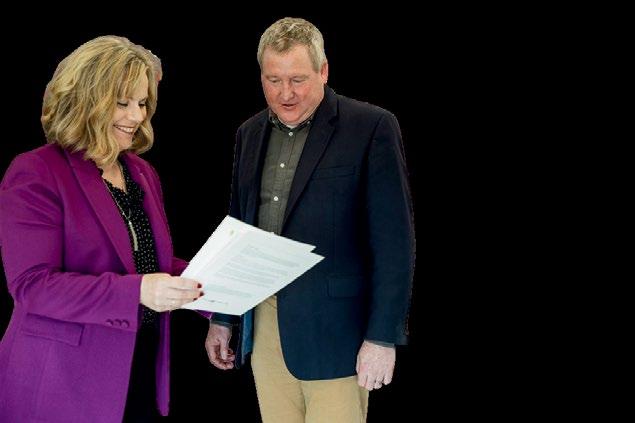
The National Special Districts Association (NSDA) wrapped up 2026 Special Districts Days in Washington, D.C., with the new Federal Lobbying team from Manatt, Phelps and Phillips, by celebrating the inaugural National Special Districts Day alongside congressional offices from across the country.
With a 15-member delegation of members and partners, NSDA held 25 meetings with key congressional offices, executive branch agencies, and national partners to advance critical federal priorities for special districts. This year marked an exciting milestone and elevation of H.R. 2766/S. 2014 (The Special Districts Fairness and
Accessibility Act) as our advocacy efforts reached top leadership offices, including The White House Office of Intergovernmental Affairs, Speaker Mike Johnson and House Minority Leader Congressman Hakeem Jeffries as well as Committee leadership on both the House and Senate sides.
NSDA proudly honors the 40,000+ special districts serving communities nationwide and remains committed to being their unified voice in our nation’s capital. Thank you to all the district leaders, members, partners, and advocates who helped make this year a success — we’re already looking forward to next year!
Community Connections


Building the Next Generation Through High School Internships
By Kristin Withrow, Senior Communications Specialist, CSDA
As California special districts face workforce shortages, retirements and increasing competition for talent, many agencies are asking the same question: How early should we begin introducing young people to careers in public service?
For Contra Costa Water District, the answer is clear: earlier than most agencies think.
The district’s high school internship program — now entering its fourth summer — was developed with a simple but powerful realization: Many students were never exposed to the idea that a career in water, utilities or local government could be an option for them.
“I would regularly hear from students that they just were not aware of or contemplating careers in water as a potential future opportunity,” said Rachel Murphy, general manager of the district. “Getting to students earlier and increasing awareness about the diversity of career
opportunities the water industry has to offer became a major focus.”
While the district has hosted college interns for decades, leaders recognized there was still an untapped opportunity to connect with students before they made decisions about their career pathways after high school. The result was a high school internship model designed not simply as summer help, but as a structured educational experience.
That distinction became one of the program’s most important lessons.
“Viewing this as not just a bigger internship program, but a different type of program was important,” Murphy said. “The high school program is really about building career awareness.”
Rather than assigning students repetitive tasks or expecting them to work independently, the district built a program centered on mentorship, career exposure
and professional development. Interns are assigned to departments, but their schedules intentionally rotate through a variety of experiences across the organization.
Students participate in professional skills workshops including résumé development, interview preparation and workplace expectations. They tour facilities, visit construction sites and learn firsthand how different departments contribute to district operations.
For most students, it is their first exposure to a professional work environment and often their first realization of how broad the career opportunities within special districts can be.
“Consistently we hear from our high school interns that they had no idea we offered all of these opportunities,” Murphy said. “A utility needs finance and human resources professionals, engineers and operators. The diversity of jobs available is just not immediately visible to students.”
An equally important outcome has been the impact on district staff who serve as mentors.
Like many agencies, Contra Costa Water District initially had to acknowledge a practical concern: Mentoring interns requires time and planning in an already busy work environment. But district leadership found that employees who embraced the opportunity often discovered unexpected professional benefits themselves. Some mentors were energized by the teaching aspect of the program, while others viewed it as an opportunity to strengthen leadership and supervisory skills. The district also learned that pairing high school interns with college interns created valuable peer mentoring opportunities that enriched the experience for both groups.
COMMUNITY CONNECTIONS
that this program is a priority for leadership and for our Board of Directors helps facilitate the workload planning necessary to deliver a successful program.”
The district has also seen tangible long-term value from its internship efforts. Some former college interns have returned as full-time employees, while others have remained within the broader water industry. District leaders see that larger workforce pipeline development as a success not just for their agency, but for the public sector as a whole.
To help support and expand the program, the district has partnered with workforce intermediaries who assist agencies with administrative and logistical elements such as curriculum support and employer-of-record services for minors. Tomorrow’s Talent is one such workforce intermediary that has found that these types of partnerships reduce barriers for agencies interested in launching similar programs.
“ I would regularly hear from students that they just were not aware of or contemplating careers in water as a potential future opportunity. Getting to students earlier and increasing awareness about the diversity of career opportunities the water industry has to offer became a major focus.”
Rachel Murphy General Manager, Contra Costa Water District
“We get rid of all of the barriers so districts can focus on teaching students how to do the work and understand the profession,” said Zachary Hill, Chief of Staff at Tomorrow’s Talent.
For districts wondering whether investing in young people today can strengthen tomorrow’s workforce, Contra Costa Water District believes the answer is already becoming visible.
Sometimes the best way to build the future workforce is simply to let students see themselves in it.
“Serving as an intern mentor is an added responsibility,” Murphy acknowledged. “But having a clear conversation
Attendees at CSDA’s Annual Conference & Exhibitor Showcase session, “When is Early Enough? Engaging High School Students in Internships,” will hear practical lessons learned from the program’s evolution, including strategies for mentorship, workload planning and creating meaningful student experiences.

More than a Rodeo: Hesperia Rodeo Days Builds Community
By Kristin Withrow, Senior Communications Specialist, CSDA
When the Hesperia Recreation and Park District’s nonprofit foundation revived Rodeo Days in 2022 after a 12-year hiatus, the focus was on more than calf roping and bucking broncos. The district saw it as a model to build community while creating a sustainable fundraiser to support district programs, scholarships, and community services throughout the year.

Today, the three-day event has become a community favorite, drawing thousands of attendees and generating revenue that supports programs ranging from youth sports to services for older adults.

“It was 2010, the last time they had one, and then I brought it back in 2022,” said Director James Blocker, who helped spearhead the effort through the Hesperia Area Recreation and Park District Foundation, the district’s nonprofit arm. “The community wanted something like that. They needed it. We sell out every year.”
What began as a challenging undertaking with a short planning window has evolved into a carefully managed operation that involves year-round planning.
“That first year, I figured they’d give me a year to throw it together,” he recalled. “They wanted it that September.”
With just three months to pull the details together, the first year featured approximately 1,500 seats. Attendance demand quickly exceeded expectations, growing to 2,500 seats in subsequent years. This year, organizers are preparing for 3,000 seats and an estimated 8,000 visitors throughout the weekend.
The event’s success has not happened by accident. Blocker approaches the rodeo with a business mindset, ensuring that each revenue stream—from tickets and parking to sponsorships and concessions—contributes to the event’s financial sustainability.
“When I started the rodeo, I took each of the concepts and made sure every stage had a profit margin,” Blocker explained.
That attention to fiscal management has paid off. Last year’s event generated approximately $20,000 in net proceeds after expenses, while sponsorships contributed nearly $100,000. Organizers are aiming to increase sponsorship revenue even further this year.
Sponsors play a critical role in the rodeo’s success. Local businesses receive visibility throughout the venue,
hospitality opportunities, and the chance to connect with community members and fellow business leaders.
The rodeo’s format also reflects the district’s commitment to keeping the event accessible and community-focused. Blocker has ensured family-friendly ticket prices remain a priority and the vendor selection process keeps food prices reasonable for attendees. Rather than pursuing a professional rodeo sanctioning model, organizers chose an amateur format to allow local competitors and families to participate while keeping costs manageable for attendees.
The weekend begins with a free Friday night country concert, food vendors, and community activities.
Saturday features the community parade and the first rodeo competition, while Sunday’s events continue the competition and family-friendly activities.
Competitors travel from throughout Southern California and beyond, including Chino, Ontario, Yucaipa, Bakersfield, and Fresno. Many return year after year.
“We have quite a few repeat competitors,” Blocker said. “It’s a big family event.”
For General Manager Robert Hernandez, however, the most important outcome isn’t measured in ticket sales or sponsorship dollars.
“My background is in education, so I always look at the children that are there,” Hernandez said. “It’s great to see them so hyped up about the horses and events.”
He sees the rodeo as an opportunity to introduce new generations to a unique aspect of California culture while strengthening the district’s connection with residents.
“It’s not only rodeo fans that are fun to see,” Hernandez said. “It’s also people who’ve never seen a rodeo, who just heard about it and want to experience it for the first time. The whole community enjoys it.”
In an era when many special districts face growing service demands and limited funding sources, the Hesperia Recreation and Park District’s approach offers a valuable lesson. By combining strong community partnerships, sponsorship development, volunteer engagement, and careful financial planning, the district has transformed a beloved tradition into a revenue-generating asset that benefits the entire community throughout the year.
For Hesperia Recreation and Park District, Rodeo Days is much more than a weekend event. It’s a reminder that building exciting events strengthens the ties that bind communities together.
Director James Blocker enjoying the Hesperia Rodeo Days

Students Nationwide Earn Scholarships in 2026 Districts Make the Difference Video Contest
By Kristin Withrow, Senior Communications Specialist, CSDA
Districts Make the Difference proudly announced the winners of the 2026 Districts Make the Difference national student video scholarship contest, recognizing outstanding high school students who creatively highlighted the essential role special districts play in communities across the country.
Students from across the United States were challenged to produce an original 60-second video showcasing how special districts provide critical local services that millions rely on every day — including water, fire protection, parks and recreation, healthcare, transportation, sanitation, and more.
A panel of judges selected the top finalists based on creativity, accuracy, storytelling, and production quality. Final scholarship recipients were then determined through public voting.
2026 Scholarship Winners
• Caleigh Martin from Vacaville High School in California will receive a $2,000 first-place scholarship for a video detailing how special districts process wastewater.
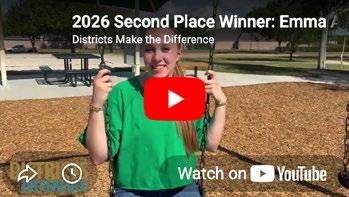
• Emma Anderson from Ridge Point High School in Texas will receive a $1,000 second-place scholarship
for a video about multiple types of special districts and what life would be like without them.
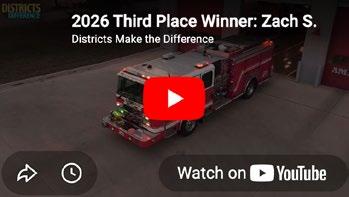
• Zach Schwartz from South Elgin High School in Illinois will receive a $500 third-place scholarship for a video highlighting the South Elgin & Countryside Fire Protection District.
In recognition of the educators who encourage student achievement and civic engagement, each winning student’s designated teacher also received a $500 award.
The scholarship program is sponsored by the National Special Districts Association, the only national organization dedicated exclusively to representing and advocating for special districts nationwide.
“This contest gives students an opportunity to explore how local services shape the quality of life in their communities while using creativity and storytelling to educate others,” said Ann Terry, President of the National Special Districts Association. “We are continually inspired by the talent, insight, and innovation students bring to this program, and we congratulate all of this year’s participants and scholarship winners.”
The winning videos and additional contest information are available at DistrictsMakeTheDifference.org/video-contest.
2026 Third Place: Zach S., South Elgin High School in Illinois
2026 Second Place: Emma A., Ridge Point High School in Texas
2026 First Place: Caleigh M., Vacaville High School in California
What's So Special
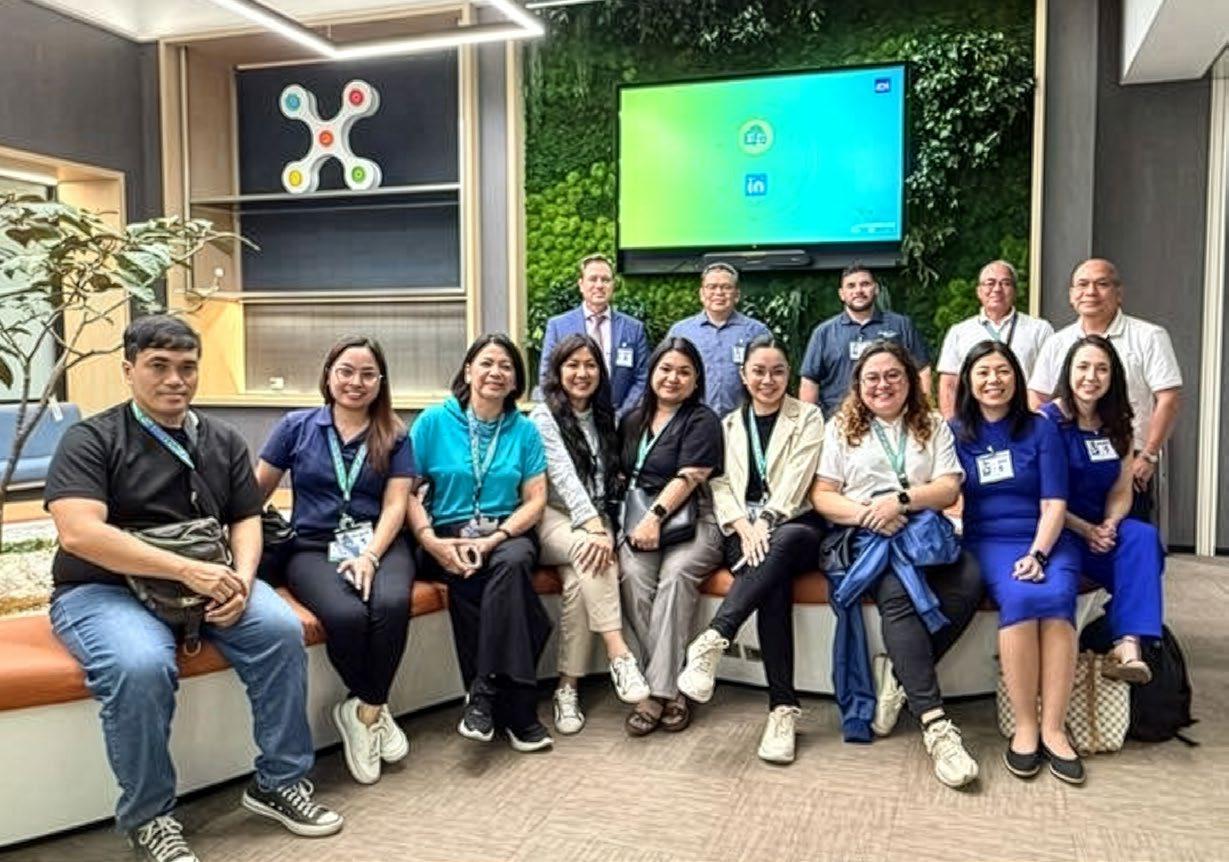
Finding a Neighbor in Water, 7,000 Miles Away
By Erin LaCombe, President & CEO, CV Strategies on behalf of Rowland Water District
It began the way things that change a life often do, with a few words in a hallway.
Tom Coleman, Rowland Water District’s General Manager, stopped Director of Finance Myra Malner with an opportunity: helping a water utility in the Philippines through a technical exchange supported by the Asian Development Bank’s Water Organizations Partnership for Resilience program and Royal HaskoningDHV. The project would not add costs for Rowland Water customers, but it would create lasting impact for everyone involved.
A Personal Bridge to the Work
Of all the team members at Rowland Water, Myra understood the significance of the opportunity. She grew up in Makati, south of Manila, the eldest of five and the only daughter. The Asian Development Bank was a name she had known all her life, but never expected to find
beside her own. Now, her employer in California was sending her back to where she was from, representing both her mother’s profession and her own.
Myra’s love of numbers began with her mother, Linda Evangelista, a respected accounting figure in the Philippines who wrote textbooks used by other accountants and served on the panel for the national CPA examinations. By her twenties, Myra had built her own career as an auditor and later as a compliance manager. At 29, she left for California, entered the water industry in 2011, and joined Rowland Water in 2020.
The project brought Myra full circle, but the project itself was much larger than one person’s story.
Rowland Water serves a 17.2-square-mile area in southeastern Los Angeles County, providing potable and recycled water to approximately 55,000 residents through

13,500 service connections. Norzagaray Water District sits in a rural town north of Manila and serves more than 19,000 active connections across nine of the community’s thirteen barangays. Though separated by more than 7,000 miles, the two agencies share the same essential responsibility: delivering reliable water to the people who depend on them.
Two Districts, One Shared Mission
In October 2024, Coleman, Assistant General Manager Dusty Moisio, and Malner traveled to the Philippines to mentor Norzagaray staff. There they participated in site visits, strategic sessions, and hands-on exercises focused on distribution, operations, financial planning, support, outreach, and service reliability.
Myra came prepared to serve as a bridge, moving between English and the Tagalog of her childhood while helping set the tempo of each meeting. The exchange ran both ways. Rowland Water shared tools, systems, and practices that support operational efficiency, long-term planning, and customer service. Norzagaray showed what it means to do more with less, with staff managing daily operations despite budget constraints, manual processes, and growing service demands.
The partnership identified practical opportunities to reduce non-revenue water, strengthen performance monitoring, improve asset management, and build staff capacity through technical training. It also reinforced a lesson familiar to every special district: reliable service depends not only on infrastructure, but on people, planning, trust, and the ability to adapt.
Bringing the Lessons Home
In February 2025, the exchange came back to California when five members of Norzagaray Water District visited Rowland Water. They observed district operations, customer service strategies, emergency response planning, advanced metering technology, financial best practices, long-term planning, and governance in action. The visit included a Rowland Water board meeting and the signing of a memorandum of understanding, formalizing both districts’ commitment to continued collaboration.
What began as an assignment had become, for both sides, a friendship and a model for peer-to-peer learning.
Sending staff abroad can sound like a heavy lift for a small agency. In practice, the program structure helped cover major expenses, and the gains came home. Rowland Water staff returned sharper, more connected to the purpose of their work, and more aware of what reliable water means for health, dignity, opportunity, and daily life.
That is what makes this project special. It was not simply a goodwill trip or a one-time exchange. It was a structured partnership with practical outcomes, including technical assistance, reciprocal learning, governance engagement, workforce development, and a formal path for continued collaboration.
It also offers a model other districts can adapt. Not every district will build an international partnership, but every district has knowledge worth sharing. Peer exchanges, mentorships, technical assistance, and partnerships, whether across the globe or across county lines, can help agencies strengthen operations while developing their own teams.
Rowland Water’s motto is “caring for our neighbors.” In Norzagaray, Myra saw how far that idea could travel. Public service often begins locally, but its lessons do not have to stay there. Sometimes the neighbor who needs your expertise is 7,000 miles away, and the lessons they offer in return can change how your own team sees the work right in front of them.
Myra Malner, bottom left, her mom and her son.
Managing Risk Strengthening Risk Management Through Member Engagement
By Enriqueta Castro, Chief Risk Officer & Wendy Tucker, Chief Underwriting Officer, Special District Risk Management Authority
For a Joint Powers Authority (JPA), effective risk management extends beyond policies and programs, it begins with maintaining strong connections with our members. Understanding their operations, challenges, and successes allows us to better support their missions while strengthening our partnership.
At the Special District Risk Management Authority (SDRMA) we strive to provide innovative risk management solutions and financial stability that help members protect the public resources entrusted to them. One of the most valuable ways we fulfill that commitment is by spending time with our members in the field. These visits strengthen relationships, foster open communication, and demonstrate our dedication to proactive risk management.
In April 2026, SDRMA Board of Directors and staff visited three member agencies: United Water Conservation District, Ventura County Resource Conservation District, and Oxnard Harbor District. These visits reflect the board’s commitment to active partnerships with member agencies and to gaining firsthand insight into their operations.
Throughout the visits, it was evident that each agency is dedicated to managing public resources, providing essential services, and addressing the evolving needs of its constituents. Whether protecting and managing critical water resources, advancing conservation and environmental stewardship initiatives, supporting commerce and maritime operations, or participating in volunteer and community service efforts, each agency plays an important role in enhancing community resilience and ensuring the long-term sustainability of their regions.
These observations underscore the value of SDRMA’s direct engagement with its members. When SDRMA’s Risk Control team visits members, firsthand observations provide a deeper understanding of the operations, exposures, and challenges agencies face. This allows us to assess the effectiveness of existing safety and risk programs and controls, identify emerging or previously unrecognized exposures, and prioritize opportunities for risk mitigation. These insights support feasible recommendations that are responsive to the realities our members face.
Equally important, site visits create opportunities to share knowledge and recognize successful programs and innovative practices. Lessons learned from one agency can often provide value to others, fostering peer learning and supporting continuous improvement across the membership. This exchange of ideas helps strengthen safety cultures and promotes effective risk management practices, while also providing us with valuable feedback to develop customized services and resources.
Maintaining strong relationships with our members remains a cornerstone of SDRMA’s approach to risk management. These ongoing connections strengthen individual member safety and risk management while contributing to the overall resilience of the pool. We extend our sincere appreciation to United Water Conservation District, Ventura County Resource Conservation District, and Oxnard Harbor District for graciously welcoming us, sharing their operations, and for their continued dedication to public service.


Legal Brief

Hiring Retirees the Right Way
By Steven M. Berliner, Partner, and John Z. LaCrosse, Associate, Liebert Cassidy Whitmore
Public agencies across California continue to face workforce pressures: vacancies in critical positions, increased service demands, and the steady loss of institutional knowledge as experienced employees retire. To address these challenges, many agencies are turning to retired annuitants to help bridge staffing gaps, support leadership transitions, and provide specialized expertise during periods of operational strain. Retirees can offer immediate value, particularly when agencies need professionals who already understand public-sector operations and governance. But hiring retirees is not as simple as bringing back a trusted former employee.
The rules governing post-retirement employment through CalPERS are highly technical, fact-specific, and increasingly scrutinized. Agencies that misunderstand the requirements expose the retiree and the agency to significant financial liability. Even well-intentioned appointments can create exposure if agencies overlook restrictions related to hours, compensation, separation
periods, benefits, or the nature of the work being performed.
At this year’s CSDA Annual Conference, Liebert Cassidy Whitmore (LCW) attorneys will present Hiring Retirees the Right Way, a practical and timely session designed for public agency leaders, HR professionals, and agency counsel navigating these increasingly common staffing issues. The topic provides a clear framework for using retired annuitants effectively while reducing the risk of later CalPERS challenges.
Most retirees prefer to return to post-retirement work without reinstatement so they can preserve their retirement status and continue receiving retirement benefits while working. However, the general rule is that a retiree must reinstate in order to activate CalPERS membership before performing post-retirement work for a CalPERS agency. Post-retirement work without reinstatement is only permissible when a statutory exception applies to the general rule. Before agencies discuss duties, schedules, compensation, or start dates,
they must first determine whether there is a lawful basis for post-retirement employment without reinstatement.
Retirees who return to work face numerous restrictions, including the types of work that can be performed as a retiree, the 960-hour fiscal-year limitation, compensation restrictions, separation requirements, and prohibitions on additional benefits or incentives. These requirements often come up during common staffing situations, such as vacancies, special projects, and recruitment challenges, making it important for agencies to understand the rules before bringing a retiree back to work.
Government Code sections and California regulations outline the restrictions that apply when CalPERS retirees return to work. Just as important is understanding how CalPERS enforces these rules in practice.
Rather than offering only a checklist of rules, Hiring Retirees the Right Way helps agencies understand how these requirements apply to real staffing scenarios facing California public agencies today. For agency executives, department heads, HR professionals, and legal counsel, the topic offers actionable guidance to help your agency identify compliance risks and correct them before they become costly problems.
Retirees can offer immediate value, particularly when agencies need professionals who already understand public-sector operations and governance. But hiring retirees is not as simple as bringing back a trusted former employee.
Join LCW at the Annual Conference for this informative session and gain practical strategies for navigating one of the most important workforce management issues facing public agencies today. Attendees will leave with effective strategies for addressing staffing shortages while avoiding the costly compliance pitfalls that can arise when retiree appointments are handled incorrectly.
Real-world examples and scenarios show how seemingly small factual details can determine whether an arrangement satisfies CalPERS requirements, and what steps an agency can take to stay in compliance.
Another common area of risk is treating retirees as independent contractors. Simply labeling a retiree as a contractor or consultant, or engaging them through a staffing or consulting firm, does not automatically avoid CalPERS restrictions. Instead, CalPERS examines the actual working relationship between the agency and the retiree, including the degree of control exercised by the agency, the nature and duration of the work, and whether the duties are part of the agency’s regular operations.
Enforcement trends and the potential consequences of noncompliance also underscore the importance of properly structuring retiree appointments. As public agencies continue to navigate recruitment challenges and operational demands, understanding these requirements has become an increasingly important part of workforce planning.
About the Speakers
Steven M. Berliner is a Partner in LCW’s Los Angeles office and Chair of the firm’s Retirement, Benefits and Disability Practice Group. He advises public agencies on a wide range of retirement law matters, including pension reform, labor relations, vested rights, disability retirement, and compliance with the Public Employees’ Retirement Law. Steven regularly counsels California public employers on complex retirement and benefits issues and is a frequent speaker and trainer on developments impacting public agencies and their workforces.
John Z. LaCrosse is an Associate in LCW’s San Diego office, where he advises public agency clients on labor and employment, governance, retirement, benefits, and disability matters. His practice includes providing dayto-day advice and counsel on workplace and personnel issues, as well as assisting clients with compliance and risk management strategies. John also has litigation experience involving public agency employment disputes and works closely with clients to navigate complex legal and operational challenges.













Powered By
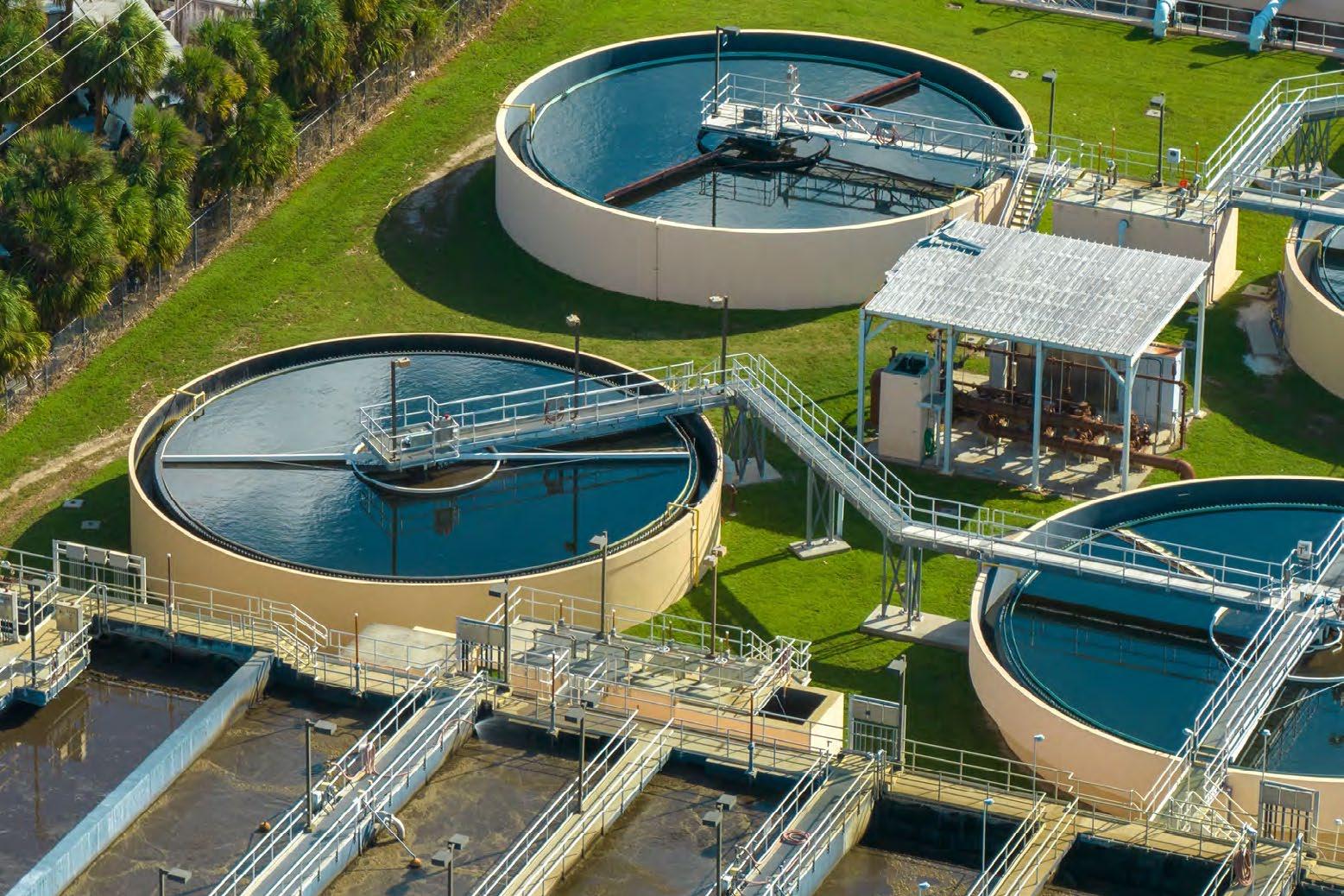


Manager’s Corner
Teamwork Makes the Dream Work
By Roland Williams, General Manager, and Naomi Lue, Zero Waste Supervisor, Castro Valley Sanitary District
The Problem
The team identified strained communication, organizational change, conflict and stressors, and weak time management as key areas affecting the team.
Building a Solution
On September 17, 2004, Castro Valley Sanitary District (CVSan) staff met for its first team building training, led by General Manager Roland Williams. The first activity asked staff to describe the perfect, or good, day at work. Together, the team agreed that a perfect day would include fewer phone calls, no sewage overflows or emergency situations, and no undue pressure from other staff, contractors, management, or the community. It would be a day where staff could be productive, feel a sense of accomplishment,
have the right amount of work, avoid unnecessary meetings, finish major tasks, and be recognized for work done well. It would also mean no damage to equipment or personnel, fair compensation for the work performed, and a full team present without anyone away due to illness.
Next, the team discussed what makes a good team. They agreed that a strong team is built on trust, clear goals communicated by leadership, and strong communication across the organization. Good leadership, shared praise, reliability, participation, and commitment to practice were also identified as essential. Additionally, the team recognized the importance of understanding each person’s role, workload, and value to the organization, while leaving big egos behind.
MANAGER'S CORNER
Looking Back in Order to Look Forward
The team recognized that the first step toward change had to start with the past. They reviewed changes made over the previous seven years, how those changes were implemented, and reflected on the conflicts that arose and the stressors that became part of the daily workload in the aftermath.
Once they had a full and clear scope of which changes ultimately became institutionalized problems, they were able to look ahead and identify what needed to change in how they communicate, implement changes, and oversee progress.
The team agreed to meet again in three months to continue team building discussions and try some of the solutions discussed to make the team stronger. The General Manager would also meet with select team members to discuss issues that may need further intervention.
Some years, leadership set specific themes; other years, staff at all levels of the district did. Topics such as growth, respect, diversity, change, and trust have remained central to the team’s development.
With a limited budget of about $500 for meals and incidentals per meeting for roughly two dozen staff, teams can find creative ways to make these experiences meaningful. Through dedicated time, thoughtful planning, and a modest investment, staff have created team building activities that challenge, inspire, and bring people together while sparking curiosity, connection, and renewed passion for their work.
“ Whether or not people pull together as a team depends on the mutual trust that you help to create.”
Leading Teams
Team Mission Statement
The team drafted its mission and goals into staff’s first Team Mission Statement, creating a reminder of its purpose and a goal to strive toward. Members agreed the statement could change over time as needed, and all signed the final version.
The Team Mission Statement was evaluated and scored annually by the team, and last year it was retired and replaced by CVSan’s Culture Statement
Once is Not Enough
Since its inception, staff have led regular team building meetings, held quarterly at first and later twice a year. Treating team building like building a good habit, best done regularly, helps ensure the momentum created during these activities is not lost in the minutiae of daily work.
External Speakers
Annually, CVSan has budgeted for and invested in external speakers who bring innovative practices and expert facilitation to the team. This underscores the importance of, and commitment to, infusing new ideas, concepts, and energy into our work through inspirational and thought-provoking speakers. It is an essential part of keeping the team curious, engaged, and impassioned about the work they do.
Collaborative Culture
Together, CVSan’s staff have fostered an environment that encourages growth, creativity, and mutual respect. team building has been part of CVSan’s “secret sauce” to ensure that CVSan remains a dynamic, safe, and rewarding place to work for all.
CSDA Annual Conference
Roland and Naomi will be speaking at CSDA’s Annual Conference in August in Palm Desert on “Teamwork Makes the Dream Work – How to Focus on Your Team for Success” and look forward to sharing leadership strategies and actionable guidance for your team! They may be reached at roland@cvsan.org and naomi@cvsan.org.

Money Matters
Public Funds Investing 101: Compliance, Safety, and Strategy
By California CLASS Relationship Team

Investing your special district’s funds prudently is vital to your district’s fiscal health and its ability to serve the public. When investing public funds, preservation of principal comes first. The California Government Code provides guardrails that limit the types and amounts of investment risk a district may assume. Once a district has addressed legal compliance and established how it will protect public funds, even straightforward investment strategies can meaningfully improve outcomes.
The Legal Framework
Two sections of the California Government Code (CGC) form the foundation of every public district’s investment program. CGC Section 53600 governs the investment of surplus funds and defines eligible investment types available to local agencies, including U.S. Treasuries, federal agency securities, municipal bonds, certificates of deposit, and local government investment pools. CGC Section 53630 addresses the deposit of public funds with financial institutions and sets standards to safeguard those deposits. Together, these sections establish the boundaries within which a district’s investment activity must operate.
Safety: More Than Just Preservation of Principal
Safety is commonly understood as preservation of principal, and that understanding is correct. In the context of public funds investing, however, safety extends further to encompass good governance across the entire investment program. A comprehensive, well-considered investment policy is the cornerstone of a capital preservation-focused investment program. Investment policies should clearly define authorized investments, concentration limits, maturity constraints, and liquidity requirements.
Beyond the policy itself, safety requires ongoing vigilance: regular reviews of portfolio composition, upcoming cash flow needs, and the broader market environment. Transparent, periodic reporting keeps your board and other stakeholders informed and reinforces accountability. These practices, taken together, represent best-in-class governance for public funds.
Strategy: Putting Your Funds to Work
Once compliance and safety have been addressed, districts can apply fixed income investment strategies to improve results. No single strategy fits every district. The right approach depends on your cash flow needs, risk tolerance, investment horizon, and market conditions. What matters most is that your strategy is deliberate, documented, and reviewed regularly.
California CLASS representatives will walk through each of these concepts, practical examples, and realworld application at the CSDA 2026 Annual Conference on Wednesday, August 26. We look forward to the conversation. If you are not attending the conference, please contact us at californiaclass.com
California CLASS, the California Cooperative Liquid Assets Securities System, is a local government investment pool authorized under CGC Section 6509.7. Formed as a joint exercise of powers entity by and among California public agencies, California CLASS offers districts a convenient, professionally managed option to invest public funds in high-quality, short- to medium-term securities, in full compliance with California law and the safety, liquidity, and yield hierarchy that governs public funds investing. The program is administered by PTMA Financial Solutions and sponsored by the California Special Districts Association.
Many factors affect performance including changes in market conditions and interest rates and in response to other economic, political, or financial developments. Investment involves risk including the possible loss of principal. No assurance can be given that the performance objectives of a given strategy will be achieved. California CLASS is not a bank. An investment in California CLASS is not insured by the Federal Deposit Insurance Corporation or any other government agency. Please read the applicable information statement(s) carefully before making any investment decision. Past performance is no guarantee of future results. Any financial and/or investment decision may incur losses.
Public Trust Advisors, LLC, PMA Financial Network, LLC, PMA Securities, LLC and PMA Asset Management, LLC are under common ownership as part of PTMA Financial Solutions, LLC (“PTMA”). Public Trust Advisors, LLC and PMA Asset Management, LLC, are two separate SEC registered investment advisers, both doing business as PTMA Investment Advisors. PMA Securities, LLC is a broker-dealer and municipal advisor registered with the SEC and MSRB and is a member of FINRA and SIPC. Registration with the SEC does not imply a certain level of skill or training. Marketing, securities, institutional brokerage services and municipal advisory services are offered through PMA Securities, LLC. PTMA Investment Advisors provides investment advisory services to local government investment pools (“Funds”) and separate accounts. All other products are provided by PMA Financial Network, LLC. For more information, please visit us at http://www.ptma.com/
Midyear Financing Update from the CSDA Finance Corporation
CSDAFC is off to another strong start in 2026, building on its 38-year history of helping California special districts secure funding for district purchases and critical capital improvement projects. Through the first five months of the year, the Corporation and its consultants have closed multiple financing deals, continuing to deliver the affordable, tax-exempt financing solutions that members rely on.


AllPaid www.AllPaid.com






DIAMOND LEVEL
Amazon Business www.csda.net/amazon-business
California CAD Solutions (CALCAD) www.calcad.com
California CLASS www.californiaclass.com
Columbia Bank www.columbiabank.com
CPS HR Consulting www.cpshr.us



VC3 www.vc3.com
PLATINUM LEVEL
Atkinson, Andelson, Loya, Ruud & Romo www.aalrr.com
Best Best & Krieger www.bbklaw.com
Five Star Bank www.fivestarbank.com


CSDA Finance Corporation www.csdafinance.net
Enterprise Mobility www.enterprisemobility.com
GovDeals www.govdeals.com
Special District Risk Management Authority www.sdrma.org
Streamline www.getstreamline.com
Utility Cost Management, LLC www.utilitycostmanagement.com
Tri Counties Bank www.tcbk.com
Liebert Cassidy Whitmore www.lcwlegal.com
Platinum Strategies Inc www.platinumstrategiesinc.com
Richards Watson Gershon www.rwglaw.com
Supporting Special Districts Through Practical Legal Education
As a CSDA Platinum Business Affiliate, Atkinson, Andelson, Loya, Ruud & Romo (AALRR) continues to support special districts by sharing timely legal guidance, practical training, and subject matter expertise with CSDA members. The firm regularly contributes to CSDA’s educational programs and publications, helping district leaders navigate complex governance, compliance, and operational issues. Recent contributions include a legal article on public contracting, which broke down bidding requirements, contract clauses, indemnity, insurance, bonds, claims, and other key issues special districts should consider when preparing or reviewing contracts.
AALRR will also be featured at the upcoming Annual Conference & Exhibitor Showcase, presenting sessions on conflict-of-interest best practices and legal updates, as well as efficiently managing CPRA requests. These topics reflect the firm’s ongoing commitment to helping special districts stay informed, reduce risk, and respond confidently to evolving legal requirements.
Through its continued involvement with CSDA, AALRR provides members with access to education that is both relevant and actionable, supporting the work special districts do every day to serve their communities.
GOLD LEVEL
Alan Biller and Associates www.alanbiller.com
Brown Armstrong Accountancy Corporation www.bacpas.com
California Bank of Commerce www.californiabankofcommerce.com
CalTrust www.caltrust.org
Centric Business Solutions www.centricabusinesssolutions.com
Cole Huber LLP www.colehuber.com
Complete Paperless Solutions www.cps247.com
Easeworks www.easeworks.com
Energy Systems Group www.energysystemsgroup.com
Kosmont Financial Services www.KosmontFinancial.com
National Demographics Corporation (NDC) www.ndcresearch.com
NBS www.nbsgov.com
Nossaman, LLP www.nossaman.com
Redwood Public Law, LLP www.redwoodpubliclaw.com
River City Bank www.rivercitybank.com
SiteLogiq www.sitelogiq.com
Slovak Baron Empey Murphy & Pinkney LLP www.sbemp.com
Townsend Public Affairs www.townsendpa.com
Tyler Technologies, Inc. www.tylertech.com
Witt O’Brien’s www.wittobriens.com