How Projection Technology Is Bridging the Gap Between Gaming and Business
How Projection Technology Is Bridging the Gap Between Gaming and Business
Over the past decade, projection technology has undergone a massive transformation. What was once a simple way to display visuals on a flat surface has now evolved into a sophisticated tool capable of delivering ultra-high-definition imagery, real-time responsiveness, and immersive experiences.
While gaming has long been the testing ground for cutting-edge display innovations —from HDR rendering to low-latency projection—these advancements are now spilling into professional spaces, shaping how we communicate, collaborate, and present ideas.
Projection in Gaming: The Power of Immersion
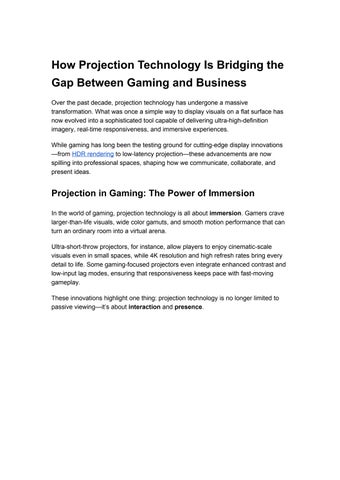
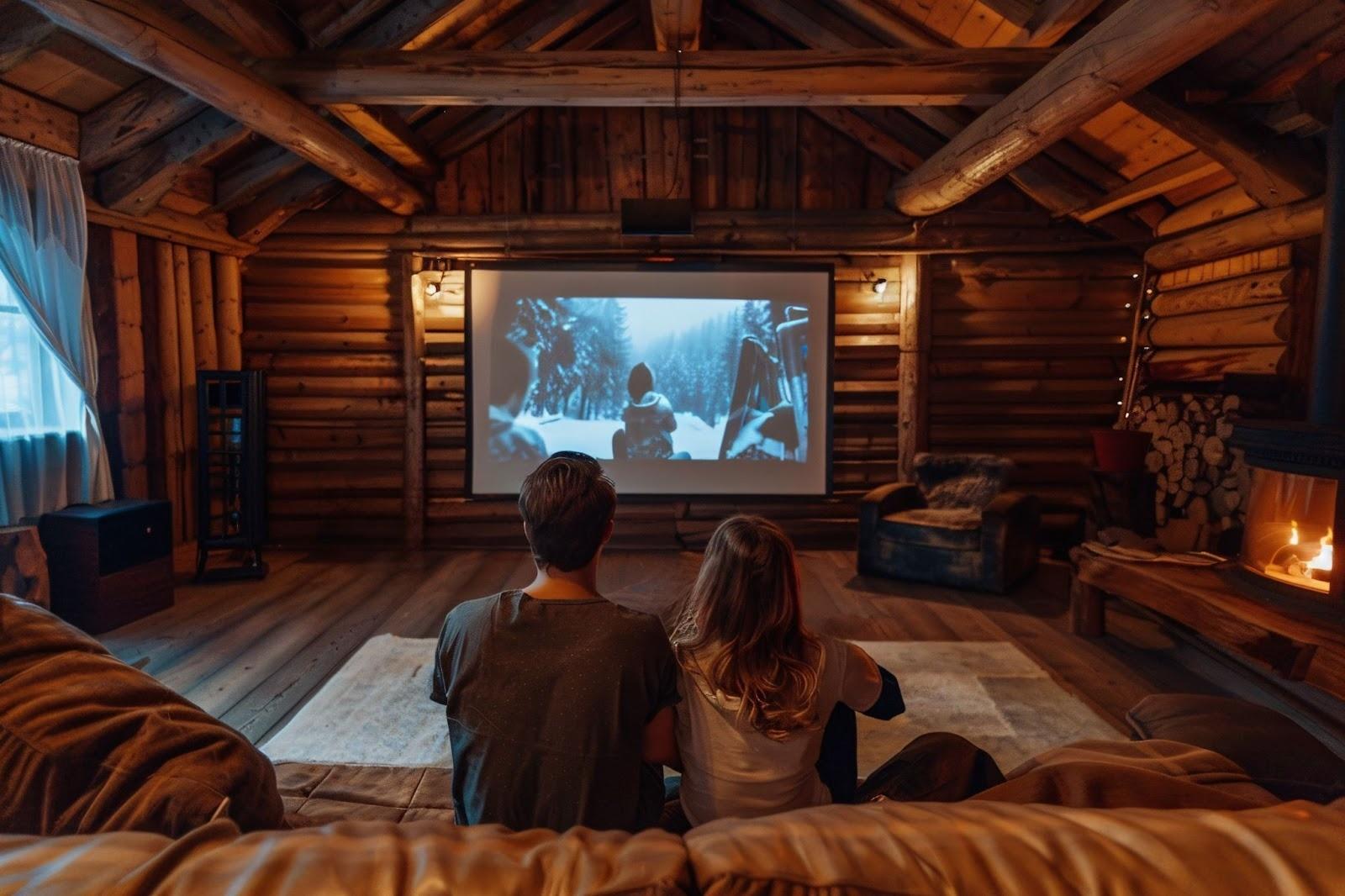
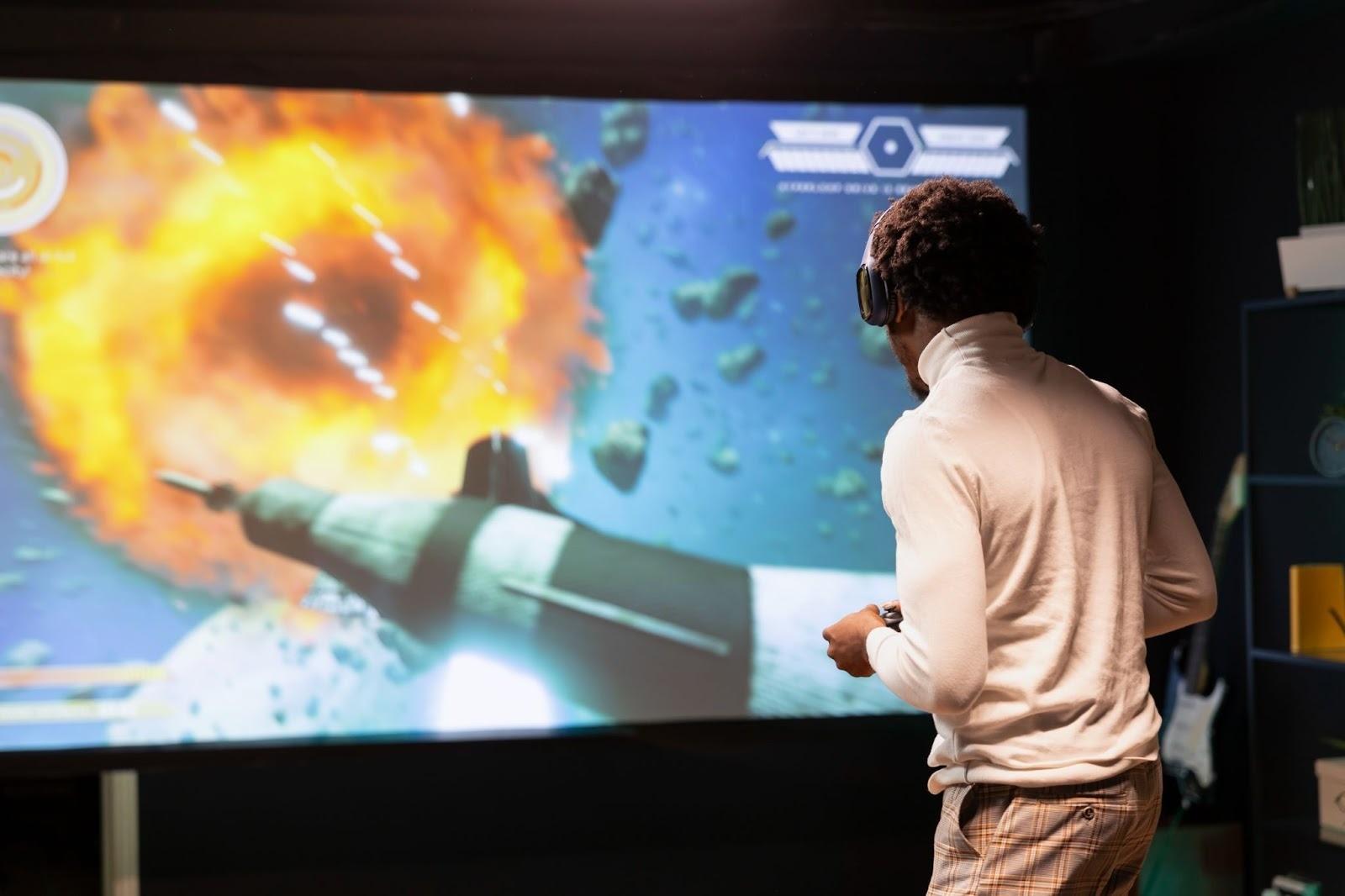
In the world of gaming, projection technology is all about immersion. Gamers crave larger-than-life visuals, wide color gamuts, and smooth motion performance that can turn an ordinary room into a virtual arena.
Ultra-short-throw projectors, for instance, allow players to enjoy cinematic-scale visuals even in small spaces, while 4K resolution and high refresh rates bring every detail to life. Some gaming-focused projectors even integrate enhanced contrast and low-input lag modes, ensuring that responsiveness keeps pace with fast-moving gameplay.
These innovations highlight one thing: projection technology is no longer limited to passive viewing—it’s about interaction and presence.
Beyond Entertainment: The Rise of Smart Meeting Projectors
As display innovations matured, their potential naturally extended beyond entertainment. The same technologies that make games more immersive—real-time rendering, image optimization, and adaptive focus—are now redefining productivity tools in the business world.
The new generation of smart meeting projectors has evolved far beyond traditional beamers. They serve not just as display devices but as intelligent collaboration hubs.
Equipped with AI-driven framing, voice recognition, built-in video conferencing systems, and wireless screen sharing, these projectors simplify the way teams connect and communicate.
Unlike the cable-heavy setups of the past, smart projectors offer a “power on and start” experience—users can walk into a meeting room, share their screen wirelessly, and launch a video call within seconds.
Their combination of high brightness, crystal-clear resolution, and smart automation delivers a frictionless, efficient, and immersive meeting environment.
Where gaming projectors focus on entertainment immersion, business projectors emphasize communication efficiency. Yet, their underlying philosophy is remarkably similar: to make human-computer interaction more natural, immediate, and seamless.
When Immersive Technology Meets Intelligent Collaboration
This convergence between entertainment and productivity is blurring the boundaries between “play” and “work.” Projection technology sits right at the intersection— bringing immersive visual performance into professional spaces.
For example, smart projectors like the CZUR StarryHub Meeting Room Projector integrate advanced imaging with intelligent collaboration tools. Designed for modern hybrid workplaces, they merge wireless connectivity, AI-powered framing, and integrated video conferencing to transform ordinary meeting rooms into dynamic collaboration spaces.
Such devices exemplify how display innovations inspired by gaming can evolve into practical, high-value solutions for businesses.
Choosing the Right Projector: Gaming vs. Business Needs
Whether you're a gamer or a business user, both value sharp image quality and smooth performance when choosing a projector, but their priorities differ. Below are the key parameters and buying recommendations for each use case.
�� Gaming Projectors: Designed for Immersion and Speed
For gamers, the ultimate goal of a projector is to deliver lifelike, detailed visuals with ultra-low latency. Here are the key parameters to consider:
Resolution: A minimum of 4K (3840×2160) is recommended to capture the full depth and detail of in-game visuals. For those on a budget, 1080p Full HD still provides a solid experience for console and PC gaming.
Refresh Rate: A higher refresh rate means smoother motion. Look for models with 120Hz or higher, ideal for FPS, racing, or fighting games.
Input Lag: One of the most critical specs for gaming. The lower the lag, the faster the response time. Aim for ≤16ms, with top-tier projectors achieving below 8ms
Contrast Ratio: At least 10,000:1 is recommended to ensure deep blacks, clear shadow details, and vibrant contrast.
Color Gamut: Projectors supporting Rec.709 or DCI-P3 color standards can reproduce more realistic and vivid gaming visuals.
Ports and Compatibility: Make sure the projector includes at least one HDMI 2.1 port for high frame rate output. Some models also support HDR10 and VRR (Variable Refresh Rate), greatly enhancing console and PC gameplay.
Additionally, projection distance and room layout matter — ultra-short-throw (UST) projectors are ideal for small rooms or bedrooms, projecting a 100-inch image from just 30 cm away, creating a truly immersive experience.
�� Business Projectors: Built for Clarity and Collaboration
Business projectors focus on brightness, connectivity, and smart collaboration features, aiming to make presentations sharper and meetings faster to start. Key parameters include:
Brightness: Choose models with 3000–5000 ANSI lumens to ensure clear visibility even in bright meeting rooms. For large conference halls or rooms with natural light, 6000 ANSI lumens or more is ideal.
Resolution: Most business projectors use 1080p (FHD), while premium models offer WUXGA (1920×1200) or 4K UHD for razor-sharp charts and text.
Contrast Ratio: A range of 2000:1–5000:1 provides sufficient clarity for displaying documents and visuals.
Wireless Connectivity & Smart Functions: Support for wireless casting (Miracast / AirPlay / EShare), built-in operating systems (Android / Windows), auto focus / auto keystone correction, voice control, or even AI auto framing can significantly improve meeting efficiency.
Audio & Microphone Integration: Built-in high-fidelity speakers, array microphones, and noise reduction algorithms ensure clear communication in hybrid or remote meetings.
Port Configuration: Look for HDMI, USB-A/C, Ethernet, Bluetooth, and Wi-Fi 6 to support diverse devices and collaborative setups.
For hybrid work environments, opt for models with integrated smart conferencing systems compatible with major video platforms — enabling a true “power on and meet” experience.
The Future of Projection: Convergence and Innovation
Looking ahead, the line between gaming and business projection will continue to blur. As AI-driven enhancement, edge computing, and wireless ecosystems evolve, projection technology will serve not just as a display—but as an intelligent bridge between people and information.
From virtual battles to boardroom briefings, projection has become a shared language of immersion and collaboration.
And whether it’s about unlocking new levels in a game or unlocking new ideas in a meeting, the screen in front of us is no longer just a window—it’s a gateway to smarter, more connected experiences.
Projection technology has undergone a remarkable transformation in the past decade — evolving from a niche home-theater luxury into a versatile visual solution for gaming, education, and professional collaboration. In gaming, projectors have created massive, cinematic experiences once limited to big screens. Today, that same immersive technology is reshaping how professionals share ideas, communicate, and collaborate in hybrid work environments.
This isn’t just about better visuals — it’s about how projection has become a new medium for engagement, whether in play or productivity.