



There is something uniquely sucky about the late July combination of being freezing cold, perpetually damp and the harsh reality of semester 2 study hitting you like a bus. This time of year hits hard for many people, and looking after yourself is often easier said than done.
We’ve all heard the usual clichés: Eat healthy, stay hydrated, get 8 hours of sleep, exercise. They sound so simple on paper, but it’s hard to keep up the routine when your mood is as bleak as the Dunedin sky.
So this July, why not try a bit of self-compassion? Here are a few ways to get started:
1. Cut yourself some slack .
Show yourself the same kindness and compassion you’d show a mate if they were having a tough time. There’s nothing wrong with wanting to change things about yourself, but try approaching it from a place of self-care, rather than self-criticism.
2. Let your thoughts pass by.
Practising mindfulness isn’t all meditation and sitting cross-legged on a yoga mat. At its core, it’s a way of relating to the contents of your mind… Instead of buying into negative or biased thoughts, you can let some thoughts pass on by. This might look like saying to yourself “okay brain, this is a thought I have. And that’s all it is. It can have as much or as little power as I give it.” By relating to thoughts in this way, you can help your mind get unstuck from repetitive and unhelpful thinking.
3. Know you are not alone.
There’s a reason "compassion" literally translates from Latin to "with suffering." It acknowledges a fundamental truth: Human life involves a baseline amount of struggle. Humans aren’t made to be exam studying machines. We all mess up, we all burn out, and you're definitely not the only one staring blankly at your lecture slides. We all experience tough times, and low moods aren’t personal failures, but rather a normal part of the human condition.
This article was brought to you by Headstrong, proud partners of OUSA’s Winter Wellness Week. You can learn more skills like this by downloading the Headstrong app. It’s free, no ads or catches, just easy to digest skills to help you navigate life.
Discover free wellbeing support and learn how to navigate life confidently.



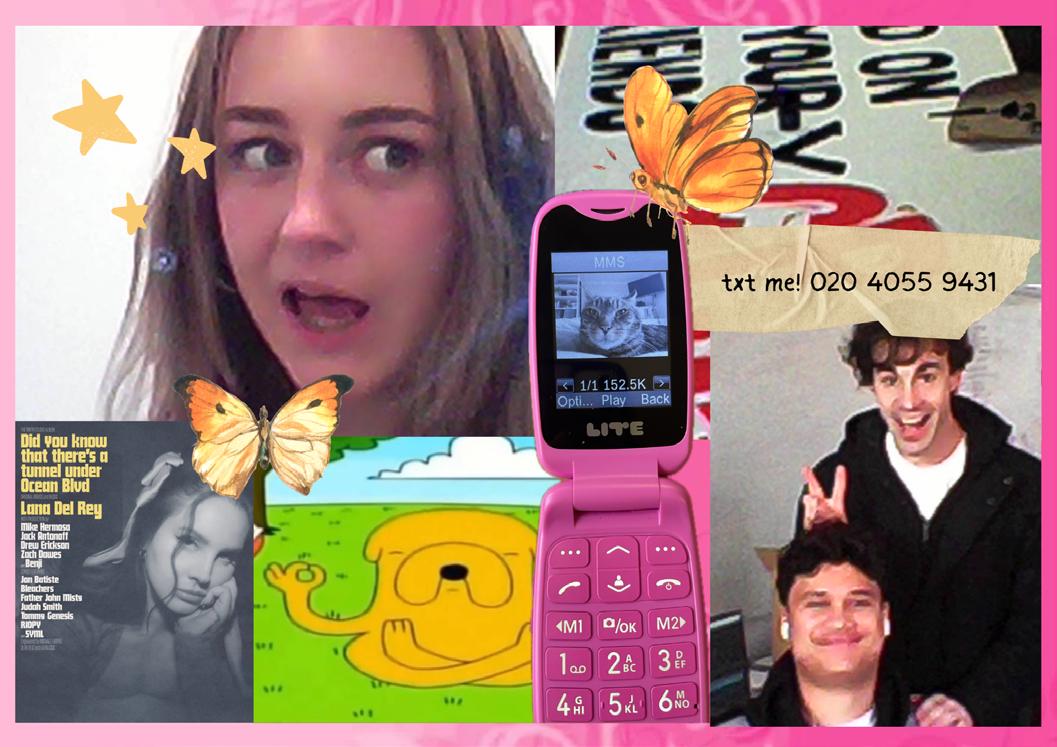

Last week, I committed to using a flip phone for 7 days.
I will start with the cons. Firstly, I hadn’t realised how much I was relying on social media for a sense of connection, or parasocialisation. I found myself wondering when the days had gotten so long, and so lonely. Secondly, there is no storage on my phone. I could only download two songs, which were ‘Let The Light In’ and ‘Paris, Texas’ by Lana Del Rey. Thirdly, the lack of Google Maps, the BNZ app and Uber was really felt. Reception would also sometimes randomly drop out, which sucked. As such, I ended up bringing my iPhone with me whenever I left the house, basically for safety reasons.
WANTED: Someone to go back in time with me. This is not a joke. You’ll be paid when we get back. Must bring your own weapons. I have only done this once before.
44-33-999!! 44-666-9-7777 88-44-33 7-44-666-66-33 4-666-44-66-4?? 66655 4-66 555-666-555. :d
Do you exercise with your flip phone? If you do… I guess you could call it cellular respiration (hahaha)


However, the pros outweighed all of this. When I was lonely, I opened the built-in FM radio and listened to Radio One on 91FM. Hearing people talk, just about anything, helped me feel connected. Texting became super intentional, as whenever a new text came through, it didn’t come through as a thread, but rather as an individual item in an inbox. Due to the lack of storage, I had to delete my entire inbox often without saving any numbers.
When Monday rolled around and Critic hit the stands, things became even more fun. Heaps of you texted me! Here are some of my faves (unedited):
For the girls who only got involved into FIFA from the Bellingham x Haaland ship. Was it intentional that your vaping illustration looks like the ship on gay steroids? The girlies await your answer eagerly [I talked to Eddie, the illustrator who did the article, who confirmed that it was intentional]
Dear mysterious critic flip phone. It is I. Mysterious non-critic smart phone. I wish to simply ask how you are. Are you doing ok? Is your pillow cold? Do you feel fulfilled? What are physical buttons like? Anyways. Mysterious non-critic smart phone out.
And who am I? That’s a secret I’ll never tell. You know you love me. XOXO, Gossip Girl.
The world we grew up in no longer exists, and as our old world dies, and the new one struggles to be born: now is a time of monsters.
Big fan of the flipphone revolution Ive been using this Nokia 2660 since september 2024 and Its so freeing - so long as you know your way around town youll be fine
Hello Hanna Varrs, esteemed editor of The Critic. Your flip phone is nice. Thanks for all. Much compliments to the magazinebook
Thanks for texting, and I think I’ll stick with the flip phone for a while longer. Sent from my flip phone.







Kia Ora Critic,

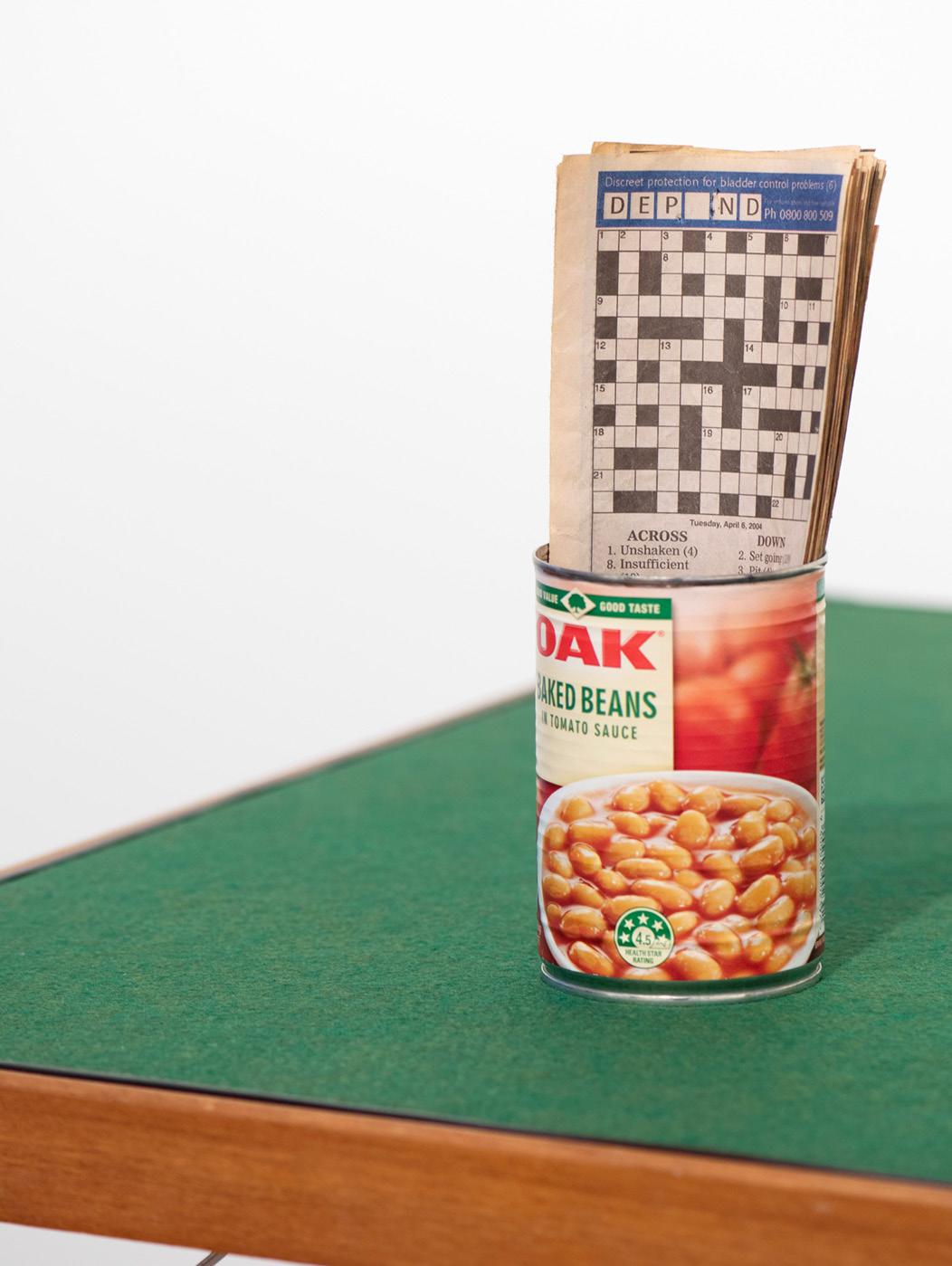
I'm writing regarding this week's crossword. It uses the word pansy, and not in terms of the flower. You've framed it as a rude word for weak men but frankly it's a slur, used against gay men specifically. It may have been reclaimed by the queer community but returning it to its original meaning undoes all that work. In light of our recent gender bill and the subsequent protest, using a slur in a crossword no matter how it is framed is pretty upsetting. Do better.
Sincerely,
A queer and upset student.
Editor’s Response:
Thanks for bringing this to our attention. The crossword is often handled by contributors, and we completely missed that 'pansy' had been used in this context. After speaking to the contributors that made the crossword, they explained that they had themed their crossword around flowers, specifically queer-coded flowers, because they are both queer. They explained that they chose 'pansy' because of their understanding that it had a positive queer history, being used in the 19th-20th century drag scene. The other flower clues were all unrelated to the reasons they chose them: "flower of the gods" for carnation, "a soft purple" for lilac. They chose each of these flowers because of their relation to the queer community, but gave them clues that were completely distinct from their queer meanings. They further explained that they wrote the clue thinking of its alternative definition, not its queer definition, and neglected to realise the alternative definition came about to turn the word against the queer community. They accept it was a complete oversight on their part, as it was on mine, and we are appalled that we did not notice it ourselves. I also acknowledge that the clue itself wasn't great, and moving forward we're putting more oversight into contributor submissions. Thank you so much for bringing this to our attention!
Send a letter to the editor at
critic@critic.co.nz to be in to win a $20 UBS voucher.
Dear Madam Critic
I am writing in disgust at the recent price increases at uni cafés. From the start of this semester, a thing Chicken and Cranberry Panini or a Breakfast Wrap is $12!! This is nuts! Campus cafe food was never supposed to be Michelin Star quality, but it was supposed to at least be affordable. I remember when such menu items were capped at aprox $8.50. Now you have to wait for an end of day special to find such savings.
It is my hope that our courageous OUSA exec will fight this most insidious injustice
Best,
Milton Friedman
Dear Critic,
Last semester, as Moaningful Confessions continued, I began to believe people at this uni have a communication problem. Absolutely not to blame or shame anyone, but I believe in beautiful learning experiences and showing kindness. I’m confused why we aren’t normalising teaching one’s partners how to pleasure you, and asking/learning in return. It’s quite sad that people are having such bad experiences with each other, often because one or both do not stop to have a chat about how to do something properly. I just want to encourage everyone to have friendly learning experiences and fun experiments. They don’t have to feel scared or ashamed of not knowing everything. Even the most seasoned sex havers will always have something to learn they’ve never done before – that's part of the fun. Undernegotiated sex is a problem fr. - Wishing Otago students better sex
Letters should be 150 words or fewer. The deadline is Thursday at 12pm. Get them into Critic by emailing us at critic@critic.co.nz. Letters of a serious nature directly addressing a specific group or individual will not be published under a pseudonym, except in extraordinary circumstances as negotiated with the Editors. Critic Te Ārohi reserves the right to edit, abridge, or decline letters without explanation. Frequently published correspondents in particular may find their letters abridged or excluded. Defamatory or otherwise illegal material will not be printed. We don’t fix the spelling or grammar in letters. If a letter writer looks stupid, it’s because they are.

The countdown is on for the Student Strike for Education, set to kick off this Wednesday at 12pm on Union Lawn. The strike is being organised by Education Action Group 26 (EAG26), a student-led movement that emerged this year in the wake of last semester’s Fees Free protest. To find out what they’re fighting for – and why they’re asking students to ditch class in the process – Critic Te Ārohi sat down with organisers Petra Campbell and Annabel Hankin.
EAG26 was formed after organisers felt the demands of last semester’s protest had gone unanswered, and that broader threats to tertiary education were continuing to mount, both at the University of Otago and at a national level. “Education Action Group 26 is an organisation where we all have an equal democratic role. Anyone who agrees with our demands and is willing to be a part of our movement can join,” Annabel explained. The name itself is a nod to student activism of decades past – the Education Action Group coordinated a large fees protest outside the Registry back in 1993. “It’s quite a famous thing,” Annabel noted.
EAG26 has four core demands: fees-free education, funding above inflation, independent student unions, and a universal student allowance. The organisers emphasise that things don’t have to be the way they are. As such, they’re calling on the University of Otago to commit to no fee hikes, no cuts, and to defy Government austerity measures.
For students who are a little confused, or are trying to live in denial about their student loan balance, “Fees Free” refers to Government-funded tertiary course costs that make the Everest-sized climb of a student loan slightly less vertical. The policy has had a turbulent few years: first-year feesfree became final-year fees-free, and now it’s disappearing altogether, with the Government ending the scheme at the end of December 2026. Annabel argues the current system
By Bella Bates Senior News Reporter // news@critic.co.nz

places an unfair burden on students. “Students work very fucking hard, and we get paid in $50,000 of student debt, which is enough to put a down payment on a house.” She also pointed to the relatively recent history of student fees in New Zealand. “We effectively had free tertiary education until 1989 [...] That was the norm for so long, and the Government sort of tried to convince us that having tens of thousands of dollars in student debt is normal.”
When asked how a protest on Union Lawn could influence decisions made in Wellington, the organisers were quick to point to the political power of students as a voting bloc. “There are 400,000 students across Aotearoa,” said Petra. “That is a massive chunk of people who are going to be voting on the Government. And we’re not going to be okay with them continually screwing us over.” They also argued that public demonstrations make it harder for politicians to ignore concerns about tertiary education – “they are going to listen to the people who are screaming the most.”
While Wednesday's protest is the immediate focus, EAG26 says this is only the beginning. Despite their name, the group intends to continue campaigning until they see results. “The more people we can get, the more we can make it bigger and bigger,” Petra said.
For anyone avoiding the strike because they have a lecture, tutorial, lab, or an especially compelling nap scheduled, Annabel had a straightforward response. “I’ve heard a lot of people say ‘but I have a class’”, she said. “It’s a strike. The whole point is that you miss your class [...] I would also really encourage lecturers and staff to support students coming to this, because we’re advocating for [staff] as well.”
Take this rare chance to not feel guilty about skipping class, and make yourself heard. ★



OUSA Executive argues inability to separate “military complex from the economics that benefit from it”
Following controversy earlier this year around the University of Otago’s proposed partnership with Israeli-government linked Palo Alto Networks, ViceChancellor Grant Robertson announced a review of the partnership agreement. This has now been completed, concluding that there is “no substantive evidence” that suggests that the University of Otago should end its relationship with Palo Alto Networks (PANW).
The University of Otago announced its partnership with PANW in 2025, proposing that it would aid in the development of a new Masters of Digital Technology for the planned Queenstown campus. Professor Gillespie, a professor from the University of Waikato and expert in the field of international law who conducted the review, described the partnership initiative as “exemplary.” Otago Staff for Palestine have formerly described the partnership as putting the University of Otago “squarely on the wrong side of history.”
According to Gillespie, the review was intended to analyse those concerns raised by staff and students, and assess if the partnership is “in line with relevant university frameworks and statements.” Gillepsie spoke with staff and received comments from PANW, who twice cancelled their meeting with the professor. Gillespie noted that the review “cannot be considered to be exhaustive”. Despite this, Gillespie concluded that there was “no substantive evidence” to suggest the partnership should be terminated.
The Due Diligence Question
One of the concerns raised earlier this year about the partnership was whether the University completed their “due diligence” before finalising this partnership. Establishment Director of the University of Otago Queenstown and Lakes District Project, Professor Richard Barker, confirmed to Critic Te Ārohi earlier this year that “due diligence” on PANW had been undertaken prior to the partnership agreement being finalised.
According to Richard, this process established that PANW is a US-based company, and while it had an Israeli founder and a research facility in Tel Aviv, the due diligence work did not “indicate any company links to the Israeli military, nor was PANW “identified at the time on the [BDS] movement list of tech targets.” The due diligence assessment was undertaken to ensure the partnership “aligned with the University’s values and posed no conflict with our academic mission [...]”.
According to the review at hand, the University did complete a Due Diligence Report in 2025, which Gillespie described as having “limited value”. In the report’s cover note, ViceChancellor Grant Robertson acknowledged that the Due Diligence Report was done “without an overall framework to work to”, but was “credible in those circumstances”. The University’s due diligence standards are currently in the process of being redeveloped.
Gillespie also noted that PANW had over 1,500 New Zealand customers by 2025, and “it can be assumed that, at some level, basic forms of due diligence were undertaken by many of them.” And so the partnership went ahead.
By Stella Weston and Hanna Varrs Deputy-Editor // deped@critic.co.nz Editor // critic@critic.co.nz

The University’s institutional neutrality policy was established in 2025 during a time of increasing debate around the Boycott, Divest and Sanctions movement (BDS) and Palestine. The Policy states that University leaders will not communicate institutional positions on “controversial political topics” except where such issues “directly impact the University’s role or functions”, and includes “ethical investment” as an example of an exception to that limitation. Gillespie stated that if the University was to end its relationship with PANW, it would also be ending its commitment to academic neutrality.
A statement provided to Critic Te Ārohi by the OUSA Exec argued that the institutional neutrality and academic freedom principles “are meant for academic freedom of staff and students, not protection for corporate partners to insulate themselves from criticism.” Finance and Strategy Officer, Troy Gibbons, added that the University “[h]iding behind academic freedom is gross, and doesn’t address our concerns with what the company explicitly promotes.”
Political Representative Flynn Nisbett surmised that the review essentially communicates that as long as a company isn’t “directly firing the guns, murdering people, or directly infringing international law – even if they are heavily connected to Israel which is built on all of those things – it isn’t illegal [...] Which must mean academic freedom is being protected by allowing it.”
In the section of the review titled “wider concerns”, Gillespie cites anti-boycott measures in the United States and the “rise of anti-semitism” as a reason for caution in ending the PANW partnership.
“Some entities, governments, and sectors are taking an increasingly dim view of those who sanction or boycott Israel,” the review reads. At least 38 states in the US now have “anti-boycott” measures, “with the clear warning, ‘if you boycott against Israel, we will boycott against you’, with comparable counter-measures.” Noting that a “similar reaction” has taken place in Germany, Gillespie argued that “there could create an undue risk to any foreign entity which gets to the head of the pack around BDS-type measures, potentially more so if the restrictions adopted look even more discriminatory than the BDS list, alone.”
Gillespie noted a “disturbing” trend in recent terror attacks in both Australia and Britain, citing a University of Tel Aviv study to make this point.“New Zealand should not assume that similar attacks could not occur here. As a country, we are already recording a negative upward trend in incidents. Governmental responses in like-minded countries are doing more to combat anti-semitism, via the creation of plans, special envoys, changed legislation, and even initiatives in the University Sector. In Australia, this is already sparking debate over academicfreedom and protest. Caution is urged in this area as allegations and counter-allegations are rising.”
On those points, OUSA Exec Finance and Strategy Officer Troy felt that the University’s “refusal” to withdraw from the agreement was being driven by the “fear American universities have been experiencing under Trump because of the perception of antisemitism.”
PANW and OSP
Gillespie shared OSP’s report with PANW, noting that he had the authors consent to do so, and gave PANW the chance to respond to their claims. In response, PANW stated that their "corporate governance, our business operations and research functions remain entirely independent of any state military apparatus.”
“You can’t separate the military complex from the economies that benefit from it, and pretending to do so is incredibly disingenuous,” the OUSA Executive statement reads.
PANW’s response goes on to say that while founder Nir Zuk “served in the military prior to his private-sector career”, he is no longer a member of the executive team or board of directors and has since founded a new startup. “Under our current executive leadership, our corporate activities align strictly with our mandate to operate as a commercial, civilian enterprise.”
As pointed out in the OSP report, the CEO of PANW has previously claimed that “you can’t separate the company from its founder…[and] our commitment to Israel has not changed despite the fact that Nir is not actively at Palo Alto.”
PANW also states that Israel is a “primary hub for top-tier cybersecurity talent” and it’s therefore a “strategic business imperative” for PANW to maintain a “strong talent pipeline and R&D presence in the region”. In response to the allegation that PANW has a pipeline of tech from the Israeli military, they said that they do “frequently acquire commercial companies founded by military veterans” and that this is a “direct reflection of the regional talent pool” and “, does not constitute support for, or evidence of, operational integration with, any military. All acquired technologies are strictly defensive, commercially available solutions.”
Flynn Nisbett, Political Representative, believes the company is marked by its past, stating that the University has the “opportunity to find companies that aren't involved in egregious things [...] I don't know how you can rationalise this.” According to the OUSA Exec, “No company which makes such significant contributions to the cybersecurity space, which enables the ethnic cleansing of thousands of people to justify its existence, should be voluntarily pursued by the University.”
In response to the claim that PANW employees are actively participating in military operations while developing products, PANW acknowledged that “veterans transition programs are a core pillar of our corporate hiring initiatives”, and that they have “veterans who have served in militaries across the globe”, although “their work at Palo Alto Networks remains wholly separate from state or military operations.”
The State of Israel requires most to partake in mandatory military service. As mentioned in the OSP report, Israel Defense Minister Baram has stated that “[d]irect feedback loops connect the frontline, engineers, and industry partners – creating a robust chain from battlefield needs to deployed solutions. These are combat-proven systems. This is what defense tech means in Israel.”
To the claim that PANW develops “dual-use” technologies, they responded that their platforms “are strictly defensive”, and go on to quote their Human Rights Policy: “Our vision is a world where each day is safer and more secure than the one before.” Gillespie described PANW’s ethics guidelines as “commendable”, to which the OUSA Exec replied “[a] ny declaration about human rights from PANW ought to be measured against the conduct of their employees and the national economies they are enmeshed in.”
PANW add that “[a]t no time are our platforms designed, authorized [sic], or sold for offensive military targeting, state surveillance, or human rights abuses.”
Professor Gillespie provided a number of recommendations based on his findings, including an “informal review of the Palo Alto partnership at the end of this year, and a review at the end of the first year of teaching the programme.” According to Flynn Nisbett, “this was their opportunity to get out of it if they were going to”.
The OUSA Exec is still calling on the University to, during this review, “include discretionary powers to the ethical procurements policy based on the facts of each situation to ensure they are not contributing, commercially or otherwise, to the economy of any state currently carrying out egregious human rights abuses including genocide, displacement, and expansions of illegal settlements.
“If the relationship progresses, it can be expected it will get deeper,” the review reads. And if the partnership is continued, “it will need to be significantly nurtured, potentially via some type of public affirmation.” Under Section 10 of the report, titled “The Root of the Problem is not Disappearing Anytime Soon”, Gillespie stated that “the topic of Palestine is going to be challenging for the foreseeable future”, and therefore the University “should be planning on how to manage a longterm concern, with some issues requiring advance planning.” Gillespie adds that “[i]f the ICJ [International Criminal Court] does find that Israel has violated the Genocide Convention, significant steps may be recommended.”
When approached for comment, OSP told Critic that they “support the [OUSA] Exec’s statement and reject the findings of the [review].” ★


“You deserve a good sex education”
For nearly ten years, Melody Thomas has been talking about sex and relationships. If she keeps that up for another 91 years, she’ll be a lot like Critic Te Ārohi. Melody’s the creator and host of the Good Sex Podcast, so we were pleased to have a yarn about all things intimate, from hacking the Hinge algorithm, to body counts, to rough sex.
The Good Sex Podcast is in its third season, and each episode explores a theme and its attached stigma. Melody unpacks topics through chats with regular people, ranging from ages 19 to 75, as well as with experts. She feels strongly that her work has opened the way for tricky and interesting conversations, recalling a chat she had with a woman who realised she had vaginismus after watching Sex Education, and then with someone who used AI to “game the Hinge algorithm” to get better matches for herself.
We all have an “internal compass” when it comes to sex, sexuality and relationships, Melody explained. Our body knows what it likes – “There's basically no better guide than pleasure.”
As a bit of a taster for some of the other topics Melody broaches, here’s a few topics covered in the wide world of Good Sex.
Why am I having less sex than everyone else?
Well, you’re not alone in feeling that way – 51% of Critic census respondents thought the same. “Everyone thinks that everyone else is having heaps of sex,” Melody said, especially within our “highly, performatively sexual culture”. There is no “normal” amount of sex. Instead, Melody recommended that we should be focusing on “the quality of these sexual experiences we are having”, rather than how often we have them.
Is sex in real life the same as in porn?
The majority of students who watch porn daily have never had sex, and Melody thinks this is dangerous. “Porn is a performance,” she said. “If you're not sexually active, and if you haven't had open conversations, or good sex education at school, then maybe you don't know that.”
Melody explained that the misconceptions that have arisen out of porn have manifested in our sexual encounters through unconsensual choking, or increasing pressure to have anal sex – despite women being wary of pain, discomfort or potential injury. It’s important to remember that porn doesn’t capture how sex actually “happens between people in the room,” Melody noted. Instead of consuming videographic porn, she’s a big supporter of smut and other alternative forms of porn that provide “a framework”. With that framework in place, let your imagination do the work. “The brain is the biggest sex organ,” Melody assured.
Any thoughts on deep fakes?
While Melody has always thought it was bad advice to simply tell people not to send nudes to avoid winding up naked on the Internet, even that advice is “just totally redundant now”. With the rise in AI, “any photo can become a deep fake.” Melody emphasised that being deepfaked is not at all on the victims. Instead, blame should be placed on the people willing to make and share these. Innovative technology is already being developed to deal with deepfakes, although it's a “shame” such actions need to be taken. “We’ve just got to wait for some of those protective measures to catch up.”
By Stella Weston Deputy-Editor // deped@critic.co.nz
What’s the difference between exclusive and official?
Melody actually hadn’t heard this question before, but felt that the differences in labels actually just boils down to “a little bit of denial”. Unfortunately what “situationship” actually means remains a mystery to her (and all of us). However, she guessed it was “something like friends with benefits”, and added that a bit of FWB action can be a “lovely arrangement” – so long as everyone knows where they stand.
How important are labels?
“We have always used language to navigate a really complex world,” Melody explained. In the context of sexuality, finding the label that suits you can be “a huge relief.” Although she admitted that the end goal could be to eventually not need the labels, and just “accept all the diversity in this world”, she believes that labels actually do have a lot of value for some people. She reckoned that’s especially true when it comes to communicating who you are to other people. Essentially, labelling is entirely up to you.
Should I be testing for STIs?
Melody thought that the Critic census figure of 61% of students reporting that they had never been tested for an STI is “far too high”. “If you're gonna have fun with multiple partners, perhaps unprotected, then you should definitely be getting tested,” she said. Do better, Otago. Don’t we all want to have some fun?
How much does body count matter?
According to Melody, body count is an entirely arbitrary concept that stems from “outdated patriarchal bullshit and purity culture that we could really do with leaving behind.” People often use analogies of toothbrushes, or keys in locks, to describe women’s body count. However, Melody emphasised that “sexuality is not a finite resource. It doesn't get tarnished from more use.”
What can students do about sexual harm occurring on campus?
As well as believing survivors, it’s also important to take a preventative approach – look out for vulnerable people in any situation. If you’re a man, call out rape culture around you–“because men listen to other men”. With the most recent Gender Attitudes Survey identifying a worsening in rape culture since 2023, we all have a part to play in creating a safer environment.
Are men more lonely?
According to Melody, actual statistics show that everyone is as “lonely as each other”. Being something that we all struggle with, loneliness comes down to how we choose to deal with it. Melody added that social media only makes it worse, with near constant feeds of despair. It really is that damn phone. The solution? “For us all to turn away from our phones and towards each other. All of us.”
The recent Gender Attitudes Survey also found that one in three young men believe equality has “gone too far”. Unfortunately, this confronting statistic doesn’t surprise Melody, who believes that “young men are increasingly feeling really disenfranchised”, and rather than directing these feelings at the people in power, they’re looking to blame women and feminism. Melody believes we need to “look at bigger structures like the patriarchy [...] There's just much bigger things at play, and if someone's telling you that the pain you're feeling is all because of women [...] Maybe look a bit closer at the accuracy of that.” ★

By Hanna Varrs

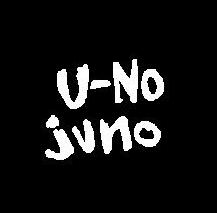


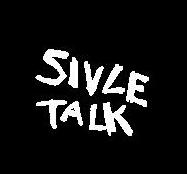
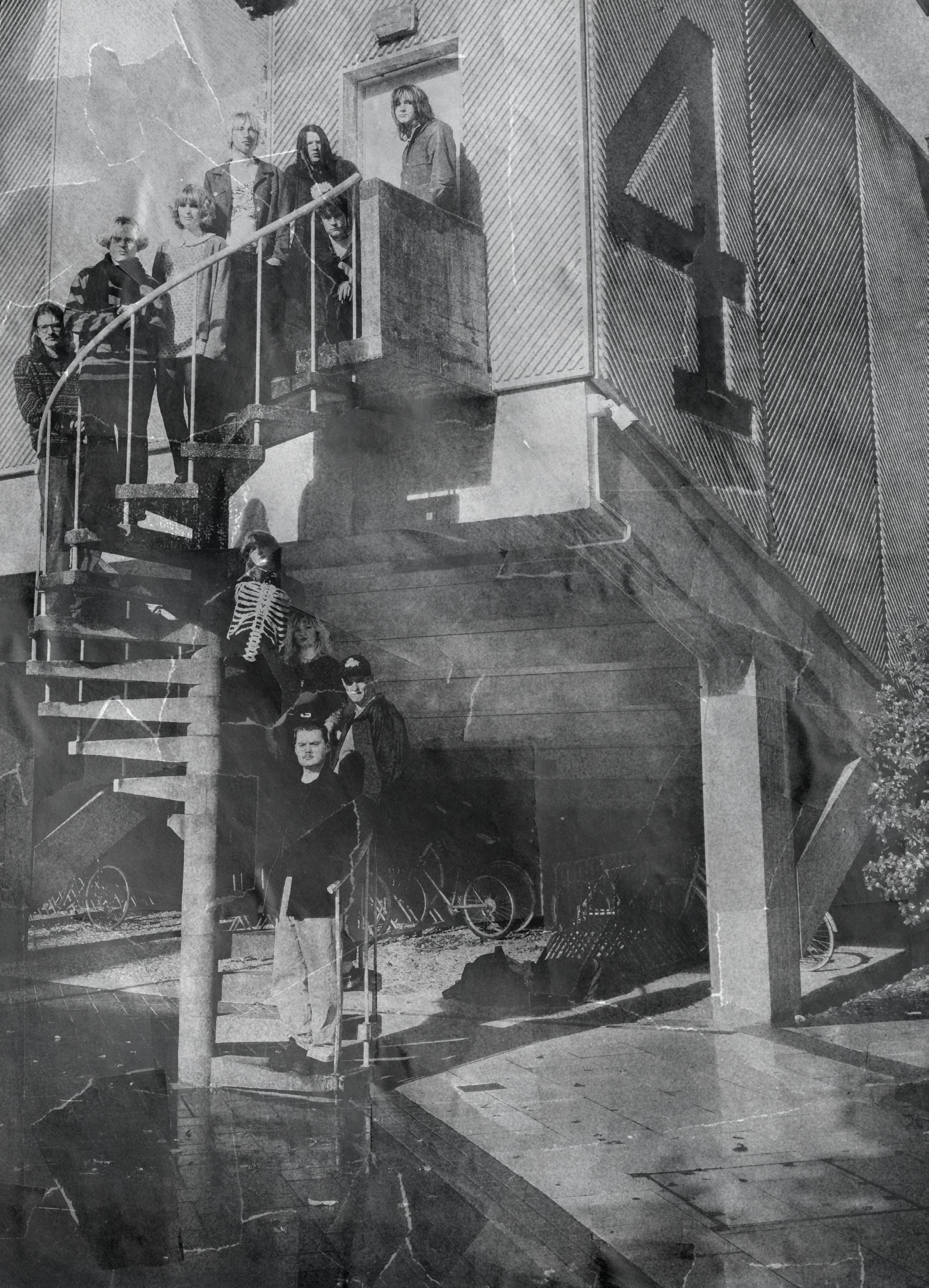
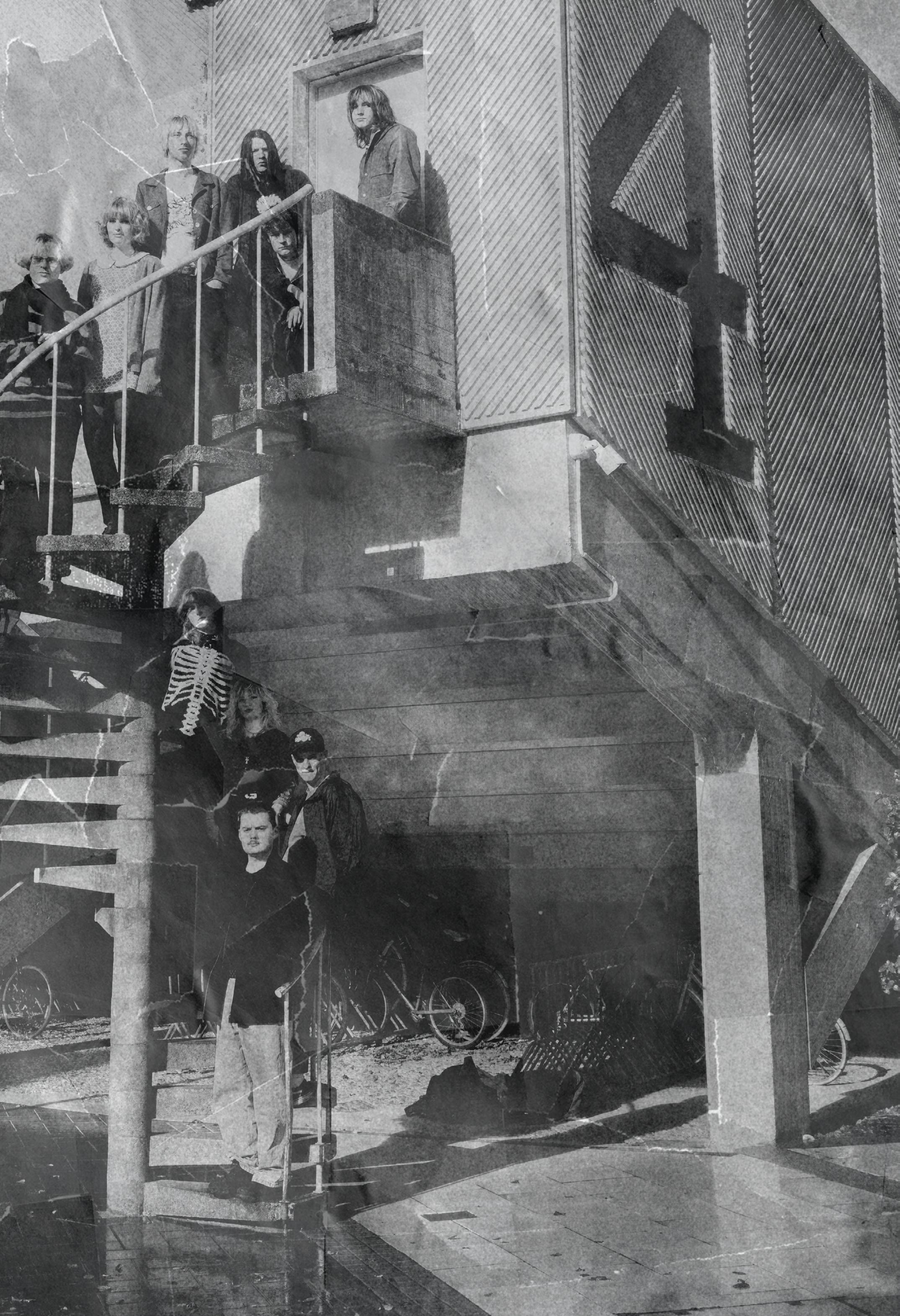
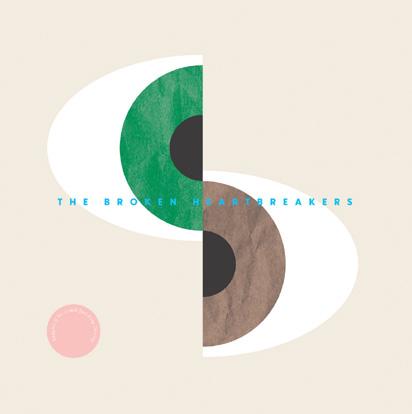
A couple of weeks ago, Taylor Swift, Justin Bieber, and Sabrina Carpenter had a bad day in Aotearoa. That’s because 4EPs, a recent release featuring four EPs by local Dunedin bands Sogg, U-No Juno, Vagina Dry and Sivle Talk, debuted at the number one spot on the Official Aotearea Music Charts’ Top 20 Aotearoa Albums. If that wasn’t enough of a flex on the pop icons, 4EPs also snagged the tenth spot on the Official Top 40 Albums.
Probably the most unique things about 4EPs is that it’s only out on vinyl and CD. According to Natasha Griffiths, founder of Dun Records and known to some in the Dunedin Sound as the “mum of the alternative music scene”, the choice was a call back to the “infamous” Dunedin Double. 2 years ago, the Dunedin Double was one of Flying Nun’s first records, featuring iconic bands The Chills, Sneaky Feelings, The Stones and The Verlaines. “[4EPs came about] when I was kind of sitting around thinking ‘the world sucks, what can I do?’”, Natasha explained. Surrounded by “amazingly talented” young musicians, she had the idea to do a modern day Dunedin Double. Natasha “instantly” knew the four bands that she wanted to make the project happen – and they were just as keen.
“It goes against the grain of everything you’re supposed to do,” Natasha admitted, referencing the fact that none of the bands are on Spotify, and sticking to physical sales had been a pretty bold thing to do. “But it worked.” Natasha originally came up with the idea in November, and gave the bands until the end of March to finish recording. By mid-July, 4EPs was out, topping the charts.
instead shared between the likes of Nicholas Rowan from South Link Productions, and over at War Possum Studios. The Student Radio Network (including our very own Radio One) have also been major supporters in promoting the release. Getting 4EPs to vinyl was no easy task either, with Natasha tweaking with the record design to bring costs down, making videos explaining things to the bands as she went along. “As we went on, it became more and more of a family, more community kind of. Everyone knew one another… it just became a really beautiful project.”
That community was what convinced Murray from Stebbing Records to get on board with the project, and he helped manage some of the costs required to get 4EPs pressed into vinyl. “He loved hearing about the community, and I truly believe it’s been saving lives [...] He’s just been incredible to work with.” When Natasha first went into the project, it was looking like things would have a very thin margin, and she’d sorted out a long-term payment plan. However, thanks to strong interest in helping the project succeed, the 4EPs community has already pretty much managed to pay off the CDs and vinyls already. “Things happened,” Natasha shared – and that they did. Martin Phillip’s sisters donated the money for mastering, and JB Hi-Fi and Relics bought a bunch in advance. The rest of the account has been getting paid off with physical sales. “We’ve done four hundred records, and we’re gonna do a repress. Because we have to,” Natasha laughed. “Isn’t that insane?”
4EPs isn’t the only thing that makes Dun Records a bit of an unconventional player in the music industry. Circling back to Taylor Swift, Natasha gives her kudos for buying back her masters, in fact, Dun Records retain none of the rights in their artists’ music. “People have learned what masters are, and ownership of records [...] All the original Dunedin musicians have not owned the rights to their music, or lost them quite early on.” Natasha recalled the recent loss of Brent McLachlan, the drummer for Bailter Space and previously The Gordons. “The last time I spoke to him, he said ‘Natasha: please teach these young people to hold on to their music. I haven’t had any payouts from any record label, for any release.’” It’s something that Natasha has committed to: “there’s no reason why I should own it. I kind of stepped in to make sure someone else didn’t own it. That was one of my motivations [behind Dun Records].”
Natasha doesn’t expect any of the musicians that work with Dun Records to stay with her. She considers herself the “inbetween” – some will stay, and others will explore different opportunities. But if there’s one thing that she does know for sure, it’s that the young musicians she works with know what owning their music means. “I imagine that all of these musicians will end up owning their music, because they’ve been told about it. Hopefully in a few years time, there’s going to be more independent labels they’re all running, and just releasing their own music [...] It’s really, really important to me.”
If you go back far enough in the Critic Te Ārohi archives, you can find music articles written by Natasha – that’s how much she lives and breathes the local sound. At age 17, on her first day of university, she’d bounded up the stairs to Critic and Radio One to ask the then Editor if she could give writing a crack. “He said, ‘Okay, tell you what. We’ve been trying to get Straitjacket Fits for a week to get an interview. If you can get an interview, you can write for Critic.’” Unbeknownst to the Editor, the band’s vocalist Shayne Carter was Natasha’s brother. She told the Editor she’d give it a go, who laughed at her. “Three days later, I came back with a Shayne Carter interview [...] It was so funny.”
4EPs was a labour of love from all corners of the Dunedin community. Even recording didn’t take place in one spot,
If you’re keen to give 4EPs a listen, you can pick up a copy at Relics Music Dunedin or JB Hi-Fi. ★


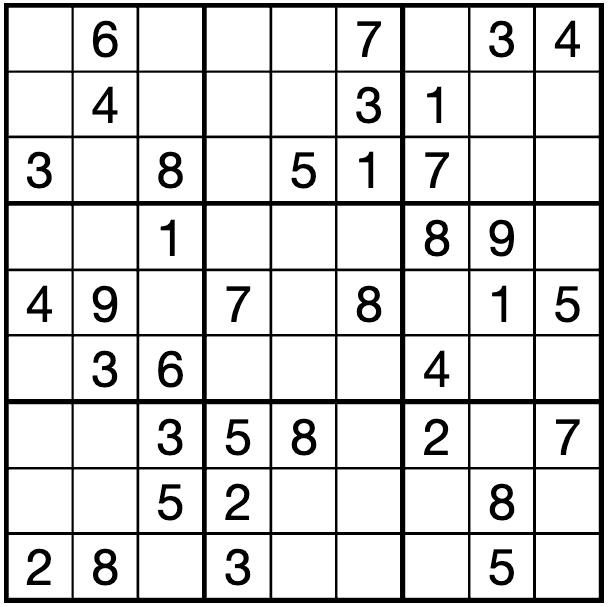
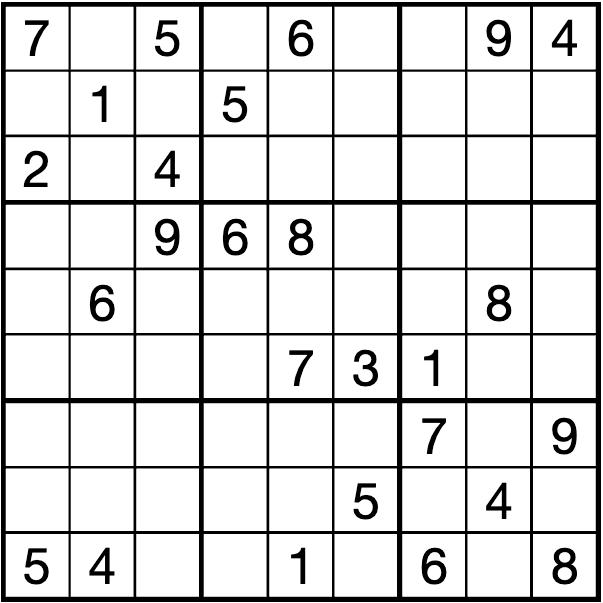
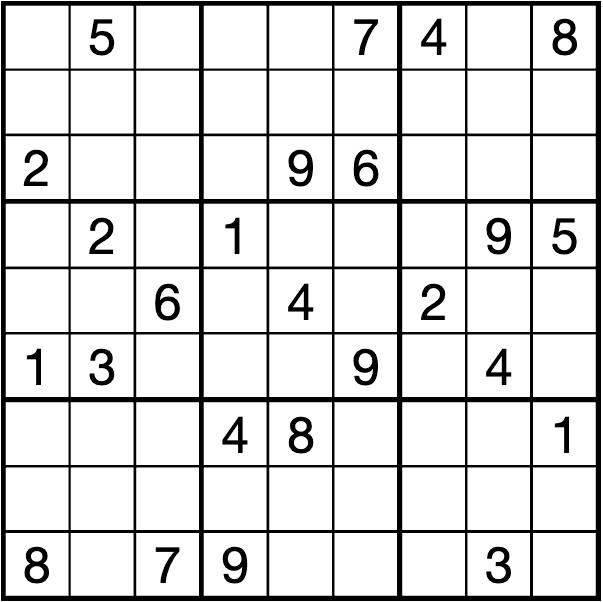
1 Movie franchise that gave us the Minions (2) 8 Sudden rushes of winds
9 Area in Dunedin housing a cinema and an art gallery 11 American agricultural state 12 Indignant fury
13 You could chew it for hours
14 A group of lines within a poem
16 Biblical region known for its garden
18 To speak, read, or write in a language with ease
19 Hooligan
22 Wolverine's other name
23 Large wild pig
24 Sovereign title
26 Strong and rageful character in Greek mythology
27 Country that kinda sounds like "yeah, man"

1 Cute, yellow baby birds
2 Like a dog but in the sea 3 What your blood is doing 4 A record book that tracks finances
5 Iconic X-men villain
6 Ubisoft game involving hoods, blades, and history (2)
7 Continent housing Vietnam
10 To skip school without permission
15 You might want to call one if you're arrested
17 Luxury car brand founded in 1909
18 To play or jump around happily
20 Persisting resentment against someone
21 Might not always be appropriate to tell them at funerals
25 Unwell














Good afternoon Critic,



I am writing this letter as I think I have some stories you would find interesting. I have been


I made my rounds of the bathrooms, all seemed relatively normal until I reached the accessible bathroom, where the smell was the worst. The second I opened the door, the source became obvious. The porcelain sink was filled to the brim and completely heaped with vomit. I am unsure how a single person could possibly hold so much in their stomach, but it was a real feat of nature. The alternative to one person having that insane amount in their stomach is that someone vomited on top of another person's vomit, which is a terrifying possibility. It was made worse by the fact that whoever had powerchucked just as easily could have made it to the toilet, which was less than a metre away.
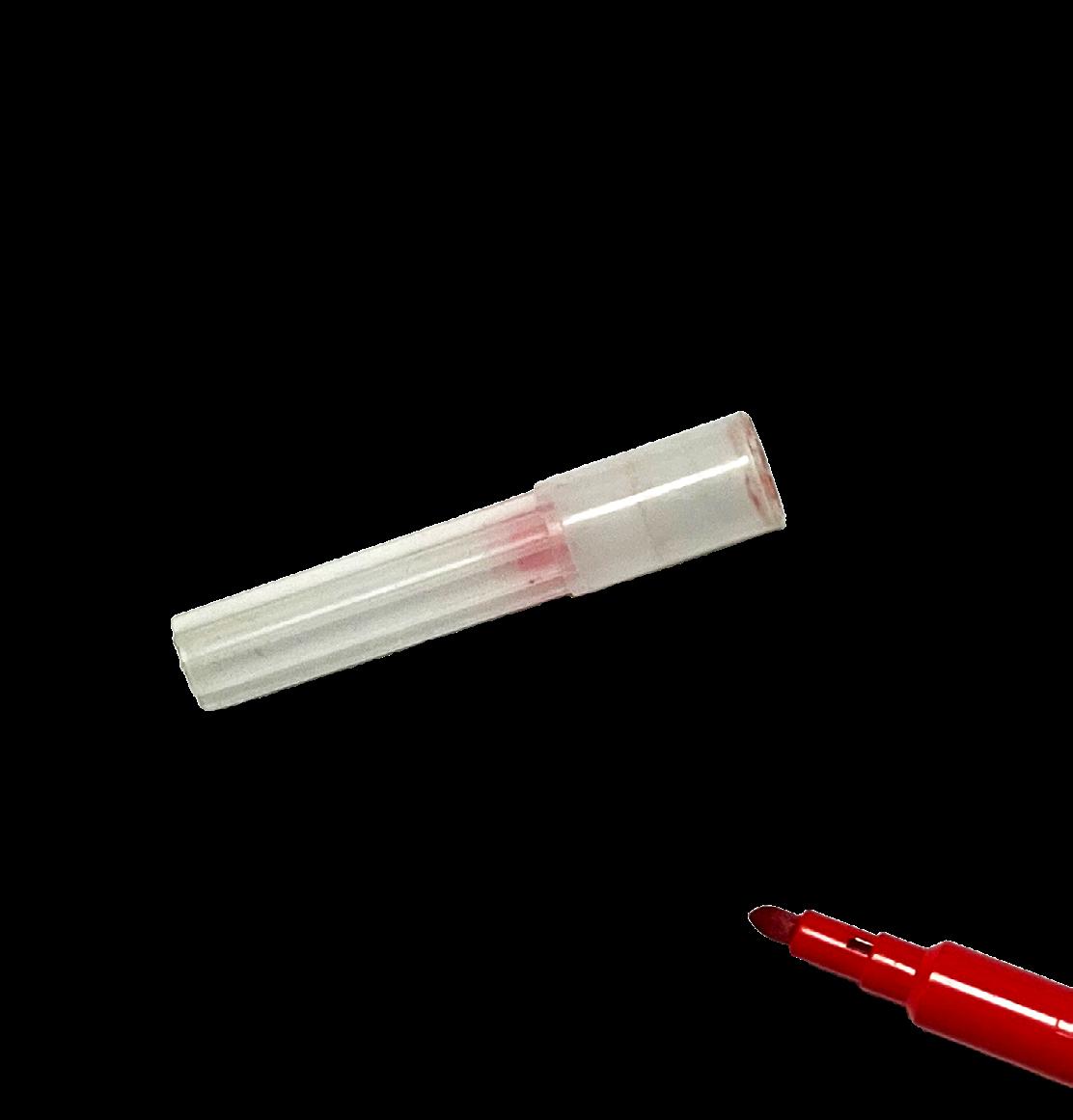



The treasures of that bathroom don’t stop there. Just this year, press-on nail Cinderella stopped by for a pint. I was cleaning the bathroom when I noticed something bright red out of the corner of my eye. As I went to have a look, I noticed several more. On closer inspection, I realised someone had removed nine bright red press-on toenails. This led me to deduce that she had left just one on her foot. Mind you, you cannot get into U-Bar without closed-toed shoes, so she had taken her shoes and socks off to do this. Somewhere out there, there is a girl with just one bright red toenail. I hope she finds her















up on putting them back. U-Bar men had a similar lack of restraint when it came to the hand towels, so they lost those too. I actually find it incredible that they still have access to toilet paper, considering their clear love to rip the toilet paper holders off the wall and either stuff the massive rolls into the toilet or just put them on the floor and piss all over them. It’s genuinely crazy. Even the toilets themselves are not safe – multiple have been cracked or smashed over the years. Between that and the single (largely decorative) drain that would occasionally lead to the bathroom being flooded with a couple of inches of water, things got pretty wet and wild – and not in a fun way.
If you think it stops there, you’d be sorely mistaken. Not only do these boys enjoy destroying every piece of sanitary equipment within a five metre radius, but they also enjoy defacing your beloved Pint Night glasses. More times than I can count, I have had to pull those glasses out of toilets and urinals entirely filled with urine. Rest assured, if your beer tastes like piss, blame that on drinking Summit Ultra. All piss cups are thrown out. However, outside of these stories, the boys are pretty predictable, and lack the iconic behaviour of the girls.


gross things or gets queasy, and I had all the safety gear to do the job. It paid well, I could listen to music, and it was flexible work. I only had to come in the day after, and make sure I got things cleaned up before 5pm. Plus, if anything was too gross, my manager would come and deal with it for me. Overall, it was a really sweet deal.
If you feel completely grossed out by U-Bar now, I’m sorry. Everything is wiped down with strong cleaning agents, and I know I did a good job, but I wouldn't go around licking any walls. Also, FYI, the dancefloor carpet is supposed to be blue. No matter how many times I go over it with a carpet cleaner, it remains black. No matter how many times I mop the lino, it remains sticky. I gave up on the couches. They’ve been chucked out now, but if you ever sat on one of those, I’d get checked.

Speaking of, the girl's main bathroom has produced its fair share of environmental storytelling. Most notably, in my first six months on the job, I was cleaning the toilets and came across a mysterious piece of cloth stuffed down the back of one of the bowls. This turned out to be a pair of tightie-whities, with a large skid mark down the back half. How that ended up there is anyone's guess, and yours is as good as mine. However, besides this rather extreme find, the girls are usually pretty well behaved. In comparison to the lads, if a toilet roll holder is ever found open, they will simply put the roll to the side to be reused. The guys could learn from this – that’s a far better spot for them than in the plumbing system.

I guess I just thought I would share, as these stories have gotten a few laughs out of my mates over the years. I also would like everyone to remember that every time you hit up Pint Night and piss all over the floor, keep in mind there is someone who has to clean that up. The things that I have witnessed will stick in my mind almost as stubbornly as the cheese toastie I found mashed into the carpet one time.
Thank you,
You might wonder why I kept the job all these years. Look, U-Bar is not a nice place to clean. When I got hired, they told me nobody had ever stayed for more than six months. But I’m not someone that cares too much about







As students enter university, many (hopefully) age out of Snapchat, and are introduced to a new beast: LinkedIn. If you thought sending streaks was as bleak as it gets, the corporate world has blessed us by making its very own social media platform. The thought of scrolling through the achievements of a balding 40-year-old accountant might make you laugh (or cry), but the job market is fucked – and we’re all expected to play along.
At some point between first year and graduation, everyone collectively decides it’s time to become “professional”. Commerce students suddenly start talking about networking. That one guy who somehow landed an internship after first year becomes the authority on ‘building your professional persona’. Your lecturers remind you to keep your LinkedIn profile up to date, and before you know it, you’re seriously considering whether changing your profile picture will make you more employable.
People in the industry love to tell you that jobs aren't about what you know anymore, but rather about who you know. Unless you’re lucky enough to be born a nepo baby, you gotta make waves in the corporate world somehow. Turns out the best place to do that is a website where everyone pretends accepting an internship is the defining moment of their life. It might all feel deeply embarrassing, but if everyone else is doing it, you may as well lean in.
This may not help you snag a grad role the same way as family connections or a 9.0 GPA would, but desperate times call for desperate measures. When life gives you lemons, make LinkedIn posts.

If you’ve somehow managed to avoid making a LinkedIn profile until this point: congratulations! Unfortunately, you have around 30 seconds until a prospective Deloitte intern corners you in the Business School foyer and tells you it’s “literally your living CV – super essential”.
Your first job is to find a profile picture. This means trawling through your camera roll until you discover the one photo where you’re not clutching a beer bottle, wearing sunglasses indoors, or sporting pupils the size of coins. Then it's time to fill in your experience, which is where LinkedIn really comes into its own. You delivered flyers? Sounds like you were a Logistical Media Distributor. Bagged groceries at Woolies? That’s a customer-facing role involving spatial packaging solutions in the grocery industry. Worked behind a bar? Congratulations, you’ve got experience operating in a fastpaced, stakeholder oriented environment.



If you’re feeling extra fancy, chuck in a few skills. Opened Excel a couple years back in a tutorial? That’s database management and quantitative analysis. Sent a couple of emails during your summer job? Professional written communication. Managed to get through a group project without crying or venting to your flatmates? Successful collaborative leadership. Don’t sell yourself short. As a LinkedIn influencer, your goal is to make everyone your age feel insecure at their own lack of achievements, accolades, and vocabulary. You’ve got this!

Forget everything Instagram taught you. On LinkedIn, sending requests to complete strangers isn't awkward – it's expected. Invite everyone to connect. Lecturers, graduates, tutors, flatties, people you met once at a careers expo and anyone remotely connected to the industry you think you might end up working in. The more connections you have, the more people will see your posts.
The strange thing is that nobody questions it. In any other context, it would be so fucking bizarre to walk up to someone you’ve never spoken to and ask if they’d like to stay professionally connected forever. On LinkedIn, they’ll probably accept within a few hours and never think about it again. Before long, you’ll have hundreds of connections – most of whom you wouldn’t recognise if they sat next to you in St Daves. And, as soon as you get to 500 connections, it just says 500+. 501 connections is the sweet spot #networking.








As an added bonus, LinkedIn is excellent for a cheeky social media stalk. Your lecture crush you’ve never spoken to? You can find out exactly where they’ve worked, what they studied, and every skill they’ve ever claimed to have mastered. Curious what your ex has been up to? They’ll happily announce every career milestone in chronological order. Just make sure your profile viewing is set to private first. There’s nothing quite like accidentally appearing in your ex’s mum’s notifications because you got a little too curious.
Once you’ve got more connections than you do actual friends, it’s time to begin making a name for yourself. In the wanky world of business, this is known as “curating a personal brand”. When your mates post, comment the corniest shit you can imagine. There’s something beautiful about the community that is fostered when you congratulate your flatmate’s internship offer mere days after watching them K-hole on a couch.

comfort zone. Nobody really knows what these posts mean – but that's not the point! They’re vague enough that nobody can disagree with them, but broad enough that people see themselves within your words – kinda like our horoscopes. And let’s be honest: these are the posts collecting hundreds of likes.
The funniest part is watching people who spent years mocking their great aunt for posting inspirational Facebook quotes slowly become the exact same people. University has a remarkable ability to convince otherwise normal people that they are more than equipped to be sharing life lessons after three weeks in a graduate programme. Maybe that's just what happens when your entire professional identity revolves around convincing strangers you’re employable.

Exclamation marks are essential for every comment. You better lock in and proudly show future employers your lust for life! A singular “congratulations” or “ka pai” isn’t going to cut it: chuck in a few extra words to show how proud you are of them. “It’s been great to see all your hard work pay off” is a solid start – you’ll have comment reactions flooding in at any second.


Once you’ve settled into your groove, it’s time to take that scary step and post. A true LinkedIn influencer doesn’t do a once-a-semester recap – post everything. Joining a club exec, winning an award, getting a new job or a promotion are all things that are worthy of a post. A good rule of thumb is that if your mum would dedicate a post to it on Facebook, chances are you should be posting too.
Always include a couple photos, as they take up more room on the feed – people will be forced to look at it longer as they scroll past. AI-generated images are tacky, but the same can’t be said for captions. Chug a few litres of water and lean into that ChatGPT style in the name of professionalism – just check out pretty much any other influence for inspiration. Every sentence should end with an emoji. Em-dashes should be standard, and make sure you follow that classic “It’s not x–it’s y!” sentence structure.


Eventually, you’ll run out of things to announce. This is where those measly casual LinkedIn users are separated from the Big-Dog-Alpha-Thought Leaders. You know which one you want to be.
If you follow these steps, you’ll soon have hundreds of likes, dozens of congratulatory comments, and, if the stars align, maybe even a graduate interview. Your mates will absolutely take the piss. Screenshots of your “thrilled to announce” post will end up in the group chat, and it’ll definitely be a conversation topic over a bottle of wine. But that's just part of the deal.
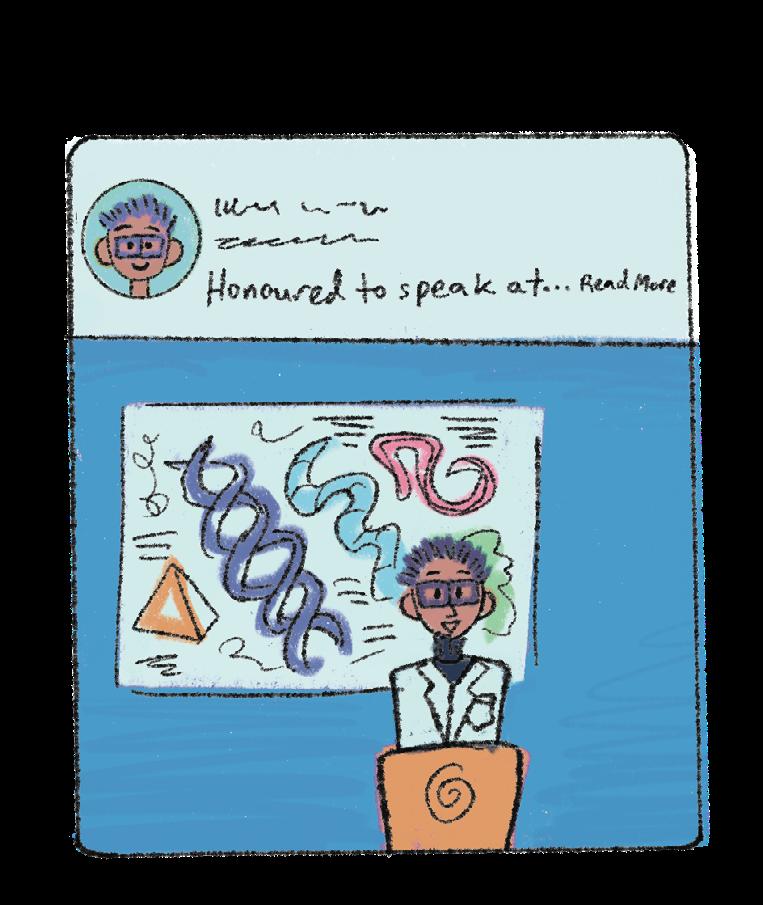
The strange thing about LinkedIn is that almost everyone agrees it’s cringe, yet everyone does it anyway. Nobody genuinely enjoys writing essays about accepting a summer internship or pretending a two-hour online course changed their perspective on leadership. But because everybody else is perfecting this faux-professionalism, you eventually start doing it too. Somewhere between first year and graduation, you find yourself debating whether “honoured” sounds better than “thrilled”, and wondering if you should post about joining
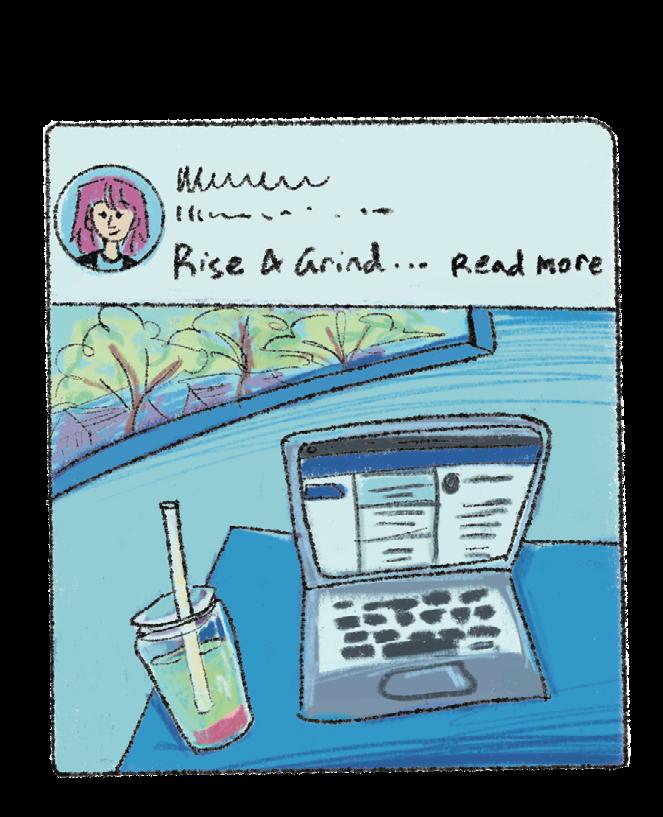
This is where you stop talking about yourself and start posting motivational observations that sound profound without actually saying anything. Leadership isn't about leading. Success isn't a destination. Growth happens outside your
At the end of the day, LinkedIn is just shitposting in its most neoliberal form. The memes have been replaced with humble-brags, the comment sections filled with forced enthusiasm instead of arguments, and everyone on there is pretending they aren’t just trying to get a job to cover their next rent payment. It might be the least authentic place on the Internet, but if pretending to have a growth mindset gets you employed in this economy, then whatever. Fake it til you make it. ★
















By Te Awhirēinga Heperi (Ngāpuhi, Kai Tāhu, Ngāti Kahungunu, Ngāti Hamoa)
Illustrated by Eddie Fenton
I have spent much of my university career just figuring it out. I’ve failed papers, and excelled in others. I’ve created work I am deeply proud of, and work that should never see the light of day. In short, my transcript would tell you that it’s been rough. However, what it doesn’t show is my resilience, or the path I have carved for myself. Through every setback, I’m still standing, and my shortcomings have become proof of my power.

As a child, my māmā took up boxing and anchored us in something that truly changed the course of our lives. It is the strength she found in boxing that brought me to the ring, and her example that inspired me to follow in her footsteps. My journey with boxing, although still budding, is already thoroughly rooted in my mental, spiritual, and emotional wellbeing. I met with five accomplished boxers that play important roles in Dunedin’s boxing community to speak with them about the ways boxing extends beyond the ring and is, at its core, medicinal.

Whānau, what I mean to say is that it's all about perception. What observation fails to tell us, experience will. Boxing is no different. For me, the boxing gym is a place where I can exist in my fullness, in a way that remedies the parts of me I’m still trying to understand. It has both push and pull, weaving us into whānau, holding us like a mother – like Papatūānuku. Fighting sees people at their strongest and at their most vulnerable, both disciplined and comforted. It is to break and and to rebuild, to learn and to know, to take hit after hit, and still see your whānau in your corner; to exist wholly, in body and in spirit. So many seek refuge in the ring. We find connection in shared pain and shared growth. Perhaps it is through boxing that we share our stories, and even more importantly, perhaps it is in the ring that we learn to digest the feelings that brought us there. Ki ngā whānau mekemeke – be empowered in the knowledge that the spirit of your blood runs deeper than your body. Every jab, block and roll is a perpetuation of your resilience and a profound display of unshakable mana. Boxing is a guide, a map, and a foundation for deep, raw healing.

Although ‘rongoā’ commonly refers to holistic Māori healing practices, Chase Reihana-Hailey, owner of Ōtepoti Boxing Club, shared his whakaaro on how boxing fits into that category. Boxing means “everything” to Chase – it is purpose and belonging. “It’s a platform for you to release your energy that isn’t needed within your hinengaro. It’s an art.” When he’s in the ring, tikanga Māori is his compass, “every decision that I make is based on rangatiratanga, manaakitanga, kotahitanga, whanaungatanga, and kaitiakitanga.” The boxing club runs Punch with Purpose, a corporate charity fight night and a chance for boxers to stand for their whānau, their tūpuna, and their wairua.

Bruce Ranga is one of the most recent participants involved with Ōtepoti Boxing, and he fought for the first time as a wero from his son. “It was all about challenging one another,” Bruce shared. “I’m blessed to share this space with him [...] It’s hearty, it’s just uplifting. I find aroha in this whole room.” Many hold this space dear, recognising boxing as a catalyst for growth. We learn, lead, and share our knowledge through this discipline, on an even playing field. “There are gang members, police officers, rangatahi – we’re all one here,”






Chase explained. These whanonga pono ensure that everyone moves as a unit, regardless of experience or skill level – we meet kanohi ki te kanohi. “Whatever someone’s been through, whatever they've done, whatever the reason that brought them here, it doesn’t matter once they step inside the gym.”
According to Chase, boxing is for the people that are cast out, oppressed, or who felt different in school. Boxing is about finding special skills within themselves, and “unlocking those tools.” Boxing is for everyone – we are connected through a shared struggle to be something; to have a purpose, make a decision, or be in a moment. Chase added that while boxing is for everyone, “it’s really special for the people that know struggle, because they have the hunger to be someone, to do something – and that type of hunger can’t be given to you.” Boxing is for the marginalised because we know intimately that starting point. That moment of powerlessness before the breakthrough. “It ain’t all violence, it ain’t all gang members,” Chase emphasised. Instead, the core of boxing is aroha, love and respect: “we push ourselves to be warriors.” The boxing gym is filled with people who all want to be the best, but Chase is adamant that you “never really know someone until you’re in the gym bleeding with them.” The totality of someone's person can not be summed up in a single title.
I resonated with Chase’s words, and the way that boxing has such acceptance for my wholeness. I have a long history of mistakes, but boxing taught me not to reduce myself to these things. Boxing is a lens that encompasses the diversity contained within an individual, speaking not to the superficial, but to the completeness of their personhood. I am whole because of my faults, and when I fall I will get back up again – whether in the ring or out. “Boxing keeps me connected to my tūpuna and ensures that I know that in my heart, they’re guiding my way,” Chase shared, speaking to the spiritual aspect that boxing provides for him. “If I can centre myself back to them, then I can achieve anything I want to do. In the ring, everyday, I always lean on them. It keeps me humble, it keeps me grounded, it’s the light to my pathways. Tihei mauri ora!”
Chase and I briefly touched on overcoming stereotypes and adversity within boxing. “People look at our industry and assume,” Chase admitted. “‘Māori this, Māori that’, or judge us because of what we do. You learn to have thick skin, there will always be people trying to bring you down.” The community boxing provides is vital in overcoming that challenge. “I have some pretty good people around me, and the people I hold close to my heart, they always ensure I make the correct decision.”
That’s another aspect of boxing that’s healed me. As a wahine Māori, I have feared that my anger is offensive.
I have worried that expressing my hurt makes me seem aggressive, or that my pain poses a threat. Boxing has shown me that it makes me human. My anger is not a stereotype, but an integral part of the human experience. I must know anger to know joy, and in turn, know my pain to know myself.
Boxing leaves no place to hide. You confront yourself at your most vulnerable, and there is no choice but to start patiently from the beginning. Boxing marries your internal and external spaces – you must be attentive to the things within you. It requires growing all the parts of yourself, possibly one of the most vulnerable states we can find ourselves in within any given sport. Because boxing not only teaches you how to fight and defend yourself, but it teaches you to control your emotions, to calculate your next move before reacting.
Boxing as something “violent” can only be seen in its physicality. When I first began fighting, my initial focus was on the power that you can feel when partaking in this sport. Upon reflection, I see the stillness that is possible when you work all parts of yourself into cohesion. Boxing can be about training hard, and about feeling strong and powerful. Boxing can also be about healing, surrender and stability. Boxing, in its truest form, is a lifeline.
I spoke with boxer (and my māmā) Jaime Heperi. My māmā took up boxing to survive. “I’d had quite a challenging life in terms of external adversity. I was a single mum, in an on-and-off, quite abusive relationship and working laborious, lower paying jobs,” she shared. Māmā struggled with poverty, and being Māori, isolated on her own whenua.

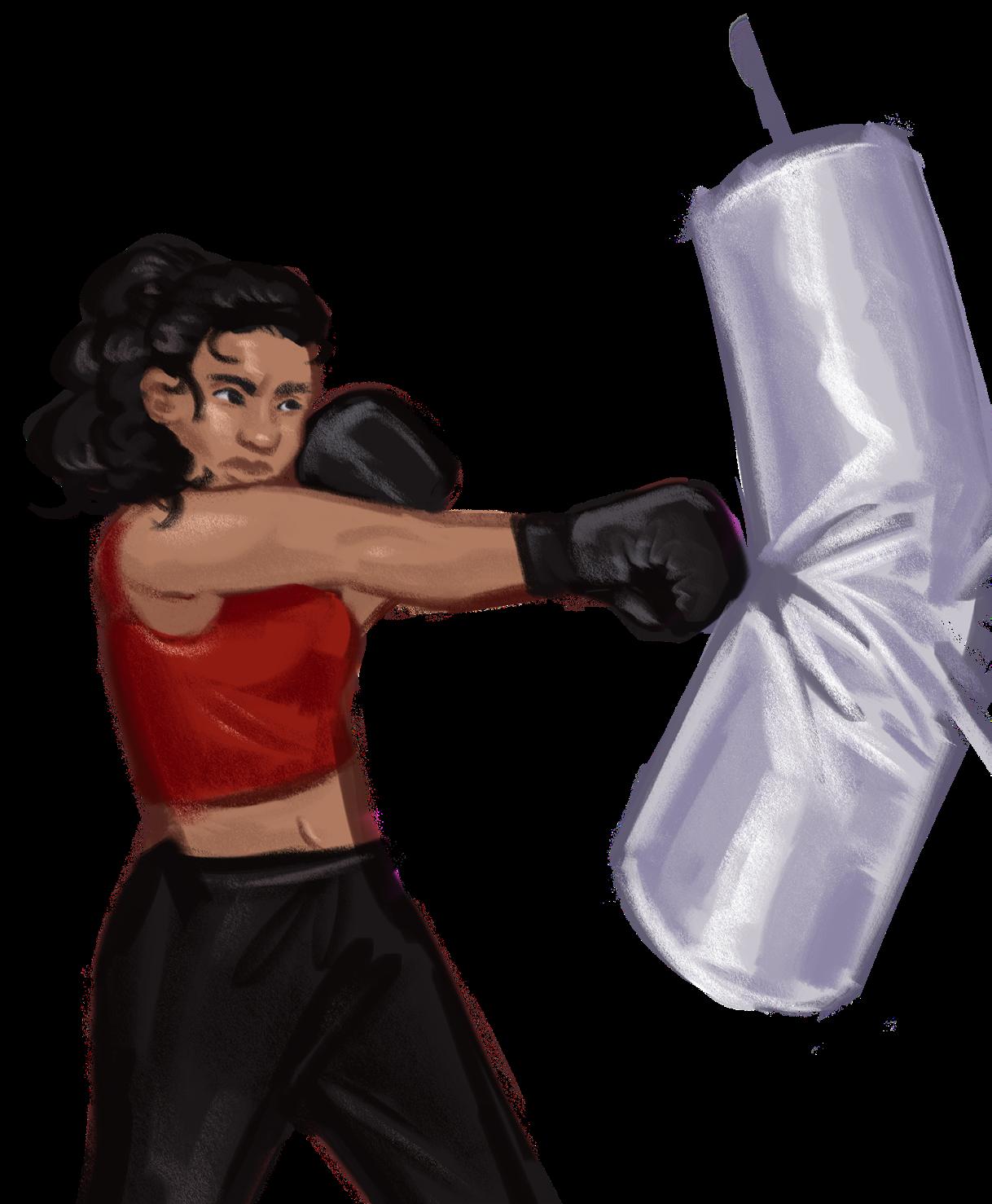

Boxing gave my māmā the “groundwork” to launch herself into a version of herself that she was happy with. In boxing, and other fighting disciplines, you start from scratch, and you must leave your ego at the door.
“The first time I went, I thought I could already throw hands a little bit,” she recalled. “I learned quickly that I had to humble myself.” It was only when māmā realised that boxing wasn’t just a sport that everything clicked for her, she had to construct a framework that allowed her to succeed. “I’d never started a thing and taken it to competency,” she said. “I was getting good feedback, and realised I was learning and getting better.” Māmā describes boxing as a pillar within the life she has now, equipping her with skills that transcend the physical. She was learning how to address the complexities of her inner world, and at the same time, manifest that healing externally.
Growing up, it was me, māmā and Ezra, my little brother. We are not the whanau we used to be. Although there is individual growth, māmā spearheaded that change for us. Recently we adopted Patu, my baby brother. It has been the greatest blessing to see him come into the kind of love we learned to create. Boxing played a huge role in building us a foundation, and building us a home. The adversity we overcame will be nothing more than a story to him, and one day, nothing more than a memory to us.
Boxing helped māmā reclaim confidence in connecting with both herself and others. Training with others rebuilt her community, but when she was in that ring, she knew she had nobody but herself.
“And as someone who was conditioned to abandon themselves to survive, training boxing means that you have to show up for yourself again and again,” she reflected. It is communal and individual. “I think loving and appreciating people whilst being completely aware of their limitations, and acknowledging their strengths, has been something that the boxing community has given to me.” Boxing takes everyone as they are, and so you learn to do the same – taking the good and the bad.
Losing a fight or having a bad day at training doesn’t mean anything to the people you train with. You both arrive and leave in your authenticity – that’s what matters. My māmā showed me how boxing provides fullness to those who feel empty. In our heaviest spaces that threaten emotional desolation, boxing nurtures – reaching the tenderest parts of ourselves that we stonewall to protect. Boxing is the promise of calm after the storm.
“It’s a very lonely space in that ring,” Matthew Crawford told me, a long-time boxer and coach. “Mindset is most of it. I say 60 percent mental and 40 percent boxing.” He thinks it’s easy for outside baggage to follow into the ring. “Always control the things that you can control.” Show up to the ring, give 110% and back your skills. Whether you win, lose or draw – “you can live with that.”
In the ring, your biggest obstacle is yourself. Your first win has to be within your mind, then with your opponent. Stay grounded. Tell yourself you are going to win. Remind yourself that you are here because you are capable, not lucky.





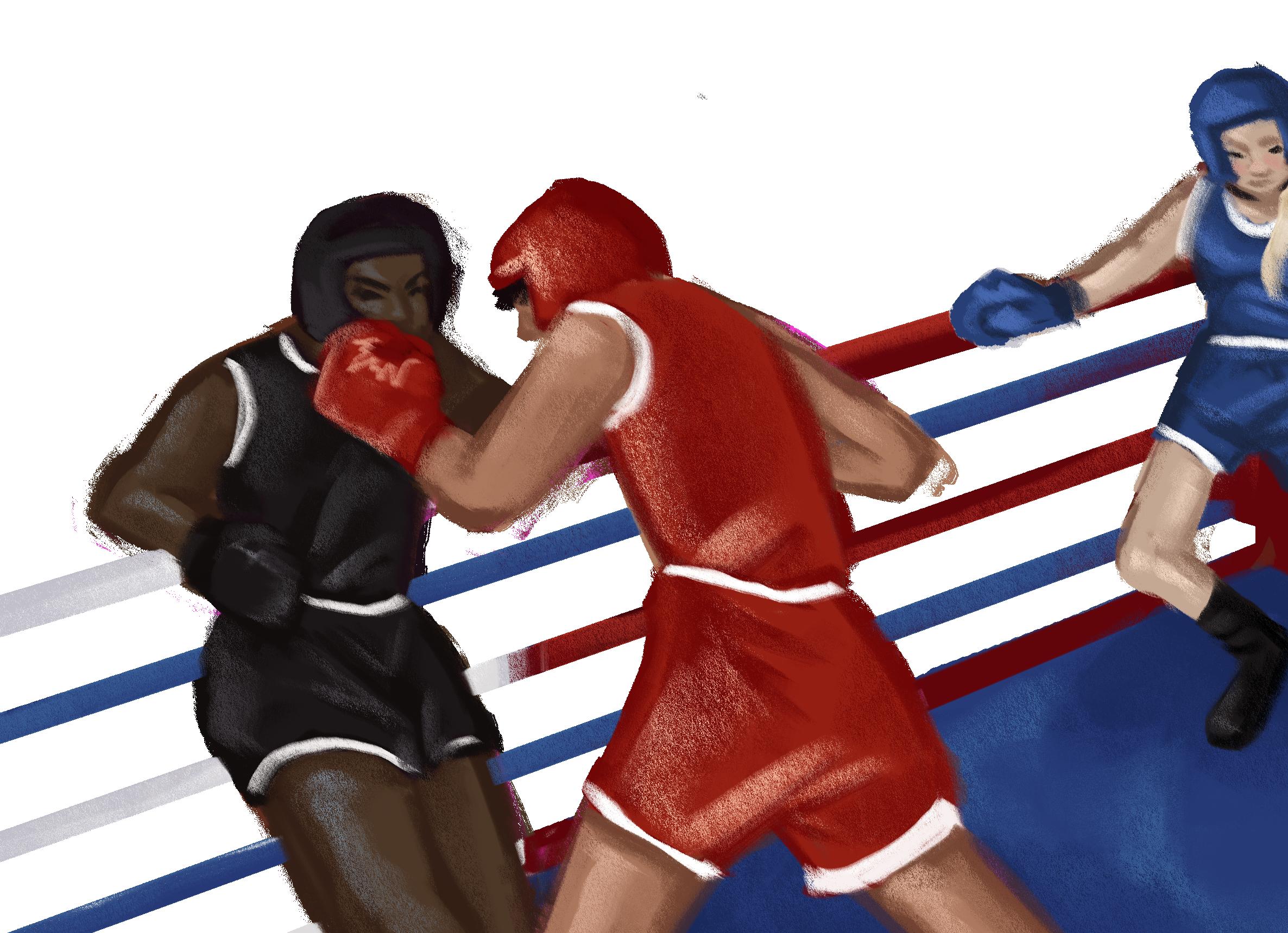
Boxing is a sport of dedication. Expect the most of yourself to get the most. Nestled deep within your personhood lies your reason. Why are you here? What is your goal? How hard are you willing to work to get it? Only you know.
Part of showing up to fight are the logistics: being on time, recovery, nutrition, training, and visualisation. The other part is harder – not attempting to control what you can’t. When you are busy trying to control every little aspect of your situation, you’re trying to make yourself comfortable. There’s nothing wrong with feeling comfortable, but our best growth often comes from being uncomfortable. By sticking to what’s familiar, we minimise the scope of our learning. We must experience discomfort until it is comfortable, and then we raise our bar and start again. “Some days you don’t wanna get up out of bed, you’re feeling quite down,” Matthew acknowledged. But that’s not the end of the story. “You get to the gym, and you leave feeling like a new person. We’re just all fighting a different fight.”

As a boxing coach, he testified to how boxing can support people from diverse backgrounds. It’s one of the things he values most about boxing. “Because for me, if I can make someone else’s life better, then I can see that I’m doing a good job. You see them improve outside of the ring as well.” The mental focus boxing demands cuts through the outside noise. At training, when we’re focused on perfecting a jab or a two, we give ourselves much needed space. Stress becomes a reason, not a guide.
I’ve come to value the separation between myself and my worries, because burdens need to be shared.
I do not need to be heavy to stay grounded, but light and responsive – like I have to be in the ring. Mental health has been a strong theme throughout my life. High school was a mess, and I’m sure the teenage hormones didn’t help at all. I stopped caring, and sunk into unhealthy decisions, both personally and socially. I gave up on things I had always been passionate about, and resigned myself to thinking it was who I was becoming. I was accepting a life without passion or purpose. But it was just a moment in time. Boxing equipped me with the skills to identify these delicate spaces, and not to view them as final. That empty ache will pass, as it always does, and I’ll emerge from it better than before.
There is a special strength needed to stand in the ring, knowing the only other person in there wants to knock you out. Being confident in undertaking such a challenge isn’t easy. In fact, it may be one of the hardest things I’ve done. But confidence must be built. It starts with bravery, and from there, confidence grows. Your decision to do something difficult is only the beginning of your success. When you learn to navigate the ring, you learn to navigate life.
I often think that our days can feel so singular. We get out of bed on cold mornings, we go to our jobs or the gym on the days we feel tired, and we pull the dreaded all-nighter to finish the assignment we’ve had two weeks to do. Boxing taught me that I am not an island, and that my community is my footing when I navigate personal challenges. Boxing is a teacher of confidence, perseverance, and how to exist individually within a community.
I had a kōrero with post-graduate student Henry Russon about how boxing can be a supportive framework for student-life. Henry said boxing helps him focus on the immediate task, rather than becoming overwhelmed





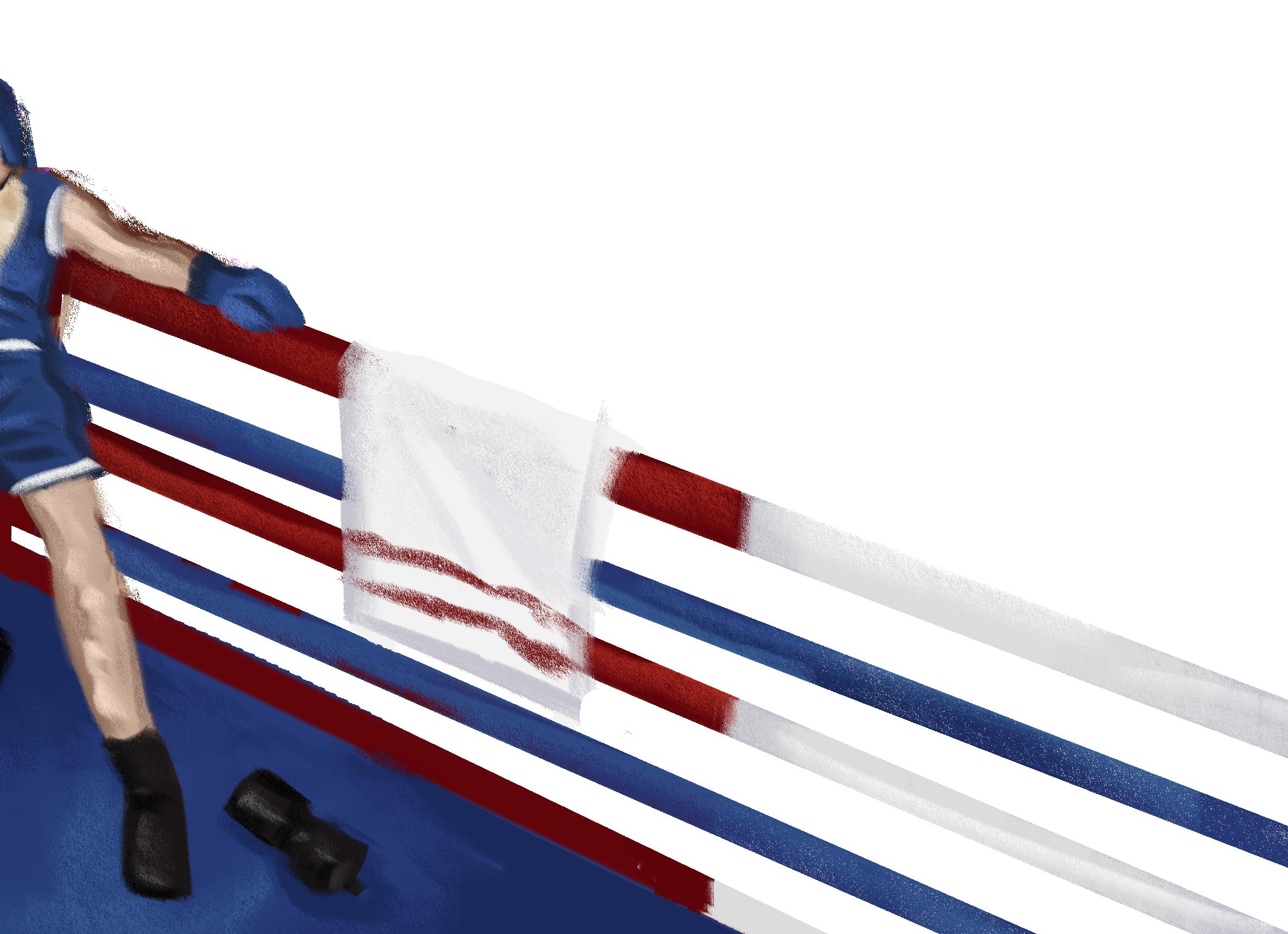



by the bigger picture: “When you’re in the ring, you’re fighting or sparring, and the only thing on your mind is that. If it’s anywhere else, you’re probably gonna get hit.” Henry says that being knocked down teaches you to approach the situation differently the next time, and that boxing helps you emotionally regulate in situations where you might respond with anxiety or anger. “You tend to deal with that better because you have the means to handle heightened emotions in the ring. It’s helped me learn to back myself. When you tell yourself over and over that you actually can do it, you start to mould yourself into that person.” But boxing doesn’t come without its failures. “You get injured, a broken knuckle or something, or you lose a fight. It sucks, but you learn. It’s the same when you don’t do so well on an assignment or an exam. You realise, in the grand scheme of things, it doesn’t matter too much. You’re learning.”
Student life can be emotionally, mentally, and even physically tough. With the pressure of assignments or mid-winter blues, it’s easy to be caught up in the academic demands of university. But it's how we deal with this pressure that truly testifies to our capabilities – far more so than a grade. In my second year, I spontaneously moved to Auckland for no real reason. Word of advice, whānau – don’t rush a solo move to a different city. Not only was I navigating a new city and university, but I was doing so with the same old issues I had in Ōtepoti. It was scary, lonely, and I felt like an idiot who had just separated herself from her support network. I eventually moved back and felt like a failure. I know now that moving wasn’t what I needed. I learnt that the hard way, but I don’t regret the move at all. It gave me clarity, and forced me to face my problems head on. I thought everyone would judge me for coming back. But really, they were just happy to see me.

Something really important about training boxing is the grace you need to give yourself. As someone newer to boxing, I have felt like a complete egg in the gym. I know that when I’m learning to throw a new punch that my technique will be rough. And, to top it off, I know I’m surrounded by people that get the pleasure of witnessing the mess that is my left rip. But any embarrassment was short-lived. No one cared that I wasn’t perfect – they cared that I showed up. I had to learn how to look like a dick, because only then was I able to afford myself the space to improve.
I’m certainly not the greatest boxer, but I’m far better than the version of me that stepped into the gym 11 months ago. I am stronger and more self-assured than ever. I’m the version of me that dared to try, and one day, I’ll be the version of me that sees it through to the end. Boxing taught me that I can never fail if I try, and that a setback is just that – a setback. A bump in the road, another stepping stone. Being such a vulnerable sport, you are bound to fail in boxing at some point. You should expect it. And when it comes, learn from it. Your shortcomings do not define you. Your process of reflection in these vulnerable moments summarises your character much more than your mistakes.


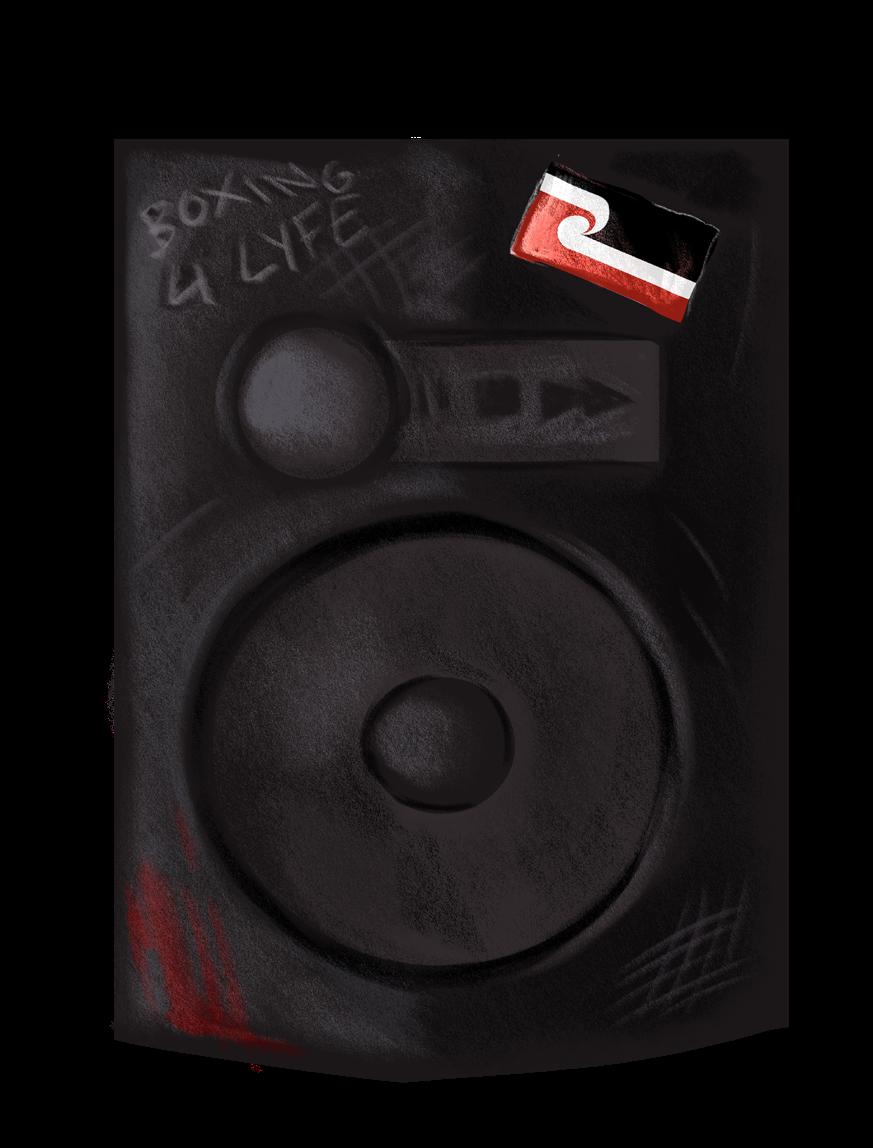



All sports build a sense of community, but the community I have seen born of boxing runs deeper than this. It is whānau; and for some, it is whakapapa. The connections we build within boxing play a huge role in taking it from a sport into a lifestyle. In the boxing gym, we meet in a neutral space, but share a common goal –to be better. Whether physically, mentally, relationally, or individually, our desire for improvement unites us before we even set foot in a gym. Not only this, but boxing is a beautiful way to strengthen your relationships with those you already know.

I have grown to know my māmā in a way that I’m not sure I would have had I not boxed with her. My understanding of her is deeper than ever before because I, at 21, have been blessed to understand her through the lens of boxing. I have seen her fight. Essentially, I am learning my māmā within a context that shares with me the things that don't come to us easily through words – and we are both writers, so it isn’t for a lack of trying. Boxing peels back the layers. The boxing gym has bore witness to the best and worst of our relationship, and still welcomed us back every time.
Ryan Henry, Head Coach and owner of New Zealand Fight and Fitness Academy spoke to me about the connection between boxing and whānau. “I would like people to be able to come in and feel like it’s their gym,” he said. Working and boxing closely with his whānau, Ryan recognises the value of that experience. He wants


the gym to extend whānau beyond blood. “We’ve had boxers sleep on our couch for six months before because they had nowhere to go. We had someone come down for uni and ended up on our couch. So, quite often, you’re cooking extra meals at home over the years,” he shared.
The gym turns strangers into family, the ring turns a fight against each other into a fight for each other. Ryan strives to create a positive gym culture that can sustain these connections. “The main thing is feeling safe. Because it is a fight gym, we don’t want them to feel intimidated. We forget when we’re here all the time,” Ryan admitted, speaking to how a first-timer might feel when walking by or wanting to come in. As the world rushes by, I sometimes find it hard to remember to stop and connect with those around me. Like all students, I find myself walking with my head down, running to my next lecture, or hunched over in a Central Library booth. Perhaps when we incorporate connections with other needs, such as health and well-being, we can learn to nurture these relationships in ways that can accommodate a busy schedule or student lifestyle.
Boxing and boxers continue to be misunderstood as violent, thuggish, and threatening. But I know what this sport is. Boxing is an artform. My boxing community come from vastly different backgrounds, but their experiences intersect in a space that resonates with aroha, mana, and strength.
From the outside, boxing appears as only a physical


Ryan spoke of his experience coaching his children and watching them fight. “As a dad, that was quite tough,” he said. “My wife, Cherine, who has boxed too, knows what needs to go into it. So I think as a mum, watching your kids box is a stressful event for them also.” Despite this, Ryan reflected that he’s “learned a lot” in those periods, admitting he likely “expected too much too soon.” Ryan’s driving point was that boxing gave his children the confidence to go after their dreams – no matter what that looked like. “It taught them to put themselves out there, even if they were unsure about how it would go.” A true culture of whānau within the gym is more than friendship, and is more than mentorship. It’s when you show up after a week off and no one says anything but “good to have you back”, and knowing that they believe in you. Whānau in the gym is unfiltered support – pushing you to hit harder, lift heavier, last longer. Through mistakes, trials, or selfdoubt, they’re the ones who will tell you “I knew you could do it.”
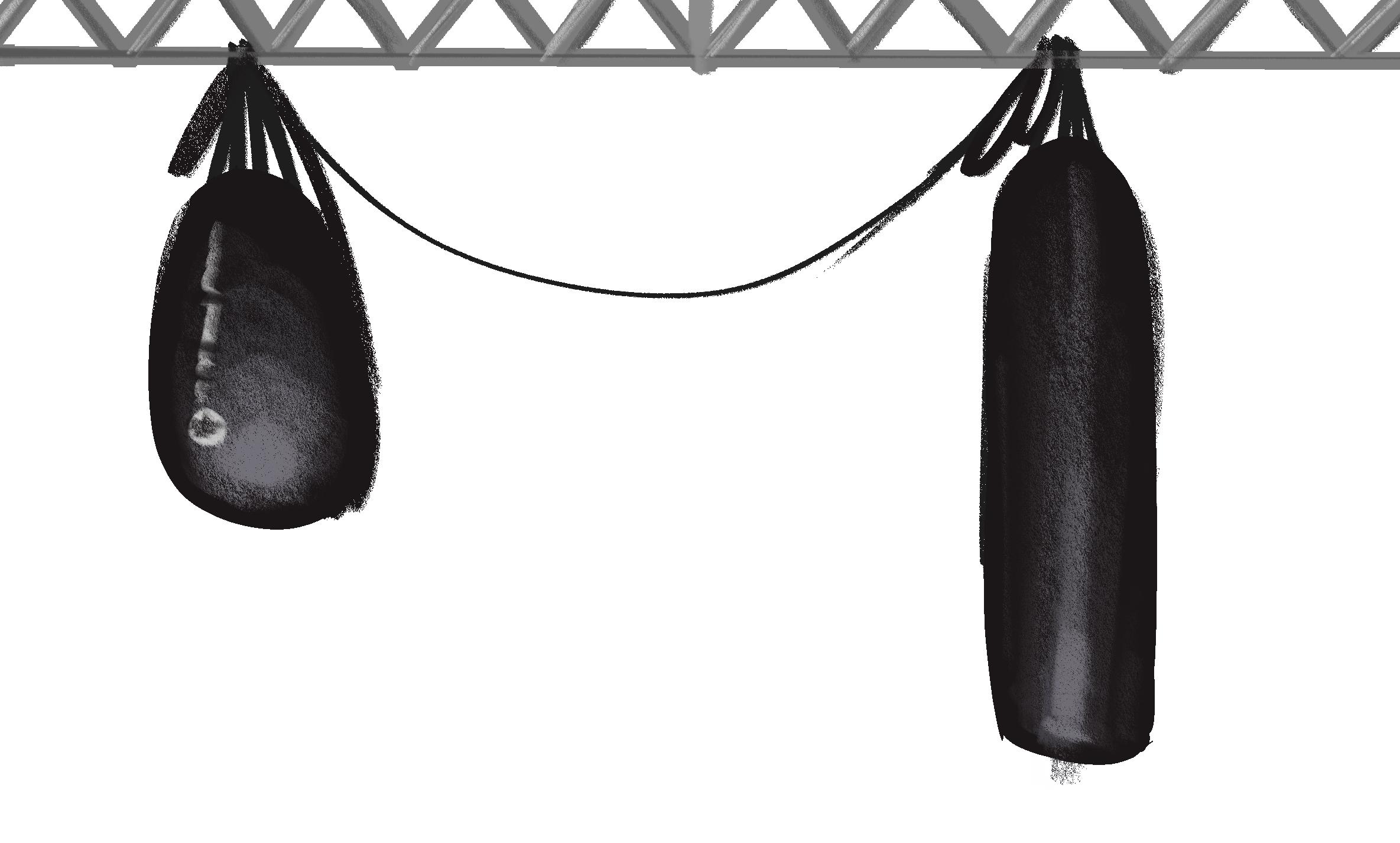





Wear your emo bangs loud and proud. Injury Episode, the long-awaited second album from UK post-hardcore/emo group Static Dress, is a masterclass of blending nostalgic influences into a forward-thinking, cohesive vision. I always found this group to be one of the most compelling bands in the socalled ‘revivalcore’ movement, with their slick songwriting and immersive visual identity. A breath of fresh air from the hyper-polished arena metalcore of the 2010s, they distill and reinvent 2000s post-hardcore, emo, metalcore, and alt-rock for a new generation. This new album sees Static Dress at their sharpest, as they pull from a broad set of influences (some more identifiable than others) to create a fluid yet gripping listening experience.
The tracklist is varied, but never does Injury Episode lose any sort of cohesion. The track …hospice is a cathartic singalong that won’t sound out of place at a My Chemical Romance concert, while the searing Male-bomb hints at the earlier stylings of post-hardcore royalty Glassjaw. Underoath, a legacy act to whom Static Dress are often compared, contribute a perfectly fitting vocal feature to Nostalgia Kills (one of the record’s most punishing tracks) while Adult Diamond sees vocalist Olli Appleyard retreat into a vulnerable yet gorgeous soundscape, before the album ends on the absolutely soaring human props and Treading.
Equal parts catchy, cathartic, and crushing, Injury Episode is undoubtedly Static Dress’ finest work to date, and is a must listen for fans of the nebulous melting pot of 2000s emo/screamo/post-hardcore/metalcore. Reaching beyond just simple nostalgia-bait and cheap sonic retreads, Static Dress expertly demonstrate how a band can wear their influences on their sleeve while still crafting an audiovisual identity that is entirely their own.
Fav Tracks: Nostalgia Kills, Adapter, dull.blade.disguise
By Ethan Montañer



FRIDAY 31ST
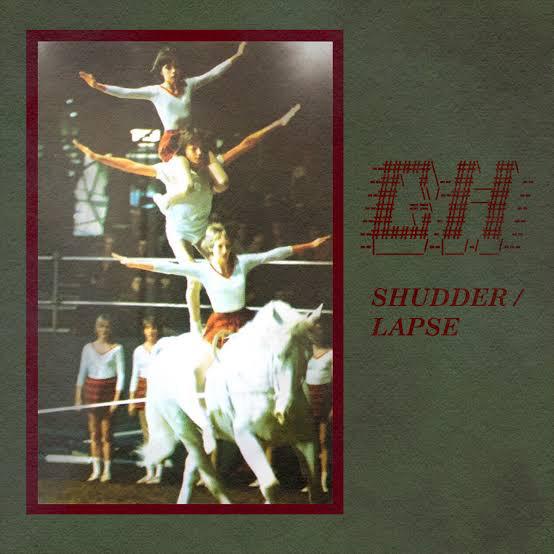
Radio One Presents: Vera Ellen
‘Heaven Knows What Time’ Album Release w/ Phaedra Love, Pearl Diver - 9 pm
SATURDAY 1ST
SEEK HELP!
‘Ms. Representation’ EP Release w/ Girl Don’t Know, Hystera, Deaf Racoon, Vagina Dry Yours - 6:30 pm
Emma Papworth & Scapegrace
Inchbar - 8:30 pm




Kia ora
We aren’t entitled to anything. If we want to go to uni that badly, we should pay for it ourselves because times have changed with AI and we just need more tradies. That’s what I would say if I hated good things.
Three years of fees free, promised by Labour, was designed to address just one of the many barriers that exist between us and further education. Fees Free was then reduced to only covering the first year, and then changed to covering the last year of studies at the beginning of the current government’s term. Each student shaved around $12k off of their course costs, putting a chip in the $16b of collective debt.


It seems counterproductive for any society to have several generations of students with upwards of $40k in debt by the time they finish their study. It inhibits our ability to live and forces hundreds overseas to slightly better conditions.
The Prime Minister was almost right when he said fees free “never achieved its goal” when he attempted to justify its cut. The policy didn’t completely remove the cost barrier to seeking a tertiary education, which was only one fact. There are larger things that make fees free alone not effective: child poverty, housing instability, and the degradation of cultural connectivity. Even when students used to get paid to go to university, entry requirements still favoured people who could afford to invest in better education earlier on.
But when you slash benefits, support, and give mega landlords $3 billion in tax cuts instead of supporting working people living week to week, access to education will continue to suffer. Essential costs have risen 220% over the last two decades while student support payments have risen only 86%. Changing one policy isn’t going to solve the problem.
Cutting fees free is a much broader ideological decision about the value of public education. It should not be viewed as what is going to help individuals succeed or ‘get ahead’, or a battle between trades (‘useful’) and the humanities (‘useless’). That’s the divide and conquer method.
Collectively, students contribute over $1.3 billion a year into Dunedin's economy (not useless). This is about 15% of the city’s gross regional product. Across the Polytech and University, we also make up a substantial chunk of employees –20% of the population.
Even if this wasn't true, education is a public good and should be treated as such. If we want future innovators and leaders to stay in Aotearoa, then education should come at a price that does not shackle us.
Join us on the 29th at 12pm on Union Lawn to show that we do care, and won’t just let it happen.
Thanks, Flynn Nisbett ★



– Ngāti Hine, Te Rarawa, Te Waiariki
If there’s one thing a Ngāpuhi likes, it’s arguing a case. Unfortunately for everyone else, I’ve always got one.
There was a time when personality was something you developed. Somewhere along the way, we outsourced our personalities to the algorithm.
Nobody simply likes reading anymore; they're "dark academia." On the other hand, nobody just goes for a run; they're entering their "marathon era." Even coffee has become less of a drink and more of a personality assessment, where ordering an oat flat white more or less suggests environmental consciousness and an iced matcha hints that you've mastered emotional regulation. Coffee itself has become the least important part of ordering coffee.
It turns out that the modern personality is less about who you are than what your camera roll looks like. But this is not entirely our fault. After all, we’ve grown up in an economy where everything demands to be legible, marketable and, above all, aesthetically pleasing. The Internet has become remarkably good at convincing us that identity is something to assemble rather than discover. Apparently, self-discovery now comes with a Pinterest board.
Identity ≠ Aesthetic
Don't get it twisted, though. Humans have long signalled identity through music, fashion and taste. The strange part is not that aesthetics exist, but that they’ve replaced judgement altogether. We no longer ask whether something is thoughtful, useful or true, but whether it feels like “us”. The "clean girl" was never just about skincare, just as "old money" was never really about wealth. Both promised something much more valuable than fashion: they offered an identity that arrives in its final form. Cottagecore, quiet luxury, tomato girl summer – none of these trends tells us very much about the world, but an extraordinary amount about our desire to package ourselves into something that is easily categorised. Perhaps the more accurate question is whether it feels like the version of ourselves we've been rehearsing online. Why spend years becoming an interesting person when you can become immediately recognisable?
The algorithm no longer recommends products alone.
Like a catalogue, it recommends lifestyles, complete with a shopping list and a five-step routine for becoming someone you’ve basically never met. Suddenly, buying a film camera feels like becoming creative, owning a tote bag feels politically articulate, and filling your bookshelf with the right novels starts looking suspiciously similar to having read them. The mood board has become both the consultant and the life coach.
University has also become its own elaborate game of charades. Students are expected to be not only academically ambitious but also politically informed, sustainably conscious, emotionally intelligent and professionally employable, all while cultivating an online presence that appears effortlessly authentic. The performance doesn't end there, though. Every purchase now arrives with an implied moral lesson attached to it: a reusable water bottle, a carefully chosen tote bag and a curated online presence begin to function less like personal choices and more like evidence submitted on our behalf. But have we mistaken curation for character? The essential difference matters because character is inconvenient: it changes its mind, contradicts itself and occasionally makes unfashionable decisions. In fact, one could argue that curation is considerably easier in an age where it can be ordered online. It’s the question that simply asks whether the choice will still look good once it's posted.

The problem is not really that we are influenced by the world around us; that has always been part of being human. The unsettling part is how quickly said influence has become an instruction to feed the algorithm. But there was a time when personality was something you developed. It took years, a few questionable decisions and the occasional embarrassing phase. Now it arrives suspiciously, complete with a Pinterest board, a coffee order and a colour palette. So, at what point did becoming ourselves become something we could outsource?

Illustrated by Stella Caulton






Ok guys, let's throw it back… all the way to first year. I’m now in my fifth year, so this was long enough ago that I should probably have some perspective, but not long enough that I don’t lie awake wondering if I accidentally invented an entire situationship with a man who was only half real.
Coming from a small town, I arrived at university with some pretty wild preconceived notions about sex, love, drugs, and honestly – just life. A few too many years of reading what can only be described as pure filth had given me unrealistic expectations of what uni would be like. I thought there would be mysterious romances, dramatic encounters, and a whole lot more public sex. Instead, I found overpriced drinks, a near addiction to Maccas, and a whole lot more UTIs.
Anyway, setting the scene: I was in the Zoo. It was first year, and everyone was feral, dressed in their brand new Speights merch. The crowd was rearing to do some questionable things in the stands that would be subsequently broadcasted to our grandparents TV’s. Somewhere between ignoring the rugby game, chatting with my friends, and stumbling up and down the stands, I met a boy. In a rare moment fuelled by liquid luck (Smirnoff sodas), I decided to ask for his Snapchat. A bold move, I know – I am essentially Casanova. We started chatting, sending face snaps and performing the classic flirting ritual where you think you don't really care but always end up responding to them in a very timely manner.
This continued for a year. We weren’t anywhere near ‘together’ – we were just getting to know each other. I definitely felt like there was something there. It was enough of a ‘something’ that my brain decided it needed to start writing fan fiction about him.

Now, I'm not a big dreamer. When I sleep, my mind enters what can only be described as a black void. I don't wake up with deep messages from my subconscious or remember magical adventures. Sleep is just a system shutdown. But for about 2 months, something changed and suddenly my dreams became a full-blown television series.

By Lady Gag-Me
It was basically The Pitt. Every night, I would go to sleep and the dream would continue exactly where it left off. Suddenly, this guy I was casually snapping was the love of my life. In my brain, we were having romantic moments, great sex, and unbelievable character development arcs. I would wake up convinced something had happened between us, but alas – it was always just a dream. If you think you yearn, you haven’t met me.
Then one fateful Wednesday, I saw him at Pint Night. After months of my brain building up this imaginary romance, reality finally caught up. We ended up sleeping together, and then continued to see each other for a grand total of three weeks before I realised we weren't as compatible as I’d dreamed.
The problem was that after we ended things I genuinely started struggling to separate what had actually happened from what I had dreamed. Adding in the fact that I was smoking as much as Cheech and Chong combined, my memory became less of a reliable timeline and more of a badly edited compilation video.
Which brings me to the biting.
I swear he used to do this thing where, whenever he hugged me, he would gently bite my shoulder or neck. Not in a gross hickey way, or a scary vampire way – just an affectionate little nibble. I’d accepted this at the time: being young, infatuated, and apparently willing to overlook rat-like behaviour so long as he fit the narrative in my head.
But years later, I have to ask myself if that was even real. Was he actually a biter? Or did my brain, desperate to make him more interesting, create the entire concept of “the biter” and then convince me it was a real memory? Was I still dreaming?
Maybe he was a biter. Maybe he wasn't. Maybe I spent a year falling for bits of a guy and then filled in the gaps with a romanticised version I created myself. Either way, I still fein for horny dreams like the ones I had for those two months.
The cosmos is throwing wild new opportunities your way. You aren’t usually a risk-taker, but it’s time to say yes and get out of your comfort zone. You miss 100% of the shots you don't take, and frankly, we haven’t seen you shoot in months.
Your cleaning product: Shotz Carpet Spot Cleaner
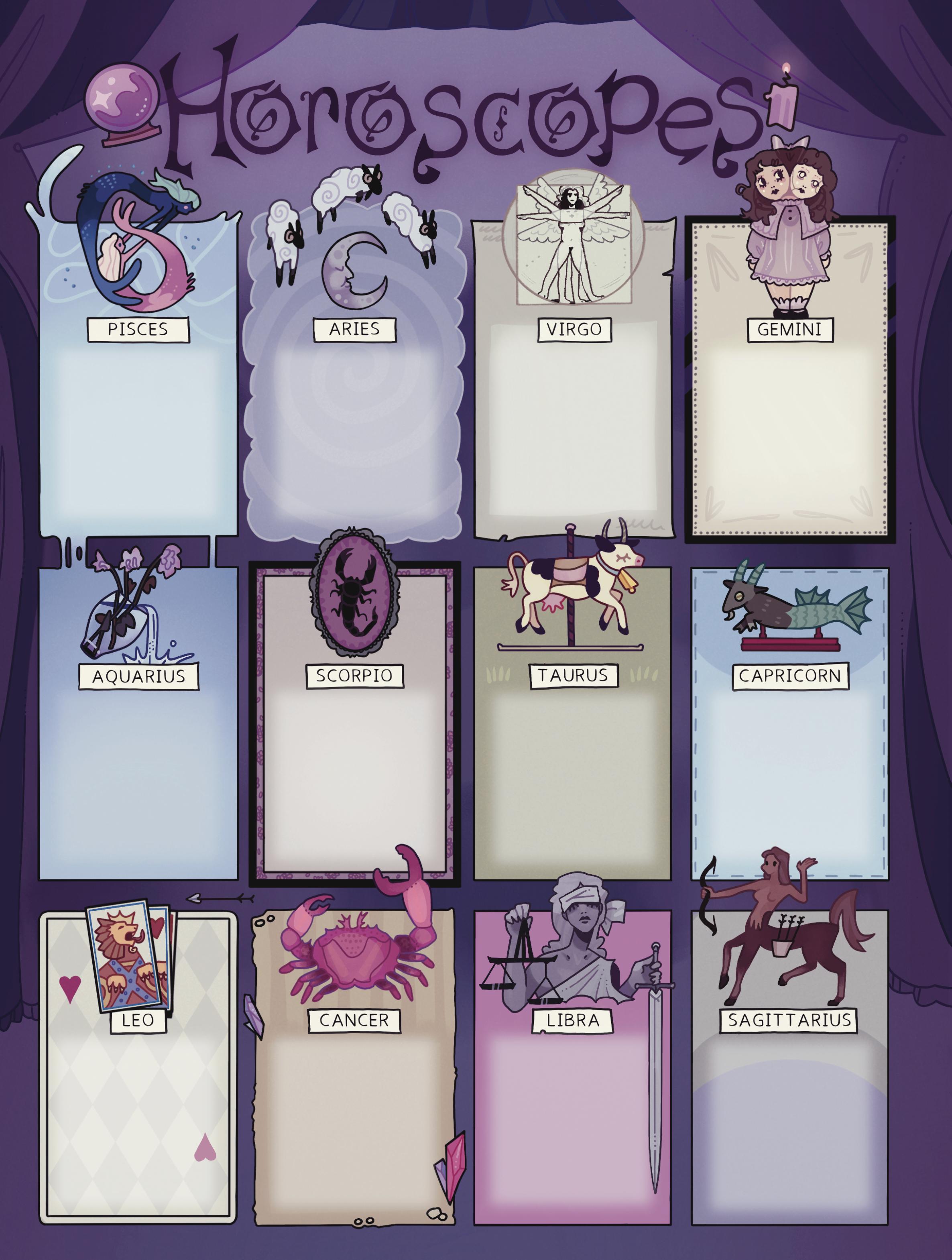
This week, your weirdly niche hyper-fixation is finally going to pay off. As the 21st season rages on, you’ll finally get an opportunity to use your skills. Whether that’s making a craft, or having an obscenely weird database of knowledge, you’ll definitely be a conversation starter.
Your cleaning product: Dettol Glen20 Spray
It’s time to cultivate more than just black mould in your bedroom. Grab those stolen plant clippings and turn your flat into a greenhouse. The best part? You can blast your heater to a ‘tropical’ level and blame the power bill on your green thumb.
Your cleaning product: Oxygenated Bleach Powder
Flu season is back, and the lecture theatres sound like an orchestra of coughs. Wearing a mask might be back in fashion. Grab some free ones from Student Health, and remember that Fireball isn't a substitute for a jacket (even if it’s cuter).
Your cleaning product: Ajax Spray n’ Wipe
There’s a snake in your circle, and you’re about to step on it. Watch that you don't get bit and be sure to not run your mouth after having a few bevvies this weekend. One drunken overshare at a flat pres, and your business will be the next morning’s headline.
Your cleaning product: Duck Toilet Cleaner
Like a starving seagull on Castle Street, you love diving into a sore topic and picking at it. With the flat-hunting season causing major group chat drama, maybe tone down the picking – unless you want to be the one voted out of the flat group.
Your cleaning product: Windex
With the end of FIFA leaving you hungry for more of Haaland x Bellingham, you're searching for a rebound to get your adrenaline pumping again. Instead of reverting back to doom scrolling, try doing something actually productive, like binging Critic survivor!
Your cleaning product: Dettol Wipes
You’re already exhausted, and the semester has barely started. Why does it feel like the last sem never ended? Time to complain to anyone within earshot about how much you miss summertime, and maybe consider going on exchange somewhere close to the equator.
Your cleaning product: Morningfresh Dishwashing Liquid
Since you love leaving things to the absolute last minute, here is your warning. Keep those promises you made during the last exam season and actually start studying. Swap the Wednesday pres for a library date with Anki.
Your cleaning product: Exit Mould
Wake up! It’s time to drag your body and mind out of hibernation, hook yourself up to an IV drip of caffeinated beverages and soak up some positive energy. You’ll be shocked by how much better you feel after escaping the suffocating academic grind for a day.
Your cleaning product: Bar Keepers Friend
You’re a certified empath, but absorbing everyone else's drama is drowning you. Stop worrying about their feelings before you taint your own. Stand your ground, or you'll kick yourself for not staying true to yourself.
Your cleaning product: Jif Cream
They say that about 40% of marriages result in divorce. You may feel like there isn't even a reason to try anymore. But keep putting yourself out there – I know one of those fish in the Otago pond will nibble.
Your cleaning product: Liquid Plumr Drain Cleaner
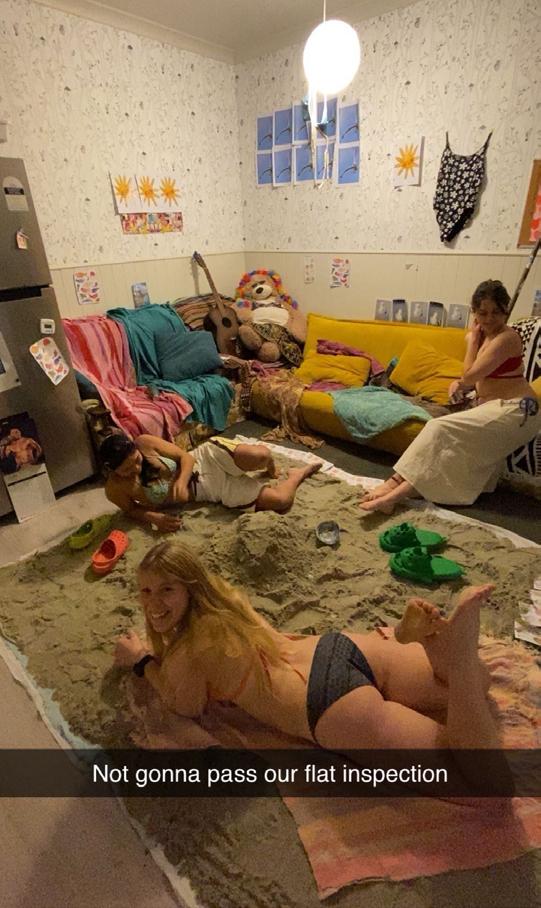



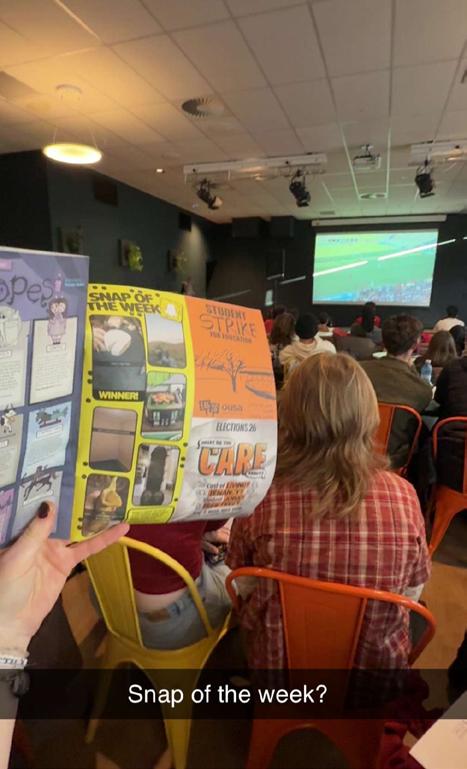
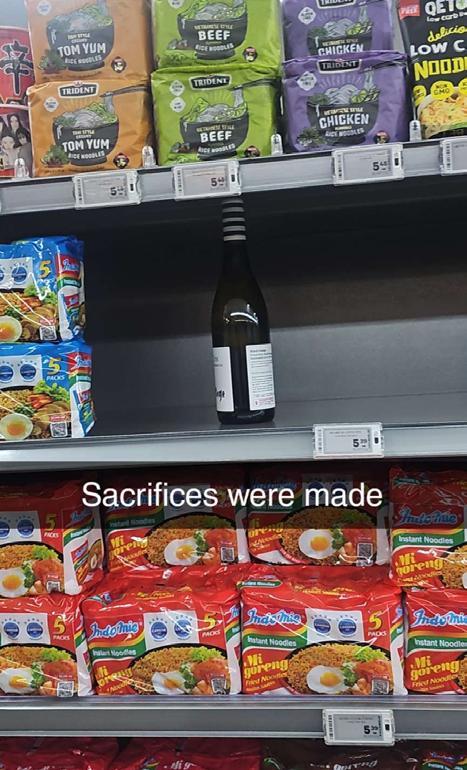
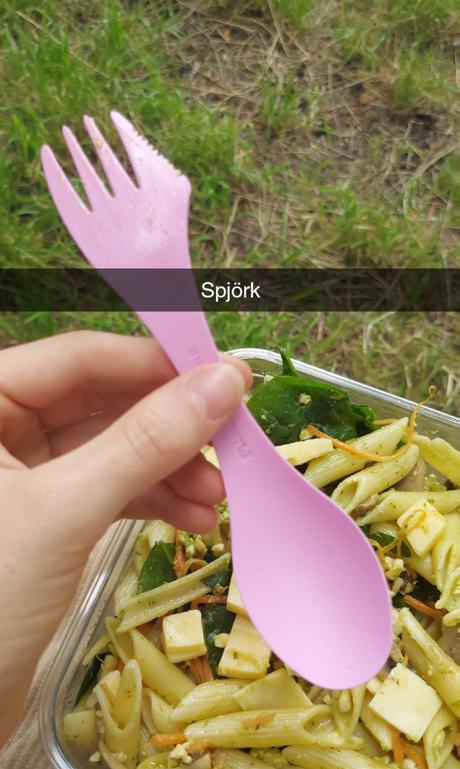








Check out weekly episodes of Critic Survivor on the @criticmag Instagram on Wednesdays and Fridays.

The ASB George Street Mile race will take place on Saturday 12 September, and includes a University Mile championship race for students

Spain has won the 2026 FIFA World Cup!

The Otago Biochemistry and Genetics Student Association is holding their annual panel on the 30th July from 6-8PM at Union Hall – Selling the Science: Commercialisation of science through advancements in biotechnology. Tickets are available from the @obigsa Instagram.

The Education Action Group is holding the Student Strike for Education on the 29th of July, at 12PM in Union Hall.


The Sri Lankan Student Association is hosting the Atlas of Arts Cultural show on the 7th of August at 7PM. Tickets are available from the @ ouslsanz Instagram.
Moved flats in the last few years? Make sure to change your address before the November Election on the Vote NZ website.


Dave Letle, recently appointed CEO of controversial supplement brand NZ Muscle, resigns after just a week. While originally saying he wanted to give his “best shot” in turning the company around, he admitted that he “can’t help it in the way it needs”.
Rhythm and Vines announced that this year’s festival will be the last held in Gisborne. RIP to the New Years roadie to Gizzy.
The Otago Decorative and Fine Arts Society are offering their lectures for just $10 for students, the first of which is this Wednesday 29 July. For more information check out their Facebook: OtagoDFAS, and to RSVP to an event email otagodfas@gmail.com


Tickets are now on sale for the 12th Annual Geology Ball! Taking place on September 18 at the Dunedin Railway Station, OSGS member tickets are $30pp, and $40pp for non members. Check out @otago_rocks on Instagram for more information and ticket sales.
Monday 27 July - Saturday 1 August
Jose Colouring Competition
Wellbeing Support Information
Free Hot Drinks
Craft - DIY Mould Killer
Kombucha Workshop
Mrs Olive Cooking Class
Free Hot Drinks
Craft - Air Dry Clay Creations
Free Flu Vaccine
Student Support Karaka Space
10am-12pm | Clubs & Socs Craft Room 3:30-4:30pm | Clubs & Socs Kitchen 5:30-7pm | Clubs & Socs Kitchen
Finance & Budgeting Workshop
Free Hot Drinks
Craft - Crocheting
Sketching on Campus
Breathwork Workshop
Adjusting to the Season Workshop
Free Hot Drinks
Craft - Badge Making
HYBRID Workshop
Free Hot Drinks
Craft - Zine Workshop
Movie Night Monsters University
Zumba with Debbie
10am-12pm | Clubs & Socs Craft Room 11am-2pm | University Link 12-1pm | Clubs & Socs Room 2
10am-12pm | Clubs & Socs Craft Room 11am-1pm | Meet outside Clocktower 3:30-5:30pm | Clubs & Socs Dance Studio 5:15-6:15pm | Clubs & Socs Room 2 & 3
10am-12pm | Clubs & Socs Craft Room 5-7pm | Clubs & Socs Otago Room
10am-12pm | Clubs & Socs Craft Room 5-7pm | Clubs & Socs Evison Lounge 9:30-10:30am Clubs & Socs Dance Studio Kids are Welcome
The current app will be retired later this year.
Access your timetable, services and key information anytime.
Get the Aonui app now.