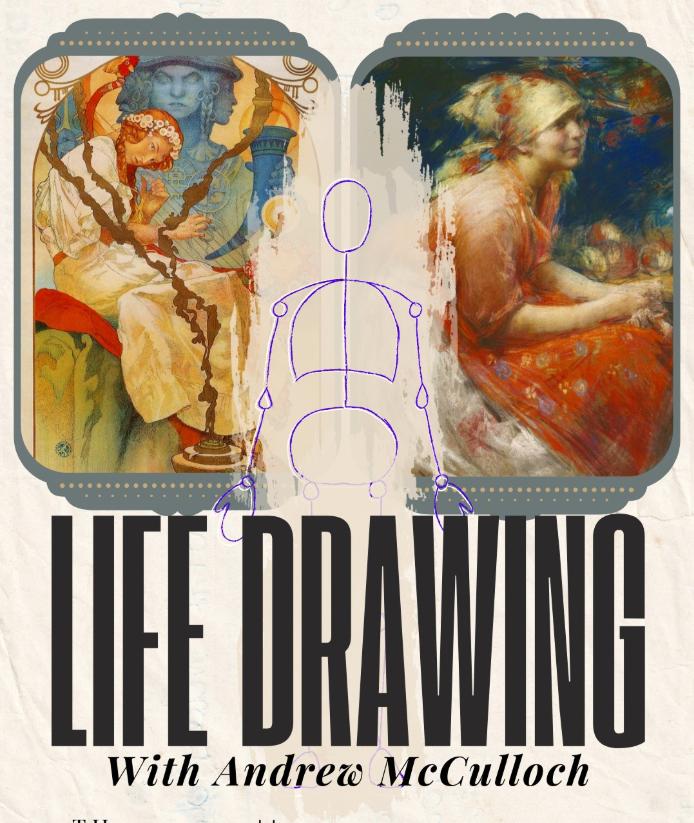
Explore Your Artistic Streak With Andrew McCulloch
New niche hobby just dropped
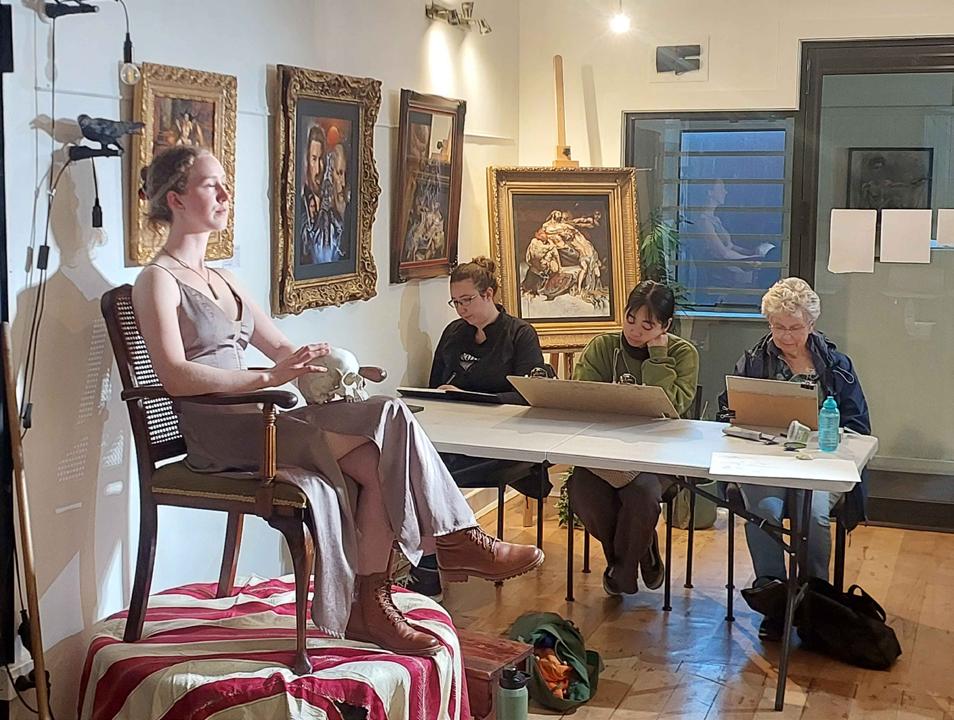
Local Artist Andrew McCulloch is running five Life Drawing Classes from the 29th July through to 26th August, on Wednesdays from 6 to 8pm. Taking place in the Evison Lounge at Clubs and Socs, you don’t need to trek far from your flat to pick up a new winter hobby. These sessions are entirely beginner-friendly, but also suitable to those with experience.
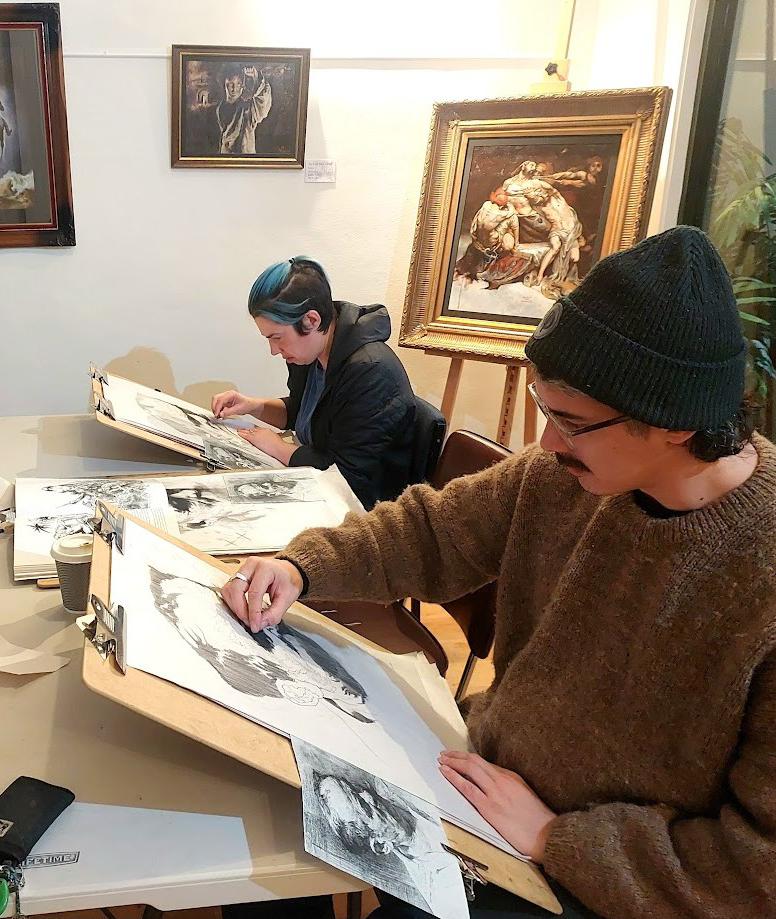
Critic Te Ārohi had a chat with Andrew, who brings his experience in the design and animation fields to his teaching. As well as this, he has run multiple arts courses around Ōtepoti. He explained to Critic that each session begins with a short demonstration, and hopefully over time students will be able to produce an accurate figure drawing themselves, and be able to recognise light and dark tones. This is done through focusing on the anchor points of anatomy, and the Reilly abstraction method. To find out what that means, you’ll have to go along and see for yourself. No spoilers over here.
Since it’s a life drawing class, there will be a live model present to help learn the techniques. Although this may sound unfamiliar and daunting, Andrew assured that it’s a practical and respectful environment, where you don’t need to be super talented at drawing by any means. These classes are for everyone – time to level up your art skills from just doodling in lectures.
“It’s definitely not about talent. It's about hard work,” Andrew explained. To him, being an artist isn’t something people are
By Jesse Valpy Staff Writer // news@critic.co.nz
“necessarily born with”, but is forged from “diligent effort”. If people are learning to create the right way, then improvement is “basically inevitable – regardless of how talented people believe they are or aren’t.”
According to Andrew, people have been super appreciative of these classes. For students, part of the appeal is that they are able to continue with art, even whilst juggling study and further commitments. It’s great to hear you don’t need to let your degree kill your creative spark, despite what 100 level courses would have you believe.
Andrew has designed the space to offer a sense of calm and relaxation, away from judgement and competitive stress. Despite being a step out of the comfort zone for some, especially when a model displaying nudity is involved, people are generally fine once they are there and can understand how relaxed, supportive and practical the atmosphere is. “It definitely requires a level of maturity and sensitivity, but it has something to offer for everyone," said Andrew. This can definitely provide an intriguing alternative to spending your Wednesday nights wrapped up in the library.
Why not try and explore your creative flair? Bring a friend and try something new, and experience the therapeutic perspective for yourself. Sign-up on the OUSA website – the five sessions cost $190 (all materials are included) and take place on Wednesdays 6-8pm, kicking off in the third week of lectures. ★
According to a statement from the University to Critical Tribune, the ice rink (included in fees from Semester Two onwards) will “reduce seasonal depression, boost morale and give physio students something to do other than keg stands.”
Critical Tribune speculates that this foray into ice skating is a result of the University trying to appeal to whatever Gen Z is into. With TV shows Heated Rivalry and Off Campus thrusting (LOL) ice sports into the spotlight, University-led planning allegedly identified “ice smut” as one of the most costeffective ways to improve mental wellbeing.
Fourth year Surveying student, Guy Chilla, tipped off Critical Tribune that the University enlisted the help of SURV420 students to identify an appropriate location for the rink. Guy explained that “the Uni didn’t have to pay us like they would for actual Engineers, and stuff. They just told us to ‘go ham’ and find a somewhat decent spot”.
Multiple locations were considered for the rink. The Museum Lawn was the preferred location for most of the search, due to it being a "permanent ice rink in winter anyways”. However, these plans were thwarted when the museum staff expressed concern about visitors “accidentally eating shit” on the ice while trying to enter the museum.
Ultimately, the courtyard in between the Clocktower and Quad lecture theatres was selected, as Campus Watch could fence it off on weekends from drunk students. Critical Tribune also received an allegation that senior leadership staff preferred this location as watching people fall over is way more entertaining than running the University is. The University declined to respond to this allegation.
Construction is expected to begin imminently, with expected completion expected to align with the premiere of Heated Rivalry’s second season. The University assured naysayers that this is a wise investment of fees, claiming that “there’s free ice for like half the year naturally anyways. #Sustainable”, and “those caution ice likely signs are surprisingly fucking expensive.”
With construction breaking ground next week, Critical Tribune can exclusively reveal the rink will be called “On Campus”. Time to lace up those skates and find a date. ★ By
18
19
21
22
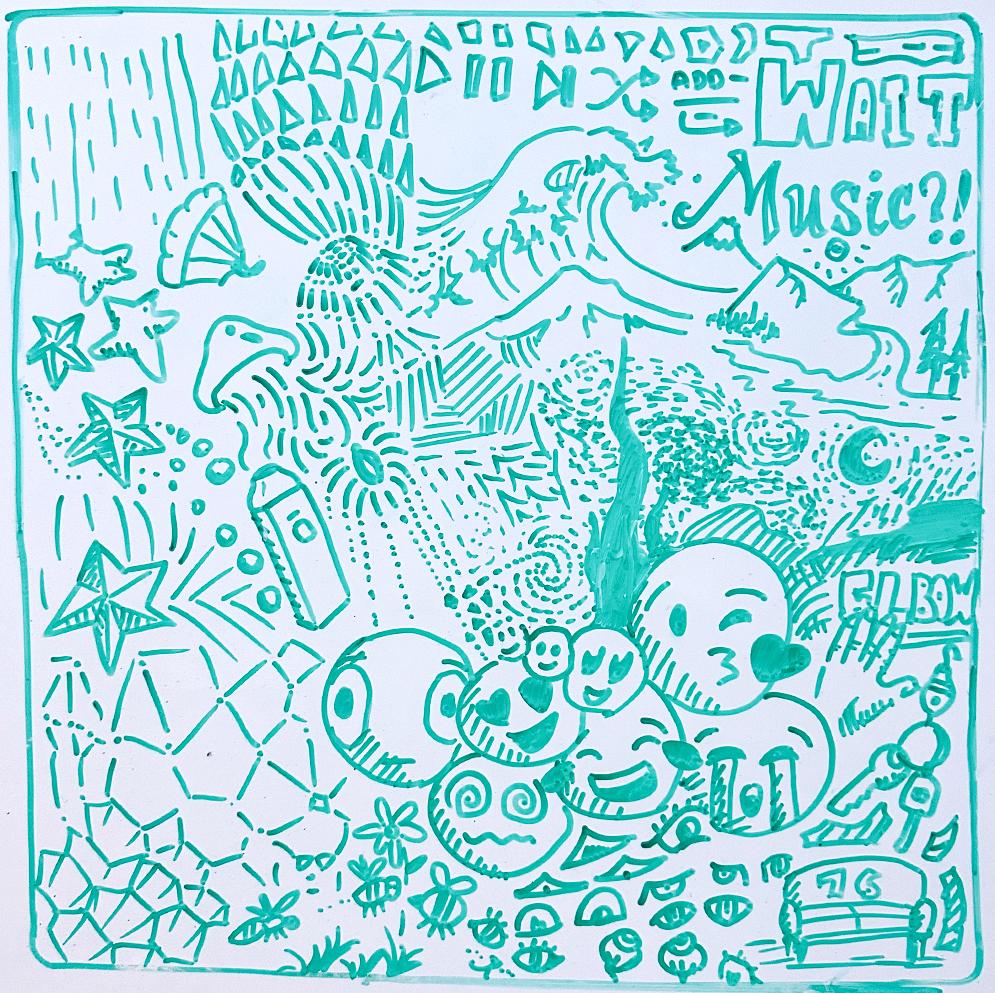
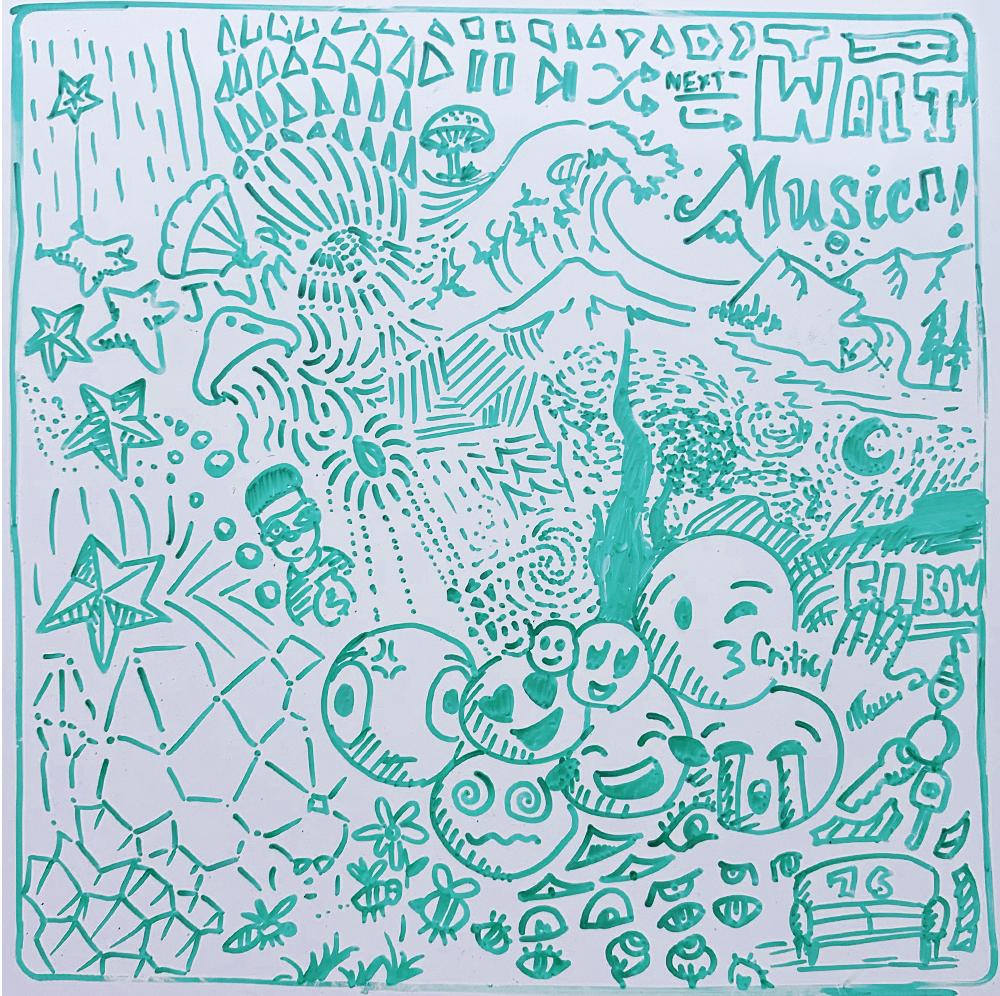
There are 10 differences between the two images
Illustrated by Tamaki Shimaoka
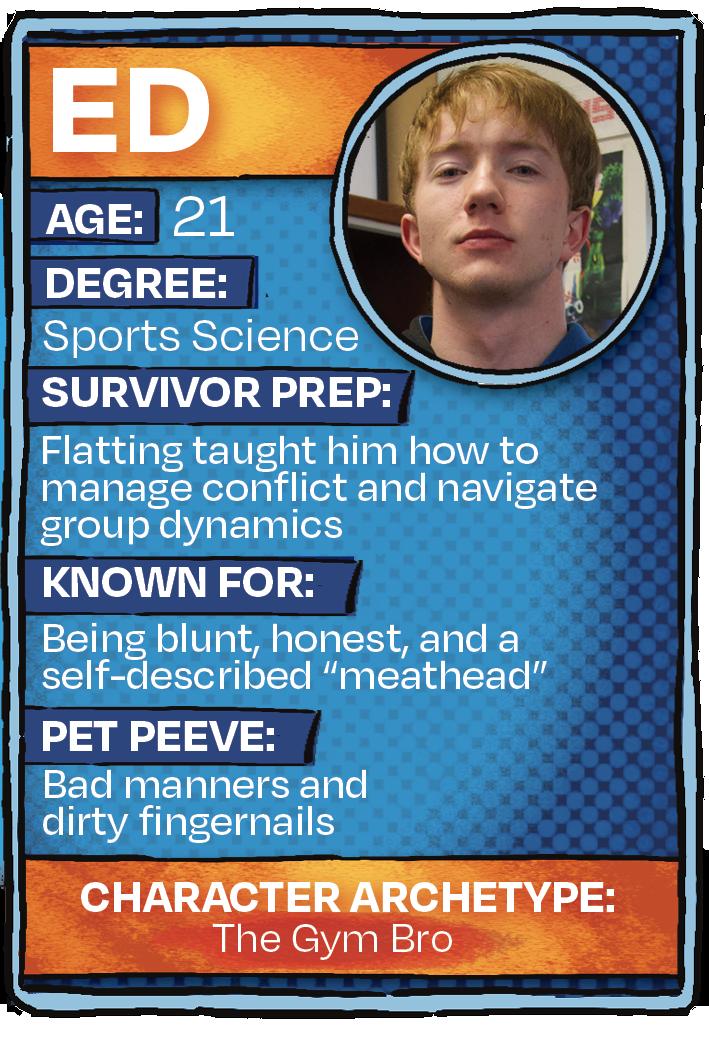
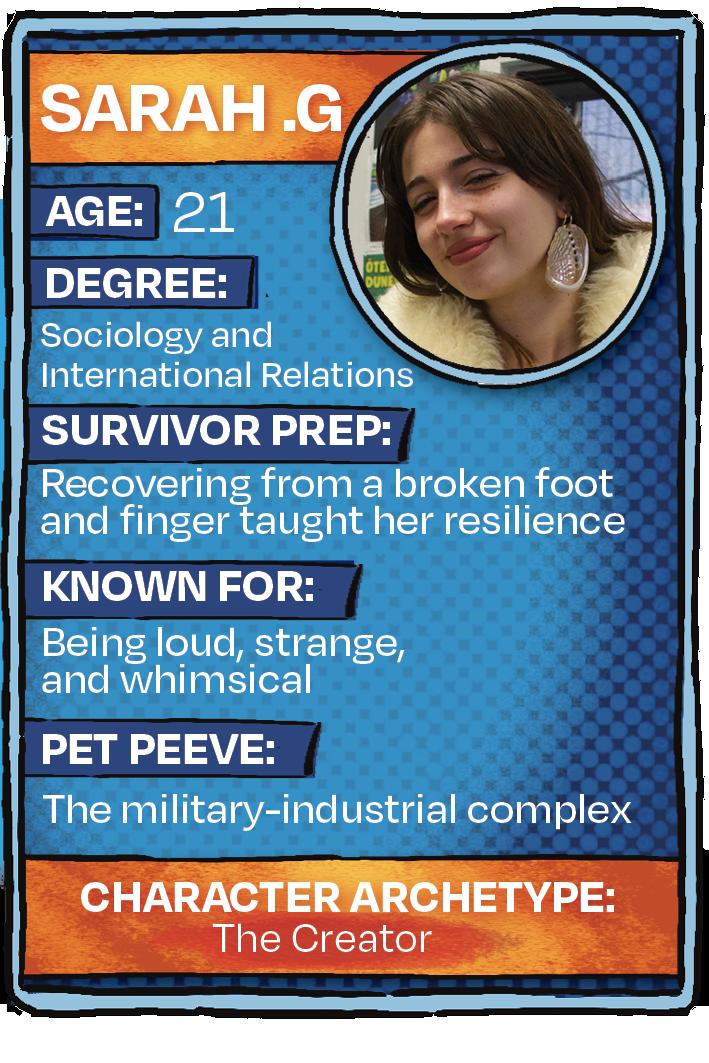
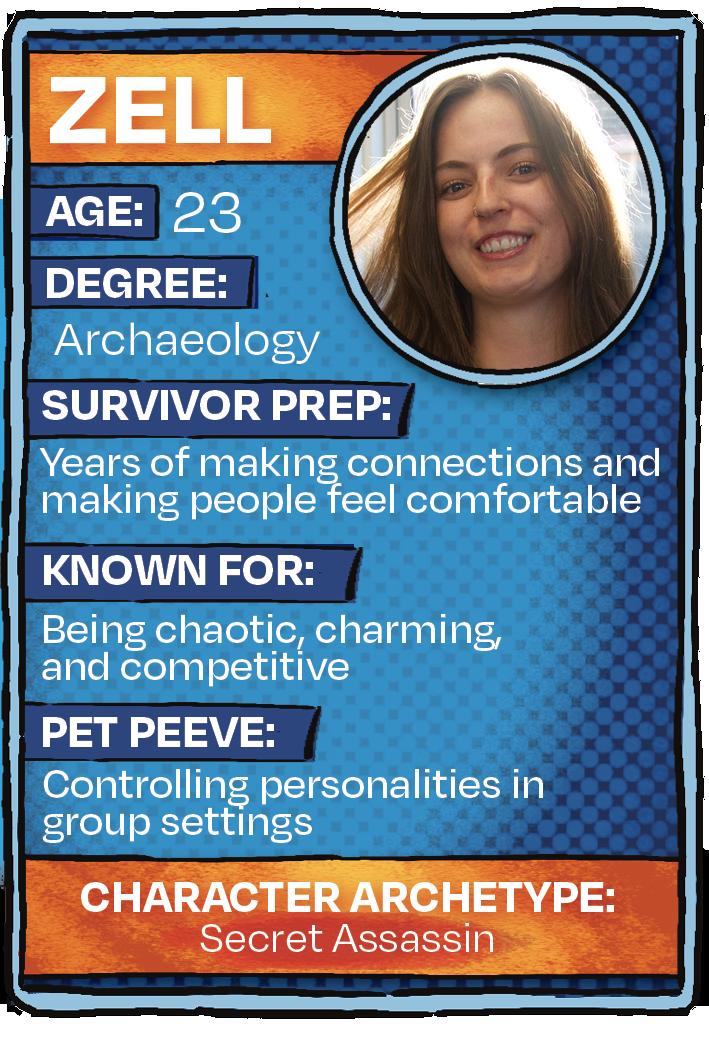
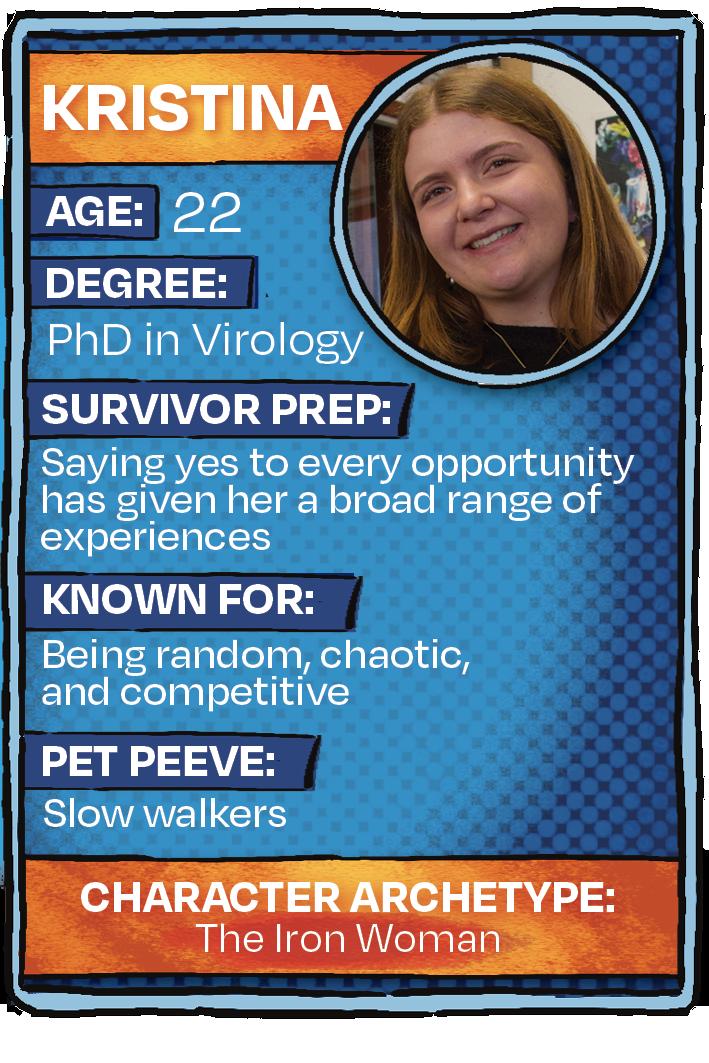
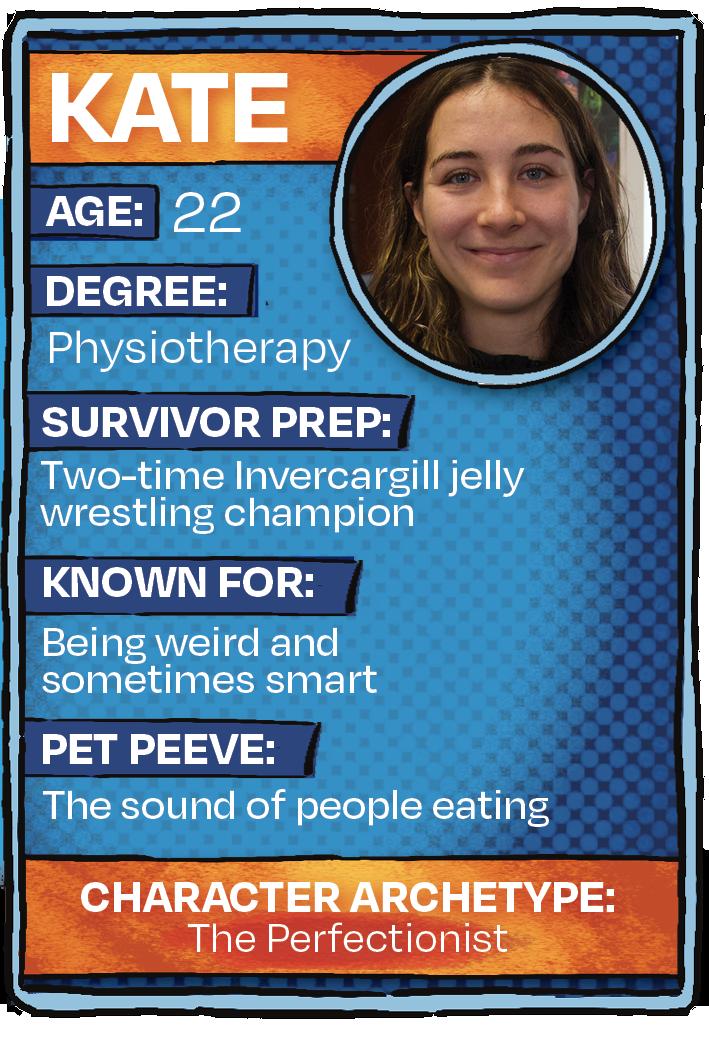
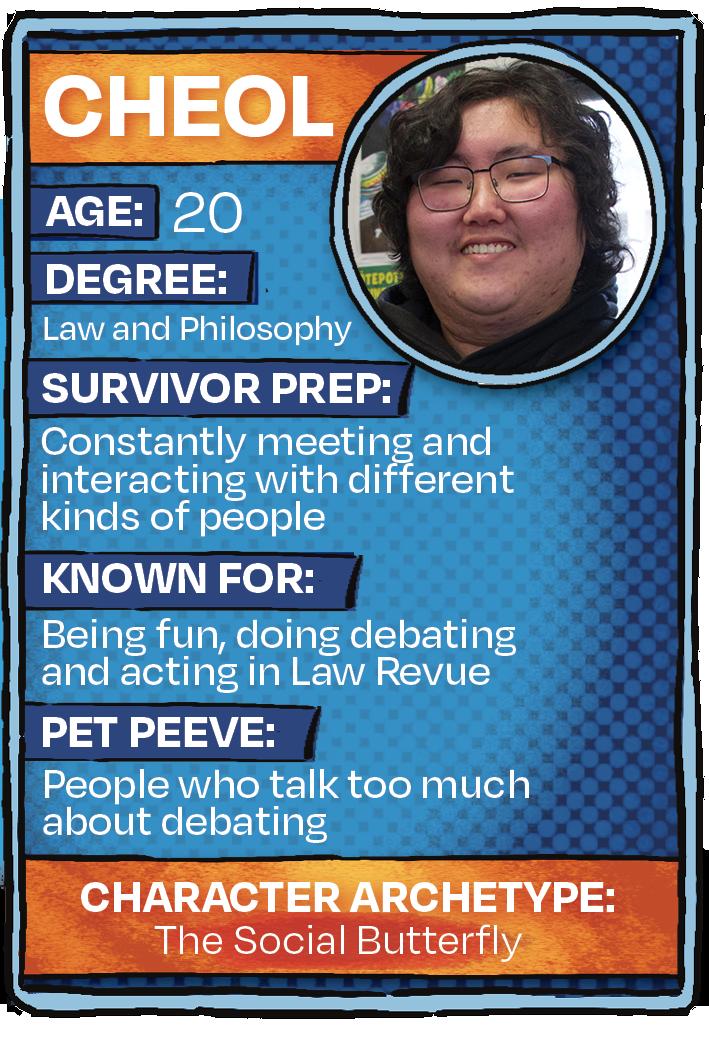
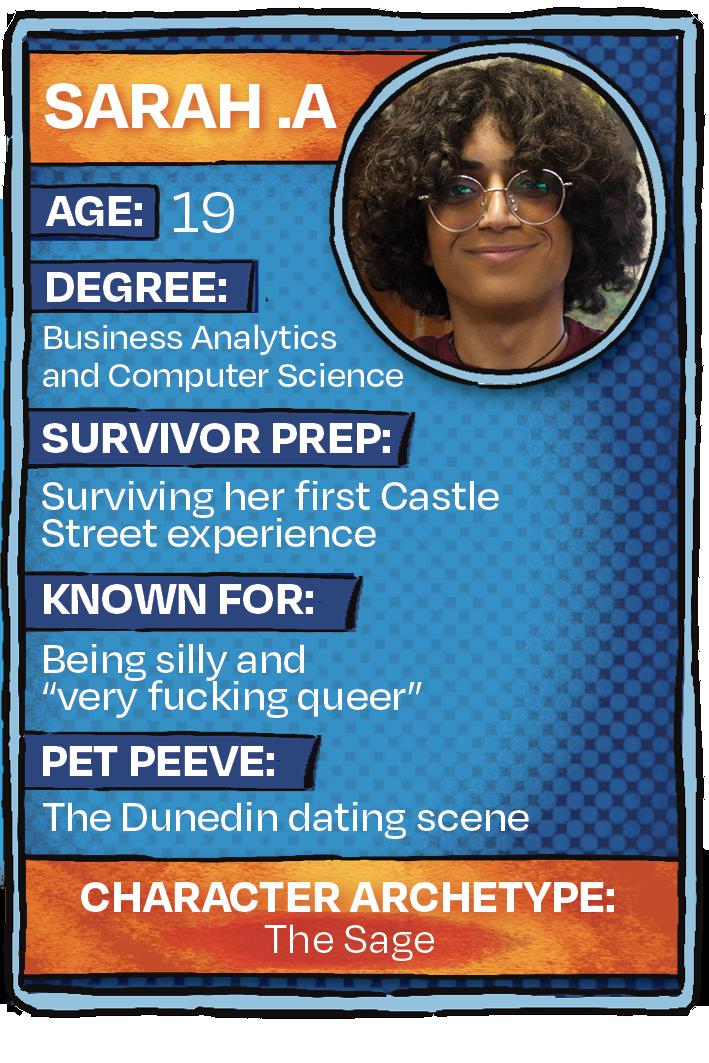
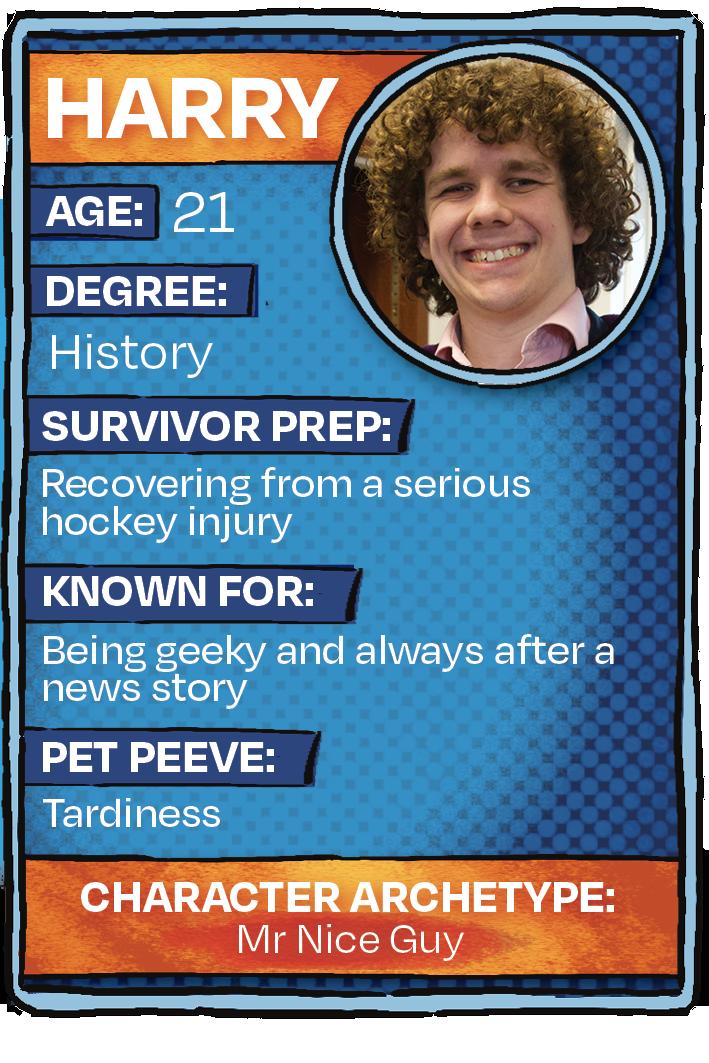
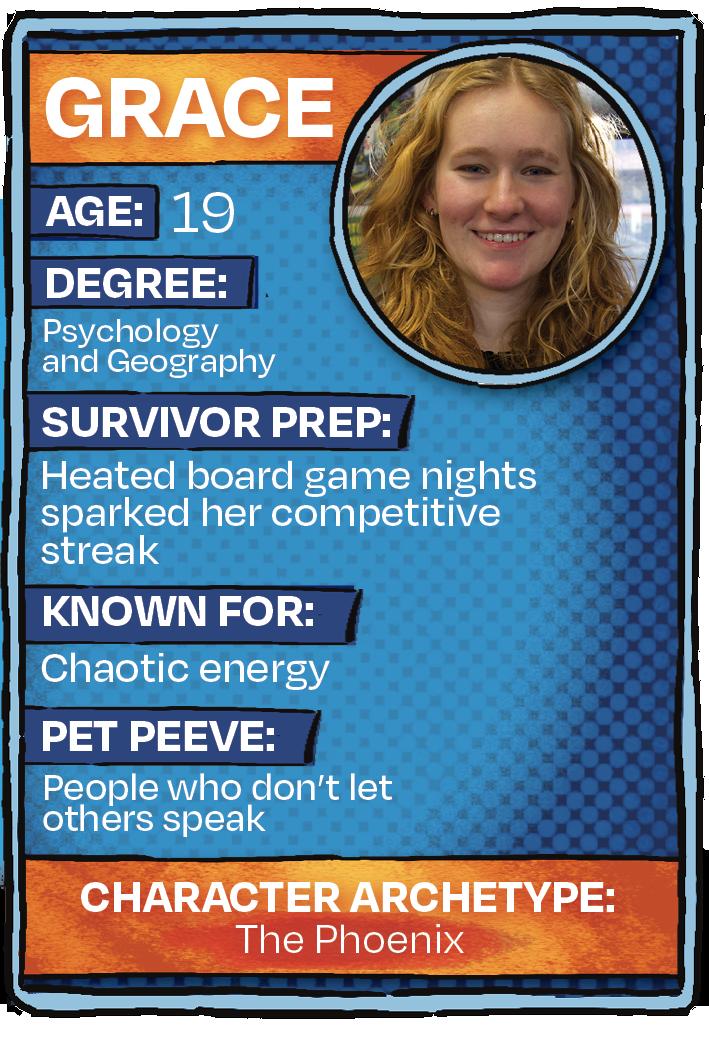
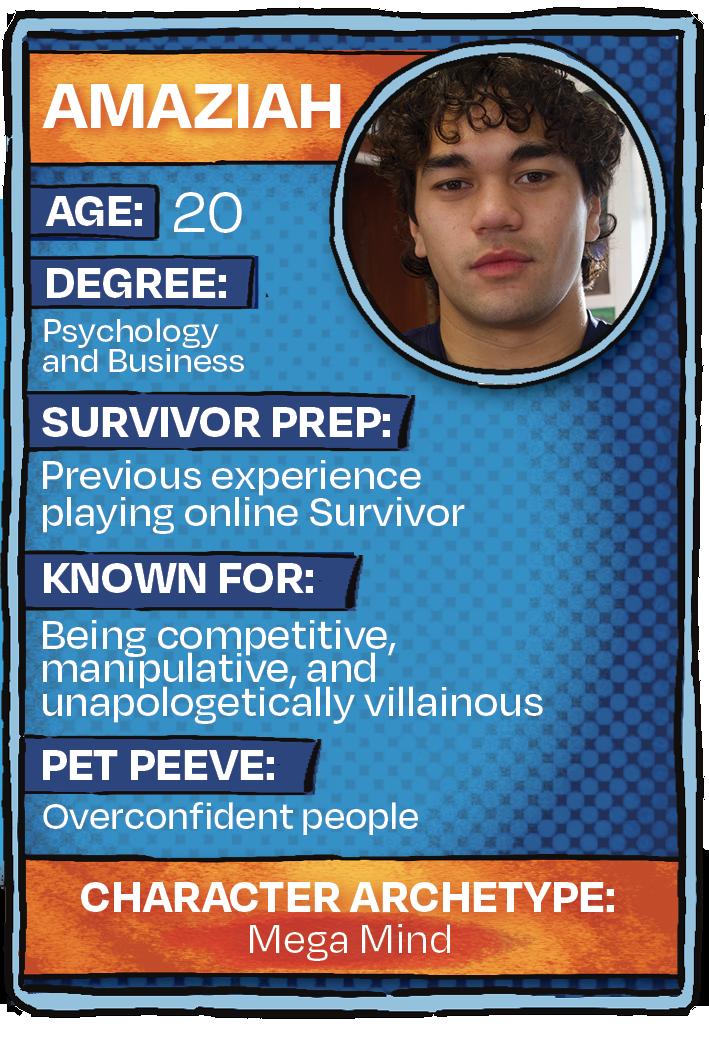
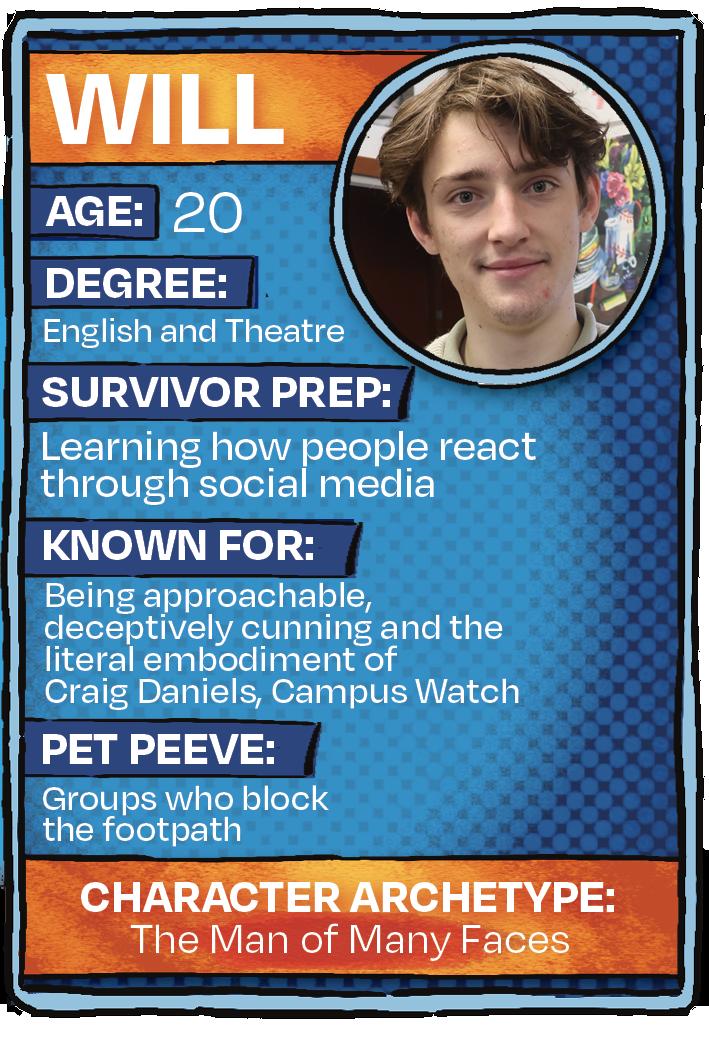
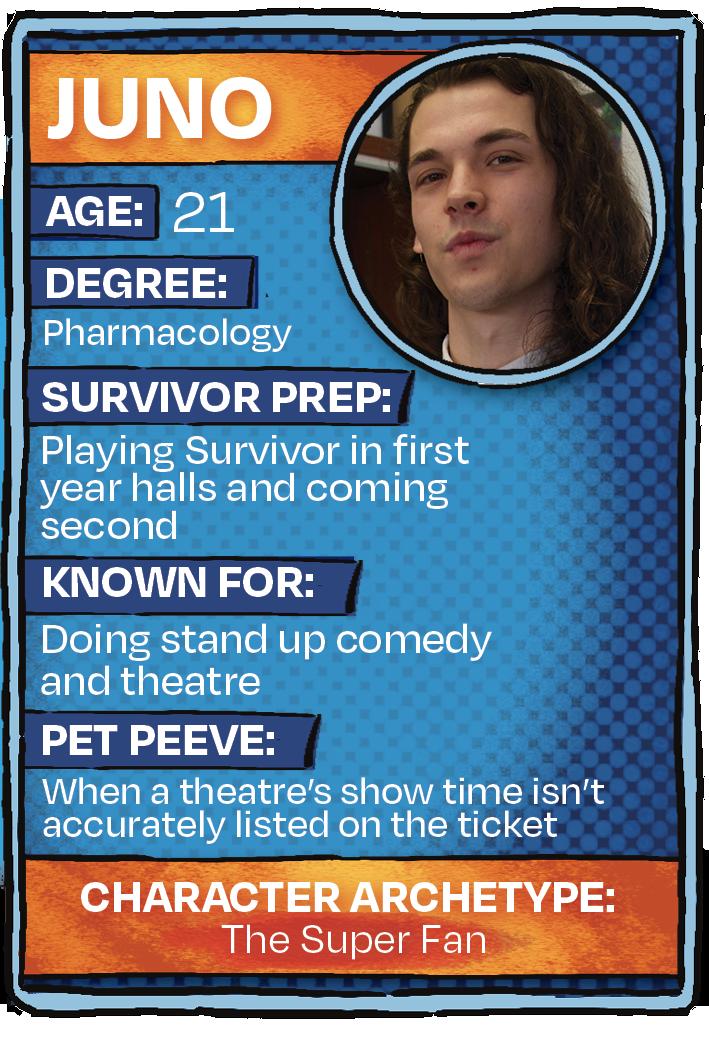
The cast has been chosen. Alliances will form. The immunity idols have been hidden.
Over the coming months, the first ever Critic Survivor episodes will be released twice weekly as twelve contestants battle through challenges, betrayals, and any other chaos our gamemakers choose.
But before the game begins, let's meet this season's contestants and find out what they are bringing to the table . ★
As winter settles over North Dunedin and the sun starts setting before dinner, a familiar anxiety begins spreading through the student population – especially in halls. It starts with an overheard conversation. A rumour that some groups have already signed their flats. A friend mentioning a viewing over on Leith Street. Someone’s cousin apparently securing a sixbed back in May. Suddenly, a process that seemed impossibly far away becomes very real, and before long, the F-word is sitting at the tip of everyone’s tongue.
Flatting.
There are few Otago traditions more stressful than this. Somewhere between the excitement of Toga and the reality of exams approaching, first-years collectively realise next year’s accommodation isn't going to sort itself out. What follows is several months of speculation, negotiation, and low-level forms of social paranoia.
The Great Flatmate Draft
Flatting has a remarkable ability to transform your perception of those around you. Suddenly, you’re overanalysing the movements of every friend, scanning for compatibility. If you’re in your first year, this can be hard when you’ve only known each other for a few months, and about 50% of your memories together involve drinking. At the end of the day, just remember that good friends are not necessarily good people to share a power bill with.
Yesterday you saw James leave a dirty bowl in the kitchenette. Who knows? Maybe he's a lazy cunt that won’t do his dishes next year. Someone doesn’t rinse a spoon properly, or casually mentions they’re gluten free. Suddenly, every little thing becomes a red flag. Flatting turns ordinary friendships into a bizarre screening process where everyone is trying to work out who can be trusted with a cleaning roster.
Then you realise that your ‘core group’ consists of twelve people. You’ll find yourself trying to split the friend group in two – which is as easy as slicing a cake with a cricket bat. Every proposed arrangement creates casualties. If no solution can be found, you’ll be left scrambling to make two more friends so you can move into Lakehouse.
Meanwhile, you’re convinced everyone is organising flat groups without you. The “Flatting ‘27 [sparkle emoji]” group chat mysteriously goes quiet. The paranoia only gets worse as the flatting season ramps up, and you see others trawling TradeMe during lectures. While you were away for the break, somebody attended a viewing. Somebody else got onto a priority viewing list. Every new piece of information feels like evidence that you’ve somehow fallen behind. Suddenly, students who spent the first half of the year avoiding eye contact with authority figures are willingly networking with property managers in the hopes of securing a mould-covered villa with six oddly sized and shaped bedrooms.
Despite the panic, most people eventually find somewhere. North D has a way of making every cohort believe they’re the first students to ever experience a housing shortage. Yet somehow, year after year, everyone ends up under a roof.
The more important question is where.
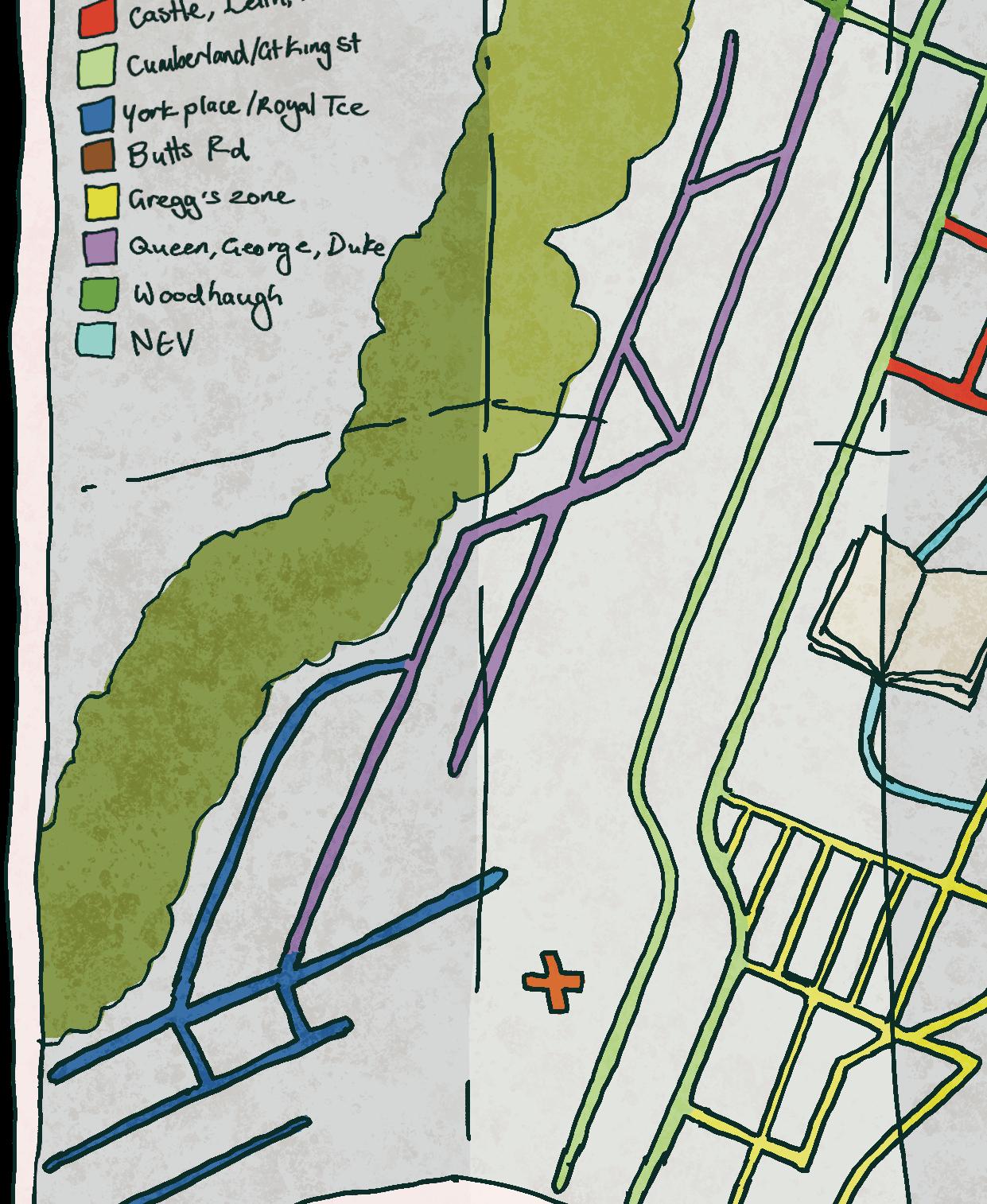
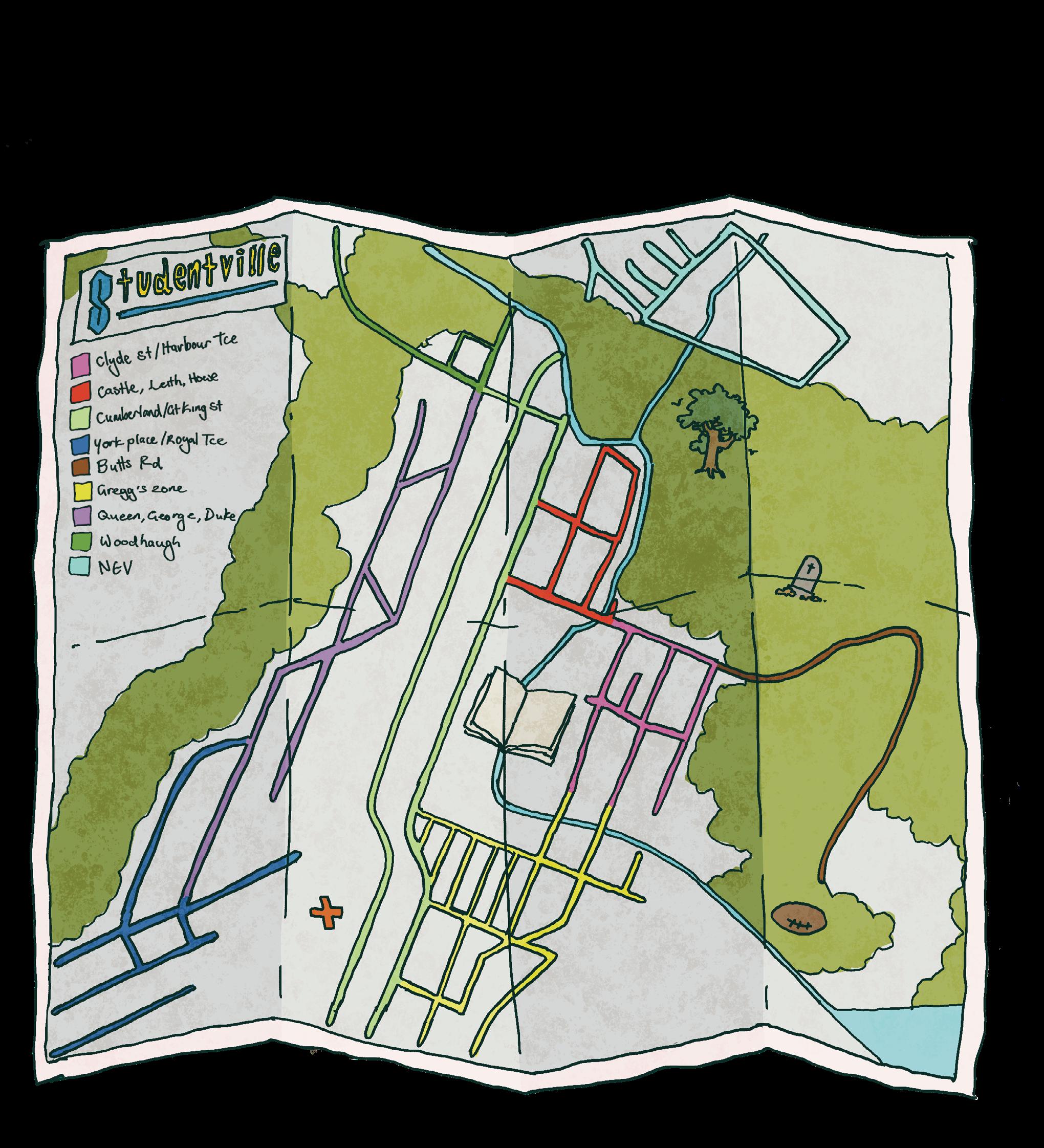
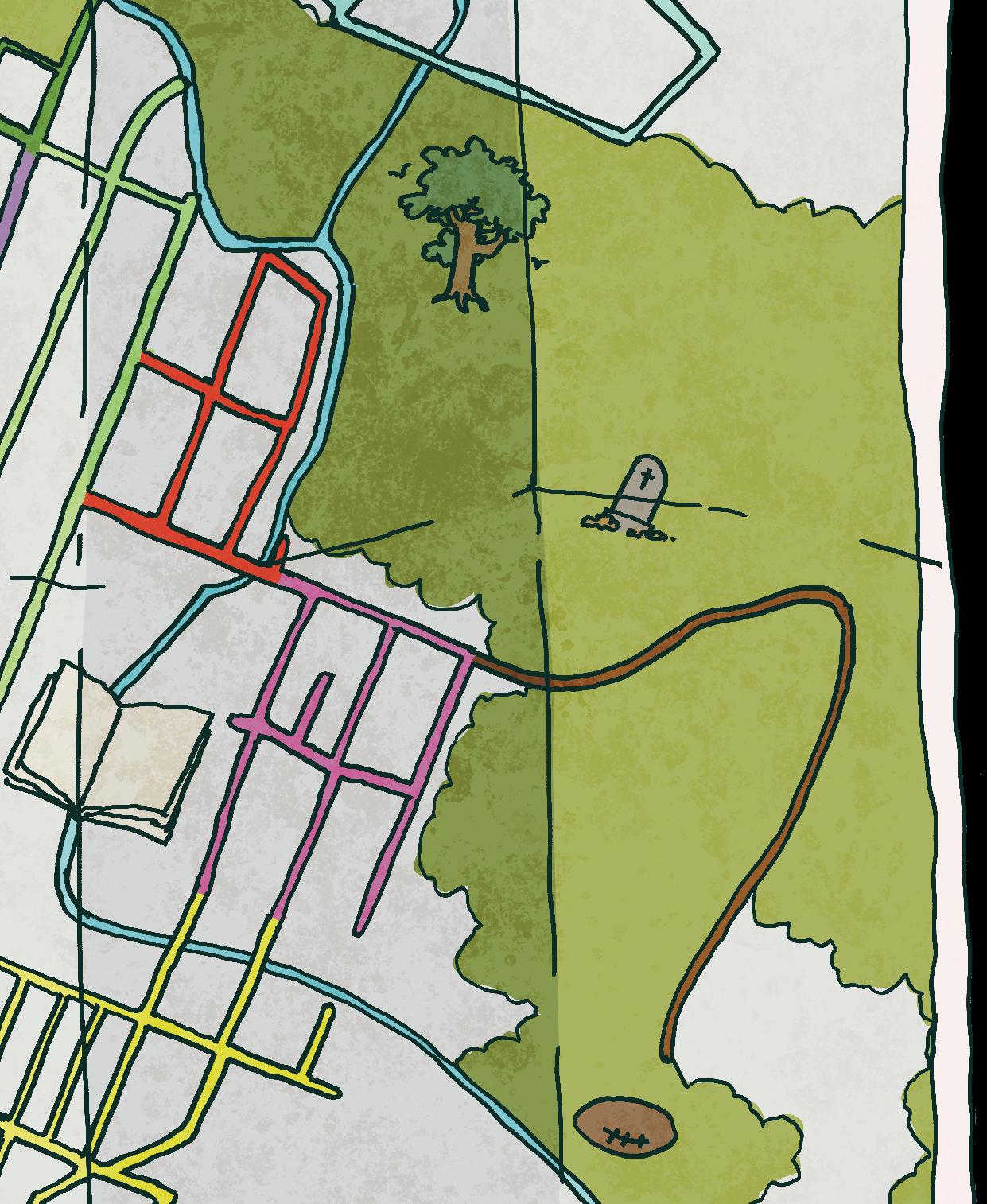
The Flatting Zones
Looking at North D as a whole, it's difficult not to notice that certain areas have developed distinct identities. Whether those reputations are deserved is another matter entirely, but generations of students have collectively decided that different streets represent different lifestyles.
Pink Zone: Clyde Street to Harbour Terrace:
This is the real crème de la crème. These are the most packed flat viewings you’ll ever see. Close enough to Castle to have a good time, but far enough away that you can still hide away. An all ages scene, from second-years to post-grads.
Red Zone: Castle, Leith and Howe Street
Survival of the fittest. A moment of silence for the exchange students who have been placed here in UniFlats. Howe Street is under this zone because it’s typically full of all of the Castle Street rejects, asking themselves “Howe did I end up here?”
Lime Zone: Cumberland & Great King Street
Living near Fatty Lane will mean flat meals are all too easy to substitute. But it’s not all sunshine and chicken nuggets – as soon as you spot a cattle truck driving by you’ve got 15 seconds to shut your window before your room smells like sheep shit for the next half hour.
By Jonothan McCabe and Molly Smith-Soppet
Deep Blue Zone: York Place to Royal Terrace
Welcome to the post-grad retirement village, full of dusties and crusties. Your neighbour likely owns a lawnmower and may have multiple children.Take caution hosting here. Noise complaints aren't a possibility – they're an inevitability.
Brown Zone: Butts Road LOL! Also, cold.
Yellow Zone: Albany Street Connection
Project Impact Zone
Living South of the Leith, you’ll spend your days cursing the Albany Street Connection Project (AKA roadworks galore). Good luck finding a park, but it’s certainly a convenient location.
Purple Zone: Queen, George and Duke Street
Ahhh, Castle Street for third-years. These streets are home to the upper-class version of the ragers secondyears hold. Think cocktail nights that go until 3am, dinner parties where you end up with your head in the toilet, and 21st’s where the speeches go on for a little too long. You don't go out often, but when you do, you go big or you go home – usually to Queen street.
Dark Green Zone: Woodhaugh
Here, the sun is afraid of you. With such a damp microclimate, it's a place so fertile that dropping an apple core would likely spawn a tree. Your Sunday itinerary involves chopping wood, walking your dog through the Woodhaugh Gardens and enjoying a cup of tea by the fire.
Cerulean Zone: The North East Valley
In the NEV, you pay $130 a week in rent for a fireplaceheated abode while feeding your neighbour's cat leftover dinner. Your day-to-day consists of bringing in firewood that your landlord probably gave you for free, walking through the Botans, and convincing yourself you live on the sunny side of the Valley. The money you save on rent is likely spent between lunch at Beam Me Up Bagels, the pokies at Tipplers or mulled gin at Inch Bar. That walk to class through the Botans never gets old. Up the NEV!
For all the mythology surrounding North Dunedin's various factions, most students end up exactly where they need to be. The best flats are rarely defined by location, but by the people inside them. Whether you’re up in Woodhaugh, down by Greggs (RIP), or somehow living on Butts Road, you’ll spend the year creating your own version of Ōtepoti.
May the odds be ever in your favour.
Illustrated by Jimmy Tannock
By Stella Weston and Gryffin
Are you having more or less sex than your peers? Has ket finally taken over as the scarfie drug of choice? Just how visible is our OUSA president? Critic Te Ārohi has the answers. Welcome to the results of the sixth annual Critic Te Ārohi Census! Census is a nosy and fairly invasive deep dive into Otago students and their habits around university, AI, drugs, drinking, sex, and social media.
Everyone say thank you to Gryffin Blockley for working his magic on the raw data set. Note that for most questions respondents could select more than one answer, so totals adding to more than 100% are intentional, we promise.
Disclaimer: Some AI was used to explain Excel to me because I skipped my recommended statistics papers, sorry.
Demographics
974 of you filled out the census this year, a number second only to 1005 in 2024, and more than double what we needed for a statistically significant sample. You guys are our favourites, and we love you. Deadass, thank you so much for taking the time. So let’s get to know our wonderful respondents!
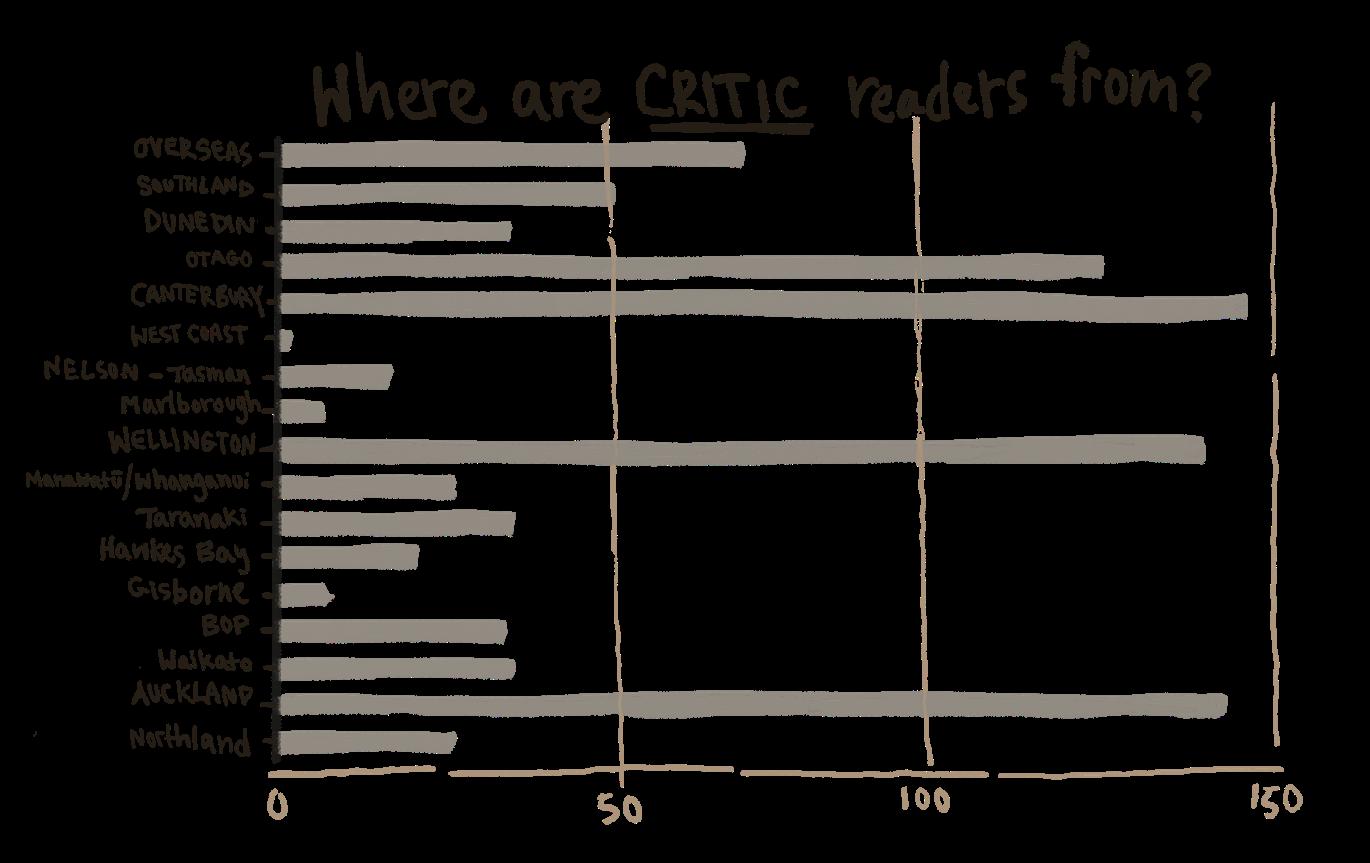
According to the Uni’s quick stats on their website (great research, we know), there were 21,295 students enrolled at Otago as of 2025. So, nearly 5% of them did the census. That’s like nearly the threshold to enter Parliament. The average respondent was a straight second year Pākehā atheist female from Canterbury, who reads Critic every week.
Overall though, our basic data was fairly representative of demographics compared to the Uni’s stats. 70.8% of our respondents were female, 23.8% male, and 5.5% gender diverse. Uni stats reflect a student demographic that is 61.1% female, 38.0% male and 0.01% gender diverse. We’re loving the queens and the queers over here.
To those of you who called us out for not having Pasifika as a set option in our ethnicity section – that was a total fuck up, and we’re so sorry. 68.4% of census respondents were Pākehā, 11.5% Māori, 8.2% Asian, 1.6% Pasifika, 3.5% Middle Eastern, Latin American or African and 6.5% were Other. Uni stats reflect a demographic that is 69.8% Pākehā, 12.5% Māori, 22.2% Asian, 7.1% Pasifika, 5.1% Middle Eastern, Latin American or African, and 3.1% as Other or unknown.
Uni demographic stats are informed by the questions you answer in enrolling, which forces everyone to answer. That’s unfair. Once we transition into gaining full dictatorship power, we’ll really have the tea. However, for now, we’ll stick to our strengths: asking students questions the University can’t.
For some extra for experts stats, 58.5% of respondents are atheists, and 23% are agnostic. 14.4% are Christian, 1.1% are Muslim, 0.8% are Buddhist, and 0.8% are Hindu. 0.4% identified as spiritual, and the remaining 1% is made up of a few other faiths.
56% of you are heterosexual, 37.8% identify as LGBTQIA+ (with 21.8% of students identifying as bisexual), and the remaining 6.2% are questioning or unlabelled. This is surprising, considering that according to StatsNZ, only 4.9% of the entire NZ population identify as LGBTQIA+. We heard StatsNZ wishes they were us.
The University
Future Plans
The University of Otago undoubtedly has a reputation for being that uni, with a flourishing drinking culture that revolves around a Castle Street permanently alight with burning couches. However, we all know that there’s much more to Otago than that, such as the occasional lecture, or three free hours of power. Apparently students like that, considering 95.4% of you are happy with your choice to attend the University of Otago. Aw. Only 2.8% wished you had gone to a different university, and 1.8% of you wished you hadn’t gone to university at all.
Halls
85.5% of respondents went to a hall. Of these students, the largest number went to Carrington (15.2%), followed by Caroline Freeman College (10.4%), and Te Rangihīroa (8.4%). 84% of students who did go to a hall were happy with their choice. Of those that were unhappy with their choice, the majority wished they’d gone to Selwyn instead – nothing like a bit of cult FOMO to get enrolment up.
Academics
56.5% of students have some idea of what they’re going to do after university. Whether that’s just a prepared script for your family or friends when they ask what you’re going to do with your life, or an actual plan, we don’t need to know. 24.8% are certain they know what they want to do (6.2% of which said they’ve known since they were just little babies). That’s a decrease from the 31.3% that were certain of their career paths in 2024. To the 18.8% that put “no, it’s a sensitive subject”, we see you.
Breaking this down by degree, Humanities had the highest comparative percentage of students with no idea (22.0%), but also the highest percentage of students that have known what they wanted to do all along (8.4%). 41.7% of Health Science students are certain of what they want to do, compared to only 18.3% of Science students. Surprisingly, Law students had the lowest number of students certain about their future plans, with just 16.3%.
Lecture Attendance
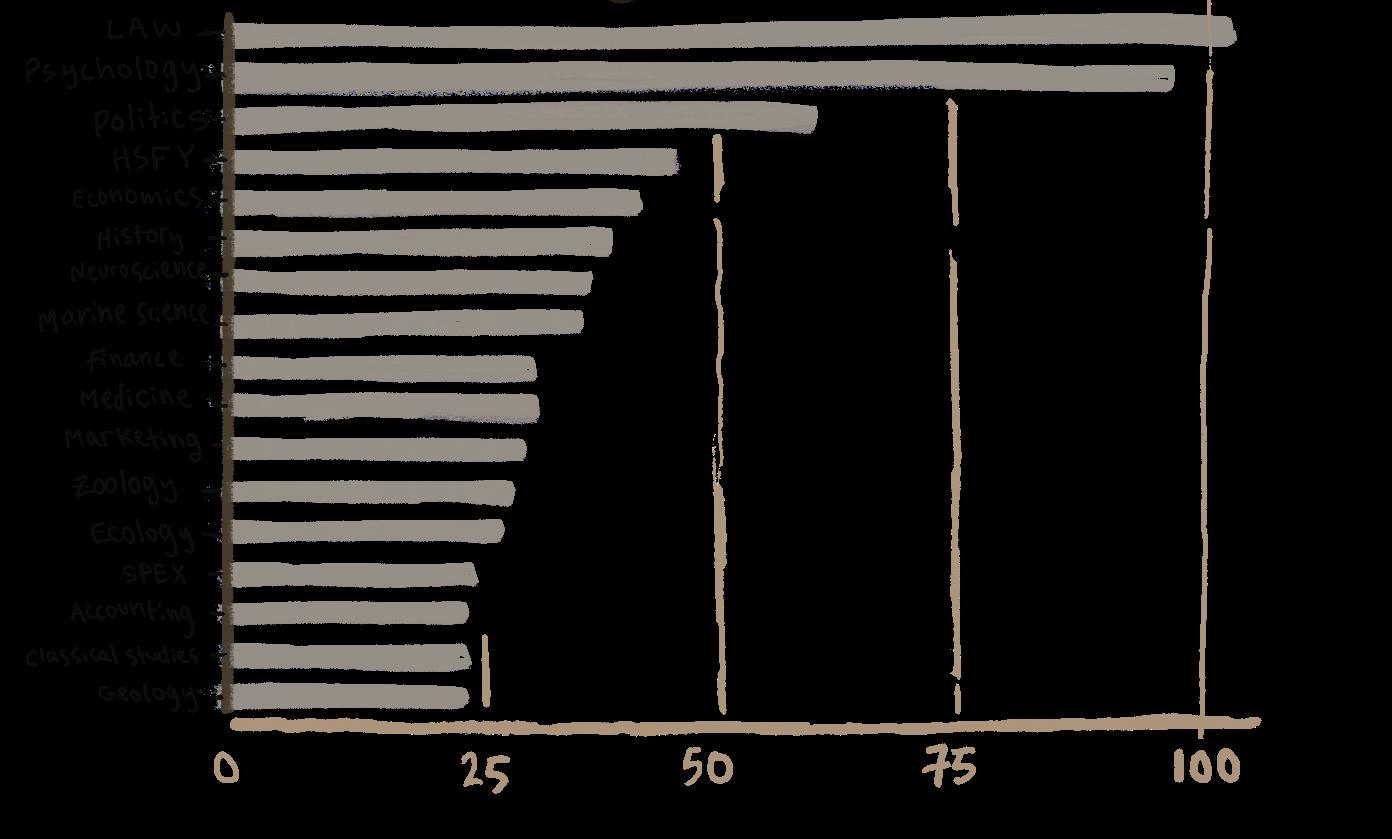
In terms of fields of study, Science was the most studied field, with 388 of you landing in this category (this included those studying towards a Bachelors or Masters of Science, and more specialised degrees such as Bachelors of Surveying). Humanities was second with 307 respondents (this included Bachelors of Arts, as well as Teaching, but not Law), and Health Sciences took out third with 160 (this included those studying Medicine, first year Health Science, and Biomed, as well as things like Pharmacy, Physio, and Dentistry). 135 of you are doing Law and 119 are doing Commerce. For conjoint degrees such as a BASc, we included you under both science and arts. Please don’t come for us for any of this categorising, decisions had to be made. Also – the number of you that don’t know what degree you’re doing is concerning.
As expected, Law demolished for the degree of choice, with Psychology and Politics making impressive bids for second and third respectively. For anyone who does have a problem with how the degree data was organised, just look at this pretty picture of the top subjects studied.
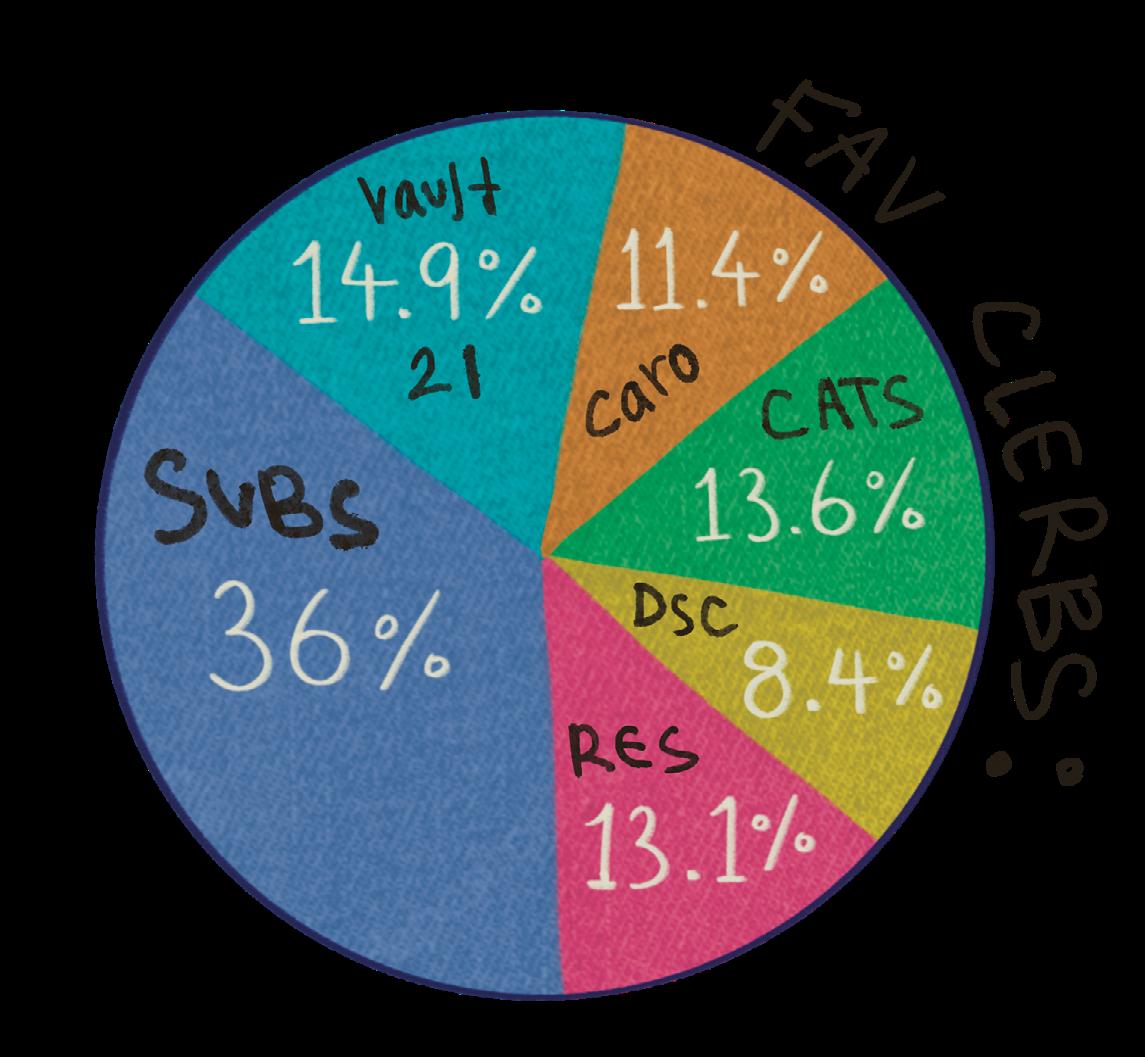
Despite the slander it used to get on the Castle26 (RIP) and UoO Confessions Facebook pages, Central Library once again took the win for favourite library. 48.8% of respondents couldn’t get enough of Cench, rivalled only by the sick, twisted 18.7% of you that can be found at the Robertson.
Assuming you were more honest with us about your lecture attendance than you are with your parents, 30.2% of you go to every lecture unless you have a valid reason (“valid” being a fairly loose and subjective term). 6.4% said they never attend lectures. The rest of you were split between attending most of the time, occasionally, and half of the time (in that order).
The Uni’s new lecture recording policy seems to have been beneficial to the majority of students (51.1%), who say they always catch up on the lectures they miss using recordings. 7.9% state they never catch up lectures they miss, and another 7.9% said they usually watch lectures online instead of attending.
Critic Te Ārohi
Time to talk about ourselves – our favorite thing to do. 60.2% of you lovely people read Critic every week. 34.6% pick it up occasionally. To the 5.1% who answered that they don’t read Critic, thanks for filling out the census anyways. Moaningful Confessions and Horoscopes were by far the favourite columns(38.9% and 37.9% respectively), with Booze Review making its way up in the world (8.7%).






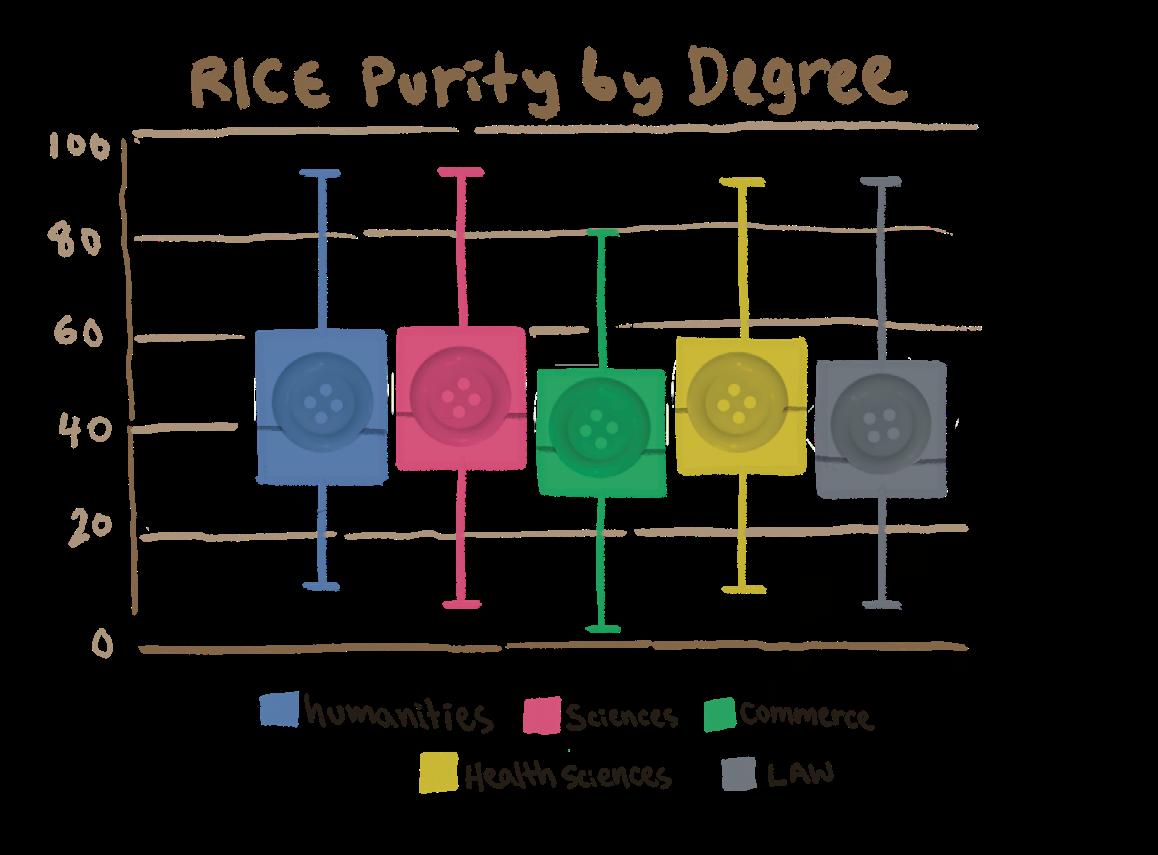

Thank you to those who took the time to redo the Rice Purity test. We’re sorry it wasn’t the Critic Vice Purity test – we’re working on making that the official version. The average score was 49.7, pretty close to 2025’s average of 50.9. The student population is only getting naughtier! Two people scored 1 (it’s a toss up between if they committed an act of incest, of bestiality, or of lying for attention), and two scored 100 (Critic hereby gives you permission to hold hands with us romantically). We’ve got every end of the spectrum here at Otago, folks. A lot of you felt the need to clarify that your scores of 67 and 69 weren’t jokes. We appreciate that.
AI
In terms of AI, there are pretty mixed feelings. 25.6% of you (up from 23.3% in 2025, but down from 34.4% in 2024) said you never use AI. This was emphasised in the comments section, with responses ranging from “fuck AI”, to a rant about how “people who outsource their thinking to machines should be sent to inpatient psychiatric facilities until they are judged capable to return to society”. For the rest of you, the most common uses for AI include learning concepts or studying (57.8%), planning, writing, and/or editing (39.2%) assignments, as a replacement for Google or everyday use (17.2%), or as a friend or for advice (11.8%). To the ten of you that said you only use it for coding, that’s valid. To the person who said Claude AI sends them nudes, we’re almost sure you’re kidding.

Comparing your scores by your degree actually didn’t tell us a lot. Science and Health Sciences have the highest median averages of 48 and 47 respectively. Humanities follow with an average of 44 (an increase from last year's 39), then Law with 41, and Commerce with 40. Go figure.
Social Media
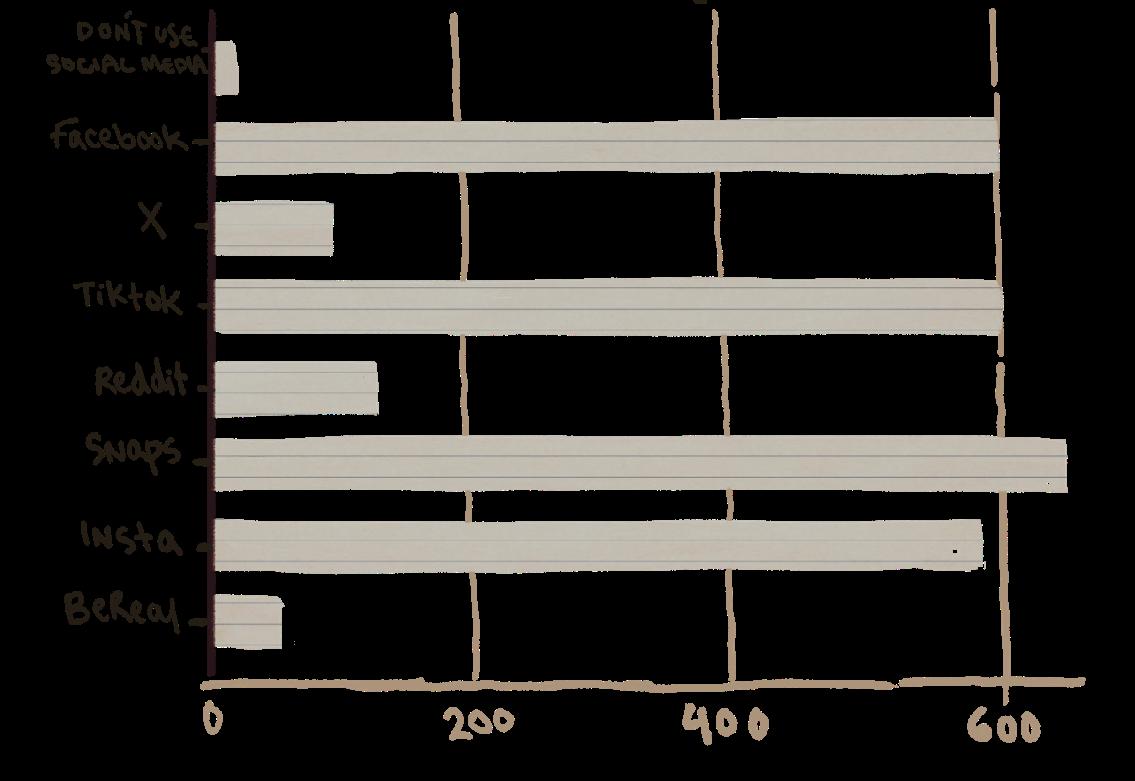
Instagram is the most frequently used app (42.9%), followed by TikTok (35.5%), and Snapchat (only 7.8%). Special mentions to the 5 people who said OneNote, the 4 who said Hay Day, and the one who said the New World app.
Although students spend less time on it, Snapchat beat Instagram this year as the social media platform that the most students actively use (657 of you!). Didn't you guys read the Tabloid Issue? Snapchat is OUT! Find a new way to send nudes, or a dealer that doesn’t rely on posting various leaf and gear emojis on their story the week of Electric Ave.
Dating
With the current state of the modern dating scene, let alone the shitshow that is the Dunedin scene in particular, it's unsurprising that 51.8% of you are single. 38.6% are in a relationship. 9.6% of you are in Hell (stuck in a situationship). Or, god forbid – “dating someone exclusively, but we aren't official”.
Despite that, 59% of you have been in love (aw). 20.5% reckon they haven’t been in love, with 13.6% being unsure, and a further 6.9% saying that it’s a sensitive topic. With half the campus single, there’s plenty of fish in the sea for you all to fall in love with. Most importantly, there are people other than your evil situationship to fall in love with.
Sex
Turns out students overestimate how much sex their peers are having. Surprise! Unless, of course, the people having all the sex just don’t have the time for the census afterwards. If so, we recommend a more balanced lifestyle. 51% of you think that you’re having less sex than your peers, and 22.9% think they’re having more. If you want some numbers to compare yourself to, rather than just vibes and ego, we’ve got you: 19.3% of you are virgins, 25.2% have slept with one person, 8.5% have slept with more than ten, and the average body count of this sample was 3.5.

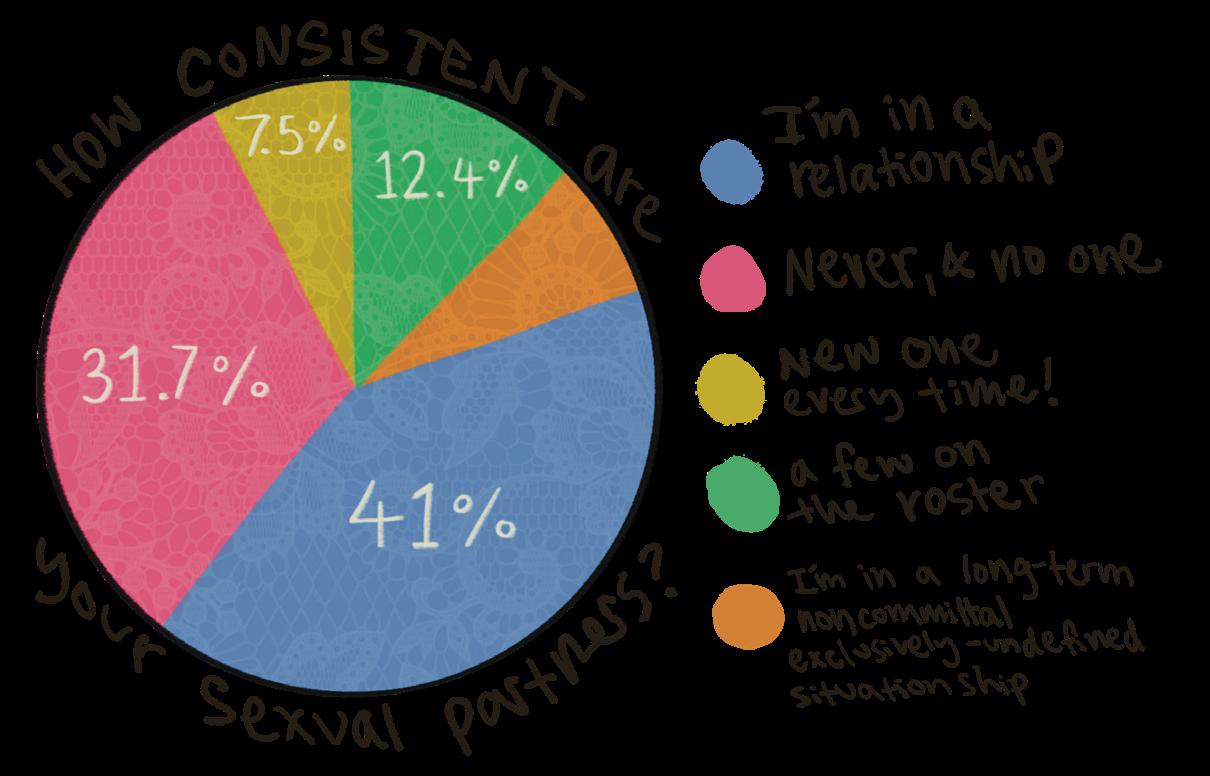
When it comes to how often you have sex, 29.6% said never, 18.7% said a few times a year, 14.7% said a few times a month, 23.7% said a few times a week (8 single people put this as their answer – we’re impressed), 9.5% said once a week, and 3.8% said everyday. The majority (51.7%) of people in a relationship are having sex a few times a week, and the majority of single people (51.4%) have never had sex. To the person who replied that their vagina “whispers secrets of a time before celibacy”, we have all the faith in the world in you getting back out there.
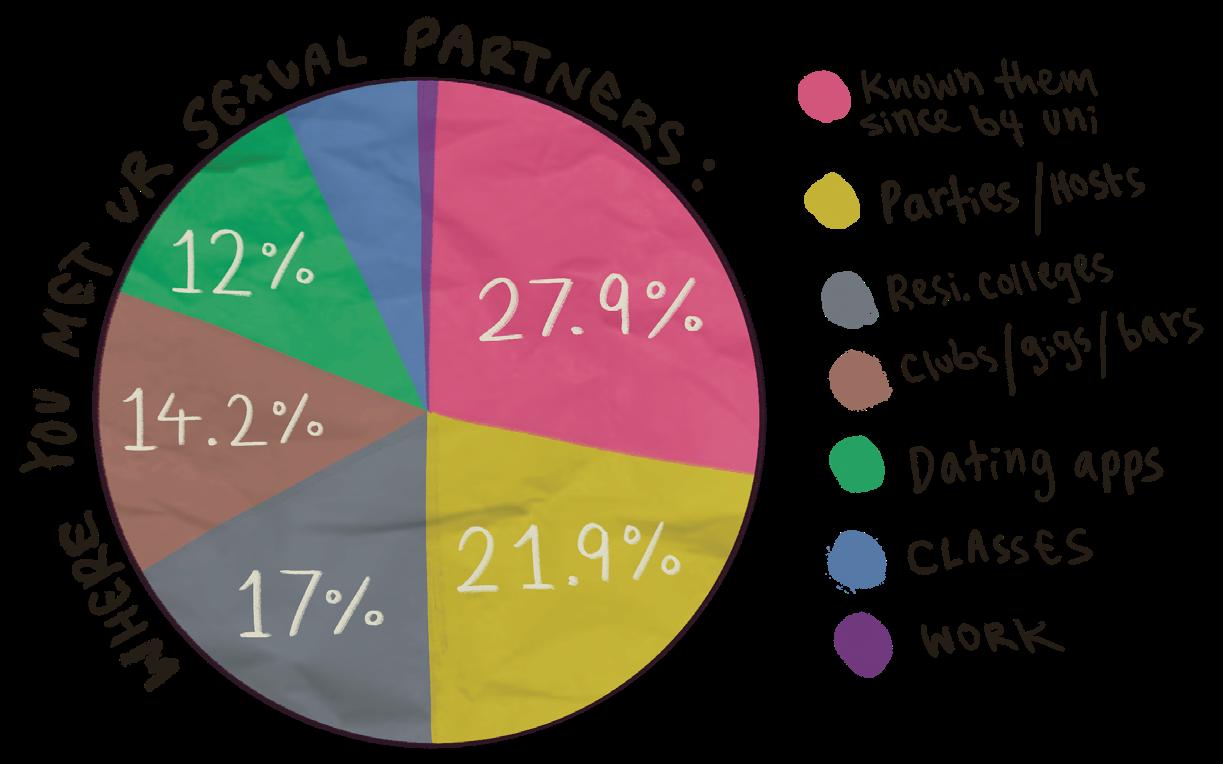
To the 27.9% who have known their sexual partner(s) since before uni – it’s okay to branch out.
61.4% of you have never been tested for an STI. Sexual Wellbeing Aotearoa is located in Burns House on George Street near the Octagon. If you’re under 22, your visit is free.
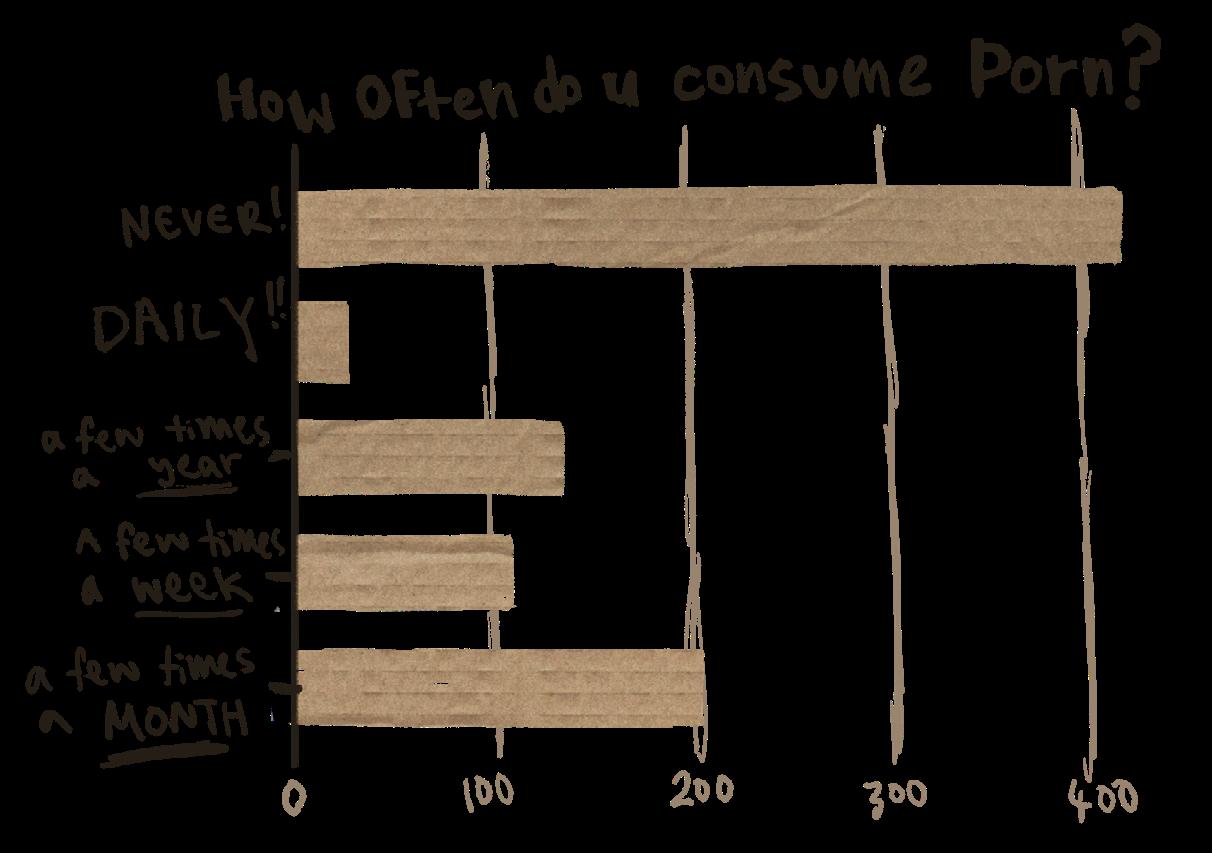
42.9% of you never consume porn, which is a decrease from 2024’s 48%. We’d say you’re getting hornier, but realistically, you’re probably just getting more honest. Not as honest as 2023, apparently, where 73.8% of respondents admitted to consuming porn in some form.
Out of those who do, Pornhub or other free porn sites is your top choice (34.6%), followed by Reddit (22.3%), and X or other social media (22.3%). Erotica comes in with a captive audience of 18%, with one comment adding that it’s “superior to porn as it doesn’t actively harm women xoxox”. Shout out to the three people who said AO3 was their most used app.
Finances and Flatting
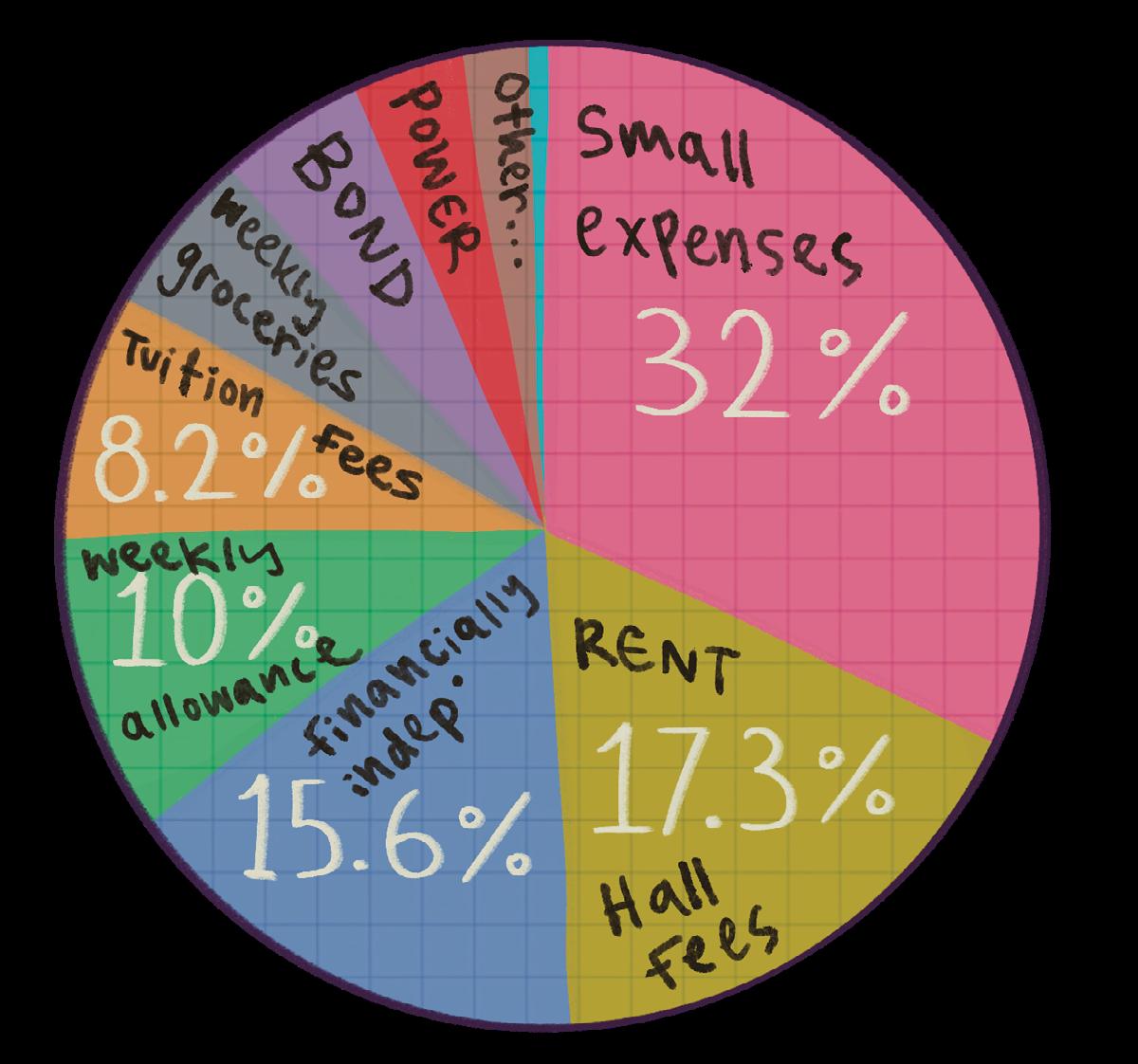
Even as the cost of living crisis seems to only get worse, 77.7% of students aren’t eligible for student allowance – the most consistent figure in our results since 2022. This leaves a lot of students relying on parental support (except for the 15.6% of you who are financially independent). 32% of students said their parents will pay for some small expenses, or that they can ask them for money occasionally. 17.3% said they contribute towards, or pay rent, and 8.2% said the same for tuition. 10% get a weekly allowance, and 5.5% get weekly groceries. There are also a few who receive money for their bond, power bills, or other small contributions.
Other than parental support, students are finding other ways to make ends meet, with 17% working casual shifts, 37.5% working part-time, and 1.8% working full-time. Hats off to those soldiers. That leaves 43.7% of students unemployed (although 13.4% of these are actively searching for j*bs).
Average rent has officially hit $200 a week, an increase from $190 in both 2025 and 2024. Before that, we clearly weren’t being nosy enough. This year we asked students to round their weekly rent to the nearest $25, and of those who answered this question, 43.5% landed at $200, 21.8% at $175, and 18.2% at 225. 6 of you rounded to $100, and 9 to $300.
With rent increases and the cozzie livs crisis, flat relations may be strained. Luckily, 66.4% of respondents haven’t let mounting pressure cause excessive flat beef, as they still like their flatmates, which is lovely to hear. The minority of respondents only like some of their flatmates (20.3%), only sometimes like their flatmates (10.2%) and some straight up don’t like their flatmates (3.2%). Thoughts and prayers –you’re making us regret not asking a question on flat beef.
Drugs
Marijuana takes the Student’s Drug Of Choice Award! Keeping its title for another year running, 66.6% of respondents (649) have used it recreationally (a little lower than 72% in 2025). Of these people, 442 use joints, 332 use a bong, and 323 take edibles. There’s a lot of overlap there – you guys like to change it up. MDMA also kept its second place position, increasing to 41.3% having used the drug from 39.9% in 2025. Ketamine took Ritalin’s third place spot with 23%, and Ritalin (unprescribed) came in with just 21.8%. Cocaine truly is on the rise, with 13.1% of respondents reporting use. 27% of you haven’t taken any drugs recreationally. Squares.
60.1% of people who have taken drugs have never tested them. Boo! Know Your Stuff offers free and discreet drug testing. 8.7% test them every time. Yay!
62.4% of people said they don’t vape, even socially (22.7%). However, only 57.1% of respondents said they don’t smoke cigarettes. 34.5% said they smoked cigarettes socially, and 8.5% said they smoked in general, compared to 14.9% who say they vape more than just socially. 62% of you said drunk cigarettes don’t count.
Mental Health
Only 16.6% of students reported not struggling with their mental health, pretty similar to 2024 in terms of figure (15%), and concern. This leaves 83.4% who did report struggling, or struggling sometimes, but only 24.9% of students have been diagnosed with one or more mental health issues, a decrease from 2024 (27%). However, 66.5% of respondents have sought support from Student Health’s Mental Health and Wellbeing Services, more than double the 2024 figure of 32.1%. A huge win for student support, and knowing when to ask for help. Kia kaha!
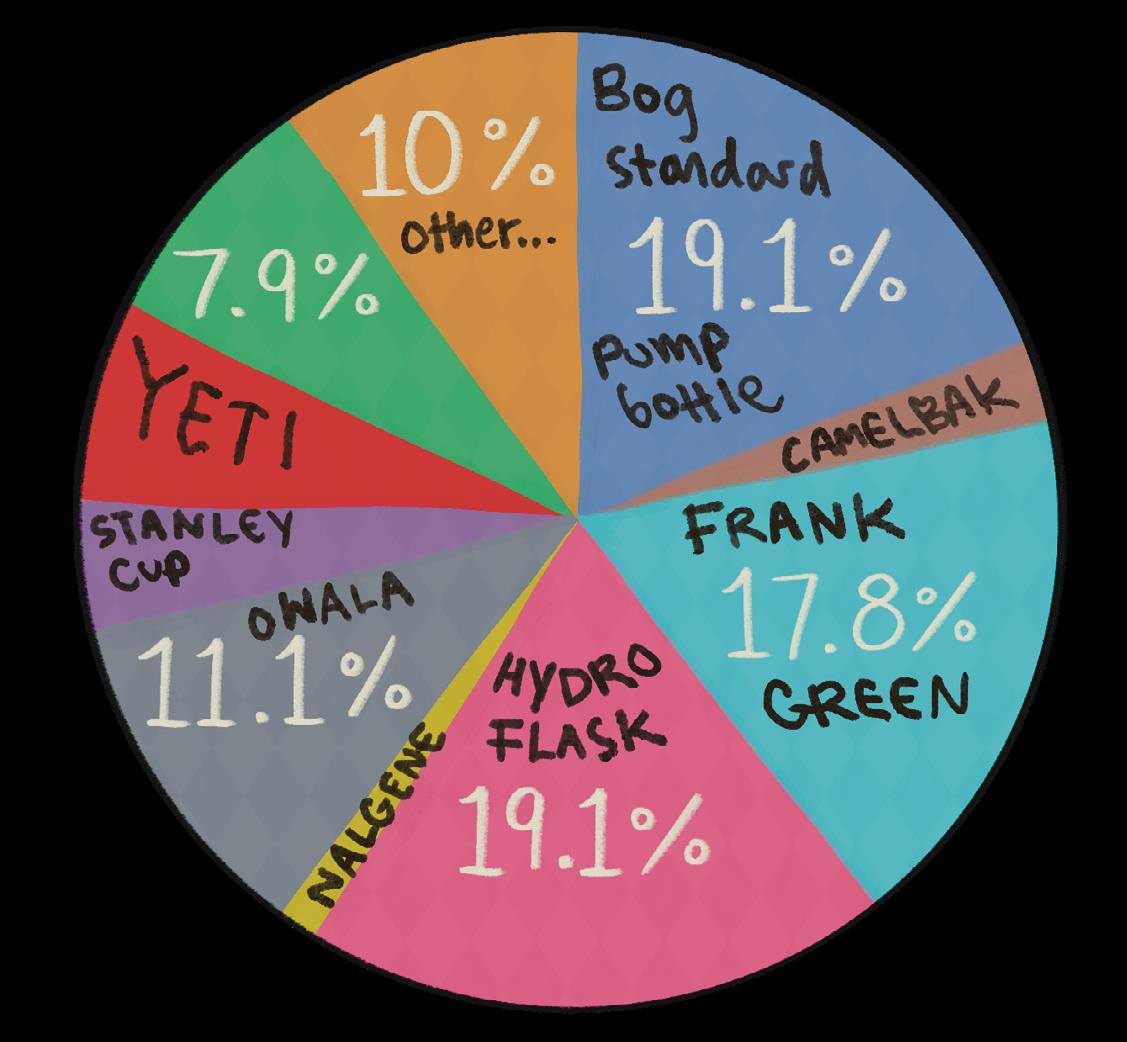
Waterbottle
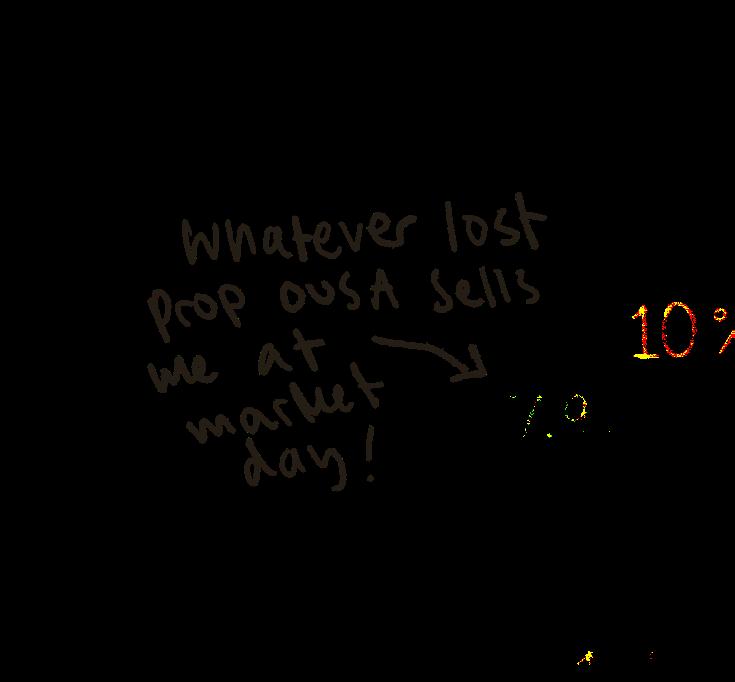
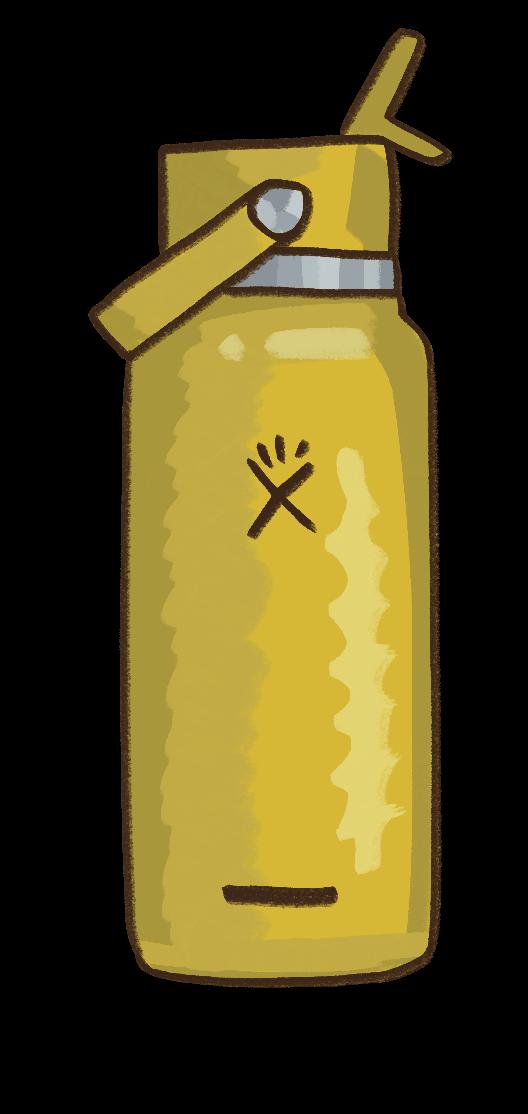
And finally, there was a tie for favourite drinkbottle between bog standard Pump bottle, and Hydroflask. Money really can’t buy favoritism.
The Vice-Chancellor and OUSA
Vice-Chancellor Grant Robertson received an average rating of 3.65 stars, pretty much exactly what he got in 2025 (3.66 stars).
Of the students who said they were enrolled last year, 51.9% voted in the OUSA election. The average understanding of what OUSA does was ranked at a 3.1 out of 5. OUSA President Daniel Leamy thinks this isn’t a bad result. For the 66 of you who didn’t understand at all what OUSA does, Daniel says it’s “a wide range of things from advocacy, to clubs, student support, events and student media.” For sure.
56.8% know who the OUSA president is. President Daniel Leamy said he’ll “take that”, adding that “the vast majority of advocacy happens behind closed doors” so students often don’t see the work being done on their behalf.
Politics
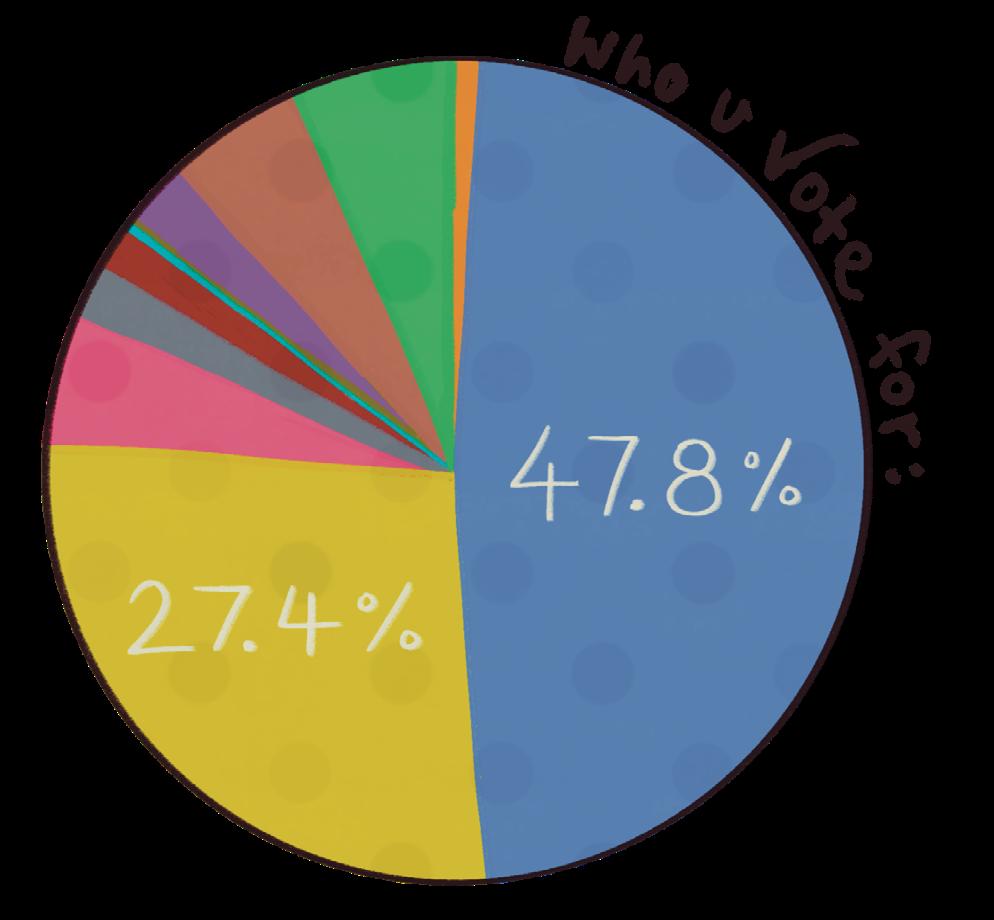
82.9% of you don’t like the current National-Act-NZ First Coalition government, and 13.1% of you are unsure of your feelings towards them. If the election was today, 47.8% would vote Green, demolishing the two party system and leaving Labour with 27.4% and National with 5.4%. To the 5.4% of you that don’t vote, please reconsider this year.
Thank you again to everyone who filled out this year’s census. See you next year! If you have any questions, or you want to know more about any stats in particular, or you want to discuss buying this data, please don’t hesitate to reach out. We can probably help you out. ★
Everyone remembers their Big University Romance. I can sum up mine up with a few pretty sad stats. 3 years. Thousands of texts. And one lousy kiss – at the airport, of all places.
We met in halls, where it feels like everyone is simultaneously trying to reinvent themselves and also find themselves. Not sure how that one works. Our respective friend groups merged perfectly, mostly because no one wants to eat in the dining hall alone.
He and I clicked embarrassingly well. We’d somehow always end up next to each other at dinner, walking home from town together, or being the last two standing after a night out. We liked the same music, laughed at the same dumb jokes, and had more than enough chemistry. Over the years, I heard of at least three of my friends planning our wedding.
In fact, the only people who didn't seem to realise we liked each other was us. Or maybe we knew, and we were just cowards. Anyway, literally nothing physical happened for our entire first year. Until it did. While he was dropping me off at the airport before we went our separate ways for the summer, he made a move. It wasn’t passionate, it wasn’t even very coordinated. It was the kind of clumsy, awkward kiss that lasted for approximately three seconds before he pulled away and said, “Well… have a good flight.”
Then we didn't see each other for three months. Yes, the daily texts continued. But it all felt completely detached from the spark I thought was between us. That’s the thing with summer – it seems three months is exactly how long it takes to completely erase any confidence you’ve built up with someone.
Second year rolls in, and we move into our flats at opposite ends of North Dunedin. Miraculously, our flat groups get together again, and so we continue spending a lot of time together, falling back into our old routines. Unfortunately, this year is a bit more complicated. Our two flat groups realised they didn't actually like one another that much and they were just hanging out for our sake. Fuck!
By Lady Gag-me
Instead of making things simple for ourselves and just starting to date, we did what any emotionally intelligent young adults would do. As our respective friend groups started to lowkey hate each other, we kept texting in secret. Nothing scandalous, but no one else really knew how much we kept talking. I spent semesters swinging back and forth between thoughts of “maybe he doesn’t like me as anything more than a friend” and “hang on – maybe he does.”
OUSA EXEC
BY THE UNIQ EXECUTIVE AND OUSA EXECUTIVE
The OUSA Executive and UniQ oppose the Gender (Definitions of Man and Woman) amendment bill, and call for it to be withdrawn over the dehumanisation wielded against transgender, non-binary, takatāpui and intersex people.
Everyone deserves to live a life of dignity where we can be comfortable in our own bodies. Trans* people deserve to exist in public life with dignity; their identities are inherent to them, determined by them, and their validity is not up for debate.
Fostering such a political environment that incites discourse on the validity of human beings renders these people’s very identities
into something that no longer belongs to them, but instead a conversational topic to be debated by people who do not know them. It is inherently dehumanising and invades everyone’s bodily autonomy and privacy. Incorporating the definitions the government has proposed would threaten the abilities of these people to engage in public life concerning the legal system, such as any situation where legal documents are required, and regarding discrimination protection, placing them into a space of unnecessary legal confusion that leaves them vulnerable.
Instead of reducing the cost of living for New Zealanders, supporting the next generation of leaders, or investing in anything constructive, the government is choosing to strip away legal recognition from a handful of people already fighting every day to be comfortable in their own bodies.
Trans people have always existed throughout human history and will continue to exist. They deserve to do so with dignity. ★
By Hanna Varrs
When we tried to schedule our next meeting over the break, Critic Te Ārohi was imagining that the Proctor would decline it in favour of sipping piña coladas for a sacred few weeks. It was not the case. Instead, he was all too keen to get our ear, and give us some Proctorly advice.
This final piece of advice is more specific, but stating that you’re a law student won’t help a situation when you’re in trouble. Without accompanying justification as to why being a law student is relevant to your actions, it won’t help your case. “I’ve spent 34 years dabbling in law. I could run rings around you. Why do you need to tell me that you’re a law student?” The Proctor compares such statements to “waving red at a bull.”
Overall, it’s important to stand on your own two feet when taking accountability. Don’t rely on alcohol, or your degree.
If you’re new here, Proctology is the branch of medicine concerned with the anus and rectum. And, apparently, student life.
This Month In The Clinic
Firstly, the Proctor notes that we’re now halfway through the academic year. That might be scary – your exam results may not have gone as you might have liked. “It’s important to frame this as a turning point rather than a failure,” he says. The Proctor knows all, and sees all. That’s why he can guarantee that one semester doesn’t define your ability to succeed, or close off future opportunities. Your first choice might not be the right fit. “Courses can be changed, and career paths can be reshaped as interests and strengths become clearer.” If the Proctor says so, it must be true.
Secondly, the Proctor has some words for if you ever do come and meet with him. Firstly, if Campus Watch ever refers you to his office for some antics, cut back on any smart comments. “On occasion, the invited student might have an audience, and have some alcohol fuelled bravado when the invitation to meet is delivered,” the Proctor explains. Comments surrounding what the Proctor might and can do with himself, “including colourful descriptive words” are always fun to debrief at a later meeting with the student.
Proctor’s Prescription
If you’re feeling a little shaky after the last semester, there’s heaps of support available. Even if things didn’t turn out the way you expected, you’re still meant to be here – it doesn’t mean you’ve failed.
Go see the Careers Office Team in person (they’re located near UniCrew by Eastlane) or flick them an email at careers@otago.ac.nz. They can help recalibrate your career gameplan if your circumstances have changed. They’re friendly, creative and genuinely want you to succeed – that’s everything you want from someone helping you figure out what you could do once you leave uni.
Alternatively, the Student Development team (student.development@otago.ac.nz) can help you achieve your academic aspirations. Taking a collaborative approach, they can give you course advice and connect you with other academic support systems.
Lastly, if everything is going pearshaped, Te Pou Whirinaki Student Wellbeing Hub Hauora Connectors can link you up with all forms of support and guidance. Go see them in person (where the old campus shop used to be, near Disability Services) or flick them an email at wellbeinghub@otago.ac.nz. ★
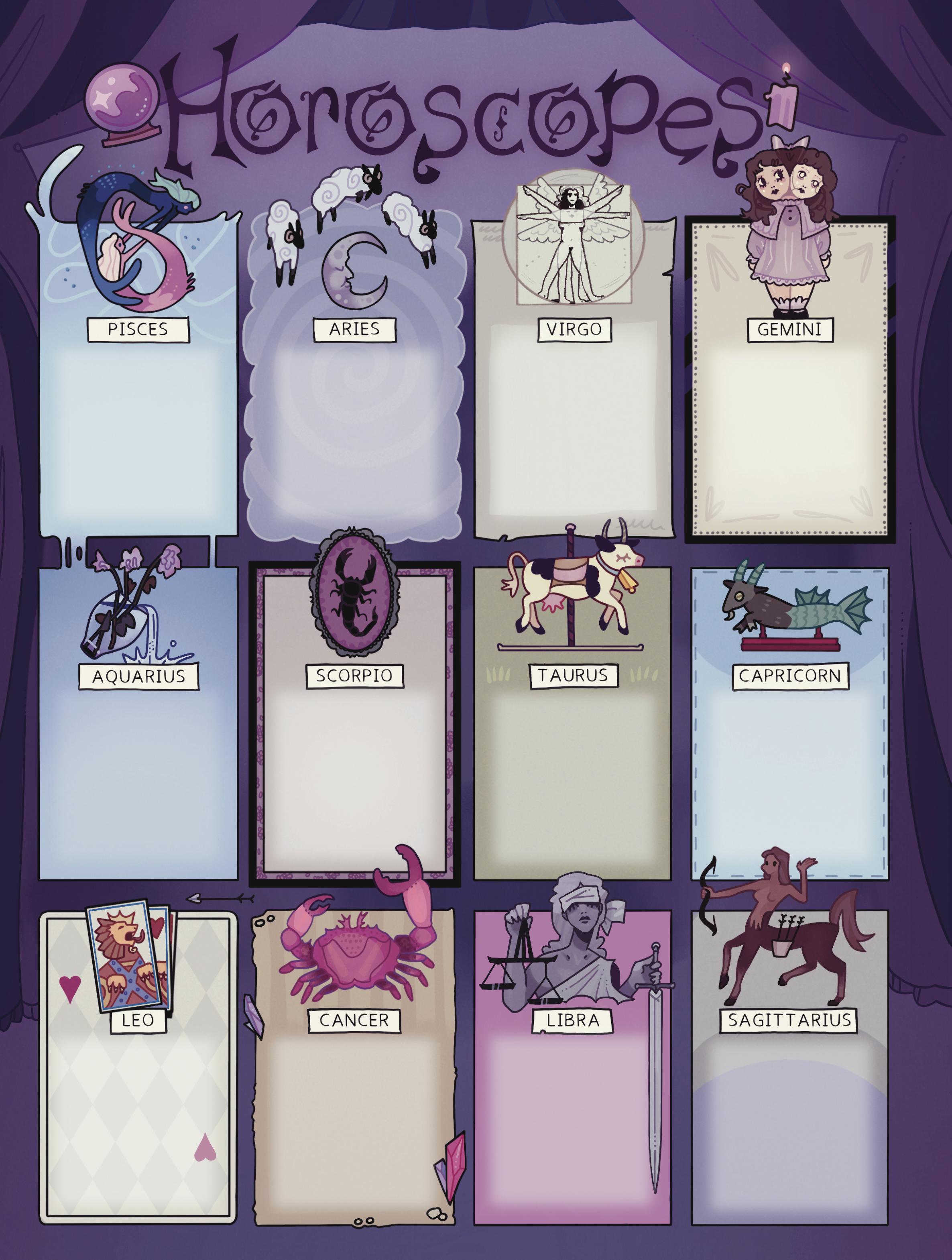
You have made a very wise decision recently. Though events this week may cause you to question your choices, trust your gut. That’s especially true if you’ve just quit vaping – even if you have a cool raspy voice, you also can't run a kilometre without dying.
Your Otago canon event: Flirting with a cop on Castle Street
Time to unleash the beast within and embrace Re:Ori. Fight your way to barricade, mix five different types of liquor and try punch darts in every smokers area in the Octagon. Show those Freshers what a real Scarfie looks like!
Your Otago canon event: Getting your Uber to go up Baldwin Street
You haven't been known as frugal in the past. But being home and not having to fend for yourself has allowed you some reprieve from the constant poverty you have been facing. You might still manage to save up for a New Years trip!
Your Otago canon event: Dressing for the wrong Castle Street theme
Brace yourself! 21st and red card season is upon us, and you are going to have a record breaking hangover. While your friends may not remember the night, the digicam never forgets. Lord knows your friends will post anything.
Your Otago canon event: 24 hour lock-in the day before your exam
The dice are in play and the Gods have decided your future. Usually, it's your job to pick up the pieces after disaster strikes – but you’ve had a stroke of luck! Maybe work will pay you sick leave when you call in hungover, or you might score a free pack of cigs from the ground.
Your Otago canon event: Dropping acid and seeing an inverted lamp
You could fill a room with the secrets you know but don't tell, and an extra juicy nugget of gossip is coming your way. Continue keeping your mouth shut, or that secret may be the last anyone trusts you with.
Your Otago canon event: Having a quarter life crisis and doing ALL of the drugs
It’s a new semester and a fresh start. Knowing how indecisive you are, this means another opportunity to change papers or add a new minor. But please think ahead to exam season, where you may regret some of your choices.
Your Otago canon event: Almost being run over by bogans hanging out of a Hilux
This week, your Pinterest will be enticing you to enter your whimsical era. Your heart is yearning to get enough piercings to give your Grandpa a heart attack and dye your hair anything neon. You may be Hettie’s Crystal Shop’s top customer by the end of the month.
Your Otago canon event: Being traumatised by your hall experience
New papers means new opportunities to let your competitive streak out (#academicweapon). But don't let your fierce nature cloud your vision. New papers also means a new dating pool, so keep an eye out and an open heart.
Your Otago canon event: Yearning to drop out and travel in second-year
This week it’s time to let your hair down and embrace some cultish behaviour. Don’t sacrifice the family pet goat, but skipping around a beach bonfire while cross-faded with friends might do the trick.
Your Otago canon event: Never being satisfied by your degree choice
Sometimes it feels like you sink into the background. However, you are the focal point. People do see you, and they love what they see. Keep being open and showing the world the real you, because they are huge fans and can't wait to see more!
Your Otago canon event: Making friends with everyone in the toilet of Residency
After coming back to freezing Dunedin and seeing the stark contrast between your home and your flat, you're itching to clean. Nuking the black mould in your shower and giving the microwave a good wipe is the best therapy a student can afford these days.
Your Otago canon event: Falling in love at Pint Night
Illustrated by Eleanor Walker