THE WORLD OF RADIO




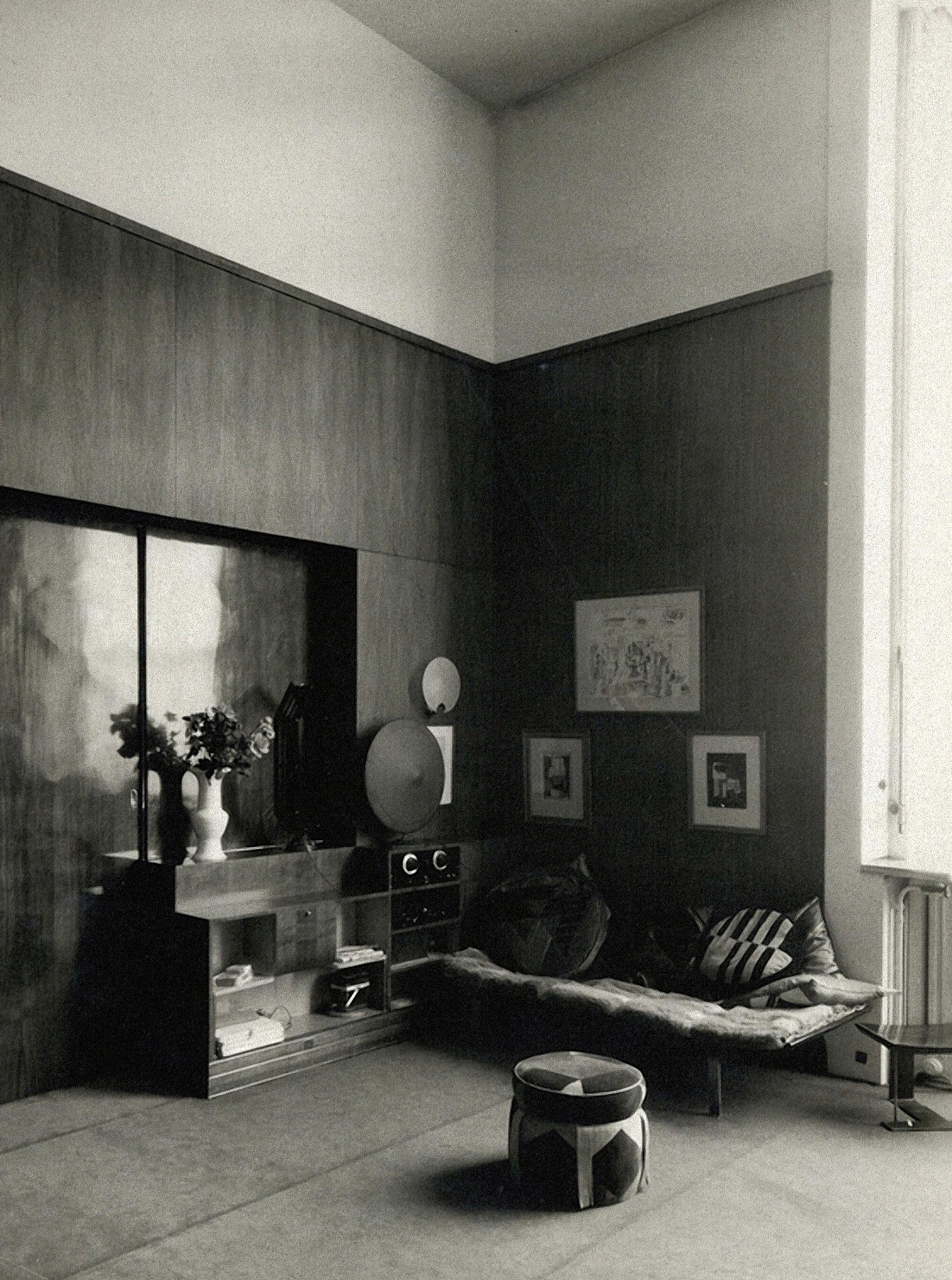
This exhibition was on display from February 03, 2017 to September 24, 2017.

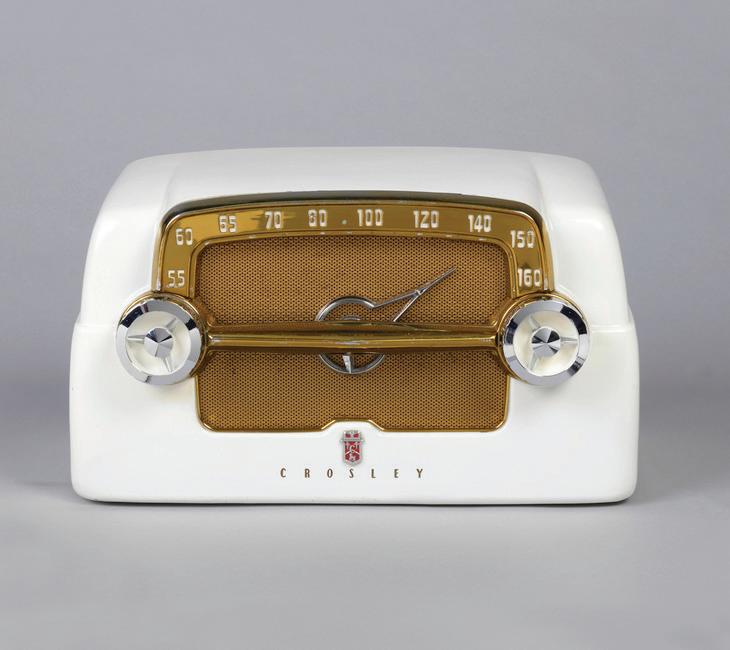
There were 61 objects in this exhibition but right now we can only show you 57 of them. Some objects may not be viewable because they were on loan; this might be due to issues involving image rights or simply because there is no digitized image for the objects. The World of Radio, a batik mural dedicated to the professional career of soprano and radio star Jessica Dragonette (American, 1900–1980), is the inspiration for the display of radios, drawings, and photographs in this gallery. Spanning more than eight decades, these objects serve as a timeline of radio’s development and refinement as a tool for communication and entertainment. Capping this display is the 1934 mural that celebrates Jessica Dragonette’s contributions as a radio personality and includes vignettes of important milestones in radio and broadcasting history. These are illuminated against a backdrop of familiar symbols of technological advancement in the modern age. Many recognized radio’s potential to facilitate long-distance communication, connect people to information, and provide entertainment. Though Guglielmo Marconi (Italian, 1874–1937) first patented his wireless telegraph system in 1896, it was decades before national radio networks emerged in the United States. When Dragonette began performing on the air for the National Broadcasting Company (NBC) in 1927, the network wasn’t even a year old.
The U.S. government encouraged cooperation among broadcasting, communication, and technology companies, chiefly AT&T, General Electric, Westinghouse, and Radio Corporation of America (RCA). The government support was the key to the formation of national radio networks. At around the same time, radios powered by household electrical outlets replaced those with the leaky batteries found in hobbyists garages and sheds. Radio’s domestication was complete as the newest models easily harmonized with household furnishings and made listening a shared family experience. Later developments included the transistor radio in the 1950s, which replaced vacuum tubes with transistors and made radios small and portable, revolutionizing how we listen to music. Further miniaturization of components impacted the aesthetic qualities of radios while innovations such as satellite and Internet-only radio stations, apps that stream customizable music playlists, and radio programs made available as podcasts changed how we access news and entertainment. Today, radio remains relevant by expanding options that allow us to appreciate an ever-wider array of programming.

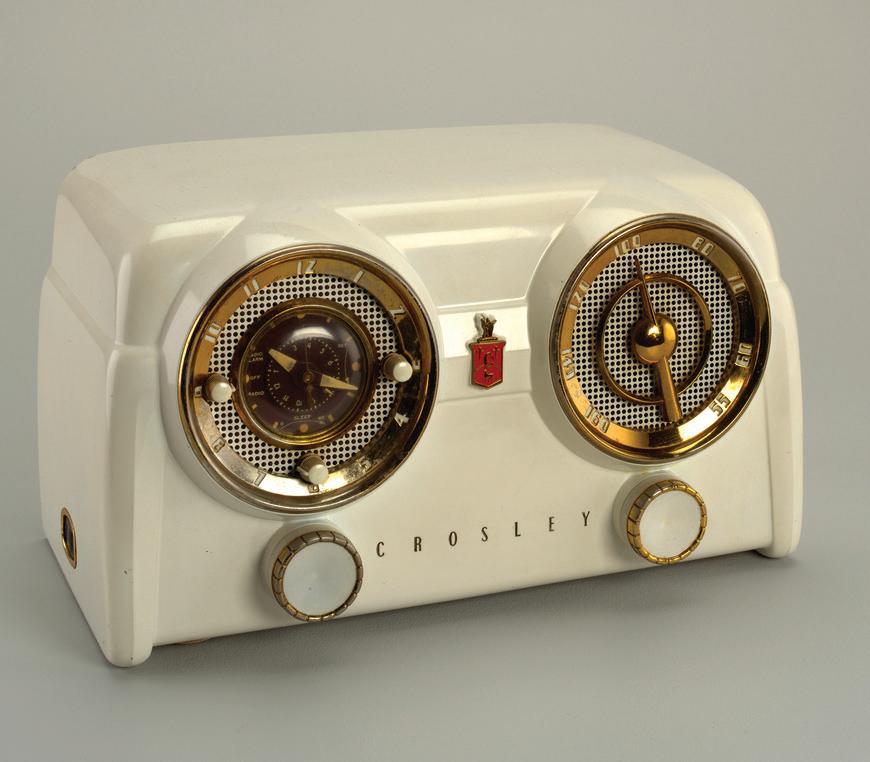
DRAWING, DESIGN FOR A CLOCK RADIO
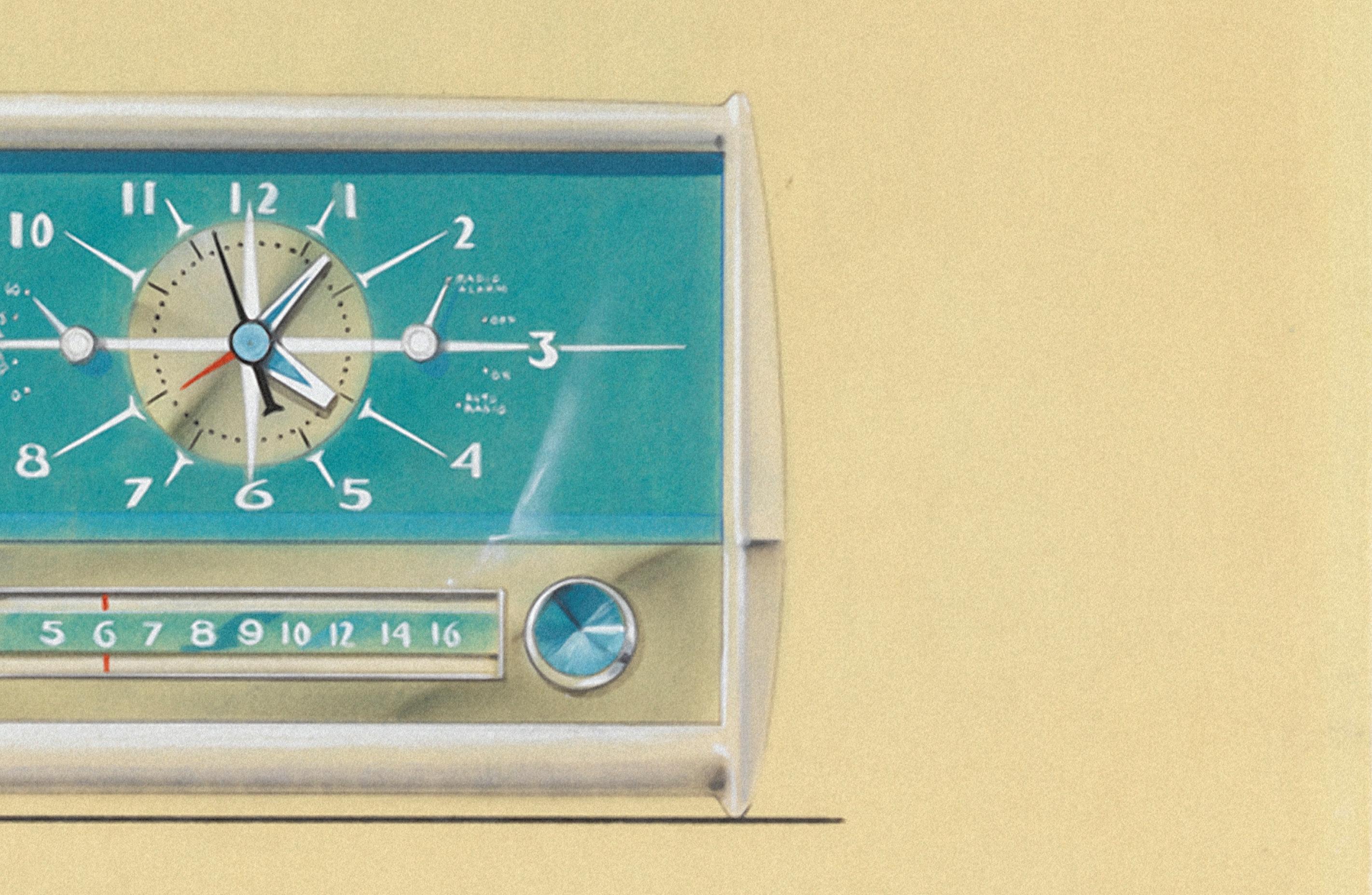
This is a drawing. It was made for (as the client) General Electric Company. It is dated 1957 and we acquired it in 1992. Its medium is blue, black pastel, brush and watercolor, gouache, graphite on vellum. It is a part of the Drawings, Prints, and Graphic Design department.
Arbib, who began his career styling cars for General Motors, made designs for clock radios that apply the flamboyant features of 1950s automobiles. Flaring side fins and a flashy dial approximate the look of an automotive dashboard and demonstrate how companies like General Electric eagerly added new features to radios to entice consumers.
It is credited Museum purchase through gift of Mrs. Griffith Bailey Coale and from Eleanor G. Hewitt Fund.
DRAWING, DESIGN FOR A RADIO
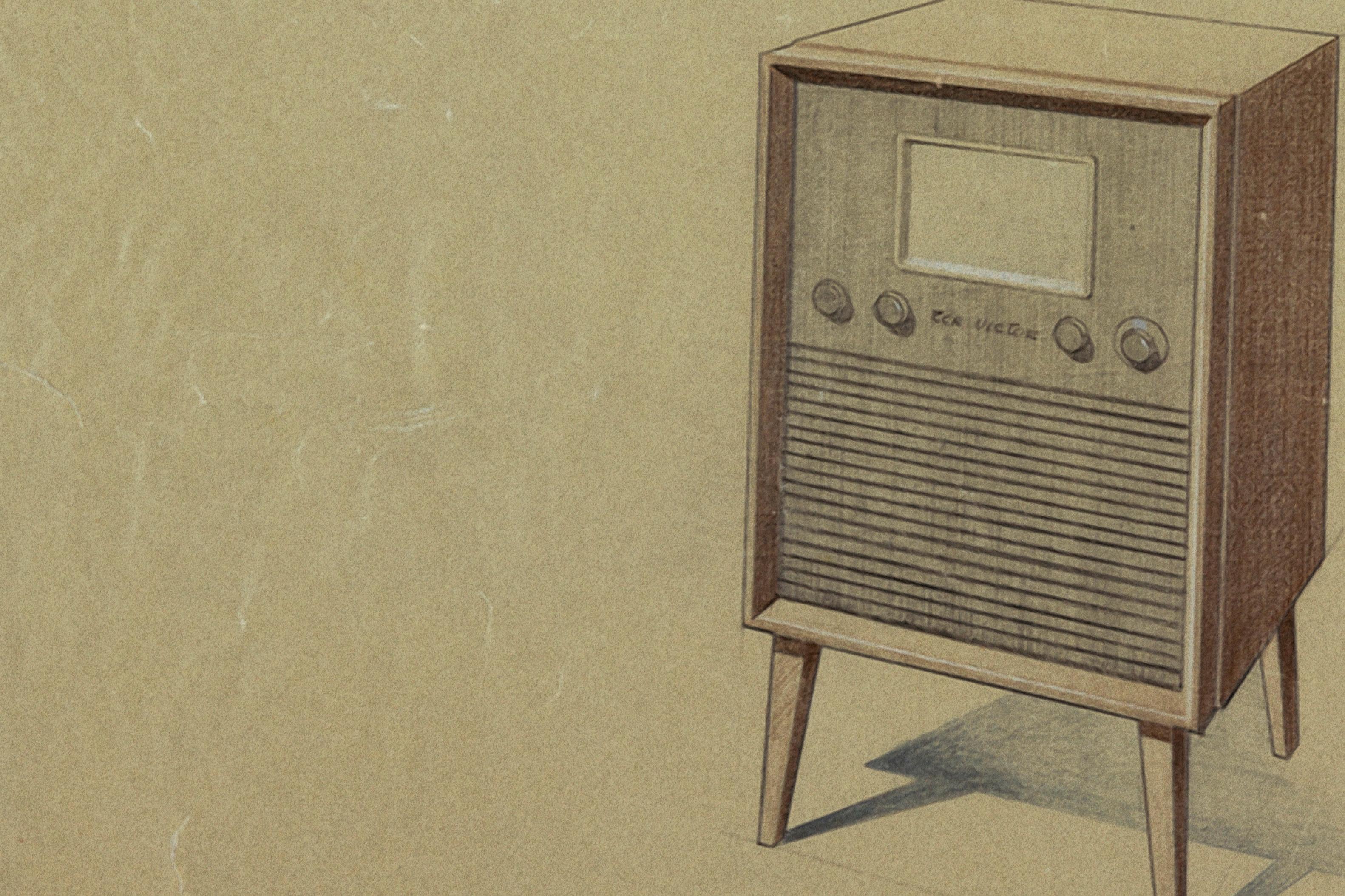
This is a drawing. It was from the office of Henry Dreyfuss and made for (as the client) Radio Corporation of America. It is dated May 10, 1948 and we acquired it in 1993. Its medium is graphite, brown, white, yellow color pencil on tracing paper. It is a part of the Drawings, Prints, and Graphic Design department.
This is one of a group of drawings proposed for acquisition that document work by the Dreyfuss firm during the postwar years, for clients including Royal Typewriter (1944–45), New York Central Railroad (mid-1940s), RCA (1946–55), National Supply Co. (1949–58), and Cities Service (1951–62).
A number of the finished drawings correspond to prototypes or other documentation held in Cooper-Hewitt’s Dreyfuss archives, including those for RCA radio/phonograph and television consoles, and two beautiful drawings for Bell Telephone Laboratories of public phone booths.
It is credited Gift of John Bruce.
POSTER, MINIWATT/ PHILIPS RADIO
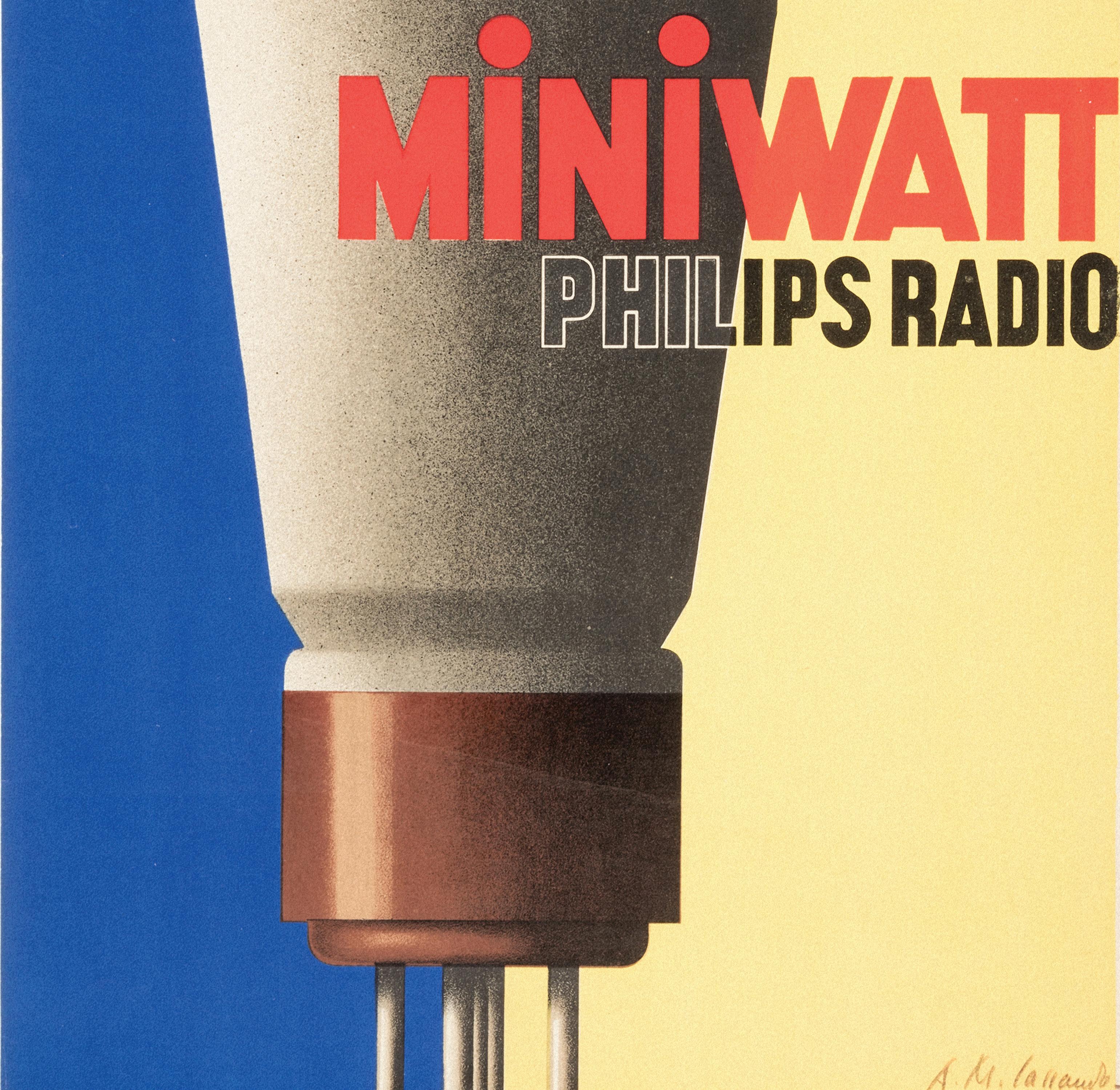
This is a Poster. It was designed by A. M. Cassandre and printed by Alliance Graphique and made for (as the client) Philips. It is dated 1931. Its medium is lithograph on paper. It is a part of the Drawings, Prints, and Graphic Design department. When legendary graphic designer A.M. Cassandre was hired in 1931 to produce this poster for the Dutch light bulb and radio tube manufacturer Philips, he was at the high point of his career. Together with fellow poster designer Charles Lupton, Cassandre had founded the printing and publishing collective Alliance Graphique in Paris, France.[1] Cassandre worked in the now widespread tradition of the sachplakat (object poster), and used as his focal point a detailed rendering of the product he was advertising: a Philips Miniwatt Type E444 diode-tetrode radio valve lamp. Cassandre cleverly placed the radio valve slightly to the left of the composition, rather than center it. He justified his text to the right, and created a striking typographic design, rendering the word “Miniwatt” in capital letters except for the two “i” characters. The design emphasizes the “mini” quality of the tube, which in Cassandre’s design is rendered at a greater scale than life size.
This object was donated by George R. Kravis II. It is credited Gift of George R. Kravis II.
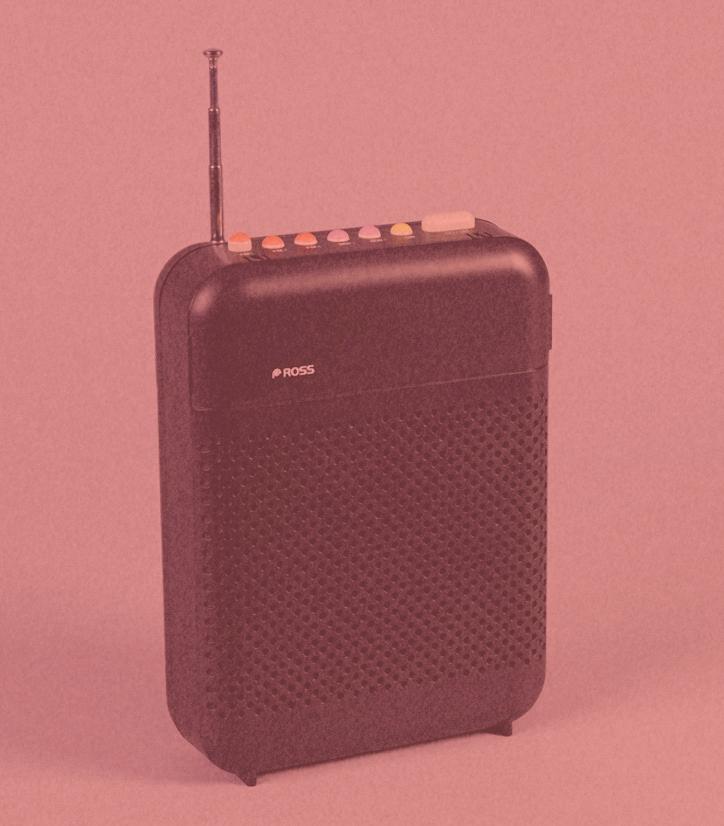
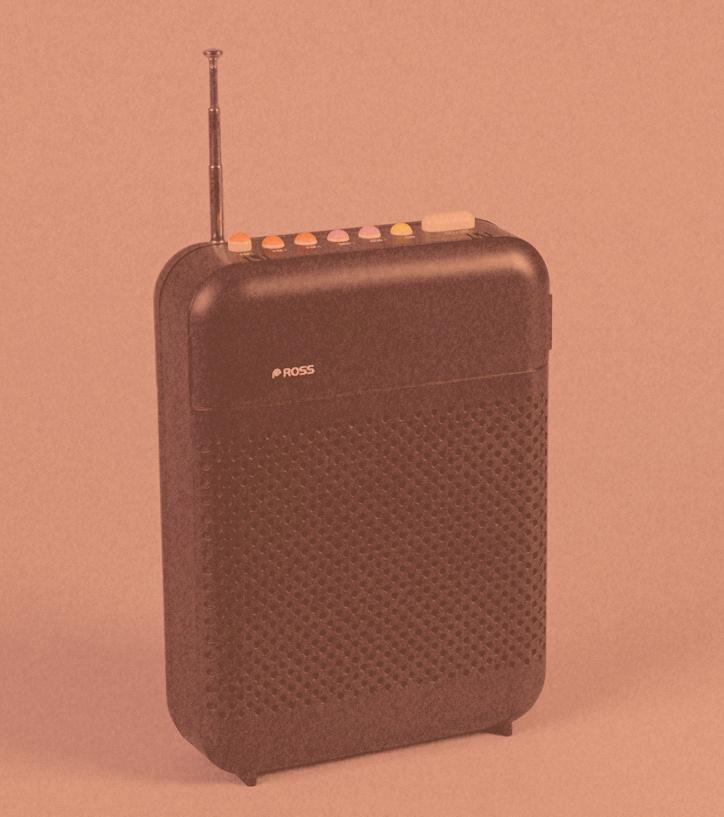
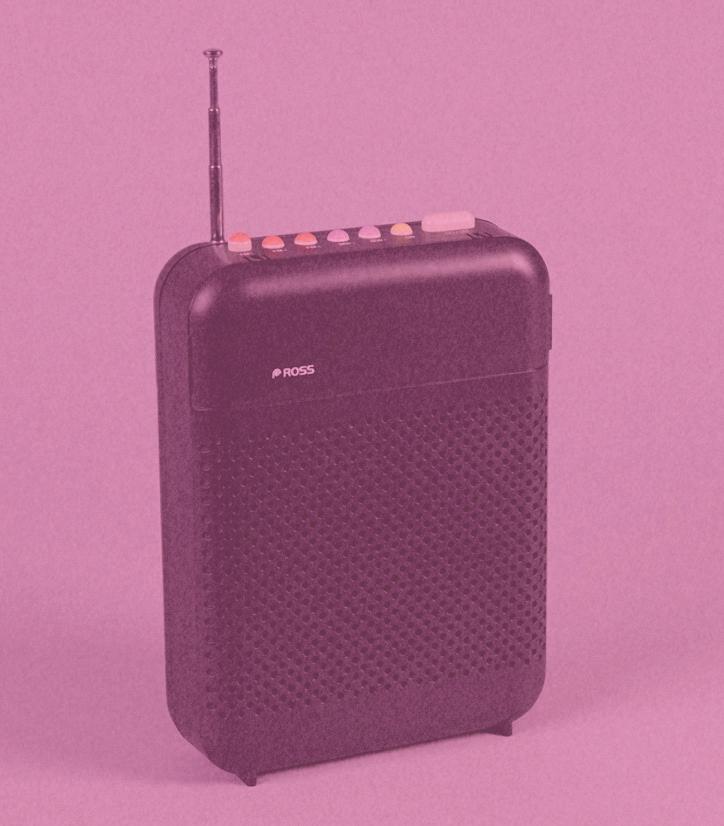
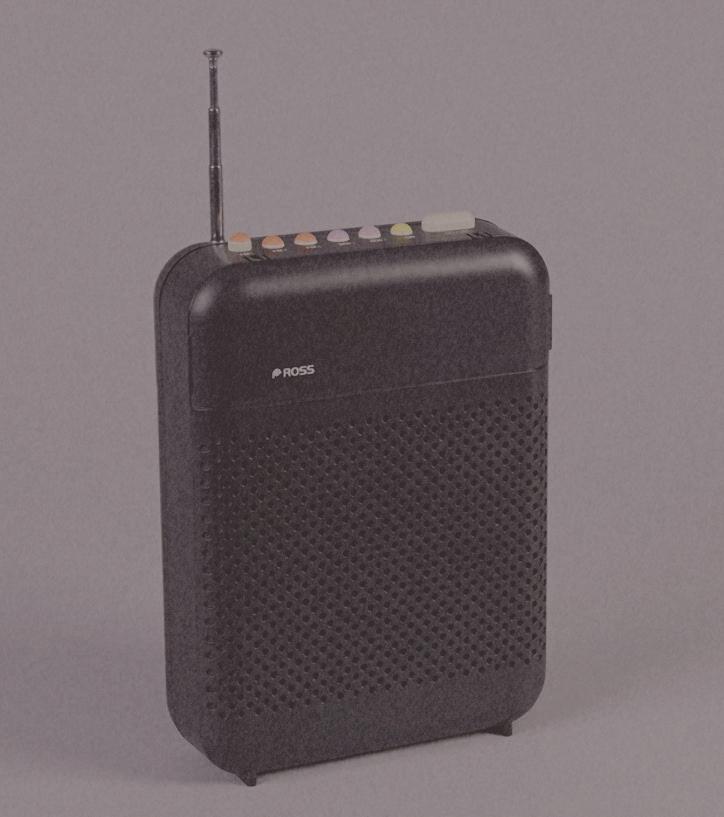
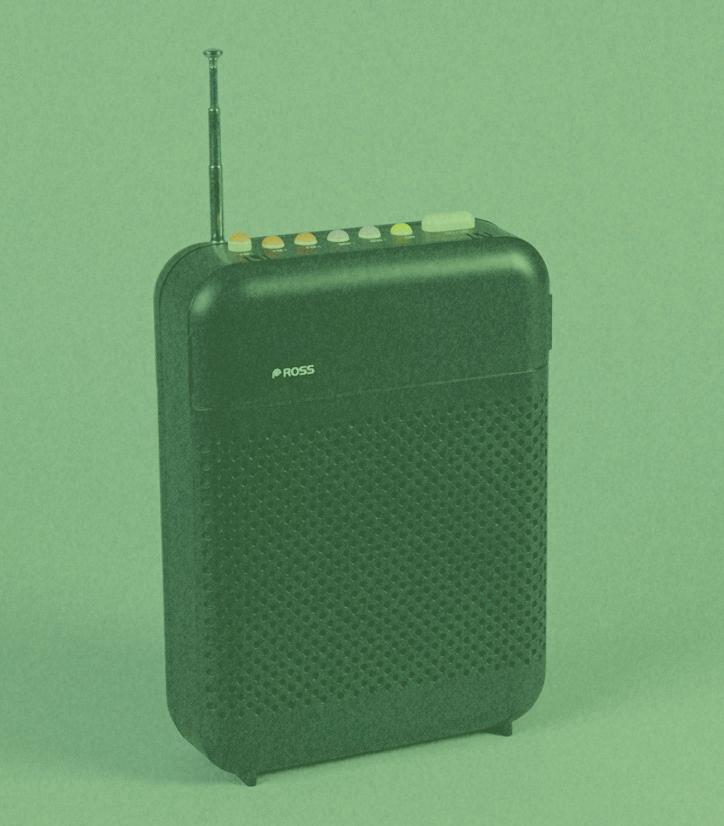
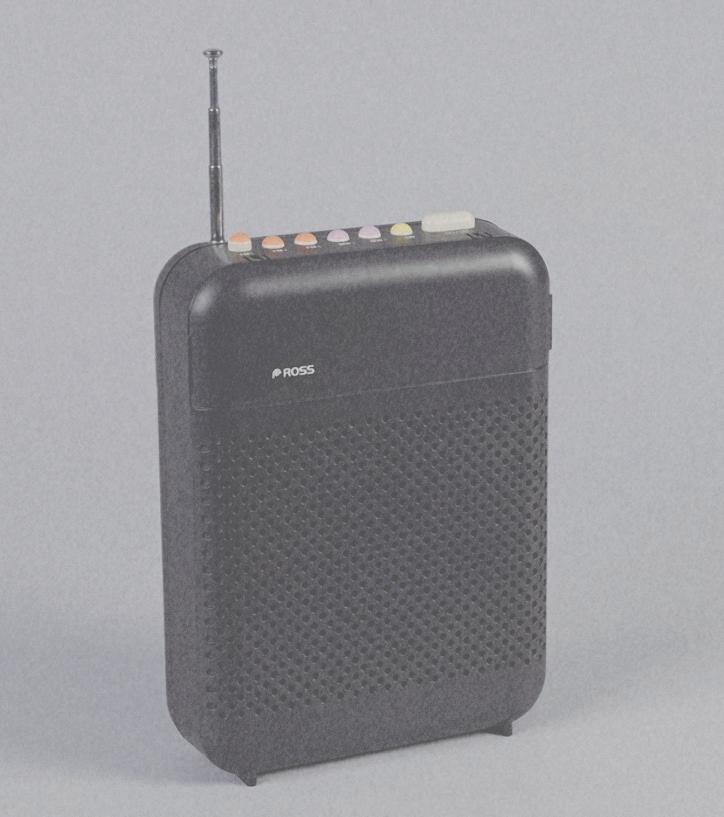
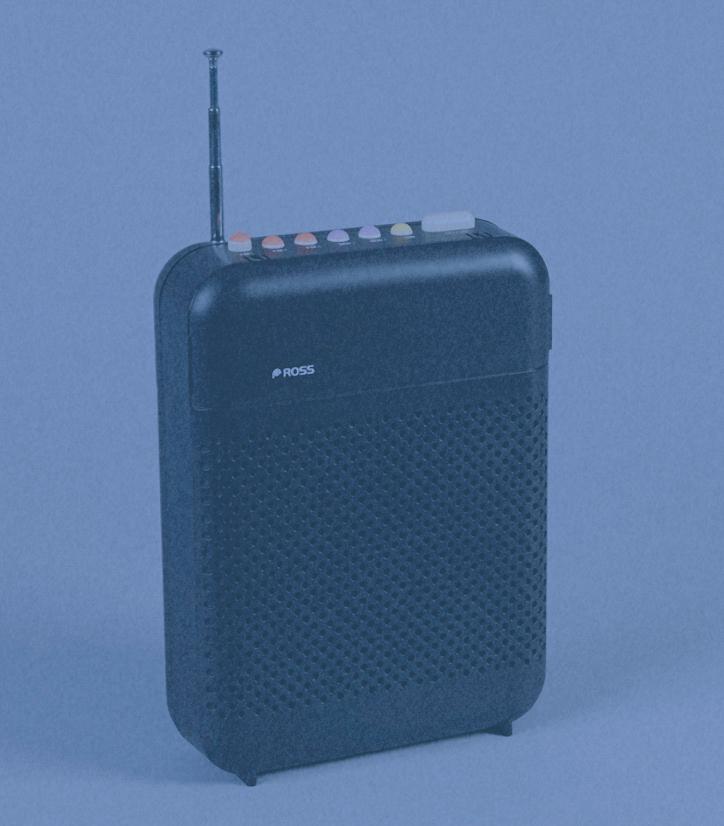
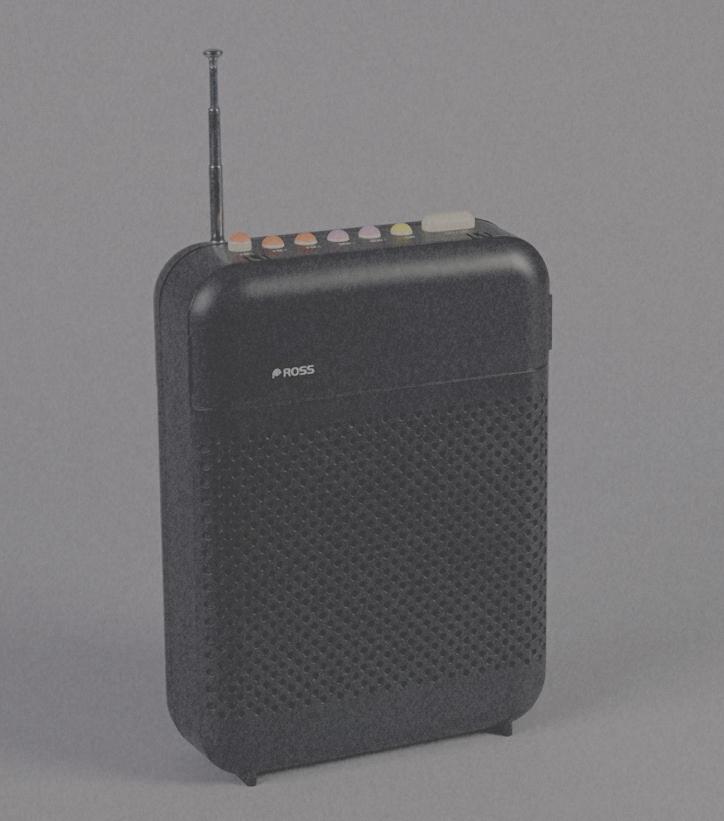
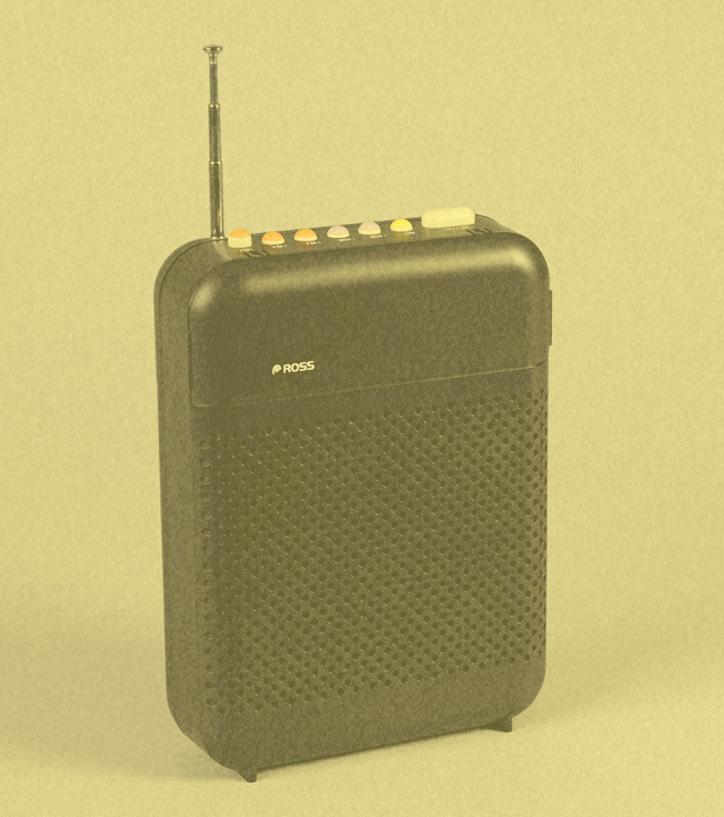
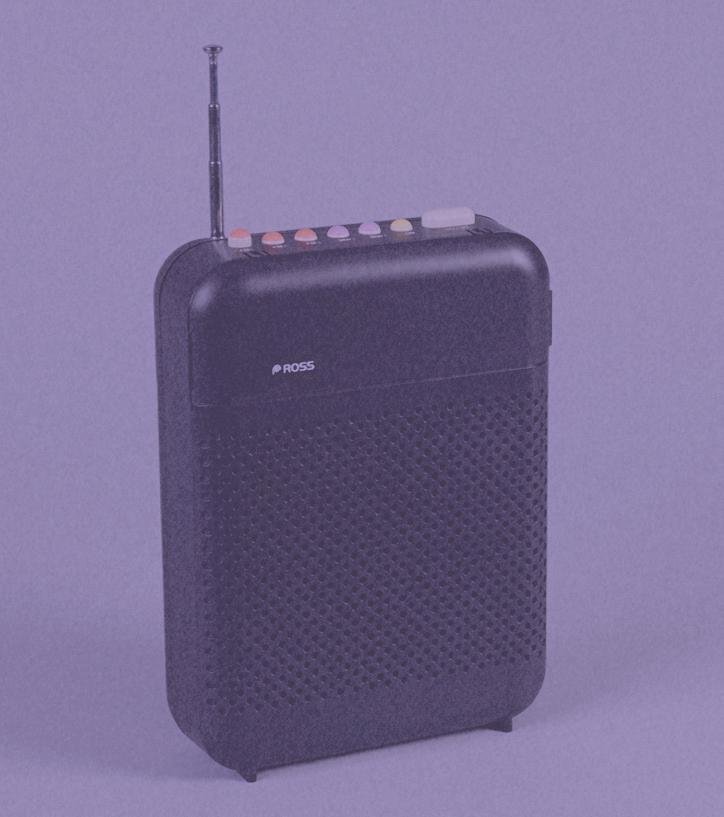
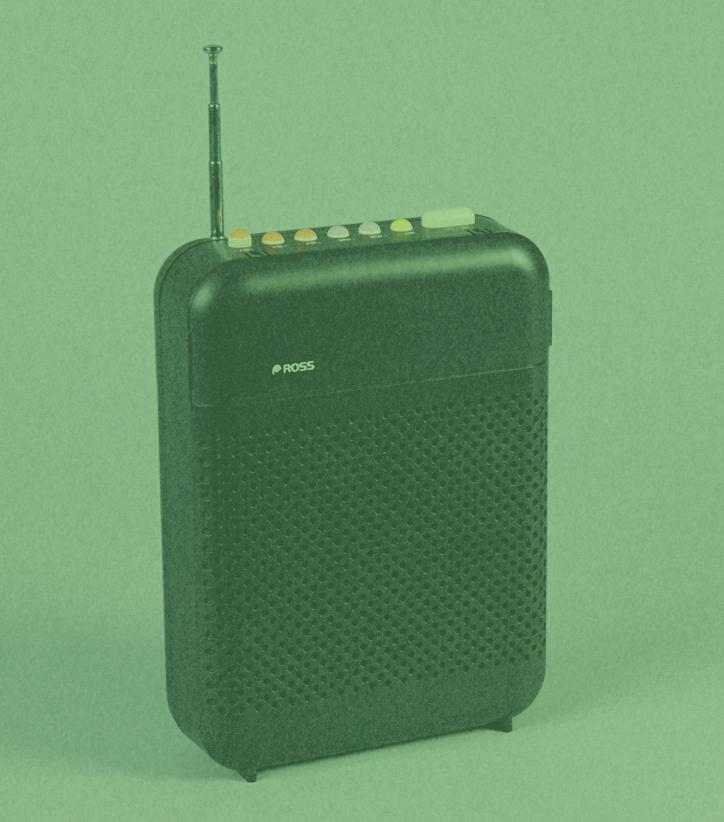
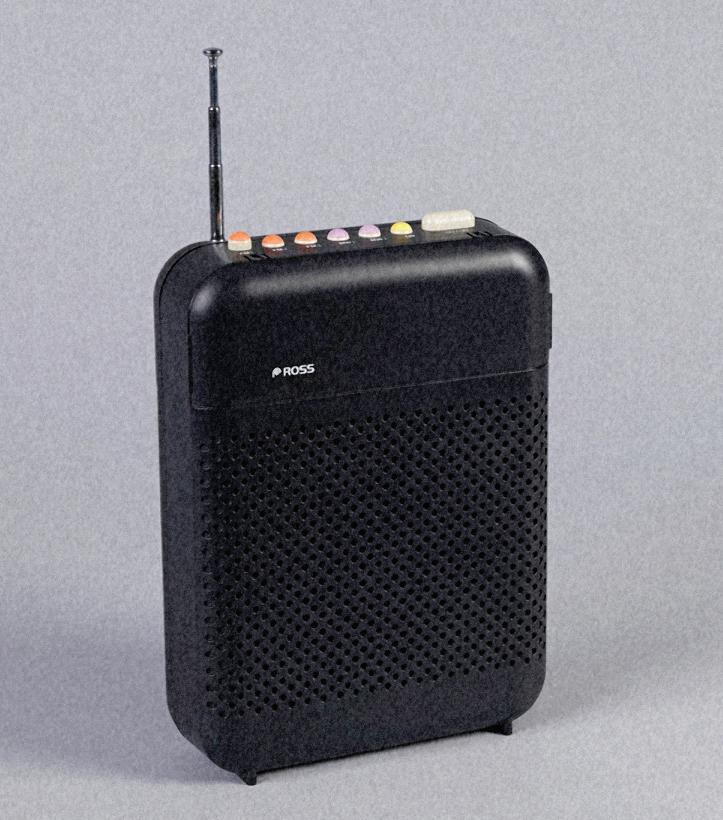
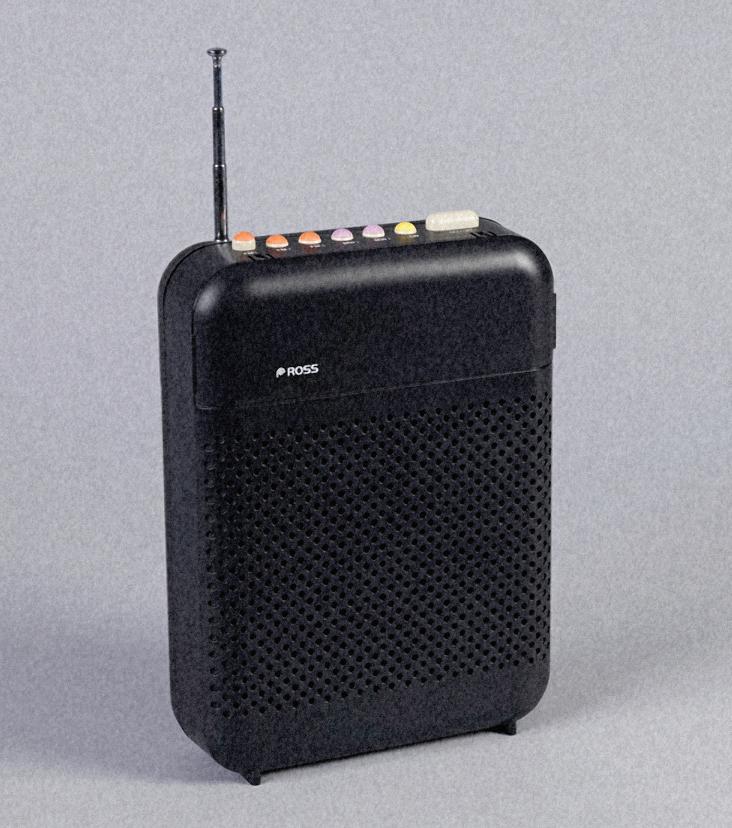
RE 5500 RADIO
This is a radio. It is dated ca. 1985 and we acquired it in 1994. Its medium is injection molded polystyrene plastic, metal. It is a part of the Product Design and Decorative Arts department. This object was donated by Max Pine. It is credited Gift of Max and Barbara Pine. Its dimensions are H x W x D: 23.5 x 16.5 x 6.6cm (9 1/4 x 6 1/2 x 2 5/8in.)
VOLKSEMPFÄNGER (“PEOPLE’S RECEIVER”)
VE 301 RADIO
This is a radio. It was designed by Walter Maria Kersting and manufactured by DeTeWe. It is dated ca. 1933 and we acquired it in 1986. Its medium is bakelite (tm), textiles. It is a part of the Product Design and Decorative Arts department.
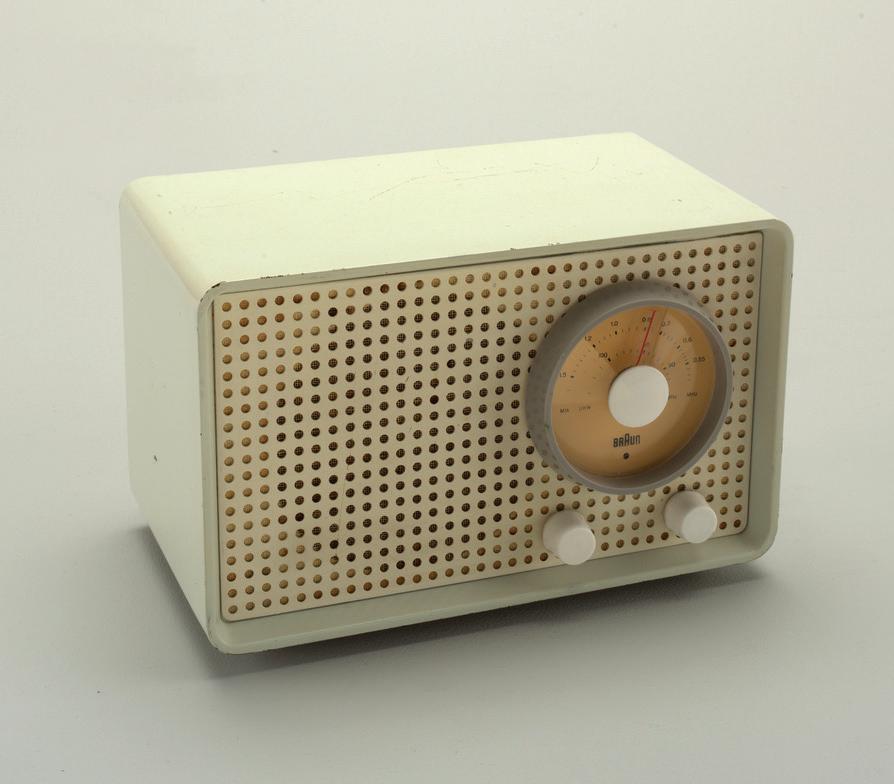
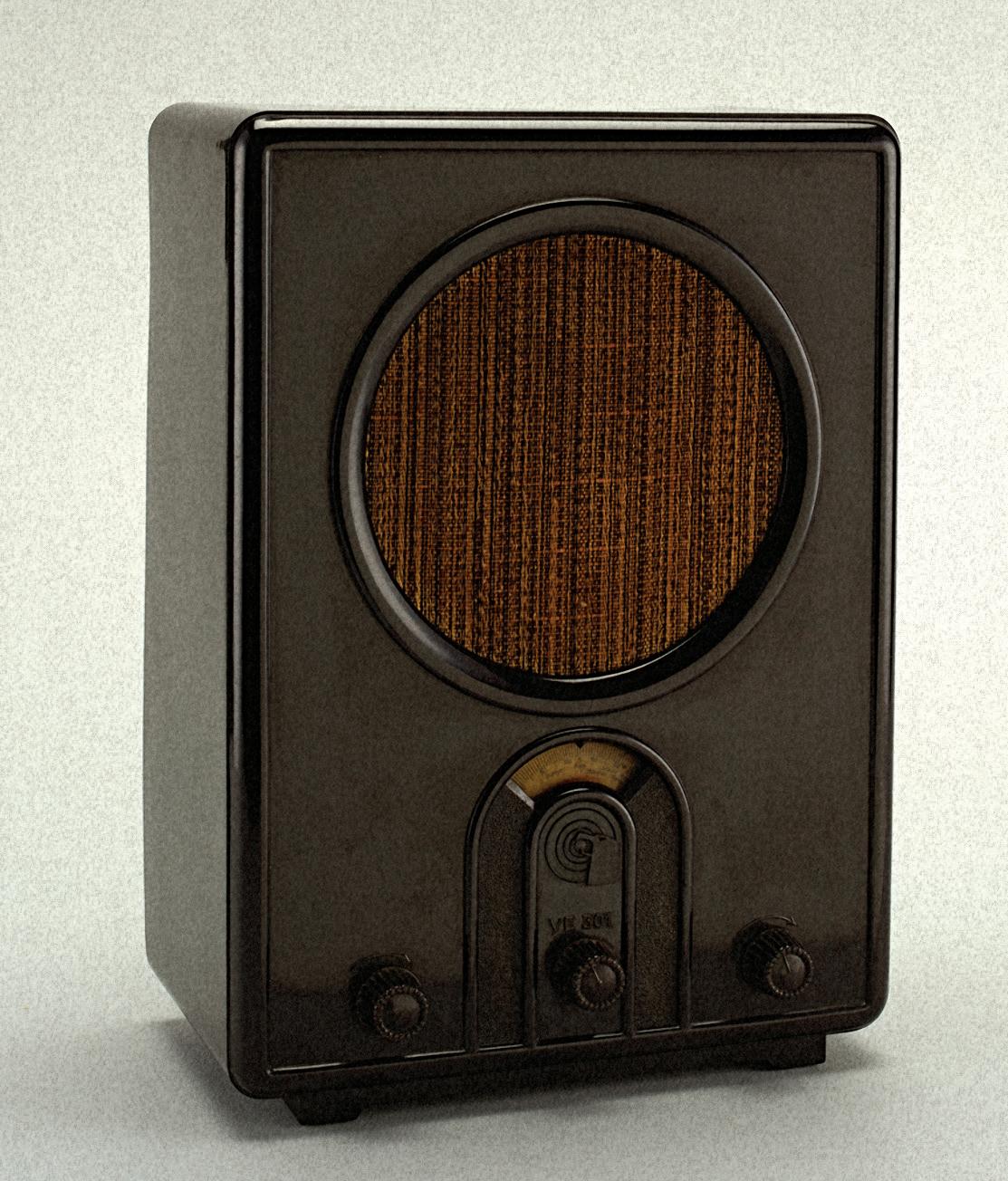
This object was featured in our Object of the Week series in a post titled The People’s Receiver.
This object was donated by Barry Friedman and Patricia Pastor. It is credited Gift of Barry Friedman and Patricia Pastor.
VOLKSEMPFÄNGER
(“PEOPLE’S RECEIVER”)
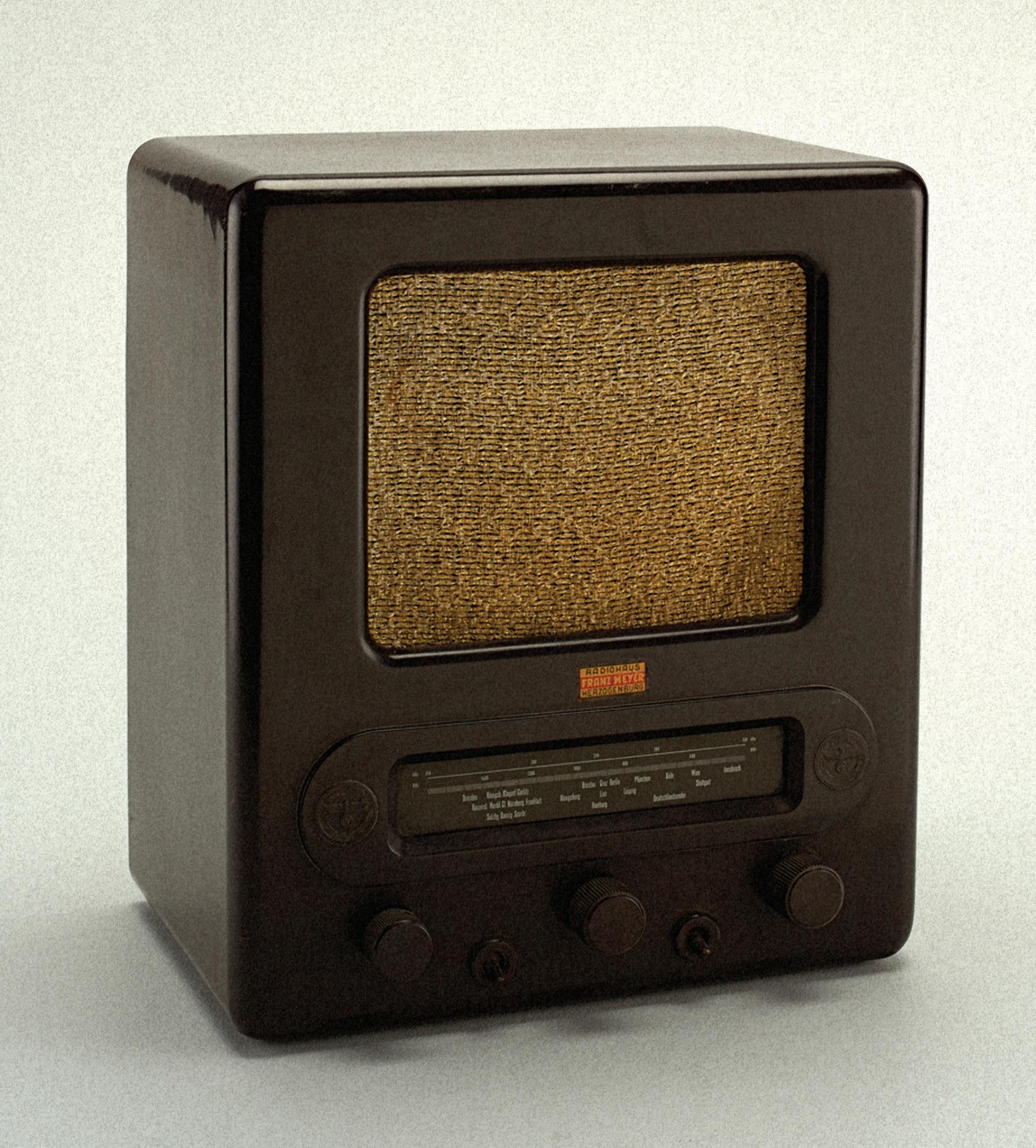
VE 301 DYN RADIO
This is a radio. It was manufactured by Hornyphon and Telefunken and retailed by Franz Meyer Radiohaus. It is dated ca. 1938 and we acquired it in 1986. Its medium is bakelite (tm), textiles. It is a part of the Product Design and Decorative Arts department.
In his final speech at the Nuremberg trials, Albert Speer, Nazi Minister of Armaments and War Production, described how under Adolf Hitler’s dictatorship the use of “technical devices like the radio and the loudspeaker, 80 million people were deprived of independent thought. It was thereby possible to subject them to the will of one man.” These Volksempfängers, or “people’s receivers,” are material evidence of Hitler’s technological manipulation. Developed at the request of Propaganda Minister Joseph Goebbels and designed to be cheaply produced, these basic, Bakelite-encased receivers made radio technology available to the general public. With tuners indicating only those German and Austrian stations that broadcasted Nazi propaganda, these devices played a central role in Hitler’s regime. However, clever listeners could tune in to Allied wavelengths using external antennae, a bold act considering it was a criminal offense punishable by fines, deportation to concentration camps, or even capital punishment. These radios thus encapsulate the dual nature and powerful potential of communication in modern times. Though intended as vehicles for Nazi propaganda, the Volksempfänger was transformed by brave citizens into tools for resistance.
 This object was donated by Barry Friedman and Patricia Pastor. It is credited Gift of Barry Friedman and Patricia Pastor.
T52 CLAIRTONE PORTABLE RADIO
This is a Portable radio. It was designed by Dieter Rams and manufactured by Braun AG. It is dated 1961 and we acquired it in 1986. Its medium is molded plastic, metal. It is a part of the Product Design and Decorative Arts department.
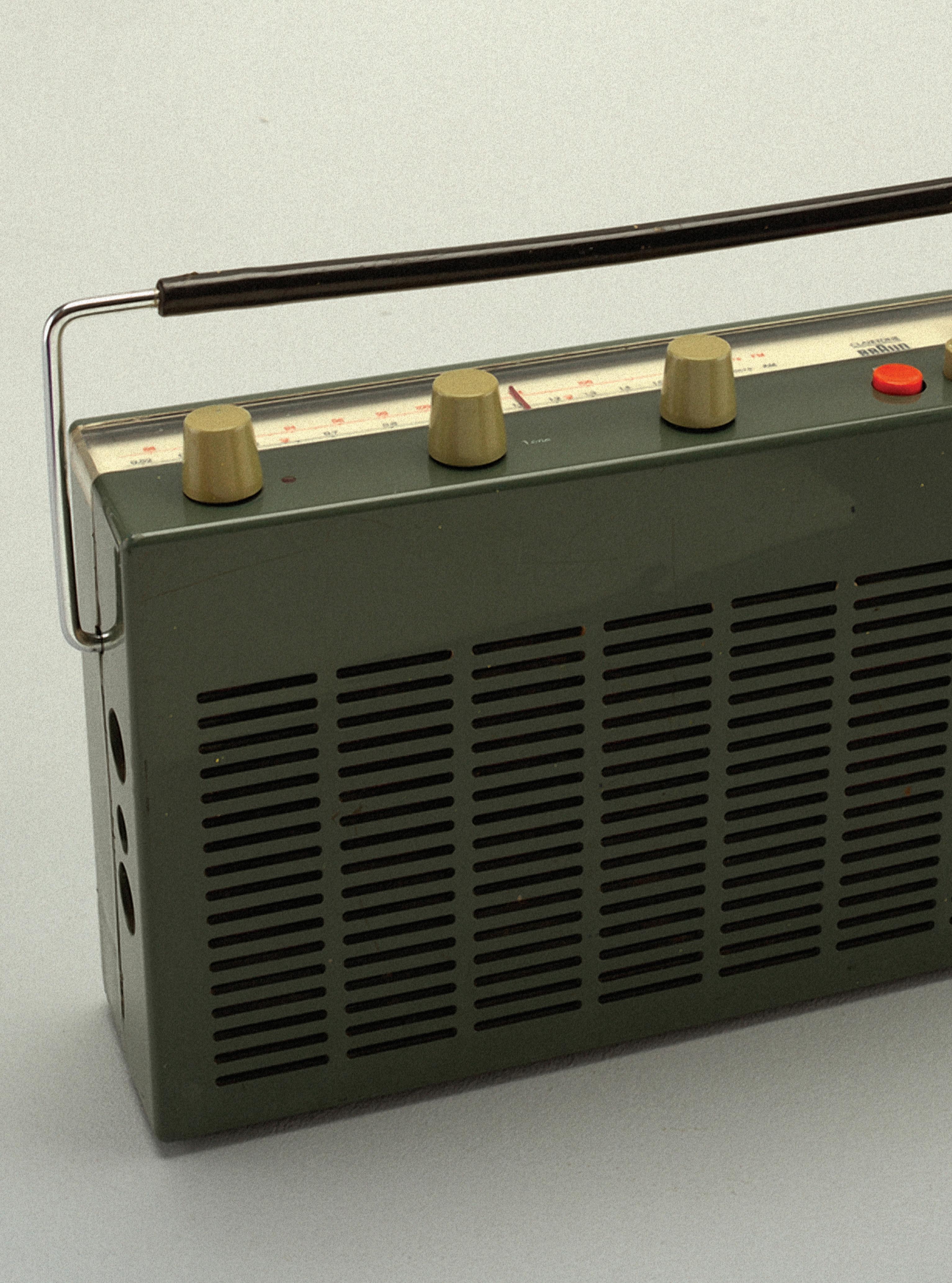
In the years before radios were standard fixtures in automobile dashboards, Clairtone marketed Braun’s T 52 to North American consumers who were getting behind the wheel in unprecedented numbers to traverse newly constructed highway systems. The versatile device served double duty as both tabletop and car radio: it could be propped up by its carrying handle when stationary or locked into an optional car mount on-the-go.
This object was donated by Barry Friedman and Patricia Pastor. It is credited Gift of Barry Friedman and Patricia Pastor.
2 East 91st Street, New York, NY Hours
10 a.m. to 6 p.m. daily Closed Thanksgiving and December 25
Tickets
Adults | $18 Seniors | $12 Students | $9 Visitors with Disabilities | $10 Members & 18 & under | free.
Pay-What-You-Wish Tuesday 6 p.m. to 8 p.m. Buy your tickets online to save $2 per ticket. www.cooperhewitt.org