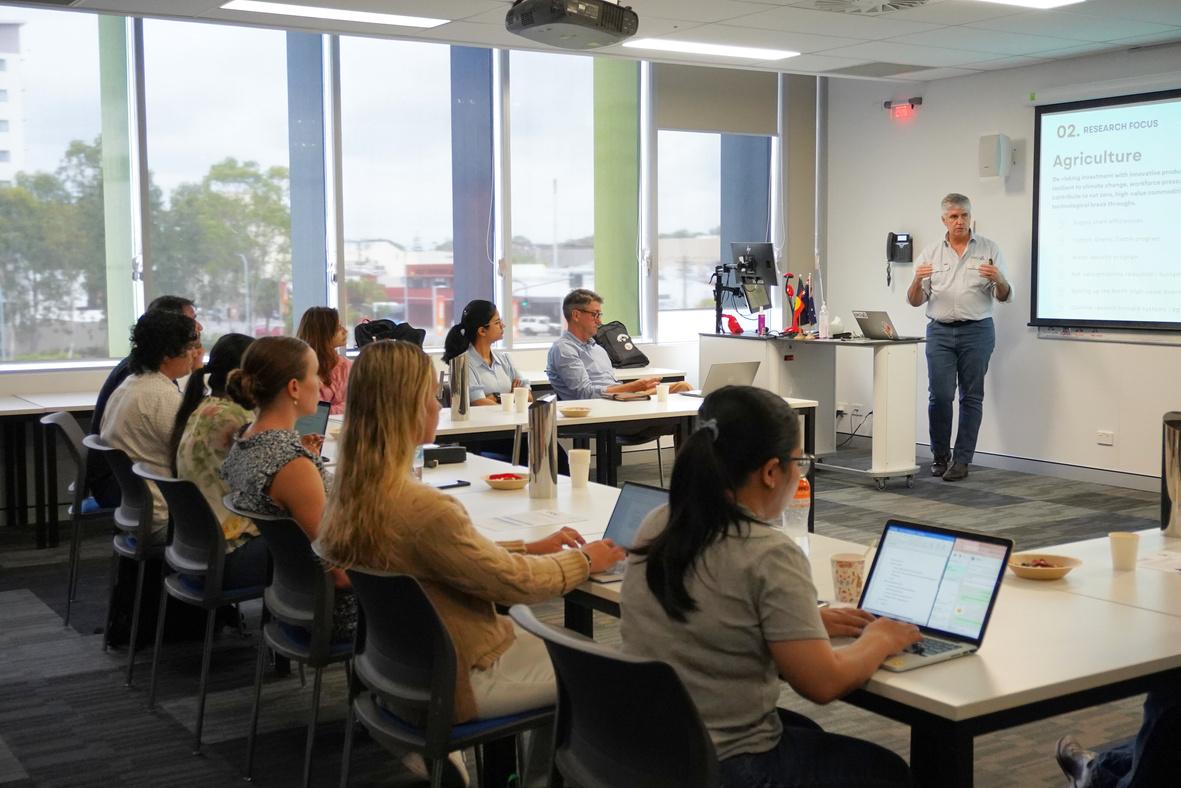
The Cooperative Research Centre for Developing Northern Australia recognises the continuing connection to sea and country of Australia’s First Nations People.
We acknowledge the Traditional Custodians of the land and water on which our staff and researchers live and work, and pay our respects to their Elders past, present and emerging.
The CRCNA is funded as part of the Australian Government ‘s Cooperative Research Centre Program
We acknowledge the support of our government partners: the Northern Territory Government through its Department of Industry, Tourism and Trade, the Queensland Government through its Department of Agriculture and Fisheries and the Western Australian Government through its Department of Primary Industries and Regional Development.
We also thank our project participants and researchers who have supported the delivery of this report through their research activities and research outputs.
Disclaimer
This report summarises the research activities and achievements of the Cooperative Research Centre for Developing Northern Australia up to and including 30 June 2023. It is possible figures and project participants may change from the time this document was written and published in December 2023. Current information about the CRCNA and our projects is available at www.crcna.com.au.
Foreword
Minister for Northern Australia, the Hon Madeleine King MP
It is with great enthusiasm that I introduce the Cooperative Research Centre for Developing Northern Australia’s 2022/23 Annual Report.
The development of Northern Australia is not a 10 year venture; it is a generational challenge that invites us to build on the learnings of the past.
Chair's report
2022/23 has seen a focused CRCNA commit to a strategic program of research and development that builds on earlier investments for maximum impact, enabling industry growth, innovative workforces, knowledge sharing and collaboration to achieve lasting economic and social outcomes for the north.
Duringthe2022/23financialyear,theCRCNABoard committedmorethan$27milliontowards28new industry-ledresearchcollaborations This investmentfocushasessentiallycommittedall remainingCRCNAfunding,withtheexceptionofa smallcontingency
The strength of the CRCNA comes from its people who live, work, and play in Northern Australia. True collaboration is at the heart of everything we do, from project co-design to knowledge sharing and impact assessment.
Throughout2022/23weparticipatedinevents andsupportedourprojectpartnerstoraise awarenessofthedevelopingNorthernAustralia agendaandtheimpactofCRCNA’sproject research
Cooperative Research Centre for Developing Northern Australia (CRCNA)
1 2 3
CRCNAorigins
The CRCNA was established as a flagship initiative of the White Paper on Developing Northern Australia, with $75 million in funding to support scienced based research and development in the north over 10 years: 2017 to 2027.
We work across Northern Australia which includes all of the Northern Territory and those parts of Queensland and Western Australia that intersect with or are above the Tropic of Capricorn.
Drivers of economic development
Policy harmonisation
Research which de-risks the Northern Australia landscape to attract investment, helping to grow emerging and established sectors across the economy.
Enabling infrastructure
Research that identifies key supply chain gaps and opportunities across emerging and established industries, providing an evidence-base for further investment and placebased infrastructure planning.
CRCNAimpact
Through collaborative investment and project co-design we’ve turned $75 million in Commonwealth investment into $154 million of industryled research projects. For every $1 of Commonwealth funds invested in R&D our partners invest $1.70. Due to demand we’re ahead of schedule with all funds now allocated!
Activating the First Nations estate
Research to support a post-determination era focused on economic activation of the First Nations estate, meeting Traditional Owner and First Nations business aspirations.
Research to develop innovative new tools, processes and systems addressing key industry and end-user identified development challenges, leading to improved water supply planning and sustainability in the north Water security
industry focus.
Creating a prosperous, resilient and healthy Northern Australia by developing research projects aligned to traditional and emerging industries where the north has the greatest opportunities for growth and real world value.
Agriculture including forestry and aquaculture
First Nations led business development
Water security
Health service delivery
Education and training
Co-design of science research and adoption Collaborationisattheheartofeverythingwedo
Provide economic impactsand evidence
Partnerships and advocacy
Knowledgesharing tomaximiseimpact
the year
28 new projects commenced this year with a total combined value of $74.5 million
Collaborated with over 517 project partners (since 2017)
Created over $154 million in research investments (since 2017)
$5 million in funding contracted to support $11.8 million of works focused on Activating the Indigenous Estate
The CRCNA Board committed more than $27 million towards 28 new industry-led research collaborations
Funded 118 projects (since 2017)
102 people employed in research activities
111 publications and reports developed this year
38 current students completed doctorates through scholarships and projects
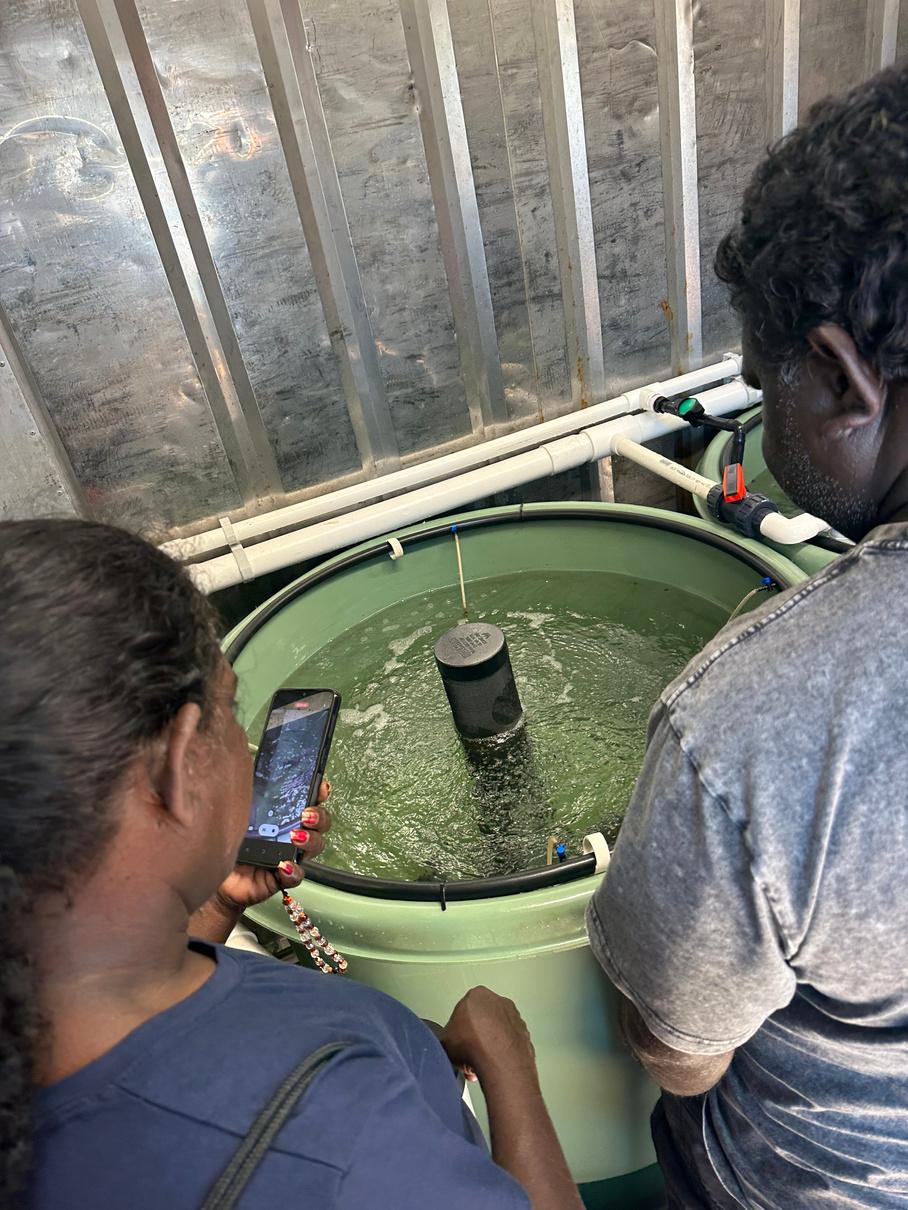
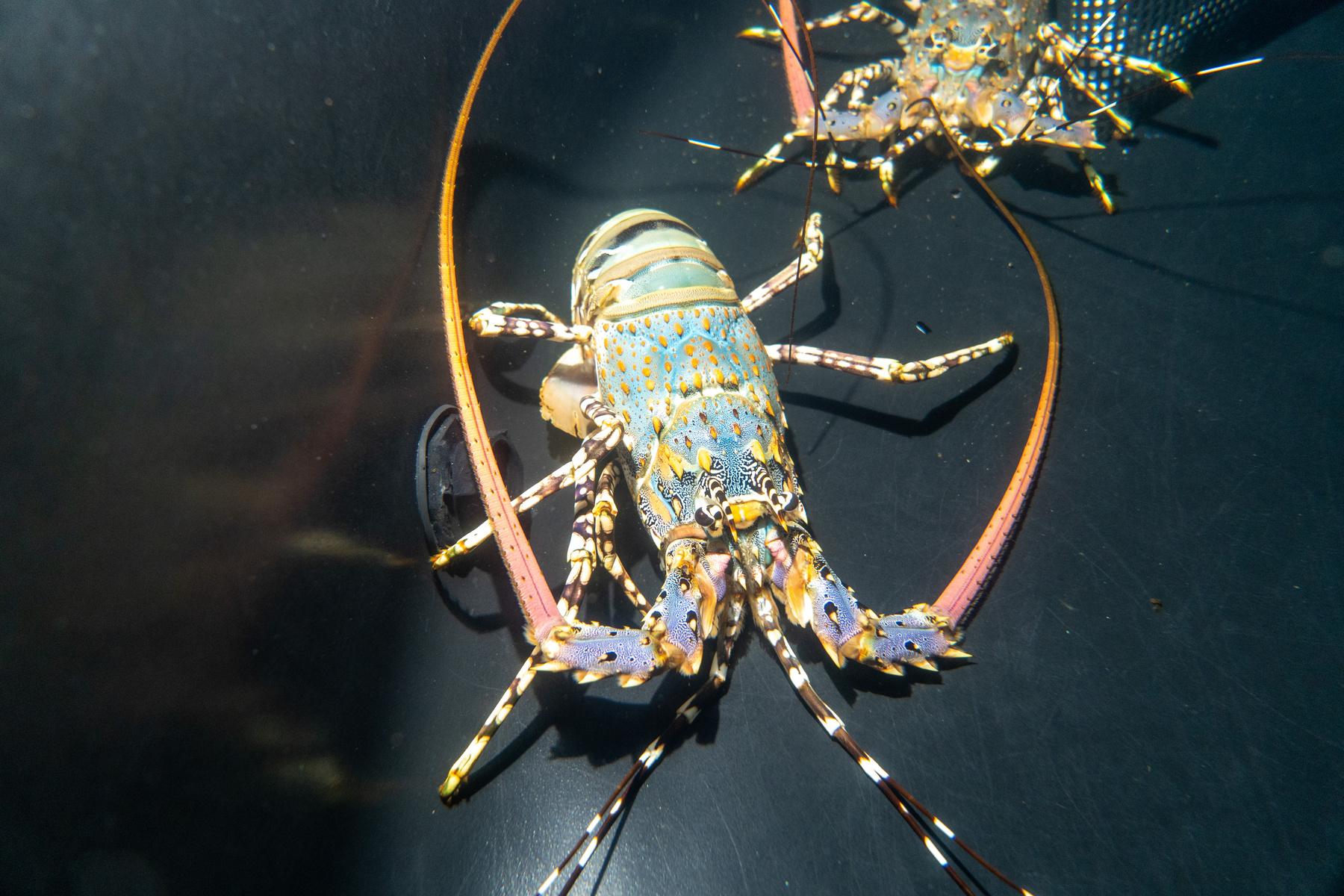
Ornatas transferred their first juvenile Tropical Rock Lobsters into new raft system infrastructure
Cotton, Grain, Cattle program, our largest investment to date, was launched at the Food Futures Conference
Supported over 20 FNQ producers and researchers on a cropping study tour of Kununurra and parts of the NT
$5 million in funding contracted to support $11.2 mullion in health research and development
Project partner, Civic Ledger won the Excellence in Blockchain/ Distributed Ledger Technology award at the Fintech Australia Awards in 2022 and 2023!
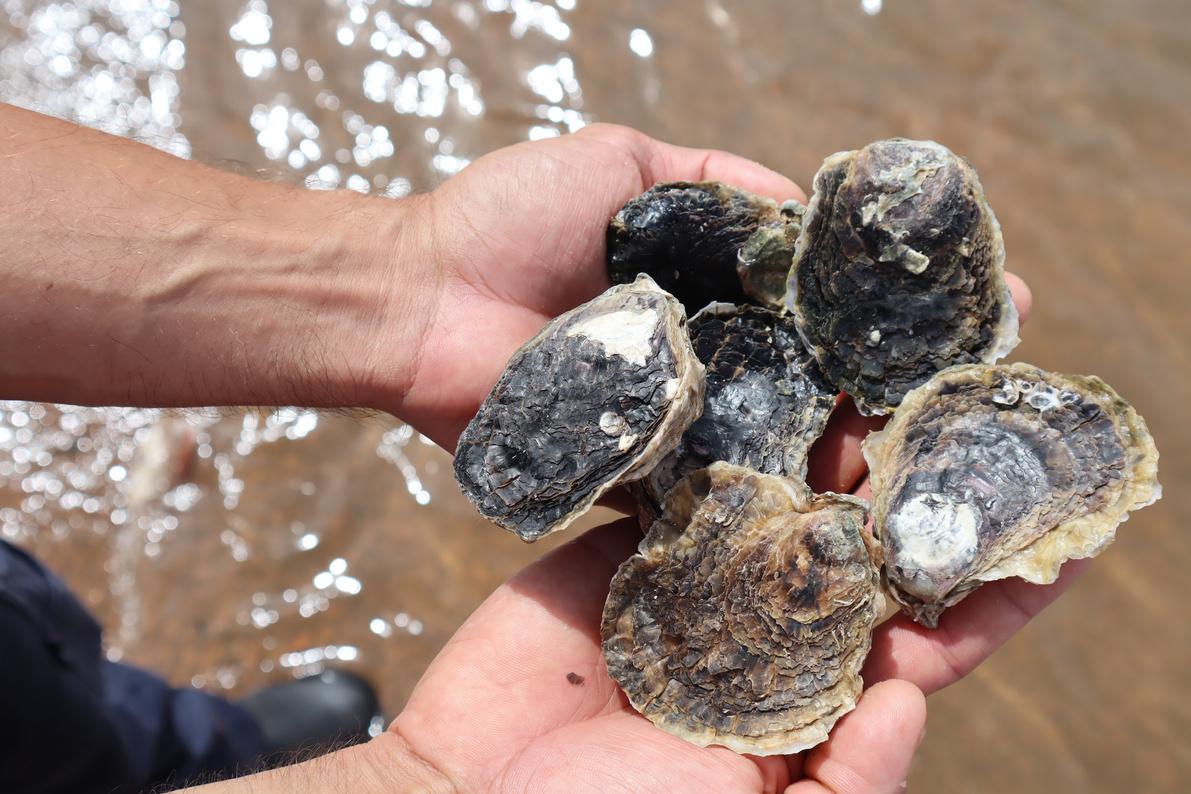
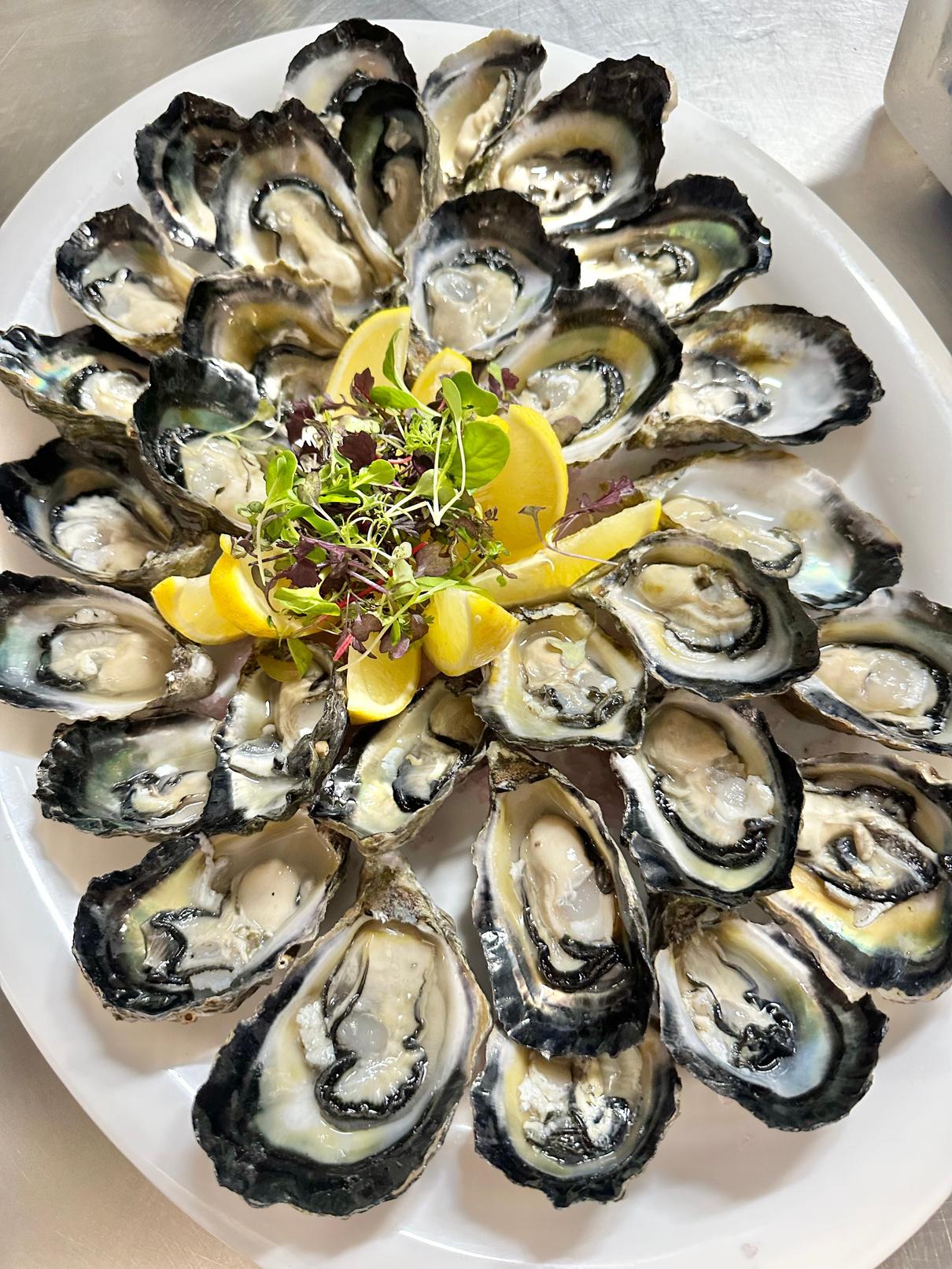
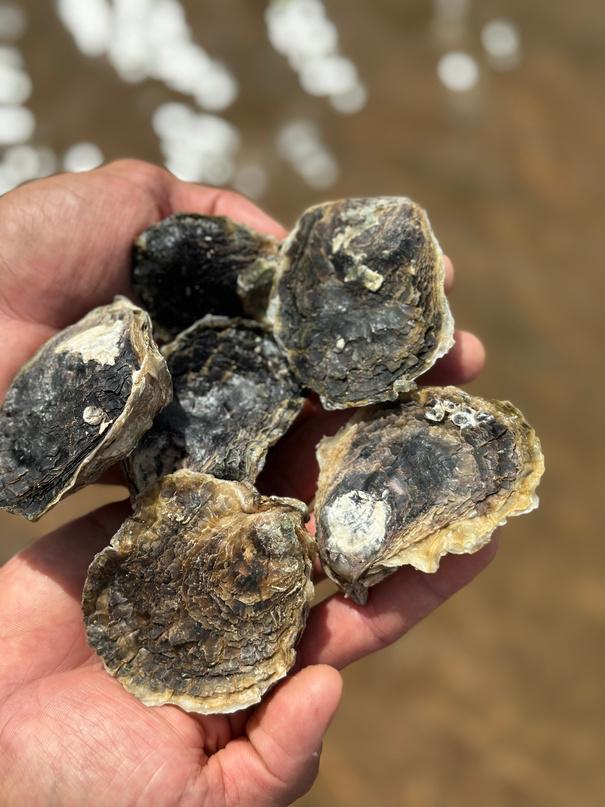
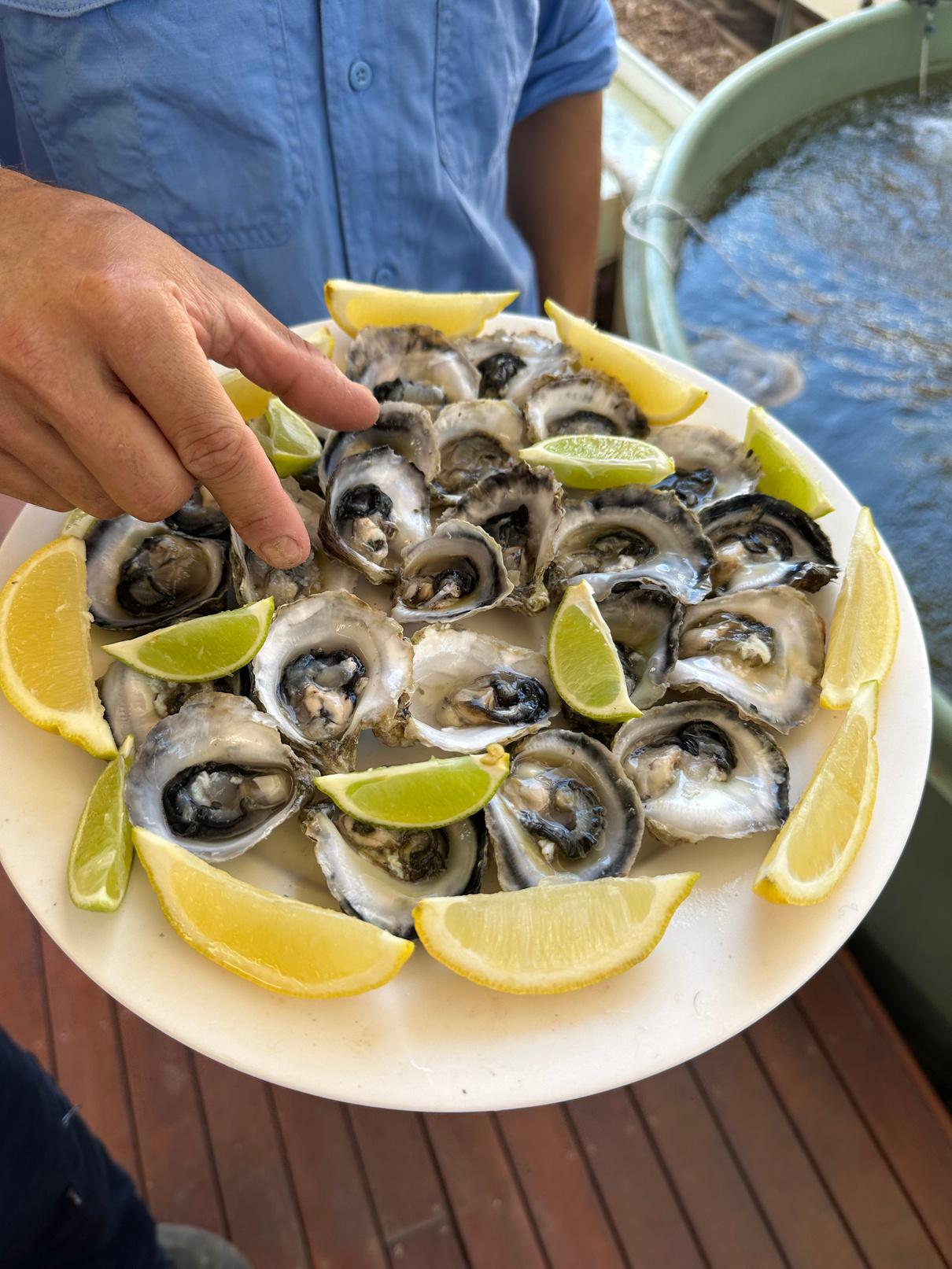
700,000 oysters handed over to commercial operators for domestic market
in review.
Tiwi Plantations story on ABC Landline
Arafura Oysters were launched by Yagbani
Aboriginal Corporation at World Aquaculture
Dr Scott Davis was appointed to the Board as a new Director in 2022 bringing a wealth of experience in health service delivery
Macrobiome Therapeutics story on ABC Catalyst
2 CRCNA PhD students presented their research into Calypso® Mangoes at the 2022 International Horticultural Congress
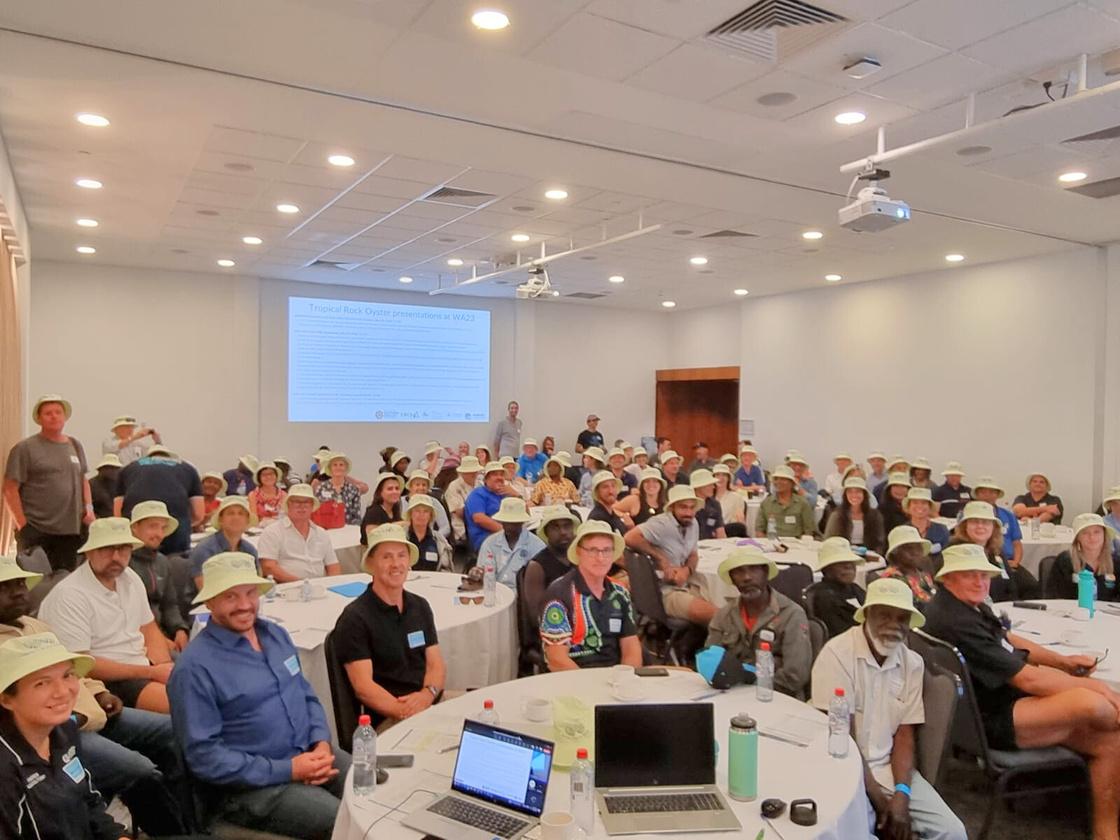
Supported 16 Traditional Owners to participate in the International Tropical Rock Oyster workshop
Launched Project Echo for Northern Australia - Health eMinds and Telehealth skills
17 projects completed over the year
Water Security for Northern Australia program launched at the Developing Northern Australia Conference
31 field days attended by 938 end-users and 45 workshops attended by 1028 end-users
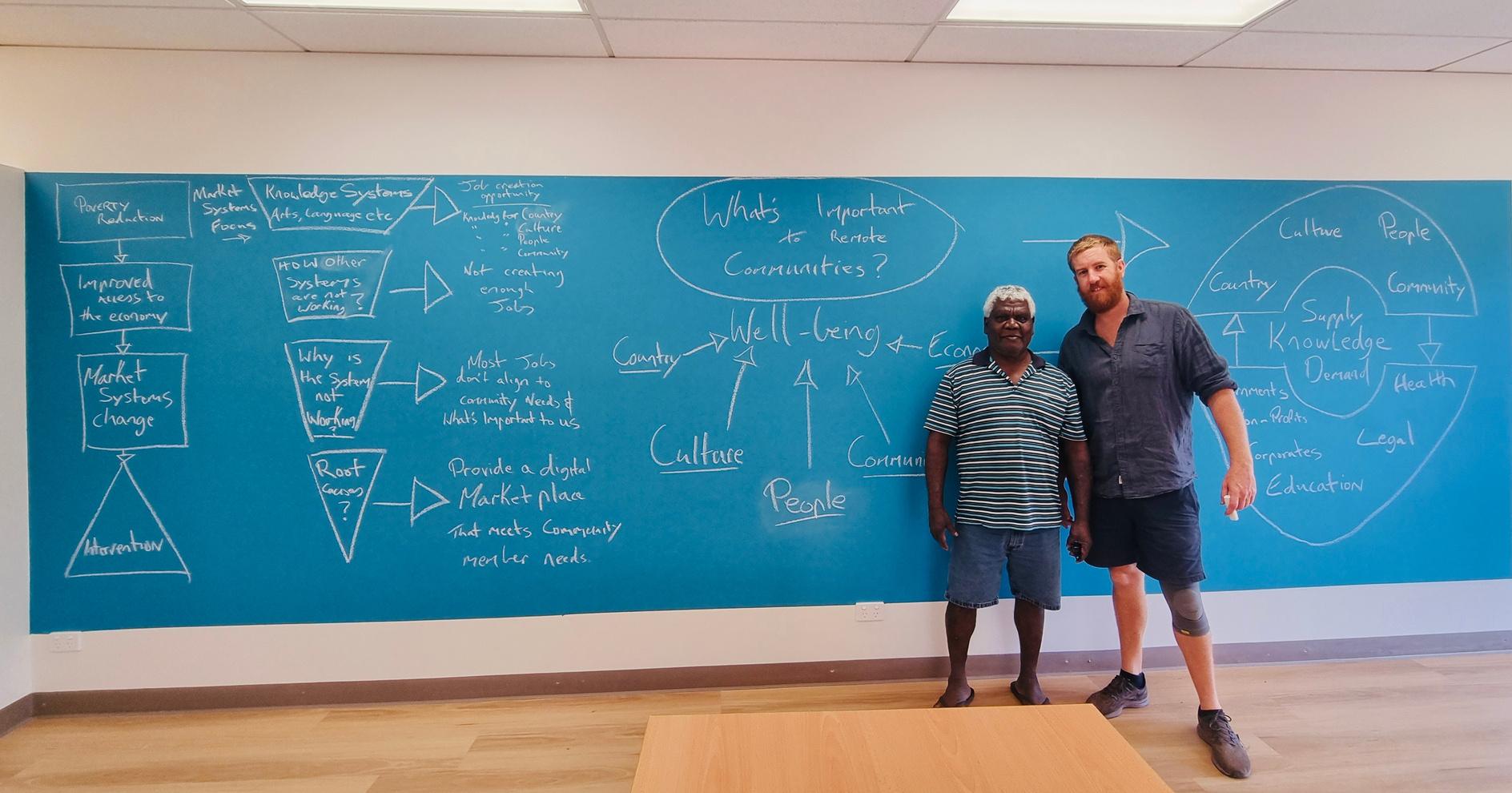
Traditional Owners from Groote Eylandt met with members of the Australian Parliament in Canberra for their modern mapping project
CRCNA funding is developing new technologies, products and services which address industry issues in Northern Australia.
completed projects.
17 research and development projects were completed throughout 2022/23. The CRCNA is now synthesising this work to inform research pathways for long-term, real-world impact.
We’re building strategic research capacity in key northern sectors by collaborating on research, development, extension and adoption solutions which prioritise the best opportunities and areas for development.
This can inform appropriate supply chain and infrastructure planning to enhance timely access to high-value local and global markets, as well as develop workforce skills and high-impact solutions across remote and regional areas of Northern Australia.
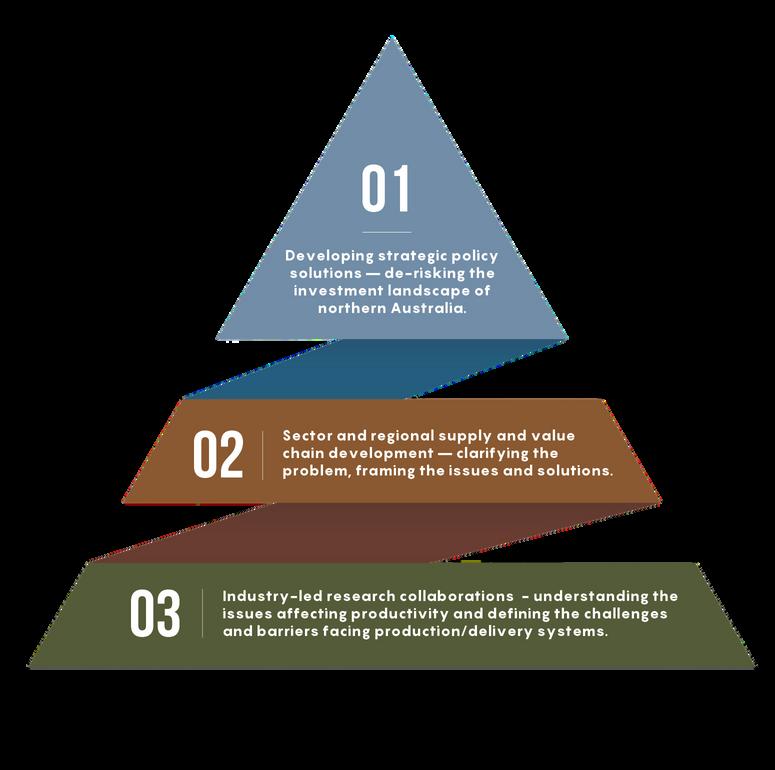
Developing strategic policy solutions that de-risk the investment landscape of Northern Australia
Our research is de-risking the Northern Australian investment landscape to guide a coordinated approach that informs planning and decision making across jurisdictions. PRIORITISE THE
BUILDING DATA FOR INFORMED DECISION KNOWLEDGE SHARIN TO MAXIMISE IMPACT
Sector and regional supply and value chain development to clarify the problem, framing the issues and solutions
Industry-led research collaborations that understand the issues affecting productivity and defining the challenges and barriers facing production/ delivery systems
Creating an environment of certainty and clear policy attracts investment, creates jobs and drives the economic prosperity of the region.
agriculture.
Our research investments into agricultural developments are supporting innovative supply chain solutions, creating and testing new technologies, models and systems, and demonstrating climate resilience now and into the future.
In FY22/23 we invested in new agricultural projects that range from animal welfare, enhanced tropical cropping systems, extension capacity and high-value spices to support diversified industry growth.
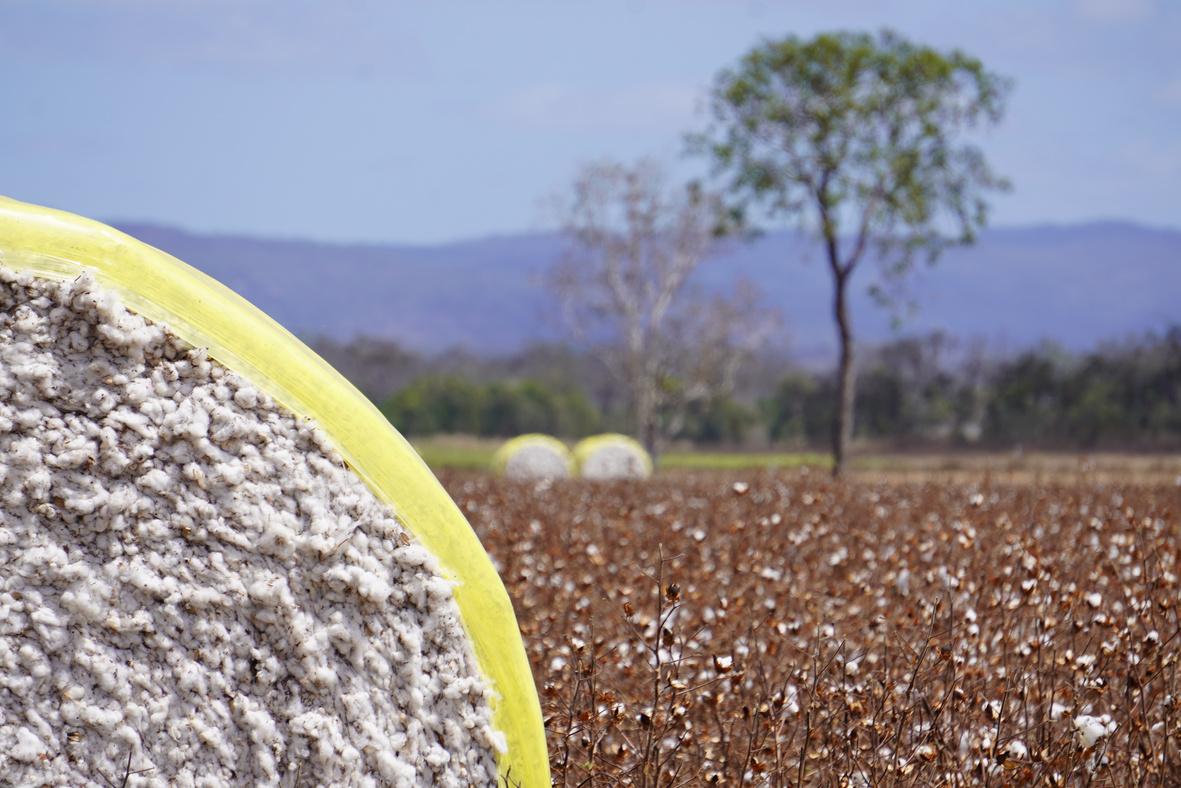
Cotton, Grains, Cattle program
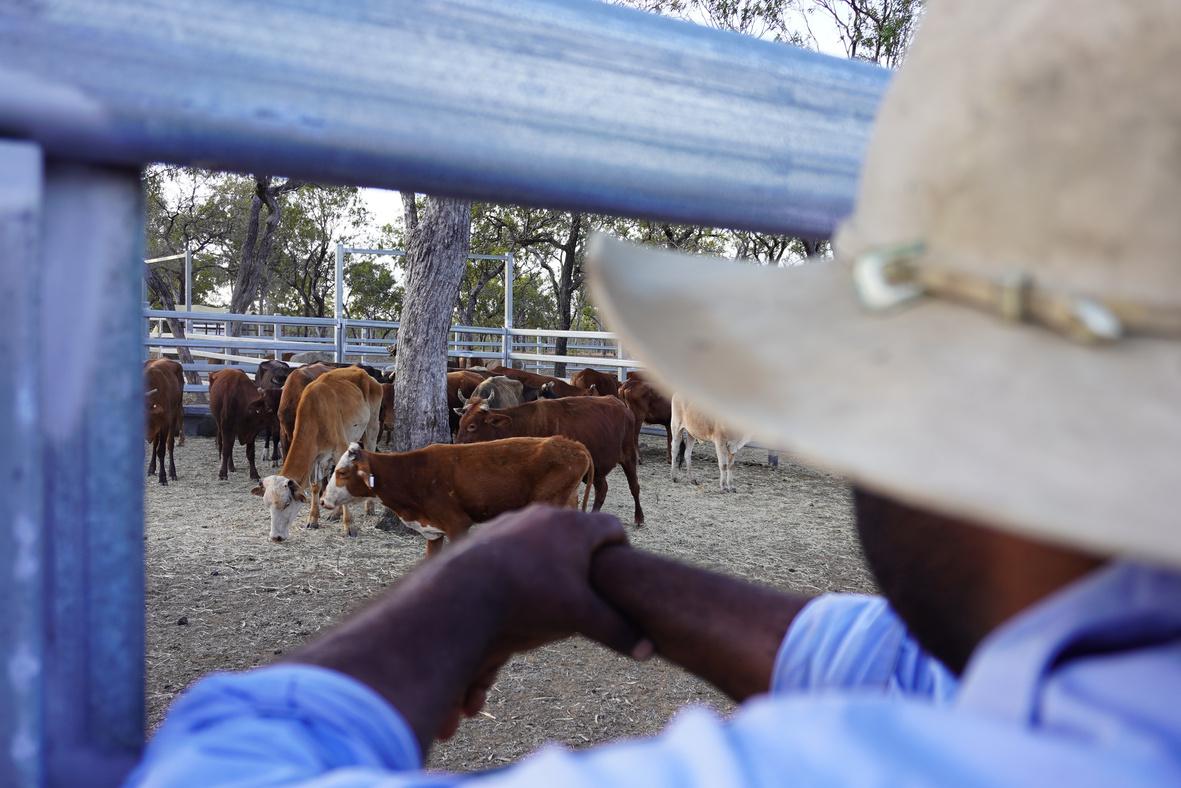
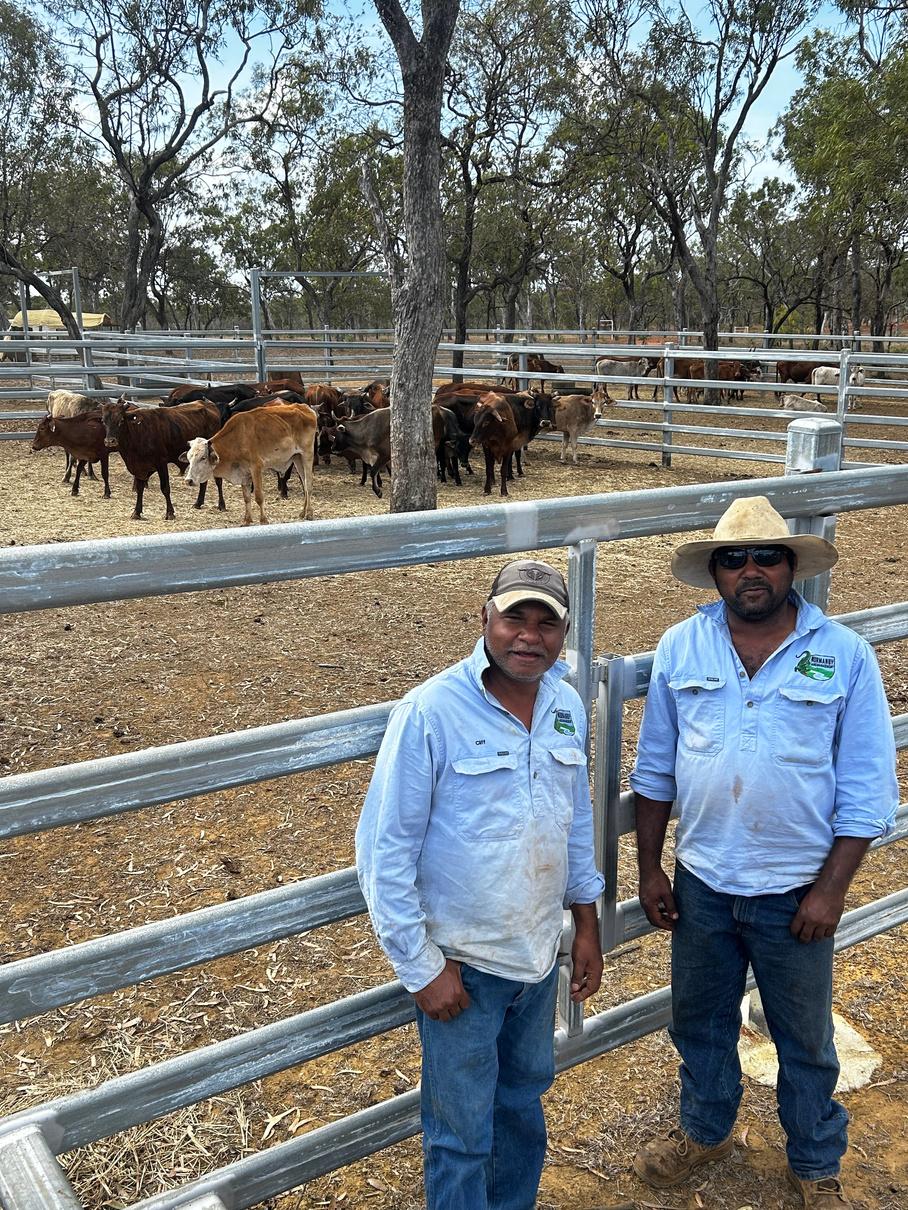
CGC is a program focused on integrating agricultural systems to bolster productivity across the north’s cropping and cattle sectors. It’s a four year program that brings over 30 project partners together across three jurisdictions to refine and reset agricultural development specific to the north’s unique agricultural operating environment.
CGC impacts
Building producer, agronomy and research capacity across the north
Improved tropical beef production systems
Climate appropriate technologies for crop production, rotation and biosecurity
Optimal agronomy, nutrient management and carbon footprint
Soil and water suitability and management
Animal welfare and ethical beef management
Economic analysis to inform decision making
Stewardship and social licence incl. whole-of-life methane emissions tailored to the scale and climates of the north
CGC projects
Crops for Cattle to increase the efficiency of Northern Australian cattle production systems using local crops to improve dry season weight gain (NT)
Fundamentals of cropping-systems that deliver sustainable growth of the agricultural sector (NT)
Cropping enabled cattle production from irrigated cropping feed products (WA)
Ord River Irrigation Area (ORIA) sustainable systems for diversification of ORIA cropping (WA)
Extension capacity of cropping systems, enhancing to sustain growth (NQ)
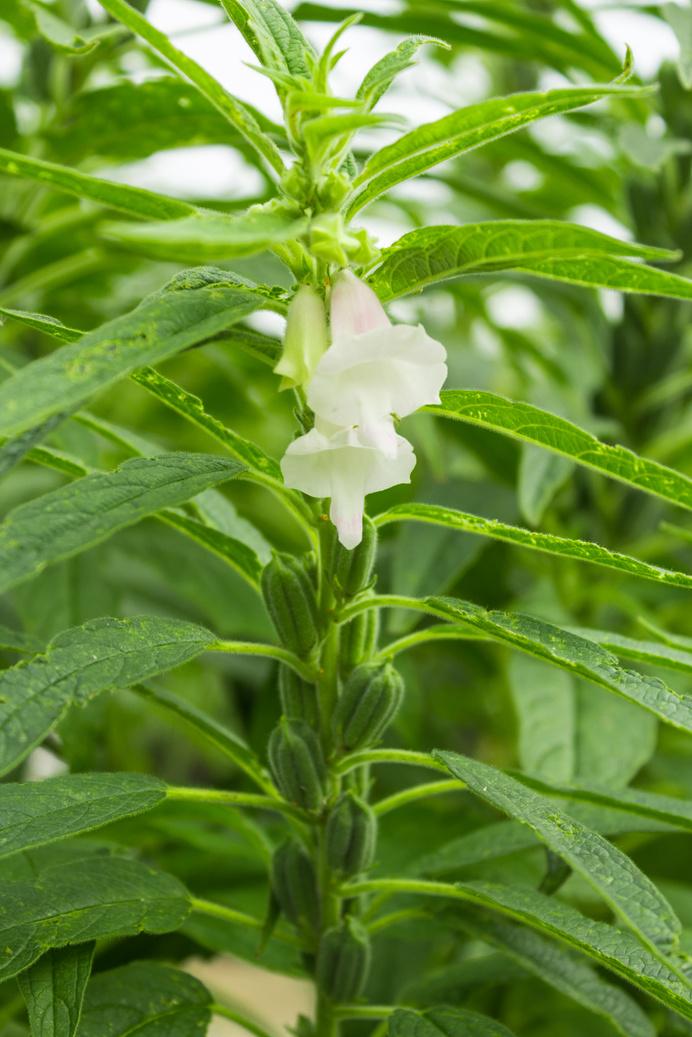
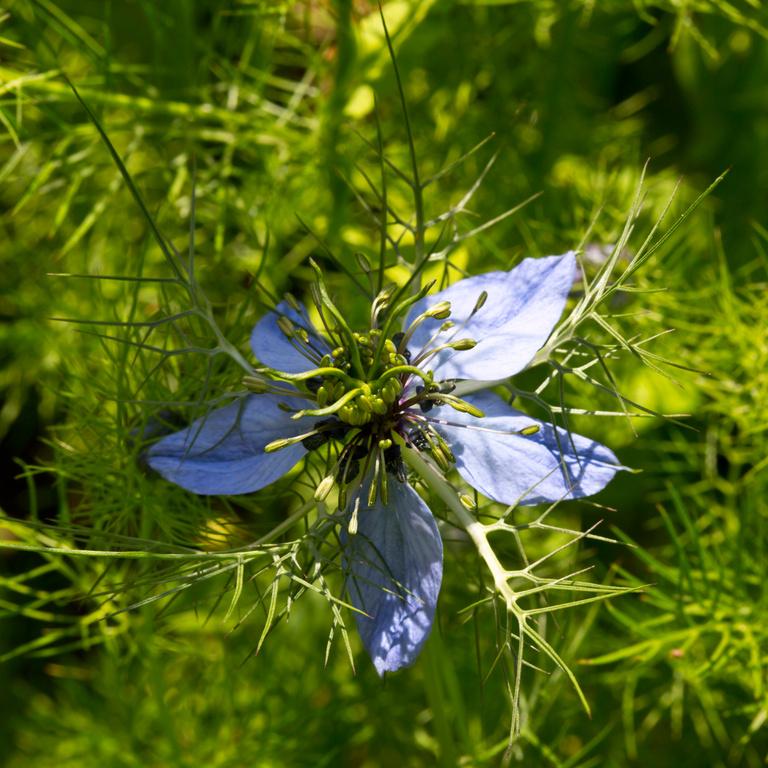
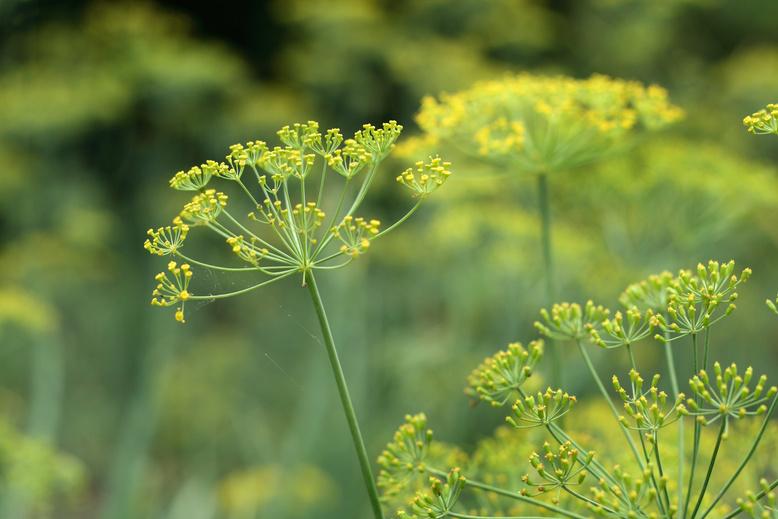
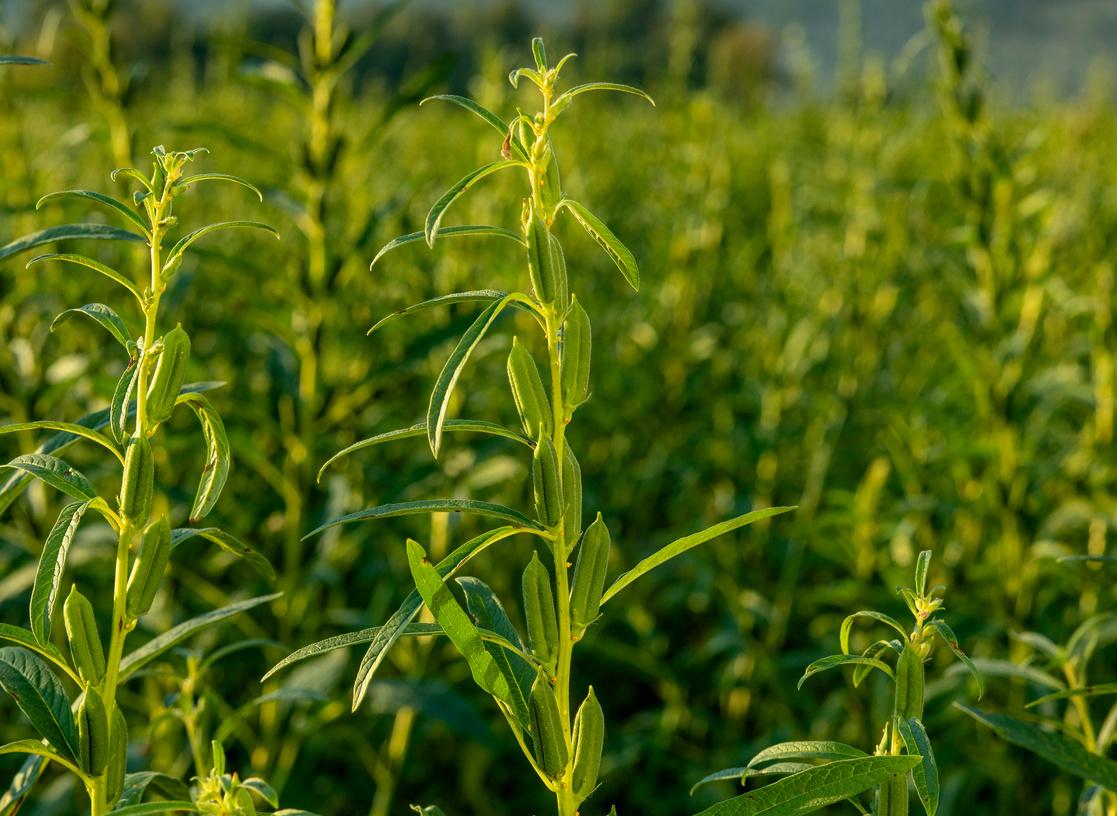
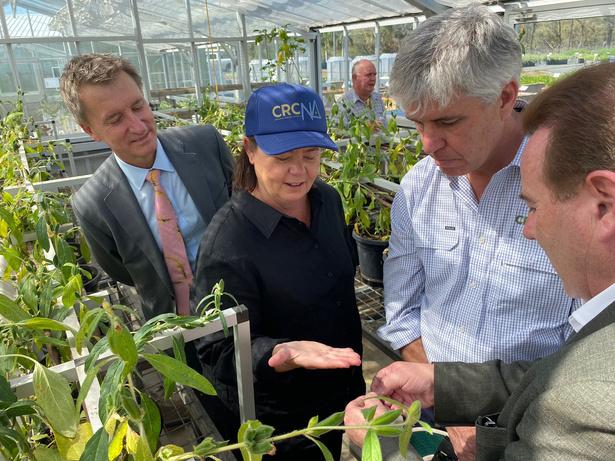
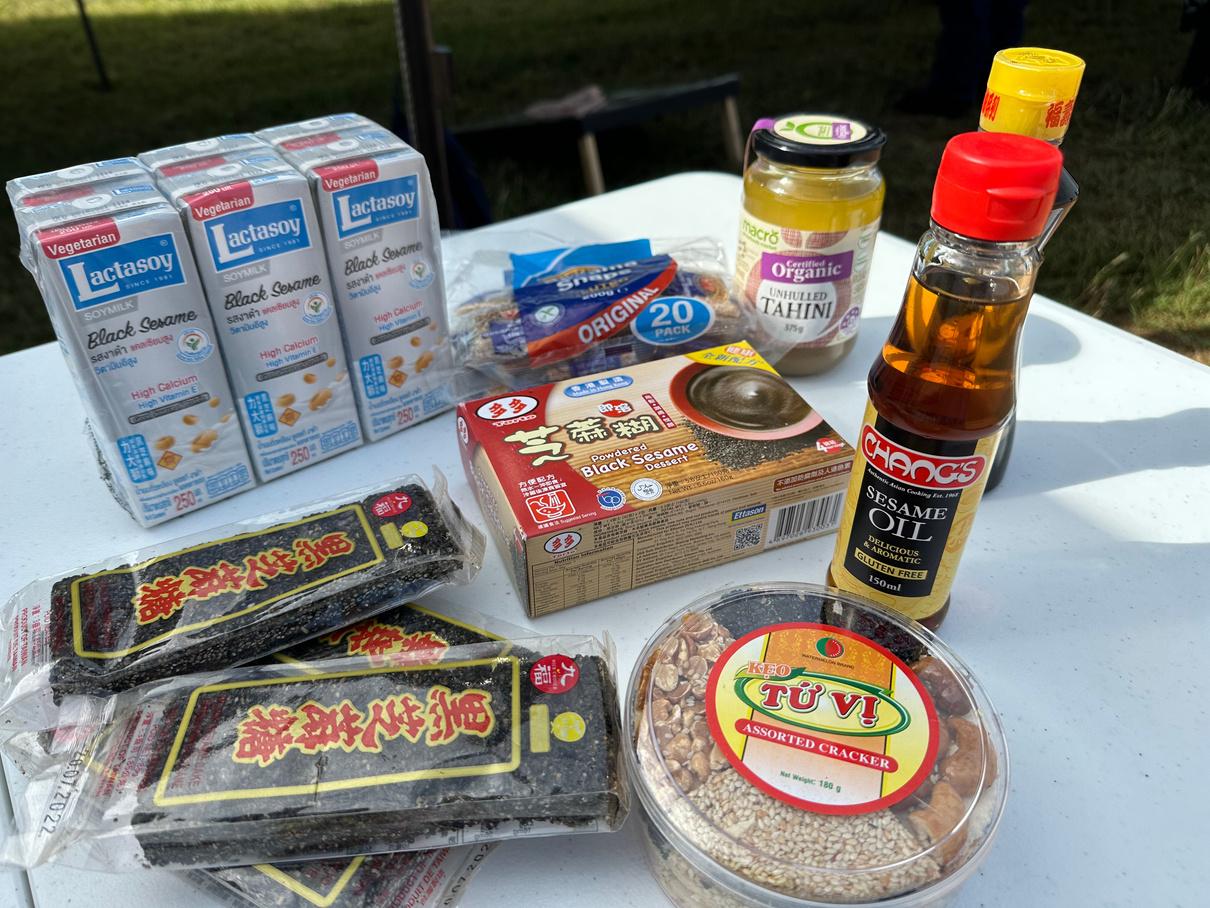
This project builds on our successful ‘Spicing up Northern Australia’ which aims to develop a commercially viable northern spice industry producing sesame (black and white), kalonji and fennel. Project activities include testing new knowledge, extension and capacity building with northern producers.
peanuts are a powerful crop improves soil quality harvest nuts for market high-value fodder
25kg
Australians eat around beef per person annually
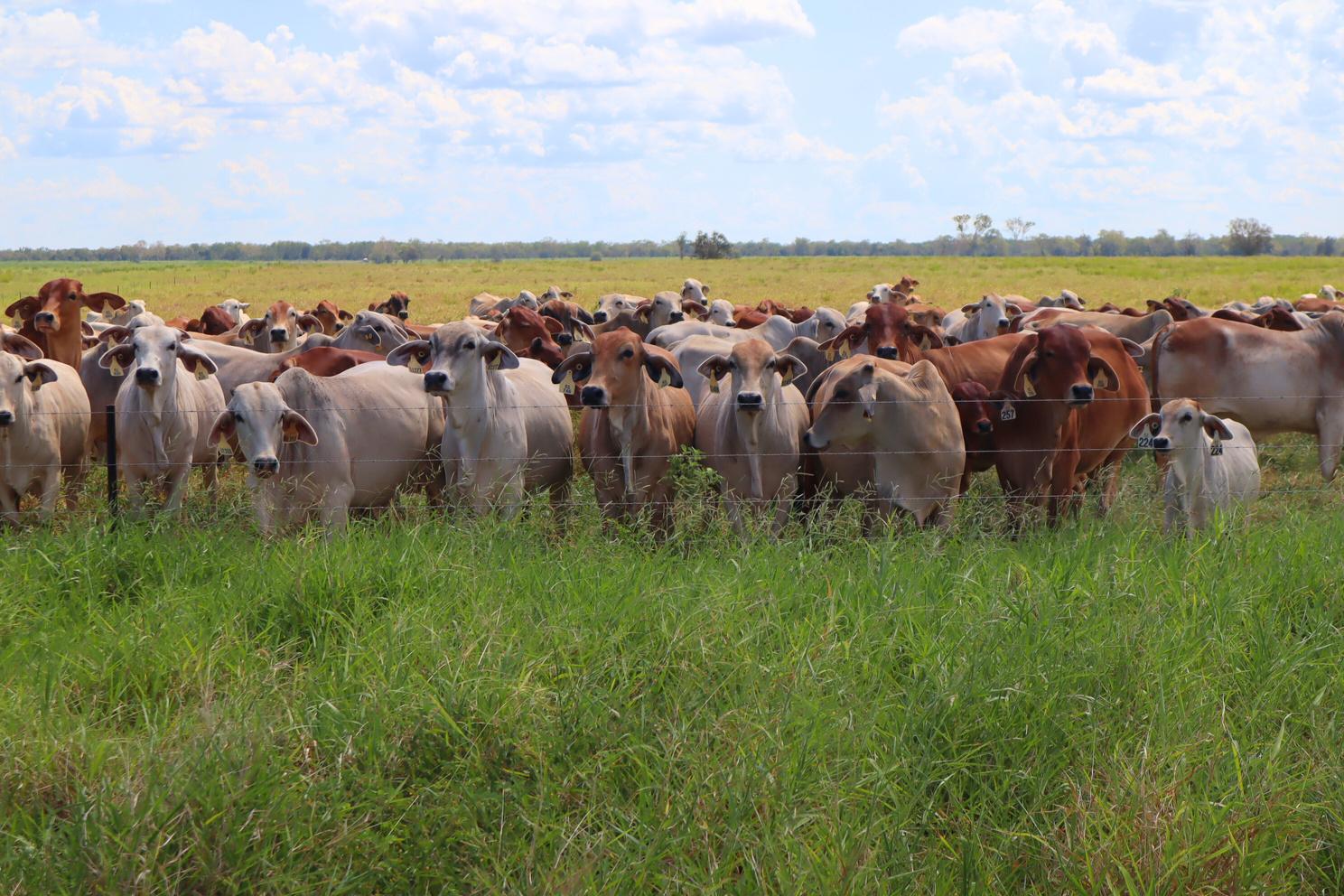
million cattle in Nth Aust, that’s an average of 12.5 12 to 1 cattle human living in the North value of northern cattle industry $5.03bn
cattle movements occur per year, with most (2.4m) between properties and over 1m to export depots 5.3m
peanuts trial sites across the north show promise but transport costs for processing remain high. 5 Buffalo industry worth $30m estimated NT wild buffalo population 200,000
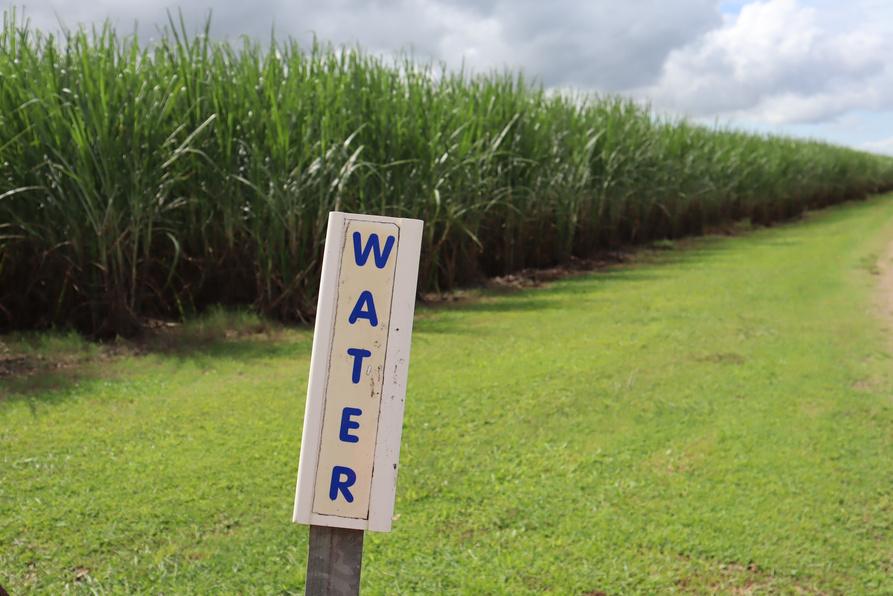
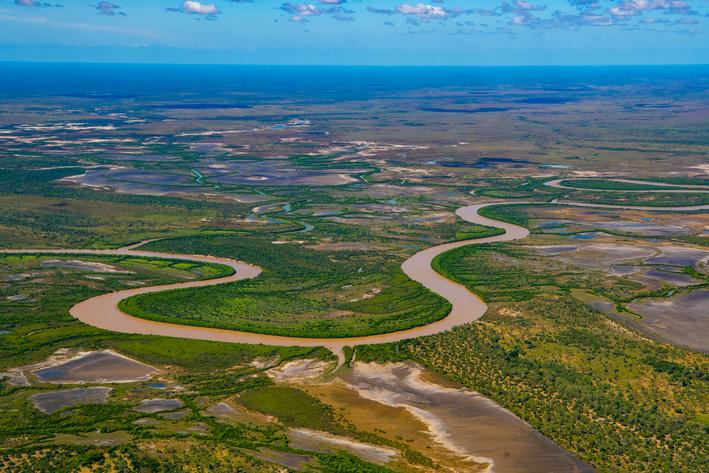
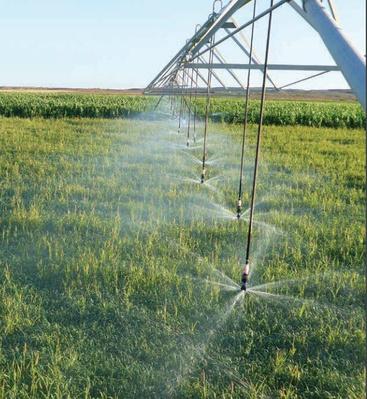
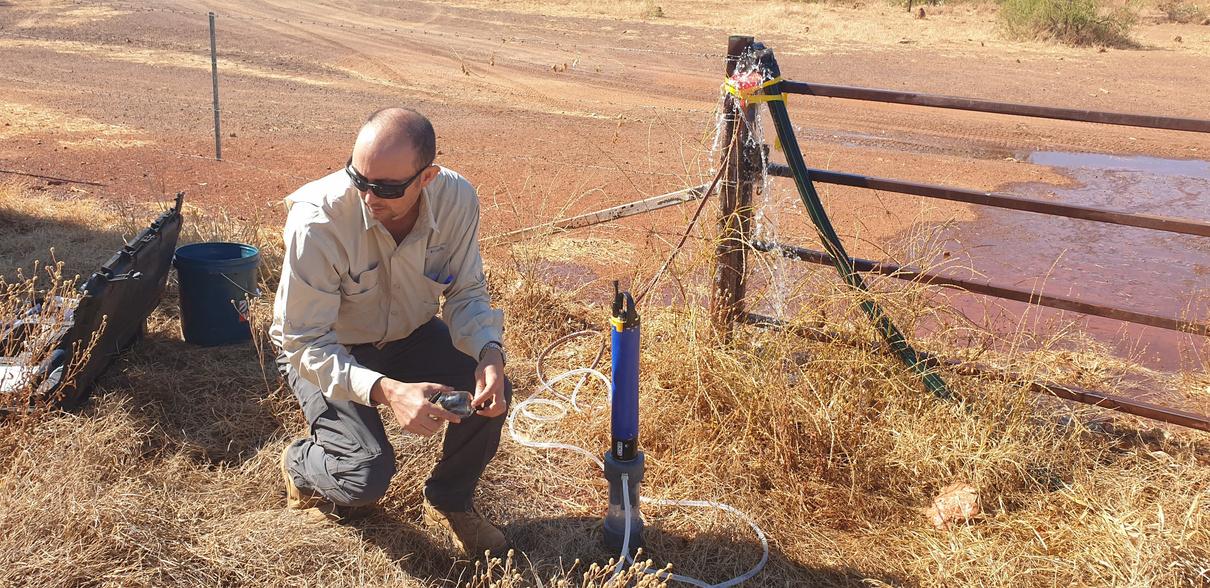
New approaches to better manage shared water resources in the north are required to deal with the impacts of drought and flooding, and provide investor confidence in the production of new agricultural products for high value markets.
In FY22/23 we invested in two new programs to research northern water resources. Our Making Water Work and Water Security for Northern Australia programs are working to ensure that healthy environments and development can co-exist.
Making Water Work program
MWW is focused on next generation ag by unlocking the north’s agricultural potential including export and domestic demands, maximising new and existing water resources to build a more circular economy and achieving environmental outcomes for the Great Barrier Reef whilst developing agriculture sustainably.
Making Water Work projects
Achieving reef water quality requirements
Integrating nutrient, waste and energy streams in ag development
Defining supply chains + development precincts vision
Improved economic returns from the use of water resources
Greater First Nations benefit from water resources
GilbertRiver catchment
Lower Fitzroy River catchment
3
4
15 universities catchments research topics
3 jurisdictions
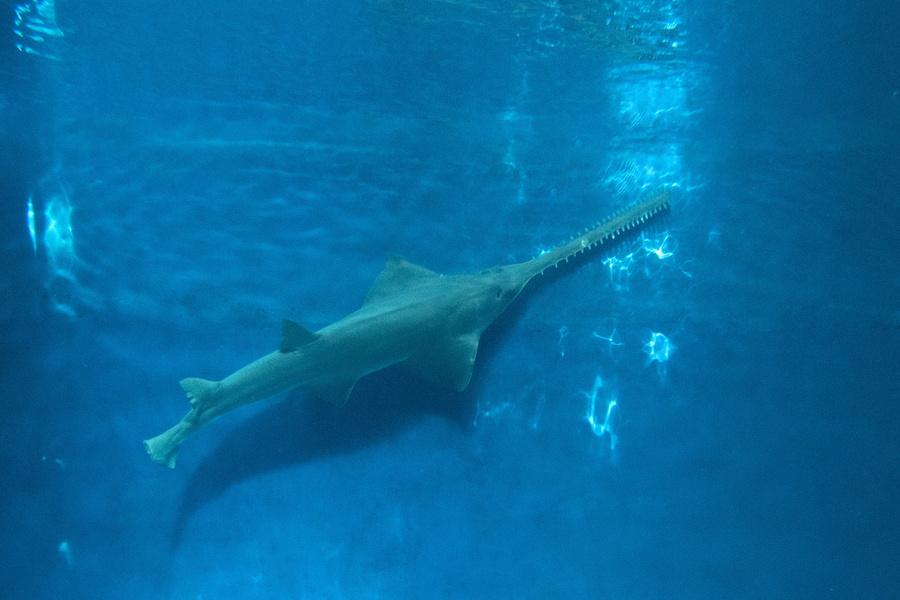
The Daly River has over different fish species and is home to one of the largest remaining populations of freshwater sawfish in the world.
100 The river is key to sustaining the NTs aquatic ecosystem
Freshwater sawfish Pristis pristis can grow up to 6m in length (tail tip to the rostrum) has a lifecycle ecology requiring it to move between rivers and estuaries are listed as vulnerable and endangered on the 2000 IUCN Red List of Threatened Species
Ag production in Central Qld produces $13b annually.
Irrigated agriculture alone can add an extra $280m to local CQ ag production annually
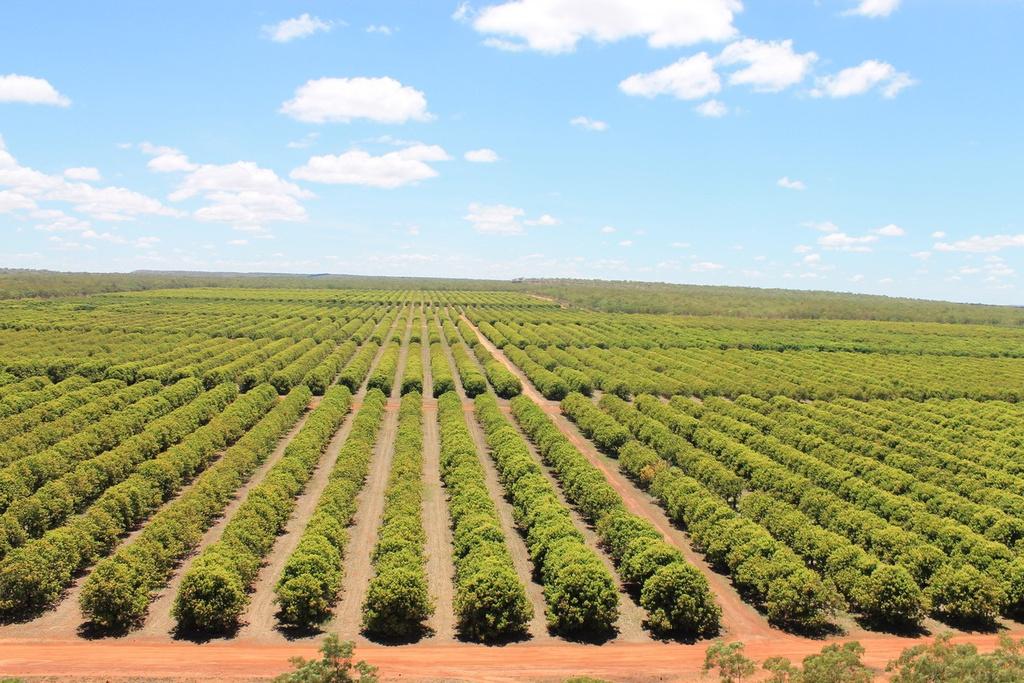
The Ord River Irrigation Area has over of 20,000ha tropical fruits, chickpeas, cotton, chia and sandalwood, plus other crops productive agricultural land, ideal for
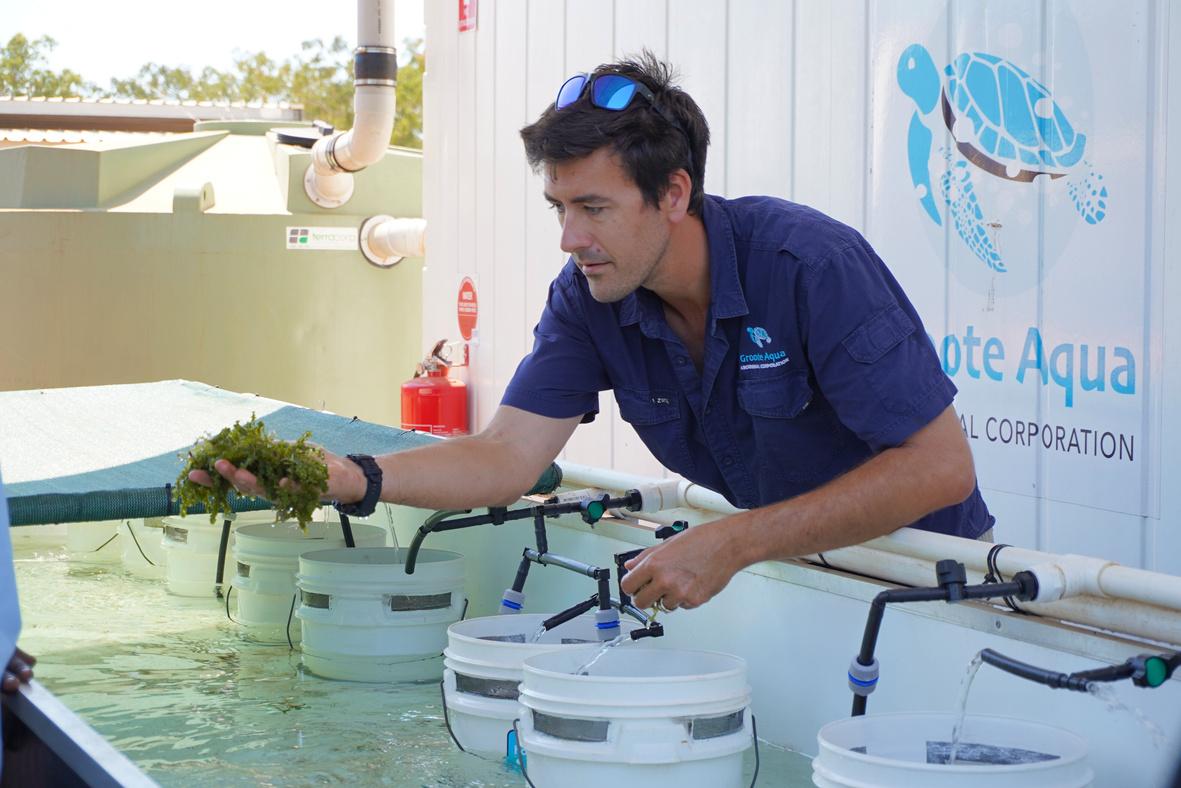
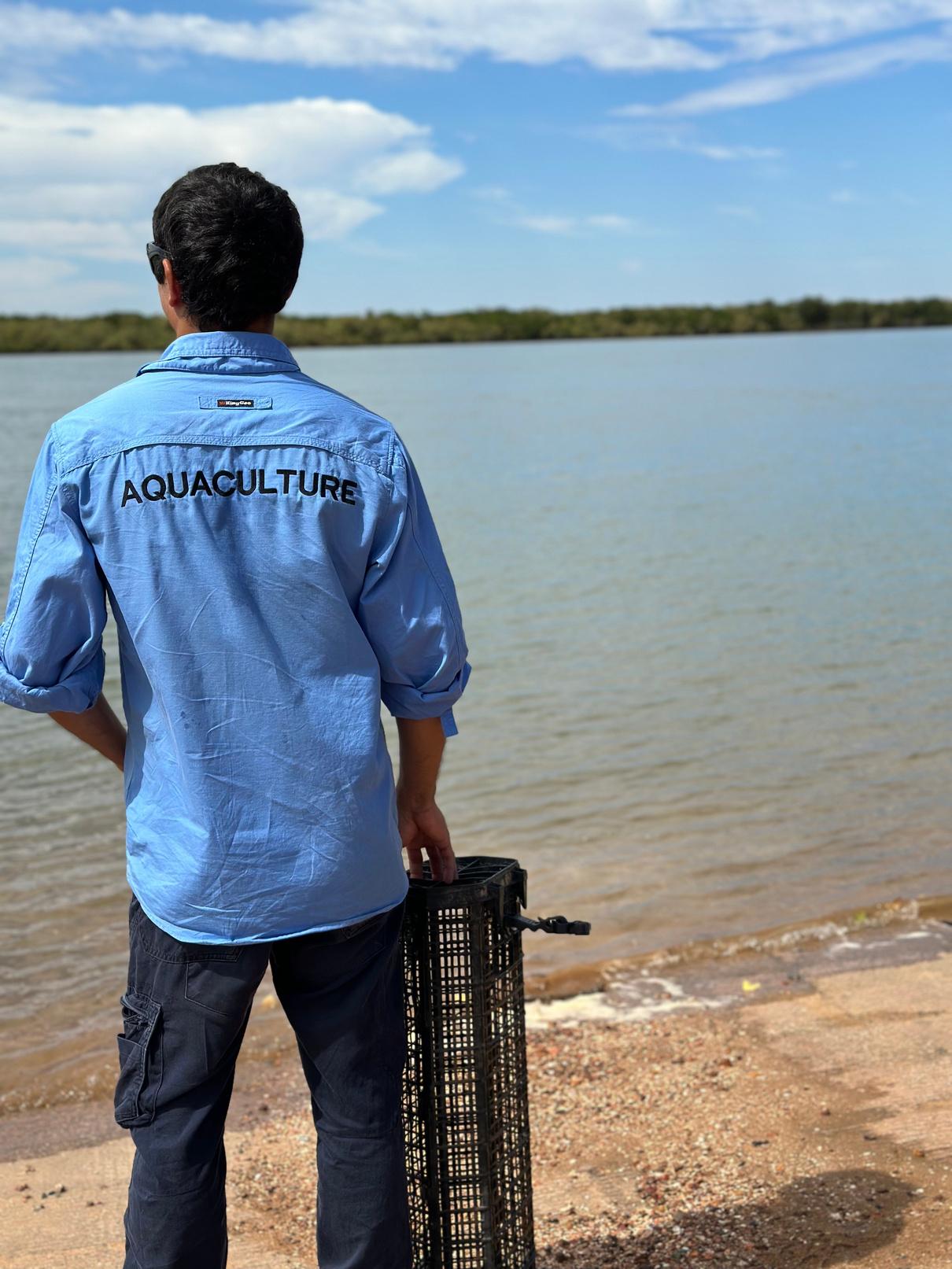
In FY22/23 we’ve continued to invest in sustainable and First Nations led commerical fishing developments. Our goal is to achieve increased economic participation and wealth creation through employment, investment and enterprise development for the many communities that reside along the north’s 10,000km of coastline.
$8.3m in CRCNA direct investment to overcome industry challenges
DEVELOPMENT AND ACCESS FIRST NATIONS ENTERPRISE
DEVELOPMENT EXTENSION EVIDENCE BASE FOR POLICY AND DECISION MAKERS
Aquaculture production is one of the fastest growing primary industries in the world
The north produces 20%of Australia’s aquaculture products
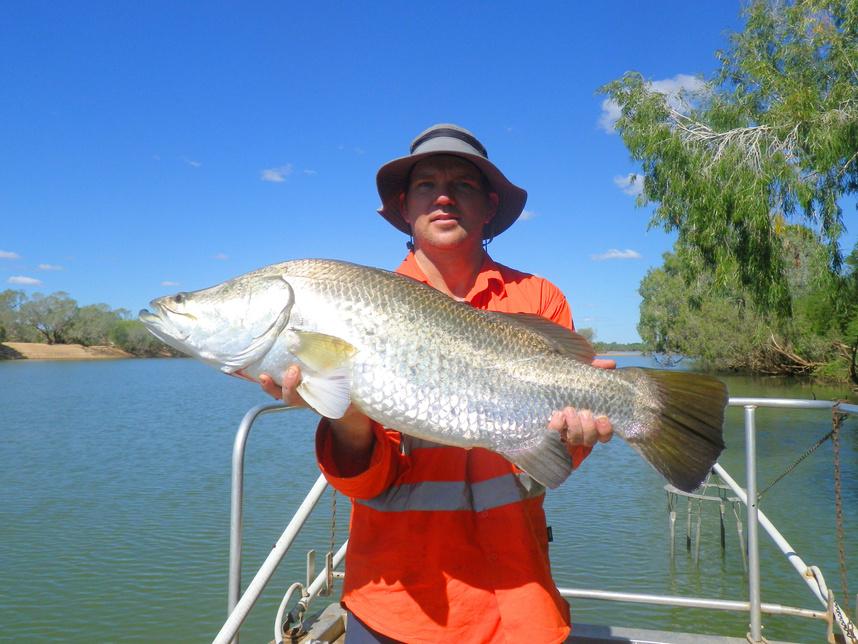
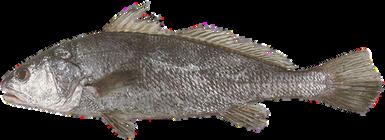
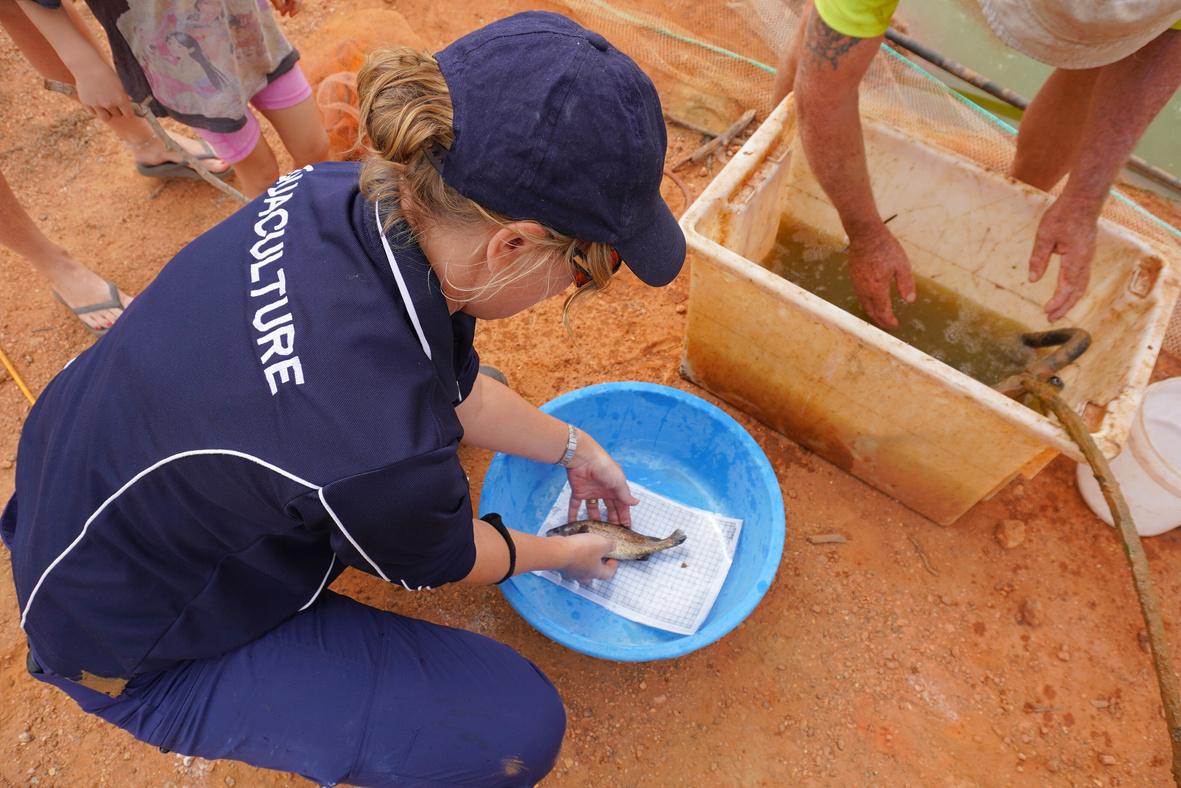
Black jewfish are sought after for their meat and high-value swim bladders, which are considered a delicacy and Black Jewfish - a new northern aquaculture candidate aphrodisiacinAsianmarkets.Theswimbladder,orairbag,isanorgan inthefishthatregulatesitsbuoyancy.Itgrowsmuchthickerinblack jewfishthaninotherspecies.Therehasbeenagrowingblack-market tradefortheminrecentyears,withthebagssellingforupto$1,000kg.
By unlocking the wealth of Indigenous knowledge and land ownership the ASC is supporting seafood industry development through increasing the skills, capacity, and capability of Indigenous people in the commercial fishing industry. This leads to greater economic self-sufficiency and prosperity for First Nations communities. The four year project will investigate the potential of an Indigenous fishing cooperative as a way to facilitate greater economic participation, contributing to the sustainable management of marine resources on sea country.
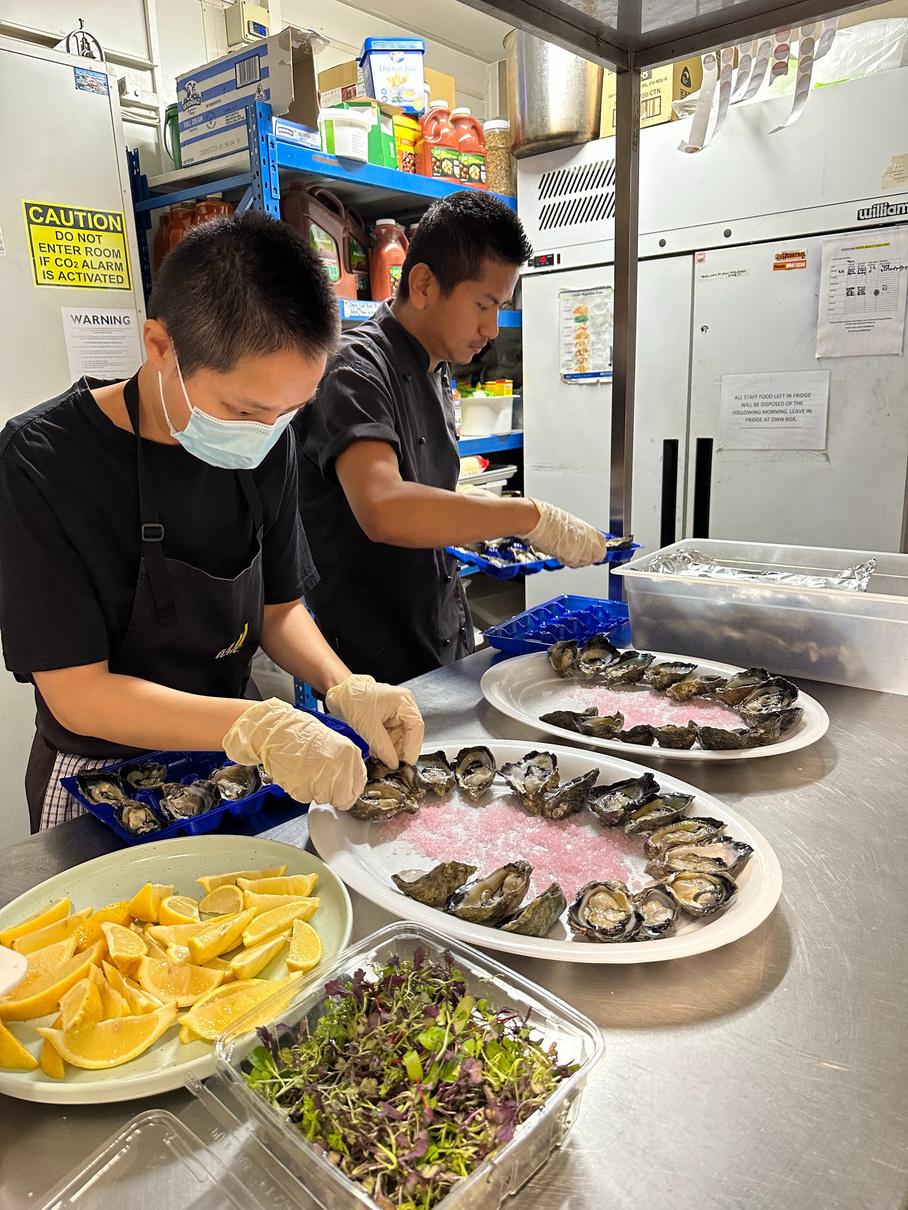
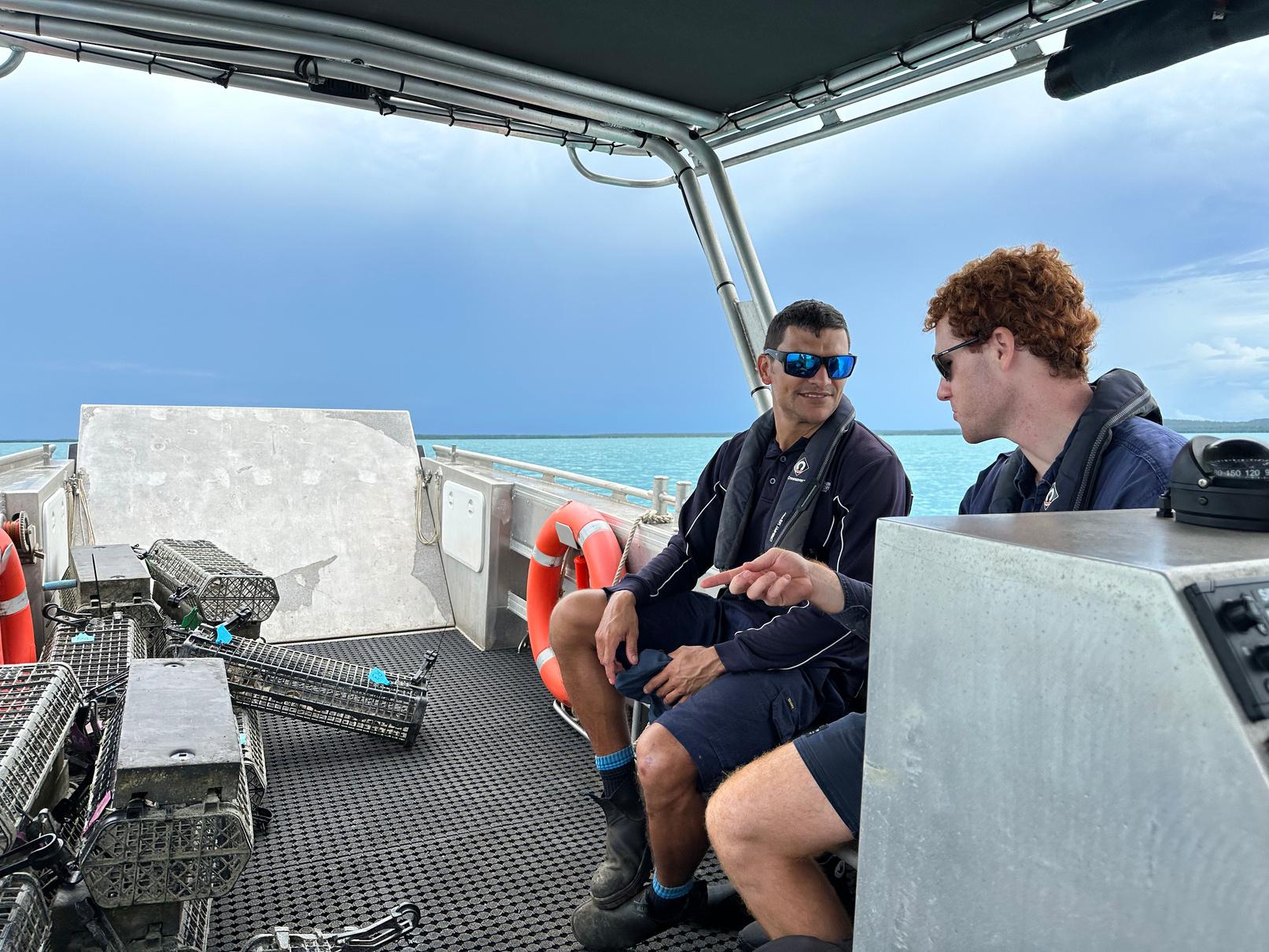
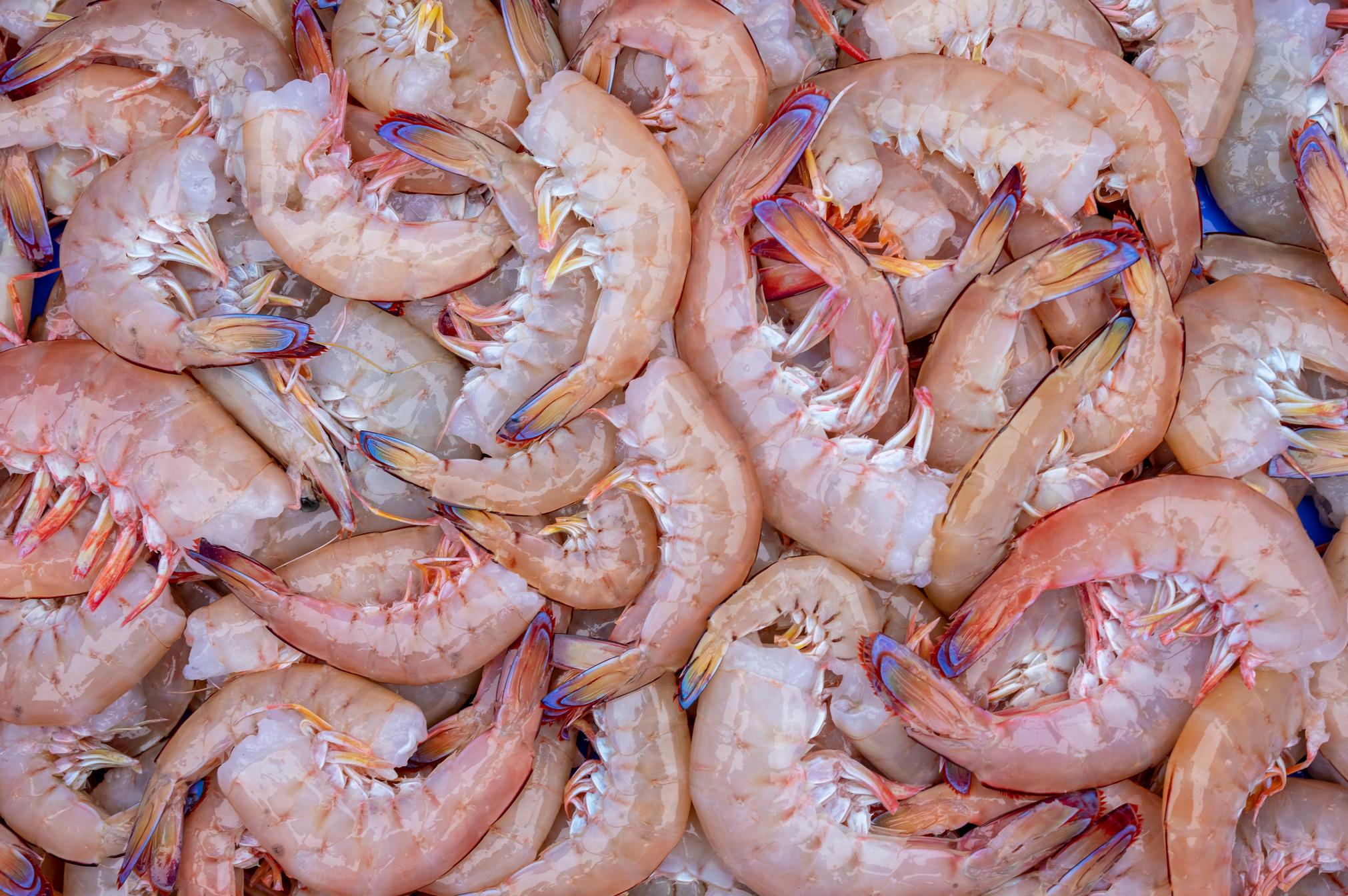
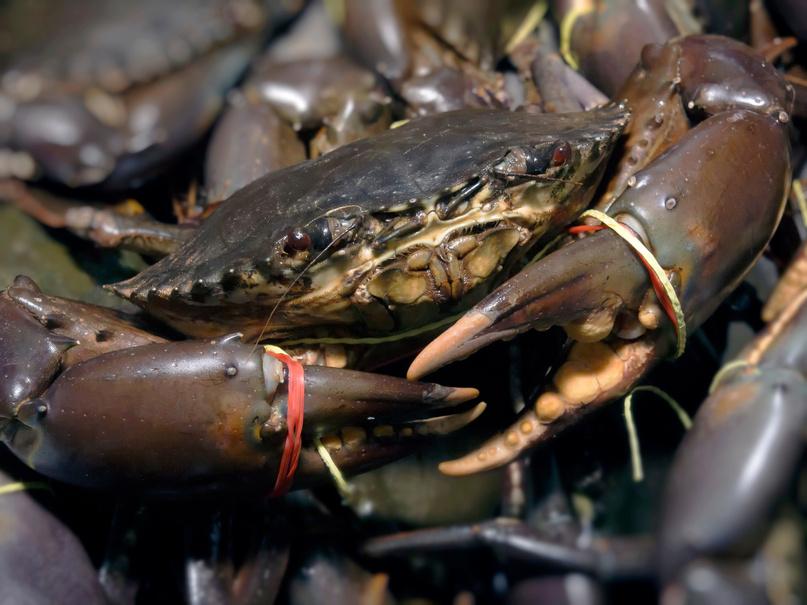
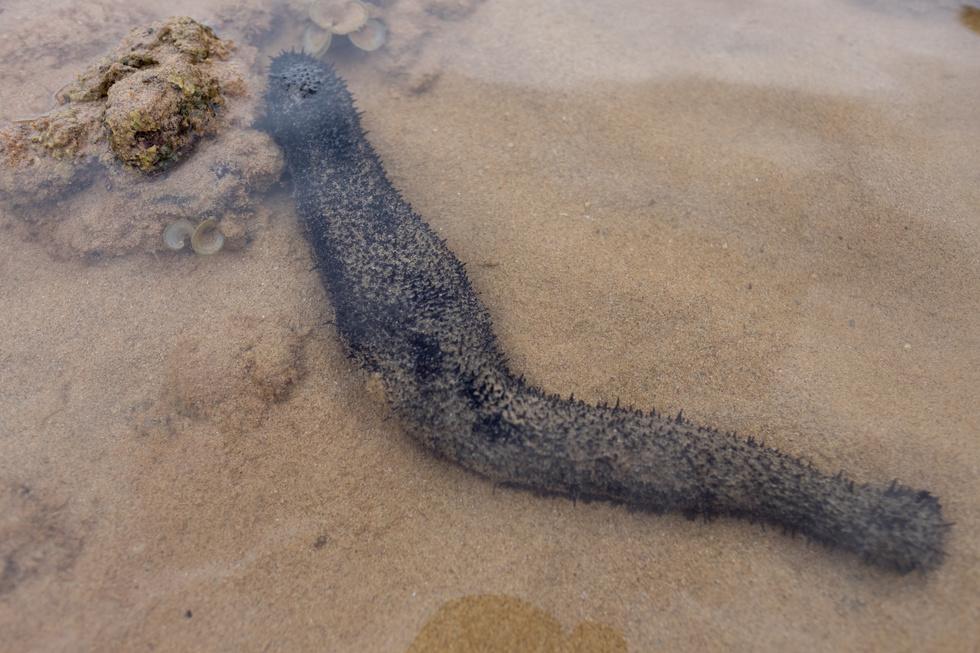
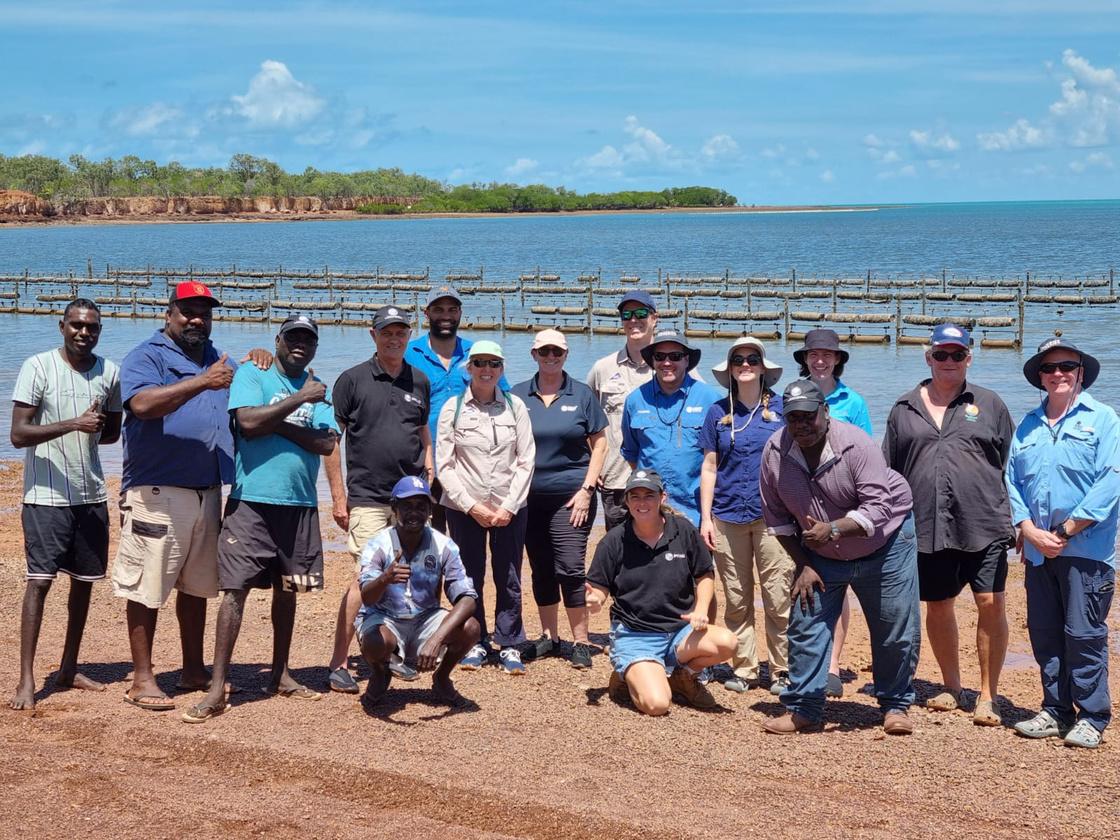
This two year project builds upon identified industry needs to develop Aboriginal ownership and participation in northern Western Australian commercial fishing and aquaculture industries. The project aims to de-risk new commercialisation pathways for key species (sea cucumber, mud crab and tropical rock oysters) at research locations in Dampier, Karratha, Carnarvon, Broome, Derby and Kununurra.
2 years
6oyster research farms involved in CRCNA projects across
CRCNA research explores new ideas and innovative approaches to unlock the vast economic potential of First Nations lands and waters.
In 2023 the CRCNA reaffirmed its commitment to First Nations’ economic development by funding $5 million in projects seeking to activate the Indigenous Estate. Activating the Indigenous Estate means ensuring our First Nations people design and benefit from research into primary production markets like agriculture, forestry, fisheries and aquaculture and emerging markets on their lands.
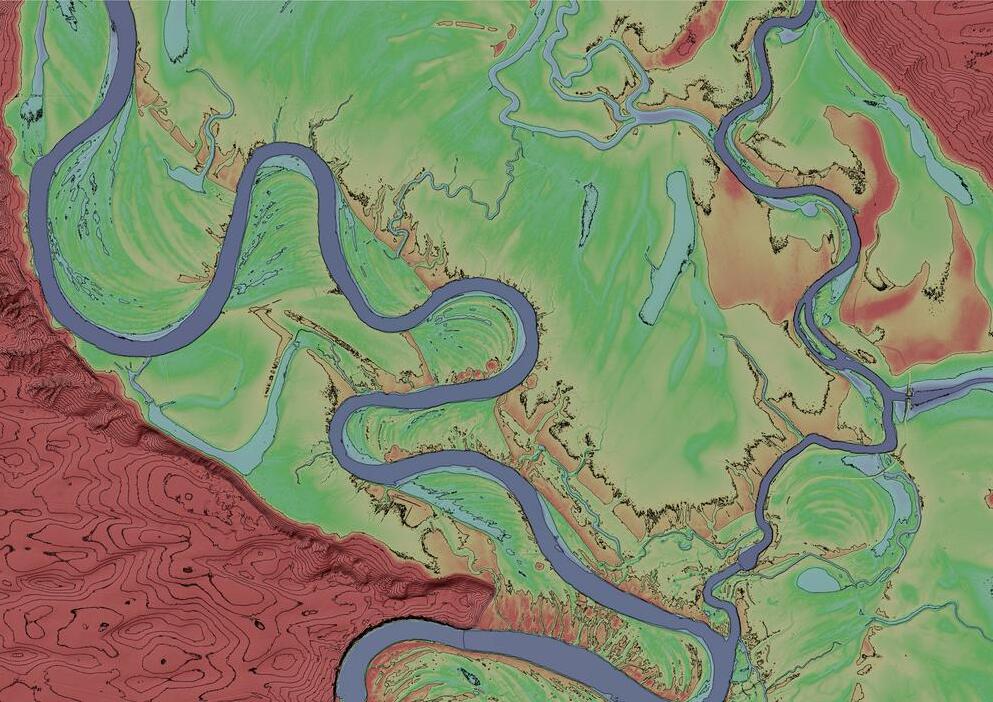
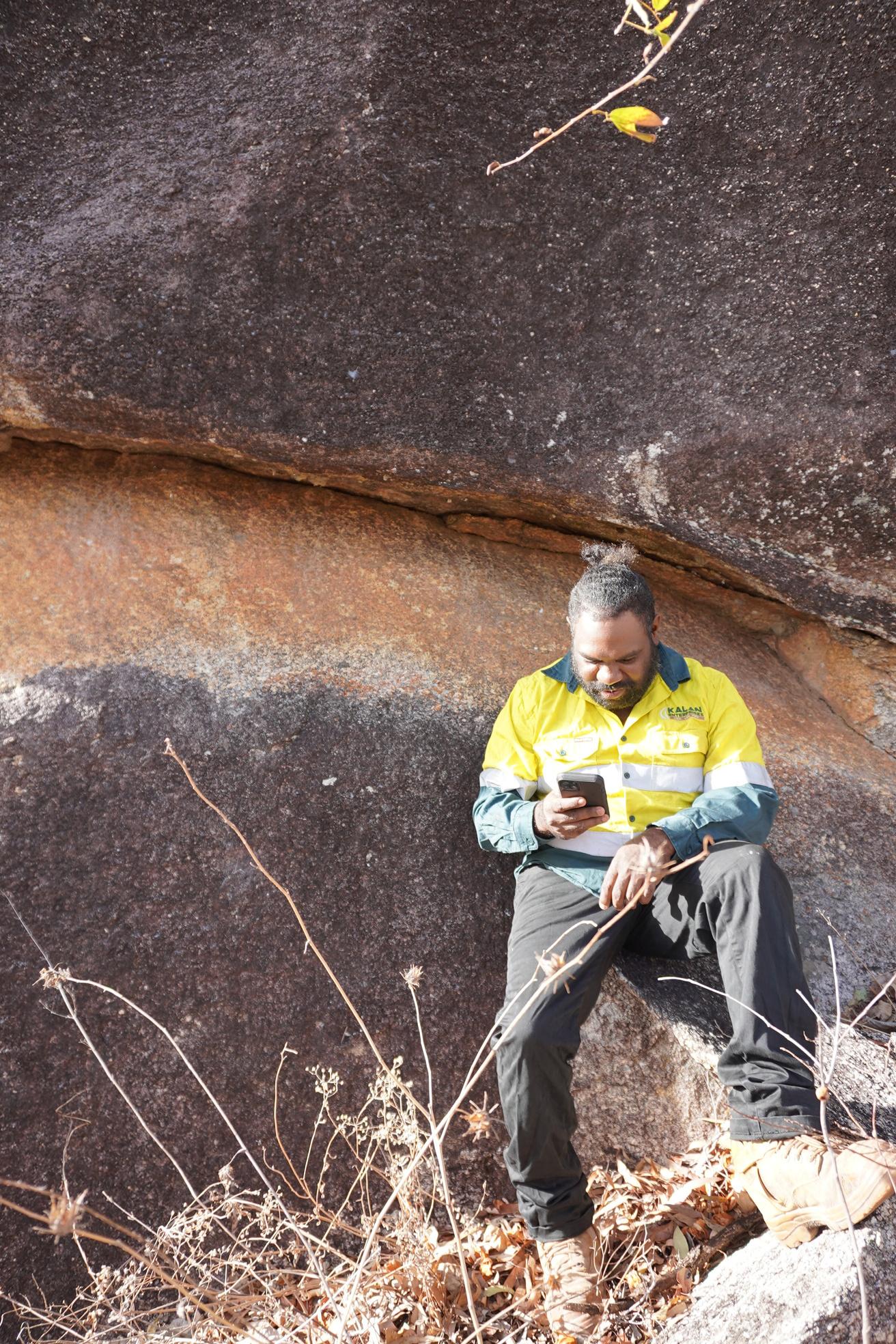
Integrating Indigenous priorities in spatially enabled planning of the Indigenous Estate (modern mapping) feral pigs estimated on Cape York 23million Business on Country = new processing methods for feral animal control
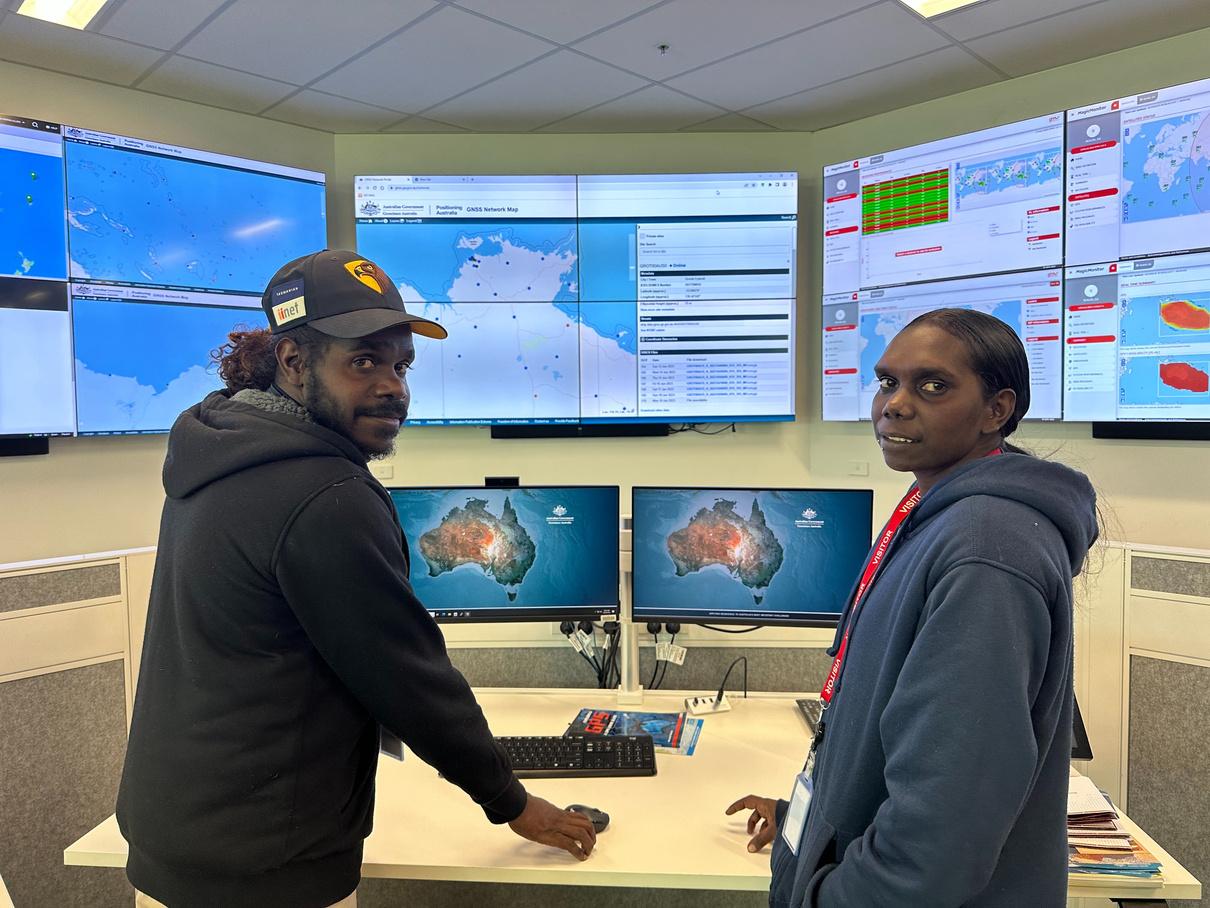
Modern partnerships require new skill sets for both Indigenous people and their partners... the advancement of digital technology is transforming the way Indigenous land managers look after Country
Research focus: health-seeking behaviours of Northern Australians early detection of diseases deliver increased health service access through innovative models of care workforce capabilities in delivering treatment and diagnosis
Did you know?
11
CRCNA health projects supporting service delivery
Qld has 19,000 new type 2 diabetes cases each year, that’s 160 new cases diagnosed each day and one person diagnosed every
9 minutes
40% of Northern Australians
8000 fewer than live in rural, remote or very remote communities/ townships, with people
health service delivery.
Attracting and retaining a health workforce in rural and remote Northern Aust.
Current models of care for diabetesassociated foot disease are not sustainable due to the recurring nature of the condition and lead to enormous social and economic burden, circa $24m per year. This project will test a multi-disciplinary treatment approach using a technology driven prevention program (Tele-DFD). This involves remote medical and footwear management and home monitoring, with behaviour change support to optimise patient management and care delivery options regardless of location.
It’s about enhancing the development and retention of research skills and capacity in areas aligned with CRCNA research themes for PhD, Scholars, Masters, Undergraduate and vocational students.
This year CRCNA supported:
38 PhD, 2 Masters, 2 Honours and 2 post-graduate students involved in research either directly with a CRCNA project, or a sponsored scholarship.
6 students completed their course during the year - 3 PhD, 1 Masters, 1 Honours, 1 other Post Grad.
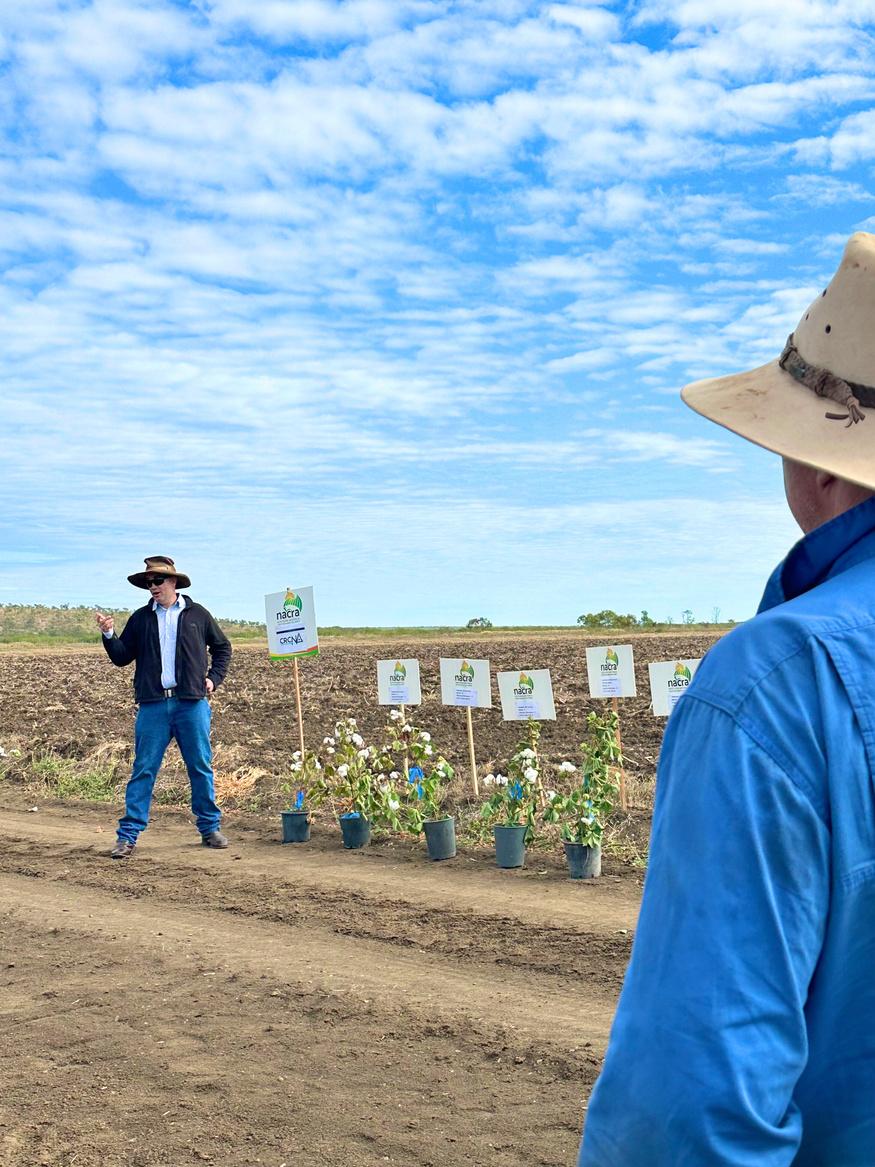
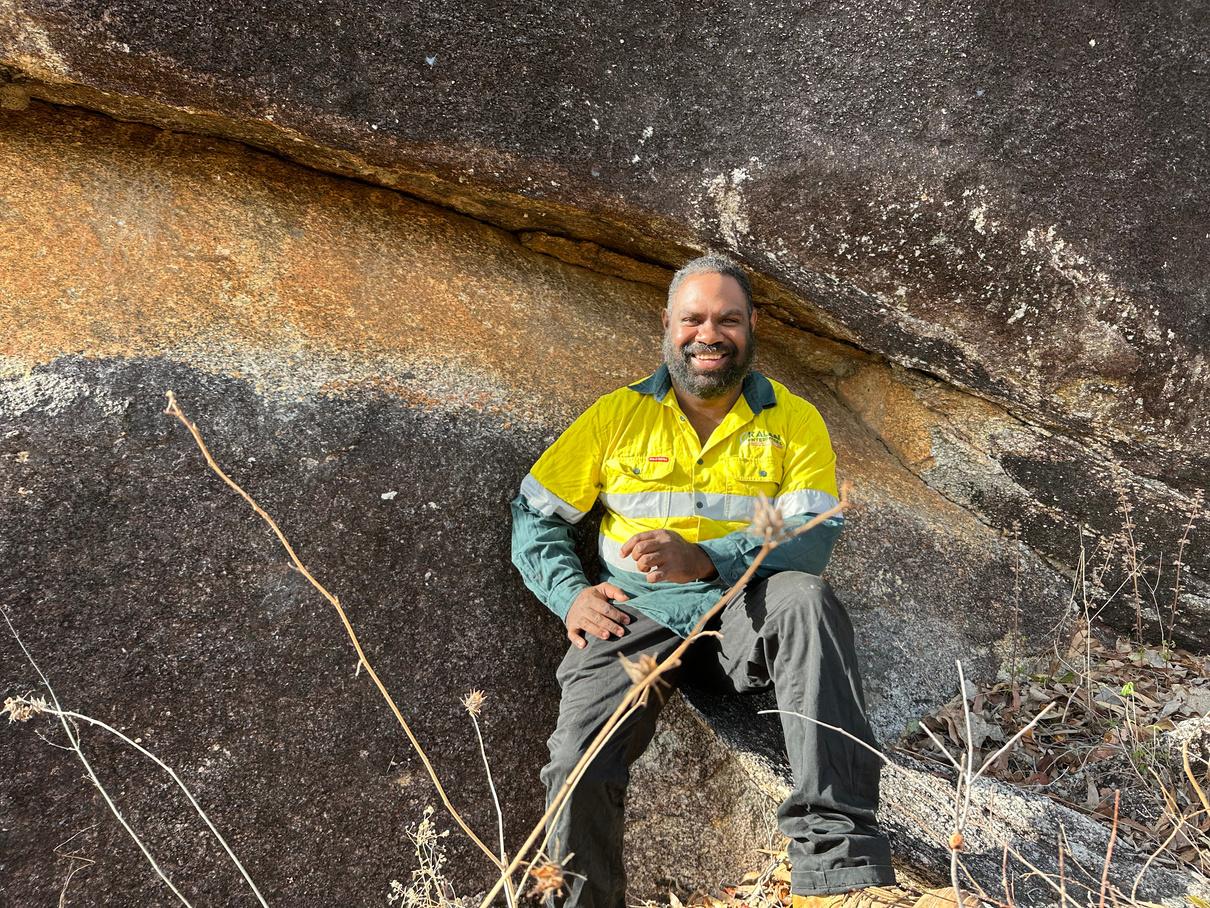
Jack Daniel, Northern Australia Crop Research Alliance, Kununurra WA
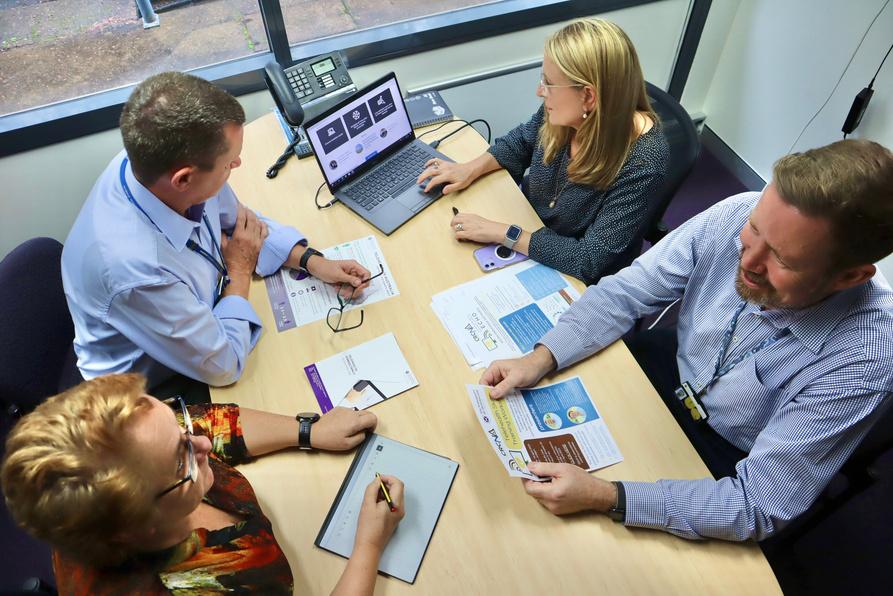
Project Echo - Centre for Online Health
CRCNA PhD student workshop
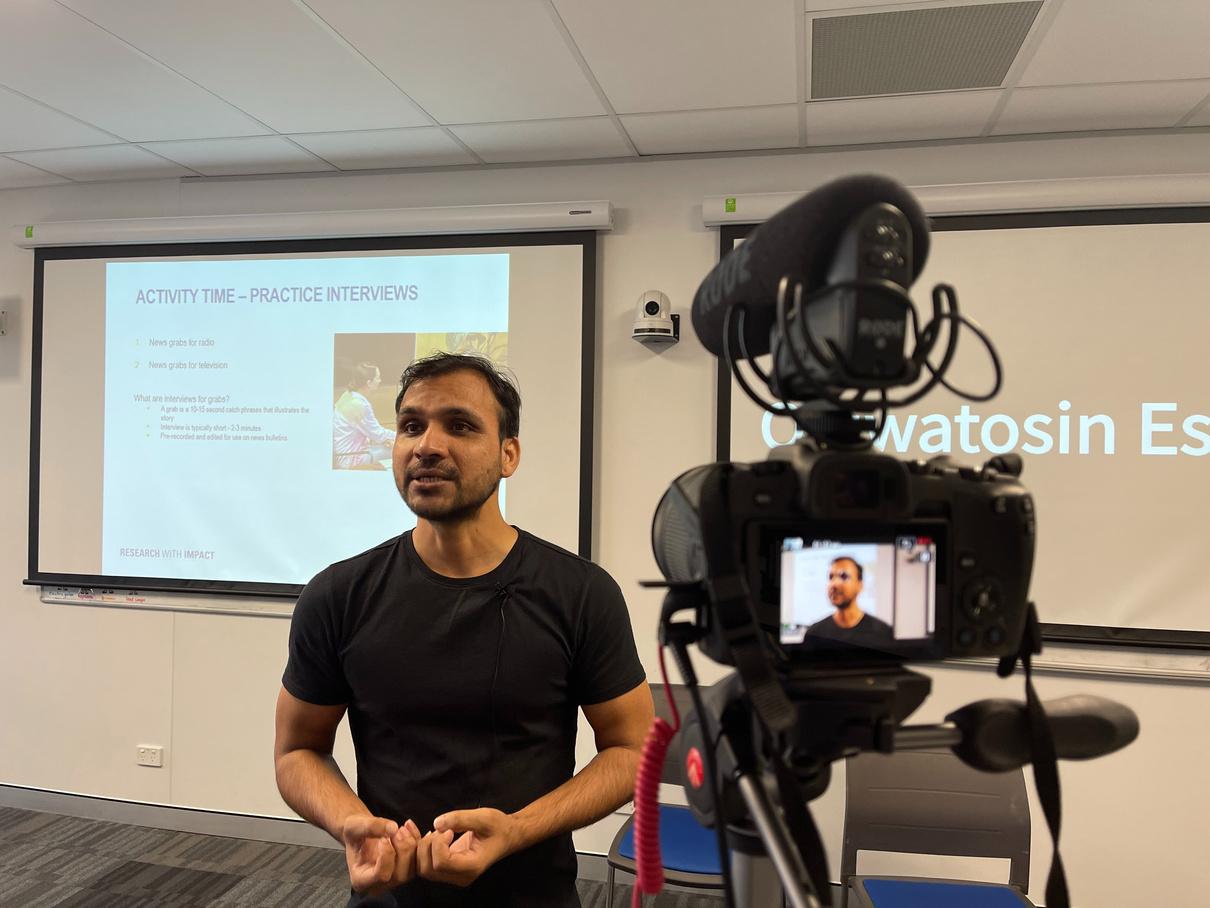
CRCNA PhD student workshop, media training
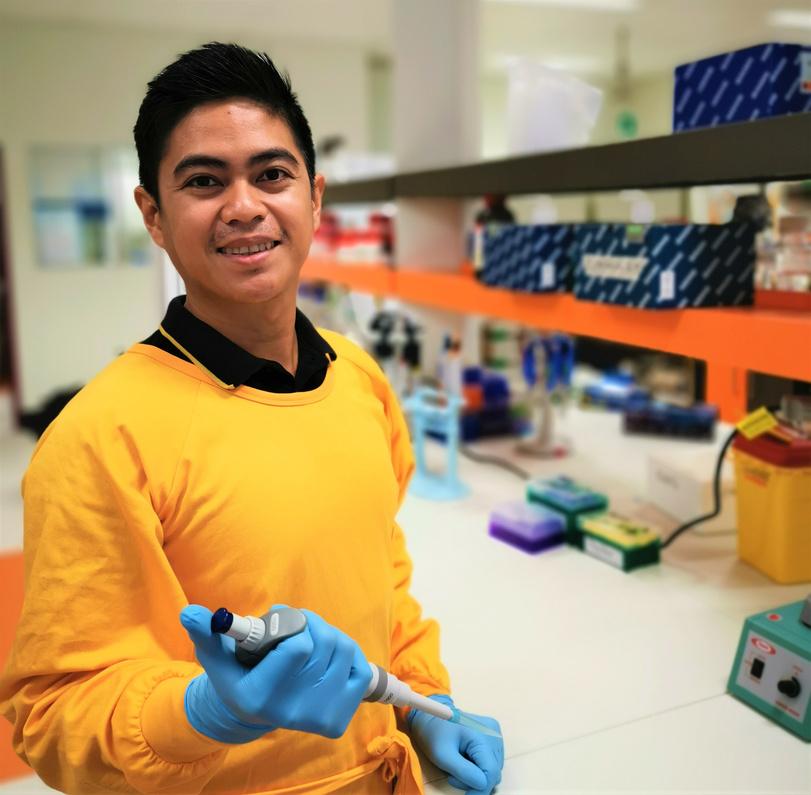
Jon Irish Legaspi Aquino, PhD student James Cook University
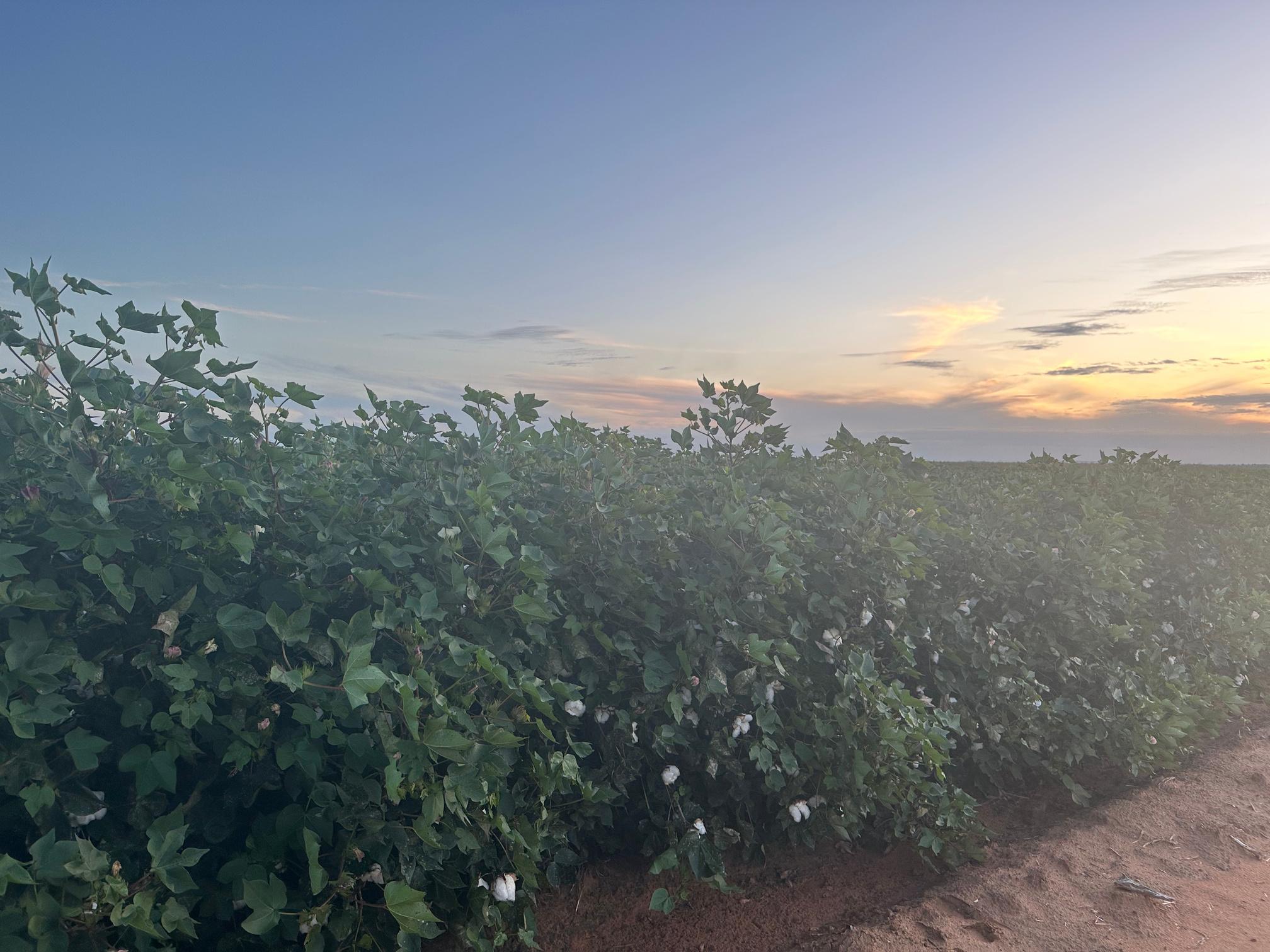
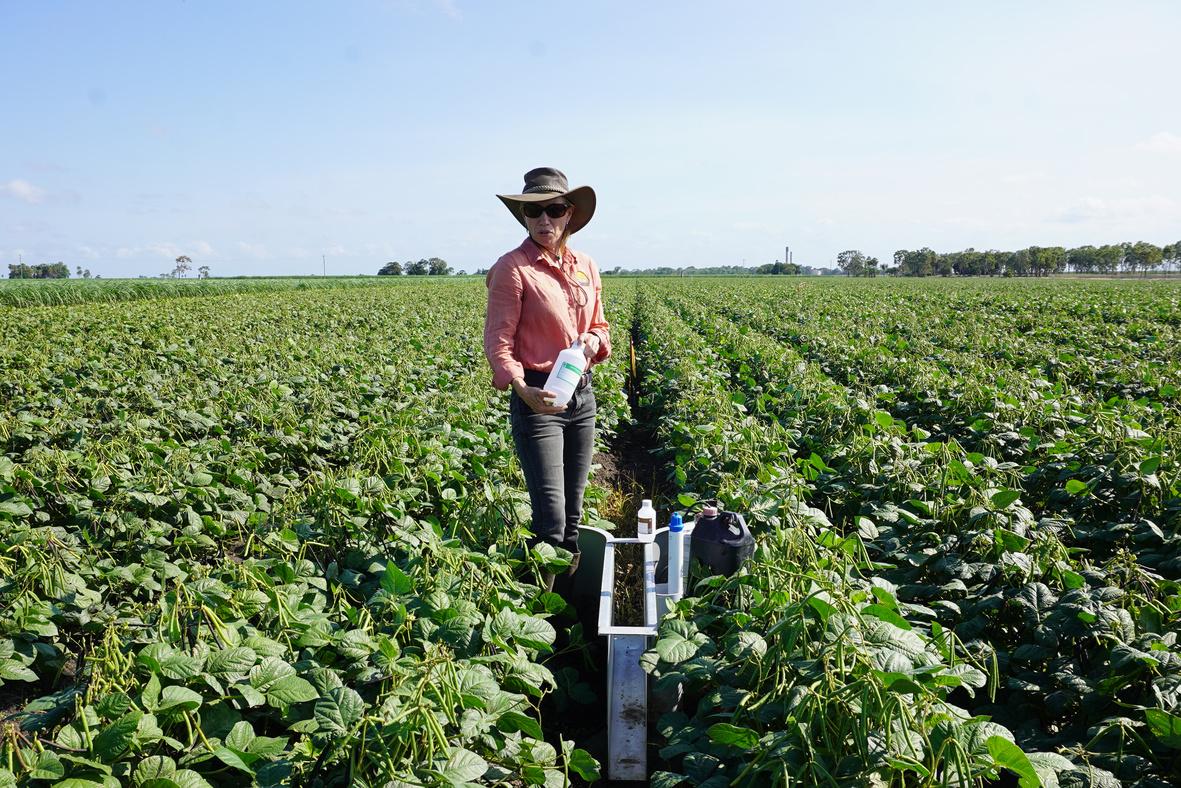
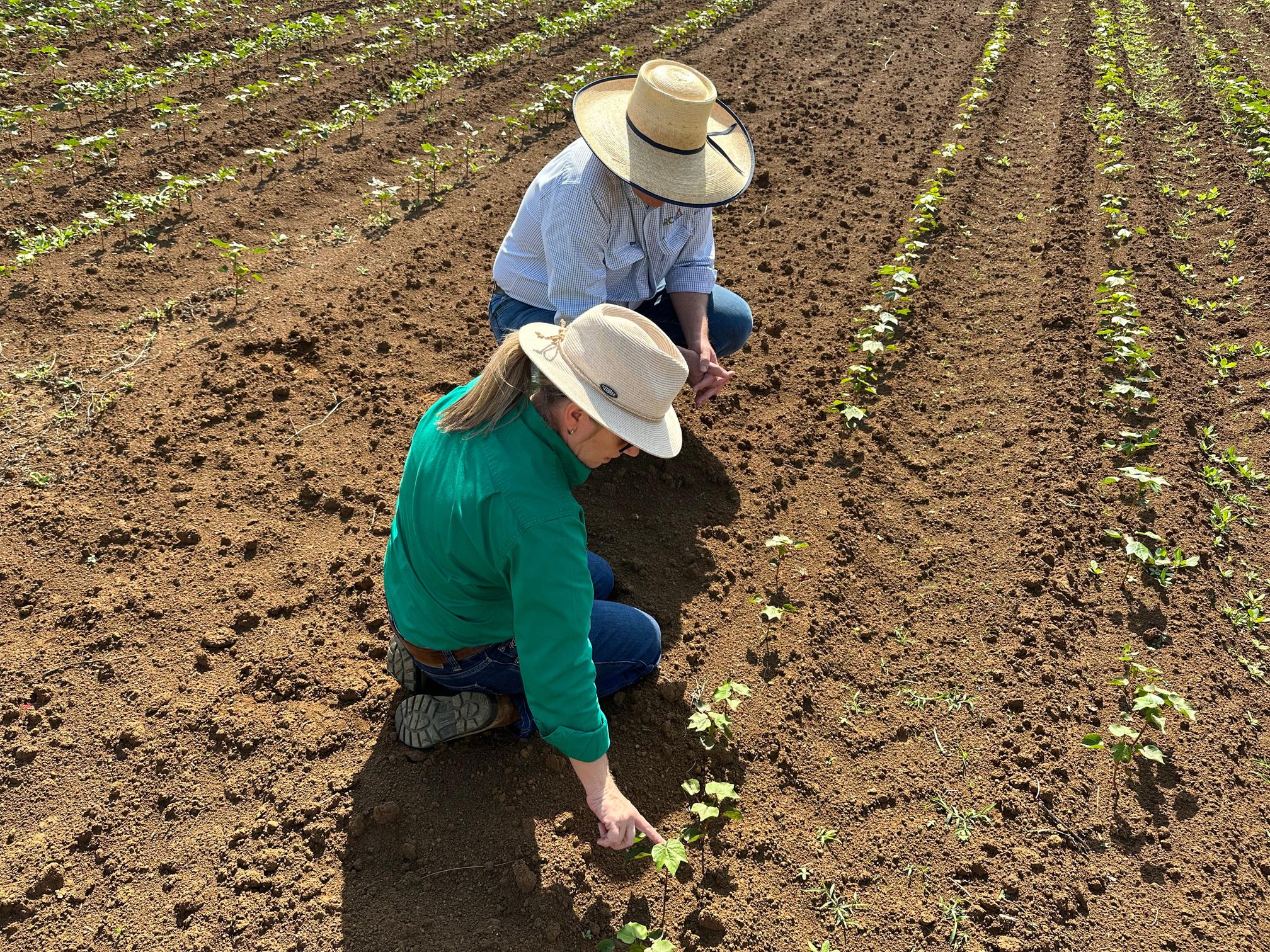
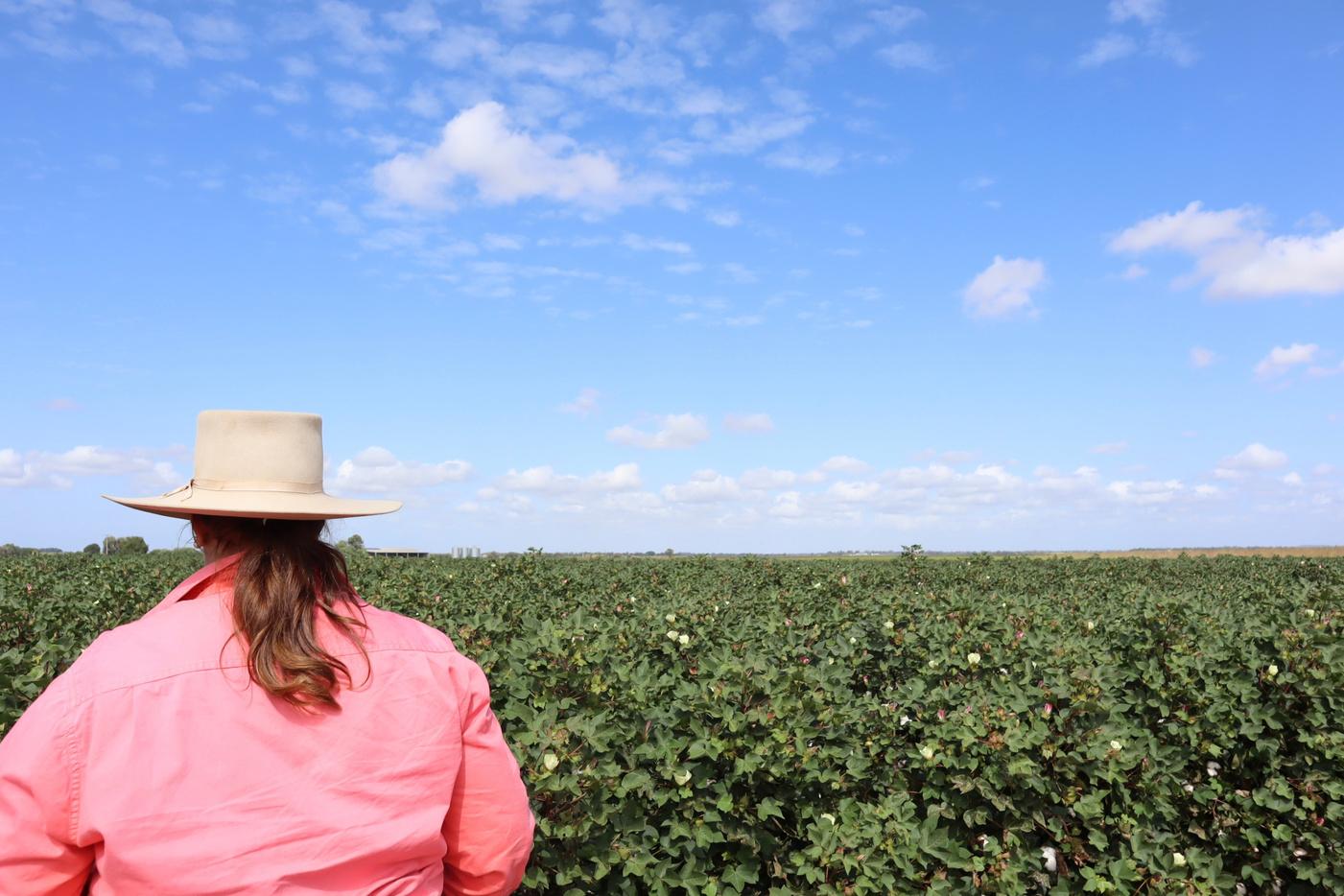
Ian Biggs and Jodie Pedrana inspecting cotton in Mareeba,
This year the CRCNA Board reaffirmed their commitment to northern research delivering northern outcomes through impact-focused, industry-based research that de-risks development for a more resilient and sustainable economic future. By creating an environment of certainty, the CRCNA is helping to attract investment, which creates jobs and drives innovation and economic prosperity in our regions.
BoardofDirectors
The CRCNA has a Chief Scientist role to independently test science research to inform and support the strategic direction of our science portfolio
the appointment of the auditor (to be voted on by the membership at the AGM; the CRCNA’s budget allocations; financial benchmarks established by the Finance and Audit Committee and approved by the Board; the CRCNA’s response to performance against the financial benchmarks; any matters having a significant financial impact on the CRCNA; financial matters relating to the CRCNA’s borrowing program and any contracts more than the delegation authority requiring Board approval; and any matters referred to it by the Board.
Chair
Board Member
Board Member
Independent Committee Member
Chair
Executive Director
John Bearne
Peter Long
Rebecca Mohr-Bell
Luke Guazzo
Brendon Douglas
David Larkin
15 CRCNA investment contribution 16 Oysters Australia Strategic Plan 2020-2025
17. CRCNA Aquaculture Situational Analysis
Page 29
18 Darwin Aquaculture Centre, 2023
19. CRCNA project Tropical Rock Oyster research
20 Oysters Australia Strategic Plan 2020-2025
Page 31
21. CRCNA Activating the Indigenous Estate program
22 CRCNA Activating the Indigenous Estate program
23 CRCNA Activating the Indigenous Estate program
Page 33
24 Australian Wildlife Organisation 2020
25 CRCNA project with Aboriginal Sea Company
26. Anindilyakwa Land Council
Page 35
27 CRCNA health service delivery program
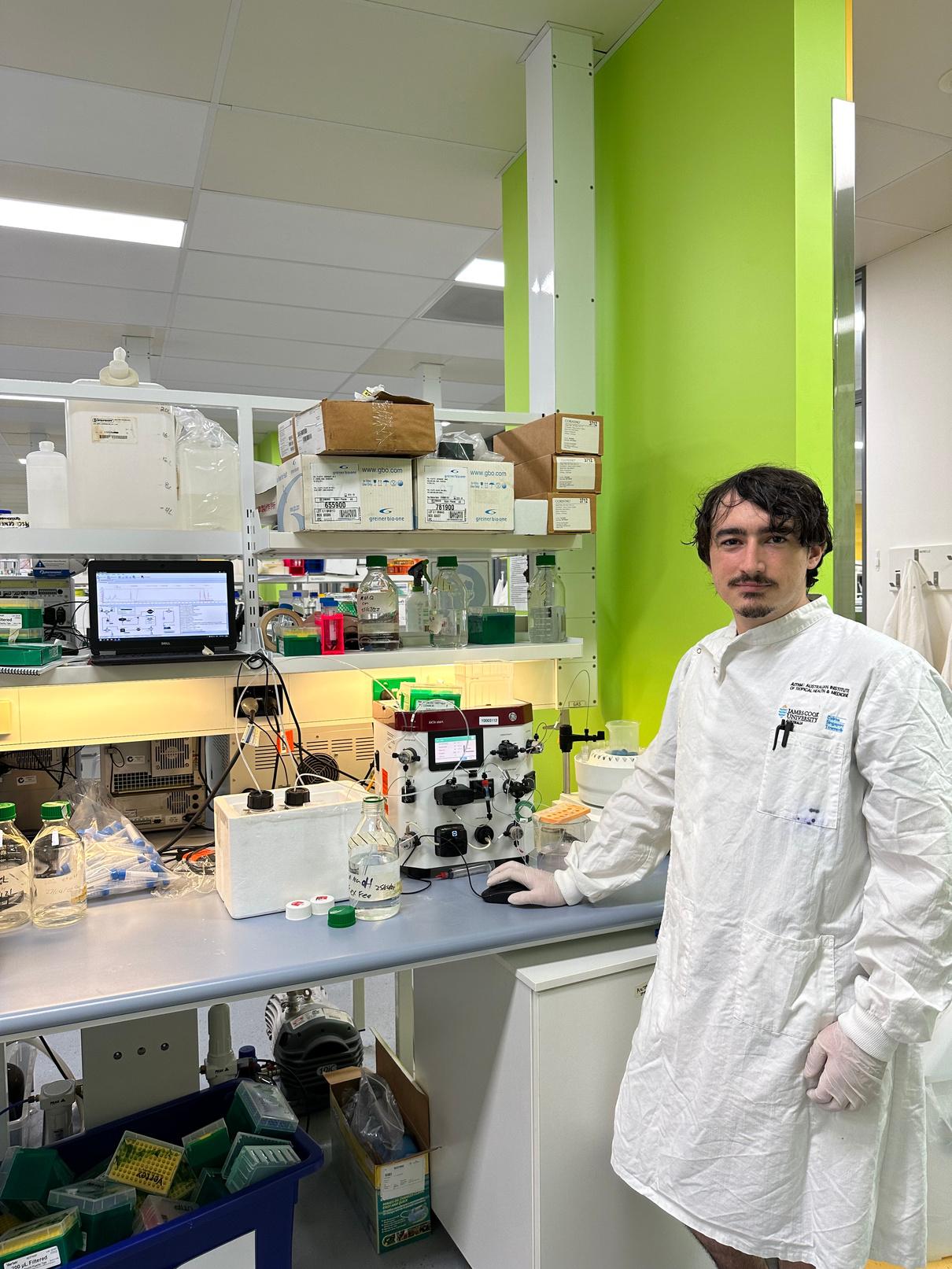
28. Australian Institute of Tropical Health and Medicine