MARCH 2026
MARCH 2026


Crafting a single high-quality PBR material can take hours or days.



Mastery of complex software like Substance Designer requires extensive training.
Traditional workflows struggle to meet the rising market demand for diverse and realistic 3D content.

Creating variations of similar materials is monotonous and drains creativity.


Relies heavily on extensive photo libraries or expensive 3D scanning hardware.
These inefficiencies create a clear market opportunity fordisruptive technologies.

Upload a single source image, get a complete set of PBR maps in seconds.

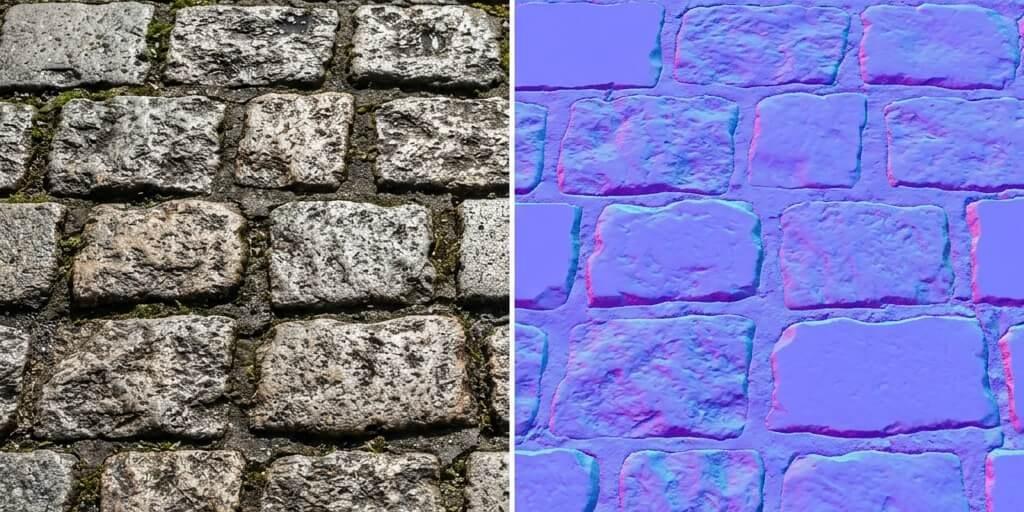
Normal Map
Encodes surface relief and micro-geometry for realistic lighting.
Height Map
Represents physical surface depth, ideal for displacement mapping.
Roughness Map
Defines surface smoothness, controlling how light scatters.

Metallic Map
Indicates metallic parts of the material for realistic reflections.
Ambient Occlusion (AO)
Adds natural shadowing in crevices to enhance material depth.
ORM Map
Optimized combined Occlusion, Roughness, and Metallic map.



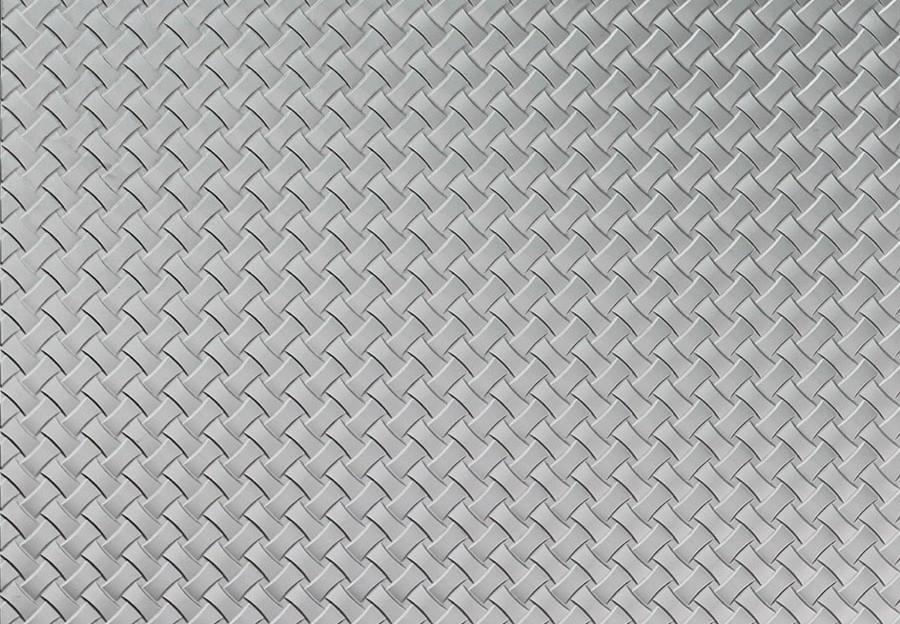
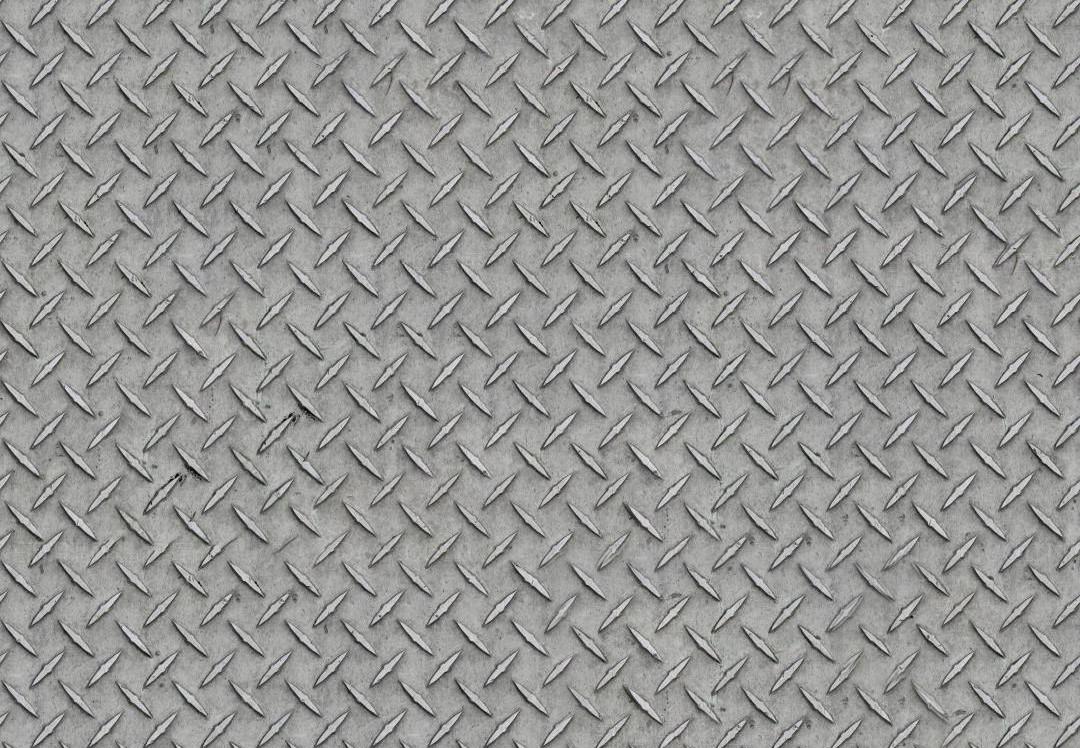




Dramatically accelerates the asset creation pipeline, reducing hours of work to seconds.

User-friendly interface requires no advanced technical skills, lowering the barrier to entry.

Critical "local" processing ensures assets are never uploaded to external servers, protecting intellectual property.


A free tool offering a highly cost-effective alternative to expensive software licenses and labor.

The AI ensures a consistent level of quality across generated textures, reducing human error and standardizing outputs.

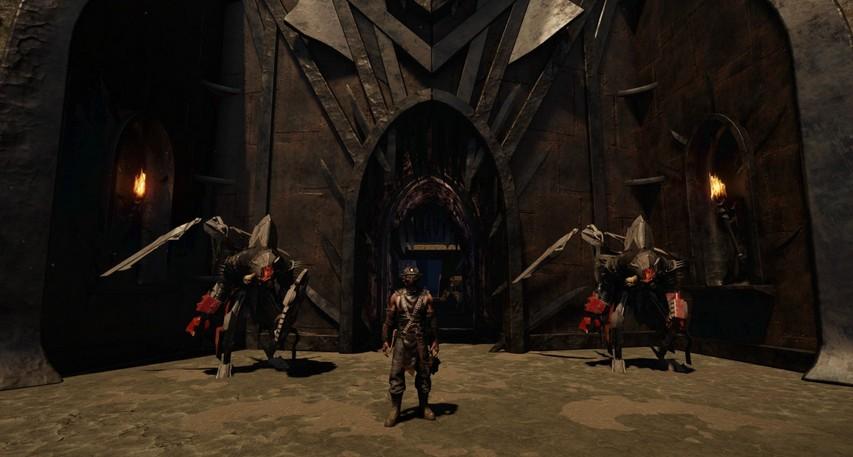
The shift towards immersive, open-world games demands vast quantities of high-quality 3D assets.
Populating these new digital realms requires efficient generation of diverse and realistic 3D environments.


Indie Game Devs & Small Studios

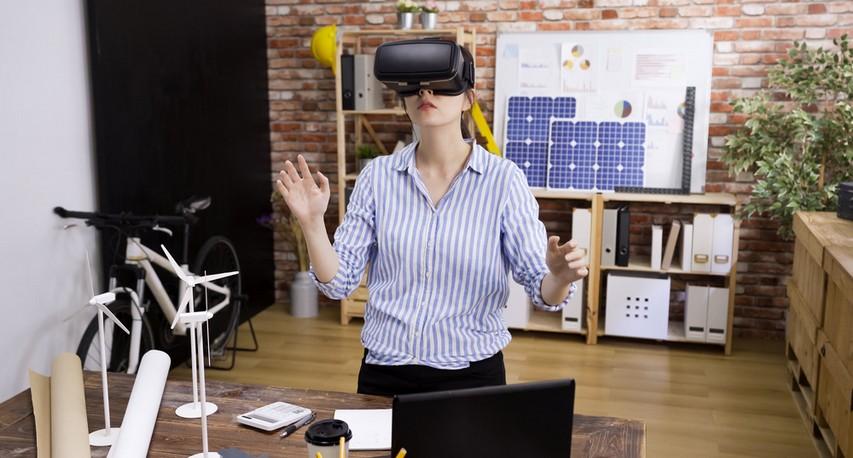
From training to marketing, VR/AR relies on realistic 3D content for convincing, immersive user experiences.

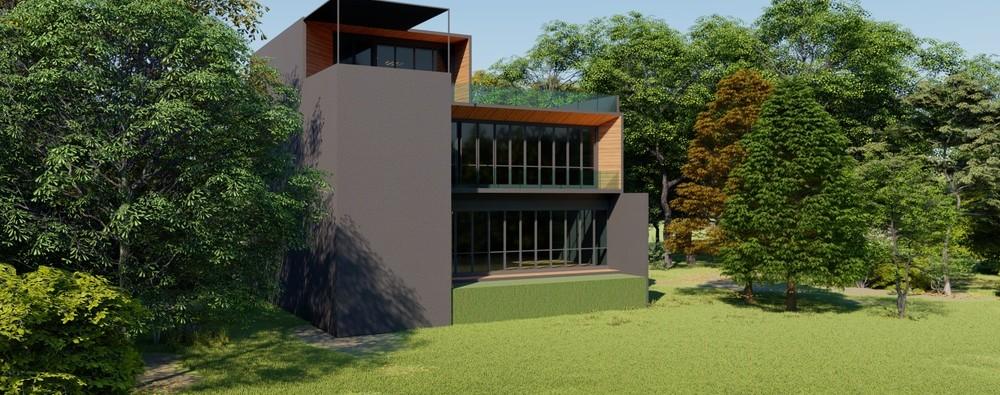
AI tools accelerate the design iteration process, empowering architects to create photorealistic renderings faster.


3D Artists & Hobbyists Educational Institutions
+ Larger Studios (for rapid prototyping workflows)


⚡ Workflow Speed:Very High (Automated)
�� Ease of Use:Very High (Intuitive)
�� Output:Direct PBR Maps (Readyto-use)
�� Cost:Free (with optional tiers)
�� Privacy:High (Local Processing)
��️Control/Flexibility:Medium
⚡ Workflow Speed:Low (Manual/Expert-driven)
�� Ease of Use:Low (Steep Learning Curve)
�� Output:Direct PBR Maps (High Quality)
�� Cost:High (Expensive Subscription)
�� Privacy:Low (Cloud/Software Dependency)
��️ Control/Flexibility:Very High (Industry Standard)

⚡ Workflow Speed:Medium (Conversion Needed)
�� Ease of Use:Medium (Prompting Skill Required)
�� Output:Single Image (Textures not usable)
�� Cost:Varies (Tokens/Subscriptions)
�� Privacy:Low (Data shared on Cloud)
��️Control/Flexibility:Medium (Limited 3D Control)

Free Tier
Access to core features with limitations (e.g., resolution, daily credits). A powerful user acquisition tool to build a large user base.

Enterprise Solutions:Dedicated servers for highthroughput needs, and custom model fine-tuning services for large creative studios.
Pro / Paid Tier(s)
Offering higher resolutions (2048x2048+), unlimited generation credits, access to advanced AI models, and batch processing capabilities for power users.
Asset Marketplace:A curated platform for users to buy, sell, and license high-quality, AI-generated PBR textures.
Developer API Access:Integrating our AI texturing capabilities directly into third-party 3D tools, game engines, and production pipelines.

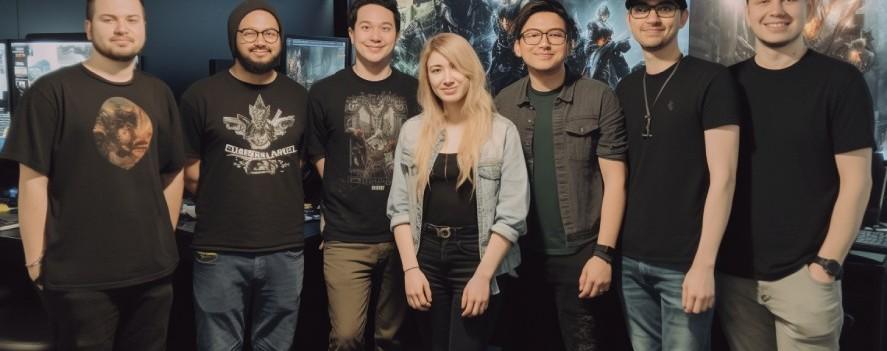
Challenge:A small team lacks the budget for a dedicated texture artist.
Solution:Use normalmap.ai to quickly generate base textures from concept art, then use Substance Painter for final tweaks.
Impact:Texturing time cut by ~50%, keeping the project on schedule and budget.
Studio Challenge:Need a quick turnaround for a client presentation with a new material.
Solution:Upload a photo of the physical material sample to normalmap.ai, get a PBR material in seconds.
Impact:Deliver a highly realistic visualization ahead of schedule, impressing the client.


Regularly update AI models to enhance the quality of texture outputs and boost processing speed, ensuring sustained competitiveness in the market.

Foster an active, engaged user community to gather insights, encourage knowledge sharing, and leverage user advocacy for sustainable organic growth.
•Seamless Texture Generation:A must-have for 3D tiling workflows.
•Text-to-Texture:A robust, intuitive prompt-based interface.

Collaborate with universities and design schools to integrate normalmap.ai into their curricula, establishing it as a standard teaching tool for the next generation.