cradle to cradle to coastlines coastlines


Page 3
AUTUMN UPDATE: DELIVERING OUTCOMES ACROSS CRADLE COAST
Page 4 TURNING OF THE FAGUS
Page 6
Page 7
Page 8
Page 10
Page 11
Page 12
Page 14
Page 16
Page 17
Page 18
Page 20
Page 22
Page 24
Page 26
CREATURES OF THE CRADLE: SPOTTED TAILED QUOLL
THE IMPORTANCE OF TUNNELLING DUNG BEETLES IN TASMANIA
COMMUNITY EFFORT DRIVING BIRD RECOVERY
ARE YOUR HIVES READY FOR WINTER?/WELCOME LEWIS! ON FARM NUTRIENT USE EFFICIENCY
SOIL SAMPLING: MUD, MOSQUITOS AND MILESTONES
INGLIS RIVER RECOVERY PROJECT
PROGRESS TOWARDS FELIXERS IN DEVIL HABITAT
MYCELIUM DELIRIUM: FUNGI SEASON IS UPON US!
ADULT MAUGEAN SKATES READY TO RETURN HOME
SOMETHING FOR EVERYONE: WHERE? WHERE? WEDGIE!
INTERNATIONAL DARK SKY WEEK: WHY ARE DARK SKIES SO IMPORTANT?
MINNA ROAD TRUCK WASH OPENING
NRM COMMITTEE DAY OUT

1-3 Spring St, Burnie Tasmania 7320 03 6433 8400
www.cradlecoast.com www.facebook.com/CradleCoastNRM/
Dr Bonnie Bonneville Regional NRM Manager
As Regional NRM Manager, I’m pleased to share our Autumn edition of Cradle to Coastlines It’s been a productive and rewarding period for our Cradle Coast NRM team
Across the region, we’re continuing to deliver strong on ground outcomes, from river restoration works along the Inglis River to the successful completion of the National Soil Monitoring Program, sustainable agriculture initiatives supporting on farm practices, and dung beetle establishment, and threatened species recovery projects on King Island and Macquarie Harbour. These efforts are making a tangible difference to the health and resilience of our landscapes and communities.
We’re also continuing to build our capability and explore new approaches to our work This includes upskilling our team in drone technology to enhance monitoring and communications, and the extension of the Game Changers project as we work towards approval for the use of Felixers in mainland Tasmania within Tasmanian Devil habitat.
What stands out most is the strength of our team and partnerships. Our staff continue to show commitment, expertise and a willingness to get the job done, often in challenging conditions, supported by landholders, community groups and partner organisations who share our vision of healthy, resilient landscapes and communities.
I’d also like to acknowledge and congratulate the Circular Head Landcare Group on their long-term efforts to restore saltmarsh ecosystems, culminating in the treatment of the last major infestations of invasive rice grass, a significant achievement for the region
We’re also pleased to welcome Lewis Jaffray as our NRM Communications Support Officer, helping us better capture and share these stories through new tools and approaches.
As we look ahead, we do so with a clear focus, continuing to adapt to a changing funding environment while maintaining strong delivery and partnerships that underpin our work. I hope you enjoy this edition and the stories it shares from across our region.
By Lewis Jaffray
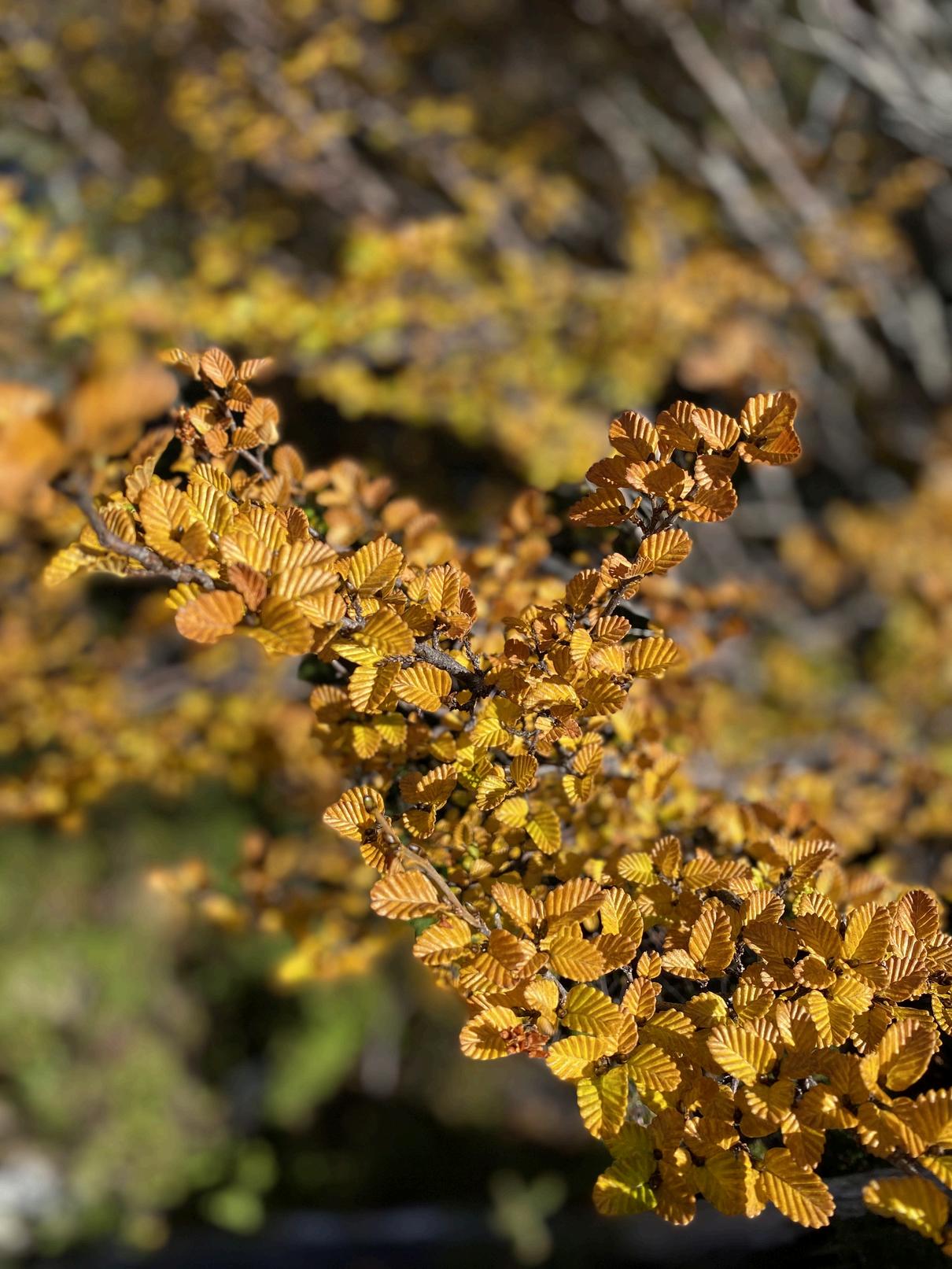
It has become a yearly tradition for me to trapse up to Cradle Mountain-Lake St Clair National Park in hopes of seeing the “turning of the Fagus.” This is where Australia’s only winter-deciduous native tree, The Tasmanian Fagus, Nothofagus gunnii, changes colour from green to a beautiful rich, vibrant orange, gold and red
It is found usually in late April to early May depending on conditions. Because it grows only in specific alpine environments, it’s considered an important indicator species for climate change and is protected in the wild, making it a popular seasonal drawcard for bushwalkers and photographers
For someone who usually goes to Cradle Mountain quite a lot, the first time I went a few years ago it truly took my breath away It is incredible to see the mountainous landscape streaming down orange colours The lakes and pools shimmer and reflect the light of the golden trees creating a truly magical sight. The famous colour change usually happens between late April and early May, but it varies year to year depending on temperature and rainfall. A good stretch of cold nights without heavy wind or rain gives the most vibrant display. However, the change in colour has been a bit late this year because of the colder Spring last year
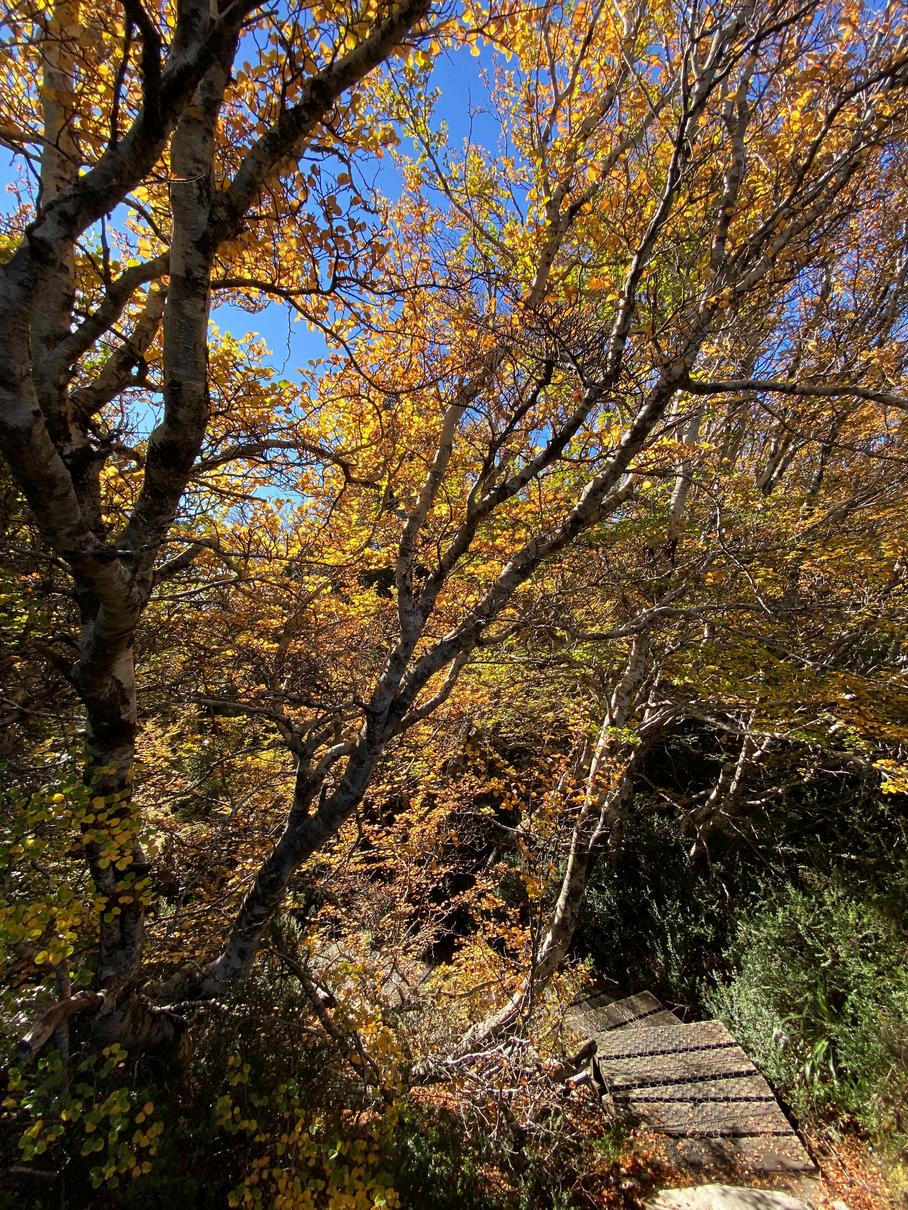
The Fagus grows in Tasmania’s highland regions (typically above 800–900 m), where conditions are cold, wet, and often snowy. Unlike most Australian plants, it drops its leaves in winter to survive freezing temperatures and reduce water loss, which is one reason it stands out so much
Fagus belongs to an ancient group of southern beeches that once formed part of the supercontinent, Gondwana. Its closest relatives are now scattered across places like South America and New Zealand, making it a living reminder of prehistoric forests that existed over 60 million years ago.
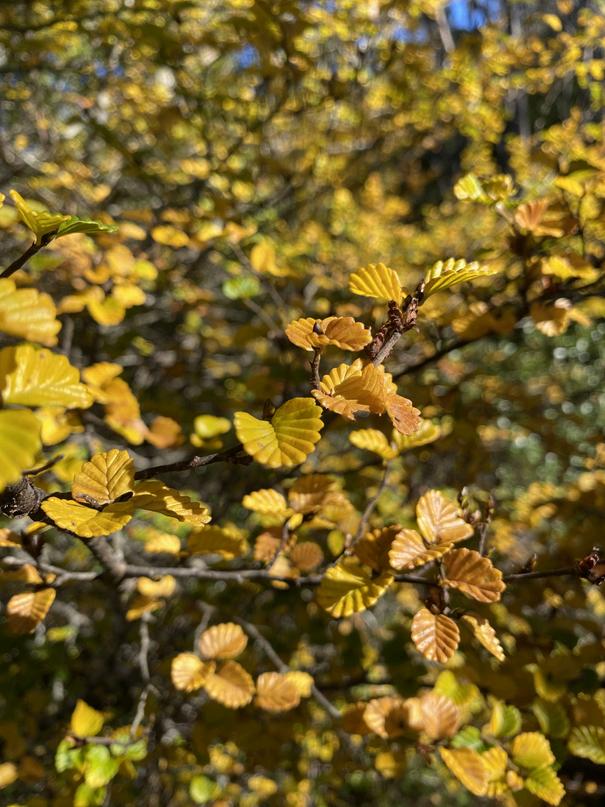
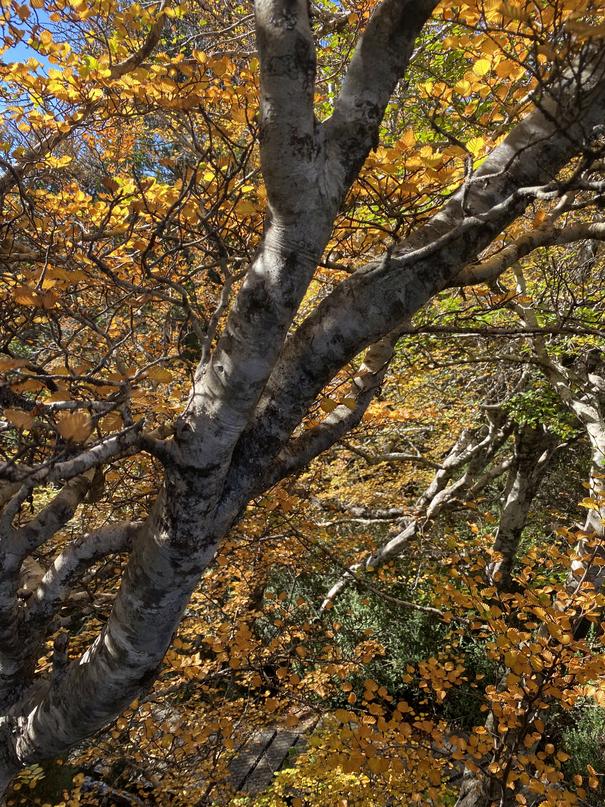
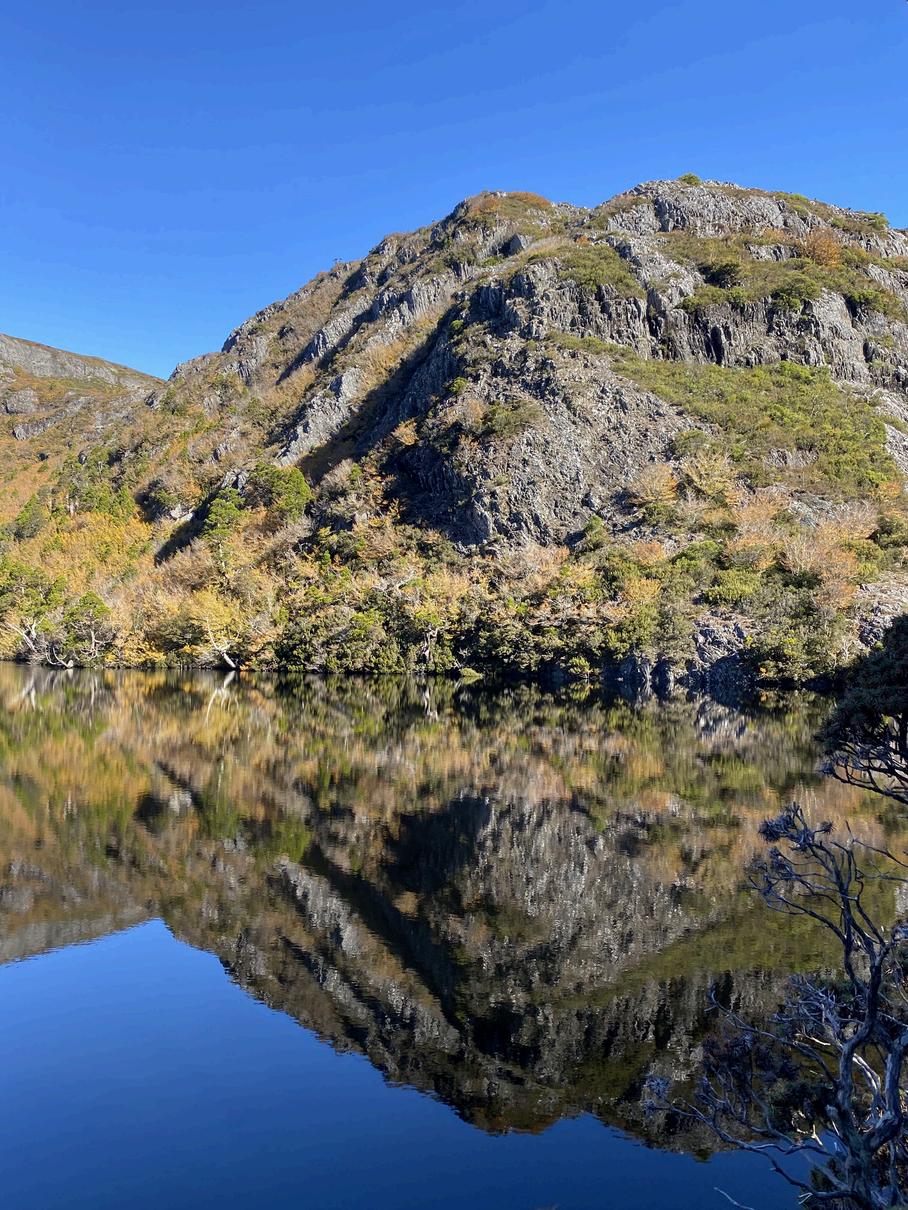
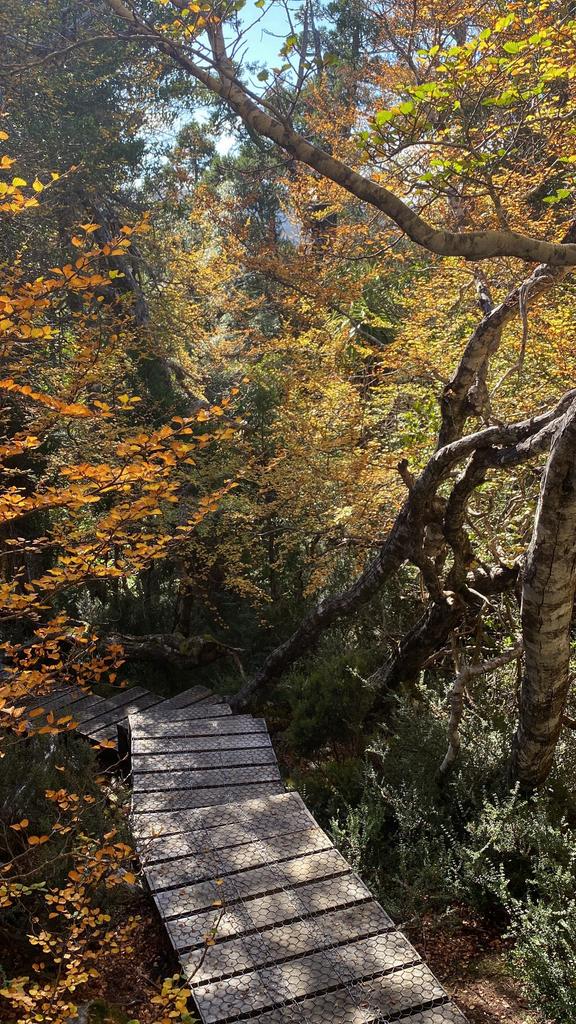
One of the best places to see Fagus is at Crater Lake which is about a two hour / 5.7 km circuit walk from Dove Lake in Cradle Mountain National Park, here it covers large sections of the forested slopes around the lake However, for an easier, or shorter walk, you can also see Fagus on the Dove Lake Circuit track, and the short, easy Weindorfer’s Forest Walk, near Waldheim Chalet. Aside from Cradle Mountain, good locations to see this spectacular tree include, Mount Field National Park, Walls of Jerusalem National Park and Ben Lomond National Park.
Often when I visit the Fagus, there are many people who have come far and wide to see this incredible tree firsthand. Fagus is protected in the wild, picking branches or disturbing plants is not allowed. Its popularity has grown so much that some walking tracks (especially in Cradle Mountain-Lake St Clair National Park) experience heavy traffic during the season, so visitors are encouraged to stay on marked paths to protect fragile alpine ecosystems It’s restricted to cool alpine zones; Fagus is highly vulnerable to warming temperatures. As the climate warms, it has nowhere higher to migrate, so scientists monitor it as an indicator species for environmental change in Tasmania.
Many people living in Tasmania don’t even know what the Fagus is, or just how special and incredible it can be to experience Too often, we overlook the beauty that exists right on our doorstep Sometimes, all it takes is a single moment in nature to shift someone’s perspective, sparking a deeper appreciation and a desire to help protect the extraordinary natural treasures we have here.
With its iconic look and loud cries, the Tasmanian Devil often steals the spotlight when it comes to Tasmania’s marsupial carnivores However, many of Tasmania’s other lesserknown carnivores also deserve some attention, one such example being the Spottedtailed Quoll (Dasyurus maculatus). Growing to weight of up to 4 kg for females and 7 kg for males, Spotted-tailed Quolls are the world’s second largest surviving carnivorous marsupial, behind the Tasmanian Devil, and the largest carnivorous marsupial that still occurs on the mainland Their fur varies in colour from pale brown to dark or reddishbrown with white spots They can be distinguished from the similar looking Eastern Quoll by their larger size and by having a spotted tail.
Spotted-tailed Quolls are widely but sparsely distributed across Tasmania with north and north-west Tasmania having the highest numbers Quolls live mainly in native forested habitats, though they may also use more open areas including agricultural land They live solitary lives with large home ranges stretching from hundreds to thousands of hectares in size. Within these home ranges, quolls have multiple den sites, in areas such as hollow trees and logs and rock caves, in which they rest during the day. At night, Spotted-tail Quolls come out to feed. Unlike devils, quolls hunt most of their food rather than scavenge Prey can include a variety of animals though medium-sized mammals are most common which are killed with a strong bite to the back of the head or neck. Breeding takes place from late May to early September with young being born 21 days after mating.
Since European arrival, Spotted-tailed Quoll numbers have declined in Tasmania with populations on King and Flinders Island now being extinct The main reason for this decline has been the clearing of native vegetation, mainly for agriculture and forestry, which has reduced available habitat and left populations fragmented. Other reasons for their decline include human persecution, secondary poisoning from baiting, and competition with feral cats. Quolls are also particularly vulnerable to car collisions as, like devils, they will scavenge on roadkill and then get hit themselves
If you would like to help quolls in their survival, avoid clearing areas of native vegetation on your property which may act as potential quoll habitat. Also, report any sightings of quolls to the Natural Values Atlas or on apps such as iNaturalist. Quolls are naturally shy species so any information on their current distribution is important It is also important to drive slowly at night to avoid killing scavenging quolls This will also help other native mammals which are vulnerable to roadkill such as devils and Eastern-barred Bandicoots.
The vast volumes of cattle dung produced each day in Australia’s livestock systems, create both a major challenge and a valuable opportunity for natural recycling. As their name suggests, dung beetles are insects that feed on animal faeces. There is a vast amount of dung created by cattle which provides an ideal habitat for tunnelling dung beetles Dung beetles feed on moisture and bacteria from the cattle pats by breaking up and burying the dung They follow this by placing nutrients and beneficial microbes into the root zone of pasture plants. In doing so, dung beetles reduce soil density and improve water infiltration, delivering significant benefits to both agricultural production and the environment.
Dung burial also reduces fly breeding by limiting fly access to dung pats, helping to break parasite life cycles. This can lower reliance on chemical controls, reduce pasture fouling, and improve pasture productivity by making nutrients more readily available to plants. In addition, tunnelling dung beetles help reduce surface water runoff and limit the amount of dung and faecal coliforms washing into rivers and creeks In Tasmania, 6 of the 13 introduced exotic dung beetle species have successfully established However, their distribution remains uneven across grazing regions.
Ideally, Tasmania would have year-round coverage of tunnelling dung beetles to manage the large volumes of livestock dung produced each season. Dung beetle activity occurs mainly from summer through to mid-autumn, leaving a significant gap from early winter through to late spring Only one winter-active species, Bubas bison, is present in Tasmania, and it has a very patchy distribution.
A seasonal dung beetle swap with South Australian beef farmer Matthew Robertson from Reedy Creek has been running for five years Each winter, thousands of autumn/winteractive Bubas bison are sent to Tasmania, while summer/autumn-active Geotrupes spiniger are sent to South Australia. After three years of releases in northwest Tasmania, newly emerged B. bison were trapped in autumn 2025, confirming establishment at two sites so far. The species has now been released on ten Tasmanian farms. This year, 16,000 G spinigers were trapped for the exchange, with 11,000 express posted and 5,000 personally delivered The beetles were released across Matthew’s farm and nearby properties, with the long-term goal of establishing enough B bison in Tasmania to spread them more widely across grazing districts.
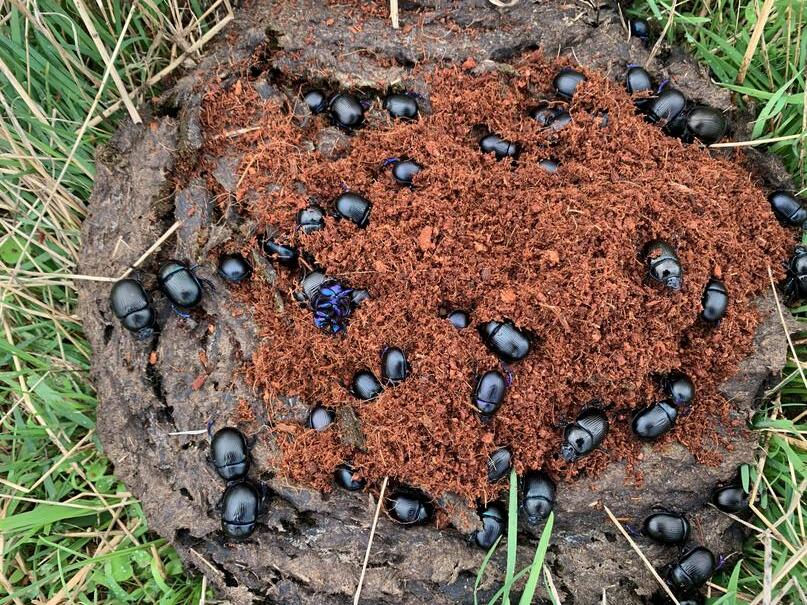
Cradle Coast NRM is working to improve this distribution challenge of Bubas bison by importing thousands of beetles annually from South Australia as part of a dung beetle exchange Over the past five years, Bubas bison has been introduced to 10 sites across the region, with successful establishment confirmed at two sites. The seasonal coverage of dung beetles will be key to improving pasture productivity, reducing environmental impacts, and supporting more sustainable livestock systems across Tasmania.
On King Island, two of Australia’s rarest birds are teetering on the edge of extinction The King Island Scrubtit and King Island Thornbill now number just 50–100 individuals each worldwide; every one of them found only on the island Without immediate and targeted conservation action, these species face a very real risk of disappearing within the next few decades.
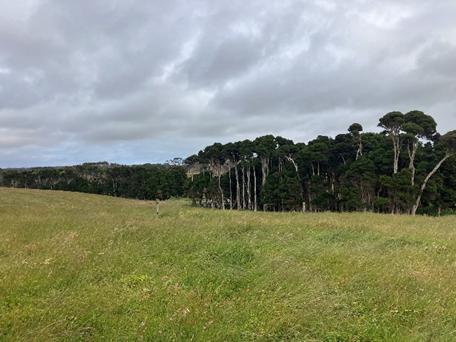
A new landholder conservation agre hectares of critical habitat for these sp p g g Targeted agreements with landholders in identified priority areas are playing a vital role in stabilising and restoring the habitats these birds depend on. Over the past decade, ecological surveys have mapped the distribution of these threatened forest birds and identified key habitat areas, allowing priority zones for conservation action to be clearly defined.
This project forms part of the Community for Action: King Island Bird Recovery Project, funded by the Australian Government’s Natural Heritage Trust and delivered by Cradle Coast NRM Through this agreement, key actions will include stock exclusion fencing and ragwort control to restore and protect 186 5 hectares of habitat, spanning three threatened vegetation communities.
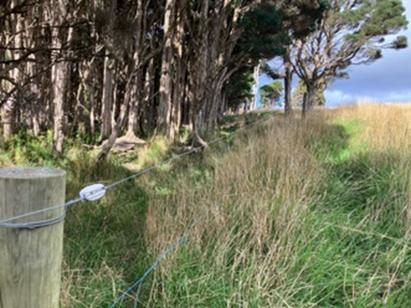
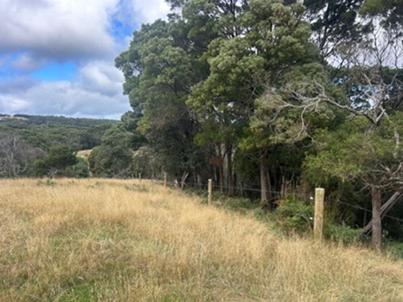
Fencing will exclude livestock from native riparian zones along Mt Stanley Creek and its tributaries, as well as from four dams within these areas These measures will reduce habitat degradation, improve water quality, and enhance overall biodiversity on the property. All sites undergoing weed control will be supported by the development and implementation of a tailored weed management plan, prepared with guidance from Cradle Coast NRM
Revegetation will also play an important role in this project. To improve habitat connectivity and canopy cover, 100 locally sourced native trees will be planted with protective guards. These plantings will support the gradual establishment of a canopy, enabling birds to safely move through areas that are currently used intermittently for rotational grazing within a broader native vegetation landscape All plant species are sourced from local vegetation on King Island and propagated by the King Island Landcare Nursery.
Projects like this demonstrate the critical role that local landholders play in conserving some of Australia’s most threatened species By combining on-ground action with scientific knowledge and community collaboration, this initiative offers a tangible pathway to recovery for the King Island Scrubtit and King Island Thornbill. While their future remains uncertain, efforts like these are helping to turn the tide, ensuring that these unique birds continue to persist in the wild rather than becoming a part of Australia’s growing list of extinctions
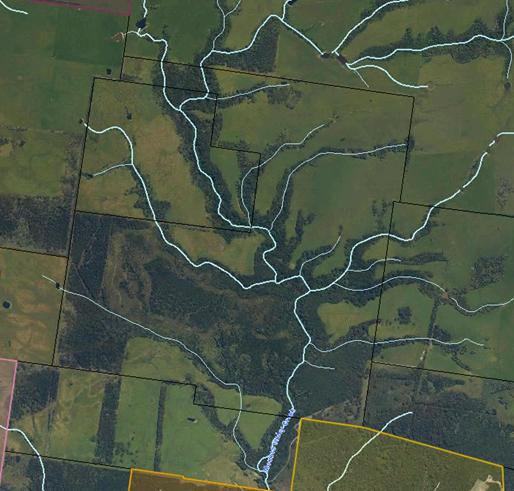
Project Site Map – Priority area, KIS 5 Colliers Swamp and KIBT 12 –Red Hut Road East Showing riparian vegetation areas and bulk stand of native vegetation that will be fenced off to livestock This property joins a bird detection site to the south.
This autumn, Biosecurity Tasmania is urging beekeepers to prepare hives for winter by undertaking a pre-winter inspection Biosecurity Tasmania recommends all hive owners check the following:
Does the colony have enough capped honey to carry it through winter? Or will it need supplementary feeding?
Is a queen bee present and healthy? Does the colony need to be requeened or combined with another colony?
Can excess boxes be removed? Can the size of the hive entrance be reduced? This helps reduce the energy used by bees to keep the hive at temperature. Is there any hive damage that needs to be fixed to prevent robbing?
Is the brood showing signs of European or American Foulbrood? Are any exotic pests (e g varroa mite) present? If you detect a pest or disease, report it to Biosecurity Tasmania
For more information on bee pests and diseases, visit: https://nre.tas.gov.au/biosecuritytasmania/animal-biosecurity/bees/bee-pests-diseases-and-welfare
Lewis Jaffray joined the team as Communications Support Officer at Cradle Coast Authority in March 2026, where he supports media and communications across our natural resource management initiatives. Lewis previously completed an internship with the organisation, gaining hands-on experience in strategic corporate media and communications
Lewis holds a Bachelor of Media and Communications with a Major in Media at Swinburne University of Technology which has equipped him with skills in marketing, advertising, social media analytics, content creation, media writing, and stakeholder engagement In his spare time, Lewis loves walking on the beach where he tries very hard to collect cowrie shells. He also enjoys reading, watching good TV shows and drinking copious amounts of tea. Lewis is excited to get out in the field and capture some of the hard work that the team gets up to.
Lewis is extremely passionate about using media and communications to highlight meaningful environmental work that our organisation completes and he is looking forward to continue growing his career while contributing to positive outcomes for the wider Cradle Coast community.
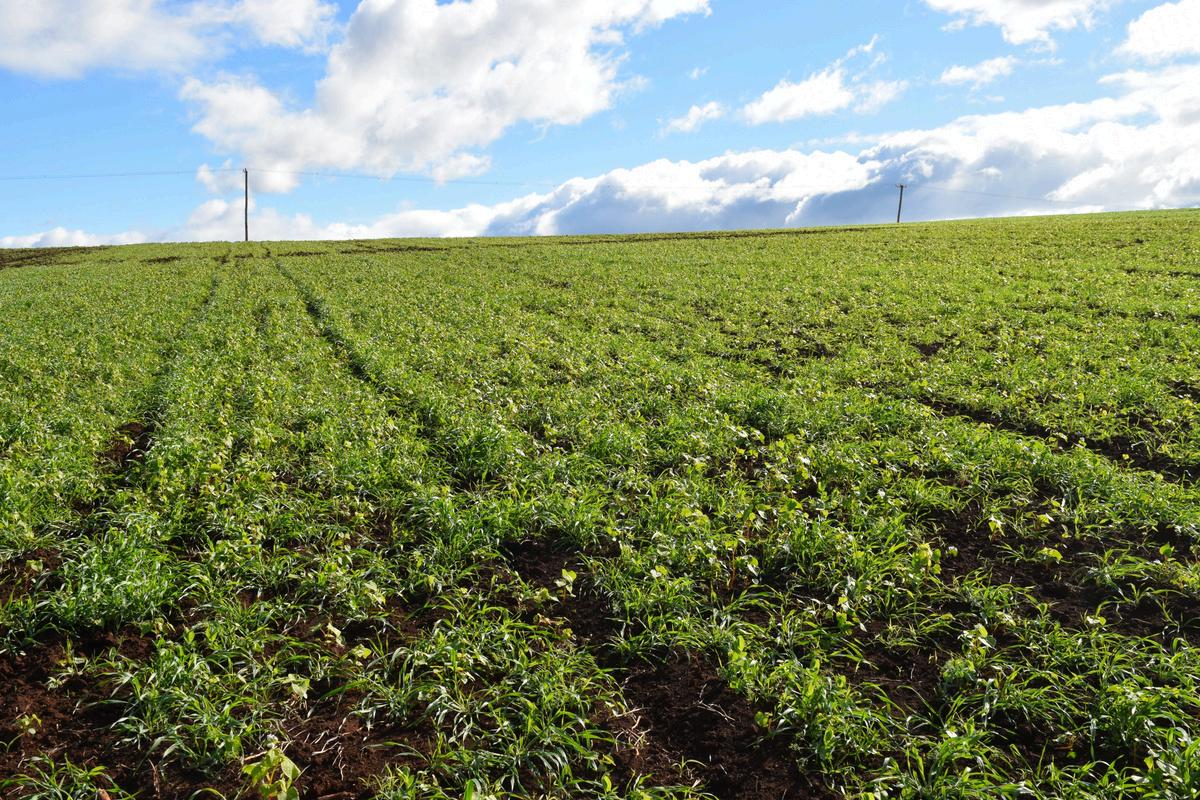
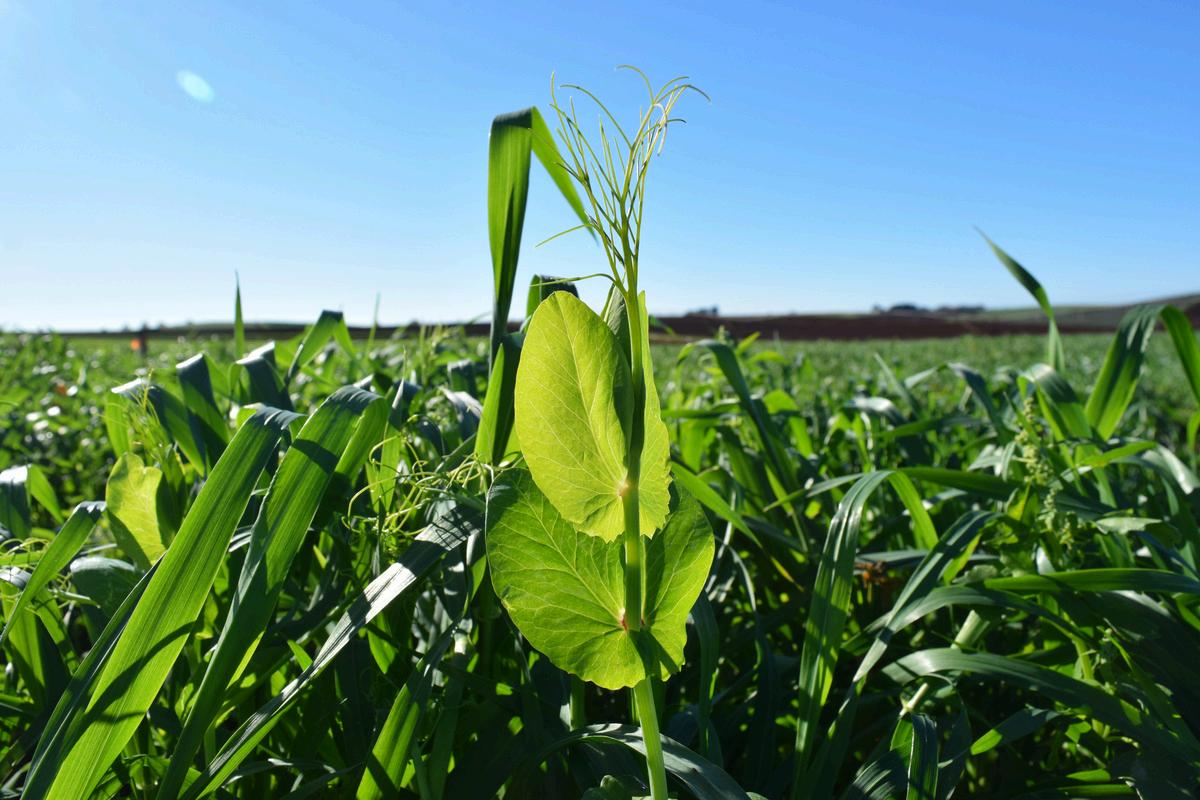
Fertilisers, particularly urea and nitrogen products, are currently seeing disrupted supply and a rise in price which is impacting farmers nationally With availability no longer guaranteed, now is a great time to consider how to most efficiently manage your soil nutrients. A healthy soil is the backbone of an efficient, resilient farming operation. By looking after your soil biology, increased diversity of soil fauna, microbiology and root systems will lead to tangible benefits like improved structure and drainage and increased abundance or availability of soil nutrients This could mean you will need less additives, like nitrogen fertilisers, to maintain the same amount of nitrogen within your soils.
To create healthy soils on your farm, you can start to think about:
· Implementing multi- species pastures or multi-species cover crops
· Looking after the critters beneath the ground, including worms
· Making your farm more suitable for dung beetles
Effluent can be a cheap and useful alternative to fertiliser, helping add nitrogen to your soil To get the most benefit, spread it thinly over a larger area and rotate where you apply it, rather than putting too much on one paddock
You can also mix effluent with things like calf bedding, straw, and sawdust to make compost. This helps reduce waste and creates a richer soil product that improves soil health, helps nutrients stay in the ground longer, and supports better plant growth
To find out more about nutrient use efficiency, including foliar applications and biological inputs, reducing soil nutrient loss and using a restricted supply of synthetic fertiliser most efficiently, check out our most recent edition of the Our Natural Advantage ne ces to
The Our Natural Advantage newsletter is a monthly enewsletter designed for north-west Tasmanian farmers and agri-service providers. Each edition covers a different topic, pulling together practical information, useful resources and local opportunities. To sign up to the Our Natural Advantage newsletter, click here.
To view past editions, visit our website.
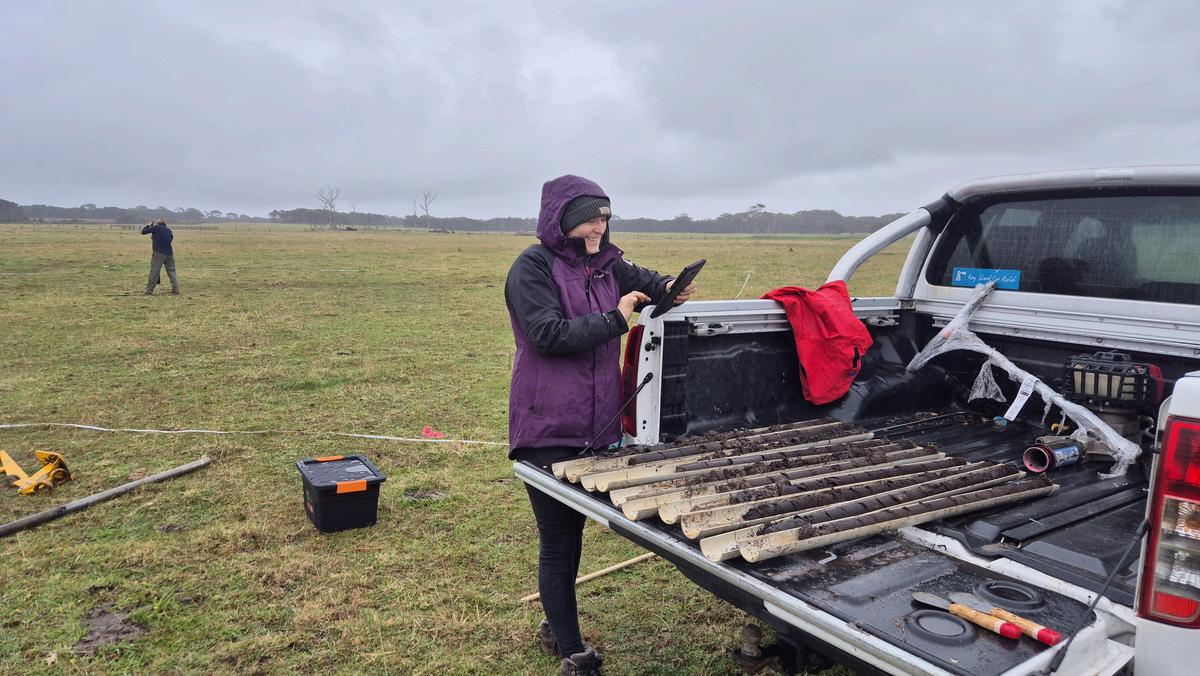
Over the past few months, our field team has been busy ticking off a major milestone, successfully soil sampling 49 sites across Tasmania’s north-west, from King Island to Marrawah, rolling farmland and along the wild West Coast.
Our sites spanned an impressive variety of landscapes, including grazed paddocks, carrot fields, plantations, pristine forest, button grass plains, and even the occasional randomly allocated 25 × 25m blackberry jungle!
Each site came with different challenges to keep things interesting, working around unpredictable weather, steep slopes, thick vegetation, and some memorable 4WD adventures
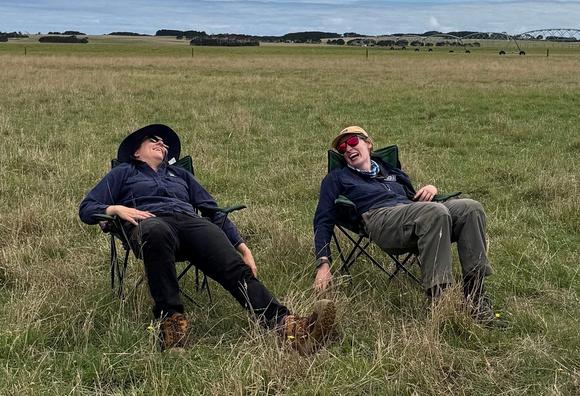
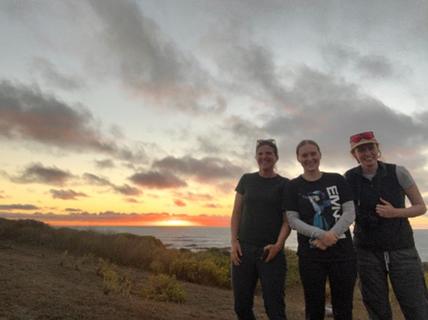
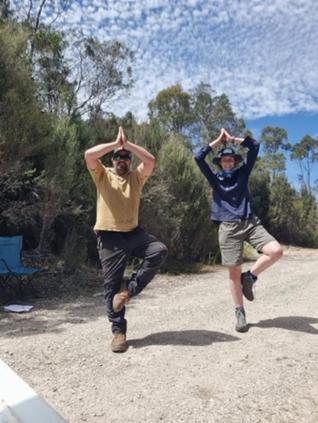
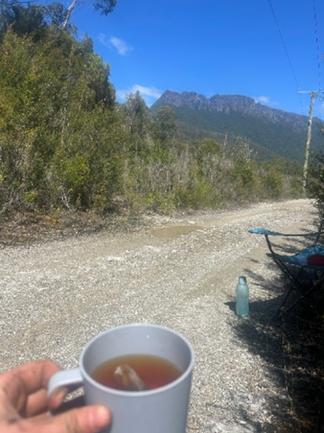
There were 36 degree days, leeches, dense mosquito swarms, and plenty of physical effort but a great team made the hardest days better. Laughing, problem-solving together, and celebrating with occasional victory yoga poses as shown in the photos became part of the routine.
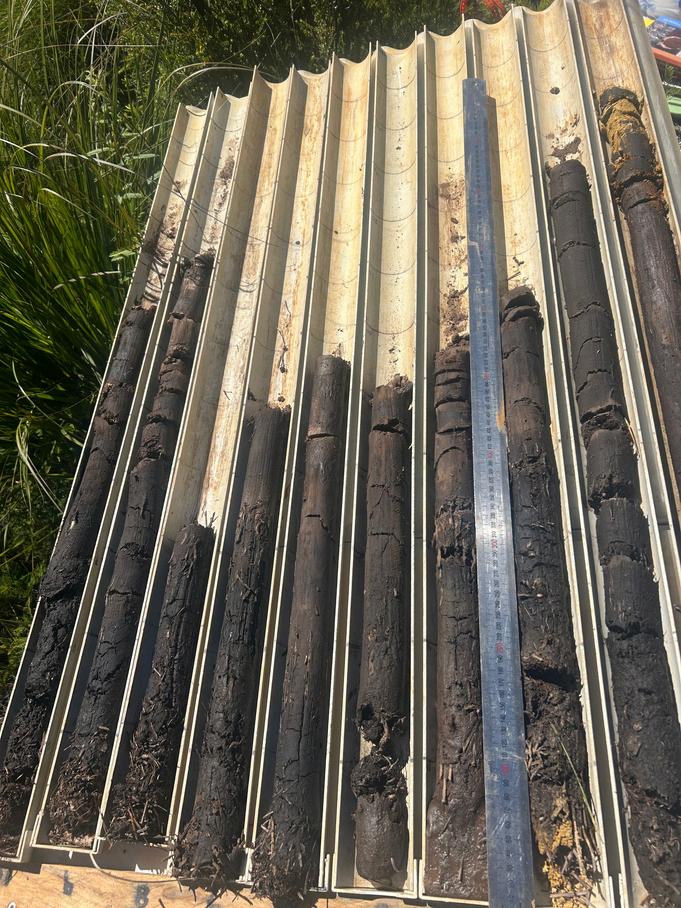
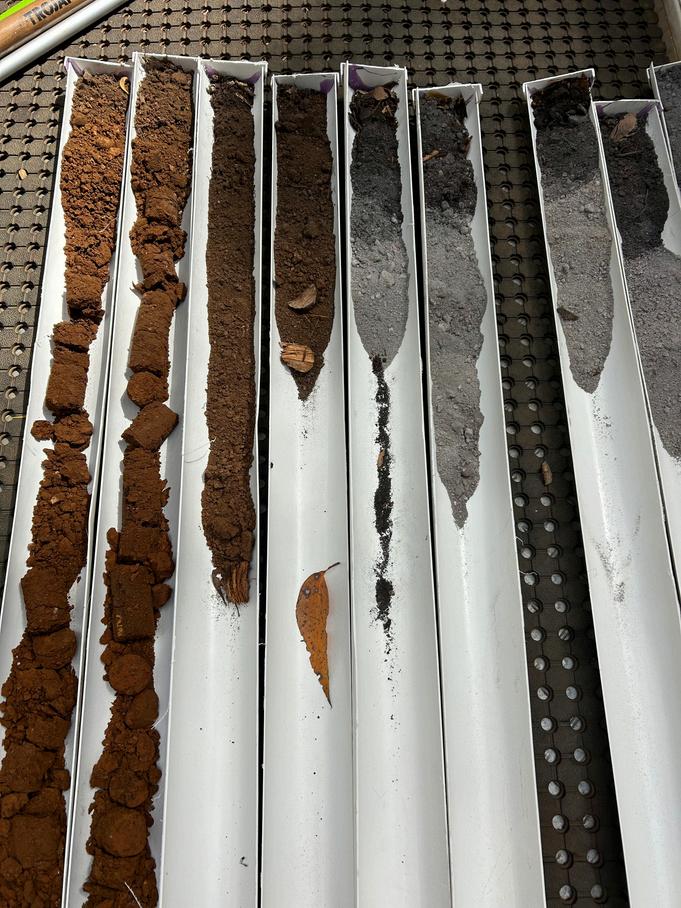
This work has been done under the National Soil Monitoring Program (NSMP), a CSIRO-led initiative designed to build a consistent, national picture of soil health across Australia. At each site, we collected 15 soil cores within a 25 m plot, sampling down to 1m depth and 30 cm for biological cores, all extracted manually The data collected will help strengthen soil knowledge, support landholders and researchers, and inform future land management decisions.
Finishing all 49 sites is something we’re incredibly proud of Looking back, it has brought new skills, deeper knowledge and a lot of good, shared memories and the satisfaction of getting the job done together.
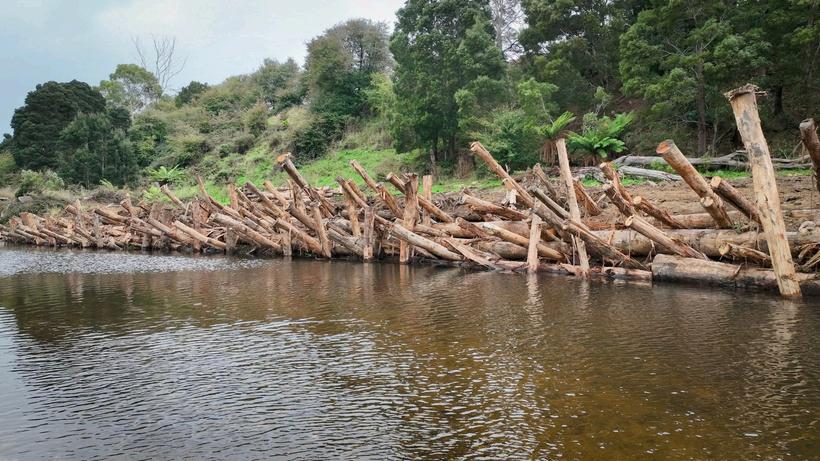
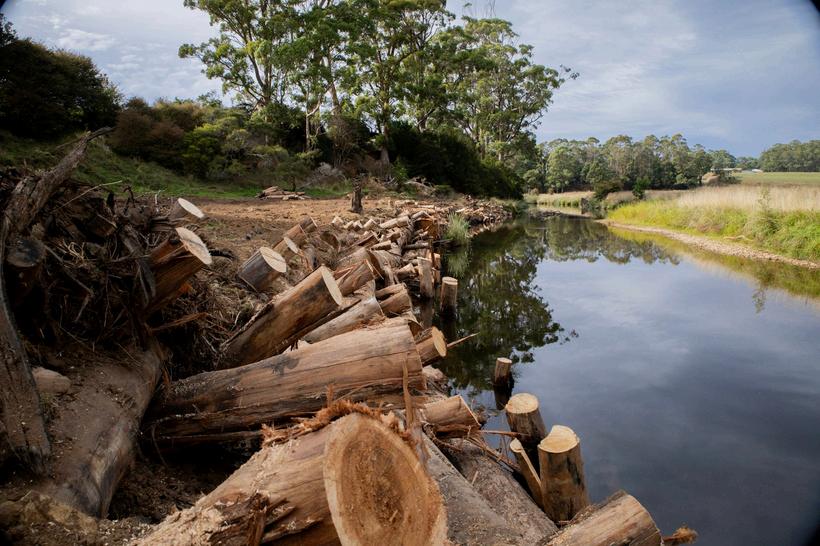
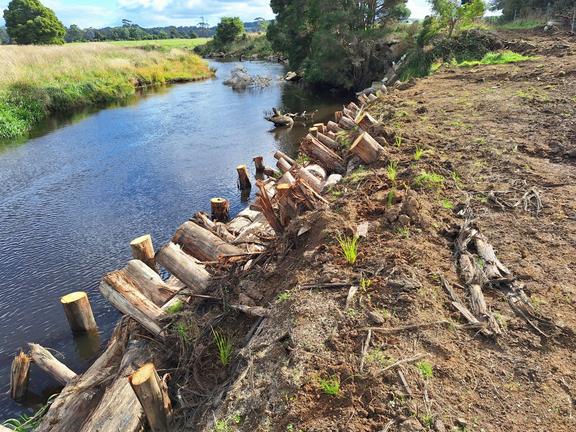
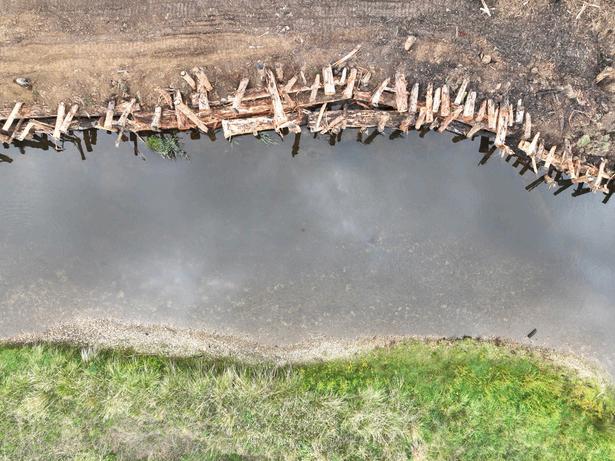
An impressive sight has taken shape along the Inglis River, near Wynyard, where largescale timber revetment works, likened to a Viking fortress, are helping safeguard the landscape from future floods while laying the groundwork for long-term river recovery. This project, delivered in collaboration with NRM North and NRM South, builds on the legacy of the Tasmanian Government’s Agricultural Landscape Restoration Scheme (ALRS), which supported river and floodplain recovery following the 2016 floods.

Insights from that earlier work, particularly landholder feedback on what has and has ase, ensuring efforts are perience.
ecent months, field teams have rked alongside landholders to ess flood-impacted properties and ntify priority sites where erosion ed the greatest risk Guided by omorphological advice, works ve been carefully designed to iver effective, site-specific comes
he Inglis River site, the completed timber revetments are already providing immediate structural ort by slowing water flow and cting vulnerable banks during low events Just as importantly, structures act as a foundation ng-term recovery, supporting the lishment of native vegetation.
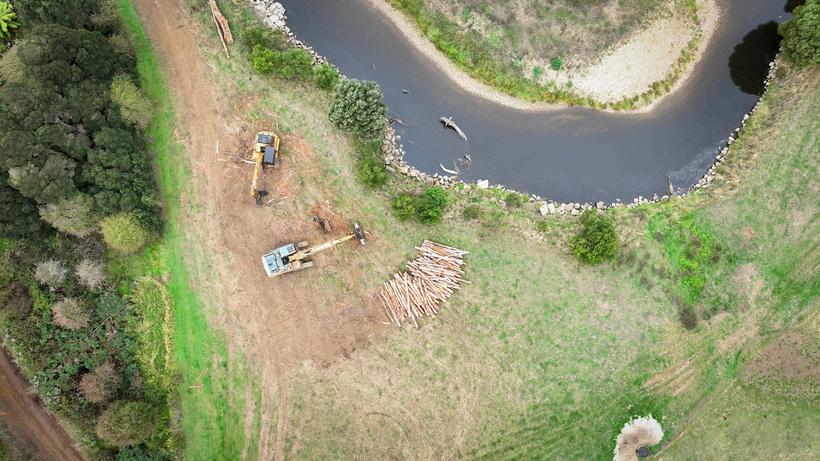
To date, more than 1200 locally-sourced Juncus and Lomandra seedlings have been planted throughout the revetments. In the coming weeks, a further 2,000 native plants including a diverse mix of shrubs and trees will be planted across three sites.
Biodegradable plant guards and stakes will also be installed to support early growth and improve establishment success
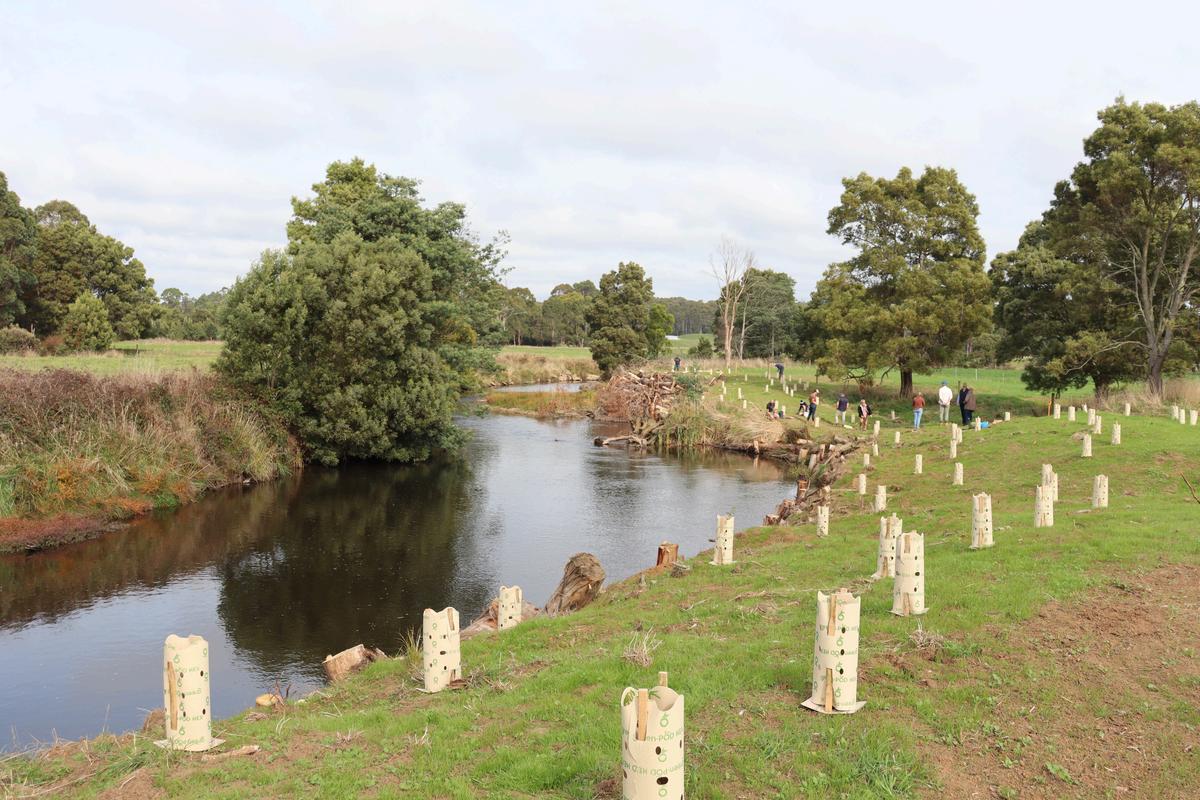
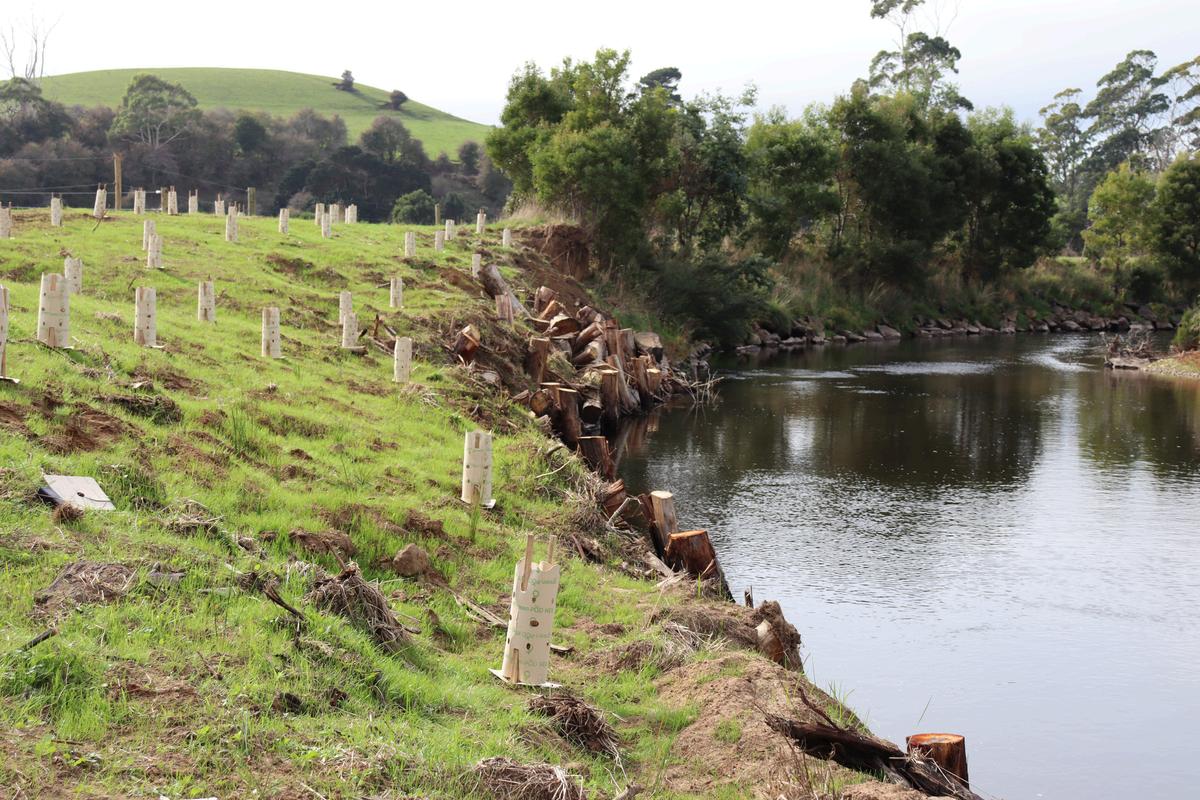
These photos showcase the trees that have been planted to help restablise the riverbank and help to rejuvenate the riparian area.
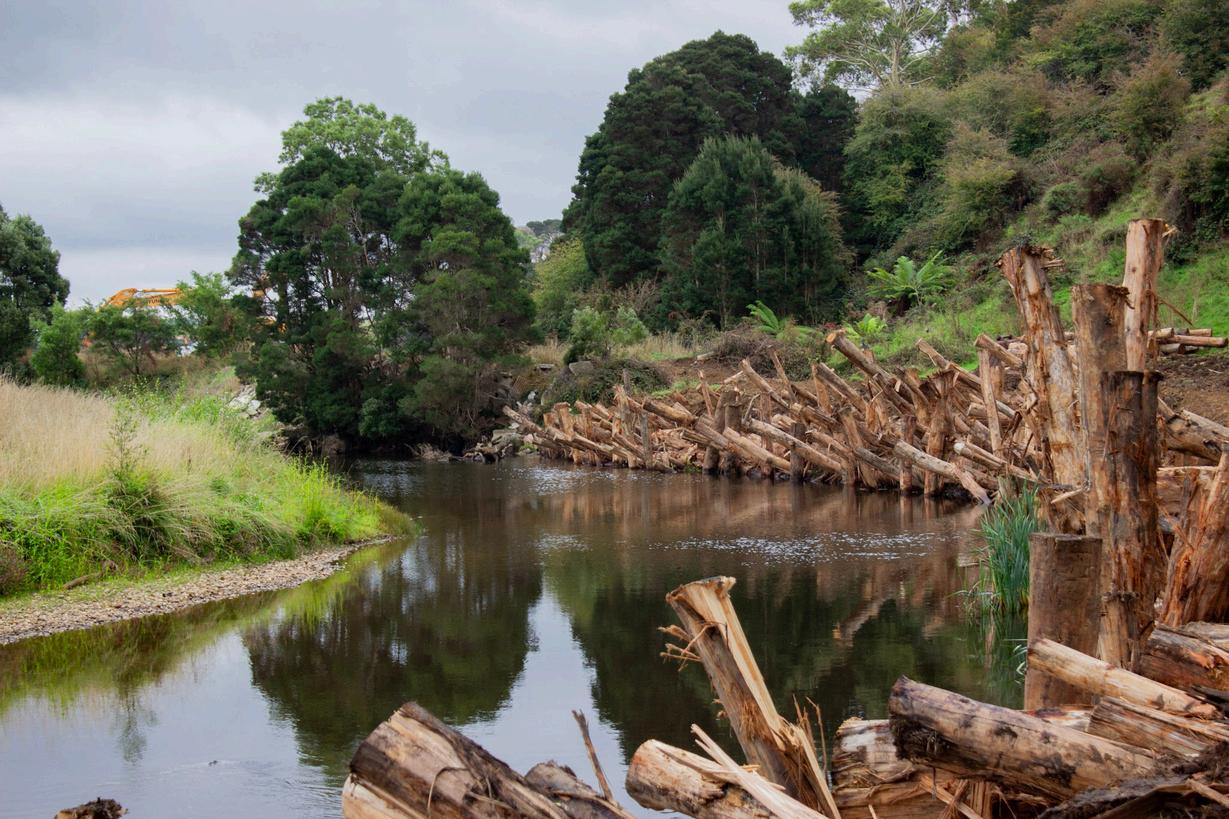
This collaborative effort between neighbouring landholders will stabilise both sides of the riverbank and set the groundwork for ongoing recovery. While the current structure appears formidable, it represents a transitional phase As vegetation matures, deep root systems will stabilise the banks, improve water quality and create habitat for aquatic species, gradually restoring a more natural and resilient riverine landscape
The Inglis River works form part of a broader national program promoting Nature-based Solutions to reduce flood and fire risk. Similar projects are underway along the Mersey River and Ouse River, contributing to a growing body of work demonstrating the effectiveness of these approaches.
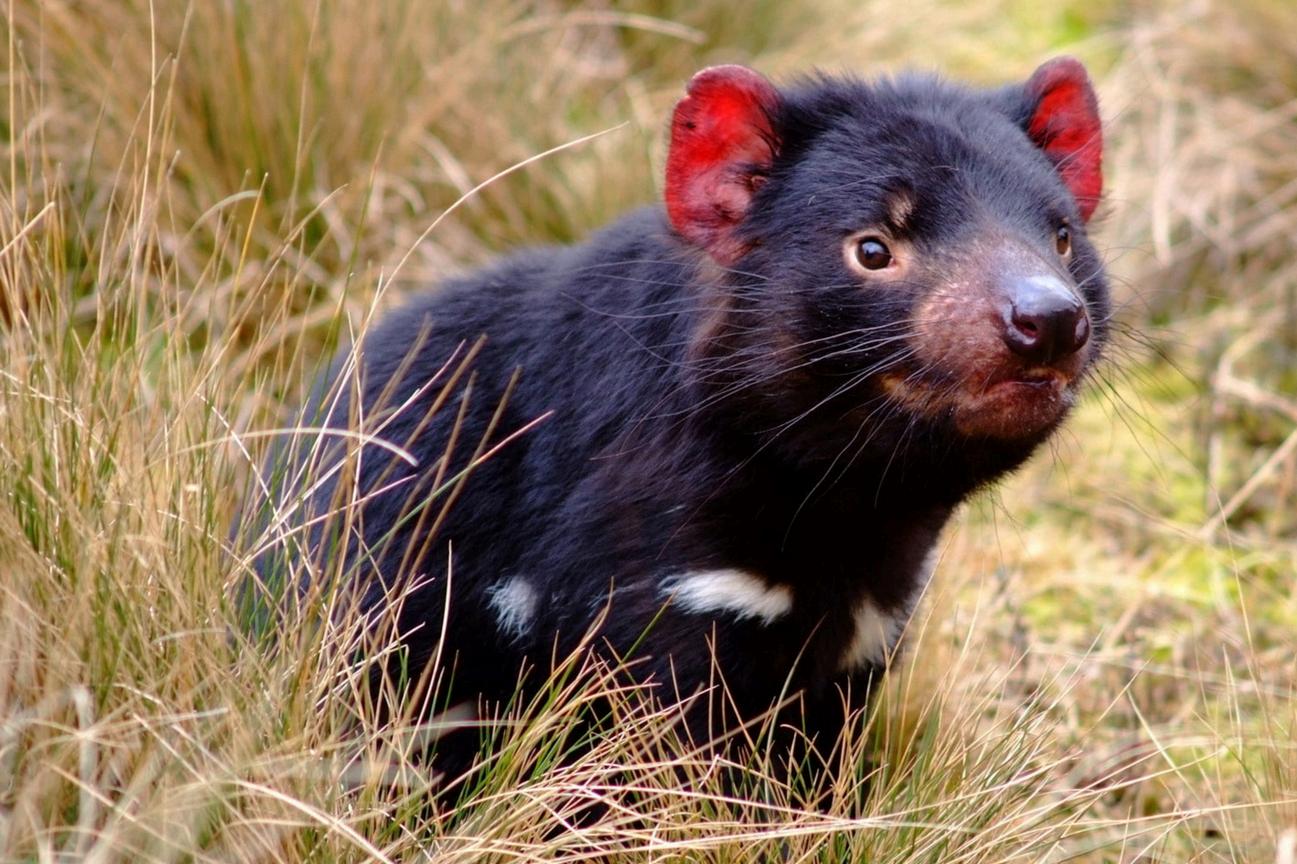
An important conservation goal is within reach now, thanks to an Australian Government-funded project which has just wrapped up. This was a "Gamechangers" project supported by the Saving Native Species program, and was a collaborative effort between Cradle Coast NRM, Biosecurity Tasmania, and the manufacturers of Felixer cat grooming traps, Thylation.
Felixers are a high-tech tool in the battle to control feral cats, a key threat to native and threatened species in Australia. They use an Artificial Intelligence model, which instantly photographs and identifies every animal that moves in front of the unit. The technology works by using a vast database of images to classify each animal and deciding whether it is a target (a cat) or not If all the safety parameters are met, the automated Felixer unit will fire a dose of poison gel at the cat, which grooms the gel off its fur and dies
Felixers are in use on islands in Tasmania, including King, Three Hummock and Bruny Islands, but they are not currently authorised for use in Tasmanian Devil habitat, due to the chance of the technology mistakenly identifying a Tasmanian Devil as a feral cat.
During this project, we have collected and classified more than 3000 images of devils, which have been used to train the AI model. In a short trial in March, two Felixers successfully identified all the Tasmanian devils that walked in front of them as non-targets. Biosecurity Tasmania and the Tasmanian NRM organisations have now committed to extending the project Everyone is committed to the goal of seeing this game-changing technology available for feral cat control across mainland Tasmania
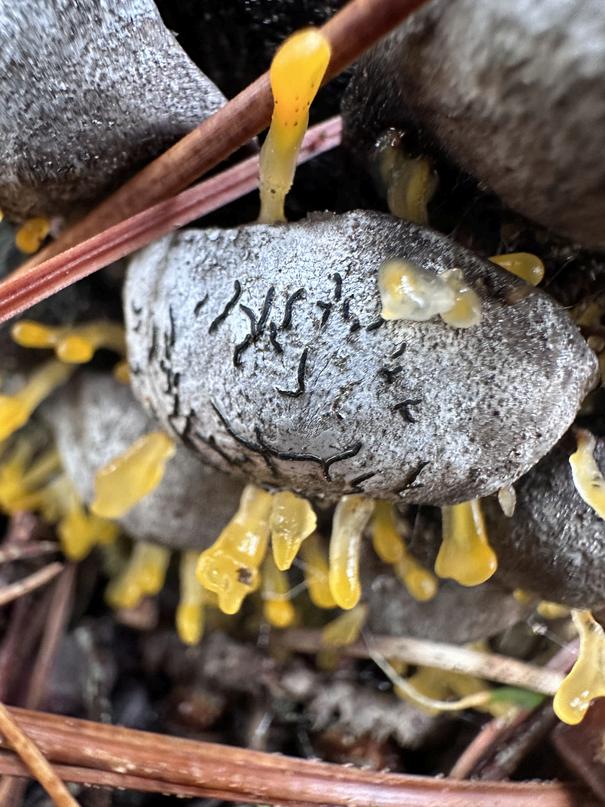
As the nights grow longer and colder, something amazing begins to happen The mycelial network of fungi that lies quietly underground over summer, begins to wake up, receiving subtle environmental cues that it’s time to fruit and reproduce. The result of this for us is an emergence of unusual and colourful shapes pushing their way through the earth to delight us as we walk on by Autumn is truly the time of fungi in the Cradle Coast region, and how lucky we are to experience such variety! All the fungi photos in this section have been taken locally Here are some great local places you might like to start fungi hunting:
Fern Glade Reserve (also a great location to see Platypus!)
Upper Natone Forest Reserve
Philosophers Falls
Hogarth Falls
Dip Falls
Ferndene State Reserve
Narawntapu National Park
You can also find them anywhere you usually walk! Fungi are diverse and can live just about wherever when the conditions are right. Don’t let their amazing appearance fool you – fungi are crucial for biodiversity, being involved in many complex ecological interactions. If you’re a beginner to the world of Tasmanian fungi, why not consider purchasing a FungiFlip? This guide is designed to be portable, durable and easy to use, and can identify over 200 species! How many can you identify from the images below?
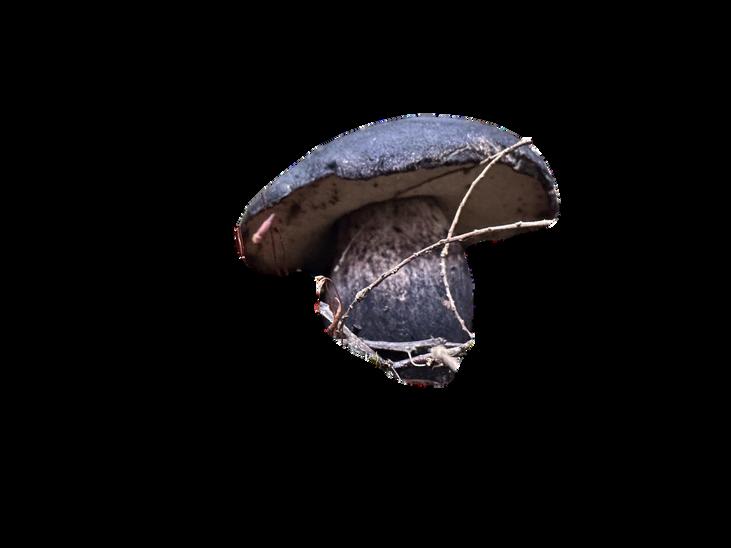
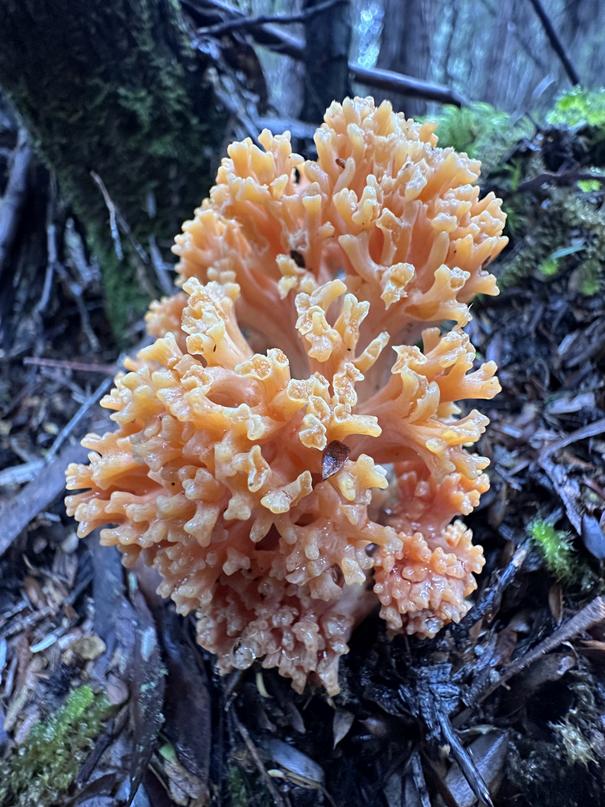
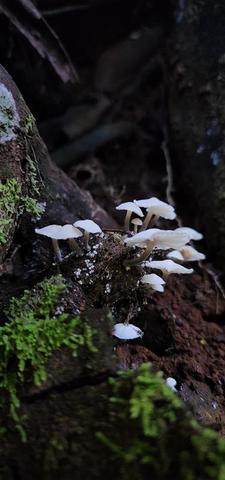
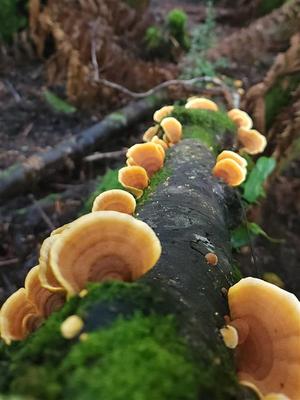
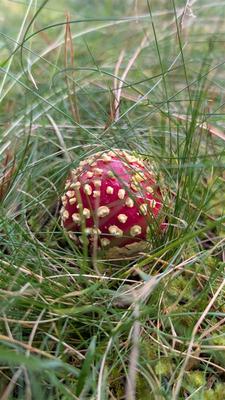
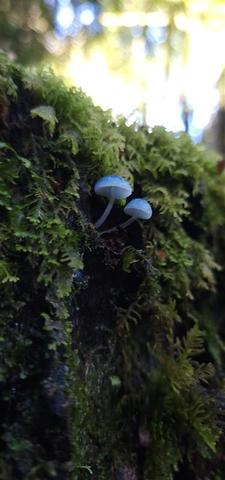
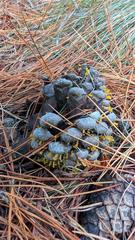
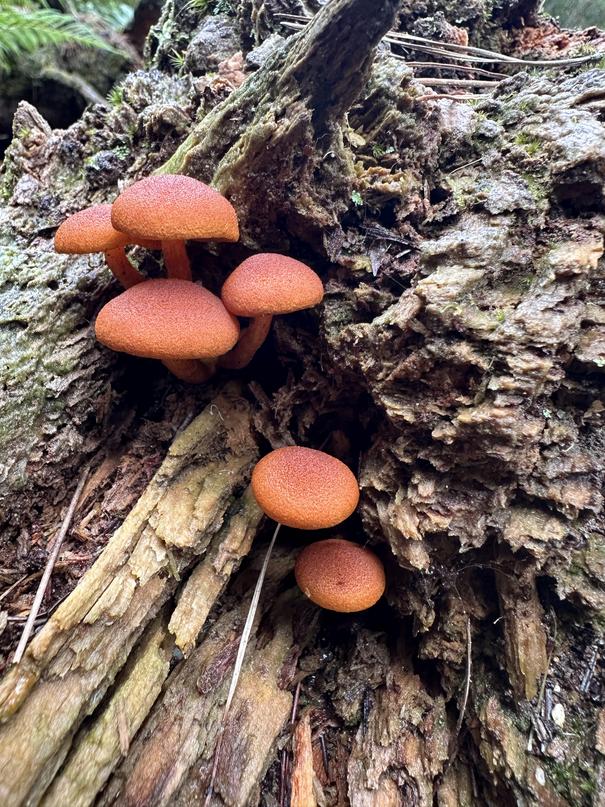
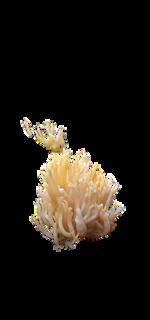
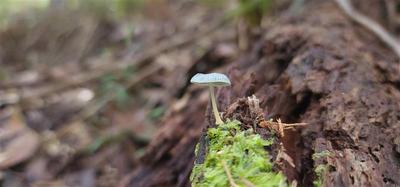
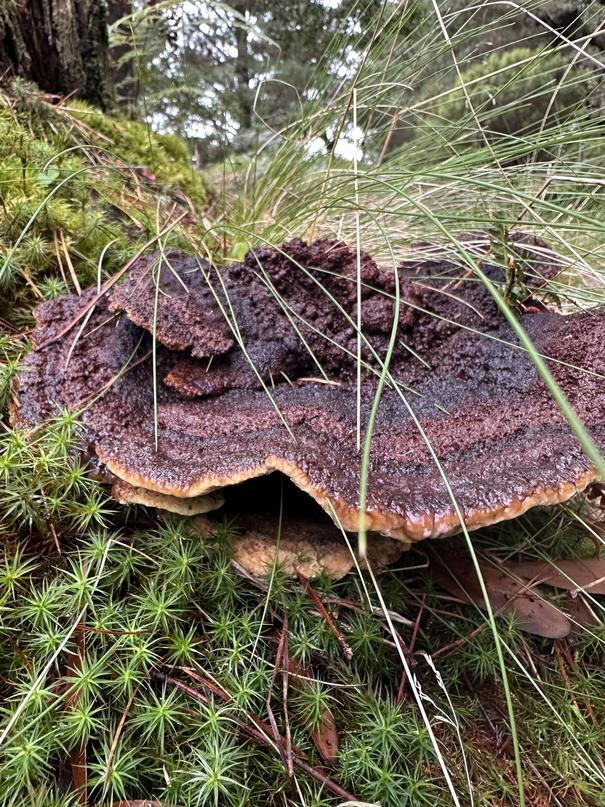
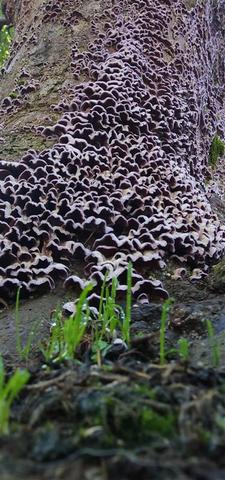
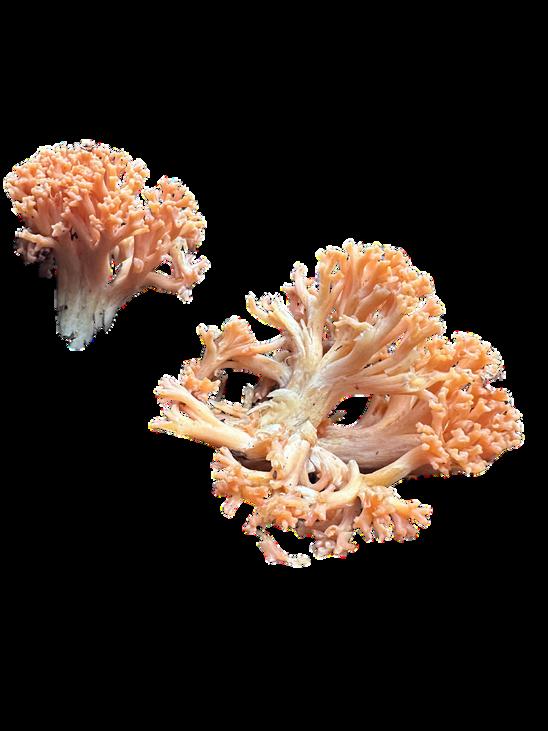
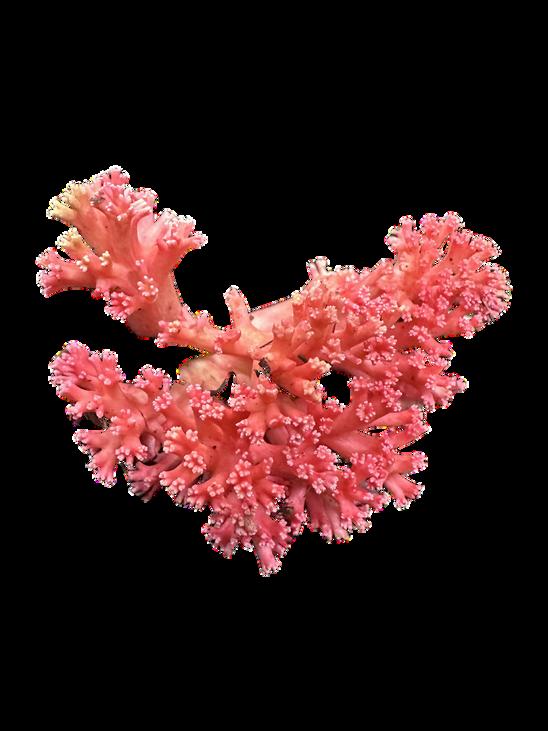
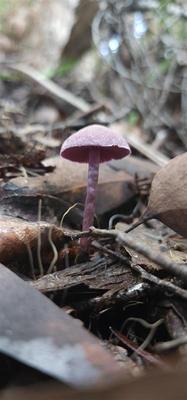
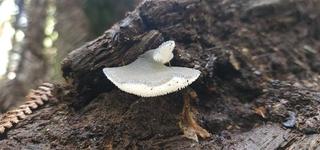
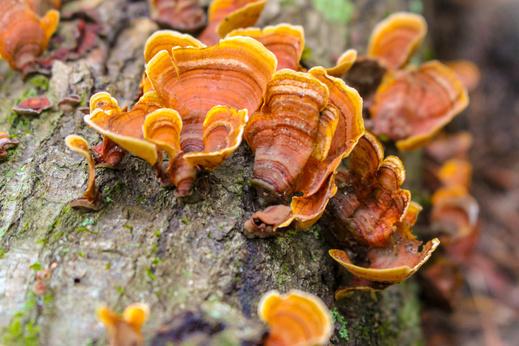
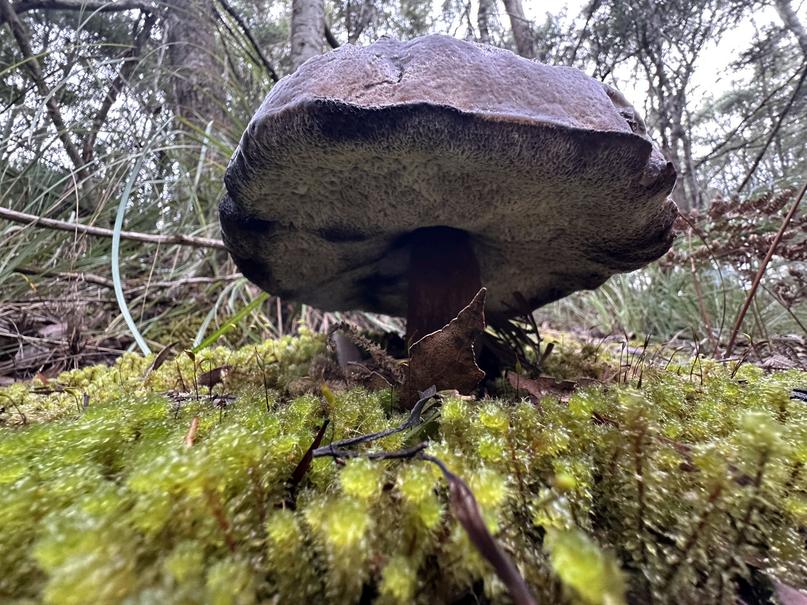
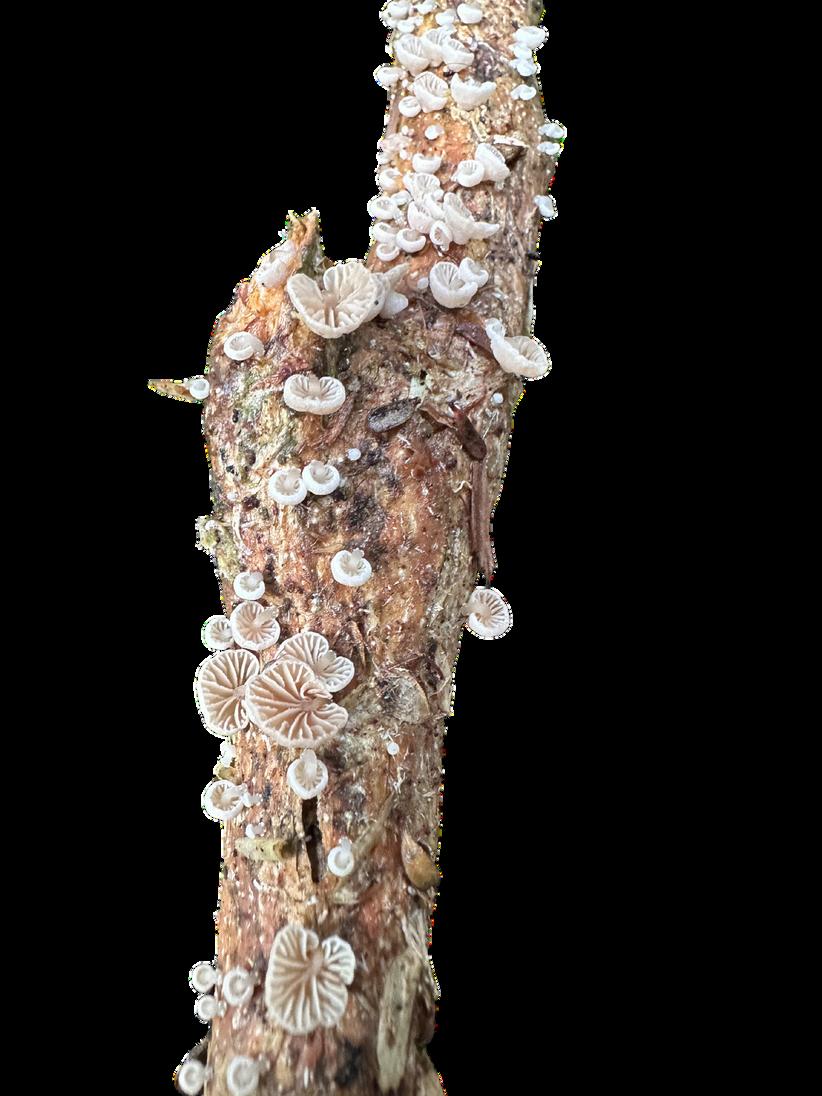
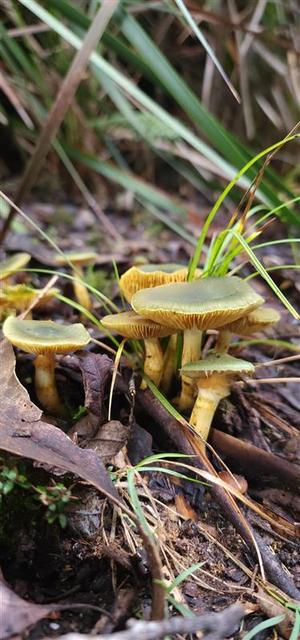
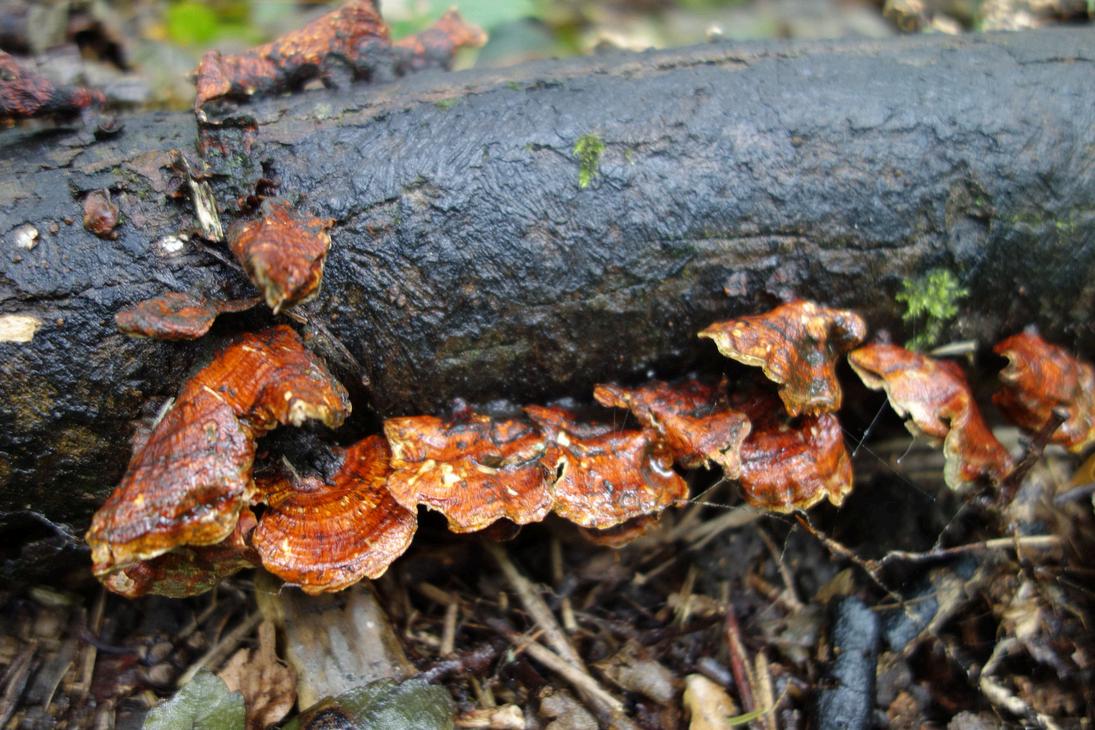
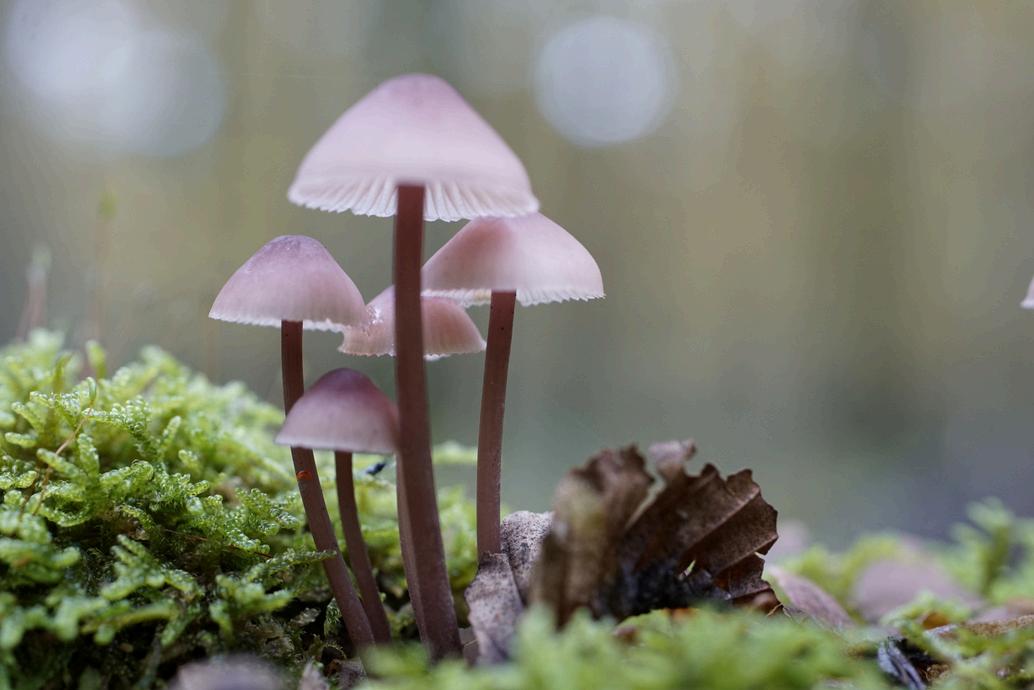
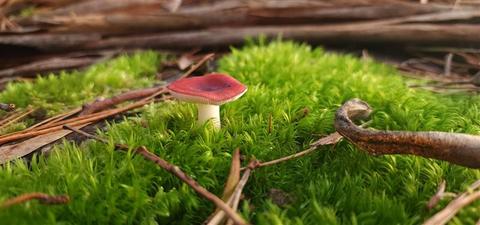
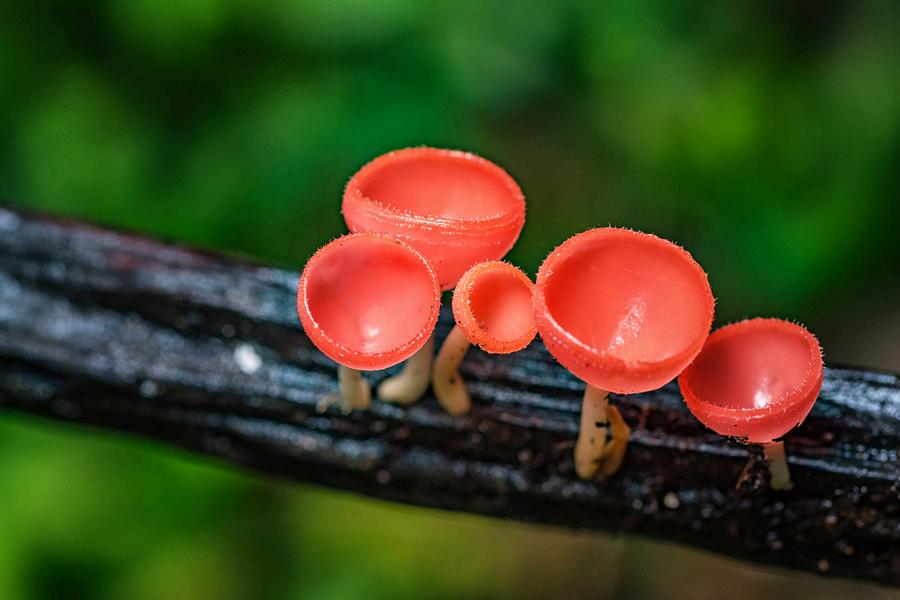
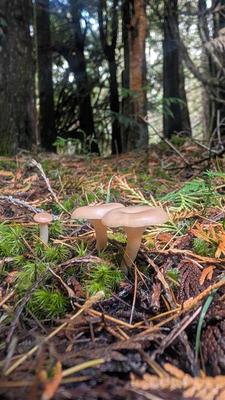
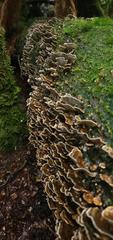
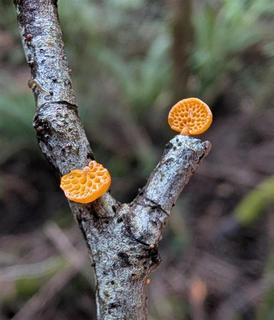
During a recent community presentation in Strahan, IMAS Captive Management Program lead, Professor Jayson Semmens announced that the two Maugean Skate adults held in captivity at the IMAS ‘skate park’ facility in Taroona, Hobart, are being prepared for an imminent release back into Macquarie Harbour

The two adult skates, a male and female, were collected from Macquarie Harbour in December 2023 by IMAS researchers and members of the Tasmanian Aboriginal community.
The female skate began laying eggs almost immediately after arriving at the facility and has since laid more than 400 eggs, resulting in 85 viable hatchlings Genetic testing of the hatchlings in 2025 revealed that none carried the same DNA of the captive male. Instead, all fertilisation resulted from sperm the female had stored from mating with wild males prior to entering captivity. Further genetic analysis identified five different fathers among the hatchlings, with one male accounting for 65 of the 85 offspring. It is now thought that female Maugean Skates can selectively choose which genetics to develop embryos from - a remarkable adaptation for a micro-endemic species with limited genetic variability
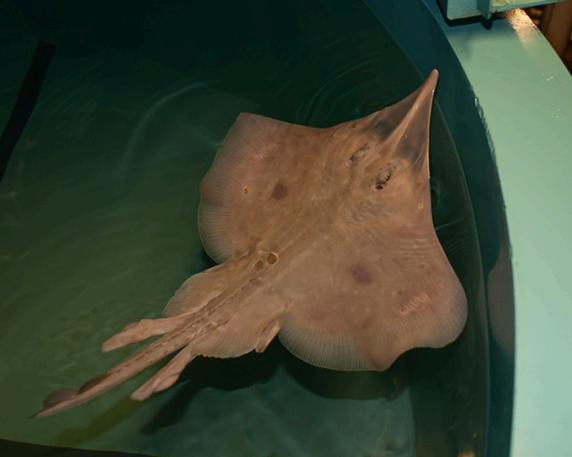
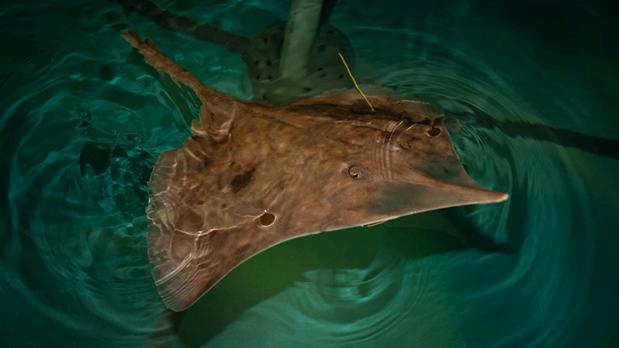
Maugean Skates live for approximately 10 years and reach sexual maturity between 4–6 years old, leaving a restricted window for reproduction As the two captive adult skates are reaching the end of their reproductive capacity, the Captive Management Program has begun acclimating them for a return to Macquarie Harbour
Following the announcement, the IMAS Captive Management Program’s Dr Bailee Woolley and Chantelle Blackwell returned to Strahan with Professor Semmens to deliver a community information session detailing the six-step process of returning the adult skates to the harbour
1 Respirometry Trials - determining the captive skates' acute tolerance to low oxygen
2.Oxygen Training – two phases of intermittent exposure to progressively longer periods of low dissolved oxygen with alternating recovery cycles
3.Live Feed Trials – determine if captive skates will still feed on their main food source, live crabs
4 Environmental Acclimation – protocols developed from oxygen training and live feed trials, including surgically implanting skates with acoustic tags
5 Transport – transport skates from Taroona facility to temporary holding facility in Strahan
6.Release – the adult skates will be returned to the same location they were collected, Table Head, Macquarie Harbour
Returning the two adult Maugean Skates to Macquarie Harbour marks a significant milestone for the Captive Management Program, West Coast community, and wider skate conservation actions.
Dr Clare Hawkins Citizen science coordinator, Bookend Trust | Adjunct researcher, University of Tasmania
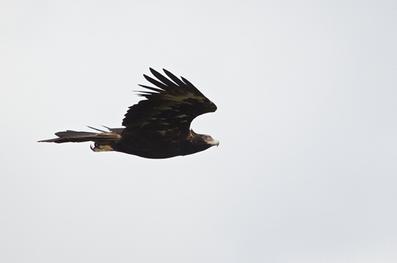
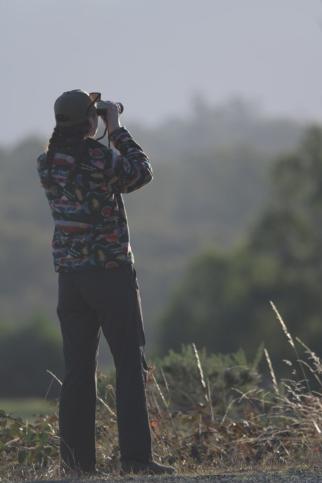
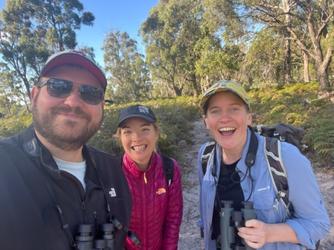
It's that time of year again! Bookings are open on NatureTrackers' online map for the Where? Where? Wedgie! surveys across Tasmania Beginner or experienced birder? Homebody, or adventurer? Everyone's welcome – read on for details! Choose and book a 4 km x 4 km survey square, on one or more of the survey dates (1517 and 29-31 May). On your selected day, you'll scan the skies from six different spots within your square, for 10 minutes each. 2026 marks our eighth year.
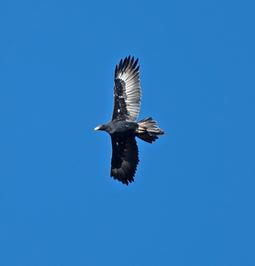
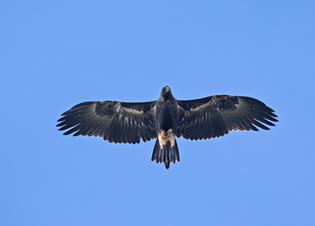
Why contribute? Together, signed-up NatureTrackers are tracking the changing numbers of threatened and potentially threatened species, to help guide conservation action. For the Where? Where? Wedgie! project, we focus on Tasmania's ten resident birds of prey. The Tasmanian wedge-tailed eagle, white-bellied sea-eagle and the grey goshawk are all state-listed as threatened Are their populations recovering, stable, or declining? We also record the sulphur-crested cockatoo, and the two corella species; these are easy additions to the surveys, and there's interest as to whether their numbers are increasing.
The online map coordinates us to cover all common environmental conditions, to get an overall annual snapshot of populations across the state. Then we track how the percentage of surveys that record each species changes over the years Encouragingly, results so far indicate that the wedge-tailed eagle population is stable, but more surveys each year would enable us to quickly pick up any changes, and more reliably cover more species.
This matters! Raptors face multiple, fluctuating threats, including secondary poisoning all the way up the food chain from the newer, much stronger rat poisons Eagles don't typically eat rats, yet a 2021 University of Tasmania study found potentially lethal residue levels of these poisons in 22% of 50 wedge-tailed eagle carcasses, and increasing over time. The recent APVMA recommendation to restrict these poisons offers hope that we'll see an uptick in raptor numbers in future; but other risks remain, including collisions with powerlines, cars and an anticipated substantial increase in wind turbines Work is underway to minimise the impacts of these, but uncertainties in the best approach persist.
So please take part in the surveys! You can help, whether you are:
· A BEGINNER BIRDER: all eyes to the skies are welcome. You can build your ID skills with our online resources, and record the species you observe at various levels of certainty. We mostly use an app for the survey, but you can alternatively print out and post a datasheet
· AN EXPERIENCED BIRDER: your skills will be very valuable! And you could potentially squeeze in some eBird or Birdata surveys while you're there, to contribute data from less commonly covered areas.
A HOMEBODY: Any location in Tasmania is within 6 km of a survey square, and, in many cases, you can do each 10 minute scan on a roadside If it's not well roaded, a neighbour might let you fit in a scan or two at their place You could even enlist them! And others too; kids are especially sharp-eyed
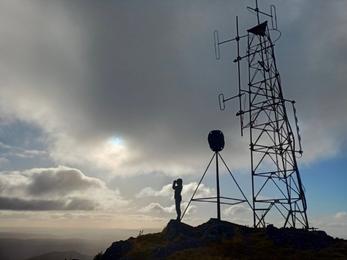
· AN ADVENTURER: the western third of Tasmania, the Bass Strait islands and the Midlands are under-surveyed each year – can you help? By way of inspiration, in our online 'Resources' you'll find a list of squares that overlap with Abel mountain routes. This won't be a standard bushwalk The project provides a really unusual angle on Tasmania's landscapes, and the 10 minute scans of the horizons, in the stunning May light, are an unforgettable way of connecting with them.
So – what are you waiting for? Start choosing your square today! And then which family, friends and cake you'll bring with you
Find out more here: https://naturetrackers.au/projects/where-where-wedgie/ See the map and track everyone's results here: https://webapp.naturetrackers.com.au/map results
April 13 – 20th was International Dark Sky Week, and what better time to stop and reflect on the importance of dark skies? Tasmania is an incredible place to view the night sky Its relatively small population means many regions still experience excellent dark sky conditions. However, light pollution has increased over the past decade due to population growth and expanding infrastructure.
So, what exactly is ‘light pollution’? DarkSky International defines it as the excessive or misdirected use of artificial light It is typically categorised into four main types:
Bright oncoming headlights
The brightening of the sky over populated areas
Light Trespass
Light spilling into areas where it isn’t needed
Overly bright, concentrated groups of lights, like those in commercial districts
Research has linked light pollution to disrupted circadian rhythms and a range of health issues in humans, including sleep disturbance, mental health disorders, obesity, cardiovascular disease, systemic inflammation, cancer risk, and hormonal changes These impacts can stem from something as simple as a streetlight shining into a bedroom window or a neighbour’s overly bright floodlight spilling into nearby properties.
Artificial lighting also disrupts the natural behaviours of wildlife, particularly nocturnal and migratory species that rely on darkness for navigation Migratory birds, for example, can become disoriented by city lights, leading to collisions Bright coastal lighting can cause newly hatched sea turtles to struggle to find the ocean. Insects are drawn to artificial lights and often die as a result, reducing a key food source for other species. Many animals alter their behaviour in lit environments. Some animals even avoid feeding due to increased predation risk, while others, such as fledgling seabirds, may delay or avoid their first flight because they depend on darkness for safety
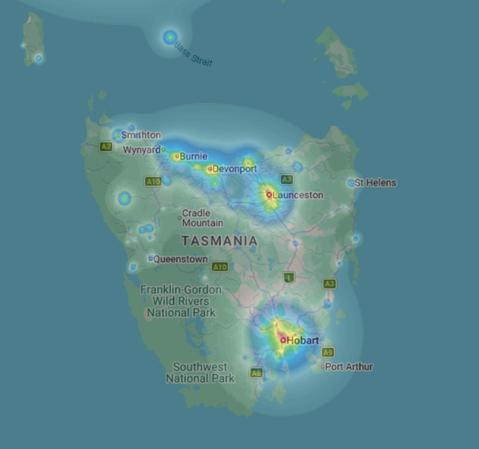
The loss of dark skies also has important cultural implications Humanity has maintained a deep connection to the night sky for thousands of years. Ancient cultures built monuments aligned with celestial movements, while Aboriginal knowledge systems reflect over 65,000 years of detailed astronomical observation and storytelling.
This knowledge is passed from generation to generation; but if younger people cannot see the stars, opportunities to learn and connect with this heritage may be lost.
Emerging research also suggests that light pollution can affect agriculture by disrupting the natural growth cycles and circadian rhythms of crops, potentially reducing yield and nutritional quality It can also interfere with vital interactions between plants and pollinators
So, how can we help reduce light pollution? There are several simple steps households can take:
Shield outdoor light fixtures where possible Directing light downward significantly reduces spill into surrounding areas
Choose warmer, lower-wattage lighting. Amber-toned lights are easier on both human and animal eyes and can help reduce energy costs. Install motion sensors or timers so lights are only used when needed. Turn off unnecessary lighting wherever possible. This simple action can make a meaningful difference
Use block-out curtains to prevent indoor lighting from spilling outside
Let’s not lose our connection to the night sky, let’s keep our skies dark! For more information visit https://www.darkskytasmania.org/

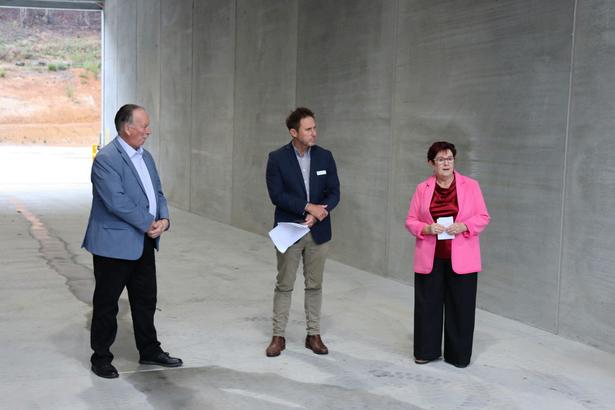
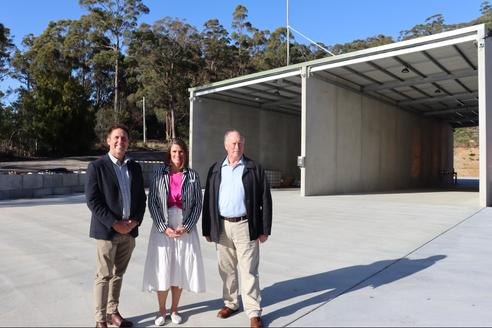
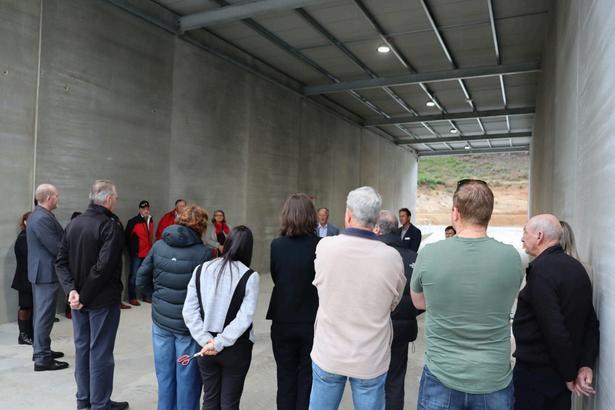
The official opening of the ���������� �������� ���������� �������� by Anne Urquhart MP, Member for Braddon in April formally marks the completion of an important regional infrastructure project, one that supports the transport industry, environmental compliance and local economic activity across the North West. The Burnie Truck Washdown and Effluent Disposal Facility marks an important milestone in the delivery of critical infrastructure to support North-West Tasmania’s livestock, transport and agricultural industries
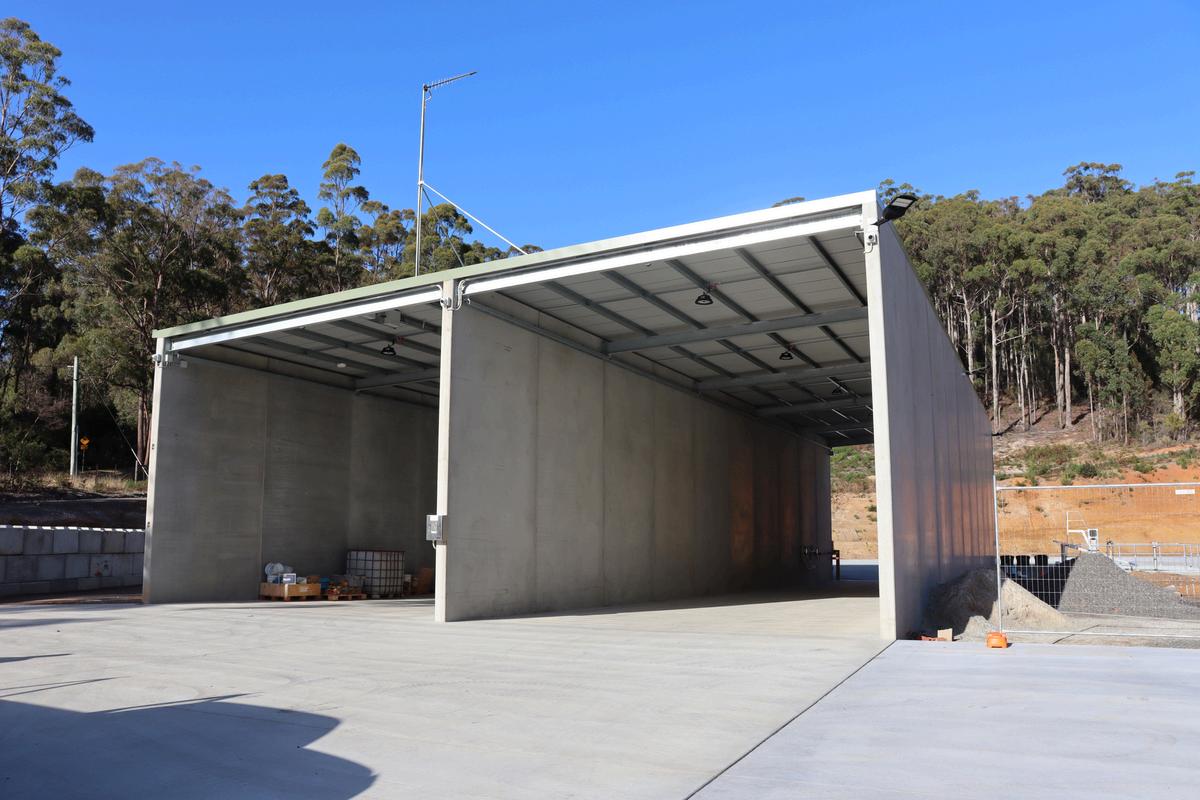
Coordinated by the Cradle Coast Authority (CCA) and delivered by the Minna Road Group, the Burnie facility provides livestock transport operators with a modern, safe and accessible location to wash heavy vehicles and responsibly dispose of effluent. The facility plays a key role in reducing the spread of weeds and disease, while delivering improved biosecurity, road safety, animal welfare and environmental outcomes
The Burnie Truck Wash includes two truck wash bays, onsite water treatment and an accompanying management system, supporting livestock transporters and plant operators to meet their obligations to manage effluent and maintain clean vehicles as they move between farms and across the region Chief Executive Officer of the Cradle Coast Authority, Phil Reid, said the completion of the Burnie facility represents a significant step forward for regional biosecurity and transport infrastructure.
“The Braddon Truck Wash project has been a major undertaking, delivering four purposebuilt facilities across the North-West,” Mr Reid said.
“The completion of the Burnie site at Minna Road provides an essential service for farmers and transport operators, supporting high biosecurity standards while improving animal welfare and road safety for everyone using our roads.”
The project has required close collaboration between all levels of government, industry partners, landholders and local stakeholders to deliver fit-for-purpose infrastructure for the region
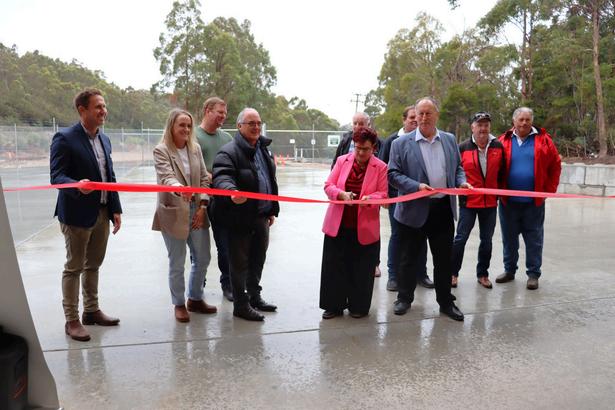
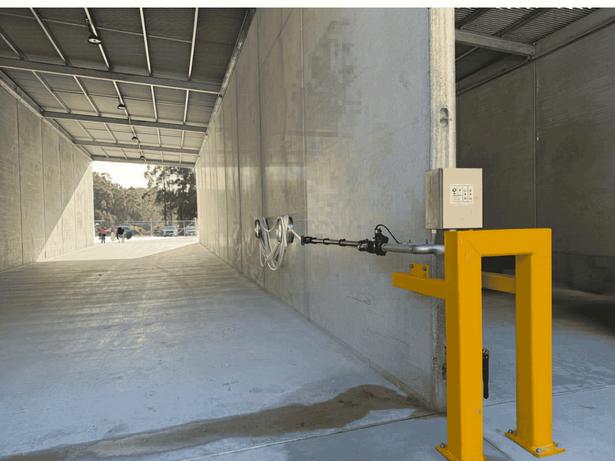
In reference to the Burnie facility, Anne Urquhart MP, member for Braddon said, “This facility delivers exactly the kind of practical, on the ground infrastructure our region needs to support farmers, livestock transporters and agricultural businesses,”
“By providing a modern, purpose-built washdown and effluent disposal site, the Burnie Truck Wash strengthens biosecurity, improves animal welfare, and helps keep our roads and environment safe.”
“This $4.7 investment across Braddon by the Albanese Labor Australian Government reflects our commitment to backing regional industries and ensuring Tasmania’s NorthWest has the infrastructure it needs to grow, stay competitive and thrive ”
The Burnie Truck Wash facility has been delivered as part of a $4.7 million investment by the Australian Government and $1.4 million from the Department of Natural Resources and Environment Tasmania (DNRET) to strengthen regional infrastructure and support the agricultural supply chain in Tasmania’s North-West. The project was enabled by sustained advocacy from CCA, which secured funding through the Australian Government, along with support from industry partners and landholders to complete the Minna Road site
Ian Jones, spokesperson for the Minna Road Group said, “Our group was pleased to be awarded the funds for the establishment of the truck wash and we are looking forward to providing a valuable service to the livestock transport industry in northern Tasmania”. CCA acknowledges and thanks all partners and stakeholders who contributed to the successful delivery of this long-awaited infrastructure.
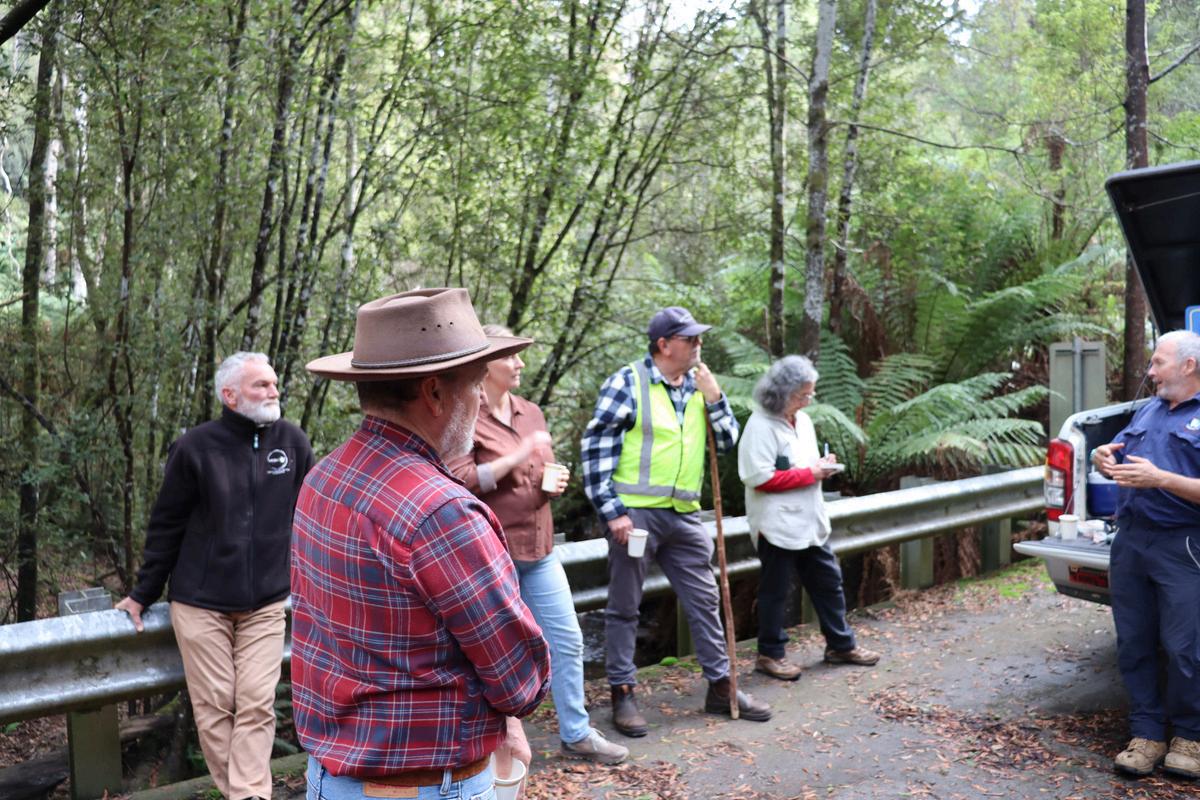
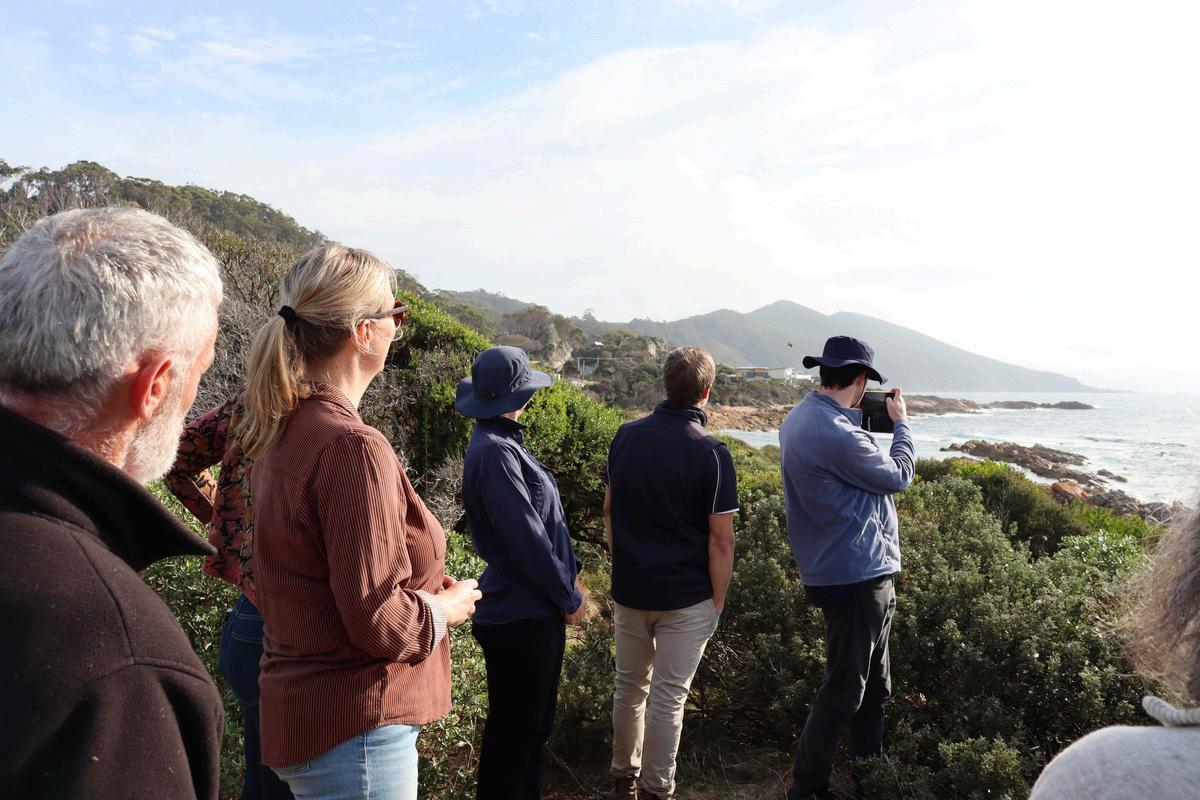
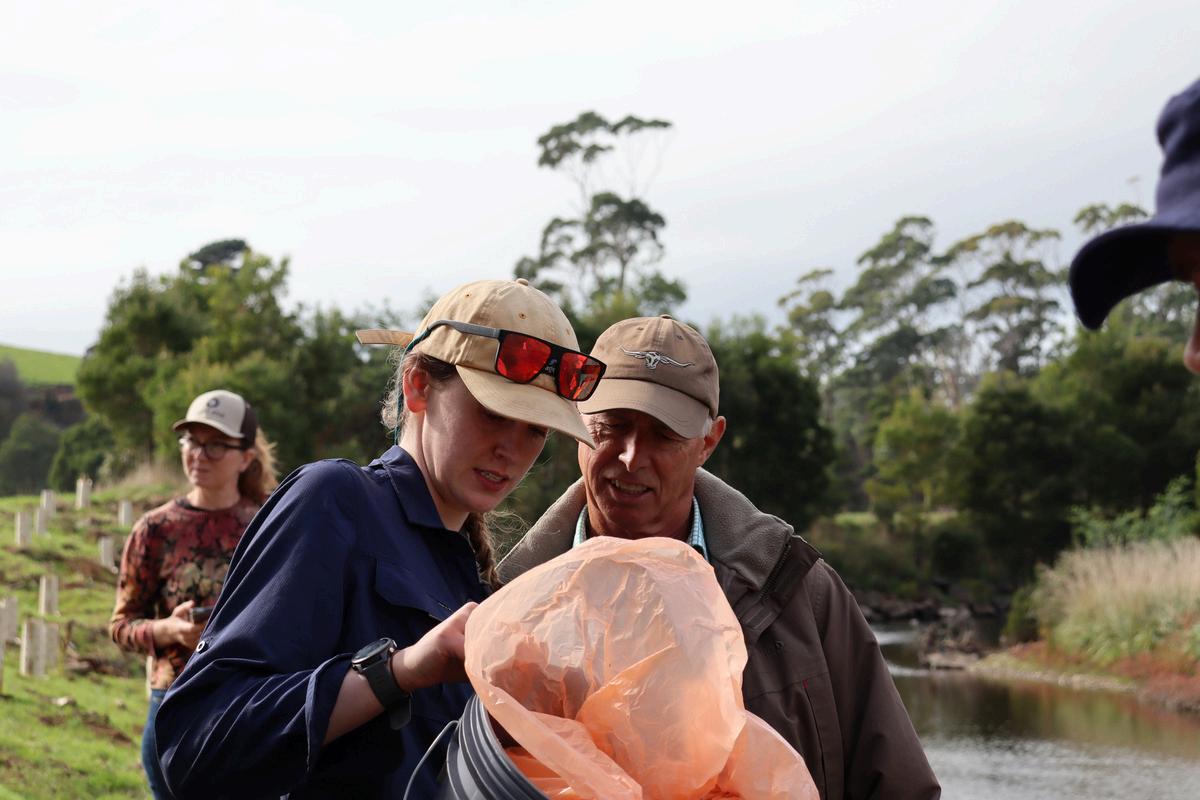
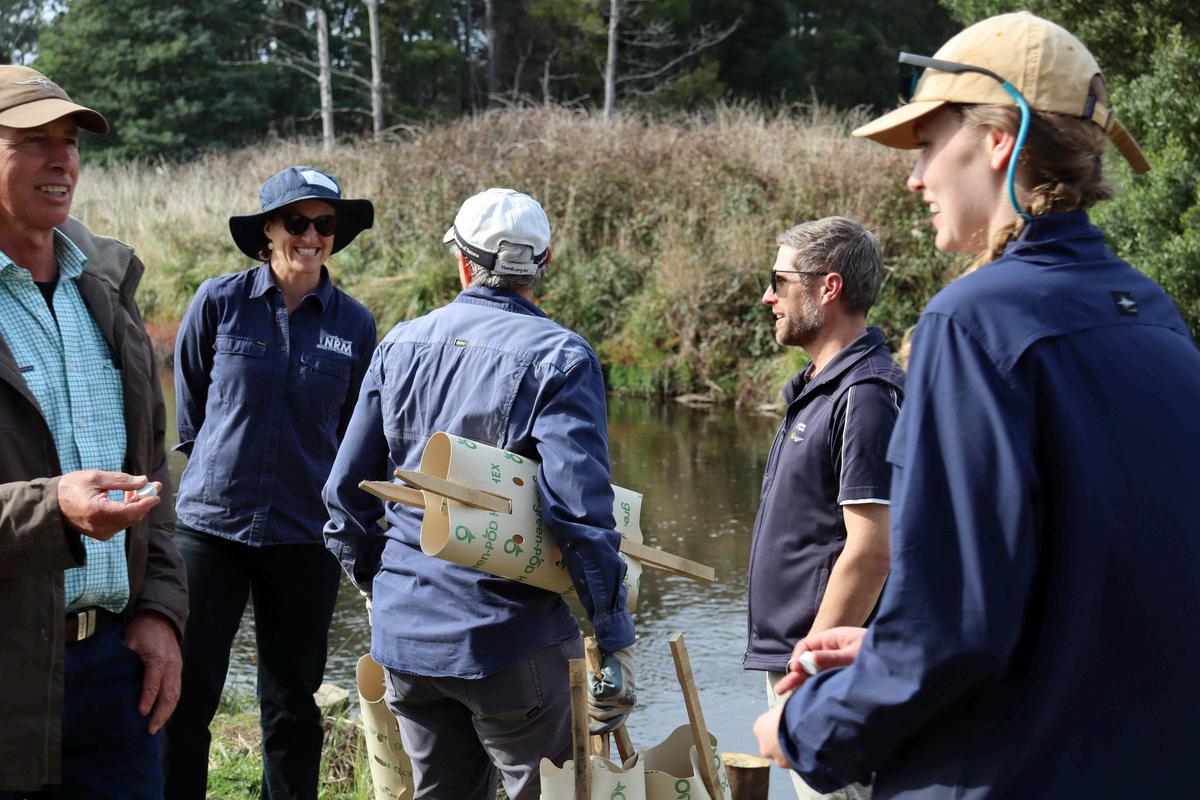
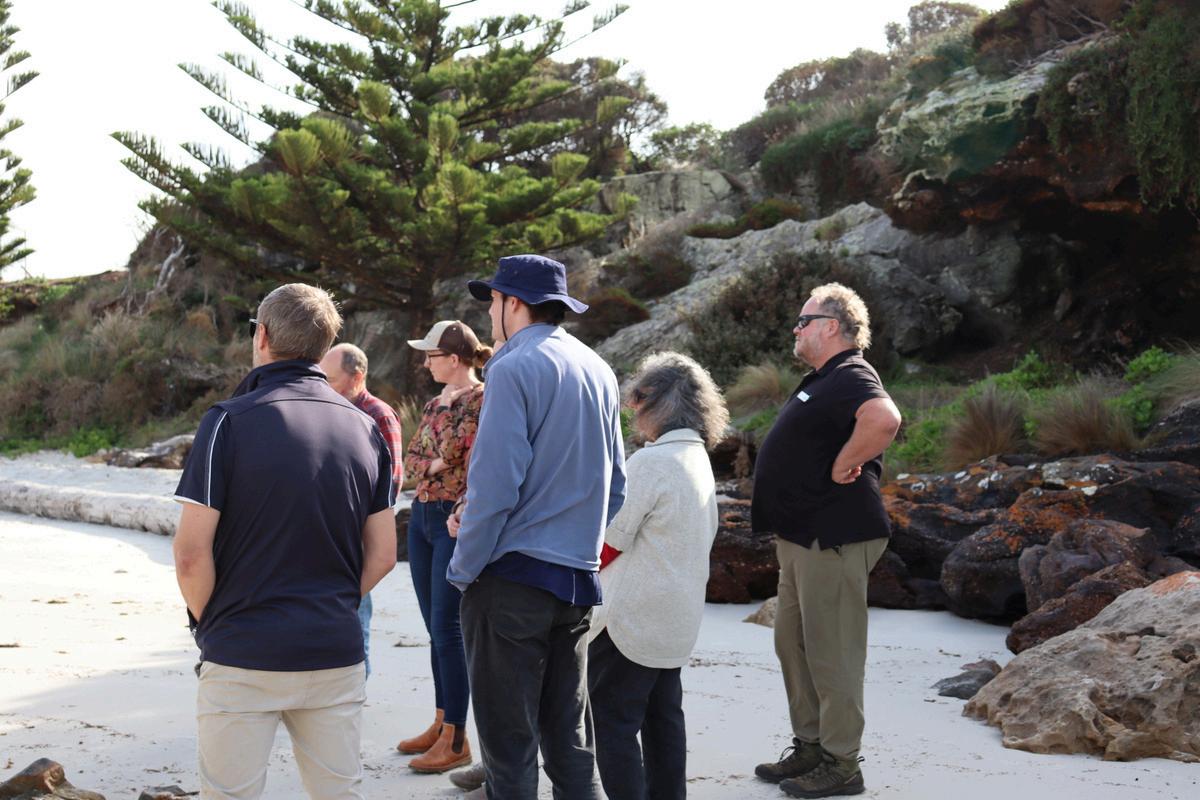
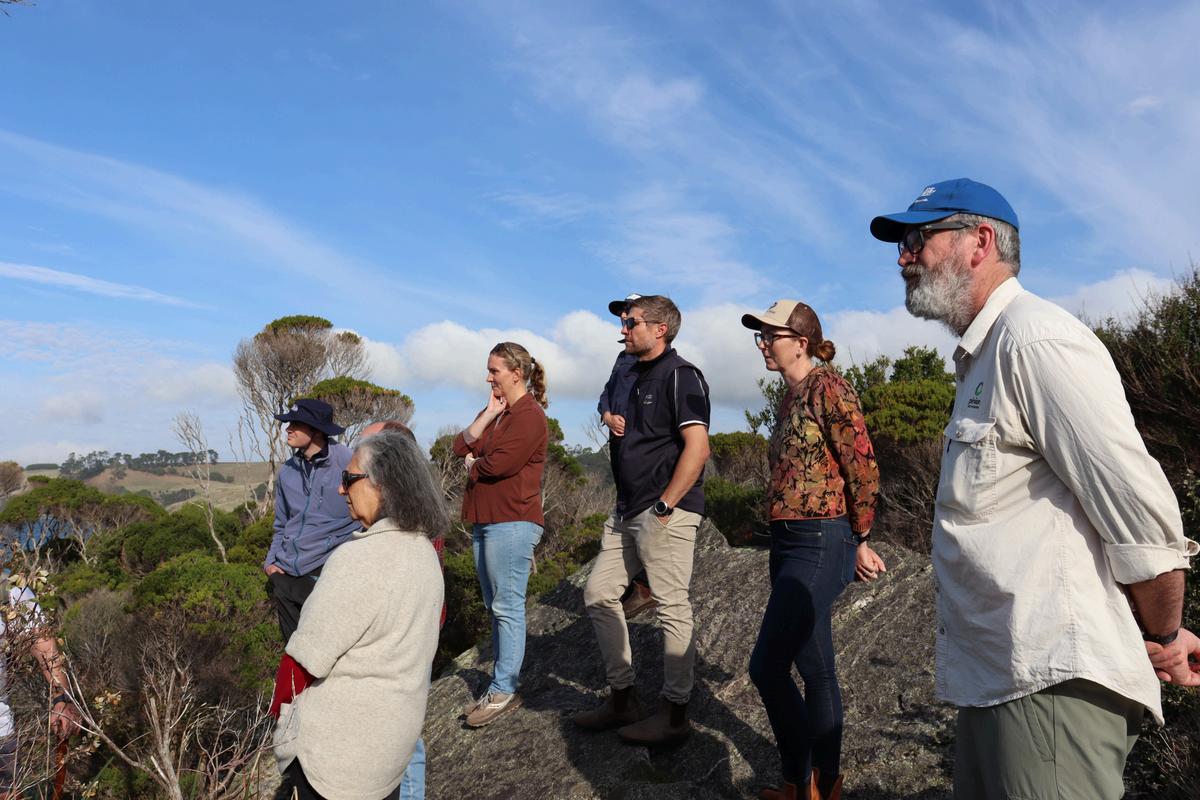
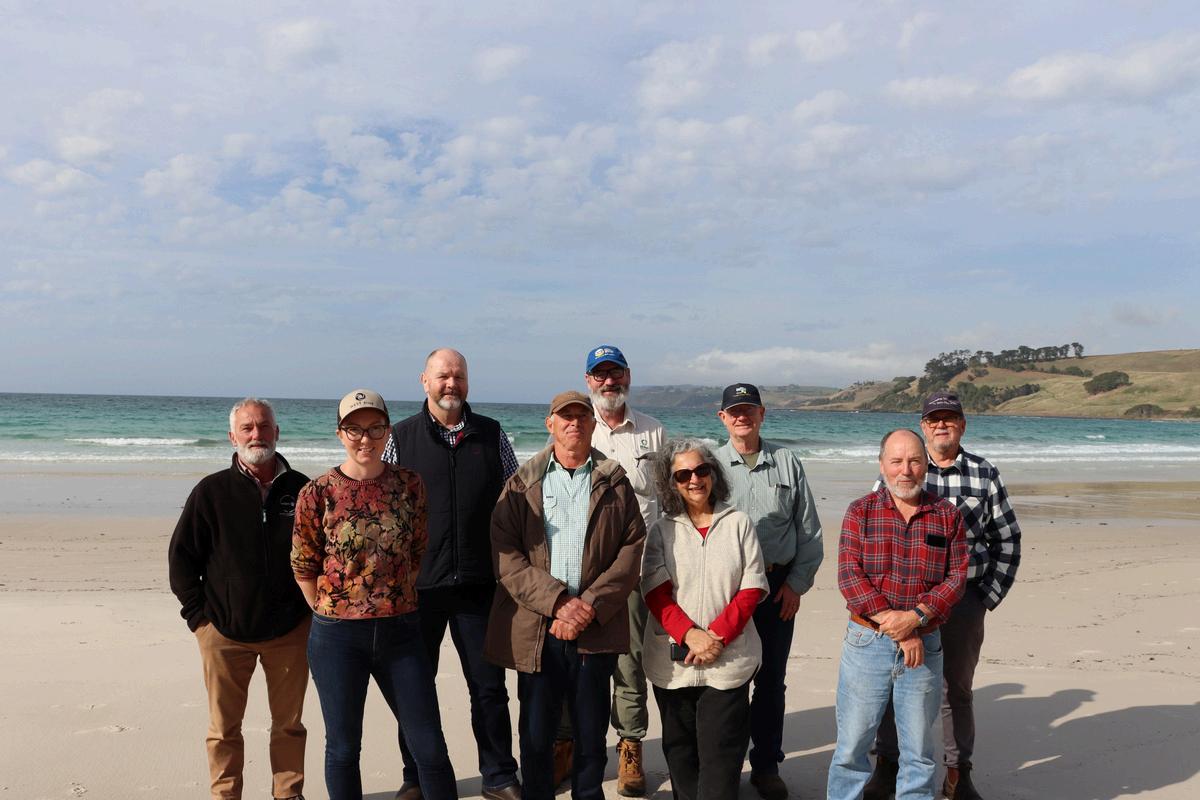
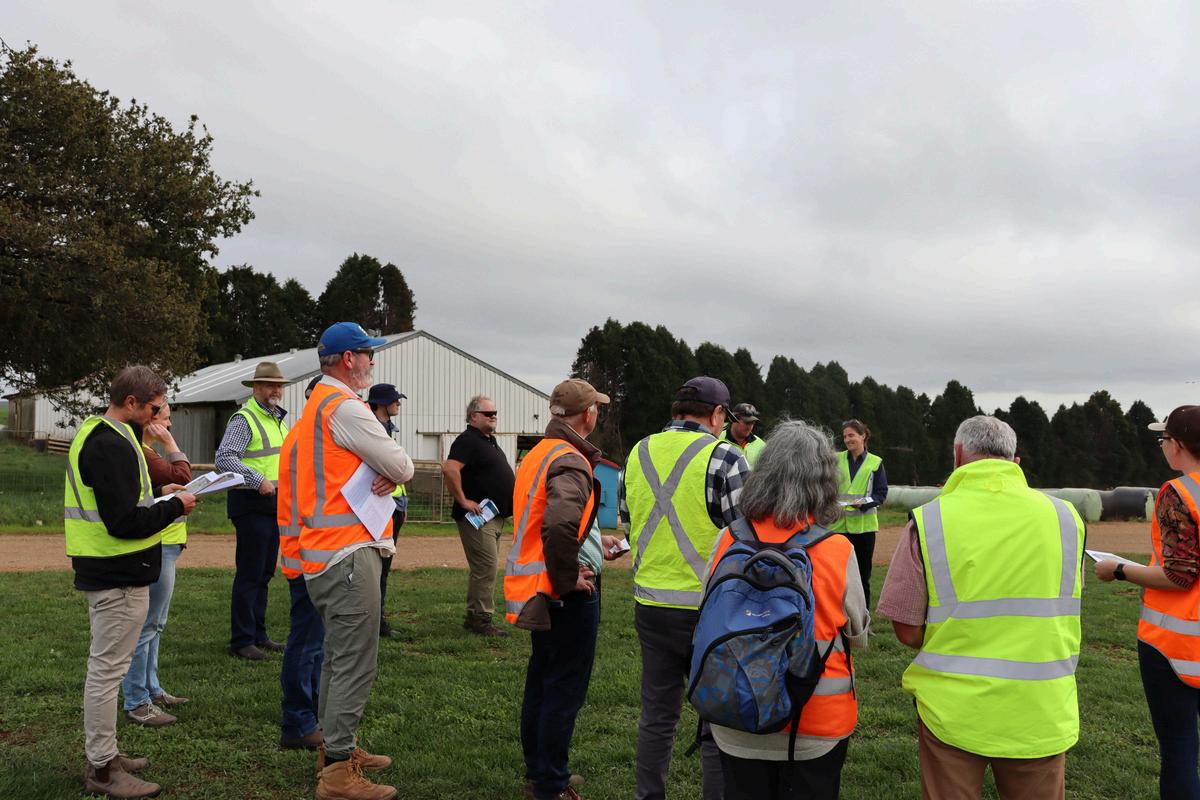
The Cradle Coast NRM Committee Site Tour Day was a valuable opportunity to bring committee members together, reflect on progress, and experience firsthand the impact of natural resource management across the region
The day began at the TIA Elliott Dairy Research Facility, where attendees the On-farm Natural Capital Accounting Demonstration Cradle Coast NRM is delivering in partnership with TIA and supported by Fonterra and Dairy Tasmania. This demonstration has been developed as part of the Our Natural Advantage project, establishing a farm-scale natural capital account, demonstrating how identifying and valuing natural assets and ecosystem services can support more informed decision-making on farm Discussions highlighted how this approach can improve productivity, strengthen resilience, and help farmers navigate evolving expectations around carbon and biodiversity.
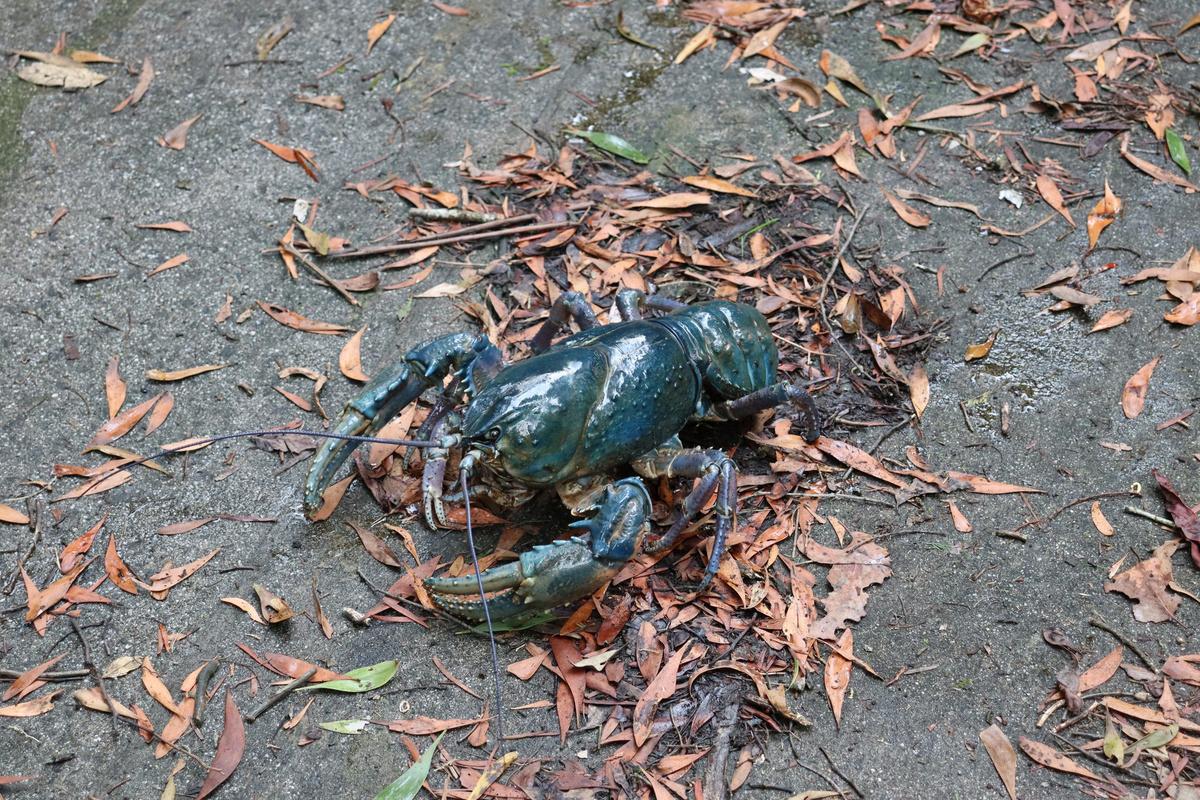
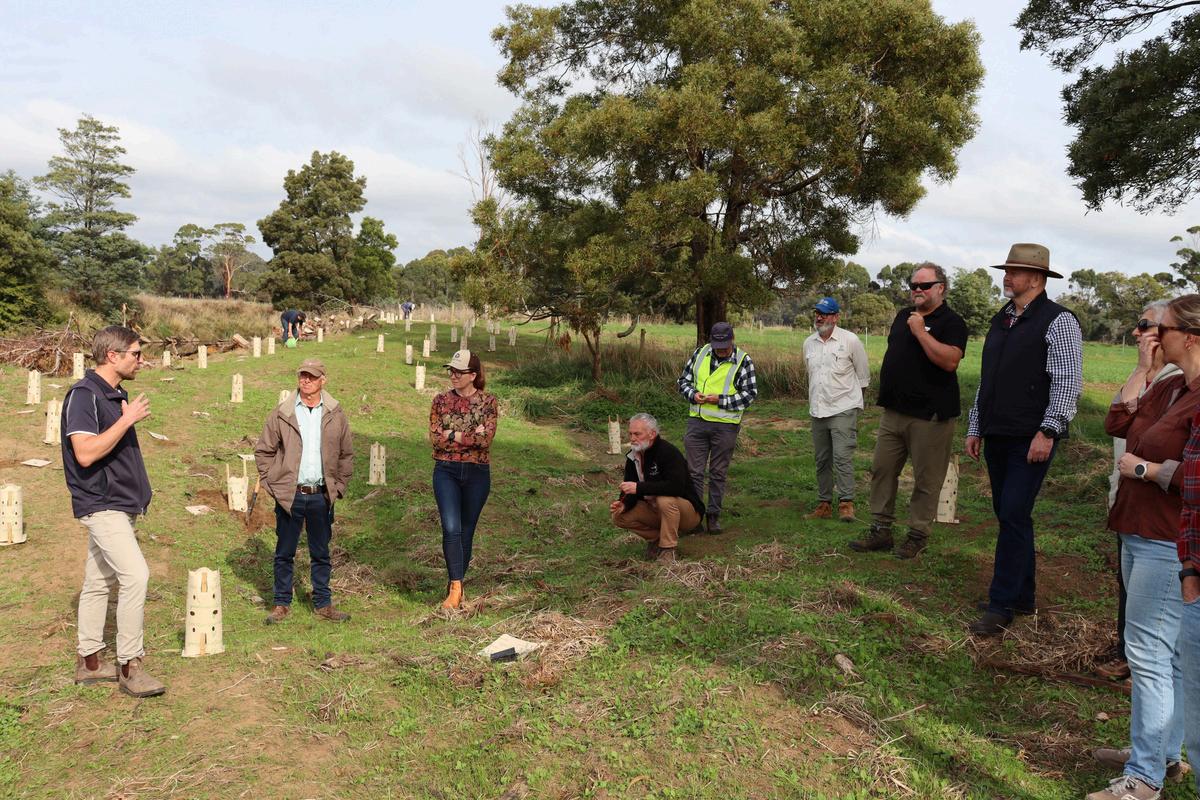
From there, the group travelled to Frenchs Reserve, where on-ground efforts to protect and restore habitat for Tasmania’s iconic Giant Freshwater Crayfish (Astacopsis gouldi) were on display Working closely with local landholders, the project is improving riparian condition and connectivity along key waterways. Committee members saw how streambank restoration is already contributing to healthier aquatic ecosystems and supporting long-term species survival The project is also playing an important role in establishing baseline data for the threatened Australian Grayling (Prototroctes maraena), with early work underway to identify migration barriers and guide future restoration efforts
At the Inglis River near Wynyard, the scale and impact of the Flood Resilience and Recovery Project were evident. Large timber revetment structures, installed in response to the 2016 flood events, are stabilising riverbanks and reducing erosion. Delivered in partnership with regional NRM organisations, landholders, and technical experts, the works are already slowing water flow and creating conditions for native vegetation to re-establish As fencing and revegetation continue, the site is transitioning toward a more natural and resilient river system, showcasing the effectiveness of nature-based solutions in post-disaster recovery.
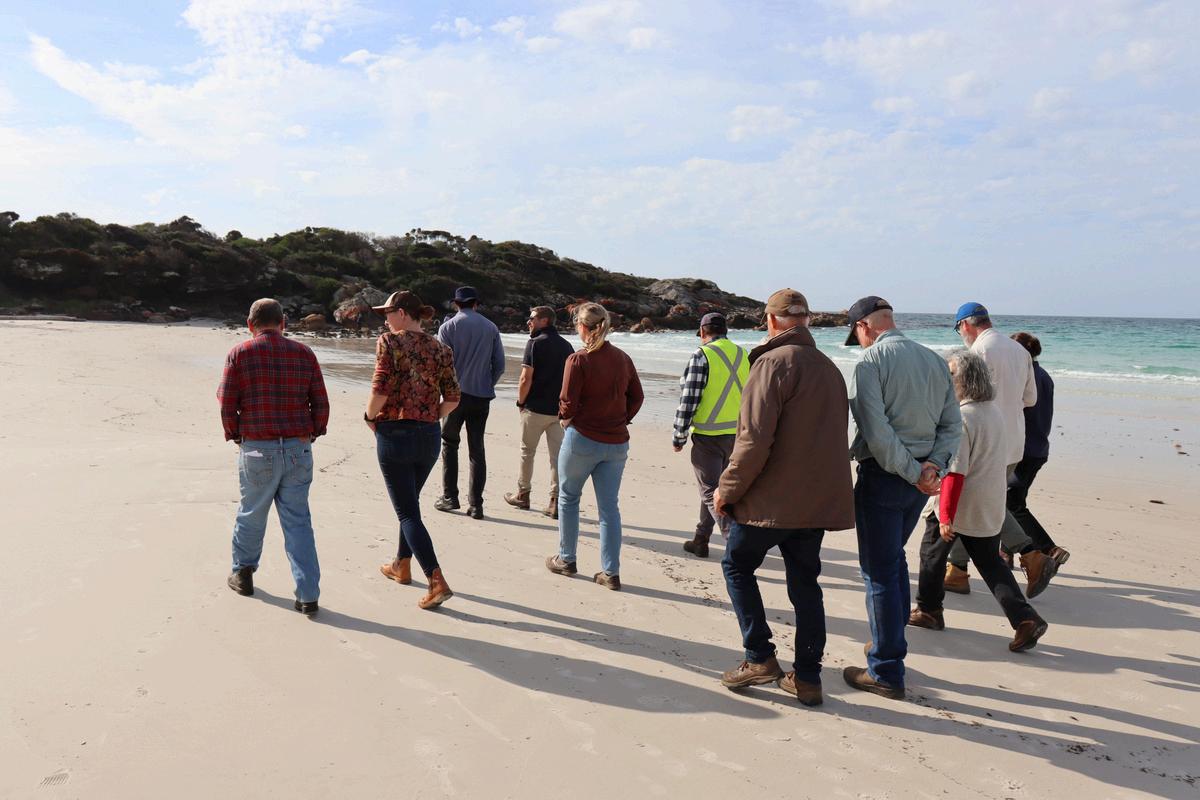
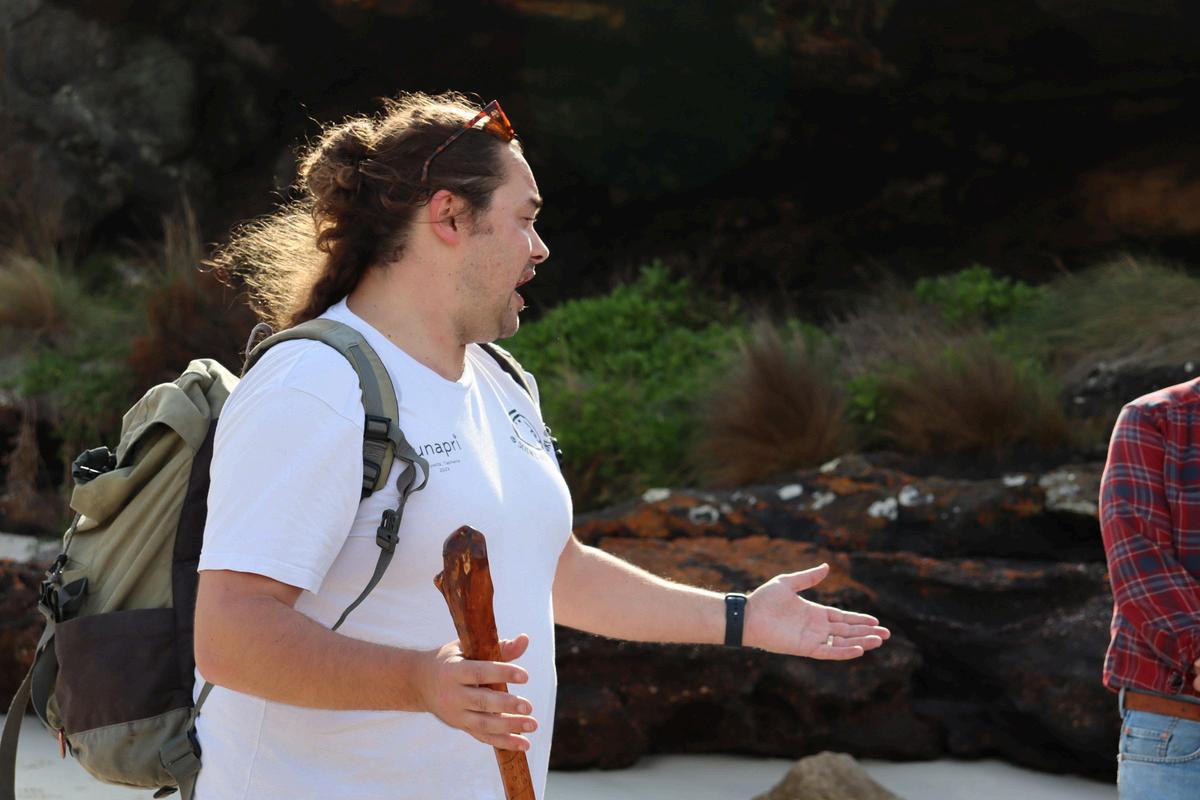
The tour concluded at Boat Harbour Beach with a Tunapri Cultural Tour led by Jye Crosswell, a proud Palawa man from lutruwita/Tasmania This onCountry experience provided a meaningful close to the day, offering insights into Palawa cultural heritage and deepening participants’ understanding of the enduring connections between people, place, and natural systems
The day also reinforced the value of the Cradle Coast NRM Committee itself The committee plays a critical role in providing strategic guidance, regional insight, and governance that ensures projects are locally relevant, scientifically sound, and aligned with community priorities. By bringing together diverse expertise and perspectives, the committee helps shape effective, long-term outcomes across land, water, and biodiversity Opportunities like this site tour strengthen those connections, enabling members to see the real-world impact of their input and continue contributing to informed, collaborative decision-making.
Across each site, the day highlighted the strength of partnerships, the importance of local knowledge, and the tangible outcomes being achieved through coordinated natural resource management. It was a successful and engaging day, reinforcing the shared commitment to sustaining and enhancing the landscapes of the Cradle Coast region.