Because great ideas only make a difference to our health when they are put into practice
Find out about our impact in the East of England and beyond



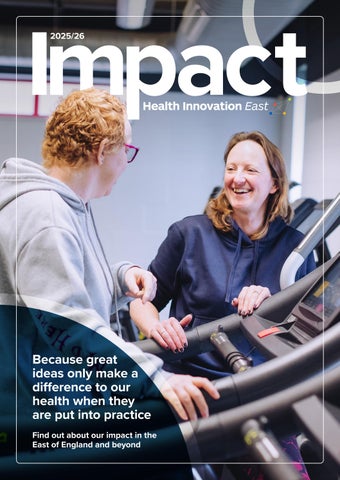
Because great ideas only make a difference to our health when they are put into practice
Find out about our impact in the East of England and beyond
At Health Innovation East, we help the best innovations in health and care reach the people, places and problems for which they bring most benefit.
We are a team of specialists passionate about implementing the best innovations in health and care. Whether working with global companies, pioneering start-ups, leading universities or regional health providers, we never lose sight of the patients and communities we serve.
We were established by, and receive funding from, the NHS and the Office for Life Sciences, and are part of the Health Innovation Network –a group of 15 health innovation networks, covering England, that spread innovation at pace and scale, improving health and generating economic growth.
As the regional health innovation adoption experts, our team has the skills and capabilities to support the latest advances across health and care. We now number more than 90 colleagues with a diversity of perspectives, deep professional experiences and trusted

relationships. We understand not only the policies and processes underpinning health and care, but also the practicalities of delivering meaningful change in the real world.
We work on technology-enabled change programmes in the NHS, and improve care pathways alongside clinicians and managers. We also support the health and life sciences industry and academics to position their products for use across the healthcare system.
To widen the spread of our work, we offer a comprehensive range of paid-for consulting services. This encompasses the management of complex change programmes, gathering evidence and capturing insights to enable innovations to thrive, and building solutions for the analysis of healthcare data. The income we receive from our paid-for consulting work allows us to broaden and deepen our purpose of spreading innovative solutions across the health and care system in the East of England.
To learn more about our focus areas and the support we provide, please visit our website.

We are a national network of 15 local organisations that work across the NHS, industry, academia and the third sector to find, test and scale innovation that improves patient outcomes, increases NHS productivity and drives economic growth.
We now number more than 90 colleagues with a diversity of perspectives, deep professional experiences and trusted relationships. We understand not only the policies and processes underpinning health and care, but also the practicalities of delivering meaningful change in the real world.
The East of England is a vibrant international hub of scientific discovery and innovation at the forefront of precision medicine, genomics and artificial intelligence. However, our region is also characterised by significant health inequalities. We strive to bring the region’s most promising innovations to those who most need them.
We work in the areas covered by the three integrated care boards (ICBs): Essex ICB, Central East ICB, Norfolk and Suffolk ICB.
We are proud to present Health Innovation East’s Impact Review for 2025-26, highlighting the progress made – and the impact achieved –over the past year through collaboration across our region and beyond.
This has been a significant year of change for the health and care system. The proposed abolition of NHS England and the absorption of its key functions into the Department of Health and Social Care, announced in March 2025, represents the most substantial restructuring of the health service in more than a decade. We are now one year into this anticipated two-year programme of change, with the past year largely serving as a period of transition. Despite these changes, there has been a continuous emphasis on the important role innovation plays in supporting the NHS to meet current priorities, such as reducing waiting lists and managing budgetary pressures. As structures evolve, innovation will continue to be recognised as an essential tool to deliver a high-quality health service.
This year also saw the publication of several major national strategies, including the 10 Year Health Plan and Life Sciences Sector Plan, both of which reaffirm the vital role of the health innovation networks in shaping the future of healthcare. In February 2026, the Cancer Plan set out an ambitious agenda to improve survival rates and reduce waiting times, underscoring the need to keep pace with new technologies and to implement change at scale. We will continue to support our partners to ensure cancer care is transformed in every community, delivering equitable outcomes and national impact.
A key part of our role is bridging the gap between policy and practice. We work
alongside NHS colleagues to address conditions affecting the greatest numbers of people, while helping industry partners to work more effectively with the health system to deliver meaningful change.
As part of the Health Innovation Network, we remain at the forefront of this agenda, championing the adoption and spread of proven innovations to ensure improvement and best practice benefit patients, faster.
A key part of our role is bridging the gap between policy and practice. We work alongside NHS colleagues to address conditions affecting the greatest numbers of people, while helping industry partners to work more effectively with the health system.
team has been working closely with NHS hospitals to test, implement and share learning from the programme, helping to inform and shape national policy on Martha’s Rule. In the coming pages, we hear two personal stories from families who have benefited from Martha’s Rule, describing how the programme empowered them to raise concerns and ensure their voices were heard. You can read more about their experiences on page 12.
This commitment was illustrated in our leadership of a session of the East of England All-Party Parliamentary Group, titled ‘Delivering health innovation and improvement in the East’. The session brought together more than 100 partners from the NHS, local and national government, and industry, alongside eight MPs from across the region, to explore how scaling innovation can deliver significant benefits for population health, patient outcomes and NHS productivity.
In this 2025–26 Impact Review, we highlight a selection of key projects delivered in close collaboration with our partners across the NHS, universities and the private sector.
February 2026 marked an important milestone for the Secure Data Environment (SDE) programme, as the East of England SDE and the East Midlands SDE came together to form the Eastern England SDE. This consolidation strengthens our regional research capability and enables a seamless service across the geography, offering researchers access to anonymised, controlled data representing more than 12 million patients. As a key delivery partner in the programme, this merger presents an exciting opportunity and a strong endorsement of our organisation’s expert approach. You can read more about the development of the SDE, and what it means for research and future medical advances on page 10.
We are also delighted to see the continued expansion of Martha’s Rule across the region. We are working with 19 of 19 hospital sites to implement the programme. Our patient safety
The Innovation for Healthcare Inequalities Programme concluded in March 2026. Over two successful waves, the programme has increased awareness and adoption of evidence-based innovations that help reduce health inequalities and improve access to care. Since its launch, more than 5,000 people from underserved groups or deprived areas have benefited from the programme. We’re particularly proud of the progress made during Wave 2, which supported the same number of patients as Wave 1 while using fewer resources. We hope you enjoy learning more on page 16.
In the coming year, our focus will remain on supporting the adoption and spread of evidence-based innovations that address the most pressing needs of our health and care system. We will continue our work in cardiovascular health, while also adding the new long-term condition areas of renal health and diabetes to our portfolio. We are also planning to support AI-enabled technologies to improve the experience of our clinical workforce and will maintain our focus on data, expanding the SDE’s offer to the academic and scientific community.
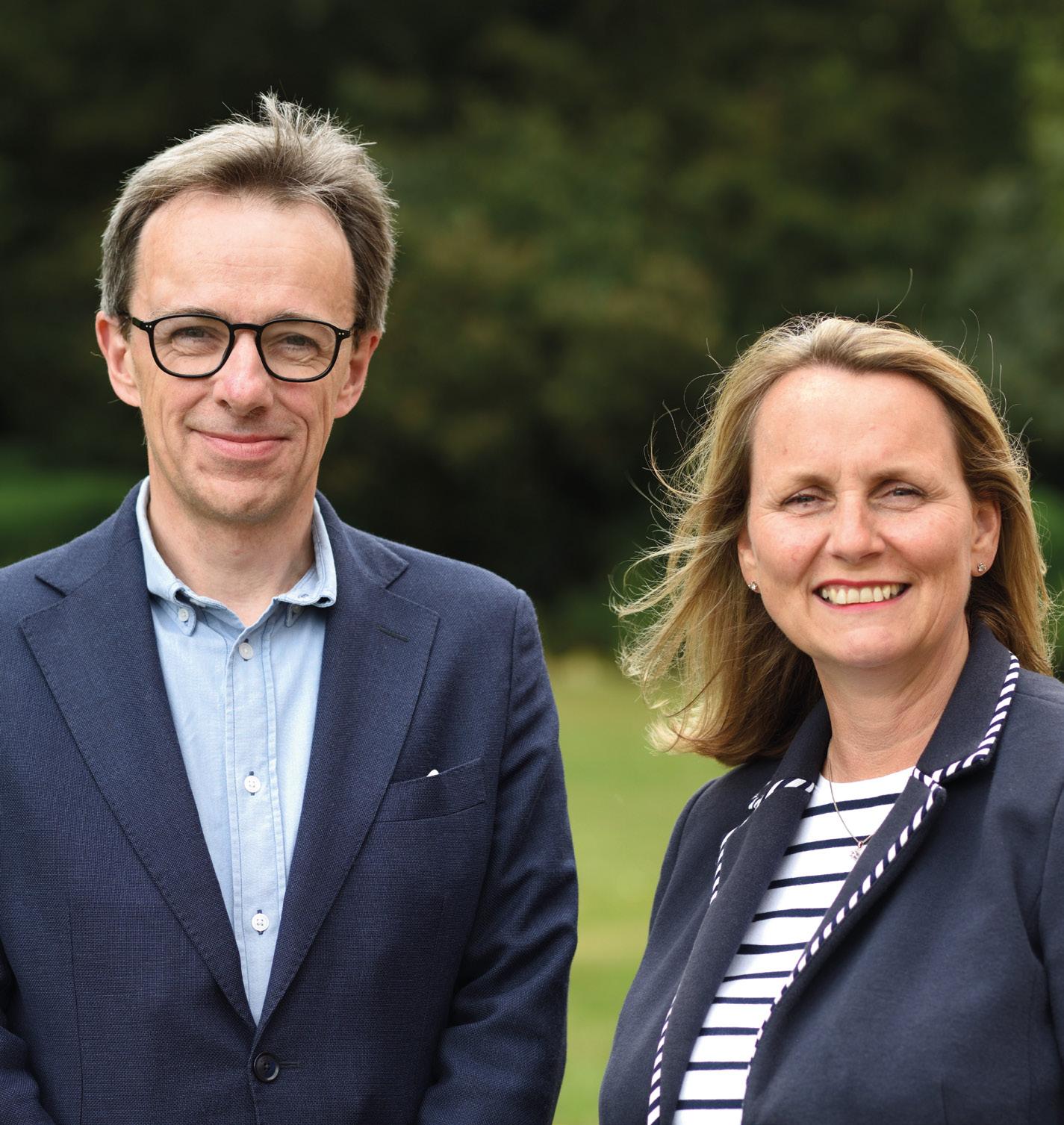
Tracy Dowling Chair, Health Innovation East
Piers Ricketts Chief Executive, Health Innovation East
12 million people represented across the Eastern England Secure Data Environment.
£393,725 UKRI funding secured for the VISTA project.
15 hospital sites
across the East have implemented NEWTT2 to strengthen the management of deterioration in neonatal care.
1,708 Martha’s Rule calls made – empowering patients and families across the East (Sept 2024–Feb 2026).
13 real-world evaluations
providing collaborators with a clear understanding of their impact.
1,087 innovators accessed our grant opportunity trackers.
365 people attended faith-based outreach events for heart health screening, with 34 signposted to their GP for follow-up.
157 patients
were reviewed by the regional Interstitial Lung Disease
Multidisciplinary team, exceeding the target by 64%.
1,380 Robopet devices were deployed across 141 care providers.
The East of England Stroke Forum concluded in March 2026. Across the three-year programme, it delivered three conferences with
638 attendees and engaged
553 professionals through online learning sessions.
1,424 healthcare professionals took part in The Antimicrobial Stewardship (AMS) Escape Room. Empowered 562 companies through support and targeted signposting.
500 million+
clinical data points including diagnoses, medications, procedures and measurements
Over three years, the health informatics team has worked with partners to build the East of England SDE, enabling safe NHS data access.
In February, the platform merged with the East Midlands SDE to form England’s largest SDE, representing nearly 12 million people. The platform provides clinical data points covering a decade’s worth of de-identified clinical data and a cohort discovery tool, which reduces the time taken to find clinical trial patients from months to hours, with a scalable model informing similar services nationally.
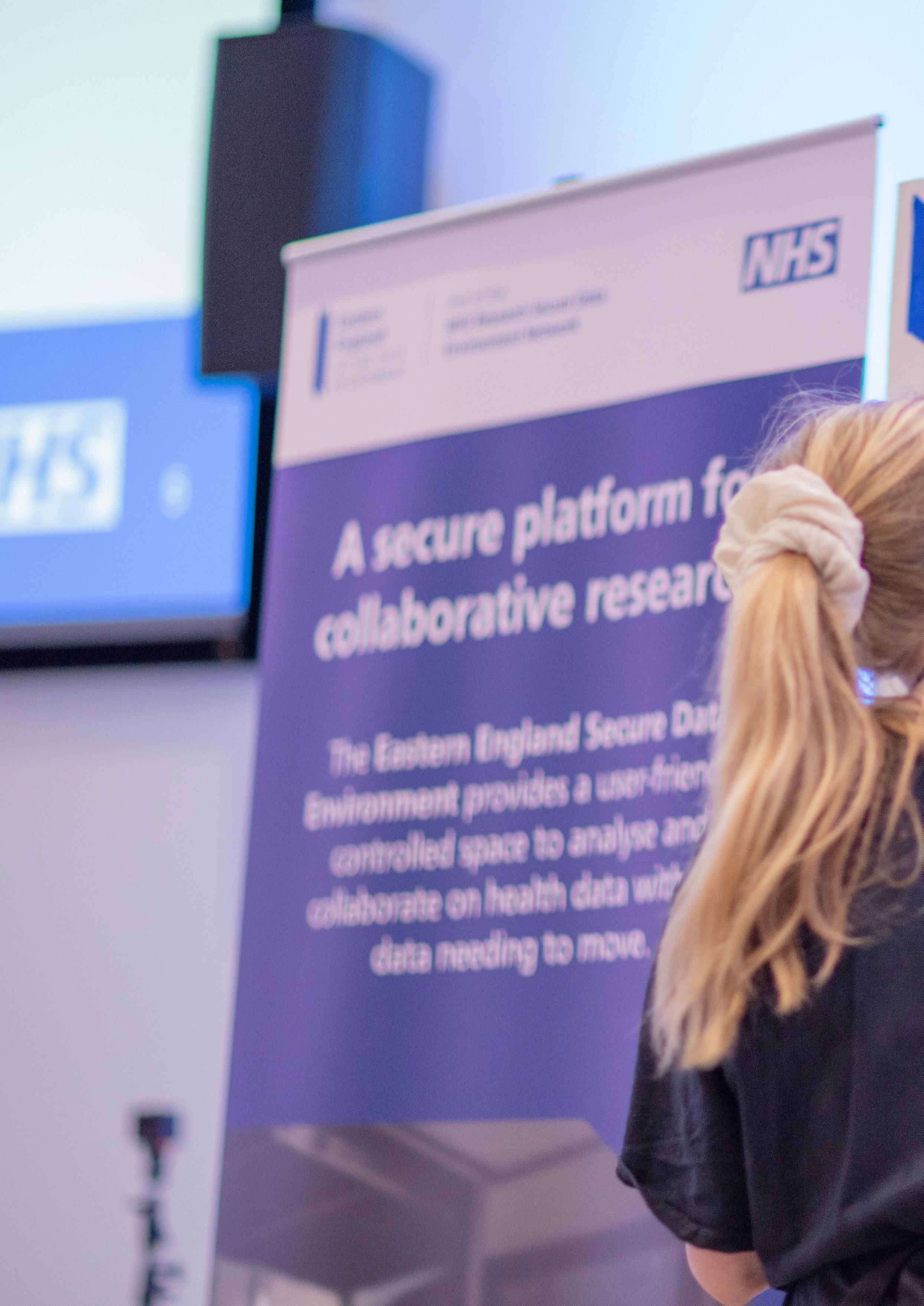
Enabling secure, controlled access to de-identified NHS patient data through a safe, scalable solution for approved research
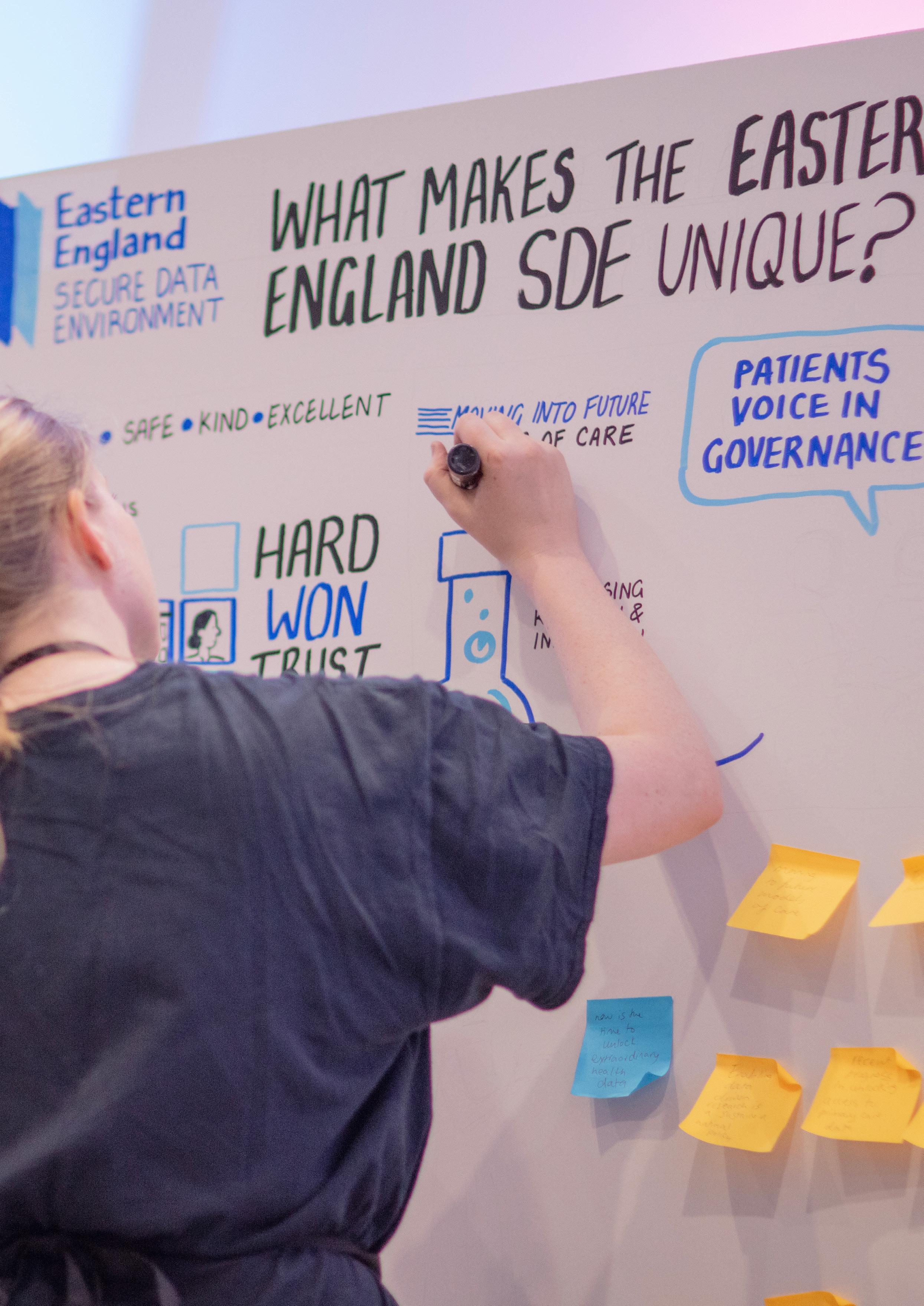
The Eastern England Secure Data Environment (SDE) is positioning the region at the forefront of national efforts to enable responsible, large-scale use of NHS data for research and innovation. Over the past year, Health Innovation East’s health informatics team has worked with partners to expand the SDE into the country’s largest platform while strengthening and future-proofing its capabilities.
The health informatics team is facilitating the safe use of AI within the Eastern England SDE, aiming to shape national standards for health data research. With Cambridge University Hospitals and Cambridge University Health Partners, it delivered VISTA (Viable Implementation for SATRE, SACRO and Tools for AI), funded by UK Research and Innovation (UKRI) and supported by DARE UK. Over 15 months, the project tested standards for AI use –evaluating governance, public trust and real-world application within the SDE.
Analogue to digital
Read more
£393,725 UKRI funding secured by Health Innovation East for the VISTA project
Embedding National Patient Safety Improvement Programmes across the East of England
At Health Innovation East, we host the East of England Patient Safety Collaborative, which works with health and care providers to continuously improve patient safety, further building on the foundations of a safer culture and safer systems.
The patient safety team has worked with NHS hospitals to test and implement and share learning to shape national policy around Martha’s Rule.
In 2025–26, we supported staff to embed the rule into everyday practice. By promoting innovative approaches, engaging stakeholders and educating staff at all levels, we helped ensure it is accessible to, and integrated across, NHS sites.
We also heard from two patients and their families about activating Martha’s Rule and the impact of being listened to.
Read more

“The critical care outreach team answered the phone so quickly; they were professional and the speed at which the first two people arrived after I called was incredible – because of the fast action my mum was able to receive treatment and was back to normal quickly.”
Diane, daughter of patient
The patient safety team has worked closely with health and care providers in the East of England to implement the national Maternity Early Warning Score (MEWS) and Newborn Early Warning Track and Trigger (NEWTT2) tools for recognising and managing maternal and neonatal deterioration.
Built on robust evidence, the tools are empowering maternity care staff to identify, escalate and respond to signs of deterioration of mother and baby.

have implemented NEWTT2 in the region 15 maternity units
Enhancing knowledge, transforming services and reducing unwarranted variation in care
Health Innovation East’s collaborative approach ensures that the right innovations are embedded into practice in the most effective ways, supporting safer, high-quality care.
Clinicians play a key role in tackling antimicrobial resistance (AMR). NHS England East of England commissioned Health Innovation East to explore gamified antimicrobial stewardship (AMS) learning for clinical staff. In partnership with regional organisations, an escape room-style training tool was developed to improve engagement and knowledge on the importance of AMS in practice. Evaluation of the learning tool showed strong acceptability and positive impact on awareness and confidence –with the potential to influence prescribing practices and support safer, more effective patient care in hospital settings.
Treatment to prevention
Read more

“This was a hugely successful collaboration between Health Innovation East and subjectmatter experts. Using different networks enabled the game to be spread throughout the East of England and further afield, with reach to different healthcare professionals, and educational settings.”
Naomi Fleming, Antimicrobial Stewardship Lead, NHS England – East of England

In 2025-26, Health Innovation East led a wideranging programme shaping how nine integrated care boards and 22 NHS providers deliver lower limb wound care. The collaborative programme shows promising, scalable outcomes for the 1.5 million UK patients living with leg ulcers.
An independent analysis by Frontier Economics found that 2–2.8% of the adult population is affected by at least one leg ulcer. This contributes to significant economic impact, with £348m–£475m in output lost annually because of absenteeism.
“If just 1 in every 1,000 employed people with a leg ulcer exits the workforce, this could lead to £108m in lost economic output in the UK each year.”
– Frontier Economics
Hospital to community Read more
Tackling disparities to improve heart and lung health across our communities
Cardiovascular and respiratory diseases are among the key drivers of health inequalities. At Health Innovation East, we’re dedicated to improving the cardiovascular and respiratory health of the region with targeted action.
“The
screening at the event gave me the awareness and support I didn’t know I needed. I’ve always been health-conscious and never expected this.” Tamil woman, age 39 (diagnosed with hypertension)
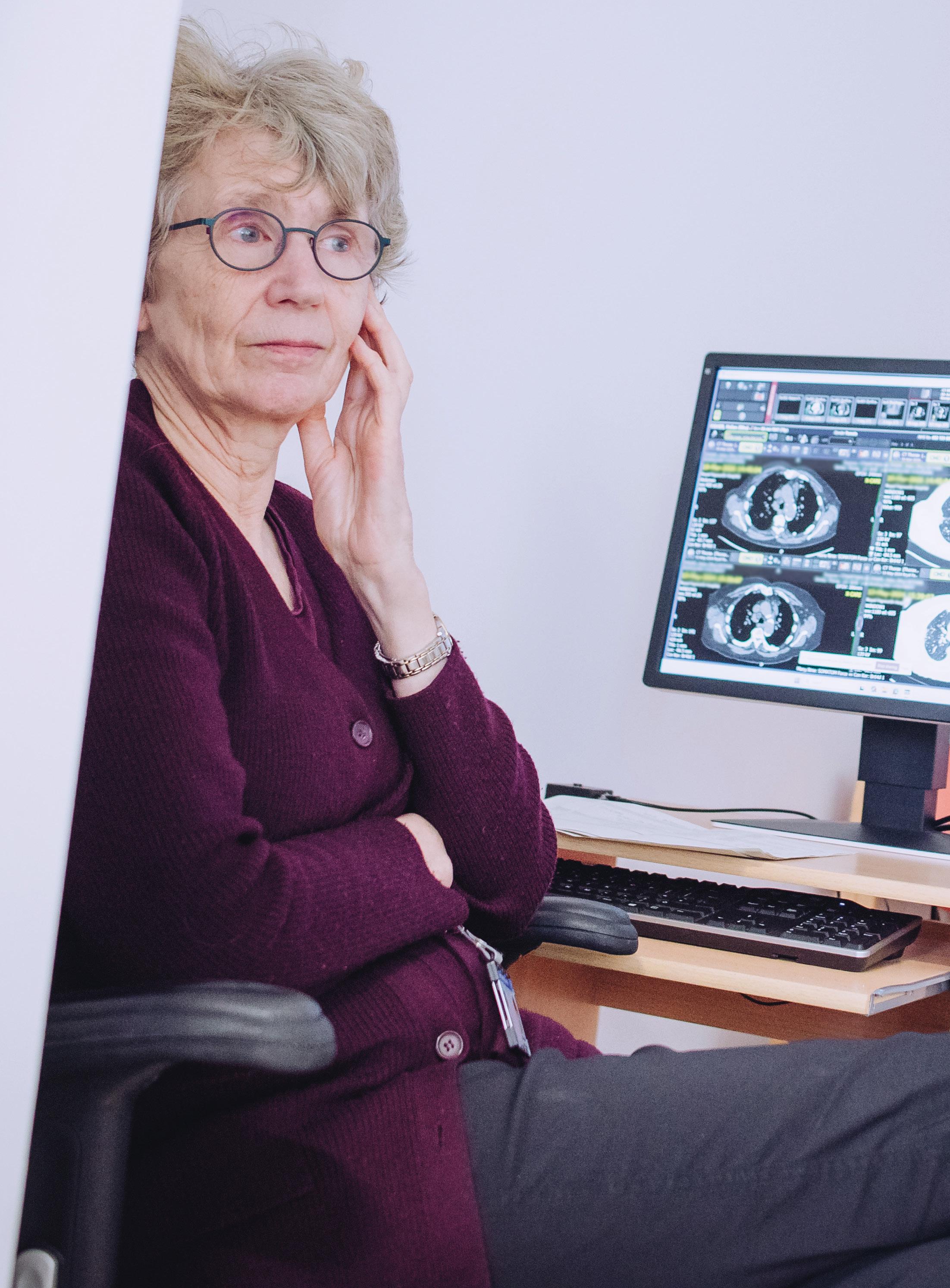
As part of the Innovation for Health Inequalities Programme (InHIP), Health Innovation East funded and helped mobilise a 12-month pilot of regional virtual multidisciplinary team meetings. These meetings enabled clinicians to review patients with specialists, supporting earlier diagnosis and improved care for those with suspected or confirmed interstitial lung disease. The approach strengthened collaboration across healthcare settings, reduced patient travel, enabled more timely diagnoses, and improved access to specialist treatments. Following its success, long-term funding has been secured.
Read more
Health Innovation East is increasing detection of heart failure in the East of England by growing awareness in the community.
Building on the Innovation for Health Inequalities Programme (InHIP) work, we funded and supported Watford-based charity One Vision to expand culturally sensitive outreach with faith leaders and volunteers. This raised awareness among high-risk groups, developed tailored resources and led to 34 GP referrals.
Alongside this, a specialistled heart failure webinar series supported healthcare professionals with symptom recognition, guideline implementation and practical management. The webinar series reached staff from across the healthcare system and improved knowledge, patient conversations and coordinated care. Treatment to prevention Hospital to
Read more

157patients discussed through the regional MDT –exceeding original target of 96
Health Innovation East delivers and supports complex transformation programmes, providing the skills, capacity and know-how to shape how health and care is delivered.

“Our collaboration significantly advanced the project, leading to strong outcomes and valuable insights that are now informing the next steps. It felt like a genuine partnership, where diverse expertise came together effectively to achieve the best possible results within the given timeframe.”
Health Innovation East was commissioned by the East of England Neurosurgery Network (EoE NN) to expand the reach of its regional neurosurgery research strategy – designed to make clinical trials more accessible, inclusive and representative. By enabling more hospitals to participate, this work broadens professional development for staff, builds regional research capacity, improves patient representation and strengthens local teams’ ability to manage complex cases. It also supports best practice in neurosurgery through wider research participation and enhanced research opportunities.
Daniela Caputo, Clinical Research Strategy Lead, EoE NN

14% of young people do not have adequate access to digital devices
On behalf of NHS England East of England’s Children and Young People’s (CYP) Transformation Programme, Health Innovation East conducted a rapid literature review on digital exclusion in children’s health. Findings highlighted limited evidence and guidance, risking inequitable access. Building on this work, and starting in March 2025, Health Innovation East was commissioned to develop a practical framework. Informed by literature reviews, stakeholder interviews and expert input, the framework provides clear recommendations to support inclusive and equitable digital healthcare planning and commissioning and delivery for children and young people.
Analogue to digital
Read more
45% of households with children fall below the Minimum Digital Living Standard
Health Innovation East works with innovators, entrepreneurs and industry to deliver commercial and economic growth. Innovation is vital to the future of the NHS, and the UK’s competitiveness.
Health Innovation East supports innovators to turn ideas into transformational healthcare solutions through tailored guidance, development programmes and strategic partnerships. With a mandate from the Office for Life Sciences, we provide structured support to accelerate the implementation of innovation within the NHS. Initiatives such as the Digital Health Hub with Cogniss, international collaborations, Clinical Innovator Forums and expertled masterclasses strengthen innovation pathways, help solutions scale, reach patients faster and deliver systemwide improvements in care quality and productivity.
Analogue to digital Treatment to prevention Hospital to community
More than 1,000 people accessed our grant opportunities guides

Since 2022, Health Innovation East has supported Proxximos – whose wearable technology digitises and automates contact tracing by capturing high-fidelity location data – by actively brokering and strengthening system partnerships. In 202526, through targeted introductions and ongoing collaboration with Norfolk and Waveney ICB and Cambridgeshire and Peterborough ICB, Health Innovation East helped secure upcoming pilots at James Paget University Hospital and Addenbrooke’s Hospital. Each pilot will support real-world evaluation and evidence generation for wider NHS adoption.
“These pilots are a turning point for us. They not only validate our technology in realworld clinical environments, but also demonstrate the trust and collaboration we’ve built with NHS partners. It’s the foundation for scaling our impact.”
Peter Whawell, CEO, Proxximos
“Health Innovation East brought a deep understanding of healthcare innovation, combined with a rigorous and collaborative approach to evaluation. Their insights were instrumental in identifying key metrics, gathering meaningful data and translating findings into actionable recommendations. The evaluation not only validated the need for the approach and programme, but also highlighted opportunities for further development and scaling.”
Sara Burford, Cancer ICB Transformation Manager

Health Innovation East’s real-world evaluation team combines robust methodologies, independent perspectives and real-world evidence and insights to inform decision-making.
Health Innovation East’s real-world evaluation team partnered with Bedfordshire, Luton and Milton Keynes (BLMK) Integrated Care Board to assess the impact of its cancer (p)rehabilitation service, which supports patients before and during treatment to improve recovery and quality of life. A mixed-methods evaluation, published in April 2025, generated actionable recommendations that have since informed improvements to awareness and equity of access across the system.
Read more
Health Innovation East supported two early-stage programmes across integrated care systems to evaluate impact and build research capability. The team generated early evidence to inform decisionmaking while addressing common challenges such as limited data and system complexity. Working in partnership, this approach strengthened evaluation skills, supported business cases and enabled ongoing learning – helping systems become more research-active and better equipped to deliver evidence-informed improvements in care.
Hospital to community
Treatment to prevention

Read more