Focus
Digital innovation reshaping the industry
Design
ESG and sustainability create long-term value
Market
Residential and office market in Qatar
Management
KSA construction priorities and delivery

Focus
Digital innovation reshaping the industry
Design
ESG and sustainability create long-term value
Market
Residential and office market in Qatar
Management
KSA construction priorities and delivery
As summer takes hold across the UAE, residents are once again adjusting to the realities of life in one of the world’s hottest climates. With temperatures already peaking to over 45°C in many parts of the country, staying safe in the heat has become a daily consideration. Hydration, sun protection, and limiting exposure during the hottest hours of the day are all essential precautions for anyone spending time outdoors.
While many of us can seek refuge in air-conditioned homes, offices, and vehicles, it is impossible not to spare a thought for the thousands of workers who continue to keep the nation moving throughout the summer months. Construction workers, in particular, face challenging conditions. Surrounded by concrete, steel, and other heat-retaining materials, they often work in environments where temperatures can feel significantly higher than those recorded by weather stations. Combined with the protective clothing required on site, the physical demands are considerable.
For this reason, the UAE’s annual midday break remains one of the country’s most important workplace welfare initiatives. Effective from 15 June to 15 September, the regulation prohibits work under direct sunlight and in open-air areas between 12:30pm and 3:00pm each day.
The regulations also place clear responsibilities on employers, who must provide shaded rest areas, adequate supplies of cold drinking water, and access to first-aid facilities for employees working outdoors. These requirements are not only sensible but essential in reducing the risks associated with heat stress and heat-related illness. It also serves as a timely reminder that progress and productivity should always go hand in hand with care for the people who help build and maintain our communities. Until next time, stay safe and take care.

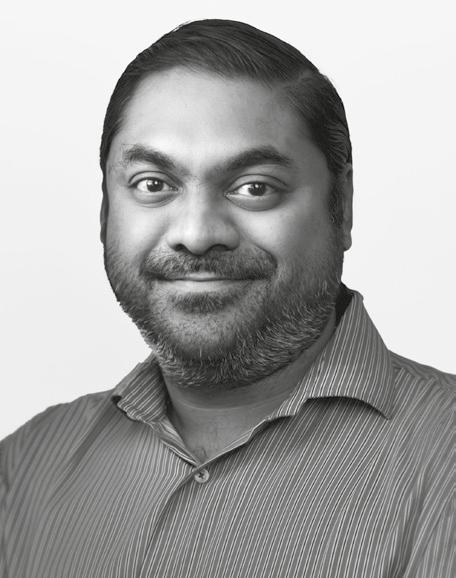
Clayton Aldo Vallabhan Deputy Editor, ME Consultant
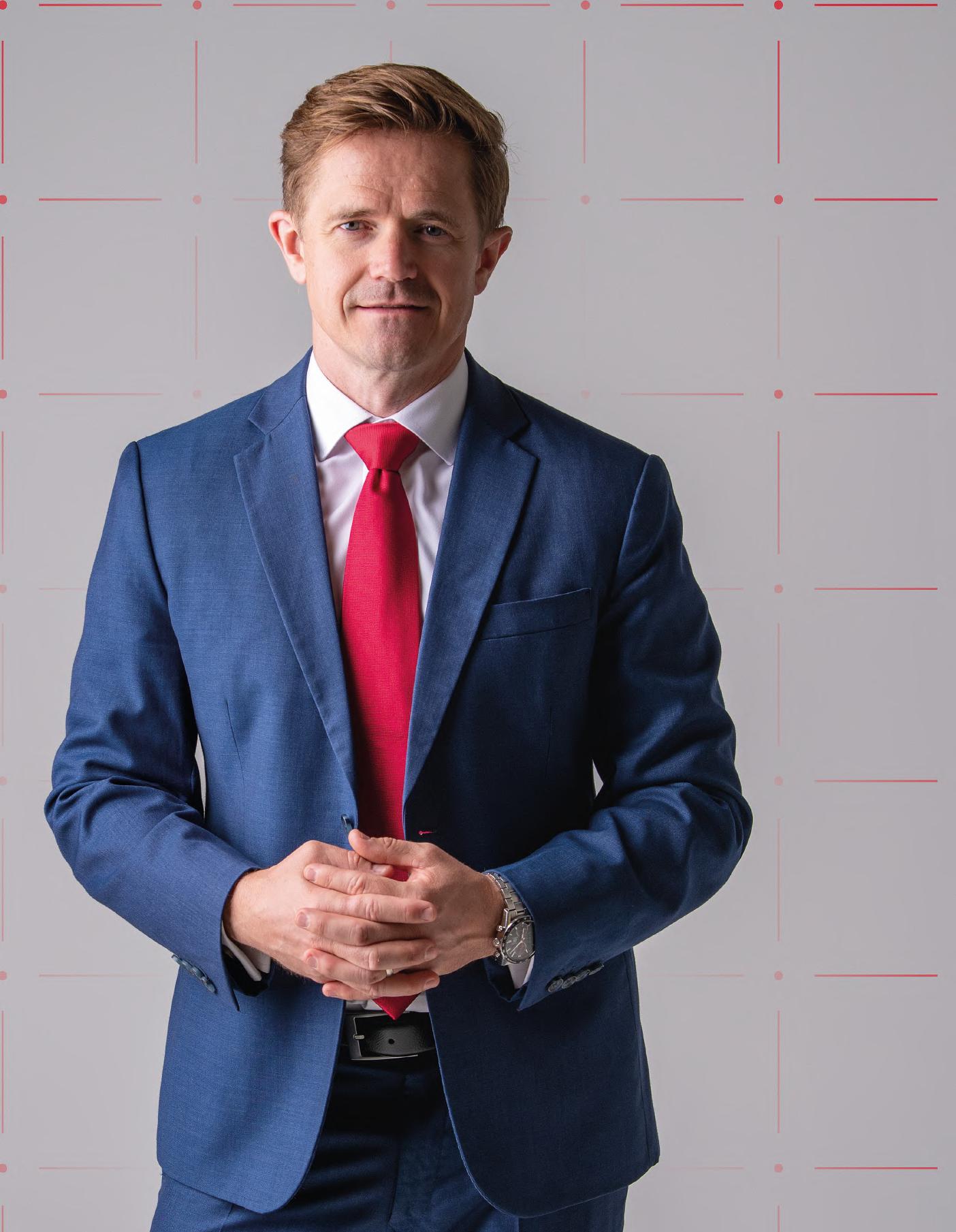
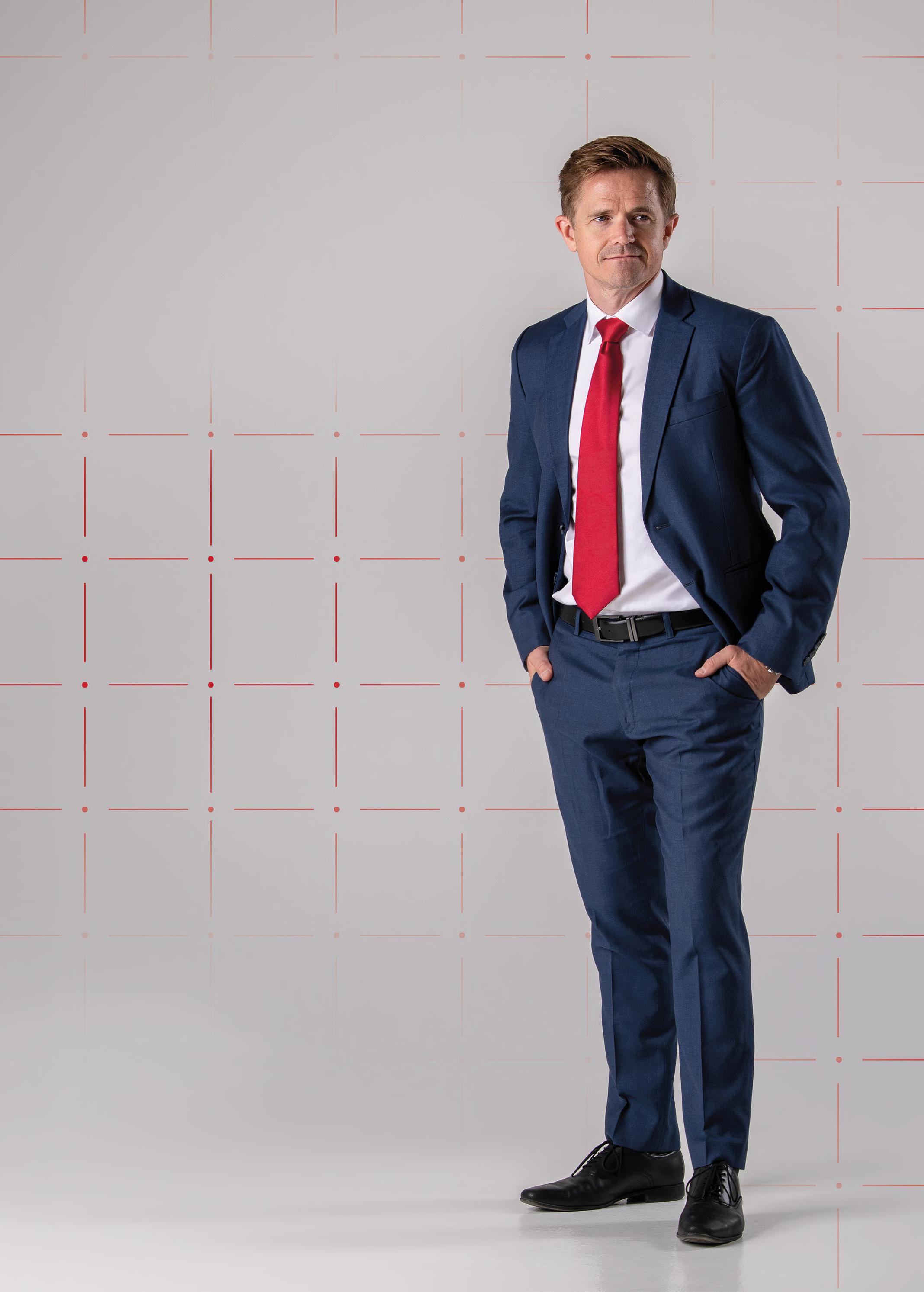
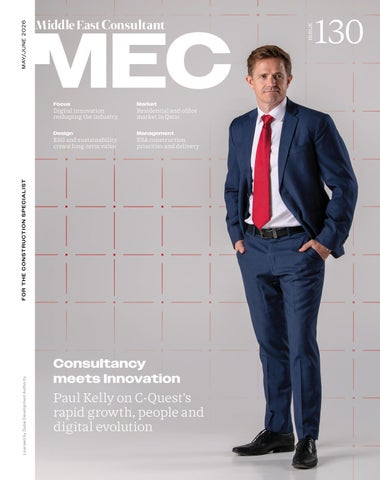
Paul Kelly on adapting to changing market conditions, digital transformation, and increasing client expectations

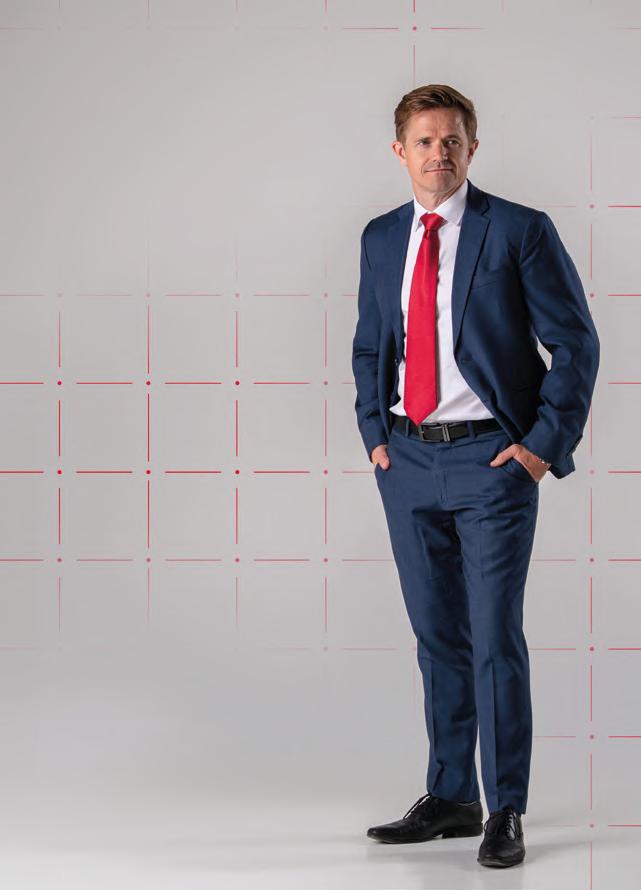
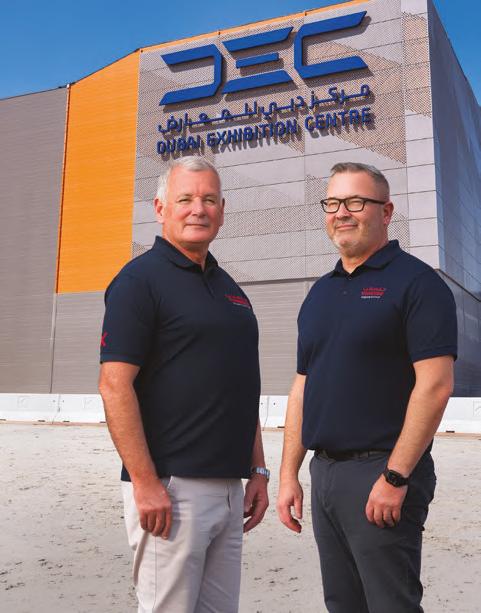
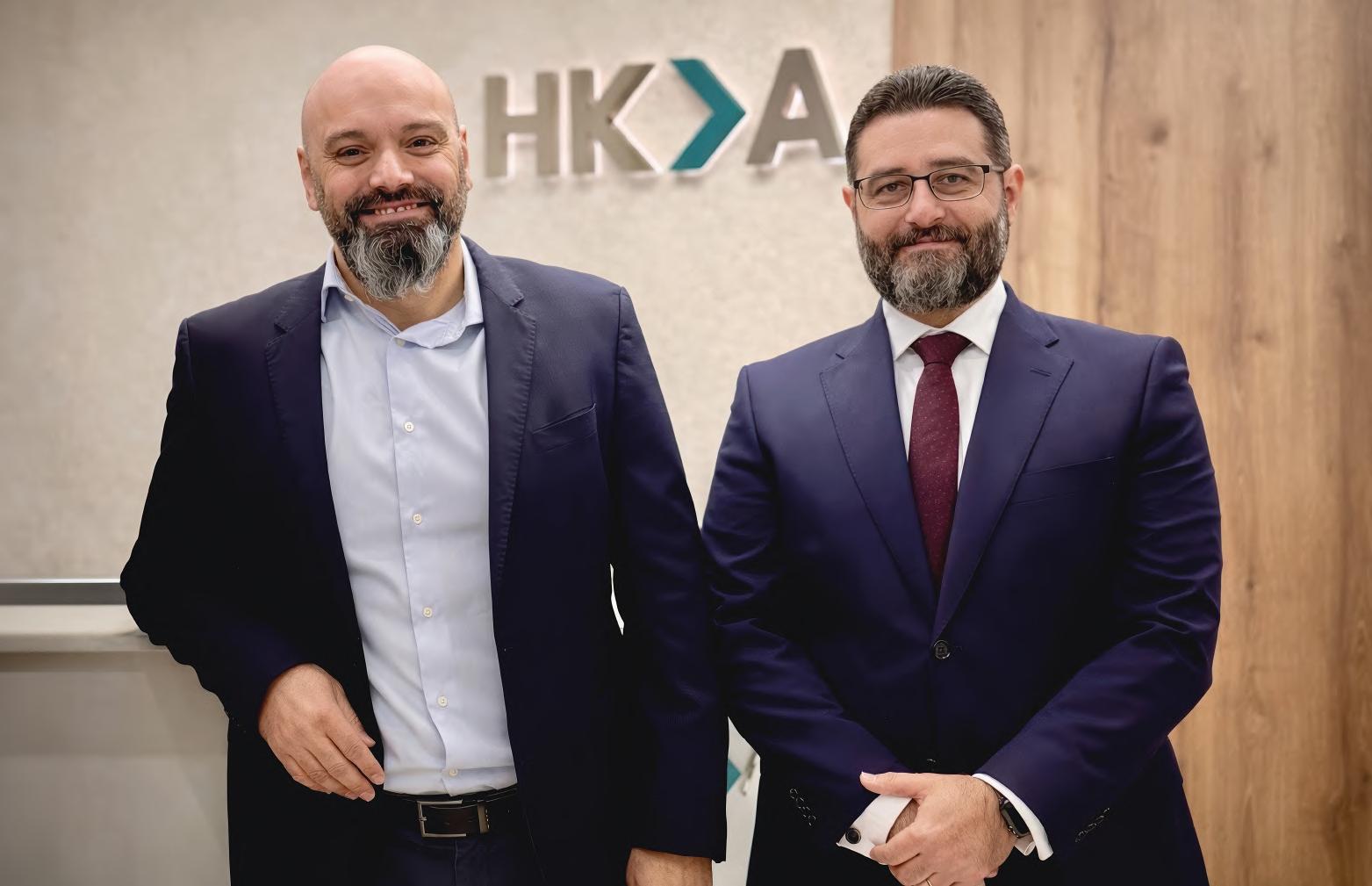
36 Nader Emile and Hilal Itani, Partners at HKA in Saudi Arabia talk about the evolving construction landscape in the Kingdom, from design maturity and cash‑flow pressures to collaboration across the supply chain and the evolving priorities of Vision 2030 ⁄
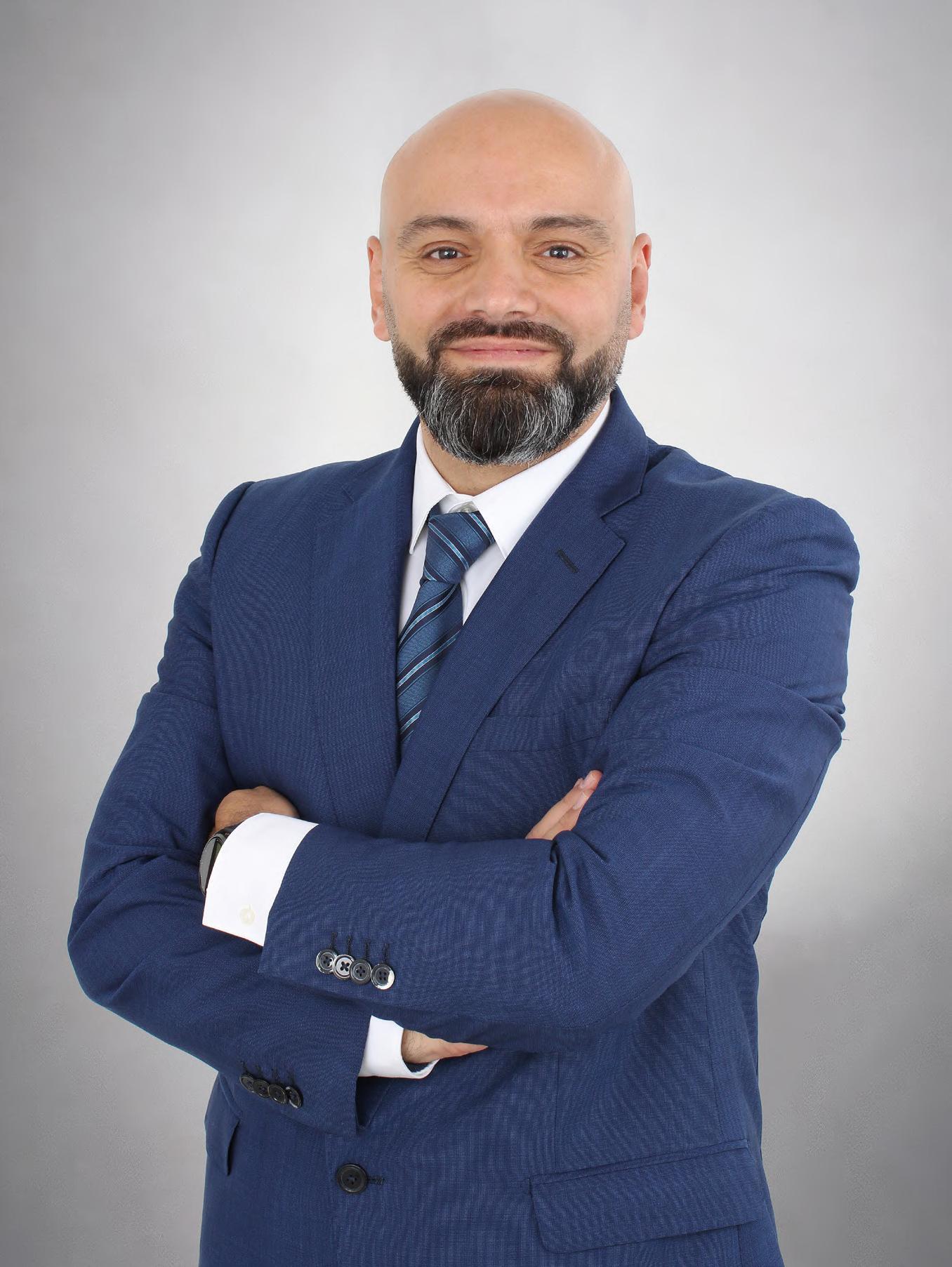
46 Walid Gomaa, CEO of Omnix International speaks with Clayton Vallabhan of MEC on how adoption of modern technology is changing the landscape of the AEC sector and beyond

10 Parsons appointed by The Boring Company to support Dubai Loop project ⁄ 12 Gensler appoints Dima Rachid to Landscape Urbanism Design Lead ⁄ 13 HKA strengthens EMEA capacity with key partner relocations ⁄
14 AESG inaugurates 25,000sqft headquarters in Dubai ⁄
16 Khatib & Alami appoints new VP of PMC and FM

58 Beyond buildings: Why ESG strategy and sustainability advisory are becoming the new competitive advantage for masterplans and cities ⁄
64 Designing for uncertainty: What regional tensions mean for project pipelines, costs, and confidence in the GCC ⁄ 68 Why design & build works better than traditional contracting ⁄ 74 A 'Day in the life' with Olivia Taylor, Senior Consultant, HKA
GROUP
MANAGING DIRECTOR Raz Islam
DIRECTOR OF FINANCE & BUSINESS OPERATIONS Shiyas Kareem
EDITORIAL
EDITORIAL DIRECTOR Jason Saundalkar
DEPUTY EDITOR Clayton Aldo Vallabhan
ASSOCIATE EDITOR Priyanka Raina
ADVERTISING
GLOBAL ACCOUNT MANAGER Jas Kaur
STUDIO
ART DIRECTOR Simon Cobon
GRAPHIC DESIGNER Percival Manalaysay
PHOTOGRAPHER Maksym Poriechkin
CIRCULATION & PRODUCTION
DIRECTOR OF MARKETING & MEDIA OPERATIONS
Phinson Mathew George
PRODUCTION & IT SPECIALIST Jarris Pedroso
MARKETING
SOCIAL MEDIA EXECUTIVE Franzil Dias
WEB DEVELOPMENT
SENIOR DIGITAL MANAGER Abdul Baeis
FOUNDER Dominic De Sousa (1959-2015)
raz.islam@cpitrademedia.com
shiyas.kareem@cpitrademedia.com
jason.saundalkar@cpitrademedia.com
clayton.aldo@cpitrademedia.com
priyanka.raina@cpitrademedia.com
jas.kaur@cpitrademedia.com
simon.cobon@cpitrademedia.com percival.manalaysay@cpitrademedia.com
maksym.poriechkin@cpitrademedia.com
phinson.george@cpitrademedia.com jarris.pedroso@cpitrademedia.com
franzil.dias@cpitrademedia.com
abdul.baeis@cpitrademedia.com
When you have finished with this magazine, please recycle it
The publisher of this magazine has made every effort to ensure the content is accurate on the date of publication. The opinions and views expressed in the articles do not necessarily reflect the publisher and editor. The published material, adverts, editorials and all other content are published in good faith. No part of this publication or any part of the contents thereof may be reproduced, stored or transmitted in any form without the permission of the publisher in writing.
13700,
cpitrademedia.com © Copyright 2026. All rights reserved.
MEConstructionNews.com
@meconstructionn
MEConstructionNews
me-construction-news






SUSTAINABILITY
AECOM calls for ‘responsible progress’ ahead of World Environment Day 2026
CONSTRUCTION
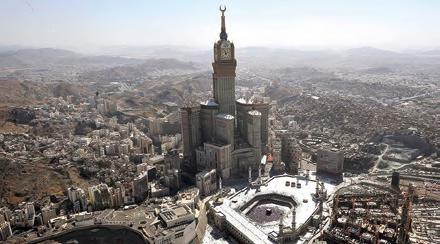
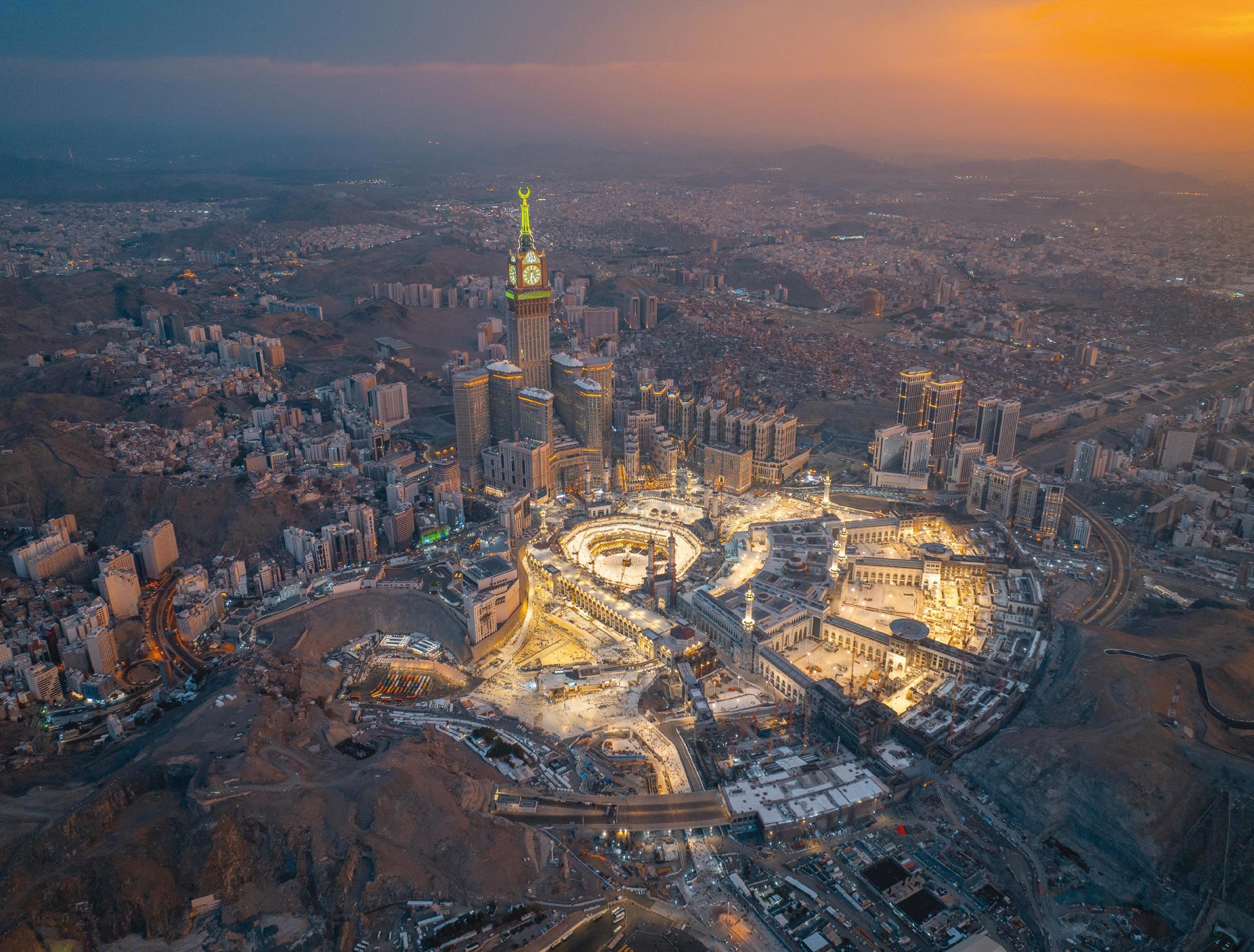
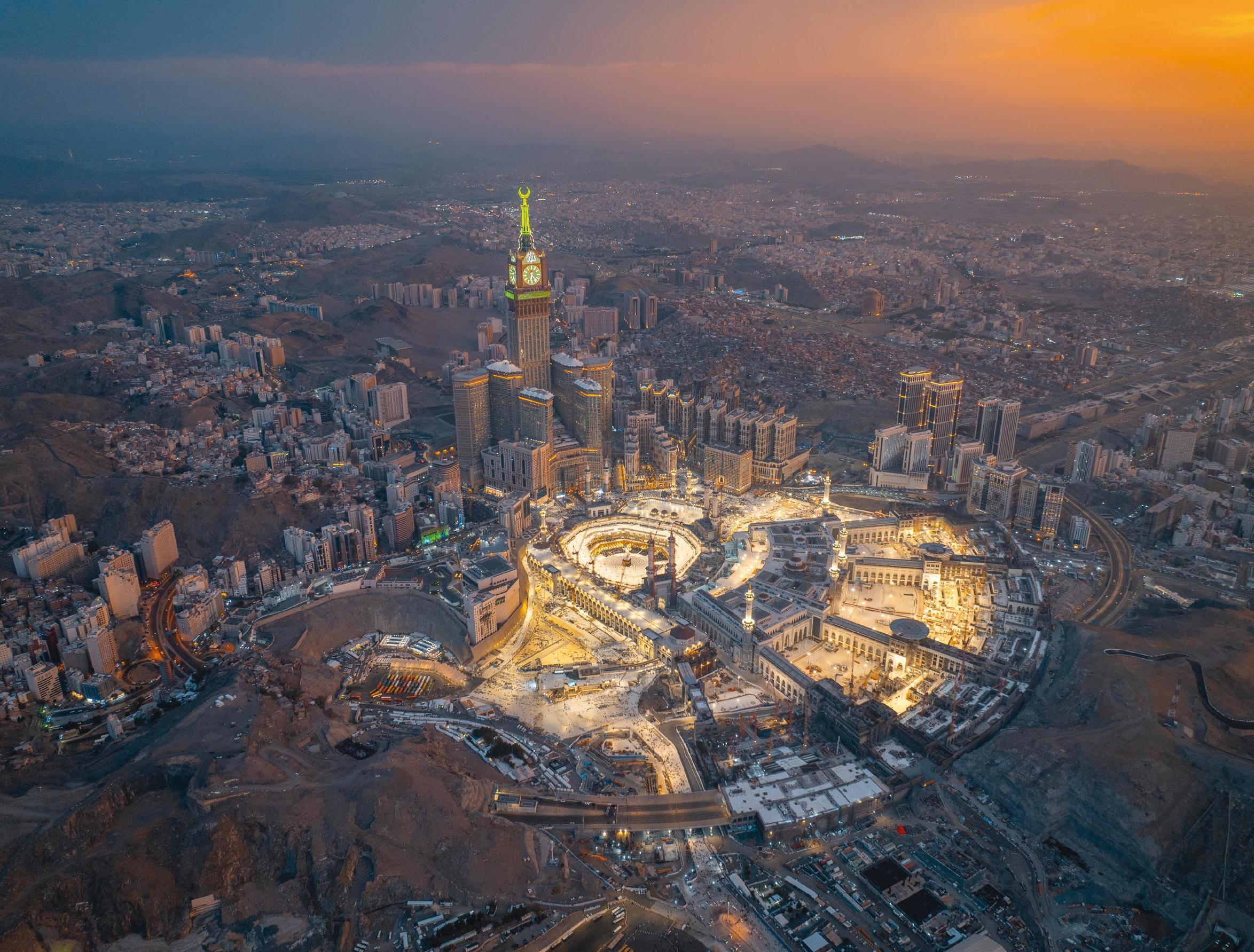
6 development sites worth $3.54bn investment awarded in Makkah
SUSTAINABILITY
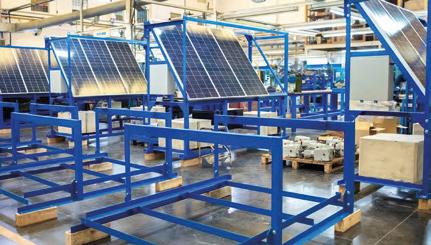
Masdar signs agreement with Sungrow for renewable project in Abu Dhabi
OPERATIONS
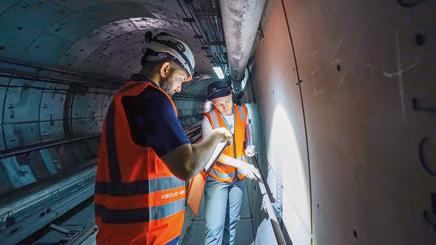
RTA concludes maintenance and rehabilitation works on Dubai Metro tunnels
INFRASTRUCTURE
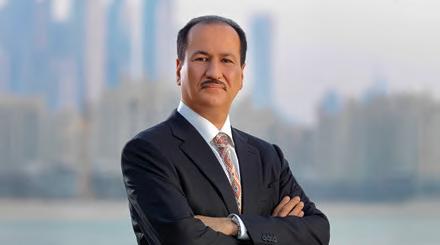
DAMAC Digital reaches 6,000MW planned IT capacity across territories
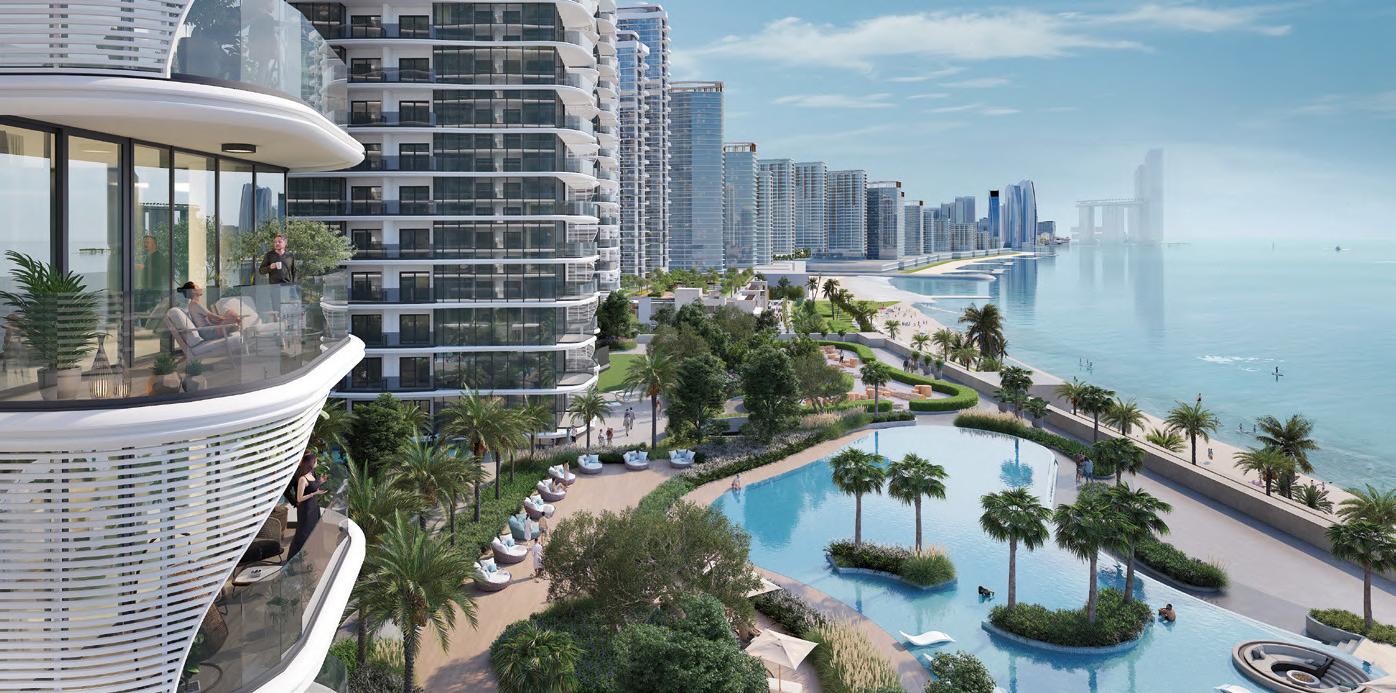

Why integrated living is reshaping Saudi Arabia’s residential future

REPORT
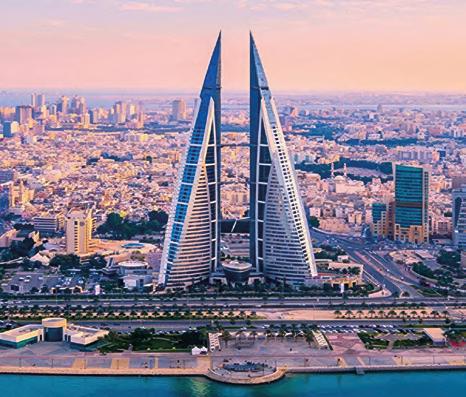
Bahrain real estate records robust growth in 2025
The Survey and Land Registration Bureau recorded a total of 29,777 real estate deals for the year, up 19.8% from 2024

24 June 2026
Dubai, United Arab Emirates
INFRASTRUCTURE
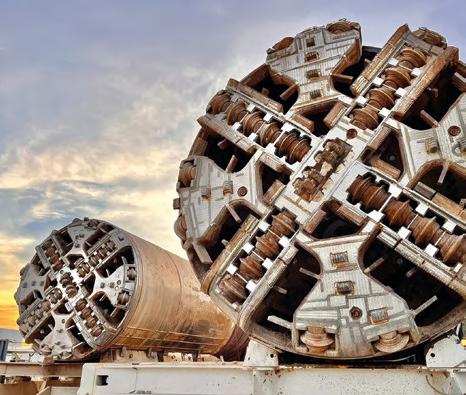
Parsons appointed by The Boring Company to support Dubai Loop project
Parsons will act as TBC’s delegated program manager, supporting designbuild activities for the project
INDUSTRY
ALEC’s 2025 ESG report showcases notable improvements in ESG performance
The firm’s 2025 achievements include 69% of operational waste diverted from landfill and 6,421MWp of cumulative installed solar capacity across assets and projects
CONSTRUCTION
Shuwaikh’s US $243mn water distribution complex project approved
The contract for the project will cover the construction, completion, maintenance and full development of the complex, along with the associated works
INFRASTRUCTURE
Work starts on Riyadh’s Imam Muslim road development project
The project marks a new phase of works extending north toward Dirab Road, as part of ongoing efforts to upgrade the city’s road network

Construction Machinery ME Awards
25 June 2026
Dubai, United Arab Emirates

SEPTEMBER
23 September 2026
Dubai, United Arab Emirates

SEPTEMBER
Digital Construction Summit
30 September 2026
Dubai, United Arab Emirates
10 Parsons appointed by The Boring Company to support Dubai Loop project ⁄ 12 Gensler appoints Dima Rachid to Landscape Urbanism Design Lead ⁄ 1 3 HKA strengthens EMEA capacity with key partner relocations ⁄ 14 AESG inaugurates 25,000sqft headquarters in Dubai ⁄ 16 Khatib & Alami appoints new VP of PMC and FM
A deep dive into the biggest construction headlines that caught our eye this month

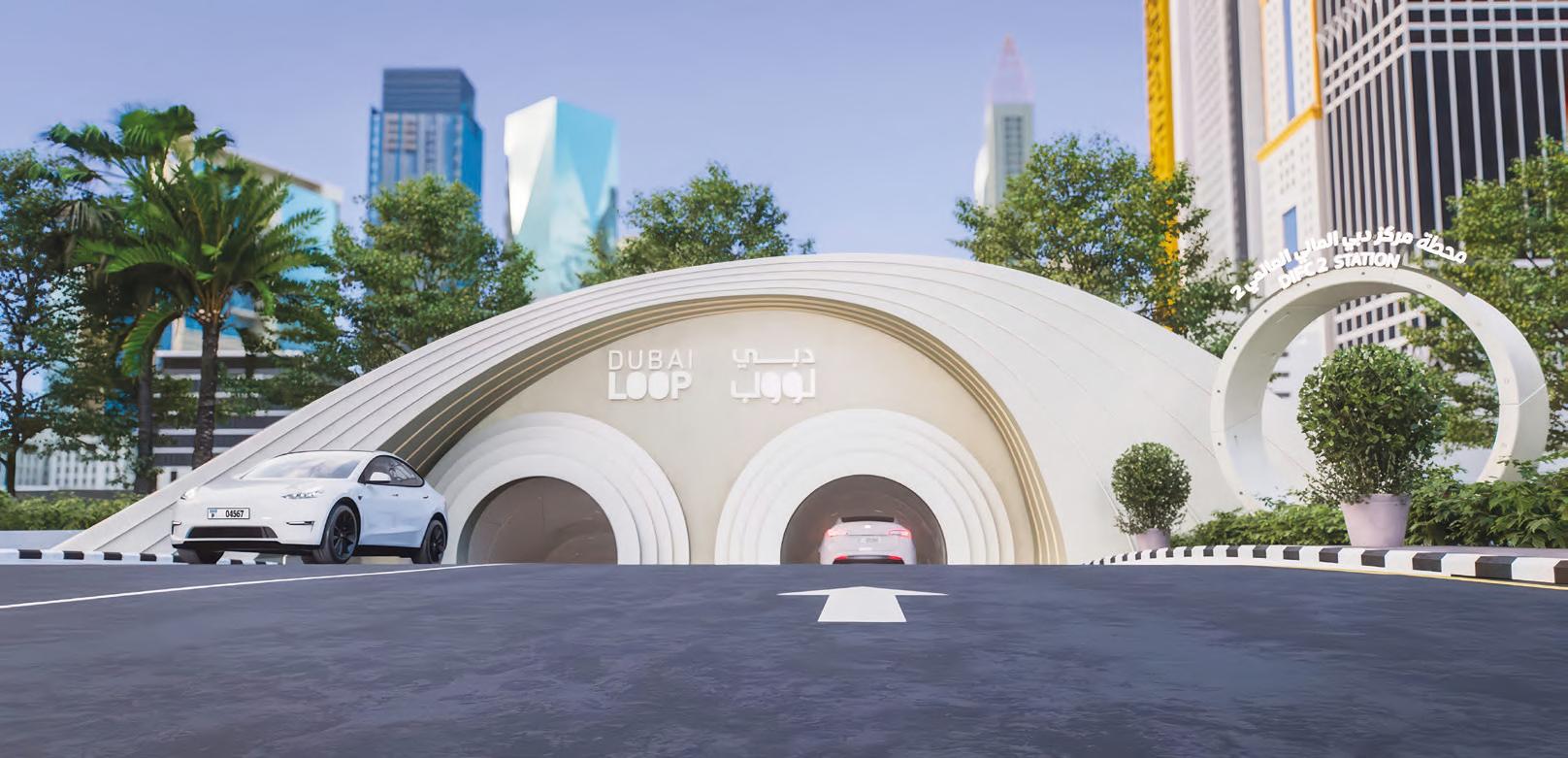
The Boring Company (TBC) has awarded Parsons Corporation a contract to provide professional services in support of the Dubai Loop project. The project is an underground transportation initiative being developed in Dubai, UAE.
According to Parsons, the 9-month contract represents new work and as per the terms of the agreement, the company will act as TBC’s delegated program manager, supporting designbuild activities for the project. As part of this agreement, Parsons will provide integrated services, directly supporting TBC with Independent Design Verification, Stakeholder Management, Permitting and NOC Support for the Dubai Loop pilot phase. Parsons will also conduct multidisciplinary reviews of civil, structural, mechanical, electrical, safety, and utility designs.
“Parsons has proudly played a central role in developing some of the most important and prestigious critical infrastructure programs across the UAE since our first programs there in the
1980s,” said Pierre Santoni, President, Infrastructure EMEA at Parsons.
He added, “From roads, bridges, and tunnels, to airports, railways, and urban developments, our team has delivered superior quality, integrity and innovation on every single project from day one. Our agreement with TBC reflects the directives of the UAE’s leadership to strengthen strategic partnerships with leading global innovators and accelerate the deployment of advanced technologies to support the Dubai 2040 Urban Master Plan. Parsons will ensure all designs are technically robust, fully compliant with local regulations, and efficiently progressed to support safe, reliable, and integrated mobility across the emirate.”
In partnership with Dubai’s Roads and Transit Authority (RTA), TBC has been tasked with delivering the Dubai Loop, a multi-phased passenger transport tunnel project comprised of multiple tunnels and stations aimed at expanding Dubai’s transport ecosystem and offering an additional mode of transport to
residents in, and visitors to, the city, said the statement.
Parsons confirmed it already works extensively with the RTA, having supported the organisation with key transportation infrastructure projects in the emirate since its inception in 2005. These include projects such as the Dubai Metro Red and Green Line, the Dubai Metro Route 2020 expansion, the Dubai Intelligent Traffic Systems Center, the Infinity Bridge, and more than 100 highway, bridge and tunnel projects across the emirate.
Jim Fitzgerald, Global Vice President of Business Development at The Boring Company commented, ”We are excited to collaborate with Parsons on the Dubai Loop project as we bring next-generation underground transportation solutions to Dubai.”
He continued, “By partnering with Parsons, we combine innovative tunneling technology with strong regional expertise and a proven track record in major infrastructure delivery.”
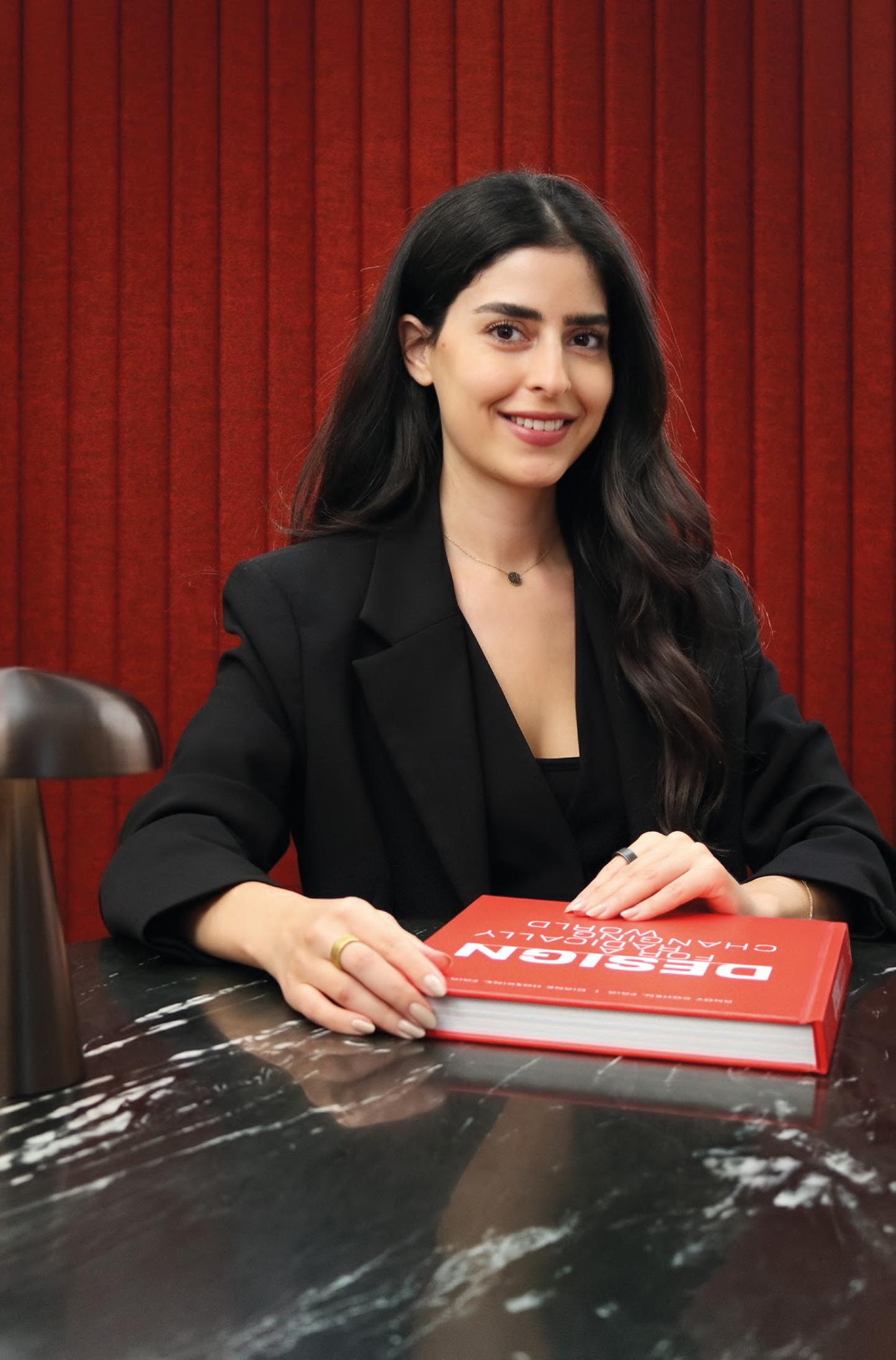
Gensler has appointed Dima Rachid as Landscape Urbanism Design Lead within its growing Cities Studio in the Middle East, reinforcing the firm’s long-term commitment to shaping people-centered urban experiences across the public and private sectors.
Based in Dubai, Rachid will play a central role in advancing the studio’s work across climate-responsive, resilient urban environments.
In her new role, Rachid will work closely with multidisciplinary teams to deliver innovative, integrative, context-driven solutions that prioritise sustainability, liveability, and longterm resilience under the direction of Steven Velegrinis, Design Director, Gensler Middle East and Head of Cities Practice APME.
The appointment comes amid continued growth for Gensler’s Middle East Cities studio, which is delivering projects across the Middle East, Asia, Africa, and international markets, with projects including: Rawasi Muscat, a vibrant hospitality driven destination that is the first Mountain Wellness Integrated Tourism Complex in Oman; a tourism masterplan in Vang Vieng, Laos; master planning packages on Egypt’s Mediterranean coast; and infrastructure and resilience-focused work across Africa, including projects in Kenya and the Lagos Coastal masterplan in Nigeria.
Rachid’s portfolio includes major public realm and regeneration projects such as the Ministry of Culture JAX in Diriyah, the Horsh Beirut Regeneration Plan, the JAX Public Realm Regeneration Plan, and a sustainable greywater treatment pilot within one of Saudi Arabia’s giga projects.
As part of its focus on strengthening its presence across key markets, whilst maintaining an integrated international platform, HKA has announced changes within its EMEA Construction Claims and Expert Services (CCE) Partner team.
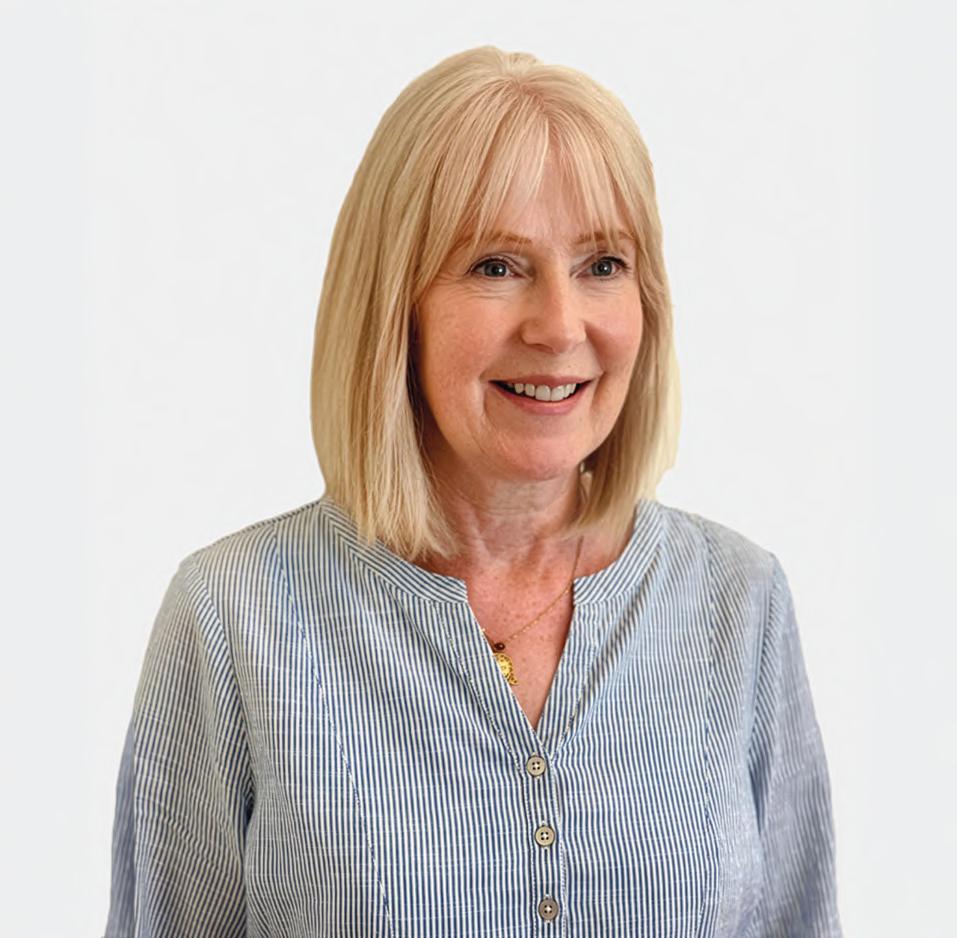
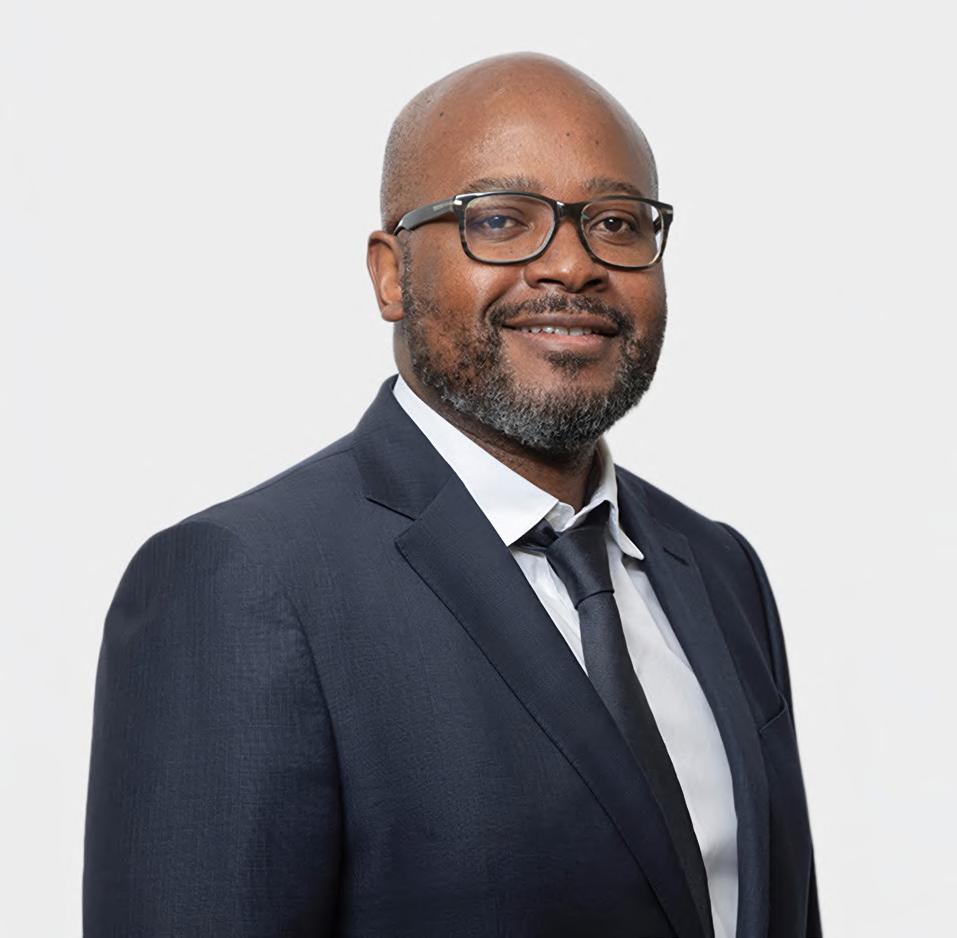
According to a statement from the firm, Nicola Caley, Partner at HKA, will be relocating to London, and will continue to play a role on major claims assignments across EMEA. The firm said her return further strengthens HKA’s regional presence and ensures continuity across key commissions. HKA notes that Caley is already well known to colleagues and
clients from her previous time in the UK.
The firm also confirmed that Tom Kapapa, Partner at HKA will relocate from Doha to Abu Dhabi, where he will play a major role in expanding HKA’s expert offering in the UAE. HKA explained that he will continue to support existing projects and client relationships in Qatar, while his presence in Abu Dhabi enhances the firm’s ability to respond to growing demand in one of the region’s most important construction markets, working closely with colleagues across the Middle East.
HKA confirmed that the updates are part of its broader strategy to align
leadership with priority geographies and client demand across Europe, the Middle East and Africa.
“These developments collectively place HKA in a strong position to sustain its momentum throughout the year, strengthen client relationships, and help deliver complex, high-value projects across the region. I look forward to supporting Nicola and Tom in their new geographical roles and to their ongoing contributions to the firm’s success,” explained Haroon Niazi, Partner, Construction, Claims and Services Lead, EMEA, International at HKA.
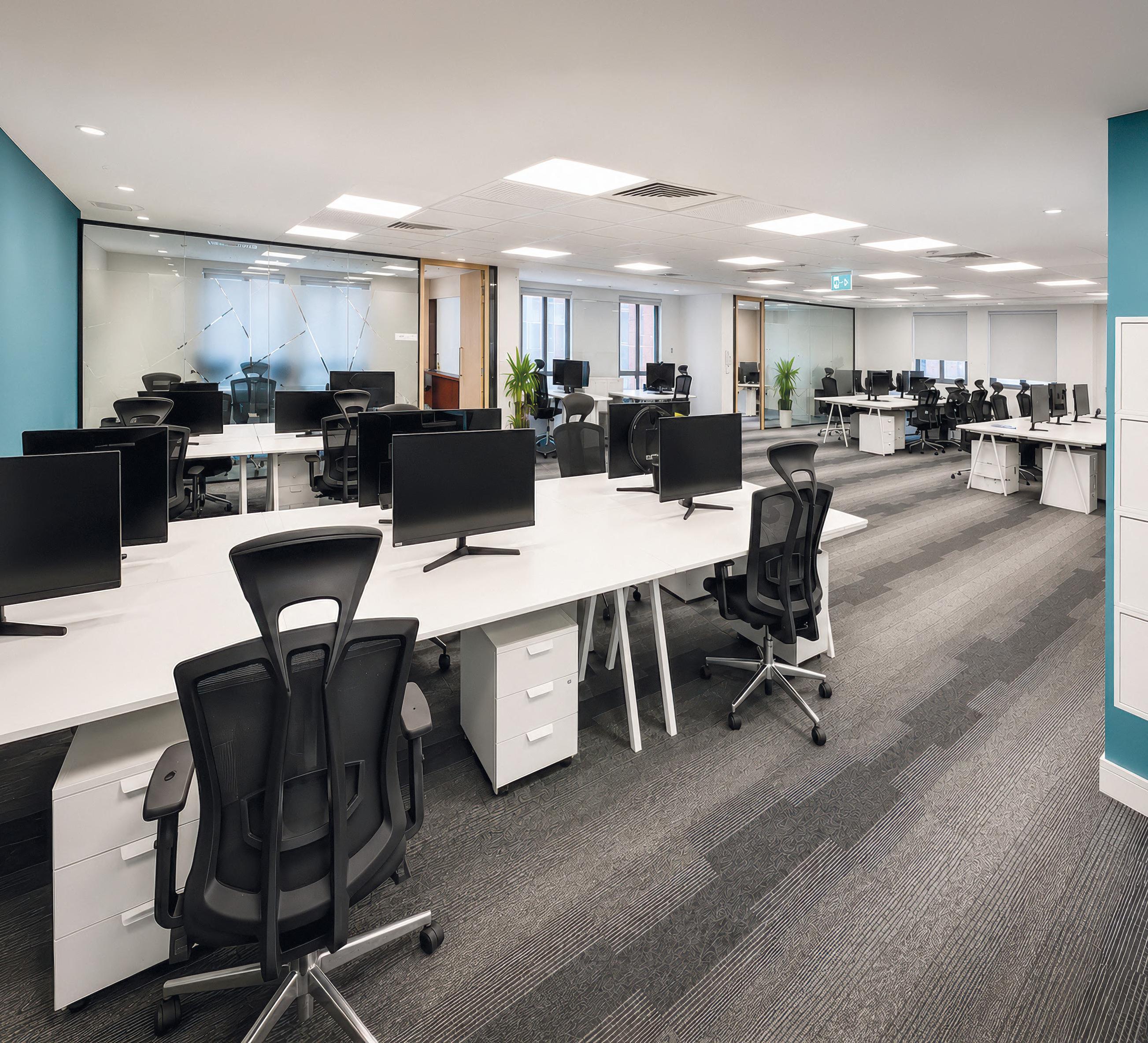
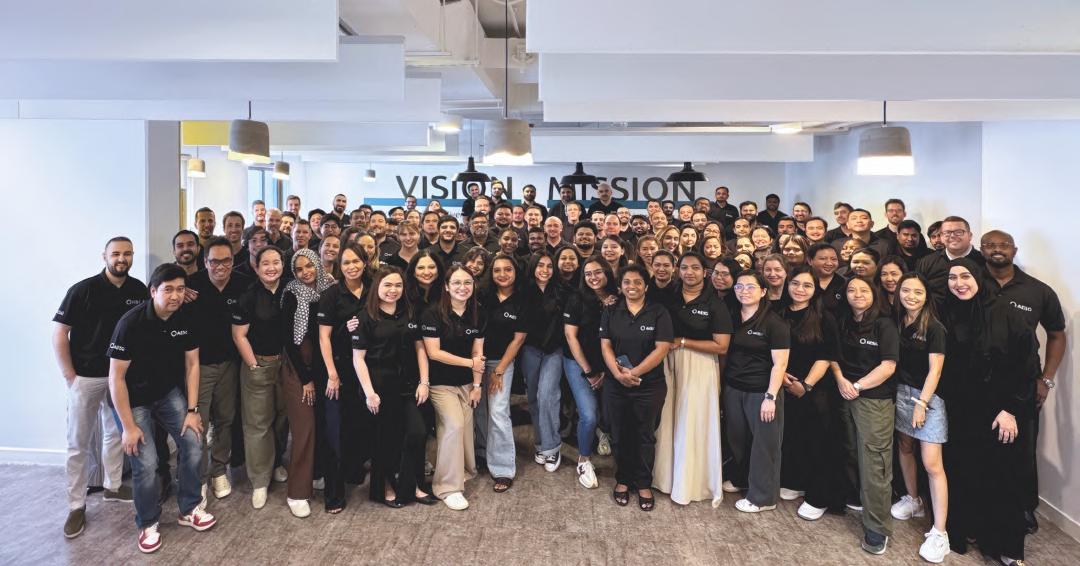
AESG has inaugurated its new 25,000sqft headquarters in Dubai. The new headquarters consolidates AESG’s Dubaibased teams into a purpose-designed multidisciplinary high-performance environment, the consultancy said.
According to a statement from the firm, the move marks a significant milestone in its evolution and its commitment to the emirate as a centre for business, innovation, and technical excellence. The company now has a global footprint with offices in London, Singapore, Sydney, Melbourne, Cape Town, Cairo and across several Middle East markets.
The new headquarters was launched following a period of sustained growth: the firm’s project pipeline has increased by over 60% in 2-years, with headcount doubling to over 500 consultants since the start of 2023, the company explained.
That expansion reflects rising client demand for integrated delivery across some of the region’s most technically demanding sectors, including data centres, giga-projects, hospitality, mixed-use developments, and large-scale infrastructure, it added.
Over the same period, AESG has significantly broadened both the scale and complexity of projects it is engaged on, as well as the technical disciplines it
brings to bear on them. Increasingly, the firm is being appointed not to deliver a single service line, but to provide end-toend technical integration across the full lifecycle of major developments, from early-stage feasibility through to detailed engineering and cost management.
“The built environment across the region is undergoing a fundamental shift in how complexity is managed and delivered. Clients are no longer procuring skillsets in isolation — they are seeking fully integrated teams that
can bring engineering, sustainability and cost optimisation together from the very outset of a project. Our growth over recent years is a direct reflection of that demand, and this headquarters is our response to it. It also reflects our continued confidence in Dubai as a global hub for business and innovation. The emirate’s infrastructure, talent pool, and long-term ambition make it the right place to build from — and we remain firmly committed to it,” explained Saeed Al Abbar, CEO of AESG.
Khatib & Alami (K&A) is investing in its project management consultancy (PMC) and facilities management (FM) capabilities following the appointment of Dany Ghandour as Vice President.
Ghandour brings more than 25-years of experience to the role, including 2-decades previously spent at K&A. He has held senior leadership positions on complex, multi-billion-dollar programs – predominantly in Saudi Arabia – and has led the delivery of major project management and FM services contracts for a wide range of public and private sector clients in the region.
He rejoins K&A following 4-years at KEO, where he drove strategic growth as General Manager – KSA and MD of the company’s FM practice.
Dr Najib Khatib, Chairman and CEO of K&A said, “Our clients are increasingly focused not just on delivering assets, but on how those assets perform over the long term. Aligning our PMC and FM capabilities allows us to move seamlessly from delivery into operations, preserving
design intent, managing risk and protecting value well beyond handover. Dany’s return strengthens our leadership in this area and supports our continued investment in both disciplines.”
Ghandour added, “K&A has shaped much of my career, so coming back after 4-years away feels both personal and natural. The industry has evolved, and
clients now expect partners who can think beyond handover and focus on how assets perform over time. Bringing PMC and FM under one leadership enables exactly that – a more joined-up way of delivering and sustaining value. I’m pleased to return at a moment when the business is making such a clear and strategic investment in its future.”
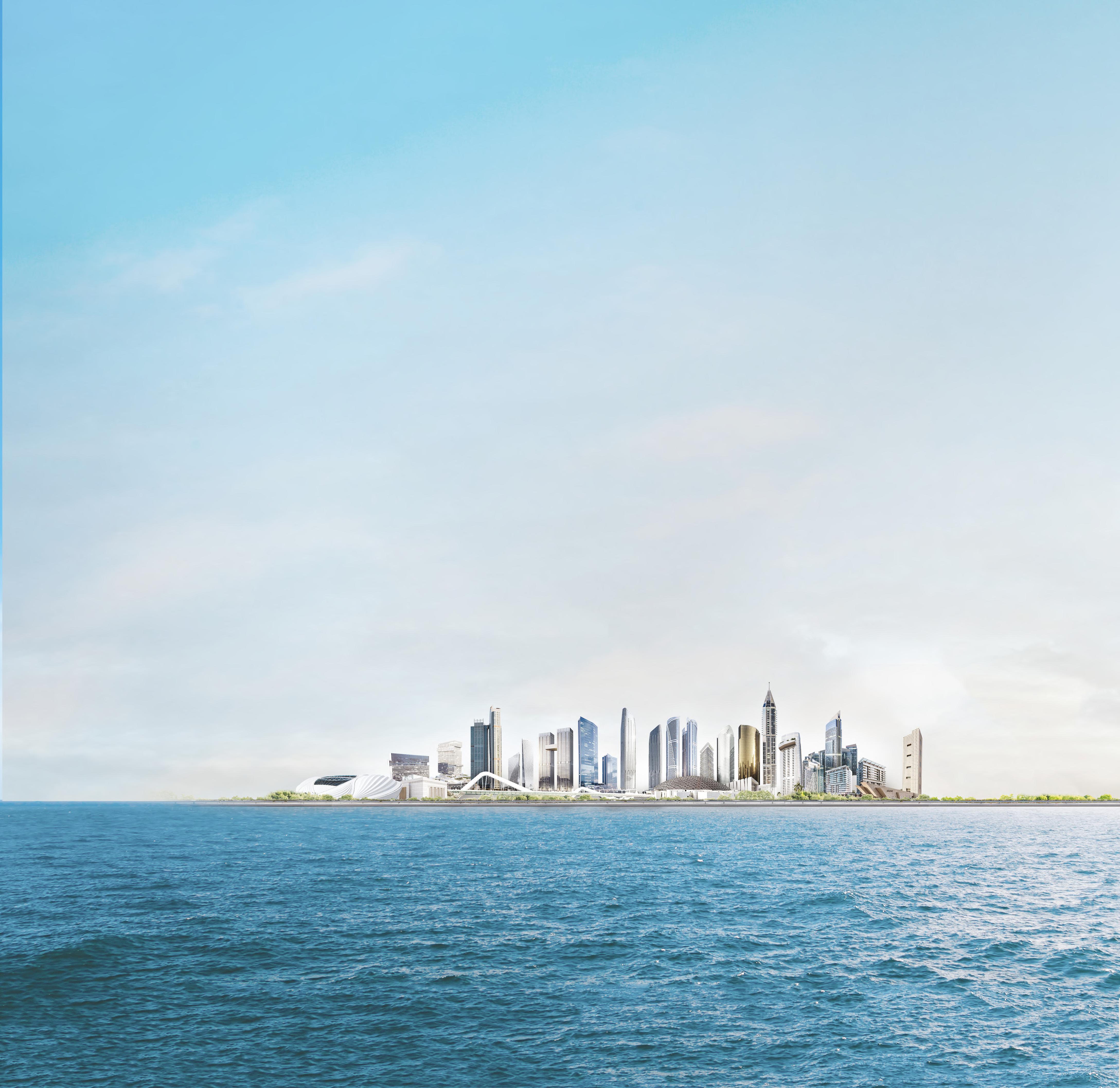
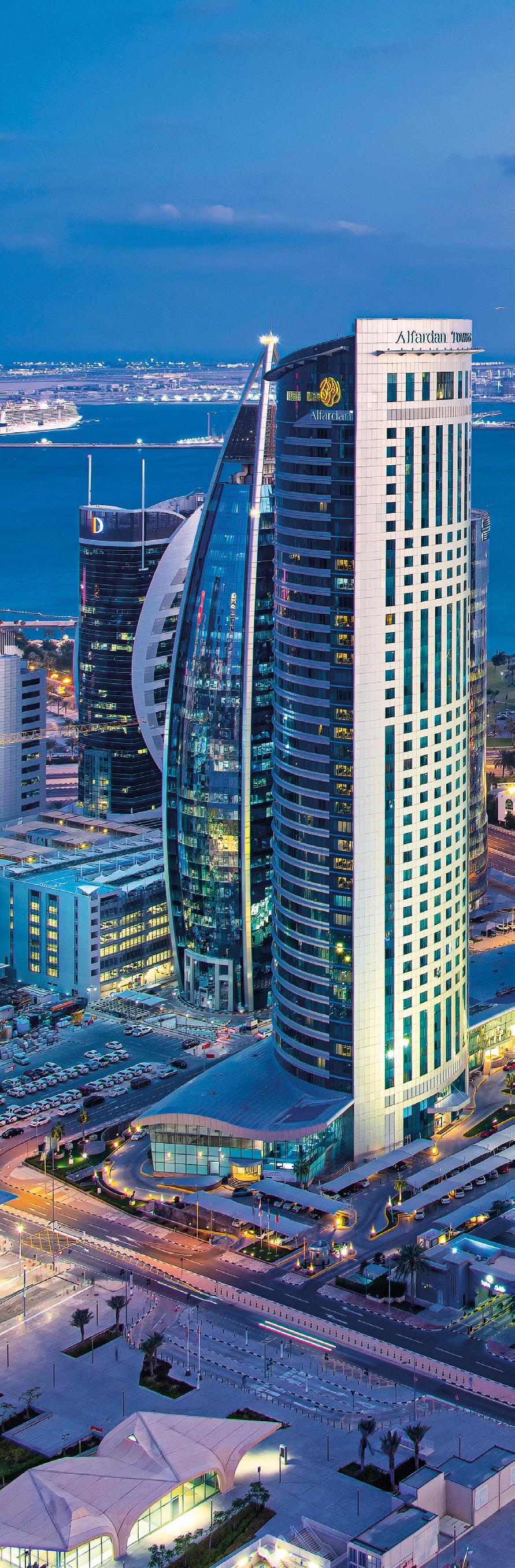
Experts at ValuStrat said Qatar’s real estate market remained largely stable through Q1 2026, demonstrating resilience despite regional uncertainty towards the quarter-end. While geopolitical tensions and seasonal factors, including Ramadan and Eid, weighed on activity levels, overall market performance remained steady.
The residential sector remained stable, with the ValuStrat Price Index unchanged quarterly but increasing annually, supported primarily by gains in the villa segment. Ticket sizes showed quarterly strength, rising by 3.2%, while transactions recorded a 21.1% quarterly decline, reflecting softer activity. A drop in transactions between February and March was also observed; however, a similar trend last year suggests the slowdown was largely seasonal rather than driven by geopolitical tensions. Residential rents stabilised quarterly across both apartments and villas, while rising renewals alongside fewer new contracts indicated reduced tenant mobility.
The office sector remained stable, with limited rental volatility. Retail performed strongly during the first two months of the quarter but softened towards quarter-end, particularly across open-air destinations, influenced by regional uncertainty and seasonal patterns. Rents remained largely unchanged quarterly, with a marginal annual decline. In hospitality, expectations of a significant downturn were not fully realised. Tourism volumes declined by 8.3% YoY, while average daily rates increased by 2.3% annually, indicating pricing resilience.
Month-on-month ADR movement between February and March was broadly consistent with last year, suggesting limited incremental impact from the conflict. Industrial and logistics segments presented mixed performance, with warehouse rents increasing quarterly and cold storage rates declining yearly. Maritime activity was impacted, with vessel calls recording a decline amid broader regional disruptions.
Overall, the market remained resilient, with pricing levels holding firm despite softer activity and leasing conditions. Landlords generally adopted a cautious approach, favouring incentives such as extended grace periods over direct rental reductions. While near-term sentiment remains measured, current indicators suggest a cyclical and seasonal impact rather

than a structural shift, with Q2 performance expected to provide greater clarity on the persistence of these trends.
The ValuStrat Price Index (VPI) for Qatar’s residential sector demonstrated resilience, recording a 1.6% YoY increase in Q1 2026 while stabilising quarterly, reaching 98.0 points against a base of 100 in Q1 2021.
Apartment capital values remained unchanged both quarterly and annually following the last uplift in Q2 2025, averaging US $2,877 per sqm. Sales rates averaged US $2,915 per sqm in The Pearl, US $2,623 per sqm in West Bay Lagoon and US $2,837 per sqm in Lusail.
Values remained stable both quarterly and annually across all 3 locations, with the exception of Lusail, where values increased by 1.5% YoY. Villa capital values were broadly stable QoQ while increasing by 1.9% annually to average US $1,563 per sqm. Quarterly growth was primarily recorded in Al Wakrah where values rose by 3.5%. On a yearly basis, gains ranging from 2% to 6% were observed in Umm Salal Ali and Muaither, respectively. In contrast, The Pearl and West Bay Lagoon recorded no change quarterly but declined by up to 10% YoY. The price-torent ratio for both apartments and villas stabilised QoQ while increasing by 4.1% annually to reach 20.1 years. Residential gross yields remained unchanged quarterly but declined by 5.7% YoY, with apartments at 7.9% and villas at 4.4%.
Total residential stock stood at 405,742 units, comprising 256,916 apartments and 148,826 villas. An estimated 957 apartments and 173 villas were delivered during the quarter. Notable villa completions included 49 high-end houses at Giardino Village in Pearl Qatar. Key apartment completions were led by Fox Hills with 146 units, followed by Mesaieed and Al Sadd with 50 and 30 homes, respectively.
In Q1 2026, residential house transaction volume declined by 21.1% compared to Q4 2025, however activity increased by 22.7% annually. Sales transaction volume declined by 50% in March 2026 compared to February; however, a similar drop was recorded during the Ramadan/Eid period last year, suggesting that seasonal factors may have contributed to the slowdown, alongside broader geopolitical uncertainty. Transaction activity was strongest in Al Wukair and The Pearl. The Pearl and Legtaifiya recorded a 7.7% decline in transaction volume in Q1 2026 compared to Q4 2025 and a 69% drop YoY, while values fell by 12% quarterly and remained unchanged annually, reflecting lower transaction activity alongside price stability in prime locations.
During Q1 2026, the median monthly rent for residential units stabilised compared to the previous quarter and declined by 4.6% YoY, settling at US $2,252. Apartment lease values remained stable on a quarterly basis, while declining by 4.3% YoY to reach US $1,566. In Q1 2026, median monthly lease rates reached US
$1,511 for 1-bedroom apartments, US $1,648 for 2-bedroom units and US $1,923 for 3-bedroom layouts. One bedroom apartment rents increased by 5% YoY, while 2-bedroom units recorded an annual decline of 5%, followed by a 4% reduction for 3-bedroom apartments.
Around 18,700 apartment leases were recorded in Q1, down 13% QoQ, with new contracts declining by 15% and renewals decreasing by 2.2%. The slowdown may reflect seasonal factors and reduced tenant mobility, as leasing decisions were deferred across the market. Al Wukair registered the highest leasing activity with 3,577 contracts, followed by Al Meshaf with 1,567 agreements, reflecting sustained demand across suburban areas. Towards quarter-end, regional tensions softened tenant enquiries, with landlords offering longer grace periods and adopting a wait-and-see approach rather than reducing rents.
“The ValuStrat Price Index (VPI) for Qatar’s residential sector demonstrated resilience, recording a 1.6% YoY increase in Q1 2026.”
The median villa rents in Q1 declined by 3.3% QoQ and by 6.1% annually. Rents in Al Wakrah declined by 1.2% in Q1, while all other major areas remained stable QoQ. Demand continued to be primarily driven by 3 and 4-bedroom villa configurations, reflecting sustained family occupancy trends across established suburban communities. As for 4 and 5-bedroom villas, rents decreased by 4.6% and 3.5% QoQ, respectively. Around 6,900 villa lease contracts were registered in Q1 2026, representing an 8.7% decline compared to the previous quarter, with new leases declining by 12.4% while renewals increased by 7%. Ain Khaled recorded the highest leasing activity with 493 contracts, followed by Al Wukair with 438 and Al Waab with 340.
In the first quarter of 2026, Qatar’s real estate market witnessed 292 mortgage transactions across all asset classes of ready properties, stable QoQ but declining by 11% yearly. The total value of mortgage transactions reached US $4.12bn during Q1 2026, reflecting an increase of 50% YoY.
The US Federal Open Market Committee has maintained the federal funds rate at 3.50% to 3.75% for a second consecutive meeting in March 2026, supporting stability in mortgage rates and housing demand. Doha municipality recorded 132 transactions worth US $2.91bn, representing the highest volume and value in this quarter.
Approximately 23,300sqm GLA was introduced during the quarter, bringing the total supply to 7.5m sq m GLA. Key additions during the quarter included an 8,000sqm mixed-use development in Fereej Al Soudan and an additional 15,000sqm delivered across Birkat Al Awamer, Mesaieed Logistics Park, and Al Wakrah. Grade-A office inventory remained unchanged with Doha municipality accounting for 57.9% of the total supply and Lusail contributing 42.1%. Estimated 85,278 sq m GLA is expected to be delivered in 2026.
Qatar’s office market remained stable at 96.9 points in Q1 2026,
both quarterly and annually. This is in comparison to the baseline of 100 points set in Q1 2024. Grade A weighted average rents in Qatar remained stable both QoQ and YoY at US $31.54 per sqm. Within the Grade A segment, West Bay cluster observed a 3.2% decline in rents, while the Lusail cluster observed a 4.5% increase yearly. At US $18.65 per sqm, Grade B weighted average rents held stable both quarterly and yearly. Grade B office rents in the Salwa and Industrial Area cluster declined by 4.6% both QoQ and YoY, indicating a weakening demand. Towards the end of Q1, office enquiries eased, with Grade A fitted spaces offering longer grace periods, while demand was largely driven by government-related entities.








28 Paul Kelly, MD of C-Quest discusses how the construction consultancy sector is continuing to evolve as businesses adapt to changing market conditions, digital transformation, and increasing client expectations ⁄ 36 HKA’s Nader Emile and Hilal Itani talk about the evolving construction landscape in the Kingdom, from design maturity and cash‑flow pressures to collaboration across the supply chain and the evolving priorities of Vision 2030 ⁄ 46 Walid Gomaa, CEO of Omnix International speaks with MEC on how adoption of modern technology is changing the landscape of the AEC sector and beyond
Going behind-the-scenes with the region’s top construction consultants and industry trailblazers
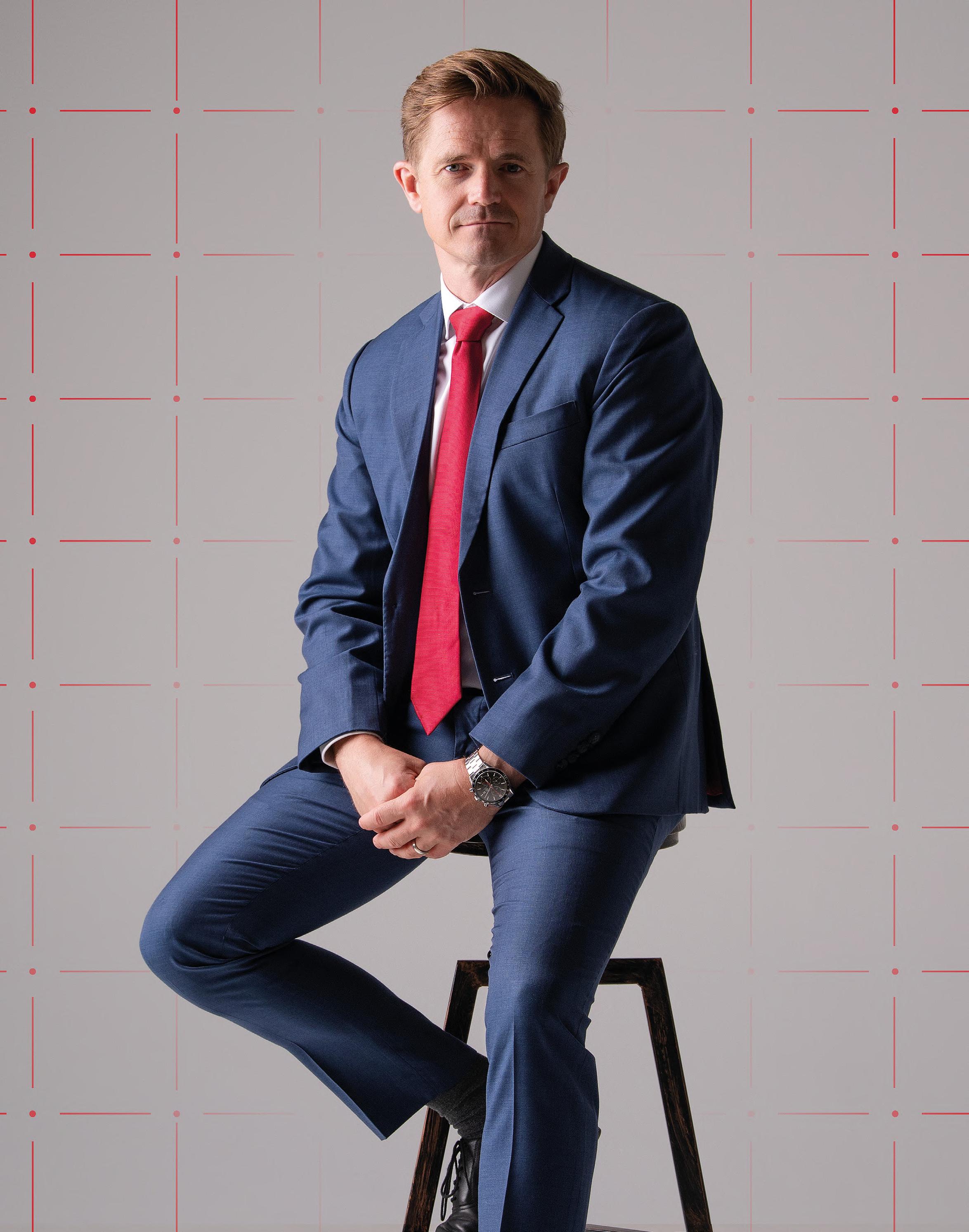
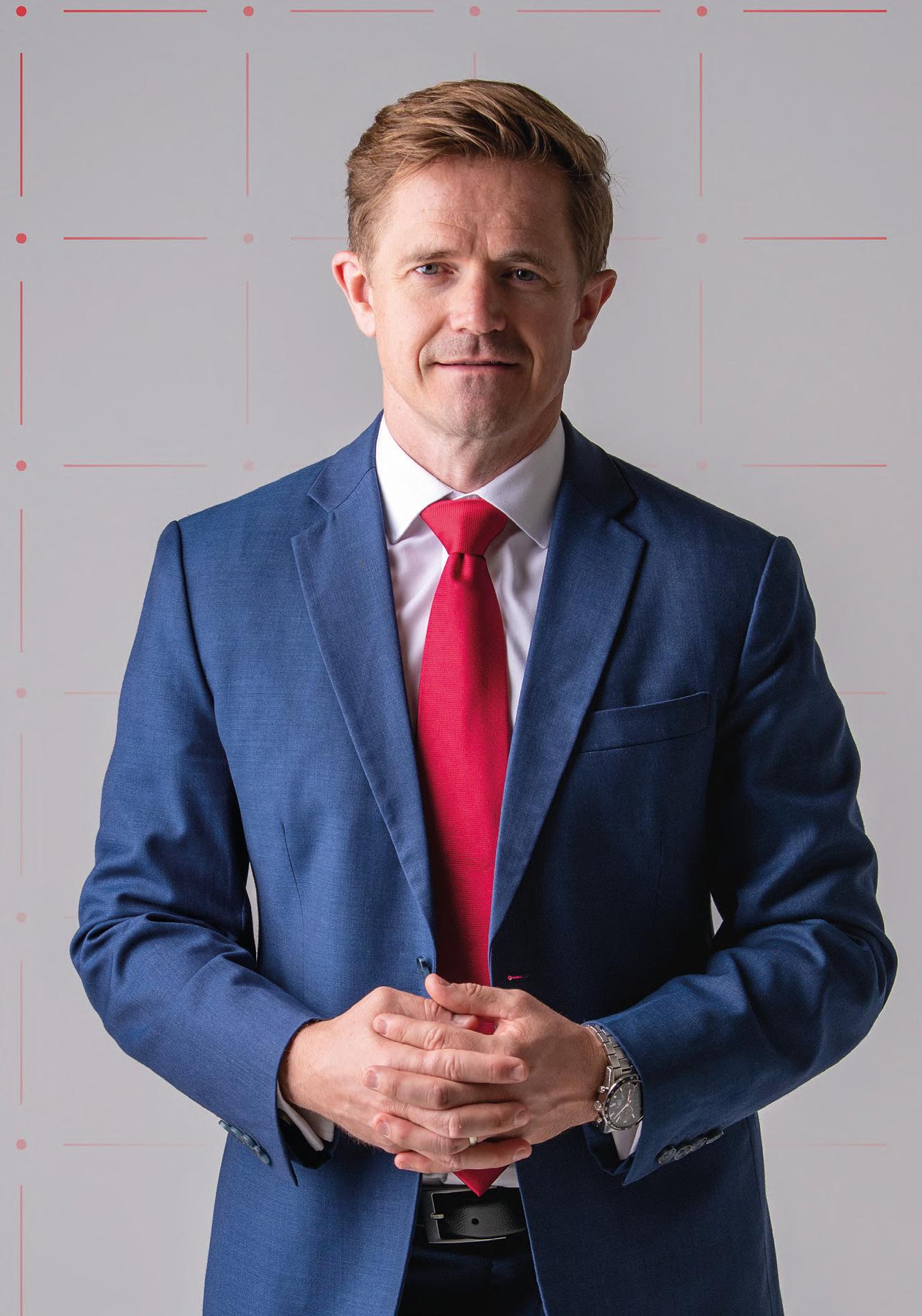
Paul Kelly, MD of C-Quest speaks with Clayton Vallabhan and Jason Saundalkar of MEC about how the construction consultancy sector is continuing to evolve as businesses adapt to changing market conditions, digital transformation, and increasing client expectations

Cost consultancy has traditionally been built around individual expertise — experienced quantity surveyors applying commercial judgement project by project, often relying on fragmented historical data, disconnected systems, and years of personal experience. For decades, that model worked. But across the Middle East, the scale, speed, and complexity of construction programs are now forcing consultancies to rethink how knowledge is delivered, shared, and scaled. That shift is already underway at C-Quest.
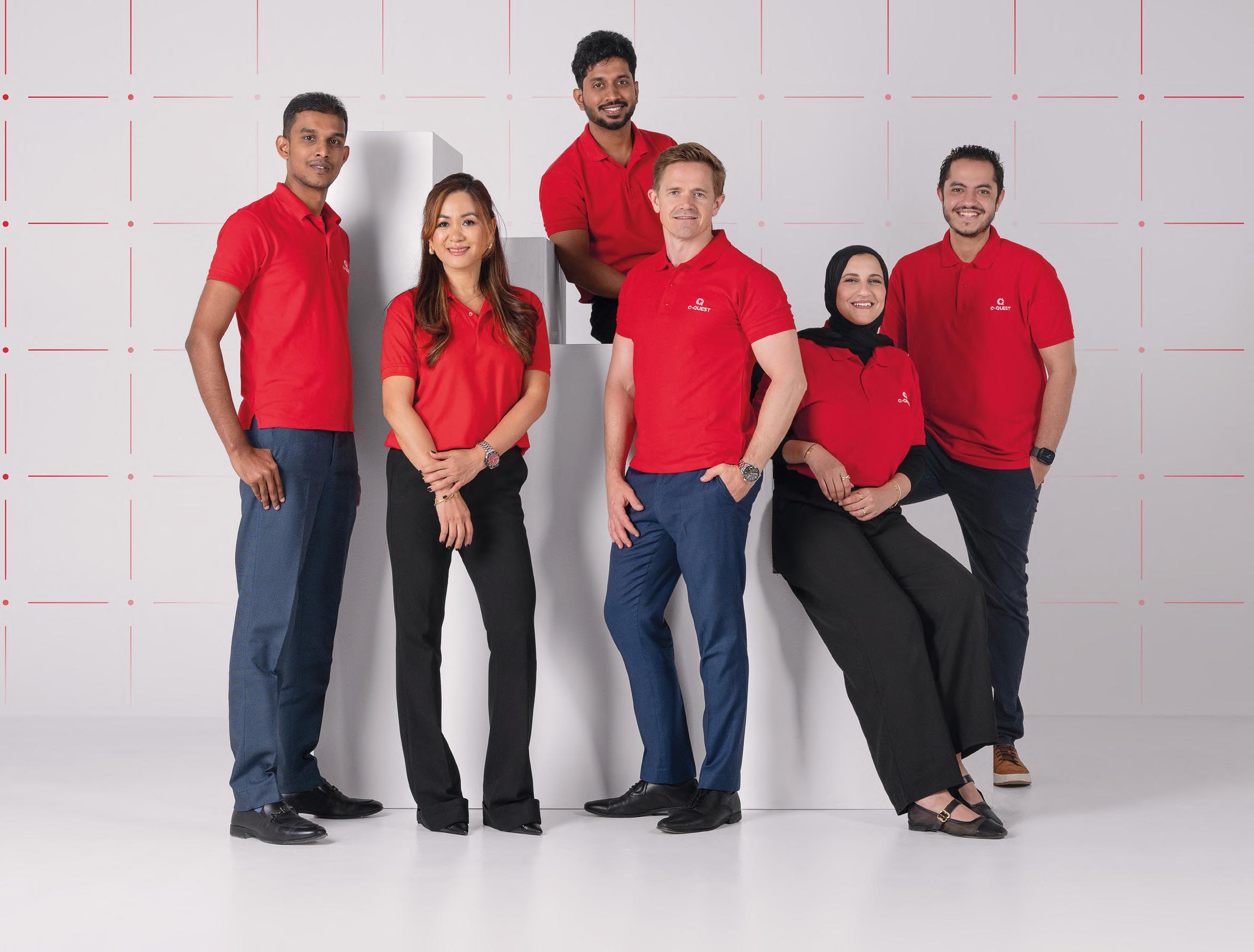
Over the past 4 years, the specialist cost consultancy has grown rapidly across the region, expanding from a 40-person business into a team of more than 100 professionals supporting over 250 live projects across Saudi Arabia, the UAE, and the wider GCC. Its portfolio now spans some of the region’s most ambitious giga and community developments, including NEOM, Qiddiya, ROSHN, and SEVEN. Yet internally, the company’s leadership believes the bigger transformation is not the scale of its growth — but what that growth has forced the business to become.
“The challenge today isn’t simply attracting expertise,” says Paul Kelly, Managing Director at C-Quest. “It’s how you scale that expertise consistently across projects, teams, and geographies without losing quality, trust, or judgement.”
That challenge sits at the heart of a wider evolution happening across the consultancy sector. As clients demand faster decision-making, greater cost certainty, real-time benchmarking, and deeper commercial insight, traditional consultancy models are increasingly coming under pressure. The sheer volume of project data generated across large-scale developments has made it difficult for firms to rely solely on individual experience or siloed knowledge.
For C-Quest, rapid expansion exposed those operational realities quickly.
“There’s a big difference between running a business of 50 or 60 people and running one with more than 100,” Kelly explains. “At that point, you can’t rely on informal ways of working anymore. You need stronger systems, better operational structure, and a different way of sharing knowledge across the business.”
It is against this backdrop of rapid growth that technology has become an increasingly important part of the business. Rather than treating technology as a standalone innovation initiative, C-Quest has positioned it as infrastructure for the next phase of consultancy delivery.
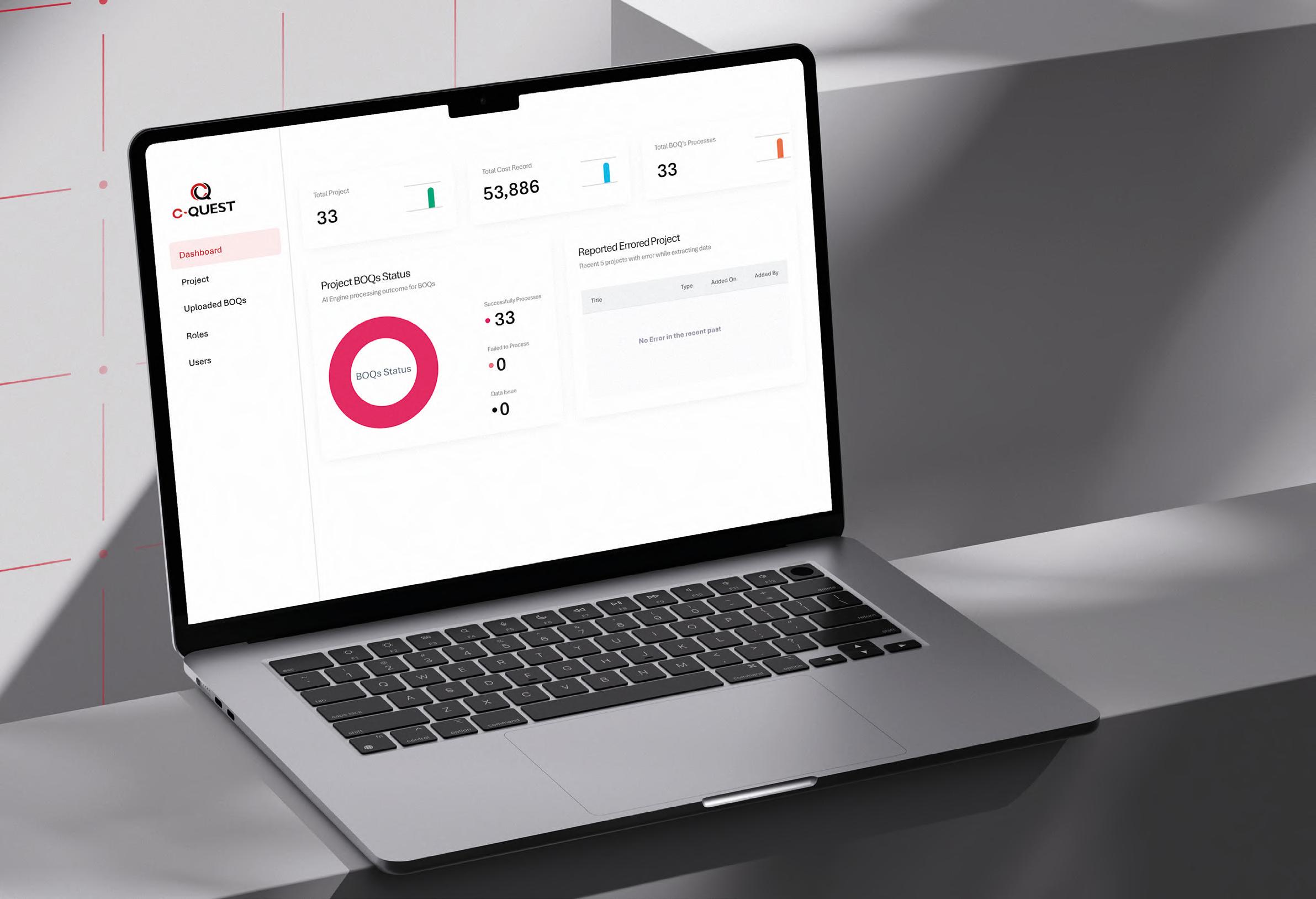
At the centre of that strategy is the company’s AI-driven cost database — a platform developed to consolidate years of project information into a live, searchable commercial intelligence system. Instead of relying on static spreadsheets, disconnected cost plans, or individual memory, consultants are able to access real project benchmarking data across locations, sectors,
procurement routes, and asset typologies in real time.
“Last year we developed an AI cost database which eliminates a huge amount of manual processing,” says Kelly. “We can sit with a client, pull up live project cost data associated with a particular city or project type, and provide more reasoned advice immediately. It removes a lot of the guesswork.”
The platform now contains more than 60,000 structured data points linked to project variables including city, year, procurement methodology, and sector type, with more than 100 users trained across the business. The intention is not simply to improve efficiency, but to create greater consistency and accessibility of commercial knowledge across the organisation.

“We are collating the information that we’re getting and enabling our teams to have easier access to it,” Kelly explains. “That allows us to provide more reliable and more trustworthy advice to clients.”
“The challenge today isn’t simply attracting expertise, it’s how you scale that expertise consistently across projects, teams, and geographies.”
PAUL KELLY
The company is now exploring the next stage of that evolution through AI-led measurement and automated take-off capabilities — one of the most labour-intensive areas of quantity surveying. C-Quest is currently working with external partners and internal specialists to investigate the development of proprietary measurement systems that could further streamline workflows and improve delivery speed.
Yet despite its focus on AI, Kelly is careful not to position technology as a replacement for people.
“AI is a cog in the wheel for me. It’s not the end game,” he says. “Clients still want relationships, communication, and human judgement. Technology can support better decision-making, but ultimately the responsibility and advice still sit with people.”
That balance between systems and human expertise increasingly defines the company’s operating philosophy. As
projects become more complex and timelines compress, the role of the modern cost consultant is also changing — evolving from traditional measurement and reporting towards broader commercial advisory, risk analysis, scenario planning, and strategic decision-making.
“Being in the industry for over 20 years, the role of cost consultants has continually evolved,” Kelly says. “AI is simply the latest phase of that evolution. The industry shouldn’t be afraid of it, but equally we shouldn’t assume technology solves everything on its own.”
The shift is also influencing how the next generation of quantity surveyors will enter the profession. While automation is likely to reshape some entry-level responsibilities, Kelly believes it will also create new opportunities and demand new skillsets.
“The future quantity surveyor will need to be commercially intelligent and digitally fluent,” he says. “If people are open to learning and adapting, there will absolutely be opportunities.
New roles will emerge that we probably haven’t even considered yet.”
Internally, C-Quest has tried to embed that mindset into its culture. Staff are encouraged to experiment with large language models and emerging technologies rather than avoid them. The company also runs innovation sessions where employees can pitch ideas and collaborate with internal IT and innovation teams to develop new workflows and tools.
“We don’t shy away from technology,” Kelly says. “All of our teams have access to the major AI platforms because the reality is this technology is already changing how people work. We’d rather help our teams learn how to use it properly.”
The company also holds regular innovation meetings where employees are encouraged to present ideas and explore new technologies.
“Our team are in almost like a ‘Shark Tank’ type environment. They're encouraged to come up with ideas and they will be given support from our IT team and innovation team to work on them,” he adds.
The C-Quest team is constantly encouraged to come up with new ideas, which are then supported to come to fruition by the firm's IT and innovation teams.
Alongside its digital transformation, the company has continued to expand operationally. C-Quest recently established a dedicated delivery hub in Sri Lanka, which supports technical measurement and quantity surveying functions across the wider business. The move forms part of a broader international strategy that also includes planned expansion into the UK and Ireland.
“One of our objectives this year is to open up operations in both the UK and the Republic of Ireland, which would give us entry into the European Union through Ireland,” remarks Kelly.
He explains that the business has already secured licensing to operate in both countries and believes there is an opportunity to provide competitive consultancy services within those markets.
“We believe that we can provide a service at a price level that will make an impact and we can get into the market utilising the experience and expertise that we have at C-Quest,” he adds.
According to Kelly, C-Quest’s Sri Lanka office will play a key role in supporting this strategy by providing the technical measurement support required for growth.
“Since opening our office in Sri Lanka, we have the ability to react quicker to market requirements and detailed measurement activities in unison,” says Kelly.
He explains that the high cost of labour in the UK creates an opportunity for C-Quest to provide cost-effective support services remotely.
“We believe that getting someone on the ground and approaching contractors and consultants who need that, can be done through our Sri Lankan offering. That's where we see the inroad,” explains Kelly.
The company is already beginning to secure work in Ireland through its wider group network.
“We're actually just starting to get involved on a first project in Ireland, which is a demolition project. That has been won through the sustainability team of KEO, and we will be supporting them in measurement activities on that demolition project,” he explains.
However, despite its international ambitions, the GCC remains the company’s primary growth market.
“Our focus remains Saudi Arabia and the UAE because the demand is still incredibly strong,” Kelly says. “The scale of development happening across the region continues to create opportunities over the next several years.”
The business acknowledges that regional instability, supply chain disruption, and cost escalation continue to reshape project delivery environments across the Middle East. According to Kelly, this has increased the importance of accurate commercial intelligence and stronger collaboration between clients, contractors, and consultants.
“We can't deny that there will be increases in cost. There will be delays to projects, there will be problems, and it's going to massively affect the construction industry,” says Kelly.
“Construction is still fundamentally a people business. You can have all the systems and data in the world, but culture, communication, and relationships still matter enormously.”
PAUL KELLY
C-Quest responded by engaging directly with suppliers, subcontractors, and contractors to better understand the impact on pricing and material availability.
Despite the challenges, Kelly praised the regional construction industry for its collaborative response.
“One of the first things we did was speak directly with suppliers, subcontractors, and contractors to understand what was happening on the ground,” he says. “The reality is there will always be pressures on cost and delivery, but what’s been encouraging is how collaborative the industry has been in responding.”
“I believe the Middle East as a whole has faced up to this problem in a very positive manner,” he remarks.
For C-Quest, that adaptability is becoming increasingly important as consultancy itself evolves into a more integrated, data-enabled discipline. The company’s recently launched website reflects that wider repositioning — not simply as a visual rebrand, but as an external expression of how the business now sees its future.
The new digital platform presents C-Quest less as a traditional quantity surveying consultancy and more as a technology-enabled commercial advisory business, highlighting capabilities that extend beyond cost management into benchmarking, procurement strategy, lifecycle costing, risk analysis, and data-led project intelligence.
Internally, Kelly believes maintaining culture and human connection remains just as important as investing in systems and technology.
“Construction is still fundamentally a people business,” he says. “You can have all the systems and data in the world, but culture, communication, and relationships still matter enormously.”
“Face-time for me is super important,” comments Kelly.
The company currently operates across 15 different locations and leadership teams regularly travel to maintain direct engagement with employees.
Kelly believes work must be approached in a positive manner to reap the most benefit, which in turn also leads to happier employees and staff retention.
“We encourage health and wellness activities, cultural days, getting teams together for padel, running, marathons, walking challenges. All of that is done because we believe it makes a real impact on people's day-to-day life,” explains Kelly.
The company continues to invest heavily in professional development and Assessment of Professional Competence (APC) support, innovation workshops, and employee engagement initiatives across its regional offices.
“If you approach work in a positive manner, you get happier employees, you get people that stay around longer, and people that really can make an impact to their clients,” says Kelly.
“We strongly encourage our staff to take the APC because it's a measure of where they are as a quantity surveyor and it really supports their growth and development in the industry,” he explains.
“One phrase that resonated with me recently was ‘you bring the weather’,” Kelly says. “The way leaders show up, the energy they bring into teams, the environment they create — all of that shapes the culture of the business.”
C-Quest’s transformation reflects a belief that the future of consultancy will require fundamentally different operating models from those that shaped the industry over the past 2 decades. As projects become more data-heavy, commercially complex, and fast-moving, growth alone is no longer enough. The real challenge is building businesses capable of scaling expertise, maintaining consistency, and delivering intelligent commercial insight at speed.
A newly launched website may be the outward expression of that evolution, but the deeper shift is operational. What is emerging is not simply a larger consultancy, but a different type of consultancy altogether.

HKA's Nader Emile and Hilal Itani talk to Jason Saundalkar about the evolving construction landscape in KSA, from design maturity and cash‑flow pressures to collaboration across the supply chain and the evolving priorities of Vision 2030, and offer insight into how programmes are being reshaped to improve delivery and long‑term value

The Middle East and especially the countries that are part of the Gulf Cooperation Council (GCC) have made a habit of grabbing headlines around the world. Last year in Q3, the Institute of Chartered Accountants in England and Wales (ICAEW) published its Economic Insight Q3 2025 report (produced in collaboration with Oxford Economics), which revealed the GCC economy was on track for 4.1% growth in 2025, increasing to 4.6% in 2026 despite global GDP expansion slowing to 2.7%.
Following recent regional strife and the accompanying disruptions, GCC economies are projected to contract by 0.2% in 2026 according to the ICAEW’s Economic Insight Q1 2026 report. However, the report also said that GCC economies are expected to rebound sharply, with growth forecasts reaching 8.5% in 2027, as a result of strong fundamentals, diversification, and policy reform supporting a return to growth, as energy flows normalise and non oil sectors strengthen.
“We have worked on hundreds of projects, with 152 projects directly contributing to the
NADER EMILE
Report.”
The GCC economy continues to be led by two major markets, the UAE and Saudi Arabia, with the latter holding the crown of being one of the most vibrant construction markets in the world. According to the recent Saudi Arabia Construction Market Analysis report produced by Mordor Intelligence, the Saudi construction market size was $133.79bn in 2025, is expected to grow to $142.3bn in 2026, and ultimately reach $186.13bn by 2031, growing at a CAGR of 5.52% from 2026 to 2031. The construction market in the Kingdom continues to be driven by giga projects under Saudi Vision 2030, the development of transport corridors, housing programs and other infrastructure upgrades.
With 2 offices in the Kingdom, global risk mitigation and dispute resolution firm HKA has been a part of the Saudi construction landscape for over 20 years. The firm has its Regional Headquarters (RHQ) in Riyadh in the 302m tall Kingdom Centre, in addition to their office in Jeddah.
Nader Emile and Hilal Itani, Partners at HKA in Saudi Arabia, share their perspectives on the evolving construction landscape in the Kingdom. From design maturity and cash‑flow pressures to collaboration across the supply chain and the evolving priorities of Vision 2030, they offer insight into how major programmes are being reshaped to improve delivery and long‑term value.
In 2025, the company enjoyed tremendous success. Emile shared that, “2025 was a strong year for HKA. We inaugurated our RHQ, secured high profile engagement with PIF entities and strengthened our relationship with the government. With the establishment of the RHQ, we are strategically positioned to expand our business with the government across a variety of projects. We have also provided expert services with the Saudi Center for Commercial Arbitration (SCCA) in Arabic and have been actively collaborating with lawyers throughout the Kingdom to secure further expert assignments in the future.”
Emile also notes that in 2025, the firm undertook 2,200 projects worldwide valued at approximately $2.43tn, with average CapEX of $1.25bn spanning 114 countries. He also reports that the disputed costs claimed on average constitute roughly one third of contract budgets, while the Extension of Time (EOT) claims would extend project schedules by approximately two thirds.
Talking specifically about the Kingdom, he notes, “We have worked on hundreds of projects, with 152 projects directly contributing to the Eight Annual CRUX Insight Report. The average CapEX in Saudi Arabia is $1.68bn while the average cost claimed amounts to nearly 27%. The total EOT associated with these projects is approximately 96.2%.”
Reflecting on 2025, Emile emphasises HKA’s strong performance and highlights a number of significant achievements.
“There’s plenty to be proud of, but I believe that our training capabilities deserve special praise. We’re well known for our dispute expertise and claims services, but we also do a lot of training with our clients. I’ve been personally engaged in several
assignments with employers and contractors and we’ve made a significant impact in terms of raising their capabilities, and the results have been positive in terms of how they are evolving and adopting our approach and methods. Beyond the delivery of claims and our dispute resolution services, we help clients strengthen their own internal understanding of delay analysis and contract management. I personally provide training on delay analysis and disruption methodologies, scheduling techniques, and the preparation of EOT claims,” Emile states.
Here he adds that Itani also undertakes work relating to delay, disruption, prolongation costs, and all of the issues related to change of scope and claims management.
Emile says, “The shift from simply solving a provblem for a client to empowering them to prevent issues themselves is rewarding and it's not only because of training. When we collaborate with clients on our assignments and we conduct Windows analysis or Time Impact Analysis (TIA) or As Built versus As Planned analysis, and work with their planners, we also teach them – through our assignment – how to carry out these methods of analysis properly and what the best practices
are. It’s highly rewarding to see that we are contributing to the advancement of the construction industry by educating client planners, claims practitioners and internal engineers.”
He emphasises, “Prevention is much better than cure, and helps avoid situations in which we are engaged for claims work only to discover that some clients lack adequate records or do not fully understand the processes involved.”
On a personal note, Emile shares that 2025 has been a particularly memorable year. He has been honoured with the Client Choice Award 2025 for the second consecutive year as a Construction Consulting Expert in Saudi Arabia by Lexology Index (formerly Who’s Who Legal). This achievement reflects the exceptional feedback and trust of HKA’s valued clients. In addition, Emile says he is especially proud to be the only Arabic‑speaking testifying delay expert recognised by Lexology Index in Saudi Arabia.
Itani points to HKA’s client feedback programme as one of his proudest milestones of 2025, highlighting the firm’s strong performance under the Net Promoter Score (NPS) framework. The tool, widely used across professional services, enables HKA to assess client perception and its likelihood of recommendation across the market.
“NPS is a powerful indicator because it goes beyond satisfaction and captures trust, confidence and perceived value,” Itani explains. “It provides objective, candid feedback that allows us to assess where we are performing well and where we can improve.”
In 2025, 85% of respondents classified themselves as promoters of HKA, an exceptionally high result within the advisory and disputes sector. A further 36% awarded the firm an overall score of 10, with 18% providing a perfect rating.
“It is always rewarding to see this reflected at an individual level,” Itani adds. “Achieving a perfect 10 from clients is a strong endorsement of the work we do, and being recognised by our CEO, Renny Borhan, made this one of the most meaningful moments of the year.”
Turning to the firm’s outlook for 2026, and despite heightened regional uncertainty, HKA remains focused on expansion within the Kingdom. According to Itani, the firm has identified 3 clear priorities aligned with market demand and the pace of development under Vision 2030.

“Our first objective is to expand our Saudi team and increase both commissions and expert related appointments,” he says. “Saudi Arabia market is critical to HKA’s long term growth, not only because of the scale of current and planned investment, but also because clients are seeking more specialised dispute ready expertise as projects grow in scale and complexity.”
To support this, HKA is continuing to strengthen its local capabilities by appointing senior experts, transferring forensic delay analysis capacity into the Kingdom, and ensuring the right balance of technical, commercial and contractual skill sets.
“We are positioning ourselves to secure more expert appointments and arbitration related commissions,” Itani notes. “Nader and I both testify in Arabic, and we are likely the only firm in this segment with Arabic speaking experts formally registered in Saudi Arabia. That gives us a clear advantage in understanding local procurement practices, dispute frameworks and client expectations”.
“We believe that sustainable growth in the Kingdom requires more than just expertise, it requires building a pipeline of Saudi professionals who can grow with us and eventually lead major commissions.”
HILAL ITANI
Beyond market expansion, Itani emphasises that HKA’s strategy in Saudi Arabia also places strong emphasis on people development. “Our second area of focus is investing in young Saudi talent,” he says. “We believe that sustainable growth in the Kingdom requires more than just expertise, it requires building a pipeline of Saudi professionals who can grow with us and eventually lead major commissions.” This is being delivered through structured training, mentorship programmes and planned succession pathways, he says. “We are not just filling roles; we are building long term careers,” he adds.
The firm’s third strategic priority is investment in bespoke artificial intelligence solutions aligned with its core services.
“We are not interested in off the shelf AI tools that everyone has access to,” Itani explains. “Instead, we are developing tailored solutions around delay analysis, claims management, expert reporting and data driven dispute resolution areas where data quality, judgement and repeatability really matter.”
Itani confirms that these tools will leverage existing CRUX data, and notes that there is no fixed launch date yet. “Developing a tool such as this takes time; I believe we’ll be ready in the next 2 years,” he notes.
HKA released the Eight Annual CRUX Insight report titled ‘From Insight to Foresight’ in H2 2025, which features insights from over 2,200 projects from 114 countries valued at US $2.43tn. Since the very first report was first released, it has been extremely well received around the world, thanks to its deep insights into the main causes of claims and disputes on engineering and construction projects. The full report and a powerful interactive dashboard are freely accessible at www.hka.com/crux insight.
Discussing the report’s popularity, Emile remarks, “It’s been 8 years now and the popularity is growing year after year. We have thousands of downloads, and the readership includes several major employers and contractors. Apart from this, we often present CRUX data to our clients and to other organisations via relevant events. We also use bespoke analysis in our own proposals and include figures and analytical information to back up our capabilities with respect to specific commissions.”
Emile also highlights that HKA will be hosting a Saudi breakfast VIP event in the first half 2026, alongside the delivery of a CRUX webinar in Arabic scheduled for June. “Hilal and I normally host this annual CRUX webinar in Arabic, with a strong focus on the Middle East and Saudi Arabia in particular. We dissect all the findings by sector, contract type, and individual cases. We have been delivering this webinar together for around 4 years now, and it continues to be an important platform for sharing insights relevant to the regional market.”
Asked about whether the CRUX report is published in Arabic, Emile confirms, “We usually have an Arabic language version of the report and we’re hoping the latest edition will be available in Arabic soon.”
Discussing some of the data published in the 2025 edition of the CRUX Insight report in response to a question on whether the causes behind disputes has changed noticeably compared to previous years, Emile responds, “That’s an interesting one; when you look at the cumulative data that’s added annually, it doesn’t dramatically change the overall rankings of dispute causation. This year, we conducted our first time based comparison by analysing results pre and post 2020 (based on the COVID 19 pandemic timing and impact on the industry). We observed a substantial drop in disputes arising from design related issues in the Middle East.”
“According to the data, the incidence of disputes related to incomplete design declined from 28.8% to 11.9%. This
improvement can be attributed to increased awareness among clients and contractors regarding effective strategies to prevent and resolve these issues before they escalate into disputes. I hope that our CRUX report, along with our training programs and webinars, has contributed to this positive development,” explains Emile.
“In terms of cash flow for instance and payment issues, these were found to have affected 16.7% of projects up to 2020, compared to 25.5% from 2020 onwards globally. That said, the Middle East and Saudi Arabia are affected by this trend as well,” he clarifies.
Asked to delve deeper into the topic of challenges on megaprojects and the advice he has for clients, Emile notes that it’s important to address these issues on megaprojects specifically, as projects of this type amplify the consequences of misalignment, uncertainty, and delay, making their impacts more pronounced and far reaching than on smaller projects.
HKA thinks its very important to quickly address issues on megaprojects in KSA, because if left unchecked, projects of this nature can amplify the consequences of misalignment, uncertainty and delay.
“With respect to scope and design issues, it’s essential to address this on massive construction projects. In the Kingdom, significant efforts are underway to enhance megaproject delivery, and our predominant advice regarding scope changes is ‘go slow to go fast’. This guidance, which is emphasised throughout our CRUX report, fundamentally discourages fast tracking in complex projects. Fast tracking involves overlapping various project phases, such as initiating construction prior to the completion of the design, which can introduce substantial risks and complications,” he outlines.
“It is essential to cultivate a culture that recognises the value of sacrificing some initial progress to achieve superior long term project outcomes. Employers should commit to a tighter scope definition and facilitate an Early Contractor Involvement (ECI) approach when integrating technical inputs and insights. During the design development phase, it is imperative that designs are thoroughly reviewed and finalised prior to the commencement of on site activities. This remains our standard recommendation to our clients.”
“This specific requirement really depends on the type of contract and whether it is Design and Build (D&B), Engineering, Procurement and Construction (EPC) or instances where the design is provided by the employer. In essence, while this approach entails higher initial costs and time investment, it yields significant benefits in terms of scheduling, constructability, management of interfaces and costs, especially for more complex engineering projects,” he continues.
He cautions, “Project stakeholders, particularly contractors, should proactively implement self protective measures by engaging experienced consultants and contract managers at the earliest possible stage. Ideally, these appointments should occur prior to contract engagement; however, if not feasible, they must be made immediately following contract execution and project commencement. This will enable them to accurately identify assumed risks and anticipate potential risks that could give rise to disputes.”
At this point, Emile notes that clients they work with are actively incorporating these consultancy costs into their bid calculations nowadays and factoring them into their budgeting processes.
Elaborating on the risks associated with project delivery, Emile emphasised the importance of avoiding overlapping project phases, highlighting the direct relationship between
scope and design. “There is a real connection between scope of work and design changes; once the scope changes – even where robust change management mechanisms exist in the contract – it inevitably triggers design changes, because the design is typically frozen against a defined scope. Changing the scope therefore changes the design. It becomes a domino effect, or a ‘ping pong’ cycle between scope and design. This is precisely why scope and design issues, whether arising from incomplete, late, or incorrect design, consistently rank among the top 5 causes of claims and disputes.”
Shifting focus to design specifically, Emile explained that, through his and Hilal’s frequent work with project programmes in the context of delay analysis and EOT, they consistently encounter challenges related to how design timing has been accepted, structured, or provided for within the contract programme.
Emile states, “My advice to clients is to include clearly defined milestones specifying when particular stages or elements of the design are required. The logic links and the floats must be managed very carefully, so that each party understands its obligations and delivery timelines in line with its design responsibility.”
Emile further highlighted the importance of well‑drafted and properly interpreted contracts, noting that clarity around design responsibility is critical. “If responsibilities are not clearly defined, delays are almost inevitable,” he explained. “Uncertainty over who is responsible for which design elements often leads to delays across all design phases, as debates over responsibility can stall progress and result in the entire design falling behind schedule.”
Itani advises rigorous gateway checks throughout the design verification process, including budget and programme considerations linked to design development. “Advanced design development is critical in reducing delivery risk,” he says, noting that insufficient design maturity remains a recurring issue across major projects.
Shedding light on aspects relating to cash flow, Emile notes that it ranks after scope and design issues and observes that it can sometimes be quite surprising to find cash flow and payment issues are predominant in the Middle East. He comments, “With government budgets shrinking currently and public debt increasing, private finance will need to support large projects more than before. Public Private Partnerships
(PPP) therefore need to be strengthened, particularly to address recurring challenges such as unclear project objectives or poorly defined risk allocation – issues that have recently caused difficulties on many projects globally, not only in the Middle East.”
Here, Emile says that it’s important to link what is happening on the ground and what HKA’s CRUX Insight report can add to clients’ businesses. “We are focused on bridging the gap between theory and practice to ensure the findings are applied meaningfully to business decision making. Drawing on our years of experience in the Kingdom and across the region, we aim to ensure that the insights from CRUX add tangible value to our clients,” he says.
Itani also highlights the growing importance of CRUX as an industry resource. “CRUX represents a vital industry platform, and one of its key strengths is accessibility. The data is freely available on our website, supported by a powerful interactive dashboard that allows users to interrogate the information and extract insights in a way that suits their needs.”
He adds that the platform reflects a significant long term investment by the firm. “CRUX is something we are extremely proud of because it represents the culmination of 8 to 10 years of collective effort across HKA. When you consider the depth of analysis and volume of data required to produce even a single table, the scale of work behind CRUX is truly remarkable.”
Emile continues, “We’re really proud of CRUX, and it has also been very rewarding for both Hilal and me as we’ve both contributed to the study and analysis. We can confidently say that only HKA is able to produce insights of this depth and scale, given our global reach and the breadth of projects and contract types we are involved in worldwide. We remain fully committed to the continued development of CRUX with further enhancements and upgrades planned for the future.”
The construction supply chain in the Kingdom and across the broader GCC region is made up of hundreds if not thousands of stakeholders. Unfortunately, quite a combative mindset still seems to pervade the supply chain with stakeholders appearing all too eager to blame other parties, rather than working together collaboratively and placing the interests of the client and the project first.
Itani thinks early collaboration from all parties involved in a project, combined with shifting the mindset of contractual defence to a project-first approach can help mitigate problems onsite.
Asked about his thoughts on this, Itani acknowledges that the issue remains prevalent, particularly on large‑scale programmes in the Kingdom, “We see this across many projects, especially major programmes,” he says. “There is a noticeable adversarial mindset amongst stakeholders, mostly driven by schedule pressure, unclear scopes, rapid mobilisation, fragmented interface, and an overarching rush to deliver. This tendency towards blame shifting rather than collective problem solving ultimately slows progress and drives claims.”
That said, Itani is clear that these challenges are far from insurmountable. “We’ve applied practical solutions on projects and seen a significant positive impact,” he explains. “Shifting from a mindset of contractual defence to a project first approach can materially enhance progress onsite. Early collaboration models, for example, or a delivery partner approach along with early warning systems, lessons learned cycles, integrated decision forums, all play a critical role. These mechanisms improve collaboration, accelerate delivery and reduce friction.”
He adds that clarity and discipline are equally important. “When responsibilities are clear and supported by a robust respected change control system, outcomes improve for
“My advice to clients is to include clearly defined milestones specifying when particular stages or elements of the design are required. The logic links and the floats must be managed very carefully, so that each party understands its obligations.”
NADER EMILE
everybody involved. Promoting a long term industry mindset also offers a lot of benefits. Many organisations are working together repeatedly across Vision 2030 projects, and a reputation for collaboration is becoming a genuine competitive advantage”. Given the interconnected nature of the current programme pipeline, Itani notes that behaviours are increasingly visible to major clients. “With projects often flowing through entities such as PIF, clients are fully aware of how organisations perform and interact. Those that demonstrate collaborative behaviours and a solutions driven approach are more likely to be favoured when future opportunities arise.”
Over the past 2 years, the Saudi market has continued to evolve, with a growing focus on announced projects and those delivering near term economic impact or tied to events with immovable completion dates.
Commenting on this shift, Itani says: “It’s clear that Saudi Arabia is increasingly focused on delivery and placing greater emphasis on private sector participation. Several giga projects have been restructured, and in many cases, this has strengthened their overall viability. Actions such as pausing, scaling back, and restructuring aspects should be viewed as strategic prioritisation rather than retreat.”
Emile notes, “We’re seeing this prioritisation of projects taking share through various mechanisms, whether that is deferring specific elements of a project, reducing scope, re‑budgeting, or undertaking value engineering exercises. This is happening in Riyadh, in NEOM and in Jeddah as well, albeit at different scales. Looking ahead to the second half of 2026, we expect a number of significant announcements, with several strong projects in the pipeline.”
In his closing remarks, Itani emphasises that the recent reprioritisation measures ultimately strengthen the Kingdom’s development agenda. “These moves enhance the feasibility,
the governance and the delivery capacity underpinning the broader giga project portfolios, and will ultimately support the successful delivery of Vision 2030, he says. “They signal a shift from capital intensive, highly futuristic mega structures towards sectors that offer quicker and more tangible economic returns, such as logistics, AI, mining and event related infrastructure.”
He adds that fixed‑date global events are now acting as a key driver of focus. “In the near future, Saudi Arabia is preparing for EXPO 2030 and the 2034 FIFA World Cup, both of which are immovable deadlines. When events open on fixed dates, prioritisation becomes inevitable. Concentrating resources on certain programmes will naturally impact others, but this is a strategic decision and, in our view, a necessary and positive one.”

Walid Gomaa, CEO of Omnix International speaks with Clayton Vallabhan of MEC on how adoption of modern technology is changing the landscape of the AEC sector and beyond
The construction and engineering industries are undergoing a structural shift that goes far beyond digitisation. What was once a sector defined by drawings, site supervision, and fragmented documentation is now being reshaped by artificial intelligence, data-driven decision-making, and increasingly autonomous systems that connect the physical and digital worlds in real time.
At the centre of this transformation is Omnix International, a technology and engineering solutions provider that has spent over 35-years evolving alongside the industries it serves. Its trajectory reflects a broader change across the built environment: from traditional design tools to intelligent systems capable of simulating, predicting, and optimising entire asset lifecycles.
Walid Gomaa, CEO of Omnix International, describes this evolution as the convergence of 2 long-standing organisational identities that have defined Omnix International's growth: He says, “Both domains that are converging are the AI domain and the construction domain.”
That intersection is not accidental. It reflects a deliberate strategy to bridge engineering expertise with digital transformation capabilities, creating a platform that spans design, construction, and operations. Omnix International, in this sense, is not simply a technology provider. It is positioning itself as an integrator of systems, data, and intelligence across the entire lifecycle of the built environment.
Its history is rooted in engineering software and design technologies. The company had an early role in introducing Autodesk into the Middle East, which helped establish its foundation in digital design and building information modelling workflows.
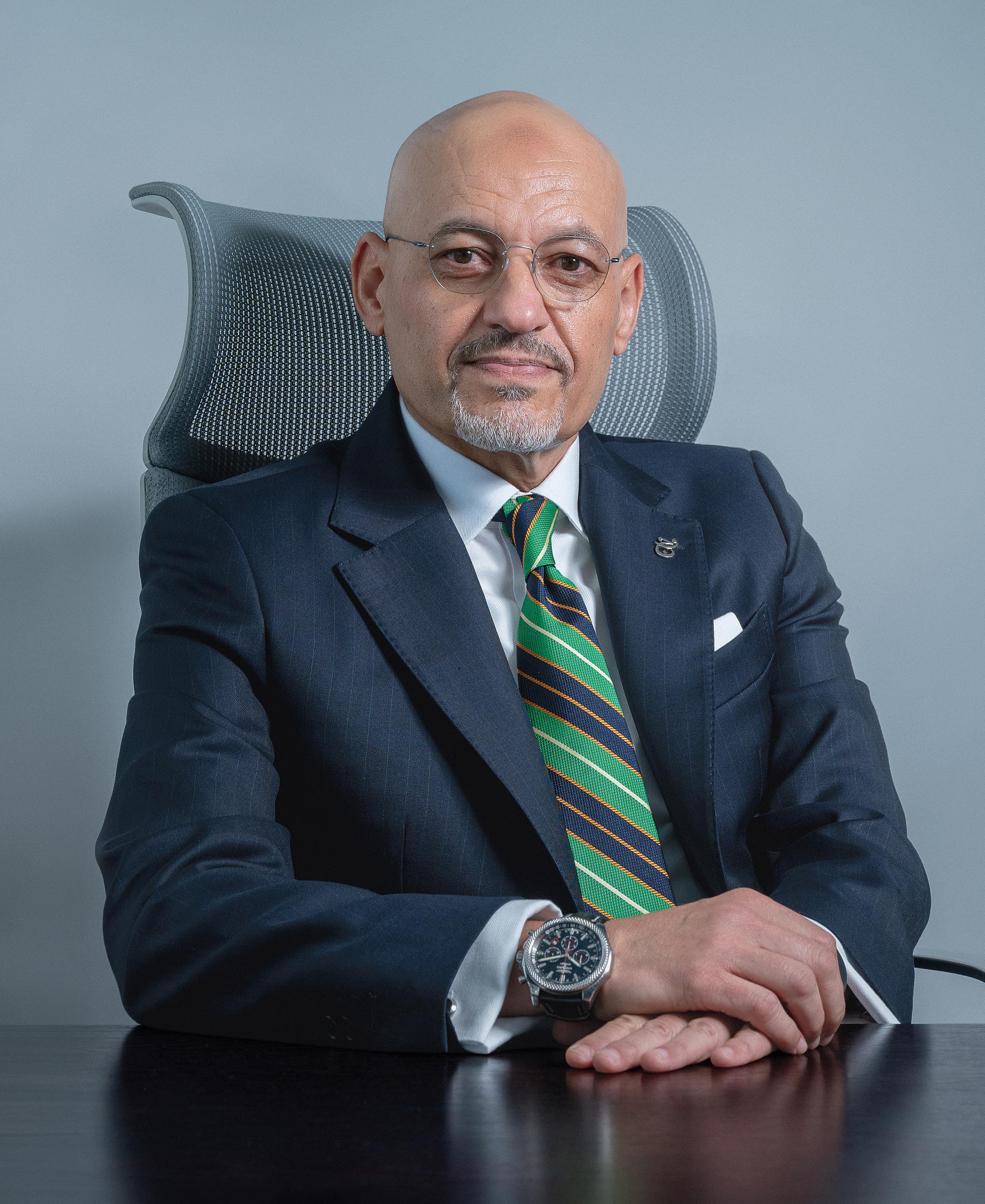
Rather than being only confined to isolated tasks, AI is now being embedded in design, construction, and operational processes.
Gomaa says, “The team we had built around Autodesk is what we call the supporting, tooling, functions and services that fits basically the AEC industry, and we later adopted this to other industries.”
Over time, this evolved into a broader ecosystem of services supporting architects, engineers, and construction professionals.
As Gomaa explains, the organisation developed around 2 distinct but complementary strands:
“Omnix has mainly 2 different DNAs in the organisation, one which is engineering related.”
This engineering DNA encompasses digital design solutions, visualisation tools, BIM services, and later digital twin capabilities. It also includes enabling technologies such as common data environments and cloud-based collaboration platforms, which are now essential to modern construction workflows.
Alongside this, a second digital transformation DNA emerged, focused on enterprise systems, automation, and data-driven services. This included early work in document management and smart infrastructure before expanding into more advanced domains.
“We were talking about document management solutions, we were talking about smart infrastructure solutions,” he explains.
Over time, this expanded into application modernisation, cloud infrastructure, robotic process automation, and process mining. More recently, it has evolved further into artificial intelligence, forming a core pillar of Omnix International's strategy.
“This is where we implemented solutions around the robotic process automation, process mining, enhancing the processes within the customers environment and then we of added the AI domain,” he adds.
Rather than being confined to isolated tasks, AI is now embedded in design, construction, and operational processes.
“We have use case development for specific use cases around the different technologies using AI, like computer vision, conversation AI and others, and lately Agentic AI and implementation of how different agents can act together to implement the agentic nature of of the requirements,” he says.
In design, AI is enabling a shift towards generative and optimised workflows. Instead of manually iterating designs, engineers can now explore multiple possibilities generated by algorithms trained on constraints, performance criteria, and historical data.


“It’s a very exciting time. We are seeing a lot of changes in the industry.”
WALID
GOMAA
“You have to always keep human in loop, especially in taking decisions that are going to affect either individuals or assets.”
WALID GOMAA
“We can help the designers by using different models and generate different models for them that we can select whatever you have, which actually shorten the lifetime for a creative design,” explains Gomaa.
This changes the role of the designer, moving from manual creation to decision-making and refinement.
AI also introduces advanced simulation capabilities that were previously too time-consuming or computationally expensive. Engineers can now model performance scenarios in real time, adjusting parameters and immediately observing outcomes.
“I can actually work with the system to implement simulation rather than doing it physically,” he adds.
In the construction phase, AI shifts from design assistance to site intelligence. Through progress tracking and monitoring systems, project teams can compare realworld site activity against planned models. This enables early detection of deviations, reducing costly rework and delays.
“The AI progress monitor is capturing what’s happening on a daily basis. You can see if there are any deviations. You

can compare that to what you have in the design and see if there are things that need to be fixed early in the site,” remarks Gomaa.
AI also introduces predictive risk analysis, identifying potential issues before they escalate into critical failures.
“You might have a risk prediction also during the construction phase,” says Gomaa.
In operations, the focus transitions to long-term asset performance. Once physical infrastructure is built, AI systems can analyse usage patterns, detect anomalies, and predict maintenance requirements.
This is where predictive maintenance becomes particularly valuable, reducing downtime and extending asset lifecycles through continuous monitoring and optimisation.
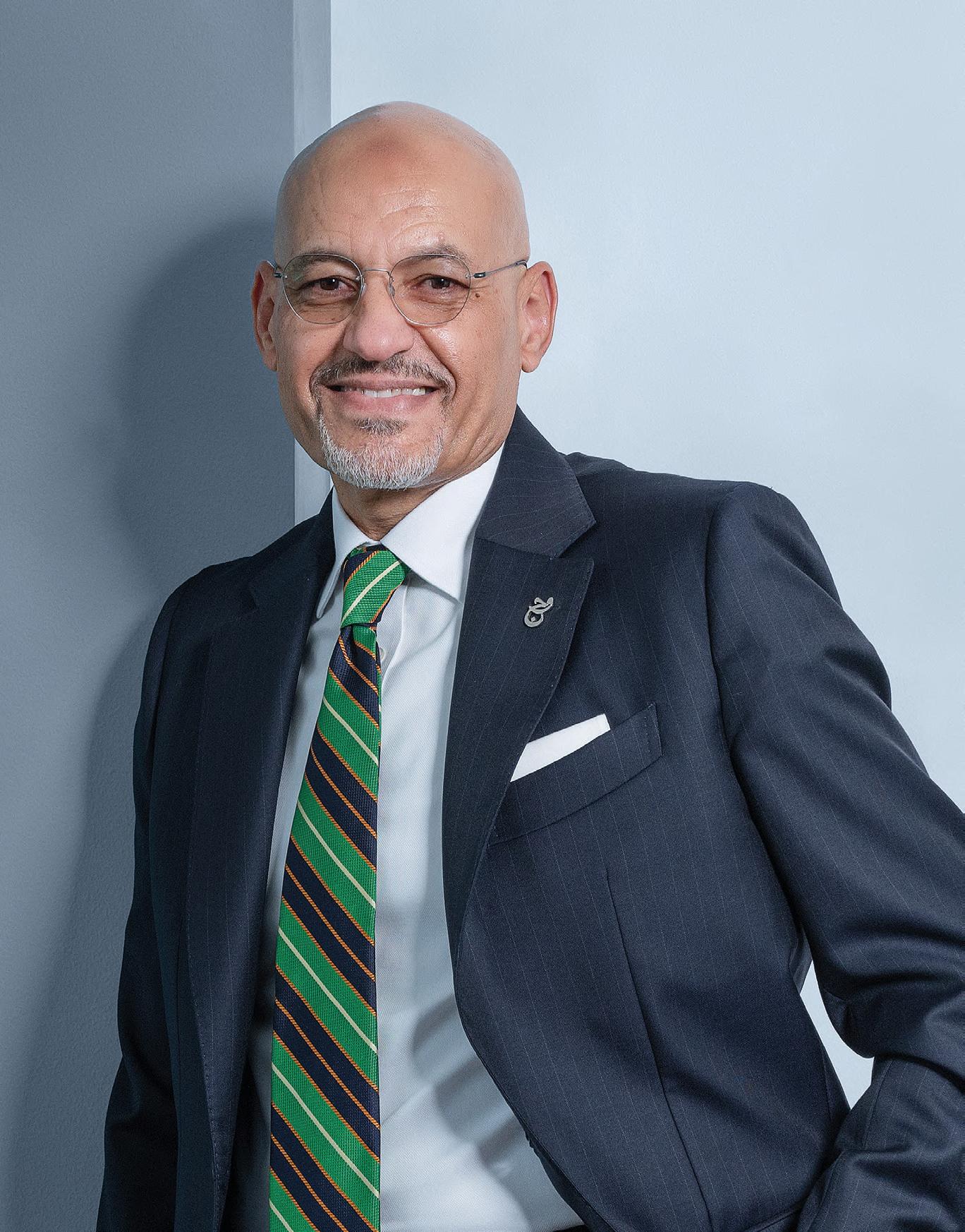
Despite the potential of AI, Gomaa emphasises that its effectiveness is fundamentally dependent on organisational structure and data maturity. One of the biggest barriers in the industry remains fragmentation.
“If you can create this notion of sharing and collaboration, this can then eliminate many of the issues that can happen later in the project cycle,” explains Gomaa.
Traditional construction environments often operate independently, where different stakeholders manage separate datasets and workflows. This leads to inconsistencies, duplicated effort, and poor decision-making.
To address this, Omnix International promotes early adoption of BIM management systems and common data environments, ensuring that all stakeholders operate from a shared source of truth. This is not just a technical shift but a cultural one, requiring organisations to rethink how information flows across teams.
Perhaps one of the most misunderstood concepts in the industry is the digital twin. Many organisations still view it as a 3D visualisation layer rather than a dynamic, evolving system says Gomaa.
“When we implement digital twins, people tend to forget that digital twins is not only about visualisation of the asset,” he explains.
Gomaa says the digital twin is a continuous loop that connects physical reality with digital intelligence. “This digital twin is a cycle loop,” he says.
The process begins with reality capture using drones, scanners, and imaging technologies such as Matterport. These inputs are combined into a unified 3D representation of the asset, forming a baseline digital model.
From there, sensor data is introduced, enabling real-time updates on asset performance and environmental conditions.
This transforms the model from static representation into a living system.
“You can capture some of the data that is coming on a daily basis, an hourly basis and even on a minute basis,” he exclaims.
Once data is collected, it is curated and processed for analytics and AI applications. This enables both descriptive insights and predictive capabilities, allowing organisations to anticipate outcomes rather than simply observe them.
Then comes the most significant stage: feedback into the physical system.
“This becomes an entire loop from reality capture to data capture into analytics into AI and then feedback to the asset itself.”
This closed-loop system is sometimes referred to as physical AI, where digital intelligence directly influences physical operations.

As AI models become more complex, the need for high-performance computing infrastructure has become critical. Simulation, predictive analytics, and large-scale data processing require significant computational power. For this purpose, Omnix has collaborated with Hyperfusion.
“When you talk about simulation, we are talking about predictive analytics, and a huge amount of data access. This requires a lot of performance power. You don’t want to wait for 3 or 4 days for an algorithm to run,” remarks Gomaa.
To address this, the comapany works with high-performance computing environments that allow organisations to test and scale AI workloads efficiently. These environments can be deployed on-premises, in the cloud, or through hybrid models depending on organisational needs.
This flexibility is essential for industries where experimentation is key to innovation.
At the core of any AI or digital twin system is data. Without reliable, structured, and governed data, even the most advanced models fail to deliver meaningful outcomes.
“You need to make sure that you have the right data - this data has been validated, it is correct and it is governed. This is where we are working with Data IQ,” he explains.
Data governance ensures consistency, accuracy, and security across systems. It also establishes trust in analytics outputs, which is essential for decision-making in high-stakes environments such as construction and infrastructure.
Gomaa emphasises that data must be treated as an asset in its own right, not just a byproduct of operations.
Despite rapid advances in automation, Gomaa is clear that human oversight remains essential in AI-driven systems.
“You have to always keep human in loop, especially in taking decisions that are going to affect either individuals or assets,” he says.
This principle becomes particularly important in safetycritical or high-impact scenarios, where fully automated

decisions may not account for operational complexity or human consequences.
He illustrates this with examples from predictive maintenance systems, where AI may recommend shutting down equipment to prevent failure. While technically correct, the operational cost and downtime implications require human judgment.
He also references broader industry lessons, including cases where fully automated HR systems led to unintended consequences, reinforcing the need for ethical oversight in AI deployment.
Despite technological progress, Gomaa identifies 3 persistent barriers to adoption across the industry.
The first is organisational resistance, often driven by fear of job displacement.
“People are afraid of replacement because now you’re bringing AI to replace individuals,” he says.
The second is data fragmentation across systems, making it difficult to build unified intelligence frameworks.
The third is a shortage of skilled professionals who can bridge the gap between technical systems and business requirements.
“Who can bridge the gap between the technology and the business to make sure that we implement the use case?” asks Gomaa.
Omnix International’s work spans multiple industries and use cases. One of its recent implementations involved conversational AI systems designed to improve customer engagement through natural language interaction and provide personalised assistance.
“Conversational AI is all about customer experience, how the customers can have a better experience using what they think is a human, but is actually an engine. In the back end, the engine can understand the sentimented analysis and can talk to the individual using their own dialects,” explains Gomaa.
Another major project involved large-scale 3D reality capture in Abu Dhabi, combining drone imagery, scanning technologies, and visualisatIon platforms to create an immersive digital replica of physical environments.
The result was a fully navigable virtual space integrated with VR technology, allowing users to explore assets as if they were physically present.
“Once we started implementing it, the customer said, oh really? You can do this,” explains Gomaa.
While Gomaa is cautious about long-term predictions, he is confident about the direction of travel. Over the next few years, he expects continued growth in AI-driven simulation, digital twins, and reality capture technologies.
He also anticipates that digital twin adoption will scale significantly, moving from pilot projects to enterprise-wide implementations with deeper integration across operations.
The convergence of AI, data, and engineering is not just enhancing existing workflows. It is redefining how the built environment is conceived, delivered, and managed. In that transformation, organisations like Omnix International are positioning themselves not just as participants, but as architects of the next industrial operating model.
“It’s a very exciting time. We are seeing a lot of changes in the industry,” concludes Gomaa.

58 Beyond buildings: Why ESG strategy and sustainability advisory are becoming the new competitive advantage for masterplans and cities, explains Cundall’s Mario Saab ⁄
64 Designing for uncertainty: What regional tensions mean for project pipelines, costs, and confidence in the GCC , writes Ammar Al Assam, Dewan Architects + Engineers ⁄ 68 North 51 Consulting’s Natasha Abbas discusses why design & build works better than traditional contracting


Beyond buildings: Why ESG strategy and sustainability advisory are becoming the new competitive advantage for masterplans and cities
Tomorrow’s communities will be built with stronger ESG, sustainability, and wellness in mind writes Mario Saab, Director of Sustainability, MENA at Cundall
What if the next competitive advantage in real estate isn’t another iconic tower, another branded residence, or another lifestyle amenity?
What if it is something far more fundamental: creating communities where people genuinely feel better living. Places that are cooler, healthier, more resilient, more connected, and ultimately more valuable.
For decades, masterplans across the region have largely competed on density, land value optimisation, architecture, and destination appeal. Tomorrow’s winning communities, however, will compete on something deeper, human experience and long-term performance.
This is where ESG strategy and strategic sustainability and wellness advisory become transformative.
Not because they help achieve certifications, or satisfy regulations. And not because they create attractive sustainability narratives. but as a way to fundamentally shape how communities are conceived, designed, experienced, and valued.
For masterplan developers and city-makers, the biggest opportunities and risks are actually determined long before construction begins.
The early visioning and masterplanning stages define approximately up to 80–90% of a development’s long-term environmental performance, operational efficiency, climate resilience, and human experience. Yet these same stages often still prioritise Gross Floor Area (GFA) optimisation, infrastructure efficiency, and commercial metrics alone.
The question is no longer: How sustainable is this project? The real question is: Will people still choose this place in 20 years?
Because future communities will be judged differently. Investors are becoming more selective, with capital increasingly ESG-driven. Governments across the GCC are strengthening climate regulation - from the UAE’s Federal Decree-Law No. 11 to expanding sector mandates in Saudi Arabia and growing reporting and carbon market alignment in Qatar.
At the same time, expectations are shifting. Residents are seeking healthier lifestyles and more meaningful experiences. Global talent is choosing cities based on quality of life, while

“Expectations are shifting. Residents are seeking healthier lifestyles and more meaningful experiences.”
MARIO SAAB

buyers are placing greater value on wellbeing, walkability, nature, community and environmental quality.
As a result, sustainability shifts from being a technical exercise to a business strategy. The most forward-thinking developers understand that sustainability and wellness are not layers applied to a masterplan, but design intelligence embedded from the outset.
They shape the DNA of the destination itself – influencing how people move, where they gather, how long they stay outdoors, how communities respond to extreme climates, and ultimately how people feel in their everyday lives.
Ultimately, they influence whether a place creates an emotional connection, the one metric no spreadsheet can fully capture.
Because successful places are rarely remembered for their infrastructure. They are remembered for how they made people feel.
Think about the world’s most successful districts and destinations. People don’t remember zoning diagrams or Floor Area Ratio (FAR) calculations; they remember streets that felt alive, parks that felt comfortable, shaded public spaces, walkability, nature, human connection, and a sense of belonging.
The challenge in the GCC is that creating this experience is significantly harder than elsewhere.
Designing human-centric communities in a region defined by intense heat, water scarcity, rapid urbanisation, and ambitious growth targets requires a fundamentally different approach. This is where strategic sustainability advisory moves beyond engineering and becomes a tool for place-making.
The strongest ESG strategies today influence:
• Climate-responsive urban form
• Mobility and walkability frameworks
• Biodiversity and ecological integration
• Microclimate optimisation
• Human comfort mapping
• Health and wellness programming
• Infrastructure resilience
• Carbon and resource strategies

• Social activation and community identity
• Long-term governance and operational models
The result is not a greener version of traditional development, but rather a fundamentally different type of destination. One designed around performance and people simultaneously.
One strong example of this approach can be seen through our work on Ghaf Woods in Dubai, developed by Majid Al Futtaim.
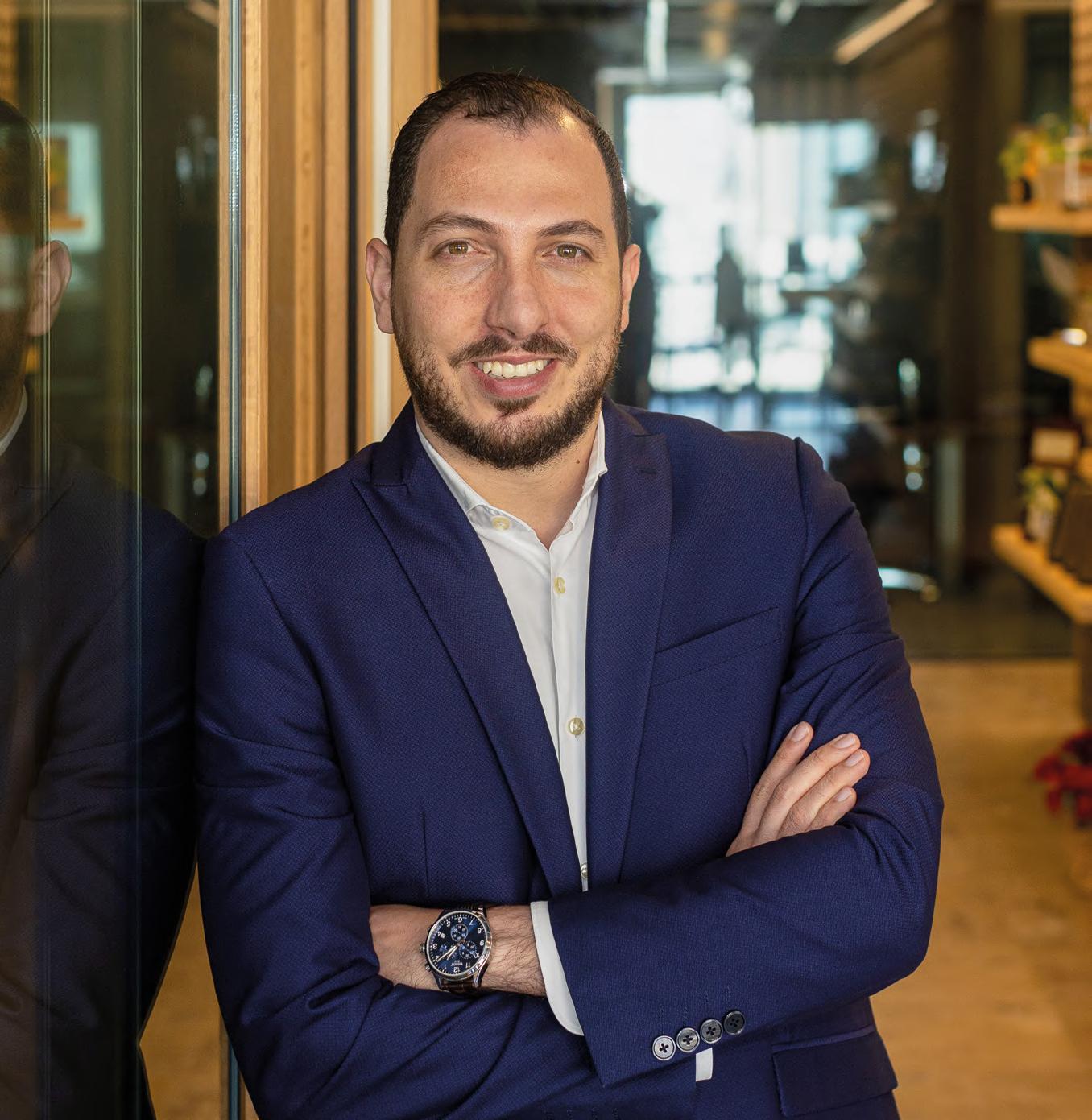
From the outset, sustainability and wellness were not treated as secondary overlays or certification-driven exercises. Instead, they were positioned as strategic tools shaping the direction, ambition and long-term performance of the development.
Our role extended well beyond traditional sustainability consulting. As Strategic Sustainability and Wellness Advisors, we established an integrated framework that influenced masterplanning decisions and translated high-level ambitions into measurable outcomes. This brought together sustainability strategy, wellness principles, ESG objectives, circular economy thinking, whole-life carbon, biodiversity, and long-term resilience into a single, coherent approach.
The objective was not just to define sustainability ambitions, but to translate it into clear KPIs and delivery pathways. Frameworks including LEED Cities and Communities, WELL Community, WiredScore Neighbourhood and SmartScore were leveraged not merely as certification pathways, but as strategic tools helping establish targets around health and wellbeing, sustainability performance, digital connectivity, smart technologies, resilience, and future readiness.
Alongside this, circular economy principles helped drive broader thinking around long-term resource efficiency, and environmental impact. These frameworks collectively created a structured basis for stakeholder alignment and informed
better decision-making across multiple disciplines throughout the evolution of the masterplan.
Supporting this, environmental simulations and urban microclimate analysis added an additional evidence-based layer, assessing how planning decisions around greenery, shading, and urban form could influence outdoor thermal comfort and overall livability.
This is where the true value of ESG and strategic sustainability advisory lies: not in validating decisions after they are made, but in shaping better ones from the very beginning.
And perhaps this is where the industry is entering its next chapter. The next generation of communities in the GCC will not be defined by the tallest skylines or largest land parcels, but by something much harder to replicate.
Communities where climate feels different. Where health outcomes improve. Where nature becomes infrastructure. Where ESG is embedded into every decision, not measured at the end. Where masterplans evolve from collections of buildings into living systems.
For developers, architects, and city-makers, this represents one of the most significant opportunities of the coming decade. Because future market leaders will not simply build projects, they will build places people cannot imagine leaving.
The regional industry has been forced to reassess perspectives, with rising oil prices and alternative shipping routes causing margins to be tested and delays to be factored in, writes
Ammar Al Assam, CEO of Dewan Architects + Engineers

The US- and Israel-led strikes on Iran in February have drawn nearby Gulf states closer to the conflict. Their proximity has exposed them to unprecedented missile and drone threats, ushering in a period of heightened uncertainty as tensions persist.
The region has weathered upheaval before - from the 2008 global financial crisis to the COVID-19 pandemic. From a business perspective, however, the proximity of the current conflict, and the speed at which it is reshaping risk calculations, makes this moment materially different. Businesses are being forced to reassess assumptions in real time - not easy amid mixed and often conflicting signals about the evolving situation.
For design consultancies like ours, and the AEC industry more broadly, the immediate question is not whether projects will stop, but how they will evolve.
more selectively. However, projects that have already been sold are continuing to move forward. Delivery, for now, remains non-negotiable.
This is not to downplay the situation. The most immediate impact is being felt in costs. Rising oil prices are feeding directly into construction inputs, while disruptions to regional shipping routes are adding friction to already complex supply chains. These are not temporary pressures; they are structural and likely to intensify over time. Margins are being tested across the board, from developers to contractors, with an increased risk of delays and contractual disputes. Consultants, typically positioned earlier in the value chain and with a smaller share of overall project cost, are somewhat insulated in the short term, though still exposed to these underlying pressures. In this environment, staying close to both clients and cash flow is critical.
From our vantage point - after 42 years in the UAE - the reality on the ground is more stable than might be expected. Project pipelines in key markets such as the UAE and Saudi Arabia remain intact, and firms are still actively winning work. What we are seeing instead is reprioritisation. New launches are being reassessed, timelines adjusted, and capital deployed Al Assam thinks the more immediate question for the AEC industry is the knockon effect on future pipelines.
Investor sentiment has shifted, but it has not disappeared. The conflict remains relatively new, and a "wait and see" approach is prevailing for now. Even when a long-term agreement is reached, developers, contractors, consultants, and suppliers are likely to remain cautious until its durability is proven. The more immediate question for the AEC industry is the knock-on effect on future pipelines - particularly in 2027. Will projects expected to come to market next year proceed as planned, or will they be delayed as confidence readjusts?
The IMF has already warned of a potential slowdownor even contraction - in Gulf economies in the near term, reflecting the uneven impact across the region. However, it also points to a rebound as early as 2027 for all but a few countries, assuming a fast deescalation. In the UAE and Saudi Arabia, for instance, the IMF forecasts growth of 5.3% and 4.5% respectively. Economic resilience, however, will depend on several factors, including damage to energy infrastructure, reliance on the Strait of Hormuz, and the availability of alternative export routes.
If there is one constant in the Gulf, it is its ability to absorb shocks and respond decisively. The UAE, in particular, has built a reputation for turning disruption into momentum. The recent US $272,294,000 support package for Dubai’s business sector is a clear signal of intent - and more is likely to follow. The Central Bank of the UAE has also moved swiftly, introducing targeted liquidity measures to support the banking sector amid regional volatility.
When stability returns, so too, government-led investment aimed at restoring confidence and accelerating growth. While the UAE’s image as a safe haven may have been tested, it can be rebuilt over time.
For AEC firms, this is a moment to stay close to clients, not step back. It is a
time to understand shifting priorities, share risk intelligently, and adapt delivery models to a more volatile environment. The firms that do this well will not just weather the disruption - they will help define what comes next.
The Gulf’s growth story has never been linear. It is shaped by disruption but driven by resilience. This time will be no different.
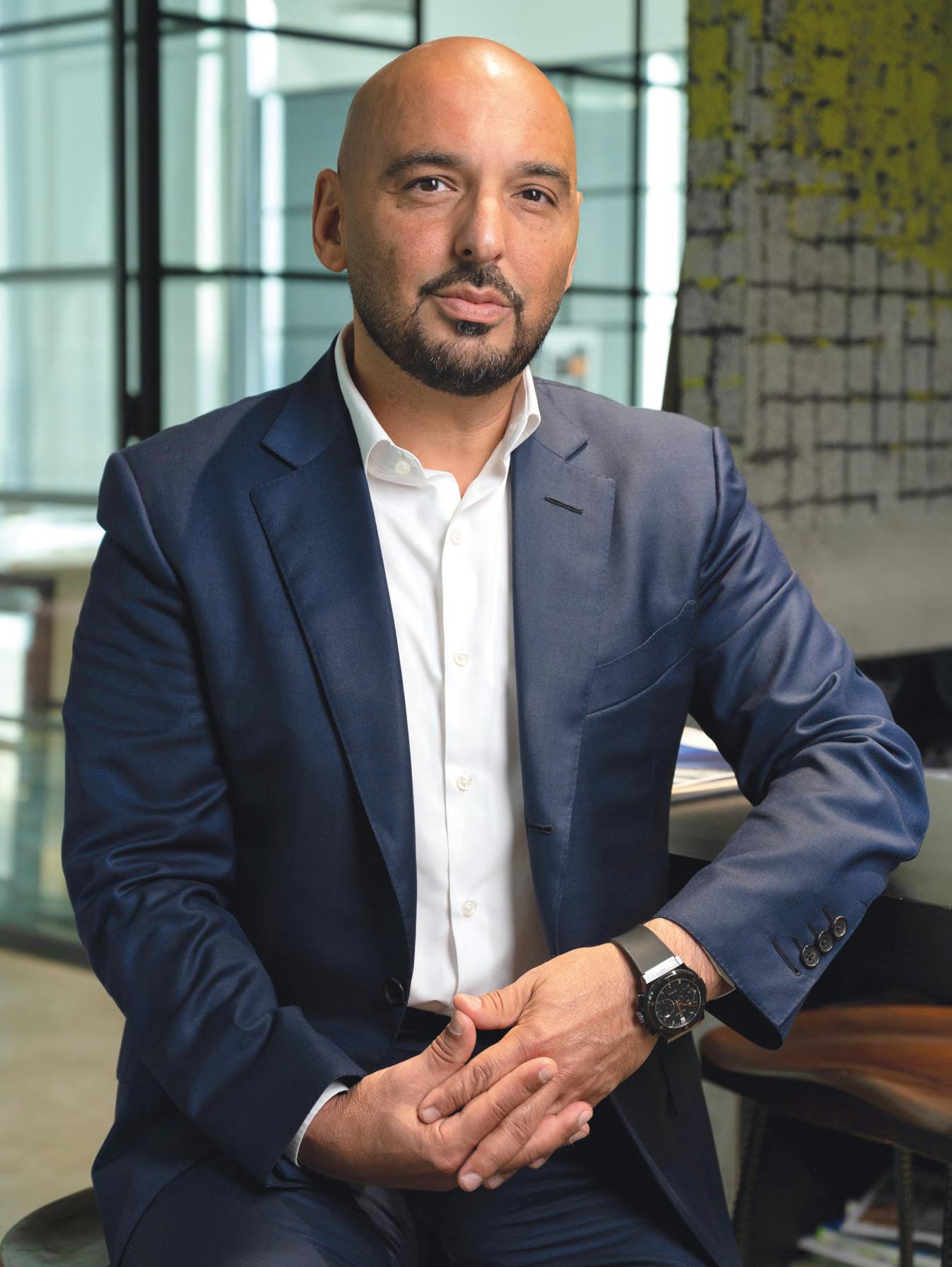
Design & Build has become increasingly popular in construction and interior fitout projects compared to traditional contracting, as well as in residential construction and renovation projects writes Natasha
Abbas, Director of Project Management at North 51 Consulting
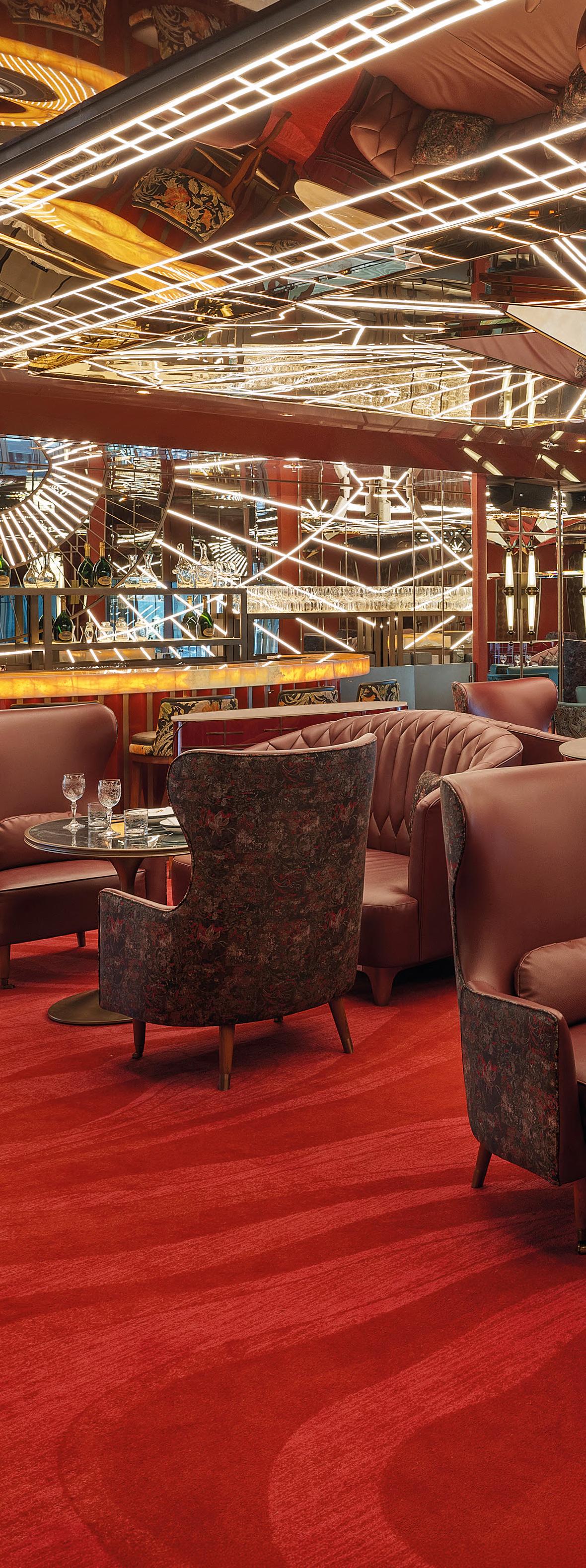
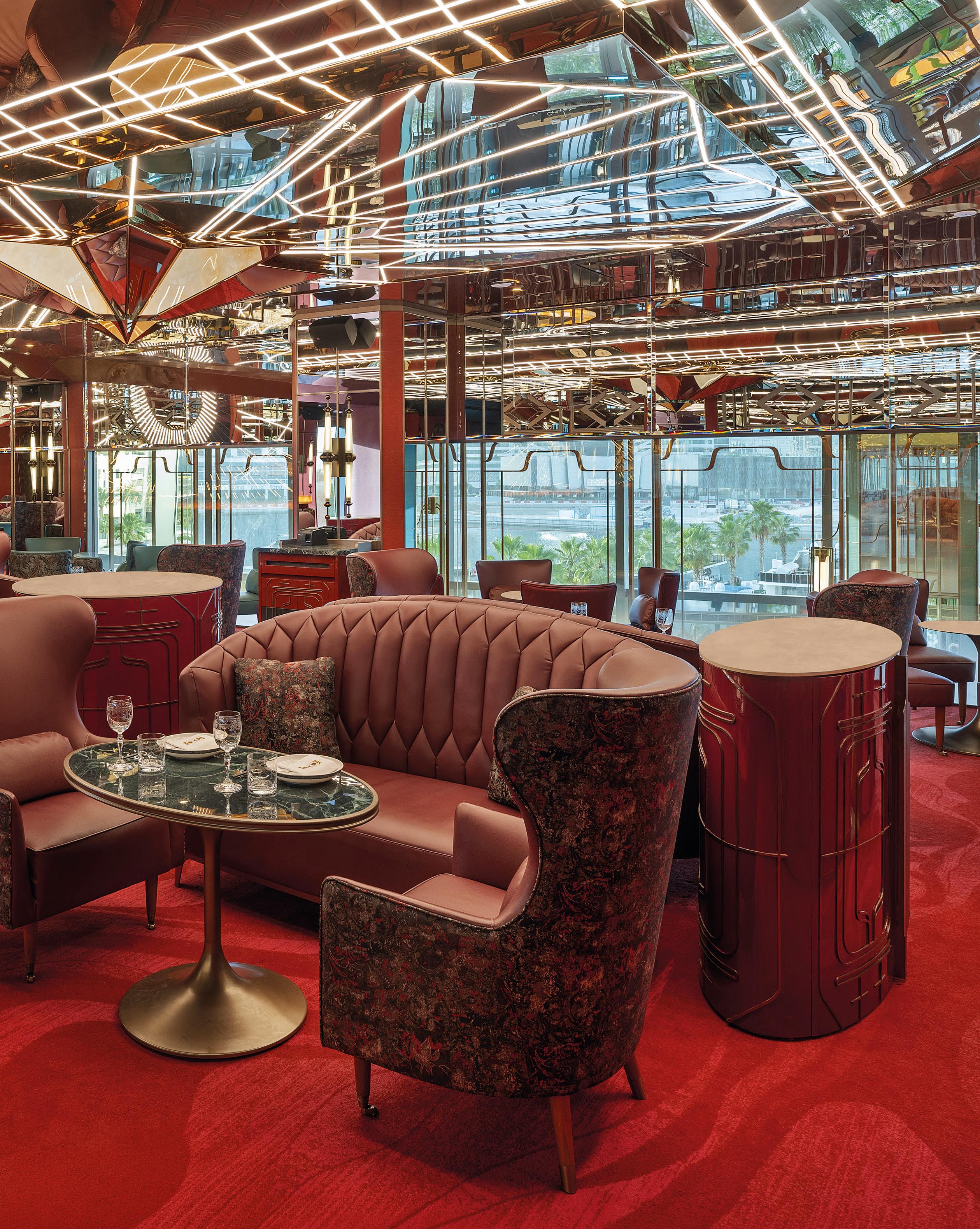
Design & Build (D&B) offers several key advantages making the process faster, more efficient, and highly collaborative for all parties involved.
Having delivered projects under both D&B and traditional contracting models, North 51 Consulting recognises that successful outcomes in either approach rely on clear oversight, disciplined coordination and effective control of cost, quality and change. When these fundamentals are well managed, risk is reduced, and projects are better positioned to achieve their intended design, program, and budget objectives.
In D&B, a single entity is responsible for both design and construction eliminating the typical friction that can rise
between designers and contractors under traditional contracting methods.
When opting for the D&B form of contract, several key criteria are fundamental ensuring that the contract structure and procurement approach align with the client’s objectives and project requirements.
The D&B model integrates both design and construction responsibilities under a single contractor and therefore offers advantages over traditional contracting, depending on the nature and complexity of the project.
The D&B model integrates design and construction responsibilities under a single contractor and therefore offers advantages over traditional contracting.
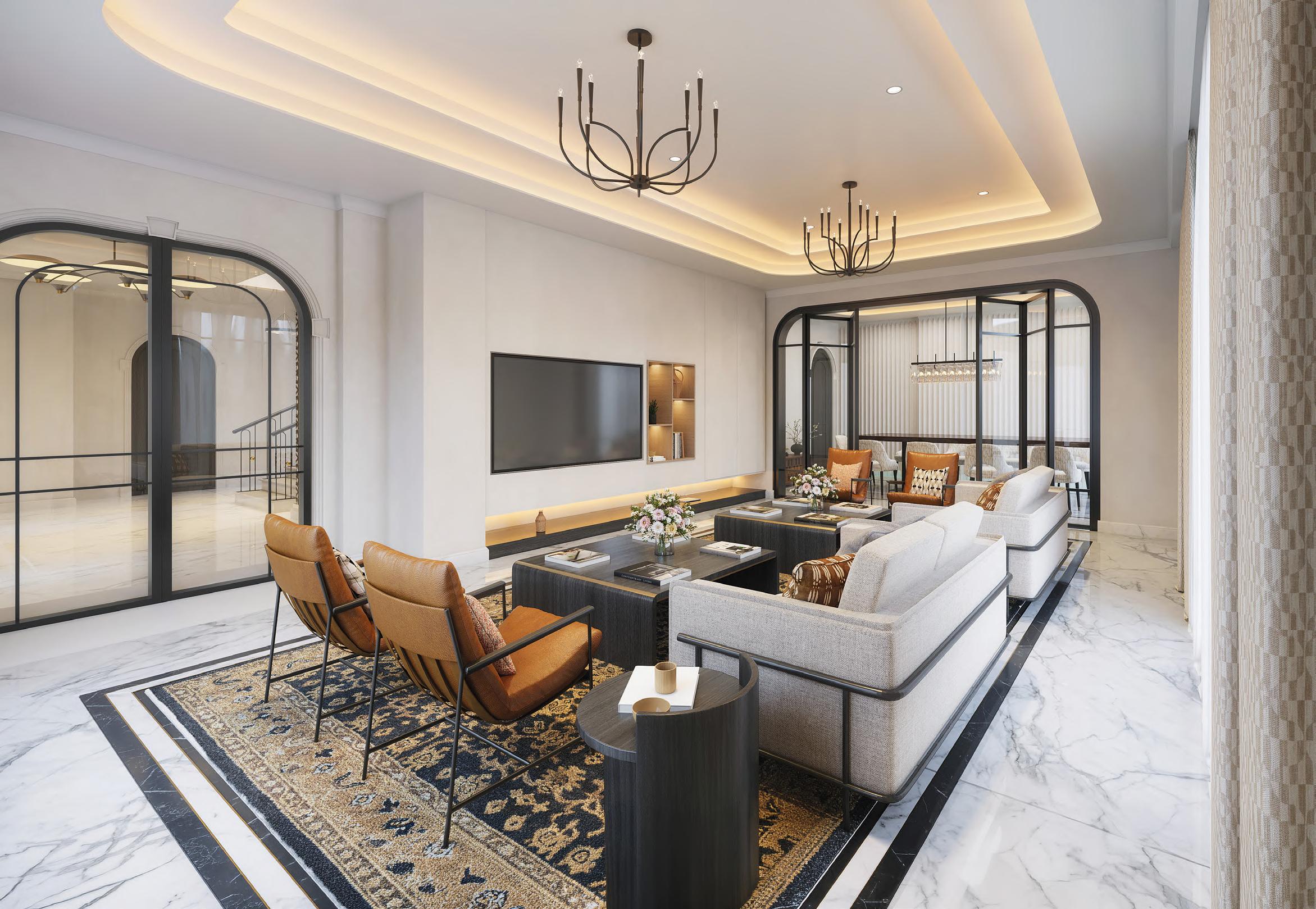
The employer’s requirements and clear definition of scope is quintessential. This includes a well-defined brief that sets out performance specifications, functional requirements, and quality standards, forming the foundation for effective delivery under a D&B arrangement.
The employer’s requirements form the basis of design and tender documentation. If they are unclear or insufficiently detailed, cost and quality control can be compromised, often resulting in project delays and cost overruns.
D&B provides greater cost certainty early in the process as design and construction are often tendered as a single package. However, this certainty is directly linked to how accurately the employer’s requirements and finishes are defined at the outset. When properly established, value engineering opportunities can be integrated into the early design stages, rather than introduced later as reactive cost-saving measures.
Studies by the Design-Build Institute of America (DBIA) show that Design-Build projects are often delivered with lower cost growth than traditional methods of contracting.
D&B allows overlapping of design and construction phases, resulting in faster project completion compared to traditional contracting. This may be the deciding factor in F&B and commercial projects where earlier entry into operation enables quicker Return on Investment (ROI). Design & Build projects typically progress at a faster pace than traditional contracting because:
• Design and construction phases can overlap (fast-tracking)
• Collaborative decision making reduces delays in communication and the need for re-bidding, minimising downtime
This makes the D&B form of contracting ideal for projects with tight deadlines or those that continue to evolve after the concept design phase.
Unlike traditional contracting, where the design responsibility rests solely with the client and the client’s appointed design team under D&B, the design responsibility shifts to the contractor. This provides the client with less control but
increases accountability on the contractor’s side. The contractor manages design development, enabling faster site execution and project completion, as design and construction phases may overlap.
“Integrated living is not a passing trend, but a structural response to urbanisation, changing demographics, and evolving lifestyles.”
The D&B model transfers significant design and construction risks to the contractor compared to traditional contracting. While the client’s exposure to cost overruns and design errors is minimised, the contractor may factor these risks into their bid. In the wider construction industry, providing more detailed designs during the early stages helps the contractor reduce unforeseen risks that may not be apparent at the project outset. However, the impact of this depends on the project type and the contractor’s pre-qualification.
Whilst in traditional contracting, detailed designs are developed based on specified requirements, in the D&B form of contracting, the client must specify performance criteria rather than fully detailed designs, allowing the contractor to propose innovative solutions. The integration of design and construction encourages higher-quality outcomes, as the project team can optimise performance holistically from the outset whilst maintaining continuous quality control throughout both design and construction phases.
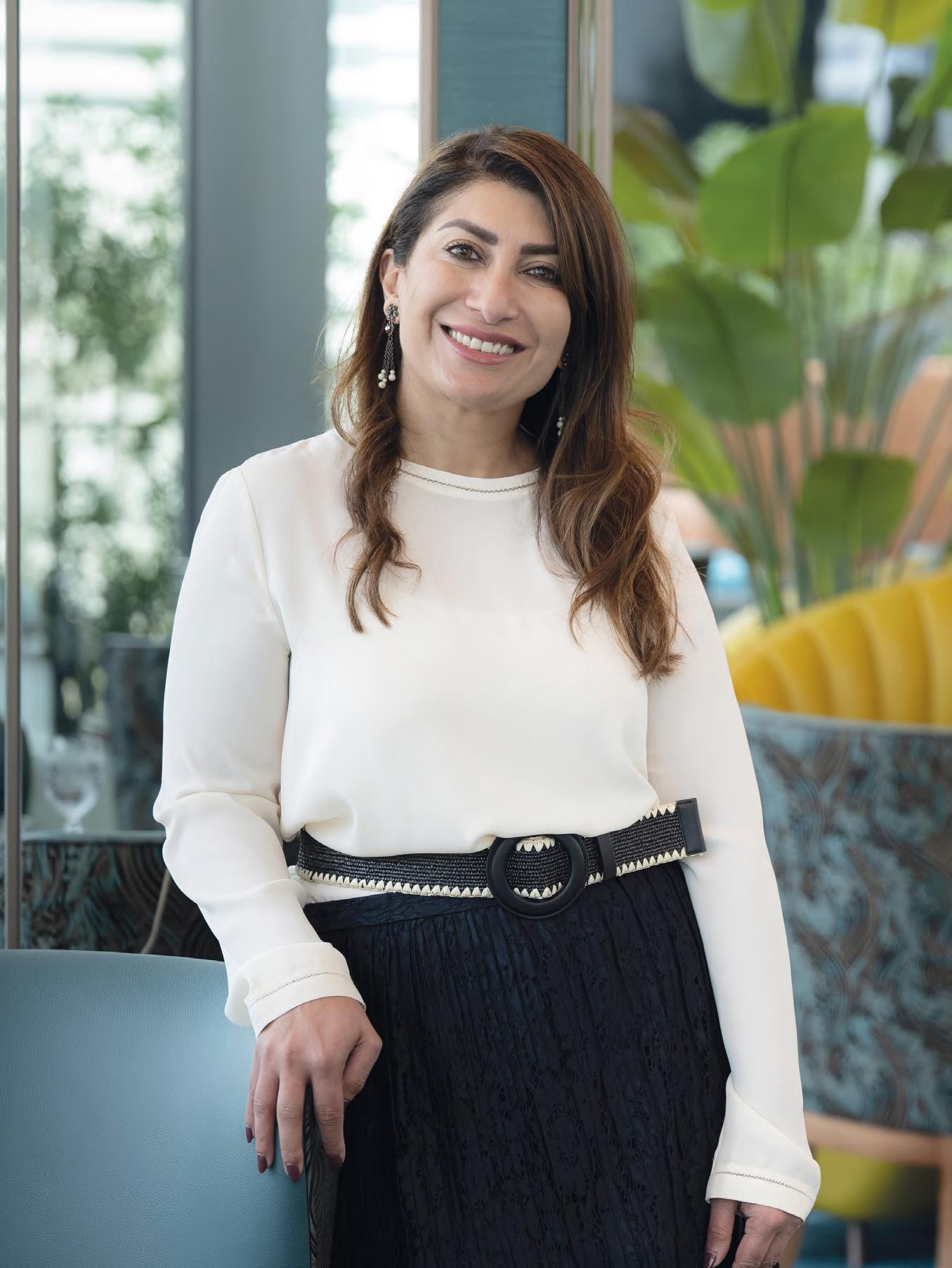
From a legal and contractual statute, the chosen form (e.g. JCT Design & Build, NEC Option A/E) must align with client’s risk appetite and project’s complexity. Clear definitions of responsibilities, liabilities, warranties and intellectual property rights should be established at the outset by the project manager or employer’s agent.
With the client, project manager, designers and contractor working as a single team from the outset, creativity and problemsolving is significantly enhanced.
• Early contractor involvement helps identify constructability issues early on in the project, thereby diffusing any potential showstoppers.
•
Innovative materials, methods, and technologies are more easily and readily adopted than traditional contracting.
With a single contract covering both design and construction, there is less opportunity for scope gaps or conflicting interpretations of responsibility resulting in fewer legal disputes and a more streamlined, well-controlled change management system.
The employer/client remains engaged in key decisions—particularly regarding finishes, aesthetics, and performance without having to manage multiple contracts or coordinate between design and construction teams, thus resulting in transparent communication and increased alignment with employers/ clients end project vision.
In summary, depending on the client’s risk appetite, TCQ (Time, Cost, Quality) parameters, whether the project is designled or specification/performance criteria-led, and the project type such as commercial, residential, F&B/hospitality, retail, offices, or infrastructure, key project drivers are required to be established at the outset to determine the appropriate form of contract and develop the overall procurement strategy. Whilst the Design & Build Model offers a fast-track project completion compared to traditional contracting, in both instances the role of the design team, comprising of architects, structural designers, MEP designers, interior designers, project managers, cost consultants, and contract administrators, is vital. Additionally, contractor pre-qualification and experience with the chosen contract type and form ie. D&B or traditional contracting is essential to ensure the project’s overall success.

Each month Middle East Consultant (MEC) sits down with an executive from the built environment to get to know them better from a professional and personal standpoint. Through the ‘Day in the Life’ focus, we learn more about their role, achievements, how they progress through their work days, how they handle stress, advice for the next generation and more. Here, MEC sits down with Olivia Taylor, Senior Consultant, HKA.
Share a brief about yourself and your role I am a Senior Consultant at HKA working in quantum and construction disputes, and I have been with HKA for coming up 7 years, based in the Dubai office.
I did not start out in this field; I trained and chartered as an Architect and worked as a Project Architect for several years at a leading practice in London before moving into claims and disputes in the UAE. That background still shapes how I think. I tend to visualise problems first, often sketching or mapping things out before getting into the detail. I am usually trying to understand what actually happened on a project, not just what is recorded, which is often where the difference lies.
In your current role what is the achievement you are the most proud of and why?
The moments I feel most proud are when something initially feels unclear and you are able to give it direction and arrive at a coherent view. That has been a consistent thread throughout my career, from completing my first project as a Project Architect through to more recent work in construction disputes. On a recent project involving a large claim, the information was fragmented and difficult to navigate. I rebuilt the sequence of events, mapping out what had actually happened before forming a position.

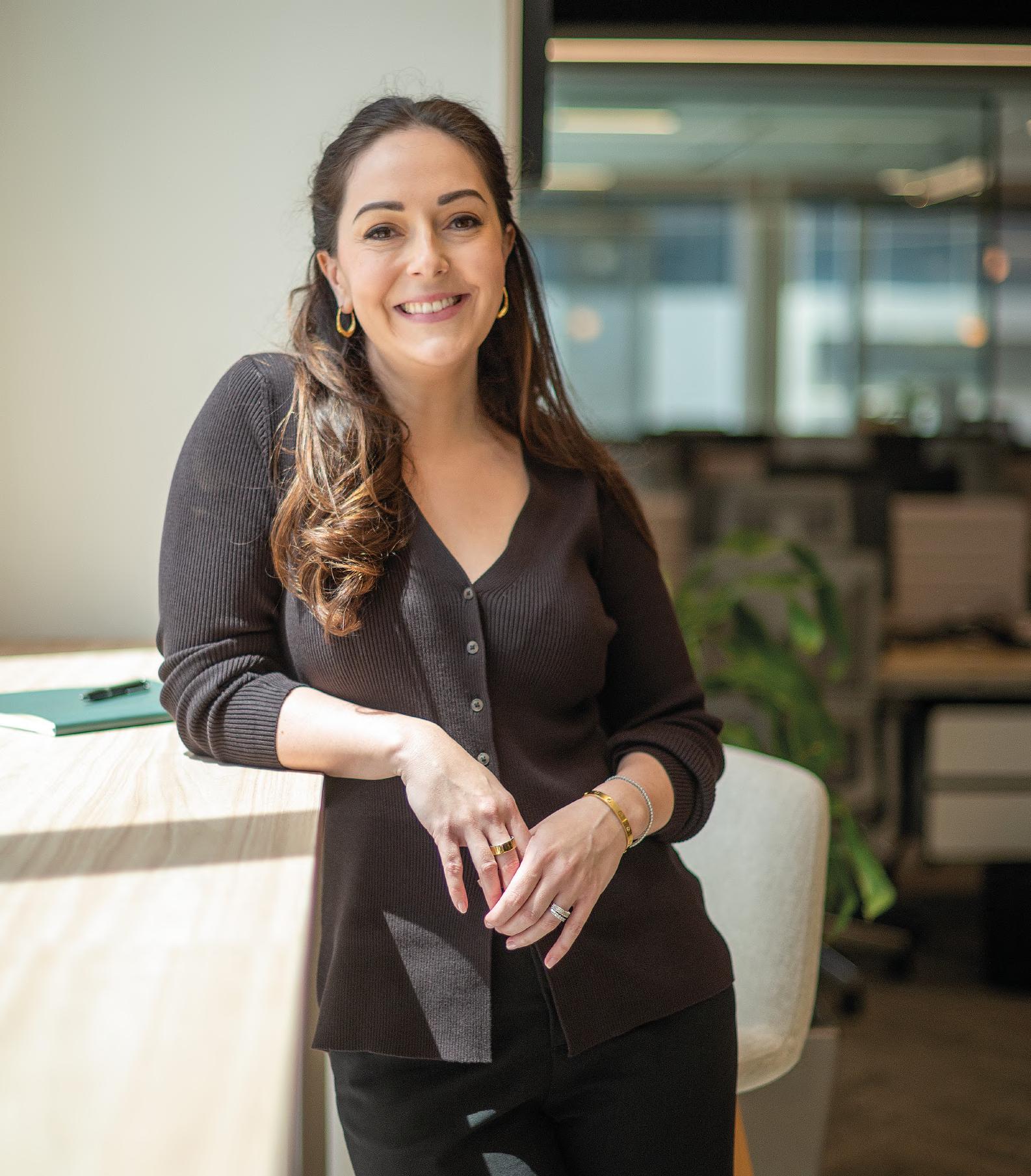
“I have always been drawn to problems where there is no obvious answer.”
OLIVIA TAYLOR

There is usually a point where everything aligns, and that shift from uncertainty to a clear position is probably the most rewarding part of the work.
Outside of being driven/selfmotivated, what drives you forward and motivates you to do better?
I have always been drawn to problems where there is no obvious answer. Construction disputes tend to sit in that space, with competing views and a lot of noise. I enjoy working through that and getting to something that feels clear and grounded.
Over time, what motivates me more is having a greater role in shaping the outcome rather than just contributing to it. That sense of ownership changes how you approach the work.
What is your ethos on life/work balance? How do you balance the two and ensure you make the most of each day?
I do not think balance exists neatly dayto-day, particularly in this role. There are periods where work is more intense, and I think it is better to accept that than fight it. What matters more is being able to switch off properly when you can.
I have a young family, which helps create that boundary whether I plan it or not. For me, it is less about perfect balance and more about making sure things feel sustainable over time.
How does your day begin at the office? What does your first hour look like?
Coffee, always. After that, the first part of my day is usually about understanding what matters before reacting to
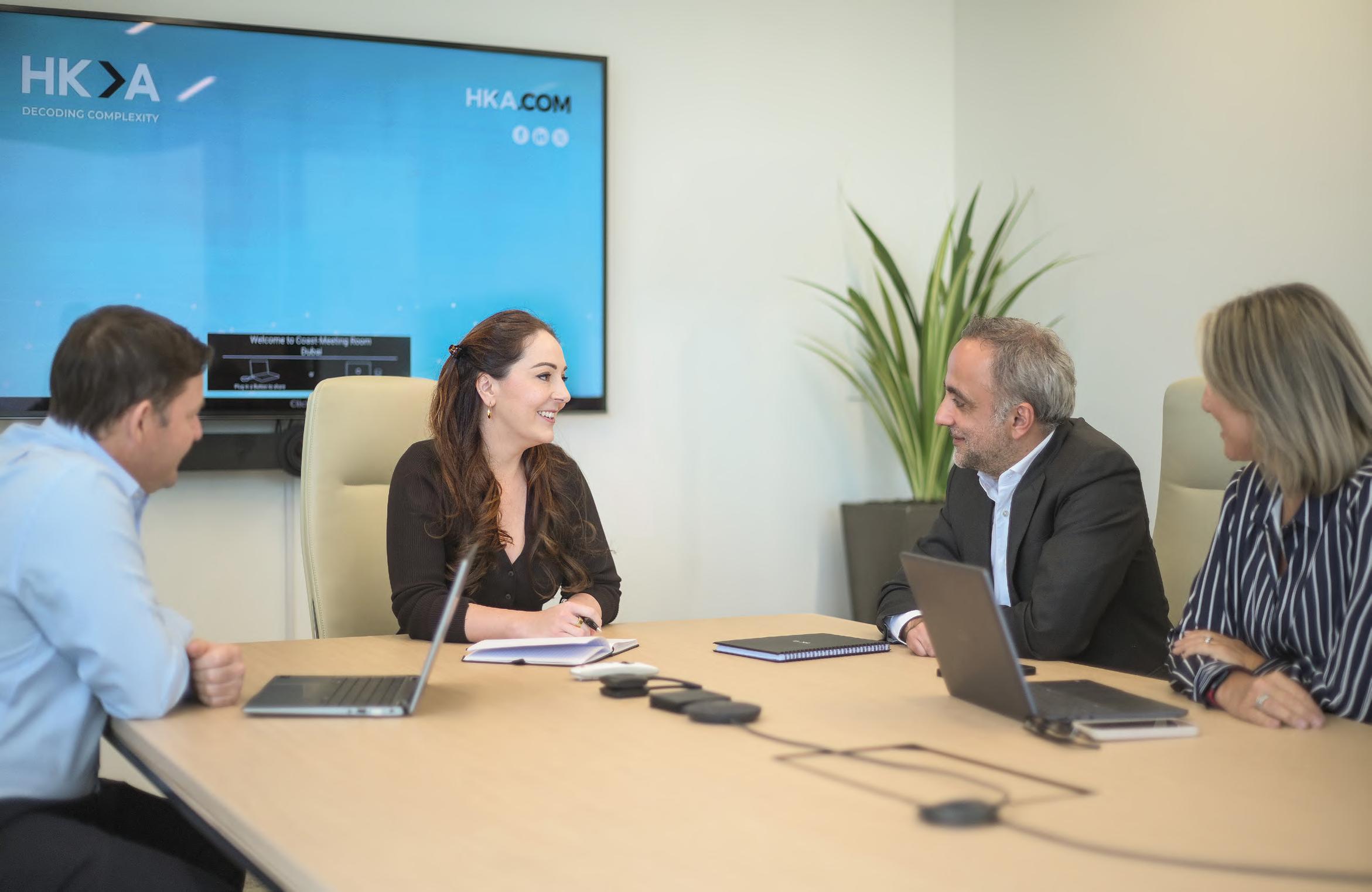
everything that has come in overnight. That means going through emails, but more importantly deciding what genuinely needs attention.
If there is something complex or important, I try to tackle it early while things are still quiet. Once the day fills up with calls and meetings, it becomes much harder to think clearly, so that first hour tends to set the tone.
What does your lunch hour look like? How do you spend it?
It depends on the day. Some days lunch is at my desk, particularly if things are busy, but I do try to step away where I can.
I also have a 2-year old daughter, so on days I am working from home, lunch usually involves a “cup of tea” she has made for me. It is entirely imaginary, but she takes it very seriously, so it tends to be non-negotiable. It is a surprisingly effective way of forcing a break from my desk.
What do you to refocus yourself and maintain productivity as the day progresses?
When things feel large or complicated, I try to break them down into something workable quite quickly. I often map things out visually at the start, which helps create a route into the detail. It is easy to get lost in the volume of information otherwise.
A big part of the role is deciding what deserves attention and what does not, which makes a noticeable difference to both clarity and productivity.
How do you wind down your workday? Take us through your last hour at the office.
The last part of the day is about pulling things together and making sure there is a clear plan for what comes next. I try not to leave things mid-thought, as that makes the following day harder.
Where possible, I also take a wider view and sense-check whether the overall direction still makes sense. It is easy to get caught up in individual tasks, so having that moment of perspective helps create a cleaner break into the evening. Recently, I have taken to the habit of writing a list of tasks for the following day and it has been game changing.
The construction industry can be quite stressful – how do you handle stress? What tips can you share with our readers on the healthiest way to deal with stress? There are definitely periods where the pressure is higher, particularly around deadlines or complex submissions. Most situations feel more overwhelming at the start than they do once you begin to organise them.
I often find that mapping things out on paper helps bring clarity quite quickly. Breaking things down and focusing on what you can control makes a big difference. I have also learnt that stepping away briefly, even when it feels counterintuitive, often helps you come back with a clearer head.
How do you make big decisions for your businesstake us through your process.
I usually start by asking what really matters in the context of the problem. It is easy to get pulled into technical detail too quickly, but most decisions hinge on 1 or 2 key issues.
From there, I work through the information and form a view, even if everything is not completely clear. In this type of work, waiting for perfect information is not realistic, so it is about making a reasoned judgement and being able to stand behind it once you have taken a position.
Share one aspect of your role that you like, and conversely, one aspect that you dislike.
I like the point where something stops feeling abstract and starts to make sense. There is usually a moment in a claim where the direction becomes clear, and that is probably the most satisfying part.

What I find more challenging is the volume of information. There is often a lot of it, and not all of it is useful. A big part of the role is learning where to direct your attention, rather than trying to absorb everything.
Name a person that inspires you personally and professionally, and share 2 or 3 things that you most admire from that person and try to emulate in your own life?
I tend to be inspired by people I have worked with rather than one specific individual. In particular, those who combine technical knowledge with calm judgement and clarity.
I admire people who can simplify complex situations without losing accuracy, and who remain measured under pressure. That ability to think clearly and communicate simply is something I try to emulate in my own work.
What smartphone do you use and what are your top 3 most used applications and why?
I use an iPhone 16 Pro, although I do miss my old Nokia 3210. It was less efficient, but it also meant there were far fewer distractions.
My most used apps are Audible, FT Edit and Outlook. Audible is for my growing selection of audiobooks, which I tend to listen to throughout the day, particularly when I may not be able to set aside time to read.
FT Edit is useful because it curates a small number of the top Financial Times articles, so you stay informed without getting overwhelmed. Outlook is where most of my day is coordinated, so it is nearly always open. I try to keep it simple and focus on what is useful.
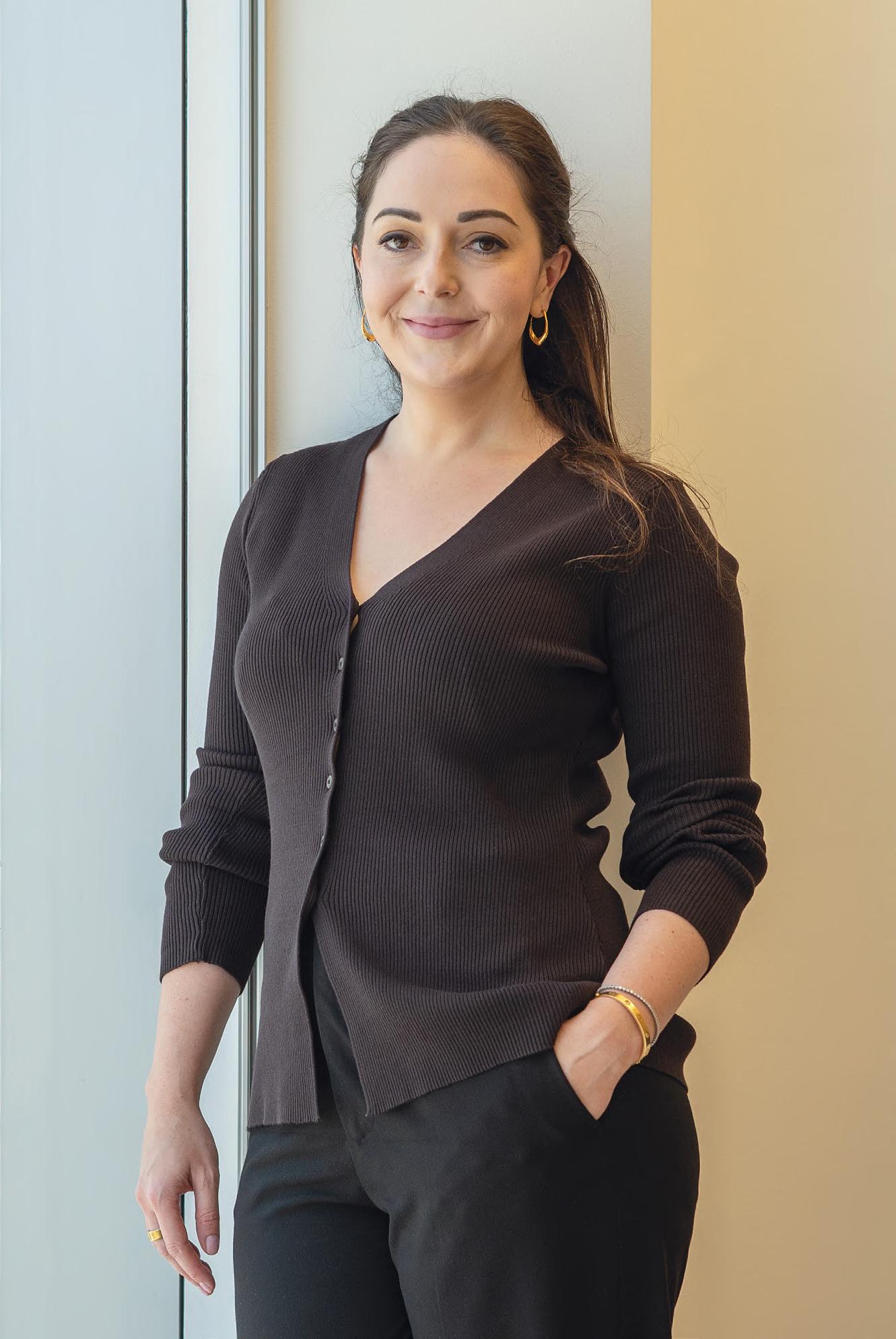
“I admire people who can simplify complex situations without losing accuracy, and who remain measured under pressure.”
OLIVIA TAYLOR
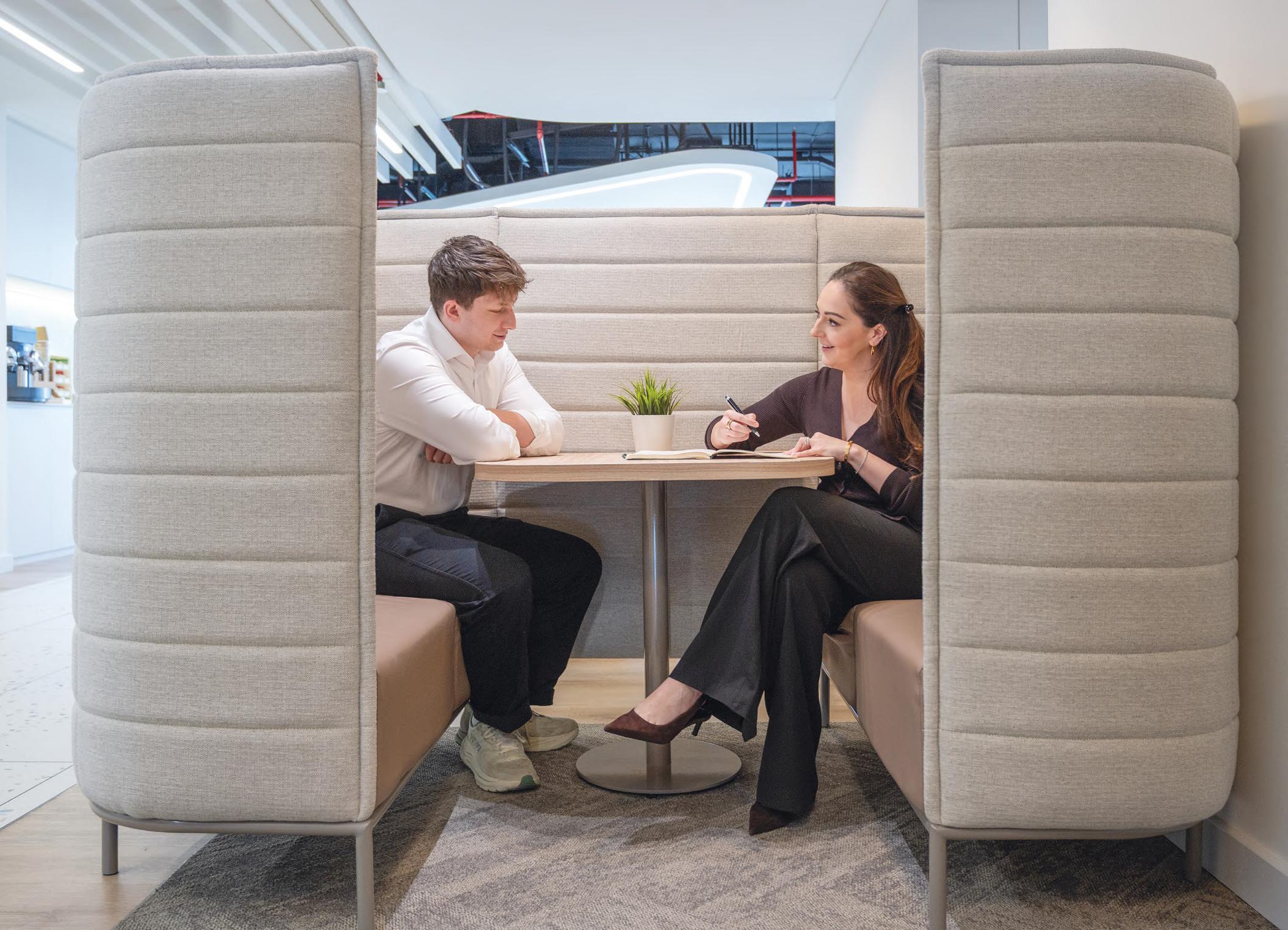
“ The last part of the day is about pulling things together and making sure there is a clear plan for what comes next.”
OLIVIA TAYLOR
What’s one thing that you want to be known for personally in the construction industry?
I would like to be known as someone who makes complex situations feel manageable and easier to navigate. Construction disputes can feel quite overwhelming, and I think there is real value in being able to bring clarity without adding to that complexity.
Having started in architecture, I also tend to see things slightly differently, and I would like that to be part of what I am known for. If anything, I would rather simplify than overcomplicate.
Above all, I would like to be known as someone who is kind and approachable. These are qualities I think matter
most, particularly in an environment that can often feel high pressure.
What advice do you have for fresh graduates and up and comers in your own organisation?
Be patient with the process and focus on understanding how projects actually work, not just the theory behind them. That depth comes with time and should not be rushed.
Always ask questions, stay curious, and try to see the bigger picture rather than just the task in front of you. Also, do not underestimate the importance of communication. Being able to explain your thinking is just as important as the analysis itself.
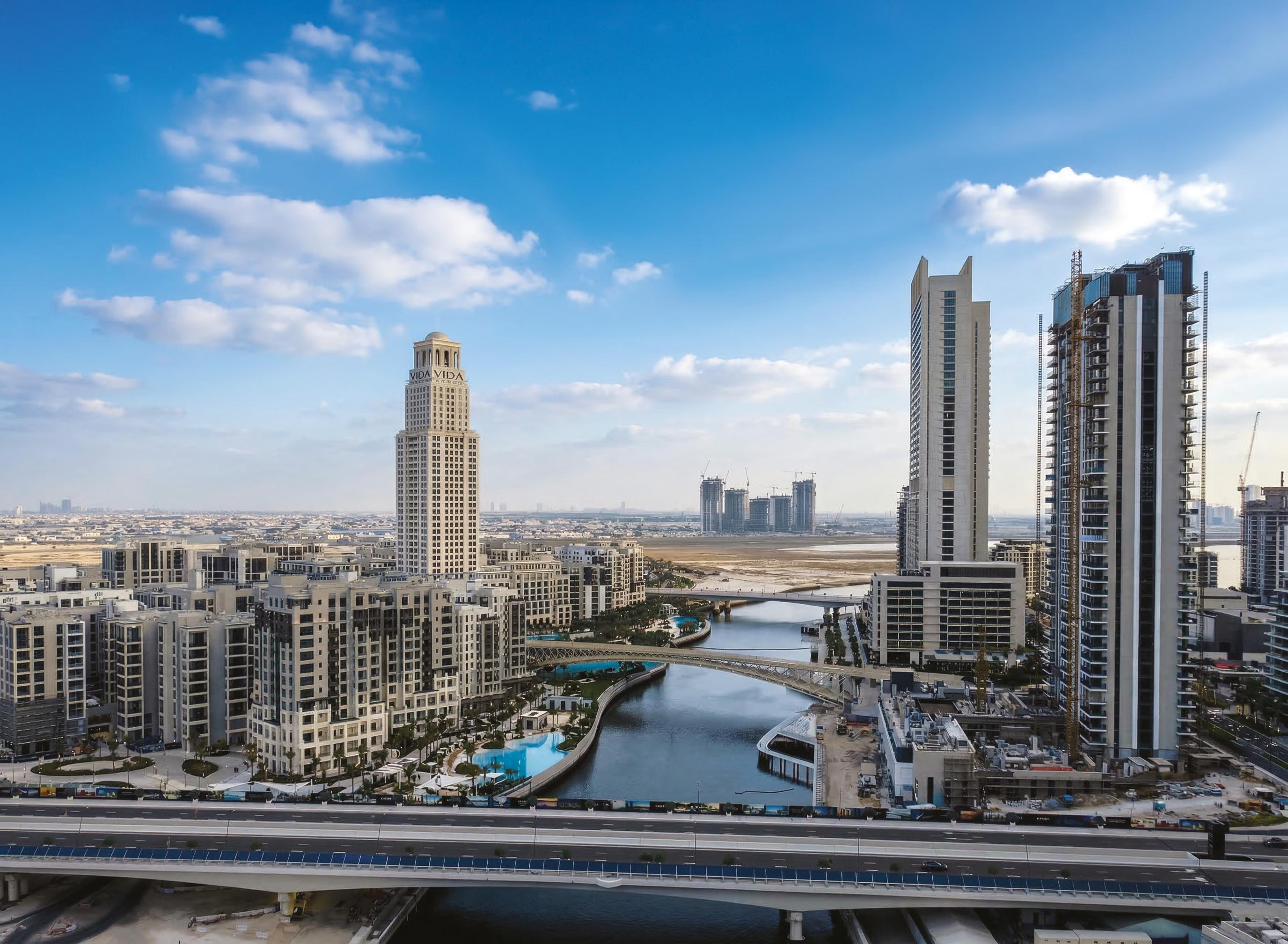
For over five decades, Engineering Contracting Company (ECC Contracting) has stood at the forefront of the UAE’s construction landscape, delivering landmark projects that define skylines, enable communities, and shape the nation’s growth story.
Consistently delivering projects ahead of schedule, including Hewi Nad Al Sheba (2026), Award-winning Peninsula Plot B (2025), Dubai Creek Harbour Phase 3 (2024), and Vida Hotel and Residences (2023)







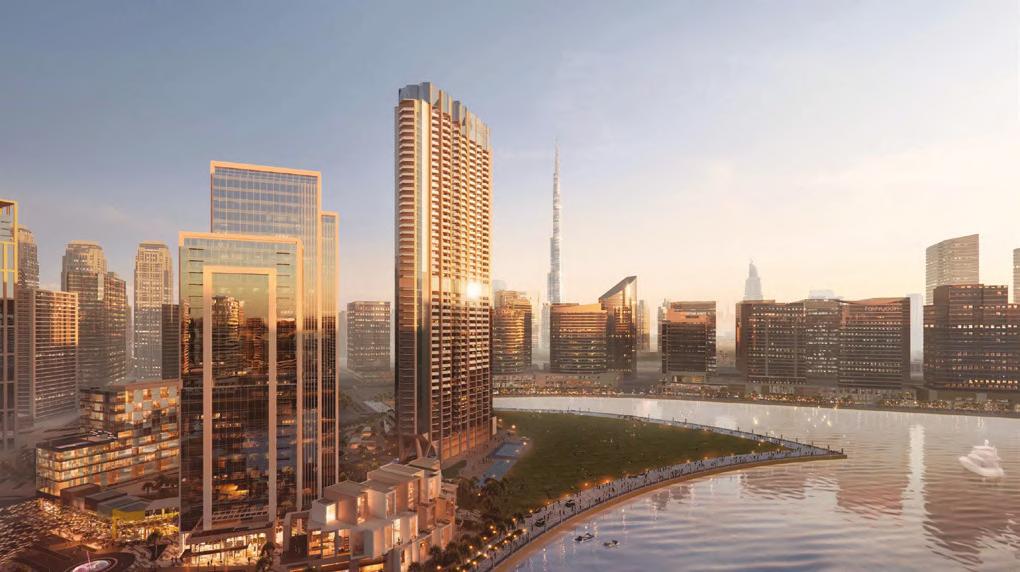








Wherever your projects take you, Trimble scales with your ambition. Whether it’s supporting new materials, handling local compliance or growing from single seats to enterprise deployments, we’ll help you deliver with confidence.
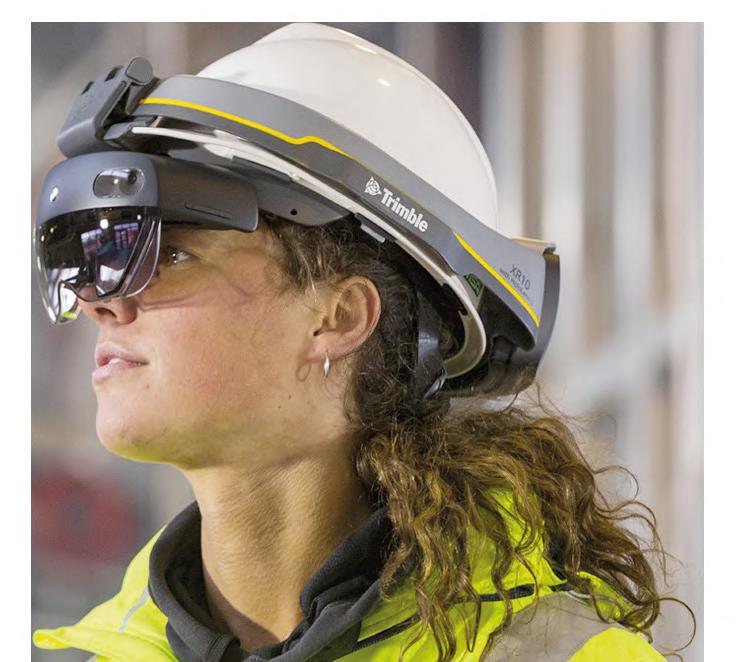
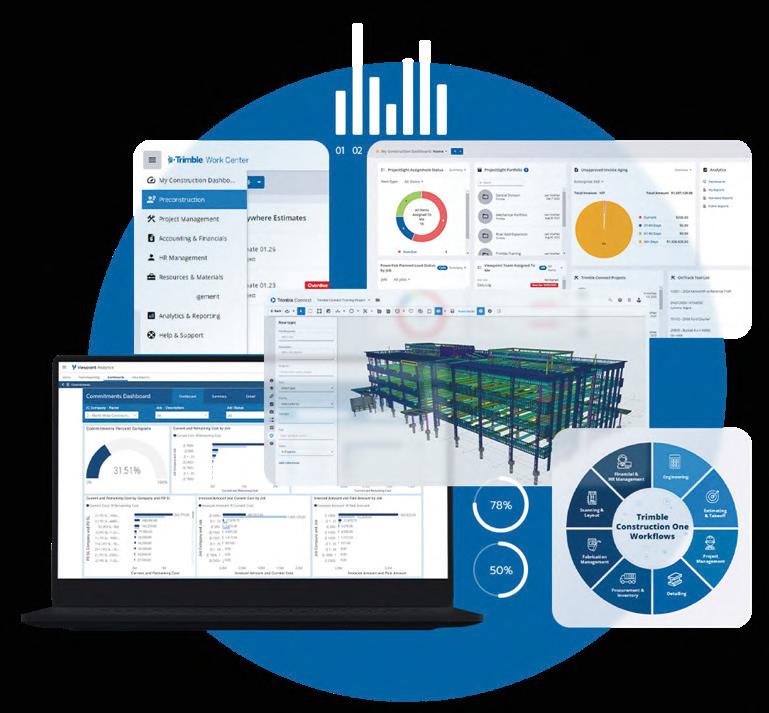
This free access tool is designed to help structural and MEP professionals visualise the financial impact of rework in a project.
By inputting a few key details and using data from the Construction Industry Institute, you can see how small oversights can escalate as the project progresses from design to construction.