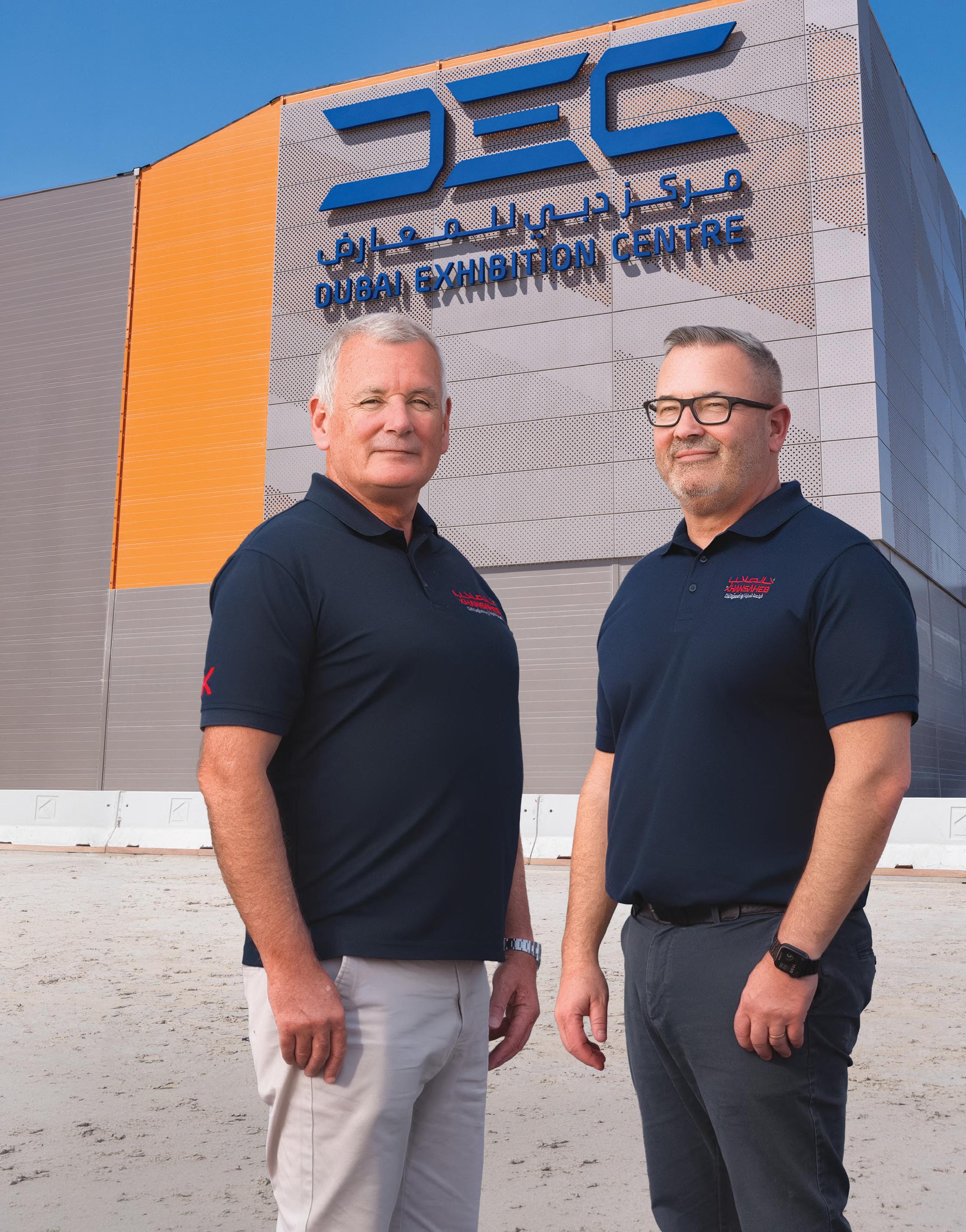

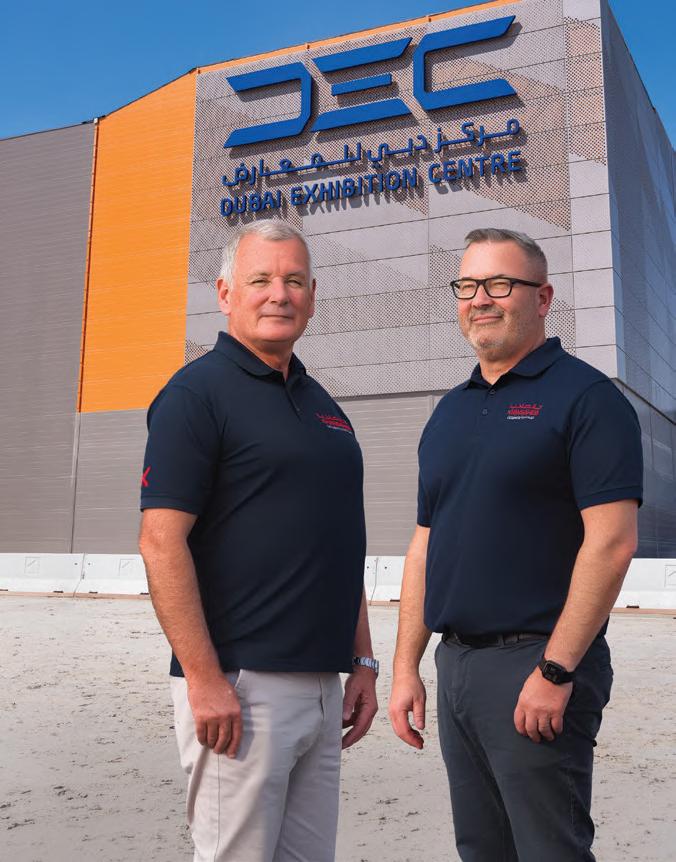
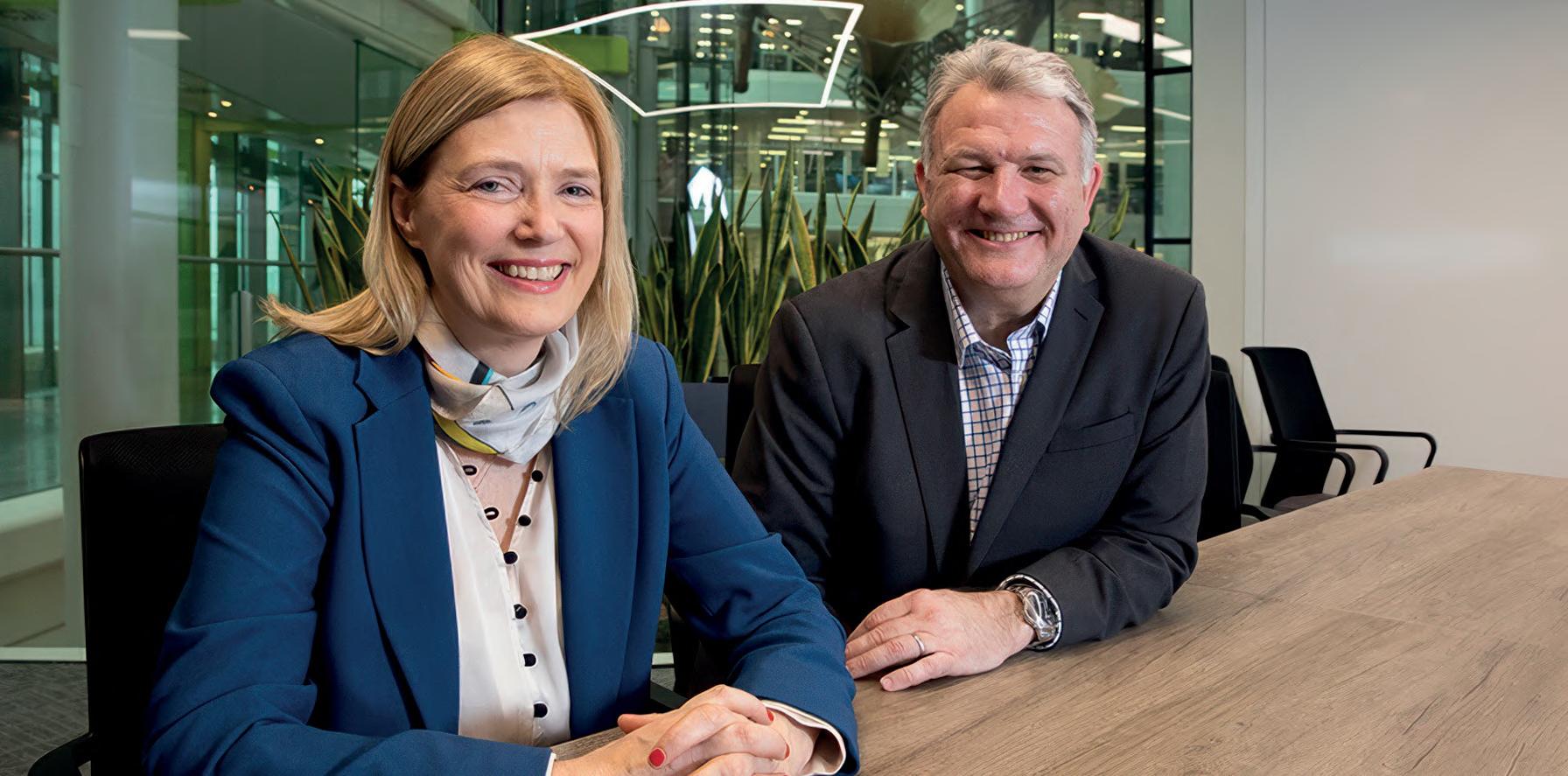
KHANSAHEB CIVIL ENGINEERING’S JASON SAMS AND HOWARD MCDONAGH TALK TO BPME ABOUT THE DELIVERY OF THE DEC CAMPUS LEGACY PROJECT PHASE ONE
POWER THAT PAYS
Nominate now
DEADLINE: 15 MAY 2026
“Hello, I hope you’re safe and well” – that’s an e-mail greeting I last used during the pandemic. I didn’t expect to use it again quite so soon but that changed after 28 February, with the outbreak of conflict between the US, Israel and Iran. The conflict continues to persist at the time of writing this letter, so I really do hope that wisdom and cooler heads soon prevail amongst the belligerents. I also sincerely hope that all of you, dear readers (and your loved ones), are safe and well, and that you’ve been able to weather this period well.
The UAE’s leaders have done an incredible job of guiding the country through this tumultuous period, while the UAE’s Armed Forces and other frontliners have also been at the top of their game when responding to challenges. The UAE has been my home for over 40-years, and I’ve never been prouder to call the country and the city of Dubai my home.
The conflict has had an impact on livelihoods, businesses and supplychains around the globe, and
has the potential to have long-term effects, even if the conflict is resolved soon. That said, I’ve found it inspiring to see many people "keep calm and carry on", while taking the appropriate precautionary measures in line with advisories from the UAE authorities. Having spoken to real estate developers, architects, consultants and contractors, it's been good to hear that developments are moving forward, with several handovers over the February-March period. There’s also been multiple high dollar contract awards by players in the private and public sector, highlighting confidence in the UAE market, and the country’s strong fundamentals. Long may it continue. and may cooler heads always prevail. Stay safe.

Jason Saundalkar EDITORIAL DIRECTOR
14 The Briefing
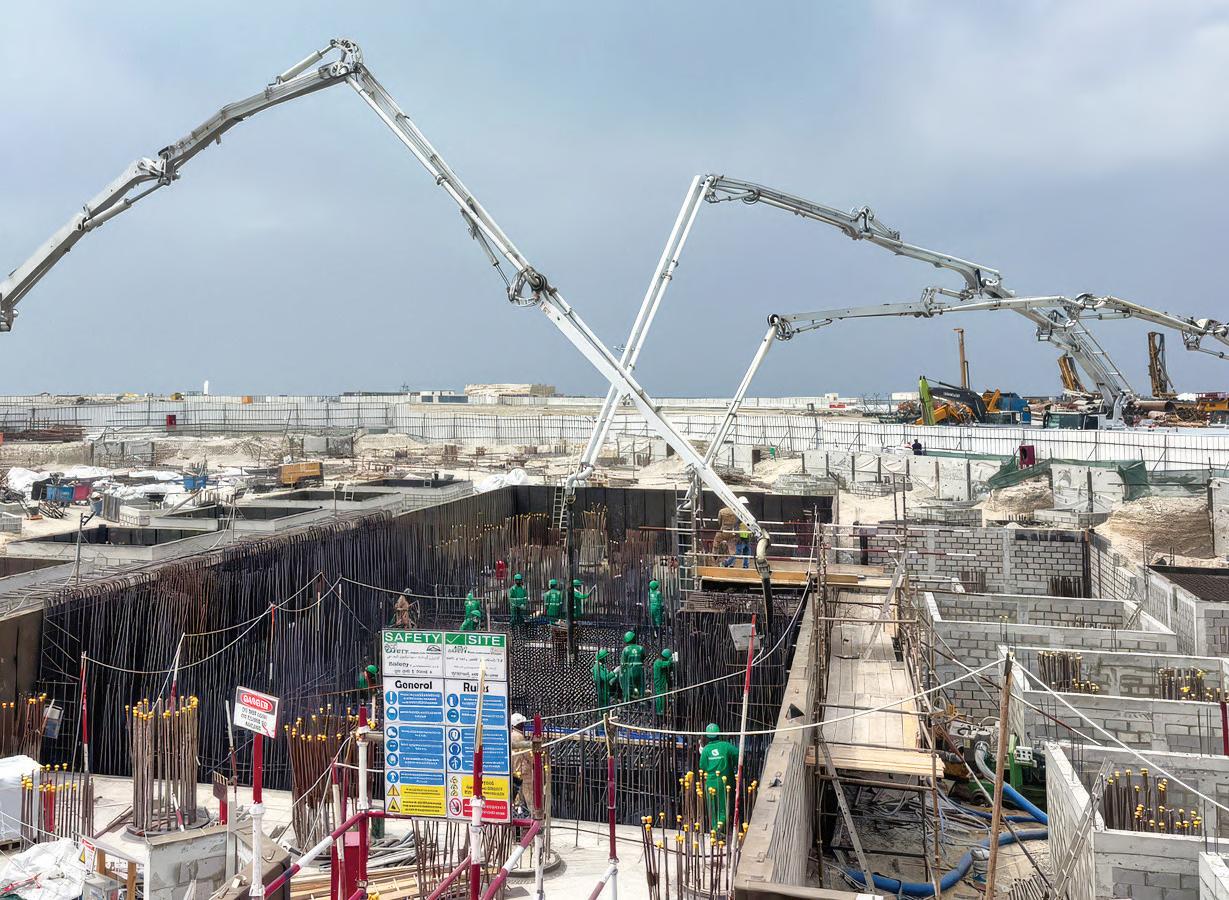
Beyond Developments achieves milestones on its Maritime City master plan
22 The Big Picture
A wrap-up of the biggest international construction news stories for the month
24 Market Report
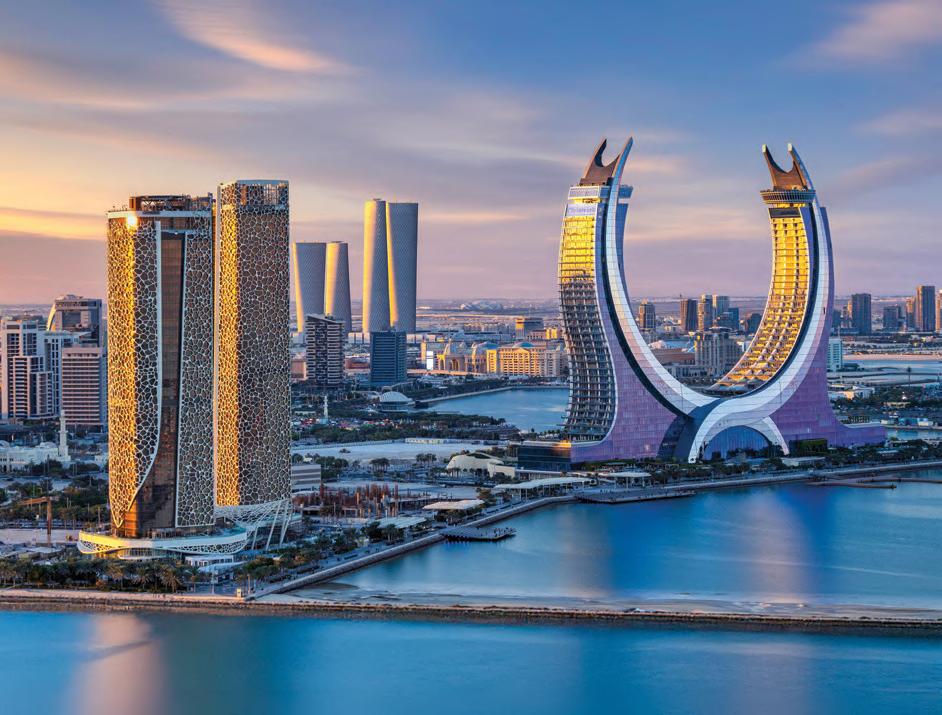
Knight Frank reviews key trends and the performance of Qatar's real estate market in 2025
30 In Profile Building a New Dubai Icon
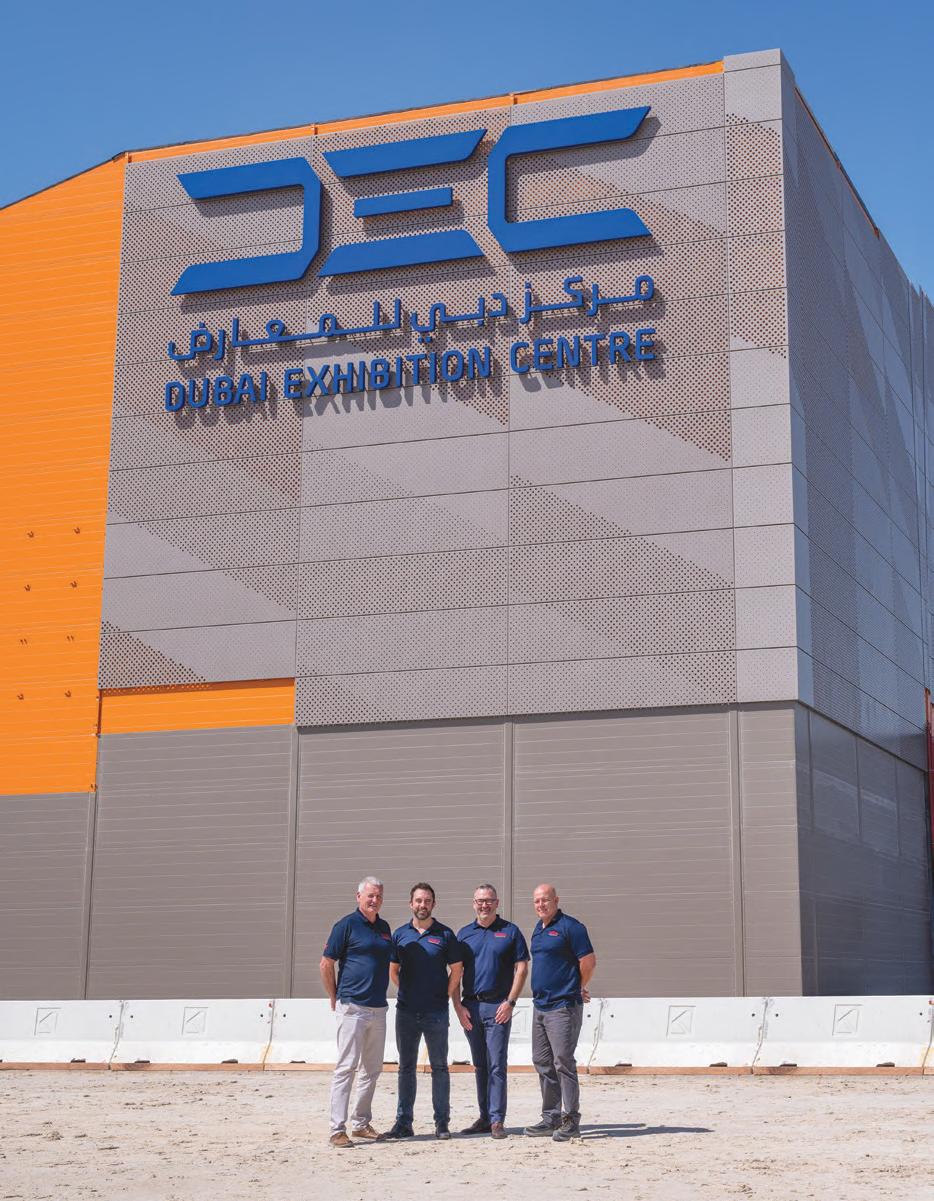
Khansaheb Civil Engineering's Jason Sams and Howard McDonagh take BPME's Jason Saundalkar on an exclusive site visit of the DEC Campus Legacy Project Phase One, and discuss how the contractor brought the mega project to fruition
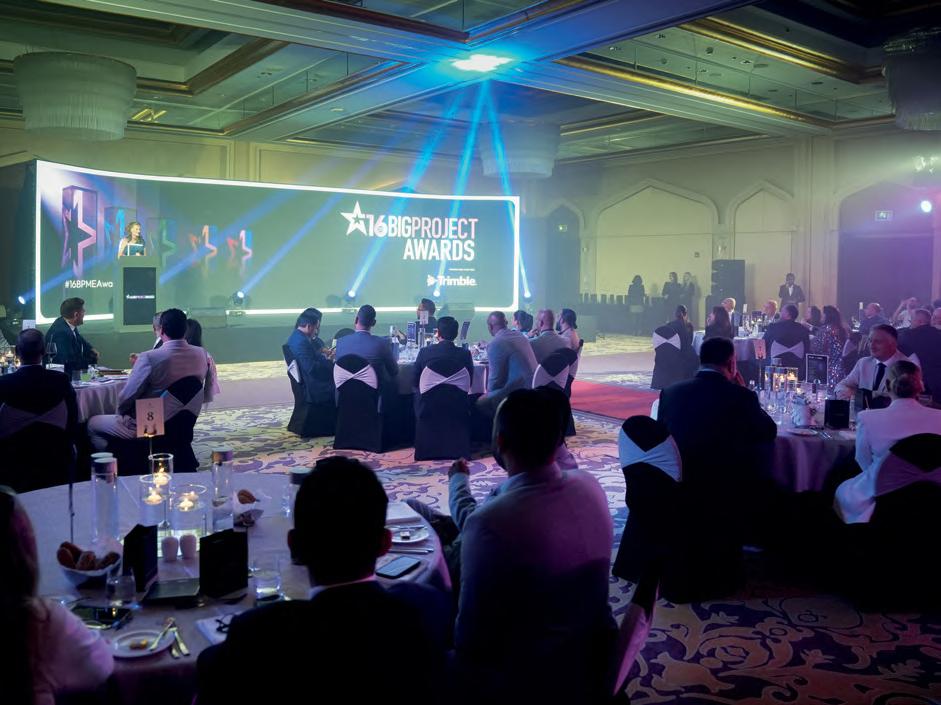
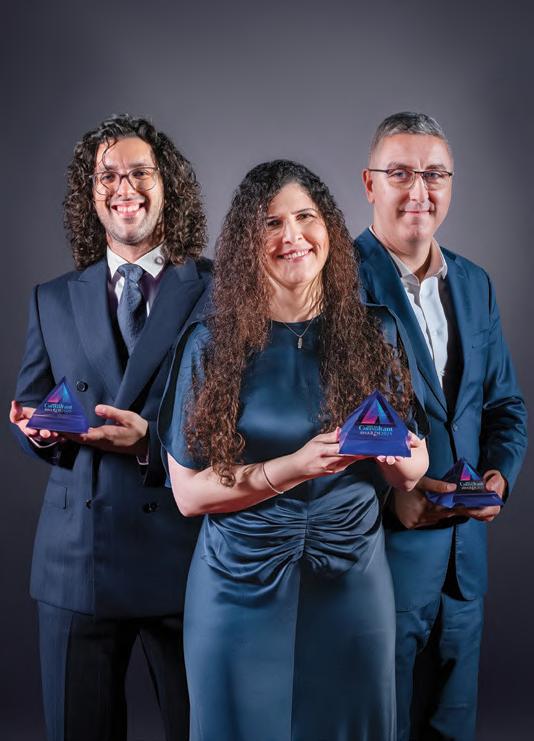
BPME's Priyanka Raina recaps the 2026 Big Project Middle East Awards which took place at the Ritz Carlton JBR, Dubai on 11 February and recognised excellence across 23 distinct categories
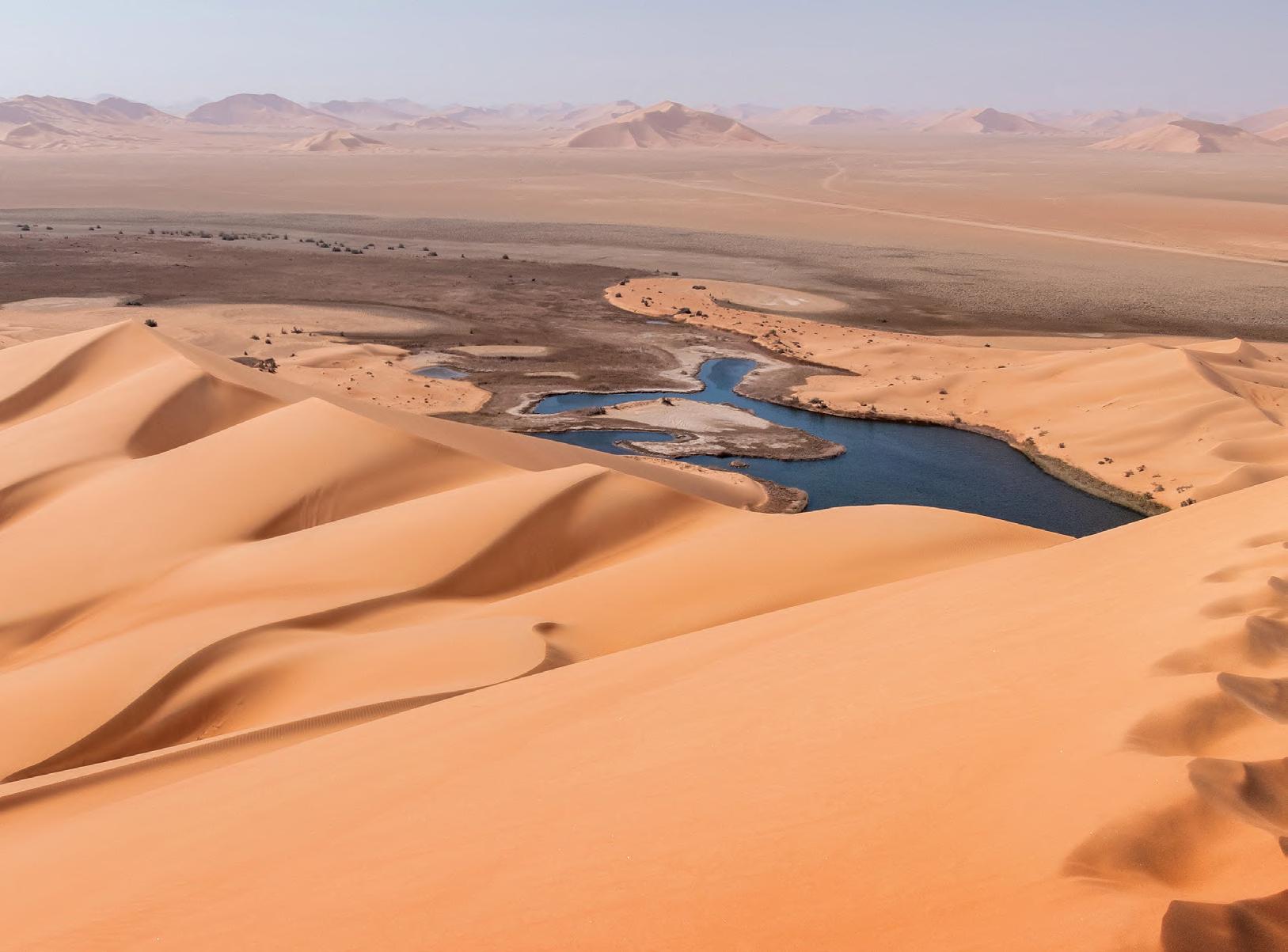
BPME's Jason Saundalkar speaks to the Water Security Collective about water security, the importance of understanding water risks holistically, and how water risks can be tackled
The region has a choice - to remain a highly sophisticated deployers of global innovation, or to shape the standards the rest of the world follows writes Steven Charlton, Founder & CEO, i/o atelier
104 Final Update
Developer Object 1 completes
GROUP
MANAGING DIRECTOR Raz Islam
DIRECTOR OF FINANCE & BUSINESS OPERATIONS Shiyas Kareem
EDITORIAL
EDITORIAL DIRECTOR Jason Saundalkar
ASSOCIATE EDITOR Priyanka Raina
ADVERTISING
SALES DIRECTOR Arif Bari
STUDIO
ART DIRECTOR Simon Cobon
GRAPHIC DESIGNER Percival Manalaysay PHOTOGRAPHER Maksym Poriechkin
CIRCULATION & PRODUCTION
DIRECTOR OF MARKETING & MEDIA OPERATIONS
Phinson Mathew George
PRODUCTION & IT SPECIALIST Jarris Pedroso
MARKETING
MARKETING & EVENTS EXECUTIVE Lakshmy Manoj
SOCIAL MEDIA EXECUTIVE Franzil Dias
WEB DEVELOPMENT
SENIOR DIGITAL MANAGER Abdul Baeis
WEB DEVELOPER Umair Khan
FOUNDER Dominic De Sousa (1959-2015)
raz.islam@cpitrademedia.com shiyas.kareem@cpitrademedia.com
jason.s@cpitrademedia.com priyanka.raina@cpitrademedia.com
arif.bari@cpitrademedia.com
simon.cobon@cpitrademedia.com percival.manalaysay@cpitrademedia.com maksym.poriechkin@cpitrademedia.com
phinson.george@cpitrademedia.com jarris.pedroso@cpitrademedia.com
lakshmy.manoj@cpitrademedia.com franzil.dias@cpitrademedia.com
abdul.baeis@cpitrademedia.com umair.khan@cpitrademedia.com
When you have finished with this magazine, please recycle it
The publisher of this magazine has made every effort to ensure the content is accurate on the date of publication. The opinions and views expressed in the articles do not necessarily reflect the publisher and editor. The published material, adverts, editorials and all other content are published in good faith. No part of this publication or any part of the contents thereof may be reproduced, stored or transmitted in any


MEConstructionNews.com
@meconstructionn
MEConstructionNews
me-construction-news




INFRASTRUCTURE
Dubai Municipality completes 36% of stormwater drainage system in Deira

UAE launches smart microgrid initiative to power government infrastructure

KEO & MHA announce partnership to service growing data centre requirements
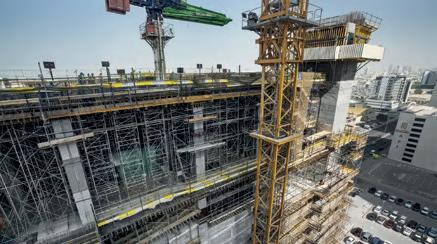
Azizi Developments works with Doka for Burj Azizi car park INDUSTRY
REPORT
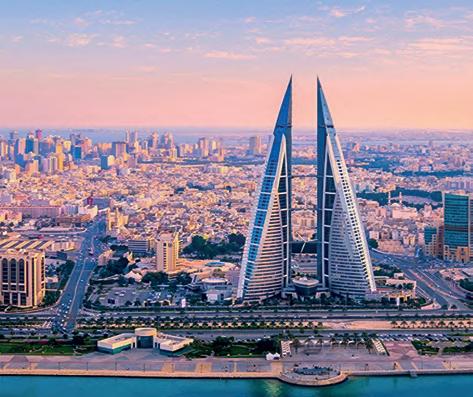
Bahrain real estate records robust growth in 2025
The Survey and Land Registration Bureau recorded a total of 29,777 real estate deals for the year, up 19.8% from 2024
INFRASTRUCTURE
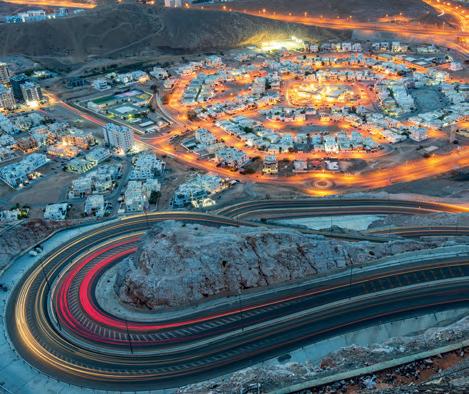
Oman advances $3bn expansion of road network
These include constructing new roads, upgrading and repairing existing ones, and conducting routine maintenance

INDUSTRY
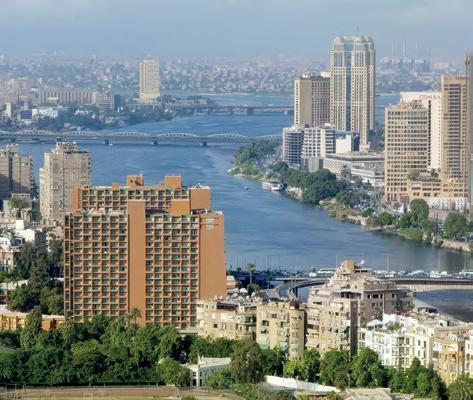
Qatari Diar to invest over $800m in hotel developments across Egypt
The expansion plans extend to Egypt’s Red Sea coast, where the developer is finalising feasibility studies on a luxury hotel complex in Sharm El Sheikh
OPERATIONS
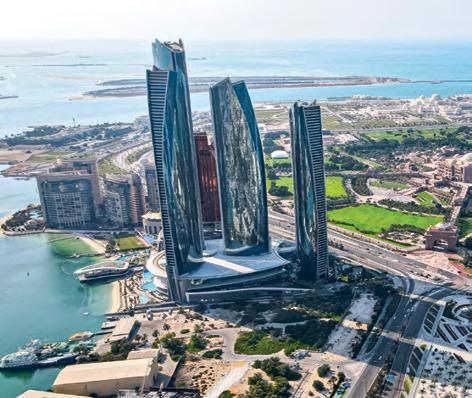
Abu Dhabi’s DMT announces new decisions to boost real estate transparency
The decisions enhance the effective implementation of the law, strengthening transparency within Abu Dhabi’s real estate market
CONSTRUCTION
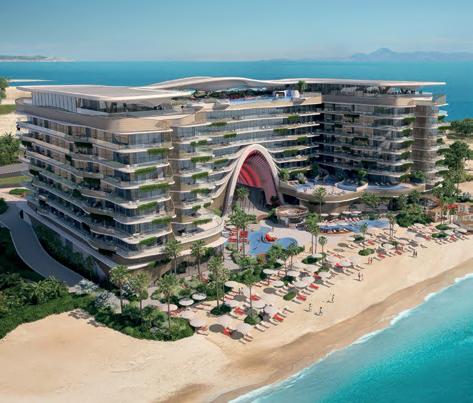
23% of construction completed at The Unexpected Al Marjan Island Hotel & Residences
Amid global economic uncertainty, the uninterrupted pace of construction signals supply chain reliability, workforce stability, and sustained investor confidence





The update underscores full operational continuity across Aria, Saria, Orise, Sensia and The Mural
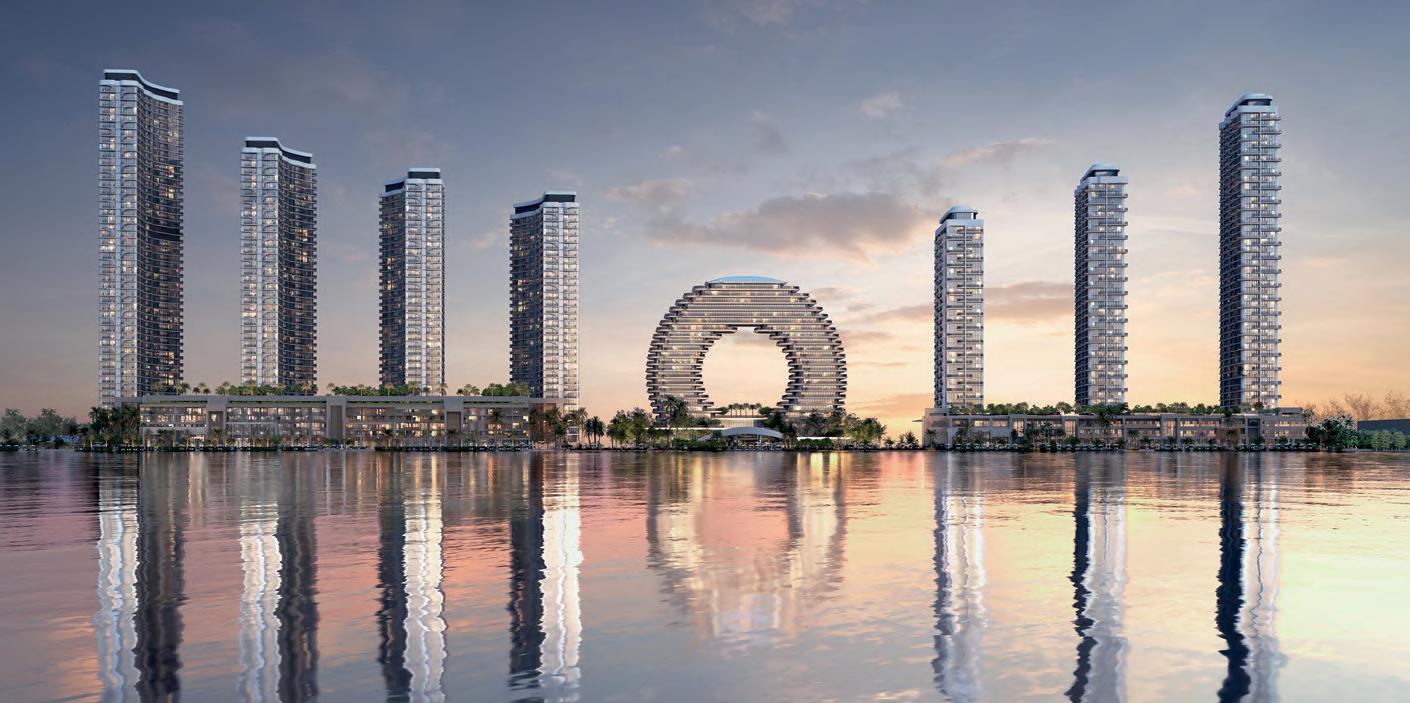
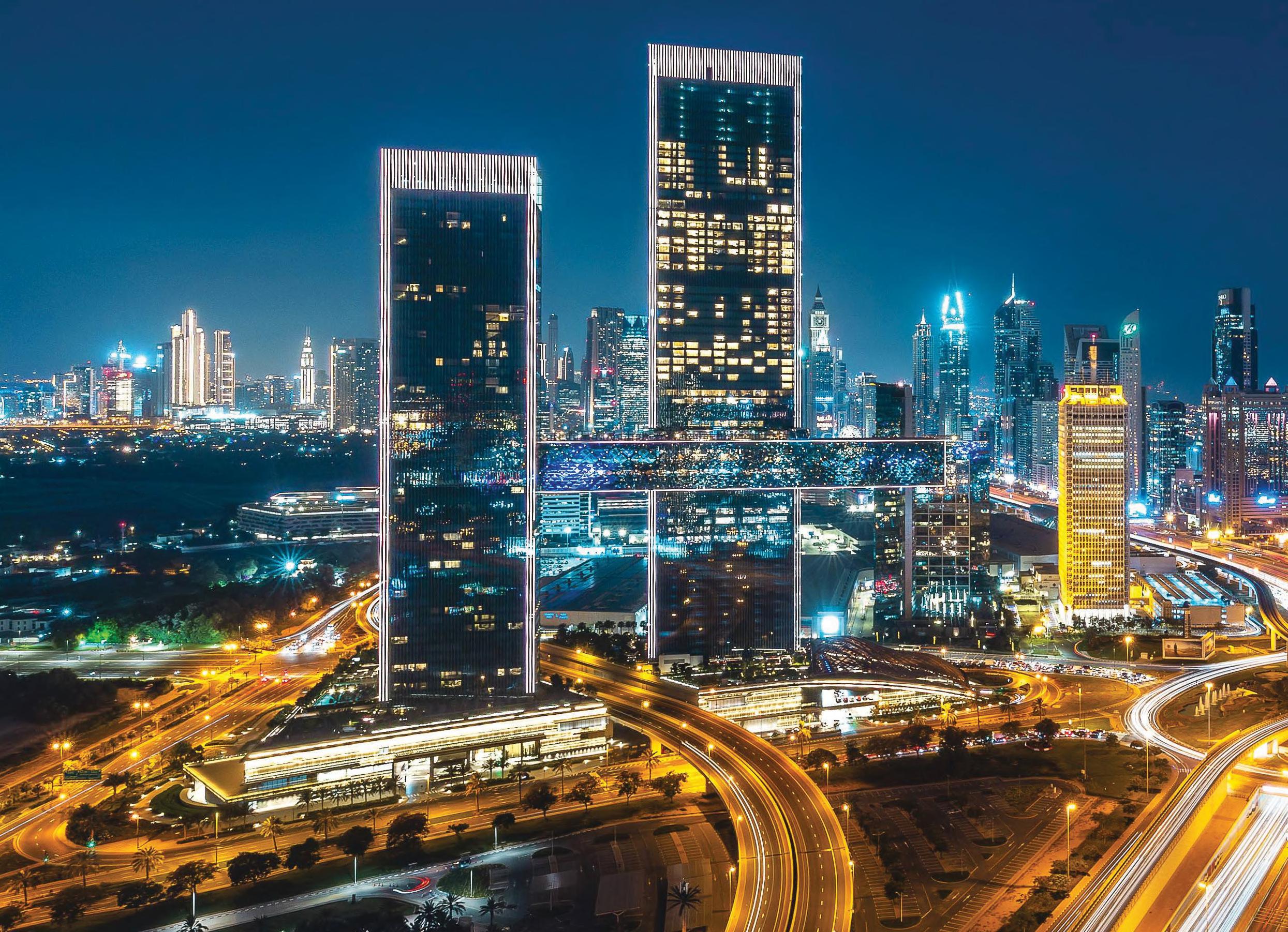
Beyond Developments has confirmed continued construction across its Dubai Maritime City masterplan, with measurable progress achieved across all active developments and key structural milestones delivered in line with approved schedules.
The UAE’s real estate sector is underpinned by one of the world’s most transparent and investorprotective frameworks, a system of governance, legislation, and regulatory oversight built to ensure continuity
under all conditions. Escrow protections, RERA accountability, and the clear direction of the nation’s leadership have long provided the structural assurance that distinguishes this market globally, said a statement. Beyond’s masterplan continues to advance steadily, transparently, and on schedule and in full alignment with the commitments made to investors and homeowners, it added. Ramzi Rahal, Chief Development Officer, Beyond Developments
said, “The UAE has built something rare, a market where confidence is not a sentiment, it is a structure. The leadership’s vision, the legal and regulatory frameworks, and the depth of this nation’s real estate infrastructure have created an environment where development does not waver.”
He added, “We continue to build across Dubai Maritime City and other locations not because conditions are easy, but because the foundations of this country make it the right place, at every moment, to invest, to deliver, and to grow.”
The update underscores full operational continuity across Aria, Saria, Orise, Sensia and The Mural, thus reinforcing the execution of Beyond’s 8m sqft master-planned district.
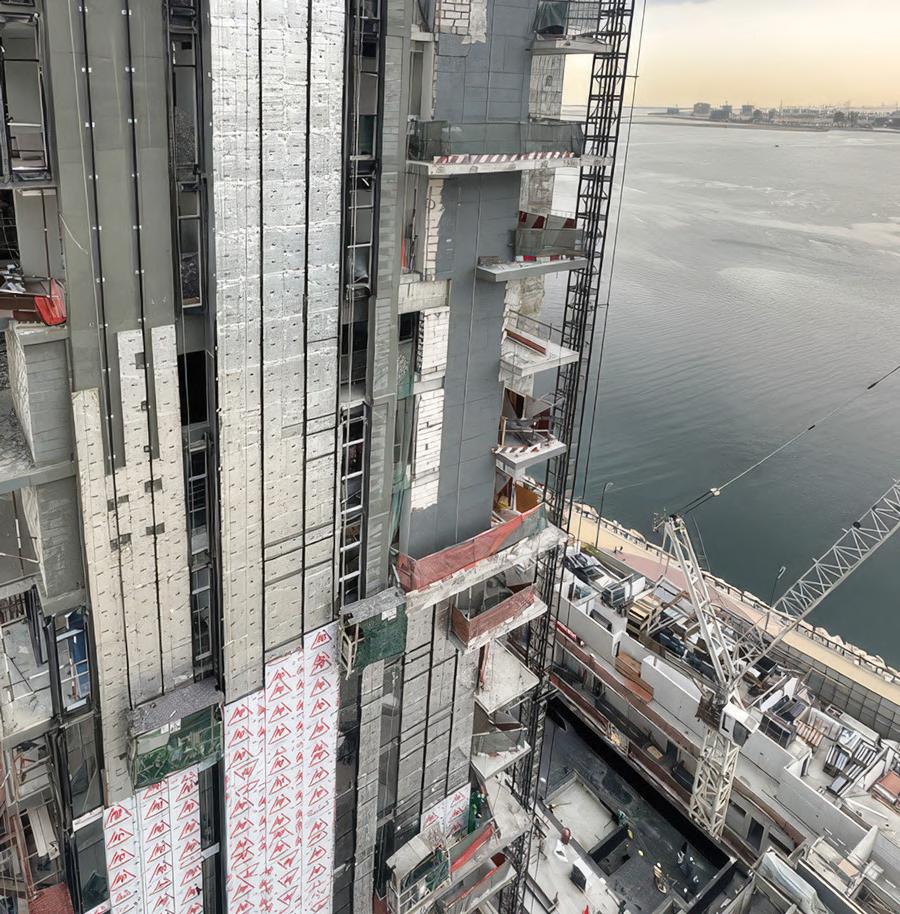
Scheduled for completion in Q1 2027, Aria has reached 72.9% overall progress, with the superstructure fully completed, marking a major structural milestone. Blockwork and plastering have reached 95%, interior finishing works are progressing steadily to Level 30, and MEP first-fix works are complete.
Facade installation has advanced to Level 20, progressively revealing the tower’s architectural identity on Dubai Maritime City’s skyline, it stated.
On Saria, Beyond said it is recording 10.32% overall progress as per RERA. Following the appointment of Gulf Asia Contracting as main contractor in Q4 2025, over 7,500cu/m of concrete have been cast to date, with slab works completed through Foundation, Ground Floor, Podium 1, and Podium 2 levels.
Podium 3 is currently in progress and core walls are advancing to Level
1. In the coming quarter, slabs are targeted to reach the 6th floor and core walls the 9th, with finishing works scheduled to commence within the same period. The project continues to progress on track, with completion anticipated in Q1 2028.
On Orise, the developer said it has reached 5.99% overall progress as per RERA. Following the timely completion of enabling works and the appointment of ASGC Construction as main contractor, construction is actively advancing across multiple work fronts. The team is progressing steadily toward the project’s first key structural milestone, completion of the ground slab targeted for June 2026, with foundation concrete works on track
and core walls planned to reach Podium 1 within the next quarter.
On Sensia, it stands at 4.67% overall progress as per RERA, with enabling works completed and General Contracting Company appointed as main contractor. Over 1,050cu/m of concrete have been poured within tower areas, with the project advancing toward its ground slab milestone in May 2026. Core walls are planned to reach Podium 2 by end of the next quarter.
Facade installation has advanced to Level 20, progressively revealing the tower’s architectural identity on Dubai Maritime City’s skyline, the firm said.
ALEC Holdings to distribute cash dividends in excess of US $68mn
Shareholders registered as of Friday, 3 April 2026 will be eligible to receive the dividend, which will be distributed through the Dubai Financial Market (DFM)
ALEC Holdings said that it successfully convened its Annual General Assembly Meeting (AGM), which is said to be the first since its IPO in Q4 2025.
According to the company, the meeting brought together shareholders to review the company’s performance, approve key resolutions, and reinforce ALEC Holdings’ commitment to transparency, accountability, and long-term value creation.
One of the key resolutions of the AGM was the approval of the Board of Directors’ proposal to distribute cash dividends of US $68.06mn, equivalent to 36.4% of net profit for FY 2025 as well as 500% of the company’s capital as of 31 December 2025.
Shareholders registered as of Friday, 3 April 2026 will be eligible to receive the dividend, which will be distributed through the Dubai Financial Market (DFM) in accordance with applicable procedures, the firm said.
The AGM is said to have also provided shareholders with a comprehensive overview of the company’s financial strength and operational performance. During the meeting, ALEC Holdings’ CEO, Barry Lewis presented highlights from the Board of Directors’ report for the fiscal year ended 31 December 2025, underscoring a year of strong, disciplined growth.
ALEC Holdings reported revenues of $3.43bn, reflecting a 56% year-onyear increase, alongside a gross profit of $354mn at a margin of 10.5%. The company also said that it “maintained an impressive free cash flow of $221.33mn, demonstrating robust cash generation and financial resilience.”
The results were complemented by an 89% employee retention rate over 10-years, indicating sustained
trust in ALEC’s delivery capabilities. The company said it also recorded a group wide Lost Time Injury Frequency Rate (LTIFR) of 0.097 per million hours worked, reinforcing its continued focus on workforce wellbeing and safety excellence across its extensive operations.
“The strength of our performance reflects the clarity of our strategy, the discipline of our execution, and the commitment of our people. Delivering consistent growth while maintaining strong margins and cash flow positions us well for the future. The approval of this dividend underscores our focus on creating tangible value for our shareholders, as we continue to invest in the long-term resilience and capability of the business,” stated Lewis.
Cumulatively valued at US $681mn, the new projects will serve 30 vital areas spanning approximately 430m sqm
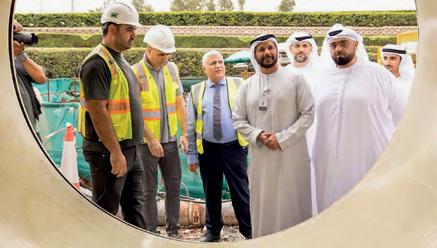
Dubai Municipality has awarded contracts for 5 new projects under Phase Two of the Tasreef Program to expand and strengthen Dubai’s stormwater drainage network.
Cumulatively valued at US $681mn, the new projects will serve 30 vital areas spanning approximately 430m sqm and supporting an estimated population of 3m residents by 2040.
Dubai Municipality signed the contracts with DeTech Contracting and China State Construction Engineering Corporation, alongside specialised consultancy firms. The package includes 3 contracts for projects to be executed and 2 contracts for the study and design of drainage systems in selected areas across the emirate.
The announcement builds on the projects awarded in April 2025 under Phase One of the Tasreef Program, reflecting the municipality’s phased and strategic approach to strengthening stormwater infrastructure and enhancing the city’s readiness to address climate challenges and rapid urban expansion.
The new projects represent a step towards building a comprehensive drainage system that reduces flood risks, improves infrastructure efficiency and sustainability, and enhances quality of life across the emirate, in alignment with the Dubai 2040 Urban Master Plan and national climate neutrality objectives.
H.E. Marwan Ahmed bin Ghalita, DG of Dubai Municipality, affirmed that the Tasreef Program is one of the emirate’s most important infrastructure initiatives, supporting Dubai’s focus on long-term sustainability and reflecting its proactive approach to urban planning.
Ghalita said, “The Tasreef Program represents a practical model of long-term strategic planning adopted by Dubai Municipality across the management of the city’s operations and infrastructure assets. Our goal is to develop an integrated system for stormwater management and drainage that enhances city readiness, preserves resource sustainability, and safeguards the safety and quality of life of residents and visitors, reinforcing
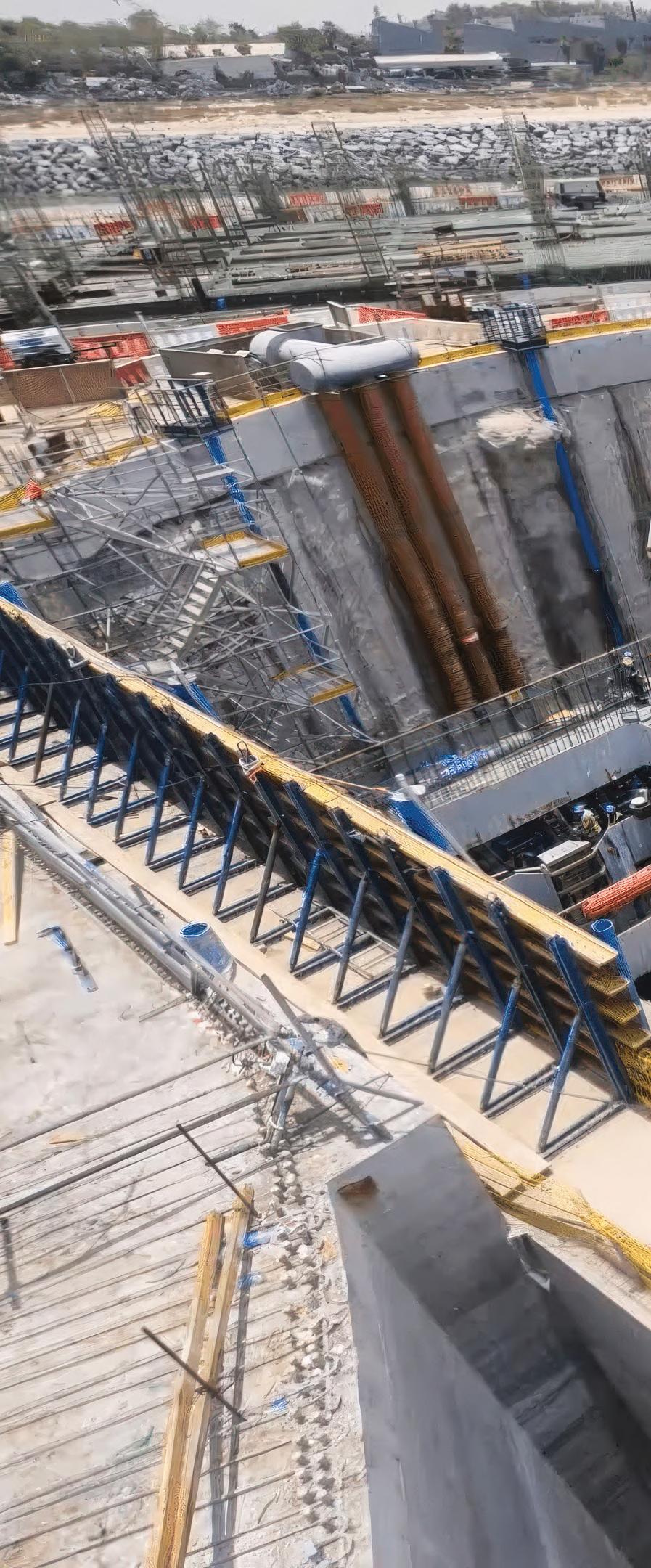
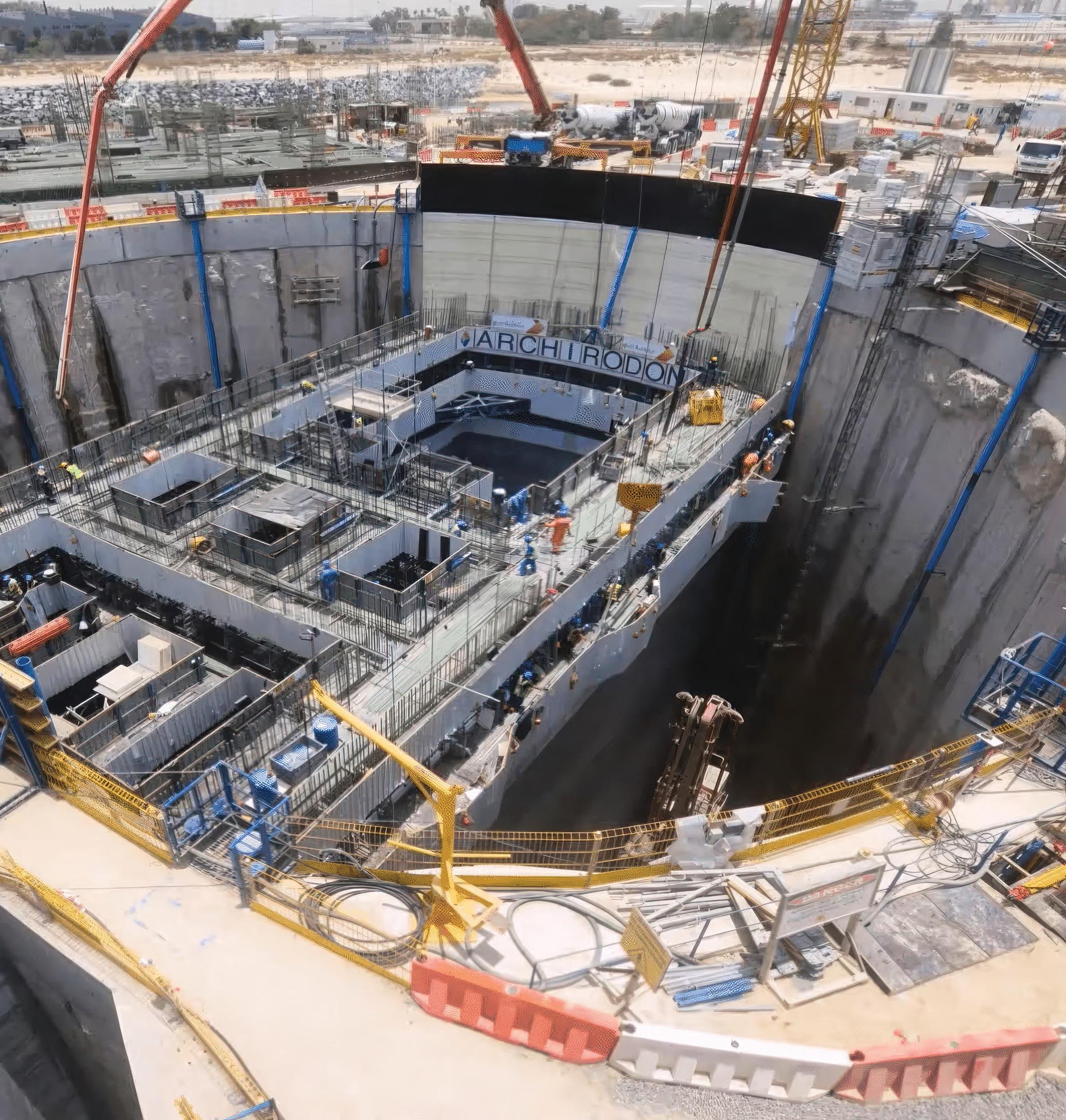
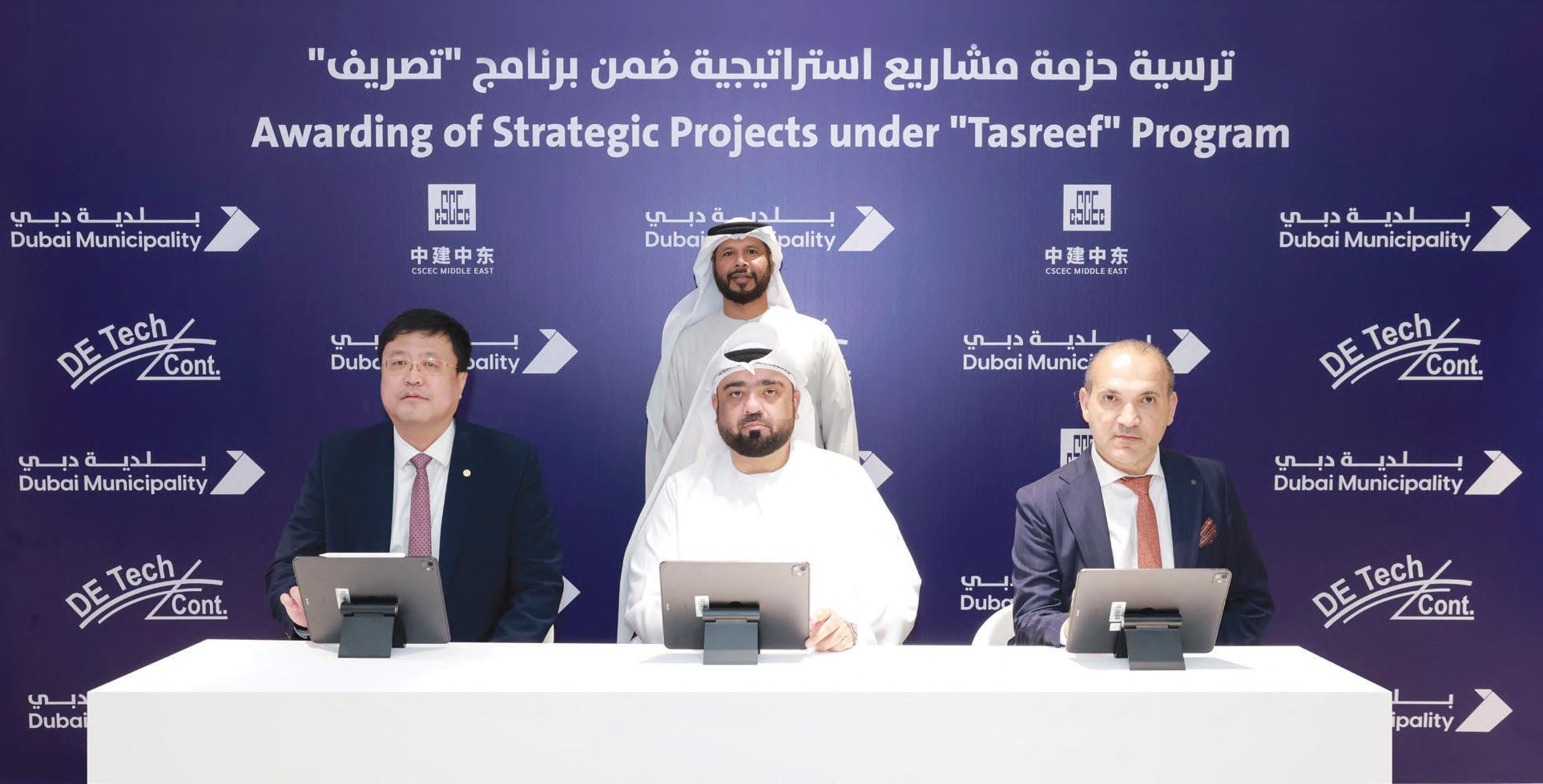
ADDRESSING CLIMATE RISKS
The new projects aims to reduce flood risks, improve infrastructure efficiency and sustainability, and enhance quality of life across Dubai.
Dubai’s position as the best city in the world to live and work.”
Adel Al Marzouqi, CEO of the Waste and Sewerage Agency at Dubai Municipality added, “The new projects under Phase Two of the Tasreef Program mark an advanced step in enhancing the efficiency and sustainability of Dubai’s stormwater drainage system, increasing network capacity in key areas and strengthening infrastructure readiness to address climate challenges, while ensuring service continuity and elevating safety standards and quality of life.”
Increasing hydraulic capacity
As part of the execution contracts, a main tunnel with a diameter of up
to 4m will be constructed to connect urban communities along Sheikh Mohammed bin Zayed Road and Al Yalayis Road to Dubai Municipality’s primary stormwater drainage network. The project will increase hydraulic capacity, enhance operational flexibility, and support sustainable urban growth in one of the emirate’s most dynamic development corridors.
The projects also include the development of an integrated stormwater drainage network extending more than 27kms between Sheikh Zayed Road and Al Jamayel Road, comprising advanced tunnels and network systems. The works will serve transport corridors and strengthen infrastructure resilience in a key industrial and logistics zone, support business continuity, and reduce water accumulation risks.
To enhance stormwater management in inland areas, the program includes the construction of a drainage tunnel and a modern
pumping station along the DubaiAl Ain Road and Sheikh Zayed bin Hamdan Al Nahyan Street to regulate water collection and discharge, alongside the creation of a strategic stormwater collection lake.
Dubai Municipality has also awarded design contracts for an integrated stormwater and groundwater drainage system in Al Marmoom and Saih Al Salam, linking the areas to the main drainage network along Al Qudra Road. The initiative will support tourism and residential development, while maintaining ecological balance in line with the highest sustainability standards. This new package of projects under the $8.2bn Tasreef Program reflects Dubai Municipality’s commitment to developing smart, resilient infrastructure based on advanced engineering solutions, reinforcing Dubai’s global leadership in sustainability, infrastructure excellence, and urban resilience.
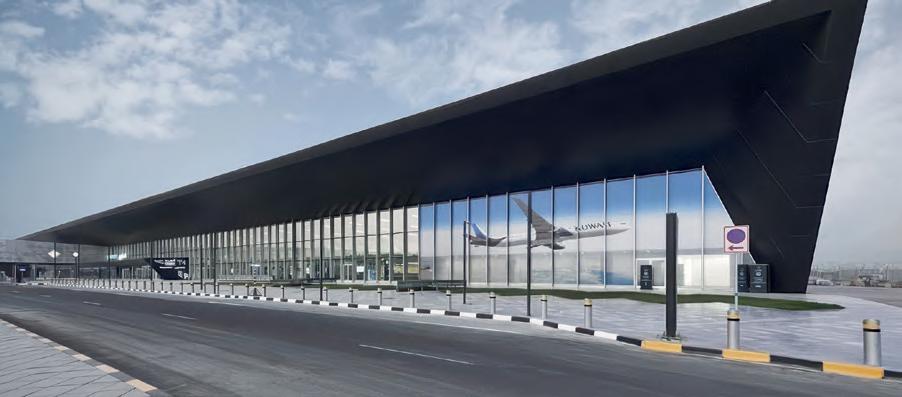
A fire at a fuel depot at Kuwait International Airport has been reported by Kuwait’s General Civil Aviation Authority. The fire broke out early in the morning on 25 March and was caused following an attack by Iranian drones, the aviation authority confirmed.
Kuwaiti authorities said that emergency procedures began immediately, with fire-fighting teams and other relevant agencies responding to contain the blaze.
The official spokesperson Abdullah Al Rajhi told KUNA that initial reports indicate the damage is limited to material losses, with no casualties reported.
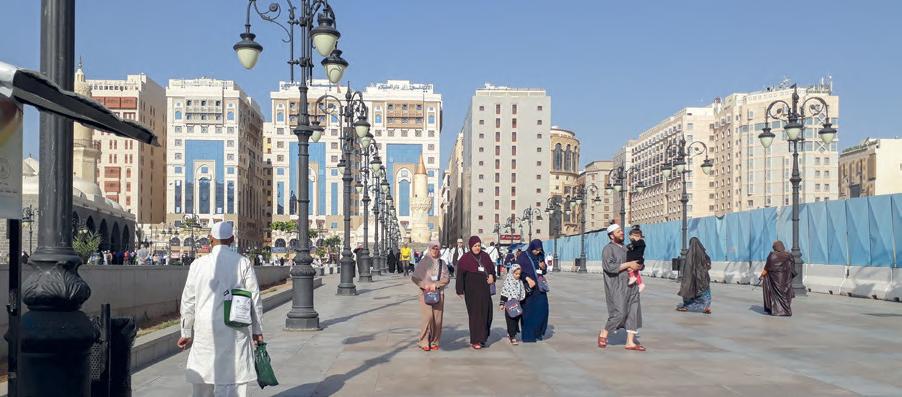
Saudi Arabia’s National Center for Privatisation & PPP (NCP) said Al Madinah Regional Municipality, in collaboration with the Ministry of Municipalities and Housing, has launched the Expressions of Interest (EOI) and Request for Qualification (RFQ) and Request for Proposal (RFP) phase for a joint development project in Sikkah Al Hadid. The projects will be executed under a PublicPrivate Partnerships (PPP) model through Build-OwnOperate-Transfer (BOOT) contracts with a duration of 50 years.
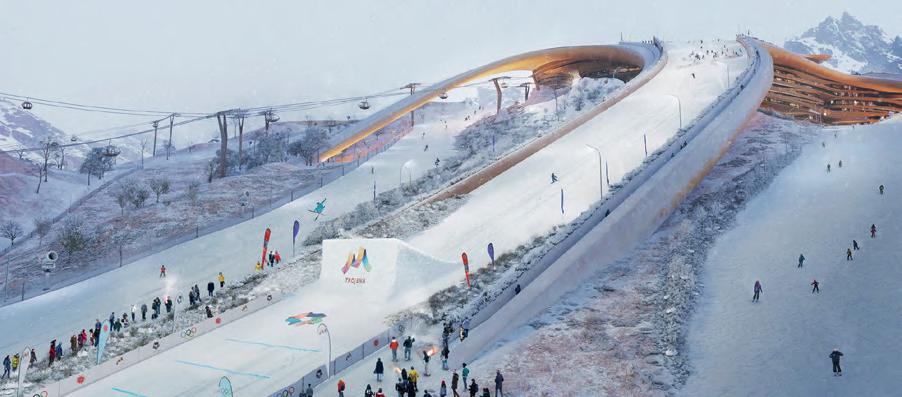
NEOM has terminated a structural steel contract awarded to Eversendai Corporation for the Trojena Ski Village project in Saudi Arabia, citing geopolitical developments in the Middle East.
In a regulatory filing, Eversendai confirmed that it received a formal termination notice.
Eversendai stated the project had been executed in line with contractual obligations up to the date of termination. The contract, which was awarded in March 2024 in partnership with Al Bawani Co, had an original completion timeline of 28.5 months.
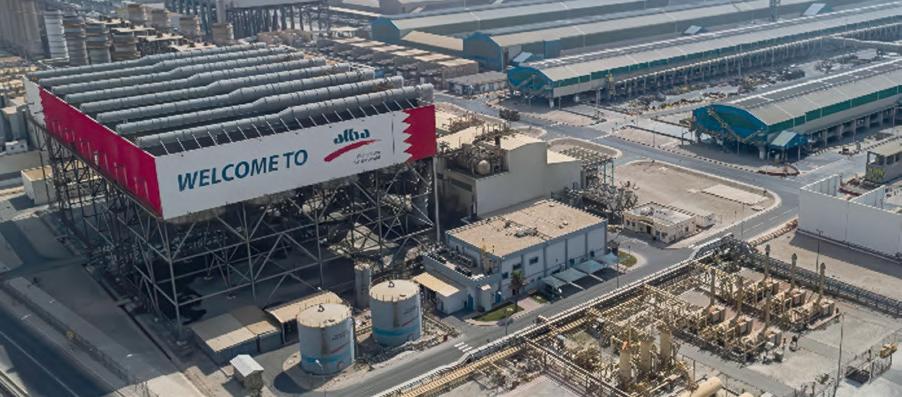
Aluminium Bahrain (Alba) has initiated a controlled and safe shutdown of Reduction Lines 1, 2, and 3, the firm said.
These lines collectively account for 19% of Alba’s total production capacity, which is 1,623,000 metric tonnes per annum. This operational measure is taken to ensure business continuity amidst ongoing supply and transit disruptions affecting the Strait of Hormuz.
The company said it specifically targeted these line-specific actions to optimise the utilisation of its existing raw materials inventory.
TotalEnergies has announced that the ongoing conflict in the Middle East is affecting some of its upstream operations. Production has been shutdown or is being shutdown in Qatar, Iraq, and offshore fields in the UAE. These disruptions account for about 15% of the company’s total production.
Onshore production in the UAE, which accounts for 210,000 barrels per day, remains unaffected at this time. Looking ahead to 2026, TotalEnergies anticipates most of its growth in high-margin production will come from projects outside the Middle East.
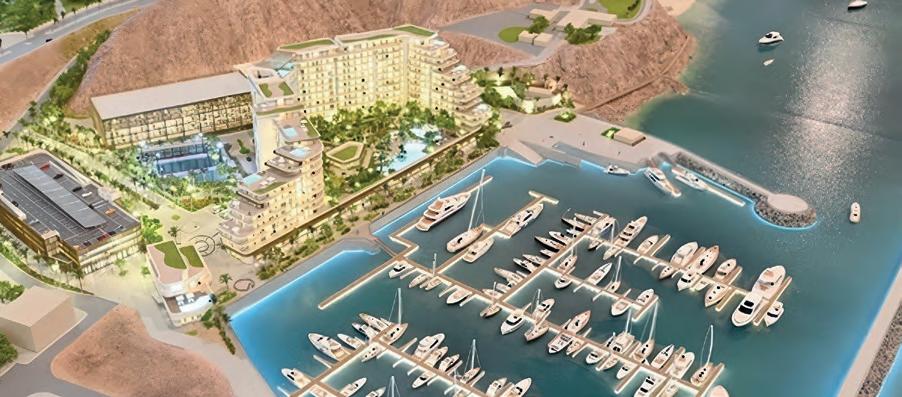
Oman’s Ministry of Heritage and Tourism has signed an agreement with Oman Tourism Development Company (Omran Group) to develop an integrated tourism complex in the Al Bustan area of Muscat, with an investment of US $390mn.
The agreement was signed by Sayyid Al Busaidi, Minister of Heritage and Tourism, and Ayad Al Balushi, CEO of Omran Group, marking a key step in advancing Oman’s tourism infrastructure. Spanning 138,000sqm, the project is expected to be completed within 4-years, according to Oman News Agency.
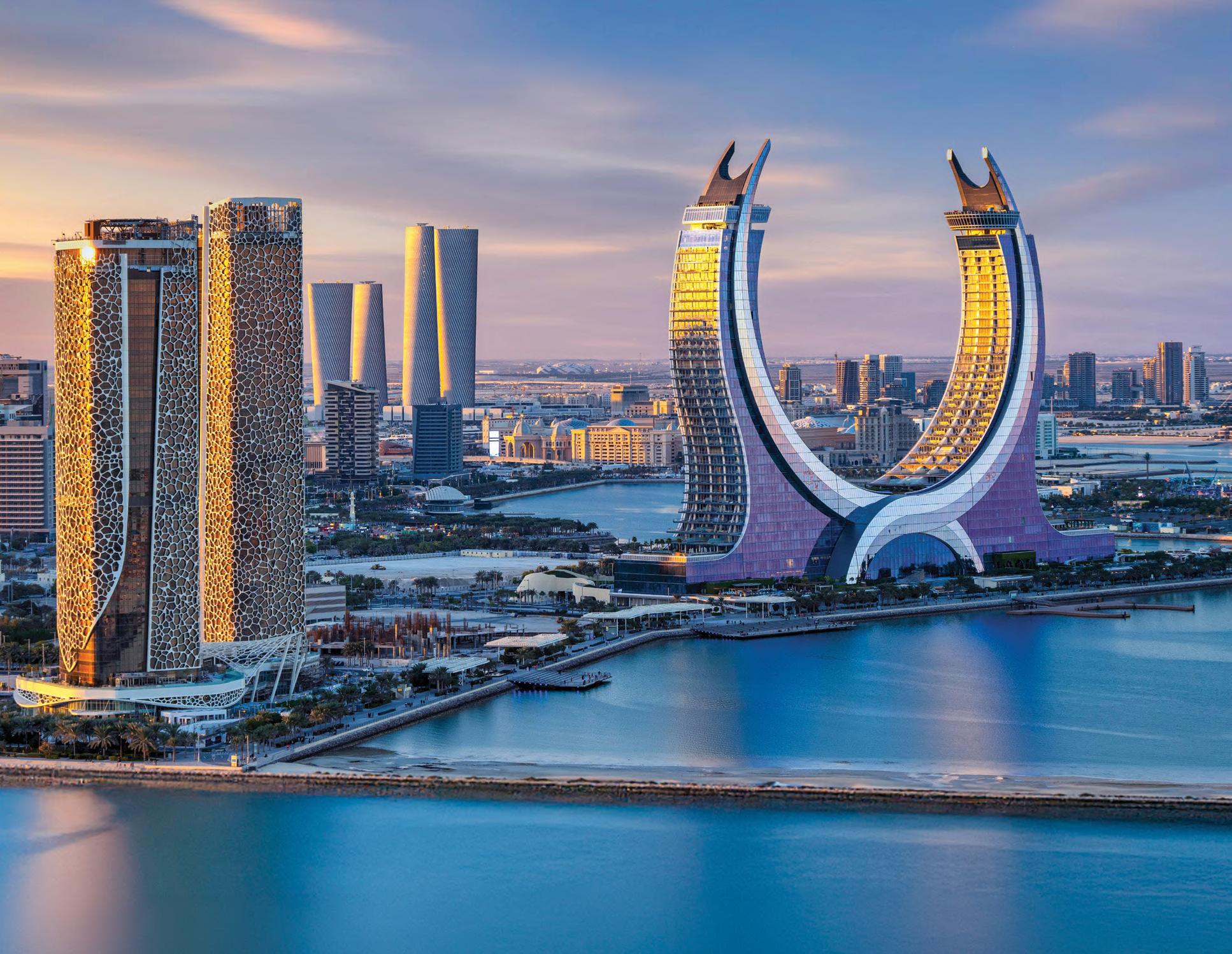
Knight Frank reviews key trends and the performance of Qatar’s real estate market in 2025
In Qatar home sales activity strengthened in 2025, with the total value of deals rising by 43.5% to US $7.3bn year-on-year, while the number of transactions increased by 50% to 6,831.
In Q4 2025, activity remained concentrated in key locations, with Doha recording 564 transactions ($658mn) and Al Wakrah registering 387 transactions ($245mn), underlining continued demand and liquidity in core residential markets.
Despite this uplift in sales activity, villa prices softened by 1% year-on-year, reflecting a more competitive pricing environment. As supply expands and buyers become increasingly value-led, this trend of a gradual softening is likely to persist. Despite this moderation, demand for homes in prime locations remains resilient.
At a neighbourhood level, villa price performance in Q4 2025 was
mixed, with prices increasing in Al Dafna (+6.5%) and Al Kheesa (+5%). Despite a 9.5% year-on-year decline in Abu Hamour, the area continued to command the highest average villa price ($2,123psm), while Umm Salal Ali remained the most affordable ($1,591psm).
Apartment sale prices declined by 2% year-on-year, averaging $3,529psm.
pricing, reflecting continued demand for premium waterfront living. Values remained unchanged in Qanat Quartier ($4,002psm) last year, while Porto Arabia ($3,233psm) is still a relatively more affordable option within The Pearl Island.
The Waterfront ($4,187psm) and Viva Bahriyah, The Pearl Island ($4,013psm) recorded the highest remaining strongest for larger villas in established neighbourhoods.
Qatar’s residential rental market continues to be shaped by tenant demand for well-located, lifestyleled communities, with rents
The average villa rental rate declined by 2.4%, averaging $3,562 per month in Q4 2025, reflecting a modest market correction while demand remains focused on prime communities. Villa rents overall declined by 3% during 2025. West Bay Lagoon continues to lead the market, with average monthly rents ranging from $5,117 for 3-bedroom villas, rising to $7,049 for 5-bedroom villas.
4,000
2,000
In Q4 2025, apartment lease rates declined by an average of 7%, reflecting softer rental conditions across the market, although demand remains concentrated in established, lifestyle-led districts.
The Pearl Island continues to command the strongest rents, with average monthly rates of $2,315 for 1-bedroom units, and as high as $4,252 for 3-bedroom units. In contrast, Fox Hills remains the most affordable option for tenants, with 1-bedroom units averaging $1,611 per month.
Apartment rental performance remains mixed by location, with The Waterfront and West Bay continuing to attract premium demand, where 3-bedroom apartments average $3,346 and $3,703 per month, respectively.
During 2025, Qatar’s office market saw Grade A rents ease by 1.4%, with the average rents ending the year at $25psm per month, reflecting a more competitive leasing environment as supply expands.
Demand remains concentrated in prime locations, with West Bay –Prime achieving the highest rents at $29.6psm per month, followed by the Marina District ($26.3psm per month) and Lusail other districts ($25 psm per month). In contrast, performance in secondary areas continues to lag, with rents in locations such as the C/D Ring Road averaging $18.6 psm per month, contributing to ongoing downward pressure across non-prime submarkets. Retail lease rates declined by 2.6% in 2025, with the market
1.9%
ADR: Y-o-Y % change QAR 443
HOSPITALITY MARKET PERFORMANCE (JANUARY-NOVEMBER 2025)
3.3%
5.3%
RevPAR: Y-o-Y % change QAR 311
averaging $54.6psm per month, reflecting ongoing repricing as occupiers remain selective and supply continues to creep up.
The lifestyle retail segment continues to command the highest rents in the country at $72.7psm per month, followed by prime malls (line stores) at $56.2psm, underlining the strength of dominant, footfall-led destinations.
Qatar’s retail sector, like many others globally, is increasingly experience-led, with landlords and
retailers placing greater emphasis on events, activations and popup concepts to drive footfall and strengthen dwell time, which supports leasing performance in well-located schemes.
Qatar’s quality hotel room supply stood at 42,555 keys in 2025, with a further 2,126 rooms expected to be delivered in 2026, taking total supply to 44,681 keys. By 2028, we forecast total room supply to grow
to 45,569 keys, reflecting a growing, albeit moderating, pipeline.
Tourist arrivals increased to 5.09m in 2025, up from 4.91m in 2024, representing 4% year-onyear growth, reinforcing Qatar’s expanding tourism base and continued recovery in travel demand.
Supported by this improvement in demand, Qatar’s hotel performance strengthened over the year, with ADRs rising by 1.9% to $121.5, occupancy increasing by 3.3% to 70.1%, and RevPAR climbing by 5.3% to $85.3.





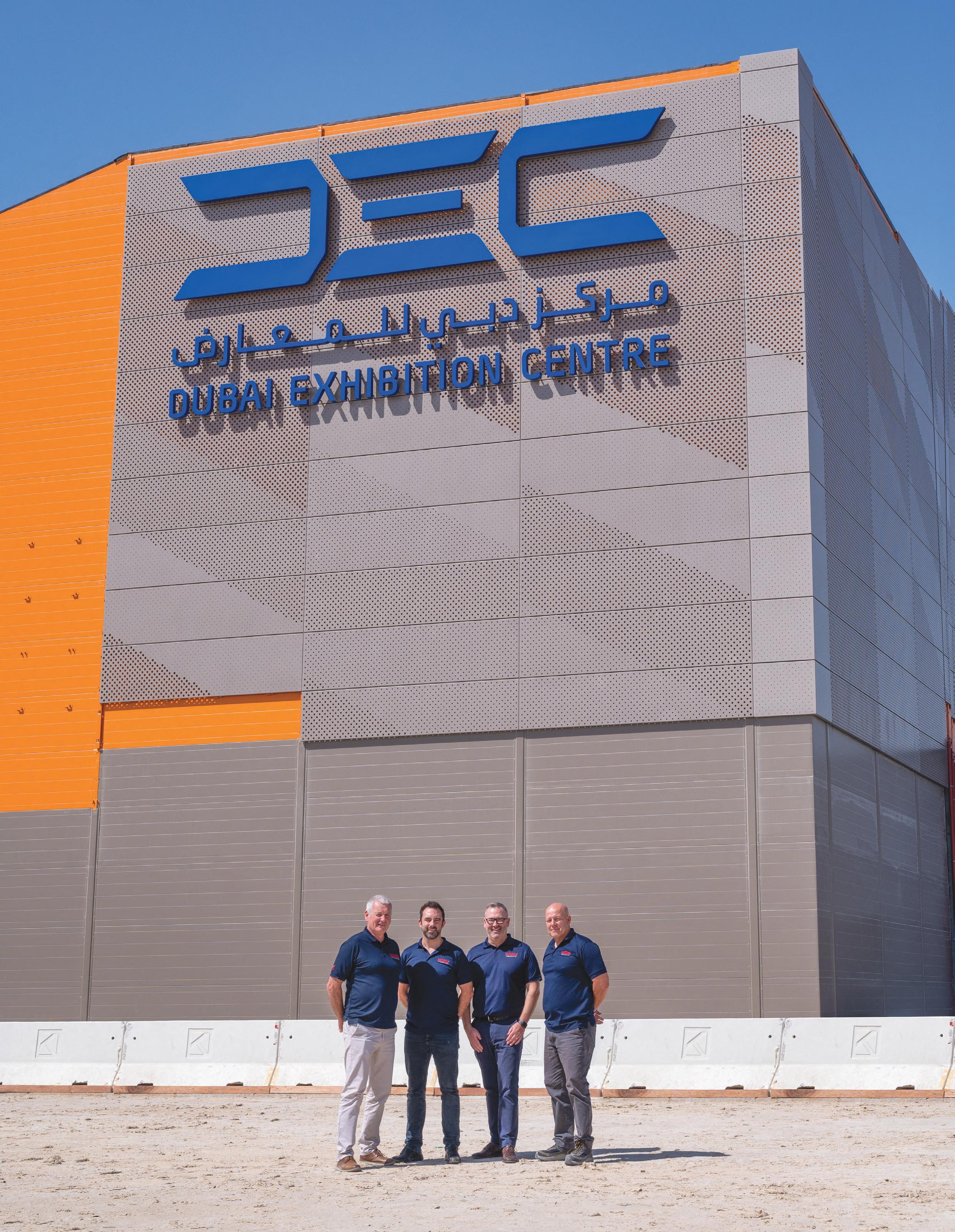
ON AN EXCLUSIVE SITE VISIT, KHANSAHEB CIVIL ENGINEERING’S JASON SAMS AND HOWARD MCDONAGH TALK TO BPME ’S JASON SAUNDALKAR ABOUT THE ACCELERATED DELIVERY OF THE DEC CAMPUS LEGACY
PROJECT PHASE ONE MEGAPROJECT, HOW THE CONTRACTOR MANAGED THE BUILD, MANPOWER, SCHEDULING, PROJECT PARTNERS AND HOW IT OVERCAME CHALLENGES
Since its founding in 1935, Khansaheb Civil Engineering has been actively shaping the UAE’s landscape, through the delivery of quality and timely construction works for a variety of high-profile clients. The company’s project portfolio is vast and comprises multiple highimpact projects that have had, and continue to have, a transformational impact on Dubai, and the UAE as a whole.
In 2025, Khansaheb celebrated its 90th anniversary, a significant achievement underpinned by trust, resilience and growth. In the same year, the company was also diligently working on yet another high-impact project in Dubai. Whilst works commenced in September 2024, it was officially announced in Q1 2025 that the Dubai World Trade Centre (DWTC) had appointed Khansaheb Civil Engineering as the main contractor for Phase One of its US $2.72bn Dubai Exhibition Centre (DEC) expansion project at Expo City Dubai.
As an organisation, the DWTC has also transformed Dubai in terms of business and the organisation of worldclass events. The company is said to have delivered over US $6bn in economic output in 2024 driven by a record increase in large-scale events. Khansaheb’s relationship with DWTC began in 2002. Since that time, the company has successfully delivered several projects, including the Zabeel Halls in 2006, Sheikh Saeed Halls in 2009, as well as other expansions to the DWTC complex in 2016.
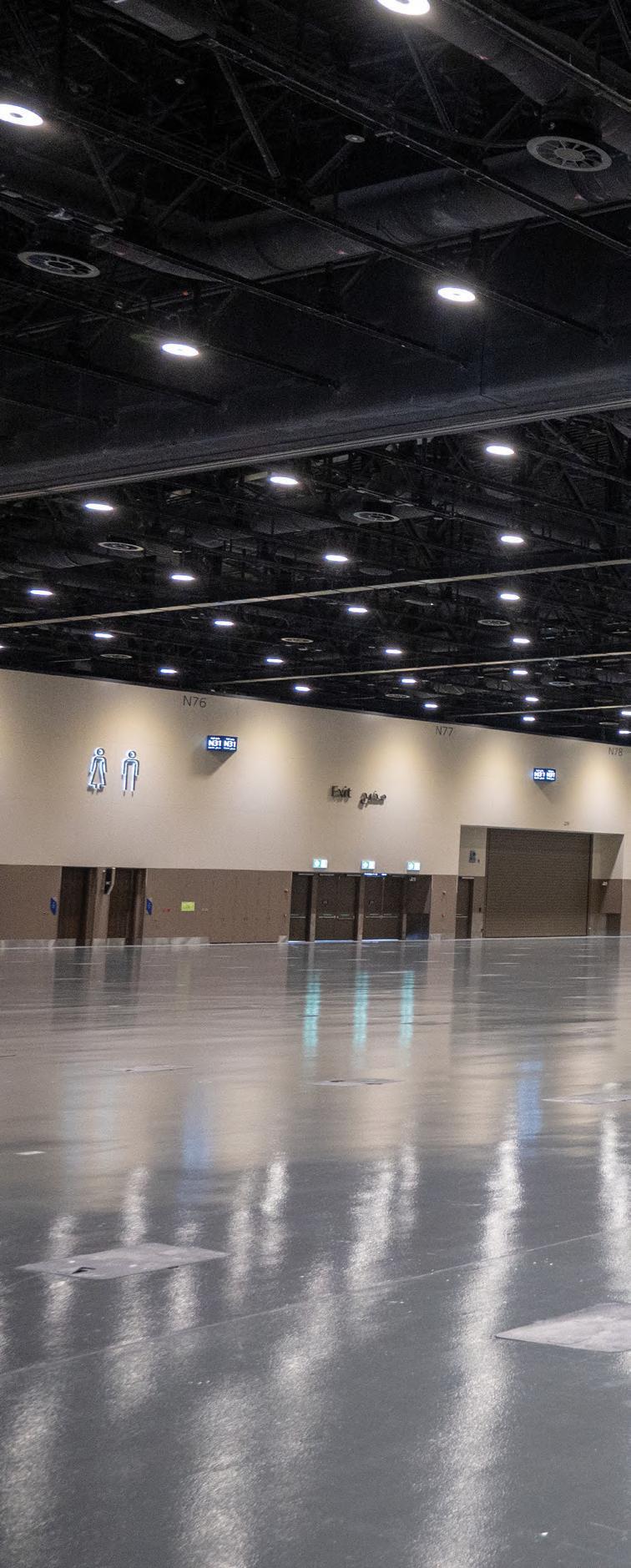
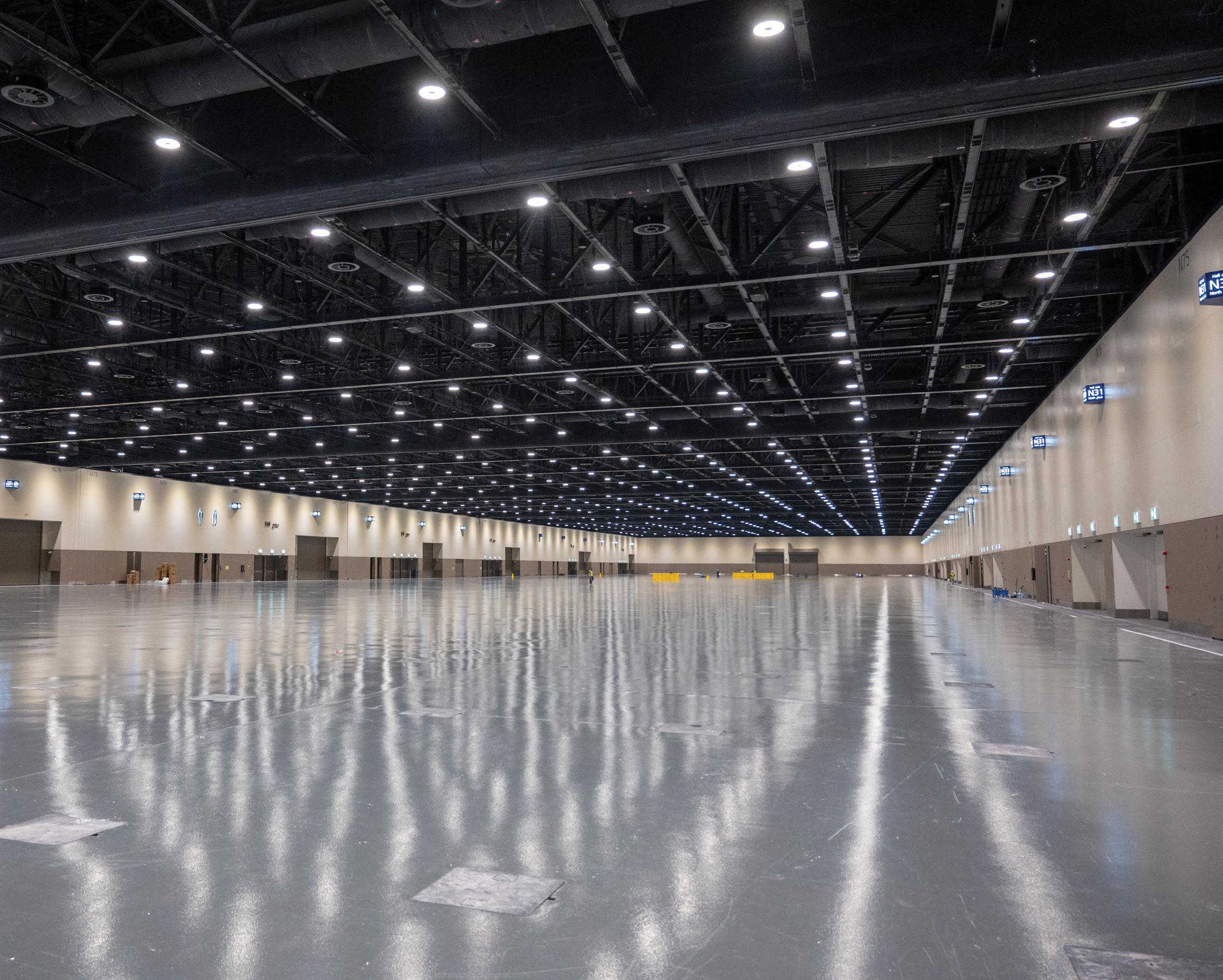
Eyeing future growth and having outgrown the existing exhibition and conference complex in the city centre, DWTC sought to expand the DEC into the region’s largest indoor events venue as early as possible. To do this, DWTC needed a trusted partner to complete Phase One of the expansion project, which expands DEC’s capacity by 2.5 times from 58,000sqm to 140,000sqm. Additional phases of the masterplan are expected to be announced soon, with full development due for completion in 2031.
Khansaheb says that the event halls floor slabs span 63,936m2, which is equivalent to constructing nearly 40 typical office floors within the Burj Khalifa.
It’s quite a complicated building, for instance, there’s more busbar on this project than there is in all of Heathrow Terminal 5. There’s also a data centre and circa 40 communication rooms.
Talking about the relationship between DWTC and Khansaheb, Jason Sams, Construction Director, Khansaheb Civil Engineering notes, “The relationship is over 20 years old and we’ve successfully delivered a number of projects, with DEC being the latest. His Excellency Helal Saeed Almarri, Director General of Dubai World Trade Centre Authority and the Khansaheb family have a strong relationship, and DWTC values Khansaheb for the surety of delivery and our commitment to quality.”
Shedding light on working with DWTC to deliver its projects, Sams states, “With DWTC, their projects centre around programme and events; the usual big four events, whether it is Gulf Food, WHX (previously Arab Health), the Big Five or GITEX, they govern the available windows we have for construction.”
Discussing the challenges of working on projects where deadlines are fixed around event schedules, Sams explains, “Often it can be quite challenging for us in that the procurement or design might take longer than planned, meaning we have a compressed period to build. But, because of the relationship and the track record on past projects, DWTC introduced us to this project well over a year before we commenced, after a competitive tender process.”
He continues, “Their initial discussions were about capacity: Could we do it? Could we only do half of it, maybe the north or the south hall? They were keen to hear what we thought was the best construction strategy.. I think it became clear that the strength of the relationship meant we were always going to be able to undertake the project. We priced direct elements of the work, with key trade packages such as the steel work and the cladding undertaken by nominated subcontractors, selected by DWTC.”
“When we started putting together how quickly we could build this new megaproject, the DWTC actually expressed their wish for the project to be finished for Gitex 2025. One thing that we always stand by in terms of our commitments to clients is that we won't say we can do something, if we don't think it can physically be done. As a result of this, we had a number of meetings with DWTC about what could be achieved, and agreed we could deliver for Gulf Food and WHX in 2026.”
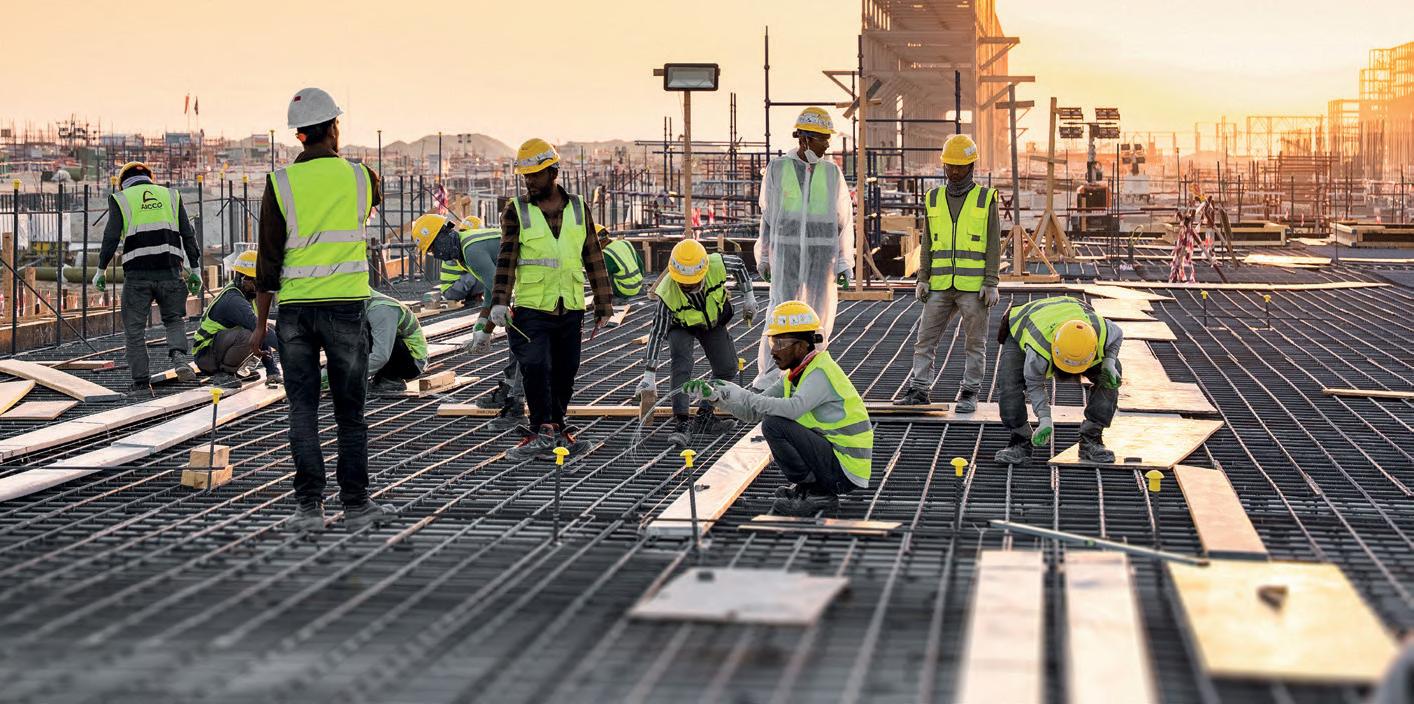
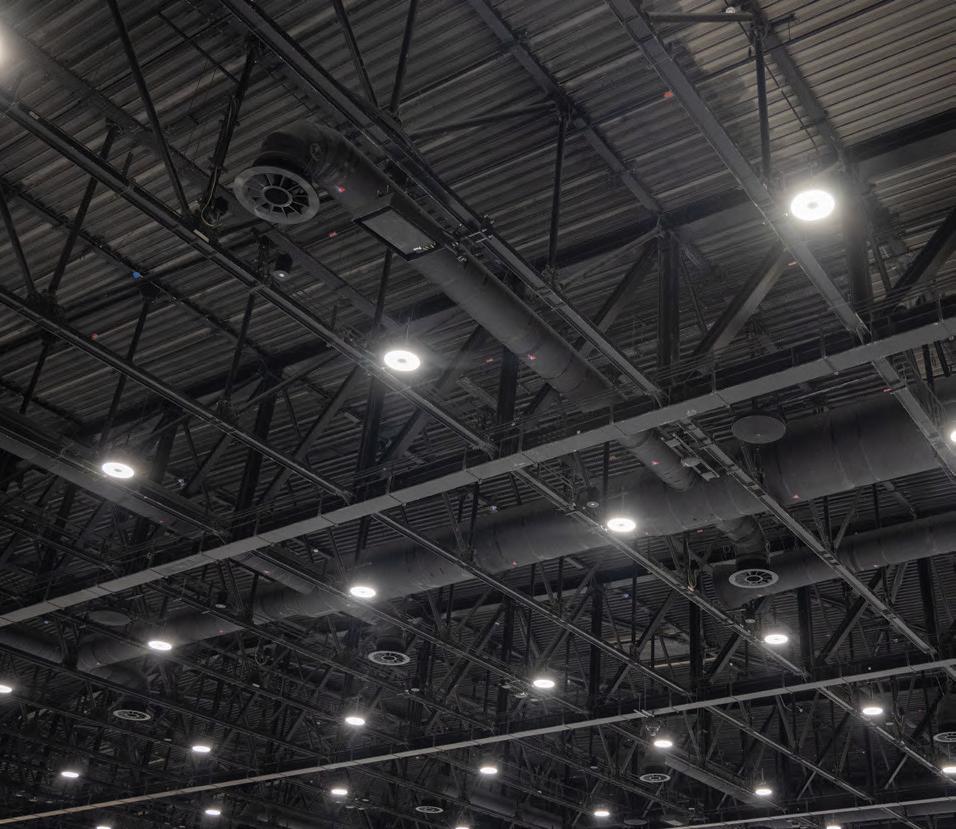
Phase One of the expansion project boasts eye-watering stats that confirm the project’s classification as a megaproject, including foundation work involving 515 piles to support the structure, 14,000t of structural steel - said to be equivalent to the weight of two Eiffel Towers - and 60,000cu/m of reinforced concrete. The expanded exhibition centre is also covered with 78,000sqm of roof sheeting, an area that’s said to be comparable to 62 Olympic-size swimming pools.
The development also includes a dedicated car parking facility and expanded marshalling yards to enhance event turn-around times. The expanded venue aims to provide highly functional and flexible event spaces and feature movable partitions, meeting rooms, and back-of-house areas.
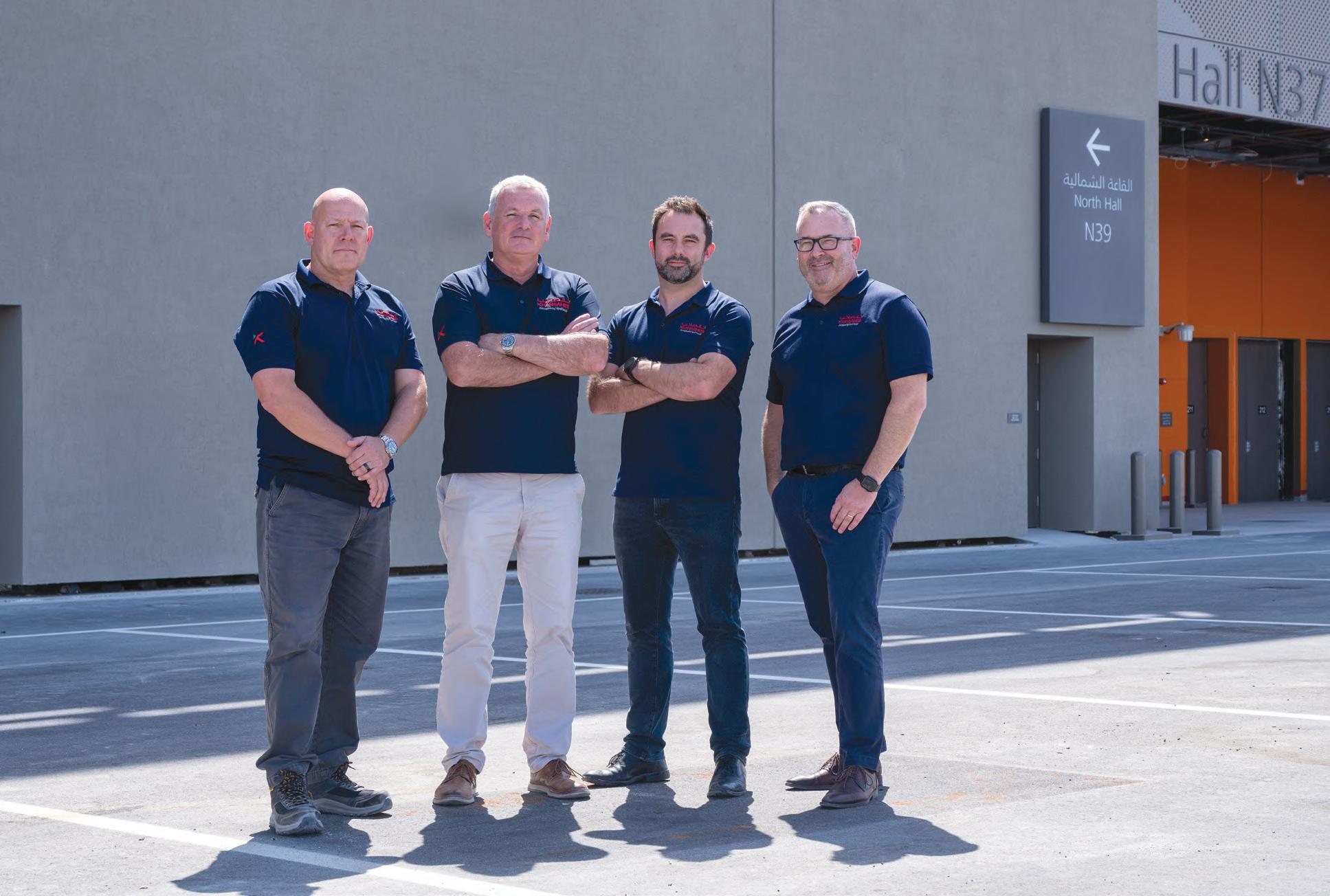
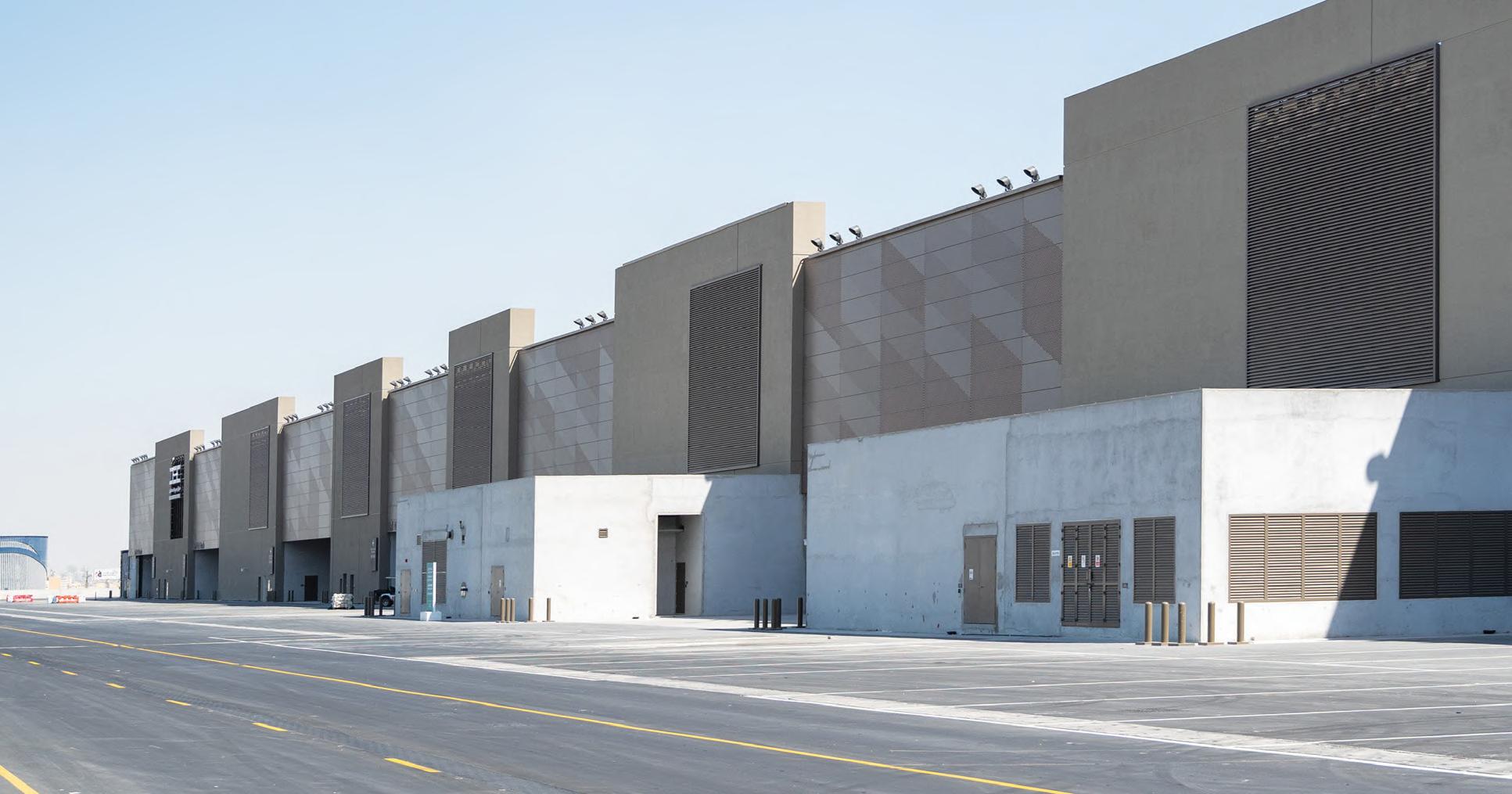
Sharing an overview of the contractor’s scope on the mega project during an exclusive site visit, Howard McDonagh, Project Director, Khansaheb Civil Engineering notes, “The DEC Campus Legacy Project involved delivering over 64,000sqm of new exhibition space across the North (30,000sqm) and South Halls (34,000sqm), together with MEP tunnels, service blocks, marshalling yards, and full external infrastructure. The works covered enabling works, live service diversions, piling and substructures, large-span steel structures, high-level MEP, cladding, finishes, and extensive external works.”
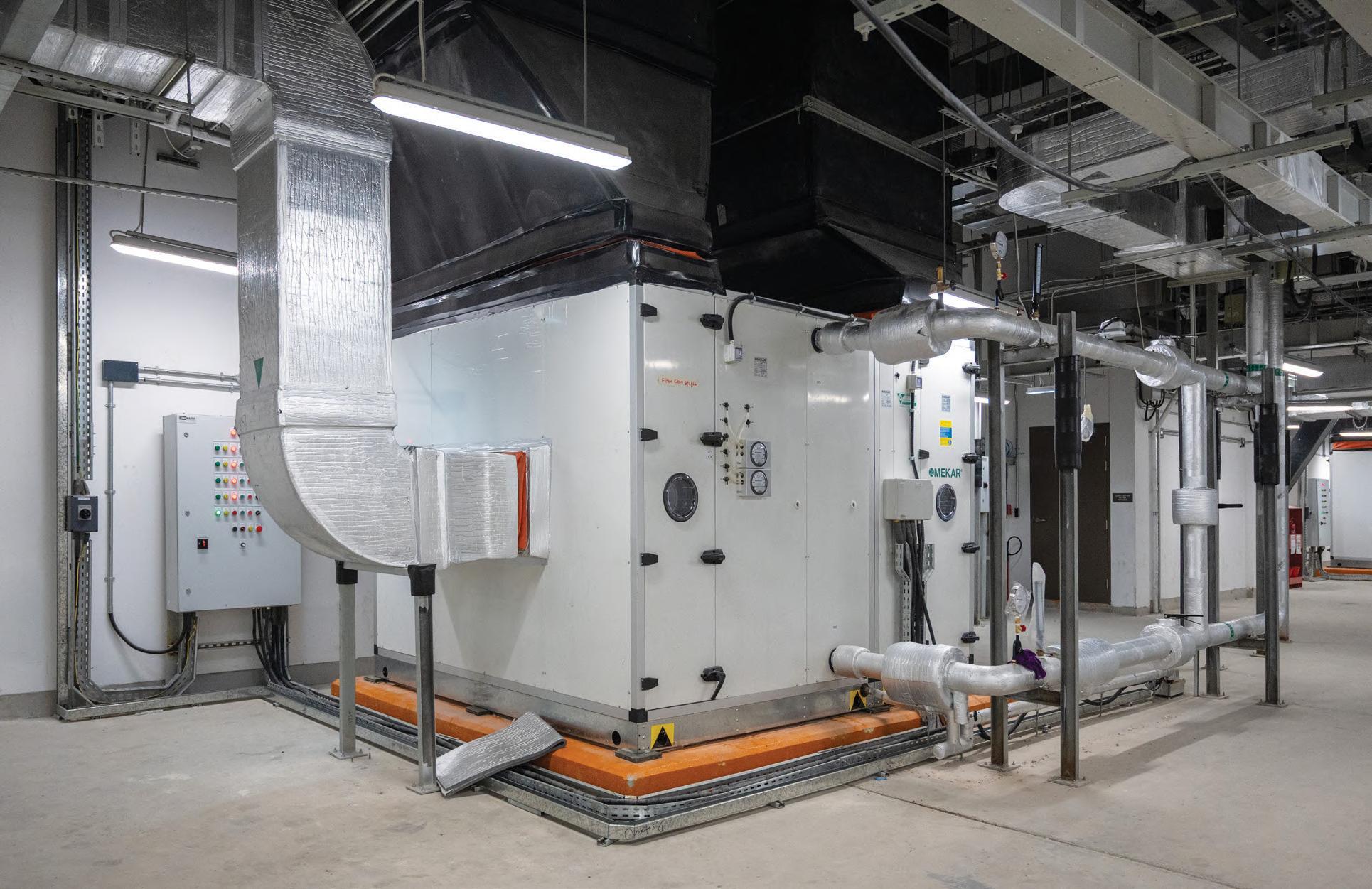
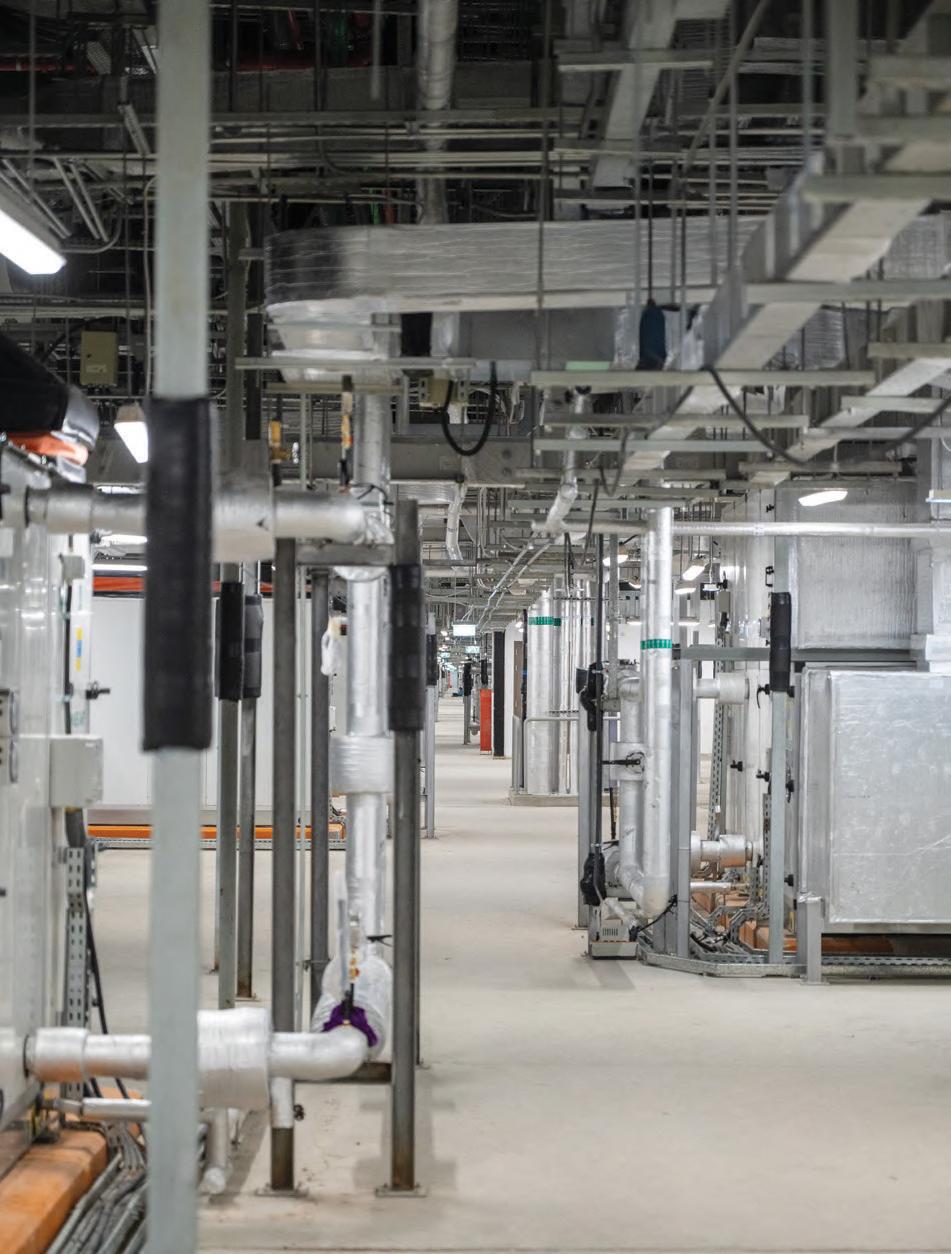
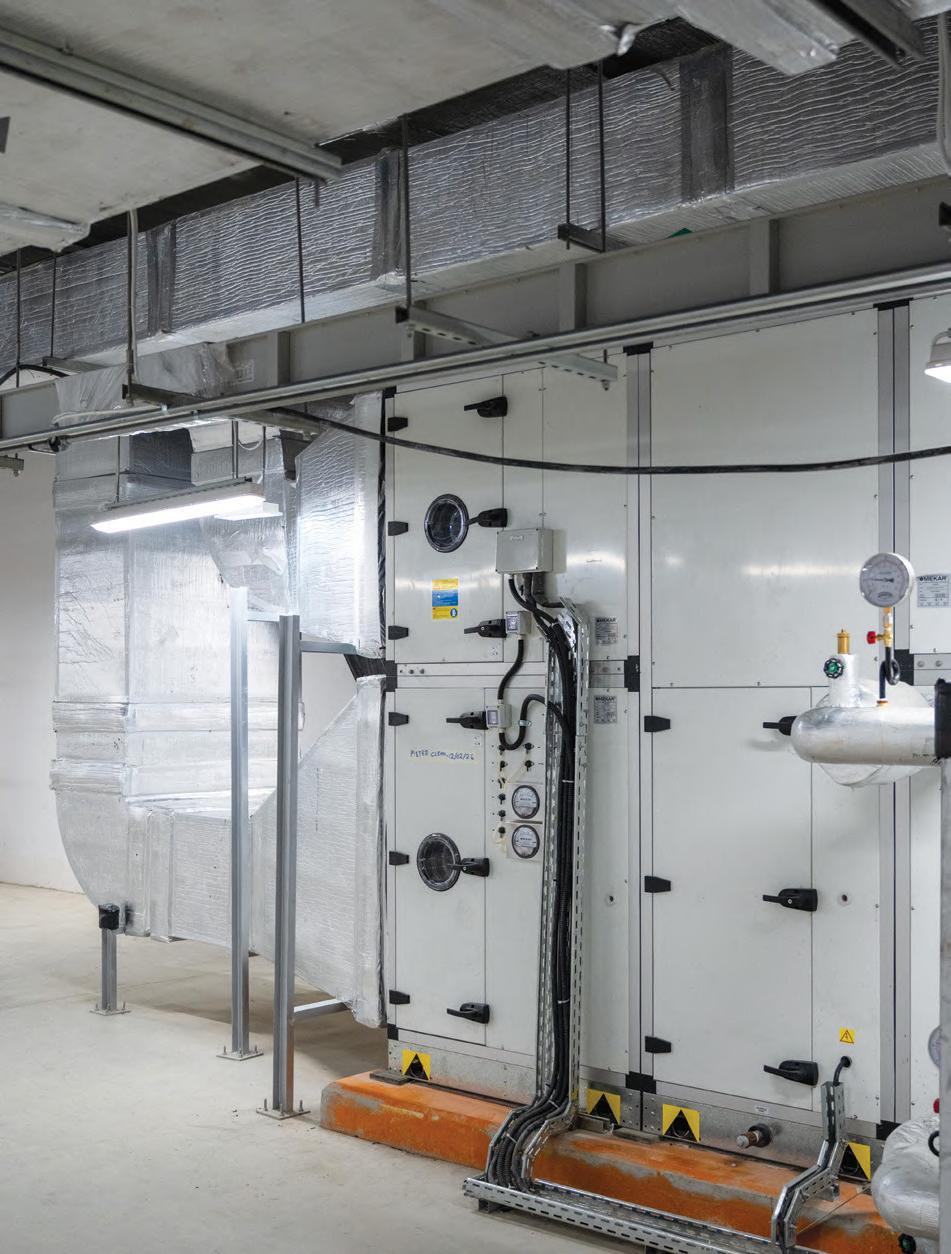
Here, McDonagh points out that although the halls look quite unassuming, they are very complicated structures. “When you go into the halls you’ll notice the finishes but you won’t see any of the facilities and infrastructure that are behind, which are actually responsible for running the building – the electrical rooms, fire hose cabinets, MEP works, kitchens, cafes etc. It’s quite a complicated building, for instance, there’s more busbar on this project than there is in all of Heathrow Terminal
5. There’s also a data centre and circa 40 communication rooms – it’s a bit like a motorway project, you don’t actually see all the hard work that goes into it because its hidden away from view. However, it takes quite a bit of effort to get it all done properly,” he says.
He also notes that all of the stakeholders worked together collaboratively to achieve the agreed upon deadline for the first event. “The client, the design team, Khansaheb as the main contractor but also our supply chain, our subcontractors - everybody pulled together and didn’t allow issues to become mountains. Everyone very proactively solved problems and worked every day, 7-days a week, to hit the deadline. It’s a great achievement,” he confirms proudly.
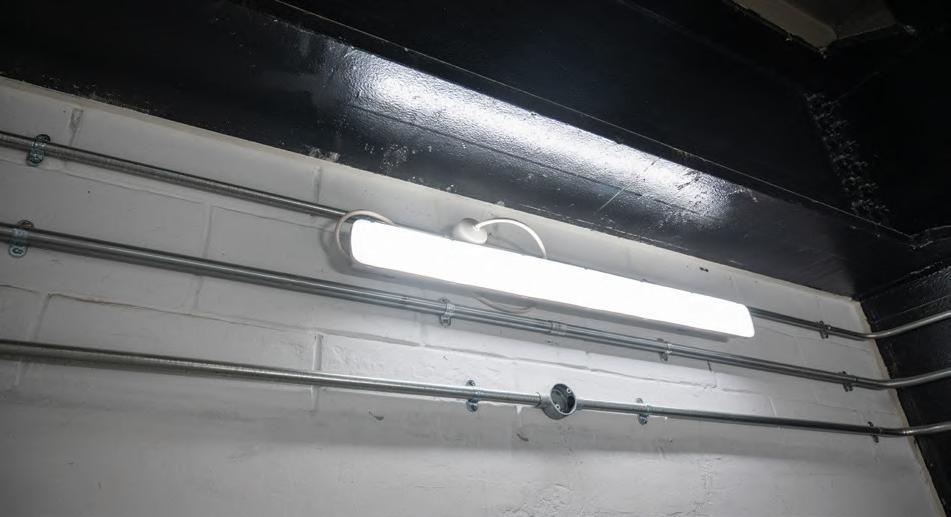
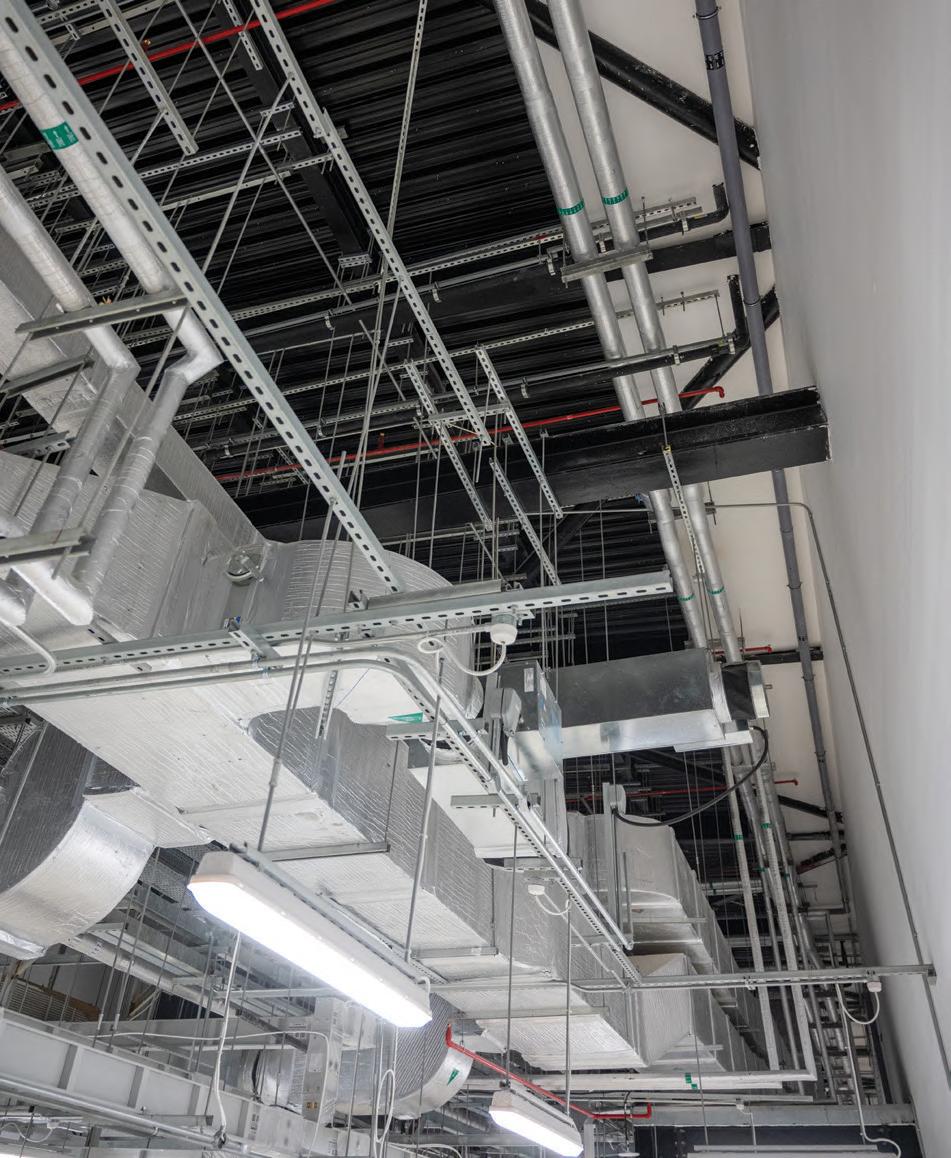
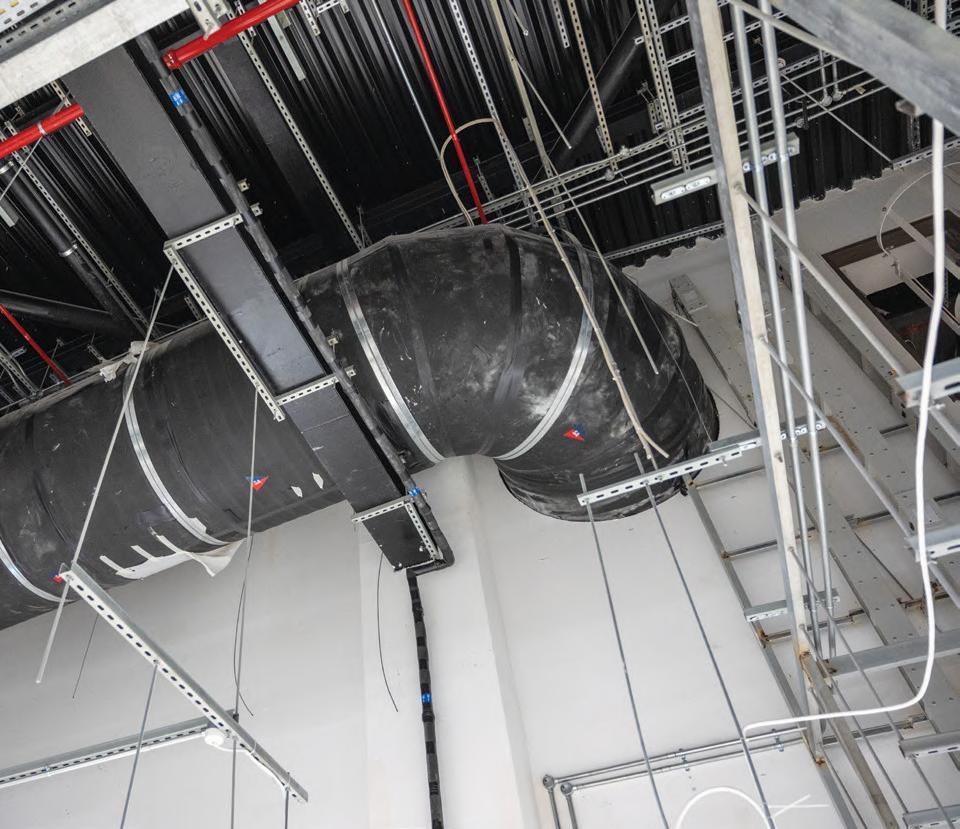
The ductwork on the project spans 24,476m, which is equivalent to HVAC duct lengths running the full distance between Downtown Dubai and Dubai Marina (approximately 23-25km).
“A key achievement was completing the project without any major safety incidents, despite a tight programme, 24/7 work, and multiple simultaneous work fronts. The project safely delivered over 12.5m manhours, with a peak workforce of more than 5,200 personnel onsite, demonstrating strong safety leadership and workforce management.”
McDonagh says that the company successfully managed high-risk activities, including heavy coordinated
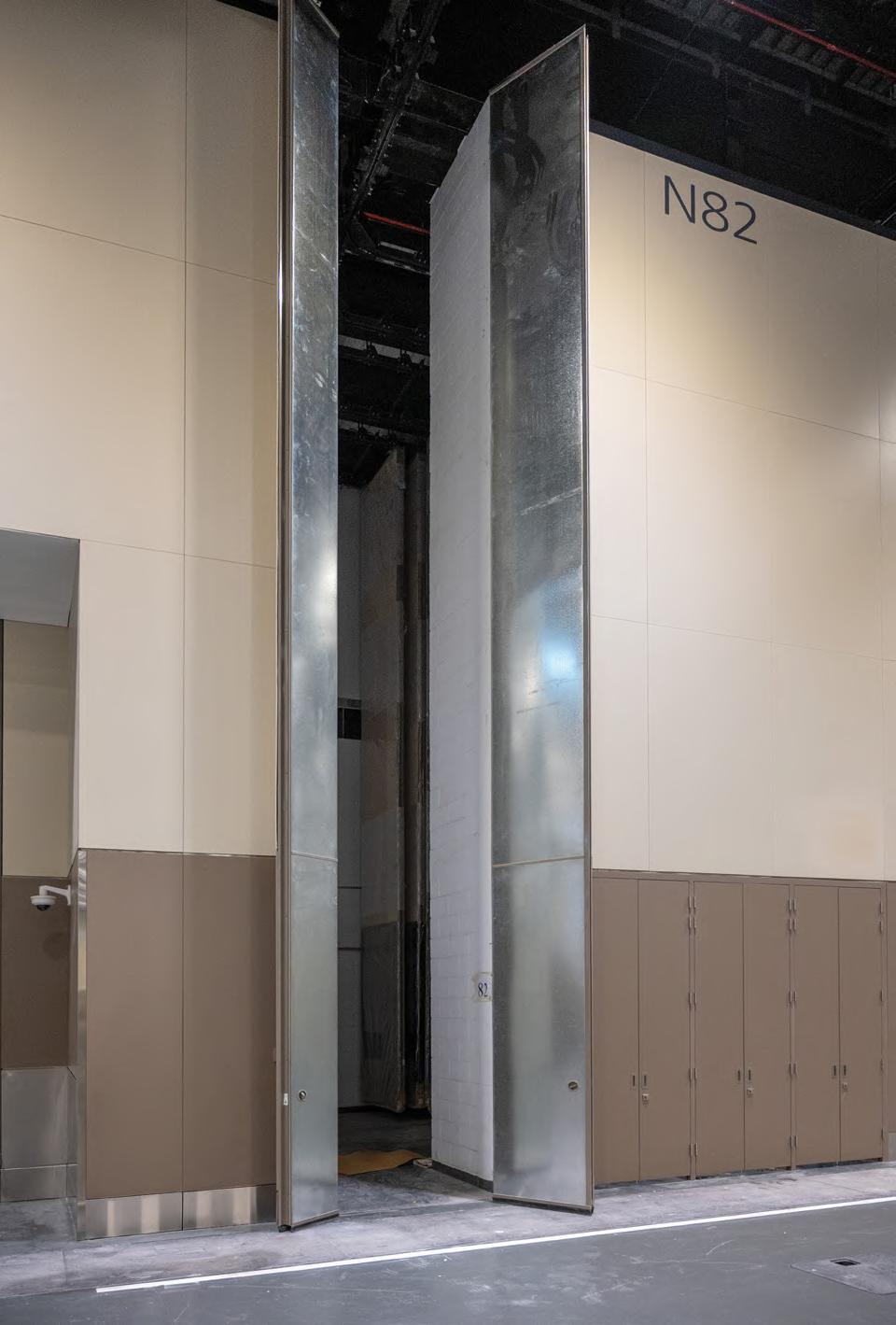
The project features 26 acoustic and non acoustic roller shutters, which are comparable to the large hall separation shutters used inside Accor Arena.
lifts, work at height from suspended platforms, and simultaneous activities involving high-level and low-level works in shared operational areas.
He attributes this success to several initiatives, “Strong permit systems, lift planning, interface management, and summer heat-stress controls were implemented, and the project was officially recognised for best practice in summer working arrangements. Our welfare setup was appreciated by the authorities for our implementation of cooling rooms at site, ice machines for our water and rehydration solutions, and also our hot cabinets and cold storage for maintaining the workforces’ food.”
“Overall, the project demonstrated effective coordination and the ability to deliver a technically complex project safely and on program,” McDonagh shares.
In a region where construction delays and cost overruns are frequent, Khansaheb more than delivered on its promise to DWTC and finished works exactly to schedule, enabling the DWTC to host two high-profile events at DEC in early 2026 and achieve an early BCC
“The original plan was for construction to start in the middle of September 2024 with a view to complete the project by 15 June 2026 and secure the Building Completion Certificate (BCC). The contract outlined a milestone by 5 January and we would then assist the employer to get authority approval to be able to hold the events. For that, we needed to make sure the halls themselves were of a finished standard that would be safe for public occupation, which
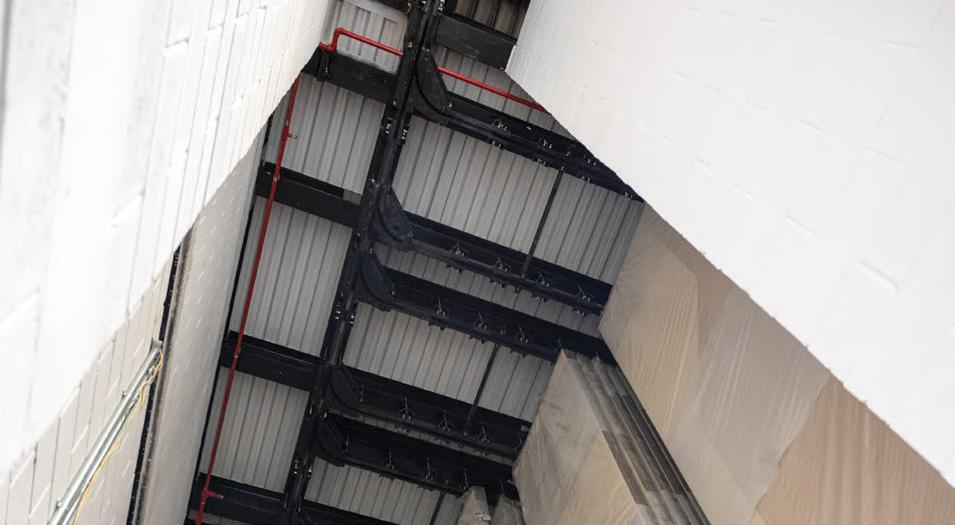
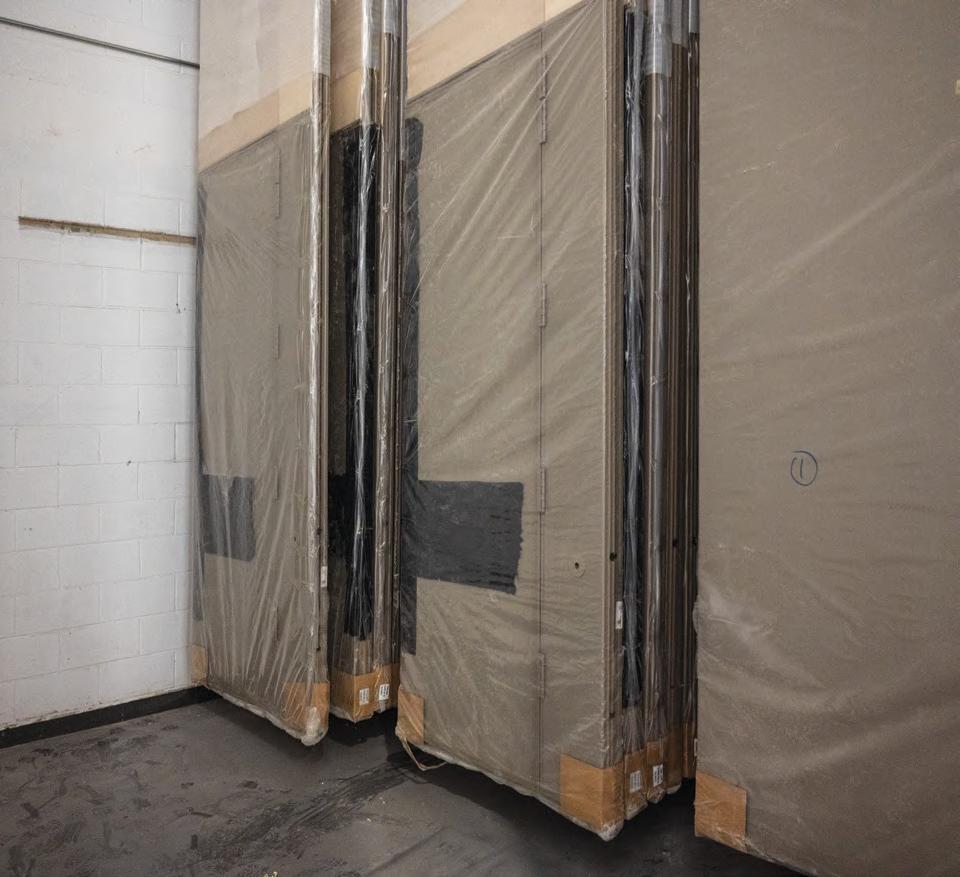
meant having the fire and life safety systems finished, and that the halls would be complete from the point of view of the architectural finishes and the like,” explains McDonagh.
“Instead, when we commenced on the project, we agreed with the employer that we would try to obtain the BCC before the first events, so that when we remobilised, after the events, we’d have very little to do, apart from the final integrated commissioning with the existing building systems. We were successful in achieving BCC for the project by 15 January 2026, which was a major achievement for everybody involved on the project,” confirms McDonagh.
By the time Big Project ME sat down with the Khansaheb team at the company's site office,
HANDHOLE CHAMBERS
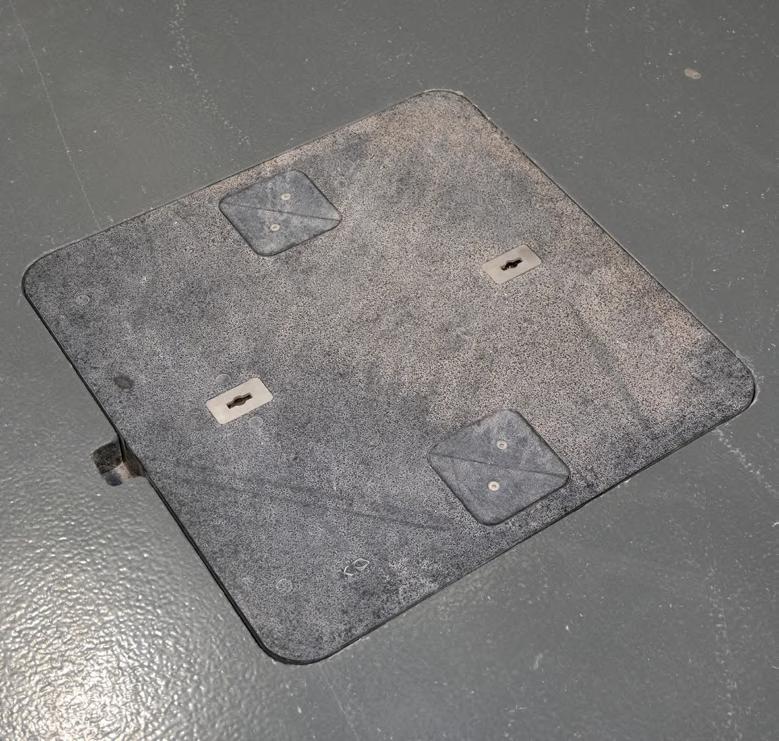
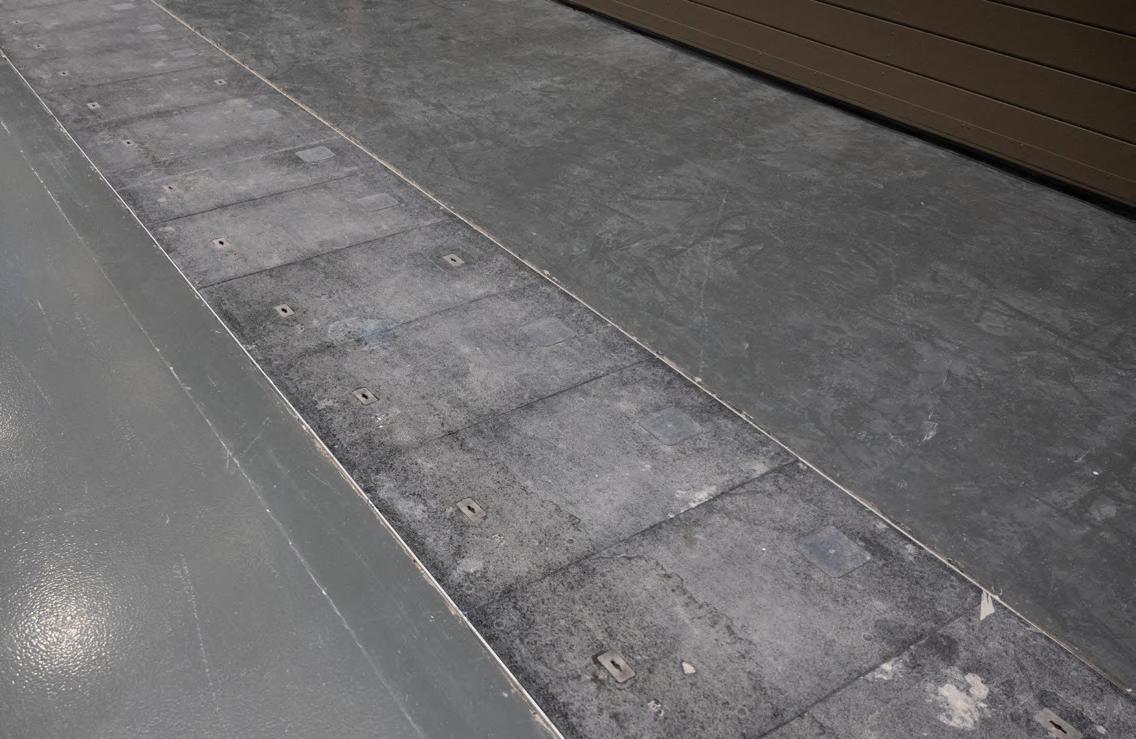
There are 3,388 precast handhole chambers under the event halls, which are used to distribute power, ICT, and other event services. Typical large exhibition centres feature between 1,200 to 1,500 chambers.
the DEC had already hosted the first large-scale exhibitions - Gulfood Global and WHX.
On the day of the inauguration, Amer Alfarsi, VP – Real Estate Development at Dubai World Trade Centre said, “Today marks a milestone we will all remember. Standing before His Highness Sheikh Mohammed bin Rashid Al Maktoum, presenting the Dubai Exhibition Centre’s progress during the opening of Gulfood 2026, was not just a proud moment for me, it was a proud moment for all of us. A moment built on months of effort, pressure, long days, heated debates, and relentless commitment. Every challenge we faced, every discussion and disagreement, every extra hour — it was all worth it. Together, we turned a vision into reality. Together, we made Dubai proud. I want to thank every one of you, the commercial team, consultants, project managers, site teams, and support functions for the ownership, resilience, and belief you’ve shown throughout this journey. This success is shared.”
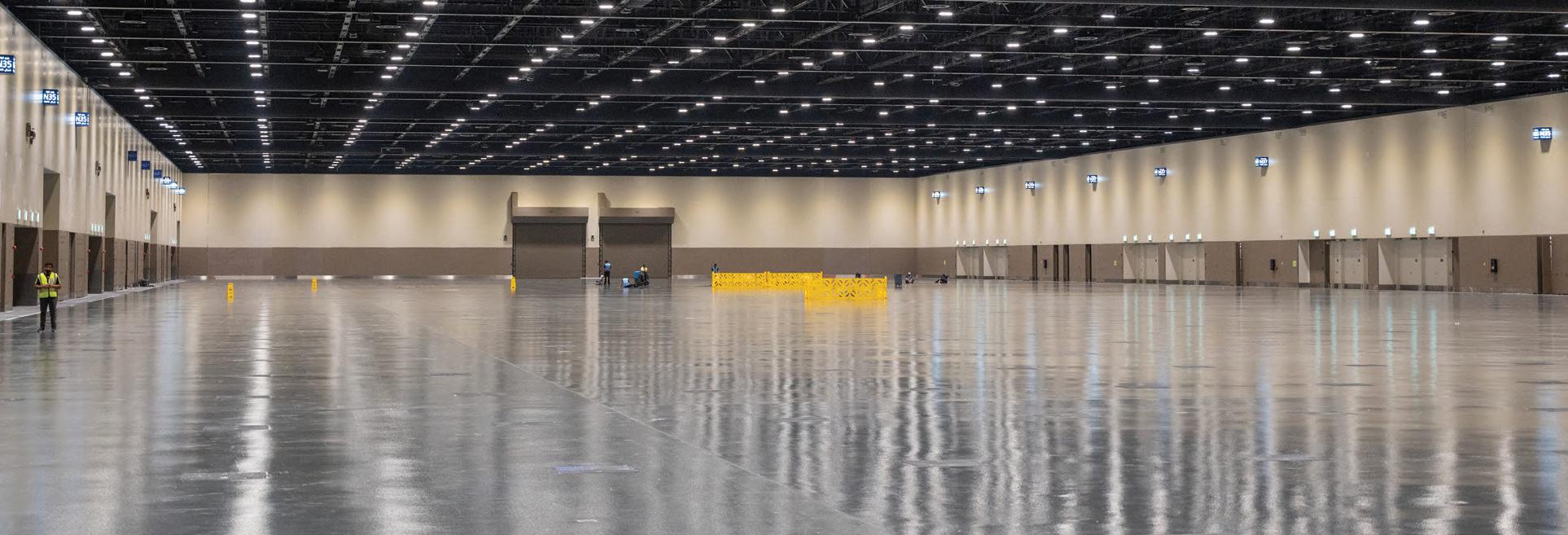
As a responsible contractor working on a government program, sustainability was a key focus for Khansaheb throughout the DEC Campus Legacy Project. This was reflected in Khansaheb’s environmental management systems and its onsite practices, McDonagh highlights.
“Over the duration of the project, we achieved and continue to achieve an overall waste recycling rate of 87.5%, with more than 6,700t of concrete, 600t of timber, 400t of metal, and significant volumes of cardboard and plastic successfully segregated and recycled. The entire development was delivered using sustainable materials in line with LEED Silver requirements, ensuring compliance with international environmental standards,” he explains.
Howard McDonagh joined Khansaheb Civil Engineering as a Project Director in January 2024.
McDonagh also says the contractor implemented strong waste management controls, including onsite segregation, re-use of timber for signage and temporary works, and recovery of rebar from demolished concrete for recycling.
“Environmental controls were consistently maintained, with regular dust suppression through water spraying and road sweepers, and continuous noise and lux monitoring to prevent impact on neighbouring residential areas. Food waste was also minimised through controlled canteen operations, and close coordination was maintained with the client-appointed environmental consultants and local environmental engineers, who carried out multiple site inspections with no major issues identified,” he adds. He continues, “Regular monitoring was undertaken to protect local foliage and fauna, ensuring that construction activities had no adverse environmental impact. The project demonstrated strong environmental stewardship, high recycling performance, and full compliance with sustainability and regulatory requirements.”
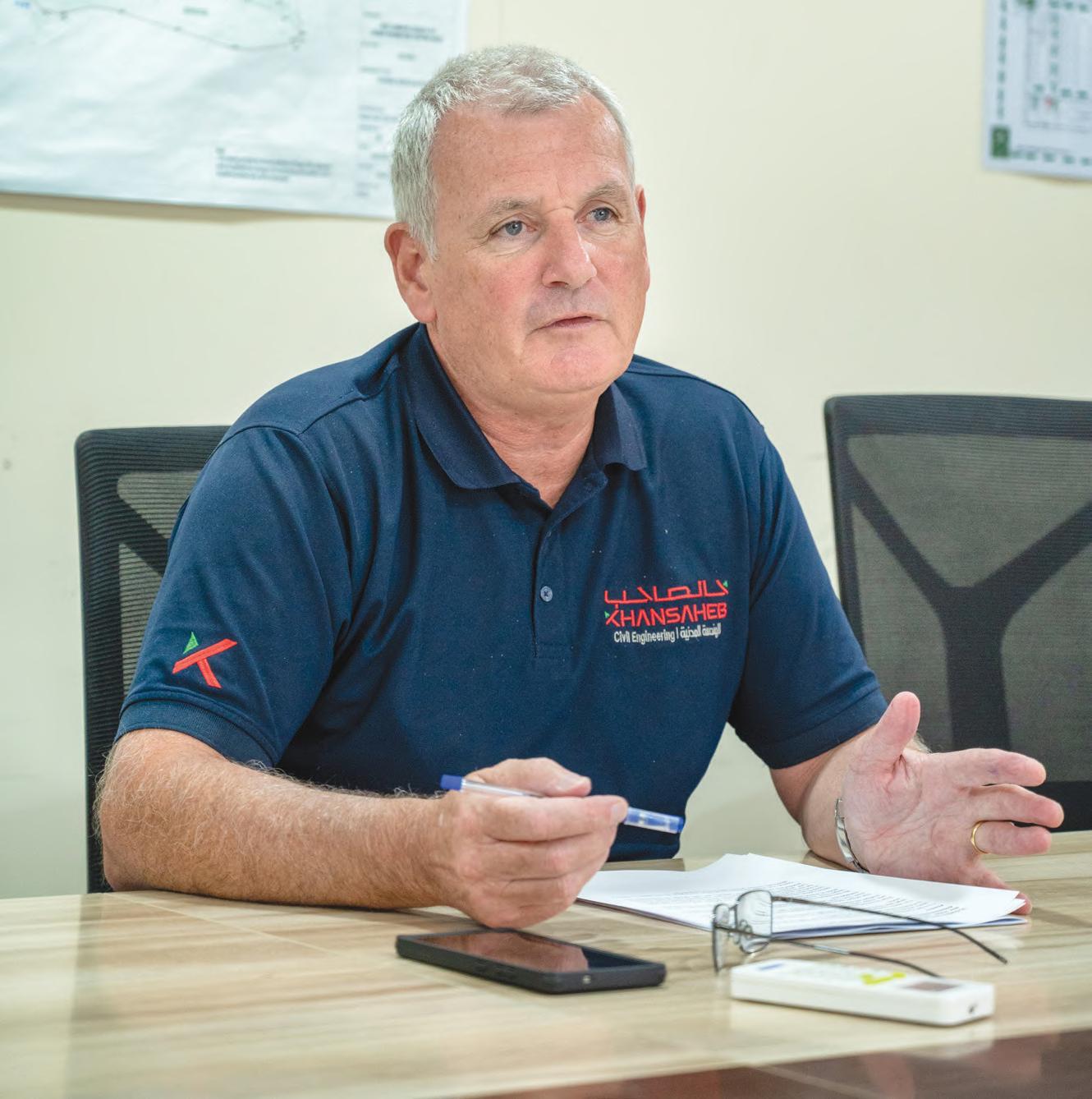
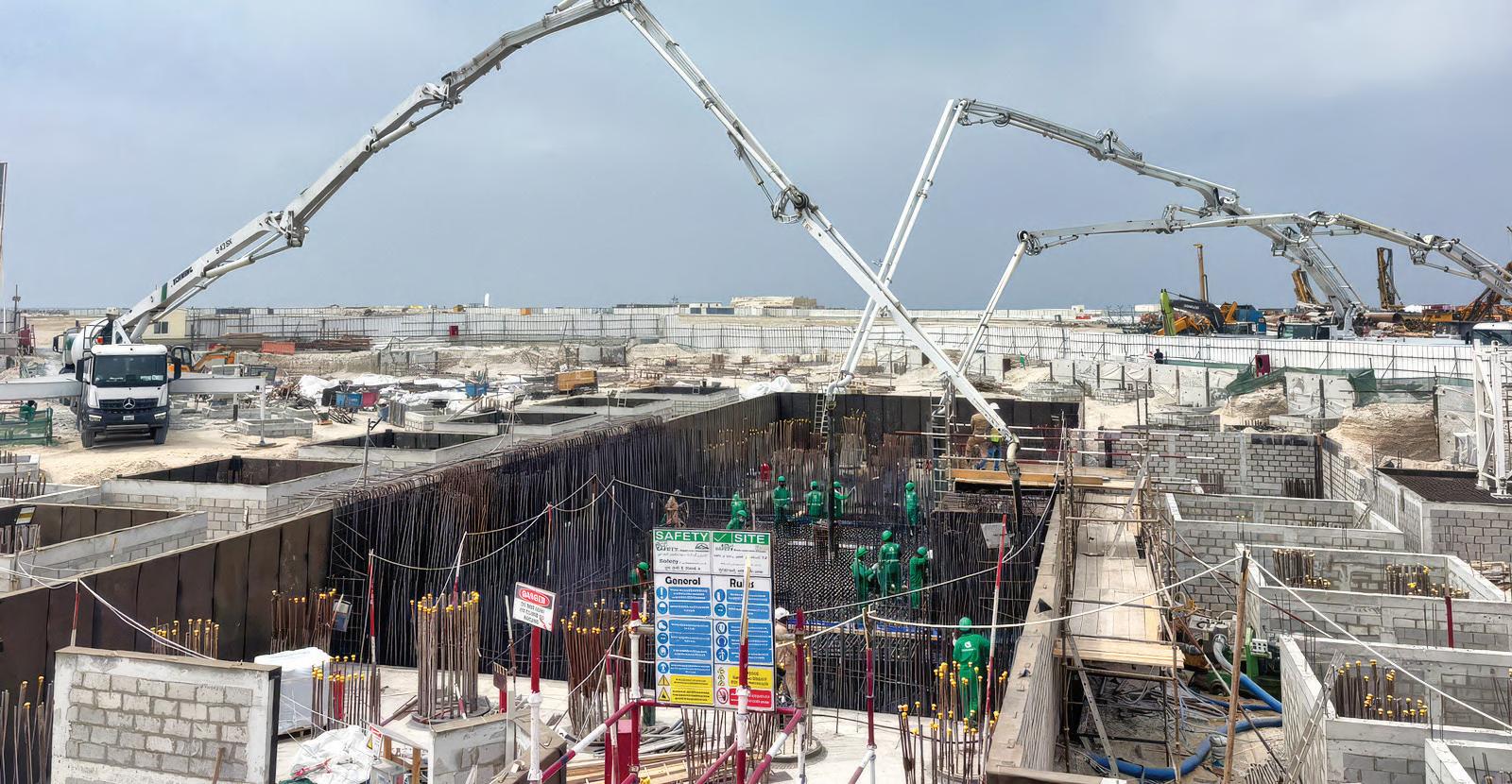
Asked about the challenges Khansaheb faced on the project, McDonagh explains that the north site was a little easier to execute, since the northwest car park was not required to be completed until the very end of the project. He states that this enabled the company to use it as its main compound because it offered more space, whereas with the south extension, every square metre of the footprint was being used, which made sequencing absolutely critical. He comments, “Due to the 2024 storm, Dubai Municipality required megaprojects to have their own stormwater attenuation systems. This was introduced into the project and, on the south in particular, that became quite a challenge
because it necessitated excavating 5m down from existing levels. The storm water attenuation tanks had to be constructed under the new marshalling yards around the perimeter of the new halls and being large structures they took up most of the footprint of the marshalling yards.
The marshalling yards footprint was logistically critical during the superstructure works, as it was required for the movements of cranes and MEWPs required to install the superstructure and for the offloading of articulated trailer deliveries. Sequencing became really critical, requiring the early completion of the stormwater attenuation tanks and associated gabion cut-off walls and storm water network.”
McDonagh credits the employer and the consultant team for being proactive when dealing with issues that arose when late introductions to the project’s scope had
The project safely delivered over 12.5m manhours, with a peak workforce of more than 5,200 personnel, demonstrating strong safety leadership and workforce management
MEGAPROJECT STATS
The project boasts 60,000m3 of structural concrete, 15,000t of structural and secondary steelwork, and 9,500t of reinforcement.
to be incorporated. He states, “They weren't unnecessarily rigid about the design - if we felt we could re-arrange what they needed into a different shape or a slightly different location, which would allow us to better deliver the project from a constructability standpoint, they would work with us to make sure that happened.”
“There were challenges with space and with logistics. There's a lot of projects simultaneously happening in Expo City there are times where there are marathons, cycling events, concerts and events in the DEC but you just have to work around that, and we’re given advance warning. Similarly, when we have deliveries coming, we organise it so they are delivered at a time when it doesn’t overlap with anything else that’s going on. We had a lot of just in time deliveries on this project; we worked with our subcontractors to have as much offsite storage as possible, and make sure they were bringing deliveries very close to when they needed to go into the works.”
One of the projects more challenging aspects had to do with accomplishing substructure works and
One thing we always stand by in terms of our commitments is we won't say we can do something, if we don't think it can physically be done.
the installation of heavy MEP services in the roof simultaneously. “This is one of the elements we saw as the biggest challenges on the project - how do we do all the substructure works on time, while at the same time executing heavy MEP services on the roof,” he highlights. He adds, “Within the ground slabs of the two halls are 3,388 reinforced concrete handhole chambers on a 6m by 3m grid. The chambers are fed by 4no. 160mm diameter ducts on each side for event exhibitors services and interconnecting intermediate drainage network pipelines. Running down the length of the halls on both sides is a services trench that carries all the services, whether it is data, water, power etc, and then that branches out through the underground ducting to the handhole chambers. The installation and backfilling of the handhole chambers and associated underground services on such a tightly spaced grid was extremely labour and plant intensive and
consequently a significant programme risk. To maximise efficiency we agreed with the employer’s team and the consultants, to modularise all the chambers, so that they were more or less the same, and then we pre-cast the handhole chambers and set up multiple workfronts in each hall to complete the works as swiftly as possible while working overhead on the roof space MEP works.”
“We then looked at in the ducts to handhole chambers connection to eradicate the requirement for cast in inserts and couplers by casting the handhole chambers with oversized holes that allowed the duct to be slipped through, following which they were sealed,” he highlights.
“At the same time, we worked off a suspended scaffold hanging from the roof trusses, and completed all of the MEP services, acoustic partitioning and catwalks works in the roof space, so both the ceiling works and the substructure works progressed in parallel, so we could achieve the program.”
“We brought in about 32,000sqm of hanging scaffold, and did half of each hall, and as we completed the roof space works in the first area, we stripped scaffolding from the back and moved the front forward without bringing the scaffolding materials to ground. To accelerate the programme, we brought forward the installation of the ID wall supporting secondary steelwork and prioritised getting the ground slab cast down the perimeters. That allowed us to get the walls going early because the centre of the slab didn't really bring us any short term programme benefit.”
“Our management priority was, how do we accelerate and de-risk the program? How do we safely keep moving as quickly as we possibly can? By introducing the suspended scaffolding from the roof and by prioritising the perimeter walls, we were able to take months off the program, which meant if we came across any unforeseen issues, we had a little bit of a buffer to get us over the problem,” he elaborates.
During peak construction, McDonagh says the site hosted
approximately 5,200 people simultaneously, involving multiple international and specialist contractors, including China State Construction Engineering Corporation (CSCEC) for steel structures and heavy lifting, Al Futtaim for MEP works, Arabian Profiles for façade works, Al Laith for fly deck operations and scaffolding, along with various other trades who collectively contributed to maintaining a safe working environment.
He elaborates, “This was managed through a robust and structured HSE management system focused on control, coordination, and communication. Highrisk activities were regulated through a controlled Permit-to-Work system, supported by a central permit register and elevation-based controls to prevent fallingobject hazards and conflicting works. Daily permit coordination meetings were held before each shift.”
“SIMOPS and workface zoning were implemented, including strict access control, barricading, exclusion zones for lifting operations, and an effective traffic management plan for plant and equipment. Adequate HSE supervision and coverage were maintained, with dedicated safety officers deployed for specialist subcontractors, and daily joint inspections conducted jointly with subcontractor HSE teams.”
He notes that strong communication and workforce engagement were achieved through daily toolbox talks, regular safety training, weekly focused senior management HSE tours and HSE campaign topics addressing site-specific risks.
Discussing work during the warmer summer periods, he comments, “Operations were supported through 3-shift
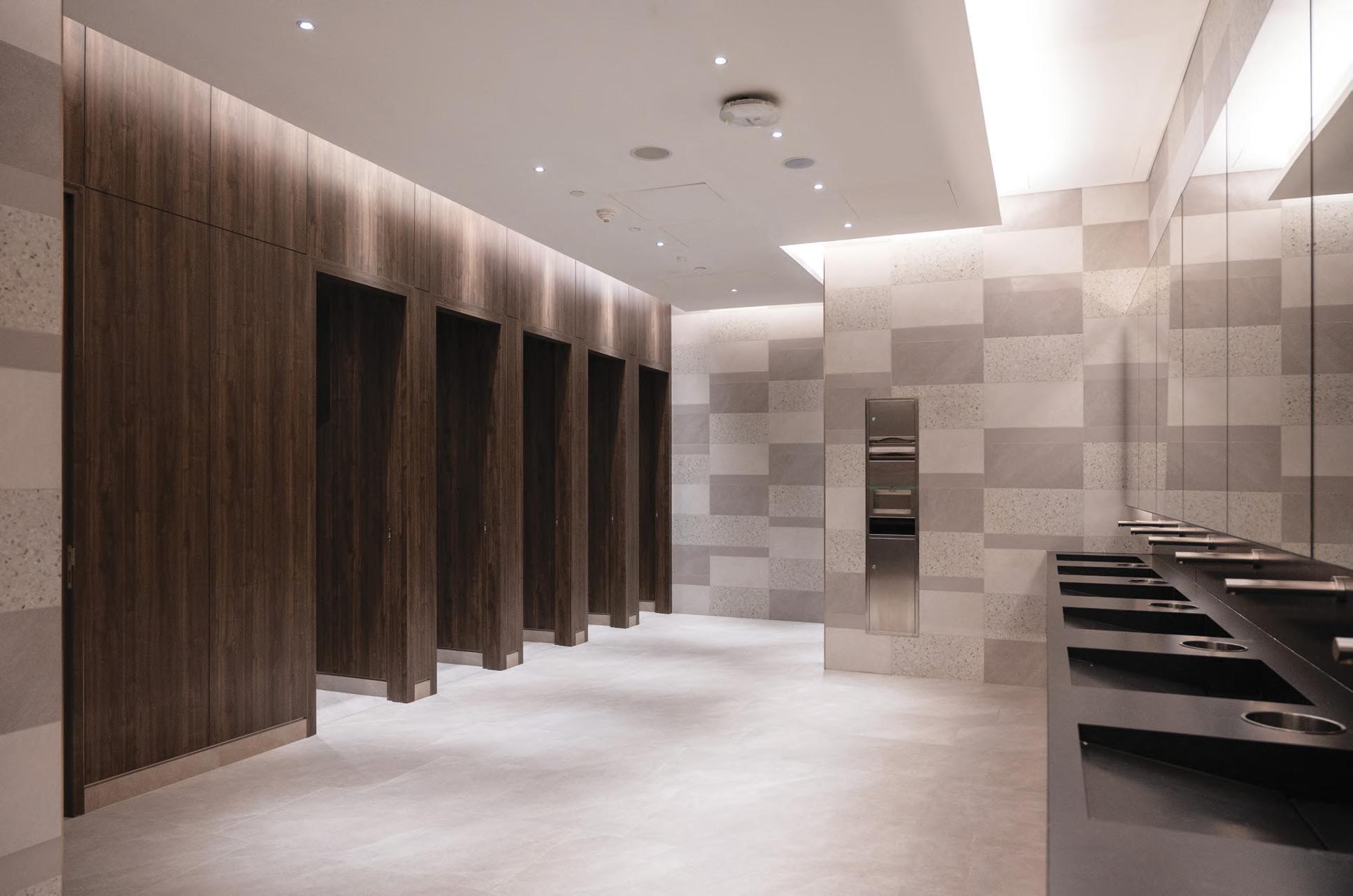
The megaproject currently features 56 VIP washrooms; Khansaheb notes that most large luxury hotels typically include 20-30 high-end guest and public VIP washroom suites.
I think this project stands out as one of the best deliveries I've seen Khansaheb execute in the 18 years I've been with the company, and I’m incredibly thankful to have been a part of it.
working, cooling rooms, TWL monitoring, and enhanced heat-stress management controls. In addition, adequate welfare facilities and strong emergency preparedness measures were maintained to support the large workforce.”
“Overall, this structured approach enabled the project to safely manage peak manpower, while maintaining high safety performance,” he says.
As far as what this means in terms of HSE figures, McDonagh notes, “We’re currently over 12m man hours on the project. From a Dubai Municipality reporting
requirement, there’s been zero lost time injuries on the project; the safety record has been very good and that’s because of the top led safety focus of Khansaheb insisting on the highest standards when it comes to safety.”
“The employer nominated very good subcontractors, all of whom already had good levels of safety performance and quality. The great thing is everyone came into the project with the right attitude and as long as criticism was constructive, they took it onboard,” he explains.
An iconic megaproject for the record books
Making his closing remarks on the site visit, McDonagh says that testimonials from the client have been positive and amongst the best that Khansaheb has received in recent years.
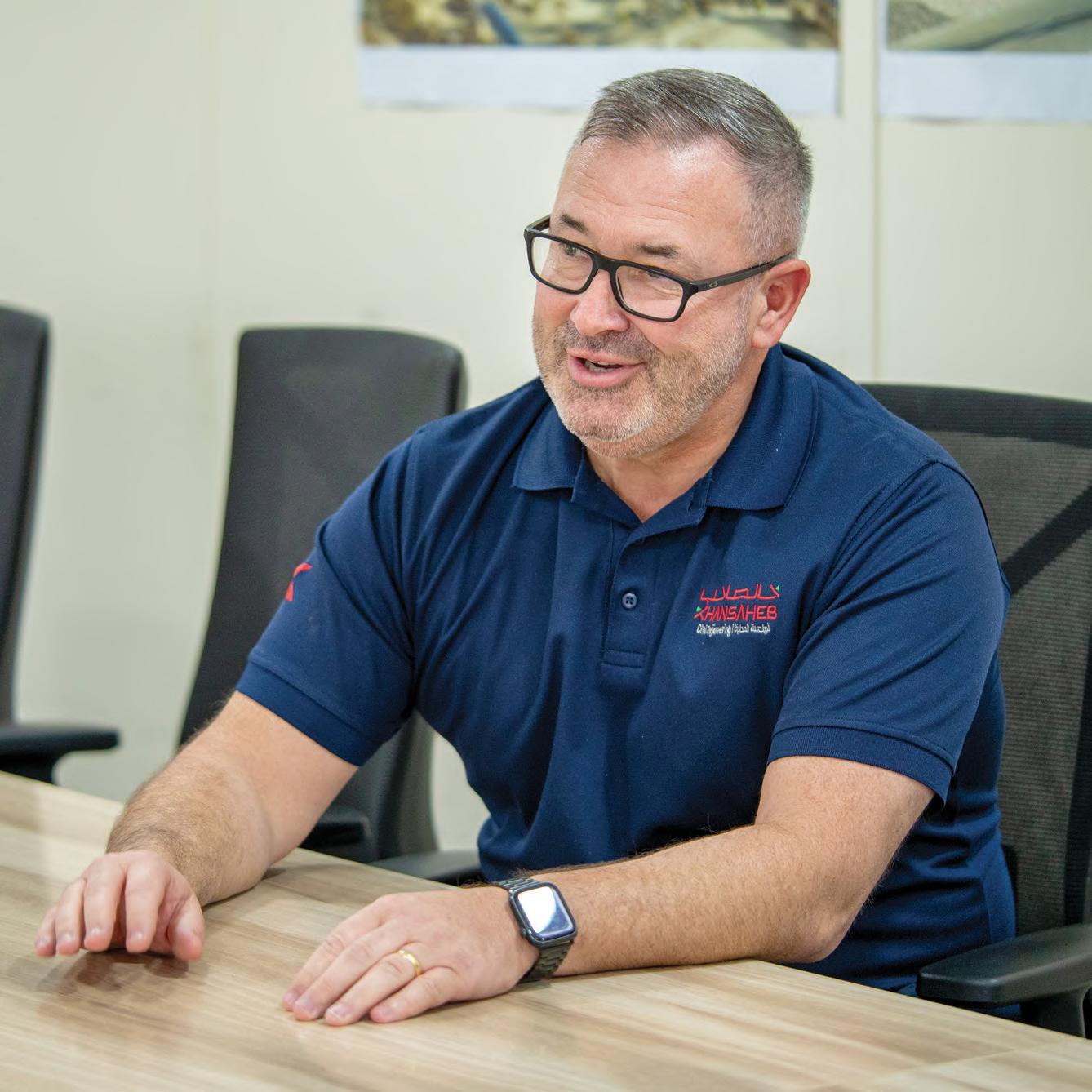
He says, “While this was a challenging project with long hours and some tense moments, everyone that worked on this project has said they really enjoyed coming to site and working on it. All of the stakeholders worked together collaboratively to deliver quality work for the client – no one was combative or trying to make things unnecessarily difficult, and the results has been great.”
Sams notes, “I’m most proud of the team that we put together for this project. Like other contractors in the country, we’ve grown over the last few years, and that has meant new people joining the business. Selecting people at a senior level to lead projects of this size is a key decision. Bringing Howard into the business, along with the formation of the wider team - which is a mix of quite a high proportion of new people complemented with long serving Khansaheb stalwarts - to collaborate with all stakeholders to deliver such a challenging project in a compressed time frame, is impressive.”
“We’re now at the end of this phase of the DEC megaproject and don’t really have any contractual issues or claims; it’s been absolutely incredible watching the team manage the project and address issues over the last few years. As you know, resources are scant at the moment, the supply chain is stretched across the construction industry, so to consistently have the nearly 5,000 men that we needed at peak on a daily basis to get this project delivered, and maintain momentum right up to the end was an incredible effort.”
“I think this project stands out as one of the best deliveries I've seen Khansaheb execute in the 18 years I've been with the company and I’m incredibly thankful to have been a part of it,” he concludes.
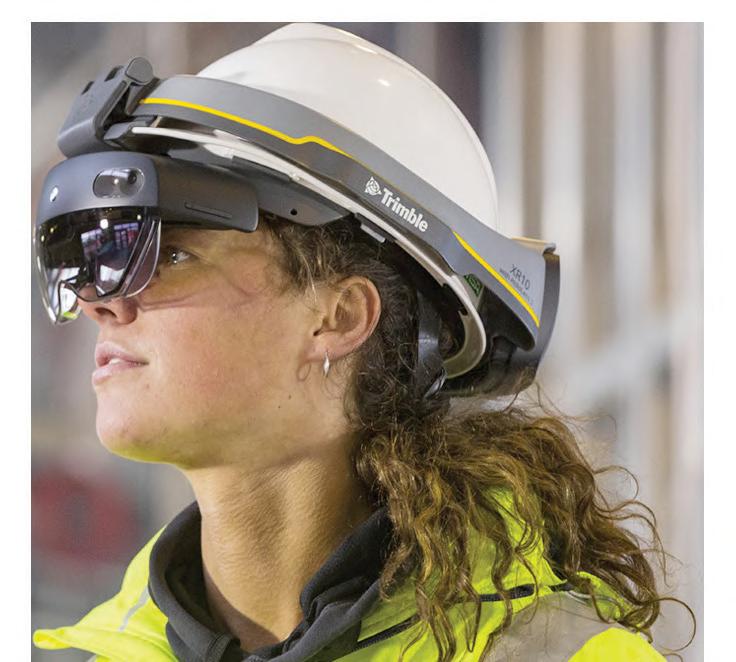
Wherever your projects take you, Trimble scales with your ambition. Whether it’s supporting new materials, handling local compliance or growing from single seats to enterprise deployments, we’ll help you deliver with confidence.
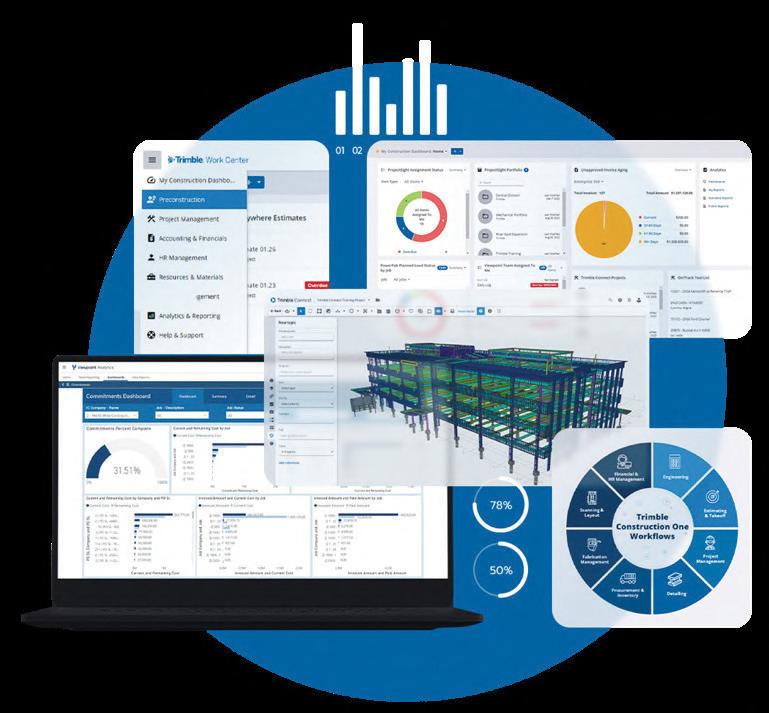
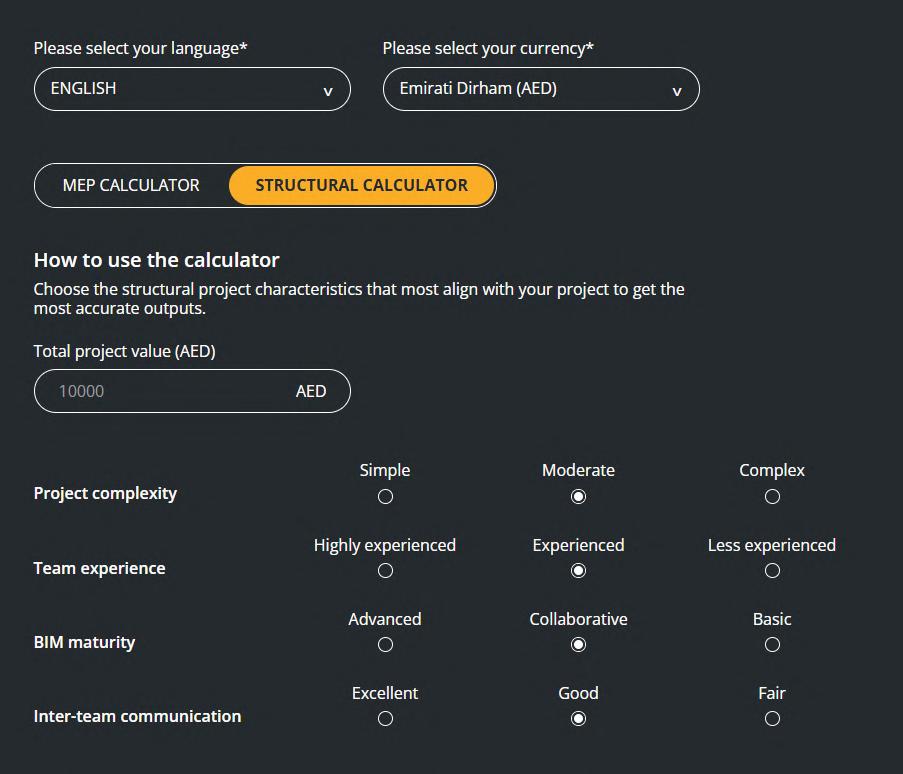
This free access tool is designed to help structural and MEP professionals visualise the financial impact of rework in a project.
By inputting a few key details and using data from the Construction Industry Institute, you can see how small oversights can escalate as the project progresses from design to construction.

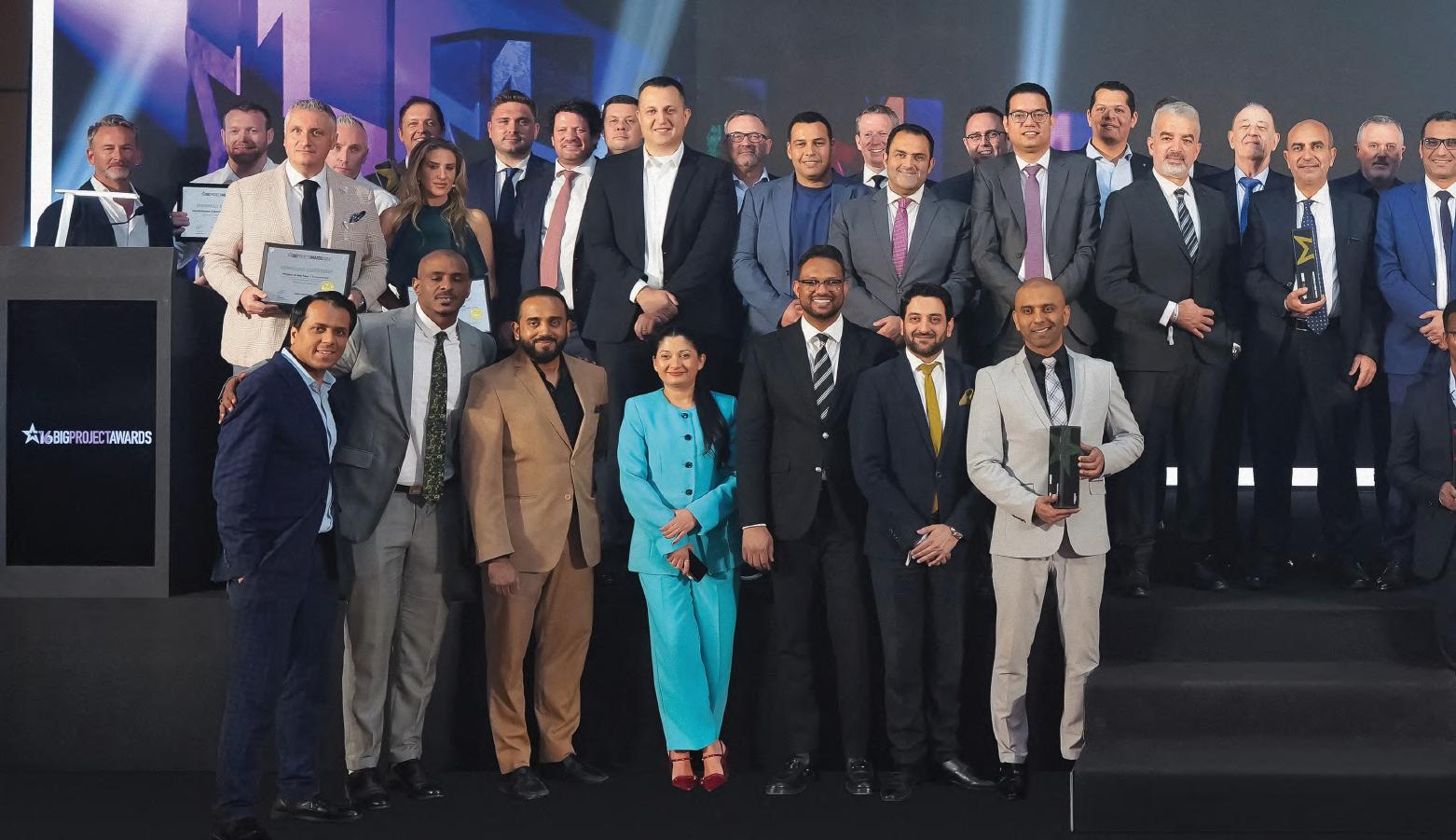
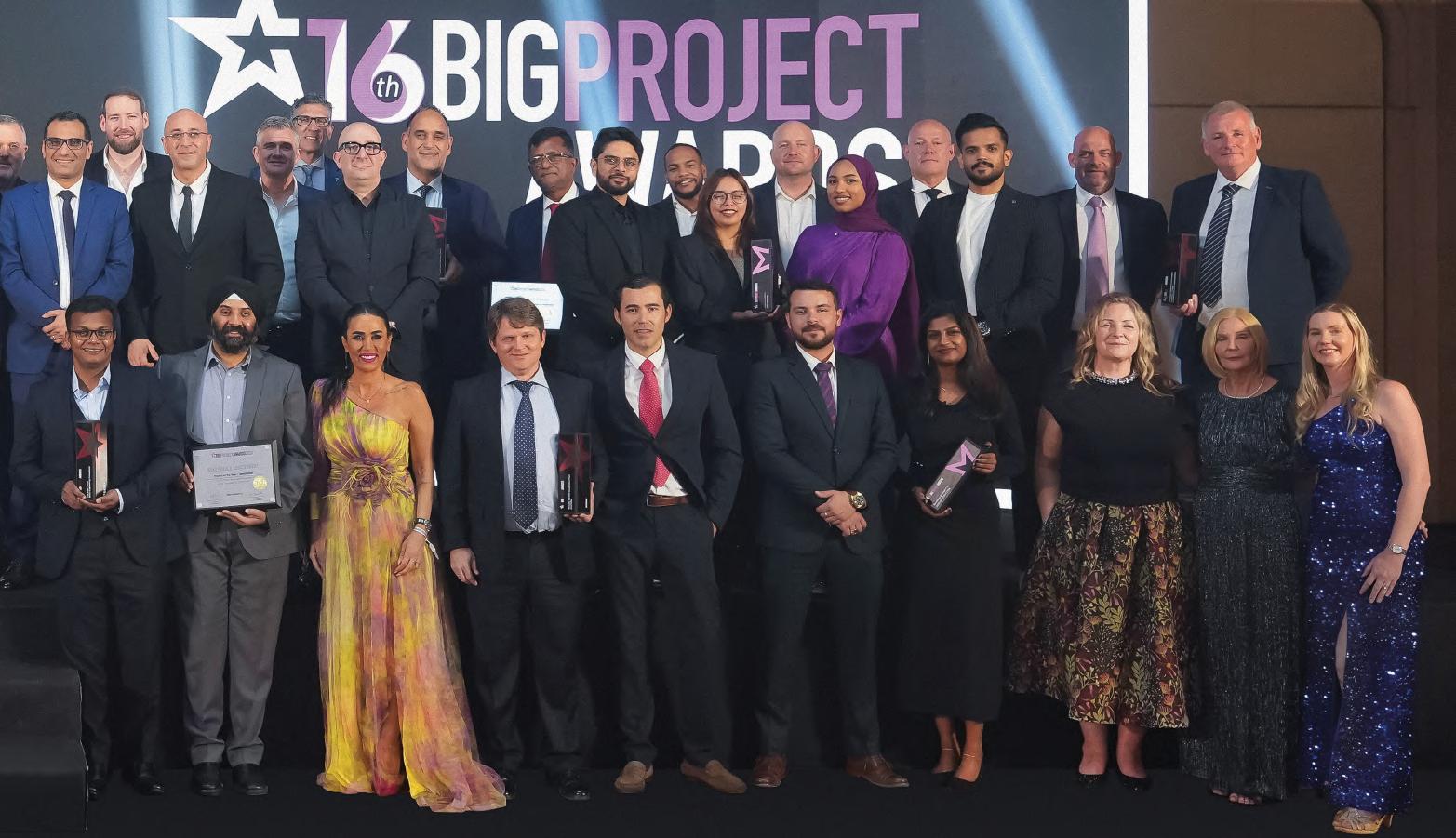
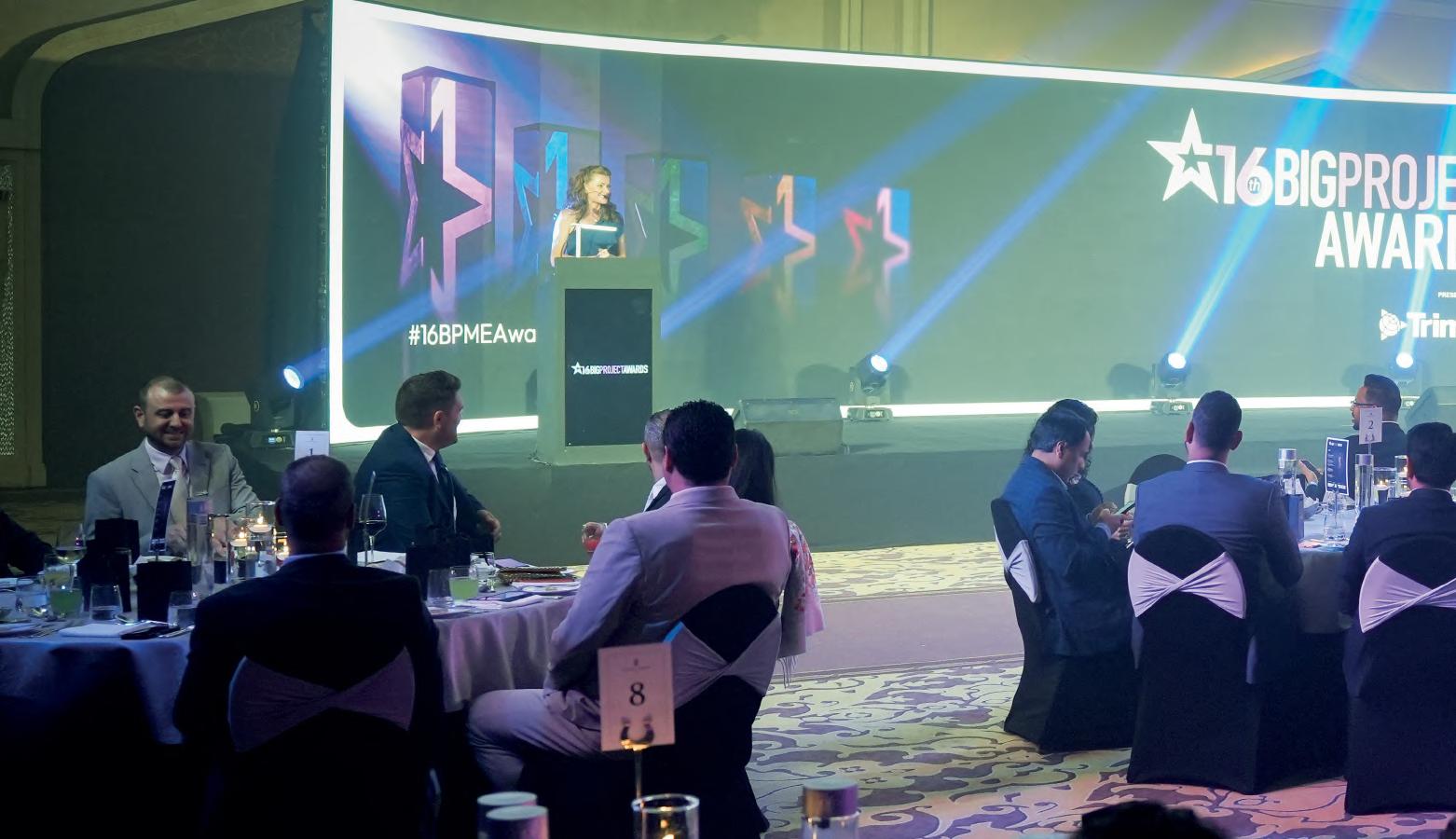
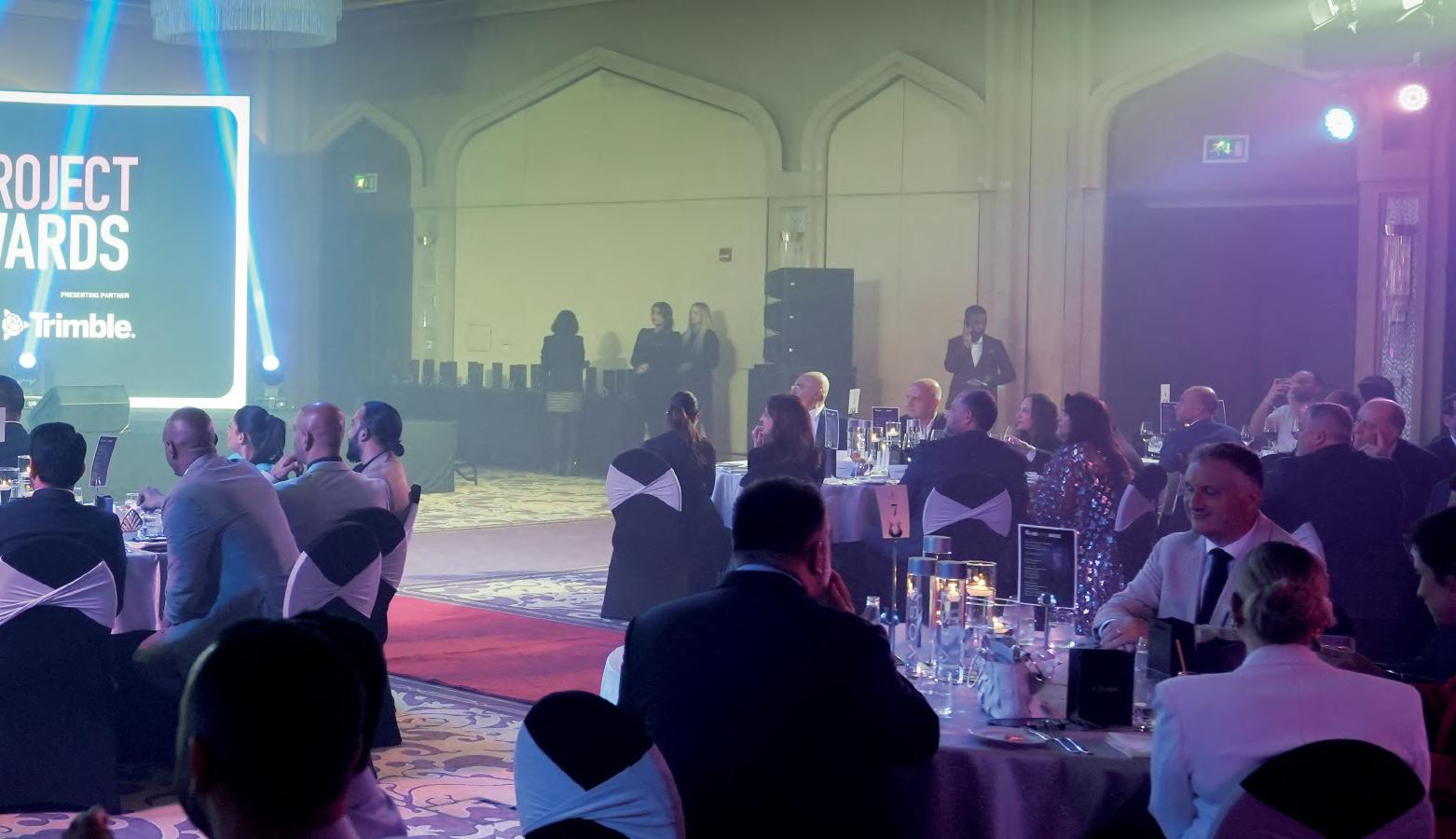
The 16th edition of the annual Big Project Middle East Awards (BPME Awards) brought together the region’s leading industry voices for an evening of recognition and celebration, held at the Ritz-Carlton JBR on 11 February. The event welcomed close to 180 guests from across key Middle East markets, including the UAE, Saudi Arabia, Qatar, and Egypt, underscoring the awards’ growing regional significance.
Honouring excellence across the built environment, this year’s programme recognised outstanding achievements in 23 categories, spanning 5-core segments: individuals, sustainability, developers, companies, and projects. Organised by CPI Trade Media publisher of Big Project Middle East and a portfolio of leading construction titles, the awards continue to serve as a benchmark for industry performance. Trimble collaborated with the event as a Presenting Partner, supporting the platform’s commitment to celebrating innovation and leadership.
The BPME editorial team received more than 150 nominations across 31 categories. Following a rigorous 2-stage judging process, only the most deserving entries were recognised, with select categories streamlined based on the judges’ evaluations to maintain the awards’ high standards of excellence. This year’s judging panel brought together a diverse group of industry experts and thought leaders, ensuring a fair and comprehensive assessment process.
Reflecting on the 2026 edition, Jason Saundalkar, Editorial Director at CPI Trade Media noted, “The awards introduced several refinements to the format, including recognising honourable achievement recipients in closely contested categories, alongside overall winners, while in other instances, standout entries were awarded without a published shortlist. In total, 23 trophies and 14 honourable achievement plaques were presented, celebrating the individuals, organisations and projects driving the region’s construction sector forward.”


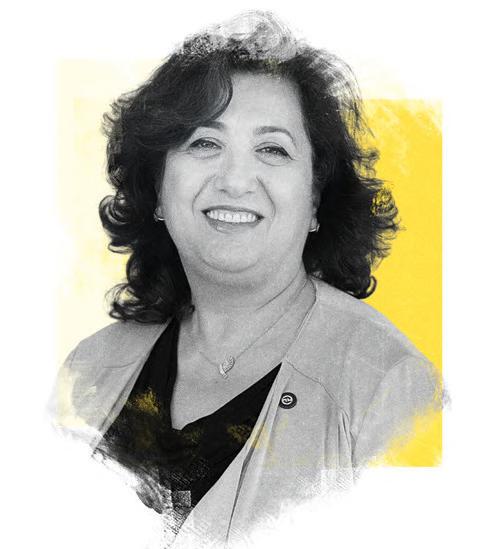
Cheryl Cairns
Partner | Trowers & Hamlins
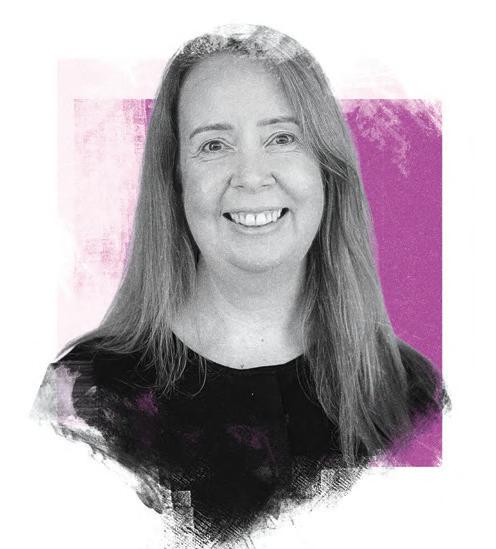
Cheryl Cairns has over 20 years' experience in the construction sector, and has been based in the Middle East since 2007. She regularly advising employers, contractors, subcontractors and suppliers in respect of claims arising throughout the lifecycle of major construction and infrastructure projects. She is highly experienced in the drafting of pleadings, attendance at preliminary and procedural hearings, meeting with and obtaining proofs of evidence from witnesses of fact and liaising with engineering, delay and quantum experts.
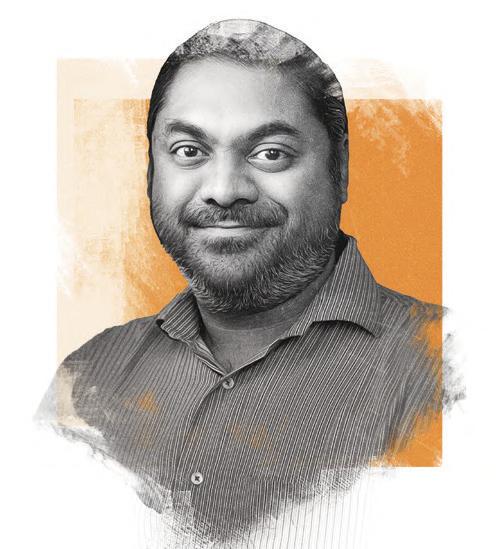
Christian Somerville
Head of Project Management UAE | Compass
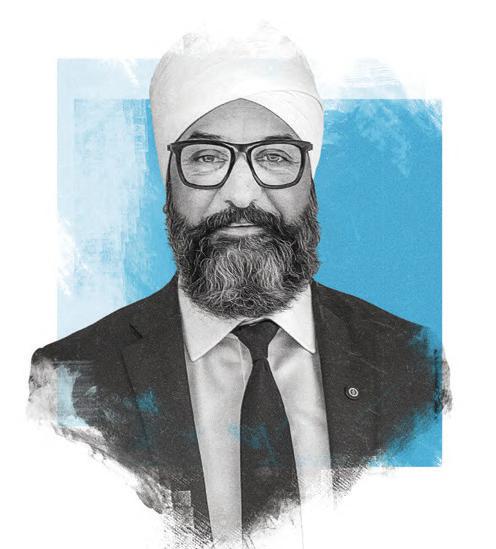
Christian Somerville holds a Bachelor’s Degree in Civil Engineering (First Class Hons) | BEng (Hons) (Civil) from the University of South Australia. He is currently the Head of Project Management (UAE) at Compass Project Consulting, and boasts local as well as international expertise. He has been based in the UAE for over a decade, having first joined Compass as a Graduate Project Manager. Prior to this, he worked in a number of different roles in Australia.
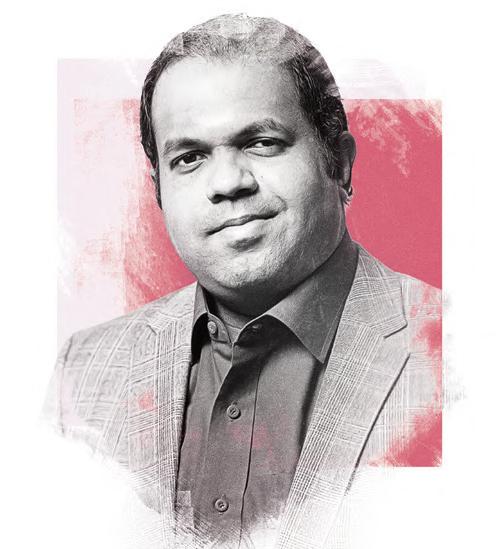
Gurminder Sagoo
Chief Commercial Officer, Middle East & South Asia | Egis
Gurminder Sagoo holds a Bachelor of Science in Environmental Planning and a Master's in Urban Regeneration from Birmingham City University, and boasts over 29-years of experience in the built environment. Throughout his career, he has built strong teams and administered market-facing activities in multiple firms and international geographies. He has a proven track record of making the best out of major business acquisitions and is a thought leader in his field, contributing to various journals and articles on a wide range of topics.
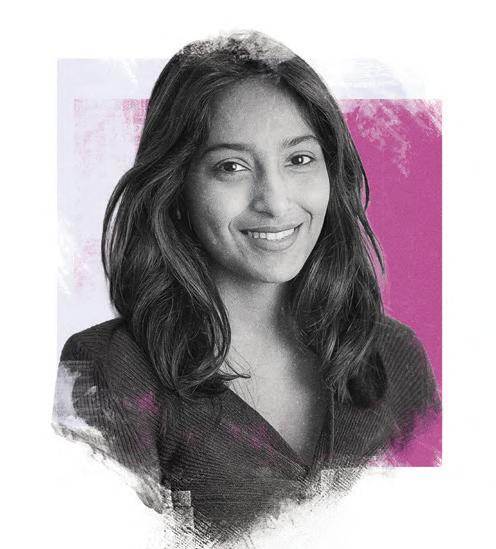
Laura Morgan
Cost Estimation Lead, Middle East | Focal
Laura Morgan is a highly experienced Chartered Quantity Surveyor (MRICS) with 18 years in the industry, including 11 years in the UAE. She specialises in cost estimation, procurement, value engineering, and market intelligence, with a strong background in pre-contract cost management. Her portfolio includes multidisciplinary projects across masterplan developments, transportation infrastructure, aviation, residential, and public realm sectors.
Rola Nasreddine
Executive Director | Springs Global Consultancy
Rola Nasreddine is a senior expert with 20+ years of experience in Sustainability, Energy, Climate Change, Government Affairs & Policy. Her educational background is in Science (Analytical Chemistry) from Beirut Arab University. After completing her bachelor's degree, she completed a Graduate Certificate in Science & Technology Commercialisation from Simon Fraser University in Canada. Her passion and commitment to environment, social justice and community empowerment spans 20 years and has led her to work with non-profit, private, public and international organisations.
Clayton Vallabhan
Deputy Editor, Construction Division | CPI Trade Media
Clayton Vallabhan is a seasoned editor with over 8-years of UAE media experience. Over the course of his career, he has covered a number of different segments, including construction, broadcast and satellite, and consumer technology. Based in Dubai, UAE, he is the current Deputy Editor on Middle East Consultant magazine, the region’s only B2B title that’s focused on the AEC segment.
Jason Saundalkar
Editorial Director, Built Environment & Heavy Industry Divisions | CPI Trade Media
Jason Saundalkar joined CPI Trade Media - a construction focused media companynearly a decade ago and first worked on Middle East Consultant magazine, before moving on to Middle East Construction News - one of the region's most respected construction focused websites - and then onto Big Project Middle East magazine. He now oversees editorial and events across all CPI Trade Media brands, and lives and breathes construction.
Priyanka Raina
Associate Editor | CPI Trade Media
Priyanka Raina is the Associate Editor at CPI Trade Media. She covers industry trends, projects, and innovations shaping the built environment. She brings insight and expertise to the evolving world of construction and design. Passionate about excellence and precision, Priyanka is committed to delivering content that informs, engages, and inspires readers, reflecting her dedication to high standards and professional integrity.
INDIVIDUAL AWARDS
Young Professional of the Year
Mentor of the Year
Team of the Year
Woman of the Year
Executive of the Year
SUSTAINABILITY AWARDS
Sustainable Contractor of the Year
Sustainable Project of the Year
DEVELOPER AWARDS
Mid-sized Developer of the Year
Large Developer of the Year
Winner
Keerthana Krishnan R S | DCIB Construction
Dr. Lavinia Melilla | Parsons
HTS Interiors
Mariam Azmy | Innovo Group
Nidal Hassoun | Engineering Contracting Company
Winner
Sobha Constructions
Waves Opulence Project | Sobha Constructions
Winner
Aurora Real Estate Development
Danube Properties
COMPANY AWARDS
Skills Development Programme of the Year
Fit-Out Contractor of the Year
MEP Contractor of the Year
Infrastructure Contractor of the Year
Mid-sized Contractor of the Year
Large Contractor of the Year
PROJECT AWARDS
Fit-Out Project of the Year
MEP Project of the Year
Refurbishment & Retrofit Project of the Year
Project of the Year – Water
Project of the Year – Infrastructure & Transport
Project of the Year – Leisure, Retail & Hospitality
Project of the Year – Commercial
Project of the Year – Residential
Winner
Hassan Allam Construction
Khansaheb Interiors
Innovo Group
China State Construction Engineering Corporation
Hennessey
Innovo Group
Winner
Desert Rock, Red Sea | DEPA
The Wasl Tower | SEED Engineering Consultants
King Abdullah Financial District Residential Uplift Project | Parsons
Shuqaiq 4 SWRO | ACCIONA & RTCC JV for Saudi Water Authority
Al Faya Razeen | Innovo Infra
Zayed National Museum Water Feature | Innovo Group
The DEC Legacy Expansion – Phase 1 | Khansaheb Civil Engineering M.E.
Serenia Living | Khansaheb Civil Engineering
Shortlist
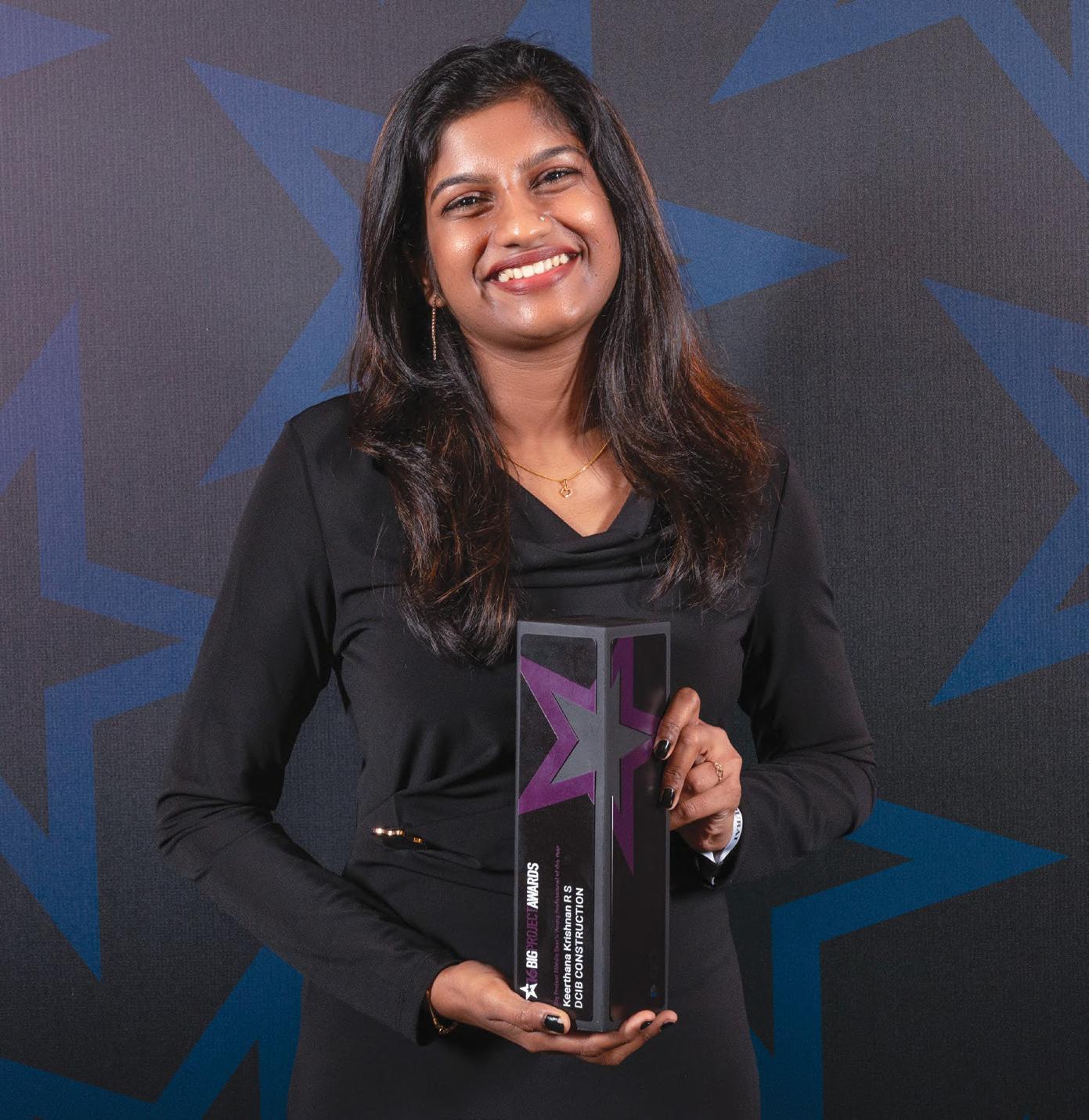
Keerthana Krishnan R S | DCIB Construction
Muhammad Hisan | Eiman Builders & Developers
A total of 5-nominations were submitted for this category, with the panel of judges compiling a shortlist of just 2 after both rounds of eliminations.
In response to picking up the most first choice votes and being announced as the winner, Krishnan commented, “I'm very happy and I'm very honoured, I never expected I will win this award, it's really motivational to all the young professionals out there. For the future, I will be more focused on sustainability initiatives in my project. I believe that every young professional and every person in a company or a team can and should focus on sustainability initiatives - it will be a great step for any city or country chasing sustainability targets.”
MENTOR OF THE YEAR
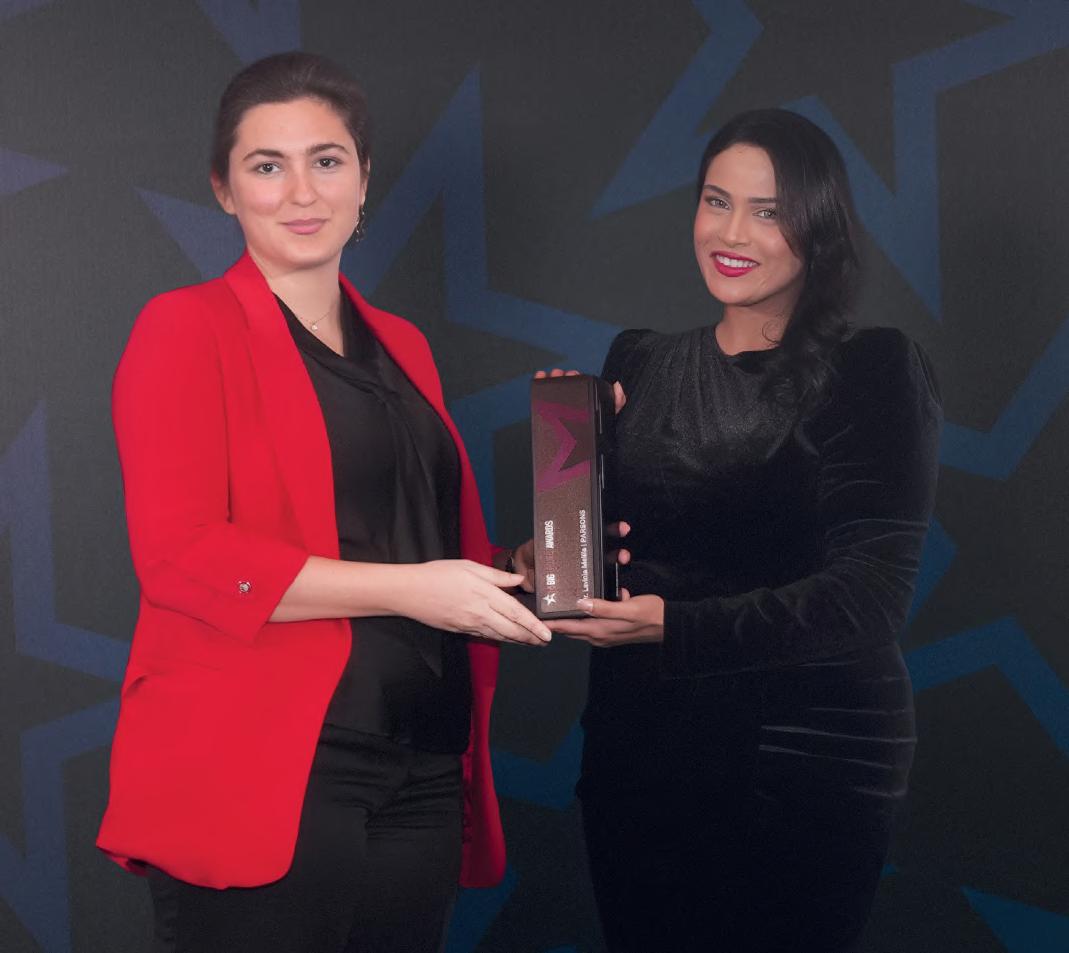
Commenting on the win, Melilla stated, “I'm happy to have won this prestigious award with the support of Parsons’ mentoring team and senior management support, and the Institution of Civil Engineers. This award demonstrates Parsons’ unique mentoring programme in the EMEA region, which supports employees, clients, and partners in developing a holistic plan to achieve common achievements for mentoring our people engaged in mega projects and improving our levels of quality in delivery. Looking ahead, I'm planning to support Parsons to achieve client contract requirements in qualifications, especially for Chartership status, as requested by Government Entities to be international licenced.”
TEAM OF THE YEAR
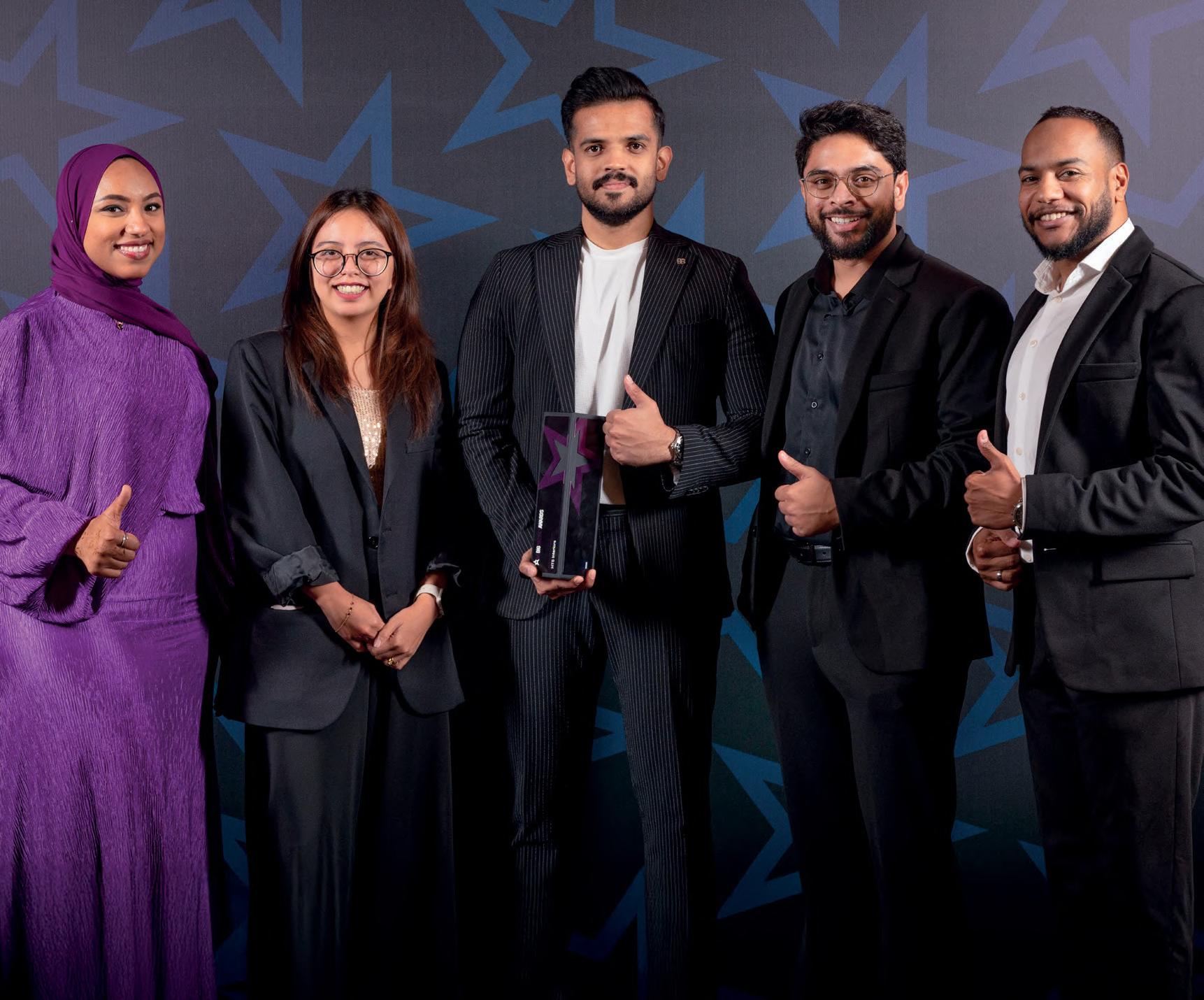
A total of 3-nominations were submitted for consideration to this category, however in the first round of eliminations, a clear winner was obvious.
Commenting on the win, the team from HTS Interiors stated, “That was unexpected, but we’re thrilled to win this award. At HTS, we’re the best team! We’ve recently moved to a new location in JBR and are expanding. We’re the market leader, and everyone from clients to stakeholders to contractors wants to collaborate with us. We’re open to partnerships and growing in various areas. Our award reflects our collaborative team, close-knit nature, adherence to processes, accountability, and growth. We’re the name in the market that people want to work with.”
Shortlist
Anita Nouri | Green Growth Planning Consultancy
Johanna Niebuhr | CSQ Project Development Consultancy
Maitha Al Shamsi | Parsons
Honourable Achievement
Sandra Woodall | tangramMENA
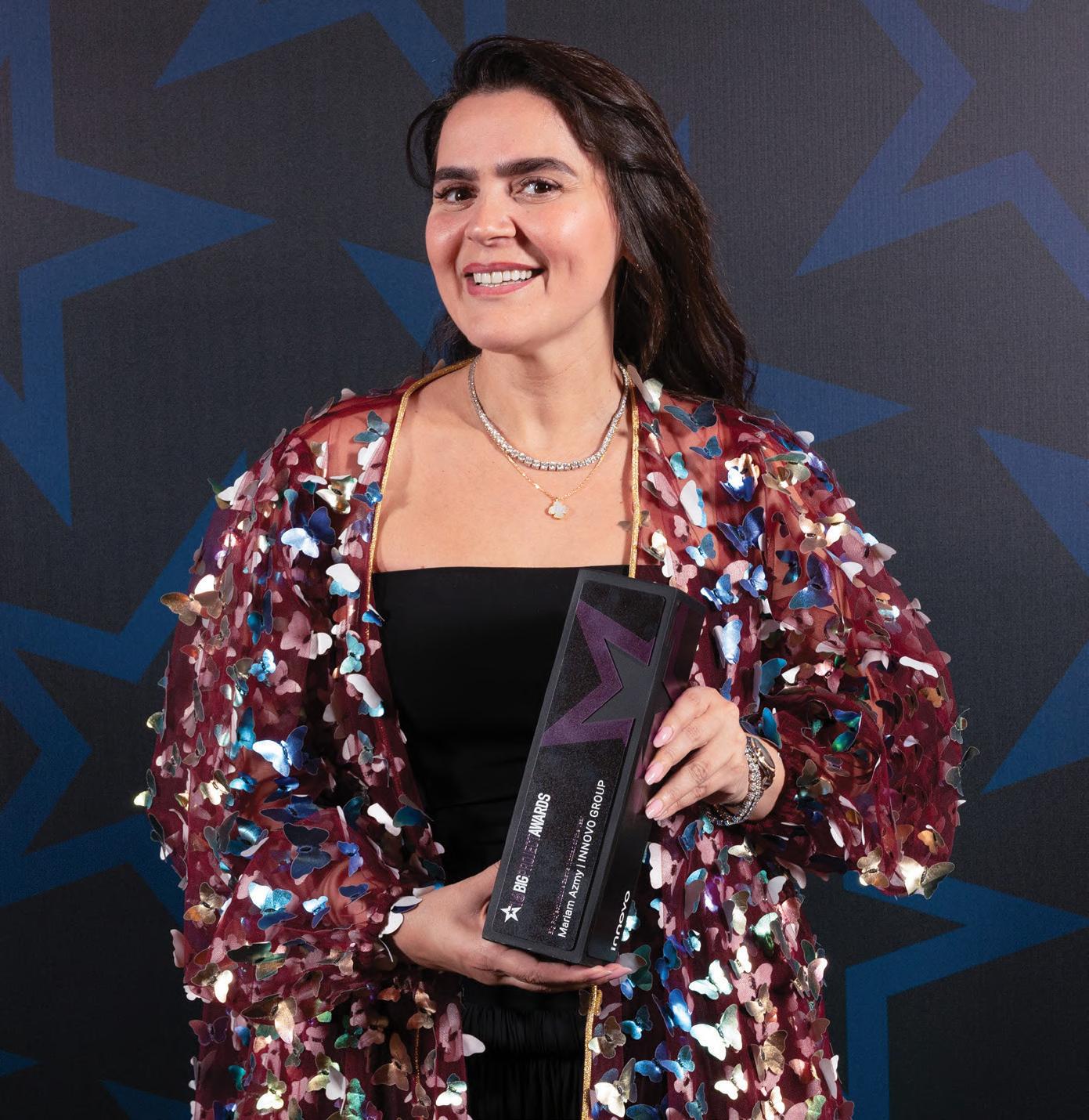
No less than 8-nominations were submitted to this category, which gave the judges plenty to mull over. After significant deliberation, 5-women were shortlisted, with Innovo Group's Mariam Azmy picking up the win.
“I'm truly honoured to receive the Woman of the Year Award. At Innovo, we believe our people are the driving force behind our success, and I’m proud of the people-centric culture we continue to build together, one that has also earned us Top Employer UAE recognition in 2025 and 2026. I believe culture is not words on a wall, it’s how people feel every day: that they matter, that their voice truly counts, and that they are growing into the best version of themselves,” commented Azmy.
Shortlist
Ammar Al Assam | Dewan Architects and Engineers
Nitin Nadukandy | HTS Interiors
Honourable Achievement
Ryan Bray | CSQ Project Development Consultancy
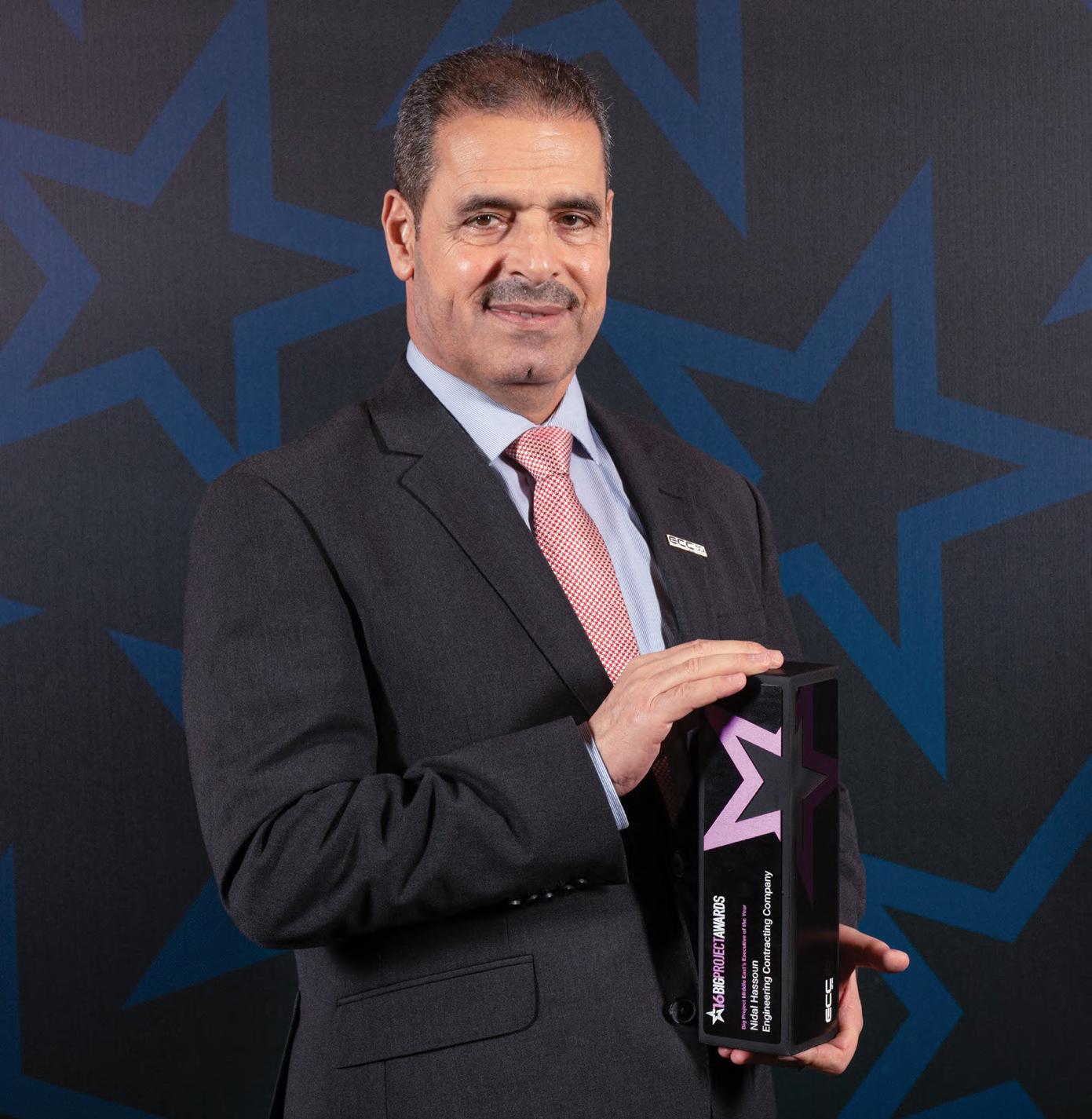
8-nominations were submitted to this category, with 5 making it to the second round of eliminations. The judges applauded Nidal’s 36-year commitment to the firm and the positive influence he’s had, since stepping into the position of General Director for the firm last year, including over 95% on-time project delivery, a 12% reduction in rework, while consistently surpassing client satisfaction targets.
“I'm very proud for receiving this award, it's really a true opportunity for all contractors and the construction industry as a whole to be more motivated to do even better. We've recently signed a number of new projects, have plenty underway and are expecting much more work going forward.”
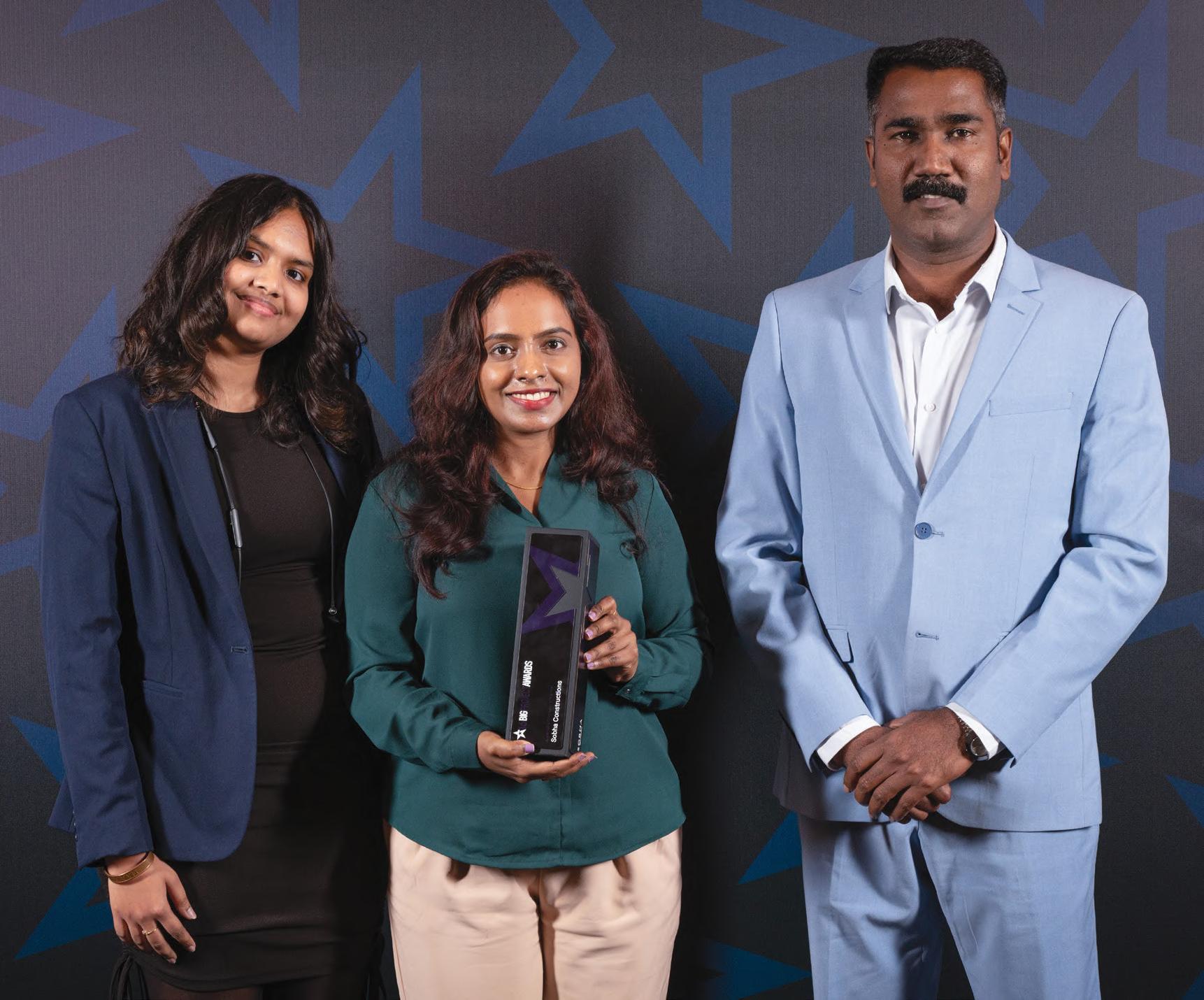
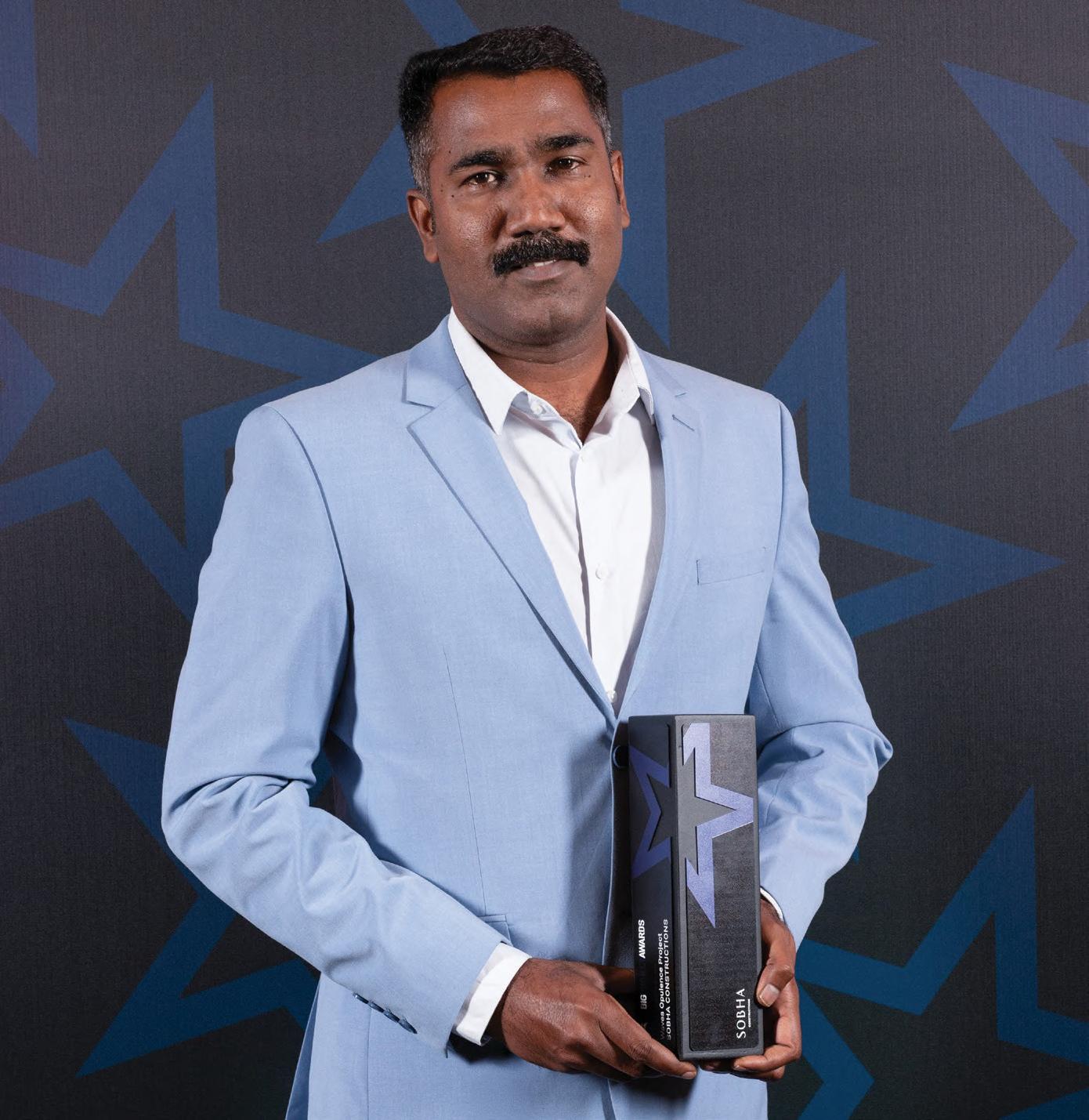
7-nominations were deliberated on in the first round of eliminations, with just 4 making it through to the second round. Following debate, Sobha Constructions picked up the most first choice votes.
“We're happy and proud to receive this award. With several projects lined up for the year ahead, we remain committed to continuing the practices that have brought us here. This recognition is a testament to how sustainability is embedded throughout our projects from initial vision and design through to final delivery. It is not only a core part of our process, but also a value we pass on to our customers, ensuring sustainability becomes part of the end product they receive,” the team said.
Shortlist
Stonehenge
Segrex Development
Yanmu East Logistics Park | Hassan
Allam Construction
Honourable
In total 7-nominations were submitted to this category, however just four made it through to the second round of eliminations, where the judges decided all 4 were worthy of the shortlist. After tallying up the votes, the Waves Opulence Project by Sobha Constructions grabbed the win.
Commenting on the recognition, the Sobha team noted, “It is one more feather in our crown and we feel great and proud about this win. This is a long-term vision from our management team - they are focused on delivering visionary impact with our projects, with a key focus on sustainability, which is why we are now standing here with this award.”
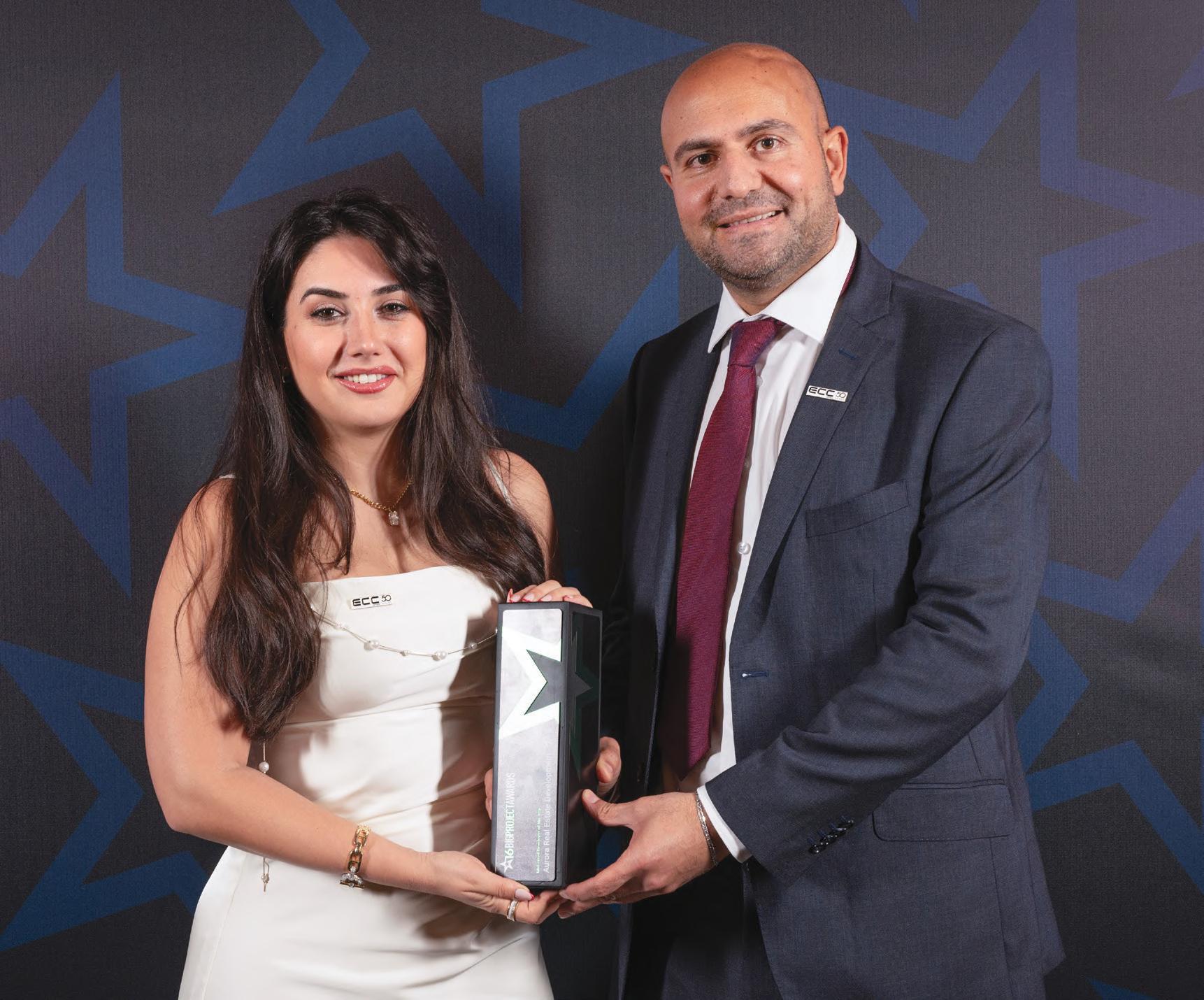
4-nominations were submitted to this category, however after 2-rounds of elimination, only 2 companies were deemed worthy of the shortlist: Aurora Real Estate Development and TownX. Following discussions and voting, Aurora Real Estate Development was the obvious winner.
Commenting on the win, the team noted, “It's our second time winning this award, it's an amazing feeling and we can't explain just how proud we are of the work we do. From the start of our projects to the very end, we work hard to make sure that the end customer receives a quality product that they are happy with.”
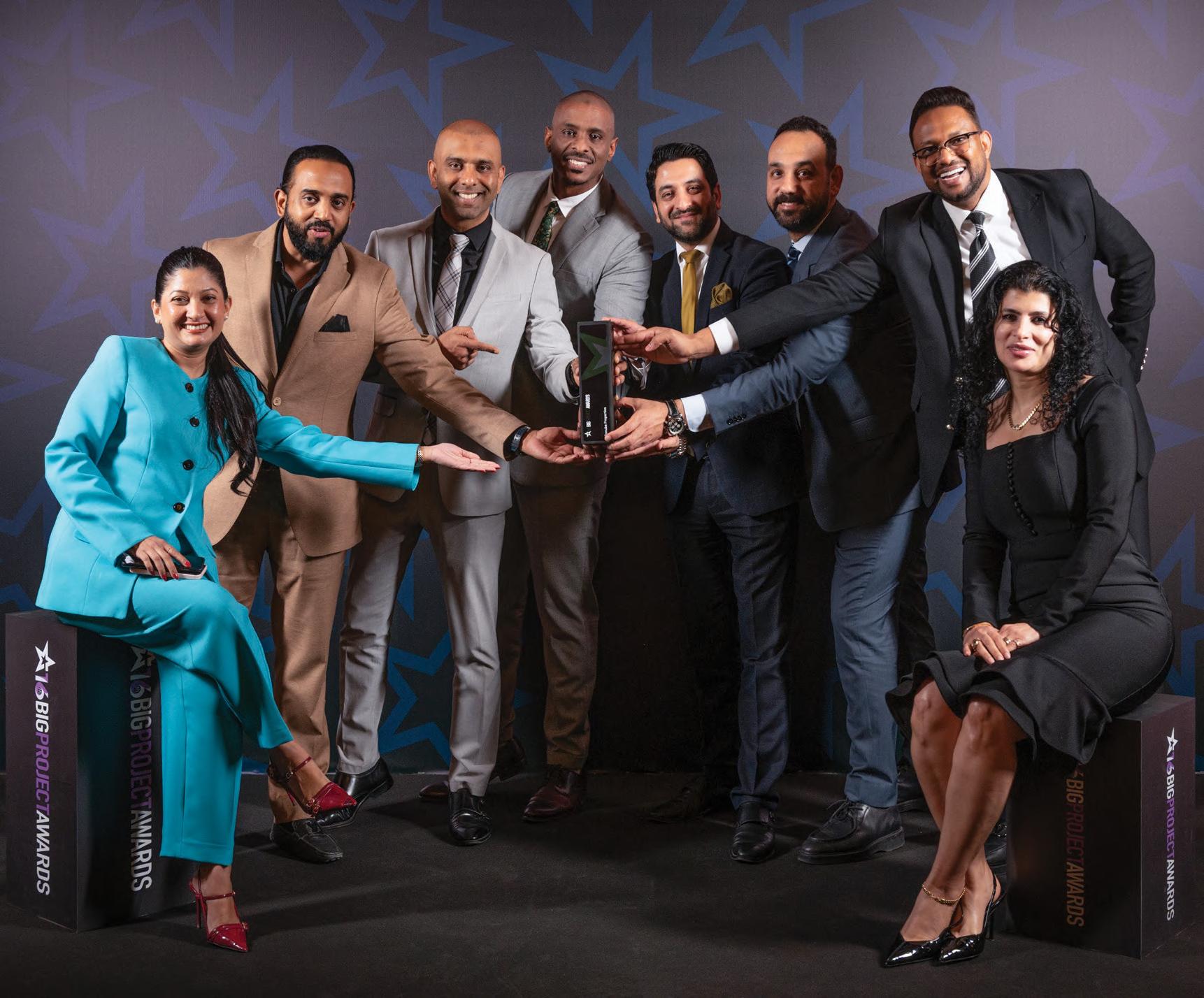
A total of 3-nominations were submitted to this category, however the BPME editorial team said that one company emerged as a clear winner in the first round of eliminations. As a result, Danube Properties was announced as the winner.
“That was the biggest reward that we could ever receive! We feel excited, happy and over the moon. 2026 will be amazing for Danube; the latest launch Serenz by Danube at JVC is tremendous with a world of amenities and thus is stands distinguished amongst all the projects that we've launched so far, and it of course comes in with our signature 1% payment plan,” said a spokesperson.
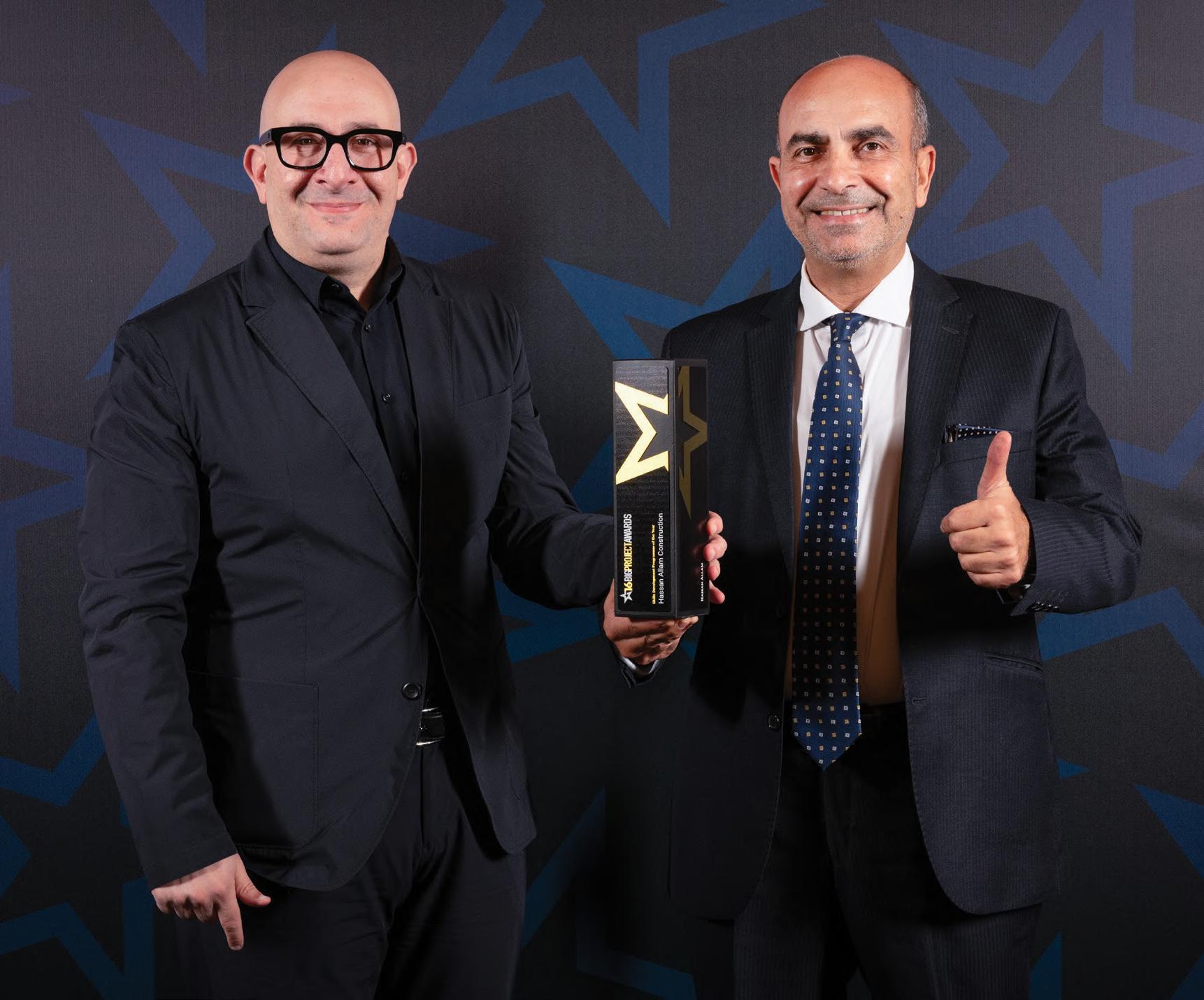
Although 4-nominations were submitted to this category, a winner became obvious, and thus there’s no shortlist in this category.
Sharing his thoughts on the win, a spokesperson noted, “We are proud to win this award, thank you! As a company, we place strong emphasis on sustainability, and our efforts have also been recognised with several awards in Egypt. Building on our success in Egypt, we have recently established our presence in the UAE over the past 3-years. Looking ahead, we are focused on achieving significant milestones and delivering large-scale, high-quality projects in the UAE in the near future.”
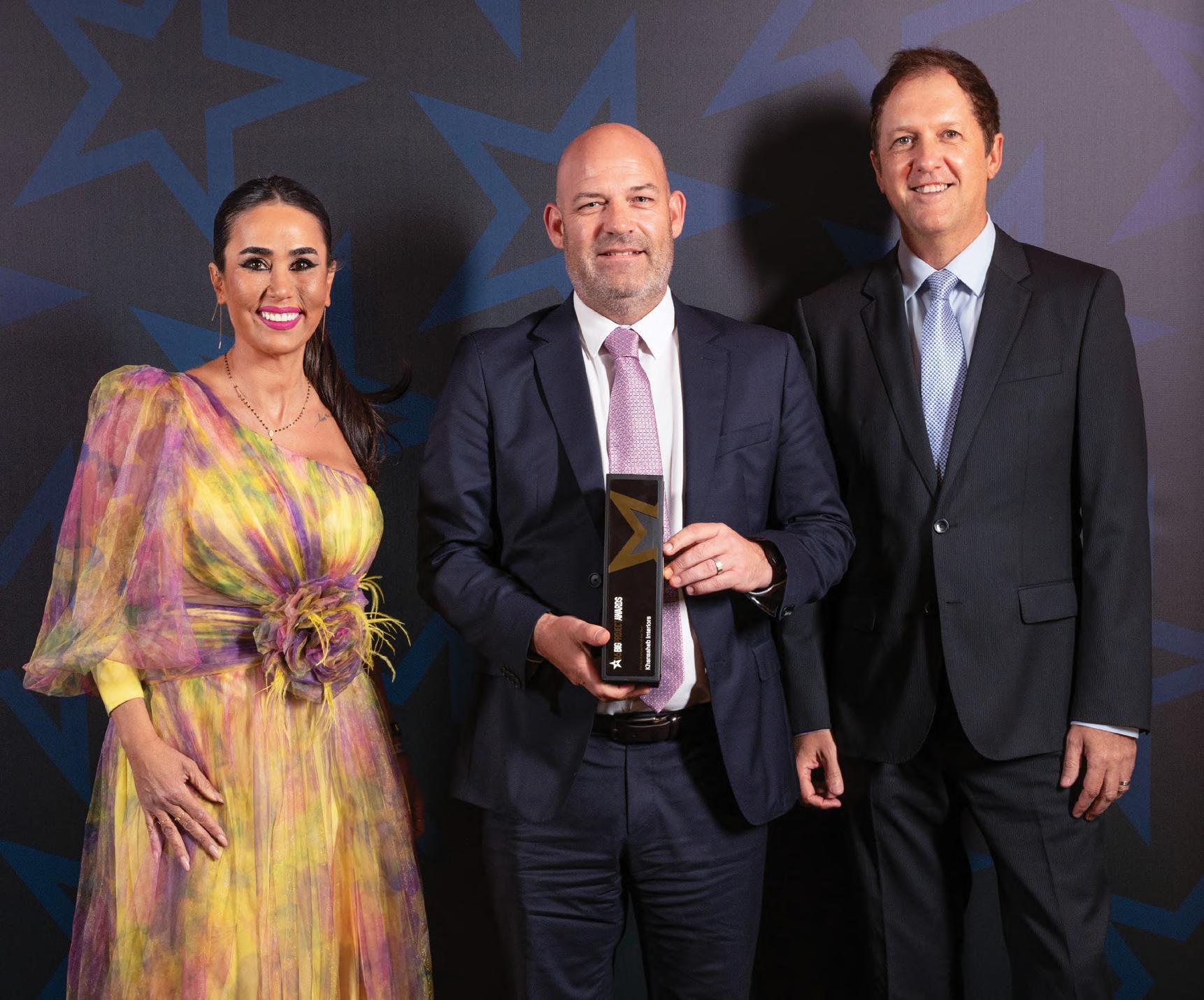
11 quality nominations were submitted by companies across the MENA region to this category, which made it a challenge for the panel of judges to decide on their top picks. Following discussions and 2-rounds of eliminations however, a shortlist of 7 was announced, with Khansaheb Interiors walking away with the prize.
“We are delighted to be awarded Fit Out Contractor of the Year. Delivering exceptional projects throughout 2025 has been a true team effort, and we are grateful to have our work recognised with this honour,” explained Ross Trivett, General Manager – Interiors. FIT-OUT CONTRACTOR
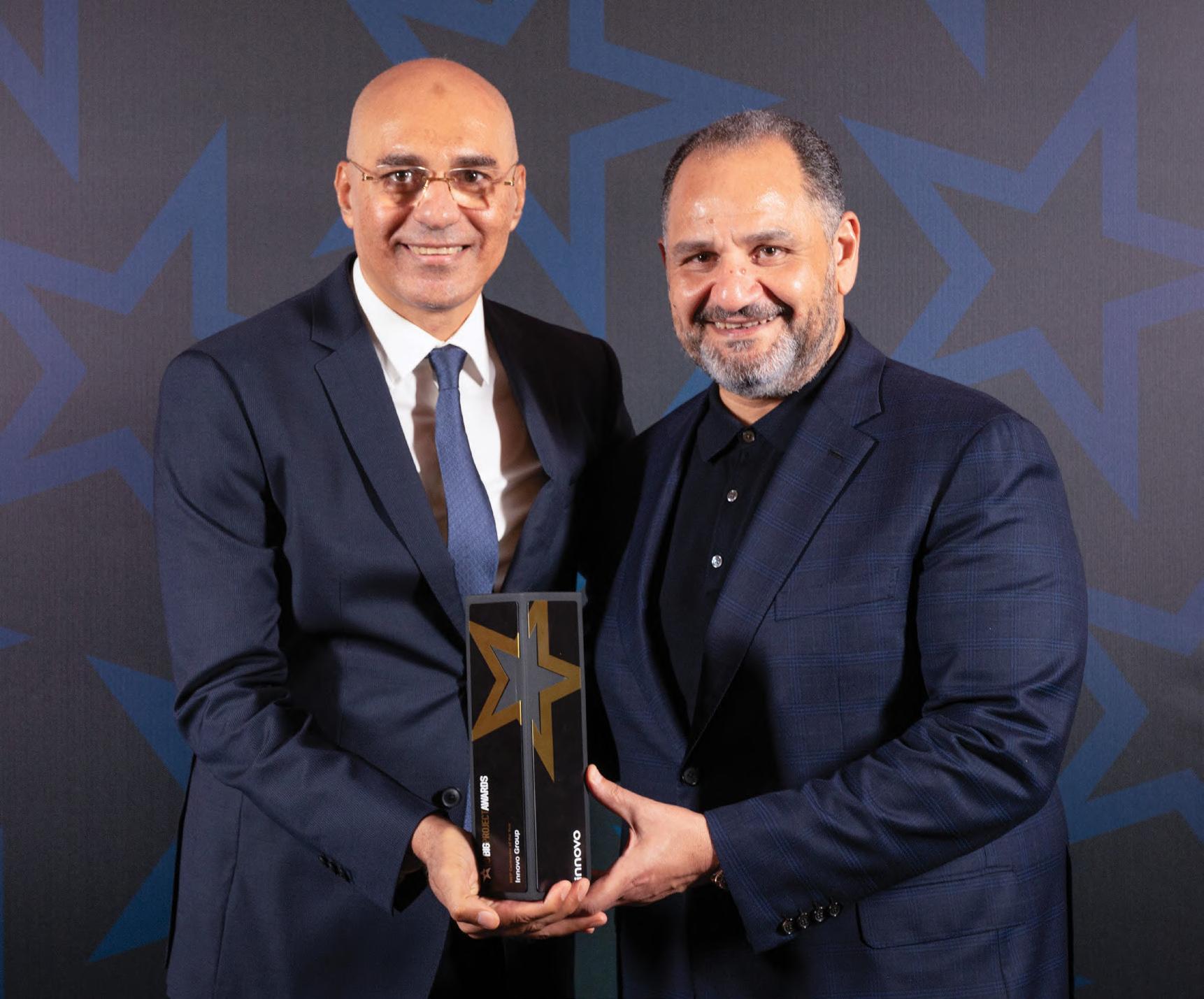
8-nominations were submitted, with 4 making it to the second round of voting, with Innovo Group getting the winning nod.
“Winning MEP Contractor of the Year 2026 is a proud milestone for Innovo MEP and a reflection of the scale and complexity of the projects our teams continue to deliver across the UAE. Over the past year, we have secured and delivered several landmark developments, strengthening our partnerships with leading clients and reinforcing our position as a trusted partner for complex, large-scale projects. This recognition belongs to our entire MEP team, whose expertise and commitment to excellence continue to drive our success,” said a spokesperson.
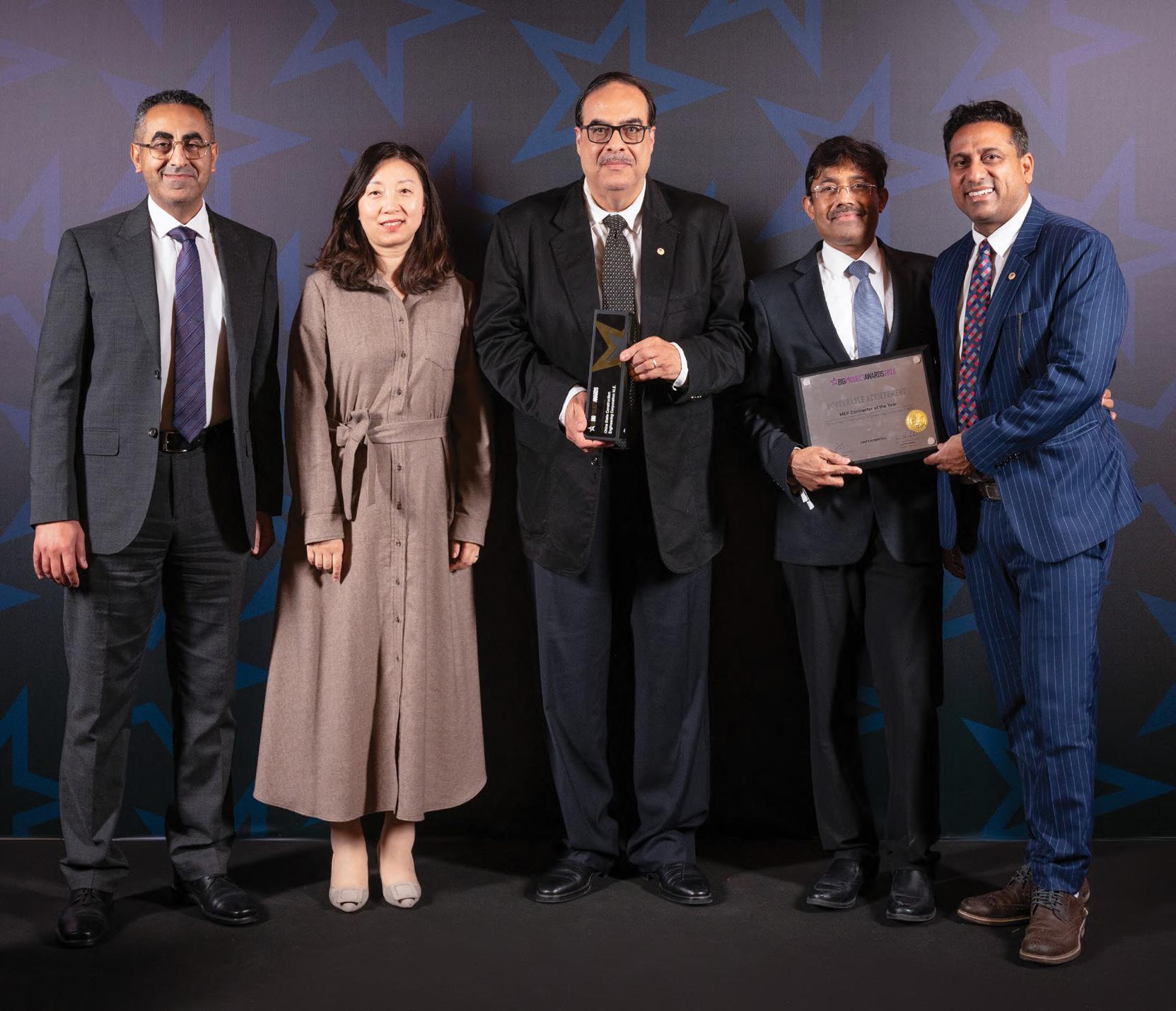
5-nominations were submitted to this category, with the first round of eliminations deeming just 2-entries worthy for deliberation in the second round. Following discussions, China State Construction Engineering Corporate M.E. garnered the most first choice votes and therefore the win.
The judges were impressed with the company’s overall performance in the 20242025 period, and noted the firm now also established itself as a significant player in marine works, and forged positive relationships with a variety of clients across verticals, due to its proven track record of project delivery, and the use of advanced solutions to achieve objectives.
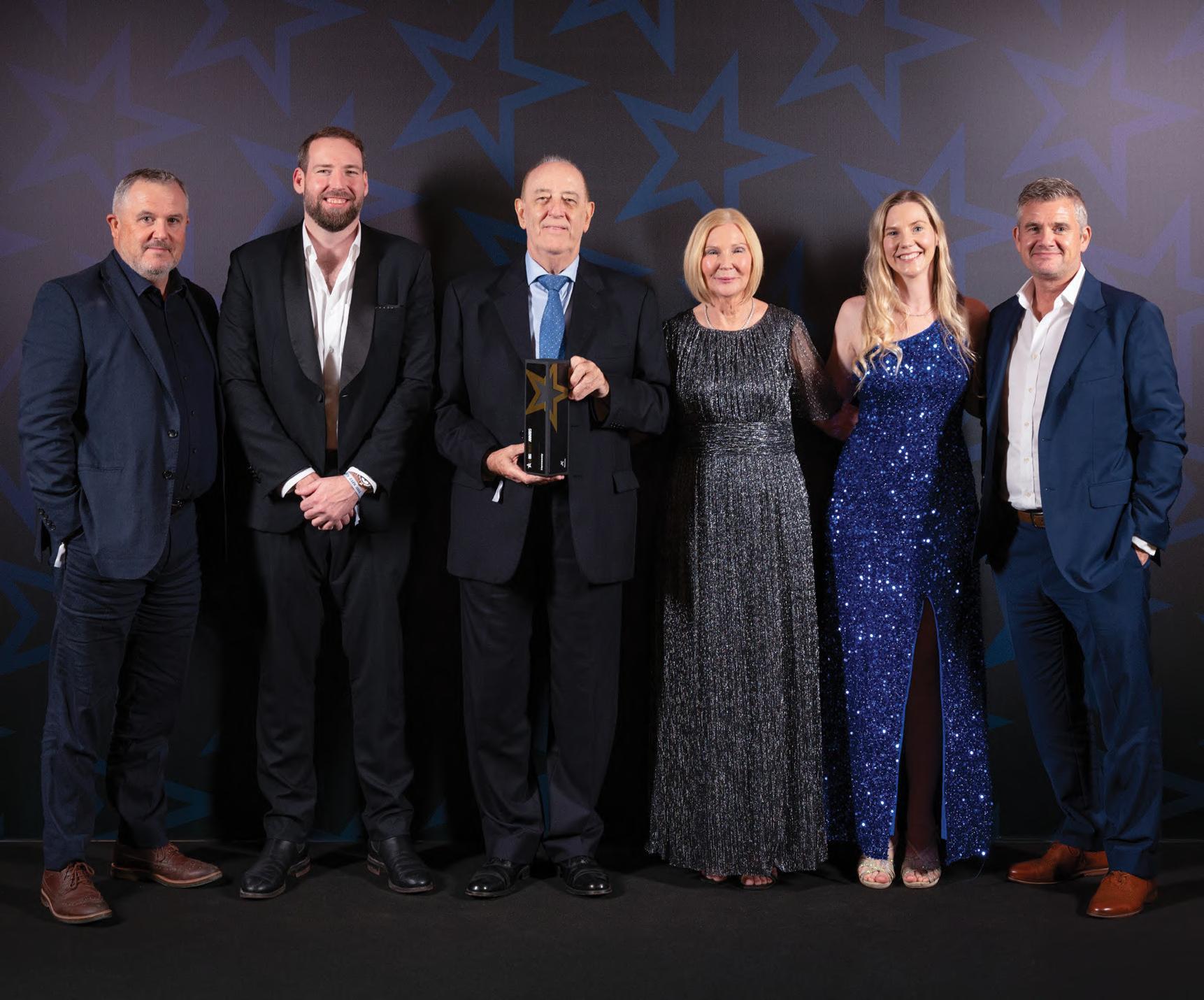
A total of 3-nominations were submitted, however only one truly made a strong case for the company in question. As a result, Hennessey was declared the winner without a shortlist.
The firm impressed the judges with its strong body of work across the education, healthcare, luxury residential, cultural and hospitality spaces, its strengthened focus on labour welfare and expanded skills development, as well as the expansion of its in-house joinery capabilities. Commenting on the win, a spokesperson said, “I’m very happy and pleased for the whole team that have contributed towards the firm’s success and this award over the last year. Thank you very much, we’re very happy!”
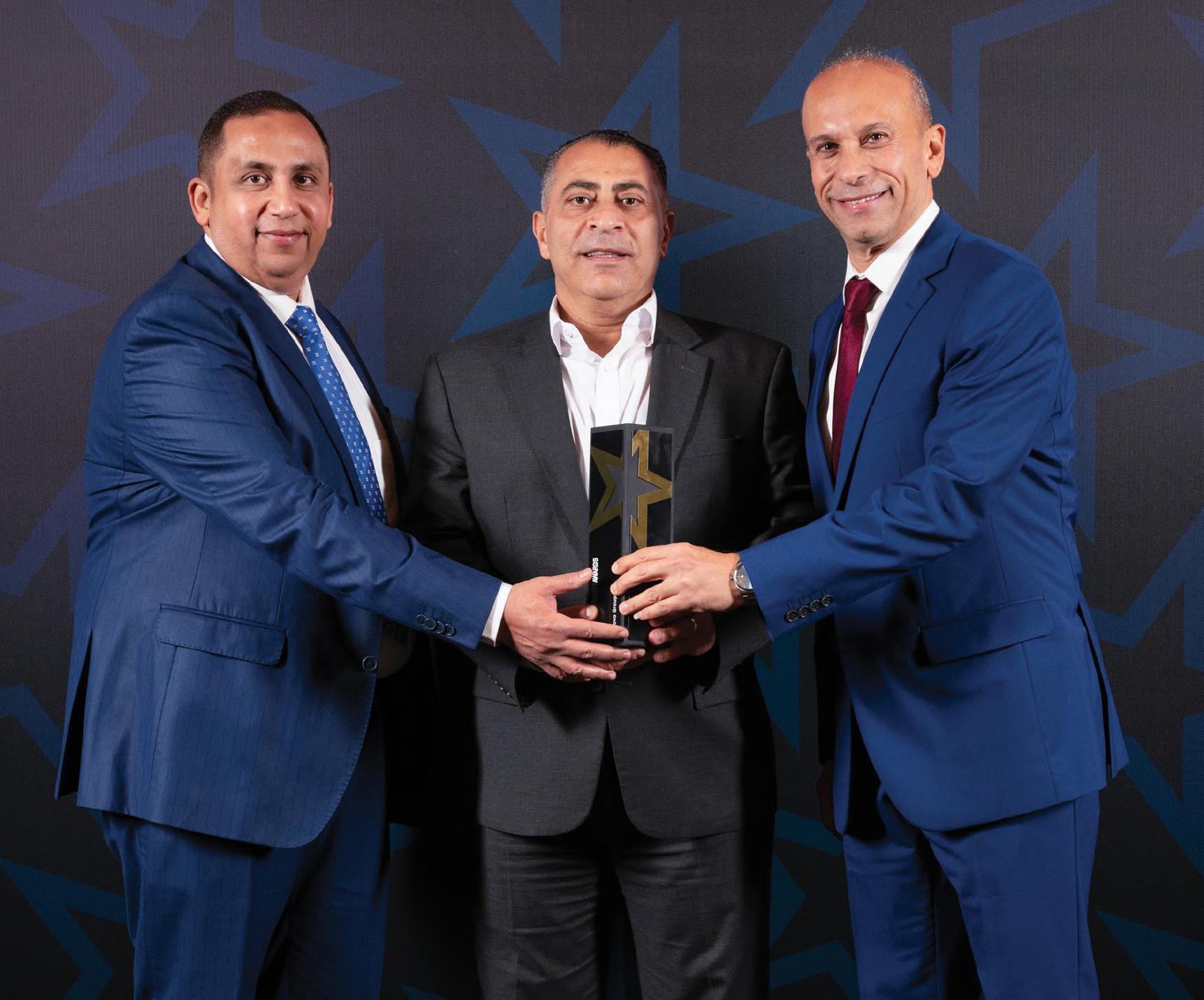
8-nominations were submitted to this category, with 5 making it through to the second round of eliminations and the shortlist, with Innovo Group scoring the win.
“Being named Large Contractor of the Year reflects Innovo’s vision to redefine construction through innovation, sustainability, and excellence in delivery. Trusted by government entities and leading developers across the region, we are proud to have built one of the industry’s strongest project backlogs. Together, we continue to shape safer, more sustainable cities and communities, using innovation as a catalyst for meaningful and lasting impact,” said a company spokesperson.
FIT-OUT PROJECT OF THE YEAR
Shortlist
Avli Bahrain | Grok for Project Management Services
Dubai Founders HQ | DCIB Construction
Heriot-Watt University | Khansaheb Civil Engineering
Office Fit Out Business Park Dubai Hills | Frankly Built Contracting
Office Square – Nation Towers, Abu Dhabi | HTS Interiors
Oman Public Prosecution HO Building | Engineering Innovation
Design & Consulting
Honourable Achievement
Innovative Learning Center Al Safa | Dutco Interiors
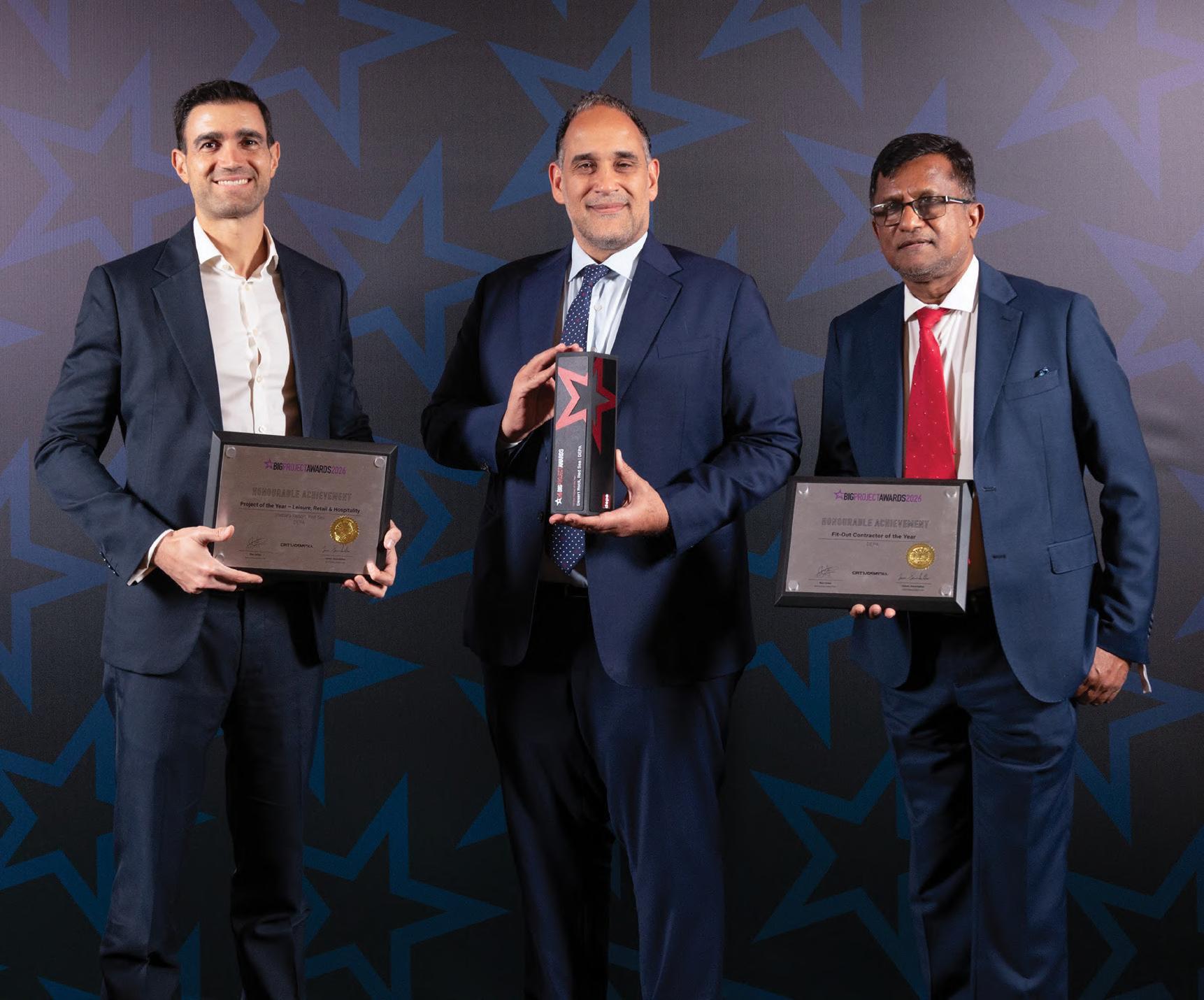
15-nominations were submitted with 10 making it through to the second round of eliminations. Following voting, 8 were shortlisted, with Desert Rock, Red Sea project by DEPA getting the nod.
The judges said the project is an incredible achievement encompassing sustainable luxury, architectural and engineering prowess and exceptional ability to deliver work in a challenging site. By using tools such as BIM, geological modelling and prefabrication, DEPA ensured design accuracy, structural integrity and construction efficiency, while ensuring zero safety incidents.
MEP PROJECT OF THE YEAR
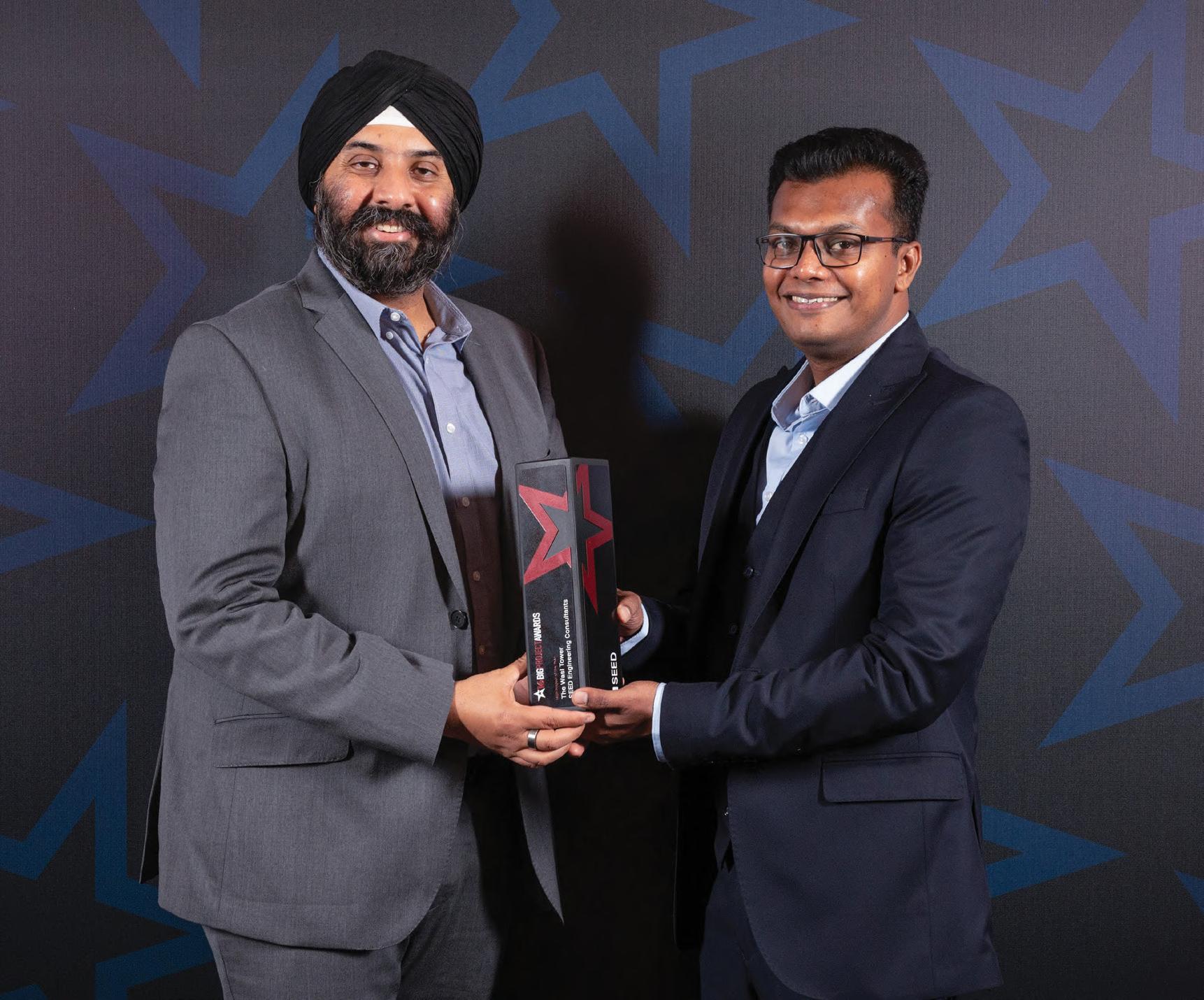
5-nominations were submitted to this category, with just 2 making it through to the second round of eliminations, with The Wasl Tower by SEED Engineering Consultants scoring the win.
“It feels good to win this prestigious award on the back of delivering work for such an incredible project in Dubai. We are very proud and thankful to have had the opportunity to work on this project. Looking ahead, we are eyeing a number of large-scale projects for major developers across the Middle East and Africa region, and we’re committed to doing great work on those developments as well. Stay tuned, the best is yet to come!”
REFURBISHMENT & RETROFIT PROJECT OF THE YEAR
Shortlist
Al Maryah Tower | CSQ Project Development Consultancy
Al Multaqua Ballroom & Al Wasl Redevelopment Project
DWTC | DCIB Construction
Al Salamlek Palace | Hassan Allam Construction
Julphar Avenue and Towers, RAK | HTS Interiors
Tashas Café Galleria Mall Refurbishment | Grok for Project Management Services
Honourable Achievement
Innovative Learning Center Al Safa | Dutco Interiors
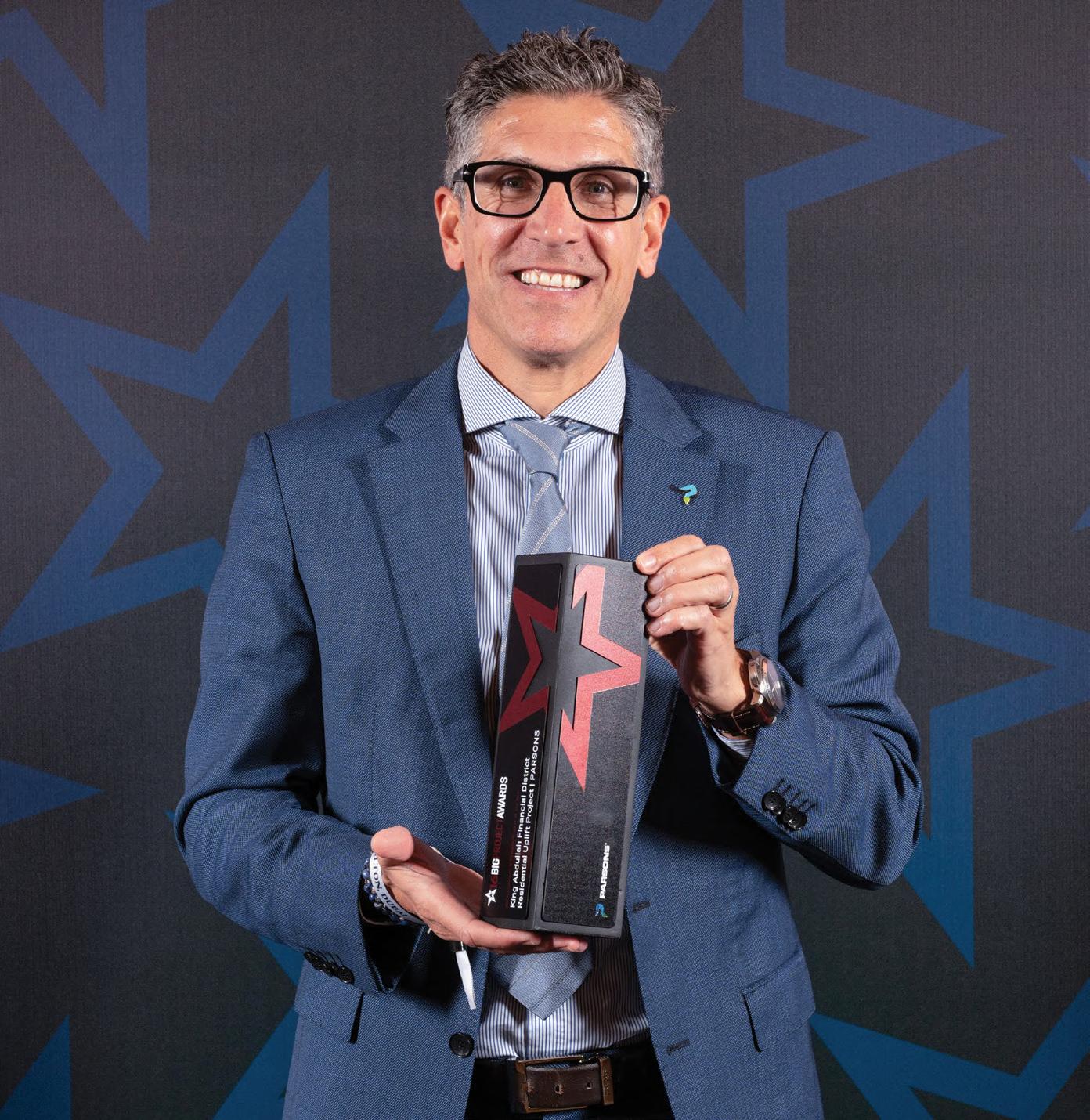
11 nominations were submitted and following 2-rounds of judging, Parsons grabbed the prize for the King Abdullah Financial District Residential Uplift Project.
“I’m super excited about winning this award as this project was awarded as a fast-track contract, with high quality expectations, with multiple contractors across the entire KAFD development. It required close collaboration with the client and main contractor, and we are happy to say the partnership that was formed is the true prize that we are the most proud of,” commented Robert Marinelli, SVP – Area Director, Parsons.
Shortlist
Buriydah& Al Madinah Project | Hassan Allam
Construction
Dammam ISTP Project | Metito Utilities
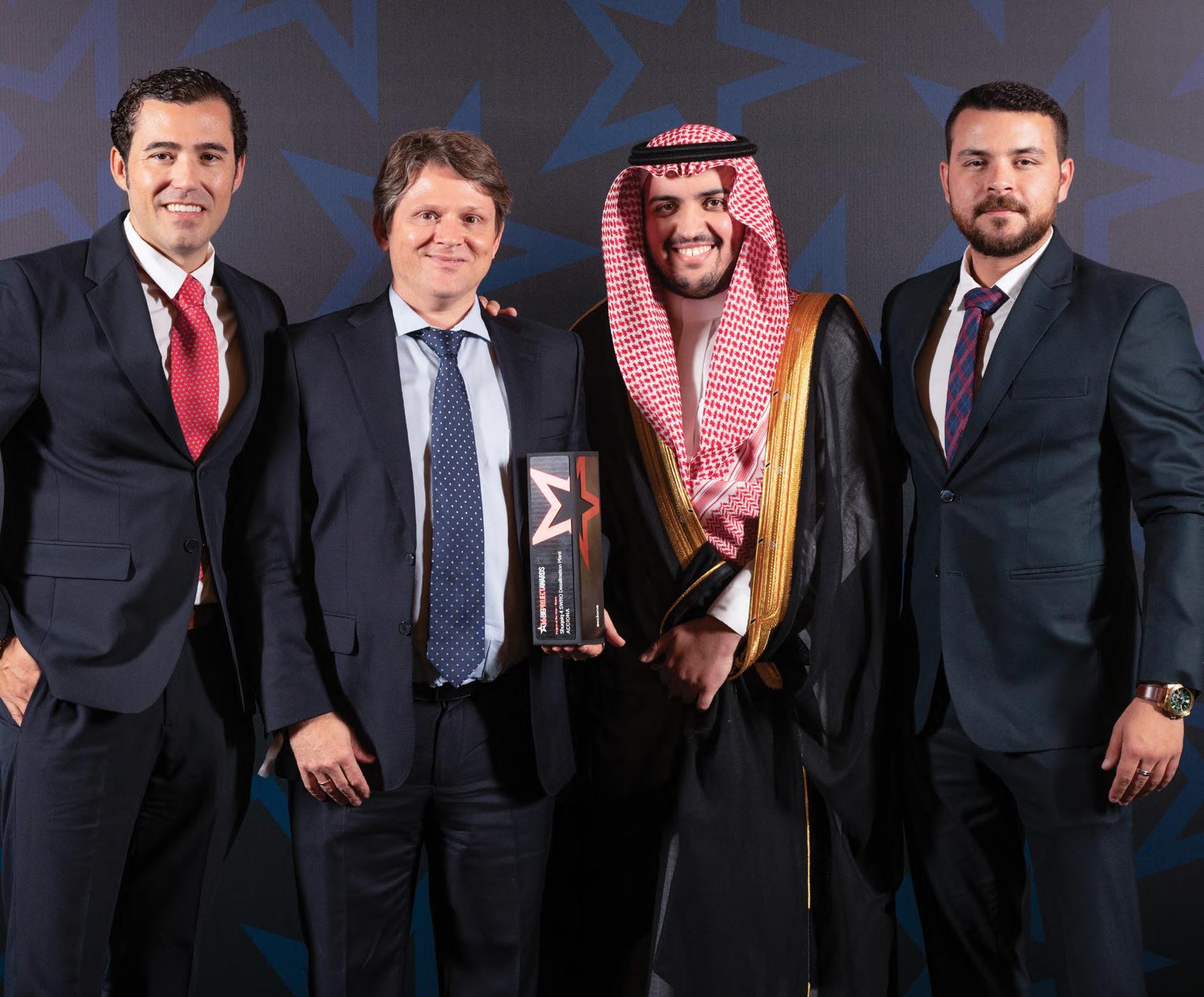
5-projects were submitted, and following the first round of eliminations, just 3-nominations made it through for further debate. Following debate, the Shuqaiq 4 SWRO desalination plant submitted by ACCIONA drew the most first choice votes.
“The ACCIONA and RTC joint venture for the project built a desalination plant of 400,000cu/m per day for the region and we are happy to receive this award because it's been a tremendous effort, not only from us but also from all the team and all our managers. Everyone put in a lot of effort to ensure success on this project and to accomplish everything that the client needed because water is a very, very important in that area,” said a company spokesperson.
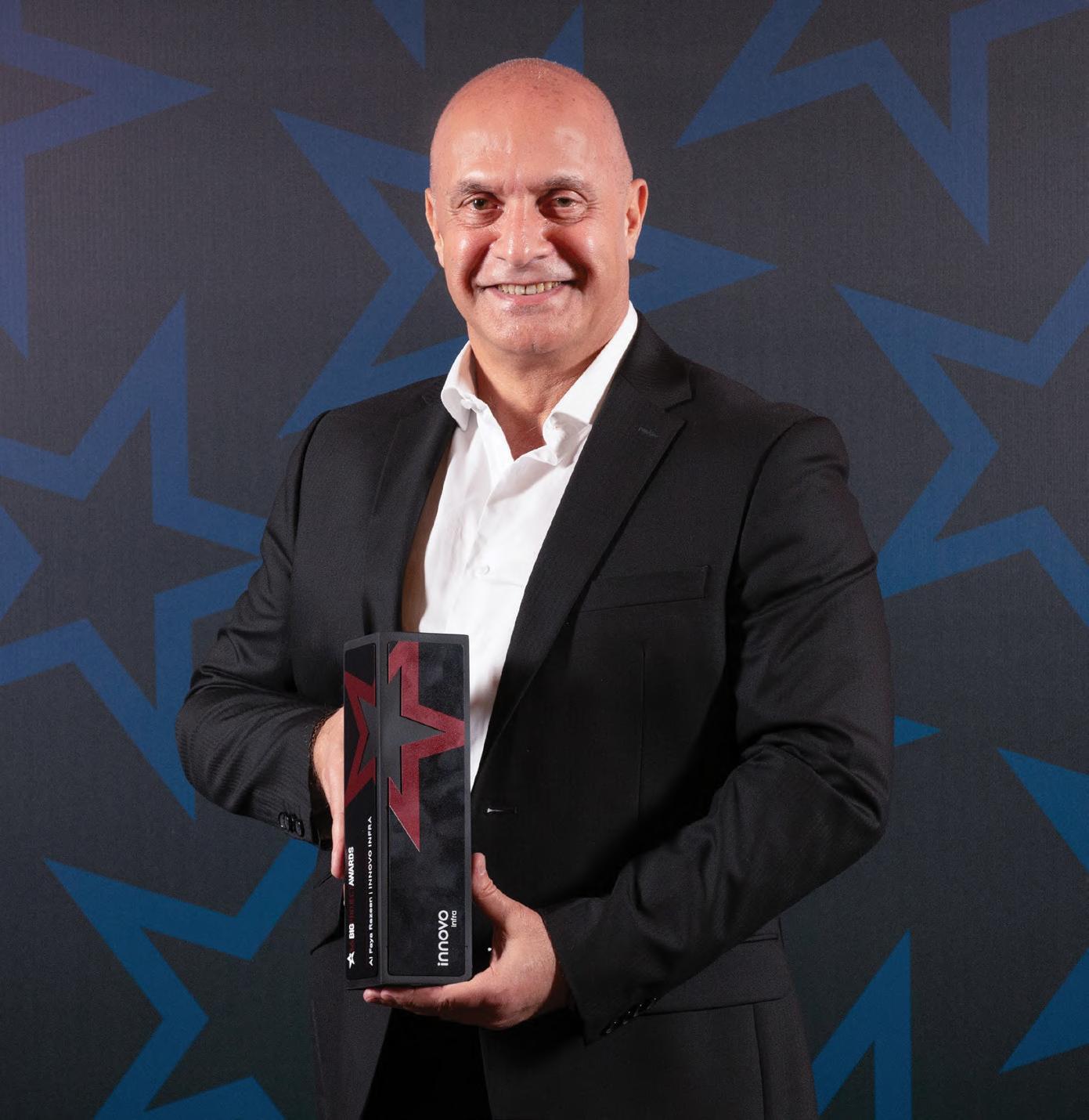
6-nominations were originally submitted to this category, and after both rounds of judging, just 3 were deemed worthy of the shortlist, with the winning nod going to Al Faya Razeen by Innovo Infra.
“I feel amazing, thank you for this award. This project is quite unique and we are glad to have worked on it with our client. As a company we work on a variety of projects and always incorporate sustainability. Going forward, we will keep building our AI capabilities and pushing forward with digital transformation to ensure the best possible project outcomes,” said a company spokesperson.
Shortlist
Aquarabia | Dewan Architects + Engineers
GEM Khufu Solar Boat Museum | Hassan
Allam Construction
The District – The Dubai Mall | Dutco Interiors
W Marriott Hotel, KAFD | Parsons
Honourable Achievement
Shebara Resort, Red Sea | DEPA
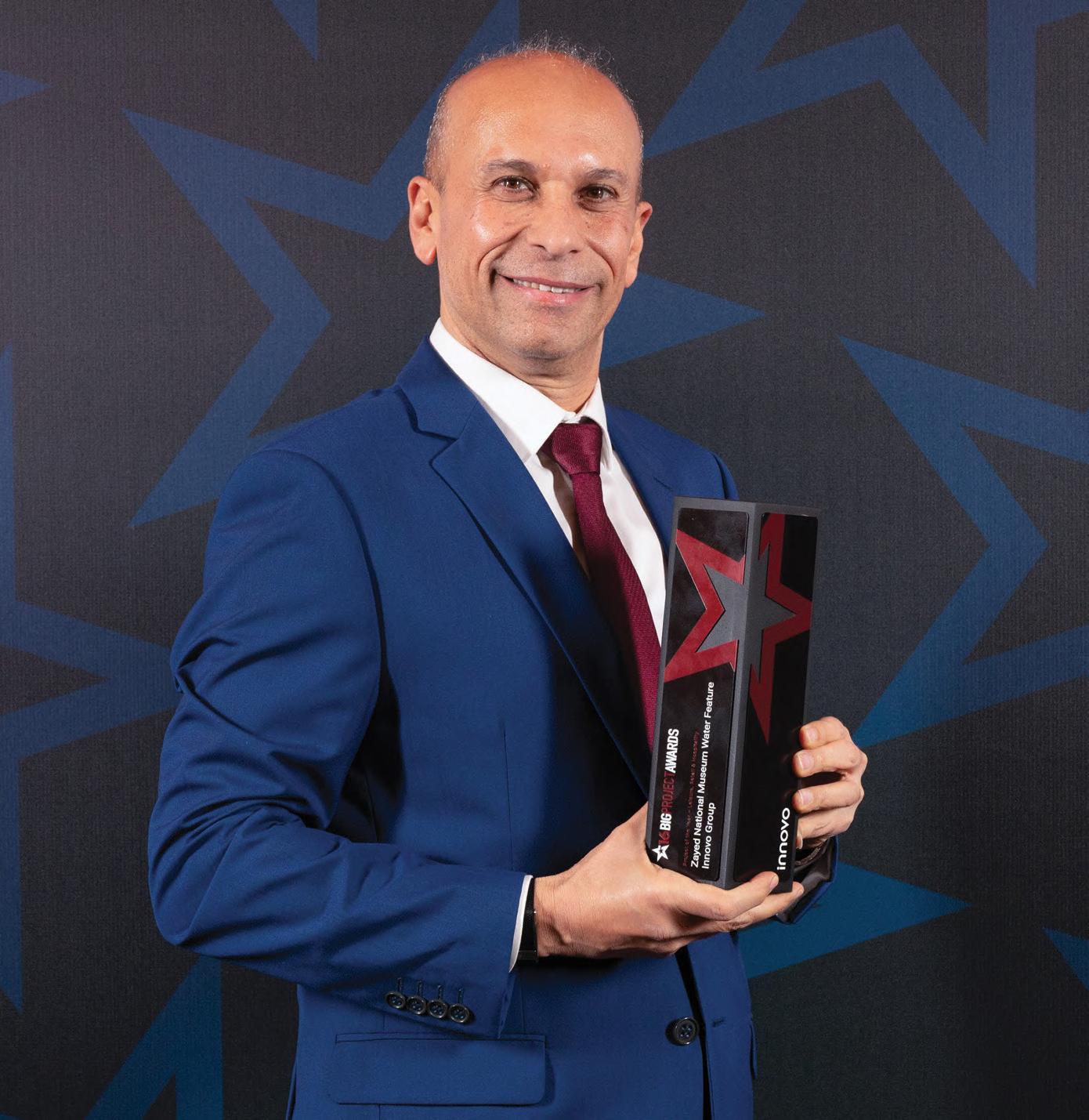
10-nominations were submitted to this category, and following 2-rounds of eliminations, a shortlist of 6-projects was announced. Ultimately, the Zayed National Museum Water Feature by Innovo Group garnered the most first choice votes.
Commenting on the win, an Innovo Group spokesperson said, “We are very happy to win this award at the Big Project Middle East Awards, this is great. Working on this project was an honor, it is an incredible piece of work and will create an incredible atmosphere around the Sheikh Zayed National Museum in Abu Dhabi. The project is one of Abu Dhabi’s most iconic project and we are really happy that we were able to contribute to it.”
PROJECT OF THE YEAR – COMMERCIAL
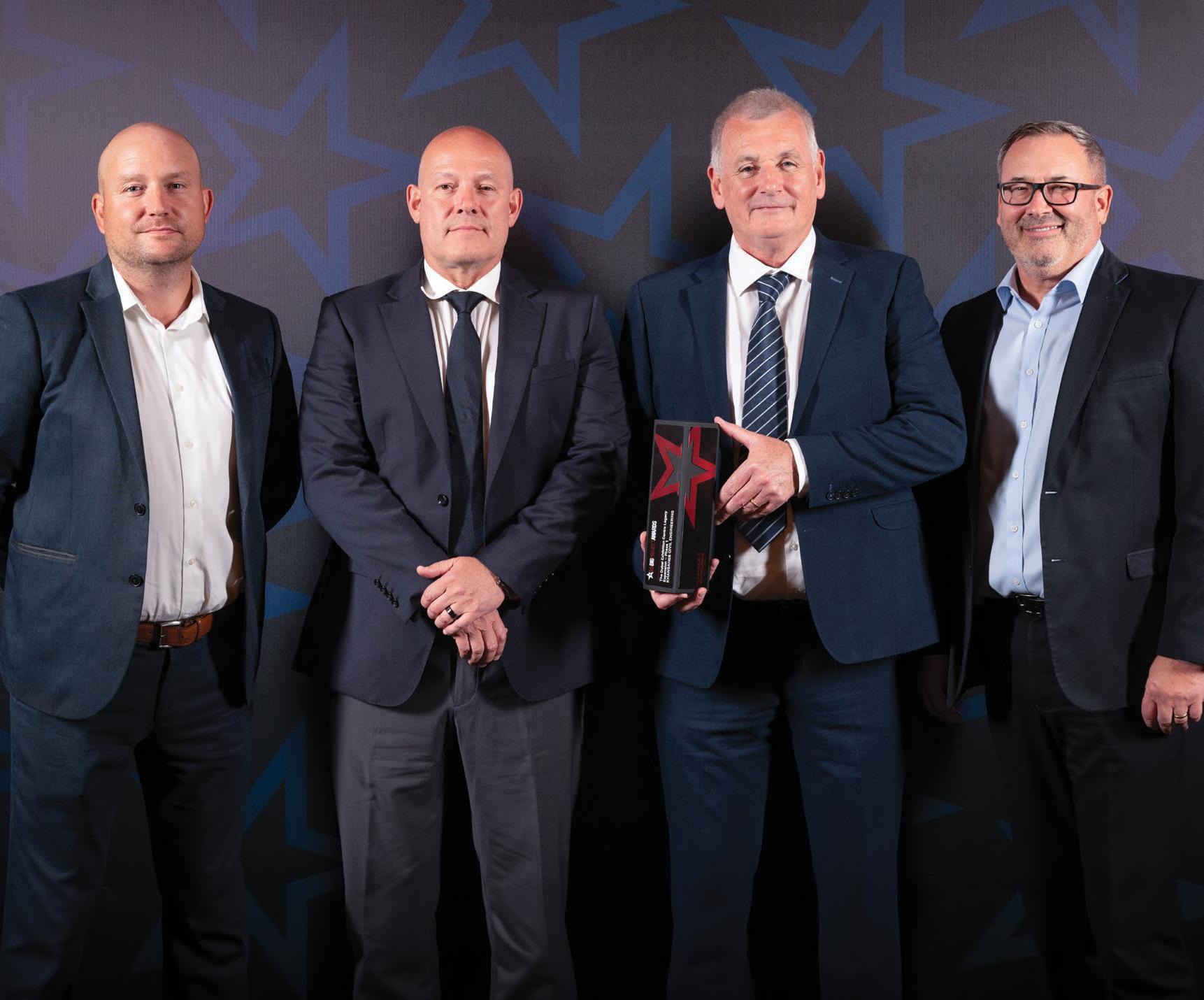
7-nominations were submitted, and after the second round of eliminations, 4 were deemed worthy of the shortlist, with the win going to The Dubai Exhibition Centre Legacy Expansion – Phase 1 by Khansaheb Civil Engineering.
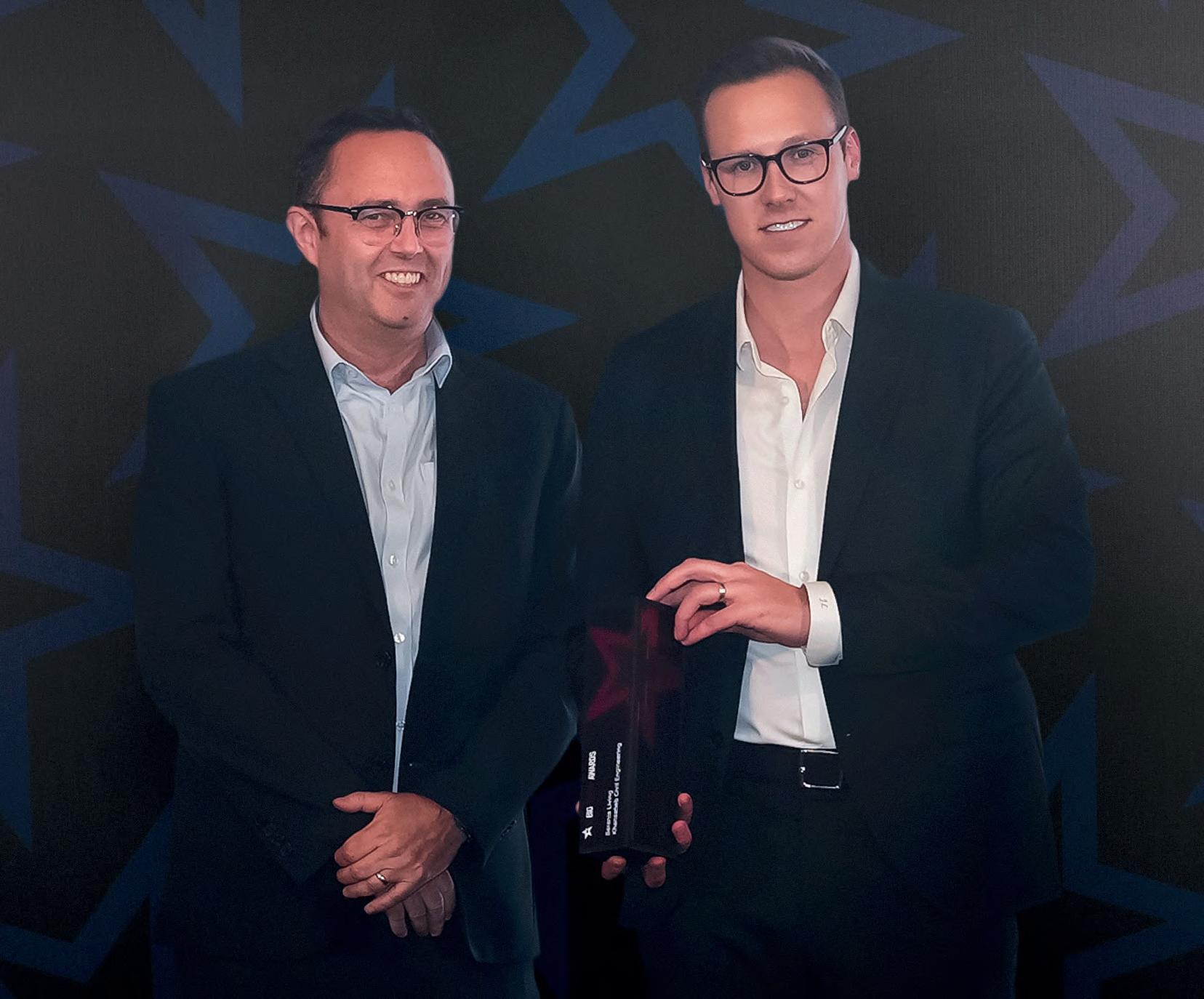
“I'm honoured to be able to receive this award on behalf of the Khansaheb project team and all the stakeholders involved in the project, who worked professionally and tirelessly to deliver a first class facility with an exemplary safety record, to the highest standards of quality and ahead of programme, while working collaboratively together to maintain excellent inter-company relationships,” remarked Howard McDonagh, Project Director at Khansaheb Civil Engineering.
Shortlist
Al Mamsha | Alef Group
Azizi Milan | Azizi Developments
Curve DiLusso | Alpago Group
Grand Bleu Tower | Engineering Contracting Company
Louvre Residences | Innovo Group
The Address Beach Resort Marassi | Hassan Allam
Construction
Honourable Achievement
The St. Regis Branded Residences | SEED Engineering Consultants
12-nominations were submitted to this category, which meant that the Big Project Middle East editorial team and panel of judges had to work hard to identify the strongest projects in this category. Following debate and due to the number of quality nominations, 8-nominations were shortlisted, with the win going to Serenia Living by Khansaheb Civil Engineering. The panel judges were impressed with the contractor’s laser focus on innovative construction methods and the use of technology to deliver quality work on the luxury project, whilst maintaining its commitment to health and safety and onsite sustainability.
AWARDS / HONOURABLE ACHIEVEMENT
INDIVIDUAL AWARDS
Honourable Achievement
Young Professional of the Year N/A
Mentor of the Year
Amr Metwally | Engineering Contracting Company
Team of the Year N/A
Woman of the Year
Executive of the Year
SUSTAINABILITY AWARDS
Sustainable Contractor of the Year
Sustainable Project of the Year
DEVELOPER AWARDS
Mid-sized Developer of the Year
Large Developer of the Year
Sandra Woodal | tangramMENA
Ryan Bray | CSQ Project Development Consultancy
Honourable Achievement
Hassan Allam Construction
The Peninsula, Plot B | Engineering Contracting Company
Honourable Achievement
N/A
N/A
COMPANY AWARDS
Honourable Achievement
Skills Development Programme of the Year N/A
Fit-Out Contractor of the Year
MEP Contractor of the Year
DEPA
China State Construction Engineering Corporation M.E.
Infrastructure Contractor of the Year N/A
Mid-sized Contractor of the Year N/A
Large Contractor of the Year
PROJECT AWARDS
Fit-Out Project of the Year
ALEC Engineering & Contracting
Honourable Achievement
Innovative Learning Center Al Safa | Dutco Interiors
MEP Project of the Year N/A
Refurbishment & Retrofit Project of the Year
Project of the Year – Water
Innovative Learning Center Al Safa | Dutco Interiors
N/A
Project of the Year – Infrastructure & Transport Riyadh Metro | Parsons
Project of the Year – Leisure, Retail & Hospitality
Project of the Year – Commercial
Project of the Year – Residential
Shebara Resort, Red Sea | DEPA
Lusail Commercial Boulevard | Parsons and Qatari Diar
The St. Regis Branded Residences | SEED Engineering Consultants
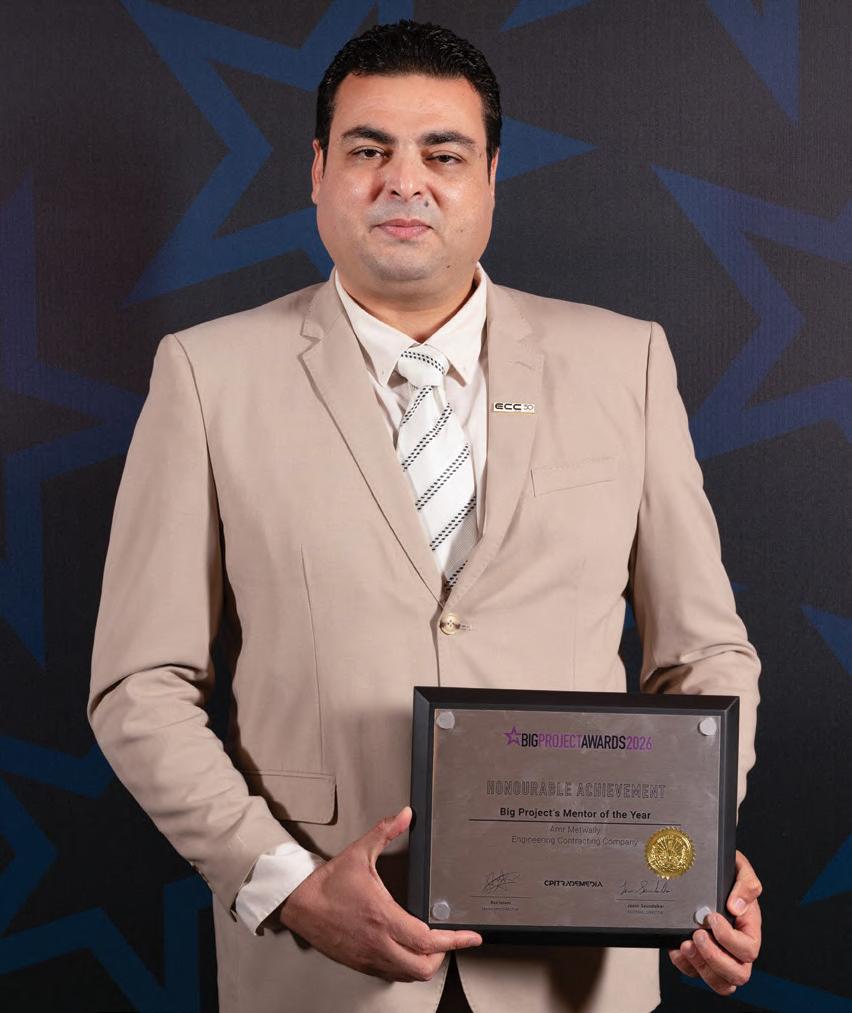
From a shortlist of 4-nominations, Engineering Contracting Company's Amr Metwally was deemed worthy of the Honourable Achievement plaque.
Amr caught the judge’s attention as during his brief tenure with the contracting firm, he’s expanded the company’s handbook for engineers and made it a group standard, initiated a rising star mentorship program, established an online quality learning portal and has pushed to instil a knowledge-sharing culture within the firm. He’s also conducted over 30 workshops across projects since 2023, and as rolled out groupwide automation initiatives to improve reporting efficiency, speed up approval cycles and reduce manual dependencies. A truly worthy recipient!
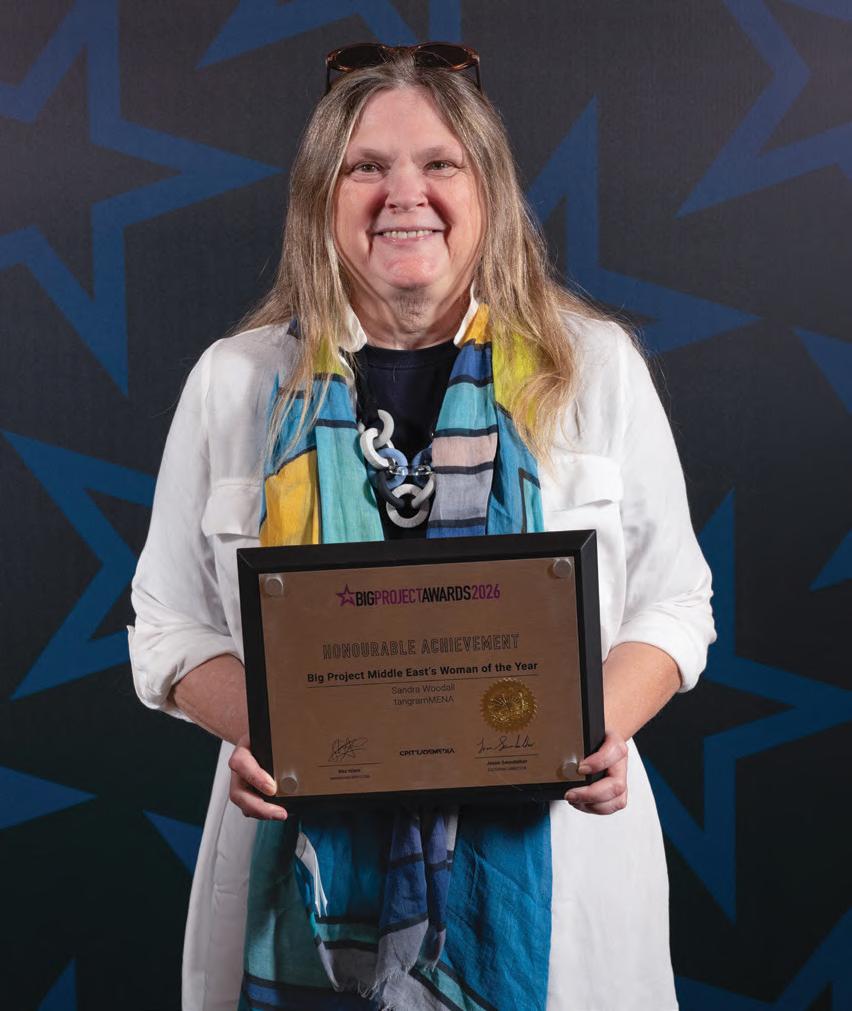
A total of 5-nominations were announced for the shortlist in this important category, with tangramMENA's Sandra Woodall scoring enough second choice votes to deem her worthy of the Honourable Achievement prize.
Commenting on the win, Woodall noted, “I'm absolutely overjoyed, this is fabulous recognition for women in the industry, as well as for my team who work so hard with me to deliver fantastic architecture across the Gulf region. We've now actually started exporting our knowledge and expertise, and are working beyond the Gulf and across Africa. This means our new projects are coming up further and wider than they did before, and we're also looking at larger projects in terms of master planning and liveability.”
EXECUTIVE OF THE YEAR
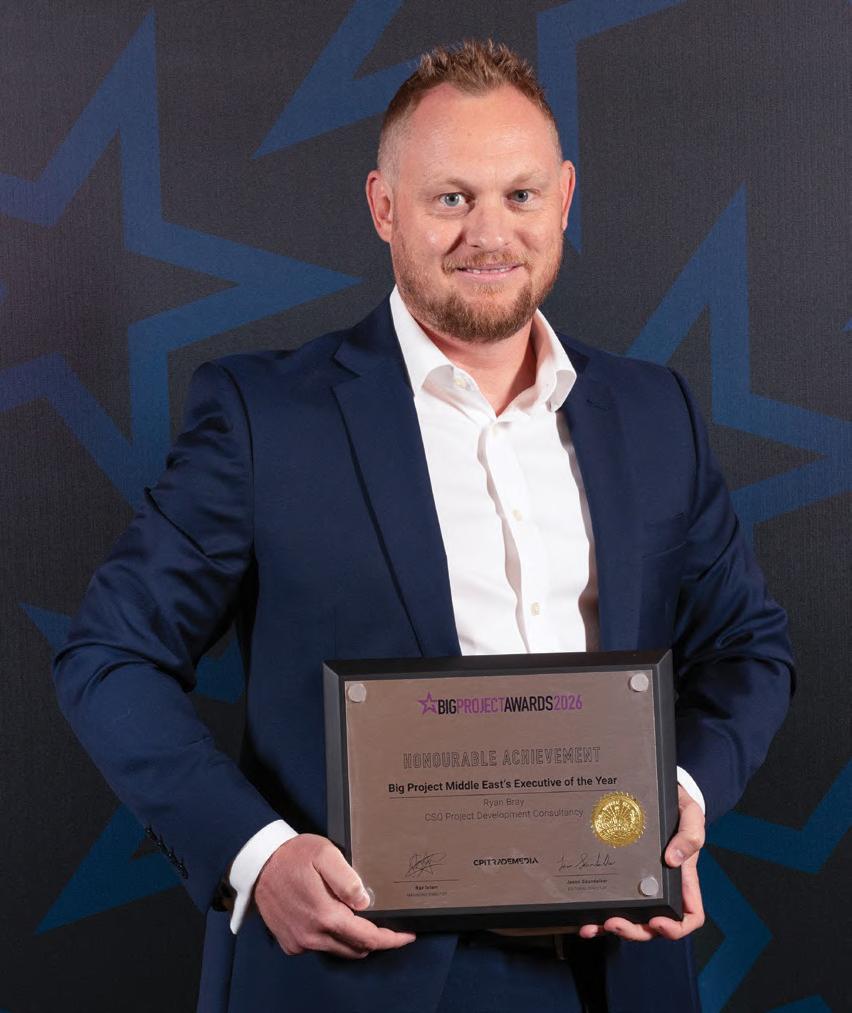
From a shortlist of 4-nominations, CSQ Project Development Consultancy's Ryan Bray scored enough second choice votes for the recognition in this highly competitive category.
Bray stated, “It’s a lovely recognition, a lot of the credit should go to the team that I get to work withthey're wonderful people, and make my job really easy, so it's an absolute pleasure to rock up each day and do what I do get to do. We hope to have some wonderful and skyline changing projects coming up, there's a lot going on in the market and we've built ourselves a very good profile and hope that continues. We want to consolidate what we're doing here in the UAE and extend into Saudi Arabia where we opened an office in the last year.”
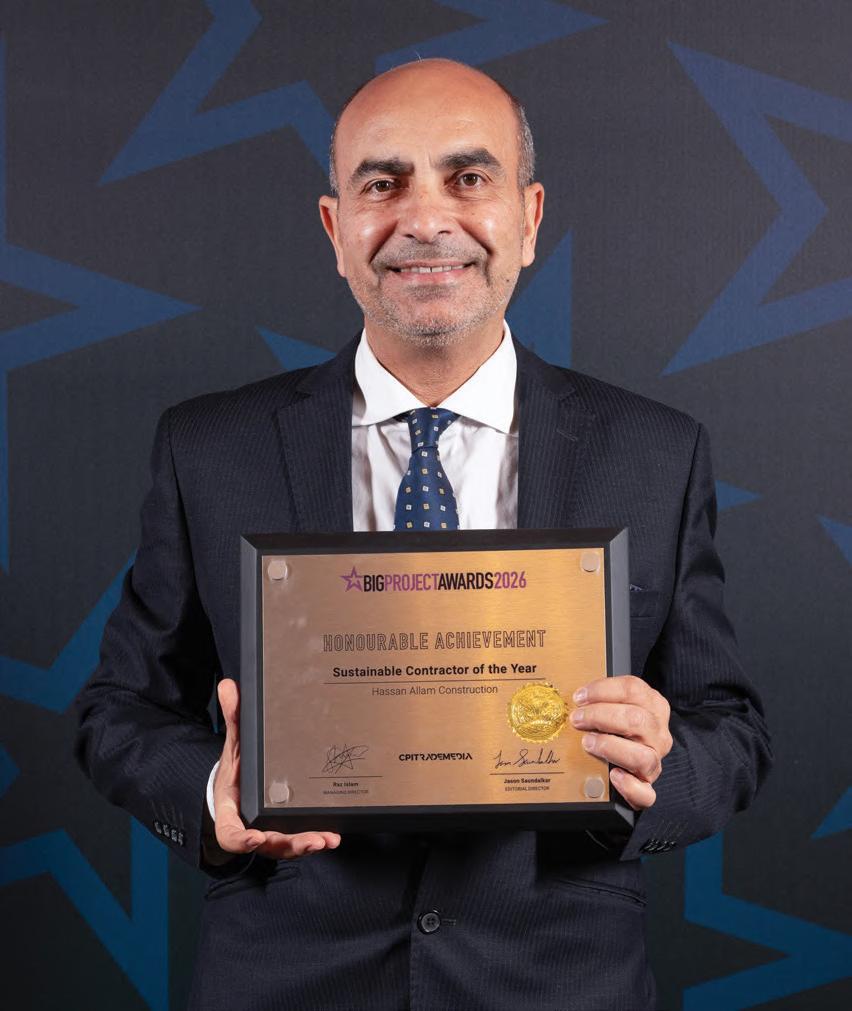
4-contractors were announced for the shortlist, with Hassan Allam Construction being deemed worthy of the Honourable Achievement prize.
“I feel truly happy as sustainability has become an integral part of our lives and behaviour. It is something that should be considered in all our thinking and decision-making, as it connects deeply to life, nature, and everything around us. This recognition holds special meaning for me for that reason. We began our journey in the UAE a year ago and have already developed 4-projects. Looking ahead, our plan is to expand further, as the next decade promises significant growth. We are here to help build the future, support one another, and ultimately make life easier for everyone,” said a spokesperson.
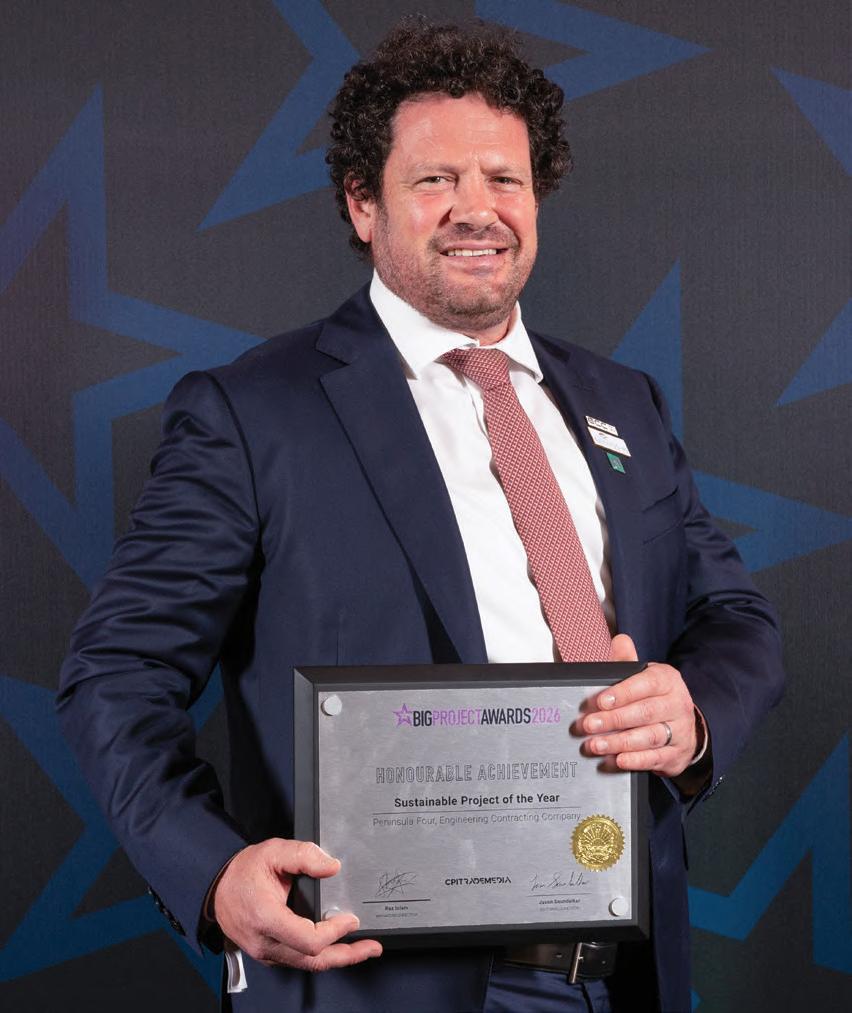
A shortlist of 4-projects was announced, with The Peninsula, Plot B by ECC grabbing the prize.
“We're truly honoured to be recognised. Our work centres around an innovative material called palm strand board, which we've developed in the UAE. Manufactured in Abu Dhabi, these boards are produced using discarded palm fronds, preventing them from ending up in landfills or being incinerated, thereby reducing environmental impact. Notably, the boards carry a negative carbon footprint, reinforcing our commitment to sustainability. Through this initiative, we aim to strengthen the UAE’s supplychain, enhance resilience, and contribute to the nation’s 2050 decarbonisation and Net-Zero ambitions,” said Kamal Farah, Director, ECC.
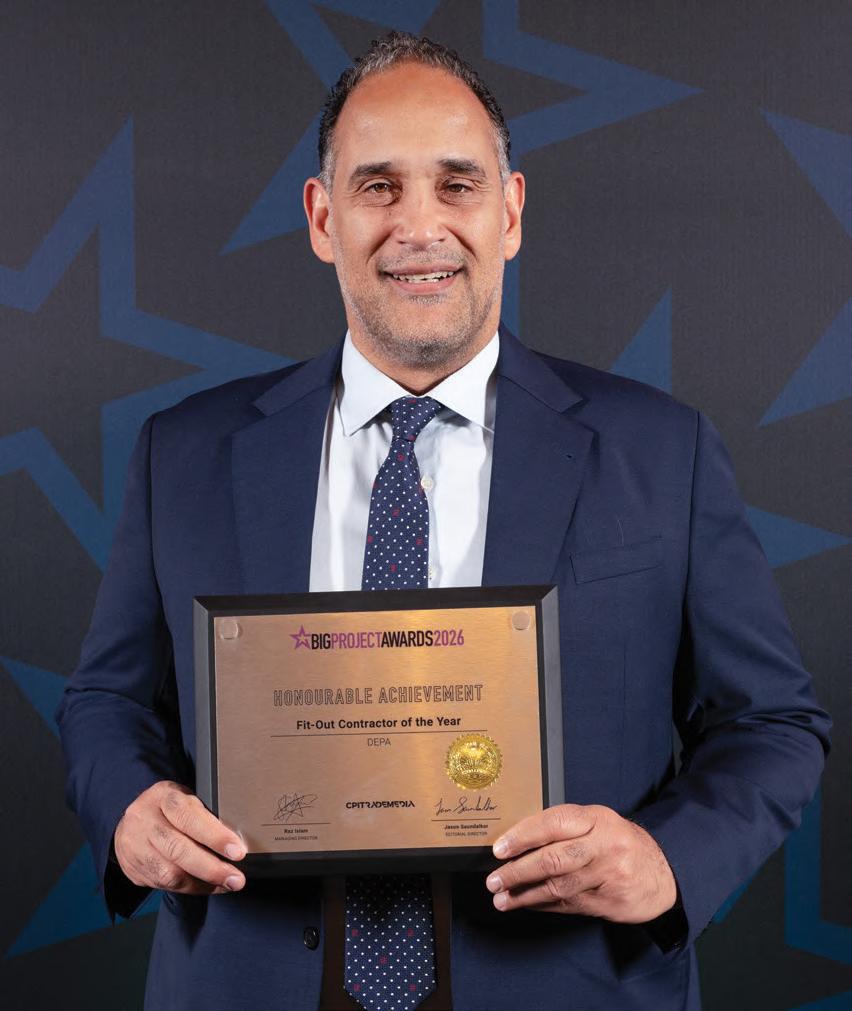
7-nominations made the shortlist in this category, with the votes pointing to DEPA being worthy of the Honourable Achievement recognition.
The panel of judges were impressed with the company’s body of work between 2024-2025, which included over 10 significant projects in the UAE and KSA, while achieving significant year-on-year growth.
The judges also commended the company for introducing technological innovations such as a Distributed Hybrid Cloud System to enable reliable on-site data access in remote areas, in addition to advancing sustainability internally through digital signatures, workflow automations, and recycling initiatives, all of which were supported by ISO-approved facilities.
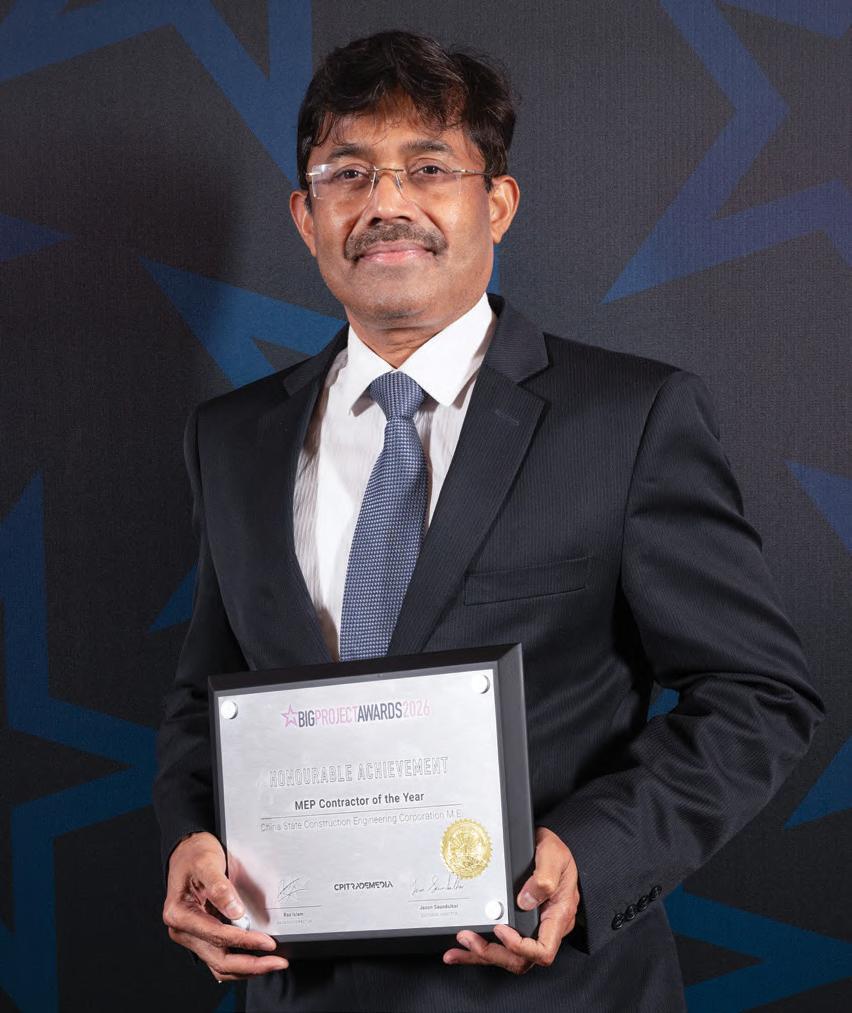
Following the intensive judging process, 8-nominations were condensed down to just 4 for the shortlist, with China State Construction Engineering Corporation M.E. securing the recognition.
The judges commended the firm for consistently delivering complex projects and showcasing precision, innovation and reliability. The judges also noted the company's focus on sustainable MEP designs and energyefficient system selection, leading to a number of its projects achieving LEED and Estidama certifications.
“I feel great to receive this award; we're doing a lot of great projects with many more in the pipeline, and we are committed to delivering solutions that meet or exceed client requirements,” said a company spokesperson.
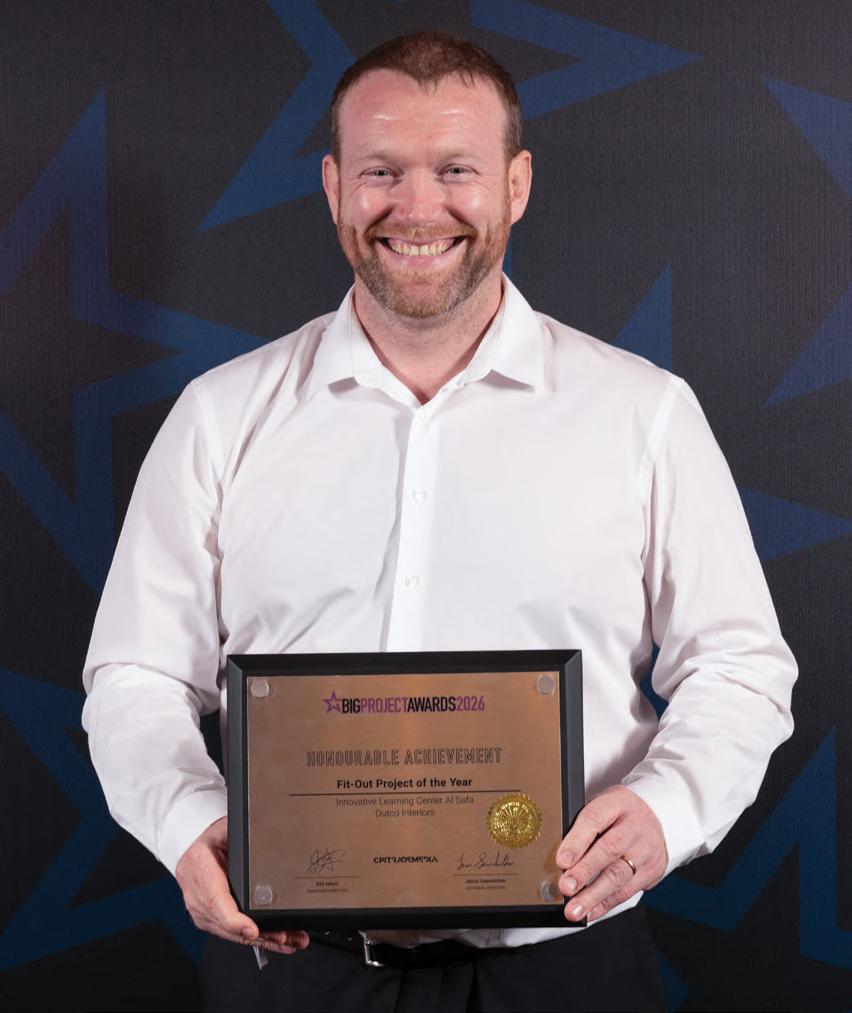
Following intensive debate during the judging process, 10 nominations made it through to the shortlist, with the recognition going to Dutco Interiors for the Innovative Learning Center Al Safa.
The panel of judges responded favourably to the final project result, which they explained stands as a fusion of architecture, engineering, and craft that showcases the company's multidisciplinary excellence, cultural sensitivity and belief that every child deserves a space that sparks wonder.
Commenting on the win, a spokesperson stated, “This is fantastic, it's a great evening and it's great recognition and lots of fantastic contractors are here tonight, so to get mentioned as honorable achievement is fantastic for us.”
REFURBISHMENT & RETROFIT
PROJECT OF THE YEAR
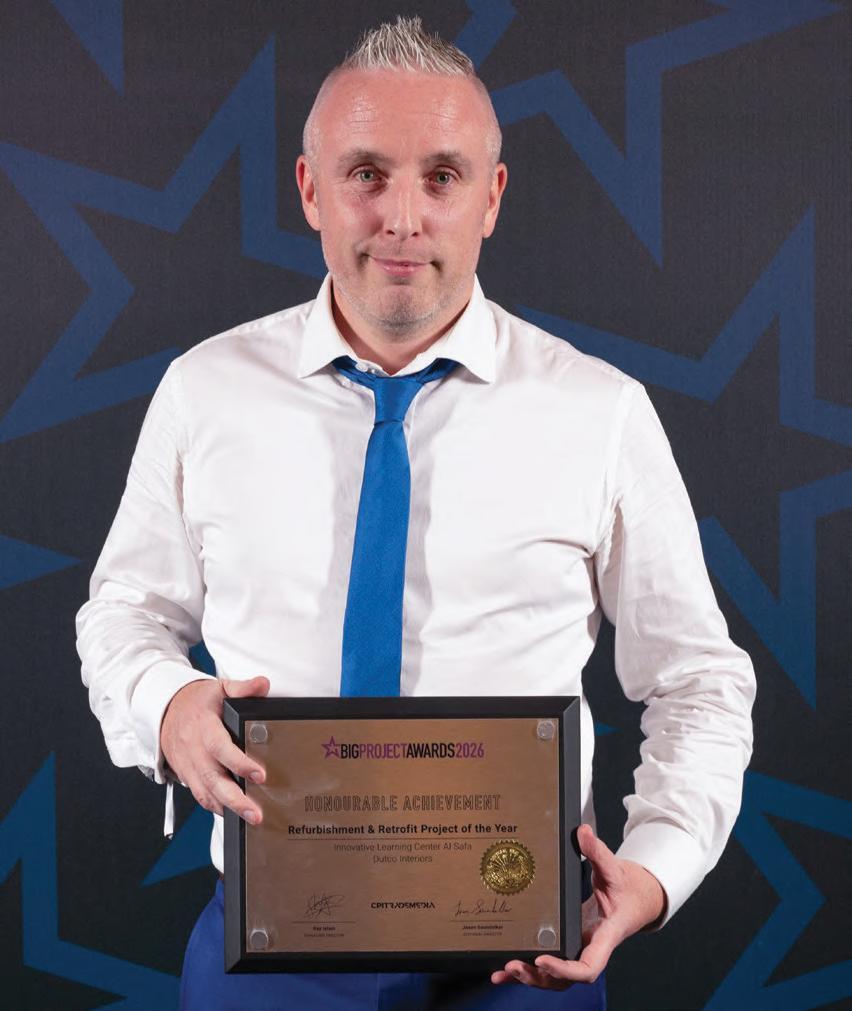
No less than 11 nominations were submitted to this category and following debate, just 7 were shortlisted on the night, with Dutco Interiors once again getting the nod for its Innovative Learning Center Al Safa project.
The panel of judges said that the refurbishment project transformed a historically significant modernist structure into a dynamic, future-facing education campus that celebrates its heritage and modernity. The judges were also impressed that structural upgrades were completed, including envelope and interior renovation, and that the refurb project included the introduction of new ancillary pavilions to expand the project’s capabilities. This showed that a retrofit project can be visionary, and that sustainability begins with re-use.
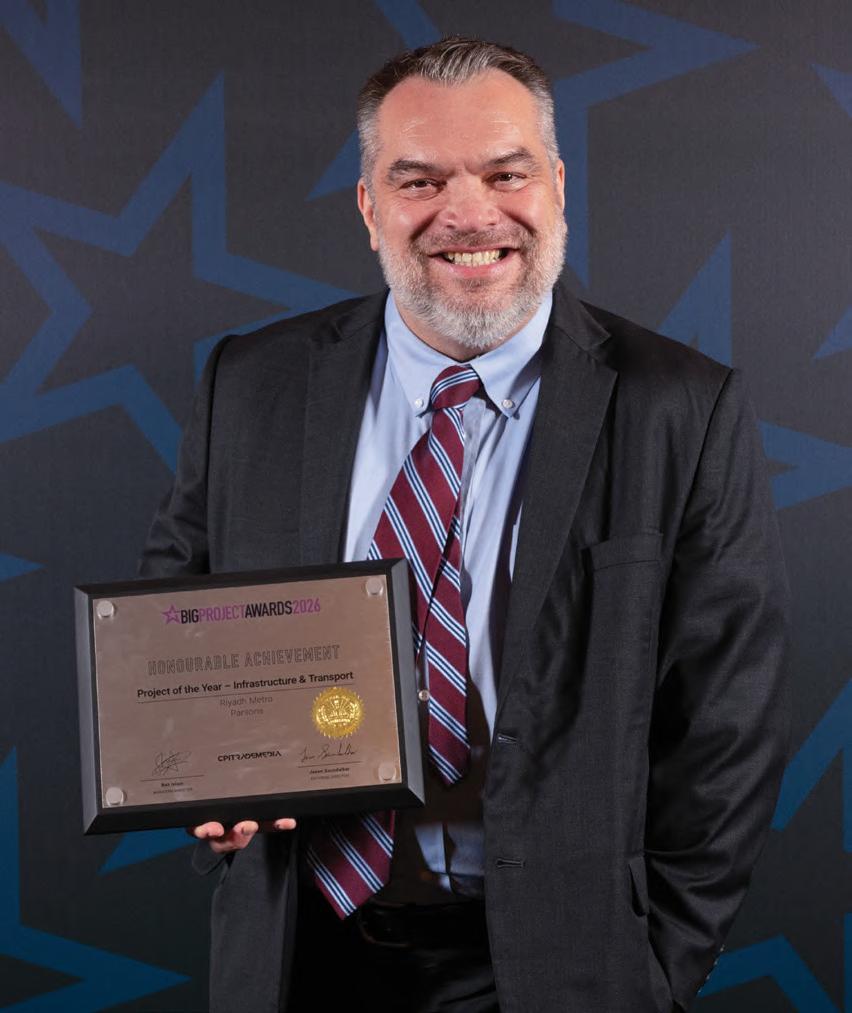
The panel of judges looked at a total of 6-nominations in this category and following 2 rounds of eliminations, a shortlist of 3 was produced. On the night Parsons scored the Honourable Achievement prize for the transformative Riyadh Metro project.
The judges commended the Parsons-led Riyadh Metro Transit Consultants JV for its herculean efforts, which managed 60% of the entire program, and oversaw 2-major design and build consortiums. Sinec its opening, the project has had a positive impact on urban mobility in Riyadh, and is a showcase of smart transportation and sustainability, as it boasts a number of energy efficient components, and water conservation systems.
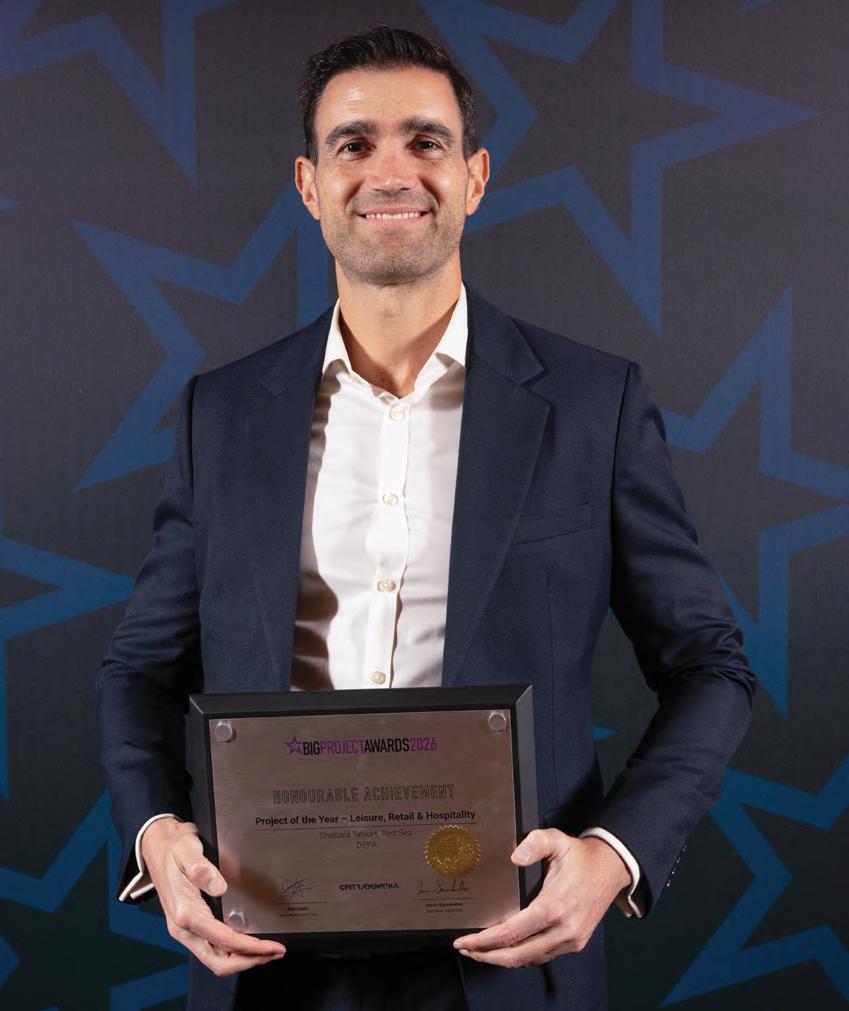
10-nominations were submitted to this category when nominations closed, and following the exhaustive judging process, a shortlist of 6-projects was produced with DEPA’s Shebara Resort, Red Sea project earning the Honourable Achievement prize.
The judges said the project is a sterling example of hospitality that redefines what it means to deliver luxury in harmony with nature. The judges said they were impressed with the project’s delivery, which leveraged offsite prefabrication to minimise environmental impact and improve quality control, its sustainability credentials, including LEED Platinum certification, and the fact that it boasts Net Zero operations in terms of energy, waste and water.
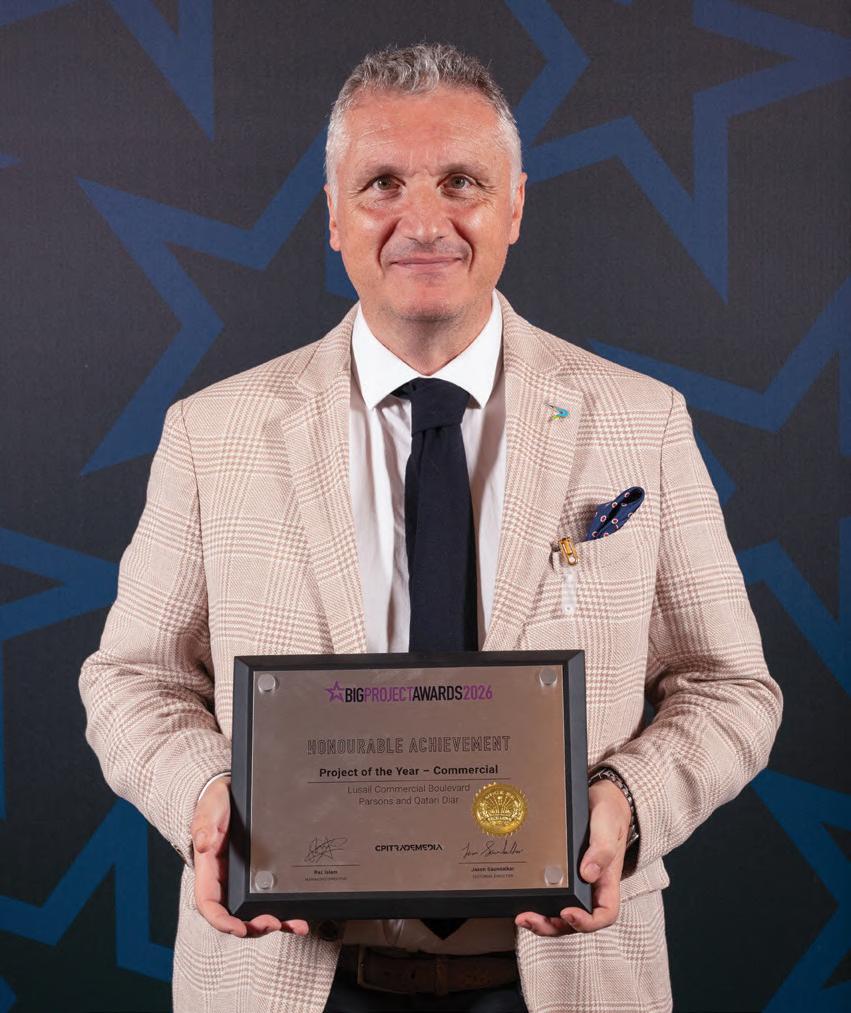
No less than 7-nominations were submitted to this key category and following the judging process, just 4-projects were deemed worthy of the shortlist, with Parsons and Qatari Diar earning the Honourable Achievement prize for the Lusail Commercial Boulevard project.
The judges said that they were impressed with the project’s scale, innovation and its transformative impact on Qatar’s urban landscape. With the second phase at 94% complete and fully operational, the nomination highlighted how the boulevard is serving as a dynamic hub for commerce, culture and leisure, and is an anchor that attracts residents, businesses and tourists, all of which helped secure the judges' votes.
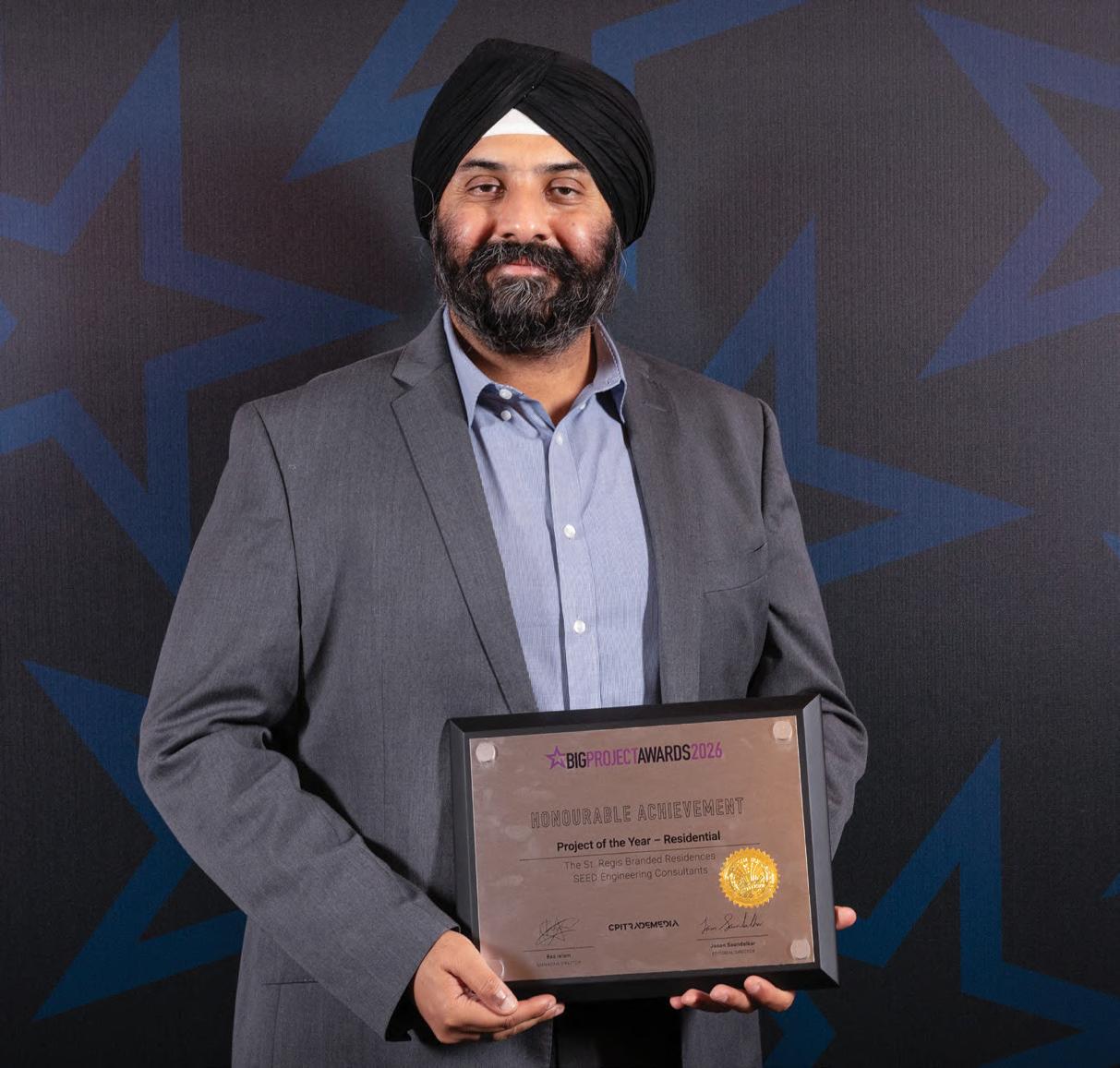
The final and most highly contested project category received a total of 12-nominations, which meant that the panel of judges had to work extremely hard to identify the strongest and weakest nominations. Following intensive debate during the two rounds of eliminations, a shortlist of 8-projects was deemed worthy of the shortlist, with SEED Engineering Consultants securing the Honourable Achievement prize for the St. Regis Branded Residences project.
The Abu Dhabi-based luxury residential project caught the judge’s attention for a number of reasons, however its focus on innovative sustainability was the key highlight. SEED's nomination highlighted that the project incorporates a high-performance façade with intelligence shading, a centralised chilled water system, and advanced water-saving measures, including an integrated greywater recycling plant to reduce its environmental impact.
In addition, through an efficient AC sizing strategy, the managed residences project will also save


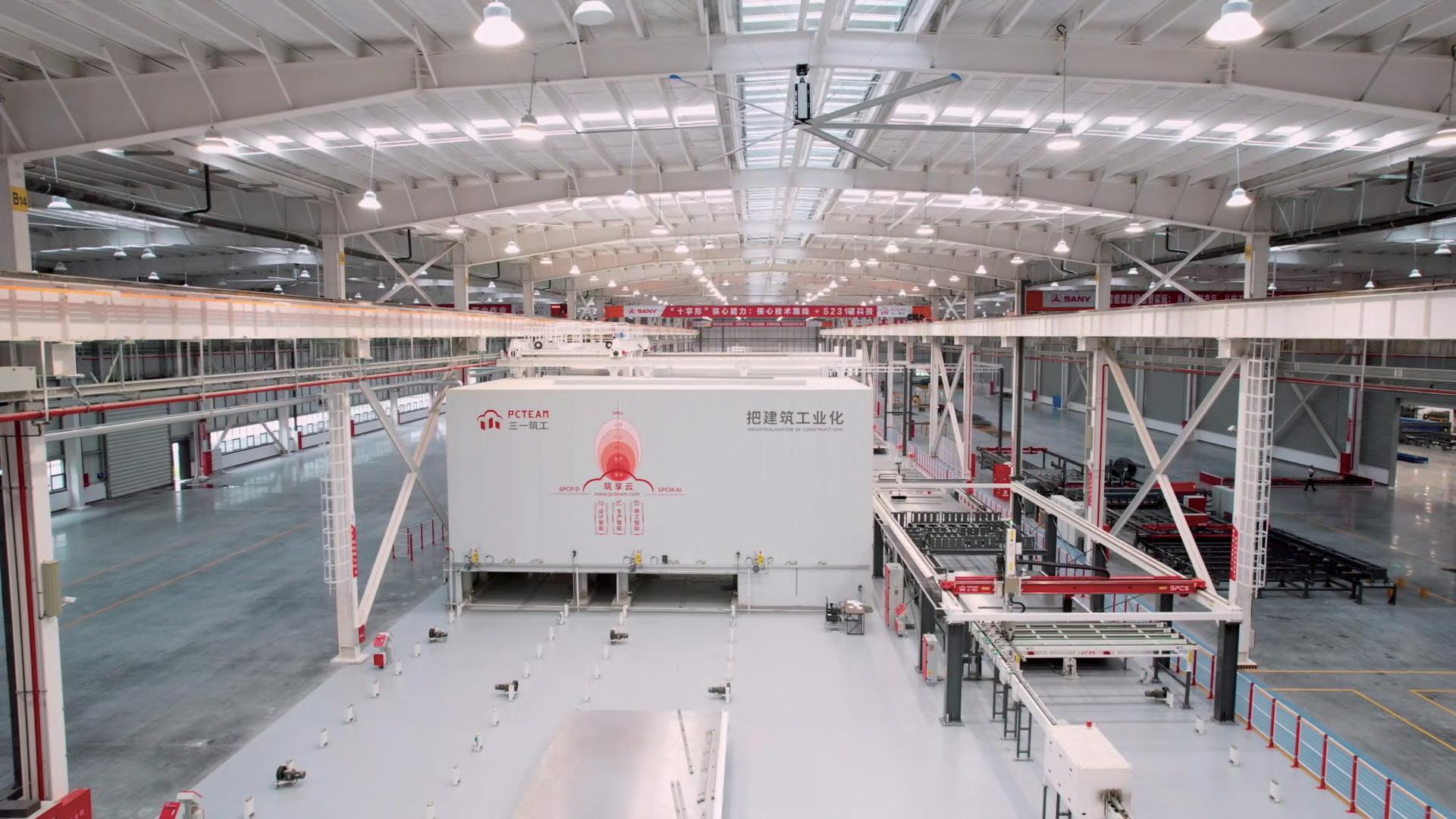
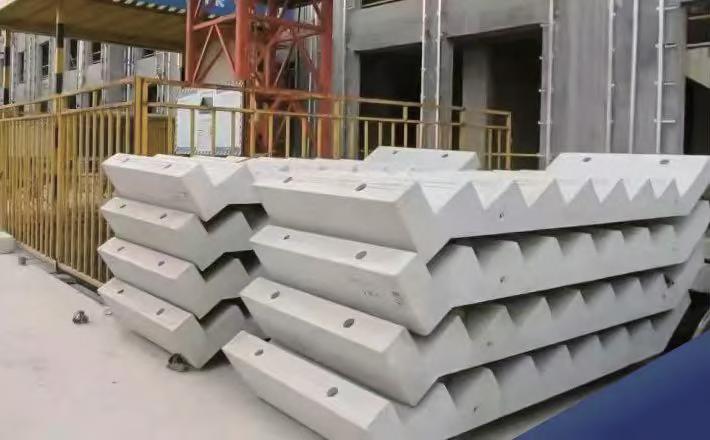
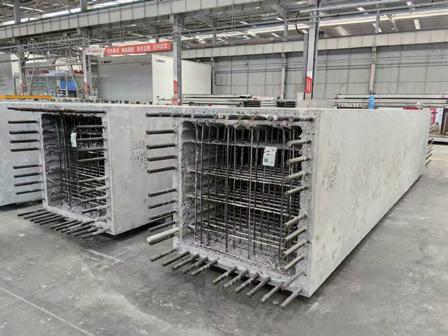




THE WATER SECURITY COLLECTIVE’S JENNIFER MOELLER-GULLAND AND ALICIA DAUTH TALK TO BPME'S JASON SAUNDALKAR ABOUT WATER SECURITY, THE IMPORTANCE OF UNDERSTANDING WATER RISKS HOLISTICALLY AND HOW WATER RISKS CAN BE TACKLED
Big Project Middle East’s Jason Saundalkar talks to the Water Security Collective’s Jennifer MoellerGulland, Founder & Managing Director and Alicia Dauth, Water Assurance Technical Lead about the company, its vision and services, and the all important topic of water security in the Middle East region.
What was the inspiration behind setting up the Water Security Collective (WSC)?
Jennifer Moeller-Gulland (JMG): I set-up the Water Security Collective in 2021 after recognising a critical flaw in how water risks were being assessed and acted upon. Unlike greenhouse gas emissions, where ‘less is always better’, water is highly contextual. A solution that strengthens resilience in one location can be ineffective - or even harmful - in another. Yet decisions were often made without a deep understanding of local water risks or the underlying drivers, leading to costly and counterproductive outcomes for corporates and governments alike.
To address this gap, we apply our proprietory Water Risk Assessment Blueprint - developed over 15+ years of working on water risks across countries, sectors, and contexts. It enables us to assess risks accurately for governments and corportaes alike at site, city, basin, and national level, and translate insights into smarter investment decisions, strategic opportunities, and lasting resilience.
Outline the services that the WSC provides?
JMG: Over the past 4-years, the WSC has become a trusted partner to corporates and governments who seek to assess, understand, and communicate water risks, and act decisively to unlock strategic opportunities for resilience and growth.
The Middle East is the world’s most water-stressed region, with 12 of the 17 most water-stressed countries located here. Water stress is driven by several factors including: arid climates, high consumption and rapid population growth.


Jennifer Moeller-Gulland, Founder & Managing Director, Water Security Collective.
Our work spans four core areas:
• Strategic Water Risk Assessments: We help corporates assess water risk exposure across operations and value chains, and support governments in identifying water-risk hotspots across regions and sectors - enabling both to understand the underlying drivers and target action where it will have the greatest impact
• Water Strategy & Stewardship Advisory: We support clients in designing and implementing water strategies at site, basin, and national level that enhance water security, strengthen stakeholder relationships, and build collective resilience
• Water Stewardship Certification & Assurance: We prepare organisations for water stewardship certifications, such as AWS and SCS-116, and offer independent audit services for organisations seeking third-party assurance
• Water Risk Academy: We train and develop water professionals through practical, applied programmes, including our CPD-accredited Water Risk Assessment Certification
Through the Water Risk Academy, we are pioneering the development of the next generation of water risk experts. With 250+ professionals trained across 45+ countries - including many CPD-Accredited Water Risk Experts - we have built a global network that can be mobilised quickly to provide agile, context-specific expertise wherever it is needed.
What are the different types of water risks that GCC governments and businesses need to be aware of? Is there enough awareness about the various types of water risks (pollution, flooding, infrastructure failure etc)?
JMG: Most people assessing water risks make the same mistake: they focus only on water stress. It is easy to measure, and simple to understand, so it becomes the default metric. But water stress alone can be dangerously misleading. A location may show ‘low water stress’ and yet still face polluted water sources, failing infrastructure, or governance issues that make water unusable or unreliable and result in high risk exposure.
To understand water risks holistically and determine impactful solutions that optimise scarce resources, GCC governments and businesses should assess 3 types of water risks:

Companies can only manage water risks once they understand them. The first step is to assess water risk exposure across operational sites and, where relevant, the supply chain.
• Physical risks: water stress, pollution of ground and surface water, and water-related disasters (droughts, floods, landslides)
• Infrastructure risks: water supply capacity, efficiency and losses (non-revenue water), and wastewater collection and treatment capacity
• Governance risks: legal and regulatory frameworks, institutional setup (roles and responsibilities), financing, capacity, and level of transparency and accountability
Awareness of this full risk landscape is still limited - mainly because open-source tools make physical risks, especially water stress, the easiest to quantify. These tools are useful, but only for initial screening and prioritisation of sites that require an in-depth water risk assessment. Their models cannot capture the local context accurately enough for decision-making, even when they allow you to enter a site’s exact address.
To avoid costly missteps, an in-depth assessment across all 3 risk categories is essential to uncover real risk drivers and invest in solutions that genuinely build resilience—not in measures that offer little or no value.
How can governments and businesses assess water risks holistically? What are the steps they need to take to achieve useful insights that they can act on?
JMG: To assess water risks holistically, corporates and governments must move beyond a narrow focus on water stress and consider the full range of physical, infrastructure, and governance risk factors that determine water availability, quality, reliability, and long-term security. A practical approach includes five key steps:
1. Use open-source tools only for initial screening (if needed): These tools are useful for flagging potential hotspots across many sites, but they cannot serve as a full assessment. Their models do not reflect local realities accurately enough for decision-making, even when an exact site address is entered. Their role is to prioritise where to conduct an in-depth water risk LIMITED
Awareness of the full risk landscape is still limited due to a number of different reasons says Moeller-Gulland.
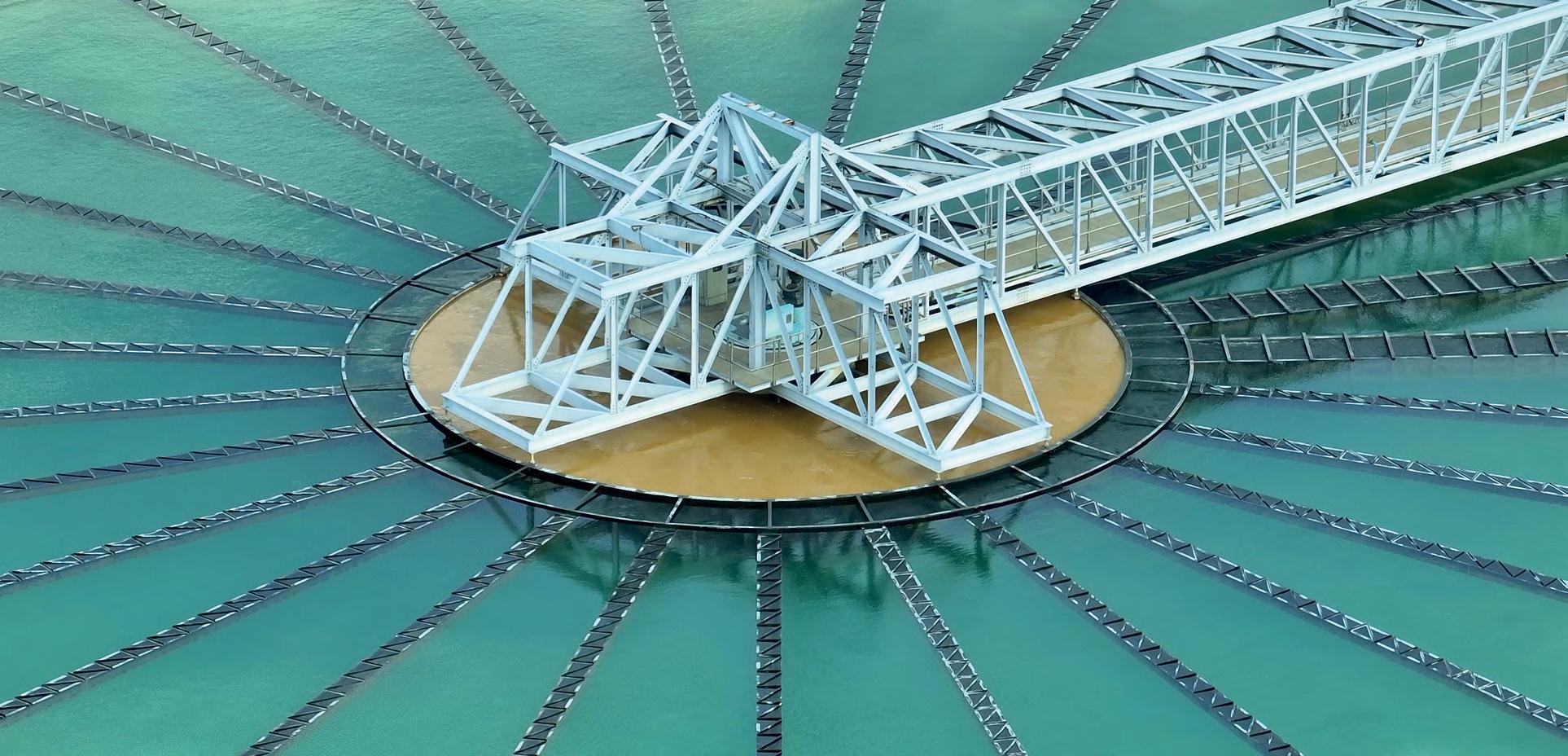
assessment - not to determine what action to take.
2. Conduct an in-depth assessment across the three water risk categories: Location-specific water risks (at site, city, basin, and country level) depend on the interplay of:
• Physical risks: water stress, pollution of ground and surface water, and water-related disasters (droughts, floods, landslides)
• Infrastructure risks: water supply capacity, efficiency and losses (non-revenue water), and wastewater collection and treatment capacity
• Governance risks: legal and regulatory frameworks, institutional setup (roles and responsibilities), financing, capacity, and level of transparency and accountability
3. Identify underlying drivers: Understanding why risks exist is critical. Without addressing root causes, investments can be ineffective or even harmful — resulting in a ‘lose–lose’ for people, businesses, economies, and ecosystems
4. For corporates: contextualise site exposure within the basin/city context:
A site’s exposure depends on both the external water context and the site’s own characteristics. For example, high-water-use facilities face greater risk in stressed or infrastructure-deficient locations, while low-water-use sites in the same basin may face far lower risk. This step also reveals regulatory and reputational risk exposure for corporates. Without it, risk ratings are misleading and prioritisation is flawed.
Post 2020, the WSC has become a trusted partner to corporates and governments seeking to assess, understand, and communicate water risks notes Moeller-Gulland.
5. Translate findings into targeted, context-specific action: Recommendations should prioritise measures that reduce risk, strengthen resilience, and create strategic opportunity. It’s crucial to contextualise the solutions based on the analysis – even if convenient for reporting, there are no one-size-fits-all solutions across all locations.
To make this process efficient and avoid ‘rabbit holes’, we use our Water Risk Assessment Blueprint. It provides a clear and practical methodology for holistic, context-specific, and actionable assessments that drive meaningful impact.
JMG: Companies can only manage water risks once they understand them. The first step is to assess water risk exposure across operational sites and, where relevant, the supply chain. This requires identifying the underlying drivers of physical, infrastructure, and governance risks, and understanding the contextual water risks at each site. Once this picture is clear, companies should develop a water strategy that prioritises high-risk locations and focuses on addressing root causes. In many cases, meaningful
progress requires collective action with government, utilities, local industry, and community stakeholders—because most water challenges cannot be solved by a single actor.
To make actions credible and externally verifiable, companies can invest in water stewardship certifications such as the Alliance for Water Stewardship (AWS) or SCS-116. These robust standards help ensure bestpractice implementation, transparency, and long-term resilience for sustainable water management.
What are the three biggest water related risks/challenges that the UAE and Saudi Arabia face between now and 2030?
Alicia Dauth (AD): GCC countries have seen a surge in water consumption, driven by economic growth, population increase, and urbanisation. Consumption rates are high within the Middle East which is not sustainable.
A challenge for KSA is the lack of accurate measurements of water resources, usage, and sustainability indicators – this information is limited making it difficult to track trends. For example, in Saudi Arabia, around 17% of key SDG indicators face data availability challenges, with some data over a decade old. Without comprehensive and up-todate water data, it is difficult to monitor progress, manage resources efficiently, or implement effective water policies.
Other notable challenges in KSA include: use of nonrenewable groundwater resources such as fossil water; public awareness and water conservation behaviours are still developing, making demand-side management and efficient usage more challenging; KSA has fewer large-scale water recycling and restoration initiatives (however, there are plans in the pipeline); water and energy nexus, and rapid urbanisation and the development of large projects.
The UAE also faces several challenges regarding water security, despite its extensive use of desalinated water to meet it demands. One important operational issue is the variation of the desalination technologies currently in use. Such diversity amongst similar plants can complicate the effort to develop an integrated national water system.
Looking at the continued growth population, rapid urbanisation and economic development, it is expected to see continued pressure on water demand. If current consumption patterns persist (without knowing the risks) then the country could face period with increased stress on desalinated water supplies.
Since the UAE faces limited freshwater resources and water storage capacity, this can increase its vulnerability to supply disruptions or emergency situations. An issue worth discussing is the water-energy nexus. Our water and energy needs are closely linked and a result our shift towards cleaner and more efficient power generation are closely tied to long term water security.

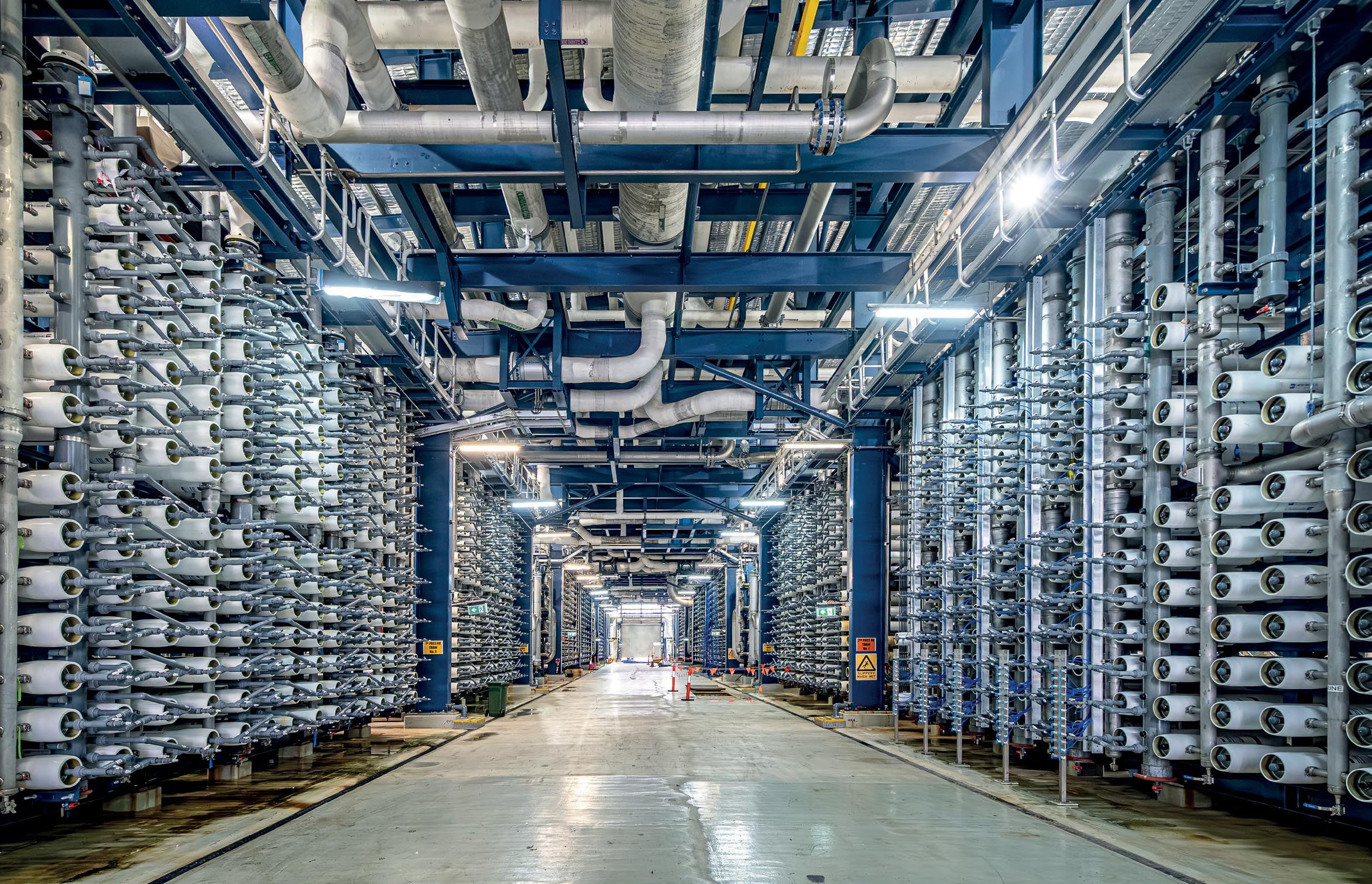
AD: On the contrary, water has recently been identified as an ‘issue’ worth discussing because it is slowing being realised not only a critical business input but a resource of a high value. The GCC states operate 60% of the world’s desalination capacity.
Current challenges which are attempted to be addressed in the UAE Water Security Strategy 2036 include: reducing overall water demand through conservation and efficiency; increasing the share of treated wastewater reuse; enhancing and/or upgrading strategic water storage and emergency reserves, and coordination and governance across the water sector.
It’s long been known that countries in the Middle East are water stressed yet there doesn’t seem to be a big drive to address this issue. What's your take on this?
The UAE has taken a proactive approach to address water stress through the UAE Water Security Strategy 2036, which provides a clear framework for sustainable water management. Saudi Arabia has also begun to systematically address it through initiatives aligned with its National Water Strategy.
The GCC has developed the GCC Unified Water Strategy (2016–2035). By 2035 the GCC countries have established sustainable, efficient, equitable, and secure water resources management systems contributing to their sustainable socio-economic development.
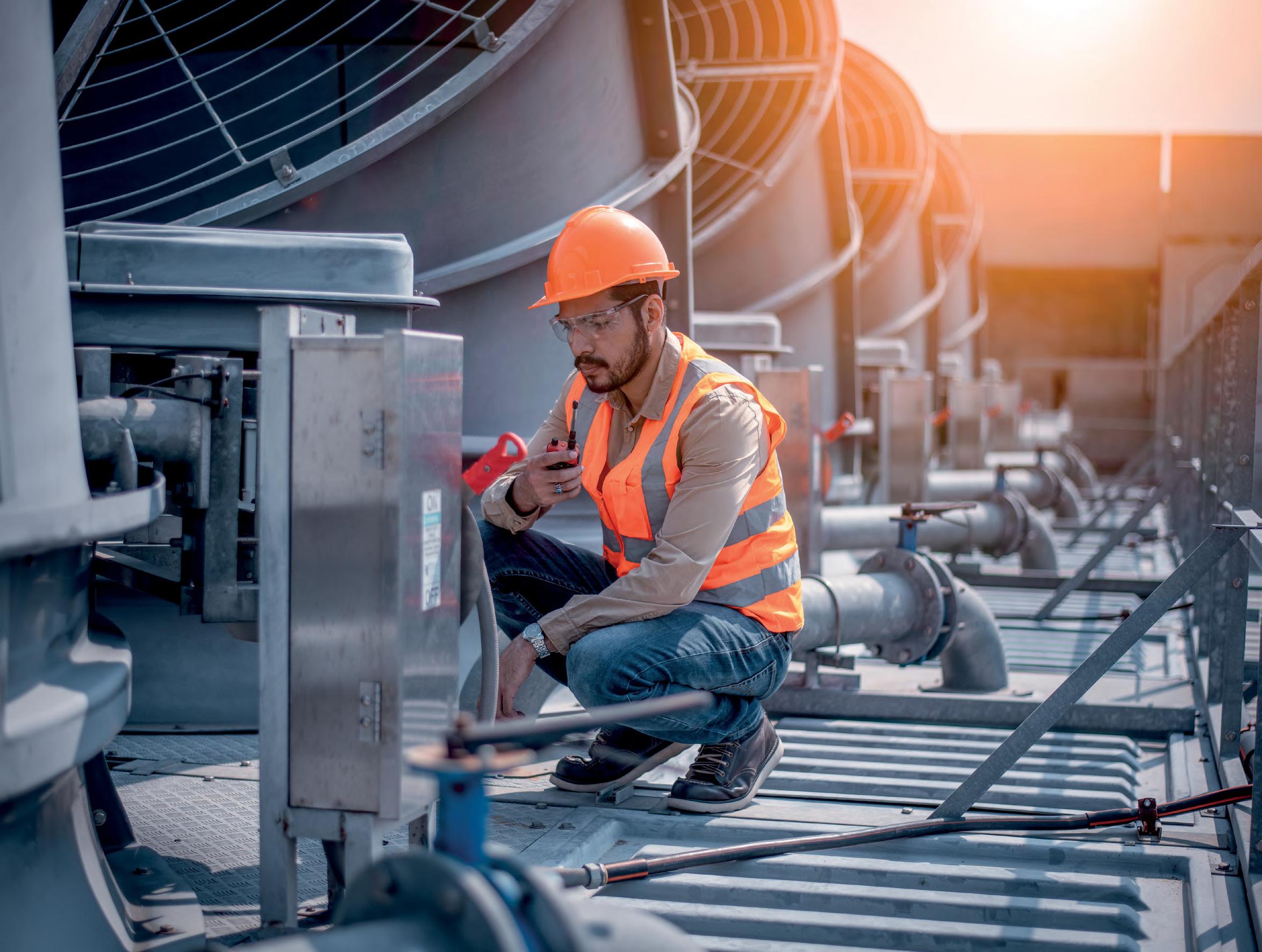
By connecting climates, data, and experience, and by embedding digital tools and transparent performance frameworks in regulation, the HVAC sector can move toward a positive future writes Asokdas Damodaran

Asia-Pacific and the Middle East are no longer solely following global trends in air movement and control, they are increasingly shaping them by becoming the industry’s proving ground, where performance claims are tested against operational reality. The Asia-Pacific region has emerged as a global powerhouse for HVAC manufacturing, while, in parallel, the Middle East represents one of the most demanding environments for performance, reliability, and climate resilience.
It is precisely this contrast, manufacturing scale on one side and extreme operating conditions on the other, that defines the opportunity ahead. Working across both regions throughout my career in the HVAC industry has shown me that the main challenge is also their greatest opportunity, which is the lack of harmonised standards and certification frameworks.
Fragmentation paving the way for progress
This challenge becomes clear the moment we look at regulation. Across the Middle East and Asia-Pacific, building codes and testing requirements remain unevenly developed and highly fragmented. Where frameworks do exist, they often differ widely, not only between countries, but even between cities. For manufacturers operating across borders, this lack of alignment introduces uncertainty and complexity, complicating market access, increasing costs, and slowing the pace of innovation.
This fragmentation, however, should not be mistaken for failure. This very gap presents an opportunity, a critical moment to move from isolated approaches toward collective action, coordination, and knowledge-sharing across the industry.
The question, then, is how this opportunity is translated into progress. Standardisation is not just about compliance, it is the mechanism through which energy efficiency, trust, and transparency can scale. When regulations align, manufacturers can focus on improving
Digital tools enable more accurate product design, faster simulation, and more robust certification

and validating product performance rather than navigating inconsistent rules. In turn, end-users benefit from clearer quality assurance and greater confidence in system safety, efficiency, and long-term sustainability.
While gaps remain, a clear shift is now taking place across key markets in the region. In India, AMCA and Eurovent standards are increasingly being embedded into national regulations, signalling a decisive move toward higher efficiency, verified performance, and greater accountability.
At the same time, rapid investment in the country’s sunrise sectors, including solar energy, electric vehicles, semiconductors, and pharmaceuticals, is driving strong demand for high-quality, energy-efficient, hygienic, and certified HVAC solutions.
Across the Middle East, similar dynamics are unfolding. In the UAE and Saudi Arabia, there is growing awareness among stakeholders of the importance of standards and guidelines, alongside a clearer understanding that upfront investment in certified, high-performance systems delivers stronger long-term value, although continued education and market alignment remain essential.
These markets are also continuing to grow, driven by rapid urbanisation, large-scale infrastructure development, and sustained expansion in the commercial and hospitality sectors. Saudi Arabia accounted for the largest market share, underpinned by harsh climatic conditions and significant investment aligned with Vision 2030. Meanwhile, the UAE market is expected to expand steadily, supported by ongoing urban growth, an active construction pipeline, and an increasing focus on sustainable and energy-efficient HVAC solutions.
This growth story across the region underlines the importance of standards and verified performance, ensuring that products installed today will support long-term sustainability targets and operational resilience.

Regional cooperation as the engine of innovation
Standards alone, however, do not drive innovation. Collaboration is equally critical. True innovation emerges when regions learn from one another. India can provide valuable insights drawn from extreme humidity combined with high temperatures, while Saudi Arabia and the wider GCC region offer lessons from some of the world’s most demanding desert environments.
When these experiences are connected rather than siloed, through the sharing of data, testing outcomes, and operational feedback, the industry creates an innovation loop informed by real-world performance across diverse climates.
The real breakthrough comes when this technical exchange is supported by regulatory and testing alignment. Harmonised testing protocols reduce duplication, accelerate product validation, and build confidence
Digitalisation creates opportunities to automate monitoring, strengthen compliance, enhance transparency, and build technical capacity across global markets says Damodaran.
and trust across the value chain. In this way, regional collaboration can drive performance improvements, enhance energy efficiency, and advance broader sustainability goals.
This is where leadership and institutional commitment matter most. Sustainability has emerged as a defining megatrend it is not a passing phase. It demands that manufacturers develop products that are not only energy-efficient, but also low in carbon footprint, optimised in material use, and responsible in their logistics impact.
At the same time, digital transformation is reshaping the industry. Digital tools enable more accurate product design, faster simulation, and more robust certification enforcement. Digitalisation creates opportunities to automate monitoring, strengthen compliance, enhance transparency, and build technical capacity across global markets. Ultimately, it strengthens the integrity of performance ratings in an increasingly complex and fast-evolving environment.
Against this backdrop of change, I believe that organisations such as AMCA must continue to strengthen their standards, push the Certified Ratings Program (CRP) beyond compliance, develop new performance differentiators, and foster strategic partnerships to address global industry challenges collaboratively.
Ultimately, the industry’s long-term resilience depends on its ability to think globally, while acting with regional intelligence. By connecting climates, data, and experience, and by embedding digital tools and transparent performance frameworks at the heart of regulation, the HVAC sector can move decisively toward a future defined by trust, efficiency, and environmental responsibility.
Asokdas Damodaran is President of AMCA International and Managing Director of Systemair India.

The region has a choice - to remain a highly sophisticated deployer of global innovation, or to shape the standards the rest of the world follows writes
Steven Charlton, Founder & CEO,
i/o atelier
Saudi Arabia is building at a scale few economies in modern history have attempted. Entire districts are being conceived, financed and delivered in compressed timeframes. Vision 2030 has created both momentum and alignment. But leadership in PropTech will not come from scale alone. It will come from ecosystem design. The Kingdom has the projects. It has capital. It has regulatory agility. What it must now decide is whether it wants to be the world’s most sophisticated deployer of technology - or one of its true originators.
Capital is necessary but not sufficient Globally, the most advanced technology ecosystems did not emerge simply because capital was available. They emerged where education, research, venture funding and commercial deployment operated in synchrony. Life sciences flourished in Boston because of deep academic infrastructure. AI clusters around London, San Francisco and Toronto because of talent density and university pipelines.
OpenAI’s recent commitment to London reflects precisely this logic - proximity to research ecosystems matters.
If the Middle East is to lead in PropTech, similar conditions must mature locally:
• Strong academic programs in AI, spatial computing and urban systems
• Spin-out pathways from research into commercial application
• Venture capital aligned not just with deployment, but with R&D
• Structured talent pipelines into real estate and development environments Without this integration, the region risks becoming a capital allocator rather than an intellectual centre of gravity.
The deployment advantageand its strategic power
Where the Middle East does hold a distinct advantage is speed. In more established markets, legacy infrastructure, fragmented governance and regulatory inertia slow innovation. In the Gulf, alignment between policy, developer and delivery can accelerate adoption dramatically.

Good ideas can move from pilot to scale quickly. Regulations can evolve faster. New performance standards can be embedded across giga-projects within a short time horizon.
This is not a minor advantage. It is potentially transformative. The region may not yet rival Europe or North America in academic depth. But it can become the world’s most effective validation and scaling environment for intelligent real estate systems - if that capability is structured deliberately.
Technology in search of a problem does not create value. It creates noise.
True PropTech leadership requires integration at the earliest stage of development says Charlton.
The risk of superficial proptech
Another challenge facing the sector globally is conceptual clarity. Much of what is labelled PropTech today originates from technologists seeking entry into property markets. Too often, solutions are built without a deep understanding of development risk, operational realities, capital stack pressures or the lived experience of space.
Technology in search of a problem does not create value. It creates noise.

True PropTech leadership requires integration at the earliest stage of development. It must influence masterplanning, spatial programming, behavioural modelling and lifecycle asset strategy - not simply layer dashboards onto completed buildings.
If the region wants to lead, it must prioritise technology that measurably enhances performance - financial, operational and human - rather than technology that merely signals innovation.
Regulation as a catalyst
One of the Middle East’s structural strengths is regulatory leverage.
Governments have the ability to:
• Introduce mandatory performance modelling standards
• Tie development approvals to predictive simulation criteria
• Embed data transparency requirements across major assets
• Incentivise AI-led optimisation frameworks at district scale
In mature markets, such changes can take years. In the Gulf, they can be implemented rapidly. If used strategically, regulation can accelerate ecosystem maturity rather than simply enforce compliance.
The capital question
There is no shortage of investment capital in the region. But innovation ecosystems require more than funding announcements. Startups and R&D-led ventures require predictable cashflow structures, procurement transparency and long-term partnership commitments. Without structural support, innovation remains episodic rather than systemic. Venture and private equity capital deployed in the region should therefore focus not only on importing
The sophistication of older markets lies in their institutional depth. The strength of the Gulf lies in its velocity.

technology, but on building teams, training local talent and establishing durable research capability. Otherwise, the Middle East will deploy global IP rather than generate it.
Having worked across established European markets and the Middle East, the contrast is clear. The sophistication of older markets lies in their institutional depth. The strength of the Gulf lies in its velocity. The opportunity is not to replicate Silicon Valley. It is to build a model suited to the region’s structural advantages. Education, capital and technology must operate in harmony. Universities must feed venture. Venture must support research. Developers must provide real-world deployment environments. Governments must align regulation with innovation goals. If these components converge, Saudi Arabia could define what nextgeneration real estate intelligence looks like globally. If they remain fragmented, the Kingdom will still build extraordinary projects - but the intellectual leadership will sit elsewhere.
Saudi Arabia has already demonstrated it can deliver at scale. The next phase is deeper. PropTech leadership will not be determined by how many smart systems are installed, but by where the underlying intellectual property is conceived.
The region has a choice - to remain a highly sophisticated deployer of global innovation, or to shape the standards the rest of the world follows. The ingredients are present. What matters now is alignment.
Object 1 has announced the completion of RA1N Residence in Dubai. This milestone marks a significant transitioning from project launches to delivering homes. This achievement solidifies its reputation as a dependable player in Dubai’s growing real estate sector, the developer said.
Nestled in District 12 of Jumeirah Village Circle (JVC), the 25-storey tower boasts 144 units. These units range from 1-to-2bedroom apartments to top-floor apartments equipped with jacuzzis for added comfort. The project caters to the increasing demand for ready-to-move properties. JVC continues to be a choice for both residents and investors, currently commanding 61% of sales searches and 80% of rental searches for mid-market apartments.
Tatiana Tonu, CEO of Object 1 said, “Delivering RA1N Residence is a defining moment for Object 1, as we move from vision to tangible reality. While the world watches regional shifts with caution, our faith in Dubai’s investment climate remains absolute. This city is more than just a market; it is a global safe haven that consistently turns challenges into growth opportunities. By completing our project, we are sending a clear message to our investors: we are here for the long term, contributing to the Dubai 2040 Urban Master Plan and building high-quality communities that thrive regardless of external pressures.”
RA1N Residence offers amenities designed to cater to the needs of modern urban life, it features a lobby with a lounge area and co-working spaces, clubhouse, indoor and outdoor fitness areas, 2 swimming pools, on-site retail outlets, and children’s play zones (both indoors and outdoors).
The apartments are designed with immediate comfort and functionality in mind. They are said to boast bright, ergonomic layouts and high-quality materials with contemporary finishes sourced directly from European factories. These finishes are complemented by built-in appliances and premium plumbing fixtures from leading manufacturers, the statement concluded.