



The boundaries between technology, industry, infrastructure and national development are rapidly disappearing.
Artificial intelligence is no longer confined to research labs or isolated enterprise projects. It is becoming deeply embedded in how nations compete, how industries operate and how societies innovate. Across the UAE and the wider region, governments and businesses are moving beyond digital transformation initiatives towards building intelligent ecosystems that combine data, automation, connectivity and human expertise to create sustainable economic growth.
E-mail: sandhya.dmello@ cpimediagroup.com
The UAE's AI journey is no longer about digital transformation. It is about reimagining how an economy functions in the age of intelligence."
Our cover story explores how the UAE is laying the foundations for what could become one of the world's first AI-native economies. From sovereign AI infrastructure and intelligent manufacturing to autonomous systems and industrial innovation, Make it in the Emirates 2026 offered a compelling glimpse into the nation's next chapter of economic development.
Beyond the factory floor, intelligence is reshaping every sector. Space42 discusses how AI-powered geospatial intelligence and sovereign satellite capabilities are strengthening the UAE's position in the global space economy. Armela Farms demonstrates how smart agriculture is helping address food security challenges through automation, robotics and climate-controlled farming. FLAG explores how resilient subsea connectivity is becoming critical infrastructure for the AI era, while Orange Business examines the growing importance of secure, sovereign and resilient digital ecosystems.
Research featured in this edition reinforces the scale of the transformation. Microsoft's latest AI Diffusion Report highlights the UAE's continued leadership in AI adoption, while the International Data Center Authority's findings reveal the growing demands AI places on energy, water and digital infrastructure worldwide. Meanwhile, Mastercard and Checkout.com demonstrate how technologies such as network tokenisation are reshaping digital commerce across the MENA region.
Across our opinion section, industry leaders tackle some of the most pressing questions facing organisations today. How can governments unlock the value of unstructured data to support AI ambitions? Why is backup no longer enough in an age of cyber threats and operational disruption? What role will AI PCs play in the future workplace? How can industries collaborate more effectively to accelerate climate action? These discussions reflect a common reality: successful transformation depends not only on technology adoption, but also on trust, governance, resilience and skills.
The stories throughout this edition point to a broader trend. The next generation of economic growth will be powered not simply by technology, but by the intelligent integration of technology into every aspect of business, industry and society.
For organisations navigating this rapidly evolving landscape, the opportunity is significant. So too is the responsibility to build secure, resilient and sustainable foundations for the future.







Microsoft recently signed testing and evaluation agreements with the governments of the UK and U.S., the latter of which also sealed deals with Google DeepMind and xAI. The company went on to claim that AI regulation would be a boon for development of frontier systems.
The U.S. software giant used a blog to explain government scrutiny drives it to improve its advanced AI systems.

“Well-constructed tests help us understand whether our systems are working as intended” and keeps the company alert to “risks, such as AI-driven cyberattacks and other criminal misuses”.
Microsoft announced it is working with the AI Security Institute (AISI) in the UK and U.S. Centre for AI Standards and Innovation (CAISI) to assess its cutting-edge models and prepare protections.
CAISI is a unit of the U.S. Department of Commerce which acts as the primary point of contact with the government for matters including testing, research and developing bestpractices.
It signed safety and evaluation deals with Anthropic and OpenAI in 2024.
Synergy Research Group recently unveiled their findings about global cloud infrastructure spending by enterprises. The group determined that the spending had surpassed an annualised run rate of half-a-trillion dollars for the first time, driven largely by accelerating generative AI (GenAI) demand.
Quarterly revenue of $128.6 billion in Q1 2026 represents a 35% year-on-year jump. The research company noted it is the highest growth rate seen since the last quarter of 2021, when the market was only 40% of its current size.
GenAI continues to reshape the competitive landscape, fuelling demand across hyperscalers and a rising tier of neocloud providers.
Amazon retained its long-time lead with a 28% worldwide share, ahead of Microsoft at 21% and Google at 14%. In the higher-growth public IaaS and PaaS segment, which expanded 38% in Q1, the top three collectively hold 67% of the market.

The neocloud segment is emerging as a meaningful force. Five neocloud companies now sit within the top 30 global cloud providers, with CoreWeave, OpenAI, Oracle, Crusoe, Nebius, Anthropic, and ByteDance among those posting the highest growth rates.
Geographically, India, Indonesia, Ireland, Taiwan, Thailand, and Malaysia are outpacing the worldwide average in local currency terms. The US remains by far the largest market, growing 37% in Q1 alone, while Ireland, Norway and Poland are among the leaders across Europe.
Meta Platforms recently completed its purchase of Assured Robot Intelligence, a startup developing AI models for robots, as part of a major initiative focused on building humanoid technology.
A representative for Meta told Mobile World Live it closed the acquisition on the 1st of May 2026. Financial terms were not disclosed.
“We acquired Assured Robot Intelligence, a company at the frontier of robotic intelligence designed to enable robots to understand, predict and adapt to human behaviours in

complex and dynamic environments”, Meta stated.
The representative explained the Assured Robot Intelligence “will bring a deep expertise in how we can design our models and frontier capabilities for robot control and self-learning to whole-body humanoid control”.
Bloomberg reported the Assured Robot Intelligence team will join Meta’s Superintelligence Labs where co-founders Lerrel Pinto and Xiaolong Wang will work alongside Meta Robotics Studio, a research group stablished in 2025 to develop underlying technology for humanoids.
According to their LinkedIn accounts, Wang was previously a research scientist at Nvidia while Pinto was co-founder of Fauna Robotics prior to it being sold to Amazon in March to support its own humanoid robot efforts.
The European Parliament and member states have recently agreed to amend certain elements of the bloc’s landmark AI Act and delay its implementation, following pressure from various entities across the technology ecosystem.
A statement released by the council of the European Union explained the rules had been simplified and streamlined, part of a wider drive from the European Commission to loosen digital rules.
Amendments include pushing the timeline for applying rules on socalled high-risk AI systems by up to 16 months, which covers those using biometrics or related to critical infrastructure.
Previously, it had a timeline to implement the rules by 2nd August 2026.
It has also pushed back timelines on companies complying with legal requirements on putting AI into products like toys, with a deadline of August 2028 set.
AI-related machinery will now be excluded from the AI Act, as it is already subject to sectoral rules.
Other changes include a ban on apps and systems that can generate non-

consensual sexual images and child sexual abuse material, which will be in force by December.
The changes still need sign-off from EU governments and the European Parliament, with the process set to continue over the coming months.
Marilena Raouna, deputy minister of European Affairs for Cyprus, said the agreement significantly supports European companies by reducing recurring administrative costs. “It ensures legal certainty and a smoother
Anthropic recently entered into compute deal with SpaceX, which will enable it to tap more than 300-megawatts of capacity at the latter’s Colossus 1 data centre, with access expected within the month.
The deal involves Anthropic using the compute power from SpaceX’s facility in Memphis, in the US state of Tennessee to boost capacity for its Claude Pro and Claude Max AI assistants.

and more harmonised implementation of the rules across the union, strengthening EU’s digital sovereignty and digital competitiveness”.
When introduced in 2023, the act was considered a watershed moment in AI legislation. It sought to classify different AI technologies by risk level and issue bans on systems deemed unsafe or harmful to fundamental rights. However, it has faced a backlash from both European and US tech giants.

arrangement could represent hundreds of millions of dollars in yearly revenue for SpaceX unit xAI, based on recent market rates of $1.5 million to $2 million per megawatt annually.
Anthropic gains access to more than 220,000 Nvidia GPUs at SpaceX’s data centre.
Financial terms were not disclosed, but Bloomberg reported the
The SpaceX agreement includes an expression of interest by Anthropic in developing multiple gigawatts of orbital computing capacity powered by solar energy, an ambition SpaceX-owner Elon Musk previously floated.
Intel has introduced its Core Ultra 200S Plus processor family, designed to deliver stronger performance for AI, gaming and creative desktop workloads.
The lineup includes the Intel Core Ultra 7 270K Plus and Core Ultra 5 250K Plus, both engineered to support faster responsiveness, improved efficiency and advanced multitasking.

The Core Ultra 7 270K Plus targets enthusiast users, creators and developers, while the Core Ultra 5 250K Plus is positioned for mainstream gamers and productivity users seeking high performance.
A key feature is Intel’s AI Boost Neural Processing Unit, which supports on-device AI tasks such as voice generation, background noise cancellation and Windows Studio Effects.
The processors also support DDR5 memory, Intel Xe graphics, AV1 encoding and enterprise-grade security features through Intel vPro technologies.
ASBIS will serve as an authorised distributor for Intel products, supporting enterprise and consumer markets across the region.

Emirates SkyCargo has further expanded its digital presence by integrating its world-class product and services on Pelicargo, a leading online platform for airfreight procurement and booking. The cargo arm of the world’s largest international airline is also the first carrier from the Middle East region to establish API connectivity with Pelicargo, enabling immediate bookings.
Over the last 12 months, Emirates SkyCargo has tracked the significant increase of customers based in the US switching to digital channels such as eSkyCargo and third-party marketplaces, coupled with a decline in manual transactions. By onboarding to Pelicargo, a marketplace with particular reach in the US, Emirates SkyCargo will be available to thousands of new customers, while freight forwarders are empowered with more control over their bookings, 24/7.
Badr Abbas, Divisional Senior Vice President, Emirates SkyCargo, said: “The digital solutions that we have deployed globally have made a huge impact on the way we operate – from faster exchanges of critical information to more streamlined bookings. Onboarding to Pelicargo’s intuitive platform is the next step in our strategy, enabling us to better connect with both new and existing customers in the United States. As we enter our next phase of growth, digitalisation will continue to underpin our operations with the goal to provide
flexible, efficient solutions to our global customers.”
Jon Acquaviva, Co-Founder & President, Pelicargo, said: “For us, it’s a natural fit — Emirates SkyCargo has built a reputation for excellence and forward-thinking innovation that aligns perfectly with our mission. We share a common vision: putting customers at the center and delivering locally relevant, digitally connected solutions that make air cargo faster and more accessible. We’re proud to partner with such an iconic and innovative carrier to help customers across the U.S. and beyond connect instantly with Emirates SkyCargo’s world-class network.”
Emirates SkyCargo’s five core products are available now on Pelicargo, including Fresh and Fresh Breathe, an integrated and responsive cool chain designed for perishables; Pharma, for temperature-controlled life sciences and healthcare shipments; Airfreight Priority for urgent shipments that depend on speed and reliability; and AirFreight for the quick and careful transport of general cargo.
Pelicargo is the fourth digital marketplace to host Emirates SkyCargo’s capacity, following cargo.one, CargoAi and WebCargo. This ensures Emirates SkyCargo is present wherever its customers want to book with a wide array of benefits including visibility on schedules, tariff and contract rates, realtime visibility on available capacity, and immediate bookings 24/7.
The fifth and largest class since the university’s establishment comprises 140 graduates from 23 countries.
His Highness Sheikh Khaled bin
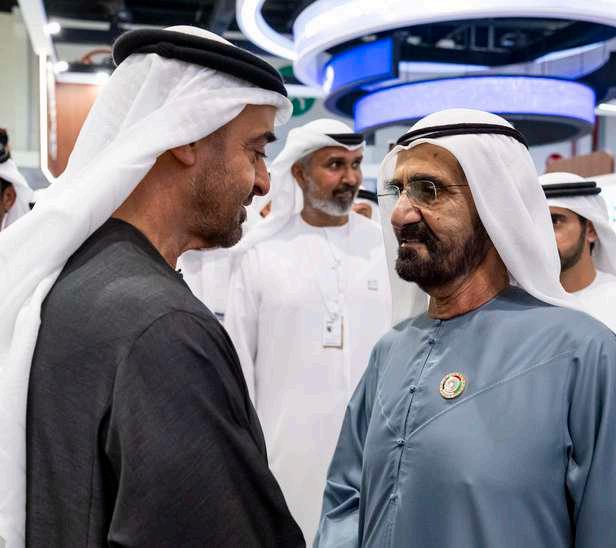
Mohamed bin Zayed Al Nahyan, Crown Prince of Abu Dhabi and Chairman of the Abu Dhabi Executive Council, has attended the 2026 commencement ceremony of Mohamed bin Zayed University of Artificial Intelligence (MBZUAI).
The fifth and largest class since the university’s establishment comprises 140 graduates from 23 countries. The cohort includes 11 PhD and 129 Master’s graduates across key disciplines, including Computer Science, Computer Vision, Machine Learning, Natural Language Processing and Robotics.
The ceremony reflects the UAE's commitment to artificial intelligence as a national strategic priority, a vision led by His Highness Sheikh Mohamed bin Zayed Al Nahyan, President of the UAE. This vision is further advanced through the initiatives of His Highness Sheikh Tahnoon bin Zayed Al Nahyan, Deputy Ruler of Abu Dhabi and Chairman of the Artificial Intelligence and Advanced Technology Council, under whose leadership the UAE has emerged as one of the world's leading hubs for AI research, development and talent.
His Highness Sheikh Khaled bin Mohamed bin Zayed Al Nahyan congratulated the graduates on their academic excellence and honoured the PhD and Master’s recipients for their valuable additions to AI research and sciences. His Highness wished the new cohort success in advancing the nation’s digital transformation and harnessing innovation to translate advanced technologies into real-world solutions that serve humanity, encouraging them to contribute to building a knowledgebased, innovation-driven economy.
The Class of 2026 includes 30 Emirati graduates, underscoring MBZUAI’s
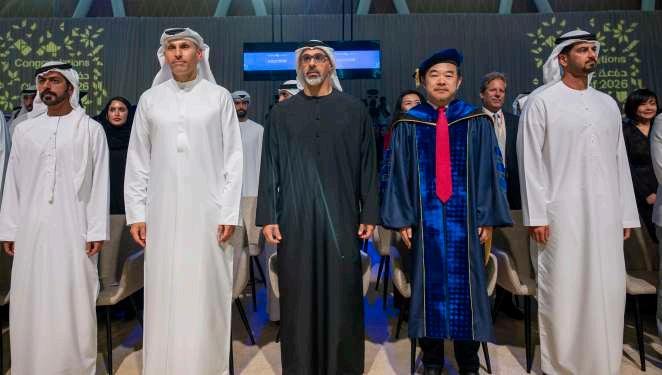
role in empowering national talent. Women comprise 38 per cent of total graduates, furthering their participation in advanced technology and scientific research globally. By preparing a generation capable of leading the nation’s digital transformation in line with the UAE National Strategy for Artificial Intelligence 2031, MBZUAI is supporting national objectives that integrate AI technologies across 100 per cent of government services and priority sectors. The ceremony was attended by His Excellency Sheikh Khalifa bin Tahnoon bin Mohammed Al Nahyan, Chairman of the Abu Dhabi Crown Prince Court; His Excellency Khaldoon Khalifa Al Mubarak, Chairman of the Executive Affairs Authority, Chairman of MBZUAI’s Board of Trustees; His Excellency Dr Abdulla Humaid Al Jarwan, Chairman of the Department of Energy – Abu Dhabi; His Excellency Shamis Ali Khalfan Al Dhaheri, Chairman of the Department of Community Development; His Excellency Saif Saeed Ghobash, Secretary-General of the Abu Dhabi Executive Council and Chairman of the Office of the Crown Prince; Rima Al Mokarrab Al Muhairi, Executive Director of Strategic Affairs
at the Executive Affairs Authority; Peng Xiao, Group CEO of G42; Professor Eric Xing, MBZUAI President and University Professor; Professor Timothy Baldwin, MBZUAI Provost, a number of senior officials and dignitaries, university leadership, faculty staff members, and graduates’ families.
Khaldoon Al Mubarak, Chairman of MBZUAI’s Board of Trustees, said: “Today marks both a milestone and a mandate. As MBZUAI’s largest graduating class, you are among the first generation to help shape a field that is transforming every sector of society. You are graduating at a decisive moment for artificial intelligence, when technical excellence must be matched by responsibility, judgment and a clear sense of public good. Your commitment is not simply to build AI that works. It is to build AI that works for people.
“MBZUAI was founded on the belief that the benefits of AI should be broad, inclusive and globally shared. We are confident that this class will carry that vision into the world, and that society will be better served by what they do next.”
Among the 23 countries of the Class of 2026 graduates are Australia, Brazil,
Canada, China, Egypt, Georgia, India, Jordan, Kazakhstan, Morocco, Sri Lanka, the United States and Vietnam, underscoring the university’s growing international reach and its commitment to attracting top global talent.
Professor Eric Xing, MBZUAI President and University Professor, said: “This commencement marks a significant turning point for MBZUAI, in the evolution of its structure, the continued elevation

DTEK.ai, a UAE provider of AI and machine learning solutions for enterprises, and ADNOC Distribution, the UAE’s largest mobility and convenience retailer, recently announced the signing of a strategic agreement with to roll out SWIFT, a pioneering AI-powered selfcheckout solution, at Oasis by ADNOC convenience stores across the UAE.
Announced on the sidelines of Make it in the Emirates, the strategic partnership will introduce a seamless, grab-and-go retail experience, aiming to reduce average checkout times by over 60% and enabling faster, more convenient transactions. Powered by advanced computer vision and machine learning, SWIFT enhances the in-store journey by reducing friction at checkout, improving customer satisfaction, while contributing to ADNOC Distribution’s broader AI-led transformation focused on performance, precision, and productivity.
of its standards, and the deepening of its academic programs. MBZUAI is a forge designed to produce innovators and builders of what’s next, exceptional global talent, molded by elite academia and industry, and energized to serve society.”
The class joins MBZUAI’s alumni network of 318 AI talents and will proceed to some of the world’s leading institutions and employers. Nearly 80 per cent of MBZUAI graduates remain
in the UAE for employment within their first year. Graduates of the Class of 2026 are heading to organisations including ADNOC, Presight, Meta, Tesla and Bloomberg, as well as to research placements at the California Institute of Technology, Carnegie Mellon University, Johns Hopkins University and Northwestern University, a reflection of the global standing MBZUAI’s programmes have earned in five years.
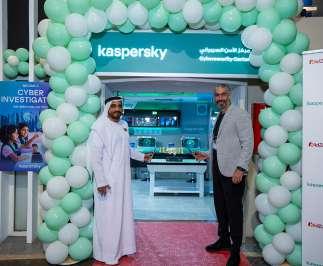
Kaspersky has recently detected phishing and business email compromise (BEC) attacks that are leveraging Amazon Simple Email Service (SES) – a cloud-based email service designed for businesses and developers to send and receive highvolume marketing, notification, and transactional emails (for instance, password resets).
Because these emails are sent via a trusted service, they originate from reputable IP addresses, frequently include legitimate “.amazonses.com” identifiers. This makes phishing messages nearly indistinguishable from legitimate correspondence at a technical level. Users should treat unexpected emails with extreme caution.
“We’ve seen attackers abuse

trusted platforms before – like in cases with Google Tasks and Google Forms - where scammers rely on built-in notification mechanisms to deliver phishing links from legitimate domains like @google.com, effectively bypassing email filters and exploiting user trust. However, the abuse of Amazon SES represents a more advanced stage of this trend: instead of merely leveraging a platform’s notification features, attackers compromise cloud credentials and gain direct control over a trusted emailsending infrastructure. This allows them to scale attacks, fully customise messages, and deliver phishing emails that are hard to distinguish from legitimate business communications”, commented Roman Dedenok, AntiSpam Expert at Kaspersky.

Apple and Intel have reportedly entered into a preliminary agreement for Intel to manufacture some of the chips which power Apple iPhones, iPads and other devices.
The Wall Street Journal (WSJ) reported the two companies engaged in intensive, behind-closed-doors talks for more than a year prior to an agreement being reached over the past few months.
For Apple, the deal with Intel could reduce its reliance on chips from TSMC. TSMC is Apple’s primary chip manufacturer, producing nearly all the
custom silicon found in iPhones, iPads, Macs, and Apple Watches.
Bloomberg reported last week Apple also held early-stage discussions with Samsung to use its chips. The news site noted Apple executives visited Samsung’s plant under development in Texas which will also make advanced chips.
Under the leadership of CEO Lip Bu Tan, Intel is trying to revitalise its chip manufacturing business and become a serious player in the booming foundry industry. Landing Apple would be a massive credibility boost for Intel.

Sony’s semiconductor arm recently agreed a preliminary strategic partnership with TSMC to develop and manufacture the next-generation of image sensors.
Additional elements of this agreement include jointly exploring physical AI applications in areas including automotive and robotics.
Sony Semiconductor Solutions stated it had signed a non-binding memorandum of understanding (MoU) with the Taiwan-based company, which could lead to the establishing of a joint venture (JV), of which Sony will be the majority and controlling shareholder.
Both companies are currently


discussing their respective potential investments in the JV, which are “being considered on the premise that they would be implemented in phases based on market demand”. There is also an expectation for additional support from the Japanese government.
Forming the JV is subject to reaching a definitive legally binding agreement and other customary closing conditions.

As the brand celebrates its 10th anniversary this year, AGON by AOC has been ranked as the No. 1 gaming monitor brand for seven consecutive years according to the 2025 IDC report. This milestone marks a decade of innovation and market dominance.
“Ten years ago, our mission was to equip every AGON by AOC user with a true competitive advantage—delivering monitors built for speed, precision, and visual clarity. Today, we’ve not only fulfilled it but also helped define new industry benchmarks”, said Carol Anne Dias, Sales Director, AOC and Philips Monitors (Middle East, Africa & India).
“Securing the position as the global display leader for seven consecutive years reflects our ‘Ten Years, One Sword’ philosophy—an unwavering commitment to refining our craft and striving for excellence at every step”.
Seven Years of global dominance: The power of consistency in excellence In a category defined by technological breakthroughs across the industry, AGON by AOC has leveraged decades of display expertise to win the global market through brand consistency in:
• Performance: Pioneering ultra-high refresh rates, industry-leading low latency, and rapid response times.
• Market Leadership: Maintaining a dominant No. 1 position in the competitive China market while quickly expanding across Europe and the Asia-Pacific region.
Covering Gamer’s Needs: Providing a product portfolio that serves everyone. from professional esports athletes, to hardcore and casual gamers.
New advertising solution enables brands across the GCC to drive measurable in-store visits through sponsored locations, immersive experiences, and social discovery.
Snap Inc. has unveiled Promoted Places, a new advertising solution designed to transform the Snap Map into a powerful platform for real-world discovery and measurable in-store engagement across the GCC.
The launch marks a major step in location-based digital advertising, enabling brands to feature sponsored locations directly within Snapchat’s Map experience, where users actively explore nearby destinations, stores, restaurants, and experiences.
With more than 400 million Snapchatters using the Snap Map every month globally, and GCC users opening Snapchat more than 45 times daily on average, Promoted Places is positioned to help brands capture consumers during high-intent discovery moments.
Unlike conventional navigation-based map platforms, Snap Map is designed around social discovery, allowing users to see where friends are, discover trending destinations, and engage with places that feel socially relevant and culturally meaningful.
The new advertising format allows retailers, restaurants, and businesses to highlight physical locations using sponsored pins enhanced with immersive features such as custom 3D animations, Snap Ads, branded Place Profiles, Stories integration, and augmented reality experiences.
According to Snap, advertisers will gain access to detailed performance insights, including Promoted Place Impressions, Place Opens, and aggregated Promoted Place Actions, enabling brands to measure customer intent and real-world engagement more effectively.
Hussein Freijeh, Vice President of MENA & APAC at Snap Inc.,
said

the platform reflects the evolving relationship between digital engagement and physical experiences in the region.
“Across the GCC, discovery is deeply social and often translates quickly into real-world action,” he said. “Promoted Places allows brands to show up at the moment intent forms, turning digital engagement on the Snap Map into measurable, in-store impact.”
The company revealed that several major brands have already adopted the platform in Saudi Arabia during Ramadan campaigns, including Almarai and Starbucks.

The launch also introduces a new Place Partnerships model, enabling brands without direct retail footprints to collaborate with partners operating more than 200 locations, significantly expanding access to the advertising ecosystem.
Businesses across the Middle East are increasingly seeking measurable ways to connect digital campaigns with offline customer action, and Promoted Places represents a significant evolution in how brands engage audiences through location-aware and socially driven experiences.
Almarai leveraged Promoted Places as part of its “Harat ALYOUM” Ramadan initiative, integrating custom augmented reality experiences and interactive 3D storytelling into Snap Map. Meanwhile, Starbucks activated more than 350 locations across Saudi Arabia using immersive visuals and map-based discovery tools to encourage users to visit nearby stores.


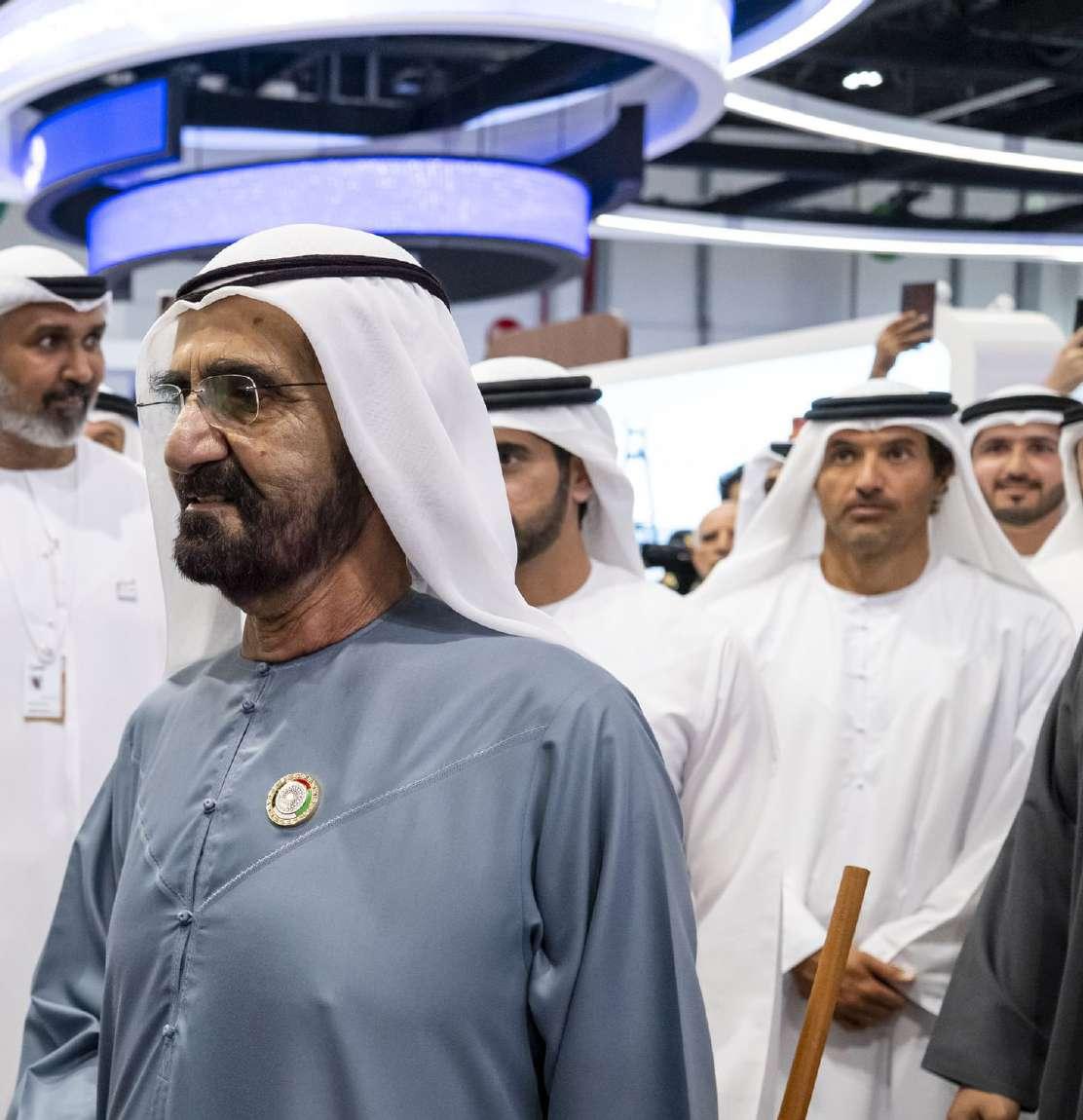
From AI-powered government services and intelligent trade platforms to autonomous factories, digital twins and sovereign industrial ecosystems, the UAE is laying the foundations for what could become one of the world's first AI-native economies. The fifth edition of Make it in the Emirates offered the clearest glimpse yet into how that future is being built.
For decades, economic success was measured by physical assets. The nations that dominated the twentieth century built ports, highways, airports, power grids and industrial zones. Economic strength was defined by infrastructure, production capacity and access to global markets. Today, a new form of infrastructure is emerging.
Artificial intelligence is rapidly becoming as fundamental to national competitiveness as electricity, telecommunications, and transportation once were. Nations are increasingly investing in AI capabilities not merely as technology projects but as strategic assets capable of reshaping industries, governments, and economies. Few countries have embraced this transformation with greater urgency than the United Arab Emirates. The
country's first growth chapter was built on hydrocarbons. The second centred on logistics, trade, and worldclass infrastructure. The third focused on finance, tourism, and global connectivity. The fourth chapter is now taking shape and It is being built around intelligence.
Recent government announcements accelerating the adoption of artificial intelligence and agentic AI capabilities across public services signal a profound shift in national strategy. AI is no longer viewed as a standalone technology initiative. It is becoming a foundational layer underpinning trade, industry, healthcare, education, logistics, energy, and government services.
The ambition extends far beyond digital transformation, and the UAE
is seeking to create an AInative economy.
Nowhere was this vision more visible than at Make it in the Emirates 2026, the largest edition of the country's flagship industrial platform since its launch. Hosted by the Ministry of Industry and Advanced Technology (MoIAT), the event attracted a record 1,245 exhibitors across 88,000 square metres of exhibition space, highlighting the growing convergence of advanced manufacturing, artificial intelligence, robotics, cybersecurity, industrial automation, and digital infrastructure.
Unlike previous industrial revolutions that focused on mechanisation, electrification, or automation, the next phase of economic transformation will be defined by intelligence embedded into every process, asset, and decision.

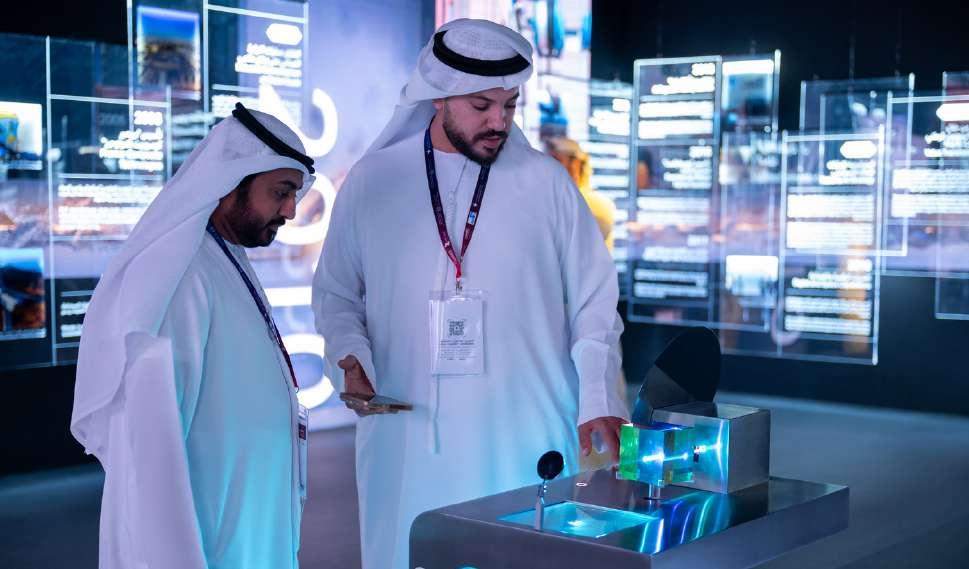
The implications extend well beyond factories as the emergence of AI-native enterprises is giving rise to the possibility of AI-native industries and, ultimately, AInative nations.
AI becomes national infrastructure
Historically, governments invested in infrastructure to enable economic growth. Roads connected cities. Ports connected markets. Telecommunications connected people. Data centres connected digital economies. Today, artificial intelligence is increasingly being viewed through the same lens.
The UAE's rapid progress suggests this shift is already underway. According to Microsoft's AI Diffusion Report Q1 2026, the UAE
leads the world in AI adoption with 70.1% penetration, underscoring how deeply artificial intelligence is becoming embedded across government, enterprise and industry. The finding provides perhaps the clearest evidence yet that AI is evolving from a technology initiative into a foundational layer of national competitiveness.
The UAE's efforts to build what officials describe as the world's first AI-powered trade ministry illustrate this evolution. Speaking during Make it in the Emirates, His Excellency Fahad Al Gergawi, Undersecretary at the Ministry of Foreign Trade, highlighted the government's partnership with G42 to create a platform that would transform trade operations through artificial intelligence.
The significance of such
initiatives extends beyond efficiency gains reflecting a broader recognition that AI will increasingly shape how governments formulate policy, process transactions, manage services and interact with citizens and businesses.
His Excellency Mohamed Hassan Alsuwaidi, UAE Minister of Investment, underscored the scale of the transformation by noting that AI is already attracting more investment than any industry in the nation's history.
"Data centres alone cost more than a port or an airport," he observed, highlighting how AI infrastructure is rapidly becoming a strategic national asset.
For technology leaders, the message is clear, that the future of economic competitiveness will not be
determined solely by access to AI tools. The factors that will shape the future will include access to AI infrastructure, sovereign compute capabilities, trusted data environments, and intelligent digital ecosystems.
Rise of industrial intelligence
The factories emerging across the UAE are increasingly different from those of previous generations. Industry 4.0 initially focused on connectivity and automation, where machines became connected, data became visible and processes became digitised, now followed by
the next phase ‘intelligence’.
At Make it in the Emirates, advanced technologies occupied centre stage. Robotics, industrial AI, autonomous systems, digital twins, cybersecurity platforms and intelligent manufacturing solutions demonstrated how industrial environments are becoming increasingly autonomous.
The launch of the Industrial Technology Transformation Index (ITTI) Use Case Guide 2.0 represents a significant milestone in this journey.
Developed by MoIAT in collaboration with EDGE Group, the guide outlines more than 30 practical
applications of advanced technologies designed to improve operational performance, strengthen resilience and accelerate industrial transformation. What makes the initiative particularly noteworthy is its emphasis on implementation rather than experimentation. Across industries worldwide, organisations continue to struggle with moving beyond pilot projects and proof-of-concepts.
The UAE's approach seeks to accelerate the transition from isolated AI initiatives to enterprise-wide deployment. This is where agentic AI begins to enter the

conversation. While generative AI has dominated headlines over the past three years, the next phase of transformation may be driven by intelligent systems capable of reasoning, acting and coordinating tasks autonomously.
In industrial environments, such systems could optimise supply chains, manage inventories, coordinate maintenance schedules, monitor quality assurance processes and continuously adapt production workflows without direct human intervention.
The concept of a selfoptimising factory is no


longer theoretical, but is becoming operational. ADNOC's experience provides an early indication of what is possible. Musabbeh Al Kaabi, CEO of ADNOC Upstream, revealed that AI has already helped reduce shutdown times by nearly 50 percent — a significant achievement in one of the world's most complex industrial environments.
One of the most important themes emerging from the UAE's industrial strategy is sovereignty. Historically, sovereignty was often discussed in terms of geography, resources or security, increasingly, it is being defined by technology.
The ability to develop, deploy and govern intelligent systems may prove as strategically important as controlling critical infrastructure. This explains why concepts such as sovereign AI, sovereign cloud,
sovereign data and sovereign industrial capability are becoming central pillars of national policy.
Recent industry initiatives reflect how these ambitions are moving from strategy to implementation. During Make it in the Emirates 2026, du unveiled a nextgeneration industrial AI platform powered by its National Hypercloud, enabling manufacturers to deploy AI models within a secure, sovereign environment. Featuring pre-built industrial AI capabilities for manufacturing efficiency, quality control, asset management and energy optimisation, the platform illustrates how the UAE is building the digital foundations required to support an AI-native industrial economy while maintaining control over data, governance and operational resilience.
The UAE's In-Country Value (ICV) programme provides
a clear example. Having redirected Dh 473 billion into the national economy, the initiative has become a powerful mechanism for strengthening local supply chains, building domestic capabilities and enhancing economic resilience. In a world characterised by geopolitical uncertainty, supply chain disruption and increasing technological competition, resilience is emerging as a strategic differentiator.
For technology leaders, resilience is no longer limited to cybersecurity or disaster recovery. It encompasses the ability to maintain operational continuity, secure critical data, access trusted AI capabilities and sustain production under rapidly changing conditions.
The organisations that thrive in the coming decade will likely be those capable of combining intelligence, security and resilience into a unified operating model.
Every industrial revolution requires capital, and the UAE's next chapter appears no different. At Make it in the Emirates, MoIAT announced Dh18 billion in financing commitments from Emirates Development Bank, Mashreq Bank and Dubai Islamic Bank to support industrial expansion, technology adoption and manufacturing growth.
Yet perhaps the most revealing insight came from Minister Alsuwaidi's observation that the future may increasingly be driven by what he termed Domestic Direct Investment, or DDI.n"It's not FDI anymore — it's DDI." The statement reflects a broader shift underway.
National champions such as ADNOC, Mubadala, IHC, ADIO and other strategic investors are increasingly becoming architects of the country's technology future.
The result is an ecosystem where government, industry and investment capital are increasingly aligned around a shared objective: building long-term economic resilience through technology.
Technology alone cannot create an AI-native economy as People remain the critical factor. Paradoxically, the rise of artificial intelligence has intensified the global skills challenge rather than reducing it.
His Excellency Dr Abdulla Al Shimmari described the skills gap as a global dilemma that has widened following the rapid adoption of AI technologies. The UAE's response is notable for its breadth.
Programmes such as the Future Industries Lab, Industrial Content Leaders initiative and a growing network of public-private

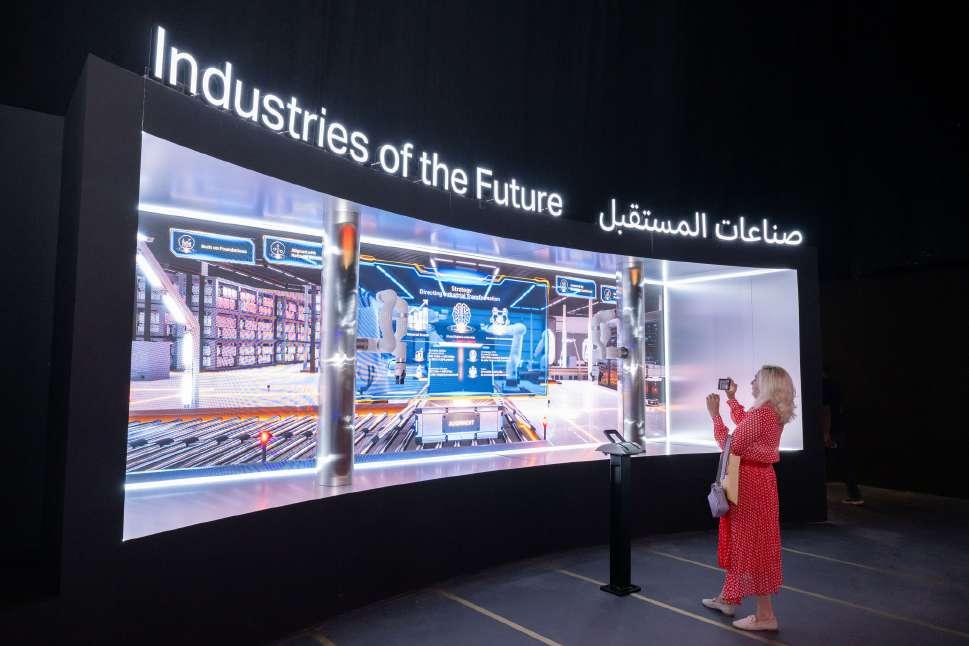
partnerships are designed not only to produce engineers and technologists but also communicators, innovators and entrepreneurs capable of shaping the future industrial landscape. The launch of a national programme to develop AI-powered industrial storytellers may appear unusual at first glance.
In reality, it reflects a sophisticated understanding of transformation. Building an AI-native nation requires more than technology adoption as it requires a national narrative.
The Intelligence Hub at Make it in the Emirates was designed around the concept of the human brain and the
symbolism was difficult to miss.
Artificial intelligence, advanced manufacturing, robotics, cybersecurity, logistics, finance, talent development and industrial policy are no longer separate conversations as they are becoming interconnected systems, forming the foundations of a new economic operating model.
Countries that lead the next decade may not be those with the largest factories, the most data centres or even the greatest volumes of data. Success will belong to nations capable of connecting intelligence, infrastructure, capital, talent and industry into a single, adaptive ecosystem.
Through a combination of industrial strategy, sovereign infrastructure, AI adoption, domestic investment and emerging agentic capabilities, the UAE is positioning itself to become one of the first countries to achieve precisely that. The story unfolding across the Emirates is therefore larger than industrial transformation.
It is the story of a nation attempting to reimagine how an economy functions in the age of intelligence. And if current momentum is any indication, the UAE's most valuable export in the years ahead may not be a product, a service or even technology itself. It may be a blueprint for what an AI-native nation looks like.

Sulaiman Al Ali, Chief Commercial Officer – Business at Space42, discusses how local satellite assembly and testing, AI-powered geospatial intelligence, and strategic partnerships are strengthening the UAE’s position in the global space ecosystem while delivering real-world impact across mobility, environmental monitoring, and national security.
The UAE is accelerating its ambitions to become a global leader in space technology, geospatial intelligence, and artificial intelligence, with investments focused on building sovereign capabilities across the entire value chain. From satellite assembly, integration and testing to AIpowered geospatial platforms, the country is moving beyond data consumption towards developing advanced technologies that support national security, infrastructure planning, environmental monitoring, and economic diversification.
Sulaiman Al Ali, Chief Commercial Officer –Business at Space42, discusses how the company is strengthening local engineering capabilities through strategic
partnerships, advancing the UAE’s position in the global space ecosystem, and harnessing the power of AI and geospatial intelligence to deliver real-world outcomes. Ali also shares insights into talent development, sovereign space infrastructure, and how integrated Earth observation and AI systems are helping organisations make faster, more informed decisions across critical sectors.
By developing sovereign SAR and AIT capabilities, the UAE is moving higher up the space value chain, from consuming space-based data to developing integrated solutions.
Interview Excerpts
How is Space42 strengthening in-country assembly, integration, and testing to move the UAE higher up the space and geospatial value chain?
Space42 is strengthening the UAE’s position within the industry ecosystem by moving from access to owned capability. In-country assembly, integration, and testing gives the UAE greater sovereignty over how advanced Earth observation systems are developed and ultimately scaled.
Partnerships play a central role in this process. Through our work with ICEYE, we have advanced the Foresight SAR constellation while building the technical depth required
to localise critical parts of the value chain. It involved a deliberate knowledge-transfer model, whereby our teams worked closely with ICEYE gaining hands-on exposure to the standards, disciplines, and technical requirements needed to work with advanced SAR satellites. The skill sets developed directly supported operations within Space42's AIT facility in Abu Dhabi. The successful integration and testing of Foresight-3, Foresight-4, and Foresight-5 in Abu Dhabi reflects that transition from partnershipenabled learning to operational capability inside the UAE.
Earth Observation is becoming increasingly important for national security and resilience, infrastructure planning, environmental monitoring, and emergency response. By developing sovereign SAR and AIT capabilities, the UAE is moving higher up the space value chain, from consuming space-based data to developing integrated solutions that support national priorities and create long-term economic value.
How does GIQ's development on Microsoft Azure elevate the UAE's global AI and space standing, and what real-world impacts do AI and geospatial intelligence have on mobility, environment, and security?
The availability of GIQ, Space42’s AI-powered geospatial intelligence
platform on Microsoft Azure Marketplace, expands both our global footprint and the reach of the UAE’s space industry.
Data exists in abundance; satellites, High Altitude Platform Systems (HAPS), aerial surveys, and ground sensors continue to produce more geospatial information than most organisations can process. The challenge is turning that information into actionable intelligence.
GIQ brings together input from multiple sources, including the Foresight SAR constellation’s highresolution, all-weather Earth Observation data, HAPS’ persistent near-space sensing, and third-party insights. This is synthesised by AI models that identify patterns and changes, to create decision-grade output. Through Microsoft Azure, customers can access these capabilities globally, train models to manage their own data, and maintain governance over what remains in their environment.
The practical applications are broad. In mobility, GIQ can support high-definition mapping, route planning, digital twins, and the data foundations needed for smarter transport systems. In environmental monitoring, it can help track floods, climate risks, land-use change, and
natural disasters. In national security, it can support faster situational awareness across borders, maritime activity, and critical infrastructure.
What role do strategic partnerships, including collaboration with the UAE Space Agency, play in building local engineering capabilities and talent pipelines?
Strategic partnerships localise global expertise and in turn build exportable spacebased capabilities. In our field, progress depends on live programs, hands-on engineering, and sustained exposure to advanced systems.
A clear example is our collaboration with the UAE Space Agency, through which GIQ was originally developed as a platform to integrate and analyse data from different national sources. What began as a UAE-focused effort has since evolved into a global AI-powered platform that supports decision-making across sectors.
Our partnership with the Abu Dhabi Investment Office (ADIO) gave rise to the Space Systems AIT facility, and paved the way for local talent development. Through assembly, integration, and testing, we have been able to strengthen engineering judgment, allowing on-
Our engineers have calibrated payloads and run technical qualification on Foresight missions from Abu Dhabi, with each program growing the team’s cumulative skill set.


ground teams to act on their own data quickly and effectively. Our engineers have calibrated payloads and run technical qualification on Foresight missions from Abu Dhabi, with each program growing the team’s cumulative skill set.
Can you share realworld use cases where integrated geospatial and AI systems have improved visibility, coordination, and decision-making outcomes?
During the UAE floods in 2024, Space42 used satellite-based Earth observation and AI-powered analytics to support near real-time visibility of affected areas, despite challenging weather conditions. This helped turn complex geospatial data into a clearer operational picture at a time when speed and coordination were critical. That visibility allowed response efforts to be prioritised more effectively. Authorities could better understand where the impact
was most severe, deploy resources with greater precision, and coordinate agencies through stronger situational awareness.
The value of this approach extends beyond emergency response. Across use cases, our integrated geospatial and AI systems have shown measurable impact, including reducing predictive maintenance costs by up to 30%, improving emergency response times by up to 90%, and reducing operational inefficiencies by up to 25%.

Armela Farms is leveraging automation, AI-driven climate control, robotics, and hydroponic technologies to strengthen food security, optimise water usage, and build a more resilient agricultural ecosystem aligned with the UAE’s industrial and sustainability ambitions.
Armela Farms is leveraging automation, AI-driven climate control, robotics, and hydroponic technologies to strengthen food security, optimise water usage, and build a more resilient agricultural ecosystem aligned with the UAE’s industrial and sustainability ambitions.
Food production across the UAE is undergoing a technological transformation as advanced agricultural systems begin redefining how farms operate, scale, and respond to growing sustainability and foodsecurity demands. From AI-powered climate control and robotics to precision irrigation and hydroponic cultivation, technologyled farming models are enabling higher productivity, improved crop consistency, and greater resilience against supply-chain disruptions.
The UAE’s broader industrial and selfsufficiency ambitions under initiatives such as
Make it in the Emirates are creating strong momentum for companies like Armela Farms, which are demonstrating how controlled-environment agriculture can reduce reliance on imports while optimising scarce resources such as water and land.
Avir Shah, Founder, CEO & Chairman of Armela Farms, at Make it in the Emirates, shared insights on the growing role of automation, intelligent farming systems, and sustainable production models shaping the future of agriculture and long-term food security across the region.
Our precision fertigation and closed-loop irrigation system allow us to recycle 100% of irrigation water, reducing waste while protecting crop performance.
How is automation changing the way farms operate in the UAE, particularly in terms of efficiency and consistency?
Automation is transforming agriculture in the UAE by making production more efficient, predictable, and scalable. At Armela Farms, our hydroponic facilities combine advanced climate control, sensor networks, robotic growing systems, precision fertigation, and data-driven operational management. These technologies allow us to control key parameters such as temperature, humidity, CO2, light, and nutrient delivery with a high level of accuracy. Our robotic growing system has enabled us to achieve more than 200% higher annual production per square metre compared with conventional benchmark systems, while maintaining consistency in both volume and quality. This level of automation
reduces variability, improves resource efficiency, and ensures reliable, year-round production.
How do your controlled environment and automated systems impact crop quality and yield?
Our controlled environment and automated systems have a direct impact on both crop quality and yield. Because the crop is grown inside a fully managed environment, every input can be monitored and adjusted according to plant needs. Advanced
climate control, supported by AI-driven Intelligent Algorithms and our own historical climate data, allows us to maintain stable growing conditions throughout the year, even when external weather conditions fluctuate. This gives us consistent production volumes, uniform product quality, improved shelf life, and a more reliable supply for customers. Our precision fertigation and closed-loop irrigation system allow us to recycle 100% of irrigation water, reducing waste while protecting crop performance.

How does Armela Farms align with the goals of Make it in the Emirates, particularly around innovation and local production?
Armela Farms aligns strongly with the goals of Make it in the Emirates because we represent a new model of local, technology-enabled food production. We are not only farming; we are engineering food production through controlled environment agriculture, automation, data analytics, and advanced growing systems. This creates a high-tech local production platform that supports national self-sufficiency, reduces reliance on imports, and contributes to the diversification of the UAE’s industrial base. Our model also reflects sustainable industrial innovation, including efficient water use, year-round production, and the recycling of plant residues so that organic crop waste is converted into value rather than sent to landfill.
How does local, techenabled production help strengthen food supply chains in the UAE?
Local, technology-enabled production strengthens the UAE’s food supply chain by reducing dependence on long international logistics routes and creating a more resilient local source of fresh produce. With real-time monitoring, predictive data, and climatecontrol systems supported by Intelligent Algorithms and historical performance

data, we can plan production with greater accuracy and respond faster to market needs. Physical proximity to customers also means fresher products, shorter delivery times, and lower exposure to disruptions caused by global shipping delays, geopolitical events, or extreme climate conditions elsewhere. Local high-tech farming gives the UAE more control over availability, quality, and continuity of supply.
How does your farming model allow you to respond to supply or demand disruptions?
Our farming model gives us a strong ability to respond to both supply and demand disruptions. Because our production is controlled, modular, and data-driven, we can adjust
planting schedules, harvest planning, and crop cycles more quickly than traditional open-field farming. The use of automation, advanced climate control, and historical climate and production data helps us forecast output and maintain stable production across the year. This flexibility allows us to respond to sudden changes in demand, reduce the effect of external supply shortages, and support the market with consistent availability and quality.
What role will advanced agricultural technologies play in the UAE’s longterm food security goals?
Advanced agricultural technologies will play a central role in the UAE’s long-term food security strategy. In an arid region
with limited freshwater and challenging climate conditions, the future of agriculture depends on precision, efficiency, and resilience. Technologies such as robotics, AI, machine learning, IoT, advanced climate control, water recycling, and data-driven crop management will allow the UAE to produce more food locally using fewer resources. For Armela Farms, this means combining high productivity per square metre with 100% irrigationwater recycling, year-round consistency, and responsible handling of plant residues. These technologies will not only increase local production capacity but also position the UAE as a regional and global leader in sustainable agriculture for hot-climate environments.

Brice Evin , Group CFO at FLAG, discusses how collaborative infrastructure models, anchor tenants and shared financing are reshaping the future of global subsea connectivity.
Global subsea connectivity is entering a new phase, shaped by AI-driven data demand, geopolitical shifts and the growing need for resilient, diversified digital infrastructure. Traditional single-operator ownership models are steadily giving way to partnership-led ecosystems where operators, hyperscalers, OTTs and regional carriers collaborate to build scalable and capitalefficient routes. Rising compliance requirements, increasing capital intensity and the need for route diversity are pushing the industry toward more flexible infrastructure strategies across key corridors connecting the Middle East, Asia and Europe. Shared financing frameworks, consortium-led investments and anchor tenant participation are also playing a central role in accelerating deployment while reducing commercial risk.
Brice Evin, Group CFO at FLAG, explains how the subsea cable market is evolving, why partnershipdriven network models are becoming strategically important, and how FLAG’s Vision 2030 strategy aims to strengthen resiliency through diversified terrestrial and subsea connectivity routes.
How is FLAG seeing the subsea cable market evolve as operators move away from fully owned, asset heavy infrastructure models?
We’re seeing a decisive shift away from the traditional, fully owned single operator model. Rising geopolitical tensions and a reassessment of ownership strategies, particularly among hyperscalers are making asset heavy approaches less attractive. Instead, the market is gravitating toward flexible, multi partner networks that combine operators’ own
assets with terrestrial and subsea routes sourced from partners. This collaborative approach is becoming essential for entering complex markets, building truly end to end routes, and operating effectively across increasingly fragmented regulatory environments.
Why do partnership led network models make more strategic and financial sense today than traditional single operator route ownership?
Partnership led models deliver a level of adaptability that fully owned routes simply can’t achieve. By integrating their infrastructure with partners’ subsea and terrestrial systems, operators gain the ability to scale capacity, diversify routing, and respond more effectively to market and regulatory change. Commercially, these models accelerate access to

new markets and reduce the financial burden on any single operator. In an environment where compliance pressures are rising, shared investment offers a more sustainable and capital efficient path to global expansion.
How important are anchor tenants such as hyperscalers, OTTs, and international carriers in de risking investment on new and emerging subsea routes?
Anchor tenants are becoming fundamental to how new subsea routes are funded and delivered. Early commitments from hyperscalers, OTTs, or international carriers help validate long term demand and provide the assurance investors need to commit capital. This is particularly true on higher risk corridors across the Middle East and Asia, where investor confidence hinges on clear, early demand signals. Anchor tenants help de risk large scale builds and enable routes that might otherwise
face significant challenges in securing financing.
Do you believe the industry has done enough to communicate the strategic value of partnerships in improving resilience, reach, and customer agility?
Not yet. Partnerships have always been at the heart of global connectivity, but many remain largely invisible despite underpinning route diversity, regional reach, and rapid scalability. The industry needs to articulate this value more clearly - particularly how collaboration builds deepen regional access, strengthen resilience against geopolitical volatility, and support faster customer response. Greater transparency will help customers and investors distinguish which operators are best positioned to scale. As part of FLAG’s Vision 2030 strategy, the investments we are making from India to Europe will, by 2027, give customers multiple route options for
enhanced resiliency and protection, using a mix of both terrestrial and subsea infrastructure. This capability is made possible through our collaboration with a strong network of regional connectivity partners.
What financing structures do you believe will best support the next phase of scale in subsea connectivity?
The next wave of subsea expansion will rely on more flexible financing structures, from co investment models to anchor supported frameworks. As capital intensity increases, these approaches will be essential to spreading risk and accelerating deployment. More dynamic structures, including consortium based investments and flexible commitments, will allow operators to manage exposure while still securing access to strategic routes. Ultimately, those who embrace shared financing and collaborative ownership models will be best positioned to lead the next decade of global connectivity.






SunTec Business Solutions outlines how the UAE’s 4-Corner eInvoicing model is set to streamline compliance, reduce operational inefficiencies, and support cross-border digital trade.
The UAE’s move toward a structured eInvoicing ecosystem marks a significant step in the nation’s broader digital transformation agenda. Built around the 4-Corner model and aligned with international interoperability standards such as OpenPeppol, the framework is expected to modernise how businesses exchange invoice data, manage compliance, and conduct cross-border transactions. Organisations are now preparing for the July 1, 2026 pilot phase, which will require stronger alignment between finance, tax, and technology functions.
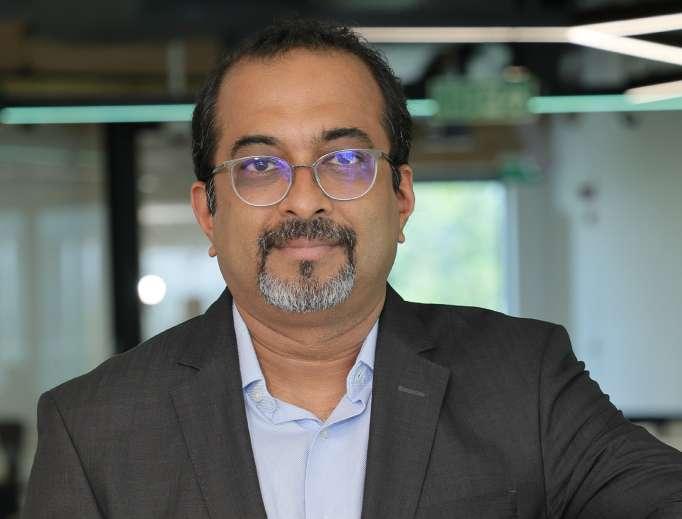
Sudheer Padiyar, Regional Head, EMEA and Global Head – Ecosystem, SunTec Business Solutions, discusses the operational and strategic implications of the UAE’s eInvoicing mandate, the role of Accredited Service Providers (ASPs), and how businesses can use the transition to improve efficiency, visibility, and financial agility.
How will the UAE’s eInvoicing 4-Corner model change the way businesses manage invoicing and transactions?
The UAE’s adoption of a 4-Corner e-invoicing model marks a structural shift, from document exchange to a standardised, networkdriven transaction ecosystem. Instead of PDFs moving directly between buyers and suppliers, invoices will be transmitted via Accredited Service Providers (ASPs), which validate, standardise, and securely route data in real time. Compliance, in effect, becomes embedded within the transaction itself rather than applied retrospectively.
This transition has tangible operational implications. Global benchmarks from markets such as Italy and Mexico suggest that structured e-invoicing can reduce invoice processing times by 50–70% and significantly cut error rates. For UAE businesses, it signals a move away from fragmented, manual workflows toward automation and reliability. More importantly, it elevates invoicing from a backoffice function to a strategic data layer, improving cash flow visibility, streamlining reconciliation, and enabling more informed financial decision-making.
What should organisations start doing now to prepare for the July 1, 2026 pilot phase?
Preparation begins with visibility. Organisations need a clear map of their invoicing landscape—where data originates, how it moves across systems, and in what formats. This is the moment to assess gaps against UAE requirements, particularly around data standardisation, interoperability, and integration readiness. For many, that will involve evaluating ERP capabilities, identifying manual dependencies, and establishing clear ownership across finance, tax, and IT.
In parallel, early engagement with ASPs and technology partners is critical. The July 2026 pilot is not merely a compliance checkpoint; it is a systems test. Businesses that invest in early pilots, internal testing, and process alignment will be better positioned to avoid disruption. The more strategic approach is to treat this transition not as a regulatory burden, but as an opportunity to rationalise invoicing operations and build a scalable, future-ready
transaction framework.
How is SunTec supporting Mashreq through this transition?
SunTec is supporting Mashreq’s e-invoicing journey by combining regulatory depth with a bank-led implementation model. Building on an established VAT compliance partnership, this engagement extends naturally into e-invoicing through a non-disruptive, over-the-top architecture that integrates with existing enterprise systems, allowing adoption without costly core transformation. Beyond enabling compliant connectivity as an Accredited Service Provider, the focus is on facilitating a broader shift toward a networked invoicing ecosystem. By embedding real-time validation, standardised data exchange, and interoperability, the solution simplifies compliance
while positioning businesses to unlock incremental value— from improved reconciliation and liquidity visibility to the potential for embedded financial services within invoicing workflows. In this sense, e-invoicing becomes not just an obligation, but an enabler of financial innovation.
How can eInvoicing help reduce errors, delays, fraud and processing costs?
e-Invoicing addresses inefficiencies at their source by replacing manual, document-driven processes with structured, machinereadable data exchanged directly between systems. Built-in validation ensures that errors such as missing fields, incorrect formats, and mismatches are detected at the point of submission rather than downstream, reducing rework and accelerating approvals.
The impact is measurable. Studies by the European Commission estimate that e-invoicing can reduce processing costs by up to 60–80% compared to paperbased methods. At the same time, standardised and traceable data flows strengthen controls, limiting opportunities for fraud such as duplication or invoice tampering. The result is a more predictable transaction cycle, lower operational cost, and greater control for finance teams over both receivables and payables.
How will the new framework support smoother cross-border transactions with global partners?
The UAE’s framework is designed with interoperability at its core, aligning with global standards such as OpenPeppol. This allows businesses to exchange structured invoices seamlessly across borders without the need for multiple country-specific integrations, which was a longstanding friction point in international trade.
For businesses operating globally, this creates a more connected ecosystem where invoices move with greater consistency and reliability. Standardisation improves data quality, reduces reconciliation friction, and shortens transaction cycles. In effect, cross-border invoicing becomes more efficient, transparent, and predictable, supporting the UAE’s broader ambition to position itself as a hub for digitally enabled global trade.
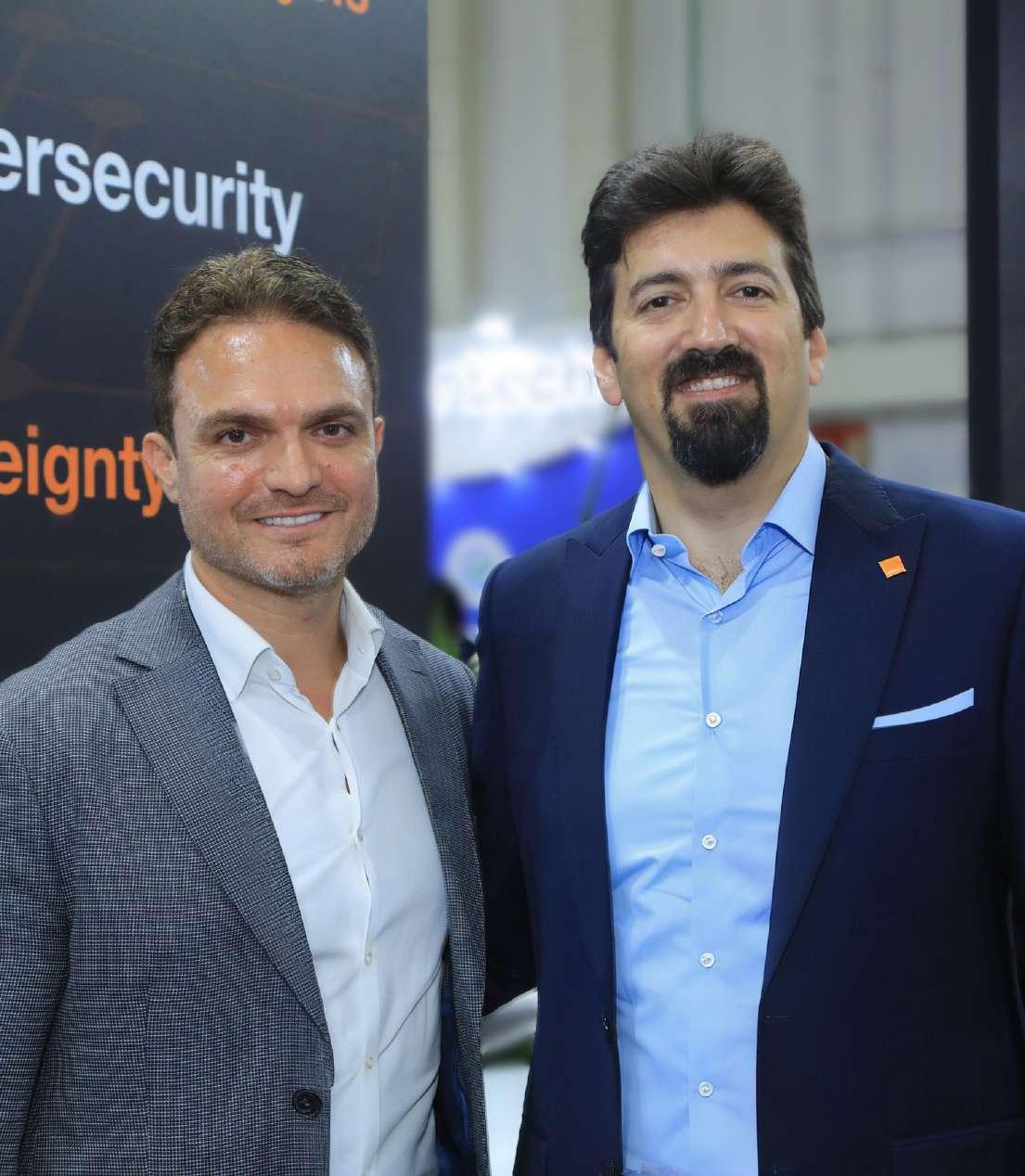

Orange Business executives discuss resilience, secure connectiv ity, data sovereignty, and the UAE’s rise as a digital-first nation in this joint interview.
Rising geopolitical uncertainty, distributed IT environments and accelerating AI adoption are forcing enterprises across the Middle East to rethink how they approach resilience, security and operational continuity. Organisations are moving beyond traditional disaster recovery models and focusing on integrated digital infrastructure that combines cloud, networking, cybersecurity and data governance into a unified operational framework.
Sahem Azzam and Anas Naim share insights in a joint interview as to how enterprises are adapting to an increasingly complex digital landscape. The
discussion explores the growing importance of hybrid cloud, SASE, secure connectivity, resilience planning, data sovereignty and AI-driven transformation, while also examining the UAE’s emergence as a global digital-first economy.
Interview Excerpts:
How do you see the UAE evolving as a digital-first nation, and what role will this growth play in shaping the country’s future economic and technological leadership?
Sahem Azzam: The UAE has established itself as a leader in digital transformation through strong investments
in advanced infrastructure across both the public and private sectors. The country benefits from a highly skilled global and Emirati talent pool, a collaborative business ecosystem with regional headquarters of major organisations, and a forward-looking approach to emerging technologies such as AI, blockchain and smart government services. Collectively, these strengths position the UAE as a global role model for digital innovation and future-ready economic growth.
Anas Naim: The UAE’s digital-first vision is being driven through multiple initiatives across government and industry, and one of the key
challenges organisations face is managing the complexity of adopting emerging technologies such as generative and agentic AI. Orange Business is helping simplify this transformation journey by providing advanced digital platforms and integrated solutions tailored to the region’s evolving needs.
The company’s nextgeneration generative AI platform, Live Intelligence, enables organisations to develop and deploy their own agentic AI capabilities while ensuring strong governance and operational flexibility. Orange Business also supports both cloudbased and on-premises deployments to address varying security, compliance and data sovereignty requirements. Orange Business is focused on helping government entities and enterprises reduce complexity, accelerate innovation and implement secure, scalable digital infrastructure aligned with the UAE’s long-term digital transformation agenda.
How are enterprises across IMEA and Inner Asia redefining resilience to stay operational amid prolonged geopolitical, economic and digital disruptions?
Sahem Azzam: Organisations across the region are rethinking resilience and high availability strategies amid growing geopolitical and operational uncertainty. Enterprises are increasingly
adopting hybrid cloud models to enhance agility, scalability and business continuity, while evolving regulations are enabling more flexibility around data sovereignty and cross-border capabilities. Businesses are also shifting from reactive recovery models to more proactive and predictive resilience strategies to ensure uninterrupted operations in a dynamic environment.
What role do secure, agile data strategies play in helping organisations balance business continuity, innovation and regulatory expectations?
Sahem Azzam: Organisations have evolved from rigid, siloed security architectures to integrated security frameworks embedded across every layer of the IT environment — from the edge and network to infrastructure and applications. This integrated approach is enabling enterprises to scale operations more confidently during periods of disruption or cyberattacks, supported by a secure and resilient core infrastructure. Evolving regulatory frameworks are giving organisations greater confidence to innovate while remaining compliant with
security and data protection requirements.
How are next-generation network, cloud and cybersecurity architectures shaping the future of resilient and connected enterprises in the region?
Sahem Azzam: In today’s rapidly evolving environment, organisations require the flexibility to scale operations up or down seamlessly while maintaining security and operational continuity. This is driving demand for integrated platforms that combine networking, cloud and cybersecurity capabilities into a unified architecture. The Evolution Platform is designed to address these needs by delivering secure, flexible and scalable digital infrastructure. As networks increasingly become a critical business utility, enterprises are prioritising secure data movement and processing across highly protected cloud environments. Platformbased architectures also provide customers with the flexibility to integrate additional services and capabilities as their operational and business requirements evolve.
Anas Naim: Enterprises
Orange Business is focused on helping government entities and enterprises reduce complexity, accelerate innovation and implement secure, scalable digital infrastructure.
are becoming increasingly distributed across public clouds, private clouds and SaaS environments, making network connectivity a critical component of business operations. Organisations must ensure that end users receive a seamless and secure experience when accessing applications and data, regardless of where workloads are hosted.
This shift is placing greater emphasis on network performance, cybersecurity and operational agility. To address these evolving requirements, Orange Business offers the Evolution Platform, an ondemand secure connectivity platform that integrates networking, cloud and cybersecurity capabilities into a unified solution, enabling organisations to operate securely and efficiently across complex digital environments.
How are businesses in the Middle East and Turkey adapting their resilience strategies to respond faster to ongoing market and operational uncertainty?
Anas Naim: Many organisations are adopting cloud-first strategies to improve agility, scalability and workload flexibility. At the same time, SASE frameworks are helping enterprises integrate networking and cybersecurity to protect users, applications and data across increasingly
Evolving regulatory frameworks are giving organisations greater confidence to innovate while remaining compliant with security and data protection requirements.
distributed environments. Businesses are also embedding resilience into disaster recovery and business continuity strategies, ensuring continuity becomes a core part of long-term digital transformation and operational planning.
What data priorities are emerging as regional enterprises look to improve security, agility and decision-making at scale?
Anas Naim: Data remains a critical strategic asset, but organisations are increasingly recognising the importance of establishing strong data governance frameworks from the outset to ensure the right users can securely access the right data at the right time.
Resilience strategies also require data to be distributed across multiple locations, creating additional complexities around regulatory compliance and data sovereignty. Enterprises must balance operational continuity with the need to comply with varying regional data protection laws, particularly when data is stored or replicated across different countries.
How can innovative digital infrastructure help organisations build more secure, connected and future-ready enterprise environments?
Anas Naim: Building the right digital infrastructure has become essential for organisations seeking greater agility, scalability and operational resilience. Modern enterprise infrastructure must seamlessly integrate network, cloud and security capabilities to support rapidly evolving business requirements.
Orange Business is addressing these needs through its Evolution Platform, a next-generation on-demand secure connectivity platform designed to simplify network provisioning across distributed environments.
Combined with Cloud Avenue, our next generation cloud platform, and connectivity to major hyperscalers including Amazon Web Services, Microsoft and Google, Orange Business enables organisations to build flexible, secure and resilient infrastructure tailored to their operational and business requirements.
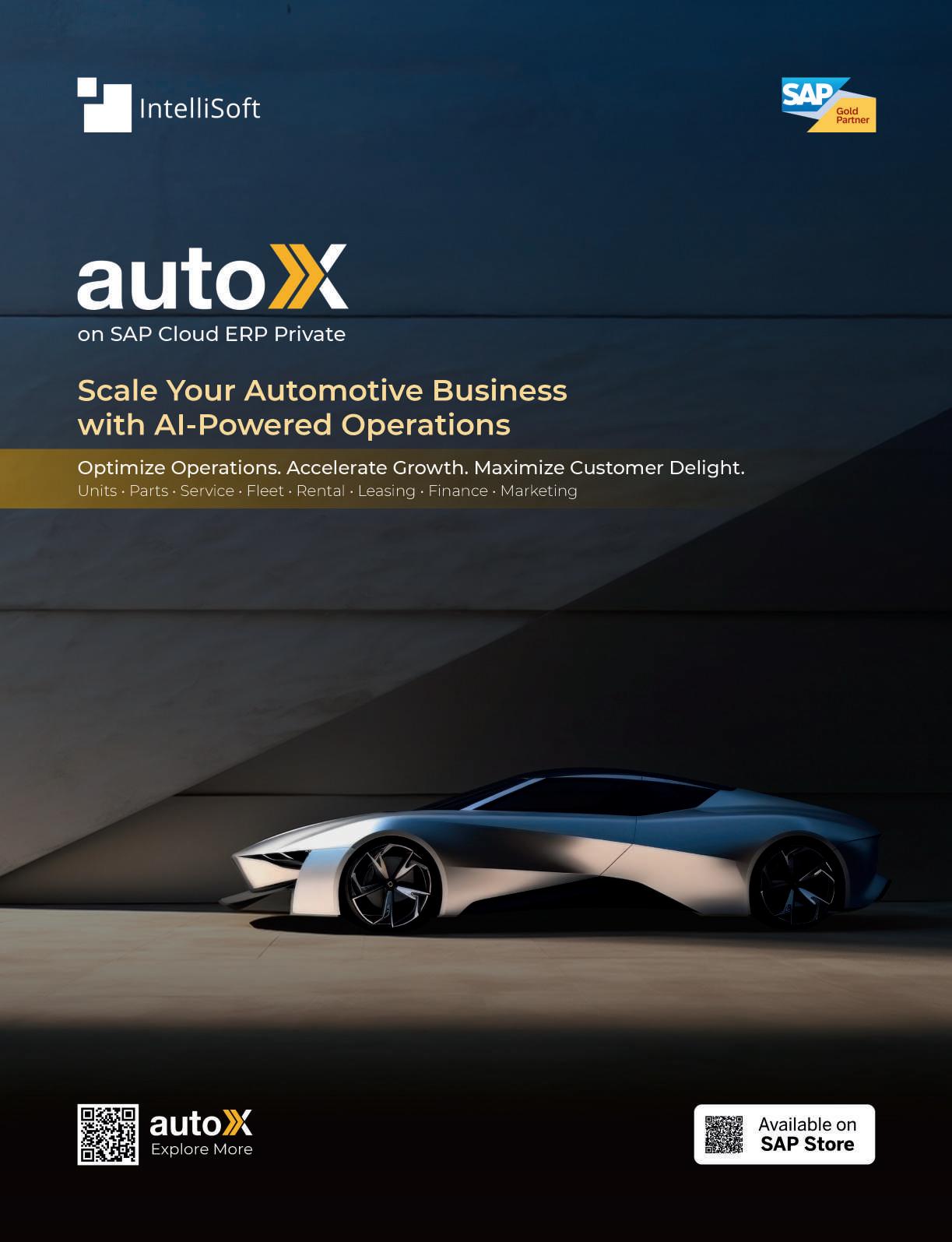
Dealerships are struggling to keep pace with disruption in automotive industry, AI, electrification, mobility services, and evolving customer expectations.
Shashank Pincha, CTIO, IntelliSoft, explains how autoX is helping automotive businesses unify operations, enhance customer engagement, optimize operations, and boost revenue.
The automotive sector is at a pivotal moment, where AI, digital transformation, electrification, and evolving mobility models are reshaping how vehicles are sold, serviced, financed, and managed. Dealerships and OEMs are under increasing pressure to modernise legacy systems, unlock the value of data, improve operational efficiency, and deliver seamless customer experiences across multiple channels.
IntelliSoft’s autoX, a next-generation automotive business platform built on SAP Cloud ERP, designed to connect every aspect of the automotive value chain within a single intelligent ecosystem. From sales and aftersales to leasing, rental, used vehicles, marketplace,
procurement, finance, human capital and customer engagement, the platform aims to help automotive businesses accelerate digital transformation while improving visibility, agility, and profitability.
Shashank Pincha, CTIO at IntelliSoft, shares his perspectives on the industry’s biggest challenges, the growing role of AI and analytics, the rise of mobilitybased business models, and how autoX is enabling automotive organisations to build future-ready operations.
What are the key operational and business challenges automotive OEMs and dealers are facing as the industry transitions toward AIdriven digital platforms?
Automotive OEMs & Dealers are facing a major operational shift because customer expectations, buying patterns, electrification, softwaredefined vehicles, new mobility models, geopolitical uncertainty, Supply chain disruptions and the entire automotive ecosystem are changing simultaneously.
The disruption is no longer only about assembly and selling cars – it is about transforming operations into a digitally connected, customer-centric business model. Many dealerships still operate on outdated GUIbased systems with poor user experience, rigid processes, and limited flexibility to adapt to evolving business requirements. Data extraction and standardisation also remain a challenge, limiting the ability for Analytics and leverage of AI and automation effectively.
Inadequate controls in a DMS environment lead to revenue leakage across dealership operations. Some of the common leakage areas are – No approval workflow for discounts, Sales advisors overriding pricing manually, Unauthorised promotional pricing, Manual invoice edits after approval and Lack of role-based access controls. Other major challenges are lack of embedded real-time analytics and actionable insights, disconnected multiple applications. Further many dealers remain heavily dependent on OEMs or vendors for application improvements

Shashank Pincha, CTIO, IntelliSoft.
and enhancements thereby limiting their ability to adapt with current business requirements.
autoX is positioned as more than a traditional DMS. How does it enable a connected ecosystem across sales, service, leasing, and partner networks?
autoX is designed as a complete automotive business platform built on fully integrated SAP Cloud ERP Private, rather than just a traditional DMS. The platform includes a builtin integration suite that enables seamless connectivity with OEM systems, third-party applications, payment gateways, mobility platforms, and other external ecosystems. autoX combines modern SAP Fiori-based user experience with embedded analytics, allowing users to access real-time operational insights and make faster business decisions.”
Unlike conventional DMS platforms, autoX provides an integrated ERP-driven ecosystem covering Customer Relationship Management, sales force automation, procurement, aftersales, used vehicle management, leasing, in-house finance, rental, fleet management and financials- eliminating the need for multiple standalone applications. It also incorporates AI-enabled mobility for employees and customers, commerce capabilities including B2B vendor portal, B2B parts portal, B2C website
integration for vehicle sales, pre-owned digital marketplace, AI voice agents, and conversational AI experiences.
Used vehicle business remains a challenge for many dealerships. How can autoX help improve visibility, efficiency, and revenue recovery in the pre-owned vehicle segment?
The used vehicle market has become highly competitive, especially with the growth of independent digital marketplaces across the GCC. Many dealerships have lost market share because traditional DMS platforms were not designed for modern digital used-car operations. autoX supports the complete pre-owned vehicle lifecycle including trade-ins, procurement, refurbishment, inventory management, pricing, and sales. Beyond traditional dealership processes, autoX enables dealers to launch their own digital marketplace where individual vehicle owners, traders, and used car dealers can list vehicles and transact digitally. The platform supports multiple transaction models including self-sales, assisted sales, and dealership purchases, while integrating directly with SAP, payment gateways, CRM, and analytics.
This helps dealerships regain lost revenue, improve inventory visibility, reduce vehicle aging, and deliver a modern digital buying experience.
Traditional DMS platforms often lack seamless vendor collaboration capabilities. How does autoX streamline and automate procurement and supplier management processes?
Traditional DMS platforms often rely on manual procurement and supplier communication processes. autoX addresses this through an integrated B2B vendor portal that allows dealerships to digitally publish RFQs and enables suppliers to submit quotations and responses online. The platform supports end-to-end procurement workflows, including approvals, purchase orders, goods receipt, invoicing, and payment integration within SAP Cloud ERP Private. For parts operations, autoX also supports forecast-based procurement, back-toback ordering, supersession management, and vendor catalogue integration. By digitising supplier collaboration and integrating procurement with finance, inventory, and operations, autoX improves transparency, reduces manual effort, and
autoX combines modern SAP Fiori-based user experience with embedded analytics, allowing users to access real-time operational insights and make faster business decisions.
streamlines procurement processes.
How important is data standardisation and integration across OEMs, dealers, and third-party platforms, and how does autoX address this requirement?
Data standardisation and integration are critical in the automotive industry because dealerships constantly exchange information with OEMs, suppliers, logistics providers, financial institutions, and thirdparty platforms. Without standardised integrations, dealerships face operational inefficiencies, inconsistent reporting, and poor customer experiences. autoX addresses this through prebuilt twoway integration capabilities powered by SAP Integration Suite. The platform supports seamless data exchange for vehicles, parts, pricing, procurement, inventory, warranty, sales, and financial transactions between OEMs and dealers. Because autoX operates on a unified ERPbased architecture, it also standardises data across sales, service, leasing, finance, procurement, and CRM, creating a single source of truth for the organisation.
Many automotive dealers now operate with FMCGlike sales models for certain product lines. How does autoX support such fast-moving, highvolume sales processes, particularly through sales force automation?
By digitising supplier collaboration and integrating procurement with finance, inventory, and operations, autoX improves transparency, reduces manual effort, and streamlines procurement processes.
Many automotive businesses today operate FMCG-like sales models for products such as lubricants, tires, batteries, accessories, and spare parts, requiring high-volume field sales and mobility-driven operations. autoX supports this through integrated Sales Force Automation capabilities. Sales teams can plan daily, weekly, or monthly customer routes using geo-coordinates for route optimisation. Using mobile applications, sales personnel can capture visit notes, images, videos, followup tasks and create quotations or sales orders directly from the field. The platform also provides analytics to monitor visits, sales performance, route adherence, customer coverage, and productivity. All field activities are connected with real-time inventory, pricing, CRM, and finance in real time, enabling faster execution and better operational visibility.
Can you share a recent implementation where autoX delivered measurable improvements in operational or business
outcomes for a dealer or distributor?
A recent example is the implementation for Towell Auto Group in Oman representing brands such as Mazda, Geely, Lynk & Co, JAC Motors, and Higer. The project involved SAP S/4HANA with autoX covering finance, procurement, warehouse management, sales, service, and operational processes within a unified digital platform. The implementation helped digitalise end-toend operations, improve process efficiency, enhance operational visibility, and provide better customer engagement through integrated workflows and real-time analytics. It also enabled stronger process standardisation and provided a scalable foundation for future growth and innovation. IntelliSoft recently signed strategic digital transformation engagements with major automotive groups such as Teyseer Motors in Qatar and Mohsin Haider Darwish in Oman, further validating the growing adoption of autoX across the region.
With leasing and subscription-based models gaining momentum, how are dealerships evolving their business models, and how does autoX support this transition?
Customer expectations are shifting toward flexible mobility models, especially among younger consumers
who increasingly prefer leasing and subscription services over traditional ownership. Dealerships are therefore evolving from pure vehicle sales businesses into broader mobility service providers. autoX supports this transition through a fully integrated, IFRS 16-compliant leasing and subscription management solution within SAP Cloud ERP Private. The platform supports the complete leasing lifecycle including quotations, contracts, billing, renewals, fleet management, maintenance integration, and financial accounting along with post-dated cheque management in a single system. Apart from Leasing, autoX also provided end-toend solution for In-house finance.
Rental operations are often underserved by traditional DMS platforms, leading to reliance on third-party systems and integration complexity. How does autoX address rental and fleet management requirements within a unified platform?
Traditionally, rental and fleet operations have relied on standalone applications that create integration complexity and fragmented operations. autoX offers a fully integrated end-to-end rental and fleet management solution within SAP Cloud ERP Private, eliminating the need for separate rental systems. The platform supports vehicle availability, reservations,
contracts, billing, maintenance, fleet utilisation, driver management, and vehicle returns within a single platform. Because rental operations are integrated with finance, procurement, workshop management, CRM, and inventory, businesses gain complete operational and financial visibility across the fleet lifecycle. This unified approach improves efficiency, reduces integration overhead, and enables better fleet utilisation and customer experience.
What are the challenges you face during customer engagements and how they can be mitigated?
One of the most common challenges during digital transformation initiatives is resistance to change from users who are accustomed to existing DMS platforms and established ways of working. Employees may have concerns about adapting to new technologies, learning new processes, or the impact of automation on their roles. Modern digital platforms eliminate process gaps, manual overrides, and operational inefficiencies that may have existed within legacy environments. While
this improves governance, compliance, and profitability for the organization, it can sometimes create resistance from users who are comfortable with existing practices. Addressing this requires strong leadership sponsorship, transparent communication, and helping employees understand how digital transformation creates long-term value for both the business and its workforce.
What are the future roadmap priorities and expansion plans for autoX?
One of the key priorities for autoX is geographical expansion into new automotive markets globally. The roadmap also focuses on strengthening AI capabilities, mobility, analytics, commerce, and connected vehicles within the platform. Another major focus area is extending automotive best practices into vehicle and equipment assembly and manufacturing operations to support OEMs running SAP environments. This includes enhancing capabilities around production planning, manufacturing / assembly, supply chain integration, procurement, and connected after-sales operations.
The long-term vision is to position autoX as a comprehensive automotive digital platform connecting OEMs, distributors, dealers, suppliers, mobility providers, and customers within one intelligent SAP-powered ecosystem.
Give to gain. Powering women in tech Gala Dinner Event


In alignment with International Women’s Day 2026, TahawulTech.com, organised by CPI, invites you to the Women in Technology Forum & Awards 2026 — a flagship platform dedicated to advancing leadership, inclusion, and impact across the technology ecosystem.
The forum brings together CEOs, technology decision-makers, innovators, policymakers, and trailblazers to explore how organisations that actively invest in women — through mentorship, leadership pathways, skills development, and visibility — gain stronger innovation, resilience, and long-term growth.
Whether you are a technology leader, changemaker, or organisation committed to shaping a more inclusive digital future, this forum offers a powerful space to contribute, connect, and lead.
We look forward to welcoming you to Dubai this April as we come together to Give to Gain.

For more information about the event and nomination details, please visit the event website below :https://www.tahawultech.com/women-in-tech/2026/ Dubai 2026 6:00 PM onwards
Datadobi

Matthias Nijs, VP EMEA and APJ Sales, Datadobi.
The UAE’s ambition to transition towards an AInative government within the next two years marks one of the most decisive public sector technology shifts globally. It signals a move beyond experimentation, towards embedding AI into the day-to-day delivery of government services at scale.
But while the vision is clear, the success of this transformation will depend less on the AI models themselves, and more on the quality, accessibility, and governance of the data that underpins them.
Today, between 80 and 90 percent of enterprise and public sector data is unstructured. This includes documents, emails, video, audio files, and vast archives of historical records sitting across legacy systems. In government environments, this data is often spread across ministries, departments, and hybrid cloud infrastructures, built up over decades.
Much of it remains unclassified, duplicated, or simply invisible.
This presents a fundamental challenge.
AI as good as the data feeding it AI systems are only as effective as the data they are trained on. Without trusted, well-governed data, even the most advanced AI initiatives risk producing incomplete, biased, or unreliable outcomes. Industry estimates suggest that more than half of enterprise data is never analysed or used,
despite continued investment in storing it. For governments, this represents a significant untapped resource, but also a growing liability if left unmanaged.
In practical terms, this lack of visibility of the data could impact everything from citizen services to national infrastructure planning. For example, an AI system designed to improve healthcare delivery relies on access to accurate patient records, diagnostic data, and historical case information. If that data is fragmented or poorly managed, the insights generated will be limited. Similarly, in areas such as urban planning or transport, incomplete datasets can lead to inefficiencies rather than optimisation.
For governments, the issue is not a lack of data, but a lack of control over it. Unstructured data environments are inherently complex. They often span multiple storage platforms, jurisdictions and compliance frameworks. Without a clear understanding of what data exists, where it resides, and how it should be governed, organisations increase their exposure to regulatory risk, security vulnerabilities, and unnecessary cost.
This is why the focus must shift from simply storing data to actively managing it.
Managing unstructured data always begins with having visibility; creating a comprehensive view of
unstructured data across the organisation. From there, data needs to be enriched with meaningful metadata, allowing it to be classified, searched, and understood. Policy-driven automation can then be applied to move, protect, archive, or delete data as required, ensuring it remains secure, compliant, and relevant.
Only once these foundations are in place can data be confidently used to support AI-driven applications. Equally important is maintaining flexibility. In complex government environments, vendor-neutral approaches are critical to avoid lock-in and enable data to move freely across systems, clouds, and jurisdictions, while maintaining full control and auditability.
When these foundations are in place, unstructured data can move from being a liability to a strategic asset. Governments can feed trusted, relevant data into AI systems, improving decision-making, accelerating service delivery, and enabling more responsive, citizencentric outcomes.
The UAE is taking a bold and forward-looking step by prioritising AI at a national level and focusing on real-world implementation, it is setting a global benchmark. With the right data foundations in place, this initiative has the potential to position the UAE at the forefront of applied AI, demonstrating how governments can turn complex data environments into meaningful, real-world impact for society.
Simon Howwels, GM at GCG Enterprise Solutions, discusses how a business’ internal operations must already be well organised to guarantee success using Enterprise Research Planning (ERP) and artificial intelligence within the current digital transformation era.
The most costly realisation in digital transformation is often the one that comes too late: technology alone cannot fix an organisation operating on outdated workflows.
Across the UAE, organisations are investing in ERP platforms, AI pilots, cloud migrations, and digital operations, yet many find that approvals still move through email chains, documents remain fragmented across systems, and compliance continues to depend on manual intervention.
This is the defining challenge of the current transformation era, and it is one GCG Enterprise Solutions encounters consistently across the government, banking, healthcare, education, and real estate sectors it serves.
The UAE has set a clear direction. The UAE Digital Government Strategy 2025 and the UAE Artificial Intelligence Strategy 2031 are inspirational frameworks with operational expectations.
For public sector entities, the mandate is clear: faster services, stronger governance, and measurable efficiency gains. For private enterprises, the pressure is equally real, improve customer experience, increase agility, and demonstrate ROI on technology investment.
Yet the gap between ambition and execution remains wide. Many organisations are still navigating legacy systems, fragmented information, and process bottlenecks that slow decisions and increase risk. Some have already invested heavily in transformation programmes without seeing the returns that were promised.
The reason, in most cases, is sequencing. ERP systems deliver value when processes are standardised and governed. AI performs when data is accurate and generated through efficient workflows. Digital platforms succeed when the internal operations behind them are seamless. Without these foundations,
organisations don’t digitise their business, they digitise their inefficiency.
This is why business process automation and Enterprise Information Management have moved from back-office concerns to leadership priorities. Before selecting a platform or pursuing an AI use case, organisations need to answer more fundamental questions: How does work actually move across departments today? Where do approvals stall? Where is data duplicated?
Which manual processes create the most friction, cost, or compliance exposure?
With over two decades of experience supporting organisations across the UAE, Oman, and Saudi Arabia, GCG Enterprise Solutions has built its reputation on answering exactly these questions. From landmark managed print services contracts with federal government entities, to digital transformation projects spanning records management, intelligent capture, and systems

integration, GCG’s approach has always been to establish the right operational foundations before layering in technology. That combination of regional expertise, sector depth, and longterm partnership is what distinguishes sustainable
transformation from expensive experimentation.
The next phase of competitiveness in the UAE will not be defined solely by who adopts AI fastest or deploys the largest systems. It will be defined by who builds organisations capable of using them well, with the
processes, governance, and infrastructure to match the ambition.
For leadership teams, the question is no longer whether to transform. It is whether the foundations beneath that transformation are strong enough to carry what comes next.
Behavioural AI is redefining consumer apps by shifting focus from passive engagement to meaningful action, enabling platforms to deliver real-world outcomes through smarter, intent-driven experiences.
Consumer apps have never been easier to use. With AI improving navigation, personalisation, and responsiveness, platforms now offer a far more seamless experience, helping users move through tasks, content, and decisions with little visible effort. But convenience alone is not the same as value. Recent research found that the average adult now spends 88 days a year on their phone, highlighting both the scale of digital dependence and the urgency of building products that deliver something more meaningful than another scroll session.
Concurrently, expectations have changed. McKinsey has reported that 71% of consumers expect personalised interactions, while KPMG’s UAE research shows that integrity has now overtaken personalisation as the strongest driver of customer experience. People still want services that understand them, but they also want trust and clarity that technology is
working in their interest.
This is the backdrop for the rise of behavioural AI in consumer apps. The next phase of app design will be judged by its ability to predict what a user may click next, and more by how well it turns intent into action with less friction.
The problem with designing for activity, not action
For years, most consumer platforms have optimised for clicks, scroll depth, watch time, and repeat visits, those metrics are useful, but incomplete. The metrics show that a user remained active, not whether the user made progress.
A person may spend 20 minutes in a fitness app and still not complete a workout. A user may open a finance
Behavioural AI is valuable because it looks beyond isolated clicks and interprets patterns in context.
platform several times and still delay a decision. Someone on a social app may swipe through dozens of profiles and leave with no meaningful connection, no meeting arranged, and no clearer sense of what they are actually looking for. In each case, the platform can still record engagement, even while the user experiences indecision, overload, or disappointment. That is why the intentionaction gap has become such an important issue in consumer technology. Most people do not fail to act because they lack interest. They fail because friction builds up. Too many options, poor timing, and repetitive interfaces make followthrough harder than it should be. Traditional engagement design often worsens that problem because it rewards prolonged activity instead of successful resolution.
How behavioural AI changes the model
Behavioural AI is valuable
because it looks beyond isolated clicks and interprets patterns in context. It can identify hesitation, momentum, preference shifts, and likely drop-off points. More importantly, it can respond to those signals in ways that make decisions easier and outcomes more achievable.
That changes the app’s role. Instead of acting primarily as a feed, a storefront, or a passive interface, it starts to function more like an active guide. It can narrow choices when users are overwhelmed, surface the next best action when intent is clear, and adapt when behaviour suggests a mismatch. This can mean recommending fewer but better options, improving prompts, changing timing, refining compatibility logic, or reducing unnecessary steps between interest and action.
The commercial relevance of this shift is growing. SAP reported that 82% of UAE marketers say AI is central to their personalisation efforts, yet only 31% of consumers believe brands actually personalise content to their needs. Data and automation alone are not enough. Relevance depends on using insight in ways that feel useful, proportionate, and credible to the user.
Behavioural AI becomes especially powerful in categories tied to everyday behaviour and human relationships. In social discovery, for example, the

challenge has never been a lack of available profiles. It has been helping people move from superficial activity to meaningful connection.
That is where a social platform like MAXION sits within a more important conversation about the future of consumer apps. Success should not be measured only by how many profiles a person sees or how long they stay active on the app. It should be measured by whether the app improves the quality of interactions and increases the likelihood of real-world meetings.
Behavioural AI can support that by learning from interaction patterns. It can identify where conversations stall, what kinds of introductions lead to better follow-through, how timing affects responsiveness, and which recommendation patterns create genuine
Christiana Maxion, Founder and CEO, MAXION
alignment rather than shortlived engagement. That creates the possibility of designing around success signals that matter outside the app.
This is also highly relevant in the UAE, where AI adoption is already part of everyday life. KPMG reported that 97% of UAE respondents use AI for work, study, or personal purposes. That level of familiarity creates a more sophisticated user base.
The broader point is that consumer AI is becoming more outcome-oriented. Whether the category is education, wellness, finance, or social connection, the products that stand out will be those that reduce noise, respect user intent, and drive real-world progress. The next generation of successful apps will be defined by how effectively they help people do something worthwhile with them.
AVEVA
The technology to tackle climate change is here and in mainstream use. The next step is cultural: moving from operational silos to radical collaboration across the value chain, says Rob McGreevy, Chief Product Officer, AVEVA.
For most of us, checking our phones each morning is a necessary habit: we want to know if we’ll need suncream or a raincoat later in the day. The apps giving us that information rely on a global system of interlinked devices. From ocean buoys to balloon radiosondes and orbital satellites, they track factors such as pressure, humidity, wind patterns and solar radiation around the clock. These global observing systems support local control loops in real time, all feeding into the World Weather Watch – the backbone of modern forecasting. The system works because 193 countries standardise and share remote measurements, so each of us knows whether to anticipate windstorms or if we’ll be able to move our lunch meeting outdoors.
Modern industries now rely on a similar system of intelligence. Just as standardised weather feeds turn global observation into local action, industrial data is now giving us the crucial information we need to drive sustainable growth –
improving margins while cutting greenhouse gas emissions.
Until recently, industrial data from each process and facility would be collected and held on site – meaning that analysis and insights were only accessible to local teams. Now, however, detergent manufacturers and renewable energy producers alike can synchronise their production lines across geographical boundaries and time zones. This means their workers –anywhere – can make quick, informed decisions that drive appreciable business gains.
Supporting those decisions is a set of cutting-edge technologies. Industrial internet of things (IIoT) devices such as equipment sensors and asset trackers, all gather and feed industrial metrics into artificial intelligence (AI) analytics models in the cloud. The results are streamed to teams in near-real time, displayed alongside critical control
system information, uniting teams around a golden data thread that serves as a single source of truth for human experts who interpret and act on this unified visualised data. We call this ability to interpret and act: industrial intelligence. Just as travellers in two different cities rely on the same weather forecast, such end-to-end value chain visibility enables scattered teams to act in concert to tackle the biggest problems facing the world. When everyone across a business ecosystem has access to the same data, they can act to improve margins, lower emissions and respond more quickly to market challenges. Perhaps the preeminent of those challenges is the fluctuating impact of climate change – and businesses’ ability to slash emissions towards meeting net-zero targets and limit global warming to 1.5°C. Europe, for example, is on track to meet a 55% cut in emissions by 2030, but recently highlighted the role of flexibility and innovation in getting to 90% reductions

Rob McGreevy, Chief Product Officer, AVEVA
over the following decade. Yet, most factories lack the data frameworks to measure their progress towards netzero. That’s why digitalising industrial processes is so important. Industrial intelligence doesn’t just give businesses a comprehensive view of carbon emissions across the value chain, but existing digital technologies can also enable industries to cut emissions by up to 20%, according to Accenture and the World Economic Forum.
End-to-end lifecycle oversight enables us to take proactive steps to accelerate the energy transition and push out the frontiers of innovation. Industrial intelligence enables us to rise to the challenge of climate change.
Companies such as Henkel, the German consumer goods major behind brands such as Persil and Surf, are showing how. By mapping innumerable variables such as weather factors, equipment efficiency, production throughput and set-point deviations across a digital backbone, industrial teams gain a cohesive, realtime view of production lines: how energy needs change from one moment to the next, or how output differs from batch to batch. Scaled up and analysed across its global network, this shopfloor-to-top floor perspective has helped Henkel cut energy intensity 16% over a single year, and repeated the saving for six years in a row, with annual savings of 8 million euros.
The size of the task ahead requires a collaborative effort to achieve global climate targets and deliver a cleaner, greener planet for us and for future generations. Never have we had such a clear picture of how we’re damaging the planet – or a better chance to fix it by working together.
The International Energy Agency sees digitalisation as an enabler of energy decarbonisation, a view that the World Economic Forum and other international organisations share. Not only do digital technologies cut costs and improve efficiency across the sector, but they help integrate renewable energy sources and improve grid reliability – key drivers of the energy transition.
UK-based Highview Power is a leading example. The cleantech scaleup has designed its entire business model around the green energy transition. It is designing and scaling an entire new green industry from scratch, storing renewable energy as liquid air, feeding it back to the grid when needed. Sharing industrial intelligence across with suppliers and partners enables Highview to match power supply to demand and bypass intermittency issues around renewables –potentially reducing the use of fossil fuels.
Of course, there will be adoption challenges along the way to achieving netzero. For industries to tackle climate change at scale, they must three things must line up: reliable, standardised data flows (the ‘plumbing’ of
industrial intelligence), rapid, rules-based decision pathways (the control logic), and crossentity trust and governance that enables operators, vendors and grid managers across the value ecosystem to act on the same information.
Only with the kind of institutional collaboration that made modern forecasting possible can we truly secure our own future.
The basis of this hyperconnected industrial ecosystem rests on IIoT, AI and the scale offered by the cloud. Combined, they offer us a shortcut to delivering the biggest transformation of our time. But without transparent intelligence and joint action from industries, governments and technology firms, sustainable outcomes will remain the exception.
Weather forecasting, for example, relies on decades of coordinated observation and common standards among scientists, observatories and nations. If industry treats its operational feeds with the same discipline, by bringing together standard formats, trusted exchange and rules for action, then industrial intelligence can tackle climate change not by prediction alone but by turning shared data into shared success.
Scaling those gains with common methodologies and ecosystem-wide approaches, and anchoring them in cultural change management, is how we convert progress into a lasting transformation toward a cleaner, net-zero future.
AI is becoming standard in daily operations and PCs are now more than computing devices, considered as content generation toolkits.
In the past decade, hardware upgrade on PCs mainly focused on speed and output: faster processors, discrete GPUs and longer battery life. The collective power of all these components all comes down to how fast it can perform tasks and how many it can do at the same time. As AI becomes standard in daily operations, PCs are now more than computing devices but are considered as content generation toolkits.
The global AI PC market is expected to scale to US$260.43 billion by 2030. This strong growth is possible as more organisations utilise AI. A 2025 survey showed that one-third of employees have already implemented some form of AI into their workflows.
Traditional PCs respond to commands while AI PCs are made for collaboration. More than just having better specifications, these
computers are made with dedicated Neural Processing Units (NPUs) designed to accelerate AI tasks for processing complex data efficiently. Generative AI, for example, used cloud servers to complete tasks, but with NPUs now built into PCs, local on-device processing is possible without being connected online.
As 75% of workers use generative AI in daily tasks and 88% of students utilise generative AI for learning, AI PCs are now a necessity. Moreover, AI isn’t just new software; it’s embedded in existing tools and applications that aid users in completing their workflows faster. This can include writing, designing,
Traditional PCs respond to commands while AI PCs are made for collaboration.
video editing and music production.
OpenAI says that nearly three in four workers report that using AI at work has improved either the speed or quality of their output. Instead of starting from a blank page, AI tools can help users generate ideas in seconds, where users can refine them using their own expertise. In this context, the PC now becomes a space for experimentation and not just execution.
With AI, PCs have become more personalised as they learn from user behavior: adapting UI, prioritising tasks and even suggesting steps on what should be done next. Most of these tools are embedded into the tools used every day, so users don’t even notice that they’re AI. This includes design suggestions when creating a presentation, or tools that pop up automatically when writing an
email or a document, offering a quicker way to streamline workflows.
The adaptive capability of AI means there is less friction when doing creative work, where the bulk of the process is usually taken up by repetitive tasks. Last year, 59% of employees reported that AI helps them complete work faster, and that percentage is expected to go higher this year.
A big shift in AI is its ability to run locally on computers.
As discussed earlier, previous AI tools relied on the cloud to complete tasks, often using servers that can handle the workload. With new PCs having AI-ready hardware, content creation can be done instantly and offline. This addresses the growing concerns around data security, especially when uploading sensitive or confidential data.
Generative content will grow even bigger this year, where we will see AIgenerated material accounting for the majority of online content. In fact, 74% of webpages already contain some form of AI-generated text or image. AI PCs can manage some of the risks that come with automatically generated AI content, ensuring that it’s created responsibly and has stronger safeguards.
While the entire AI conversation usually revolves
Tolga Özdil, Regional Commercial Director, Middle East, Turkey & Africa (META), ASUS.

around the benefits for organisations, AI PCs can bring innovation directly to individuals. This means that everyone can gain access to advanced capabilities that were initially offered only to big organisations or through expensive cloud-based services.
In the Middle East, 82% of employees say that AI has improved how they work. The increase in productivity isn’t just related to speed, but also to better decisionmaking. This positions the PC as a central hub where
creativity thrives, ideas materialise, and ultimately, things get done.
PCs will no longer be defined by specifications alone, but by how well it can support creativity and adapt workflows. AI tools are not meant to replace human thinking but to amplify it. As AI becomes a standard feature on PCs, we’re seeing it become personal innovation hubs that help people’s ideas to materialise from inspiration to impact.
Saudi Arabia’s AI ambitions under Vision 2030 will be shaped by long-term trust, sovereign capability and strategic partnerships that convert innovation into national competitive advantage.
Saudi Arabia’s artificial intelligence ambitions are no longer future-facing promises. They are becoming operational realities, shaping how the Kingdom governs, innovates, competes, and grows. Across Riyadh and beyond, AI discussions have evolved rapidly from experimentation to execution. Government organisations are redesigning public services around intelligent systems. Energy companies are integrating AI to improve operational efficiency and predictive maintenance. Financial institutions are accelerating automation and real-time analytics for better customer service. Healthcare organisations are investing in AI-driven diagnostics and patient care for improved health solutions. Universities and research centers are building ecosystems focused on advanced data science and emerging technologies for
research and learning.
Saudi Arabia’s AI journey is not a standalone technology initiative, but a national transformation strategy deeply connected to economic diversification, competitiveness, and global leadership under Saudi Vision 2030.
The Kingdom’s momentum is already reflected in global indicators. According to the Saudi Data and AI Authority (SDAIA), Saudi Arabia ranked first globally in the Government Strategy Index for AI within the 2024 Global AI Index. The Kingdom has also made major investments in sovereign cloud infrastructure, national data platforms, and AI talent development programs aimed at strengthening long-term digital capability.
Research from PwC estimates that AI will be a major driver of Saudi’s economic diversification,
contributing more than $130 billion to Saudi Arabia’s economy by 2030 - representing one of the largest AI-driven growth opportunities in the Middle East.
The country is moving faster than most nations in translating AI strategy into action: launching sovereign cloud platforms, standing up national data authorities, and cultivating homegrown talent at scale. Despite all these ambitions, investment, and initiatives, the Kingdom’s AI leadership will not be determined by technology alone.
It will be determined by trust.
Trust and partnership over platforms As AI adoption grows at scale, it is becoming increasingly clear that successful transformation depends more on choosing the right partners

than the right platform. This clarity is redefining how enterprises and government approach AI initiatives across the Kingdom.
Organisations today are no longer simply purchasing software solutions. They are making strategic decisions involving data governance, cybersecurity resilience, operational continuity, regulatory compliance, and national sovereignty. This is particularly important in Saudi Arabia, where digital sovereignty has become a core strategic priority.
As AI systems become integrated into critical sectors such as finance, healthcare, energy, transportation, and public services, organisations must ensure that their data, operations, and digital ecosystems remain secure, resilient, and aligned with national priorities.
This requires a fundamentally different type of partnership. Saudi organisations need partners who can support complex transformation journeys for a long-term, capable of combining technical expertise with local requirements, regulatory awareness, operational accountability, and long-term ecosystem investment.
Therefore, the conversation among business leaders is changing from “Who has the most advanced AI platform?” to “Who can help us build sustainable AI capability responsibly and securely at scale?”
This distinction matters
because many AI initiatives fail because of fragmented execution, weak governance, unrealistic deployment models, or the absence of trusted operational support. Transactional relationships or collaborations will be a big hindrance to the country’s AI ambitions.
Commitment is the differentiator
Long-term commitment and partnerships are becoming critical differentiators in the market. As global interest in the Kingdom continues to grow, Saudi organisations are becoming increasingly selective about the companies and institutions they choose to work with. Market presence alone is no longer enough. What matters is demonstrated commitment to the Kingdom’s long-term development agenda. That commitment is measured through tangible actions such as:
• Investment in local talent
• Knowledge transfer
• Local ecosystem development
• Regulatory alignment
• Sustained operational presence inside Saudi Arabia. Organisations that earn long-term trust are often present during operational challenges, evolving compliance requirements, integration complexities, and periods of strategic change, as genuine partnerships are ultimately tested during complexity.
Right collaboration is the advantage
Saudi Arabia’s AI era will likely be defined not only by infrastructure investment, but also by collaborative ecosystems built around trust, resilience, and shared accountability.
This model is already taking shape through initiatives connected to SDAIA, NEOM, and King Abdullah University of Science and Technology, where government entities, academia, global technology firms, startups, and industry leaders are increasingly collaborating to accelerate responsible innovation.
The countries that lead the global AI economy over the next decade will not necessarily be those spending the most on technology. They will be the ones capable of building trusted ecosystems where innovation, governance, security, and national priorities evolve together.
Saudi Arabia appears determined to build exactly that model.
NTT DATA has spent decades engineering data centre capabilities that meet the demands of Vision 2030: AI infrastructure that performs at sovereign scale, secured to national security standards. Our vision is to continue being a strategic partner of the Saudi Government and build alongside the digital backbone that will power this transformative decade.
In the long run, trusted partnerships may become the Kingdom’s most important competitive advantage in the global AI era.
Cloudera
Cloudera, explores the steps Saudi Arabia’s digital leaders should take to ensure the country advances towards its next stage of digital maturity.
Over the last few years, the full weight of enterprise innovation has been focused on boosting AI initiatives, ranging from generative tools and Large Language Models (LLMs) to autonomous agents taking over critical workflows.
Leaders in the Kingdom are highly optimistic about their technological trajectories. Almost all (95%) of IT executives in the region report feeling extremely or very confident in their enterprise data, according to our recent data readiness survey. This optimism transcends organisations, with 94% confirming senior leadership understands and prioritises the necessary infrastructure to scale these intelligent systems.
On the surface, this paints a picture of a market perfectly primed for digital transformation. However, beneath this polished layer of executive confidence lies a deeply fragmented reality.
Shattering the visibility myth
Many organisations are falling victim to an AI readiness illusion where widespread adoption outpaces the actual foundational maturity required to deliver real business impact.
This pretense shatters when we examine how effectively teams can access and utilize their information. While 82% of Saudi enterprises plan to increase their cloud spend to support new workloads, visibility remains a severe roadblock. Less than half of the surveyed leaders have access to all their organisational data. Even more concerning is that only 32% claim complete visibility into where that information resides.
Visibility is fundamental to obtaining competitive insights. Our survey found that fragmented data silos continue to isolate valuable knowledge, with 62% of regional respondents citing
data access restrictions as a primary barrier to effective collaboration. This foundational inability to connect the dots starves intelligent models of the comprehensive information they need to generate accurate predictions.
The governance and workflow divide The confidence gap widens significantly when addressing governance and daily workflows. Intelligent algorithms demand a massive amount of information governed by strict enterprise standards. Yet despite the overwhelming confidence in data accuracy, only 32% of leaders in the Kingdom say their information is fully governed. This shortfall translates directly into operational failures. A notable 29% of regional IT leaders cite weak integration into daily workflows as the primary barrier to success, while 50%

of leaders identified data literacy and training as the biggest barrier to using data effectively.
When leaders operate under a false sense of security, they focus heavily on acquiring complex algorithms while ignoring the fundamental work of structural integration.
Bridging this divide requires organisations to bring their computing power directly to the data, wherever it lives. Saudi Arabia’s next digital leaders will be defined by the strength of the foundations they build today. As data sovereignty, governance, and operational resilience rise to the top of the enterprise agenda, organisations must bring computing power closer to the data and adopt unified infrastructure strategies that ensure consistent control across cloud and on-premise environments.
The Kingdom’s strong appetite for transformation reflects a market rapidly advancing toward its next phase of digital maturity. Organisations that invest in scalable, sovereignready infrastructure and in developing the right skills and talent will be best positioned to unlock the full value of AI and shape the future of intelligent business in the region.
The Q1 2026 findings place the UAE at 70.1%, a global first at the top of the AI adoption index for the third consecutive time, with growth continuing at nearly four times the worldwide average.
The United Arab Emirates’ continued progress in AI adoption reflects sustained, long-term investment in digital infrastructure, skills, governance, and national innovation frameworks. New findings from Microsoft’s AI Diffusion Report for Q1 2026 indicate that AI usage has become increasingly embedded in how people across the country work, learn, create, and build businesses, supported by foundations designed for resilience, operational continuity, and responsible growth. AI adoption in the UAE has risen steadily, increasing from 59.4% to 64% and now reaching 70.1% in the latest findings.
The report, published by the Microsoft AI Economy Institute using aggregated and anonymised telemetry across more than 100 markets, places AI adoption in the UAE at 70.1% of the working-age population, making it the first economy globally to cross the 70% threshold. The UAE has retained the number one position on Microsoft’s National AI Leaderboard
for the third consecutive reporting cycle, ahead of Singapore at 63.4% and Norway at 48.6%.
The findings underscore the scale of the UAE’s digital transformation ambitions and reflect a rate of uptake that continues to significantly outpace the global average, which currently stands at 17.8%. Microsoft’s report also notes that 26 economies worldwide now exceed 30% AI usage among their workingage population, signalling that AI diffusion is accelerating globally, though unevenly across regions.
The data reflects usage during the first quarter of 2026, a period during which the UAE’s adoption rate expanded by 6.1 percentage points from the second
half of 2025, marking one of the strongest growth trajectories among digitally mature economies. The report attributes such momentum to durable digital ecosystems, strong internet penetration, advanced infrastructure readiness, and growing AI integration into day-to-day workflows across enterprises, education, government, and software development.
Amr Kamel, General Manager, Microsoft UAE, said: “Growth at this scale reflects deliberate, longterm investment in the right foundations, even through more challenging periods. This milestone belongs to the UAE, to its government, its institutions, its businesses, and the people who have made AI part of how they
The priority now is what comes next: enabling organisations to operate with confidence, sustain continuity, and build forward responsibly. Microsoft’s role is to support that journey as a long-term partner to the UAE.”
work and learn. The priority now is what comes next: enabling organisations to operate with confidence, sustain continuity, and build forward responsibly.
Microsoft’s role is to support that journey as a long-term partner to the UAE.”
Microsoft has operated in the UAE for more than three decades, supporting public and private sector organisations through successive cycles of digital transformation. Its infrastructure in the country, including two cloud regions in Abu Dhabi and Dubai supported by multiple redundancy zones, was designed with operational continuity as a baseline requirement. The company’s sovereign cloud collaboration with G42 and Core42 extends that infrastructure to support public sector entities and regulated industries with incountry data governance and sovereign AI capabilities.
The broader report highlights how stronger multilingual AI capabilities and improved accessibility are accelerating adoption globally, particularly across Asia and emerging markets. Microsoft noted that advances in local-language AI models, multimodal interaction, and mobile-first engagement are helping generative AI tools become more relevant for messaging, search, learning, and content creation across diverse populations.
The report also identified software development as one of the clearest indicators of AI’s economic impact.

Amr Kamel, General Manager, Microsoft UAE.
AI-assisted coding activity has surged globally, with Git pushes increasing 78% year-on-year and the number of new Git repositories rising 45% during Q1 2026.
Microsoft said the emergence of AI-powered coding tools and agentic workflows is dramatically increasing software production, accelerating application development cycles, and reshaping productivity across industries.
Microsoft continues to invest in the capabilities supporting long-term national competitiveness as part of a $15.2 billion commitment to the UAE spanning AI infrastructure, skills development, and innovation. This includes a target to skill one million learners in AI by 2027, expanded through Microsoft Elevate UAE to reach more
than 250,000 students and educators and over 55,000 government employees. Microsoft and its partner ecosystem are projected to contribute $74.4 billion to the UAE economy and support more than 152,000 jobs in the coming years.
Globally, the Q1 2026 report points to a widening AI divide between the Global North and Global South, with adoption in higherincome regions reaching 27.5%, compared to 15.4% in developing economies. The report highlights persistent gaps in electricity access, connectivity, digital skills, and local-language AI capability as barriers to equitable adoption, while emphasising that long-term investment in digital foundations remains the most effective pathway to sustainable AI growth worldwide.
The IDCA Data Center Report 2026 reveals that global data center consumption has reached 67.7GW, with AI, cloud expansion and hyperscale investment accelerating pressure on electricity grids, water resources and digital infrastructure worldwide.
Global data center growth is entering a new phase of scale, intensity and geopolitical importance, according to the newly released Data Center Report 2026 from the International Data Center Authority (IDCA). The report highlights how the rapid expansion of AI, hyperscale cloud computing and edge infrastructure is reshaping electricity consumption, water usage, connectivity planning and digital sovereignty strategies worldwide.
The report estimates that the global data center footprint has reached 67.7GW, representing a 36 percent increase over the past two years. Data centers now consume 2 percent of the world’s electricity, up from 1.7 percent in 2024 and 1.9 percent in mid-2025.
The United States remains the dominant market, accounting for 43 percent of global data center consumption. US facilities currently consume 29.2GW of electricity, representing 6 percent of the nation’s total electricity usage. China follows with 8.5GW, while Germany, the UK and Japan
complete the top five global consumers.
IDCA also identified substantial operational inefficiencies within global cloud infrastructure. The report estimates that nearly 13 percent of data center consumption in the US comes from unused “zombie” cloud containers and services, wasting more than 3GW of electricity — equivalent to the output of three nuclear reactors.
Regional disparities remain severe. According to the report, the Americas account for 46 percent of the global data center footprint, followed by Europe at 27 percent and Asia Pacific at 25 percent. The Middle East and Africa together represent only 2 percent of total global capacity.
IDCA noted that the disparity in server density between the world’s most
developed and least developed digital infrastructures can reach as high as 100,000 times, reflecting significant inequalities in electricity availability, connectivity and digital readiness.
Electricity consumption is increasingly becoming a flashpoint in major markets. Nations such as Singapore, the Netherlands, Germany and Switzerland have already crossed the 9-percent threshold of national electricity usage dedicated to data centers, prompting political scrutiny, regulatory intervention and community resistance to new developments.
The report suggests that developed nations are approaching practical limits for data center growth without major infrastructure upgrades.
IDCA’s modelling identifies 6.25 percent of national electricity consumption as a threshold beyond which
Data centers now consume 2 percent of the world’s electricity, with some developed nations already crossing the 9-percent threshold, triggering political, societal and infrastructure concerns.”

nations begin to face heightened regulatory and societal pushback.
While established markets face energy constraints, emerging economies continue to struggle with inadequate infrastructure.
IDCA found that more than 70 countries currently allocate less than 0.1 percent of their electricity grids to data centers, severely limiting their ability to participate in the digital economy.
The report also highlights growing concerns around water consumption linked to hyperscale infrastructure. Traditional data centers using evaporative cooling systems can consume millions of gallons of water daily, placing additional pressure on municipalities already facing resource shortages.
However, IDCA argues that next-generation AI facilities may significantly reduce long-term water stress. Modern AI data centers increasingly use directto-chip liquid cooling systems operating within sealed, closedloop environments that consume minimal water during daily operations once initially filled.
The UAE was identified among nations with strong future expansion potential, with IDCA estimating the country has approximately 1.2GW of additional data center headroom available
without requiring major new electricity resources. Saudi Arabia was estimated to have 2.6GW of additional capacity.
Water sustainability remains a concern across the Gulf region. IDCA’s Water Stress Index ranked Bahrain as the world’s most water-stressed market, followed by Kuwait, Saudi Arabia, Qatar and the UAE. The UAE recorded a water stress score of 60 on the report’s 0-100 scale.
Connectivity infrastructure also emerged as a central theme throughout the report. IDCA estimates there are now between 1.3 million and 1.5 million kilometres of submarine fibre-optic cable globally, connected through approximately 1,200 landing stations.
At the same time, terrestrial fibre deployment remains highly uneven. The report notes that Nigeria, despite a population of 240 million people, has less than 1 percent of the installed fibre infrastructure available in the United States.
Security risks surrounding data centers are also escalating as facilities become recognised as critical national infrastructure. The report
warns that cyberattacks, ransomware campaigns, drone warfare and physical sabotage are forcing operators to adopt unified security models combining both cyber and physical resilience strategies.
IDCA further emphasised that hyperscale investment is accelerating rapidly. Global data center investment is approaching $1 trillion annually, equivalent to nearly 1 percent of global GDP. Major hyperscale operators including AWS, Microsoft, Google and Meta continue to drive the majority of spending, particularly across North America.
Meta alone plans to commit approximately $600 billion towards data center development through 2028, while major projects across the US continue to push gigawattscale deployments linked to AI infrastructure expansion.
The report concludes that future digital growth will depend on the coordinated development of electricity grids, fibre infrastructure, water sustainability strategies and resilient data center ecosystems capable of supporting the next phase of AI-driven economies.
New Mastercard and Checkout.com white paper reveals the region recorded 344.9% growth in tokenized transactions, helping merchants improve approval rates, reduce fraud and strengthen digital payment experiences.
The Middle East and North Africa (MENA) region is rapidly emerging as one of the world’s most dynamic markets for network tokenization, driven by strong digital commerce growth, evolving payment ecosystems and increasing demand for secure, frictionless online transactions.
A new white paper from Mastercard and Checkout. com revealed that tokenized transactions processed through Mastercard in MENA surged 344.9% year-onyear, positioning the region among the fastest-growing global markets for network tokenization adoption.
The report, titled Network tokenization: Powering the e-commerce of today and tomorrow, highlights how tokenization is becoming a foundational layer for the future of digital commerce, helping merchants improve transaction approval rates, reduce fraud exposure and deliver smoother customer experiences.
Network tokenization replaces a payment card’s primary account number
with a unique digital token linked to a specific merchant or wallet. Sensitive card information is therefore never exposed during transactions, significantly reducing fraud risks while improving payment security. The technology also supports lifecycle management capabilities, automatically updating payment credentials when cards expire or are replaced, helping merchants maintain uninterrupted recurring billing and subscription services.
Rapid growth in e-commerce continues to strengthen the business case for tokenization. The white paper noted that global e-commerce sales are projected to rise from approximately $6.4 trillion in 2025 to nearly $8 trillion by 2028, creating greater pressure on merchants to balance security, customer convenience and transaction success rates.
Checkout.com’s merchant data showed measurable commercial benefits linked to tokenization adoption. Globally, merchants recorded a 10.3 percentage-point
increase in transaction approval rates, a 49% reduction in fraud-related chargebacks and a 7.2% increase in gross sales revenue. MENA merchants achieved even stronger approval uplifts, recording a 12.4 percentage-point improvement compared to conventional card transactions. False declines remain a major industry challenge, costing merchants globally an estimated $443 billion annually.
Mastercard stated that more than half of all e-commerce transactions processed on its network are already tokenized, with the company targeting 100% tokenized and authenticated e-commerce transactions by 2030. Over the past two years alone, Mastercard more than doubled the volume of tokenized e-commerce transactions globally.
Prakriti Singh, Executive Vice President, Core Payments, EEMEA, Mastercard, said tokenization is becoming central to the future of digital payments and online commerce.
“At Mastercard, we’re focused on delivering payment experiences that are both seamless and secure. Tokenization plays a critical role in this, helping reduce false declines, improve approval rates and strengthen protection across every transaction. Businesses investing in tokenization today are not only improving performance, but also building the foundation for the next phase of digital commerce,” Singh said.
The report also highlighted the rapid momentum achieved in the UAE. By Q1 2025, 85% of Checkout.com’s e-commerce traffic in the UAE was flowing through network tokens. Merchants across sectors such as travel, remittance services and digital marketplaces reported fewer declines, faster retries and stronger revenue continuity following tokenization adoption.
Matthieu Barral, Vice President and Global Head of Partnerships at Checkout.com, said the payments ecosystem is moving towards invisible, secure commerce experiences powered by tokenization.
“Our partnership with Mastercard is built on the belief that for e-commerce to truly flourish, the technology powering it must become invisible. Network tokenization is turning complex card data into a secure, fluid stream that follows the merchant, not the provider,” Barral said.
The white paper also outlined how tokenization is expected to support the

next evolution of digital commerce, particularly with the rise of AI-driven and agentic commerce models. Intelligent AI agents are increasingly expected to manage purchases, subscriptions and replenishment transactions on behalf of consumers, creating demand for continuously authenticated and securely tokenized payment credentials.
Industry collaboration between issuers, acquirers, payment service providers and merchants is expected to remain critical in accelerating adoption. Mastercard and Checkout.com said simplifying tokenization integration through APIs and interoperable frameworks is helping businesses deploy the technology faster while reducing operational complexity.
Kaspersky
Kaspersky recently announced the opening of its Cybersecurity Center at KidZania in Dubai Mall, designed to educate children on the importance of digital safety.
This first-of-its-kind roleplay experience allows kids to act as cyber investigators while learning to detect and protect against cyberthreats. The interactive space offers hands-on experiences that build cybersecurity awareness and prepare children to navigate the digital world safely from an early age.
Children are entering the online world at increasingly younger ages, making digital safety an essential concern for families across the country. At the same time, technology is increasingly shaping kids’ aspirations from an early stage. According to a Kaspersky survey, 89% of parents in the United Arab Emirates see their children becoming IT specialists, with IT emerging as the most popular industry they would like their children to pursue in the future.
“Education plays a vital role in shaping how children understand and interact with the digital world. Children today are growing up surrounded by technology, and their online experiences begin earlier than ever before.
It is crucial that we equip the younger generation with the knowledge and skills they need to navigate it safely, with a strong focus on cybersecurity awareness, so they can confidently recognize risks, protect themselves, and build responsible online habits from an early age”, said Andrey Sidenko Cyber Literacy Projects Lead at Kaspersky.
The Kaspersky Cybersecurity Centre offers an interactive experience for kids, where through engaging simulations and digital missions, they learn to identify online threats, practice safe browsing, and respond to real-world cybersecurity scenarios. The activity is designed to nurture critical thinking, digital awareness, and responsible online behaviour in a fun and engaging environment. At the Kaspersky Cybersecurity Center, children step into the role of cyber detectives, taking on thrilling missions to uncover cyberthreats, investigate digital clues, and solve online security cases.
“Our collaboration with
KidZania allows us to bring cybersecurity education closer to families in an engaging and practical way. Together, we are empowering both children and parents to build healthy digital habits and confidently embrace the opportunities of the online world”, said Rashed Al Momani, General Manager for the Middle East at Kaspersky.
Building on its global collaboration with Kaspersky and KidZania, which began with the launch of a Cyber Investigation Centre at KidZania Santa Fe in Mexico City in March 2025 and expanded further with Cyber Investigation Centers in India in April 2026, the partnership now extends to Dubai. The newly opened Cybersecurity Center in Dubai continues this global journey, aiming to foster a generation more aware of evolving cyber challenges, welcoming thousands of children annually, and empowering them with the knowledge and tools needed to become responsible and proactive users in an increasingly digital world.
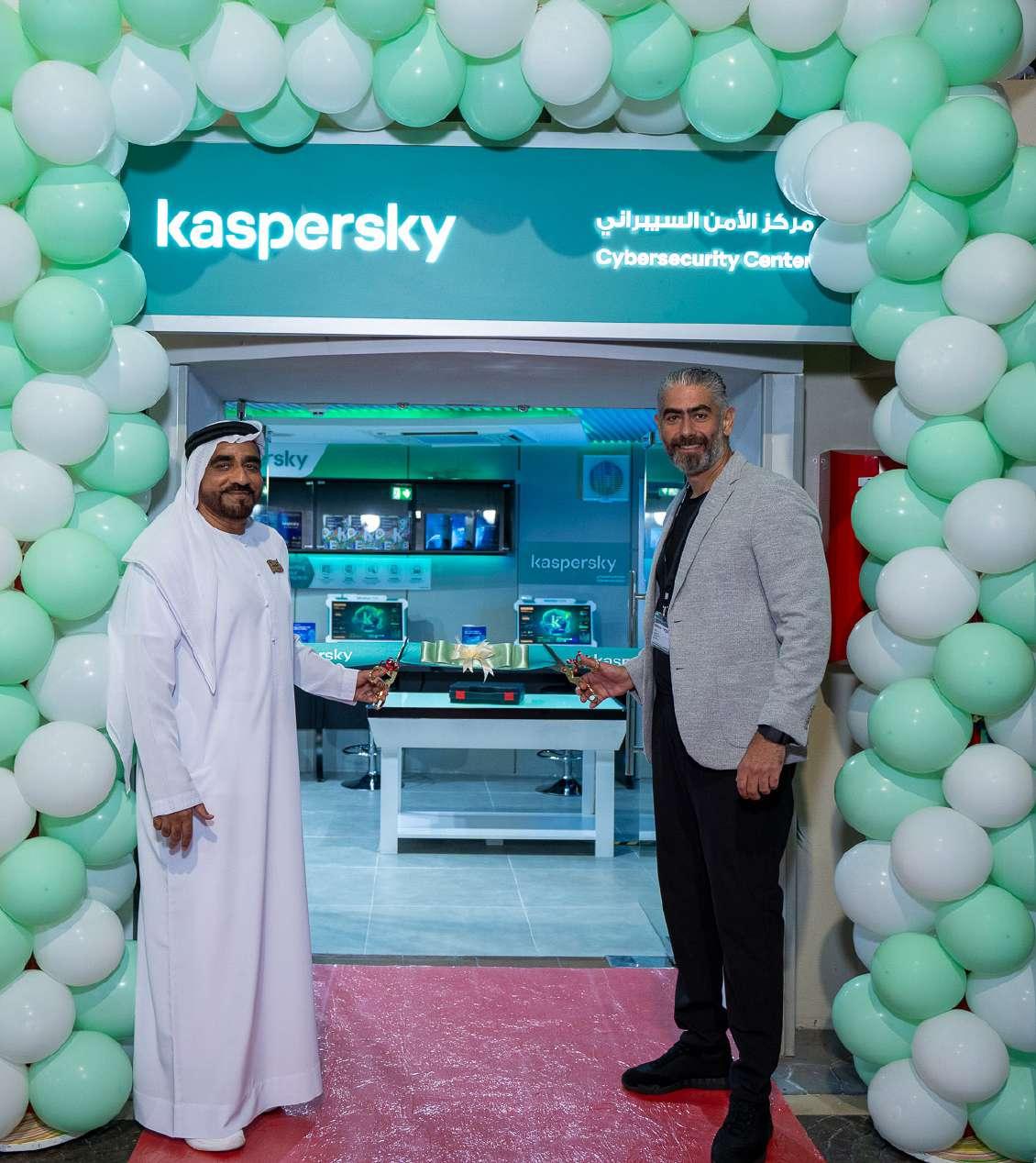
HPE and Alpha Data
TahawulTech.com’s latest podcast examines how AI-driven networking is moving beyond industry hype to deliver proactive, intelligent, and experience-led infrastructure for modern enterprises.
UAE-based enterprise leaders are beginning to view networking through a new lens, where AI is no longer simply an operational enhancement, but a core driver of intelligent, autonomous and experiencecentric infrastructure.
In a recent TahawulTech.com podcast hosted by CPI Media Group, Karthikeyan Gunasekar, Business Development Lead & Evangelist AI for Networking | Worldwide, HPE, and Mohammed Abrar, Director - Cyber Security, Alpha Data, unpacked the realities behind self-driving networks, discussing whether the concept remains industry hype or has evolved into a practical enterprise capability.
The conversation explored how enterprises are increasingly relying on AI-powered networking architectures to reduce downtime, improve user experience, accelerate issue resolution and support complex digital environments across sectors such as hospitality, education and managed services.
Opening the discussion, Gunasekar highlighted how the term “self-driving network”
is often misunderstood or dismissed as a marketing buzzword, despite the technology already delivering measurable operational outcomes for enterprises today. Abrar responded by emphasising that self-driving networking is not a “magic feature” enabled through a single click, but rather a journey built on intelligent data collection, actionable insights and AI-assisted operations.
According to Abrar, modern networks are becoming increasingly complex, placing pressure on IT teams that continue to rely on traditional troubleshooting methods. He noted that enterprises are demanding faster detection and resolution capabilities to maintain seamless digital experiences for employees and customers alike.
Gunasekar illustrated this challenge through a real-world education-sector deployment, where a school experienced recurring network slowdowns during online examinations. By leveraging intelligent telemetry and applicationaware networking capabilities, the infrastructure was able to identify that increased
user density was impacting bandwidth thresholds before users fully experienced service degradation.
The podcast also examined how self-driving architectures are evolving from merely identifying issues to proactively recommending or initiating corrective actions. Both speakers stressed that the true value lies in correlating high-quality telemetry, network intelligence and user behaviour data to deliver faster operational decisions and more resilient digital services.
From a customer perspective, Abrar noted that end users rarely focus on the underlying infrastructure itself. Instead, their expectations revolve around uninterrupted connectivity and seamless digital experiences, particularly during mission-critical applications such as video conferencing or cloud-based collaboration.
Drawing comparisons with autonomous vehicle technologies, Gunasekar observed that enterprises are still adapting psychologically to the idea of allowing networks to make intelligent decisions independently. Abrar added

that while AI can automate low-risk and repetitive operational tasks, governance, security policies, and critical access decisions still require human oversight.
The discussion further explored how sectors operating around-the-clock, particularly hospitality and managed services environments, stand to benefit significantly from proactive networking models.
Gunasekar noted that IT teams often struggle to isolate root causes quickly because traditional environments rely on multiple siloed management tools and dashboards.
Abrar acknowledged that many IT teams continue to face scenarios where networks behave unpredictably after deployment, forcing engineers into lengthy troubleshooting exercises. However, he pointed to intelligent HPE networking solutions as examples of how AI-powered platforms can dramatically shorten
resolution cycles from days to hours by surfacing actionable operational insights.
A major theme throughout the podcast centred on the shift from traditional SLA-focused discussions towards experience-driven metrics such as Service Level Experience (SLE). Both speakers agreed that organisations are increasingly prioritising measurable user experience outcomes rather than simply infrastructure uptime.
The conversation also addressed concerns surrounding AI-driven automation and its potential impact on IT jobs. Abrar argued that AI will inevitably replace repetitive and redundant operational tasks, but stressed that the broader opportunity lies in enabling engineers to focus on more strategic and business-critical responsibilities.
Gunasekar reinforced
this point by stating that self-driving networking is ultimately about empowering teams rather than reducing headcount. By eliminating time-consuming manual troubleshooting and repetitive operational workflows, organisations can redirect talent towards innovation, customer engagement, and business growth initiatives. Concluding the podcast, both speakers agreed that self-driving networking has already moved beyond conceptual hype and is steadily becoming an operational reality for enterprises pursuing resilient, AI-driven infrastructure strategies. While fully autonomous networking may still require human oversight today, they noted that rapid advances in AI operations and intelligent networking architectures are accelerating the journey towards highly autonomous digital environments.
Appointment of Michelle Swanepoel to lead the Financing and Securities Services operations in the region, operating from the United Arab Emirates
Standard Chartered today announced the appointment of Michelle Swanepoel as Head of Financing and Securities Services (FSS), Middle East and Africa. Based in Dubai, she will lead the business across the region effective 1 July 2026. Michelle succeeds Scott Dickinson, who will be retiring from the bank on 30 June after more than 40 years in financial services.
Michelle Swanepoel joined Standard Chartered in September 2017 as the Regional Head of Business Account Management for the Middle East and Africa and was appointed the Regional Head of Securities Services for Africa in May 2019. In September 2024, her role expanded to include Head of Markets for South Africa.
“Michelle has played a strong leadership role in the evolution of post trade servicing across Sub Saharan Africa, supporting capital market development, regulatory reform, enhanced investor access and market infrastructure, and is a recognised industry subject matter expert,” said Margaret Harwood-Jones, Global

Head of FSS. “I have every confidence that Michelle will drive further momentum in the region, building on the solid foundation established by Scott.”
Scott Dickinson joined Standard Chartered in 2017 and he has led the Bank’s FSS franchise in MEA since
2019. During his tenure, he oversaw strong growth across the Middle East and Africa franchise, supported expansion into markets including Saudi Arabia and Egypt, and helped deliver the Bank’s first Digital Asset Custody capability in the Dubai International Financial Centre.
The newly established Open Source Program Office formalises governance, collaboration, and transparent stewardship under the ownCloud brand to strengthen sovereign and secure data exchange.
David Walter is spearheading a new chapter in open-source governance at Kiteworks as the company establishes its Open Source Program Office (OSPO) to steward ownCloud and strengthen the role of open-source technologies in advancing digital sovereignty.
The newly formed OSPO consolidates Kiteworks’ open-source activities under the ownCloud brand, reinforcing the company’s commitment to transparent governance, federated collaboration, and sovereign data exchange. Walter has been appointed Vice President of the Open Source Program Office and will lead the initiative focused on long-term community stewardship and open collaboration.
The OSPO serves as the organisational steward for both Kiteworks and ownCloud, the original opensource platform for selfhosted file synchronisation, sharing, and collaboration. Since 2010, ownCloud has enabled individuals, educational institutions,

research organisations, and governments to maintain full control over their data, infrastructure, and digital operations. Built on open standards including Open Cloud Mesh, WebDAV, and OpenID Connect, the platform has consistently promoted interoperability and federation across organisational boundaries.
Industry momentum around digital sovereignty continues to accelerate.
Research indicates that 92% of IT managers across EMEA now consider enterprise open-source software essential to achieving digital sovereignty objectives.
Germany’s federal budget for 2026 allocated €250 million towards open-source development, while thirdparty involvement in data breaches has doubled year over year, now accounting for 30% of all breaches globally.
The enterprise file sync and share market is estimated at USD 14 billion in 2025, while the open-source file server segment is projected to grow at a CAGR of 11.9% to reach USD 6.24 billion by 2030.
“Open source is in ownCloud’s DNA, and through ownCloud it has become part of Kiteworks’ DNA,” says David Walter, Vice President of the Kiteworks Open Source Program Office. “We are not here to simply maintain a codebase. We are here to nurture an ecosystem, one where transparency is non-negotiable, where contributions are valued, and where the technology
We
are here to nurture an ecosystem, one where transparency is non-negotiable, where contributions are valued, and where the technology we build together serves the greater good.
we build together serves the greater good. The OSPO exists to make that promise operational.”
Under Walter’s leadership, the office has already begun publishing key governance and contribution frameworks, including an early Governance Charter defining the responsibilities of Contributors, Reviewers, and Maintainers, alongside an AIAssisted Contribution Policy. The initiative also introduces a new Contribution Guide that replaces the legacy Contributor License Agreement (CLA) with the Developer Certificate of Origin, enabling contributors to retain ownership of their work. Apache License 2.0 has been established as the default license for all new components, while a Community Advisory Board is planned for launch in Q4 2026.
The governance structures being formalised reflect lessons learned through ownCloud’s evolution within the open-source ecosystem. Kiteworks stated that the framework is designed to balance transparency with responsible stewardship, while ensuring that contributors and users retain a meaningful voice
in shaping the platform’s future.
“We learned that earning trust requires more than good code; it requires clear communication, fair licensing, and governance that gives the community a genuine voice,” Walter adds. “Our aim is to embody the power of open source to make something that is yours, that actually belongs to you, and where you get to decide what matters.”
Kiteworks described its stewardship of ownCloud as an active investment rather than passive sponsorship. Through the OSPO, the company is dedicating engineering, product management, and community resources to open-source development, beginning with the ownCloud Desktop Client as the first fully open-source application available to all customers.
By combining Kiteworks’ expertise in secure data exchange with ownCloud’s open collaboration framework, the company aims to deliver a commercially sustainable enterprise platform while reinforcing open source as a strategic force for transparency, resilience, and digital sovereignty.
The newly established Open Source Program Office formalises governance, collaboration, and transparent stewardship under the ownCloud brand to strengthen sovereign and secure data exchange.
Sitecore, the global leader in AI-enabled digital experience software, has appointed Mohammed AlThaher as its new regional vice president for the Middle East and Africa. With over two decades of experience in large-scale digital transformations, digital marketing and, most recently, AI, AlThaher will be tasked with accelerating Sitecore’s growth across the region, expanding its channel partnerships, and promoting its flagship solutions to simplify content management, accelerate marketing campaigns, and ensure brand consistency.
AlThaher brings a proven track record of building and leading regional businesses across the Middle East and Africa across several global brands, with deep handson experience spanning enterprise sales leadership, partner-driven growth, delivery and complex customer engagements across government, financial services, and large enterprises.
Throughout his career, he has successfully scaled


teams, strengthened strategic alliances, and driven revenue growth across diverse MEA markets. His appointment reflects Sitecore’s focus on disciplined execution, strong regional leadership and translating platform innovation into tangible outcomes for customers and partners alike.
“This position is pivotal for our customers, for our channel partners, and for our own aspirations,” said Goetz Reinhardt, EMEA President, Sitecore. “Mohammed ticked all the boxes in terms of his knowledge and experience growing businesses across MEA, his vision for how AI will transform the online experience, and for his focus on customers and what Martech can do for them. I’m delighted he’s onboard and leading our MEA operations.”
Earlier this year, Sitecore
announced the regional launch of Sitecore AI, a unified, cloud-native, SaaSbased digital experience platform (DXP) that integrates AI-powered tools, content management, and data to streamline marketing
Sitecore is transforming how brands engage with their customers, and there is no more exciting place to be a marketer than in the Middle East and Africa.
operations. With sovereign deployments of Sitecore AI in both Saudi Arabia and the United Arab Emirates set for later this year, brands will be able to plan, create, personalise, and deliver content across every digital channel in real time. Agentic AI will enable marketers and
developers to create content, adapt their messaging across languages and channels and optimise campaigns for real business impact.
“Sitecore is transforming how brands engage with their customers, and there is no more exciting place to be a marketer than in the Middle East and Africa,” added AlThaher. “From a complex audience landscape to a preference for digital channels and growing customer expectations when it comes to quality and service levels, marketers are being asked to do and deliver more, both for their brand’s reputation and business growth. Sitecore is here to enable marketing through our digital experience solutions, and that is what I and the team will be doing over the coming weeks and months.”


Radisson Blu Hotel & Convention Center Riyadh Minhal
30th August 2026 06:30 PM onwards
In August, CPI will be hosting the inaugural Future Enterprise Awards in Riyadh. The awards are designed to recognize IT and business leaders that are driving rapid digital transformation across the Kingdom.
The KSA Awards want to acknowledge those who are championing change, whether it be from a private or public sector organization, we want to pay tribute to the fearless trailblazers forging a new path and a new identity for the KSA. For more information about the event and nomination details, please visit the event website below :https://tahawultech.com/ksa-futureenterpriseawards/2026/
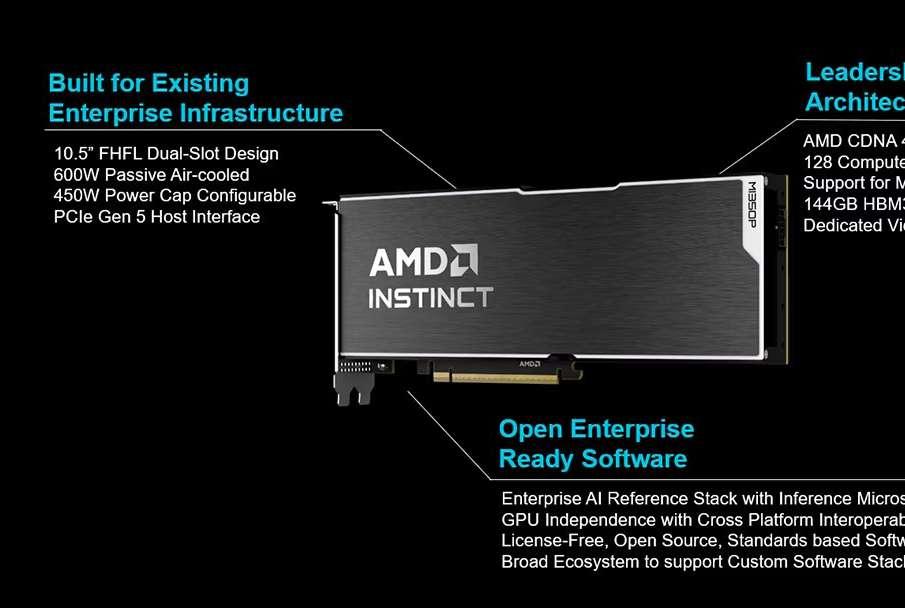
New Instinct MI350P PCIe GPUs are designed to help organisations run AI workloads on standard air-cooled infrastructure.
Enterprise AI adoption is accelerating, but many organisations are finding their existing infrastructure under pressure. Cloudbased AI can offer flexibility, yet it may also
create concerns around data privacy, sovereignty, latency and unpredictable costs. Building dedicated AI infrastructure, meanwhile, can demand major investments in power, cooling and specialised GPU platforms.
AMD is addressing that challenge with its new AMD Instinct MI350P PCIe GPUs, designed to help enterprises deploy AI workloads
within existing data centre environments without significant infrastructure redesign.
The new accelerator cards come in a dual-slot PCIe form factor and can fit into standard air-cooled servers already deployed across enterprise environments. Organisations can therefore introduce AI acceleration without overhauling racks, cooling systems or power distribution setups.
According to AMD, the Instinct MI350P GPUs are aimed at enterprises preparing for the next phase of AI adoption, including inference workloads, retrieval-augmented
generation pipelines and emerging agentic AI applications.
The PCIe-based architecture gives organisations an alternative when they need more AI compute power than CPUs alone can provide, but are not yet ready to invest in large-scale GPU accelerator clusters.
AMD said the GPUs can be deployed in air-cooled systems supporting up to eight accelerator cards, making them suitable for small, medium and large AI models within enterprise data centres. The company is also focusing on performance, cost efficiency and faster deployment, three priorities increasingly shaping enterprise AI investment decisions.
Key specifications include up to 2,299 teraflops of estimated performance, peak performance reaching 4,600 teraflops using MXFP4 precision, 144GB of HBM3E memory and memory bandwidth of up to 4TB/s. The cards also support AI precision formats including FP8, MXFP8, MXFP6 and MXFP4. Lowerprecision formats help improve throughput and inference efficiency, while reducing pressure on power and cooling resources.
Open ecosystem approach
AMD continues to position openness and interoperability at the centre of its enterprise AI strategy.
The MI350P GPUs integrate with widely used AI frameworks and tools, including Kubernetes GPU Operator, AMD Inference Microservices and PyTorch support.
AMD is also offering its open-source enterprise AI reference stack to partners without licensing fees. The move is designed to simplify deployment and help reduce operating costs for enterprises building on-premises AI environments. The company said the approach enables organisations to migrate inference workloads with minimal code changes while avoiding ongoing usagebased cloud AI charges.
Scaling AI without rebuilding from scratch Enterprise AI is moving from experimentation to production. Technology leaders now need infrastructure that can support AI workloads efficiently while staying aligned with cost, compliance and data control requirements. The AMD Instinct MI350P PCIe GPUs are positioned to bridge that gap by allowing organisations to run more models, support more users and scale AI workloads inside existing data centres. For enterprises looking to expand AI capabilities without a full infrastructure overhaul, AMD’s latest GPU cards offer a practical route to on-premises AI deployment.

New AI assistant helps organisations automate procurement queries, reduce support workloads, improve compliance, and uncover smarter spending opportunities.
JAGGAER has launched JAI, a new AI-powered assistant designed to help enterprises simplify procurement operations, improve decisionmaking, and reduce the complexity often associated with sourcing and spend management.
Announced on May 6, 2026, the new solution is positioned as an intelligent procurement assistant capable of answering employee questions instantly, reducing support workloads, and delivering insights into supplier, sourcing, and spending activities.
Built directly into the JAGGAER platform, JAI enables employees to ask procurement-related questions in plain language across 28 languages. The assistant responds instantly using company-specific policies, contracts, supplier data, and procurement rules, helping organisations eliminate delays associated with traditional support tickets and manual approvals. Many enterprises continue to face operational bottlenecks when employees need quick answers related to purchasing approvals, preferred suppliers, spending
policies, or sourcing procedures. JAI aims to address this challenge by acting as an always-available AI assistant grounded in enterprise procurement data rather than relying on publicly available internet sources.
The platform also adheres to existing security and access controls already established within the JAGGAER environment, ensuring users only access information aligned with their permissions and organisational policies.
Early customer deployments have shown promising results.
According to JAGGAER, organisations using JAI are expecting up to a 50% reduction in procurement support tickets during the first year of adoption. Businesses have also reported time savings across more than 40 procurement workflows, alongside rapid internal adoption growth as employees increasingly rely on AIassisted procurement support.
Beyond conversational support, JAI is designed to help procurement teams uncover deeper business intelligence from enterprise spending data. The assistant can identify off-contract
purchasing behaviour, flag supplier risks, surface potential cost-saving opportunities, and highlight areas where procurement compliance can be improved.
JAI is available immediately and can reportedly be deployed on the same day an organisation chooses to implement the solution.
“Procurement has always been about making smart decisions with limited time and information. JAI changes that equation entirely. It is embedded into the core platform and actually earns trust — it knows your business, respects your rules, and gives you answers you can act on. This is just the beginning,” said Andrew Roszko, CEO, JAGGAER.
With enterprises increasingly looking to automate workflows, improve operational efficiency, and strengthen procurement governance, AI-driven assistants such as JAI are expected to play a growing role in transforming how procurement teams manage sourcing, supplier collaboration, and spend visibility across global operations.
Huawei has announced the HUAWEI WATCH FIT 5 Series, a sleek wearable that blends cutting-edge health and fitness features with a stylish design. It’s the perfect wrist companion for expressing your style, staying active, and monitoring your health around the clock. HUAWEI WATCH FIT 5 Series is available for purchase through online official channels and retail stores across UAE starting from Dh649.
Vibrant Colour Choices Make a Bold Fashion Statement
The HUAWEI WATCH FIT 5 Series radiates youthful energy with a spectrum of vibrant colors. The HUAWEI WATCH FIT 5 is available in five hues— Silver, Purple, White, Black, and Green—while the HUAWEI WATCH FIT 5 Pro stands out in Orange, White, and Black. The watch bezel features a new oil-filling technique, creating a dynamic, multi-angle luster that elevates the watch's visual hierarchy and aesthetic appeal. The White Pro edition goes a step further, featuring aerospace-grade nanoceramic material for a premium texture and enhanced durability.
The display has also been fully upgraded. The HUAWEI WATCH FIT 5 features a vibrant 1.82-inch screen, while the HUAWEI WATCH FIT 5 Pro elevates the experience with a larger 1.92-inch display framed by ultra-slim 1.8 mm black borders. With a peak brightness of 3,000 nits, the Pro model remains crystal clear even

under direct sunlight.
The HUAWEI WATCH FIT 5 Series introduces a new way to stay active with the Mini Workout mode, especially for busy individuals with limited time. No equipment or dedicated space is required. With an interactive panda on the watch face, users can fit in quick, energizing exercises ranging from 30 seconds to several minutes.
For outdoor enthusiasts, the HUAWEI WATCH FIT 5 Series supports more advanced training. It automatically detects cycling and displays real-time virtual power and cadence, helping users better understand their performance. The HUAWEI WATCH FIT 5 Pro goes even further with enhanced support for professional outdoor activities. Trail Run mode offers segment-based navigation, elevation insights, and estimated arrival times, enabling confident navigation across complex terrain. Golfers can access vector maps of over 17,000 courses worldwide, with the green view automatically
rotating to match their line of sight for more precise shot planning.
The HUAWEI WATCH FIT 5 Series moves beyond passive tracking to proactive health management, with a focus on cardiovascular and women’s health. The Pro edition includes pulse wave-based alerts for atrial fibrillation and premature beats, along with an ECG app, arterial stiffness detection, and a Diabetes Risk Study feature— supporting early awareness and timely intervention. The series also supports women’s health management, using a temperature sensor to track wrist temperature trends and predict menstrual cycles, ovulation, and periods, helping users better understand their bodies.
The HUAWEI WATCH FIT 5 Series delivers up to 10 days of battery life under light use and up to 7 days under typical usage. A quick top-up can power a full week of daily activities or short trips, reducing the need for frequent charging.

YOU’RE ONE LEAP AWAY
From 31 Aug - 3 Sept 2026 Riyadh Exhibition and Convention Center - Malham, Saudi Arabia

The framework helps developers route AI workloads to GPU nodes verified for reliability, latency and execution performance.
FAR Labs, an AI-native lab building infrastructure, AI as a Service (AIaS) and physical AI systems powered by Dizzaract, introduced the FAR AI Reliability Score, a routing framework that ranks GPU nodes before inference jobs are dispatched across the FAR AI distributed compute network.
FAR AI is currently in closed testing with selected partners after completing core development. Built for developers, research labs, universities, and technical institutions evaluating distributed GPU infrastructure, the Reliability Score adds a runtime-verified trust layer to distributed compute selection.
In distributed GPU markets, available capacity is not the same as dependable execution. A node may appear available but still fail to stay online, complete work correctly, respond within acceptable latency, or match the hardware profile required by a specific model. The Reliability Score is designed to close that gap by grounding
routing decisions in evidence the network can verify.
“Useful compute already exists far beyond traditional data centers, but developers need to know which nodes can actually deliver,” said Ilman Shazhaev, founder and CEO of Dizzaract. “The FAR AI Reliability Score gives developers a clearer way to see which nodes have proven they can deliver before work is assigned.”
The FAR AI Reliability Score combines four developerfacing reliability categories into a single score from 0 to 100: UPTIME, JOB COMPLETION, LATENCY, and INCIDENTS. Each category maps to signals already emitted by FAR AI’s security runtime. These include signed heartbeats, SV-PoW challenges that test whether a
The FAR AI Reliability Score gives developers a clearer way to see which nodes have proven they can deliver before work is assigned.”
node is holding the committed model in VRAM, modelintegrity checks, settlement reconciliations, topology samples, and attestation reports.
Routing begins with capability. FAR AI’s node verifier first filters out nodes that cannot physically execute the requested model because of insufficient VRAM, incompatible hardware class, or missing runtime requirements. The Reliability Score comes into play only after those checks are complete. From there, the highest-ranked qualified node receives the job first. If that node is unavailable, overloaded, or declines, the orchestrator moves to the next candidate.
That ordering matters in a heterogeneous compute network, where supply can come from individual operators running a single machine or larger providers deploying data center-grade hardware. Newer nodes remain eligible and can build priority over time, while stronger performers receive
more favourable routing.
FAR AI’s trust model also includes a hard-incident safeguard. Soft incidents reduce a node’s score through weighted penalties. Hard incidents, including model-integrity failures, settlement divergences, or cluster-identity spoof attempts, reduce the aggregate Reliability Score to zero for the active sevenday window. The framework treats those events as structural trust failures rather than ordinary performance issues, preventing serious misbehavior from being averaged away by otherwise clean signals.
For developers purchasing GPU compute, the practical effect is a more predictable path to distributed inference. Instead of relying on advertised capacity alone, teams get a routing layer informed by uptime, successful execution, response behavior, and network-observed anomalies. That makes it easier to evaluate whether distributed compute can support production workloads, academic research, and institutional GPU access before workloads are assigned.
The framework also separates reliability from hardware fit. A node can be stable and trustworthy without being the right machine for every model. Large-model inference is heavily constrained by hardware class, available VRAM, memory bandwidth, and throughput, so FAR

Ilman Shazhaev, founder and CEO of Dizzaract.
AI’s Alpha design supports a tiered model catalog, throughput thresholds, and hardware-aware routing logic. The Reliability Score shows whether a node has demonstrated reliable behavior. Hardware tiering addresses the separate question of whether that node is the right fit for a specific workload.
FAR AI’s Alpha design also allows a bounded routing bonus for networkstrengthening behavior while preserving the Reliability
Score as the primary dispatch signal.
As distributed inference infrastructure matures, routing quality and runtime trust are becoming core requirements for developer adoption. FAR AI’s Reliability Score is designed to help technical teams evaluate distributed compute not only on availability, but on whether workloads can be routed to nodes that are verified, reliable, and capable of delivering under live network conditions.
New, open platform aims to balance innovation and risk management in the era of AI agents.
WSO2 announced the beta launch of WSO2 Agent Manager, an open control plane for AI agents, giving enterprises a unified way to identify, govern, secure, and scale agents across environments. As organisations move from AI experimentation to production, WSO2 Agent Manager addresses a critical gap: bringing visibility, control, and accountability to autonomous agents operating across the enterprise.
Organisations are accelerating adoption to avoid being left behind, driven by the promise of non-linear productivity gains that agentic systems can unlock. However, operational maturity is lagging behind. Many teams are forced to choose between moving fast with limited visibility and control, introducing significant unmanaged risk, or slowing
progress to build operational frameworks for each runtime and environment. According to Gartner, more than 40% of agentic AI projects are expected to be canceled by 2027 due to rising costs, unclear value, and insufficient risk controls.
WSO2 Agent Manager extends WSO2’s longstanding role as the enterprise control layer into the era of AI, making agents from being invisible to firstclass, governed participants in enterprise systems.
“AI agents introduce a fundamentally new challenge, their autonomy and probabilistic behaviour make them powerful but
also difficult to control,” said Rania Khalaf, Chief AI Officer at WSO2. “With WSO2 Agent Manager, we’re bringing agents into the enterprise fabric where they are no longer invisible processes, but identified, governed, accountable entities that can be securely operated at scale.”
As enterprises deploy increasing numbers of agents, many are encountering “agent sprawl” with limited coordination, inconsistent controls, and growing compliance risks, often compounded by fragmented tooling across frameworks, runtimes, and hyperscalers. WSO2
AI agents introduce a fundamentally new challenge, their autonomy and probabilistic behaviour make them powerful but also difficult to control.”
Agent Manager addresses this by establishing a centralised system of record for all agents, enabling organisations to innovate freely by choosing the frameworks that best fit their use cases while maintaining a consistent approach to agent operations. This includes unified governance, performance insights, and policy enforcement for agents running both within Agent Manager and across external environments.
Key capabilities include:
• Federated agent management - Manage agents across frameworks and environments, i.e. cloud, on-premises, and hybrid, from a single control plane.
• Agent identity and access delegation - Establish strong identity for agents and securely delegate access, ensuring every action is authenticated, authorised, and auditable.
• Centralised governance and guardrails - Define and enforce policies across agents, LLMs, and tools to control behavior, reduce risk, and ensure compliance.
• Visibility, traceability, and observability - Gain deep insights into agent behavior with end-toend tracing and track how agents are doing with a rich evaluation framework.
• Secure, scalable runtime - Deploy agents in a Kubernetes-native, zero-
Rania Khalaf, Chief AI Officer at WSO2.

trust environment with isolation and lifecycle controls, including realtime intervention.
• Open, frameworkagnostic foundationBuilt on open standards including OpenTelemetry, OpenAPI, and MCP, enabling compatibility with leading frameworks such as LangGraph, CrewAI, and Ballerina without vendor lock-in. WSO2 Agent Manager,
which will be generally available in June 2026, is released under the Apache 2.0 license and is designed to avoid vendor lock-in. By embracing open standards and an open source license, the platform strengthens digital resilience, giving organisations the freedom to innovate while retaining enterprise-grade control over their agents and full ownership of their technology stack.
The new lineup includes indoor cameras, outdoor floodlight cameras and wired doorbells designed to improve home awareness, convenience and everyday peace of mind.
Ring has expanded its smart home portfolio in the UAE with the launch of a new range of connected devices designed to help customers monitor their homes more easily and stay connected to everyday moments.
The latest lineup includes the Indoor Cam Plus, Floodlight Cam Pro, Wired Doorbell Pro and Wired Doorbell Plus. The devices offer enhanced video quality, intelligent monitoring features and integration through the Ring app.
Mohammad Meraj Hoda, VP of Business Development, Emerging Markets, Ring, said: “With these latest additions, we are continuing to bring innovative and easy-to-use solutions to customers across the UAE. Whether at home or away, these devices are designed to offer greater awareness and convenience, helping people stay connected to the moments that matter in their everyday lives.”
The Indoor Cam Plus offers 2K video, enhanced zoom, two-way talk, real-time motion alerts and improved visibility in low-light conditions. It also includes a manual lens cover that turns

off video and audio for added privacy.
For outdoor monitoring, the Floodlight Cam Pro features 4K video, up to 10x zoom, 3D motion detection, live view, two-way talk with Audio+, customisable motion zones, built-in floodlights and a security siren.
Ring’s Wired Doorbell Pro and Wired Doorbell Plus offer 4K and 2K video respectively, along with real-time visitor communication through the Ring app, advanced motion detection, privacy settings and head-to-toe video coverage.
All new devices connect
through the Ring app, enabling users to receive instant notifications, monitor their homes remotely and manage settings from one platform. Customers can also access Ring Protect subscription plans for video recording, sharing and additional smart features.
The Indoor Cam Plus and Floodlight Cam Pro are now available online through Amazon.ae and e&, as well as selected retail stores across the UAE. The Wired Doorbell Pro and Wired Doorbell Plus are available through e& and selected offline retail stores.
25 hour battery life on one charge*
The Zebra EM45 Mobile Computer brings all the features your workers need in a consumer style they’ll love to use. It’s quick to deploy and built for retail, hospitality, transport, healthcare, and mobile workforces.
• The power of Zebra with sleek consumer ergonomics
• Unmatched productivity and flexibility for your frontline
• Personalised user experience and an intuitive interface
• Latest and fastest wireless connectivity: 5G and Wi-Fi 6E
• Processing power unlocks AI potential
• Simple to set up and manage with Zebra DNA enterprise software

*