WORLD WAR 1
THE WESTERN FRONT


B Y C L A I R E P E T E R S E N


WW1 was started from the MAIN causes (militarism, alliances, imperialism and nationalism), and the assassination of the Archduke Franz Ferdinand in Sarajevo, Bosnia. WW1 lasted for 4 years, 3 months, and 14 days. Some key places of WW1 include The Western Front, which stretched for 700 kilometres through France and Belgium WHY WAS WW1 STARTED? HOW LONG DID IT LAST? WHERE WERE KEY PLACES OF WW1?
WW1 started on July 28th 1914. It ended on November 11th 1918.
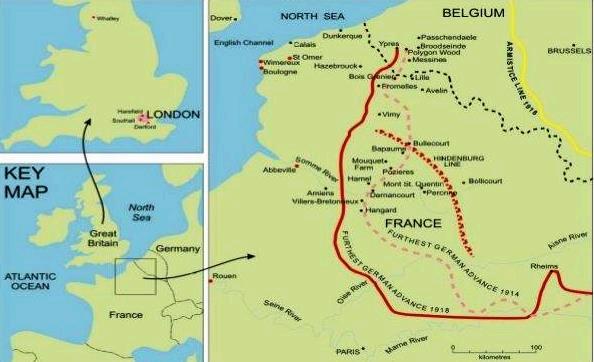
https://amosaorgau/images/2018-09-03 021257 western%20front%203jpg
Some key events of WW1 include:
Archduke Franz Ferdinand Assassination (28th June 1914)
Start of WW1 (28th July 1914)
Gallipoli Campaign (19th February 1915 – 9th January 1916)
ANZAC Land at Gallipoli (25th April 1915)
ANZAC Gallipoli Evacuation (8th – 20th December 1915)
ANZAC on the Western Front (March 1916 – 11th November 1918)
Western Front Period: 2nd August 1914 – 11th November 1918
Battle of the Somme (1st July 1916 – 18th November 1916)
Hindenburg Line (Early January 1917 – November 1918) Battle of Verdun (21st February 1916 – 15th December 1916)
End of WW1 (11th November 1918)
There were four MAIN causes of WWI. Militarism encouraged countries to build up their armies and reinforce them so that they could fight against the enemies on the battlefield.
The alliances between countries showed which countries were against each other. There were two main alliances which were the Triple Entente, which included Great Britain, France, and Russia and The Triple Alliance, which included Germany, Austro-Hungary Empire, and Italy. These alliances also were allies with other European countries and their settlements outside of Europe.
Imperialism made the stronger and larger nations proved their strength to other large nations by conquering small countries. This also built up the allies of each side of the war.
Nationalism drove the soldiers to fight as they would represent their country in the war. People on the Homefront would use nationalism to get people to enlist in the armies and encourage them to fight the country. The MAIN causes were the long-term reason of why WWI started.



FEBRUARY 18TH GERMANY BEGINS BLOCKING GREAT BRITAIN NAVY
JUNE 28TH
ARCHDUKE FRANZ FERDINAND ASSASSIONATION
AUSTRO-HUNGARY DECLARE WAR ON SERBIA
MAY 23RD ITALY DECLARES WAR ON AUSTROHUNGARY
MAY 19TH
TURKISH ATTACK: DEFENCE OF THE ANZACS
SEPTEMBER 9TH
FIRST BATTLE OF THE MARNE, FRANCE 1 9 1 5
APRIL 25TH ANZACS LAND AT GALLIPOLI CAMPAIGN
FEBRUARY 21STDECEMBER 15TH BATTLE OF VERDUN
MARCH 27TH-MAY 1ST BATTLE OF DERNANCOURT
APRIL 4TH DEFENCE OF VILLERSBRETONNEUX
AUGUST 2ND-7TH GERMANY INVADES LUXEMBOURG AND BELGIUM
AUGUST 10TH AUSTRO-HUNGARY INVADES RUSSIA
AUGUST 21ST, 22ND, 27TH ATTACK OF HILL 60
AUGUST 6TH-10TH ATTACK OF LONE PINE AND SARI BAIR
AUGUST 7TH ATTACK OF THE NEK
JULY 19TH - 20TH BATTLE OF FROMELLES
JULY 23RD-AUGUST 8TH BATTLE OF POZIERES
MAY 19TH BATTLE OF VILLESUR-ANCRE
APRIL 24TH26TH BATTLE OF VILLERSBRETONNEUX
DECEMBER 19TH-21ST ANZAC EVACUATION OF GALLIPOLI CAMPAIGN
AUGUST 8THSEPTEMBER 3RD MOUQUET FARM
JULY 1STNOVEMBER 18TH BATTLE OF THE SOMME
JULY 30TH CAPTURE OF MERRIS
AUGUST 9TH11TH BATTLE OF LIHONS
SEPTEMBER 18TH, 29TH-30TH HINDENBURG OUTPOST LINE AND BATTLE OF HINDENBURG LINE
SEPTEMBER 29TH BATTLE OF BARLEUX NOVEMBER 4TH BATTLE OF LANDRECIES NOVEMBER 11TH BATTLE OF MONS
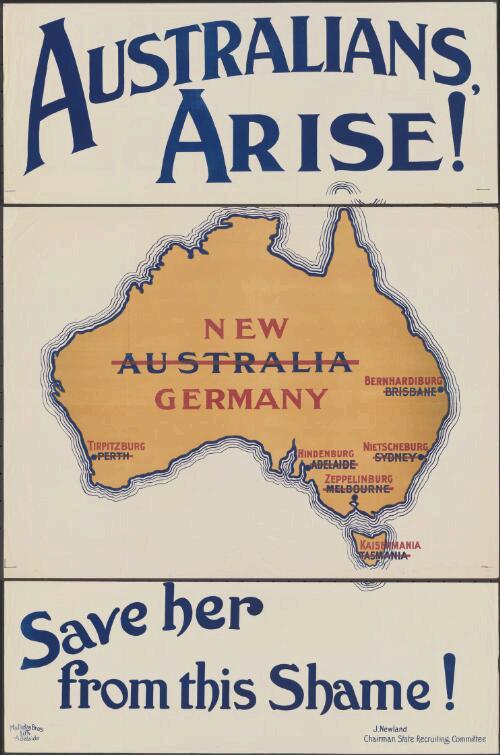
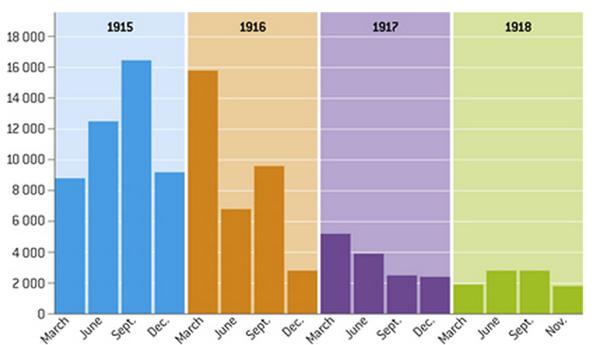
Australia served at three major locations during WW1, which had more than 400,000 people enlist to fight on the front lines. Australia as a country mainly enlisted to show to Great Britain their support. About 50,000 people served at Gallipoli, 295,000 served on The Western Front, and more than 50,000 people served in The Middle East. Many of these people enlisted for the money, but others also felt the need to serve for their country as many were becoming causalities. Posters were often made by people on the home front to encourage those eligible to enlist. Money was also collected on the home front to pay for materials, food, and anything else needed for the soldiers. Both the home front and the soldiers on the frontlines played important roles on WW1.
https://gallipolicampaignww1weeblycom/perspectiveshtml
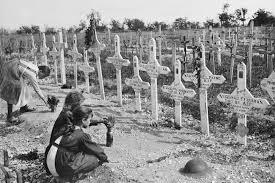
WW1 caused many different short- and long-term effects. Long term effects include the Russian Revolution which revolutionised communist beliefs. The collapse of the German Empire and Hapsburg Monarchy was started after the Triple Alliances defeat in WW1. The Australian government was facing an extreme loss in money because they had to pay war pensions to 300,000+ soldiers. Short term effects included many millions of people dead, and many others left homeless from the destruction of industrial infrastructure. Economies collapsed which also led to The Great Depression.
Families on the Homefront also felt the impacts of the war. The Homefront had shortages of food and other goods as many people had to go and fight for their country. People left at home felt extreme loneliness and grief from the loss of their families and children on the Homefront had a disrupted life form their school and family routines. The Homefront experienced the harsh impacts of the war.
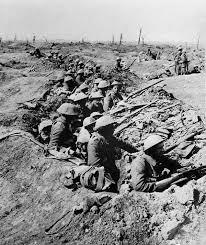
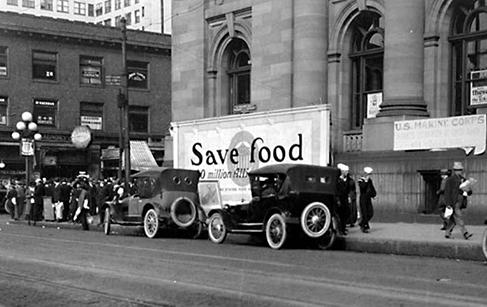
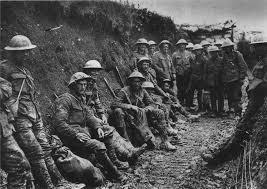
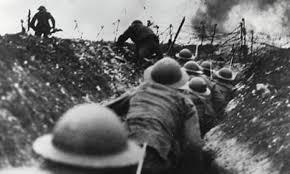
The Western Front was the largest theatre of war during WW1. It was marked by the hundreds of kilometres of trenches. Trench warfare was used to fight against the enemy. The German Schlieffen Plan was modified for the Western Front. The French on the Western Front introduced the new usage of poisonous gases like mustard gas (causes skin blistering), chlorine gas (causes skin irritation and respiratory inflammation), and phosgene gas (deprives oxygen). Other new technology was introduced including tanks being introduced by the British and aircrafts performing complicated attacks. These attacks were intricate and planned to break the trench networks of others. There were more than 30 battles on the Western Front, out of these the ANZAC’s were involved in 29 battles. Approximately four million people died on the Western Front, 46,000 of which who died were Australian and 132,00 Australians were wounded. Once the German lines were broken a revolution was started and the uprising brought a new government who wanted peace. The German government signed the Armistice of Compiegne was signed on November 11th, 1918, which ended WW1.
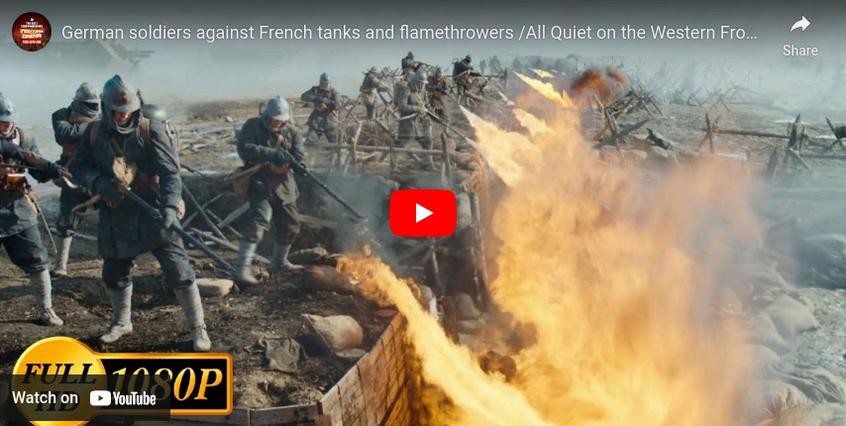
and other battles were like.

The soldiers on the Western Front experienced hardships that people could never truly understand. Australia was involved in 29 battles on the Western Front. In every minute during the Battle of Fromelles nine ANZAC’s were either killed, wounded, or taken as a prisoner and within one day 2000 men lost their lives.
During other battles the AIF were subjected to fatal gas attacks. The gas masks that they were given were clunky and impaired the movement and vision of the person wearing the mask. Within six weeks on the Western Front, there were more causalities than causalities during the entire Gallipoli campaign. Over the course of 42 days on the Western Front there was more than 23,000 causalities and 6,741 of them passed away. 60% of causalities were from artillery shell fire but many other deaths were the conditions of the trenches In the trenches there were rats, lice and the way that the trenches were built the soldiers faced extreme cold and suffered from hypothermia. The experiences endured by the soldiers were unhuman and they suffered from many other impacts.
Soldiers that served on the front lines faced many different experiences that impacted their lives. As guns and other machines were always in use soldiers were never able to get any sleep and if they did it would not be much. The constant bombs going off also gradually turned into something called shell shock which is now commonly known as PTSD (Post Traumatic Stress Disorder). This caused people who suffered with it to not be able to readjust to society if they returned home. Other impacts that soldiers endured while in the trenches include trench foot, trench fever, and trench mouth. Trench foot is caused by the skin being constantly wet and the skin moulding and rotting. If it is left untreated then limbs may have to be amputated as the only way to cure it. Trench fever is characterized by headaches, dizziness, and pain in the legs. Trench mouth is shown from unusual swelling in the gums, similar too gingivitis, it can then form painful ulcers and infect the gums The trenches were also infested with rats and lice. The rats were led into the trenches by the food waste as there was no proper food disposal. The lice infested the soldiers clothes and hair. There was no cleaning facilities so soldiers tried to crush them with their fingernails or burn them off but the lice kept coming back. These severely impacted soldiers that were in the trenches during WW1.
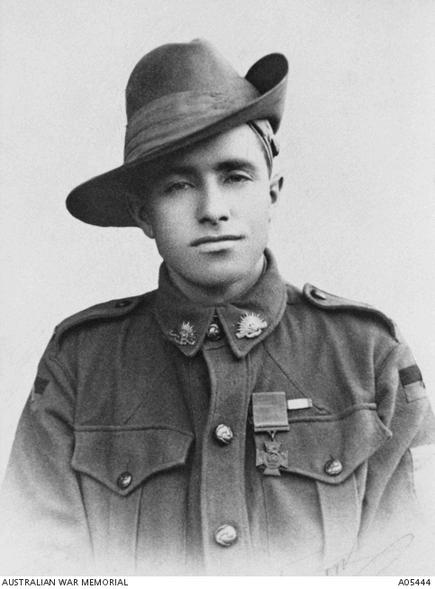
Henry Dalziel (1893-1965) was born in Irvinebank, QLD. His father was James Dalziel was a miner and his mother was Eliza Maggie.
Henry was a fireman at CairnsAtherton Railway. He enlisted on January 16th 1915 and joined the 15th Battalion.
Henry was part of the Gallipoli Campaign and fought in the Battle of Sari Bair from August 6th-10th 1915. He was later transferred to the Western Front and fought at Somme, Mouquet Farm, Pozieres, Flers, Guedecourt, Messines, Hamel, Bullecourt, Lagnicourt, Polygon Wood.
He was wounded by shrapnel on October 16th 1917 and resumed on July 4th 1918 at Battle of Hamel. Henry participated on an attack on German forces with other ANZAC Corps and American forces at Le Hamel. His bravery that he showed during this awarded him his Victoria Cross. The artillery fire was taking place near the infantry units. In some areas the artillery fire fell short which gave space for German forces free to assault to attackers with heavy-duty Maxim Guns. The 15th Battalion came under sustained assault. Dalziel silenced a machinegun fire from one direction using a Lewis gun, then charged to another machine gun, taking out its twoman crew. Dalziel's company could than advance forwards. The tip of his finger was shot, and he was ordered to the back. Instead, he continued in the final storming of the German trenches, again he was ordered to the back to First Aid but did not return until being shot in the head.
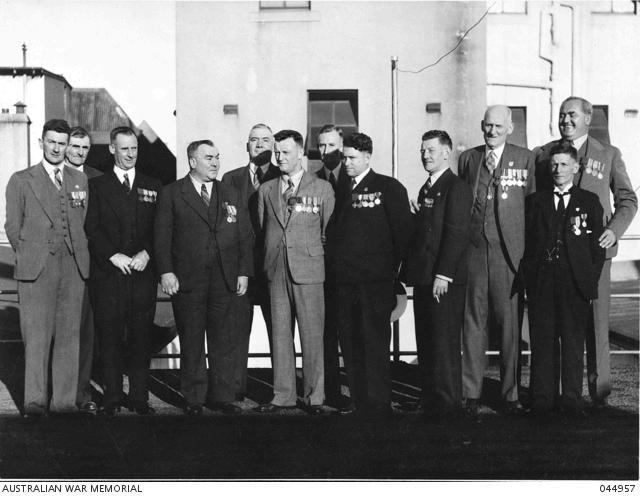
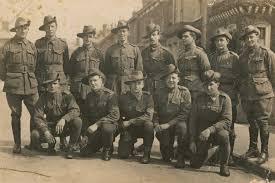
A group portrait of Victoria Cross recipients who were invited to Sydney by the United Licensed Victuallers Association (ULVA) to march as a group in the 1938 Sydney Anzac Day march. Henry Dalziel is the eighth person from the left
Henry sustained a severe head injury from being shot. This head shot smashed his skull and revealed his brain through the wound, many of his fellow soldiers thought he would not survive due to the severity of the injury. He was sent into emergency surgery in Roeun, France and later was transferred to a hospital in England. Henry was awarded his Victoria Cross for bravery and dedication to service on December 13th 1918. After recovering he returned to Australia on March 7th 1919. When taking the train home he received welcomes from people at every station. He resided in a soldier-settlement block that he named Zenith but sold it to move south. He worked at a factory in Sydney in late 1920s but moved back to Brisbane in 1933. Henry was out of work for a while and he received his war pension. He travelled to London in 1956 for the Victoria Cross centenary celebration. Henry passed away from a stroke at Greenslopes Repatriation Hospital, Brisbane on July 24th 1965.
11 B I B L I O G R A P H Y
1915. (n.d.). National Library of Australia. https://www.nla.gov.au/digitalclassroom/year-9/world-war-i/timeline-events/1915
ANZAC Day Commemoration Committee. (n.d.). The Western Front - ANZAC Day Commemoration Committee Anzacdayorgau https://anzacdayorgau/ww1-thewestern-front
Australian Government (2022, April 14) Overview of Australia’s involvement in the First World War | Department of Veterans’ Affairs. Www.dva.gov.au. https://www.dva.gov.au/newsroom/media-centre/media-backgrounders/overviewaustralias-involvement-first-world-war
Australian War Memorial. (2021, June 2). First World War 1914–18 | The Australian War Memorial Wwwawmgovau https://wwwawmgovau/articles/atwar/first-worldwar#:~:text=When%20Britain%20declared%20war%20against
Australians arise! [picture] : save her from this shame - Catalogue | National Library of Australia. (n.d.). Catalogue.nla.gov.au. https://catalogue.nla.gov.au/catalog/4938850
Battle of Mons | 1918, Location, & Casualties | Britannica. (2023, July 17). Www.britannica.com. https://www.britannica.com/event/Battle-of-Mons1918#:~:text=Battle%20of%20Mons%2C%20(November%2011
Battles, First World War | The Australian War Memorial. (n.d.). Www.awm.gov.au. https://wwwawmgovau/articles/encyclopedia/battles first world war
Brosnan, M. (n.d.). What Was the Battle of the Somme? Imperial War Museums. https://wwwiwmorguk/history/what-was-the-battle-of-thesomme#:~:text=The%20Battle%20of%20the%20Somme%20(1%20July%20%2D%2018 %20November%201916
Cabinet, c=AU; o=The S. of Q. ou=Department of the P. and C. ou=Department of the P. and. (2021, March 15). Australia on the Western Front. Anzac100Initiativesqldgovau https://anzac100.initiatives.qld.gov.au/remember/westernfront/index.aspx#:~:text=The%20Australian%20Imperial%20Force%20experienced
Canadian War Museum. (n.d.). Introduction - How the War Started. Canada and the First World War. https://www.warmuseum.ca/firstworldwar/introduction/how-thewar-started/#:~:text=The%20assassination%20of%20Austrian%20Archduke
Chemical Weapons – UNODA. (n.d.). United Nations. https://disarmamentunodaorg/wmd/chemical/#:~:text=Chlorine%2C%20phosgene %20(a%20choking%20agent
Haley, K. (2014, July 28). 100 Years after WWI: The Lasting Impacts of the Great War | Syracuse University News. Syracuse University. https://news.syr.edu/blog/2014/07/28/100years-after-wwi-the-lasting-impacts-of-the-great-war78831/#:~:text=A%3A%20It%20changed%20the%20world
Halls, R (n d ) Discuss the Psychological Effects of the Great War on Soldiers, and How Medical Professionals Attempted to Treat “Shell Shock ” | The Western Front Association Www westernfrontassociation com https://www westernfrontassociation com/worldwar-i-articles/discuss-the-psychological-effects-of-the-great-war-on-soldiers-and-howmedical-professionals-attempted-to-treat-shell-shock/
History of the Western Front (n d ) Anzac Centenary Victorian Government http://anzaccentenary archive vic gov au/westernfront/history/index html#:~:text=In%20 March%201916%2C%20after%20Gallipoli
HISTORY com Editors (2009, October 29) World War I HISTORY com; A&E Television Networks https://www history com/topics/world-war-i/world-war-i-history
Hunter, C (2018, July 4) “An inspiring example to all” | The Australian War Memorial Www awm gov au https://www awm gov au/articles/blog/harry-dalziel
Krause, J (2015) Western Front | International Encyclopedia of the First World War (WW1) 1914-1918-Online net https://encyclopedia 1914-1918online net/article/western front
Library of Congress (2015) Timeline (1914 - 1921) The Library of Congress https://www loc gov/collections/stars-and-stripes/articles-and-essays/a-world-atwar/timeline-1914-1921/
Mays, H (n d ) Dalziel, Henry (Harry) (1893–1965) Australian Dictionary of Biography; National Centre of Biography, Australian National University https://adb anu edu au/biography/dalziel-henry-harry-5876
National Archives of Australia (2024) Australian Recruitment Statistics for the First World War | naa gov au Naa gov au https://www naa gov au/students-andteachers/student-research-portal/learning-resource-themes/war/world-war-i/australianrecruitment-statistics-first-world-war#:~:text=Australia
National Museum of Australia (2022, April 22) National Museum of Australia - Gallipoli landing Www nma gov au https://www nma gov au/definingmoments/resources/gallipoli-landing#:~:text=On%2025%20April%201915%20Australian
On the home front during World War One (n d ) State Library of South Australia https://digital collections slsa sa gov au/nodes/view/21#:~:text=In%20the%20day%2Dto% 2Dday
B I B L I O G R A P H Y
Theatres of War. (n.d.). Australian War Memorial, London. https://www.awmlondon.gov.au/battles.
Trench Fever in the First World War. (n.d.). Www.kumc.edu. https://www.kumc.edu/school-ofmedicine/academics/departments/history-and-philosophy-ofmedicine/archives/wwi/essays/medicine/trenchfever.html#:~:text=In%20mid%2D1915%20physicians%20in
Trench mouth Information | Mount Sinai - New York. (n.d.). Mount Sinai Health System. https://www.mountsinai.org/health-library/diseasesconditions/trenchmouth#:~:text=Trench%20mouth%20is%20a%20painful
Volle, A. (2023, April 6). Western Front | World War I. Encyclopedia Britannica. https://www.britannica.com/event/Western-Front-World-War-I
Welcome to Painsley Catholic College. (n.d.). Painsley Catholic College. https://www.painsley.co.uk/files/hcihmcl/history/year 8/Why%20was %20there%20a%20war%20in%201914.pdf
Western Front - Army Museum of South Australia - Anzac Highway, Keswick. (n.d.). Amosa.org.au. https://amosa.org.au/museumexhibits/wwi-exhibits/western-front
What Was The Battle Of Verdun? (n.d.). Imperial War Museums. https://www.iwm.org.uk/history/what-was-the-battle-ofverdun#:~:text=The%20Battle%20of%20Verdun%2C%2021
corporateName =Department of Veterans’ Affairs; address=21 Genge St, C. C. (2023). Evacuation from Gallipoli 1915 | Anzac Portal. Anzacportal.dva.gov.au. https://anzacportal.dva.gov.au/wars-andmissions/ww1/where-australians-served/gallipoli/evacuations-fromanzac#:~:text=From%20the%20point%20of%20view