


EDITOR Megan Williams
Since taking over the editorial running of Scottish Farming Leader, I’ve wanted to dedicate an edition to crofting. Partly to deepen my own understanding of this unique sector, but mostly because of the way NFU Scotland’s Vice President Duncan Macalister talks about it whenever the subject comes up.
“You’ve got to get over west and spend some time with the crofters,” he’d say. “There’s just something about it”.
The way he described it intrigued me – and despite spending time in many of Scotland’s crofting areas, I never felt I truly understood what life was like for the people who lived and worked there. So, when I suggested a crofting edition, Duncan didn’t hesitate. Before long he was on the phone to our Crofters Committee joint Chair, Jake Sayles, and plans for a trip to Skye were underway.
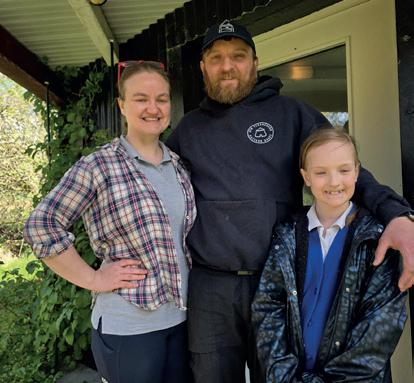
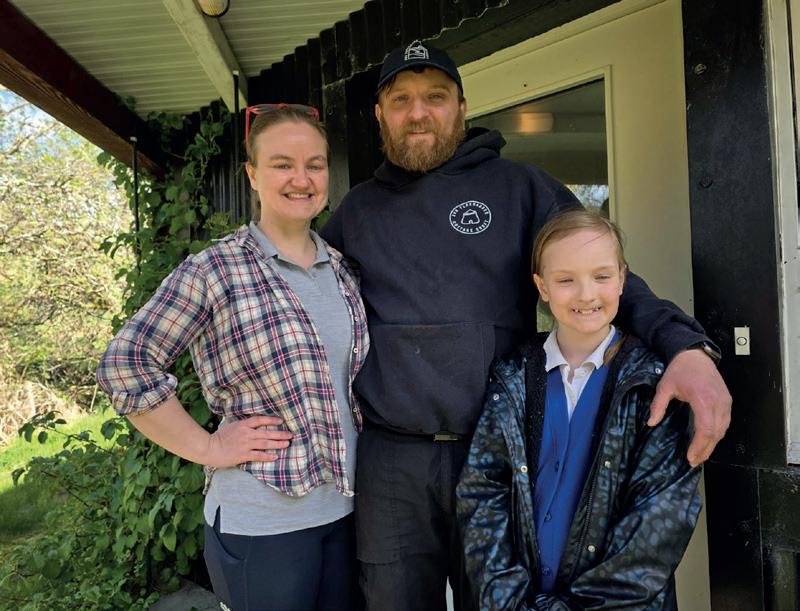
It turned out to be one of the highlights of producing this magazine. Spending time with Jake and his wife Aoife at Dun Flashadder Cottage Croft gave me a completely different perspective. Beyond the livestock and the landscapes, it was the sense of community that stayed with me most – neighbours lending a hand when needed, sharing grazing and passing knowledge from one generation to the next. It finally explained what Duncan had been trying to tell me all along. You can read about it on page 20.
NFU Scotland, Rural Centre, West Mains Ingliston, Edinburgh EH28 8LT
NFU Scotland, Rural Centre, West Mains Ingliston, Edinburgh EH28 8LT
Tel: 0131 472 4000 www.nfus.org.uk nfuscotland @NFUStweets
Tel: 0131 472 4000 www.nfus.org.uk nfuscotland @NFUStweets
Editor Diana McGowan editor@nfus.org.uk
Editor Diana McGowan editor@nfus.org.uk
Managing Editor
Craig Gibson
Managing Editor Craig Gibson
That visit set the tone for the rest of this edition. The whole team embraced the challenge of finding stories from crofting communities across Scotland, from Tiree to Shetland, Orkney and the Highlands. Every conversation reinforced that while no two crofts are the same, they are united by a shared commitment to their land, their communities and finding new ways to build a future for crofting. It also gave us an opportunity to shine a light on the work of NFU Scotland’s (recently renamed) Crofters Committee, and the issues top of their agenda.
Design & Production Ryan Swinney
Design & Production Ryan Swinney
Advertising Sales Clare Stebbing clare@connect communications.co.uk Tel: 0131 561 0024
Elsewhere, we explore how agritourism is creating new opportunities (p.36), while Duncan Macalister examines one of the biggest challenges facing the industry –energy (p.49).
Advertising Sales Clare Stebbing clare@connect communications.co.uk Tel: 0131 561 0024
If there is one thing this edition reminded me, it’s that while Scotland’s agricultural systems may differ, the values that underpin them – resilience, care, community and pride in producing food – are shared. That’s what unites us as members, and that’s what gives NFU Scotland its strength.
Published on behalf of NFU Scotland by Connect Publications (Scotland) Ltd. Studio 2001, Mile End, 12 Seedhill Road, Paisley PA1 1JS
Published on behalf of NFU Scotland by Connect Publications (Scotland) Ltd. Studio 2001, Mile End, 12 Seedhill Road, Paisley PA1 1JS
Keep up to date with all the news on Facebook or follow us on @NFUStweets @nfuscotland
For the weekly news sent to your email, please send your name and membership number to contactus@nfus.org.uk
Editor Megan Williams editor@nfus.org.uk
Design & Production
Mark Shreeve mark.shreeve@micropress.co.uk
Andrew Hirst andrew.hirst@micropress.co.uk
Advertising Sales
Danny Lewis 01502 725862
danny.lewis@micropress.co.uk
Lawrence Kenny 01502 725860 lawrence.kenny@micropress.co.uk
NFU Scotland
Rural Centre, West Mains Ingliston, Edinburgh EH28 8LT 0131 472 4000 www.nfus.org.uk
Published on behalf of NFU Scotland by Countrywide Publications Fountain Way, Reydon Business Park, Reydon, Suffolk IP18 6SZ 01502 725800
Printed by Micropress Printers Ltd
Fountain Way, Reydon Business Park, Reydon, Suffolk IP18 6SZ 01502 725800
HHrealise that positive thought/ silent commitment? Possibly too
never actually realise that positive thought/ silent commitment? Possibly too
In this month’s magazine, our two features cover inspiring stories and highlight just how rewarding delivering on such thoughts can be both for the individual involved and others who may benefit along
In this month’s magazine, our two features cover inspiring stories and highlight just how rewarding delivering on such thoughts can be both for the individual involved and others who may benefit along
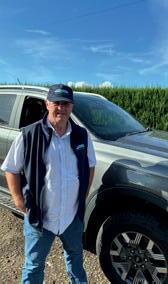
Vice President Updates News Policy & Practice
Regional Activity
Many hands make a croft
Why agritourism matters for Scotland’s crofting communities
Five questions with Duncan Macalister
We’re only a few weeks away from the Royal Highland Show. Over the course of four days, thousands will flock to the show to compete, judge, exhibit, organise, educate and socialise. We’ll see the best of the best and relish the atmosphere. Among the highlights and away from the main show ring, this year will see the welcome return of the Golden Shears Sheep Shearing and Woolhandling World Championships. Taking place at the MacRobert Theatre, the 2023 Worlds will see more than 30 countries compete for the prestigious title and it promises to be an action packed showcase of the art, skill and techniques required to be a world champion. Perhaps a less well known event taking place at this year’s Highland is the final qualifying round of the 2023 Britain’s Fittest Farmer competition. Taking part in this event for the first time is Kyla Graham from
We’re only a few weeks away from the Royal Highland Show. Over the course of four days, thousands will flock to the show to compete, judge, exhibit, organise, educate and socialise. We’ll see the best of the best and relish the atmosphere. Among the highlights and away from the main show ring, this year will see the welcome return of the Golden Shears Sheep Shearing and Woolhandling World Championships. Taking place at the MacRobert Theatre, the 2023 Worlds will see more than 30 countries compete for the prestigious title and it promises to be an action packed showcase of the art, skill and techniques required to be a world champion. Perhaps a less well known event taking place at this year’s Highland is the final qualifying round of the 2023 Britain’s Fittest Farmer competition. Taking part in this event for the

From the PRESIDENT Andrew Connon

The Royal Highland Show once again provided a fantastic showcase for Scottish agriculture and a welcome opportunity to catch up with so many members from right across the country. But once the marquees come down and everyone heads home, the reality is that farming and crofting businesses get straight back to work.
For some, August will see harvest underway and like 2025, this year’s harvest may come early. The crops currently look to have great potential, and hopefully good yields will help compensate for the poor prices in the cereals sector. August will also see livestock sales activity gathering pace; let’s hope Scotland’s farmers and crofters get a decent trade for their cattle and sheep as we head into the main sales season. It is all needed!
As I travel around the country, one thing always strikes me. While a croft in the Highlands or Islands may look very different from an arable farm in Angus, a dairy unit in Ayrshire or a livestock farm in the Borders, the conversations are remarkably similar. Members want the confidence to invest, fair returns for
what they produce and practical policies that recognise the realities of farming and crofting.
That is the message we continue to take to government.
In discussions with the First Minister, the Cabinet Secretary and ministers recently, we have been clear that Scottish agriculture now needs delivery. We have had years of consultations, Bills, Acts and policy development. The direction of travel is largely set. What members need now is clarity, certainty and a support system that works on the ground.
We also continue to make the case on issues that matter every day to members. We remain deeply concerned about proposals around food price caps and the unintended consequences they could have for producers. Following sustained lobbying by NFU Scotland, the Scottish Government has now announced a £2 million emergency support package for independent pig producers. While that funding is welcome and will provide muchneeded short-term relief for businesses facing acute cashflow pressures, our initial assessment is that it falls well short of the scale of losses many producers have experienced. Emergency support cannot become a substitute for a fair marketplace, so we will continue working with government, processors and retailers to tackle the underlying issues and secure sustainable returns for Scotland’s pig sector. We will also keep working with retailers to secure greater prominence for Scottish produce on supermarket shelves.
Our ShelfWatch campaign continues to be an important part of that work. Retailers know they are being watched, and encouragingly, many are responding. That’s good news for producers and consumers alike, but there is still more to do to ensure Scottish produce is clearly identified and given the prominence it deserves.
We’re also pushing beyond the farm gate. Recent discussions with the hospitality sector and progress on establishing a government-led task force on public procurement are positive steps. Getting more Scottish food into restaurants, hotels, schools and hospitals has the potential to create lasting benefi ts for farmers, crofters and consumers alike.
The past month has taken me across the country, visiting some great businesses. Unsurprisingly, inheritance tax featured heavily in our conversations. As I see it, we view the shift by the Treasury on 23 December 2025 to raise the tax relief threshold to £2.5 million per spouse as a win. However, we will continue to look for the next political opportunity to secure a further shift, or even a reversal of the policy in order to protect our family farms for the next generation. Please be assured that our book remains very much open on IHT.
The months ahead will be busy. Harvest will roll on, livestock sales will continue and crofters across the Highlands and Islands will be dealing with the demands of late summer. Whatever the season brings, NFUS will continue to make the case for practical policies that recognise the contribution farming and crofting make to Scotland’s economy, environment and food security.
I wish you all a good harvest and sales season.




















Duncan Macalister Vice President

Robert Neill Vice President
When you spend time talking to crofters, one thing really stands out to me: their resilience and resourcefulness.
They work in some of the most challenging environments in Scotland, where remoteness brings its own difficulties. But they find a way of making things work. They come up with solutions, they adapt and they think differently. That ability to look at a challenge and find a way forward is something we can all learn from.
Even the way they manage livestock can make you stop and think. You hear about cattle lasting 25 years in some crofting systems and you think: hold on a minute, there are lessons here. They are getting longevity and value from their animals in a way that challenges how we normally look at things.
That mindset comes from necessity. Remote working is part of their DNA. If something doesn’t work, they have to find another solution because there often isn’t another option.
They have adapted to everything from challenging weather and sea eagles to changing landscapes. They have learned to work with their environment, not against it, and that ability to adapt is part of island life and part of being a crofter.
It is also important that crofters use their voice. The Crofters Committee needs people to get involved. It is not just about paying membership; the important part is having your say and helping shape the future.
The strength of this Union comes from people coming together. Your issue is often someone else’s issue too, and when hundreds or thousands of members raise the same concern, that gives us the ability to go to government and say: this matters to our members.
As I put pen to paper, combines are about to start here in the Scottish Borders. Let’s hope yields and quality will be above average, with the dry conditions throughout the season reducing drying costs. This one is totally out of our control, but if there was ever a year we needed to reduce our inputs, this is it! With sporting events taking place all over the globe, let’s hope the consumption of beer and burgers will be up, and in turn our produce will be in demand.
At the time of writing, I have just returned from a two-day tour of the North East on a recruitment drive. It was a pleasure to drive around the countryside there. Keeping my eyes on the road was a struggle! I can definitely say that the grass is always greener. We are really starting to see the effects of very little rain here at home. Spring calves are all now taking creep feed earlier than normal. Thankfully, we have plenty of feed in store.
After a busy Highland Show with lots of engagement with politicians and retailers, it was interesting to hear how our ShelfWatch campaign was held in high regard, with the retailers near the bottom of the league table inspired to climb to number one. I met Minister Martin for the first time, and we had a conversation on all the greening rules. She agreed to a farm visit to explore this further and look at the practicalities of this on farm.
This month I am heading to Tiree to look at goose management and also making a trip to Shetland for the Cunningsburgh Show. This will help my knowledge on all matters crofting.
NFU Scotland has welcomed the Scottish Government’s decision to review the nondomestic rates system following concerns raised during the 2026 revaluation. While describing the review as a positive first step, the Union is calling for swift action to deliver a fairer, simpler and more consistent system that provides certainty for farmers, crofters and diversified rural businesses.
NFU Scotland has warned that proposed tariff suspensions on imported food products could undermine Scottish food production and long-term food security. While recognising cost-of-living pressures, the Union says government decisions must protect domestic producers, strengthen food security and avoid placing Scottish farmers and crofters at a competitive disadvantage.
NFU Scotland has called on the Scottish Government to abolish the Scottish Agricultural Wages Board within the first year of the new Parliament. The Union says the outdated system creates unnecessary complexity, increases costs and puts Scottish farming at a competitive disadvantage compared with the rest of the UK.
NFU Scotland has warned that rising food and grain imports are putting pressure on domestic producers and threatening Scotland’s long-term food security. Citing ShelfWatch data showing imports increased by 5% year-on-year, the Union is calling for stronger import standards, clearer country-of-origin labelling and trade policies that protect Scottish farmers.
by David Michie
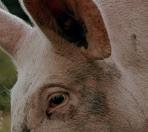
After weeks of sustained lobbying by NFU Scotland, the Scottish Government has announced a £2 million emergency support package for Scotland’s independent pig producers.
The funding, announced 10 July, was a direct response to the severe financial pressures facing the sector. Backdated to March and running until the end of August, the package provides short-term financial relief for eligible producers, with payments based on the difference between the price received and 85% of the Standard Pig Price (SPP). The Scottish Government has confirmed the scheme will be reviewed before any decision is made on extending support beyond August.
While welcoming the announcement as an important acknowledgement of the challenges facing producers, NFU Scotland has cautioned that the package is unlikely to reflect the full scale of losses many businesses have experienced in recent months.
The Union first raised the issue directly with the Cabinet Secretary on 10 June before continuing intensive discussions with ministers and officials to make the case for urgent intervention.
Andrew Connon, NFU Scotland President, said securing emergency support had been the immediate priority, but warned that much more work remains.
creating unprecedented financial strain for independent producers. While this funding will provide welcome short-term relief, it is unlikely to make up for the losses many businesses have already suffered.”
Mr Connon said emergency financial support should be viewed as only one part of the solution.
“The real issue is the persistent gap between the prices Scottish producers receive and the true value of the pigs they produce. Until that imbalance is addressed, we’re treating the symptoms rather than fi xing the cause.
“This cannot become a sticking plaster that allows others in the supply chain to avoid tackling the underlying issues. Scotland’s pig producers need a profi table, sustainable market, not repeated emergency interventions.”
NFU Scotland’s Pigs Committee Chair, Jamie Wyllie, said the package would provide valuable support for businesses facing immediate cashflow pressures, but agreed that it would not fully off set the losses many producers have been carrying for months.
“Financial support is important in the short term, but our members ultimately want to earn a fair return from the marketplace, not rely on government intervention,” he said. “That’s where the long-term focus has to remain.”

Please note, an editing error was made on last months’ edition, and when talking about the Rest & Be Thankful, it should have stated “the opposite side of Glen Cro” not Glen Coe.
“We’re pleased the Scottish Government has listened and responded to our calls for urgent support,” he said. “However, our initial assessment is that this package is unlikely to reflect the scale of the challenge facing the sector.
“Since March, the cumulative impact of the persistent gap between prices paid and the Standard Pig Price has exceeded £1 million every month,
While securing emergency fi nancial support was the Union’s immediate priority, NFU Scotland is continuing to press UK Government, retailers and processors to address the underlying causes of the current crisis. Creating a fairer, more transparent marketplace that delivers sustainable returns remains the long-term objective, ensuring Scotland’s independent pig sector has the confi dence to invest and thrive. If you would like to know more on this, please get in touch with David@david.michie@nfus.org.uk.
Scotland’s Oldest Agricultural Cooperative Trading Together, Growing Together, Since 1903
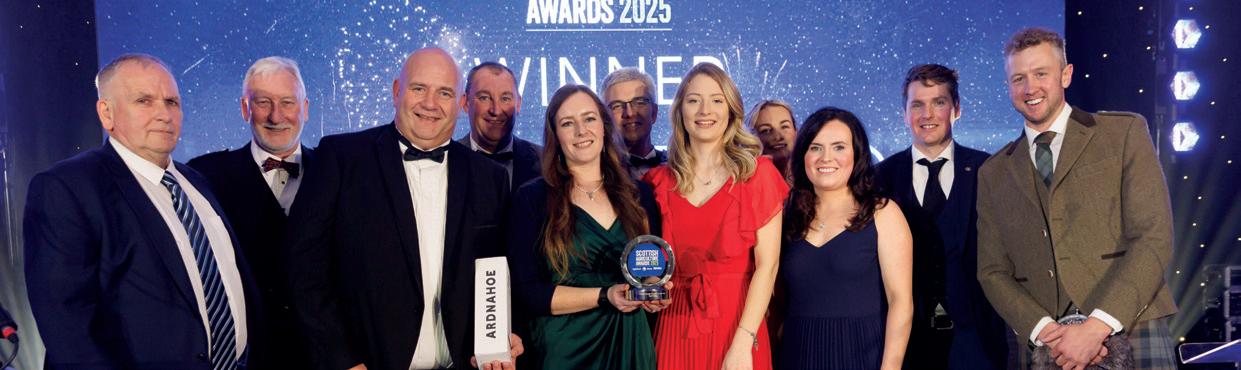







Tarff Valley was pleased to have won the ‘Animal Health Provider of the Year’ award at the Scottish Agriculture Awards in Glasgow on 23rd October! This incredible achievement is a true reflection of the hard work and dedication of our Registered Animal Health Advisers, whose commitment has made this success possible.












Tarff Valley Ltd is pleased to announce the appointment of Ian Houston as its new Chief Executive Officer. Ian succeeds Rod Sanderson, who announced his intention to retire earlier this year.


by Jonnie Hall
Scottish agriculture is being asked to deliver more than ever before.
Farmers and crofters are expected to produce food efficiently, reduce emissions, improve biodiversity, strengthen animal welfare and build resilience in the face of economic and climatic uncertainty. Delivering those ambitions requires investment.
That is why the Future Farming Investment Scheme (FFIS) matters. Capital support helps businesses adopt new technologies, improve efficiency and invest in long-term resilience. As the Scottish Government prepares to re-run FFIS in 2026, the focus must now be on ensuring the scheme is fair, transparent and capable of delivering maximum value for both farming businesses and the public purse.
The success of the FFIS in 2025 revealed something important about Scottish agriculture. Farmers and crofters want to invest. They want to improve efficiency, reduce emissions, strengthen resilience and prepare their businesses for the future. The challenge is that far more businesses are looking to invest than current support budgets can accommodate.
Oversubscription to FFIS 2025 should
not be viewed as a failure of policy design. Quite the opposite. It demonstrated just how constrained access to capital has become for farming and crofting businesses, and how critical targeted grant support is in unlocking investment, improving efficiency, and supporting transition.
But in a context where demand far outstrips available funding, the design of the scheme becomes absolutely critical.
At NFU Scotland, we have listened carefully to member feedback and engaged with Scottish Government. It is clear that FFIS 2026 must build on what worked, address what didn’t, and deliver a scheme that is transparent, fair, and grounded in pragmatism.
We support the Scottish Government’s intention to evolve FFIS into a simpler, more outcome-led scheme. However, simplification must not come at the expense of accessibility. The scheme must continue to work across different sectors, and across Scotland’s diverse geographies, including our most fragile and remote areas.
FFIS 2026 must strike the right balance between environmental ambition and economic resilience. These are intrinsically
linked, with more efficient businesses typically being more sustainable, both environmentally and financially.
There is merit in narrowing the focus of FFIS 2026, namely reducing greenhouse gas emissions through improved efficiency. However, members have been equally clear that the scheme must not be framed too narrowly.
If FFIS is perceived as a ‘carbon-only’ scheme, it risks disengaging farmers and crofters whose investment priorities are broader but still deliver environmental benefits. Framing FFIS 2026 around productivity, welfare, soil health, and resilience as core components would lead to better outcomes and stronger participation.
Members told us repeatedly that the use of priority groups created confusion and uncertainty. We are advocating for a shift away from priority group classifications towards clear budget allocations and differentiated grant rates. This approach would reduce ambiguity and ensure funding decisions are based on clearly defined objectives and outcomes, rather than broad categorisation.
That said, we absolutely recognise that some businesses face structural
constraints that limit their ability to invest. New entrants, tenant farmers, and islandbased units often operate under additional pressures, whether financial, contractual, or geographic.
Rather than labelling these as ‘priority groups’, we propose enhanced grant rates for such businesses. This is a more targeted and transparent way of supporting those who need it most, without distorting the overall scheme structure.
A significant proposed change for FFIS 2026 is the move away from 100 per cent funding towards a match funding model. While this represents a shift, it is one we support, provided it is implemented carefully.
Match funding ensures applicants have a stake in the investment, reduces speculative or low-quality applications and allows limited public funds to go further.
However, grant rates must remain viable. If the contribution required from the business is too high then participation will fall, and the scheme’s impact will be diminished.
Another lesson from FFIS 2025 is that land area is not a reliable indicator of investment need or potential impact. Farming systems vary enormously and the
opportunity available in one hectare does not equate to a hectare elsewhere.
There’s a case for removing landbased thresholds and instead introducing differentiated grant caps. This approach would better reflect actual investment behaviour and ensure value for money while still allowing ambition. The introduction of a predefined list of eligible capital items would also improve clarity for applicants.
If there is one overarching theme from member feedback, it is the need for greater transparency. Applicants must understand how decisions are made through clearer scoring criteria, worked examples and a ranking system that makes outcomes more predictable. Transparency builds trust. And trust is essential if FFIS is to maintain credibility across the sector.
While it is important to maximise the reach of FFIS 2026, any blanket exclusion of previous recipients would penalise progressive businesses and disrupt longterm investment planning.
A more balanced approach could involve allowing repeat applications, potentially with adjusted grant rates. This would be fair while supporting continuity and ongoing improvement.
Finally, it is important to recognise that FFIS does not exist in isolation. The level of demand seen in 2025 points to a broader structural investment gap within Scottish agriculture.
Addressing this will require greater multiyear funding certainty, alignment of capital investment within wider agricultural policy frameworks, and recognition of the FFIStype model as a key delivery mechanism for future support.
We will continue to engage with the Scottish Government on all these issues. The changes for FFIS 2026 we have put to the Scottish Government are about refinement – building on what worked, addressing weaknesses, and ensuring the scheme delivers for those it is intended to support.
The success of the FFIS in 2025 revealed something important about Scottish agriculture: farmers and crofters remain willing to invest in their businesses and their future when the right support is available. That confidence should be welcomed. The task now is to ensure FFIS 2026 harnesses it through a scheme that is fair, transparent and capable of delivering the outcomes Scotland wants from its agricultural sector.








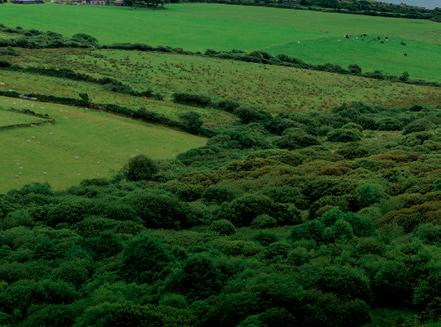
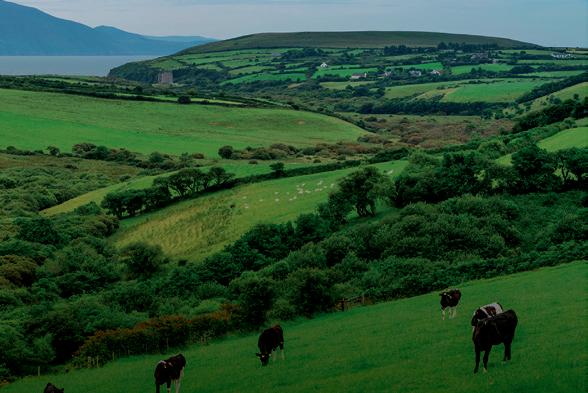
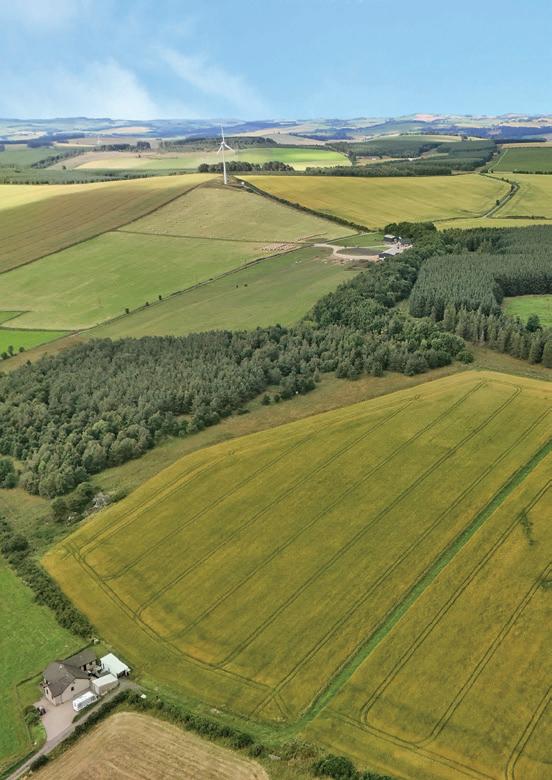
Attractive parcel of land and woodlands near Rothienorman, by Inverurie, extending to 42 Ha (104 acres).
All enquiries rural@dmhall.co.uk or call Jennifer Campbell on 07909 917540


Lauren Cook, Senior Associate, Gillespie Macandrew LLP
Crofting remains a deeply rewarding way of life, rooted in Scotland’s rural landscapes and heritage. Yet, for many crofters, generating a sustainable income from traditional agricultural activities alone can be challenging. As a result, diversification has become an increasingly important part of modern crofting businesses.
Today, many crofters supplement their agricultural activities with alternative income streams.
Popular examples include holiday accommodation, such as self-catering units and small campsites; food and drink production; cafés and farm shops; direct sales of meat, fruit and vegetables; and renewable energy projects.
While diversification can create valuable opportunities, croft land remains subject to a unique legal framework. What a crofter can do – and whose permission may be required –depends largely on whether the crofter is a tenant or an owner-occupier.
Every crofter has a statutory duty either to cultivate and maintain their croft or to put it to another “purposeful use”. Purposeful use is defined as any planned or managed use of the land which does not adversely affect the croft, the public interest, the interests of the landlord, or the use of adjacent land.
For tenant crofters, diversification into a non-agricultural purposeful use requires written permission from the landlord. For example, a tenant crofter wishing to install a wind turbine on the croft must first obtain landlord consent, in addition to any necessary planning permissions. If consent is refused, the tenant may apply to the Crofting
Commission, which has the power to grant approval.
In contrast, an owner-occupier crofter does not require consent and can proceed with projects such as their own renewable energy infrastructure, provided the project does not adversely affect the croft, the public interest or the use of adjacent land.
Renewable energy projects are a useful example, as they frequently involve third-party developers seeking rights over croft land. In practice, developers often prefer land to be free from crofting regulation before significant projects, such as wind farms or hydro schemes, proceed on the land.
The appropriate route for removing or modifying crofting restrictions will depend on the nature, scale and layout of the development.
One possible route is to apply to the Crofting Commission to have the relevant area(s) of land decrofted and removed from crofting tenure. Where the land is tenanted, the landlord may alternatively apply to the Scottish Land Court for a resumption order, either temporarily or permanently removing the land from crofting tenure.
Since 2007, it has also been possible to seek approval from the Scottish Land Court for a detailed Scheme for Development. This procedure allows a development to proceed while the land remains within crofting tenure. If approved, crofting rights over the affected land are restricted to the extent necessary to facilitate the project.
Developers will typically also require a lease or other rights over the land. An owner-occupier crofter will generally be able to grant the necessary rights directly, subject to any other regulatory requirements. In the case of a tenanted croft, however, the necessary lease must be granted by the landlord rather than the tenant.
Common grazings have traditionally
been used for a limited range of purposes, including livestock grazing, forestry and peat cutting.
Since 2007, shareholders in a common grazing have been able to agree alternative uses, provided they obtain approval from the Crofting Commission. Any proposed use must not be detrimental to use of other parts of the common grazing or to the interests of the landlord.
The Crofting and Scottish Land Court Act 2026 introduces further opportunities for croft diversification by recognising “environmental use” as a legitimate use of croft land. Under the new provisions, which are still to come into force, crofts may be used for environmental purposes without requiring the consent of either the Crofting Commission or, in the case of tenanted crofts, the landlord.
Environmental use includes activities such as peatland restoration but does not extend to the generation, storage or transmission of energy.
For common grazings, environmental use will also be permitted, although consent from the landlord and/or the Crofting Commission is required.
Diversification is increasingly essential to the long-term resilience of crofting businesses and communities. Whether through renewable energy, environmental projects, tourism or direct sales, crofters have more opportunities than ever to generate additional income from their land.
Understanding the regulatory framework, engaging early with relevant stakeholders and obtaining the right permissions at the right time are key. With further reforms on the horizon, crofters who are prepared to explore new opportunities while remaining compliant with crofting law will be well placed to secure a sustainable future for their businesses and for the wider crofting sector.

Synchronised A.I., Freeze Branding Pregnancy Scanning (DEFRA licensed)
Semen Sales and Products
Supplier of Easy Boss E oral distraction devices and Moocall SMS calving alert sensor
Nitrogen Top Up Service
Tel: : 01501 785323
Moobbilee: 07850 184 313
Emaail: : srcattleseervices@bttcconnnect..com wwww w srcatttleservicces co uk


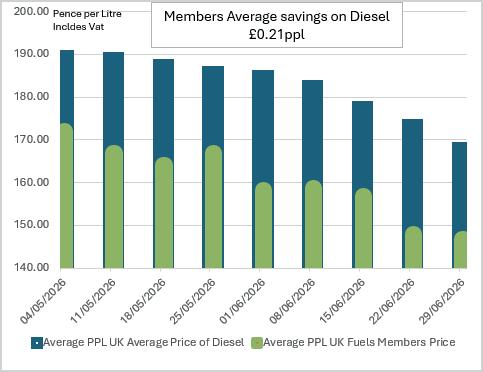
A key example of an excellent member benefit on offer is our fuel card with which offers a significant discount on diesel at the pump.


Gemma Cooper Head of Operations and Partnerships
Last month I wrote the fi rst new commercial column. It has been a busy spell in my new role working alongside our existing commercial and operational teams. We held our fi rst commercial spotlight at the Royal Highland Show, and it was fantastic to see so many members and their families on the show stand over the four days.
The card offers access to more than 7,000 fuel stations in the UK, has no fees, and is invoiced weekly and paid by direct debit. Our figures show that and June it gave an average discount of 21ppl for diesel. Use of the card momentum amongst members -the combined use of our top three users amounted to a saving of more than £3,000 for May alone.
our first commercial spotlight at the Royal Highland Show, and it was fantastic to see so many members and their families on the show stand over the four days.
We are working hard to build more profi le for our range of partners. We have a suite of fantastic off ers which I am confi dent more members could benefi t from.
We are working hard to build more pro of fantastic offers which I am con
If you are interested in subscription you can visit our member bene QR code below.
If you are interested in fi nding out how you can maximise the value of your subscription you can visit our member benefi ts page on the website by scanning the QR code.


Getting value from your membership-discounted fuel*
Getting value from your membership-discounted fuel*
A key example of an excellent member benefi t on off er is our fuel card with UK Fuels which off ers a signifi cant discount on diesel at the pump.
to a saving of more than £3,000 for May alone.
A key example of an excellent member benefit on offer is our fuel card with UK Fuels which offers a significant discount on diesel at the pump.
The card offers access to more than 7,000 fuel stations in the UK, has no associated fees, and is invoiced weekly and paid by direct debit. Our figures show that for May and June it gave an average discount of 21ppl for diesel. Use of the card is gathering momentum amongst members -the combined use of our top three users amounted to a saving of more than £3,000 for May alone.
The card off ers access to more than 7,000 fuel stations in the UK, has no associated fees, and is invoiced weekly and paid by direct debit. Our fi gures show that for May and June it gave an average discount of 21ppl for diesel. Use of the card is gathering momentum amongst members – the combined use of our top three users amounted
This month has seen a range of new professional companies joining NFUS as members. We know how important allied industries are for our members and for the rural economy. A warm welcome to:
I would encourage you you to look at the fuelcard – the savings can be really signifi cant and this is an easy way to cement real value for your business from your membership. You can access this via: https://www.ukfuels.co.uk/nfuscotland/
*Please note – we are working to fi nd a solution for members who don’t have access to a fuel station o ering this discount.
• McGavock Consultancy Ltd (Consultancy)
• BM Maintenance Services (Maintenance & Property Services)
• North Blairs (Oil and Gas)
• Clochnahill Ltd (Energy)
• Glenlaurence (Property Development)
NFU Scotland continues post-election work
Before summer recess, NFU Scotland held a number of meetings with MSPs at the Scottish Parliament.We met with MSPs from across all the political parties: the rural affairs spokesperson for Reform Jamie Langan MSP, the Scottish Conservatives Finlay Carson MSP, Scottish Greens Ariane Burgess MSP, and Scottish Labour Claire Baker MSP, alongside representatives from the SNP and the Scottish Liberal Democrats, who will be key for us to help ensure a profi table and sustainable Scottish agricultural sector and its surrounding communities.
We expect the Programme for Government to be announced in September, with speculation around Rural Renewal Bill, Food Price Cap, and Business Rates to be some of the issues that will be important to us. We also expect secondary legislation from last session’s work, such as the Land Reform Act, Agriculture and Rural Communities Act and Natural Environment Act, amongst others. With 65 new MSPs now in Holyrood, the biggest change in MSPs since devolution, we look forward to working with this new parliament nationally, as well as regionally, as we look to support our regional team to get as many MSPs on farm to discuss and educate on the issues that matter most to you, our members.
NFU Scotland visit Westminster
NFU Scotland President, Andrew Connon, and Director of Policy and Deputy CEO, Jonnie Hall, were in Westminster in July. They met with MPs from across the political spectrum to discuss important issues such as the Sanitary and Phytosanitary Agreement (SPS), labelling and the pig sector crisis. They met with Seamus Logan SNP MP, Wendy Chamberlain Scottish Liberal Democrat MP and Richard Baker, Scottish Labour MP. Jonnie also met with a number of key officials at the Department for Environment, Food and Rural Affairs. He provided a briefing on agriculture in Scotland and underlined the need for close working between NFU Scotland and their department.
Gemma Cooper Head of Operations and Partnerships
We recently launched a program of events dedicated to supporting and developing our branch chair and vice chair network. It was great to hear that the first meeting was well attended and had lots of excellent input and questions.
Our branches are the bedrock of what we do at NFUS, our network of 72 branches spreads throughout the country and is supported by our local group secretaries. As a key place to discuss local concerns, meet other members and learn about policy impacting on farming and crofting businesses, branches have a vital role to play in the fabric of Scottish agriculture.
Branch chairs have an important role to play in initiating branch activity and working with
group secretaries to plan interesting meetings. We are keen to enhance the level of support that we currently offer to these key members, and this new program of events is a first step in making this a reality. More broadly, this is also a key milestone in our work to identify talent and to help those who want to progress in NFUS make this a reality.
The next meeting is planned for 29th of September from 6.30pm-8pm. Our branch chair and vice chair network will receive a direct invitation, and it would be fantastic to welcome as many as possible to take part in the call. This is a real chance to share challenges and talk about opportunities for helping make sure our branch network is vibrant and thriving.
Branches will have AGMs later in the year, if you are thinking about standing for a branch position this is your opportunity to step into a chair or vice role. Being a chair is a fantastic opportunity to network, hone your chairing skills and to help be a key part of talking about the issues that matter to your area.
NFU Scotland Vice President Duncan Macalister has been recognised as Scotland’s Farm Safety Hero 2026, receiving the accolade from the Farm Safety Foundation (Yellow Wellies) during July’s Farm Safety Week.
The award recognises individuals who have made an outstanding contribution to improving safety across Scottish agriculture, and for Duncan, it reflects a cause that has become central to his work since taking on the role of Vice President.
Farming and crofting remain among the UK’s most hazardous industries, with the daily realities of working with livestock, machinery, vehicles and challenging weather conditions presenting risks that can never be ignored. Duncan has been determined to ensure those risks remain firmly on the industry’s agenda.
Alongside representing members on a wide range of policy issues, he has consistently championed farm safety, encouraging practical conversations around risk awareness, the safe use of quad bikes and the importance of looking after both physical and mental wellbeing.
Farm Safety Foundation Manager, Stephanie Berkeley, praised Duncan’s commitment from the outset of his time in office.
“We’re absolutely delighted to recognise
Duncan as Scotland’s Farm Safety Hero 2026,” she said.
“From the moment he stepped into his role as Vice President of NFU Scotland, championing farm safety was a clear priority. In fact, we were one of his first calls. That speaks volumes about how deeply he cares about this issue.
Known for his warmth, ability to bring people together and get things moving, Duncan is bringing a new energy to the farm safety agenda. He recognises that progress comes from collaboration, shared responsibility and keeping people at the heart of every conversation about the future of farming.”
The award also shines a light on the vital work of the Farm Safety Foundation, which has spent the past 12 years working to improve safety and wellbeing across the industry. Through training delivered to more than 30,000 young farmers, practical resources and national campaigns such as Farm Safety Week and Mind Your Head, the charity continues to challenge attitudes towards risk and encourage safer, healthier ways of working. By equipping the next generation of farmers and crofters with the knowledge and confidence to work safely, the Foundation is helping to build a stronger, more resilient future for Scottish agriculture.


1250 LITRE - £2,250
2500 LITRE - £2,795
5000 LITRE - £3,765
7500 LITRE - £5,000
10000 LITRE - £6,150
SINGLE PHASE, 3.5HP, 1800PSI, 11LPM.. £2,800
SINGLE PHASE, 5HP, 2200PSI, 14LPM..... £3,025
THREE PHASE, 7.5HP, 2700PSI, 25LPM... £2,950
THREE PHASE, 10HP, 3000PSI, 18LPM.... £3,300
PETROL, 16HP, 3625PSI, 25 LPM ..............£6,075
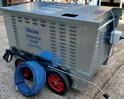
COMMERCIALMETAL BUNDEDFUEL TANKS STANDARDSPECIFICATIONS
•3mmBritishsteel
•230 volt /60litreper min pump
•6m deliveryhose
•Water &particulate filter
•Mechanical flowmetre
•Autoshutoffnozzle
•Contentsgauge
•Deadlockwith 2keys
•LiftingEyes
•Steel box sectionacrossthe base forforkliftaccess andtoraisethe tankfromthe floor
•Paintedgreenasstandard(Anti -corrosionpaint)
•Mainswaterfeedorwillsuckfrom
•Ravelelectricmotor
•Complete lance
•8 metresofelectric cable
•Diesel firedboilercomplete with 20litrefueltank
•20litredetergenttank


•BS799,OFST200 & SSAFOcompliant
•Maxtemp80Corcanberunas a cold pressurewasher
•Pressure can beregulatedfrom maxto500PSI





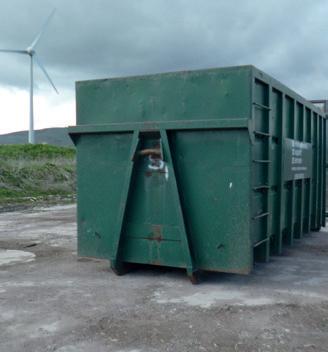
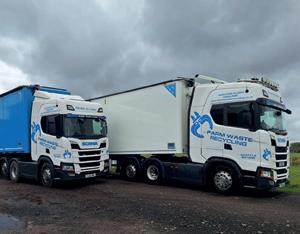
We are a farm waste management company, based near Dundee and have been trading for 14 years.
Collection of waste from farm
Coverage throughout Scotland
Waste drop off directly to our yard
Walking floor haulage
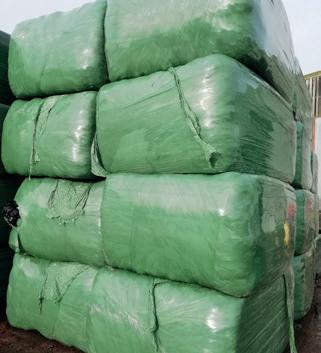
The types of waste we accept includes: Silage Wrap, Fertiliser Bags, Chemical Drums, Cardboard and Feed Buckets. Mixed loads of waste are accepted to make it as easy and affordable as possible for farmers to dispose of their waste.
Skips also available for scrap metal. Give us a call to discuss your requirements.

The NFU Mutual Charitable Trust and the UK Sepsis Trust are raising awareness to help save lives
Farmer Marshall Wylie thought little of cutting his arm while sorting wood in August 2023 — even when he became ill over the next 48 hours. But after developing sepsis, he had to have both legs amputated and is now using his story to raise awareness of sepsis among the farming community.
Sepsis is a life-threatening condition that arises when the body’s response to an infection injures its own tissues and organs. It occurs when the body’s immune system goes into overdrive. If it isn’t treated immediately, it can result in organ failure and death.
Five people die with sepsis every hour in the UK, yet with early diagnosis, sepsis can be treated with antibiotics. Farmers are more vulnerable to the condition, as their work means they’re more likely to suffer cuts and grazes, which can lead to infection - and potentially sepsis. Also, living in rural and often isolated settings means farmers can’t always get medical attention as quickly as they should. A busy schedule can also make it difficult to take time off, making this even harder.
When Marshall first fell ill on the farm he assumed it was flu, but was actually in the early stages of sepsis - something which changed his life forever. Now passionate about raising awareness among his community, who are more vulnerable to the condition, Marshall recently shared his experience at a sepsis awareness event at Balmoral Show organised by the Northern Ireland Agri Rural Health Forum.
Marshall explained: “Being a typical farmer you never think about a scratch a cut, or worse a large gash, all you think about is the time you waste having to leave your work undone and go to a hospital or clinic for help. That’s what I always said till the day I took a small cut on my arm at work and it led me to where I am now. I was very lucky.”
He added: “My message to everyone is - if in doubt, get yourself checked out. It may be nothing, but who knows?”
The heightened risk of sepsis to farmers is why the NFU Mutual Charitable Trust, an independent charity set up by NFU Mutual
to support charities and organisations working in the interests of agriculture, rural communities and the countryside, is supporting the UK Sepsis Trust (UKST).
UKST is a charity that exists to fight sepsis, stop preventable deaths and support those affected by the lifethreatening conditions. Since 2022, the NFU Mutual Charitable Trust has donated £140,000 to UKST, to support the charity’s work in raising awareness of the risks of sepsis with members of the farming community. This has included supporting the charity to produce an information video highlighting the potential risks of sepsis on a farm, and how these risks can be prevented. It urges anyone who is working in agriculture to take note of symptoms and seek medical help if they think they have the condition.
Dr Ron Daniels BEM, who founded the charity, says: “Our goal is to end preventable deaths from sepsis and improve outcomes for survivors. We believe that earlier diagnosis and treatment across the UK would save several thousand lives a year. The fact is that farmers and labourers are at increased risk of developing infections, so any cuts or injuries should be cleaned thoroughly, disinfected and covered before returning to any work which risks contamination. Sepsis can also be caused by infective illness such as pneumonia or UTIs, and those in the farming community tend to present to healthcare later than others. If you, or a loved one displays any of the symptoms (see above) it’s important that you seek medical attention, urgently.”
During 2026 and 2027 the UKST will be working with the NFU Mutual Charitable Trust to further grow awareness of sepsis among farming and rural communities.
Jim McLaren MBE, NFU Mutual Chairman and Chair of the NFU Mutual Charitable Trust, added: “I am proud that the NFU Mutual Charitable Trust continues to support the UK Sepsis Trust’s vital efforts to raise awareness of sepsis within the farming community. The nature of farming means individuals are often at greater risk of cuts and grazes, so improving understanding of the condition, its risks and symptoms, is crucial in helping to save lives.”

Visit UKST’s website to get ‘Sepsis Savvy’ and learn more about the dangers and symptoms of sepsis for the farming community; you can also download the charity’s awareness posters and share the videos with family, staff and your friends.
To find out more, visit sepsistrust.org/ farming. You can also download this QR code to access the charity’s new online sepsis assessment tool.

Sepsis can affect anyone. Just ask: “Could it be sepsis?”
SEEK MEDICAL HELP URGENTLY IF YOU (OR ANOTHER ADULT) DEVELOP ANY OF THESE SIGNS:
• Slurred speech or confusion
• Extreme shivering or muscle pain
• Passing no urine (in a day)
• Severe breathlessness
• It feels like you’re going to die
• Skin mottled or discoloured.
A child may have sepsis if they:
• Are breathing very fast
• Have a ‘fit’ or convulsion
• Look mottled, bluish, or pale –on black or brown skin, colour changes may show on the inside of the forearms or palms
• Are very lethargic or difficult to wake
• Feel abnormally cold to touch.
If you spot any of these signs, call 999 or go straight to A&E















The demand and competition for British wool have strengthened considerably over the past year, with prices the highest this year for a decade.
As a co-operative, British Wool creates that competition, helping deliver value back to members and supporting the long-term future of the industry.
British Wool pays the annual average, not just today’s price – meaning you benefit as the market rises
Supporting British Wool auctions means fairer returns and a stronger future for all
Choose British Wool, share in the industry’s success, and receive the true value for your wool
For more information, scan the QR code opposite.
*Prices quoted per kilo.













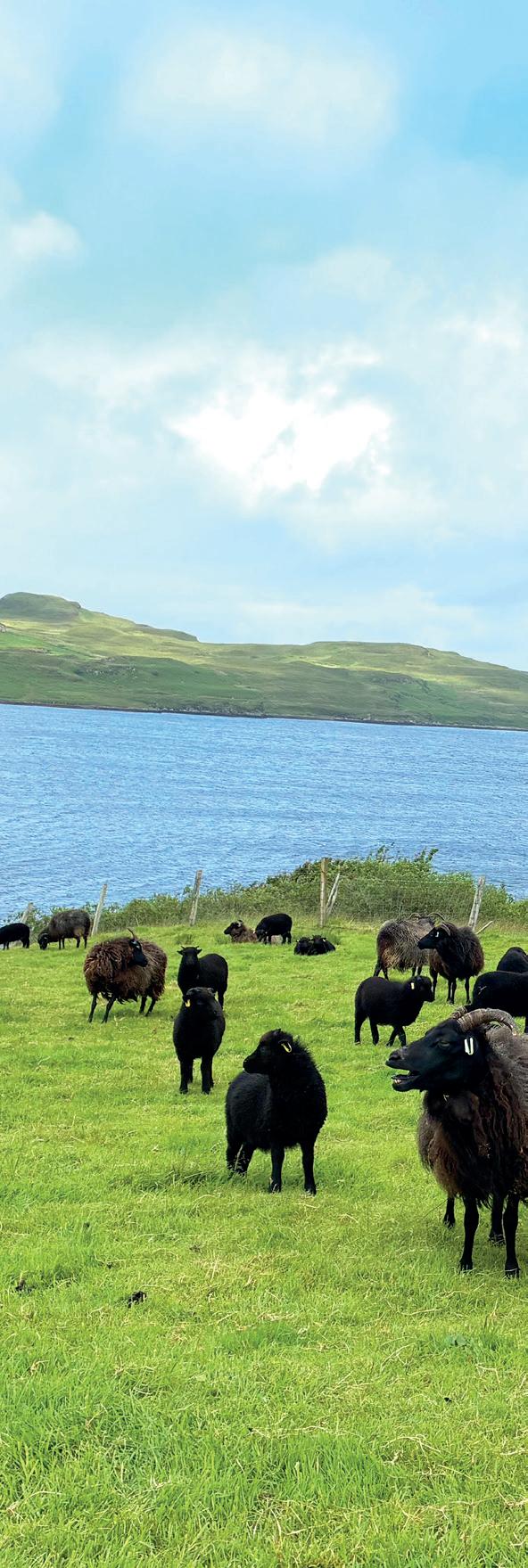
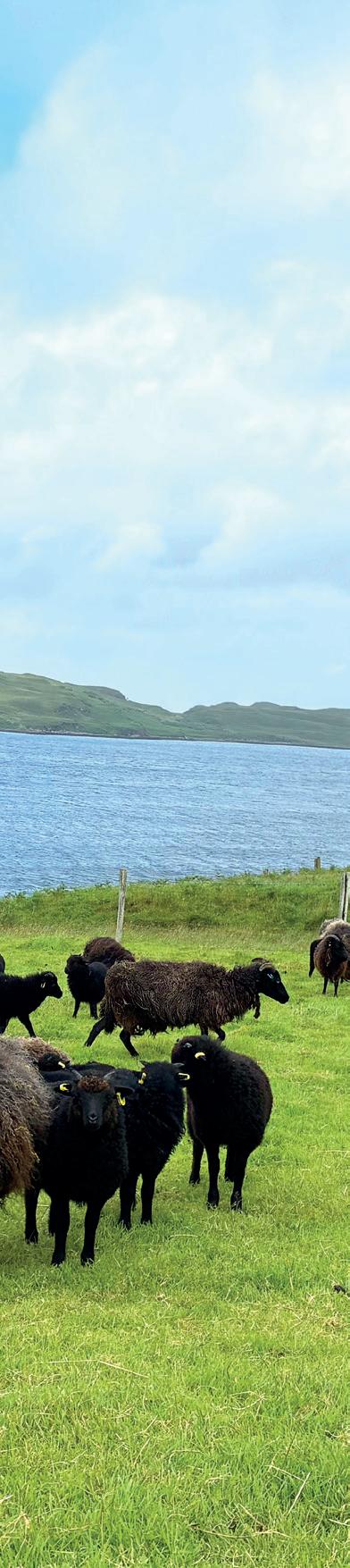

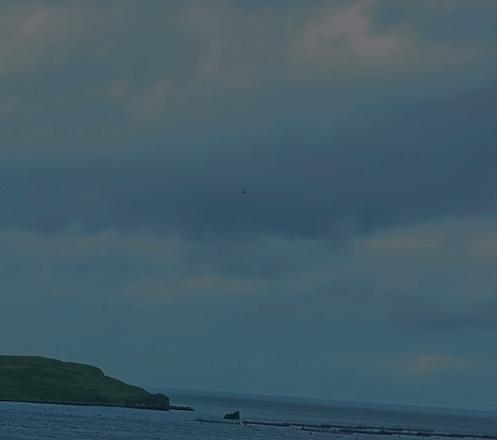
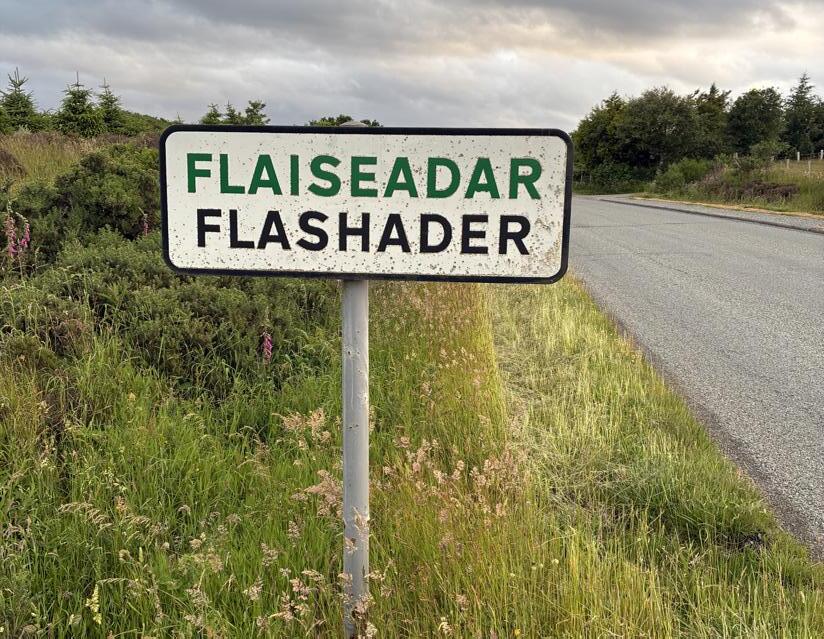
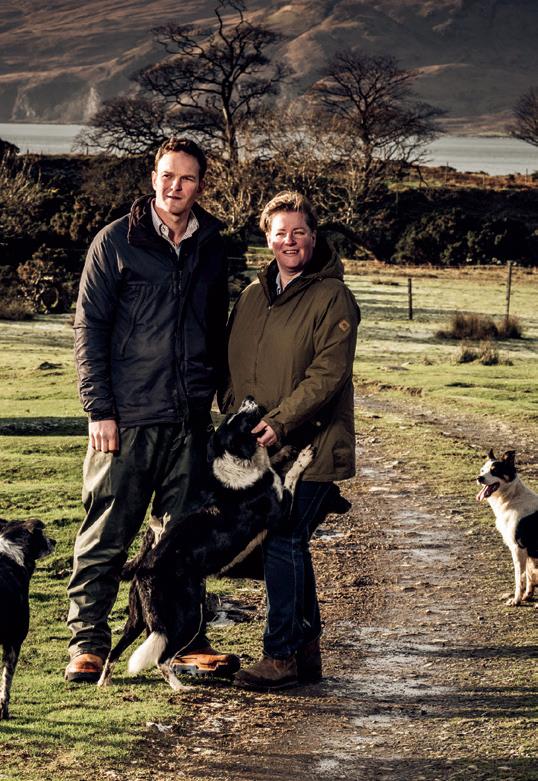
Alongside full-time work as a self-employed Insurance Agent with NFU Mutual for Isle of Skye, Lochalsh & the Western Isles, and joint Vice Chair for NFU Scotland’s Crofters Committee, Jakes Sayles is also a new entrant crofter at Flashadder on the Isle of Skye. Driving the long drive north to visit Jake, his wife Aoife (Leaf) and their daughter Corran, Editor Megan Williams discovers a story of humility, community and quiet optimism – from Hebridean sheep and rare breed pigs to orchards, blueberries and bees.

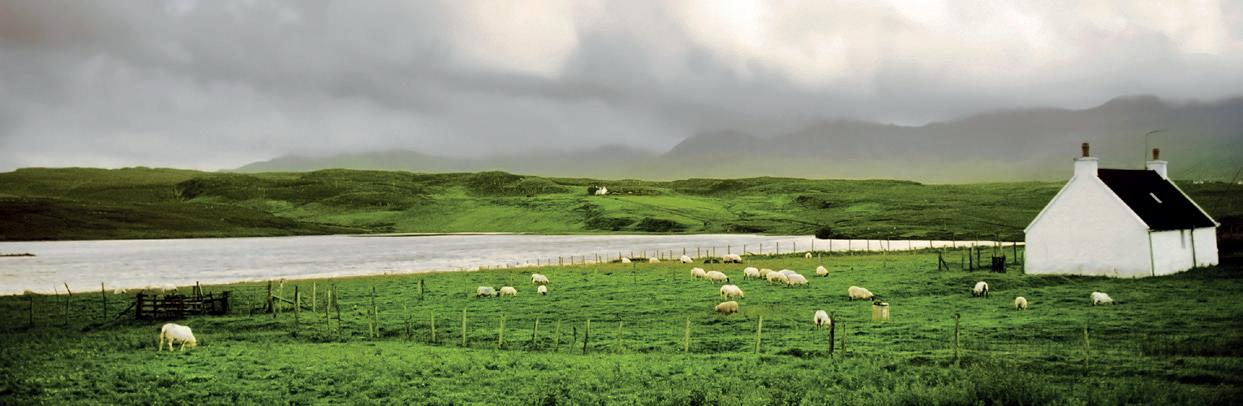
As I sit at the kitchen table at Dun Flashadder Cottage Croft on Skye, notebook open and pen poised, I’m already struggling to keep up. There have been three different tins of homemade baking opened, countless cups of tea poured from a pot wrapped in a handmade Hebridean wool tea cosy (made by Leaf), and a steady stream of stories about neighbours, mentors, friends and other crofters who have all played a part in shaping this place. It quickly becomes clear that it’s impossible to talk about Dun Flashadder Cottage Croft without talking about the local community too.
book preserving 25 years of the Orchards’ history and output, and countless quiet acts of kindness that had encouraged Jake and Leaf as they began their journey as new entrants.
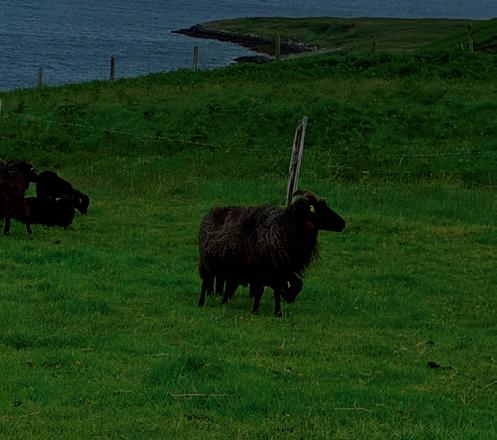
That willingness to experiment, adapt and share the journey openly has become central to Dun Flashadder Cottage Croft
Jake jokes about the “community tax” of crofting – the understanding that if someone needs a hand gathering sheep, loading livestock or fi xing a fence, you simply turn up. You want to support those around you. One day it’s your turn to help, the next it’s someone leaving eggs on your doorstep or a joint of hogget as thanks. This mindset builds a powerful community.
Before we’d even stepped outside, this story was already unfolding: fields offered up for grazing, their first flock of sheep passed on by a neighbour, a handwritten
This was seven years ago now, and from the 30 Hebridean sheep they began with and few fields to graze, Dun Flashadder Cottage Croft is home to around 160 sheep, six rare breed pigs, an established orchard, rows of blueberry plants, wool products handcrafted from their own flock, a butchery, self-catering accommodation and plans that continue to evolve.
Yet despite everything they’ve built, Jake is quick to play down his own expertise.
“We’re learning crofters.” He tells me. “Best piece of advice I’ve ever received? You win or you learn.”
It’s an approach that runs through everything they do.
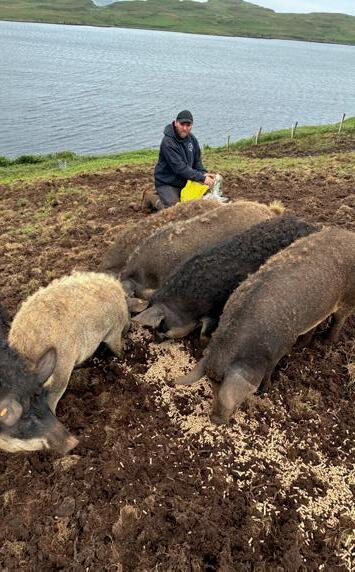
Rather than forcing the land to fi t their plans, they allow the landscape to shape their decisions. Hebridean sheep have been chosen because they suit the rough grazing and help improve biodiversity through careful rotational grazing. Rare breed Mangalitsa pigs were introduced
One of Scotland’s oldest rural traditions has a big part to play in the country’s clean energy future, says Stephanie Hepburn, Head of the Rural Disputes team at the UK law firm Shepherd and Wedderburn.
Currently, around 30% of Scotland’s overall energy consumption comes from renewable sources. The Scottish Government wants that to increase to at least 50% by 2030, so clearly we will need to build more onshore wind turbines and other renewables projects.
Much of the country’s rural land is ideally suited to this – including the 750,000 hectares of it that is held in crofting tenure.
Crofting is a traditional system of land management that goes back centuries. The legislation that protects it dates back to 1886, when laws were introduced to give crofters security of tenure after the unrest that followed the Highland Clearances. That right still remains, but crofters also have duties, including to cultivate the croft or put it to another purposeful use.
At first glance, it may appear that crofting law makes it more challenging to get a renewable energy project off the ground. Certainly, careful consideration needs to be given to both the rights and duties of the crofters, and the crofting community as a whole, before any development plans are put in place. But solutions can be found that achieve the objectives of all concerned.
Which of the available options is best suited to any particular project will depend on many factors, including the size, scale and type of development proposed; whether it is being driven by the landowner, the crofter or a third party such as a developer; and the views of the crofter and crofting community. Aligning their interests with those of the landowner and any developer will greatly increase the chances of a good outcome.
Successful renewable energy developments have already been built on croft land. The largest community wind farm in the UK is Beinn Ghrideag. With three turbines built on common grazings land on the Isle of Lewis, it produces around £900,000 a year in net income for the local community.
And it is not only onshore projects that may need to address crofting law. Offshore wind projects may need to utilise croft land too, as the electricity they generate will flow through underground cables to onshore substations, which might be ideally located on land that is subject to crofting tenure.
When looking to develop croft land, there are several legal routes that can be pursued.

Often, an application may need to be made to the Scottish Land Court, either for a ‘resumption order’ or for approval of a ‘scheme for development’.
A resumption order removes the land from the control of the crofting legislation, leaving the landlord free to enter into an agreement with a developer, or to develop the land themselves. It is usually temporary, lasting only for the lifetime of the development. After that, the land is restored to crofting tenure. With a scheme for development, the affected land is retained within crofting tenure with the rights of the crofters suspended for the lifetime of the development.
With a scheme for development, however, the affected land is retained within crofting tenure but the rights of the crofters are suspended for the lifetime of the development. There is no change to the status of the land as a croft, and it can still be used for crofting purposes – subject, of course, to the needs of the development.
Both options allow for compensation for the affected crofters.
The Crofting Commission can also have a part to play. It is a non-departmental public body that is responsible both for regulating crofting and for promoting the interests of crofting. In the circumstances described above, where either resumption or approval of a scheme for development is being sought from the Land Court, the application must often also be sent to the Crofting Commission. If it sees fit, it can object to the application, even if it is not otherwise opposed by anyone else.
Also, when landowners want to develop land where the croft is vacant, they can apply to the Crofting Commission for a ‘decrofting direction’. This has the same effect as a resumption order – removing the land from crofting tenure – but without the need for proceedings in the Land Court.
When the right solutions are found, the benefits for all can be considerable. As well as generating a new income stream and contributing to a clean-energy future, many of these projects require a relatively small amount of land and so leave much of it still available for farming. Crofting has a long and rich cultural history, and renewable energy can be part of its prosperous future.

in an attempt to tackle stubborn bracken on steep slopes where machinery can’t safely operate. The pigs haven’t solved the bracken problem entirely, Jake admits with a smile, but they have produced exceptional pork and created one of Skye’s most sought-after products –homemade pork scratchings – so elusive and in demand they almost feel like contraband.
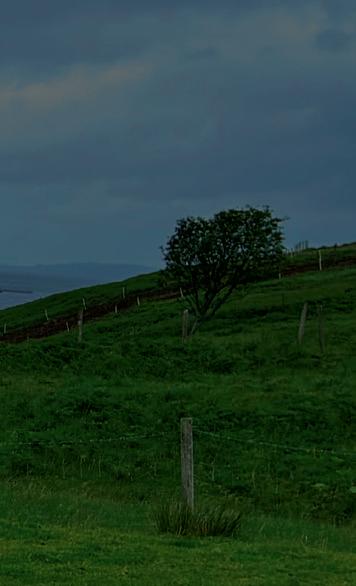
That same philosophy stretches well beyond the livestock. Earlier this year, Jake and Leaf purchased a mature orchard of around 1,000 fruit trees – one which they’d managed for the few years prior. Alongside it sits rows of blueberry plants, while bees will soon return to pollinate the orchard and surrounding land. At the bottom of the orchard there is a lovely little cottage in which Jake and Leaf proudly had their first paid guests staying the night before. The orchard isn’t simply a diversification project; it reflects the circular nature of their vision for Dun Flashadder Cottage Croft, where trees, bees, livestock, visitors and the wider community are all connected and each helps sustain the other.
It’s an approach reflects their wider outlook on life: that everything is connected. The orchard feeds the bees, the bees support neighbouring crofts and gardens, the fruit will one day become products to complement their own meat, and visitors will be welcomed into the story of it all. It feels less like building separate enterprises and more like carefully weaving another thread into the fabric of the croft.
That willingness to experiment, adapt and share the journey openly has become central to Dun Flashadder Cottage Croft. Through social media, school visits,
workshops and conversations around the kitchen table, Jake and Leaf have quietly built a community that stretches far beyond the boundaries of their croft. They don’t claim to have all the answers – quite the opposite – but they’re generous in sharing the lessons they’ve learned, the successes and the inevitable setbacks.
Like many crofters, the work of Dun Flashadder Cottage Croft is built around the rhythms of full-time employment and family life. The crofting happens in the margins of time – early mornings before work, evenings, weekends and within precious annual leave. There is something about the image of feeding livestock before heading to work on a winter morning that stays with me, and I
ask Jake what it is really like. He smiles again and answers with characteristic understatement: “Yeah, it’s not very nice.” It is a simple response, but one that hints at the long hours, dedication and resilience required to make it all work. Add in long journeys to the abattoir and butcher, complex crofting legislation that’s currently creating a barrier for them to security of tenure and access to grants, and the constant balancing act of building a diversified business, and it becomes clear why community matters so much.
Watching Jake talk about producing food, however, it’s clear what drives him isn’t simply running a successful business. There’s a genuine sense of responsibility that comes with producing food well, caring for the land that produces it and leaving it in better condition for the next generation. A recent visit from Nature Scot to analyse the land they are crofting confirmed this.
Perhaps that’s why bringing others along for the journey matters just as much as producing the food. Whether it’s welcoming local schoolchildren onto the croft, hosting WWOOF volunteers from around the world, or sharing honest glimpses of crofting life online, Jake and Leaf want people to understand what lies behind the food on their plate. Not just the work, but the responsibility, the mistakes, the learning and, above all, the island community that makes it possible.
I counted myself lucky to have experienced Jake and Leaf’s welcoming home, a tour of the croft and their patience as I asked endless questions. From the moment I arrived, I was swept up in the energy of Dun Flashadder Cottage Croft; wandering through the orchard, feeding the pigs out-of-date vegetables from the
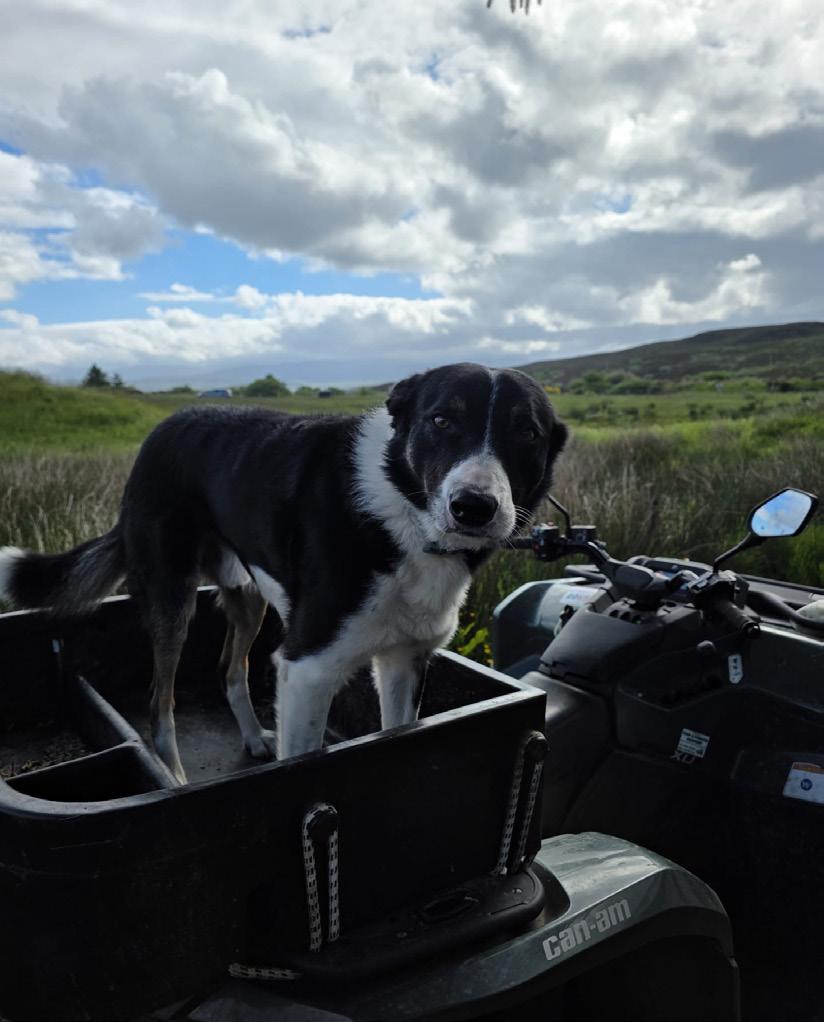
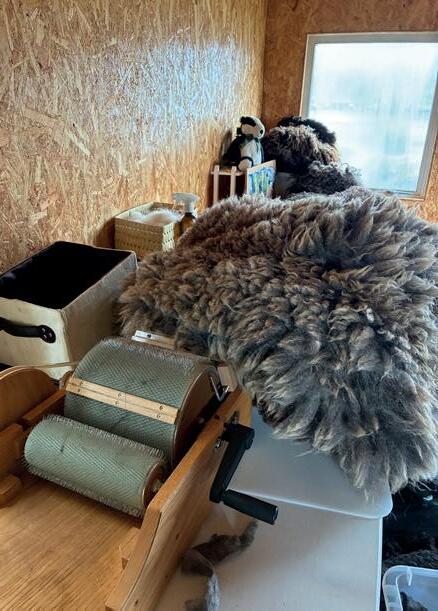
local shop, checking in on the pet lamb and exploring the felting workshop.
As we walked and worked together, I heard more about Jake and Leaf’s vision for the future, and it was genuinely inspiring. More than simply building a successful croft, they wanted to share the process, the challenges and the learning along the way. As Jake explained, “A big part of it is bringing people along with us. We want people to understand what we’re doing, why we’re doing it and feel part of the journey.”
It is a philosophy that feels woven into everything at Dun Flashadder Cottage Croft. As I left later that day, that was the impression that stayed with me. Yes, it is a croft producing exceptional hogget, pork, eggs, wool and fruit. But more than that, it is a reminder that crofting is a tapestry woven together through neighbours, shared knowledge and countless unseen acts of support. It is a reminder that crofting thrives because people work together – something NFU Scotland’s Crofters Committee is committed to supporting for generations to come. From gathering sheep and sharing grazing to mentoring new entrants and passing around home baking at a kitchen table, those connections remain the bedrock of Scotland’s rural communities. You can follow Jake and Leaf’s journey at @dunflashaddercroft.
Best piece of advice you’ve ever been given?
The most important thing in crofting is working out a way that fits around the life you want to live as a family. A hundred people will tell you the same thing, but fifty different ways to do it. The way you do it isn’t important – it’s finding what works for you.
What’s the biggest lesson you’ve learned since starting crofting? You win or you learn. We’ve made mistakes, we’ve got things wrong, but you move on and learn from them.
What’s the biggest challenge you face today?
There isn’t just one. Living on an island brings its own challenges, whether that’s long journeys to the abattoir, transport costs or accessing services. Then there’s the complexity of crofting legislation, which is difficult to navigate, especially for new entrants. On top of that, most crofters are balancing the croft alongside other jobs and family life. It’s a constant juggling act, but that’s the reality for a lot of people.
What keeps you going on the difficult days?
The people around us. If we need help, we know people will be there, and I hope they know we’d do exactly the same for them. And then there’s the feedback – whether it’s someone saying it’s the best hogget they’ve ever eaten, people enjoying our workshops, or simply taking the time to comment on something we’ve shared online. Those little things really do lift you.
You’re joint Vice Chair of NFU Scotland’s Crofting Committee, and support the Union through a crofting membership, what does this mean to you?
It’s an opportunity to make sure crofters’ voices are heard. For me, it’s another chance to learn too. You get to sit around the table with people from different parts of the country, hear about the challenges they’re facing and share experiences. Every croft is different, so those conversations are incredibly valuable – as is the network and support you get being involved. If I can bring something from our own experience at Dun Flashadder Cottage Croft, while taking ideas back that help make us better crofters, then that’s a good thing.
What’s currently top of the Crofter’s Committee agenda?
At the moment, it’s the Crofting Agricultural Grant Scheme (CAGS) payments being released to crofters, small producer derogation for the whole farm plan, and creating our own Crofting Development Plan to lead and inform the work we do within NFU Scotland.
One piece of advice for those thinking of joining the Crofters Committee?
I’d say get involved. If you’ve got an opinion or there’s something you want to see changed, you have to be willing to roll your sleeves up and play your part. Crofting needs you and these things don’t happen by themselves – progress comes from people getting around the table, sharing their experiences and putting the work in.
What’s your favourite time of year on the croft?
Lambing. It’s exhausting and it can be heartbreaking, but it’s also incredibly affirming. Seeing healthy lambs out on the hill makes everything worthwhile.
What’s your hope for Dun Flashadder Cottage Croft?
To keep growing in a manageable way, produce really good food, look after the land and keep putting value back into the crofting community around us.









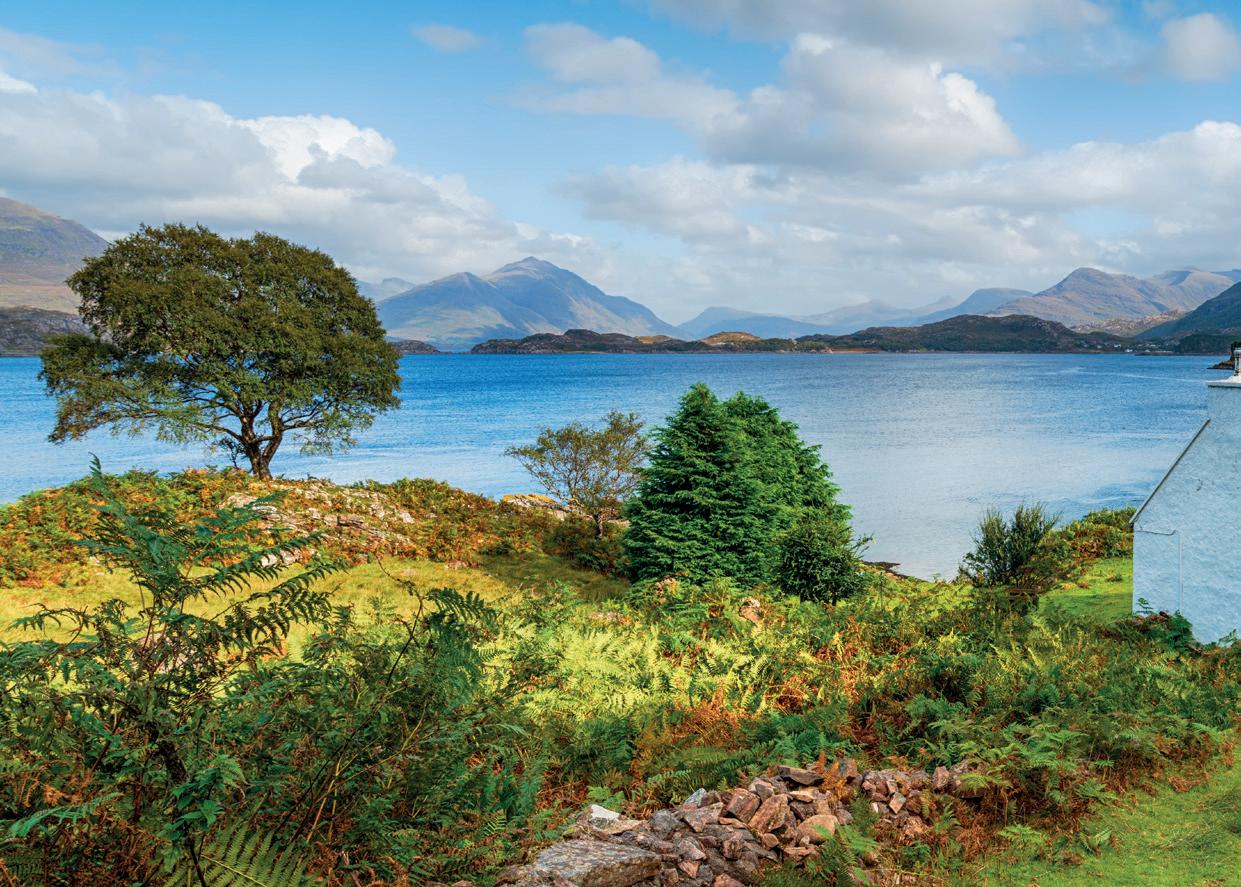


Jonnie Hall Deputy CEO/Director of Policy
Scottish agriculture has spent much of the past decade preparing for change. From the UK’s departure from the European Union to the development of a new agricultural support framework, farmers and crofters have been asked to adapt, engage and plan for a different future.
Today much of that future is now mapped out. The Vision for Agriculture, the Agricultural Reform Route Map, the Agriculture and Rural Communities (Scotland) Act and, most recently, the Rural Support Plan have together established the broad framework for Scotland’s future agricultural policy.
The challenge is no longer one of policy design. It is delivery.
As Scotland begins a new parliamentary session, NFU Scotland’s message to ministers and MSPs is straightforward: after years of consultation, legislation and strategy, the focus must now shift to providing the certainty, detail and practical delivery needed to turn policy ambition into reality.
For too long, farms and crofts have been asked to prepare for a future support framework without the information needed to make confi dent business decisions. While the direction of travel is increasingly clear, many of the practical details that will determine success on the ground remain unresolved.
That uncertainty comes at a cost. Agriculture does not operate on annual planning cycles or parliamentary terms. Decisions made today often shape businesses for years to come. Livestock
breeding programmes, crop rotations, machinery investment, environmental improvements and succession planning all depend on confi dence in the policy environment that underpins them.
Farmers and crofters cannot simply change course at short notice. They need to understand what will be expected of them, how future support will operate and whether the investments they make today will be recognised and rewarded tomorrow.
The publication of the Rural Support Plan was therefore an important milestone. It confi rmed that public investment in agriculture remains a priority and recognised the importance of domestic food production alongside climate action, biodiversity and rural economic development. It also refl ected the sustained efforts of NFU Scotland to ensure that future support acknowledges
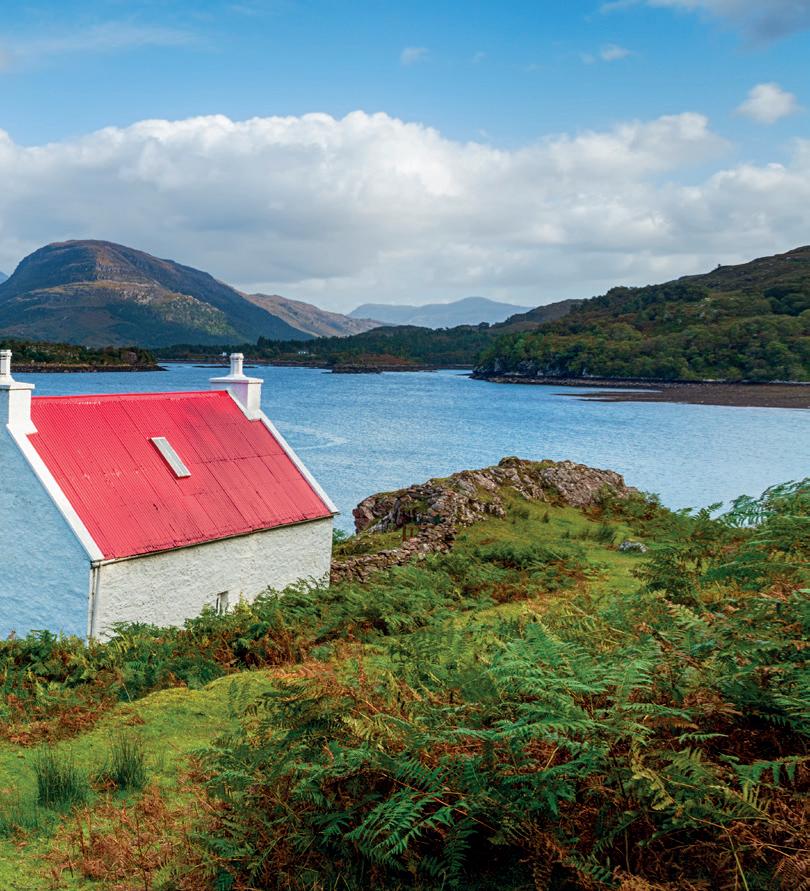
the realities of farming and crofting across Scotland’s diverse sectors and regions.
But policy frameworks and funding commitments alone are not enough.
The success of Scotland’s agricultural transition will ultimately depend on how effectively those policies are implemented. Farmers understand that continued public investment carries public expectations. Across the country, many businesses are already delivering high-quality food while improving biodiversity, reducing emissions, enhancing soil health and strengthening rural communities.
What remains less clear is how those expectations will translate into practical requirements. What actions will businesses need to take? How will success be measured? What evidence will be required? And, just as importantly, will the system remain proportionate and practical for those expected to deliver it?
The answers to those questions matter because the effectiveness of the new support framework will not simply be judged by the funding available, but by whether it is understood, trusted and workable for the farmers and crofters who will put it into practice.
The new Scottish Parliament also has a crucial role to play.
crofters have repeatedly demonstrated their willingness
Agricultural policy cannot become a casualty of changing political priorities. The sector requires long-term consistency and cross-party recognition of its importance – not only to rural economies and environmental ambitions, but to Scotland’s food security.
At a time of growing geopolitical instability, climate volatility and market uncertainty, the ability to produce highquality, sustainable food has become an increasingly important national asset. Recent years have shown how quickly global supply chains can be disrupted
by conflict, disease outbreaks, extreme weather and economic shocks.
Supporting agriculture is therefore not simply about supporting farmers and crofters. It is about strengthening Scotland’s resilience.
That is why implementation now matters so much.
The sector needs clear timelines, detailed guidance and delivery systems that work. It needs practical advice that helps businesses understand and meet new requirements. Above all, it needs confidence that government departments and delivery agencies are properly resourced to administer the new framework efficiently and consistently.
Experience has shown that even the best-designed policies can falter if delivery mechanisms are not fit for purpose.
The opportunity, however, is considerable. Scotland has the chance to create an agricultural support system that rewards active farming and crofting, supports food production, encourages environmental improvement, strengthens business resilience and sustains thriving rural communities.
Scottish farmers and crofters have repeatedly demonstrated their willingness to innovate and adapt. Across the country, businesses are investing in precision farming, improving soil health, reducing emissions, enhancing biodiversity and adopting new technologies to improve productivity and sustainability.
That practical experience should continue to shape implementation. The people who manage Scotland’s land every day understand what will work on the ground and where unnecessary complexity risks undermining good policy.
The foundations for reform have now been laid. Legislation is in place. The strategic direction has been established. Funding commitments have been signalled.
The priority must now be delivering a system that works. NFU Scotland stands ready to work constructively with ministers, parliamentarians and officials to ensure the new agricultural support framework succeeds. Farmers and crofters are prepared to meet rising expectations, embrace innovation and continue delivering for Scotland’s economy, environment and food security.
What they need in return is clarity, certainty and confidence. After years spent developing Scotland’s future agricultural policy, the country does not need another period of consultation or uncertainty.
Scottish agriculture doesn’t need another roadmap. It needs delivery.





Penny Middleton Policy Manager
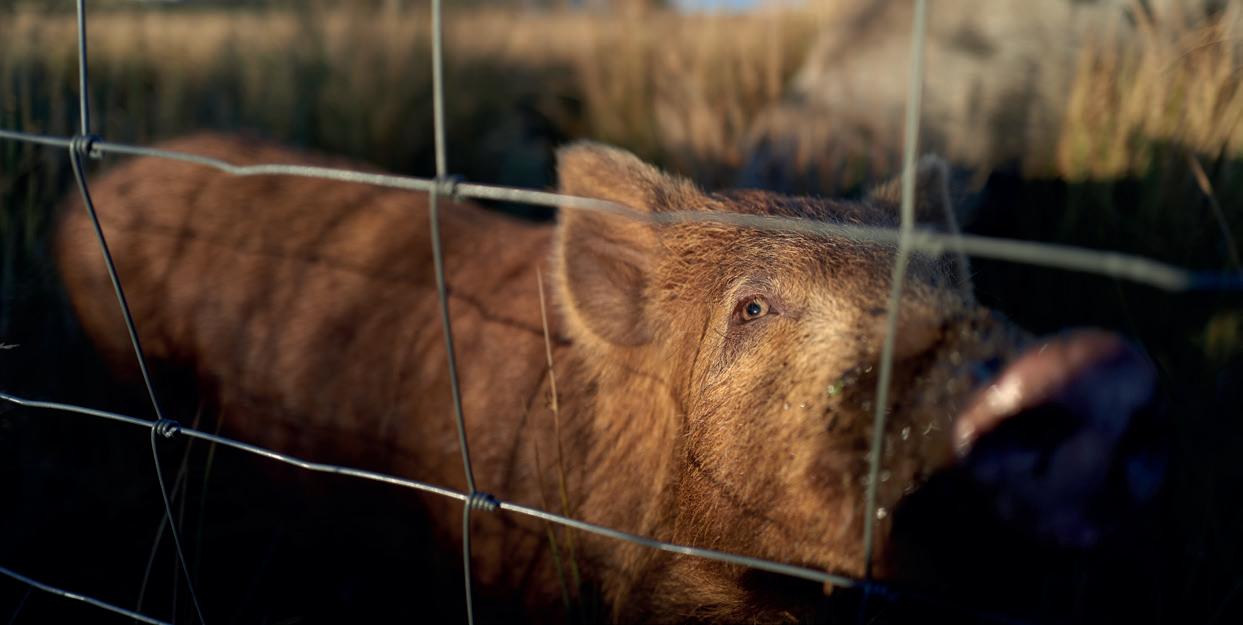
In recent months, we have been clear: Scotland’s pig sector is once again at a tipping point. Independent producers continue to leave the industry, and the imbalance across the supply chain is placing the long-term future of Scottish pork at risk.
The uncomfortable truth is that we have been here before. The question is whether enough has been learned to stop history repeating itself.
One of the clearest warning signs is the farmer’s share of the retail price. After recovering following the 2022 crisis, Agriculture and Horticulture Development Board (AHDB) figures show it has fallen back towards 28% – levels last seen before the sector entered full crisis. While the 2022 downturn was triggered by processing disruption and the loss of the Chinese export market, it also exposed deeper structural weaknesses. Once that fragile balance was upset, the consequences were severe: financial losses, herd reductions and lasting damage to producer confidence.
Today, many of those warning signs are reappearing. Retail pork prices have fallen by more than £3/kg since January, meaning
farmers are receiving a smaller share of a shrinking retail value. At the same time, input costs are rising, driven by global pressures, and the sector tries to recover from the processing bottlenecks that caused deductions for out-of-spec pigs.
Our latest ShelfWatch audit also highlights changing sourcing patterns.
independent pig producers. While this is welcome, it is not enough, and we are now calling on UK Government to do more.
As a Union, we are also engaging with processors and retailers. Following discussions at the Royal Highland Show, there is recognition across the supply chain that these are difficult conditions for
After recovering following the 2022 crisis, Agriculture and Horticulture Development Board (AHDB) figures show retail price has fallen back towards 28%
We welcome commitments from Aldi and Tesco to increase Scottish pork in Scottish stores, but imported products continue to gain ground in key categories such as bacon, gammon and cooked ham. This growing reliance on imports, combined with falling farmer returns, points to a supply chain where value is not being returned fairly to producers.
We have raised these concerns directly with the Scottish Government and sought urgent financial support for the sector. Cabinet Secretary Martin has acknowledged the seriousness of the situation and has committed to roviding £2million of support to Scottish
everyone and that collaboration will be essential.
At the time of writing we are asking UK Government to convene a UK pork summit, with the UK Farming Unions, supply chain organisations, and pig sector bodies. Supply chain collaboration and government support is needed to address the frailties of the pork market and put in place a more resilient system that enables Scottish pig farmers to stay in business and invest in the future. With producers leaving the sector and sow numbers continuing to fall, the question is no longer whether we face a tipping point, but whether we have already crossed it.


OLisa Hislop Policy Manager
ne challenge is shared by all producers large and small: ensuring that the value created on farm is recognised fairly throughout the supply chain.
At this year’s Royal Highland Show, that theme featured prominently in discussions between farmers, retailers,
processors and policymakers. Our panel event on fair supply chains attracted a packed audience, demonstrating the strength of feeling around transparency, profi tability and market fairness across Scottish agriculture.
For many crofters and farmers, the issue is straightforward. Businesses can only continue to invest in food production, environmental management and animal welfare if they receive a sustainable return for what they produce. Whether selling livestock, milk, grain or other products, confi dence in the market is essential for long-term resilience.
We continue to place such importance on supply chain fairness. While Scotland’s producers are recognised for delivering high-quality food to world-leading standards, concerns remain about how value is distributed through the supply chain and whether producers have suffi cient transparency around pricing and decision-making. This is a particularly challenging problem for our crofters who are price takers and have limited bargaining power. However, the longterm sustainability of crofting depends on viable agricultural businesses and access to markets that reward quality and provenance.
Scotland’s producers are recognised for delivering high-quality food to world-
There is no quick win, however, through policy engagement, advocacy for greater transparency and initiatives such as ShelfWatch, we are building the evidence needed to support practical change and encourage greater support for Scottish produce.
Fair supply chains are not simply about the relationship between producer and purchaser. They are about securing a future for farming and crofting businesses, strengthening rural communities and ensuring the benefi ts of Scotland’s food and drink sector are shared more fairly across the people who make it possible.
Scottish Government have committed funding and resource to local supply chains through the Small Producer Pilot Fund and roles such as the private kill coordinator, but there remains a signifi cant amount of work to do to fully realise the potential for crofting in delivering the wider Scottish food and drink ambitions.


Rhianna Montgomery Policy Manager
The Crofting and Scottish Land Court Act has now received Royal Assent, introducing a number of changes designed to modernise crofting legislation and simplify some of the processes affecting crofters. While the Act does not deliver the comprehensive reform many had hoped for, it includes several practical measures that will impact day-today crofting.
One of the most significant changes is the introduction of a simpler process for transferring crofts between eligible family members, making succession more straightforward. The Act also strengthens the management of common grazings by providing clearer powers for grazings committees and creating a framework for environmental and woodland projects on common grazings.
Additional protections have been introduced to prevent grazing shares from being separated from a croft without approval from the Crofting Commission, helping to maintain the integrity of crofting units. The Commission will also have
updated enforcement powers to encourage compliance with crofting duties and ensure croft land remains active and productive.
Changes have also been made for owner-occupier crofters, including new requirements relating to registration and transfers, while the Crofting Commission has been given greater flexibility in
They do not amount to a full overhaul
administering applications and resolving issues.
Although these changes are a positive step, they do not amount to a full overhaul of crofting law. The Scottish Government has committed to undertaking a wider review of crofting legislation, providing an opportunity to address longer-term issues facing the sector. NFU Scotland will continue to engage with the Government and the Crofting Commission to ensure crofters’ views are represented as these reforms are implemented and future legislation is developed.
The NFU Scotland Crofting Highlands and Islands Committee has adopted a new name and will now be known as the Crofters Committee.
The change follows discussions by committee members, who agreed that the previous title was longer than necessary and did not clearly reflect the Committee’s primary purpose. While it referenced the geographical area in which many crofters are based, it did not place enough emphasis on the Committee’s key role of representing the interests of crofters.
The new name provides a clearer and more concise identity, making it easier for members, stakeholders and policymakers to understand the Committee’s remit. It also brings greater consistency with the naming of other NFU Scotland committees and working groups.
While the name has changed, the Committee’s purpose remains the same. The Crofters Committee will continue to represent the interests of crofters, shape NFU Scotland policy on issues affecting crofting, and ensure crofters’ voices are heard in discussions with government, industry and other key stakeholders.


Lorna Scott Senior Policy Manager
This month’s theme is crofting, and one traditional crofting practice is the use of seaweed as a fertiliser. For generations, crofters have harvested seaweed from the shoreline to improve soil fertility and support crop growth. As well as being a cost-effective and sustainable way to enhance soil nutrients, seaweed fertiliser has another advantage: it will not be affected by the introduction of the UK’s Carbon Border Adjustment Mechanism (CBAM).
The UK Government is set to introduce a CBAM from 1 January 2027. The policy will apply to imports of carbon-intensive goods, including fertiliser.
The aim of the CBAM is to support the UK’s net-zero ambitions by placing a carbon price on certain imported products. This is intended to create a level playing field between imported goods and UK-produced goods that are already subject to carbon costs through the UK Emissions Trading Scheme (ETS). The European Union introduced its own CBAM in January this year.
Agricultural producers are already facing significant cost pressures, including recent increases linked to instability in the Middle East and wider global market uncertainty. There is little indication that these pressures will ease in the near future, making the introduction of additional costs from January 2027 particularly concerning. NFUS called for the CBAM be delayed due to this in our letter to the Prime Minister earlier in the year.
Despite these concerns, the UK Government remains committed to implementing the CBAM as planned. What the sector needs is certainty. The UK Government must provide clarity on the final CBAM rate for fertiliser as soon as possible, allowing producers to plan accurately for these additional costs while continuing to maintain production, support food security, and sustain rural communities across Scotland.


Bob Carruth Policy Manager
More than a decade of work looking to improve fairness and transparency in milk contracts came to fruition on 9 July 2025 when the Fair Dealings Obligations (Milk) legislation (FDOM) came fully into force. A year later, what progress has been made?
For more than two years now, FDOM has been enforced by the Agricultural Supply Chain Adjudicator’s Office (ASCA). NFU Scotland has met with the adjudicator Richard Thompson on several occasions now, including a meeting with milk committee members at the recent Highland Show.
At an early stage, ASCA set out guidance for the regulations and, more importantly, mapped out a clear process for dairy farmers to follow if they have issues with their contract and want to bring these to the adjudicator’s attention. This can be found at: https://www.gov.uk/ guidance/contact-asca-in-confidenceor-make-a-formal-complaint.
This includes the opportunity to make a complaint anonymously at: ASCA-in-confidence@defra.gov.uk. While the adjudicator will not open an investigation under the regulations without a formal complaint, the information provided informs the activities of the adjudicator.
A survey of the sector and the adjudicator’s annual report in 2025 identified that farmer awareness
of the legislation was high, but their understanding of the regulations and how to make a complaint remained low. Trust in the producer/processor relationship was also low and the annual report recognised the ‘fear factor’ that exists, particularly in an area like Scotland with few milk buyers, that farmers raising a complaint, even anonymously, were concerned that they ran the risk of being branded a troublemaker and being served notice.
The results of the ASCA 2026 survey of the dairy sector will be included in the adjudicator’s forthcoming annual report, expected later this year. There is an expectation that the sharp downturn in milk prices last autumn and winter, and the lack of transparency in how some contractual changes and milk price cuts were communicated will have resulted in a spike in anonymous reports to the adjudicator.
In March 2026, the adjudicator issued a sector note to processors outlining the behaviours expected when contract variations are required.
To improve relationships, the adjudicator has challenged milk processors and milk producers, through the UK farming unions, to create jointly a code of conduct for producer/processor relationships. NFUS will be involved in this process.
In terms of delivering improvements, we know the legislation will not stand still and a review of FDOM is expected in 2027. While the regulations are not there to stipulate what milk prices should be, NFU Scotland believes this review will present another opportunity to fine tune the rules, deliver greater transparency, and more balanced contracts which meet the needs of both buyers and farmers.
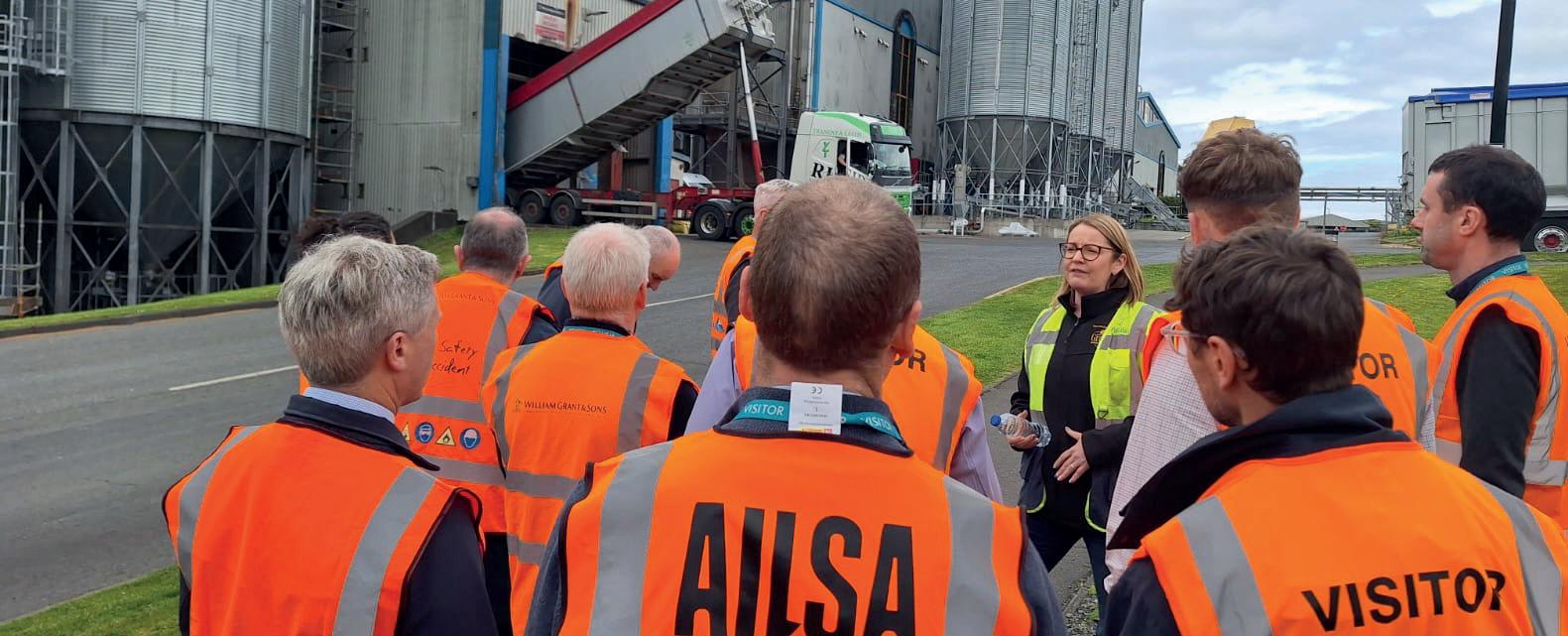


David Michie Senior Policy Manager
The Scotch whisky industry remains big and economically important, despite its recent challenges. We have been engaging closely with the sector over the past year, which has been a difficult one for those supplying malting barley and distilling wheat. It has also been challenging for many other businesses across the whisky supply chain.
Recently, members of the Combinable Crops Committee and representatives from distilleries visited the William Grant & Sons distillery in Girvan. We had a detailed discussion in the boardroom, raising concerns and questions from members, particularly around imports and assurance integrity. This was followed by a site tour, including an opportunity to see and better understand the grain intake process.
A full, and lengthy, report has been circulated to the Combinable Crops Committee members and monitors. The key points are summarised in the rest of this article.
Long-term confidence remains strong: distillers are confident the market will continue to grow over the long term, despite a short-term contraction in sales. Many businesses are continuing to invest, with confidence supported by the removal of US tariff s, the reduction of Chinese tariff s to 5%, and the new UK-India Free Trade Agreement. Growth in whisky production will ultimately mean increased demand for grain.
Scotland cannot meet total grain
demand alone: the distilling sector uses more wheat each year than is grown in Scotland. As a result, some grain must be brought into the country. For cost reasons, this is predominantly English wheat transported by sea.
Scottish grain remains the priority: individual distillers’ procurement policies reflect the needs of different brands. Sourcing decisions are commercial and based on brand strategy, sustainability requirements and cereal variety requirements.
In terms of provenance, around 90% of malting barley is sourced from Scotland, alongside around 78% of wheat. Overall, approximately 75% of cereals used by the industry are Scottish. Most of the remainder comes from England, excluding maize, with only a small proportion sourced from the EU.
Some specialised varieties required for particular distilled products are not currently grown in Scotland, or elsewhere in the UK. High diastatic power (HDP) malted barley from Scandinavia, for example, is used in grain distilling because it provides the enzymes needed for starch conversion during fermentation. Some distillers are now working with the supply chain to explore opportunities to secure these varieties from Scottish growers.
Scotch whisky supply and demand is far from straightforward. Unlike many products, whisky is not produced and immediately sold. It must first mature in cask, with maturation times varying according to both long-term and shortterm demand. Production decisions are therefore based on a range of factors, including long-term sales forecasts, current sales, warehousing capacity, cask
availability and distribution capacity. All of these influence demand for malt and grain.
Production levels were particularly high in recent years, reflecting strong long-term sales forecasts. This placed increasing pressure on warehouse space and cask availability, a situation made worse by restrictions on the procurement of bourbon barrels following President Trump’s tariff s. At the same time, actual sales fell well below short-term expectations. Together, these factors have created a backlog throughout the system, affecting everyone from distillers and maltsters to merchants and, ultimately, farmers.
Ensuring supply chain relationships are fair for all parties, particularly growers, is essential to supporting the resilience and profi tability of the UK’s arable sector, while enabling the continued growth of the Scotch whisky industry. We are pleased that the Scotch Whisky Association welcomes Defra’s Arable Fair Dealings Review and looks forward to its conclusions and the next steps.
Imports of grain, alongside other agricultural commodities, remain a key priority for us. We will continue to raise these issues with processors and retailers, while contributing to an AHDB-funded project examining the assurance integrity of grain and oilseed imports. This is a complex but critically important issue, and we hope the project’s findings will provide much-needed clarity for farmers.
In the meantime, we will continue to engage with distillers, merchants and maltsters, highlighting members’ concerns while working collaboratively to develop an industry that benefi ts every part of the supply chain.
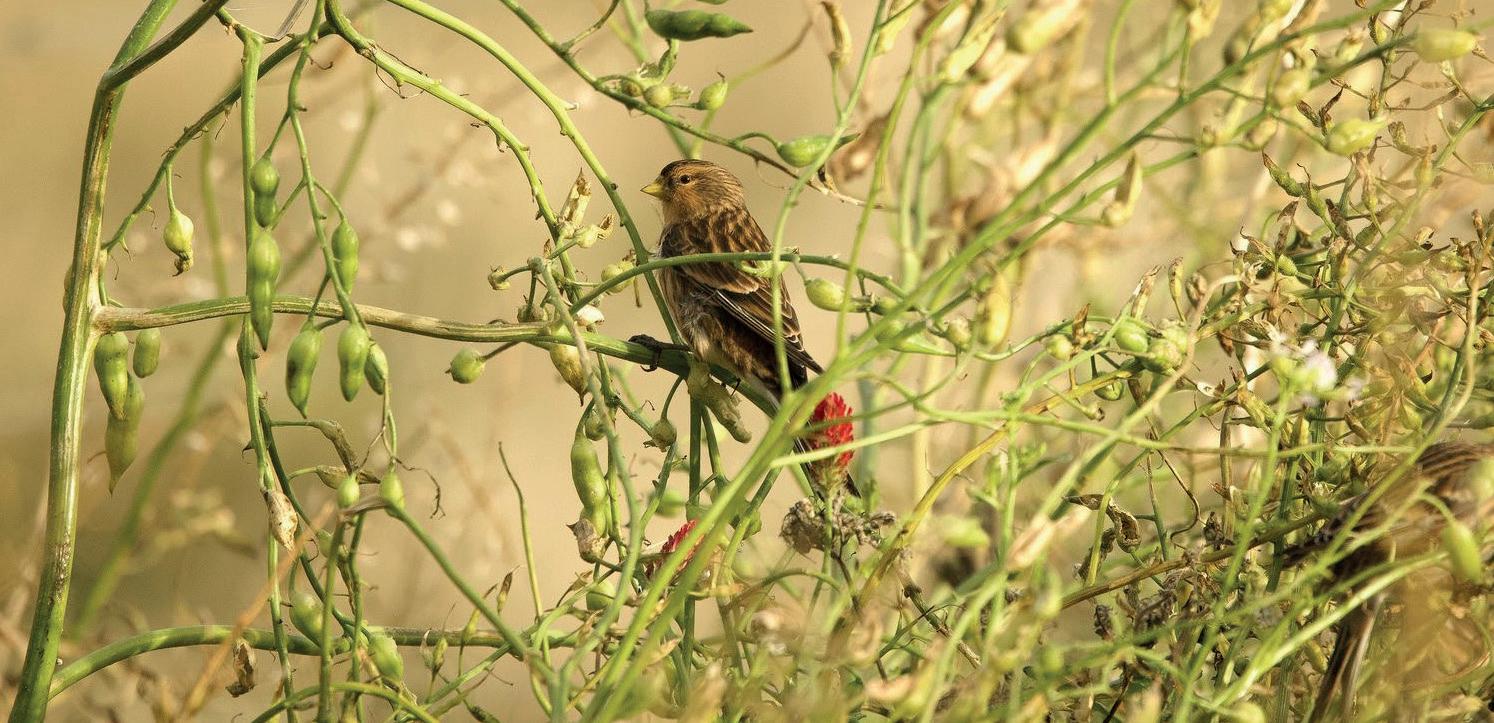


Last month I caught up with Shetland Regional Vice Chair and Crofting Committee Vice Chair, Laura Sinclair, on her involvement in a Species on the Edge project on her croft in Shetland.
In June, Laura hosted a croft walk and shared her views at a Crofting and Farming with Nature Seminar hosted by RSPB Shetland. Laura wanted to showcase how intrinsic nature is with agriculture in Shetland.
Through working with Species on the Edge, Laura has used the bumblebird crop, which targets pollinators such as the
Shetland bumblebee and twite, a small finch like brown bird which is dependent on seed throughout the winter to survive. The mix has been tweaked to not only deliver for these endangered species but also for the croft, with the inclusion of brassicas and legumes that aim to improve soil quality, structure and organic matter. So far, the results have been positive, and Laura is waiting on her first cut of silage to see if the bumble-bird crop has improved her yield.
Laura’s family croft borders part of a loch where she has used wader strips. During wader breeding season Laura used an electric fence to keep livestock off. The area usually needs to be fenced off around mid-April and unlike any current environmental scheme, the fence only comes down when the chicks have fledged. For instance, last year the oystercatchers fledged earlier, so Laura
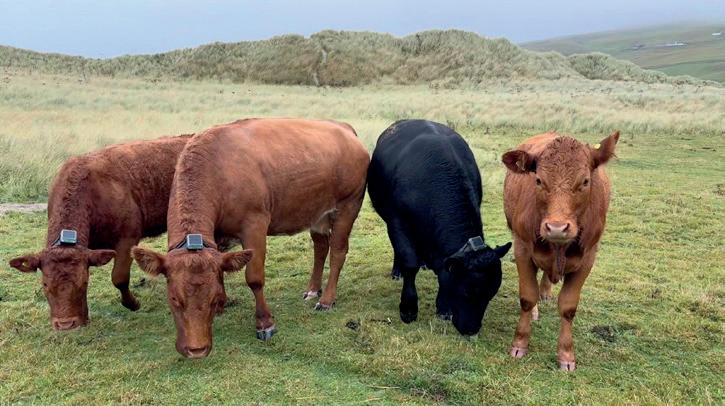
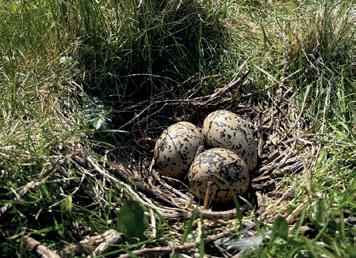
was able to open the area at the end of May. This year, curlew arrived a little later than the other waders and successfully hatched 4 chicks, so the fence stayed up until mid-June. So far, they have managed the grazing around this, and it has worked. Laura has also been able to trial the Monil virtual fence collars on her cattle. This has been groundbreaking on the croft, allowing cattle to graze where they haven’t been in years. As a result, the vegetation is starting to look lusher (no longer old matted grass tangled among the marram), birds-foot-trefoil has started to grow in patches, and the sand martins have returned (they haven’t nested in the area for 25 years).
Throughout our discussion, the importance of collaboration was clear, only by working together will we ensure future policy delivers for agriculture and nature. At the recent seminar, stakeholders including NFUS, Shetland Livestock Marketing Group, Species on the Edge, Shetland Amenity Trust, SAC, Nature Friendly Farming Network and Nature Scot, came together to discuss how they will secure future funding to continue the achievements of the last three years.
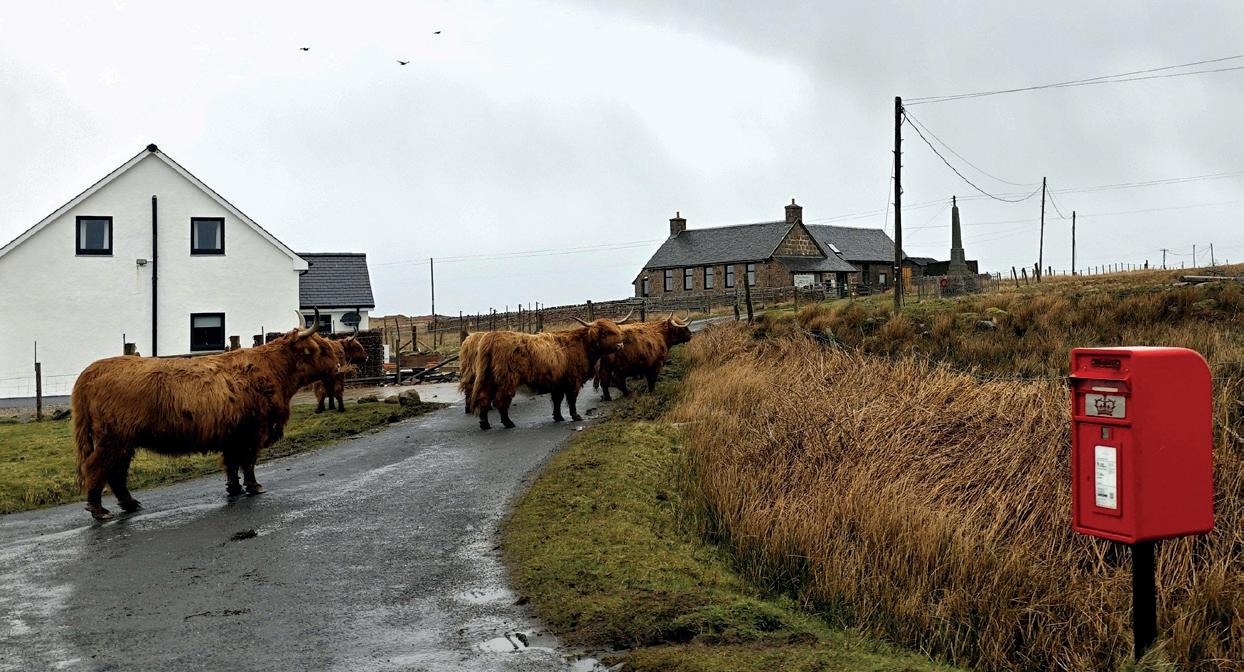


Lucy McGillivray Policy Manager
Crofting remains a cornerstone of livestock farming in Scotland’s Less Favoured Areas (LFAs), where challenging terrain, poor soils and harsh weather limit agricultural options. While often seen as a traditional way of life, crofting continues to play a modern and important role in producing high-quality beef and lamb, while supporting rural communities and the environment.
Most crofts are small units that rely on livestock, particularly sheep and suckler cows. Permanent pasture, rough grazing and common grazings dominate the landscape, suited to livestock grazing. Crofters make productive use of land that would otherwise contribute little to domestic food production.
One of the defi ning features of crofting is the use of common grazings, where multiple farmers and crofters manage extensive hill ground collectively. These grazings allow livestock to utilise
land that would be uneconomic to manage individually while supporting traditional management practices that have evolved over centuries. This will be a key and important aspect that will be considered in designing future LFA support. Successful management relies on cooperation, balancing livestock numbers with habitat management
Many crofting enterprises depend on a combination of livestock sales, agricultural support, off -farm income and diversification. Maintaining profi tability while continuing to produce food from marginal land remains a difficult balance.
For many crofters, success is measured not only by kilograms of beef or lamb sold but by maintaining productive land,
The future of crofting will depend on policies that recognise both its economic & environmental contribution
and increasingly participating in agri-environment and peatland restoration projects.
The future of crofting will depend on policies that recognise both its economic and environmental contribution. Continued investment in animal health, infrastructure, skills and young entrants will be essential if crofting is to remain a vibrant part of Scotland’s livestock sector.
healthy livestock and thriving communities in places where agriculture remains the backbone of rural life.
Crofting is often described as a way of life, but it is also a practical and resilient farming system. In Scotland’s Less Favoured Areas, it continues to play a vital role in producing food, managing landscapes and supporting the communities that depend on them.
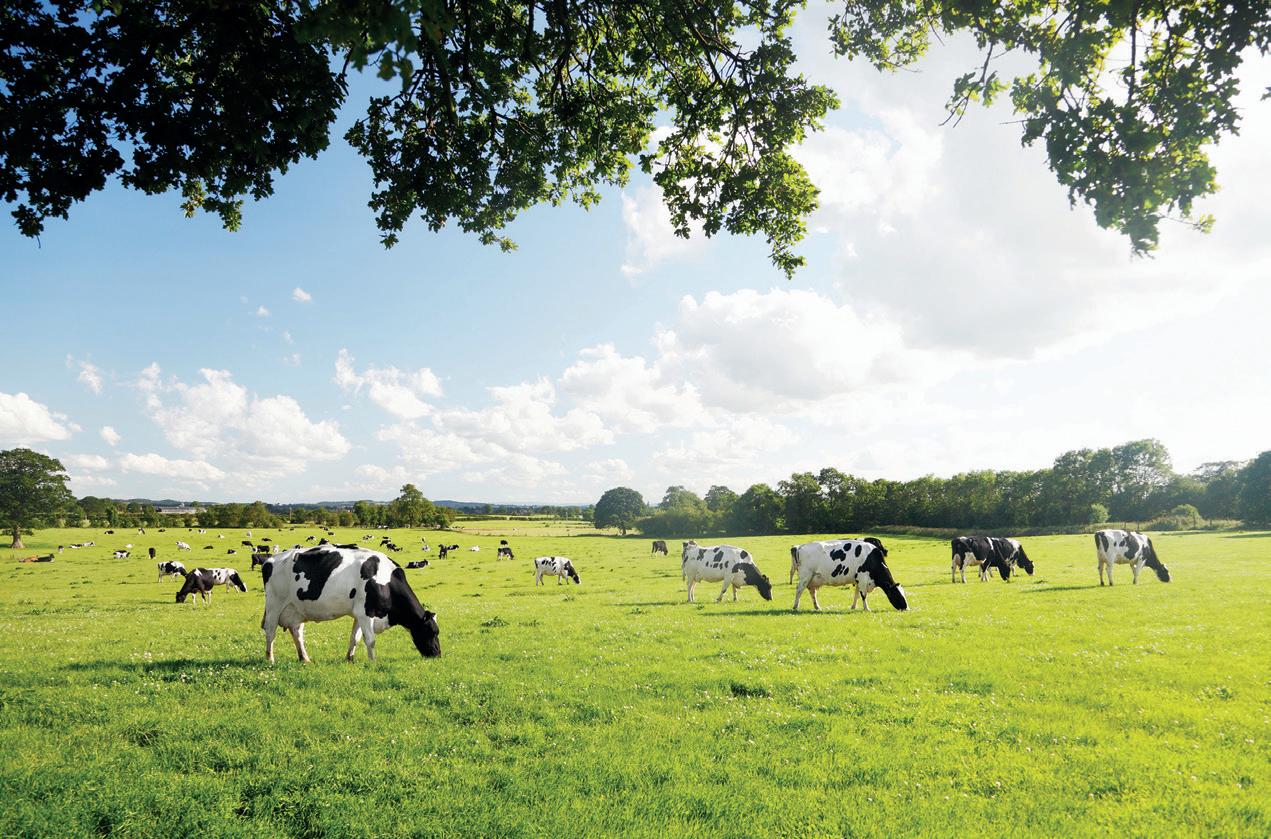

By Carly Ross, NFUS Director of Communications and Marketing
When most people think about agritourism, they picture glamping pods, farm cafés or a weekend away in the countryside.
But after attending the Global Agritourism Conference in Aberdeen this summer, I came away convinced that agritourism is about far more than attracting visitors. Around the world, it’s helping farmers and crofters diversify their businesses, strengthen local economies and connect consumers with the food they produce. Scotland has a real opportunity to build on that success.

The conference brought together more than 550 delegates from over 50 countries, but despite the different landscapes and businesses represented, one message came through clearly: visitors want authentic experiences, real food and genuine connections with the people who produce it.
Crofting has always been about much more than food production. It is woven into the culture, landscapes and communities of the Highlands and Islands. Visitors don’t just come to admire the scenery. They want to meet the people who live and work there, hear their stories and understand how food is produced in some of Scotland’s most iconic places.
Whether it’s sharing locally produced seafood overlooking a sea loch, spending a day on a working croft, learning traditional skills or simply enjoying a meal made from food produced a few miles away, these experiences leave a lasting impression. They also help visitors understand the vital role crofters play in maintaining our landscapes, biodiversity and rural communities.
Food featured heavily throughout the conference, and rightly so.
Again and again, speakers talked about provenance, local produce and giving consumers confidence in where their food comes from. Across the world there is growing demand for food with a story behind it, and Scotland is well placed to meet that demand.
One of my favourite moments from the conference was the gala dinner. It wasn’t simply a meal, it was a showcase of Scottish farming. Every ingredient had a story, from Scottish smoked salmon and Orkney dairy to Moray Speyside Scotch Beef, Aberdeenshire carrots, Perthshire broccoli, Angus peas, Ayrshire new potatoes and cheeses from the Isle of Mull and Kintyre. It perfectly captured what agritourism is all about – celebrating the people, places and produce that make Scotland unique. When visitors can enjoy food like this while hearing directly from the people who produce it, they leave with a

much deeper appreciation of Scottish agriculture.
That creates opportunities well beyond traditional tourism.
Farm shops, cafés, guided walks, tasting events, accommodation, craft workshops and seasonal experiences all help businesses generate additional income while strengthening the connection between producers and consumers. For many crofting businesses, these additional income streams can make an important contribution to longterm resilience.
There’s another benefit too. Agritourism allows farmers and crofters to tell their own story.
For many visitors, a trip to a croft may be their first meaningful interaction with agriculture. Seeing livestock being cared for, hearing about the challenges of producing food in remote areas or understanding why local sourcing matters creates a level of trust that no advertising campaign can achieve.
As an organisation, NFU Scotland has seen first-hand how interested consumers are in food provenance through our ShelfWatch campaign. People increasingly
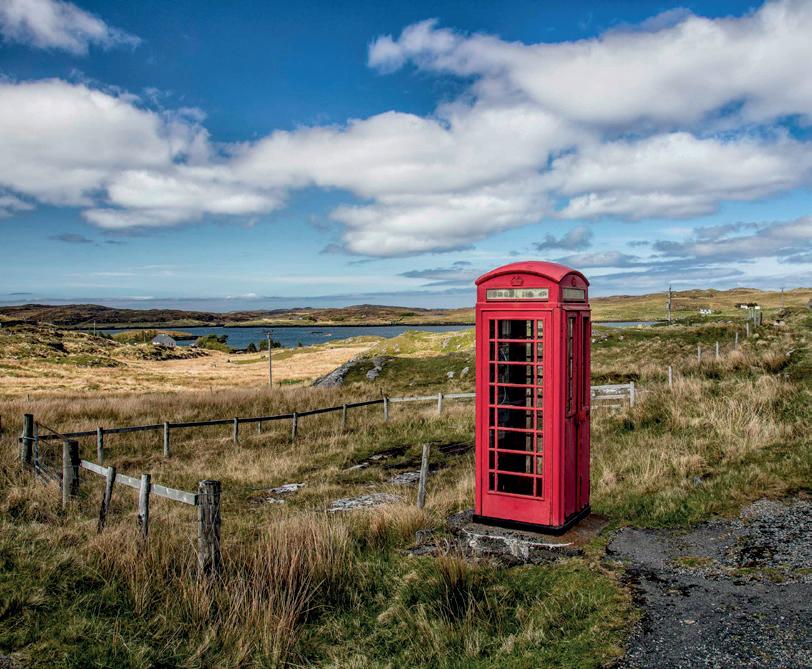
Perhaps the most encouraging aspect of the conference was the number of entrepreneurial, family-run businesses, many led by younger people and women. They were combining traditional agriculture with fresh ideas, using
countries highlighted that while agritourism is growing rapidly, policy and regulation often struggle to keep pace
want to know where their food comes from and support Scottish producers. Agritourism gives us another opportunity to have those conversations directly with consumers when they’re already thinking about local food and local businesses.
digital marketing and innovative visitor experiences to create resilient businesses, while remaining firmly rooted in food production.
Agritourism won’t suit every farm or croft, but for those looking to diversify,
demand for authentic rural experiences is clearly growing.
One discussion at the conference particularly resonated with me. Delegates from several countries highlighted that while agritourism is growing rapidly, policy and regulation often struggle to keep pace.
That challenge is particularly relevant in Scotland. While farmers and crofters share many of the same ambitions around diversification, crofting operates within its own unique legal and policy framework. Many crofting businesses are smaller, more remote and face additional challenges around housing, infrastructure, common grazing, connectivity and planning. Supporting agritourism in crofting communities therefore requires policy that recognises those differences.
Creating the right environment doesn’t mean lowering standards. It means ensuring planning, infrastructure, digital connectivity and business support work together, giving both farmers and crofters the confidence to invest in ways that suit their businesses and communities.
For NFU Scotland, agritourism isn’t about becoming a tourism organisation. It’s about recognising another way our members can build profitable, resilient businesses while strengthening public understanding of Scottish agriculture.
Scotland already has world-class food, spectacular landscapes and generations of farming and crofting knowledge. With policies that recognise the distinct needs of crofting alongside farming, and the right support for diversification, agritourism can become an even stronger part of rural Scotland’s future, bringing more visitors while helping more people understand and value those who produce our food.


• Rapidly growing grass, in the Spring & Autumn, has less COBALT available
• As ENERGY requirements INCREASE so do COBALT requirements

• Maintain ewe health through
•
• Maintain ewe health through
• Support lamb vitality and optimise colostrum












REGIONAL MANAGER


Lorna Paterson
07786 860 453 lorna.paterson@nfus.org.uk
Our Regional Board Members said a farewell thank you to Royal Northern Countryside Initiative’s (RNCI) Ali Johnston via a wee present and card. Ali is now working with Allathan Associates and loving every minute but missing some of her key projects at RNCI. We all wish Ali well. Her husband, Stewart, received our gifts to give to Ali at the last board meeting.
Laurencekirk Agency hosted a fantastic BBB and tour of East Coast Viners’ business at Drumlithie recently. CEO, John Davidson, met with and addressed the large member audience – updating on policy and governance matters. Thank you to Chair, Louis Marshall, for managing the business element and big thank you to the Forbes family, and their fabulous staff, for taking time to host the tour. Big shout out to Leigh, Andy, Alfi e and Ashley from the Laurencekirk Offi ce for all their work organising this event.
Vice President Duncan Macalister, joined Stonehaven Member Ross Mitchell at Castleton Farm alongside Legal & Technical Chair, Gordon McKilligan, and Leigh and Alfi e to better understand how SSEN’s Kintore to Tealing pylon project would affect Ross’s polytunnel business. That evening we met with local farmers and residents at Davie Donald’s farm to discuss the Cerulian Off shore Wind Farm proposals, which would potentially wipe out David’s farm. We have since responded to the consultation to ask that Cerulian carry out more research on the potential impact upon the farming and rural community regarding their route proposals.
Harriet Cross MP recently met with local pig farmers and industry experts at
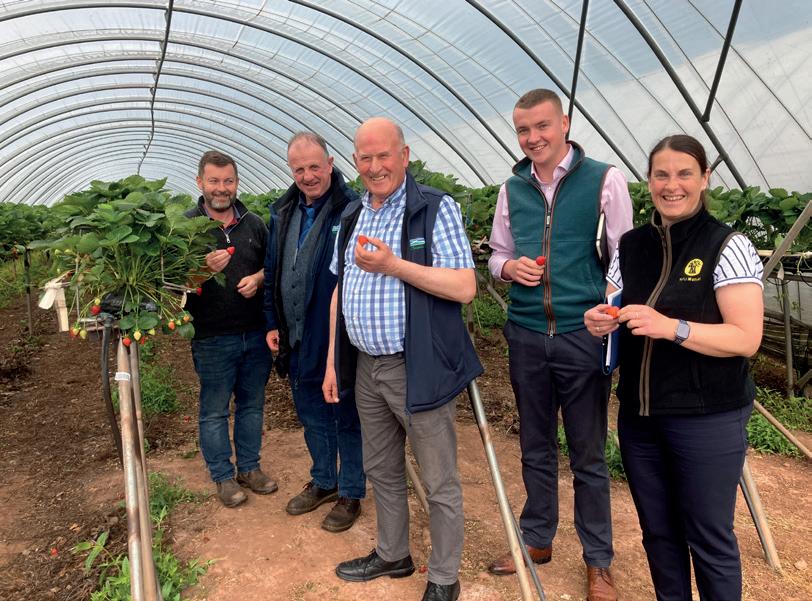
Ben and Harriet Ross’s Pitmillan Farm, Newburgh, to better understand the level of this crisis. We are grateful to our feed merchants for their lobbying support and loyalty to our producers at this seriously challenging time. Our Presidential and Policy teams are working hard with Scottish Government to access support and stop the potential demise of this important sector.
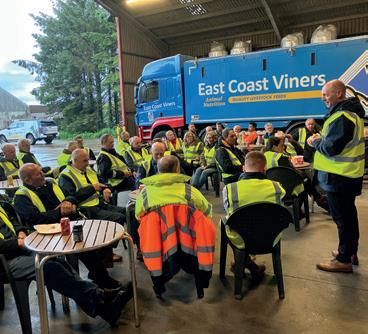
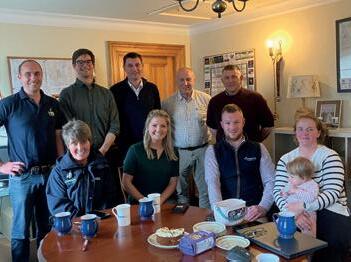
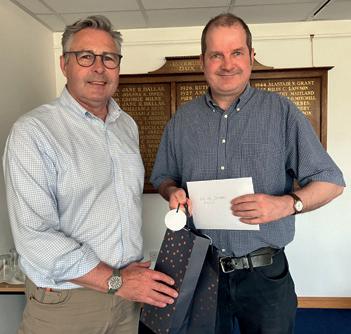



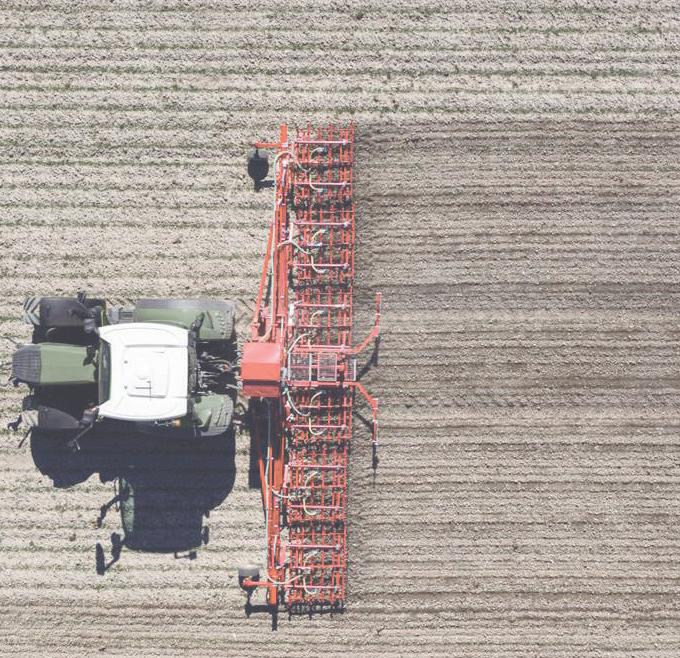

Mob: 07966-417720
www.terrington-machinery.co.uk sales@terrington-machinery.co.uk
Mechanical Weed Control

Harrows = Grassland Manager
Seeding = Pneumaticstars
= MD, STI, PRO -MD, PRO-STI
Hoes = Cereal Hoe
Camera Guidance = Row -Guard
**Please visit our NEW website www.terrington-machinery.co.uk
to see our full range of Agricultural and Horticultural machinery from Einbock and other suppliers**


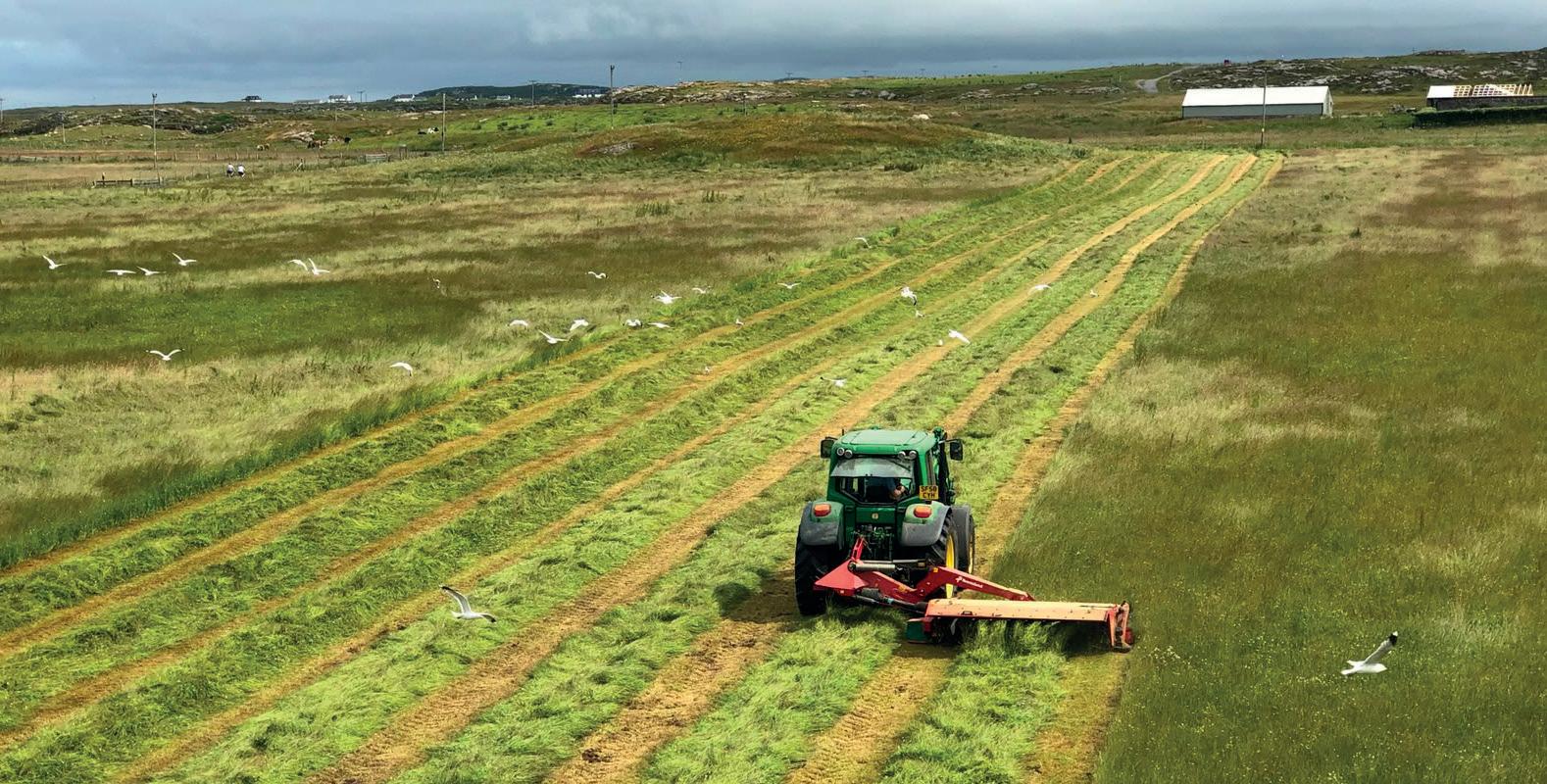


MANAGER
Lucy Sumsion

07787 434 104 lucy.sumsion@nfus.org.uk
Through the Local Goose Group, Tiree crofters met in early summer to discuss continuing efforts to control the Greylag geese population on the island. Organised by Argyll Estates, shooting parties have been helping to reduce numbers with nearly 1500 geese shot since August 2025. The estate also organised egg oiling in the spring with over 500 eggs oiled. Both the shooting and egg oiling, which have been going on for many years, are having an impact on reducing numbers and the crofters appreciate the ongoing support

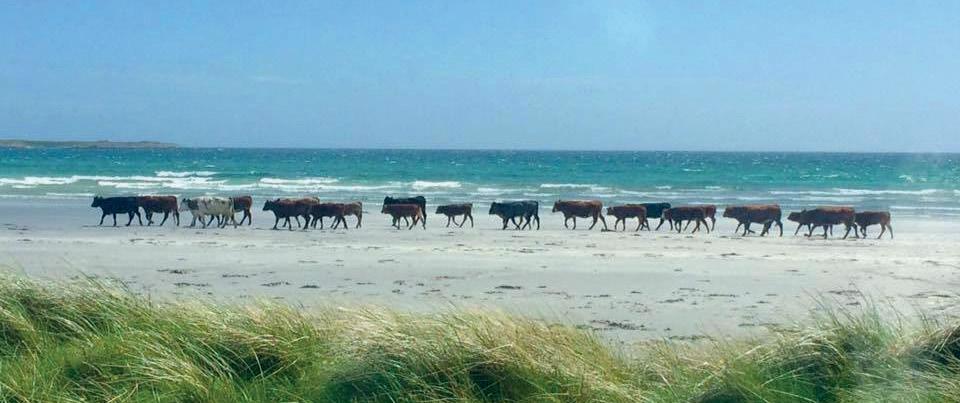

from Argyll Estates.
This year, for the first time, crofters have undertaken some corralling of geese. This followed a trip to Orkney in June 2025, when two Tiree crofters visited the islands to learn best practice from the Orkney farmers. This was an invaluable experience for the crofters involved and enabled them to successfully replicate the Orkney methods on Tiree.
A visit to the island is planned in late-August with senior managers from NatureScot and Scottish Government. The aim of the visit is to highlight to policy makers the significant impact that Greylag geese are having on the island. The geese are not only causing considerable agricultural damage, undermining the economic viability of crofting on the island, but they are also impacting other species and habitats of conservation concern, such as corncrake.
As well as having to deal with the management of resident Greylag geese, Tiree crofters are also having to manage
the impact of an increasing population of protected Barnacle geese. As part of the Goose Policy Delivery Plan 2025-2030 NatureScot has set up a working group to look at two of the key recommendations. I am sitting on this working group representing the Tiree crofters. Craig Archibald, from Craigens Farm on Islay, is also on the group representing the Islay Local Goose Group. The aim is to review the current schemes for protected geese to “ensure the schemes are operating in an equitable and transparent manner and consider all available support routes.” This work will include reviewing how payments are calculated, what interventions rates are applied and development of a pilot scheme to test new and simplified approaches. For further information, please get in touch with me.
Please note, an editing error was made on last months’ edition, and when talking about the Rest & Be Thankful, it should have stated “the opposite side of Glen Croe” not Glen Coe.
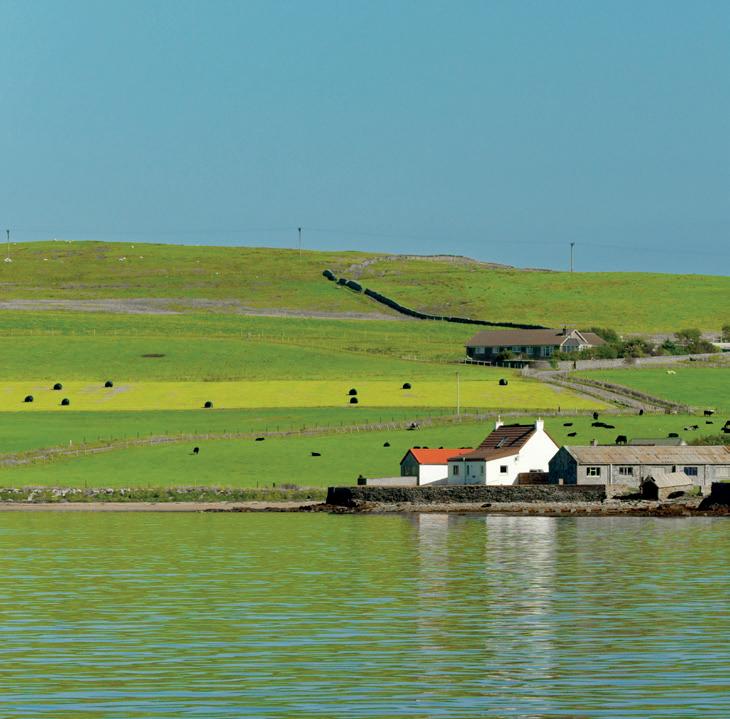
The evolution of crofting
LOTHIAN AND BORDERS


REGIONAL MANAGER
Lindsay Brown
07780 441 750 lindsay.brown@nfus.org.uk
Held at Wedderlie Farm, Gordon, hosted by the Tilson family, it was an excellent day, with the highlight for many being the farm tour up the top of the farm. The trip through the fields showed off the diverse cropping and reseed work, focusing on the forage mixture which delivers for the top-class sheep and cattle enterprise. Back in the steading there were many different workshops to attend with so many opportunities to learn from experts. With many different trade stands there was something for everyone. It was good to get a chance to speak to members who had travelled from all over the country to spend the day in the Borders.
SHETLAND


REGIONAL POLICY
ADVISOR


Lee Smith
07554 741 030 lee.smith@nfus.org.uk
Crofting in Shetland has changed significantly over the last 50 years, moving from a traditional way of life to something much more modern. Years ago, crofting provided families with much of their food and income. Most crofts kept sheep, cattle, poultry and ponies.
Many crofts had a kaleyard close to the house, protected by stone dykes from sheep, cattle and strong winds. The Shetland land was seen like a patchwork quilt of fields, containing Shetland kale, the Shetland tattie, neeps and carrots hay for winter feed. Ware (seaweed) was commonly used as a natural fertiliser. Crofters took from the land and put back in.
Nowadays, many crofters have jobs elsewhere and croft in their spare time to help support the croft.
One of the biggest changes has
been the introduction of modern machinery. Work on the croft was labour-intensive and carried out by families and neighbours working together. Making hay used to be a community event. Grass was cut and left to dry in the field, turned daily and made into Coles of hay allowing time to dry out, before being stored in sheds for the winter. This process took days and was dependant on dry weather, which could be difficult
Crofters took from the land and put back in.
in Shetland’s climate.
Today, most crofters make silage instead. Using mowers, balers and wrappers to do what would have been days and days of work in just a few hours. Silage is quicker to make, less reliant on good weather and provides better feed for livestock during winter.
It was a beautiful day at East Fortune for the show. Our tent, hosted alongside the NFU Mutual was busy all day with members coming in for a seat and some refreshments. John Davidson, CEO, and Robert Neill, Vice President, joined us and were available to speak to members. Overall, the show was very busy with visitors who enjoyed the main ring activities and trade stands. A great day was had by all.
On the last week of May when it was scorching hot, there were several wildfires in the Pentland Hills which burned throughout the week. With wind reigniting the flames at several points later in the week. The environmental impact would have been very much more severe if it was not for the land managers and gamekeeping estate staff coming from across the Lothians and Borders to help well into the night and the rest of the week. Using their expertise and experience of muirburning they knew the best ways to tackle the fire. Scottish Fire and Rescue crews were in attendance but struggled with the terrain.
After the fire, a meeting was held to get everyone involved together to see what could be learned from this incident as it is very likely to happen again. What could be done better, how do you prepare for next time. It was very apparent that a well-managed moorland is far easier to fight a fire on than one left wild. The evidence gathered from this meeting will be used in discussion with Scottish Government about changes to the muirburn code by NFU Scotland and SLE.
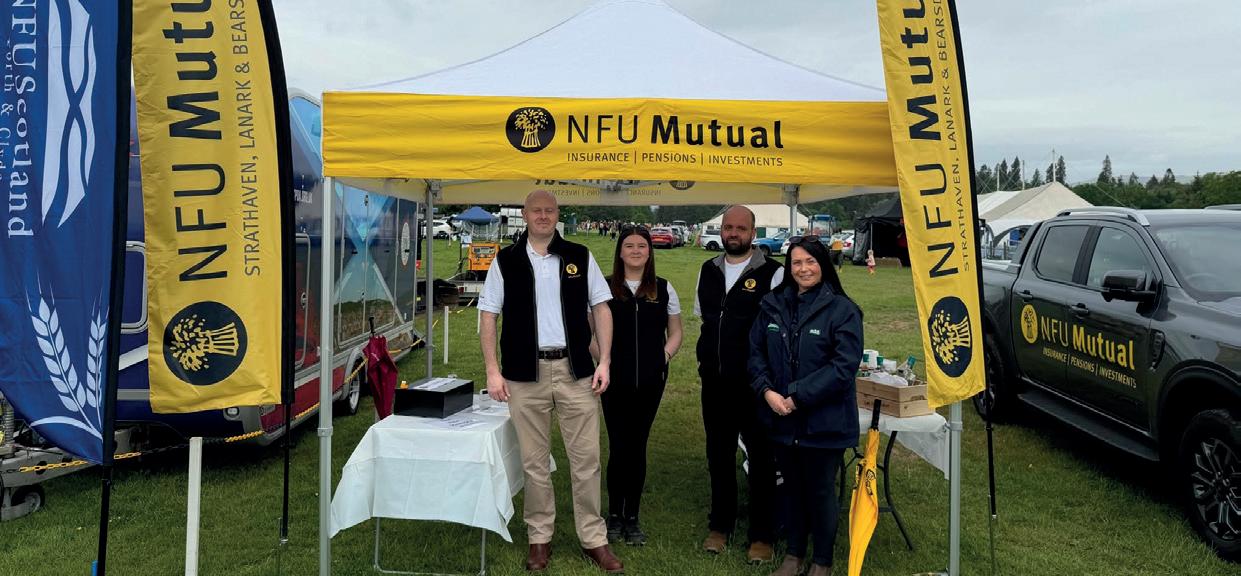

from Vice President Duncan Macalister.


07789 796 582 sheena.murray@nfus.org.uk
The summer show season has once again provided a fantastic opportunity for the team to be out and about across the region, engaging with members and the wider agricultural community. While the Scottish weather remained as unpredictable as ever, it did little to dampen the enthusiasm at what has been a busy and productive period.
The Bearsden office was pleased to attend both Drymen and Campsie Shows, where our stand attracted plenty of interest throughout the day. We were grateful for the support at Drymen Show
Meanwhile, the Stirling office had a strong showing across Gargunnock, Stirling, and Doune and Dunblane Shows. A particular thank you goes to Vice President Robert Neill and Forth Valley Branch Chair, David Wilson, for joining us at Stirling Show which proved to be a wellattended and engaging event.
Across all shows, the value of being present and accessible was clear. It was encouraging to catch up with familiar faces, meet new members, and connect with a range of agricultural businesses. It was especially positive to see continued enthusiasm from Young Farmers, highlighting the strength and future of the industry.
As the show calendar continues, I look forward to attending further events in the coming months. If you see me at any of the shows, please feel free to come over for a chat...whether to raise an issue or simply to say hello.
Great to see so many Forth and Clyde members, professional members and Young Farmers involved in this year’s Royal Highland Show.
There were some fantastic results across the board, with many members achieving well-deserved success, a real reflection of the hard work, skill, and dedication within our region.
Well done to everyone who took part and helped showcase the very best of our industry.
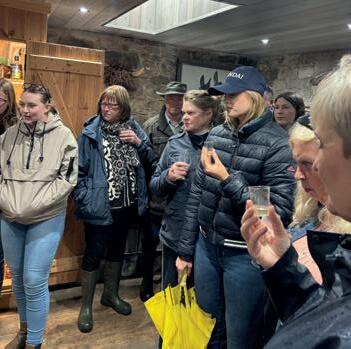
Members of the Clydesdale branch recently enjoyed a farm visit to Forth Mains, home to the McKerr family and their well-known Wee Farm Distillery.
The well-attended visit provided an excellent opportunity to see the business in action, learn more about the family’s enterprise, and catch up with fellow members in an informal setting. It was particularly encouraging to see the level of diversification and innovation being delivered on farm. The gin tasting was a particular highlight too!
We were also pleased to be joined by Lorna Scott, Senior Policy Manager for Climate, Land and Business, who engaged with members on current issues and provided valuable insight into matters affecting the sector.
Overall, it was an enjoyable and informative visit, and our thanks go to the McKerr family for hosting.
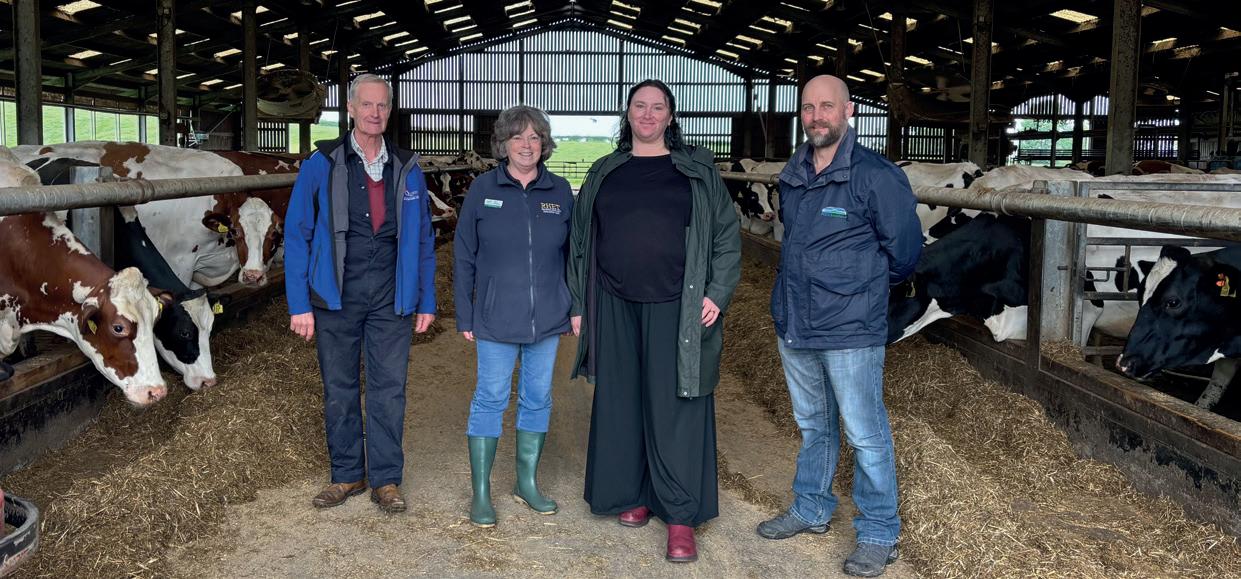



REGIONAL MANAGER Holly Fitzsimmons 07775 838 926 holly.fitzsimmons@nfus.org.uk
J& M Murdoch and Sons Ltd kindly hosted Kilmarnock & North Ayrshire & Cumbrae branch members for a visit to their site near Neilston. It was great to hear how the family business started in 1965 hauling feed from their farm just outside Paisley to now operating across the whole of the UK. And we also got a sneak peek at their vintage collection.
South Ayrshire & Cumnock & Failford branches recently held a panel session at The Coo Shed with guest panelists Douglas Ross, Tracey Roan, Raymond Crerar and Jenny McKerr who all spent time at the much loved and missed Auchincruive Agricultural College
between 1999 and 2004.
Newly elected Green MSP Cara Mckee visits Holehouse Farm, Kilburnie kindly hosted by Alex and Alistair Logan all whilst at the same time hosting two primary school visits with support from RHET Ayrshire and Arran coordinator Jane Cameron. It was a great opportunity to highlight the importance of incorporating food and farming within education and the need to create the connection early on. Discussions also included climate change, soil health and the importance of understanding there is not a one size fi ts all approach with different land types being suited to different types of farming.
Newly elected Reform MSPs Senga Beresford for South of Scotland and Thomas Kerr for Glasgow visit West Gatehead Farm, Crosshouse kindly hosted by Cumnock & Failford Chair Drew Wilson. Discussions included processing, education and barriers to careers within agriculture, tax and net zero.
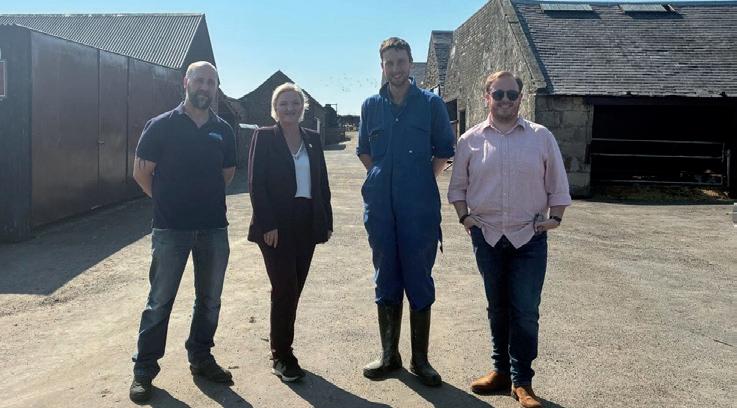


Mark McCallum
Crofting members in the Highland region make up more than 50% of all the crofting members in NFUS Scotland – and approximately one third of the members in the Highland region.
Crofters are the fabric of many of the Highland communities, fundamental to the backbone of the rural infrastructure in the Highlands & Islands. Many crofters have at least one other job on top of their crofting activities, and the challenge of fi nding time for members to give their
West Fife and Kinross Branch hosted a successful mock auction event on a blustery, wet Sunday afternoon with local SAYFC Branches. Many thanks to the James Scott and Family, Remilton Farm, Dunfermline who kindly hosted the event. Auctioneer Raymond Kennedy did a great job valuing and auctioneering the machinery and implements and then raffl ed off the fantastic items donated by many. Congratulations to all the award winners. An amazing amount of £1600 was raised and was presented to the SAYFC for their Big Build. Congratulations to Caroline Miller from Balkello Farm who was awarded an MBE in the Kings Birthday Honours in recognition for of her outstanding services to agritourism and the rural economy in Scotland. Caroline, previous
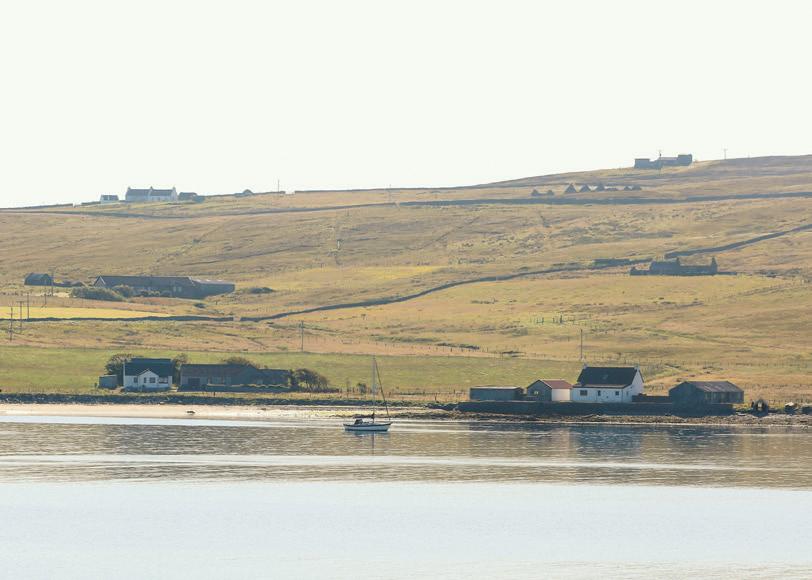
time to NFUS Scotland is recognised.
Without changing the remit of the working group, the recent name change from CHIC to the Crofters Committee will hopefully make it clearer who the group represents. The committee will continue to feed into the LFA Committee, while the new name reinforces the important role crofting members play within NFU Scotland.
Hopefully, by the time you read this,

the delays to the Crofting Agricultural Grant Scheme (CAGS) will have been resolved. This is an issue the Union is well aware of and has been working hard to address on behalf of members.
At the time of writing in early July, there is still plenty of work to be done, with many of the region’s agricultural shows yet to take place. Here’s hoping the weather improves from the unsettled spell we’ve been experiencing.
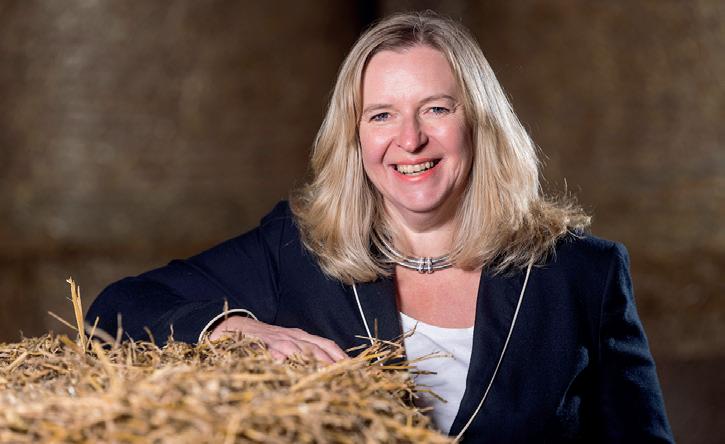
East Central Chair, and her husband Ross farms a mixed livestock and arable enterprise. They have also developed The Hideaway Experience, a 5-star accredited tourism business on the farm, established in 2005. Caroline has dedicated many years to the Scottish Agritourism and has worked with others to raise the profi le of agritourism giving signifi cant opportunity for Scotland.
NFUS East Central has recently hosted three parliamentarian meetings across the region engaging with MPs,
returning MSPs and newly appointed MSPs. There were a range of diff erent subject matters covered including future funding, planning, food labelling, food security, food cap, species management. If you haven’t already done so, please do get in touch with your local parliamentarians and invite them onto farm to see and hear fi rsthand the realities of farming - and importance of agriculture to the rural economy. If you need assistance in organising the meeting, please do get in touch.
DREGIONAL MANAGER John Cowan
john.cowan@nfus.org.uk
umfries and Galloway have a thriving network of small producers using farmer’s markets to supply customers directly, and showcase the wealth of local produce and crafts across the region.
Sarah Burchell is the driving force behind Moff at Farmer’s Market, a now wellestablished monthly gathering of more than 35 stalls in Moff at High Street. Produce includes locally reared butcher meat and venison, fi sh, eggs, cheese, artisan and other breads, local honey, a wide selection of pies, home baking, desserts, preserves, chocolates, hand-made dog treats, local cider, real ales, Moff at whisky and other locally made spirits. There are also stalls selling food-to-go such as hog roast, Syrian falafel wraps and other delicacies and a horse box selling coffee and hot drinks. All this complimented by an everchanging selection of quality crafts and plant stalls.
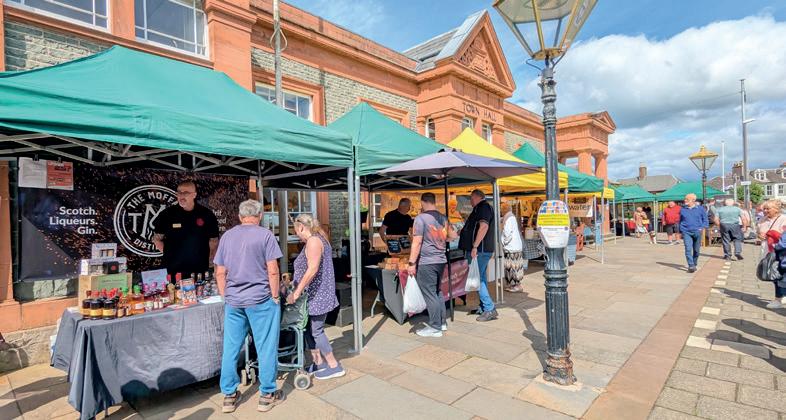
AnnanWater has been producing deliciously succulent lamb, hogget and mutton from home-bred, grass-fed sheep since Stephen and Sarah Burchell moved to Meikleholmside, near Moff at, 20 years ago. Everything they produce is sold directly to the public and local chefs, either through farmers’ markets or by mail order.
The market has become a monthly destination for discerning customers from
AnnanWater now markets all their produce directly to the customer, reducing supply chain costs and allowing buyers to be confi dent of quality and the welfare of the meat they are buying.
Dumfries and Galloway has a thriving network of 12 similar markets promoted under the banner of Dumfries and Galloway Farmer and Community Markets (https://dgmarkets.org/) which, although independently run, coordinate their
far and wide. Sarah says: “The market has gone from strength to strength over the past 15 years. As well as our regular customers from across Dumfries and Galloway, we welcome many returning buyers from as far afi eld as south Cumbria, the North East of England and central Scotland, bringing benefi ts to other businesses in the town.”


REGIONAL POLICY ADVISOR
John Laughton


01856 872 048
john_laughton@nfus.org.uk
So far 2026 has not been a vintage year for weather! The winter was wet and windy with ewes suffering as a consequence. If you have a wind turbine you were laughing, with record energy production recorded by a lot of wind turbine owners. I have never experienced such a prolonged spell of very strong easterly winds in January
and February. Spectacular seas out east but this leads to severely disrupted movement of cattle and sheep to the mainland, with the Kirkwall to Aberdeen cargo boat unable to run for three consecutive weeks with cattle backing-up on farm, and sheds unable to be mucked out ahead of calving and lambing.
Spring was also wet and windy with outdoor lambing a hit or a miss – there were better weeks of weather in early April than in May. Some lambs did not get off to a good start in life and earlier born lambs were unable to thrive with disease pressures evident in some flocks. Cattle were late in being turned out in nearly all areas which was in complete contrast to last year.
The wet and windy weather has, surprise surprise, continued into summer. As I write this article in the beginning of
schedule to avoid neighbouring markets on the same day.
With traceability and value for money being so important to many people, the farmer’s market provides an excellent direct sales opportunity to small independent producers across the region and continues to grow from strength to strength.
July, the ground is saturated and burns are running high at winter levels. Silage has been a challenge as has getting sheep clipped. But it has been very growthy with huge crops of silage secured so far and too much grass for stock to handle.
But never fear, show week is approaching us and mother nature is due us a week of glorious weather! You may be sitting reading this after show week having either wrung out your waterproofs or applying the after sun!
The weather dominates our lives in Orkney and we are used to its inconsistency from one year to the next and its ‘changability’. It was only last year that we were basking in the most glorious week of weather for the International Island Games held in Orkney, with our international visitors thinking that this was the norm. What a difference a year makes!




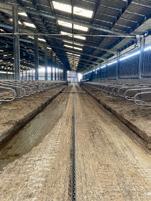



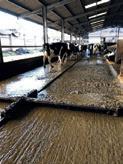







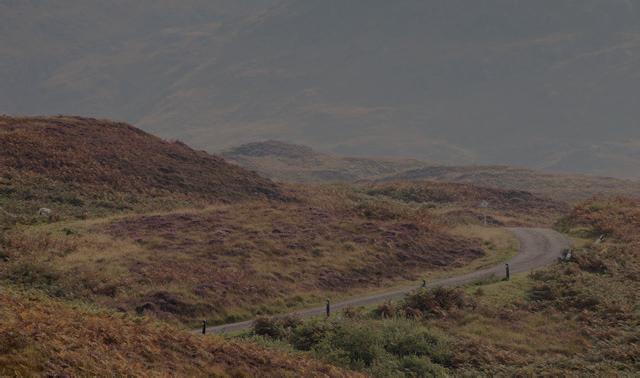
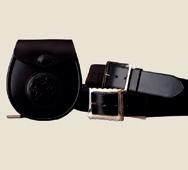
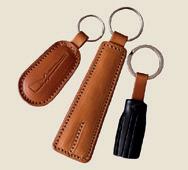





Rising energy costs, renewable generation and grid capacity are changing the way farms and crofts do business. NFU Scotland Vice President Duncan Macalister shares what first sparked his interest in renewables, where he sees the opportunities and the practical advice he’d give to members. Duncan farms on Kintyre and runs a joint venture in partnership with Fyne Energy with three turbines that deliver seven and a half megawatt.
1. Why has energy become such an important issue for Scottish agriculture?
Energy is no longer just another business cost – it’s become a strategic issue. Our members are looking at how they can reduce costs, improve efficiency and, where possible, generate their own power. At the same time, we’re facing major challenges around grid capacity and connections, so it’s an issue that affects almost every business in one way or another.
2. What first got you interested in renewable energy?
Living opposite Gigha, we watched the island develop its renewable energy project. This is going back nearly 20 years now. They bought three second-hand wind turbines from Cumbria and put them up on Gigha.
We found out what they’d paid for them – they were relatively cheap – and then we found out how much they were making. At the time, they were generating around £200,000 a year profi t for a £400,000 capital investment. I remember thinking, “Hang on a minute, I can do this. Why can I not do this?” It really opened my eyes to what renewable energy could do for rural businesses and communities.
3. Where do you see the biggest opportunities for farmers and crofters in renewable energy? There are opportunities across all these technologies – solar, wind, biodigesters and hydro. Hydro, in particular, can work


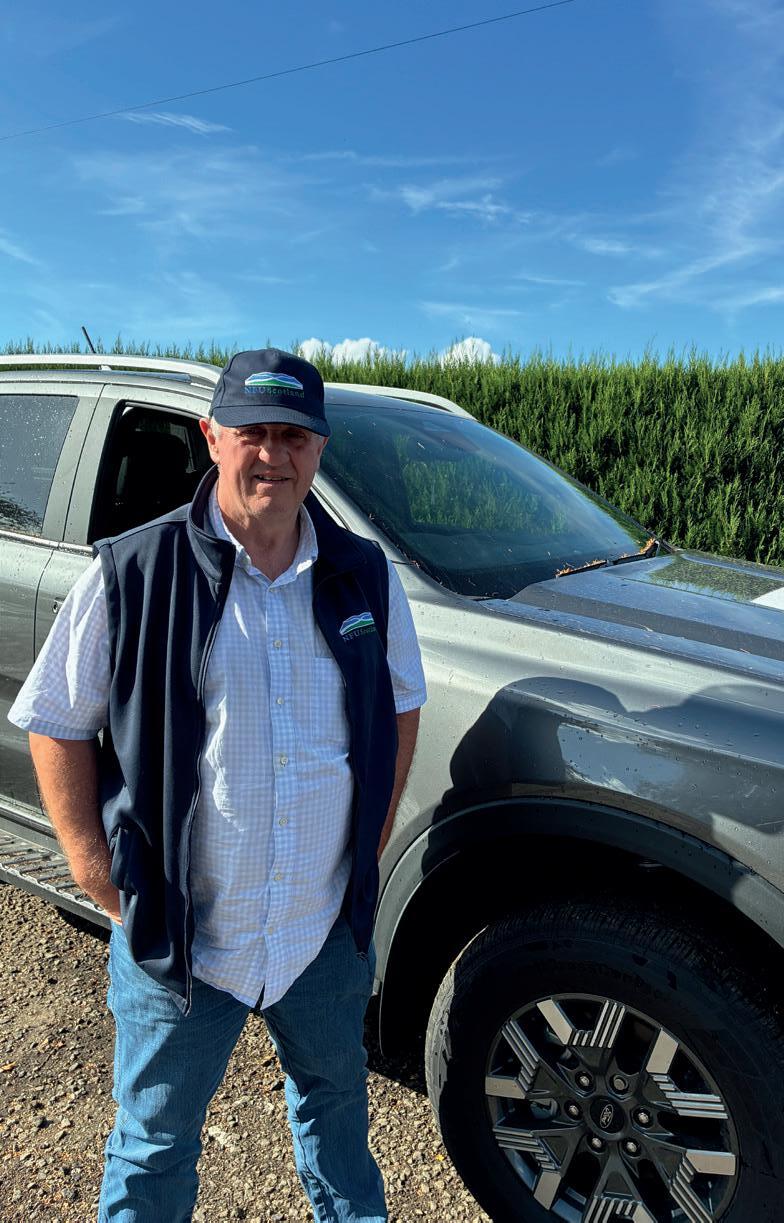
brilliantly for smaller-scale schemes, and many farms and crofts may have an untapped resource without even realising it. Renewables won’t be right for everyone, but it’s worth taking a fresh look at what’s possible on your own business. Technology is moving so quickly that an option which didn’t stack up a few years ago might now be worth another look. The opportunities are there if you’re prepared to ask the questions.
4. Where should members start if they’re thinking about investing?
Do your homework. Find the people who know how to do it or find someone who’s already done it and ask them who they
spoke to. As members, we are generally very good at sharing our experiences, and that’s one of the strengths of being part of NFU Scotland. There’s a huge amount of knowledge across the membership if you’re prepared to ask.
5. One piece of advice for members looking to improve their farm’s energy efficiency?
Do a carbon audit and see what it says. Get somebody who’s good at it and knows about it because that’s about energy efficiency. They might highlight things you could save on – because, when it comes down to it, saving money is the same as making money.
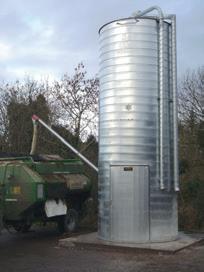
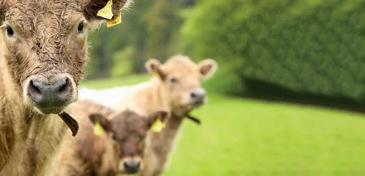

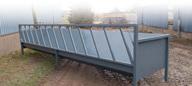

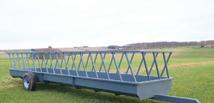






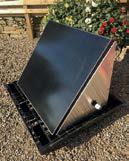

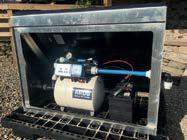
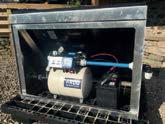
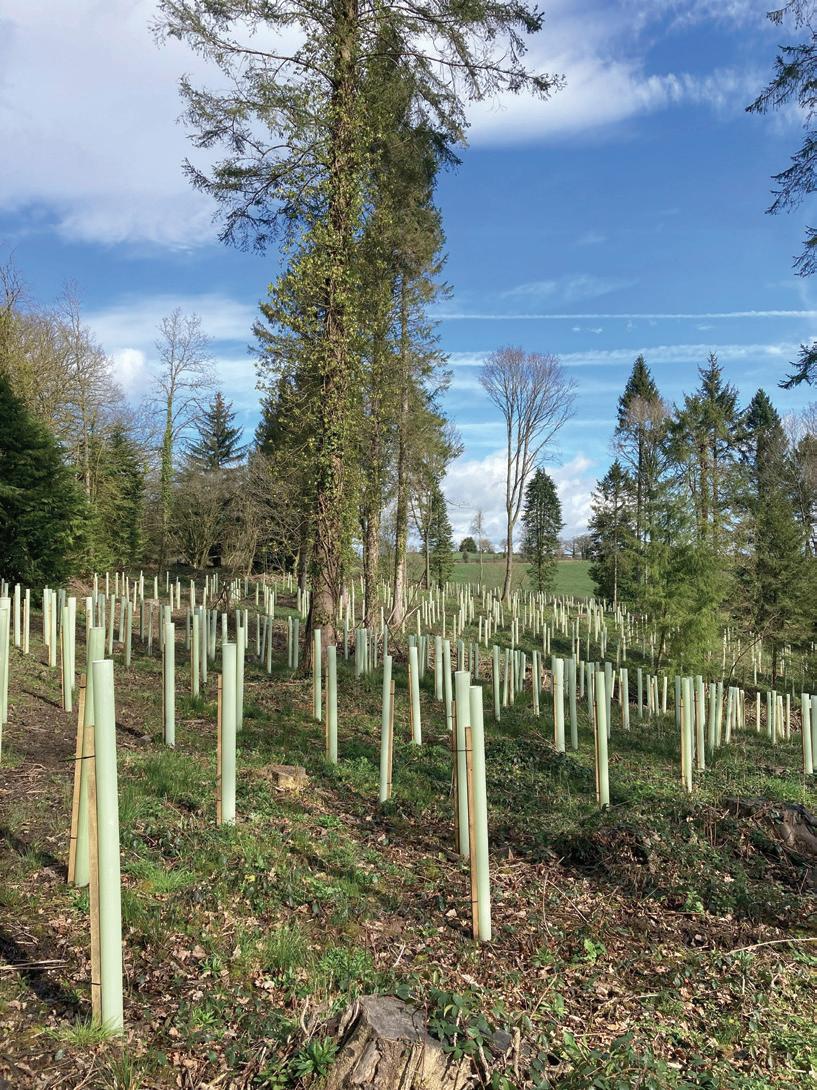
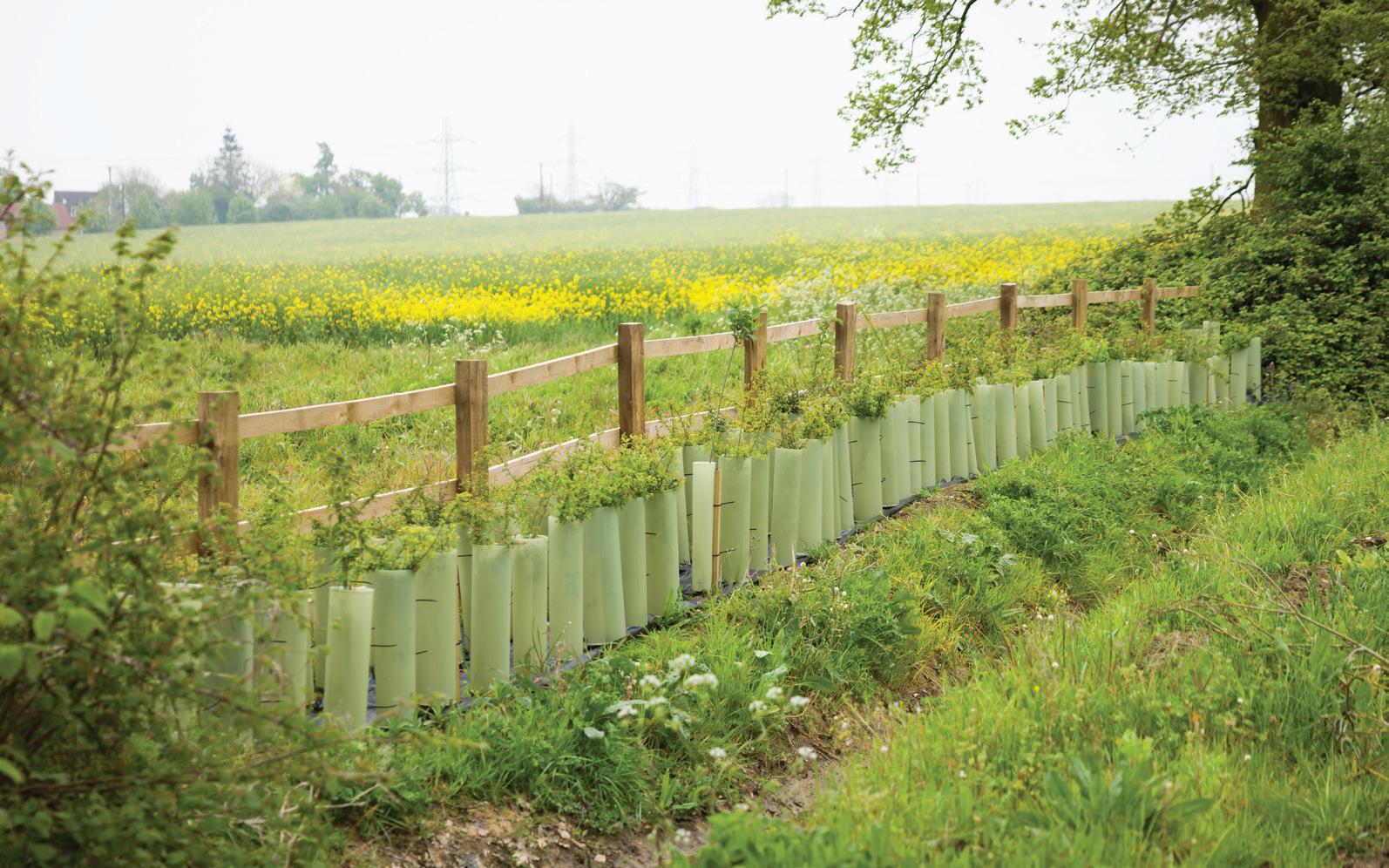
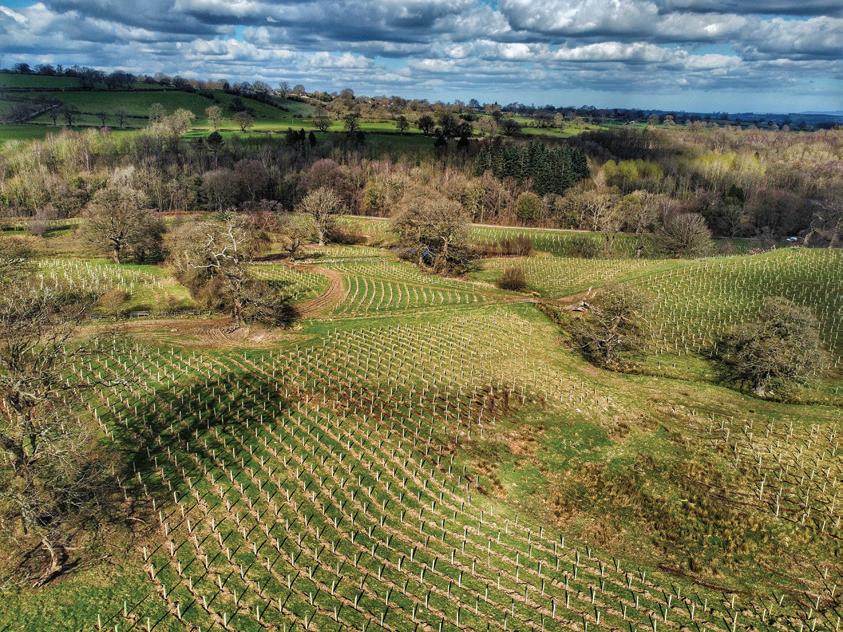
From woodland creation and native planting to biodiversity enhancement and habitat improvement, we provide the expertise, products and practical support needed to deliver successful projects.
Working with farmers, estates, contractors and land managers across Scotland, we support every stage of land management projects from planning through to maintenance.
ASK ABOUT OUR BN11 HEDGE PROTECTION PACKAGES
Everything you need to protect your investment and future-proof your land
• Native trees and hedging plants from British Hardwood Tree Nursery
• Tree planting shelters, guards and protection systems
• Wildflower and biodiversity solutions
• Woodland creation and habitat establishment products
• Sustainable soils, growing media and landscape materials
• Ground protection