explorer Norfolk Coast 2026




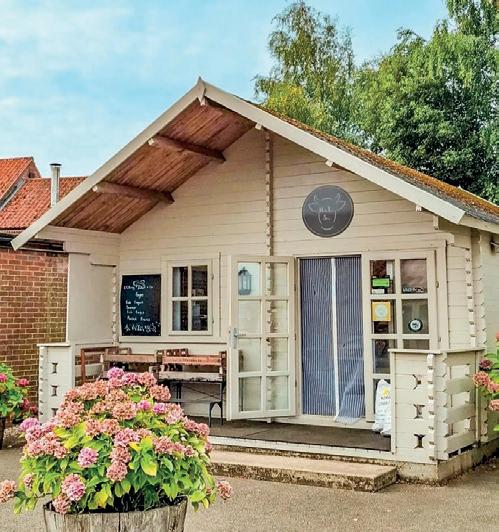

























Lings Country Goods & Heath Far m Shop
Heath Far m, Lynn Lane, Great Massingham, Kings Lynn, PE32 2HJ

Attention, please

I’m a birdwatcher, a naturalist, a lover of the natural world and, though it may not always be cool to admit it, I’m happy to be called a nature-lover. Who wouldn’t love the natural world? It is our home, the source of all we need for life, and for many of us, our prime source of beauty, wonder and inspiration.
If you’d like to deepen your experience of nature, I’ve found the secret is simple: pay attention. We easily give deep attention to what we love – people, places, pets – but the reverse is also true: paying attention can create feelings of respect, wonder and even love for whatever we focus on.
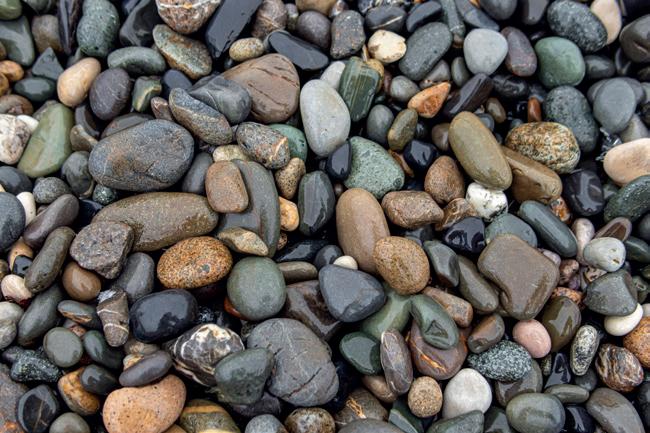
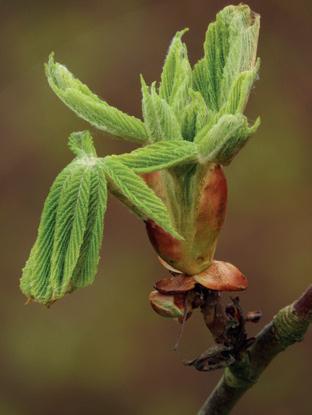
Attention is our own magic dust. Sprinkle it on the ordinary – a flower, a pebble, clouds, a bud on a tree – and watch them become extraordinary. It reveals hidden beauty and intricate patterns – fractals, spirals, waves – that offer clues to the workings of the natural world. Attention becomes a portal into hidden worlds: the ‘rainforests’ of moss on a tree trunk, the way light reflects in a puddle, the delicate vermiculation on a mallard’s flanks. Look closely at almost anything in nature and you enter a world of mystery, wonder and awe.
We don’t need distant adventures. There is special joy in returning to the same local place. Walking familiar routes becomes almost a meditation, making even small changes more noticeable. Love and familiarity bring a different quality of attention; repeated experiences deepen our feelings for both places and people. Time in nature reveals the great cycles of life – day and night, the changing seasons, the moon’s calendar – the rhythms of our planet. When we choose to pay attention to them, we begin to sense our own wild natures: that we are part of nature, not apart from it.
On the Norfolk coast we are lucky. Nowhere better than our coast to feel tides and seasons within as well as without. In this landscape of open skies, the sea and long, wild horizons, it’s easy to feel connected to something larger than the everyday. When I pay attention to the landscape – its birds and wildlife, its moods, silences and songs – nature becomes a mirror, and I start to experience my own wild nature.
Like many visitors, I especially enjoy the birdlife: winter skies full of geese writing lines across the

In this edition of the Norfolk Coast Explorer, we go deeper into the wonders of this remarkable coastline. Opening the journey, David North invites you to slow down, look closely and rediscover the area through the simple act of paying attention.


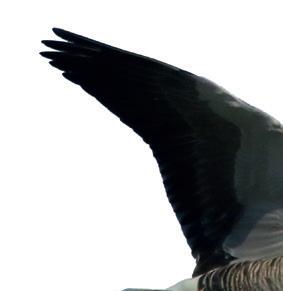
sky, curlews overhead.
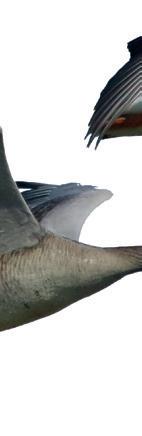
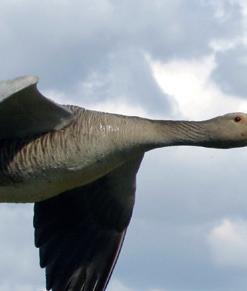
sky, and in summer the wild calls of lapwings, curlews and redshanks while skylarks sing overhead. The great flocks of geese are a special love. Geese move, but they move me too. When I hear their voices and see skeins overhead, part of me moves with them. Their unfolding beauty –wildness, energy, otherness –is a constant source of wonder.

Whatever the season, coastal walks bring close encounters with wildlife: moments when time stops, senses heighten and life brightens. These unpredictable moments of sheer beauty focus attention and quieten thought. All that exists is the present moment. I hope you too experience these moments and find places that touch you deeply with their wildness. The secret to deepening this connection is simple: pay attention.
David North is a naturalist, author and environmentalist. He can often be found at Norfolk Wildlife Trust’s Cley and Salthouse Marshes reserve where he volunteers leading guided walks.
Life Changing: Cley & Salthouse Marshes (£16.95) is his recently published book featuring a year in the life of the Norfolk Wildlife Trust’s Cley & Salthouse Marshes nature reserve through his eyes. mascotmedia.co.uk
For more on how to pay attention in nature, see our in depth guide by Lucy Allen on page 14.
Norfolk Coast: A National Landscape under threat
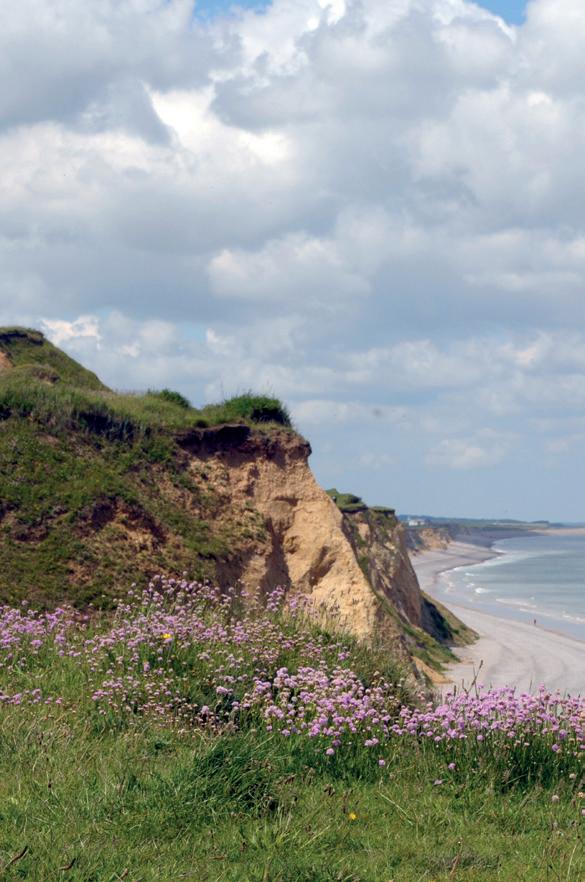
Here on the Norfolk Coast, natural richness is easy to see. Rare species, sweeping beaches, salt marshes and internationally important habitats make it a truly unique destination. But it is also a landscape under growing pressure. Rising sea levels and stronger storm surges are reshaping the shoreline, while rare wildlife such as the natterjack toad, grayling butterfly and turtle dove face habitat loss.
The Norfolk Coast is designated one of UK’s treasured National Landscapes: part of a family of 46 beautiful areas stretching from Cornwall to Northumberland and Sperrin to Suffolk. Like our national parks, these landscapes are recognised by the government for their natural, cultural and historic importance, and most have dedicated teams working to care for them.
This year in July, the
National Landscapes Association Conference is returning to Norwich, hosted by some of our Norfolk and Suffolk landscape teams. Experts will gather to explore how best to protect these special places and their local communities, with field trips to sites in the Brecks, the Broads, Suffolk Coast and Heaths and beyond. From wildlife and heritage to tourism and local businesses, healthy landscapes help create thriving, resilient regions. Communities and visitors play a vital role too. If you love this coast, you can help protect it: stick to paths, respect wildlife zones, minimise disturbance and support local, conservation-minded businesses. Your actions will help safeguard this extraordinary place for generations to come. Find out more at nationallandscapes.org.uk


100 years of wildlife and wonder
As Cley Marshes celebrates its centenary, Norfolk Wildlife Trust explains how this treasured reserve invites visitors to explore its rich habitats.
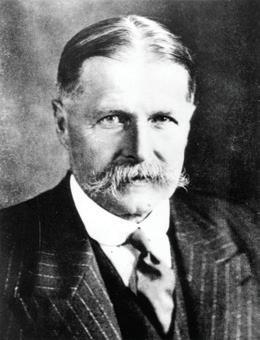
Acentury ago Dr Sydney Long, along with 11 other naturalists, purchased land at Cley Marshes ‘as a birdbreeding sanctuary for all time’, and started an amazing journey of understanding and active protection.
NWT Cley and Salthouse Marshes is now one of the UK’s most well-loved nature reserves, welcoming over 100,000 visitors each year. And the Trust now cares for over 60 nature reserves across Norfolk.
This stunning coastal landscape offers a wide variety of habitats including salt and freshwater marshes, scrapes, reedbeds and saline lagoons.
the variety and quantity of birds to see from them is impressive.
Year round you will find Little and Great White Egrets, with Spoonbill (see inset story), Glossy Ibis and Common Crane also possible among the avian regulars. Redshank, Oystercatcher, Avocet and Ringed Plover breed and, in autumn, migrant waders including Whimbrel, Green Sandpiper and Spotted Redshank stop over.
In winter the reserve hosts large numbers of wildfowl, including Teal, Wigeon and Pintail. In summer the reedbeds are alive with warblers, Calling or Common Cuckoo and the dragonfly-hunting Hobby.
New additions, such as the Attenborough’s Walk to the Babcock hide, or the portable Gillmor Discovery Hide are great new places to visit and allow visitors up close to flocks of Brent and Pink footed Geese.
The award-winning visitor centre, situated along the coast road, hosts events and exhibitions and features a gift and book shop, and a cafe with a spectacular view – and delicious scones!
How to get there
You can walk to the reserve on the Norfolk Coast Path, or get a bus – the Coasthopper stops just outside. Situated on the A149 coast road, 6km north of Holt, (Holt, Norfolk, NR25 7SA) the visitor centre and car park are easily accessible on the landward side of the road. Entrance to


Spot a Spoonbill

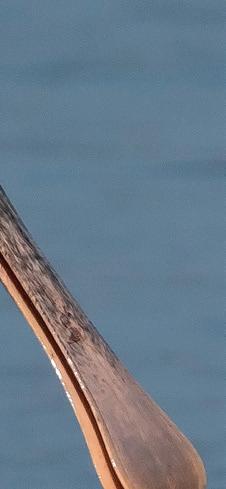
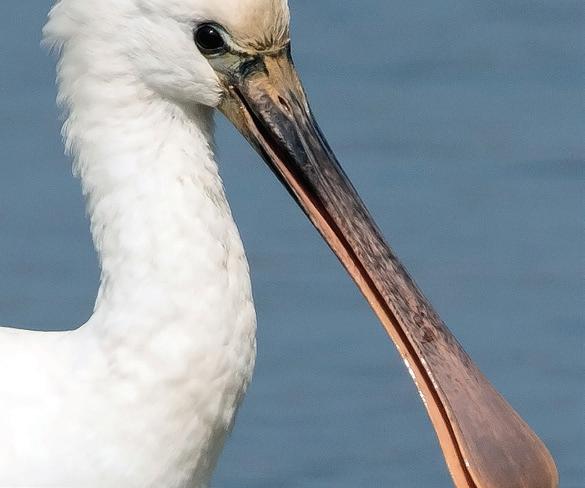
Of the many birds found at Cley and Salthouse Marshes, the spectacular Spoonbill with its long spatula-like bill, is one of the most popular sights. After an absence of more than 300 years, the Spoonbill started breeding regularly in the UK again in 2010. Birds from a nearby colony frequently visit Cley’s pools to feed.
Inset above: Active protection –Dr Long led the way.
the nature reserve is located directly across the A149 coast road.
Plan your visit
There are lots of wonderful events and exhibitions at Cley Marshes. Why not build in a little more time and combine your spring walk with some culture too. Find out what’s on and get more information to prepare for your visit: norfolkwildlifetrust.org.uk/CleyMarshes
Photo credit: Nick Wakeling
Teaspoon: a youngster on the marshes at NWT Cley.
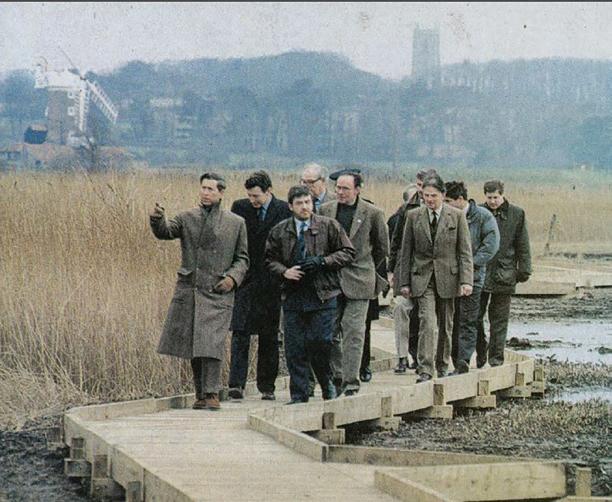
Boardwalk stroll: Prince Charles visits in 1996.
One thing,
big diff erence
Norfolk Wildlife Trust is asking everyone to help celebrate their 100th birthday by pledging to do one thing for wildlife.
For every pledge made, the Trust will plant one square metre of wildflower meadow on an NWT nature reserve – so wildlife benefits twice. Every pledge made will be added to an online map. Find more information to help you complete your pledge and ways to log your activity visit: norfolkwildlifetrust.org.uk/DoOneThing
1
Provide water for wildlife: From creating or restoring a pond, to putting a dish of water out for the animals near you, just about any source of water, small or large, will help wildlife thrive.
2
Plant for pollinators: Planting for pollinators gives bees, butterflies, and birds the food they need to survive and thrive. This helps plants reproduce, boosts biodiversity and keeps ecosystems healthy and resilient.
3
Nurture a native tree: From gardens to farms, trees provide vital food and shelter for our wildlife – and native trees support far more insects and birds than non-native trees, helping nature thrive the way it’s meant to.
4
Help a hedgehog: Hedgehog populations have declined dramatically in recent decades, making it vital that we give our spiny friends some support. From building a hoggy home to helping them move freely through our neighbourhoods, there’s something we can all do.
5
Volunteer: Learn conservation skills, share your passion for nature, meet new people, immerse yourself in local wild spaces – and
Dream big
help protect Norfolk’s wildlife for the future. Find out more: norfolkwidlifetrust.org.uk/volunteer
6
Give nature a voice: From writing to your MP or councillors to ask that they make decisions with nature in mind, to taking part in a petition or responding to a planning application that threatens your local wildlife, there are lots of ways to campaign for nature.
7
Become a member: As a member of NWT, your support enables the protection of the future of wildlife in Norfolk and to inspire more people to help nature. There are plenty of benefits for you too – from experiencing the great outdoors at nature reserves to attending uniquely wild events.
8
Donate to the NWT Centenary Appeal: norfolkwildlifetrust.org.uk/ CentenaryAppeal
9
Get to know Norfolk’s wildlife: Take part in the ‘Spot 100’ activity for a fun way to learn about the amazing creatures that make Norfolk their home. Aim to spot the Top Ten or set out on an adventure to see (or hear!) them all.
10
Put wildlife on the map: Sharing information about the wildlife you see and hear can help understanding of how plants and animals are doing – and where they might need help. With your help, nature can be protected in the right ways, in the right places.
A new book offers readers a rich, seasonal journey through the landscapes and wildlife of Norfolk. Created from over a decade of columns written for Norfolk Magazine by the Trust’s Ambassador Nick Acheson, This Wild Dream captures the glory of nature in the county while reflecting on the vital conservation work carried out over the past 100 years.
Described by fellow nature writer and NWT president Patrick Barkham, who has written the foreword, as an essential guide to the county’s wildlife, the book invites readers to discover everything from hedgehogs and Barn Owls to Pink-footed Geese and Chiffchaffs.
Patrick said: ‘If you would like to find out more about our precious county of Norfolk, what makes it hum, buzz, thrive and prosper – what makes it sing
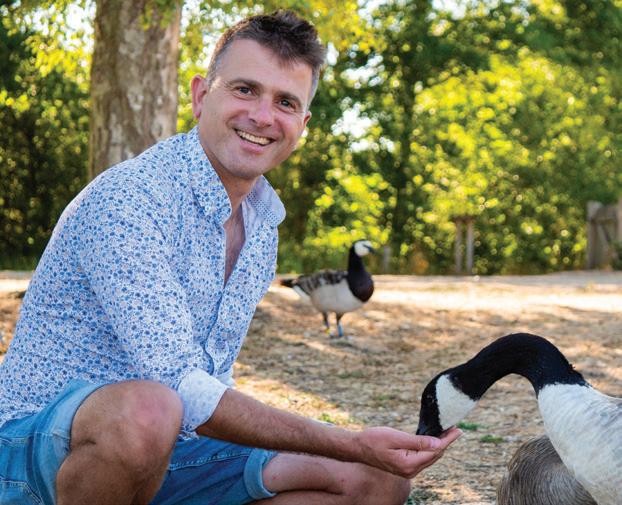
‘We want everyone in Norfolk excited about nature, clamouring for more’: Nick
– there is no better teacher than Nick. If you’d like to feel wild joy, experience the peace or exhilaration that is available, for free, in all kinds of unlikely corners of our county, from inner city Norwich to the fenny edgelands, it is all here.’
Author Nick Acheson said: ‘Through this book, I want to show people how wondrous and precious Norfolk biodiversity is. To remind them that by working together, we can preserve for the future what has so nearly been lost in the past. We want everyone in Norfolk excited about nature, clamouring for more, because it’s what we need as a society. That’s the wild dream.’
This Wild Dream – A Celebration of 100 years of Norfolk Wildlife Trust is available from thebookhive. co.uk/shop, at the Book Hive shop in Norwich or Aylsham, or at NWT visitor centres at Cley, Hickling and Ranworth. All profits from This Wild Dream will go directly to Norfolk Wildlife Trust. The book is a collaboration between NWT and Propolis Books of The Book Hive.
Photo credit: Adam Livingstone
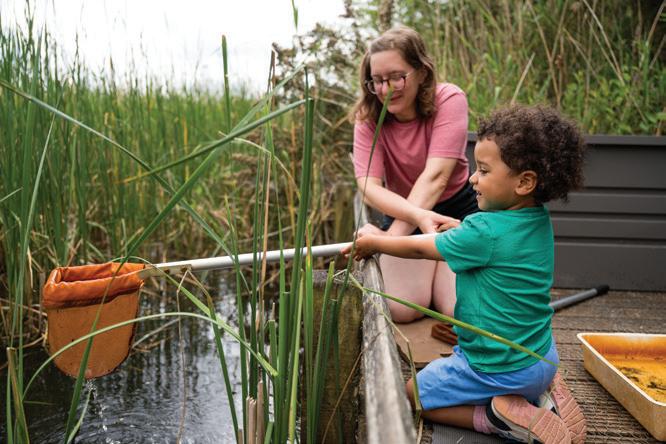
Right from top to bottom: Cley calling: the bold and noisy oystercatcher; Norfolk Wildlife Trust Cley Marshes; pond dipping at Hickling.
Photo credit: Phil Barnes Photography
Acheson and friend.
Follow the coastline from Kings Lynn to Great Yarmouth and you’ll find a network of special habitats – from sandy beaches, shingle and dunes to mudflats and saltmarshes. These habitats are important feeding and breeding places for wetland birds throughout the year, and provide vital stopping points for migrating birds during their epic journeys across the globe in the spring and autumn.
One of the reasons Norfolk’s coast is so special for birds is that it lies at the heart of a bird migration route known as the East Atlantic Flyway, and within the East Coast Wetlands – a collection of wildlife-friendly wetland habitats that stretch along the coast from the Humber Estuary on the east coast of northern England to the Medway in Kent.
Used by millions of water birds, each year they travel along this route from their summer breeding grounds in Arctic Russia, Arctic Canada, Greenland and northern Europe and their wintering grounds in western Europe and Africa.
It is impossible to imagine what it is like to be a bird making this momentous journey – leaving your breeding grounds as winter descends and flying more than 4,000 kilometres before finally reaching the Norfolk coast. For some birds, such as Brent Geese and Sanderlings, this is where the journey ends and they will spend the rest of the winter here before returning north in spring. They will make use of the mudflats, beaches and saltmarshes for foraging during the harshest of months on the coast.
For others, Norfolk is just a pit stop, a refuelling station on the way south. For species like the diminutive Little Stint, a tiny wader that weighs about the same as an AA battery, the Norfolk coast provides some respite on a 12,000 kilometre journey which will take some birds all the way to South Africa.
In spring, birds that arrive on the coast, or indeed some that spend all year here like the Redshank, are starting to think about breeding right here in Norfolk. Ringed Plovers and Oystercatchers begin arriving as early as February, with courtship to find a mate starting in March – whilst other birds such as Little Terns and Sandwich Terns are only just leaving their wintering grounds in West Africa and heading
NORFOLK’S FLYWAY
An epic journey leads to spring and summer on local shores and international recognition: a special report from the RSPB.
nests, incubating precious eggs, protecting them from the elements and predators.
Then by July the skies are filled with the sight and sound of young birds making their first flights, preparing for later in the year when they will undertake their first migration.
Protecting these habitats on Norfolk’s coast, along the entire east coast of Britain, and internationally across the flyway, is key to ensuring these birds can continue to make their journeys for generations to come. In a bid to
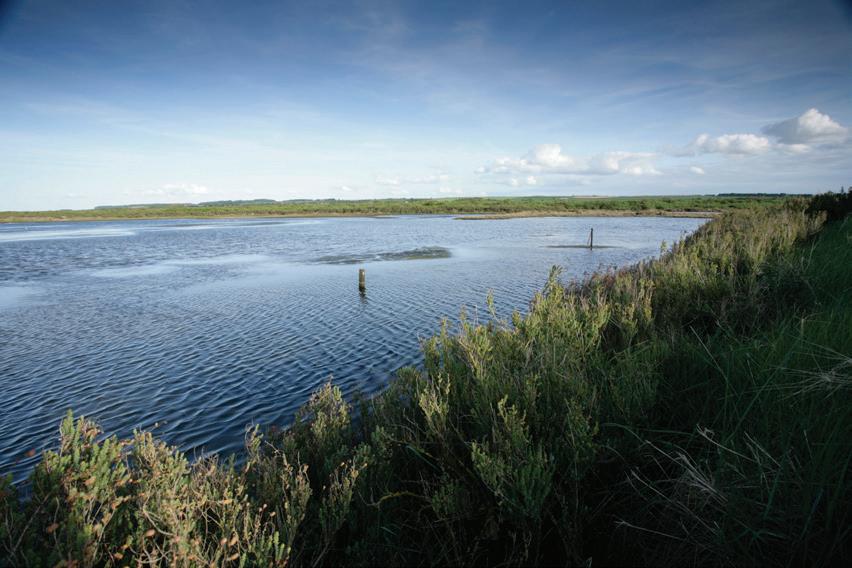


Below Left: Titchwell Marsh RSPB reserve.
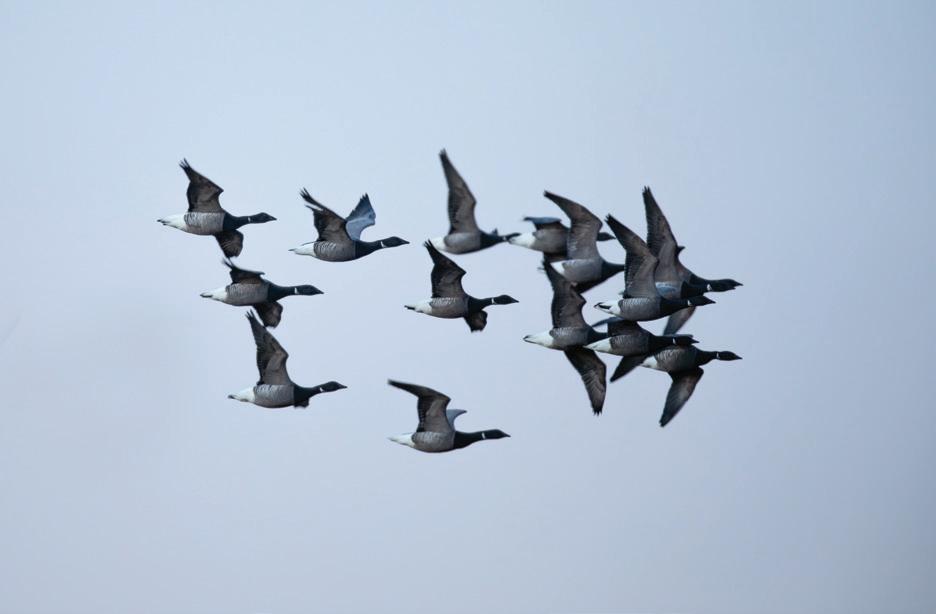
Below right: Brent goose flock in flight.
ensure England’s East Coast Wetlands get the recognition and protection they deserve, the RSPB initiated an application for UNESCO World Heritage status in 2022, with the backing of a number of partners including the National Trust. As a result, the wetlands have been added to the UK’s Tentative List of potential World Heritage sites. If the application is successful, they will join iconic sites such as the Great Barrier Reef, Mount
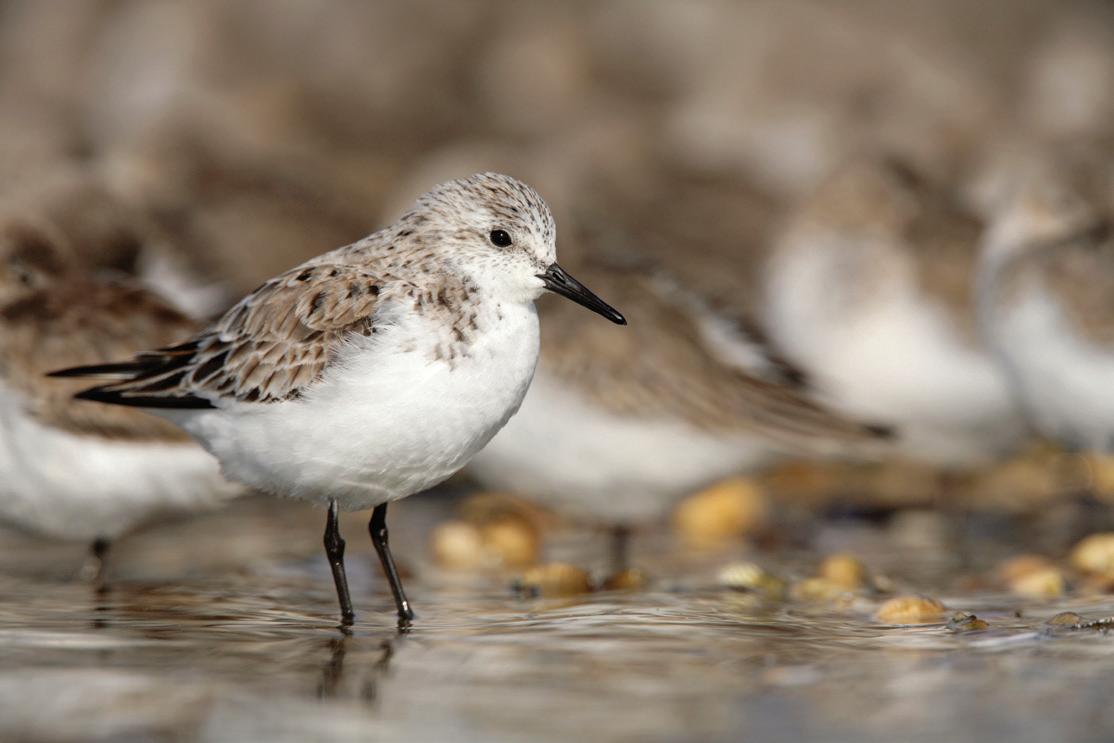
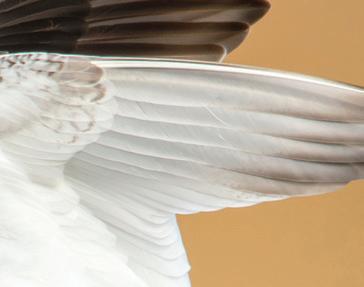
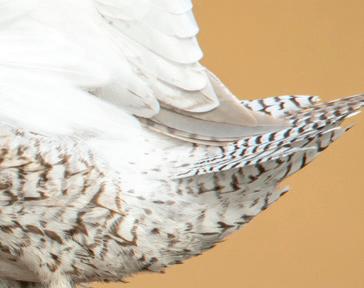
Sanderling at high tide.



Making space
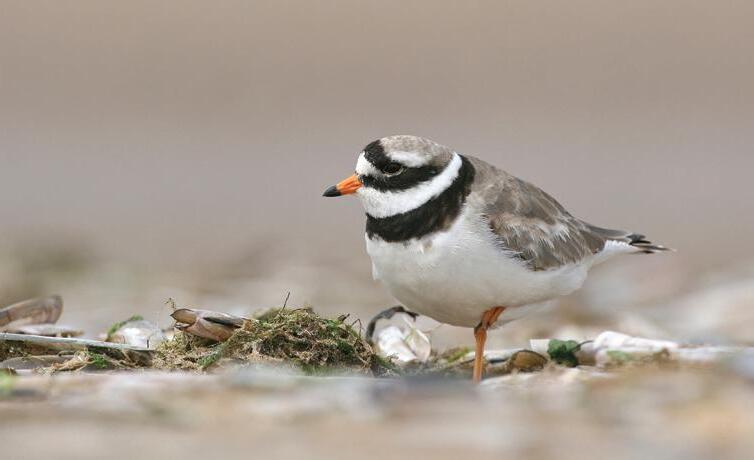
When visiting the coast, you can help protect species that make it their home, while marvelling at their presence. Whether it is Sanderling –a small wading bird that darts along the tideline foraging for tiny invertebrates, or Ringed Plover, perfectly camouflaged on their shingle nest - please give these birds the space they need.
Visitors to Norfolk’s beaches can help by following a few simple steps: Plan ahead. Before setting out, check online for details of the beach you plan to visit, what wildlife is there and to see if there are any restrictions for dogs during the bird breeding season. Keep dogs on short leads at all times. Dogs that chase birds or stray into fenced areas that are protecting nests will cause birds to leave the area or abandon their young. Keeping your dog on a lead is especially important

during the breeding season, when flightless young chicks could be anywhere on the beach. Give birds space. If you spot birds on the shoreline, or a fenced off area, keep your distance. If this isn’t possible, find another route to avoid disturbing large flocks and nesting birds.
Follow guidance. Check signs as soon as you arrive and follow any guidance during your visit. See the countryside code on page 30 for more information about how you can help nature.
Species to spot


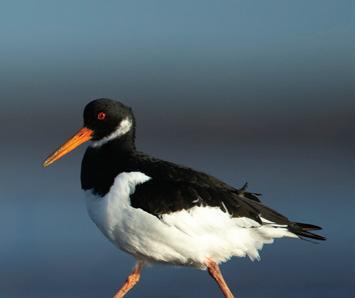
Oystercatcher
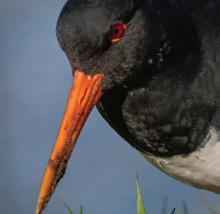
A large, black and white bird with a long orange-red bill and reddish-pink legs. This striking looking wetland species is noisy and excitable. They breed on shingle and rocky beaches, dunes, saltmarshes on grassy islands, eating shellfish such as mussels and cockles which they prise open with their strong bills.
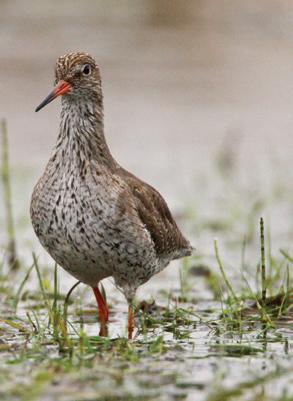
Redshank









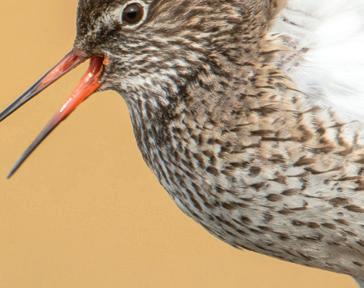
Redshank are a year-round feature of the Norfolk coast so quite easy to see. Known as the sentinel of the marshes due to their noisy alarm call that will let other wildlife know if there is danger nearby, their distinctive call is a familiar sound from March onwards as they set up breeding territories on the saltmarshes. They make a “parasol” of vegetation over the top of their nests to keep them hidden from predators.
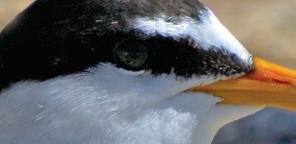
Little Tern
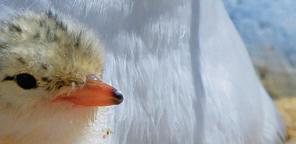
The Norfolk coast holds a significant percentage of the UK population of this species, and their breeding areas are protected by teams of dedicated wardens who keep watch over them. Weighing in at the same weight as a tennis ball, they spend the winter off the coast of West Africa. Keep an eye out for
these small terns foraging in saltmarsh creeks, or passing by offshore.

The RSPB has partnered with the Norfolk Coast Protected Landscape to raise awareness of the area’s exceptional wildlife amongst visitors, locals and businesses, and share guidance on how we can care for the coast together and will be popping up at events across the region this spring and summer: follow @ ournorfolkcoast on Instagram to keep up to date. If you would like to get involved or find out more, please contact the RSPB or norfolkcoast@norfolk.gov.uk
The RSPB could not do its work to help wildlife without its supportive members. If you would like to find out more about becoming an RSPB member visit rspb.org.uk/membership
the Norfolk coast so quite easy to see.
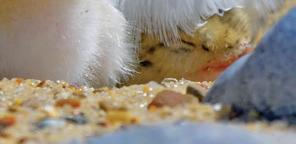
Little tern chicks sitting with parent on nest at Winterton dunes.
Oystercatcher on the beach at RSPB Titchwell Nature Reserve.
Redshank in breeding plumage.
Common redshank.
Ringed plover at Titchwell beach.
Go deeper into the Broads
Here are five ways to increase your understanding of our very special national park, says the Broads Authority’s Jess Tunstall
The Broads is a landscape shaped by water, people and time, but its real stories lie just beneath the surface. From hidden peatlands to working heritage and wildlife-rich waterways, here are five ways to go deeper and better understand this remarkable nationally-designated protected area, that stretches from the Norfolk to the Suffolk coast.
1. Understand peat
These unique landscapes store millions of tonnes of carbon, support rare wildlife, and help manage water and flooding. Through raising water tables and restoring natural hydrology, the Broads Authority is aiming to turn damaged peatlands back into thriving, climate-resilient ecosystems, benefiting nature, landscape, water quality and local communities.
While peat is part of the history of the creation
of the Broads landscape, it’s also a key part of the future. The Broads Peat Partnership is working to restore degraded peatlands across the national park, including its river valleys and surrounding wetlands.
2. Watch out for the connections
Following completion of the Broads Landscape Partnership Scheme: Water, Mills and Marshes in 2023, the Broads Authority has been in discussions with the National Lottery Heritage Fund on their Landscape Connections strategic initiative. The aims of the Landscape Connections initiative are to improve biodiversity, increase public access to nature and strengthen protected areas as vibrant, working heritage landscapes.



and
National Landscape, to better join up our two areas south of the River Waveney.
Already many existing and new partners are engaged, across very varied sectors, including the environment, culture, education, business and health. Different sorts of organisations are involved, from government agencies such as Natural England to local organisations such as the Broads Society and Norfolk Archaeological Trust.

3. Take a wildlife boat trip










The Broads Authority offers three small and friendly wildlife boat trips from information centres at Hoveton, Ranworth and How Hill, near





To support this work the our bid to the Lottery. Unlike our previous Landscape Partnership Ludham.

To support this work the authority was awarded a grant to deliver a project in 2026 entitled Broads Heritage Partnership: A Vision for the Future, which will help to bring together a new partnership that will develop our bid to the Lottery. Unlike our previous Landscape Partnership Scheme, this new partnership will range across the entirety of the Broads National Park and includes a partnership with the


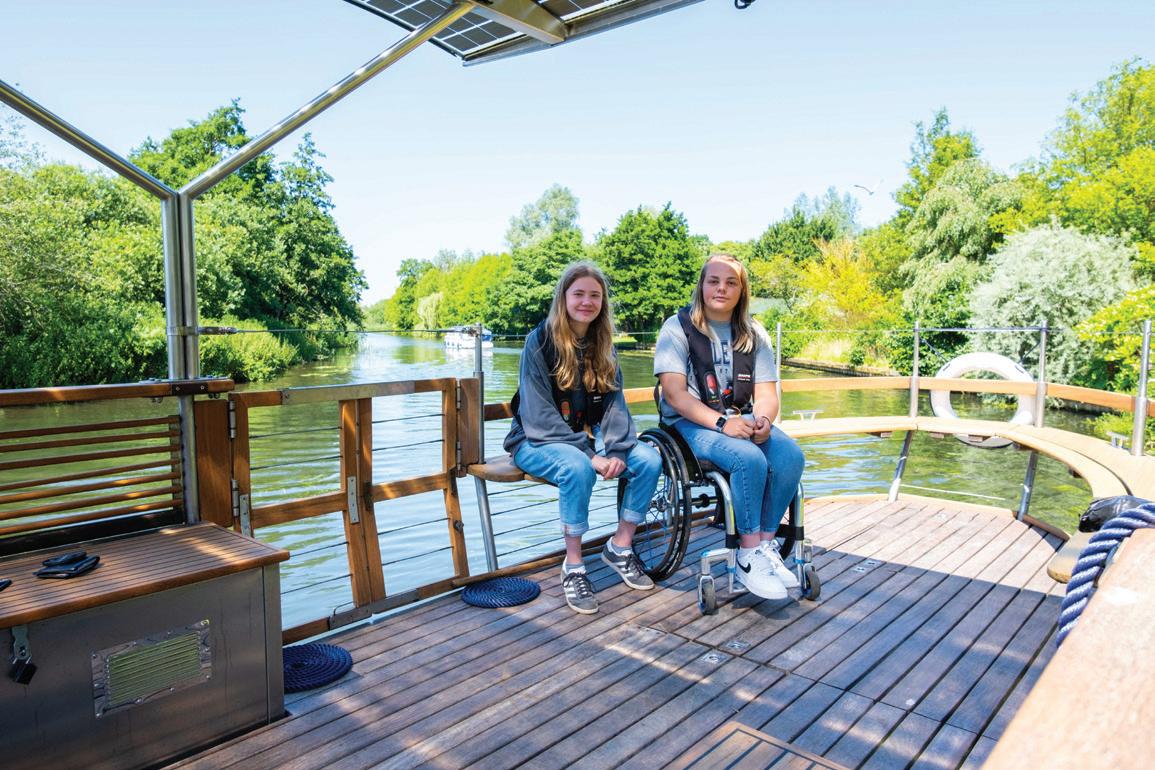
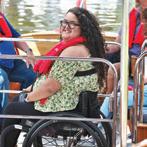
• Solar-powered Ra is based at Hoveton and is accessible to wheelchair users. You’ll find yourself drifting into another world, transported along a beautiful and tranquil stretch of the River Bure, going to Caen Meadow on a short trip or into Bridge Broad and along to Belaugh on a long trip. Listen to the birdsong and relax in a green world, with meadows and wet woodlands on either side that can’t be explored by land. Bookings: 01603 756097
transported along a beautiful and tranquil that can’t be explored by land. operates
• Liana, an Edwardian-style launch, with an electric engine, operates from the centre at Ranworth (which is also a yacht station). There
Suffolk and Essex Coast
Heaths
Mutton’s Mill. Photo credit: Tom Barrett
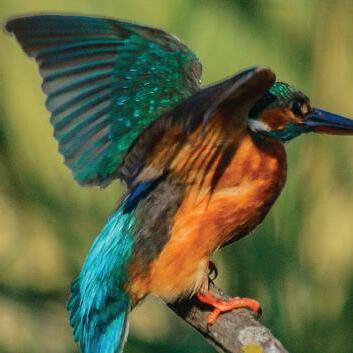
Below: Kingfisher.
Photo credit: Adam Spruce
are wonderful views of St Helen’s Church, known as the cathedral of the Broads, and the chance for a glimpse of an otter or two as you pass along Ranworth Dam. Bookings: 01603 756094
• At How Hill National Nature Reserve you can visit Toad Hole Cottage, once the home
The Broads explained
There are seven rivers in the Broads, and 63 broads (or shallow lakes) and other areas of open water. The broads are the remains of medieval peat diggings, which flooded with rising water levels. Peat was dug to use as fuel for heating and cooking, in what was then a densely populated area. The waterways are the key to the great biodiversity of the national park: a quarter of the UK’s rarest wildlife lives in the Broads.
The Broads National Park is close to the Norfolk Coast National Landscape, so while you’re in North Norfolk it’s easy to start exploring the Broads too. A small coastal area around Horsey is within both the national park and the national landscape. If you want to go even deeper, the Broads extends into the Waveney valley in Suffolk.
The national park is looked after by the Broads Authority. Please help to look after the Broads by following the guidance to responsible visiting on page 30 and look out for extra guidance and information in the free Broadcaster visitor magazine, stocked by outlets in North Norfolk as well as the Broads. It’s also available on the authority’s website.
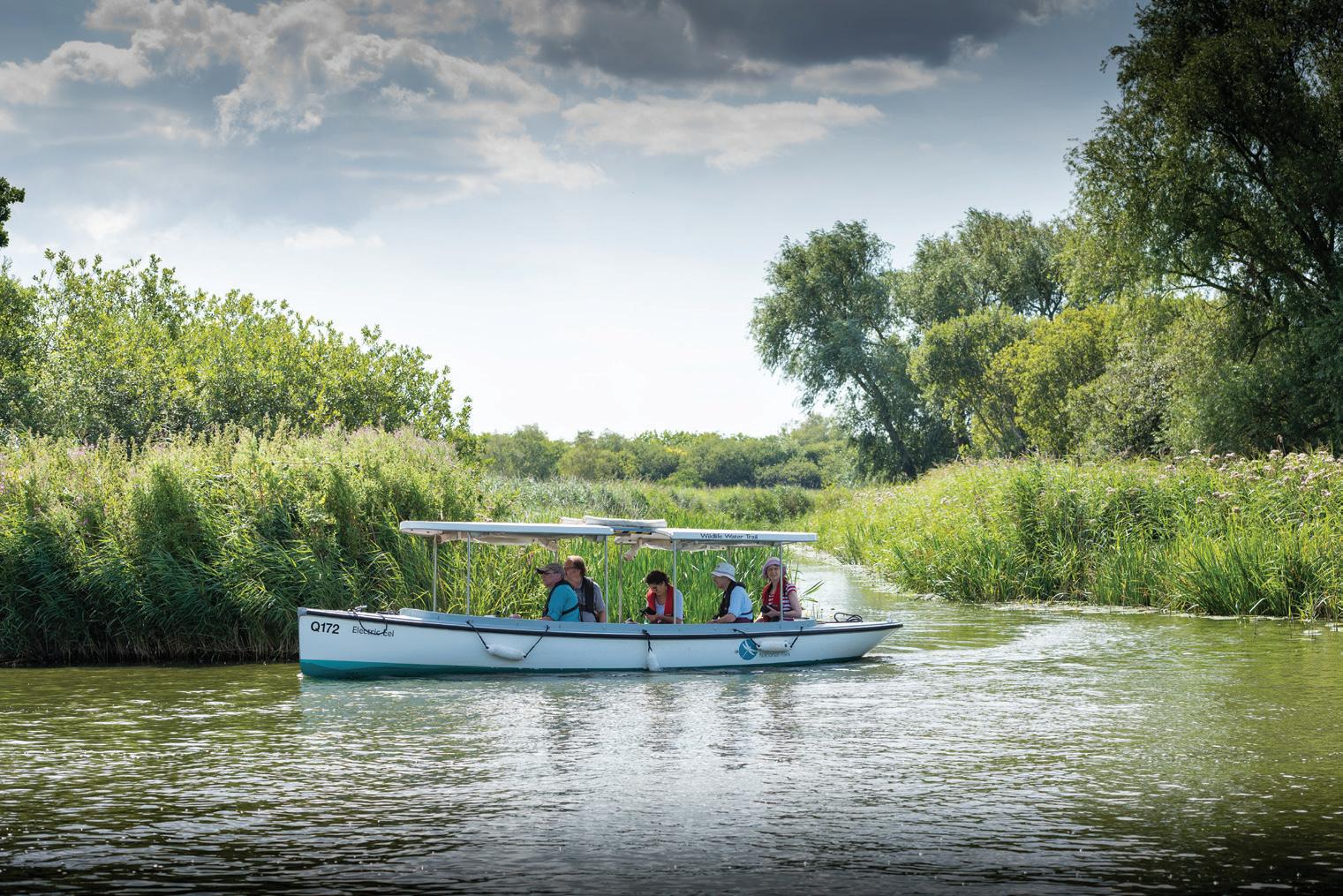
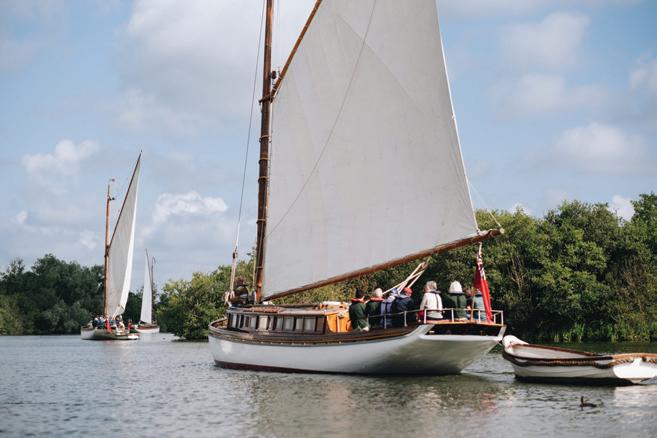
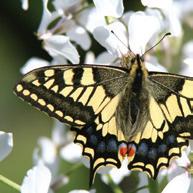
of an eel catcher, enjoy the wildlife walking trail and even visit a wherry – pleasure wherry Hathor is moored at the staithe for much of the summer. The reserve is one of the best places to see swallowtail butterflies, Norfolk hawker dragonflies, marsh harriers and other rare Broads wildlife. The Electric Eel boat trip is based here and will take you into a secret world, where reeds and flowers fringe the narrow dykes.
Bookings: 01603 756096
4. Travel actively
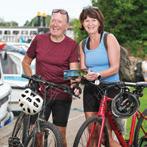
Go deeper with sustainable travel – walking, cycling, boating and public transport. Much of the Broads is easily accessible by rail. From North Norfolk you can take the Bittern Line to stations at Worstead, Salhouse and Hoveton & Wroxham within the northern Broads.
Meadow Local Nature Reserve on Yarmouth Road. It’s a great place for a stroll, a spot of angling, or to launch paddlecraft, and this year it will have new visitor information on site.
5. Find out more and stay safe
If you continue to Norwich, as well as exploring the city, you can explore the southern Broads by rail on the Wherry Lines, taking you across the marshes as far as Great Yarmouth and Lowestoft. There are numerous stations along the way, including the tiny Berney Arms Station, on the Wherryman’s Way and the Weavers’ Way long-distance walking routes, in the middle of Halvergate Marshes. If you’re visiting Norwich,
For more about visiting the Broads National Park, go to VisitTheBroads.co.uk, where you’ll also find lots of ideas for where to stay ashore and afloat, if you’d like to try a longer visit to the Broads.
Information centres mentioned in point 3, and our yacht stations at Norwich, Reedham and Great Yarmouth, will all be pleased to help you too.
For details and bookings for Broads Authority events, including night exploration, foraging and fungi events, go to broads-authority.eventbrite.com. On the Broads Authority website you can find out more about how we manage the national park and see how you can get involved.
Boating information and safety advice, including our ‘Boating Essentials’ safety videos, are also on the website. Please follow the golden rule – always wear a life jacket when you are on deck, getting on and off or tying up your boat. broads-authority.gov.uk
about a mile from the station you’ll find Cary’s
Photo credit: Tom Barrett
Ra boat trip
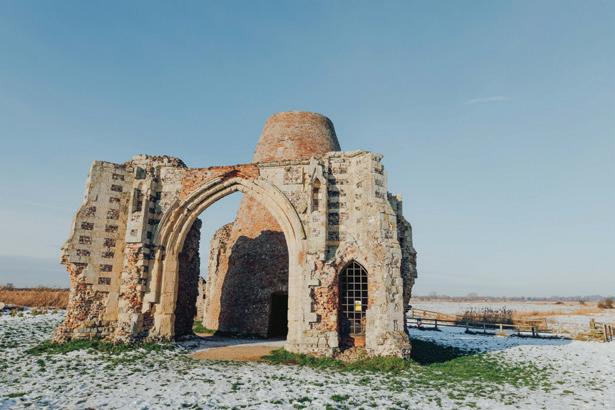
St Benet’s Abbey
Photo credit: Tom Barrett
Photo credit: Tom Barrett
Wherry at Ranworth
Boat trip on the Electric Eel. Photo credit: James Bass
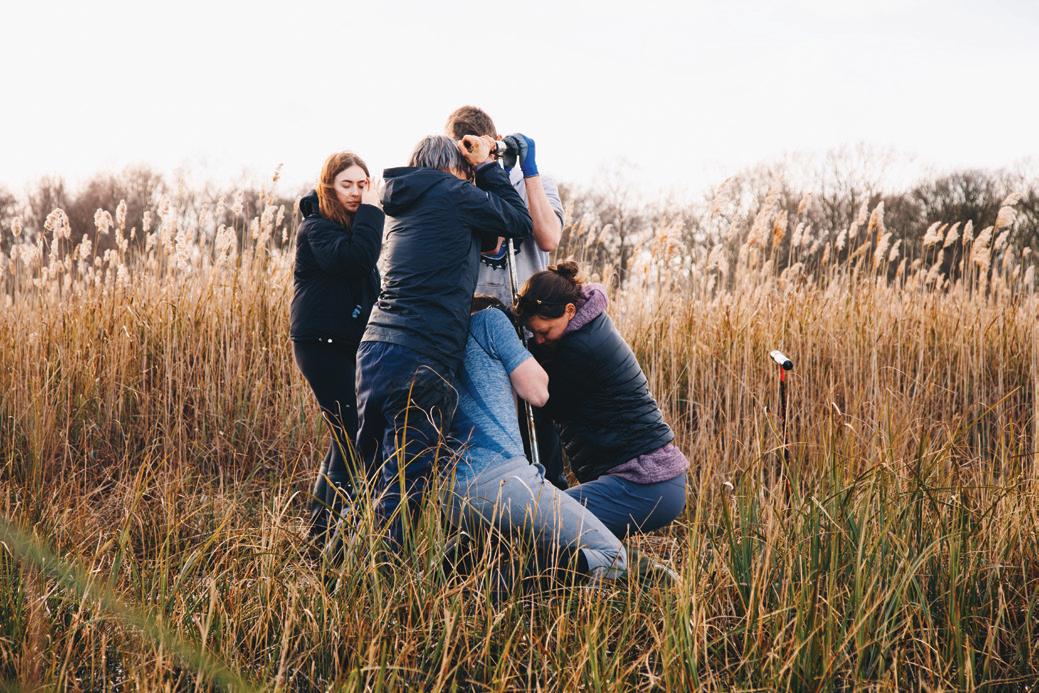
Peat coring. Photo credit: Tom Barrett
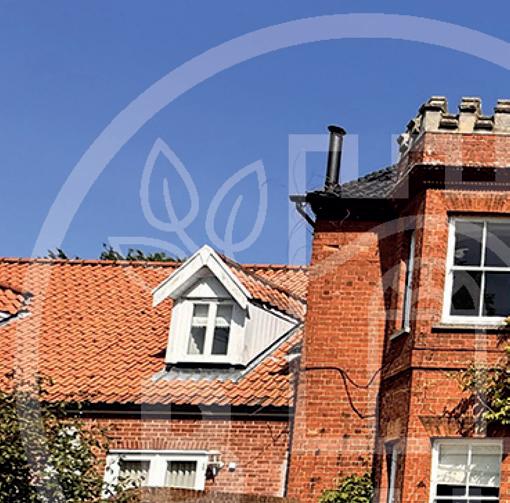
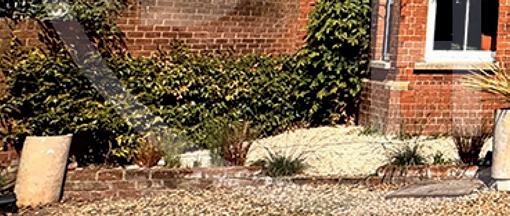

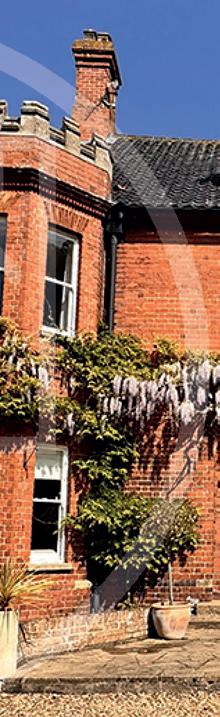

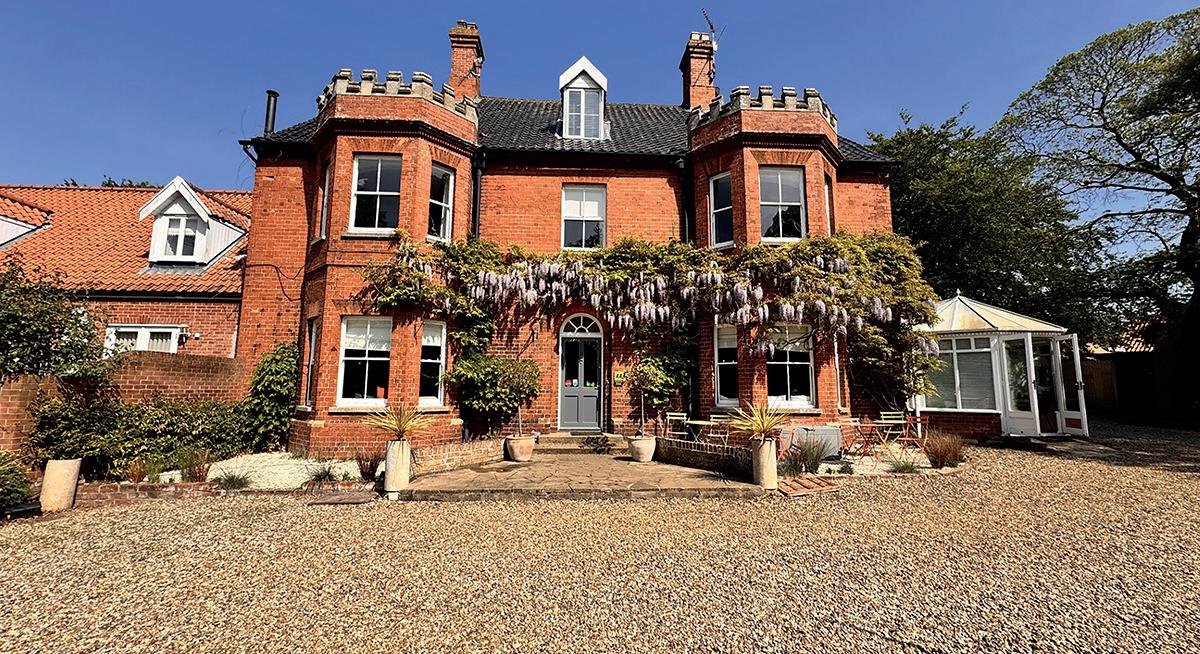
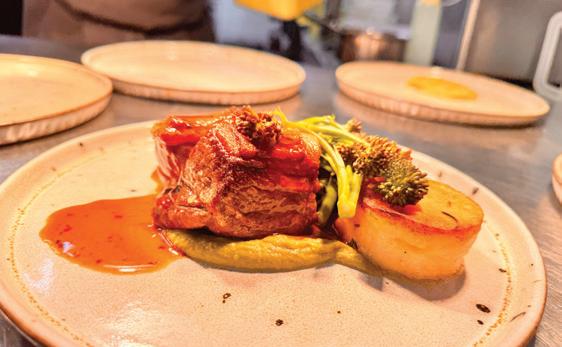
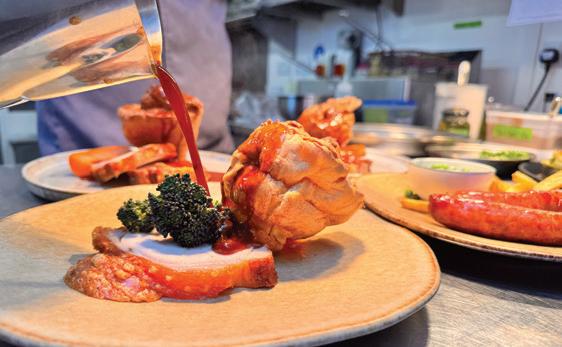
Sitting just a few minutes walk from the hustle and bustle of Blakeney Quay sits Blakeney House, a ten bedroom boutique Restaurant with Rooms nestled in the heart of the village in its own little oasis.
Blakeney House is more than just a guest house. It’s a home away from home. It’s an experience where guests can immerse themselves in the atmosphere and the surroundings. Whether you’re relaxing in the garden, watching the deer, fox and squirrels in spring, or marvelling at the wisteria that encompasses the house during summer, snuggled up in front of the fire on a cold winter day, Blakeney House becomes your space to fully unwind and lose yourself in its picturesque landscape.
Back in 2022, we were awarded by The AA five stars for our accommodation, coupled with two rosettes for our Restaurant, with each year holding the very same standards, up to present day! We’re striving for a third rosette, and our Team are working incredibly hard, pulling out all of the stops for our wonderful guests who stay and dine with us.
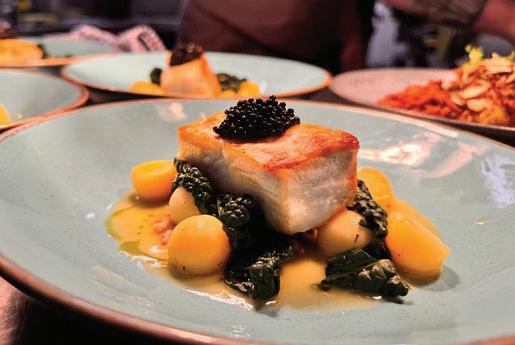
Our talented Kitchen Team proudly advocates using fresh, local ingredients that are available to them throughout the year. From fresh Cromer Crab pastas to locally reared beef sirloin, we proudly champion Norfolk produce.
This ethos also extends to our bar, where locally made gin, rum and whiskey hold prominent spaces on the shelves and serve as our go to spirits for all cocktails, which is our specialty!
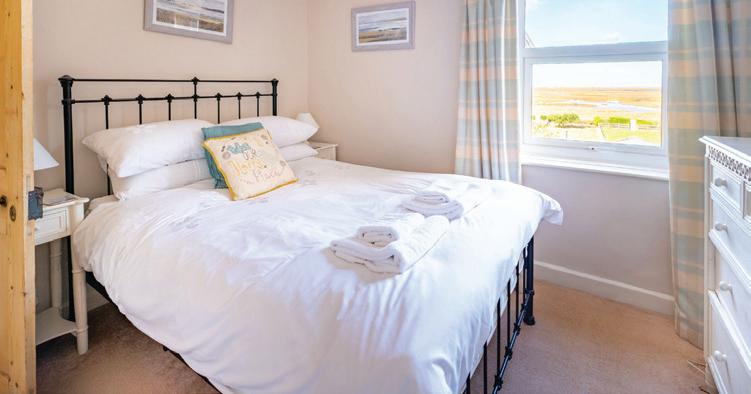
Our rooms are contemporary, boutique and comfortable. Each room is individually decorated, ranging from rich greens and blues to soft pinks and yellows, possessing its own personality and shining its own light to showcase our uniqueness and character.
With National Trust Houses, Nature Reserves, seal trips and many other top places to visit like Holt and Sheringham all within a 20 minute drive of us, Blakeney House really is the perfect base for your North Norfolk adventure.
Sean and all of our wonderful team look forward to welcoming you to our little pocket of Norfolk paradise soon.
Breakfast is available every day between 8am-9:30am
Lunch: Thursday-Saturday 12pm-2:30pm
Dinner: Tuesday-Saturday 6pm-8:30pm | Sunday Lunch: 1pm-4pm


Windpumps to war stories
Along the Norfolk Coast the National Trust’s recent work reveals a landscape rich in layered stories.
Rachel Tarkenter explains how and where the past is coming to life.
Whether reflecting on climate resilience at Horsey, watching a new thatched roof take form, uncovering hidden wartime histories or marvelling at the life of the seal colony, visitors who “go deeper” along the Norfolk Coast will discover something richer than views alone: a landscape shaped by centuries of human effort, wildlife adaptation and ongoing conservation care.
For day trippers and curious tourists looking to go beyond the surface, the past few years have delivered a series of projects, now completed or in full operation, that invite visitors to explore the coast more deeply than ever.
Horsey Windpump: new perspectives
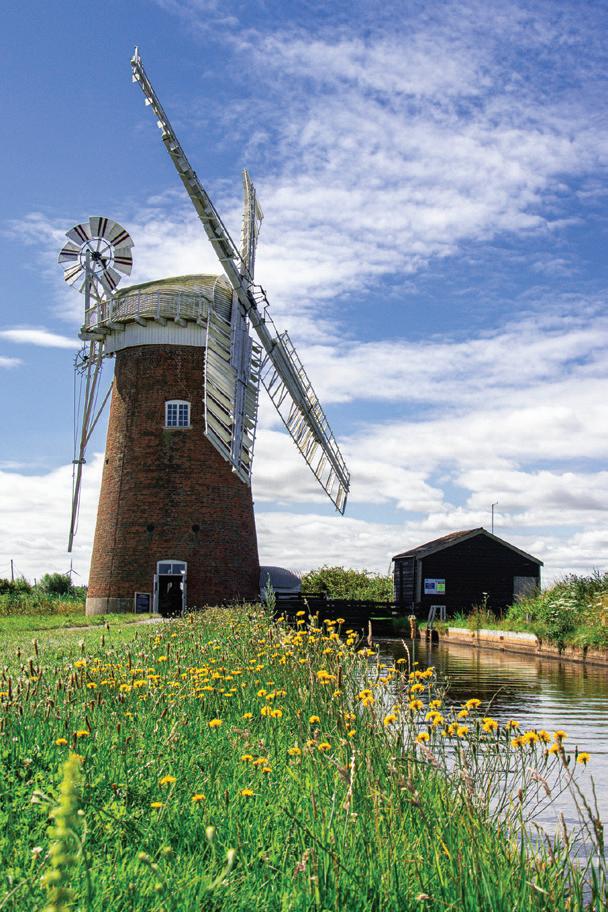
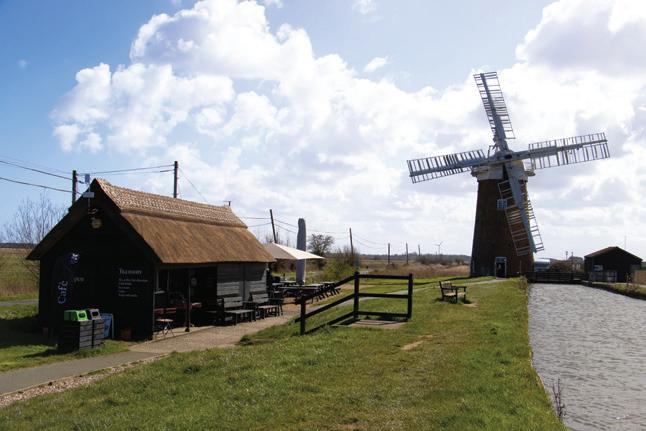
At Horsey Windpump, one of the Broads’ most recognisable landmarks, visitors have already witnessed a major transformation. The project to replace the site’s 1950s electric pumping station, part of a wider effort to modernise eleven stations protecting 6,300 hectares of low-lying land, has taken shape beside the historic windpump, bringing old and new into close conversation.
The temporary footbridge installed during construction has already given visitors unexpected new views of the windpump’s elegant brick tower and sweeping landscape. Updated on-site interpretation has helped people understand just how deeply water management is woven into the area’s identity, from the original 1816 windmill, through the 1912 steam engine, the wartime diesel pump, and finally the move to electricity in 1957.
Although the modern pumping station was under construction through 2025, Horsey remained a full visitor experience throughout: panoramic views, wildlife moments, including the treasured chance of spotting Swallowtail butterflies, and the much-loved café continued as normal with only minor adjustments. According to Peter Nicholson, the National Trust’s General Manager for the Norfolk Coast & Broads, the period offered a unique opportunity for visitors to appreciate both heritage and climate - resilient innovation side by side.
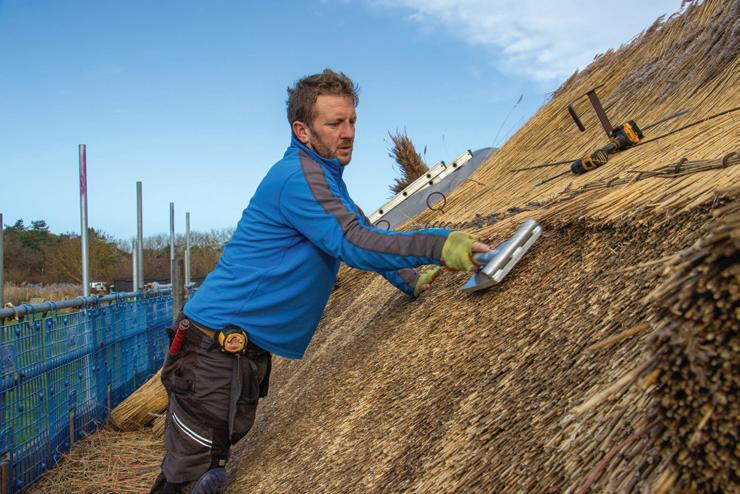
Left and below: Thatching of the cafe at
National Trust café, completed the replacement of its thatched roof; a project that celebrated both traditional craftsmanship and the ecological health of the surrounding Broads.
Master Thatcher Daniel Rebbeck used reeds grown on the Horsey Estate, a detail that speaks volumes. As he explained during the project, good thatching reed is only possible when waterways are clean and low in nitrates, something that has not always been true across the Broads. The roof’s renewal therefore became a quiet marker of environmental recovery as well as heritage preservation.
Visitors who passed during the work saw thatching in its raw state: the labour-intensive layering of reeds and sedge, the careful covering and uncovering between winter rain showers, and the slow, skilled transformation of the roofline. Daniel’s craftsmanship can also be admired at the nearby Horsey Barns, where he has thatched the National Trust’s holiday cottages.
The completion of the roof formed part of what Nicholson described as a “significant period of renewal” at Horsey, leaving the site in excellent condition for a new season of visitors.
Military mysteries
Those who venture to Stiffkey Marshes today can explore coastal quietudes shaped not only by tides and wildlife, but by wartime history recently illuminated by the National Trust’s Heritage and Archaeology Ranger Team (HART) volunteers.
Thatching Staithe Stores
Another story of renewal recently unfolded just a short walk from the windpump. The building long remembered as Staithe Stores, now the
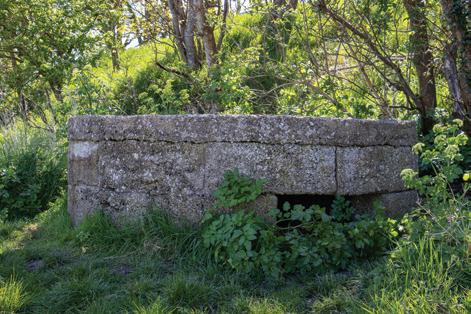
Working with local historians, volunteers have documented and interpreted multiple 20th - century military features across the marshes – once a training ground alive with gunfire, now a peaceful haven for wildlife.
An unusual circular pillbox - Close to the Norfolk Coast Path sits a circular pillbox from World War One or World War Two, which has been subject to differing interpretations of when it is was built here.
A rediscovered WWII rifle range - What appeared on aerial photos to be an ancient sea defence bank turned out, after volunteer investigation, to be the remains of a wartime rifle range linked to the army training camp at Stiffkey.
RAF anti-aircraft gun mounts - Six concrete
Above: The old electric pumping station next to Horsey Windpump has been replaced.
Horsey Windpump.
The World War One pillbox just off the Norfolk Coast Path on the edge of Stiffkey Marshes.
Photo credit: Richard Steer
12 Heritage
blocks near the footpath were identified as antiaircraft gun mounts – too small to stop tanks but perfectly suited for the training needs of the RAF.
the circular concrete track used in the 1950s by USAF personnel to launch radio-controlled aerial targets at high speed for anti-aircraft practice.
surprising understanding of this otherwise tranquil landscape.
Blakeney Point: working for wildlife
Recent years have also seen major conservation activity at Blakeney Point, reflecting both community action and extraordinary natural spectacle.
volunteers from local organisations joined forces with National Trust teams to remove over 30 sacks of litter, clearing crucial nesting habitat for little terns, oystercatchers and other ground-nesting birds.
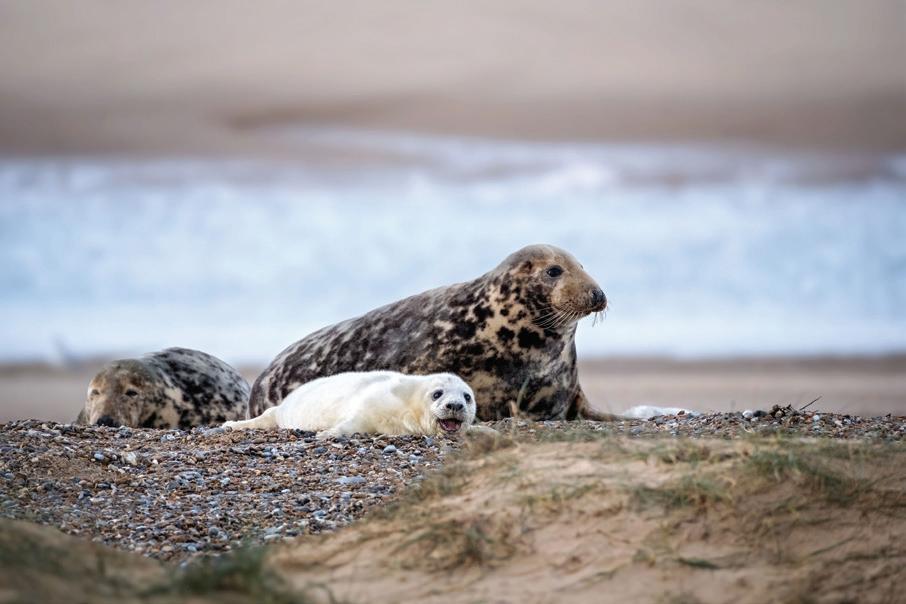
The winter seal pupping season has continued to grow, with almost 9,000 pups born in 2023. A solar-powered webcam has streamed live footage from within the dunes, allowing the public to enjoy the drama of births, mother–pup bonding and bull rivalries without disturbing the colony.
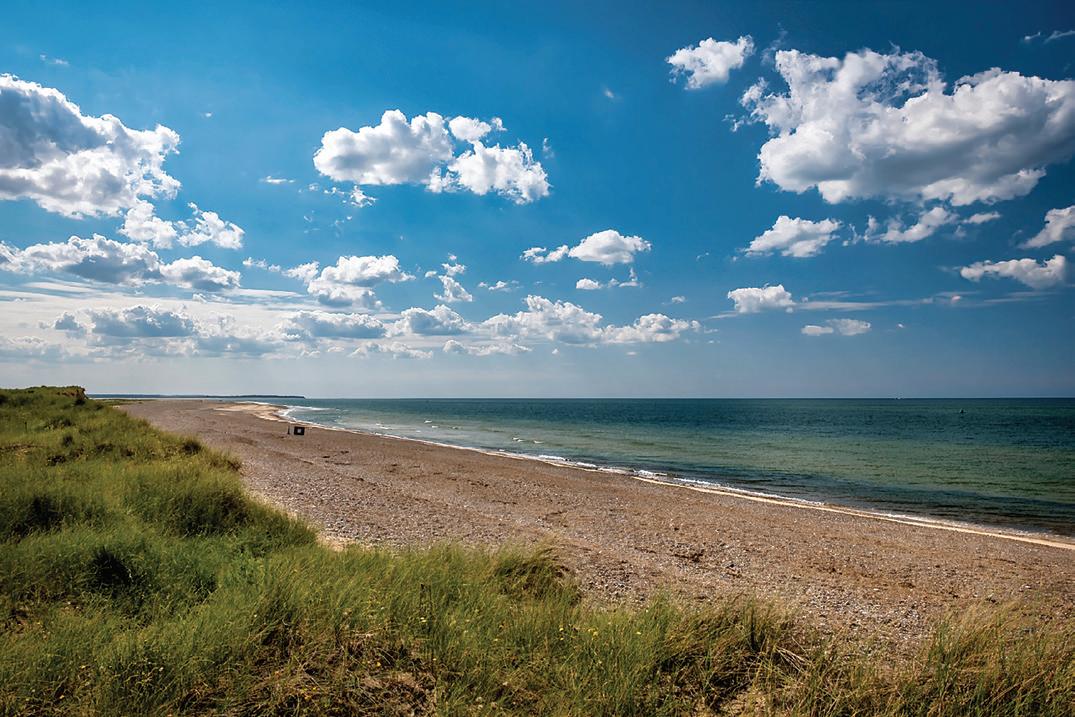
The result is a rare chance to witness one of England’s most extraordinary wildlife events
Branodunum: Roman Past
For those keen to go deeper into the Norfolk Coast’s long human story, the renewed archaeological attention at Branodunum Roman Fort offers a compelling glimpse beneath the surface. Sitting quietly above the marshes at Brancaster, the fort is part of the chain of Saxon
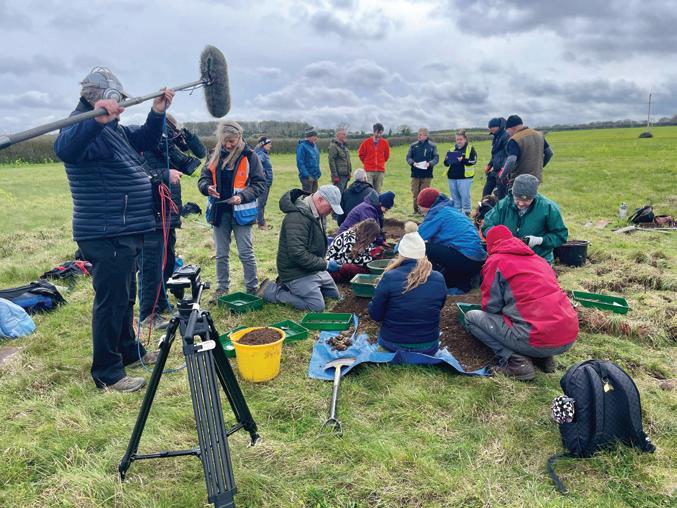

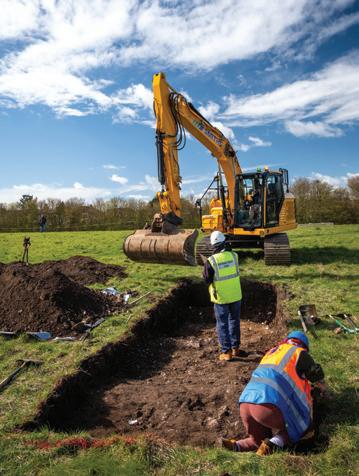
Shore forts constructed in the 3rd century AD –a once-bustling frontier outpost where infantry from Gaul and later cavalry from Dalmatia guarded coastal trade routes and watched for raiders approaching across the North Sea. Time Team’s return to the site brought sophisticated Ground Penetrating Radar surveys to areas previously unexplored, building on their 2012 excavations which uncovered granaries, barrack blocks, a possible bath house, and everyday artefacts of Roman life. This was followed by a full dig earlier this year, with archaeologists aiming to discover more about the development of the Roman fort and settlement and to deepen our understanding of how soldiers, traders and local people moved, lived and worked here.
A short distance from the Norfolk Coast Path at Brancaster, visitors today can walk the fort’s outer boundary and take in the same sweeping coastal views the Romans once surveyed. And while much of Branodunum’s story lies underground, this quiet field rewards those willing to look beyond the obvious: a place where the landscape itself becomes an archaeological layer, and where going deeper means learning to “read” the coast as the Romans once did.
Rachel Tarkenter is communications and marketing delivery partner, National Trust



A cow with a young pup at Blakeney Point (above). Photo credit: National Trust Images / Hanne Siebers
Volunteers being filmed as they look for Roman finds from one of the trenches. Photo credit: National Trust Images / Hanne Siebers
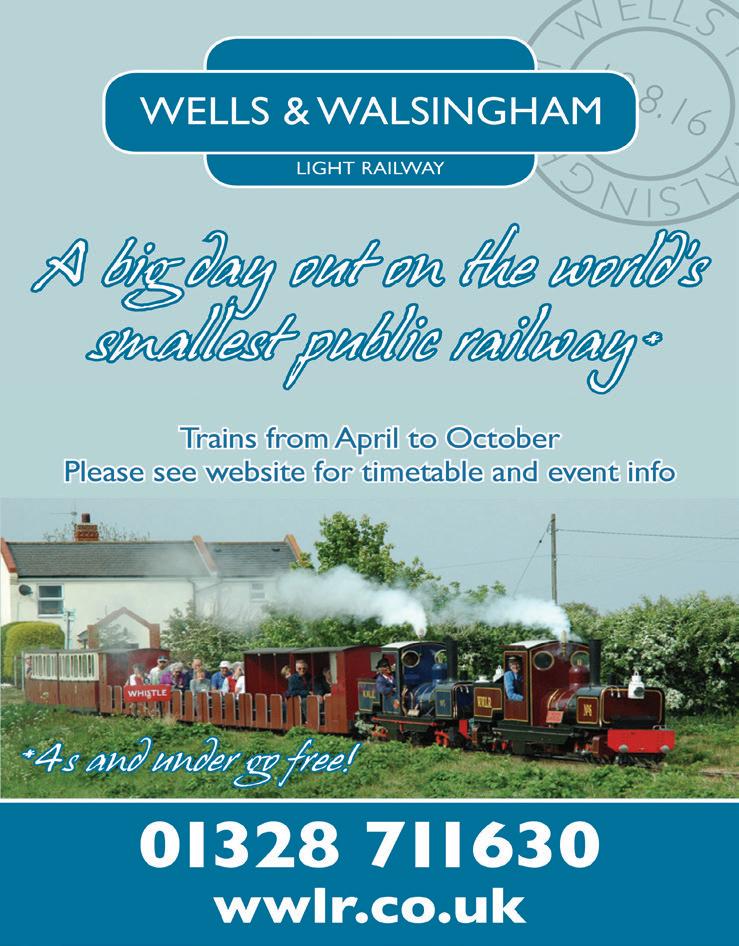
A delightful 30 minute journey each way between the harbour town of Wells-next-the-sea and the historic village of Little Walsingham
Trains from March to 1st November
Please see website for timetable and event info

Self catering holidays for nature lovers
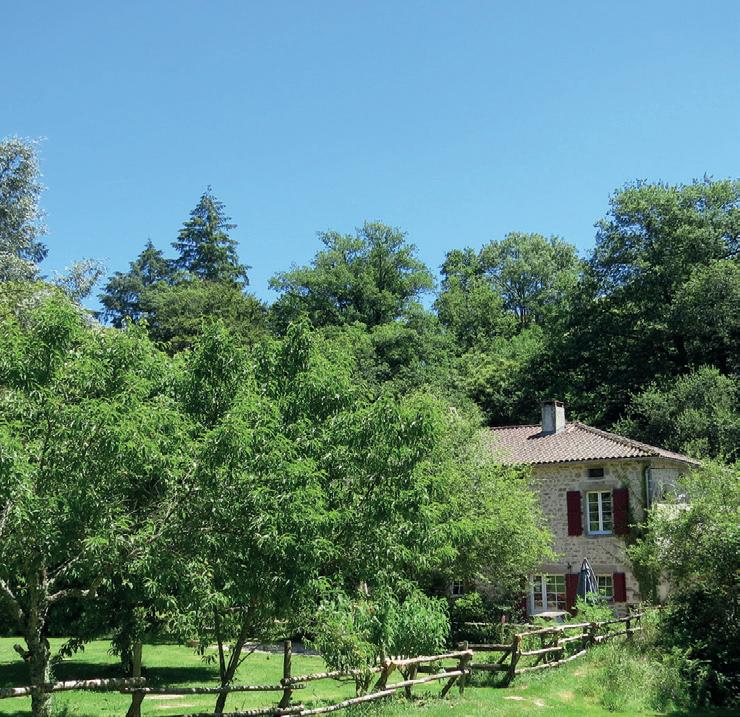
Gites and B&B set in 20 acres of rewilded countryside Incredible biodiversity -68 species of butterflies recorded on our grounds alone Limousin, France
Rest and restore
Lucy Allen on how a simple outdoor sitting practice offers calm, grounding and gentle support for mental wellbeing and connection.
by the sea
Favourite sit spots
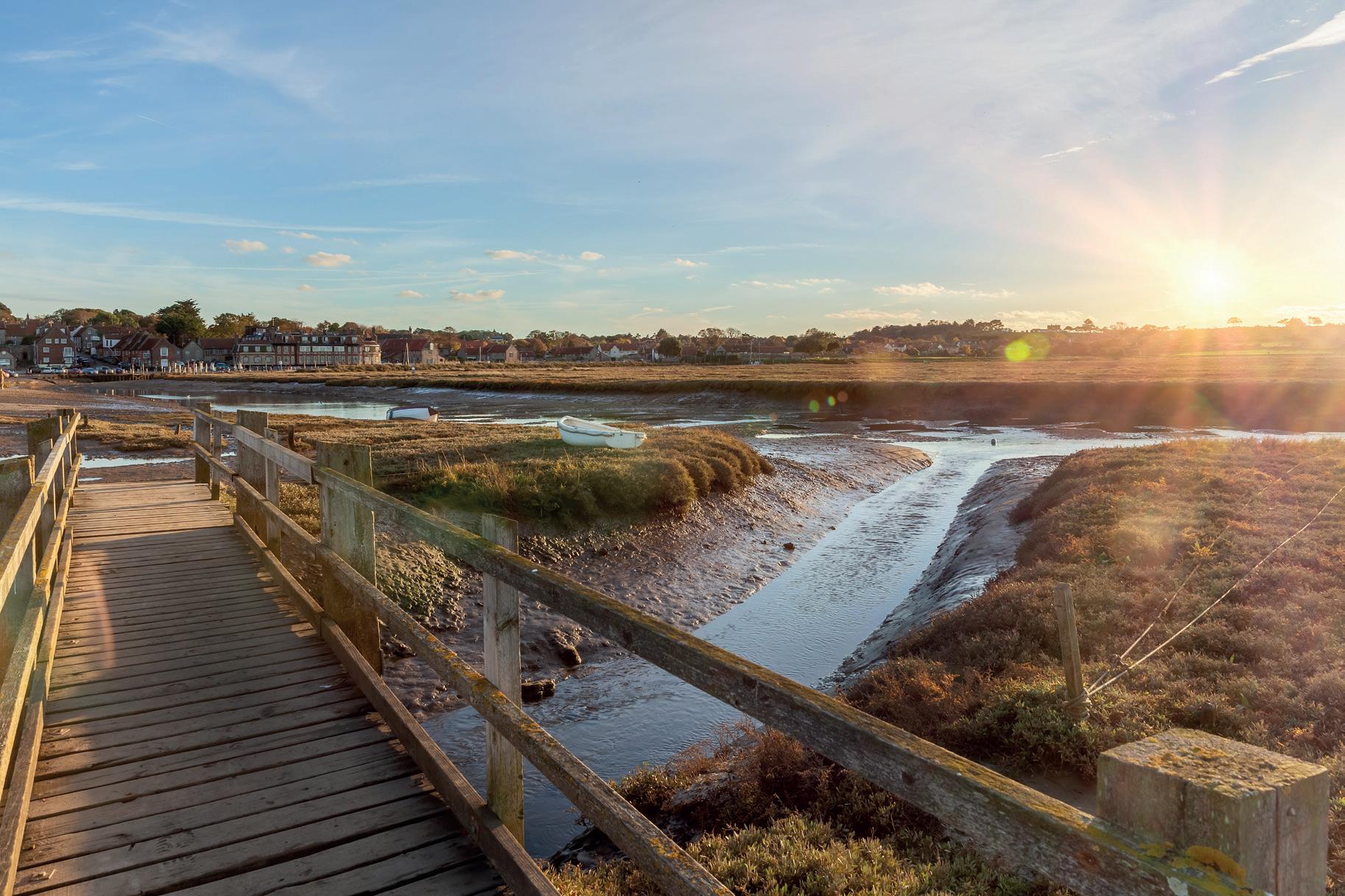
We invited the community projects team at Norfolk and Waveney Mind to share their personal sit spots along the Norfolk Coast, and we encourage you to find yours too...
Paola shared that the spot that comes to mind is a perfectly situated bench on the coastal path between Cromer and Overstrand, a place to rest and notice the bright colours on a sunny day.
Ruth recommends Waxham dunes as a place to watch magical summer sunsets from a spot floating in the sea or place to visit the seals in wintertime.
Lou finds that Trimingham, at the bottom of the slipway and facing towards Cromer, is the place to experience all the elements, on a hot summer day it feels like the Mediterranean.
Lucy loves to find a spot
at Weybourne, where the pebbled beach and wild shoreline mean there is a lot to notice.
How to find your ‘sit spot’
1 Take a walk and be curious; make lots of stops until you find one where you want to stay.
2 When you have stopped, make yourself comfortable and tune into your surroundings.
3 Simply witness the natural world around you. Start with 5 mins and build up to 20 mins or more.
4 Notice what you can touch, hear, smell and see. Invitation to close your eyes or soften your gaze and notice how your senses change when you do this.
5 Return as much as you like and perhaps invite someone to join you in time.
Many cultures throughout history have taken time to sit quietly in nature, and this practice can support wellbeing, grounding, and connection to the world around us.
Sitting indoors offers comfort, consistency, and protection from the elements. A quiet indoor space can help calm a busy mind, allowing us to settle and feel safe. But spending all our time inside can mean we lose touch with the natural world and the changing environment around us.
When we sit outdoors we enter a world that is more open, vibrant, and unpredictable. We feel the breeze, notice shifting weather, hear birds and waves, and encounter the many small details of the living landscape. At first, sitting outside may feel unfamiliar, unsettling or distracting. That’s normal. Focusing on gentle, panoramic awareness (our wider field of vision, sounds, smells, and physical sensations) can help us relax and settle into the experience. With the right clothing, we can enjoy being outdoors in most weather.
It can help to choose a regular “sit spot”, somewhere close to home, within a short walk or after a familiar journey, somewhere that feels safe, comfortable, and accessible. This could be a corner of your garden, a local park, a quiet spot on the coast, or even just sitting by an open window if your outdoor access is limited.
Consistency is more important than finding a perfect, wild location. By visiting the same spot regularly, we begin to notice seasonal changes, wildlife, tides, plant life, and the unique character
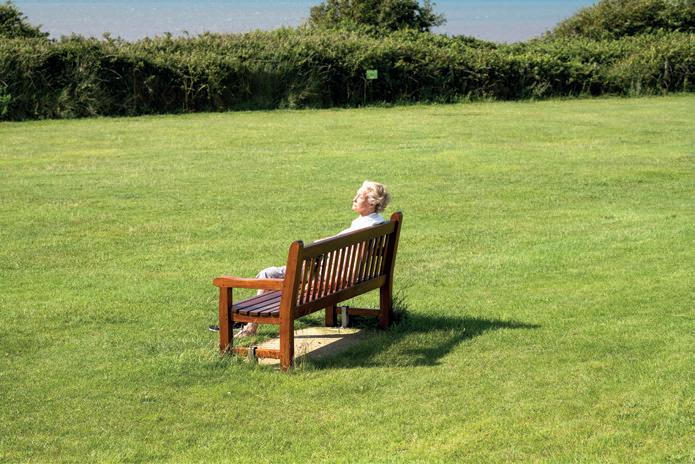
of our local landscape. This deepens our sense of belonging and connection to place.
After practising alone for a while, you may wish to invite friends, family, or colleagues to join you. Sitting quietly together can bring a different quality to the experience, one that highlights community, shared attention, and how our relationships deepen when we connect both with each other and with the environment around us. A short check-in afterwards can help everyone reflect on what they noticed or felt.
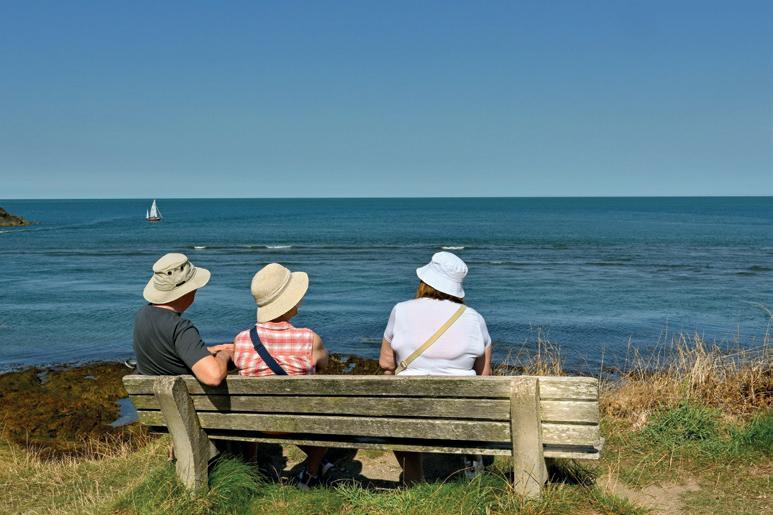
This simple practice (whether on a clifftop overlooking the sea, beside a marsh, in a park, or in your own garden) supports presence, grounding, and a richer connection to the natural world and to one another.
Lucy Allen is Nature Connect project co ordinator, Norfolk and Waveney Mind
The best medicine
Norfolk and Waveney Mind’s sUStain Coastal programme supports communities at risk of coastal erosion in North Norfolk. It offers counselling for anyone in the Coastal Erosion Risk Zone affected by the psychological impacts of our dynamically changing coastline. It also offers a specialist community wellbeing programme for residents in the village of Happisburgh, with its beautiful sandy beach and rapidly eroding cliffs. This project is funded by the Coastwise Coastal Transition Fund (Environment Agency).
Thanks to the Norfolk Offshore Wind Farms Community Fund, managed by the Norfolk Community Foundation, N&W Mind started in April a new project in Walcott and Bacton, continuing to work with communities along the North Norfolk coastline.
Footprints for Wellbeing is a one year project for adults who are disadvantaged, lonely and struggling with, or at risk of, low to moderate mental health conditions. In partnership with the Sainsbury Centre and the Norfolk Wildlife Trust the project will offer opportunities to visit local heritage sites and free workshops based on nature inspired creative activities.
The Recovery approach N&W Mind adopts throughout all our services identifies a strong link between good mental health, creativity and nurturing a sense of belonging: by following a heritage trail and then engaging in creative activities people can process trauma, express difficult feelings without words, and reconnect with themselves and others, ultimately promoting emotional balance and a stronger sense of the self in recovery.
The project will offer the opportunity to engage in such activities in a safe and sociable setting, encouraging the development of self-care activities that people can easily replicate and carry on doing themselves. Participants will be encouraged to use natural materials they collect during walks to venues such as local churches, the Deep History Trail and the Cley Marshes Reserve to validate how nature enhances wellbeing.
For more information contact the team at natureconnect@norfolkandwaveneymind.org.uk
Guardians of the shore
From stranded dolphins to vulnerable seal pups, trained volunteers work tirelessly to safeguard the region’s marine wildlife. Em Mayman explains how.
The Norfolk coastline is one of the UK’s most abundant regions for marine mammals, particularly seals. It’s within this environment that many British Divers Marine Life Rescue (BDMLR) volunteers operate: often working against time, tide and terrain to respond to animals in need.
This stretch of coast supports one of the UK’s largest populations of both grey seals and harbour seals, alongside regular sightings of harbour porpoises and occasional visits from dolphins, including bottlenose dolphins.
For BDMLR responders, understanding tidal movement is critical. The difference between a rising tide (flood) and a falling tide (ebb), or the short stillness of slack water can determine whether an animal can be reached safely at all.
During spring tides, when tidal ranges are at their greatest, currents strengthen and conditions become even more challenging. For stranded dolphins in particular, timing is everything; they may refloat before a team can reach them, or be carried into more hazardous areas.
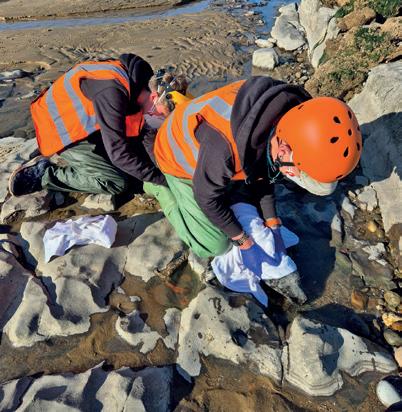
Seals are the most commonly encountered marine mammals along this coastline, particularly during the autumn and winter pupping season. Seals regularly haul out onto beaches to rest – a completely natural and essential behaviour – and many of the callouts BDMLR volunteers respond to involve animals that, at first glance, may simply appear to be resting. In reality, careful assessment is needed to determine whether intervention is required.
The most frequent issues include entanglement in marine debris, struggling juveniles, injuries such as bite wounds from other seals, and malnourished pups that have become separated from their mothers.
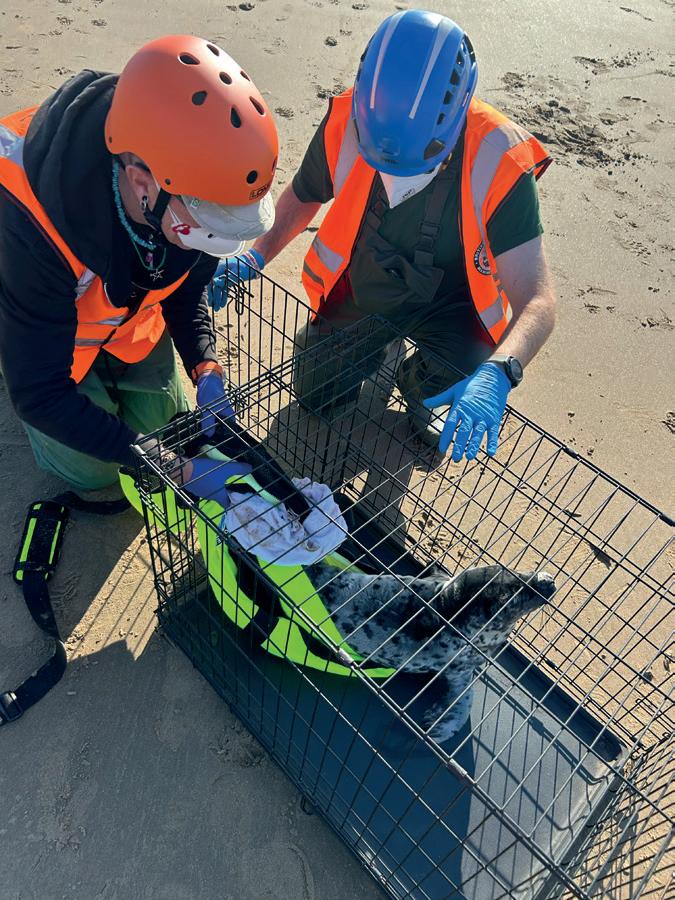
Where necessary, trained Marine Mammal Medics carry out hands-on assessments to understand the bigger welfare picture for that animal. This can involve safely restraining the animal and assessing body condition, temperature and any wounds. From here, our Rescue Coordinators work with the Medic and our veterinary advisors on the best course of action for the pup.
However, intervention is not always necessary. In many cases, the best outcome is to monitor from a distance and allow the animal to rest undisturbed, where they can recuperate and regain their energy for life in the sea.
Dolphin strandings along the Norfolk coast are less frequent, but often far more complex.
These incidents can unfold quickly, with animals becoming stranded on rapidly changing tides or in areas of soft sand and mud that are difficult to access.
the condition of the animal, the state of the tide, and the safety of both the public and the rescue team. Even with the fastest possible response, the outcome is not always within human control – a reminder of just how unpredictable the marine environment can be.
Alongside natural challenges, marine mammals face increasing risks from human activity – particularly marine debris.
BDMLR teams often attend seals entangled in plastic packing bands, frisbees, net fragments and lost or discarded fishing gear. These materials can cut deeply into the animal’s skin, leading to infection, restricted movement and, in severe cases, even death.
What may seem like a small piece of litter can have devastating consequences in the marine environment. Reducing waste, disposing of materials responsibly and reporting affected animals quickly are all simple actions that can make a significant difference.
BDMLR Marine Mammal Medics are volunteers drawn from all walks of life, and include local residents, coastal workers, students, professionals and everyone inbetween. All being united by a passion and drive to help to marine wildlife.
All Medics undergo specialist theory and practical training to ensure they can respond safely and effectively to seals and cetaceans in distress. Their work requires not only practical skills, but also the ability to assess situations calmly and work as part of a team. They attend rescues year-round, often in less than desirable weather conditions and join a network of responder volunteers across the UK.
Em Mayman is National Rescue co-ordinator for British Divers Marine Life Rescue, a national charity whose work is made possible through public support.
More information: bdmlr.org.uk
Trained marine mammal medics carry out hands-on assessments.
Photo credit: Gary Locke

Discover Sheringham’s story
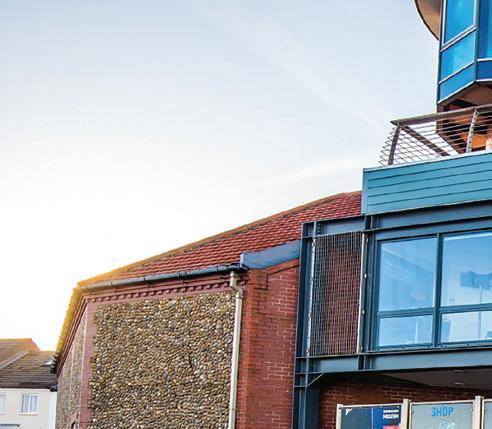
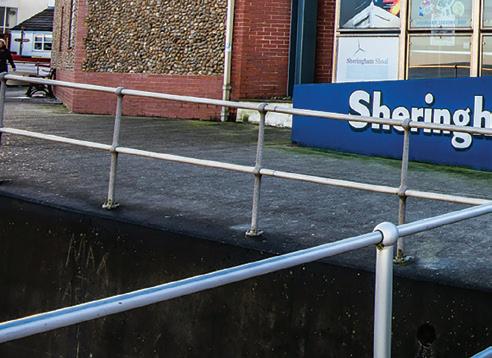
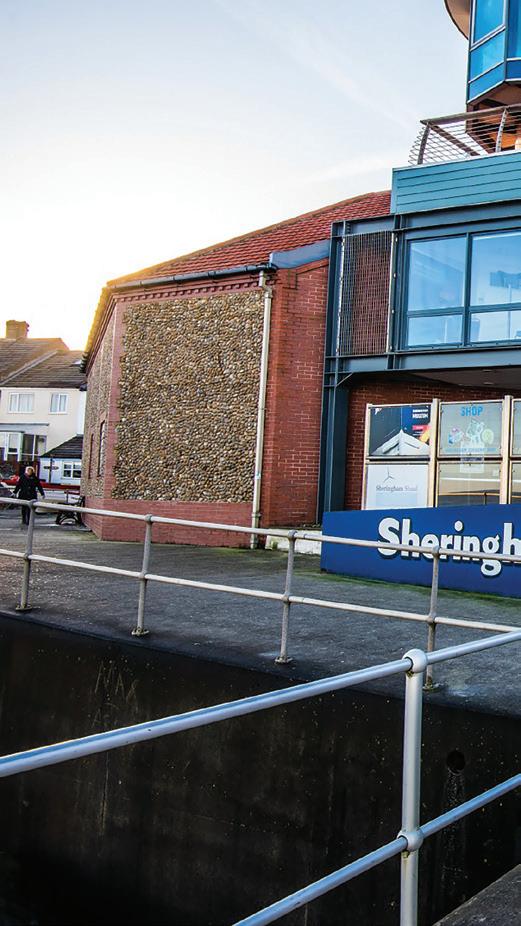
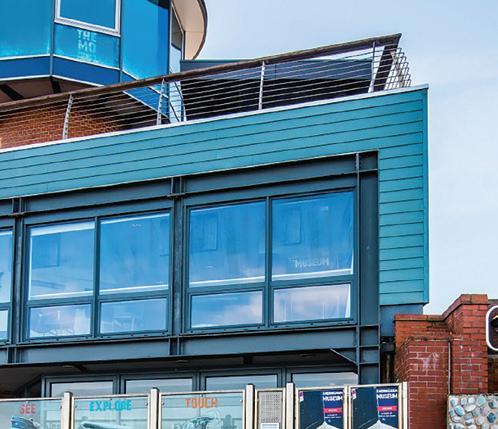
Standing proudly on Sheringham’s East Promenade, with its iconic viewing tower, Sheringham Museum, also known as The Mo, has long been one of the town’s most distinctive landmarks. But this year the museum is looking back even further, 900,000 years in fact – whilst looking to Sheringham’s future too.
Open every day except Sundays from 21 March until 31 October there’s a multitude of things to see for locals and visitors from further afield.
A new gallery, a major exhibition and a refreshed Windfarm room, Windscape, make the museum a must-visit this season, says Lisa Little.
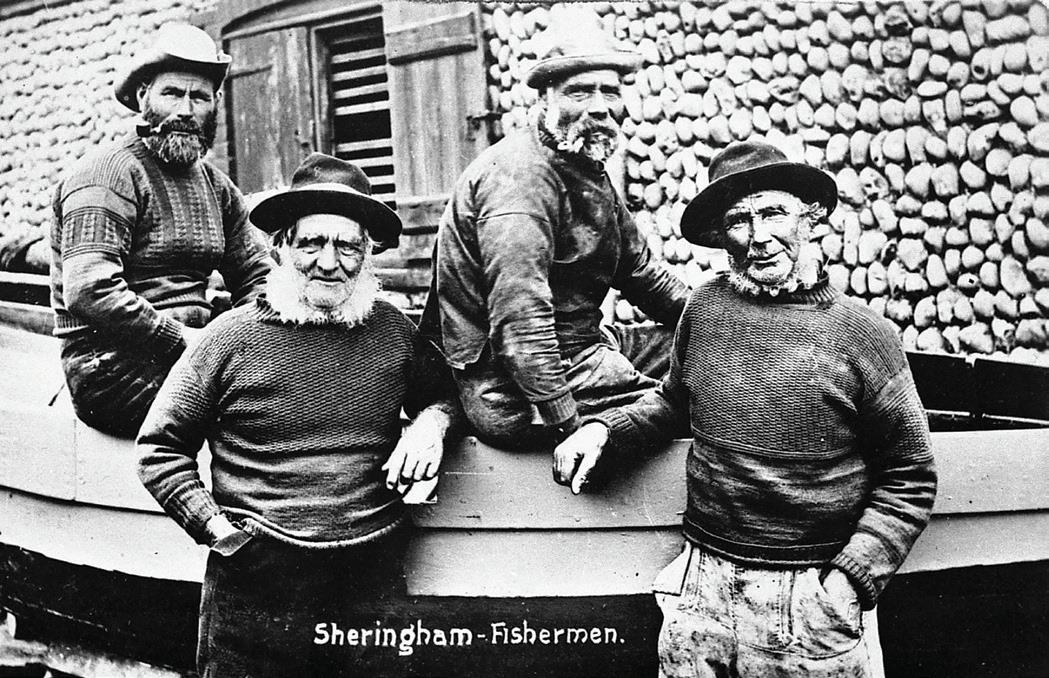
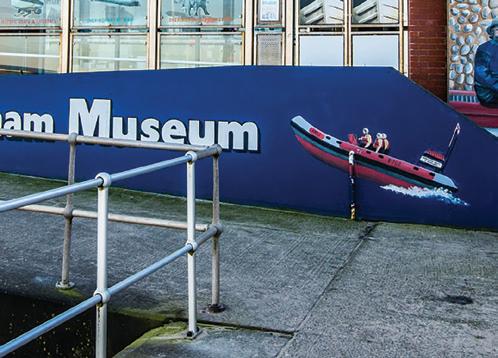
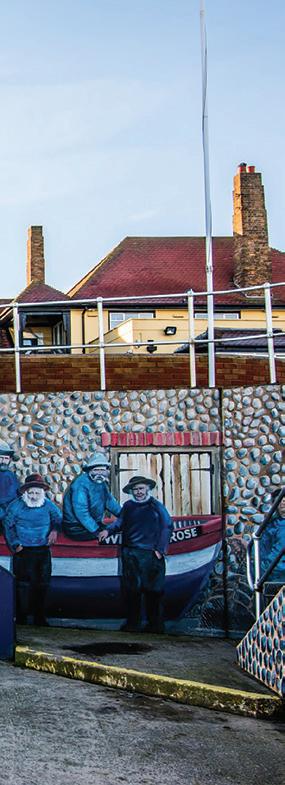
Spread over three floors, the museum tells the story of a town and its people shaped by the sea, fishing and farming. The collection ranges from a recreation of a street with shops from Sheringham’s past, agricultural tools and fishing equipment and an impressive fleet of historic boats that reflect the town’s proud lifeboat and fishing heritage, including fishermen’s ganseys: the beautifully knitted woollen jumpers worn by
local fishermen and now recognised as an icon of coastal life.
Visitors can also explore important photographic archives, artworks, objects from both World Wars and a fascinating fossil collection that includes everything from tiny ammonites to bones from a prehistoric elephant that once roamed the region.
Many visitors are surprised by just how much there is to see. From the outside the building may appear compact, but inside it reveals a maze of galleries and displays for all the family where it’s easy to spend a couple of hours exploring.
New exhibition celebrates three lives
The museum’s 2026 exhibition, The Stitcher, the Photographer and the Painter, brings together the work of three remarkable artists connected to Sheringham: John Craske, Cecil Hewitt and Thomas Armes.
Through textiles, photography and painting,
the exhibition explores how each man’s creative work was shaped by Sheringham and by the personal challenges they faced. Their stories show how the town’s landscape, light and community inspires lasting artistic legacies.
From Fossils to future energy
Sheringham Museum is also looking firmly towards the future through Windscape, its interactive gallery exploring the story of energy on the coast.
Recently refurbished, Windscape tells the story of the transition from fossil fuels to renewable energy and the development of the Sheringham Shoal and Dudgeon offshore wind farms, operated by Equinor and its partners. With films, touchscreens, interactive displays and powerful telescopes to spot turbines on clear days, Windscape is designed to appeal to visitors of all ages. Best of all, Windscape and the museum’s 360-degree viewing tower, offering panoramic views of the coastline are free to enter.
From Ice Age history to the future of renewable energy, Sheringham Museum is a place where the past, present and future of the North Norfolk coast come together - and a fun day out for all the family.
Opening times, admission prices and further information can be found at www.sheringhammuseum.co.uk
Lisa Little is museum manager and curator of Sheringham Museum
Distinctive landmark: Sheringham Museum stands on the sea front. Photo credit: Sheringham Museum
Fishermen in their ganseys: the beautifully knitted woollen jumpers now recognised as an icon of coastal life.
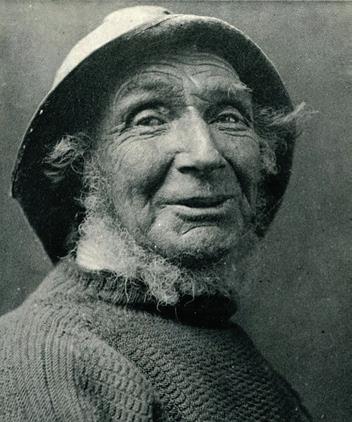
The museum tells the story of people shaped by the sea, like Belcher Johnson.


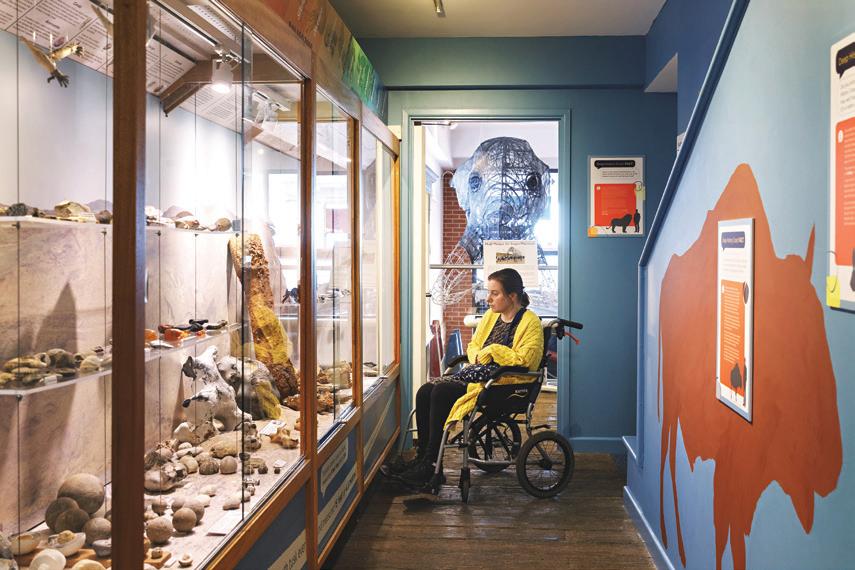
Journey into Norfolk’s deep past
This year also sees the opening of the museum’s new Deep History gallery, bringing to life the extraordinary prehistoric story of North Norfolk.
Nearly one million years ago, early humans lived on the land that is now the Norfolk coast, sharing the landscape with Ice Age animals and adapting to dramatic environmental change. The gallery explores this ancient world through early tools and evidence of the animals that once roamed nearby. It also marks the first step in Sheringham Museum
becoming the Information Hub for the Deep History Coast following the closure of Cromer’s Tourist Information Centre in 2025.
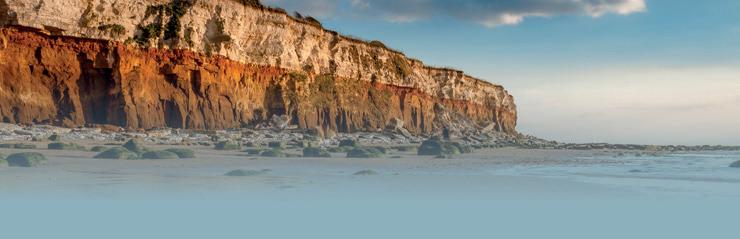
From the summer, the Museum will become the gateway to the Deep History Coast, where visitors can access free information and advice about the internationally significant prehistoric sites that stretch along the North Norfolk coastline, exploring the Deep History Coast responsibly and learning about geology, human history and coastal conservation.


Unearthing Great Yarmouth’s hidden stories
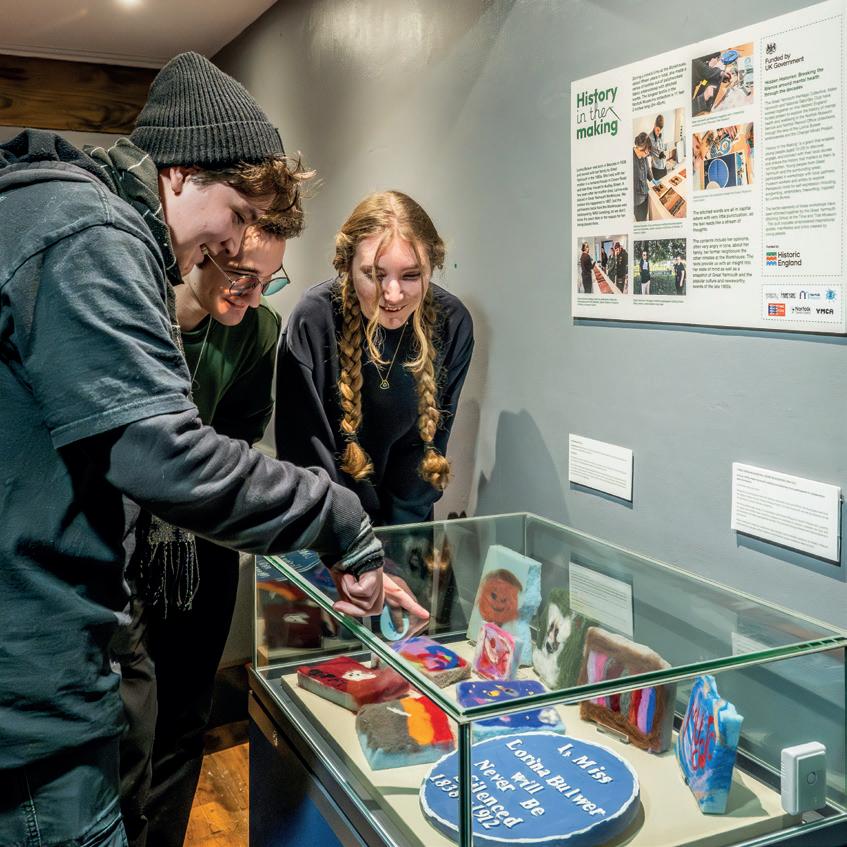
Katie Sarginson on how museums, young people and artists got together to explore wellbeing, creativity and history in the making in the powerful stitched words of Lorina Bulwer.
In spring 2025, a powerful new heritage project began to take shape in Great Yarmouth, bringing together young people, museums, artists and archives to explore overlooked histories of mental health and wellbeing. Supported by a grant from Historic England’s History in the Making fund, the project aimed to ensure that stories which matter to underrepresented young people aged 13–25 are discovered, shared and not forgotten.
Led by Norfolk Museums Service and Kick the Dust, the project invited the Great Yarmouth
Heritage Collective, National Saturday Club and Make Yarmouth to work together through a series of creative workshops. At the heart of the project was the extraordinary story of Lorina Bulwer, whose stitched words still speak across the decades.
Lorina Bulwer was born in Beccles in 1838 and moved to Great Yarmouth with her family in the 1860s. She lived in Crown Road and later Audley Street before being placed in Great Yarmouth Workhouse around 1897, a few years after her mother’s death. During her fifteen years there,
ESCAPE TO NATURE

Lorina created a series of remarkable textiles: long scrolls of patchworked fabric embroidered entirely with capital letters, almost without punctuation. The longest, held by Norfolk Museums, measures over 11 feet.
Her words, often angry, sometimes observational, read like an uninterrupted stream of thoughts. They offer rare insight into her state of mind, daily life in the workhouse, and the wider social and cultural world of late-19th-century Great Yarmouth.
The project began with a visit to Norwich Castle, where participants viewed Lorina’s embroideries with Senior Curator of Textiles Ruth Battersby. Young people learned about Lorina’s life and discussed their emotional responses to her work, taking inspiration from her fearless self-expression through words and stitching.
Participants from Make Yarmouth also visited the Norfolk Record Office, where they explored workhouse casebooks and learned about the archive’s Change Minds project, a heritage-based creative wellbeing initiative. Handling original records prompted strong reactions: one participant remarked how surprising it was “how people were admitted for such small things to a workhouse.”
Inspired by Lorina, workshops explored textiles and therapeutic self-expression through embroidery, graffi ti, needle-felting, cyanotypes, freewriting and songwriting.
COASTAL BREAKS












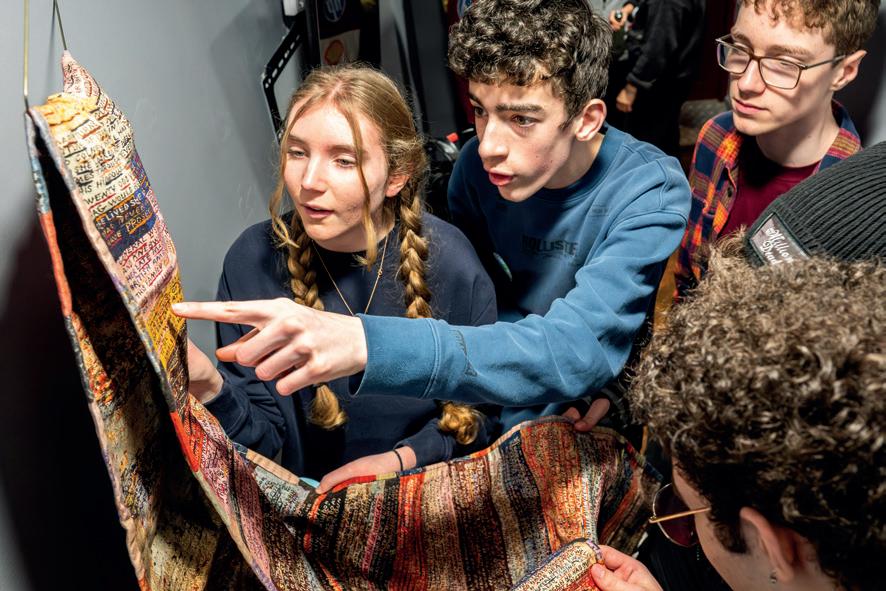
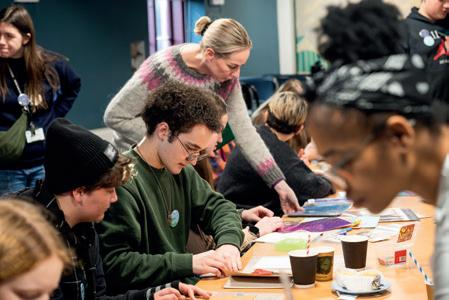
Discovering and discussing the work
“
Her words, often angry, sometimes observational, read like an uninterrupted stream of thoughts.

These activities offered calm, creative ways for young people to explore emotions and identity through making.
A key moment came with the creation of a Rosie’s Plaque for Lorina Bulwer, developed with artist collective The Common Lot. Installed with the homeowner’s permission on Crown Road, the blue plaque publicly recognises Lorina as an important, if long overlooked, figure in Great Yarmouth’s history.
Textile work created during the project was stitched together by the Great Yarmouth Stitching Group at the Time and Tide Museum to form a large collaborative quilt. Featuring quotes, lyrics and artwork by participants, the quilt was displayed at Primeyarc, Ancient House, and Time and Tide Museum, alongside the exhibition Hidden Histories: Breaking the Silence Around Mental Health Across the Decades in August 2025.
The project culminated in January with celebrations at Time and Tide Museum, including the plaque unveiling and a private exhibition view. Young people led speeches, workshops and walks inspired by Lorina’s life, before passing the project on to Kick the Dust West, where it continues its journey: proving that history is not just something we inherit, but something we actively make.
Katie Sarginson is a Kick the Dust Project Worker for Norfolk Museums Service.

of Lorina Bulwer.
SCAN TO BOOK
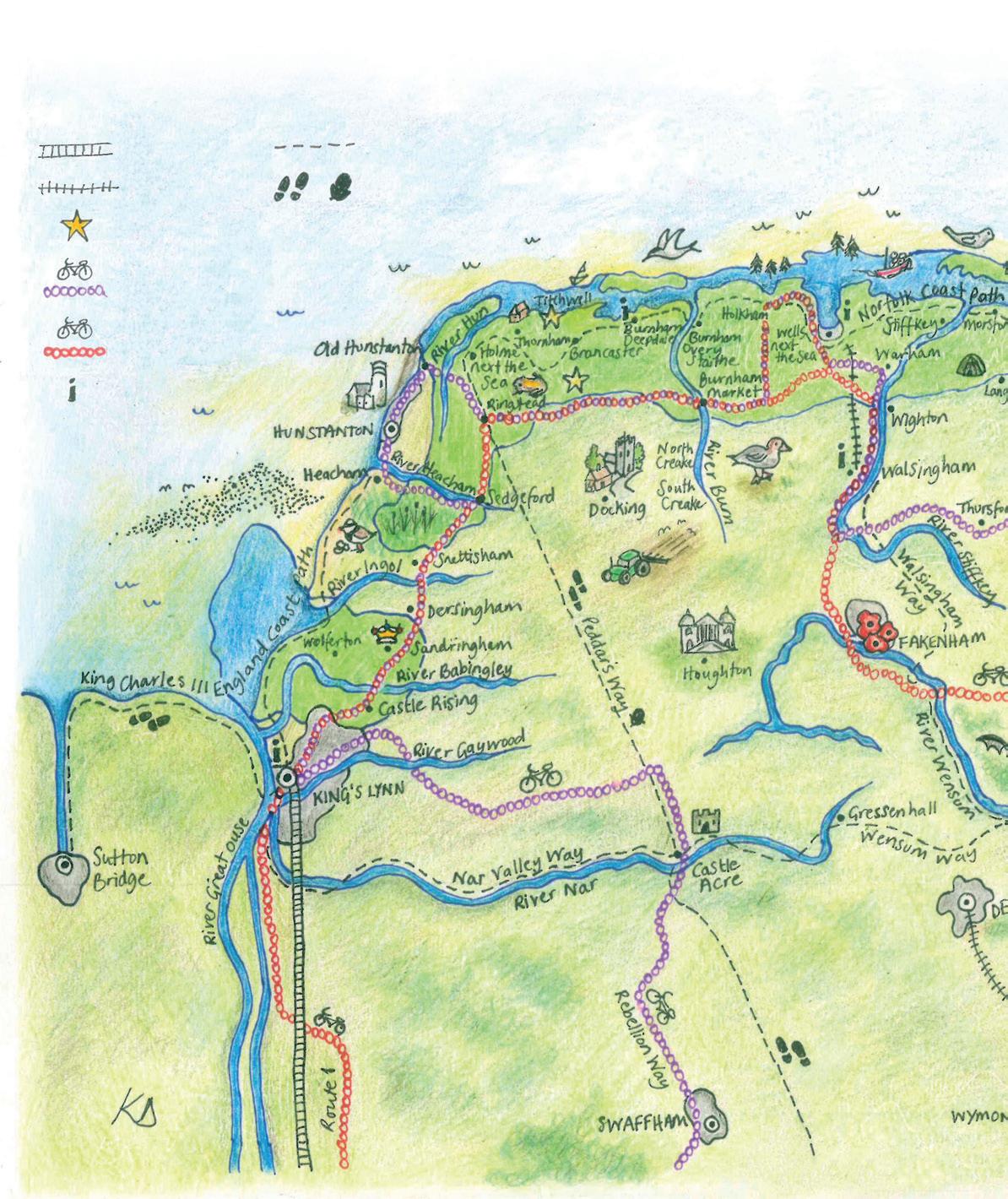
20 Norfolk Coast and Broads Explorer Map


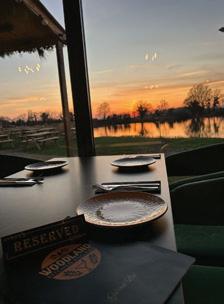
Dreamy Hollow Woodland Campsite









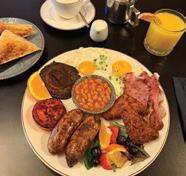
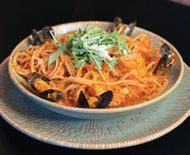
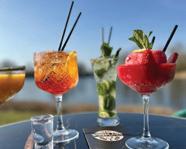
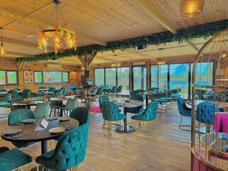


















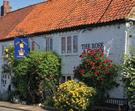

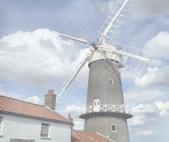

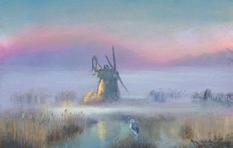


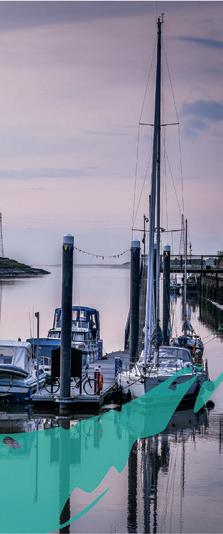

Visit NWT Cley Marshes and experience an amazing array of wildlife, wonderful walks and stunning coastal views.
• Delicious food and drinks
• Guided walks, workshops, talks and performances
• Gift and book shop
• Art exhibitions
Award-winning visitor centre open daily from 10am.
A149 Coast Road, NR25 7SA

what3words: overruns.swooned.roughness
norfolkwildlifetrust.org.uk/CleyMarshes
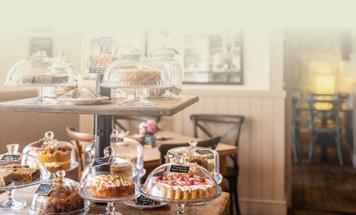
NORFOLK TEA C AT Wiveton Hall café
A BREW WITH A VIEW
Swap the pull of the tide for a gentle brew with Norfolk Tea Co. at Wiveton Hall Café. Our small-batch teas and coast-roasted coffees arrive steaming beside homemade cakes, sea-view tables, and the cry of curlews across the marsh
Extensive tea and coffee menu. Seasonal brunch and home-baked pastries. Beautiful outdoor seating area overlooking the marshes and sea. Dogs, children and well-behaved adults, sandy shoes and muddy bikes welcome.
Wiveton Hall Cafe, Wiveton, NR25 7TE
Between Cley-Next-The-Sea and Blakeney on the coast road. Free on site car parking.
Seasonal opening times apply, check at norfolktea.co






































29th July - 5th September Get


Understanding plastic through place
Lily Horton explains how at King’s Lynn’s GroundWork Gallery, George Nuku and Frances Kearney explore plastic’s beauty and burden, revealing how ritual can reshape our relationship with the material world.
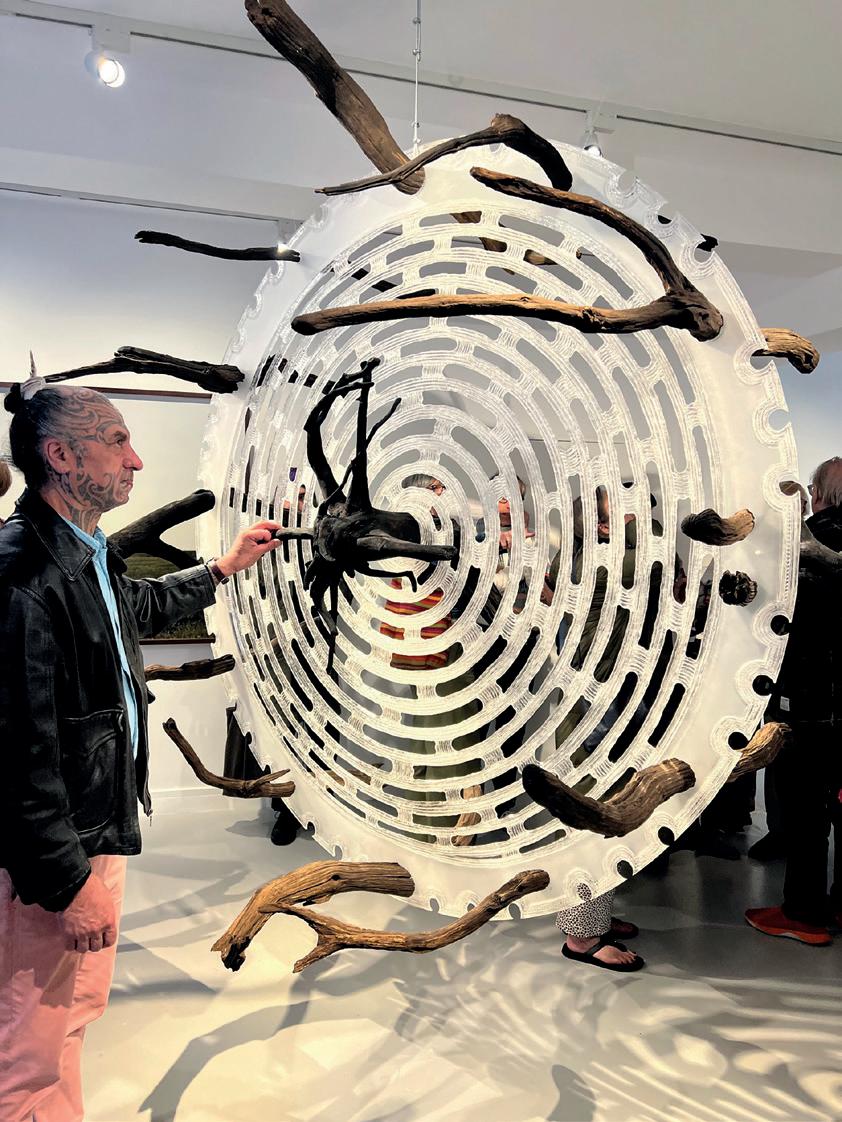
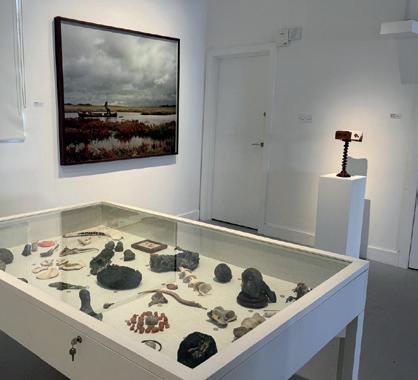
Out of the Depths, currently exhibiting at King’s Lynn’s GroundWork Gallery, is an exploration of spirituality and ritual, showcasing new works by artists George Nuku and Frances Kearney In this exhibition, ancient historic origins intersect contemporary materials and stimulate a reconsideration of our relationship with plastic and our environment.
Plastic is central to George Nuku’s contemporary art practice where he uses the material to respond to a profound kinship with the environment. Rooted in his Maori heritage, Nuku regards plastic as a sacred material as it ultimately descends from the earth. To him, plastic is simultaneously new and ancient much like his bond with the natural world.
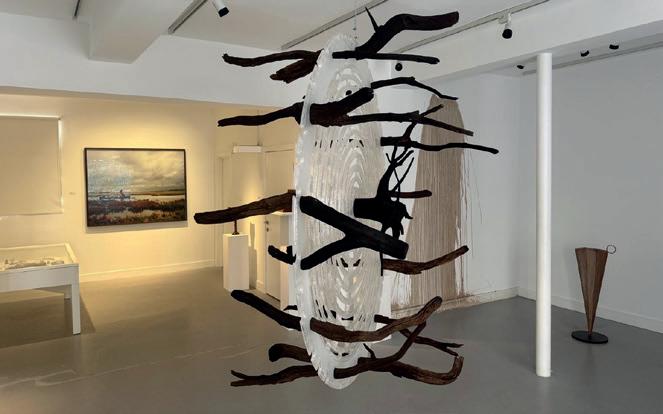
Following a discovery and resulting fascination with the Norfolk-based Bronze Age timber circle Seahenge, Nuku’s exhibited work Seahenge Axis Mundi plays with notions of balance, ritual and religion through its circular helix structure. This structure, reflecting the position of wood and the orientation of the central tree of Seahenge, echoes deeply woven Maori beliefs
of the creation of life, of light and darkness, of new beginnings. These themes extended into the formation and installation of the work in the gallery. Working in circles, side by side, following the spirals carved into the plastic, round and round… it became performative, bodies moving with plastic, following its flow transforming its raw surface into a beautiful sculptural piece. Glistening like ice; gleaming like glass, the light dances with Nuku’s work, refracting off intricate carvings and casting twisting shadows about the gallery.
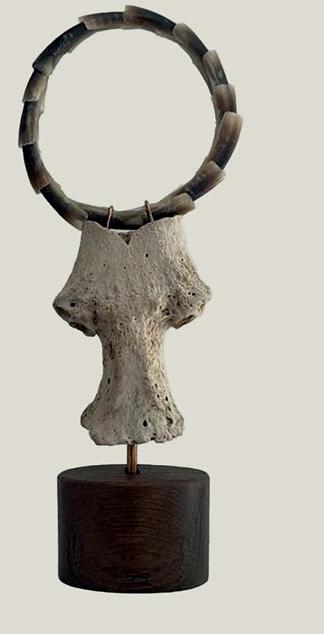
Meanwhile, Frances Kearney’s installation of atmospheric photography, totemic sculpture and found objects exude a quiet beauty in their stillness and their storytelling. Kearney’s practice considers how we as humans exist in and with the natural environment. Her work, like Nuku’s, is grounded by ritual – the constant momentum of living in the contemporary world is managed by personal belief systems of stillness and of protection.
Living and working along the North Norfolk coastline, two of Kearney’s exhibited photographs, Passage and Solong Immaculate, exquisitely
capture the stretching flatness and boundless skies of our vast landscape. Kraken, however, portrays a nurdle, a lump of fused plastic pellets washed ashore from the tragic 2025 boat collision in the North Sea and collected by the artist. By presenting the nurdle as an artifact, isolated and magnified, Kearney highlights its unexpected beauty; the narrative through her work for Out of the Depths explores an uneasy relationship with plastic.
This sense of beauty throughout the exhibition is conflicting. How can plastic – a material that is polluting our planet, endangering life and destroying ecosystems – how can that be beautiful? What is it that makes these particular pieces of plastic beautiful when it is usually thought of as an ugly reminder of humanity’s wasteful impact on the environment? Do these artworks retain their sense of beauty once you’ve found out what they’re made of?
Nuku believes that if we can reframe the way we currently consider plastic – if we embrace it, learn from it and treat it as a sacred material – we could perhaps come to a balance with it. Finding that balance could be the way that we can exist with plastic and with our environment harmoniously.
Out of the Depths forces us to question how we think about plastic. The exhibition is a juxtaposition of old and new; of the artifact and the present. Old wood, collected objects and historic origins meet newly-made structures, recent tragedies and contemporary rituals. Plastic is reframed through acts of spirituality and a delicate balance of troubled beauty permeates GroundWork Gallery.
Out of the Depths runs till June 6; for details of forthcoming exhibitions see groundworkgallery.com Lily Horton is an artist based in West Norfolk
Above left: Seahenge Axis Mundi by George Nuku.
Photo credit: Groundwork Gallery Top right: Beach finds and atmospheric photography by Frances Kearney.
Photo credit: Groundwork Gallery
Where art grows from the land
At BIRDscapes, the gallery and the Bayfield landscape are inseparable –a place where wildlife,
and art meet. Founders Stephen and Elizabeth Harris tell its story.
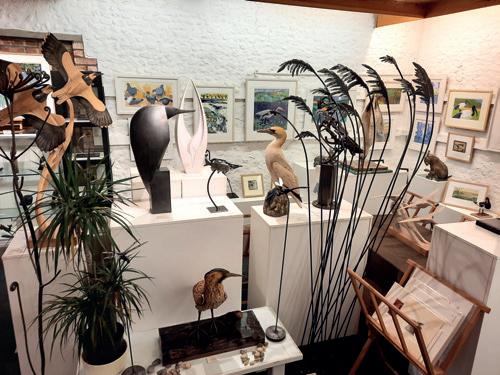
We opened the doors of BIRDscapes, at The Barns in Glandford near Holt on 1 October 2005. The gallery was launched by well-known conservationist and broadcaster Stephen Moss. Twenty years on, we have become one of the leading wildlife art galleries in the UK.
The gallery was our brainchild. We came to Norfolk in 1974 because it was “good for birding”, and went on to pursue careers in farmland conservation and teaching. Drawn to contemporary, dynamic and “environmental” wildlife art, we felt that more of this work deserved to be seen in North Norfolk. In 2004 we were offered a barn on the beautiful Bayfield Estate as potential gallery premises.
Over the course of a year, we set about converting it into a gallery space, and meanwhile
invited many of the foremost UK wildlife artists to exhibit.


We were overwhelmed by the positive response. Never having run a gallery before, we were given valuable advice and support by three prominent wildlife artists – Robert Gillmor, Michael Warren and Martin Woodcock –all members of the prestigious Society of Wildlife Artists. Once opened, the gallery never looked back.
Keen to support wildlife conservation, at BIRDscapes we have raised funds for beneficiaries around the world, including the Norfolk Wildlife Trust, Operation Turtle Dove, the Spoon-billed Sandpiper Task Force and the World Land Trust.
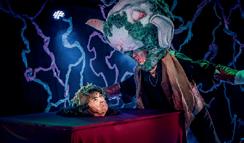
At the annual exhibition of the Society of Wildlife Artists, The Natural Eye, held at the Mall Galleries in London, we give a £1,000 Conservation Through Art Award. Half goes to an artist whose work highlights a conservation issue, and the other half to a conservation body of the artist’s choosing.
Over the years, many customers have commented that a visit to BIRDscapes feels like therapy at a well-being centre; they come in feeling tense and leave feeling calm, uplifted and inspired by the wonderful images of the natural world and
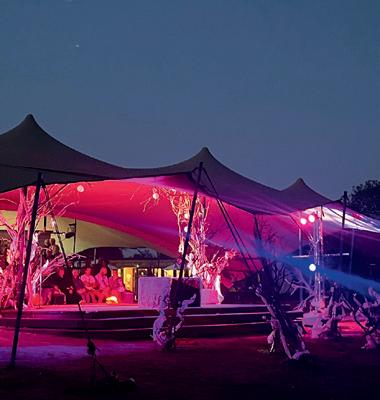






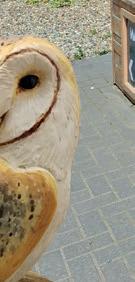
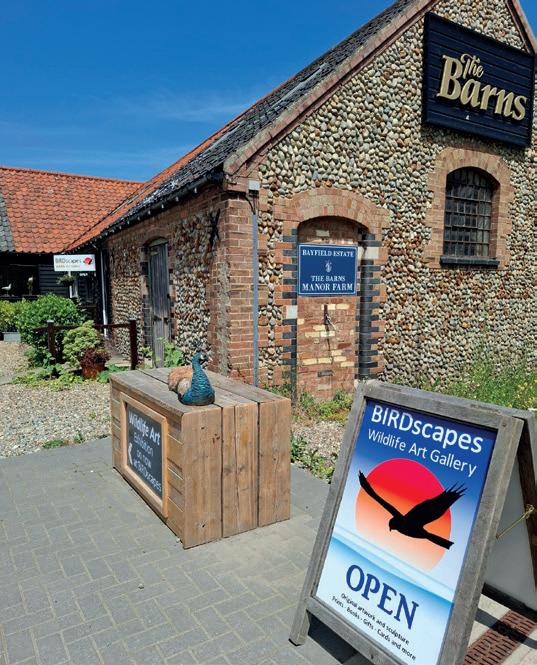


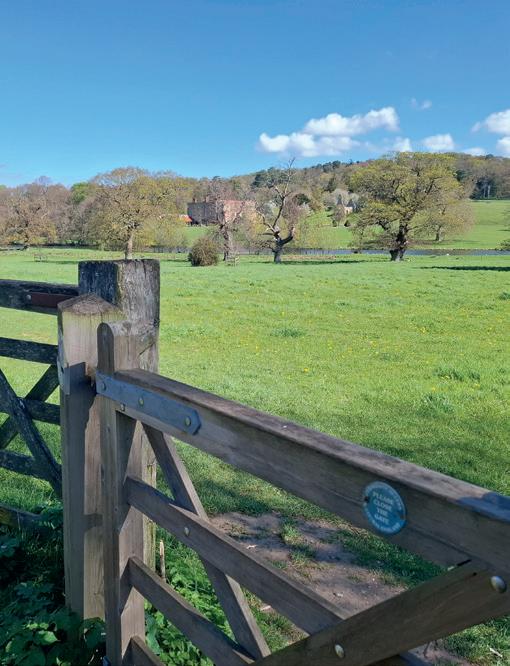
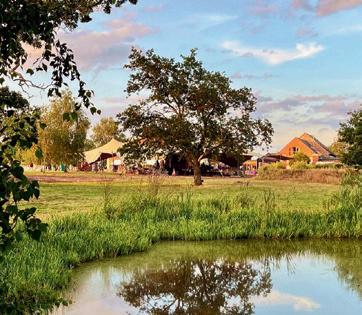
Above left and right: The real natural world can be experienced just outside our gallery door on the Bayfield Estate.

the relaxed atmosphere. The real natural world can be experienced just outside our gallery door on the Bayfield Estate, which welcomes visitors and provides a wonderful setting for the gallery.
the Bayfield Estate, which welcomes visitors and a


We have devised a three-mile circular walk, the Bayfield Bird Walk (leaflet and map available from the gallery), which takes visitors off the beaten track through the beautiful rolling scenery of the Glaven Valley, where one can unwind and get closer to nature. Woods with swathes of bluebells and ancient oaks can be explored along the walk, along with birds and other wildlife such as otters, perhaps, by Bayfield Lake and alongside the River Glaven. The footbridge over the ford as you return to Glandford is another delight on this inspiring walk, just before you pass the utterly unique Glandford Shell Museum on your way back to The Barns.
Refreshments can be obtained at The Glaven Bistro, just next door to the gallery at The Barns, or at Natural Surroundings, the Wildflower Centre (see page 28 for more details) near Bayfield Hall, which is about halfway around the walk and offers further opportunities for wildlife exploration. Stephen and Elizabeth Harris are the owners of the family-run Birdscapes gallery.











































Reimagining the Wash Land and seascape calling for creativity
Veronica Sekules director of GroundWork Gallery explores the deep history, fragile ecology and future of this remarkable estuary, and how creativity can help shape its next chapter.
Historically, “washes” were pasturelands that flooded in winter, once common across the Fens. Today the term also refers to engineered drainage systems such as the Ouse Washes, a 20-mile channel controlled by sluices and pumping stations, originally part of the vast 17th-century flood-defence works associated with Dutch engineer Cornelius Vermuyden.
But there is only one internationally recognised location known simply as The Wash. The largest estuary system in the UK, it spans 237 square miles from Skegness and Gibraltar Point on the Lincolnshire coast to Hunstanton and Gore Point in West Norfolk. Fed by five major rivers, it forms a huge bay of mudflats, sandbanks, dunes, salt marsh and farmland. Its waters once carried trade to the Netherlands and the Baltic, and were rich with eels, herring and shellfish, and a moderate fishing industry remains today.
The Wash has an extraordinarily deep history. Its coastline has shifted dramatically over millennia. During the Middle Stone Age, Norfolk and Lincolnshire were connected to continental Europe by the forested landmass known as Doggerland. As sea levels rose around 6,000–7,000 BCE, channels formed and the estuary began to take shape.
Intertidal islands once protected the Lincolnshire coast until they were drowned, probably in the late 13th century. On the Norfolk side, the Bronze Age monument known as Seahenge – a circle of timber posts around an upturned oak – was revealed by the sea in 1998, a reminder of ancient ritual landscapes now claimed by the tides.
The Wash’s vast skies host its largest population: birds. Up to 400,000 migrating waterbirds pass through each year, and the area supports 17 species of international importance.
It is now on track to become part of a proposed UN World Heritage Site, the East Coast Flyway, stretching from the Humber to the Thames. Yet despite its scale and significance, The Wash is surprisingly little-known. Recent RSPB research in Boston, Lincolnshire, found that while older residents recalled excursions and fishing trips, almost no one under 40 recognised the name. Many saw the area as dull, offering little in the way of culture or employment. Further community research revealed a strong sense of its potential, but also a feeling that it is under-celebrated and under-used.
“The North Sea continues to shift against the land, with currents churning across wide beaches and waves breaking against dunes and defences.
This raises a crucial question: How can we work together to create more opportunity for local communities while gaining recognition for The Wash as one of the UK’s great landscapes of nature and rural life?
This is where GroundWork Gallery hopes to contribute through our artist-in-residence programme. Now in its sixth year, the programme has previously focused on extraction, a theme we have explored extensively. But just as Seahenge re-emerged from the sands, prompting reflection on our relationship with nature, we feel The Wash is calling for attention as a changing environment at risk from extractive pressures.
The North Sea continues to shift against the land, with currents churning across wide beaches and waves breaking against dunes and defences. As Antarctic ice sheets destabilise and global sea levels rise, this low-lying landscape faces increasing vulnerability.
The Dutch, with much of their land below sea level, are again leading in innovative responses. Their Delta region, including the Waddensee, already a World Heritage Site, is heavily populated and industrial, requiring major flood protection. Through the Delta Programme, experts have outlined strategies ranging from strengthening sea walls and dikes, to “living with water” through adaptive buildings, to retreating inland or even extending the coastline.
Some of these ideas are now being discussed

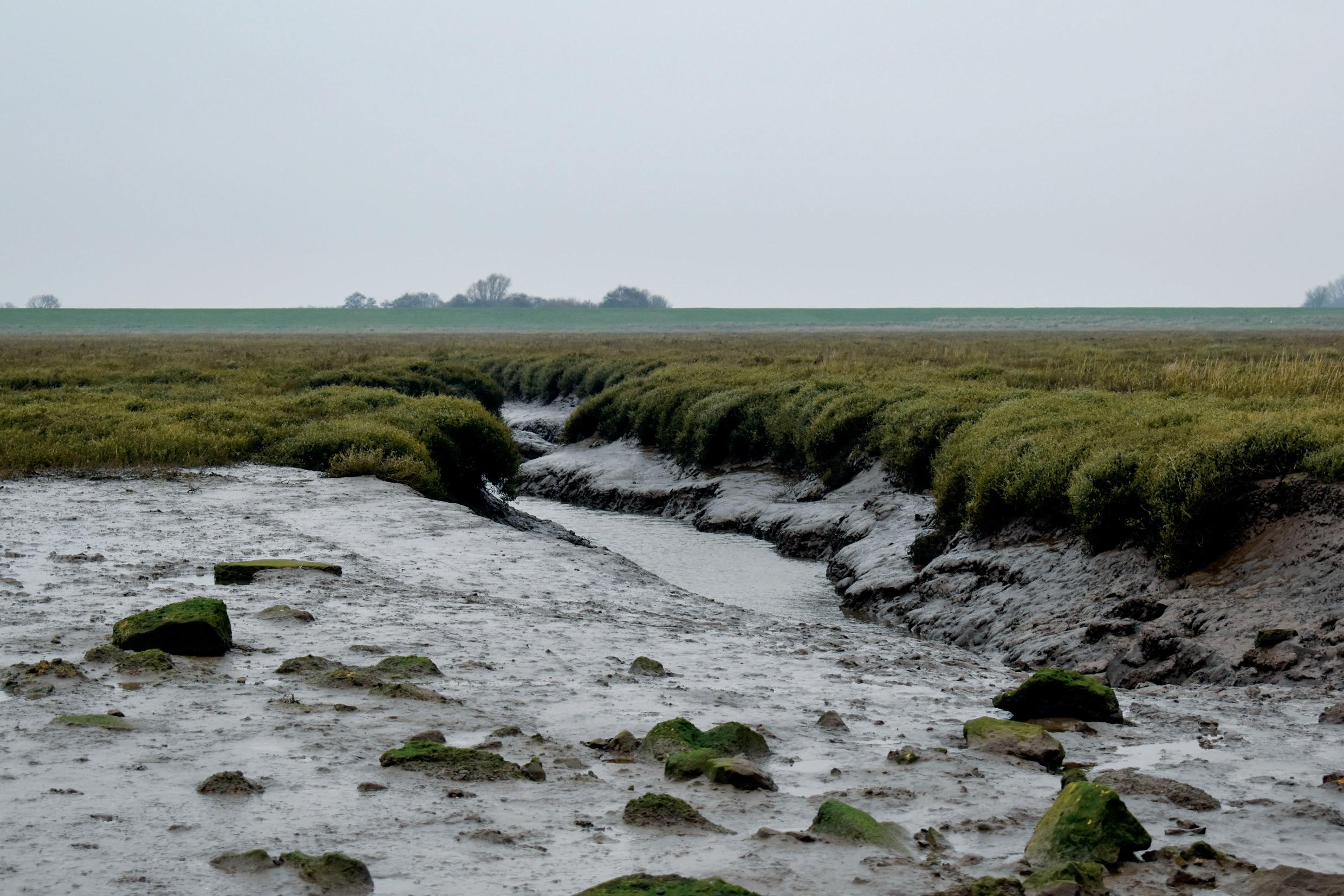
Right: Wash mudbank taken by artist Mary Naylor.
by West Norfolk politicians. But The Wash differs profoundly from the Dutch Delta. Its population is sparse; its industry limited. Land ownership is complex, with large areas held by private estates, public trusts and the Crown Estate. Conservation bodies - the RSPB, Wildlife Trusts, National Trust –manage extensive tracts. Few major roads cross the region, which is precisely what has kept it so special. Salt marshes already provide natural sea- defence. Any future strategy must respect these realities.
There is also a cultural dimension: What is The Wash, and to whom? How do local people want their lives and landscapes to evolve? These questions are being explored by organisations across Lincolnshire and Norfolk, with the RSPB leading community engagement and championing the case for World Heritage status. Alongside this, we believe creativity has a vital role. For GroundWork’s tenth anniversary, we aim to bring more artistic energy into the region: not imposing an external identity, but revealing its potential, its beauty and its stories. Our collaborators include Norfolk Wildlife Trust, Norfolk Rivers Trust, Lincolnshire Wildlife Trust,
We plan to recruit artists from both within and beyond the region, forming a cohort. Each residency begins with an induction week visiting field sites with local experts. Together we will ask: What kind of life do we want to see thriving in The Wash, for humans and more -than-humans, across earth, sky and water? How can creative skills shape the way we think and plan? How can we involve communities in building a culture that prioritises a healthy environment while imagining innovative futures?
These questions will guide us. With rising sea levels certain to affect this part of the UK, creative voices must be part of decision-making. The future of The Wash cannot be shaped by politics, science and engineering alone; it must also be shaped by culture.
A full version of this article can be found at www.groundworkgallery.com
National Trust, Joseph Banks Society, The Hub Sleaford, The North Sea Observatory, Seaview Colonnades at Sutton- on-Sea. Residency partners in Norfolk include Studio Baum, Greenland Fishery Music, Ocular Delusion Digital and Broomhill, Reepham.
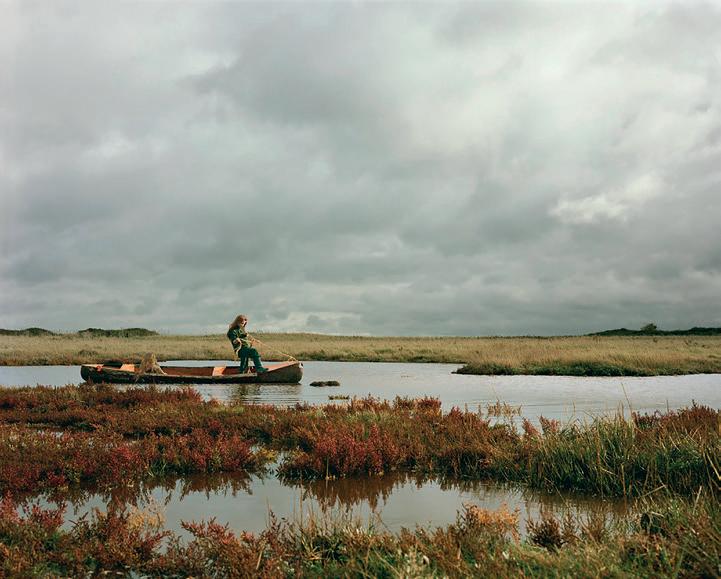
Above: ‘Passage’, 2026 by Frances Kearney. Left: The Wash with ‘Beuys Acorns’ in the foreground – an art project by Ackroyd & Harvey consisiing of 7 oak trees planted in a circle. Photo credit: Sam Garrod




28 Food and Gardening




herbs Where wildlife flavour thrive &



Anne Harrap on how at Natural Surroundings, centuries-old culinary plants, native species and vibrant wildlife come together to show how any garden can become a living, edible ecosystem.





Ngarden (and this can include many you may know as weeds!), the greater the variety of wildlife that you will attract.
Coming a close second to our natives are ‘near natives’, plants from Europe, Asia and North America that are closely related to our wild species. Many herbs fall into this category and therefore one of the very first demonstration gardens to be laid out at Natural Surroundings all those years ago was the herb garden.
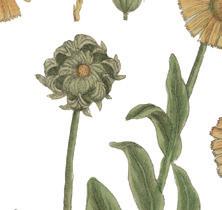
Pot Marigold (Calendula o cinalis)
This is an easily grown annual, giving you weeks of sunny orange flowers. Used for centuries for its qualities as a dye and a medicine but also, not so obviously, as a food. Back in the early days of Natural Surroundings we ran workshops where we demonstrated the use of herbs and ‘marigold custard’ was quite the novelty.
Here is the recipe for those of an adventurous nature and you never know, you might just find this on our menu in late summer!
Marigold custard
You will need petals from 12 marigolds or more for a stronger taste.
570ml (1pint ) Milk
2 eggs



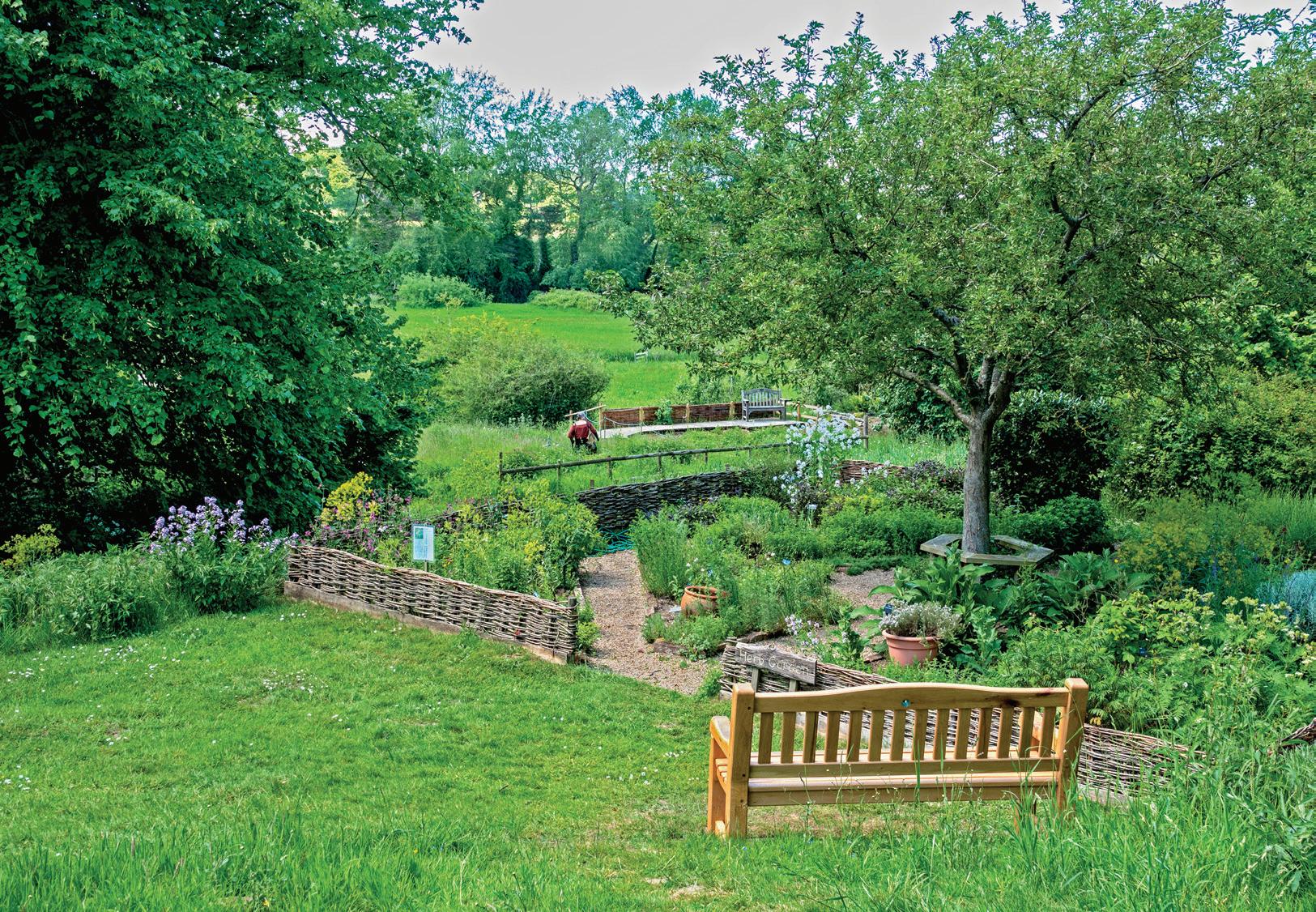
Here you will find plants with culinary, medicinal, dye and cosmetic uses, both past and present, all carefully labelled. Of course, for thousands of years the native wild plants were an essential resource but over time more and more exotic herbs and spices were introduced by merchants from overseas. Therefore we grow both the familiar sages, thymes and rosemaries, still commonly used today, alongside others that are not as well known such as Good King Henry, Pot Marigold and Alecost.
1 dessert spoon of sugar
6 ramekins or small oven dishes


























atural Surroundings started life in the late 1980s, pioneering wildlifefriendly gardening at a time when it was far from fashionable, especially with the gardening establishment. We are situated on the Bayfield Estate in the beautiful Glaven valley, just a couple of miles from the sea where the river meanders through gently rolling hills. When you visit you will find eight acres of gardens and a small nature reserve, with the main focus being our meadows and over 20 small demonstration gardens, each illustrating how you can increase the biodiversity in your own garden.



you acres of gardens and a small nature focus







Not too many years ago gardening with native plants was almost unheard of, but it is now widely acknowledged that the more native plants you have in your












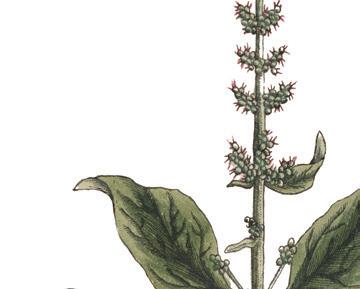
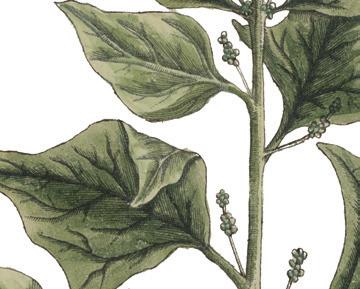
(Chenopodium bonus-henricus)




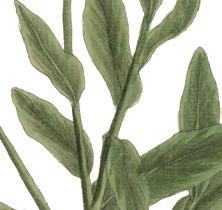




This was an ancient introduction to our flora but is now rarely grown or even seen in the wild. It was widely used as a leaf vegetable and has the advantage of being a perennial plant allowing many harvests to be picked from one plant. The young leaves can be added to salads and are rich in vitamins and iron, the mature leaves can be used like spinach and even the flowering shoots can be cooked like asparagus! It can be grown from seed and the plants return year after year with little maintenance required. Ironically, a close relative, Chenopodium quinoa, is now a rather fashionable addition to many modern menus
Pound the petals and sugar together in a bowl or food processor until an orange pulp is produced. Beat the eggs into the milk and add this to the flower pulp. Stir together until well blended. Arrange the six ramekin dishes in a roasting tin not quite touching each other and divide the mixture between them. Pour hot water into the tin until it reaches 13mm (1/2 inch) below the rims. Bake in a cool oven for 45 mins or until the custards are set. Serve either hot or cold.
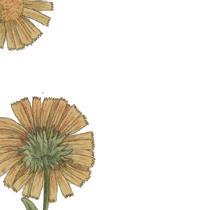
Alecost














vitamins and iron, the mature required. Ironically, a close relative, Chenopodium quinoa, is addition to many modern menus
Also known as Costmary or Bible-leaf) (Tanacetum balsamita)




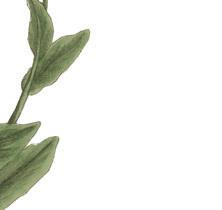
Its most obvious characteristic is a pleasant but strong, balsam-like scent. Originating in western Asia, it was cultivated by the ancient Egyptians, Greeks and Romans but the English name Alecost harks back to its use in the Middle Ages to flavour ale, imparting a slight astringency or bitterness. Exactly when Alecost became one of the main flavourings for ale is not documented, but it was eventually replaced by Hops. Alecost has other culinary uses, in spring salads, soups, cakes
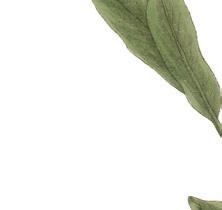
Rich in vitamins: Good King Henry
Photo credit: Elizabeth Blackwell
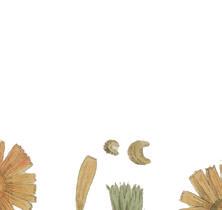
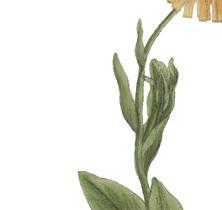
Pot Marigold: a dye and a medicine Photo credit: Elizabeth Blackwell

achievement in the fields of medical botany and botanical illustration.


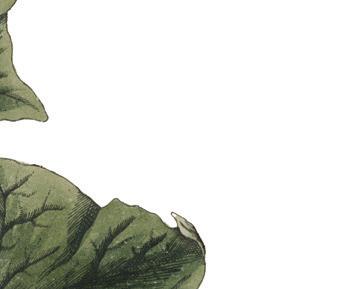
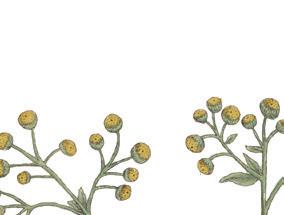
The herb prints pictured are from ‘A Curious Herbal’ by Elizabeth Blackwell. She illustrated and wrote this in weekly instalments between 1737 and 1739. The first significant herbal to be produced by a
woman, it was a
Over the season you may come across various edibles on offer from the gardens, these can include:


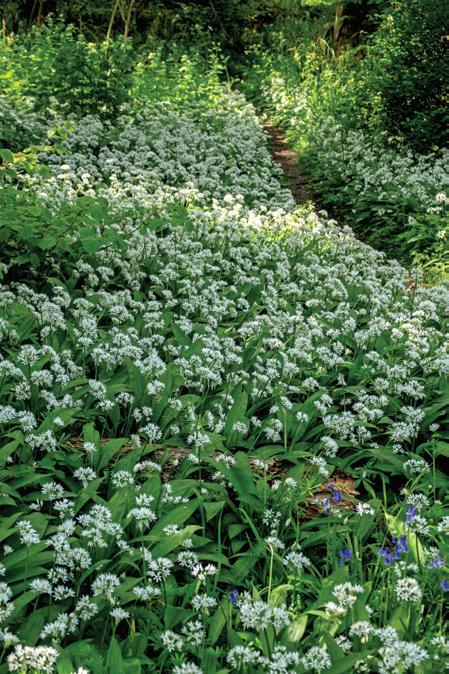
• Wild Garlic Allium ursinum and garnishes - both the leaves and the flowers are edible.




- when in flower we




• Elder Sambucus nigra make cordial, but only in small quantities, as we would rather leave the flowers and the berries that follow for wildlife.
• Sage, rosemary, thyme and chives - used to flavour scones.



• Lemon verbena Aloysia citrodora onwards, the leaves make the best lemon tea.



onwards, the leaves make the best lemon tea. - in November we season have we about when gardens of can that abundant and with poultry, and was also used to disguise odours - to make scented water for hairwashing or a bath and as a strewing herb to be scattered on the floor of the house. The term ‘Bible Leaf’ comes from American colonists, who used the long balsam-scented leaves as bookmarks in their Bibles where the strongly scented leaves helped to keep parishioners awake during sermons.

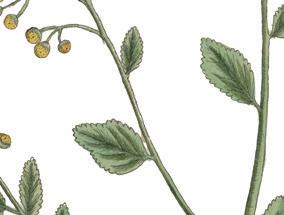
• Medlar Mespilus germanica we display these unusual fruits which are freely available for customers to taste.





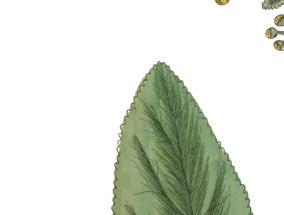



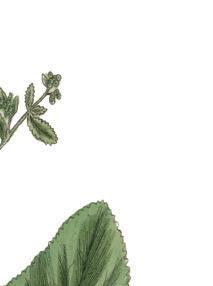


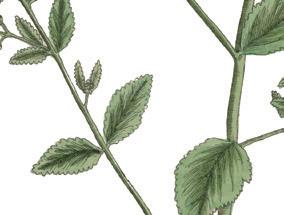


The mood has changed - this is our third season as an RHS Partner Garden - who would have seen that coming all those years ago! Now we are all encouraged to think about wildlife when gardening and our gardens showcase lots of simple ideas that most people with a garden can replicate. Coupled with the variety of edibles that we grow, both familiar and unfamiliar, the abundant wildlife in our gardens makes Natural Surroundings a must-visit destination.

More information from naturalsurroundings.info Anne Harrap is owner and head gardener at Natural Surroundings, which she was inspired to start in 1989.
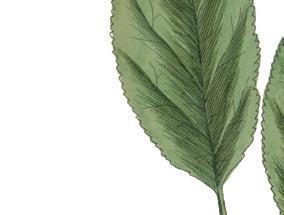
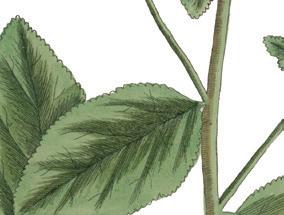


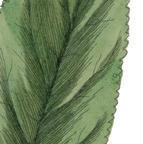


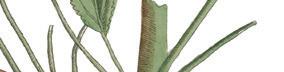
British
major
The herb garden looking across to the River Glaven
Photo credit: Natural Surroundings
A flavouring for ale, before hops: Alecost
Photo credit: Elizabeth Blackwell
Wild Garlic in flower in the woods at Natural Surroundings Photo credit: Natural Surroundings
30 Discover
Getting about
To truly experience the coast, leave your car behind. Try the magic of foot, pedal, rail, bus or take to the water. Here are some links and tips for a healthy, clean and non-polluting journey that helps the area as much as it helps you.
WALKING
There’s a national trail all the way from King’s Lynn to Great Yarmouth now that parts longinaccessible have recently opened. It is brilliantly varied, and along much of it there are bus routes nearby so with a bit of planning you can make a bus/walk circuit.
Find out more ramblers.org.uk – advice on groups and walks norfolk.gov.uk – Norfolk Trails map and updates
CYCLING
National Cycle Network route 1 runs from the Highlands of Scotland down to Dover. In North Norfolk it runs between Ringstead and Wells-next-the-Sea, linking King’s Lynn with Suffolk. A previous regional route followed the coastline between Wells-next-the-Sea and Great Yarmouth. Much of this route has unfortunately been removed from the network due to car traffic volumes and speeds being deemed unsafe for those cycling and walking. The good news is that the Walk Wheel Cycle Trust has long-term aspirations to create a safe and accessible route along the entire Norfolk coastline.







with onward travel south and east in the Broads on the Wherry Lines. The Poppy Line (North Norfolk Railway) and Wells and Walsingham Light Railway are two of the other heritage railways of Norfolk which offer memorable trips back in time as well as journeys in the area. Find out more bitternline.com; wherrylines.com; bvrw.co.uk burevalleycyclehire.co.uk; norfolkbroadscycling. co.uk; www.nnrailway.co.uk; www.wwlr.co.uk
BY BUS
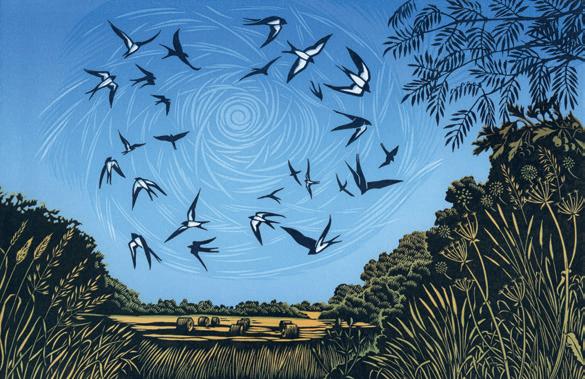
Sharing space
Our cover features Swallows gathering by Niki Bowers (original artwork pictured above). Niki is a Norfolk printmaker with a background in graphic design. Her limited edition linocut prints reflect the rural and coastal local landscape, with distinctive trees, hedgerows and plant forms throughout the year. Wide skies reflect seasons and weather, often featuring wildlife including swirling flocks of wild birds.
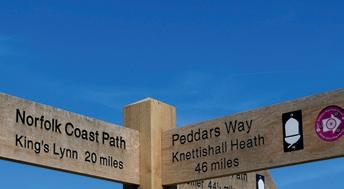
When you travel by bus, the journey is all part of the day out. Enjoy the view over the hedges and the villages along the way. Without a car, you’re free to do a linear walk, enjoy a local tipple or to snooze on the way home.
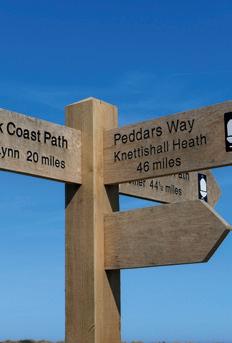

hedges and the villages along the



Find out more walkwheelcycletrust.org.uk explore.osmaps.com - maps cyclinguk.org – Rebellion Way maps and info
BY RAIL
The Bittern Line runs from Sheringham to Norwich,

Prints available from the Birdscapes Gallery, Glandford. www.nikibowers.co.uk






travelnorfolk.co.uk
Find out more goodjourney.org.uk –car free days out travelnorfolk.co.uk –a one stop shop for local travel
Follow the Countryside Code while you explore, and you’ll go further
Respect everyone

AFLOAT
There are all sorts of ways to travel by water here, from swimming and kayaking, surfing and stand up paddle boarding to sailing and day trips, and lots of small providers and trips along the coast to discover. Try an electric or solar powered boat on the Broads, a stunning Norfolk sailing wherry, or a traditional trip out to see the seals. Find out more coastalexplorationcompany.co.uk; hunstantonkayaks.co.uk; beansboattrips.co.uk; wherryyachtcharter.org; rnli.org; hmcoastguard.uk
OPEN DAILY 10AM-4PM (9AM-4PM SCHOOL HOLIDAYS)
MAGICAL DEER SAFARI (BOOK ONLINE)
PONY RIDES/TREKS (SCHOOL HOLIDAYS) FRIENDLY FARM ANIMALS
SEASONAL ACTIVITIES:
• be considerate to those living in, working in and enjoying the countryside
• leave gates and property as you find them
• do not block access to gateways or driveways when parking
• be nice, say hello, share the space
• follow local signs and keep to marked paths unless wider access is available
Protect the environment
• take your litter home -
leave no trace of your visit
• do not light fires and only have BBQs where signs say you can
• always keep dogs under control and in sight
• dog poo - bag it and bin it in any public waste bin or take it home
• care for nature - do not cause damage or disturbance
Enjoy the outdoors
• check your route and local conditions
• plan your adventure - know what to expect and what you can do
• enjoy your visit, have fun, make a memory
www.countryside-code.org.uk
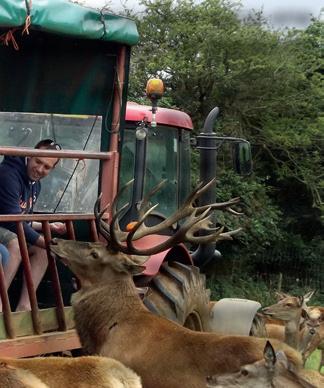
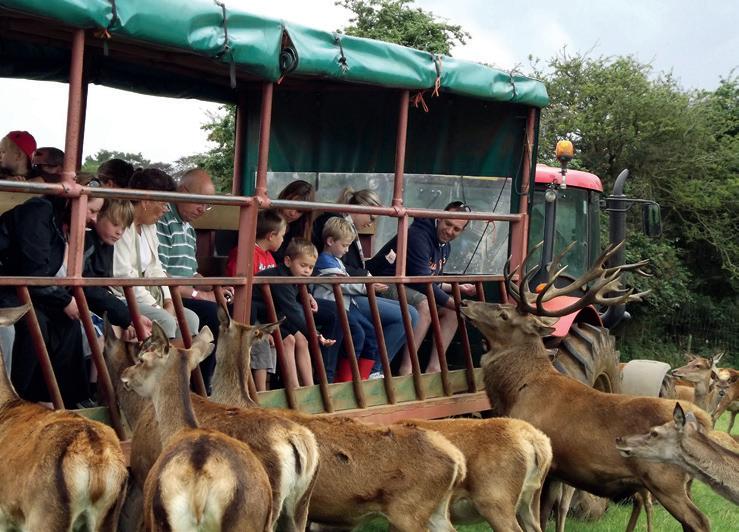

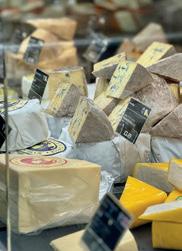
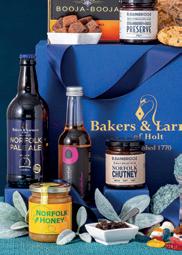



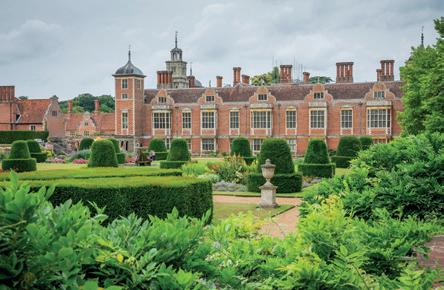
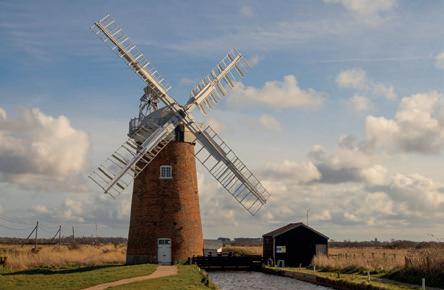




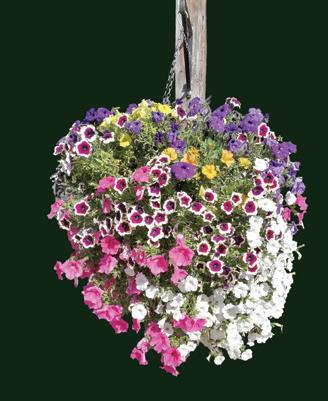
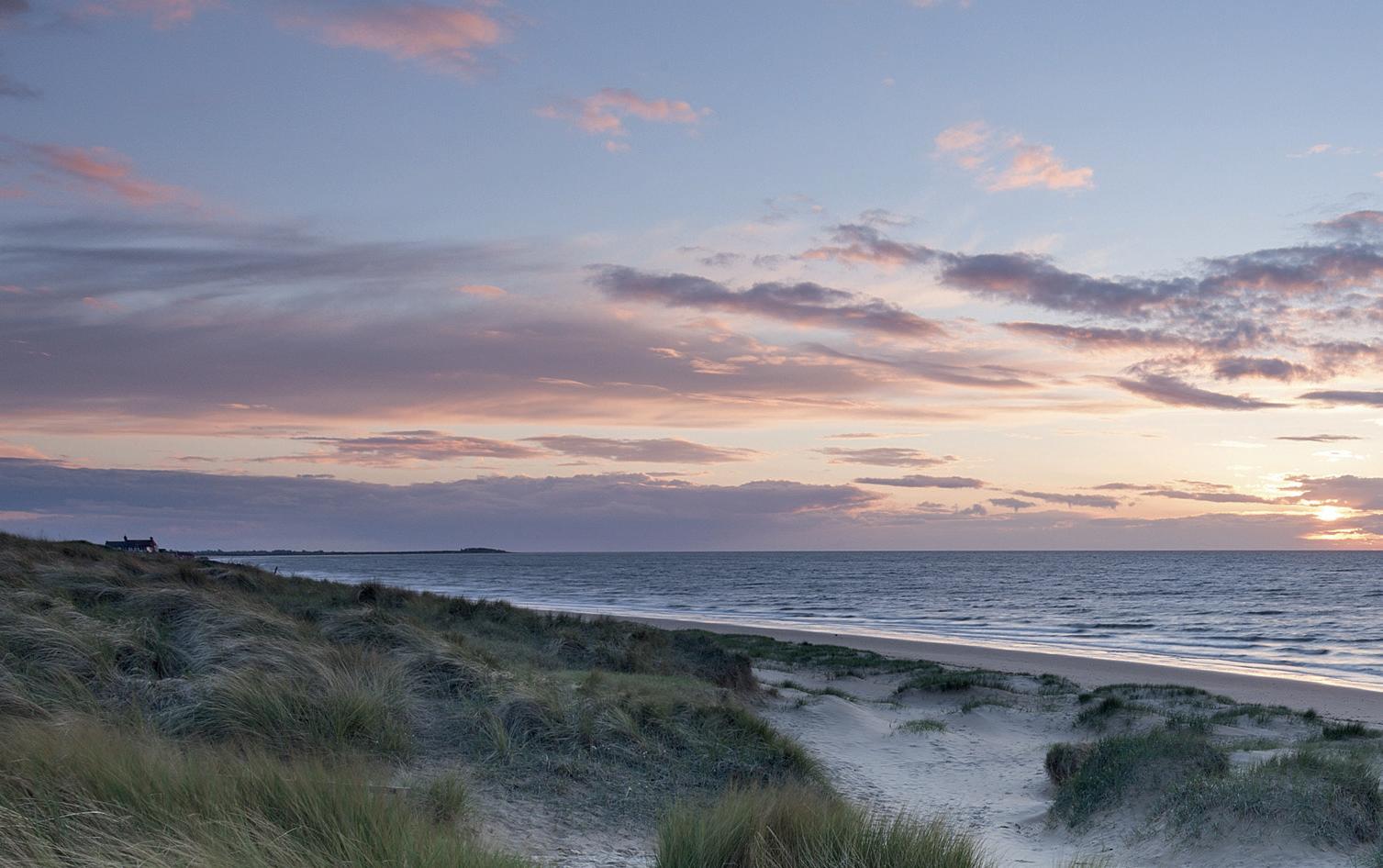
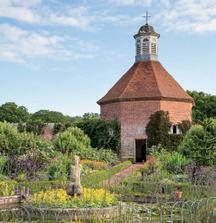
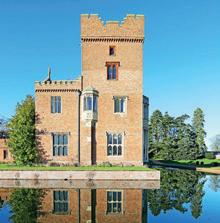
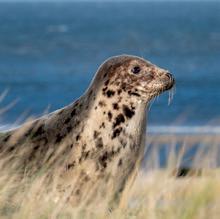
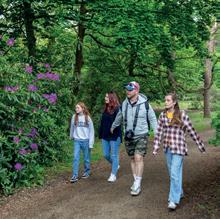
Blickling Estate
Horsey Windpump

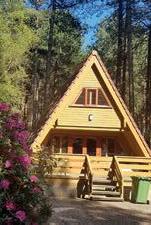





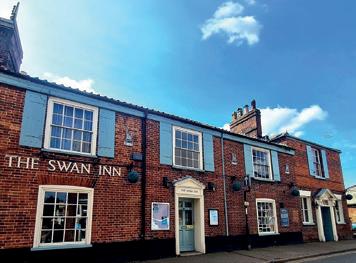
THINGS TO DO AND SEE AROUND THE COAST MAY
Deer & Wildlife Safari
Beginning 16 May
Dates throughout Hop aboard a tractor-trailer for a whistle-stop journey around Holkham deer park. Sit tight while knowledgeable guides tell all about the resident herd of Fallow Deer that call Holkham home. www.holkham.co.uk/whats-on
In Search of Flowers, Plants and Butterflies
21 May
NWT Holme Dunes
Led by the knowledgeable reserves team, this guided walk travels through dunes, marsh and grassland in search of the fascinating flowers, plants and butterflies that thrive here.
Norfolkwildlifetrust.org.uk/events
Dusk Chorus
22 May
Pensthorpe Nature Reserve

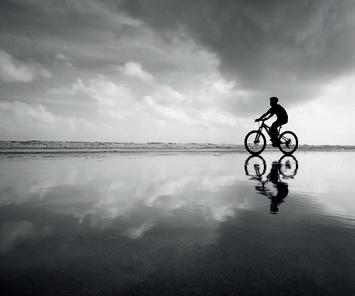


Evening guided walk experiencing birdsong and wildlife activity as the
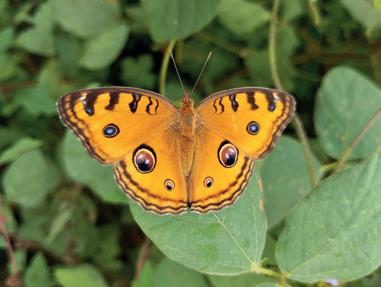
JUN
Cromer Pier Summer Show
Dates throughout 2.30pm & 7.30pm Cromer Pier
Beauty and the Beast
23-30 May
Cromer Pier
Step into a world of enchantment as Beauty and the Beast arrives at Cromer Pier, bringing with it a spellbinding tale that has captured hearts for generations. This family favourite invites audiences of all ages to experience a story where love, courage, and adventure unfold. www.cromerpier.co.uk
Half Term S.T.E.A.M
23-31 May
Steam back in time this May half term and enjoy unlimited hop on, hop off travel. Plus, jump off at Holt station for Half Term S.T.E.A.M to enjoy hands on crafts and shows from Mad Science. nnrailway.co.uk/special-events
The Poo Trail 23-31 May
The celebrated and award-winning Cromer Pier Show is back for 2026. cromerpier.co.uk
Pokémon TCG Mega Evolution Trail
Dates throughout Blickling Estate
Unleash your energy on a Pokémon adventure and team up as a family to search the gardens for each Mega Evolution Pokémon. www.nationaltrust.org.uk
The Ice House Summer Exhibition Throughout Great Yarmouth
Explore the fascinating history of The Ice House; Past, Present and Future and learn how this important building defined Great Yarmouth outtherearts.org.uk
Deer & Wildlife Safari Dates throughout Holkham Hall



Pensthorpe Nature Reserve


A fun, family trail exploring animal droppings through interactive displays and hands-on activities.
See 16th May for more information www.holkham.co.uk/whats-on
Pride & Prejudice…but funny 5 June | 7:30pm
Sheringham Little Theatre


Included with admission; book entry
The Pantaloons Sherlock Holmes & The Hound of the Baskervilles

What do you get if you cross Jane Austen’s most famous novel with a bunch of buffoons? Pride and Prejudice...but funny! From £14
30 May | 3 & 7:30pm
Westacre Theatre



sheringhamlittletheatre.com
Aylsham Food & Craft Market 6 June | 8am-2pm Market Place, Aylsham

Holmes and Watson race to uncover the deadly Baskerville secret in this inventive, hilarious adventure, featuring live music, audience interaction, and mystery.
Adults £20 | under 21s £10 westacretheatre.com
Cley Wild 100: A young people-led



Aylsham Food and Craft Market operates in the beautiful setting of Aylsham Market Place. Stalls offer delicious local produce and artisan crafts and there are plenty of street food vendors and live music. www.visitnorthnorfolk.com/whats-on

NWT Cley Marshes


Brewbaccas Bangers Bingo
A wild family day at NWT Cley Marshes to celebrate their 100th anniversary. Take part in guided bioblitz walks, explore the reserve, and get creative with hands-on nature journaling. Norfolkwildlifetrust.org.uk/events
6 June | 7-9pm
Wildcraft Brewery

Wildcraft’s music bingo returns with big tunes, cheeky banter, cash prizes, and nonstop laughs. visitnorthnorfolk.com/whats-on
In Search of Flowers, Plants and Butterflies
11 June
NWT Holme Dunes
See 21 May for details
Rails & Ales
12-14 June
Rails and Ales is an on-track celebration of motive power coupled with a showcase of Norfolk’s brewing traditions that will give visitors the opportunity to see and ride behind steam & diesel engines, and choose from local ales and ciders to enjoy. nnrailway.co.uk/special-events/
Adults Only Date Night
13 June
Pensthorpe Nature Reserve
After-hours evening for adults with access to gardens, wildlife, food, drink and relaxed exploration of the reserve. Advance booking required online.
Garden and Outdoor Living Fair
13 June
Holkham Hall
A wide range of stallholders bring plants galore, crafts and decorative items, and other gardening goodies to create that ideal outdoor space and get your garden looking gorgeous this summer.
Pre-booked tickets: £6.
On the day: £7. Children £1. holkham.co.uk/whats-on/
Wolterton Wellness Weekend
13-14 June
Wolterton Hall
A wellbeing festival set in the stunning grounds of Wolterton Park. A weekend of yoga, Pilates, fitness, paddleboarding, meditation, spiritual workshops, sound baths, wood-fired saunas and wild swimming – designed to help you reconnect with nature, movement and yourself. visitnorthnorfolk.com
Guided Walk:
Spectacular Saltmarshes
18 June
Take a walk along a section of the Coastal Path that takes in some of the country’s richest saltmarshes. www.nationaltrust.org.uk
Spring Bird Song
19 June
NWT Cley Marshes
Join David North on a walk through Cley’s habitats and discover how to tell a reed warbler from a sedge warbler. Walk approx 3.5 miles including 1 mile along shingle.
Norfolkwildlifetrust.org.uk/events
Glow Worm Hunt
19 June
Pensthorpe Nature Reserve
Guided night walk discovering glow worms and their bioluminescence with expert wardens.
Ticketed; book online
Royal Norfolk Show
25-26 June
Norfolk Showground
The Royal Norfolk Show is celebrating Culture & Collaboration, a theme combining Norfolk’s deep-rooted traditions with fresh innovation. Join two days of entertainment, awesome livestock and delicious food & drink. royalnorfolkshow.co.uk
Butterfly & Dragonfly Walk
26 June
Pensthorpe Nature Reserve
Guided walk exploring butterfly and dragonfly hotspots with opportunities to observe species in natural habitats. Included with admission.
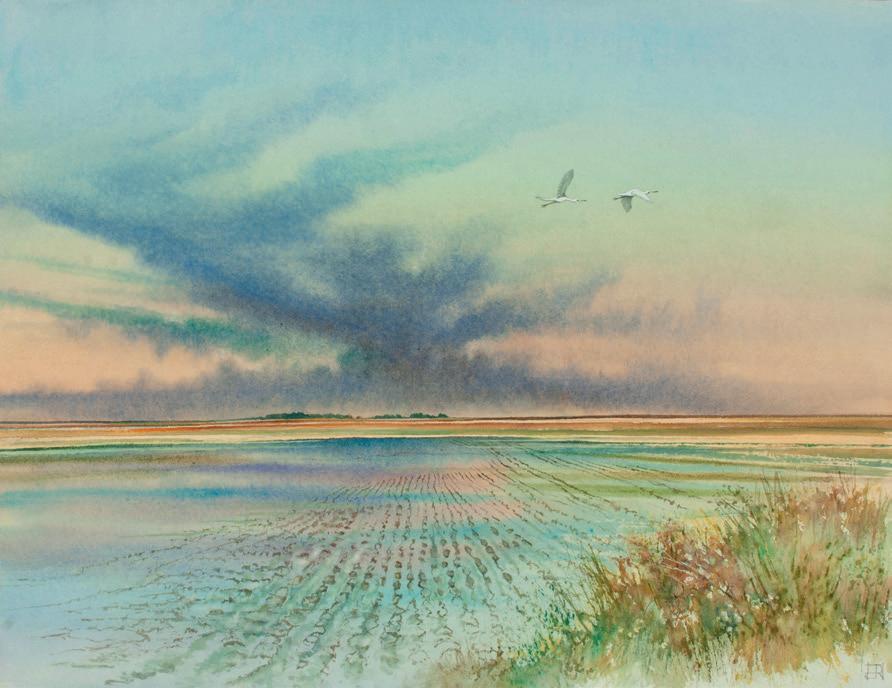
Acclaimed local artist John Hurst will hold his 50 -year celebratory exhibition at The British Columbia Hall, Salthouse, from 4-6 September. The show offers a retrospective look at the changing landscape and ecology of this iconic coastline. John first visited the area in 1972 as an art student and birdwatcher, creating early coastal watercolours in the figurative, evocative style that still defines his work. John will be in attendance each day to share stories and techniques. His original figurative watercolours and prints, collected worldwide, capture the essence of the Norfolk coast through subtle horizon tones and bold foreground brushstrokes. The exhibition will feature a new collection of watercolours and fine prints, his memoir Watercolour Words. Fifty Years, and environmental lino prints by his wife, Jacqui. Alongside his architectural pieces, John’s latest works also explore shifting weather patterns and the movement of migratory wildfowl across the saltmarshes. The exhibition is open 10am-4pm daily.
Drama in the Woods – Wolf Boy
27-28 June | 11.30am & 2.30pm
Drama in the Woods presents an open-air family adventure as Wolf Boy journeys through Holkham Park, meeting magical woodland creatures in an immersive, interactive quest to find his true pack and his way home. www.holkham.co.uk/whats-on
JUL
Cromer Pier Summer Show
Dates throughout Cromer Pier
See June for more information
Maize Maze
From July
Pensthorpe Nature Reserve
Explore a living maize maze with winding paths, puzzles and familyfriendly challenges set within the summer landscape.
Included with admission; see website
Norfolk Saltmarsh – A fragile world
2 July
NWT Cley Marshes
The talk from Annie Green-Armytage will cover the Norfolk Saltmarsh and its inhabitants: its unexpected beauty, and its changing face through the seasons.
Norfolkwildlifetrust.org.uk/events
Aylsham Food & Craft Market
4 July | 8am-2pm Market Place, Aylsham
See 6 June for more information www.visitnorthnorfolk.com/whats-on
Brewbaccas Bangers Bingo
4 July | 7-9pm
Wildcraft Brewery
See 6 June for more information visitnorthnorfolk.com/whats-on
Lady Windermere’s Fan
4 July | 5pm
Westacre Theatre
Oscar Wilde’s Lady Windermere’s Fan, a sparkling revival brimming with wit,
charm, and the company’s signature comedic flair. Adults £18, under 21s £10 westacretheatre.com
Sheringham Potty Festival
4-5 July | 6.30pm (5.30pm gates)
Sheringham
The Potty Festival is the place to be for Morris dancing and folk music in Sheringham. It takes place in early July every year, and has been attracting large numbers of dancers, musicians, residents and tourists since it was established in 1993. www.visitnorthnorfolk.com/whats-on
Five Churches Festival
8-12 July
Check venues online
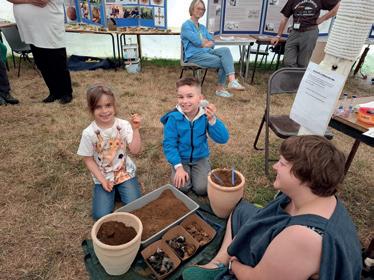
Five Churches Festival brings five days of classical, jazz and family events to Glaven Valley, featuring Guy Johnston, Blake at Bayfield Hall, young artists, talks, masterclasses and a Baroque finale. Book online fivechurchesfestival.com
The Turn of the Screw
8-12 July
Wolterton Hall
Step into the world of Henry James’s The Turn of the Screw in a spinetingling, immersive performance set within the grand rooms of Wolterton. visitnorthnorfolk.com
SHARP Excavation
12 July - 6 August
Boneyard Field, Sedgeford
This archaeological excavation returns for its 30th Anniversary Year. Visit the newly refurbished visitor centre and
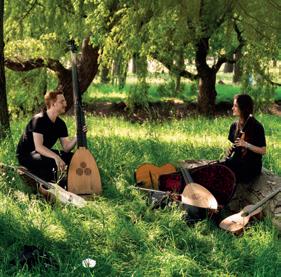
The Blakeney Greasy Pole 20 July | 9.30am - 3pm
Blakeney Quay
The Blakeney Greasy Pole stands as one of Norfolk’s most eccentric and enduring maritime traditions. Held annually as a centrepiece of the Blakeney Regatta, this event draws crowds to the picturesque quay to witness a spectacle that is equal parts skill, slapstick, and North Sea mud.
Adults Only Date Night 25 July
Pensthorpe Nature Reserve
After-hours evening for adults with access to gardens, wildlife, food, drink and relaxed exploration of the reserve.
Advance booking required online
The SHARP Archaeology Festival 26 July
Boneyard Field, Sedgeford
There will be tours, displays, stalls, a café and plenty of activities for families. Entry is free, donations welcome, car parking for the festival is £3 per car. bookings@sharp.org.uk sharp.org.uk
Lend me a Tenor 29 July - 29 August
Sheringham Little Theatre
Prepare for an evening of operatic mayhem, mistaken identities, and laugh-out-loud chaos, Ken Ludwig’s beloved screwball farce that hits all the high notes of classic comedy. Sheringhamlittletheatre.com
Plankton Fishing for Families 29 July
NWT Cley Marshes
To celebrate marine week, take a closer look at the ocean with a create-your-own plankton net session. (7yrs & over)
Norfolkwildlifetrust.org.uk/events
trenches to see archaeology in action. Open 10-4, Sunday to Fridays sharp.org.uk bookings@sharp.org.uk
Moth and butterfly walk 15 July 2-4pm
Hickling Broad and Marshes
Discover moths up close, then explore local habitats for butterflies – with a chance to spot the iconic swallowtail. Norfolkwildlifetrust.org.uk/events
Seascapes in Pastels with Emily Rose 16 July
NWT Cley Marshes
Spend the day learning how to create the illusion of water with soft pastels. The group is taught in a mixture of demonstrations and one on one help. Norfolkwildlifetrust.org.uk/events
Glow Worm Hunt 17 July
Pensthorpe Nature Reserve
See 19 June for more information
If It’s Laughter You’re After 17 July
Sheringham Little Theatre
Olly Day, master of magic and mirth and Nigel ‘boy’ Syer, Norfolk’s funniest accordionist, are back with another show, filled with magic, songs and sketches. sheringhamlittletheatre.com
The Golden Years 18-19 July
A special Golden Years event with two days of classic vehicles and live music accompanied by an intensive train service. nnrailway.co.uk/special-events
Wells Carnival 31 July - 9 August
Various venues in Wells-next-the-Sea Traditional summer carnival featuring a colourful parade, floats, fancy dress and various family events throughout the week. With competitions, live entertainment and community celebration, helping to raise funds for local charitable groups. wellscarnival.co.uk
AUG
Cromer Pier Summer Show
Dates throughout Cromer Pier
See June for more information
Aylsham Food & Craft Market 1 August | 8am-2pm Market Place, Aylsham
See 6 June for more information www.visitnorthnorfolk.com/whats-on
Brewbaccas Bangers Bingo 1 August | 7-9pm
Wildcraft Brewery
See 6 June for more information visitnorthnorfolk.com/whats-on
Hear award-winning duo ‘Flutes and Frets’ at this years’ Five Churches Festival in July.
Celebrate Sharp’s 30th Anniversary year with The Sharp Archaeology Festival in July.
34 Events
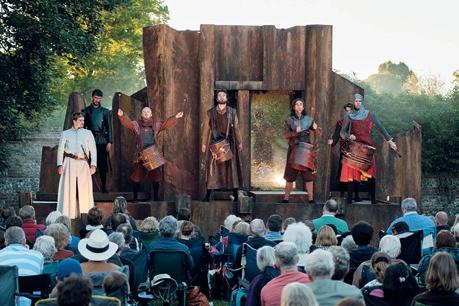
Othello comes to life with The Lord Chamberlain’s Men at Holkham Hall in August.
Creatures of the Night
1 August
Pensthorpe Nature Reserve
After-dark family event discovering nocturnal wildlife including bats, owls and moths through guided activities. Ticketed; book online
Silent Disco
1 August | 6.30-10pm
Holkham Park
Get ready to get down, grab some friends, headphones and dancing shoes and dance the night away in the Lady Elizabeth wing in Holkham Park this summer. Over 18s.
Tickets £27.50 | VIP £35 www.holkham.co.uk/whats-on
Othello – Outdoor Theatre
4 August | 6.30pm (5.30pm gates)
Holkham Hall
Join The Lord Chamberlain’s Men this summer for Othello, one of the most captivating and thrilling plays ever written. See it performed how William Shakespeare first saw it, as The Lord Chamberlain’s Men – with a history stretching back to Shakespeare’s original company.
holkham.co.uk/whats-on
Little Shop of Horrors
5-25 August
Sheringham Little Theatre
Seymour Krelborn stumbles across a new breed of plant. This foul-mouthed, R&B-singing carnivore promises unending fame and fortune as long as he keeps feeding it, blood.
Sheringhamlittletheatre.com
Maritime Textiles Day
6 August | 10-1 & 2-4pm
Sheringham Museum at The Mo


Drop-in demonstrations of knitting, netting and knotting enquiries@sheringhammuseum.co.uk
Sense & Sensibility – Jane Austen
6-8, 13-15, 27 & 29 August – 7:30pm
8 & 15 August – 2.30pm
Westacre Theatre
Jane Austen’s most beloved tale of love and the eternal battle between head and heart – brought blazingly to life under the wide open skies of Norfolk. westacretheatre.com
Marine Week Family Beach Clean 7 August
NWT Cley Marshes
It is marine week so this summer holidays Families are invited to help clean up our shore to benefit coastal wildlife. Norfolkwildlifetrust.org.uk/events
Creating a Scene – Textile workshop with Sally Holman 12 August
NWT Cley Marshes
Come and learn how to create your own little scene using a variety of hand stitched techniques.
Norfolkwildlifetrust.org.uk/events
Bees and other Insects with Nick Owens 14 August
NWT Cley Marshes
Join naturalist and author of Bees of Norfolk for a walk around Cley Marshes. Nick will introduce bumblebees, solitary bees and wasps living on the reserve.
Norfolkwildlifetrust.org.uk/events
Cromer Carnival 15-21 August
Cromer Carnival Field
Enjoy traditional events like the main parade, funfair, stalls, and the spectacular fireworks display, all part of the beloved annual summer event. visitnorthnorfolk.com
Comedy of Errors
18-22 & 25-29 (excl. 27) August 7.30pm 22 & 29 – 2.30pm Westacre Theatre
Step back into the golden age of the Roaring Twenties as Shakespeare’s wildest farce gets a high-octane makeover. Double the Trouble. Twice the Jazz. Total mayhem. Adults £16, under 21s £10 westacretheatre.com
Murmurations live at Cley Marshes
22 August
NWT Cley Marshes
With intimate storytelling, sweet harmonies and powerful instrumentation, Murmurations come together to share something bigger than the sum of their parts. Join them for this special gig at Cley Marshes. Norfolkwildlifetrust.org.uk/events
Festival on Rails
22-31 August
Enjoy the Festival on Rails, where you can see and travel behind at least 3 steam locomotives; Rover tickets are valid for unlimited travel allowing you to hop on and off all day.
nnrailway.co.uk/special-events
Willow Weaving Hare Sculpture
Workshop
26 August
NWT Cley Marshes
Come along and have a go at weaving a leaping hare. All materials supplied and step by step guidance given.
Norfolkwildlifetrust.org.uk/events
Creatures of the Night
29 August
Pensthorpe Nature Reserve
After-dark event discovering nocturnal wildlife including bats, owls and moths through guided activities. Ticketed; book online (adult only)
Meet Bluey
31 August
Pensthorpe Nature Reserve
Meet Bluey in this magical setting with appearances throughout the day. Pre-book online: pensthorpe.com
SEP
Cromer Pier Summer Show
Dates throughout Cromer Pier
See June for more information
Gel Plate Photo Collage Printing Workshop with Caroline Houchell
2 September
NWT Cley Marshes
Discover the magic of image transfer in this creative gel printing workshop inspired by Cley Marshes and nature.
Norfolkwildlifetrust.org.uk/events
Guided Walk:
Spectacular Saltmarshes
3 September
See 18 June for more information www.nationaltrust.org.uk
Life Changing - Way Markers of the Changing Season – Autumn
3 September
NWT Cley Marshes
This lunchtime talk by David North will show you what to look for over the coming weeks as nature on the reserve prepares for change. Norfolkwildlifetrust.org.uk/events
Aylsham Food & Craft Market
5 September | 8am - 2pm
Market Place, Aylsham
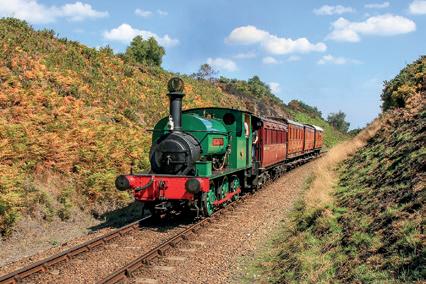
See 6 June for more information www.visitnorthnorfolk.com/whats-on
Brewbaccas Bangers Bingo 5 September | 7-9pm
Wildcraft Brewery
See 6 June for more information visitnorthnorfolk.com/whats-on
North Norfolk Food & Drink Festival
5 & 6 September | 10am - 4pm
Holkham Hall
Stallholders from across the county will be showcasing their products and produce. Outside the main festival an array of concessions will offer food as well as entertainment from a live cookery theatre to children’s activities. holkham.co.uk/whats-on
Kelling Heath Star Party 5-12 September
Kelling Heath Holiday Park
The Loughton Astronomical Society Autumn Equinox Sky Camp is the largest star party in the UK, where hundreds of amateur astronomers meet up for a week of dark sky observing at Kelling Heath Holiday Park visitnorthnorfolk.com
An Evening with Richard Digance 13 September
Sheringham Little Theatre
This BAFTA-nominated entertainer has plenty of songs and stories to share. With 45 albums, 24 books, his career is legendary.
Sheringhamlittletheatre.com
Microplastics – an unseen threat to Norfolk salt marshes?
17 September
NWT Cley Marshes
In this talk Ben Grover will present the research of his PhD, studying the distribution of microplastics across the salt marshes of Blakeney. Norfolkwildlifetrust.org.uk/events
Georgia Shackleton
18 September
NWT Cley Marshes
Georgia presents music from her new album From the Floorboards, joined by guitarist Aaren Bennett. Norfolkwildlifetrust.org.uk/events
Nocturnal Wildlife Walk - Bats 19 September
NWT Cley Marshes
Join a different kind of walk and take an evening stroll with the Norfolk and Norwich Bat Group. Norfolkwildlifetrust.org.uk/events
Steam Back to the Forties 19-20 September
Swing back in time for a weekend of all day live music, stunning classic vehicles, vintage trade stands, historical displays, and wartime fashions at all three stations. nnrailway.co.uk/special-events
Deepdale Festival 24-27 September
Deepdale
The Deepdale Festival returns for its 8th year, spanning over 40 incredible acts across 3 stages perfectly capturing the Heart of Folk. deepdalecamping.co.uk/festival
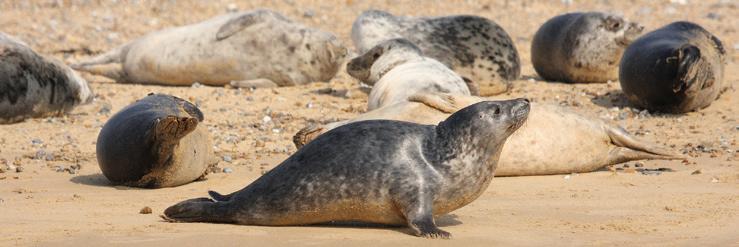
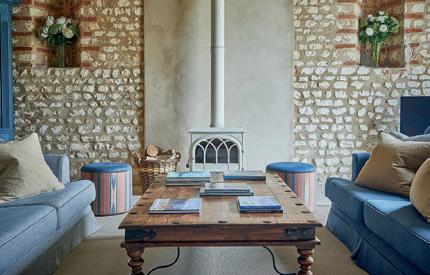
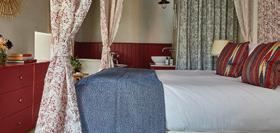
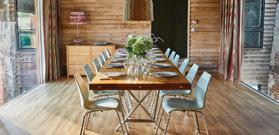
Explore the North Norfolk Railway and travel behind a varied line-up of steam locomotives.
70 million years of geological history in these charming fishermen’s cottages
Open daily, April – October
Monday – Friday, 10am – 4pm Weekends, 12 noon – 4pm East Cottages, Tucker Street, Cromer, NR27 9HB cromermuseum.norfolk.gov.uk
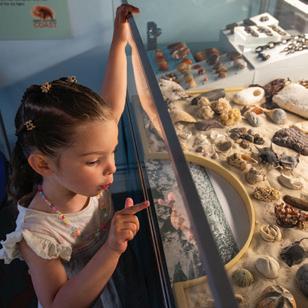

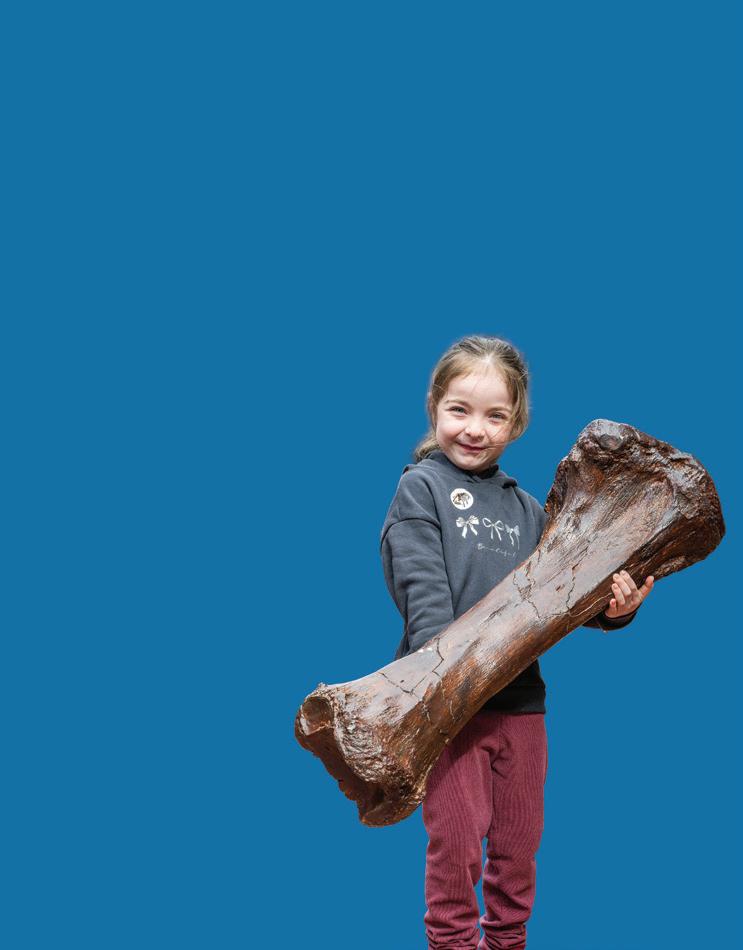





A captivating journey through the rich maritime heritage of Great Yarmouth.
Open daily, 10am – 4.30pm (Winter opening hours vary, see website for details) Blackfriars Road, Great Yarmouth, NR30 3BX timeandtide.norfolk.gov.uk
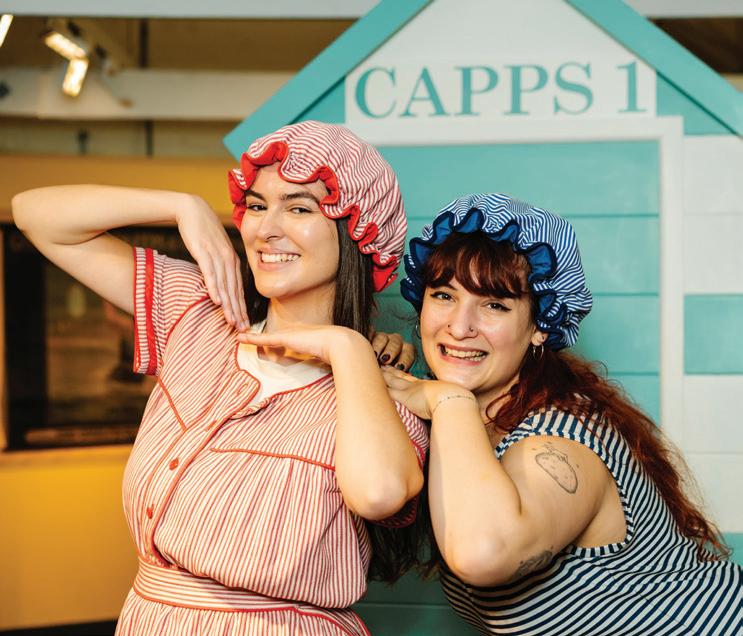




Held in the grounds of the Royal Family-owned estate, embrace the joy of gardening at this summer show
• Discover His Majesty The King’s passion for horticulture in the RHS Royal Legacy Garden
• Uncover the importance of amphibians in the RHS Pollywiggle Garden
• Marvel at fabulous floristry and listen to live music



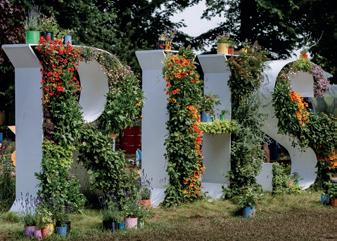






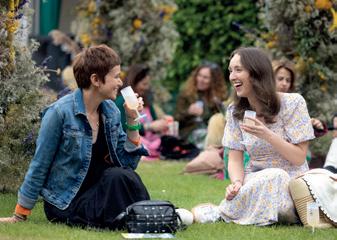
• Get tips from gardening stars including Sue Kent and Jason Williams
• Celebrate Grow Your Own joys in the Fruit and Vegetable Competition
















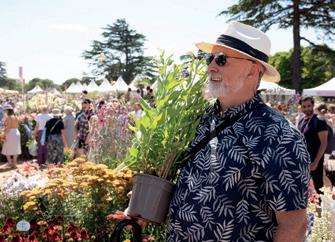



36 Events
OCT
Deer & Wildlife Safari
Dates throughout Holkham Hall
See 16th May for more information
www.holkham.co.uk/whats-on
Aylsham Food & Craft Market
3 October | 8am - 2pm Market Place, Aylsham
See 6 June for more information www.visitnorthnorfolk.com/whats-on
Celebrating 100 years with Nick Acheson
9 October
NWT Cley Marshes
For a century Norfolk Wildlife Trust has worked for nature in Norfolk. In this richly illustrated talk, Nick tells the story of past work and future ambitions. Norfolkwildlifetrust.org.uk/events
Nature Pop-Up Paper Workshop with Sue Welfare
10 October
NWT Cley Marshes
Whether you want to create cards, books, or stand-alone projects, this workshop will introduce you to pop-up mechanisms that can be transformed into your own miniature worlds. Norfolkwildlifetrust.org.uk/events
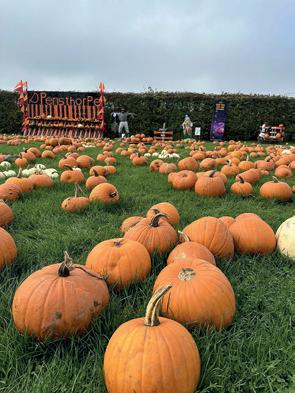
October.
PAUL DICKSON
IN CROMER
George Skipper in Cromer – celebrating the legacy of the great Victorian/Edwardian Norfolk architect.
Sister Queens 15 October | 7.30pm
Westacre Theatre
Two Queens, One Nation. The dynamic journey of two amazing women; the royal queens of the Tudor and Stuart dynasties –Elizabeth I & Mary Queen of Scots westacretheatre.com
Pumpkin Festival
24-31 October half term
Pensthorpe Nature Reserve
Family event with pumpkin-themed activities, trails and autumn fun. Included with admission
After Hours Pumpkin Festival
29 October
Pensthorpe Nature Reserve
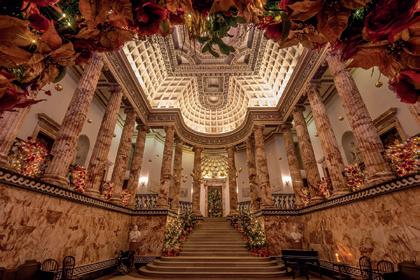
Off The Fringe
20 November 7.30pm
Westacre Theatre
A double bill of comedy and music, straight from the Edinburgh fringe. Cringe! a cabaret style show, which re-tells people’s embarrassing stories and Pub Tales, a witty and satirical take on British pub culture. westacretheatre.com
International Gansey Day
21 November
Sheringham Museum at The Mo Live textile demonstrations and drop-in workshops.
Santa Specials
28 November - 23 December
Aylsham Food & Craft Market
5 December | 9am - 2pm
Market Place, Aylsham
See 6 June for more information www.visitnorthnorfolk.com/whats-on
Christmas Market
11-13 December | 10am - 4pm
Holkham Hall
The popular Christmas Market returns to the Lady Elizabeth Wing this December. There’ll be over 60 producers inside the wing, and outside in the festive chalets, selling tempting food, drink and gifts. With delicious street food and live music to drive the Christmas spirit. holkham.co.uk/whats-on
Evening pumpkin event with seasonal activities and after-dark experiences.
Ticketed; book online
NOV
Thursford Christmas Spectacular
Dates throughout Thursford
Celebrate the holidays with this extravaganza of non-stop singing, dancing, music, humour and variety.
Enjoy a fast-moving celebration of the festive season featuring a cast of 130 making this the biggest Christmas show of its kind in Europe. www.thursford.com
Aylsham Food & Craft Market
1 November | 8am - 2pm
Market Place, Aylsham
See 6 June for more information www.visitnorthnorfolk.com/whats-on
North Norfolk Pole
5 November - 23 December
Pensthorpe Nature Reserve
Festive experience with immersive Christmas storytelling and seasonal magic for families.
Ticketed; advance booking required
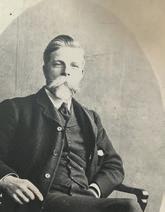
The Birth of Poppyland – the development of Cromer as a tourism resort from the late 18th to the early 20th century.
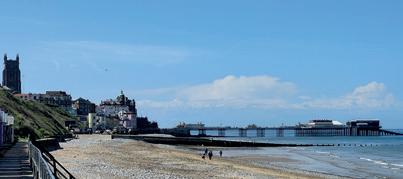
For tour dates, including Norwich tours, see: www.pauldicksontours.co.uk/events or email paul@pauldicksontours.co.uk, 07801 103737
Sandringham Christmas Craft, Food and Gift Fair
13-15 November
Sandringham Estate
The fair returns for a fabulous weekend of Christmas cheer. Full of beautifully hand-crafted items and gifts presented by over a hundred craftsmen, artists and designers and a Food Hall packed with both regional and national food and drink.
Norfolk Lights Express
14 November - 3 January
Arrive after dark and you’ll be greeted by the magical sight of a steam-hauled train illuminated by thousands of tiny lights, before setting off on a journey like no other.
nnrailway.co.uk/special-events/
Cromer Pier Christmas Show
14 November - 28 December
2.30pm & 7.30pm
Cromer Pier
The highly acclaimed Cromer Pier Christmas Show returns with all the festive spirit. Returning as host is Olly Day, the much-loved master of ceremonies, bringing his signature wit and warmth.
cromerpier.co.uk
Final Secret of Lazurus Drauger
14 November | 7.30pm
Westacre Theatre
The Final Secret of Lazarus Drauger is part play, part magic show. Written and performed by Chris Frost, delve into the deepest and darkest corners of magic history for a thoroughly eerie, yet entertaining show. westacretheatre.com
Enjoy a magical Christmas train journey before stopping off to meet the man himself. nnrailway.co.uk/special-events
Christmas Market
29 November
Pensthorpe Nature Reserve
Festive market with artisan stalls, gifts, food and seasonal entertainment. Book online; event entry applies Holkham by Candelight
29 November
Holkham Hall
Come and see this favourite Norfolk attraction dressed up in Christmas lights and adorned with decs. holkham.co.uk/whats-on
DEC
Thursford Christmas Spectacular
Dates throughout Thursford
See November for more information www.thursford.com
Holkham by Candelight Dates throughout Holkham Hall
Wells Christmas Tide 8th December
Wells Quay
This annual festival marks the arrival of the feastie season with fun for all the family as Santa descends on Wells Quay. wellschristmastidefestival.co.uk
40: Forty in the Foyer
13 December | 7.30pm
Westacre Theatre
Carols and Candlelight – A festive musical delight. westacretheatre.com
Festive Family Day 19 & 20 December | 10am - 4pm Holkham Hall
Explore the Hall in its fabulous festive finery and meet some of the enchanting characters that make Christmas at Holkham so special. Enjoy cheerful, festive, live tunes and a magical atmosphere in the Palladian Marble Hall. holkham.co.uk/whats-on
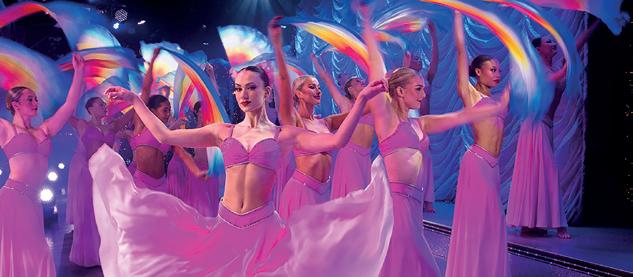
See 29 November for details holkham.co.uk/whats-on




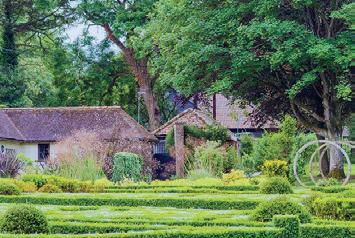





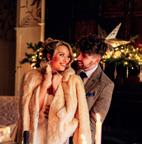
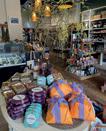



Experience a festive delight at Holkham by Candelight in November.
Patch at Pensthorpe this




















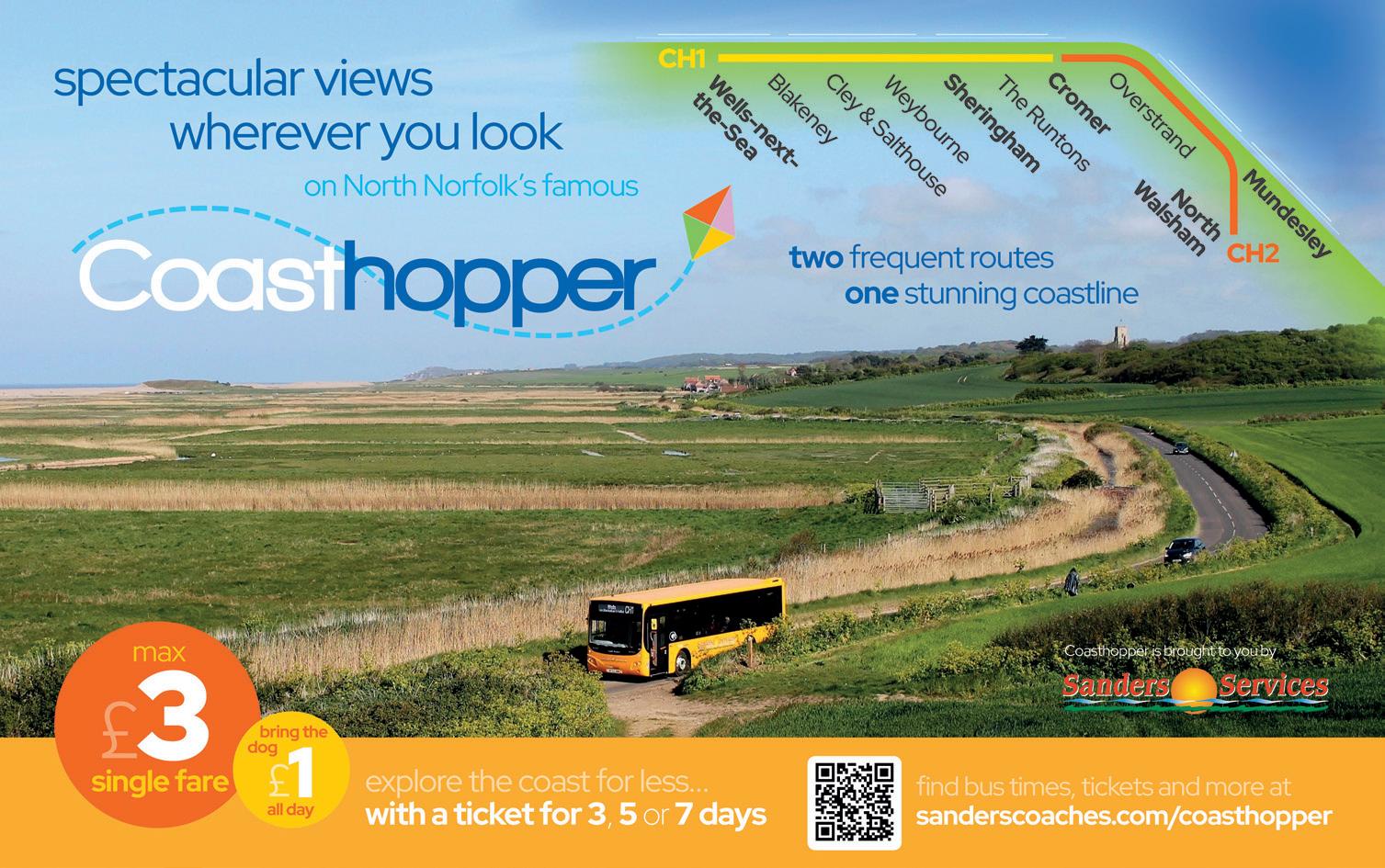

Where to stay