


Eastern Guruma Pty Ltd supports Australia's leading iron ore miners and services the broader resources and industrial sector across WA.
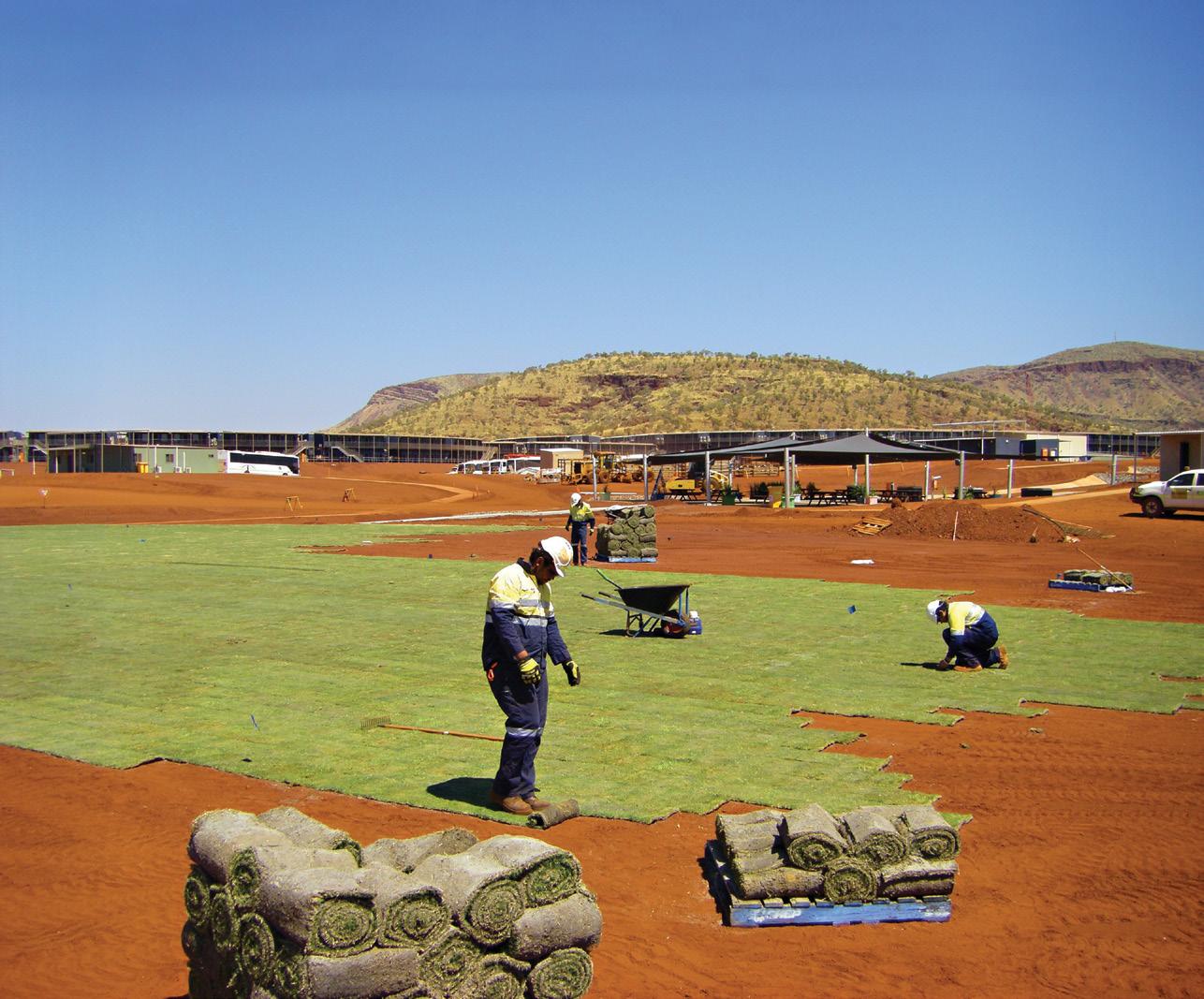
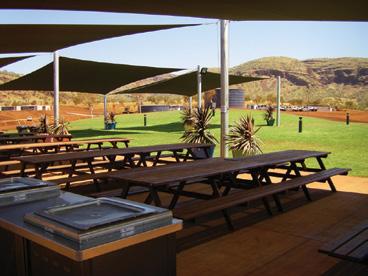
Eastern Guruma provides various mine site services including creating and maintaining access, road management, exploration works and rehabilitation.
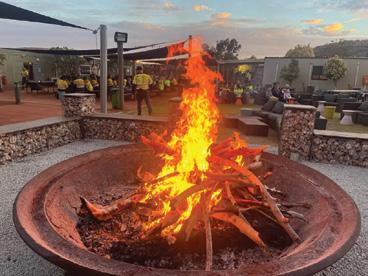
Integrated Services is one of Eastern Guruma’s top specialties. The team tailors every service to ensure operational maximisation of client assets.
Get in touch today
08 9325 2424
enquiries@easternguruma.com.au www.easternguruma.com.au

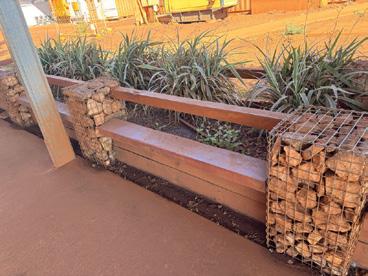
Eastern Guruma provides and industrial contaminated area rehabilitation.
Civil construction
As an experienced civil contractor, Eastern Guruma has delivered experienced team. The company has the ability to undertake detailed civil works and determine solutions to meet client needs and budgets.




T H E N E W A U S T R A L I A N M A R K E T P L A C E L O C A ,L S A F E & F R E E A u s t r a l i a ’ s f a s t e s tg r o w i n g p l a t f o r m f o r s a f e b u y i n g a n d s e l l i n g i n y o u r l o c a l c o m m u n i t y !

outbackmarketplace.com.au

Official Publication of
Australasian Institute of Emergency Services
Print Post Approved PP 100018976
Disclaimer
Views expressed in this journal, unless specifically acknowledged, are not necessarily those of the Publisher, of the Institute, of its Board or of the Editor.
Editorial Rights
The Editor of National Emergency Response reserves the right to grant permission to reproduce articles from this journal.
Such approval is hereby granted, unless a specific withdrawal of this permission is included in the article in question.
The Author and the journal must be acknowledged in any such reprint.
Mailing Amendments or Enquiries
For any amendments or enquiries regarding mailing, please email: secretary@aies.net.au
Notice to Advertisers
This publication is the official journal of the Australasian Institute of Emergency Services. It is published by Countrywide Austral for the Australasian Institute of Emergency Services and will be distributed to its members.
An illegal practice is presently operating where advertisements from some of our publications are used to produce unauthorised publications and our advertisers are contacted for payment for the unauthorised advertisement.
If you are approached to place an advertisement or with a request for payment for another publication, you should verify that the advertisement has been authorised and establish the bona fides of the company.
The invoice and any correspondence should have the company name, ABN, and an address (not just a PO Box) and you should ask for proof of publication. If you do receive a request for an unauthorised advertisement, or have concerns about the bona fides of a company, we suggest you refer it to the Office of Fair Trading in your capital city.
Editorial Team
Editor: Kristi High
Associate Editor: Steve Jenkins FAIES
Send articles for inclusion to: Email: editor@aies.net.au
Website: www.aies.net.au
Website Content
The website has sections for each State as well as National Areas. If you have ideas for State Division content, please contact your State Secretary. For National content, email secretary@aies.net.au
Please be aware that all content must be cleared by the National President prior to web publication to ensure it meets required guidelines.
Publisher National Emergency Response is published by
Countrywide Austral
1, 460 Bourke Street, Melbourne GPO Box 2466, Melbourne 3001 (03) 9937 0200 contact@cwaustral.com.au
ACN: 30 086 202 093
Journal Enquiries
For any enquires regarding the publication, please contact Tony Cornish: Mob: +61 411 055 050
Disclaimer: Countrywide Austral (”Publisher”) advises that the contents of this publication are at the sole discretion of the National Emergency Response and the publication is offered for background information purposes only. The publication has been formulated in good faith and the Publisher believes its contents to be accurate, however, the contents do not amount to a recommendation (either expressly or by implication) and should not be relied upon in lieu of specific professional advice. The Publisher disclaims all responsibility for any loss or damage which may be incurred by any reader relying upon the information contained in the publication whether that loss or damage is caused by any fault or negligence on the part of the publisher, its directors and employees.
Copyright: All advertisements appearing in this publication are subject to copyright and may not be reproduced except with the consent of the owner of the copyright.
Advertising: Advertisements in this journal are solicited from organisations and businesses on the understanding that no special considerations other than those normally accepted in respect of commercial dealings, will be given to any advertiser.
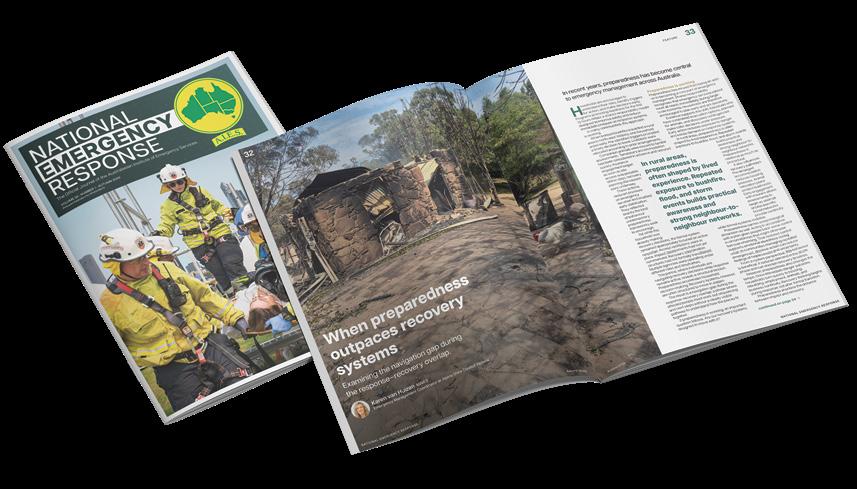
AIES President David Parsons provides us with his insights into the Symposium held in Edmonton, Alberta, Canada, in May this year.
Australia’s fire and emergency service agencies have a new framework to help them better understand and respond to the psychological impacts of trauma exposure among their workforce.
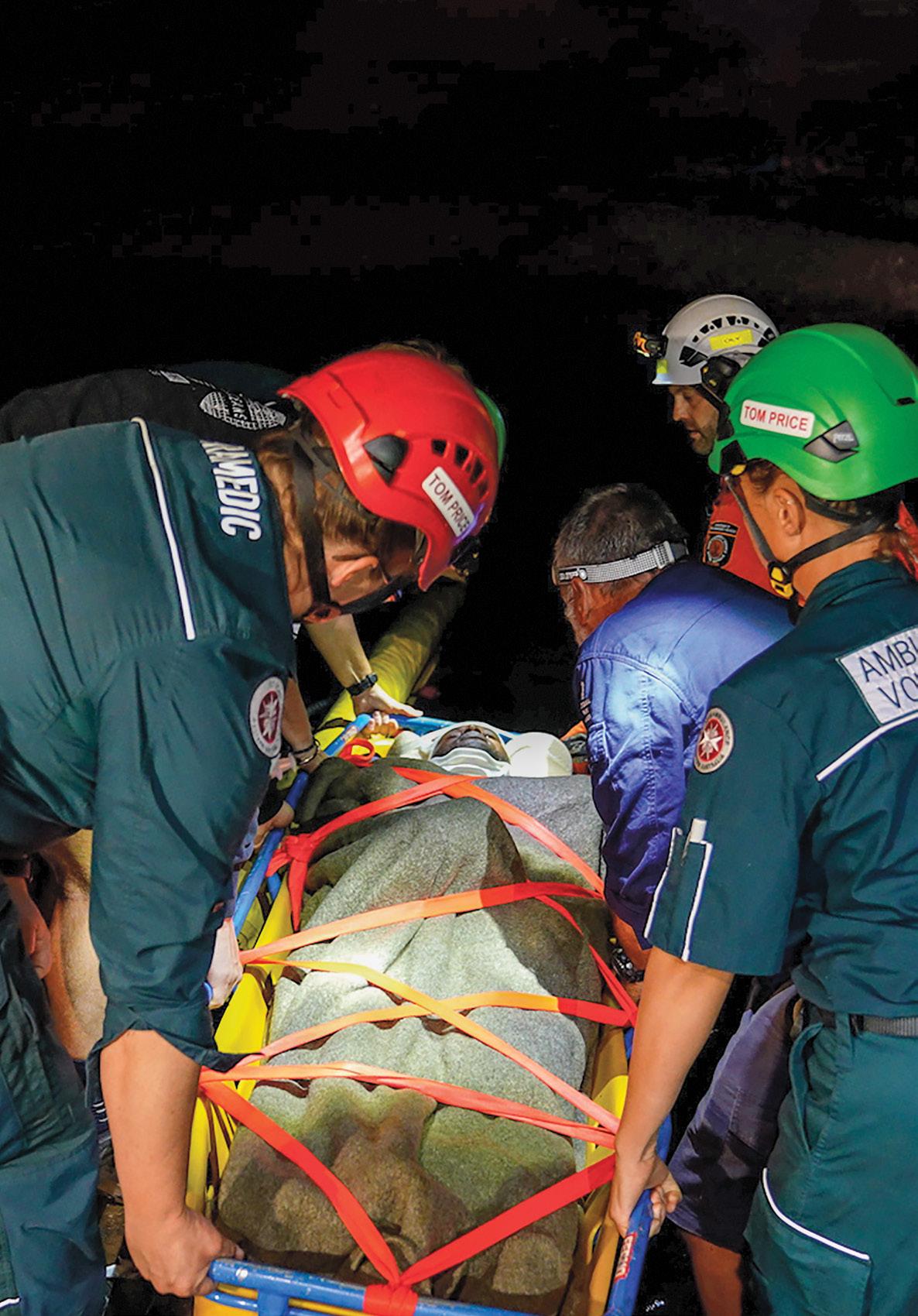
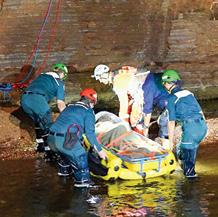
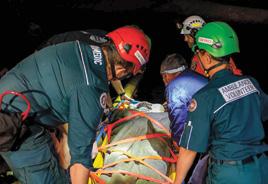
The dramatic rescue of an American tourist from a gorge in Karijini National Park has highlighted the best of inter-agency cooperation during visitor season.


Articles, photographs and short stories are sought for the National Emergency Response Journal. Please submit items for the next edition to editor@aies.net.au by September 28, 2026. There is an annual award for the best article submitted by an AIES member.
General Enquiries enquiries@aies.net.au PO Box 2469, Chermside Centre, Qld 4032 www.aies. net.au www.facebook.com/aies.online www.linkedin.com/groups/3844281
National Board
President David Parsons ESM FAIES CESM president@aies.net.au
Immediate Past President Steve Jenkins FAIES steve.jenkins@aies.net.au
Vice President Rebecca Hunt MAIES vice.president@aies.net.au
Company Secretary Marilena Salvo secretary@aies.net.au
National Treasurer Jenny Crump ESM FAIES treasurer@aies.net.au
Webmaster/Systems Administrator Costa Zakis FAIES webmaster@aies.net.au
NSW, ACT and International
President Dr Brett Henderson MAIES CESM president.nsw@aies.net.au
Secretary Ian Manock FAIES secretary.nsw@aies.net.au
Queensland and Northern Territory
President John Moy MAIES president.qld@aies.net.au
Secretary/Treasurer Jenny Crump FAIES secretary.qld@aies.net.au
South Australia and Western Australia
President Shane Bolton FAIES CESM president.sa@aies.net.au
Secretary Warren Erasmus MAIES CESM secretary.sa@aies.net.au
Tasmania
President Vanessa Henry MAIES president.tas@aies.net.au
Vice President Dr Bodie Rodman MAIES vice.president.tas@aies.net.au
Secretary Greg Webster RFD MAIES secretary.tas@aies.net.au
Victoria
President Doug Caulfield OAM RFD FAIES MIAEM president.vic@aies.net.au
Vice President Kate Goldsmith FAIES MIAEM CESM vice.president.vic@aies.net.au
Secretary Bill Little FAIES MIAEM secretary.vic@aies.net.au
National Emergency Response Journal
Kristi High editor@aies.net.au 0407 366 466
As an emergency responder, some situations can place you in the lives of people at their most vulnerable
People living with dementia are among the most vulnerable in our society, yet this is not always immediately obvious.
Dementia is often described as an invisible disability, as its cognitive, behavioural, and memory-related symptoms are not always physically apparent, often leading to stigma and misunderstanding.
In 2026, an estimated 446,500 Australians are living with dementia - a figure projected to rise to more than one million by 2065. This means emergency responders are increasingly likely to encounter people living with dementia.
People living with dementia may struggle to understand instructions,
feel disorientated, or find it difficult to communicate their needs. These challenges can affect behaviour in ways that may be misinterpreted as noncompliance or resistance.
Through consultation with emergency services, Dementia Australia consistently heard similar challenges from staff: how to recognise dementia, communicate effectively, manage agitation or confusion, and respond safely.
A helpful framework is the ACE principles
• Awareness: recognise the possible signs of dementia or cognitive decline
• Consideration: consider what are they experiencing
• Engagement: communicate with care.
To build your awareness, watch Dementia Australia’s interactive video series designed specifically for emergency services: dementia.org.au/emergencyservices
If you need information or advice, the National Dementia Helpline is available anytime on 1800 100 500, or via live chat and email at dementia.org.au.

The Australasian Institute of Emergency Services is pleased to announce the following emergency services people joined the AIES between April 2026 - June 2026.
Name Organisation
NSW / ACT / International Division
Brandy Alger New Zealand Red Cross
Douglas Allan Charles Sturt University
Gina Eccersall USAR
Lauren Flett National Emergency Management Agency
Glenn Jones ESM CEM NSW SES
Nathan Kirkwood NSW Police
Benjamin Ryan Evolution Mining
Aaron Vom Bruch NSW Premier’s Department QLD / NT Division
Anne Beckett Powerlink
Cindel Richardson ESM QLD Police
Name Organisation
SA / WA Division
Hannah Callary City of Karratha
Scott Crossingham Rio Tinto Iron Ore
Jonathan Marshall ERGT
Brendon McLaughlin Rio Tinto Iron Ore
Amanda Stoward Rio Tinto TAS Division
Tol Broinowski Tasmania Department of Justice VIC Division
Ashley O’Loghlin Fire Rescue Victoria
Jamal Nobandi Disaster Relief Australia
Aaron Worcester Fire Rescue Victoria
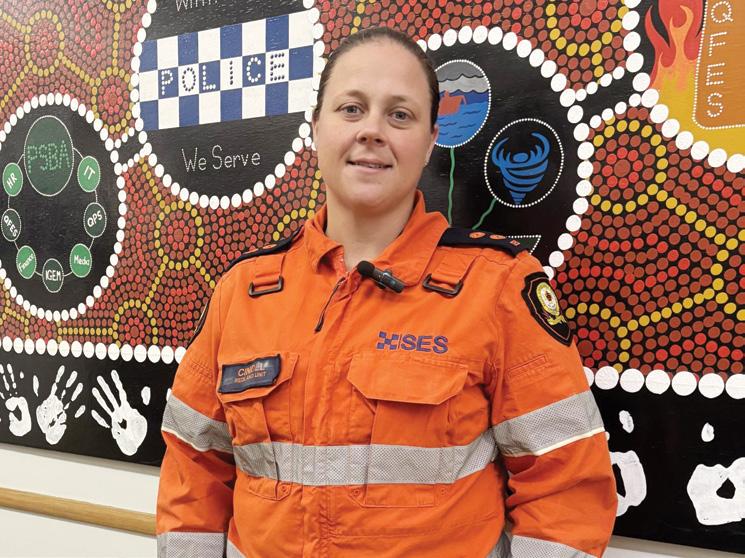
Congratulations to AIES Queensland member Cindel Richardson who was recognised for her 20-plus year service to the SES where she has pioneered training programs for search and rescue efforts, disaster response, community preparedness, and supported recruitment and retention efforts.
Cindel also serves as the Queensland Police Multicultural Affairs Unit Acting Inspector.
In this role, she demonstrated exceptional leadership supporting community safety and resilience as incident commander during Tropical Cyclone Alfred in 2025 and Tropical Cyclone Marcia in 2015.

Get personalised lending solutions with clear advice and genuine support to help you achieve your property goals.
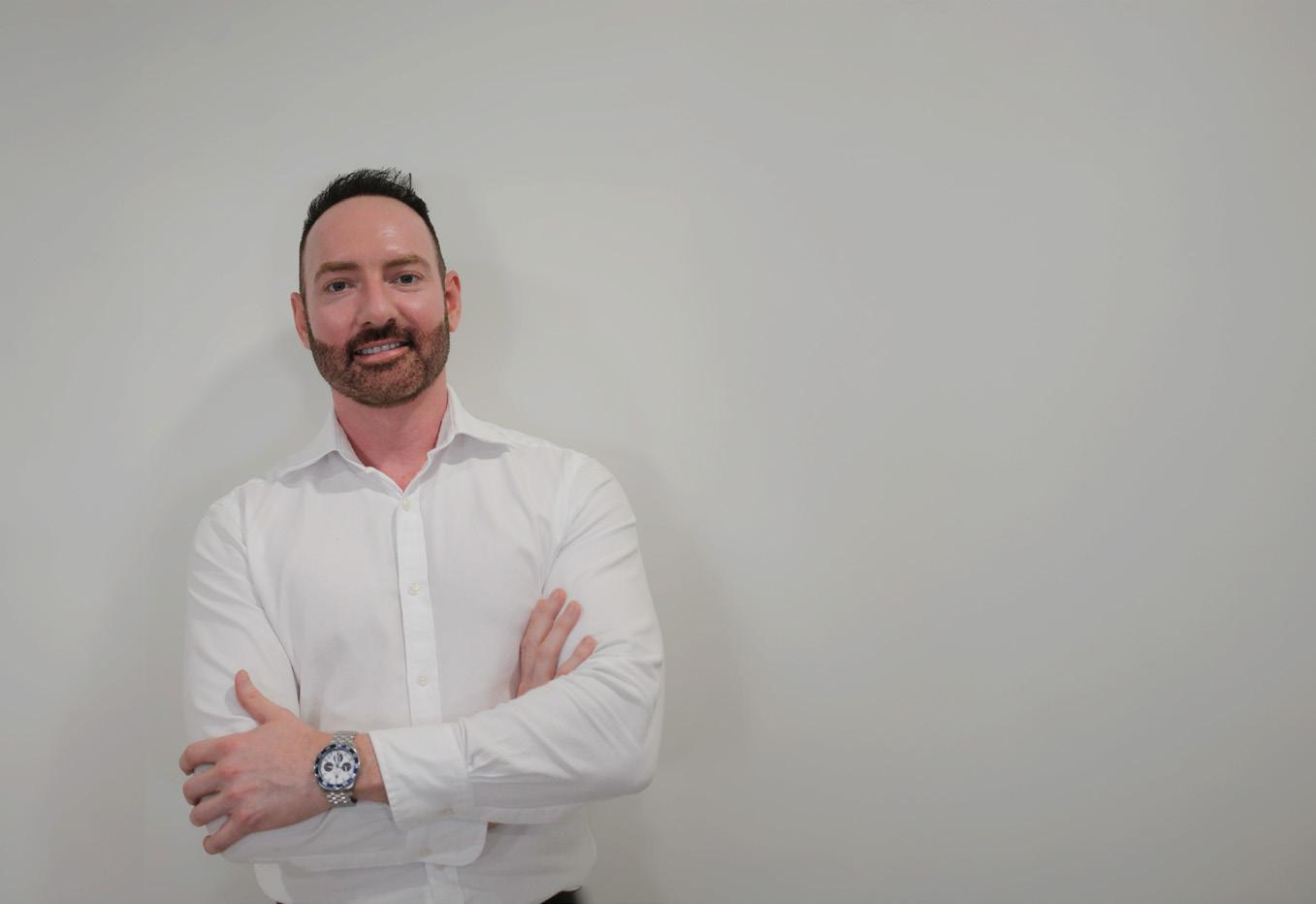
Whether you’re buying your first home, upgrading to your next home, investing for the future, or refinancing to improve your position, I’ll help you find the right loan and lender.
I work with a wide panel of lenders to compare options, negotiate competitive terms, and tailor a lending solution that fits your lifestyle now and where you want to be next.
Aaron McLeod Director & Broker
Your next move starts here
David Parsons ESM FAIES CESM AIES President
Conference season Conference season has arrived with two annual conferences coming soon — Disaster and Emergency Management Conference on the Gold Coast and the Emergency Services Foundation Conference in Melbourne. Turn to page 31 for more information about these events
AIES members attending the Emergency Services Foundation Conference should take time to introduce themselves to Victorian President and National Director Doug Caulfield OAM who will be at the AIES stand in the trade show.
AIES members attending the Disaster and Emergency Management Conference are invited to join the Whats App group for this event by contacting NSW/ACT Division President Brett Henderson who is coordinating the communications via email, president.nsw@aies.net.au
These events present a great opportunity for AIES members to connect with fellow AIES members. We also look forward to introducing our Institute to potential new members at both conferences.
L-R: Todd Miller, John Moy.

These events present a great opportunity for AIES members to connect with fellow AIES members.
We also look forward to introducing our Institute to potential new members at both conferences.
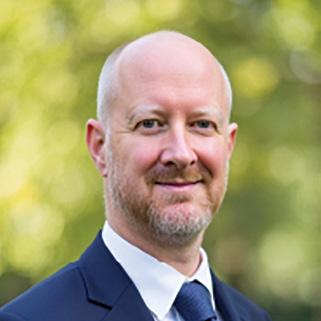
Hazard and Risk Network Conference
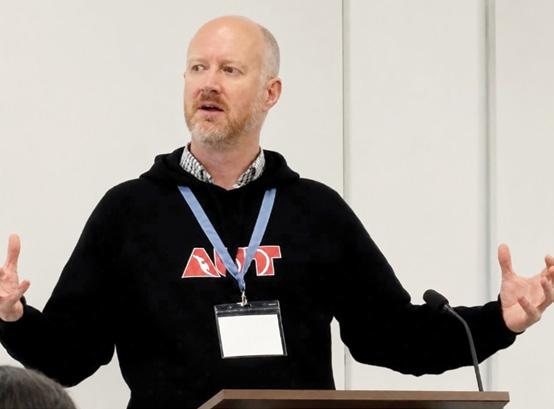
In May I was joined by AIES member Todd Miller at the Canadian Hazard and Risk Network Symposium in Edmonton in Alberta Canada. Todd was successful in obtaining a Professional Development Fund Scholarship last year to support his attendance. Todd presented at the symposium on his PhD research and has shared his story for members in this edition of NER.
The event was a great opportunity to hear the current and emerging issues in emergency management from a Canadian perspective. You can read more on page 22.

Our 50th Anniversary Implementation Project Team led by John Moy are doing a great job developing proposal briefs for review by the Board. A special thanks to the team working with John on this important project. 2027 will be an important milestone for the AIES. It is impressive that the organisation has survived all the changes over this time frame. Stay tuned for more information about how we will celebrate this significant milestone for our Institute.

A new award recognising the role contributors play in strengthening professional learning and knowledge sharing across the emergency management and emergency services sectors has been launched by Countrywide Austral, publisher of the Australasian Institute of Emergency Services’ National Emergency Response Journal.

Kristi High Editor National Emergency Response Journal
The Contributor Impact Awards for best member story and front cover photo will be presented after each edition, through the newly established Countrywide Austral Contributor Impact Fund initiative.
Under the initiative, $250 will be awarded for an outstanding feature article, story or opinion piece submitted by an AIES member, while a further $250 will be awarded for an original front cover image that captures the work of emergency management or emergency services personnel.
Countrywide Austral Managing Director Tony Cornish said the award recognises the important role practitioners play in sharing experiences, lessons and insights that help advance professional practice across the sector.
“Emergency management has always been a profession that learns from experience. The stories shared through National Emergency Response capture lessons that can help others prepare for, respond to and recover from future events,” Tony said.
“Some of the most valuable knowledge in our sector comes from practitioners reflecting on what they’ve experienced, what they’ve learned and what others can take away from those experiences.”
The awards are also designed to encourage a broader range of voices to contribute to the journal.
“There are many people across emergency management and emergency services with valuable perspectives and lessons to share who may not traditionally see themselves as writers,” Tony said
“This award is about recognising those contributions and encouraging more people to participate in professional discussion and knowledge sharing.”
The initiative also recognises the role visual storytelling plays in documenting the work of emergency management and emergency services personnel.
“A powerful image can capture the reality of response, recovery and resilience in ways words alone cannot. Photography helps preserve important moments and provides
another way for practitioners to share their experiences with the sector,” Tony said.
The awards are for articles that are compelling, accessible and experiencebased. Formal academic research papers published in their original form are not eligible, although articles that reference or translate research findings into practical insights for practitioners will be included in the judges’ consideration of award-ready content.
Awards commence from the Summer 2026 edition of National Emergency Response
Please read the Contributor Guidelines, which are available on the AIES website. Or contact the Editor if you have any questions. Submission are accepted all year round. https://aies.net.au/ner editor@aies.net.au


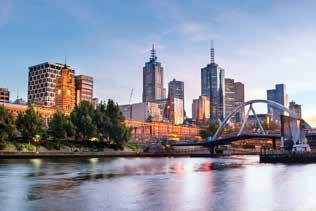
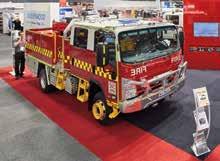
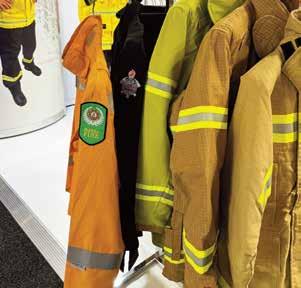
AFAC26 powered by INTERSCHUTZ Conference and Exhibition, Australasia’s premier and most comprehensive event for emergency management and first responders, returns to Melbourne, showcasing products, services, and solutions.
Across 3 days, hundreds of international and national brands on display in the Free-to-Attend Exhibition Halls.
Solutions Theatre delivering Free to Attend 20-minute practical and educational presentations covering technology, equipment, PPE, workforce, and mental health/PTSD, for frontline first responders.
Live Demonstration sessions of technology, best practice techniques, plus much more.
Exhibition Only Attendees – Free Registration and a Free Lunch Voucher for Agency Members.

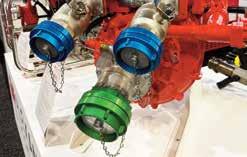
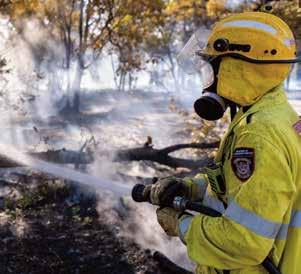
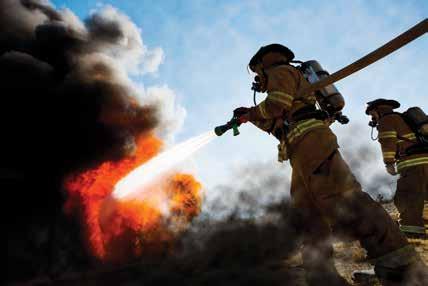
Delivering solutions to these industry groups:
WORKFORCE
Fire
First Responders / Police / Ambulance
Equipment
HazMat / Industrial
Resilience / Recovery Mining / Gas & Petroleum Fire Prevention / Built Environment
from experts in emergency services and management
Jonathan Curtis MAIES Editor AIES Thought Leadership Series

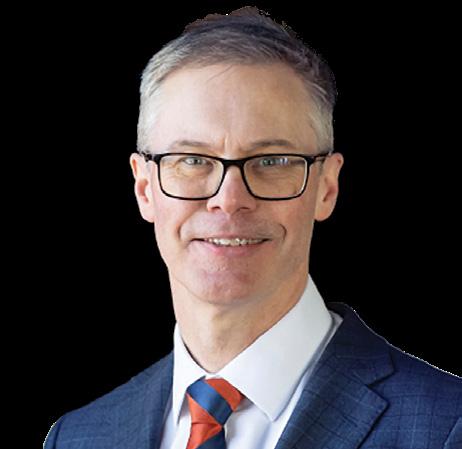
In this article Mark Layson explores the need to proactively manage the risks of overworking. The emergency management sector cannot sustain a culture that expects staff to do ‘whatever it takes’ for ‘as long as it takes’ where disasters are more frequent, severe and long lasting. An immediate driver for change is the evolving legal landscape that is much less accepting of overwork as business as usual.

Rev Dr Mark Layson MAIES CESM Disaster Recovery Chaplaincy Network NSW/ACT
Background
Australian employment contracts regularly contain clauses requiring employees, particularly managers, to work ‘reasonable additional hours’. Emergency organisations operate in a volatile environment, making it difficult to describe what is ‘reasonable’, especially during high-intensity operations. Therefore, many emergency organisations avoid detailing a vital element of the employment contract. Instead, senior leaders often presume on a tacit expectation that their workforce will meet almost any operational
Note that the views expressed in this article are those of the author and are not necessarily the views of the AIES.
demand. However, a series of changes raise the question whether a tacit and openended approach to work hours reaches the threshold of reasonable in 2026.
Over the past decade, disasters have grown not only in frequency but in duration and complexity. Events are increasingly followed by prolonged recovery efforts that stretch capacity for extended periods. Disaster response is becoming the BAU for many emergency managers. This shift, along with the introduction of psychosocial risk regulations and increasing workforce retention concerns in the sector, demands a reassessment of tacit expectations about reasonable work hours. The question is not whether additional hours will be required, but how and by whom reasonable work hours will be determined. Any solution must balance
staff health, operational performance, and align with psychosocial work health and safety (WHS) regulations.
Recognising this emerging challenge, the NSW/ACT Disaster Recovery Chaplaincy Network (DRCN) undertook a review of its operating model, culminating in a Work Hours and Fatigue Protocol designed to clarify what ‘reasonable additional hours’ means in a disaster context. The intention was to reduce ambiguity about work hours before periods of high operational demand eventuate, rather than reactively manage consequences.
Australian workplace law habitually avoids prescribing a fixed threshold for additional hours. Instead, the Fair Work framework applies a multi-factor test that
considers health and safety risk, personal circumstances, operational requirements, compensation, and industry considerations. Senior emergency managers must now do more than simply count raw hours worked; they must consider them alongside related issues, such as fatigue management, compliance with emerging psychosocial hazard regulations, and newly expressed workers’ rights to disconnect.
Legal considerations
Recent Australian cases are now reflecting this regulatory context. Courts have repeatedly found that even modest systemic overtime can constitute a breach of the Fair Work Act. Reliance on contractual reasonableness clauses, which may simply presume an industry culture of overwork, does not displace workers’ statutory protections to a 38-hour week. Organisational culture is increasingly under legal scrutiny.
Court decisions convey the message that short-term operational needs are easier to justify than embedded overtime; however, what remains unanswered is how long a disaster response must last before it is effectively BAU and therefore embedded. What is certain is that deference to the clause ‘reasonable additional’, and industry expectation, is no longer sufficient.
The risk of leaving ‘reasonable’ undefined Workforce agility is critical during crises, while ambiguity can obscure risks. In disaster environments, workers often accept extended hours as part of a service ethos. However, in the absence of defined parameters, sustained overwork gradually becomes ambiguous. Work hours expectations are rarely communicated through formal directives; instead, pressure often emerges through cultural norms, such as remarks questioning personal commitment or suggestions that career progression may be at risk.
is predictably unpredictable. Business-asusual operations must remain anchored to standard weekly hours to reinforce that surge conditions should not become normative. Activation periods acknowledge the reality of increased workloads while introducing review thresholds that prompt leadership reassessment if extended hours persist. BAU and rest periods are treated as operational necessities that expect that workloads will return toward sustainable levels in a managed way.
A key element of this approach is the introduction of an event assessment matrix that categorises incidents according to duration, volume, and intensity. This framework supports early leadership judgment about workforce demand and provides an explicitly stated basis for determining whether BAU activities, such as training, should continue, be deferred, or be cancelled.
embedded. In those two weeks, rest periods and managed breaks are expected and encouraged, and psychological safety is supported under a Just Culture algorithm. The Just Culture algorithm preferences learning over blame cultures and addresses systemic conditions alongside individual accountability.
Conclusion: a leadership moment for the sector
Resilience is often discussed in relation to disaster-affected communities. Increasingly, it must also describe emergency organisations work systems. Workforce risk management models must align with the emerging complexity of polycrisis workforce management, rather than be shaped by assumptions from a previous era where work overload was normalised.
When expectations are proactively defined, ambiguity diminishes during high-pressure moments. Employees gain confidence that their wellbeing is considered within operational planning, and organisations strengthen their sustainability.
When employees perceive that declining additional hours carries a reputational consequence, the statutory right to refuse unreasonable hours becomes psychologically inaccessible. What follows is not resilience but silent compliance (and later malicious compliance), which is associated with psychosocial harm.
A proactive approach to workplace harm
Two recent court decisions, one in the High Court that relates directly to work load, have made it clear that organisations, especially government organisations must take a proactive approach to managing foreseeable risks. Therefore, central to the DRCN’s approach to work hours was the recognition that disaster work
The framework is a relational enabler, allowing managers and staff to meaningfully communicate about how, when, and why deadlines are adjusted, non-essential projects are paused, and staffing models are recalibrated before fatigue becomes BAU. Workload, therefore, is treated as a dynamic risk requiring active management rather than as a by-product of implied coercion regarding individual worker commitment.
Work hours and fatigue as a shared responsibility Fatigue control and work-hour management are explicitly included as tasks in operational planning and duties. Managers and staff are encouraged to communicate early and regularly about hours worked and to flag stressful events within those reasonable and extended hours. Consequently, work can be redistributed or even refused when organisational and individual capacity is nearing its limit.
Under the protocol, an operation may not require significantly longer hours for more than two weeks, because after that, the operation has effectively become
Articulating reasonable additional hours is an act of organisational resilience that better supports workers and communities during a crisis. When expectations are proactively defined, ambiguity diminishes during highpressure moments. Employees gain confidence that their wellbeing is considered within operational planning, and organisations strengthen their sustainability. Returning to the dilemma in the introduction: will the emergency management sector continue to accept a reliance on professional goodwill, informal expectations, and cultures that equate exhaustion with dedication? If so, what will be the legal and personal cost of this decision? Alternatively, is our industry mature enough to recognise workload as a risk to individual safety and workforce sustainability that leaders must manage? More precisely, the question is whether the sector is prepared to define reasonableness on its own terms or wait for the courts, regulators, and exhausted employees and volunteers to define it for them?
Author bio
Rev Dr Mark Layson MAIES CESM is a researcher, author and disaster leadership practitioner, with more than thirty years’ experience across policing, fire and rescue, aeromedical chaplaincy and disaster recovery. He currently leads the Disaster Recovery Chaplaincy Network NSW/ACT.
Do you have a contribution for the AIES leadership series? Articles should be a maximum of 1,000 words. Send your idea to: thoughtleadership@aies.net.au
Research continues to play a critical role in shaping policy, strengthening community resilience, and enhancing the professional practice of those working on the frontline of crises. In recent years, the growth of doctoral-level research within emergency and disaster management has produced a more robust evidence base to inform decision-making, capability development, and sector-wide reform.
A key distinction within this landscape is the difference between the Professional Doctorate and the traditional Doctor of Philosophy (PhD). As outlined in the first article in this series, the Professional Doctorate is typically grounded in practice-led inquiry, enabling experienced practitioners to examine complex operational, organisational, and community challenges from within their professional context. By contrast, the PhD is more traditionally research-focused, emphasising theoretical development, methodological rigour, and the generation of new knowledge that advances a discipline more broadly. Both pathways are highly valuable, yet they differ in emphasis, one primarily practice-oriented, the other more research-intensive in its design and contribution.
This article, the second in the series, shifts focus from a Professional Doctorate to a recently completed PhD, showcasing the work of Dr Steven Schwartz, whose thesis, ‘Understanding Lost Person Behaviour in Australian Wilderness Environments: Learning from the Experts’, offers an important and original contribution to the field. While grounded in real-world experience, Dr Schwartz’s research adopts a qualitative, theory-building approach that deepens our understanding of lost person behaviour from a human-centred perspective.
Together, the works featured across this series, spanning both Professional Doctorates and PhDs, represent contemporary contributions to the evolving discipline of emergency and disaster management. They reflect the growing maturity of the field, where practitioner insight and academic research combine to address complex challenges. Through this series, we continue to highlight the depth, diversity, and relevance of doctoral research being undertaken within our professional community, and to reinforce its importance in strengthening the capability and future direction of the sector.


Understanding
AIES President Queensland/Northern Territory Division with reference to the research of

Dr Steven Schwartz B.Bus, PgDip StratMan, M.M.S (Hons), PhD
Introduction - Why Lost Person Behaviour Matters
Across Australia and internationally, wilderness environments continue to attract increasing numbers of recreational users seeking adventure, wellbeing, and connection with nature. While the vast majority of these experiences are safe and fulfilling, a small but significant number result in individuals becoming lost—triggering complex, resource-intensive search and rescue (SAR) operations and, in some cases, tragic outcomes.
Lost person incidents are not new. However, what is changing is the scale, complexity, and human impact of these events. For emergency services, these incidents demand
rapid deployment, interagency coordination, and high operational costs. For those who become lost—and their families— the experience can be deeply traumatic.
Despite the operational sophistication of modern search and rescue, much of the research in this field has historically focused on the searcher perspective: probability theory, search patterns, terrain analysis, and resource deployment. Comparatively little attention has been given to the lived experience of the lost individual. It is this critical gap that underpins the doctoral research of Dr Steven Schwartz, whose work offers a significant shift toward user-centred understanding in emergency and disaster management.

We are increasingly effective at finding lost people—but we understand far less about what it means to be lost.
Dr Steven Schwartz brings a rare combination of lived operational experience and academic rigour to his research. A lifelong outdoor enthusiast, his early experiences exploring the wilderness landscapes of New Zealand evolved into formal service through the Royal New Zealand Infantry Regiment, followed by continued engagement in Australia with the Queensland State Emergency Service (SES) in various roles, including most recently as Local Controller. Now based in Cairns, Dr Schwartz remains an active SES member, contributing to search and rescue operations across Far North Queensland. Alongside this, he serves as a lecturer in disaster and emergency management at CQ University, shaping the next generation of practitioners. This dual identity, practitioner and researcher, is central to the depth and applicability of his research.
Research Problem: Moving Beyond the Searcher
Traditional lost person behaviour (LPB) research has largely relied on quantitative, statistical models, often categorising lost individuals into demographic groups and predicting likely locations based on patterns. While highly valuable operationally, these approaches tend to overlook the human experience of becoming lost.
Dr Schwartz identified a fundamental issue: “We are increasingly effective at finding lost people—but we understand far less about what it means to be lost.”
Through qualitative research involving individuals who had experienced being lost in Australian wilderness environments, his study sought to answer key questions:
z How do lost events actually unfold from the perspective of the individual?
z What factors contribute to becoming lost?
z Where are the opportunities to reduce harm and trauma?
Defining the ‘Lost Wilderness Tourist’
One of Dr Schwartz’s key contributions is the development of a clear and practical definition: “A lost wilderness tourist is a person who has entered a wilderness area in pursuit of leisure or pleasure and is unable to reach safety due to geographical disorientation, physical entrapment, or both.”
This definition is important because it distinguishes recreational users from other missing person categories, it recognises both cognitive (disorientation) and physical (being stuck) dimensions and it supports more targeted planning, prevention, and response strategies
Understanding the Lost Event: A Six-Phase Model
A central innovation in Dr Schwartz’s research is the identification of six distinct phases that characterise lost person incidents.
1. Pre-Event Phase
This includes background factors such as planning, experience level, equipment, and risk awareness. Poor preparation often lays the foundation for later problems.
2. Pre-Wilderness Phase
The transition from normal life into the wilderness environment. Decisions made here—route choice, timing, communication— can significantly influence risk.
3. Trigger Phase
The point at which the individual becomes lost. This may result from navigational error, environmental conditions, injury, or unexpected events.
4. Lived Lost Experience
This is the core human experience, and it is characterised by confusion, fear, decision-making under stress, and attempts to self-rescue.
continued on page 17
5. Rescue Phase
The involvement of search and rescue agencies. This phase includes detection, location, and physical recovery.
6. Recovery Phase
Post-rescue impacts, including physical recovery, psychological effects, and reintegration.
Why This Matters for Emergency Services
This phased model represents a significant advancement in understanding lost person incidents because it moves beyond static analysis and frames these events as dynamic, evolving processes involving multiple stakeholders.
1. Improving Prevention Strategies
By identifying risks in the preevent and pre-wilderness phases, agencies can:
z Enhance public education campaigns
z Promote better trip planning and risk awareness
z Tailor messaging to specific user groups
2. Supporting DecisionMaking During Incidents
Understanding how individuals behave when lost provides insights into:
z Likely movement patterns
z Decision-making under stress
z Behavioural responses such as “panic travel” or sheltering
Importantly, Dr Schwartz’s research highlights opportunities to minimise psychological harm, not just achieve successful rescue outcomes.
At its core, this research reflects a broader evolution within emergency and disaster management: a shift from purely operational efficiency toward human-centred
Author Bio
as important as refining how we search.
practice. By integrating insights from Disaster management theory, Tourism studies and behavioural science, Dr Schwartz demonstrates how interdisciplinary approaches can deepen understanding and improve outcomes.
This aligns with wider trends across the profession, including recognition of lived experience as valuable data, emphasis on community-centred resilience and the growing importance of qualitative, practitioner-informed research.
While focused on wilderness users, the implications of this research extend more broadly. Dr Schwartz’s models have potential application across a range of vulnerable groups, including children, people with cognitive impairment and importantly, individuals living with dementia. Understanding how these groups experience disorientation and decision-making under stress opens pathways for improved search strategies, targeted prevention programs and ultimately better support for families and carers.
Like the work of Dr Russell Dippy highlighted in the previous edition, this research underscores the importance of practitioner-led doctoral study in advancing the field. Professional doctorates and applied PhDs enable experienced practitioners to:
John Moy is the current president of the Queensland NT division of the AIES. He is a lecturer in emergency and disaster management at CQ University with professional experience across emergency management, public safety, leadership, and vocational education. With a strong interest in practitioner-led research, he is committed to supporting
z Investigate complex and realworld problems
z Generate evidence grounded in practice
z Translate research into practical, actionable outcomes
Dr Schwartz’s work is a strong example of how operational insight and academic inquiry can combine to produce meaningful contributions to the discipline.
Dr Schwartz characterises the PhD journey as both demanding and deeply rewarding—less a sprint than an endurance expedition requiring sustained effort, resilience, and commitment. Reflecting on his experience, he emphasises that success is often grounded in a genuine passion for the topic, as it is this intrinsic motivation that carries candidates through the inevitable challenges and periods of doubt.
Progress, Steve notes, is rarely linear. Instead, it is incremental, built over time through persistence and steady application rather than sudden breakthroughs. Along the way, many candidates encounter feelings of imposter syndrome; however, Dr Schwartz is clear that acceptance into a doctoral program is itself evidence of capability, and those feelings, though common, should not be allowed to undermine confidence.
He also highlights the importance of maintaining humility and curiosity, particularly in qualitative research where
openness to new perspectives and critical self-reflection are essential. Ultimately, he views the doctoral experience as transformative, not only in terms of academic achievement, but in the way it reshapes how individuals think, question, and engage with the world around them.
These reflections will resonate strongly with many in the emergency management sector, particularly those balancing demanding operational roles with academic ambitions, and underscore the value of perseverance and purpose in pursuing advanced study.
As lost person incidents continue to occur across Australia’s diverse landscapes, the need for evidence-informed approaches becomes increasingly important. Dr Schwartz’s research contributes to this by:
z Expanding theoretical understanding
z Providing practical models for application
z Highlighting opportunities for prevention and harm reduction
For agencies, policymakers, and practitioners, the message is clear. Understanding the human experience of being lost is just as important as refining how we search.
Dr Steven Schwartz’s doctoral research marks an important step forward in the study of lostperson behaviour. By shifting the focus from purely operational models to the lived experience of those involved, his work offers valuable insights for improving prevention, response, and recovery. In doing so, it reinforces a broader truth within emergency and disaster management. Effective practice is not only about systems and processes, it’s about people.
professionalisation within the sector. John is currently completing his own professional doctoral studies examining the future of emergency services volunteerism in Australia. He is currently developing the VolunTier Framework which seeks to address the challenge rapidly declining emergency service volunteering in Australia.

Karen van Huizen MAIES Emergency Management Practitioner | Rural Resilience Specialist | Farmer
Across Australia and internationally, communities are facing increasing complexity from interconnected pressures including natural hazards, climate variability, economic disruption, infrastructure vulnerability, workforce pressures, rising insurance costs, social isolation, and changing patterns of regional development.
In rural and regional communities, these pressures are rarely experienced in isolation. Instead, they interact across agriculture, emergency management, health, planning, infrastructure, insurance, housing, local economies and community wellbeing. While individual systems often operate effectively within their own responsibilities, the interaction between systems can create challenges for coordination, timing and decision-making.
At the same time, preparedness within communities is increasing. Individuals, businesses and communities are becoming more aware of their risks, vulnerabilities and interdependencies. Through lived experience, local knowledge and preparedness activities, communities often identify emerging risks and practical solutions early.
A rural property owner may know a bridge is vulnerable before a flood occurs. They may identify practical mitigation actions, but implementing those
Rather than replacing existing frameworks, systems or governance structures, RRAF provides an alignment approach that strengthens how communities, institutions and decision-making systems connect and respond to emerging risks over time.
actions may require interaction with planning systems, insurers, infrastructure authorities, funding programs and emergency management arrangements. Each system may operate effectively within its own remit, yet collectively the pathway to action can remain unclear. RRAF was developed to better understand and address these types of alignment challenges. However, a consistent pattern has emerged across preparedness, response and recovery environments: z communities are often able to identify risks and potential actions earlier than systems are able to align around them. This creates a gap between community insight and system coordination.
In many cases, communities may already understand emerging risks, vulnerabilities and practical mitigation opportunities before broader recovery, funding or governance systems are able to respond cohesively. This can create a disconnect between preparedness and the systems responsible for supporting longer-term adaptation, mitigation and recovery. As a result, opportunities for earlier action may be delayed even where risks are already visible at community level.
The Rural Resilience Alignment Framework (RRAF) was developed to better understand and address this challenge. Rather than replacing existing frameworks, systems or governance structures,
RRAF provides an alignment approach that strengthens how communities, institutions and decision-making systems connect and respond to emerging risks over time. The framework focuses on improving visibility, coordination, navigation and alignment across interconnected systems, supporting earlier and more locally informed action before impacts escalate.
What is the Rural Resilience Alignment Framework (RRAF)?
The Rural Resilience Alignment Framework (RRAF) is a practical framework designed to strengthen alignment between: z preparedness, z community knowledge, z institutional systems, z and decision-making pathways.
The framework recognises that resilience outcomes are shaped not only by individual systems, but by how systems interact.
RRAF positions community not as the end-user of resilience systems, but as an important source of early intelligence about emerging risk, vulnerability and potential solutions.
Prepared communities generate valuable local insight through lived experience, adaptation, observation and practical problem-solving. The role of systems is not simply to respond after disruption
occurs, but to recognise, connect and enable action based on this insight where possible.
The framework supports stronger alignment between: z local knowledge, z operational systems, z planning processes, z governance structures, z funding pathways, z and decision-making environments. This enables earlier identification of barriers, more coordinated responses across sectors, and improved visibility of how risks are experienced at community level.
Many resilience systems are designed to operate within specific legislative, operational and funding environments. Emergency management, agriculture, planning, infrastructure, health, insurance and regional development all have legitimate responsibilities, processes and decision-making structures.
However, communities experience these systems collectively rather than individually.
During disruption, households and communities are often required to navigate multiple systems simultaneously while also managing practical realities such as:
z protecting livelihoods, z maintaining access, z supporting family members,
Figure 1
Alignment Pathway
Four interacting elements that shape resilience outcomes
Preparedness
Preparedness activities that strengthen awareness, capability and adaptive capacity.
Resilience Outcomes
Stronger rural economies, food security, community wellbeing, and lower longterm disaster costs.
Preparedness
Resilience Outcomes Community Knowledge System Alignment
Resilience System Interaction
Community Knowledge
Local knowledge and lived experience generate early intelligence about risks and solutions.
Alignment Interface
System Alignment
Governance, planning, funding and institutional systems that support coordination, mitigation and adaptation.
2
Interacting Systems Shaping Rural Resilience
Social and mental health outcomes shaped by resilience, stability and community connections.
Policies and investments that support rural industries, employment and community sustainability.
Planning and building systems that shape how land is used, where infrastructure is located, and how communities reduce exposure to hazards through zoning, development controls, and building standards.
z caring for livestock, z managing financial pressures, z or responding to infrastructure loss.
In these situations, the challenge is not always a lack of support within individual systems, but the difficulty of coordinating across multiple systems operating independently.
Preparedness, response and recovery systems designed to manage disasters.
Farming systems that underpin rural economies and national food production.
Financial risk systems that influence how communities manage risk and invest in mitigation.
z administrative burden, z and missed opportunities for early mitigation. RRAF approaches resilience as an alignment and navigation challenge across interconnected systems. The framework focuses on improving how systems connect, communicate and respond across local, regional and state environments.
In many cases, communities may already understand emerging risks, vulnerabilities and practical mitigation continued on page 20
opportunities before broader recovery, funding or governance systems are able to respond cohesively. This creates what is described within the framework as the response–recovery gap, where preparedness and local awareness begin to outpace the ability of interconnected systems to align around early action. This can create: z delays in action, z duplication, z gaps in coordination,
Align Rural Resilience Alignment Framework (RRAF)
A Framework That Builds on
The Rural Resilience Alignment Framework (RRAF) is designed to complement and strengthen existing resilience, preparedness, recovery and governance frameworks.
RRAF aligns strongly with:
z the Sendai Framework for Disaster Risk Reduction, z the National Disaster Risk Reduction Framework, z State Emergency Management arrangements, z community resilience approaches, z adaptive governance principles, z place-based planning approaches, z and regional resilience initiatives.
The framework does not seek to replace existing systems or create parallel governance structures.
Instead, it functions as an alignment layer that helps improve: z coordination, z visibility, z communication, z escalation pathways, z and system responsiveness across sectors and levels of decision-making.
This supports more connected and efficient approaches to resilience-building over time.
Prepare Prepared & Connected
Communities Rural Resilience Alignment Approach
Connect Resilience Partnerships
The Core Components of RRAF
The framework is built around several interconnected components that support ongoing alignment between communities and systems.
1. Preparedness and Community Intelligence
Preparedness activities strengthen awareness, capability and local problem-solving. Through this process, communities generate detailed understanding of: z local risks, z vulnerabilities, z dependencies, z and practical mitigation opportunities. This information forms an important source of early resilience intelligence.
Prepared communities often identify emerging risks earlier than systems align around them.
2. Municipal Resilience Partnerships
Municipal Resilience Partnerships provide structured spaces where: z community members, z local government, z emergency services, z planners, z infrastructure providers,
A
communityinformed approach to strengthening resilience by aligning preparedness, community knowledge and institutional systems across emergency management, agriculture, regional economies, insurance and community wellbeing.
Rather than relying solely on top-down consultation, RRAF supports continuous feedback and alignment pathways across multiple levels of governance.
z agriculture, z health, z insurers, z and other relevant sectors can work together to improve alignment around identified risks and opportunities. These partnerships support: z cross-sector communication, z earlier visibility of barriers, z shared understanding, z and coordinated problemsolving.
Importantly, they operate as standing structures that adapt over time rather than temporary post-event committees.
3. Recovery and Resilience Navigation
RRAF recognises that navigating systems during disruption can create significant cognitive, administrative and coordination burden for affected individuals and communities.
Navigation functions support communities to:
z understand pathways, z coordinate across systems, z identify barriers, z connect with appropriate services, z and escalate issues where required. At the same time, these roles provide valuable visibility into how systems interact in practice, helping identify recurring areas of friction and opportunities for improvement.
4. Regional Alignment Pathways
The framework supports stronger two-way connection between:
z community, z municipal, z regional, z and state systems. This enables local insight to inform regional and state-level
Figure 4
Awareness, preparedness & continuity
• Identify risks & vulnerabilities
• Strengthen preparedness & continuity
• Seek expert advice & trusted information
• Build adaptive capability over time
• Contribute to local knowledge
decision-making while also improving the ability of broader systems to communicate clearly with communities.
Rather than relying solely on top-down consultation, RRAF supports continuous feedback and alignment pathways across multiple levels of governance.
Applying the Framework RRAF is designed to be adaptable across different local, regional and organisational environments. Implementation may vary depending on local priorities, governance structures and available capability.
The framework may support: z local government resilience planning, z resilience partnerships and cross-sector coordination, z preparedness and adaptation initiatives, z recovery and resilience navigation functions, z regional collaboration pathways, z and place-based resilience approaches. Rather than prescribing a single model, RRAF provides an alignment approach that can evolve over time through practical application, collaboration and shared learning.
Shared understanding & collective action
• Build shared understanding of local strengths, risks & opportunities
• Improve coordination across sectors
• Support problem solving & escalation pathways
While the framework aligns strongly with emergency management systems, RRAF is not limited to disasters alone.
The framework recognises that resilience is shaped by the interaction between many systems over time, including: z agriculture, z housing, z infrastructure, z planning, z insurance, z economic development, z social connection, z climate adaptation, z health and wellbeing, z and emergency management. Disasters often expose vulnerabilities that already exist within these broader systems.
By strengthening alignment earlier, communities and institutions may be better positioned to: z reduce escalation of known risks,
z support continuity, z strengthen local adaptability, z and reduce long-term recovery demand. This positions resilience not simply as disaster response capability, but as the ongoing ability of communities and systems to adapt, coordinate and function under changing conditions.
Coordination, alignment & translation
• Connect community insight with systems & agencies
• Improve coordination across sectors
• Identify barriers, gaps & alignment opportunities
• Support shared problem solving & escalation pathways
The Long-Term Vision
The long-term aim of the Rural Resilience Alignment Framework is to support:
z stronger local resilience, z more connected governance, z improved system coordination, z and earlier action on emerging risks.
The framework seeks to strengthen resilience by improving how existing systems interact rather than creating additional layers of complexity. Through practical demonstration, partnership development and ongoing refinement, RRAF aims to support scalable approaches that can operate across:
Integrated decision making & long-term resilience
• Align local, Regional & State systems
• Support earlier mitigation & adaptation
• Strengthen long-term resilience outcomes
• Reduce duplication & long-term recovery burden
z local, z regional, z state, z and potentially national environments.
At its core, the framework is based on a simple principle: z resilience is strengthened when communities, systems and decision-making structures remain connected and aligned over time. That alignment creates the conditions for earlier action, stronger adaptation and more sustainable long-term resilience outcomes. RRAF is intended to evolve through practical application, collaboration and shared learning across communities, sectors and systems over time.
Author Bio
Karen van Huizen (MAIES) is an emergency management practitioner and community resilience specialist with experience across preparedness, response coordination, and disaster recovery. Drawing on both professional practice and lived experience as a farmer in rural Australia, her work focuses on strengthening alignment between communities and the systems designed to support them.
Karen is the developer of the Rural Resilience Alignment Framework (RRAF), a series examining how system alignment, funding structures, and workforce design influence the ability to act on known risks. She is also co-developer of the First 72 Hours Program, supporting individuals and communities to strengthen preparedness and early decision-making.
In May, I attended the 2026 Canadian Risk and Hazards Network (CRHNet) Symposium in Edmonton, Alberta, Canada (Amiskwaciwâskahikan).
David Parsons ESM FAIES CESM AIES President
This year’s theme, Living the Lessons: From Impact to Insight, focused on turning disaster experience into practical improvements for communities, organisations and emergency management agencies.
Hosted by the Northern Alberta Institute of Technology Disaster and Emergency Management Faculty, the symposium was a great mix of speakers, workshops and posters. Themes that emerged included:
z What does an increasing community precarity mean for emergency managers?
z How do we create a sustainable professional workforce?
z Has the term resilience had its time?
z Politics is driving emergency management to be a centralised system, but is this destroying the decentralised capability needed in big disasters?
There was a highly engaging workshop on the future of disaster risk reduction. Some of the themes explored that will impact the future of our work included:
z Disinformation and AI
z Declining societal trust
z Societal fragmentation
z Economic constraint
z Geopolitics
z Data overload
z Contraction of insurance
It was great to see Todd Miller MAIES CESM presenting on his PhD research looking at emergency management as a complex adaptive system and the importance of relationships.
One of the most impressive presentations was delivered by Jasper Mayor Richard Ireland. Mayor Ireland gave an amazing presentation on the Jasper wildfire event. The presentation covered the response and recovery aspects of the wildfire. Mayor Ireland also spoke about the many mitigation and preparedness lessons.
(L-R) AIES President David Parsons and Jasper Mayor Richard Ireland.
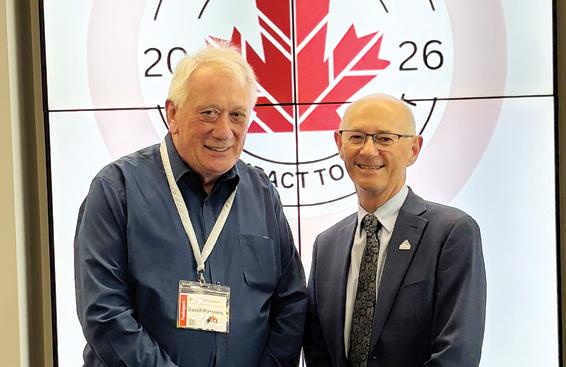
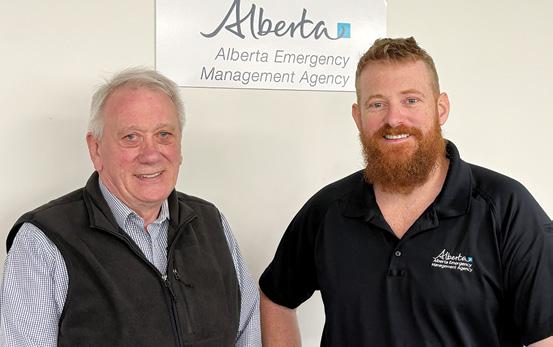
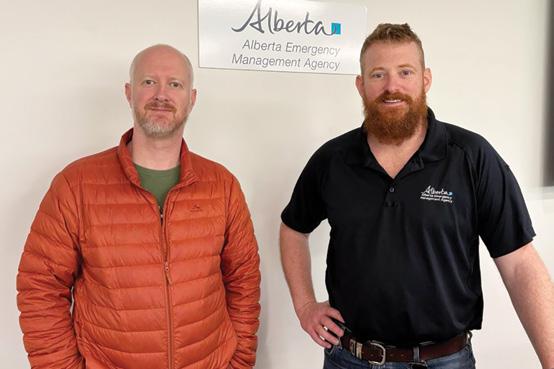
(L-R) AIES President David Parsons and Alberta Emergency Management Agency Plan Manager Tim Coulter.
Key issues included the effectiveness of Unified Command that was established based on well-developed and trusted relationships. Effective planning and exercising also played a key role. There were many lessons for mitigation related to building codes and property management. Mayor Ireland and other speakers spoke
about the recovery efforts and programmes implemented.
This symposium was a great chance to hear from a number of speakers about First Nations emergency management issues in Canada. There were good examples of increasing partnerships in emergency management but as always, there is a long way to go.
There was good awareness of the working being done with cultural burning practices in Australia and of the work being undertaken through the Firesticks Alliance.
The following themes came through strongly:
z The need to listen to Indigenous science
z The need to listen
z The need to share power
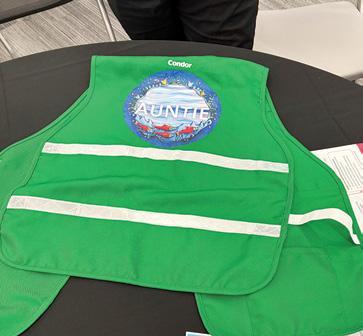
z The need to recognise family not hierarchy The tabard pictured top right is worn by Indigenous women in the Emergency Operating Centre (EOC) as they hold the cultural knowledge and provide advice on critical food sources, medicinal areas and cultural sites of importance.
As in Australia and New Zealand, there is still a long way to go to build the partnership between colonial emergency management thinking and First Nations that needs to become the norm.
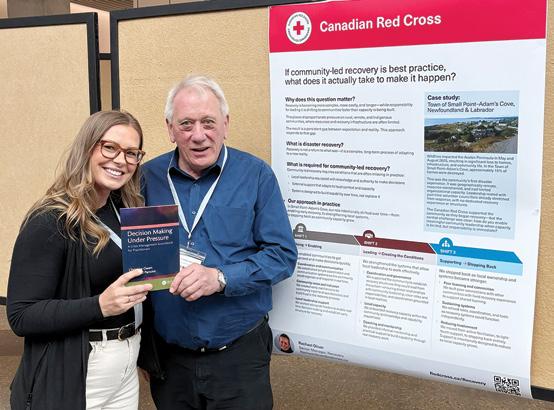
It was great to be able to donate a copy of my latest book — Decision Making Under Pressure — as a prize in the poster display. This was won by Rachael Oliver from the Canadian Red Cross.
Rachael has been supporting the recovery of Small Point–Adam’s Cove in Newfoundland and Labrador following the August 2024
wildfires, which destroyed 15% of the community’s housing stock.
This was the community’s first disaster experience. It was geographically remote, resource-constrained, and had limited organisational capacity. Leadership rested with part time volunteer councillors already stretched from response with no dedicated recovery experience or structures.
The Canadian Red Cross is supporting the community through their recovery, but the central challenge was clear: how do you enable meaningful community leadership when capacity is limited, but responsibility is immediate?
Rachael has a full day with three flights to get from her home in British Columbia to work with her amazing community.
While in Edmonton we took the opportunity to visit the Alberta Emergency Management Agency where we found Queenslander Tim Coulter. As the Plans Manager for the Alberta Emergency Management Agency, Tim leads a team of dedicated Emergency Management planning specialists in the preparation of provincial level emergency management responses. This includes responses to wildfires, major flood events, drought management,
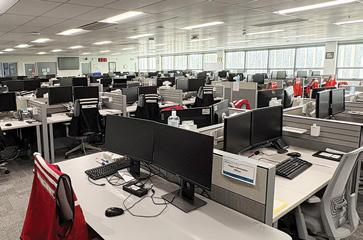

ice jams and other large-scale emergencies. When not activated, Tim is responsible for overseeing the preparation and implementation of the Business Continuity plans across the Government of Alberta.
Tim very kindly gave us a tour of the Provincial Emergency Coordination Centre (PECC). The PECC is a large facility with seating in the main and work rooms for more than 100 people.
On the way to Alberta, Todd and I spent a day in Vancouver adjusting to the time zone change and catching up with colleagues.
Being Mother’s Day, restaurants were busy for lunch, but we were lucky to find bar stools in a very genuine Mexican restaurant. So, an Aussie and a Kiwi sat with dozens of people celebrating together by enjoying food from a menu mostly written in Spanish and great live music.
If you would like to apply for a future overseas study tour please email president@aies.net.au

Todd Miller MAIES CESM Associate Director – Resilience at Auckland University of Technology
When the Australasian Institute of Emergency Services (AIES) awarded me a $500 (AUD) scholarship towards travel to Canada, I could not have known that the trip would open with a small lesson in the very thing our profession exists to manage: disruption.
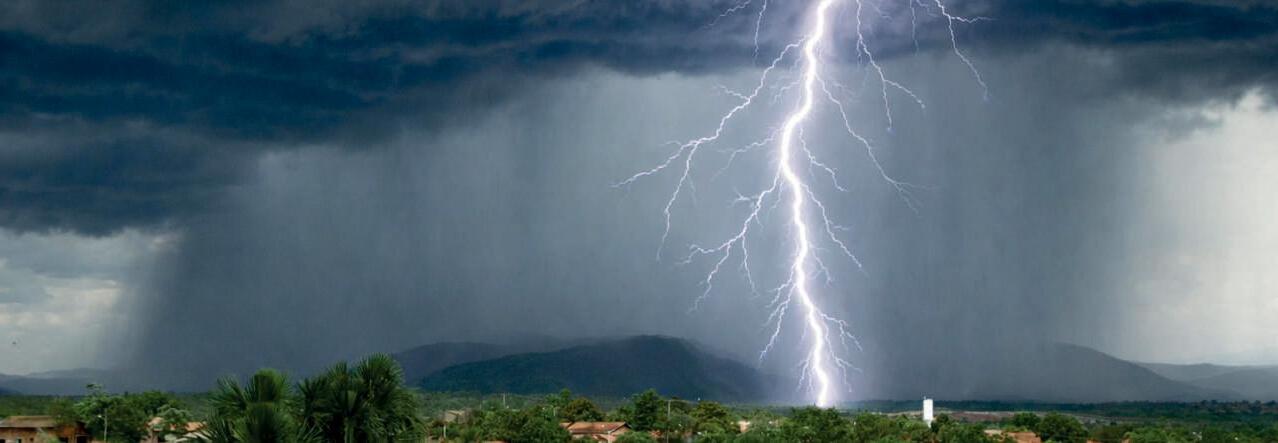
The plan was simple enough — Auckland to Edmonton (via Vancouver). The reality proved less so. A lightning strike to the allocated aircraft forced a reroute via Hawaii and an unscheduled departure a day ahead of schedule. And so I found myself dialling into an incident management team meeting from the sands of Waikiki Beach, laptop balanced on my knees with beach views. It was a fitting reminder that in our line of work the office travels with you, and that adaptability is often the first competency tested.
Vancouver: partnership and place Arriving in Vancouver, I had the privilege of meeting AIES President Dave Parsons, and Greg Solecki from the First Nations Health Authority. Our conversation turned quickly to the intersection of disaster and emergency management (DEM) and Indigenous partnerships — how authority, knowledge and care are shared, and how genuine partnership reshapes the way communities prepare for and recover from disaster. It was an early signal of a theme that would recur throughout the trip: that effective emergency management is, at its heart, relational work.
HazNet: living the lessons
Dave and I then flew on to Edmonton for the Canadian Risk and Hazard Network Symposium (HazNet), hosted over three days at the Northern Alberta Institute of Technology (NAIT). The programme blended keynotes, lightning talks, workshops, posters and roundtables, each anchored to the recurring theme — “living the lessons, from impact to insight.” It is a deceptively simple phrase, but one that captured the spirit of the gathering: a community determined to turn hard-won experience into practice.

For a sector that so often runs on goodwill and improvisation, the growing emphasis on recognised pathways and shared standards is a welcome maturation.
Among the moments that stayed with me was the keynote delivered by the Mayor of Jasper, Richard Ireland, who spoke with quiet authority about the devastating wildfires that struck his community. His reflections on the criticality of collaboration and unified command were all the more powerful for being lived rather than theorised; here was leadership shaped by consequence.
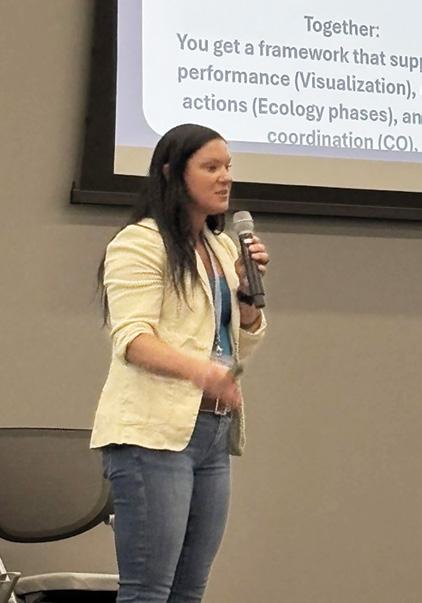
The symposium also showcased a rich variety of frameworks, both theoretical and practical. Amber Ruston of Traverse Analytics
presented the VEC Resilience Framework, an inventive approach that weaves together sports visualisation, disaster ecology and cultural intelligence. From another perspective, Ernie Louttit and Tiffany Leung delivered a systems-based approach to embedding Indigenous leadership and cultural safety in humanitarian evacuation management — a session that, once again, placed partnership and cultural safety at the centre rather than the margins of practice.
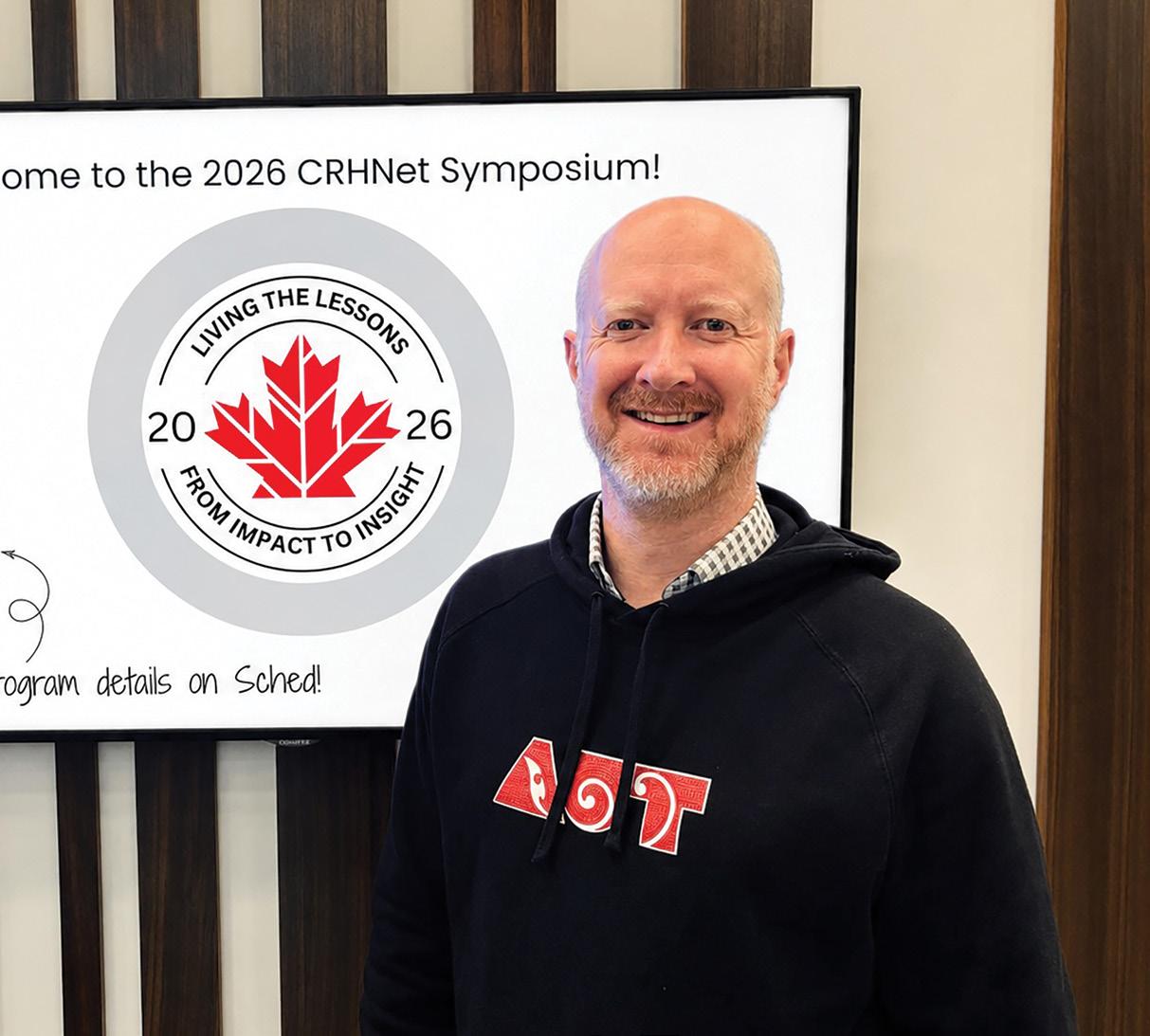
Todd Miller.
Amber Ruston presenting at the symposium.
Threaded throughout were numerous academic stands sharing competency and credentialing opportunities, all pointing towards the steady professionalisation of our field. For a sector that so often runs on goodwill and improvisation, the growing emphasis on recognised pathways and shared standards is a welcome maturation.
continued on page 26
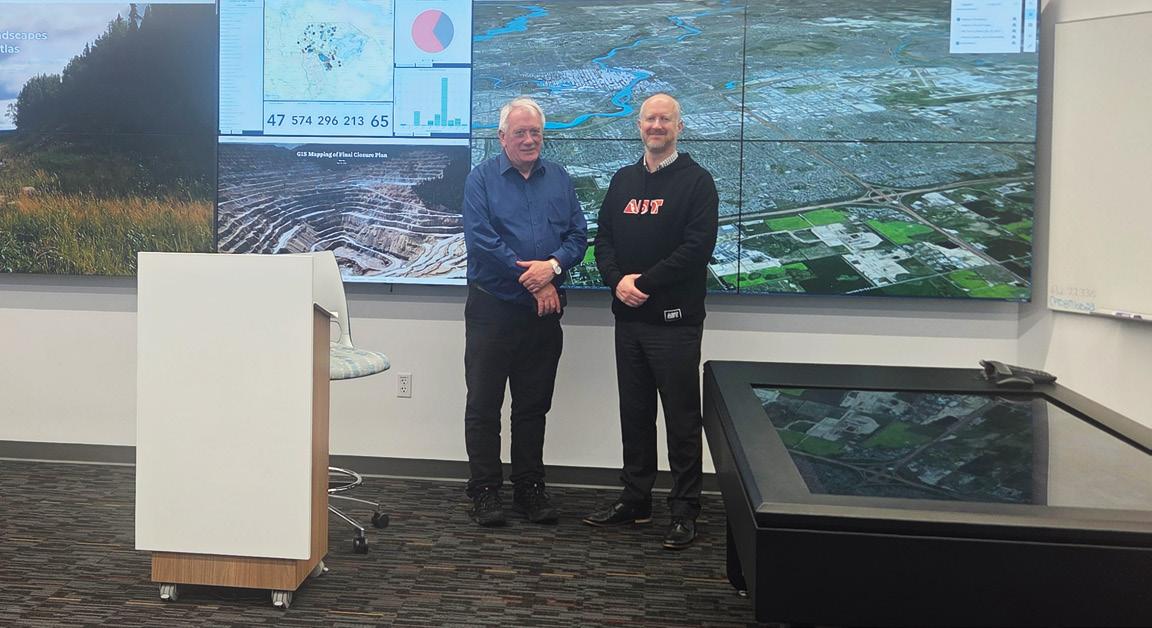
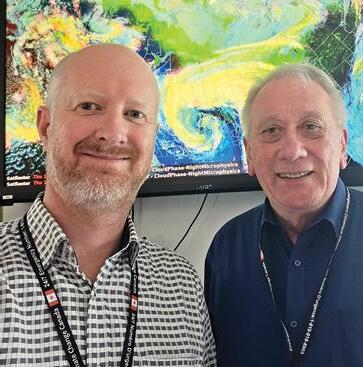
The learning did not stop when the formal programme ended. We were given the opportunity to experience the NAIT data visualisation lab — a smart, interactive coordination room blending touch-screen tables and data projections, the kind of environment that turns information into shared situational awareness. We also visited the Alberta office of the Canadian Meteorological Service, where we explored their hazard mapping and warning processes, and saw first-hand how forecasting science is translated into actionable public warnings.
The tour rounded out with a visit to the Alberta provincial coordination centre, where the Planning Function Manager — an ex-Australian, as it happened — showed us through their operation and reflected on the similarities between AIIMS and their Incident Command System. There is something quietly
(L-R) AIES President David Parsons and Todd Miller at the NAIT data visualisation lab.
(L-R) Todd Miller and AIES President David Parsons.
(L-R) Todd Miller and Alberta Emergency Management Agency Plan Manager Tim Coulter.
reassuring about recognising your own doctrine in another jurisdiction, on the far side of the world; it speaks to a shared professional language that crosses borders.
Amongst all of this were countless opportunities to connect, network and share — the informal conversations that are so often where the real value of these gatherings lies. I was also fortunate to present my own doctoral research, having secured the final presenter slot of the symposium. I spoke to Disaster and Emergency Management as a complex adaptive system, and to the need to understand the network of actors and relationships within it, and to deliberately create opportunities for inclusion and collaboration. It was heartening to see many heads nod across the room — a small but meaningful sign that the ideas resonated with practitioners grappling with the same complexity in their own systems.
I am grateful to AIES for the scholarship that made this journey possible, and to Dave Parsons and the many colleagues, hosts and new acquaintances who made it so rewarding. I returned home with a notebook full of frameworks and a fuller appreciation of just how much we have in common with our Canadian counterparts — and how much we still have to learn from one another. If there is a single lesson I will carry forward, it is the one the symposium named so well: the work is never finished at impact; the value lies in the insight we are willing to draw from it.
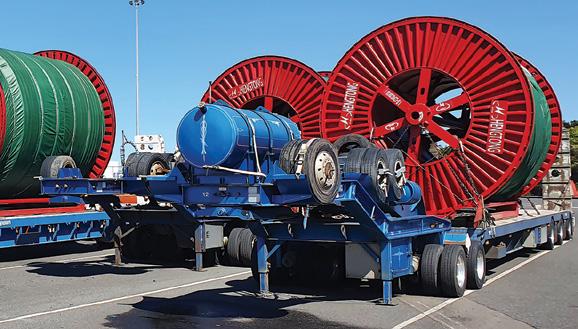
As one of the only cable suppliers who can offer a complete cable and wire solution, from Underground to Overhead and Land to Sea, Hengtong Cable Australia is your ultimate partner.
• Hengtong is the largest cable manufacturer in China.
• We are one of the world’s largest Optical Fibre producers.
• 4th largest insulated wire and cable producer globally.
• Tallest VCV extrusion tower in the world at 180m.

• Largest submarine cable manufacturer in Asia.
• 22,000 employees globally.
• Total of 4,500,000m� of factories of which 3,000,000m� are in China.
• 80 Subsidiary Companies.
What if your next property decision could be one of the best financial moves you ever make? Whether you're buying your dream home, selling a property, growing your investment portfolio, or exploring house and land opportunities, having the right real estate team on your side can make all the difference.
At CH DC GROUP Real Estates, we are passionate about helping people achieve their property goals. We proudly provide professional real estate services throughout Brisbane and the Gold Coast, backed by local market knowledge, personalised service, and a commitment to delivering outstanding results We specialise in residential property sales and purchases, investment properties, and professional property management services Our team works closely with homeowners, buyers, landlords, and investors to provide honest advice, clear communication, and solutions tailored to their individual needs.
We also offer an extensive range of house and land packages across Queensland, giving clients access to exciting opportunities in both established communities and emerging growth areas. Whether you're a firsthome buyer, family, or investor, we can help you find the right property to match your goals and budget OUP Real Estates, we don't just help people buy and sell property we help them build their

t what your home could be worth in today's market? Scan the QR code below for a free instant on and discover the value of your biggest asset in minutes. We look forward to helping you next property goal.


















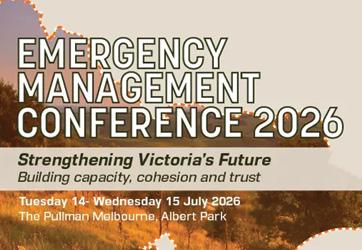
Strengthening Victoria’s Future Building capacity, cohesion and trust
JUL 14
When: 14–15 July 2026
Where: Pullman Hotel, Albert Park, Melbourne
Bringing together emergency management leaders, practitioners and researchers to explore capability, resilience and sector collaboration. Find out more and register: esf.com.au/events/emergencymanagement-conference/
The next chapter in emergency management: adapting, learning, leading
JUL 27 When: 27–28 July 2026
Where: Gold Coast, Queensland
A major Australasian conference covering preparedness, response, recovery, leadership and innovation.
Find out more and register: anzdmc.com.au
AUG 5 When: 5-6 August 2026
Where: Online
Specialist AIDR professional development program exploring weather intelligence and disaster resilience.
Find out more and secure your spot: www.aidr.org.au/events/
Mindset matters: Practical pathways to equitable resilience
AUG 19 When: 19–20 August 2026
Where: Melbourne Convention Centre, Melbourne, Victoria
National forum focused on disaster resilience, risk reduction, community preparedness and recovery.
Find out more and register: www.aidr.org.au/events/55824
AUG 21 When: 21 August
Where: Melbourne, Victoria
One-day workshops and specialist professional development streams following AFAC and ADRC.
Find out more and register: www.afacconference.com.au
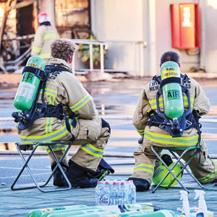
Australia’s fire and emergency service agencies have a new framework to help them better understand and respond to the psychological impacts of trauma exposure among their workforce.
Unveiled at the Natural Hazards Research Forum 2026 in Adelaide, the Good Practice Principles for Tracking Potentially Traumatic Event Exposure and Organisational Responses in Emergency Services Guide provides what researchers describe as Australia’s first nationally endorsed framework for tracking workers’ exposure to potentially traumatic events (PTEs) and the organisational support that follows.
Developed through the Best Practice for Tracking and Responding to Potentially Traumatic Event Exposure project, the initiative was led by Phoenix Australia – Centre for Posttraumatic Mental Health and funded by Natural Hazards Research Australia.
The guide has been formally endorsed by the Australasian Fire and Emergency Service Authorities Council (AFAC) Mental Health and Wellbeing Working Group and approved by the AFAC Council, giving it sector-wide standing across Australian and New Zealand fire and emergency services.
The project addresses a challenge long recognised across the sector. Emergency service workers, including firefighters, State Emergency Service volunteers, paramedics and rescue personnel, are routinely exposed to potentially traumatic events as part of their work. These experiences can include attending incidents involving death, serious injury, significant destruction and lifethreatening situations.
While agencies have long understood the psychological demands associated with emergency response work, the project found there has been no nationally agreed, evidence-based framework to guide how organisations track worker exposure to potentially traumatic events or assess whether their support systems are achieving their intended outcomes.
Researchers say approaches have varied considerably between agencies, creating challenges for consistency, evaluation and continuous improvement.
The newly released Good Practice Principles seek to address that gap by providing organisations with a shared foundation for decision-making while allowing flexibility for different operational environments, workforce structures and organisational needs.
Rather than establishing prescriptive standards, the framework outlines principles that agencies can use to review, develop and strengthen their own systems.
A key feature of the framework is its focus on both exposure and response.
The guide recognises that recording exposure to potentially traumatic events is only one part of supporting worker wellbeing. Equally important is understanding what organisational actions occur after an exposure is identified, including how support is offered, delivered and evaluated.
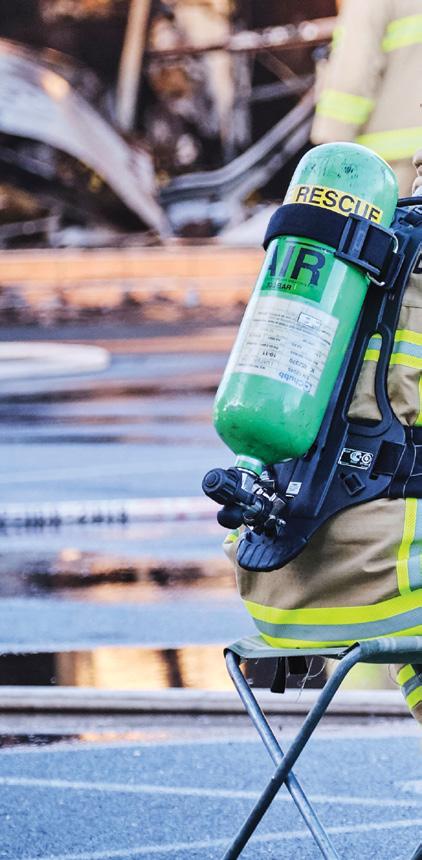
The project’s aim is to identify best practices for tracking fire and emergency service workers’ exposure to potentially traumatic events (PTEs) and organisational responses to PTE exposure.
According to the project team, this dual focus is intended to help organisations connect information about worker exposure with meaningful and timely support measures.
Lead researcher Alexandra Howard from Phoenix Australia said the framework was developed in close consultation with emergency service organisations and reflects the realities of frontline emergency response work.
“Emergency service workers put themselves in harm’s way to protect our communities, and they deserve organisations that are equally committed to protecting them,” Ms Howard said.
“This research gives agencies, for the first time, an agreed, evidence-informed foundation for how to track trauma exposure, allowing them to use this information to
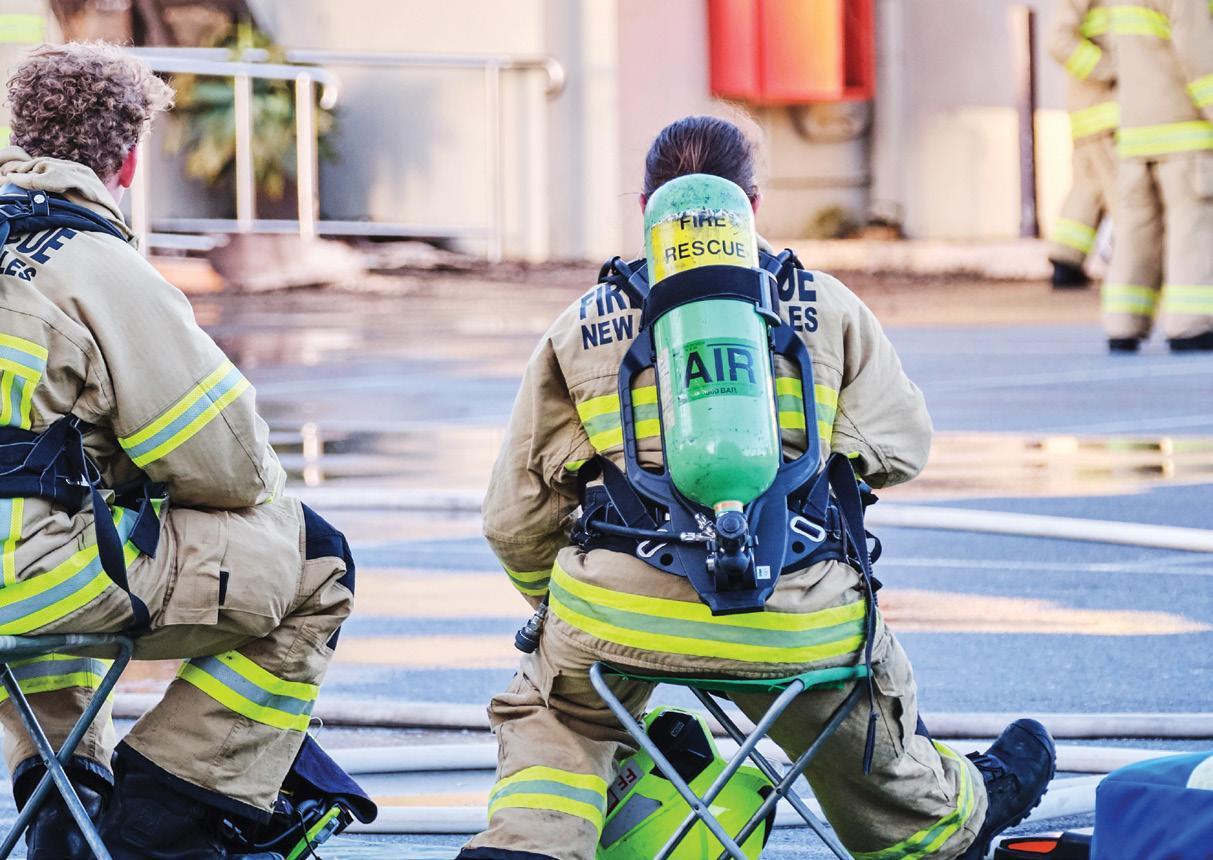
Emergency service workers put themselves in harm’s way to protect our communities, and they deserve organisations that are equally committed to protecting them.
make better decisions and investments that genuinely support worker wellbeing.
“It has been built with the sector, and it reflects the sector’s real experience and real needs.”
The endorsement by AFAC is expected to encourage agencies across the sector to review their existing approaches and consider how they align with the principles outlined in the guide.
The framework is also intended to evolve over time.
Project recommendations include monitoring implementation across agencies and undertaking future reviews to capture lessons learned and incorporate emerging evidence and practice developments.
Natural Hazards Research Australia Chief Executive Officer Andrew Gissing said the project demonstrates how research can
be translated into practical outcomes for emergency service organisations and their workforce.
“Natural Hazards Research Australia was established to produce research that makes a real difference to real people,” Mr Gissing said.
“This project is exactly that.
“The mental health of our emergency service workers is not a peripheral concern — it is central to the resilience of our entire emergency management system.
“When we support our people better, we protect communities better.
“We are proud to have funded this work and to see it embedded in national practice through AFAC’s endorsement.”
The release of the Good Practice Principles comes amid growing attention on psychological health and wellbeing across emergency services, with agencies
increasingly focused on creating systems and processes that support workers throughout their careers.
For many organisations, the guide provides an opportunity to assess existing practices against a nationally endorsed framework and identify opportunities for improvement.
The project’s Final Report and the Good Practice Principles for Tracking Potentially Traumatic Event Exposure and Organisational Responses in Emergency Services Guide are now available to agencies, with additional resources being developed to support selfassessment and systems improvement.
The research was presented at the Natural Hazards Research Forum 2026, held in Adelaide from 10–12 June, where researchers, practitioners and policymakers gathered to discuss how evidence-based research is informing emergency management practice across Australia.
The Good Practice Principles Guide and Final Report are available from Natural Hazards Research Australia www.naturalhazards.com.au/ tracking-pte

The AIES is proud to promote the work of students studying emergency management. In each edition, we publish a relevant assignment to share their research with our readers. Some research papers will be published over multiple consecutive editions due to the length.
Brody Wickham MAIES CESM Bachelor of Emergency Management student, Charles Sturt University NSW Rural Fire Service
Disaster Event Overview
On 28 February 2022, Wilsons River at Lismore peaked at 14.37 metres, more than two metres above the previous record set in 1974 and well beyond the level the city’s levee was built to contain (O’Kane & Fuller, 2022). The flood inundated the central business district, low-lying residential areas in South and North Lismore and surrounding towns including Murwillumbah, Coraki, Woodburn and Mullumbimby. Across the wider 2022 east coast event nine lives were lost in NSW, more than 1,600 homes were damaged in Lismore alone and approximately 30,000 residents were displaced (Human Rights Watch [HRW], 2022; O’Kane & Fuller, 2022). A second major flood three weeks later on 30th March struck a community still in clean-up and compounded the damage.
An atmospheric river system intensified by La Niña drove the hazard, combined with a saturated catchment. Climate change was a likely amplifier (Lawrence et al., 2022). Framing
the event as unprecedented obscures more than it explains. Rugendyke and Vanclay (2023) demonstrate that severe flooding has been a defining feature of the Richmond River basin since European settlement, with major events in 1861, 1887, 1893, 1954 and 1974. The 2022 flood exceeded earlier records in magnitude but was consistent with the region’s hydrological history.
Lismore is increasingly seen as a warning of what climateamplified flooding looks like in temperate Australia. The disaster tested the assumptions embedded in existing emergency management arrangements, exposed deep structural vulnerabilities and triggered the largest climate adaptation programme yet attempted in this country (NSW Reconstruction Authority [NSW RA], 2024).
This article argues that the 2022 flood was not a natural disaster but the predictable collision of intensifying climate hazards with entrenched vulnerabilities.
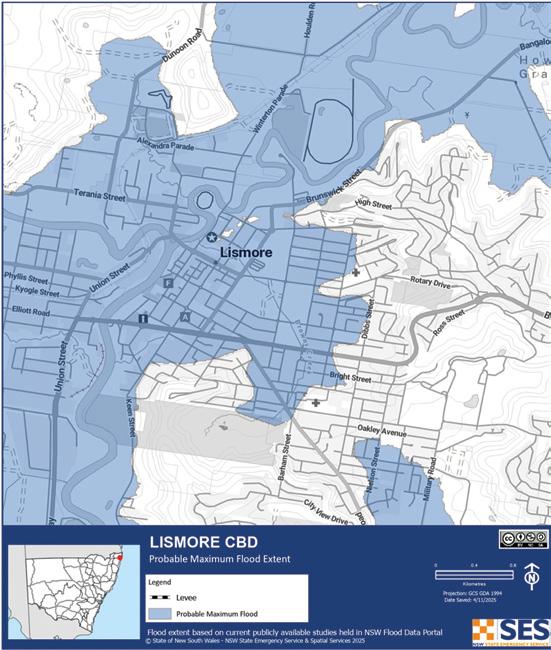
Black Summer-era impacts. Koala habitat in surrounding hills, already nationally listed as endangered, was further degraded by landslips and debris flows (Lawrence et al., 2022). Decades of catchment clearing and altered hydrology had reduced the landscape’s capacity to absorb extreme rainfall. The natural environment was therefore both a victim of the flood and a contributor to the severity of damage downstream (Rugendyke & Vanclay, 2023).
The recovery’s most effective elements have been those led by community. Its most contested elements have been those led by formal government systems.
Social, Built, Economic and Natural Environment Analysis
Wisner et al.’s (2004) Pressure and Release model is useful here because it traces vulnerability through unsafe conditions, dynamic pressures and root causes rather than treating vulnerability as static. Applied to Lismore, the hazard interacted with a community whose vulnerabilities had been accumulating across all four environments for decades.
Pre-existing vulnerability landscape
The Northern Rivers has long been recognised as one of Australia’s most flood-exposed and socioeconomically disadvantaged regions. Rolfe et al. (2020) used GIS analysis combined with the NSW
45 and Up Study to show that 82 per cent of residents within the 2017 Lismore town-centre flood footprint were in the lowest socioeconomic quintile, compared with 60 per cent across the broader Lismore flood-affected region and 47 per cent in Murwillumbah’s flood-affected area, against 27 per cent regionally. Residents in flood-prone areas were also more likely to have pre-existing mental health conditions and poorer general health (Rolfe et al., 2020). The region also has higher proportions of older people, Aboriginal people and people with disability than NSW averages (Bailie et al., 2022). These were the unsafe conditions in place when the 2022 hazard arrived.
The flood inflicted significant ecological damage across the Wilsons River catchment. There was riverbank erosion, large landslips, sediment loads and inundation of agricultural land already stressed by
The Lismore CBD levee, designed to a 1974-era standard, was overtopped for the first time. The flood exceeded the engineering assumptions embedded in the city’s landuse planning. More than 1,600 homes in Lismore alone were damaged or destroyed, with public housing and lower-cost rental stock in South Lismore disproportionately affected (O’Kane & Fuller, 2022). Critical infrastructure was severely compromised. Lismore Base Hospital’s operating capacity was constrained, telecommunications and power failed when most needed and floodwaters cut off road access to the worstaffected neighbourhoods. The Inquiry found no evidence of extraordinary preparation or planning by NSW agencies in line with the identified heightened risk (HRW, 2022; O’Kane & Fuller, 2022). The deeper failure was that decades of development decisions had placed homes, businesses and a hospital in a high-consequence floodplain on the assumption that engineering would manage the risk.
Economic environment
Economic impacts cascaded from the built-environment failure. The Lismore CBD, the regional commercial centre, was largely inoperable for months. Insurance disputes emerged as a primary secondary stressor. Among flood-affected rural business owners in the Northern Rivers, those with unresolved claims had almost four times the odds of probable depression (adjusted OR 3.76; Fitzgerald et al., 2020). Across the broader floodaffected cohort, people whose lives had not returned to normal at six months reported markedly higher rates of continuing depression (Matthews et al., 2019).
Underinsurance and outright lack of insurance were widespread, reflecting affordability constraints and insurer withdrawal from high-risk postcodes. Agricultural producers across the region lost crops, livestock and access roads. The compounding effect of repeated floods in 2017 and then twice in 2022 has destabilised the long-term economic viability of parts of the floodplain (Rugendyke & Vanclay, 2023).
Social environment and differential vulnerability
The social environment is where compound vulnerability becomes most visible. O’Driscoll et al. (2025) found a 22.9 per cent increase in psychiatric inpatient admissions at Lismore Base Hospital in the twelve months after the flood, alongside an 18.2 per cent reduction in median admission length. Demand rose sharply while system capacity forced earlier discharges. Matthews et al. (2019) had already shown that, after the 2017 flood, people displaced for more than six months had double the probability of continuing PTSD, anxiety and depression symptoms. Those with three or more sites affected (home, business, community) had six times the odds of continuing PTSD. Differential vulnerability ran through every dimension of the social impact. Bailie et al. (2022) document that people with disability and their carers were more likely to be flooded, more likely to remain displaced six months later and were systematically excluded from community-level disaster preparedness. HRW (2022) identified specific failures. Older residents in their 70s and 80s without smartphones could not access digital warnings. Auslan interpreters were absent from emergency communications. South Lismore residents who had moved their cars to higher ground earlier in the day were stranded once evacuation was finally ordered. Aboriginal communities, including the Bundjalung communities who own the Lismore-based Koori Mail, organised parallel response networks because formal systems did not adequately reach them. This pattern is
continued on page 36
documented across other recent Australian disasters (Williamson et al., 2020). Young people experienced significant mental health impacts under-recognised in earlier recovery framing (Luk & Longman, 2024). What 2022 revealed was a coupled system in which natural-environment degradation amplified builtenvironment failure, which produced economic collapse and deepened social and psychological harm. The heaviest weight fell on those least able to bear it.
Australia’s National Principles for Disaster Recovery, endorsed by the Australian and New Zealand Emergency Management Committee, set six benchmarks for recovery (Australian Institute for Disaster Resilience [AIDR], 2018). These are to understand the context, recognise complexity, use communityled approaches, coordinate all activities, communicate effectively and recognise and build capacity. Evaluating the Lismore recovery against these principles reveals an inverted pattern. Communityled recovery substantially outperformed formal recovery in the first weeks and months. Formal systems have come into their own only in the mediumterm reconstruction phase.
The community-led dimension of the response was extraordinary. The civilian “tinny army” of Lismore residents with private boats conducted the bulk of rescues during the peak of the flood while emergency calls to the SES went unanswered for hours. The Inquiry concluded that community members’ actions prevented the death toll from being significantly higher (O’Kane & Fuller, 2022; HRW, 2022).
The Koori Mail, an Aboriginalowned newspaper based in central Lismore, suspended publication for the first time in its 30-year history and converted its premises into the de facto recovery hub for the region, distributing food, supplies and direct cash aid for months.
Resilient Lismore, a volunteer coordination platform, mobilised thousands of unpaid workers to clean out flood-damaged homes. These responses align with the principles of “community-led
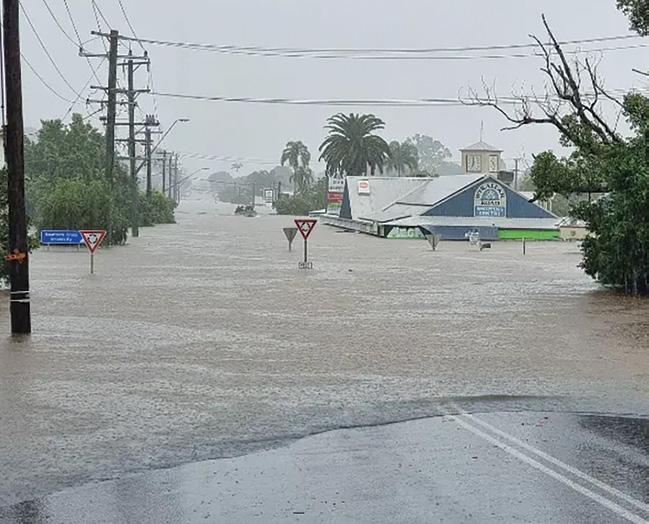
approaches” and “recognise and build capacity” but emerged from communities themselves rather than from formal recovery design.
The formal response failed several principles. The Inquiry described a “systemic failure” of warning and response, finding the SES unprepared for the scale of the event and Resilience NSW inadequate to coordinate recovery (O’Kane & Fuller, 2022). The agency was subsequently abolished and replaced by the NSW Reconstruction Authority, established under legislation in late 2022. Communication effectiveness, another of the six principles, broke down in critical respects. Warnings did not reach older residents without smartphones, Auslan was absent from public information and people with disability were not systematically identified or supported through the evacuation process (Bailie et al., 2022; HRW, 2022).
Sustainability integration into the recovery has been mixed.
The $880 million Resilient Homes Program, jointly funded by NSW and the Commonwealth, represents Australia’s largest climate-adaptation initiative and a genuine attempt at managed retreat. By late 2025 more than 960 buyback offers had been made and over 780 homes settled, with many subsequently auctioned for relocation off the floodplain (NSW RA, 2024). This aligns with the Sendai
Framework’s emphasis on reducing existing risk through adaptation rather than relying solely on response (United Nations Office for Disaster Risk Reduction [UNDRR], 2015). The programme’s reach has been uneven. Renters, who made up a significant proportion of those displaced, have been excluded from buyback compensation. Replacement land delivery through the Resilient Lands Program has lagged demand, with the first sites only progressing through 2026. Natural-environment recovery has been less prioritised than built-environment recovery.
Psychosocial dimensions of recovery have followed a pattern documented as the “funding cliff”, in which short-term mental health and community support funding is withdrawn at twelve to eighteen months while need is still rising (Northern Rivers Community Foundation [NRCF], 2024). Specialist long-tail interventions, such as the Southern Cross University-led stepped care PTSD trial funded in 2024, arrived two years after the event. Equity outcomes have been similarly uneven. Williamson and Weir (2021) and the broader literature on Aboriginal-led recovery emphasise that governmentdelivered programmes often fail to recognise or fund Indigenous community organisations already doing the work. This pattern is visible in
the formal underfunding of the Koori Mail -led response despite its scale and effectiveness. The overall picture is of a recovery in which the National Principles were realised most fully by communities themselves, while formal systems exhibited the very gaps the principles were designed to address.
The four strategies below address vulnerabilities and recovery gaps identified in the preceding analysis. Each draws on evidence from the Lismore case and from comparable Australian and international scholarship. Each is intended to be feasible within the policy architecture now emerging through the State Disaster Mitigation Plan (NSW RA, 2024).
1.
and resource Indigenous- and community-led recovery institutions as standing partners
The Koori Mail and Resilient Lismore demonstrated capability that government agencies did not, but did so on volunteer time and donated funds. A standing model with pre-disaster memoranda of understanding, predictable multi-year funding and formal seats at recovery coordination tables would convert episodic volunteer effort into reliable institutional
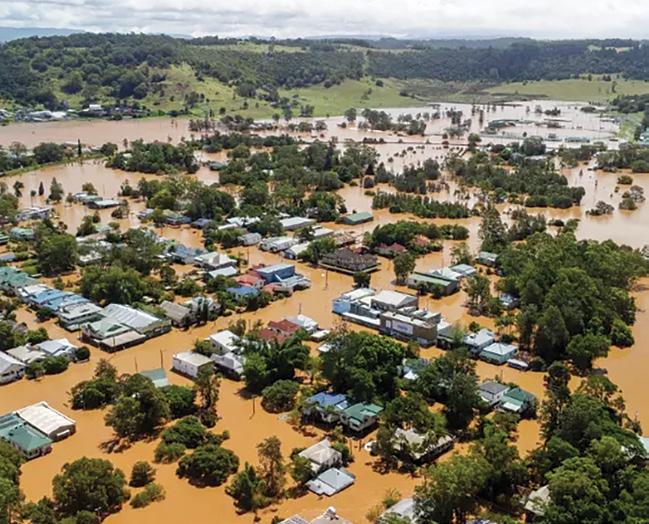
capacity. This addresses the social-environment vulnerability documented by Williamson et al. (2020), who show that Aboriginal communities have been systematically marginalised from formal recovery governance despite consistently leading effective on-ground responses. Williamson and Weir (2021) endorse this as the central change required in Australian disaster policy. Implementation would draw on existing Aboriginal Community Controlled Health Organisation models and would need to include cultural safety standards for evacuation centres, where racism toward Aboriginal residents has been documented in other recent disasters (Williamson et al., 2020).
The Inquiry, HRW and Bailie et al. (2022) all identified the same pattern. People with disability, older residents and people without smartphones were systematically failed by the warning and evacuation system. The strategy here has three components. First, multi-channel and multi-format warnings, including Auslan, Easy Read, in-language and non-digital channels (radio, door-knocks, landline). Second, pre-disaster registration of mobility-restricted residents on a voluntary, locally held register.
Third, resourcing Disabled People’s Organisations to lead person-centred preparedness conversations rather than designing preparedness for, rather than with, disabled people. This addresses Sendai Framework Priority 4 on enhancing preparedness (UNDRR, 2015) and the cost is modest relative to the human cost of the failures it addresses.
Strategy 3. Managed retreat with antidisplacement and ecological restoration provisions
Rugendyke and Vanclay (2023) argue that engineering solutions cannot futureproof Lismore against further catastrophic flooding and that planned withdrawal of critical services, commercial premises and vulnerable housing from the highestrisk parts of the floodplain is essential. The Resilient Homes Program is a starting point, but the strategy proposed here would extend it in three ways. First, equity provisions could include rental affordability covenants on Resilient Lands sites, replacement public housing on flood-safe land for displaced public housing tenants and structured assistance for renters who currently fall outside buyback eligibility. Second, ecological repurposing would convert vacated buyback land
to floodable greenspace, riparian restoration and engineered flood storage rather than holding it in indefinite limbo. Third, community-led design of the post-buyback landscape would let affected residents shape the future of places they have left. This strategy spans the built, economic and natural environments simultaneously and aligns with the IPCC AR6 emphasis on transformative adaptation (Lawrence et al., 2022). It is the most contested of the four because managed retreat carries genuine ethical weight. The response is not to avoid retreat but to design it so it does not deepen the inequalities the original disaster exposed.
The mental health and economic impacts documented by O’Driscoll et al. (2025), Matthews et al. (2019) and the NRCF (2024) extend years past the event, but funding does not. The strategy is to embed multi-year (five-plus years) commitments for community-based mental health, financial counselling, insurance dispute advocacy and small-business recovery into the Disaster Recovery Funding Arrangements as a default, rather than requiring renewed political decisions every twelve months. Practical components include place-based recovery hubs
operating for at least five years post-event, ongoing funding for trauma-informed care via local providers including Aboriginal Community Controlled Health Organisations and standing financial-counselling capacity that can mobilise rapidly. Success should be measured against concrete benchmarks such as sustained service uptake, time-to-resolution for insurance disputes and longitudinal mental-health outcomes, so that recovery infrastructure is wound back on evidence of community recovery rather than on exhausted political cycles. This addresses the social and economic vulnerabilities most strongly correlated with persistent psychological harm, including business income loss and unresolved insurance disputes (Matthews et al., 2019). The Reconstruction Authority’s broader shift away from the historic 97-per-cent response, three-per-cent mitigation funding split provides the policy frame within which long-tail recovery can be re-budgeted (NSW RA, 2024).
The 2022 Lismore floods were the product of a hazard event interacting with vulnerabilities accumulated across decades of land-use, housing, infrastructure and service-system decisions. The recovery has been uneven and where it has worked it has typically been led by communities themselves rather than by formal agencies. Building genuine resilience for a future in which events like 2022 are likely to recur and intensify requires inverting the dominant model. This means placing community at the centre of recovery design, embedding equity and Indigenous leadership into preparedness institutions, treating managed retreat as an ethically serious adaptation rather than a last resort and committing long-term to the psychosocial and economic recovery work that current funding cycles cut short. The strategies proposed here are not radical. They are simply consistent with the evidence.
A full list of references is available by contacting editor@aies.net.au
The dramatic rescue of an American tourist from a gorge in Karijini National Park has highlighted the best of inter-agency cooperation during visitor season.
Story and images courtesy of the WA Department of Biodiversity, Conservation and Attractions
Parks and Wildlife Service Rangers, St John WA paramedics and SES volunteers worked together for five hours to rescue the tourist from Joffre Gorge.
US Police Officer Antonio Fanning was hiking through the gorge last July when he fell around 8 metres and landed in the rocky pool below, suffering a fractured vertebra. Fortunately, four fellow hikers were nearby and provided first aid while raising the alarm.
The first on the scene were Parks and Wildlife Service Rangers, who were joined by St John WA and SES volunteers in what became a logistically challenging rescue.
After being placed carefully on a stretcher and winched up 60 metres to the top of the gorge, Officer Fanning was taken to hospital for treatment.
National Park Ranger Michael Bones said, “The response time from St John Ambulance and from the SES was incredible given where we are.
“Most of the people involved would be volunteers, people that have all worked a full day… they’re coming out here and they’re at Joffre Gorge in the middle of Karijini National Park ‘til 10
Most of the people involved would be volunteers, people that have all worked a full day… they’re coming out here and they’re at Joffre Gorge in the middle of Karijini National Park ‘til 10 at night helping someone that’s got themselves in trouble.
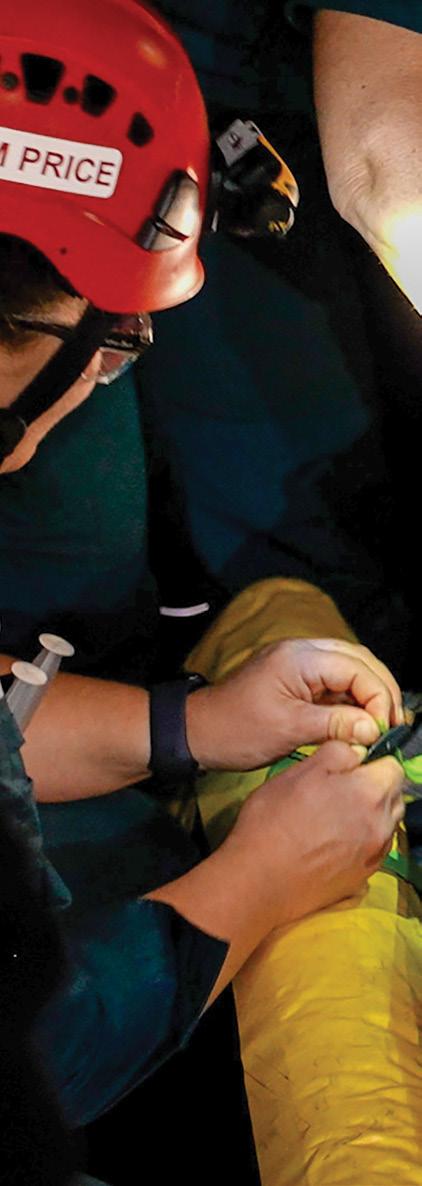
at night helping someone that’s got themselves in trouble.
“It’s fantastic work and a real testament to all of the people that have come out and given up their time to help someone else.”
continued on page 41
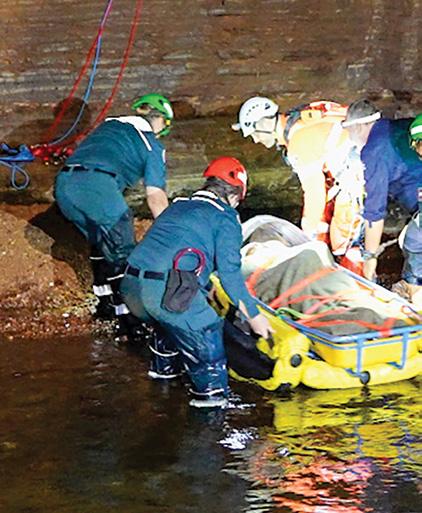
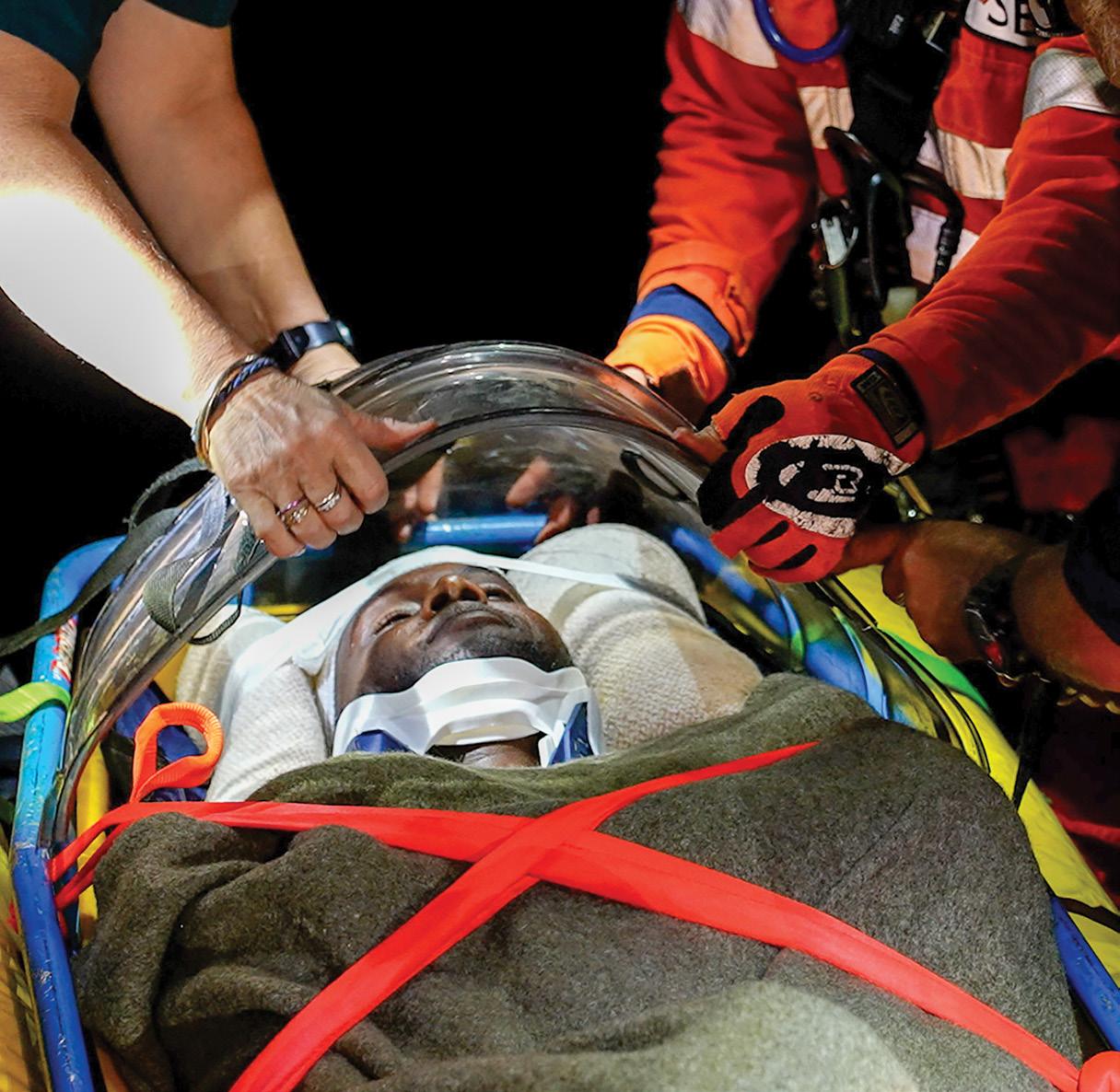

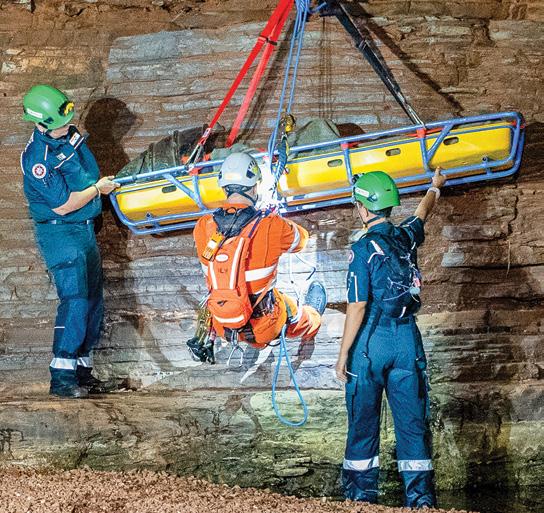
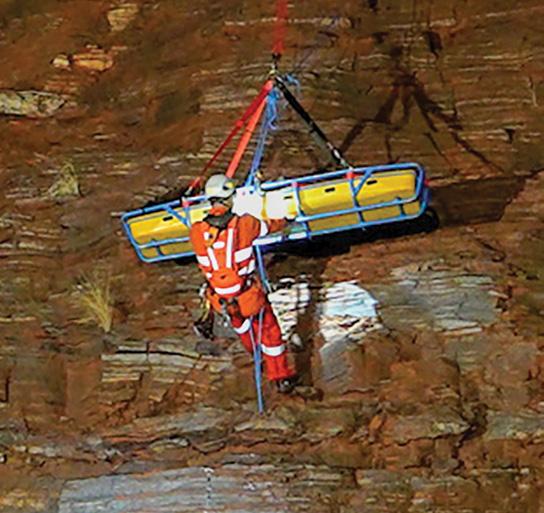


Have you got a damaged roof or noticed a leak? Call us and we will come and have your roof looking brand new.
We fit and repair uPVC guttering, fascias, soffits. We make sure the exterior of your home is protected against damp and water damage.



We install high quality flat roofs regardless of the size of the roof required. We install flat roofs on extensions, garage conversions and more!
We deliver roofing work of exceptional quality. When your roof is looking aged and not in the best state, call us for professional roof restoration service.
Our team install and repair all roof tiles as well as helping you decide which tiles are best suited for your roof.

We specialise in a range of roofing, from roof maintenance to roof repairs to roof restorations, we have got you covered.
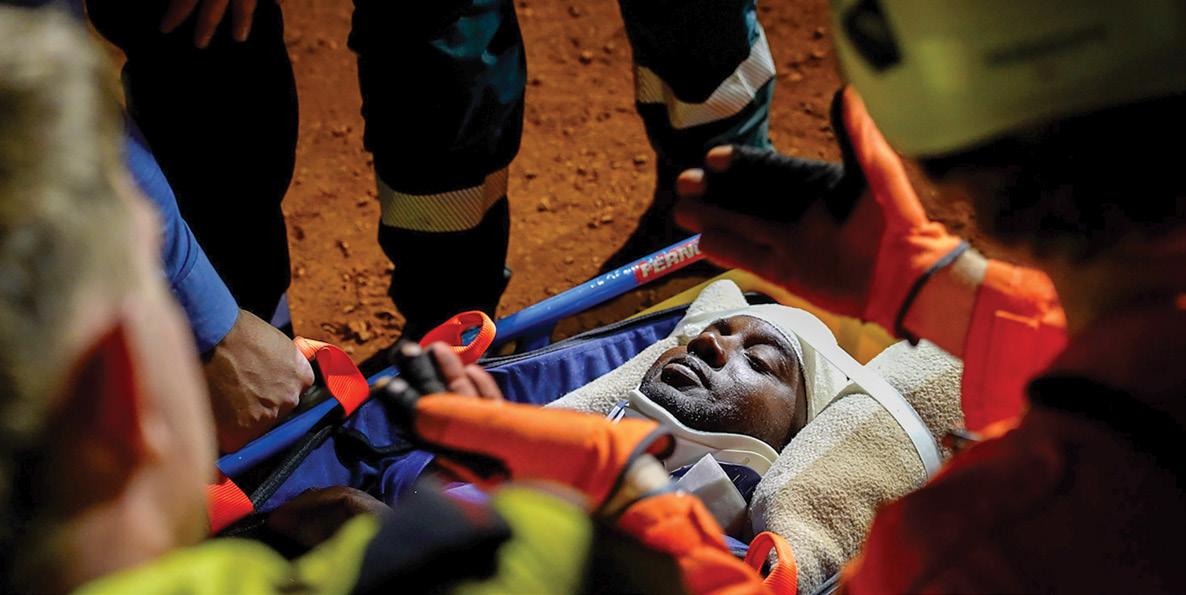
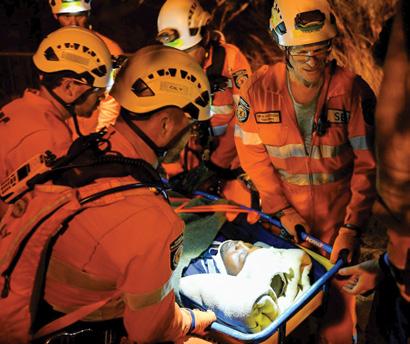
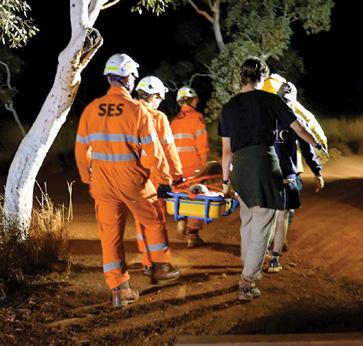
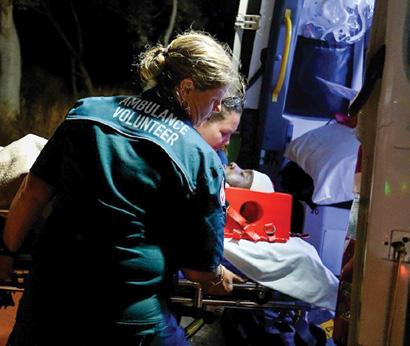
Mr Fanning is a police officer assigned to a school in his home town of Auburn, Alabama. The community of Auburn raised funds to get Officer Fanning back to the United States on a flight.
Officer Fanning, who suffered a fractured vertebra, a head injury, a fractured wrist and dislocated finger, has now made a healthy recovery and has returned to work. Several months on, he’s sent a special message to his WA rescuers.
“I want to thank everybody involved in my rescue,” said Officer Fanning.
“I want to thank the Park Rangers, the emergency personnel, the whole volunteer crew that came out and rescued me that night. I appreciate everybody. Thank you Western Australia.”
The incident is an excellent example of inter-agency collaboration to achieve a safe rescue. It was captured on camera by DBCA cameraman Miles Brotherson, who had been in Karijini National Park all day filming a conservation initiative when the emergency call came through just before dusk.
The resulting video will now be used for staff training and safety awareness and can be viewed on the @ParksAndWildlifeWA Youtube channel.
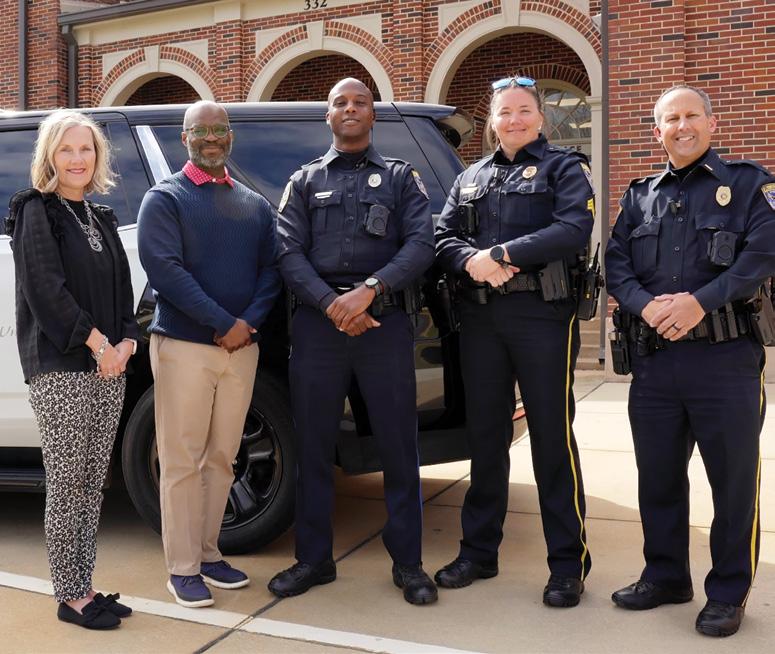
Each wet season, Northern Australia and the wider Oceania region are reminded that climate stress is no longer episodic. Cyclones, floods, extreme heat, infrastructure failure and displacement arrive with uncomfortable frequency. And they are becoming more destructive, stretching emergency response systems that were designed for a different era.
Roland Houareau and Nigel Browne
As Australia looks to boost the north’s defence posture, infrastructure investment, population growth and deeper regional engagement over the coming decades, it must rethink how it builds crisis-response capability. In a serious crisis, such as flooding or a pandemic, especially in remote or austere environments, the Northern Territory will often be resource constrained. Distance, limited surge capacity, workforce scarcity and complex terrain mean that help may not arrive quickly or in sufficient scale. Australia needs to build the right capability in the right place and use all available A-grade people to deliver it. For this, it must consider Aboriginal people not just as participants in community life, but as holders of elite capability critical to national resilience.
When Aboriginal and Torres Strait Islander policy is discussed, the focus is mostly on programs that assist those most in need, such as employment pathways, social services and training initiatives designed to lift baseline outcomes. These programs matter and must continue.
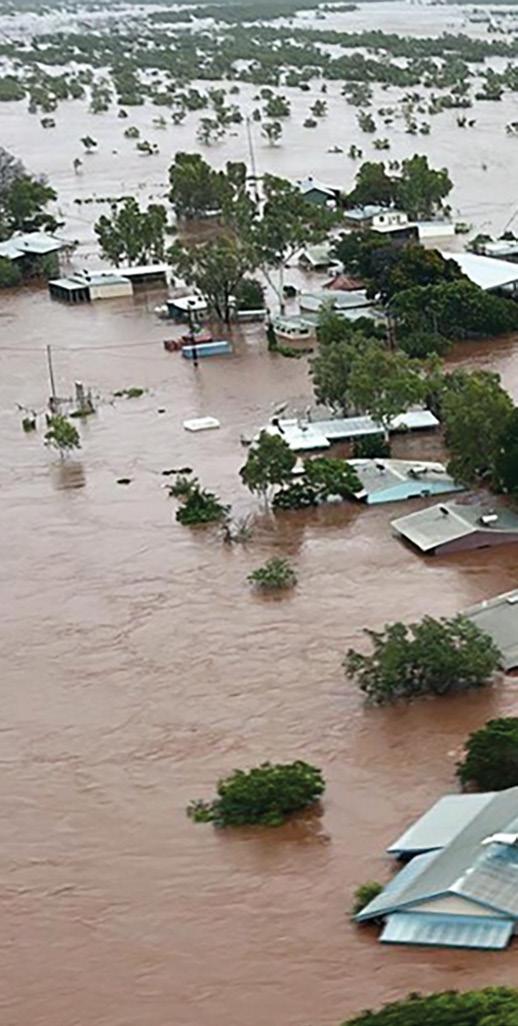
But no high-functioning system, whether in sport, business, defence or emergency management, relies solely on lifting the average. Performance under pressure depends on a small number of people who are exceptionally skilled, trusted and capable of operating in ambiguity. Elite athletes win games. Elite professionals stabilise complex systems when they begin to fail. Elite responders buy time when time is running out.
This isn’t about privilege or exclusion; it’s about how responsibility is carried. Every successful organisation knows this intuitively. Yet Aboriginal policy lacks programs that are explicitly designed to identify, develop and deploy high-potential Aboriginal capability for mission-critical roles.
The result is a persistent mismatch. Aboriginal people, particularly in Northern Australia, possess deep strengths in environmental and terrain knowledge, climate adaptation, endurance, language, cultural navigation and remote operations. But we continue to treat these strengths as incidental
or informal, rather than as a foundation of national capability that could be built upon.
Crisis response is unpredictable, demanding different skills through phases of anticipation, response, stabilisation and recovery. It requires strengths in logistics, judgement, coordination, communication and the ability to operate without immediate reinforcement. Many responses to crises fail, as when evacuation efforts are inadequate, because the right people are not present early enough, close enough or long enough.
To address this challenge, Australia should establish an elite First Nations crisis capability program based in the north. It should be a deliberately limited, high-standard development pathway focused on crisis operations.
The program could be set up across three locations in the region, each with up to 20 participants, offering three years of training and assessment. If continued over 12 years, each location could train four cohorts. Participation would be voluntary and competitive, with the program absorbing direct costs. It would attract
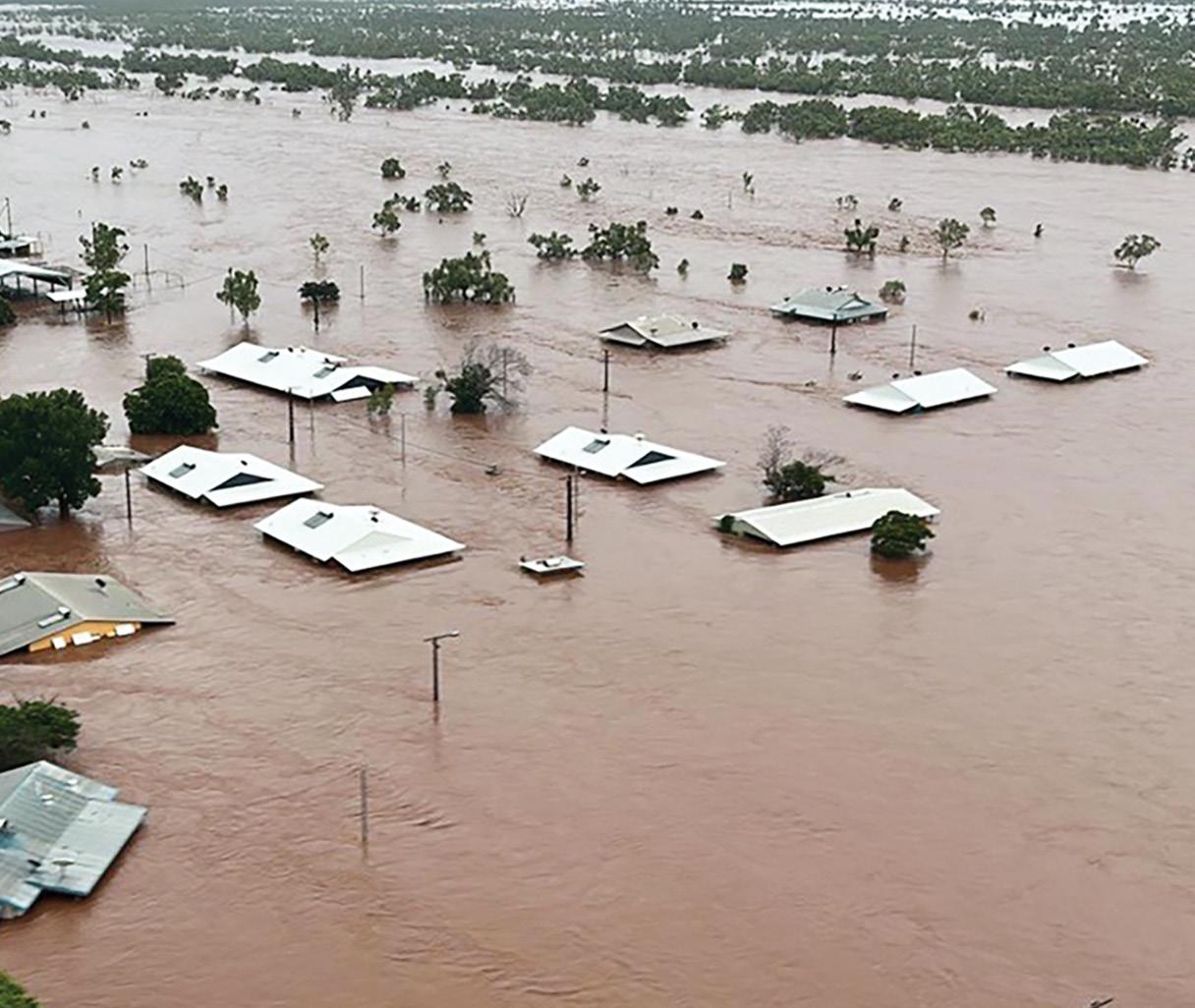
ambitious individuals who see it as an opportunity for self investment.
This approach would complement existing social programs. It would contribute to a robust system that both supports those in need and develops those keen to carry responsibility for others.
The First Nations crisis capability program should collaborate with high-reliability organisations such as the Australian Defence Force, as well as similar programs in the ASEAN nations and the United States. The program’s architects could learn how such organisations plan, decide, adapt and lead when information is incomplete and consequences are real.
Participants should also be embedded in defence-led crisis management environments, allied forces and Northern Territory essential services, so that they can learn how to command and coordinate under pressure. This could be conducted through annual immersive modules held over three to four days.
Critically, many crises occur in geographically and culturally challenging
environments. Aboriginal Territorians’ deep understanding of the terrain, seasonal patterns, local communities and language offers a clear operational advantage.
As Andrew Warton, commissioner of the NT Fire and Emergency Services and former station leader in Antarctica, observed, ‘Targeted, voluntary development pathways that build advanced crisis response skills designed with Aboriginal leadership and aligned to existing emergency management arrangements are worth exploring for the north’.
In the 2030s, Australia will likely need to respond to a humanitarian crisis beyond its borders, driven by climate stress, natural disasters or political instability. To be prepared, strategic planning for Northern Australia’s defence, resource, energy, infrastructure and regional engagement should prioritise speed, competence and credibility.
Imagine Australia deploying into a foreign crisis an Aboriginal special crisis team based in northern Australia. The first face seen, the first voice heard, the first hand extended in
another country’s hour of need would belong to an Australian of Aboriginal descent – calm, capable and caring.
When policymakers speak about resilience, regional leadership and the future of the north, this is what success looks like: carefully constructed capability, visible excellence and the ability to act when it matters most. Australia has the opportunity and arguably the obligation to establish such a team before the next crisis strikes.
Story courtesy of The Conversation
Author bios
Roland Houareau is executive director of consultancy Aslan Professional Services. Nigel Browne is chief executive of Aboriginal Investment Northern Territory and a descendant of the Larrakia and Wulna peoples.
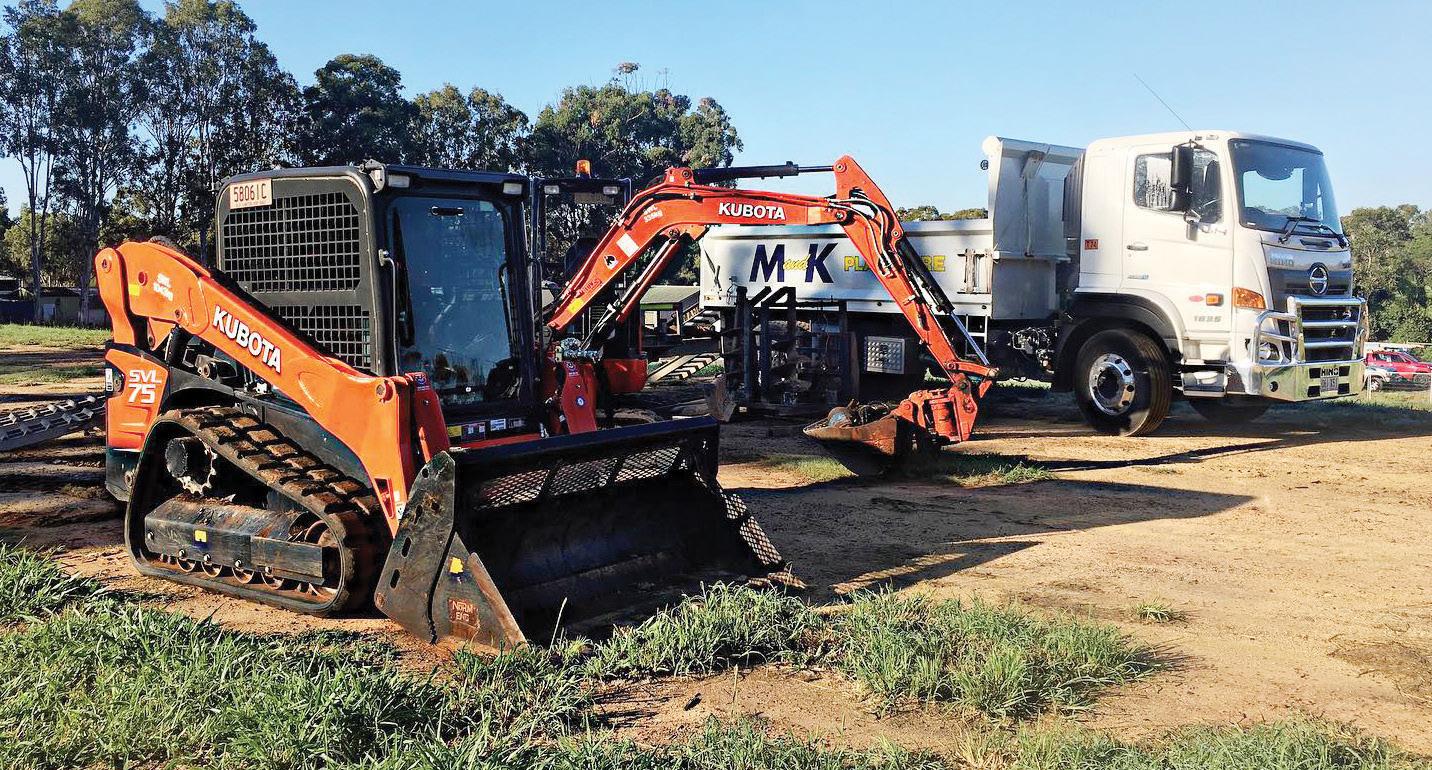


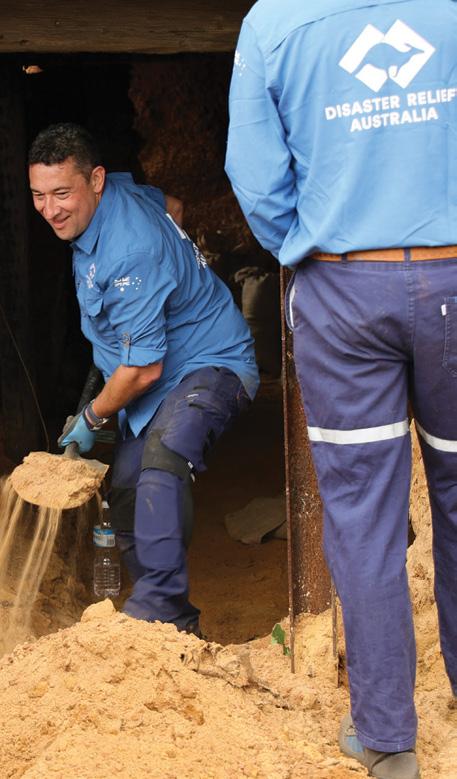


At Prestige Restoration, we specialize in comprehensive roof restoration services designed to extend the life of your roof and enhance the overall look of your property. Our expert team is adept at identifying and addressing a wide range of roofing issues, from minor leaks and damaged shingles to extensive wear and tear. Using advanced techniques and high-quality materials, we meticulously clean, repair, and rejuvenate your roof to restore its original beauty and functionality. Whether it’s residential or commercial, no job is too big or too small for our dedicated professionals.
We pride ourselves on offering tailored solutions to meet the unique needs of each client. Our process begins with a thorough inspection to assess the condition of your roof and identify any underlying problems. We then provide a detailed plan and transparent estimate, ensuring you understand each step of the restoration process. Our services include cleaning, repairing, resealing, and repainting, all aimed at protecting your roof.
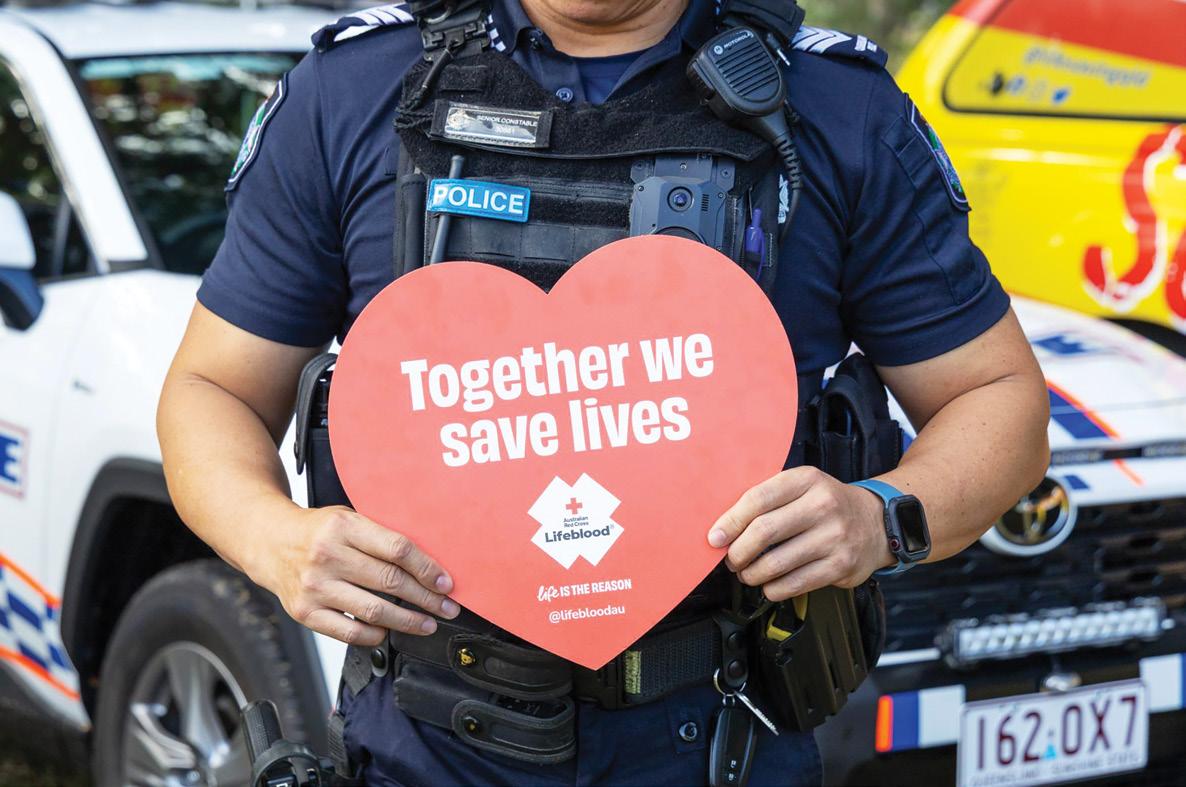
Queensland Police Service (QPS) officers across the state are rolling up their sleeves to donate blood and plasma as part of the annual Emergency Services Lifeblood Drive (1 May to 31 July).
QPS Media
QPS officers made an incredible 658 donations during last year’s Lifeblood Drive, earning the title of Queensland’s leading emergency service for blood donations, helping to save countless lives in the process.
This year QPS officers are determined to continue the friendly rivalry with other emergency services and together, contribute to the good cause.
Senior Constable Darin Carruthers has been in the QPS for 36 years and having attended many frontline emergencies, knows just how critical blood can be to save lives.
He has the rare blood type of AB negative, which he shares with about one percent of Queensland’s population.
“Every blood donation has the potential to save up to three lives so by participating in the drive I’m helping to keep other Queenslanders safe,’’ Senior Constable Carruthers said.
First-year constable Amber Johnson, 22, was nervous about being a first-time donor but was pleased she could contribute and
wants to encourage community members to give blood as a simple, but powerful way to help others.
“As a QPS officer, helping people is at the core of what I do every day, so taking part in the Emergency Services Drive is another way I can help outside of my frontline duties,’’ Constable Johnson said.
“Being a first-time donor has been a positive experience, and it feels rewarding knowing that such a small act can make a real difference to someone’s life, and I hope to continue to donate regularly.’’
To find out more about giving blood, visit the Australian Red Cross Lifeblood website at www.lifeblood.com.au to find your nearest donation centre.


57 Quinzeh Creek Road, Logan Village, QLD Mob: 0414 996 634
Email: gmportablehomes@gmail.com www.gmportablehomes.com.au
Located in Logan Village, QLD, GM Portable Homes specialises in high-quality, affordable portable homes, granny flats, and transportable buildings. Proudly Supporting Our SES Volunteers
Proudly Australian-owned and operated, we utilise local tradespeople and materials to create innovative and sustainable living solutions that meet the unique needs of modern Australians.

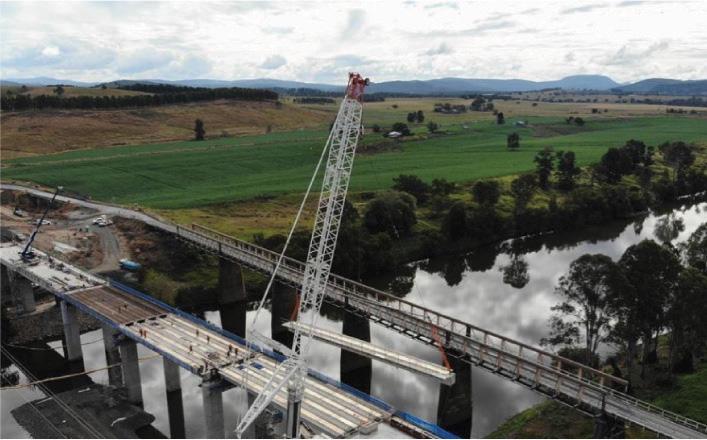

We provide the
of the
in trades for the infrastructure sector in South East Queensland. From skilled and experienced tradespeople to exceptional project management, we’re committed to delivering quality every step of the way.
On Wednesday 29 April, Australasian Women in Emergencies (AWE) was officially launched in Gippsland, Victoria.

Business Resilience Officer at Loy Yang B Power Station
Security Risk Management, Incident Response
Iwas proud to present this new network to the sector and the broader Gippsland community.
While attending in my dual capacity of President and Chair of the Combined Gippsland Essential Industries Group (CGEIG) and AIES representative, I was proud to be assisted in the launch by several other Victorian Division members who have worked hard over the past few months to make the day an important and memorable one. This included Narelle Hocking MAIES (Emergency Management Victoria) and Lisa Worcester MAIES (VIC SES).
It was also great to see our Victoria Division President Doug Caulfield OAM RFD FAIES and Aaron Worcester MAIES at the launch.
AWE is a free national network dedicated to promoting connection, leadership, mentoring, and professional growth for individuals working in emergency management, resilience, response, recovery, and related sectors. The response to the opening ceremony was inspiring, with nearly 70 participants registered from 28 organisations, seven local government areas, and almost 30 towns across Gippsland and beyond.
Attendees include representatives from emergency services, government, industry, essential services, volunteers, and community organisations. This diversity highlights the necessity of this network. Reflecting on my early experiences at Loy Yang B, where there were few women on site, and during the formative years of CGEIG, I often found myself as the only woman in the room, sometimes feeling lost in a sea of jargon.
These experiences taught me resilience and underscored the importance of strong mentors, advocates, and those willing to create opportunities for others. This is why AWE Gippsland is significant. It fosters connection, confidence, and leadership, ensuring the next generation has the pathways, support, and allies they need.

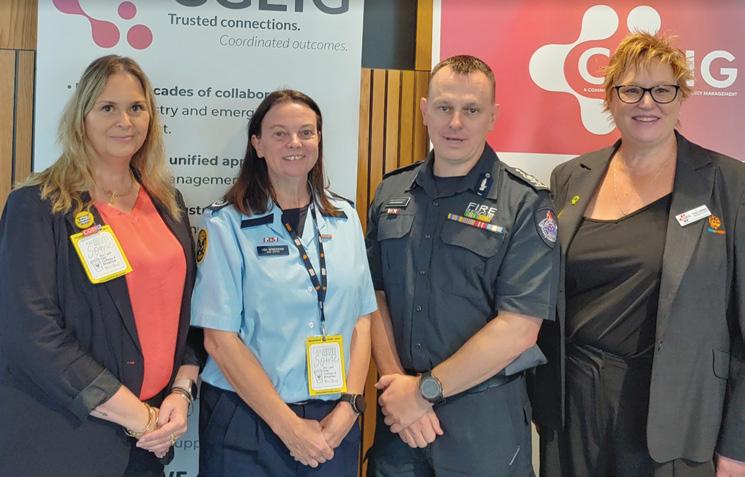
L-R: The Australasian Women in Emergencies Network launch team
Narelle Hocking MAIES, Lisa Worcester MAIES, Assistant Chief Fire Officer
Aaron Worcester MAIES and Tara Turner MAIES.
Narelle and the team behind the launch are super women in my opinion, and the world needs more of these kinds of people.
The principal guest speaker at the event was Victoria’s Deputy Emergency Management Commissioner Mariela Diaz who spoke of her challenges of rising through the Emergency Management ranks and passed on some valuable lessons and advice to all those in attendance.
Mariela said, “The day marks not just a launch, but the beginning of something
inspiring for the Gippsland region. I would like to especially thank Narelle Hocking for coming up with the idea — sheer brilliance— and for providing the opportunity for CGEIG and myself to play a role. Narelle and the team behind the launch are super women in my opinion, and the world needs more of these kinds of people.”



This year’s AIES Annual National Awards were announced in Launceston recently where two Victorian Division members were recognised with National Awards for Excellence.

Doug Caulfield OAM RFD FAIES
President AIES Victorian Division
Tara Turner MAIES from Loy Yang B Power Station received a National Award for Excellence in the field of Leadership.
Tara is the Business Resilience Officer at Loy Yang B Power Station in the Latrobe Valley and President and Chair of the Combined Gippsland Essential Industries Group.
L-R: Business Resilience Officer at Loy Yang B Power Station, and President /Chair of Combined Gippsland Essential Industries Group, Tara Turner MAIES is presented with the AIES National Award for Excellence for Leadership by Victorian Division President Doug Caulfield OAM.
Karen van Huizen MAIES received recognition in the field of innovation for her work as co-developer of the First 72 hours project. Karen is a regular contributor to this journal. Turn to page 16 to read her recent work, Introducing the Rural Resilience Alignment Framework.
L-R: Alpine Shire Council CEO William Jeremy, AIES Victorian Division President Doug Caulfield OAM, Karen van Huizen MAIES and Alpine Shire Mayor Cr Sarah Nicholas.
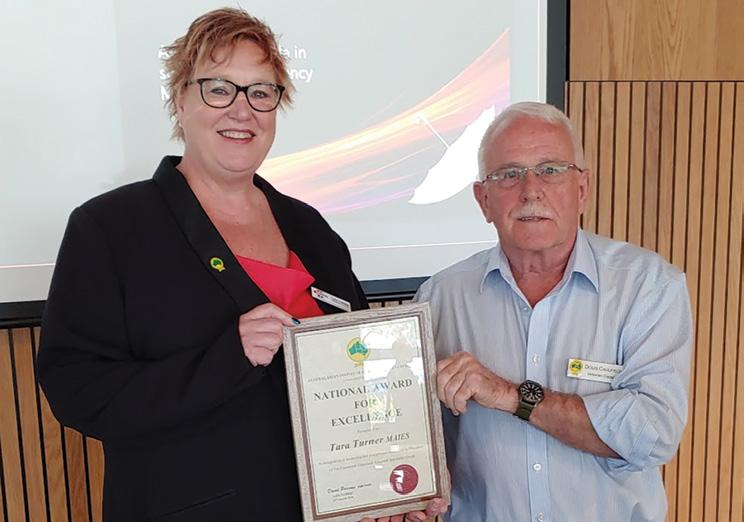
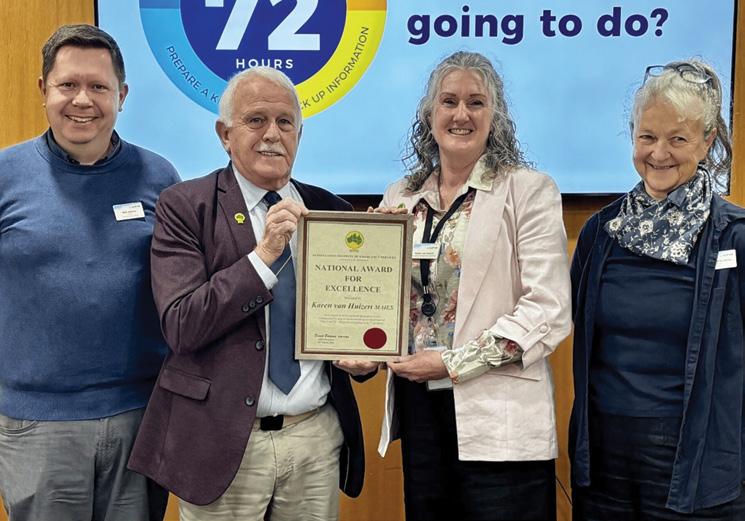
Synergex Project Services provides project delivery, tendering, engineering, HSE and construction services for commercial, government and resource-sector clients.
We work alongside principals, contractors and delivery teams from early tender development through to construction delivery and close-out. Our focus is practical, site-aware support that reduces risk, strengthens compliance and improves programme certainty.
Synergex Project Services prides itself on working with small contractors to deliver Tier 1 Standard outcomes within their budgets and help them get on the big projects by working together. Constructing Together.
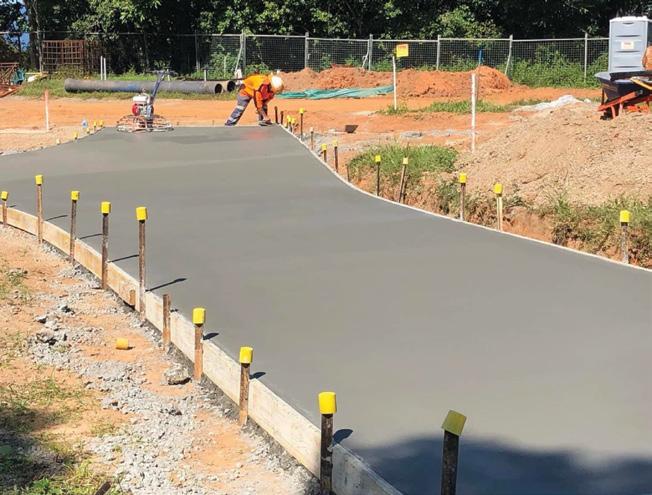

Recommendations from the emergency management community

Michelle Gillman MAIES CESM CEM
Aotearoa (New Zealand)
Got a book tip? Scan the QR code or visit this link to add your suggestion: tinyurl.com/mvjc8s67

Emergencies only: An Australian nurse’s journey through natural disasters, extreme poverty, civil wars and general chaos
Amanda McClelland, 2019
z Natural hazards
z Nursing
Factfulness: Ten reasons we’re wrong about the world — and why things are better than you think
Anna Rosling Rönnlund, Hans Rosling, and Ola Rosling, 2018
z Human-induced z Progress
Fire in paradise: An American tragedy
Alastair Gee, 2020
z Natural hazards
z Wildfire

Fire on the horizon: The untold story of the Gulf Oil Disaster
Tom Shroder, 2011
z Human-induced
z Hazardous substances
Five days at Memorial: Life and death in a stormravaged hospital
Sheri Fink, 2014
z Natural hazards
z Hurricane
This book list began after great conversations at JCDR’s Emergency Management Institute in March 2025, sparked by a talk from AIES President David Parsons CESM FAIES ESM on learning from past events. I shared a form online inviting recommendations for must-read books for emergency managers and students. Here are some of the books on the growing list. We will keep publishing titles over the coming editions of National Emergency Response Journal.
Eruption: The untold story of Mount St. Helens
Steve Olson, 2016
z Natural hazards
z Volcano

Fatal storm: The inside story of the tragic SydneyHobart Race
Rob Mundle & James Hardy, 1999
z Natural hazards
z Storm
Fire in the Grove: The Cocoanut Grove tragedy and its aftermath
John C. Esposito, 2005
z Human-induced
z Fire

Fire on the mountain: The true story of the South Canyon Fire
John N. Maclean, 1999
z Natural hazards
z Wildfire
Five past midnight in Bhopal
Dominique Lapierre, 1997
z Human-induced z Hazardous substances

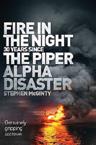

z Category z Topic
Explosion at Orly: The disaster that transformed Atlanta
Ann Uhry Abrams, 2002
z Human-induced z Aviation
Fault lines: Views across Haiti’s Divide
Beverly Bell, 2013
z Natural hazards z Earthquake
Fire in the night: 20 years since the Piper Alpha disaster
Stephen McGinty, 2008
z Human-induced z Hazardous substances
Fire weather: A true story from a hotter world
John Vaillant, 2024
z Natural hazards z Wildfire
Flight 232: A Story of disaster and survival
Laurence Gonzales, 2014
z Human-induced
z Aviation



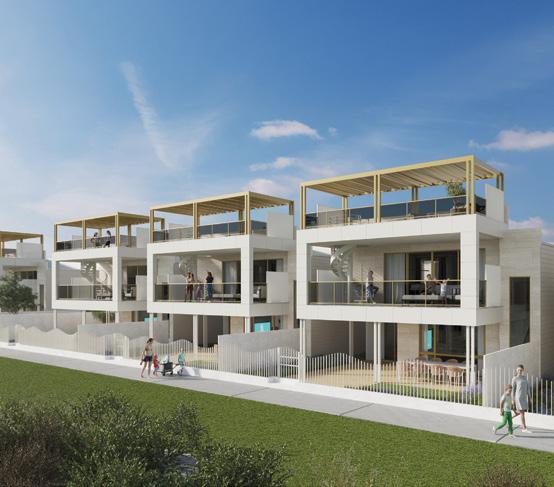


Complete and email this order form to: treasurer@aies.net.au
Complete and post this order form to: PO Box 2469, Chermside Centre
Phone your order to 0418 726 224 (after business hours)
Inquiries are to be directed to treasurer@aies.net.au or by telephoning 0418 726 224
Allow 4-5 weeks for delivery as some sizes may not be in stock. Invoice for payment will be issued once goods are in stock.
Please forward all mail for all divisions to:
Australasian Institute of Emergency Services
PO Box 2469, Chermside Centre Queensland 4032 enquiries@aies.net.au www.aies. net.au www.facebook.com/aies.online www.linkedin.com/groups/3844281
Vision
Australasian communities will be served by progressive emergency service, allied service and emergency management practitioners.
Statement of Purpose
The purpose of the AIES is to: Provide Australasian emergency services and emergency management practitioners with opportunities to interact, network, exchange ideas and recognise their professionalism. Provide Australasian emergency services and emergency management practitioners with a voice to advocate and contribute to the development of their industry’s professional practices.
Objectives
Connect / Network / Interact
To provide opportunities for members to connect and exchange information.
Inform /Educate
To provide professional development promoting contemporary emergency management practices for members.
Recognise
To recognise exemplary emergency management practice by members, individuals and organisations. Professional practice
To represent members on reviews of national education packages, standards development and inquiries.
National Board
Company Secretary secretary@aies.net.au www.aies.net.au
New South Wales, Australian Capital Territory and International
The Secretary NSW Division of AIES secretary.nsw@aies.net.au
Queensland and Northern Territory
The Secretary QLD Division of AIES secretary.qld@aies.net.au
The Institute offers
z Access to the thrice yearly National Emergency Response magazine
z Regular (monthly) newsletters (dependant upon State Division of residence)
z Complimentary access to AIES webinars (and webinars offered by affiliated partner organisations)
z Opportunities for complimentary admission to conferences
z The ability to apply for Certified Emergency Services Manager status (fee applies)
z National Awards program
z State Awards program
z Progression program (Member to Fellow)
z An official membership certificate
z Authority to carry MAIES as post nominals whilst a financial member
z A lapel badge
z Recognition of years of service (certificate/endorsed lapel badge)
z Ability to participate in reviews of units of competency or sector policies
z Potential for access to overseas study opportunities via on-line/face to face training courses
z Potential access to Volunteer Leadership training courses
z Access to an independent forum where members can be heard and opinions shared with other emergency services members
South Australia and Western Australia
The Secretary SA Division of AIES secretary.sa@aies.net.au
Tasmania
The Secretary TAS Division of AIES secretary.tas@aies.net.au
Victoria
The Secretary
VIC Division of AIES secretary.vic@aies.net.au
z The ability to be part of an Australasia wide Institute dedicated to the progression and recognition of the Emergency Service role in the community
z Access to a Professional Development Fund
z Ability to contribute to thought leadership through development of industry White Papers.
z Participation in overseas study tours.
z Access to the AIES Knowledge Hub (2027)
z Discounts on Public Safety Units of Competency.
Membership
Annual membership fees
Individual member
Fellow
$80
$100
Corporate On application
Note: Institute Fees may be tax deductible.
Classes
There are four classes of membership:
1. Members
2. Fellows
3. Life Fellows
4. Corporate
There are five categories of affiliation with the Institute that may be offered to persons who do not meet the requirements for membership:
1. Associate
2. Student Member
3. Retired Member
4. Honorary Member
5. Honorary Fellow
Applications for membership will be considered from persons who are at least eighteen years of age and have a paid or volunteer role in an emergency management organisation or an emergency service. Admission as a member may be granted if in the opinion of the National Board the applicant meets all other conditions of membership.
Members
Our members come from:
z Local Government
z Non Govt Organisations
z Education providers
z Critical infrastructure
z Ambulance Service
z Community Services
z Emergency Equipment Industry
z Emergency Management Organisations
z Fire Services
z Surf Life Saving
z Health, Medical and Nursing Services
z Mines Rescue
z Police and law enforcement agencies
z Safety Officers
z SES
z Transport Services
z Volunteer Marine Rescue
z Volunteer Rescue Associations
Strategic Communications
Issue and reputation management
Content development
Leadership communications
Change communications