

We
> inquiries and complaints
> automatic reinstatement
> retroactive cover
> volunteering
> good Samaritan acts
> free run-off in retirement
> premium that reflects your risk
Find out how you can be a part of something bigger by visiting guildne.ws/active or calling 1800 810 213 today.
go it alone
Eastern Guruma Pty Ltd supports Australia's leading iron ore miners and services the broader resources and industrial sector across WA.
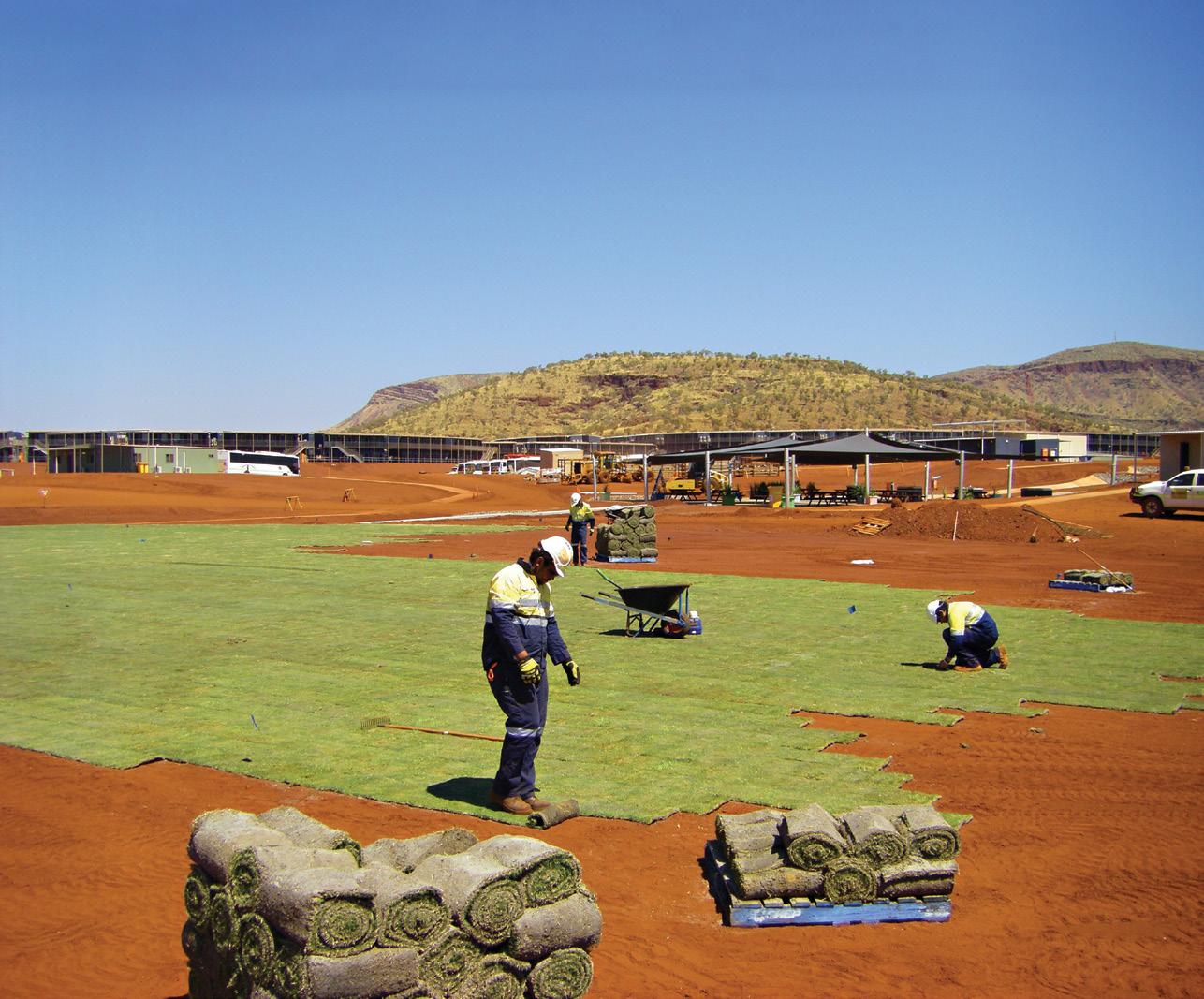

Mine site services
Eastern Guruma provides various mine site services including creating and maintaining access, road management, exploration works and rehabilitation.
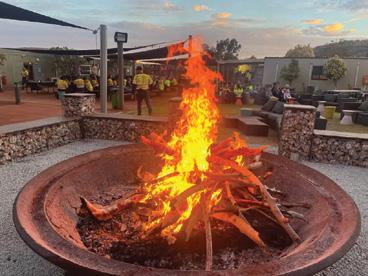
Integrated Services is one of Eastern Guruma’s top specialties. The team tailors every service to ensure operational maximisation of client assets.
Get in touch today
08 9325 2424
enquiries@easternguruma.com.au www.easternguruma.com.au

Rehabilitation & closure
Eastern Guruma provides and industrial contaminated area rehabilitation.
Civil construction
As an experienced civil contractor, Eastern Guruma has delivered experienced team. The company has the ability to undertake detailed civil works and determine solutions to meet client needs and budgets.

Australasian Council
PRESIDENT
Tess Oxley (HSU NSW)
VICE PRESIDENT
Faye McCann (Workers First Union NZ)
Alistair Vagg (UWU Qld)
SECRETARY
Josh Karpowicz (AEA SA)
ASSISTANT SECRETARY
Simone Haigh (HACSU TAS)
Erina Early (UWU NT)
TREASURER
Olga Bartesek (VAU VIC)
ASSISTANT TREASURER
Simon Gallagher (TWU ACT)
AMBULANCE ACTIVE JOURNAL
Craig Berger (CWA) 0426 954 744



Health challenges, career changes and retirement can all bring new questions about your financial future. ESSSuper offers advice services to help you feel more confident about what comes next.
Want help understanding your super?
Our Member Education Consultants provide general advice at no extra cost. In a one-on-one meeting, they can walk you through your options so you can get more from your unique fund.
Need personalised advice for the bigger picture?
ESSSuper’s financial advisers can work with you to create a personalised plan. They’ll help you build and manage wealth in and out of super, with advice tailored to your needs and goals.
Ready to request an appointment?
To book in or for any account support, you can call us (8:00am – 5:00pm, Monday to Friday).
1300 650 161
Emergency Services Superannuation Board ABN 28 161 296 741 (ESSB) is responsible for administration of the Emergency Services Superannuation Scheme ABN 85 894 637 037 (ESSSuper).
ESSSuper has an arrangement with Guideway Financial Services Pty Ltd (ABN 46 156 498 538, AFSL 420367), under which fi nancial product advice is provided to members by ESSSuper employed Financial Advisers who are Authorised Representatives of Guideway. As the advice is provided under Guideway’s Australian Financial Services License, Gu ideway is responsible for the advice you receive. ESSSuper pays Guideway a fee for this service. However, neither the Board, ESSSuper nor the Victorian Government guarantee or endorse any advice given by Guideway or its authorised representatives.
Before making a decision about an ESSSuper product, you should consider the appropriateness of the product to your personal objectives, financial situation and needs. An ESSSuper PDS is available at esssuper.com.au or by calling us on 1300 650 161.

HEALTH BODIES NEED TO RECOGNISE the importance of paramedics in health beyond just when other systems are failing… Every winter, the conversation is the same. Emergency departments overflow. Hospital beds disappear. Community health services struggle. Mental health services are overwhelmed. Residential aged care cannot accommodate those ready for discharge. Ambulances queue inside and outside hospitals while patients wait longer than ever for care.
Then comes the inevitable question, "What more can paramedics do?"
It is a question that perfectly captures how too many governments view our profession. When another part of the health system fails, paramedics are expected to fill the gap.
Need more mental health support? Send an ambulance.
Community healthcare inaccessible? Send an ambulance.
Hospital can't take responsibility? Keep the patient in the ambulance.
Winter demand exceeding capacity? Ask paramedics to do more.
The expectation is almost limitless. Recognition, however, is not. That has to change.
Across Australia and New Zealand, paramedicine has become one of the most clinically diverse and adaptable professions in healthcare. We care for every age, every demographic and every community. We manage everything from major trauma and cardiac arrest to chronic disease, mental illness, social vulnerability and end-of-life care. We are trusted enough to be invited into people's homes on what is often the worst day of their lives. That trust has been earned through professionalism, clinical expertise and compassion. Our role has also expanded dramatically. Today's paramedics deliver advanced pre-hospital

critical care that is improving outcomes for trauma, stroke, cardiac emergencies and other timecritical conditions. Community paramedicine continues to demonstrate how highly trained clinicians can reduce unnecessary hospital presentations while providing better care closer to home. Mental health response models are proving that paramedics have an important role alongside specialist services.
This is exactly where our profession should be heading.
But there is a critical difference between expanding a profession because of its capability and expanding it because governments have failed to invest elsewhere.
Too often, health departments blur that line.
When paramedics spend hours delivering ongoing clinical care because emergency departments cannot accept patients, that is not innovation—it is cost shifting.
When ambulance services become the default response to inadequate community mental health resources, that is not reform— it is filling another gap.
When "winter strategies" rely on paramedics absorbing ever-increasing workload without additional staffing or recognition, that is not resilience—it is exploitation.
Let's be honest about what drives winter demand.
It is not because paramedics suddenly become less efficient every June.
It is because preventative healthcare remains difficult to access. Because too many people cannot see a GP when they need one. Because community services are stretched beyond capacity. Because hospitals cannot discharge patients waiting for residential aged care. Because inequality continues to determine who gets timely healthcare and who waits.
These are failures of the broader health system, and they cannot continue to be solved on the backs of ambulance workers.
As unionists, we have an obligation to push this conversation further than wages and conditions alone. We should absolutely be advocating for expanded roles where they improve patient outcomes. We should be leading discussions about community paramedicine, critical care, preventative health and integrated healthcare models. Nobody understands the needs of our communities better than the professionals who enter thousands of homes every day.
But expansion must come with recognition. Recognition through education. Recognition through professional autonomy. Recognition through staffing. Recognition through remuneration. Recognition through genuine involvement in shaping health policy.
At the same time, we must never accept the idea that ambulance services exist simply to absorb the consequences of underfunded healthcare. Our profession should not become the overflow ward for emergency departments, the substitute for inaccessible primary care, or the safety valve for governments unwilling to invest in community health.
We are not here to make failing systems appear functional, we’re here to deliver patient care.
Together as unionists, across Australia and New Zealand, we must continue advocating for a future where paramedics are recognised as an essential pillar of modern healthcare—not because we can be relied upon to carry everyone else's burden, but because our unique clinical expertise, trusted relationships with communities and expanding professional capability make us indispensable in our own right.
That is the future our profession deserves.
And it is one we must continue fighting for together.
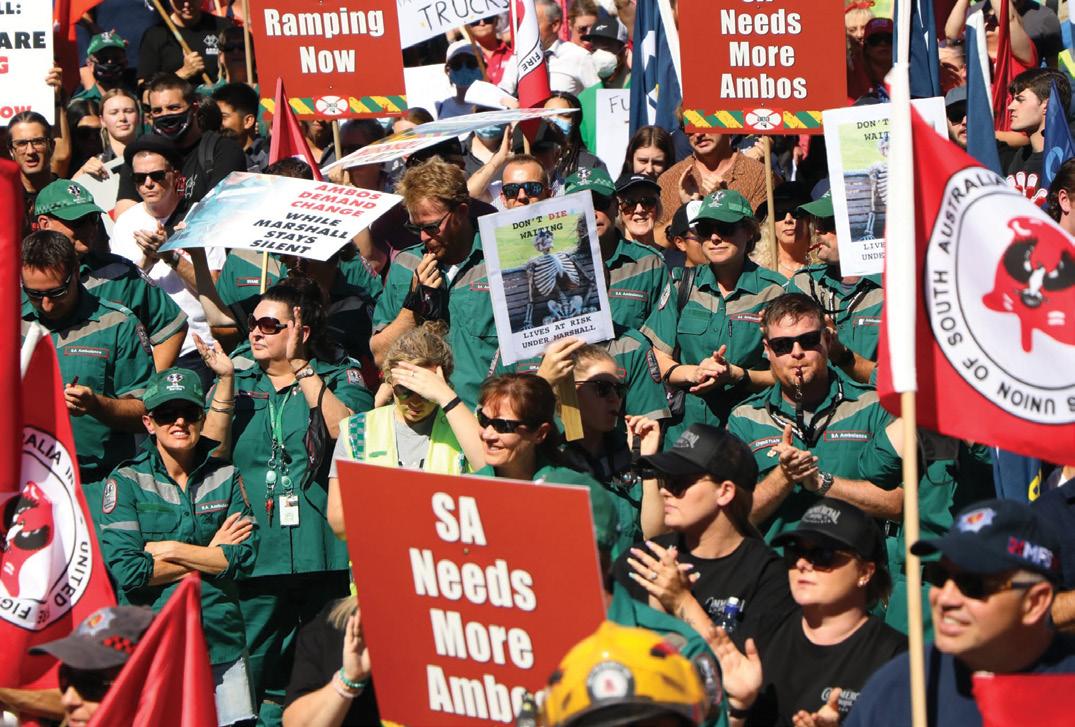
Association has recently released its 2026 Ambulance Ramping Report Card, providing a national snapshot of the continued impact of ambulance ramping.
The report paints a stark picture. In 2024–25, there were 9.1 million presentations to Australian public hospital emergency departments, with more than 2.4 million patients arriving by ambulance. Ambulance incidents reached a record high of nearly 4.5 million, with about 54 per cent of ambulance incidents resulting in an Emergency Department (ED) presentation.
The report also demonstrates the adaptability of our members in navigating a challenging and congested health system, with just under half of all ambulance incidents resulting in non-ED transports. This reflects the continued growth of paramedicine, including care at home, expansion into primary and community health, virtual care services, and stronger collaboration with urgent care and primary health services.
These figures are significant, but the more important issue for ACAU and our member unions is what sits behind them. Ramping is not an ambulance problem. It is a hospital access, patient flow, discharge, aged care, workforce, primary health and whole-ofhealth system problem. It impacts our members because they are left caring for patients in environments that were never designed for extended care. It impacts patients by delaying access to the hospital care they need.
Most importantly, it impacts our communities because an ambulance sitting on a hospital ramp is unavailable for the next Triple Zero call, leaving patients in the community with no one to provide care in their medical emergency.
The AMA report also highlights the difficulty of understanding the full national picture because ramping is measured differently across jurisdictions. Some states report transfer of care within 30 minutes, Victoria uses a 40-minute measure,
Tasmania has changed its transfer-ofcare model, the ACT reports turnaround time, and the Northern Territory reports off-stretcher or transfer measures.
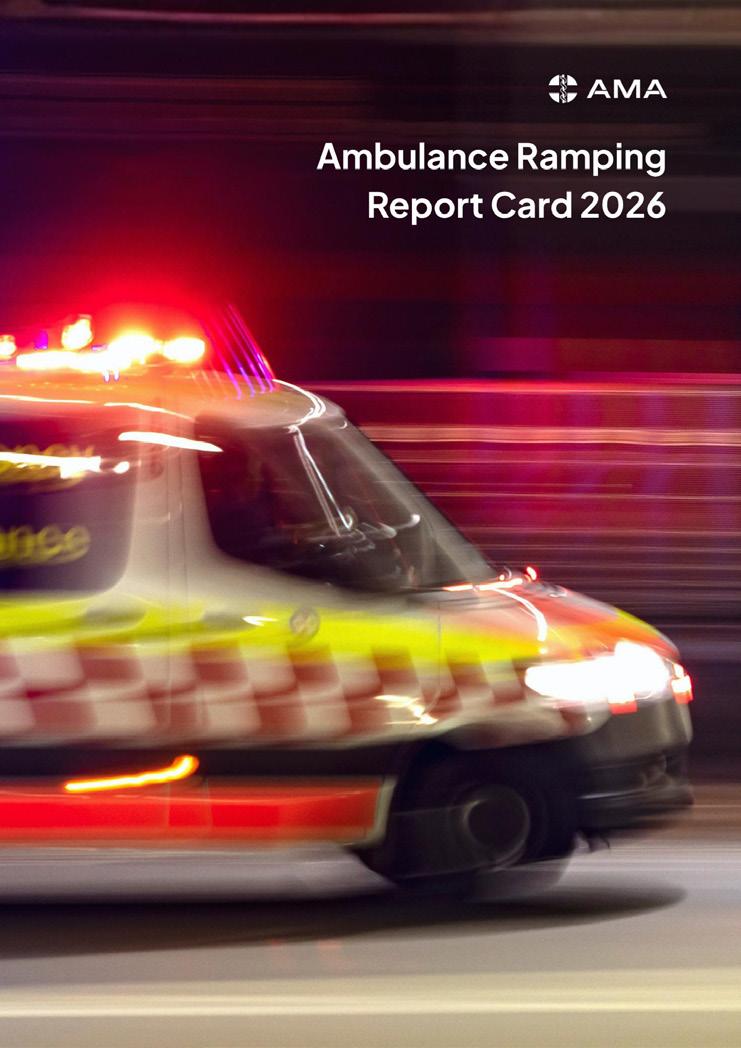
The AMA notes that these differences make direct comparison between states and territories unreliable and has called for more consistent reporting, including an Ambulance Ramping National Minimum Data Set.
This is an important issue for ACAU. We cannot properly fix what is not
consistently measured. Without national reporting and benchmarking, governments can avoid meaningful comparison and accountability. Our members deserve to know whether systems are improving, whether new initiatives are actually working, and whether patients are receiving timely access to hospital care.
The jurisdictional snapshots in the report reinforce why this matters. In South Australia, only 45.7 per cent of patients were transferred within 30 minutes in
2024–25, against a target of 90 per cent. Total hours where ambulances were ramped at hospitals have more than tripled since 2019–20, rising from more than 15,000 hours to more than 49,000 hours.
Queensland recorded around 116,000 ramped hours, which was an improvement on the previous year but still reflects significant system pressure. Western Australia recorded around 63,000 ramped hours, up from about 48,000 the previous year, with September 2025 recorded as the worst month on record. Victoria transferred 68 per cent of patients within 40 minutes against a 90 per cent target, while its average ambulance clearing time increased to 31.4 minutes against a 20-minute target.
Tasmania’s changed reporting model highlights the challenge of comparing performance when jurisdictions shift definitions and targets. The ACT and Northern Territory also use different reporting methods, with the NT continuing to experience the highest number of ambulance incidents per 1,000 people nationally.
For ACAU, the message is clear. Ramping must not be normalised as part of ambulance work. Measures that improve safety for patients who are ramped may be necessary, but they must never become an excuse to embed ramping into the health system. Ambulance crews must be released back to the community, and patients waiting for emergency care must not be left carrying the consequences of hospital flow failure.
The broader lesson is that ambulance ramping cannot be solved by ambulance alone. It requires hospitals to operate as genuine 24/7 systems, improved discharge practices across seven days, better access to aged care and community care, expanded hospital capacity and staffing, and clear accountability once patients arrive at emergency departments. It also requires governments to stop treating
ambulance ramping as an operational inconvenience and recognise it as a direct patient safety issue affecting community access to timely emergency care.
Alongside these pressures, ACAU member unions continue to hold significant concern about violence and aggression directed towards ambulance workers. This is unfortunately a recurring and consistent issue affecting our members. Across Australasia, our members continue to face unacceptable risks simply for doing their jobs.
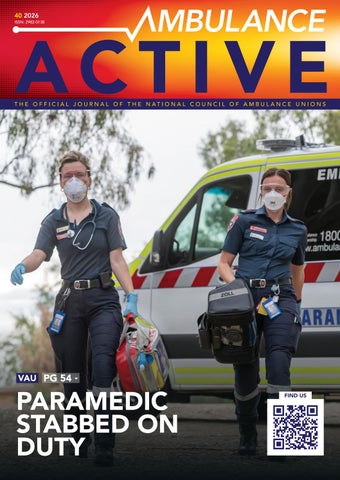
The recent stabbing of an on-duty MICA paramedic in Victoria was horrific. The member was stabbed while in uniform and on duty. All of us across Australia and New Zealand send our thoughts to the paramedic, their family, colleagues and loved ones.
This should not be allowed to happen. No ambo should go to work wondering whether they will be assaulted, spat on, threatened, punched, kicked, stabbed or abused while providing care to the community. It cannot be accepted as part of the job, and it should not be left to individual workers to simply become more resilient in the face of escalating risk.
The most recent Victorian incident has also highlighted broader concerns about whether existing legal protections are operating as intended. Following the stabbing, the Victorian Government announced it would review a legal issue relating to the definition of “on duty” for emergency workers. While Victorian law provides minimum jail terms for injuring emergency workers, questions have been raised about whether the protections apply in all circumstances where paramedics and ambulance officers are at work.
Many jurisdictions have increased penalties for assaults on emergency service workers, and those reforms are important. However, increased penalties only matter if they are applied in practice and if sentencing outcomes reflect the seriousness of the
offending. In my view, stronger deterrents, including mandatory sentencing for serious assaults on frontline workers, must remain part of the national discussion, along with ensuring there are no loopholes that undermine those protections.
This is not about removing compassion from the justice system. It is about recognising that ambulance workers are sent into unpredictable and uncontrolled environments on behalf of the community, often without immediate protection.
An attack on a paramedic or ambulance officer is not only an attack on an individual worker. It impacts their family, their colleagues, their service, and the next patient waiting for help.
ACAU must continue to use its collective voice to push for safer systems of work, stronger prevention strategies, proper reporting and data collection, meaningful employer action, and legal protections that reflect the seriousness of these incidents. Our members deserve to be safe at work, and the communities we serve deserve ambulance systems that are properly resourced, transparent, accountable and protected.
Whether we are dealing with ramping, hospital access block, occupational violence or broader workforce pressure, the need for collaboration across ACAU remains clear. These challenges are not confined to one state, one service or one union. By sharing information, comparing approaches and advocating collectively, affiliates are better placed to protect our members, advance the profession and improve the safety of the communities we serve.

ACAU Secretary
Josh Karpowicz
ACAU Secretary
Josh Karpowicz, a Registered Paramedic with 16 years’ experience, began his career with SA Ambulance Service in 2009. Now an Industrial Officer and Executive Member with AEA SA, Josh has also acted as Secretary, representing members in enterprise bargaining, employment tribunal matters, public campaigns, and policy negotiations. He combines his ongoing frontline paramedic work with strong union advocacy, advanced leadership training, and a drive to improving member conditions across the ambulance industry.
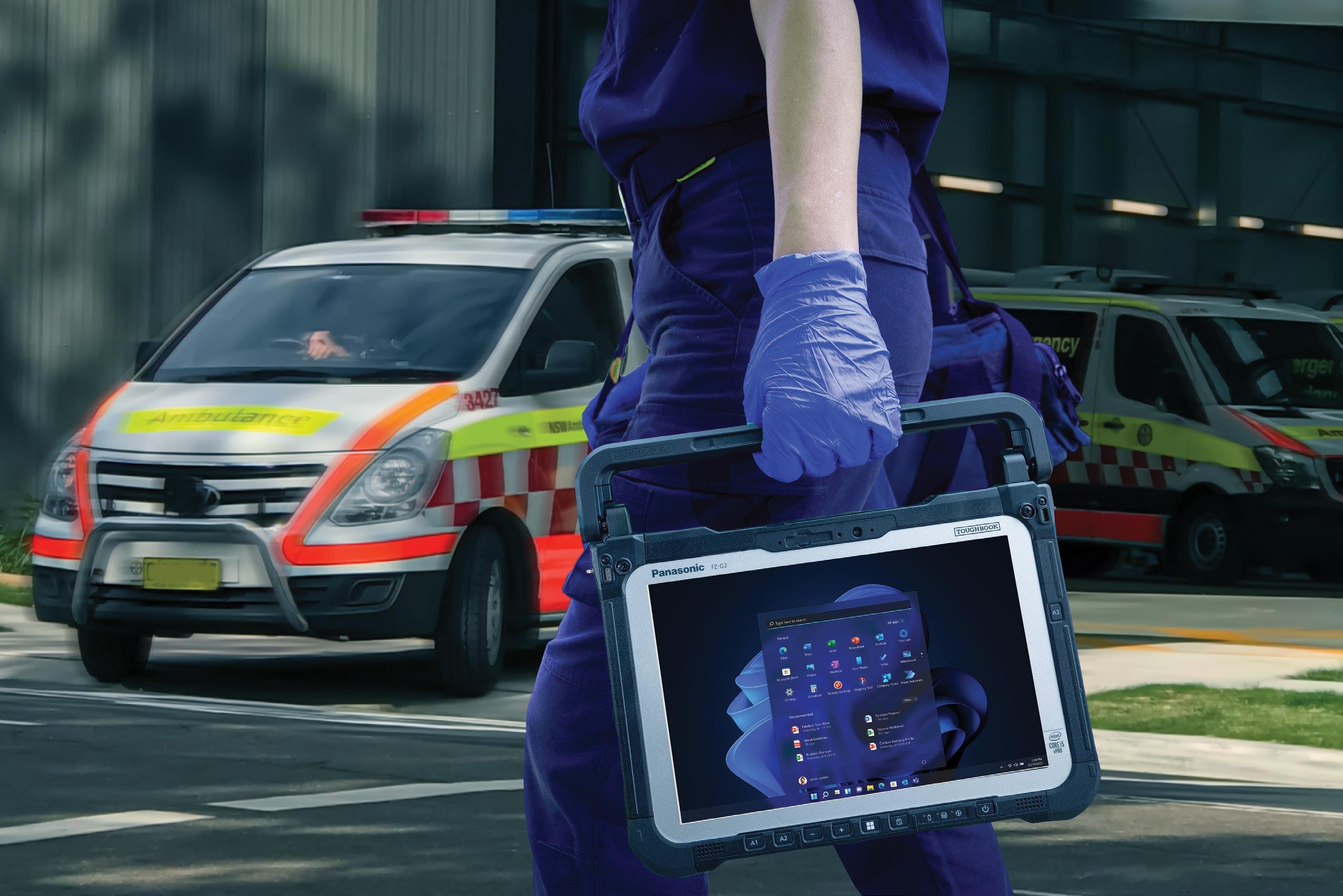
TOUGHBOOKS are tested under strict quality processes to survive drops, knocks, vibrations, extreme temperature, and IP ratings for water and dust resistance to meet emergency service standards.


www.panasonic.com/au/business/toughbook.html

Long shifts. Overtime. Changing rosters. High-pressure decisions.
The last thing you need is the stress of sorting out a home loan on your own.
I’ll triage the options, manage the paperwork, and find a loan that suits you – shift work and overtime included.
With access to over 50 lenders, including the big banks, you’ll get the right fit – not a one-size-fits-all loan.
No pressure. No jargon. Just clear advice and genuine support. Give me a call – I’d love to help.




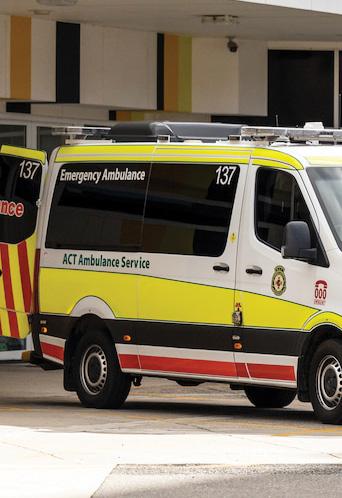
The Transport Workers’ Union ACT Sub Branch has proudly represented ambulance officers in the ACT for over three decades, advocating for their rights, conditions and the vital role they play in the community.
twunsw.org.au
Hi all, I would like to share with you that Klaus Pinkas, the ACT TWU subbranch secretary has announced his retirement after a quarter of a century of outstanding service to members in the ACT and surrounding area. With that, the current organiser for ACTAS, Ben Sweaney, will step into the interim role of secretary and relinquish his duties with ACTAS. Ben has represented the members for nineteen years with passion, vision, and outstanding values. His ability to develop relationships and achieve excellent outcomes for members is unquestionable, Ben always looking to better conditions, wages and well-being for members. In saying that, I now have very big shoes to fill!
My name is Damien Pollard and have been learning the ropes as an organiser with TWU since March. I come from working at Qantas Airways and was unfortunately involved in the illegal outsourcing of the baggage handling cohort. I was the delegate at the time and then proceeded to become an outspoken activist in the outsourcing case, lobbying politicians and becoming a mouthpiece for the workers. During the last five years I have been involved in the transport industry whilst performing my activist duties. Late last year I was invited to join the TWU and after much deliberation, I accepted.
My goal now is to ensure that the members I represent continue to receive the same quality representation they have enjoyed for the previous nineteen years, I’m confident that with a strong caucus and the advice of Ben that will be realised. Although I am not from a health background, my partner of thirty-four years is a health professional, so hopefully I have gained a little insight into the challenges that being in the profession of caring bring!
What a time to step into the role! As per the previous journal, 2026 is a big year for the TWU. Our EA negotiations are in full swing, the fight for addressing long standing issues such as roster pressures, resourcing challenges and disturbingly: increasing incidents of violence along with the fair and reasonable wage increases continues. As stated in the previous journal, the last agreement provided a framework to build this one on, addressing how fatigue is managed, skills recognized, how the prioritisation of safety is implemented and how consultation is embedded. I look forward to representing the members of ACTAS!
Delegates have had a historic opportunity to give their input into the legislative instrument that enable the service. In writing the submission delegate reviewed legislative instrument across the
nation and the world. One highlight is that we seek to civil liability protection for the dispatch and call taker decisions. The caucus is excited to have input into a historic modernised legislation that represents the changing needs of the territory.
The caucus continues to negotiate for better pay and conditions for all members. With the territory budget release all negotiating parties have a clearer understanding of the territory bargain position. The caucus still looks to define a modern and sustainable ambulance structure in the life of this agreement.
As mentioned in the last issue, a TWU HSR and delegate issued a Cease Unsafe Work Direction against a recidivist offender of occupational violence. In the subsequent months management has failed to respond to the challenge and has striven to undermine staff safety. Our member has taken this to received direction from WorkSafe. The fight to protect our workers continues.
The TWU Caucus will hold its annual general meeting this month in conjunction with its triennial elections. All delegate positions up for election. I am certain that the resulting caucus will be excited to meet all of you at the coming ACAU conference in September.



ADHSU, or Ambulance Division HSU, is the dedicated union for Paramedics and support staff. The Ambulance Division is run by members, for members, with strong involvement of the ADHSU council – a group of currently serving paramedics elected by the membership.
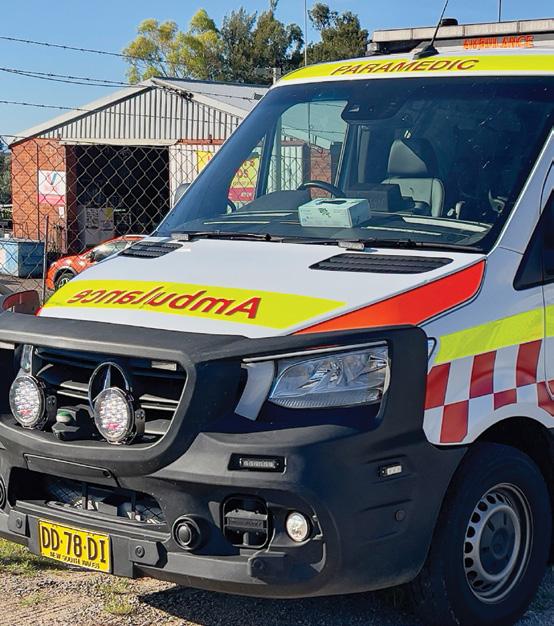
Non Clinical Control Officers commenced their fight for a new award in 2024 with better conditions and to get pay relativity with paramedics back to where it was prior to their pay rise.
Things we were asking for included equal Annual leave to paramedics, increased sick leave, better roster notice, trainer allowance and manual ops allowance, having breaks inserted into the award, missed crib penalties, relief ratios, CSP in all centres, mandatory continuous learning to name a few.
We commenced industrial action in May 2024 to support our log of claims after multiple meetings that saw no progress. Industrial action included No Use of CREWs No acknowledging myshift briefings ban on managing of grade of service and No mandatory training. In June 2024 we escalated our actions to include Bans on R5,R6,R7s, No management of bed block, No recording of call outs, no participating in PDPs or sick leave reviews after ministry refused to meet in person.
We spent 2025 still negotiating here and there but then our award got caught up with the allied health awards. We were offered 4% and 4 weeks notice on rosters. While Control Officers voted it down to keep fighting allied health voted it up and we had to just accept it and end our industrial action.
We continued negotiations that just went no where. 1st of May we got an offer from ministry that brought us back to relativity with paramedics pre pay rise, gave us equal annual leave with paramedics and a clause for no nightshifts leading into annual leave and LSL, however paramedics had to accept an offer too. We voted to accept the offer on the condition the paramedics offer was separated.
Lots and back and forth with the HSU and MoH and finally on Wednesday 1st July 2026 we accepted the offer with no conditions on the paramedics having to accept theirs.
The result is an average of 11.3% pay rise, 1 week additional annual leave and no nightshifts the Friday leading into annual leave back paid till 1 July 2025 Plus 2% from 1 July 2026.
Biggest win in Control in regards to pay and leave.
As a paramedic, some emergency response situations can place you in the lives of people at their most vulnerable.
People living with dementia are among the most vulnerable in our society, yet this is not always immediately obvious.
Dementia is often described as an invisible disability, as its cognitive, behavioural, and memory-related symptoms are not always physically apparent, often leading to stigma and misunderstanding.
In 2026, an estimated 446,500 Australians are living with dementia - a figure projected to rise to more than one million by 2065. This means volunteers are increasingly likely to encounter people living with dementia.
People living with dementia may struggle to understand instructions, feel disorientated, or find it difficult
to communicate their needs. These challenges can affect behaviour in ways that may be misinterpreted as noncompliance or resistance.
Through consultation with emergency services, Dementia Australia consistently heard similar challenges from staff: how to recognise dementia, communicate effectively, manage agitation or confusion, and respond safely.
A helpful framework is the ACE principles
• Awareness: recognise the possible signs of dementia or cognitive decline
• Consideration: consider what are they experiencing
• Engagement: communicate with care.
To build your awareness, watch Dementia Australia’s interactive video series designed specifically for emergency services: dementia.org.au/ emergency-services
If you need information or advice, the National Dementia Helpline is available anytime on 1800 100 500, or via live chat and email at dementia.org.au.

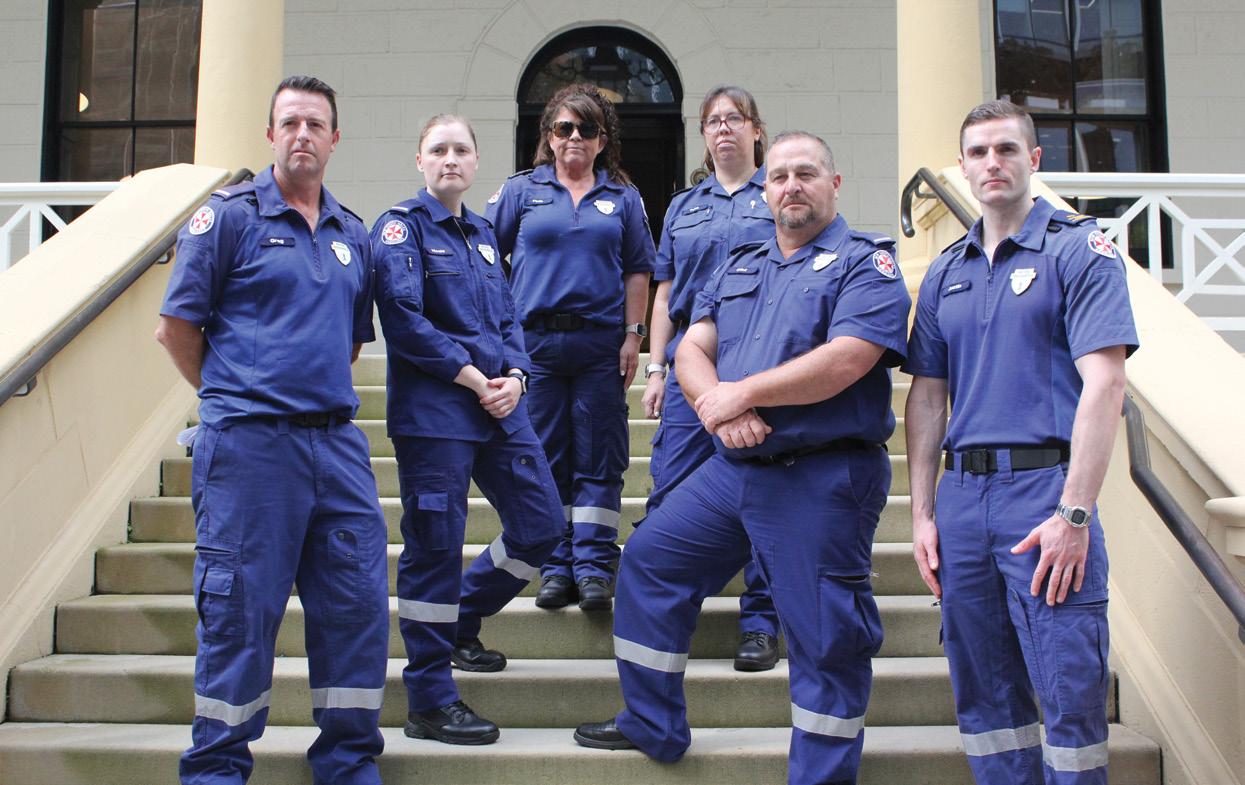
• Rewording of overtime clause for end of shift
• No low acuity jobs in final hour of shift
• 4 weeks notice of rosters
• Recovery break if crib missed
• Deregulation of annual leave blocks
• Flexible Work Arrangements enshrined in award
• Ahpra Obligations reflected in award. Many of these were policies that were not followed by NSWA. There will now be review group between HSU and NSW MoH to ensure that the organisation follows the award, both for the above as well as existing conditions.
Planning will now commence for the 2027 award for both conditions and pay, with Control and Operational staff again uniting under the same award. With the state election being held in March, time is limited to hold this Government to account.
We spent 2025 still negotiating here and there but then our award got caught up with the allied health awards. We were offered 4% and 4 weeks notice on rosters. While Control Officers voted it down to keep fighting allied health voted it up and we had to just accept it and end our industrial action.
We continued negotiations that just went no where. 1st of May we got an offer from ministry that brought us back to relativity with paramedics pre pay rise, gave us equal annual leave with paramedics and a clause for no nightshifts leading into annual leave and LSL, however paramedics had to accept an offer too. We voted to accept the offer on the condition the paramedics offer was separated.
Lots and back and forth with the HSU and MoH and finally on Wednesday 1st July 2026 we accepted the offer with no conditions on the paramedics having to accept theirs.
The result is an average of 11.3% pay rise, 1 week additional annual leave and no nightshifts the Friday leading into annual leave back paid till 1 July 2025 Plus 2% from 1 July 2026.
Biggest win in Control in regards to pay and leave.
staffed from existing staff, resulting in splitting crews even more regularly, or, hoping that an intensive care car from somewhere else in Sydney made it to the South West - at the expense of the area it left depleted…
The SWS ADHSU Dom group stood united and voted on action to refuse to split the crews, or request other areas deplete their resources. This was harming their staff and they could not stand by and participate.
ADHSU Doms metro wide stood alongside them and said that they too would no longer participate in these activities as they too, saw the impacts it was having on their staff, and the harm it was causing.
The ADHSU ICPs stood up, and are participating in the same action, locking in that yes, allowing them to be stretched, split, working in unfamiliar areas, having to treat 100% of their shifts due to being the only IC on, is harming them, causing burnout, and not providing the community with the level of care they deserve.
And what have NSWA done? Left ICP stations closed, Resourced the entirety of Western Sydney with only 1 Intensive Care Ambulance, and in their meager attempt to fill vacancies in South West, have depleted the rosters of Eastern Sydney. ADHSU members highlighted a safety concern, they put on action to mitigate the risk, and NSWA have responded with decisions that pass that risk on to the public. The organisation seems intent to prove over and over that spreadsheets and budget lines take priority over staff and community safety.
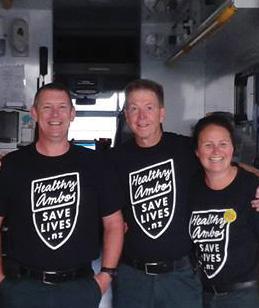
We are currently in collective bargaining with both St John and Wellington Free Ambulance. Both services are currently in their own negotiations with the government for their next four-year funding agreements. While both ambulance services are charities, they are partially government funded.
There is currently a radio pouch trial occurring in Central District after staff gave feedback on issues with radios on belts. While there is not currently funding for radio pouches the trial is having positive feedback.
The hear and advise rate that St John is required to meet has now increased to 8%. This is to reduce the amount of ambulances that are being sent and involves a CSO phoning the address back and providing advice or alternative pathways and proceeding to close the incident without the requirement for an ambulance to go and assess the patient in person.
Hamilton station has trialled an EV ambulance and the ambulance has now been moved to Lyttleton to trial the ambulance in a more difficult terrain. This trial has been funded by ASB bank.
St John has now opted to remove all alternative milks from stations to cut costs and expects staff to take their own milk to stations although they often do not return to the same station during the shift.

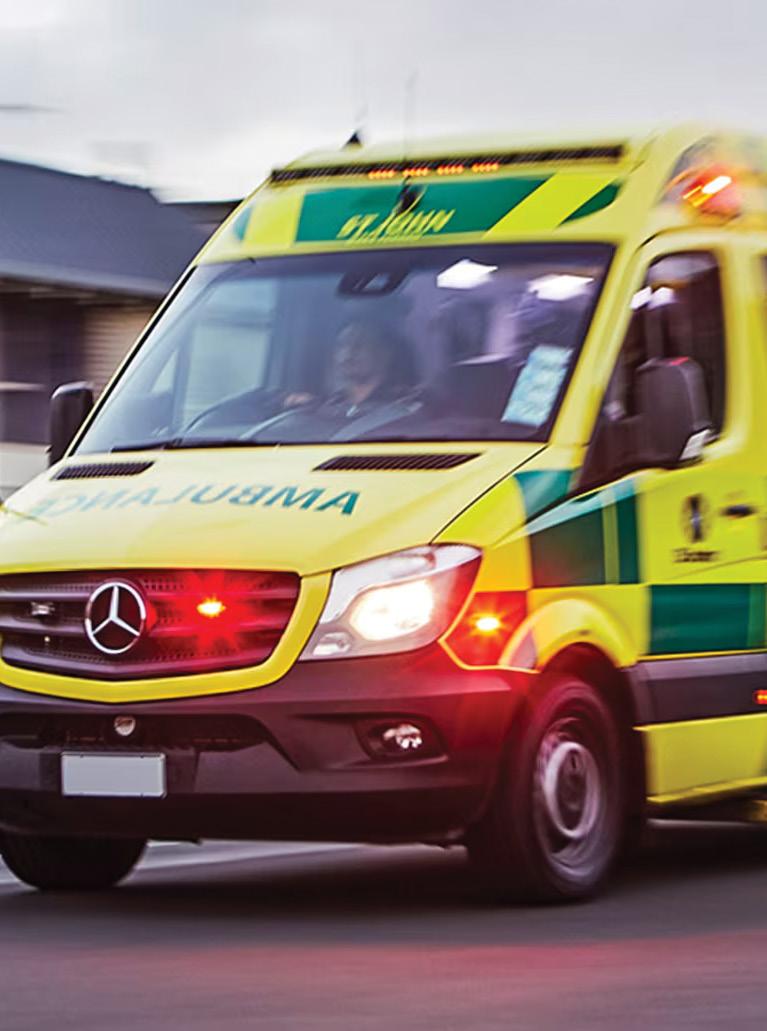

United Workers Union represents ambulance workers including paramedics, emergency medical dispatchers, patient transport officers and support staff. The union is driven by members and works to improve pay, conditions, workplace safety, mental health support and professional recognition for ambulance workers across the sector.
Queensland United Workers Union (UWU) ambulance officers secured another strong enterprise bargaining outcome in the 2025, but as every union member knows, winning an agreement is only the first step. The real challenge is making sure every commitment is delivered in stations, hospitals and Operations Centres. Since certification of the Queensland Ambulance (QAS) Certified Agreement, UWU and QAS have now held ten formal implementation meetings, alongside Regional Consultative Committees (RCCs), State Consultative Committee meetings and specialist working groups to translate bargaining commitments into day-to-day operational practice.
Implementation has already delivered significant gains. Queensland ambulance officers have received wage increases, including the Consumer Price Index uplift adjustment, the additional 10 hours of annual sick leave, rural and remote incentives, Night Shift Completion Payments, Level 6 overtime arrangements and new fatigue-related payments. These outcomes demonstrate that strong bargaining backed by organised members delivers tangible improvements.
Several of members most important safety initiatives remain under development. Priority Pairing of single officers has been the subject of months of discussion. UWU has consistently argued that the procedure must place staff welfare first with clear operational guidance. The Procedure is moving through governance and will be formally reviewed after six months. UWU has made it clear that if it does not deliver safer outcomes for officers, members will continue pushing for stronger protections.
Implementation has expanded beyond payroll and allowances into broader operational reform. Current work includes Return to Community procedures, fatigue management education, single officer safety education, development of best-practice rostering principles and monitoring specialist shift vacancies. Key operational policies covering vehicle operations, fatigue, critical incident management, hospital logistics, meal breaks and Priority One responses are under review. These reviews provide an opportunity to embed the intent of the Agreement into everyday operational decision-making.
Hospital ramping remains a major concern. End-of-shift prioritisation has driven a dedicated Hospital Operations Support workstream reviewing hospital logistics, workforce capability, education, equipment and support functions. UWU continues to advocate for practical solutions that allow crews to finish on time rather than absorbing system delays.
Regional Consultative Committees have been strengthened to ensure UWU members have meaningful access to decision makers. These forums will be key in driving work on vehicle readiness, mandatory out-of-service procedures, end-of-shift arrangements, specialist shift coverage, return-to-community processes and fatigue reporting. UWU representatives continue to participate in the Occupational Violence Working Group to improve prevention strategies, operational controls and support for paramedics, dispatchers and emergency call takers exposed to workplace violence.
Implementation remains an active process. UWU will continue ensuring every clause won through bargaining translates into safer work, fairer conditions and better outcomes for Queensland ambulance officers.
The Ambulance Employees Association (AEA) is the dedicated association for ambulance employees. The Association is run by members, for members, and is committed to protecting and advancing the interests of ambulance workers through advocacy, representation and professional support.
Ambulance services do not run on clinicians alone
South Australia’s recent State Budget included a 12-month partial freeze on recruitment to non-frontline public sector roles. The Government described the measure as applying across State Government agencies, with only one in every two non-frontline vacancies able to be filled, while stating that frontline services would not be impacted. Treasury forecast the measure would result in around 1,000 fewer FTEs than otherwise expected and savings of approximately $120 million each year.
For SA Ambulance Service and our members, the announcement raised an immediate concern: what does “frontline” mean in a service where every emergency response depends on an entire system of workers behind the frontline?
The Ambulance Employees Association of South Australia moved quickly to ensure the full scope of frontline-impacting roles within SAAS was recognised. While the public often sees paramedics and ambulance officers at the end of the response, emergency ambulance care begins much earlier: when a Triple Zero call is answered, triaged and dispatched; when vehicles are maintained; when rosters are filled; when equipment is supplied; when training is delivered; and when the systems that support the service actually work.
Triple Zero call takers, dispatch staff, coordinators, ambulance mechanics, statewide rostering teams, education and training staff, clinical support, fleet, building services, ICT, infrastructure, technical support, radio and SACAD technicians, security, wellbeing, compliance, leadership and administrative support roles are not optional extras. They are essential to safe ambulance service delivery.
The AEA has long advocated for a realistic operational support ratio within SAAS, recognising that frontline paramedics cannot function safely or effectively without the many teams behind them. This concern was not unique to the AEA. SA Unions also warned that a public sector hiring freeze could increase pressure on frontline services, because frontline workers rely on administrative, operational, payroll, HR, IT and training workers to do their jobs effectively.
Following advocacy from the AEA and the concerns raised by members, the Government has provided strong assurances that any SAAS role impacting frontline service delivery will be treated as frontline. The SAAS Chief Executive will have discretion to determine which positions fall within that exemption, and the AEA has met with the Chief Executive to ensure there is a shared understanding of the pressures already being experienced across the service.
The Government has also confirmed that the direction applies only to vacancies and that no current staff will be reduced. That assurance is important, but it does not remove the need for vigilance. Freezing or not replacing support vacancies can still push stretched teams further, delay essential functions and place more pressure back onto ambulance crews.
Across Australasia, ambulance services are already under sustained pressure from increasing demand, hospital overcrowding, workforce shortages, community expectations and growing occupational risks. In that environment, governments must be careful not to treat so-called “back of house” roles as easy budget savings. In ambulance services, the distinction between frontline and support is not always clear. A mechanic who keeps an ambulance roadworthy, a call taker who answers a Triple Zero call, a dispatcher managing scarce resources, or a rostering officer filling a vacancy all contribute directly to whether an ambulance can respond to a patient in need.
The lesson from South Australia is simple. Ambulance services do not run on clinicians alone. Any employment freeze, efficiency measure or workforce cap must properly recognise the whole system required to deliver emergency ambulance care.
The AEA will continue to monitor the implementation of the freeze closely and will not accept reductions in staffing that undermine service delivery, member safety or community access to emergency care. Every role that supports an ambulance response must be valued, protected and properly resourced.
Patient safety, hospital accountability and the ongoing fight to reduce ramping
The South Australian Government has released its formal response to the Coronial Inquest into the ramping-related deaths of Anna Panella, Bernard Skeffington and Graham Jessett. The inquest examined three deaths between 2019 and 2022 in circumstances where ambulance ramping formed part of the events considered by the Deputy State Coroner. The findings, delivered in July 2025, made 18 recommendations aimed at improving patient safety, triage processes, hospital capacity and system flow. The Government has accepted the recommendations, with 17 accepted in full and one accepted in principle.
The AEA applied in early 2024 to be a party to the inquest because the issues being examined went directly to the work of ambulance clinicians, the safety of patients, and the responsibility of the broader health system during ramping. While the inquest related specifically to South Australia, the issues raised are familiar to ambulance unions and ambulance workers across Australasia.
Ramping is not simply an ambulance problem. It is a whole-ofhealth system problem.
Several recommendations are directly relevant to ambulance members and the way patients are managed during extended delays. These include:
• Improved visualisation of patients arriving for triage, regardless of how they arrive at hospital, with recognition that additional triage resourcing may be necessary in practice.
• Structured oral handover between paramedics and triage nurses, supported by a requirement for triage nurses to advise paramedics of the patient’s triage category where the patient is not immediately brought into the Emergency Department.
• A trial of blood collection and point-of-care testing for patients delayed beyond their ATS target timeframe, progressed with SAAS, LHNs, the AEA and SA Pathology, and supported by training and a monitoring framework.
• A statewide escalation guideline for deteriorating patients during delayed transfer of care, with clearer escalation triggers and defined responsibilities between SAAS and metropolitan hospitals.
• Ambulance waiting or offload areas adjacent to Emergency Departments at metropolitan hospitals with significant ramping, noting that physical site constraints may require alternative models and ongoing advocacy.
• Clarification that the principal duty of care sits with the hospital once a patient has arrived and been triaged, even where the patient remains ramped in the care of paramedics.
• Improved system visibility through status boards and pressure displays, including better real-time demand information across hospitals.
• Review of weekend and overnight discharge practices and exploration of 24-hour transit wards at major metropolitan hospitals, recognising that hospital flow must operate across the full week and not only during traditional business hours.
• Review of SAAS scripting where there will be a significant ambulance response delay, including consideration of clinical risk and unintended consequences.
These are important reforms. Ambulance clinicians have long worked in the difficult space between the ambulance service and the hospital system, often caring for patients for extended periods after arrival at hospital while still trying to remain available to respond to the community. Clearer handover, escalation and accountability are essential to patient safety.
One of the most significant issues is the clarification of duty of care once a patient arrives at hospital. The AEA’s position has been consistent: once a patient has arrived at an Emergency Department,
the principal duty of care must sit with the hospital, even where the patient remains physically in the care of paramedics due to delayed transfer of care. Ambulance crews should not be left carrying system risk because hospitals do not have capacity to receive patients in a timely way.
The statewide deterioration guideline and the blood collection and phlebotomy trial both require close attention. The AEA recognises the potential patient safety benefit of earlier identification of deterioration, but these measures must be clinically safe, properly resourced, supported by clear governance and genuinely consulted on. They cannot become another example of hospital workload being shifted onto ambulance clinicians because the health system has failed to provide timely access to emergency care.
The recommendation regarding ambulance waiting or offload areas is significant. Properly designed and funded spaces adjacent to Emergency Departments could improve patient safety, reduce the time patients spend confined in ambulances, and provide a more appropriate environment during unavoidable delays. However, these areas must not become normalised holding bays that allow ramping to continue unchecked. They must be equipped, governed and resourced by hospital staff.
The recommendations regarding transit wards and discharge practices may be among the most important system-flow reforms. The AEA has consistently advocated that all of health must operate as a genuine 24/7 system. Improving discharge practices, expanding transit capacity, creating proper oversight and ensuring hospitals can move patients through the system at all hours are essential if ambulance crews are to be released back to the community.
The review of SAAS Triple Zero demand-delay scripting is also important. The public deserves clear information when there will be a significant delay in ambulance response, and call takers need safe, practical and clinically governed scripts to support those conversations. Any change must be carefully monitored, supported by escalation options and designed so it does not shift unreasonable risk onto call takers, patients or families.
At the same time, the AEA remains concerned that measures aimed at making ramping safer must never become an excuse to normalise ramping. There is a clear difference between protecting patients who are experiencing ramping and accepting ramping as an embedded feature of the health system. Ambulance crews must be released back to the community, and patients waiting for emergency care must not be left carrying the consequences of hospital flow.
The Coroner’s recommendations should be seen as an opportunity to improve patient safety, clarify responsibility and force broader system reform. They should not be used to shift more work to ambulance clinicians without addressing the underlying causes of ramping: hospital capacity, patient flow, aged care delays, discharge barriers, staffing and whole-of-system coordination.
The South Australian experience offers lessons well beyond our state. Improving safety for ramped patients is important, but it must sit alongside the broader goal of reducing ramping, improving hospital flow and ensuring ambulance crews are available to respond to the community.
The AEA will continue to advocate for full implementation of recommendations that lead to genuine improvements in patient care and member safety. Our position remains clear: ramping must be reduced, hospitals must remain responsible for patients who arrive at their doors, and ambulance clinicians must not be left to carry the burden of broader health system failure.
HACSU proudly represents ambulance professionals across Tasmania, advocating for better pay, safer working conditions and stronger support for the frontline workers who provide vital emergency care to the Tasmanian community. hacsu.org.au
IN OUR LAST REPORT I ADVISED YOU OF FOUR MATTERS which had overshadowed most other issues. Of the four I identified in the report we am pleased to advise that all, but for the Transfer of Care (Ramping matter) currently before the Tasmanian Industrial Commission, have been satisfactorily resolved.
Definitely not what we had claimed and in a climate of austerity, following a significant period of sustained and escalating Industrial Action we arrived at an agreement which delivered:
• The final outcome arrived at for Members delivered 3% 1 Dec 2025, 3% 1 Dec 2026 and 2.75% 1 Sep 2027 in line with other Public Sector Agreements
• Additional $700p/a Structural adjustments for all Members (regardless of Classification) in 2025 and 2026
• Additional adjustments above 3% of 6.5% for Intensive Care Paramedics, 4.7% for Flight Paramedics, BSO ICP’s and Clinical Support Officers in year 1.
• The addition of a Communications Centre Educator position into the Classification Structure (previously HaHSA)
• New Award classifications for PACER, Community Paramedics and Secondary Triage Clinicians, the salary reflecting the MRDA they have historically been paid.
• Settlement of the owed backpay for Integrated Care Members (Secondary Triage, PACER and Community Paramedics). For some individual members the backpay will be up to $50,000.00 each
• Promotion without advertising of those employees who are currently actively working in Integrated Care positions.
• Secondary Triage multi-disciplinary allowance which will pay Secondary Triage Clinicians the same as Nurses who undertake the same role.
• New Mentor Allowances for Senior Clinical staff who mentor equivalent classified employees into the same role.
• An agreement to trial rosters in each three regions, if successful the trials become permanent arrangements.
These rosters will move away from the current 4x4 DDNN (10 hour day – 14 hour night) roster in metro areas.
• Conversion to Permanency from TASO (Interstate and overseas qualified Officers) and Graduate Paramedics after 15 months of employment where they successfully achieve their authority to practice.
• Payment in lieu of training for Comms staff who do not receive the mandatory 16 hours training covered under the award for all operational staff.
• Ability for day work Managers to accrue ADO’s and take as a block of leave in a 12-month period
• Clarity regarding the application of several contentious award and agreement provisions, Equal days off before training, on call travel time,
• The inclusion of King Island into the remote Island allowance 8% (no current paramedic is stationed on any of the islands – except Bruny Island)
• Agreement to fund the modifications to the new Burnie Station to create an additional 2 bedrooms (Settlement of a dispute).
• A raft of non agreement matters including the appointment of an AT specific Fleet Manager, new regional rostering and leave management staff along with the Standard conditions offered to other Public Sector Workers.
As you can see above, in the settlement of the bargaining, the Government also settled its dispute with us regarding the backpay owing to these employees. These employees, as a part of the settlement did not receive the initial 3% wage increase of the backpay, will receive all other increases including both structural adjustments, the first of which will be backpaid. The package of conditions that will apply to these members (employes in PACER and Community Paramedicine, Secondary Triage) will be a new Award Classification and salary structure, Direct appointment into their role and, for many members, significant back pay. The backpay will be, for some Members, up to or exceeding $50K
A very large win.
As reported in my last report the ANMF and AMA are actively opposing the 45 Minute transfer of care ramping target, currently 60 minutes. The matter has been listed for arbitration. We have not intervened, but we trust that Ambulance Tasmania will run a decent case against the other associations in support of ensuring that ambulance employees and patients are not left languishing in hospital corridors when there are genuine emergencies in community which cannot be appropriately responded to.
NEPTs members had banned involvement in any bariatric activities as a direct result of the Government rejecting their claim for a bariatric allowance some months ago. This has now been settled as the Government ultimately changed their position and in the last offer to settle their agreement, an equivalent allowance to that paid to Paramedics will also be paid to NEPTs officers when they perform bariatric activities.
We are looking forward to seeing Members from other Jurisdictions attending the Conference on the 23-24 September in Hobart. Arrangements for the conference are well advanced. The conference itself will be a celebration of 20 years since the first national ambulance meeting occurred in Hobart. Thanks again to our sponsor Countrywide Austral for their continued support of our ongoing activities.
Tim Jacobson Senior Industrial Officer - Ambulance













Protecting
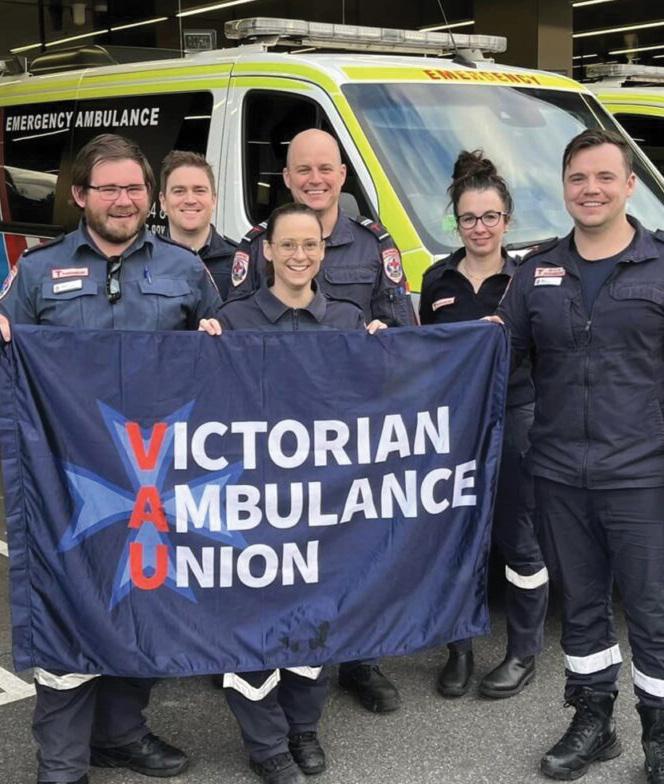
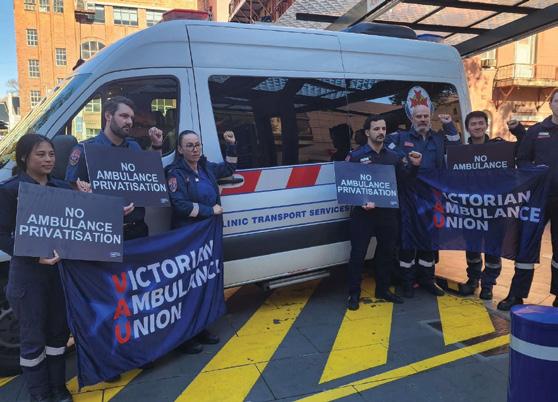
The VAU has called an urgent online meeting for Ambulance Victoria CTS and NEPT members after receiving information that work may be underway to disband CTS and move work to private providers.
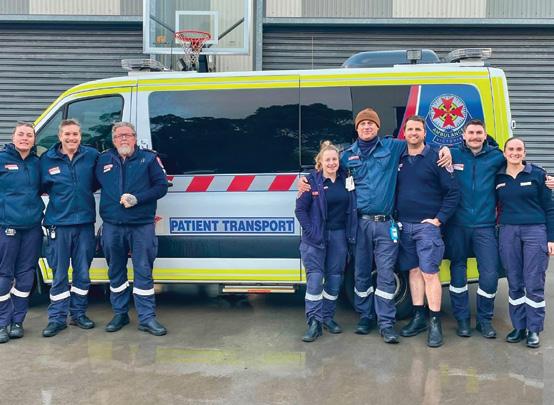
Members working in Ambulance Victoria (AV) Clinic Transport Service (CTS) and AV Non-Emergency Patient Transport (NEPT) recently attended an urgent online meeting following reports that work may be underway to disband CTS over the next one to two years.
The VAU has been advised by several sources that discussions have been occurring about the future of CTS and NEPT. Over recent weeks, concerned members have reported workplace discussions suggesting that AV CTS and NEPT may be disbanded and that the work could be performed by private providers.

The Victorian Ambulance Union Incorporated (VAU) was founded by paramedics and ambulance workers who wanted a union of their own. Today, the VAU is one of Australia’s leading ambulance unions, representing and advocating for Victorian paramedics and ambulance workers across the state.

vau.org.au
The VAU has sought assurances from AV, the Department of Health and the Government that this is not the case. Each has denied any knowledge of potential job cuts in CTS. However, further information received by the VAU indicates that work may be underway within AV and DHS that would result in AV CTS being disbanded, as well as some elements of AV NEPT.
In response, the VAU has written an urgent letter to the Minister for Health, Harriet Shing, as follows: seeking clear assurances that all frontline operational jobs will be protected. Members will be kept informed of any response.
I write to you today seeking urgent confirmation that the Victorian Labor Government will protect against the privitisation of operational members who work for Ambulance Victoria (AV).
While we have not been officially briefed, the Victorian Ambulance Union (VAU) has received information from several sources that work is underway as part of the implementation of the NEPT review, to disband AV Clinic Transport Services and potentially AV NEPT, which currently employs about one hundred and fifty operational members.
The VAU has sought clarification from AV, Department of Health and your office that this rumor is not true. Each has denied any knowledge and we are yet to be provided with any assurances. The rumors have now spread to the workforce who are understandably alarmed.
If true, the privitisation of any frontline operational positions in AV would be the most disturbing development since the Kennett Government privatised most of Victorias NEPT services in the 1990s. It would also be the complete reverse of election commitments made to the VAU and its members by the Labor Government at the previous election.
In early 2022, the VAU had discussions with then Premier Daniel Andrews about the need for improvements to working conditions for our NEPT members whose wages and conditions remain significantly behind that of their public sector counterparts.
The VAU sought a commitment from the Government that NEPT workers be added to the Victorian portable long service leave scheme and to be covered by business rules that currently cover security and school cleaning contractors including a ‘no less favorable’ mechanism that protects against undercutting of wages by new entrants to the sector. The regular upheaval of contract changes and undercutting by new providers has seen good companies leave the sector and members forced to start employment again at new companies. Despite decades of work caring for and transporting Victorian patients, most NEPT ambos have never had long service leave.
In response, the Andrews Government announced a review of the NEPT sector to be run by Member for Melton Steve McGhie. The VAU stood with the Government when
This is alarming news for the VAU members. It is also deeply frustrating that members appear to have been kept in the dark about matters that could affect their jobs, their service and the broader public sector ambulance workforce.
The VAU will fight any loss of jobs in the operational workforce and any attempt to privatise public sector ambulance services. Protecting these jobs is not only about defending members’ employment; it is also about defending public ambulance work and the integrity of services relied upon by the Victorian community.
At moments like this, members sticking together matters. Any changes to CTS and NEPT could have ramifications for other parts
they announced that the review would investigate the current outsourcing arrangement with a view to bringing NEPT back under AV and ‘one united Ambulance Victoria’.
The review was conducted in 2023, with input from industry, unions, and the workforce. Since then, any discussion about the deprivatisation of NEPT has long since evaporated and talk of reform relating to the NEPT review has been significantly delayed. Most disappointingly, there have been no changes to long service leave portability and no improvements to procurement practices for the workforce at a time where they are being asked to take on more complex patients to free up paramedics for emergency cases.
For members to now find out that there is work underway to further privatise NEPT services is a huge insult and an outcome that was never part of the NEPT review recommendations. It is completely upside-down from the Governments election commitments to our workforce.
Our CTS and NEPT members all worked incredibly hard to protect the community during the COVID19 pandemic. Many were placed at serious risk. They provide valuable and important services to the community as well as support to the paramedic workforce, including during major incidents. The AV internal CTS and NEPT workforce set the benchmark for the industry in quality of care and employment conditions. It is something that should be built on not scrapped to have its services handed to the private providers.
Every day in Parliament, the Labor Government comments on cuts to frontline jobs and privitisation under previous Liberal Governments. It would be completely hypocritical for the Government not to take immediate steps to halt any work on job cuts to the AV operational workforce and to provide a meaningful reassurance that all frontline jobs in AV will be protected.
I look forward to your response.

Danny Hill Secretary
Victorian Ambulance Union Incorporated
of the AV workforce. The VAU urges affected members to stay engaged, attend the member meetings, and continue sharing information with the union so members can respond collectively and with strength.
“The VAU will fight any loss of jobs in the operational workforce and any attempts to privatise public sector ambulance services.”
In solidarity,
Source note: Drafted solely from the VAU bulletin “AV CTS AND NEPT URGENT MEMBER MEETING”, dated 01.07.2026.
United Workers Union represents ambulance workers including paramedics, emergency medical dispatchers, patient transport officers and support staff. The union is driven by members and works to improve pay, conditions, workplace safety, mental health support and professional recognition for ambulance workers across the sector.
It has been a busy period across Western Australia's ambulance sector, with significant work underway to improve conditions for workers and strengthen the services the community relies on.
United Workers Union is currently negotiating two enterprise agreements with St John WA—one covering employees at the State Communications Centre and another covering Ambulance Transport. Both bargaining processes are focused on delivering fair wages, improved workplace conditions and recognising the critical role these workers play in providing timely, high-quality patient care.
For Ambulance Transport employees, bargaining is centred on ensuring the enterprise agreement better reflects the realities of the job. The union is seeking improvements that recognise the increasingly skilled and demanding nature of ambulance transport work, including fair pay, stronger support for regional employees, appropriate recognition of higher duties, improved rostering arrangements, and measures that better support employee health and wellbeing. Several practical improvements have already been agreed in principle, including paid preparation time at the beginning and end of shifts, additional meal break provisions on longer shifts, improved travel allowances, and stronger protections for workplace delegates and employee privacy. Other important matters, including wages and a number of key working conditions, remain under negotiation.
At the State Communications Centre, where emergency calls are received and ambulance responses coordinated, discussions have also resulted in agreement in principle on a number of improvements, including expanded compassionate leave provisions, stronger protections for family and domestic violence leave, paid baseline hearing tests and enhanced rights for workplace delegates. Other important claims, including additional wellbeing leave, remain under negotiation.
Alongside bargaining, a broader review of the State's Ambulance Services Contract is now underway. The contract determines how ambulance services are funded and delivered across Western Australia and presents an important opportunity to consider how the system can better meet the needs of a growing population.
Looking ahead, United Workers Union will be consulting with ambulance workers and stakeholders to inform its submission to the review. Two issues are expected to feature prominently.
The first is ensuring that the funding model keeps pace with increasing demand. Ambulance services are responding to more call-outs than ever before, while hospitals continue to experience significant pressure. Sustainable funding is essential to ensure the workforce, equipment and infrastructure can grow alongside community need.
The second is examining whether the current volunteer-based model for many regional ambulance services remains fit for purpose in a modern emergency healthcare system. Volunteers have made an extraordinary contribution to country communities for generations, but changing population patterns, increasing clinical complexity and workforce challenges raise important questions about how regional ambulance services can best be supported into the future.
These conversations are not about diminishing the invaluable contribution of volunteers. Rather, they are about ensuring every Western Australian—regardless of where they live—has access to safe, reliable and sustainable ambulance services.
The outcomes of both bargaining and the Ambulance Services Contract Review will help shape the future of ambulance services in Western Australia. As these processes continue, United Workers Union looks forward to working constructively with workers, government, St John WA and the broader community to ensure the system remains capable of meeting the challenges ahead.
A major ACT emergency services funding package will deliver additional paramedics, firefighters and support staff, but ambulance unions say it falls short of addressing workforce shortages and future demand.
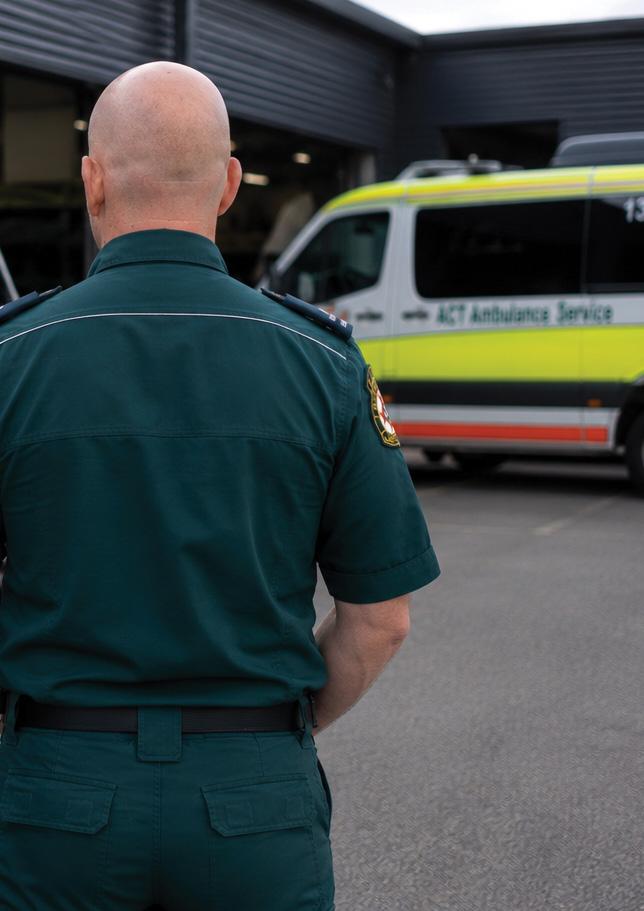
THE ACT GOVERNMENT HAS committed $94.3 million over four years to strengthen emergency services, funding additional ambulance personnel, firefighters, upgraded equipment, vehicles and communications systems.
The announcement follows an independent review of the ACT Ambulance Service that identified chronic understaffing, worsening response times and regular overnight shifts operating below minimum staffing levels.
Under the package, the ACT Ambulance Service will receive 32 new positions, including 20 paramedics, six intensive care paramedics and six operational support roles. ACT Fire & Rescue will receive an additional 35 positions.
While the investment has been welcomed as recognition of workforce pressures, the Transport Workers’ Union (TWU), which represents ACT emergency service workers, argues it falls short of addressing the underlying staffing crisis.
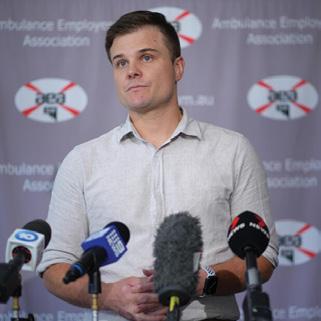
TWU organiser Ben Sweaney said the package does not provide the workforce needed to sustain existing operations while supporting future service expansion.
“These numbers don’t add up. Treasury are simply having a laugh here. They’re trying to pull the wool over Canberrans’ eyes and offer the bare minimum.”
Mr Sweaney said union modelling indicates substantially more paramedics will be required to maintain safe staffing levels and support the operation
of the new Molonglo Emergency Services Station without increasing pressure on existing crews.
“We know we need 140 paramedics to sustain the roster, and if we want to open Molonglo, that’s going to leave us 50 short.”
The concerns reflect a challenge familiar to ambulance services across Australia and New Zealand: infrastructure investment alone cannot solve workforce shortages if there are not enough staff to operate new facilities and maintain safe roster coverage.
According to the union, the additional positions may provide some short-term relief but do not represent a long-term workforce strategy capable of keeping pace with population growth and rising demand for emergency healthcare.
Mr Sweaney warned that opening new stations without adequate staffing risks repeating past workforce pressures.
“We shouldn’t make that same mistake again.”
He said the union had sought a longerterm commitment to workforce growth rather than a one-off allocation.
“We don’t expect this in one hit. What we wanted was a plan to say, in this year we’ll deliver X and next year Y.”
The ACT Government defended the investment, describing it as a significant commitment to maintaining emergency service coverage for a growing population.
ACT Treasurer Chris Steel said:
“This funding is a significant investment that will be critical to maintain strong emergency services coverage across Canberra.”
Emergency Services Minister Marisa Paterson added:
“We’re investing in more frontline responders for the ACT Ambulance Service and ACT Fire & Rescue to meet the demands of our growing city.”
The package also includes funding for fleet replacement, workshop upgrades, communications technology and emergency response systems. More than 40 emergency services vehicles will be replaced or upgraded, while radio and operational communications systems will be modernised.
For ambulance workers, however, workforce capacity remains the central issue. The review that prompted the investment identified staffing shortages as a key factor behind service pressures. While the new positions are expected to provide immediate support, union representatives maintain a comprehensive workforce plan will be required to reduce roster strain, keep pace with demand and prevent future shortages from undermining service delivery.
As ambulance services continue to face increasing workloads, the ACT experience reinforces a broader message across the sector: sustainable emergency healthcare depends not only on new stations, vehicles and equipment, but on ensuring enough skilled paramedics are available to staff them safely and effectively.
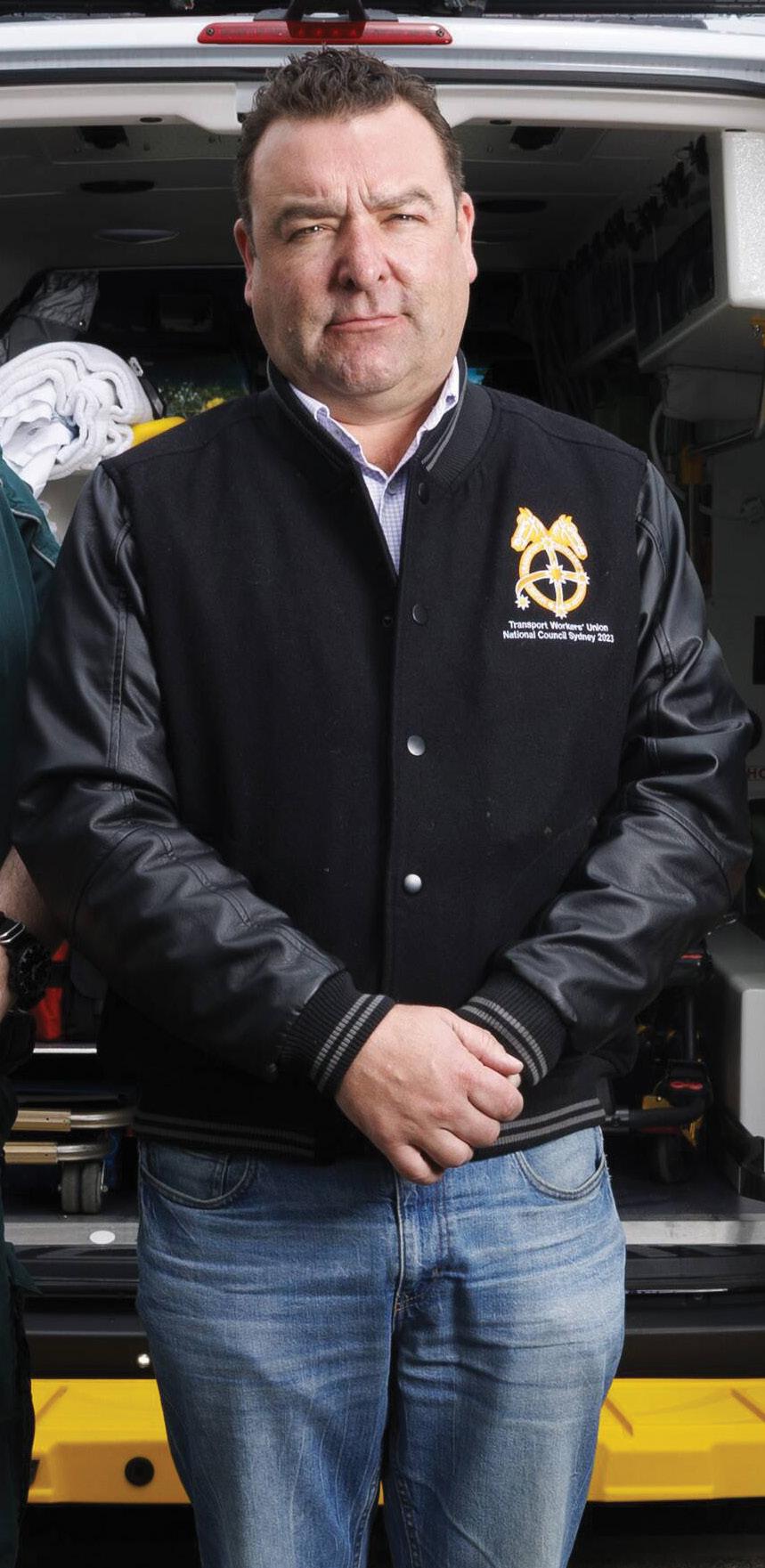
“WE KNOW WE NEED 140 PARAMEDICS TO SUSTAIN THE ROSTER, AND IF WE WANT TO OPEN MOLONGLO, THAT’S GOING TO LEAVE US 50 SHORT.”

Using cutting-edge CNC technology and our OEM paint line, we specialise in wheel repair and restoration, transforming damaged or worn wheels into their original glory—whether it’s vintage classics or custom rims. From fixing bends to refinishing surfaces,

Pharos specialises in home and contents claims, ensuring your claim is professionally prepared, technically supported, and fairly assessed when it matters most.
are performance-based, giving you access to specialist expertise with no upfront costs and minimal financial risk. We only succeed when you do.
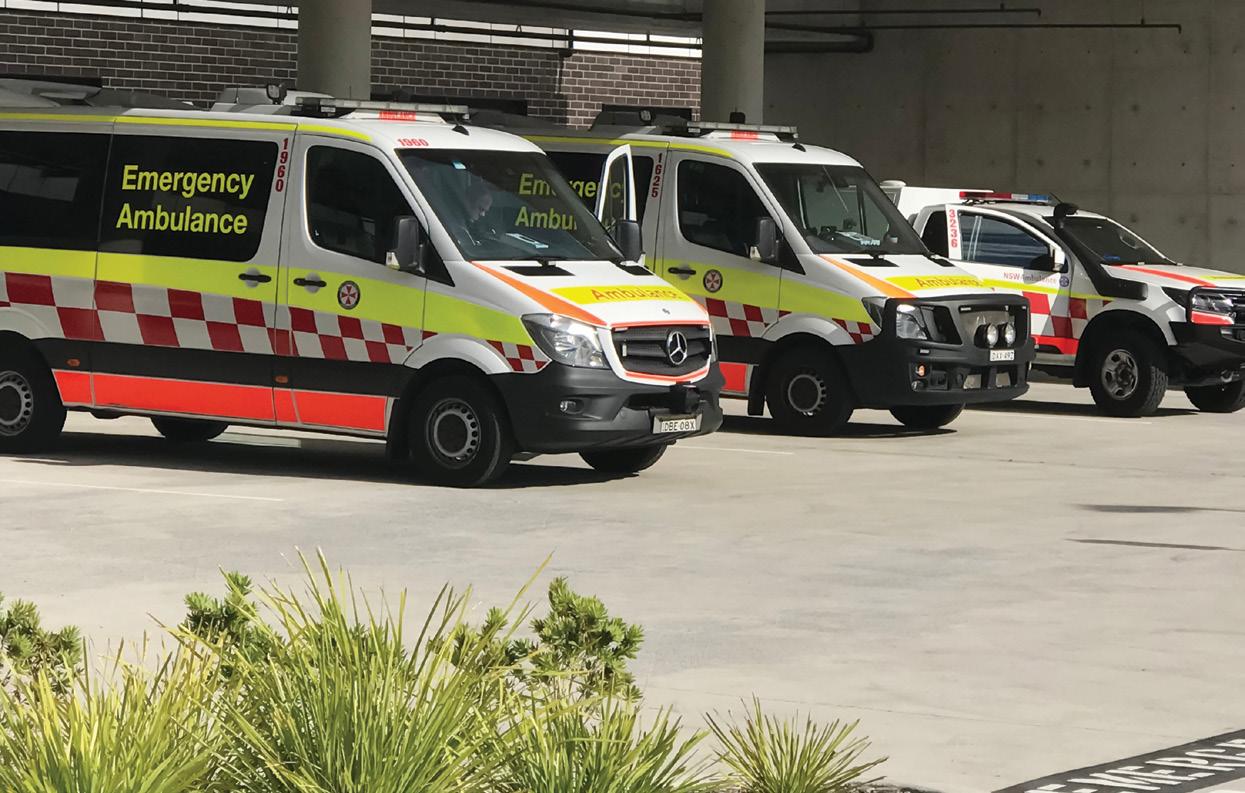
Intensive Care Paramedics and Duty Operations Managers across South West Sydney have taken collective action to address what they say is an unsustainable approach to staffing critical care resources, warning that continual crew splitting and resource shifting is placing growing pressure on staff and communities alike.
A DISPUTE OVER INTENSIVE CARE Paramedic (ICP) staffing in South West Sydney has highlighted broader concerns about workforce sustainability, clinical safety and the increasing demands being placed on specialist paramedic resources across New South Wales.
The action began after Ambulance Division Health Services Union (ADHSU) Duty Operations Managers (DOMs) raised concerns about the way Intensive Care resources were being deployed across the region.
According to the union, ICP crews in South West Sydney have been operating under increasing pressure as demand grows and workforce shortages persist.
The tipping point came when managers were advised that, when available, doublecrewed Intensive Care Ambulances could be split in order to staff a fourth ICP vehicle in the region. Where no crews were available to split, managers were expected to seek resources from neighbouring sectors, effectively reducing Intensive Care coverage elsewhere.
For ADHSU members, the proposal represented another example of existing resources being stretched beyond their intended capacity.
“Our ICP crews across South West Sydney are being stretched too far and too thin to continue,” the union said.
The South West Sydney DOM group responded by formally calling on NSW Ambulance to fund and maintain a fourth Intensive Care Ambulance on an interim basis without reducing existing Intensive Care coverage.
The group also sought an urgent review of current and future Intensive Care Paramedic requirements across South West Sydney to ensure staffing levels reflected operational demand and community need.
When those demands were not met, members voted to take industrial action.
From the commencement of the action, Duty Operations Managers refused to split existing Intensive Care crews or seek additional ICP resources from neighbouring sectors to staff the additional vehicle or open further Category A stations.
The action included an important safeguard. Managers agreed the restriction could be lifted if NSW Ambulance demonstrated that all reasonable staffing options had been exhausted, including advertising vacant shifts and utilising available overtime.
The dispute quickly gained support beyond South West Sydney.
As concerns continued, ADHSU Duty Operations Managers across metropolitan Sydney endorsed similar action, citing the impact that workforce shortages and continual resource redistribution were having on staff wellbeing and service delivery.
According to the union, the issue is not simply about ambulance numbers but about the increasing demands being placed on specialist clinicians.
Intensive Care Paramedics are highly skilled practitioners who provide advanced interventions for critically ill and seriously injured patients. Maintaining adequate ICP coverage is considered essential to ensuring communities receive timely access to advanced pre-hospital care.
The union argues that continually splitting crews, moving clinicians into unfamiliar operational areas and relying on neighbouring sectors to absorb workforce shortfalls creates additional stress and contributes to burnout among already stretched staff.
The concerns were echoed by Intensive Care Paramedics themselves, who joined the industrial action in support of the DOM group.
“The ADHSU ICPs stood up, and are participating in the same action, locking in that yes, allowing them to be stretched, split, working in unfamiliar areas, having to treat 100 per cent of their shifts due to being the only IC on, is harming them, causing burnout, and not providing the community with the level of care they deserve.”
The union says members have repeatedly raised concerns about the risks associated with relying on workforce flexibility as a substitute for properly funded and staffed Intensive Care resources.
Rather than addressing the underlying workforce issue, members argue that the burden has too often been shifted between sectors, leaving some communities without the specialist resources they are funded to receive.
The dispute has also reignited broader questions about ambulance workforce planning and the ability of services to keep pace with growing demand.
According to ADHSU representatives, the issue is not isolated to South West Sydney. Similar workforce pressures are being experienced across other metropolitan regions where Intensive Care Paramedics are increasingly relied upon to fill gaps, work additional shifts and operate across wider geographical areas.
The union maintains that members have identified a legitimate safety concern and have taken action to reduce the associated risks.
“ADHSU members highlighted a safety concern, they put on action to mitigate the risk.”
The union argues that sustainable solutions require investment in additional Intensive Care resources rather than continually redistributing existing staff.
“We stand in solidarity with our Doms and ICPs. The community need the Intensive Care resources they are funded for, and we need a safe workplace to turn up to.”
For ambulance workers across Australasia, the dispute highlights a challenge becoming increasingly familiar throughout the profession: balancing rising demand with workforce sustainability.
While ambulance services continue to rely on the dedication and flexibility of specialist clinicians, unions argue that workforce resilience has limits. Longterm solutions, they say, require proper staffing, appropriate resource allocation and a commitment to ensuring that specialist ambulance services are funded to meet both community expectations and the needs of the workforce delivering them.
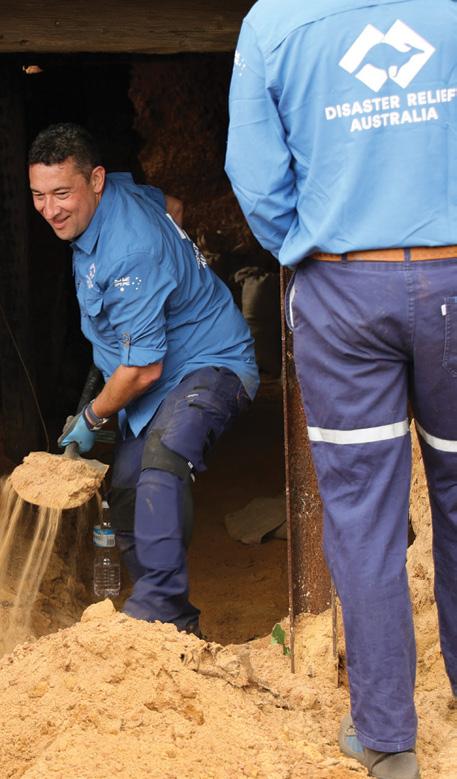
Disaster Relief Australia is a veteranled not for profit helping communities prepare for and recover from disaster. Join us to connect with like-minded people who are united in their purpose to serve.
Apply to volunteer at disasterreliefaus.org or scan the QR code.

The Health Services Union has intensified its campaign against the NSW Government, accusing it of breaking commitments to health workers as frustration grows over salary packaging arrangements and ongoing wage negotiations.
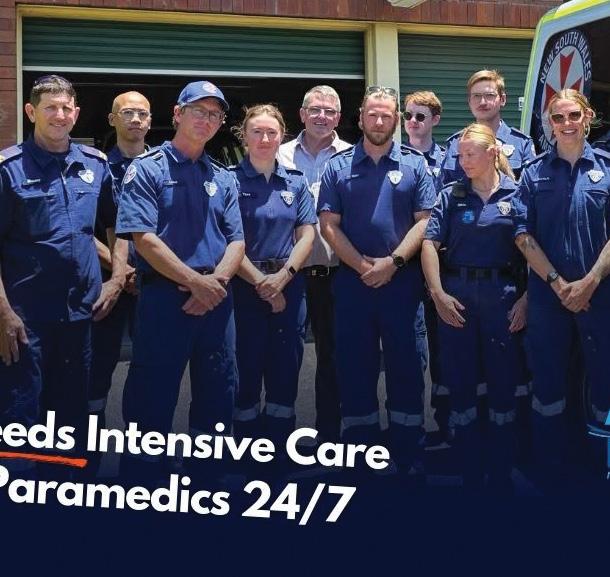
where workers walked off the job for an hour to draw attention to concerns over wages and salary packaging reforms.
While pay remains a central issue, the union argues the dispute extends beyond annual wage increases and into the broader question of whether commitments made to health workers are being honoured.
At the centre of the campaign is the state’s salary packaging system, which allows health workers to use a portion of their pre-tax income to cover expenses such as rent, mortgages, school fees and credit card repayments.
The HSU claims the NSW Government continues to retain a significant share of the financial benefits generated through the arrangement, reducing the value of a benefit many healthcare workers rely upon to help manage rising living costs.
commitment to health workers.
“That’s a commitment that we made and one we will keep.”
The dispute has emerged as broader wage negotiations continue across the public sector. While the government has reached agreements with a number of unions, discussions with the HSU remain unresolved.
Premier Chris Minns acknowledged the lack of progress in negotiations with the union.
“Progress in relation to the HSU, I’ve been honest about it, we haven’t made progress.”
The Premier added that agreements had been reached with many other unions.
“We have made progress with the vast majority of trade unions in New South Wales.”
For health workers, however, the union argues that wage offers must be considered against the backdrop
which it says will help fund public sector wage increases.
However, the HSU maintains that health workers deserve more than symbolic measures and is continuing to push for meaningful wage growth alongside reform of salary packaging arrangements.
The dispute highlights ongoing concerns across the health sector about recruitment, retention and workforce sustainability. Union representatives argue that competitive pay and improved employment conditions are essential if public health services are to attract and retain the skilled workforce required to meet growing community demand.
With negotiations continuing, the HSU has signalled it will maintain pressure on the government until health workers see tangible improvements in both wages and workplace conditions.
Warnings from the leadership of St John Ambulance NT have reignited concerns about ambulance workforce capacity in the Northern Territory, with frontline staff facing escalating demand, rising violence and increasing pressure on a system struggling to keep pace with community need.
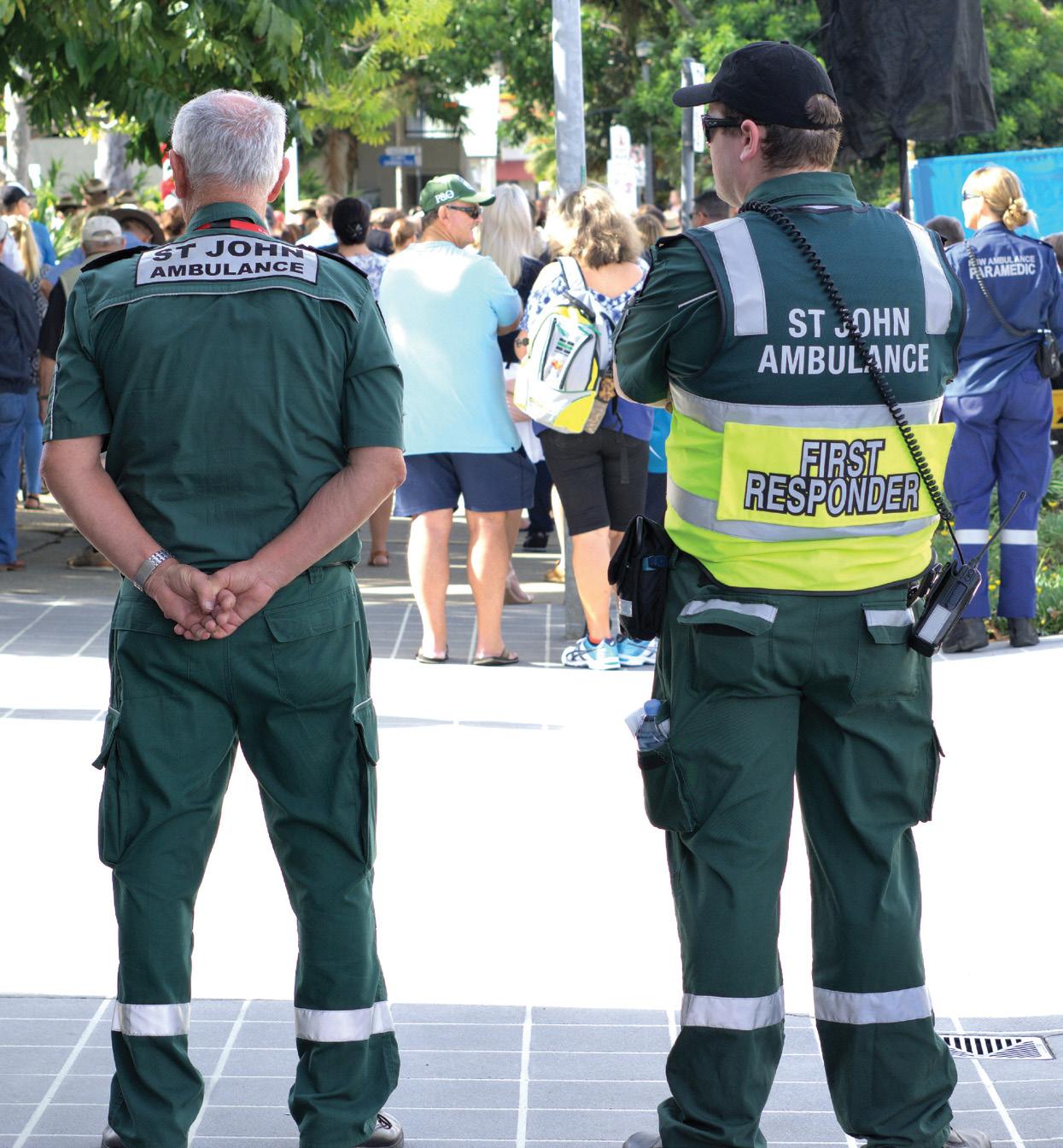
THE NORTHERN TERRITORY
ambulance service has issued some of its starkest warnings yet about the sustainability of emergency healthcare delivery, following reports that the service was pushed to the point of operational "critical failure" and unable to meet expected response standards for a number of life-threatening emergencies.
For ambulance workers, the concerns go beyond response-time statistics. They raise fundamental questions about workforce capacity, staff safety, fatigue, retention and the ability of services to meet growing demand without placing unacceptable pressure on frontline crews.
St John Ambulance NT Chief Executive Officer Abigail Trewin has publicly described being "horrified" by the operational pressures facing the service, warning that significant and sustained
investment will be required to prevent further deterioration.
The warning follows incidents in which emergency calls reportedly went unanswered for extended periods and high-priority patients experienced significant delays while crews were already committed to other emergencies.
According to Ms Trewin, the service has been forced to operate under extraordinary levels of pressure.
For paramedics, communication centre staff and volunteers, those pressures are being experienced daily through increasing workloads, growing call volumes and a shortage of available resources.
VIOLENCE AGAINST PARAMEDICS REMAINS A GROWING THREAT
Alongside workload pressures, ambulance workers continue to face unacceptable levels of occupational violence.
Ms Trewin reported that paramedics across the Northern Territory are experiencing up to four violent incidents each day.
Reported incidents have included paramedics being punched, strangled, assaulted, threatened and subjected to repeated verbal abuse while attempting to provide emergency medical care.
For ambulance unions across Australasia, workplace violence remains one of the most significant health and safety issues confronting the profession.
Violence against paramedics not only places workers at immediate physical risk but also contributes to psychological injury, burnout and workforce attrition.
The issue has become increasingly prominent across Australia and New Zealand as ambulance services
Territory reflect challenges familiar to many ambulance workers across the country.

The Northern Territory Government has announced an additional $10 million in funding for St John Ambulance NT while negotiations continue on a new long-term service agreement.
The funding is expected to support additional operational resources, including extra call-taking capacity and another frontline ambulance.
While any investment in emergency healthcare is welcomed, service leaders have indicated that significantly greater investment will be required if the system is to meet future demand.
Ms Trewin has indicated that additional ambulances and sustained workforce growth will be necessary to support
population growth and improve service capacity over the longer term.
For ambulance workers, the distinction between short-term funding measures and long-term workforce investment is critical.
Recruiting, training and retaining paramedics takes time. Building a sustainable ambulance workforce requires ongoing investment rather than one-off funding injections designed to relieve immediate operational pressures.
Although the current concerns are centred on the Northern Territory, many of the issues raised will be familiar to ambulance workers throughout Australia and New Zealand.
Increasing demand, workforce shortages, escalating violence, fatigue and growing
concerns around retention continue to feature prominently in industrial campaigns and workforce discussions across multiple jurisdictions.
The experiences of Northern Territory paramedics highlight the importance of long-term workforce planning, safe staffing levels and sustained investment in frontline emergency healthcare.
For ambulance unions, the message remains consistent: ambulance services cannot continue to rely on the goodwill and resilience of workers to compensate for structural workforce shortages.
As demand for emergency healthcare continues to grow, ensuring ambulance services have sufficient staffing, adequate resources and safe working environments will remain essential to protecting both workers and the communities they serve.
LUKE ROWLAND | SENIOR MORTAGE BROKER
Luke specialises in providing tailored mortgage solutions for paramedics, with access to exclusive lending benefits including:
• No LMI up to 90% LVR. Purchase or refinance without paying Lenders Mortgage Insurance
• 100% of overtime and allowances counted, your full paramedic income recognised for borrowing power
• Owner occupied and investment purchases and refinances
• First home buyer guidance
• Portfolio development and maximisation
• Interstate and expat lending
• Construction, development, and SMSF



EMP Supports commenced operations in July 2021, with a mission to provide only the best support services for NDIS clients, emphasising empowerment through choice and control.
Since inception, EMP has grown into a robust team of over 30 dedicated professionals known for their ambition and compassion. Specialising in assisting NDIS participants with psychosocial disabilities, EMP excels across various facets of the disability sector including personal care, community engagement, mental health diagnostics, and diverse physical disabilities.
Backed by extensive expertise, adept communication, and heartfelt compassion, EMP Supports stands as the paramount choice in disability support, catering to a broad spectrum of clients.


The decision to grant prescribing rights to appropriately qualified paramedics has been welcomed as a significant step forward for ambulance care in New Zealand.
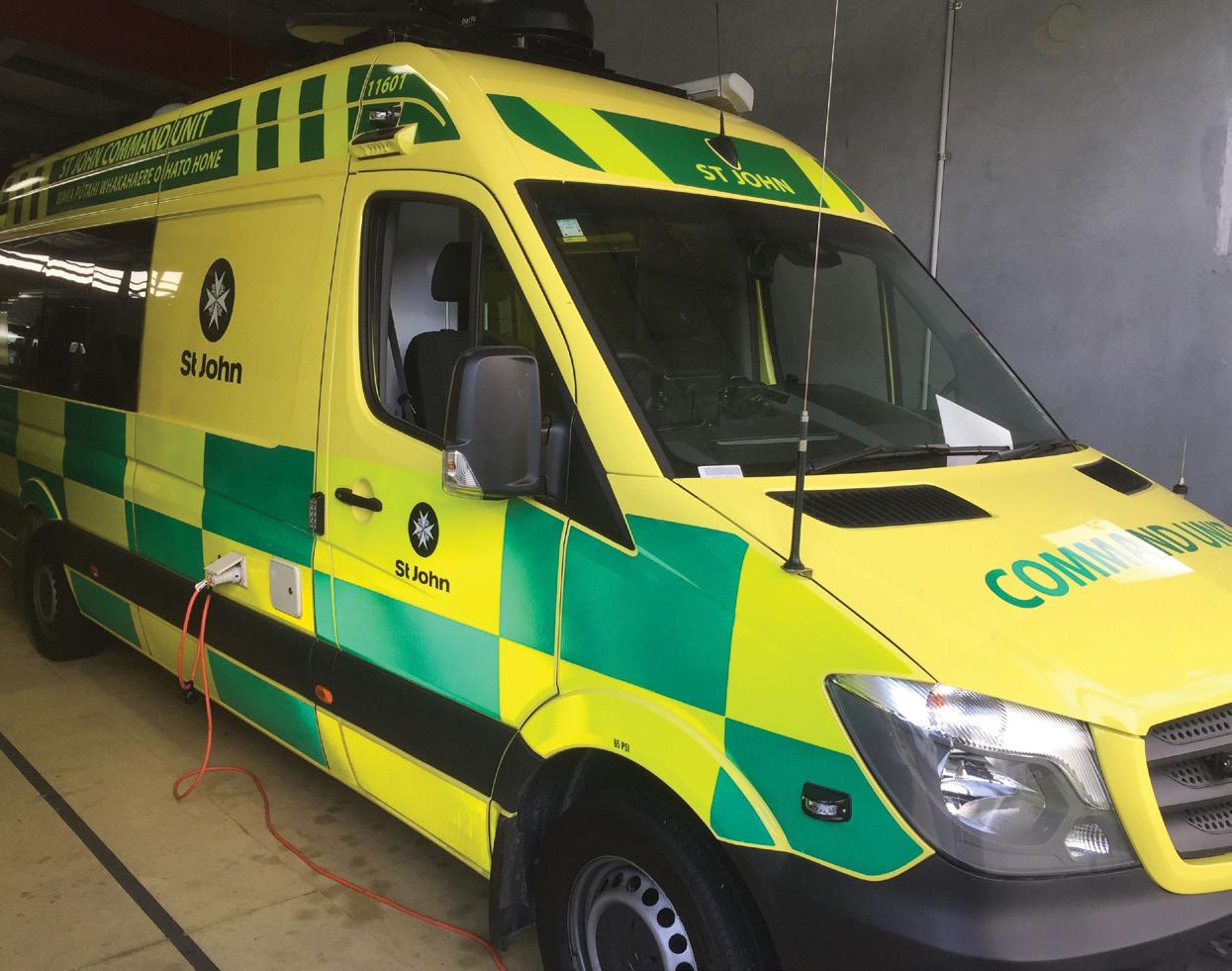
HEALTH MINISTER APPROVAL WILL allow specially trained paramedics to prescribe certain medications, recognising the increasingly advanced clinical role paramedics play across the healthcare system.
Hato Hone St John has described the change as an important milestone for the profession, saying it has the potential to improve patient access to treatment, reduce delays in care and deliver better health outcomes, particularly for people who face barriers accessing primary healthcare services.
The move reflects the growing scope of modern paramedic practice, with ambulance clinicians now providing increasingly complex assessment and treatment in community settings.
However, ambulance leaders have cautioned that expanded clinical responsibilities must be matched with appropriate investment.
Hato Hone St John Deputy Chief Executive – Clinical Services Jon Moores
said successful implementation would require robust clinical governance, additional training, medicines management systems and ongoing workforce support.
"It is important that robust clinical governance, training, prescribing frameworks and patient safeguards are in place to ensure prescribing is used appropriately and safely," Mr Moores said.
The organisation also raised concerns about the potential for increased demand if patients begin viewing ambulance services as an alternative to traditional primary healthcare providers.
The announcement comes at a time when New Zealand's ambulance sector continues to face significant workforce and funding challenges.
Recent research released by Workers First Union and CICTAR highlighted growing demand driven by an ageing population, ongoing recruitment and retention pressures, and concerns
about the long-term sustainability of a charity funded ambulance model. The report argues that ambulance services will require substantial long-term investment if they are to meet future healthcare needs.
For frontline paramedics, prescribing rights represent a recognition of the profession's advanced clinical capabilities. However, many believe the success of the initiative will ultimately depend on whether ambulance services receive the funding, staffing and infrastructure required to support these expanded responsibilities.
As New Zealand's healthcare system continues to evolve, paramedic prescribing may become an important tool for improving access to care, particularly in rural and underserved communities where healthcare options can be limited.
The challenge now will be ensuring ambulance services have the resources necessary to deliver these benefits without placing additional strain on an already stretched workforce.
New Zealand ambulance workers have welcomed additional government funding for frontline services, but union representatives say the latest Budget commitment falls well short of addressing the long-term challenges facing the sector.
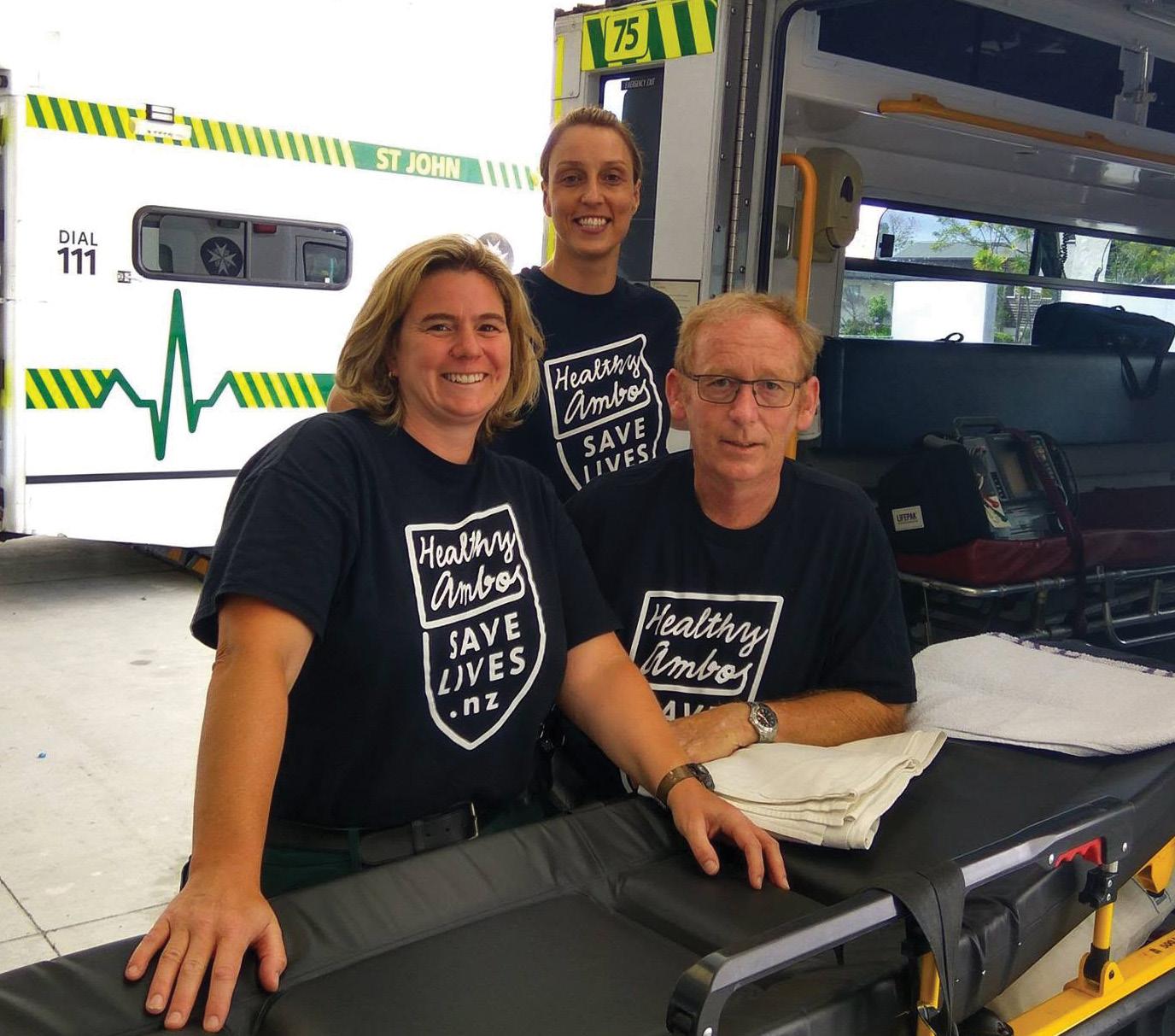
THE GOVERNMENT HAS ANNOUNCED an additional $35 million in funding for ambulance charities over the next four years, equating to approximately $8.75 million annually.
While any additional investment is positive, the announcement comes amid growing concerns about the sustainability of New Zealand’s unique ambulance funding model and the increasing pressures facing frontline ambulance workers.
The funding boost follows the release of Emergency! Saving New Zealand’s Ambulance Services, a report produced by Workers First Union and the Centre for International Corporate Tax Accountability and Research (CICTAR), which warns the country’s ambulance services are facing significant long-term challenges.
The report identifies five major pressures that threaten the future sustainability of ambulance services, including an
ageing population, growing workforce shortages, declining charitable donations, infrastructure costs and ongoing recruitment challenges.
Workers First Union Deputy Secretary Anita Rosentreter said ambulance services remain one of the few essential emergency services in New Zealand still reliant on charitable fundraising and patient charges to support day-to-day operations.
“Major troubles lie ahead for our ambulance services, and our union believes – along with the vast majority of New Zealanders – that this model is no longer fit for purpose,” she said.
One of the biggest concerns highlighted in the report is the impact of New Zealand’s ageing population.
By 2065, people aged over 65 are projected to make up more than a quarter of the population but
account for more than 62 per cent of ambulance callouts. Older patients typically require more complex care, spend longer on scene and are more likely to require transport to hospital.
The report estimates ambulance demand will increase by 61 per cent over the next four decades, despite the total population growing by only 35 per cent.
The cost of serving the over-65 population alone is projected to increase by 368 per cent during that period.
The report also highlights ongoing concerns about workforce retention, particularly as New Zealand paramedics continue to be attracted to significantly higher wages across the Tasman.
Workers First estimates New Zealand ambulance officers earn between 17 and 33 per cent less than their Australian
counterparts, depending on the role and jurisdiction. The disparity is further widened by Australia’s substantially higher employer superannuation contributions.
According to the report, an intensive care paramedic in South Australia can earn almost $35,000 more after tax than a similarly qualified paramedic working in New Zealand.
The union argues that retaining experienced clinicians must be a central part of any long-term ambulance funding solution.
The report also questions whether a charity-based funding model can continue to support a modern emergency ambulance service.
Workers First notes that charitable giving has declined in recent years while operational costs have continued to rise. At the same time, ambulance providers face increasing costs associated with fleet replacement, station upgrades, workforce expansion and growing service demand.
The union believes New Zealand should move towards a fully publicly funded ambulance system, bringing ambulance services into line with other essential emergency services.
While the latest funding announcement provides some relief, union representatives argue it does not address the underlying structural issues facing ambulance services.
The Emergency! report concludes that ambulance services require long-term planning, sustainable investment and workforce strategies that look beyond individual Budget cycles.
For ambulance workers, the challenge is not simply about funding next year’s operations, but ensuring New Zealand’s emergency ambulance services remain capable of meeting growing demand in the decades ahead.
As ambulance services continue to evolve, workers say the conversation must move beyond short-term funding injections and focus on creating a sustainable model that protects patients, communities and the workforce that delivers lifesaving care every day.
61%
Increase
368% Of ambulance callouts expected to involve people over 65 62% 35%
Increase in costs for patients aged 65+ Population








New figures showing an increase in paramedics leaving the Queensland Ambulance Service have reignited concerns about staffing shortages in regional Queensland, with union representatives warning that long-standing recruitment and retention issues remain unresolved.
NEW WORKFORCE DATA HAS highlighted ongoing challenges facing the Queensland Ambulance Service (QAS), particularly in Central, North and Far North Queensland, where services continue to struggle to attract and retain staff.
Figures obtained through Right to Information laws revealed 129 paramedics and field staff left QAS during the first six months of the 2025-26 financial year, compared with 157 departures across the entire previous financial year.
While QAS says its attrition rate remains among the lowest in Australia, union representatives argue the figures do not reflect the workforce pressures facing regional and remote communities.
According to the United Workers Union, recruitment difficulties in northern Queensland have contributed to chronic vacancies, workforce instability and lengthy transfer queues for paramedics seeking to relocate.
UWU Ambulance Coordinator Fiona Scalon said staffing shortages in regional Queensland have been building for years.
“There is a recruitment issue in Central, Northern and Far Northern regions where QAS have difficulty recruiting to and a very long transfer list of people wishing to relocate to South East Queensland.”
Ms Scalon said the regions regularly operate below required staffing levels, forcing QAS to rely on temporary deployments from South East Queensland.
“Those regions regularly run without full staff complements and QAS has needed to be inventive with short-term deployments from SEQ to those parts of the state to cover.”
She said the situation had become a crisis, with transfers out of some regions effectively frozen.
“This has built into quite a crisis over the last couple of years seeing QAS pause all transfers out of those areas indefinitely because they can’t backfill the gaps it would leave.”
Union representatives argue solving the problem will require more than recruitment campaigns, with members calling for stronger incentives, housing support, career development opportunities and improved transfer pathways.
The workforce debate has also been fuelled by the removal of temporary COVID-era workplace arrangements, including provisions protecting weekend penalty earnings for staff absent due to illness.
Ms Scalon said the union had fought to retain the arrangements.
“We advocated hard about getting it in the first place and we have advocated to keep it.”
She warned the change could affect workforce wellbeing.
“We will just see ambulance staff coming to work sick now.”
QAS has defended its workforce record, pointing to ongoing recruitment, expanding frontline numbers and an attrition rate lower than comparable services. The service reports employing around 450 graduate and qualified paramedics each year since 2021-22.
For ambulance workers in regional Queensland, however, the key challenge remains unchanged: creating conditions that encourage paramedics not just to take regional postings, but to stay long term.
Queensland paramedics are warning that overstretched mental health services are leaving vulnerable patients without the support they need, with frontline crews reporting repeated instances of high-risk patients being discharged from hospital despite serious concerns for their safety and wellbeing.
PARAMEDICS ACROSS QUEENSLAND have raised concerns about what they describe as a growing gap between frontline assessments of mental health patients and decisions being made within hospital emergency departments.
The concerns centre on Emergency Examination Authorities (EEAs), a legislative mechanism that allows people experiencing an acute mental health crisis and posing a serious risk to themselves or others to be detained for assessment and treatment.
According to frontline paramedics, patients transported to hospital under EEAs are increasingly having those authorities revoked shortly after arrival, with some being discharged back into the community despite significant concerns being raised by attending crews.
For ambulance workers, the issue is not simply about hospital processes. It highlights broader pressures across the mental health system, where rising demand, limited resources and a lack of
community-based supports are placing increasing strain on both patients and healthcare workers.
Several paramedics have reported situations where patients experiencing suicidal ideation, severe behavioural disturbances or acute mental health crises were discharged after brief assessments, only to require further emergency intervention in the days or even hours that followed.
One regional paramedic described the system as a "revolving door", with some patients repeatedly cycling between the community, ambulance services and hospital emergency departments.
"We'll take someone in on an EEA and if they get seen to they’re basically out the door immediately, and we're told 'they're just having a bad day' and then we're called back again."
Another paramedic described a patient who presented more than 20 times in a single month seeking assistance.
"He was begging for help … he was wanting to kill himself, but no, 'just having a bad day' or 'there's no room, so he's going home'."
The reports have reignited concerns about the growing demand being placed on ambulance services as mental health presentations continue to rise across Australia.
United Workers Union representatives say the issue reflects a broader mental health crisis that the healthcare system is struggling to keep pace with.
"The mental health crisis the State's health system just can't keep up with," a UWU Queensland spokesperson said.
The union noted that paramedics often have limited options when responding to people experiencing severe mental health episodes, substance-related behavioural disturbances or situations where there is a genuine risk of harm.
"Paramedic members have limited options when treating patients with
behavioural disturbances, substance abuse or mental health illness. They can’t leave these people in the community and not leave a risk to the individual or others.”
The union said frontline crews are frequently forced to make difficult decisions in challenging circumstances, often transporting patients to hospital because no suitable alternatives exist.
The concerns also highlight the growing disconnect between emergency healthcare and community mental health services.
Ambulance workers report that many patients are repeatedly presenting in crisis because the supports required to prevent those crises from occurring are either unavailable, difficult to access or unable to meet demand.
“There has to be a better way,” the union said.
“Better supports in the community. Better solutions to this pervasive evergrowing issue.”
Queensland Health has stated that all patients presenting to public hospitals under an Emergency Examination Authority are examined by an authorised health practitioner in accordance with legislative requirements.
Health Minister Tim Nicholls has encouraged paramedics to formally raise concerns through appropriate channels so individual cases can be reviewed and investigated.
For ambulance workers, however, the issue extends beyond individual incidents.
As mental health-related callouts continue to increase, unions argue that ambulance services are increasingly becoming the default response to a system under pressure. Without greater investment in mental health services, community-based care and crisis intervention pathways, paramedics warn the cycle of repeated emergency presentations is likely to continue.
The concerns raised by Queensland paramedics echo those being heard across ambulance services throughout Australasia, where mental health demand continues to grow while frontline workers face increasing workloads, repeated exposure to traumatic incidents and ongoing challenges accessing appropriate pathways of care for vulnerable patients.
For many crews, the question is no longer whether the system is under strain, but how long it can continue operating without significant investment in the services designed to support people before they reach crisis point.













The Ambulance Employees Association (AEA) is warning that a South Australian Government hiring freeze could place additional pressure on ambulance workers and the critical support staff who keep emergency services operating, despite assurances that some frontline positions will be protected.
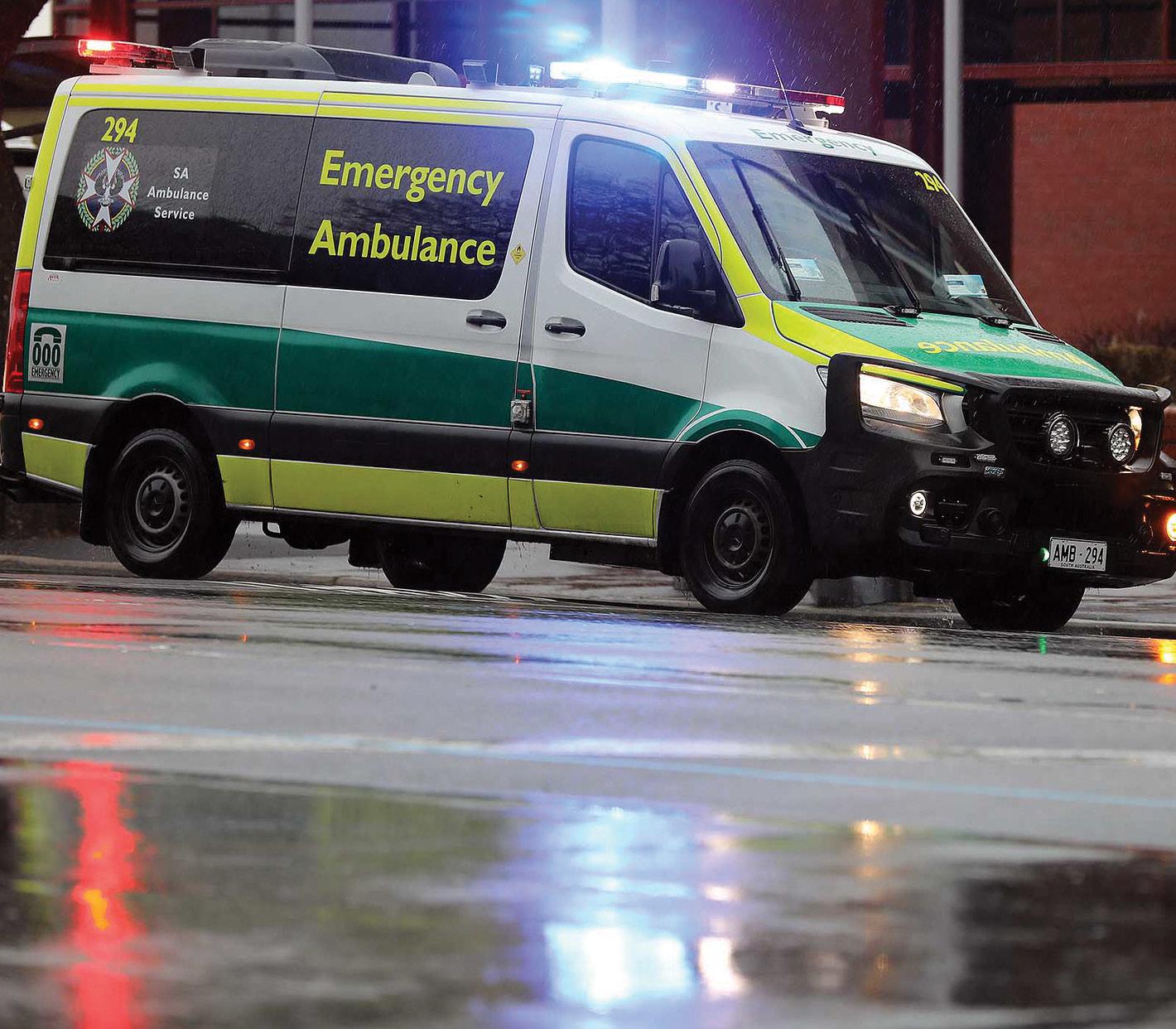
A NEW PUBLIC SECTOR EMPLOYMENT freeze announced in the South Australian Budget has sparked concern within the ambulance sector, with union representatives arguing that emergency ambulance services depend on far more than frontline paramedics alone.
The Government has indicated the measure will save approximately $120 million annually by not automatically replacing certain non-frontline public sector positions when employees resign or retire. The policy is expected to reduce overall public sector staffing levels over the coming year.
While ministers have stated that frontline services will be protected, ambulance union representatives say uncertainty remains around many of the specialist support roles that underpin the operation of SA Ambulance Service (SAAS).
The AEA has warned that any reduction in ambulance support staff risks weakening the systems that allow paramedics and emergency communications personnel to deliver safe and effective care.
“The AEA is deeply concerned by the Government’s recently announced public sector employment freeze and its impact on SA Ambulance Service’s ability to deliver a safe ambulance service to the community of South Australia.”
The union says ambulance services rely on a broad workforce that extends well beyond those responding directly to emergencies.
“Frontline ambos can only do their job safely because of the enormous work of the critical support teams behind them.”
According to the AEA, support staff perform vital functions that directly influence patient outcomes, workforce wellbeing and operational readiness.
“Triple Zero call takers, ambulance mechanics, education and training staff, statewide rostering teams, dispatch support, technical support, ICT, infrastructure, security, wellbeing, compliance, leadership and administrative support roles are not optional.”
“These are the people who answer emergency calls, keep ambulances roadworthy, train and support clinicians, fill rosters, maintain systems, and keep the ambulance service operating safely across the state.”
The union argues that vacancies left unfilled in these areas would inevitably increase pressure on remaining staff and place additional strain on frontline operations.
“Freezing these roles risks pushing already stretched teams even further, increasing pressure on frontline staff, and compromising the systems that support emergency ambulance response across our state.”
Following discussions with the Government, the AEA secured an important early assurance regarding one of the most critical parts of the ambulance response system.
“We have spoken with the Health Minister tonight. He has confirmed that our Triple Zero call takers will be exempt, which is a great start.”
The union welcomed the commitment, noting the critical role emergency communications personnel play in the delivery of ambulance services.
However, the AEA stressed that concerns remain for many other support roles across SAAS that have not yet been explicitly protected.
“We will continue to support all our members as we believe that all areas of SAAS impact frontline service.”
The union said it would continue advocating for workers across the organisation and for recognition that ambulance services depend on an interconnected workforce.
“We will continue to advocate our members’ concerns.”
The concerns raised by ambulance workers mirror broader criticism of the policy from across the public sector.
Public Service Association General Secretary Charlotte Watson argued that failing to replace departing employees effectively amounts to workforce cuts, regardless of how the policy is described.
“They’re not calling it a cut, but when you stop replacing workers, the result is exactly the same: fewer people doing more work, and services suffering.”
For ambulance workers, the debate highlights a recurring challenge facing emergency services across Australasia. As demand grows and systems become increasingly complex, maintaining safe ambulance services requires investment not only in frontline clinicians but also in the communications, fleet, technology, training and support teams that keep services functioning.
The AEA says any workforce strategy must recognise that ambulance services operate as a complete system.
“Ambulance services do not run on clinicians alone.”
The union is continuing to seek clarity around the scope of the employment freeze and its potential impact on SAAS support roles, arguing that protecting the health and safety of workers and the communities they serve must remain the priority.
“The Government must reconsider any employment freeze that places our members’ health and safety, and the South Australian public, at risk.”
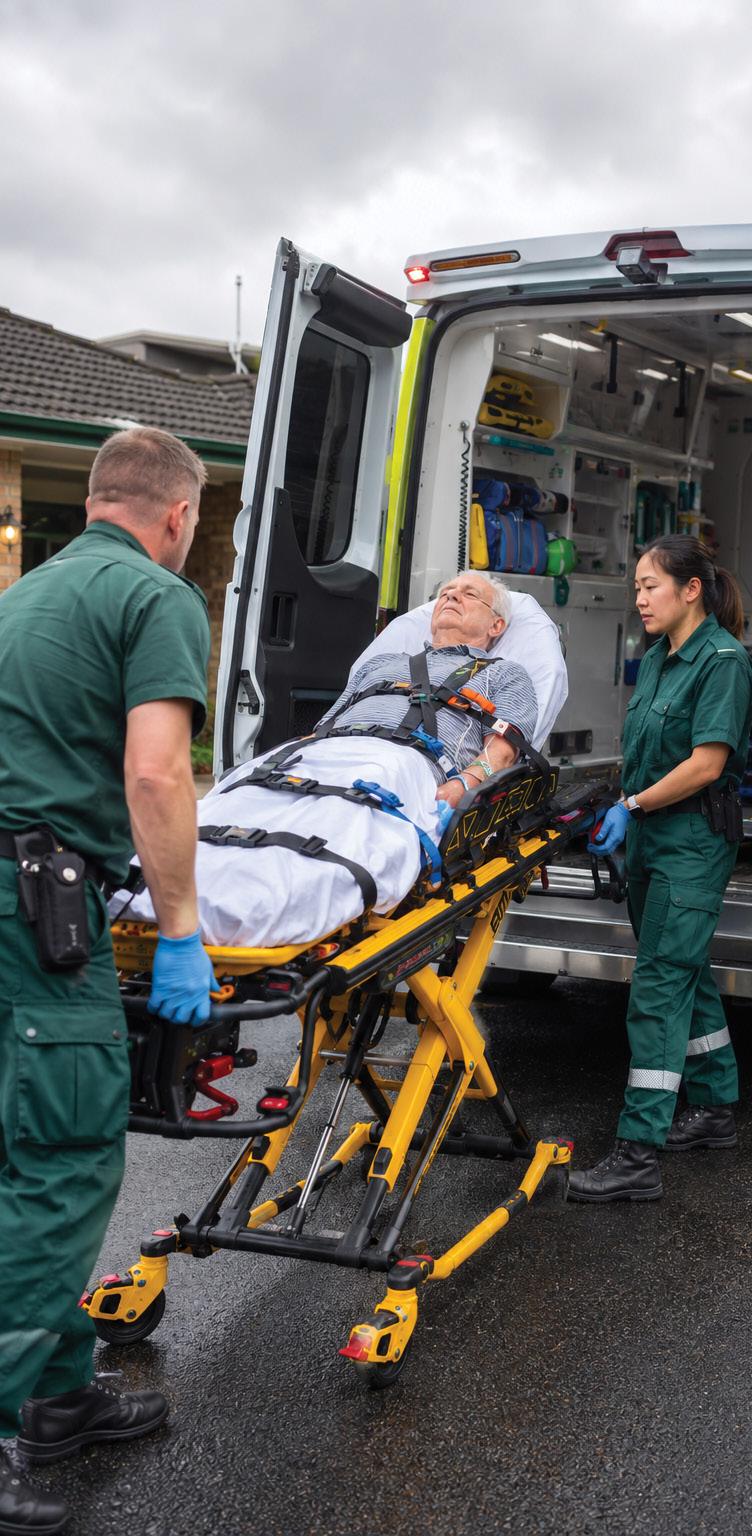












A new industrial agreement has delivered wage increases for Ambulance Tasmania workers, but paramedics and union representatives say worsening response times, chronic staffing shortages and ongoing workplace culture issues continue to place significant pressure on the workforce.
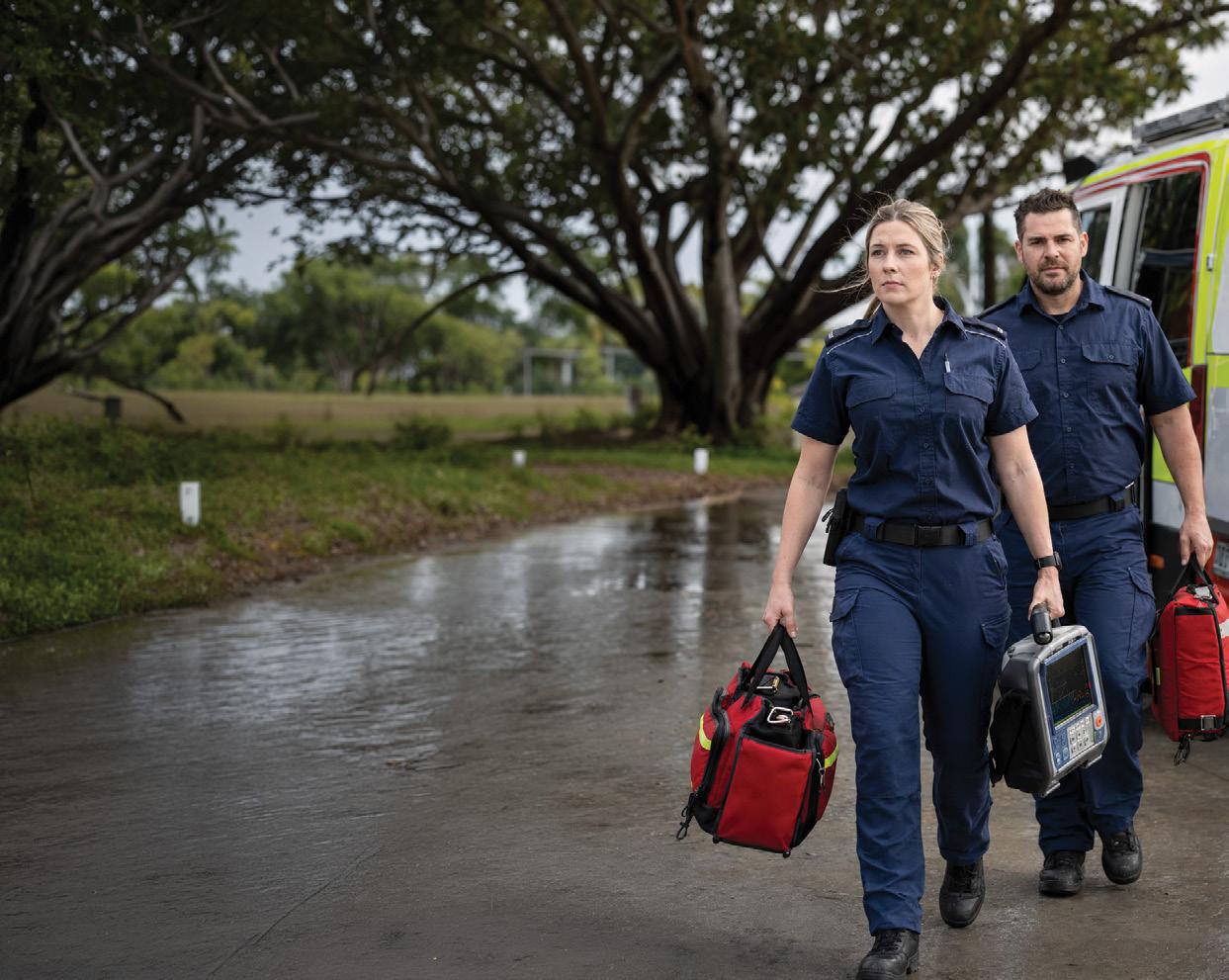
AMBULANCE TASMANIA PARAMEDICS have accepted a new three-year wage agreement following months of negotiations with the state government, securing salary increases and improvements to conditions for paramedics and emergency communications staff.
The agreement provides pay increases of 3 per cent in the first year, 3 per cent in the second year and 2.75 per cent in the third year, alongside classification reforms and targeted increases for specialist roles.
While the deal has been welcomed by many workers, union representatives say it does not address the deeper workforce challenges confronting the service. New data shows the average time between a Triple Zero call and an ambulance arriving on scene has risen to 15 minutes and 30 seconds, exceeding projections contained in an independent workforce review that warned response times would continue to deteriorate without significant workforce growth.
For frontline paramedics, the increasing delays reflect a growing gap between demand and available resources.
Paramedic Jan Pur, who has worked with Ambulance Tasmania for 16 years, said staffing shortages are having a direct impact on both crews and patients.
*”We’re going from job to job and we know there is a job waiting
for us while we’re looking after the patient on the ramp.”
Mr Pur said the consequences are being felt throughout the community.
”There’s people in the community, they are unwell, they need our services and we just can’t get there.”
The workforce concerns extend beyond resourcing alone. Survey results tabled in Parliament revealed significant dissatisfaction among employees, with respondents reporting concerns about workplace culture, management support and work-life balance. The findings showed many employees felt unsupported, overworked and undervalued, while also raising concerns about transparency, communication and accountability within the organisation.
Health and Community Services Union
Assistant State Secretary Tammy Munro said the findings reflected the experiences regularly reported by members.
”We’ve got workers that are understaffed, they’ve got burnout, they are bullied and pressured to do double shifts or even triple shifts and we’re actually injuring our first responders.”
Ms Munro warned the ongoing pressures are creating serious wellbeing risks for workers, stating that many are being psychologically injured by the conditions they face.
Workforce planning remains a major point of contention. An independent review recommended the recruitment of an additional 126 paramedics to meet growing demand and improve service delivery. Critics argue staffing growth has not kept pace with those recommendations despite recent recruitment efforts.
The Tasmanian Government maintains it has significantly expanded the ambulance workforce and continues to invest in additional positions. Health Minister Bridget Archer said Ambulance Tasmania was implementing a cultural improvement action plan, while Department of Health Secretary Dale Webster acknowledged previous initiatives had not delivered the level of improvement expected.
”It’s important that we actually acknowledge that what we’ve done hasn’t been working and let’s try and look at new ways to work, but also look at the structural issues that are in-built into it.”
While the new industrial agreement delivers wage growth and improved conditions, unions argue workforce shortages remain the most pressing issue facing the service. As demand for emergency healthcare continues to grow, recruitment, retention, fatigue, workplace culture and ambulance response times remain firmly on the agenda for Ambulance Tasmania workers.
Tasmanian paramedics are warning that workforce shortages, rising demand and a deteriorating workplace culture are placing increasing pressure on ambulance workers, with new survey results revealing widespread concerns about bullying, fatigue and staff wellbeing.
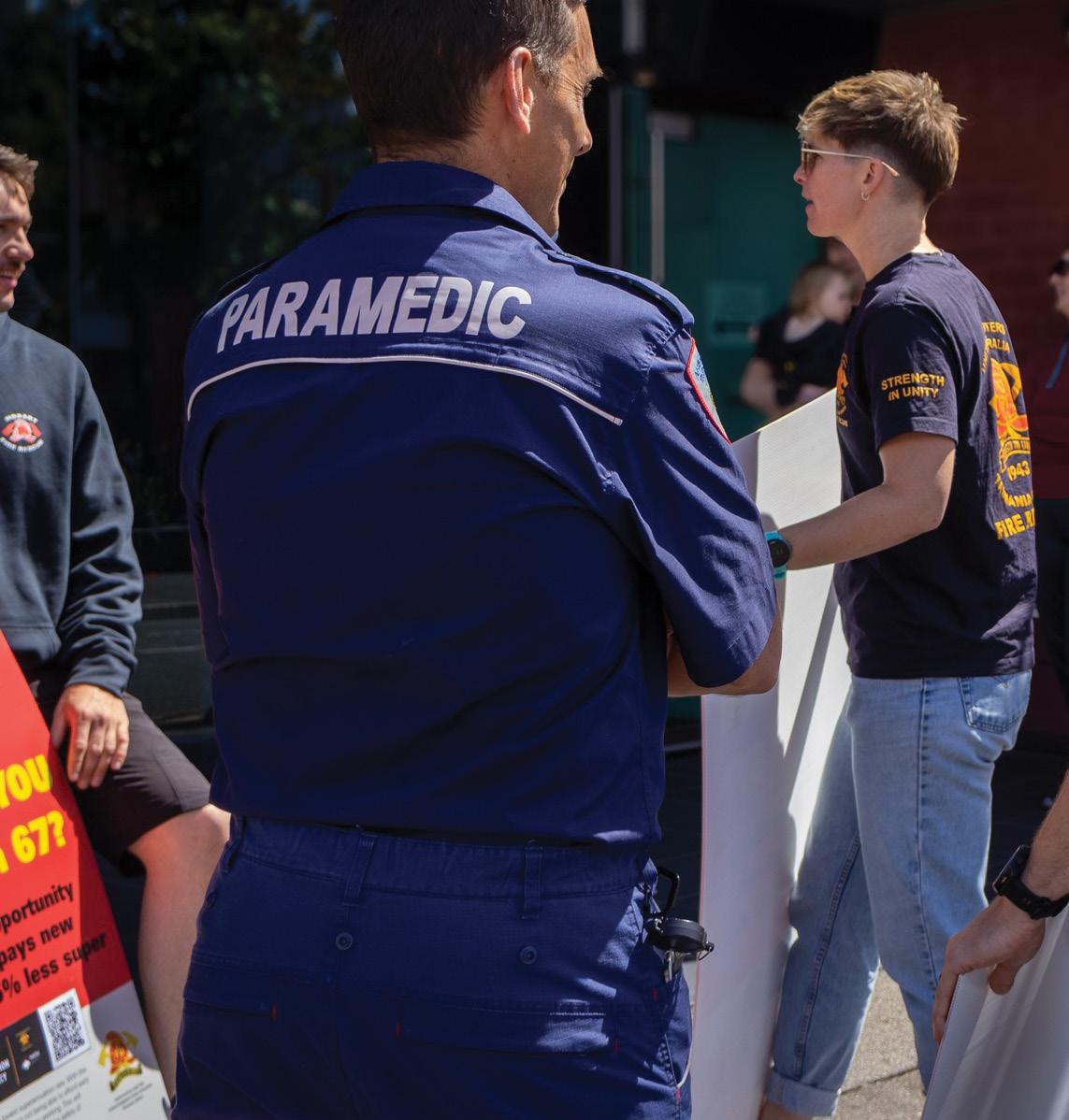
A NEW SNAPSHOT OF AMBULANCE
Tasmania’s workforce has exposed growing concern among paramedics and communications staff, with employees reporting they feel overworked, undervalued and increasingly disconnected from organisational leadership.
The findings come as ambulance response times continue to worsen and demand for emergency healthcare services reaches record levels, raising fresh questions about whether workforce growth is keeping pace with community need.
For ambulance workers, the issue is not simply about response-time statistics. It is about the daily reality of working in a system where crews move continuously from one job to the next, spend hours ramped outside hospitals and face mounting pressure as demand continues to increase.
Paramedic Jan Pur, who has worked for Ambulance Tasmania for 16 years,
said staffing shortages are having a direct impact on both patients and frontline workers.
“We’re going from job to job and we know there is a job waiting for us while we’re looking after the patient on the ramp.”
Mr Pur said ambulance crews are acutely aware that people in the community are waiting longer for assistance.
“There’s people in the community, they are unwell, they need our services and we just can’t get there.”
The consequences, he said, are felt by both patients and workers.
"It increases our stress, our pressure."
The workforce concerns were reinforced by employee survey results presented to Parliament, which revealed declining confidence in Ambulance Tasmania's leadership and significant dissatisfaction with workplace culture.
The survey found 17 per cent of respondents expressed a strong desire to leave the organisation, while employee confidence in the executive had fallen sharply compared with previous surveys.
Many respondents reported feeling unsupported, overworked and undervalued, while also raising concerns about communication, accountability and organisational transparency.
Among employees who had experienced workplace bullying, most reported the behaviour came from within the organisation itself. Seventy-five staff reported experiencing bullying "once in a while", while broader survey findings pointed to ongoing cultural challenges across the service.
The findings mirror concerns frequently raised by ambulance unions across Australia and New Zealand, where
workforce shortages and increasing workloads are often linked to declining morale, burnout and retention difficulties.
Health and Community Services Union
Assistant State Secretary Tammy Munro said the survey results reflect what members have been reporting for years.
"We've got workers that are understaffed, they've got burnout, they are bullied and pressured to do double shifts or even triple shifts and we're actually injuring our first responders."
Ms Munro said the combination of chronic understaffing, fatigue and workplace pressure was creating serious risks for both workers and patients.
“Workers are being psychologically injured.”
For ambulance unions, psychological safety is increasingly being recognised as a workforce issue alongside physical safety. Long shifts, repeated exposure to trauma, missed breaks and workforce shortages all contribute to growing concerns about burnout and retention.
The concerns come despite continued workforce growth within Ambulance Tasmania.
The state government says the number of ambulance operatives has increased significantly in recent years and points to ongoing recruitment efforts and investment in the service.
Health Minister Bridget Archer said Ambulance Tasmania was implementing a cultural improvement action plan and continuing to invest in workforce growth.
"Since we came to government, we've almost doubled the number of Tasmanian ambulance operatives across Tasmania, and we're continuing to invest in additional paramedics."
However, unions and frontline workers argue that increased staffing has not been sufficient to keep pace with growing demand.
An independent review previously recommended the recruitment of an additional 126 paramedics to meet future service requirements. Critics argue those recommendations have not yet been fully implemented, while response times continue to trend upwards.
Department of Health Secretary Dale Webster acknowledged that previous efforts to improve workplace culture had not achieved the desired outcomes.
"It's important that we actually acknowledge that what we've done hasn't been working and let's try and look at new ways to work, but also look at the structural issues that are in-built into it."
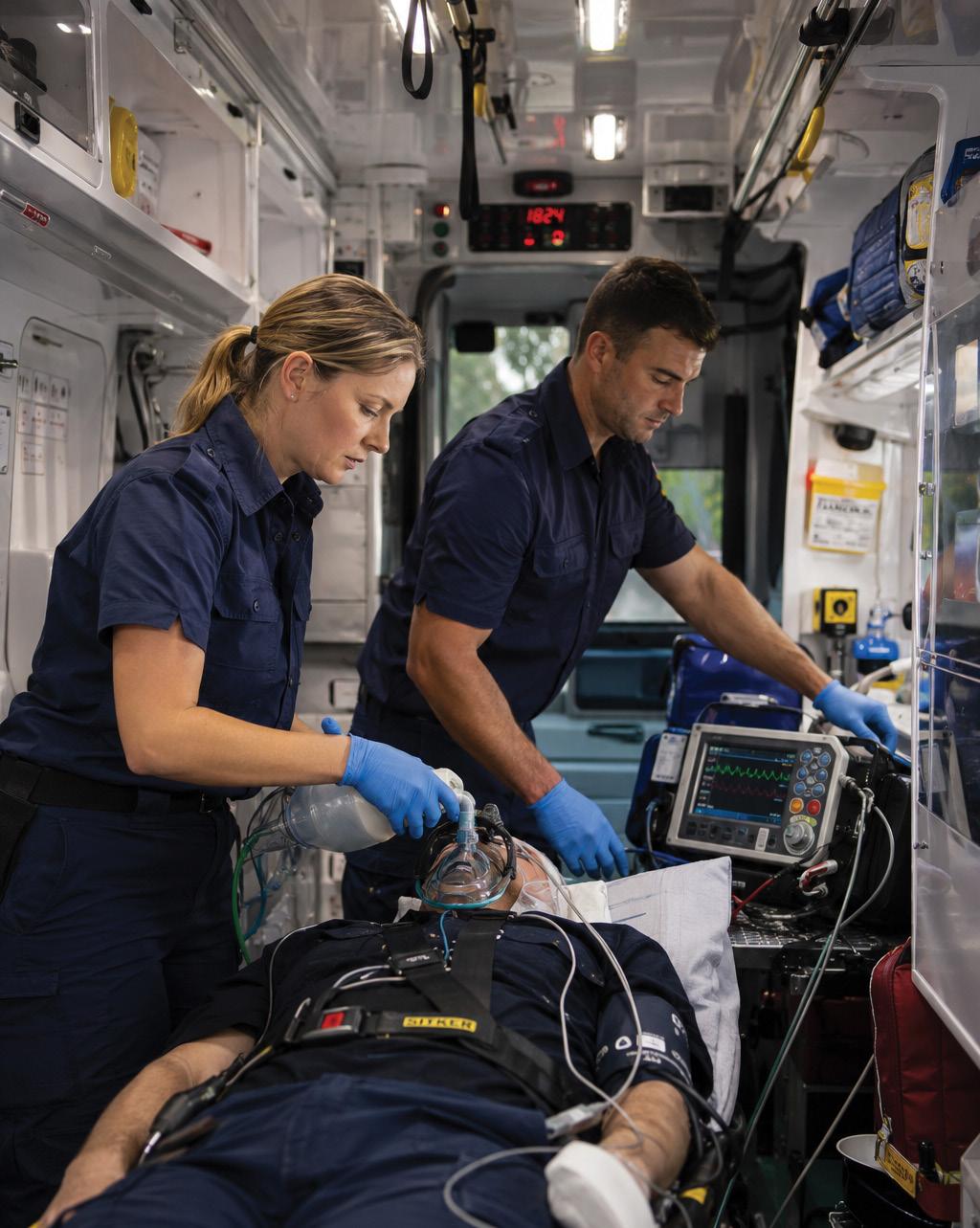
The release of the survey results coincided with the acceptance of a new three-year industrial agreement covering Ambulance Tasmania workers.
The agreement delivers wage increases of 3 per cent in the first year, 3 per cent in the second year and 2.75 per cent in the third year.
While the agreement concludes months of negotiations, union representatives warn that pay outcomes alone will not resolve the broader workforce challenges confronting the service.
Ms Munro said ongoing health budget pressures risk undermining progress.
“It’s disappointing that they had to fight hard to get what they got and then we get told that you have to find $700 million of efficiencies.”
She warned that without meaningful workforce investment, staffing shortages and ambulance response times are likely to remain major concerns.
“There’ll be catastrophes and the people that cop that are the paramedics that go out to sites, the call takers.”
For Ambulance Tasmania workers, the message from the latest survey is clear. While wage improvements are important, workforce sustainability ultimately depends on addressing the issues paramedics say are driving people away from the profession: chronic understaffing, fatigue, workplace culture and the growing pressure of delivering emergency care in an increasingly stretched health system.
As demand continues to rise, unions argue that protecting patient care will require not only more paramedics, but healthier workplaces that support the people delivering that care every day.







Ten new ambulance Health and Safety Representatives (HSRs) have completed training through the Victorian Ambulance Union (VAU), strengthening workplace safety advocacy across Ambulance Victoria and Triple Zero Victoria.
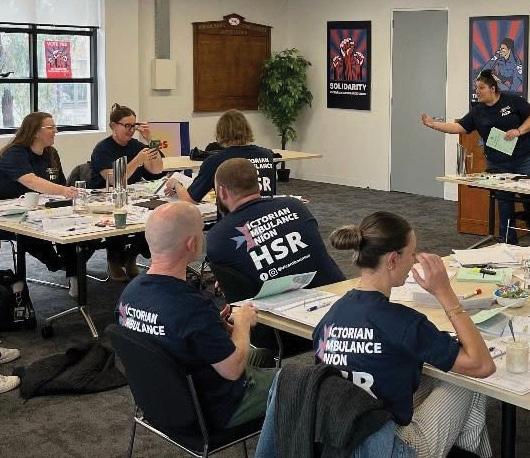
THE TRAINING BROUGHT TOGETHER MEMBERS FROM both services who have stepped forward to represent their colleagues and help create safer, healthier workplaces.
HSRs play an important role in identifying workplace hazards, raising safety concerns and working with employers to improve conditions for frontline workers.
The course provided participants with the knowledge and skills needed to effectively represent members on health and safety matters, while also offering an opportunity to share experiences and build connections with fellow workplace representatives.
The VAU congratulated the new HSRs and thanked them for taking on the important role of supporting and protecting their workmates.
By investing in workplace health and safety representatives, the union continues to strengthen its ability to advocate for safer workplaces across Victoria's emergency services sector.


Victoria's ambulance union has renewed calls for stronger legal protections for paramedics following a violent attack that left a Mobile Intensive Care Ambulance (MICA) paramedic hospitalised with stab wounds to the face and neck, prompting the State Government to commit to closing loopholes in assault laws.
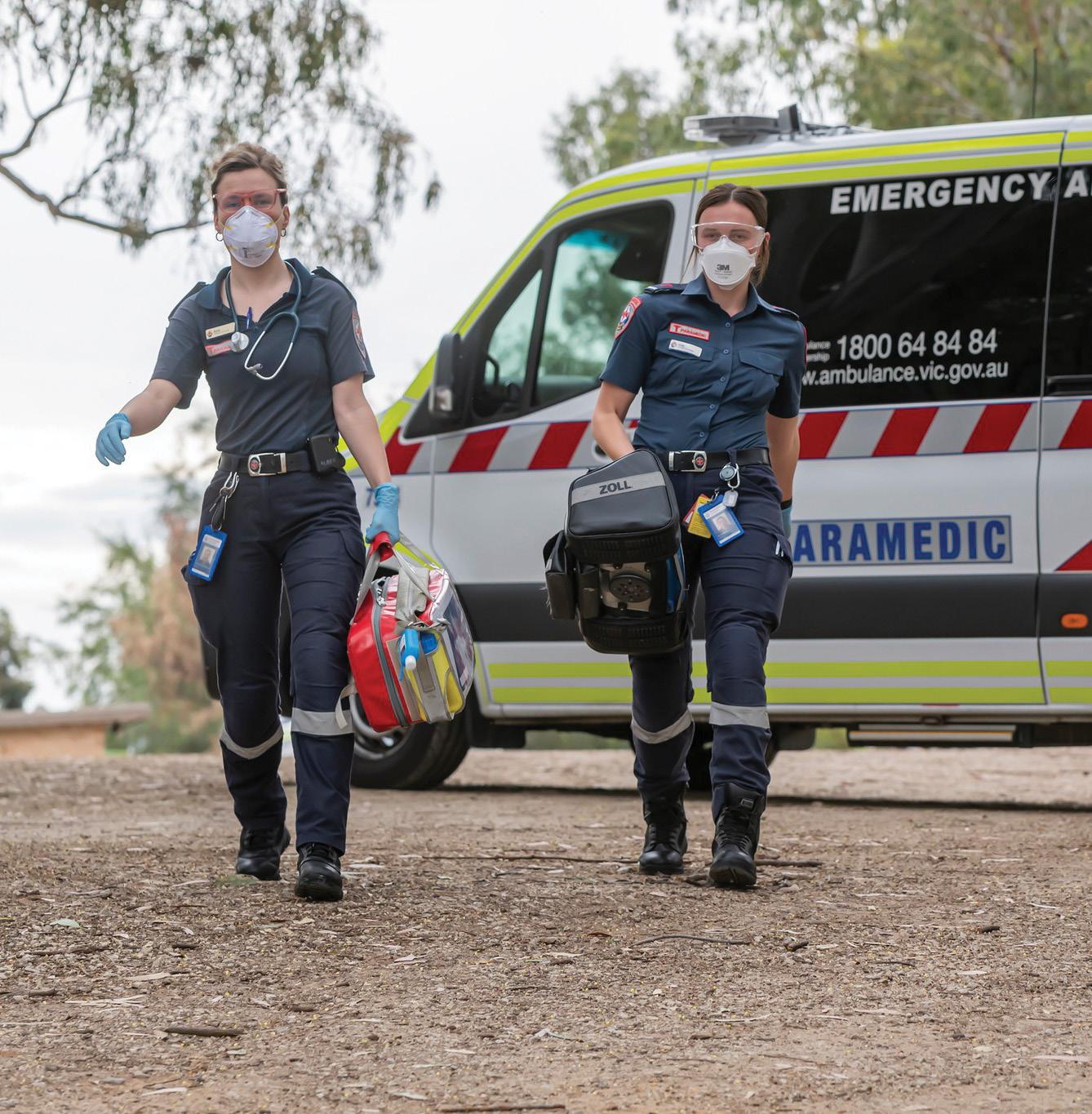
THE ATTACK HAS REIGNITED concerns about the growing levels of violence faced by ambulance workers and the adequacy of legal protections available to those who provide emergency care to Victorian communities.
The paramedic was attacked while on duty in Melbourne’s north after stopping for a coffee break between jobs. According to Ambulance Victoria, the assault was random and unprovoked.
The incident left the paramedic with serious injuries requiring hospital treatment and has once again highlighted the risks faced by frontline ambulance workers, even when they are not actively treating a patient.
The attack also comes amid ongoing debate about Victorian laws designed to protect emergency workers.
In Victoria, intentionally injuring an emergency worker is classified as a Category 1 offence, attracting mandatory imprisonment. However, recent cases have exposed concerns that some assaults may
fall outside those protections depending on how the law defines an emergency worker being “on duty”.
Those concerns intensified following a separate case involving an alleged assault on a paramedic where charges relating specifically to assaulting an emergency worker were withdrawn because the paramedic was not providing patient care at the time of the incident.
Victoria’s Ambulance Union has been among those calling for legislative reform to ensure paramedics are protected throughout the entirety of their shift, not only while directly treating patients.
Following renewed pressure from workers and union representatives, Premier Jacinta Allan announced that the Victorian Government would move to address the issue.
“Victims and union representatives have raised the issue of loopholes in the law, potentially undermining the protections emergency workers deserve.”
“We commit to fixing it. We will ask the Victorian Law Reform Commission
to review the definition of ‘on duty’ and ensure there are no loopholes.”
For ambulance workers, the announcement represents an important acknowledgement that violence can occur at any time during a shift, whether responding to patients, completing administrative duties, restocking equipment, travelling between jobs or taking a meal break.
Ambulance Victoria Chief Executive Jordan Emery said the attack was another example of the unacceptable violence being directed at paramedics.
“It is completely unacceptable that people who spend their lives caring for others – who give so much to care for their communities – continue to face violence on a daily basis.”
Mr Emery said the attack should prompt broader reflection about the treatment of emergency workers.
“We need to spend time reflecting on how we have come to a place where more than 1000 paramedics are
assaulted every single year in Victoria. It is absolutely disgraceful.”
According to Ambulance Victoria data, more than 1,000 incidents involving aggression, assault or violence against paramedics were reported during the previous year, with dozens resulting in physical injury or illness.
The figures reinforce concerns repeatedly raised by ambulance unions across Australia and New Zealand that violence against paramedics is becoming an increasingly common occupational hazard.
Mr Emery said the effects of violence extend well beyond the immediate victim.
“There will be paramedics tonight who will be scared to go to work, and rightly so, because of this appalling violence.”
He noted that the attack had also deeply affected the victim’s colleagues, who were required to provide emergency treatment to one of their own.
“It’s extremely distressing for them.”
“They are shaken, and understandably so. And yet so many of our people have come to expect it, and I can’t labour that point enough.”
Victorian Ambulance Union Secretary Danny Hill said the actions of a bystander who intervened during the attack likely prevented the situation from becoming even more serious.
“We extend our sincere gratitude and thanks to that bystander.”
“We hope that we get the opportunity to provide a more fulsome thanks directly.”
The attack has renewed calls for governments to treat violence against emergency workers as a workplace safety issue requiring both stronger legal protections and broader community action.
For ambulance unions, the issue extends beyond sentencing laws alone. It is also about ensuring workers have access to safe workplaces, adequate support following traumatic incidents and clear recognition that violence against healthcare workers will not be tolerated.
The Victorian Government’s commitment to review the legislation has been welcomed as an important step, but ambulance representatives say the broader challenge remains.
Every paramedic has the right to return home safely at the end of their shift.
For a workforce already dealing with increasing demand, growing workloads and regular exposure to trauma, the continuing rise in assaults serves as a stark reminder that protecting ambulance workers must remain a priority for governments, employers and the wider community.
1,000+
Reported incidents of aggression, assault or violence against Victorian paramedics each
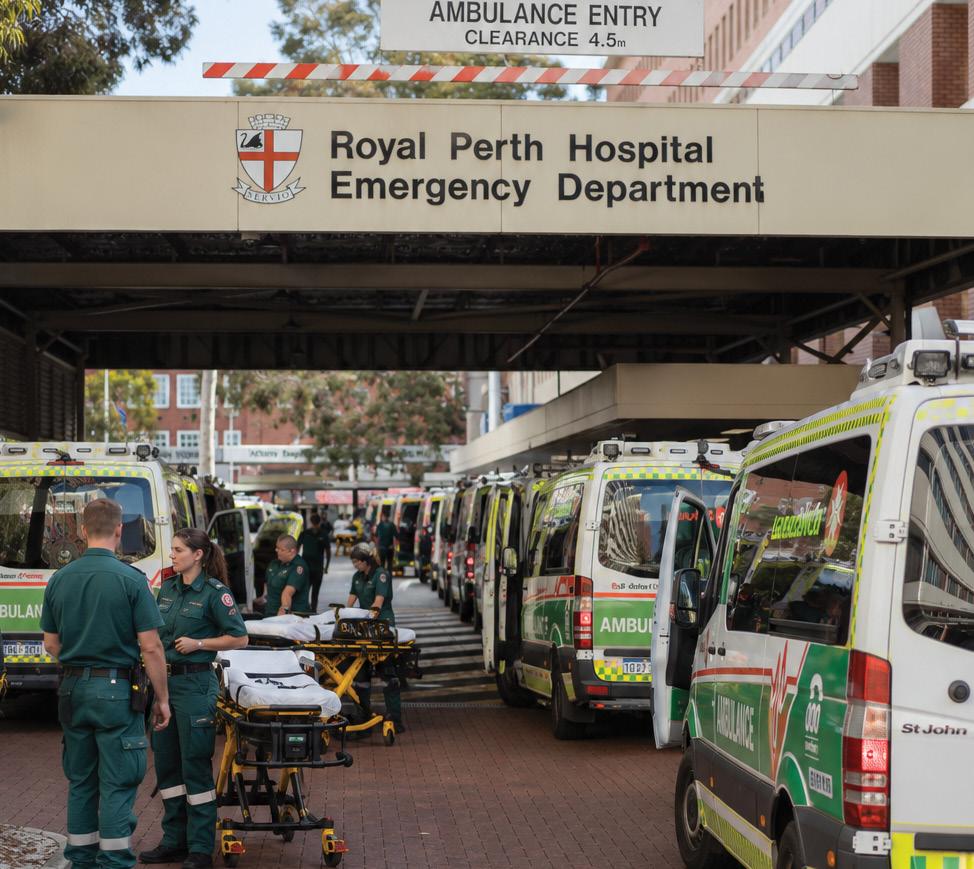
Ambulance ramping remains a significant challenge in Western Australia, with new figures showing patients spent a record 5,383 hours waiting outside hospitals during May as emergency departments faced increasing pressure ahead of winter.
THE FIGURES FOLLOW previous record-breaking ramping periods and have renewed concerns about hospital capacity and the impact prolonged delays have on patients, paramedics and ambulance availability.
WA Premier Roger Cook acknowledged ramping remains a challenge, describing it as an issue affecting health systems across Australia.
“It comes with the ageing population, the increase of acute illnesses that present to our emergency departments.”
The State Government has pointed to continued investment in health,
including a $9.1 billion health budget and a $400 million winter strategy designed to increase hospital capacity and improve patient flow.
Additional hospital beds are expected to come online as part of the winter response, although the Premier acknowledged some measures are focused on building future capacity.
For ambulance crews, extended ramping means ambulances can remain tied up outside hospitals waiting to transfer patients, reducing the availability of crews to respond to new emergencies.
As winter demand continues to place additional pressure on emergency departments, reducing ambulance ramping remains a key priority for ensuring patients receive timely care while keeping ambulance resources available for the community.
The United Workers Union continues to work collaboratively with the WA Government to reduce ambulance ramping, improve hospital patient flow and ensure paramedics can return to the community more quickly to respond to emergencies, while delivering better outcomes for patients across the state.
Here are ThinkUKnow’s top tips for safer online interactions:
• Question suspicious accounts, and trust your instincts if something doesn’t seem right - not everyone is who they say they are.
• Avoid meeting someone in person that you have only ever spoken to online. However, if you do meet, choose a public place and take someone with you.
• If something goes wrong, know how to block or un-match and report.
• Your safety should always come first! Sometimes things don’t go to plan but there is always help available. For more information, visit www.thinkuknow.org.au




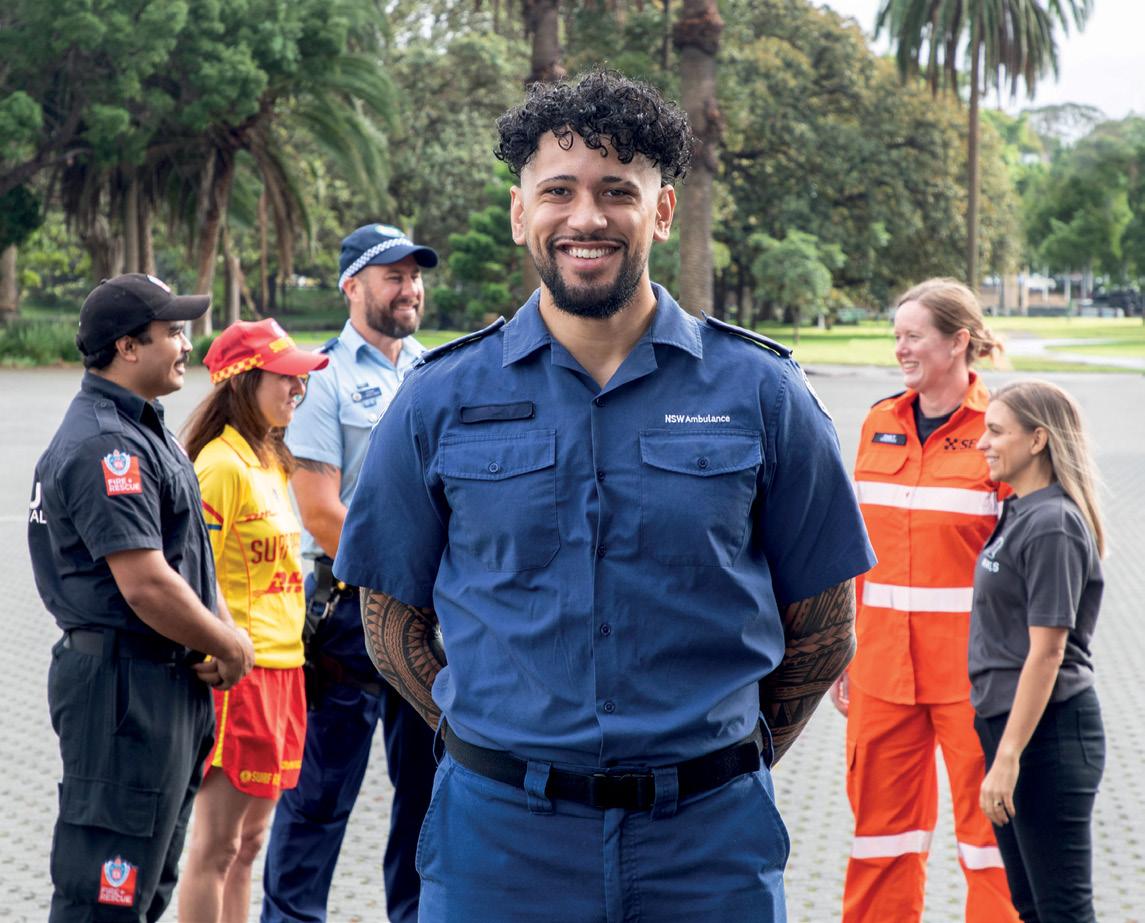
Australia’s emergency service workers and volunteers keep our communities safe, but stress and anxiety are often part of the job. Experiencing mental health challenges after a traumatic event is normal and very common — and it’s treatable, too.
Confidential support is available now:
• Take a quick online mental health check and receive a report that identifies your symptoms and provides recommendations for support.
• Book up to 12 sessions with leading, trauma-informed clinicians via telehealth or face-to-face. Free of charge, with no Medicare or GP referral required.
• Access information and resources to help manage your symptoms.
Visit our website nationalemergencyworkersupport.org.au National Emergency Worker Support Service