

Port of Coos Bay Of cials attend community
questions from Concerned Citizens of Empire
By Nate Schwartz
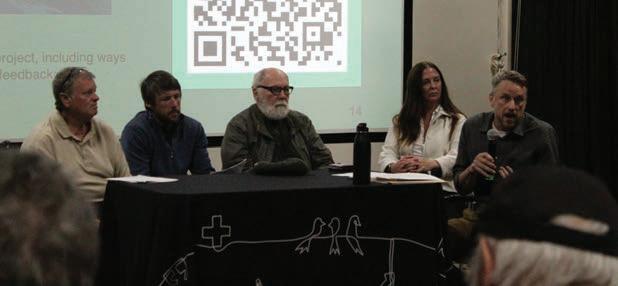
A group called the Concerned Citizens of Empire held a community meeting at the Dolphin Theater on March 25, 2026, which was attended by members of the Port of Coos Bay and its board of commissioners, who answered questions gathered from previous events. The group has been holding periodic meetings since murmurs of the Pacific Coast Intermodal Port (PCIP) project became genuine planning back in late 2024. The terminal is planned to be built on the North Spit, across the federal navigation channel from Empire
The community group is aptly named, and the questions they hoped to have answered were
first collected following one of their initial meetings in December, 2024. The difficulty is that, with millions of dollars in State and Federal grants and bonds, the project is still in the pre-permitting stage. There is much that is still unknown about its specifics, and a lot of the project’s detractors cannot have their fears assuaged until that work is done.
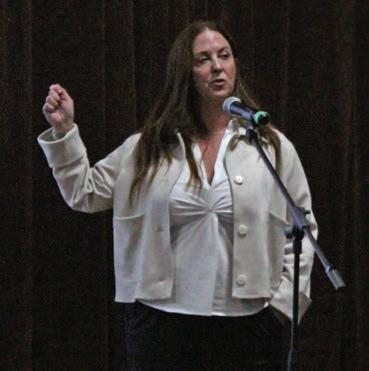
“We appreciated the opportunity to attend and the level of community interest in the PCIP project,” stated Melissa Cribbins, Executive Director for the PCIP project, post-meeting. “Even though the project is still in its early stages, we are committed to transparency and ongoing communication with the community. We are always open to participat-
ing in community meetings when they are constructive forums for information sharing and discussion.”
One of the organizers for the Concerned Citizens, Patrick Momsen, moderated the event. Alongside groups like the Coos County League of Women Voters, there has been consistent pressure from a section of the community to garner details about the project and its impacts.
“This has been a plan of ours for the last two years. It’s taken us this long to get the cooperation, to come and meet with the public, and that’s a great start,” said Momsen.
“We’re just a loose group of people in Empire, but we have to hold people accountable, because
there are a lot of organizations that wouldn’t ask the questions we have… We look at ourselves as kind of the provocateurs, or the people that are asking the questions that people really want to know about.”
Cribbins gave a 15-minute presentation at the start of the hour-long event, outlining that which is known about the project. Much of that information has been reported on over the last year or so. The project will be the first port on the West Coast that is entirely ship-to-rail, bolstering the supply chain while keeping trucks off the road.
Given the area’s need for diverse economic drivers since the collapse of the timber industry, the port estimates that
the project will create around 2,500 construction jobs, with another 2,500 permanent ones directly provided through port operations. These are to be union jobs, with Memorandums of Understanding (MOU) said to already be drafted with local labor organizations.
The hope is that other industries will grow as a result of the influx, with schools needing more teachers, local healthcare needing more providers, etc. North Point, the Kansas Citybased private developer for the project, did not have a representative in attendance.
The curated questions spanned
County Commissioner Race 2026:
An Interview with Brandi Martindale

BY NATE SCHWARTZ
Brandi Martindale is a political upstart, running her first campaign for the County Commission Position 2, that has been held by John Sweet for three consecutive terms. Martindale has deep ties to the area as a third-generation Coos County resident, and graduate of Coquille High School. After an extended stint in New York City for education, where she earned a bachelor’s in Sociology from CUNY Queens College and a master’s in Social-Organizational Psychology from Columbia University, she is back in Coos County where she runs her own life coaching service.
Martindale joined me on Zoom for a discussion on her qualifications and ideas for the county. Our 30-minute conversation has been trimmed for readability.
On her background, experience, and quali cation:
“I grew up in poverty surrounded by domestic violence, adult drug abuse, sexual violence. It’s something that a lot
of us Coos County kids go through…
When I left Coos County, I carried a lot of shame with me, because I was a white trash dirtbag from a sh--hole. I’m trying to think of how to put that nicely, because it’s not a nice thing to grow up in this circumstance. The nickname of my friend group was ‘Denny’s Trash’ because we hung out at Denny’s, and so I carried that shame with me for a long time.
“Moving back, I think I can approach Coos County’s problems from a really unique and useful perspective, because I understand the habits that have to change. We need to design our systems so that they overlap with each other, so we create that multiplier effect. I think that’s really important because if we have someone using services in one system, say Coos Health and Wellness, and then they end up in the criminal justice system, they lose their Oregon Health Plan and can no longer get access to the treatment that they need to decrease recidivism.
“I don’t think I would deeply understand the root cause of these issues and how to get at the root solution without having the rather terrible childhood experiences that I did. Now, experience alone isn’t enough. I have a wealth of education and experience within social behavior as well as in coaching, started off by my professional career at Marine Corps Air Station Yuma as a civilian trainer for the Marine Corps. That immediately broke me out of a cultural element here in Coos County, where I was now surrounded by discipline… it gives me kind of a framework for when we’re looking at Coos County poverty. We’re looking at pulling people out of it. What kind of environment can we recreate that supports self-sustaining habits from there?
“I’ve been educated all the way from
See COMMISSIONER RACE-MARTINDALE
Continued on Page 12
An Interview with incumbent John Sweet
BY NATE SCHWARTZ
John Sweet is running for re-election to his role on the Coos County Board of Commissioners. Sweet has held Position 2 on the dais since his first successful campaign back in 2014. The 84-year-old brings a lifetime of experience to the role, in addition to degrees in Forestry Management and Business Administration, which he earned while working in timber mills to pay his way through school at Oregon State University.
I sat down with Sweet for coffee and a chat to hear his thoughts on (and solutions for) the issues facing Coos County. Our roughly twenty-minute conversation has been trimmed for readability.
On the current state of the county:
“Coos County, like almost all rural counties, is faced with a funding problem. We have Majors 5 and 50 that limit the growth of property taxes, which is good and I’d hate to see it otherwise, but the fact of the matter is, our tax revenues are not keeping up with the cost of inflation. After Covid, we had a huge jump in inflation, it probably went up 15% in total, over a couple of years. Our tax rate kept going up by 3%, so there’s about a 10% gap there and it’s been difficult to fill. We’ve managed to do it by digging into reserves and by laying off staff, but neither one of those is sustainable, and we’re kind of coming to the end of our rope.
“It’s happened to a lot of counties, and the cities, and the schools, and the fire districts, and the hospitals. Everyone that is dependent upon local property taxes for a significant part of their revenue is having trouble, particularly in small, rural counties.”
On where his personal priorities for the county lie:
“My personal priority is finding an ad-


equate way to fund our county and other local governmental entities, and I don’t know quite what that will be. Because, it has to be something that is acceptable to the public, it has to be something that the state doesn’t say, ‘no you can’t do that’…”
When pressed for an actionable solution:
“We have a possibility of getting an increase in our share of revenue from the harvest of federal forest land. Regarding our biggest piece of land, we’re currently under a management plan that’s probably 10 years old, and they’re trying to increase the harvest as best they can within that plan. Starting in the fiscal year on July 1, the counties are going to get a 75% share of those revenues rather than a 50% share… But, my understanding is that we will not see any money from that increase until the fiscal year starting July 1, 2027. That’s just a year too late.


Guest Column

BY J. MARK POWELL InsideSources.com
HOLY COW! HISTORY:
Criminals come in all shapes and varieties, and they prompt many reactions. Some infuriate you. Some leave you perplexed. Some evoke pathos and tragedy. And some are just plain creepy. They all apply to one felon who left lawmen stunned and disturbed. When her crimes finally caught up with her, 11 people were dead by her hand. This is the story of the Giggling Granny, a case that was anything but funny. She was born Nancy Hazel. Everyone called her Nannie. Her demanding father wouldn’t let his children attend school; they had to work on the family’s hardscrabble farm in the North Alabama hill country instead. Her favorite escape was reading her mother’s romance magazine and dreaming of finding true love.
Traveling to visit relatives in South Alabama when she was 7 years old, the train she was riding in abruptly stopped. Nannie’s head slammed against a metal bar, leading to years of blackouts, severe headaches and acute depression. She later blamed
what happened next on that head injury.
Nannie took a job in a textile factory and, at age 16, married for the first time. That was in 1921. Four daughters followed in four years. Her demanding motherin-law lived with the newlyweds. Nannie started smoking and drinking to excess. The young couple each accused the other of being unfaithful. It was a miserable existence.
Suspected food poisoning took the lives of two daughters. Then the mother-in-law died. The husband grabbed their youngest, an infant girl, and ran off. When he finally returned, a nasty divorce followed.
Husband No. 2 turned out to be an alcoholic. Now grown, the daughter gave Nannie a grandson. The boy died of asphyxiation while she was watching him. She soon collected a $500 life insurance payout (almost $10,000 today).
The years rolled by. More marriages; more mysterious deaths. There would be five husbands in all. It was the demise of the last one that finally led the law to catch up with her.
The Ghastly Tale of the Giggling Granny THANK YOU
State Representative Court
Boice Supports Lynn Coker for Curry County Commissioner
Dear EditorI met Lynn Coker shortly after he and his family moved to Gold Beach in the fall of 2017. Since then, our families have worked and served together in our community. I was pleased to learn early on that his high character was beyond noteworthy. Lynn is a leader and exceptional professional dedicated to doing what is best for our special corner of Oregon. His leadership in protecting the South Coast from the potential harms of large-scale offshore wind energy development has been critical.
Long before his appointment to the Board of Commissioners, Lynn volunteered his expertise to support county leadership, offering sound counsel on budgeting, organizational design, and


•
• 3:51
Com-
Virginia & Madrona St
• 4:41 PM – Driving While Suspended, 3201 Tremont Ave
• 6:55 PM – Criminal Trespass, 1611 Virginia Ave
• 8:11 PM – Suspicious Conditions, 1501 Virginia Ave
• 8:47 PM – Unlawful Vehicle, Sheridan & Florida
The two had tied the knot in Tulsa, Okla., in June 1953. Nannie was nearing 50 then. Sam Doss was a Nazarene minister who’d lost his wife and six children in an Arkansas tornado. He strongly disapproved of the romance magazines Nannie still loved. It appeared this marriage was headed for heartache like all the others.
Just 15 months later, Sam was admitted to the hospital with strange flulike symptoms. Doctors discovered a severe infection of the digestive tract. Sent home on Oct. 5, he died one week later. Alarmed, his doctor ordered an autopsy.
And that was when Nannie Doss’ morbid secrets came crashing down.
The autopsy had turned up a huge dose of arsenic in Sam’s system, landing Nannie behind bars. What was most unnerving was her demeanor during her confession to investigators.
Puffing one cigarette after another, she was chatty, even jovial, as she recanted a horrifying string of killings in several states over the years. Her happy, upbeat attitude disturbed every-
community development. Beyond his public service, he has consistently served as a volunteer life coach and addiction counselor, helping families navigate their most difficult moments. This combination of practical leadership and personal compassion is rare.
Since his appointment to the Board of Commissioners, Lynn has provided steady leadership on challenging budgetary and service-delivery issues. His focus on infrastructure, housing, economic development, and public safety has reshaped county priorities. Curry County has never had a stronger advocate for efficiency, transparency, and accountability.
My family and I will be voting for Commissioner Lynn Coker in the May election. We need his continued principled approach to Curry Government. I strongly encourage others to do the same. Thank you.
Court Boice
State Representative – District 1 Coos, Curry and Douglas Counties



• 10:24 PM – Suspicious Conditions, 2090 Inland Dr Coos Bay
• 5:12 am – Criminal Trespass, 2070 Thompson Rd
• 6:14 am – Driving Complaint, 10th St & Date
• 6:34 am – Theft, 648 S 11th St
• 6:40 am – Illegal Camping, 525 Anderson Ave
• 6:40 am – Illegal Camping, Anderson & 3rd
• 6:42 am – Illegal Camping, 2nd Court Alley & Anderson
• 6:48 am – Illegal Camping, Broadway & Les Schwab
• 6:54 am – Illegal Camping, Ziply Behind VP Racing
• 7:04 am – Found Property, Broadway & Johnson
• 7:30 am – Illegal Camping, 3rd & Anderson
• 7:40 am – Suspicious Conditions, 500 Central Ave
• 8:55 am – Juvenile Problem, 245 S Cammann St
• 9:54 am – Illegal Camping, 2nd Court Alley & Anderson
• 10:12 am – Disorderly Conduct, 772 S Broadway St
• 10:20 am – Dispute, 146 S Main St
• 11:05 am – Criminal Trespass, Mingus Park
• 11:20 am – Illegal Camping, 500 Central Ave
• 12:00 pm – Illegal Camping, 354 S 4th St
• 12:17 pm – Disorderly Conduct, 500 Central Ave
• 1:03 pm – Suspicious Conditions, 1283 N 13th St
• 1:23 pm – Relayed Calls, Cape Arago Hwy MP 5.5
one. Nannie laughed, smiled and repeatedly giggled while recounting to detectives her grisly, low-key killing spree. When all was said and done, she admitted murdering four husbands, two of her kids, her mother and sister, one mother-in-law, and two grandsons. Eleven victims in all, each connected by marriage or family blood.
Insurance money was a prime motive. Most of her murders used liquid rat poison.
The press had a field day. News stories referred to her as the Lonely Hearts Killer, the Jolly Black Widow, and the nickname that stuck above all others, the Giggling Granny.
Nannie pleaded guilty in 1955.
The state didn’t pursue the death penalty because she was a woman, as sometimes happened at the time. She was sentenced to life in prison for Sam Doss’ murder; she was never charged for the other 10 killings.
The end came in 1965 when she died of leukemia in the Oklahoma State Penitentiary at age 59. The secret of what drove her to kill so many people went to the grave with her.
On behalf of all those that you came to the assistance of, we THANK YOU for making the Annual Holiday Food Basket Distribution another community success! Together we were able to provide over 94,300 pounds of critically needed food resources to 1,180 households in 11 communities. You helped provide critically needed basic food resources to over 4,000 of your neighbors through the Holiday Season.
In addition to over 100 generous private donors, we would like to thank the following businesses and foundations who make this event the success it has become over the past 42 years.
Thanks to: Sause Bros. Ocean Towing, Best Western Holiday Hotel of Coos Bay, Les’s Sanitary Service, Roto Rooter Service of Coos Bay/North Bend, Peterson CAT, Ferguson Transfer, South Coast Food Share, City of North Bend, Oregon State Dept. of Human Services, St. Monica’s Church, Holy Redeemer Church, The Salvation Army, The Church of Jesus Christ of Latter Day Saints Wards of North Bend,

Did the head trauma suffered in that railroad car so many years before cause her mental instability? Was it the times she was raped as a small girl, stories her parents refused to believe when she told them? Or was there some deeply seeded demon buried within that made her kill again and again? We are left without answers. Only the relentless chuckling during her confession still eerily echoes through the decades.
ABOUT THE WRITER
J. Mark Powell is a former television journalist. His nonfiction book “Witness to War: The Story of the Civil War Told by Those Living Through It” is available at jmarkpowell.com. He wrote this for InsideSources.com.
Coos Bay, Bandon and Coquille, The Coos Foundation, The Ford Family Foundation, Bandon Dunes Charitable Foundation, The Coquille Indian Tribe, United Way of Southwestern Oregon, Southwest ILWU, Juul Insurance, Patrick Myers Tree Service, McKay’s Markets, Knights of Columbus Councils in Florence and Bandon, Main Rock Products, the Food For All FFA students of Perrydale, Oregon, the North Bend H.S. Culinary Program, Girl Scouts Coos Bay Troop 30490, the Cow Creek Umpqua Indian Foundation, First Community Credit Union. We also want to extend a special welcome to new partners in this effort, Franz Bakeries and the Chefs Store in Coos Bay. Special thanks to the Oregon Army National Guard who continued to open their doors and provided the use of the local armory building for the distribution of all your generosity.
Respectfully and Gratefully, Knights of Columbus and The Church of Jesus Christ of Latter-Day Saints.

• 1:25 pm – Code Violation, 341 5th Ave

• 1:44 pm – Accident, 2051 Newmark Ave
• 1:49 pm – Fraud, 707 N 9th St
• 1:56 pm – Illegal Camping, 1590 Newmark Ave
• 2:25 pm – Driving Complaint, 1988 Newmark Ave
• 2:54 pm – Driving Complaint, Empire Lakes John Topits Park
• 2:59 pm – Abandoned Vehicle, Salmon by Fastnal
• 3:21 pm – Unlawful Vehicle, N Wall & Harris
• 3:28 pm – Accident, Hit & Run, 894 Stillwater Dr
• 3:35 pm – Disorderly Conduct, N 10th & Hemlock Ave
• 3:55 pm – Disorderly Conduct, 657 Newmark Ave
• 4:01 pm – Counterfeit Money, 150 E Johnson Ave
• 4:16 pm – Suspicious Subject, Koos Bay Blvd & Thompson Rd
• 5:00 pm – Sex Offender Fail Reg, 330 Central Ave
• 5:04 pm – Threats, 1028 Sanford St
• 5:17 pm – Check, Welfare, 1600 Blk Thompson Rd
• 5:20 pm – Illegal Dumping, S Schoneman & Salmon
• 5:37 pm – Driving Complaint, 400 Blk N Broadway
• 5:46 pm – Theft of Mail, 1190 Central Ave
• 5:51 pm – Criminal Mischief, 955 S 10th St
• 6:00 pm – Harassment, 500 Central Ave
• 6:45 pm – Dispute, 237 Ackerman Ave

POLICE BLOTTER
• 7:05 pm – Accident, Hit & Run, 2051 Newmark Ave


• 7:48 pm – Disorderly Conduct, S 7th & Kruse Ave
• 8:23 pm – Suspicious Vehicle, 295 Holland Ave
• 10:19 pm – Warrant Service, 146 N 4th St
• 11:01 pm – DUII, Elrod Ave & S 4th St Coquille
• 6:34 am – Suspicious Subject, 1501 W Central Blvd, Winter Lakes
• 6:54 am – Patrol Check, 115 N Birch St, Coquille Community
• 12:01 pm – Criminal Trespass, 821 N Folsom St
• 12:39 pm – Driving Complaint, 200 Blk N Central
• 1:06 pm – reats, 620 W Central Ave
• 3:12 pm – Harassment, 1700 Shelley Rd
• 9:35 pm – Suspicious Subject, 115 N Birch St, Coquille Community
• 9:52 pm – Harassment, 2 N Central Blvd, e Broiler
Reedsport
• 4:09 AM – Suspicious Activity, 75325 US-101 N Apt# B2
• 6:27 AM – Medical, Highway 101 & Mile Post 217, Winchester Bay
• 8:22 AM – Welfare Check, Umpqua Mobile Home Village
• 9:31 AM – Harassment, Reedsport Police Department
• 10:50 AM – Sex Offense, Reedsport Police Department




• 3:52 PM – Domestic Disturbance, 2720 Greenbriar St
• 4:10 PM – Information, 2210 Arthur Dr, Reedsport
• 4:46 PM –
• 1:40 PM – Juvenile Problem, Highland Elementary School
J. Mark Powell
Myrtle Point
• 9:58 am – Unlawful Vehicle, Maryland & Herman
• 10:05 am – Abandoned Vehicle, Willow & B St
• Tuesday 03/17
North Bend
• 12:49 AM – Alarm Residence, 508 Isabelle Ave
• 1:33 AM – Suspicious Vehicle, Public Square Ct & Broadway
• 4:22 AM – Illegal Camping, Cedar & Kinney
• 6:09 am – Narcotics Investigation, 3201 Tremont Ave
• 6:11 am – Criminal Trespass, Colorado & Cessna Cir
• 6:31 am – Alarm, Residence, 584 Exchange St
• 9:09 am – Subpoena Service, 835 California Ave
• 9:10 am – Harassment, Domestic, 720 S Wasson St
• 9:18 am – Assist, Fire Dept, 1701 Newmark St
• 9:48 am – Fraud, 451 Oconnell St
• 9:52 am – Suspicious Conditions, Hwy 101 Mp 234 Mccullough Bridge
• 10:41 am – Fraud, 2294 Marion Ave
• 10:54 am – Suspicious Conditions, North Bend City Area
• 11:14 am – Accident, Hit & Run, 3411 Broadway Ave
• 11:29 am – Subpoena Service, 835 California Ave
• 11:33 am – Sex Offender Registration, 835 California Ave
• 11:47 am – Accident, Pedestrian, 1735 Virginia Ave
• 11:56 am – Disorderly Conduct, 1611 Virginia Ave
• 11:59 am – Suspicious Subject, Hwy 101 Mp 234 Mccullough Bridge
• 1:28 pm – Unlawful Vehicle, 942 Commercial St
• 2:20 pm – Subpoena Service, 3201 Tremont Ave
• 3:13 pm – Illegal Camping, Everett & North Bend Airport
• 4:20 pm – Fraud, 1672 Sherman Ave
• 6:31 pm – Suicidal Subject, 2333 Montana Ave
• 6:34 pm – Suspicious Conditions, 2307 Everett Ave
• 9:57 pm – Assault, 800 Block California Ave
• 10:30 pm – Juvenile Problem, 2333 Montana Ave
• 11:51 pm – Alarm, Business, 1300 Airport Ln Coos Bay
• 6:57 am – Odor Investigation, S 2nd St & Golden Ave
• 7:19 am – Code Violation, 2nd Ct Alley & Anderson
• 7:52 am – Abandoned Vehicle, 400 Blk N Cammann
• 7:56 am – Deceased Subject, 1212 Embarcadero Cir
• 8:32 am – Suspicious Conditions, 1729 Cottonwood Ave
• 9:04 am – Disorderly Conduct, California Ave
• 9:10 am – Dispute, 720 S Wasson St
• 9:22 am – Criminal Trespass, 625 N Broadway St
• 9:47 am – Suspicious Conditions, 155 S Empire Blvd
• 10:04 am – Disorderly Conduct, Newmark & Wallace
• 10:58 am – Shots Fired, 850 W Park Rd
• 11:57 am – Disabled Vehicle, Ocean & Brule
• 12:00 pm – Located Wanted Subject, 230 E Johnson Ave
• 12:00 pm – Dispute, 324 Ackerman St
• 12:13 pm – Suspicious Conditions, 1453 Cedar Ave
• 12:52 pm – Check, Welfare, 289 N Wall St Apt 3
• 2:16 pm – Suspicious Conditions, 1000 Blk Newmark Ave
• 2:29 pm – Driving Complaint, 1165 Evans Blvd
• 2:42 pm – Warrant Service, Central & Ocean
• 2:45 pm – Deceased Subject, 507 Puerto Vista Dr
• 3:00 pm – Disorderly Conduct, Newmark & Morrison
• 3:25 pm – Disorderly Conduct, Michigan & S Empire
• 4:04 pm – Check, Welfare, 300 Blk N Front St
• 4:17 pm – Traffic Stop, Ocean & 19th
• 4:54 pm – Suspicious Conditions, Newmark & McKays Market
• 4:59 pm – Suspicious Conditions, 323 S Wall St
• 5:09 pm – Found Property, 971 S Broadway St
• 6:08 pm – Loud Noise, 289 N Wall St
• 6:49 pm – Juvenile Problem, 420 5th Ave
• 7:36 pm – Illegal Camping, 835 S Broadway
• 7:41 pm – Relayed Calls, Hwy 42 MP 3
• 9:28 pm – Threats, 1385 Newmark Ave
• 10:07 pm – Loud Music, 1236 Teakwood Ave
• 10:09 pm – Alarm, Business, 1300 N Bayshore Dr
• 10:33 pm – Alarm, Residence, 1485 Minnesota Ave
• 10:46 pm – Suspicious
Vehicle, 1046 S 4th St
• 11:35 pm – Criminal Mischief, 976 E St
• 11:56 pm – Unlawful Entry Into MV, Anderson & S 9th
Coquille
• 1:00 am – Suspicious Conditions, 125 E 10th St
• 9:30 AM – Criminal Trespass, 54 W Hwy 42
• 9:56 AM – Suspicious Subject, N Adams & E 3rd St
• 12:14 PM – Traffic Hazard, 560 N Baxter St
• 2:09 PM – Check, Welfare, 57 N Adams St Apt 2
• 3:05 PM – Disorderly Conduct, Central & 1st
• 5:04 PM – Juvenile Problem, 10th & Collier
• 6:28 PM – Dispute, 198 W Hwy 42 Coquille Valley Aut
Reedsport
• Myrtle Point
• Wednesday 03/18
North Bend
• 12:57 am – Alarm, Residence, 508 Isabelle Ave
• 3:12 am – Suspicious Subject, 1326 Virginia Ave
• 3:45 am – Check Welfare, Mccullough Bridge
• 4:40 am – Alarm, Business, 940 Virginia Ave
• 5:25 AM – Alarm, Business, 940 Virginia Ave
• 11:50 AM – Driving Complaint, North Bend High School
• 12:00 PM – Violation of Restraining Order, 1585 Sherman Ave
• 12:01 PM – Criminal Trespass, 1860 Virginia Ave
• 12:19 PM – Fraud, 2435 Hayes Dr
• 12:49 PM – Criminal Trespass, 1816 Madrona St
• 1:27 PM – Driving Complaint, 3480 Tremont Ave
• 1:38 PM – Juvenile Problem, 1100 Maine Ave
• 1:41 PM – Suspicious Conditions, 2191 Marion Ave
• 2:38 PM – Abandoned Vehicle, 1900 Blk Ash St
• 2:53 PM – Threats, 1500 16th St
• 3:15 PM – Background Check, 835 California Ave
• 3:23 PM – Welfare Check, 2023 Johnson St
• 3:47 PM – Disorderly Conduct, 1800 Blk Marion Ave
• 4:14 PM – Dispute, 2212 Virginia Ave
• 4:35 PM – Juvenile Prob-



lem, 2333 Montana Ave
• 4:49 PM – Fraud, 1120 State St
• 4:49 PM – Driving Complaint, Sherman & Virginia
• 5:07 PM – Shoplifter, 2131 Newmark St
• 5:23 PM – Driving Complaint, Broadway & Newmark
• 5:37 PM – Dispute, 2333 Montana St
• 5:55 PM – Counterfeit Money, 3480 Tremont Ave
• 6:13 PM – Dispute, 2333 Montana Ave
• 6:29 PM – Suspicious Subject, 1600 Blk Virginia Ave
• 7:02 PM – Suspicious Subject, Sherman
• 8:26 PM – Dispute, 542 Wall St
• 9:02 PM – Traffic Hazard, McPherson & California
• 10:55 PM – Missing Person, 2090 Inland Dr
• 11:01 PM – Civil Problem, 2026 Johnson St
• 11:48 PM – Disorderly Conduct, Broadway & Newmark
Coos Bay
• 12:07 am – Driving While Suspended, 7th & Bennett
• 1:55 am – Dispute, 613 Central Ave
• 1:59 am – Dispute, 503 Commercial Ave
• 2:28 am – Illegal Camping, 180 W Ingersoll Ave
• 3:11 am – Illegal Camping, 200 Blk S Broadway St
• 5:19 am – Illegal Camping, 289 LaClair St
• 6:58 am – Illegal Camping, 525 Anderson Ave
• 7:15 am – Illegal Camping, 200 Blk S 2nd Ct Alley
• 7:19 am – Illegal Camping, S Bayshore Dr
• 7:26 am – Unlawful Vehicle, S 5th St & Lockhart
• 7:36 am – Unlawful Entry Into MV, 1135 S Broadway St
• 7:36 am – Illegal Camping, 7th & Ivy
• 7:53 am – Unlawful Vehicle, 6th & Ivy
• 8:05 am – Dispute, 150 S 2nd
• 8:12 am – Unlawful Vehicle, 2nd & Kruse
• 8:14 am – Found Property, 180 W Ingersoll Ave
• 8:22 am – Suspicious Subject, 562 N Broadway St
• 9:09 am – reats, 183 Norman Ave
• 9:17 am – Juvenile Problem, 245 S Cammann St
• 9:49 am – Criminal Trespass, 625 N Broadway St
• 10:15 am – Check, Welfare, 1313 N Bayshore Dr


• 10:56 AM – Traffic Complaint, Mile Post 23 & Highway 38, Scottsburg
• 11:28 AM – Harassing Phone Calls, Fir Grove Motel
• 2:07 PM – Disturbance, Mother Tree Meadows
• 2:11 PM – Disorderly Conduct, Mile Post 225 & Hwy 101, Lakeside
• 2:41 PM – Trespass Notice, Reedsport Community Charter School
• 2:53 PM – Drug Violation, Woodland Apartments
• 3:09 PM – Civil Dispute, 664 S 20th St
• 3:59 PM – Trespass Notice, Ace Hardware
• 8:12 PM – Noise Complaint, Woodland Apartments
• 10:47 PM – Trespassing, Umpqua Mobile Home Village
Myrtle Point
• 9:17 AM – Subpoena Service, 710 8th St, First Community Credit
• 2:38 PM – Subpoena Service, 212 S 5th St, Banner Bank
ursday
03/19
• 3:48 pm – Park Violation, 885 Stillwater Dr
5:52 pm
Dispute, 250 E Johnson Ave
8:10 pm – Suspicious Conditions,
• 10:18 am – Harassment, 275 N Broadway
• 10:26 am – Disorderly Conduct, 2890 Ocean Blvd
• 10:32 am – Disorderly Conduct, 525 Anderson Ave
• 11:26 am – Driving While Suspended, 1670 Ocean Blvd
• 11:26 am – Found Property, ompson & Kinney
• 12:26 pm – Located Wanted Subject, S Empire & Michigan
• 12:29 pm – Driving Complaint, Ocean Blvd SE
• 1:14 pm – Dispute, 295 Holland Ave
• 2:08 pm – Shopli er, 149 S 7th St
• 2:37 pm – Driving While Suspended, Taylor & Patrick
• 2:50 pm – Found Property, 1525 Ocean Blvd
• 3:40 pm – Disabled Vehicle, 3290 Ocean Blvd
• 3:56 pm – Criminal Trespass, 525 Newmark Ave
• 4:13 pm – Suspicious Subject, N Wall & Schetter
• 4:33 pm – Suspicious Conditions, Newmark & S Cammann St
• 4:46 pm – Criminal Trespass, 2051 Newmark Ave
• 4:49 pm – Driving Complaint, Sherman & Virginia
• 5:11 pm – Shopli er, 149 S 7th St
• 5:17 pm – Criminal Mischief, 705 S Empire Blvd
• 5:29 pm – Check, Welfare, 737 S 4th St
• 6:31 pm – Juvenile Problem, 755 S 7th St
• 6:58 pm – Disturbance, 1660 Newmark Ave
• 7:26 pm – Accident, Hit & Run, 985 Newmark Ave
• 7:29 pm – Suspicious Vehicle, 2275 N 8th St
• 7:44 pm – Driving Complaint, Ocean Blvd SE
• 7:44 pm – Criminal Trespass, 1221 N Bayshore Dr
• 7:47 pm – Suspicious Vehicle, 1880 N 7th St
• 9:14 pm – Overdose, 1075 Newmark Ave
• 9:15 pm – Warrant Service, 1001 N Bayshore Dr
• 9:43 pm – Weapons Offense, 3111 Ocean Blvd
• 9:49 pm – Criminal Trespass, 413 Ingersoll Ave
• 11:42 pm – Minor in Possession Liquor, 1988 Newmark Ave
North Bend
• 1:32 AM – Criminal Trespass, 1595 Newmark St
• 1:49 AM – Suspicious Vehicle, 1611 Virginia Ave
• 5:35 am – Alarm, Business, 2323 Pacific Ave (North Bend High)
• 7:27 am – Warrant Service, Harbor Ave
• 7:32 am – Criminal Trespass, 1701 Newmark St
• 8:57 am – Welfare Check, 1120 Clark St
• 9:30 am – Alarm, Business, 2050 Lincoln St (Harbor Assembly)
• 10:44 am – Driving Complaint, Virginia & Sheridan
• 12:34 pm – Civil Problem, 2323 Pacific Ave (North Bend High)
• 1:25 pm – Fraud, 3516 Chester St
• 1:40 pm – Driving Complaint, 772 S Broadway St (McDonald’s)
• 2:33 pm – Juvenile Problem, 1500 16th St (North Bend Middle School)
• 2:46 pm – Neighbor Dispute, 2256 Union Ave
• 4:03 pm – Accident, Non Injury, 780 Lewis St
• 7:09 pm – Counterfeit Money, 1611 Virginia Ave
• 7:10 pm – Accident, 3410 Liberty St
• 7:19 pm – Mental Subject, 1022 Clark St
• 8:26 pm – Repossessed Vehicle, 3425 Pine St
• 9:09 pm – Unlawful Entry Into MV, 835 California Ave
• 9:48 pm – Suspicious Vehicle, 3451 Liberty St (Skyline Baptist Church)
• 10:41 pm – Suspicious Vehicle, 2470 Tremont Ave (Peak Credit Union)
Coos Bay
• 12:05 am – Mental Subject, 500 Central Ave
• 1:12 am – Illegal Camping, 579 S Broadway St
• 1:21 am – Illegal Camping, 2nd Crt Alley
• 3:48 am – Suspicious Conditions, Ingersoll & S Broadway
• 5:07 am – Dispute, 1265 Anderson Ave
• 6:57 am – Illegal Camping, S Bayshore Dr
• 7:12 am – Illegal Camping, 6th & Ivy
• 7:20 am – Unlawful Vehicle, 7th & Ivy
• 7:27 am – Criminal Trespass, 1855 Thomas Ave
• 7:29 am – Unlawful Vehicle, 1400 Blk Myrtle
• 7:44 am – Park Violation, 245 S Schoneman St
• 8:42 am – Suspicious Vehicle, 138 S Marple St
• 8:44 am – Criminal Trespass, 880 S 1st St
• 9:19 am – Unlawful Vehicle, 1920 Timberline Dr
• 9:29 am – Civil Problem, 93644 McKenna Ln
• 9:32 am – Found Property, 460 W Lockhart St
• 9:43 am – Criminal Trespass, 265 S Empire Blvd
• 9:56 am – Violation of Restraining Order, 730 S Cammann St
• 10:57 am – Code Violation, 500 Blk N Morrison
• 11:02 am – Disorderly Conduct, 915 S 1st St
• 11:10 am – Driving While Suspended, 4th & Central
• 11:18 am – Threats, 2191 Marion Ave
• 12:19 pm – Suspicious Conditions, Pacific Ave & Filmore St
• 1:19 pm – Shoplifter, 130 N Cammann St
• 1:40 pm – Driving Complaint, 772 S Broadway St
• 2:04 pm – Stalking, 513 N Marple St


• 11:49 pm – Burglary, 613 Central Ave
Coquille
• Reedsport
• 2:35 pm – Threats, 826 S 11th St
• 3:31 pm – Driving While Suspended, Morrison & Taylor
• 3:33 pm – Shoplifter, 2051 Newmark Ave
SPORTS Marsh eld team wins state sixth-grade championship

A sixth-grade basketball team from Marshfield won the Oregon Middle School Athletic Association state championships recently.
The Marshfield Hornets put together an impressive run with five straight wins in the event.
Marshfield beat West Linn 61-25 in the opening round and topped Stayton 69-19
in the second round. In the quarterfinals, the Hornets topped Banks 48-45. They then beat Cascade 52-49 in the semifinals and edged Newport 48-43 in the championship game.
The team includes Myles Ainsworth, Logan Vinyard, Kaiicen Turner, Cooper Vinyard, Declan Goucher, Reed Vinyard, Blake Barker and
Weston McCord. The team went 24-3 for the season.
Two other Marshfield teams also competed in the tournament.
Marshfield’s eighth-grade squad finished second. The seventh-grade team finished the tournament with a 4-3 record.
SWOCC improves to 17-3 in softball
The Southwestern Oregon Community College softball team saw its perfect run to open the season end when the Lakers dropped the second game of a doubleheader at Mount Hood on March 21.
The Lakers then were swept in a doubleheader by visiting Lower Columbia last week before bouncing back with four straight wins — a sweep at Chemeketa and another at home against Umpqua.
The Lakers won the opener against Mount Hood 6-4 and lost the second 5-3. Against Lower Columbia, the Lakers lost 3-2 and 8-1.
SWOCC beat Chemeketa 8-5 and 9-7 and topped Umpqua 6-0 and 9-1.
Alaina Bryant had a two-run home run and Faith Hite had a triple in the first game against Chemeketa. In the second game, Hadley Hudson had a home run and double and drove in six runs and Abigail Stout also hit a home run. Hite had another triple.
SWOCC is 17-3 overall and 9-3 in the South Region, trailing Lower Columbia (12-0) and Mount Hood (9-1).
This week the Lakers visit Clark for a doubleheader on Friday and Clackamas for a twin bill on Saturday.
BASEBALL
The Lakers have been on a roller-coaster run and followed a string of five straight
wins with five losses in six games.
The Lakers won three straight against Grays Harbor and then swept Clackamas in a doubleheader.
But then SWOCC was swept by Mount Hood 1-0 and 4-3 and lost two at home to Umpqua 6-3 and 9-7.
The Lakers snapped the skid by winning the first game of a doubleheader at Umpqua on Saturday 10-5, but lost the nightcap 1-0.
In the win over Umpqua, Kaleb Long had four hits, two runs and three RBIs.
Hiroto Horikawa had a single and double and drove in three runs and Ayumu Yazawa had an RBI triple and Cole Collins and Grayson Grove each scored twice.
Ezra James picked up his second win of the season, taking over with one out in the fifth inning and pitching the rest of the way. He gave up two runs and two hits and had three strikeouts.
The hard-luck loser in Saturday’s other game was Anthony Picillo, who gave up just a single unearned run. He and C.J. Bonner combined to allow just four hits and strike out five. SWOCC had five hits in the seven-inning game, but could not get a run across the plate.
SWOCC is 13-14 on the season and 5-11 in the South Region.
This week the Lakers host Chemeketa for a twin bill on Wednesday and visit the Storm for a doubleheader Saturday.
Marsh eld has strong run at spring break baseball tourney
Marshfield’s baseball team had a good spring break, winning three of its four contests during the week.
The Pirates beat Siuslaw 4-3 to start the week and then won two of three games at the Hidden Valley tournament.
Marshfield beat Yreka 11-0 and Molalla 9-2 and fell to host Hidden Valley 10-2.
The Pirates, who improved to 5-1 early in the season, have this week off before a visit to Siuslaw on April 7 and a doubleheader at North Valley on April 10.
BULLDOGS SPLIT:
North Bend had two games in the Hidden Valley tournament, beating Yreka 12-4 and falling to Estacada 4-3.
The Bulldogs, now 3-3, also have this week off and visit Sweet Home on April 7 and South Umpqua on April 10.
BOBCATS WIN THREE:
Myrtle Point won all three of its games during the Umpqua Valley Christian tournament.
The Bobcats improved to 6-1 on the season with a 13-3 win over Oakland, a 3-1 win over Pleasant Hill and a 4-0 shutout of the host Monarchs.
Myrtle Point is at Douglas on Tuesday
and Glide on Thursday before opening league play on Tuesday, April 7, against Waldport.
FALCONS SWEEP COQUILLE:
Coquille lost both games of a doubleheader to Elmira, 21-0 and 15-1. The Red Devils host Reedsport on Tuesday and visit Cottage Grove for a doubleheader Friday.
REEDSPORT WINS TWO:
Reedsport took both games of a doubleheader against Riddle, winning 16-9 and 14-11. The Brave lost a game at Glendale 15-5. In addition to Tuesday’s game at Coquille, Reedsport is at Lowell on Wednesday and Waldport on Friday before starting league play on Monday, April 6, with a trip to Bandon.
TIGERS SPLIT WITH GLIDE:
Bandon split a doubleheader against Glide during spring break, losing the opener 5-2 and winning the nightcap 7-3. They also lost a doubleheader at Siuslaw 10-6 and 12-4. This week, Bandon hosts Waldport on Tuesday and visits Toledo on Friday.
North Bend, Coquille to host twilight meets
Two different South Coast schools host twilight track meets on Friday. North Bend will host Marshfield and Pacific for its twilight meet. Field events start at 3:30 and running events at 4:30.
Those running events will include all relays — a distance medley relay, a sprint medley relay, a 4x800, a 4x200, a throwers relay, a coaches relay and a mixed 4x400 relay that will include two boys and two girls for each squad.
Coquille, meanwhile, will host 11 other schools, including Myrtle Point, Powers, Reedsport, Brookings-Harbor and Gold Beach from the South Coast
on Friday during the annual Coquille Twilight meet. Field events start at 4 p.m. and running events at 5 p.m. for the meet. Myrtle Point will be back in action Saturday, along with Bandon and 19 other schools in the Petersen Memorial Invitational at Umpqua Community College in Roseburg.
Marshfield, North Bend and Coquille all will send athletes to Eugene for the Oregon Relays on Friday and Saturday.
Powers opens softball season with sweep
Powers won its first two games of the new softball season, sweeping host Oakridge 7-2 and 30-16 on Saturday.
Powers, which is in its second season, is at Riddle on Monday, begins league play on Tuesday at Myrtle Point and visits Illinois Valley on Wednesday before its home opener Saturday against Eddyville Charter, another league opponent.
Myrtle Point did not have any games during spring break. In addition to Tuesday’s game against Powers, the Bobcats visit Riddle on Thursday.
BULLDOGS WIN FOUR:
North Bend took all four of its games in the North Medford Spring Break tournament.
The Bulldogs beat Willamina 17-7 and Glide 14-4 on the first day of the event and topped Central 5-4 and Amity 17-2 on the second day.
This week, North Bend is at Brookings-Harbor on Wednesday and hosts Newport on Friday.

PIRATES SPLIT:
Marshfield won two of its games at the North Medford tournament, beating Amity twice, 9-5 on the first day and 1410 on the second. The Pirates also lost to Yreka 13-4 and Scappoose 20-0. This week, Marshfield has a doubleheader at Philomath on Friday.
RED DEVILS DROP GAMES:
Coquille lost all three of its games during spring break, losing to Creswell 15-10 and Elmira 23-9 at Creswell and losing at home to Vernonia 20-10. The Red Devils, 1-4 on the season, host Umpqua Valley Christian on Thursday.
TIGERS LOSE THREE:
Bandon lost all three of its games during spring break. The Tigers fell at Siuslaw 9-7 and lost at home to Vernonia 18-5 and Brookings-Harbor 18-1.
Bandon hosts Waldport to open league play on Tuesday and is at Toledo in another league game Friday.

Coquille herpetologist raises endangered turtles
By DEAN BRICKEy
COQUILLE, Ore. — Russell Kurtz has enjoyed keeping critters all his life, but today he focuses on raising Spotted turtles in his basement.
His parents and siblings tolerated, if not encouraged, his menagerie when he was growing up in Portland in the 1950s and ’60s. His mother wasn’t squeamish about animals.
“She’d bring me snakes that she found out while she was gardening in the yard or any kind of katydids or grasshoppers and stuff,” he said.
After he married Linda and had a family, the Kurtzes and their three boys got involved in the animal farm.
“We used to do shows for the grade schools and homeschoolers and that kind of stuff,” he said. “And I used to have probably 50 different kinds of turtles, but we also had snakes and lizards and salamanders and frogs and toads that we would use for different shows that we did around.”
“Turtles were always my favorite,” the herpetologist said. “Remember, we used to get the little dime-store turtles? I’d always go there, and I’d start picking through, trying to find the different kinds,” he said. “So I’d have a whole collection of different kinds of turtles.”
The family moved in 1999 to Coquille. Kurtz eventually developed a network of other animal enthusiasts across the country and abroad. One was a zookeeper in Kansas who operated a private zoo open to the public that had just built a reptile house. Kurtz had decided to downsize, so he shipped most of his critters to the Midwest.
“But I kept my favorite, which was the Spotted turtles,” he said. “And I kept a pair of Box turtles.”
The Spotted turtles are native to the East Coast, where they live in marshes and shallow water where there’s lots of vegetation. They are on the Endangered
Species List in every state where they live, so they can’t be collected in the wild.
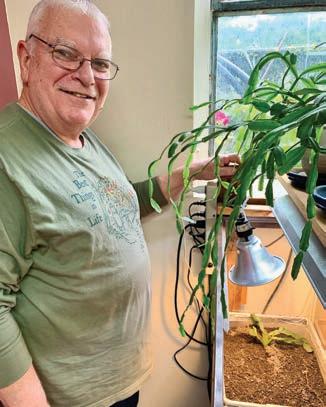
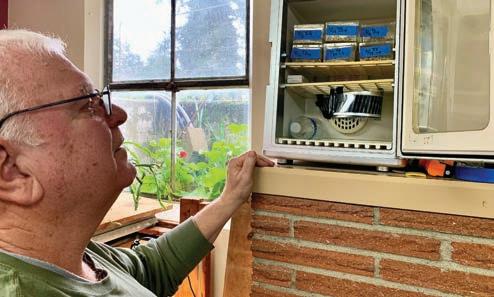
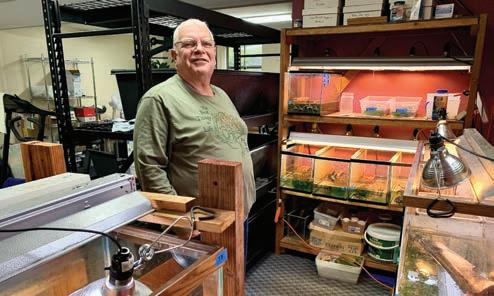
At first, Kurtz kept his turtles in several backyard bathtubs, but he has since appropriated a temperature-controlled basement room.
“I found that it was better to have them in here,” he said, “for better control. And if I was going to collect eggs and stuff, it was better to have them in here where I could keep a closer eye on things.”
His oldest Spotted turtles are about 40 years old. He bought some 10-year-old Spotted turtles at the first San Diego Reptile Show in the early to mid-‘90s. Once he got them home and acclimated to their new surroundings, the females laid eggs, so Kurtz decided to try hatching them. He succeeded.
Kurtz keeps the males in separate tanks, separated by cardboard. Otherwise, they’ll try to fight, even through the glass.
To propagate turtles, he puts a male in with the females for about a week once a year. The females have a little sandy beach in their tanks, so they can crawl up a ramp out of the water to lay eggs in the sand. Females who have mated can lay fertile eggs for up to five years, he said.
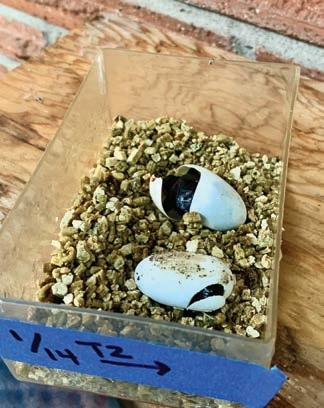
“They’ll climb up on the beach there, and they’ll dig a nest, he said. “And so then I’ll come down and dig them up, put them in a little box with some vermiculite.”
Kurtz said each turtle lays two to four eggs, each about 1.5 inches long and three-quarters of an inch in diameter.
“They’re long and skinny, longer and skinnier than a bird egg,” Kurtz said. “They’re also leathery.”
When moving the eggs from the ground to an incubator, he’s careful to keep the eggs oriented the way he found them.
“If you turn a reptile egg, you will kill the embryo,” he said. “In a bird egg, those outer membranes aren’t attached to the shell. In a reptile egg, they’re attached to the shell. So if you turn it, then the embryo tries to migrate back to the top, and
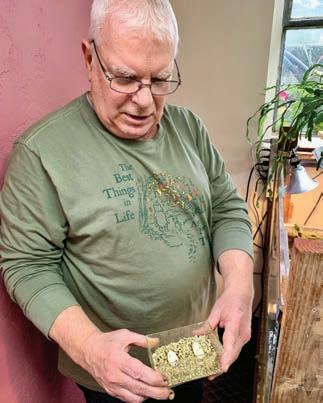
it’ll rip, and they will bust all the blood vessels.”
Once he moves the eggs to his incubator, it takes 45 to 55 days, depending on the temperature, which is about 84 degrees.
Interestingly, a turtle’s gender is determined by its incubation temperature, Kurtz said. Low temperatures or really high temperatures will produce almost all males, while medium temperatures produce females.
“There’s a point right in the middle that I try and incubate them at to get females,” he said. “But apparently, my incubator is somewhat variable because I just heard from the guy I sell them to that he’s getting a good mix of males and females. And you can’t tell the sex on the turtle until they hit about 5, 6, 7 years old.”
In early March, Kurtz had more than a dozen eggs in his incubator. Once the hatchlings absorb their yolk sac, he transfers them to a shoebox-sized container to await shipping in about 60 days.
“Once they start eating and they start growing and they’re doing well,” he said, “then I have a guy in Mobile, Alabama, who is starting a turtle farm with these turtles. And so he buys the ones that I produce.”
Spotted turtles are illegal in Oregon, but Kurtz is “grandfathered in” because he acquired them before they were outlawed and he has the state’s permission to raise them.
“I still can’t import or buy them from out of state and bring them in,” he said. “But I can raise some and increase my collection by raising some of the babies.”
Eventually he realized his turtles were getting old.
“So the only way I could continue to have them was to raise some up,” Kurtz said. “So in 2011, I started collecting eggs and hatching them.”
He raised them “until some of the first hatchlings started to exhibit the differences between the sexes so I could tell what

they were.”
About eight years ago, Kurtz chose four females and two males to keep, then began looking for someone to share his bounty.
He was preparing to place an ad on an Internet forum when he saw an ad from a man in Alabama looking for Spotted turtles.
“So I got a hold of him, and he bought four adults,” Kurtz said. “He got those the next day. And by the end of the week, he’d ordered four more adults. And probably a week or so after that, he called and said, ‘I’ll just take everything you got left you want to get rid of.’ I still had 86 left of all different sizes from newly hatched to five, six years old.”
They agreed on a price, Kurtz packaged the turtles and shipped them to Mobile, and the two have been doing business since.
“All I have to do is box them up and take them down to the UPS office and drop them off,” he said. “And they fly out of North Bend airport at 2:00 in the afternoon. And they’re on his doorstep by 10 o’clock the next morning.”
Kurtz said over the years he’s shipped more than 200 turtles and hasn’t had one casualty.
“It’s been a fun hobby,” Kurtz said. “I’ve met a lot of interesting people.”
Being an eternal optimist, Kurtz is always looking ahead to improve the habitat for his turtles. He recently acquired two new, larger tanks in which to propagate them. The black plastic tanks have a builtin ramp for the critters to crawl up out of the water. The tanks are about the size of a pickup tool box.
“I got some new containers to put them in, so they’ll have more room,” he said. “And I’m trying to buy some lights that’ll go on those that also provide ultraviolet for vitamin D synthesis. And the lights I’m looking at also have a timer on them that dims them slowly and comes on slowly,” simulating sunset and sunrise.

Lawncare maintenance hedge tree trimming gutter cleaning pressure washing dump runs n more ROJAS YARDCARE Lic&Ins 541 294 7096
handling, sightseeing, entrance fees, a professional Tour Director and select meals. For a limited time SAVE $250 on all tours. Call YMT today. 1-866335-3689.
Announcements 311
Audien Hearing. The world’s first hearing aid with touchscreen controls. No tiny buttons, apps or prescriptions. 45-day risk free trial. Free shipping. Lifetime support. More than 1.5 million happy customers. Call Audien 1-844-387-1163.
DIRECTV OVER INTERNET
Get your favorite live TV, sports and local channels. 99% signal reliability! CHOICE Package, $84.99/mo for 12 months. HBO Max and Premium Channels included for 3 mos (w/CHOICE Package or higher.) No annual contract, no hidden fees! Some restrictions apply. Call IVS 1-855-602-2009.
DIVORCE $130. Complete preparation. Includes children, custody, support, property and bills division. No court appearances. Divorced in 1-5 weeks possible. 503-772-5295. www. paralegalalternatives.com legalalt@msn.com.
Donate your car, truck, boat, RV and more to support our veterans! Schedule a FAST, FREE vehicle pickup and receive a top tax deduction! Call Veteran Car Donations at 1-866-695-9265 today!
Get a break on your taxes! Donate your car, truck, or SUV to assist the blind and visually impaired. Arrange a swift, nocost vehicle pickup and secure a generous tax credit for 2025. Call Heritage for the Blind Today at 1-844-533-9173 today! Get Boost Infinite! Unlimited Talk, Text and Data For Just $25/mo! The Power Of 3 5G Networks, One Low Price! Call Today and Get The Latest iPhone Every Year On Us! 844955-3417.
Get DISH Satellite TV + Internet! Free Install, Free HD-DVR Upgrade, 80,000 On-Demand Movies, Plus Limited Time Up To $600 In Gift Cards. Call Today! 1-866-373-9175.
Jacuzzi Bath Remodel can install a new, custom bath or shower in as little as one day. For a limited time, waiving ALL installation costs! Additional terms apply. Subject to change and vary by dealer. (Offer ends 12/27/26.) Call 1-855-341-5268. Make 2026 clutter free! From closets to garages, Room to Room transforms clutter into organized and efficient spaces one room at a time. Call today to schedule your free consultation (541)324-6849. No more cleaning out gutters. Guaranteed! LeafFilter is backed by a no-clog guarantee and lifetime transferrable warranty. Call today 1-855536-8838 to schedule a FREE inspection and no obligation estimate. Get 15% off your entire order. Plus, Military & Seniors get an additional 10% off. Limited time only. Restrictions apply, see representative for warranty and offer details. Portable Oxygen Concentrator May Be Covered by Medicare! Reclaim independence and mobility with the compact design and long-lasting battery of Inogen One. Free information kit! Call 855-839-0752. Prepare for power outages today with a Generac Home Standby Generator. Act now to receive a FREE 5-Year warranty with qualifying purchase. Call 1-877-557-1912 today to schedule a free quote. It’s not just a generator. It’s a power move.
Concerned Citizens of Empire will hold a Community Meeting on the PCIP on Wednesday March 25, 2026 from 6:00-7:00 pm at the Dolphin Playhouse. Port Representatives will be present to answer questions from the Community. Triple P Online: The Positive Parenting Program - Now FREE for families in Reedsport and Harrisburg. Get practical, proven strategies to handle everyday parenting challenges and build the skills and confidence to strengthen your relationship and enjoy family life more. Go to parentingnow.org and get started on a calmer, happier home today
Employment Opps 515
HMZ Ventures Corporation d/b/a Bay Area Kidney & Hypertension Care is seeking an IT Project Manager to oversee the management of HMZ’s IT infrastructure. Must possess a Bachelor’s Degree in Electronic Engr., Software Engr., or Management (or its foreign equiv.). Must possess demonstrated knowledge of or experience with AWS, SharePoint, JIRA, MS Project, ServiceNow, and ISO 27001. Location: North Bend, OR. If interested, email resume to Hira Hammad, Office Manager, at jobs.hmzventures@gmail.com.
Misc/Trade 700 Bargain Corner
Furniture: Queen bed mattress w/box springs & metal frame. Flex steel couch 82”x34”. Coffee table 54”x 25” w/2 end tables. 2 floor lamps. Bed set $200. Couch $250. Coffee table set $150. Lamps $50, call 541218-6765.
Pets 736

MARY'S PET SITTING! Your place or mine. 20+ years' experience, including medical. Insured. 541-297-0073. mls_3@yahoo.com
Kohl’s Cat House: Adoptions on-site. Volunteers needed! Visit & Like us on Facebook. 541-294-3876 cb X36-C-2B ANIMAL CREMATORY The Bay Area’s only pet crematory with COOS BAY CHAPEL 541-267-3131 coosbayareafunerals.com
Real Estate/Trade 900 WANTED REAL ESTATE
&
Today! 1-844-847-9778. We buy 8,000 cars a week. Sell your old, busted or junk car with no hoops, haggles or headaches. Sell your car to Peddle. Easy three step process. Instant offer. Free pickup. Fast payment. Call 1-855-980-4382. We Buy Houses for Cash AS IS! No repairs. No fuss. Any condition. Easy three step process: Call, get cash offer and get paid. Get your fair cash offer today by calling Liz Buys Houses: 1-866-249-8679. YMT Vacations. Over 50 guided tours available. Affordable, social and stress-free travel designed for mature travelers. Our tours include accommodations, transportation, baggage
I'm rounding up new property listings and I've got buyers for the good, the bad and the ugly. Whether
and experienced Realtor. JOE WARD, BROKER JOE WARD PROPERTIES 38 years licensed in Oregon 541-912-0934 983 Central Ave., Coos Bay $$PAYING TOP DOLLAR$$ For Sports Card Collections: Baseball, Basketball, Football, & Pokemon. Premium Paid for Vintage Pre 1980. Referral Bonuses Available. Call Corey 541-838-0364.
IN THE CIRCUIT COURT OF IN THE CIRCUIT COURT OF THE STATE OF OREGON FOR THE COUNTY OF COOS In the Matter of the Estate of: CLARENCE EDWARD PITTS, Deceased. Case No. 25PB04611 INFORMATION TO INTERESTED PERSONS NOTICE IS HEREBY GIVEN that MARLA J. McGINNIS has been appointed personal representative. All persons having claims against the estate of CLARENCE EDWARD PITTS are required to present them, with vouchers attached, to the personal representative at 405 12th Street, Huntington Beach, CA 92648, or through her attorney, Nathan B. McClintock, at PO Box 1178, Coos Bay, OR 97420, or in person at 936 Central Avenue, Coos Bay, Oregon, within four months after the date of first publication of this notice, or the claims may be barred.
All persons whose rights may be affected by the proceedings may obtain additional information from the records of the Court, the personal representative, or the lawyer for the personal representative, Nathan B. McClintock.
Dated and first published on March 31, 2026. /s/ Nathan B. McClintock, OSB #841520
Attorney for Personal Representative 3/31/2026 World 424890
IN THE CIRCUIT COURT OF OREGON FOR COOS COUNTY
In the Matter of the Estate of FRANK E. FAULKENBERG Deceased. Case No. 26PB01825 NOTICE TO INTERESTED PERSONS NOTICE IS HEREBY GIVEN that Spencer Faulkenberg has been appointed and has qualified as Personal Representative of the above estate. All persons having claims against the estate are hereby required to present the claim, with proper documentation, within four months after the date of first publication of this Notice, as stated below, to the Personal Representative at the office of GOULD LAW FIRM, P.C., 243 W. Commercial, P.O. Box 29, Coos Bay, Oregon, 97420, or the claim may be barred. All persons whose rights may be affected by the proceedings in this estate may obtain additional information from the records of the Court, 250 N. Baxter, Coquille, Oregon 97423, the Personal Representative or the attorney for the Personal Representative. Dated and first published: March 31, 2026 Spencer Faulkenberg Personal Representative 1710 Stampede Ct. Rocklin, CA 95765 (760) 975-6776 3/31/2026 World 424778 IN THE CIRCUIT COURT OF THE STATE OF OREGON FOR COOS COUNTY Juvenile Department In the Matters of PRESTON L.ULLOM, BENTLEY J. ULLOM, Children.
Case No. 26JU00394
Case No. 26JU00395 PUBLISHED SUMMONS TO: Jamison Donald Ullom, aka Jamison D. Ullom IN THE NAME OF THE STATE OF OREGON:
A petition has been filed asking the court to terminate your parental rights to the above-named child under ORS 419B.500, 419B.502, 419B.504, 419B.506 and/or 419B.508 for the purpose of placing the child for adoption. YOU ARE REQUIRED TO PERSONALLY APPEAR before the Coos County Circuit Court, 250 N. Baxter Street. Coquille, OR 97423, on April 30, 2026, at 8:15 a.m. for a hearing on the allegations of the petition and to personally appear at any subsequent court-ordered hearing. YOU MUST APPEAR PERSONALLY in the courtroom on the date and at the time listed above. AN ATTORNEY MAY NOT ATTEND THE HEARING IN YOUR PLACE. THEREFORE, YOU MUST APPEAR EVEN IF YOUR ATTORNEY ALSO APPEARS.
This summons is published pursuant to the order of the circuit court judge of the above-entitled court, dated March 12, 2026. The order directs that this summons be published once each week for three consecutive weeks, making three publications in all, in a published newspaper of general circulation in Coos County, Oregon.
Date of first publication: March 31, 2026
Date of last publication: April 14, 2026
NOTICE READ THESE PAPERS CAREFULLY
IF YOU DO NOT APPEAR PERSONALLY BEFORE THE COURT OR DO NOT APPEAR AT ANY SUBSEQUENT
COURT-ORDERED HEARING, the court may proceed in your absence without further notice and TERMINATE YOUR PARENTAL RIGHTS to the abovenamed child either on the date an answer is required by this summons or on a future date and may make such orders and take such action as authorized by law.
RIGHTS AND OBLIGATIONS (1) YOU HAVE A RIGHT TO BE REPRESENTED BY AN ATTORNEY IN THIS MATTER. If you are currently represented by an attorney, CONTACT YOUR ATTORNEY IMMEDIATELY UPON RECEIVING THIS NOTICE. Your previous attorney may not be representing you in this matter.
IF YOU WISH TO HIRE AN ATTORNEY, please retain one as soon as possible to represent you in this proceeding. If you need help finding an attorney, you may call the Oregon State Bar's Lawyer Referral Service at (503) 684-3763 or toll free in Oregon at (800) 452-7636. IF YOU CANNOT AFFORD TO HIRE AN ATTORNEY and you meet the state's financial guidelines, you are entitled to have an attorney appointed for you at state expense. TO REQUEST APPOINTMENT OF AN ATTORNEY TO REPRESENT YOU AT STATE EXPENSE, YOU MUST IMMEDIATELY CONTACT the Coos County Circuit Court at 250 N. Baxter Street, Coquille, OR 97423, phone: 541-396-8372 between the hours of 8:00 a.m. and 5:00 p.m. for further information. IF YOU ARE REPRESENTED BY AN ATTORNEY, IT IS YOUR RESPONSIBILITY TO MAINTAIN CONTACT WITH YOUR ATTORNEY AND TO KEEP YOUR ATTORNEY ADVISED OF YOUR WHEREABOUTS.
(2) If you contest the petition, the court will schedule a hearing on the allegations of the petition and order you to appear personally and may schedule other hearings related to the petition and order you to appear personally. IF YOU ARE ORDERED TO APPEAR, YOU MUST APPEAR PERSONALLY IN THE COURTROOM, UNLESS THE COURT HAS GRANTED YOU AN EXCEPTION IN ADVANCE under ORS 419B.918 to appear by other means including, but not limited to, telephonic or other electronic means. An attorney may not attend the hearing(s) in your place.
PETITIONER'S ATTORNEY Anthony R. Valdivia, OSB #192416 Assistant Attorney General Department of Justice 975 Oak Street, Suite 200 Eugene, OR 97401 (541) 686-7973 ISSUED this 23rd day of March, 2026. Issued by: s/s Anthony R. Valdivia, OSB #192416 Assistant Attorney General 3/31, 4/7, & 4/14/2026 World 424955
IN THE CIRCUIT COURT OF THE STATE OF OREGON FOR COOS COUNTY Juvenile Department In the Matter of CHARLEIGH WOOLMAN, A Child. Case No. 23JU06362 PUBLISHED SUMMONS TO: Ryan Wayne Woolman IN THE NAME OF THE STATE OF OREGON: A petition has been filed asking the court to establish a permanent guardianship for the above-name child under ORS 419B.365). YOU ARE REQUIRED TO PERSONALLY APPEAR before the Coos County Circuit Court, 250 N. Baxter Street. Coquille, OR 97423, on April 30, 2026, at 8:15 a.m. for a hearing on the allegations of the petition and to personally appear at any subsequent court-ordered hearing. YOU MUST APPEAR PERSONALLY in the courtroom on the date and at the time listed above. AN ATTORNEY MAY NOT ATTEND THE HEARING IN YOUR PLACE. THEREFORE, YOU MUST APPEAR EVEN IF YOUR ATTORNEY ALSO APPEARS. This summons is published pursuant to the order of the circuit court judge of the aboveentitled court, dated March 18, 2026. The order directs that this summons be published once each week for three consecutive weeks, making three publications in all, in a published newspaper of general circulation in Coos
County, Oregon.
Date of first publication: March 31, 2026
Date of last publication: April 14, 2026
NOTICE READ THESE PAPERS CAREFULLY IF YOU DO NOT APPEAR PERSONALLY BEFORE THE COURT OR DO NOT APPEAR AT ANY SUBSEQUENT COURT-ORDERED HEARING, the court may proceed in your absence without further notice and ESTABLISH A PERMANENT GUARDIANSHIP to the above-named child either on the date specified in this summons or on a future date and may make such orders and take such action as authorized by law.
RIGHTS AND OBLIGATIONS (1) YOU HAVE A RIGHT TO BE REPRESENTED BY AN ATTORNEY IN THIS MATTER. If you are currently represented by an attorney, CONTACT YOUR ATTORNEY IMMEDIATELY UPON RECEIVING THIS NOTICE. Your previous attorney may not be representing you in this matter.
IF YOU WISH TO HIRE AN ATTORNEY, please retain one as soon as possible to represent you in this proceeding. If you need help finding an attorney, you may call the Oregon State Bar's Lawyer Referral Service at (503) 684-3763 or toll free in Oregon at (800) 452-7636.
IF YOU CANNOT AFFORD TO HIRE AN ATTORNEY and you meet the state's financial guidelines, you are entitled to have an attorney appointed for you at state expense. TO REQUEST APPOINTMENT OF AN ATTORNEY TO REPRESENT YOU AT STATE EXPENSE, YOU MUST IMMEDIATELY CONTACT the Coos County Circuit Court at 250 N. Baxter Street, Coquille, OR 97423, phone: 541-396-8372 between the hours of 8:00 a.m. and 5:00 p.m. for further information. IF YOU ARE REPRESENTED BY AN ATTORNEY, IT IS YOUR RESPONSIBILITY TO MAINTAIN CONTACT WITH YOUR ATTORNEY AND TO KEEP YOUR ATTORNEY ADVISED OF YOUR WHEREABOUTS.
(2) If you contest the petition, the court will schedule a hearing on the allegations of the petition and order you to appear personally and may schedule other hearings related to the petition and order you to appear personally. IF YOU ARE ORDERED TO APPEAR, YOU MUST APPEAR PERSONALLY IN THE COURTROOM, UNLESS THE COURT HAS GRANTED YOU AN EXCEPTION IN ADVANCE under ORS 419B.918 to appear by other means including, but not limited to, telephonic or other electronic means. An attorney may not attend the hearing(s) in your place.
PETITIONER'S ATTORNEY Anthony R. Valdivia, OSB #192416
Assistant Attorney General Department of Justice 975 Oak Street, Suite 200 Eugene, OR 97401 (541) 686-7973 ISSUED this 23rd day of March, 2026. Issued by: s/s Anthony R. Valdivia, OSB #192416 Assistant Attorney General 3/31, 4/7, & 4/14/2026 World 424957
CITY OF LAKESIDE, OREGON NOTICE OF PUBLIC HEARING CITY COUNCIL NOTICE IS HEREBY GIVEN THAT the Lakeside City Council will hold a public hearing to consider proposed legislative amendments to the Lakeside Municipal Code as described below.
Date: Thursday, April 9, 2026
Time: 6:00 PM Location: Lakeside City Hall, 915 N Lake Rd. Lakeside,
Oregon or via https://us06web. zoom.us/j/85248198371
The purpose of the hearing is to consider Ordinance No. 26319, an ordinance amending Chapter 153 (Flood Damage Prevention) and Chapter 155 (Zoning Code) of the Lakeside Municipal Code and repealing Ordinance No. 14-277. The proposed ordinance updates floodplain management regulations to maintain compliance with state and federal requirements, including the National Flood Insurance Program, and to improve clarity, consistency, and administration of flood hazard regulations within the City of Lakeside. The proposed amendments are legislative land use actions subject to applicable provisions of ORS Chapter 197, applicable statewide planning goals, and the Lakeside Municipal Code. The proposed amendments are intended to maintain compliance with state and federal floodplain management requirements and to allow continued participation in the National Flood Insurance Program. All interested people are invited to appear and be heard. Written testimony may be submitted prior to the hearing to Lakeside City Hall or at the hearing. Failure to raise an issue in writing or orally at the hearing, or failure to provide statements or evidence sufficient to afford the decision-maker an opportunity to
3/24 & 3/31/2026
OF LAPSE OF DORMANT MINERAL INTEREST A Notice of Extinguishing Dormant Mineral Interests pursuant to Oregon Revised Statutes 517.170 through 517.180 (“Notice”). Name of the holder of the mineral interest: Ben C. Flaxel and Agnes M. Flaxel, husband and wife; Ben C. Flaxel, Trustee; Ben C. Flaxel, Trustee for Fred B. Hollister and Beth Hollister, husband and wife; Ben C. Flaxel, Trustee for Vern Gatzke and Mary Frances Gatzke, husband and wife; and Thomas B. Swanton and Faye Swanton, husband and wife (collectively, the “Holder”)\~ Name of party giving notice: State of Oregon, by and through its Department of State Lands (“Owner”) Owner’s address: 951 SW Simpson Ave., Suite 104, Bend, OR 97702, Attn: Brian Cochran, Real Property Policy Specialist / Land Management Division PLEASE TAKE NOTICE that Owner owns the property described below (the “Property”). Holder has a
Oregon; also excepting 20.99 acres in the southwest corner of the southwest quarter of the southwest quarter of Section 25 heretofore conveyed to John B. Anderson et al by instrument recorded in Book 69, Page 369, Deed Records of Coos County, Oregon, being a parcel 956.4 feet square.
Publication dates: Pursuant to ORS 517.180(4), this Notice is being published in The World for three (3) consecutive weeks on the following dates: March 17, 2026, March 24, 2026, and March 31, 2026.
ATTENTION: The Holder must submit a Statement of Claim to the Coos County Clerk within sixty (60) days after the last date of publication of this Notice (March 31, 2026) or the Holder’s mineral interest may be extinguished. 3/17, 3/24, & 3/31/2026 World 424527
IN THE CIRCUIT COURT FOR THE STATE OF OREGON IN AND FOR THE COUNTY OF COOS LAKEVIEW LOAN SERVICING, LLC, Plaintiff, vs.
DEVAN S. JENSEN; THE UNITED STATES OF AMERICA; MERANDA SUE-CLARE TRAUTMAN; STATE OF OREGON, DEPARTMENT OF JUSTICE, CHILD SUPPORT; ALSO ALL OTHER PERSONS OR PARTIES UNKNOWN CLAIMING ANY RIGHT, TITLE, LIEN, OR INTEREST IN THE PROPERTY DESCRIBED IN THE COMPLAINT HEREIN; and ALL OTHER OCCUPANTS OF THE PREMISES, Defendants. Case No. 26CV02050 SUMMONS TO: ALSO ALL OTHER PERSONS OR PARTIES UNKNOWN CLAIMING ANY RIGHT, TITLE, LIEN, OR INTEREST IN THE PROPERTY DESCRIBED IN THE COMPLAINT HEREIN
IN THE NAME OF THE STATE OF OREGON: You are hereby required to appear and defend the complaint filed against you in the above-entitled cause within 30 days from the date of service of this summons on you. If you fail to appear and defend, the plaintiff will apply to the court for the relief demanded in the complaint.
SUMMARY STATEMENT FOR RELIEF SOUGHT Rocket Mortgage, LLC FKA Quicken Loans, LLC, made a loan on February 3, 2022, which was secured by a Deed of Trust recorded on February 4, 2022 and assigned to Plaintiff, giving Plaintiff interest in the real property located at 98314 Bridge Ln Myrtle Point, OR 97458. The loan has been defaulted and Plaintiff seeks to foreclose.
PRAYER FOR RELIEF
1. For an Order granting judgment against Borrower in favor of Plaintiff and/or declaring the amount due from Borrower to Plaintiff.
2. Foreclosing Plaintiff’s Deed of Trust lien and ordering the sale of the Property described above by the county Sheriff in the manner prescribed by law pursuant to ORS 18.901 et seq., with proceeds of sale paid into court.
3. Granting any other further relief as the court may deem just and equitable.
NOTICE TO DEFENDANT: READ THESE PAPERS CAREFULLY
You must “appear” in this case or the other side will win automatically. To appear you must file with the court a legal paper called a motion or answer. The motion or answer must be given to the court clerk or administrator within 30 days along with the required filing fee. It must be in proper form and have proof of service on the plaintiff’s lawyer or, if the plaintiff does not have a lawyer, proof of service on the plaintiff. If you have questions, you should see an attorney immediately. If you need help in finding an attorney, you may contact the Oregon State Bar’s Lawyer Referral Service online at www. oregonstatebar.org or by calling (503) 684-3763 (in the Portland metropolitan area) or toll-free elsewhere in Oregon at (800) 452-7636. NOTICE TO ANY VETERAN OF THE ARMED FORCES
If the recipient of this notice is a veteran of the armed forces, assistance may be available from a county veterans’ service officer or community action agency. Contact information for a service officer appointed for the county in which you live and contact information for a community action agency that serves the area where you live may be obtained by calling a 2-1-1 information service. Additionally, contact information for a service officer appointed under ORS 408.410 for the county in which you live and contact information for a community action agency that serves your area can be found by visiting the following link: https://www.oregon.gov/ odva/services/pages/countyservices.aspx and selecting your county.
You can also access a list of Veterans Services for all Oregon counties by visiting the following link: https://www. oregon.gov/odva/Services/Pages/All-Services-Statewide.aspx. DATED this 15th day of January 2026. /s/ Nathan Harpham Nathan Harpham, OSB #143338 650 NE Holladay St, Suite 1600 Portland, OR 97232 Telephone: (971) 270-1233 jason.cotton@mtglawfirm.com nate.harpham@mtglawfirm. com
3/24, 3/31, 4/7, & 4/14/2026 World 424726 IN THE CIRCUIT COURT OF THE STATE OF OREGON FOR COOS COUNTY COLUMBIA BANK FKA UMPQUA BANK; Plaintiff, v. DOE 1 and DOE 2, being the occupants of or parties in possession or claiming any right to possession of the Real Property commonly known as 961 Salmon Ave. Coos Bay, OR 97420; DOE 3 and DOE 4, being the unknown heirs and devisees of Nancy L. HerzogBottom, and also all other persons or parties unknown claiming any right, title, lien, or interest in the property described in the Complaint herein; SPIRIT HERZOG-BOTTOM; FOREST J. LAMBERT; JENNIFER L. LAMBERT; WESTERN MERCANTILE AGENCY, INC; STATE OF OREGON, DEPARTMENT OF HUMAN SERVICES, ESTATE ADMINISTRATION DIVISION; OREGON HEALTH AUTHORITY; and STATE OF OREGON DEPARTMENT OF HUMAN SERVICES, SENIOR AND DISABLED SERVICES DIVISION; Defendants. Case No. 26CV05205 SUMMONS TO: DEFENDANTS DOE 3 AND DOE 4: IN THE NAME OF THE STATE OF OREGON: You are hereby required to appear and defend the Complaint filed against you in the above case within thirty days after the first date of publication of this summons, and if you fail to appear and defend, the Plaintiff will apply to the court for the relief demanded in the Complaint. The object of the Complaint and the demand for relief are: The Plaintiff seeks to foreclose its trust deed on the subject real property described in the Complaint as described below in the amount of $146,799.71 plus interest, late charges, costs, advances, and attorney’s fees, and to cause the subject property to be sold by the Sheriff of Coos County, foreclosing the interests of all defendants in the real property with the proceeds applied to satisfy Plaintiff’s lien. The real property is described as follows: Lot 4 and 5, Block 39, FIRST ADDITION TO EMPIRE, Coos County, Oregon. APN#: 1890200 Which currently has the address of 961 Salmon Ave. Coos Bay, OR 97420. NOTICE TO DEFENDANT: READ THESE PAPERS CAREFULLY! You must “appear” in this case or the other side will win automatically. To “appear” you must file with the court a legal paper called a “motion” or “answer.” The “motion” or “answer” must be given to the court clerk or administrator within 30 days of the date of first publication specified herein along with the required filing fee. It must be in proper form and have proof of service on the plaintiff’s attorney or, if the plaintiff does not have an attorney, proof of service on the plaintiff. If you have questions, you should see an attorney immediately. If you need help in finding an attorney, you may call the Oregon State Bar’s Lawyer Referral Service at (503) 6843763 or toll-free in Oregon at (800) 452-7636. First Publication Date: March 17, 2026 HERSHNER HUNTER, LLP By /s/ Nancy K. CaryNancy K. Cary, OSB 902254 ncary@hershnerhunter.com
Of Attorneys for Plaintiff 675 Oak Street, Suite 400 P.O. Box 1475 Eugene, Oregon 97440 Telephone: (541) 686-8511 Fax: (541) 344-2025 3/17, 3/24, 3/31, & 4/7/2026 World 424559 IN THE CIRCUIT COURT OF THE STATE OF OREGON FOR THE COUNTY OF COOS BILLY G. BAKER and LINDA M. BAKER, Plaintiffs, vs. THE UNKNOWN HEIRS AND DEVISEES OF DONALD F. HUTCHESON AND VIRGINIA LEE HUTCHESON, Defendants. Case No. 26CV10228 SUMMONS TO: THE UNKNOWN HEIRS AND DEVISEES OF DONALD F HUTCHESON AND VIRGINIA LEE HUTCHESON IN THE NAME OF THE STATE OF OREGON: You are hereby required to appear and answer
the Quiet Title Complaint related to the property located at 93421 Easy Creek LN & 93406 Rainmaker LN, Coos Bay, OR 97420 filed against you in the above entitled suit within thirty (30) days of the date of first publication as shown below. This SUMMONS is published by order of the Honorable Andrew E Combs, entered on March 9, 2026, directing publication of this summons once each week in THE WORLD NEWSPAPER, distributed in Coos County, Oregon.
NOTICE TO DEFENDANTS: READ THESE PAPERS CAREFULLY
You must “appear” in this case or the other side will win automatically. To “appear” you must file with the court a legal document called a “motion” or “answer.” The “motion” or “answer” must be given to the court clerk or administrator with thirty (30) days of the date of first publication specified herein along with the required filing fee. It must be in proper form and have proof of service on the plaintiff’s attorney, or if the plaintiff does not have an attorney, proof of service on the plaintiff. If you have any questions, you should contact an attorney immediately. If you need help in finding an attorney, you may contact the Oregon State Bar’s Lawyer Referral Service Online at www.oregonstatebar. org or by calling (503)-6843763 or toll free in Oregon at (800)-452-7636.
Daniel M Hinrichs [OSB #925915] Attorney for Plaintiffs 590 Commercial Avenue Coos Bay, Oregon 97420
Phone: 541-267-0229
Date of First Publication: March 24, 2026. 3/24, 3/31, 4/7, & 4/14/2026 World 424624
IN THE CIRCUIT COURT OF THE STATE OF OREGON FOR THE COUNTY OF COOS
In the Matter of the Estate of LOIS MARIE BARRY, Deceased. Case No. 26PB02077 NOTICE TO INTERESTED PERSONS NOTICE IS HEREBY GIVEN that the undersigned has been appointed personal representative of the above estate. All persons having claims against the estate are required to present them to the undersigned personal representative at Lawrence Finneran LLC, Attorney at Law, 405 North Fifth Street, PO Box 359, Coos Bay, Oregon, 97420, within four months after the date of publication of this notice or they may be barred.
All persons whose rights may be affected by this proceeding may obtain additional information from the records of the court, the personal representative, or the attorneys for the personal representative.
DATED and published this 31st day of March, 2026. Kathy May Schneider
Personal Representative
3/31/2026 World 424943
In The Circuit Court of The State of Oregon, County of Coos, Probate Department Notice to Interested Persons
In the matter of the Estate of: Jesse Guy Frechette, Sr.
The court has appointed Michele E. Pena as the Personal Representative of the Estate. All claims as such should be presented by mail to 93646 McKenna Lane, Coos Bay Oregon 97420
The state requires all persons having claims against the estate to present them, within four months after the date of publication of the notice to the personal representative at the address designated in the notice for the presentation of claims or they may be barred.
This is to advise all persons whose rights may be affected by the proceeding that additional information may be obtained from the records of the court, the personal representative or the attorney for the personal representative.
3/31/2026 World 424780
LEGAL NOTICE
Cedar Point Storage, located at 98286 OR-42, Coquille, Oregon 97423, will sell the following storage unit(s) at public auction at the facility on April 9, 2026 at 10:00 a.m., pursuant to Oregon law, to satisfy a lien for unpaid rent and other lawful charges. Tenant: James Lukens, Unit: #103. 3/24 &3/31/2026 World 424727
Notice of Budget Committee Meeting
A public meeting of the Budget Committee of the Bandon Rural Fire District, Coos County, State of Oregon, to discuss the budget for the fiscal year July 1, 2026 to June 30, 2027, will be held at Bandon Fire Main Station, 50530 Hwy 101. The meeting will take place on April 2nd, 2026 at 7:00 p.m.
The purpose of the meeting is to receive the budget message and to receive comment from the public on the budget. This is a public meeting where deliberation of the Budget
Committee will take place. Any person may appear at the meeting and discuss the proposed programs with the Budget Committee. A copy of the budget document may be inspected or obtained on or after March 30th, 2026 at 50530 Hwy 101 between the hours of 9:00 a.m. and 4:00 p.m.
3/31/2026 World 424961 NOTICE OF BUDGET COMMITTEE MEETING Lakeside Water District
A public meeting of the Budget Committee of the Lakeside Water District, Lakeside, Oregon will be held April 6, 2026 at 4:00 pm and April 7, 2026 at 3:00 pm (if needed) to discuss the budget for the fiscal year July 1, 2026 to June 30, 2027 at the Lakeside Water District office 1000 North Lake Road, Lakeside, Oregon.
The purpose of the meeting is to receive the budget message and to receive comment from the public on the budget. A copy of the budget document may be inspected at the office of Lakeside Water District, 1000 North Lake Road, Lakeside, Oregon between the hours of 8:00 am - 12:00 pm and 1:00 pm to 4:30 pm. This is a public meeting where deliberation of the Budget Committee will take place.
3/24 & 3/31/2026 World 424635
NOTICE OF SHERIFF’S SALE
On APRIL 13TH, 2026, at the hour of 10:00am at the front door of the Coos County Sheriff’s Office, 250 N. Baxter St; Coquille, the defendant’s interest will be sold, subject to redemption, in the real property commonly known as: 868 N 8th Terrace (shown on DOT as 868 8th Ter), Coos Bay, OR 97420. The court case number is 25CV09914, where PENNYMAC LOAN SERVICES, LLC is plaintiff, and UNKNOWN HEIRS & DEVISEES OF BONEVA WILSON; VIVA MATHIESON; RHONDA STEEL; PARTIES IN POSSESSION is defendant. The sale is a public auction to the highest bidder for cash or cashier’s check, in hand, made out to Coos County Sheriff’s Office. For more information on this sale go to: http://oregonsheriffssales.org/ 3/10, 3/17, 3/24, & 3/31/2026 World 424303 NOTICE OF TIMBER SALE
Sealed bids will be received by the Coos County Board of Commissioners at the Owen Building, 201 N Adams, Coquille, Oregon until 10:00 a.m. Wednesday, April 15, 2026, at which time they will be publicly opened and read. Information on the sales and bidding procedure may be found on Coos County’s website at www. co.coos.or.us under Forestry Department, or at our office located at 1309 W Central, Coquille, OR.
The County reserves the right to waive minor informalities, to reject any bid not in compliance with all prescribed public contracting procedures and requirements and may reject for good cause any or all bids if it is in the public interest to do so. Prospective purchasers are urged to examine all data relevant to these timber sales, including the sealed bid procedure, and contract form. For more information phone 541-396-7750 or 541-3967751.
3/31 & 4/7/2026 World 424766
Oregon International Port of Coos Bay Request for Interest - Disposition of Industrial Waterfront Property
The Oregon International Port of Coos Bay is requesting Statements of Interest from qualified parties regarding the potential purchase of Port-owned industrial waterfront property located at 341 Newmark Street, North Bend, Oregon. The 1.56-acre property includes existing petroleum tank farm facilities, is zoned Heavy Industrial (MH), and is subject to a long-term lease. Visit www.portofcoosbay.com/ solicitations for the Request for Interest Solicitation.
Submission Deadline: April 10, 2026, at 5:00 p.m. PST Email: solicitations@portofcoosbay.com 3/24 & 3/31/2026 World 424728
PURSUANT TO ORS CHAPTER 819
Notice is hereby given that the following vehicle will be Sold, for cash to the highest bidder, on 4/14/2026. The sale will be held at 10:00am by Mast Bros Enterprises 175 Hall St, Coos Bay, OR 2008 Toyota Tundra VIN = 5TFBT54108X013964
Amount due on lien $8276.41
Reputed owner(s) Brown, Kyle 3/31 & 4/7/2026 World 424949
PURSUANT TO ORS CHAPTER 819
Notice is hereby given that the following vehicle will be Sold,
for cash to the highest bidder, on 4/14/2026. The sale will be held at 10:00am by Mast Bros Enterprises 175 HALL ST, COOS BAY, OR 2025 SUBARU CROSSTREK VIN = 4S4GUHM65S3721900
Amount due on lien $24173.03
Reputed owner(s) CAFÉ NINE NINETY NINE WEST LLC JPMORGAN CHASE 3/31 & 4/7/2026 World 424950
PURSUANT TO ORS CHAPTER 819
Notice is hereby given that the following vehicle will be Sold, for cash to the highest bidder, on 4/14/2026. The sale will be held at 10:00am by Mast Bros Enterprises 235 OR-24 E, COQUILLE, OR 1999 DODGE R25 VIN = 3B7KF23W7XG175614
Amount due on lien $10808.84
Reputed owner(s) BURGEY, AMY COOPER SIMPSON 3/31 & 4/7/2026 World 424951 PURSUANT TO ORS CHAPTER 819
Notice is hereby given that the following vehicle will be Sold, for cash to the highest bidder, on 4/14/2026. The sale will be held at 10:00am by Mast Bros Enterprises 65 17TH ST SE, BANDON, OR 2004 FORD F250 VIN = 1FTNW21P64EB18123
Amount due on lien $24173.03
Reputed owner(s) WERREMEYER, BILLIE & BRENDA 3/31 & 4/7/2026 World 424952 PURSUANT TO ORS CHAPTER 819
Notice is hereby given that the following vehicle will be Sold, for cash to the highest bidder, on 4/14/2026. The sale will be held at 10:00am by Mast Bros Enterprises 65 17TH ST SE, BANDON, OR 2004 Porsche Cayenne VIN = WP1AB29P84LA76899
Amount due on lien $9905.73
Reputed owner(s) JOHNSON, HEATHER 3/31 & 4/7/2026 World 424953
TRUSTEE’S NOTICE OF SALE T.S. No.: OR-251025991-RM Reference is made to that certain deed made by, MICHAEL T HARRINGTON, AN ESTATE IN FEE SIMPLE as Grantor to KEY TITLE, A OREGON CORPORATION, as trustee, in favor of WASHINGTON MUTUAL BANK, A WASHINGTON CORPORATION, as Beneficiary, dated 4/4/2003, recorded 4/11/2003, in official records of COOS County, Oregon in book/reel/volume No. and/or as fee/file/ instrument/microfilm/reception number 2003-4907 and unrecorded loan modification dated 7/18/2023 and subsequently assigned or transferred by operation of law to Newrez LLC d/b/a Shellpoint Mortgage Servicing covering the following described real property situated in said County, and State. APN: 1210900 29S1411-00-00200 THAT PORTION OF THE NORTH HALF OF THE NORTHWEST QUARTER OF SECTION 11 LYING EASTERLY OF THE BEAR CREEK COUNTY ROAD, IN TOWNSHIP 29 SOUTH, RANGE 14 WEST OF THE WILLAMETTE MERIDIAN, COOS COUNTY Commonly known as: 53485 BEAR CREEK ROAD, BANDON, OR 97411 The undersigned hereby certifies that based upon business records there are no known written assignments of the trust deed by the trustee or by the beneficiary, except as recorded in the records of the county or counties in which the above described real property is situated. Further, no action has been instituted to recover the debt, or any part thereof, now remaining secured by the trust deed, or, if such action has been instituted, such action has been dismissed except as permitted by ORS 86.752(7). Both the beneficiary and the trustee have elected to sell the said real property to satisfy the obligations secured by said trust deed and notice has been recorded pursuant to Section 86.752(3) of Oregon Revised Statutes. There is a default by grantor or other person owing an obligation, performance of which is secured by the trust deed, or by the successor in interest, with respect to provisions therein which authorize sale in the event of such provision. The default for which foreclosure is made is grantor’s failure to pay when due the following sum: TOTAL REQUIRED TO REINSTATE: $12,618.35 TOTAL REQUIRED TO PAYOFF: $195,458.91 Because of interest, late charges, and other charges that may vary from day-to-day, the amount due on the day you pay may be greater. It will be necessary for you to contact the Trustee before the time you tender reinstatement or the payoff amount so that you may be advised of the exact amount
you will be required to pay. By reason of the default, the beneficiary has declared all sums owing on the obligation secured by the trust deed immediately due and payable, those sums being the following, to- wit: The installments of principal and interest which became due on 5/1/2025, and all subsequent installments of principal and interest through the date of this Notice, plus amounts that are due for late charges, delinquent property taxes, insurance premiums, advances made on senior liens, taxes and/or insurance, trustee’s fees, and any attorney fees and court costs arising from or associated with the beneficiaries efforts to protect and preserve its security, all of which must be paid as a condition of reinstatement, including all sums that shall accrue through reinstatement or pay-off. Nothing in this notice shall be construed as a waiver of any fees owing to the Beneficiary under the Deed of Trust pursuant to the terms of the loan documents. Whereof, notice hereby is given that QUALITY LOAN SERVICE CORPORATION, the undersigned trustee will on 7/8/2026 at the hour of 01:00 PM , Standard of Time, as established by section 187.110, Oregon Revised Statues, At the Main Entrance to the Coos County Courthouse, located at 250 North Baxter Street, Coquille, OR 97423 County of COOS, State of Oregon, sell at public auction to the highest bidder for cash the
in the
described real
which the grantor had or
to convey at the time of the execution by
of the said trust deed, together with any
which the
or his successors in interest acquired after the
of
to satisfy the
obligations thereby secured and the costs and expenses of sale, including a reasonable charge by the trustee. Notice is further given that any person named in Section 86.778 of Oregon Revised Statutes has the right to have the foreclosure proceeding dismissed and the trust deed reinstated by payment to the beneficiary of the entire amount then due (other than such portion of said principal as would not then be due had no default occurred), together with the costs, trustee’s and attorney’s fees and curing any other default complained of in the Notice of Default by tendering the performance required under the obligation or trust deed, at any time prior to five days before the date last set for sale. Other than as shown of record, neither the beneficiary nor the trustee has any actual notice of any person having or claiming to have any lien upon or interest in the real property hereinabove described subsequent to the interest of the trustee in the trust deed, or of any successor in interest to grantor or of any lessee or other person in possession of or occupying the property, except: Name and Last Known Address and Nature of Right, Lien or Interest MICHAEL HARRINGTON 53485 BEAR CREEK ROAD BANDON, OR 97411 Original Borrower For Sale Information Call: 800-280-2832 or Login to: www.auction.com In construing this notice, the singular includes the plural, the word “grantor” includes any successor in interest to this grantor as well as any other person owing an obligation, the performance of which is secured by the trust deed, and the words “trustee” and “beneficiary” include their respective successors in interest, if any. Pursuant to Oregon Law, this sale will not be deemed final until the Trustee’s deed has been issued by QUALITY LOAN SERVICE CORPORATION. If any irregularities are discovered within 10 days of the date of this sale, the trustee will rescind the sale, return the buyer’s money and take further action as necessary. If the sale is set aside for any reason, including if the Trustee is unable to convey title, the Purchaser at the sale shall be entitled only to a return of the monies paid to the Trustee. This shall be the Purchaser’s sole and exclusive remedy. The purchaser shall have no further recourse against the Trustor, the Trustee, the Beneficiary, the Beneficiary’s Agent, or the Beneficiary’s Attorney. If you have previously been discharged through bankruptcy, you may have been released of personal liability for this loan in which case this letter is intended to exercise the note holders right’s against the real property only. As required by law, you are hereby notified that a negative credit report reflecting on your credit record may be submitted to a credit report agency if you fail to fulfill the terms of your credit obligations. Without limiting the
trustee’s disclaimer of representations or warranties, Oregon law requires the trustee to state in this notice that some residential property sold at a trustee’s sale may have been used in manufacturing methamphetamines, the chemical components of which are known to be toxic.
Prospective purchasers of residential property should be aware of this potential danger before deciding to place a bid for this property at the trustee’s sale. NOTICE TO TENANTS: TENANTS OF THE SUBJECT REAL PROPERTY HAVE CERTAIN PROTECTIONS
AFFORDED TO THEM UNDER ORS 86.782 AND POSSIBLY UNDER FEDERAL LAW.
ATTACHED TO THIS NOTICE OF SALE, AND INCORPORATED HEREIN, IS A NOTICE TO TENANTS THAT SETS FORTH SOME OF THE PROTECTIONS THAT ARE AVAILABLE TO A TENANT OF THE SUBJECT REAL PROPERTY AND WHICH SETS FORTH CERTAIN REQUIREMENTS THAT MUST BE COMPLIED WITH BY ANY TENANT IN ORDER TO OBTAIN THE AFFORDED PROTECTION, AS REQUIRED UNDER ORS 86.771. TS No:
OR-25-1025991-RM Dated: 2/12/2026 Quality Loan Service Corporation, as Trustee Signature By: Jeff Stenman, President Trustee’s Mailing Address: QUALITY LOAN SERVICE CORPORATION 108 1 st Ave South, Suite 450, Seattle, WA 98104 Toll Free: (866) 925-0241 Trustee’s Physical Address: Quality Loan Service Corporation 2763 Camino Del Rio South San Diego, CA 92108 Toll Free: (866) 925-0241 IDSPub #0293235
3/17, 3/24, 3/31, & 4/7/2026 World 423844
TRUSTEE’S NOTICE OF SALE T.S. No.: OR-251031816-RM Reference is made to that certain deed made by, GEORGE R. SMIDT AND ROBIN L. BLACKORBY, NOT AS TENANTS IN COMMON, BUT WITH RIGHTS OF SURVIVORSHIP as Grantor to First American Title Ins. Co., as trustee, in favor of MORTGAGE ELECTRONIC REGISTRATION SYSTEMS, INC., AS NOMINEE FOR FREEDOM MORTGAGE CORPORATION, ITS SUCCESSORS AND ASSIGNS, as Beneficiary, dated 6/30/2022, recorded 7/8/2022, in official records of COOS County, Oregon in book/reel/volume No. and/or as fee/file/instrument/microfilm/reception number 202206589 and subsequently assigned or transferred by operation of law to Freedom Mortgage Corporation covering the following described real property situated in said County, and State. APN: 872905 / 28S1232-C0-01400 BEGINNING AT AN IRON PIPE DRIVEN IN THE GROUND AT THE INITIAL POINT OF THIS DESCRIPTION WHICH IS SITUATED 2086.5 FEET NORTH AND 615.6 FEET WEST OF THE QUARTER SECTION CORNER ON THE SOUTH BOUNDARY OF SECTION 32, TOWNSHIP 28 SOUTH, RANGE 12 WEST OF THE WILLAMETTE MERIDIAN, COOS COUNTY, OREGON; SAID INITIAL POINT IS SITUATED AT THE SOUTHWEST CORNER OF THE PARCEL OF LAND
BEING DESCRIBED; THENCE
NORTH 39° 12’ EAST ALONG THE WEST BOUNDARY OF SAID PARCEL OF LAND A DISTANCE OF 190.0 FEET TO THE NORTHWEST CORNER THEREOF; THENCE SOUTH 50° 48’ EAST 200.0 FEET
ALONG THE NORTH BOUNDARY OF SAID PARCEL OF LAND TO THE NORTHEAST CORNER THEREOF; THENCE SOUTH 39° 12’ WEST 190.0 FEET ALONG THE EAST BOUNDARY OF SAID PARCEL OF LAND TO THE SOUTHEAST CORNER
THEREOF; THENCE NORTH
50° 48’ WEST 200.0 FEET
ALONG THE SOUTH BOUNDARY OF SAID PARCEL OF LAND TO THE PLACE OF BEGINNING. EXCEPT THAT PORTION CONVEYED TO THE STATE OF OREGON, BY AND THROUGH ITS STATE HIGHWAY COMMISSION BY INSTRUMENT RECORDED MAY 29, 1969 IN MICROFILM NO. 69-5-39059, RECORDS OF COOS COUNTY, OREGON. Commonly known as: 54345 FRONTAGE RD, MYRTLE POINT, OR 97458 The undersigned hereby certifies that based upon business records there are no known written assignments of the trust deed by the trustee or by the beneficiary, except as recorded in the records of the county or counties in which the above described real property is situated. Further, no action has been instituted to recover the debt, or any part thereof, now remaining secured by the trust deed, or, if such action has been instituted, such action
has been dismissed except as permitted by ORS 86.752(7). Both the beneficiary and the trustee have elected to sell the said real property to satisfy the obligations secured by said trust deed and notice has been recorded pursuant to Section 86.752(3) of Oregon Revised Statutes. There is a default by grantor or other person owing an obligation, performance of which is secured by the trust deed, or by the successor in interest, with respect to provisions therein which authorize sale in the event of such provision. The default for which foreclosure is made is grantor’s failure to pay when due the following sum: TOTAL REQUIRED TO REINSTATE: $49,807.77 TOTAL REQUIRED TO PAYOFF: $322,607.71
Because of interest, late charges, and other charges that may vary from day-to-day, the amount due on the day you pay may be greater. It will be necessary for you to contact the Trustee before the time you tender reinstatement or the payoff amount so that you may be advised of the exact amount you will be required to pay. By reason of the default, the beneficiary has declared all sums owing on the obligation secured by the trust deed immediately due and payable, those sums being the following, to- wit: The installments of principal and interest which became due on 4/1/2024, and all subsequent installments of principal and interest through the date of this Notice, plus amounts that are due for late charges, delinquent property taxes, insurance premiums, advances made on senior liens, taxes and/or insurance, trustee’s fees, and any attorney fees and court costs arising from or associated with the beneficiaries efforts to protect and preserve its security, all of which must be paid as a condition of reinstatement, including all sums that shall accrue through reinstatement or pay-off. Nothing in this notice shall be construed as a waiver of any fees owing to the Beneficiary under the Deed of Trust pursuant to the terms of the loan documents. Whereof, notice hereby is given that QUALITY LOAN SERVICE CORPORATION, the undersigned trustee will on 7/20/2026 at the hour of 10:00 AM, Standard of Time, as established by section 187.110, Oregon Revised Statues, Inside the main lobby of the Coos County Courthouse, 250 N Baxter St, Coquille, OR 97423 County of COOS, State of Oregon, sell at public auction to the highest bidder for cash the interest in the said described real property which the grantor had or had power to convey at the time of the execution by him of the said trust deed, together with any interest which the grantor or his successors in interest acquired after the execution of said trust deed, to satisfy the foregoing obligations thereby secured and the costs and expenses of sale, including a reasonable charge by the trustee. Notice is further given that any person named in Section 86.778 of Oregon Revised Statutes has the right to have the foreclosure proceeding dismissed and the trust deed reinstated by payment to the beneficiary of the entire amount then due (other than such portion of said principal as would not then be due had no default occurred), together with the costs, trustee’s and attorney’s fees and curing any other default complained of in the Notice of Default by tendering the performance required under the obligation or trust deed, at any time prior to five days before the date last set for sale. Other than as shown of record, neither the beneficiary nor the trustee has any actual notice of any person having or claiming to have any lien upon or interest in the real property hereinabove described subsequent to the interest of the trustee in the trust deed, or of any successor in interest to grantor or of any lessee or other person in possession of or occupying the property, except: Name and Last Known Address and Nature of Right, Lien or Interest ROBIN BLACKORBY 54345 FRONTAGE RD MYRTLE POINT, OR 97458 Original Borrower GEORGE SMIDT 54345 FRONTAGE RD MYRTLE POINT, OR 97458 Original Borrower For Sale Information Call: 800-758-8052 or Login to: https://www.xome.com In construing this notice, the singular includes the plural, the word “grantor” includes any successor in interest to this grantor as well as any other person owing an obligation, the performance of which is secured by the trust deed, and the words “trustee” and “beneficiary” include their respective successors in interest, if any. Pursuant to Oregon Law, this sale will not be deemed final until the
Trustee’s deed has been issued by QUALITY LOAN SERVICE CORPORATION. If any irregularities are discovered within 10 days of the date of this sale, the trustee will rescind the sale, return the buyer’s money and take further action as necessary. If the sale is set aside for any reason, including if the Trustee is unable to convey title, the Purchaser at the sale shall be entitled only to a return of the monies paid to the Trustee. This shall be the Purchaser’s sole and exclusive remedy. The purchaser shall have no further recourse against the Trustor, the Trustee, the Beneficiary, the Beneficiary’s Agent, or the Beneficiary’s Attorney. If you have previously been discharged through bankruptcy, you may have been released of personal liability for this loan in which case this letter is intended to exercise the note holders right’s against the real property only. As required by law, you are hereby notified that a negative credit report reflecting on your credit record may be submitted to a credit report agency if you fail to fulfill the terms of your credit obligations. Without limiting the trustee’s disclaimer of representations or warranties, Oregon law requires the trustee to state in this notice that some residential property sold at a trustee’s sale may have been used in manufacturing methamphetamines, the chemical components of which are known to be toxic. Prospective purchasers of residential property should be aware of this potential danger before deciding to place a bid for this property at the trustee’s sale. NOTICE TO TENANTS: TENANTS OF THE SUBJECT REAL PROPERTY HAVE CERTAIN PROTECTIONS AFFORDED TO THEM UNDER ORS 86.782 AND POSSIBLY UNDER FEDERAL LAW. ATTACHED TO THIS NOTICE OF SALE, AND INCORPORATED HEREIN, IS A NOTICE TO TENANTS THAT SETS FORTH SOME OF THE PROTECTIONS THAT ARE AVAILABLE TO A TENANT OF THE SUBJECT REAL PROPERTY AND WHICH SETS FORTH CERTAIN REQUIREMENTS THAT MUST BE COMPLIED WITH BY ANY TENANT IN ORDER TO OBTAIN THE AFFORDED PROTECTION, AS REQUIRED UNDER ORS 86.771. TS No: OR-25-1031816-RM Dated: 2/27/2026 Quality Loan Service Corporation, as Trustee
Signature By: Jeff Stenman, President Trustee’s Mailing Address: QUALITY LOAN SERVICE CORPORATION 108 1 st Ave South, Suite 450, Seattle, WA 98104 Toll Free: (866) 925-0241 Trustee’s Physical Address: Quality Loan Service Corporation 2763 Camino Del Rio South San Diego, CA 92108 Toll Free: (866) 925-0241 IDSPub #0313476 3/31, 4/7, 4/14, 4/21/2026 World 424352 TRUSTEE’S NOTICE OF SALE TS No.: 181548 APN: 2131700 Reference is made to that certain deed made by Richard Steven Olson and Sally Diane Olson, as tenants by entirety as Grantor to Ticor Title, as Trustee, in favor of Mortgage Electronic Registration Systems, Inc. as designated nominee for OCMBC, Inc. as Beneficiary, dated 03/04/2022, recorded 03/07/2022, in the official records of Coos County, Oregon as Instrument No. 2022-02144 in Book xx, Page xx covering the following described real property situated in said County and State, to wit: LOT 1, 2 AND 3, BLOCK 19, PLAT OF HOLLYWOOD, IN THE COUNTY OF COOS AND STATE OF OREGON. Commonly known as: 63542 S OLIVE RD, Coos bay, OR 97420 The current beneficiary is Carrington Mortgage Services, LLC pursuant to assignment of deed of trust recorded on 06/27/2025 as Inst No. 2025-04193 in the records of Coos, Oregon. The beneficiary has elected and directed successor trustee to sell the said real property to satisfy the obligations secured by said trust deed and notice has been recorded pursuant to Section 86.752(3) of Oregon Revised Statutes: the default for which the foreclosure is made is the grantor’s failure to: Make the monthly payments commencing with the payment due on 08/01/2024 and continuing each month until this trust deed is reinstated or goes to trustee’s sale; plus a late charge on each installment not paid within fifteen days following the payment due date; trustee’s fees and other costs and expenses associated with this foreclosure and any further breach of any term or condition contained in subject note and deed of trust. 1. By the reason of said default the beneficiary has declared all obligations secured by said
deed of trust immediately due and payable, said sums being the following, to wit: Principal balance in the amount of:
$219,444.59; 2. Interest through 12/23/2025 in the amount of: $12,153.93 3. MIP/ PMI Advances in the amount of: $0.00 4. Recoverable balance in the amount of:
$2,582.94 5. Late Charges in the amount of: $297.08 6. Unapplied/Suspense Balance in the amount of: -$51.30 7. Escrow Advances in the amount of: $7,633.42 8. Together with the interest thereon at the rate 3.75% per annum until paid; plus all accrued late charges thereon; and all trustee’s fees, foreclosure costs and any sums advanced by the beneficiary pursuant to the terms of said deed of trust. The principal sum of $219,444.59 together with the interest thereon at the rate 3.75% per annum from 07/01/2024 until paid; plus all accrued late charges thereon; and all trustee’s fees, foreclosure costs and any sums advanced by the beneficiary pursuant to the terms of said deed of trust. Whereof, notice hereby is given that the undersigned trustee will on 05/04/2026 at the hour of 11:00 AM, Standard of Time, as established by Section 187.110, Oregon Revised Statutes, at the At the front entrance of the Coos County Courthouse, 2nd And Baxter Streets, located at 250 N. Baxter St., Coquille, OR 97423, County of Coos, State of Oregon, sell at public auction to the highest bidder for cash the interest in the said described real property which the grantor had or had power to convey at the time of the execution by him of the said trust deed, together with any interest which the grantor or his successors in interest acquired after the execution of said trust deed, to satisfy the foregoing obligations thereby secured (and the costs and expenses of sale, including a reasonable charge by the trustee). Notice is further given that any person named in Section 86.778 of Oregon Revised Statutes; has the right to have the foreclosure proceeding dismissed and the trust deed reinstated by payment to the beneficiary of the entire amount then due (other than such portion of said principal as would not then be due had no default occurred), together with the costs, trustee’s and attorney’s fees and curing any other default complained of in the Notice of Default by tendering the performance required under the obligation or trust deed, at any time prior to five days before the date last set for the sale. In construing this, the masculine gender includes the feminine and the successor in interest to the grantor as well as any other person owing obligation, the performance of which is secured by said trust deed; the words “trustee” and “beneficiary” include their respective successors in interest, if any. Pursuant to Oregon Law, this sale will not be deemed final until the Trustee’s deed has been issued by Prime Recon LLC. If any irregularities are discovered within 10 days of the date of this sale, the trustee will rescind the sale, return the buyer’s money and take further action as necessary. If the sale is set aside for any reason, including if the trustee is unable to convey title, the Purchaser at the sale shall be entitled only to a return of the monies paid to the Trustee. This shall be the Purchaser’s sole and exclusive remedy. The purchaser shall have no further recourse against the Trustor, the Trustee, the Beneficiary, the Beneficiary’s Agent, or the Beneficiary’s Attorney. Also, please be advised that pursuant to the terms stated on the Deed of Trust and Note, the beneficiary is allowed to conduct property inspections while there is a default. This shall serve as notice that the beneficiary shall be conducting property inspections on the referenced property. Without limiting the trustee’s disclaimer of representations or warranties, Oregon law requires the trustee to state in this notice that some residential property sold at a trustee’s sale may have been used in manufacturing methamphetamines, the chemical components of which are known to be toxic. Prospective purchasers of residential property should be aware of this potential danger before deciding to place a bid for this property at the trustee’s sale. NOTICE TO RESIDENTIAL TENANTS The property in which you are living is in foreclosure. A foreclosure sale is scheduled for 05/04/2026 (date). The date of this sale may be postponed. Unless the lender that is foreclosing on this property is paid before the sale date, the foreclosure will go through and someone new will own this property. After the sale, the new owner is
required to provide you with contact information and notice that the sale took place. The following information applies to you only if you are a bona fide tenant occupying and renting this property as a residential dwelling under a legitimate rental agreement. The information does not apply to you if you own this property or if you are not a bona fide residential tenant. If the foreclosure sale goes through, the new owner will have the right to require you to move out. Before the new owner can require you to move, the new owner must provide you with written notice that specifies the date by which you must move out. If you do not leave before the move-out date, the new owner can have the sheriff remove you from the property after a court hearing. You will receive notice of the court hearing. PROTECTION FROM EVICTION IF YOU ARE A BONA FIDE TENANT OCCUPYING AND RENTING THIS PROPERTY AS A RESIDENTIAL DWELLING, YOU HAVE THE RIGHT TO CONTINUE LIVING IN THIS PROPERTY AFTER THE FORECLOSURE SALE FOR: 60 DAYS FROM THE DATE YOU ARE GIVEN A WRITTEN TERMINATION NOTICE, IF YOU HAVE A FIXED TERM LEASE; OR AT LEAST 30 DAYS FROM THE DATE YOU ARE GIVEN A WRITTEN TERMINATION NOTICE, IF YOU HAVE A MONTH-TOMONTH OR WEEK-TO-WEEK RENTAL AGREEMENT. If the new owner wants to move in and use this property as a primary residence, the new owner can give you written notice and require you to move out after 30 days, even though you have a fixed term lease with more than 30 days left. You must be provided with at least 30 days’ written notice after the foreclosure sale before you can be required to move. A bona fide tenant is a residential tenant who is not the borrower (property owner) or a child, spouse or parent of the borrower, and whose rental agreement: Is the result of an arm’s-length transaction; Requires the payment of rent that is not substantially less than fair market rent for the property, unless the rent is reduced or subsidized due to a federal, state or local subsidy; and Was entered into prior to the date of the foreclosure sale. ABOUT YOUR TENANCY BETWEEN NOW AND THE FORECLOSURE SALE: RENT YOU SHOULD CONTINUE TO PAY RENT TO YOUR LANDLORD UNTIL THE PROPERTY IS SOLD OR UNTIL A COURT TELLS YOU OTHERWISE. IF YOU DO NOT PAY RENT, YOU CAN BE EVICTED. BE SURE TO KEEP PROOF OF ANY PAYMENTS YOU MAKE. SECURITY
DEPOSIT You may apply your security deposit and any rent you paid in advance against the current rent you owe your landlord as provided in ORS 90.367. To do this, you must notify your landlord in writing that you want to subtract the amount of your security deposit or prepaid rent from your rent payment. You may do this only for the rent you owe your current landlord. If you do this, you must do so before the foreclosure sale. The business or individual who buys this property at the foreclosure sale is not responsible to you for any deposit or prepaid rent you paid to your landlord. ABOUT YOUR TENANCY AFTER THE FORECLOSURE SALE
The new owner that buys this property at the foreclosure sale may be willing to allow you to stay as a tenant instead of requiring you to move out after 30 or 60 days. After the sale, you should receive a written notice informing you that the sale took place and giving you the new owner’s name and contact information. You should contact the new owner if you would like to stay. If the new owner accepts rent from you, signs a new residential rental agreement with you or does not notify you in writing within 30 days after the date of the foreclosure sale that you must move out, the new owner becomes your new landlord and must maintain the property. Otherwise: You do not owe rent; The new owner is not your landlord and is not responsible for maintaining the property on your behalf; and You must move out by the date the new owner specifies in a notice to you. The new owner may offer to pay your moving expenses and any other costs or amounts you and the new owner agree on in exchange for your agreement to leave the premises in less than 30 or 60 days. You should speak with a lawyer to fully understand your rights before making any decisions regarding your tenancy. IT IS UNLAWFUL FOR ANY PERSON TO TRY TO FORCE YOU TO LEAVE YOUR DWELLING UNIT
WITHOUT FIRST GIVING YOU WRITTEN NOTICE AND GOING TO COURT TO EVICT YOU. FOR MORE INFORMATION ABOUT YOUR RIGHTS, YOU SHOULD CONSULT A LAWYER. If you believe you need legal assistance, contact the Oregon State Bar and ask for the lawyer referral service. Contact information for the Oregon State Bar is included with this notice. If you do not have enough money to pay a lawyer and are otherwise eligible, you may be able to receive legal assistance for free. Information about whom to contact for free legal assistance is included with this notice. OREGON STATE BAR, 16037 S.W. Upper Boones Ferry Road, Tigard Oregon 97224, Phone (503) 620- 0222, Toll-free 1-800-4528260 Website: http://www. oregonlawhelp.org The Fair Debt Collection Practices Act requires that we state the following: this is an attempt to collect, and any information obtained will be used for that purpose. If a discharge has been obtained by any party through bankruptcy proceedings: This shall not be construed to be an attempt to collect the outstanding indebtedness
2026, 6:00 p.m. LOCATION: CITY COUNCIL CHAMBERS 500 CENTRAL AVENUE, COOS BAY APPLICANT/OWNER: Waste Connections APPLICATION: VACATION OF A PORTION OF S. 1st Street #187-26-000027-PW - Filed February 9th, 2026 SUBJECT PROPERTY: A portion of S. 1st Street south of its intersection with W. Lockhart Avenue that terminates at the Coalbank Slough, found in SE ¼ of the SW ¼ of Section 35, Township 25, Range 13 West of the Willamette Meridian, Coos County, Oregon. REQUEST SUMMARY: The applicant is proposing to vacate a portion of the S. 1st Street Right Of Way south of its intersection with W. Lockhart Avenue that terminates at the Coalbank Slough, found in SE ¼ of the SW ¼ of Section 35, Township 25, Range 13 West of the Willamette Meridian, Coos County, Oregon., as shown on the attached map. REVIEW CRITERIA: The City Council will make a recommendation to approve or deny the request based upon findings that substantiate the approval criteria found in CBMC Chapter 12.45.070. The City Council is scheduled to hold a public hearing and make a final decision on Tuesday, April 7th, 2026 as outlined above.
HEARING PROCEDURE: The hearing will be conducted in accordance with ORS 271.210. ADDITIONAL INFORMATION: A copy of the application, all material submitted in support of the application and the applicable criteria are available for inspection at the Public Works Department, City Hall, 500 Central, Coos Bay, Oregon. Upon request, copies of these materials can be emailed without cost or printed and mailed for a reasonable fee. Detailed information pertaining to the conduct of the public hearing and submission of evidence is available upon request by contacting the Public Works Department. Written objections may be filed with the Public Works Department, City Hall, 500 Central Avenue, Coos Bay, prior to the hearing and will be considered at the time of the hearing. Additional information pertaining to this application, or its review may be obtained by contacting Jasenn Ffradelis, Engineering Services Coordinator, at (541) 269-1181 extension 3522. 3/17, 3/24, & 3/31/2026 World 424348
Place
• 5:42 pm – Burglary, 894 Stillwater Dr
• 6:46 pm – Disorderly Conduct, Newmark & S Marple
• 8:04 pm – DUII, 1125 Sanford St
• 8:29 pm – Criminal Mischief, 550 D St Eastside Boat Ramp
• 8:38 pm – Disorderly Conduct, Broadway St
• 9:02 pm – Assault, 3111 Ocean Blvd Cascade Farm &
• 11:03 pm – Warrant Service, 1117 SE Jackson St Albany PD
• 11:56 pm – DUII, 100 Blk N Schoneman St
Coquille
• 1:53 am – Suspicious Vehicle, 17th & Hemlock
• 5:07 am – Suspicious Vehicle, City Shops
• 9:03 am – Driving Complaint, Coos County Area
• 3:12 pm – Assault, 454
Hwy 42 E Coquille Pro-
duce
• 4:25 pm – Driving Complaint, Hwy 42 MP 6
• 7:38 pm – Loud Music, 890 N Birch St
• 10:57 pm – Harassment, 117 N Johnson St
Reedsport
• 7:47 AM – Trespassing, Dollar General
• 9:26 AM – Trespassing, McDonalds
• 6:07 PM – Welfare Check, Woodland Apartments
• 10:25 PM – Domestic Disturbance, Reedsport Mobile Home Park
Myrtle Point
• 9:27 AM – Check, Welfare, 303 A St
• 11:43 AM – e , 1535 Roseburg Rd Saturday 03/21
North Bend
• 12:22 am – Criminal Trespass, 2131–2265 Newmark St
• 2:27 am – Prowler, 1830 Lincoln St
• 3:46 am – Criminal Trespass, 3201 Tremont Ave
• 4:43 am – Criminal Trespass, 3201 Tremont Ave
• 8:06 am – Security Checks, 1701 Newmark St
• 8:08 am – Security Checks, 2233 Newmark St
• 8:20 am – Check, Welfare, Sheridan & California
• 9:28 am – Located Wanted Subject / Casual Contact, Sherman & Tower
• 9:48 am – Dispute, 400 Virginia Ave
• 10:01 am – Accident, 940 Virginia Ave
• 10:28 am – Criminal Trespass, 633 Newmark St
• 10:45 am – Suspicious Conditions, Tower & Liberty
• 10:58 am – Intoxicated Subject, 1380 Sherman Ave
• 1:41 pm – Assault, California & Hamilton
• 2:25 pm – Warrant Service, NB Hwy 101
• 2:56 pm – Dispute, Neighbor, 2521 De-Lores Ln
• 3:19 pm – Disorderly Conduct, 1503 Virginia Ave
• 3:30 pm – Warrant Service, 1036 SE Douglas Ave
• 10:09 pm – Warrant Service, Ash & 11th
• 11:24 pm – Illegal Camping, 3390 Broadway Ave Coos Bay
• 12:09 am – DUII, N City Limits Hwy 101
• 12:31 am – Loud Noise,
957 S 11th St
• 1:18 am – Criminal Trespass, 1775 Thompson Rd Bay Area Hosp
• 1:44 am – Civil Problem, 1775 Thompson Rd Bay Area Hosp
• 2:07 am – Juvenile Problem, S Cammann & Michigan
• 2:45 am – DUII, S 1st St & Ingersoll Ave
• 8:44 am – Theft, 479 Newmark Ave, Silver Dollar
• 10:16 am – Dispute, 1075 Newmark Ave, 7 Eleven
• 10:30 am – Littering, Harris & Wall
• 11:51 am – Alarm, Busi-



















1800 Sherman Ave
Recurring Events
Tween Club
ird Friday of every month
3-4:30PM
Coos Bay Library
525 Anderson Ave., Coos Bay is group is open to Tweens between the ages of 9-14 and each month features a di erent activity. e march activity will be painting pottery. In April we will be having the great cookie taste o to decide once and for all which cookie is the best! Come and join us for fun activities, conversations, and of course snacks!
Dance and Fitness Class
Every other Saturday
All year long, except holidays)
9:00am – 10:00am
357 S 6th Street, Coos Bay, Oregon 97420
Fun paced world music exercise class for women and men. New dancers are welcome. Free!
Preschool Storytime
Every Tuesday 10:30am
North Bend Library
1800 Sherman Ave
Enjoy stories, activates, and a cra for children ages 2 – 5.
Coos Sand ‘n Sea
Quilters
First ursday each month
6:15 pm-8:30 pm
Gloria Dei Lutheran Church 1290 ompson Rd New members welcome. Open to anyone with an interest in quilting or any level of quilting experience.Come share our joy & camaraderie in quilting!
Memory Café Coos
1st Wednesday each month
North Bend Public Library
Older adults living with memory loss & their care partners are invited to an informal social gathering.
Yoga in the Museum
Every Wednesday
9:30am – 10:30am Coos Art Museum 235 Anderson Ave $5.
County Line Dancing
Every ursday 5:00pm – 6:30pm
Upstairs at the Eagles Lodge
568 S 2nd St., Coos Bay
$5 per person. Teaching step-by-step for beginners & advanced dancers too!
Baby Play
Every ursday
10:30am
North Bend Library
1800 Sherman Ave
Enjoy stories, music and play designed to encourage the early literacy skills of children under 2.
Toddler Music and Movement
Every Friday 10:30am North Bend Library



Weekender


Friday, April 3, 2026
Community Calendar of Events
Enjoy music, moving and grooving for children ages 2-3.
Friends of Coos County Animals (FOCCAS)
Every Saturday 10:00am – 4:00pm Other times by appointment
Pony Village Mall 1611 Virginia Ave., North Bend
All of our adoptable cats and dogs live in foster homes. For more information, visit: https://friendsofcooscounty animals.org
Peaceful Democratic Rally
Every 1st and 3rd Saturday of the month 12:00pm – 2:00pm Coos Bay Boardwalk 200 S Bayshore Dr. Do you have something you would like to express about the federal government? If so then come join us, meet a community of like minded people, hold your sign up for passing motorists, and cheer on democracy.
Brownies and Board Games
1st Tuesday each month
4:00pm North Bend Library
1800 Sherman Ave. e North Bend Public Library is hosting a monthly get together for teens. Teens, ages 13 – 18, are invited to play their favorite games and snack on brownies. All games and refreshments will be provided, but teens are welcome to bring their favorite games to share.
CHM First Tuesday Talk
1st Tuesday each month 6:00pm – 7:00pm Coos History Museum 1210 N Front St.
Admission price of $7 for non-member adults, $3 for youth, $5 for zoom regardless of membership, or FREE for CHM members in person. Doors open at 5:30 p.m. Preregistration is encouraged. Reservations can be made online at https://cooshistory. org/event-registration/, by phone at 541-756-6320 or register in person at the museum’s front desk. Walk-ins are welcome!
Furry Friends Therapy Dogs, Inc Meeting
(4th ursday each month
(Except 3rd ursday in November & December)
Cedar Room
Coos Bay Library
Are you interested in sharing your dog and making people smile? Meetings are open to any interested community members. 541-267-7427
Pacific Home Health and Hospice: Grief and Loss support group
1st Friday each month
12:00pm – 2:00pm Ka e 101 171 S Broadway, Coos Bay
All are welcome. For questions, call 541-266-7005.
Women’s Empowerment
Book Club
1st Saturday each month
11:00am – 12:00pm
Coos Bay Library
525 Anderson Ave.
Join our women’s empowerment book club where we read and discuss books that celebrate the achievements and resilience of women from all walks of life.
Sketchbook Club
1st Saturday each month
11:00am – 12:00pm - free
Cam Studio
187 Central Ave, Coos Bay
Building Programs
using Lego Building Blocks: Build it Saturdays
1st Saturday each month
12:00pm – 1:30pm
Coos Bay Library
525 Anderson Ave.
Ages 0 - 14. Children under the age of 11 must be accompanied by an adult. No preregistration required.
For additional information about programs being o ered by the Coos Bay Public Library please contact the library by calling (541) 269-1101 x 3606 or visit the Library’s website at www.coosbaylibrary.org
Building Programs using Lego Building Blocks: Build it Challenge
2nd ursday each month
3:00pm – 4:00pm
Coos Bay Library
525 Anderson Ave.
Ages 0 - 14. Children under the age of 11 must be accompanied by an adult. No preregistration required.
Use library’s brick collection to build. For additional information about programs being o ered by the Coos Bay Public Library please contact the library by calling (541) 269-1101 x 3606 or visit the Library’s website at www. coosbaylibrary.org
The Coos Bay and North Bend Parkinson’s Support Group
2nd ursday each month
1:00pm – 2:30pm
Coos Bay Public Library (Myrtlewood Room) 525 Anderson Avenue e support group is sponsored by Parkinson’s Resources of Oregon (PRO). Local contact information: Aaron - 541.808.1336. Learn more about PRO’s services at www.parkinsonsresources.org
Oregon Bay Area Beautification
2nd Saturday each month 9:45am Locations vary; visit www.4obab.org/ for details
Whether you’re someone who enjoys light duties or someone who’s ready to dive into more demanding tasks, we have a project for you.
The Southwest Chapter of the American Council
of the Blind Meets every 2nd Saturday
Venture Inn Restaurant at Inland Point Retirement Community 2265 Inland Dr. Lunch at 11:30 and meeting at 12:00. For more information please call 541-707-2226
Free Admission to the Museum
Every 2nd Sunday 11:00am – 5:00pm Coos Art Museum 235 Anderson Ave
ASL Practice Place
3rd ursday each month
12:00pm
Zoom: bit.ly/3m6j2WG
Attendees will have the opportunity to sign in ASL as a group for one hour in a casual, informal environment. is is not a class, but we will provide ideas for conversational topics is program is free and open to anyone who wishes to sharpen their ASL conversational skills. Register for this event @ https://bit. ly/3m6j2WG
Arts and Crafts: Craft Takeout
Every 3rd Saturday
12:00pm – 6:00pm
Coos Bay Public Library
525 Anderson Ave.
Pick up a free monthly Cra Takeout kit each month. Limit one Cra Takeout kit per person. Kits are available for pickup in the library while supplies last. A limited number of kits are available and are rst come, rst serve.
Spanglish: Spanish Conversational Program
Every 3rd Saturday 10:30am – 11:30am
Coos Bay Library
525 Anderson Ave.
Program is for those who wish to practice their Spanish conversational skills and help other learners in a friendly setting. is is NOT a class, but we will provide ideas for conversational topics. Beginners are welcome. Let’s talk! is program is FREE and open to anyone who wishes to sharpen their Spanish conversational skills.
Community Cooking with the Co-Op
Every 4th ursday 5:30pm
Zoom: bit.ly/3powyqG
Coos Bay Public Library, in partnership with Coos Head Food Co-op, will co-host Community Cooking With e Co-Op.
Coos Bay Library has teamed up with Coos Head Food Co-op to provide safe, easy, and healthy recipes to create at home. Join us virtually for this fun community event! is event is FREE and open to everyone.
Al-Anon Meeting
Every Wednesday 7 p.m. Harmony United Methodist
Church, Coos Bay Friends’ membership can be purchased at the book sale or in advance at the North Bend Public Library for an annual membership of $15.
Cam Studio Presents: Life Drawing Group
Every 4th Sunday 2:00pm – 4:00pm 187 Central Ave, Coos Bay $120 for 6 sessions. 21 and up. Register online at coosart.org
Preschool Art Program
Every 3rd ursday 10:00am – 11:00am
Coos Bay Library
525 Anderson Ave.
Artists 0-6 years old (January 15, February 19, March 19, April 18, May 21).
For additional information about programs being o ered by the Coos Bay Public Library please contact the library by calling (541) 269-1101 x 3606 or visit the library’s website at www. coosbaylibrary.org.
OSU 4-H Program
Cooking Club for Teens
Friday, January 9, February 13, and March 13 from 2:003:30pm.
Coos Bay Library
525 Anderson Ave. Artists 0-6 years old teens and tweens ages 10-14. To register or to nd out more about programs at the Coos Bay Public Library, visit the Coos Bay Public Library’s website at www.coosbaylibrary. org. Registration is also available over the phone; call Jennifer at (541) 269-1101 x 3606.
STEAMTime
Tuesday mornings at 11:00am
Coos Bay Library
525 Anderson Ave.
Geared towards older preschoolers and homeschool students ages 4-8, each program will feature a book and a handson activity revolving around a STEAM (Science, Technology, Engineering, Art, and Math) concept. e program is free and doesn’t require registration.
For more information on other programs, visit the Coos Bay Public Library’s website at www. coosbaylibrary.org, call (541) 269-1101 x 3606 or email Jennifer Knight at jknight@ coosbaylibrary.org.
Special Events
Mostly Jokes” Stand up Comedy show
April 3 at 7:30pm e Dolphin Playhouse
580 Newmark, Coos Bay, OR Tickets are $20 each and 20% of all sales will be donated to the local non-pro t Alternative Youth Activities, helping local at-risk youth.
American Cetacean Society-Oregon Chapter for our Speaker Series Lecture
April 4, 2026 10:00 AM
Zoom - You can register here: https://us02web.zoom. us/meeting/register/ac_ jskdbRHaGA4T4V51Vjg. e presentation is free and open to the public, however you must register in order to receive the link.
First Tuesday Talk Series Harv Schubothe
April 7, 2026
6:00 pm-7:00 pm
Coos History Museum
President of the Cape Arago Audubon Society Talks Birds, with Cape Arago Audubon Society president Harv Schubothe FREE for in-person members $7 for non-members.
Sponsored by the Ko-Kwel Casino.
The Oregon Oldtime Fiddlers Acoustic Jam April 18, 2026
1:00 - 3:00 PM IOOF Hall in Bandon e Hall is just east of the intersection of 101 and 42S. is event is free to the public — so come listen, dance and/or sit in with us. Acoustic instruments only, no woodwinds, brass, or drums. We always have fun, also refreshments. For more information, please call 541 -297-3419.
Dora Cemetery Association’s 140th annual meeting May 16, 2026
9:00 AM
Coquille Fire Department
Contact Ernie Krewson. Cell/ text (503) 931-6266 or email DoraCemetery@comcast.net.
2026 Courageous Conversations Conference in Curry and Coos Counties
Curry County (Gold Beach): April 10–11, 2026 Coos County (Coos Bay): April 15–16, 2026 Gold Beach (Curry County) on April 10–11 at the Curry Public Library. Coos Bay (Coos County) on April 15–16 at Ko’kwel Casino & RV Park / e Mill Casino. A two-part regional gathering centering racial justice, truthtelling, healing, and collective action across Oregon’s South Coast. southcoastequity.org/ courageousconversations
Coquille Riverdays June 5-6, 2026
Coquille, Oregon Two days of community, food, music, and fun along the Coquille River. Riverdays has been bringing the valley together for over 100+ years. For more information on the event see: chambercoquille.org/pages/ coquille-riverdays
What Whale Watching Week in Oregon
can tell us about climate change
As gray whales make 10,000-mile round-trip migration, scientists warn less Arctic food is impacting reproduction

By: Mia Maldonado Oregon Capital Chronicle
It’s Whale Watching Week in Oregon, which means coastal visitors will get the chance to spot gray whales as they swim north to their Arctic feeding grounds.
Each winter, gray whales travel to the warm tropical waters of Baja California, Mexico where they repro-
duce and raise their calves. In the spring, they migrate north to Alaskan waters where they spend the next five to six months eating enough crustaceans along the ocean floor to energize them for the remainder of the year.
“It’s the longest migration of any mammal on the planet,” said Josh Stewart, an assistant professor at Oregon State University’s
the individual, through the group, through to the system. I worked as a political systems analyst, that gave me a really good insight into how to navigate political systems, which is something that the commissioner is going to need to do…
“We are at a crossroads here in Coos County where we have to change the way we’re approaching problems. I think we need to be a little more assertive, we need a little bit more tenacity. We need people who are going to have the backbone to really push back when we’re told no, or really push for answers when things are vague coming out of Salem.
On government’s role and her political philosophy:
“Government’s role needs to be supportive not parental. We have seen a shift from the 80s to present, where Coos County was very independent, very rural, a little feral, and they really did things their own way. They made it happen, a lot of grit. I have watched people slowly be turned toward learned helplessness by state programs that enabled behaviors that were not pushing a person toward self-sustainability.
“Oregon tried to help in the 80s with the collapse of the timber industry, but what they did was with poorly designed programs. Instead of lift people out of poverty by teaching them skills and retraining them, getting them back into the workforce, they just said more services, more services, more services.
“We’re now going into our third generation of Coos County residents for whom some families have never seen a family member go to work. Now that’s not the vast majority of Coos County residents, of course, but there are groups of people here, I have witnessed with my own eyes generational poverty. It’s real.
“What is the government’s role in getting a person to get up and go to work so that they can have the things that they need without depending on the taxpayers for it? Because let’s be real, we’re going broke… If we have the government come in and do too much, you end up with learned helplessness. You have the government do too little you end up with extreme poverty, and I would suggest that the crime that we’re seeing is evidence of government doing too little.
“Government’s primary role is to uphold the Constitution of the United States. The second most important function is to provide public safety. I lived in New York City for 8 years, a woman like myself is significantly more likely per capita to be violently raped in Coos Bay
Commissioner Race - Sweet Continued from Page 1
“The big thing is that the Bureau of Land Management (BLM) is under executive order from the president to increase harvest, as is the Forest Service. The BLM is responding to that by putting together a new management plan for the management of the Oregon and California Railroad Revested Lands (O&C), and that could bring a significant increase in harvest. Right now, they just can’t go out there and do that; there are environmental pushbacks, and there should be. They’ll maintain some kind of a balance; I just hope that balance will provide more harvest than it has so far. That, coupled with the increase in the percentage, could be a game-changer for us.”
On public safety:
“We have to run our county as efficiently as possible. When I came here, we were on a list of state list of counties that were destined to fail financially, and we got the county off that list within a year or two. We’ve been able to survive this long, but we just barely kept our noses above water. We managed until that huge round of inflation that we had post-Covid and that is tough right now…
“The average tax assessment rate in the state totals about $3.52; ours is $1.80. We eliminated the debt, so no money’s going to interest. We’ve reduced manning and we’ve combined departments to eliminate overhead. We’ve found new sources of funding… We’ve done a lot
Marine Mammal Institute.
But as much as tourists come from worldwide to gather along Oregon’s cliffs and shores to whale watch, these beloved marine mammals aren’t immune to the impacts of climate change.
Scientists say fewer whales may swim by compared to prior years. In 2025, scientists estimated the eastern North Pacific
gray whale population was at about 13,000. That’s the lowest number since the 1970s — the decade when they were listed as an endangered species. Gray whales have since been delisted, but reproduction among the species remains low, according to the National Oceanic and Atmospheric Administration.
While gray whale pop-
than in New York City… How does the government fix this stuff? By empowering free market, by empowering business, by empowering economy.
On public safety and finances:
“We cannot keep pumping more and more money into a system that is failing its people, because our public health numbers are not good… Looking at real solutions to the behavioral problem we need, we have to look at overlapping services. There’s a real opportunity there to overlap services and close some gaps both budgetary and behaviorally, so if you have a person who is in need civil commitment or jail time, the jail is not set up as a behavioral rehabilitation station…
“If we’ve got a lot of empty space in the jail, if we collaborate with Bay Area First Step, with ADAPT, Coos Health and Wellness, and we bring those programs actually into the jail facility, we have an opportunity to create an inpatient behavioral rehab program…
“There was kind of a domino effect that happened, and it was catastrophic. They decriminalized drugs, which that was sold to the voters as ‘we’ll create all of these rehab programs’. So, voters thought people will actually get help. They didn’t tell the voters, ‘oh hey by the way we’re going to shut down the state’s most effective rehab program’.
“We had a tremendous number of people basically dumped onto the street no help no support and a lot of these people that are in our state hospitals will never be able to self-sustain, and we have to care for them. It is not ethical or humane to leave these people on the street to live in squalor. It is absolutely awful…
“Our jail is funded purely by local property tax dollars, which are voter decided, and the voters do not want to give our systems more money. The reasons behind that probably have a lot to do with trust and transparency, to be honest…
“The other problem with that is if you give homeless, drug-addicted people everything they want, they’re going to stay homeless and drug-addicted. If they want food, they should have to enter a rehab facility to get it. We have to have boundaries and accountability…
“People are not going to like this answer, but the solution to our budget problems is not more money, it’s changed behavior. There’s a lot of people in this community that need to change the individual choices that they’re making.”
On housing:
“Housing is one of those things that people like to just throw money at, and they forget that it requires a human body who can swing a hammer. People are not going to
of stuff correctly, but at some point in time, if the public wants services, they’re going to have to be willing to pay for them. And if they don’t pay for them, we don’t have the money to provide them.
“That’s the reality, and not the thing to be talking about when you’re trying to get elected, but I’m sympathetic because I know that our average family income here in the county is quite a bit lower than the average family income in the state, but the fact of the matter is we have to compete with the rest of the state for everything we do.”
On housing:
“We have great housing programs to provide subsidized housing and it seems like they’ve come to fruition. If you look at the apartment complex in North Bend, it’s huge. 120 units there, it’s a big deal.
The County and the city [of Coos Bay] together, we took the property that was formerly occupied by the Englewood School District. It came back to county ownership for non-payment of taxes; the city paid to get the environmental issues taken care of. The city was a driving force behind it, we were partnering. They offered it up to a low-cost housing company, but they couldn’t find the funding to do it for several years. Finally, someone who wanted to put market housing on it came by and said, ‘can we get our hands on that property?’ We arranged for that, and they’re going to build 30 housing units there. They’ll be available next summer. We have a huge development, the Timber Cove project too.
ulations have historically fluctuated with natural cycles in food availability, the ongoing decline is lasting longer than normal and scientists have seen fewer calves since 2019, Stewart said.
That’s because the Arctic sea ice, which helps store nutrients that sustain the crustaceans whales eat, is melting earlier in the year — disrupting the food chain whales depend on.
“These feeding areas that they migrate such long distances to are warming four times as quickly as the rest of the planet on average, and that’s having a major impact on their prey availability,” Stewart said.
Other impacts, including ship strikes and entanglement in fishing gear, pose threats to whale populations.
“This distant Arctic ecosystem that’s warming is impacting species that we care about, that are economically valuable for our coastal communities and that pass right by our shores,” he said.
Each year, the Oregon Parks and Recreation Department helps tens of thousands of visitors learn about gray whales during Whale Watching Week, which began Saturday
and ends March 29. From Astoria to Brookings, volunteers and park rangers between 10 a.m. to 1 p.m. are stationed at 15 locations across the coast to help spot whales and answer visitor questions.
“Spring is a great time for whale watching because the gray whale migration can be a bit closer on their return trip north, usually within a few miles from shore,” Oregon State Park ranger Peter McBride said in a statement. “As we get later into the spring, we can sometimes see the mothers with calves in tow.” For more information about Whale Watching Week in Oregon, visit the Oregon State Parks website.
Oregon Capital Chronicle is part of States Newsroom, a network of news bureaus supported by grants and a coalition of donors as a 501c(3) public charity. Oregon Capital Chronicle maintains editorial independence. Contact Editor Lynne Terry for questions: info@oregoncapitalchronicle.com. https://oregoncapitalchronicle.com/2026/03/24/ what-whale-watchingweek-in-oregon-can-tellus-about-climate-change/
like this answer, but how many people do you know who have helped build a house? We don’t have a population of people who are building for themselves, and obviously that’s not going to build the housing that we need to actually solve this problem. But I don’t know that we can build enough housing to solve the problem that we have…
“What we’re doing is we’re positioning people where they have to have someone else build it for them so a good solution may be collaborating with the community to bring in prefab Accessory Dwelling Units (ADUs) because we have changed Adu laws. So, there is an opportunity for any resident to put an ADU on their property. I know this is not popular because people want someone else to come in and save them, they want someone else to come in and fix it, but I will tell every Coos County resident who is a homeowner you can help by putting an ADU on your property.
On ICE presence is Coos County:
“While I fully support complying with federal law, I do not see a need to bring an ICE facility or ICE activity into Coos County… I would be really interested in collaborating with ICE in a way that would target very specific criminals, on a very low-key basis. I do not at all support measures like sweeps. I think that’s crazy, especially for Coos County.
“However, I do want to say, I’m very sensitive to hypocrisy. So, when I live in a state that will not allow the county to make its own rules, but the state won’t follow federal rules, I see a gross hypocrisy in that and I do not support hypocrisy.”
On running against John Sweet and their differences:
“Running against John has been an honor. He’s a lovely man; I consider him a friend and colleague. I consider him a mentor… I went into this to prove that I am the better candidate, not that he’s the worst, and within that culture of healthy competition, I think it’s fostered just this really great bond between us…If I win, I really am hopeful that he will stick around to mentor me as I come across these hard decisions…
“I think probably because of his age and experience, John may approach things a little bit more temperate than I would. I may be a little hotter than he is. That’s where I need to make sure that I am communicating clearly with the people around me, and making sure that I’m checking myself. But, in that is a fire, is a tenacity, that John can’t match. I have an energy that he can’t keep up with, and that’s in no way to put him down.”
“We also have a lot of restrictions on housing. Zoning, planning, all of that are dictated by our state. The amount of time it takes to get permitted if you’re working and trying to build a house yourself, I don’t know how you make the multiple trips to county planning to do it. I’m not blaming county planning; we’re just implementing the state rules we have to… The fact that every time someone’s cut down a tree, someone else has complaints about it. Lumber doesn’t have to cost as much as it does, and that’s an important part of the cost of building a house.”
On ICE presence in Coos Bay:
“[My prior comments] say it all. I don’t think we should have ICE here. They don’t represent America. Masked law enforcement, incarceration without warrant, that’s not what America is about. Yes, we need to control our borders, but that’s not the way.”
On the race and opponent Brandi Martindale:
“I really won’t comment on my opponent. I’ll talk about myself. I think I’m tuned into to the county government and its needs, and we are going to need experience in the seat in the next few years.”
“Brandi’s a wonderful lady, she’s been very gracious to me, and I intend to be gracious in return. That’s why I just want to talk about what I’ve done, not what she hasn’t had the opportunity to do yet.”
Courtesy of National Oceanic and Atmospheric Administration
From Astoria to Brookings, volunteers and state park rangers this week from 10 a.m. to 1 p.m. are stationed at 15 locations to help visitors spot whales and answer questions during Whale Watching Week.
Commissioner Race - Martindale
Continued from Page 1

As I See It
Bandon High School
football fans will remember the Coach Don Markham era, when the Tigers ran rampant over their opponents, resulting in the implementation of the “infamous” 44-point rule, which ended several games before they had even reached the fourth quarter.
But most may not remember that Don and his wife Linda owned the Two Mile Cafe south of town, where I took this picture for the paper in July of 1993 as he announced that he had added a beer garden to the popular cafe.
Today, it is the 2 Mile Bistro owned by Bob Grizzle and Larry and Sheila Langenberg.
The second photo features Ethel Kranick Reichenbach, left, as she shares her new book, “Life of a Cranberry Grower” with fellow Dew Valley Club member Leona Miller in February of 1982. Ethel and her husband, Leslie, had acres of bogs south of Bandon, which he planted after leaving the U.S. Coast Guard, having served at the local life-saving station.
In August of 1982, a front page article in the Western World is headlined “Fire Destroys Old Town Business,” accompanied by a number of pictures, including this third photo.
The story told of the “early-morning fire in Old Town, which caused heavy damage to Daniel Braun’s shoe repair shop, ‘The Cobbler’s Bench’ which he had opened in his new location -- adjacent to the Bandon Theater -- in May after extensively remodeling the building.
“The building is owned by Mrs. Pearl Ingwersen and her daughter, and for many years housed a shoe repair shop operated by Mrs. Ingwersen’s late husband, Walter. Fire Chief Lanny Boston described the building as ‘a total loss.’ Boston said there was no sign of anything suspicious about the fire, which started on the east side of the shop, which was closed off from the remainder of the building.
As editor of Western
World, I interviewed Daniel (known to most as Wolf) about his plans after the fire. He said he did not plan to give up and would open another shop in Old Town, in spite of the fact that he had lost all of his inventory in the fire.
Shortly, he opened in the Masonic building, where his son Peter Braun continues to own and operate the shop today. Wolf later moved to Hawaii, where he died several years ago.
*
* * A long-time Bandon resident, Harry Stephens, passed away on March 14 after suffering from lung cancer and other medical issues for a number of years. Harry, who was a veteran of the U.S. Navy and a member of the BHS Class of 1962, was the founder of Bandon’s Veterans’ Flags in the Cemeteries project.
Among his local area survivors is his sister, Debbie Storm. He was predeceased by his brothers, Dick and Earl Stephens. There will be a gathering to share food, celebrate and memorialize his life on May 2, from 1 to 4 p.m. at the VFW Hall on Bates Road.
* * * Sgt. Adam Slater of the Coos County Sheriff’s office posted on Facebook about the 72nd capture by the police dog, Cena, which occurred on Seven Devils Road north of Bandon, March 11, involving the arrest of Robert L. Schnur, 34, for fourth-degree assault, unlawful use of a weapon and strangulation.
During the investigation, it was learned that the suspect had fled on foot prior to law enforcement’s arrival. K9 Cena tracked and located him hiding on top of a dilapidated motorhome with a 12-gauge shotgun pointed in the direction of deputies who were investigating the case and interviewing a witness, according to the sheriff’s office press release.
On Facebook, Slater explained that Cena had returned to the trailer house three times even though they had inspected the interior and determined the

By Mary Schamehorn
suspect was not there.
“I tried to cast Cena down three different rails behind the motor home, but Cena came back three times until she finally went directly under the motor home and tried to eat her way upward from the undercarriage. About that time, my vision widened a bit and I realized that the suspect was going to be on top, simultaneously noticing the ladder on the back of the trailer.
“Obviously, I could have and should have thought outside the box sooner, and this will definitely be added to future training scenarios. The full explanation of the event is to show you what your men and women in law enforcement encounter on a weekly basis. It’s also to share with you the importance of our K9 partners.
“Tonight is one of those nights that could have ended differently,” said the sergeant.
* * * The OSAA All-State Basketball teams have been announced, with Bandon senior Caitlyn Michalek, daughter of Christine and Dustin Michalek, being named to the OSAA 2A girls first team.
Tigers receiving Honorable Mention were Marlie Carmack and Shasta Johnson.
“This is a huge accomplishment for these girls who were voted as the top players in the state by coaches in the classification,” said a spokesman for the school district.
Another Bandon High School student to be honored recently was Akyla Velasco, a junior, who was crowned Miss Coos County Teen this past weekend in Coos Bay.
“Akyla represents the school, the community with confidence, leadership and dedication. We are excited to see all the amazing things she will accomplish while representing Coos County this year,” said the spokesman.
* * * April is Child Abuse Prevention Month and it is important to raise awareness of the issue and to raise money for the Kids HOPE Center since Coos County has the highest rate of child abuse in the state.
The Kids’ HOPE Center, although under the umbrella of Bay Area Hospital, is almost fully funded by grants, donations and fundraisers. People are urged to help this initiative by purchasing a prevention sign and/or making a dona-




tion. Signs will be available Wednesday, April 1, from 11 a.m. to 5 p.m. at the Bandon Community Youth Center, 101 11th Street SW, and will be available for a minimum $25 donation.
People can also contact Sarah Bright at 541-2694196 to request a sign or to pay with a credit or debit card. You can also mail a check to the Kids’ HOPE Center, 1925 Thompson Road, Coos Bay, OR 97420.
* * *
The February rainfall was 9.48 inches, compared to 8.17 inches for the same period last year. In March of last year, we recorded 18.25 inches of rain, but judging from the number of sunny days we’ve had this March, the rainfall total will be much lower than last year. Most parts of Oregon have experienced way less rain and snow than in previous years, and the Southern Oregon valley towns like Medford and Grants Pass broke all heat records last week with temperatures reaching near the mid-80s.
* * * I learned this week that long-time state representative Rick Lewis (R-Silverton) was not planning to run for re-election, having served more than 25 years as a police officer and many years in the legislature. Lewis served as Bandon’s police chief in the late ‘80s and early ‘90s.
* * * I have learned of two Easter Egg Hunts, one for adults and the other for children.
The Bandon Chamber of Commerce sponsored an adults-only glow Easter Egg Hunt Friday, March 27, starting at 8:30 p.m. at the visitor center parking lot. The person who found the golden egg won $100 in chamber cash; the most eggs received $50 in chamber cash. There is a $5 entry fee, cash only, and people are asked to bring their own bags. There were over 500 eggs hidden, and maps will be available at the starting location.
The Bandon Lions Club will host the annual Easter Egg Hunt for children,
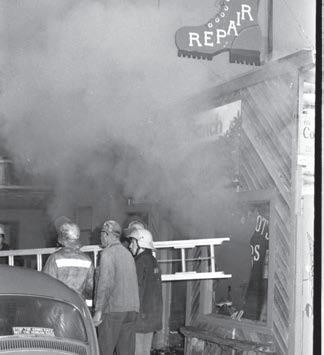
ages one through 10, on Saturday, April 4, at 1 p.m. in Bandon City Park. For more information, contact Donna at 541-366-1057.
* * *
During the month of April, the Coos County Sheriff’s Office will be participating in the distracted driving blitz, which is any activity that diverts a driver’s attention away from the task of driving, significantly increasing the risk of crashes and injuries. The SO will have some extra patrols out during April, specifically focusing on distracted driving.
* * * A Rosa Road woman posted on Facebook Friday, saying that at 10:38 p.m., two kids had egged the home in which she lived with her fiancé and a newborn baby. She shared what she termed as a bad quality video, adding, “This is not okay. If you know who they are or heard anything, please let me know. They drove by our house afterward when my fiancé stood outside and yelled through the car window.”
She said they drove a white sedan or coupe. In the video, which she posted on Facebook, you can see them running from the house and hear the eggs hitting the side of the house.
On Friday, March 20, shortly before 3 p.m., a sheriff’s deputy responded to a report of a crash on Lampa Lane near milepost 11. Upon the deputy’s arriv-
al, Mast Bros. Towing had already been called and was in the process of removing the vehicle, which had struck a tree head-on. The driver, Larry Nicholson, 59, Myrtle Point, was arrested for felony driving while suspended, and transported to the Coos County Jail where he was booked and released.
* * * Coming Events: There was no Meet and Greet on either Tuesday, March 24 or 31. The next Meet and Greet will be Tuesday, April 7, with Carol Maude presenting for Shoreline Education for Awareness on wildlife volunteer opportunities. The program, at Bandon Fisheries Warehouse, will begin at 11:45 a.m. Southern Coos Hospital and Health Center will present the program on the second Tuesday in April, the 14th, and the Bandon History Museum will be in charge of the April 21 program, “The Demise of Fannie Mae,” which will be presented at noon by Richard Whitwer of the Coos History Museum and the Coquille River Lighthouse Keepers Foundation. Wednesday, April 8, Secretary of State Tobias Reed will talk about elections in Oregon at the Sprague Theater from 4 to 5:30 p.m., and the public is urged to attend. His visit is sponsored jointly by the League of Women Voters of Coos and Curry counties.
PHOTO COURTESY OF MARY SCHAMEHORN
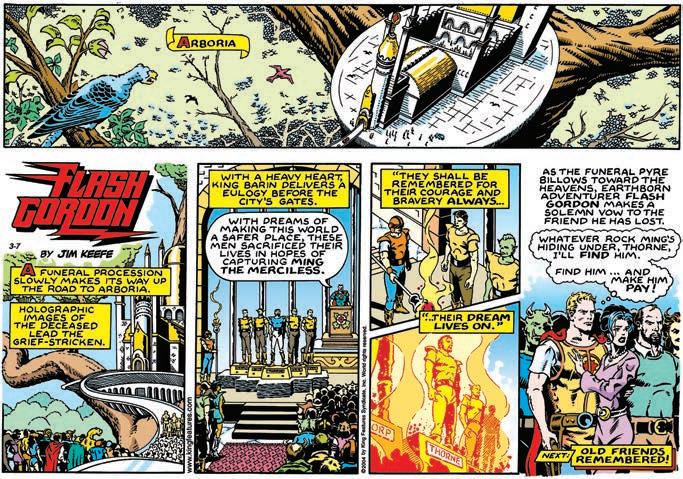
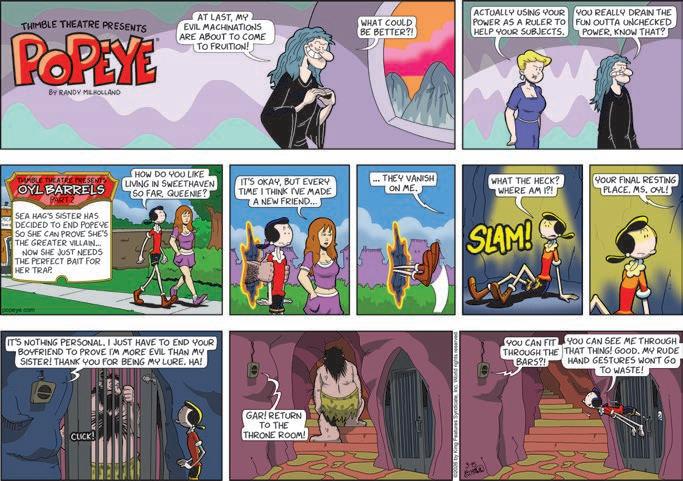
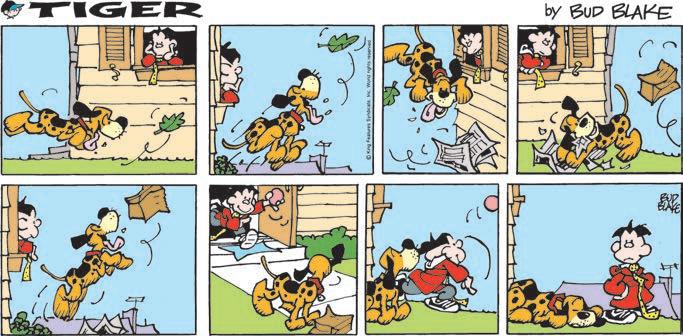

Jack See Himebaugh
March 9, 1945 – March 1, 2026
Jack See Himebaugh, age 80, passed away on March 1, 2026. He is survived by his children, Michael Author Himebaugh and Jackie Michelle Himebaugh-Reagor; eight grandchildren and nine great-grandchildren. He was preceded in death by his parents, Chesler Author Stanley Himebaugh and Blanche Virginia Spooner-Himebaugh.

Frank “Doc” Faulkenberg

Doc passed at the age of 78 on February 19, 2026, in North Bend, Oregon. Born in Glendale, California. Preceded in death by his parents Emmet and Marjorie Faulkenberg and brother Emmet Faulkenberg Jr. He is survived by his son, Spencer Faulkenberg. Frank was an Army Veteran and served as an Aircraft Mechanic during the Vietnam War. After his service he attended college to study Audio/Visual Arts. He went on to have a long career in the television industry and received two Emmy Awards for his work with ESPN for his work as Videotape Operator. The crew he worked with became his lifelong friends.
Doc was a rare breed, a phenomenon of a man

that lived hard and played harder but was also a lover of cinema and the arts. You could even find him acting in plays in North Bend. Doc could talk Shakespeare and Motorhead in the same breath. He was a lifelong fan of the blues and rock music. Doc will be missed and was loved by many friends. “He was a man, take him for all in all. We shall not look upon his like again.” As Doc would say, “Play it loud!”
A celebration of life will be held and announced soon. Friends and family are encouraged to sign the online guestbook at www. coosbayareafunerals.com and www.theworldlink. com. Arrangements are under the care of the North Bend Chapel, 541-7560440.
Service Notices
August “Gus” C. Baronti
A visitation and social with light refreshments will be held for August “Gus” C. Baronti, 107, of North Bend, on Friday, August 3, 2026 from 12-4 p.m. at the North Bend Chapel, 2014 McPherson Avenue in North Bend. A private entombment will be held at Sunset Memorial Park in Eureka, California. Arrangements are under the care of North Bend Chapel, 541-7560440.

Mary Catherine Blaylock
June 24, 1955 – March 16, 2026
Mary Catherine Blaylock, 70, passed away peacefully March 16, 2026, in Coos Bay, Oregon.
She will be deeply missed for the joy, laughter, and warmth she brought to everyone fortunate enough to know her. Born on June 24, 1955, in Coos Bay, Oregon, Mary spent her entire life in the community she called home.
Mary will be fondly remembered for the genuine love she felt for her family and many friends. Her infectious laughter and warm personality brightened every room she entered. A thoughtful soul, Mary never missed an opportunity to make others feel special, remembering every birthday and holiday with care.
Her love extended beyond people to animals as well. Mary’s dogs were a
constant source of happiness for her and were often seen accompanying her on walks through the community she knew so well.
An active and adventurous spirit defined Mary’s life. She enjoyed bowling, walking, camping, caring for her dogs, and spending time at the beach. Her independence and strength were hallmarks of her character; she faced life’s challenges with grace and determination while remaining deeply connected to family and friends.
Throughout her life, Mary held various jobs that reflected her diverse interests. She worked at St. Catherine’s nursing home and as a lab assistant but found particular joy in her role at the Coos Bay library. Restocking shelves and maintaining order brought her immense satisfaction —she would often say with pride, “I
Philip Richard Ekelund
July 21, 1945 – August 25, 2025



Philip Richard “Rick” Ekelund passed away peacefully in his cabin in La Pine, Oregon, on August 25, 2025. Born to Pete and Dorothy Ekelund in Portland on July 21, 1945, he was blessed with a storybook childhood when the family moved to Mosby Creek in Cottage Grove, Oregon. Rick attended the little two room Blue Mountain School through eighth grade. At Cottage Grove High School he played football, ran track and excelled in academics and leadership. Rick was a voracious reader, a talented pianist, and heavily involved in 4H and FFA. After high school, Rick attended Oregon State University to study agricultural engi-
neering but discovered a love for forest engineering. He joined the engineering fraternity Alpha Sigma Phi where he made many life long friends. Rick joined the Army in 1967 and completed two tours in Viet Nam with the 577th Engineering Brigade before returning to complete his degree and become a licensed surveyor. In 1970 at OSU, he met Jackie “Neila” Lister. Their whirlwind romance saw them married on New Year’s Eve 1970. After graduation they moved to Coos Bay where Rick began work for Menasha. While in college, he discovered a love for commercial fishing. His dad, Pete, helped him get started with his first boat. Rick would fish in his off time from Menasha and by 1977 he decided to fish full time. Rick fished out of Winchester Bay for close to 40 years. One of his proudest accomplishments was completing the construction of the Fiskinn II in 1996 with his dad and uncle. Rick was an early member of the Oregon Crab Commission including chairing the commis-
Susan Elizabeth Vadney Lloy
February 3, 1969 – March 20, 2026
Olive Chapman passed quietly at home in Merrill, Or, surrounded by family. She was formally of Lakeside, OR and the widow of Sidney Chapman. She was cremated at O’Hair & Ward’s Funeral Chapel, and

her memorial service will be held on May 29th @ 2pm @ Roseburg National Cemetery (Historic) 1770 W Harvard Avenue Roseburg, OR 97471. There will be a memorial get together afterwards (tba).
Susan Elizabeth Vadney Lloy, 57, passed away peacefully on March 20, 2026, in Coos Bay, Oregon. Susan was known for her caring heart, creative spirit, and her desire to help others heal and feel comforted. She bravely fought the cancer with a smile on her face and was at peace with the situation placed before her. She found great joy in crocheting, knitting, and
quilting, often creating beautiful handmade items for the people she loved. Susan was also a Master Gardener, Reiki Master and Licensed Massage Therapist, and she dedicated much of her life to helping others relax, heal, and find peace. She had a gentle way about her that made people feel cared for and at ease and an infectious laugh. Susan made her way through
loved it!”
In the final months of her life, Mary found happiness in purchasing a new home—a mint-green haven she adored.
She is survived by her two sisters, Maureen Jackson and Margaret Rickels, as well as her cherished nieces and nephews.
She was preceded in death by her parents, Albert and Beryl Strouts; her brother, Steven Strouts; and her beloved husband of nearly 30 years, Pete Blaylock.
A celebration of Mary’s life will be held on April 25th at 1:00 p.m.; location to be announced.
In lieu of flowers, donations may be made in Mary’s memory to Star of Hope in Coos Bay, Oregon or to the Oregon Humane Society.
May Mary Catherine Blaylock’s memory inspire all who knew her to live

with the same love and laughter she so generously shared.
A celebration of Mary’s life will be held at 1pm, Saturday, April 25 at Star Services, 1125 S. 1st Street in Coos Bay. Arrangements are under the care of Coos Bay Chapel, 541-267-3131. Family and friends are invited to sign the online guestbook at www.coosbayareafunerals.com
sion for a time. More than anything, Rick was proud of his family and the accomplishments of his wife, children, and grandchildren. In 2014 he and Jackie retired to his beloved high lakes country in La Pine, Oregon with their not-sotrusty beagle, Knuton and beloved foster dog, Sheba where he “fostered” the local herd of deer in their neighborhood. Rick will be remembered by his family as a “Renaissance Man.” A brilliant mind, vivid storyteller, and avid historian, he could tell childhood stories or pontificate on a favorite subject for hours. He loved a game of cribbage, a cup of coffee, and a good meal, but especially a slice of cherry cheesecake pie from the Pancake Mill. He adored classical music and Roy Orbison. He had a knack for the written word and made his own personal letterhead from comic strips for writing letters. He also had the most colorful sailor’s mouth and a broad sense of humor. He was a “softy” for animals and children. He worked nearly all of the most dangerous jobs on the planet and he was the most generous, loving man you’d ever meet. Rick is survived by his wife and best friend of 55 years, Jackie, son Neil and his wife Danielle, daughter Sara and her husband Bill, and daughter Liz. He was preceded in death by their infant son, Daniel Jens in 1975. He is also survived by his sisters Kathy and Susie, numerous nieces and nephews, his grandchildren Ellie, Neila, Jill, Jordan, Stacy Jr., Natasha, Nick, Cayanne, Rhiannon, and Cort, and great grandchildren Jackson, Maeve, and Masyn.
life always leading the way and never following. She looked for adventure everywhere. James and his beloved wife enjoyed their “Sunday Fundays” finding secret treasures wherever they went and enjoying the beautiful world we are blessed to live in.
Susan is survived by her loving husband, James Lloy; her stepdaughters, Eileen, Maureen, and Colleen; her sisters,
Dea Notices
David S. Crawford, 78, of Coos Bay died March 20, 2026 in Coos Bay. Services will be announced and held at a later date. Cremation rites have been held at Ocean View Memory Gardens Crematory, Coos Bay under the direction of Coos Bay Chapel 685 Anderson Ave. 541267-3131. www.coosbayareafunerals.com
A Celebration of Life is planned for Friday, April 10, 2026 from 11:30-1:30 at the Cottage Events Center in Cottage Grove, Oregon. A private inurnment will take place at Brumbaugh Cemetery. If you would like to honor Rick in some way, consider supporting your local Humane Society through donating, fostering, or adopting in his memory.
Doris, Janet, and Jean; her brothers, Paul (deceased), William, and David; her niece, Jennifer; and her nephew, Kerry. She was a beloved wife, sister, aunt, and friend, and she will be deeply missed by all who knew her.
Susan’s memory will live on in the hearts of those who loved her.
August Clyde Baronti, 107, of North Bend, passed away on March 22, 2026 in Coos Bay. Arrangements are under the care of North Bend Chapel, 541-756-0440, www.coosbayareafunerals.com
Make

& Tanya Nelson
Susan E. Lloy, 57, of Coos Bay died March 20, 2026 in Coos Bay. Services will be announced and held at a later date. Cremation rites have been held at Ocean View Memory Gardens Crematory, Coos Bay under the direction of Coos Bay Chapel 685 Anderson Ave. 541-2673131. www.coosbayareafunerals.com
Susan E. Lloy, 57, of Coos Bay died March 20, 2026 in Coos Bay. Services will be announced and held at a later date. Cremation rites have been held at Ocean View Memory Gardens Crematory, Coos Bay under the direction of Coos Bay Chapel 685 Anderson Ave. 541-2673131. www.coosbayareafunerals.com
Bruce Wendell Behar, 75, of Coos Bay, passed away March 17, 2026 in Coos Bay. Arrangements are under the care of Coos Bay Chapel, 541-267-3131 www.coosbayareafunerals.com
Olive Chapman
The Chamber Minute
Bay Area Chamber of Commerce
BY ROSEY THOMAS
In
If
many aspects of the project and its effect on life in Empire, from impacts on recreational and commercial fishing in the bay, the threat of automation, and concerns over light and sound pollution. Joining Cribbins on the panel were Port Commissioner and Captain of the Carter Jon fishing boat, Nick Edwards, Port Commission President Kyle Stevens, Port Commissioner Arnie Roblan, Charleston Marina Manager Ray Dwire, and Director of External Communications Matt Friesen.
Fishing questions fell to Edwards, who stated the large container ships should have little impact on fishing in the bay. He clarified that even in the navigation channel, there would be a wide enough berth to allow the smaller vessels to navigate around their massive counterparts.
The port was able to clarify that, due to the expected design of the port, there
and in
our members stand together and lift one another up.
As always, our business is helping your business.
would be no infrastructure for loading trucks, and it would be purely focused on the ship-to-rail operations. They also stated that the terminal would need to provide its own power through the building of a substation, rather than pulling from existing power reserves that citizens rely on.
This is especially important given that the plan is for the terminal to exclusively accommodate ships capable of cold-ironing. Cold-ironing is the process of a ship plugging into shore-side electricity on arrival, avoiding the need to run its engines while docked. This helps to avoid emissions and noise pollution.
Concerns over environmental impacts, especially to crucial eelgrass beds, remain top of mind. This is one of a few areas where the port is resigned to a lack of answers. A National Environmental Policy Act (NEPA) review of the terminal’s impact has yet to begin. The port maintains

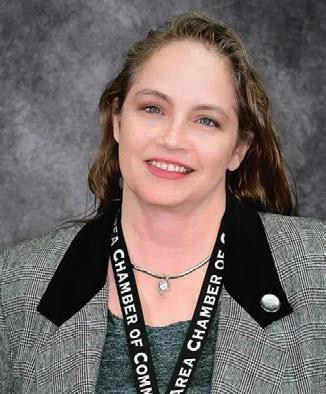
that these survey processes will bear out those answers, and that mitigations will be essential parts of their planning.
With NEPA processes in particular, local climate groups are concerned that under the Trump administration, environmental protections will be lacking and significantly slanted in favor of industry.
Momsen was more than willing to follow up on the port’s answers, many of which had been pre-prepared, and drill down into things further.
“I think that the port needs to get their answers a little more formulated, because there are too many ‘I don’t know’, ‘we don’t know’, and ‘we haven’t planned yet’,” said Momsen. “I know it’s going to take time. But at this point, with Requests for Proposal being formulated, they should have an idea of light mitigation, eelgrass mitigation, in a real context that
people can understand.”
The port maintains that when those surveys and planning efforts are complete, they will be committed to making the information available.
“Infrastructure projects move through several phases, and we are currently still in the pre-planning phase, where much of the work involves technical studies and analysis. Public engagement typically increases as more detailed information becomes available, and our goal is to provide accurate and meaningful updates as the project continues to develop and we have more information to share with the community,” stated Cribbins.
“We appreciated the Concerned Citizens of Empire and Patrick Momsen working with us to schedule this meeting and helping create a setting where information could be shared, and questions could be asked and answered directly.”
Tsunami 101 Community Roadshow returns to help residents prepare
FROM THE OREGON DEPT OF
The Oregon Department of Emergency Management (OEM), in partnership with the Oregon Department of Geology and Mineral Industries (DOGAMI) and the National Weather Service, is continuing the Tsunami 101 Community Roadshow, a long-standing public education effort designed to help coastal residents and visitors understand tsunami risks and how to stay safe.
First launched in 2012, the Tsunami Roadshow brings subject-matter experts directly into coastal communities to share practical, lifesaving information about earthquake and tsunami preparedness.
Community members are invited to attend these free sessions featuring expert presentations and actionable steps people can take before, during and after a tsunami or major earthquake event.
“You’ve heard about the Cascadia Subduction Zone earthquake and tsunami risk—now is the time to learn what you can do to prepare,” OEM Geologic Hazards Program Coordinator Althea Rizzo, said.
“These workshops are designed to give Oregonians practical information that can help save lives.”
What Attendees Will Learn:
• How tsunamis impact the Oregon coast
• How to recognize natural tsunami warning signs
• Where evacuation zones are located
• How to plan evacuation routes and family communication plans
• How to build emergency kits and be prepared to be self-sufficient
Participants will also hear directly from local and state experts, including:
• Oregon Department of Geology and Mineral Industries (DOGAMI)
• National Weather Service
• Oregon Department of Emergency Management (OEM)
• Local emergency management partners
Times and Locations: Coos Bay (Business Preparedness Session)
Wednesday, April 8, 2026 | 12 – 1:30 p.m.
Southwestern Oregon
Community College: 1988 Newmark Ave., Coos Bay, OR 97420
Coos Bay
Wednesday, April 8, 2026
| 6:30 – 8 p.m.
Southwestern Oregon Community College: 1988 Newmark Ave., Coos Bay, OR 97420
Reedsport
Thursday, April 9, 2026
| 6 – 7:30 p.m.
Lower Umpqua Senior Center: 460 Winchester Ave., Reedsport, OR 97467
As part of preparedness efforts, residents are encouraged to download the free NVS Tsunami Evacuation App, available in the Apple App Store and Google Play, which provides evacuation maps and preparedness information.
OEM also encourages everyone—especially those living or visiting coastal communities—to






























Be 2 Weeks Ready, meaning households should be prepared to be self-suffi-
cient for at least 14 days following a disaster. Learn how to build your emergency kit and make a plan on the OEM website.