Artist Jill Collar of The Artful Mermaid Rockaway Beach Artisan Market vendor
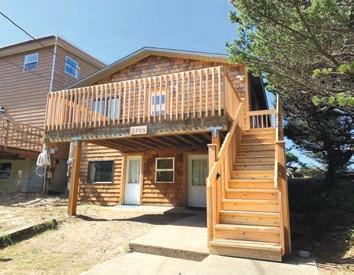
Newer neighborhood in Manzanita
Photo by Katherine Mace Summer Gardening | pg 6
Photo by Katherine Mace
Photo provided by Tillamook Beekeepers Association
RENOVATION PLANS? LET’S MAKE IT HAPPEN.
Your home’s equity can be a powerful tool to bring your home improvement ideas to life. And having a local, trusted partner by your side can make all the difference.
As a not-for-profit credit union, we’re focused on people, not profits. That means budget-friendly home equity options, including financing up to 100% of your home’s value, less what you owe.
Variable and fixed rate options
Lower interest rates and fees
Flexible terms up to 20 years
Potential tax benefits
Mortgage Myths
By TLC, a Division of Fibre Federal Credit Union
BUYING A HOME ISN’T AS SCARY AS YOU THINK
Book your appointment or apply for a loan at fibrecu.com/home-equity
Many people put off buying a home because they’ve heard frightening stories about the mortgage process. The truth? Getting a mortgage loan is often easier —and less intimidating—than you might think.
Myth 1: A low credit score means you can’t buy a home.
Reality: While a higher credit score can help, a lower score doesn’t automatically disqualify you. Many loan programs are designed for buyers with lessthan-perfect credit.
Myth 2: You need a 20% down payment.
Reality: Most buyers put down far less. First-time homebuyers average about 8%, and some loan
programs require as little as 3% or even no down payment at all.
Myth 3: A bigger down payment means a better interest rate.
Reality: While putting more money down can improve your chances of approval, interest rates depend on more than just your down payment. Lenders also look at factors like credit score and property usage.
Myth 4: Student loan debt prevents homeownership.
Reality: Having student loans doesn’t mean you can’t qualify for a mortgage. Lenders look at your overall financial picture, including income
and debt-to-income ratio.
Myth 5: You should always avoid private mortgage insurance (PMI).
Reality: PMI often makes it possible to buy a home sooner, especially for firsttime buyers. It allows you to start building equity without waiting years to save a large down payment. Once you’ve built up enough equity, you can usually cancel.
The Bottom Line Don’t let mortgage myths keep you from your dream home. Talk with a mortgage expert to learn what options may be available and take the first step toward homeownership.
Despite dip in sales, Tillamook real estate market remains steady
Will Chappell Headlight Editor
Amid ongoing economic and political uncertainty, the Tillamook real estate market has seen a decrease in the number of properties sold this year, though prices have remained steady. Berkshire Hathaway Home Services Principal Broker Pam Zielinski said that after a large drop in inventory in February, there had been an increase in listings in the last month but that the market was “generally speaking, flat, flat, flat.”
Zielinski attributed the sharp decline in property listings in February to the beginning of the war in Iran, saying that it had likely given potential sellers pause when it came to listing properties. Zielinski said that she felt the war was having a similar impact on buyers, causing uncertainty about whether to invest in the types of second home purchases
that largely drive the Tillamook County market.
“It’s the Iran war,” Zielinski said. “People are waffling because they don’t know what they should be doing with their money.”
That trepidation has borne out in the number of closings this year, with 23% fewer properties sold in the year to date as compared to a year ago, with 120 transacted this year compared to 156 last year. The good news is that sales prices have not been impacted, with the average price of homes sold ticking up slightly from $524,801 to $538,174, and the median going from $490,000 to $492,500.
Zielinski said that the recent increase in listings matched annual trends, and that she expected to see more sales in inland areas of the county in the next several months.
Coastal properties are likely to remain on the market until the late summer or early fall, Zielinski said, as potential buyers
tend to spend the summer months evaluating different coastal locales before deciding on a home to target. Zielinski said that weather also played a role in beach town buyers’ interest in consummating deals.
“The weather makes such a big difference when people are buying near the beach,” Zielinski said. “We’ve had a lot of fog around the coast for the last month, it doesn’t help. But when it’s nice weather and when it’s not so windy, which is usually later in the summer, then that’s when things tend to pick up more in terms of sales.”
A trend that Zielinski has noticed over the last few years is a decrease in buyers’ interest in short-term rental properties following increased regulations from Tillamook County instituted in 2024. Zielinski said that prior to the updates to the ordinance governing the properties, nearly 80% of
buyers had asked about the possibility of using properties as short-term rentals, but that now only around 10% do.
Zielinski said that she was also continuing to see a trend of Californians relocating to the area in the wake of fires, as well as people from other parts of the country making the move after extreme weather events.
Zielinski said that while she hoped there would be a resolution to the war in Iran that would give buyers more confidence to purchase property, she was confident that values would remain strong given the scarcity of properties near the beach.
“The bottom line is they’re not making any more coastline,” Zielinski said. “So, long term, it seems like we’re sitting pretty here because we’ve got something very special going on in Tillamook County that people should want to have a piece of.”
HomeSource Tillamook changes with the times
By Pierce Baugh V
HomeSource Tillamook no longer has a place of its own, but they’re still able to help clients find one for themselves.
Mostly, that shakeup comes down to the fact that it was simply time for a change, according to Jesse Arthur, Home Source’s principal Broker, as he and co-owner Jason Averill feel downtown Tillamook has also
“If you’re a downtown storefront, they’re constantly battling the homelessness issue, and not just homelessness, but drug deals, that kind of thing that we never even dreamed about when we were kids growing up in Tillamook,” Arthur, who is still perplexed by the changes his hometown, like much of the state, has undergone, said.
The final straw came when somebody entered the company’s office with
a large dog and began yelling at employees. Though there was a protocol in place, fearing for the safety of their team, Arthur, his wife Michelle and HomeSource partner Jason Averill decided to transition HomeSource to a digital only business, moving away from a physical location.
During the covid lockdown the HomeSource team realized that operations went as smoothly as they had in-person, while
removing the potential for security threats.
“I really want to emphasize to the community that we’re still in business. Just because you don’t see us on Third Street across from Safeway, we’re still here,” Arthur said, adding that HomeSource has move to a cloud-based system better serves clients. “Now, we come to our clients; they don’t come to us.”
Going cloud-based isn’t the only change HomeSource has undergone.
After 15 years of being a part of the ReMax network, HomeSource has become independent, a process Arthur says went smoothly.
“In the last few years, we’ve realized how imperative it is to be more hyperlocal,” Arthur said of the logic behind the decision. “Now we’re 100% independent, which gives us the ability to truly home in on the community.”
Arthur has been in the real estate industry
by Katherine
since 1997, and a lot has changed in that time, with the recent increase in the role AI is playing in many sectors.
“The one thing that can’t be replaced with things like AI and all the bells and whistles that come along with modern knowledge is knowledge of the communities, knowledge of certain rules and regulations that we’ve dealt with over the years by being on the coast,” Arthur said.
Photo
Mace
Staff Report
With summer upon the coast, farmers markets in Neskowin, Pacific City, Tillamook, Rockaway Beach and Manzanita are in full swing.
The Neskowin Farmers Market began is held weekly on Saturdays from 9 a.m. to 1 p.m. at Proposals for All Meadow, located at 48875 Highway 101 South, Neskowin. The market accepts supplemental nutrition assistance program (SNAP) cards and participates in the SNAP match program, which provides extra SNAP currency to buy fresh fruits and vegetables.
The Pacific City Farmers Market is held on Sundays from 10 a.m. until 2 p.m. at the South Tillamook County Library, located at 6200 Camp Street in Pacific City.
The Tillamook Farmers Market takes place on Saturdays from 9 a.m. until 2 p.m. each week through September 26. The market, run by the Tillamook Area Chamber of Commerce, is held in front of the Tillamook County Courthouse on Laurel Avenue in downtown Tillamook between First and Third Streets. The market accepts SNAP cards and participates in the SNAP match program.
The Rockaway Beach Artisans Market is scheduled from 3 p.m. to 7 p.m. each Thursday through August 30. Organized by the Rockaway Beach Chamber of Commerce in collaboration with the Rockaway Beach Renaissance Artists, the market is held at Ocean’s Edge Wayside at South First Street in Rocka -
Farmers markets in full swing
way Beach.
Manzanita’s farmers market began in May and runs through September 25, taking place from 4 p.m. to 7 p.m. on Fridays at Underhill Plaza (635 Manzanita Avenue). The
market accepts SNAP and participates in the Double up Food Bucks program, which will match up to $20 in SNAP spending on fruits, vegetables, mushrooms, beans, herbs or vegetable starts.
Above: Artist Jill Collar of The Artful Mermaid Rockaway Beach Artisan Market vendor
Left: Painted oyster shells at Rockaway Beach Thursday Market vendor The Artful Mermaid by Jill Collar
Farmers Market Bouquet, Rockaway Beach
Photos by Katherine Mace Herbs and succulents for sale by vendor Sunbonnet Sisters-Rockawy Beach Artisan Market.
Summer is the perfect time to invest in your home
Summer’s warm weather and longer days make it the ideal season to tackle exterior home improvements before the wet fall and winter months arrive. Whether you’re looking to boost curb appeal, increase your home’s value, or simply protect your investment, now is the time to get those projects completed.
At Gage Contractors, we help homeowners transform and protect their homes with quality exterior improvements designed to stand up to the Pacific Northwest climate. New siding is one of the most effective ways to refresh the appearance of your home while providing an added layer of protection from moisture and the elements. If you’re considering selling in the future, updated siding can make a strong first impression and increase market appeal.
Summer is also the perfect time to address exterior repairs before fall rains arrive. Replacing damaged trim, repairing rot, fixing problem areas, and upgrading aging roofing materials can help prevent costly water damage and extend the life of your home. Taking care of these issues now can save significant expense and headaches later.
Looking for greater comfort and efficiency? New windows can improve insulation, reduce drafts, and help lower winter heating costs while enhancing the appearance of your home both inside and out.
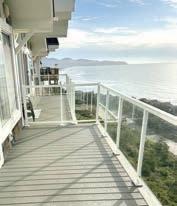
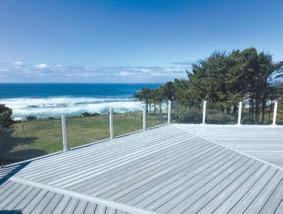
And if you’re ready to enjoy more time outdoors, a custom deck provides the perfect space for relaxing, entertaining, and making the most of the beautiful summer season.
Don’t wait until the weather changes. Let Gage Contractors help you prepare your home for the seasons ahead with expert craftsmanship, dependable service, and a commitment to quality that lasts for years to come.
Carla Albright
We are heading into the Dog Days of Summer. I always wondered what that meant and it turns out to be connected to the Dog Star, Sirius, and its visibility in the Northern Hemisphere from about July 3 to August 11. They are generally the hottest and most sultry days of summer. And since we are also in the throes of an El Niño, we can expect it to be even more sultry.
But what does that mean for our gardens?
The time for planting new plants and relocating others has passed. Now we move into the maintenance stage of our gardening, like weeding and watering. And while that can sound boring, it certainly isn’t.
Along the North Oregon coast, mid-summer gardening is a little different than gardening just a few miles inland. We may not always get the searing heat that other parts of Oregon
Summer Gardening
experience, but we do get drying north winds, salty air, foggy mornings, sudden warm afternoons and soil that can go from damp to dusty faster than expected. This is the season when the garden asks us to pay attention—not necessarily to work harder, but to work more thoughtfully.
Watering is the first place to start. Even with our marine air and occasional mist, containers, hanging baskets, raised beds and newly established shrubs dry out quickly in July and August. Early morning is the best time to water, giving plants moisture before the wind picks up and allowing foliage to dry before evening. Aim the water at the soil rather than the leaves and water deeply enough to encourage roots to reach down. A light daily sprinkle may make us feel useful, but it often leaves plants shallow-rooted and more vulnerable.
Mulch is another quiet hero of mid-summer. A layer
of compost, bark, leaves, or straw helps hold moisture, cools the soil, and keeps weeds from stealing water and nutrients. In our coastal climate, mulch also softens the impact of wind on exposed beds. Just keep it a few inches away from the crowns and stems of plants so they don’t stay too wet at the base.
This is also the time to keep flowering plants going. Deadhead spent blooms on annuals and perennials, so they put energy into new flowers rather than seed production. Stake anything tall before a summer gust flattens it. Feed heavyproducing vegetables such as squash, cucumbers, and container tomatoes if they look tired. But don’t overdo it—too much fertilizer can push soft growth that pests love and wind damages easily.
While the season for moving shrubs and perennials has passed, we are not completely done planting. The coast gives us a useful window for cool-season
crops. Spinach, kale, lettuce, Chinese cabbage, kohlrabi and rutabagas can all be started for fall harvest, especially in a protected bed with good sun. Choose short-season varieties and give them shelter from wind if possible. A cloche, low tunnel, or even a simple windbreak can make a surprising difference.
Finally, keep watch. Slugs, aphids, mildew and stress from wind or uneven watering can show up quickly. Walk through the garden often, looking under leaves, pulling small weeds before they become big ones, and noticing what is thriving in your particular microclimate. And what is failing to thrive.
Mid-summer gardening on the North Oregon coast is less about big dramatic projects and more about steady care. A little water, a little mulch, a little pruning, and a little observation can carry the garden beautifully through the Dog Days and into the softer abundance of fall.
Photo by Carla Albright
Photo by Katherine Mace Black Widow Dahlia - Garibaldi
Photo by Katherine Mace Cherry tomatoes - Garibaldi
Photo by Carla Albright
Please don’t spray dandelions and blackberries while honey bees are foraging
Brad York President, Tillamook Beekeepers Association
Nobody likes noxious weeds or invasive plants like dandelions and wild blackberries so prevalent in the Tillamook area. Using herbicides responsibly is key to maintaining a beautiful garden, road sides, and paths around powerlines. The key word is responsibly. We all need to support pollinators while keeping dandelions (think all weeds) and blackberries (think any invasive plant) under control. Both objectives can be achieved responsibly.
Pollinators such as bees, butterflies, and other insects play a vital role in maintaining healthy ecosystems and supporting agricultural productivity. Honey bees are responsible for the pollination of 1/3 of every bite we humans eat and 70 out of the top 100 human food crops which supply about 90% of the world’s nutrition. However, the honey bee population is significantly in trouble due to the six P’s. Parasites like the varroa destructor mite, Pesticides including herbicides, Pathogens, bacteria and viruses, Pests like yellow jackets, hornets, wasps, and humans, Poor diet due to lack of forage, and Poor weather. Gardeners, home owners, and anyone who wants to keep their spaces free from unwanted weeds or invasive plants should also care about protecting the honey bees and other crucial pollinating insects.
There are two ways herbicides affect honey bees, First, Direct Toxicity, herbicides are toxic if ingested and will sicken the bee, and if the honey bee encounters the herbicide, she will carry it on her fuzzy body back to the hive and sicken the rest of the colony. Secondly, Indirect Effects,
herbicides reduce the availability of nectar and pollen sources by killing flowering weeds or native plants that pollinators rely on, adding to their already stressful environment.
Spraying flowering dandelions and blackberries in full bloom is also a waste of chemicals and your money. When the plant is in full bloom, it is likely that herbicides will only burn off the tops or outer edges of the plant. The best time to spray blackberries is in the Fall when the plant is going dormant. When blackberries are in full bloom, the honey bees are feasting on them. Likewise, the best time to spray dandelions is
before the weed produces flowers. Once flowers appear, the honey bee will thrive on its nectar.
Understanding these risks helps us all to adopt practices that minimize negative impacts on the honey bee and other pollinators while achieving effective weed control.
For more information about the amazing honey bee, check out the Tillamook Beekeepers Association at www.tillamookbeekeepers.org or visit our Apiary and Garden Learning Center located behind the old Officer’s Mess hall on the Port of Tillamook Bay, 6900 Block Officer’s Row.
Photos provided by Tillamook Beekeepers Association
Types of bird feed for backyard feeders
Birding is a wildly popular hobby. According to the U.S. Fish & Wildlife Service, about 45 million Americans are birders, while data from the popular bird observation app eBird indicates that submissions from Canadian birders increased by 34 percent in 2020. It’s not uncommon for birding enthusiasts to travel great distances to see beautiful birds in serene settings. But individuals also can entice beautiful birds to come to them. Bird feeders beckon birds to millions of backyards every day, making them an ideal addition to properties owned by people with an affinity for avians. After choosing a bird feeder, novices may not know which food to fill it with. This breakdown, courtesy of the
National Wildlife Federation®, can help anyone find the right food for their feeders.
• Nectar: Individuals who want to attract hummingbirds can do so with nectar, which the NWF describes as colored sugar water. Nectar must be placed into a hummingbird feeder and also might attract orioles to the backyard.
• Black-oil sunflower: The NWF notes that blackoil sunflower is the most popular bird seed. Black-oil sunflower attracts an array of birds, including blue jays, cardinals, chickadees, and sparrows. Novices may like that black-oil sunflower seed can even be found at many grocery stores, which can appeal to individuals who live in remote locations
Jane’s Fabric Patch
without specialty bird stores nearby.
• Mixes: Seed mixes also can be found at grocery stores and appeal to a variety of birds. Individuals who want to keep their feeders close to their decks or patios may want to look for mixes described as “no-mess.” The NWF indicates that these mixes have been de-hulled, which means there won’t be as big a pile of unwanted seeds beneath the feeder. That tends to be the case with regular mixes that birds pick through as they choose which seeds they want and discard the others, often dropping them to the ground beneath the feeder. The NWF reports that mixes tend to attract ground-feeding birds, such as doves and sparrows.
• Suet: Suet is sought after all year long and especially in winter by bird lovers who
want to help birds stay healthy and strong during times of year when food
sources are scarce. Suet requires a suet feeder, which is unlike most bird feeders. Suet comes in squares and isn’t in seed form, though seeds are typically mixed in to the gelatinous cake. Despite its appearance, which can seem like a square block of fat, suet is an excellent source of protein for birds in winter.
• Thistle or nyjer: The NWF notes that goldfinches love this small, high-quality seed. Because thistle or nyjer is something of a specialty seed, birders who want to put it out will need to purchase a finch feeder. Birding has millions of devotees across the globe. Knowing what to feed birds can be a great way for birding enthusiasts to attract these beautiful creatures to their own backyards.
Photo by Steph Baumgart
A male Western Tanager enjoying suet at a backyard feeder in Tillamook.
Keeping critters out of your yard
Many homeowners want their backyards to serve as sanctuaries. However, some may be sharing their relaxing backyard domains with uninvited guests. From raccoons checking out trash cans to deer munching on prized flowers to squirrels raiding the bird feeders, unwanted wildlife can transform a normally peaceful spot into a frustrating space.
According to data tracked by the USDA Animal and Plant Health Inspection Service, wildlife damage in the United States accounts for billions of dollars in losses each year. Although a large portion of these losses are agricultural, residential damage should not be overlooked. Deer, rodents, raccoons, moles, and skunks are known to wreak havoc on a property. Keeping animals out of the yard requires an approach that balances efficacy with humane practices. These tips, courtesy of the Humane Society of the United States, can help.
• Modify the habitat. Homeowners should remove the incentive for animals to visit a landscape. This means identifying features that attract wildlife and removing them. Picking up fallen fruit from trees, locking trash bin lids, storing birdseed in airtight containers, and treating the lawn for grubs, can reduce the chances that animals will visit.
• Erect physical barriers. Fences make for great neighbors and also are a viable option for keeping out large intruders. To
deter deer, homeowners likely will have to put up a fence that is at least eight feet tall, as deer can easily jump lower barriers. For burrowing animals, fencing that extends underground and turns outward is essential to prevent digging.
• Use sensory deterrents. Modern repellents use smells or tastes that will keep animals at bay. For example, some repellents will use predator urine to dissuade certain animals from spending time in the yard. Additional deterrents include motion-activated
Welcome home Summer 2026
Publication of the Tillamook Headlight Herald and Country Media. Inc. 1906 Second Street, Tillamook, OR 97141 tillamookheadlightherald.com
To advertise in future editions of Welcome Home, contact Katherine Mace at headlightads@ countrymedia.net or call 503-842-7535
Chief Executive/ Operations: Joe Warren
Editor: Will Chappell
Office Manager: Patty Archambault
Graphic Designer: Steph Baumgart
sprinklers or lights that scare animals away.
• Work with neighbors. Critter prevention must be a community effort. If one neighbor is leaving out food for feral cats or feeding deer, then they may be compromising the efforts of homeowners looking to keep wildlife at bay. Making a neighborhood pact to be consistent with pesky animals will help everyone avoid damage and potential animal interactions.
We’re a 4th generation, family owned business that has served Tillamook County since 1950. Whether your job is large or small, our full service operation can accommodate your needs.
Nehalem Bay Ready mix
mohleR SaNd & GRavel, llC
• Hot Water
• Prompt Delivery
• Crushed Rock
• Fill Material
• Drain Rock
• Rip Rap
• Decorative Boulders
• Bark
Call in advance for Saturday delivery.
20890 Foss Road, Nehalem 503-368-5157
CCB #160326
HRepurpose rooms and breathe new life into a home
omeowners do not need to get hung up on room labels as they explore ways to reinvent their spaces. Just because a floor plan labels a space as a formal dining room doesn’t mean the area has to remain that way.
Repurposing rooms in a home comes down to aligning the space a person has with their lifestyle needs. Here are a few ways to rethink interior spaces and make a switch to improve utility.
• Identify unused or under-used rooms. Take note of spaces that are cleaned but rarely used. For many people, this is a dining room or a guest suite. Either of these rooms can be transformed into something new.
• Invest in multipurpose
furniture. Even people short on space can transform their homes. Replacing a traditional bed with a murphy bed or a daybed can make a room more suitable for a home office or yoga studio, but still provide a space for the occasional houseguest to sleep. A pull-down shelf desk in a bedroom or even a walk-in closet can turn an area into a compact home workstation.
• Claim dead space. The area under the stairs or another small spot often is used to collect junk. Instead, it can be turned into a built-in wine rack, a read-
ing nook for kids or even a pet sanctuary with just a few modifications. Analyze areas around the home that seem like they don’t serve a purpose, and then figure out a way to make them more functional.
• Establish room zones. Some people simply cannot transform an entire room into something else. Visual partitioning makes it possible to create rooms within rooms. An area rug can be used to define a border of a space. Open bookshelves can serve as a wall to separate a sleeping area from a lounging spot. Lighting can add dimen-
sion to areas in a space. A pendant light over a crafting or work table can be used define the space.
• Look at utility areas. Unless you are a do-ityourselfer or have a hobby that takes up much of the garage or basement, utility areas are major spots in a home to consider repurposing. A garage can be turned into a home gym, kids’ play area or even a hobby shop. Modular flooring and insulated walls can make the room comfortable. Attic lofts are the ultimate quiet zones, and can be serene spots for reading, meditating or doing homework. An unfinished basement can be converted into a finished space to serve many different purposes. From media rooms to a teen lounge to a hobby cave, the opportunities are endless.
A good rule of thumb before converting any room is to give it a test run. Move in a piece of furniture and test how it works with its intended function. Assess lighting, noise and foot traffic for a week, and then move ahead with changes if the result is positive.
Renovating? Explore these lending options
The cost of homeownership extends well beyond closing day. Homeowners want to make their properties their own, and that may involve a lengthy list of renovations to improve both the inside and outside of the property. When it comes to funding these renovations, homeowners have different options. The right choice may come down to how much equity a person has in their home and how one prefers to receive and pay back the money.
• Home equity line of credit (HELOC): A HELOC uses a home’s equity as collateral and functions like a credit card, says NerdWallet. Borrowers are approved for a maximum credit limit and can get money during
a “draw” period and only pay interest on what they use during that period. The draw period is usually 10 years. This makes it a viable option for ongoing renovations. It’s important to note that although a HELOC is highly flexible and a person only pays for what they use, these loans can feature variable interest rates.
• Cash-out refinance: When current market interest rates are lower than the rate on a person’s existing mortgage, a cash-out refinance can free up money for high-cost renovations. Essentially, a borrower replaces their current mortgage with a new, larger mortgage and takes the difference between the two loans in cash at closing to fund the renovations. Since
the loan is usually locked in with a fixed rate, the monthly payment remains the same, says Chase Bank.
• Home improvement loan: People who have smaller projects or no home equity can work with a bank to get an unsecured loan that will provide a lump sum. These loans do not require a home as collateral, but will be based on credit score and other factors, and typically carry higher interest rates. U.S. Bank says funding can happen quite quickly, instead of waiting for a refinancing situation that requires a new closing.
• Credit cards: Some people may choose to finance renovations on a credit card. This is best for minor, do-it-yourself projects that
can be realistically paid off quickly and on cards that advertise an introductory 0 percent APR offer. This means the borrowing is free if paid off on time. Borrowers who use existing cards with higher interest rates (often 20 percent or more) should pay off the balance or face steep interest charges.
• Government-backed loans: Borrowers may want to investigate loans that are backed by the United States government. These are issued for safety upgrades or when buying a fixer upper to revitalize a neighborhood. The Federal Housing Administration offers an FHA 203(k) loan to borrowers with lower credit scores. Fannie Mae HomeStyle Renovation Loan is an
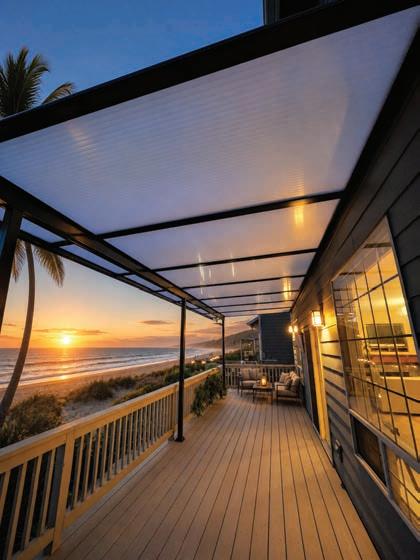
Finally, a luxury outdoor living space designed for the coast.
Life at the coast is unlike anywhere else but coastal living demands more from everything you build.
The covers we offer at Willamette Valley Patio Covers, are designed to endure the harsh coastal elements while maintaining its beauty for decades.
Our powder-coated aluminum framework won't rust, rot, or become a maintenance burden, while our premium acrylic panels stand up to the salt air, wind, rain, and relentless UV exposure that coastal homeowners know all too well.
Enjoy abundant natural light without harmful UV rays. Keep your outdoor spaces cooler and more comfortable while protecting your deck, furniture, and the investment you've made in your home.
Elegant. Durable. Timeless.
All the beauty. None of the upkeep.
to the FHA loan that allows for more luxury upgrades but requires a higher credit score.
alternative
Individuals can do their homework about the best funding vehicles to pay for home renovations.
Tillamook County Homes by the Water
Oceanside
TC-22211
Ground floor living, oceanview top quality home with hot tub & sauna. Rich solid hardwood flooring, cherry hardwood & granite custom kitchen, lower level features huge family room with wetbar & massive stone frplc. Perfect layout for multi-generational living.
9465 3rd St, Bay City
MLS TBD $450,000
Bayview chalet near end of a quiet lane, yet just yards to restaurants, library, store, art center, skate park, creekside park & bayfront pier. 3 bdrm 2 bath. Greatroom has wood beam vaulted ceiling, huge view deck, beautiful blue pine walls. Efficient & practical woodstove in fam rm, EPA certified. Easy care level yard, fenced for beloved pets and children.
Pam Zielinski 503.880.8034
4335 Sequoia Lp $525,000 MLS 26-1272
1-Level, Expansive Oceanview including Cape Lookout and views of Netarts Bay. Light, bright, immaculate home with soaring vaulted ceilings featuring an open floorplan where family can gather and enjoy the fire, the deck and the sights and sounds of the ocean. Quiet culdesac location results in almost no traffic. Immaculate home in well maintained Ocean Highlands.
Tillamook
TC-21904 $1,980,000
17805 US 101 South 1+ bdrm 1 bath 980 Sq Ft Finished
65 Acre Tiger Creek Ranch with 2 barns, a bunker, hay storage bldg, decommissioned farmhouse + upscale barndominium dwelling with luxury bath & quartz kitchen. Finish the rest of the building into an 1850 sq ft house and you still have a 2nd tax lot to build a separate residence.
Oceanside
TC-22399 $890,000
400 Highland Dr 3 bdrm 2.5 bath 2054 Sq Ft
Oceanview 2-level nestled in the trees which can be cut desired. Floorplan well suited for multi-generational living with large family room/wetbar down. Loft office overlooks living rm. Dbl garage. Decks accessed from 4 rooms.
465 Moondancer $465,000 MLS 26-815
Beautiful 2 Story House located in the luxury of Ocean Highlands Subdivision in Netarts, Oregon. This property offers views of Netarts Bay and the Pacific Ocean, with a deck offering outdoor enjoyment in this very special location on the Oregon Coast. A Well Maintained 2 Bedroom 2.5 Bath Home. You will feel the solid construction that’s required of Coastal Construction along with its warmth and comfort. Contact Mark Stewart.
Mary Kay Campbell 503.354.4501 End of Private Street, Walk to Beach, Quality Craftsmanship, Meticulously Maintained. 2 large decks bordering woods, oversized garage (extra high door), additional parking for RV.