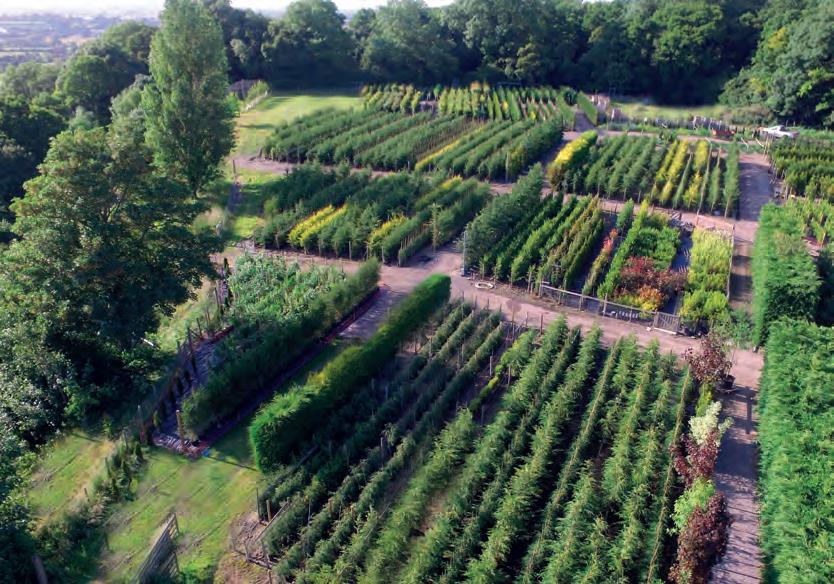
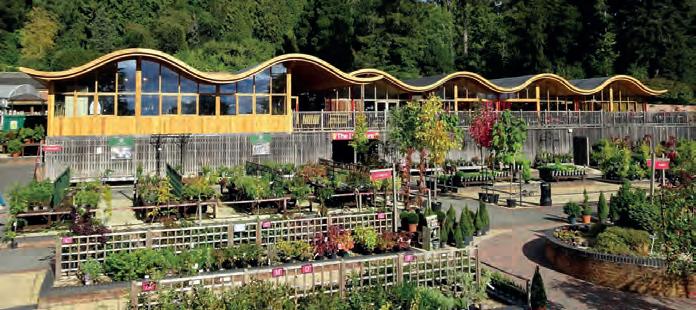
• One of the South West’s Largest Tree & Hedging Nurseries
• Small to Large Trees Available
• Complete Range of Garden Plants at our Garden Centre
• Thousands of Plants in Stock
• Visit our Nursery or Browse Online
A Beauchamp House care home resident fulfilled a lifelong dream of riding a horse for the first time, thanks to support from her care home team.
Anne spoke to the Beauchamp House team about how she had enabled her children to ride horses, but never had the opportunity herself. Feeling inspired by Anne’s wish to take a slow horse ride near her home, the team got in touch with Conquest Centre, an independent charity based in Taunton, which offers therapeutic support involving horses and small animals.
Anne was enabled to ride Primrose, a 15.2 hands horse, around the centre’s covered arena, before walking around the woodland trail. She was guided by Gerry Ping, Deputy Centre Manager, and David Hawkins, volunteer student, alongside Chantal Finlayson, Activities Lead at Beauchamp House.
Anne said: “Dreams can come true, even at my age. I thoroughly enjoyed it. I’ve always wanted to ride a horse, but I missed out when the children were learning. I appreciate the Beauchamp House team making this happen for me. They are very special people. I love living at Beauchamp House. It’s like a fivestar hotel. The staff couldn’t be better and the food is excellent.”
The special visit was arranged as part of Care South’s ‘Make a Wish’ initiative, which encourages residents to share hobbies and passions they once enjoyed but are now unable to pursue without the home’s support. The care home team then works to bring the special wishes to life.
Debbie Lane, Home Manager for Beauchamp House, said: “It was a pleasure to make Anne’s special wish come true with our great thanks going to the incredible team at Conquest Centre. Seeing Anne’s smile and hearing how much the experience meant to her was truly heart-warming. At Care South, we truly believe that age has no limits on what our residents can safely do with our support. It’s important to us that residents continue enjoying meaningful experiences and have opportunities to achieve things they may never have had the chance to do before.”
Beauchamp House resident Anne rode a horse at Conquest Centre for her special wish
What’s on... A GARDENING GUIDE TO
Here’s a selection of late summer events you might be interested in attending during August and early September.
If you are looking for the usual details of garden club meetings please go to www.countrygardener.co.uk to see all events for not just this month but the months ahead. If you would like to send us your event for more free publicity then again go to the website where you will be able to upload details.
AUGUST
ABBOTSBURY
SPECIALIST PLANT & GARDEN FAIR
Abbotsbury Subtropical Gardens
Sunday 23rd August, 10am - 3pm
Approx 25 specialist nurseries and growers, large selection of garden stalls plus craft & wildlife stalls, refreshments, dogs welcome.
Submit your details here: www.countrygardener.co.uk/event-submission
NEW SPONSORSHIP OPTIONS
WELLINGTON
OPEN GARDEN FOR ST MARGARET’S HOSPICE, Hangeridge Farm
Sunday 9th August, 1pm - 5pm
Wellington TA21 9QG
WEST MOORS, FERNDOWN
WEST MOORS HORTICULTURAL SOCIETY
SUMMER SHOW, West Moors Memorial Hall
Saturday 29th August, 1.30pm - 4pm
231 Station Rd West Moors, Ferndown, Dorset, BH22 0HZ
SEPTEMBER
ADWELL
RARE PLANT FAIR, Adwell House
Sunday 6th September, 11am-4pm
Magnificent herbaceous borders, roses and a large collection of Salvia plus beautiful mature trees. A huge selection of plants and high quality sundries for you to buy.
Adwell, Nr. Thame, Oxfordshire, OX9 7DQ
BOOK: www.rareplantfair.co.uk
BADMINTON
OPEN GARDEN DAY, Badminton House
Sunday 6th September, 10am-4pm
Explore the private gardens of Badminton House. Shop for plants, gardening tools, food & drink. Visit the exhibition of A Garden of Botanical Art on display in The Old Hall. Badminton, South Gloucestershire, GL9 1DD
BOOK: www.badmintonestate.com
BARNSTAPLE
HORTICULTURE, CRAFT & FLORAL ART SHOW, Pannier Market
Huge choice of perennials, shrubs, trees, climbers and topiary. Free Entry and car parking. Refreshments. Experts on hand to answer your questions. Dog friendly! West Kington, Chippenham SN14 7JQ
To see your advert here, please contact
Gardeners cuttings
A LOOK AT NEWS, EVENTS AND HAPPENINGS
BUMPER SUMMER FOR BUTTERFLIES
Our gardens could be on the brink of a bumper summer of butterflies, with a warm, dry spring and a very hot early summer raising hopes of an abundant season for some of the nation’s best-loved species.
After 2024 delivered the worst results in the history of Butterfly Conservation’s Big Butterfly Count and a butterfly emergency was declared, the sunshine of spring and summer could see a kaleidoscope of colourful butterflies.
That’s why wildlife charity Butterfly Conservation is calling on the public to get out for its annual Big Butterfly Count, which runs to Sunday 9th August.
Anyone anywhere can take part and help to paint a picture of how butterflies are faring.
The world’s largest butterfly survey, the Big Butterfly Count asks people to spend just 15 minutes outdoors in a sunny spot, count the butterflies and day-flying moths they see, and submit their sightings via the free app or at www.bigbutterflycount.org
HOW TO TAKE PART
Download the free Big Butterfly Count app or visit www.bigbutterflycount.org
Spend 15 minutes in any sunny outdoor space and count the number and types of butterflies and dayflying moths you see and log your sightings.
RHS WISLEY SHOW CASTS ITS NET WIDER
The 2026 RHS Wisley Flower Show which takes place from Tuesday, 1st September to Sunday 6th September is casting it’s net wider this year. Visitors can enjoy six days of spectacular floral exhibits, talks from horticultural experts and live demonstrations.
Tickets should be booked in advance for the best prices. Standard online adult admission to RHS Garden Wisley starts from around £19, while discounted off-peak tickets can be available from approximately £15.05 when booked early. Children aged 5 to 16 are £6, children under 5 enter free. On-the-day adult tickets are typically £20.50, booking online offers the best value. www.rhs.org.uk/gardens
& Stockists distribution@countrygardener.co.uk
Accounts & Payments
Everything good, everything magical happens between the months of June and August. Winters are simply a time to count the weeks until the next summer –
HEAT DAMAGE IMPACT NEEDS URGENT ATTENTION
JENNY HAN
& Editor: Alan Lewis alan@countrygardener.co.uk Tel: 01823 431767
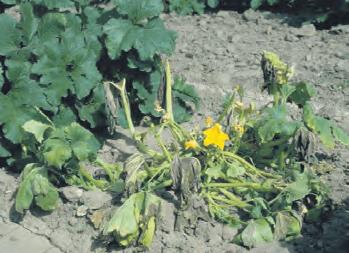
Gardening experts have been warning that heat damage could cause record levels of damage and environmental stress affecting the growth, health, and survival of plants. As temperatures rise for the rest of the summer, plants are set to be exposed to periods of heat stress. High temperatures can interfere with important plant processes, causing visible damage and reducing the ability of plants to produce flowers, fruits, and seeds.
One of the main impacts of heat damage is dehydration. Plants lose water through tiny openings in their leaves called stomata, which help control gas exchange. This can cause leaves to wilt, become dry, turn brown, and eventually fall off.
Heat stress can also affect photosynthesis; the process plants use to convert sunlight into energy. When temperatures become too high, the enzymes involved in photosynthesis may not function properly.
To prevent heat damage, several actions can be taken. One of the most effective methods is providing plants with enough water. Watering should usually be done early in the morning or in the evening to reduce evaporation. Adding mulch around plants can also help by keeping the soil cool, reducing water loss, and maintaining consistent moisture levels.
Providing shade is another useful way to protect plants from extreme heat. Shade cloths, garden structures, or planting taller plants nearby can reduce direct sunlight exposure and lower temperatures.
BURROW FARM GARDENS IN AUGUST
August is one of the finest times to visit Burrow Farm Gardens, near Dalwood between Axminster and Honiton in East Devon. The award-winning 13-acre gardens are open every day throughout August, from 1st August to 31st August, with opening hours of 10am to 5pm. The Tea Room serves refreshments and homemade cakes, with last orders at 4.30pm.
Late summer brings a wonderful display of colour and texture across the gardens. Visitors can also enjoy the rose gardens, woodland walks, ponds, unusual shrubs and the extensive plant collections that make Burrow Farm Gardens one of Devon’s most celebrated horticultural attractions.
Current admission prices are £13 for adults, £2 for children aged 3–16, while children under three years old are admitted free. Visitors planning several trips during the season may prefer an adult season ticket costing £36.50, with child season tickets available for £5 Reduced admission is also offered for pre-booked groups of ten or more visitors.
YEO VALLEY PREPARES FOR BUMPER SECOND EVENT
The countdown is underway to the second Yeo Valley Plant Fair, a must-visit Somerset event for gardening enthusiasts and plant lovers. The event will run from Thursday 17th
September to Saturday 19th September, opening each day from 10am until 5pm. It will be held at the beautiful Yeo Valley Organic Garden, Holt Farm, Bath Road, Blagdon, Bristol, Somerset, BS40 7SQ. It brings together expert gardeners, growers, designers and visitors for a weekend filled with inspiration, practical advice and opportunities to discover new ideas for the garden.
Tickets for the 2026 festival are available from £30 per person, plus a small booking fee.
www.yeovalley.co.uk/events
Heather Rose heather@countrygardener.co.uk What’s On & Events Guide www.countrygardener.co.uk/event-submission
August is a wonderful time to visit Miserden Gardens in the heart of the Cotswolds. The beautiful 17th-century walled garden is filled with colourful late-summer borders, vibrant dahlias, fragrant roses and spectacular views across the Golden Valley.
Throughout August, the gardens are open Wednesday to Sunday, as well as on Bank Holidays, from 10am until 5pm. Last admission is at 3.30pm, giving visitors plenty of time to explore the extensive grounds and relax with refreshments at the Little Ginger café. The café is open from 10am to 4pm Wednesday to Friday and until 4:30pm on weekends and Bank Holidays.
Adult admission is £12, while children under 16 go free, Historic Houses members receive free entry with a valid membership card.
August is one of the best times of year to experience this hidden Gloucestershire gem. Miserden Gardens, Miserden, Stroud GL6 7JA
Design & Production
Aidan Gill aidan@countrygardener.co.uk
Gemma Stringer gemma@countrygardener.co.uk
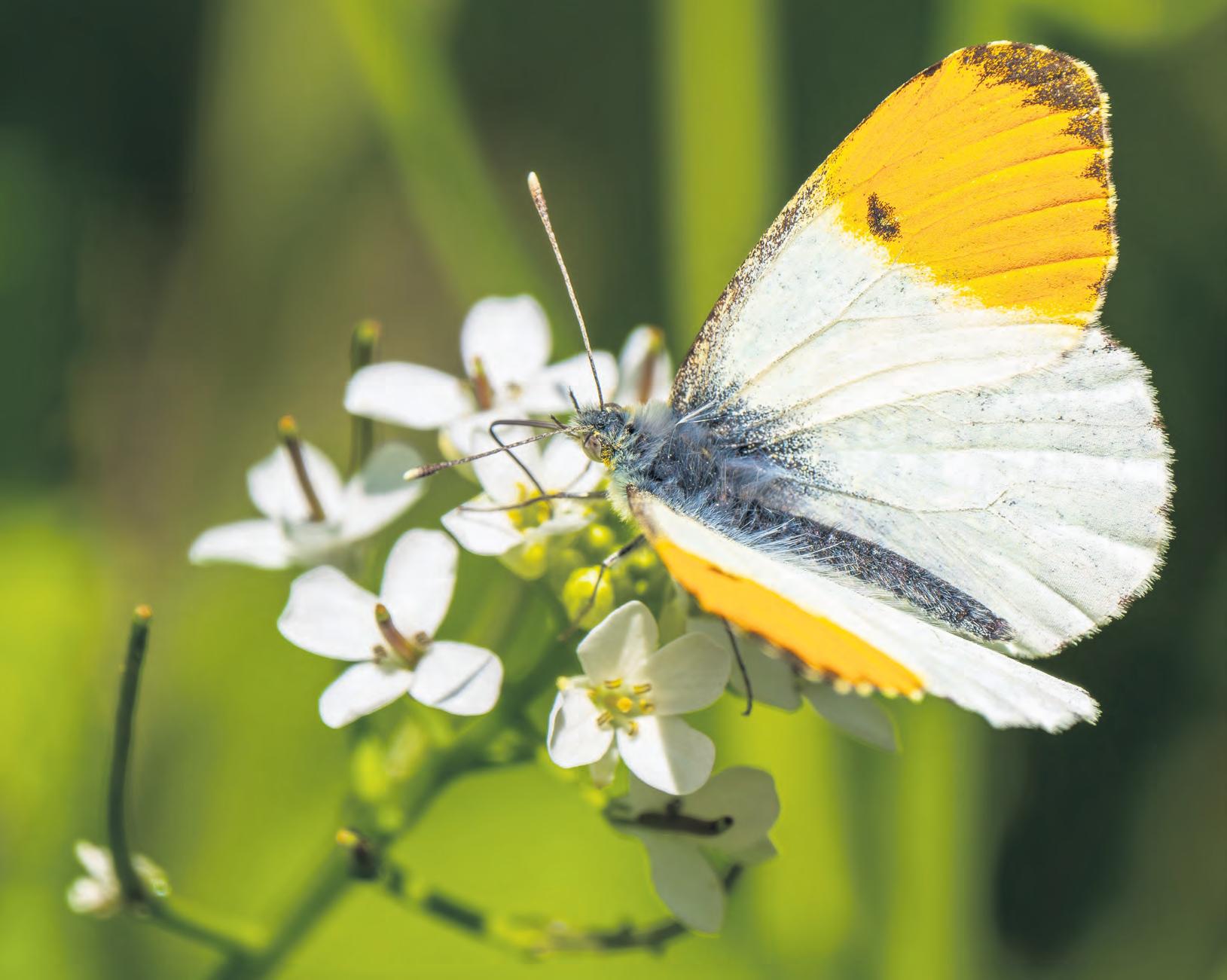
Holly Blue butterflies have had an excellent spring and early summer
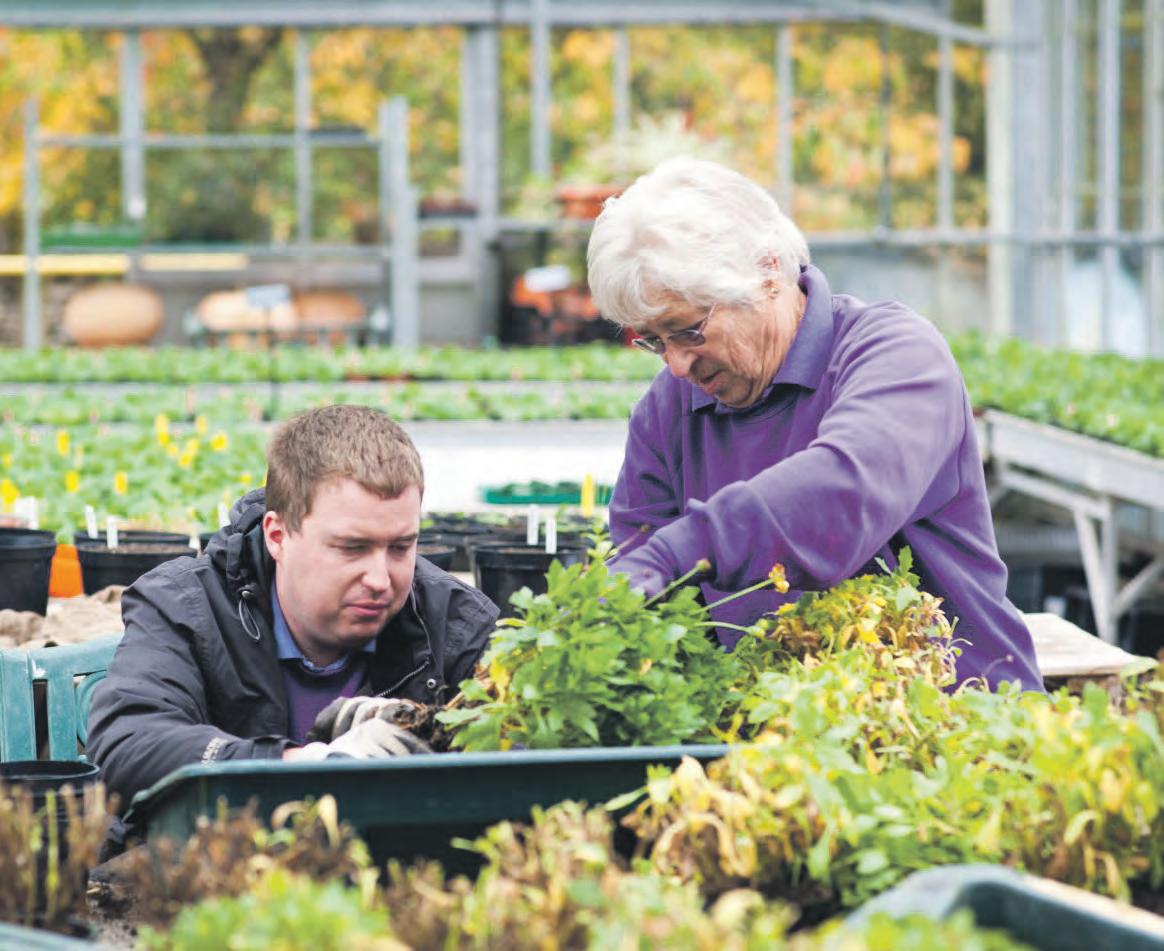
STARTING A HORTICULTURE CAREER LATER IN LIFE
Starting a career in horticulture in your later years is realistic and rewarding. It requires commitment, practical training and a willingness to keep learning, but offers a rare combination of meaningful work, physical activity, and connection with the natural world. Organisations such as the Working for Gardeners Association provide a clear pathway into the profession through practical training, mentoring, and networking, accessible and in demand.
Changing careers is no longer unusual.
For those ready to exchange routine for purpose and office walls for open skies, horticulture offers not simply a new job, but a fulfilling new way of life. Many people reach a point where they want work that is more meaningful, more connected to nature, and offers a healthier balance between physical activity and mental wellbeing. Horticulture has become an increasingly attractive option for those seeking a fresh start later in life. Whether motivated by a lifelong passion for gardening, redundancy, retirement from a previous profession, or simply the desire to work outdoors, horticulture offers a rewarding and achievable second career.
Starting a career in horticulture at a more mature age brings many advantages. While younger entrants may have physical energy, mature career changers often possess valuable life skills such as communication, organisation, problem-solving, customer service, and reliability. These qualities are highly valued by employers, private garden owners, and clients.
The first step is understanding that professional horticulture is much more than gardening as a hobby. It requires practical skills, plant knowledge, and a willingness to learn continuously. Professional gardeners need to understand soils, plant identification, pruning techniques, propagation, pests and diseases, seasonal maintenance, biodiversity, and sustainable gardening practices. Fortunately, these skills can be learned through a combination of training and hands-on experience. For many people, beginning with formal education provides an excellent foundation. The Royal Horticultural Society offers respected qualifications ranging from introductory courses to advanced diplomas. Colleges across the UK also provide practical horticulture courses, while online learning allows students to study theory at their own pace. However, classroom learning alone cannot replace practical experience. Spending time working in real gardens is essential for developing confidence and competence.
Volunteering is one of the most effective ways to gain experience. Organisations such as the National Trust, English Heritage, community gardens, and local parks often welcome volunteers. These opportunities expose newcomers to a wide range of gardening tasks while allowing them to work alongside experienced horticulturists. Volunteering also helps build professional networks that may lead to future employment. One of the most valuable opportunities available to career changers in the UK is the work of the Working
for Gardeners Association (WFGA). Originally founded in 1899 as the Women’s Farm and Garden Association, the charity has evolved to support anyone interested in developing practical horticultural skills and pursuing a professional career. Its mission remains centred on promoting horticultural education, practical training, and career development through hands-on experience rather than purely classroom-based learning.
A cornerstone of the organisation’s work is the Work and Retrain as a Gardener Scheme (WRAGS). Established specifically to support adults changing careers, the scheme provides paid, part-time placements in carefully selected private and public gardens under the supervision of experienced gardeners or garden owners. Trainees typically work between 12 and 14 hours each week over the course of a year, developing practical skills through seasonal tasks and regular mentoring. The programme has helped hundreds of people move successfully into professional horticulture, with graduates progressing into roles such as head gardeners, nursery staff, self-employed gardeners, and horticultural educators.
Beyond WRAGS, WFGA membership offers workshops, skills days, garden visits, newsletters, networking opportunities, and access to educational funding through initiatives such as the Christine Ladley Fund. These resources create a supportive community where members can continue developing their knowledge throughout their careers. The organisation demonstrates that learning horticulture is not limited by age but strengthened through practical experience and shared expertise.
Physical fitness is naturally an important consideration for anyone entering horticulture later in life. Gardening can involve lifting, digging, kneeling, climbing ladders, and working in all weather conditions. However, modern horticulture increasingly places emphasis on safe working practices, ergonomic tools, and sensible task management. Many mature entrants find that their fitness improves significantly after spending regular time working outdoors. Good physical preparation, appropriate clothing, and attention to health and safety all contribute to a long and enjoyable career.
Technology also plays an increasing role in horticulture. Gardeners may use digital garden plans, plant identification apps, irrigation systems, weather monitoring, and social media to promote their businesses. Those changing careers often bring transferable digital skills from previous professions, providing an additional advantage when managing projects or running their own gardening businesses.
‘Many successful head gardeners and self-employed horticulturists began their careers in their forties, fifties, or even later.’
Financial expectations should also be considered realistically. Entry-level horticultural salaries may initially be lower than those in some previous professions. However, experience and specialist knowledge often lead to higher earnings. Many professional gardeners eventually establish successful self-employed businesses offering garden maintenance, planting design, consultancy, specialist pruning, or kitchen garden management. Others move into public gardens, botanical collections, garden centres, education, or commercial landscaping.
One of the greatest rewards of horticulture is the sense of purpose it provides. Unlike many office-based roles, the results of a gardener’s work are visible every day. Watching plants establish, flowers bloom, wildlife flourish, and gardens evolve through the seasons creates immense professional satisfaction. Every day brings different challenges, from propagating seedlings in spring to pruning fruit trees in winter, ensuring that the work remains varied and engaging.
There are also significant benefits for mental wellbeing. Numerous studies have shown that spending time in nature reduces stress, improves mood, and promotes physical health. Professional gardeners often describe their work as deeply satisfying because it combines creativity, practical skill, problem-solving, and continual learning. Rather than producing reports or attending endless meetings, they leave work having transformed a living landscape.
Mature entrants frequently discover that age is an asset rather than a disadvantage. Employers value reliability, commitment, and life experience. Clients often appreciate gardeners who communicate well, understand customer expectations, and demonstrate professionalism. Many successful head gardeners and self-employed horticulturists began their careers in their forties, fifties, or even later.
Concrete Post Fixings (Wire Anchors) & Easy Trellising System
Quick & Easy Solution to fix wires to concrete posts NO DRILLING - simply clamp the two halves together Three sizes to fit most concrete posts FREE UK DELIVERY
Main Stockists of Gripple Trellising
Visit our website to view our other gardening accessories and gift ideas www.rivelinglenproducts.co.uk info@rivelinglenproducts.co.uk 01246 462666
EPILEPSY SOMETIMES
YOU FEEL A LITTLE
Are you aged 18 - 26 and living with epilepsy? Or do you care for a young adult who is?
our social group! For young adults with epilepsy and their supporters. Every 2nd and 4th Sundays of the month - 11am – 1pm at Long Ashton Community Centre, Keedwell Hill BS41 9DP FOR MORE INFORMATION VISIT: www.epilepsy.org.uk/support-groups/bristol-independent-group
EMAIL: Corina at newleavesturned@gmail.com
TRUE BLUES
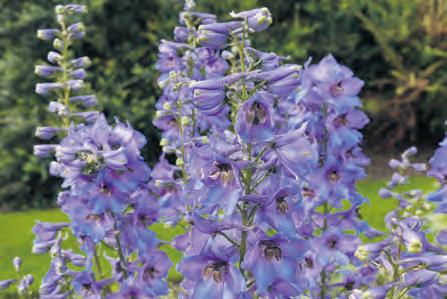
Larkspur and delphiniums -the quintessential flowers of high summer. Whether grown from seed or planted as perennials, they reward gardeners with one of the most spectacular floral displays of the season.
Few flowers capture the spirit of an English summer quite like larkspur and delphiniums. Rising above herbaceous borders in elegant spires of blue, lavender, pink, white and deep purple, they bring a sense of height, movement and romance that few other plants can match. Whether planted in a traditional cottage garden, a contemporary perennial border or grown specifically for cutting, these classic flowers have remained enduring favourites with gardeners.
Although often confused, larkspur and delphiniums are closely related but distinct plants. Annual larkspurs (Consolida ajacis) are easy-to-grow cottage garden flowers that produce graceful, airy flower spikes, while perennial delphiniums (Delphinium species and hybrids) are larger, more architectural plants that return year after year with proper care. Both belong to the buttercup family (Ranunculaceae) and share the same vertical elegance.
Their popularity lies partly in their unrivalled shades of blue. Truly blue flowers are surprisingly uncommon in the garden, yet delphiniums produce some of the richest sapphire, cobalt and sky-blue blooms available. Combined with whites, soft pinks and mauves, they create cool, sophisticated colour palettes that pair beautifully with roses, foxgloves, peonies and salvias during the height of summer.
Another reason gardeners treasure them is their ability to add vertical interest. While many summer flowers spread horizontally, delphiniums send towering flower spikes soaring creating dramatic punctuation throughout borders. Annual larkspurs are slightly shorter. Both are also exceptional cut flowers. Their long stems and elegant spikes bring height and colour to arrangements, while newly opened blooms continue to develop in water.
Growing delphiniums
Delphiniums thrive in fertile, moisture-retentive but well-drained soil. They perform best in full sun, although in hotter parts of the country they appreciate a little afternoon shade.
Space plants generously to improve airflow and reduce the risk of fungal diseases such as powdery mildew. As growth begins in spring, apply a balanced fertiliser and water regularly during dry periods. Delphiniums are thirsty plants, particularly when producing their impressive flower spikes.
The tall stems almost always require staking. Install supports early, before rapid growth begins, allowing the foliage to hide the stakes naturally as the plants develop. After the first flush of flowers fades, cut the spent stems back to the base.
Growing larkspur
Annual larkspurs are among the easiest flowers to grow from seed. They dislike root disturbance, so are best sown directly where they are to flower. Seeds germinate readily in cool conditions and often perform best when sown in autumn or very early spring.
OLD
COURT NURSERIES & The Picton Garden
Choose a sunny position with well-drained soil. Thin seedlings to around 20–30 cm apart to allow each plant room to develop. Once established they require relatively little attention beyond occasional watering during prolonged dry spells.
Allow some flower spikes to set seed and many gardens will enjoy natural self-sown plants in subsequent years, creating relaxed drifts that suit informal planting schemes beautifully.
Beautiful varieties to grow
Among perennial delphiniums, the famous Elatum Group remains the gold standard for borders. These majestic plants produce dense flower spikes in rich blues, purples, whites and pinks, often with contrasting central “bees” that add further interest.
‘Black Knight’ is a long-established favourite with deep violet-blue flowers and striking dark centres, bringing bold colour to mixed borders.
‘Magic Fountains Sky Blue’ offers the classic delphinium look in a more compact form, making it suitable for smaller gardens while still producing impressive flower spikes.
For pure elegance, ‘Galahad’ bears pristine white flowers that illuminate evening gardens and combine beautifully with silver foliage and pastel companions.
Gardeners seeking softer shades often choose ‘Sweet Sensation’, with delicate lavender-blue flowers held on sturdy stems that perform well as cut flowers.
Among larkspurs, the ‘Sublime’ series offers excellent colour range and reliable performance, while ‘Imperial Giant Mixed’ produces tall, graceful spikes in a delightful blend of blues, pinks, lilacs and whites.
What’s in a name?
Larkspur and delphinium belong to the same family (Ranunculaceae) and share many similarities, leading to overlapping names. However, larkspur is typically an annual with feathery foliage and looser flower spikes, while delphinium is usually a sturdier perennial with deeply lobed leaves and dense, showy flower stalks.
nursery and beautiful 1.5 acre garden just waiting to be explored ORDER ONLINE or catalogue available by request | EVENTS & WORKSHOPS
OPENING TIMES THROUGHOUT
to
to
Delphinium ‘Black Knight’
Delphinium ‘Sweet Sensation’
WHY YOU MUST DEADHEAD
Deadheading keeps flowers from using energy to go to seed, and redirects it toward more growth, so it is a wonderful method of pruning which extends bloom periods and dictates how many blooms a flower can produce.
Summer is when gardens reach their full potential. Flower beds burst into colour, hanging baskets overflow with blooms, and borders become alive with bees, butterflies, and other beneficial insects. However, keeping a garden looking vibrant needs more than regular watering and feeding. One of the simplest yet most effective maintenance tasks is deadheading.
It is worth remembering that the goal of plants is to spread seeds and ensure species survival. Once seeds start setting, the plant will direct its energy to forming those seeds, not to growing new flower buds. If gardeners want more blooms, they have to prevent that energy diversion to the seeds. Deadheading is the process of removing faded or spent flowers from plants.
While it may seem like a purely cosmetic job, it offers numerous benefits that improve both the appearance and health of many flowering plants. By spending just a few minutes each week deadheading it will mean longer flowering displays and healthier plants.
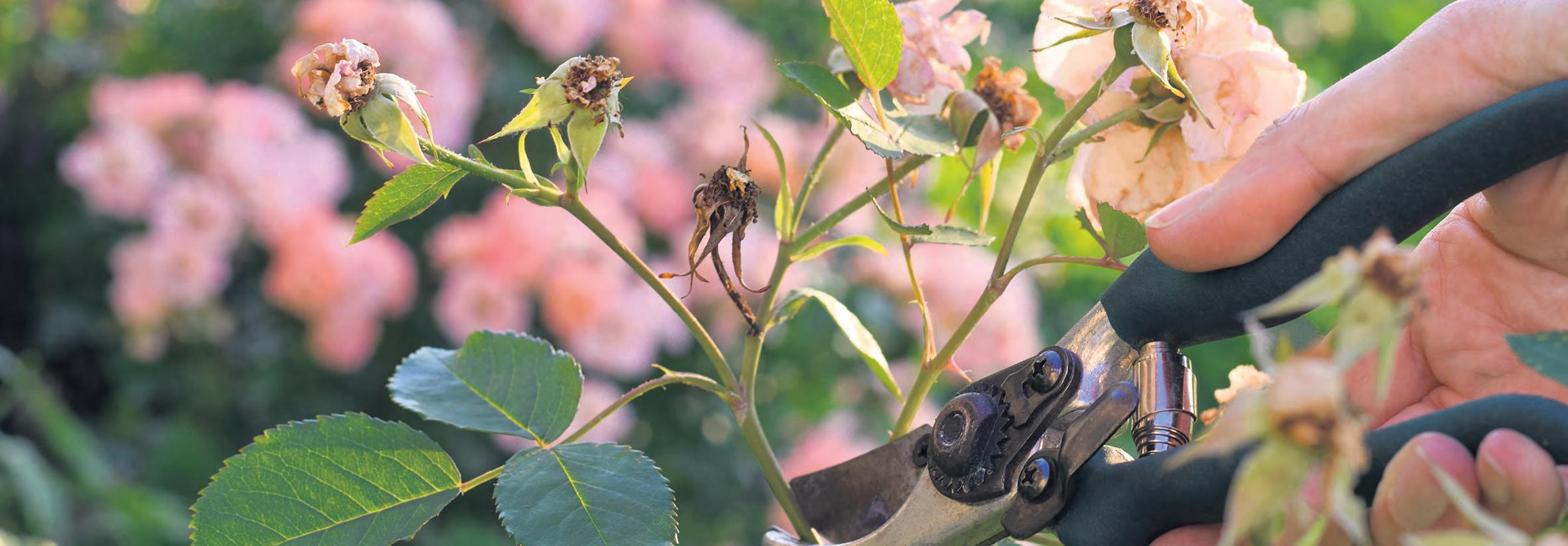
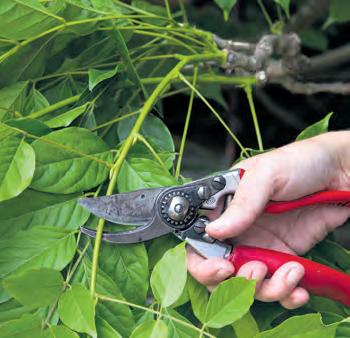
Deadheading simply involves removing flowers once they have finished blooming before they begin producing seeds. The flower stem needs to be cut or pinched back to the next healthy leaf, bud, or side shoot using fingers, scissors, or secateurs.
Once pollination has occurred and seeds begin to develop, the plant diverts much of its energy away from producing new flowers. By removing spent blooms before seed production begins, gardeners effectively encourage many plants to continue flowering instead of focusing on reproduction.
ENCOURAGES MORE FLOWERS
The biggest benefit of deadheading is that it encourages plants to produce additional blooms.
When faded flowers remain on a plant, energy is invested in creating seeds rather than producing new flower buds. Removing spent blooms interrupts this cycle and encourages many plants to keep flowering for weeks or even months longer.
Plants such as petunias, geraniums, cosmos, and dahlias are particularly responsive.
KEEPS PLANTS LOOKING ATTRACTIVE
Dead flowers quickly become brown, shrivelled, and untidy. Even the healthiest garden can begin to look neglected if faded blooms are left in place.
Regular deadheading keeps borders, containers, and hanging baskets looking fresh and colourful. It highlights the newest flowers rather than allowing old blooms to distract from the display.
PREVENTS UNWANTED SELF-SEEDING
Some flowering plants readily scatter seeds around the garden.
While this can be useful in informal cottage gardens, it may become a nuisance when seedlings appear where they are not wanted.
Deadheading helps prevent excessive selfseeding in plants such as:
Aquilegias
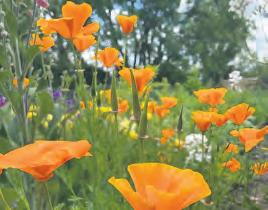
Californian poppies
Nigella
Foxgloves (if seed collection is not desired)
Certain hardy geraniums
By removing flowers before seeds mature, gardeners have greater control over where plants grow the following year.
REDUCES DISEASE
Decaying flowers can trap moisture around leaves and stems, creating ideal conditions for fungal diseases such as grey mould (Botrytis).
Removing faded blooms improves air circulation and eliminates dying plant material that can harbour disease.
HOW TO DEADHEAD CORRECTLY
Deadheading is straightforward but doing it correctly produces the best results.
Always use clean, sharp secateurs or scissors when cutting thicker stems. For soft-stemmed annuals, pinching flowers off with your fingers is often sufficient.
Follow the flower stem down to the first healthy leaf, side shoot, or developing flower bud before making the cut.
WHEN SHOULD YOU DEADHEAD?
Summer is the peak season for deadheading. Ideally, inspect flowering plants once or twice each week. During periods of rapid flowering, hanging baskets and containers may benefit from deadheading every few days.
Morning or evening is usually the best time, particularly during hot weather, as plants are less stressed than in the heat of midday.
ENVIRONMENTAL BENEFITS
Deadheading can also contribute to a healthier garden ecosystem. Longer flowering seasons provide nectar for pollinators over an extended period, supporting bees, butterflies, hoverflies, and other beneficial insects. However, gardeners should strike a balance.
Flowers that benefit most from deadheading
Although not every flowering plant needs deadheading, many popular garden favourites respond exceptionally well.
ROSES
Repeat-flowering roses produce several flushes of flowers throughout the season. Removing faded blooms encourages the plant to develop new flower buds instead of producing rose hips.
GERANIUMS (PELARGONIUMS)
Geraniums are famous for their long flowering season, but only when old flower heads are removed regularly.
PETUNIAS
Petunias produce masses of colourful flowers all summer but can quickly become untidy if spent blooms remain.
DAHLIAS
Dahlias reward regular deadheading with spectacular displays until the first autumn frosts.
It is important to distinguish between unopened buds and spent flowers.
COSMOS
Cosmos naturally flower over a very long period, but deadheading can extend the display considerably.
Cut faded stems back to a pair of healthy leaves or developing buds. This encourages continuous flowering throughout late summer.
SWEET PEAS
Sweet peas are one of the plants that benefit most from regular picking and deadheading.
MARIGOLDS
French and African marigolds respond extremely well to deadheading.
Removing faded flowers keeps plants compact and encourages fresh blooms throughout summer.
Californian poppies
Nigella
Gardens to visit in August
compiled by Vivienne Lewis
In this traditional holiday month, take time out to enjoy a visit to a beautiful garden while helping to raise much needed funds for nursing and caring charities, including Macmillan Cancer Support, Marie Curie, Parkinson’s UK, the Queen’s Institute of Community Nursing, Hospice UK and Carers Trust. Here’s a varied selection of gardens, something for everyone. Check wherever possible before starting out on a journey, as circumstances can force cancellations in private gardens. www.ngs.org.uk
HILLTOP, WOODVILLE
Stour Provost, Gillingham, Dorset SP8 5LY
Opening for the National Garden Scheme on Sundays 2nd, 9th and 16th August, 2pm-6pm each open day, the peaceful garden at Hilltop has a gorgeous summer riot of colour and scent, the old thatched cottage barely visible amongst the flowers. Unusual annuals and perennials grow alongside the traditional and familiar, attracting an abundance of wildlife. Plenty of sunny seating, or shady under the majestic oak, and distant rural views. Unique, gothic garden loo. Admission £4.50, children free.
Opening for the NGS on Tuesday 11th August from 10am until 2.30pm, designed by RHS Chelsea Garden Show designer Jon Wheatley and his daughter Lizzy, the garden is on the gentle slopes of the Chew Valley. Planted with an eye to the often changing weather patterns that move through the valley, this pub garden offers year-round interest and edible delights to serve the pub. The ‘no dig’ kitchen garden is in the adjoining field. Admission £7, children free.
A ‘pop-up’ opening for the NGS on Sunday 30th August from 11am until 4pm, a small and modest plot where visitors will find huge leaves, tall exotic plants jostling for light with the small and the delicate, created with a passion for the exotic landscapes of the Caribbean which was inspired by a visit to Barbados. Admission £4, children free.
An affordable day out for all the family in a beautiful National Garden Scheme garden Find a garden open near you: ngs.org.uk
BLEAK HILL NURSERY & GARDEN
Braemoor, Bleak Hill, Harbridge, Ringwood, Hampshire BH24 3PX
A ¾ acre garden, opening for the NGS on Monday 10th August and Bank Holiday Monday 31st August, 2pm-5pm each open day. Pass through the moongates to borders contrasting against a seaside scene with painted beach huts and a boat on the gravel. Herbaceous borders, spectacular tropical border, pond and small stream, greenhouses with cacti and sarracenias, vegetable patch, small wildflower meadow and small adjacent nursery. Admission £5, children free. Refreshments only on 31st August, but visitors can bring a picnic on 10th August.
OGBOURNE MANOR
Ogbourne St George, Marlborough, Wiltshire SN8 1SU
Opening for the NGS on Saturday 29th August, 10am-5pm, the manor house dates from 1619, built on the site of an ancient priory, the gardens extensively extended and improved by the present owners over the past 20 years, with a parterre, swimming pool, tennis court, vegetable garden and stable block, roses along the parterre walls and dahlias in the borders. The house (not open) has contemporary fame as the address from which the love letters were written as part of the successful WW2 deception featured in the book and film Operation Mincemeat. Admission £8, children free.
FROG LANE FLOWER FARM & NETHERFIELDS
North Nibley, Dursley, Gloucestershire
GL11 6DJ
A new opening for the NGS on Sunday 16th August from 11am until 4pm, Frog Lane is on the edge of the Cotswolds escarpment, with panoramic views over the River Severn towards the Black Mountains. Margie Hoffnung (Rosemary Verey/Highgrove gardener, former pre-reg Society of Garden Designers member and Conservation Officer for the Gardens Trust) and Sarah Corston (retired GP and experienced flower arranger) grow and propagate seasonal, chemical-free cut flowers/foliage without floral foam/materials that cannot be recycled/reused. Explore the adjacent garden of Netherfields where teas will be served. Admission £6, children free.
Opening for the NGS on Saturday 29th and Sunday 30th August, 1pm-5.30pm each open day, an organic plantsman’s garden with deep perennial borders, large netted vegetable area, water harvesting, a riot of colour with salvias, grasses and ‘hot’ plants. Admission £7, children free.
Country Gardener
LEWIS COTTAGE
Spreyton, nr Crediton, Devon EX17 5AA
Opening on many dates in August for the NGS: the weekend of 8th and 9th, Tuesday - Sunday, 11th/12th/13th/14th/15th/16th; 12pm-5.30pm each open day, a mature four acre garden on a South West facing slope in rural mid Devon, harnessing and working with the natural landscape; informal planting and natural structures, the lower half of the garden under restoration, so some parts may not always be accessible. Admission £5.50, children free.
OUR KEY TO FACILITIES:
Partial wheelchair access
Visitors welcome by arrangement
WESTBROOK HOUSE
West Bradley, Somerset BA6 8LS
Opening for the NGS on Saturday 29th August from 11am until 5pm, the garden’s layout and planting began in 2003 by a garden designer and a painter. There are four acres comprising three distinct gardens around the house with exuberant mixed herbaceous and shrub borders leading to a meadow and orchard with wild flowers and species roses. Admission £6, children free.
Refreshments available
Unsuitable for wheelchairs
Coaches welcome consult owners
THE PRIEST’S HOUSE/ ALMONRY BARN
Muchelney, Langport, Somerset TA10
0DQ
Opening for the NGS on Saturday 8th August together with Almonry Barn, a cottage garden in a unique setting surrounding a 14th century priest’s house, once part of Mulcheney Abbey which is now a wedding venue. The orchard has an ancient mulberry tree, and for five years nature has been allowed to take its course producing 28 species of native wild flowers, including 45 orchids and 18 different grasses. Almonry Barn, Law Lane, Muchelney, Langport, Somerset, TA10 0DQ is a two-acre garden surrounding a 13th century barn, with an ancient cider orchard, walled garden, mixed borders, kitchen garden parterre and courtyard. Combined admission £7, children £3.
Plants usually for sale
Dogs on short leads
Accommodation at this venue
Wheelchair access to much of garden
No dogs allowed
Picnics welcome
• Over 12000 varieties of plants and trees
• Traditional terracotta pots, planters and garden architecture
• Plants and trees contract growing to your specification
• Tree sourcing service
• Private and large commercial projects suppliers
GARDENING JOBS for August
August is often one of the warmest and busiest months in the gardening calendar. While many plants are at their peak, it is also a time when gardens require consistent care to remain healthy and productive. Hot weather, occasional drought, and the demands of harvesting can quickly take their toll if essential maintenance is neglected. At the same time, August provides an excellent opportunity to prepare for autumn and even lay the foundations for next year’s garden.
Whether you grow flowers, vegetables, fruit, or simply enjoy maintaining a beautiful outdoor space, focusing on the right jobs during August will help keep plants thriving and ensure continued colour and productivity well into the autumn months.
2
Harvest fruit and vegetables frequently
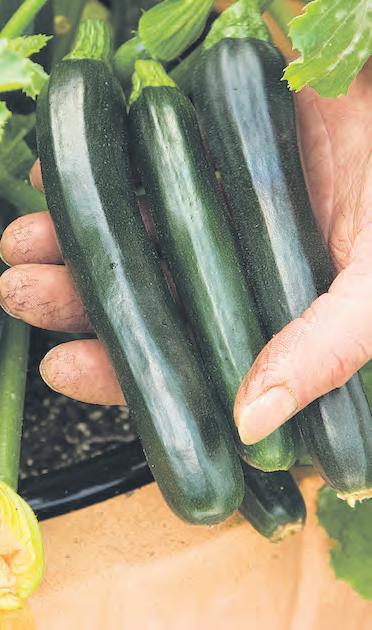
This is a very rewarding month because many fruits and vegetables reach maturity. Beans, peas, courgettes, cucumbers, tomatoes, sweetcorn, onions, potatoes, beetroot, carrots, raspberries, blackberries, plums, apples, and many herbs are ready for harvesting.
Regular harvesting is important because many crops continue producing when picked frequently. Courgettes, runner beans, French beans, cucumbers, and tomatoes are particularly productive when harvested every few days. Allowing vegetables to become oversized often signals the plant to stop producing new fruit.
4
Prune summer-flowering shrubs and climbers
August is a perfect month to prune certain shrubs and climbers once flowering has finished. Removing spent flowering stems helps maintain shape and encourages healthy new growth.
Summer-flowering climbers such as wisteria often require trimming during August to control vigorous shoots. Side shoots can usually be shortened to encourage the development of flower buds for the following year.
Shrubs that have completed flowering may also benefit from removing old flower stems and lightly reshaping the plant.
1
Water plants thoroughly and wisely
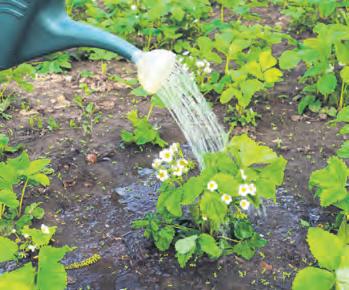
Watering remains one of the most important jobs throughout August. Long periods of sunshine and high temperatures can dry out soil surprisingly quickly, placing plants under stress. Rather than giving plants a light sprinkle every day, it is far better to water deeply once or twice a week. Deep watering encourages roots to grow further into the soil, making plants stronger and more resilient during dry spells.
Pay particular attention to newly planted shrubs, hanging baskets, containers, greenhouse crops, and vegetables, as these dry out much faster than established plants growing in open ground.
Consistent watering is particularly important for tomatoes, cucumbers, beans, pumpkins, courgettes, and flowering annuals. Irregular watering can lead to problems such as blossom end rot on tomatoes or poor-quality fruit.
3
Feed flowering plants and containers
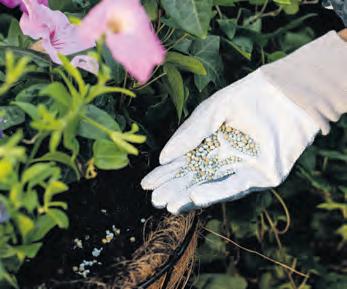
Many plants have been flowering continuously since late spring, meaning much of the available nutrition in compost and soil has been used. August is therefore an ideal time to continue feeding flowering plants, particularly those growing in pots, hanging baskets, and window boxes.
Liquid tomato feed works well for many flowering plants because it contains higher levels of potassium, which encourages flowers and fruit rather than leafy growth. Deeding every week or two helps maintain healthy foliage while promoting continued blooming.
Container-grown plants require especially regular feeding because nutrients are quickly washed out during watering.
5 6
Control weeds before they set seed
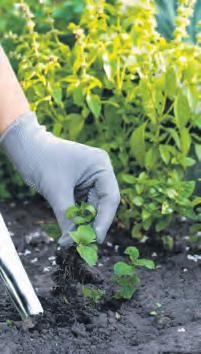
Warm weather encourages weeds to grow rapidly. Left unchecked, they compete with cultivated plants for moisture, nutrients, and sunlight. During August, this competition becomes even more significant because water may already be in short supply.
Regular hoeing or hand weeding keeps borders tidy while preventing weeds from becoming established. Removing weeds before they flower and produce seed helps reduce future weed problems significantly. Keeping weeds under control improves plant health, reduces competition, and saves considerable effort later in the season.
7
Sow late crops and hardy vegetables
Although it feels like the height of summer, it is already time to think ahead to autumn and even winter harvests. Many vegetables can still be sown successfully during August.
Suitable crops include spinach, spring cabbage, winter lettuce, rocket, pak choi, radishes, turnips, coriander, parsley, and hardy salad leaves. Fast-growing varieties can provide fresh produce within weeks, while others establish before colder weather arrives.
Prepare for autumn planting
Although autumn may seem some distance away, August is the ideal month to begin preparing for the next season. Beds that have finished flowering or producing crops can be cleared, weeds removed, and organic matter such as compost or well-rotted manure incorporated into the soil. Preparing the soil now allows it to settle before autumn planting begins. it also improves soil structure, drainage, and fertility for future crops and ornamental plants.
8
Look out for pests and diseases
August’s warm conditions provide ideal environments for many garden pests and diseases. Aphids, caterpillars, whitefly, spider mites, slugs, snails, mildew, rust, and black spot may all become more noticeable. Regular inspection allows problems to be identified before they spread widely. Examine both the upper and lower surfaces of leaves, particularly on vegetables, roses, greenhouse plants, and fruit bushes. Removing affected leaves promptly, improving air circulation, watering at soil level rather than onto foliage, and encouraging natural predators such as ladybirds can all help keep pest populations under control.
High summer and nature AT ITS FINEST
August is perhaps most rewarding months for anyone who enjoys gardens and the beauty of the natural world. High summer brings a richness of colour, fragrance and texture that reaches its peak during this time of year. Whether wandering through a famous botanical garden, attending a vibrant flower show or exploring a local gardening event, visitors are treated to an unforgettable celebration of nature at its finest.
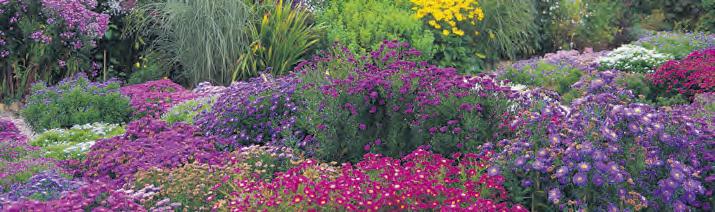
Gardens are bursting with life. Herbaceous borders are filled with towering delphiniums, cheerful rudbeckias, elegant lilies and late-flowering dahlias, while roses often provide a welcome second flush of blooms. Ornamental grasses begin to sway gracefully in the warm breeze, adding movement and contrast to colourful planting schemes. Mature trees provide welcome shade on sunny afternoons, creating peaceful corners where visitors can pause and appreciate the beauty surrounding them.
One of the greatest pleasures of visiting gardens in high summer is experiencing them with all the senses. The sweet perfume of lavender, roses and sweet peas drifts through the air, accompanied by the gentle hum of bees and butterflies busily collecting nectar. The sound of birdsong mingles with the rustling of leaves, while fountains and streams offer a cooling soundtrack on warm days. It is a season that encourages visitors to slow down, observe closely and reconnect with nature.
Flower shows held throughout August offer further inspiration for gardeners of every level. Spectacular
floral displays demonstrate the skill and dedication of professional growers, while
Community gardening events have a special charm of their own. Village horticultural shows, open gardens and local plant fairs bring together people who share a passion for growing. These occasions encourage conversations between experienced gardeners and beginners alike, with advice and stories exchanged over cups of tea and homemade cakes. Such events help strengthen local communities while celebrating the shared enjoyment of gardening and the changing seasons.
August is also an ideal time to appreciate the abundance that gardens provide. Vegetable plots are producing tomatoes, beans, courgettes and sweetcorn, while orchards begin to offer early apples and plums. Kitchen gardens demonstrate the close connection between ornamental beauty and practical food production, reminding visitors of the satisfaction that comes from cultivating the land.
Beyond their visual appeal, gardens offer valuable opportunities for relaxation and wellbeing. Spending time among flowers, trees and wildlife has been shown to reduce stress and improve mood. A leisurely walk through a beautifully maintained garden can leave visitors feeling refreshed, inspired and more connected with the rhythms of nature.
Whether visiting a grand historic estate, attending a prestigious flower show or enjoying a modest village
gardening event, August offers countless opportunities to celebrate the richness of high summer. It is a season of colour, abundance and inspiration that reminds us FESTIVAL
OF FLOWERS AND NATURE HEADS TO WINCHESTER CATHEDRAL, INSIDE AND OUT
Winchester Cathedral will see the return of its muchloved flower festival in September. Wild! A festival of flowers and nature will run from 15th to 19th September. The festival, which was last at the cathedral in 2021, will see the famous building bursting with colour and creativity as hundreds of floral designers bring the wild beauty of nature to life through stunning installations, live botanical art, and performances.
Led by acclaimed designer and RHS Chelsea Gold awardwinner Angela Turner, the festival promises a seasonal, immersive experience for visitors who love nature and creativity. The festival is only possible with an assembled team of dedicated and passionate including the Wessex and Jersey branch of the National Association of Flower Arrangement Societies (NAFAS). It will feature an interactive area led by the cathedral gardens team, local nature charities showcasing their work, a flower demonstration area, and a grand marquee with selection of traders.
Winchester Cathedral organises the festival to support the Cathedral’s mission, activities, and upkeep.
Winchester Cathedral Festival of Flowers
Open Garden Day
Hartland Abbey & Gardens
ENJOY HIGH SUMMER IN THESE LOVELY GARDENS AND WALKS
Beautiful walled and woodland gardens and walks to the beach. Enjoy a fascinating historic family home with displays of filming. Location for ‘Sense and Sensibility’, ‘Malory Towers’, ‘The Night Manager’, ‘Rivals’ and BBC ‘Gardener’s World’. * Dogs welcome * Holiday Cottages * * Delicious light lunches & cream teas * House, Gardens
OAK FAIR CELEBRATES 20TH ANNIVERSARY
Celebrating the 20th event this year on 29th and 30 August, The Oak Fair at Stock Gaylard champions countryside, woodland, timber, traditional craft and above all, conservation. With over 200 exhibitors showing everything from handcrafted wooden furniture to industrial machinery, the Oak Fair provides a platform for rural crafts and countryside conservation, offering something for everyone. Demonstrations include the ever-popular chainsaw carving, falconry, heavy horse logging, and the daredevil stunts of the Adams Axemen display. Visitors can get involved with hands on activities including scything, willow sculpture and archery, and children’s activities including bushcraft skills, face painting, tree climbing and tractor & trailer rides. It is a 10am start. Early bird tickets: £15 adults, £3.50 children, children in prams go free, £11 concessions. Stock Gaylard Estate DT10 2BG www.theoakfair.com
AUGUST AT HARTLAND ABBEY IS FOR FAMILIES
Hartland Abbey and Gardens is a great place for families in August, come rain or shine. Walks through woodland lead to the Atlantic Ocean at Blackpool Mill, the location
for Sense and Sensibility, The Night Manager, Rivals, Malory Towers and many productions. The Walled and Woodland Gardens are at their summer zenith. Annuals delight with their vibrant colours and deep blue and white hydrangeas in the shady riverside garden keep visitors cool. Hartland Abbey itself is brimming with historical interest and family memorabilia. Malory Towers fans enjoy looking for all the locations around the house and gardens and the displays! After all the fresh air and exercise the café is a great place to refuel on the best of homemade cookery! Outdoor theatre on the lawn is a magical experience. See website for all details.
Kelmscott Manor was William Morris’s iconic country home. William Morris is considered the Father of the Arts and Crafts movement.
Visitors can explore an outstanding collection reflecting its residents’ lives and creative legacy. The house retains the domestic charm and atmosphere that inspired PreRaphaelite and Arts and Crafts art, design and writing.
Our 2026 temporary exhibition is a solo show by leading tapestry weaver Chrissie Freeth, whose work has been shown at the Royal Academy and elsewhere. Inspired by early tapestries and William Morris, she has created new works especially for Kelmscott Manor.
The manor is open Thursday to Saturday until the end of October. For more information visit the website.
There’s the chance to head to the quaint village of West Kington on Saturday 5th and Sunday 6th of September
for one of the biggest plant sales in the Cotswolds. West Kington Nurseries will open the doors to its ten-acre site for great deals on perennials, herbs, shrubs, bedding plants and so much more. Bring the whole family, including the dog, to fill up a barrow and enjoy some hot food, cakes and tea. Entry is free from 9am Saturday and 10am Sunday. Visit www.wknurseries.co.uk for more information.
West Kington Nurseries, West Kington, Chippenham, SN14 7JQ
BADMINTON HOUSE GARDENS OPEN ITS ARMS FOR SEPTEMBER VISITORS
Following the success of the RHS Badminton Flower Show, the private gardens of Badminton House will open to visitors on Sunday 6th September. Guests can explore beautiful borders filled with dahlias, roses and late-season blooms in gardens designed by renowned landscape architects Russell Page and François Goffinet. The estate’s gardening team will share insights into its horticultural heritage and the care behind the gardens, while local stallholders offer plants, gifts, food and refreshments.
Visitors can also enjoy A Garden of Botanical Art, featuring works from the 1st Duchess of Beaufort’s Florilegium.
Badminton, South Glos, GL9 12DD Book now at www.badmintonestate.com
WHAT’S ON AT FORDE ABBEY IN AUGUST
August is a wonderful time to visit Forde Abbey, one of the South West’s most beautiful historic attractions. Set within 30 acres of award-winning gardens, it offers visitors a relaxing day out with colourful summer borders, impressive fountains, peaceful woodland walks and a fascinating historic house to explore.
One of the highlights during the month is the
GARDENS & TEAROOM
Open every Friday 2pm - 5pm from 1st May to 25th September
Also the late May & August Bank Holiday weekend - Sat, Sun & Mon GARDENS: adult £6, child £1
CADHAY, OTTERY ST. MARY, DEVON, EX11 1QT 01404 813511 www.cadhay.org.uk Member of Historic Houses
We produce and grow the largest selection available in the UK. Plants are pot grown and suitable for garden, patio or bonsai.
family-friendly outdoor theatre production of Alice’s Adventures in Wonderland, taking place on 7th August.
The gardens are at their peak in August, with vibrant flower displays, herbaceous borders, the famous Victorian kitchen garden and England’s highest-powered fountain providing spectacular views. Visitors can also browse the gift shop, plant nursery and pottery exhibition or enjoy homemade lunches, cream teas and cakes in the Abbot’s Table Café.
Opening Times: Gardens: Open daily from 10:30am to 5pm (last entry 4pm). House: Open Tuesday to Friday, Sunday and Bank Holiday Mondays, from 12pm to 3.30pm. The house is closed on Mondays and Saturdays. Café: open daily from 10am to 5pm. Gift Shop and Plant Nursery: open daily from 10.30am to 5pm. Gardens only: Adults: £15. Children (5 to 15 years): £6.
Forde Abbey Estate, Chard TA20 4LU
CADHAY’S DAHLIA DISPLAYS ARE A MUST VISIT EVENT
Cadhay’s magnificent Dahlia collection will be at its best in August giving a burst of colour. Throughout August the gardens are open every Friday afternoon from 2pm till 5pm and also Saturday, Sunday and Monday afternoon of the Bank Holiday weekend 29th to 31st August when they will be open in aid of Hospiscare on the Saturday and the NGS on the Sunday and Monday. Cadhay EX11 1QT is one mile to the north of Ottery St Mary although the road over Cadhay Bridge is likely to be closed and it is better to approach from the A30 or come along Cadhay Lane from the King’s School. See cadhay.org.uk for further details
LATE FRIDAY
OPENING AT BISHOP’S PALACE GARDENS
During the summer season, including August, the sensational Bishop’s Palace Gardens open every day from 9.30 am to 5.30 pm, with the last admission 30 minutes before closing. August is a great time to visit because the gardens are at their best. Throughout August, visitors can enjoy summer late openings on Friday evenings, allowing extra time to explore the gardens. Seasonal family activities, children’s trails, guided tours and outdoor exhibitions are also included with standard admission. The ‘Botanical Sculptures’ outdoor exhibition continues throughout August, while summer late openings take place on selected Friday evenings until 8pm.
Admission prices include day tickets and annual passes. Current day ticket prices are £15 for adults, £12 for students, £7 for children aged 5–17, while children under five enter free. A joint ticket with Wells Cathedral is £22. The Bishop’s Palace, Wells BA5 2PD
Want to advertise in one of our features?
We offer special all counties prices when advertising with our features, plus 100 words of free editorial with an advert.
Speak to one of our sales people for more details.
Garden advice FOR AUGUST
The dramatic hot weather of June and July is one of the biggest things on the minds of Country Gardener readers when it comes to the impact on gardens this month. If you have any problems or gardening worries you would like help with email us at editorial@countrygardener.co.uk
Why are my plants wilting even though I water them every day? Some of my expensive shrubs seem to be fading day by day no matter what I do.
Hari Jones Dawlish
Wilting during high summer is one of the most common gardening problems. Although it may seem like your plants need more water, watering every day is not always the best solution. Shallow, frequent watering encourages roots to stay close to the soil surface, making plants more vulnerable to heat and drought. Instead, water deeply two or three times a week so moisture reaches the root zone. Water early in the morning to reduce evaporation and allow plants to absorb moisture before temperatures rise. Check the soil by inserting your finger a few inches below the surface. Mulching around plants with compost, bark, or straw helps retain soil moisture and keeps roots cooler. Some plants naturally wilt during the hottest part of the day but recover in the evening, which is a normal response to extreme heat. Persistent wilting, however, may indicate root damage, disease, or poor drainage.
How can I stop weeds from taking over my garden in summer? I have a half-acre garden with a couple of vegetable beds but every year it seems everything I try to grow is second in the pecking order to weeds.
Anna Graham Liss
This summer so far has provided ideal growing conditions not only for flowers and vegetables but also for weeds. Weeds compete with most things for sunlight, nutrients, and water, and of course then reduce growth and crop yields. The best method of weed control is prevention. Applying a layer of mulch around plants blocks sunlight from reaching weed seeds while helping the soil retain moisture. Regular weeding while weeds are still young prevents them from producing seeds that create future problems. Pull weeds after rainfall or watering when the soil is soft, making removal easier and reducing root breakage. Avoid leaving pulled weeds on the soil if they contain mature seeds, as they will continue to spread. Avoid excessive soil disturbance, as turning the soil can bring dormant weed seeds to the surface where they germinate.
What should I do if my flowers are not blooming? It has been a poor summer for my cut flowers which normally thrive in my garden with lots of blooms. They started well but didn’t end in flowers. I have done nothing differently this year.
Brenda Richards Farnborough
Start by checking whether the plants receive enough sunlight, as most flowering plants require at least six hours of direct sun each day. Too much nitrogen fertiliser encourages leafy growth at the expense of flowers, so switch to a fertiliser higher in phosphorus and potassium if needed. Regular deadheading, which involves removing faded blooms, helps many species produce more flowers throughout the season. Water consistently, keeping the soil moist but not waterlogged, as both drought and overwatering can reduce flowering. Finally, consider the plant’s natural flowering season. Some flowers bloom only during specific months, so patience may be all that is required.
Cadhay
Why are the leaves on my houseplants plants all turning yellow at the same time during the summer? They are doing so from a variety of places-kitchen shelf, balcony and living room table. It is something of a first and very worrying.
Cathy Ince Cheltenham
Yellow leaves can be caused by several different issues, so it’s important to investigate before you do anything about it. Overwatering deprives roots of oxygen, while underwatering causes drought stress. Nutrient deficiencies, particularly nitrogen or iron, can also lead to yellow foliage. Look to see whether the yellowing affects older or newer leaves, as this provides clues about which nutrients may be lacking. Poor drainage, compacted soil, and root damage can also reduce nutrient uptake. Excessive heat may temporarily stress plants, especially newly planted ones. Inspect leaves carefully for pests such as aphids or spider mites, which weaken plants by feeding on their sap. Applying a balanced fertiliser may help if nutrients are lacking but avoid overfeeding during hot weather. Check simple things like if containers have adequate drainage holes.
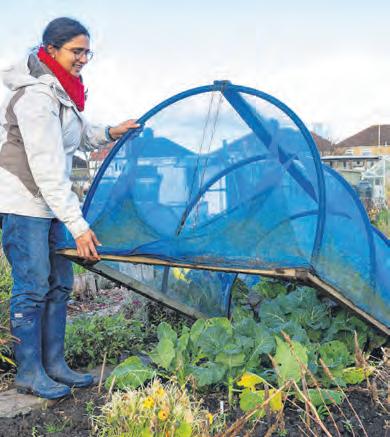
How do I protect my vegetable garden during a heatwave? My personal commitments have meant I haven’t been able to spend as much time in the garden as I normally would and the lack of hours combined with the scorching weather here in Somerset has made a big difference.
Belinda Farmer Watchet
Heatwaves can place tremendous stress on vegetable gardens, reducing growth and affecting harvests. The key is maintaining consistent soil moisture through deep watering early in the morning. Applying a generous layer of mulch helps reduce evaporation and keeps roots cooler throughout the day. Avoid heavy pruning or fertilising during extreme heat because both encourage new growth that is more vulnerable to scorching. Harvest ripe vegetables sooner than normal, as overripe produce can stress plants further. Monitor containers closely because they dry out much faster than garden beds and may require watering more than once a day.
How can I keep my garden looking healthy during dry weather? I am sure I am not alone in needing some help this summer with the dramatic weather and it seems to be presenting me with gardening problems I haven’t had before.
Nicky via email
Maintaining a healthy garden during dry weather requires careful water management and soil care. Water deeply but less frequently to encourage plants to develop strong, deep root systems. Early morning watering reduces evaporation and allows leaves to dry quickly, reducing disease risks. Applying organic mulch around plants conserves moisture, regulates soil temperature, and gradually improves soil quality as it breaks down. Group plants with similar watering requirements together to make irrigation more efficient. Remove faded flowers and damaged leaves to direct energy into healthy growth. Avoid mowing lawns too short because slightly longer grass retains moisture better and shades the soil. Regularly check containers, hanging baskets, and newly planted shrubs, as they dry out much faster than established plants. Healthy soil containing compost or well-rotted manure stores more moisture and supports stronger plant growth.
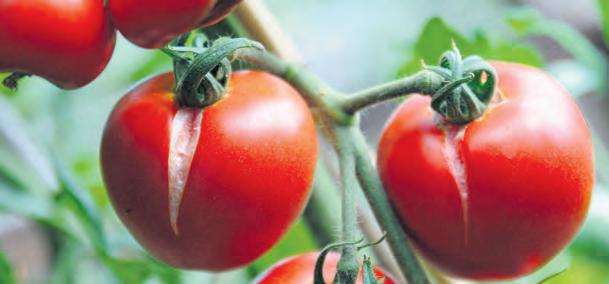
Why are my tomatoes splitting before they ripen? I have a good crop this year and the foliage is bigger than I normally get but the fruit is splitting and cracking before it ripens and before I can harvest the fruit.
Gaynor Jones Minehead
Tomato splitting usually occurs when plants receive inconsistent watering. After a dry spell, heavy watering or rainfall causes fruits to absorb water rapidly, making the skin split as the inside expands faster than the outer surface. Maintaining even soil moisture is the best way to prevent this problem. Water regularly rather than waiting until plants become severely dry. Applying mulch around tomato plants helps regulate soil moisture and reduces sudden changes after rainfall. Harvest tomatoes as soon as they begin to ripen because mature fruits are more prone to splitting. Choose crack-resistant tomato varieties if splitting has been a recurring problem. Avoid excessive nitrogen fertiliser, which promotes rapid growth that can contribute to splitting.
How can I attract more bees and butterflies to my garden? We have a new Dorset garden to lay with and in previous gardens we have managed to attract lots of wildlife but starting again seems to be a real challenge.
Micheala Graham Poole Bees and butterflies are valuable pollinators that improve the productivity and biodiversity of any garden. Planting a wide variety of nectar-rich flowers that bloom throughout summer provides continuous food sources. Choose native plants where possible, as many local pollinators have evolved alongside them. Lavender, cosmos, sunflowers, salvia, and echinacea are excellent choices. Avoid using pesticides whenever possible because they may harm beneficial insects. Provide shallow water dishes with small stones where insects can safely drink without drowning. Allow some areas of the garden to remain slightly wild, offering shelter and nesting sites. Plant flowers in groups rather than individually to make them easier for pollinators to locate. Including herbs such as thyme, oregano, and chives also benefits bees when allowed to flower.
How can I protect my flowers from pests naturally? The hot weather seems to have inundated my garden more than it has for years.
Henrietta Baldwin Poole
Natural pest control begins with maintaining a healthy garden. Strong plants are better able to resist insects and disease. Inspect flowers regularly for signs of aphids, caterpillars, slugs, or other pests so problems are caught early. Encourage beneficial insects such as ladybirds, lacewings, and hoverflies, which feed on many common garden pests. Planting flowers like marigolds, calendula, and lavender alongside other plants can help deter certain insects while attracting pollinators. Handpick larger pests such as slugs or caterpillars when practical. Neem oil or insecticidal soap can be used for severe infestations while causing less harm to beneficial insects than many chemical pesticides. Keep the garden tidy by removing weeds and dead plant material where pests may hide.
Is it worth me growing cauliflowers?
In the past few months, I have finally retired and taken over a new allotment in Taunton. It is time to try and grow one of the vegetables which has always been on my bucket list but which I have never found the time or patience for – growing cauliflowers. I suppose my question to your excellent magazine is how easy is it and will it be worth the time and effort?
Steve Trimble Taunton
Growing cauliflowers on an allotment can be rewarding and challenging. Cauliflowers require careful planning, fertile soil, and consistent care. However, they are worth the effort.
Cauliflowers prefer rich, well-drained ground improved with plenty of compost or well-rotted manure. They also benefit from firm soil, as this helps support the developing heads.
Regular watering is essential, particularly during dry spells, as uneven moisture can cause poor-quality heads or stunted growth. Feeding with a nitrogen-rich fertiliser during the early stages encourages healthy leaf growth. It is also important to protect plants from pests such as cabbage white butterflies.
As the white curd begins to form, some gardeners gently fold the outer leaves over the head to shield it from direct sunlight, helping it remain white and tender. Harvesting should take place while the head is compact and firm before it starts to separate.
Speakers List 2026
Welcome to one of Country Gardener magazine’s most popular features - our listing of garden speakers available for garden club meetings.
Whether you’re part of a gardening club, horticultural society, Women’s Institute, U3A, or a community association, inviting a guest speaker is one of the best ways to educate, entertain, and inspire your members. From practical growing advice to fascinating stories behind famous gardens, today’s garden speakers offer a wide range of talks suitable for audiences of all experience levels. Our lists offer we hope some interesting and worthwhile options.
What garden speakers offer Garden speakers typically deliver illustrated talks covering a variety of subjects, including:
Seasonal gardening tips and maintenance.
Wildlife-friendly gardening and biodiversity.
Growing vegetables, herbs, and fruit.
Garden design and planning.
Sustainable and organic gardening.
Houseplants and indoor gardening.
Historic gardens and famous gardeners.
Floral arranging and horticultural demonstrations.
Gardening for small spaces and containers.
Travel talks featuring gardens from around the world.
Finding the right speaker
There is an impressive range of specialists available. Experienced horticulturists, winning garden designers, nursery owners, botanical experts, authors, and professional gardeners all offer talks designed to entertain as well as educate.
When choosing a speaker, clubs should consider the interests of their members, the size of the audience, presentation facilities available, and whether the event is intended to be educational, inspirational, or simply an enjoyable social gathering.
Booking a garden speaker
Booking a speaker is usually a straightforward process. Most professionals have their own website. When making an enquiry, it helps to provide:
The proposed event date.
Venue location.
Expected audience size.
Preferred talk or topic.
Available presentation equipment.
Budget or speaker fee.
Whether travel expenses are included.
Many speakers publish a list of available talks together with biographies, testimonials, photographs, and availability calendars, making it easy for organisers to find the perfect match.
Many years experience gardening & plantsmanship, former editor HPS Journal, RHS trials judge. Persian Gardens involves history and personal experiences.
1. MEETINGS WITH REMARKABLE VEGETABLES – the journeys from wild parent to cultivated offspring
2. THE ADVENTURES OF A SEED DETECTIVE – finding rare and endangered vegetables around the world
3. THE FURTHER ADVENTURES OF A SEED DETECTIVE – sitting at the feet of master growers in Ethiopia, Albania, India and closer to home.
4. THE CULTURE OF SEED SAVING – it’s easy and fun to continue a 12,000-yearold tradition
5. THE GARDEN ABOVE THE ESTUARY – Creating a space to grow delicious vegetables for seed
6. THE GARDENS OF THE MEKONG – A voyage of discovery revealing the secrets of growing along the river bank Adam Alexander is a writer, storyteller and television producer. He has been growing vegetables most of his life and, since 1989, has been discovering, conserving and sharing rare, endangered varieties. He maintains a seed library of over 550 varieties that he has collected from around the world.
BROOMFIELD, PHIL q 07810 646123
E info@philbroomfield.com
Ħ www.philbroomfield.com
1. Architecturally Eccentric Follies & Grottoes
2. Thomas Hardy’s Gardens: A study of Hardy’s Cottage & Max Gate
3. Highcliffe Castle: A Garden by the Sea
4. Dorset’s Walled Gardens
5. Hampshire’s Walled Gardens
Phil is a professional gardener based in Bournemouth, Dorset and over the past few years has been developing a garden history lecture series.
CARL WOODMANS WORLD
1 BroomHill Cottage, Broom Hill, Huntley GL19 3HA q 01452 830 258 E woodmansworld@live.co.uk
1. Trugmaking by a miserable old trugger - I think that’s what the wife called me
1. Chelsea Flower Show - Creating 20 different silver and gold gardens and displays.
2. Irresistible garden plants for Butterflies - Bringing them winging in by adding carefully chosen plants.
3. Insectivorous plants - Discover new hardy year round attractive ones for the garden or the windowsill.
4. Fascinating Gardens - Choose from 50 regions worldwide from Cornwall to Costa Rica.
5. Holly and Ivy - Fascinating new kinds and uses and entertaining finale.
Many other talks, ask for details. Widely experienced and qualified, Roy progressed from Gardener to Director of parks and gardens around Britain. As senior lecturer and curator of gardens in Somerset he amassed ten thousand different plants, ten national collections and created new hybrids, diverse gardens and gold medal exhibits at Chelsea. RHS Associate of Honour, international tour leader, judge, advisor, designer and writer.
CROUCH, KATHERINE
Corner Cottage, Great Street, Norton sub Hamdon, Somerset, TA14 6SJ q 07594 574150 E info@katherinecrouch.com Ħ www.katherinecrouch.com
1. New Tricks for Old Gardeners
2. Plants That Should Be Better Known
3. Grow the Food You Can’t Buy
4. The Self Seeding Garden
5. Hardy Exotics Plants – will they suit your garden?
6. Bulbs that Should be Better Known
7. Ornamental Grasses in the Garden I am a garden designer in Somerset, a life long country gardener, BBC Gardener of the Year 1999. BBC Gardener of the Decade 2008, Chelsea Gold Medal winner 2013. My talks are entertaining as well as informative – nobody will be asleep at the end!
The Speakers List is our comprehensive annual guide
If you would like to be part of our hugely popular Speakers List next year, email: ava@countrygardener.co.uk
EXLEY, STELLA
Hare Spring Cottage Plants, Kingsbridge, Devon TQ7 2LN q 07792 376805
E stella@harespringcottageplants.co.uk
MIGNOTTE, NATHALIE
TOLMAN, ANDREW
Ħ www.harespringcottageplants.co.uk
Email for up to date information on talks offered
Stella is a multi-award-winning horticulturalist and has been awarded the prestigious RHS Master Grower accolade. She exhibits at all the major horticultural events throughout the UK and is an RHS multi gold medal winner.
Her presentation style is full of energy and enthusiasm with a passion for the plants she cultivates and nurtures on her independent family-run nursery in South Devon with beautiful images she has captured over many years of growing, all showcased in a professional power point delivery.
She holds 3 National Plant Collections
– Camassia, Sidalcea & Uvularia and travels the whole of the UK, Europe & America to give talks.
Plants offered for sale at all UK talks venues. D
FLINTHAM, BECCA
Ottery St Mary, East Devon, EX11 q 07717 846814
E becca.redkite@gmail.com
Ħ www.rowanleaf.co.uk
1. Wildlife Gardening - Attracting beneficial wildlife to your garden
2. Water, Water Everywhere - Ponds, bog gardens and water-wise gardening
3. The Best Of Friends - Companion planting techniques for a healthy, productive garden.
FORSTER, CLAIRE
LADY HORTICULTURIST
32 Addison Close, Exeter EX4 1SJ q 07720714720
E ladyhort824@yahoo.com
C
Ħ www.ladyhorticulturist.co.uk
1. Women in Horticulture - past and present
2. Pots and Baskets
3. Other talks available
Claire Forster CMTGG (Consultant member of The Gardeners Guild), qualified RHS Certificated Horticulturist with RHS Level 3 Advanced in Horticulture. Specialist in Garden Restoration. 20 Years professional horticulturist experience. Featured in Devon Life Magazine.
1. A Flower Farmer’s Year - Frog Lane Flower Farm - what it takes to bring you fabulous, chemical free, sustainable, seasonal flowers.
2. Rosemary Verey - Her Contribution and Legacy to C20th Gardening.
3. Garden Visiting - A Very British Tradition - a light-hearted look at the many different aspects of why we visit gardens.
4. Westonbirt School - A Historical Introduction to the Gardens and the Holford Legacy.
HOPE, NICOLA
Malmesbury, Wiltshire q 07711285447
B
E info@nicolahope.co.uk
Ħ www.nicolahope.co.uk
1. Designing an Organic Garden
2. No-Dig and Polyculture in your garden
3. Every Garden Matters - a blueprint for boosting backyard biodiversity
4. Tales from the Potting Shed ~ where gardening magic begins!
5. Talking Tomatoes ~ Seeds with Stories make Tastier Fruits
JOHNSON, RIC
Great Torrington, Devon, EX38 7DN q 07810445241
E ric@rjhorticulture.co.uk
Ħ www.rjhorticulture.co.uk
1. Understanding Design Principles
2. Garden Assessments: Interpreting & Improving your Garden
3. Tree Climber to Garden DesignerMy Journey
4. Mastering Garden Maintenance
Covering Devon, Cornwall and Somerset
Please get in touch for further information.
1 Stanley Cottages, Blaisdon Longhope, Gloucestershire GL17 0AL q 077 66 197 129 E nmignotte@aol.com
1. Gardens of Versailles
2. Islamic Gardens
3. Medieval Gardens
4. Landscapes of Vietnam and Cambodia
5. Le jardin Majorelle in Marrakesh
6. Landscape and Flora of Hokkaido
Please, feel free to contact me for more information on the above talks as well as on other topics. I base my presentations on personal experience, photography and travels in Europe and Asia.
Travel charges and fee on request. Thank you.
Instagram: @nahemi25
Facebook: Nathalie Mignotte - Guest Speaker and Horticulturist
David, a professional gardener for over 50 years, was Head Gardener at Hestercombe for 18 years. He is interested in all aspects of ornamental gardening and has given talks to a wide variety of groups. Contact him for a brochure about his talks. David is also available for giving talks via Zoom.
Ex Head Gardener of private estates and now specialist camellia grower of over 500 varieties and a wide range of fragrant plants. RHS Chelsea Flower Show Gold Medallist
Gardeners cuttings in Devon
A LOOK AT NEWS, EVENTS AND HAPPENINGS IN YOUR AREA
COLETON FISHACRE AT ITS SUMMER BEST
Discover how beautiful gardens can also become thriving habitats for wildlife on the Gardening for Nature guided tour at Coleton Fishacre. Taking place on Friday 21st August from 2pm to 2:45pm, this 45-minute walk offers visitors the chance to explore the gardens through the eyes of the gardening team. Set within the stunning coastal landscape of South Devon, Coleton Fishacre is renowned for its vibrant planting, winding paths, and subtropical garden. During this special guided tour, you’ll learn how thoughtful gardening techniques can support birds, bees, butterflies, and other important wildlife while maintaining the beauty of the estate.
The Honiton Agricultural Show is one of the largest and most respected one-day agricultural events in the Southwest and takes place on Thursday 6th August. It attracts more than 20,000 visitors who celebrate horticulture farming, rural life, local food, livestock, crafts, and family entertainment. Organised by the Honiton & District Agricultural Association, the show has been a popular tradition for well over a century.
Gates are open from 8am until 6pm.
The venue is Honiton Showground, Stockers Farm, Gittisham, Honiton, Devon, EX14 3AW. A free shuttle bus also operates from Honiton town centre on show day.
Advance ticket prices offer the best value. Adult tickets cost £20 when purchased before Easter, increasing to £22 in advance after that period and £24 on the day of the show. Children under the age of 16 are admitted free when accompanied by a paying adult.
DISCOVER OVERBECK’S GARDEN WALK TOURS THIS AUGUST
Set high above the stunning Salcombe Estuary, Overbeck’s Garden is one of Devon’s hidden treasures. Managed by the National Trust, this spectacular subtropical garden offers breathtaking coastal views, exotic plants, and fascinating horticultural history. During August, visitors can enjoy a series of special guided walk tours led by the gardening team.
The Guided Garden Tours take place every Wednesday in August (5th, 12th, 19th and 26th August) from 11am to 12pm. These informative walks provide a behind-the-scenes look at the garden’s rare and unusual plants. Tours are suitable for both keen gardeners and casual visitors, although booking is essential. The tour costs £7, with normal garden admission applying for non-National Trust members.
Another highlight during August is the Gardening for Nature walk, led by the head gardener. This 45-minute tour focuses on biodiversity, wildlife-friendly gardening, and sustainable gardening practices. The event is free, although normal garden admission charges apply. Tours meet at the Visitor Welcome Hut.
Overbeck’s Garden, Sharpitor, Salcombe TQ8 8LW
RHS ROSEMOOR GARDEN FESTIVAL IS AUGUST HIGHLIGHT
August is a wonderful time to visit RHS Garden Rosemoor in North Devon, with colourful borders at their summer peak and a varied programme of gardening events designed to inspire visitors of all ages.
Fine Turf (Devon) Ltd, a family run business established in 1966, supply a locally seeded turf, suitable for a variety of gardens, which has been treated and fertilised several times throughout the growing period.
One of the highlights of the month is the RHS Rosemoor Garden Festival, taking place from 21st to 23rd August, between 10am and 5pm each day. This popular annual celebration features specialist nurseries, expert horticultural advice, inspiring plant displays and a fantastic opportunity to browse and purchase unusual plants. Entry to the festival is free for RHS members, while non-members pay the standard garden admission. Adult admission booked online starts from £13.60, with on-the-day tickets priced at £17.40. Children aged 5–16 are £6, while under-fives enter free. Gardeners keen to develop their propagation skills can join Propagation – Next Steps on Thursday 27th August, from 11am to 1pm. Costing £25 per person, this practical workshop is ideal for those who already understand the basics and want to improve their success with cuttings, divisions and other propagation techniques.
We also supply topsoil, composts and landscaping bark for all your gardening needs, we can mix these for your requirements for planting flowerbeds and vegetable plots. All our topsoil is certified and stored dry all year round, as are the composts.
RHS Garden Rosemoor, Torrington EX38 8PH
Throughout August, visitors can also enjoy Rosemoor’s magnificent herbaceous borders, vegetable gardens, woodland walks and seasonal displays.
Waye Farm, Ashburton TQ13 7ET
Coastal glory at Coleton Fishacre
The stresses of finding gardening club speakers
ANNA CARPENTER IS SPEAKER’S SECRETARY AT A DEVON GARDENING CLUB, A JOB SHE IS BEGINNING TO FIND INCREASINGLY DIFFICULT AND STRESSFUL
I have been speaker’s secretary at our gardening club for four years now and the strain is beginning to tell. I’m finding it increasingly stressful and it certainly isn’t easy.
I’ve kept the name of the gardening club confidential to ‘protect the innocent’ I think the saying goes.
The task is to find five or six speakers every year for our club programme. I often hear our club members say, ‘How hard can it be to book someone to come and talk for an hour?” True it seems quite straightforward.
Find an interesting speaker, agree on a date, a price and everyone enjoys the talk. In reality, however, it has become over the years more difficult to find good original speakers, and occasionally things do not go quite according to plan. One of the biggest challenges is finding speakers who appeal to a wide range of interests. Our members have varied tastes. Some enjoy practical gardening demonstrations, while others prefer talks on wildlife, history, travel, floral art, or conservation.
I tend to focus on gardening talks. I’m less keen on talks about ‘My travels to Patagonia’. Or ‘My research into Stonehenge’ which we were offered last month. We are a gardening club and want gardening talks and shared experiences. A speaker who receives glowing reviews from one club may not necessarily suit another. One speaker last autumn came recommended from a neighbouring club but was a disaster, turning up late, flustered with a very quiet voice and not much knowledge on her subject. And for £250!
Talking of costs, we as a committee agree a budget range of £250 to £400 per talk- the higher sum being rare but sometimes needed for better speakers. For £400 we expect something a bit special. Costs have also become an increasing consideration.
Fees, travel expenses, and venue costs keep going up and up.
While we want to offer high-quality presentations, we must also remain within the club’s budget. This sometimes means choosing talented local speakers instead of those travelling long distances. Joint meetings with neighbouring clubs to share expenses are an increasing option.
One well known lady speaker turned up without her laptop which had all her notes and images on and was completely thrown, couldn’t remember a thing and the evening was a disaster. Another turned up with the most terrible cold, cough and red nose and went through a whole pack of tissues during her talk which people couldn’t hear, enjoy and they couldn’t wait to get home!
Availability is another hurdle. Many of the top speakers ‘on the circuit’, are booked a year or even two years in advance. Flexibility becomes essential, and sometimes we need to rearrange our programme to accommodate a particularly sought-after speaker.
Most speakers are excellent at replying promptly, but every now and then emails disappear into spam folders, telephone messages are missed, or diary dates become confused. It all adds to the stress.
But there are success stories. One occasion that went particularly well involved a speaker on gardening for pollinators. She confirmed every detail well in advance, arrived 45 minutes early, brought all her own equipment, and stayed afterwards to answer members’ questions and it was one of the best talks we had hosted. A model speaker.
Unfortunately, things do not always work out so perfectly. I remember another occasion when a speaker became stranded in heavy traffic following an accident on the motorway. Although he telephoned to explain, he arrived almost an hour late. Despite these occasional challenges, being speakers’ secretary isn’t boring. We do meet some very colourful people, and the club thrives and it is satisfying to see members enjoying themselves, learning something new, and leaving the hall inspired.
Gardeners cuttings in Dorset & Hampshire
A LOOK AT NEWS, EVENTS AND HAPPENINGS IN YOUR AREA
DORSET SCHOOLS OPEN THEIR GARDENS FOR ST MARGARET’S HOSPICE CARE
Two Dorset schools are opening their gardens in August to raise funds for St Margaret’s Hospice Care, dedicated to providing a range of care and support for people with life-limiting conditions in Dorset and Somerset.
Sherborne School opens its stunning grounds at Abbey Road, Sherborne DT9 3LF on Thursday 20th August from 11am until 3pm. There are several different garden areas that have unique views of Sherborne Abbey, with manicured lawns and wildlife friendly planting. Refreshments available, wheelchair access and dogs allowed on leads. Admission £3.
Hanford School at Child Okeford, Blandford Forum DT11 8HN, with 45 acres of gardens and grounds, opens on Thursday 27th August from 11am until 3pm. Wander through orchards, fields, and a walled kitchen garden; the garden team cultivate plants from their own seeds and propagate cuttings, the pupils encouraged to learn gardening and horticultural skills. Refreshments available, wheelchair access, dogs allowed on leads. For more details www.st-margarets-hospice.org.uk and follow the links.
TURNPIKE SHOWGROUND EVENT A MUCH-LOVED COUPLE OF DAYS
The Gillingham & Shaftesbury Agricultural Show, held on Wednesday 19th and Thursday 20th August at the Turnpike Showground in Motcombe, Dorset, is a much-loved celebration of farming, countryside life and local produce. As one of Dorset’s major agricultural events, it brings together livestock displays, rural demonstrations, food producers, crafts and competitive exhibits, attracting visitors from across the region. A highlight of the show is its impressive horticultural and produce section, where growers, gardeners and home producers showcase their skills. Adult tickets £17, children 5 to 16, £3. Gillingham & Shaftesbury Agricultural Show, Shaftesbury SP7 9PL
DORSET GROUP PLANT HERITAGE LATE SUMMER PLANT FAIR – SUNDAY 23RD AUGUST
Visitors can join the Dorset Group of Plant Heritage plant fair on Sunday, 23rd August for a celebration of plants, gardening, and the passion of specialist growers.
The fair brings together enthusiastic nurseries, plant specialists, and garden lovers, creating a friendly atmosphere where visitors can browse a fantastic selection of plants, gather expert advice, and find inspiration for their own gardens. Whether you are searching for colourful late-summer blooms, unusual perennials, shrubs, or plants with a special heritage, there will be plenty to explore.
August is a hectic month for many garden and horticultural society events.
Saturday 8th August
BROADSTONE HORTICULTURAL SOCIETY SUMMER SHOW
1pm - 4:15pm at War Memorial Hall, Tudor Road, Broadstone, BH18 8AW.
Saturday 15th August
BROADWEY, UPWEY & DISTRICT HORTICULTURAL SOCIETY SUMMER SHOW
Opening at 2pm at Upwey & Broadwey Memorial Hall, Upwey.
Saturday 15th August
BEAMINSTER HORTICULTURAL SOCIETY SUMMER SHOW
Takes place from 2pm to 4 pm. Held at the Public Hall in Fleet Street, Beaminster DT8 3EF.
Saturday 15th August
PIDDLE VALLEY GARDENS CLUB SUMMER SHOW
Will take place from 2pm to 4pm, the event is hosted at the Piddletrenthide Memorial Hall (Main Street).
Saturday 15th August
UPTON IN BLOOM HORTICULTURAL & CRAFT SHOW
The annual show takes place, at the Upton Community Centre in Poole, Dorset, BH16 5JA The public exhibition runs from 2pm to 3.30pm featuring home-grown vegetables, floral arrangements, crafts, photography, and baking.
MELPLASH SHOW IS ONE OF DORSET’S BEST
The Melplash Show is one of the South West’s leading agricultural exhibitions, bringing together farming, countryside traditions, entertainment, and family activities in West Dorset. The show will take place on Thursday 27th August at the West Bay Showground, Bridport.
Visitors can enjoy a full day of attractions, including livestock displays, horse and pony competitions, horticulture, homecrafts, trade stands, local food producers, and countryside demonstrations. Families can explore the Discover Farming area, where children can learn about food production through interactive activities.
The show opens to the public from 8:30am until 6pm, Ticket prices for 2026 are £23.50 for adults when purchased in advance. Adult tickets on the day cost £26. Children aged 16 and under attend free.
FOR YOUR GARDEN POND OR INDOOR AQUARIUM aquatic centre
• Now selling tropical fish and indoor Aquariums • Extensive range of quality aquatic and bog plants
• Large range of cold water fish from goldfish to high grade Japanese Koi
• Expert technical advice on pumps, filters, water quality and fish health
• Everything for building and maintaining your pond
• Experienced and knowledgeable staff
Produce is something schools are rightly proud of
Pococks Roses
AUTUMN PLANTING DELIGHTS
Maurice Bray is a Country Gardener reader and allotment holder from near Cheltenham who believes that the early autumn months are neglected by gardeners when it comes to planting crops
In recent years I have made a bit of a nuisance of myself amongst fellow allotment holders by urging more of them to plant autumn crops. I think it is a muchneglected time of year for us keen gardeners, which will soon be upon us.
Autumn is a great time to plant crops. Although we all link planting with spring, the cooler temperatures and rainfall in autumn create lovely growing conditions for many vegetables, herbs, and green manure crops. By planting during these months, I have always enjoyed fresh produce throughout winter.
One of the best crops to plant in autumn is garlic. September and October are thought to be the best months to plant garlic cloves because they require a period of cold weather to develop healthy bulbs. Garlic planted in autumn establishes strong roots before winter and is usually ready for harvest the following summer. It is relatively easy to grow, requires little maintenance, and can be stored for several months after harvesting.
Onions and shallots are also suitable for autumn planting. Certain varieties, overwintering onions, are bred to survive cold weather. Planting them in autumn allows them to develop roots before winter giving them a head start when growth resumes in spring. As a result, they are often harvested earlier than spring-planted onions.
Leafy vegetables thrive in the autumn. Spinach is one of the best examples, as it grows quickly and tolerates frost well. The cooler weather also improves its flavour, making the leaves sweeter and less likely to become bitter. Similarly, lettuce varieties that are hardy enough for winter can be sown during September, especially if grown under cloches, cold frames, or in greenhouses. Other leafy crops such as rocket, lamb’s lettuce and winter purslane provide fresh salads even during the colder months.
Broad beans are another excellent choice for autumn sowing. When planted in October, they establish roots before winter and begin growing rapidly in early spring. I’ve found this means an earlier harvest and stronger plants than those sown in spring. Winter-hardy pea varieties can also be planted in autumn in milder regions, producing early crops before the main growing season begins.
Root vegetables are well suited to autumn planting in areas with mild winters. Radishes mature quickly and can often be harvested within a month of sowing. Turnips and some varieties of carrots can also be sown in early autumn, depending on the local climate. Beetroot may still be planted in early September in warmer areas, allowing sufficient time for roots to develop before the first severe frosts.
Brassicas, including spring cabbage, are a favourite of mine. They grow slowly throughout winter before producing heads in spring. Winter cauliflower and certain broccoli varieties can also be established during this period, although they often require protection from extremely cold conditions. Kale is particularly valuable because it is one of the hardiest leafy vegetables available.
I also love growing herbs during this period. Parsley I sow in early autumn and it produces leaves throughout winter. Chives and certain perennial herbs establish strong root systems during autumn, enabling vigorous growth once spring arrives.
In addition to edible crops, many gardeners plant green manure crops during September and October. Plants such as field beans, winter rye, and grazing rye help protect bare soil from erosion, suppress weeds, and improve soil fertility.
My secret for success is all about choosing good varieties and understanding what the weather is like here just outside of Gloucester. We are lucky on the allotment which is very sheltered and never seems to get hit by frost. The well-drained soil is also important, as excessive winter moisture can damage young plants. I add compost before planting which helps improve soil fertility and drainage, encouraging healthy root development.
September and October provide so many ways for gardeners to extend the growing season. More of us should make more of it.
Gardeners cuttings in Somerset
A LOOK AT NEWS, EVENTS AND HAPPENINGS IN YOUR AREA
MARTOCK CELEBRATES ANNUAL SHOW
Visitors will be able the best of local gardening and homegrown produce at the Martock & District Gardening Society Annual Show on Saturday, 29th August. This long-running community event brings together gardeners, growers, bakers, crafters and families for an enjoyable afternoon showcasing the talents of exhibitors from Martock and the surrounding area.
Visitors can browse displays of flowers, vegetables, fruit, floral art and home produce, while admiring the skill and dedication that goes into every exhibit. The show is scheduled to take place from 2pm to 4.30pm. Martock Parish Hall, Church Street, Martock, Somerset TA12 6JL.
THE NATIONAL GARDEN SCHEME’S SOMERSET TEAM NEEDS MORE VOLUNTEERS
The Somerset team of the National Garden Scheme needs volunteers, and particularly, a new Assistant County Organiser. So, if you have a love of gardens, a sense of humour, and a bit of spare time, would enjoy talking to garden openers and visitors, they would love to hear from you.
Thanks to the generosity of garden owners, volunteers and visitors, the National Garden Scheme has donated almost £78 million to some of the UK’s best-loved nursing and health, and gardening charities since 1927. Volunteers join the county team under the guidance of the County Organiser, who manages the volunteers, and are fully supported by more experienced county volunteers. Relevant training and help will be available. The main task will be to support the garden owners, who open their gardens for the NGS, by maintaining contact prior and during to their open day to ensure the opening is successful.
Volunteers ensure that existing gardens continue to reach the required standard and may be able to secure new gardens. There are a few events and meetings each year. Volunteers are based at home, likely to look after gardens within a reasonable distance, need to be mobile and have basic computer skills and email access.
If you are over 16 years old and have an enthusiasm for the National Garden Scheme, they would love to hear from you. Contact the County Organiser for Somerset, Laura Howard, email: laura.howard@ngs.org.uk Phone: 01460 282911. More information about the gardens, the objectives of the charity, the teams and much more can be found at the NGS website. www.ngs.org.uk
Secure Self Storage i n Somerset & Dorset
PLANT SOCIETY ORGANISES PLANT SWAP DAY
The Somerset Hardy Plant Society Members’ Plant Swap takes place on Sunday, 16th August, beginning at 2.30pm, at Postbox Cottage, West Bagborough, TA4 3EF. This event costs £5 per person and offers a wonderful opportunity for gardening enthusiasts to exchange plants, discover unusual varieties and share knowledge with fellow members. As numbers are limited, places are allocated on a first-come, first-served basis, making advance booking essential.
Hosted in the beautiful garden of Somerset HPS Chairman Martin Jones, the afternoon combines plant swapping with the chance to explore a carefully designed garden that has been developed over the past 15 years. Set on the Quantock Hills, the garden offers spectacular views and is planted to provide year-round interest. In August, visitors can expect colourful displays of salvias, heleniums, sedums, ornamental grasses, dahlias, ginger lilies and cannas, alongside roses, climbers and unusual perennials in the walled garden. Refreshments will be served during the event.
PEDESTRIANS FREE AT MID SOMERSET ANNUAL SHOW
The Mid-Somerset Show is one of the Southwest best-known agricultural events, held annually at the Mid-Somerset Showground in Shepton Mallet. The show takes place on Sunday, 16th August, with the gates opening at 9 am. The event has been running for more than 170 years and celebrates gardening, farming, rural traditions, local food, livestock, crafts, and family entertainment.
One of the biggest attractions of the show is that entry for pedestrians is free, making it one of the largest free-admission agricultural shows in the UK. Visitors arriving by car pay £20 for parking, which covers the vehicle rather than each passenger.
Lopen Business Park, Mill Lane, Lopen, South Petherton, Somerset, TA13 5JS 01460 243100
Gold Hill Business Park, Child Okeford, Blandford Forum, Dorset, DT11 8HF 01258 861100
Suppliers of superior fuel for all your garden machinery. Your local specialists in horticultural machinery WE SELL, SERVICE AND REPAIR Lawn Mowers • Strimmers • Hedge Cutters • Chainsaws Pressure Washers • And Much More
Main Road, Cannington, TA5 2LD 01278 651300 • bridgwatermowers.co.uk
BROWNE’S GARDEN CENTRE
Come and relax in our coffee shop and then select from our large selection of container grown shrubs, perennials, roses, fruit & ornamental trees
PRESSURE WASHERS & MUCH MORE BANKSTREET,WILLITON TEL: 01984 632761
Greenslades celebrating over 30 YEARS
Main Road, Cannington, Bridgwater TA5 2LD 01278 653205 www.greenslades.biz
14 acres of historic parkland with a mature collection of fine trees.
Near Wellington Somerset, TA21 OBN.
Are you an outings organiser? Why not arrange a personalised visit with your club or group of friends, open all year round for groups of 10-25 people. Refreshments also available. FOR DETAILS PLEASE EMAIL GARDEN@NYNEHEADCOURT.CO.UK
Enjoy another selection of view from Country Gardener readers, on gardening and all it entails. If you have anything to say then email us at editorial@countrygardener.co.uk
The slug appreciation society?
I have reached the conclusion that the slugs in my garden are no longer wild creatures—they’re paying customers. Every evening they arrive promptly, dine exclusively on my most expensive plants, and leave the weeds untouched as though they have standards which they must adhere to.
I’ve tried beer traps, copper tape, eggshells, coffee grounds, and stern language. The only thing I haven’t tried is charging them rent.
If anyone has a guaranteed solution, I’d be delighted to hear it. Until then, I’ll continue funding the local slug population.
Margaret Liff Norfolk
The robin’s approval
Leave the dandelions alone
May I make a plea on behalf of the humble dandelion?
Many people wage annual war against this cheerful yellow flower, yet it provides valuable nectar for pollinating insects when little else is available. Surely a few bright blooms in a lawn are preferable to acres of lifeless green grass. Not every wildflower deserves extermination.
Helen Davis Petersfield
Every time I begin digging, a robin appears within seconds. He waits patiently beside me, collecting worms and insects uncovered by my efforts. I like to think we’re a gardening partnership, although I suspect he believes I’m simply his rather slow assistant. Whatever the truth, his cheerful company makes every gardening session more enjoyable. When a robin gets your attention, I am told it is often just foraging, marking territory, or scavenging. Because robins follow us gardeners to eat unearthed grubs, we appear as a safe, helpful giant to them! Culturally, however, many believe a robin’s visit is a spiritual message of comfort, new beginnings, or a hello from a lost loved one. That thought does I admit give me comfort sometimes.
Michael Osman Cullompton
My father’s spade
This spring I used my father’s old spade for the first time since he passed away.
It is worn smooth from decades of use, and the handle carries small dents where his hands once rested. Modern tools are lighter, but none feel quite as dependable.
As I dug over the vegetable patch, I found myself remembering all the lessons he taught me—not only about gardening but about patience, persistence, and appreciating slow progress. Every border I plant feels a little like continuing a conversation with him.
Susan Dawson Kennford
A garden should be shared
I often hear gardeners speak of perfection—a weed-free lawn, flawless roses, and immaculate borders. I wonder whether we’ve forgotten what gardens are really for. I love your magazine and try every month to make sure I get a copy and devour its information and advice. When I go through it diligently what strikes me is that gardens are not for the individual, they are to be shared by friends, family neighbours and even the odd passer by. They are things we create but more than that they reflect what nature is up to.
My garden has recently been buzzing through lavender, blackbirds tugging worms from the lawn, and my grandchildren occasionally trampling a flower bed while chasing butterflies. Or just enjoying the scents and fresh air. I wouldn’t exchange any of that for perfect symmetry.
Gardens are living places, not museum exhibits. A few holes in the leaves, a few patches on the lawn, some overgown untidy patches and areas here and there and a few overgrown shrubs simply prove that life is thriving. David Porter Yelverton
The tomato competition
Every summer my neighbour (his name is Dan) and I compete to grow the largest tomato. We exchange friendly advice throughout the season while secretly hoping the other’s plants develop mysterious problems although there is no funny business and all above board in the true sense of British fair play.
This year he proudly unveiled a tomato the size of a cricket ball. I congratulated him warmly before revealing my own—slightly smaller, but perfectly round. My wife declared mine prettier, which I am counting as a victory. The trophy remains unofficial, but the rivalry has become one of the highlights of summer.
Alan French Killerton
The great plant label mystery
Can someone explain where plant labels disappear to? I carefully label every perennial in spring. By autumn they’ve vanished without trace. I suspect either squirrels are collecting them or the labels migrate south for winter. The result is that every spring becomes an exciting guessing game. Is this a delphinium, a lupin, or something I planted three years ago and completely forgot?
Gardening certainly keeps the memory active.
Richard Watt Dorset
Grow
what you love
There seems to be increasing pressure to follow gardening fashions. One year it’s prairie planting, the next it’s exotic grasses or monochrome borders.
Surely the finest gardens are those reflecting the personality of their owners rather than the latest trend.
If someone loves roses, they should grow roses. If another gardener delights in vegetables, let them fill every bed with beans and brassicas. A successful garden is measured in pleasure, not fashion. Janet Service Poole
Patience
is the secret ingredient
The greatest lesson my garden has taught me is patience.
Seeds germinate in their own time. Trees mature over decades. Shrubs refuse to be hurried. In an age where everything is expected instantly, gardening quietly reminds us that the best rewards often take years.
Perhaps that’s why so many people find peace among plants. The garden operates by natural rhythms, not human deadlines.
Elizabeth Somerset via email
Unexpected success
Last year I followed every instruction precisely when sowing carrots. The result was disappointing.
This year I accidentally dropped a few leftover seeds into an unused corner while tidying the shed. Those forgotten carrots have become the finest crop I’ve ever grown.
I read the other day in my Alan Titchmarsh How to Garden bible that gardening has an excellent sense of humour. Sometimes careful planning succeeds; sometimes happy accidents steal the show.
Georgie Mason Poole
Gardeners cuttings in the Cotswolds
A LOOK AT NEWS, EVENTS AND HAPPENINGS IN YOUR AREA
KIFTSGATE COURT OPENS FOR NGS
Garden lovers looking for an inspiring summer day out should make a note of Monday 10th August, when the beautiful Kiftsgate Court Gardens opens as part of the National Garden Scheme. These world-famous gardens are celebrated for their stunning planting, breathtaking views, and the legendary Kiftsgate Rose, one of the largest climbing roses in Britain.
Visitors can wander through herbaceous borders, rose gardens, tranquil water features and sheltered lower gardens filled with unusual and exotic plants.
The special Open Day runs from 12pm until 6pm. Admission costs £12.50 for adults and £5 for children under 16, while Historic Houses members receive free entry. Tickets can be booked in advance or purchased at the gate on the day.
Nestled in a secluded valley near Dursley, Stancombe Park Gardens will again welcome visitors on Sunday, 31st August. Normally closed to the public, this Grade I listed garden is celebrated for its outstanding beauty, rich history and imaginative Regency design. The gardens will be open from 9am until 1pm, with tickets available to purchase on arrival. As the gardens feature steep hills, narrow paths and steps, visitors are advised to wear suitable footwear and note that accessibility is limited. Refreshments are not provided, and dogs are not permitted, except for registered assistance dogs.
Stancombe Park, Dursley Glos GL11 6AU
TWENTY ACRES OF COLOUR AT WATERPERRY
Waterperry Gardens is a stone’s throw from Oxford with one of the country’s finest herbaceous borders. Twenty acres of spectacular ornamental gardens ablaze with colour, with a fascinating history and a great place to explore any time of the year. The gardens are ablaze with colour over the long summer days. Heading the way are lupins and roses followed by delphiniums, heleniums and the first asters are beginning to bloom within the spectacular 200 foot herbaceous border. There are fine features such as the Dome roses and the white border is coming into its own at the far end of the ornamental gardens. New developments include the replanting of the Mary Spiller rose garden, the new winter border and the new bluebell copse. Our colourful formal garden contains a small knot garden, herb border and wisteria tunnel.
Expert plant advice, a quality plant centre, gift barn, garden shop, Rural Life Museum, teashop with home-made food and events within the grounds and amphitheatre.
Waterperry Gardens, Nr Wheatley, Waterperry, Oxford OX33 1JZ
FLOWER FIELDS OFFER STUNNING AND COLOURFUL DAY OUT
If you’re looking for one of the most colourful family days out in the Cotswolds this summer, the Flower Fields at Cotswold Farm Park are a must-visit. Running to 31st August, the event transforms the farm into a display of thousands of wildflowers and sunflowers, creating the perfect setting for a leisurely walk or photography. The fields open daily from 12pm until 4pm, giving visitors of time to wander through the blooms, capture memorable photographs, and even pick their own flowers to take home. The event is also dog-friendly, making it a great outing for the whole family, including four-legged friends. Throughout the season there are dedicated photography sessions available to book, while Wednesday’s feature free late access to the fields offering an opportunity to experience the flowers during the softer evening light.
Admission to the Flower Fields is included with a Farm Park ticket. Standard online ticket prices start from £14.95 for adults (16–60 years), £11.95 for children aged 4–15 and seniors (60+), £7.95 for toddlers aged 2–3, and £1 for babies under two. Visitors are encouraged to book online in advance. Cotswold Farm Park, Guiting Power, Cheltenham GL54 5FL
IN TUNE WITH WELLBEING AT WESTONBIRT ARBORETUM
In Tune with Wellbeing is a family-friendly outdoor event taking place at the popular arboretum. The event runs from 11th to 13th August, with activities available each day between 10.30am and 3.30pm. It offers families the chance to experience mindful walking, gentle yoga, and nature-based wellbeing activities in one of the UK’s most beautiful woodland settings.
Westonbirt, The National Arboretum, Tetbury, Gloucestershire, GL8 8QS
Beaded
Set within the beautiful surroundings of Batsford Arboretum…
Batsford Garden Centre offers quality plants, seasonal inspiration and expert advice for every garden. Browse outdoor living, gifts and garden essentials, then relax in the café after exploring one of the Cotswolds’ most inspiring gardening destinations.
www.batsarb.co.uk
BATSFORD ARBORETUM AND GARDEN CENTRE Batsford, Moreton-in-Marsh, Gloucestershire GL56 9AT. Tel: 01386 701441 E: arboretum@batsfordfoundation.co.uk
BatsfordArboretum@batsfordarboretum
Our homegrown herbaceous perennials are bursting with colour. Lovingly grown right here at Botanica in peat-free compost and carefully nurtured by our team, they’re ready to brighten your garden. Take a wander through our nursery, discover your favourites, and make the most of our perennial offer while it lasts.
OVER 55’S
LIVING
COME LOOK AROUND
RENTAL AND BUY AVAILABLE NOW
Looking for the perfect place to enjoy your retirement? Albion Meadows offers spacious one and two-bedroom apartments designed for the active over-55s, providing the ideal balance of independence and comfort with 24-hour support in a beautiful countryside setting.
Albion Meadows is situated in the delightful village of Hanley Swan, Worcestershire. We aim to create homes that have deep links with the surrounding community and a real sense of belonging. Hanley Swan, a quintessentially English village with a duck pond, has many amenities such as a well-stocked shop and thriving pub.
the perfect place to enjoy your Albion Meadows offers spacious two-bedroom apartments designed active over-55s, providing the ideal independence and comfort with support in a beautiful countryside
COME LOOK AROUND
Looking for the perfect place to enjoy your retirement? Albion Meadows offers spacious one and two-bedroom apartments designed for the active over-55s, providing the ideal balance of independence and comfort with 24-hour support in a beautiful countryside setting.
Albion Meadows is situated in the delightful village of Hanley Swan, Worcestershire. We aim to create homes that have deep links with the surrounding community and a real sense of belonging. Hanley Swan, a quintessentially English village with a duck pond, has many amenities such as a wellstocked shop, and thriving pub.
The village is located near to the historic Malvern Hills, an Area of Outstanding Natural Beauty, as well as the excellent Three Counties Show Ground. Nearby is also the delightful riverside town of Upton-UponSevern with the M5 close at hand.
The apartments provide well-appointed homes rooted in the surrounding countryside with spacious balconies, a kitchen garden, and easily accessible walks in the grounds.
The design of the new homes has practical living at the heart, with easily controllable underfloor heating throughout, level access wet rooms, a separate utility and ample storage space. All that modern retirement
There is 24 hour on site support for peace of mind. Staff are available daily from 9am to 5pm for maintenance and any day to day assistance. Choose from one or two-bedroomed apartments, all designed to offer high-quality, energy efficient, practical living. Planned to meet your every need, every apartment includes utility rooms, ample storage, wet rooms, and flexible layouts. It’s really enhanced independent retirement living at its best. With each apartment also featuring a large balcony or terrace – the ideal spot for your morning cup of tea or evening drink- space and light is maximised throughout your new home.
town of Upton-Upon-Severn with the
Albion Meadows is situated in the delightful village of Hanley Swan, Worcestershire. We aim to create homes that have deep links with the surrounding community and a real sense of belonging. Hanley Swan, a quintessentially English village with a duck pond, has many amenities such as a well-stocked shop, and thriving pub. The village is located near to the historic Malvern Hills, an Area of Outstanding Natural Beauty, as well as the excellent Three Counties Show Ground. Nearby is also the delightful riverside town of Upton-Upon-Severn with the M5 close at hand.
The village is located near to the historic Malvern Hills, an Area of Outstanding Natural Beauty, as well as the excellent Three Counties Show Ground. Nearby is also the delightful riverside
The apartments provide well-appointed homes rooted in the surrounding countryside with spacious balconies, a kitchen garden, and easily accessible walks in the grounds. The design of the new homes has practical living at the heart, with easily controllable underfloor heating throughout, level access wet rooms, a separate utility and ample storage space. All that modern retirement living requires. There is also an owner’s lounge, hairdressers, restaurant, formal gardens and gym on site for you to enjoy.
The apartments provide well-appointed homes rooted in the surrounding countryside with spacious balconies, a kitchen garden, and easily accessible walks in the grounds. The design of the new homes has practical living at the heart, with easily controllable underfloor heating throughout, level access wet rooms, a separate utility and ample storage space. All that modern retirement living requires. There is also an owner’s lounge, hairdressers, restaurant, formal gardens and gym on site for you to enjoy.
Contact: Info line 01367 240932 or www.buscotpark.com for opening times.
Award winning care homes
“They design activities for me which I enjoy and can still complete.”
Eric, care home resident
Our caring teams are trained to make every part of your loved one’s stay tailored to their needs, interests and preferences.
Scarlet House care home, Stroud
Sandfields care home, Cheltenham
Highmarket House care home, Banbury
Ladden View care home, Yate
The Hollies care home, Dursley
Holly Oak care home, Dursley
0330 173 0319 careuk.com/cotswolds
Trusted to care
The famous oak which ran out of steam
Mark Hinsley reports on the fate of the Major Oak, the famous English oak in the midst of Sherwood Forest in Nottinghamshire thought to be between 800 and 1,200 years old.
Why did the Major Oak die?
The death of the Major Oak in Sherwood Forest was reported on the news. The first person interviewed was a member of the RSPB, who manage the woodland in which the tree stands. The reasons trotted out were climate change, compaction, people pressure, the usual. Then someone spoke to a representative of the Woodland Trust and then they spoke to somebody from a Robin Hood appreciation society.
They did not speak to anybody from the Ancient Tree Forum, The Arboricultural Association, The Forestry Commission or even The Royal Horticultural Society.
Climate change is a popular scapegoat for environmental failure. I am not a climate change denier, but I am aware that the Major Oak will have lived through a great deal of climate change in its 1,000 years of life, including a hot period in the 14th century and a couple of mini-ice ages since.
Compaction caused by footfall causes serious problems for vegetation which relies on a healthy soil environment.
This is because the health of the soil environment depends heavily on its interaction with the above ground environment. This is particularly for the ingress of rainfall and the exchange of gases. The RHS at Kew Gardens, where they manage a huge number of old trees in an extremely challenging environment with regard to compaction and surface resources competition from grass, have done some great work relieving compaction and bringing moribund trees back into vigorous growth.
So, what killed the Major Oak?
Fairly recent scientific thinking is that a tree is not a single entity but more of a cooperative of plants, fungi and bacteria which function together to create what we see as a single tree.
Given the way that these collective organisms interact, in my view, it is quite likely that the Major Oak, with some help from people, effectively killed itself.
There are fungi which live in a tree’s sap stream that act like an HR Department. If the branch they are in is healthy and photosynthesising efficiently, they take their sip of sugar and do nothing. However, if the branch ceases to perform to the point where it is costing the tree more in stored resources to refoliate the branch in the spring than it will get back through the summer, the fungus turns into a parasite and kills the branch. This is how trees manage inefficient parts of their canopy.
One difference between the Major Oak and most other ancient oaks in the country is that, through the use of cables and props, the Major Oak still had a full-sized canopy. In most ancient oaks natural processes have caused the tree to shed its big old limbs and reduce itself down to a much smaller size.
Mycorrhizal fungi act to increase root system areas. They also improve efficiency in breaking down nutrients into forms usable for the tree. They are known to link tree root systems together. It has been recorded that mycorrhizal fungi can move nutrients from one tree to another, but it is not known if this is benevolent or aggressive. It is my theory that the resources of the Major Oak, because it had not been allowed to naturally reduce in size, became spread too thin and its internal management fungi were triggered to destroy it. Below ground, the mycorrhizal fungi which had historically supported it changed their role and exploited what was left in it for the other younger trees in their network. Nature wastes nothing. The Major Oak ran out of steam and is being recycled for the benefit of the other trees around it.
Hinsley, of Mark Hinsley Arboricultural Consultants Ltd, offering tree consultancy services. www.treeadvice.info
Mark
The odds are the Major Oak effectively killed itself
Churchwood Valley
Secluded cosy cabins & lodges in wooded valley running down to Wembury Bay & SW Coastal Path
Plymouth, Dartmoor & lovely South Devon Villages & Towns in easy reach. Pets Welcome. Forest School. Tel: 01752 862382 www.churchwoodvalley.com
GLORIOUS NORTH DEVON. Only
9 cosy caravans on peaceful farm. Wonderful walks in woods & meadows. Easy reach sea, moors & lovely days out. £125-395pw. Discount couples. Nice pets welcome. 01769 540366 www.snapdown.co.uk
BOSWORLAS, ST JUST. Cosy Cottage sleeps 2-4. Sorry no pets. Please email info@bosworlas.co.uk for availability 01736 788709
ACCOMMODATION HOLIDAY COTTAGES
HOLIDAY COTTAGE SIDMOUTH, DEVON
A quiet holiday bungalow near Sidmouth, overlooking the Donkey Sanctuary. Sleeps 4. Bookings from April to the end of October.
www.sandwaysholidaycottage.co.uk 07990582238
WYE VALLEY/FOREST OF DEAN. Fully equipped single-storey cottage with two en-suite bedrooms. Wi-fi.Recently awarded Visit England 4-star GOLD. Rural retreat, shops/pubs one mile. Enquiries welcome. AS SEEN ON ESCAPE TO THE COUNTRY! Tel: 01594 833259 www.cowshedcottage.co.uk
ACCOMMODATION WITH BEAUTIFUL GARDENS
Near Stratford-upon-Avon
NORTH DEVON NEAR CLOVELLY. Small barn conversion sleeps 4 (wheelchair friendly). Small cottage and Timber lodge sleeps 2/3. Pub and Shop 2 miles, RHS Rosemoor 1 hour. Brochure 01237 431324 www.foxwoodlodge.co.uk
BED & BREAKFAST
Gloucestershire Quality Bungalow B&B
Ensuites, rural, large garden, paddocks, ponies and fruit. Ideal Cotswolds, Malvern’s, Forest of Dean, cycle storage, ample parking, Wi-Fi. From £46 p.p.p.n. Tel: 01452 840224 sheila.barnfield1960@gmail.com
Lovely self-catering cottage in peaceful location: large garden. Sleeps 2. Perfect for famous gardens, NT properties & Cotswolds. Tel: 01789 740360 www.romanacres.com ADVERTISE HERE FROM JUST £2 PER WORD classified@countrygardener.co.uk
Yenstone Walling Dry Stone Walling and Landscaping Patrick Houchen - DSWA member Tel: 07751278363 / 01963371123 www.yenstonewalling.co.uk
Late summer is one of the most rewarding times of year, when richly coloured borders, pollinator-friendly planting and long-flowering perennials come into their own.
Our expert growers have been nurturing a stunning collection of Otter Grown plants, carefully selected to keep gardens looking vibrant well into autumn.
Elegant Anemones bring graceful movement with their delicate blooms, while Salvias continue to flower for months, providing invaluable nectar for pollinating insects. Cheerful Geraniums offer warm, glowing tones that complement almost any planting scheme, and wonderfully fragrant lavender adds structure, colour and a calming scent that’s loved by both gardeners and wildlife alike.
Late summer is also an ideal time to think ahead. As the gardening season continues, it’s the perfect opportunity to start planning next spring’s display. Tulip bulbs planted during autumn will reward you with weeks of breathtaking colour after winter, bringing fresh energy to beds, borders and containers when you need it most.
To help you get started, we’re including an August voucher for a half price pack of 12 ‘Three in harmony’ Darwin Mix Tulip Bulbs. These are perfect to plant now and enjoy beautiful colour in your garden next spring.