

THE ACCOUNTANT magazine is issued quarterly.
Published by
EDITOR Maria Cauchi Delia
ADVERTISING INQUIRIES theaccountant@miamalta.org
All correspondence, articles for publication and enquiries are to be addressed to:
The Editor MIA Professional Limited Level 1, Tower Business Centre Tower Street, Swatar BKR 4013, Malta.
The Institute does not necessarily concur with the views expressed by the authors in the articles published in this journal. The publishers and authors do not assume any responsibility for loss or damages incurred by any person acting or refraining from action as a result of any view expressed in this journal.
If you would like to be featured in this publication, please visit www.bit.ly/GetRecognised for more information.


The accountancy and audit profession is experiencing one of its most defining periods in recent years. Across Europe and beyond, the financial services industry is undergoing a profound transformation driven by increased supervisory expectations, digitalisation, fresh ethical considerations associated with artificial intelligence, sustainability reporting and assurance obligations, anti-money laundering (AML) requirements and growing demands for transparency and accountability.
These developments are not temporary shifts. They represent a structural evolution in how the profession is regulated, supervised and ultimately perceived by society. For practitioners, firms and regulators alike, the challenge is no longer whether change is coming, but how it is addressed in a manner that safeguards quality, integrity and public trust while ensuring that the profession remains practical, relevant and sustainable.
Against this backdrop, the recent joint conference organised by the Malta Institute of Accountants and the Accountancy Board marked an important milestone for the profession in Malta. For the first time, the Institute and the regulator came together in this format to discuss the future of audit supervision, oversight, ethics and innovation, while bringing together local and international players, including representatives from the Committee of European Auditing Oversight Bodies (CEAOB) and Accountancy Europe.
This event reflected a growing recognition that the future of the profession depends increasingly on collaboration, dialogue and alignment between all stakeholders. It also demonstrated the Institute’s increasing presence in wider European discussions on audit supervision and professional oversight. To paraphrase our esteemed guest, Panos Prodromides of the CEAOB, having regulators and professionals in the same room represented one of the most significant achievements of the event.
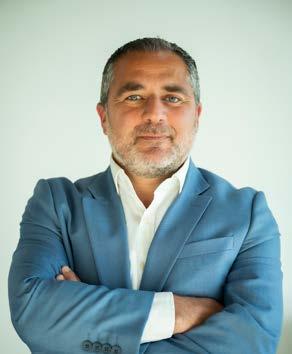
The backdrop to this discussion was also very important, coming at a time where in the corridors of Brussels and Frankfurt there is an evident and sustained move towards greater harmonisation of supervisory practices, generally in the name of simplification. While alignment and consistency remain important objectives which the Institute shares, harmonisation should not become an end in itself. Smaller Member States such as Malta operate within different realities, structures and market dynamics compared to larger jurisdictions, and this must continue to be recognised within the broader European conversation.
We continue to insist at every level that effective supervision is not measured solely by the volume of regulation or the complexity of oversight structures. What ultimately matters is whether regulatory frameworks deliver results in terms of quality, integrity and public trust in a manner that is proportionate, practical and sustainable. Excessive harmonisation without sufficient flexibility risks creating unnecessary burdens that do not necessarily translate into better outcomes.
This is precisely why we believe that our jurisdiction must continue strengthening its own institutions and regulatory framework. In the context of accountancy and audit professionals, a strong and credible Accountancy Board supported by a profession committed to quality, ethics and accountability, places Malta in a far stronger position within ongoing European discussions. Continuing to elevate the Accountancy Board’s supervisory and oversight role
is therefore an important part of ensuring confidence in the profession, both locally and internationally. A robust regulator ultimately strengthens the profession itself, reinforces public trust and places Malta in a stronger position within ongoing European discussions on harmonisation and supervisory convergence.
The profession is already founded upon strong ethical and regulatory principles. Accountants and auditors operate within a rigorous framework that includes professional standards, quality assurance procedures and internationally recognised codes of ethics. The objective of the joint conference was therefore to strengthen and build upon these foundations, ensuring that the structures supporting the profession continue to evolve alongside emerging realities and expectations.
At the same time, the regulatory landscape continues to expand. Accountancy professionals are increasingly engaging with a wider ecosystem of regulators and authorities in areas such as anti-money laundering, sanctions compliance, corporate governance, sustainability reporting, taxation and digital operational resilience. This creates a more complex environment for practitioners, particularly in smaller jurisdictions such as Malta where proportionality and practicality remain essential considerations.
Alongside this, the Institute believes that the profession must remain actively involved in shaping these discussions before decisions are finalised at European level. Too often, smaller jurisdictions risk becoming passive recipients of frameworks developed elsewhere without sufficient consideration of local realities and implementation challenges. Malta must continue making its voice heard within European and international fora, particularly at a time when significant decisions are being taken regarding supervision, sustainability assurance, ethics and anti-money laundering frameworks.
This is precisely why the Institute has intensified its engagement with European and international stakeholders over recent years. Its growing collaboration with organisations such as the CEAOB, Accountancy Europe and international standard setters ensures that the perspectives and realities of the Maltese profession continue to form part of wider conversations shaping the future of accountancy and audit.
The Institute also continues working closely with local regulators and authorities to strengthen practical engagement with members. Initiatives such as the Meet the Regulator series have provided valuable opportunities for practitioners to engage directly with authorities including the Malta Financial Services Authority, the Malta Business Registry, the Malta Tax and Customs Administration and
other supervisory bodies. These initiatives help bridge gaps between regulation and practice, encourage dialogue and create greater clarity around expectations and implementation challenges.
Similarly, the AML Conference held earlier this year, organised in collaboration with the Financial Intelligence Analysis Unit, further demonstrated the importance of cooperation between the profession and regulators. The conference brought together accountants, auditors, supervisory authorities and industry stakeholders to focus on the practical application of anti-money laundering obligations ahead of Malta’s upcoming National Risk Assessment and MONEYVAL 2028 process.
Even here, discussions reinforced a balanced message relevant across multiple regulatory areas: while European harmonisation and stronger supervisory frameworks are understandable and necessary, implementation must continue to respect proportionality and risk-based supervision. Effective regulation is not achieved through volume alone, but through frameworks that are practical, targeted and capable of producing meaningful outcomes.
As these developments continue to unfold, education and continuous professional development remain more important than ever. Technical competence alone is no longer sufficient. The profession must continue strengthening ethical awareness, professional scepticism, critical thinking and adaptability in an environment characterised by constant change.
This is an area where the Institute will continue investing significant effort. Through conferences, specialised training, technical sessions and collaboration with regulators and international bodies, the Institute remains committed to supporting members in grasping these new professional realities while maintaining the highest standards of integrity and competence.
Ultimately, the challenges facing the profession today should also be viewed as opportunities. Malta’s size allows for closer dialogue, faster engagement and stronger collaboration between the profession, regulators and policymakers than may be possible in larger jurisdictions. A small ecosystem can indeed be effective when accompanied by agility, collaboration and a shared commitment to quality and excellence.
The discussions taking place at European level will continue shaping the future of accountancy and audit for years to come. Malta must remain part of that conversation and ensure it contributes to it constructively, proactively and confidently.
message
Maria Cauchi Delia, MIA CEO
It is my pleasure to welcome you to this edition of The Accountant and to share some of the developments and initiatives that have been shaping our work over the past months.
As an Institute, we recognise that the success of our profession depends not only on keeping pace with regulatory and technological developments, but also on understanding the practical challenges faced by our members every day. For this reason, listening and engagement remain at the heart of our approach. Over the past months we have extended our outreach efforts, visiting firms and meeting our members directly, as part of our commitment to seek a deeper understanding of the realities faced by practitioners across different sectors and firm sizes.
These visits are helping us obtain valuable insights into the issues that matter most to our members. While technical discussions always crop up, we are also exploring broader themes such as work-life balance, job satisfaction, career aspirations and the future attractiveness of the profession. These insights will help us better understand how the profession is evolving and, more importantly, how we can continue to provide meaningful support to our members in today’s increasingly demanding environment.

Listening, however, is only one part of the equation. Equally important is ensuring that the views and experiences of practitioners help inform policy discussions and regulatory developments. The feedback we receive consistently reinforces a key message: regulation and policy are most effective when they are informed by practical realities.
This principle has guided much of our work over recent months. Indeed, collaboration remains one of our core priorities. We firmly believe that constructive dialogue between practitioners, regulators and policymakers is essential if we are to achieve regulatory frameworks that are both effective and proportionate. Our popular Meet the Regulator Series brought together professionals and key authorities including the Financial Intelligence Analysis Unit, Malta Business Registry, Malta Tax and the Customs Administration, Malta Gaming Authority and the Malta Financial Services Authority.
The objective was simple but important. We wanted to create a structured platform through which members could raise concerns, share experiences and provide feedback directly to regulators. Equally, regulators have an opportunity to better understand the practical implications
of their policy decisions and supervisory expectations. This two-way communication is essential to ensuring that regulation works effectively not only in theory but also in practice.
As consistently advocated through our engagement initiatives, while change is often necessary, implementation must remain realistic. Expectations should be proportionate, timelines achievable and administrative processes designed with users in mind. Ultimately, regulation should support economic activity rather than hinder it.
Another important consideration in this discussion is the human element. Technology, digitalisation and artificial intelligence are transforming the way organisations operate and the way professional services are delivered. The opportunities are significant, but successful transformation cannot be achieved through technology alone. It requires investment in people. Reskilling and upskilling are becoming increasingly important if we are to ensure that professionals remain relevant, adaptable and equipped to respond to this environment, and while we encourage firms and our members to get ready for this development, we expect regulators to be doing the same.
As always, the past months have brought significant activity, which you can get a glimpse of in this edition of The Accountant. Particularly, in the anti-money laundering (AML) sphere, we continued to work closely with stakeholders and regulators, providing feedback on Regulatory Technical Standards and participating actively in discussions aimed at strengthening Malta’s AML framework. We have also collaborated with Malta Enterprise on initiatives such as MicroInvest, helping ensure that support measures remain accessible and relevant to businesses.
At a more practical level, we recently organised dedicated workshops and issued guidance to address specific member concerns relating to audit exemption requirements and other regulatory developments. Similarly, as part of the Audit Excellence Series delivered in collaboration with the Accountancy Board, the Institute hosted an in-person workshop in June and will be hosting a further workshop in July, complemented by a series of online continuing professional development sessions running through to September and covering key audit quality and professional practice areas. These sessions form part of a broader programme designed to address the full audit process, from engagement acceptance
and planning through to fieldwork, reporting, quality management and communication responsibilities. They provide applied guidance on the application of International Standards on Auditing, while also addressing regulatory and ethical requirements, including independence considerations and common findings arising from quality assurance reviews, with a view to reinforcing best practice in audit quality, documentation and compliance.
The objective of such sessions is to provide practical solutions to the challenges encountered in practice. This reflects a broader shift in our approach. While technical excellence remains fundamental, our members consistently tell us that they value support that is accessible, relevant and capable of addressing the realities they face in their day-to-day work. This, ultimately, is the service that the Institute seeks to provide.
In conclusion, I would also like to include a short note on our corporate social responsibility efforts and the growing collaboration with the Malta Trust Foundation. I am proud that what began as a one-off initiative has evolved into a stronger relationship built around a shared appreciation for the Foundation’s work in supporting vulnerable children and young people through psychosocial, educational and wellbeing programmes. This collaboration reflects the Institute’s belief in using the profession’s collective expertise and networks to support initiatives that create meaningful social impact, while reinforcing the role of professionals as active contributors to the wider community. In this regard, I would like to thank all those who contributed during the Institute’s annual Networking Event, the proceeds of which supported the Malta Trust Foundation’s ongoing work and initiatives.
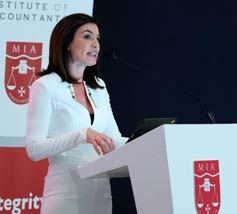

The MIA hosted its Year 10 Accounting Event, an exciting initiative aimed at introducing students to the world of accountancy through fun, hands-on learning experiences.
The event brought accounting principles to life through a series of interactive activities. From a life-sized Accounts Monopoly challenge that transformed familiar concepts into a strategic game, to a detective style investigation where students used financial clues to solve a mystery, participants were fully immersed in practical problemsolving. They also took part in a fill-in-the-blanks accounting quiz, reinforcing key terminology, and even tried their hand at budgeting a Hollywood blockbuster, showcasing how financial planning underpins creative industries.
These activities not only highlighted the versatility and real-world relevance of accounting but also encouraged teamwork, critical thinking and creativity. The enthusiasm and curiosity demonstrated by the students reaffirmed the importance of offering early exposure to the profession and the potential impact such initiatives can have in shaping future career interests.

The MIA took part in the Career Day at De La Salle College, engaging with students from Year 7 up to Sixth Form. Through interactive discussions, the Institute introduced the role of the accountant, answered students’ questions and outlined the diverse pathways available within the profession. Supporting young people as they explore future opportunities remains a key part of the MIA’s outreach efforts, and the Institute was pleased to contribute to this important initiative.


Staff Awards
12 March
In March, the MIA team came together to celebrate both Employee Appreciation Day and International Women’s Day, recognising the dedication and positive contributions of colleagues who help create a supportive and vibrant workplace culture.
During the celebration, several team members were presented with light-hearted awards in recognition of their unique qualities and daily contributions to the office environment.
Congratulations to the award recipients:
• Veronica Micallef, Senior Technical Officer – Zen Master Award
• Fiona Coleiro, Customer Service Administrator – Zen Master Award
• Charlotte Bartolo, Customer Service Administrator –Most Consistent Wardrobe Award
• Jacqueline Mamo, Executive Assistant and Office Manager – Human Google Award
The occasion also marked a significant professional milestone for Maria Cauchi Delia, who celebrated her 10-year anniversary as Chief Executive Officer (CEO). In recognition of her dedication, leadership and lasting contribution to the Institute, she was presented with a token of appreciation by the team.
The Institute extends its sincere thanks to all employees for their ongoing passion, commitment and support.
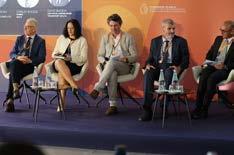
CareerScape Workshop: Aligning Skills with Tomorrow’s Demand
The Malta Institute of Accountants proudly recognised Emily Raggio as the recipient of the MIA Award for Best Student of the Year during an award ceremony celebrating academic excellence and dedication within the profession.
The award was presented by MIA President Jonathan Dingli, who commended Emily’s outstanding commitment, hard work and achievements throughout her studies.
Emily’s accomplishment marks an important milestone in her professional journey and reflects the high standards of excellence upheld within the accounting profession. The Institute congratulates her on this well-deserved recognition and wishes her continued success in the years ahead.
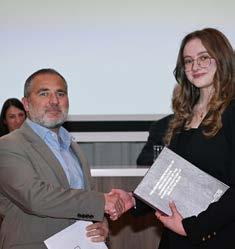
26 March
MIA Education Officer Marco Montana participated in the CareerScape Workshop “Aligning Skills with Tomorrow’s Demand,” organised by the National Skills Council, where MIA representatives Caroline Cassar Reynaud and Chiara Camilleri chaired roundtable discussions. The event brought together stakeholders from industry, education and policy to discuss skills gaps, labour market challenges and the alignment between education and employer needs. Discussions highlighted the growing importance of continuous upskilling and reskilling, as well as the need to strengthen soft skills such as communication, critical thinking and adaptability alongside technical knowledge. Participants also emphasised the role of education in better preparing students for the workplace, the need for closer collaboration between industry and academia and the increasing impact of digitalisation and artificial intelligence (AI) on future skills requirements.
26 March
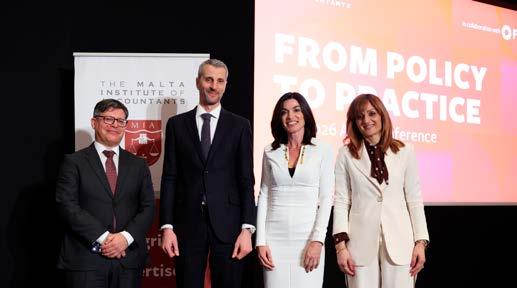
The MIA hosted its AML Conference 2026 in collaboration with the Financial Intelligence Analysis Unit (FIAU), bringing together accountants, auditors, regulators and industry stakeholders to explore practical approaches to anti-money laundering (AML) compliance. While the conference addressed Malta’s national AML priorities ahead of the upcoming National Risk Assessment and MONEYVAL 2028, the sessions were designed primarily to support members in applying regulations effectively in their day-to-day work.
MIA President Jonathan Dingli opened the conference by highlighting the critical role of AML in maintaining Malta’s reputation, competitiveness and attractiveness. MIA CEO Maria Cauchi Delia shared insights into the Institute’s activity with regards to this key priority. She noted how Europeanlevel harmonisation, including the establishment of the Anti-Money Laundering Authority (AMLA), is reshaping regulation and standards on the matter. She emphasised that while alignment at EU level is understandable, the Institute is pushing in favour of the application of a riskbased approach and proportionality to ensure AML measures are both effective and workable in practice.
Local regulatory bodies and institutions played a prominent role throughout the conference. Panels and speakers included representatives from the FIAU, the Malta Financial Services Authority (MFSA), the Sanctions Monitoring Board, the Malta Business Registry, the Malta Tax and Customs Administration and the National Coordinating Committee on Combatting Money Laundering and Funding of Terrorism. Discussions focused on sector-specific risks, emerging typologies, supervisory expectations and preparation of high-quality Suspicious Transaction Reports (STRs).
This year’s conference also featured a dedicated session in partnership with the Institute of Chartered Accountants in England and Wales (ICAEW). This session took a practical approach, using a case study supported by a video developed by ICAEW, providing an opportunity to translate regulatory expectations into real-life scenarios and professional decision-making. Case studies included unusual
how practitioners’ vigilance contributes to effective FIAU investigations.
Other sessions examined the transition to the EU AML Single Rulebook and upcoming changes under AMLA, including direct supervision of selected financial entities and harmonised technical standards. Speakers highlighted the importance of training, mindset change and early preparation for new requirements, as well as the continued relevance of national guidance in areas not yet fully covered by EU rules.
Local regulatory developments were also discussed, including the audit exemption framework and tax advice obligations. Participants were encouraged to appreciate the need for documented risk assessments, understanding aggregated ownership structures and top-quality record-keeping. Insights from Malta’s National Risk Assessment highlighted trends in STR reporting, supervisory planning and cross-sector risk patterns, reinforcing the importance of effective controls in practice.
Among notable speakers, FIAU Director Alfred Zammit highlighted the value of national collaboration and active engagement at EU level. He noted that Malta is playing a key role in shaping European regulatory technical standards, while ensuring that supervisory frameworks remain both practical and robust. Looking ahead to MONEYVAL 2028, Mr


Differently.
We don’t just meet standards - we redefine them. Driven by quality, integrity and ambition, we’re committed to setting a higher benchmark in everything we do.
Build your career with us:


The ACCA Diploma in International Financial Reporting (DipIFR), delivered by Deloitte Malta's IFRS specialists, is your fast-track solution to master these standards and advance your career.
Broaden your knowledge. Sign up now.
© 2026. For information, contact Deloitte Malta.
27 March
MIA CEO Maria Cauchi Delia participated as a speaker at the conference “Reaffirming Business Commitment to the Green Transition,” organised by the Climate Action Authority. She formed part of the panel discussion titled “Assurance and Compliance,” which brought together regulators, auditors, importers and legal professionals to examine how Malta can strengthen trust, transparency and accountability as it advances its green transition agenda.
During the discussion, Ms Cauchi Delia highlighted the growing importance of credible and decision-useful sustainability reporting, drawing on the perspective of the accountancy and audit profession. She noted that organisations often face challenges around defining reporting boundaries, strengthening data quality and controls, applying methodologies consistently and ensuring that sustainability claims are supported by sufficient evidence. She also underlined that good practice in this area requires stronger systems, clear documentation, regular analytical review of data and closer alignment between sustainability reporting, risk management and broader business strategy.
Key takeaways from the panel emphasised that compliance should be regarded not merely as a regulatory obligation but as a strategic asset, that transparency is fundamental to building trust and that early preparation and cross-sector collaboration are essential to achieving credible and verifiable sustainability outcomes. Ms Cauchi Delia’s contribution reinforced the important role that the profession can play in supporting organisations as sustainability reporting and assurance requirements continue to evolve.
The MIA CEO participated in the MFSA Stakeholders Panel held on 9 April 2026, which addressed key regulatory and supervisory developments, including market infrastructure reforms, T+1 settlement, AI adoption in financial services and liquidity stress testing.
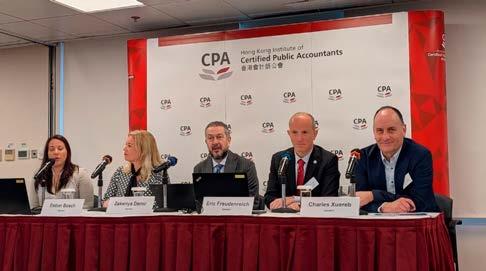
The Chairperson of the MIA PAIB Group, Charles Xuereb, participated in the International Federation of Accountants (IFAC) Professional Accountants in Business (PAIB) Advisory Group meeting, which underscored the increasingly strategic role of professional accountants in business, who now represent the majority of the profession and are central to governance and leadership. Discussions focused on strengthening their positioning within IFAC and ensuring more targeted, impactful contributions.
Looking ahead, priorities include enhancing talent pathways, adapting to the impact of AI and advancing sustainability and accountability. Overall, the meeting underscored the need for continuous upskilling, strong ethical foundations and a more proactive role for PAIBs in driving long-term value within organisations.
The MIA CEO participated in the Federation of Mediterranean Accountants (FCM) General Assembly in Sofia, which brought together member bodies from across the Mediterranean region for an important moment of governance, dialogue and strategic alignment.
During the meeting, hosted by the Institute of Certified Public Accountants in Bulgaria, the 2025 annual accounts were approved, while discussions once again highlighted the value of working together as a regional network to share perspectives, align initiatives and reinforce the voice of the accountancy profession at an international level.
The MIA held the fifth session of its Meet the Regulator Series, providing gaming operators and practitioners with a valuable opportunity to engage directly with the Malta Gaming Authority (MGA). During the event, the MGA presented its regulatory priorities for 2026, outlined key compliance challenges and shared updates on major developments such as the Environmental, Social and Governance Code, the AI Code of Conduct, capital and financial requirements and AML expectations. The agenda also included a new segment on player claims, followed by an extended questions and answers session, enabling participants to gain practical and actionable insights directly from the regulator.


In April, the MIA team travelled to Zagreb for its annual team building trip. The day provided colleagues with the opportunity to connect outside the office environment while exploring the city, enjoying local cuisine and spending quality time together. It was filled with enjoyable moments, shared experiences and plenty of laughter, allowing colleagues to strengthen relationships and further enhance the organisation’s positive team culture.

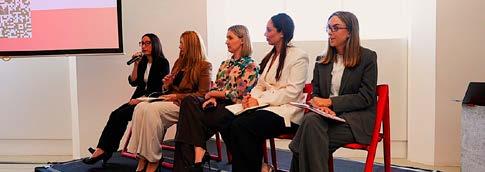
MIA CEO Maria Cauchi Delia participated as a panellist in the discussion “How does a small jurisdiction balance Smart Regulation to drive Real Competitiveness: accelerating Malta’s future competitive model”, held during the Malta Business Registry’s (MBR’s) event “Transforming Business Operations in Malta”. Drawing on the perspective of the accountancy profession, she highlighted the practical compliance burden faced by firms, particularly where obligations overlap, implementation timelines are tight and the same information is requested repeatedly in different formats.
Key takeaways from the panel emphasised that Malta’s competitiveness depends not on less regulation, but on smarter and more proportionate regulation that is clear, workable and supported by efficient digital systems. Ms Cauchi Delia underlined that technology should simplify processes, reduce duplication and improve interoperability between regulators, service providers and clients, rather than merely digitising inefficiencies. Her intervention also reinforced the importance of coordination between authorities, realistic implementation timeframes and a risk-based approach that supports credibility while remaining practical for smaller firms and Small and Medium Enterprises operating in a micro-state.
29 April
In April, the Institute officially launched its Member Outreach Visits initiative, aimed at strengthening engagement and fostering closer collaboration with members across the profession.
The initiative provides a platform for open and constructive dialogue on the evolving accounting landscape, the challenges and opportunities facing practitioners and the ways in which the MIA can continue enhancing its support to members.
Through these visits, the MIA seeks to ensure that the perspectives, experiences and priorities of members actively contribute to shaping the future direction of the profession.
The outreach programme forms part of the Institute’s ongoing commitment to maintaining strong connections with its members while encouraging a more collaborative, informed and forward-looking professional community.
Accounts Teachers Event
30 April
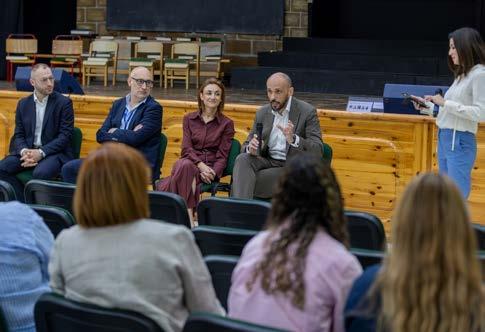
The MIA participated in an event dedicated to Accounts Teachers to discuss the future of the accounting profession.
Industry professionals also joined the event as panellists, contributing to engaging discussions on how the profession is evolving, the skills students will require in the years ahead and the importance of strengthening collaboration between education and industry.
Through panel discussions and round-table exchanges, participants shared insights, experiences and perspectives aimed at supporting the next generation of accountants and ensuring the profession remains relevant and forwardlooking.
19 May
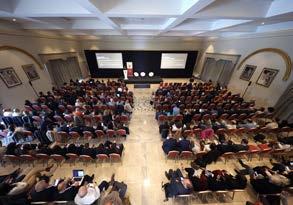
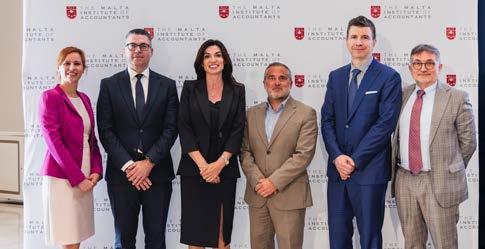
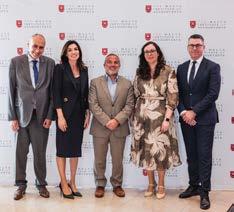
The Institute and the Accountancy Board joined forces to host a conference discussing audit supervision, proportionality and the future of quality in the profession. The event took place in the background of increasing regulatory convergence at EU level, expanding supervisory expectations and rapid technological change. A central message emerging from the discussions was the need to ensure that proportionality, professional judgement and stronger collaboration between regulators, institutes and practitioners remain central to the evolution of audit supervision.
The event also featured the participation of high-level representatives from Accountancy Europe and the Committee of European Auditing Oversight Bodies (CEAOB), among them Giancarlo Attolini, Deputy President of the former, and Panos Prodromides, Chairman of the latter. The programme was further enriched by contributions from Szilvia Sramko, Principal at the International Ethics Standards Board for Accountants (IESBA) and Vassilios Bertzeletos, responsible for Quality Assurance at SOEL (the Institute of Certified Public Accountants of Greece). This strong presence reflected the Institute’s growing engagement and standing within international professional and regulatory discussions.
MIA President Jonathan Dingli and CEO Maria Cauchi Delia argued that effective audit supervision depends on strong collaboration between regulators, professional bodies and practitioners, grounded in proportionality, open dialogue and shared responsibility for quality. They stressed that as the profession evolves through digitalisation, sustainability and new regulatory demands, it is this continuous engagement that ensures standards are not only upheld, but remain practical, relevant and focused on the public interest.
A significant part of the discussion addressed the EU’s efforts towards greater harmonisation of supervisory frameworks across Member States, with local practitioners arguing that convergence must be carefully balanced with the practical realities of different jurisdictions and firm
Scan the QR code to learn more about our job oppor tunities.



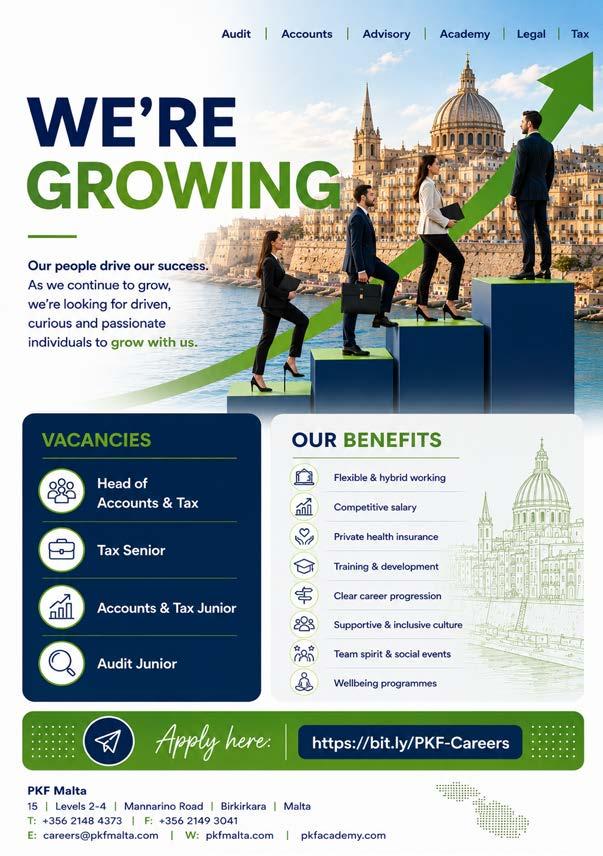
sizes. This is particularly relevant in smaller markets, where regulatory complexity and resource constraints can amplify implementation challenges.
The Conference delved into detail on the ongoing evolution of audit supervision from compliance-based oversight towards more risk-based, data-informed and system-focused approaches. In this context, the role of European coordination mechanisms such as the CEAOB was emphasised as increasingly important in driving consistency in inspection methodologies, facilitating shared technical guidance and supporting convergence in supervisory expectations. Nevertheless, fragmentation in enforcement approaches and transparency practices remains a structural issue, particularly where national legal frameworks differ significantly.
Panel debates during the conference addressed the impact of digitalisation and the transformational role of ethics. The growing use of data analytics, automation tools and artificial intelligence across audit planning, execution and review is already reshaping methodologies and redefining efficiency expectations. However, both regulators and practitioners stressed that technology must function as an enabler of audit quality rather than a replacement for professional judgement. The concept of the “human in the loop” was consistently highlighted as essential, particularly in areas involving estimates, risk assessment and audit conclusions.
On ethics, discussions centred around developments in sustainability reporting, new business models, private equity investment in firms and AI-enabled decision-making. The need for principles-based, updated ethical guidance aligned with the IESBA Code of Ethics was reinforced, particularly in relation to independence, conflicts of interest and professional accountability in increasingly complex organisational environments.
The event was also addressed by Edgar Borg, Chairman of the Accountancy Board, who reaffirmed Malta’s commitment to maintaining high professional standards, protecting the public interest and promoting continuous improvement through ongoing dialogue and cooperation.
The conference also featured an extensive session which addressed case studies on issues related to audit reviews, digitalisation and ethics.
This conference forms part of the Institute’s broader Audit Excellence Series, an ongoing initiative designed to support practitioners through a combination of conferences, targeted workshops and continuing professional education sessions. Through this series, the Institute aims to facilitate continuous dialogue, address emerging challenges in audit and assurance and equip members with practical insights to navigate an evolving regulatory and professional landscape.
The event was supported by Scope, DataSnipper, Fyorin and Icon.

MIA CEO Maria Cauchi Delia participated as a panel speaker at the European Business Registry Association (EBRA) Malta Conference 2026, contributing to the session “Building Better Business Registries Through User Experience.”
The panel explored the importance of user-centric approaches in designing and improving business registries, with representatives from various organisations sharing their perspectives. Discussions focused on how better engagement with users can enhance trust, usability, compliance and the overall quality of data within registries.
During her intervention, Ms Cauchi Delia provided the user perspective, emphasising why understanding the needs of different stakeholder groups is essential. She also addressed how effective user experience contributes to greater trust in registries and supports higher levels of compliance and data quality.
The CEO further highlighted the strong collaboration between the MIA and the MBR in recent years, underlining the value of ongoing dialogue between registries and their users in driving meaningful improvements.
The European Financial Reporting Advisory Group (EFRAG) has published three educational videos to support small and medium-sized enterprises (SMEs) in meeting the disclosure requirements of the Voluntary SME Standard (VSME)
Comprehensive Module. These resources are intended to help SMEs navigate the three Supporting Guides issued in December 2025 and prepare the disclosures required under sections C2, C3 and C7.

Sustainability Report (VSME Based) EFRAG has published its first Sustainability Report for 2025, detailing how it incorporates and evaluates Environmental, Social and Governance (ESG) considerations across its activities, drawing on the VSME.
Prepared in digital format in line with the VSME framework, the report also highlights key insights from this initial reporting exercise, which will help inform future guidance for SMEs and European non-profit organisations.

Accountancy Europe has published two factsheets on the Carbon Border Adjustment Mechanism (CBAM): one providing an overview of the original Regulation, and another detailing the amendments introduced under the 2025 Omnibus package.
The latter outlines the European Commission’s proposed CBAM revisions issued on 17 December 2025, highlighting their implications for importers, verifiers, accountants and supply chain professionals, and distilling the key provisions relevant to the accountancy profession.

While the term greenwashing has gained traction only in recent years, the behaviour it describes, misleading or deceptive claims, has long been addressed in law through concepts such as misrepresentation and fraud. What has changed is the context: evolving sustainability regulations, increased investor scrutiny and rising public expectations have elevated greenwashing into a key issue for corporate governance and transparency.
The Accountancy Europe publication “Preventing Greenwashing: Corporate Ecosystem Roles” highlights that effectively tackling greenwashing requires a coordinated, system-wide approach. It highlights how different actors within the corporate ecosystem can identify and mitigate greenwashing risks, emphasising the distinct role each plays in ensuring the credibility & reliability of sustainability information.

As SMEs continue to receive sustainability-related information requests despite recent regulatory changes, the VSME Standard is expected to become the legal benchmark governing what can be requested from them. Accountancy Europe’s SME sustainability hub consolidates practical guidance and resources to support accountants and SMEs in navigating this evolving landscape.

The Omnibus Directive entered into force on 18 March 2026, introducing a range of measures aimed at streamlining both the Corporate Sustainability Reporting Directive (CSRD) and the Corporate Sustainability Due Diligence Directive (CS3D). Member States are required to transpose the CSRD-related provisions into national law by 19 March 2027, with the revised reporting requirements applicable from 1 January 2027. As for the CS3D, national transposition must be completed by 26 July 2028, with the updated obligations taking effect from 26 July 2029.

The European Council has endorsed revisions to the European Union (EU) climate law, introducing a legally binding climate target for 2040. Under the updated framework, the EU is committed to reducing net greenhouse gas emissions by 90% compared to 1990 levels. This objective is designed to strengthen the EU’s path towards achieving climate neutrality by 2050 and to steer action across all sectors of the economy.




SCAN FOR MORE INFO
Scope Ratings Affirms Malta A+ Rating: Scope Ratings has confirmed Malta’s credit rating at A+ in both local and foreign currency, while maintaining a stable outlook. The agency said that this rating was based on a number of conditions including strong economic momentum and growth potential compared with European peers, a track record of fiscal discipline with declining deficits and moderate debt levels and a resilient external position supported by a robust banking sector. However, Scope also highlighted a number of challenges. These include Malta’s reliance on external demand and limited natural resources, which may affect long-term growth stability, alongside fiscal pressures linked to energy subsidies, demographic trends and state guarantees. The agency also pointed to ongoing institutional constraints and governance indicators that remain below those of higher-rated peers.
The Malta Financial Services Authority (MFSA) has launched a new Public-Private Partnership (PPP) aimed at strengthening Malta’s ability to detect, prevent and disrupt financial fraud through improved national coordination. The initiative brings together key public bodies, including the MFSA, the Malta Police Force, the Financial Intelligence Analysis Unit, the Office of the Arbiter for Financial Services and the Central Bank of Malta, alongside private sector representatives such as the Malta Bankers’ Association and local retail-focused credit institutions. The Partnership will focus initially on consumer retail payment fraud, particularly unauthorised transactions and cases where individuals are manipulated into transferring funds to fraudsters. It will operate through information sharing, enhanced coordination, policy development, supervisory action and public awareness initiatives.


Fiau Consults on Rts and Its to Strengthen Eu Ml Cooperation: The Financial Intelligence Analysis Unit (FIAU) is currently consulting on draft Regulatory Technical Standards (RTS) and Implementing Technical Standards (ITS) aimed at strengthening European Union (EU) cooperation in anti-money laundering and counterterrorism financing supervision. The draft RTS focuses on clarifying the respective responsibilities of home and host supervisors overseeing cross-border groups of obliged entities in both the financial and non-financial sectors. It introduces a more streamlined disclosure framework, allowing information sharing between supervisory authorities without prior consent from the originating authority, provided notification is given. Separately, the Anti-Money Laundering Authority (AMLA) is also consulting on ITS designed to standardise cooperation between Financial Intelligence Units, AMLA itself and the European Public Prosecutor’s Office. These standards establish common reporting formats, improve information exchange via FIU.net and introduce templates to ensure more consistent and efficient data sharing. The aim is to enhance the detection, investigation and prosecution of financial crimes affecting the European Union’s (EU’s) financial interests.
Malta’s current account surplus widened significantly during the final quarter of 2025, reaching €559.1 million compared to €90.3 million in the same period a year earlier, according to external transaction figures published by the National Statistics Office. The increase was largely driven by a strong surplus in the services account, which totalled €1.87 billion. This was partly offset by deficits in the primary income, goods and secondary income accounts. Meanwhile, the capital account registered a surplus of €89.2 million, down by €17 million compared to the fourth quarter of 2024. The movement reflected higher net asset increases in direct investment, portfolio investment and financial derivatives, while other investment recorded a substantial decline. Reserve assets also decreased by €40.6 million during the period.


A team that provides businesses with a reliable, flexible and scalable solution. Our experienced professionals support functions including accounting, bookkeeping, payroll and corporate secretarial services, helping organisations improve efficiency, manage costs and maintain strong compliance. Whether expanding, restructuring, or entering new markets, we complement your finance team with the expertise and support you need, when you need it.
Reliable expertise to streamline operations, strengthen compliance and support your business as it grows.




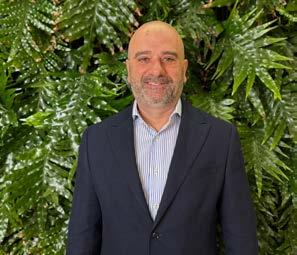
EY Malta has announced the appointment of Curt Gauci and Antonis Rouvas as Partners, together with Arthur Azzopardi as Executive Director, to the leadership team in Malta.

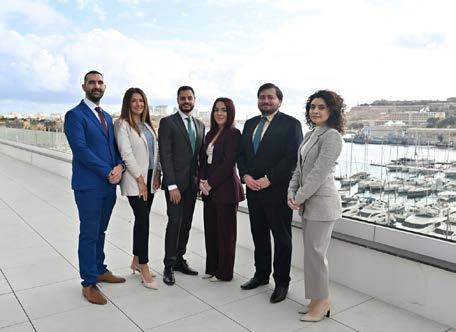
Grant Thornton Malta has announced the appointment of Dimitrios Kalaitzis as Director – Audit and Assurance, and Adrian Pavia Dimech as Associate Director – Audit and Assurance, with effect from 1 April 2026.

KPMG in Malta has announced the appointment of Marika Azzopardi, Joelene Farrugia, Danica Galea, Georges Xuereb and Carlos Zammit as Directors, with effect from 1 April, while Mark Anthony Fenech was previously appointed in October 2025. Danica and Mark Anthony hold Director roles at a regional level within the KPMG network.
A decade has passed since the 2014 European Union (EU) Audit Reform reshaped public interest entity (PIE) audit oversight across Europe. Considerable progress has been achieved over those years: robust institutions have been established, common methodologies developed, and a culture of supervisory convergence has taken root across Member States. Nevertheless, the environment in which the profession operates continues to shift at a pace that demands continuous adaptation from both practitioners and oversight bodies. In September 2025, Commissioner Maria Luís Albuquerque signaled that the European Commission would launch a public consultation on strengthening EU audit supervision. This initiative, together with the Corporate Sustainability Reporting Directive (CSRD), the acceleration of digital transformation and structural shifts within audit firms themselves, defines the landscape the profession must now navigate.
A useful starting point for any reflection on PIE audit oversight is the European Commission’s triennial Market Monitoring Report, prepared with the assistance of the Committee of European Auditing Oversight Bodies (CEAOB). The most recent edition, covering the period up to 2021, offers valuable evidence based on the state of the European audit market and the outcomes of inspection activity. It confirms that national competent authorities (NCAs) continue to identify areas for improvement and findings with notable frequency, though no systemic
risk has been detected, and that firms have generally responded constructively to reinforce quality. The report also documents a structural concern that has preoccupied policymakers since the reform itself: the persistence of market concentration, with the largest firms continuing to dominate the PIE segment despite modest shifts towards other key audit players. Joint audits have gained some ground in a handful of Member States but remain the exception rather than the rule. These observations speak directly to questions of resilience, competition and choice, particularly for smaller jurisdictions and mid-tier firms seeking to build a sustainable presence in the PIE market.
Against that backdrop, the work of the CEAOB Inspection Subgroup provides valuable insight into the state of audit quality across the European market. Through its regular dialogue with the largest European networks and through publicly available infographic-based analyses, covering inspection results regarding different industries, financial statement areas or auditing standards, the Subgroup has built a shared understanding of where inspection activity most often identifies room for improvement. These insights resonate with observations at the international level. The International Forum of Independent Audit Regulators (IFIAR), through its annual Survey of Inspection Findings, has consistently drawn attention to recurring
themes across jurisdictions — notably around accounting estimates, group audits and the embedding of firm-wide quality management systems. These are areas where progress has been tangible, but where sustained attention remains warranted.
No matter how sophisticated the tools deployed by audit firms are, the quality of a PIE audit rests ultimately on the capacity of individual auditors to exercise sound judgement
and maintain genuine scepticism. This is the area in which inspection findings prove most persistent and most consequential. Closing that gap requires sustained investment in people: training that cultivates critical thinking, firm cultures in which constructive challenge is rewarded and leadership that sets an unambiguous tone. Audit committees play an equally vital role, and experience suggests that their engagement with inspection outcomes and auditor judgements, rather than conclusions alone, can materially reinforce the chain of accountability on which public trust depends.
Alongside these enduring issues, digital transformation is reshaping the profession at remarkable speed. Major audit networks are investing heavily in data analytics, machine learning and most recently agentic Artificial Intelligence (AI). Enterprise-scale deployments of AI in assurance are no longer theoretical; they are being rolled out across global firms. Recent analysis presented to IFIAR indicates that nearly 80 percent of organisations globally have now deployed generative AI in some form, and audit firms are no exception to this trend. Early empirical research, including the 2025 Stanford and Massachusetts Institute of Technology Sloan study by Choi and Xie on human and AI collaboration in accounting, suggests that outcomes depend critically on how such tools are integrated with professional judgement, rather than substituted for it. The agentic era will reshape the very nature of audit evidence: inspectors must prepare for AI agents that generate plans, populate ledgers and summarise transactions.
Regulatory expectations are being recalibrated in response. A 2025 policy brief from the Centre for European Policy Studies on a decade of EU audit reform observes that market concentration remains entrenched at the top end of the market, that regulatory fragmentation persists across Member States and that CSRD assurance imposes substantial new demands on both firms and oversight bodies. Accountancy Europe’s

Author
December 2025 paper on EU audit supervision develops similar themes, proposing group inspections for crossborder PIE audits, a more structured publication of inspection outcomes and a more consistent application of the CEAOB’s Common Audit Inspection Methodology. Consistency across NCAs in the application of CSRD assurance requirements will be particularly important; divergent national approaches would undermine the integrity of the single market and impose unnecessary costs on firms operating across borders.
A further development warrants close attention. The growing presence of private equity investment in accounting firms, a trend that has accelerated significantly over the past five years, brings both opportunity and complexity. As set out in the International Ethics Standards Board for Accountants Staff Alert of July 2025, such investment can introduce structural, strategic and cultural changes that carry significant implications under the International Code of Ethics, particularly in relation to independence, the ethical culture of the firm, the potential enlargement of firm boundaries and the pressures that may arise from short investment horizons. Oversight bodies will need to engage carefully with these emerging ownership structures to ensure that publicinterest commitments remain intact and that the values underpinning the profession are preserved through periods of ownership transition. A central consideration will be ensuring that the commercial imperatives often associated with private equity, such as accelerated growth targets and shorter investment horizons, do not dilute the profession’s fundamental public interest mandate.
Regulation alone cannot deliver audit quality. Responsibility rests with every partner who signs a PIE audit opinion, every audit committee that holds auditors to account and every regulator that provides the external discipline underpinning public confidence. The bar is being raised across Europe, and the profession will be judged by how it responds. The CEAOB’s work through 2026, spanning inspections, enforcement, market monitoring, sustainability assurance and emerging challenges such as artificial intelligence and private equity, reflects a collective commitment to ensuring that the pursuit of audit quality remains what it must always be: a shared endeavour.
The views expressed in this article are those of the CEAOB Chair in his personal capacity and do not necessarily represent the official position of the CEAOB or the European Commission.
Panos Prodromides has been Head of the Cyprus Public Audit Oversight Board since December 2023, strengthening trust through independent oversight. Since July 2024, he has also chaired the Committee of European Auditing Oversight Bodies. A former audit quality reviewer and managing partner, he previously held senior roles at Deloitte and Arthur Andersen (London). He is an ICPAC and ICAEW member, holds an LSE master’s, and contributes to IFIAR and European audit oversight cooperation.
Scaling



The fight against financial crime has entered a new era. Artificial intelligence (AI) is no longer a futuristic concept; it is the present reality transforming how financial institutions detect, prevent and report money laundering. But what does this mean for the industry, and where are we headed?
Financial institutions process an enormous number of transactions daily. Traditional rule-based Anti-Money Laundering (AML) systems generate mountains of false positives with some studies estimating that up to 95% of alerts do not result in suspicious activity reports. Compliance teams drown in paperwork while sophisticated criminals slip through the cracks. When banks deployed AI-powered systems, they uncovered hidden money laundering patterns buried within massive transaction datasets that human analysts and conventional systems had missed entirely. This is not just an efficiency upgrade; it is a fundamental shift in how we combat financial crime. The results speak for themselves: significant reduction in compliance costs, fewer false positives, real-time detection of suspicious activities and comprehensive risk profiling using diverse data sources.
Malta: Europe’s AI-AML Innovation Hub Malta has deliberately positioned itself as a test-friendly European jurisdiction for AI-driven financial compliance. The Malta Financial Services Authority (MFSA) and the
Financial Intelligence Analysis Unit (FIAU) act as the local regulators that embrace AI innovation with an approach that goes beyond passive acceptance. Hence, our progressive regulatory framework strikes a balance between embracing innovation and maintaining strict European Union anti-money laundering standards. Maltese banks and fintech firms now operate with advanced AI monitoring systems that detect suspicious transactions more effectively while cutting administrative overhead. This model demonstrates that regulation and innovation are not enemies: they are partners in creating safer financial systems.
According to Stefan Farrugia, Chief Executive Officer and founder of Malta-born data and AI company Eunoia, the approach to AML and cybersecurity is undergoing a fundamental shift. Cyberattacks are no longer just human-driven; they are increasingly automated and powered by AI. Industry analyses show that the window between vulnerability disclosure and exploitation has narrowed dramatically in recent years, leaving organisations with far less time to respond. As a result, a new generation of data and AI platforms is emerging, reshaping the Security Information and Event Management landscape by bringing security, Information Technology (IT) and business data into a single, wellgoverned environment.
The Core Technologies Machine learning algorithms analyse vast transaction histories to establish what constitutes normal behaviour for each customer. When something deviates (unusual transaction amounts, suspicious timing patterns or connections to high-risk entities) the system flags it instantly. Unlike rigid rule-based systems, machine learning adapts. It learns from new data, recognises emerging threats and identifies sophisticated layering techniques that criminals use to disguise illicit funds.
Natural language processing (NLP) transforms how institutions handle reporting. Instead of compliance officers manually drafting suspicious activity reports, NLP systems automatically aggregate relevant information, consolidate related entities and generate comprehensive reports. This technology also scans unstructured data (news articles, social media, corporate filings) to build holistic customer risk profiles. Mr Farrugia further explained that this approach allows organisations to analyse their entire telemetry data while significantly reducing costs and avoiding vendor lock-in. More importantly, AI is no longer a bolt-on capability; instead, it is embedded directly where the data resides, enabling real-time detection and response. That changes the dynamic entirely, moving security from reactive defence to continuous, intelligent decision-making.
The Challenges: Why AI Is Not a Magic Bullet
AI’s potential is enormous, but implementation is not simple. First, AI systems are only as good as their data. Inconsistent, incomplete or siloed data produces unreliable results, meaning financial institutions must invest in data infrastructure before AI can deliver its promise. Second, many banks operate on decades-old IT systems that cannot support modern AI solutions. Upgrading infrastructure requires significant capital investment and operational disruption. Finally, AML regulations vary by jurisdiction and evolve constantly. AI systems must be transparent enough to satisfy regulators who want to understand how decisions are made: a challenge when dealing with “black box” algorithms.
Regulators are cautiously optimistic about AI in AML, but they are demanding transparency and accountability. The Financial Action Task Force acknowledges AI’s potential while emphasising that financial institutions remain fully responsible for their AML obligations, regardless of the technology used. The European Banking Authority expects firms to demonstrate that AI systems are explainable, auditable and free from bias. In Malta, both the MFSA and the FIAU have shown progressive support for innovation while maintaining strict expectations around model validation, ongoing monitoring and human oversight. The
message is clear: AI can be a powerful tool, but it must operate within transparent, accountable frameworks that regulators can understand and audit.
Implementing AI in AML is not plug-and-play. Success requires careful planning across multiple dimensions. Data quality is paramount; thus, institutions must invest in robust data infrastructure before AI can deliver value. Legacy technology presents another challenge, requiring significant capital investment to upgrade. Organisations must also consider the human element: staff need training to work alongside AI, understanding both its capabilities and limitations. Start small with pilot projects targeting specific high-risk areas before attempting enterprisewide deployment. Establish clear governance structures defining who owns the AI system, how it is monitored and how decisions are escalated.
The next evolution of AI-AML is already taking shape. Blockchain integration is creating transparent transaction trails that were previously impossible. When blockchain technology combines with AI, it creates unprecedented visibility into fund flows. A cryptocurrency exchange in Malta now uses blockchain-AI integration to track digital asset movements, blocking suspicious transactions within milliseconds.
Malta’s positioning as a blockchain island makes it uniquely suited for this convergence. Local fintech firms are pioneering hybrid solutions that leverage the archipelago’s progressive regulatory environment. The jurisdiction’s early adoption of distributed ledger technology frameworks provides a testing ground where innovation meets compliance in real-time. Financial services providers are implementing these dual-technology stacks, creating what industry insiders call “trust architecture”: systems where every transaction carries both its history and its verification.
Advanced AML systems are now deploying graph analytics to map intricate networks of shell companies, beneficial owners and transaction flows. These systems visualise relationships that would take compliance teams months to uncover manually. In Malta’s iGaming and payment services sectors (both high-risk categories for money laundering) graph-based AI identifies layering schemes by analysing how funds bounce between accounts, jurisdictions and corporate entities. The technology spots patterns like circular transactions, structuring attempts and unusual correspondent banking routes that traditional transaction monitoring misses entirely.
Future systems will analyse how customers bank through behavioural biometrics (tracking typing patterns, mouse movements and login times). If your account suddenly shows activity that does not match your behavioural fingerprint, AI flags it immediately.
This technology is particularly effective for detecting account takeovers and mule account operations. Maltalicensed payment institutions testing these systems report significant reductions in false positives compared to traditional monitoring approaches.
Federated learning is solving a critical challenge: banks cannot share customer data, but they can share intelligence. This approach allows AI models to learn from multiple institutions’ data without that data ever leaving secure servers. When one bank’s AI detects a novel laundering technique, all participating institutions gain immunity without sharing sensitive customer information. Cross-border collaboration is particularly vital for Malta’s international banking and financial services sectors where federated learning enables intelligence sharing across European networks while maintaining strict General Data Protection Regulation compliance. Malta’s regulatory sandbox has become a proving ground for these federated AI models, with pilot programs involving institutions across the Mediterranean region.

they may miss cases where context should override algorithmic recommendations.
Perhaps most importantly, explainable AI is opening the black box. Next-generation AI systems will explain their decisions in plain language, showing compliance officers exactly which factors triggered alerts and why. Modern platforms now generate audit trails documenting each step of the AI’s reasoning: from data inputs to risk scoring to final determination. For Malta’s compliance professionals, this transforms AI from an inscrutable oracle into a collaborative tool that enhances human expertise.
Key Limitations and Risks
AI is powerful, but not infallible. Bias is a critical concern: if training data reflects historical biases, the AI will perpetuate them. The “black box” problem remains substantial: some AI models make decisions through processes so complex that even their creators struggle to explain them fully. There is also a genuine risk of overreliance: when compliance teams trust AI too completely,

Author
Financial barriers present another significant challenge: smaller firms often lack the resources to implement sophisticated AI-AML systems. Enterprise-grade solutions require substantial capital investment, ongoing maintenance costs and specialised personnel (expenses that can be prohibitive for boutique financial service providers and startups). This creates a compliance gap where larger institutions leverage cutting-edge technology while smaller players struggle with legacy systems, potentially making them more vulnerable to exploitation by money launderers who target the weakest links in the financial ecosystem.
The Bottom Line
AI in AML is not about replacing human judgment; it is about augmenting it. Malta’s progressive approach shows the path forward: embrace innovation, invest in infrastructure and build regulatory frameworks that enable technological advancement. The criminals are already using AI to hide their tracks. The question is not whether financial institutions should adopt AI-powered AML; it is whether they can afford not to. The future of financial crime prevention is intelligent, adaptive and predictive. Those who adapt will thrive. Those who do not will find themselves fighting tomorrow’s battles with yesterday’s tools, while sophisticated criminals operate circles around them. The revolution is here. Are you ready?
Andrzej Tabero heads Company Secretary and Legal Services at Alter Domus Malta, overseeing a team that counsels clients on corporate governance and related matters. His professional trajectory includes stints at Lithuania’s tax authorities, PwC and bnt attorneys in CEE (Vilnius). He moved to Malta in 2014 to join Hili Ventures, where he focused on mergers and acquisitions. Mr. Tabero, who speaks multiple languages, earned his master’s degree in law from Mykolas Romeris University.


Consider These Two Scenarios
A large global audit firm deploys an internal suite of artificial intelligence (AI) agents to enhance audit efficiency and insight generation. While governance controls exist around data inputs, the firm’s professionals struggle to understand how the models operate, how the agents interact or how to assess their reliability. Notwithstanding this, they rely increasingly on these outputs in forming judgments, without fully appreciating potential biases, errors or embedded assumptions.
At the other end of the spectrum, a small audit firm adopts a commercially available cloud-based platform marketed as an “intelligent audit assistant”. With limited internal technical expertise, the firm relies heavily on the system’s outputs across engagements, despite limited vendor disclosure about how the AI functions, what safeguards exist or the level of assurance that can be placed on its outputs.
What do these scenarios have in common? A decade ago, such challenges would have been largely hypothetical. Today, they define a rapidly evolving landscape. The question for the profession is no longer whether to use these tools, but how to do so responsibly, anchored in ethics. Meeting this challenge requires accountants to understand the technology, apply fundamental ethical principles and actively manage the risks that arise.
1. Know Your Technology: Understanding Is an Ethical Obligation
Understanding the technology used is no longer optional; it is an ethical imperative. The increasing integration of AI and other emerging technologies into professional services demands a clear, working understanding of how these tools function, their potential, as well as their limitations and the risks they introduce.
A common challenge across firms of all sizes is the opacity of certain technological tools. AI systems, particularly those based on complex machine learning models, can operate as “black boxes.” This challenge is further amplified by the rise of agentic AI systems, which can act with greater autonomy and generate outputs with limited real-time human intervention.
The large firm in our opening scenario illustrates this precisely: governance controls existed, yet the professionals using the system lacked sufficient understanding of the models themselves – a gap that no governance structure alone can fill. For the small firm, the problem is compounded by limited vendor disclosure: without knowing how the platform works or what safeguards are in place, reliance on its outputs becomes ethically indefensible.

“Knowing your technology” does not mean every accountant must become a data scientist or technology expert. It means asking critical questions: what data was used to train this system? What assumptions underpin its outputs? What are its known limitations? How might its use affect compliance with the fundamental principles? A human-in-the-loop approach is essential. Professional judgment must remain central, with technology serving to inform, not replace, decision-making. Technology should enhance, not diminish, the ethical responsibilities that define the profession.
The International Code of Ethics for Professional Accountants, developed by the International Ethics Standards Board for Accountants (IESBA), is built on five fundamental principles – integrity, objectivity, professional competence and due care, confidentiality and professional behaviour – all anchored in the overarching obligation to act in the public interest.
The IESBA Code’s conceptual framework provides an approach to uphold these principles through a threestep process: identify threats (self-interest, self-review, advocacy, familiarity, intimidation), evaluate them using the reasonable and informed third-party test and address them through eliminating the threats or applying safeguards - or, where threats cannot be reduced to an acceptable level, by declining or ending the engagement. This architecture is entirely fit for the challenges posed by technological change. The principles were designed to govern conduct, not specific tools. However, given the pressures arising from technology use, IESBA adopted targeted revisions to the Code in 2023 to make clear that technology is a potential source of ethical risk, not a neutral instrument.
In practical terms, the revisions strengthened professional competence and due care, limiting reliance on opaque outputs; introduced explicit requirements for professional judgment over all technology outputs; formally recognised bias – including automation bias – as a risk to the proper exercise of professional judgment; reinforced accountability for the use of technology; extended confidentiality requirements across the full data lifecycle; and strengthened the independence standards, addressing self-review threats, risks of assuming management responsibility and commercial dependencies that arise when technology is used to deliver professional services to audit clients.

Author
Technology amplifies ethical risk where judgment, accountability and culture are weak, and strengthens trust where they are strong.
For individual accountants, the key implication of the Code is that professional responsibility cannot be delegated to a machine. AI tools promise efficiency and deeper insights, yet they can also challenge core principles. Both firms in our opening scenarios face this tension: both have adopted tools promising to enhance their operation, yet neither adoption has been accompanied by sufficient understanding, challenge or control.
Overreliance on AI-generated outputs may undermine professional competence and due care if those outputs are not sufficiently interrogated. Automation bias can impair objectivity, particularly when contradictory evidence is overlooked. Externally hosted platforms, such as the small firm’s cloud-based assistant, raise confidentiality and security concerns that require active assessment, not passive acceptance.
Addressing these risks requires an inquiring mind, a critical evaluation of outputs and the ability to recognise when additional expertise or validation is needed. Responsibility for ethical compliance remains with the professional accountant, not the technology.
At the organisational level, firms need governance mechanisms for appropriate selection, implementation and monitoring of technological tools, including proper policies on use, training and controls that support compliance with the fundamental principles. Leadership has a particular responsibility to foster a culture where ethics is embedded in technology adoption by design and not considered only after problems emerge.
The two firms described at the start of this article are not cautionary tales from the future. They represent the present and its risks. In both cases, the gap is not in the technology, but in the professional culture, governance and individual judgment around it.
The IESBA Code does not ask accountants to resist technological change. It asks them to lead it, with eyes wide open and guided by their ethical compass. That is what it means to act in the public interest in the digital age. It is also what will ensure a trusted and thriving accounting profession fit for the exciting future ahead.


Ask people what an internal auditor does, and many still picture someone meticulously reviewing numbers in search of errors. Those in the profession know that this is far from reality. Over decades, Internal Audit has evolved, most recently guided by the Institute of Internal Auditors’ (IIA’s) Vision 2035. Yet several misconceptions stubbornly persist.
One reason is visibility. Internal Audit tends to be noticed only at specific touchpoints: when an engagement is announced, when evidence is requested or when a report is issued. From the outside, this can appear transactional or checklist driven.
But the profession has moved beyond that. Internal Audit has shifted from a compliance-driven activity to a riskfocused, insight-oriented partner to management. At its core, Internal Audit’s purpose is far broader and more strategic.
The IIA defines internal auditing as an independent, objective assurance and consulting activity that adds value and improves an organisation’s operations. It supports the achievement of organisational objectives by evaluating and enhancing risk management, control and governance processes through a disciplined approach.
Internal Audit is the organisation’s assurance function. It does not run operations; it helps leaders gain confidence that risks are understood, controls are working and improvement efforts are prioritised. This aligns with the IIA’s Mission: to enhance and protect organisational value by providing risk-based and objective assurance, advice and insight.
With this in mind, it is worth challenging the most common misconceptions.
1. Internal Audit is There to Find Fault and Catch People Out
This misconception fuels the “office police” narrative. Internal Audit is not designed to enforce, punish or police. Its independence safeguards objectivity, not the creation of a disciplinary arm of management.
Internal Audit’s focus is on what could go wrong and how the organisation can prevent it. The goal is stronger controls, better decisions and more reliable outcomes. When an audit issue feels like “naming and shaming,” the communication approach needs to be reconsidered.


Good audit messaging clarifies the gap between what was expected, what was observed and why closing that gap matters. The intent is improvement and organisational learning. Like other preventive functions, Internal Audit aims to enhance resilience and improve performance, not impose sanctions.
2. We Do It Because Audit Said Do
Another common misconception is that controls exist primarily to “satisfy Audit.” This mistakenly frames Internal Audit as creating administrative burdens rather than assessing whether safeguards are effective.
Controls are not audit requirements. They are business requirements, designed to help the organisation achieve its objectives safely, reliably and ethically. A well designed control should make sense even without Internal Audit.
When controls are viewed as being “for Audit,” they become box-ticking exercises. When they are understood as being “for the business,” they become practical mechanisms that prevent errors and reduce risk.
A simple test: Would we still want this control if Internal Audit did not exist?
If the answer is no, the control’s purpose is not well understood.
3. Internal Audit Is Only About Numbers
Financial controls matter, but they represent only a fraction of what Internal Auditors evaluate. The real question is broader: can the organisation achieve its objectives reliably? Reliability depends not only on financial reporting, but also on how well operational, technological, regulatory and third party risks are managed.
Issues causing the greatest harm rarely originate in the balance sheet. They often stem from unclear ownership, weak processes, poor data quality or fragile systems. These vulnerabilities affect resilience long before they appear as financial impacts.
Internal Audit provides assurance across this wider landscape. It helps leadership understand whether risks are controlled and processes are robust. Assurance is not just confirming that the numbers add up; it enables confident decision making grounded in resilient foundations.
4. Internal Audit and Compliance Are One and the Same
Compliance helps organisations follow rules and obligations. But Internal Audit is not “compliance under another name.” The two functions serve different purposes. Compliance focuses on what should happen according to the rules. Internal Audit steps back and asks whether processes work in practice, consistently, across teams and under pressure.
Something can be fully compliant on paper yet still fragile in reality. Checklists may be completed, but controls can still fail if ownership is unclear or processes are bypassed.
Put simply:
• Compliance confirms whether requirements are met.
• Internal Audit tests whether controls operate reliably and reduce risk in the real world.
Both functions are essential, but they are not the same.
5. “Internal Audit Slows Down the Business”
Audit work requires time and may feel like a slowdown, particularly in pressured project environments. Yet this “pause” is where value is created. When Internal Audit is engaged early, issues surface while still inexpensive and easy to fix.
By identifying control gaps, clarifying requirements and preventing rework, Internal Audit ultimately accelerates progress and strengthens outcomes.
6. “Internal Audit Does Not Understand the Business”
There is no one-size-fits-all in auditing. What is appropriate for one area may be excessive or insufficient in another. That is why audit planning is risk-based and adaptable.
Quality audit work begins with understanding how a process operates in reality, its objectives, pressures and vulnerabilities. Auditors engage in constructive conversations, listen actively and review
documentation extensively. Recommendations are designed to be practical and implementable.
Independence does not mean auditors operate in isolation. It means they do not design, operate or own the controls they assess.
7. Focuses Only on What Happened
While auditors review past events and data, this is only a starting point. Historical evidence helps understand how processes function and where vulnerabilities emerged.
Internal auditing is forward-looking. Its role is to strengthen resilience and reduce the likelihood of future harm. The IIA’s value proposition of assurance, advice, insight and foresight captures this clearly.
Internal Audit is more a “health check” than a “history lesson.” It helps the organisation understand emerging risks and make informed choices that support long term success.
8. Audits End With the Audit Report
Many believe that once the final report is issued, the work is “done.” In reality, the report is only the midpoint. Risk is not reduced by identifying issues but by resolving them.
Professional practice requires tracking management action plans, verifying implementation and confirming whether issues are addressed or whether residual risk is consciously accepted. The audit process continues until the underlying risk is managed.
Internal Audit is often underappreciated because its greatest successes are quiet: the incident that never happened, the weakness resolved early, the process strengthened before harm occurred. That “quiet value” is the essence of Internal Audit’s contribution: helping organisations achieve objectives with greater confidence and fewer surprises.
By dispelling these misconceptions, we reveal a more accurate picture of the profession: not as a fault finder or a backward-looking critic, but as an independent partner for improvement, resilience and value creation.

Author
Adrian Borg is a Senior Auditor at the Central Bank of Malta, delivering high-impact assurance and advisory engagements. He holds a Master’s degree in Accountancy and is a Certified Public Accountant and Auditor, as well as CISA qualified. At Eurosystem level, he serves on the ECB’s Audit Task Force for Statistics, collaborating with senior auditors across National Central Banks to enhance governance, risk management and internal controls.
The audit profession is undergoing a profound trans formation. As organisations generate exponentially larger volumes of data, embrace complex digital business m odels, and face increased regulatory scrutiny, trad itional audit approaches alone are no longer sufficient. In response, audit firms are increasingly embedding d igital capabilities into their methodologies, not to repla ce professional judgement, but to enhance it.
Digital transformation in audit should no longer be perceived as being confined to automation or effic iency gains. Instead, it represents a strategic evolution that strengthens audit quality, deepens insight, a nd reinforces how firms operate internally across peop le, processes, and governance.
At RSM Malta, recent digital transformation initiat ives, particularly within the external audit pilot project, are demonstrating how thoughtfully deploye d digital tools can enhance audit quality, broaden operational capabilities, and provide clien ts with the added value they increasingly seek.
Early adoption of digital tools in audit focused la rgely on automation, aiming to streamline repetitive tasks such as data extraction, reconciliations, and documentation. While these efficiencies remain valuable, the true power of digital lies in moving beyond automation alone.
Today, digital transformation is better understood as enabling a more integrated and informed audit approach. It supports not only how tasks are comple ted, but also how audit teams engage with data, collaborate internally, and respond to increasingly complex cli ent environments. This broader perspective ensures that digital adoption is aligned with overall audit qual ity rather than limited to operational efficiency.
This shift from “doing audit faster” to “doing audi t smarter” marks a fundamental redefinition of audit value. At RSM Malta, this approach to digital transformation is being driven through structured pilots, clearly defined evaluation criteria, and on going feedback from auditors. This ensures that digital t ools are introduced responsibly, align with regulatory expectations, and genuinely support audit teams in their day-to-day work.
Digital tools do not diminish the auditor’s role; t hey amplify it. They enable deeper insight, stronger scepticism, and more informed judgement, while allowing firms to operate with greater resilience, consistency, and strategic clarity.
Augmented audit combines human expertise with advanced analytics, artificial intelligence, and intelligent workflows to elevate decision-making rather than merely accelerate execution.
Digital tools enable auditors to: Analyse full populations of data rather than relying solely on sampling, thereby strengthening risk identification; Identify anomalies, patterns, and outliers that may warrant deeper professional scepticism; Surface insights earlier in the audit cycle, supporting more proactive engagement with clients.
Crucially, a uditors remain responsible for interpreting res ults, applying judgement, and challenging management. Technology serves as a lens that sharpens focus, not a substitute for experience or ethical responsibility.

By embracing digital capabilities thoughtfully and responsibly, audit firms are not only responding to today’s demands but actively shaping the future of the profession; one where trust, quality, and insight r emain paramount.

Mignon Agius RSM Malta Assistant Manager, Audit
COMPANY REGISTRATION
CORPORATE TAX PLANNING
BOOK-KEEPING SERVICES PAYROLL SERVICES
REGISTERED & VIRTUAL OFFICE ADDRESS
SERVICED OFFICES & HOT-DESKS
DIRECTORSHIP AND SECRETARY SERVICES
CONTRACT LIFECYCLE MANAGEMENT
GAMING LICENSING AND ADVISORY
FINANCIAL INSTITUTIONS LICENSING
FINANCIAL INSTITUTIONS ADVISORY BANK ACCOUNT OPENING
RESIDENCE PERMIT APPLICATIONS
AND ACQUISITIONS
RESIDENCE PERMIT
REGISTRATION
Compliance in financial services is no longer judged by what exists on paper, but by what can be proven to work in practice. Across Europe, regulators are raising expectations on governance, data quality and professional judgement, while firms are being asked to demonstrate not just adherence to rules, but the effectiveness of their controls in real-world conditions. In Malta, this shift is particularly relevant as the sector continues to mature within the context of major changes at European Union (EU) level shaped by the AntiMoney Laundering Authority (AMLA), increasing supervisory convergence and growing financial crime complexity.
In this edition of The Accountant, we sought the views of Joette Sciortino, Partner in Financial Services and Risk Management at EY Malta, who built her career around financial crime and regulatory advisory, developing local and international expertise within the financial services sector.
She began her professional journey in London, working on financial crime projects that provided early exposure to anti-money laundering (AML) frameworks, and the practical challenges institutions face in implementing them effectively. After spending more than four years supporting regulatory engagements with large international financial institutions in the UK, she returned to Malta at a time when the local AML landscape was still evolving. Drawing on international experience, she supported local clients strengthen governance, risk assessment and control frameworks while aligning local practices with global regulatory expectations. In this context, she explains how the industry is witnessing a clear move away from traditional “tick-box” compliance towards a far more dynamic and evidence-driven model. That distinction is becoming increasingly important. Historically, many organisations focused heavily on documenting controls and meeting technical requirements. Today, however, supervisory expectations go much further. Firms are expected
to show how risks are identified, assessed, escalated and mitigated on an ongoing basis, while senior management is being held accountable for the effectiveness of those frameworks.
This evolution reflects a wider shift in regulatory culture across Europe. In larger jurisdictions, supervisors are progressively adopting more forensic and data-driven approaches, focusing not only on framework design but also on outcomes, testing and evidence. While Malta’s regulatory structures have developed considerably in recent years, the direction of travel across the EU is clearly towards greater consistency and convergence.
With AMLA coming into play, firms should expect greater consistency across the EU, but also more direct scrutiny particularly for higher-risk, crossborder institutions, she adds.
She explains that the introduction of AMLA is expected to reduce some of the historical divergences between Member States by creating more harmonised supervisory expectations, particularly in areas such as customer due diligence, group-wide controls, beneficial ownership and transaction monitoring effectiveness. For Maltese firms, this means that frameworks will need to stand up, to a growing extent, to the same level of scrutiny expected in larger European markets.
At the same time, technology is rapidly transforming how financial crime risks are managed. Data analytics, artificial intelligence and automation are changing the way institutions monitor transactions, assess risk and identify suspicious activity. According to Ms Sciortino, these developments are helping move AML functions from reactive investigations towards more proactive risk identification.
In this context, data analytics and automation are fundamentally shifting AML from a reactive to a more forward-looking discipline. There is a growing ability
to identify emerging risk patterns earlier and prioritise higher-risk activity more effectively.
However, while technology continues to evolve, firms are increasingly realising that implementing sophisticated tools alone is not enough. The effectiveness of any AML system still depends heavily on the quality of the underlying data, governance structures and operational processes supporting it.
Ms Sciortino believes that the real value comes not just from implementing tools, but from embedding them into decision-making and risk management processes. The biggest challenge is not the technology itself, but the underlying foundations, particularly data quality, governance and clarity of purpose.
This is an area where many organisations continue to face difficulties. Fragmented systems, inconsistent data and weak governance can significantly undermine the effectiveness of even the most advanced regulatory technology (RegTech) solutions. As such, the quality of data and management information is becoming a key component of compliance itself.
Alongside technology, another area growing in importance is professional judgement. While systems and automation play an essential role, AML and regulatory work still rely heavily on human analysis, critical thinking and scepticism. In many cases, it is the ability to identify subtle inconsistencies, challenge assumptions and interpret broader risk indicators that determines whether risks are properly escalated.
In this regard, Ms Sciortino points out that strong judgement often shifts an outcome from a routine clearance to a deeper escalation, adding that in many
cases, it is about recognising subtle red flags whether in transaction patterns, ownership structures or behavioural indicators and understanding when they point to a broader risk.
The increasing complexity of financial crime risks is also changing the skills expected from accountants, compliance professionals and regulatory specialists. Technical accounting expertise alone is no longer sufficient in an environment where governance, risk management, technology and regulation are becoming more interconnected.
Ms Sciortino believes that over the next five years, professionals will need a much broader skillset, combining regulatory understanding with analytical capability and technological awareness.
Accountants will need a much deeper understanding of regulatory frameworks particularly financial crime, governance and risk management. Accountants increasingly need to work with data, interpret trends and translate insights into risk and business decisions, she argues. Technological fluency is also becoming steadily important, particularly as firms adopt more automated systems and RegTech solutions. However, she stresses that adaptability and continuous learning will remain essential as both regulation and technology continue to evolve at pace.
As we conclude our conversation, Ms Sciortino encourages young and prospective accountancy professionals to nurture an interest in practical understanding on par with technical and regulatory knowledge.

Joette Sciortino
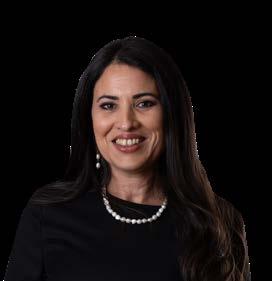
A Challenge I Helped Solve: A key initiative I supported was the transition to a fully online, paperless finance function. Our processes were heavily paper-based, which limited efficiency and accessibility. I implemented electronic record-keeping and structured online workflows, strengthening controls while reducing manual handling. This improved processing times, enhanced audit readiness and increased transparency. Moving to a paperless environment not only reduced administrative burden and costs, but also created a more efficient, secure and sustainable finance function aligned with the needs of a modern members’ organisation.
A Moment Of Learning: Throughout my time with the institute, I have encountered a variety of challenges that have provided valuable learning experiences. Taking on the role of Data Protection Officer, supporting a merger within the subsidiaries and contributing to other new initiatives pushed me to develop new skills, adapt quickly and manage complex processes. Each experience reinforced the importance of preparation, attention to detail and clear communication. Collectively, these opportunities have broadened my expertise, strengthened my confidence in tackling unfamiliar tasks and highlighted the value of continuous learning in a dynamic environment.
POSITION:
Financial Controller
Something colleagues might not know about me: Afraid of heights
Emoji that represents my personality:
Busy bee, nonstop mode
My daily-use app: To-do list app daily
One Misconception About Finance Functions:
A common misconception is that finance functions are purely administrative or compliance-focused. In reality, sound financial control underpins sustainability and member value. In a members’ organisation, every financial decision directly impacts the services provided. The role extends beyond reporting numbers to safeguarding resources, ensuring accountability and supporting longterm stability for the benefit of members.
Led by knowledge and tech, we strengthen your finance functions, create adaptable competency frameworks, and enhance your team’s skills in data, AI, and digital tools.