• Journal of Orthodontics, BOS News and Clinical Effectiveness Bulletin
• Discounted registration rates for British Orthodontic Conference and other meetings
• FREE Legal Helpline
• Peer support and mentoring And
FROM THE EDITOR’S CHAIR: COMMUNITY AT THE CORE OF ORTHODONTICS
At times when the world feels uncertain, the quiet strength of community matters more than ever.
In recent weeks it has often felt as though the world moves faster than we can properly process it. Global events and unexpected challenges remind us that stability, whether in our personal or professional lives, can never be taken for granted. Life can change in a moment, and the pace of change can feel overwhelming.
It is in these moments that the value of community becomes clear. The British Orthodontic Society and its members is a network of colleagues who support, mentor, and encourage one another throughout the many stages of professional and personal life. That support becomes most visible when members of our community face challenges beyond the clinic.
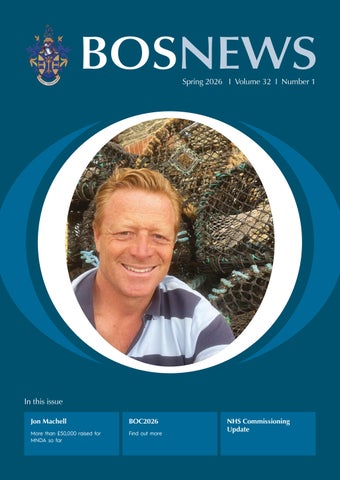
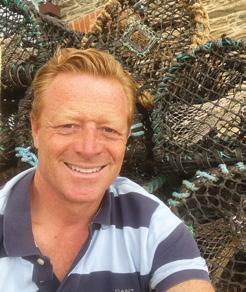
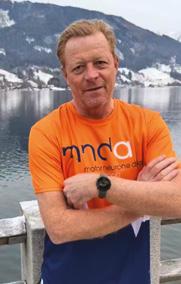
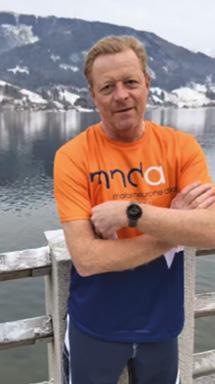
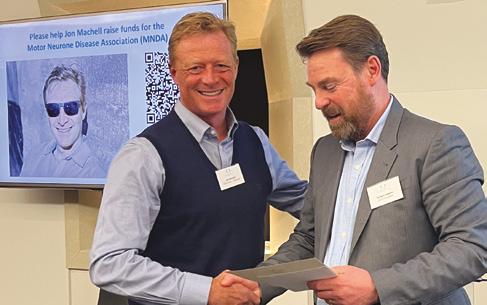
The recent fundraising efforts of Jon Machell and all those who have and continue to support his mission to fundraise in support of the Motor Neurone Disease Association, are a vivid example. Viktor E. Frankl observed, “When we are no longer able to change a situation, we are challenged to change ourselves.”
My heart is warm when I see how many of us Jon has inspired around him, and the true nature of community shines through. This also reminds us that the strength of our profession lies beyond purely clinical achievement.
I hope this issue of the newsletter reflects the people who make the profession what it is. Above all, it is a reminder that we are part of a community that can support one another through both professional and personal challenges. As Desmond Tutu wrote, “My humanity is bound up in yours, for we can only be human together.”
Arti Hindocha
BOSNews Editor bosnewseditor@bos.org.uk
British Orthodontic Society
Registered Charity No 1073464
Royal College of Surgeons of England 38-43 Lincoln’s Inn Fields London WC2A 3PE Tel: 020 7353 8680
BOS is a Company Limited by Guarantee Registered in England and Wales, Company No. 03695486
PRESIDENT’S REPORT
The reminder of deadlines for this BOS news report from Arti and Gemma has “pinged up” on my phone as I await the delayed flight back to the mainland from Benbecula Airport on a breezy February evening. I visit the Western Isles every month or so, endeavouring to bring mainland level specialist services to our most rural communities, alongside my friends and colleagues Grant, Eleanor and Catherine from Dundee flying to Shetland, and Toby and Lucy from Glasgow visiting Orkney.
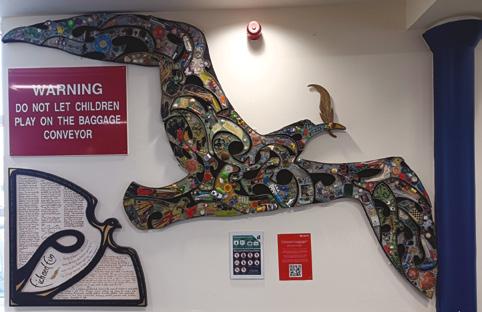
There is a wonderful mural on the wall of the tiny terminal building, put together by local school children telling the story of “Fichead Eun”, a mythical bird that is revered and foretold to save all the birds in their time of need. A group of disparate birds fly off seeking this mythical creature, losing several of the brave flock on the way. When they finally see the shadow of this great bird on the loch below, they realise that it is, in fact, their combined shadow. They all are the “Fichead Eun”. I will return to this later.
At the recent Scottish Orthodontic Conference held at the RCPS in Glasgow, I was invited to give an update on the BOS. I reflected on the myriad of activities that have filled the evenings and weekends over the last year, of mine, my board colleagues and so many dedicated volunteers on BOS committees. But rather than dryly listing all the areas of essential work in education, governance, ethics, standards, advocacy to policy and decision makers, I considered and reflected on why our Society matters.
The BOS has been a pillar of my professional life since I joined as a fresh-faced Postgrad in 1993. But never has our specialty of orthodontics seemed so in need of defending, explaining and advocacy.
We are all highly trained professionals who have taken the Hippocratic oath to put our patient’s interests above all other considerations. We are regulated and held to account on this. We must balance the financial needs of our practices, the funding constraints of our hospital departments, the needs of our colleagues and employees, but put these behind our responsibility to do the best for the cohort of patients we serve every day.
Others may not have the same training or constraints. Whist many of our non-specialist Practitioner Group colleagues who have undertaken longitudinal training and appropriate professional development can and do produce outcomes that specialists would be proud of, there is a mushrooming of short term courses driving GDPs to fit malocclusions into inappropriate treatment modalities, often aligners, when more comprehensive approaches would better address the aesthetic, functional and health needs of the patient.
Companies are constantly developing and refining their products to improve our offerings to patients. But in addition to improving specialist care, they often offer basic instruction and education to less experienced colleagues who are quite understandably driven by the profit motive. They exist to make returns to investors and wish to expand products to as wide a market as possible. The logical extension of this has been the ill-fated “direct to consumer products”, completely cutting the dental professionals out of the process. Smile Direct has gone, but every time we submit a refinement, we are handing over data that can streamline algorithms for product development and it is likely that other products will be developed where the cost of specialist supervision could be bypassed. Other AI based developments, aimed at streamlining processes, may further reduce the perceived role of the expert clinician.
We all embrace efficiencies to try to deliver more for less, or to maintain margins in difficult environments. Quality may become a casualty in this process. As may we; if we are seen to be delivering higher volumes at lower costs, public funders will, over time, leverage funding downwards. They have an interest in delivering the highest volume of care for the lowest taxpayer cost.
Many of us provide care though corporate bodies, who have strong business motives to aspire to quality delivery and good governance. They too have an obligation to investors. Those of us who work in this environment have a responsibility to ensure that patient interests and quality remain the primary focus in delivering care and contracts.
Money is tight and patients, those who we serve, want the best value they can find. Cost and value are easily confused. The public needs education and professional advice to be able to decide what is in their best interests.
So where does the BOS fit in? We exist to promote orthodontics and improve standards of care through education, guidance, research and advocacy. We could be considered to be “the conscience of orthodontics”.
Our meetings and events educate and showcase standards. Our BOSF funded research answers the questions that justify the value of orthodontic treatments. Our guidance protects patients, processes and outcomes. An example is our 2023 Guidelines on Supervision of Orthodontic Therapists. We should be reminded that guidance is that patients should be seen with the supervising dentist present and where not possible, that the supervising dentist should see the patient at least every other visit. Not only should we do this, but we should clearly record that this guidance is followed, to protect both dentist and therapist. If the dentist is not present, clear written prescription must be provided.
Coming back to the tale of Fichead Eun. Our specialty faces threats from many angles, but there is no mythical bird to save us. We all, through our daily actions, professional development, research, commitment to quality and honest discussions of best options for patients will ensure that our specialty endures and thrives. We, the BOS members, must all be the Fichead Eun.
Dr Robbie Lawson President of BOS president@bos.org.uk
Please email executivesec@bos.org.uk and enter ‘BOS CPD’ in the subject line. Please provide your name and GDC number and you will be sent an invitation link.
www.bos.org.uk
TREASURER’S REPORT
As I step into the role of Treasurer I would first like to thank my predecessor, Professor Grant McIntyre for all his hard work during his tenure.
My own perspective is shaped by running a specialist orthodontic practice in Surrey, which held an NHS contract for 17 years before transitioning to private care following the first round of NHS tendering. This experience required rigorous financial discipline, decisive action and the ability to respond quickly to changing circumstances. I bring that same level of scrutiny and accountability to this role. It also underlines the value of rotating Executive positions every three years, ensuring fresh oversight and I have also served the Society as Treasurer of the BOC committee for a number of years before taking up this role.
In December 2025, our Finance Manager, Jake Smart, identified an error, namely a material underpayment of VAT which the Chief Operating Officer, Rupert Marks confirmed by engaging a Specialist VAT Advisory firm. This issue arose as a result of a VAT project undertaken by the Finance Team during which an incorrect VAT methodology was introduced in 2023. While intended to simplify processes, the methodology was incorrectly applied from December 2023, alongside a mistaken recoding of historic items dating back to March 2021. This resulted in an underpayment of £179,000, in addition to interest and potential penalties. The error was identified by Jake, who was not involved in the original project, and his diligence in bringing this forward promptly has limited further financial exposure. The liability has been fully confirmed and formally disclosed to HMRC. This is a serious matter. However, it is being addressed directly, transparently, and in full compliance with our regulatory obligations.
Since January, I have led a detailed review of the Society’s financial position. This has involved close scrutiny of all areas of expenditure, including payroll and contractor costs, to ensure that resources are proportionate, justified and sustainable. This work is ongoing, but it is already clear that stronger financial controls and greater discipline are required.
Immediate action has been taken to reduce unnecessary overheads. External services that were not aligned with the size and needs of the organisation have been scaled back, including the move to bring HR support in-house at significantly lower cost. Committee expenditure is also being reviewed to ensure consistency, fairness, and alignment with the Society’s priorities.
A clear expectation has been set that all activities, particularly events, must be financially robust, fully costed in advance, with a requirement to operate at least at break-even. As part of this, the Board has determined that a dedicated Events Manager role is not sustainable at this time and we sadly said goodbye to Claire Joffe . We will instead utilise the strength of our membership and committees, with the BOC Committee expanding its support and increased reliance on volunteer contribution. This model will be formally reviewed at year-end to ensure it is both effective and sustainable.
We are also reviewing our office arrangements. The proposed renewal of our licence at the Royal College of Surgeons includes a significant cost increase, and it is appropriate that we challenge whether this represents value for money. Alternative options are actively being explored.
The VAT liability is a significant and unwelcome pressure on the Society’s reserves. Bridewell Place continues to be rented, providing a positive cashflow to the Society and we are moving closer to being in a position to sell our share of the building. In parallel, we are working with HMRC to agree a structured repayment plan, while implementing strengthened financial controls to ensure this situation is not repeated.
This is a challenging position, but it is also a necessary reset. The priority now is to ensure that the Society operates with stronger governance, tighter financial control and a more sustainable cost base.
Finally, my thanks goes out to my trustee colleagues, for giving up so much of their free time in devotion to the BOS, as well as our wonderful HQ team – Gemma, Ann and Jake for all their hard work and commitment that keeps our Society running.
I recognise that members may have questions, and I welcome that scrutiny. Further updates will be provided as we continue this work.
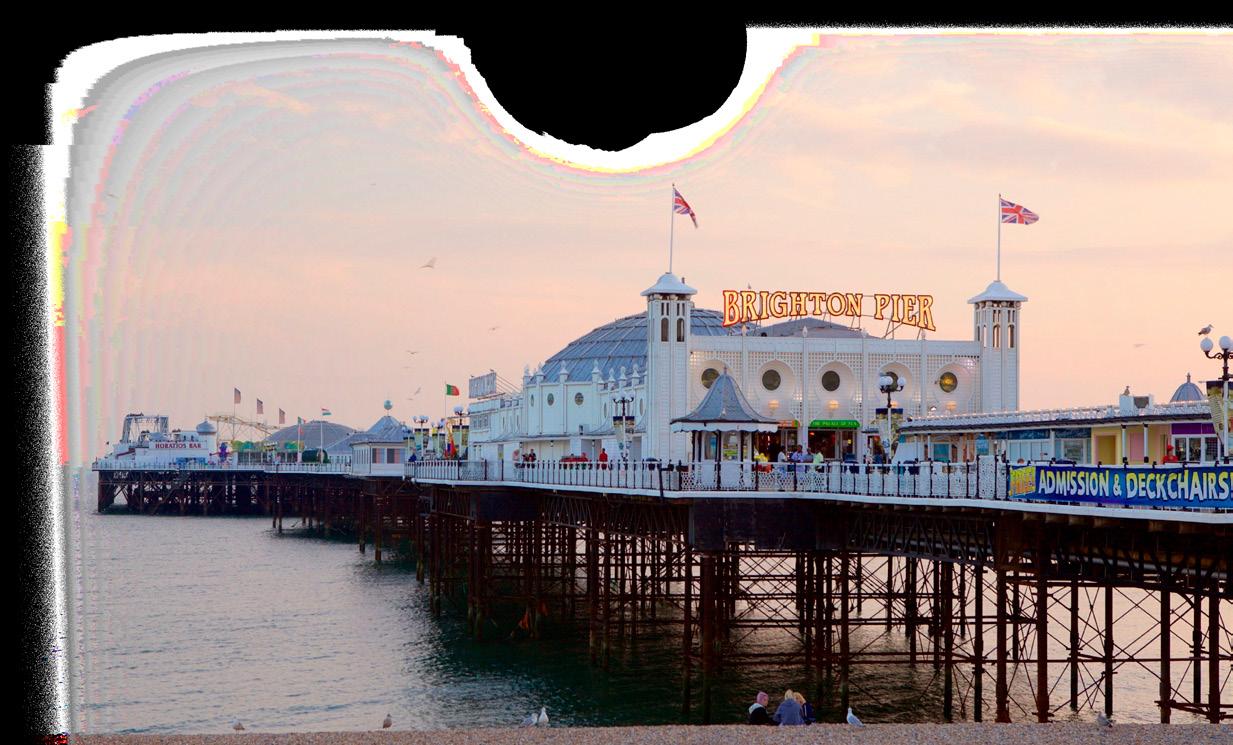
Join us in Brighton for three energising days of orthodontics in one of the UK’s most vibrant seaside cities. Learn, connect, and make waves with a programme that blends world-class science with unforgettable social experiences.
WHY ATTEND?
World-class speakers
Cutting-edge, evidence-based orthodontics
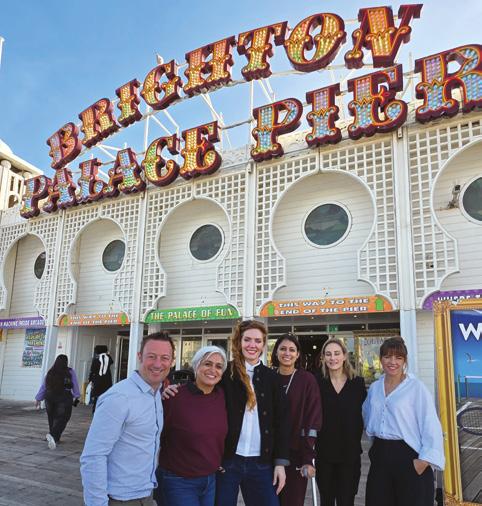
Iconic social experiences — including an exclusive Brighton Pier take-over
SEASIDE LEARNING AND CELEBRATION
Brighton is the perfect backdrop for both CPD and fun. Expect dynamic lectures, practical take-home tips, exhibitor experiences and plenty of opportunities to connect with peers. Learn by day, then kick back and enjoy a lively social programme - think classic end-of-pier attractions, sunset drinks, and memorable evenings by the sea. From relaxed networking to full-on seaside celebration, these social experiences are designed to be as inspiring and memorable as the science itself.
SAVE THE DATE
Brighton 2026 promises to be a meeting where professional development meets pure seaside fun.
bos.org.uk/boc2026
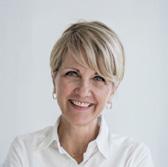
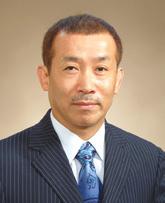
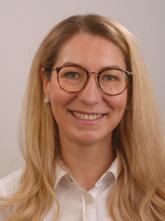
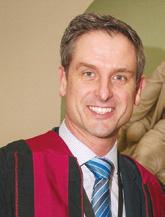
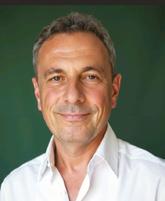
Dr Nicky Mandall
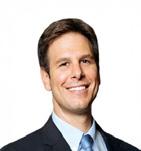
Dr Emmanuel Dumu
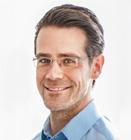
Dr Lorenz Moser
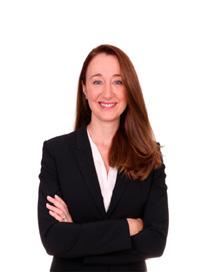
Dr Ute Schneider
Dr Ektor Grammatopoulos
Dr Manuel Nienkemper
Dr Susana Palma
MIDDLE EAST CONFLICT: WHAT IT MEANS FOR BOS INVESTMENTS
With ongoing conflict in the Middle East creating volatility in global markets, BOS' investment managers, Quilter Cheviot, have provided an update on what this means for portfolios and future performance.
THE CONFLICT IN THE MIDDLE EAST AND WHAT IT MEANS FOR PORTFOLIOS
BOS funds are managed by Quilter Cheviot, a wellrespected investment firm with a strong charity division. Following recent developments in the Middle East, we asked them to assess the potential impact on our investments.
This is especially relevant given current financial pressures, including VAT liabilities. Encouragingly, BOS funds remain in a healthy position, and with the potential sale of Bridewell Place, we hope to share positive updates over the next 12–24 months.
Market reaction to the conflict
The escalation of conflict in the Middle East has had an immediate impact on global markets. Strikes on key energy infrastructure have pushed oil prices towards $120 per barrel, raising inflation concerns and driving bond yields higher.
Global equity markets have since given up earlier gains, reflecting uncertainty and the risk of prolonged disruption to energy supplies.
Events remain highly fluid, with political developments already causing sharp swings in oil prices and stock markets.
What really matters right now
Quilter Cheviot highlight four key indicators that will determine how markets respond:
● Oil and gas prices
Higher prices increase inflation and slow economic growth.
● Energy infrastructure
Damage to major facilities, such as Qatar’s LNG capacity, could have long-term supply effects.
● Production cuts
Around 10% of global oil production has already been disrupted.
● Strategic reserves
Governments are releasing reserves to stabilise markets, but further action may be needed.
Impact on growth and inflation
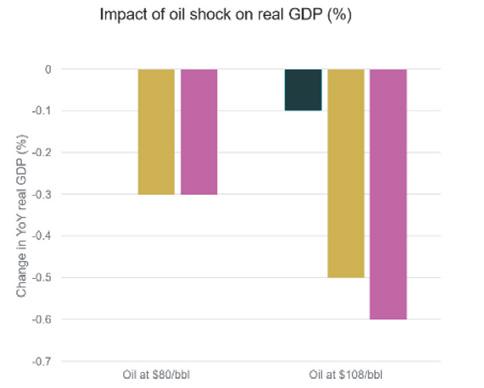
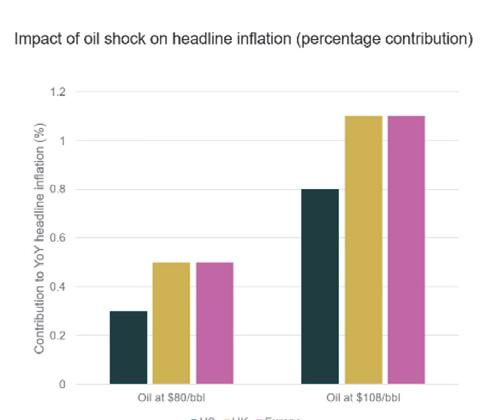
Higher energy prices are expected to weigh on economic growth while pushing inflation higher.
● At moderate oil prices, the impact is manageable
● At sustained higher levels, growth in the UK and Europe could slow significantly
● Inflation could rise by over 1% in some regions
There are also secondary effects, such as rising fertiliser and food costs, which may further increase inflationary pressure.
Current market trends
Since the conflict began:
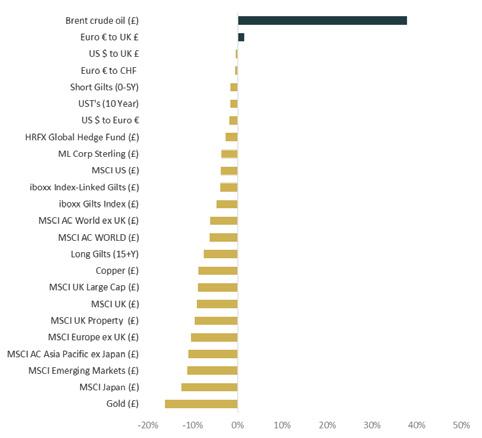
● Global equities have fallen slightly
● Bond yields have risen
● The US dollar has strengthened
● Gold prices have declined
Despite this, diversified portfolios have held up relatively well, with only modest declines overall.
Lessons for investors
History suggests that markets often react sharply at first, but tend to recover over time as conditions stabilise.
Even during periods of sustained high oil prices, stock markets have typically resumed growth after initial declines. While short-term volatility can be unsettling, it is a normal part of investing.
Maintaining a long-term perspective, staying invested, and avoiding reactive decisions are key to achieving consistent returns. Avoid
“THERE WILL BE NO FINISH LINE UNTIL THERE IS A CURE FOR MND.”
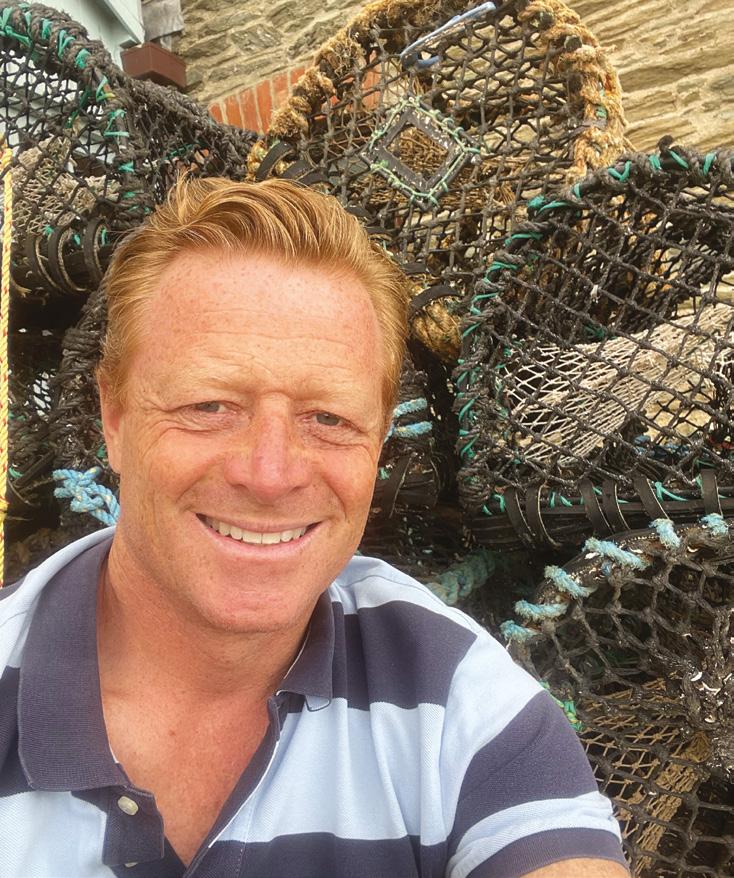
In October 2025, Jon Machell’s life changed when he was diagnosed with Motor Neurone disease (MND), a devastating, progressive condition with no cure.
The MND Association focuses on improving access to care, funding research and campaigning for those affected by MND across England, Wales and Northern Ireland.
Jon has always loved swimming and surfing, and now plans to take part in a series of cold-water dips and swims with friends and family to raise awareness and funds. We caught up with Jon to hear his story.
“The first sign something was wrong came in February 2025, when I began to struggle with my speech and found myself slurring words. Friends even asked if I had been drinking, which made me realise I needed to seek medical advice.
There is no single test for MND, so diagnosis is a process of elimination. I underwent MRI scans, blood tests and further investigations. Initially, Lyme disease was considered, but further testing ruled this out. Nerve conduction studies and electromyography eventually confirmed my worst fears.
My neurologist told me there was no cure and that time was limited. I had to stop work, and my life fell apart. I remember walking out of the hospital, holding my wife’s hand and breaking down. When I pulled myself together, I realised the best way to respond was to support the MND Association and help others affected by the disease.”
Career highlights
“I’ve been incredibly fortunate to love my career. I enjoyed every aspect, from general practice and oral surgery to 25 years as an orthodontic specialist in Exeter.
I particularly valued the blend of art and science that dentistry offers, and the challenge of treating complex cases. Seeing the positive impact on patients’ confidence was hugely rewarding. I was also lucky to work with a fantastic team and support students starting out in the profession.”
Community support
“I feel overwhelmed and humbled by the support I’ve received from the orthodontic and wider dental
community. Friends, former classmates from Guy’s Hospital, the British Orthodontic Society and many colleagues have all been incredible, and I’m truly grateful.”
Raising awareness
“I’ve always loved swimming, and in 2023 I completed an 11-mile swim across Lake Windermere. With my condition, marathon swims are no longer possible, but I can still take part in cold-water dips with friends and family to raise awareness and funds.
It has taken me to some amazing places, from the sea in Cornwall to icy lakes in Austria and even swimming beneath a waterfall in Sri Lanka. These experiences have helped me stay positive and given me something to focus on.”
Looking ahead
“MND has taught me to appreciate each day and not worry about things I cannot change. The support of family and friends, and spending time in nature, has been incredibly important.
I miss my career and colleagues, but I hope to do something positive while I can. MND can affect anyone, and its impact is devastating. There is a real need for more research to better understand the disease and develop effective treatments.
There is a powerful saying in the MND community: ‘There will be no finish line until there is a cure for MND.’
Please join me in supporting this cause.”
Jon has already raised more than £50,000.
To support his efforts, visit: justgiving.com/page/jon-machell-7
•The voice of orthodontics in the UK
•FREE Orthodontic Update subscription
•FREE access to ProDentalCPD
• Journal of Orthodontics, BOS News and Clinical Effectiveness Bulletin
•Discounted registration rates for British Orthodontic Conference and other meetings
•FREE Legal Helpline
•Peer support and mentoring
And much, much more!
HOW THE INVISALIGN®
SYSTEM OFFERED AN EFFECTIVE ALTERNATIVE TO SURGERY FOR PATIENT WITH AN OPEN BITE OF 6MM, SEVERE CROWDING AND ASYMMETRIC ARCHES
Dr. Ramtin Taheri used clear aligners to treat severe open-bite and crowding case when other practitioners had advised that surgery was the only option.
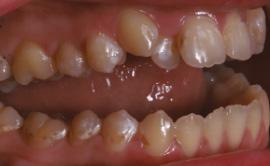
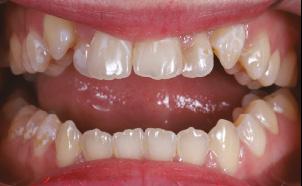
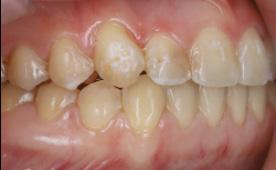
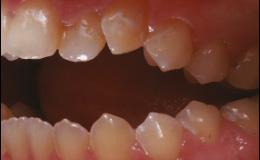
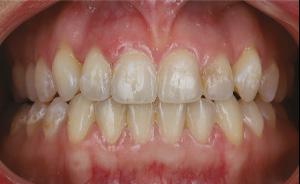
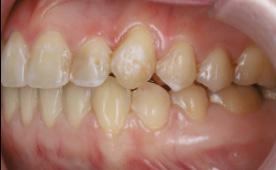
This patient had a severe 6mm open bite, severe crowding and asymmetric arches: There was no contact on the right-hand side of her bite, and just one contact on the back, left-hand molar.
Functionally, the open bite made chewing very difficult. The appearance made her deeply self-conscious, significantly impacting her confidence and well-being.
The challenge was not only dental, but also skeletal. Traditionally, surgery would be the gold standard for treating a skeletal open bite of this degree; the patient had already been told this was her only option. She came for a second opinion and I explained that attempting a non-surgical correction using the Invisalign® system would be exceedingly complex and place significant biomechanical demands on the aligners. However, the considerable advances in the Invisalign system’s biomechanical control, provided the ability to stage tooth movements digitally allowing us to perform complex bite closure in selected cases, without resorting to surgery. Careful planning and full patient compliance can result in a stable, functional improvement without surgery.
I focused on extrusion of the anterior segment and intrusion of the posterior; implementing controlled extrusion of the upper and lower
incisors, while simultaneously intruding the upper and lower posterior teeth. This approach allowed autorotation of the mandible to close the anterior open bite - further helped by the anterior extrusion. To achieve the autorotation, I relied on Invisalign clear aligner mechanics, using optimised attachments and programmed intrusion of the molars and premolars. The clear aligner occlusal coverage assisted with the intrusion. Only a small but clinically significant posterior intrusion was needed to allow the autorotation.
Treatment time was 14 months. We tracked movements at key treatment stages using Invisalign Progress Assessment and iTero™ TimeLapse technology to demonstrate improvements in her occlusal contact development, vertical correction and smile aesthetics. These digital comparisons were invaluable for both clinical assessment and patient motivation.
Technology was fundamental to the case success. The iTero Lumina™ scanner was used to capture highly detailed scans, which informed the ClinCheck® software setup and treatment plan simulation. This enabled us to sequence the extrusion of her anterior teeth, and intrusion of the posteriors in controlled, progressive refinements, with movements that were adjusted as the bite closed; this would have been more difficult without the feedback loop of digital planning.
Also crucial to treatment success was the Invisalign System’s patented SmartTrack™ material with SmartForce™ features that guide the aligners’ precisely controlled movement. At any point of movement there are multiple points of contact between the aligner and the teeth, affording more control and more areas of force application on the teeth - a game changer for these types of cases: In fact, this treatment would be more challenging using fixed braces.
I used elastics to provide anchorage to support the incisors extrusion staging. This was an added extra to enhance the vertical vector, but because I had confidence in the aligners, the elastic was just a backup auxiliary and we didn’t need any other auxiliaries, such as TADs.
The treatment achieved complete bite closure. The patient developed function - she was finally able to chew using all her molars. To achieve this functional anterior guidance in a patient who was told it wasn't possible without surgery is amazing. Her beforeand-after photos show the remarkable aesthetic and functional transformation achieved without more invasive intervention.
www.invisalign.co.uk
FREDERICK BALLARD: THE FORGOTTEN PIONEER OF BRITISH ORTHODONTICS
How one man’s vision helped shape the NHS, unite the dental profession, and lay the foundations of modern postgraduate orthodontic education.
Most UK orthodontists, even those very recently qualified, will have heard of Clifford Ballard, the first Professor of Orthodontics in the University of London and head of the Eastman Dental institute’s Orthodontic Department, who in the late 1960s did much to place orthodontic treatment planning on a sound scientific basis.1 However very few if any will have heard of his father, Frederick Ballard (1882-1962), who in many ways played a more important role in the early development of British Orthodontics and UK postgraduate education than his son.2
As a friend of Aneurin Bevan, and a founder member of Socialist Medical Association (1930) of which they were both members, Frederick Ballard ensured that dentistry including orthodontic treatment was provided in the NHS Act of 1946.3 Indeed, at a time when the British Dental Association advised its members to have nothing to do with the National Health Service, Frederick Ballard, who was regarded by members of the Socialist Medical Association as the “voice of dentistry”, was President of the much larger Incorporated Dental Society Ltd (IDS) whose unqualified members had been “grandfathered “ into the profession under the provisions of the 1921 Dentists Act. Thus when the National Health Service came into existence in 1948, spearheaded by Aneurin Bevan as Minister of Health in Clement Attlee's postwar government, members of the BDA soon found their private practices disappearing as patients took advantage of state funded dental treatment provided enthusiastically by members of the IDS. Indeed during the first 8 months of the NHS the demand in the General Dental Service was twice as high as had been anticipated.4 The average earnings of NHS dentists were soon running at 45% higher than the target recommended in the Spens Report.5 Subsequently in an attempt to balance the books there was a GDS fee cut of 20% in June 1949 and a further 10% cut a year later.6
Recent research has revealed that Ballard and Bevan’s paths had crossed much earlier than reported hitherto for both were opposed to military service in the First World War. Ballard, who was a Quaker, became Secretary of the Willesden branch of the No-Conscription Fellowship, a British pacifist organisation founded in November 1914. In January 1916 the Conscription Act was passed and the NCF supported men who refused military service on grounds of conscience and campaigned effectively against their imprisonment such that three months later the Military Service Act included a "conscience clause", which allowed for exemption from combatant service, the first in law anywhere in the world to permit this. However, by this time Frederick Ballard had served a term in Wormwood Scrubbs for his refusal to fight.7 Bevan was more fortunate as he was excused military service on the grounds of poor health.
Frederick Ballard’s energetic and far-sighted efforts to improve dental health, dental health education and particularly postgraduate training in the UK were truly remarkable and were sustained over more than 25 years. On May 21st 1948 Wilfred Fish in his Chairman’s address at the UK Dental Board’s 54th Session,8 was able to announce the establishment of the Eastman Postgraduate Dental Institute and paid Ballard the following tribute:
“Particularly do I feel that I shall be speaking with the approval of all who have the welfare of dental education at heart, both on the Board and elsewhere, when I express our appreciation and admiration of the enthusiasm with which Mr Ballard has carried out his duties as Chairman of this Committee and Conference (The conference had been set up at Ballard’s suggestion to consider the position of postgraduate dental education under the NHS Act and its relation to the British Postgraduate Medical Federation which had been established by the Senate of the University of London in April 1945). I know how long he has cherished the dream of a postgraduate institute and how efficiently he has striven ever since he served on the Board’s Clinical Investigation Committee"
In 1938, when war seemed increasingly likely, Ballard had been responsible for calling the meeting at the Eastman which led to the setting up of a highly effective local Emergency Committee of Joint Dental Associations for District 5 (3) in North London and was immediately made chairman. These local committees provided the names of dental surgeons who in the event of war would be called upon to serve in the armed forces, bearing in mind the needs of civilians locally, but also to protect the interests of those dentists who had to leave their practices for war service.9 The local co-operation at this time between the IDS, the BDA and Public Dental Service Association of which Ballard was also a past national Chairman led to a coming together of the UK dental profession in much the same way as the combined efforts of the officers of the 5 UK orthodontic societies in setting up the first joint British Orthodontic Conference in 1986 led ultimately to the formation of the BOS 10
Ten years later in May 1949 Ballard gained approval from Council of the IDS for its amalgamation with the BDA,11 and this came into effect under the British Dental Association’s title on January 1st 1950. Finally, when the General Dental Council was established, Frederick Ballard, who had been an elected member of the Dental Board of the GMC, continued to serve as Senior Treasurer of the new GDC. He received the OBE in the New Year’s Honours of 1955 for his services to UK dentistry.
Chris Stephens
1 Ballard CF. The morphological bases of prognosis, determination and treatment. Brit Soc Trans Orthod, 1967; 95-106.
2 Stephens CD Frederick Ballard (1882-1962) tireless champion of NHS Dentistry. Dental Historian 63: 45-51.
3 National Health Service Act 1946. (9 & 10 Geo 6c.81). Part IV.
4 Webster C. The National Health Service – a Political History. Oxford University Press, Oxford, 2002. p.48
5 The Spens Committee's report on doctors' and dentists' remuneration (Cmd. 7420). HMSO, May1948.
6 Freeman H, Sholl T. This is the DPB. Dental Practice Board, Eastbourne, 2000.p.65-6.
7 Remembering the men who said no. https://menwhosaidno.org/men/men_files/b/ ballard_frederick _john. html. Accessed 18th December 2025.
8 Dentistry was still regulated at this time by a Board of the General Medical Council
9 The advance of the dental profession. London: British Dental Association, 1979. p.175-6.
10 Stephens CD The Unification of UK Orthodontic Societies 1970-1994. Dental Historian, 2021; 66(1): 17-24.
11 Incorporated Dental Society Ltd. Minutes, 5th May 1949.
BOC 2026
BOC 2026
Set to Shine in Brighton With Three Days of Vibrant Orthodontic Learning
The organisers of BOC 2026 are planning to take advantage of everything the vibrant seaside town of Brighton has to offer as well as three days of outstanding orthodontic knowledge sharing. According to conference chair Dr. Simon Watkinson: “Brighton is going to be an absolutely fantastic venue, offering a uniquely exciting location for the conference. I’m really pleased that some outstanding lecturers both from the UK and abroad have already agreed to present including Dr Susana Palma, Dr Nicky Mandall, Dr Ute Schneider, Dr Lorenz Moser, Dr Manuel Nienkemper, Dr Ektor Grammatopoulos and Dr Emmanuel Dumu and we will be releasing more names soon. We have planned three days of educational content which will include aspirational cases and inspiring orthodontic techniques, but also practical, everyday actions which delegates can get started with straight after the Conference.”
Running from September 24th-26th, Dr. Watkinson underlines how BOC 2026 is the only event in the calendar which brings together orthodontists, general dentists,
orthodontic therapists, nurses and those training to join the profession, to learn more about the very latest research findings and orthodontic treatment techniques. “Everyone should ink this date in their diaries now because it’s going to be a great opportunity for collaboration at every level. I’d particularly encourage trainees to attend because it will be a golden opportunity for them to speak to and learn from the most inspiring orthodontic exponents in the field: BOC really does bring everyone together.”
Building on last year’s success, the Conference Studio Theatre offers delegates an opportunity to engage with speakers in a more intimate session - with Q&A sessions and more in-depth discussions. “I attended several Studio Theatre sessions in Wales and they were very good and well attended. You get a chance to get closer to the speakers, and you can ask them much more detailed questions…you really get a better take on what they believe in and what their theories are.” Dr Watkinson elucidates.
He adds there are many reasons to attend BOC 2026 –not least the expertise in the spotlight, however, a highlight for him are the networking and social opportunities: “It’s also the place where we take an in depth look at industry developments by giving a platform to clinical innovators to talk about how they have honed their techniques to achieve the very best treatment outcomes, but one of my favourite things about the conference is that it offers a once-a-year opportunity to meet with industry colleagues and friends – some of whom might be local to you, or with whom you liaise regularly, but don’t get to meet in person because so much communication is digital.”
BOC is also home to the largest UK orthodontic exhibition to showcase next-generation treatment and practice workflow technologies and techniques. Dr. Watkinson is looking forward to a close collaboration between sponsors and exhibitors. “We certainly want to hear from potential sponsors and exhibitors about how we can work together. We’re expecting to have some great joint ventures and are planning to expand on the Trade Theatre and Passport system to encourage greater engagement between delegates and our sponsorship partners”.
Peerless social programme
Dr Watkinson concludes with a hint about the plans for a peerless social programme which are looking particularly bracing. “Having just met with the management committee for BOC 2026 I know that this year is looking like it is going to be particularly memorable”.
Registration opens early in 2026: https://bos.org.uk
Dr Susana Palma
PRINCIPLES TO PRACTICE: HOW NEW TECHNOLOGY IS RESHAPING ORTHOGNATHIC OUTCOMES
Overview of the Step-by-Step Orthognathic Symposium, 27–28 November 2025
Steeped in centuries of scientific achievement, the Royal Society is indeed the perfect backdrop for this immersive and interactive course Step by Step Orthognathic Surgery Symposium conducted by Dr Farhad Naini, Dr Mehmet Manisali and Dr Jarad Haq. The two-day intense programme included some wonderful speakers including Professor Richmond who was one of the keynote speakers. International speakers included Professor Stoor from Finland, Dr Bardazzi from Italy and home gems Dr Lucy Davenport-Jones, Dr Stephen O'Connor, Dr Tom MacDonald, Dr Philip Benington, Dr Ashraf Messiah and Dr Helen Witherow.
Mr Manisali, the very sought after Maxillofacial surgeon opened the programme with an insightful look at facial analysis which was very comprehensive. Dr Naini is undoubtedly a renaissance figure in modern orthodontics; the audience were smitten by the excellent lecture on chin analysis, exploring assessment techniques and the classification of chin deformities setting the scene perfectly for Mr Manisali’s return to discuss genioplasty procedures. Professor Richmond gave a fascinating talk on understanding the face including the genes associated with facial features in general population enriched by findings from longitudinal studies and cutting-edge 3D laser imaging. Professor Stoor spoke about the condylar pathologies in orthognathic patients and shared her experience on use of surgical drill guides and 3D planning. Dr Bardazzi delivered an inspiring presentation on segmental surgeries and stability of SARPE. Ms Witherow kept the momentum going with a highly engaging session on changes to the lip as a result of Orthognathic surgery.
Day two began strong wIth Miss Davenport-Jones talking about obstructive sleep apnoea (OSA) and detailed the orthognathic moves on patients with OSA. Mr Messiah showcased a very impressive series of complex cases exploring the TMJ-Orthognathic surgery interface. The keynote lecture was provided by Dr Benington who gave a thought-provoking insight on surgery-first approach and shared some very impressive cases. Dr O’Connor added a practical edge with a lecture on increasing orthodontic efficiency.
Mr Haq offered an excellent overview of virtual surgical planning discussing the workflows, pitfalls and pearls. This perfectly set up what became the showstopper of the symposium: a live Virtual Surgical Planning demonstration by Mr Manisali and the wonderful engineer based in Brussels. Delegates followed closely as he outlined the corrective options available at both dental and skeletal levels. Each day was rounded off with panel discussions moderated by Mr Haq and Mr MacDonald. These sessions encouraged thoughtful debate and practical reflection.
The two-day symposium was not only educational but also offered professional networking with pioneers in the field. This was an excellent opportunity for the new Post-CCST Orthodontic registrars to prepare for the orthognathic case load and to gain confidence into planning the cases. There was a good attendance from maxillofacial colleagues which is always helpful as the two specialties of Orthodontics and Maxillofacial surgery jointly manage the complex interface of these orthognathic cases through joint clinics. This course was eye opening to look beyond the traditional 2D planning and incorporate the 3D digital modelling, 3D printed wafers and computerised prediction. Listening to the leaders in the field within the iconic walls of the Royal Society where once the great Charles Darwin presented his work was something genuinely special and uplifting. We would wholeheartedly and enthusiastically recommend an event held by Step-by-Step to any clinician looking to expand their knowledge in Orthognathic Surgery.
Dr Aoibheann Wall ST5 Eastman Dental Hospital and Kingston Hospital
Dr Shamaila Javaid ST4 Bristol Dental Hospital and Salisbury District Hospital
SPRING CLEAN YOUR WELLBEING: WHY LETTING GO CREATES SPACE TO THRIVE IN ORTHODONTICS
By Dr Rana Al-Falaki, Founder of NAIL-IT in Dentistry and CoFounder of BREATHE Dental Wellness
There is something about spring that invites us to pause and reset. As lighter mornings return and nature begins to bloom, we are reminded of a simple truth: growth requires space. And space is created by letting go.
In orthodontics, where precision, planning, and long-term outcomes are the norm, slowing down to declutter can feel counterintuitive. With full clinics, complex cases, and increasing pressures, many clinicians feel they simply have to keep going. Yet constant accumulation, of responsibility, mental load, and stress, comes at a cost.
Decluttering is not about doing less. It is about doing what matters better. As a wellbeing and leadership strategy, it is one of the most effective ways to restore clarity, energy, and performance in high-pressure clinical environments.
Why Decluttering Matters
Decluttering is not just psychological relief. It has measurable effects on stress, cognition, and performance.
Research from UCLA found that individuals working in cluttered environments experience higher cortisol levels throughout the day, indicating sustained stress. Chronic elevation is linked to fatigue, irritability, and impaired decision-making.
Neuroscience studies show that visual clutter competes for attention, reducing working memory and increasing mental fatigue. A Princeton University study also demonstrated that organised environments improve task performance and reduce errors, a critical factor in precision-based specialties like orthodontics.
Emotionally, people who describe their environments as cluttered are more likely to experience low mood and fatigue, while those in restorative spaces show better emotional regulation, something directly linked to leadership presence and patient communication.
Four Ways to Declutter Your Practice and Mind
1. Declutter Your Mind: Reduce Cognitive Overload
A cluttered mind is like a disorganised surgery drawer. Everything is there, but accessing what you need takes longer and increases the risk of error.
In orthodontics, mental clutter often shows up as overthinking decisions, replaying patient conversations, worrying about long-term outcomes, and carrying constant “what if” scenarios.
A simple starting point is a daily five-minute brain dump. Writing down everything on your mind before the clinic begins helps separate what matters from what does not. This small habit frees up mental bandwidth and improves focus where it counts.
2. Declutter Your Physical and Digital Space
Your environment directly affects your nervous system. A cluttered workspace sends a constant signal of urgency and overwhelm, even subconsciously.
Start small. Clear one drawer or surface. Remove items unused for six months. Streamline instruments and tidy shared spaces.
Do not ignore digital clutter. Endless emails, multiple messaging platforms, and constant notifications are major sources of fatigue. Mute or archive anything that does not actively support your role.
Small changes in your environment can have a disproportionate impact on your efficiency and mood.
3. Declutter Your Energy: Boundaries Are Leadership
Energy drains are not always obvious. They can include absorbing patient anxiety, navigating difficult team dynamics, striving for perfection, or saying yes when already stretched.
Decluttering your energy does not mean becoming less compassionate. It means setting boundaries that allow you to perform at your best.
Start by noticing how interactions leave you feeling. Awareness is often enough to prompt change. Leadership is not about carrying everything, it is about managing energy so you can lead consistently and effectively.
4.Declutter the Team Narrative: Reframe Change
Staff changes can feel destabilising, but they also create opportunity.
Instead of viewing a resignation as disruption, consider what it makes possible. It may allow you to redefine roles, improve workflows, reset team culture, or bring in someone more aligned with your values.
Decluttering here is about perspective. Leadership mindset shapes team morale far more than any system or policy.
Letting Go Creates Space to Thrive
Wellbeing is not about constant balance or perfection. It is about recognising what drains you and intentionally releasing it.
As spring unfolds, consider:
● What am I holding onto that no longer serves me?
● What could I clear to feel lighter?
● What do I want to create space for this year?
These are leadership questions, not lifestyle ones.
Support You Can Access
You do not have to navigate this alone.
The award-winning BREATHE Dental Wellness platform offers free, dental-specific resources on stress management, emotional regulation, and goal setting.
For structured leadership and wellbeing support, NAILIT in Dentistry provides coaching, tools, and training to
help dental professionals achieve sustainable success without burnout.
Sometimes progress is not about adding more. It is about removing what is in the way. In orthodontics, where precision matters, clarity is one of your most powerful tools.
To explore training, wellbeing tools, and CPDaccredited programmes: www.nailitindentistry.com
Dr Rana Al-Falaki
Founder, NAIL-IT in Dentistry and NAIL-IT Leadership Co-Founder, BREATHE Dental Wellness Specialist Periodontist, Speaker, Best-selling Author Helping dental professionals lead better, live fully, and laugh more.
RECYCLE!
We are all aware of the increasing concerns about recycling of plastics in orthodontics. Angel Aligner has teamed up with TerraCycle® to launch a recycling programme for dental aligners in the UK.
How does it work?
1. Order a Zero Waste Box™ from the Angel Aligner box order page (QR code below)
2. Each box costs £140 including VAT and shipping
3. One box holds around 2500 dental aligners
4. When the box is full, return to TerraCycle® free of charge using the prepaid shipping label supplied
5. The boxes are sorted and processed into secondary raw materials to make new products
I use another brand of aligners? Fine! You can still recycle them using this initiative - environmental challenges are bigger than any brand.
Questions?
Contact Angel Aligner at care.uk@angelaligner.com or +44 20 4586 5686
DIRTY ALIGNERS - A REDUCTION IN COMPLIANCE?
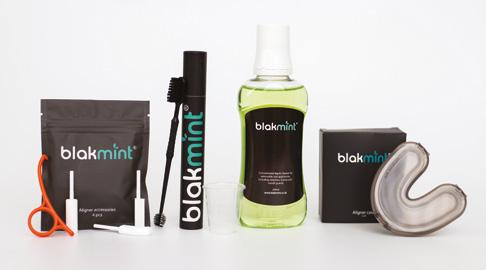
More and more of our patients are wearing aligners and yet most are unaware that without proper cleaning, they can expose themselves to serious health risks.
Clear aligners remain in close contact with the teeth and gingival tissues for extended periods each day. When not adequately cleaned, they act as reservoirs for microbial accumulation, including bacteria, plaque biofilm and fungal organisms.
Inadequate aligner hygiene has been associated with adverse periodontal outcomes. Evidence suggests that biofilm accumulation on unclean aligners may contribute to gingival inflammation and, if persistent, may increase the risk of progression to periodontitis ¹.
From a patient perspective, who wants to wear a dirty and smelly aligner? Microbial colonisation of aligners is a recognised contributor to bad breath. The metabolic byproducts of bacterial activity can lead to persistent halitosis, negatively affecting patient comfort and confidence and leading to a reduction in patient compliance.
Stacey Greslow, CEO of BlakMint commented, “A 2014 study in the American Journal of Orthodontics found that bacterial counts on aligners are significantly higher when only rinsed with water vs. properly cleaned ². That is why we developed our innovative range that can increase patient compliance. As an aligner and now retainer wearer myself, I was frustrated when I couldn’t find products that actually worked without cutting corners. Our unique brush features a dual, multi-angled bristle design, to reach grooves, edges and hard-to-reach areas of retainers and aligners where debris can build up. The easy-to-use liquid cleaner is designed to support the hygienic care of retainers, aligners, and removable dental appliances — without the hassle of tablets.”
For more information, please visit www.blakmint.co.uk
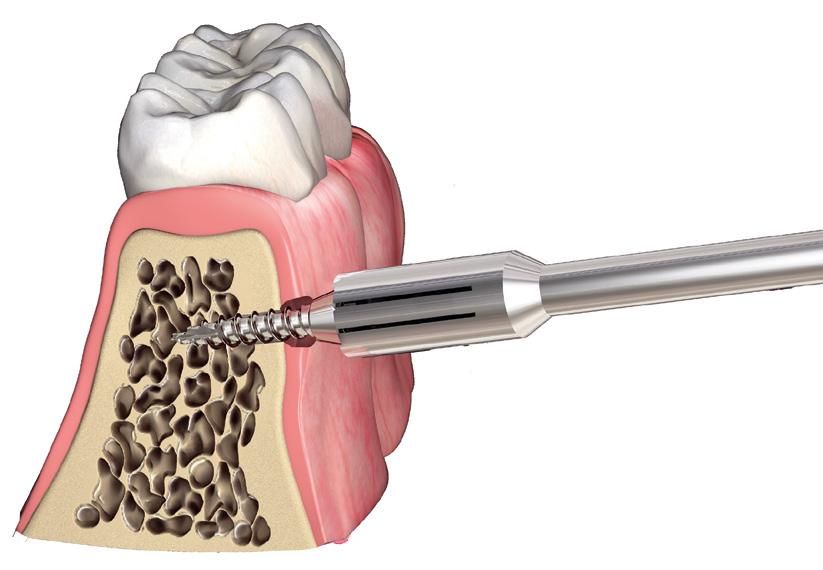
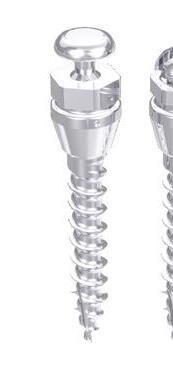
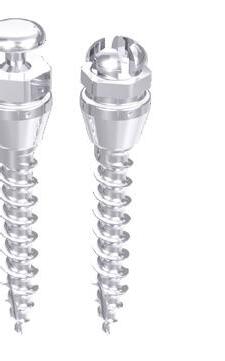
The Complete System for All Indications
“I have been using the TOMAS pin in my clinical practice for more than 10 years and we now also use the system in our hospital and postgraduate training programme. The attraction of the TOMAS pin and accessories is both the simplicity and versatility of the system. The Tomas pin has especially changed my approach to hypodontia management and enabled me to achieve results that were not possible before”
Mr. Trevor Hodge Consultant
Orthodontist, Leeds Dental Institute
Sign up for our next course
Contact us now to arrange a free demo or visit our website for more
MANAGEMENT
DON'T LET A PAY RISE PAPER OVER THE CRACKS
If there is one subject guaranteed to cause an eye roll or frustration when I speak to clients in 2026, it's pay rises.
Not because pay doesn't matter. It does. But because it has become the default response to almost every team problem — low morale, poor engagement, high turnover, difficult behaviour. Something goes wrong, and the first question is: should we be paying them more?
Sometimes the answer is yes. But more often, a pay rise is a sticking plaster applied to something that runs much deeper. And the moment the novelty wears off — which it always does — the original problem is still sitting there, waiting.
A practice owner I work with did everything right — or so it seemed.
Her orthodontic team had been through a rough stretch. Two difficult months, high patient volume, a couple of staffing gaps that left everyone stretched. Morale had dipped. There was friction in the mornings. A few pointed comments in the staff room.
So she did what most good leaders do when they want to show they care. She gave the team a pay rise.
And it worked, for about six weeks.
Then the same undercurrent returned. The same two people who'd been difficult were difficult again. The same morning tension. The same sense that something wasn't quite right, but nobody could name it.
She came to me frustrated. "I've invested in them. What more do they want?"
It's a question I hear regularly. And the honest answer is: they probably don't (just) want more money. They want something harder to give — and harder to measure.
Money quiets discomfort.
It doesn't fix it.
A pay rise is a gesture. It says: I see you, I value you, things are going to change. And people respond to that — briefly — because what they actually needed was to feel seen and to believe things would improve.
But if the underlying issues are still there — unclear expectations, inconsistent leadership, no sense of progress, effort that goes unacknowledged — the goodwill fades fast. The money gets absorbed into the baseline. Life goes on. And the cracks reappear.
And this isn't just a theory. Over the past ten years, workplace research has consistently shown that pay is rarely
the primary driver of either happiness or retention. What actually keeps people — what makes them engage, go the extra mile, and stay — is culture, leadership quality, a sense of mastery, and the opportunity to develop. Pay matters, of course. People need to feel fairly compensated. But beyond a reasonable threshold, more money does not produce more commitment.
In orthodontics, this plays out in a very specific way. Your team is skilled, patient-facing, and emotionally invested in the work. They're not here just for a wage. But if they feel undervalued, unclear about what's expected, or invisible to the person running the practice — no number on a payslip will fix that.
Let's name the myths directly
Myth 1: A pay rise fixes disengagement. It doesn't. It buys time. Disengagement is almost always a signal — of unclear expectations, poor communication, or a gap between what people were promised and what they experience day to day. Address the signal, not the symptom.
Myth 2: Bonuses drive consistent performance. Bonuses can spike short-term behaviour. They rarely change culture. If you want consistent performance, you need consistent standards, consistent feedback, and consistent accountability. A bonus at Christmas does not replace clear expectations in January.
Myth 3: If they were really unhappy, they'd leave. This one is particularly dangerous. Many people stay in jobs they're disengaged from because leaving feels risky, disruptive, or uncertain. Quiet disengagement is real — and in a small practice, it's corrosive. Don't confuse someone staying with someone being content.
Myth 4: People just want more money. When people say they want more money, it's worth listening to what's underneath. Sometimes it's genuine — they're underpaid and they know it. More often, it's a proxy for feeling undervalued, overlooked, or stuck. The pay conversation is easier to have than the recognition conversation. That doesn't mean it's the right one.
Myth 5: High pay is the biggest factor in retention. It's a factor. It's not the biggest one. Study after study puts culture, leadership, and development ahead of pay when people explain why they stay somewhere — or why they left. Your best people have options. What keeps them is rarely the salary. It's how they feel about coming to work every day.
What actually moves the needle
If pay isn't the answer, what is?
Four things, consistently, in practices that retain good people and maintain strong team energy:
Clarity. People need to know what's expected of them, what good looks like, and where they stand. Ambiguity creates anxiety. Anxiety creates friction.
Recognition. Not performance reviews. Not annual appraisals. Regular, specific, human acknowledgement that someone's work matters. This costs nothing and is one of the most underused tools in leadership.
Accountability. High-performing teams aren't held together by niceness — they're held together by shared standards that everyone is expected to meet. When one person isn't held accountable, everyone else notices.
Development. People want to feel like they're getting better. They want to learn, progress, and build towards something. If your practice offers no visible path forward, your best people will find one elsewhere.
These aren't complicated. But they require consistent attention — and that's where most practice owners fall short. Not because they don't care, but because they're busy, reactive, and running a demanding clinical environment.
The challenge
Before you consider the next pay review, ask yourself this: do your team members know exactly what's expected of them? Do they receive regular, meaningful recognition? Are standards applied consistently across the team?
If the honest answer to any of those is "not really" — that's where the work is.
The Dental Team Performance Scorecard takes around ten minutes to complete. It measures the five factors that most directly influence team performance and retention: Recognition, Clarity, Consistency, Ownership, and Trust.
It won't tell you what to pay people. But it will show you what's actually driving the energy — or the friction — in your practice.
Mark Topley is a leadership, culture and CSR consultant who helps dental principals build well-led, high-performing practices. He’s the founder of the Great Boss Academy and works with practices and groups across the UK on leadership, delegation, and team culture.
Apply for a complimentary 90-Day Leadership Roadmap Call at www.great-boss.com
DIRECTORATES
EDUCATION DIRECTORATE REPORT
The Education Committee continues to deliver a high-quality and forward-looking programme of courses, supporting the professional development of BOS members.
I would like to begin this report by formally acknowledging the significant contributions of David Waring, Julie Williams, Farnaz Parvizi and Zahraa Ahmed. Their commitment, professionalism and sustained efforts during their tenure on the committee have been greatly appreciated, and their work has played an important role in advancing the aims of the Society.
At the same time, it is a pleasure to welcome our new committee members: Tom Frawley, Sangeeta Misra, Vivien Monteith and Shamaila Javaid. They join an established and dedicated group comprising Jayne Harrison, Natasha Wright, Owaise Sharif, Amy Gallacher, Hesham Ali and Tamiley Morris. Together, this new Education Committee brings a breadth of experience and a shared commitment to supporting the professional development of our members.
The committee continues to work diligently and with a shared sense of purpose to plan, coordinate and deliver a high-quality programme of educational courses for the Society. Their collaborative efforts ensure that our educational offering remains vibrant, forward-looking and responsive to the evolving needs of our members.
The bi-annual Advances in Dentistry face-to-face meeting took place in November in London and was exceptionally well received. The programme covered a wide range of highly relevant topics, including prosthodontics and periodontics for orthodontists, the relationship between orthodontics and e-cigarettes, gingival recession, periodontal considerations in orthodontic treatment, and retention and immediate implants delivered by leading experts in their fields. Delegates commented on the high calibre of the presentations and the value of exploring subjects that, while indirectly related to orthodontics, have a meaningful impact on the day-to-day management of clinical cases. The sessions generated thoughtful discussion throughout the day, and both delegates and speakers spoke very positively about the engaging and interactive format of the meeting.
Topics previously highlighted in BOC feedback were brought together in the webinar “Doing Good, Being Good and Feeling Good as Part of the Orthodontic Team” as an antidote for the January blues. It was, as far as Tamiley understood, the first webinar explicitly marketed as relevant to all members of the orthodontic team. The session was hosted by Tamiley Morris and Julie Williams for the BOS. Tamiley introduced the speakers and outlined recent developments within the Orthodontic National Group, including updates and the benefits of membership, prior to presentations by three speakers:
Supporting Young Patients Beyond Orthodontics
www.bos.org.uk/Who-We-Are/Shop
www.bos.org.uk
The first presentation was delivered by a representative from Kidscape, a bullying prevention charity established in 1985 and previously supported as a chosen charity at BOC. The session highlighted the breadth and quality of their resources, including:
● Online workshops for adolescents aged 12–17
● Practical guidance for professionals on responding appropriately if a child patient discloses bullying
The presentation reinforced the wider safeguarding and pastoral role of the orthodontic team. Beyond delivering high-quality clinical outcomes, team members are well positioned to recognise vulnerability and signpost effectively. Kidscape’s resources for adults working with children are available at: https://www.kidscape.org.uk/iam-an-adult-working-with-children
Managing Transferred Cases Effectively
This was followed by a clinical presentation from Paul Scott, who demonstrated best practice in finishing cases that transfer into one’s care. Key principles emphasised included:
● Comprehensive record collection at the point of transfer
● Clear, contemporaneous documentation
● Transparent communication with patients and parents
● Early clarification of any necessary amendments to the original treatment plan
The session underscored the importance of expectation management and medico-legal robustness. It was particularly instructive to see high-quality finishing outcomes achieved despite initially unfavourable starting positions.
The Science of Wellbeing in Practice
The final session was delivered by Bruce Hood, author of The Science of Happiness: Seven Lessons for Living Well. His contribution shifted focus toward personal and team wellbeing. He shared practical strategies for cultivating a positive mindset, especially welcome on a dark January day. Techniques included:
● Chair-based meditation
● Structured breathing exercises
● Cognitive refocusing strategies to improve mental engagement
Collectively, the webinar successfully integrated professional responsibility, clinical excellence, and personal wellbeing, illustrating how orthodontic teams can truly “do good, be good and feel good” in practice.
Please see the upcoming BOS Courses and Educational Events Calendar for those courses which shall be delivered in the next few months. The Education Committee is in the process of planning further courses for 2026.
If you have any queries about education matters or have suggestions for future courses that could be delivered by the committee, please email on education@bos.org.uk.
Incorrect extractions remain one of the most common causes of legal claims in orthodontic care. Clear communication and robust processes are essential to minimise risk.
When requesting extractions as part of orthodontic treatment, it is assumed that a full diagnosis and treatment plan have been established. These guidelines are intended to reduce the risk of error when patients are referred for extractions.
1. An extraction request should be made in writing. The letter should be clear, legible and preferably printed. It should include the name, address and date of birth of the patient, a brief outline of the proposed treatment, its timing, any relevant medical history and the extractions requested.
2. Extractions should be identified by at least two different methods. One should be in dental notation and the other should be in words.
3. The Palmer notation (4/) is perhaps the most widely used system in the UK but is cumbersome for use with computers and can print out in a confusing format. The FDI system (14) is the internationally recognised method but suffers from unfamiliarity, which may lead to errors. The abbreviations UR, UL, LR, LL followed by the tooth number or letter e.g. UR4, LLD, is a clear and simple system which has much to commend it. The use of lower case letters to identify deciduous teeth is to be avoided as the letters are liable to be mistaken for digits if poorly written and errors have arisen on this account.
4. The identification of erupted supplemental or supernumerary teeth poses particular problems. As there is no generally accepted method of notation for these teeth, a simple description in words is recommended e.g. “the more distal of the two upper left lateral incisors”. The inclusion of a clearly labelled clinical photograph or copy of a radiograph can help with identification.
5. The teeth listed for extraction in the letter must be checked directly against the patient record, which should always be to hand when the letter is signed. The teeth should be checked separately in both word form and notation form. The extraction letter should be signed personally and dated.
6. If as occasionally happens a dentist telephones the practice/ department needing to know urgently which teeth are to be removed, verbal instructions should be avoided wherever possible and the information sent out in a signed and dated extraction letter, scanned and emailed to the practice, via a secure nhs address.
7. If an email is not possible, it is essential to speak directly to the dentist and not communicate via a third party such as a dental nurse or receptionist. The information must be read out from the notes and not from a copy letter (which may contain uncorrected errors). The information should be repeated back for checking. A follow up extraction letter should always be sent to the practice for confirmation and the telephone conversation recorded in the notes.
8. If the dentist carrying out the extractions questions the choice of teeth for removal, an offer should be made to see the patient again in order to confirm or modify the treatment plan before the extractions are performed.
Updated and reviewed by the Clinical Governance Directorate of the British Orthodontic Society 2022. Recommendations may change in the light of new evidence.
DIRECTORATES
PUMP-PRIMING GRANTS: SUPPORTING THE NEXT GENERATION OF ORTHODONTIC RESEARCH
The British Orthodontic Society is strengthening its commitment to research by focusing on pump-priming grants, supporting early career researchers and driving innovation in orthodontics.
Orthodontics is evolving rapidly, clinically, technologically and academically. The rise of clear aligners, temporary anchorage devices, remote monitoring and digital workflows is transforming how care is delivered. Alongside this, UK orthodontic training pathways are becoming more flexible, creating new opportunities for trainees to engage with research.
Against this backdrop, the BOS is sharpening its focus on one of its core missions: supporting high-quality orthodontic research.
A Sustainable Approach to Research Funding
The BOS, through the BOS Foundation, has committed £520,000 to active and developing research projects as of February 2026. To ensure sustainability and maximise impact, the BOS Board of Trustees agreed that pump-priming grants will be the preferred funding model.
These grants provide targeted, early-stage funding to support promising research ideas, while enabling further funding to be secured through additional sources.
National Partnerships Expanding Opportunities
In 2024, the BOS partnered with the Royal College of Surgeons of England to launch joint pump-priming grants of up to £10,000 for early career researchers.
Following this success, a similar partnership has been established with the Royal College of Surgeons of Edinburgh, further expanding opportunities for trainees and early career clinicians.
Together, these collaborations provide a strong platform for supporting innovative orthodontic research across the UK.
Who Can Apply?
● Pre-doctoral orthodontic trainees
● BOS members
● Members or Fellows of the relevant Royal College
Current Grant Opportunities
RCSEng – BOS Pump-Priming Grant (£10,000)
Two-stage application process:
● Stage 1: Autumn application (deadline early November)
● Stage 2: Full application by invitation (deadline April)
RCSEd – BOS Pump-Priming Grant (£10,000)
● Single-stage process
● Application deadline: 28 May 2026
Why This Matters
Orthodontics is entering an exciting, technology-driven era. However, innovation must be underpinned by robust evidence to ensure safe and effective patient care.
Pump-priming grants play a vital role in enabling early career researchers to develop ideas that can shape the future of orthodontic practice.
If you are a trainee with a research question, this is an excellent opportunity to get started.
Support Orthodontic Research
The BOS Foundation relies on donations to continue supporting research and scholarship.
Members are encouraged to contribute via the BOSF donation page.
For more information and to apply, please visit rcsed.grantplatform.com
Professor Peter Mossey Director of Research, BOS
DIRECTORATES
COMMUNICATIONS DIRECTORATE UPDATE
First of all, you may notice the name change - the Directorate is no longer External Relations but Communications. A small tweak but one that much better reflects the diverse roles and tasks that myself and the Comms Team undertake on behalf of the BOS.
The start of 2026 seems to have brought nothing but rain but hopefully some stories about our BOS activities will brighten the day!
BOC2026 Brighton
We have a new BOC committee, and I hope you’ve had a chance to check out their intro videos on Instagram.
I am also involved as Chair for Stewards again – a role I have taken up a few times now and look forward to once more.
If you are a TGG member and would like to get involved –please look out for the “Call for Stewards” email – it’s a great way to meet lots of your peers, looks good on your CV (and you get a discount on the conference fee!).
Brighton was my very first BOC many years ago - I have such fond memories and I can’t wait to go back.
Comms Team at BOS events
You will likely have seen members of the Comms Team at various BOS events taking photos and videos, but we can always do with more!
After a plea for photos and posts to boost our social media presence, I received a burst of enthusiasm from the TGG, OSG and PG and delegates at these recent meetings. The Comms Team is very grateful for the positive engagement, posting photos, actively collaborating and sharing posts. Please keep it up!
BOS goes back to Dental School
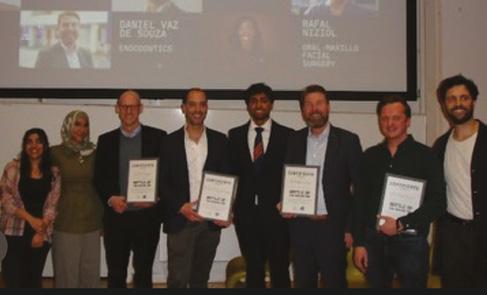
Our fearless leader, Robbie Lawson, recently attended King’s College London’s ‘Battle of the Specialties’ – an event for undergraduates showcasing the different dental specialties. Robbie spoke about practice, career progression and of course, BOS membership. We will be attending more of these types of events in future to better engage with undergraduates - tomorrow’s Orthodontists.
BOS in the Media
In 2025, for the first time, the Against the Odds winning story featured profoundly deaf teenager, Lucy Gray, whose treatment journey highlighted both the powerful impact of orthodontics and the importance of accessible communication.
Using Signly, Lucy’s story was made accessible to the deaf community in her first language.
We acknowledge this need for greater accessibility. If you would like to see how Signly worked for Lucy’s story or want to find out more about Signly for your own patients, please scan the QR code.
DIRECTORATES
Health Information Week
January brought snow, rain and Health Information Week! We saw this as a good opportunity to remind practitioners to view and share the My Missing Teeth - https:// mymissingteeth.co.uk/ and Your Jaw Surgery - https://bos.org. uk/patients/treatments/your-jaw-surgery/resources
Both these webpages get lots of engagement and are useful for anyone, whether you treat patients with these conditions yourself, or want to help inform patients prior to a referral.
Jon Machell
Many of us know Jon, who has been a specialist orthodontist in Exeter for many years.
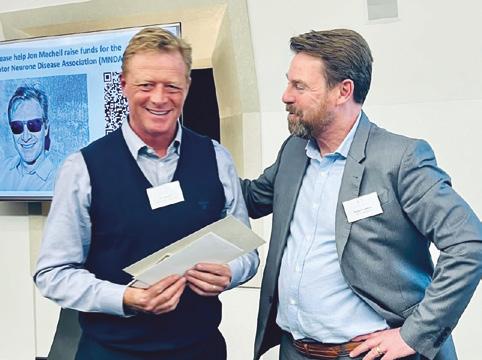
Jon is a huge supporter of the BOS. You can find him in the foreground and background of so many photos at BOS events and conferences over the years, and was recently awarded an Extraordinary Service award from Robbie Lawson, BOS President.
Jon recently retired from practice after a diagnosis of MND and has been raising awareness and a staggering amount of money for the charity, over £50,000 so far.
My thanks
As always, I am grateful for the support that we all get from the Comms Team. They are consistently working hard in the background – dealing with professional and consumer media, strengthening advertising partnerships, producing event materials, representing BOS at external events and much more. My thanks as always to Chris Baker, Neil Hillyard and Neil Morley.
Hayley Llandro Director of Communications
Jon adds, “There is a powerful saying in the MND fundraising community: "Until there is a cure, there will be no finish line! Thank you for joining the fight against MND.
To follow Jon’s journey and to donate or find out more, see links below.
Jon’s Just Giving page: https://www.justgiving.com/ page/jon-machell-7
Instagram: @joffmachell
YouTube: @jonmachell2984
More about MND: https:// www.mndassociation.org/
www.bos.org.uk
DIRECTORATES
NHS COMMISSIONING UPDATE
This year has seen a significant increase in orthodontic commissioning activity across England, at a level not seen since April 2019. Broadly, this activity falls into three categories.
1. New orthodontic contracts
Where contracts have been handed back, ICBs have issued new ones via competitive tender. As in 2019, contracts are awarded based on location, service provision, and value.
2. ICBs that did not complete procurement in 2019
These ICBs are now using the flexible commissioning guidance (PSR25), particularly Direct Award Process C, where appropriate. This applies when there are no significant changes to contract size or location and the existing provider is performing well.
Examples include:
● Herts and West Essex: 7+3 year contracts issued via Direct Award Process C
● Midlands: Similar contracts issued, with UOA values reduced by around 15% to align with 2019 levels
Some ICBs are undertaking orthodontic needs assessments (ONAs) to determine service requirements. Where significant changes are identified, contracts may go to open tender. If not, Direct Award Process C remains the preferred route. In some cases, the “Most Suitable Provider” option may also be used.
3. ICBs that completed procurement in 2019
These areas have now agreed the 3-year extension to their 7+3 contracts, extending them to 2029. The BOS continues to engage with these ICBs regarding future commissioning options under PSR25.
BOS Engagement and Member Input
Over the past 18 months, the BOS has actively engaged with ICBs to explain the opportunities within PSR25 and support effective commissioning of primary care orthodontic services. This includes providing practical guidance on procurement routes, contract structures, and maintaining service stability for patients.
We rely heavily on updates from members. If you have information about commissioning in your area, please get in touch. These insights are invaluable in helping us build a
national picture of activity and respond effectively. We are also happy to attend MCN meetings to provide guidance and support.
Professional Meetings
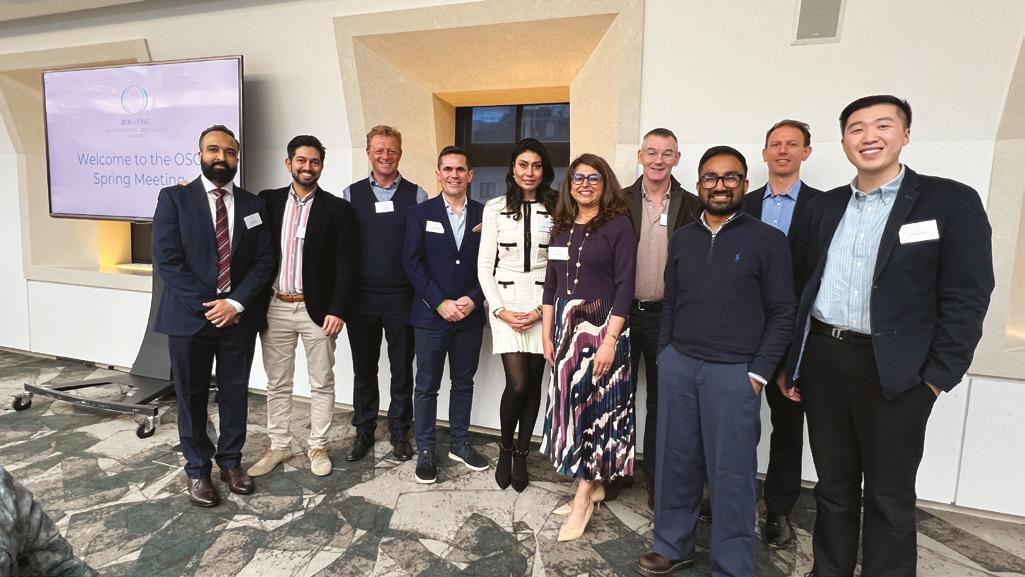
It was a privilege to speak at both the Orthodontic Specialists Group (OSG) and Practitioners Group (PG) meetings.
● OSG: National update on commissioning activity
● PG: Lecture on fixed appliance treatment techniques
The standard of presentations was excellent, reflecting the high quality of orthodontic practice across the UK. These meetings also provided valuable opportunities to hear members’ concerns and share advice.
VAT Update
The BOS continues to engage with HM Treasury regarding VAT on orthodontic appliances. We have emphasised the potential negative impact on both practitioners and patients if VAT exemption is removed. Members will be updated if there are any developments.
Matthew Clover Director of Clinical Practice clinicalpractice@bos.org.uk
BOS Educational and Supervisor Refresher Course
Friday 26th June 2026
RCS Edinburgh Regional Centre, Birmingham
Speakers/topics include:
The Role of the TPD in Orthodontic Specialty Training
Ian Edwards
The ARCP process: What you need to know as an ES/CS
Pamela Ellis
Supporting orthodontic research training – experiences from the South West
Jennifer Haworth
Who do they think they are? Generational change and how to adapt our teaching
Rye Mattick
Write It Right: Supervisor Reports and Learning Objectives That Elevate StR Development
Hem Shah
Recognising and supporting trainees with differing needs
Sally Walker
DIRECTORATES
PROFESSIONAL DEVELOPMENT REPORT
I am looking forward to welcoming you to the vibrant city of Brighton for our upcoming conference, taking place from 24–26 September 2026. The organising committee is pleased to present a rich and diverse programme that reflects the continued growth and ambition of our Society.
Under the scientific leadership of Martyn Cobourne, supported by Aliki Tsichlaki, we are proud to offer an exceptional lineup of both international and UK speakers. The variety of topics covered this year means there will be something for everyone, from those keen to learn more about TADs or aligner therapy, to those that want to advance their treatment planning and fixed appliance therapy knowledge. Distinguished clinicians including Ute Schneider, Lorenz Moser, Susana Palma, Emmanuel Dumu, Manuel Nienkamper and Maurice Meade will be joining us to share their expertise. We are also excited to showcase outstanding UK talent, with presentations from Nicky Mandall, Andrew Dibiase and Ektor Grammatopoulus. As a Society we are so proud of the research that is carried out directly as a result of our own BOSF. Therefore, it is fantastic that Hanieh Javidi and Farnaz Parvizi will both be presenting the results of their BOSF-funded research.
Beyond core orthodontic lectures, we are pleased to feature insights from internationally recognised keynote speaker Sreenivas Koka on leadership and Angus Pringle, who will discuss strategies for overcoming adversity. We are particularly looking forward to hearing from Cat Burford, the UK dentist who became only the 13th woman to ski solo and unsupported to the South Pole, as she shares her remarkable experiences in resilience.
This year’s conference continues to expand its parallel programme offerings, including sessions for those developing private practice, individuals pursuing a career in orthodontics, and — for the first time — a dedicated programme for current specialist trainees.
As our Society moves forward with our integration with the ONG, this conference represents an important milestone. We are embracing the transition with our usual sessions for DCPs alongside an additional lecture celebrating this significant merger.
Our social programme, led by Charlotte Dugdale, promises to deliver memorable experiences. Festivities will begin on Thursday evening with welcome drinks alongside our sponsors, offering a wonderful opportunity to reconnect with colleagues from across the UK. The social highlight will be an exclusive evening on Brighton
Pier, featuring music, fairground attractions, food, drinks, and seaside entertainment — with a few surprises in store. All of this will be included within your delegate rate.
In collaboration with our sponsors, Anshu Sood has been working to create meaningful networking opportunities for both delegates and commercial partners. Sustainability continues to be a priority for our Society and we have introduced several changes to reduce environmental impact. In addition, two lectures within this year’s programme will focus specifically on sustainable practice within orthodontics.
Following excellent feedback, our intimate studio sessions — designed to offer closer interaction with keynote speakers — will return. We will also continue our valued partnership with sponsors, who will present their latest innovations through our redesigned satellite symposia. These will be perfect opportunities to learn about new technology and future trends in orthodontics.
The number and quality of poster submissions continue to grow across all three categories: research, clinical effectiveness and aspiring orthodontist. Sophy Barber is leading the abstracts process this year and full details have been announced..
Since 2021, we have offered virtual attendance and post-event lecture access. This has proven invaluable for delegates with competing commitments, and it will remain available this year. With what is expected to be one of our busiest conferences to date, delegates can be reassured that if sessions overlap — or if time is needed to reconnect with colleagues or sponsors — all content will remain accessible on demand after the event.
Please make sure you keep your eyes open for updates via our social media networks and email to ensure you don’t miss our early bird offer. We look forward to welcoming as many of you as possible to Brighton for three days of inspiration, learning and celebration.
Simon Watkinson
A NEW CHAPTER FOR THE CONSULTANT ORTHODONTIST GROUP
I hope 2026 has started well for all members of the British Orthodontic Society. As the New Year began, so too did my tenure as Chair of the Consultant Orthodontist Group (COG). It is both a privilege and a responsibility to take on this role, and I do so with a strong sense of purpose, energy and commitment to our Consultant community.
I follow in the footsteps of Andrew Flett, whose exceptional leadership over the past three years has left a lasting impact. Among his many achievements was the launch of the Consultant Network Map, now an invaluable resource for members. His open and compassionate leadership fostered a culture of collaboration and trust, and I am personally grateful for his mentorship and continued support. I look forward to building on the strong foundations he has established.
Welcoming New Committee Members
The start of the year has also brought change within the committee. I am delighted to welcome Constance Wong as COG Secretary, alongside Laura Ewbank, Sarah Glossop and Tom Frawley as committee members. The high level of interest in these roles reflects both the strength of COG and the shared commitment among Consultants to shape the future of our specialty.
I would also like to extend my sincere thanks to our outgoing committee members, Charlotte Dugdale, David Waring and Sofia Ahmad, whose dedication and hard work have significantly strengthened COG’s profile and impact.
My Journey
I currently work as a full-time Orthodontic Consultant across two NHS Trusts serving populations to the north and south of London. This dual role has given me valuable insight into the operational, clinical and workforce challenges facing secondary care services, as well as the dedication of the teams delivering that care.
My involvement within COG and BOS has included roles as COG Secretary, Chair of the Training Grades Group (TGG) and TGG Secretary. These experiences have shaped my leadership approach, grounded in clear communication, mentorship and collaboration. As Chair, I am committed to strong representation, continuity and advocacy for our members.
On a personal note, I am a mother to two young children who inspire and motivate me daily. Balancing family life with a full-time Consultant role brings challenges, but also reinforces the importance of resilience, perspective and purpose.
Consultant Orthodontist Symposium 2026
As I write, I am preparing to chair my first Consultant Orthodontic Symposium, taking place on 5–6 March 2026 at the Apex City of Bath Hotel. This marks an exciting milestone at the start of my chairmanship.
Working closely with the organising committee, Claire Joffe, Arti Hindocha and Andrew Flett, we have developed a programme that combines clinical excellence with managerial insight and leadership development. The event will also showcase new contributors from across the profession, reflecting the breadth of modern orthodontic practice.
This year’s Symposium has attracted a record number of delegates, and I would like to thank the organising team, COG Committee, BOS HQ and our sponsors for their invaluable support. I look forward to meeting many of you there.
Looking Ahead
In 2027, the COG Symposium will not take place as a standalone event. Instead, a multi-group “megaconference” will be held in Manchester, offering opportunities for wider collaboration, learning and networking. I encourage all COG members to support and engage with this exciting initiative.
I would be delighted to hear from you and can be contacted at: chair-COG@bos.org.uk
Sujata Sharma
COG Chair Consultant
Orthodontist, ENH NHS Trust
CONSULTANT ORTHODONTIST SYMPOSIUM 2026 – BATH
This year’s Consultant Orthodontist Symposium took place on 5–6 March in the beautiful and historic city of Bath. It was the largest COG event to date and provided an excellent balance of academic learning, clinical skill development and opportunities for professional connection. From the outset, the atmosphere was one of enthusiasm and collegiality as delegates gathered for breakfast before the start of the scientific programme.
The symposium opened with the prestigious Ballard Lecture, delivered by Stephen Chadwick, who provided an engaging and reflective overview of his professional journey in orthodontics. Framed around the theme “looking backwards to see further forwards,” his lecture traced the evolution of his career and the lessons learned along the way. Steve’s thoughtful and inspiring address set an excellent tone for the meeting and resonated strongly with delegates at all stages of their careers.
The morning continued with a series of excellent PostCCST research and audit presentations, showcasing the breadth of work currently being undertaken by Post CCST trainees and newly qualified Consultants.
An interactive session followed, delivered by Shruti Patel and Catherine Bryant, focusing on multidisciplinary decision making in complex dento-alveolar cases. Through a series of carefully selected cases, they illustrated the clinical challenges often encountered when balancing orthodontic, surgical and patient-centred considerations. Their presentation emphasised the importance of comprehensive assessment, clear communication between specialties and shared decision making with patients. It also highlighted how thoughtful collaboration can lead to improved outcomes in challenging cases.
Arti Hindocha then delivered a session exploring the ethics and best practice surrounding interproximal enamel reduction (IPR). The talk addressed indications, limitations and potential risks associated with the procedure, as well as considerations regarding patient consent and
documentation. Delegates were encouraged to reflect on how IPR is incorporated into modern orthodontic treatment planning, particularly in the context of aligner therapy and minimally invasive approaches.
Following a hands on IPR workshop, the final session of the afternoon resumed with a lecture from Neil Poyser on restorative updates relevant to the field of orthodontics. Particular emphasis was placed on the interaction between orthodontics and restorative care, highlighting how coordinated treatment planning can significantly enhance functional and aesthetic outcomes.
The afternoon continued with a fascinating presentation from Helen Witherow on facial feminisation surgery. This session provided delegates with a comprehensive overview of the surgical procedures involved in facial genderaffirming treatment and the role that orthodontics may play within the broader treatment pathway. She discussed the anatomical, functional and aesthetic considerations associated with these procedures and emphasised the importance of sensitive, patient-centred care.
The academic programme concluded with presentations from the symposium’s valued sponsors. Representatives from Dental Monitoring, Angel Aligners and DB Orthodontics provided updates on technological developments, clinical applications and innovations shaping contemporary orthodontic practice.
Delegates had ample opportunity to catch up with friends and strengthen professional relationships at the glamorous black-tie gala dinner and dance, offering delegates the opportunity to unwind and continue conversations in a relaxed and celebratory atmosphere. The evening was filled with networking, laughter and dancing, reinforcing the strong sense of community within the Consultant Orthodontist Group.
The second day began with an early breakfast session hosted by Angel Aligners, focusing on developments in clear aligner therapy and their expanding role within orthodontic treatment.
Delegates then heard an extremely moving presentation from Lisa Squire, who spoke about her daughter, Libby. Her powerful and emotive talk highlighted the importance of recognising and reporting non-contact sexual offences, to prevent potential escalation into more serious crimes. Her message emphasised the responsibility of healthcare professionals to remain vigilant and to understand safeguarding procedures that protect vulnerable individuals.
This was followed by a session from Joycee Rebelo, who explored the topic of neurodiversity, encouraging clinicians to consider how neurodivergent patients may experience orthodontic care differently. The talk highlighted strategies for improving communication, adapting clinical environments and ensuring that care pathways remain inclusive and supportive.
Professor Stella Vig kick started the final session of the symposium with an important update on the national waiting list and referral-to-treatment (RTT) challenges currently facing services across the UK. Her presentation explored the pressures on Secondary care services and the implications for workforce planning and service delivery. She emphasised the importance of ensuring that
Consultant job plans are realistic and regularly reviewed, empowering clinicians to advocate effectively for the resources needed to deliver safe and timely patient care. Throughout her talk, the theme of “taking back control” was highlighted, alongside the need for compassionate leadership within healthcare systems.
The scientific programme concluded with a thoughtful session exploring empathy, civility and emotional awareness in clinical practice. Delegates were encouraged to reflect on how professional culture, communication and self-awareness can influence both team dynamics and patient experiences. The session reinforced the importance of maintaining kindness, respect and emotional intelligence within demanding clinical environments.
Following a quick lunch break, the symposium ended with the COG Annual General Meeting, where members received important updates on topics including RTT targets, workforce matters, National Recruitment and Clinical Coding.
Overall, the 2026 Consultant Orthodontist Symposium delivered a programme that balanced academic learning, clinical discussion and social engagement. The meeting provided valuable opportunities for consultants to share knowledge, reflect on evolving challenges and strengthen professional connections.
Special thanks must go to the event’s sponsors (Angel Aligner, Dental Monitoring and DB Orthodontics) and the organising committee, who worked tirelessly to deliver the biggest ever Consultant Symposium.
Aliya Hasan (TGG Chair) & Sujata Sharma (COG Chair)
OSG CHAIR REPORT
I have pleasure, tinged with sadness, in introducing myself as your incoming OSG Chair. The appointment has arisen unexpectedly following Jon Machell stepping down at short notice due to his devastating diagnosis of Motor Neurone Disease.
Although I have known Jon for only a short time, within that time I experienced his genuine kindness and compassion. He is a well-loved clinician by colleagues and patients alike and an exemplary human being. Despite his diagnosis, Jon continues to give back — currently undertaking cold-water challenges to raise awareness and funds for the Motor Neurone Disease Association (MNDA), having already raised over £50,000. I know he would be deeply grateful for any further support, so I would encourage you to seek out his JustGiving page and consider making a donation.
Moments like this remind us that our professional community is about far more than orthodontics alone. It is about people, relationships and shared purpose.
If you are reading this, you are likely already engaged — but the BOS and the OSG are only as strong as their membership. A thriving membership does not simply sustain an organisation; it amplifies our collective voice, protects our standards and strengthens our influence. Without that strength, our ability to shape our own future diminishes.
I would urge each of you to speak with colleagues who may not yet be members and share with them what membership truly offers. We all benefit when our community is unified and well represented.
You may reasonably ask: what does the BOS and OSG tangibly deliver for specialists?
As a charity, the BOS exists to:
1. Promote the study and practice of orthodontics
2. Maintain and improve professional standards
3. Encourage research and education
For us as specialists on the ground, that translates into meaningful and practical benefits:
Influence and Advocacy
● Representation through affiliation with the World Federation of Orthodontists and organisation of the British Orthodontic Conference
● Liaison with government, NHS and key stakeholders through the Clinical Practice Directorate which is currently involved in collection of national procurement data to support informed decisionmaking and advocacy
Education and Clinical Excellence
● A world-renowned journal, the Journal of Orthodontics
● Free CPD and high-quality educational events
● Clinical Effectiveness publications
● Funding of high-quality research
Professional Support and Protection
● Free legal advice
● Business insight through the OrthoBytes publication
● Support for new specialists through the Mentoring Scheme
● Engagement with DCPs through the Orthodontic National Group
Community and Professional Identity
● Group meetings including the OSG Spring Meeting
● Awards recognising excellence in patient care
● Promotion and patient education via social media and PILs
● Preservation of the BOS historical collection
This is a formidable collective, but its strength depends on continued engagement and evolution. If you feel we could do more or do things differently, I genuinely welcome that conversation, please email me directly. I am committed to ensuring the OSG is led by its members, for its members.
As Chair, my focus is clear: to champion the role of the specialist in primary care and reinforce the value of specialist-led, high-quality orthodontics. At a time of increasing commoditisation and cost-driven models, we must safeguard standards, ethics and long-term patient outcomes.
With nearly ten years’ experience in primary care orthodontics across independent and corporate settings, alongside involvement in NHS tendering and private practice development, I understand the pressures and opportunities specialists face. Together with an experienced committee and our President, Robbie Lawson, we are here to support you. In return, we ask you to stay involved, encourage others to join, and help strengthen our profession.
Pardeep Saini
OSG SPRING MEETING 2026
The 2026 OSG Spring Meeting, held on 31 January at Euston Square, brought together around 100 engaged specialists for a day that was energising, relevant and genuinely inspiring. The centrally located venue, adjacent to Euston Station, made travel straightforward, while the carefully curated layout — with cabaret-style seating and a vibrant trade exhibition — created an atmosphere that encouraged discussion, debate and reconnection.
A huge thank you to Roopa Kukadia and Claire Joffe for delivering another outstanding event.
The programme followed a diverse and immersive format, combining clinical excellence, technological innovation and business and political insight — a combination that is rare and valuable.
Clinical Sessions
Dr Mattia Fontana opened the clinical programme with a thoughtful and evidence-based discussion on smile aesthetics in extraction cases. His presentation reinforced that, with careful planning and biomechanical understanding, the risk of adverse profile effects can be minimised — a reassuring and practical message.
Luis Carrière returned to the British stage for the first time in over a decade with an energetic and engaging exploration of “sagittal-first” correction for Class II and Class III cases. His passion for sectional mechanics and non-surgical Class III management was evident, yet equally important was his emphasis on patient consent and case selection. In an extraordinary gesture of generosity, Luis donated his entire honorarium to the MND Association in support of Jon Machell — a moment that reflected the values of our profession and was warmly applauded by all present.
Joana Monterio, Paediatric Consultant at Sheffield Teaching Hospitals, concluded the clinical session with a comprehensive overview of MDT management for patients with complex needs. Covering MIH, amelogenesis, dental anomalies and premolar transplantation, her presentation reminded us of the depth and breadth of specialist expertise required in modern orthodontics.
Digital, Technology and Aligner Session
Following a fresh buffet lunch — included within the ticket price — the afternoon focused on innovation.
Sinem Ceylanoglu delivered an engaging session on the use of Invisalign in growing patients and Class II cases, demonstrating that interceptive aligner treatment can be both impactful and broader in scope than many assume. The audience were left with tangible ideas for expanding their clinical approach.
Darsh Patel provided a thought-provoking exploration of the technological revolution reshaping orthodontics. He emphasised diagnostic excellence, streamlined workflows and long-term stability as the pillars of specialist-led care. At a time when orthodontics risks becoming commoditised, his message was clear: technology should strengthen specialist standards, not dilute them.
Business and Political Session
The final session of the day addressed areas vital to every practising specialist.
An overview of financial wellbeing highlighted the importance of proactive planning — from investments to pensions and protection — serving as a timely reminder to safeguard our professional futures.
Matt Clover, Director of Clinical Practice at the BOS, provided an important update on NHS procurement nationally. By collecting data directly from members, the BOS can offer informed guidance to decision-makers — a tangible example of how membership translates into influence.
Angus Pringle then spoke on cultivating psychological wellbeing and safety within dental teams. His practical insights on creating supportive working environments resonated strongly, and the engaged discussion at the end of a long day spoke volumes about the relevance of the topic.
The meeting concluded with heartfelt words from BOS President Robbie Lawson, who presented Jon Machell with a Distinguished Service Award in recognition of his contributions. It was a fitting and emotional close to an exceptional day.
Final Words
The Spring Meeting once again demonstrated the breadth of what the OSG offers: clinical excellence, technological insight, political advocacy, financial awareness and, importantly, the opportunity to reconnect with colleagues and trade partners who support our daily practice.
We are grateful to all our exhibitors — Align Technology, Angel Aligners, American Orthodontics, Dental Monitoring, Dental Protection, Healthy Smile Pharmacy, Henry Schein, Ormco, Orthobridge/360 Ortho, Solventum and TOC — whose partnership makes events like this possible.
If you were unable to attend this year, I sincerely hope to see you at the next OSG meeting. These events are not simply CPD days; they are reminders of the strength, expertise and community that define specialist orthodontics in the UK.
Together, we can ensure that remains so.
British Orthodontic Society
Our recent Practitioner Group Study Day was a full-house!
The usual Stratford Manor Hotel hosted a superb day of presentations on a wide variety of subjects.
In the morning session, Affan Saghir presented on AlignBleach-Bond treatment planning, Claire Burgess on composite bonding for space closure and black triangle reduction, Doug Watts gave an update on teeth whitening techniques and materials, and Amit Patel showed some wonderful periodontal surgery for treatment on gingival recession.
The afternoon session was started by Naeem Adam presenting TADs for the terrified: an introduction to getting started with TADs, Matt Clover gave a very well received
presentation on Tips & Tricks in fixed orthodontics, and the day was rounded off with Tif Qureshi’s talk about occlusion in orthodontics. All presentations were excellent and it was great to have a packed-room to present to!
Our trade support this year was also excellent and is always appreciated.
On display in the trade area was Practitioner Group CasePrize Winner Stuart Goddard’s case - A very well executed treatment of an adult class3 malocclusion: Well done Stuart!
We now very much look forward to our next event which will be held in Manchester at the 2027 BOC.
British Orthodontic Society TGG
Building on success, supporting trainees, and shaping the future of orthodontics in 2026
As we step into 2026, we are filled with excitement and optimism for what promises to be a truly fantastic year ahead for TGG and its members. We are delighted to build on the energy, achievements and successes of 2025 as we continue to support, inspire and celebrate our training community.
We ended 2025 on a real high with two successful “So You Want to Be an Orthodontist” study days in London and Edinburgh. We were lucky to have a fantastic line up of speakers who clearly explained the different formats of the Royal College of Edinburgh and Royal College of London examinations. Attendees also benefited from insightful talks on the orthodontic curriculum, the academic pathway, how to build a strong specialty portfolio for interviews, and what the Post-CCST pathway looks like. We also heard engaging perspectives on life in specialist practice and of course, why orthodontics is such a rewarding career choice. Both events were incredibly well received and we are immensely grateful to our inspiring speakers whose enthusiasm and encouragement helped motivate the next generation of orthodontists to pursue this brilliant profession.
I would like to extend a huge and heartfelt thank you to the 2025 TGG Committee for their dedication, passion and hard work in delivering such a strong and varied programme of study days throughout the year. A very special mention goes to Georgina Kane, our outstanding 2025 TGG Chair who was exceptional in her role. She leaves behind some very big shoes to fill and I am excited to build on the fantastic foundations she has created. I would also like to offer a huge thank you to Claire Joffe in her role as Events Manager. Her enthusiasm and unwavering support have been central to the success of our study days. We are also incredibly thankful to our sponsors, whose valued and ongoing support is truly appreciated. We are really excited to continue developing these partnerships and working together in creative and innovative ways in the future.
Looking ahead to 2026, on the 14th April, we are delighted to be hosting the Virtual TGG ISFE Study Day. A sincere thank you goes to Dr Natasha Wright for her guidance, support, and enthusiasm in helping shape this course. We have an array of consultants and speakers who kindly give up their time to deliver this day and without them this course wouldn’t be able to run so we are truly grateful to all. We are really looking forward to what promises to be a fantastic and engaging day.
In addition, our Post-CCST National Seminar Programme will continue to run throughout the year, offering an exciting and comprehensive mix of both clinical and management focused topics. This programme has gone from strength to strength, and we are hugely grateful to all the speakers who so generously give their time and expertise to support our trainees.
As we move into 2026, this will be my third year on the TGG Committee and I am absolutely delighted and proud to be stepping into the role of Chair. I am passionate about supporting the Training Grades Group and committed to ensuring we remain a strong, supportive voice for trainees, providing guidance, encouragement and high-quality educational opportunities throughout training.
As we embrace the digital age, I encourage anyone who may not already follow us to join us on Instagram @bostraininggrades, where we love sharing news, updates, and highlights from our events.
I’m really looking forward to catching up with many of you at our upcoming TGG events and at BOC Brighton 2026…..here’s to a brilliant year ahead!
Aliya Hasan TGG Chair
SO YOU WANT TO BE AN ORTHODONTIST
Earlier this year I attended the So You Want To Be an Orthodontist event in London, organised by the British Orthodontic Society Training Grades Group. As an aspiring orthodontist, I attended to gain insight into the application process, speak with current trainees, and better understand life within the specialty. The programme delivered a clear and realistic overview of the orthodontic training pathway, covering national recruitment, portfolio development, academic opportunities and consultant careers. Hearing directly from Registrars and Consultants made the journey into orthodontics feel far less daunting and much more achievable.
One of the most valuable elements of the day was the practical guidance provided on application strategy, portfolio development and early career planning. Although the process can initially feel overwhelming, the roundtable discussions with current trainees were particularly reassuring and offered valuable, experience-based advice. Sessions exploring career progression beyond specialty training, highlighted the breadth of professional opportunities available within orthodontics.
The supportive atmosphere and opportunities for discussion and questions made the event especially engaging. Overall, this experience helped clarify my next steps and strengthened my motivation to continue developing both clinically and academically. I would highly recommend this event to anyone considering orthodontics as a future career pathway.
Dr Hadeel Al-Najafi Dental Core Trainee
ONG ORTHODONTIC NATIONAL GROUP
The new year continues to be busy with new diary dates being announced. The next study days will be in June this year with study days for Orthodontic Therapists on Friday June 5th and for nurses on Saturday June 6th. Venue availability, costs and speakers have led to a few challenges this year but hopefully we have been able to accommodate our needs as much as possible. We will be working together with the BOS education committee to plan and provide quality CPD going forward. Both study days will be held at Bolton Wanderers Football Club and the onsite hotel has offered a discount for our members. We will be offering some hands-on elements and therefore we will not be able to offer a virtual option to attend. It is so important to hear what our DCP groups need to provide quality education. We again request that if any of our members have any topics that they would like to see on any of our planned programmes then please contact us on ongteam25@gmail.com or via social media. We aim to continue with 2 main study events annually along with additional webinars, open to members at a reduced cost and non-members at full price. BOC will be in Brighton so if you are able to attend and you want to discuss anything, please just feel free to speak to myself or any committee members.
Thank you to Pam and Laura for helping and giving their time at the BDIA showcase at Excel in London. We met lots of orthodontic providers and ONG members and were able to signpost new members to the most appropriate groups within the BOS. Laura was a great source of local knowledge and able to help with course and examination enquiries. Pam also represented our DCP group on a panel discussion with the very hot topic of skill mix in the oral health theatre. The dental shows are still an excellent source of CPD and free to attend, the next show will be at the NEC in Birmingham in May where we hope to send a representative again.
BOC plans are in full swing and we will be able to reveal more plans regarding the coming merger with BOS at the event but keep an eye out for speaker updates on the social media platforms and regarding website booking options.
Fingers crossed for a lovely summer, and we look forward to seeing as many of you in person over the year as possible.
Tam Morris
BLOS OUTSTANDING SERIES OF BLOS WEBINARS!
Again BLOS has hosted more superb webinars by very talented clinicians on clear aligners, fixed appliances and skeletal anchorage.
The first webinar kicked off with Dr Christian Samoila from Romania on ‘Harmonising transversal discrepancies - a key for functional occlusion’. This focused on managing transversal plane and included the use of skeletal anchorage. Ample excellent clinical cases with evidence were discussed.
The second webinar was given by Dr Diana Boangar from Romania on ‘Interdisciplinary treatment: What Orthodontists should know’. This is a must see webinar that focused on the soft and hard tissue relationships when undergoing orthodontic treatment. When coupled with great restorative support, the results can be life changing.
The third webinar was given by Professor Ryuzo Fukawa from Japan. He presented on ‘TADS for 3D control of the dentition in various types of severe malocclusion’. Beautiful cases were demonstrated on perhaps some of the toughest malocclusions in the world.
The fourth webinar was given by none other than Dr Simon Littlewood, a British global expert on orthodontic retention. His presentation was entitled ‘Orthodontic Retention after Lingual Orthodontics’. Dr Littlewood presented very eloquently on the current scientific evidence on retention supplemented by clinical cases, hints and tips. As usual his style was highly entertaining and this webinar is highly recommended viewing.
Our final webinar was given by Dr Stefano Troiani from Switzerland on ‘Aligners versus Fixed Appliance biomechanics and finishing’. The great webinar focused on the predictability of aligners, when and how they should be used responsibly rather than a panacea for all malocclusions.
Members would benefit greatly from watching these webinars which can easily be viewed from the comfort of your own home!
More webinars are forthcoming shortly and will involve the use of attachments and trim lines in clear aligner therapy, TMJ diagnosis in Orthodontic treatment and use of skeletal anchorage in Class III discrepancies.
BLOS members are advised to regularly check the website: www.blos.co.uk for the past recorded webinars and upcoming webinars involving clear aligners, skeletal anchorage and lingual fixed appliances. The website is comprehensive and we welcome new members who wish to push themselves clinically especially with complex malocclusions.
Dr Sunil Hirani BLOS Chairman
www.bos.org.uk
Dr Christian Samoila
Dr Diana Boangar
Professor Ryuzo Fukawa
Dr Simon Littlewood
Dr Stefano Troiani
DR. DAVID WYNNE WILLIAMS
1941 – 2025
Dave died from Alzheimer’s on 28th June 2025, aged 84.
Born in Chelmsford, Dave was the only son of John, a forester, and Beth, a theatre nurse. His mum’s life was cut short by the neurodegenerative disease, Huntington’s Chorea. The threat of inheriting this condition remained in the background throughout the majority of Dave’s working life until it was eventually proved he was clear of the defective gene in his early 50s.
Having moved to Aylesbury, Dave started to demonstrate his technical ability at the local technical school. At 14, he visited the dentist and became fascinated by the gadgetry and technical aspect of dentistry. This motivated Dave to take A-levels at High Wycombe College of Further Education. He was offered a place at UCH Dental School in 1960.
In 1961 Dave met, and fell in love with his future wife Margaret, a medical student. He gained his BDS in 1964. A few years in general practice followed before he joined the Maxillo-Facial Department at Queen Mary’s, Roehampton. Although Dave proved to be a talented surgeon (he continued performing dento-alveolar surgery throughout his career), the technical aspects of Orthodontics appealed. Dave was offered a specialist training position at the Eastman Dental Hospital in 1966, being awarded the Diploma in Orthodontics RCS in 1967. Dave remained at the Eastman as Registrar and Senior Registrar, during which time he added research to his achievements, concluding being awarded a PhD in 1974.
Dave became a Consultant/Lecturer back at UCH in 1976 and also at the Royal National Orthopaedic Hospital, Stanmore. He fulfilled a weekly session of private practice at No.1 Harley Street.
Despite becoming a highly respected clinician and teacher within the hospital setting, Dave made the decision to prioritise time with his family by bringing his career closer to home. In 1984, he resigned from his consultancies and set up an NHS Specialist Practice at Davenport House, Harpenden. Dave had now built hugely successful careers in both hospital and specialist practice and was keen to share his experiences. He was active in many committees and was influential in the creation of the current BOS. Dave was also invited to join the original DPB Orthodontic Review Panel in 1990.
After a long and distinguished career and having finally been freed from the threat of Huntington’s, Dave retired in 1999. He had an active and happy retirement, with music playing a central role through playing the French horn and banjo, alongside being a fun-loving grandad, with five grandchildren, Dave turned his hand to so much, including golf, skiing, shooting, fishing, archery and even gliding! Dave moved to Shrewsbury in 2003 where he lived for the remainder of his life. Dave is survived by his wife, Margaret, and their children Jane and Richard.
Dr. Richard Williams
• The voice of orthodontics in the UK
• FREE Orthodontic Update
subscription
• FREE access to ProDentalCPD
• Journal of Orthodontics, BOS News and Clinical Effectiveness Bulletin
• Discounted registration rates for British Orthodontic Conference and other meetings
• FREE Legal Helpline
• Peer support and mentoring And
WHO’S WHO AT THE BOS?
WHO’S WHO AT THE BOS?
Honorary Patron Alison Murray
Honorary Patron Tony Ireland
President Robbie Lawson
President Nikki Atack
Honorary Secretary Claire Bates
Honorary Secretary Simon Littlewood
Treasurer Faiza Darugar
Treasurer Grant McIntyre
Groups
Groups
Consultant Orthodontists Sujata Sharma Group
Consultant Orthodontists Andrew Flett Group Sujata Sharma
Practitioner Group Adey Bennett
Practitioner Group Adey Bennett
Orthodontic Specialists Pardeep Saini Group
Orthodontic Specialists Richard Jones Group Nadia Ahmed
Training Grades Group Aliya Hasan
Training Grades Group Naeem Adam Tara Maroke
Orthodontic Teachers Sophy Barber and Trainers Group Jennifer Galloway
Orthodontic Teachers Sophy Barber and Trainers Group Jennifer Galloway
Directorates
Directorates
Clinical Governance Steve Chadwick
Clinical Governance Steve Chadwick
Audit Mariyah Nazir
Ethics Nicky Stanford
Audit Mariyah Nazir
Ethics Nicky Stanford
Publications Sameer Patel
Publications Sameer Patel
Clinical Practice
Matt Clover
Clinical Practice Matt Clover
Education Hemendra Shah
Education Hemendra Shah
Archive and Museum Philip Benson
Archive and Museum Philip Benson
Communications Hayley Llandro
External Relations
Anjli Patel
BOSNews Editor Arti Hindocha
BOSNews Editor Arti Hindocha
Professional Development Simon Watkinson
Professional Development Guy Deeming
Research Peter Mossey
Research Peter Mossey
BOSF Jenny Galloway
BOSF Fiona Ryan
Journal Jayne Harrison
Journal Editor Jayne Harrison
Scholarship and Awards Susi Caldwell
Scholarship and Awards Giles Kidner
Head Office
Head Office
Membership Secretary Ann Humphrys
Chief Operating Officer Rupert Marks
Executive Secretary Gemma Culverhouse
Executive Secretary Ann Wright
Finance Manager Jake Smart
Membership Secretary Ann Humphrys
Correspondence to all the above can be sent via: Ann Wright at the BOS Office
Correspondence to all the above can be sent via the BOS Office
BOS ADVICE & GUIDANCE SHEETS
BOS ADVICE & GUIDANCE SHEETS
BOS Committees regularly produce guidance on various matters. To help keep track of what advice is available to the membership, this and future issues of the BOS News will also provide an up-to-date list of the Advice and Guidance leaflets available and how these can be obtained. Dates indicate when these were last updated/created.
PLEASE ensure you are using the most up-to-date advice sheets.
Advice Sheets/Booklets Year of Publication/Revision
Advice for orthodontists providing treatment for 2018 wind instrument players
Child safeguarding guidelines for orthodontic practitioners 2020
Communications and how to handle complaints 2022
Consent in orthodontics 2025
Dental nurse competencies in orthodontic practice 2023
Duties and responsibilities of expert witnesses 2022
Duty of candour 2022
Ethical management of patient compliance 2023
Guidelines for the management of aspirated or 2022 ingested foreign bodies
Guidelines for the management of the traumatised tooth 2020
Orthodontics in patients with significant medical comorbidities 2021
Orthodontic records: collection and management 2022
Orthodontic records: collection and management 2022 guidelines for 3D rendered orthodontic digital study models
Practice advertising, leaflets and websites 2023
Professional standards for orthodontic practice 2025
Raising concerns and whistleblowing 2020
Risks of orthodontic treatment – 2023 guidance on informing patients
Running a mixed practice and maintaining 2025 ethical standards
Second opinions 2022
Supervision of qualified Orthodontic Therapists 2023 Temporomandibular disorders (TMDS) 2023 and the orthodontic patient
The role of the Orthodontist in maintaining oral health 2022 Tooth autotransplantation 2022
Use of images by the British Orthodontic Society 2018 Use of retraction headgear and facebows 2023
Miscellaneous Managing the Developing Occlusion
Radiographs Guidelines Fourth Edition 2015
THE AWKWARD ARCHWIRE
The Moment My Career Flashed Before My Eyes
The Symphony of Pain
The
Mask-ter
of Confusion
DB Orthodontics wishes the British Orthodontic Society a huge congratulations on their 30th year Anniversary!
Back in my dentist days, I was explaining a surgical extraction, trying to sound as professional and reassuring as possible.
I was confidently saying, “I’ll make a nick in your ..” And instead of “gum,” I blurted out, “bum!”
I tried to recover, “I mean, gum! Your gum! Not your bum!”
I am not sure I made it back from that faux pas!
I was chatting intensely with a patient’s dad while his son was in the dental chair. As I turned to the kid, I said, “Hey buddy, put your mask on!” and started reclining the chair.
To celebrate, all members can enjoy a special offer the Ixion Instrument range*
I was so focused on the conversation with his dad that I didn’t even notice I had given him my mask and I had put on the safety glasses - until I went to examine his teeth. When I realized what I had done, I stopped short.
I burst out laughing, while the poor kid was wearing my mask looking so confused. I quickly swapped over the glasses to him and grabbed a new mask for me.
Please quote “IXION30” to receive this offer
*Limited to one order per practice, offer expires 31st January 2025. Discount only applies to RRP.
FREE registration with ProDental CPD in mandatory topics
• Medical Emergencies
• Radiography/Radiation Protection
• Decontamination/Disinfection
To register
Please email executivesec@bos.org.uk and enter ‘BOS CPD’ in the subject line. Please provide your name and GDC number and you will be sent an invitation link.
Freephone: 0800 7833 552
sales@dbortho.com | www.dbortho.com
www.bos.org.uk
Discover World-Class Innovation. On every page of our NEW Catalogue.
The new DB Catalogue brings together trusted solutions for exceptional clinical outcomes - from pioneering 3D metal-printed appliances and next-generation aligner materials to industry-leading Ixion® instruments
Precision-engineered Ixion box joints ensure flawless tip alignment and smooth, reliable action, delivering consistent accuracy case after case.
Scan the QR code to explore the full DB Catalogue and the complete Ixion® instrument portfolio, designed to elevate precision, performance, and confidence in every case.