THIS MONTH: » May Is Mental Health Month » Coronado’s Surfing Dog » Embracing The Chaos
MAY 2026
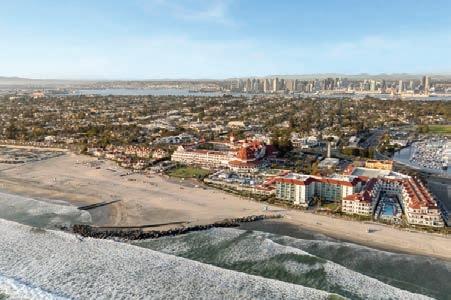
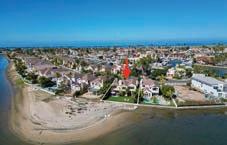
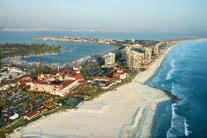
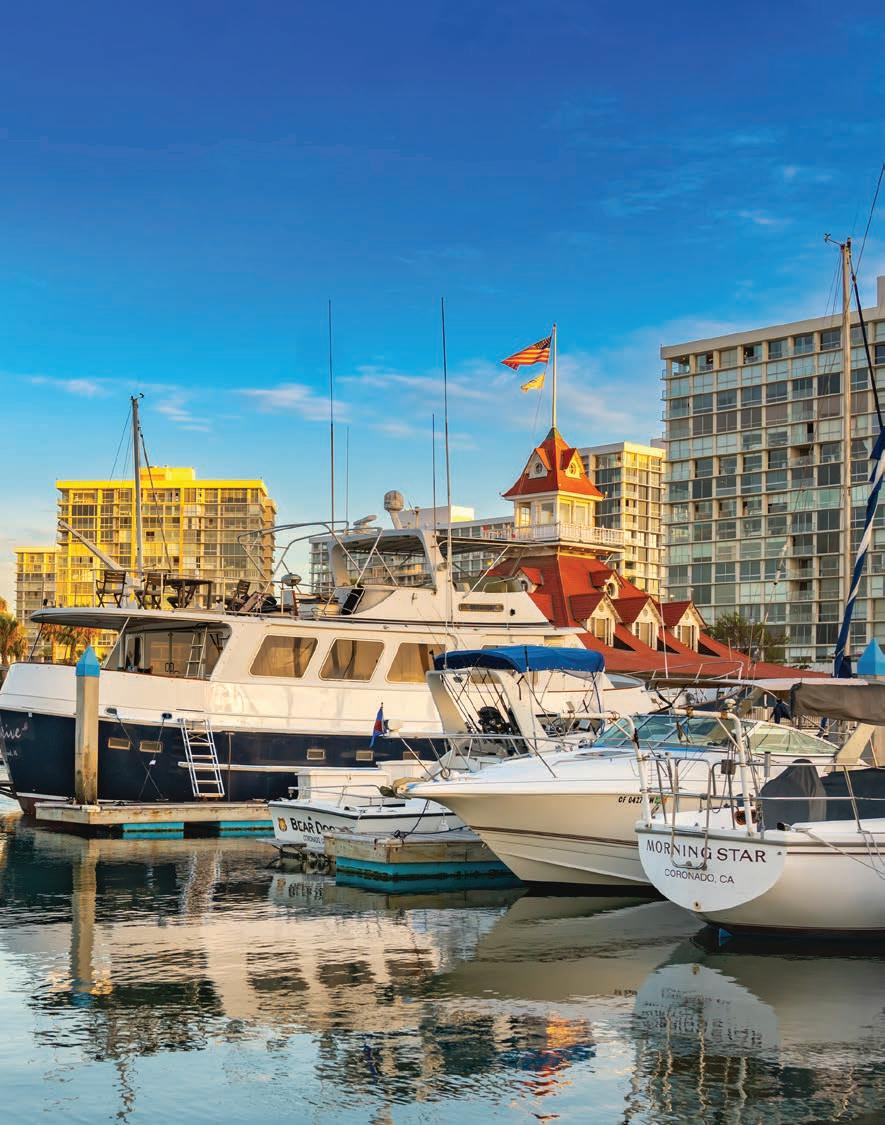
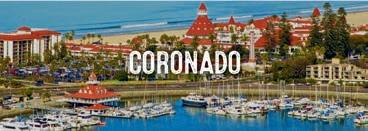
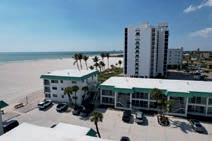
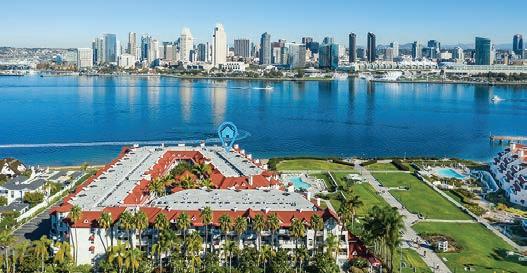
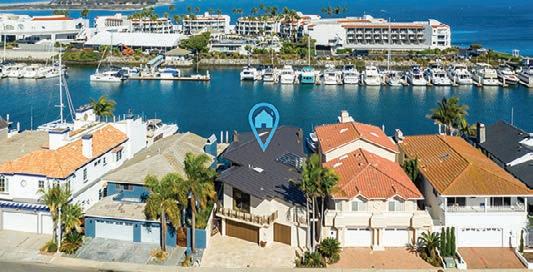
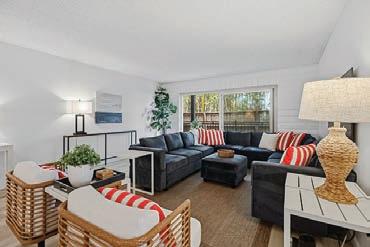
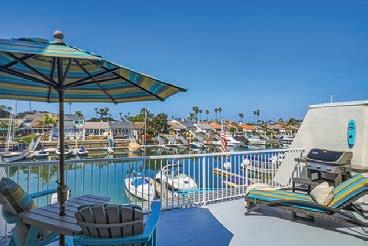
As Coronado prepares for the vibrant season ahead, now is the perfect time to explore ownership at Shore House at The Del These exceptional residences offer a rare opportunity for whole-ownership with limited personal use, allowing owners to enjoy the benefits of a private beachfront residence while participating in the resort’s professionally managed rental program
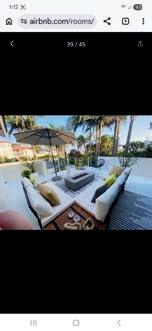
Situated within the legendary grounds of the Hotel del Coronado, Shore House blends timeless coastal living with effortless resort luxury Residences are fully furnished and thoughtfully designed for seamless indoor-outdoor living, complemented by exclusive owner amenities including the private Shore House pool, cabanas, fire pits, and dedicated concierge services
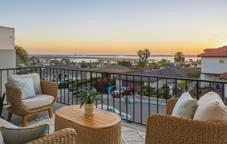
From sweeping ocean views and tranquil bay vistas to vibrant resort outlooks overlooking the pool and gardens, each residence offers a unique perspective on life at The Del where ownership, lifestyle, and investment opportunity come together in one of California’s most iconic beachfront destinations
Connect with Del Coronado Realty to explore our available Shore House listings and discover ownership at one of Coronado’s most iconic destinations
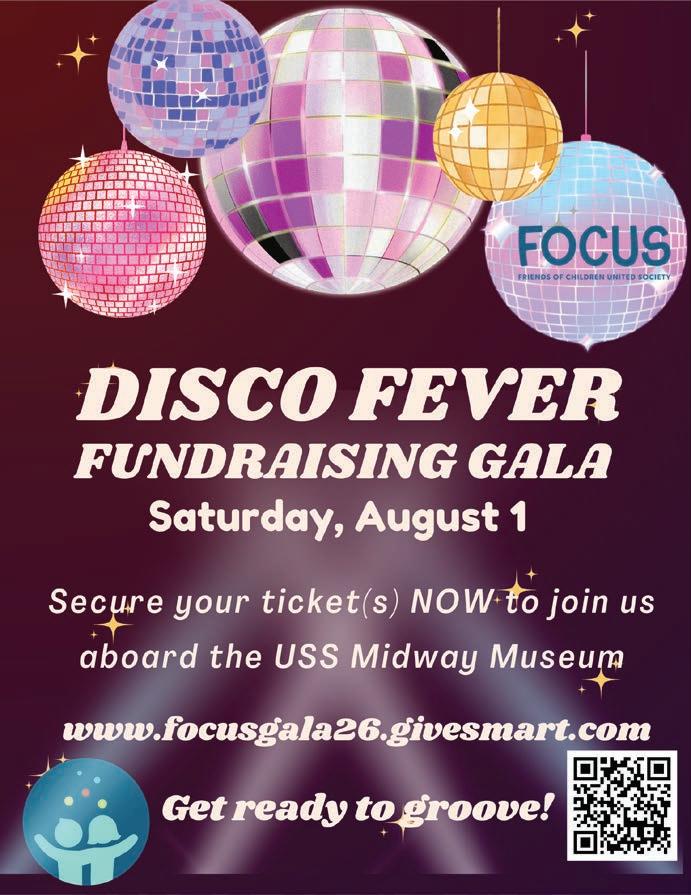
SATURDAY AUGUST 1
On Board the USS Midway
FOCUS is an all-volunteer 501(c)(3) organization
All Gala proceeds go directly to helping kids in need in San Diego County
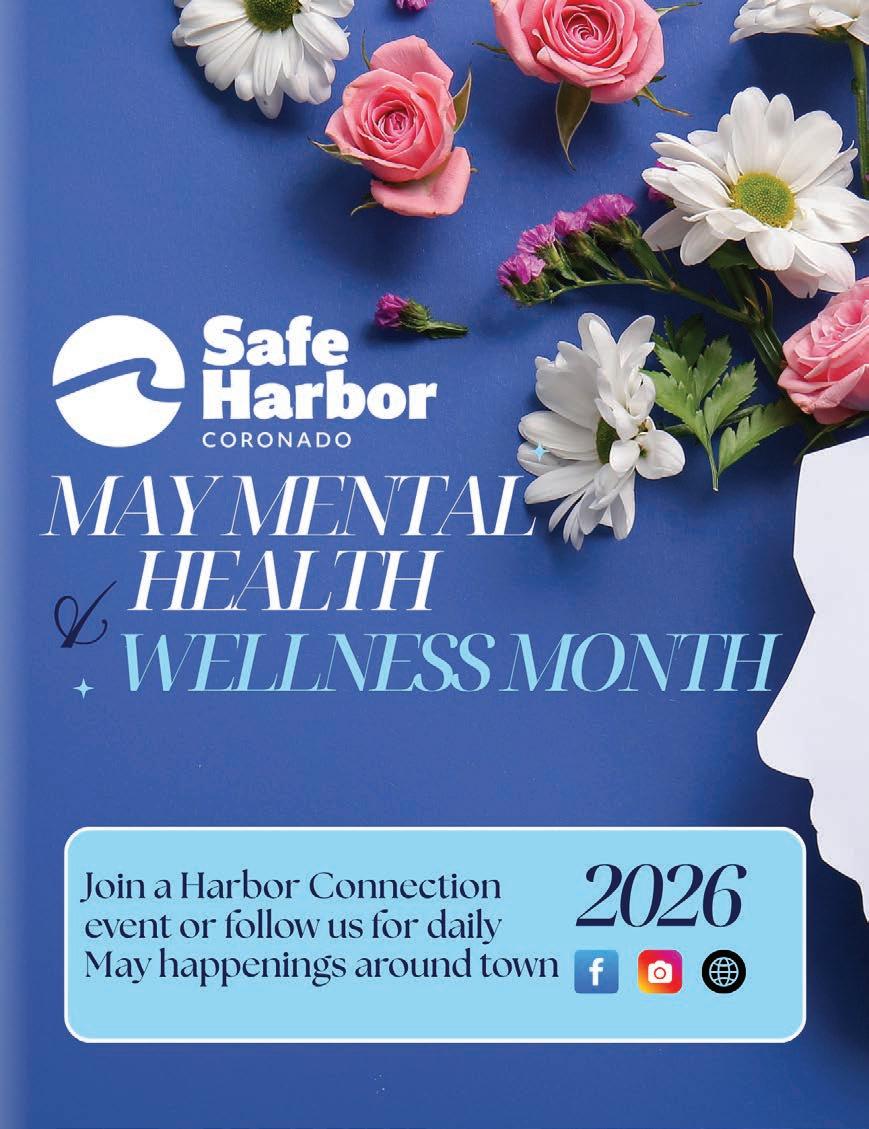
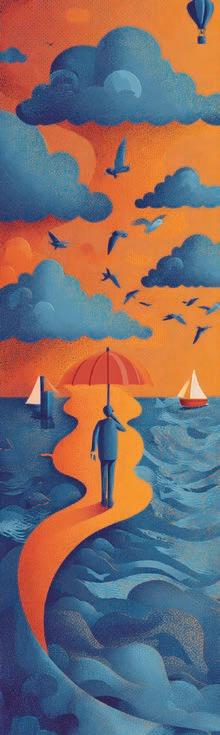
On the cover: Simple moments of connection, like reading together, support strong youth mental health. Using Turtle Time and the tools demonstrated by Tucker helps children learn to pause and manage their emotions. When practiced daily, these skills build confidence, calm, and resilience.
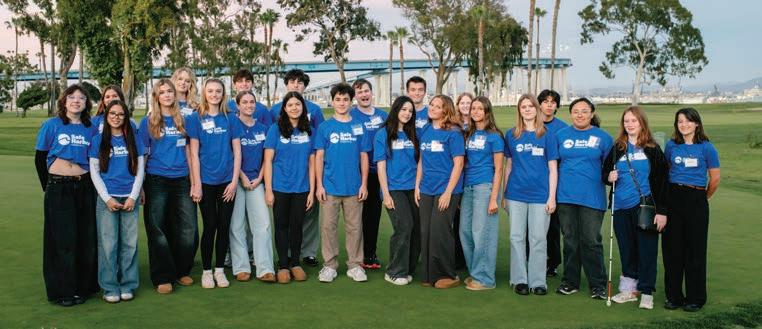
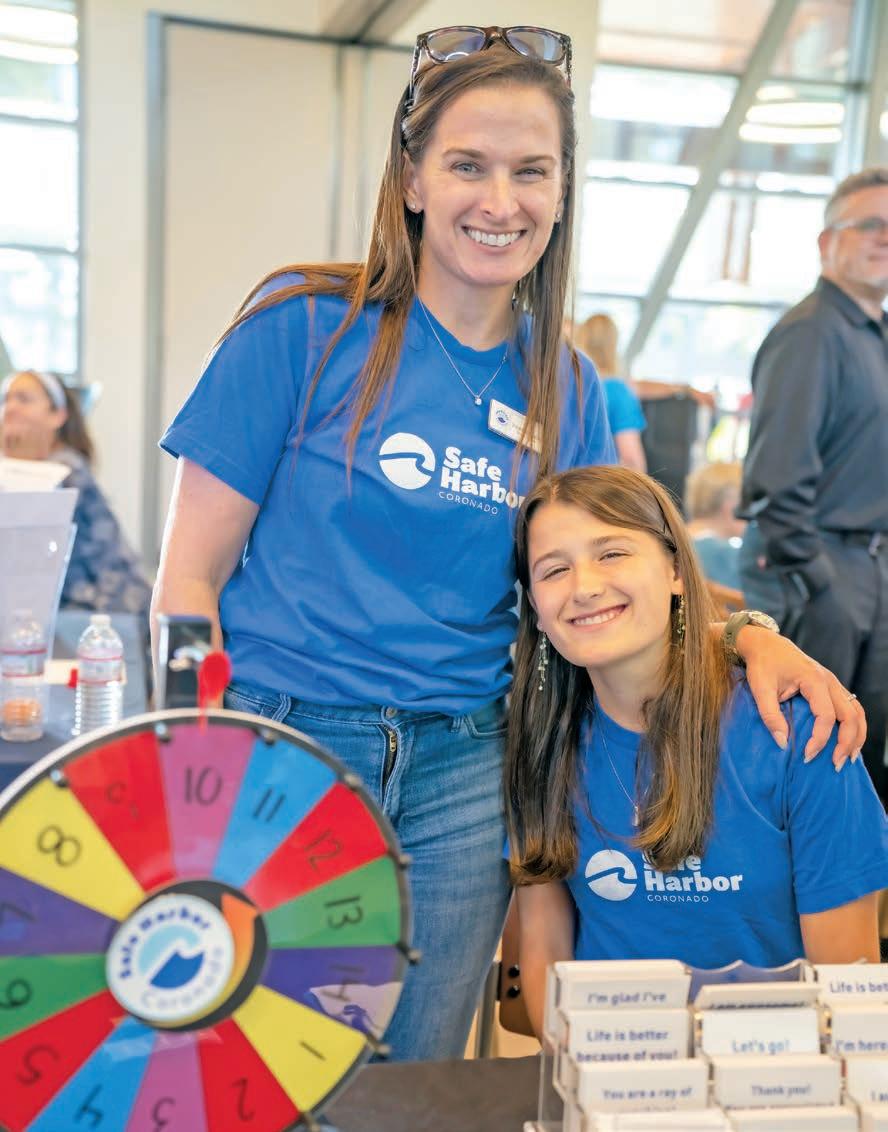
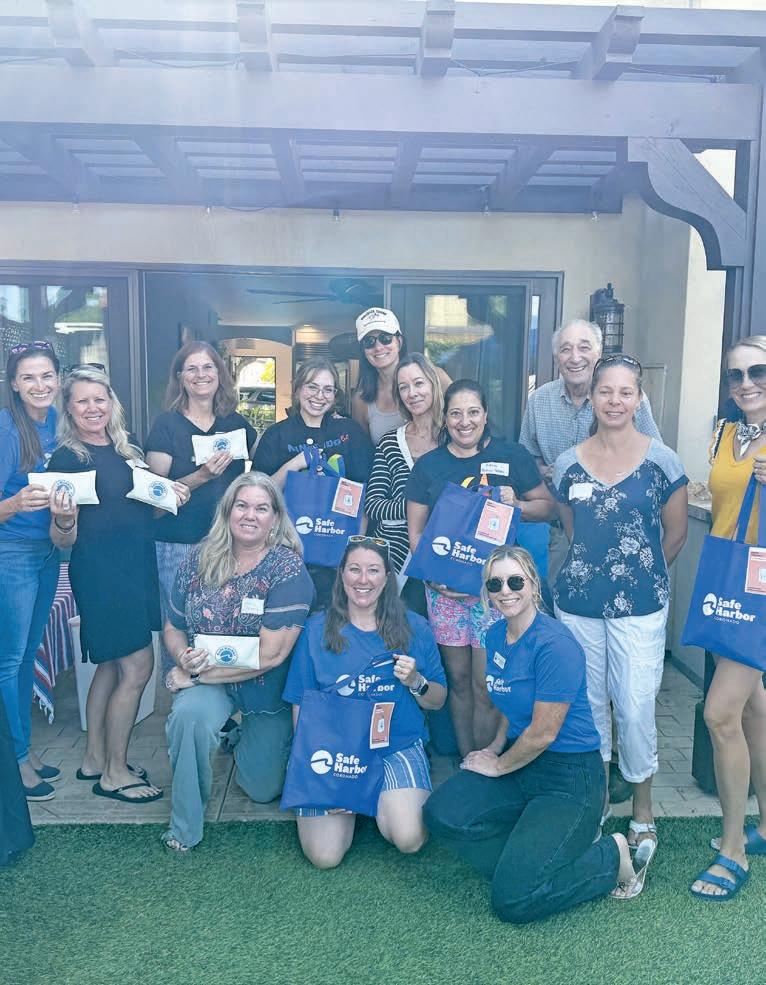
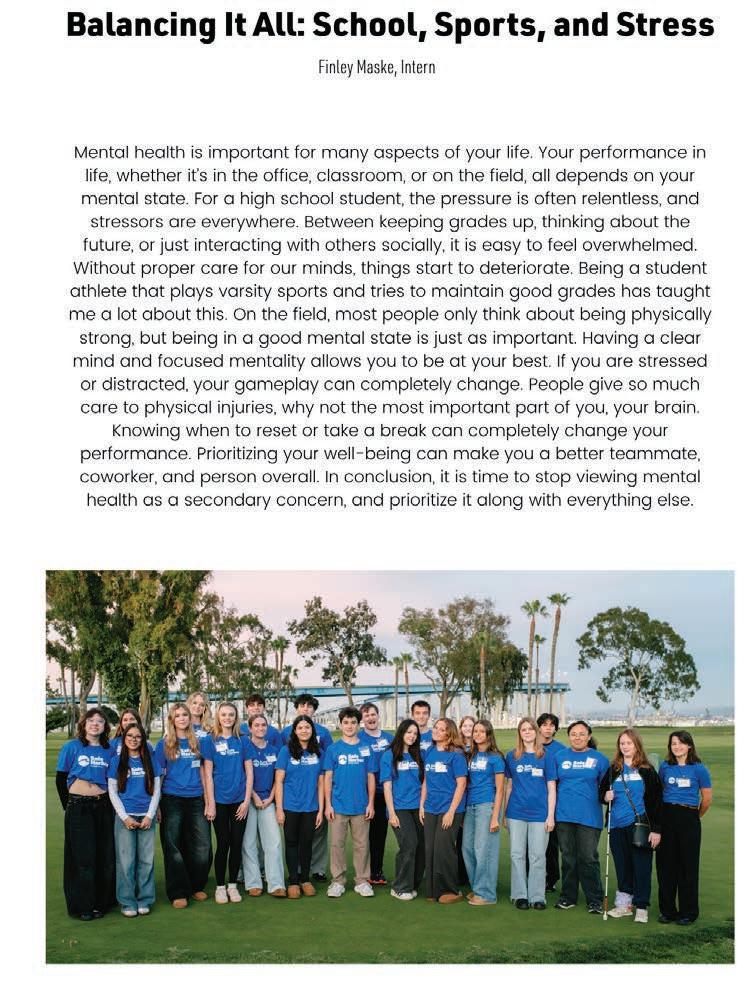
Safe Harbor Coronado Interns
May Is Mental Health Month ...
May arrives with longer days, warmer air, and a renewed sense of possibility, and it also marks an important opportunity to turn inward.
“May Is Mental Health Month”
It’s more than a title; it’s a reminder that our emotional and psychological well-being deserve the same care and attention as our physical health. Mental health touches every aspect of our lives: how we handle stress, relate to others, and make decisions. Yet for many, it remains a topic surrounded by stigma or silence. This month encourages us to open conversations, deepen our understanding, and expand our compassion—for ourselves and for those around us - and Safe Harbor Coronado is here to help. As you turn these pages, remember: prioritizing your mental health isn’t a luxury—it’s a necessity. And sometimes, the smallest step toward awareness can lead to the most meaningful change.
And that’s not all we have for you this month ...
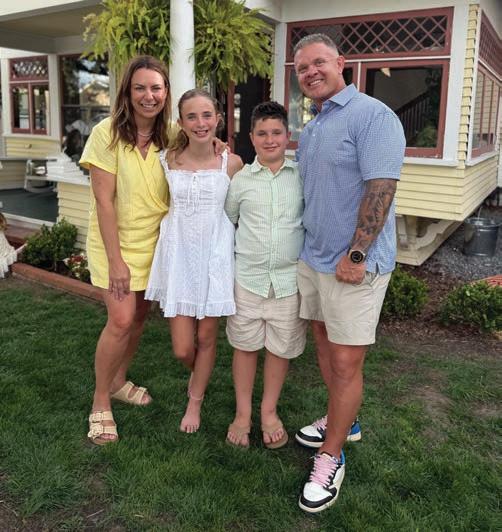
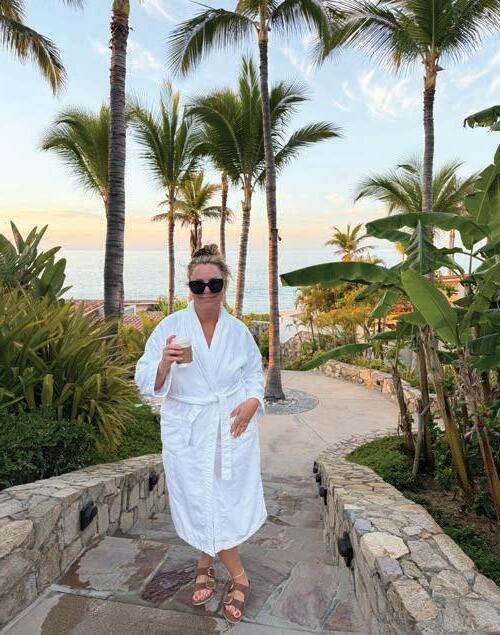
May also brings Mother’s Day, and Hattie embraces all the chaos that being a Mother has to offer ... it’s the best job in the world.
Chris enjoys a drink that comes complete with a Coronado connection and a little bit of movie nostalgia!
Joe takes us surfing with DC & Max, a little piece of legendary Coronado. And, speaking of legendary Coronado, Pearl Szymanski is this month’s Island Icon, a real gem of our community.
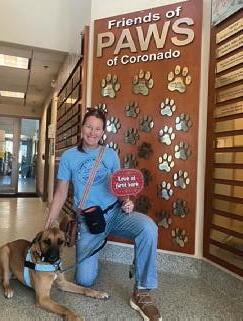
California Adopt-A-Pet-Day is coming up in June, and PAWS of Coronado will be a proud participant, come on out and meet a new member of your family.
And finally (for all you looking to travel) Kris takes us to Louisiana; from the Bayou to the Big Easy, there’s a little something to keep everybody interested.
May also has us looking just over the horizon of the summer ... and there’s a whole lot happening this summer in Coronado - you don’t want to miss out!
There’s no better place to be, to celebrate & unwind ... Coronado is just good for your health!
Recently, my family and I were enjoying a beautiful breakfast on the patio at Clayton’s Bistro, the birds were chirping, the flowers were flowering, and the beignets were hot. We were telling the kids funny stories of when they were little, like the time I was a new mother in the throes of baby blues/new parent anxiety. I was shoveling my breakfast in my mouth as I was holding my daughter (because God forbid, I put her down and took a minute for myself), and she grabbed the bowl and launched it across the room. We all laughed as we reminisced, but I also remember that as I was cleaning up the broken pieces and splattered oatmeal, I was on the verge of tears.
I felt like I didn’t know what I was doing, and the rest of my life was going to be in this complete chaos. I so wish I could go back and hug that version of myself and tell her this. You DON’T know what you are doing, but you figure it out along the way. Your life is more often than not in COMPLETE chaos, but you embrace it and find the beauty in the craziness.
I am now in the stage of no car seats, diapers, or pacifiers, and I must say it is awesome. Traveling is a dream, our sense of humor is developed, and we watch movies that everyone enjoys! That’s not to say there aren’t a whole new set of challenges… And my kids still hate broccoli. Limits are being pushed. And the cell phone/ebike discussions have begun (immediately, no). It has been really interesting navigating devices/social media/ independence. I tell my kids, believe it or not, I am not from the Stone Age, and I am not saying never, just not now. The last thing I want to do is come across as self-righteous or judgmental when it comes to anything in parenthood. I always explain to my kids that every family’s needs and decisions are different, and that’s okay! We are all just doing the best we can. Sometimes we are right, and sometimes we get it wrong. I like to believe everyone’s heart is in the right place and that we should be gentle with each other,
mothers especially.
And now, as we approach the ONE day a year, we celebrate moms, insert eye roll, make sure the calendar is marked for May 10 to celebrate the lucky ladies in your lives. I, for one, enjoy a homemade gift and alone time, maybe reading by the pool with the ultimate girl lunch consisting of Caesar salad, fries, and a crisp Diet Coke. Or the spa. Or just peacefully sitting in my bathtub in fetal position. A simple ask of Zen. If you are looking for a
brunch in the Crown Room, which is so special. I remember I went to an Easter brunch there when I was 15, and to this day, it is such a magical memory for me. I couldn’t believe the desserts and chilled seafood! If a teenager can appreciate that experience, you know it’s good! Moms of Coronado, I am so proud to raise my kids in this community, among such spectacular women, many of whom inspire me. Happy Mother’s Day to all of us, cheers to the hardest, messiest, best job in the world!
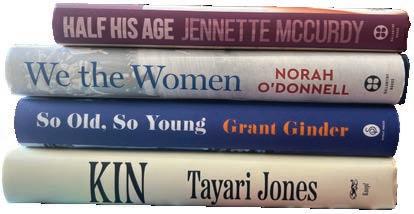
We the Women
By Norah O’Donnell
Book Corner
WHAT PEOPLE ARE READING THIS MONTH
Over a decades-long, distinguished career, award-winning journalist Norah O’Donnell has made it her mission to shed light on untold women’s stories. Now, in honor of America’s 250th birthday, O’Donnell focuses that passion on the American heroines who helped change the course of history.
We the Women presents a fresh look at American history through the eyes of women, introducing us to inspiring patriots who demanded that the country live up to the promises made 250 years ago in the Declaration of Independence: “that all men are created equal, that they are endowed by their Creator with certain unalienable Rights, that among these are Life, Liberty and the pursuit of Happiness.” Since the signing of that document, the pressing question from women has been: Why don’t those unalienable rights apply to us?
Through extensive research and interviews, as well as historical documents, O’Donnell curates a compelling portrait of these fierce fighters for freedom. From Mary Katherine Goddard, who printed the first signed Declaration of Independence, to the Forten family women, who were active in the abolition and suffrage movements and were considered the “Black Founders” of Philadelphia, to the first women who served in the armed forces even before they had the right to vote, O’Donnell brings these extraordinary women together for the first time, and in doing so writes the American story anew.
Kin
By Tayari Jones
Vernice and Annie, two motherless daughters raised in Honeysuckle, Louisiana, have been best friends and neighbors since earliest childhood but are fated to live starkly different lives. Raised by a fierce aunt determined to give her a stable home in the wake of her mother’s death, Vernice leaves Honeysuckle at eighteen for Spelman College, where she joins a sisterhood of powerfully connected Black women and discovers a world of affluence, manners, aspiration, and inequality. Annie, abandoned by her mother as a child and fixated on the idea of finding her and filling the bottomless hole left by her absence, sets off on a journey that will take her into a world of peril and adversity, as well as love and adventure, culminating in a battle for her life. A novel about mothers and daughters, friendship and sisterhood, and the complexi ties of being a woman in the American South, Kin is an exuberant, emotionally rich, unforgettable work from one of the brightest and most irresistible voices in contemporary fiction.
Half His Age
By Jennette McCurdy
Waldo is ravenous. Horny. Blunt. Naive. Wise. Impulsive. Lonely. Angry. Forceful. Hurting. Perceptive. Endlessly wanting. And the thing she wants most of all: Mr. Korgy, her creative writing teacher with the wife and the kid and the mortgage and the bills, with the dead dreams and the atrophied looks and the growing paunch. She doesn’t know why she wants him. Is it his passion? His life experience? The fact that he knows books and films and things that she doesn’t? Or is it purer than that, rooted in their unlikely connection, their kindred spirits, the similar filter with which they each take in the world around them? Or, perhaps, it’s just enough that he sees her when no one else does.
Startlingly perceptive, mordantly funny, and keenly poignant, Half His Age is a rich character study of a yearning seventeenyear-old who disregards all obstacles—or attempts to overcome them—in her effort to be seen, to be desired, to be loved.
So Old, So Young
By Grant Ginder
From Grant Ginder, the bestselling author of The People We Hate at the Wedding, comes a generation-defining novel that is part love story, part tragic comedy. Five parties over the course of twenty years bring six college friends together, exploring the ways we run from and cling to our friends in love, life, and death.
For Marco and Mia, Sasha and Theo, Richie and Adam, the one constant in life after college together has been change. New jobs. New cities. New spouses. New children. Through it all, one thing they thought would always stay the same is their friendship.
But time has a way of breaking even the strongest bonds, and testing what we thought we knew. From East Village apartment parties and disastrous destination weddings, to fortieth birthdays and suburban backyard barbecues, Grant Ginder’s resonant, funny, and deeply moving novel is a story about the growing pains of the Millennial generation, and a celebration of how love can shift, stumble, and grow into something bigger than we ever could have imagined.
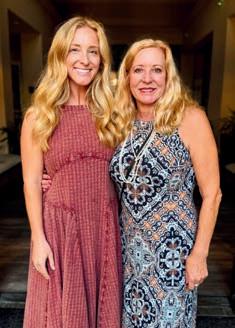
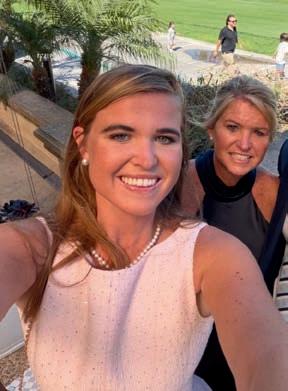
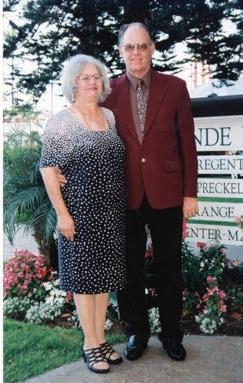
It is truly wonderful to work with my talented daughter. In a world of younger people that sometimes lack the work ethic of my generation, and generations before me, I am pleased that she shares that admirable work ethic, Sometimes we have to make time to be Mother and Daughter and vow not to talk about teeth for at least an hour. Now, after almost eight years of working together, I can't imagine working without her!
- Dr Suzanne Popp
I feel so blessed to not only have the best mom in the world, but that I also get to work with her every day! My mom, Suzanne Popp, is my #1 role model, favorite travel buddy, greatest boss, and best friend. She’s always the first person I call to give important news to, and, unfortunately for her, also the person I vent to about everyday annoyances. I love you mom! -Natalie Bailey (Suzanne Popp’s daughter)
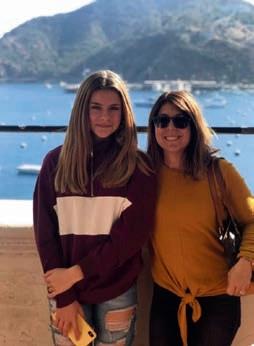
Being a girl mom doesn’t stop when she grows up. It just changes shape. It looks like watching your 23-year-old step into the world with strength you recognize and independence you quietly admire. It’s knowing she gave her all as a collegiate rower, showing up early, pushing through hard days, and learning what discipline really means. It’s seeing that same work ethic carry into everything she does. It’s having a daughter who says yes to adventure, who’s curious about life and unafraid to go after it. One who’s thoughtful, steady, and somehow wise in ways that still catch you off guard. It’s pride, of course. But it’s also something deeper. Friendship. The kind that grows over time, built on trust, laughter, and shared moments that shift from guiding her to walking beside her.
Being her mom has been the greatest role of my life. And now, getting to know her as an adult, as her own person, as a lifelong friend… that’s the part no one fully prepares you for, and it might just be the best part of all.
- Kathleen Hanlon and daughter, Shannon
Becoming a Mom changes your life. You become responsible for a tiny human and you’re their teacher and mentor. Your child grows before your eyes and during the process, you feel her joy and pain as she goes through life. The best part is seeing her grow into a strong, independent person. It is an amazing journey and it goes by fast. Before you know it she is in college!
- Alessandra Selgi-Harrigan, Julia’s Mom.
To the world, you are a mother. To the you are a mother. To the world, you are a mother. But to me, you are the world But me, you are the world But to me, you are the world
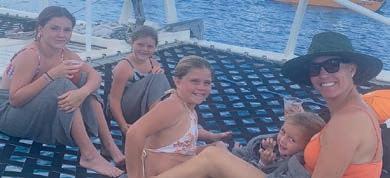
Motherhood, to me, is raising my four strong daughters to believe there are no limits to what they can achieve. It’s guiding them to be confident, resilient, and unafraid to take risks. I strive to model independence and integrity, showing them that success is earned through courage, hard work, and believing deeply in their own worth.
Frances McCarty and daughters Emerson, Presley, Sailor and Bobbi
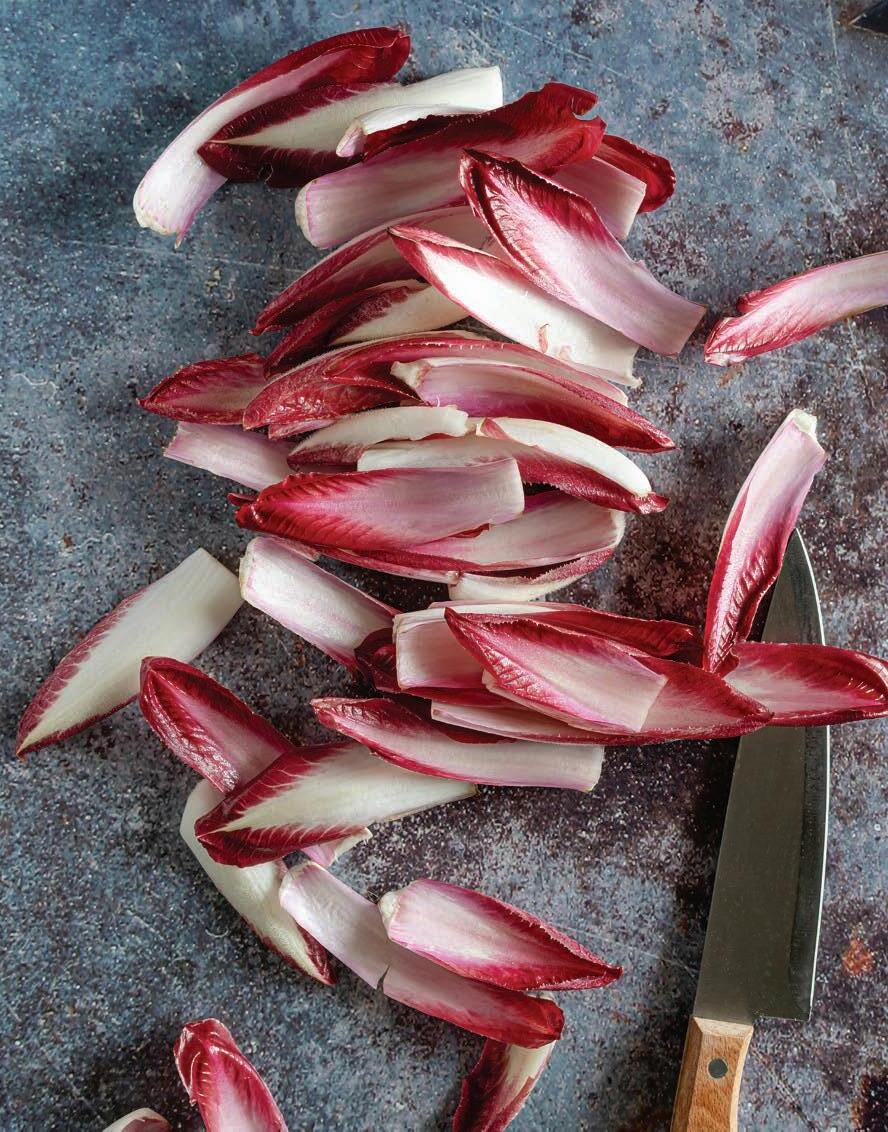
In spring, radicchio comes into its prime, bringing vibrant magenta leaves and a pleasantly bitter crunch to the table. This chicory-family vegetable thrives in cooler weather, which helps develop its signature color and flavor. Nutritionally, radicchio is low in calories yet rich in vitamins and antioxidants. It’s a good source of vitamin K (important for blood clotting and bone health), vitamin C (for immune support and collagen production), and folate (key for cell growth). It also contains fiber to support digestion, along with phytonutrients like anthocyanins, the pigments that give it that deep red-purple hue and are linked to heart and vascular health. Minerals like potassium and small amounts of iron and zinc round out its nutritional profile.
In the kitchen, radicchio is incredibly versatile. Raw, it adds color and bite to salads. Pair it with sweet, creamy, or rich ingredients that balance its bitterness, like oranges, pears, apples, balsamic vinegar, honey, goat cheese, blue cheese, or toasted nuts. You can also slice it into ribbons and mix it with milder lettuces to soften the flavor. Cooking radicchio tames its bitterness and brings out a subtle sweetness. Try grilling or roasting wedges with olive oil and salt until lightly charred, then finish with lemon juice or a drizzle of balsamic. It’s excellent sautéed with garlic and olive oil as a side, stirred into risottos or pasta, folded into grain bowls, or layered on pizzas and flatbreads. Whether raw or cooked, radicchio adds both nutrition and character to your meals.
“Hard Work, Perserverance, And A Little Bit of Nostalgia”
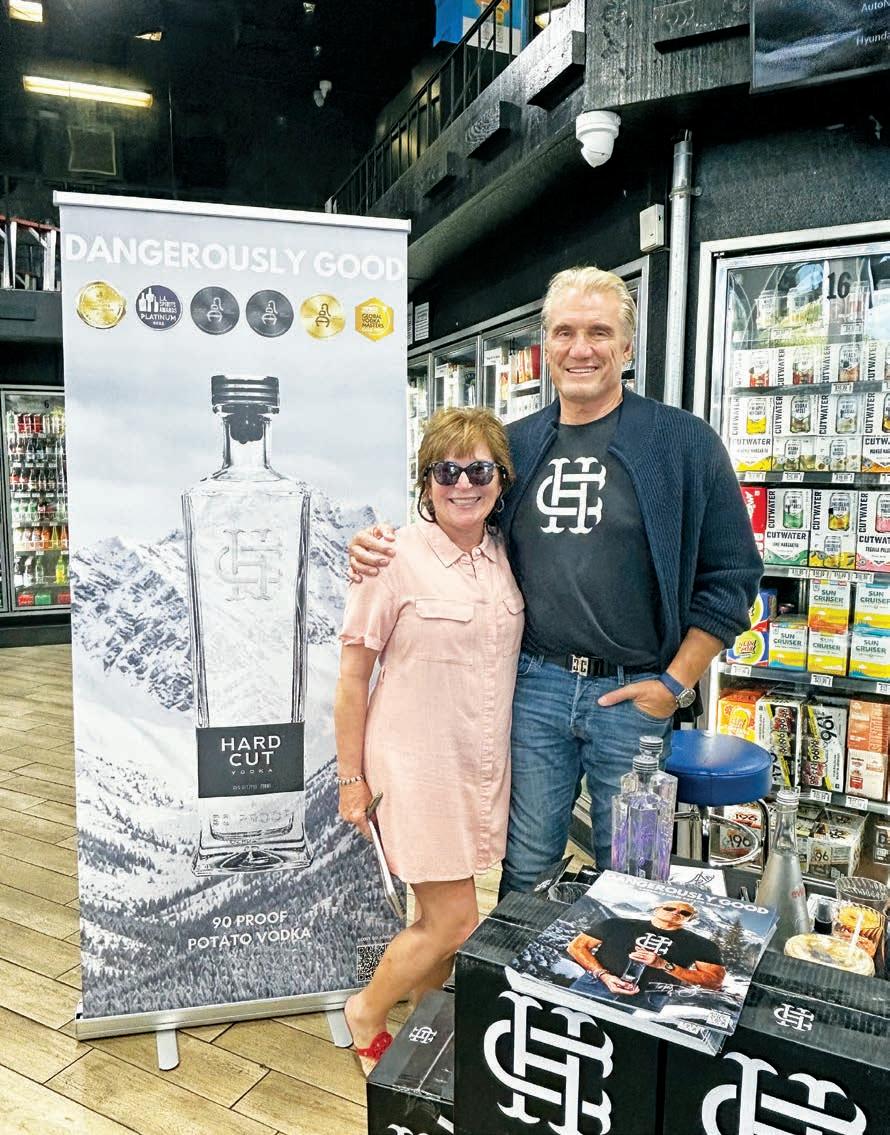
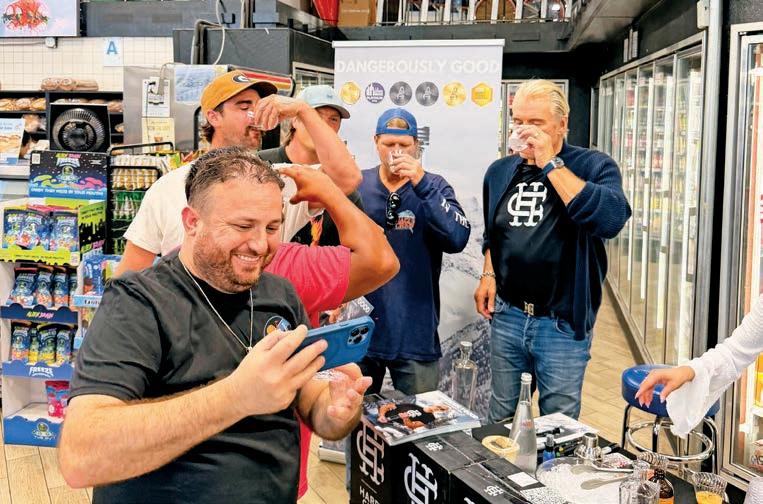
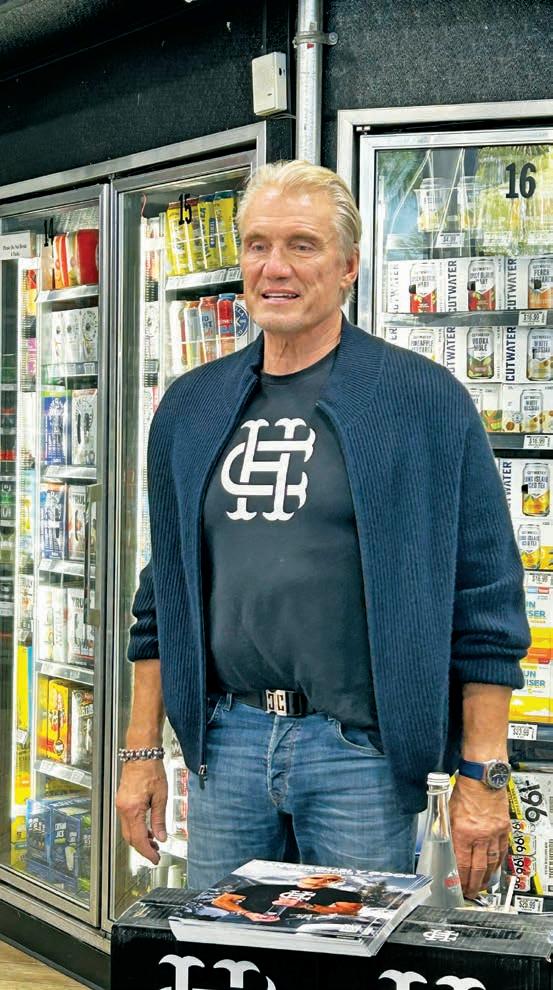
Irecently met someone here in Coronado who has been part of our lives since 1985. We remember this man as a villain on screen who killed an icon in Apollo Creed and further intimidated the underdog Rocky Balboa. Dolph Lundgren played the Russian boxer Ivan Drago in Rocky IV and reprised his role in Creed III. But his is not a story of just good looks and luck, his success comes from hard work and perseverance.
Dolph Lundgren was born in Sweden with his mom a teacher and Dad an Engineer. He has an incredible list of accomplishments that lead him to a lifetime of success. He served in the Swedish Marine Corps, European and Australian heavyweight karate
champion, Team leader for the US Modern Pentathlon at the 1996 Summer Olympics, a third-degree black belt in karate, speaks three languages, plays the drums, and then there is the impressive fact that he has an IQ of 160, holds a master’s degree in chemical engineering and was offered a Fullbright Scholarship to study at MIT. The scholarship however was placed on hold when after a 9-month audition process with 5,000 other actors, he was cast opposite Sylvester Stallone as Ivan Drago in Rocky IV. He has since starred in more than 30 feature films and directed many others.
When you speak to Dolph, he is humble and grateful for his life and success. He is happily married to his wife Emma, has children and survived kidney cancer.
One fateful day he and his wife decided that the vodka market was “boring”, and they wanted to change that. “I chose vodka because I have experience drinking clean spirits being from Sweden and my wife from Norway”, said Lundgren.
“My wife encouraged me to put my chemical engineering degree to good use and make my own vodka”. After six years of hard work, HARD CUT VODKA was born. “The name comes from film editing, and our bottle design is also ‘hard cut’ like a diamond –and most of the characters I have played are ‘hard cut’ men”, said Lundgren.
Vodka is a liquor that is appreciated by many for its clear, clean taste and appearance. “My favorite way to drink Hard Cut is straight because of its smooth finish and appealing palate”, said Lundgren. HARD CUT VODKA is distilled from American-grown Idaho russet potatoes (less than 1% of American vodkas use potatoes). The mash is fermented for up to five days and the water supply is from their well in the Snake River aquifer with by products being reused creating a 90 proof vodka. To complete the vodka cycle from this brilliant actor and chemical engineer, HCV’s distillery is part of a wind energy program with a large percentage of the distillery waste being recycled for a local dairy farm.
I think all of us at one time or another have wondered what it would be like to meet our heroes, icons, or beloved actors. Will they be everything we hoped they would be? I am pleased to say, when you meet Dolph Lundgren, he is the best part of the human spirit. He took the time to
speak kindly to everyone, signed autographs and took endless pictures. We shared a taste of his HARD CUT vodka, and he was even willing to recite one of his most famous lines “If he dies, he dies”. He is a man that has worked hard for his success, faced adversity, and now has a product he is proud to call his own and give us a chance to share it with him. When Dolph and his wife decided it was time to release his vodka to the masses, they landed their premier in Coronado. His rep recommended Park Place Liquors because they knew it was an excellent store and Dolph and his family are proud to live in California. “We have done business with Dolph in the past and we were excited to be part of the launch for Hard Cut Vodka”, said the
owners of Park Place Liquors. Thanks to Park Place Liquors for hosting this event and allowing fans to meet Dolph. Inside information tells me there may be another surprise visit so look for an announcement from Park Place Liquors and the Coronado Eagle & Journal!
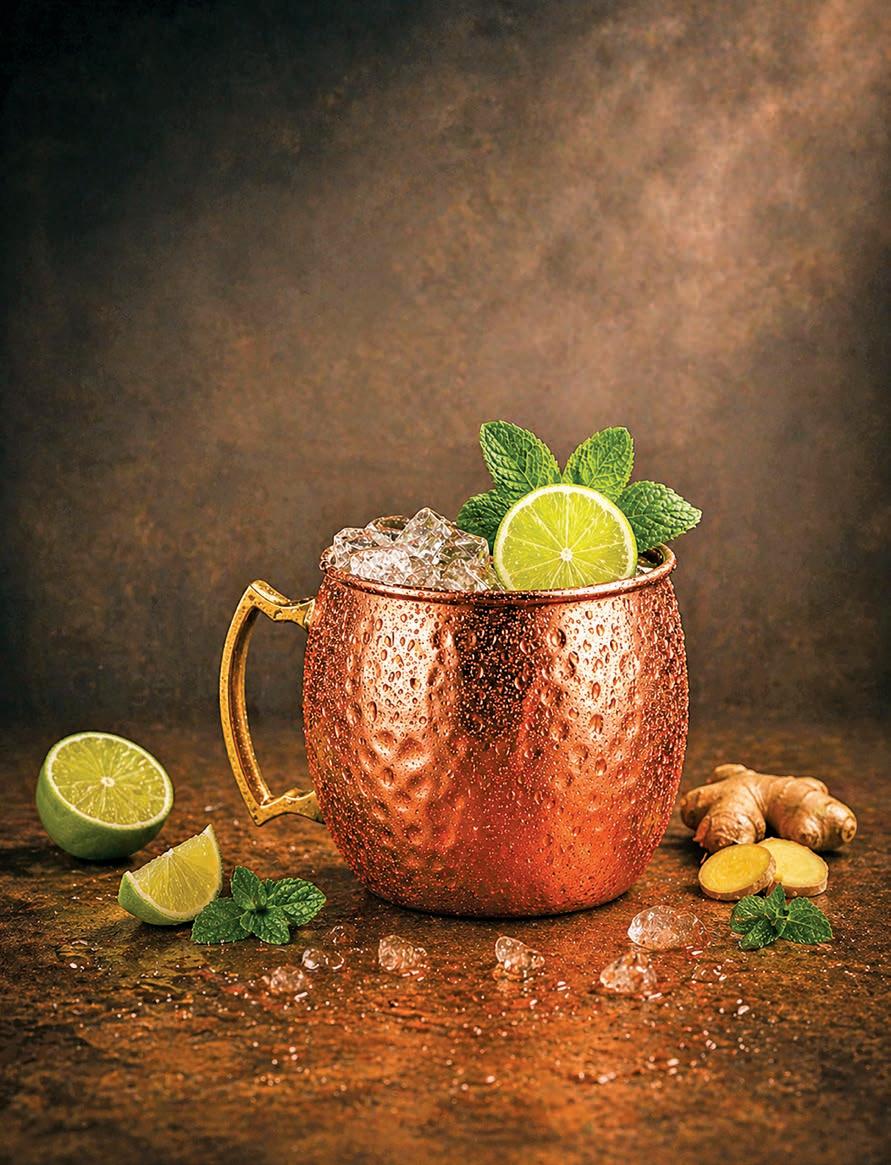
Now the most important part of this article and the answer to a question from Dolph himself. Even though Dolph sometimes enjoys his vodka straight, he has a favorite drink that he wants to share with Coronado.
HARD CUT VODKA is available at Park Place Liquors and is a must have ingredient for the DRAGO MULE.
A place to enjoy good wine, whiskey and tequila, craft beer and charcuterie plates in a
McP’s Irish Pub 1107 Orange Ave.
Night & Day Café 847 Orange Ave. (619) 435-9776
Panera 980 Orange Ave. (619) 437-4288
Parakeet Cafe 1134 Orange Ave. (619) 675-0104
Park Place Liquor & Deli 1000 Park Place (619) 435-0116
Peohe’s Ferry Landing (619) 437-4474
Roppongi 800 Seacoast Dr, IB (619) 631-4949
Rosemary Trattoria 120 Orange Ave.
1001 C Ave. (619) 435-8110
Tartine 1106 1st St. (619) 435-4323
Tavern 1310 Orange Ave. (619) 437-0611
The Henry 1031 Orange Ave. (619) 762-1022
The Little Club 132 Orange Ave. (619) 435-5885
Trident Coffee 942 Orange Ave (619) 522-4905
Villa Nueva Bakery Cafe 956 Orange Ave.
Local Dining
Village Pizzeria Bayside (619) 437-0650
Village Pizzeria 1206 Orange Ave. (619) 522-0449
(619) 534-5034
926 Orange Ave. (619) 522-9424
1330 Orange Ave.
May Activities H A R B R Connection
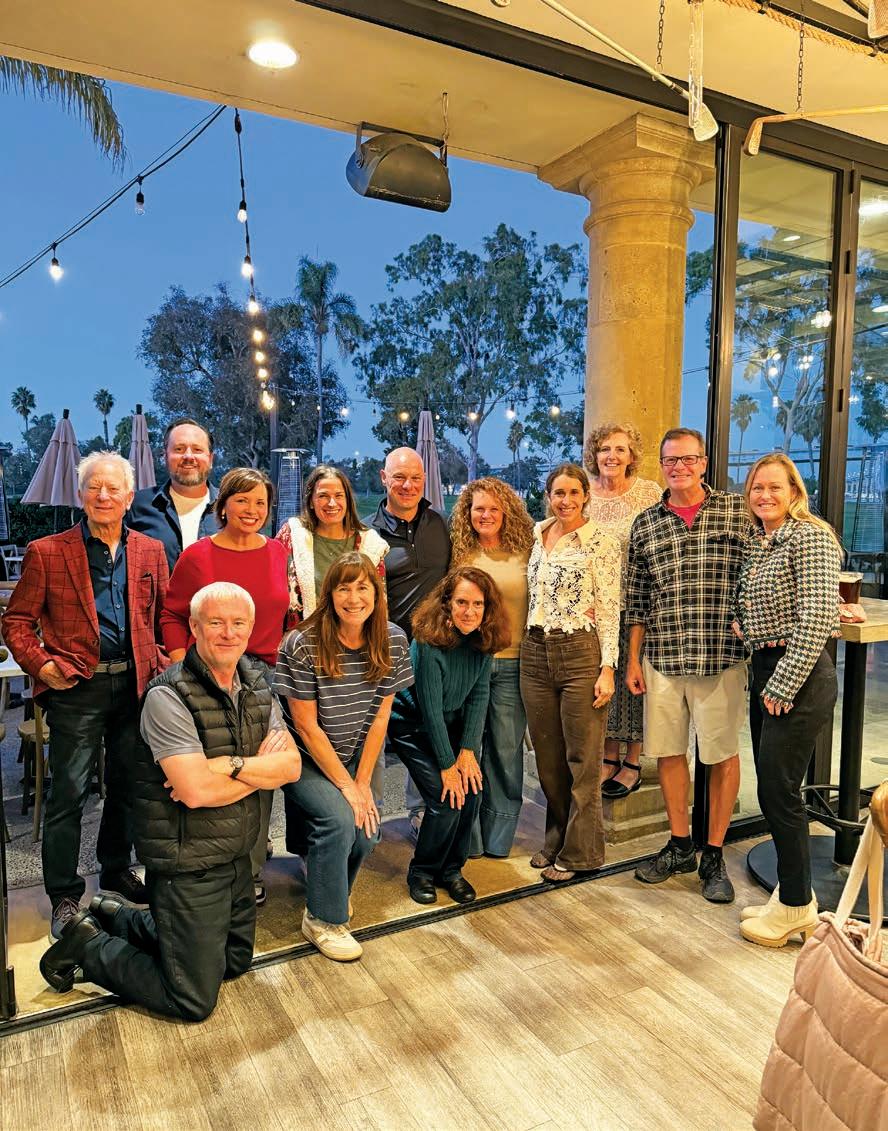
The 2026 Safe Harbor Coronado Board of Directors
Back Row: Rich Brady, Whitney Benzian, Tiffany Spitzer, Danielle Maske (Executive Director), Mark Frahm (Development Director), Lyle Anderson, Whitney Gordon, Debbie McBride, Jamie Perley, and Hayley Connors. Front row: Dean K. Eckenroth Jr, Paige Norris, and Anne Hill
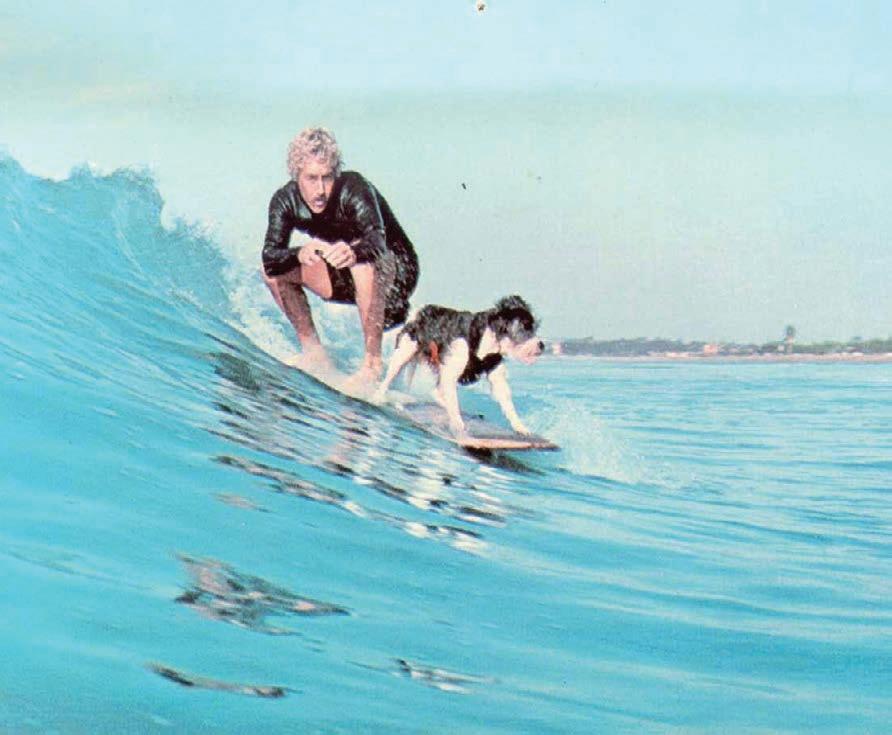
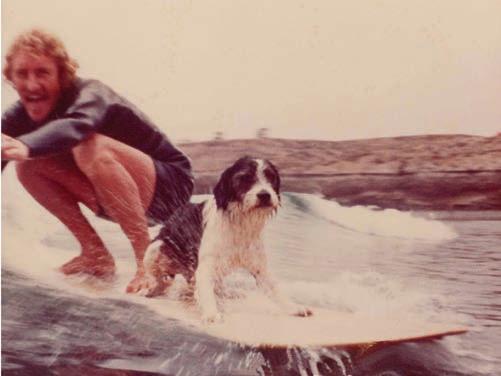
DC and Max are part of Coronado’s surfing history. This image was taken by Steve Ogles. He gave it to DC, who made thousands of postcards of it, which he handed out to children wherever he and Max went. Photo by Steve Ogles.
DC&MAX: DC&MAX:
By Joe Ditler
HCoronado’s Legendary Surfing Dog Coronado’s Legendary Surfing Dog
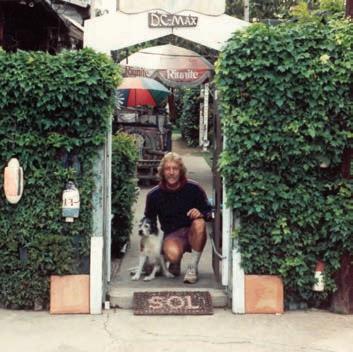
is name was Dave Chalmers, but we knew him simply as “DC.” He didn’t come from the beach, but he grew into one of the finest surfers on the island and one of the more famous characters in surfing history.
His wave knowledge was second to none; he logged more nose time than anyone, and, little did he know, but his page in history was about to be written. DC didn’t work much. He didn’t have a mortgage or a credit card. He had no computer or cell phone. Typical of so many from this generation, surfing was his primary motivation in life. He often paid his rent by doing landscaping, house painting, or other odd little jobs that maybe included a meal.
Dave Chalmers was half of the surfing team known as “DC & Max.” With his terrier mutt, he surfed every major point break and reef break from Long
Beach to Cabo San Lucas, sharing his philosophy and homegrown wisdom with everyone in his path.
All he demanded in return was loyalty, friendship, a good point break wave, and, well … maybe a smoke and a drink with his friends. Along the way, DC lived life as simply and inexpensively as he could.
In the 1970s, “Those Amazing Animals” was a national television show featuring cute pet tricks captured on film. They eagerly jumped at the chance to feature the story of Coronado’s “DC & MAX.”
For DC & Max, this meant their simple lifestyle would be thrust into the public spotlight. The episode of “Those Amazing Animals” delivered a form of immortality no one could possibly have anticipated. It went viral, and overnight, DC & Max became household names and an iconic and long-running advertisement
for Coronado and the surfing lifestyle found here.
Chalmers was born in Montreal, Canada, in 1945. Two years later, his family moved to San Diego. Dave and his sister attended Hilltop High School in Chula Vista before moving to Coronado.
He discovered surfing at an early age, and it penetrated his very soul. For a time, his life could be considered “normal.” He married his high school sweetheart, had a son, held down a good job at Rohr, and even ran for Coronado City Council.
But the spiritual call of the sea and a less restrictive lifestyle nagged at him constantly. He left his job. He and his wife separated. He devoted his time to the beach, and then, one day, a scruffy mutt with a bad overbite named Max entered his life.
Max was a Terrier mix that, according
to one account from DC, was a gift from his wife in 1973. Max’s introduction to surfing is well known in Coronado circles:
“I was surfing in Mexico one day, and Max was running up and down the beach barking,” DC would often recall.
“I finally grabbed him by the neck and threw him on my longboard, figuring that would shut him up. I paddled for the first wave, he stood up, and had pretty good form, so we rode all the way into the beach.
“Max jumped off onto the sand, turned around and looked at me, and I knew at that moment that this dog was special. I had no idea then how he would change my life.”
DC glued wetsuit rubber and old carpet to the nose of his longboard to give Max a better grip. During their time together, DC & Max were the subject of two Surfer Magazine Extra features (1977 and 1983), in addition to the industry standard Surfing Magazine, and were also written about in Wind Surf Magazine. This was long before the surfing dog competitions became so popular. DC & Max were pioneers in that arena.
The duo was also featured in the National Enquirer, San Diego Magazine, CORONADO Magazine, the San Diego Union, the San Diego Evening Tribune, the San Diego Log, and the Coronado Journal. Their picture adorned the cover of Visitor Magazine, and they made several appearances on local television news shows.
Along the way, they were featured in a half-hour Mexican film, a Fruit & Berry Punch TV commercial, and the surf film, “A Matter of Style.” DC & Max attended the premier screening. During their fiveminute segment, Max sat upright in his chair, taking it all in. The crowd howled with delight.
DC & Max were recognized everywhere they went as unlikely and unassuming surfing ambassadors.
The show’s audiences voted Max one of their “Ten Favorite Amazing Animals.” For another decade, after the release of “Those Amazing Animals,” syndicated reruns would air in places like Japan, Australia, Israel, and Mexico. DC would continue to receive fan mail all during that time period from people who had seen the show.
DC claimed he and the dog had surfed every point and reef break from Santa Barbara to Cabo San Lucas. There were times he would surf five-to-six-foot waves with Max.
“I only took him out on big days when we could surf a point break,” DC used to say. “That way, we had a fairly predictable wave to ride.”
They surfed Rincon on an overhead day, traveled across the border to Mexico more than 100 times, and surfed daily down there for a threemonth period on one occasion.
Twice, DC let Max steer his father’s sailboat from San Diego to Catalina. Max would stand on his hind legs and steer with his front paws. “This dog can
do anything,” DC would say.
Being with them in the water was an amazing adventure in itself. Chalmers’ timing and agility on a big wave were well-respected among his peers. He demonstrated great knowledge of the sport’s history, he studied the early techniques, and he practiced the “old school” approach to surfing that we call “soul surfing” today.
He could spot a peak on the horizon before anyone else. Typically, Deece would paddle deep into the peak, fade left, and then use his drop-knee turn to swing right and power off the bottom.
As his longboard pointed to the top of the wave, he would shuffle up and join Max on the nose.
Max would hang on throughout, eyes focused on the wave. If the wave started to shut down, DC would anticipate, and somehow have one hand for the dog’s scruffy neck and another for his board.
DC didn’t wear a surfboard leash, but then again, he didn’t wipe out much. At the end of a perfect section, DC found it easiest to perform one of his familiar, “squatting” island pullouts, where he would sit on the nose and point out the back of the wave, keeping the dog and the board in full control.
Over the years, DC had recorded quite a damage sheet on Max:
“Tail caught in car door at Swami’s,” “broken tail,” “teeth knocked out in car accident,” “broken paw chasing a cat,” “pneumonia in both lungs,” and “a near loss in Mexico when four mangy dogs ganged up on him.”
There were times DC couldn’t afford to put a meal on his own table, but he always made sure Max had good food to eat. In better times, DC would roll ginseng, vitamins, and bee pollen into Max’s dog biscuits to keep him healthy. For a while, he tried to market the concept of “Salty Sea Dog Biscuits” that could be eaten by both master and dog for high energy, but it never quite caught on.
Dave Chalmers shared a poem he wrote more than 40 years ago that seemed to sum up his carefree lifestyle:
HAPPY SIMPLE LIFE
My time is not of money, but of living and giving what I have learned in life, to those good friends of mine who have the time to listen.
— Dave Chalmers
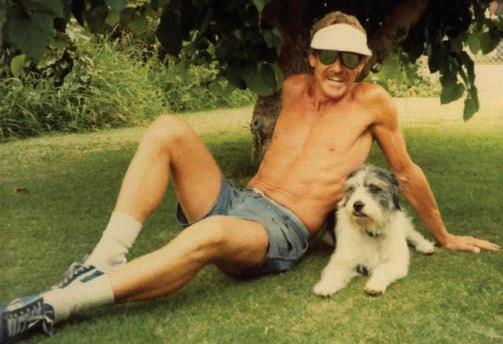
The Mulberry Tree in DC’s backyard was a famous gathering spot for friends. Here Deece is seen with Max, kicking back. Photo provided by author.
the days
the
a
place to be.
loved these two, and their smiles were infectious. Photo provided by author.
Towards the end, Max’s heart still said, “take me surfing,” but old age, two run-ins with autos, and a rib-shattering wipe out left him unsteady on his feet. He had a vicious and crooked-looking profile, a bad limp, a right-angle turn in his tailbone, a near-extinct set of upper teeth, and breath that would stop a train. Still, DC pampered and cared for that dog to his last breath. Max surfed until he was 15 (1988), well over 100 in human years. He died in 1989. DC was heartbroken, as were we all.
Despite all his seeming aversion to the publicity and attention, Chalmers often regretted aloud that Hollywood didn’t come knocking on their door. “My dream is that someone at Disney Studios will discover Max, and we will be introduced to many more children,” he would say.
DC never tired of sharing Max with the kids, whether it was one or two kids on the street or at the beach, or entire classrooms. They were frequent guests in area classrooms throughout Coronado and Imperial Beach. When speaking to young students in the classroom, Max would often stamp his “signature” pawprint on photos of the famous surfing duo.
Coronado photographer Steve Ogles captured what has become the quintessential photograph of the two surfing in Coronado, from which 15,000
postcards were made. DC never left home without a large stack of postcards for curious children they would meet in their travels.
DC particularly enjoyed the holidays, and making special Christmas cards of him and Max windsurfing, board surfing, steering a boat, or just hanging out. To achieve Max’s version of an autograph, DC would coax Max to place his paw on a red ink pad and leave his paw mark on the cards next to DC’s signature. These are collectors’ items today.
The simple life was what DC craved, and he did a pretty good job of capturing that dream up until the very end. Nothing made him happier than surfing point break waves, working in his garden, watching his Mulberry Tree bloom, or sharing a smoke with friends. His gardens were works of art; adorned with collected beach treasure such as flotsam and jetsam he retrieved from the beach, lobster floats, nets, old signs, pieces of broken surfboards, and whatever else he could find.
In the end, many friends filed into San Diego Hospice to pay their last respects to an old friend. As they stood to say their final goodbye, DC would raise his hand, force a smile on his cancerravaged lips, and mutter, “DC-ing you.”
That’s how many of us will remember him.
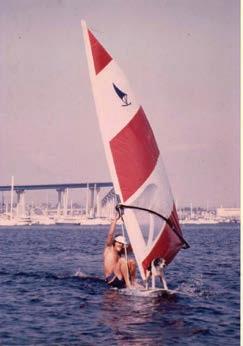
Here, DC & Max are seen windsurfing in Glorietta Bay. When the surf was flat, they would find other reasons to be on the water.
Photo by Joe Ditler.
He was deeply moved by the affection shown him in his final days. In retrospect, he was more than a little overwhelmed at how many, many friends he had made in his lifetime. His last days were spent looking through old photos and sharing memories of early Coronado -- reliving surfing adventures with family and friends. He died a very happy man.
A paddle-out took place between Gator Beach and Shipwrecks that involved more than 100 people, followed by a Celebration of Life at a local restaurant, where stories upon stories were shared aloud.
“I trust the process of life,” Deece would often say. “I’m on an endless journey through eternity, and I have plenty of time.”
DC frequently speculated that, once in Heaven, he and Max would be reunited to share “eternity” together. I like to think that’s true. A spiritual man (as are most surfers), that was DC’s frequent prayer –to be with Max again.
Surfer, gardener, surfboard repairman, poet … Dave Chalmers died peacefully on May 3, 2007, following a long bout with cancer. He was 62 years old.
Leah and Spencer Schulze, local parents raising their three kids in Coronado, have taken over Elevate Wellness with a simple goal- help their community feel better and live longer With o erings like infrared sauna, red light therapy, cold exposure, and hyperbaric oxygen, Elevate blends modern recovery with a personal, small-town feel. Visit us on Orange & 8th to experience it for yourself.
801 Orange Ave Suite 206 619-768-2796
Gary Boggs Live Streaming on www.calvarychapelcoronado.com cccoronadolwf@gmail.com
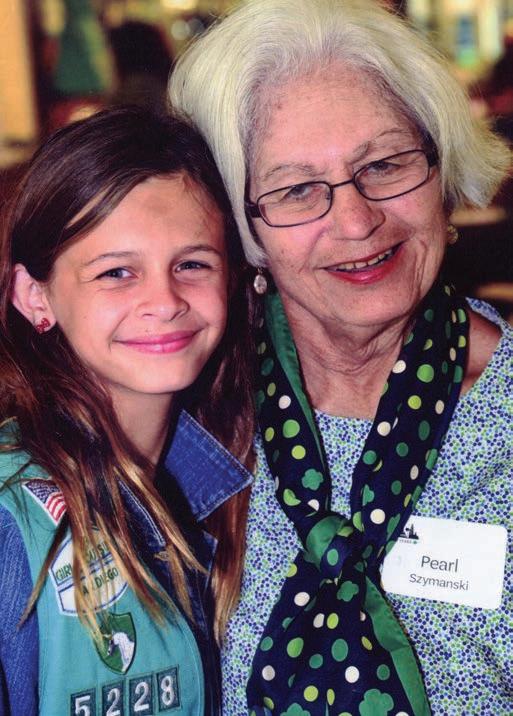
Island Icon: Pearl Szymanski
By Carol Pastor, Coronado Historical Association Volunteer
Some pearls come from the ocean.
Our Pearl is right here in Coronado.
Pearl was born in Detroit, Michigan, on March 27, 1943. She moved with her family to California at an early age, where she attended school first in Napa and then in Los Angeles when the family moved south. She eventually graduated from North Hollywood High School in Los Angeles.
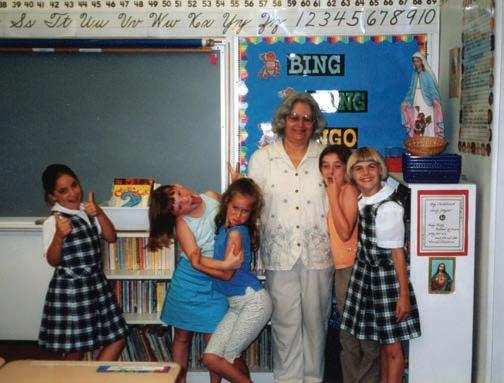
Pearl met and married Andy Szymanski, a native of Coronado, and Coronado was to be their home as well. The young couple settled here in March 1968, where Andy was employed at North Island Naval Air Station as a civil service employee—a position he held for many years until his retirement. Coronado was home. They welcomed three children over the next few years: David, the eldest, followed by Laura and Michelle. They were all educated at Sacred Heart School, just as their father had been. Over the next forty years, while Andy worked diligently on the Fourth of July parade, Pearl could always be found there working in the background.
But this is not the only way we remember Pearl. She has a long list of accomplishments and years of volunteering. She taught preschool children at Sacred Heart until the COVID pandemic, when she decided to retire. She also became involved with the Floral Association in the 1970s and has stayed involved ever since. Back when she was in her 20s, she joined the Coronado Junior Women’s Club, later moving up to the Women’s Club in the 1980s.
Perhaps her most memorable time volunteering has been with the Girl Scouts. She first became a Brownie Troop leader with Troop 5151 in 1978 when her oldest daughter joined. Even after her daughters graduated high school, Pearl remains involved in Girl Scouts, where she has been active for over 50 years now with various troops. She has worked with everyone from the young Daisies to high school Scouts. One special troop she has been a part of is Troop 1, which was first started in Coronado in 1917, and is considered the oldest troop of Girl Scouts west of the Rocky Mountains. Pearl was instrumental in planning the celebrations of both the Girl Scouts’ 100th Anniversary nationally in 2012 and Troop 1’s centennial locally in 2017. Listening to Pearl speak of her troops, one can truly understand her love for this group: “teaching girls to support each other is what it is really all about!” There is probably not a former Coronado Girl Scout who does not remember our Pearl.
She remains active today in the Coronado Woman’s Club, the Coronado Flower Show, Sacred Heart Church, and, as we have said, the Coronado Girl Scouts. This is Pearl Szymanski: still an active volunteer, as we all know, a real gem, and one we are all happy to call an icon of our community.
*True to its mission to serve as Coronado’s primary center for community history, the Coronado Historical Association (CHA) conducts special oral history interviews with Coronado natives and long-time residents. This special, ongoing project is called “Island Icons.” Oral history is critical to capturing local history because it helps us record information and stories that might otherwise go undocumented. Local history is not included in national textbooks or history books, so it is up to organizations like CHA to collect these important first-hand accounts and memories for the future. Island Icons stories are permanently archived at CHA. More information about the program can be found at coronadohistoryexhibit.org.
Risks Threatening Gen Z’s Retirement — and How to Tackle Them Risks Threatening Gen Z’s Retirement — and How to Tackle Them
By Hayley Beard, CFP®, Financial Advisor
While older generations worry about having enough money for retirement, many Gen Z workers aren’t even starting to save. Research in 2025 by Edward Jones and Morning Consult shows that nearly half haven’t begun setting money aside for their golden years, and only 22% are contributing to a workplace retirement plan.
The culprit is a perfect storm of financial pressures that can make saving for the future feel impossible.
One of the biggest challenges this generation faces is debt. Highinterest credit card balances and persistent student loan payments leave many feeling they’re just trying to stay afloat, rather than planning decades ahead.
The cost of living doesn’t help either. Nearly 60% of Gen Z renters are considered “rent-burdened,” spending more than 30% of their pre-tax income on rent, according to a StreetEasy analysis of U.S. Census Bureau data. Rising prices driven by inflation and tariffs squeeze budgets further, moving retirement savings down the priority list.
The nature of work has also changed. Gen Z is more likely than previous generations to hold gig jobs, contract positions or other flexible work arrangements that often don’t include employer retirement plans, according to Pew Research. Even when plans are available, only 22% participate. Feeling overwhelmed by jargon, confused by investment choices or focusing only on today’s experiences and technology can all delay participation. These early gaps may lead to catch-up needs later in life.
Unfortunately, Gen Z has little faith in the retirement safety net. Only about a third of Gen Z-ers say they believe Social Security will still exist when they retire, according to the latest information from the CATO Institute.
Fortunately, there are steps Gen Z can take now to get their retirement savings off to a good start:
• Start small:
Even a few dollars per paycheck builds a savings habit and gets compounding interest working in their favor. Early momentum matters more than starting big.
• Let compounding do its work: Small, consistent contributions can grow dramatically over time, especially when they have decades to accumulate.
• Use a workplace retirement account: For anyone with access to a plan, enroll and contribute at least enough to receive any employer match. It’s one of the few forms of “free money” available.
• Open an IRA:
If no plan is available through work, take charge by opening an individual retirement account (IRA).
• Simplify investing:
If the choices feel confusing, consider options such as a target date fund, which reduces complexity and helps keep you properly invested without needing expert advice.
• Use found money:
Direct tax refunds, bonuses or gig income into retirement savings to boost progress without straining the monthly budget.
• Automate contributions: Automatic transfers make saving effortless. Review this annually and increase contributions as income grows.
• Build confidence:
If investing feels overwhelming, look for quick financial education resources from an employer, plan provider or reputable nonprofit organization. Even a little knowledge can make decisions easier.
The path to retirement doesn’t require perfection — just progress. Building consistency early helps create choices, security, and financial breathing room later in life
This article was written by Edward Jones for use by your local Edward Jones Financial Advisor. Edward Jones, Member SIPC
California Adopt-a-Pet Day
California Adopt-a-Pet Day
On Saturday, June 6, something special will be happening across California, and right here in Coronado, PAWS of Coronado will be part of it.
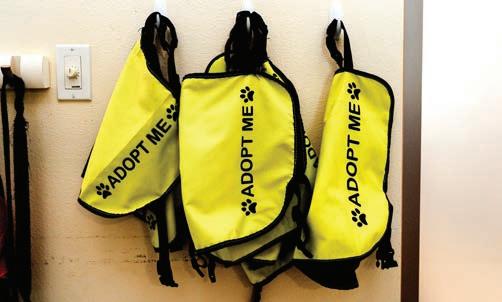
As a proud participant in California Adopt-a-Pet Day, PAWS of Coronado is opening its doors and hearts a little wider, inviting neighbors, families, and animal lovers to discover the life-changing joy of pet adoption. Thanks to generous sponsorships, adoption fees will be fully covered for the day, removing one of the biggest barriers between loving homes and the animals who
But this day is about more than waived fees. It is about connection and mutual fit.
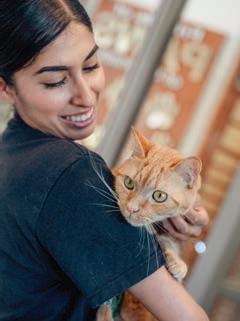
Walk into PAWS of Coro nado on Saturday, June 6, and you might meet a shy cat who slowly leans into your hand, discovering trust again. You might lock eyes with a dog whose tail begins to wag the moment you speak. These are not just animals. They are companions waiting for their next chapter.
For many adopters, that chapter becomes one of the most meaningful relationships in their lives.
Pet ownership has a way of quietly transforming the everyday. Morning walks become moments of reflection. Evenings at home feel warmer with a curled-up companion nearby. Children learn empathy and responsibility. Adults rediscover playfulness. In return for food, care, and affection, animals offer something remarkably pure: unwavering loyalty.
At PAWS of Coronado, we see these stories unfold every day. We see the nervous first meetings turn into lifelong bonds. We hear from families who say their adopted pet helped them through a difficult time, brought laughter back into their home, or simply made life feel fuller.
Events like California Adopt-a-Pet Day amplify those stories, but at PAWS of Coronado, it is never about simply finding homes quickly. It is all about connection and mutual fit. This is not a forced exit for our animals, but rather a thoughtful process to ensure each pet and each family are truly right for one another.
By sponsoring adoption fees, this initiative makes it easier for people to say yes to a new companion while still honoring the importance of making the right match. It is a reminder that sometimes all it takes is one small nudge for a life to change forever, both human and animal.
To make the most of the day, we encourage prospective adopters to plan ahead. Visit www. pawsofcoronado.org to browse our
current adoptable animals and get a sense of who might be the right fit for your home. Completing an adoption application in advance can help streamline the process, giving you more time to focus on meeting and connecting with the animals in person.
We gently remind guests and interested parties to keep an open mind. While it is natural to arrive with a favorite in mind, some animals may be adopted before the event begins. Often, the most meaningful connections happen unexpectedly, with the pet you did not initially plan on, but who turns out to be exactly who you needed.
For our team and volunteers, June 6 is a celebration. A celebration of second chances. Of wagging tails and gentle purrs. Of the quiet magic that happens when an animal finds its person.
If you have ever considered adopting, this is the perfect moment. Come meet the animals, spend a little time, and see what connection might be waiting for you.
Because often, the joy of pet ownership does not begin with a plan. It begins with a single visit, a shared glance, and the realization that you have just met a new member of your family.
CORONADO REAL ESTATE
Louisiana From the Bayou
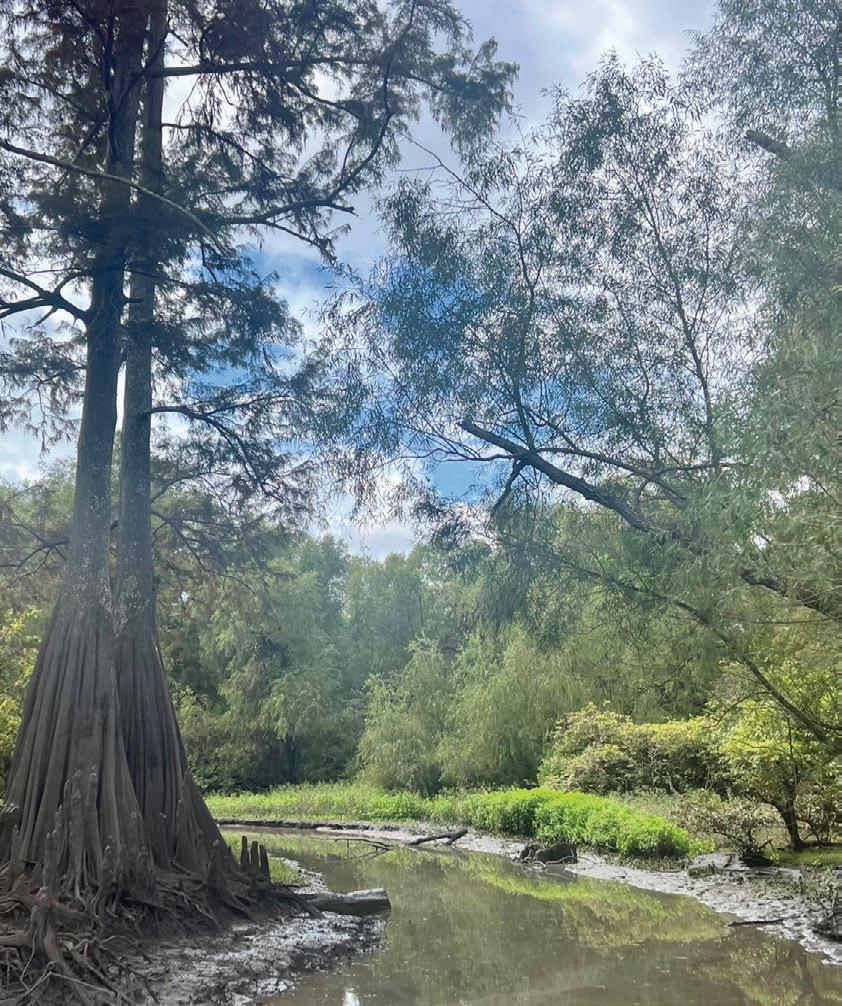
The Atchafalaya Basin is the largest existing wetland in the United States, containing almost one million acres of America’s most significant hardwood trees, swamps, bayous and backwater lakes, home to 65 species of reptiles and amphibians, 250 species of birds and 100 species of fish.
to the Big Easy
Let’s go on a journey to Cajun country, Creole cuisine and the city where jazz was born.
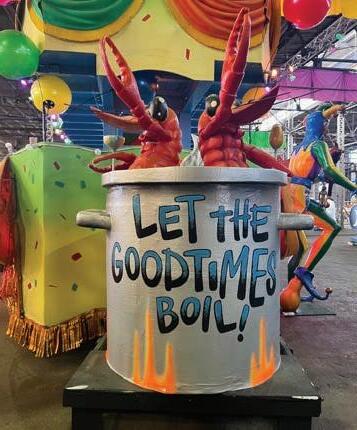
There’s an energy you’ll find throughout Louisiana that is unlike anywhere else in our country. You’ll find it in the music – from jazz to zydeco, and in its foods, made famous by the likes of Paul Prudhomme, Emeril Lagasse and newcomers such as James Beard’s “Best Chef: South” Nina Compton of Compére Lapin. You’ll find it in New Orlean’s ornate architecture and vibrant celebrations, most notably Mardi Gras, and if you’re not in town during Mardi Gras time, you can always visit Mardi Gras World, as I did.
Louisiana is a melding of cultures that have fused over centuries into the state’s daily life. As a major port at the mouth of the Mississippi River, New Orleans, or “NOLA” as it is often called today, has long served as a gateway for goods, people and ideas – one reason so many cultures converged here in the first place.
Those cultures include French and Acadian (whose pronunciation eventually morphed to “Cajun”). Expelled from Canada in the 18th century, the Acadians
settled in rural south Louisiana and their resourceful, rustic traditions shaped Cajun food and music.
The Spanish governed Louisiana for decades in the 1700s, leaving architectural and culinary traces. I was surprised to learn that the ornate wrought-iron balconies that typify the French Quarter were derived from Spanish rather than French architecture.
Enslaved Africans brought musical rhythms, agricultural knowledge and cooking techniques to the region. Refugees from the Haitian Revolution arrived in the early 1800s, reinforcing Creole culture, language and cuisine.
Native Americans contributed ingredients like filé (ground sassafras leaves) used in gumbo, survival techniques (fishing and harvesting and alligator hunting among them) and regional knowledge, especially in rural areas.
And finally, German and Italian immigrants influenced farming and sausagemaking. Italians (especially Sicilians) shaped New Orleans food traditions and commerce.
From this mix emerged two oftenconfused but distinct identities: Cajun (rural, French-speaking descendants of Acadians) and Creole (urban, multi-cultural people of French, Spanish, African and Caribbean descent, centered in New Orleans).
Louisiana’s culture isn’t preserved behind glass. It’s tasted in a roux that takes patience to stir, heard in a trumpet that bends the rules, and seen in a parade where there’s no clear line between performer and audience.
I attended a travel writers convention (IFWTWA – International Food Wine Travel Writers Association) last October in Lafayette, with a pre-trip to New Orleans, and a post-trip to explore St. Landry and St. Martin parishes and came home with a longing for more Louisiana.
The good news is I can stream zydeco on Spotify, cook a Mardi Gras meal from recipes I brought home (which I did in February for my book club), pick up some Sazerac at the local liquor store, head over to the Gator by the Bay festival in San Diego this May 7-10, or, best of all, hop a plane for a return visit.
Story and photographs by Kris Grant
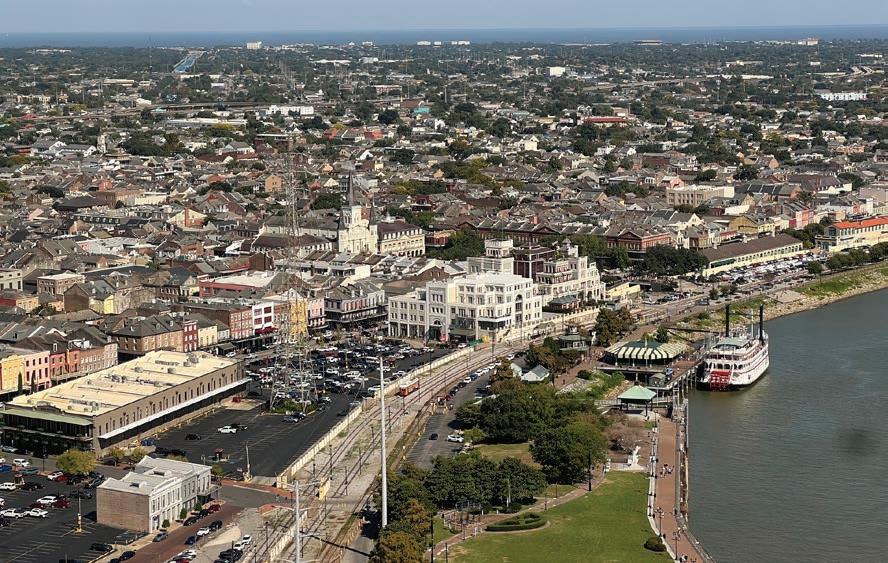
A view of the rooftops of the French Quarter with the Mississippi River curving just beyond is one of the panoramas from Vue Orleans.
A flavorful and musical opening night in NOLA
After checking into The Old No. 77 Hotel and Chandlery, a former coffee warehouse in NOLA’s Warehouse District, I met my traveling companions for the next three days: Merle Rosenstein, a freelance travel writer from Toronto; Karen LeBlanc, a Louisianan who is the author of The Design Tourist, a travel and lifestyle blog as well as a travelogue on Louisiana’s parishes (in California we call them counties) and our fabulous hostess, Diana Hernandez of Visit New Orleans. Introductions made, we headed to the hotel’s onsite French restaurant – Compére Lapin. Named after the mischievous rabbit in Caribbean and Creole folktales, the restaurant features a rustic vibe with exposed brick walls, mosaic tile flooring, an inviting bar and dim lighting, and outstanding food offerings that place it on Michelin’s preferred dining list.
Compére Lapin is helmed by chef/ owner Nina Compton, who fell in love with New Orleans while filming BRAVO’s Top Chef Season 11: New Orleans (she grabbed the runner-up spot and was voted fan favorite). Nina is a native of St. Lucia where her late father, Sir John George Melvin Compton, was the country’s threetime prime minister. She is a graduate of the Culinary Institute of America and first worked at Daniel’s alongside Daniel Boulud in New York. Here our group started out the evening with innovative cocktails and hors d’oeuvres that included hushpuppies flavored with jalapeño, scallion and a cilantro crema, tuna tartare, and crab fingers.
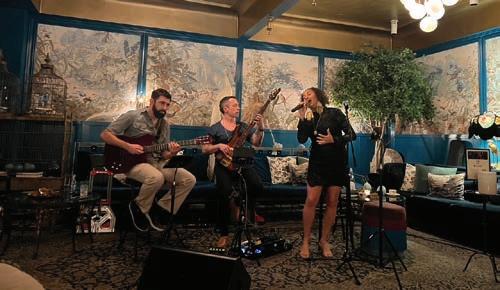
The night was young, so Diana ushered us next door to the Kimpton Hotel Fontenot’s Peacock Room where we were entertained by Robin Barnes and Da Fiya Birds. Jazz is everywhere in NOLA, and it’s one reason the city is sometimes called “the Big Easy,” not only reflecting the city’s relaxed free-spirited way of life, but also tracing its origins to the early 20th century when jazz players knew that New Orleans was an “easy” town to find steady work, especially compared to more competitive cities like New York City.
Robin Barnes’ show was immensely enjoyable, a mixture of soul, jazz, R&B and soulful vocals – in fact, Robin is deservedly known as “the Songbird of New Orleans.” All the while, we enjoyed still more outstanding New Orleans hors d’oeuvres. Diane said that anyone visiting New Orleans for a vacation should plan to gain five pounds. We fell in line.
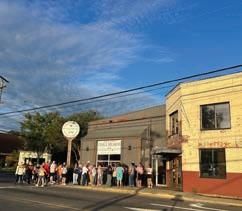
The next morning, Karen, Merle and I walked over to Mother’s Restaurant for breakfast. I enjoyed the shrimp Creole omelet with grits, along with Mother’s Famous Buttermilk Biscuits. Those biscuits alone explain why there’s often a line outside the restaurant. But there’s also a family pride vibe here that is evident throughout. “Big Alex” (Salas) is a restaurant manager who has been with Mother’s for 20 years; “Little Alex” is the manager with a mere 15 years under his belt. Big Alex took us on a tour of the back of the house, introducing every crew member along the way and pointing out the hundreds of hams that the restaurant processes daily. Indeed, Mother’s signage reads “World’s Best Baked Ham” and those hams are not only enjoyed in the restaurant but are shipped worldwide. Another iconic dish I’ll try next time is the roast beef “debris” (pronounced DAY-bree). Oh, and also the bread pudding laced with brandy butter sauce.
Robin Barnes and Da Fiya Birds were a bright introduction to New Orleans Jazz; the group performs on Thursday nights at Hotel Fontenot’s Peacock Room.
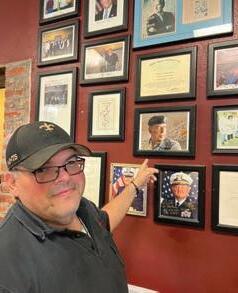
Mother’s Restaurant co-manager “Big Alex” Salas points to one of the most popular photos on the restaurant’s photo gallery: U.S. Army Lt. Gen. Russel L. Honorè, who led Joint Task Force Katrina during the immediate response to the storm.
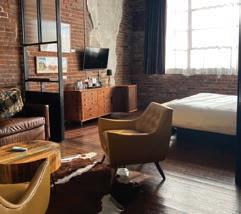
If you stay at Old No. 77 Hotel and Chandlery, be sure to reserve a suite.
Learning to Cook, New Orleans style
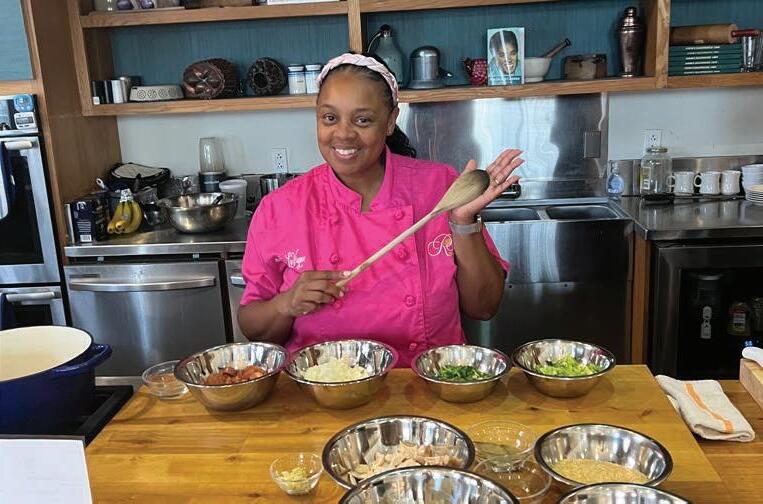
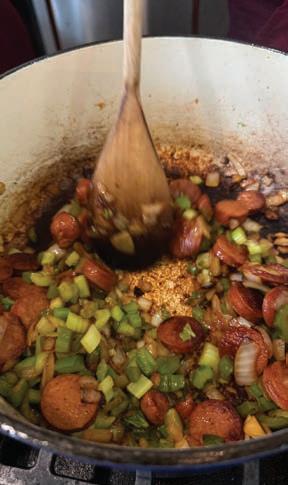
Now that we had tasted Louisiana cooking, it was time to learn how to prepare it. We got that hands-on opportunity at The Deelightful Roux School of Cooking. Led by Chef Dee Lavigne (and she was indeed delightful), we learned why techniques work, especially for the roux and the “holy trinity” seasoning base of onion, celery and bell pepper. For the first time in my life, I learned how to properly cut a bell pepper, an example of how I’m always picking up tips at cooking schools. Our menu (and lunch!) today included a chicken & andouille sausage gumbo (with a proper dark roux), jambalaya, smothered tomatoes and okra and bananas foster.
The school is located inside the Southern Food & Beverage Museum, where exhibits tell the story of food traditions across the southern states.
After a couple of hours of free time, we intrepid travel writers embarked on Dr. Gumbo’s Food Tour, a walking tour where we made about five stops to sample “small plates” of gumbo, po’boys, boudin balls and sweets including pralines. At this point, I was already stuffed, but what I most enjoyed was the walk through the French Quarter, where we learned about the history of Jackson Square, and the background of famous restaurants in the quarter.
Chef Dee Lavigne at the Deelightful Roux School of Cooking led our group in preparing a most delicious lunch. We learned that dark stuck-in bits of food left on the bottom of the pot add flavor and complexity to jambalaya.
From Mardi Gras to R&B Legends
I always thought Mardi Gras was a one-day blow-out party. Oh, how wrong I was.
Mardi Gras in New Orleans is rooted in the city’s deep Catholic heritage of French and Spanish settlers and that influence still shapes its calendar and traditions. Mardi Gras, which means “Fat Tuesday” in French, marks the final day before Lent, a solemn season of fasting and reflection leading up to Easter. Because lent begins on Ash Wednesday, Mardi Gras becomes a last day of indulgence with rich foods, music, parades and celebration before the more restrained weeks that follow.
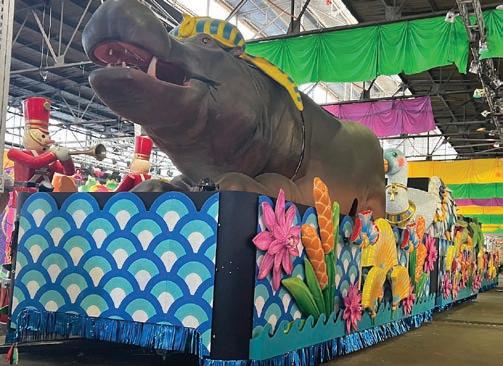
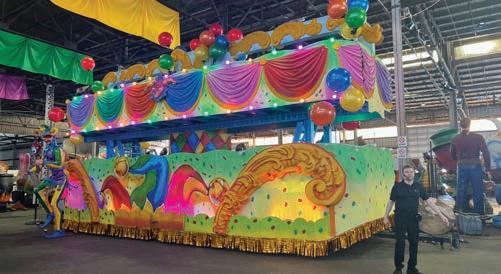
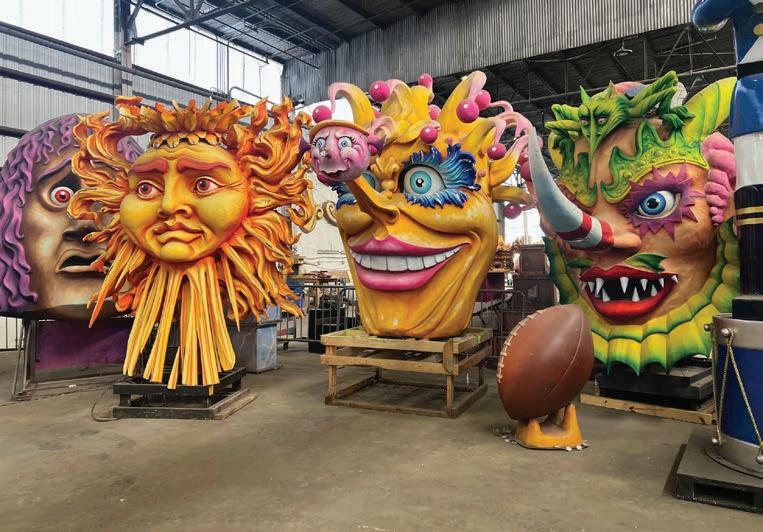
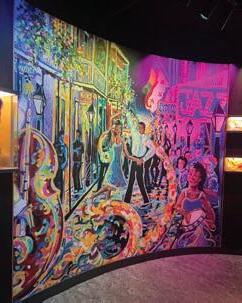
Our group learned a lot about Mardi Gras by touring Mardi Gras World. This working warehouse and studio is where many of the city’s parade floats are designed and built. Visitors can walk among giant sculptures, see artists at work and learn how these massive creations come together each season.
Mardi Gras is an entire season in New Orleans beginning on Epiphany (January 6) and continuing through to Fat Tuesday. During this time, the city gradually builds toward its grand finale. What starts as smaller neighborhood celebrations soon expands into a fullscale spectacle. By the final two weeks –especially the stretch known as “Carnival season” – parades happen almost daily. In total there are more than 70 parades organized by social clubs called krewes, each with its own traditions, royalty and float designs. Some of the most famous krewes date back more than a century.
Three of the most famous parades are the Krewe of Endymion, held the Saturday night before Mardi Gras, famous for its massive “super floats” (some with bathrooms on board), often with celebrity grand marshals; the Krewe of Bacchus (Sunday night before Mardi Gras) with spectacularly themed floats like the famous Bacchasaurus; and the Krewe of Rex, held during the day on Fat Tuesday, and featuring the official purple, green
and gold Mardi Gras colors.
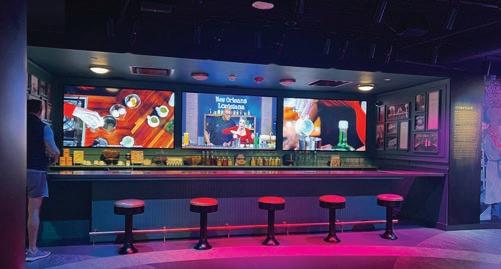
Diane next escorted us to Vue Orleans, located on the 33rd and 34th floors of the Four Seasons Hotel. We took the express elevator to the 33rd floor where we entered a combination museum and interactive exhibit about New Orleans culture and history. For example, touchscreen stations and short multimedia pieces acquaint you with New Orleans food culture, and at a music station you can tap different styles of New Orleans music – such as jazz, brass band, funk, which will call up and play that music and the artists famous for those styles. On the top floor, we enjoyed our first cocktail of
the day and from the wrap-around openair terrace, took in the 360-degree view of the city including the French Quarter, Mississippi River, uptown neighborhoods and the city skyline.
Vue Orleans and the Four Seasons Hotel New Orleans opened in 2022 after the skyscraper had been closed for years. The 34-story building on Canal Street was completed in 1968 to celebrate the 250th anniversary of the city’s founding. Designed by legendary modernist architect Edward Durell Stone, the building was originally the World Trade Center and International Trade Mart. The landmark tower was completely renovated
(Above, below, and top right) Mardi Gras parade floats are made and housed at Mardi Gras World and can be viewed year round.
An
from its core with modern hotel systems and elevators to become a five-star hotel (with private residences above) and is now recognized on the National Register of Historic Places.
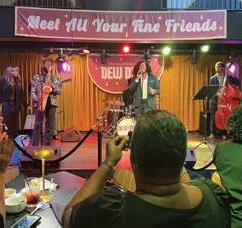
Next stop was the Dew Drop Inn for its Legends of the Dew Drop Brunch Review. This was more than a delicious meal, it was a living history lesson wrapped in gospel, jazz and rhythm and blues. Founded in 1939, the Dew Drop Inn evolved from a barbershop into one of the most important Black-owned music venues in the American South. During segregation, it served as a safe haven for African American travelers
and performers on the “Chitlin’ Circuit,” hosting legends like Ray Charles, James Brown and Little Richard, who introduced “Tutti Frutti” on the Dew Drop Stage. By the 1950s, the Dew Drop was widely known as one of NOLA’s premier nightclubs and a cradle of early rock and R&B.
After decades of decline and heavy damage from Hurricane Katrina, the building sat largely abandoned. A $7.8 million renovation preserved original architectural elements and updated the space, including a 17-room hotel, pool area and performance venue, and the Dew Drop reopened in 2024.
(Above and below)
interactive museum on the 33rd floor of Vue Orleans tells the story of the city’s music makers and culinary artists.
The Dew Drop Inn features a rousing show that combines the history of performers who’ve entertained and stayed at the inn, including Little Richard and Ray Charles.
French Quarter Favorites
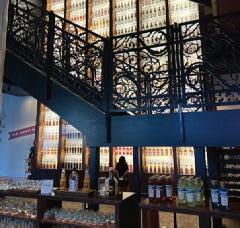
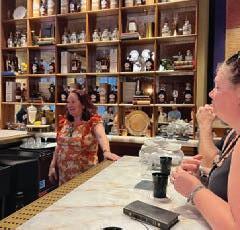
New Orleans is known as “the home of the cocktail” and much of that legacy can be attributed to the Sazerac House. Housed in a restored six-story historic building, the Sazerac House in the French Quarter is where NOLA’s signature cocktail was born. The building’s renovation, completed in 2019, created a 48,000-square-foot space blending museum, production and event facilities. Our little group signed up for the Sazerac Cocktail Tasting Experience, where we gathered at a private bar on the second floor and learned the history behind such products as Sazerac Rye Whiskey and Peychaud’s Bitters. And, of course, we tasted several cocktails, including the original cognac Sazerac, the modern rye whiskey Sazerac (the version most people know today and which is the official New Orleans cocktail), and one more – bourbon instead of rye.
We closed out the evening with yet another music scene – this last night at the incomparable Jazz Playhouse Tucked inside the elegant Royal Sonesta Hotel on Bourbon Street, the Jazz Playhouse offers one of the most polished and intimate jazz experiences in the French Quarter. The venue felt like a step back in time to a more refined era, with low lighting, Art Deco touches and a stage that put our group just feet from
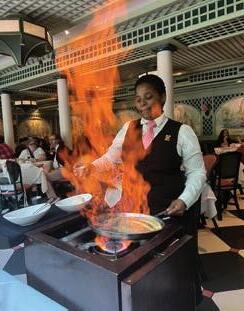
the musicians, The club is known for showcasing top-tier local talent – both seasoned veterans and rising stars. Merle and I closed out our New Orleans visit with brunch at Brennan’s, a crown jewel of the French Quarter, epitomizing the elegance of Creole fine dining. Originally founded in 1946 by Owen Brennan on Bourbon Street, the restaurant moved in 1956 to its iconic pink home at 417 Royal Street. This historic 1795 building, once a bank and the residence of chess master Paul Morphy, is a sophisticated backdrop for legendary dishes, most famously Bananas Foster, which it created in 1951 to honor a local businessman.
We had a splendid breakfast, then bid adieu to NOLA and it was on to Lafayette!
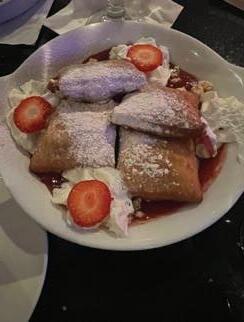
(above) We closed out our night at The Jazz Playhouse with beignets. (below)
The next day, Merle and I topped off our Brennan’s brunch with bananas foster –the dessert was invented at the restaurant.
House is a French Quarter Institution; it’s where our group learned the art of the cocktail.
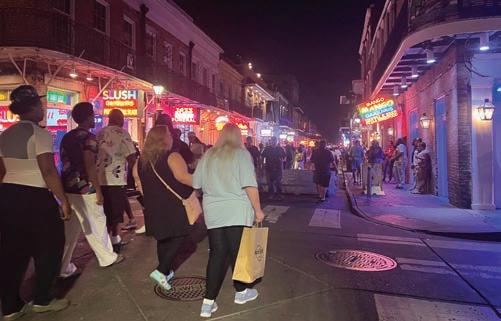
Bourbon Street comes alive nightly in New Orleans.
The Sazerac
Welcome to Acadiana
It’s a two-hour drive from New Orleans to Lafayette, often considered the cultural hub of Acadiana where Cajun heritage is strongest. Over the next four days, our group explored the cultural heart of Acadiana, Lafayette, along with the music, bayous, swamps and countryside of St. Martin Parish and the historic towns of St. Landry parish. If jazz is the voice of New Orleans, zydeco is the dance floor of rural Cajun country. It comes from French-speaking Black Creole communities in southwest Louisiana and blends African rhythm and blues feeling with French Creole melodies, Caribbean syncopation and elements of early rock and R&B.
Accordion carries the melody while
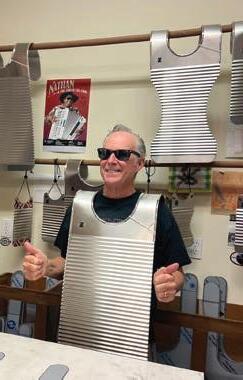
a frottoir (rubboard) – a wearable washboard – provides sharp, driving rhythm and electric guitar and bass add a modern punch. Our group got to see how those rubboards are crafted with a visit to the home studio of Tee Don Landry, owner of Key of Z Rubboards. Tee Don continues the shaping and finishing of these instruments by hand,
a tradition begun by his father Willie Landry who began crafting rubboards in 1946, most notably for Clifton Chenier, renowned as the King of Zydeco.
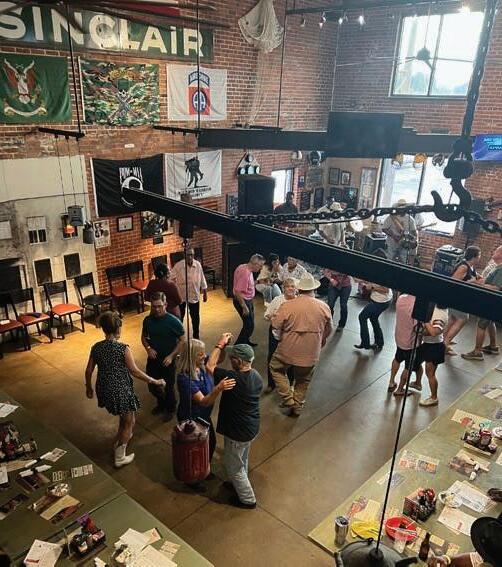
The next morning – yes, Saturday morning – we experienced an exciting zydeco breakfast at Buck & Johnny’s. Talk about high energy: we showed up at this former car dealership at 8 a.m. and there was already a line snaking around the building. The cover charge is $10, granting you entry to the large bustling interior with wrap-around balcony seating; tin signage and oil can lights harken to its automotive past. The parts department is now a server window and the food itself is excellent and ranges from crawfish omelets, Cajun Boudin Breakfast to beignets and coffee, plus endless mimosas and Bloody Mary’s.
The Mike Broussard and Nu Edition Zydeco band took the stage promptly at 8:30 a.m. and within five minutes the dance floor was filled with two-steppin’ couples, some of whom had obviously taken many a spin here and others who were experiencing the rhythms of zydeco for the first time. Oh, how I love the sounds of accordion and a good rubboard in the morning!
Tee Don Landry continues to make rubboards at his home studio, following in the tradition of his father who began crafting them for zydeco legends in 1946.
Saturday morning’s zydeco breakfast at Buck & Johnny’s is a rip-roaring way to start off the weekend. Be sure to get in line early – by 9 a.m. the line snakes around the corner.
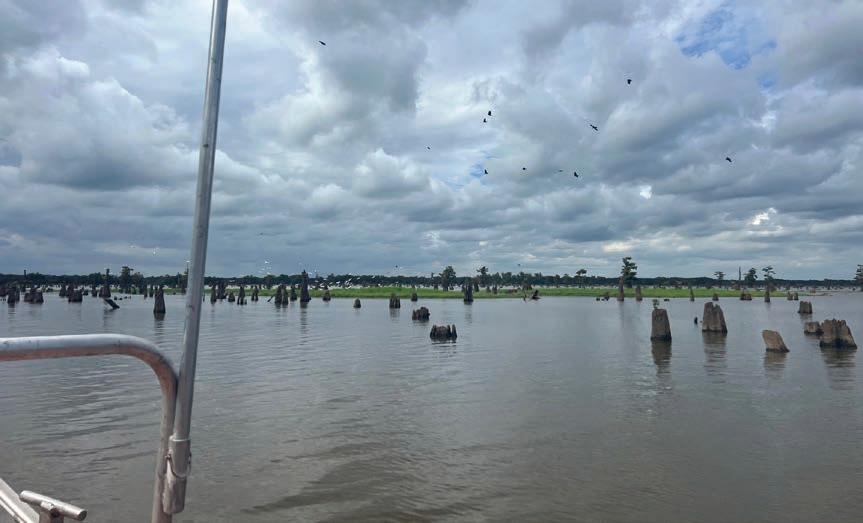
Before we got deep into Atchafalaya Basin, our airboat motored past stumps of cypress trees that had been harvested in the early 20th century before stricter logging controls were introduced. It lent an eerie stillness to the basin.
Into the Atchafalaya
At the edge of the vast Atchafalaya Basin, we set out from Basin Landing Airboat Swamp Tours, slipping under Interstate 10 and gradually leaving the sounds of civilization behind. The transition was subtle at first then complete – engine noise replaced by wind, water, and the low murmur of the swamp. We began in a broad open stretch where the broken stumps of cypress trees rose eerily from the water like a graveyard. Our guide, Cal, explained this was the legacy of early 20th century logging, where old-growth cypress was heavily harvested until stricter protections curtailed the practice decades later. Today, the basin spans nearly a million acres, a watery wilderness that feels both scarred and resilient. “The Mississippi drains about 41 percent of our nation’s water,” said Cal. He’s filled with lots of fun facts, like “Spanish moss is not Spanish and it’s not a moss. It’s a bromeliad, a distant cousin of the pineapple.”
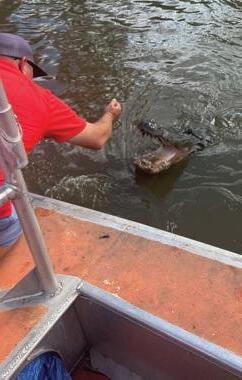
As the channel narrowed, the mood shifted. We moved into twisting corridors lined with cypress and tupelo, where I spotted egrets and herons high in the trees. Then, rounding a bend into a wider pool, the stillness broke. Several alligators began gliding toward the boat, their eyes fixed, their movements deliberate. At first glance, in a distance, they could easily be mistaken for logs or driftwood. Not the best swimming hole. Cal, holding a bag of what I think was pieces of beef, leaned forward and summoned the gators with soft smooching noises, kind of like “Here, kitty kitty;” those these “kitties” have about 80 sharp teeth each. “Hello, Clarence. How you doing, Hercules?” he purred, as he dropped treats neatly into their cavernous hungry mouths. Cal said alligators have lifespans similar to humans, noting that Hercules was about 65 years old. Now, how’d he know that?
Yes, there are plenty of gators in the Atchafalaya. Our guide, Cal, could recognize them, but they all looked the same to me.
Freetown, Art and the People Behind Lafayette’s Creative Pulse
When all is said and done, a community is defined by the people who bring it to life.
An example is the husband-wife team of Clare Cook and Dr. Robert Autin. Friends in Lafayette since their grade school days, the couple lived in New York for six years allowing Robert to receive medical school training while Clare earned a degree in dance from NYU’S Tisch School of the Arts. Upon moving back home to Lafayette, Robert began his medical practice and also opened and operated the Acadian Superette restaurant and smokehouse for seven years and became an investor in the Spoonbill Watering Hole & Restaurant Clare meanwhile established Basin Arts, a non-profit arts incubator, with programs that include artist residencies, public art projects, art exhibitions, performance events and its signature art rental program, Bare Walls. That program turns “bare” business and residential walls into gallery spaces, allowing an affordable way for businesses to have a creative and dynamic space while providing residual income for working artists in the community.
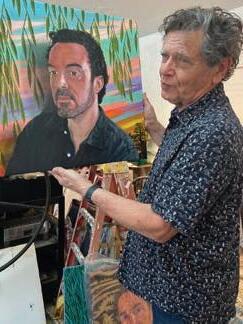
Clare took me on a tour of the Freetown District, one of Louisiana’s earliest communities of free people of color. Walk its streets and you’ll find studios tucked into modest homes, murals rising unexpectedly and artists who have stayed for decades. Clare introduced me to one such artist –Francis Pavy. His new book, Francis X. Pavy: 40 Years chronicles his 40 years of multi-faceted works that interpret and celebrate his region.
At the center of Lafayette’s culture is the Acadian Center for the Arts (AcA) that is a gallery and performance space. Its art spreads through the community, onto traffic boxes, lampposts, and across entire walls of downtown buildings. It should come as no surprise that there are a plethora of museums and folk centers throughout the region.
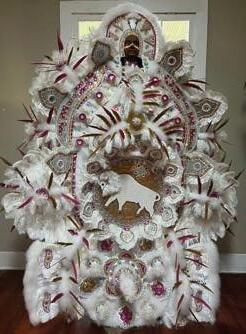
One of the most compelling is Maison Freetown, that preserves the story of Freetown through oral histories, artifacts and exhibits on Creole culture. A short drive north, the Creole Heritage Folklife Center in Opelousas, one of Louisiana’s oldest cities, offers an intimate hands-on look at Black Creole culture and African American folk life including quilting and the elaborate glass-beaded masks and “suits” worn by Mardi Gras Indians in the Black Mardi Gras parade. Also, the Opelousas Museum and Interpretive Center highlights the region’s history including the Civil War and noted natives, including Paul Prudhomme, who became famous as the chef behind K-Paul’s Louisiana Kitchen in New Orleans and whose influence helped turn Cajun and Creole cooking into national cuisine.
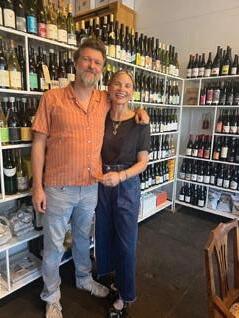
Arts in Lafayette extend into culinary ventures. At Wild Child Wines, owners and operators Katie and Denny Culbert have married their passion for natural wines and tinned fish and now it’s a new favorite of mine too. At Vestal, I’m
On display at the Creole Heritage Folklife Museum are masks and costumes featured in the annual Black Mardi Gras parade. Artists work a year in advance to create the intricate beading.
still in awe of the corn and crab bisque, the compressed watermelon salad, the seared Gulf snapper and crème brûlèe dinner I enjoyed, all prepared by executive chef Sullivan Zant.
Katie and Denny Culbert have married a love for organic wines with imaginative and tasty pairings with tin fish at their Wild Child Wines.
Francis X. Pavy is a Freetown institution.
A memorable closing night at Maison Madeleine
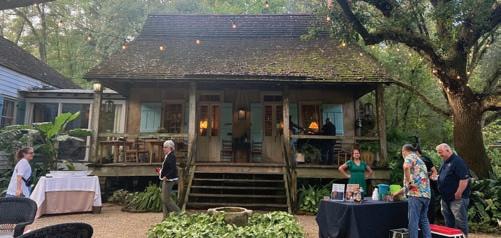
We closed out our conference with a dinner at the charming, rustic and utterly Cajun Maison Madeleine Bed & Breakfast and Events Center in the heart of the Atchafalaya Basin. It’s located just outside the small town of Breaux Bridge, one of the cultural centers of Acadiana and the heartland of the inviting Cajun way of life.
Maison Madeleine’s main historic structure is a circa-1840 French Creole cottage that was moved to its present location in 1997 and is on the National Register of Historic Places. Nestled among lush gardens on the shores of Lake Martin, it’s a hidden gem that boasts one of the largest wading bird rookeries in North America.
The cottage has been lovingly restored by owner Madeleine Cenac and features bousillage walls (a mud and Spanish moss mixture), antique-filled rooms and a wide front porch where two lazy dogs were on hand to welcome our group.
Our dinner was similar to the “Secret Suppers” that Maison Madeleine hosts throughout the year and which sell out quickly. The suppers are limited to 50 people and are priced about $375 plus tax and tip. But based upon our memorable night, they are worth every penny.
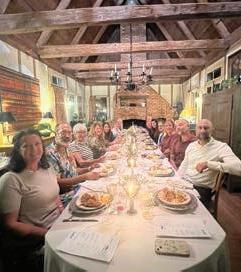
Our “Cajun & Creole Rhythms and Spirits” dinner was created by Madonna Broussard, a celebrated third-generation chef and owner of Laura’s II Café in Lafayette. This magical evening began outside under ancient oaks where we sampled Jean Baptiste rums and Barataria beauties (oysters) from Grand
Isle, Louisiana, followed by a shrimpand-grits hors d’oeuvres. We watched as a local craftswoman fired and pounded out Cajun triangles.
All the while, we were entertained by Yvette Landry of Breaux Bridge, a Grammy-nominated singer who plays accordion and guitar accompanied by acclaimed fiddler, guitarist and humorist Beau Thomas.
Then we moved indoors to the elegant yet rustic dining room where we enjoyed a superb four-course dinner.
My advice: When you head to Louisiana, plan to savor every mouthwatering morsel, with menus shaped by centuries of cultural fusion enriched by the bounty of the region’s waters. You can diet when you get back home.
Our “Cajun & Creole Rhythms and Spirits” closing night
When You Go…
Gator by the Bay
Preview your trip to Louisiana by experiencing “Mardi Gras in May.” Spanish Landing, San Diego May 7 - 10 www.gatorbythebay.com
New Orleans
New Orleans & Company website www.neworleans.com
Here, you’ll find lodging, restaurants and attraction information, including a guide to all of NOLA’s neighborhoods
Where To Stay
Dew Drop Inn www.dewdropinnnola.com
Kimpton Hotel Fontenot
Also in the Warehouse District, a lovely hotel and home to the Peacock Room. www.hotelfontenot.com
Hotel Monteleone
If you’d like to stay in the French Quarter, I recommend this Four-Diamond property, home to the Carousel Bar. www.hotelmonteleone.com
The Old No. 77 Hotel & Chandlery
It’s where I stayed, lovely lobby and excellent onsite French restaurant, Compére Lapin. Request a Grande, Studio or Suite with outward-facing windows, not an interior room with just a window well. www.old77hotel.com
Restaurants & Jazz Clubs
Brennan’s Restaurant www.brennansneworleans.com
Café du Monde
My favorite spot for beignets and chicory coffee. Open 24 hours a day in the French Quarter, except Christmas day or when a hurricane comes too close for comfort. Also in City Park. www.cafedumondes.com
Maison Madeleine’s main structure is an 1840 French Creole building now on the National Register of Historic Places.
dinner will live long in my Louisiana memory book.
Getting there
By air:
Louis Armstrong New Orleans International Airport
Southwest operates nonstop flights from San Diego; other airlines fly there but usually with a stop.
Lafayette Regional Airport
No direct flights from San Diego or New Orleans but does have connections in Dallas and Houston if you wish to fly there directly. If doing both destinations, I recommend renting a car in New Orleans for the two-hour drive, mostly along I-10, to Lafayette.
Lafayette
Driving:
25 hours, 1819 miles, mostly along I-10, from Coronado. If you are so inclined, make it an adventure with two-day stays each in Tucson, San Antonio and Houston.
Compére Lapin www.comperelapin.com
Dew Drop Inn www.dewdropinnnola.com
Mother’s Restaurant www.mothersrestaurant.net
The Carousel Bar & Lounge A revolving bar … so much fun! www.hotelmonteleone.com
The Jazz Playhouse www.thejazzplayhouse.com
The Peacock Room www.peacockroomnola.com
Attractions & Museums
Deelightful Roux School of Cooking www.chefdeelavigne.com
Mardi Gras World www.mardigrasworld.com
National WWII Museum
Tells the story of the American experience in the war that changed the world—why it was fought, how it was won, and what it means today—so that all generations will understand the price of freedom and be inspired by what they learn. I will definitely include this museum on my next NOLA visit! www.nationalww2museum.org
Sazerac House www.sazerachouse.com
Southern Food and Beverage Museum www.southernfood.org
Vue Orleans www.vueorleans.com
Lafayette Travel
Lafayette Parish’s marketing website has comprehensive information of lodging, dining and the many festivals held in the region each year www.lafayettetravel.com
Where To Stay
Hilton Garden Inn, Lafayette Near the University of Louisiana, Lafayette campus, this was our conference HQ. www.hilton.com
SpringHill Suites by Marriott, Lafayette www.marriott.com
Train Wreck Inn
This retro-train motel in historic Grand Coteau features four separate lodgings including a train car, caboose, ticket station and depot. Interiors were inspired by filmmaker Wes Anderson with a midcentury modern twist. www.trainwreckinn.com
Restaurants & Clubs
Bayou Teche Brewing www.bayoutechebrewing.com
Blue Moon Saloon & Guest House www.bluemoonpresents.com
Borden’s Ice Cream Shoppe
The last retail Borden’s shop in the world!
www.bordensicecreamshoppe.com
Buck and Johnny’s Not only zydeco breakfasts, but lunch and dinners too. www.buckandjohnnys.com
Hive Market, Grand Coteau www.thehive-market.com
Laura’s Café Two www.laurascafetwo.com
Maison Madeleine Secret Suppers www.maisonmadeleine.com
Social Southern Table & Bar www.socialsouthern.com
DRE#01882388 chris@christoogood.com jeanmarie.gallagher1@gmail.com DRE # 02065457
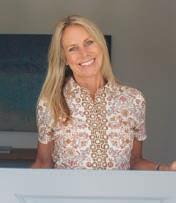
Berkshire Hathaway HomeServices CA Properties Zulema Ugarte 619-254-2934
DRE#: 01420331 ZulemaM@bhhscal.com
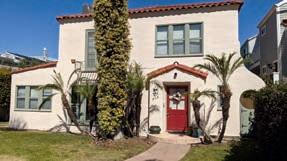
Offered at $2,099,000
Assumable VA loan opportunity — please inquire for details
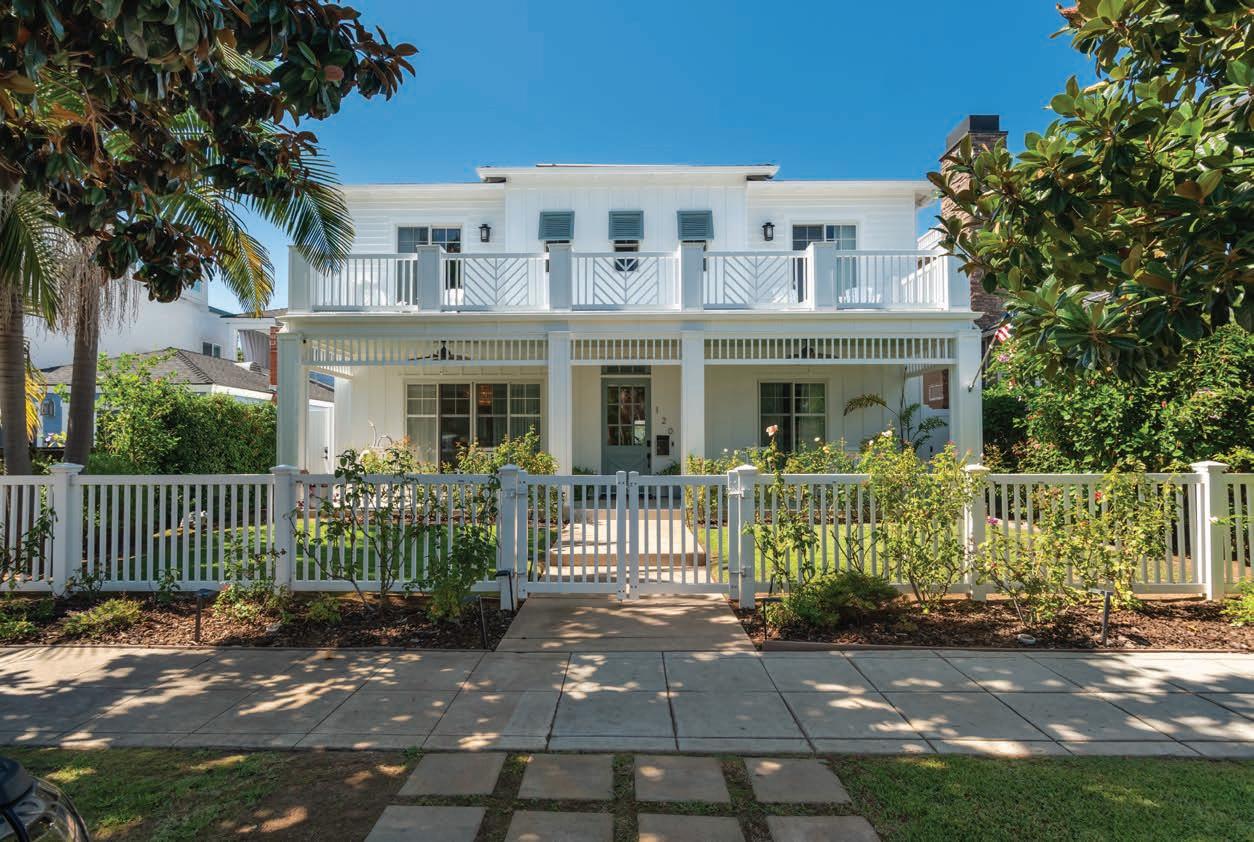
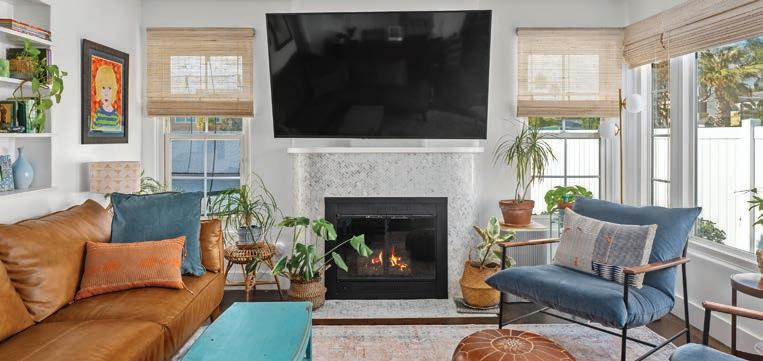
Beautifully remodeled 2-bedroom, 1-bath home with exceptional potential to expand, including the opportunity to add a primary en-suite. Thoughtful architectural details throughout, including coffered ceilings and built-in dining cabinetry, paired with warm hardwood floors that enhance the home’s timeless character. Enjoy a spacious private yard ideal for outdoor living and entertaining, along with a covered patio for a seamless indoor-outdoor lifestyle. Additional features include a one-car garage, covered carport, and ample off-street parking—perfect for beach gear, bikes, and everyday convenience. Excellent opportunity for further expansion, with preliminary second-story plans by renowned architect Kevin Rugee.