“2022
Clos de Tart is somewhere between 2019 and 2020 – 2019 avec plus de race.”
ALESSANDRO NOLI, WINEMAKER, NOVEMBER 2023
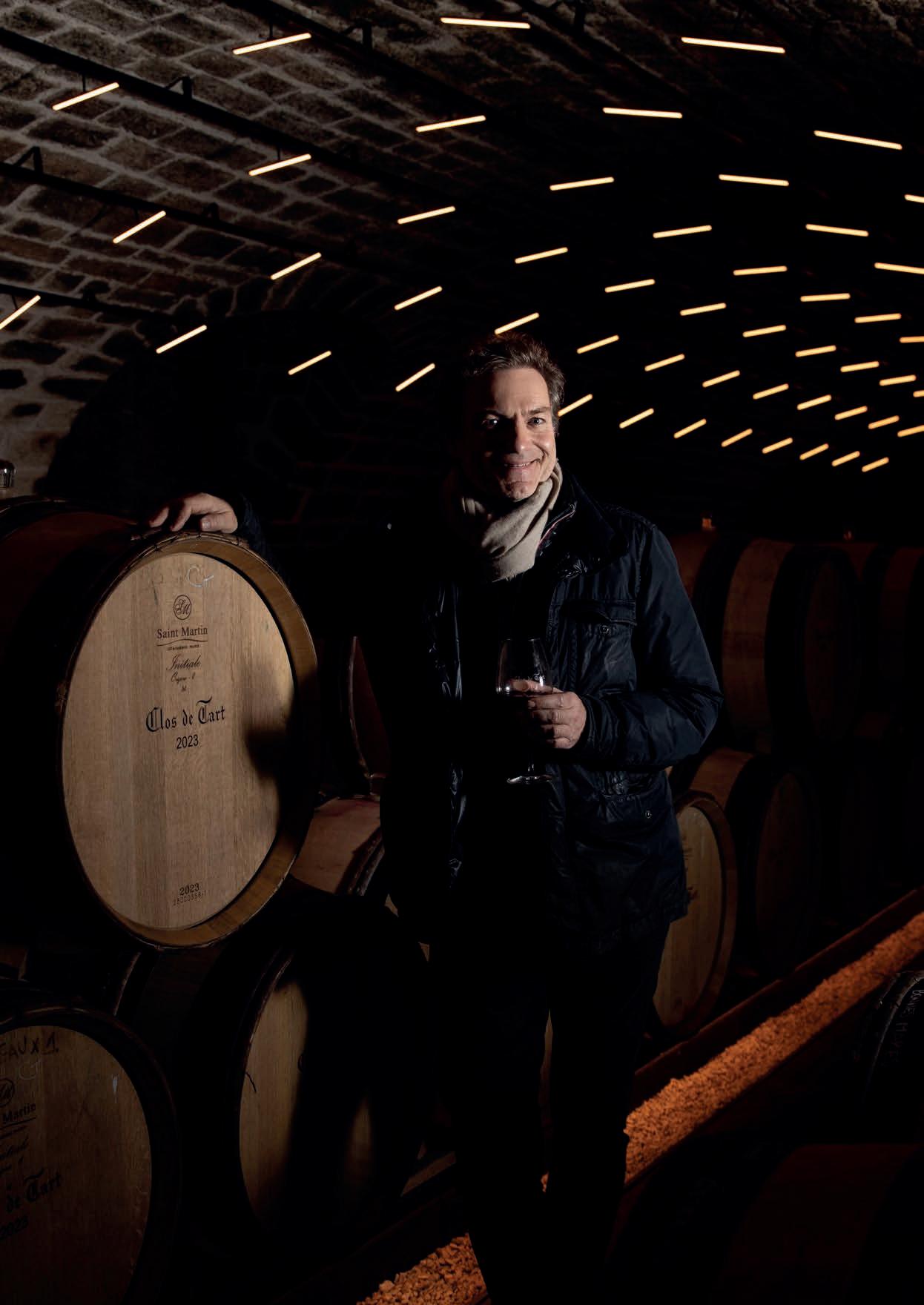
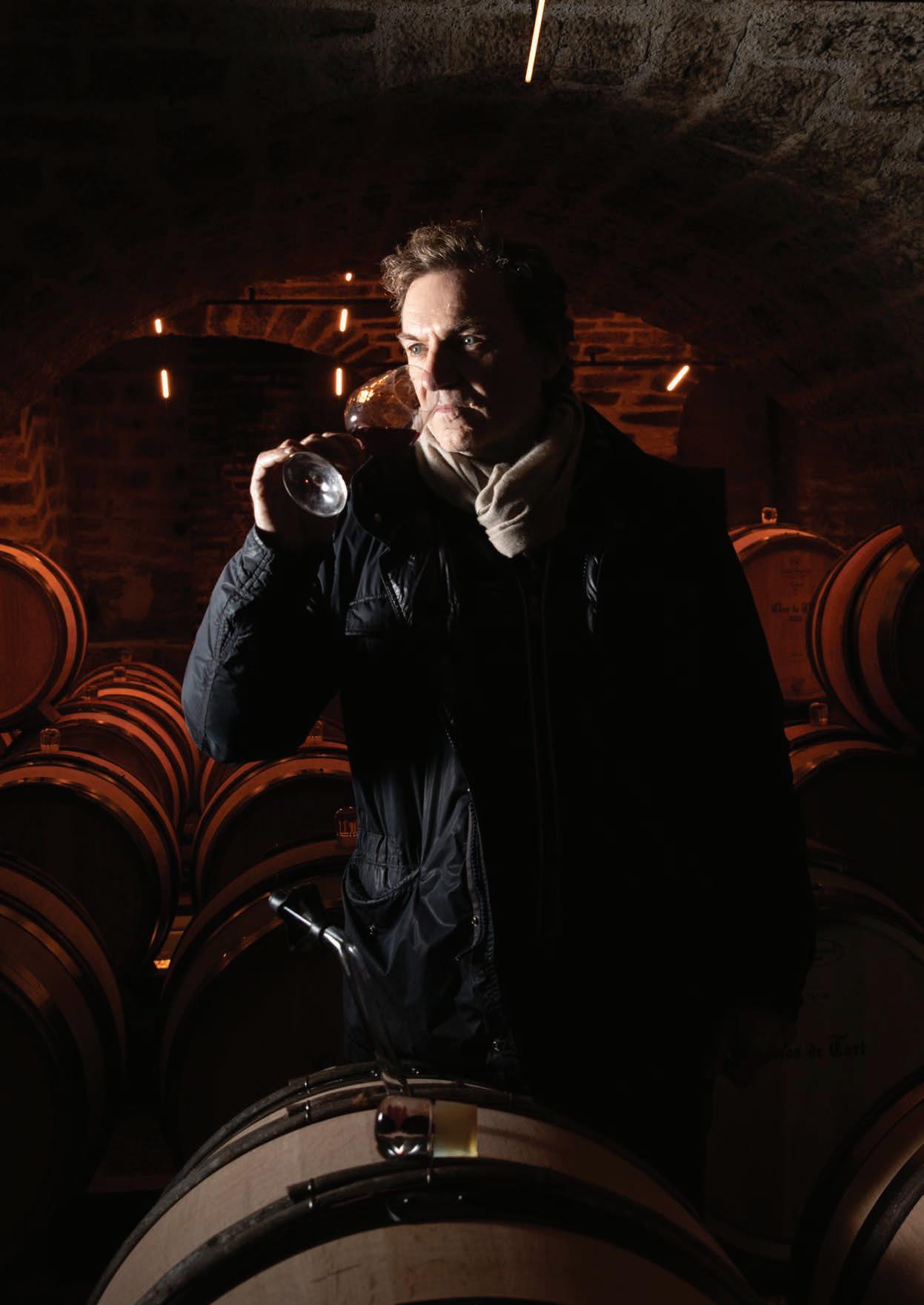
Alessandro Noli, winemaker

“2022
Clos de Tart is somewhere between 2019 and 2020 – 2019 avec plus de race.”
ALESSANDRO NOLI, WINEMAKER, NOVEMBER 2023
The 2022 vintage is the second to be released ‘from bottle’, following the domaine’s decision to offer wines only once their élevage is finished.
As winemaker Alessandro Noli is kind enough to let us taste the two most recent vintages when we visit, we can now follow the progress of young Clos de Tarts from barrel to bottle. This transition tends to result in increased refinement, like a blurred image coming into focus.
Revisiting the 2022 vintage is like checking in on a gifted young athlete whose potential is blossoming. 2022 Côte de Nuits reds, in general, are turning out even better than we first hoped. As for Clos de Tart 2022 in particular, it combines the explosive pace and vitality of the sprinter with the measured elegance of the long-distance runner. It is a blend of power and effortless class.
As followers of the domaine will know, Clos de Tart has been part of the Artémis Domaines roster of wines since it was acquired by the Pinault family in 2018. This umbrella of disparate estates, which also includes Château Latour, is unified by its sheer quality.
Clos de Tart is the largest of Burgundy’s grands crus monopoles. It has changed hands only three times since belonging to the nuns of Nôtre-Dame de Tart in the 12th century.
This is our sixteenth Clos de Tart release following our appointment as exclusive UK agent in 2007. Our habitual thanks to the team of Managing Director Frédéric Engerer, Sales & Marketing Director Jean Garandeau and winemaker Alessandro Noli.

GUY SEDDON, HEAD OF FINE WINE BUYING September 2025
Clos de Tart was acquired in 1141 by the Cistercian nunnery of Nôtre-Dame de Tart.
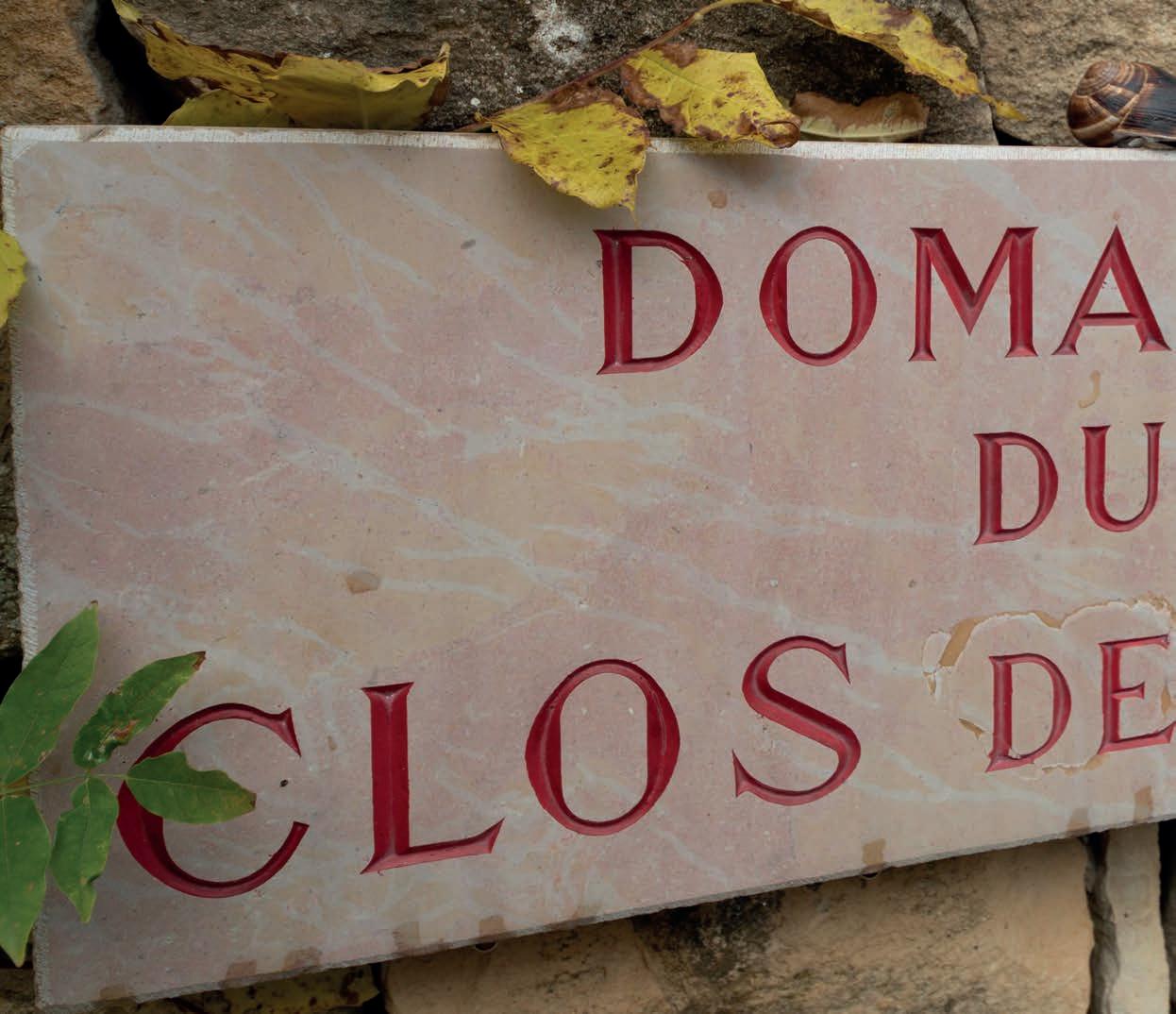
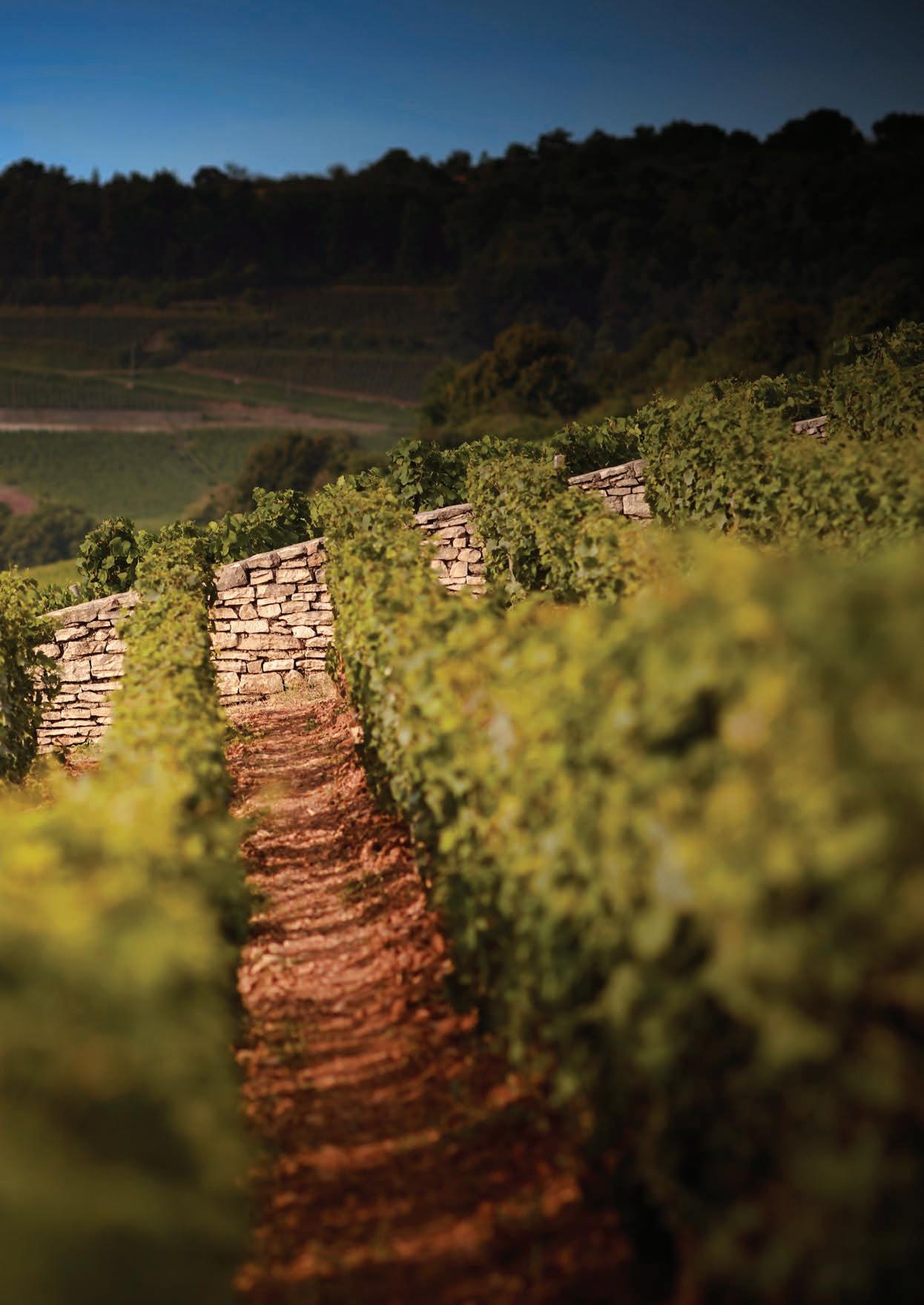
Originally called La Forge, the wall around the vineyard was built in the 15th century, entitling it to be called a clos.
Clos de Tart was confiscated from the Church following the 1789 French Revolution and in 1791 acquired uncontested at auction by local wine merchant NicolasJoseph Marey. At the same auction the Marey family, later Marey-Monge, bought the entire Romanée-SaintVivant vineyard.
The second change in ownership, in 1932, took place against a backdrop of global depression. Clos de Tart was bought by the Mommessin family, again at auction, for 400,000 francs. The Mommessins ran a successful
négociant house in Mâcon, which was eventually sold to Boisset in the 1990s.
Jules Lavalle’s 1855 ‘Plan Topographique’ of the Côte d’Or named one Tête de Cuvée vineyard in Morey-SaintDenis: Clos de Tart. In part thanks to this, Clos de Tart was granted Burgundy’s highest accolade in the grand cru decree of 1939.
Following the bestowal of grand cru status in 1939, the Clos’ wall was extended to include some adjoining vines. In 1965-6, an additional 0.278 hectares was added from Bonnes-Mares: vines which, despite being in ChambolleMusigny, were within the walls of the Clos.
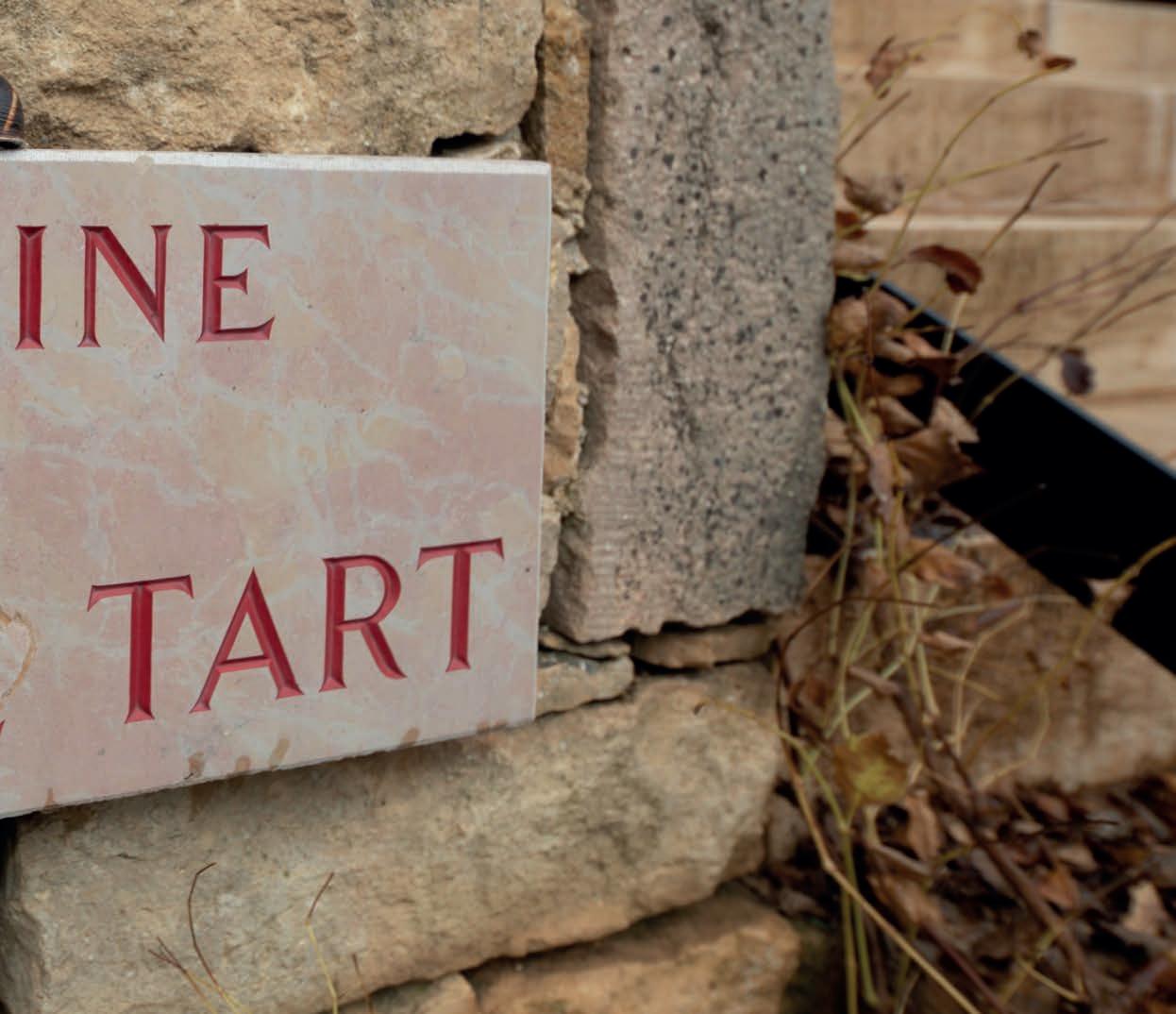
Clos de Tart is the largest of Burgundy’s grands crus monopoles and the only one in Morey-Saint-Denis.
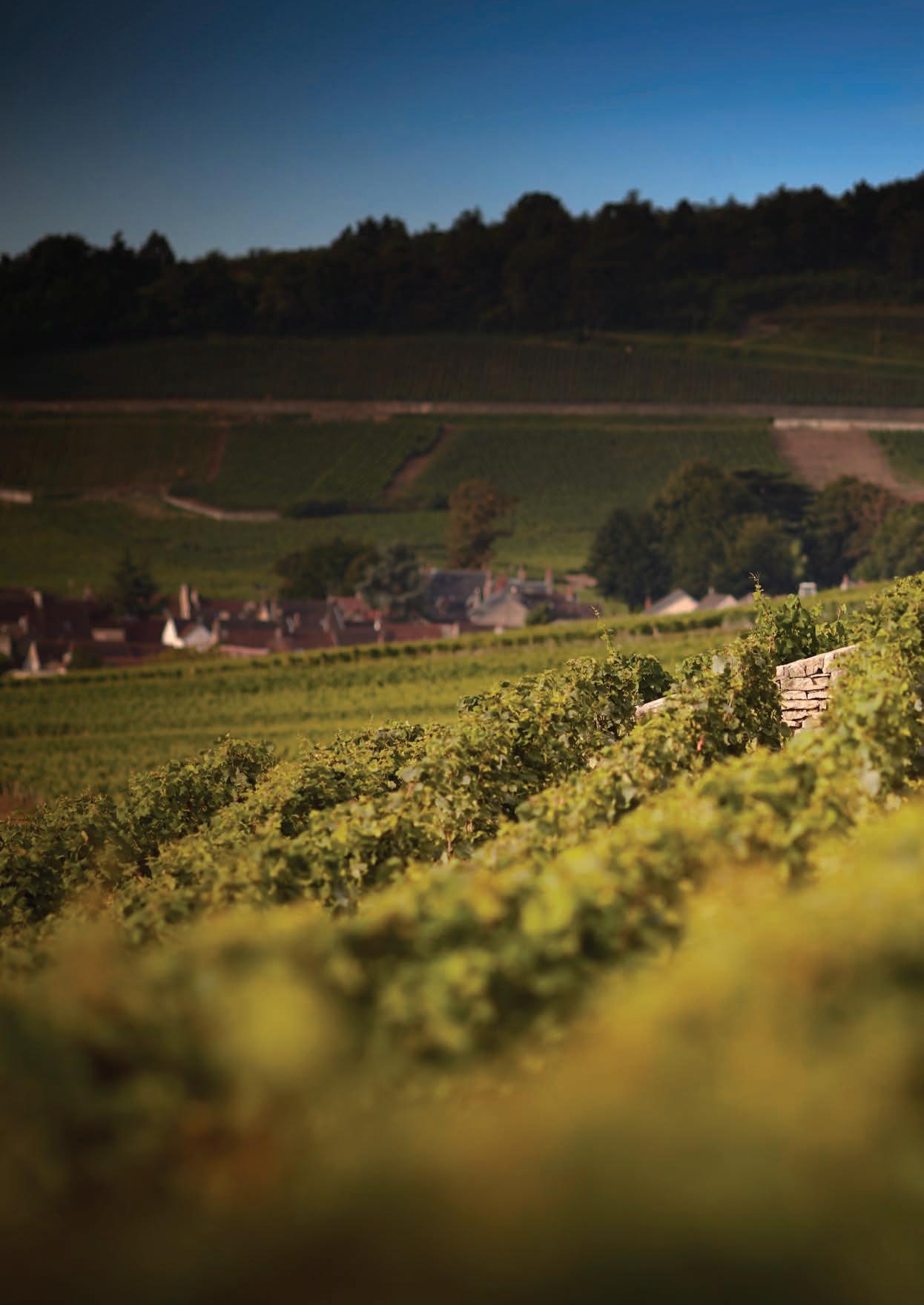
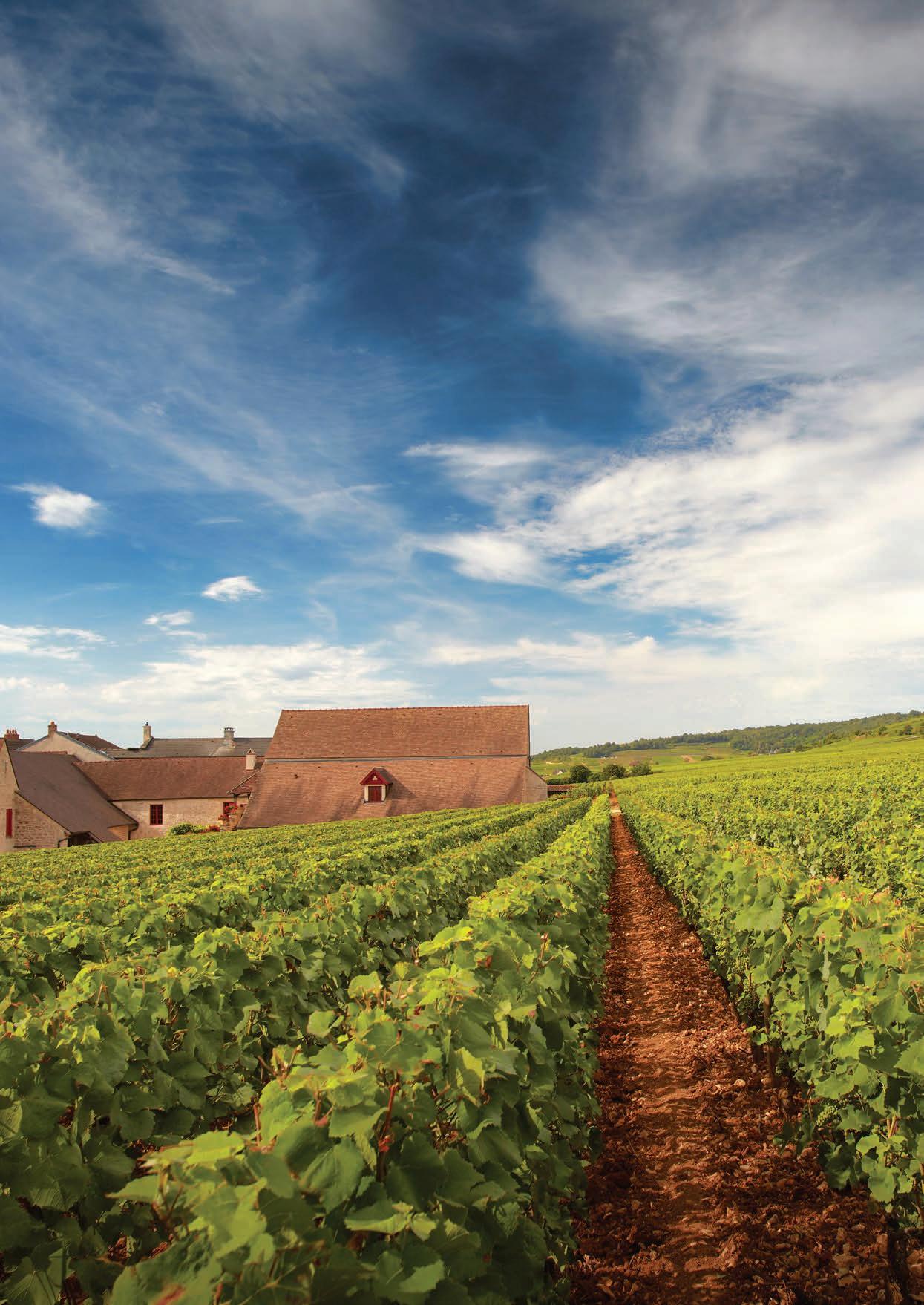
Behind the white limestone walls of the domaine, inclining up and away from the Route des Grands Crus, are the 7.53 hectares of Clos de Tart.
The gently sloping vineyard faces east, making it something of an anomaly in the village. The vines run north-south, perpendicular to the slope rather than up and down. As well as giving a unique sun exposure, this protects against erosion.
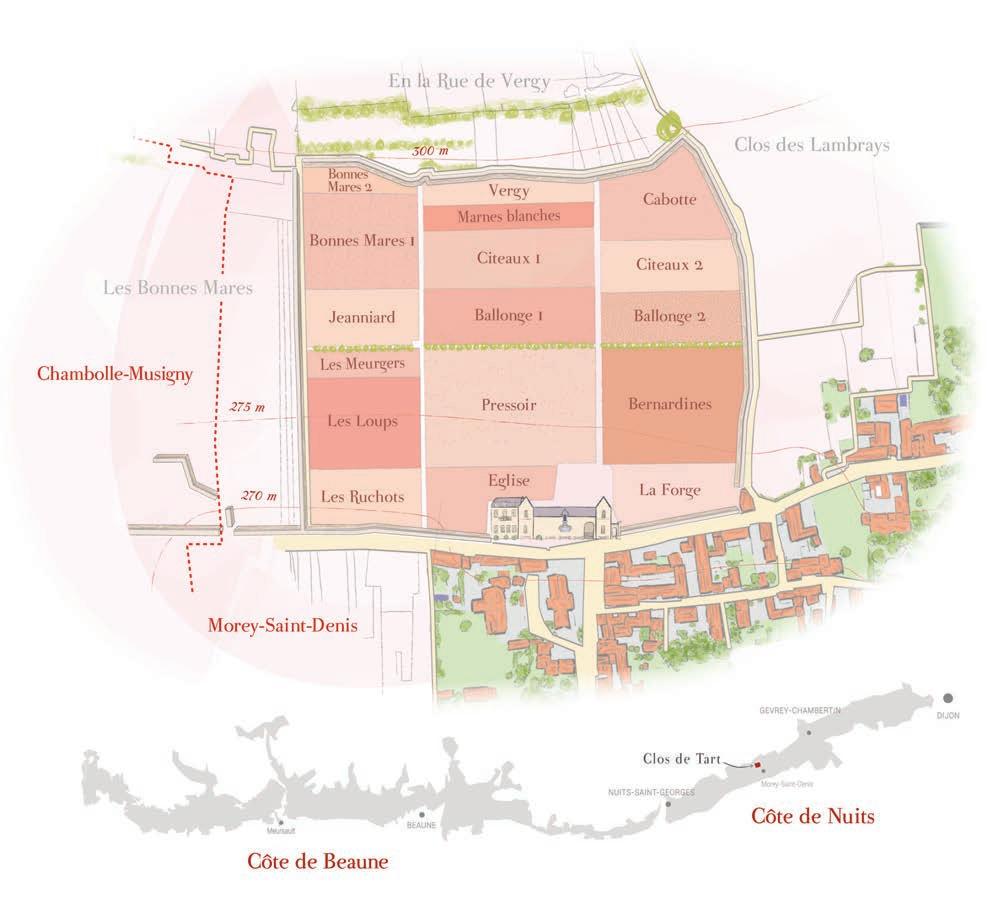
Although this is one contiguous vineyard, the soil composition varies greatly. The map opposite shows the various plots, which are vinified as separate cuvées, before being blended around a month before bottling.
The Clos’ clay-limestone soils comprise three distinct soil types, from three geological eras. The first of these is calcaires à entroques, loose limestone-rich fossilised marine animals. Second is white marl, a deep layer of which runs through the mid-slope section. Finally, there is a layer of very hard, compacted Prémeaux limestone. The cuvées change every year, but there is some correlation with these soil types.
The average vine age is over 60 years, with some vines being over 100 years old. The domaine has a nursery at the bottom of the village which provides new vines when replanting is necessary.
Planting density is 11,000 vines per hectare on average, the younger vines having been planted at 12,500. The resulting competition for nutrients encourages the roots to dig deeper. Only the five best bunches per vine are retained during green harvesting in August.
The Clos has practised organic viticulture since 2015, with 2018 the first vintage to have been certified organic. It was also certified biodynamic in 2019, having introduced biodynamic practices in 2016.
Production typically averages 23-30 hectolitres per hectare (hl/ha). The 2020 crop yielded a mere 19.7hl/ha. 2021, elsewhere a short crop, returned a more reasonable 25hl/ha. The 2022 came in at 28hl/ha — better but below the maximum due to the dry summer, which resulted in a high concentration of solids.
This strategic plan of the sub-sectors within the Clos is based on criteria including soil composition — more or less limestone or marl, the source and quality of the plant material (massal selection or clones), type of pruning (Guyot or Cordon de Royat) and vine age. The colours denote the intended destination of the grapes from each plot.
“Each and every bottle expresses this monopole’s legendary terroir.”
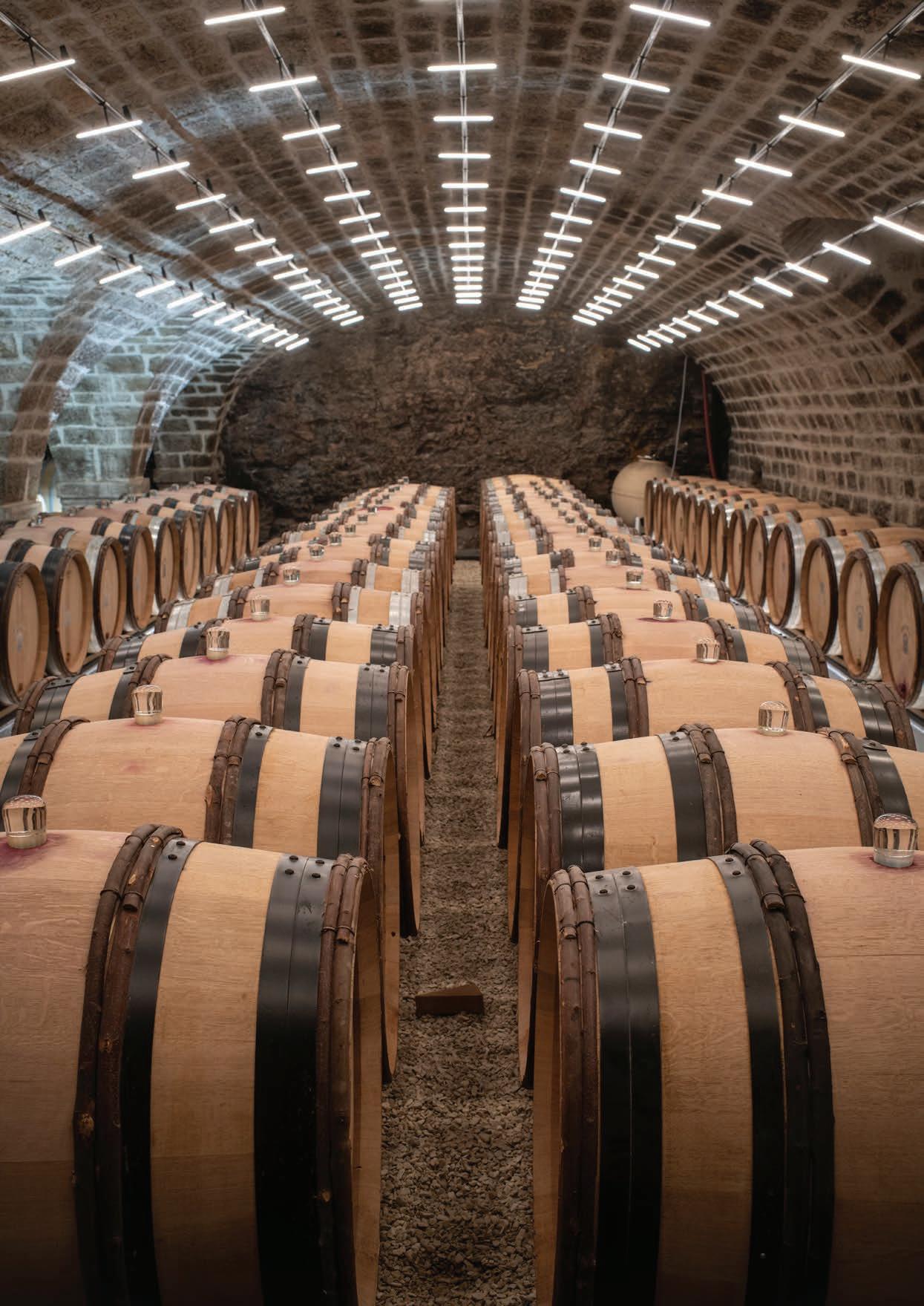
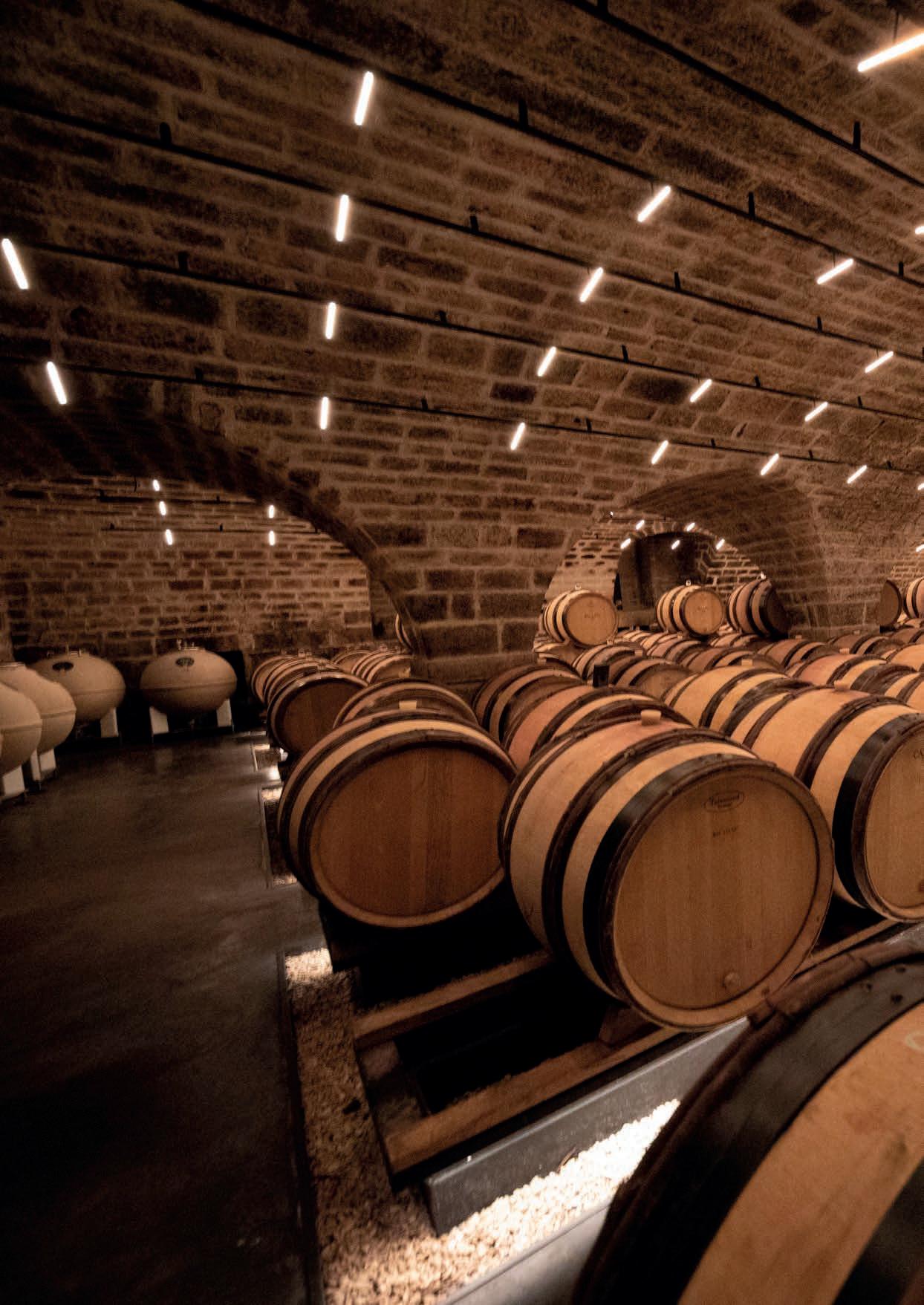
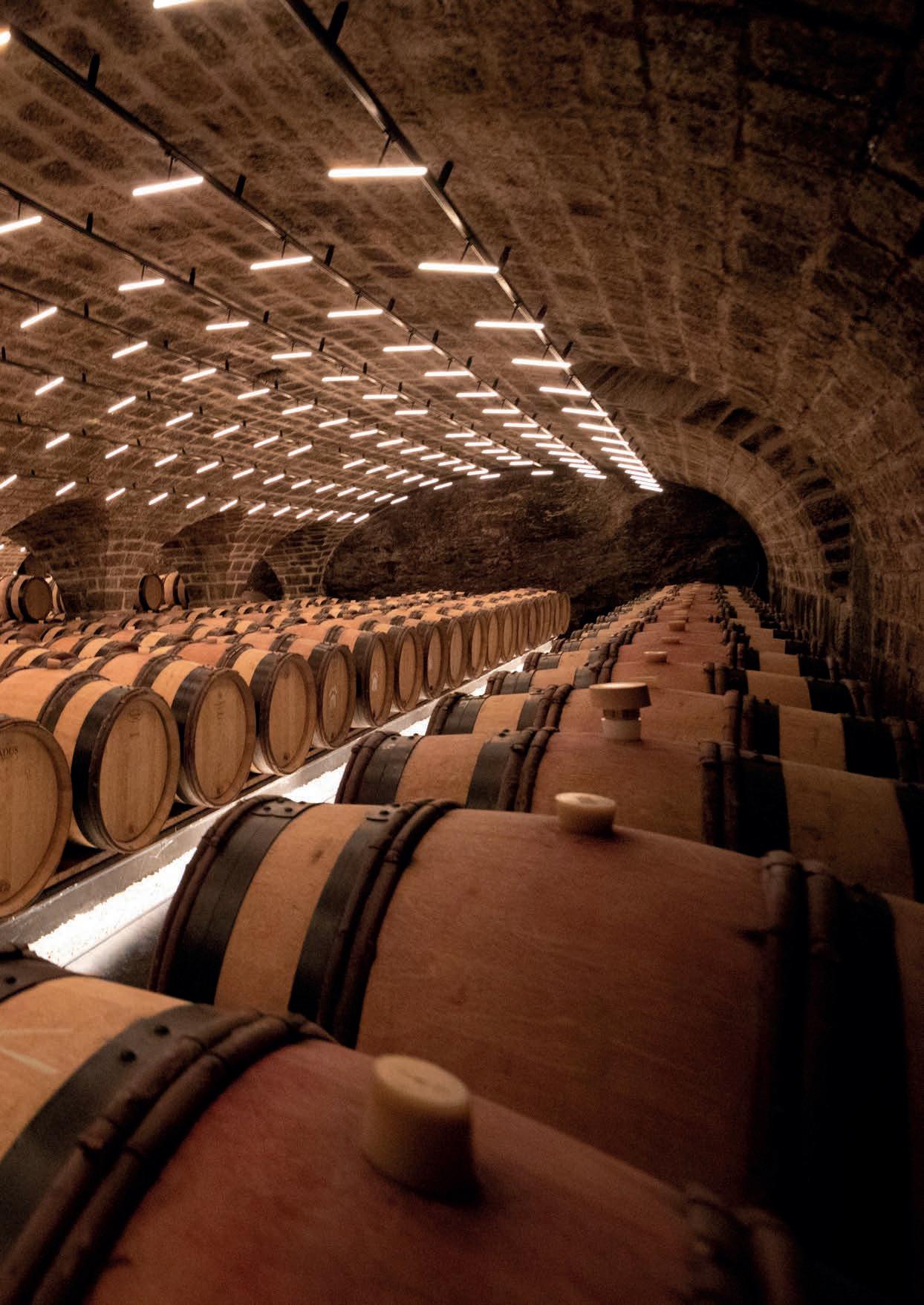
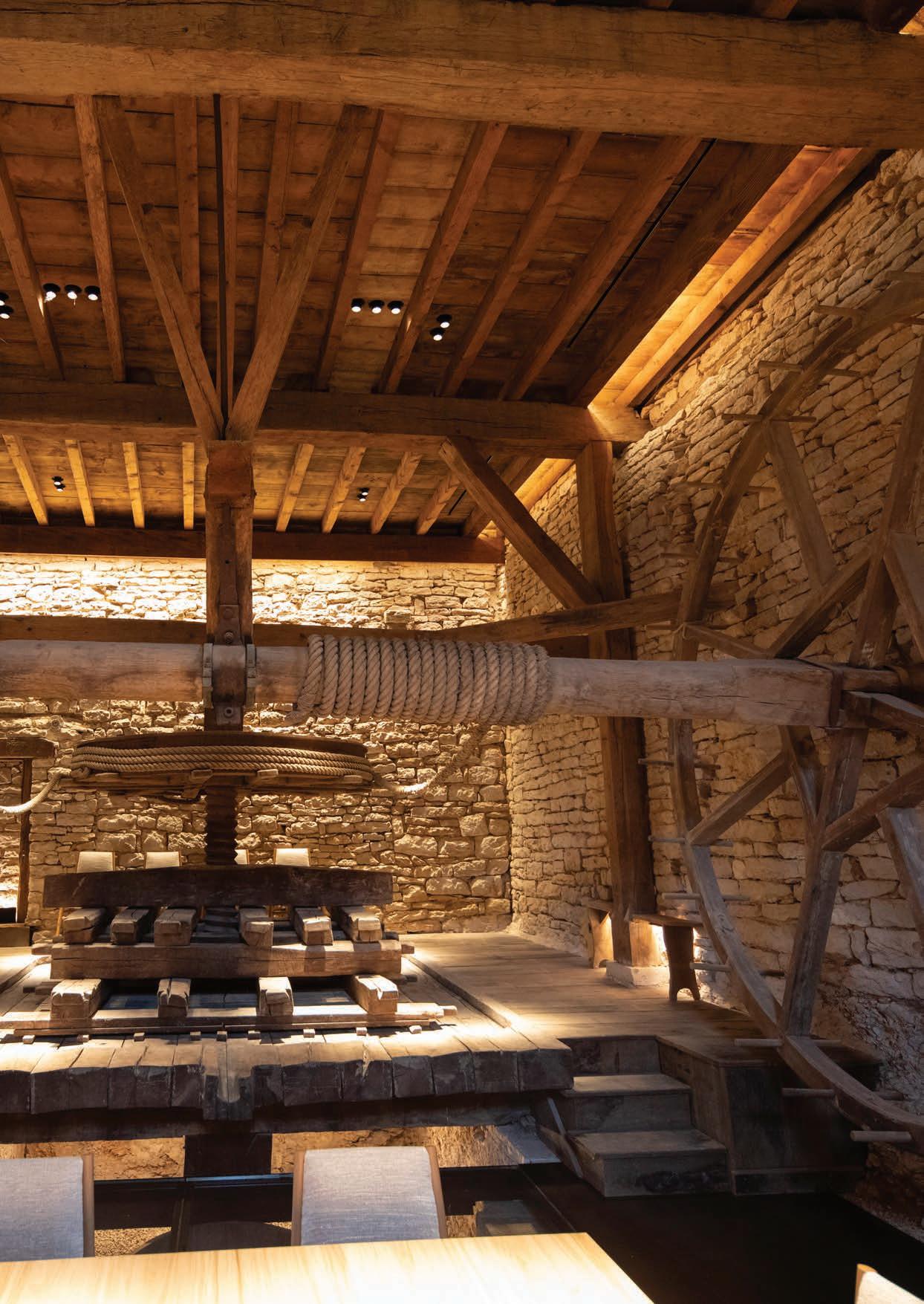
The new vat room was built following the purchase by Artémis Domaines and has been operational since the 2019 vintage. 15 oak vats of varying sizes, ranging from 20 to 40 hectolitres (hl), have replaced the old 50hl stainless steel vats. Made by the Taransaud cooperage, these enable greater winemaking precision and vinification on a plot-by-plot basis.
Whole bunch vinification has long been used at the Clos, the proportion varying in accordance with the vintage conditions. There are no plans to alter this, although a study with Bordeaux University was started in 2019 to determine the ideal percentage of whole bunches in each of the newlyidentified plots.
In 2022, 50% whole bunches were used for Clos de Tart and 30% for Forge de Tart. The village wine, Morey-Saint-Denis de Clos de Tart, which has been reserved for restaurants, was once again entirely destemmed.
A cold chamber was installed in the cellar in July 2021, enabling cold pre-fermentation maceration. Gentle extraction is key for Alessandro Noli, in his pursuit of elegance.
The individual cuvées are aged separately for at least 20 months in oak. The proportions of new oak have decreased again: 50% new oak was used in 2022 for the grand vin and 47% new oak for La Forge. Blending takes place halfway through élevage.
...in the words of Alessandro Noli
The 2022 vintage was characterised by heat and drought. Particularly dry weather conditions began in November and continued throughout the season.
However, the year got off to a cool start, with temperatures below the seasonal average until February. There were even two bouts of frost in early April, which had no effect on the vineyards. Budburst occurred on 20th April.
Temperatures rose sharply during spring, reaching 24°C by the end of April. Vine growth then accelerated sharply. Flowering began on 20th May, around three weeks earlier than in 2021.
Rainfall in June temporarily limited water stress. However, it was sometimes torrential (60mm fell in 50 minutes) and
accompanied by a few episodes of hail, which fortunately had no major impact.
The lack of rainfall during the summer (only 34mm were recorded in July and August), coupled with the scorching temperatures, slowed vine growth. The berries did not completely change colour until around 20th August.
However, drought throughout the entire season had the advantage of protecting the vines from diseases, so the grapes were very healthy at harvest.
Harvest began on 26th August and finished on 31st August, almost a month earlier than in 2021.
Budburst 20th April (2021: 20th April)
Full flowering 20th May (2021: 10th June)
Harvest 26th - 31st August (2021: 20th - 26th September)
Yield 27 hl/ha (2021: 25 hl/ha)
Whole bunch fermentation: 50% for Clos de Tart and 30% for Forge de Tart
New oak: 50% for Clos de Tart and 47% for Forge de Tart
Alcohol: 13.5% abv
As the map of the sub-parcels on page 9 shows, Clos de Tart’s components are like the pieces in a fiendishly tricky jigsaw puzzle. The oldest vines are over 100 years old; the average is over 60. Clos de Tart 2022 offers beguiling aromas of polished dark berries, orange zest and fine exotic spices. The palate opens sappy and refined before the elegant dark berry flavours are swept up on a turbocharged wave of energy and drive, reined in by fine, chalky tannins. One of those rare wines that blends power with effortless class. 50% whole-bunch fermentation, 50% new oak. 13.5% abv. Bottled in summer 2024.
Corney & Barrow Score 18.5
Recommended drinking from 2030 - 2048
£2,950/Case of 6 bottles, in bond UK
£2,975/Case of 3 magnums, in bond UK
£2,185/Case of 1 Jeroboam, in bond UK
La Forge de Tart comes from around 20% of the total area of the Clos, specifically from three plots planted in 1999 (the eponymous ‘La Forge’), 2005 and 2011, plus another two plots bordering Bonnes Mares. The nose offers dark, exotic spices from 30% whole-bunch fermentation. The medium-bodied palate revels in cool, dark fruits that are rich yet fresh, framed by firm, grippy tannins. Nervy limestone tension sustains the finish. 47% new oak. 13.5% abv. Bottled in early summer 2024.
Corney & Barrow Score 17.5 - 18
Recommended drinking from 2027 - 2034
£900/Case of 6 bottles, in bond UK
To order, please call 020 7265 2430 (London) or 01875 321 921 (Edinburgh).
Please bear in mind that:
• Clos de Tart’s and Corney & Barrow’s focus is on the private customer as a consumer, rather than as a speculator.
• The wines of Clos de Tart are bought on the clear understanding that they will be stored and delivered in the UK only.
• Should you wish to sell the wines in the future, do please offer Corney & Barrow first refusal.
• Priority will be given to Clos de Tart’s and Corney & Barrow’s best, most loyal and most regular customers.
Confirmation of order will be through receipt of invoice and the wines will be delivered or put into your reserve upon payment and once the wines have arrived in the UK. All orders are conditional upon UK storage only.
Our tasting notes provide full details but, at your request, we have also introduced a clear and simple marking system. We hope these guidelines assist you in your selection.
Wines are scored out of 20. Customers seem to like it and it has the benefit of simplicity. We will often use a range of scores (e.g. 16.5 to 17) to indicate the potential to achieve a higher mark. When a ‘+’ is shown it adds further to that potential. Wines from lesser vintages will, inevitably, show a lower overall score.
Wines are judged, in a very broad sense, against their peers. Why? Well, you cannot easily compare a Ford with an Aston Martin, other than they are both cars and have wheels. It is not that different with wine.
A score is a summary only. The devil is in the detail, so please focus on the tasting notes and, as always, speak to our sales team.
LONDON
2nd Floor, Building 4, Moretown, London, E1W 1YW
T +44 (0)20 7265 2400 sales@corneyandbarrow.com
EDINBURGH
Oxenfoord Castle, by Pathhead, Midlothian, EH37 5UB T +44 (0)1875 321 921 edinburgh@corneyandbarrow.com
NORTH OF ENGLAND
4 Park Square East, Leeds, LS1 2NE T +44 (0)1133 400 380 northofengland@corneyandbarrow.com
EAST ANGLIA
1 Rous Road, Newmarket, Suffolk, CB8 8DH T +44 (0)1638 600 000 newmarket@corneyandbarrow.com
AYR
8 Academy Street, Ayr, Ayrshire, Scotland, KA7 1HT T +44 (0)1292 267 000 ayr@corneyandbarrow.com
www.corneyandbarrow.com