Icons first shine in our imagination, handcrafted by our master goldsmiths their glow is passed from our hands to yours, from generation to generation.
Valentina Gagić director, Lisca 09 Digitalisation as a Matter of Survival
12 Trust as the New Business Currency
Danijela Fišakov President of the Slovenian Business Club
A Platform for Business Connectivity
Drawing Space Through Generations
Slovenian Cinema Without Borders
Long-Standing Ties, New Ideas
I believe the first tangible effects of the agreements signed with Serbia will become visible during 2026, through both new investments and joint projects that will be capable of strengthening the competitiveness of the entire region
by
Photo
Irena Herak
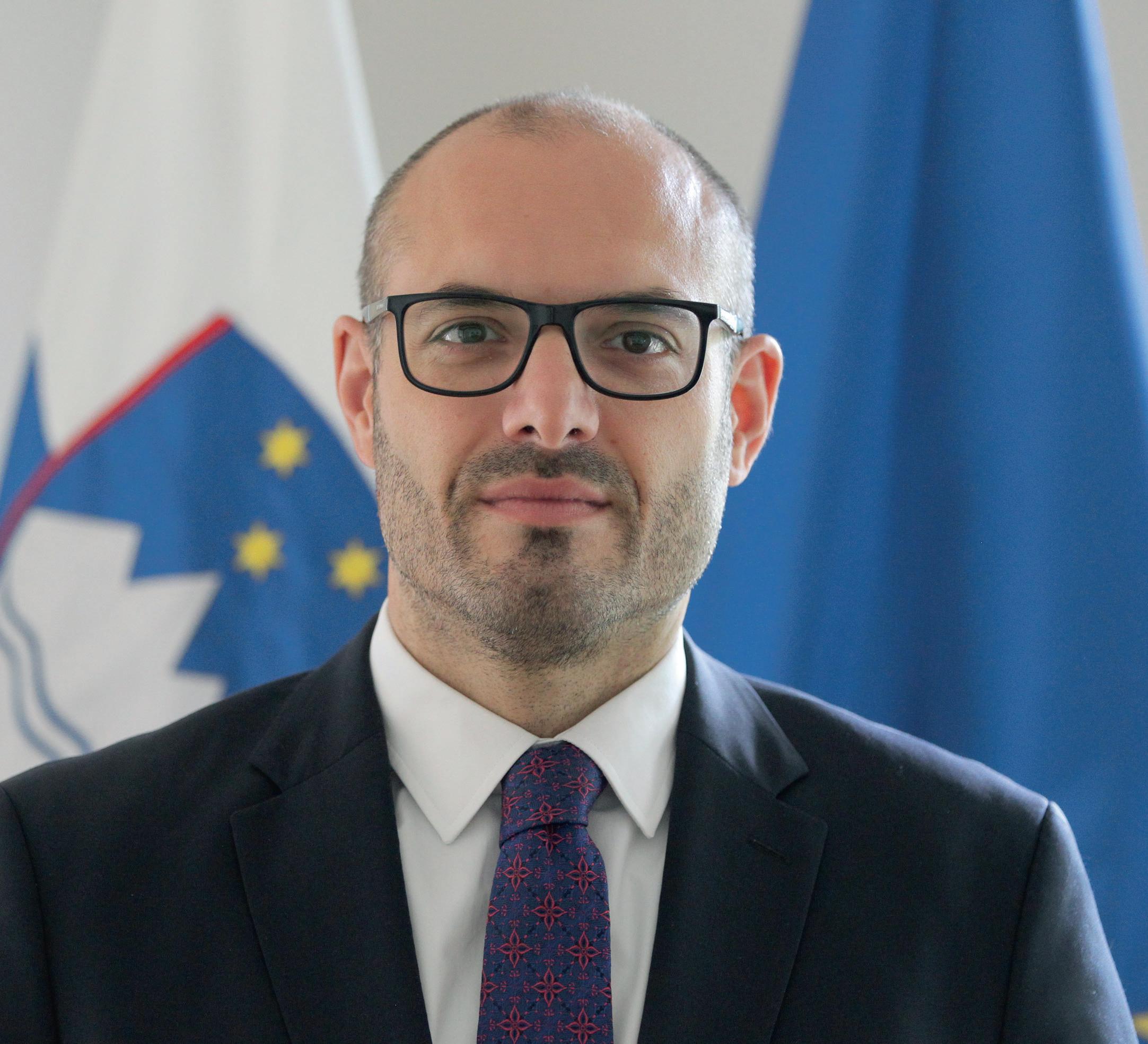
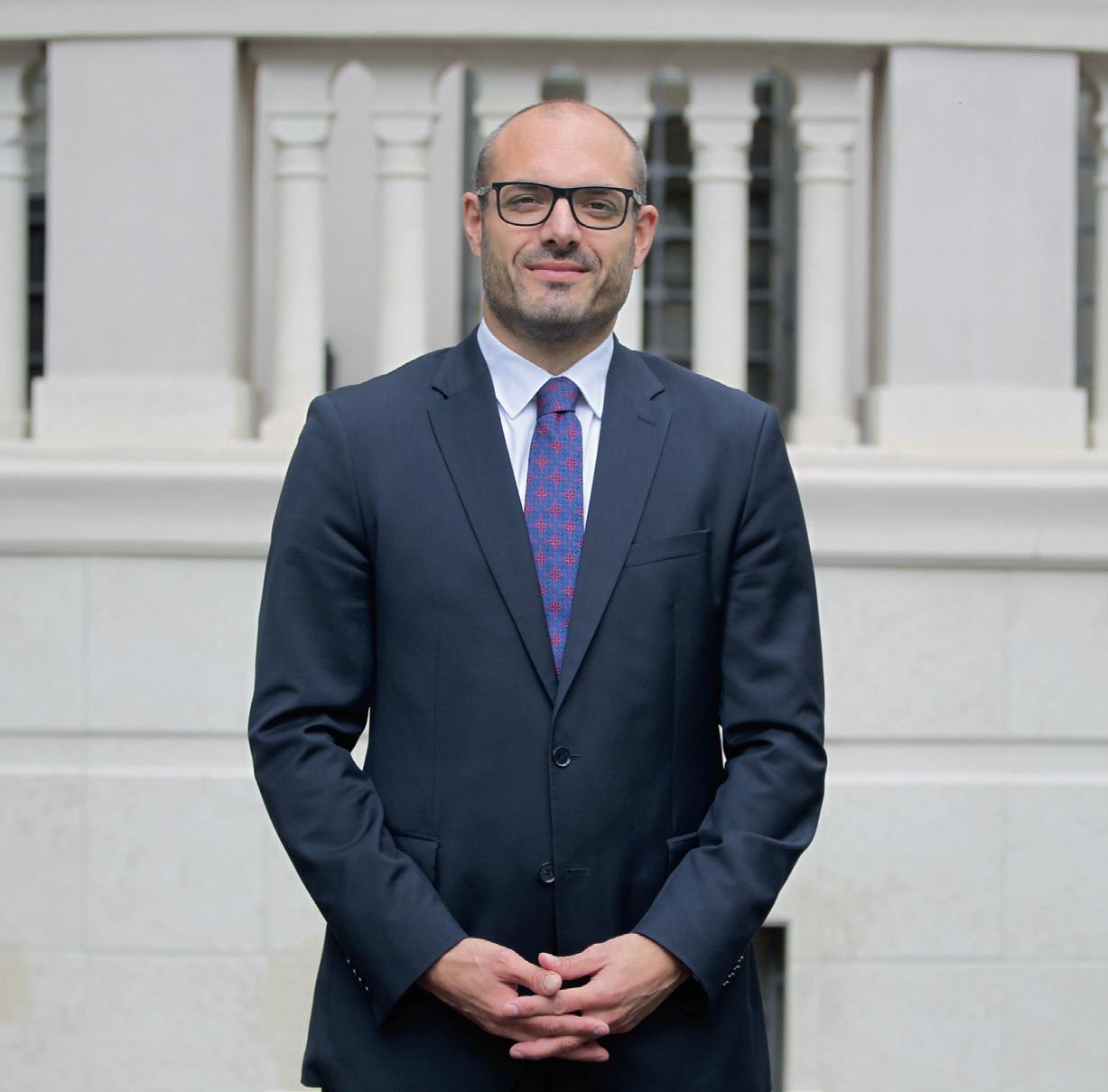
We are living at a time of the forming of new political and economic alliances globally, while existing cooperation models are increasingly being reassessed. Under such circumstances, small, open economies are particularly exposed to changes to the European and global markets. We spoke with Slobodan Šešum, ambassador of Slovenia to Serbia, about the ways Slovenia is coping with global turmoil and the country’s strong dependence on the EU market, particularly Germany, but also about the opportunities for Slovenian and Serbian companies to strengthen their existing cooperation, develop new joint projects and make joint appearances on third markets.
How exposed is Slovenia to the current global instability and to what extent is it impacting your country’s economic growth, inflation levels and business environment stability?
— As a small and highly open economy, Slovenia is significantly exposed to current global instability.
For the citizens of Serbia and the Western Balkans, Slovenia remains the first and most attractive destination for employment, particularly in construction, manufacturing, tourism and healthcare
Exports of goods and services account for around 90% of GDP, placing Slovenia among the EU’s most open economies. Our most important market is Germany, which accounts for approximately 17–20% of our exports. This makes us highly dependent on the health of the German, and broader European, economy.
As a small economy, we are particularly sensitive to global crises and share the destiny of the EU. When global trade is disrupted, energy crises emerge or the automotive industry slows down, the impacts are quickly reflected in our economic growth. GDP growth stood at approximately 1.1 – 1.6% in 2025, which is below the long-term average, mainly due to weaker demand across Europe. Inflation remains relatively stable, at around 2.5%, while the business environment continues to be solid, albeit under certain pressures.
However, our size isn’t only a weakness, but also an advantage. Slovenian companies adapt to change quicker, identify new markets swiftly
and move into segments with higher added value. Many operate successfully in specialised sectors, serving as development suppliers to major global companies — from members of the automotive and electrical industries, via pharmaceuticals and tool manufacturing, to IT.
That’s why I believe that, in a world where change is the only constant, the only long-term solution ensuring stable economic growth is in determined support for innovation, development and increased productivity. This is also Slovenia’s strategic orientation: creating an environment that attracts high-quality talent and capital, while strengthening the competitiveness of our companies.
Foreign investments in Serbia have fallen significantly under these circumstances. What is the current sentiment among Slovenian business partners regarding further investments and joint ventures with Serbia?
— The sentiment towards Serbia among Slovenian investors remains predominantly positive and stable.
Around 1,200 companies with Slovenian capital currently operate in Serbia and have to date invested more than two billion euros. This makes Serbia one of the most important destinations for Slovenian direct investment.
Slovenian companies initially came to Serbia because of competitive labour costs, but today they remain and expand their operations primarily due to the quality of the workforce, the improved business environment and increasingly developed infrastructure.
It’s important to stress that existing Slovenian companies aren’t only remaining in Serbia, but new ones are also arriving, investing in high-tech and prospective sectors like the food industry, biotechnology, advanced technologies and energy.
Naturally, the media occasionally report on problems faced by certain companies, but these cases represent a minority. The vast majority of Slovenian businesses in Serbia are satisfied with business conditions and are planning to further expand their activities.
I believe the joint appearance of Slovenian and Serbian companies on third markets is the next logical step in our relations. Only through such cooperation and connectivity can we remain competitive on a global scale.
What results do you expect from the Memorandum on Strategic Cooperation between SPIRIT Slovenia and the Development Agency of Serbia (RAS), aimed at accelerating development across the Western Balkans?
— We expect concrete and measurable results from this memorandum, which was signed last March and represents an important step towards strengthening economic cooperation between our two countries, with a particular focus on the development of the Western Balkans as a whole. Priority sectors of cooperation include digitalisation, environmental protection, the electrification of the automotive industry and the food industry.
We expect this memorandum to lead to:
• a greater number of joint projects between Slovenian and Serbian companies,
• easier access to information, support and financing for investments,
• the organisation of concrete B2B meetings and joint appearances on third markets.
In this context, I would also highlight the agreement signed between SPIRIT Slovenia and the Serbian Chamber of Commerce & Industry aimed at supporting the joint appearance of our companies on third markets. These two documents complement one another exceptionally well and create a strong institutional framework for future cooperation.
I believe we will see the first concrete results during 2026 — through both new investments and joint projects that will contribute to the competitiveness of the entire region.
The Slovenian labour market relies heavily on workers from the region. Given the growing interest in workers from Serbia and the wider region across the EU, does Slovenia remain an attractive destination for employment?
— Yes, Slovenia remains a highly attractive destination for workers from Serbia and the wider region.
The Slovenian labour market has for years relied heavily on workers from the Western Balkans. By year’s end 2024, around 24,600 residence permits for Serbian citizens had been valid in Slovenia. Foreign workers account for more than 15% of all employees in Slovenia, clearly demonstrating their importance to the Slovenian economy.
The main reasons why workers from Serbia and the region continue to choose Slovenia include geographical proximity and easier integration, cultural similarities and partial knowledge of the language, Slovenia’s EU membership, which provides greater legal certainty, social protection and a higher standard of living, higher salaries compared to countries around the region, as well as simplified procedures for obtaining work permits thanks to bilateral agreements signed between Slovenia and Serbia.
The employment of Serbian citizens in Slovenia is regulated through a bilateral agreement
Slovenia’s strategic orientation is to create an environment that attracts high-quality talent and capital while strengthening the competitiveness of our companies
between the two countries, which governs this area systematically. This is a government-level arrangement that ensures an organised, transparent and legal employment process, rather than uncontrolled workforce outflows. The agreement enables the meeting of the needs of the Slovenian labour market in an organised manner, while respecting the interests of both states.
Naturally, Slovenia – like Serbia – is facing a serious labour shortage. As a result, both countries are actively attracting workers from more distant regions, including Asia and Africa. Nevertheless, for the citizens of Serbia and the Western Balkans as a whole, Slovenia remains the first and most attractive destination precisely because of its proximity, easier adaptation and better living and working conditions.
In conclusion, Slovenia remains a highly sought-after destination and I expect this to continue in the years ahead, particularly in sectors such as construction, manufacturing, tourism and healthcare.
by Irena
Photo
Herak
Digitalisation as a Matter of Survival
Companies investing in integrated ERP and AI solutions today are building more resilient operations and long-term competitiveness
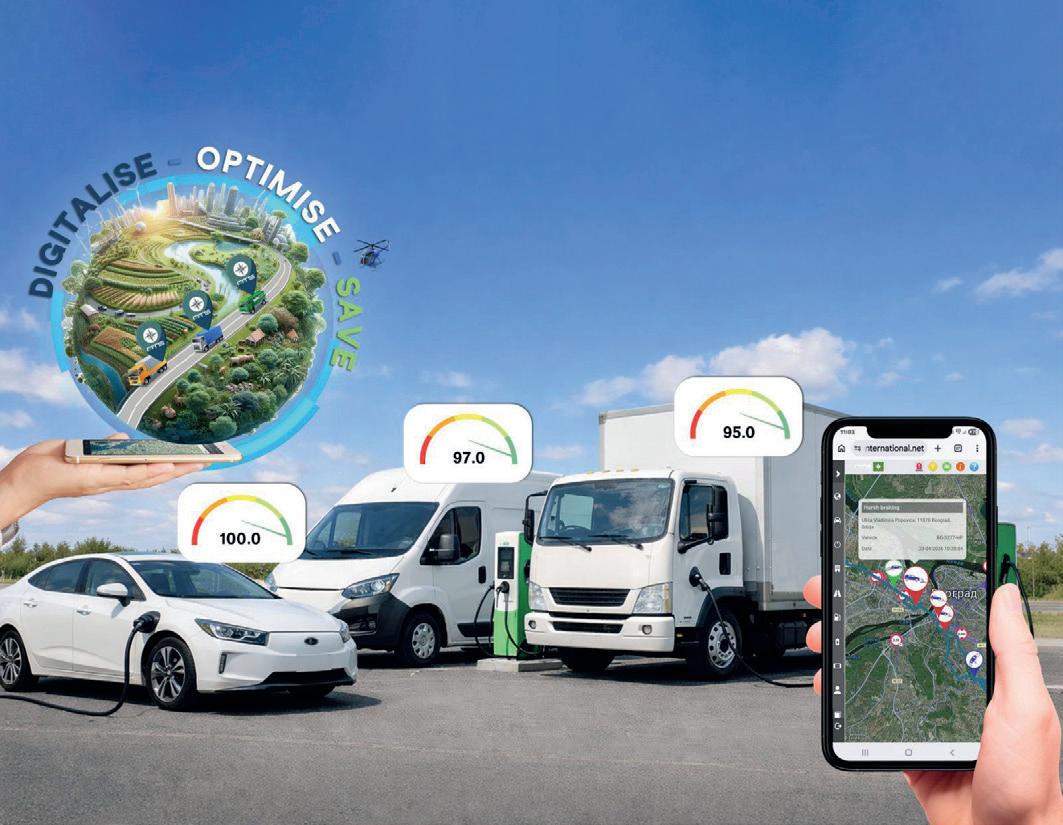
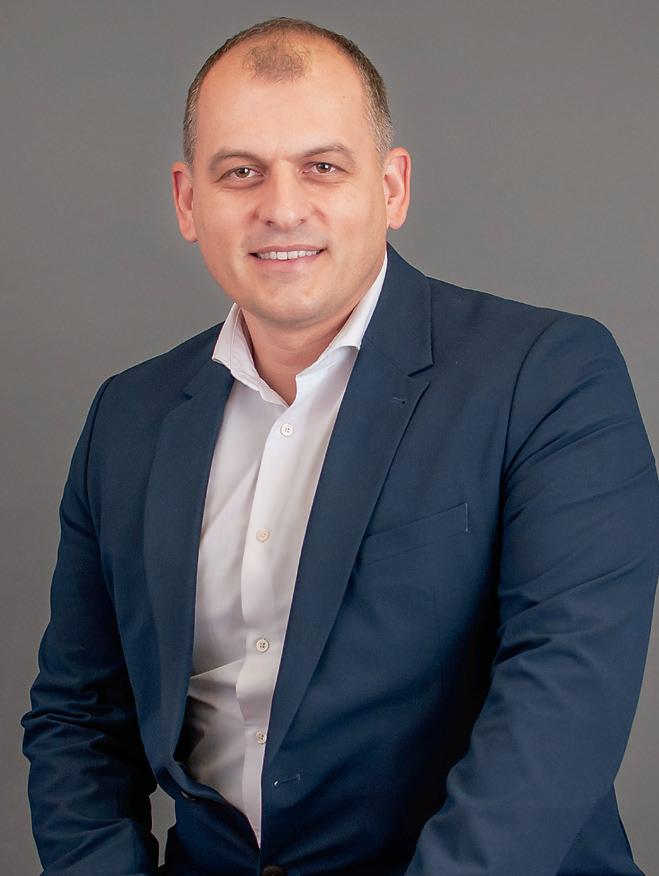
igital transformation is no longer a development advantage reserved for the largest systems, but a key prerequisite for sustainable business. In this interview for CorD, Borko Ristić discusses the level of digital maturity among companies in Serbia and the region, the challenges of implementing ERP and AI solutions, and the role domestic IT companies will play in creating a more efficient and resilient business environment.
DDatalab has been developing solutions that connect digitalisation with traditional business models for many years. How would you assess the readiness of companies in Serbia and the region to adopt advanced ERP and AI solutions, and where do you see the greatest room for improvement?
— I would say that companies in Serbia and the region are far more prepared today than they were just a few years ago, although the level of readiness is still uneven. Large companies and those operating internationally already understand that there can be no long-term competitiveness without advanced ERP and AI solutions. On the other hand, many medium-sized and smaller companies are still in transition – they recognise the need for digitalisation, but face challenges such as a lack of internal expertise, resources or a clearly defined strategy.
At Datalab, we see the greatest potential for improvement in three key areas. The first is a strategic approach to digitalisation, as many companies still implement technology partially and with-
out a clear long-term vision. The second is change management, employee development and education – technology alone does not create value unless people embrace and use it properly. The third is the integration of systems and data.
Datalab operates as part of a regional system with roots in Slovenia, one of the most digitally advanced economies in the region. To what extent have Slovenian technological standards and business practices influenced the development of the solutions you now apply in Serbia and across the Western Balkans? — Slovenia is certainly one of the most mature digital economies in the region, and this has had a very strong influence on the development of the PANTHEON ERP solution. What we adopted from that environment were not only technological standards, but also a way of thinking – a focus on efficiency, process discipline and long-term value for clients.
I should also point out that the digital maturity of both employees and companies in Serbia is advancing rapidly. In some segments, I believe we are even among the leaders in digital transformation, particularly when it comes to e-invoicing and electronic delivery notes.
From the very beginning, PANTHEON was developed to respond to the needs of markets at different stages of development, which is why we work both with large corporations and with small and medium-sized enterprises.
At a time when companies are increasingly seeking predictability, efficiency and business resilience, how do you see the future of digital transformation among small and medium-sized enterprises in the region, and what role will domestic IT companies play in that process?
— I believe that, in the coming years, the digital transformation of small and medium-sized enterprises in the region will move from being an initiative to becoming a necessity. In an increasingly unpredictable environment – from market changes to regulatory and global challenges – companies can no longer rely on fragmented systems and manual processes. Predictability, efficiency and resilience today depend directly on the quality of digital infrastructure.
I believe the leading role will belong to domestic companies that view digitalisation not as a one-off project, but as a continuous process. Through PANTHEON, our goal is to be a long-term partner in that journey – helping companies become more efficient, resilient and prepared for the future.
The Quiet Strength of Authenticity
Lisca has built its position not on passing trends, but on a lasting commitment to quality, trust and a responsible relationship towards women, the community and enduring values
Today, brands no longer succeed through visibility and aesthetics alone, but through their ability to build authentic relationships with consumers. Lisca has spent decades shaping its identity on precisely this philosophy, combining comfort, functionality, sustainability and sophisticated design into a recognisable lifestyle concept for the modern woman.
Lisca has recently received recognition for its social impact and authenticity. In an era of hyperproduction, how does a brand with decades of tradition manage to remain genuinely authentic and measure business success through trust, rather than solely through sales figures?
— The awards we have received are not only recognition for design, but proof
brand must have character and a clear identity. When customers feel there is honesty behind every product, trust develops naturally. Our ambition is not to be the loudest brand on the market, but the most reliable companion in the most intimate moments of a woman’s life. That stability is our greatest strength in an industry driven by instant trends.
You have spent decades building relationships with women of all generations. How do you define modern female confidence today, and how is Lisca becoming a lifestyle symbol of that change?
— Modern confidence is no longer about achieving perfection imposed by screens; it is about embracing one’s own nature. Women today expect understanding from a brand, not instructions. That is why we no longer define
want every woman wearing Lisca to feel that unwavering inner strength. In the future, our signature will not only be a recognisable design, but a feeling of harmony and freedom that inspires women to set their own standards of beauty.
You often emphasise that sustainability is not a trend, but a moral compass. How does Lisca connect social responsibility with everyday business operations?
In the future, our signature will not only be a recognisable design, but a feeling of harmony and freedom that inspires women to set their
that the market today values intention more than ever. At Lisca, business success is the result of consistency. We do not try to “buy” attention through aggressive campaigns; we earn it by remaining true to our DNA season after season. For us, authenticity means having the courage to stay true to ourselves while the world around us accelerates.
Our philosophy is rooted in the humanisation of business. We believe a
own standards of beauty
Lisca solely as a lingerie manufacturer, but as an ecosystem of comfort and confidence. We are here to support women in all their roles — from business meetings to moments of complete relaxation.
Our transformation into a lifestyle brand means integrating comfort and aesthetics into every part of the day. Minimalist design and outstanding functionality are our response to the growing need for simplicity and elegance. We
— For us, responsible business is inseparable from brand integrity. In the world of fast fashion, we choose the path of uncompromising quality. A product that lasts for years while retaining its shape and comfort represents the highest level of environmental awareness. By investing in quality, we directly oppose the culture of excessive consumption. However, our responsibility does not end there. It is embedded in our relationship with employees, the careful selection of resources and continuous support for the community. Through projects focused on women’s health and empowerment, we strive to return value to the society in which we operate. Profit only has meaning if it serves a greater purpose. We believe business and humanity must function as one. By purchasing our products, consumers become part of a system that respects labour, preserves resources and contributes to a better future for generations to come. That is our vision of sustainability — real, tangible and deeply human.
Trust as the New Business Currency
Digital tools have accelerated communication, but they have not replaced personal relationships. On the contrary, direct meetings, quality dialogue and mutual understanding have become more important than ever
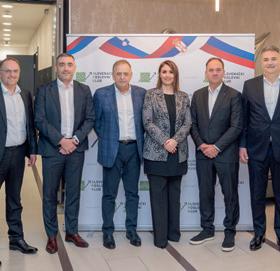
Danijela Fišakov, President of the Slovenian Business Club, speaks about regional connectivity, new investment priorities, labour market challenges and the growing importance of stable
business partnerships in a time of global uncertainty.
In times of global uncertainty, are business clubs becoming “bridges of stability” in the region?
— Business clubs and bilateral organisations today play a far broader role than traditional networking platforms. In times of uncertainty, companies increasingly seek reliable partners, first-hand information and platforms that enable dialogue with institutions and the business community.
That is why business clubs are becoming bridges of stability and trust across the region. Companies are looking not only for networking opportunities, but also for support in understanding regulatory and market changes and building longterm partnerships.
One of the advantages of the Slovenian Business Club is that membership provides access not only to companies in Serbia, but also to the global network of Slovenian business clubs.
Which sectors are becoming key to the next phase of Serbian-Slovenian cooperation?
— Slovenian companies have been present in Serbia and the wider region for decades, recognised for their long-term approach, stability and understanding of the local market.
A reliable business club today is no longer merely a directory of contacts, but an active intermediary helping transform an initial digital connection into a stable and lasting partnership
While the first wave of investments after 2000 focused on retail, banking and acquisitions, today the investment focus has shifted towards sectors with stronger development potential, including energy, green technologies, digital solutions, logistics, sustainable infrastructure and advanced industries.
Interest is also growing in projects that combine innovation, sustainability and regional interoperability. I believe the next phase of cooperation between Serbia and Slovenia will rely much more on knowledge, technology transfer and the joint development of sustainable business models.
How has the way business people build trust and partnerships changed?
— The way business people build contacts has undergone a profound transformation. Today, almost nobody enters a meeting without first researching their potential partner.
However, although technology has accelerated communication and enabled initial contacts online, traditional formats such as working break-
fasts, Speed Business Meetings and informal gatherings remain irreplaceable.
Business people still want to feel the energy, commitment and integrity of the partners with whom they plan long-term cooperation. Direct meetings, quality dialogue and mutual understanding have become more important than ever.
That is why the Slovenian Business Club combines traditional networking formats with modern communication models, expert panels and platforms that encourage long-term partnerships.
How prepared are companies in the region for green transition, ESG standards and digitalisation?
— These are no longer future-oriented concepts, but direct questions of competitiveness. While large international companies already operate according to these standards, many smaller businesses are still adapting to new market demands.
There is strong awareness across the region, but also a visible gap between ambition and the real capacity to implement transformation. The biggest challenges remain the shortage of specialised talent, significant investment needs and slower institutional adaptation.
At the same time, this creates opportunities for regional cooperation, knowledge exchange and joint projects capable of accelerating the transition.
What will be the biggest business challenge in the region over the next five years?
— Business challenges are becoming increasingly interconnected. Labour shortages remain one of the most serious issues, particularly in technology, energy and specialised industries, while companies also continue to point to administrative inefficiency and geopolitical uncertainty.
However, perhaps the greatest challenge will be the ability to adapt quickly to change — from technological transformation to new expectations from employees and the market.
Companies that remain flexible, innovative and regionally connected will have the strongest chance of success in the years ahead.
SPK recently held its electoral assembly session. What were the results?
— The members of the Slovenian Business Club recognised the work and results achieved by the current leadership and entrusted the President and Board of Directors with another mandate.
A new mandate also brings four new years of responsibility.
A Platform for Business Connectivity
For more than two decades, the Slovenian Business Club has been strengthening business ties between Serbia and Slovenia through networking, knowledge exchange and regional cooperation initiatives.
The Slovenian Business Club (SPK), which brings together more than 150 members, has for 23 years served as a platform connecting the Serbian and Slovenian business communities. Through around 30 annual events, organised independently or with partners, SPK promotes networking, business cooperation and the exchange of expertise, while actively participating in regional and European business initiatives.
CEO GATHERING
The annual CEO Gathering brings together directors and company owners from SPK member companies, providing an opportunity for informal networking, the exchange of business perspectives and the strengthening of mutual cooperation.
SPEED BUSINESS MEETING
Organised together with partner associations, the
Speed Business Meeting gathers more than 60 company representatives from various sectors for one-on-one meetings, business networking and the development of new partnerships.
“LOGISTICS PULSE OF THE REGION 2025”
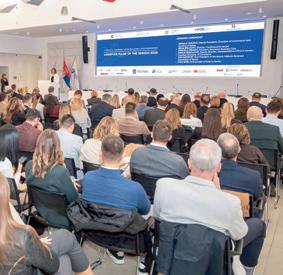
In cooperation with regional business associations, SPK organised the 4th Regional Conference on Transport, Logistics and Supply Chains, gathering more than 200 participants from five countries. Discussions focused on digitalisation, infrastructure investment, sustainable logistics and regional connectivity, while a special panel addressed the role of women in logistics leadership.
SLOVENIAN SHOWROOM
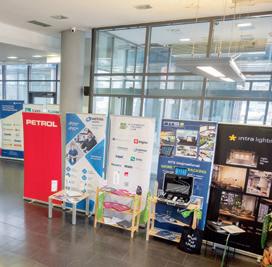
Located in New Belgrade, the Slovenian Showroom
promotes Slovenian companies, products and services through presentations, business meetings and networking events, creating opportunities for new partnerships and market visibility.
NEW YEAR’S COCKTAIL RECEPTION
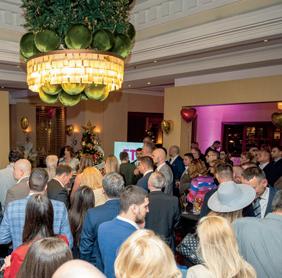
The traditional New Year reception, held at the Hyatt Regency Hotel, brought together members and partners of the Club to reflect on key achievements from 2025 and underline the importance of bilateral cooperation.
PANEL DISCUSSION ON REGIONAL INSURANCE PRACTICES
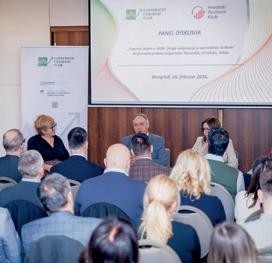
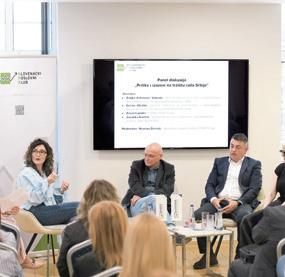
In cooperation with the Croatian Business Club, SPK organised a panel discussion dedicated to business risks and insurance practices in Slovenia, Croatia and Serbia,
gathering more than 40 participants from the insurance and wider business sectors.
ANNUAL GENERAL ASSEMBLY
During its annual and electoral session, SPK reviewed the results achieved in 2025 and presented plans for 2026, reaffirming its focus on concrete business initiatives, stronger international cooperation and closer alignment with the needs of the business community.
WORKING BREAKFAST ON THE SERBIAN LABOUR MARKET
SPK organised a working breakfast dedicated to labour market trends in Serbia, focusing on labour shortages, employee retention and the regulatory framework, with participation from HR professionals, company representatives and institutions.
Drawing Space Through Generations
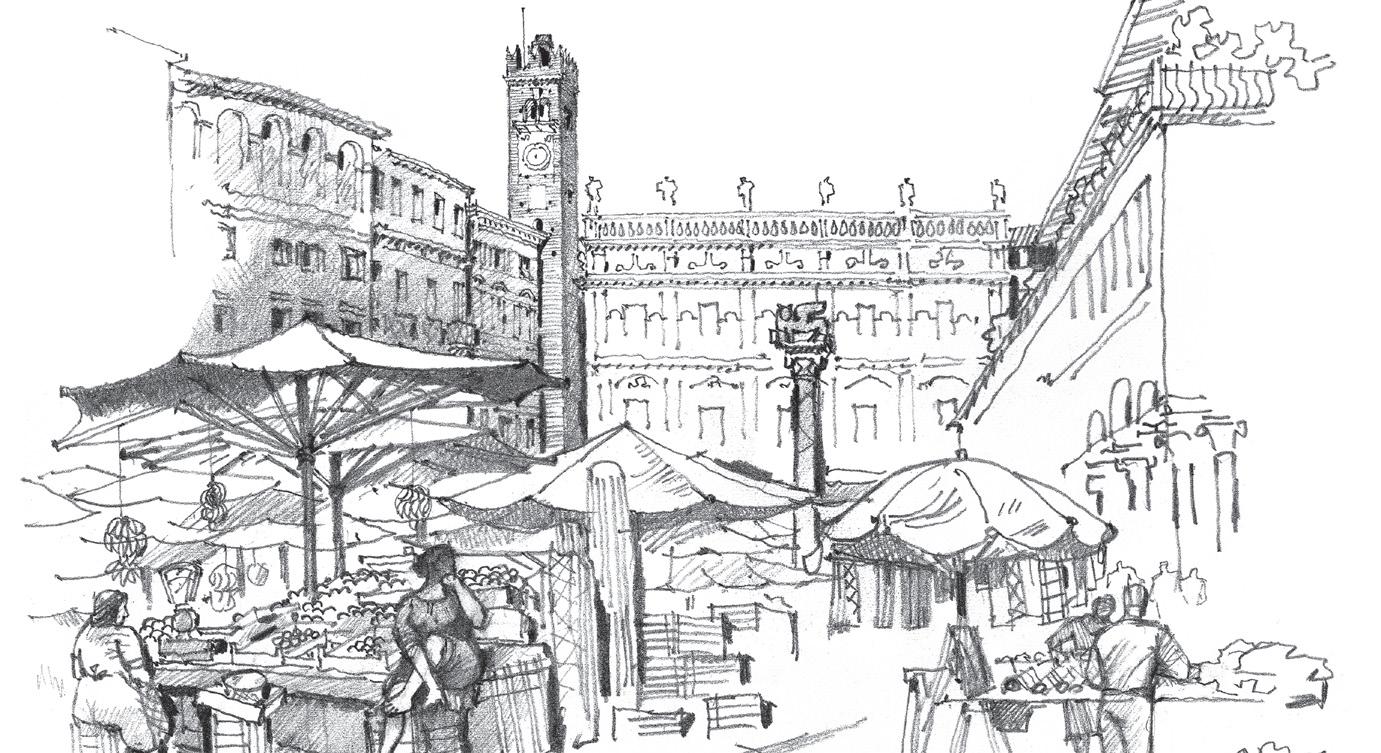
The exhibition “Marjan and Marko Mušič: The Art of Architectural Drawing”, realised through cooperation between the Slovenian Academy of Sciences and Arts (SAZU) and the Serbian Academy of Sciences and Arts (SANU), explores a century-long dialogue between architecture, artistic expression and cultural continuity.
At a time when architecture is increasingly shaped by digital technologies and accelerated urban transformation, the exhibition Marjan and Marko Mušič: The Art of Architectural Drawing offers a reminder of the enduring value of the hand-drawn line as a space of thought, intuition and artistic reflection. Opened at the Gallery of Science and Technology of the Serbian Academy of Sciences and Arts (SANU), the exhibition also highlights the continuity of cultural and institutional dialogue between Slovenia and Serbia through the cooperation of their two leading academies.
Dedicated to two generations of distinguished Slovenian architects — father and son Marjan and Marko Mušič — the exhibition presents architectural drawing not merely as a technical tool, but as an autonomous artistic language and a fundamental instrument of architectural thinking.
A Dialogue Between Two Generations
The selected works reveal both continuity and difference in the creative approaches of Marjan and Marko Mušič. Their drawings trace the evolution of architectural expression across an entire century, while simultaneously opening broader questions about permanence, identity and the human dimension of space.
Marjan Mušič, one of the most important Slovenian architects of the twenti-
The exhibition shows that architectural drawing is not merely a sketch or technical preparation, but a fundamental instrument of research, reflection and creation
eth century, was known for combining Mediterranean influences, regional heritage and modernist sensibility. His son, Marko Mušič, developed an equally distinctive architectural language shaped by monumentality, symbolism and strong spatial narratives. Together, their works represent a unique intergenerational dialogue between tradition and contemporary architectural thought.
The exhibition particularly emphasises that architectural drawing remains irreplaceable even in the age of digital design. While contemporary technologies have transformed architectural practice, the hand-drawn sketch still provides the most direct connection between the architect’s idea and the emerging form. The displayed works demonstrate that drawing is not simply preparation for architecture, but architecture itself in its earliest and most intimate phase.
Architecture Beyond Technology
Beyond its artistic dimension, the exhibition reflects a broader question increasingly relevant to contemporary architecture: what remains essential, lasting and deeply human in the shaping of space.
In a period dominated by speed, algorithms and standardised visual communication, the exhibition reaffirms the importance of observation, artistic discipline and intellectual continuity.
It also reminds visitors that architecture ultimately represents far more than construction or technology alone — it remains a reflection of memory, identity and human experience.
Slovenian Without Borders Cinema
The 12th Days of Slovenian Film in Belgrade reaffirm the strength of a cinematic dialogue that continues to connect regional audiences while bringing a new generation of Slovenian filmmakers into sharper focus
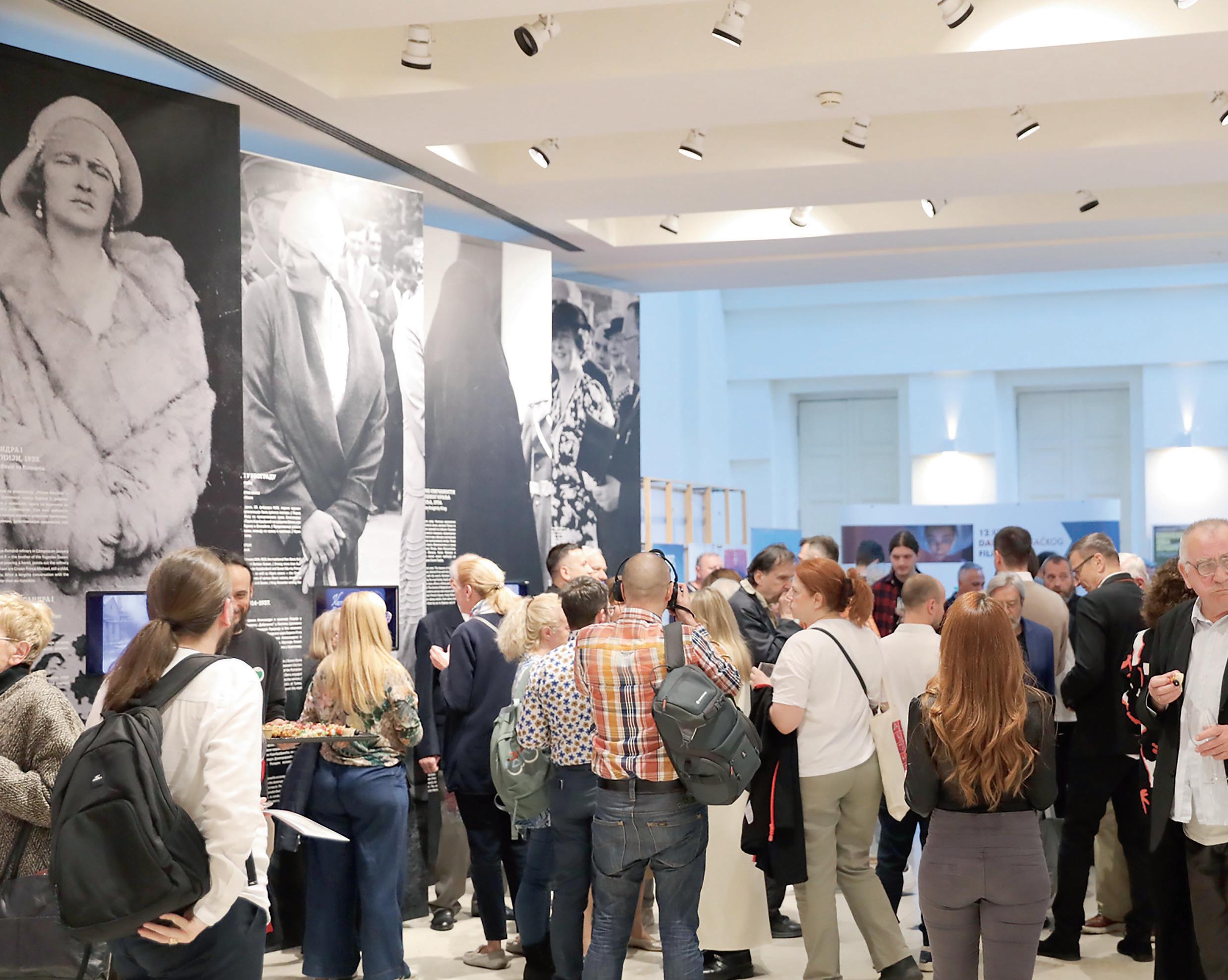
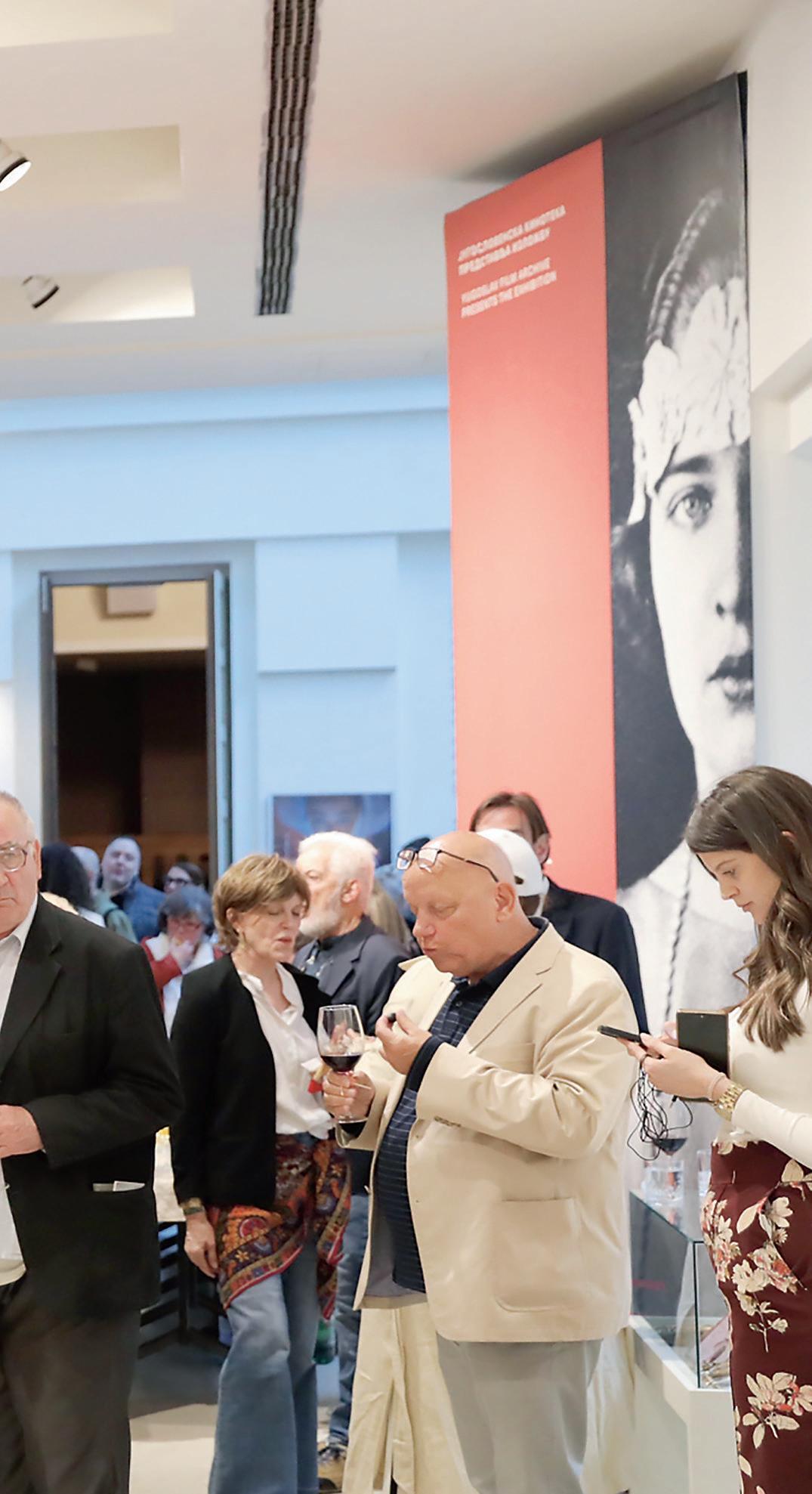
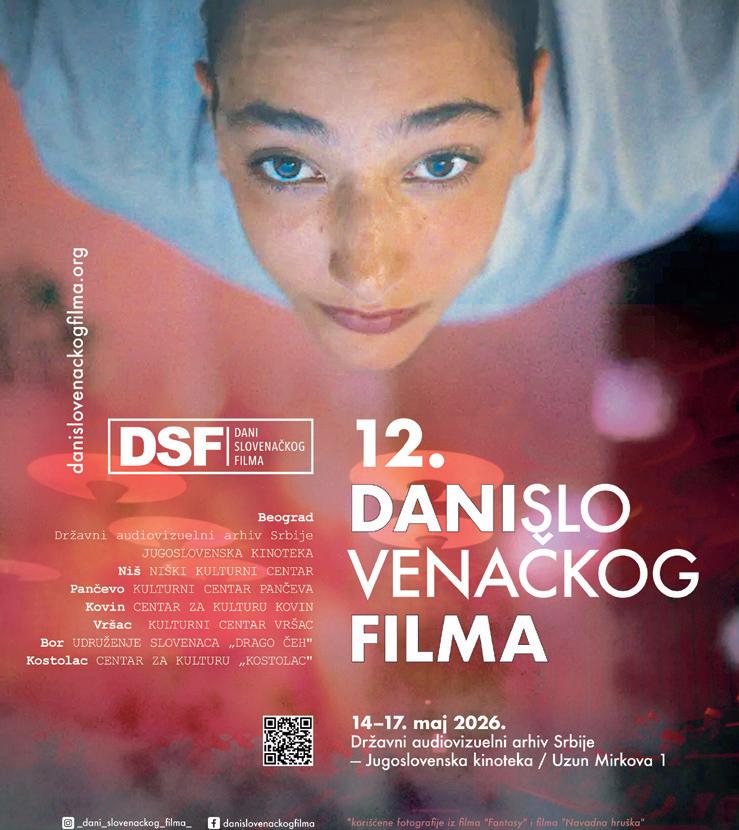
Held annually at Belgrade’s Yugoslav Film Archive, the Days of Slovenian Film have grown into one of the most important platforms for cinematic exchange between Serbia and Slovenia. The twelfth edition of the festival, held from 14 to 17 May, once again confirmed the vitality of contemporary Slovenian cinema and its increasing visibility within the wider European cultural space. This year’s programme presented a carefully selected overview of contemporary Slovenian
feature, documentary and animated films, alongside regional and European co-productions. Under the artistic direction of filmmaker Dragomir Zupanc, the festival offered insight into some of the most notable titles and authorial tendencies that marked Slovenian cinema over the past year.
The festival opened with Little Trouble Girls by director Urška Djukić and closed with Fantasy by director Kukla, two films that framed the thematic focus of this year’s edition through different interpretations of coming of age, identity and emo-
overview of annual production by offering audiences deeper insight into individual artistic practices. Božič’s accompanying masterclass explored his interdisciplinary approach to filmmaking and visual storytelling.
Another important segment was DSF+, a short film selection curated by Vladimir Šojat, bringing together fiction, documentary, animated and experimental works. The programme offered a valuable overview of the diversity and creative energy of Slovenia’s contemporary short-form production, while also creating space for emerging authors and innovative cinematic approaches.
Alongside screenings, the festival included a series of accompanying events, including a panel dedicated to the avant-garde Slovenian art movement OHO, discussions on contemporary Slovenian female filmmakers and conversations with audiences following screenings. These programmes reinforced the festival’s role not merely as a showcase, but as a space for dialogue, interpretation and cultural exchange.
Speaking at the opening ceremony, representatives of the organisers and partner institutions
Contemporary Slovenian cinema continues to gain international visibility through intimate storytelling, visual precision and a new generation of distinctive authors
tional vulnerability. Their inclusion also highlighted the growing presence of a new generation of Slovenian female directors whose work increasingly attracts international attention.
Djukić’s Little Trouble Girls already enjoyed a successful festival trajectory before arriving in Belgrade. Premiering at the Berlin International Film Festival, where it received the FIPRESCI Critics’ Award, the film went on to collect numerous international recognitions and earned a nomination from the European Film Academy.
One of the key additions to this year’s programme was Author in Focus, dedicated to cinematographer and director Gregor Božič. Conceived by selector Sonja Đekić, the programme expanded the festival beyond a representative
emphasised the importance of long-term cultural cooperation between Slovenia and Serbia. Saša Verbič, President of the Slovenian Society Sava in Belgrade, reflected on the development of the festival since its launch in 2014, while Yugoslav Film Archive Acting Director Aleksandar Erdeljanović highlighted the growing opportunities for collaboration between Slovenian and Serbian film professionals.
Slovenian Ambassador to Serbia Dr Slobodan Šešum underlined the increasing quality and international visibility of Slovenian productions, while legendary actress Anica Dobra perhaps best captured the essence of Slovenian cinema by describing it as a “small cinematography” whose strength lies precisely in its honesty, precision and ability to speak through intimate human experiences rather than spectacle.
Featuring nineteen films across multiple formats, the twelfth Days of Slovenian Film once again demonstrated that contemporary Slovenian cinema remains artistically ambitious, thematically relevant and increasingly influential within the regional and European cultural landscape.
TheA century after her death, Ivana Kobilca remains one of the defining figures of Slovenian and Central European art
Quiet
Modernity Ivana Kobilca of
Amajor retrospective at the National Gallery of Slovenia has once again brought attention to the remarkable artistic legacy of Ivana Kobilca (1861–1926). Bringing together works from different periods of her career, the exhibition reaffirms her place not only within Slovenian cultural history, but also within the broader narrative of European realism and early modernism.
Born in Ljubljana in 1861, at a time when opportunities for women artists remained severely limited, Kobilca pursued an unusually ambitious and independent path. After early studies in Ljubljana and Vienna, she continued her artistic education in Munich, one of Europe’s leading artistic centres of the late nineteenth century. There she developed a visual language shaped by realism, naturalism and plein-air painting, while simultaneously becoming part of a wider cosmopolitan artistic network. Her career was defined by movement between Europe’s cultural capitals. Paris proved especially significant, exposing her to international artistic circles and bringing recognition through exhibitions at the prestigious Salon of the Société Nationale des Beaux-Arts, where she became an associate member — a rare achievement for a Slovenian woman artist of the period.
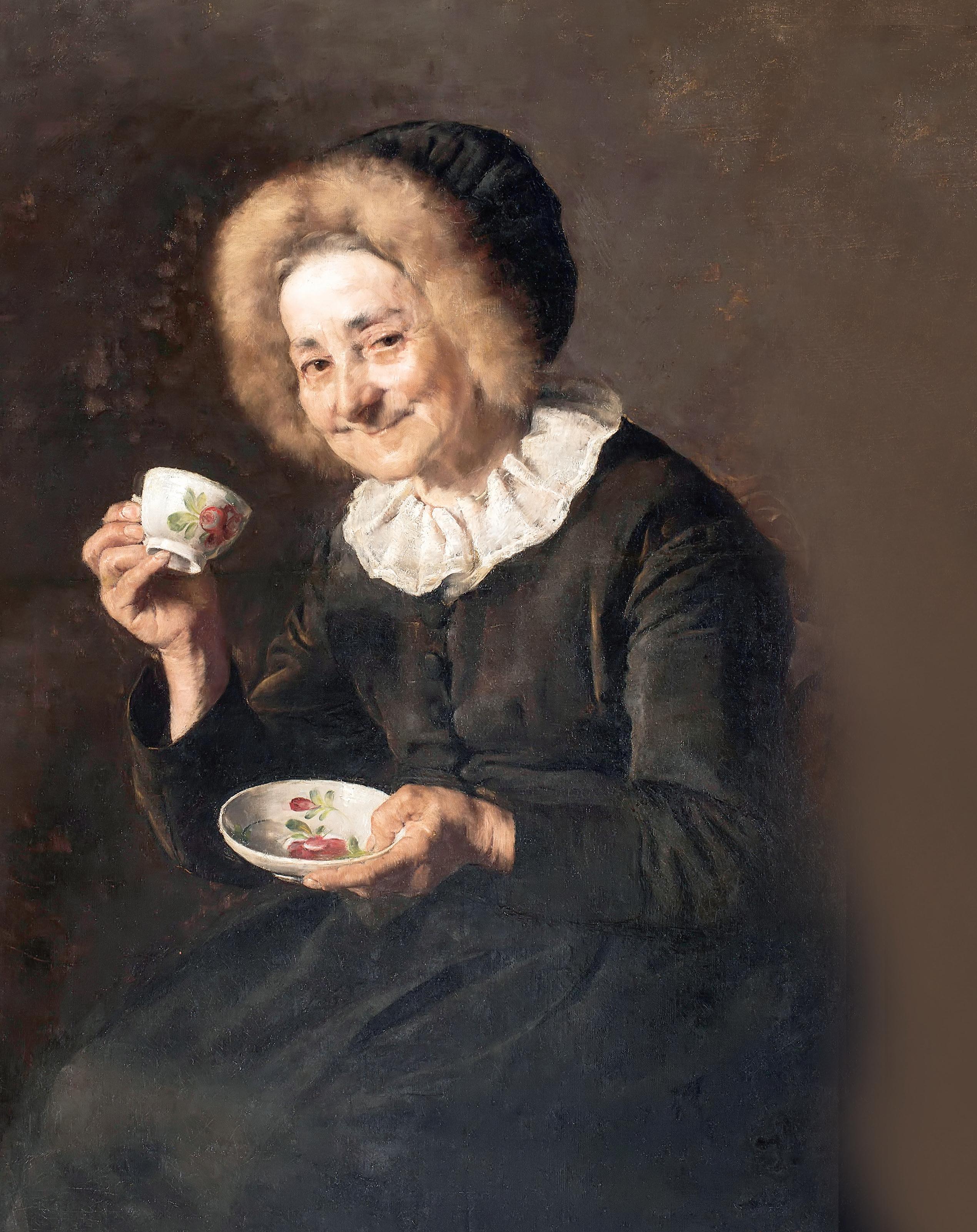
Kobilca’s paintings combined technical precision with emotional subtlety. Works such as Summer and Woman Drinking Coffee transformed intimate everyday moments into compositions marked by light, atmosphere and psychological nuance. Rather than focusing on monumental historical themes, she turned towards portraits,
interiors and domestic scenes, developing a distinctly introspective artistic language.
Today, that restraint feels strikingly contemporary. Her paintings reveal a quiet sophistication shaped less by spectacle than by observation, intimacy and emotional discipline. In many ways, they reflect a broader Central European sensibility positioned between realism, symbolism and early modernity.
Her years in Sarajevo further expanded her artistic perspective. Living there between 1897 and 1905, Kobilca worked on portraits, commissions and church decorations while becoming part of the city’s evolving cultural life under Austro-Hungarian administration. The experience introduced additional cultural layers into her work and reinforced her position as a truly transnational artist.
Despite her international success, Kobilca often faced prejudice within a male-dominated profession. Critics frequently reduced her work to supposedly “feminine” qualities, overlooking the discipline and technical rigor behind her
paintings. Yet her career itself represented a quiet form of resistance. She travelled independently, built professional networks across Europe and sustained herself through artistic work at a time when women were rarely granted such autonomy.
This is precisely why her work resonates so strongly today. Beyond their beauty, Kobilca’s
Ivana Kobilca built an international artistic career across Vienna, Munich, Paris, Sarajevo and Berlin at a time when women were still largely excluded from the European art world
paintings reflect broader questions of identity, visibility and cultural belonging within a rapidly changing Europe. A century after her death, she continues to stand not only as one of Slovenia’s defining artists, but also as a significant European cultural figure whose quiet modernity still feels remarkably relevant.
Photo Wikimedia Commons
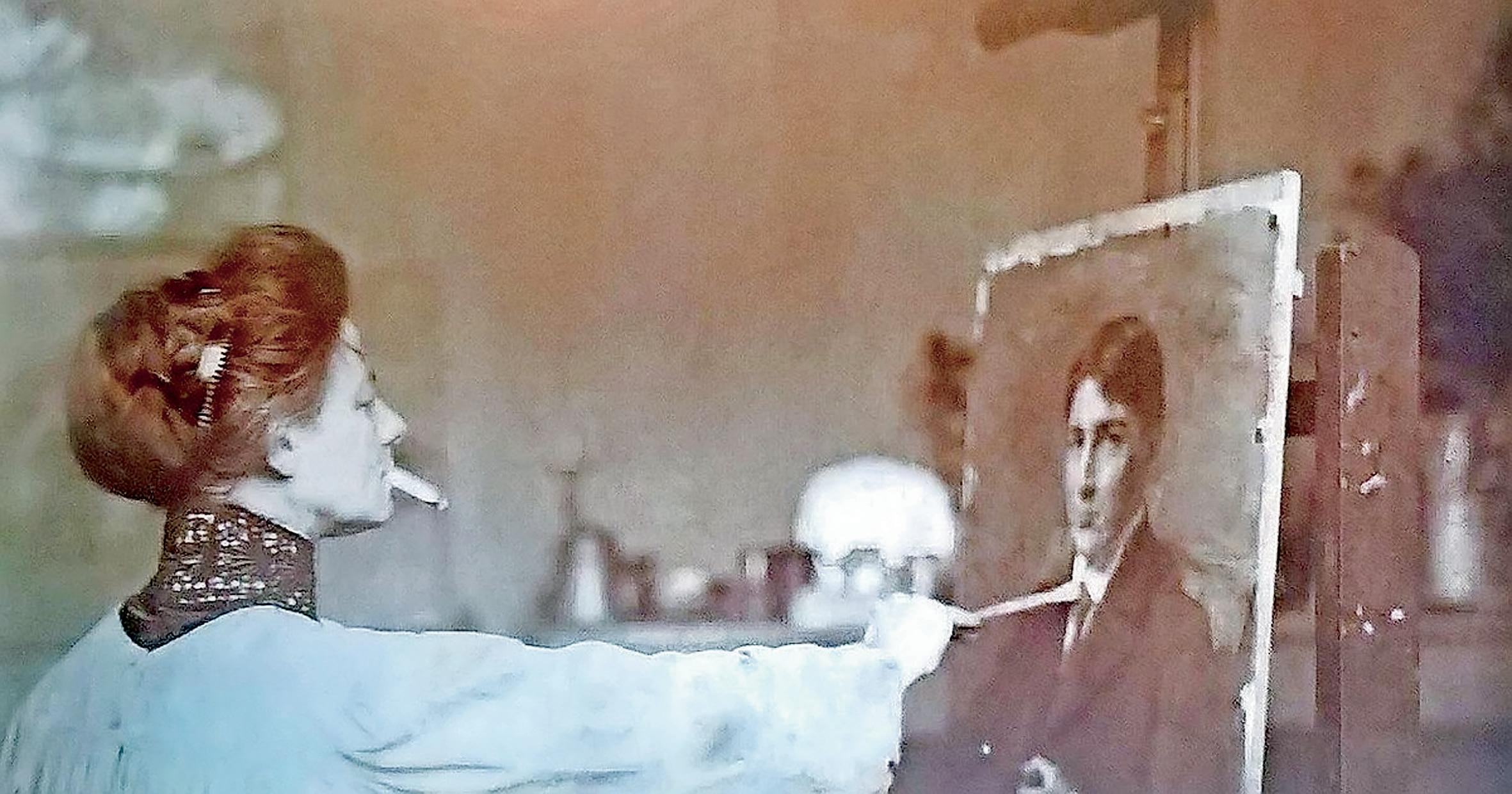
Ivana Kobilca painting a portrait of Vladimir Stare in 1912, private collection