AFFORDABLE HOUSING


© 2026 Cooper Carry
© 2026 Cooper Carry
Since 1960, Cooper Carry has been dedicated to designing spaces that connect people to place. Inspired by our founder, Jerry Cooper, we approach every project with curiosity—asking the right questions to uncover the best solutions for our clients and the communities they serve. Our leadership team consists of both advocates and experts, empowered by decades of experience to shape environments that prioritize placemaking, civic space, and the well-being of communities, tenants, residents, and visitors.
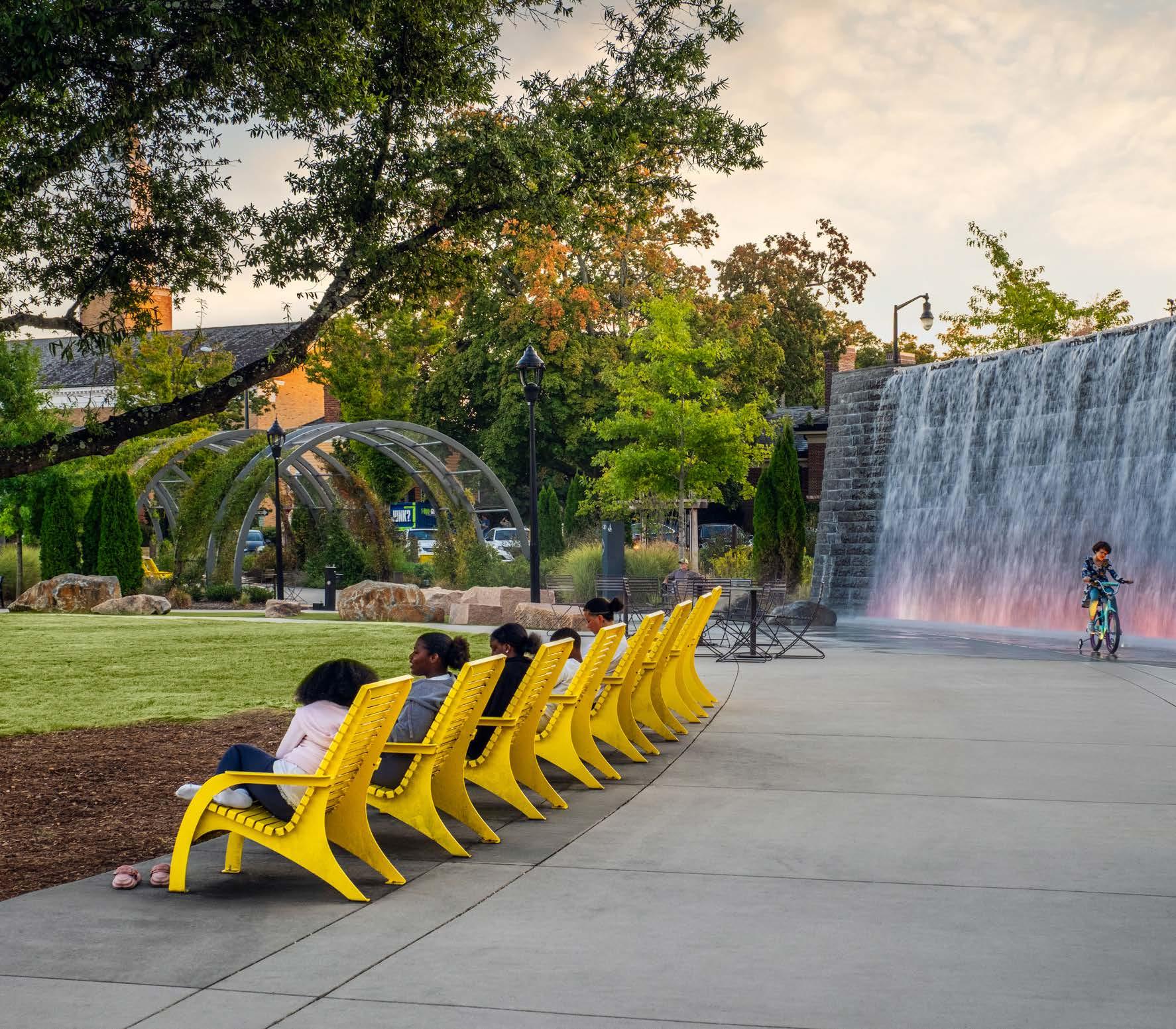
With decades of experience in multifamily design, our Residential Studio combines technical expertise with a strong commitment to community-based approaches. We work across a full range of housing types, including single-family homes, mid-rise and high-rise residential buildings, and master-planned communities. Our team provides solutions that cover Type I through Type V construction, utilizing innovative building systems that balance quality, cost, and constructability.
We believe affordable housing should be designed with the same level of quality and care as any other community. Affordable housing requires a thoughtful balance of design, funding, and delivery, ensuring communities are both attainable and enduring. Our team works alongside developers, public agencies, and nonprofit organizations to create housing that is livable, dignified, and achievable.
We leverage the collective strength of our studios to design places that support deeper, lasting impact for communities.
Ecosystems bring many diverse contributors together to create something far beyond the capacity of one. They create and capture new and greater value. At Cooper Carry, we approach our work as a collaborative ecosystem. We have multiple studios and services that mix and match daily to provide each project the depth of expertise it needs to help our clients and end users succeed. Our breadth of experience goes far beyond broad building types. We offer a deeper level of expertise, explore more possibilities, and offer more creative solutions. The mixed-use ecosystem allows us to help our clients create the platform on which tenants and target audiences can flourish.
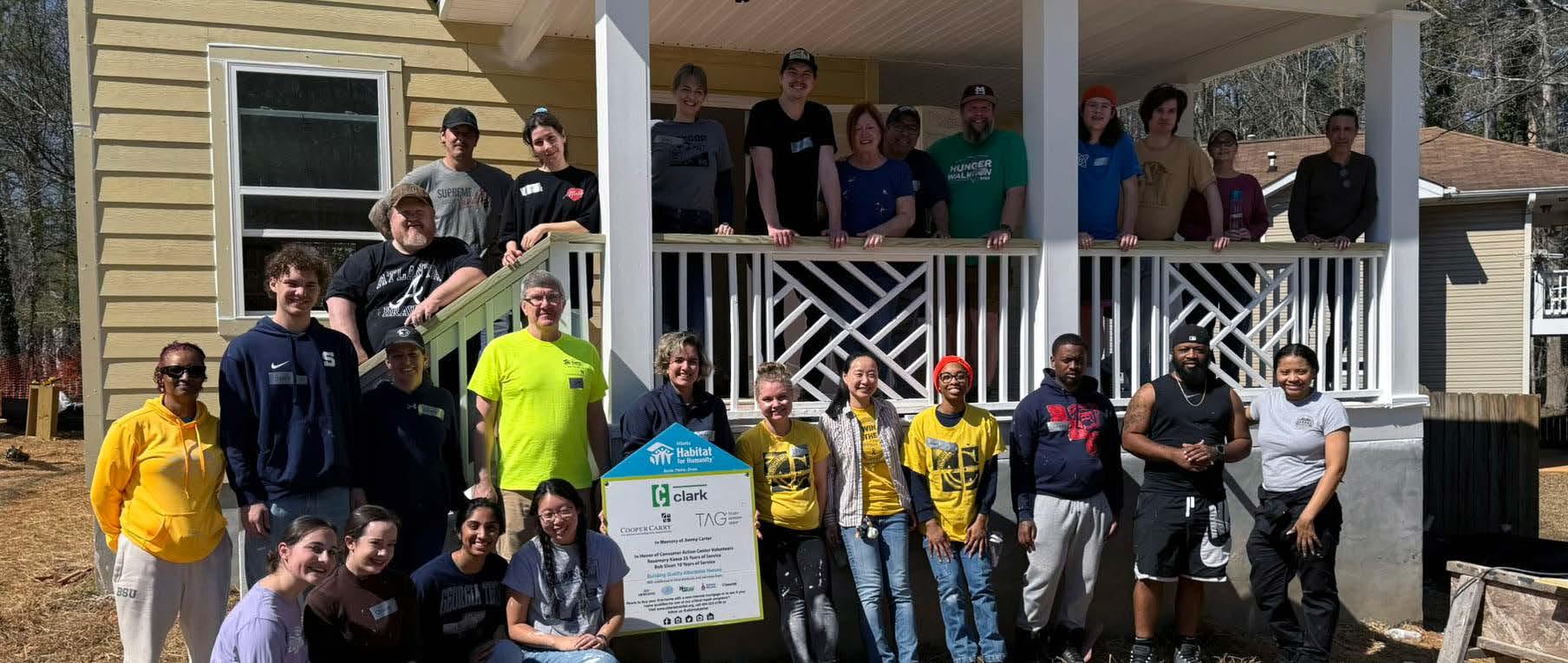
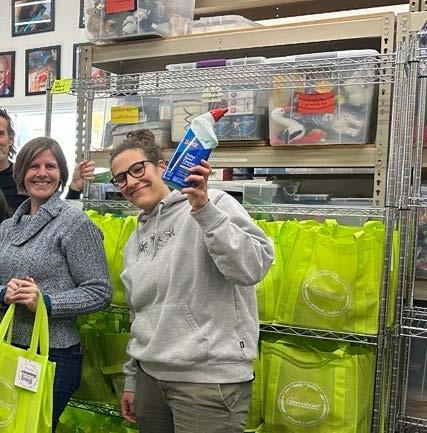
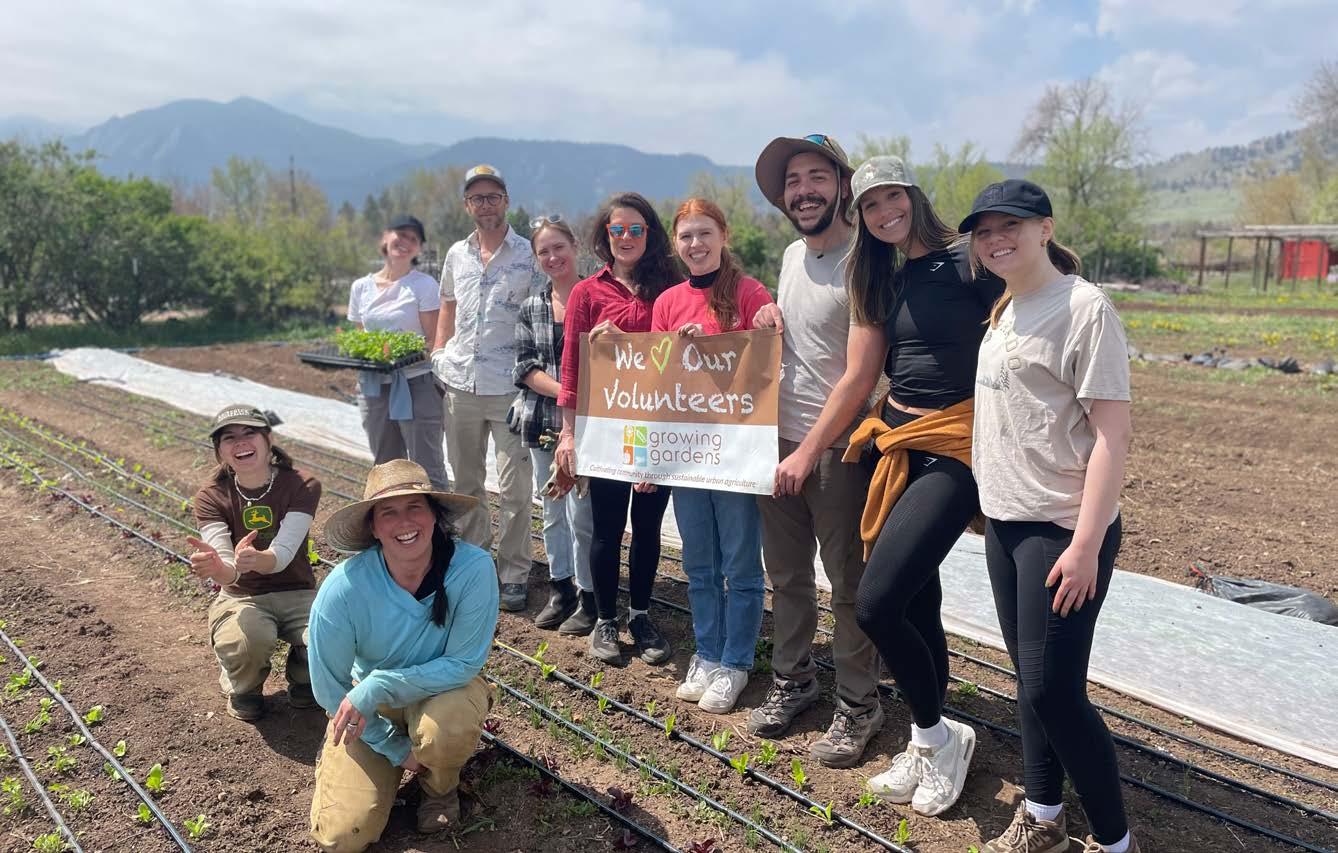
Many staff members at Cooper Carry support nonprofit organizations through volunteering, board service, and financial or in-kind contributions. What connects these efforts is a shared commitment to making a meaningful impact in the communities where we live and work. These initiatives are grassroots, driven by the passion and generosity of our people.
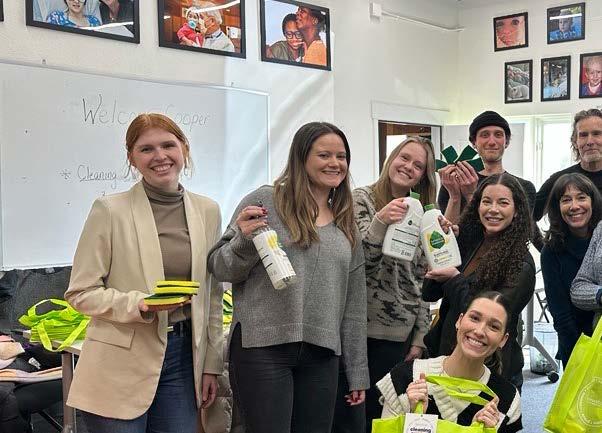
Cooper Carry provides each employee with 16 hours of paid time annually to volunteer with nonprofit organizations. Our team gives back in a variety of ways, from hands-on service to leadership and fundraising. For more than ten years, Cooper Carry has partnered with FOCUS to support families of children with disabilities through an annual holiday program, providing gifts to over 500 children across 14 cities in Georgia.
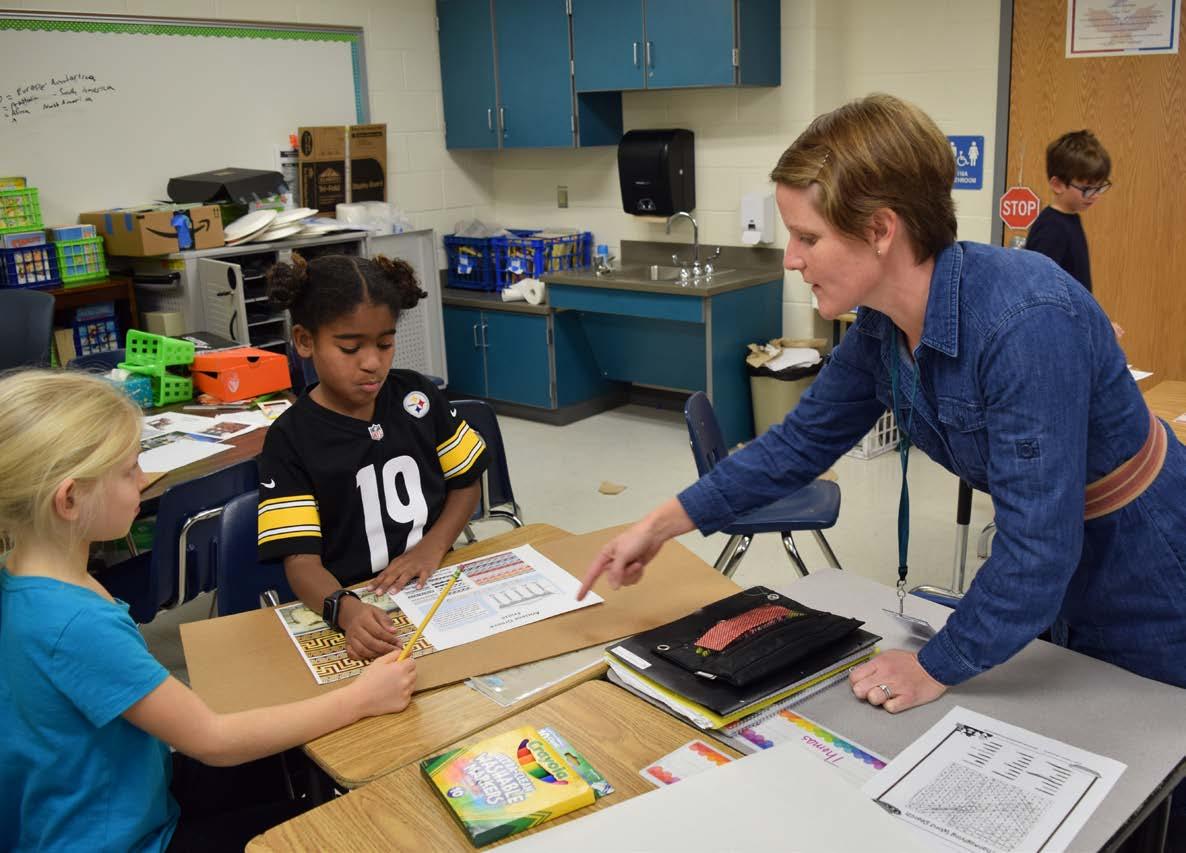

Affordable housing is shaped by many forces. We bring them together through a collaborative, integrated approach that balances design, cost, sustainability, and community priorities.
Every project begins with a deep understanding of place, people, and purpose. We work closely with clients, stakeholders, and communities to align goals, define priorities, and establish a shared vision grounded in real-world conditions.
From there, we explore design solutions that respond to program needs, budget considerations, and site-specific opportunities. Our process is iterative and collaborative, allowing ideas to be tested, refined, and strengthened through multiple perspectives.
Just as important, we focus on what it takes to bring a project to life. By aligning design
with funding, phasing, and delivery strategies, we help ensure that each project is not only thoughtful and well-designed, but achievable.
The result is a holistic approach that connects every element of the development process, creating housing that supports people, strengthens communities, and delivers lasting impact.

Krista Dumkrieger
I’ve always been drawn to housing for its role in anchoring families and creating lasting memories. My experience as Family Services Coordinator for Cedar Rapids Habitat for Humanity deepened that interest, showing me firsthand that housing is more than shelter—it’s the foundation for opportunity, health, and dignity. When it’s out of reach, entire communities suffer. Affordable housing isn’t just a policy goal—it’s a moral imperative.

Addressing the shortage and quality of affordable housing requires more than innovative design; it demands true collaboration among multiple stakeholders like public agencies, private partners, developers, and the people within the communities we serve. Through my work, I’ve seen lasting solutions emerge when we bring together diverse perspectives and expertise to create places that are not only accessible but dignified and supportive for every resident.


Over the 15+ years of my urban planning career, I have focused on re-imagining and redeveloping public housing communities across the Southeast. Working closely with housing authorities and engaging directly with residents has given me deep insight into their lived experiences—the challenges they face in housing quality, health, safety, and financial stability. I believe that housing lies at the heart of family wellbeing and serves as the foundation for stronger, more equitable communities.
Multifamily Affordable Housing largely targets multi-bedroom units, targeted for families. Crafting these units, with adequate space, storage, and adaptability for the stages of life, is what makes these units become a home.
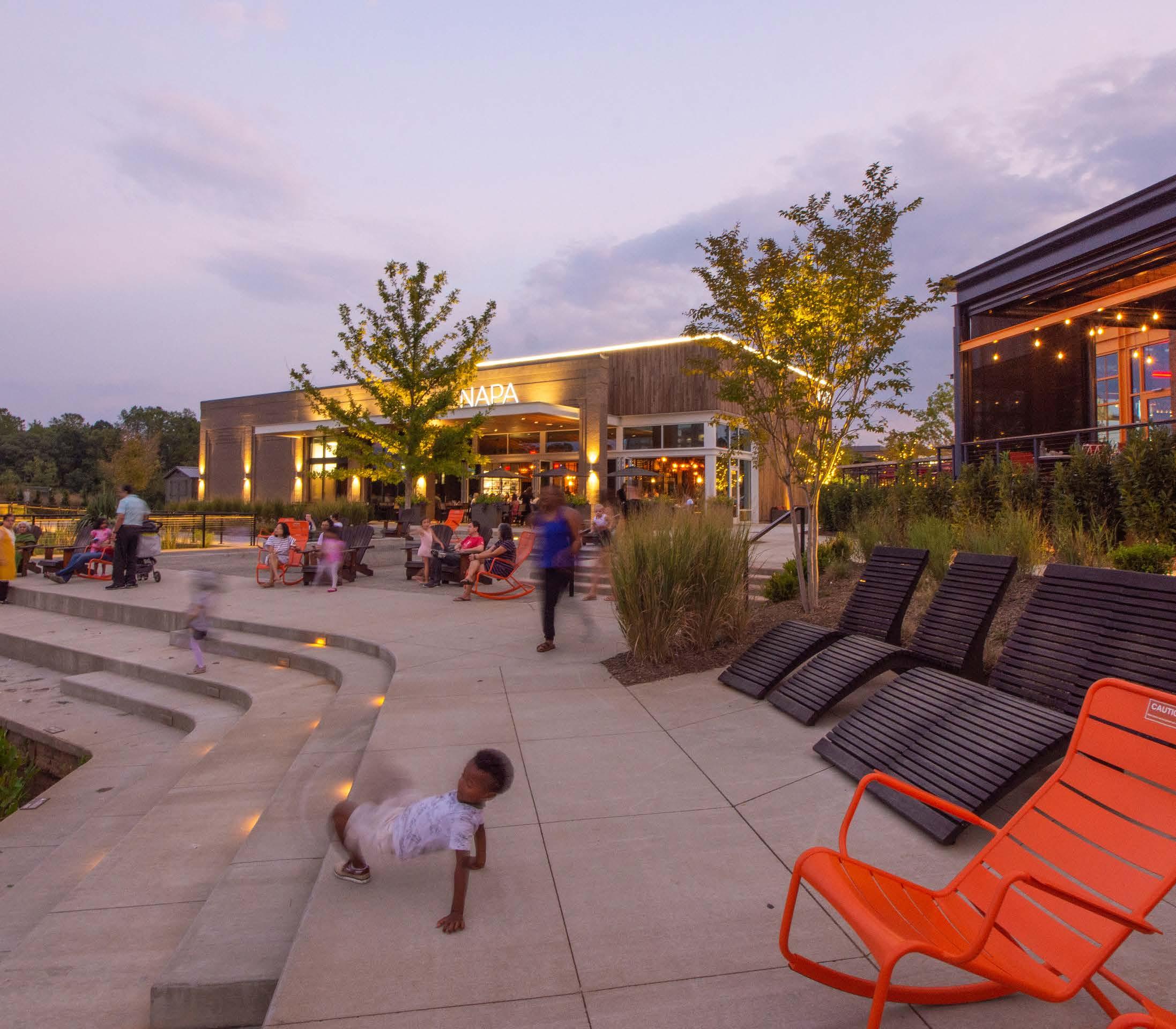
KINGSLEY, FORT MILL, SC
.
Affordable housing takes many forms, but the goal remains the same: to create places that support people and strengthen communities.
Our work spans a range of project types, from individual buildings to neighborhoodscale plans, each shaped by its context, partnerships, and delivery strategy.
Across these projects, we navigate the realities of funding, policy, and implementation while responding to the needs of the communities they serve. The result is a body of work that reflects both the complexity of affordable housing and the opportunity to create lasting impact.
The projects that follow represent key areas of our experience.
Creating balance through a mix of for-sale and rental housing.
Supportive Housing
Integrating housing with services that provide stability and care.
Community-Centered Development
Designing with and for communities to preserve culture and identity.
Transformative Projects
Adaptive reuse of existing sites and buildings to create immediate and lasting impact.
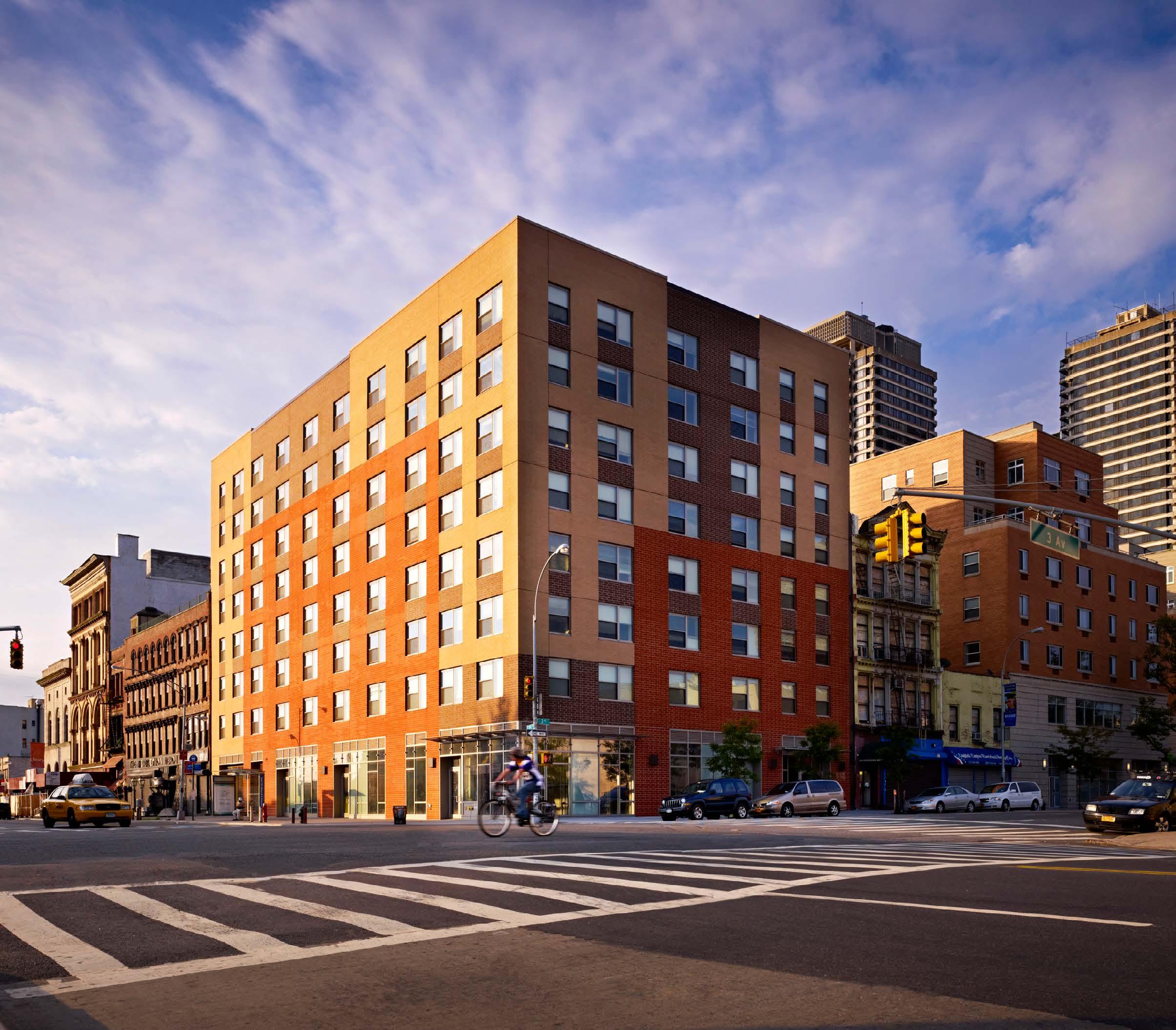
NY
This is where we began. Since the early 2000s, our approach to affordable housing has been grounded in context, with each project designed to reflect and support the surrounding community.
Metro 125 is Phase I of the East Harlem Media, Entertainment and Cultural Center (MEC), a publicprivate initiative led by NYCEDC to revitalize a key Harlem corridor. The project introduces affordable housing and ground-floor retail, establishing an early foundation for long-term mixed-use development.
Delivered through a fast-track process, the project leveraged multiple public funding sources to bring much-needed housing online on time and within budget. Completed as a LEED Silver-certified community, Metro 125 is fully leased and continues to support high-quality, attainable living.
SCOPE
50 AFFORDABLE HOUSING UNITS
SERVICES ARCHITECTURE
FUNDING SOURCE
FEDERAL STIMULUS FUNDS
CITY SUBSIDIES
LOW-INCOME HOUSING
TAX CREDITS (LIHTC)
PROJECT-BASED SECTION 8
EAST HARLEM MEC CENTER, LLC
NEW YORK CITY ECONOMIC
DEVELOPMENT CORPORATION (NYCEDC)
By integrating housing and supportive services, we create environments that provide stability, safety, and a path forward.
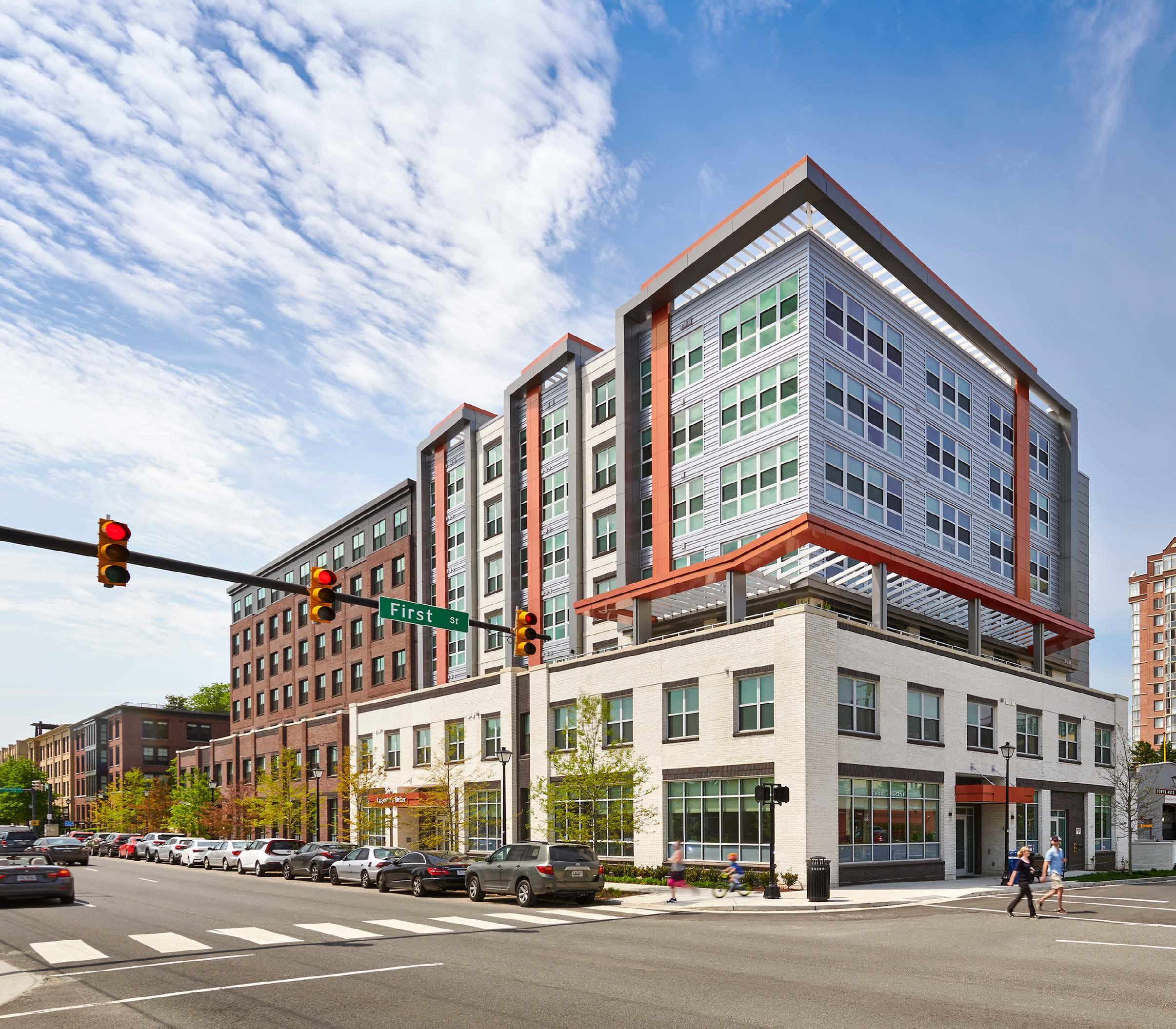
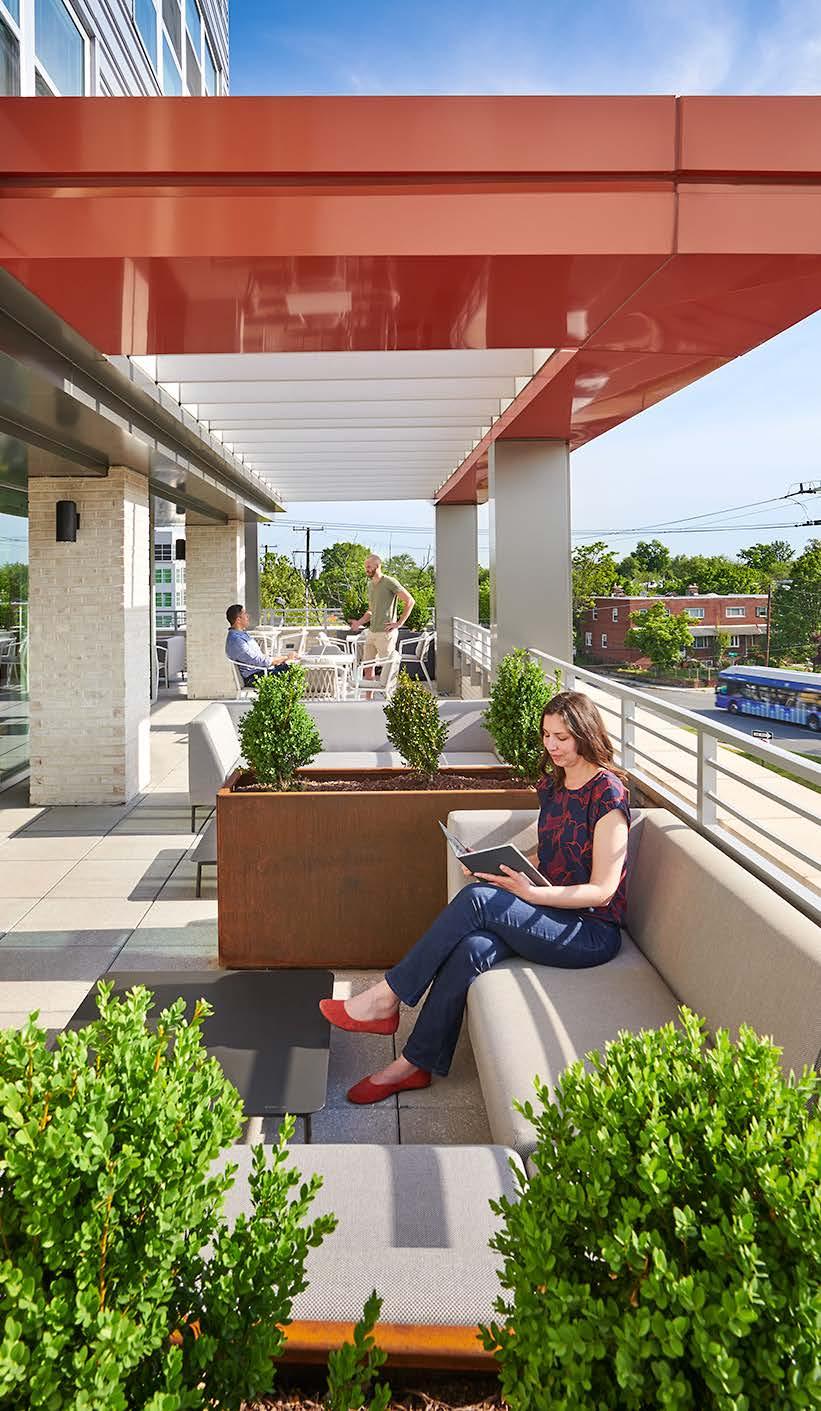
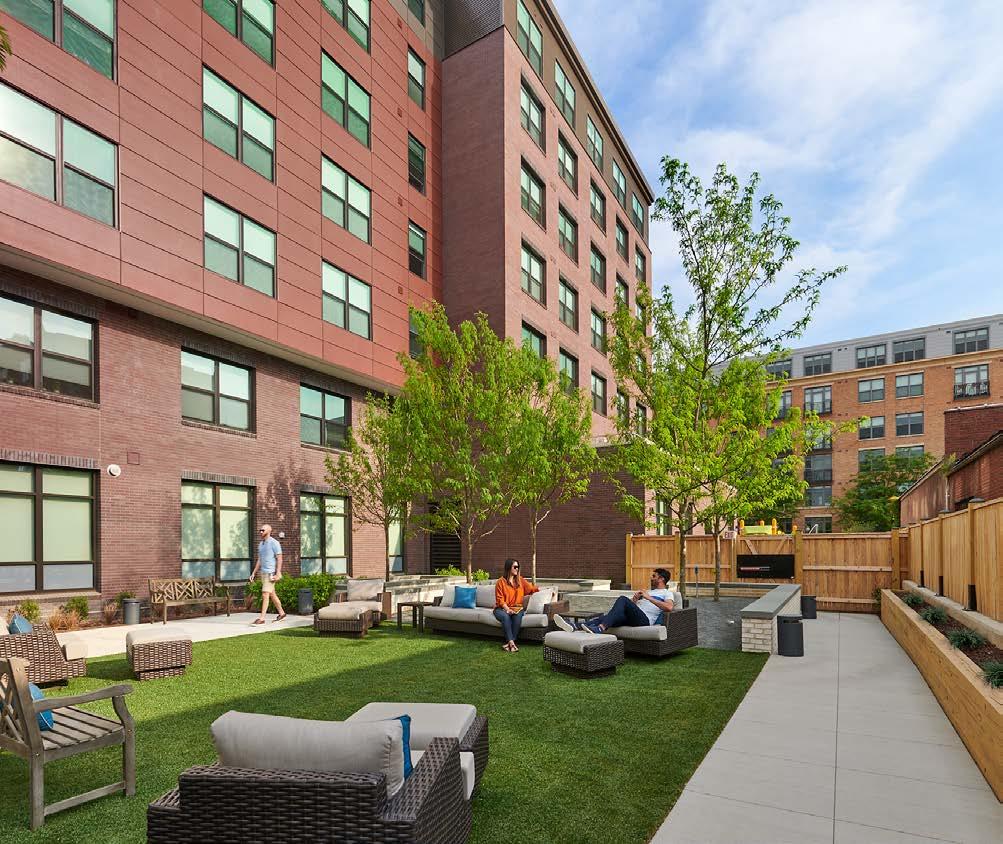
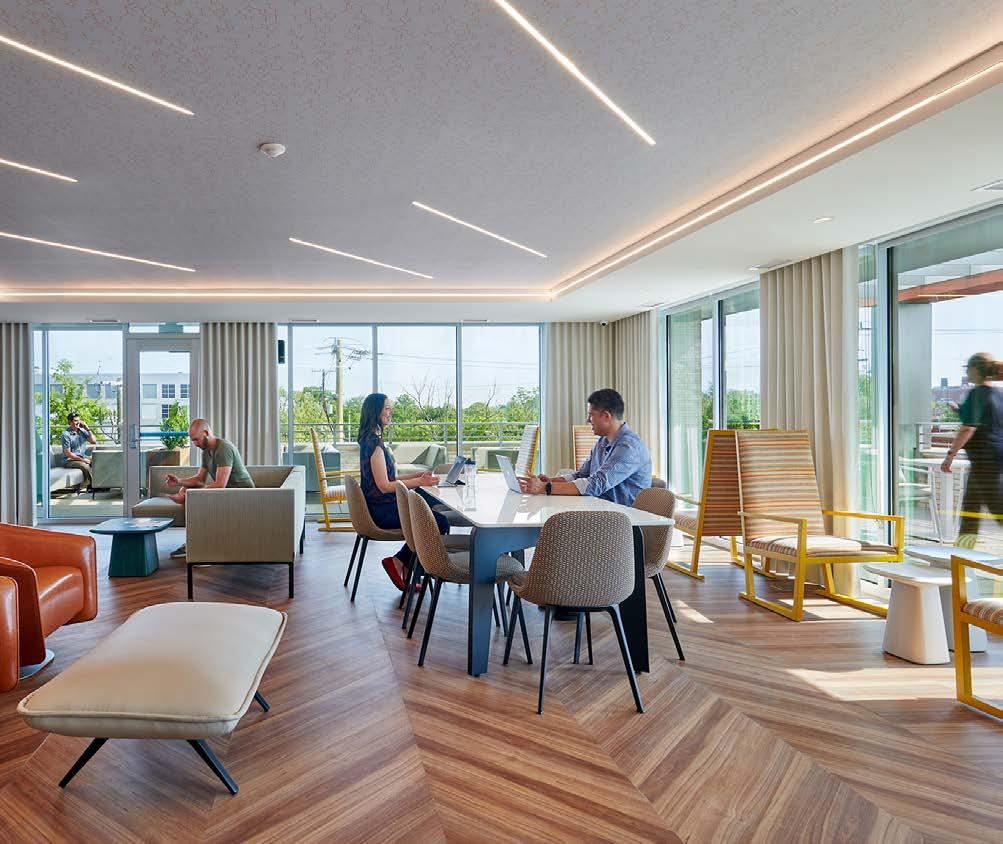
Cooper Carry partnered with Alexandria Housing Development Corporation to redevelop Carpenter’s Shelter into a new mixed-use community that brings affordable housing and supportive services together under one roof. The project replaces an existing facility on its original site, expanding its capacity and impact through a thoughtful integration of housing and care. The design blends multiple housing types, including affordable and permanent supportive housing, with shared amenities that foster connection and wellbeing. The building’s architecture responds to its context, using varied materials and massing to create a more approachable, human-scale presence while aligning with surrounding neighborhood character.
SCOPE
163,000 SF 2-STORY HOMELESS SHELTER
97 LIHTC UNITS
10 PERMANENT SUPPORTIVE HOUSING UNITS
LOW-INCOME HOUSING
TAX CREDITS (LIHTC)
ALEXANDRIA HOUSING DEVELOPMENT CORPORATION (AHDC)
CITY OF ALEXANDRIA
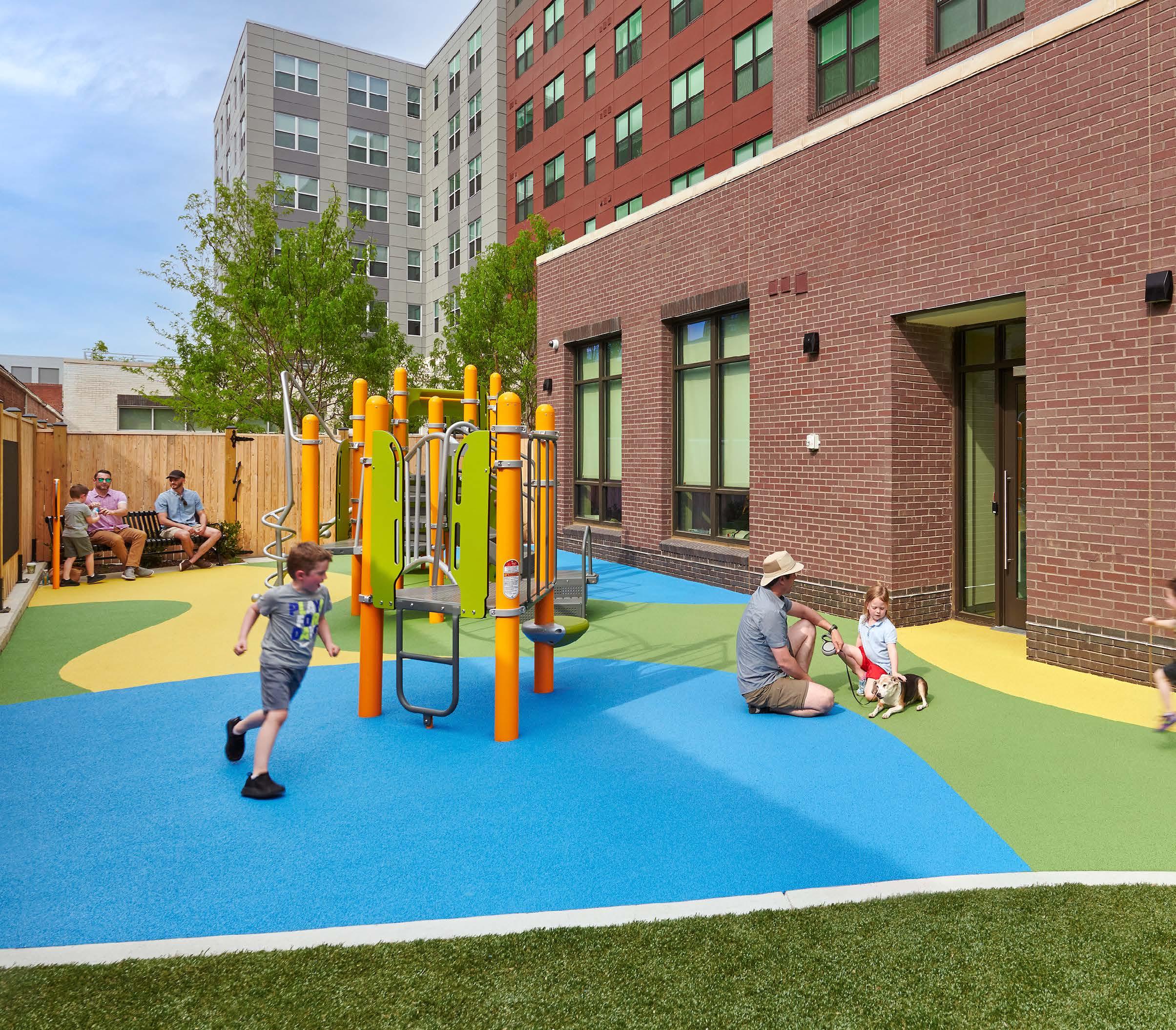
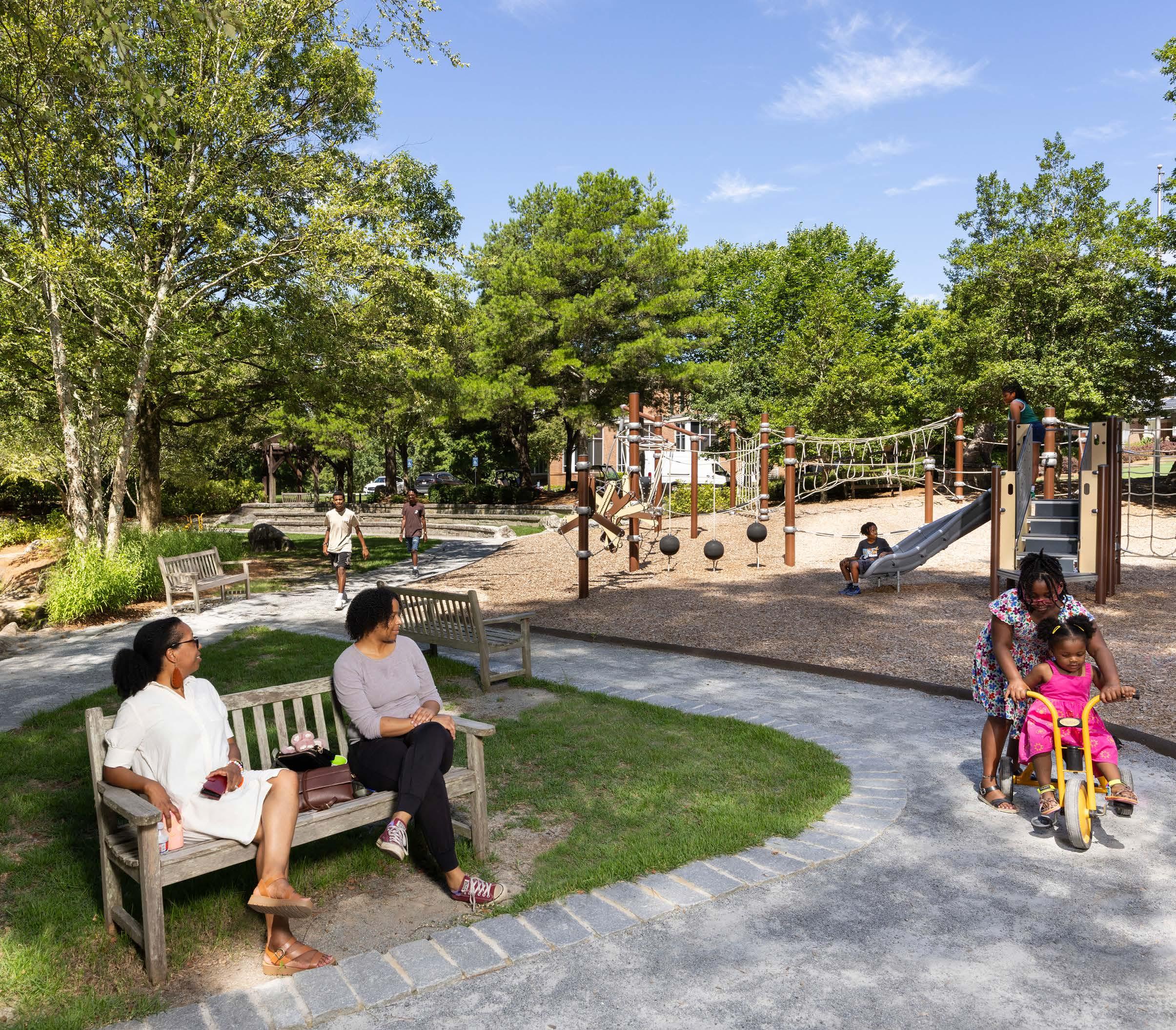
Spaces like playgrounds create opportunities for children and families to gather, play, and feel at home.
From planning to implementation, we transformed an existing building through adaptive reuse into a new community-centered space.
experiential
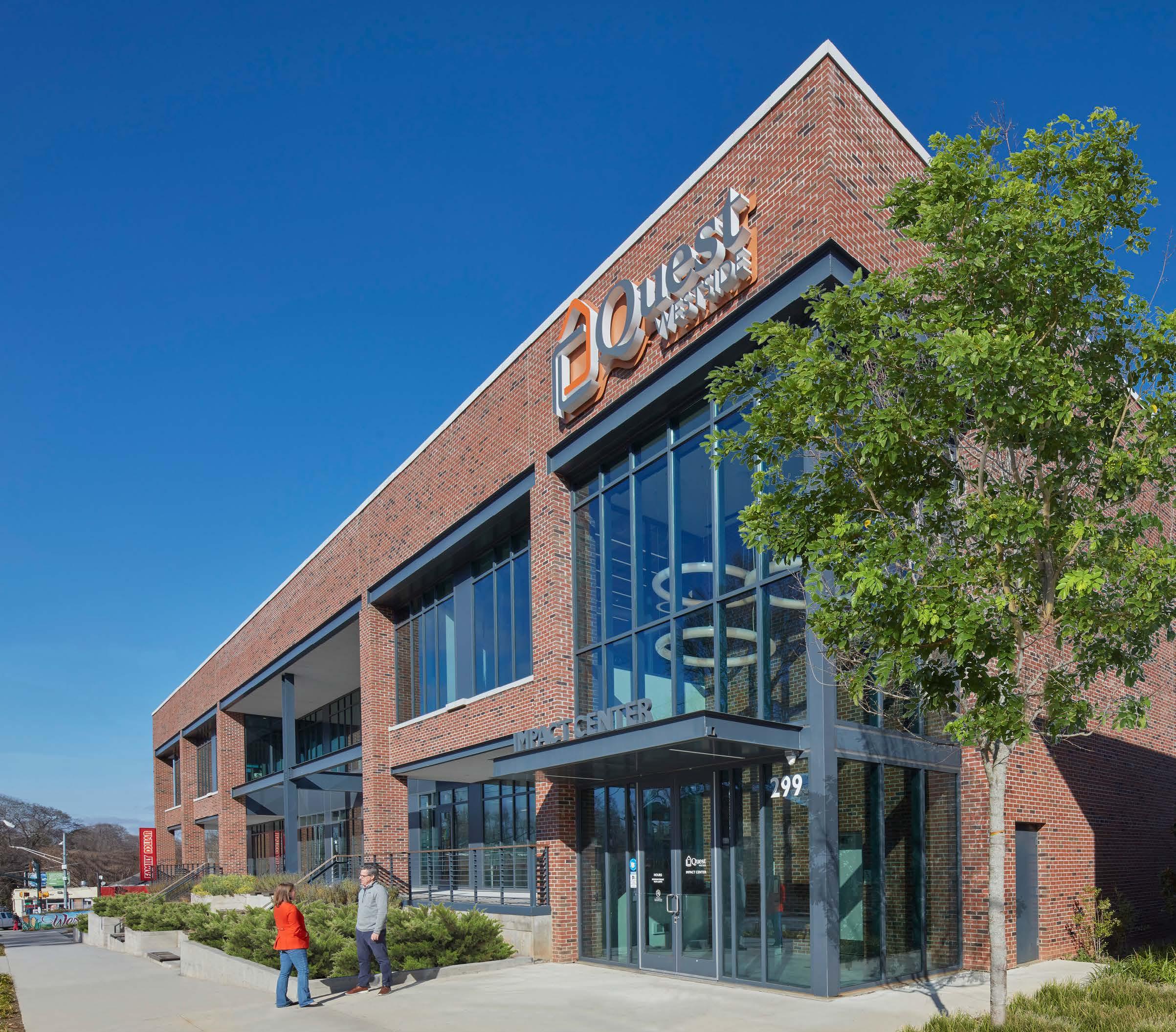
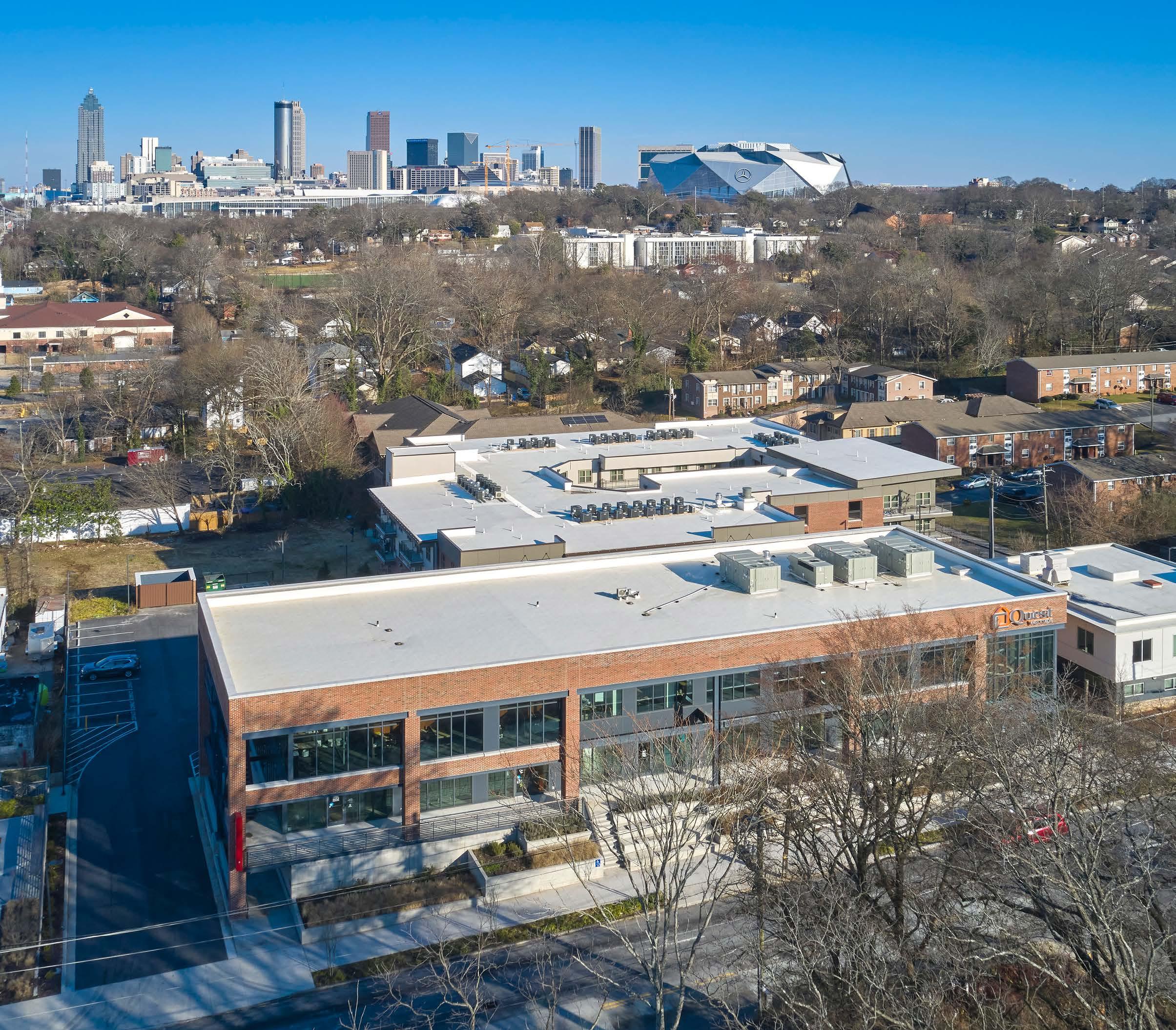
The Quest Westside Impact Center is an early implementation project of the Westside TAD Strategic Implementation Plan, transforming a former building in Vine City into a hub for community services and economic opportunity. Developed with Quest Community Development Corporation (Quest CDC), the project supports broader goals of neighborhood investment, workforce development, and long-term community stability.
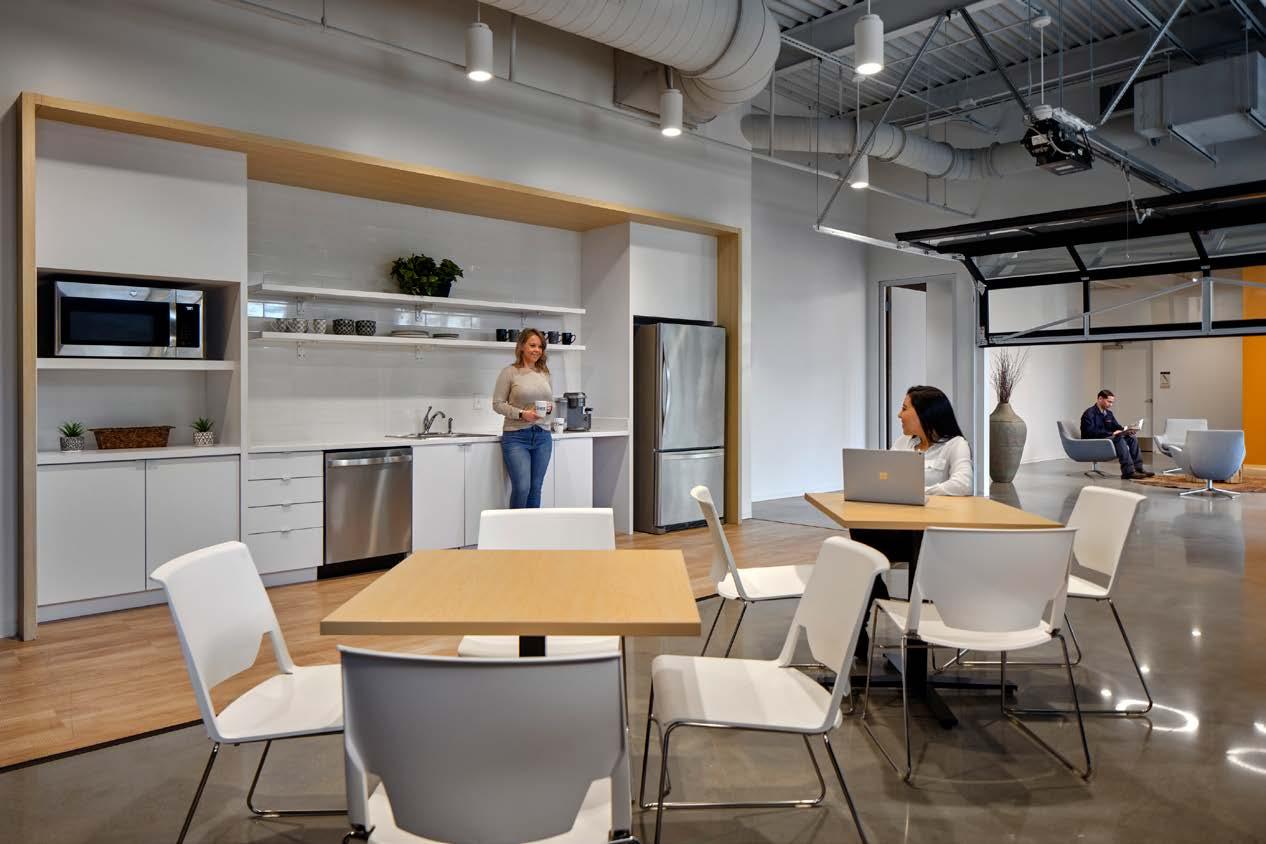
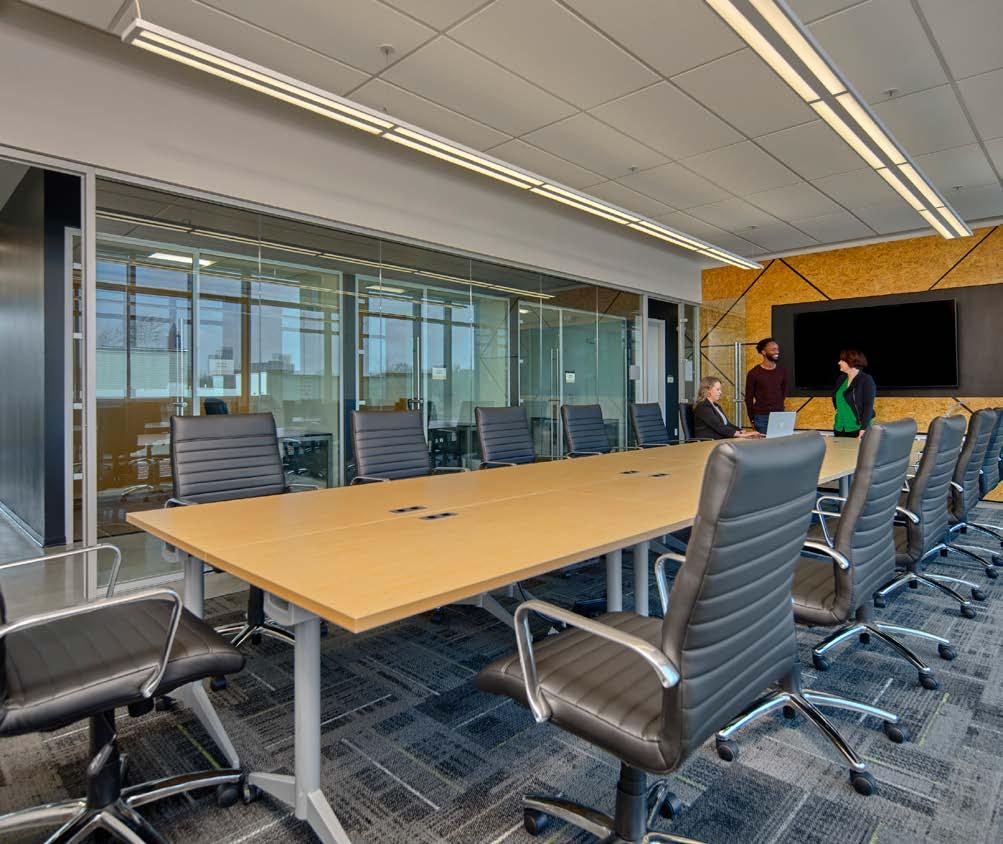
The design re-imagines the existing structure as a flexible, multi-use environment for offices, education, community gathering, and local retail. Architectural elements, including exposed structural framing and front stoops, are leveraged to create a welcoming, human-scaled space that encourages connection and everyday use.
SCOPE
30,000 SF ADAPTIVE REUSE
FUNDING SOURCE
PUBLIC INVESTMENT
COMMUNITY DEVELOPMENT FUNDING
KEY PARTNERS
QUEST CDC
INVEST ATLANTA
RECOGNITION
2019 NOMATLANTA NSPIRE
AWARD, 1ST PLACE (UNBUILT)
2019 NOMATLANTA NSPIRE AWARD, VILLAGE VOICE AWARD
As a community-based developer we are always starting our thoughts with what does the community residents want out of our developments. Cooper Carry was very helpful on the front end with our public interest design efforts listening to shared feedback and incorporating it into a shared design vision of our new Impact Center.
Leonard L. Adams Jr. President and CEO Quest CDC
Our work supports community-led development that protects cultural identity while creating new opportunities for growth.
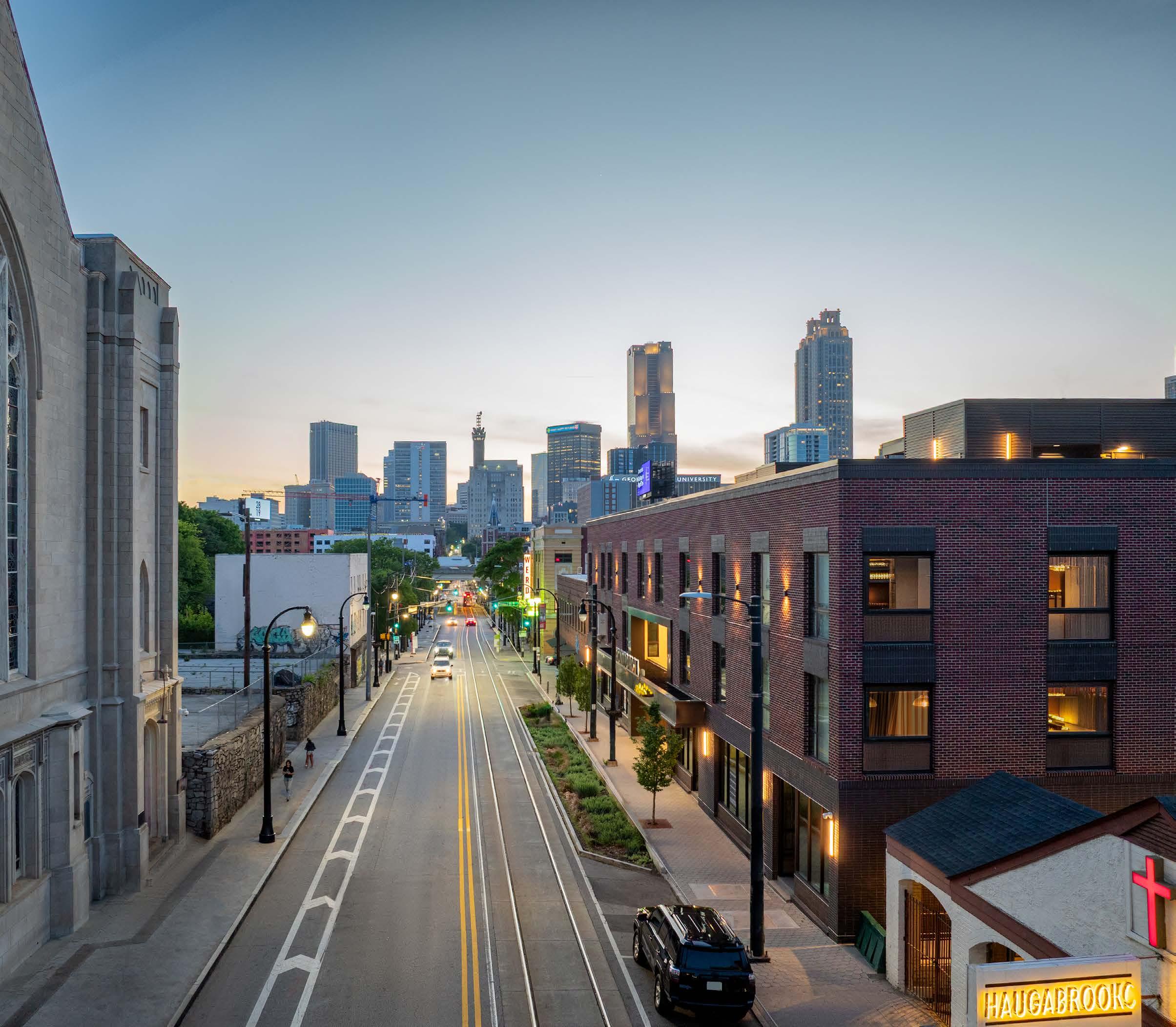
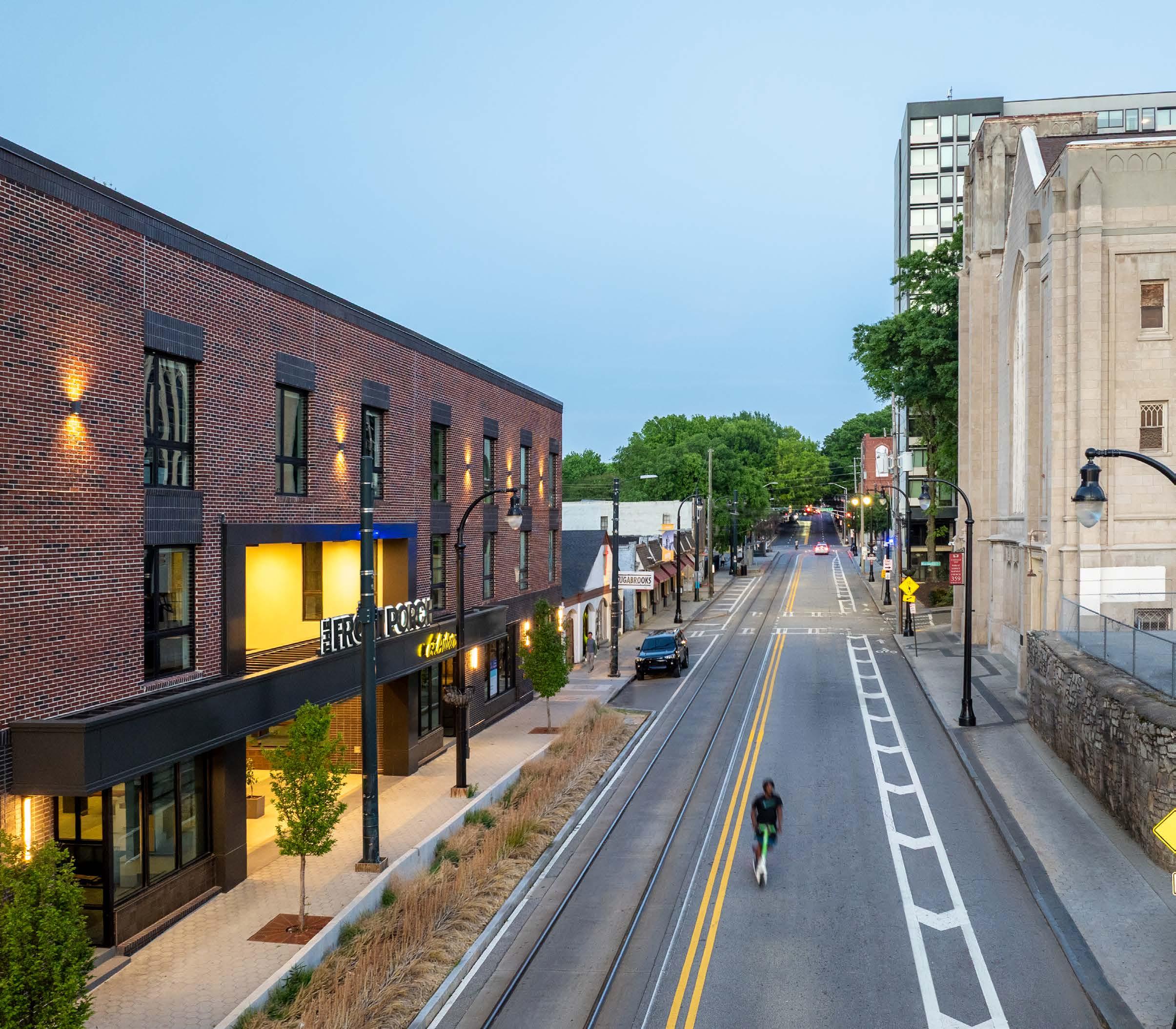
Front Porch is a mixed-use, community-led development in Atlanta’s Historic Sweet Auburn District, combining affordable housing, local retail, and cultural space. The project integrates historic rehabilitation with new construction to create a connected environment that reflects the neighborhood’s legacy and future.
Designed to support both residents and local entrepreneurs, the development includes co-living and for-sale housing, arts-focused retail, and shared spaces such as a central courtyard and rooftop garden. Anchored by the adaptive reuse of the historic Haugabrooks Funeral Home, the project creates space for artists, small businesses, and community gathering.
PHASE I SCOPE
9,000 SF RETAIL
38,000 SF RESIDENTIAL
33 UNITS | 66 INDIVIDUALLY LEASED BEDROOMS
PHASE II SCOPE
5,000 SF RETAIL
27,000 SF RESIDENTIAL
23 UNITS | 24% FOR SALE AT 120% AMI
PUBLIC-PRIVATE PARTNERSHIP
NEW MARKETS TAX CREDITS (NMTC)
HISTORIC DISTRICT DEVELOPMENT
CORPORATION (HDDC)
REINVESTMENT FUND
INVEST ATLANTA
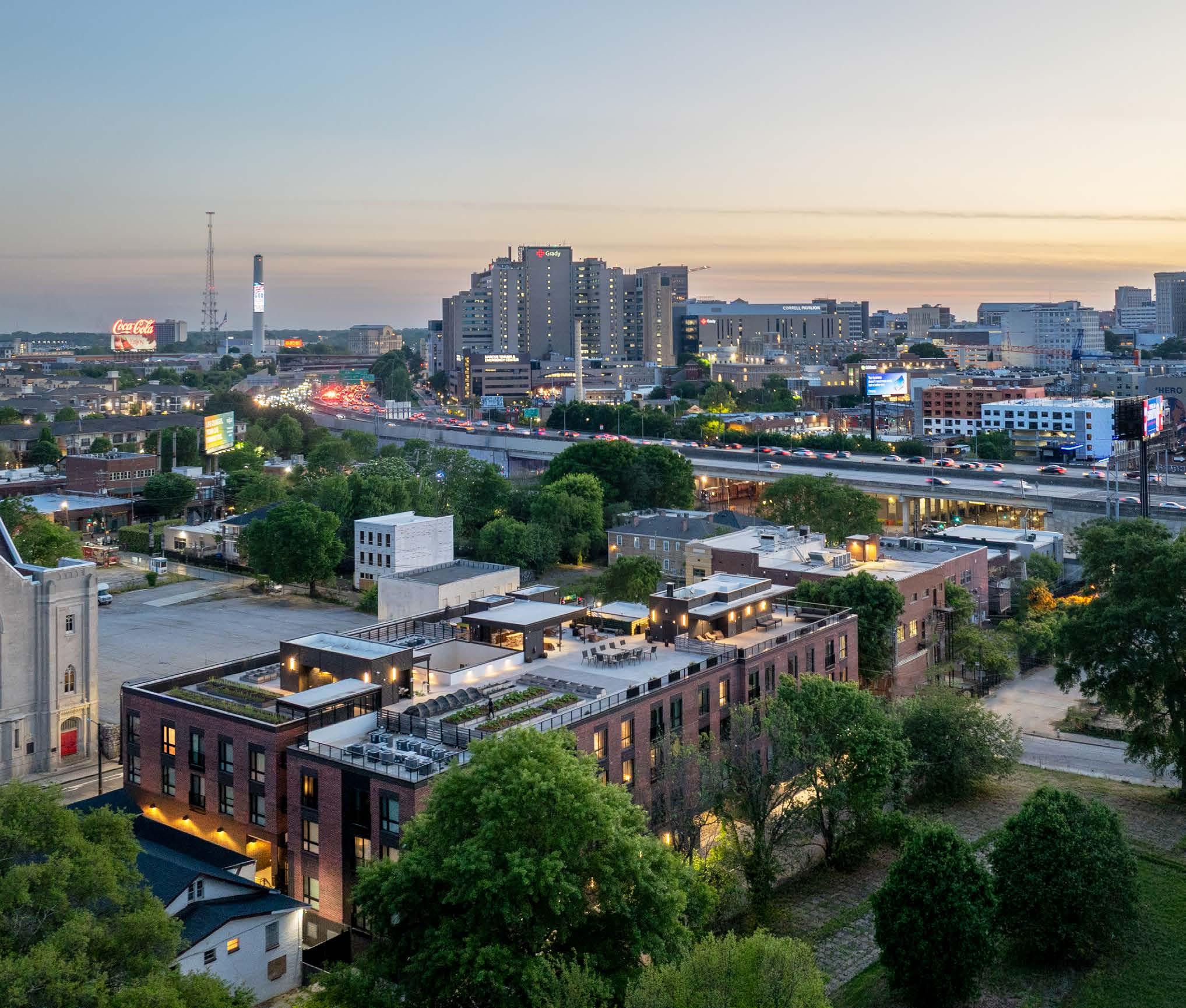
The rooftop supports events, gathering, and urban agriculture.
We expand impact by designing spaces that enable organizations to serve more people, more effectively.
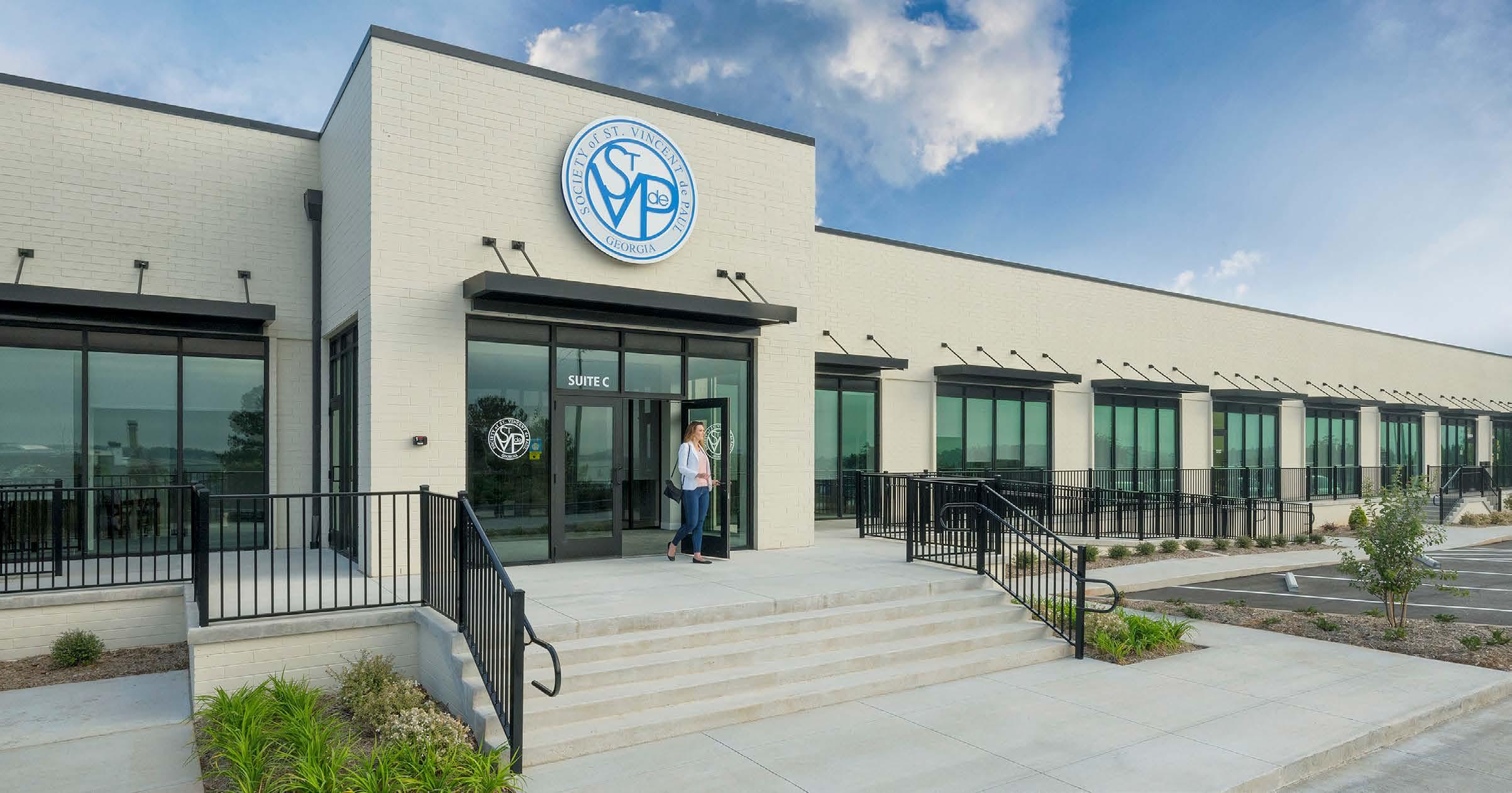
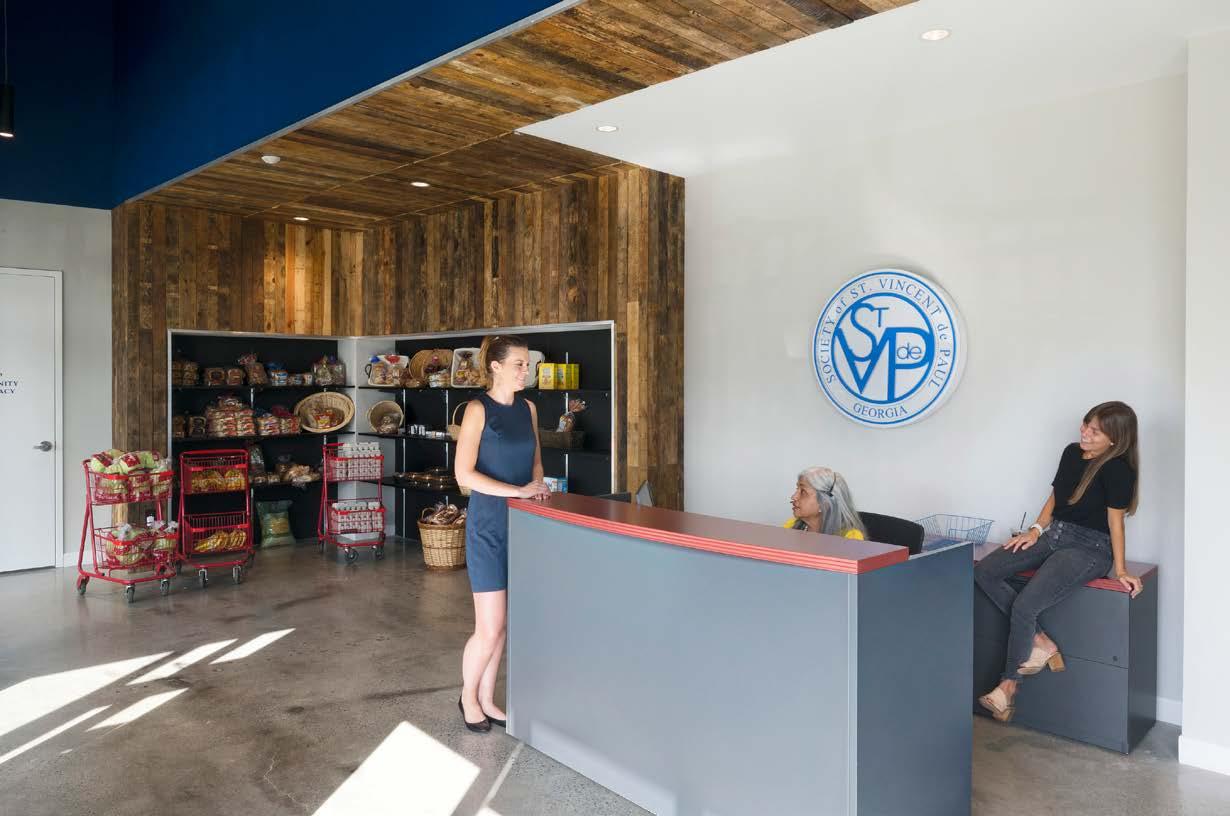
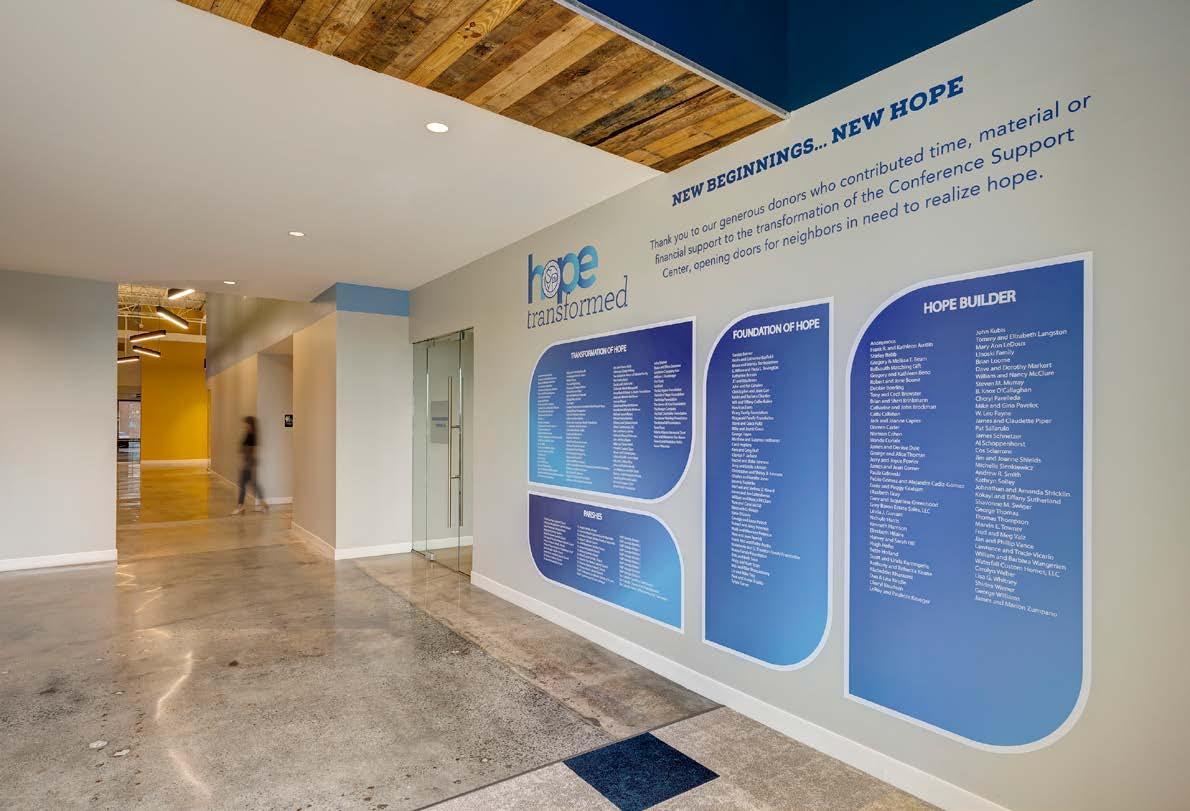
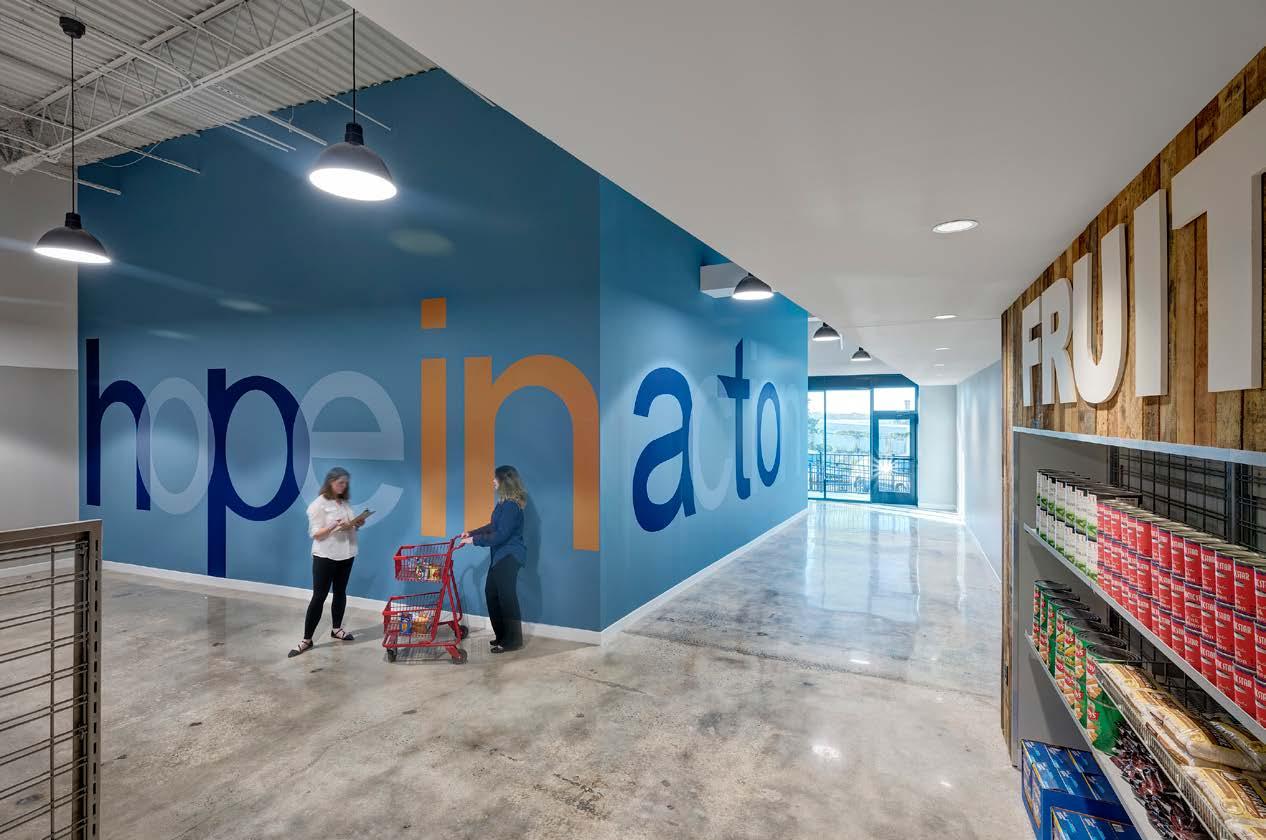
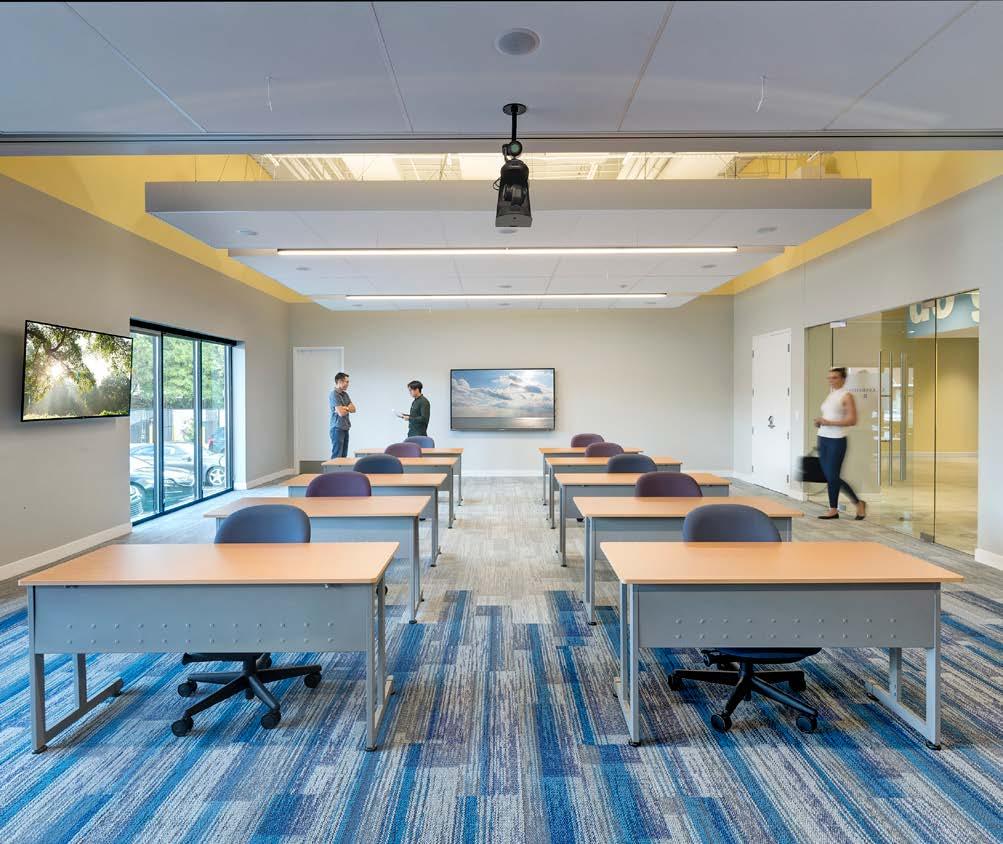
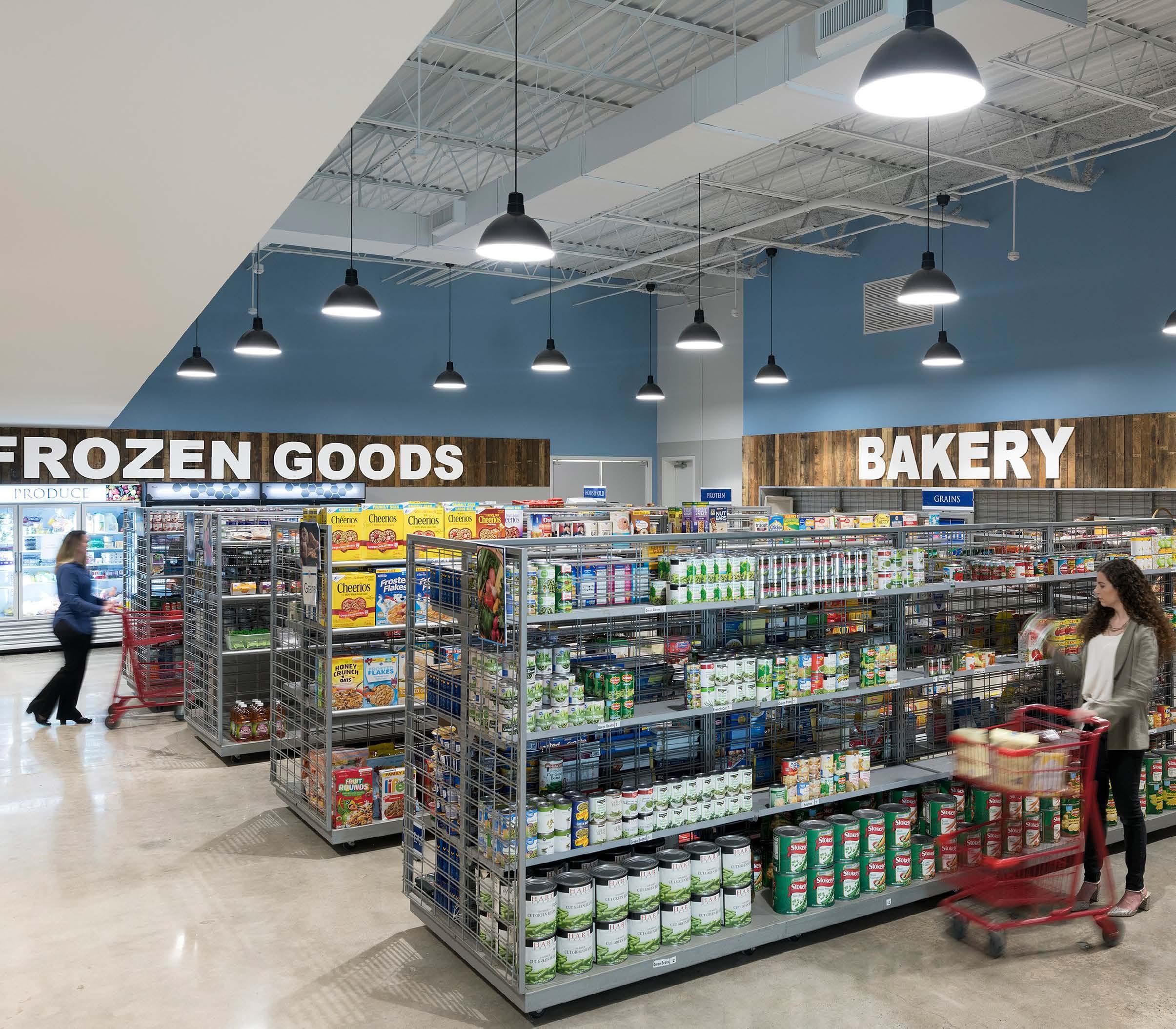
Cooper Carry partnered with St. Vincent de Paul Georgia on the renovation of its long-standing headquarters as part of the Hope Transformed Capital Campaign. The project supports the organization’s mission to provide critical resources, including food, healthcare, and financial assistance to low-income families across the state.
The design repositions the existing building to better support outreach and operations, introducing spaces for career services, family support, and volunteer engagement. Enhancements include a teaching kitchen, expanded food access, and a new pharmacy, increasing the organization’s capacity to serve its growing network and community needs.
SCOPE
20,000 SF RENOVATION
FUNDING SOURCE
HOPE TRANSFORMED
CAPITAL CAMPAIGN
KEY PARTNERS
ST. VINCENT DE PAUL GEORGIA
Cooper Carry has been an extraordinary partner in bringing the vision for The Vincent to life. Their team demonstrates deep expertise along with an understanding of how thoughtful design can support long-term impact—particularly in the context of affordable housing.
Mariel Risner Sivley Director of Housing St. Vincent de Paul, Georgia
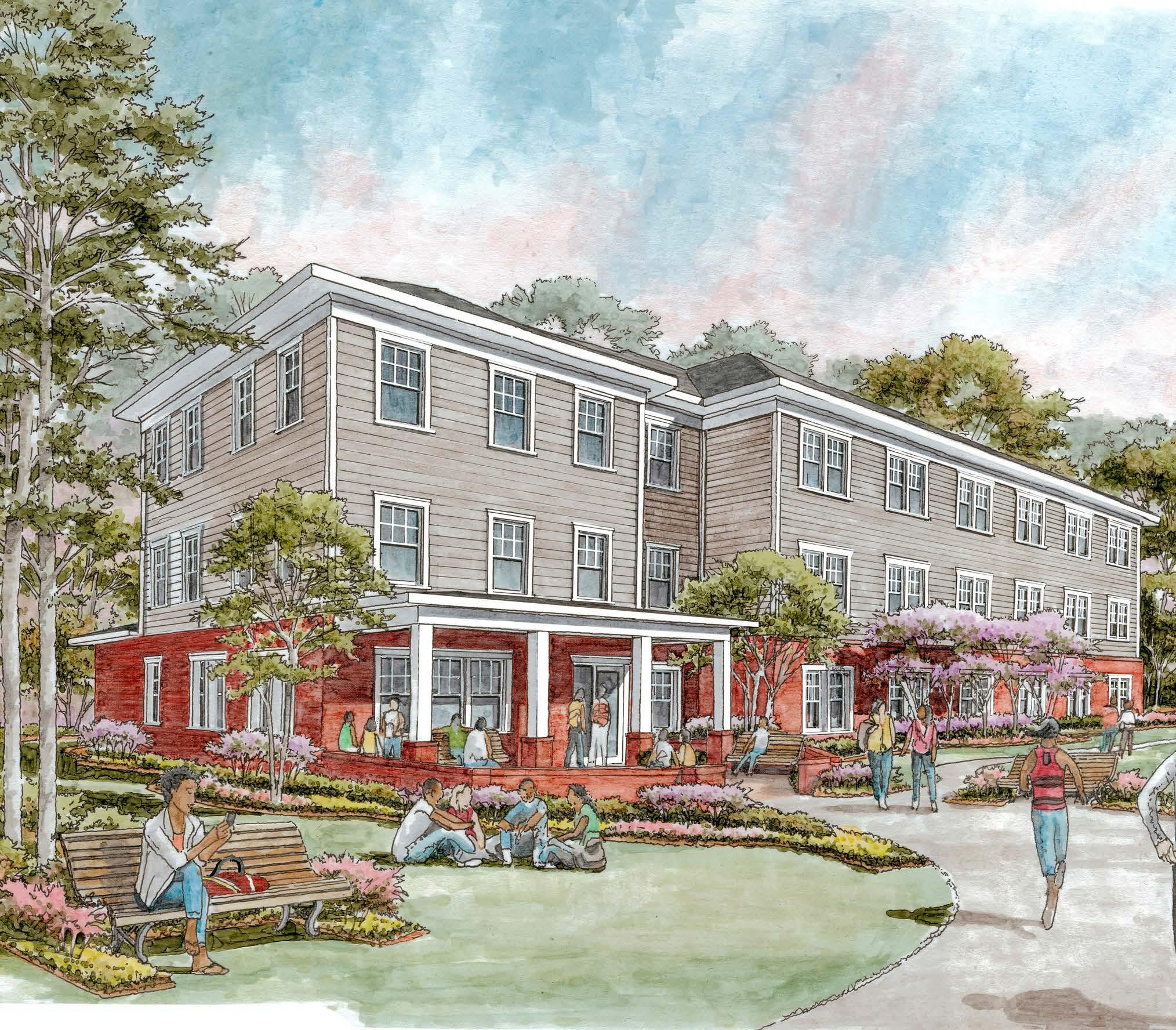
Our work creates environments that provide stability and support for those building a path forward.
Cooper Carry partnered with Covenant House Georgia to expand and modernize its campus, increasing capacity to serve youth experiencing homelessness. The project includes the renovation of existing facilities and the addition of a new residential building, supporting the organization’s growing programs and long-term mission.
The design introduces studio apartments alongside shared spaces that foster stability and community, while campus improvements enhance accessibility and daily operations. Delivered through a phased approach, the project maintained continuity of services throughout construction.
experiential graphics Civic + Community Studio
SCOPE
27,198 SF ADDITION + RENOVATION
30 STUDIO APARTMENTS
FUNDING SOURCE
CAPITAL CAMPAIGN
KEY PARTNERS
COVENANT HOUSE GEORGIA
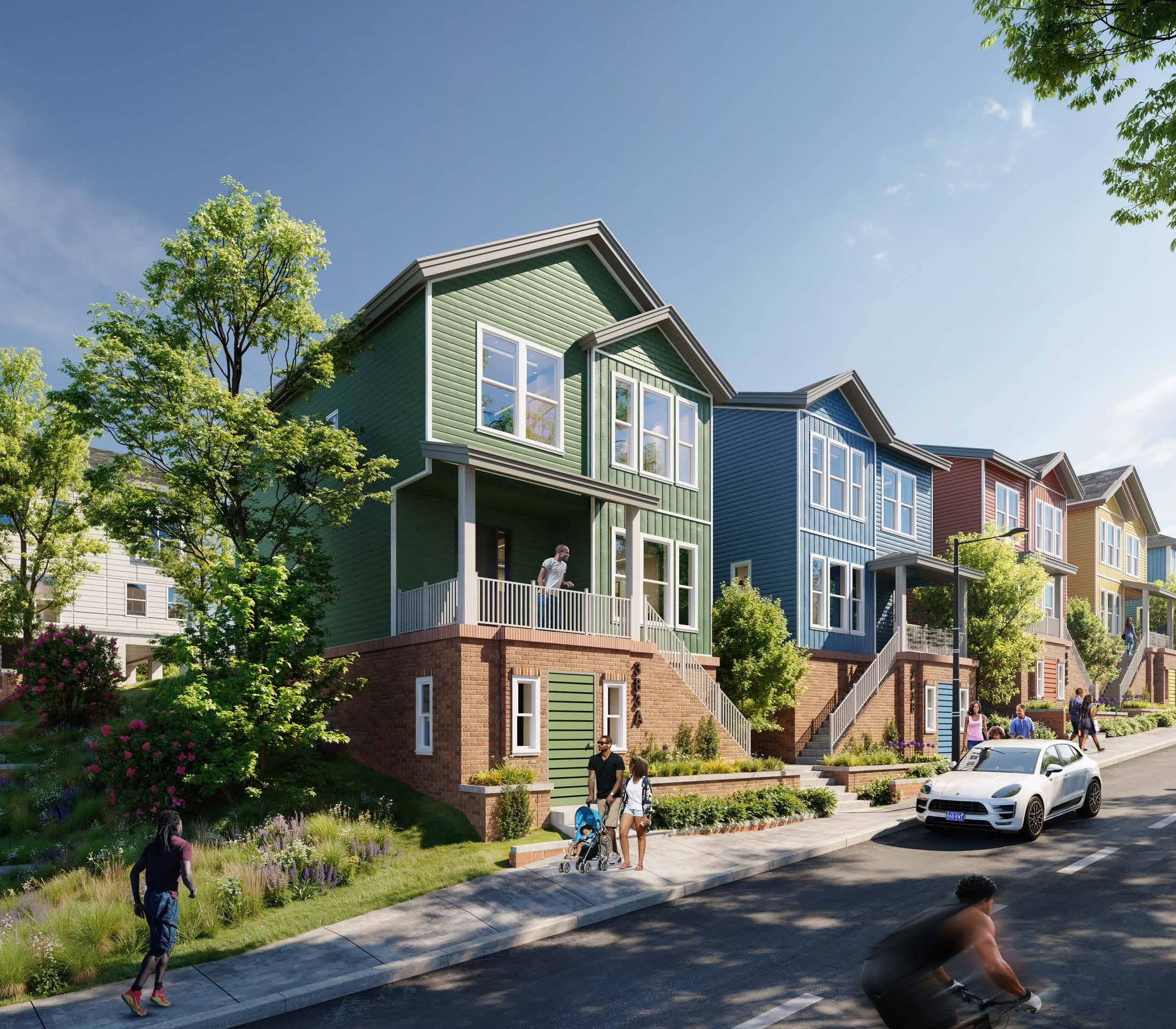
We design balanced, communitydriven neighborhoods by integrating for-sale single-family homes with multifamily rental units.
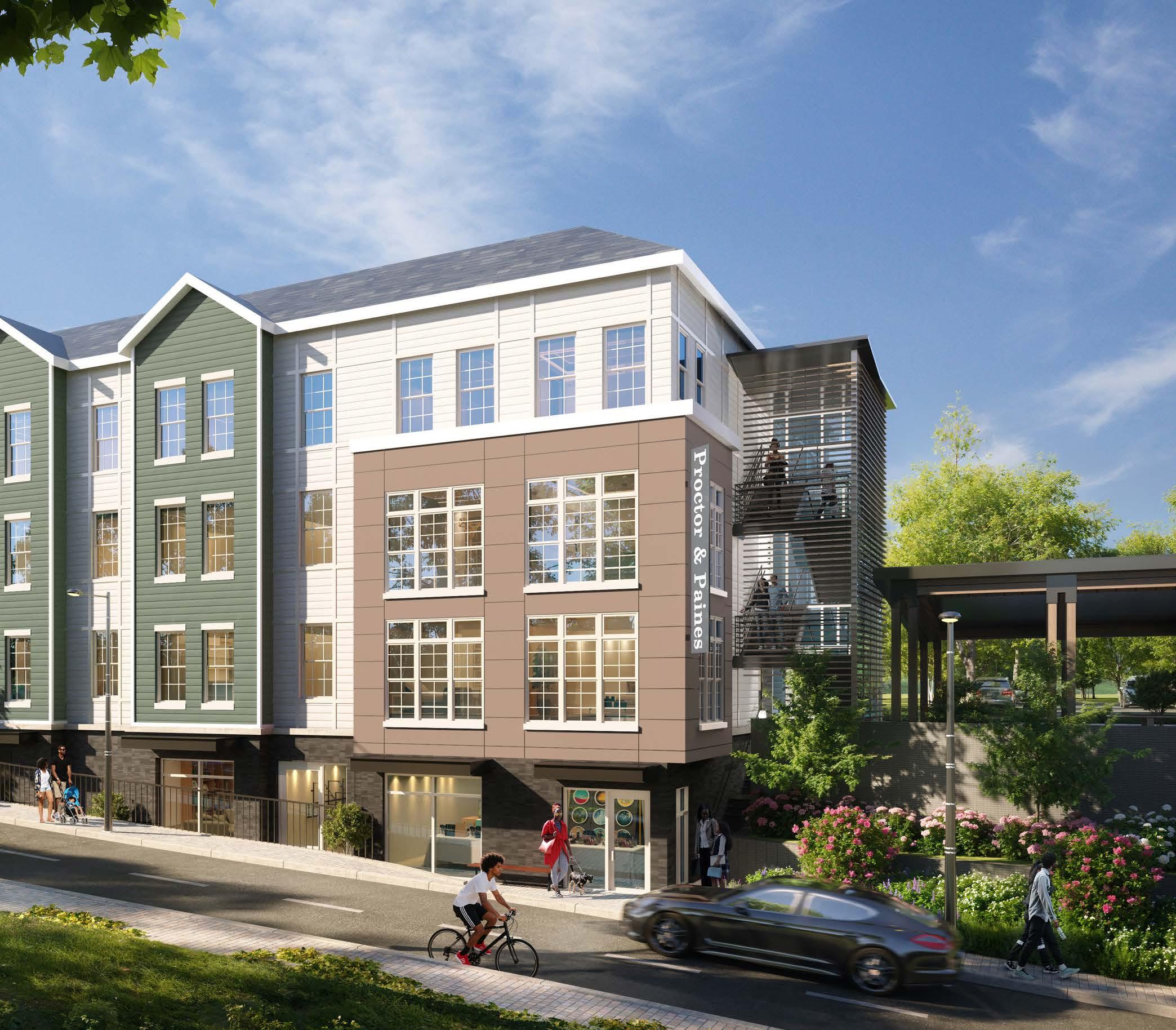
Proctor + Paines is a mixed-income housing development in Atlanta’s historic English Avenue neighborhood, led by Westside Future Fund. The project introduces a range of housing types, creating new opportunities for residents while supporting long-term community stability. Responding to the site’s significant topography, the design transforms a 20-foot elevation change into a terraced plaza that connects homes with shared outdoor space. A pavilion and community room serve as central gathering points, reinforcing connections between residents and the surrounding neighborhood.
SCOPE
25 MULTIFAMILY UNITS
5 SINGLE-FAMILY HOMES
PUBLIC-PRIVATE PARTNERSHIP
PHILANTHROPIC FUNDING
WESTSIDE FUTURE FUND
Cooper Carry has been a valuable partner in advancing thoughtful, high-quality solutions for small infill sites. Their responsiveness, collaborative approach, and openness to feedback have strengthened our ability to deliver impactful work in the communities we serve.
Lee Harrop VP of Real Estate Development Westside Future Fund
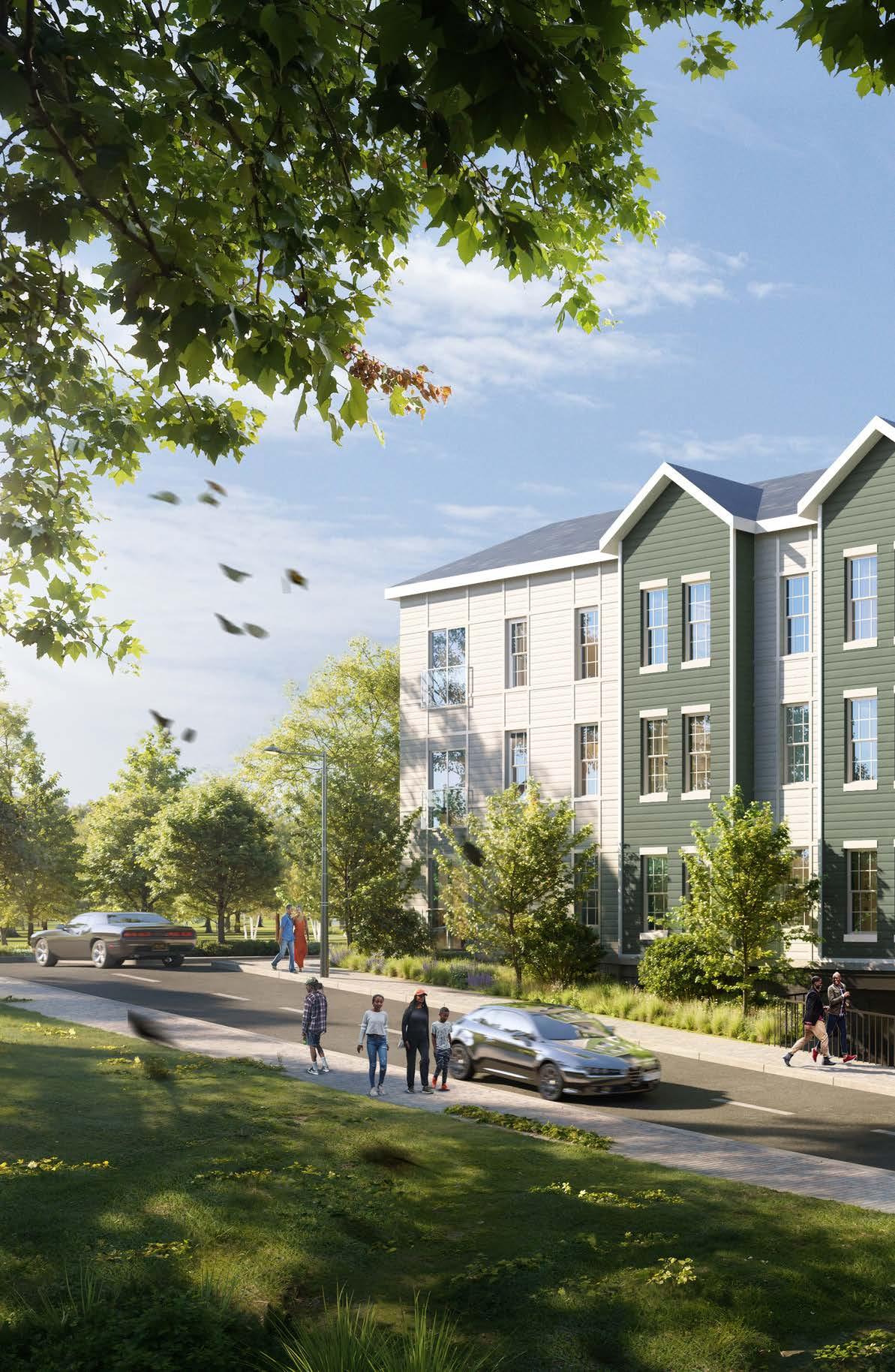
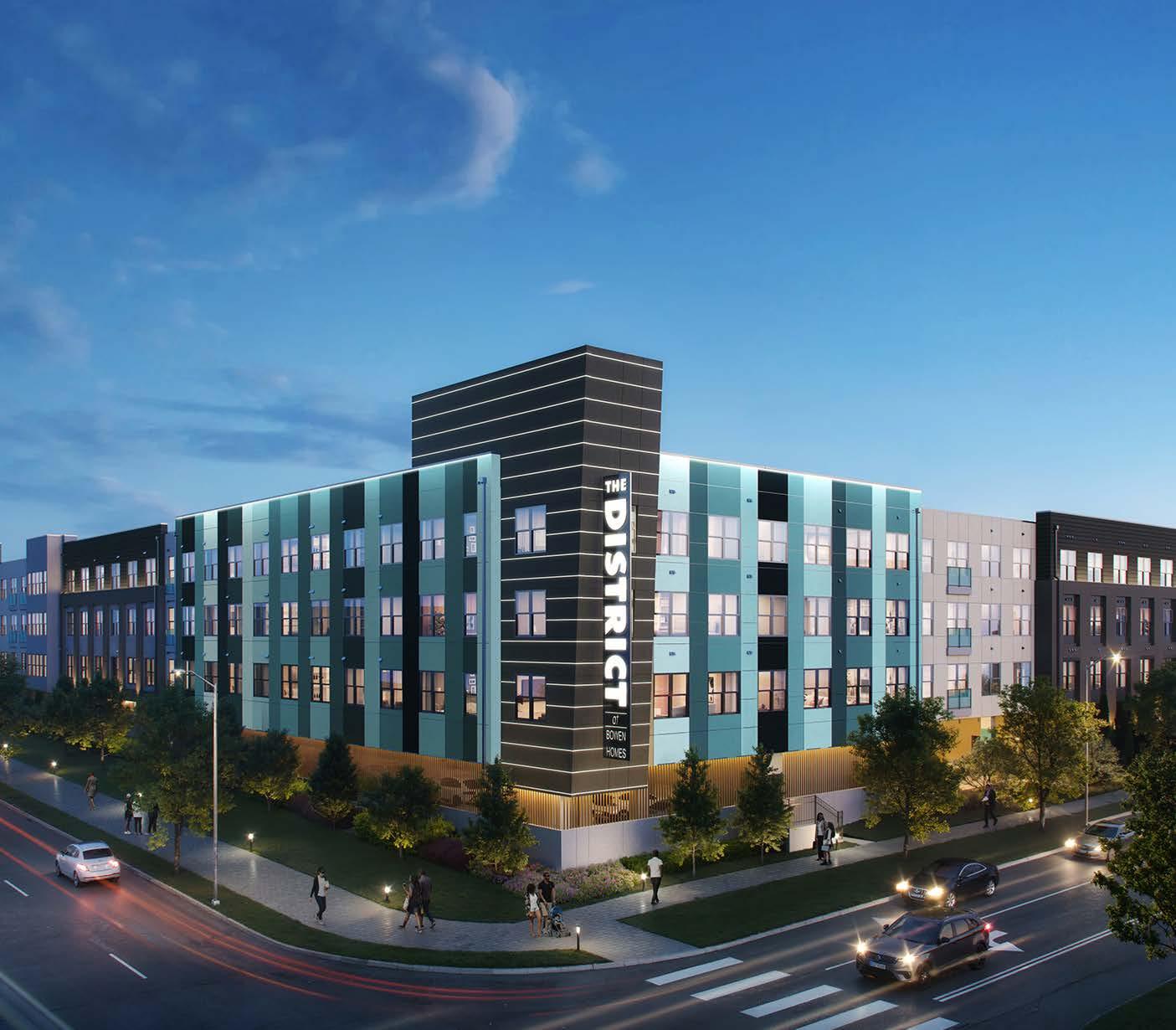
Our approach to mixed-income housing is rooted in creating places that feel unified, connected, and reflective of the neighborhoods they serve.
Cooper Carry is working with The Benoit Group on Phase II of the Bowen Homes redevelopment, part of a 74acre transformation of a former public housing site into a vibrant, mixed-income community. The project introduces new housing within a broader framework of green space, civic amenities, and community-focused design.
Designed to support resident well-being, the community includes outdoor gathering spaces, fitness areas, and dedicated learning environments. A key goal is to deliver 100% affordable housing that reflects the quality and character of market-rate communities, integrating seamlessly into the larger neighborhood.
SCOPE
90 MULTIFAMILY UNITS
12 TOWNHOMES
LOW-INCOME HOUSING
TAX CREDITS (LIHTC)
CHOICE NEIGHBORHOODS INITIATIVE
THE BENOIT GROUP
CITY OF ATLANTA
ATLANTA HOUSING
A 77-acre master plan transforming a former institutional campus into a civic park anchored by recreation, affordable housing, and nonprofit uses.
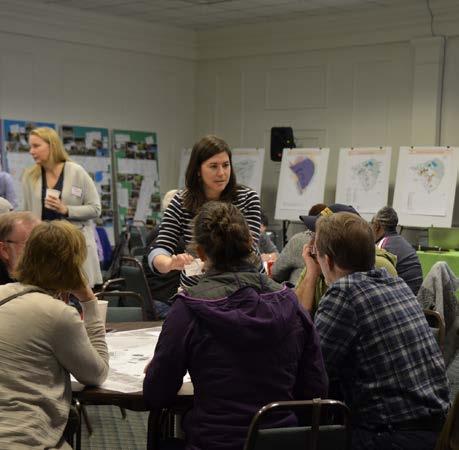
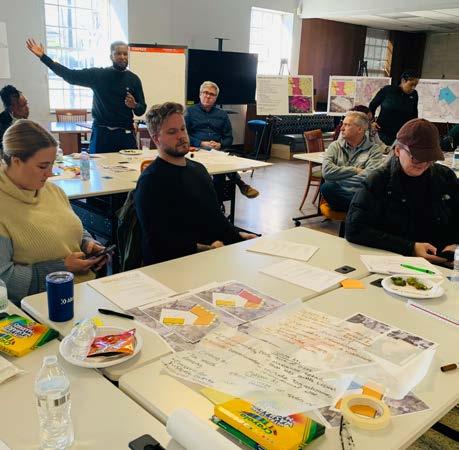
Cooper Carry partnered with the City of Decatur to develop a community-driven master plan for Legacy Park, shaping a long-term vision for a more inclusive and connected public space. Extensive engagement informed priorities including expanded recreation, affordable housing, and spaces for nonprofit and arts organizations.
The plan establishes a flexible framework for phased implementation, guiding infrastructure improvements, open space investment, and future development while preserving the site’s cultural and historic character.
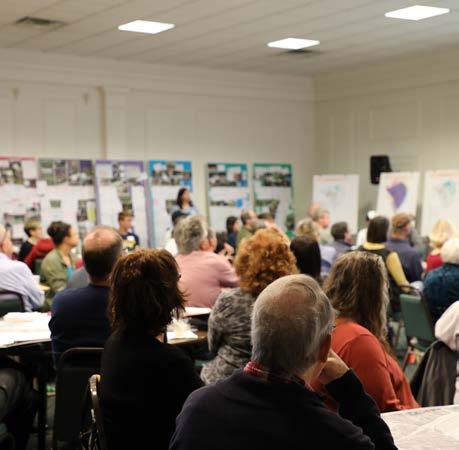
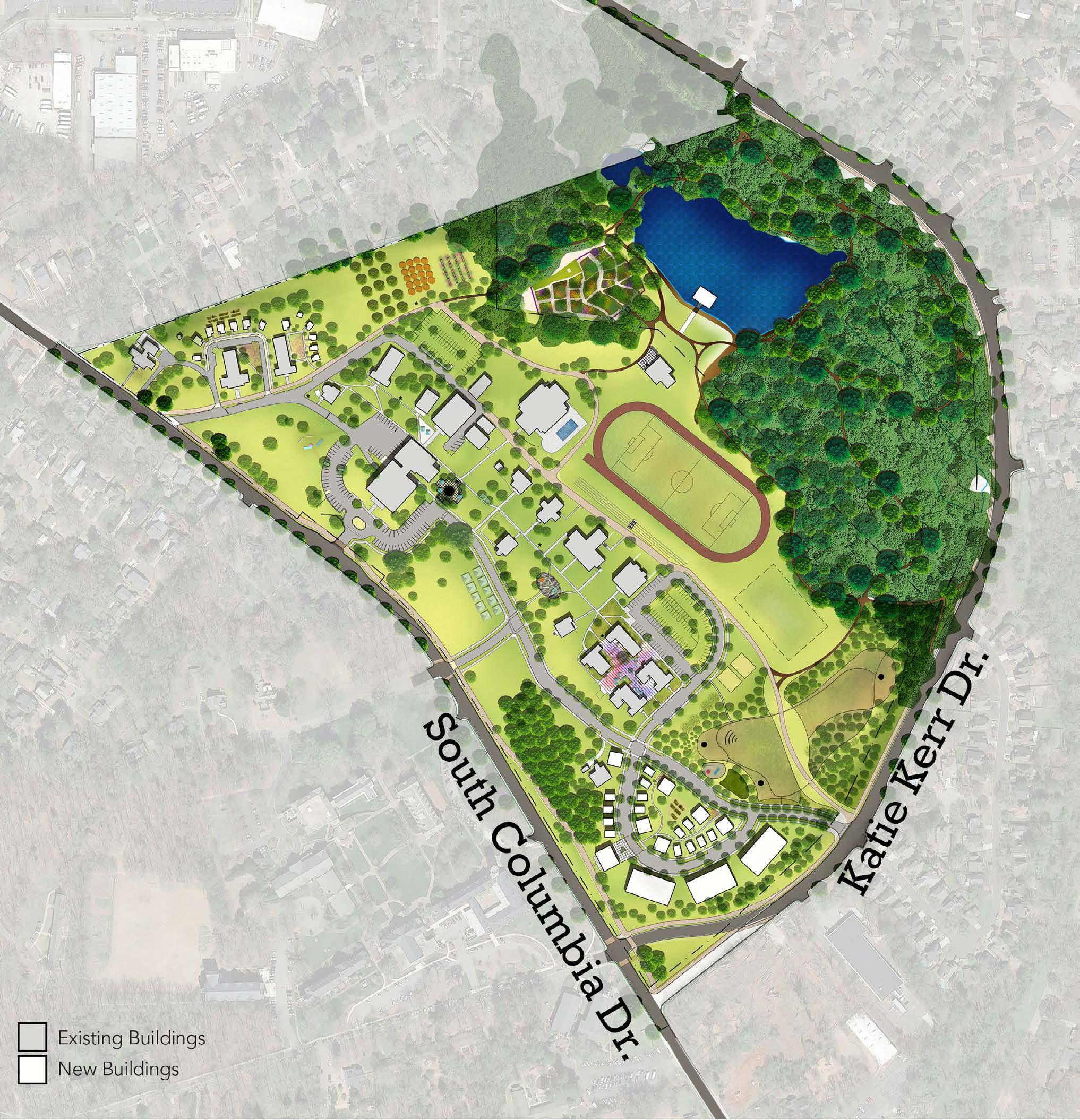
A community-driven plan guiding a more diverse, connected, and contextsensitive housing strategy.
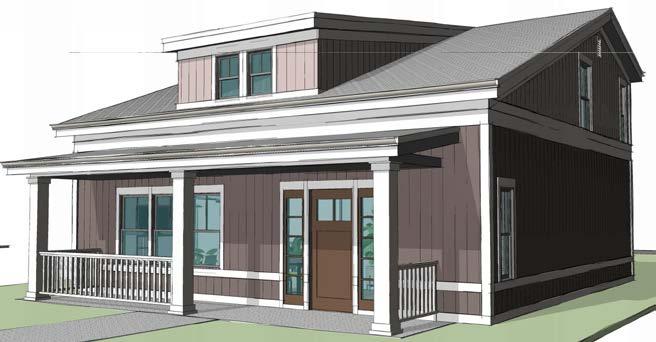
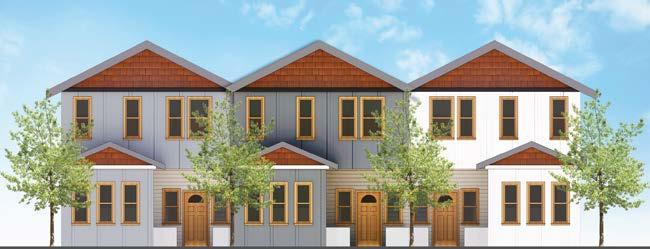
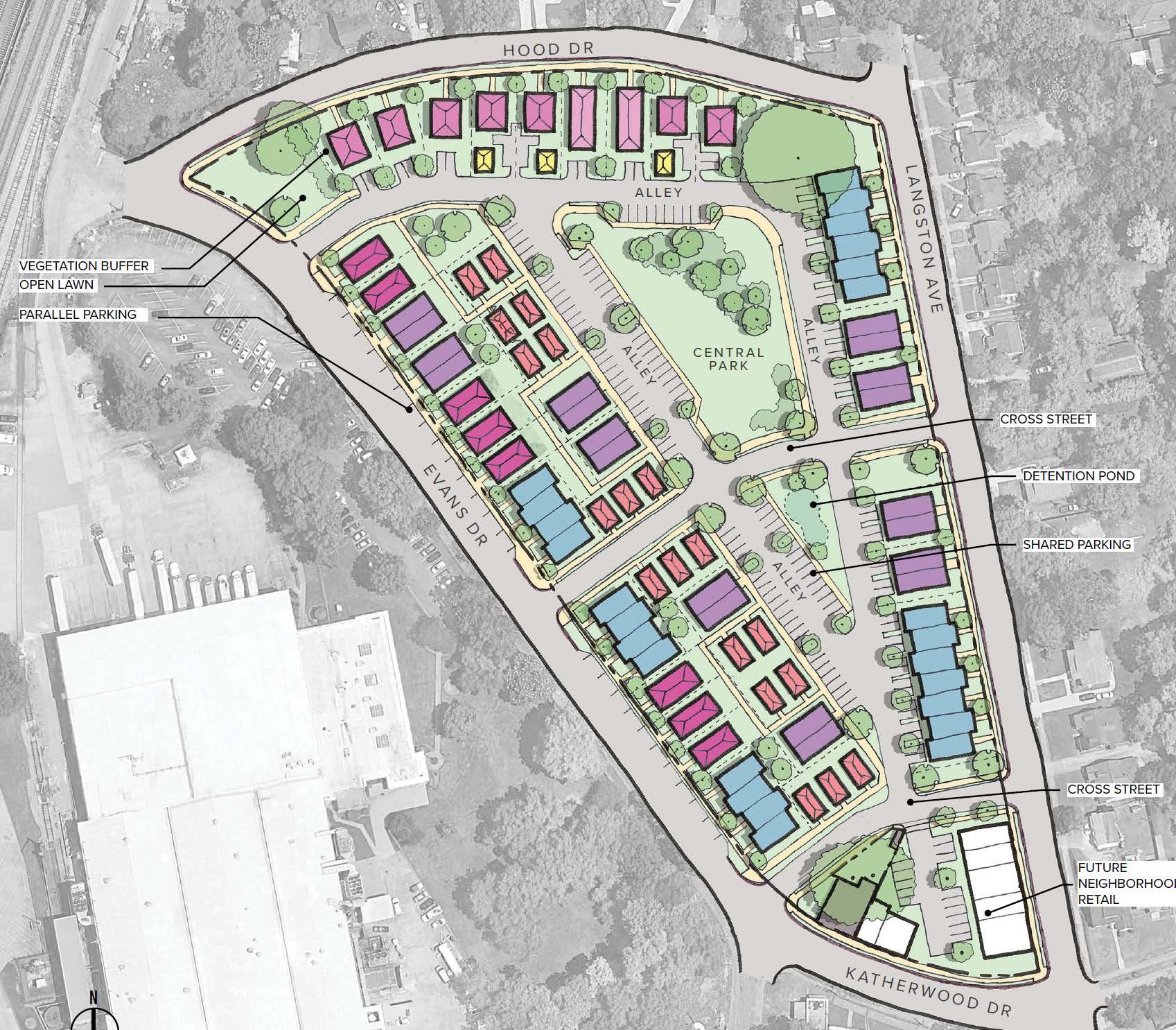
Cooper Carry worked with Atlanta Habitat for Humanity to re-imagine a residential community in Sylvan Hills, building on the organization’s legacy of single-family homeownership. The team explored opportunities to expand beyond traditional models, introducing a broader mix of housing types to serve a wider range of residents. Planning concepts balanced density, housing diversity, and neighborhood character, ranging from single-family homes with accessory dwelling units to multi-unit buildings.
Key priorities included integrated green space, pedestrianfriendly streets, and design strategies that reflect the existing fabric of the neighborhood. The plan establishes a framework for a more inclusive and connected community that supports both current residents and future growth.
ATLANTA HABITAT FOR HUMANITY
housing strategy stakeholder engagement
Urban Design + Planning
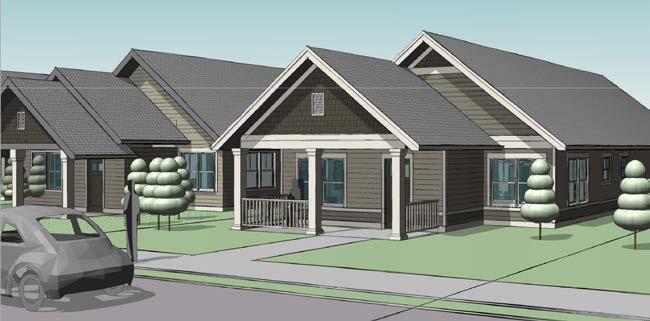
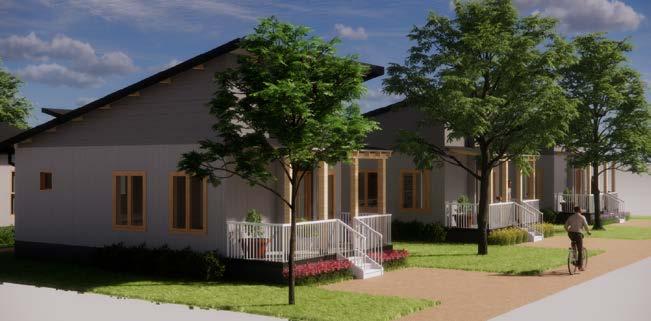
ONE-STORY SINGLE-FAMILY
TWO-STORY SINGLE-FAMILY TOWNHOMES
Barge Road Redevelopment, Atlanta, GA
• Scope : Master Planning
• Client : Daha Sein
Cosmopolitan AME Church Redevelopment
• Scope : Density Study and LIHTC Submission Documentation
• Client : Good Places and Collaborative Housing Solutions
Midtown Fire Station Redevelopment, Atlanta, GA
• Scope : Full Design Services
• Client : Edgemoor and The Integral Group
Johnson Road Master Plan, Atlanta, GA
• Scope : Master Planning, Density Study, Entitlement and LIHTC Submission Documentation
• Client : Collaborative Housing Solutions and Preservation of Affordable Housing
The Vincent, Atlanta, GA
• Scope : Density Study, Entitlement and LIHTC Submission Documentation
• Client : St Vincent de Paul
Microsoft Corporate Campus, Atlanta, GA
• Scope : Master Planning
• Client : The Integral Group
1360 Walnut Street Suite 102
Boulder, CO 80302
720.565.0505
508

704.348.7000
625 North Washington Street Suite 200
Alexandria, VA 22314
703.519.6152

2026