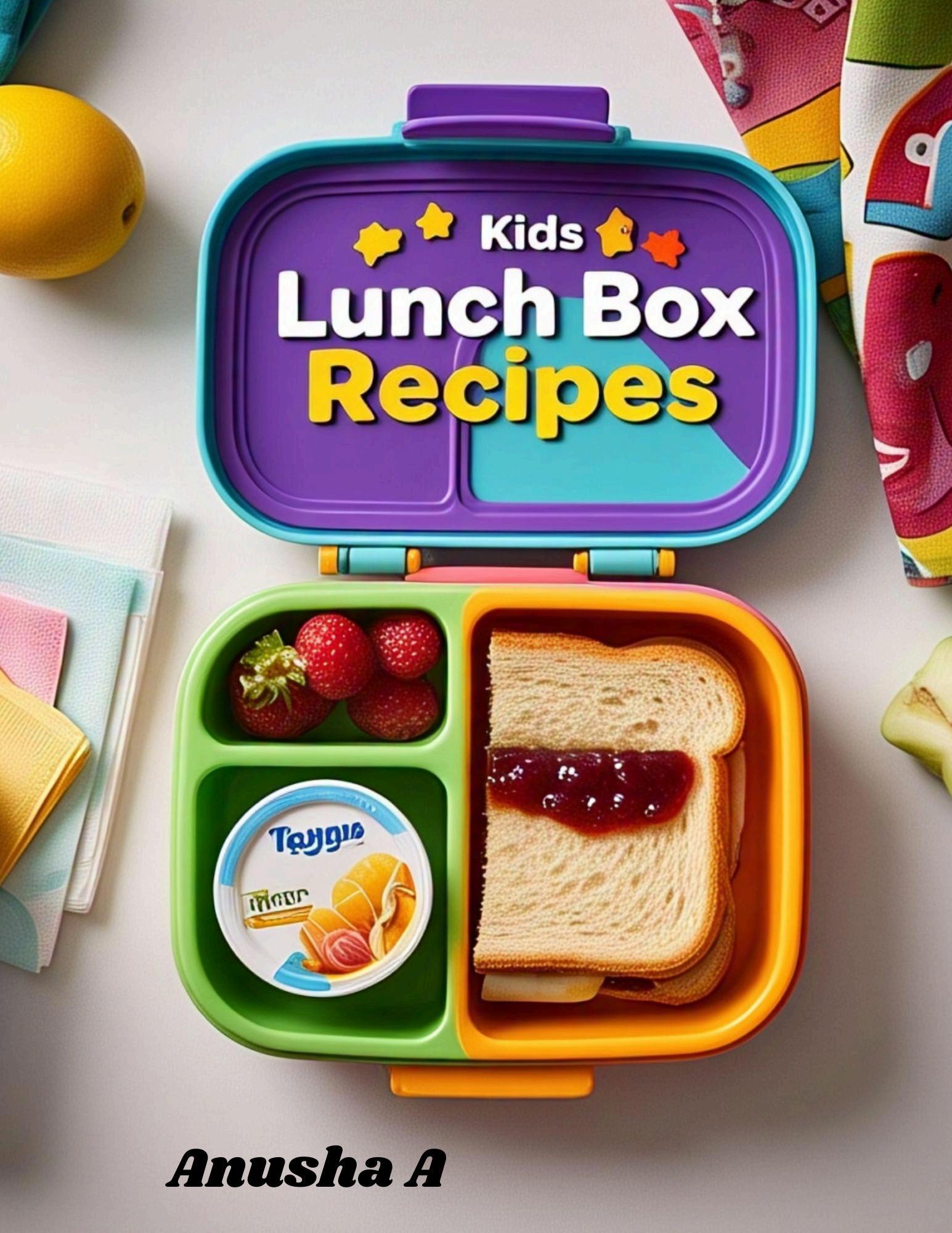
Kids Lunch Box Recipes
Introduction
Packing a healthy and appealing lunch box for kids is more than just a daily routine—it plays a crucial role in their physical health, cognitive development, and overall well-being.
9With childhood obesity rates rising and the increasing availability of processed foods, parents and caregivers must prioritize nutritious, homemade lunch box recipes
This article explores the numerous benefits of kids' lunch box recipes, including:
1 Promoting Healthy Eating Habits
2. Supporting Physical Growth and Development
3. Boosting Cognitive Function and Academic Performance
4. Preventing Childhood Obesity and Related Diseases
5. Encouraging Variety and Exploration of New Foods
6. Saving Money Compared to Store-Bought Meals
7. Reducing Food Waste and Environmental Impact
8. Strengthening Family Bonds Through Meal Preparation
9 Enhancing Immune System Function
10. Teaching Responsibility and Independence
By understanding these benefits, parents can make informed decisions about their children's nutrition and instill lifelong healthy eating habits.
One of the most significant benefits of preparing kids' lunch box recipes is fostering healthy eating habits from an early age Children who consume balanced meals are more likely to:
- Prefer Whole Foods Over Processed Snacks –
When kids regularly eat fresh fruits, vegetables, whole grains, and lean proteins, they develop a taste for nutritious foods rather than sugary or salty snacks.
- Understand Portion Control –
Homemade lunches allow parents to control portion sizes, preventing overeating and teaching kids about balanced meals.
- Avoid Unhealthy Cravings –
Nutrient-dense meals stabilize blood sugar levels, reducing cravings for junk food.
By consistently providing wholesome meals, parents can shape their children’s dietary preferences for life.
Children require a variety of nutrients for proper growth, including:
- Protein (for muscle and tissue development) –
Found in eggs, lean meats, beans, and dairy.
- Calcium & Vitamin D (for strong bones and teeth) –
Found in milk, yogurt, cheese, and fortified foods.
- Iron (for brain development and energy) –
Found in spinach, lentils, lean meats, and fortified cereals.
- Healthy Fats (for brain and nervous system health) –
Found in avocados, nuts, seeds, and fish.
A well-planned lunch box ensures kids receive these essential nutrients, supporting their physical and neurological development.
Nutrition directly impacts a child’s ability to focus, learn, and retain information. Key benefits include:
- Improved Concentration –
Complex carbohydrates (whole grains, oats) provide steady energy, while proteins and healthy fats support brain function.
- Better Memory & Learning –
Omega-3 fatty acids (found in fish, chia seeds, walnuts) enhance cognitive abilities.
- Stable Mood & Behavior –
Balanced meals prevent blood sugar crashes, reducing irritability and hyperactivity.
Studies show that children who eat nutritious lunches perform better academically than those who consume processed foods.
Childhood obesity is a growing concern, linked to:
- Type 2 Diabetes
- High Blood Pressure
- Heart Disease
- Joint Problems
Homemade lunch boxes help combat obesity by:
- Limiting Added Sugars & Unhealthy Fats –
Unlike store-bought snacks, homemade meals avoid hidden sugars and trans fats.
- Encouraging Fiber-Rich Foods –
Fruits, vegetables, and whole grains keep kids full longer, preventing overeating.
- Promoting Active Lifestyles –
A well-nourished child has more energy for physical activities.
5.
A diverse lunch box introduces kids to different flavors and textures, helping them:
- Develop a Broad Palate –
Exposure to various foods reduces picky eating tendencies.
- Learn About Different Cultures –
International recipes (like sushi, hummus, or tacos) make meals exciting and educational.
- Prevent Nutrient Deficiencies –
A varied diet ensures kids get all essential vitamins and minerals.
Parents can involve kids in choosing ingredients, making them more open to trying new foods
Preparing lunch at home is more cost-effective than buying pre-packaged meals because:
- Bulk Purchasing is Cheaper –
Buying whole ingredients (like grains, fruits, and proteins) in bulk reduces costs.
- Less Spending on Junk Food –
Homemade snacks (like granola bars or veggie sticks) are cheaper than store-bought versions.
- Reduced Food Waste –
Leftovers can be repurposed into next-day lunches
Over time, packing lunches can lead to significant savings for families.
Homemade lunches are eco-friendly because they:
- Use Reusable Containers – Less plastic waste compared to disposable packaging.
- Allow Portion Control – Kids take only what they’ll eat, reducing leftovers
- Support Sustainable Choices – Parents can opt for locally sourced, seasonal ingredients.
Teaching kids about sustainability through their lunch boxes fosters environmental awareness.
Involving kids in lunch prep:
- Encourages Teamwork – Kids feel proud contributing to family meals.
- Teaches Cooking Skills – Essential for independence later in life.
- Creates Quality Time – Cooking together strengthens relationships.
This shared activity makes healthy eating a fun, family-centered habit
Nutrient-rich lunches boost immunity by providing:
- **Vitamin C** (citrus fruits, bell peppers) – Fights infections.
- **Zinc** (nuts, seeds, beans) – Supports immune response.
- **Probiotics** (yogurt, fermented foods) – Promotes gut health
A strong immune system means fewer sick days and better overall health.
Packing their own lunch (with guidance) helps kids:
- **Make Healthy Choices** – They learn to select balanced foods.
- **Develop Organizational Skills** – Preparing meals in advance teaches planning.
- **Gain Confidence** – Mastering a life skill builds self-esteem.
Kids' lunch box recipes offer far-reaching benefits beyond just filling their stomachs. From improving academic performance to preventing chronic diseases and fostering family connections, a well-planned lunch is an investment in a child’s future.
By prioritizing nutritious, homemade meals, parents can ensure their children grow up healthy, happy, and equipped with lifelong healthy eating habits.
https://aaawriter.blogspot.com/2025/06/kids-lunch-box-recipes.html