Pulse of Conway
Focus: Energy & Utilities

From a billion-dollar plant expansion to landmark retail crime legislation, Natural State Consulting & Strategies spent the 2025 session making sure Faulkner County businesses had a voice — and won.
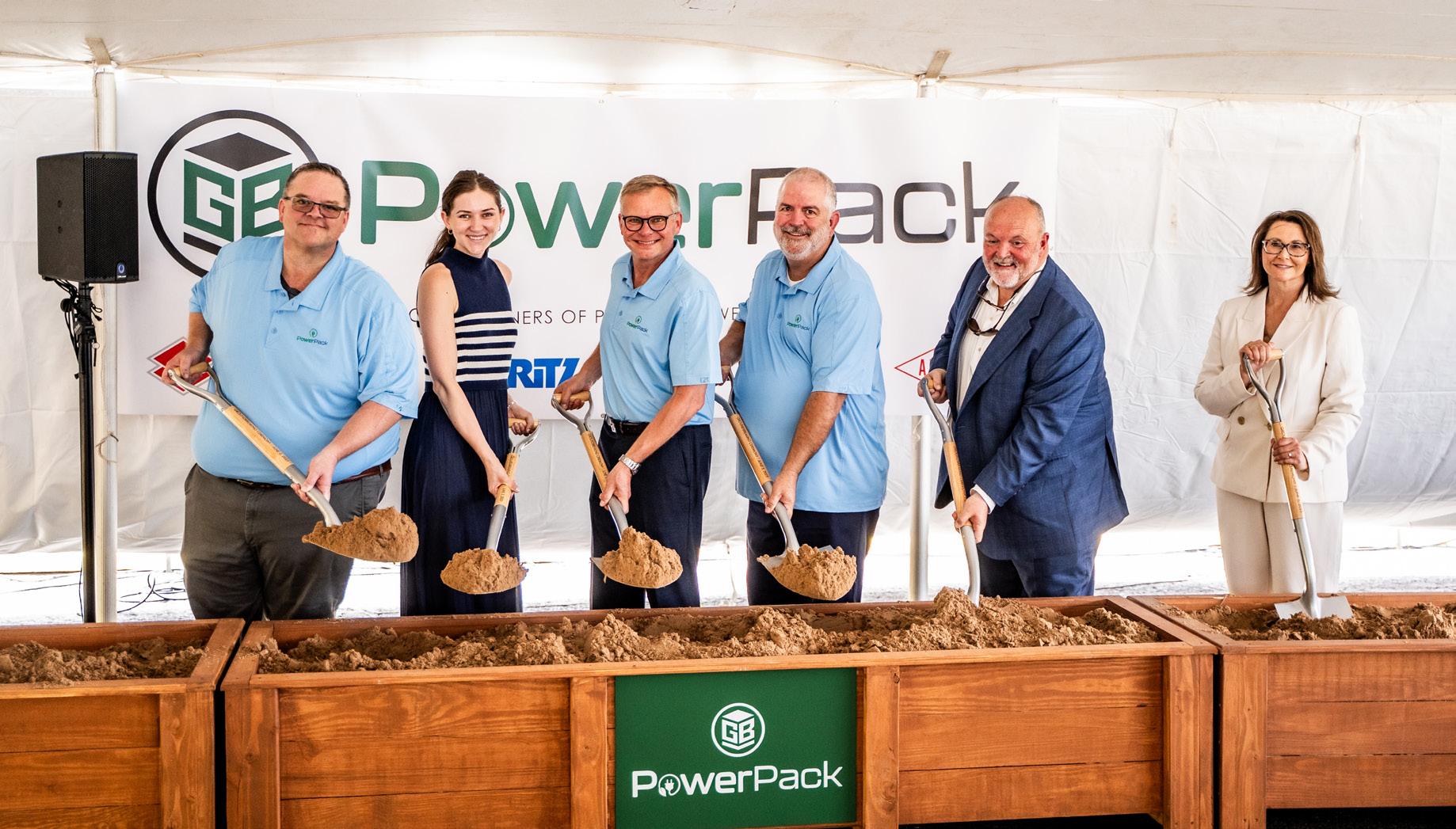
When Green Bay Packaging announced a billion-dollar expansion of its Arkansas Kraft Division in Conway County, it didn't happen by accident. Behind the scenes, Natural State Consulting & Strategies — a Faulkner County-based lobbying and government relations firm — had
spent months navigating the regulatory and legislative hurdles that stood between an announcement and a groundbreaking.
"Steve Goode and his team at Natural State Consulting & Strategies leveraged their deep relationships and extensive connections with state and county decision-makers across Arkansas to help clear the path for success on one of the largest projects in our company's history," said Brad Harville, general manager for Green Bay Packaging's Arkansas Kraft
Division. "Their collaborative approach not only supported our growth but is already delivering meaningful economic benefits to the State of Arkansas, including job creation and increased tax revenue in local communities. We're grateful to Natural State Consulting & Strategies for helping make this possible."
That result is emblematic of what

Before
At
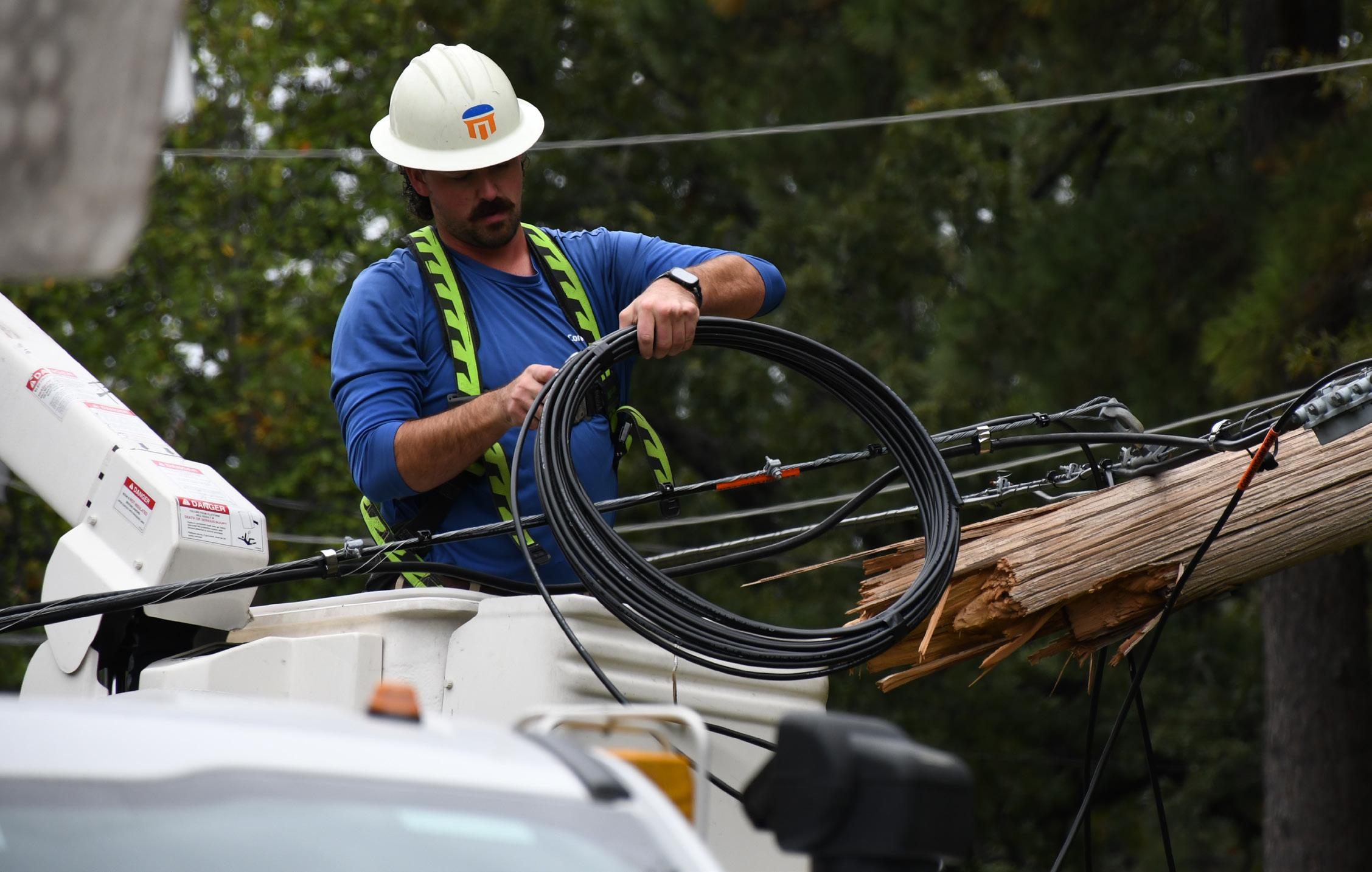
Because being ready means you don’t have to think about it.

How a Faulkner County Lobbying Firm Turned the 2025 Session into Results for Local Businesses
Focus: Energy & Utilities
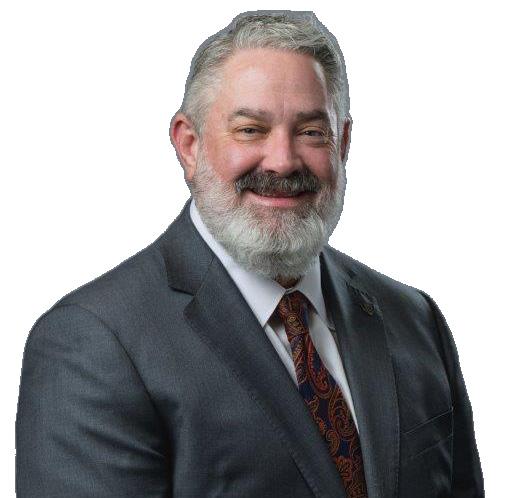
Exec Q&A: Bret Carroll, CEO at Conway Corporation
Focus: Energy & Utilities
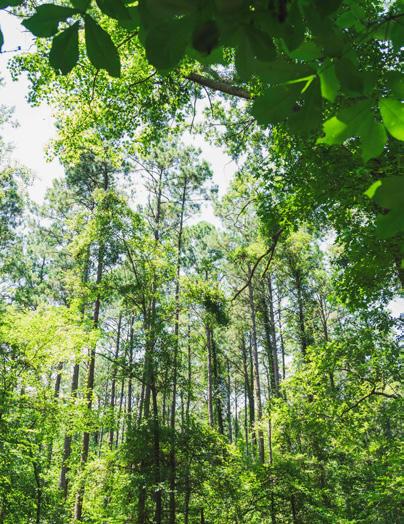
How NativState is Turning Timber into a Global Resource
Economy at a Glance
Key Economic Indicators for Conway
Healthcare
Local Experts Report Increased Mental Health Challenges
Real Estate
$774K Conway Home Tops March County Home List



FROM PAGE 1
Natural State delivered across the board during the 2025 Arkansas legislative session. The firm touched over 150 bills, actively lobbied for or against more than 80 of them, and finished with a 96 percent success rate — a number that would be remarkable for any firm, and is extraordinary for one that has been operating for only four years.
"We are blessed to have great clients that legislators care about and want to help," said Steve Goode, principal at Natural State Consulting & Strategies. "On the Green Bay expansion, county judges, mayors, and legislators all realized what the expansion means for central Arkansas and the River Valley. Sen. Breanne Davis and Rep. Rick Beck were great to work with on the bill that aided the expansion."
Not every win is a bill that passes. Some of the most important work a lobbying firm does is stopping bad legislation before it reaches a business owner's bottom line. This session, Natural State successfully helped defeat a series of six workers' compensation bills (SB 284 through SB 288 and SB 418) that would have resulted in substantially higher rates for Arkansas employers. All six were referred to interim study rather than
advancing to a vote.
On the offensive side, Natural State led the charge for the Arkansas Retailers Association — representing members including Harps, Kroger, Walmart, Target, Home Depot, Lowe's, Walgreens, and Tractor Supply — on landmark retail crime legislation. Acts 321 and 659 created new criminal offenses for organized retail theft and gift card fraud, respectively, while Act 668 gave private businesses the ability to use automatic license plate reader systems to combat theft. For retailers who have watched organized crime eat into their margins, the 2025 session moved the needle in a meaningful way.
Natural State also worked closely with members of Faulkner County's legislative delegation on bills that directly benefit local businesses. Rep. Matt Brown, a local attorney with the Jiles firm, carried two pieces of legislation on the firm's behalf: Act 569, which expanded beer options for Arkansas retailers, and Act 819, which gave business owners stronger tools to regulate emotional support animals on their premises.
"Faulkner County has a tremendous group of legislators who are genuinely attentive to the people and businesses they represent," Goode said. "That makes our job easier, but it doesn't make it easy. It still takes preparation, trust, and showing up every day."
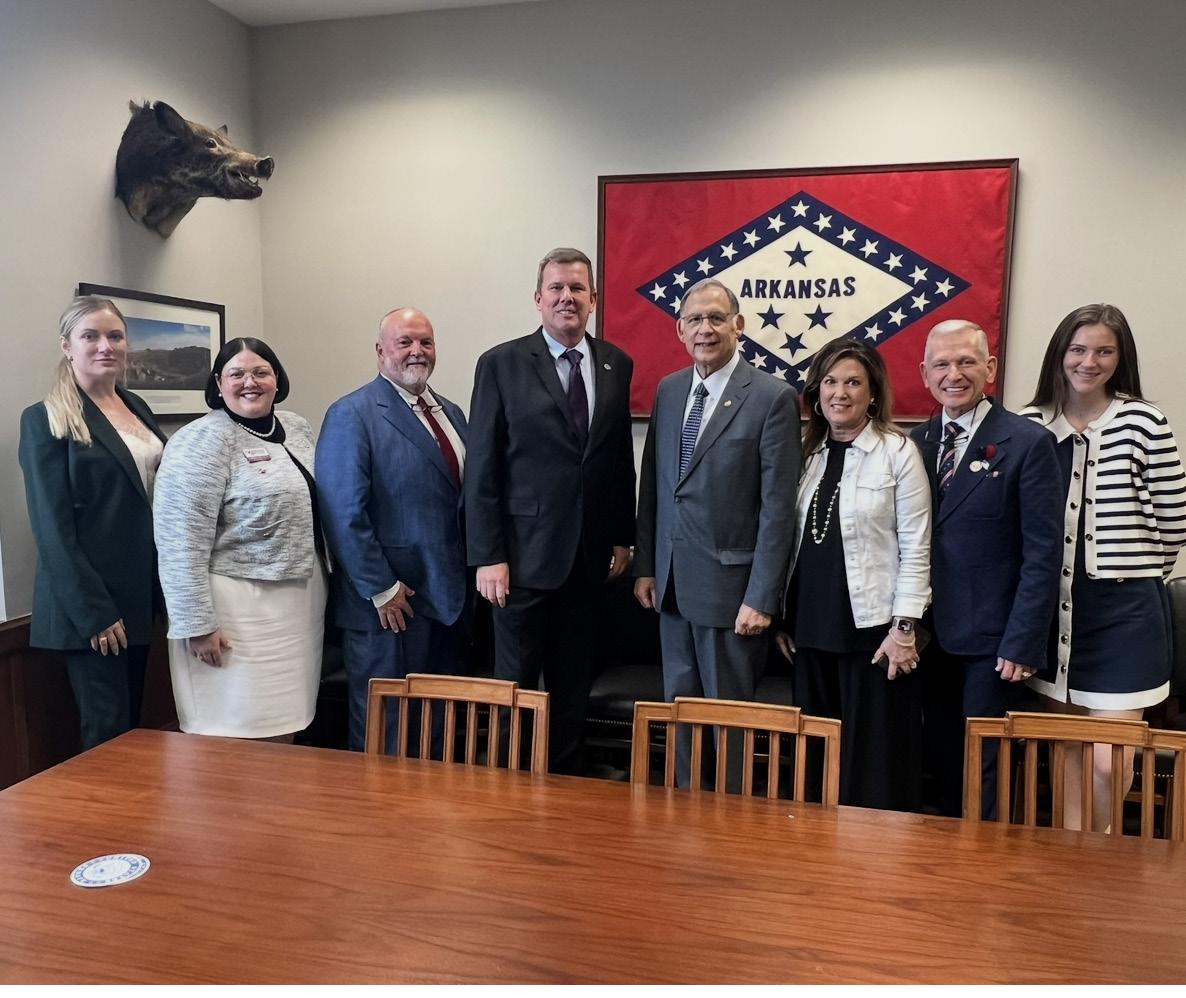
Natural State's team brought all of that to the 2025 session. Tyler Lachowsky, who serves on the Faulkner County Quorum Court and earned his MBA from the University of Central Arkansas, helped manage the firm's expanded legislative workload. Caitlyn Hiland, who came to Natural State after working for Sen. John Boozman in Washington, D.C., brought federal-level experience to the table. Administrator Mandy Miller, a 26-year state government veteran, kept operations running through one of the firm's busiest sessions yet.
None of this happens without relationships built over time, and those relationships extend well beyond the Capitol. Tyler Lachowsky managed the successful campaign of Jeremy Riddle, who will bring a new voice to Faulkner County's legislative delegation — a natural extension of the Natural State team's longstanding commitment to local public service.
That same commitment to Faulkner County shows up well beyond legislative session. Natural State contributes each year to Arkansas Hunters Feeding the Hungry's Snack Stick Program, which helps food-insecure students have a protein source in meals sent home from school. The team supports the Summer Library Feeding Program through Toad Suck Daze, contributes to homecoming meals for the Vilonia and Clinton football teams, and sponsors the annual Clinton Steak Out. Goode and members of his team serve or have served on boards for the Andy Shaw Agricultural Foundation, the Vilonia Community Development Corporation, Lisa's Closet, and CAPCA.
For Goode, that kind of involvement isn't separate from the work — it's inseparable from it. "The relationships that make Natural State effective in Little Rock are the same ones built at Friday night football games, community fundraisers, and in church pews across central Arkansas. You don't build that kind of trust by showing up only when something is at stake in the legislature."
In today's environment, the line between business success and government policy is thinner than most business owners realize — until it isn't. A bill passes. An agency issues a rule. A competitor gets a seat at the table and you don't. Natural State Consulting & Strategies exists to make sure Faulkner County businesses are never caught flat-footed.
Natural State Consulting & Strategies is based in Faulkner County and represents 30 clients across Arkansas. For more information, contact Steve Goode at stevegoode@naturalstatestrategies. com.
Conway Corporation
Conway Corp is one of only a few municipally-owned utility providers in Arkansas. What does that model make possible, and what advantages does it provide to local residents and customers?
Conway Corp is one of 15 municipally owned utilities in our state, and we are all a bit different, but we share this common mission and that is to serve our customers with reliable, affordable utilities services. The fact that we are a nonprofit means that any "profit" that we earn is reinvested in our system to improve reliability and drive value for our customers. Additionally, our customers are our friends, relatives and neighbors and we do our best to serve them well.
You are only the sixth CEO in Conway Corp's nearly 100 years of history. What does that kind of institutional continuity mean for an organization like this, and what is the responsibility that comes with it?
Institutional continuity is extremely important and the responsibility is significant. Conway is a unique community. Understanding our connection to education, economic development and the culture of our community is critical to the success of Conway Corp. I had the great pleasure to know Jim Brewer and the privilege of working with Bill Hegeman and Richie Arnold; through those relationships I was able to understand that value and responsibility that is required of Conway Corp; I'm just trying my best to build upon the work of the great leaders that came before me.
Conway Corp now provides, among other services, water and wastewater, electric, internet, security, and TV. How do you decide when it's time to add, cut, or modify a service, and what new service(s) are possibly on the horizon?
We follow industry trends, our team consistently researches other products and services, and we pay close attention to feedback from our customers. Over the next 36 months, we will be overhauling our hybrid fiber-coaxial telecom system with fiber. That will create additional options for new telecom products and services.
In many cases, Conway Corp is competing with national brands for services (such as internet, security, and TV) here locally. How do you stand out? What makes Conway Corp unique among its competitors?
It is our value proposition without any gimmicks or tricks. We want to provide a customer service experience that exceeds expectations at a reasonable price. I've had customers tell me that they have turned down promotional gimmicks, gift cards, etc. from our competition because of the way we have taken care of them and their families over the years. We will continue to do that.
Conway Corp has been tied to the community and education since its founding. How does that still shape who the organization is today and how it gives back to the community?
We consistently look for better ways to execute our mission and change for improvement but understanding how important education is to the city of Conway and our connection to it will never change. We try to recruit talent that understands Conway Corp's responsibility to the community and that allows us to give back through our jobs, volunteering and just being good corporate citizens collectively and individually. It is some of the most fulfilling work that we do.
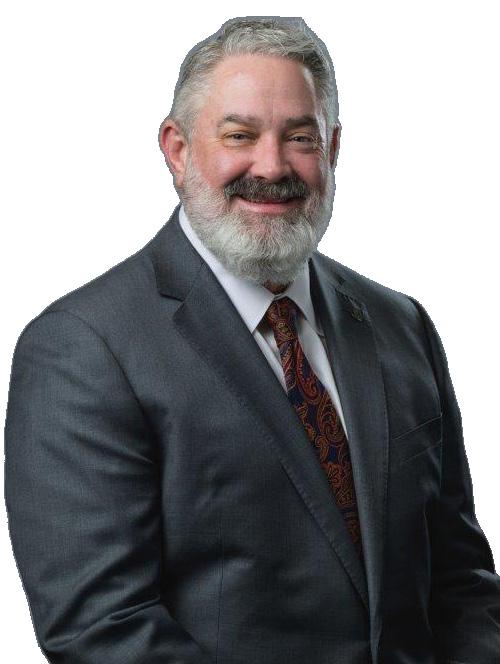
Background: Bret Carroll is the chief executive officer of Conway Corporation, one of 15 municipally owned utility providers in Arkansas. He is only the sixth CEO in the organization's nearly 100-year history. Carroll has been with Conway Corp for 28 years, overseeing services that include electric, water and wastewater, internet, security, and TV.
He has led the organization's long-term planning efforts, including a regional water project expected to serve customers by 2035.
Conway is one of the fastest growing cities in Arkansas. What challenges does that provide a utility service provider, and how do you plan for the future of a growing community as a provider?
It's a challenge for sure but it's a good one to have; the alternative is much more problematic. We must plan 10, 15 and even 20 years down the road because some infrastructure projects take a long time and are expensive. Our Engineering and Planning team does an outstanding job looking at growth trends and incorporating master plans to make sure we are planning for the future and serving our customers with excellence.
What keeps you up at night when you think about Conway's future, and what role does Conway Corp play in solving it?
I've been at Conway Corp 28 years and we've never been busier but the one thing I think most about is long-term water supply. We have partnered with Community Water System on a regional water project that will bring water from Greers Ferry Lake to serve our respective customers. Our plan is to have water available to our customers from Greers Ferry in 2035 in addition to Lake Brewer.
What needs does Conway have that Conway Corp is focused on providing or improving upon in the next 5-10 years?
• A new replacement generation facility that will continue to provide low-cost baseload generation to our electric customers
• Additional water supply to serve our growing community
• Additional telecommunication products that will be facilitated by our fiber project
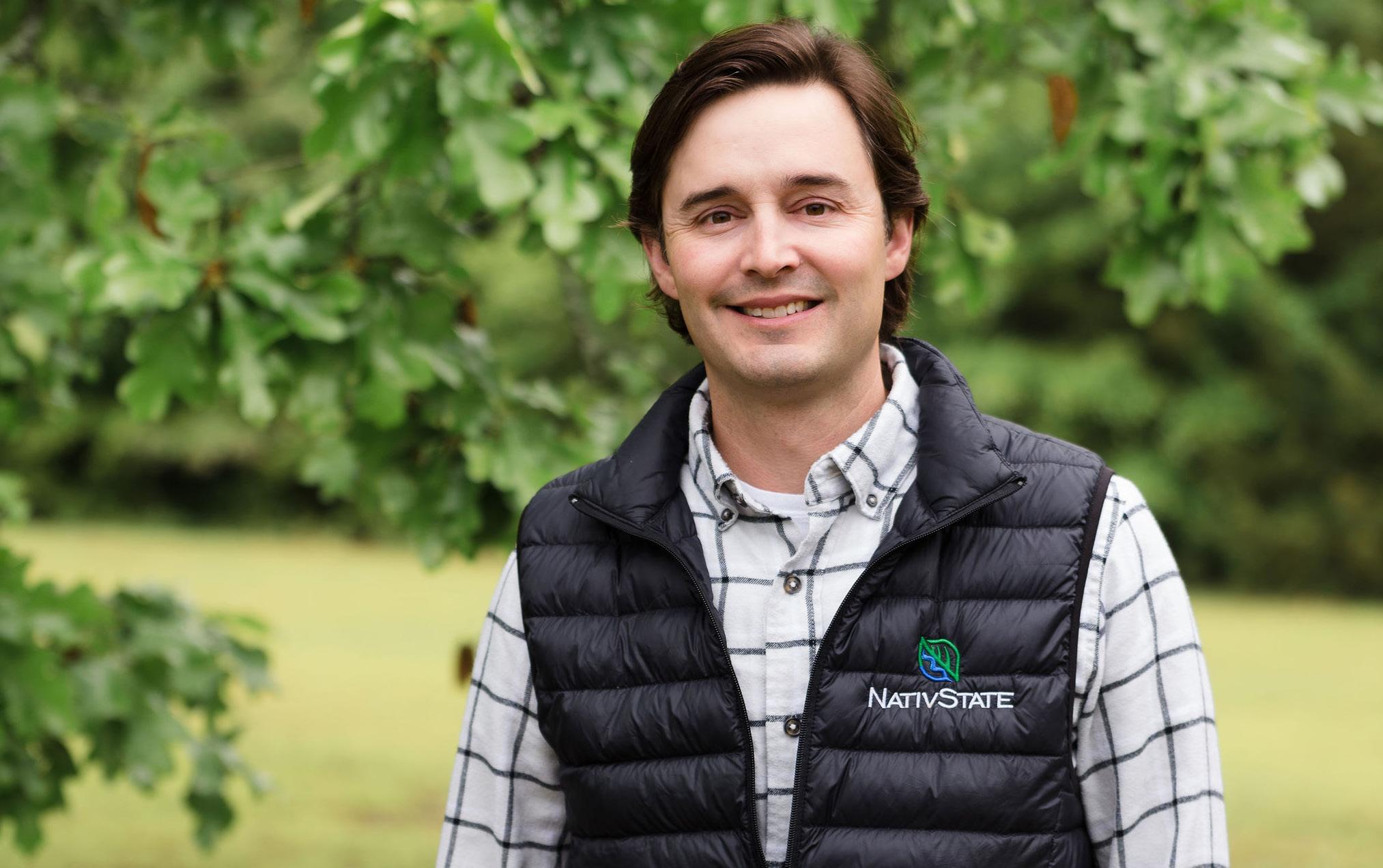
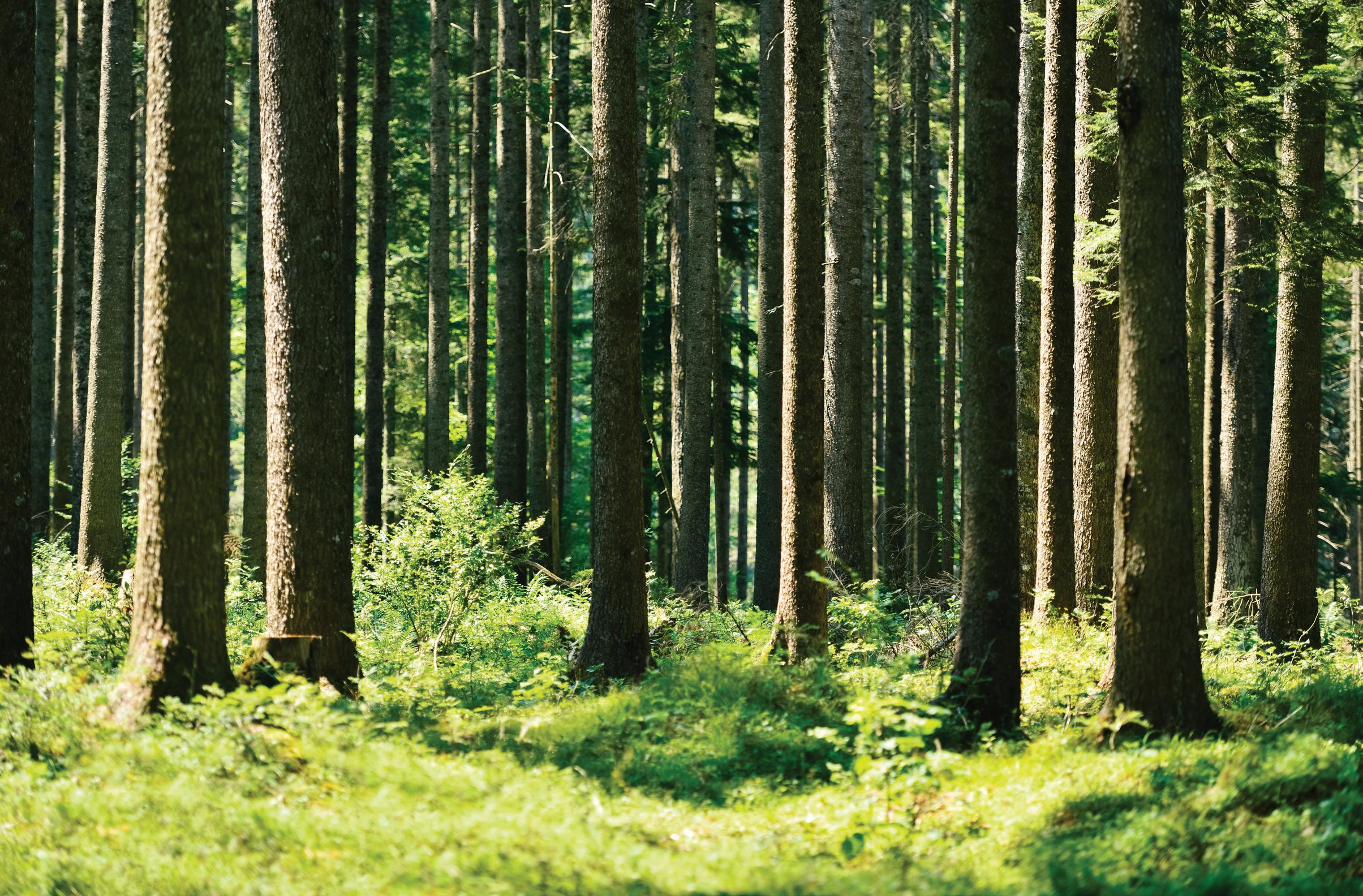
When Stuart Allen purchased a few hundred acres on the north side of Conway in 2019, he wasn't thinking about starting a company or his next venture. He was interested in creating a space for him and his family to enjoy the outdoors, whether that be hunting, fishing, or exploring nature with his kids. The bottomlands along Cadron Creek, thick with old-growth red oaks, offered the perfect place for all of it.
Not long after the purchase, a procurement forester approached Allen with an offer he hadn't anticipated. If harvested, the timber on his property was worth nearly twice what he'd paid for it. He said no.
"Clear cutting it, even though it was very appealing to double my money on the property,
really wasn't what I wanted to do," Allen said.
Allen began wondering what other avenues were available to him to add value to his property. With his background in the energy industry, he pondered whether carbon credits were a viable option.
A Colorado School of Mines graduate, Allen's career included stops at Southwestern Energy during the height of the Fayetteville Shale boom, and the creation of a chemical automation company that optimized how chemicals were used on well pads for some of the energy industry's largest companies. It was during this time that he first encountered carbon credits.
"At that point, I looked at carbon as another cost I had to incur just to do my job," Allen said.
"It was a lot of extra expense when you're running a business, especially a small business, where every dollar matters."
When he called one of the country's largest carbon credit developers, he found out small landowners like him weren't eligible. The minimum parcel size to enroll was 20,000 acres, much more than Allen's few hundred acres in north Conway. But his experience in the energy industry continued to push him ahead.
"We aggregate parcels of land owned by multiple landowners all the time in oil and gas to create scale. You have to unitize a lot of landowners to be able to drill and operate," Allen said. "I said, 'Why can't we just apply that to forest carbon?'"
But to make this idea for a company a reality,
a lot of work was still needed. Allen had to find numerous small landowners who would understand the value of this land management tool and partners to make this work. To really be successful, the company would have to attract the attention of big carbon credit buyers including energy and tech companies, and Allen would need to scale the business rapidly.
"I knew that if we were to build something like this, that we had to go out there and do it with scale in mind and process control," he said.
"Taking that sort of concept, the concept from my last business of aggregating landowners, bringing it all together, that's where the concept of NativState really happened," Allen said. "We had to create the forest carbon space almost like a manufacturing business. But it also had to be individualized for each landowner."
What Allen built from that question became NativState's foundation. NativState aggregates small landowners into carbon credit projects large enough to attract some of the world's largest corporations, a model Allen borrowed directly from the oilfield, where unitizing landowners to drill a single well is standard practice. The company, which has now conserved over 700,000 acres and issued over 4.5 million credits, covers all upfront costs, conducts a detailed carbon inventory on each property, and sells the resulting credits to major corporations looking to invest in conservation. Landowners receive a royalty on every credit
sold, retain the ability to selectively harvest timber throughout the 40-year agreement, and gain access to a dedicated forester and wildlife biologist, expertise most could never afford independently. And they can make a choice they might not have been able to without this program — sustainable management, instead of clear cutting for income.
When meeting with landowners, Allen saw himself in them, people who had purchased land for family, for recreation, for legacy.
"Whether this landowner has 40 acres or 40,000 acres, for that landowner, it's usually their most important and valuable asset. Where years of blood, sweat, and tears have gone into it," he said. "We've built the company on tailoring a process for these small landowners to allow them access to this global carbon market in a way that didn't exist just five years ago."
NativState and Allen quickly adopted a landowners-first mentality, and it continues to today.
"We've got to put the landowner first each and every time. And what that has done, by putting the landowner first, that's what the biggest tech companies in the world want to see, that's what the biggest energy companies in the world want to see," he said. "The dollars that they're buying these credits from are going back to the hands and into the forests that these landowners own."
Now, NativState has returned over $20 million to landowners, and counts Fortune 50 companies among its clients. The company has grown from
13 employees three years ago to about 70 today, and continues to recruit for new roles, especially in forestry.
Clients have flown into Conway to tour forests and meet the landowners behind the credits they're buying. In June, Allen will take an Arkansas landowner to London to speak at Climate Action Week, one of the carbon industry's premier global stages.
"We have had the opportunity to entertain groups from every corner of the world," Allen said, naming Chile, Germany, France, the United Kingdom, Japan, and others.
NativState expects to cross one million acres enrolled by the end of this year, and Allen sees more growth on the horizon. His goal is for NativState to become a single point of contact for landowners navigating everything involved in land and forest management, from timber and minerals to solar leases and water rights.
"Carbon is just one facet of the operation," Allen said. "There's a whole natural capital opportunity out there for both the landowners and credit buyers."
"It's almost biblical for me," he said. "God put us here as stewards of the earth. We're planting trees that I won't be here to see mature. If we continue to consume at the rate we have, it doesn't exist. So there has to be some balance. NativState is a small piece of that across this country."

Faulkner County Leads Central Arkansas in Population Increase
The 2025 U.S. Census Bureau data release, published in March, indicates a significant divergence in growth patterns among Arkansas counties. Faulkner County recorded a growth rate of 1.37 percent over the previous year, positioning it as the fourth fastest-growing county in the state. Faulkner County ranked third among all counties with more than 20,000 people. Only Benton (3.28 percent) and Washington (1.44 percent) counties grew faster among those counties.
Faulkner County's growth was driven by a healthy mix of natural increase and net migration. Data shows that 80 percent of the county's growth resulted from new movers, totaling 1,448 individuals. The remaining 20 percent of the growth was categorized as natural increase, where births exceeded deaths by a margin of 362.
On a national scale, Faulkner County is the 495th largest of the 3,144 counties in the U.S. In the 2025 rankings for growth rate, it placed 328th overall. When narrowed to the 500 largest counties in the nation, Faulkner County ranked 94th for its rate of expansion.
Arkansas's ten largest counties experienced a wide variety of demographic change.
• Pulaski County: Remained the state's most populous with 404,611 residents, though its growth rate was 0.3 percent.
• Saline County: Recorded a growth rate of 1.15 percent, adding 1,519 residents.
• White County: Reported a 1.2 percent growth rate, fueled by a net migration of 1,080 individuals which offset a natural decrease of 116.
• Garland County: Noted a population decline of 0.2 percent, losing 215 residents as a natural decrease of 652 outweighed a net migration of 432.
The Census Bureau's March data release also included population estimates for the country's Metropolitan Statistical Areas. The Little Rock MSA is made up of six central Arkansas counties and is currently the 80th largest in the United States. In 2025, the MSA experienced a total growth rate of 0.6 percent. Faulkner County's 1.37 percent growth rate was more than double that regional average. Among the 100 largest MSAs in the country, the Little Rock MSA ranked 46th for growth.
The data confirms that while northwest Arkansas continues to lead the state in total population volume increases, Faulkner County remains the primary driver of demographic expansion within the central Arkansas corridor.
When thinking about Arkansas' energy future, one name stands out: Flywheel Energy. Responsible for over 90% of oil and gas production in the state per the Arkansas Oil and Gas Commission, Flywheel is not just powering Arkansas homes and businesses — the company is building economic momentum for communities across the state.
Now a multi-basin operator, the fifth largest privately held producer in the U.S. traces its roots to a single shale play: the Fayetteville. What started as a focused bet on an often-overlooked formation has grown, with the help of over 200 homegrown Arkansas oil and gas pros, into an operation that has optimized thousands of wells and produces over 700 MMcf of dry gas.
Where others chased more traditional plays, Flywheel saw something different in the Fayetteville, not just hydrocarbons, but talent. The company believes Arkansas professionals can not only compete in the oil and gas industry but lead it.
That belief is driving investment in the next generation. Flywheel's Arkansas-specific trainee program creates a direct pathway for young Arkansans to launch long-term careers in the industry, pairing on-the-job technical training with the life skills needed to build a lasting future. To apply, driven candidates need only a basic understanding of mechanical systems and a genuine passion for hands-on learning and problem solving.
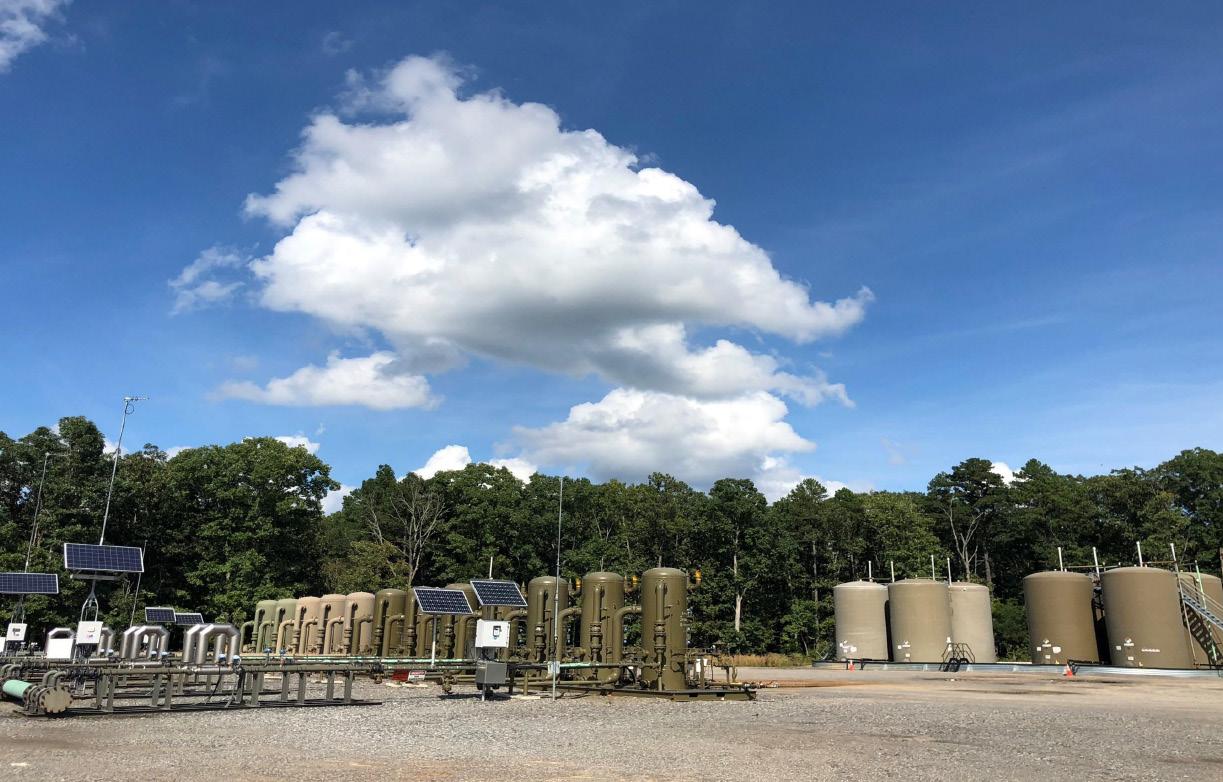
During the 90-day program, trainees develop practical expertise in optimizing natural gas production, performing equipment repairs, and supporting midstream pipeline maintenance. At the end of the program, trainees are evaluated for full-time placement, and if selected, individuals are matched to roles that align their individual
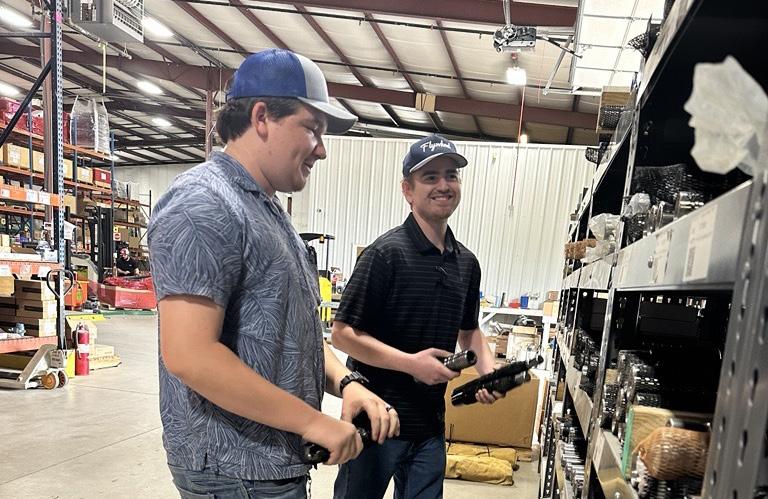
strengths with company needs. Since the inception of the program, Flywheel has promoted over 50 trainees to full-time positions, with a current class of 12 underway.
The case is compelling. As university costs continue to climb and interest in skilled trades reaches record highs, Flywheel has built an alternative worth serious consideration. Trainees who are promoted to a full-time role earn a starting salary between $55,000-$60,000 per year — 20% higher than that of the average Arkansas college graduate. In addition to salary, employees gain low-cost health insurance, paid time off, and a 401(k) with a generous employer match. It's an opportunity to gain not only skills but meaningful rewards, without the time or cost of a degree.
Guided by a purpose to build momentum where it matters, Flywheel extends its investment mindset to the broader Arkansas economy. By prioritizing local hiring, partnering with regional vendors, and maintaining a strong operational presence in the state, Flywheel keeps opportunity circulating close to home, strengthening local businesses, reinforcing community stability, and ensuring that the economic benefits of Arkansas energy production are felt by Arkansans first.
Flywheel's story isn't only about what comes out of the ground. It's about what gets built above it — careers, communities, and an economy with the momentum to last.
The Winthrop Rockefeller Institute has named Liz Lundeen as its director of programs. Lundeen comes from the Arkansas Certified Public Manager Program where she served as director, leading curriculum development and mentoring public servants through organizational change initiatives.
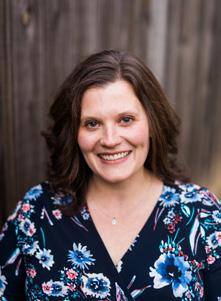
Lundeen has a doctorate in history from the University of North Carolina, a Master of Philosophy in historical studies from Cambridge University, and a bachelor’s in history and political science from Wake Forest University.
Conway Corp CEO Bret Carroll was recently named to Arkansas Money & Politics’ Favorite C-Suite Executives. The annual recognition highlights top business leaders who have made a meaningful impact in their organizations and communities.
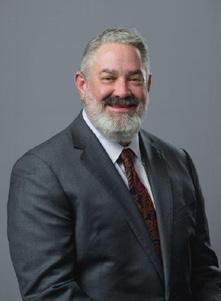
Carroll has served as Conway Corp’s chief executive officer since 2017. He began at the company in 1998 as its chief financial officer. He serves on several boards, including as treasurer of the American Public Power Association, vice president of finance for the Arkansas Municipal Power Association, and chair of the UCA Foundation Board.
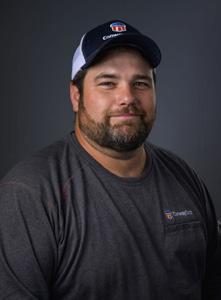
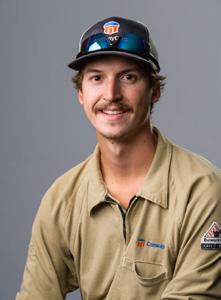
Tim Ragland and Dylan Hopper have been promoted to apprentice lineman 2 in Conway Corp’s electric department. Both began at Conway Corp in 2022.
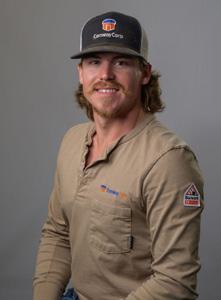
Wesley Fason and Ivan Robinson have been promoted to apprentice lineman 4. Both began as groundmen in 2020.
Tom Makara has been promoted to manager of property and procurement. In this role, he will oversee property and procurement operations, including inventory management, purchasing, and asset coordination to support efficient companywide operations.
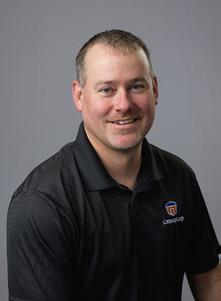
Makara joined Conway Corp in 2010.
Hunter Fusilier has been promoted to engineering service department supervisor. In the role, she will oversee engineering service development initiatives, coordinate projects, and support the continued growth and efficiency of department operations.
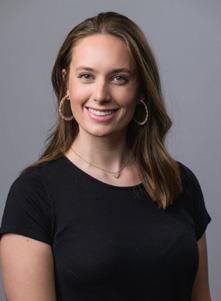
Fusilier joined Conway Corp in 2024.
Conway Corp earned a perfect score of 100 and was designated a Diamond Level Reliable Public Power Provider for the third consecutive application cycle by the American Public Power Association, the organization's highest honor in the program.
More than 250 public power utilities nationwide currently hold the designation, which recognizes excellence in reliability, safety, workforce development and system improvement.
"At Conway Corp, we make this a priority because it translates to reliable, affordable electricity for our customers and training, development and safe work practices for our employees," said Bret Carroll, chief executive officer of Conway Corp. "I couldn't be prouder."
The designation is awarded every three years. The American Public Power Association has offered the program for 18 years and represents not-for-profit, community-owned utilities that provide electricity to 49 million people in more than 2,000
communities nationwide.
"Receiving an RP3 designation is a great honor and a testament to the work these utilities are doing to follow industry best practices," said Jeremy Ash, chair of the association's review panel and general manager of Kansas City Board of Public Utilities. "These designees have distinguished them-
selves as committed to pursuing excellence and continual improvement for the benefit of their communities."
Jeremy Langley was formally inaugurated as Central Baptist College's tenth president on April 10.
Langley became CBC's president May 27, 2025, after serving as executive vice president.
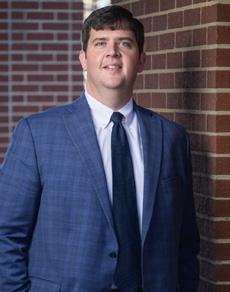
Langley holds a bachelor's degree in political science and mass communications from Oua-
chita Baptist University, a master's from Southern Arkansas University, a master's in pastoral theology from Baptist Missionary Association Theological Seminary, and a doctorate in ministry leadership from Liberty University.
Founded in 1952, CBC is a private, four-year Christian liberal arts college.

They point to community education as key to addressing challenges and benefits of upcoming free training in Conway
One in five people struggles with anxiety and depression, according to the World Health Organization. University of Central Arkansas Psychology Professor Shawn R. Charlton, Ph.D., says that number, along with levels of distress, are climbing.
“Even when we control for increased diagnoses, there's still evidence that those are the three that are really showing the biggest increase right now. And a big piece of that connects to the isolation that came from COVID-19 and the pandemic,” Dr. Charlton said.
Social media, Dr. Charlton says, is another contributing factor, but not because of bullying and the false portrayal of idealistic lives that many have associated with social media platforms.
Dr. Charlton tells his students it’s like running on a treadmill. Social media feeds are often now flooded
with dueling perspectives, information, and negativity which can be overwhelming.
“We’re sitting there, and we're seeing ‘threat’ coming at us, but we run and we run on the treadmill. And when we get done, it feels like those threats are still there. Those all tie right into that big fight or flight system, which is directly connected to anxiety, depression and distress. We're seeing everything that's going on in the world, but we're not directly engaging with people in a way that allows us to be able to address those.”
Stigma is Still Keeping People from Seeking Care
The stigma associated with mental health challenges has long been a major reason people do
not seek help – a factor Dr. Charlton feels is still the leading barrier to care.
“It's one thing to talk about it, to say ‘I have a challenge,’ but it’s a whole different thing to now go out and seek that help. In some ways, it’s a very public thing.”
“We look at mental health challenges as being partially due to individual choices or even individual strength. There's still that thought that once I recognize [the problem], I should be able to now tough it out.”
Instead, Dr. Charlton says experiencing a mental health challenge is more like his colleague and fellow UCA psychology professor Kevin Rowell, Ph. D., describes as an elastic band.
“When it's kind of new and fresh, it has lots of
stretch to it, and it pops back into shape, and it's extremely adaptable and resilient and flexible,” Dr. Charlton elaborates. “But if you keep stretching it and moving it, it loses that elasticity. We've all felt it. When we're stressed, and somebody gives us a new task or something, and we just think, ‘I can't take anything else, I can't move.’ Individuals lose that flexibility and the ability to adapt to these new challenges.”
While stigma may be a leading reason people in Arkansas don’t seek care for their mental health challenges, finding care is another hurdle in a rural state like Arkansas, including in many areas of Faulkner County.
“While acceptance and openness are increasing,” Dr. Charlton says, “system capacity just isn't able to keep up.”
The good news, he says UCA has been seeing an increase in the number of students pursuing mental health careers, such as counseling and psychiatry.
A key to bridging barriers to care and helping people successfully heal from mental health challenges lies with each of us, Dr. Charlton says. As a certified mental health first aid instructor, he says training can
provide important tools to community members.
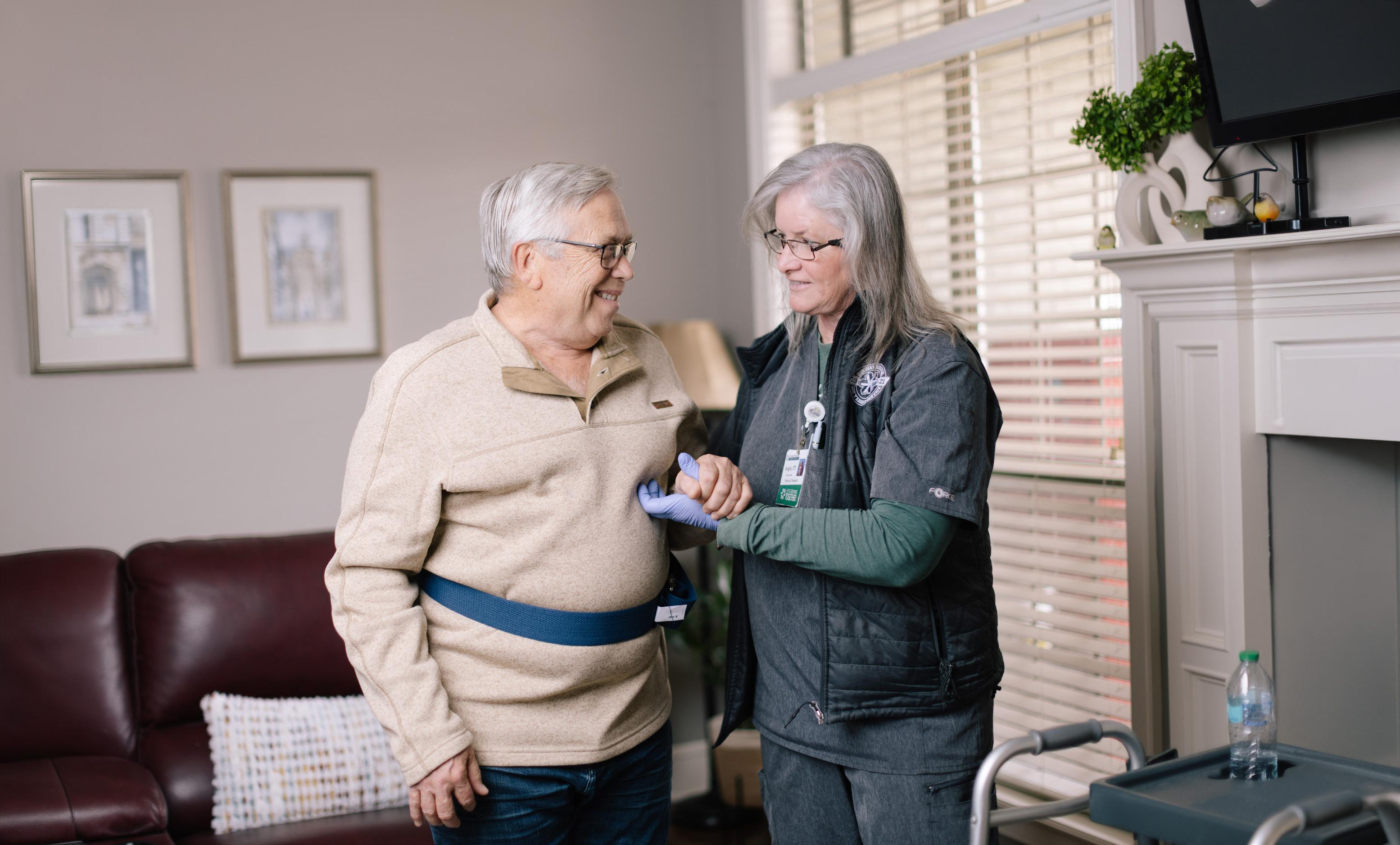
Arkansas Blue Cross and Blue Shield has seen great participation in the mental health first aid classes, developed by the National Council for Mental Wellbeing, it offers. Since 2023, the company has provided training to approximately 2,000 Arkansans, and the demand continues. Topics covered include anxiety, substance use, depression, suicide and other common mental health challenges.
“Mental Health First Aid is about learning how to recognize the signs and symptoms of mental health challenges, provide early support, and, when needed, connect someone with professional care,” said Kristen Lippencott, Mental Health First Aid instructor and Arkansas Blue Cross manager of wellbeing and health solution strategies. “The earlier a person can begin addressing a mental health challenge, the more successful recovery can be. And each one of us can play a role in that.”
Dr. Charlton says the training helps people learn how to support others in a way that is not instinctive for us.
“What we want to do instinctually is we want to jump in and fix it. We want to come in and take those symptoms someone is showing, and we want to get rid of those symptoms. The help that we want to give people is kind of Band-Aid help. But if I get trained,
I feel confident to be able to recognize and support someone in this situation. Instead of trying to fix, we listen.”
In recognition of Mental Health Awareness month in May, Arkansas Blue Cross will be hosting a free mental health first aid class on May 14 in Conway, providing participants a three-year certification through the National Council. Private classes are also available to organizations wanting to train their employees or volunteers. Participants do not have to be Arkansas Blue Cross members. Information on private classes and registration information can be found at arkansasbluecross.com/firstaid.
Editor’s note: This article is provided by Arkansas Blue Cross and Blue Shield. For more information about behavioral health resources in Arkansas, visit mymindhelp.com and normalizetheconversation.com. For comprehensive information and resources for behavioral health, visit the national Substance Abuse and Mental Health Services at samhsa.gov. To connect with a crisis counselor, call or text the 988 Lifeline.

Waldo's Chicken is Coming to Dave Ward Drive
The fast-casual restaurant boasts fresh, never-frozen menu, laid-back atmosphere with scratch recipes, drinks, sports, and live television
Waldo's Chicken & Beer, the Nashville-based fast-casual restaurant concept, is coming to Conway this summer. It's set to open in early June at 2205 Dave Ward Drive in the former home of Volstead Proper.
The Conway location will be JTJ Restaurants' fifth Arkansas location. The group is also behind locations of the regional chain in North Little Rock, Bentonville, and two Little Rock stores.
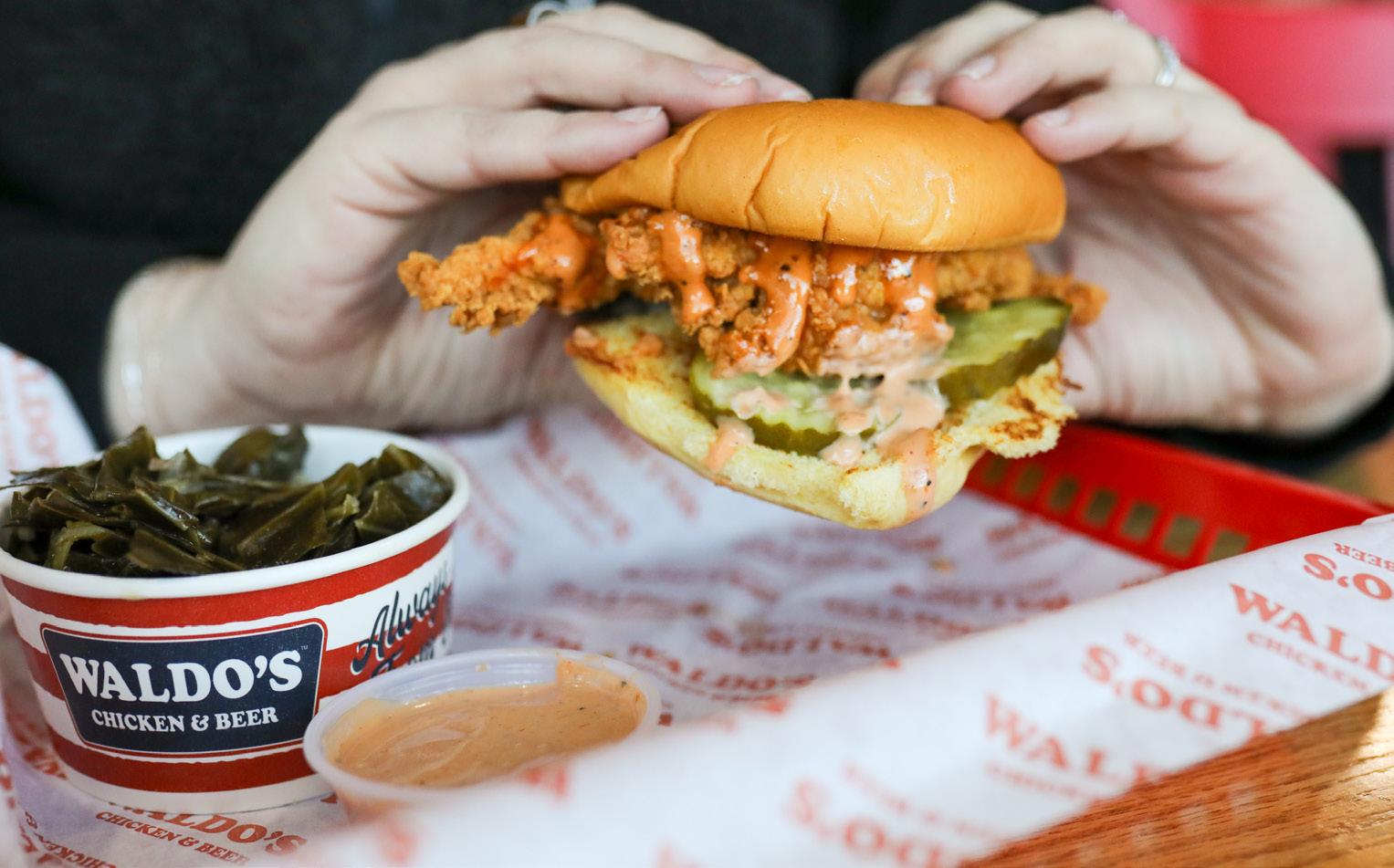
The sports bar-style eatery is known for its fresh, never-frozen fried chicken and rotisserie chicken, and a menu made from scratch daily. Founder Mark Waldo launched the brand in Nashville in 2019.
"We don't have a freezer in our restaurant and all of our chicken comes in fresh," said Ben Brainard, Waldo's market partner. "What we do is unique because of our food."
The Conway location will feature all the regular Waldo's favorites, including tenders, sandwiches, salads, and plates — Fried Chicken, Rotisserie Chicken, Six Finger Feast and Bucket O' Bird.
Special recipes and processes at Waldo's include an overnight pickle brine for the fried chicken, hand-cut fries, and a rotisserie chicken pepper mash that includes six different chiles, garlic, dry seasoning, and more. Every recipe is made from scratch each day, with no frozen ingredients on the premises.
"We are unembarrassingly spicy in our original recipes," Brainard said. "We are not scared of bold flavors at all."
Brainard said he is excited to have Waldo's so close to the University of Central Arkansas campus. He said the brand has found success in every market where a college is nearby, and that Waldo's more affordable price point makes it a natural fit for that crowd.
"We love the traffic counts on Dave Ward Drive, and being that close to UCA is a real positive for us," Brainard said. "Waldo's really appeals to that age group, and we work on the more affordable side of food. The fast-casual element really seemed to trend with what Conway natives are enjoying elsewhere in the market right now."
The restaurant will seat 72 inside, with a drive-through, which will be a major focus given the Dave Ward traffic and the UCA campus directly across the street. The restaurant will also feature nine TVs and a full bar with 10 draft
beers, including a rotation of four local brews and a cider option.
Brainard said the location is also working on outdoor patio seating, but it may not be ready for opening day.
"It's very casual. I mean, it's fried chicken served in a basket," Brainard said. "We don't overthink who we are at all. I had a group of eight guys dressed to the nines — lawyers or bakers — sitting right next to a big group of construction guys, and they were jawing at each other in a really friendly and fun way. We serve everybody."
Brainard, part of JTJ Restaurants, was also involved in Big Bad Breakfast's recent entrance to the Conway market downtown. The restaurant opened at 1004 Oak St. in December.
"We have had a lot of success at Big Bad Breakfast," he said.
Brainard said more success at JTJ's newest Conway concept could bring more restaurants to the market in the future.
WALDO'S CHICKEN & BEER
10
Early June
9 Opening Date
Beers on Tap TVs in the Restaurant
72
Indoor Seats
"If Conway welcomes us the way that y'all welcomed Big Bad Breakfast, and we're able to find a good rhythm, I would say in another year, you can depend on me for another restaurant," he said. PRESENTED BY













$774,999 Price of top home sold in March 56 Average days spent on the market among top five homes
$696,800 Average price of the top five homes
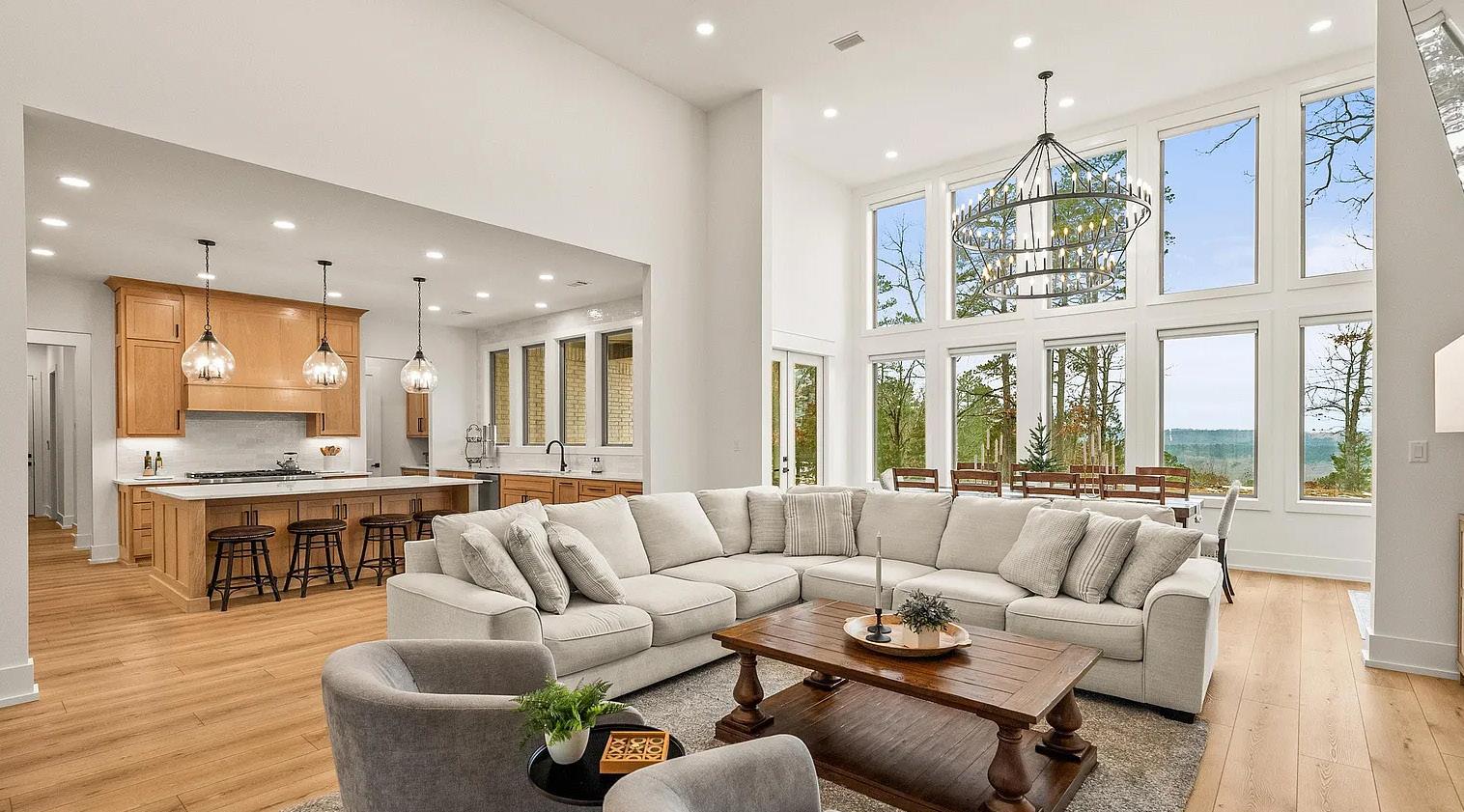
A $774,999 home on Round Mountain in Conway claimed the top spot among the most expensive homes sold in Faulkner County in March. The 3,348-square-foot home on Orchard View sold in 11 days at $231.48 per square foot, the most per square foot among the top five homes in March.
The No. 2 home, a Centennial Valley property on Sawgrass Cove, sold for $700,000 at $151.71 per square foot and sat on the market for 88 days. The home includes 4,614 square feet, 5 bedrooms and 4 bathrooms.
The No. 3 home, on Sycamore Springs Drive in Sylvia Springs subdivision, sold for $699,000 at $192.83 per square foot and hit the market just two days before selling. Built in 2024, the home includes 3,625 square feet, 4 bedrooms and 3 bathrooms.
The No. 4 home, on Stermer Road in Conway, sold for $670,000 at $136.18 per square foot and took
155 days to sell. The home includes 4,920 square feet, the most among the top five homes in March, as well as 4 bedrooms and 3 bathrooms.
The No. 5 home, on Brookeview Drive in Greenbrier, sold for $640,000 at $216.80 per square foot and sits on 6.22 acres.
Most key metrics have improved compared to 2025 in the first quarter of the year in the local housing market.
Home sale valuations, median home price and homes sold in Faulkner County are all up through March. The number of homes sold in Conway is the only metric down over the first three months, falling 8.97 percent to 132 home sales.
The number of homes sold in Faulkner County
is up 16.61 percent to 365. The median home price in Faulkner County rose 8.94 percent to $256,000, which is 36.8 percent less than the national median home price of $405,300.
In Conway, home valuations climbed 6.94 percent to $42.6 million. The median home price rose 21.02 percent to $280,000, which is 30.9 percent, or $125,300, less than the national median.
The median price per square foot rose 3.83 percent to $155.23.

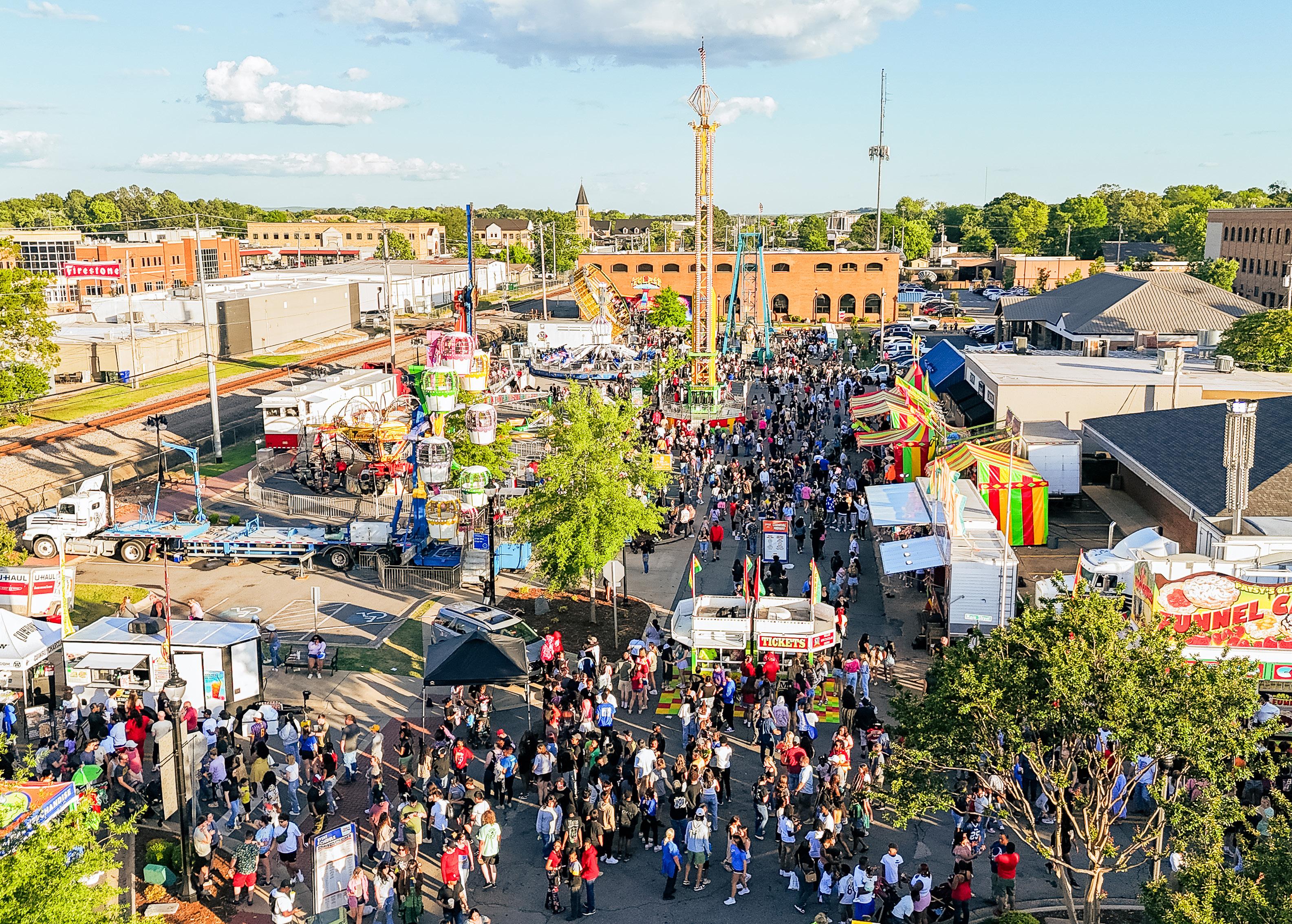
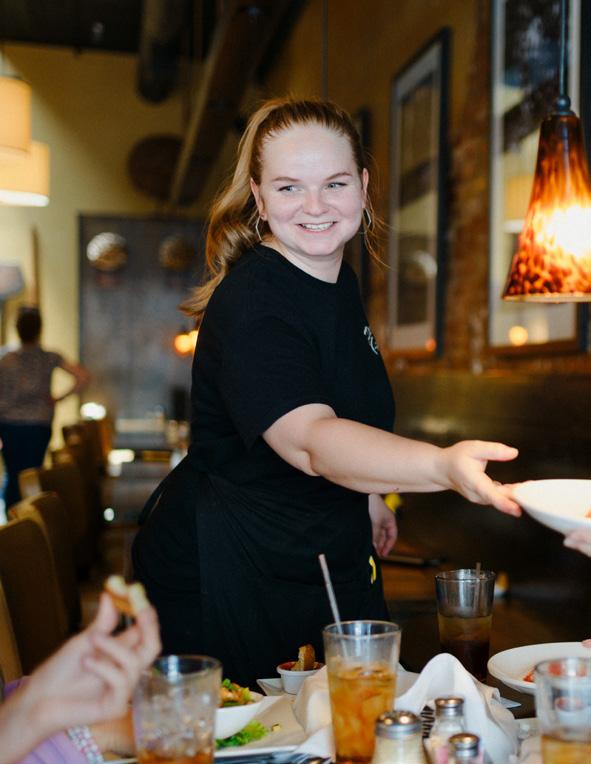

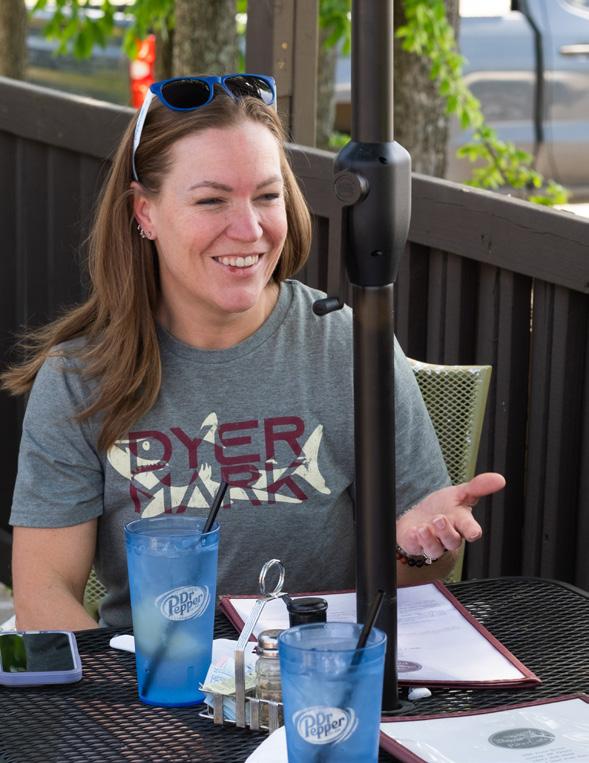
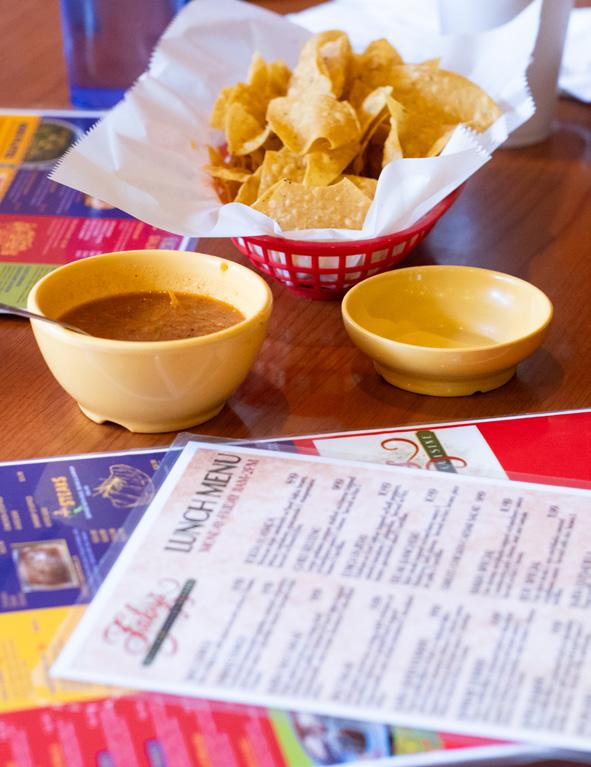
Experience the taste of Downtown Conway, where over 20 restaurants are all within an easy walk and full of local flavor. Front Street offers a great stretch of dining options, with plenty more throughout the rest of downtown. If you’re visiting for Toad Suck Daze, make a day of it by exploring, shopping, and dining downtown. Gather your friends and family and make your way downtown! ConwayArkansas.org/Conway-Downtown-Partnership