INNOVATE FASTER .


UNDERSTAND
Challenge Statement
Empathy
Asking the Right Questions
Empathy Map
Bias Awareness Exercise
Persona Crafting
Persona Crafting Templates
Day in the Life Templates
Define
Turning Insights into Action
Problem Statement Templates
IDEATE
Techniques for Successful Ideation
Ideate Exercises
Rapid Fire Ideation Warm Up
Rapid Fire Ideation Solution Development
Idea Grouping
Idea Grouping Template
Impact vs. Effort Map
Impact vs Effort Map Template
Idea Refining
Idea Refining Templates
Final Solution Pitch
Final Solution Pitch Templates
RAPID PROTOTYPE
Rapid Prototype
Solution Storyboard
Solution Storyboard Templates
TEST
Testing
Gathering Maningful Feedback


TURNING CHALLENGES INTO INNOVATIVE SOLUTIONS
At CONTROLTEK, innovation doesn't begin with technology, it begins with understanding. The CONTROLTEK Method of Design Thinking is our collaborative design thinking approach that helps organizations solve complex challenges through human-centered innovation
By bringing together end users, stakeholders, and subject matter experts, we uncover hidden opportunities, challenge assumptions, and develop solutions that are practical, scalable, and impactful
What is Design Thinking?
Traditional problem-solving often starts with a solution Design thinking starts with people
The CONTROLTEK Method of Design Thinking helps organizations:
Gain a deeper understanding of customer and employee challenges
Break down complex problems into actionable opportunities
Accelerate innovation through rapid experimentation
Reduce risk before investing in full-scale implementation
Create solutions that drive adoption and long-term success

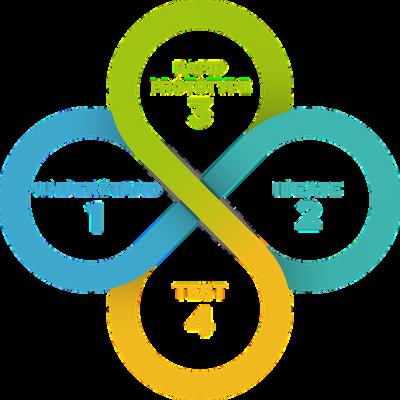
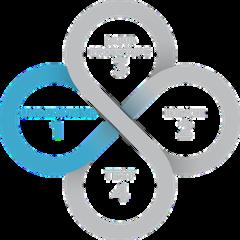
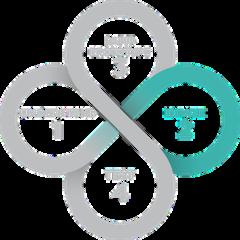
THE FOUR PHASES OF THE CONTROLTEK METHOD
Dive deep into the problem you want to solve, seeking to understand the nuances of users ' needs, challenges, and aspirations Through methods like user interviews and persona creation, we lay the foundation for meaningful insights that steer the course of the creative process.
UNDERSTAND IDEATE
In this phase, teams harness diverse brainstorming techniques to generate a wide range of ideas, fostering an atmosphere where innovation thrives. This phase fuels the solution development of the design thinking process.
RAPID PROTOTYPE
This phase is where we bring our ideas to life – we create tangible versions of our concepts to test and refine It's a hands-on stage where we transform thoughts into something real, helping us see what works, what doesn't, and how we can improve our solutions
TEST
Testing is where we put our prototypes to the real-world test with actual users By gathering feedback and observing how people interact with our creations, we fine-tune our solutions and ensure they truly meet the needs and expectations of our audience

UNDERSTAND
The Understand phase of the CONTROLTEK Method of Design Thinking process is the initial step where teams work to gain deep insights into the problem they are trying to solve and the people they are trying to serve. This phase is characterized by a strong emphasis on empathy and user-centered research.
CREATING A CHALLENGE STATEMENT
A strong Challenge Statement helps your team clearly define the problem you are trying to solve before jumping into solutions It keeps ideas focused, aligns the group around a common goal, and ensures the conversation stays centered on the real needs of the people you are designing for.
The best challenge statements are clear, specific, and action-oriented. They should identify:
Who you are designing for
The problem or opportunity
The desired outcome or impact
A well-crafted Challenge Statement creates direction without limiting creativity It should be broad enough to encourage innovative thinking, while focused enough to guide meaningful solutions
Example:
How do we create a safe enjoyable working and shopping environment for our customers and staff?

WHY IT’S IMPORTANT IN DESIGN THINKING
Creates clarity before solutions are explored
Without a clearly defined challenge, teams often jump to ideas too quickly and solve the wrong problem
Acts as the foundation that guides ideation, collaboration, prototyping, and decisionmaking
EMPATHY
Now that we have our challenge statement created, the next step is to empathize with our target audience or users which helps us better understand the people we are designing for.
Before creating solutions, we must first understand the user ’ s experiences, frustrations, motivations, and needs from their point of view.
This step helps teams move beyond assumptions and focus on real-world challenges. By building empathy, we can create solutions that are more meaningful, effective, and human-centered.
Empathy also allows us to:
Understand the user ’ s perspective
Identify pain points and unmet needs
Measure the potential impact of future solutions
Create solutions designed around real people and real experiences
Ultimately, empathy gives us a person to design for, not just a problem to solve
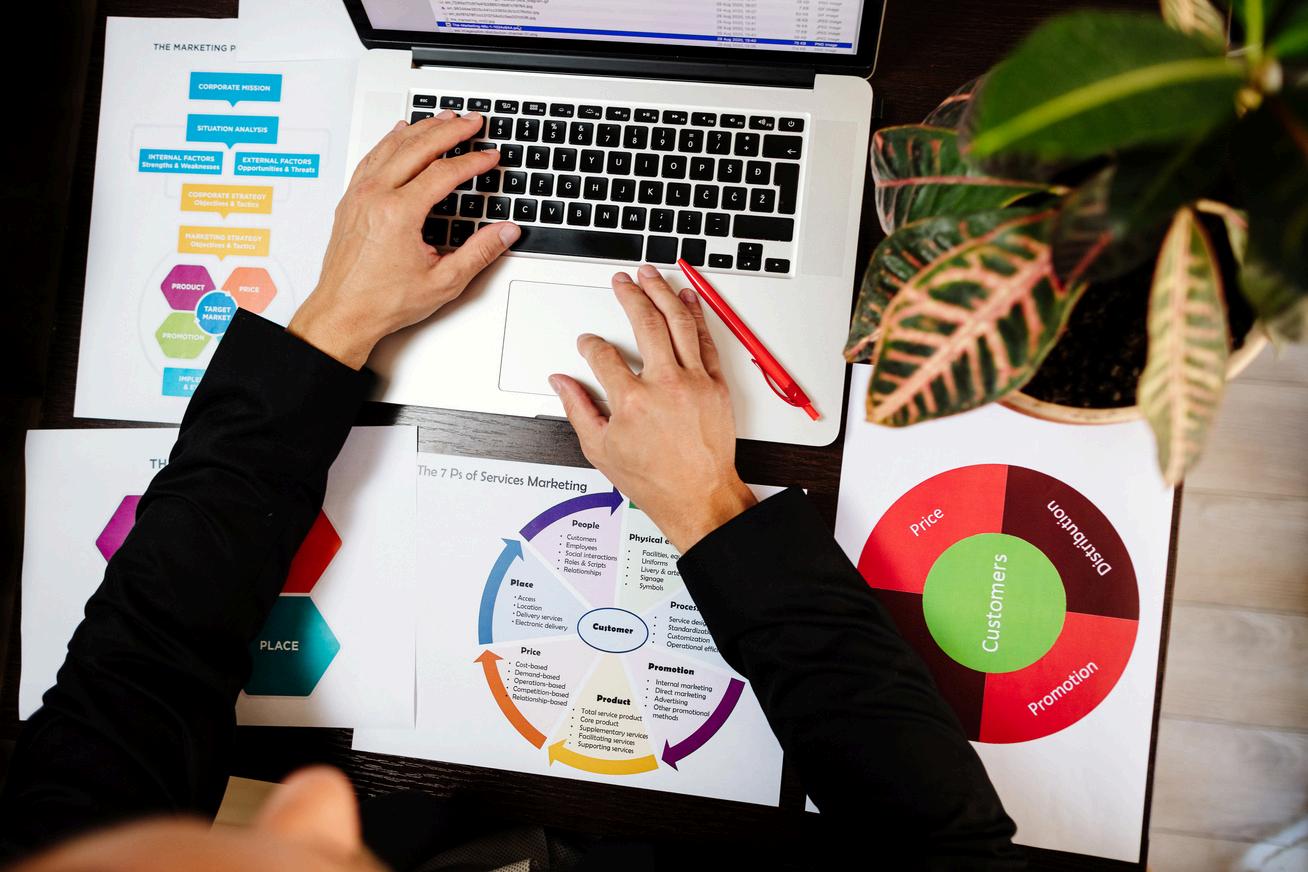
Types of Research
Desk Research
Desk Research helps teams gather background information and existing insights before entering the field
Data compiling and analysis
Historical research
Current events and industry trends
Influencing factors
Demographics and audience insights

Field Research
Field Research allows teams to observe and interact directly with users in real environments It often uncovers behaviors, frustrations, and opportunities that may not appear in reports or data alone
Direct observation and site visits
Participant observation
Qualitative interviews
Quantitative interviews
ASKING THE RIGHT QUESTIONS

The quality of your insights depends on the quality of your questions. In Design Thinking, it is important to ask both explicit and implicit questions to gain a deeper understanding of the user experience.
Explicit Questions
Explicit questions are direct questions that help gather clear information about a user ’ s: Needs Preferences Behaviors Experiences
These questions help uncover what users say they want or need
Example: “What challenges do you experience during your daily workflow?”
Implicit Questions
Implicit questions are designed to uncover deeper emotions, motivations, and insights that users may not express directly
These questions help teams understand the “why” behind behaviors and decisions.
Example: “How does that experience make you feel?”
“Can you walk me through what happens in that moment?”
WHY IT’S IMPORTANT IN DESIGN THINKING
Helps uncover the real problem instead of surface-level symptoms
Encourages deeper understanding of user needs, behaviors, and motivations
Reveals insights users may not communicate directly
Prevents teams from making assumptions too early in the process
EMPATHY MAP
An Empathy Map helps teams organize and consolidate information gathered during interviews, observations, and research. It allows us to better understand the user ’ s experience by identifying what they say, do, think, and feel throughout a situation or process.
This exercise helps uncover patterns, emotions, frustrations, motivations, and unmet needs that may not be immediately obvious. By visualizing these insights, teams can better understand the context surrounding the problem and design solutions that are more human-centered and impactful.
Says
What does the user verbally express during interviews or observations?
This may include: Quotes Feedback Concerns Repeated phrases or comments
Example: “I spend too much time trying to find missing inventory ”




Does
What actions or behaviors does the user demonstrate?
This focuses on observable actions and behaviors.
Example: Double-checks reports multiple times Walks between departments to verify information Avoids using certain systems or tools

Thinks
What might the user be thinking internally?
This section captures beliefs, concerns, motivations, or questions that may not always be spoken out loud.
Example: “There has to be a faster way to do this.”
“I don’t fully trust the system data ”
Feels
What emotions is the user experiencing?
Understanding emotional responses helps reveal deeper insights into the user experience.
Example: Frustrated Overwhelmed Confused Motivated Relieved
WHY IT’S IMPORTANT IN DESIGN THINKING


Identify user pain points and motivations
Better understand behaviors and decision-making
Align around a shared understanding of the user
Discover opportunities for innovation
Keep the user at the center of the design process
Empathy Map Example: End user buying a new TV that is locked up in store.
BIAS AWARENESS EXERCISE
Supplies Needed
Post-It Notes
Pen
Activity
This exercise highlights the fact that our narratives and biases
Step 1: Instruct the participants to draw different post-it note Naming one at a ti participants to draw, and then moving o
1 You have 30 seconds to draw a baby
2 You have 30 seconds to draw a door
3 You have 30 seconds to draw a hous
4.You have 30 seconds to draw innova
Step 2: Share your drawing and discuss
Why Do Our Drawings Look Similar? Drawings tend to be the “typical” drawin example, a square house with a triangul chimney sticking out of it. Two to four windows, and a highly simplistic door. However, it is highly likely that your real house looks NOTHING like the drawing So why are our drawing similar?




Our brains share similar narratives and we have biases As a kid we were taught to draw a house that way, so as an adult we continue to draw a house the same
WHY IT’S IMPORTANT IN DESIGN THINKING
Design thinking forces us to think outside of the box
This activity helps to recognize that we have similar biases and reinforces the need to continuously challenge and expand our thinking
PERSONA CRAFTING
Crafting a persona involves creating a detailed and semi-fictional representation of your target audience to better understand their needs, behaviors, and preferences To begin, gather desk and field research through surveys, interviews, and analytics to gain insights into your audience's demographics, psychographics, and pain points.
Research is an important step in the design thinking process as it helps us understand the user ' s point of view, allows us to measure and understand our future solution's impact, and gives us a person to design for
Next, distill this information into a concise persona by giving them a name, age, job title, and a brief background story that highlights their goals, challenges, and motivations. Include key characteristics, such as personality traits, hobbies, and values, to make the persona feel real and relatable. Visual aids, such as stock photos or illustrations, can also help bring the persona to life
Crafting a persona helps you to empathize with their audience, enabling them to tailor their solutions more effectively to meet their customers' specific needs and preferences. It serves as a valuable reference point throughout the design and decision-making processes.
Personas are not just demographics

King Charles
Male
Born 1948
Grew up in England
Married twice
2 children
Lives in a castle
Wealthy & famous

Ozzy Osborne
Male
Born 1948
Grew up in England
Married twice
2 children
Lives in a castle
Wealthy & famous
WHY IT’S IMPORTANT IN DESIGN THINKING
Helps to create a person that we are designing a solution for
By crafting a persona, we are creating an end-user with emotions, feelings to mimic a real- life person
This activity helps you work with a group to creatively think about the person you are solving the problem for
PERSONA CRAFTING
Name:
Age: Location: Background:
Personality
Place and "X" along the bar to determine her personality
About:
What is one of his/her hobbies or interests?
What is his/her educational background?
What does he/she usually shop for?
Who lives with him/her at home?
What type of transportation does he/she have?
Does he/she have any children?
Does he/she have a pet? If yes, what kind and what are their names?
How does he/she spend her free time?
Is he/she involved in any community or volunteer activities?
How does he/she handle stress or difficult situations?
What are his/her goals or aspirations for the future?
What else?
Insert Photo
PERSONA CRAFTING

Personality
- Honest Customer
Charlotte, North Carolina
Emily is a marketing coordinator for a regional retail company and frequently shops both in-store and online She values convenience, organization, and positive customer service experiences Emily enjoys browsing beauty, fashion, and home decor products and appreciates stores that feel modern, safe, and easy to navigate
Place and "X" along the bar to determine her personality
About:
What is one of his/her hobbies or interests?
Emily enjoys photography and creating lifestyle content for social media
What is his/her educational background?
Bachelor's degree in Marketing and Communications
What does he/she usually shop for?
Fashion apparel, skincare products, home decor, and gifts
Who lives with him/her at home?
Lives with her fiance and their dog
What type of trnasportation does he/she have?
Drives a compact SUV and occasionally uses rideshare services
Does he/she have any children?
No children currently
Does he/she have a pet? If yes, what kind and what are their names?
Yes, a golden retriever named Charlie
How does he/she spend her free time?
Traveling, visiting coffee shops, and spending time outdoors with friends
Is he/she involved in any community or volunteer activities?
Volunteers occasionally at local animal rescue events
How does he/she handle stress or difficult situations?
Prefers to stay organized, take breaks, and focus on practical solutions
What are his/her goals or aspirations for the future?
Wants to grow professionally, purchase a home, and maintain a healthy work-life balance
What else?
Emily values brands that prioritize customer experience, convenience, and safety without making shopping feel restrictive
DAY IN THE LIFE
Write out with as much detail as possible what a day in the life of your persona looks like.
5:00 AM: 6:00 AM: 7:00 AM: 8:00 AM: 9:00 AM: 10:00 AM: 11:00 AM: 12:00 PM: 1:00 PM: 2:00 PM: 3:00 PM: 4:00 PM: 5:00 PM: 6:00 PM: 7:00 PM: 8:00 PM: 9:00 PM: 10:00 PM: 11:00 PM:
DAY IN THE LIFE
Write out with as much detail as possible what a day in the life of your persona looks like.
5:00 AM: 6:00 AM: 7:00 AM: 8:00 AM: 9:00 AM: 10:00 AM: 11:00 AM: 12:00 PM: 1:00 PM: 2:00 PM: 3:00 PM: 4:00 PM: 5:00 PM: 6:00 PM: 7:00 PM: 8:00 PM: 9:00 PM: 10:00 PM: 11:00 PM:
Emily's alarm goes off She checks her phone She spends a few minutes scrolling through Instagram to catch up on her favorite Influencer's story
She heads out for a quick morning walk with her dog, Charlie Fitness helps her stay energized and manage stress before the workday begins
Back home, Emily showers and gets ready while listening to the Goal Digger podcast She picks out an outfit that feels professional but stylish
She grabs an iced chai from The Green Bean a local cafe on the way to work
Emily arrives at work and starts reviewing emails campaign schedules and social media analytics She catches up with her coworker Katie, on what she has going on this weekend
She joins a team meeting via Teams to go over marketing performance, customer trends, and upcoming campaigns
Emily creates social media content, reviews some graphics, and schedules posts She also researches current retail and consumer trends
Lunch break Emily walks to the Whole Foods across the street with her Coworker Sarah to grab a bite to eat
The afternoon is focused on project coordination, reviewing marketing materials, and responding to emails She frequently multitasks between meetings and creative work
Emily checks her Instagram while taking a short mental break
She gets a project from a peer, Jose that needs to be completed by end of day and is feeling a little overwhelmed to get it done in time
She meets with Jose to finalize the project
After work, Emily stops at a retail store to pick up skincare products and household essentials One of the items she needs is locked behind a security case, forcing her to wait several minutes for a store associate to assist her While she understands the need for theft prevention, the extra wait feels frustrating and inconvenient after a long workday She begins wondering if it would have been easier to order the product online instead
Emily heads home and cooks dinner with her fiance They unwind by talking about their day and their upcoming trip
She cleans up the kitchen and starts a load of laundry
Emily takes Charlie for an evening walk around the neighborhood while listening to a True Crime Podcast
She and her fiance put on the latest episode of The White Lotus
Emily prepares for the next day by setting out her outfit, checking her schedule for tomorrow
She winds down with skincare, plugs in her phone, and scrolls social media one last time before going to sleep
DEFINE
Once research, interviews, and empathy work have been completed, the next step is to define the core problem or challenge. During the Define stage, teams analyze and synthesize the information gathered to identify key patterns, insights, pain points, and opportunities.
This step helps transform observations into a clear direction for the design process. Rather than trying to solve everything at once, the Define stage helps teams focus on the most meaningful problem to address.
A strong definition of the problem creates alignment, guides ideation, and ensures future solutions are rooted in real user needs
Creating a Problem Statement
The outcome of the Define stage is typically a clear and actionable Problem Statement that guides the rest of the Design Thinking process
An effective Problem Statement should:
Focus on the user and their needs
Clearly identify the challenge or opportunity
Be specific enough to guide solutions
Remain open enough to encourage creativity and innovation
Choose the final problem statement that best represents the problem or opportunity you want to tackle. It should be inspiring and motivating for your team, encouraging them to come up with innovative solutions
GIVEN THAT HOW
WE HELP... DO/ACHIEVE... SO THEY CAN... AND OVERCOME... (SITUATION) (CHALLENGE) (IMMEDIATE GOAL) (DEEPER GOAL)
MIGHT
Once you have a well-defined problem statement, it should serve as a clear and shared goal for everyone involved in the design thinking process
WHY IT’S IMPORTANT IN DESIGN THINKING
Clearly define the challenge being addressed Align everyone around a shared understanding of the problem
Keep the user and their needs at the center of the process
Prevent teams from solving surface-level symptoms instead of root causes
Guide ideation and decision-making throughout the project
TURNING INSIGHTS INTO ACTION
Once a problem statement has been established, the next step is to validate, refine, and align the opportunity across stakeholders The goal is to ensure everyone shares a common understanding of the challenge before moving into ideation
During this phase, teams organize research findings, identify root causes, prioritize opportunities, and establish success criteria that will guide solution development
A well-defined challenge creates focus, prevents teams from solving the wrong problem, and ensures future ideas are aligned with real user needs.
Questions We Ask During Define
What is the real problem we ' re trying to solve?
Who is most impacted by this challenge?
What insights emerged from our research?
What barriers are preventing success today?
What opportunities create the greatest value?
How will we measure success?
What Success Looks Like
At the conclusion of the Define phase, teams should have:
✓ A clear Problem Statement
✓ A shared understanding of user needs
✓ Defined project goals and success metrics
✓ Prioritized opportunities for innovation
✓ Alignment across stakeholders
✓ A focused direction for Ideation

A strong Define phase creates the foundation for innovation by ensuring teams are solving the right problem before generating solutions
PROBLEM STATEMENT
Today’s Challenge:
How do we create a safe enjoyable working and shopping environment for our customers and staff?
Given that...
Insert situation:
How might we help...
Insert Persona:
Do/achieve...
Insert immediate goal: So they can...
Insert deeper goal: And overcome...
Insert challenge:
PROBLEM STATEMENT
Today’s Challenge:
How do we create a safe enjoyable working and shopping environment for our customers and staff?
Given that...
Insert situation:
How might we help...
Insert Persona:
Retail theft and product protection measures have increased, many everyday products are now locked behind cases, creating friction for honest shoppers like Emily who value convenience, efficiency, and a positive in-store
experience Emily, a busy working professional and frequent retail shopper, quickly and easily access the products she needs while still maintaining a secure store environment?
Do/achieve...
Insert immediate goal:
Reduce customer wait times and frustration associated with locked merchandise while improving product availability and associate responsiveness
So they can...
Insert deeper goal:
And overcome...
Insert challenge:
Feel confident, comfortable, and satisfied shopping in-store instead of turning to online alternatives due to inconvenience
Negative shopping experiences caused by delayed associate assistance, limited product accessibility, and the perception that security measures prioritize theft prevention over customer convenience
IDEATE
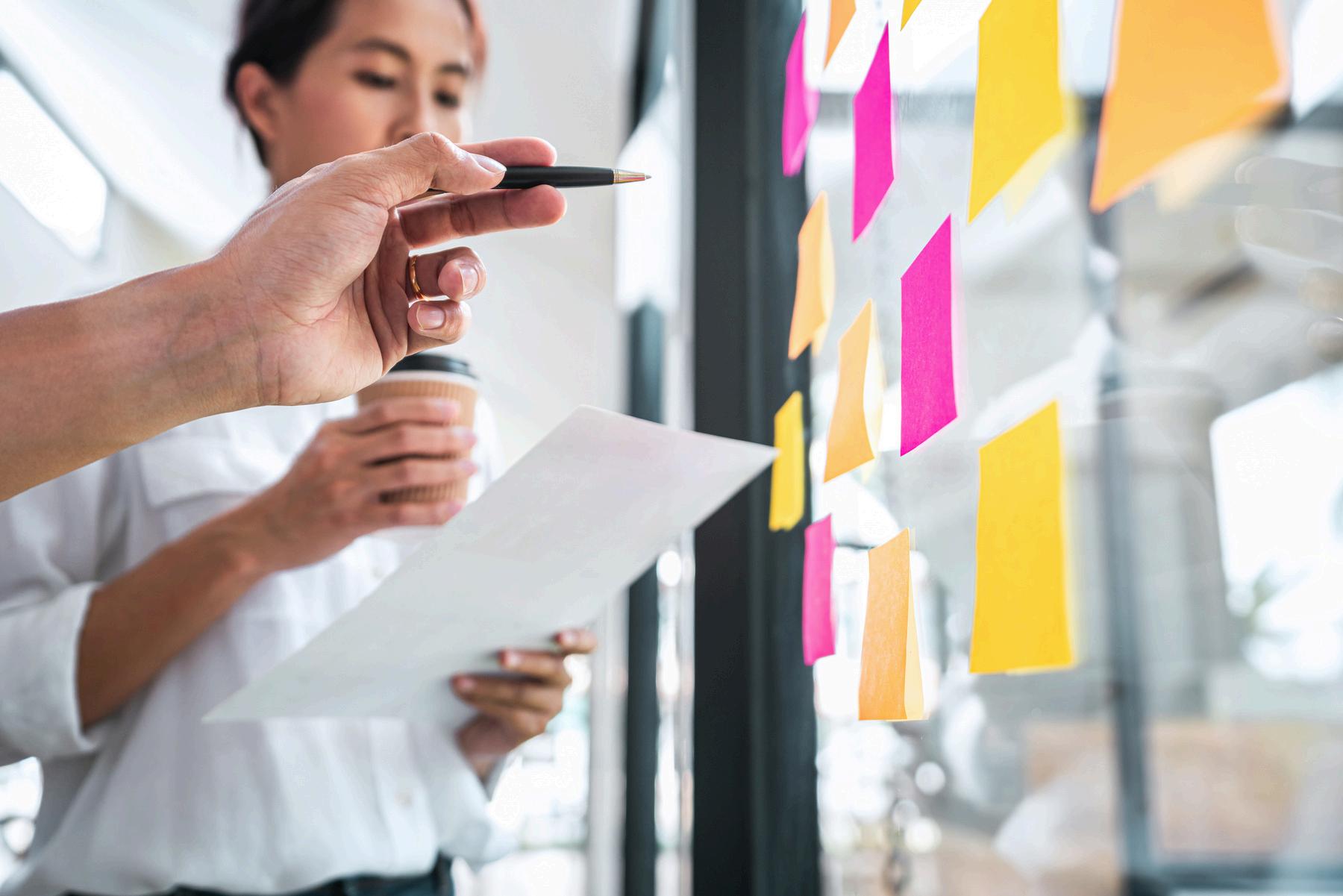
Ideation is a crucial phase within the CONTROLTEK Method of Design Thinking process, where creativity takes center stage to generate a multitude of potential solutions for a given problem. During ideation, teams employ various brainstorming techniques and divergent thinking methods to encourage a wide range of unique and innovative ideas
This phase emphasizes the suspension of judgment, creating an environment where participants can freely express even seemingly wild or unconventional ideas. By exploring a diverse array of concepts, ideation aims to break away from conventional thinking patterns and uncover novel perspectives that might otherwise be overlooked.
TECHNIQUES FOR SUCCESSFUL IDEATION
Effective ideation starts with a clearly defined problem When teams fully understand the challenge they are trying to solve, conversations become more focused, productive, and aligned toward meaningful outcomes
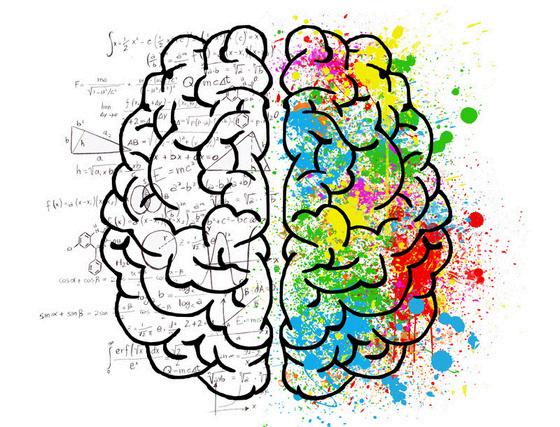
Successful ideation also balances both collaborative and independent thinking Silent exercises give individuals the opportunity to think independently and develop more original, unconventional ideas without outside influence Interactive exercises, on the other hand, encourage open discussion, rapid feedback, and the sharing of diverse perspectives, often leading to stronger and more refined concepts Combining both approaches allows teams to maximize creativity and generate a broader range of solutions.
Innovation often comes from ideas that initially seem unexpected or unconventional. Encouraging “wild” ideas helps teams challenge assumptions, think beyond limitations, and uncover new possibilities. While not every idea will be immediately practical, bold thinking often sparks the concepts that lead to meaningful breakthroughs and innovative solutions.
The Ideation Mindset
Defer Judgment
Avoid evaluating ideas too early Focus on generating possibilities before determining feasibility
Encourage Wild Ideas
Some of the most innovative solutions begin as unconventional thoughts.
Build on the Ideas of Others
Collaboration often produces stronger outcomes than individual thinking.
Focus on Quantity First
The more ideas generated, the greater the opportunity to discover breakthrough solutions
Stay User-Centered
Keep the needs of the end user at the center of every idea

IDEATE EXERCISES
Rapid Fire Ideation: An accelerated brainstorming technique that emphasizes quick idea generation and quantity over detailed refinement In this process, participants are encouraged to produce as many ideas as possible within a short time frame, often using time limits or constraints to spur creativity The goal is to break free from overthinking and self-censorship, allowing for a spontaneous flow of ideas While not all ideas generated during rapid-fire ideation may be immediately viable or polished, the emphasis is on capturing a wide range of concepts and potential solutions
Idea Grouping: After the initial phase of idea generation, where participants produce a variety of concepts, grouping allows for categorization and clustering of related ideas This process simplifies the complexity of brainstorming output, making it easier to identify patterns, themes, and common threads among the ideas. Idea grouping is a critical step in the brainstorming process as it helps organize and make sense of the multitude of ideas generated during a brainstorming session.
Idea Refining: After the Idea Grouping phase, it is important to transform ideas into more well-defined, practical, and actionable concepts. These concepts are reviewed and categorized to identify the most promising ones that align with your goals and criteria. They are broken down into essential components to evaluate feasibility, relevance, and potential impact.
eation with your team ation by encouraging nd the ordinary n identify creative ways oblems that might have e unnoticed ving sinesses that nsistently engage in eation gain a competitive ge in their industry.
WHY IT’S IMPORTANT IN DESIGN THINKING
Encourages creative problem-solving and new ideas
Challenges assumptions and sparks innovation
Brings diverse perspectives together to create better solutions
Wild ideas lead to tangible solutions
RAPID FIRE IDEATION
Supplies Needed
Choose any object (for example, a roll of paper towels, a wallet, a pen)
Pen Paper
Activity
This in an initial brainstorming exercise to help warm up the group to get comfortable with coming up with a high volume of ideas. Encourage participants to think outside-the-box.
Instruct the participants to work together as a group to write down as many ideas they can come up with for how to use the roll of paper towels.
1.You have 60 seconds to write down as many ideas for how to use the object.
2. Now, you have 60 more seconds to come up with 10 more ideas.
3 One more round, you have 60 more seconds to come up with 10 more ideas
Questions to Ask:
Ask the groups to count how many ideas they each came up with Engage the entire group by asking who came up with the most ideas Ask participants to share their most out-of-the box idea or craziest idea


WHY IT’S IMPORTANT IN DESIGN THINKING
Pushes teams outside their comfort zones to inspire innovation
Encourages fast thinking and creative idea generation
Focuses on quantity of ideas to unlock stronger solutions
SOLUTION DEVELOPMENT
RAPID FIRE IDEATION
Supplies Needed
Pen
Post-It notes
A challenge statement
Activity
During this exercise, participants will try to come up with as many ideas they can for a given challenge statement. It is important to encourage participants to come up with as many ideas that they can without thinking too much at how to execute them. Time, resources, and deployment are not critical factors at this point.
Instruct the participants to individually write down as many ideas they can come up with, each idea on a separate post-it note. The reason we use post-it notes in this phase is so that we are able to move them around at a later stage.
1 You have 3 minutes to write down as many ideas of solutions for the challenge statement
2 Now, you have 2 minutes to come up with 15 more ideas
3 One more round, you have 60 more seconds to come up with 10 more ideas
Now, repeat the exercise as a group, to come up with more ideas
Questions to Ask:
Engage the group by asking who came up with the most ideas.
Ask participants to share their most out-of-the box idea or craziest idea.
WHY
IDEA GROUPING
Supplies Needed
Pen
Post-It Notes
Poster Board or Blank Space
A challenge statement
Activity
After the initial phase of Rapid Fire Ideation, participants will begin to categorize ideas to make it easier to identify patterns, themes, and common threads among the ideas. By categorizing ideas into distinct groups, it becomes more manageable to evaluate and prioritize them effectively.
As a group, share the ideas produced in the Rapid Fire Ideation exercise.
Take post-it notes with the ideas written on them and stick them to a posterboard.
Rearrange the post-it notes by grouping similar ideas together and identify common themes. If new ideas are uncovered or inspired during this stage, add them to the board
Name each group/category
This will begin to funnel the ideas into “solution concepts”
WHY IT’S IMPORTANT IN DESIGN THINKING
Pushes teams outside their comfort zones to inspire innovation
Encourages fast thinking and creative idea generation
Focuses on quantity of ideas to unlock stronger solutions
IDEA GROUPING
IMPACT VS. EFFORT MAP
An Impact vs Effort Map is a simple decision-making tool used to evaluate and prioritize ideas based on two key factors: the potential impact of the idea and the level of effort required to implement it This exercise helps teams focus on solutions that deliver the greatest value while using time and resources effectively Ideas are typically organized into four categories:
QuickWins
High-impact ideas that require low effort. These are often the best opportunities to implement first because they can create immediate value with minimal resources.
MajorProjects
High-impact ideas that require significant effort, planning, or investment. These initiatives may take longer to execute but can deliver transformational results.
Fill-Ins
Lower-impact ideas that are easy to implement While they may not create major change, they can still provide incremental improvements or support larger initiatives
ThanklessTasks
Low-impact ideas that require high effort These are often deprioritized because the return does not justify the resources required
Using an Impact vs. Effort Map encourages teams to think strategically about which ideas should move forward first. It also creates alignment by helping participants evaluate feasibility, business value, and resource requirements before entering the prototyping and testing phases.
IT’S IMPORTANT IN DESIGN THINKING
Helps teams prioritize ideas based on value and feasibility
Encourages strategic decision-making before implementation
Focuses resources on solutions with the greatest potential impact
IMPACT VS. EFFORT MAP
IDEA REFINING
Supplies Needed
Pen
Idea Refining Worksheet
Activity
After the Idea Grouping phase, teams will begin transforming broad ideas into more defined, actionable solution concepts. Idea refining helps participants evaluate opportunities, strengthen ideas, and explore how concepts can evolve through collaboration and feedback.
Each participant will start by selecting their favorite idea and writing it down. The paper will then rotate around the group, with each person contributing to the next stage of refinement:
Enrich It – Add new features, benefits, or improvements to strengthen the idea. Kill It – Identify potential weaknesses, risks, or reasons the idea may fail. Recover It – Suggest ways to overcome challenges or improve the concept. Make It Sparkle – Add a creative or innovative element that makes the idea stand out Title It – Create a memorable name for the final concept
As the papers make their way around the group, participants build upon each other’s thinking, challenge assumptions, and strengthen ideas through collaboration.
At the end of the activity, each participant will review the feedback and refinements added to their original concept before selecting the idea they would like to move forward with.
WHY IT’S IMPORTANT IN DESIGN THINKING
Helps evaluate the practicality and viability of ideas
Identifies potential challenges, risks, and resource needs early
Strengthens concepts before moving into prototyping and testing
IDEA REFINING
Write down your favorite idea:
Enrich it Kill It
Recover It Make it Sparkle
Title It
IDEA REFINING
Write down your favorite idea:
Create a smart secure access system for locked merchandise that allows verified customers to quickly request assistance through the retailer's mobile app, QR code, or in-aisle touchpoint, reducing wait times while maintaining product security
Enrich it
Connect requests directly to store associate handheld devices for faster response times
Allow customers to scan a QR code for instant assistance without searching for an employee
Use AI or store analytics to predict peak request times and position associates nearby
Include estimated wait times or "associate on the way " notifications to improve transparency
Integrate RFID or smart locking technology that tracks product access and inventory movement
Kill It
Customers may not want to download another app or scan a code
Associates could become overwhelmed during busy periods
Technology failures could create even more frustration
Security concerns around giving faster or easier product access
Some shoppers may still prefer fully open access to products
Recover It
Offer multiple request options: app, QR code, button, or voice assistance
Prioritize high-demand locked items with dedicated associate coverage during peak hours
Add backup notification systems to ensure requests are never missed
Use controlled smart-access technology instead of fully unlocking merchandise
Focus on balancing convenience with visible security measures customers trust
Make it Sparkle
Personalized customer experience with friendly notifications like "Emily, your associate is on the way!"
Digital screens showing trending products or promotions while customers wait briefly
Seamless integration with loyalty programs for a more connected shopping experience
Smart analytics dashboard helping retailers identify friction points and optimize staffing
Turn locked merchandise areas into modern, interactive shopping experiences instead of barriers
Title It
FINAL SOLUTION PITCH
The best ideas only create value when they are clearly communicated and successfully implemented
The Final Solution Pitch is an opportunity for teams to share the journey they have taken, from understanding the challenge to developing, testing, and refining a solution It is where insights become action and concepts become a roadmap for change
A strong pitch does more than explain a solution. It tells a compelling story that helps stakeholders understand the problem, believe in the proposed approach, and align around the path forward.
Every Great Solution Needs a Roadmap
Innovation doesn't end when the workshop concludes Create a roadmap for execution by defining priorities, ownership, timelines, and the steering committee needed to guide implementation and measure success
To move from concept to implementation, teams must define:
✓ What will be done
✓ Who will be responsible
✓ How success will be measured
✓ What resources are required
✓ What the next steps are
✓ When key milestones should be achieved
A roadmap transforms ideas from possibilities into actionable plans
The goal of the Final Solution Pitch is not simply to present an idea, it is to create alignment, secure commitment, and establish a clear path toward implementation and success
WHY IT’S IMPORTANT IN DESIGN THINKING
Creates stakeholder alignment by clearly communicating the problem, solution, and expected outcomes
Builds buy-in and support by demonstrating the research, insights, and thinking behind the recommendation
Establishes a clear roadmap with actionable next steps, ownership, and priorities for implementation
FINAL SOLUTION PITCH
"Ourteamcreated asolutiondesignedto byimplementing webelievethissolutionwillhelp whilealsocreatingasafer,moreenjoyableenvironment forbothcustomersandemployees."
SOLUTIONNAME
SPECIFICPROBLEMWEARESOLVING
PROPOSEDSOLUTION
EXPECTEDIMPACT
☐Saferenvironment
☐Bettercustomerexperience
☐Reducedtheft/shrink
☐Other:
☐Improvedemployeemorale
☐Fasterresponsetimes
☐Betteroperationalefficiency
☐Other:
FINAL SOLUTION PITCH
☐Other: "Ourteamcreated asolutiondesignedto byimplementing webelievethissolutionwillhelp whilealsocreatingasafer,moreenjoyable
SOLUTIONNAME
SmartAccess: Secure Shopping Without the Wait
SPECIFICPROBLEMWEARESOLVING
Retailers are facing increasing theft and shrink challenges, leading to more merchandise being locked behind security cases While these measures improve product protection, they often create frustration for honest customers like Emily who expect quick, convenient, and enjoyable shopping experiences Long wait times for associate assistance can negatively impact customer satisfaction, reduce sales opportunities, and push shoppers toward online alternatives
PROPOSEDSOLUTION
SmartAccess is a connected secure access solution that allows customers to quickly request assistance through QR codes, mobile apps, or in-aisle touchpoints Requests are instantly sent to store associates through handheld devices, improving response times and reducing customer friction Integrated smart-locking technology, RFID tracking, and analytics help retailers maintain product security while improving operational visibility and staffing efficiency The solution transforms locked merchandise areas into more seamless, modern, and customer-friendly shopping experiences
EXPECTEDIMPACT
☐Saferenvironment
☐Bettercustomerexperience
☐Reducedtheft/shrink
☐Other:
☐Improvedemployeemorale
reduce shrink, improve operational awareness, and create a more seamless environment x x x x
☐Fasterresponsetimes
☐Betteroperationalefficiency
RAPID PROTOTYPE
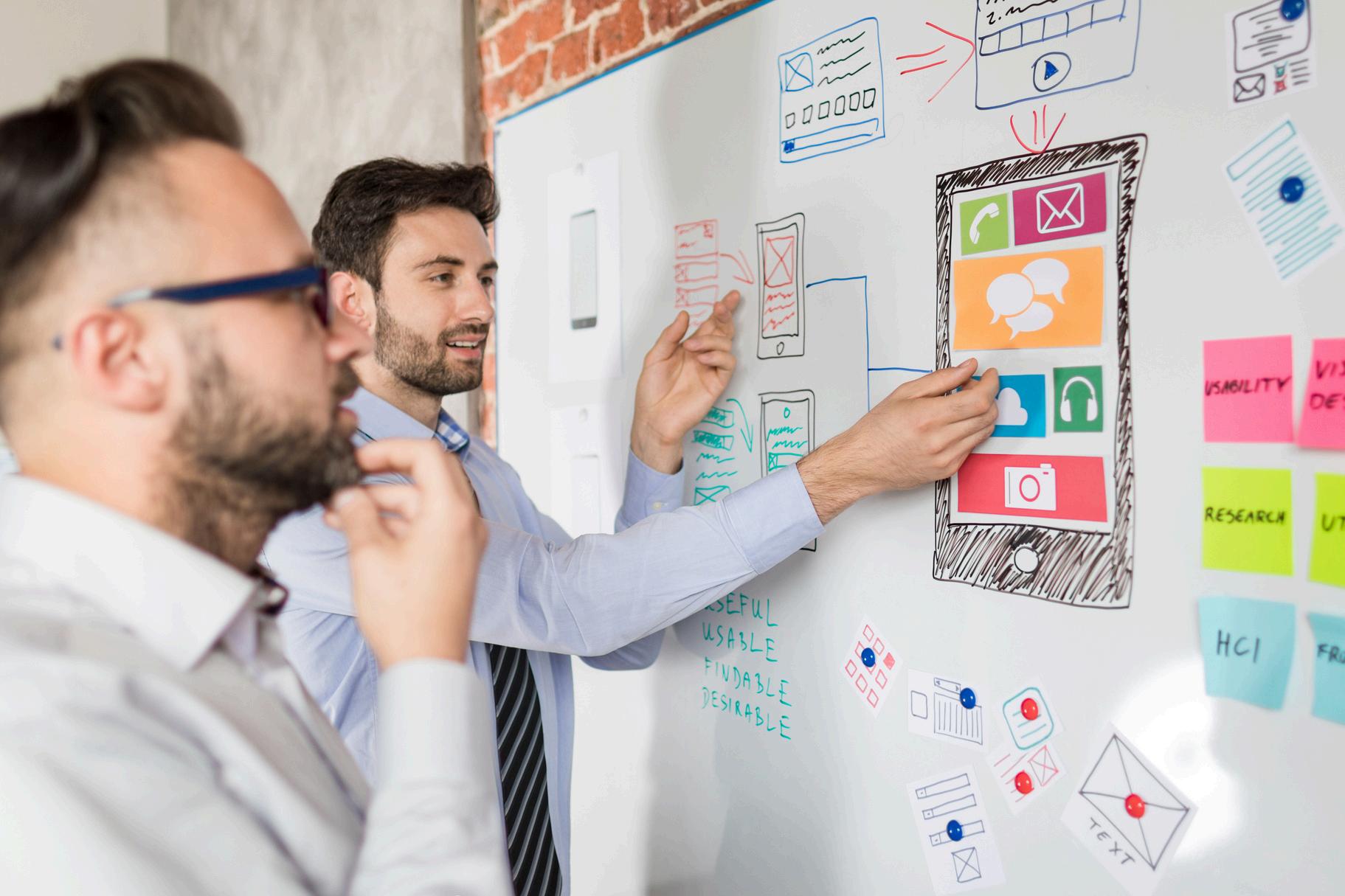
Rapid prototyping serves as a tangible bridge between ideation and implementation in the CONTROLTEK Method of Design Thinking process. It involves quickly creating low-cost, scaled-down versions or prototypes of a product, service, or concept to test and refine ideas.
By producing these prototypes rapidly, design thinkers can gather valuable feedback from end-users, stakeholders, or team members early in the design process. This iterative approach not only helps identify potential flaws and improvements but also fosters a deep understanding of user needs and preferences
RAPID PROTOTYPE
Rapid prototyping encourages experimentation, allows for quick adjustments, and ultimately leads to more innovative and user-centered solutions
Low-Fidelity Prototyping
Begin with Low-Fidelity Prototyping This involves the creation of simple, cost-effective, and often rudimentary representations of a product or system using materials like paper, cardboard, or digital wireframing tools, etc. This approach aims to convey the core functionality and layout of a design concept without investing significant time or resources. Low-fidelity prototyping not only accelerates the design process but also fosters a user-centered approach, ensuring that the final product aligns more closely with user needs and expectations.
After crafting the prototype, it is essential to conduct internal or small-scale user testing to collect initial feedback and identify potential usability issues or design flaws. This early testing phase is invaluable as it allows designers to quickly iterate and refine their ideas before moving on to more complex and costly stages of development
High-Fidelity Prototyping
High-Fidelity Prototyping represents the advanced stage in the prototyping process where designers create a refined and polished version of their initial concept This type of prototype goes beyond the basic structure and incorporates realistic graphics, interactions, and functionality that closely emulate the final product. Highfidelity prototypes provide a much more immersive and realistic user experience, allowing stakeholders and users to interact with a design that closely resembles the end result.
This level of fidelity is particularly valuable for testing and validation, as it enables more accurate assessment of usability, aesthetics, and user satisfaction. While highfidelity prototyping demands more time and resources compared to low-fidelity counterparts, it can significantly reduce the risk of costly design changes later in the development process by identifying issues and improvements before committing to the final product

WHY IT’S IMPORTANT IN DESIGN THINKING
Turns ideas into tangible concepts that can be tested quickly
Encourages experimentation, learning, and continuous improvement
Helps identify challenges and gather feedback before full implementation
SOLUTION STORYBOARD
A Solution Storyboard is a visual tool used in Design Thinking to map out how a solution works from the user ’ s perspective It helps teams illustrate the journey, interactions, and experience step-by-step, making ideas easier to understand, communicate, and evaluate
Storyboards allow teams to move beyond abstract ideas by visually showing how a user may interact with a product, service, process, or experience in a real-world scenario. This process helps uncover gaps, pain points, opportunities, and improvements before moving into full implementation. A storyboard does not need to be artistic or highly detailed. Simple sketches, notes, and descriptions are enough to communicate the flow of the solution and encourage collaboration, feedback, and refinement.
Why Storyboarding Matters
A storyboard creates a shared understanding among stakeholders by transforming concepts into a tangible narrative that is easy to communicate and discuss This collaborative approach encourages feedback, sparks new ideas, and helps teams refine their solutions before moving into testing and implementation
What Makes a Good Storyboard?
A strong storyboard should clearly illustrate:
1 The User – Who is interacting with the solution?
2 The Challenge – What problem are they experiencing?
3 The Interaction – How does the solution address the problem?
4 The Outcome – What value or improvement is created?
The goal of a storyboard is not to create perfect drawings, it's to tell a clear story that helps others understand, evaluate, and improve the proposed solution.
WHY IT’S IMPORTANT IN DESIGN THINKING
Helps visualize the user experience step-bystep
Identifies gaps, pain points, and improvement opportunities early
Makes ideas easier to communicate, test, and refine as a team
SOLUTION STORYBOARD
1
2
3
4
5
6
SMART ACCESS - SECURE
SHOPPING WITHOUT THE WAIT
1
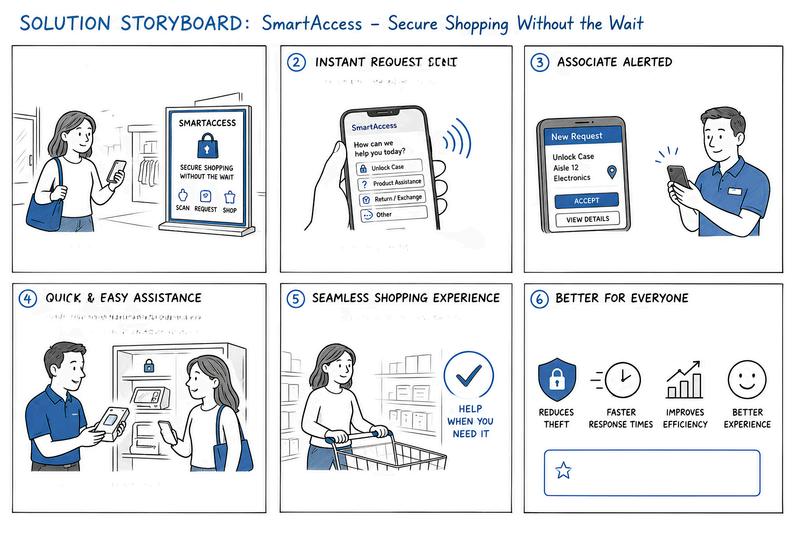
Shopper Arrives Instant Request Sent
Emily enters the store and sees a sign for SmartAcess
2
She scans the QR code to request assistance
4


TEST
The Test phase is where ideas are validated through real-world feedback. After developing and refining a prototype, teams engage users and stakeholders to observe how the solution performs, gather insights, and identify opportunities for improvement Testing helps uncover what works well, what needs adjustment, and whether the solution effectively addresses the original challenge.
Rather than seeking perfection, the goal of testing is to learn By collecting feedback early and often, teams can reduce risk, make informed decisions, and refine their solutions before implementation. This iterative process ensures the final solution is both user-centered and practical, increasing the likelihood of successful adoption and long-term impact
VALIDATE, LEARN, AND IMPROVE
Testing is where ideas meet reality After developing and refining a prototype, teams engage users and stakeholders to evaluate how well the solution performs in real-world scenarios The goal is not to prove that a solution is perfect, but to learn what works, what needs improvement, and what opportunities exist to create even greater value
The Test phase allows teams to gather meaningful feedback before investing significant time, resources, or capital into implementation. By observing user behavior, asking questions, and capturing insights, organizations can reduce risk and increase confidence in their solutions.
Testing is an iterative process. Feedback often leads to refinements, new ideas, or even a return to earlier phases of the Design Thinking process. This continuous cycle of learning helps ensure the final solution is practical, user-centered, and positioned for success.
Why Testing Matters
Validates assumptions before implementation
Identifies usability issues and process gaps
Reduces risk and costly mistakes
Improves stakeholder confidence and buy-in
Keeps solutions aligned with user needs
Creates opportunities for continuous improvement
The Goal of Testing
The purpose of testing is not to receive validation.
The purpose of testing is to learn.
Every piece of feedback positive or negative provides valuable insight that helps improve the solution and increase its effectiveness.

GATHERING MEANINGFUL FEEDBACK
Successful testing focuses on understanding how users experience the solution rather than simply asking whether they like it
Teams should observe behaviors, ask open-ended questions, and encourage honest feedback to uncover insights that may not be immediately obvious.
What to Look For During Testing
What Worked Well?
Identify the aspects of the solution that users found valuable, intuitive, or effective.
What Was Confusing?
Look for moments where users hesitated, asked questions, or experienced difficulty
What Could Be Improved?
Gather suggestions and opportunities to enhance the solution
What Was Missing?
Identify unmet needs or gaps that were not addressed by the prototype
Testing Deliverables
By the end of the Test phase, teams should have:
✓ User feedback and observations
✓ Identified strengths and weaknesses
✓ Prioritized improvement opportunities
✓ Refined solution recommendations
✓ Increased confidence in implementation
✓ A roadmap for final execution
The most successful innovations are built through continuous learning, adaptation, and refinement
WHY IT’S IMPORTANT IN DESIGN THINKING
Validates assumptions through real user feedback
Identifies improvement opportunities by uncovering gaps and challenges
Reduces risk before full implementation
Keeps solutions user-centered and aligned with real needs