


Introduction
Every day, millions of people step into hospitals, office towers, apartment complexes, or factories without giving a second thought to the systems that keep water flowing. Hidden behind walls and tucked into mechanical rooms are pumps the unsung heroes of modern infrastructure.
control-specialties.com
When they run properly, no one notices. But when pumps fail, the results can be disruptive and expensive: cold showers in residential buildings, uneven temperatures in office spaces, flooded basements in storm season, or even shutdowns in critical facilities like hospitals and data centers.
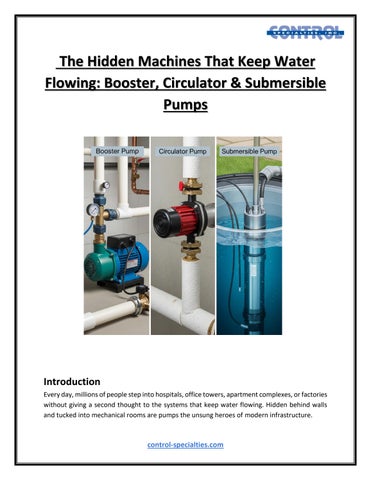
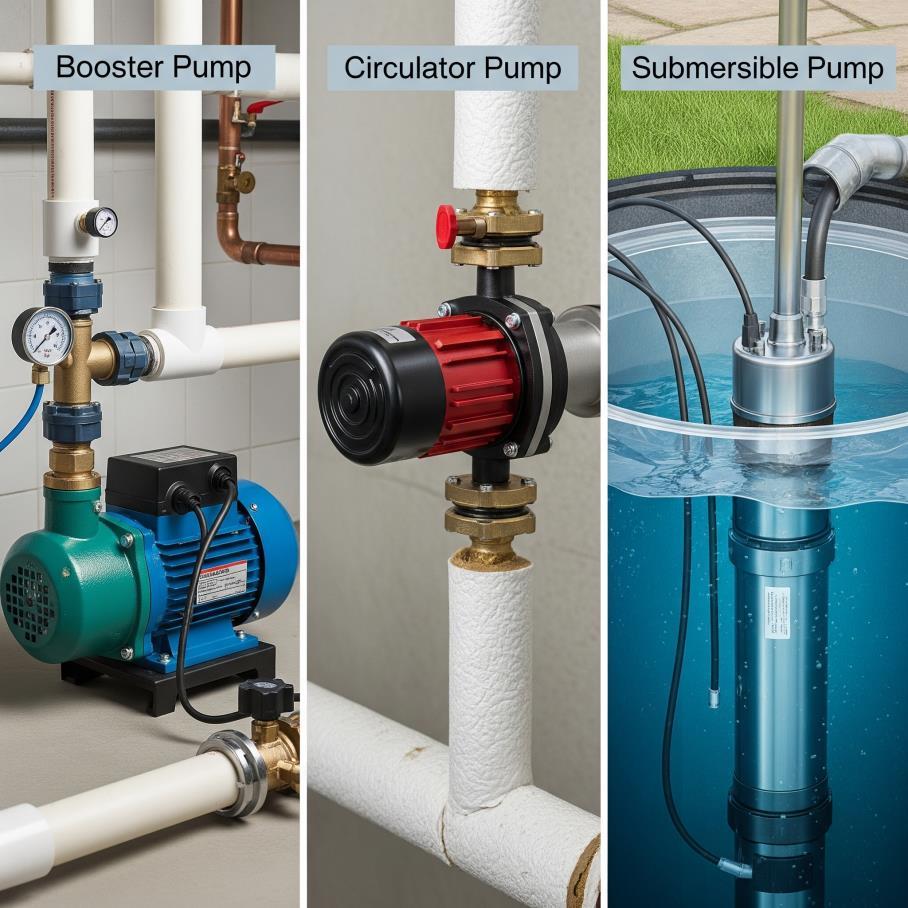
This article unpacks the role of three essential types of pumps booster, circulator, and submersible. We’ll look at why they matter, how they work in plain language, and the small decisions that prevent large-scale problems.
Why the Right Pump Matters
Choosing the correct pump isn’t just about technical specs, it’s about comfort, safety, and longterm cost savings.
I once visited a hospital where staff frequently complained about faucets sputtering or showers going from hot to cold unexpectedly. The issue wasn’t faulty plumbing; it was water pressure. The upper floors simply weren’t getting consistent supply.
The fix? Installing a properly sized Grundfos booster pump along with smart pressure controls. Suddenly, the entire water distribution system stabilized, complaints disappeared, and operations ran smoothly. The investment in the right pump saved far more than it cost, preventing wasted time, patient discomfort, and potential safety risks.
This example illustrates a key truth: small technical improvements lead to major real-world benefits.
1. Booster Pumps: Restoring Pressure Where Gravity Fights You
Imagine water as a commuter trying to make it across town during rush hour. Without a boost, it struggles to reach the top floors of high-rises or flow evenly across sprawling campuses. That’s where booster pumps come in.
These devices increase water pressure, ensuring reliable delivery where natural gravity and friction in pipes work against flow.
Key Terms Simplified
Head → The vertical distance water must be pushed (height). Flow → The volume of water delivered per minute.
control-specialties.com
Both factors must be balanced. An undersized pump leaves upper floors without water pressure. An oversized pump wastes energy, drives up operating costs, and shortens system life.
Modern Solutions
Today’s advanced booster pumps often come with variable-speed drives (VFDs). Instead of running at full power constantly, they adjust speed based on demand. During off-peak hours, they slow down, saving energy and reducing wear. When demand spikes, they speed up to keep supply steady.
Example in Action: A Grundfos booster pump equipped with VFD technology not only reduces energy bills but also operates quietly an important feature for residential buildings and hotels where noise matters.
2. Circulator Pumps: Keeping Hot & Cold Where They Belong
If booster pumps are about delivering water, circulator pumps are about keeping it moving within closed loops. These pumps form the heart of HVAC systems, circulating hot or chilled water through pipes to maintain comfortable temperatures indoors.
When circulator pumps function properly, an office or hospital floor enjoys consistent conditions. When they fail, the result is frustration: one wing overheats while another stays icy cold.
Plain Language Benefits
Modern circulator pumps aren’t the wasteful, always-on devices of the past. Many features smart controls and auto-adjusting speeds, which align pump activity with real-time heating and cooling demands.
This leads to:
• Reduced energy bills
• Longer equipment lifespan
• More stable indoor environments
Real-World Example: An Armstrong circulator pump is a favorite choice in many commercial buildings because it balances performance with efficiency. By intelligently responding to system demand, it prevents energy waste while ensuring comfort.
control-specialties.com
3. Submersible Pumps: Quiet Power Under Water
Unlike booster and circulator pumps, which are usually installed in mechanical rooms, submersible pumps are placed directly into the liquid they move. You’ll find them in wells, sumps, stormwater basins, and wastewater pits.
Because they sit underwater, submersible pumps don’t need priming and rarely lose suction. They also operate more quietly compared to surface pumps.
Why They’re Critical
In times of heavy rain or system backups, submersible pumps are the first line of defense against flooding. A reliable pump prevents:
• Basement damage in residential and commercial properties
• Electrical hazards caused by standing water
• Costly downtime for industrial facilities
Choosing Wisely
The right submersible pump should have corrosion-resistant materials, strong seals, and a design built for long-term immersion.
Example in Action: A Grundfos submersible pump is a go-to option for many facilities managers because it combines durability with efficiency. It’s designed to withstand demanding conditions while quietly doing its job in the background.
Common Mistakes That Cause Pump Failures
Even well-trained teams sometimes make avoidable errors. Here are the most frequent culprits:
Wrong sizing
• Oversized pumps cycle on and off too often, damaging components.
• Undersized pumps simply cannot keep up with demand.
Poor maintenance
• Bearings, seals, and impellers wear down over time.
• Regular inspections and replacements prevent catastrophic breakdowns.
System mismatch
• Pumps must work in harmony with controls, sensors, and piping.
• Even the best model will fail if integrated into a poorly designed system.
Ignoring monitoring tools
• Sensors for pressure, flow, and vibration act as an early warning system.
• Without monitoring, small issues escalate into sudden failures.
Small Tech Changes, Big Wins
Pump reliability doesn’t always require massive investment. A few simple upgrades can make a big difference:
• Add basic monitoring sensors for flow, pressure, and vibration.
• Keep a performance log to spot changes before they become problems.
• Replace seals, bearings, and worn parts on schedule.
• For larger facilities, consider predictive maintenance tools that use analytics to forecast part life and prevent unplanned downtime. These improvements extend pump life, reduce energy consumption, and minimize the risk of costly emergencies.
Conclusion
Though rarely seen, pumps keep the lifeblood of modern infrastructure flowing. A properly sized Grundfos booster pump ensures high-rise tenants enjoy steady water pressure. An Armstrong circulator pump keeps indoor climates balanced and energy efficient. A Grundfos submersible pump protects against floods and system failures.
The lesson is simple: when pumps are chosen wisely and maintained regularly, they prevent failures that ripple across buildings, operations, and budgets.
A modest investment in the right pump and sensible upkeep delivers comfort, safety, and reliability quietly powering the systems that support modern life.
control-specialties.com
Source: https://medium.com/@controlspecialtiesga/the-hidden-machines-that-keep-waterflowing-booster-circulator-submersible-pumps-ea3a7e27d76c