


Introduction
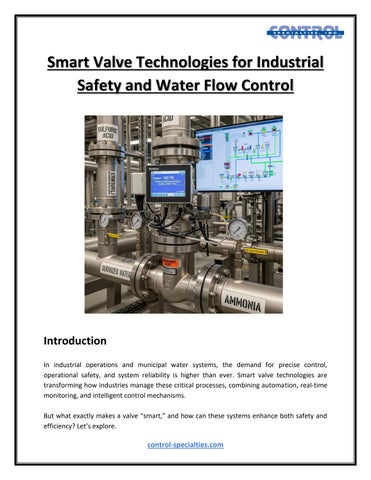
In industrial operations and municipal water systems, the demand for precise control, operational safety, and system reliability is higher than ever. Smart valve technologies are transforming how industries manage these critical processes, combining automation, real-time monitoring, and intelligent control mechanisms.
But what exactly makes a valve “smart,” and how can these systems enhance both safety and efficiency? Let’s explore.
control-specialties.com
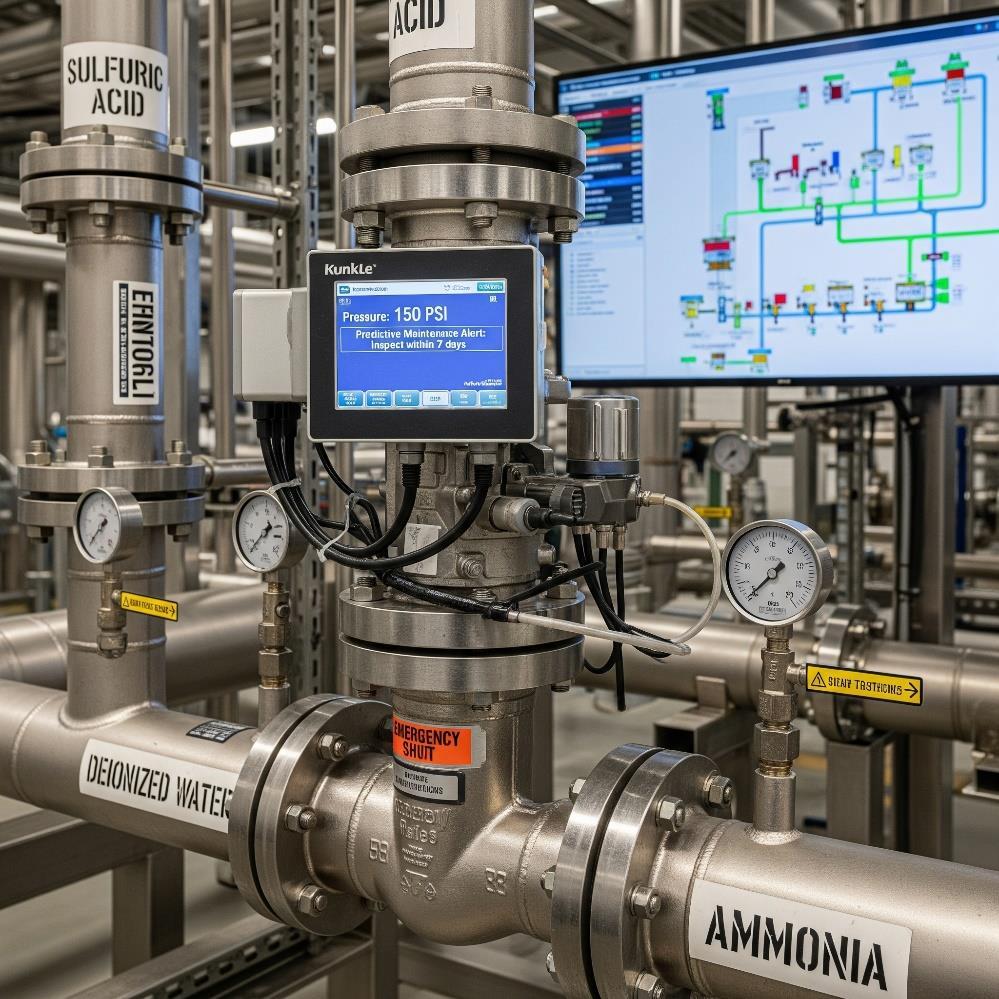
Smart valves are advanced control devices that integrate sensors, actuators, and communication interfaces to regulate fluid or gas flow dynamically. Unlike traditional manual or basic automated valves, smart valves can provide feedback on system performance, detect anomalies, and even adjust themselves according to pre-programmed parameters.
Traditional valves rely on manual operation or simple on/off commands, which can lead to inefficiencies or delayed responses during critical situations.
Smart valves, however, are capable of:
• Real-time adjustments
• Predictive diagnostics
• Integration into broader industrial control systems This enables a proactive approach to both safety and flow control.
Real-World Insight: In a chemical processing plant, a smart valve can automatically adjust flow rates to maintain consistent pressure, reducing the risk of pipe bursts or process disruptions.
Safety is a paramount concern in industrial settings. Smart valve technologies contribute significantly by:
1. Monitoring Pressure and Flow Continuously: Sensors detect deviations from safe operating conditions and trigger corrective actions.
2. Automated Emergency Responses: If pressures exceed safe limits, valves can automatically relieve or shut off flow to prevent accidents.
3. Predictive Maintenance Alerts: Data from smart valves can indicate wear, corrosion, or potential failure points before they become hazardous.
Example: A Kunkle safety relief valve is commonly used in pressurized systems to prevent overpressure situations. When combined with smart monitoring, these valves can report
control-specialties.com
activation events, helping plant engineers understand stress points and optimize maintenance schedules.
For a closer look at related technology, you may find this helpful: What Are Kunkle Valves and Why They’re Essential for Pressure Relief Applications.
Water management whether in municipal supply networks or industrial processes demands precise control. Smart valves excel by:
• Regulating flow automatically in response to demand changes
• Detecting leaks and pressure drops early to prevent wastage
• Integrating with SCADA systems for centralized monitoring
Example: In potable water systems, a potable water solenoid valve can be remotely controlled to manage distribution while ensuring safety and compliance with regulations.
Technical Note: These valves often use electromagnetic actuation and can respond in milliseconds, making them suitable for both emergency shutoff and routine operational adjustments.
Several types of smart valves are widely used across industries:
1. Safety Relief Valves – Protect systems from overpressure; often paired with monitoring for predictive insights.
2. Solenoid Valves – Electromechanically operated for precise flow control in water, gas, and chemical systems.
3. Motorized Ball or Butterfly Valves – Provide variable flow regulation with electronic feedback for process optimization.
control-specialties.com
4. Compressed Air Safety Valves – Designed for pneumatic systems to prevent overpressure and ensure energy efficiency.
Each can be enhanced with sensors, IoT connectivity, and software analytics to provide actionable data and reduce risks.
Integration unlocks the full potential of smart valves. They can communicate with industrial control networks via Modbus, HART, or PROFIBUS, enabling:
• Centralized Monitoring from a single control room
• Automated Control Loops that adjust based on sensor data
• Data Analytics & Reporting for predictive maintenance and compliance
Example: In a food processing plant, motorized butterfly valves integrated with sensors maintain consistent ingredient flow, ensuring quality and safety while alerting operators to deviations.
Smart valves offer multiple advantages:
1. Enhanced Safety – Rapid responses reduce accident risks
2. Operational Efficiency – Automated adjustments reduce energy waste
3. Reduced Downtime – Predictive maintenance prevents unplanned outages
4. Regulatory Compliance – Continuous monitoring supports standards
5. Data-Driven Insights – Analytics guide resource allocation and optimization
Industry Example: In a compressed air network, using compressed air safety valves with smart monitoring can prevent costly downtime by detecting pressure anomalies early.
The Industrial Internet of Things (IIoT) is driving innovation in valve technology. By connecting valves to cloud platforms, industries can:
• Monitor performance in real time from anywhere
• Receive predictive maintenance alerts
• Optimize efficiency through data-driven control
• Remotely configure and troubleshoot systems
Example: In water utilities, IoT-enabled solenoid valves allow city-wide pressure balancing and leak detection without on-site crews.
When choosing a smart valve, consider:
• Compatibility with existing infrastructure
• Operational Environment (temperature, pressure, fluid type)
• Response Time Requirements (milliseconds vs. slower actuation)
• Data Capabilities (communication protocols, analytics)
• Maintenance Needs (self-diagnostics, durability)
Selecting the right system ensures longevity and return on investment.
Smart valves also help meet sustainability goals by:
• Reducing energy consumption through optimized control
control-specialties.com
• Minimizing water loss via early leak detection
• Extending equipment life to lower resource usage
• Supporting environmental compliance
Case Study: In a chemical manufacturing plant, retrofitting older valves with smart solenoid and safety relief valves improved energy efficiency by 15%, reduced spills, and extended pump and compressor life.
Smart valve technologies are no longer optional they are essential for modern safety, process efficiency, and resource management.
From pressure relief in high-risk systems using Kunkle safety relief valves to precise water distribution via potable water solenoid valves and reliable pneumatic protection with compressed air safety valves, smart valves empower industries to balance safety, efficiency, and sustainability.
As automation and data-driven operations expand, the role of smart valves will only grow making them an indispensable part of the modern industrial toolkit.
Source: https://medium.com/@controlspecialtiesga/smart-valve-technologies-for-industrial-safetyand-water-flow-control-4fe570b3c960
control-specialties.com