Ultimate Tankless Water Heater Guide
Why Tankless Water Heaters Fail in South Bay Homes
What Most Installers Won’t Tell You— and What to Do About It
If you’ve been searching for answers about a tankless water heater that stopped working, started throwing error codes, or is simply performing worse every year — you’re asking the right questions. With over 20 years servicing tankless systems across Torrance, Palos Verdes, and the broader South Bay area, WiseWay Plumbing has a fairly clear picture of why these units fail. Spoiler: it’s rarely the heater itself.
About nine out of ten tankless water heater failures we diagnose trace back to how the unit was set up — or how it hasn’t been cared for since. The hardware from brands like Navien, Noritz, and Rinnai is genuinely well-engineered. Designed for 15–20+ years of reliable service, these systems can deliver on that promise — but only under the right conditions.
The Product Quality Is There. The Installation Quality Isn’t.
Navien, Noritz, and Rinnai dominate the residential tankless market for good reason. Their condensing and non-condensing units are rigorously tested, their error code diagnostics are thorough, and their heat exchangers are built to handle serious thermal cycling. So when a Navien NPE or a Rinnai RUR fails at year four, the manufacturer usually isn’t to blame.
The South Bay is full of homes where tankless heaters were installed by contractors who understood the concept but missed the details.
Gas load calculations skipped. Vent runs cobbled together with incompatible materials. No isolation valves. These aren’t rare edge cases — they’re what we find on the majority of service calls involving early-onset failures.
Gas Line Sizing: The Most Common — and Most Damaging — Mistake
A standard 40-gallon tank water heater draws somewhere in the range of 36,000–40,000 BTUs. A modern condensing tankless unit can demand 199,000 BTUs or more at full modulation. That’s not a minor increase; it’s a fundamentally different gas supply requirement.
When a contractor installs a high-demand tankless system on a gas line sized for the previous tank heater, the unit runs starved. The pressure differential at the gas valve causes unstable combustion, inconsistent ignition, and a flame that the system continuously tries to correct. Over time, this torches the igniter, degrades the heat exchanger, and generates a cascade of error codes — the kind that look like unit defects but are actually symptoms of a supply problem.
Proper sizing involves calculating total connected load across the home, measuring static and dynamic pressure at the meter, factoring in pipe diameter and run length, and confirming that the final BTU delivery meets the appliance’s minimum operating threshold. That’s not optional math — it’s the foundation of a functional install.
Venting Failures: Slow-Building, Hard-to-Diagnose
Condensing tankless heaters produce flue gases that drop significantly in temperature by the time they exit the heat exchanger. That’s what makes them efficient. It’s also what makes incorrect venting so destructive.
PVC and CPVC vent materials work on condensing units precisely because the exhaust temperatures are low enough. Use them on a non-condensing unit, or mix material types across a run, and you’re looking at thermal degradation that can cause combustion gas intrusion, carbon monoxide concerns, and voided warranties. On the intake side, an undersized combustion air calculation means the unit runs in a negative pressure environment — burning dirty, cycling erratically, and wearing components well ahead of schedule.
Vent slope matters too. Condensate that puddles in a horizontal run instead of draining toward the unit will ice up in winter (yes, even in South Bay), corrode aluminum vent components, and eventually block airflow entirely.
Hard Water in South Bay: What Scale Actually Does to a Heat Exchanger
The South Bay draws from municipal water sources with measurable hardness — typically in the range of 150–300+ mg/L as calcium carbonate, depending on location and seasonal variation. That mineral content doesn’t disappear when water enters your plumbing system. It precipitates out when water is heated, and in a tankless unit, it deposits directly onto the heat exchanger walls.
Scale is an insulator. As it builds, the heat exchanger has to work harder to transfer the same amount of energy into the water stream. Outlet temperatures become inconsistent. The unit runs longer at higher flame intensity to compensate. Eventually, the exchanger overheats, the thermal fuse triggers, and the unit locks out.
Annual descaling — circulating a dilute food-grade acid solution through the heat exchanger circuit — dissolves that buildup before it reaches critical thickness. In high-hardness areas, some installations benefit from upstream water softening or a dedicated scale inhibitor,
though those solutions come with their own considerations and maintenance requirements.
How to Assess Whether Your Current Tankless Was Installed Correctly
You don’t need to be a plumber to do a basic sanity check on your installation. A few observable details tell you a lot:
● Isolation valves with flush ports should be visible on both the cold inlet and hot outlet lines. If the unit is plumbed directly into the supply lines with no service valves, descaling is effectively impossible without significant disruption.
● On a condensing unit, a condensate drain line should run from the bottom of the unit to a nearby floor drain or neutralizer box. If there’s no drain line, the condensate is going somewhere it shouldn’t.
● The vent run should use a single consistent material type rated for the unit (check the installation manual for your specific model). Mixed materials — PVC transitioning to flex aluminum, for example — are a red flag.
● Ask your installer (or the previous owner) for combustion analysis records from the time of install. If they don’t exist, the commissioning step was likely skipped.
People Also Ask
Why did my tankless water heater stop working after only 3 years?
Early failure at the 3–5 year mark is almost always installationrelated — undersized gas line, incorrect vent configuration, missing components, or some combination of the three. Hard water without maintenance accelerates the timeline further. A diagnostic service call will identify whether the root cause is an installation deficiency or accumulated scale damage, which determines whether repair or reinstallation is the better path forward.
Do tankless water heaters really need yearly maintenance in Southern California?
Yes — and the South Bay specifically warrants it. Municipal water hardness in this area, combined with the high thermal demand placed on heat exchangers in year-round mild weather (people run hot water constantly), creates real-world scale accumulation rates that show up on annual service visits. Skipping a year is a gamble; skipping several is close to a certainty of expensive repairs.
Can a tankless water heater be repaired, or does it need to be replaced?
It depends heavily on what failed and why. Heat exchanger replacements are expensive but sometimes worthwhile on a well-installed unit that simply needs maintenance catch-up. If the unit was improperly installed from the start, repairing individual components without addressing the underlying installation issues tends to produce diminishing returns. We always assess the installation quality alongside the component failure before recommending a repair-vs-replace path.
What error codes mean on a Navien, Noritz, or Rinnai unit?
Error codes are a starting point for diagnosis, not a conclusion. A Navien E003 (ignition failure) could indicate a faulty igniter, a gas supply problem, a venting issue, or a blocked condensate trap — depending on the installation and maintenance history. Rinnai’s
11 code (no ignition) follows similar logic. We always interpret error codes in the context of the full system, not in isolation.
Is hard water the reason my tankless water heater is losing efficiency? Very likely, if you’re in South Bay and the unit hasn’t been serviced recently. Scale on the heat exchanger walls reduces thermal transfer efficiency measurably, which forces the unit to run harder and longer for the same output. You’ll often notice it as longer wait times for hot water, slightly lower output temperatures, or increased gas usage before the unit starts throwing error codes.
The Low-Bid Problem — and Why Expensive Doesn’t Always Mean Correct
Tankless water heater installation bids in Southern California can swing wildly. A rock-bottom quote that comes in hundreds below competitors almost always reflects one of two things: skipped components or skipped calculations. The gas line math takes time. Pulling permits takes time. Installing isolation valves and condensate neutralizers costs money. Contractors who skip those steps can legitimately charge less — and the homeowner won’t notice the difference until year two or three.
What surprises some homeowners is that the problem isn’t limited to the cheapest bids. A high-invoice installation from a busy general contractor who subcontracted the plumbing to an under-supervised crew can have exactly the same deficiencies as the low-bid job. The invoice isn’t the proof of quality. The commissioning documentation is.
A properly completed tankless installation should include recorded gas pressure readings (static and dynamic), documented vent material and run length calculations, a combustion analysis result, and a written maintenance schedule. If none of that was provided at the time of installation, those records don’t exist.
Realistic Lifespan Expectations for Tankless Systems in South Bay
A tankless water heater that was correctly sized, properly installed, and maintained on schedule in a South Bay home can realistically last 15–20 years. Some units hit 20+ with nothing more than annual service and a heat exchanger cleaning every few years.
The degraded scenarios look quite different. Improper installations in average water conditions tend to fail or require major repairs at the 5–7 year mark — usually a heat exchanger or gas valve replacement. Units in high-hardness water with no maintenance history frequently need intervention at 3–5 years. Neither outcome is inevitable; both are preventable.
Tankless Water Heater Repair & Installation Across the South Bay
WiseWay Plumbing handles tankless water heater repair, installation, and annual maintenance throughout Torrance, Redondo Beach, Manhattan Beach, Hermosa Beach, Palos Verdes, and neighboring South Bay communities. Whether you’re troubleshooting an existing unit or planning a new installation, we’re happy to walk through the specifics with you — no obligation.
Missing Tankless Water Heater Components Aren’t Cosmetic Omissions
Isolation valves with integrated service ports aren’t an upsell — they’re what make annual descaling possible without shutting down the entire domestic water system. Leave them out, and maintenance becomes disruptive enough that most homeowners skip it. Skip maintenance in South Bay’s hard water environment for a few years, and the heat exchanger fills with calcium scale.
Condensate neutralizers are required by code in most installations involving condensing units, and for good reason: untreated condensate from a high-efficiency gas appliance is mildly acidic. Running it directly into cast iron drain lines accelerates corrosion. This isn’t a theoretical
concern — we see it.
Pressure relief valves, expansion tanks on closed systems, and proper cold water inlet shut-offs round out the list of components that installers sometimes leave out in the interest of time or margin. Each one exists for a specific reason. None of them are negotiable on a code-compliant installation.
Get a Professional Opinion on Your Tankless Water Heater Install. Schedule a Consultation with Wiseway Plumbing! (310) 731-1055
The Three-Year Failure Arc
There’s a recognizable pattern in South Bay tankless water heater repair calls: the unit performed well in year one, started showing intermittent issues in year two — fluctuating water temperature, the occasional error code, a slight loss of hot water volume — and by year three, it shuts down or requires a major repair.
This isn’t coincidence. It’s the timeline of accumulated damage from improper installation. A marginally undersized gas line or a slightly imprecise vent run won’t kill a unit immediately. It degrades components gradually. The heat exchanger runs hotter than it should. The gas valve modulates against inconsistent supply pressure. The condensate path backs up slowly. By year three, the system has absorbed enough stress that something fails — often the heat exchanger or ignition assembly, both expensive repairs on any brand.
Why Annual Maintenance Isn’t Optional in This Climate
Every major tankless water heater manufacturer specifies annual maintenance as a condition of warranty coverage. That’s not marketing language — it reflects what the engineering teams know about how these units accumulate wear in real-world conditions.
A proper annual service visit on a tankless unit covers more than a descale cycle. It includes combustion analysis to verify the air-fuel ratio is within spec, flame sensor cleaning (carbon deposits on the sensor cause misfire errors), gas inlet pressure verification under both static and flowing conditions, vent inspection for blockages or material degradation, and a check of the isolation valve operation and condensate drain path. On Navien units specifically, the secondary heat exchanger and condensate trap deserve close attention; they’re common failure points when maintenance lapses.
In South Bay homes with water hardness at the higher end of the range, twice-yearly descaling is worth considering. The incremental cost is trivial compared to a heat exchanger replacement.
Call or Email WiseWay Plumbing to schedule a diagnostic visit or installation consultation. (310) 731-1055

7 Signs Your Water Heater Is Failing (When
If your shower suddenly turns cold, your water looks rusty, or your water heater starts making strange noises, those aren’t random issues-they’re warning signs.
In Torrance and across the South Bay, water heaters tend to wear out faster than many homeowners expect. Mineral-heavy water, daily demand, and aging systems all take a toll. The good news? Most systems give you clear signals before they fail completely.
Knowing what to look for can help you avoid emergency breakdowns, water damage, and unnecessary expenses.
Quick Summary: Signs Your Water Heater Is Failing
- Inconsistent or no hot water
- Rusty or discolored water
- Popping or banging noises
- Water pooling around the unit
- Airflow or pilot issues
- Visible corrosion on connections
- System age over 8–10 years
1. Inconsistent or No Hot Water (Common Water Heater Repair Issue)
If your hot water runs out quickly or fluctuates in temperature, something inside the system isn’t working properly.
Common causes include:
Failing heating elements
Thermostat issues
Gas control valve problems
Sediment buildup in tank systems
Scale buildup in tankless heat exchangers
In South Bay homes, hard water accelerates mineral buildup, which reduces efficiency and forces your system to work harder than it should.
2. Rusty or Brown Water from Your Water Heater
If your cold water runs clear but your hot water looks brown or rusty, that’s a strong sign of internal corrosion.
This typically means:
The anode rod has failed
The inside of the tank has started rusting
Once corrosion reaches the tank itself, replacement is usually the only option.
3. Popping or Banging Noises Coming from the Tank
Unusual noises are often caused by hardened sediment at the bottom of the tank.
Here’s what’s happening:
Minerals settle and form a layer
Heat gets trapped beneath the sediment
The system overheats and makes popping sounds
This doesn’t just create noise—it increases energy costs and shortens the life of your system.
4. Water Heater Leaking or Pooling Around the Base
Any moisture around your water heater should be taken seriously.
Possible causes include:
Loose fittings
Pressure relief valve discharge
Condensation
Drain valve leaks
Internal tank fracture
If water is coming from the tank itself, repair is not an option—replacement is required.
5. Airflow or Combustion Issues (Gas Units)
Modern sealed combustion systems rely on proper airflow to operate safely.
In many Torrance and South Bay homes, we see:
Dust, lint, and pet hair clogging intake screens
Restricted airflow causing pilot outages
Flame instability or shutdowns
Maintaining at least 2 feet of clearance and cleaning intake areas regularly can prevent these issues.
6. Age: When Your Water Heater Reaches 8–10 Years
Most tank water heaters last:
8–10 years in typical South Bay conditions
Occasionally up to 12 years with excellent maintenance
If your system is over 10 years old and showing symptoms, replacement is usually the smarter long-term decision.
7. Corrosion on Flex Lines and Water Connections
Take a close look at the connections at the top of your unit.
Watch for:
Rust or corrosion at fittings
Bulging supply lines
to Repair or Replace)
Mineral buildup
Slow drips
We see this often in older homes throughout Torrance, Redondo Beach, and Carson. These small issues can turn into major leaks if ignored.
Tank vs. Tankless Water Heater Problems
Both systems fail—but in different ways.
Tank Water Heaters
Internal corrosion
Sediment buildup
Tank leaks
Heating element failure
Tankless Water Heaters
Scale buildup in heat exchangers
Ignition or sensor issues
Flow-related shutdowns
Routine maintenance is especially important for tankless systems in hard water areas like the South Bay.
Water Heater Repair vs Replacement: What’s the Right Call?
This is one of the most common questions we get.
Repair Makes Sense If:
The unit is under 8 years old
The issue is isolated (thermostat, element, valve)
There is no visible corrosion or tank damage
Choose Replacement If:
The tank is leaking
Rust is present in the water
The system is over 10 years old
Multiple components are failing
In many cases, repair can become a shortterm fix on an aging system. Replacement often improves efficiency, reliability, and longterm cost savings.
Water Heater Repair vs Replacement Cost in South Bay
While costs vary, here’s a general breakdown:
Typical Repairs: $150 – $800
Tank Replacement: $1,500 – $3,500+
Tankless Installation: $3,000 – $6,500+
Factors that affect cost:
Type of system
Installation complexity
Code upgrades
Water quality and scaling
How to Extend the Life of Your Water Heater
A little maintenance goes a long way.
We recommend:
Annual flushing to remove sediment
Anode rod replacement every 3–5 years
Installing a water conditioning system
Inspecting flex lines and fittings yearly
Using leak detection devices
In our experience, proactive maintenance can significantly extend system life—even in mineral-heavy areas.
Frequently Asked Questions
What are the first signs a water heater is failing?
Inconsistent hot water, rust-colored water, unusual noises, leaks, or reduced performance are usually the first indicators.
Does hard water affect water heaters in the South Bay?
Yes. Mineral buildup reduces efficiency, increases wear, and shortens system lifespan.
Can flushing a water heater extend its life?
Yes. regular maintenance is essential.
Can a leaking water heater be repaired? If the leak is coming from the tank itself, replacement is required.
Need Water Heater Repair or Replacement in Torrance, Palos Verdes, or the South Bay? If you’re noticing any of these warning signs, don’t wait for a complete failure.
A quick inspection now can prevent water damage, higher costs, and unexpected downtime.
WiseWay Plumbing provides honest, no-pressure evaluations for homeowners throughout Torrance, Redondo Beach, Manhattan Beach, and the greater South Bay—so you can make the right decision with confidence.
Keep Your Tankless Water Heater Running Smoothly for Years
Tankless water heaters are efficient and reliable, providing on-demand hot water. Like any appliance, they require routine maintenance to avoid unexpected problems. Taking care of your heater improves its lifespan and helps it run smoothly. You may need a plumber in Torrance if you notice issues like inconsistent water temperature or strange noises. Simple maintenance tasks like cleaning and flushing can prevent costly repairs and keep your water heater running efficiently for years. Routine checks and timely repairs ensure that your system operates at peak performance, saving you from unnecessary costs.
Regular Inspection to Catch Early Issues
What to Check During Inspections
When inspecting your tankless water heater, focus on a few key parts. Start by checking for leaks. Leaks around the pipes or connections can cause serious damage if not fixed. Then, inspect the temperature settings. If the temperature is inconsistent, your heater might not be working properly. Next, look for any error codes on the display. These codes can point to issues like a clogged vent or mineral buildup.
Also, check the filters. Dirty filters can lower your heater’s efficiency. Finally, listen for any strange noises. Odd sounds can mean there’s a problem inside, such as buildup or issues with the heating elements. Regular inspections can help prevent bigger issues later.
How Often Should You Inspect Your Heater?
It’s best to inspect your water heater at least once a year. This helps catch small issues early before they turn into expensive repairs. If you live in an area with hard water, inspect your heater more often. Hard water can cause mineral buildup, which can affect the system. In these areas, check every six months. If you notice changes in water temperature or hear unusual sounds, inspect the unit immediately. Staying on top of inspections will keep your water heater working well for years.
Cleaning the Heater to Maintain Efficiency
How to Clean Your Tankless Water Heater
Cleaning your tankless water heater is a simple yet important step. Start by turning off the power to the unit and shutting off the water supply. Then, open the drain valve and let the water drain out. Use a soft cloth to wipe down the outside of the unit, removing dust or grime.
For deeper cleaning, take out the filters and rinse them with water. You can also use a brush to gently clean the vents and any exposed parts. If you find a lot of buildup inside the unit, it’s best to call a plumber to handle it. Keeping your water heater clean helps maintain its efficiency and prevents costly breakdowns in the future.
The Importance of Descaling Your Heater
Descaling your tankless water heater is key to keeping it working well. Mineral buildup, especially from hard water, can block the system. This reduces its efficiency and can lead to overheating. To descale, use a safe descaling solution and pour it into the system. Let the solution flow through for about 45 minutes to break down mineral deposits.
This helps clear the system and restores the heater’s performance. Descaling should be done at least once a year to avoid issues. If you live in an area with hard water, you may want to descale more often. Routine descaling increases the lifespan of your unit and prevents expensive repairs.
Flushing the System for Better Performance
Why Flushing Is Important for Tankless Heaters
Flushing your tankless water heater helps remove mineral buildup, especially in areas with hard water. Over time, minerals like calcium and lime can collect inside the system. This buildup blocks the flow of water and reduces the heater’s efficiency. If left unchecked, it can cause the system to overheat or fail.
Flushing removes these minerals and keeps the unit working at its best. It also helps prevent costly repairs down the line. Flushing the system routinely helps extend the life of the heater and makes sure you get hot water when you need it.
Step-by-Step Guide to Flushing the Heater
Flushing your tankless water heater is a simple process. Here’s how to do it:
Turn off the power to the unit and shut off the water supply.
Attach a hose to the cold water inlet and the hot water outlet. Direct the other end of the hose into a bucket.
Pour descaling solution into the cold water inlet. Follow the instructions on the descaling solution.
Open the valves to allow the solution to flow through the system. Let it sit for about 45 minutes to break down the mineral buildup.
Flush with clean water by running fresh water through the system. This will remove the descaling solution and leftover minerals.
Reassemble and check the system for any leaks or issues before turning it back on.
Flushing your tankless heater is an easy way to keep it running smoothly. It helps prevent problems caused by mineral deposits and improves the system’s performance.
Checking
and Replacing the Filters
How
to Clean or Replace Filters
Cleaning or replacing your water heater’s filter is a simple task. Start by turning off the power to the unit and shutting off the water supply. Next, locate the filter, which is usually found near the water inlet. Depending on your model, the filter may be a mesh screen or a more complex part. Remove the filter gently to avoid damage. If it’s a mesh screen, clean it by rinsing it with water. Use a soft brush to remove dirt or debris stuck in the mesh.
If the filter is damaged or too dirty to clean, replace it with a new one. Follow the manufacturer’s instructions for replacement parts. Once cleaned or replaced, reinstall the filter, turn the water supply back on, and test the system. Routine cleaning or replacement will keep your heater working properly and help avoid clogs.
Why Filters Are Important for Heater Efficiency
Filters are an important part of keeping your tankless water heater efficient. They trap dirt, debris, and minerals from the water before it enters the system. This prevents buildup inside the heater and keeps the internal parts running smoothly. If the filter is clogged, the water flow is restricted. This can reduce the heater’s performance and cause it to overheat.
Cleaning or replacing the filter on a schedule helps keep your heater operating efficiently and maintains a consistent water tempera-
ture. A clean filter also helps prevent the heater from working harder than necessary, saving energy and prolonging its lifespan. Neglecting the filter can lead to bigger problems, like overheating or premature failure, so keeping it clean is a simple yet effective way to protect your unit.
Professional Maintenance vs DIY
When to Call a Professional
Sometimes, DIY maintenance is not enough to keep your tankless water heater working well. If you notice issues that go beyond routine cleaning, it might be time to call a professional. For example, if the heater is making strange noises, showing error codes, or not heating water properly, these could be signs of a deeper problem.
If you don’t know how to fix it, it’s best to call a plumber. A professional will have the right tools and experience to fix the issue quickly. This can save you from making things worse or causing more damage to the system. When in doubt, professional help can give you peace of mind that the job will be done correctly.
Benefits of Professional Maintenance
Hiring a professional for tankless water heater maintenance comes with many benefits. First, professionals have the knowledge and tools to properly inspect and maintain your system. They can spot small problems before they turn into bigger issues, saving you money in the long run.
A professional can also descale and clean the heater more thoroughly than you might be able to on your own. This helps keep the unit running efficiently. Routine professional maintenance helps extend the life of your heater and improve its performance. It also helps keep your system running at its best, reducing energy usage and lowering your utility bills.
Keep Your Heater in Top Condition with Wiseway Plumbing
Maintaining a tankless water heater is important for long-term performance. Routine maintenance, like descaling and flushing, can help prevent common problems and keep your system running efficiently. If you notice issues such as inconsistent water temperature or unusual noises, timely service can help prevent costly repairs.
Scheduled inspections help keep your water heater operating smoothly. For professional service, call Wiseway Plumbing at (310)-984-5366 or visit us at 23520 Telo Ave. Unit 8, Torrance, California, 90505. We provide maintenance to extend the life of your tankless water heater.
The Importance of Professional Tankless Water Heater Maintenance
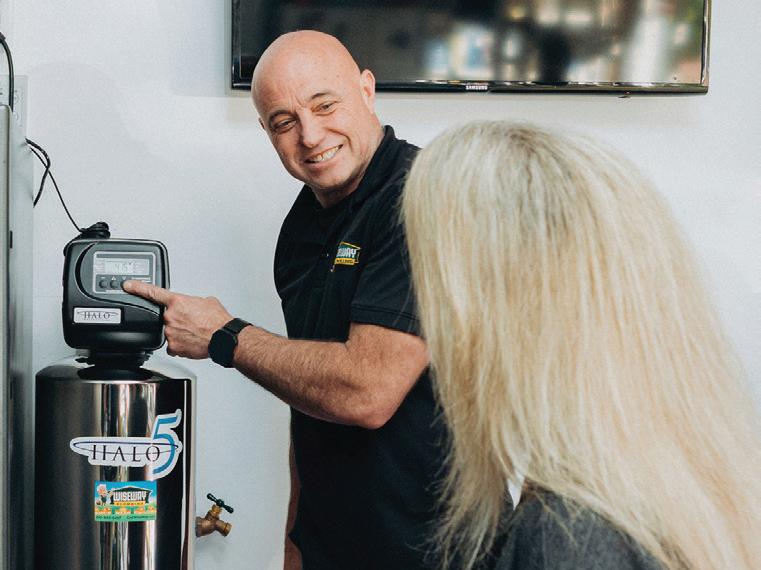
Tankless water heaters are one of the best investments you can make for your home. They deliver endless hot water, save space, and are more energy efficient than traditional tanks. But like any high-performance appliance, they require professional maintenance to ensure peak performance and long life.
The Hidden Enemy: Hard Water
In the South Bay, hard water is a constant issue. The calcium and magnesium in hard water build up inside tankless systems, forming scale that:
– Restricts water flow through the heat exchanger
– Causes overheating and error codes
– Reduces efficiency by up to 30%
– Forces the unit to work harder, shortening its lifespan
Without routine descaling and conditioning, hard water can cut the life of a tankless heater in
half.
What Happens When the Heat Exchanger Leaks?
The heat exchanger is the heart of your tankless unit. If scale and corrosion weaken it, leaks can occur. Because the system is an enclosed environment, water inside the unit can cause extensive collateral damage, including:
– Fan assembly: Corrosion and water intrusion can seize the fan, leading to poor combustion and dangerous venting issues.
– Gas manifold: Leaks can corrode gas components, creating safety hazards and costly part replacements.
– Electronics & control board: Water intrusion shorts circuits, destroys sensors, and can render the unit completely inoperable.
At this stage, repairs often cost nearly as much as replacing the unit.
Performance & Efficiency Impacts
– Higher energy bills: Scale buildup forces the system to burn more gas for the same hot water.
– Inconsistent hot water: Fluctuating temps or “cold water sandwiches” during showers.
– Frequent error codes: Nuisance shutdowns disrupt daily routines.
– Reduced lifespan: A well-maintained unit lasts 15–20 years; neglected units may fail in 7–10.
Why a Licensed Plumber is Essential
Top Reasons to Hire a Licensed Plumber
1. Code Compliance: Tankless systems must meet strict gas, venting, and plumbing codes. Licensed plumbers ensure installations pass inspection and protect your warranty.
2. Proper Sizing: Tankless units must be sized based on home
demand. Undersized or oversized units lead to poor performance and wasted money.
3. Safety: Gas, venting, and electrical work require precision. DIY or unlicensed installs risk gas leaks, carbon monoxide issues, and electrical hazards.
4. Warranty Protection: Manufacturers often void warranties if the system wasn’t installed or maintained by a licensed professional.
5. Specialized Knowledge: Licensed plumbers understand tankless-specific maintenance (flushing, descaling, vent inspections) that general handymen often overlook.
Common Installation & Maintenance Faults
Installation Mistakes:
– Improper venting: Using the wrong vent material or slope can cause dangerous exhaust leaks.
– Undersized gas lines: Tankless heaters require high BTU gas flow; undersized lines cause ignition failures and inefficiency.
– Incorrect clearances: Poor placement near windows or doors risks code violations and safety hazards.
– No water treatment: Installing a unit without a softener/conditioner in hard-water areas guarantees early failure.
Maintenance Mistakes:
– Skipping annual flushes: Leads to rapid scale buildup, overheating, and shortened lifespan.
– Improper flushing chemicals: Harsh acids can damage seals and heat exchangers if used incorrectly.
– Neglecting filter screens: Tankless heaters have inlet water filters that must be cleaned to prevent flow issues.
– Ignoring error codes: Resetting the unit without diagnosis hides deeper problems until it’s too late.
Cost–Benefit Analysis of Professional Maintenance
Item Without Maintenance With Professional Maintenance
Annual Efficiency Loss
10–15% extra on gas bills (~$100–$150/yr) Minimal loss, peak efficiency
Heat Exchanger Damage Replacement
Electronics / Gas Components
Unit Lifespan
Total Cost of Ownership (20 yrs)
$1,200–$1,500 Prevented with annual flush
$500–$1,000 in collateral damage
7–10 years
$7,000–$10,000 (repairs + early replacement)
Protected from leaks
15–20 years
$4,000–$6,000 (maintenance + extended life)
Professional maintenance typically costs $200–$300 per year. Over the life of the system, it saves $3,000–$4,000 in avoided repairs and replacement costs — while keeping your hot water reliable.
Why Tankless Systems Require Plumbing and HVAC Awareness
Tankless water heaters sit at the intersection of multiple home systems. They depend on plumbing, gas supply, electrical connections, and ventilation working together properly.
That’s why experienced plumbers often have knowledge that overlaps with HVAC principles. Proper combustion requires correct airflow, venting design, and exhaust management— concepts commonly associated with heating systems.
A technician who understands both plumbing and HVAC fundamentals can diagnose issues that others might overlook. For example:
Vent restrictions that impact combustion
Airflow problems related to the intake system
Improper installation affecting heat exchanger performance
This broader understanding helps protect the system and ensures the heater operates safely and efficiently.
Preventive Maintenance Protects Critical Parts
Tankless heaters contain numerous internal parts working together to deliver instant hot water: sensors, valves, heat exchangers, burners, fans, and electronic controls.
Each component plays a role in maintaining stable temperature, safe combustion, and efficient energy use. When one element begins to fail, it often creates stress on the others.
Preventive maintenance focuses on identifying small issues before they cascade into major repairs. During a typical service visit, technicians will: Inspect internal components for wear
Clean filter screens and airflow pathways
Check water pressure and flow rates
Remove mineral scale and sediment
Ensure electronics and power connections are stable
For customers, this routine attention helps prevent surprise breakdowns and keeps the system running smoothly for years.
Why Choose WiseWay Plumbing?
– Licensed, insured, and trained in tankless-specific installations
– Annual descaling and inspections to protect heat exchangers – Gas line, venting, and electronics expertise to prevent costly faults
– Honest recommendations to protect your investment
Call Today for Tankless Water Heater Maintenance
Protect your investment, lower your bills, and enjoy reliable hot water for decades.
Schedule your tankless water heater maintenance today.
How Water Pressure and Debris Affect Tankless Performance
Water quality isn’t the only factor that impacts a tankless system. Water pressure and debris in the plumbing lines can also influence how well the unit performs over time.
Many homes in Southern California experience fluctuating pressure levels due to municipal supply changes, aging pipes, or pressure regulators that drift out of calibration. When pressure runs too high, the internal components of a tankless heater are forced to work harder than intended. Over time, that stress can affect delicate internal parts such as flow sensors, valves, and seals.
Debris is another common issue. Small particles from aging pipes, construction sediment, or mineral fragments can enter the system through the water line. Tankless units include inlet screens designed to catch this material, but if those filters become clogged, the heater may struggle to maintain proper flow. The result can be inconsistent temperatures, reduced efficiency, or error codes that
What Affects Tank to Tankless Conversion Costs?
appear seemingly out of nowhere.
Routine service includes cleaning those screens and checking pressure levels to ensure the unit operates within its designed range.
The Role of Airflow: Why the Air Filter Matters
Tankless water heaters rely on proper airflow for safe combustion. Inside the unit is an air filter that protects the burner assembly from dust and airborne contaminants.
Over time, that filter can collect debris, especially in homes near the coast where salt air and fine particles are common. When airflow becomes restricted, the burner may struggle to operate efficiently. This can lead to ignition problems, reduced heating performance, or warning codes from the control board.
During a professional maintenance visit, technicians inspect and clean the air filter along with other critical components. Keeping airflow clear helps maintain stable combustion, protects sensitive parts, and ensures the system delivers reliable hot water when you need it most.
Electrical Components and Power Stability
While tankless water heaters primarily run on gas, they still rely on electricity for their electronics, sensors, and control systems. Stable power is essential for proper operation.
Modern units include circuit boards, temperature sensors, ignition modules, and digital controls. If power delivery becomes inconsistent—whether from electrical fluctuations, moisture exposure, or failing components—those electronic parts can malfunction.
For customers, this often shows up as intermittent shutdowns, unexplained error codes, or a system that resets unexpectedly.
Part of professional service includes checking wiring connections, confirming the control board is operating properly, and ensuring the system receives consistent electrical power. These checks help prevent small electrical issues from turning into expensive repairs.
Tank to Tankless Conversion Cost: What Homeowners in Southern California Should Expect
If you’re researching tank to tankless conversion costs, you’re probably wondering whether the upgrade is worth the investment. Replacing traditional tank water heaters with a modern tankless system can deliver long-term savings, improved energy efficiency, and better use of space — but the total installation cost depends on several important factors.
At Wiseway Plumbing, we provide a $0 estimate with install coupon, so you can review pricing and options before making a decision.
The cost of converting from a tank water heater to a tankless model isn’t just about swapping one unit for another. In most homes, some level of retrofit work is required.
Here are the primary factors that influence pricing:
1. Type of Tankless Model (Gas vs. Electric)
Electric tankless models typically have a lower upfront equipment cost, but may require electrical panel upgrades.
Gas-powered systems often cost more to install due to venting and gas line modifications, but they usually offer better long-term energy savings for larger households.
The right option depends on your home’s layout, energy
usage, and budget.
2. Pipe & Plumbing Modifications
Older homes often need pipe adjustments, upgraded water lines, or rerouting to accommodate the new system.
In some cases, additional materials are required to ensure proper water pressure and safe operation. These modifications can affect the overall installation cost.
3. Venting & Gas Line Upgrades
Gas tankless systems may require:
- New venting materials
- Larger gas supply lines
- Updated shut-off valves
- Endless hot water
- Extended warranty coverage (many tankless models carry longer warranties than traditional tanks)
- Longer system lifespan
When you compare tank water heaters vs. tankless in terms of durability and energy savings, the numbers often favor tankless — especially for families who use a lot of hot water.
Average Tank to Tankless Conversion Pricing
While every home is different, most tank to tankless conversions in Southern California range between:
Lower range: Minimal retrofit, electric model Mid-range: Gas system with moderate modifications
Higher range: Extensive upgrades, relocation, or panel improvements
The number of upgrades needed directly impacts the final quote.
That’s why we always recommend a professional in-home estimate instead of guessing from an online pricing menu.
Pros and Considerations Before Converting
Here’s a quick comparison to help with your decision:
Pros:
- Significant energy efficiency improvements
- Lower standby heat loss
- Space savings
- Longer lifespan
- Potential long-term savings
Considerations:
- Higher upfront installation cost
- Possible electrical or gas modifications
- May require pipe retrofit
A professional assessment helps clarify which option provides the best value for your home.
20-Year Cost Comparison Overview
Over a 20-year period:
– Traditional Tank: Likely 2 replacements
– Properly Installed Tankless: 1 replacement
– Improperly Installed Tankless: 2–3 replace-
These upgrades are common in Southern California homes that were originally designed for standard tank water heaters.
4. Space & Location
One of the biggest advantages of tankless systems is the space savings. They mount on a wall and eliminate the bulky tank.
However, relocating the system (garage to exterior wall, interior to attic, etc.) can add labor and materials to the estimate.
Is the Upfront Investment Worth It?
The upfront investment is higher than simply replacing a tank water heater — but many homeowners see long-term value in:
- Lower monthly utility bills
- Increased energy efficiency
ments plus service issues
When installed correctly, tankless systems often provide lower long-term ownership costs, improved energy efficiency, and greater reliability.
Get a $0 Estimate on Your Tankless Conversion
Because so many factors affect tank to tankless conversion costs, the only accurate way to determine pricing is with an on-site evaluation.
Wiseway Plumbing offers:
- $0 estimate with install coupon
- Transparent pricing
- Help comparing models
- Clear breakdown of materials and labor
- No-pressure recommendations
How Much Does It Cost to Convert a Tank to a Tankless Water Heater?
Converting from a traditional tank water heater to a tankless system in Torrance and the South Bay typically costs $5,500 to $9,500+, depending on gas line requirements, installation location, venting changes, home size, and optional upgrades like recirculation systems.
While the upfront cost is higher than replacing a tank, tankless systems:
– Last 15–20 years (compared to 8–12 years for tanks)
– Eliminate standby energy loss
– Reduce monthly gas usage
– Provide endless hot water
– Help prevent emergency tank failures and water damage
Over time, many homeowners see energy savings and extended replacement cycles, meaning you may replace one tankless unit in the time you would have replaced two traditional tanks.
What Factors Affect Tankless Retrofit Pricing?
Retrofit pricing depends on heater location, gas line capacity, venting configuration, home size, BTU requirements, and optional upgrades such as recirculation systems.
Does the Current Water Heater Location Matter?
Yes. The location of your existing tank heater impacts labor, venting requirements, and gas modifications. Garage conversions, outdoor closets, and indoor-to-outdoor relocations all carry different pricing variables.
Will My Gas Line Need to Be Upgraded? Gas sizing must be physically evaluated on-site. Not
every home requires a full gas line replacement. Traditional tanks use approximately 35,000–40,000 BTUs, while tankless systems may require 160,000–199,000 BTUs.
Some modern high-efficiency tankless units are capable of operating on a properly sized ½-inch gas line, depending on pipe length, total connected load, and meter capacity. Proper measurement and load calculation are essential to determine if upgrades are required.
How Long Does a Properly Installed Tankless
Water Heater Last?
A professionally installed and properly maintained tankless water heater typically lasts 15–20 years. Proper gas pressure, correct venting, annual flushing, and accurate sizing all contribute to extended lifespan.
Traditional tank heaters typically last 8–12 years. How Long Does an Improperly Installed Tankless System Last?
Improperly installed tankless systems may fail within 3–8 years due to undersized gas lines, improper venting, lack of scale management, or incorrect system sizing. Many premature failures stem from installation errors rather than equipment defects.