
WEDNESDAY, FEBRUARY 25, 2026
WEDNESDAY, FEBRUARY 25, 2026
By John Oliver
Congressman Cliff Bentz has introduced new federal legislation seeking to reshape how more than two million acres of federally managed timberlands in western Oregon are overseen, reigniting a long-running debate over forest management, rural economies, and wildfire prevention.
The proposed O&C Renewal Act of 2026 would amend the historic Oregon and California Lands Act of 1937 by reaffirming sustained timber production as the primary purpose of Oregon and California Railroad Grant lands, commonly known as O&C lands. These federally managed forests stretch across 18 western Oregon counties and have historically served as a major economic engine for rural communities.
According to Bentz, the legislation is designed to restore active forest management practices while stabilizing county revenues once heavily supported by timber harvest receipts. “For decades, O&C counties depended on responsible timber harvests to fund schools, roads, and essential services,” Bentz said. “Following the listing of the spotted owl and years of federal delays, these lands have become overgrown and neglected. This bill restores the clear intent of the 1937 law—that O&C lands are to be managed for sustained timber production that benefits rural communities while reducing wildfire risk.”
The measure directs the Bureau of Land Management to update and finalize new Re-
source Management Plans within two years. The bill also formally includes O&C counties as cooperating agencies during the planning process and maintains cooperative wildfire protection agreements between federal agencies and the State of Oregon.
Supporters of the legislation argue that current federal management strategies have significantly limited timber harvest levels. Congressional materials accompanying the proposal state that existing plans effectively restrict sustained-yield timber production on roughly 80 percent of O&C lands. Advocates say those restrictions have contributed to declining timber supplies, mill closures, job losses, and reduced county revenue streams throughout western Oregon.
The American Forest Resource Council, a regional forestry advocacy organization, voiced support for the proposal. AFRC President Travis Joseph described the legislation as an effort to restore balance in federal land policy. “The O&C Lands are some of the most productive forestlands in the world, and they were set aside by Congress to be actively managed for the benefit of local communities,” Joseph said. “Representative Bentz’s legislation is common sense. It reaffirms the law, restores balance, and provides a clear path forward to improve forest health while supporting family-wage jobs and essential public services.”
County leaders representing O&C jurisdictions also welcomed the bill’s introduction.

County Commissioner and Association of O&C Counties President Tim Freeman said the legislation reflects the historical intent behind the original 1937 law. “We believe the legislation clarifies the historical intent of the 1937 O&C Act,” Freeman said. “We appreciate the time Congressman Bentz has dedicated to understanding these uniquely congressionally designated timberlands and look forward to this bill becoming law to help the Bureau of Land Management manage these lands reasonably and responsibly under the principles of sustained yield.”
The proposal arrives amid increasing concern across Oregon about wildfire severity and forest health. Proponents argue that active management, including timber harvest and fuel reduction, can reduce excessive vegetation buildup that contributes to large-scale fires. The bill frames sustained-yield forestry not only as an economic policy but also as a wildfire mitigation strategy intended to create
more resilient forest conditions.
If enacted, revenues generated through timber production would once again flow directly to county governments, helping fund local services such as schools, transportation infrastructure, law enforcement, and emergency response programs. Many rural counties historically relied on timber receipts before harvest levels declined in the late twentieth century. The O&C Renewal Act now enters the federal legislative process, where it will face committee review and potential debate among lawmakers balancing environmental protections, economic development, and forest management priorities. The proposal highlights an ongoing policy crossroads for Oregon’s federally managed forests, where questions about conservation, community stability, and wildfire prevention continue to shape discussions about the future of public lands in the Pacific Northwest.
By John Oliver
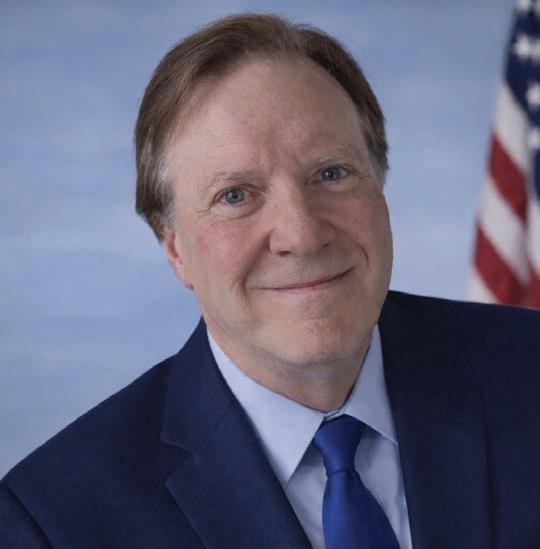
As Josephine County works to stabilize its government and rebuild momentum following months of political upheaval, County Commissioner candidate Tracy Thompson has introduced an ambitious policy framework outlining his vision for the county’s long-term future. Rather than proposing incremental policy adjustments, Thompson’s plan presents a comprehensive strategy focused on economic recovery, institutional transparency, and restoring public confidence in local government.
Thompson’s proposal begins with a straightforward premise: many of the county’s most visible challenges share a common root. Crime concerns, homelessness, addiction, and struggling educational outcomes are often discussed separately, yet his blueprint argues they stem from deeper economic instability that has shaped the region for decades.
At the center of Thompson’s vision is the
belief that chronic poverty, coupled with structural weaknesses in county revenue and governance, has created a cycle that continues to reinforce social and economic hardship.
His plan calls for shifting away from shortterm crisis management toward coordinated,
long-horizon investment designed to address underlying causes rather than symptoms.
The candidate’s analysis points to a local economy heavily dependent on retail, hospitality, and low-margin service industries. While healthcare remains an important economic contributor, many positions provide limited wage growth, leaving families financially vulnerable. Thompson argues that income stagnation, combined with an aging population and rising living costs, has left many residents living one emergency away from losing housing or employment stability.
County finances play a central role in the proposal. Josephine County relies heavily on property taxes that remain relatively low compared to other Oregon counties, while federal timber payments that once helped stabilize budgets have declined over time. Thompson contends this structure has produced recurring funding shortfalls that restrict investment in
public safety, housing solutions, and education.
Rather than immediately pursuing new taxes, Thompson’s blueprint prioritizes rebuilding trust between residents and county government. His plan emphasizes transparent hiring practices, open access to public records, independent ethics oversight, and clear financial accountability measures. According to the proposal, restoring confidence in how decisions are made is essential before voters will support future funding initiatives.
• see CANDIDATE., page 3

By Ellen Ward
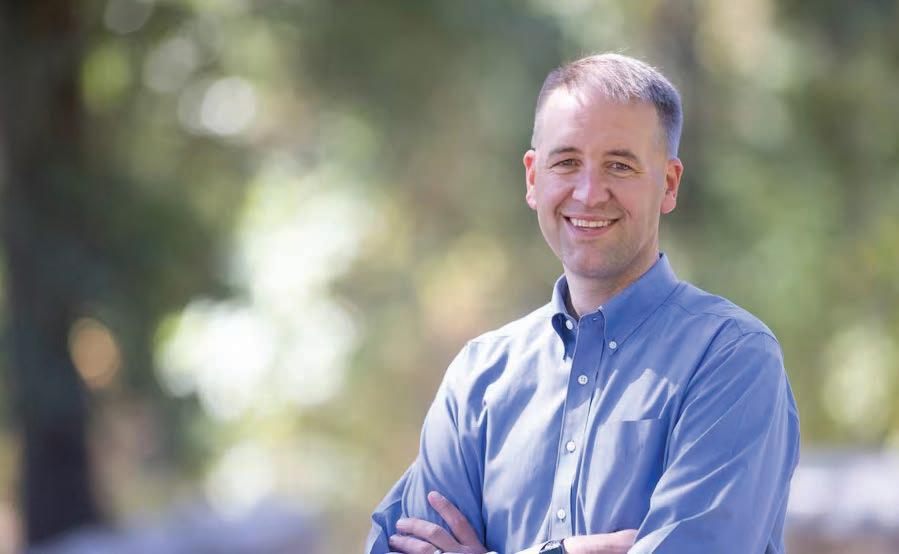
A federal civil rights lawsuit filed against Oregon Secretary of State Tobias Read has entered a new phase as the plaintiff moves the case forward toward discovery and a potential jury trial in U.S. District Court.
According to filings announced Monday, plaintiff William H. Minnix has formally advanced his case, Minnix v. Read, Case No. 3:25-cv-01962, currently pending before the United States District Court for the District of Oregon in Portland. Motions submitted on February 23 signal the transition of the lawsuit into the discovery stage, a procedural step that allows both parties to gather evidence, conduct depositions, and examine documents relevant to the claims.
The lawsuit alleges violations involving federal constitutional protections, federal election law, and federal civil rights statutes. Court documents indicate that the claims stem from actions and omissions attributed to the Oregon Secretary of State’s office that the plaintiff contends affected his federally protected rights. The complaint argues that the dispute raises broader questions involving constitutional safeguards and statutory protections intended to preserve lawful electoral and civil processes.
While the court has not ruled on the merits of the allegations, the advancement into discovery marks a significant procedural development. During this phase, attorneys and litigants exchange information under the Federal Rules of Civil Procedure, allowing factual records to be developed prior to trial or potential settlement discussions.
Minnix has also demanded that the case be heard by a jury, signaling his intention to pursue a full trial rather than seek
“This case is about accountability and the protection of federally guaranteed rights. I am committed to pursuing full discovery so that the facts may be presented transparently before a jury of my peers.”
— PLAINTIFF WILLIAM H. MINNIX
resolution solely through judicial motions. Jury trials in federal civil rights cases often focus on questions of government accountability, constitutional interpretation, and whether specific actions violated protected individual rights under federal law.
Minnix is seeking several forms of relief, including compensatory damages, declaratory and injunctive relief, attorney’s fees, and additional remedies the court may consider appropriate. Requests for declaratory relief typically ask a court to formally determine whether conduct violated legal standards, while injunctive relief can involve court orders directing or restricting future governmental actions.
In a statement accompanying the filing, Minnix described the case as centered on principles of transparency and constitutional accountability. “This case is about accountability and the protection of federally guaranteed rights,” Minnix said. “I am
committed to pursuing full discovery so that the facts may be presented transparently before a jury of my peers.”
Federal civil rights litigation involving state officials is not uncommon, particularly when disputes intersect with election administration or constitutional authority. Such cases frequently examine how state agencies interpret federal law and whether administrative decisions comply with constitutional protections. Because the defendant is named in an official capacity, the lawsuit focuses on actions taken within the scope of public office rather than personal conduct.
Legal observers note that entering discovery does not determine the outcome of the case but represents an essential stage in federal litigation. Evidence obtained during discovery often shapes future motions, settlement negotiations, or trial strategies. Depending on court scheduling and procedural motions, the process can extend for months before a trial date is set.
The federal court docket remains publicly accessible through the PACER system, where filings, motions, and future rulings will be recorded as the case proceeds.
At this stage, no findings of liability have been issued, and the claims remain allegations awaiting adjudication in federal court. The progression into discovery ensures that both sides will now have the opportunity to develop a factual record before the matter potentially reaches a jury.
The case continues to move forward in the U.S. District Court for the District of Oregon, where future hearings and procedural deadlines will determine the next steps in the litigation.
From page 1
A key component of Thompson’s strategy is what he describes as a grants-first approach to governance. The plan calls for aggressively pursuing state, federal, and private grant opportunities to fund infrastructure, public safety improvements, economic development, and social services before seeking additional local revenue. The goal is to demonstrate responsible stewardship of outside funding while reducing the immediate burden on taxpayers.
Economic development represents another major pillar of Thompson’s vision. He identifies agriculture, specialty crops, and emerging bioproduct industries as opportunities uniquely suited to Southern Oregon’s climate and workforce. By expanding value-added production such as processing, packaging, and locally branded agricultural products, the proposal aims to create yearround employment capable of supporting middle-income households.
Energy independence also features
prominently in the plan. Thompson proposes exploring community microgrids, renewable energy systems, and biomass projects that could both strengthen wildfire resilience and generate long-term revenue. Under this model, locally produced energy could reduce utility costs while funding investments in public safety, housing assistance, and education programs.
Addressing homelessness and addiction requires, in Thompson’s view, a more integrated approach. His blueprint advocates for coordinated recovery systems combining treatment services, transitional housing, and workforce training. The strategy focuses on creating clear pathways back into stable employment, linking recovery efforts directly to new industries and job opportunities within the county.
Education forms the long-term foundation of the proposal. Thompson’s vision includes expanded career-technical education aligned with local industries, along
with practical training designed to prepare students for an economy increasingly shaped by artificial intelligence and automation. Rather than treating technological change as a threat, the plan encourages preparing workers to use new tools to enhance productivity and competitiveness.
The blueprint also emphasizes attracting outside income to Josephine County. Thompson proposes initiatives aimed at drawing remote workers, entrepreneurs, and visitors seeking outdoor recreation and wellness experiences. By increasing tourism and welcoming residents whose income originates elsewhere, the strategy seeks to grow the local economy without placing additional financial pressure on longtime residents.
Throughout the proposal, Thompson frames technological change as both a challenge and an opportunity for rural communities. His plan calls for ensuring that artificial intelligence strengthens lo-
cal industries and workforce participation rather than displacing workers or widening economic inequality.
Taken together, the candidate’s blueprint outlines an expansive effort to reposition Josephine County for long-term stability and growth. Thompson’s vision centers on the idea that lasting progress requires rebuilding trust in government while aligning economic development, education, and public services around a shared goal of reducing poverty and expanding opportunity.
As Josephine County prepares for its next chapter of leadership, Thompson’s proposal adds a detailed policy roadmap to the conversation about what comes next. Whether voters ultimately embrace his vision will be decided at the ballot box, but the framework signals a campaign focused on structural reform, economic resilience, and a reimagining of how local government can support the community it serves.
By John Oliver
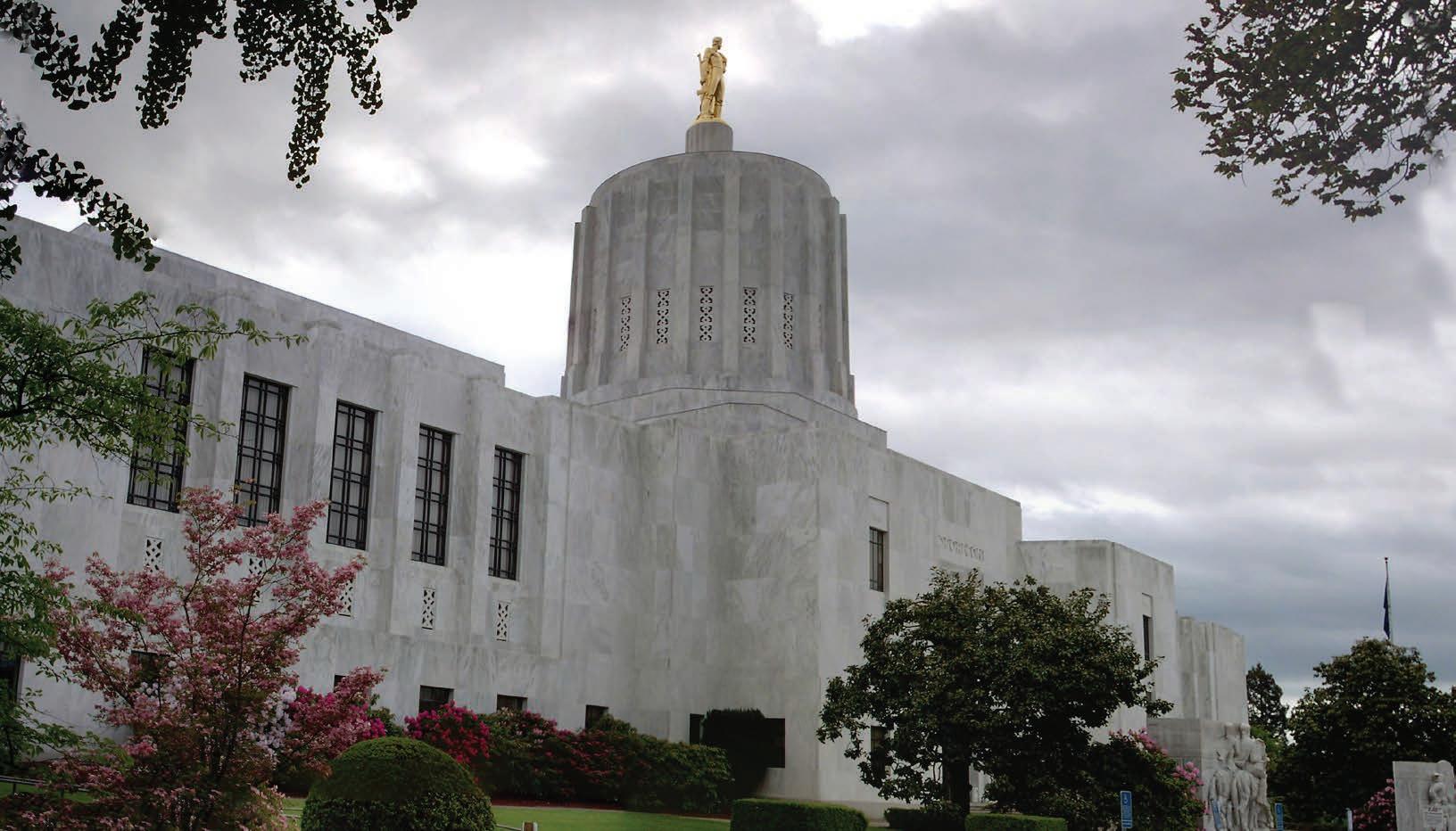
Legislative business at the Oregon Capitol came to an abrupt stop this week after Republican lawmakers failed to appear for a scheduled House floor session, preventing a quorum and forcing adjournment for the day. The absence halted a planned vote on legislation related to the management and protection of Oregon’s fish and wildlife, highlighting ongoing partisan tensions that continue to shape the 2026 legislative session.
House Democrats sharply criticized the walkout, arguing that it stalled progress on a range of policy discussions extending far beyond the bill that prompted the immediate dispute. According to Democratic leadership, the interruption risks delaying work tied to state affordability, education funding, emergency preparedness planning, health care programs, and budget negotiations.
“Oregonians want a government that works. They don’t want gridlock. They don’t want partisan bickering,” said Majority Leader Ben Bowman of Tigard. Bowman described the absence as a deliberate political maneuver, adding, “Today, the House Republicans once again staged a walkout and refused to do the job they were elected to do. This kind of political theater may be normal in DC, but it doesn’t belong in Oregon.”
Legislative walkouts are not new to Oregon politics. In recent years, minority-party lawmakers have periodically used the
tactic to deny a quorum, effectively halting legislative action when disagreements escalate over policy or procedure. Supporters of walkouts have historically argued they are one of the few tools available to minority parties seeking leverage in a supermajority-controlled legislature, while critics contend they undermine the legislative process itself.
Democratic lawmakers framed the latest absence as a breakdown of legisla-


tive norms centered on participation and debate. Representative David Gomberg of Lincoln and western Benton and Lane counties emphasized the procedural foundation of lawmaking, stating, “A legislative body runs on procedure for a reason. Quorum, recorded votes, structured debate, and committee review are the guardrails that give law its legitimacy. To produce, you need to participate.”
Representative McDonald of Corvallis drew attention to the personal responsibility she believes accompanies public office, noting, “I am at work, attending hearings and showing up for votes on the House floor. If I can be here doing my best for Oregonians while dealing with the side effects of chemotherapy, my colleagues should be able to show up and do their job, too.”
Several Democrats characterized the walkout as counterproductive during a time when economic pressures and policy challenges remain central concerns for many Oregonians. Representative Travis Nelson of Portland said legislative influence comes through participation rather than absence, explaining, “Walking out may win some headlines, but it prevents us from having real debate and getting work done for the people.”
Representative Susan McLain of western Washington County argued that the consequences extend beyond partisan disagreement. “A legislative walkout doesn’t amplify democracy. It silences it by emptying the chamber where debate is meant to happen,” she said.
Other lawmakers echoed concerns about institutional stability. Representative Tom Andersen of South Salem compared legislative duties to courtroom obligations, stating that governance depends on argument, rebuttal, and recorded votes. “In my profession, you don’t win a case by refusing to show up to court; you show up, make your record, and fight your arguments on
“Oregonians want a government that works. They don’t want gridlock. They don’t want partisan bickering.”
— MAJORITY LEADER BEN BOWMAN
the merits,” he said.
Democrats also linked the disruption to broader concerns about government functionality during a year expected to include complex budget negotiations. Representative Sue Rieke Smith of Wilsonville said lawmakers have an obligation to remain engaged, calling the walkout “an abdication of responsibility that silences the voices of millions of Oregonians who deserve a functioning democracy.”
Republican lawmakers had not issued a response within the press release outlining Democratic reactions, leaving the motivations behind the absence unclear in official statements released by House Democrats.
With adjournment ending the day’s session early, legislative leaders now face the challenge of restoring attendance and resuming debate on pending legislation. Whether negotiations behind the scenes will bring lawmakers back to the chamber remains uncertain, but the incident underscores the fragile balance of cooperation required to move policy forward in Oregon’s divided political environment.
As the legislative session continues, the dispute serves as a reminder that procedural strategy and partisan conflict remain powerful forces capable of shaping not only individual bills but the broader pace of governance in Salem.
By John Oliver
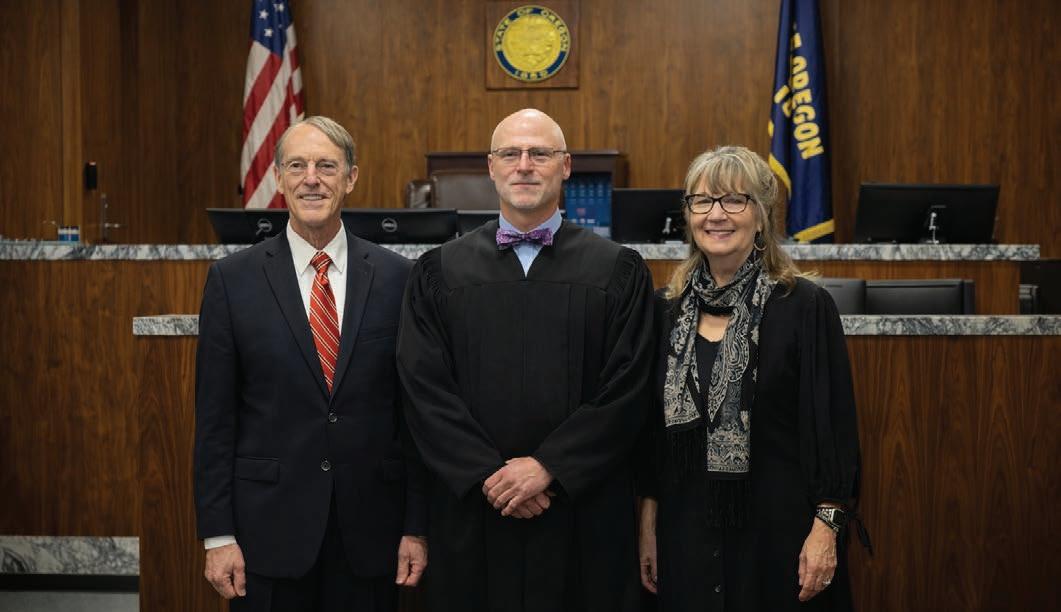
Josephine County entered a new chapter in local governance this week as newly appointed commissioners Gary Richardson and Colene Martin were officially sworn into office at the Josephine County Courthouse, restoring a full three-member Board of County Commissioners following months of political disruption and administrative transition.
The oath of office was administered by Judge Bain during a formal ceremony that marked the county’s return to a fully functioning governing body. With Richardson and Martin now seated, the Board of County Commissioners regains its ability to move forward collectively on policy decisions, operational oversight, and long-delayed county priorities.
The appointments come after a turbulent period in Josephine County government that included recalls, resignations, and leadership instability that slowed progress across several departments. County operations continued during that time, but major initiatives often faced uncertainty without a complete board in place. The swearing-in represents a reset moment for county leadership as officials turn their attention back to governance and long-term planning.
The Grants Pass Tribune reached out to both new commissioners following the ceremony seeking comment about their immediate goals and priorities. While Gary Richardson has not yet provided a response, the newspaper anticipates conducting a future interview and publishing additional coverage once his statement becomes available.
Commissioner Colene Martin provided an early
indication of her approach to public service and the expectations she brings to the position.
“My goal is to bring transparency, consistency, and respect back to the Office of the Josephine County Commissioner. I understand that those words only matter if they are demonstrated through action. Even when citizens may not agree with a decision, they deserve to clearly understand how and why it was made. That requires steady leadership and clear communication.”
Martin’s statement reflects concerns frequently voiced by residents during recent months, particularly calls for clearer communication between county leadership and the public. Her emphasis on transparency and consistency signals an intention to rebuild trust while reestablishing predictable governance practices.
Both new commissioners are understood to be eager to begin work, though the scope of
responsibilities facing the board is substantial. Incoming leadership must now review ongoing projects, examine prior administrative actions, and address lingering challenges left behind during the previous commission’s tenure. Officials and residents alike recognize that the process of fully assessing county operations will require time as the new commissioners familiarize themselves with internal procedures and departmental conditions.
With all seats now filled, county governance can resume at full capacity. Budget oversight, infrastructure planning, public safety coordination, and administrative reforms are expected to return to the forefront of board discussions. The presence of a complete commission also allows for renewed collaboration among departments and clearer direction for county staff who have operated through an extended period of uncer-

tainty.
Attention will soon turn to internal board organization, including the selection of leadership roles. Current Commissioner Ron Smith is widely expected to be considered for designation as Seat One, though that decision will ultimately be determined by a vote of the board as commissioners establish their working structure moving forward.
Community leaders and residents have expressed cautious optimism that the restored board will focus on stability, openness, and measurable progress. Many acknowledge that significant work lies ahead as the commissioners begin unpacking decisions and activities that occurred during the previous administration. County observers note that new leadership often requires patience from the public while gaining a full understanding of operational realities and setting achievable priorities.
The Grants Pass Tribune plans continued coverage of this transition period, including individual interviews and follow-up reporting as Richardson and Martin define their agendas and begin shaping county policy. With a complete board once again in place, Josephine County now shifts from political transition toward the practical work of governance.
The swearing-in ceremony marked more than a procedural step. It signaled a renewed opportunity for Josephine County to move forward with unified leadership, increased transparency, and a commitment to restoring confidence in local government as the county works to address challenges and pursue long-standing community goals.













By Bryce Robinson
Two decades ago, buying a large television was a financial commitment comparable to purchasing a used car. In the early 2000s, premium home theater enthusiasts proudly invested five figures into massive projection or plasma displays. One standout example from that era was the Pioneer Elite large-screen television, a technological marvel at the time that cost more than $10,000, weighed hundreds of pounds, dominated living rooms, and represented the cutting edge of home entertainment. Within only a few years, however, that same television could barely command $500 on the resale market.
That dramatic depreciation was not a fluke. It was an early preview of what has become one of the most consistent economic patterns in consumer electronics: rapid innovation paired with relentless price decline.
Television technology evolves faster than almost any household product category. What once required specialized installation, reinforced furniture, and significant savings can now be purchased at a big-box retailer or online marketplace for less than the cost of a family dinner. Today, consumers can buy a functional flat-screen television for under $100, while luxury models from ultra-premium brands still reach prices approaching $30,000. The range reflects not only differences in quality but also the speed at which innovation reshapes value.
The transition from bulky projection and plasma sets to lightweight LCD panels fundamentally changed the economics of television manufacturing. Advances in semiconductor production, globalized supply chains, and mass manufacturing dramatically reduced costs per unit. As factories improved efficiency and competition intensified among global brands, televisions followed a predictable curve: screens became larger, thinner, brighter, and cheaper at the same time.
Resolution upgrades played a major role in this cycle. High-definition replaced standard definition, then 4K rapidly became mainstream, and now 8K models occupy showroom floors even though much of the available content still streams in lower resolutions. Each technological leap arrives marketed as essential, yet the previous generation rarely becomes obsolete overnight. In many cases, last year’s model delivers nearly identical real-world performance at half the price.
The latest generation of televisions emphasizes features rather than sheer size alone. Modern sets integrate advanced OLED and Mini-LED display

technologies, higher refresh rates for gaming, artificial intelligence image processing, voice assistants, and seamless streaming platforms built directly into the hardware. Some televisions now function as digital art displays when turned off, while others prioritize cinematic brightness or ultra-thin wall-mounted aesthetics that resemble framed artwork more than electronics.
Three-dimensional television once promised to redefine viewing but faded quickly after consumers lost interest in glasses-based viewing experiences. Instead, improvements in color accuracy, contrast ratios, and motion clarity have proven more durable selling points. The industry learned that convenience often matters more than novelty.
Despite declining prices, consumer spending on televisions remains strong. Economists point to a combination of psychological and cultural factors. Televisions serve as the centerpiece of modern domestic life, anchoring entertainment, sports viewing, streaming services, gaming, and even social connection. As streaming platforms expanded and home entertainment replaced many traditional outings, households began adding televisions to bedrooms, kitchens, garages, offices, and outdoor spaces.
Research consistently shows the average American household now owns more than two televisions, with some homes containing far more. The falling cost removes financial barriers, transforming televisions from luxury purchases into routine upgrades. Consumers justify replacement cycles not because older televisions stop working, but because newer models appear dramatically better during side-by-side retail demonstrations.
This behavior mirrors trends seen with smartphones. Technological advancement moves so quickly that consumers feel pressure to keep pace, even when practical improvements are incremental. Marketing strategies reinforce the perception that newer equals necessary, while limited-time sales and seasonal promotions create urgency. Ironically, the same innovation that makes televisions affordable also guarantees rapid depreciation, encouraging buyers to wait for the next discount while simultaneously tempting them to upgrade sooner.
Projection systems, once reserved for dedicated home theaters, have also undergone dramatic price reductions. Compact laser projectors now deliver cinema-sized images at prices unimaginable during the Pioneer Elite era. What
once required specialized installers can now be unpacked and running in minutes.
For consumers, the lesson is both economic and behavioral. Technology will continue improving, and prices will almost certainly continue falling. The newest television on the market today will be discounted tomorrow, replaced by a slightly brighter panel or faster processor next year. Yet the desire to experience the latest innovation remains powerful.
The evolution from a $10,000 Pioneer Elite giant to affordable ultra-thin smart displays illustrates more than technological progress. It reflects a broader cultural shift in how Americans value entertainment, convenience, and status through consumer electronics. Televisions have moved from rare household investments to everyday commodities, yet the excitement surrounding each new generation remains unchanged.
In the end, the real story may not be how fast televisions improve, but why consumers continue chasing the next screen even when last year’s model still works perfectly well. The technology keeps advancing, prices keep dropping, and the fascination with the glowing rectangle at the center of modern life shows no sign of fading.


By Ellen Ward
Robert Carradine, a versatile actor whose career bridged generations of film and television audiences, died February 23, 2026, at the age of 71. Born March 24, 1954, in Hollywood, California, Carradine spent more than five decades working steadily in the entertainment industry, leaving behind a legacy defined by memorable performances, enduring humor, and a deep connection with audiences.
Carradine was born into one of Hollywood’s most recognizable acting families. The son of legendary character actor John Carradine and the younger brother of actors David and Keith Carradine, he grew up surrounded by filmmaking and storytelling. Rather than rely solely on family legacy, he built his own identity as an actor known for portraying thoughtful outsiders, everyday heroes, and relatable father figures.
His early career began in the 1970s during a transformative era in American cinema. Carradine appeared in several respected films that reflected the realism of the decade, including The Cowboys, The Big Red One, and The Long Riders. Directors frequently cast him in roles that required subtlety rather than spectacle, allowing him to develop a reputation as a dependable and authentic performer.
Carradine’s defining moment arrived in 1984 with the release of Revenge of the Nerds. The comedy became an unexpected box office success and evolved into a lasting cult classic. His portrayal of Lewis Skolnick, the intelligent but underestimated college student who leads a group of misfits seeking acceptance, resonated strongly with audiences who saw themselves reflected in characters rarely centered in mainstream films. The movie’s popularity endured for decades through television airings, home video,
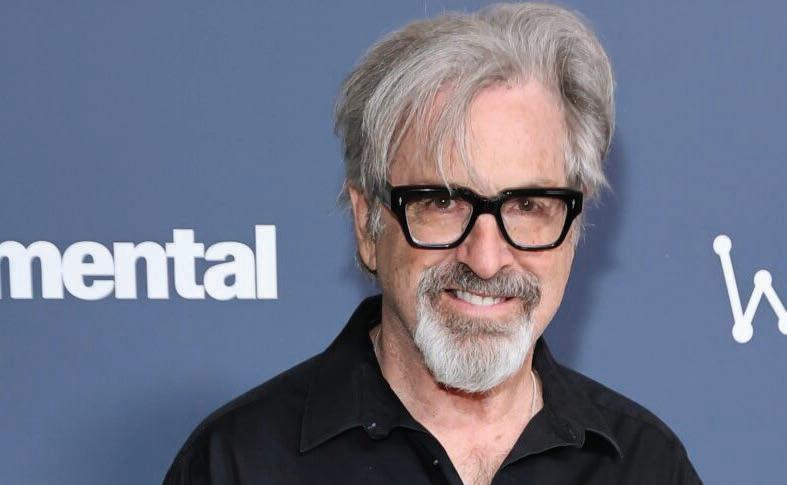
and streaming platforms, securing Carradine’s place in pop culture history.
While the film established him as a comedic icon of the 1980s, Carradine’s career never remained confined to a single genre. He continued working consistently in film and television throughout the 1990s and early 2000s, appearing in projects ranging from action films such as Escape from L.A. to independent productions and television dramas. His adaptability allowed him to transition naturally as Hollywood evolved.
A new generation discovered Carradine when he appeared as Sam McGuire, the supportive and grounded father in the Disney Channel series Lizzie McGuire. The role introduced him to younger viewers and demonstrated his warmth as a performer capable of balancing humor with sincerity. Many audiences came to associate him with a steady on-screen presence that reflected optimism, patience, and humor.
Across his career, Carradine accumulated more than 150 acting credits, working continuously in an industry known for unpredictability. Colleagues frequently described him as a dedicated professional who embraced both leading and supporting roles with equal enthusiasm. His longevity reflected a genuine love of acting rather than celebrity itself.
Carradine was married to Edith Mani and remained closely connected to his family, including his daughter Ever Carradine, who also pursued a successful acting career. The Carradine family’s influence on American entertainment spans multiple generations, and Robert Carradine’s contributions added a distinctive chapter marked by individuality and quiet resilience. News of his passing prompted widespread reflection on the lasting appeal of performers who shaped cinematic culture beyond blockbuster headlines. Carradine represented a type of actor whose work became woven into every-
day viewing experiences, from late-night movie broadcasts to family television evenings. His legacy rests not only on a single performance but on a body of work that celebrated unconventional characters and encouraged audiences to embrace authenticity. From serious war dramas to lighthearted comedy and family television, Carradine consistently portrayed characters who found strength in being different.
Remembered for humor, humility, and an enduring connection with audiences, Robert Carradine leaves behind a career that reflects the changing face of American entertainment and the lasting power of storytelling. His performances continue to live on through films and television programs that remain part of the cultural landscape, ensuring that new viewers will continue discovering the actor who helped turn Revenge of the Nerds into one of cinema’s most beloved cult classics.



Advertise with The Grants Pass Tribune!
Show
BCC Weekly - Taking the “Blind” out of the BCC
By: Jay Meredith, CPA Investigative Journalist
The County’s temporary board of elected officials held commissioner interviews, selected Colene Martin and Gary Richardson to fill the two vacant BCC seats, and the two new commissioners were sworn in on Monday this week. They are getting right to work this week by tackling an issue that some in the County consider a very time sensitive issue, the Animal Shelter levy renewal.
Commissioners have scheduled a site visit at the Animal Shelter for 2pm on Wednesday this week. And according to comments from Commissioner Smith on the KAJO talk show this week, Commissioner Smith intends to hold an administrative meeting on Thursday this week and a Weekly Business Session on Friday of this week in order for Commissioners to take public input on this topic and potentially approve an Animal Shelter levy renewal ballot measure for the May 2026 ballot. This week may be the last opportunity to put such a measure on the May 2026 ballot.
Comments on social media have implied that many animal shelter advocates have been concerned about getting the levy renewal on the May 2026 ballot so that there is no gap in annual operational funding for the animal shelter operations. Except, the current voter-approved levy of 11 cents per $1000 of assessed value provides funding that doesn’t expire until June 30, 2027. Therefore, after May 2026, there are still two more opportunities to bring a levy renewal measure before voters in advance of the current levy expiration, the election of November 2026 or May 2027.
Some Animal Shelter supporters are hoping that a levy renewal can be brought before voters early in the May 2026 election so the message doesn’t get lost with other competing measures that are ex-

pected to be on the November 2026 ballot in Josephine County. The County’s Jail/ Juvenile Justice operations levy also expires next year and would normally come before voters for a renewal vote in November 2026. And there is an IV Fire District levy that also expires next year.
Animal Control and Animal Shelter services are provided as required by both state and local laws. The County Charter requires “full support” of these services as shown below in Section 14.6 of the County Charter:
Section 14.6.
COUNTY ANIMAL CONTROL SUPPORT.
(1) The county shall provide full support and maintenance of all Animal Control field services and shelter operations.
(2) “Field Services” shall consist of the enforcement of all Oregon statutes relating to offenses against animals, and

County Charter laws and County ordinances relating to licensing, domestic animal, poultry of livestock issues and all animal abuse or neglect investigations. These services shall include the trapping, pickup and disposal of all stray and abandoned animals, and they shall be available to meet citizen needs.
(3) “Shelter operations” shall include licensing, lost and found assistance, animal boarding in the main shelter, requirement of a strict responsible ownership contract for adoptions with no animals available for research or exploitation, active leadership for a humane educational program for adult and school-age county residents, and euthanasia services.
(4) Definitions shall follow ORS 167.310(1)(a)(c)&(d). {Amended November, 1994}
According to the current year budget, County Animal Control/Shelter operations license close to 2600 dogs per year, shelter close to 2500 animals per year, adopt over 1000 animals per year, reunite 500-600 animals with their owners per year, and transfer close to 700 animals per year to other rescues. According to the current year budget document, the Animal Shelter has been able to maintain a No-Kill Live Release Rate for six consecutive years. Property tax local option levy measures are limited to no more than five years in length and must be renewed by voters at the end of each levy term. The animal shelter levy started out at 8 cents about 12 years ago and has been renewed by voters twice, the last time being about 4 years ago at a rate of 11 cents per $1000 of assessed value. When the County was in a fiscal crisis between the years of 2012 and 2017, voters approved a small levy for animal
shelter operations before any new levies were approved for County Law Enforcement or Justice program funding. Voters supported the animal shelter levy about three years before the first modern levy was approved by voters for the Jail and Juvenile Justice programs in 2017.
A member of the Josephine County Animal Shelter Advisory Committee has stated that the current 11-cent levy isn’t keeping up with the rising cost of veterinary care and the various shelter costs. In the current year budget for the Animal Shelter & Control Fund, budgeted expenses are a little more than $100,000 higher than budgeted revenues, including the animal shelter levy revenues which currently brings in a little more than $1 million per year in property tax revenues dedicated to animal shelter and control operations.
A little over a year ago the BCC did discuss the potential of a large multimillion grant that could help provide for building a new animal shelter facility, but not long after that former Commissioner Blech terminated the Director of Public Health who was overseeing that grant process. It’s unclear whether that full grant application was submitted, but recent comments by Commissioner Smith imply the County was not successful with that grant application.
Pairing operational needs with the need to expand the overcrowded animal shelter building itself, the recommended levy rate for the next levy term will likely be more than the current 11-cent rate. County officials have not yet stated what the recommended rate and term will be for the levy renewal ballot measure, and ultimately the BCC will decide the terms of the measure that goes before voters.
Any citizens wishing to provide input to the commissioners on this topic should email the commissioners this week or attend the Weekly Business Session which is expected to be held on Friday, February 27th at 10am in the Anne Basker Auditorium.
By John Oliver
A complex dispute involving waste collection policy, recycling operations, and allegations of government retaliation is unfolding in Josephine County, placing local solid waste regulations and municipal enforcement practices under scrutiny.
At the center of the situation is a proposed amendment to the county’s solid waste franchise agreements, accompanied by a formal email sent to city officials by local junk removal operator and nonprofit organizer Konnor Kirkpatrick. Together, the policy proposal and correspondence illustrate an escalating conflict that now touches environmental policy, regulatory authority, and constitutional concerns.
For decades, Oregon law has allowed cities and counties to grant exclusive solid waste collection franchises. Under Oregon Revised Statutes 459.015 and 459A.085, local governments may effectively monopolize garbage collection services if doing so advances recycling, waste reduction, and public health objectives.
Josephine County operates under that framework. Franchised haulers provide scheduled curbside collection, dumpster rentals, and disposal services under agreements designed to maintain consistent waste management across the region.
However, the system has increasingly collided with the growth of independent junk removal businesses that operate differently from traditional trash collection companies.
A presentation recently delivered to the regional Solid Waste Agency proposes amendments intended to clarify that distinction.
The amendment argues that junk removal services perform one-time cleanouts, bulk item removal, and rapid response hauling rather than routine curbside collection. Supporters of the proposal contend these services should be recognized as a separate industry rather than competitors to franchised garbage companies.
The proposal also seeks to limit the authority of franchise holders by stating they should not be able to unilaterally ban individuals or businesses from county transfer stations or disposal facilities. Instead, any access restriction would require review and determination by the county’s Solid Waste Agency through a formal due-process procedure.
Environmental considerations play a central role in the dispute. Materials presented alongside the amendment emphasize recycling and reuse outcomes, arguing that independent junk removal operations frequently divert recoverable materials away from landfills.
Charts included in the proposal compare recycling practices, asserting that junk removal services more often recycle metals, cardboard, wood waste, and reusable goods while franchised collection systems rely primarily on landfill disposal following standard pickup routes.
The amendment frames these differences as significant under Oregon law, which conditions exclusive franchise authority on advancing

statewide recycling goals.
That argument appears to align closely with claims made by Kirkpatrick in a detailed email sent to Grants Pass City Manager Aaron Meyer and copied to several senior city officials.
In the email titled “Request to Cease Further Retaliatory Action,” Kirkpatrick responds to a city visit at his property on Rogue River Highway, where a notice had reportedly been left by a municipal official.
“I got your card on my door,” Kirkpatrick wrote. “Please let me know how I can help you.”
He clarified that his nonprofit operation is not open to the public and stated that refrigerators stored outside the property were functional rather than abandoned. He asked whether relocation of the equipment was necessary and requested documentation explaining the enforcement action.
Kirkpatrick specifically asked the city to provide copies of any complaints filed against the property along with recordings or transcripts of the complainant’s phone call, saying he wanted to understand what prompted the visit.
The email calls for a coordinated meeting involving multiple city leaders, including Fire Chief Jimmy Sanchez, Police Chief Warren Hensman, City Manager Meyer, and City Attorney Stephanie Nuttall.
Kirkpatrick wrote that the meeting would allow all parties to review the situation collectively and ensure compliance with local, state, and
federal laws.
“It is also imperative that city attorney Nuttall be present at this meeting to ensure all parties are acting in accordance of all local, state and federal laws, ordinances, and mandates,” he stated.
He added that he welcomed participation from any department or agency with concerns regarding his operations.
A significant portion of the email focuses on mattress recycling efforts connected to Kirkpatrick’s organization. He asserts that participation in Oregon’s state-mandated mattress recycling program has provided measurable financial and environmental benefits to Grants Pass.
“Regarding the mattresses, since I have joined the Mattress Recycling Program I have saved the city of Grants Pass $83,000 (and counting) in potential DEQ fines,” Kirkpatrick wrote.
He further estimated that the effort saves approximately $15,000 per month for the city and reduces dump fees paid by residents by roughly $6,600 monthly, arguing that diverting mattresses from landfill disposal fulfills state recycling mandates while lowering costs.
Kirkpatrick also accuses the regional Solid Waste Agency of failing to properly manage franchise agreements and aligning policy decisions with corporate interests rather than environmental outcomes.
According to the email, Kirkpatrick recently
presented an amendment intended to legitimize and regulate the junk removal industry within Josephine County. He states that officials acknowledged junk removal as a necessary service distinct from weekly garbage collection.
Despite that acknowledgment, he says he remains banned from local disposal facilities until new permitting guidelines are finalized.
The timing of the city visit, Kirkpatrick argues, is not coincidental.
“It’s clear that any complaints filed against me, my company or my non-profit organization were made in retaliation of this meeting,” he wrote, adding that such retaliation would constitute a violation of his First Amendment rights.
Kirkpatrick’s message concludes with a firm legal posture. He requests copies of all complaints associated with the property and states that until the requested information is provided and a meeting occurs, city officials are not welcome on his private property.
“Any further action taken by any department will be considered punitive retaliation by a government official and will implicate the city of Grants Pass when/if this issue escalates to a federal courtroom,” he wrote.
The email signals potential litigation should enforcement actions continue without what he considers sufficient transparency.
The dispute highlights a larger policy challenge facing local governments across Oregon: balancing long-standing franchise systems with emerging recycling-focused businesses operating outside traditional waste collection models.
Exclusive franchises have historically ensured consistent service coverage and predictable regulation. Yet Oregon’s environmental statutes also emphasize waste reduction, recycling innovation, and extended landfill lifespan.
As junk removal and recovery services expand, jurisdictions must determine how those operations fit within legacy regulatory frameworks designed decades earlier.
In Grants Pass and Josephine County, that policy debate now intersects with personal allegations, enforcement decisions, and questions about governmental process.
City officials have not publicly responded to the claims outlined in Kirkpatrick’s correspondence, and it remains unclear whether the requested meeting will occur or whether formal legal proceedings could follow.
For residents, the outcome may influence more than a single dispute. The decisions made in the coming months could reshape how waste services are regulated locally, who may access public disposal facilities, and how recycling goals are pursued in Southern Oregon.
What began as a technical amendment to a franchise agreement has evolved into a broader test of transparency, environmental policy, and the relationship between independent operators and local government authority.
By John Oliver
One year after launching a collaborative effort to address healthcare workforce shortages in Southern Oregon, regional education and healthcare leaders say a new Surgical Technology program is already producing measurable results while expanding career opportunities for local residents.
Rogue Community College, Linn-Benton Community College, and Providence Medford Medical Center announced the partnership in 2025 with the goal of creating a sustainable local pipeline for surgical technologists serving Jackson and Josephine counties. The initiative introduced an accredited Associate of Applied Science degree in Surgical Technology to the region for the first time, allowing students to complete professional training without leaving Southern Oregon.
The program was developed through a shared model that combines resources from multiple institutions. Students begin by completing prerequisite coursework at Rogue Community College, including anatomy and physiology, medical terminology, writing, mathematics, and other foundational health science classes designed to prepare applicants for the demands of the program. After admission into the competitive surgical technology cohort, students participate in online academic instruction delivered by Linn-Benton Community College while attending in-person laboratory training at RCC. Clinical experience is provided through operating room rotations at Providence Medford Medical Center.
Officials say the inaugural cohort reached capacity before the application deadline last year, demonstrating strong regional demand for accessible healthcare education. Students in that first class are now completing their initial year of training, gaining experience through simulated surgical environments and hands-on clinical placements within hospital operating rooms.
“This program continues to demonstrate how powerful regional collaboration can be,” said RCC Dean of Health and Public Service Rusty Riis. “By working closely with our education and healthcare partners, we’re reducing barriers for students, expanding access to high-quality training and strengthening the healthcare workforce right here in Southern Oregon.”
Healthcare providers have long identified surgical technologists as a critical workforce need, particularly in rural regions where recruitment challenges can limit access to care. Providence Medford Medical Center leaders say the partnership is already helping address that gap by preparing locally trained professionals who are familiar with the community they will serve.
“We are thrilled to see this program take hold in Southern Oregon,” said Providence Medford Medical Center Chief Nursing Officer Kate Kitchell, RN. “Before this partnership,

there was no local pipeline for surgical technologists. This collaboration allows us to grow our own workforce while maintaining the high standards of care our community expects.”
Students participating in the program describe the opportunity to train close to home as a significant advantage. Carl Nelson, a member of the inaugural cohort, said the program creates access for individuals who may not have been able to relocate for specialized medical training.
“The partnership brings a real career pathway to people in Southern Oregon who couldn't relocate for a program like this,” Nelson said. “The faculty have been incredible; the more you invest in the program, the more you get out of it. It opens real doors at medical facilities in the area, and I think I can speak for my fellow students when I say it's been an incredibly fruitful experience for all of us.”
Graduates will be eligible to sit for the Certified Surgical Technologist examination, entering a profession that continues to experience strong demand nationwide. The program holds full accreditation through the Commission on Accreditation of Allied Health Education Programs, ensuring students meet nationally recognized education and training standards.
Leaders at Linn-Benton Community College say the partnership demonstrates how institutions can work together to respond quickly to workforce needs without duplicating programs or infrastructure.
“This partnership shows what’s possible when institutions work together toward a shared goal,” said LBCC Dean of Healthcare Division Rick Goranflo. “By leveraging each partner’s strengths, we’re able to respond quickly to workforce needs without duplicating resources.”
Program organizers are now preparing to admit a new group of students for Fall 2026. Applications will open May 18 at 9 a.m. and close June 18 at 4 p.m. Prospec-
5 DAY OUTLOOK
SOURCE: WEATHER.COM


tive applicants are encouraged to complete prerequisite coursework in advance due to the competitive selection process and strong early interest.
As the program enters its second year, participating institutions say the collaboration represents a long-term investment in regional healthcare access, workforce development, and educational opportunity across Southern Oregon. More information about prerequisites and applications is available through Rogue Community College’s Surgical Technology program website.




February 23, 2026 February
Posting February 23, 2026