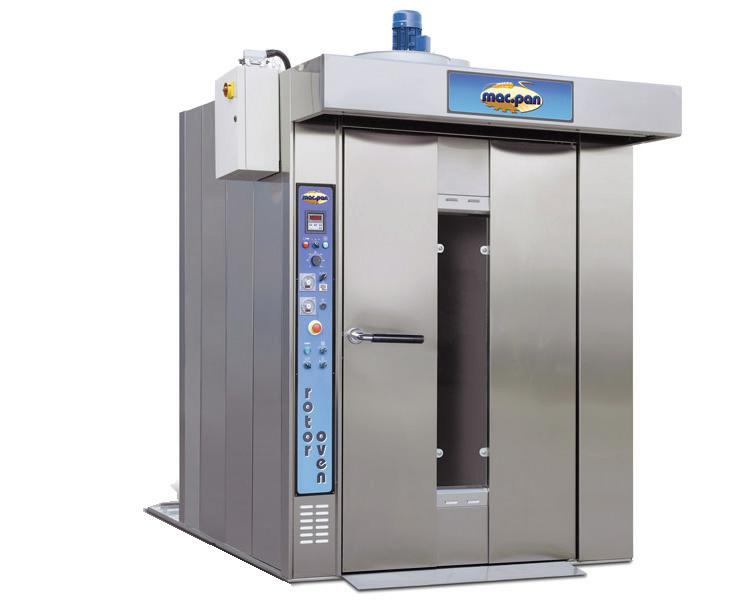
Kitchen fire suppression
Crafting creative floors
Surfactant leaching
Corruption in construction
An impediment to development






Kitchen fire suppression
Crafting creative floors
Surfactant leaching









































HIGH PERFORMANCE



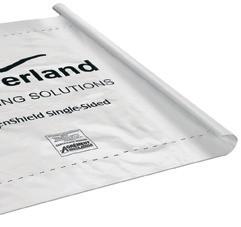
ALUMINIUM FOIL INSULATION FOR USE UNDER TILE AND METAL ROOFS
Reflects 97% of heat coming from the roof covering Keeps your house cooler by up to 10°C in summer
Wind driven rain runs down the foil and out the eves









MANAGING EDITOR
Robert Barnes
DEPUTY MANAGING EDITOR
DEPUTY MANAGING EDITOR
Francis Makari
Francis Makari
EDITOR - in - CHIEF
FEATURES EDITOR
Dennis Ayemba
Dennis Ayemba
COUNTRY EDITORS
COUNTRY EDITORS
Uganda - Betty Nabakooza
Uganda - Betty Nabakooza
Nigeria - Boladale Ademiju
Nigeria - Boladale Ademiju
South Africa - Jimmy Swira
South Africa - Jimmy Swira
WRITERS
WRITERS
Yvonne Andiva, Dorcas Kang'ereha, Pascal Musungu
Yvonne Andiva, Dorcas Kang'ereha, Pascal Musungu, Anita Anyango, Moreen Gakii
WEB & GRAPHIC DESIGN
WEB & GRAPHIC DESIGN
Margaret Atieno
Margaret Atieno
Sales and Marketing Manager
Sales and Marketing Manager
Ken Okore
Ken Okore
ADVERTISING
ADVERTISING

Kenya: William Mutama, Lilian Khavosa, Fredrick Otieno
Kenya: William Mutama, Lilian Khavosa, Fredrick Otieno
South
South Africa: Thuli Nkosi, Winnie Sentabire, Angeline Ntobeng,
Uganda: Nobert Turiyo, Selina Salumah Namuli
Botswana: Dickson Manyudza, Gerald Mazikana
Ethiopia: Haimanot Tesfaye, Ruth Girma
Tanzania: Tom Kiage
Malawi: Anderson Fumulani
Ghana: Samuel Hinneh, Caleb Donne Hadjah
Zambia: Susan Kandeke
Zimbabwe: Chiedza Chimombe
Rwanda: Collison Lore
Nigeria: Seni Bello
China:Weng Jie
The editor accepts letters and manuscripts for publication from readers all over the world. Include your name and address as a sign of good faith although you may request your name to be withheld from publication. We reserve the right to edit any material submitted .
Send your letters to: info@constructionreviewonline.com
Construction Review is published eleven times a year and is circulated to members of relevant associations, governmental bodies and other personnel in the building and construction industry as well as suppliers of equipment, materials and services in Africa, the Middle and Far East. The editor welcomes articles and photographs for consideration. Material may not be reproduced without prior permission from the publisher. The publisher does not accept responsibility for the accuracy or authenticity of advertisements or contributions contained in the journal. Views expressed by contributors are not necessarily those of the publisher.
© All rights reserved.

Published by Group Africa Publishing Ltd
Head Office and for all enquiries: Consolidated Bank House, 4th floor, Koinange Street, Nairobi 00100 Kenya, Tel: +254 772642042, +254-20-2213607 Email: info@groupafricapublishing.com
Uganda Agent Projects Unusual Uganda Ltd. Jemba Plaza, Luwum St. Kampala, Uganda Tel: +256 776 883181 bettykatongole@yahoo.com
Botswana Agent Cadline (Pty) Ltd. P/Bag 494 Gaborone, Botswana.
Tel: +267 318 7101, Fax: +267 318 102
E-mail: botswana@groupafricapublishing.com
South Africa Agent College Publishers CC 1st Floor, 267 Oak Avenue, Oakfields, Randburg, Johannesburg Tel: +27 11 781 4253, Fax: +27 11 781 4287
Email: info@collegepublishers.co.za
Ethiopia Agent Haymi Advertising Services 22 Mazoria, Genet Bldg 4th Flr P.O. Box 1316 - 1110 Addis Ababa Tel: +251 118 955 855, Cell: +251
Crafting creative floors for commercial spaces
A well-designed floor can provide a wealth of benefits, as its design can help to create a vibrant and engaging customer experience.

Heard of surfactant leaching?
Surfactants influence a range of properties in paint including paint colour and stability, but are not always effective in every application.
PPPs can be the answer to Africa’s developmental funding headache
Africa is a continent rich in natural resources and boasts a large young, ambitious, and entrepreneurialminded population. Harnessed properly, these endowments and advantages could usher in a period of sustained economic growth and increased wellbeing for all Africans.
However, a lack of modern infrastructural developments is a major challenge to Africa’s economic development and constitutes a significant impediment to the achievement of Sustainable Development Goals (SDGs).
Given the colossal sums required to fund these developmental projects, an increasing number of countries, notably emerging markets and developing economies (EMDE), are turning to Public-Private Partnerships (PPPs) in order to tap private capital.
Air-conditioning: Choosing an air-conditioner and understanding BTU 26
Surfactant: Heard of Surfactant Leaching? 27
Kitchen Fire: Kitchen
Email: ethiopia@groupafricapublishing.com
Ghana Agent Image Consortium
1st Floor, The Ecobank Building, Tesano.
Tel: 233(0)30 223 2728 I 233(0)274807127 I +233(0)206299159
Fax: 233(0)24 882 8286
Email: ghana@groupafricapublishing.com, Calebhadjah@gmail.com
Kenya Agent Northwest Ventures Ltd
P.O. Box 16414 - 00100
G.P.O
Nairobi, Kenya
Tel: +254 20 2679808
Email: kenya@groupafricapublishing.com, info@northwest.or.ke
Nigeria Agent
Rahma Associates
B23/24, Aishetu Emoewa Plaza, 196, Iju Water Works Road, Ifako Ijaye Lga,Agege, Lagos. Tel: 234-1-7347860
Email: nigeria@groupafricapublishing.com
Rwanda Agent
Kolline & Hemed Inc., B.P. 3328, Kigali, Rwanda Tel: +250 03 748106
E-mail: rwanda@groupafricapublishing.com Website: www.kollinehemed.org
Although PPPs cannot fully solve this problem, they can provide significant financing where viable projects are carved out. Despite the fact that some African countries are hesitant to embark on PPPs as a result of prior bad experiences with ill-prepared PPPs or even with less-than competent PPP project sponsors; there are ample PPP opportunities waiting to be realized on the African continent for the benefit of all stakeholders.Governments therefore need to urgently put in place an enabling environment in order to attract more private participation if SDGs are to be met.
Zambia Agent Dayflex Limited, 4th. Floor Tazara House Dedan Kimathi Road, Lusaka, Zambia. Tel: +260 211 230 529 / +260 977 756 663
Email: makukasue@mail.com, dayflex06@gmail.com
Tanzania Agent: Group Africa Publishing Ltd tz@constructionreviewonline.com Dar-es-salaam
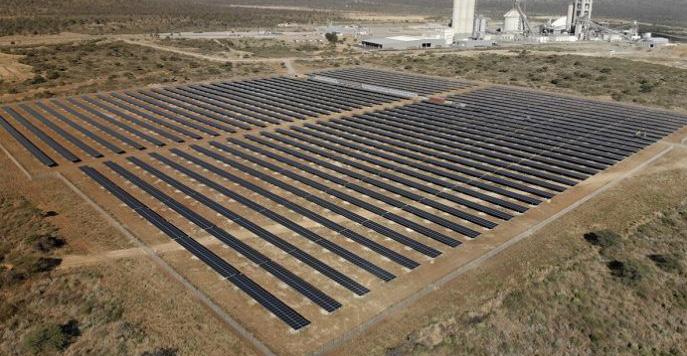
GILDEMEISTER energy solutions builds solar park in Namibia
Another large scale project has been realized in Namibia by GILDEMEISTER energy solutions.This time in Namibia. A total of 6.5MWp is provided by the solar park, which supplies electricity to the largest Namibian cement factory.
In addition to the central activity as the general contractor, GILDEMEISTER energy solutions was responsible for the codevelopment of the project, developed by the German SunEQ GmbH as IPP.
In contrast to many other parks of this size, the Ohorongo PV system does not feed the public grid, but directly supplies the neighbouring industrial customer, the largest cement factory in Namibia.
20,000 solar modules installed
It is a tracked system with an installed capacity of 6.5 MWp. At the end of June, the 20,000 solar modules installed will go into operation and feed around 14 GWh electricity per year directly into the cement plant network.
Cifa and Euromecc join their forces in the batching plants industry
Cifa and Euromecc , two leaders in the batching plants industry have entered into a technical, production, and commercial collaboration agreement.
On 26th March 2018, CIFA, a company leader in the design, development, production, distribution, and sales of machinery for the concrete industry and Euromecc, a company specializing in the manufacture of batching plants signed a technical, production, and commercial collaboration agreement within the batching plants industry.
Both Cifa and Euromecc will join their history, experience, and expertise, developing a new and more extended range of products with superior characteristics for stationary and mobile plants.
Therefore, the two leaders will provide a complete range of solutions to meet the requests of the most demanding customers and provide a complete service, from the design to after-sales, including installation.
The new range of products
This new range of products will be distributed and sold under the CIFA brand and will replace CIFA’s and Euromecc’s existing ranges of products.
Phanes Group kicks off solar incubator programme in subSaharan Africa
Dubai-based Phanes Group, an international end-to-end solar provider, has announced the 2nd edition of its Solar Incubator programme. The programme is aimed at identifying PV projects of potential in sub-Saharan Africa by providing commercial and technical knowledge support.
The initiative held under the theme, “Your Project, Our Expertise, For a Sustainable Future”, will be held in collaboration with Hogan Lovells, responsAbility Renewable Energy Holding, RINA and Solarplaza, and invites PV developers to submit proposals for projects based in sub-Saharan Africa that have a clear corporate social responsibility (CSR) component.
Candidates are asked to submit their proposals by September 27th 2018 (11.59 pm CET) via the process established on Phanes Group’s website.
WACKER will debut high-performance sealants and adhesives at INTERBUILD AFRICA 2018
WACKER, the Munich-based chemical company, will debut high-performance sealants and adhesives for the construction industry alongside polymer binders for waterproofing membranes and cementitious tile adhesives at INTERBUILD AFRICA 2018. One of the booth highlights is VINNAPAS® 760 ED a water-repellent
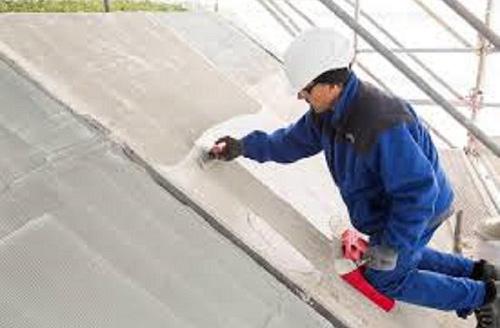
dispersion that can be used to manufacture flexible two-component waterproofing membranes.
WACKER will also present INNAPAS®8118 E, a polymer powder for formulating cementitious tile adhesives that meet C1 and C2 standards (EN 12004). WACKER Silicones will be showcasing a general purpose acetoxy silicone sealant for industrial and do-ityourself applications along with a water based acrylic sealant suitable for building repair. INTERBUILD AFRICA takes place from August 15 to 18 in Johannesburg, South Africa.
“South Africa is a market with tremendous growth potential for construction applications; we are working closely with our customers to invent formulations suitable for this region,” says Cyril Cisinski, managing director at WACKER Middle East & Africa. Furthermore,
the launch of the mobile technical laboratory in Johannesburg last year has helped our customers test applications in real-time and to engage with our technical experts directly.
VINNAPAS® 760 ED
VINNAPAS® 760 ED is a terpolymer based on vinyl acetate, ethylene and vinyl ester that can be used as a hydrophobic binder in two component waterproofing membranes such as sealing slurries.
Together with ethylene, its vinyl esther component considerably increases the elasticity of the end product. As a result, the coating is more extensible and very flexible.
VINNAPAS® 760 ED ensures outstanding crack bridging, even at exceptionally low temperatures down to -20 °C. Additionally, it is highly resistant to hydrostatic pressure.
KAM
The Kenya Association of Manufacturers (KAM) in collaboration with the Government under the Ministry of Energy and Petroleum, have committed to promote the Kenya’s green economy strategy in bid to boosting the country’s energy sector.
Speaking during a conference themed “Catalysing Sustainable Renewable and Energy Efficiency in Kenya” which was held by the two parties, KAM Vice Chairman Mr. Mucai Kunyiha noted that affordable and clean energy as the key in the realization of the Big 4 Agenda.
“The Association seeks to increase the manufacturing sector’s contribution to 15% by 2022, in line with the Government’s Big 4 Agenda. Improving energy efficiency has the clearest impact on saving money, improving business results and fostering economic growth. We will continue to undertake projects that stimulate investment and policy initiatives that promote green growth in the country,” said Mr Kunyiha.
Promoting renewable energy
The two-day clean energy conference aimed at promoting renewable energy and energy efficiency in the country highlighted the achievements and challenges by the industry on energy management and green growth policy initiatives.

The Renewable Energy Association of Nigeria (REAN) in association with Sterling Bank, the only Nigerian bank with a functional renewable energy practice, has decided to finance renewable energy projects for industrial, small business and residential users in Nigeria.
Confirming the statement Segun Adaju, president of REAN said they are in talks with the bank adding that five companies including Abuja based Blue Carmel and Elec3city, have signed a memorandum of understanding to provide off-grid power to industrial and residential users respectively.
Upfront costs involved in acquiring solar energy
Segun Adaju noted that the challenge of huge upfront costs involved in acquiring solar energy is the strongest discouraging factor for rapid solar energy adoption in the country. To set up a 2KV system capable of powering a refrigerator, 5 lighting points, a television and sound system set; a user would be required to pay as much as US $2 in a three bed-room apartment.
Systems that can power an entire building including air conditioners and pumping machine could cost between US $6K – US $11K. Considering that the lifespan of solar panels is over 20 years and good batteries can last up to five years, the cost over time is cheaper than buying diesel which pollutes the environment.

The South African Wind Energy Association (SAWEA) is set to standardize metric in bid to asses energy sector employment. This after a recent Meridian Economics study commissioned by the association for a highly unequal middle-income country such as South Africa, showed the employment implications of the energy transition are both politically and socially significant.
According to Brenda Martin, CEO of SAWEA, standardised employment metrics and methodologies should be used across all energy technologies. Such understanding can then usefully inform the planning choices that need to be made in the short term.
Structural transition
She further added that globally, the power sector is undergoing a complex structural transition away from a model of regulated, monopolistic, centralised and coal-based electricity supply.
AAK calls for lawful demolitions
The Architectural Association of Kenya (AAK) has called for ‘humane’ demolitions in line with the law following concerns of the manner in which ongoing demolitions of buildings on riparian and public land is being carried out.
Emma Miloyo, AAK president urged the government to mind innocent victims such as second and third generation buyers and tenants who stand to lose millions of shillings during the demolition exercise. She also said conflicting legislation on riparian land such as the Survey Act, Agriculture Act and Water Act 2016 fueled confusion on the matter.
“We support the efforts by the government to uphold the law as it is the only way we can operate as a civilized society and achieve the Kenya we want. However, the application of the law must be consistent and non-selective,” said Emma.
Agencies behind the demolitions Emma Miloyo also raised concerned over the agencies behind the demolitions. She said that the same agencies were involved in issuing developers with the necessary regulatory and statutory documentation to develop the land. The agencies include the National Environment Management Authority, Water Resources Authority and the Nairobi City County.
“Why did these agencies wait for these structures to be built only to then demolish them? A lot of uncertainty and fear has been set to get into the real estate industry as it is not clear anymore which permits are valid and there is no process to validate them either.
The Regional Energy Co-operation Summit is an annual investors’ meeting focused on cross-border energy infrastructure and the financing of projects in West Africa. The next edition of the Summit will take place in Accra in September 2018.
As Ghana leads the way for crossborder energy trade, this high-level regional Summit will not only be the platform to showcase power, trade and infrastructure investment opportunities, but will also engage decision makers from ECOWAS public and private sectors to explore how project bank ability can be increased.
ECOWAS Energy Ministers, Government Representatives, Heads of Utilities, Regulators, power developers, technology providers, financiers and multilateral agencies from across West Africa attended the summit, discussing strategies to engage the private sector and multilateral.
Kenya
- Architectural Association of Kenya
- Institute of Quantity Surveyors of Kenya
- Institute of Engineers of Kenya
- Association of Consulting Engineers of - Kenya
- Association of Professional Societies of East Africa APSEA)
- Kenya Property developers Association
- Institution of Surveyors of Kenya
Transport Evolution is proud to present African Ports and Rail Evolution, Africa’s largest transport event welcoming dozens of African ports and rail authorities and thousands of qualified maritime, transport and logistics professionals. African Ports and Rail Evolution unites buyers and sellers from across the value chain to provide comprehensive access to planned blue economy development and expansion projects across the African continent.
Join us this October to optimize hinterland and maritime connectivity, increase passenger rail services in major cities, develop autonomous and automated ports, boost security strategies for ports and rail and define the future of transport infrastructure development across the continent.

- Association of Ethiopian Architects
- Ethiopian Association of Civil Engineers
- Construction Contractors Association of Ethiopia
- Zimbabwe Institute of Quantity Surveyors
- Zimbabwe Institute of Engineers
- The Construction Industry Federation of Zimbabwe (Cifoz)
South Africa - ASAQS - SAICE
- South African Council for the Quantity Surveying Profession
- Khuthaza ( Women for Housing)
- Concrete Manufacturers Association
- Green Building council of SA
- South African Property Owners Association
- Master Builders South Africa
Uganda
Institute of Surveyors of Uganda
Uganda Institute of Professional Engineers (UIPE) & Uganda society of Architects
Botswana
- Institute of Botswana Quantity Surveyors
Ghana
- Ghana Institute of Engineers
- Architects Registration Council
- Ghana Institute of Surveyors
- Ghana Green Builders Association
- Ghana Institute of Planners
- Association of Building and Civil Engineering
Contractors of Ghana
Institute of Namibian Quantity Surveyors
Association of Consulting Engineers of Namibia
Tanzania
- Tanzania Institute of Quantity Surveyors
- Construction Regulation Board (CRB)
Build Expo 201811th-13th October 2018
NIGERIA BUILD EXPO is the only place to be if you are in construction sector. With key dedicated product groups you can be part of, there is no better time to secure your stand space for 2018! This is the most important event to be held in Nigeria
The exhibition and the workshop fruitful opportunity to meet the most important political and economic figures in Nigeria in order to further discuss all possible business ways.
•B2B meetings between professionals and decision makers meet.
•This exhibition will gather exports and decision makers from the world to introduce opportunities and launch.
Find out what suits you best from about 14.3 million business prospects during the three-day event, with over hundreds of products, equipment and machinery.
- Tanzania’s Registration Board of Architects and Quantity Surveyors (AQSRB)
- Association of Consulting Engineers Nigeria
- Association of Professional Women
Engineers Of Nigeria
- Council of Registered Builders of Nigeria
- The Nigerian Institute of Architects
- American Association of Petroleum Geologists Africa Region
- Nigeria Society of Engineers
- Nigeria Institute of Architects
- Building and Construction Skilled Artisans Association of Nigeria (BACSAAN)
- Zambia Institute of Architects (ZIA)
- Association of Building and Civil Engineering Contractors (ABCEC).
Ditch Witch introduces its largest trencher, the HT275
Ditch Witch has introduced the company’s largest trencher, new HT275 trencher that is able to handle heavy-duty installations of up to 10 feet deep and 26 inches wide.
The company says its tracked trencher can tackle a broad range of jobs, including water, sewer, gas, power and underdrain installations and pipeline distribution. The HT275 is powered by a 275-horsepower Cummins Tier 4 Final diesel engine – more than twice the horsepower of its secondlargest trencher, the wheeled RT125, at 121 horsepower.
The HT275’s hydro-static trencherchain drive allows the operator to match chain speeds to soil conditions. The company further increased productivity by making it easier and quicker to change attachments.
HT275 features
The HT275 features four hydraulic quick-disconnect blocks that allow rear attachments to be changed without heavy lifting equipment. Attachments include a center line attachment for installations of 4 to 10 feet and 14 to 26 inches wide, and an offsetting, sliding attachment for installations 3 to 6 feet deep and 8 to 24 inches wide, which has an optional truckloading conveyor.

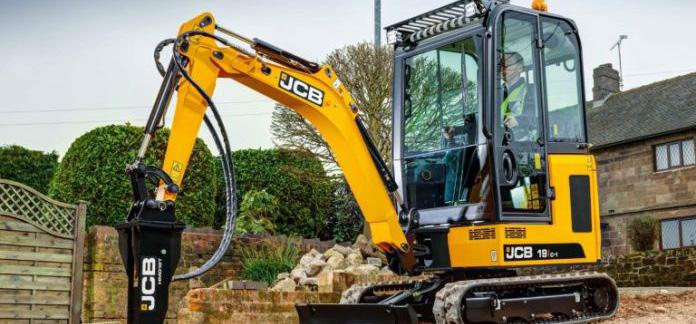
JCB has introduced two new compact excavators with rental-ready common design.The company says the common design is focused on increased durability for the rental market.
The new 18Z-1 has an operating weight of 3,856 pounds and is JCB’s first zero tails wing model in the 1-2 ton excavator size class. The 19C-1 is a 4,211-pound conventional tails wing machine.
JCB North America president of product and direct sales, Steve Fox, said that both new machines are more durable and require less maintenance than competing 1-2 ton compact excavators.
They feature all-steel bodies, protection for hydraulic rams and hoses, 500-hour greasing intervals and a swing-out counterweight for full access to the engine bay. There’s also a separate service access door for daily checks.
“The JCB 18Z-1 and 19C-1 compact excavators are designed to exceed the requirements of the most demanding construction and rental customers. They get the job done, they’re cheaper to operate and they represent a better return on your investment over the life of the machine.” said Fox in a statement.
New undercarriage design with updated dozer blade Both machines sit on the same new undercarriage which JCB says provides extended component life over previous models. The new undercarriage features an updated idler design that improves ride quality and reduces track stalling in loose material.
Panasonic Homes & Living, has unveiled the all new high-quality BS Type wiring devices ‘W1 Series’ switches and sockets for the Kenyan market. The W1 Series switches and sockets, which complement the brand’s comprehensive range of innovative solutions for the construction segment, are uniquely designed for commercial and residential use.
The event, attended by senior management representatives from PMMAF, also included a product orientation on the full W1 Series switches and sockets.
Celebrating its 100th anniversary this year, the Japanese electronics giant has expansions and new product launches as key strategies for this year to strengthen their position in the Middle East and Africa market as a leader in the development of diverse electronics technologies and solutions for both B2B and B2C segments.
Bobcat targets heavy lift handling with new compact telehandler for Middle East and Africa
Bobcat has launched TL43.80HF telehandler in the Middle East and Africa for heavy lift handling applications such as in manufacturing, building materials, warehousing, quarrying and mining.
With the new TL43.80HF, Bobcat now offers a range of fifteen different rigid frame telehandler models, covering maximum lifting capacities between 2.6 and 4.3 tonne and maximum lifting heights from six to 18 m.
“At Bobcat, for over 60 years, we have been constantly innovating the market – always developing new machines for customers’ needs. The new TL43.80HF is no exception to this legacy as it completes our range of telehandlers and ensures customers can benefit from unmatched loading productivity and lift capacity. Bobcat machines are made for tough jobs, whilst still providing all the agility and versatility any application would require,” said Olivier Traccucci, Bobcat telehandler senior product manager.
Unlike any other manufacturer on the market, all Bobcat telehandlers are covered by a three-year/3,000 hour warranty as standard, with the option of extending the warranty to five-year/5,000 hours. All Bobcat telehandlers are designed and produced at the company’s plant in Pontchâteau, France.
High lift capacity
Thanks to a high lift capacity of 4.3 tonnes and a maximum lift height of almost eight metres, the TL43.80HF is a compact telehandler offering an impressive package, which brings together robustness, rough terrain ability and ease of use for the operator in the same machine.


Aclose working relationship between client and contractor is important for any project success. But how do you manage client relationships without over promising? Dave Friar International Operations Director at engineering solutions provider Boulting Ltd explores the importance of building and maintaining a strong relationship with the client.
The success of any engineering project often revolves around the quality of the relationship between client and service provider. A good working relationship should be based on trust and understanding between all parties and, if managed correctly, this can lead to a more permanent contract between all parties and, through good relationship management can be fruitfully beneficial to both parties for the longer term.
The services that engineers provide are often not judged until the end of a project or even for some time after. If you’re looking to improve plant efficiency by integrating automation technologies or design and build a new high voltage distribution network, the success of the project may not be immediately measurable. However, the client’s experience in ‘Word of mouth’ is very powerful in the industrial world, as it can both lead to new project wins or result in the loss of potential contracts. A client’s
experience will shape how they publicly talk about a project, even if the results are not yet available.
While it does take time to build and maintain a strong working relationship, it is a cost-effective exercise that can improve productivity and efficiency. Equally, if not managed appropriately complaints and misunderstandings can have a detrimental affect on the relationship, costing both time and money.
With any new client or project, it’s important to lay the foundations and get to know who you are working with and build up a rapport by exploring how they like to work. Do they prefer weekly or daily calls? Perhaps they’d prefer everything to be done by email. Whatever the approach, it needs to be defined in the early stages.
It isn’t just about a single client though. Building relationships with individuals, whether they are the decision makers or not, is equally as important. Some projects may span across continents and require conversations in various languages, which brings their own set of challenges, further emphasizing the importance of establishing strong communication channels.
Communicating the project brief
How we communicate with clients and maintain that healthy relationship
has changed significantly over the past 50 years. Historically, plant managers approached us with a single problem that they needed rectifying, such as a drive on a pump that was not working effectively. We are now being asked to look at the scope of a project on a much wider scale. Rather than installing one single piece of equipment, if the project requires it we develop a bespoke system that impacts on the overall facility.
Increasingly, clients are looking at the design and build of a facility as one single element, rather than breaking it into two. At Boulting, we provide both services, taking clients through the entire journey; from concept to creation. Concepts such as Industry 4.0 have led to a great number of new possibilities for the design and build of a project, and while clients may have an initial idea for a scheme, it is our job to help them shape and develop their vision into something that can deliver the results they require.
One way to manage larger integrated projects is by using building information modelling (BIM). By integrating information from a variety of sources linked with the construction or renovation of a facility, BIM allows for the creation of a digital model of the plant. The level of detail in the model is dependent on the chosen BIM level.
BIM is a collaborative process that is particularly useful when working with modular builds on pre-fabrication sites. By using one digital model that all contractors have access to, you can ensure that all pre-fabricated components fit into the facility. Clients will also have access to the model should they require a more in-depth update on the status of a project.
Client collaboration can also be achieved through integrated project delivery, an alliance between suppliers and the client that aims to integrate the best aspects of people, systems, business structures and practices. By using this system, clients become part of the team, ensuring all interests and objectives are aligned across every aspect of the project.
Transparency is a key benefit of this particular model as costs, time frame and progress are shared among all relevant parties, creating a sense of security and involvement.
There is no one single way to perfectly manage a client relationship as every project is different. Whatever model is chosen,communication remains key. While technologies such as BIM have a wealth of advantages, it’s important not to rely on technology and forget to simply pick up the phone and talk.

Crowdfunding is a financing method that uses the power of digital and mobile technology and the internet to pool resources from a large number of people, in varying amounts to fund projects. The routine thought that follows the mention of crowdfunding is a Gofundme or Kickstarter account entreating people to fund a charity project or a humanitarian cause.
The statistics of energy access and availability on the African continent is worrying, perhaps even alarming, and definitely a cause for continent-wide concern. Only seven countries in Africa have energy access rates of up to 50% (the lowest among emerging markets across the world), and Nigeria, the much peddled big brother of the continent is not one of them. The rest of the region has an average grid access rate of about 20%, and even when there is access, there is never enough to go round.
This means that on the average, about 625 million people in Africa do not have access to energy. There is an increase in investments coming into Africa, and the infrastructure deficit, especially in the area of energy, is crippling these investment opportunities. Certainly, the continent is in a dire energy crisis that it needs to fix, and it does have the energy resources it needs to fix it. While the quest for an energy-rich Africa is at the front-burner of the discourse on economic development, there is side-by-side the global conversation on climate change, sustainability and clean energy; a constant reminder of the continent’s commitments to international treaties and various regional, and sub-regional agreements on environmental protection.
has driven the move for cleaner energy forms like gas and renewable energy in recent times. Unlike fossil energy projects however, which (while having their own peculiar challenges) are a familiar terrain for investors, renewable energy (RE) projects do not spell certainty of any kind. Apart from the fact that they are expensive to undertake and there are very few bankable RE projects on the continent, the immediate metrics and mathematics for investing in fossils look better than that of an RE project. Thus, accessing bank loans, project financing, syndicated loans, and equity for RE projects have proved a tad difficult. Yet seven of the ten most suitable countries for renewable energy potential are in Africa, so it is only a no-brainer that the continent should drive investment in that sector.
With the rising challenge of financing RE projects, there has been a foray into innovative and alternative means of financing for which Private Equity (PE), Venture Capital (VC) funding, Pension funds, Sovereign Wealth funds, and Green Bonds have been explored. An alternative financing method that has not been explored as much though, is crowdfunding.
The global call to combat climate change is an enabling factor for tapping into the need for social good in crowdfunding RE projects.
This means that Africa has to grapple with development while putting sustainability into consideration for every step of the journey. This
Crowdfunding is a financing method that uses the power of digital and mobile technology and the internet to pool resources from a large number of people, in varying amounts to fund projects. The routine thought that follows the mention of crowdfunding is a Gofundme or Kickstarter
account entreating people to fund a charity project or a humanitarian cause. While this is part of what crowdfunding is, it is not all of it.
Crowdfunding in fact includes investing in projects and ventures, through pooling capital from various individuals while offering them return on investments (ROIs) either in form of equity or debt. In this form, it is usually referred to as investment crowdfunding.
The crowdfunding market, unsurprisingly, is doing pretty well around the globe, as most people are seeking new forms of investment outside traditional means; also because technology and the internet have disrupted a lot in the investment market, and finally, because projects are actively exploring new methods of funding that do not have the bottlenecks of bank loans and other traditional methods. In fact the global value of crowdfunding in 2015 stood at US $34.4bn, topping the global investments in VC funding in the same year which stood at US $30bn. Sadly though, Africa contributes only less than half of one percent to the global crowdfunding market.
Still, there are prospects for crowdfunding Africa’s power sector, especially with the rise of mini-grids and off-grid projects, Independent Electricity Distribution Networks (IEDNs) and the Renewable Energy Feedin-Tariffs (REFITs). Many African countries too, realizing the benefits of privatisation, have tapped into it for their core industries including energy and this has enabled private players to get more involved in investment. The investment appetite for African projects by foreign investors also works for the continent in many ways.
The global call to combat climate change is an enabling factor for tapping into the need for social good in crowdfunding RE projects. Crowdfunding in Africa has mostly been explored in Eastern Africa, and even that, has not been done on a large scale. However, the results from that sub-region show that if explored in-depth by the continent, there are very favourable prospects.
With crowdfunding, the need for sustainable and clean energy is met while simultaneously solving the problem of financing. Essentially,

it will serve as a commingling of technology, finance, energy and social good, birthing a formidable solution for the continent. The Ubuntu and community spirit of Africa also sits well with this form of financing, as it piggy-backs on local involvement in finding solutions.
Furthermore, with high interest rate and constrained access to credit in Africa, crowdfunding will provide a viable option for small off-grid projects requiring financing.
While it is appreciated that there are challenges to crowdfunding in Africa, especially with the continent’s legal regime, high level of technological illiteracy and low level of confidence in online platforms and mobile technology, the possibilities are enormous. It is an area the region should explore to close its energy infrastructure gap, encourage investments and avoid the deleterious effect of carbon-intensive development.
You can decrease your building project’s carbon footprint by using precast concrete. Compared to cast-in-situ, precast uses less of everything – less cement, less water, and less steel.

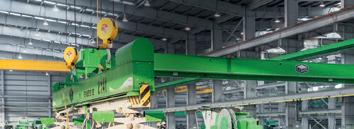

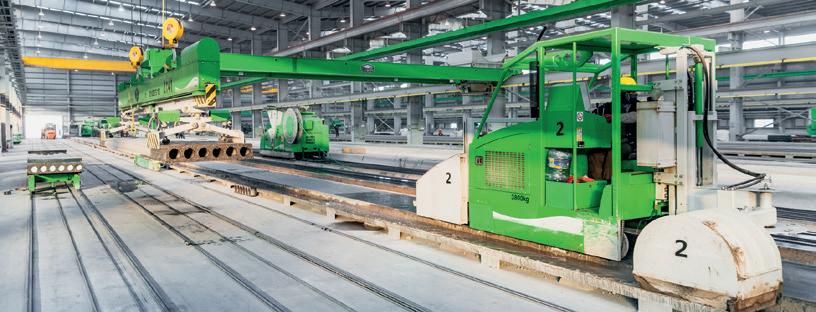
The precast elements also have good insulation and thermal properties that decrease the total CO2 load of the building during its lifetime.
Elematic is the leading supplier of precast concrete production technology worldwide. Ask us how to maximize the benefits of precast in your projects.



Demand is growing rapidly for services essential for development in Africa but despite this, the continent is lagging behind in infrastructure development as compared to the rest of the developing world and the scourge of corruption has not helped the situation.
Arecent survey of over 5000 construction related persons from across Africa was carried out over a one year period by constructionreviewonline.
com. The survey (see figure 1.1) showed that 67% of those polled agreed that corruption is the greatest impediment to the development of infrastructure in Africa.
This was compared to political insecurity, funding shortfalls and lack of skills. Participants also felt that political interference was a greater impediment than lack of funding at 17% compared to 11% while not many felt that skills was a major issue given that only 10% felt it was the most important issue that needed to be tackled.
The survey shows that overwhelmingly corruption then is a major threat to efforts to ensure sustainability of Africa’s economic growth where heavy investment is required in infrastructure covering roads, energy, rail and water supplies a well as housing. According to the Global Infrastructure Outlook, there is a US $15tn infrastructure gap globally; with Africa
needing US $6tn. Currently, about US $80bn is being invested in Africa on a yearly basis; an amount that needs to double by 2030.
According to the OECD anti-corruption and integrity forum report, almost half of the
bribes paid are in industries such as transport (which accounts for 15% of bribes paid), construction (also at 15%) and the extractive industry (at 19%). In construction the high rate of corruption is attributed to factors such as the project cycle, the uniqueness of projects and government control, which is often characterized by poor management.
The high levels of corruption has also resulted in high prices of products, poor quality of final product, wasted project time, cost overruns, inappropriate project choice, inadequate maintenance and low returns on projects. This, in turn, has limited the potential that African citizens have in contributing to their economies and that of the entire world.
Despite this, African countries and governments (mostly through pressure from donors) are making changes by putting in place frameworks such as anti-corruption and bribery agencies to deal with and eradicate corruption in the industry, but regardless of these efforts success in curbing corruption has been varied.
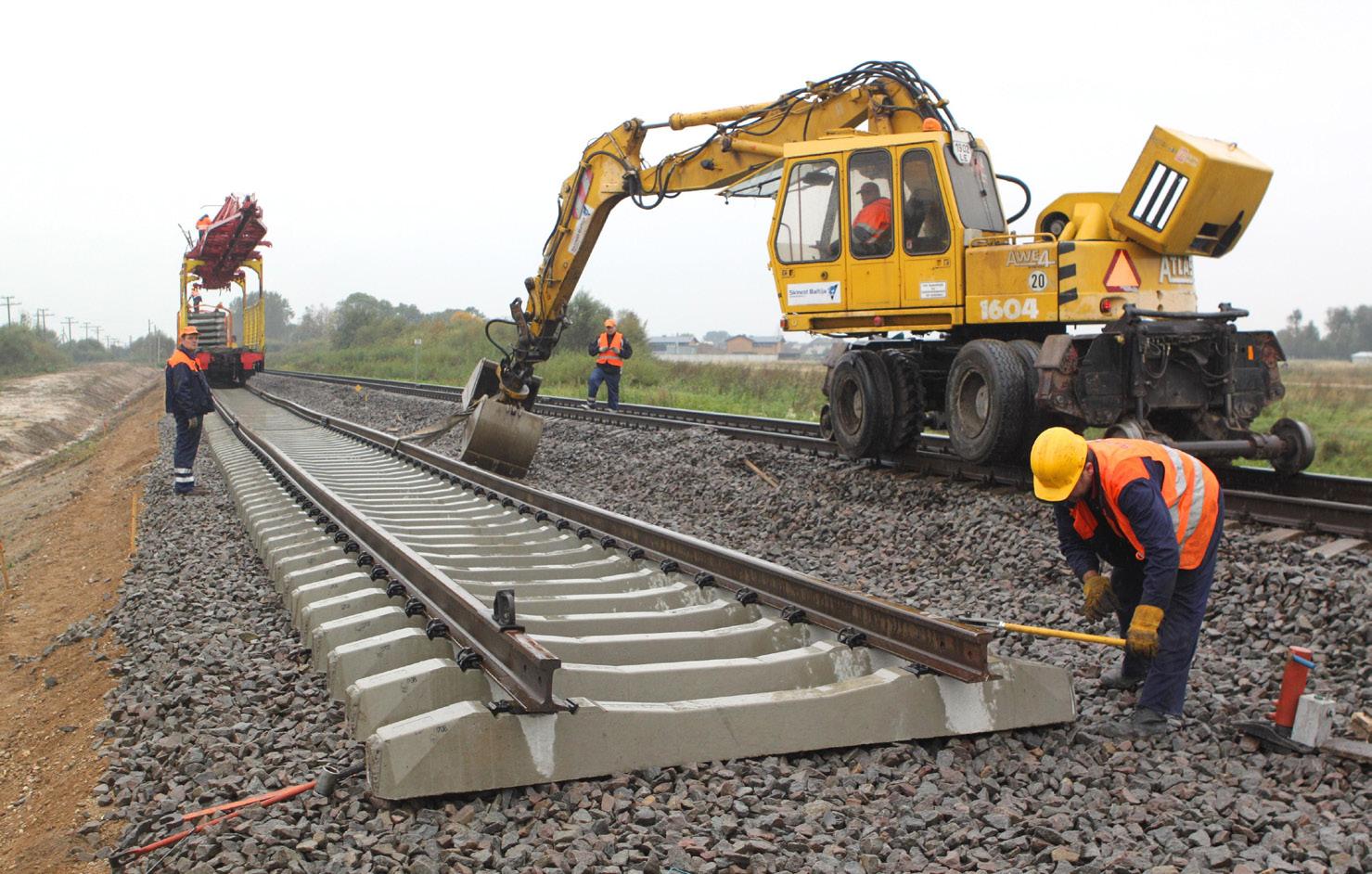
Corruption plays a major threat to efforts ensuring sustainability of Africa's economy where heavy instrument is required in infrastructure covering roads, rails etc
To understand how corruption occurs in the construction industry, it is important also to understand what influences the opportunities for corruption. There are various factors that may influence corruption these include the size of the contract, the complexity of technology used in the process, the type of sector involved, discretion of the tendering process, lack of proper financial control, restricted access to information, urgency to complete a project, and conflict of interest.
The tendering process is perhaps the construction stage most prone to corruption as contractors can pay considerable bribes to be awarded a contract. Projects that attract large amounts of resources and funding are particularly vulnerable to corruption incidences. This is because of the high returns it promises to the stakeholders involved, both in the private and public sector.
Additionally, these large projects are in most cases divided into phases making it even more difficult to manage and follow the money trail and all the contract links along the way. This allows for more loopholes for corruption. The more unique the project, the more the chances there are for corruption to occur.


During tendering there is the aspect of bid rigging. This usually occurs when companies or contractors conspire to fix the price for goods and services purchased through a bidding process. This may take place in a number of ways which include wrongfully excluding qualified bidders so as to promote a favored bidder and manipulation of bids by procurement officers who may tamper with the bids after submission by making changes to parts of bids or bid scores to ensure a predetermined company gets the tender award.
Bid rigging may also occur when specifications are rigged by the procurement officer, who may modify the criteria in the requests for proposals to fit a particular company and also unbalanced bidding which occurs when the procurement officer provides a favored company with information that is not shared with other participants.
This occurs when contractors work together to get a tender award. It can occur in several ways:
Complementary bidding-this occurs when competitors agree in advance who will submit the winning bid. Therefore, one participant puts forward a bid that is higher than the bid of the appointed bidder, another puts in a bid that is too high to be accepted, while another submits a bid that contains special conditions that are known to be undesirable to the purchaser.
Bid suppression- this occurs where one or more of the competitors agree to refrain from bidding so that one of the competitors can win the tender.
Bid rotation- this occurs when competitors take turns being the successful bidder of a tender award.
Market division- this occurs when the conspirers curve up segments in the market and agree not to compete in each other’s segment.
A case in point occurred in 2012 when fifteen construction firms in South Africa agreed

Introducing CIBDS ensures that construction tender rules are applied and followed encouraging healthy and fair competition between bidders.
to pay fines totaling to US $104 million for collusive tendering. This was after the companies reached a settlement with South Africa Competition Commission, a body that investigates and refers restrictive business practices, abuse of dominance and large mergers.
Collusion of contractors and supervision staff
In a corruption laden project, contractors and supervision staff often collude together in order to win lucrative tenders. This is perhaps the most common form of collusion in infrastructure projects. According to OECD, collusion involves a horizontal relationship between bidders in public procurement, who conspire to remove the element of competition from the process.
Contractors bribe to win tenders while the supervision staff or procurement officers receive bribes to allocate tenders. This form of corruption may be discrete offences; however, it involves a public contract being awarded on a basis other than fair competition and the merit of the successful contractor, so
that maximum value for public money is not achieved. This, in turn, limits the economic potential of a country.
Distorting the tender in favor of a particular company is another area where corruption occurs. This is usually through those who can influence the process such as the procurement officer, the financial controller or a politician. This can also be done when information is leaked for the benefit of a bidder. Giving a bidder confidential information makes them have the upper hand in the process and will make them the most likely be selected for the tender. Alternatively, the data from the tender evaluation may be falsified so as to eliminate competitors.
There are several red flags that can indicate corruption in a construction project, especially in the tendering process. These red flags include:
In the pre-tendering process: manipulation of the procurement threshold to avoid prior review, inadequate evaluation criteria or
procedures, unreasonable pre-qualification requirements, ambiguous, misleading or incomplete contract specifications.
In the tendering process: failure to make bidding documents available, short or inadequate notice to bidders, excluding qualified bidders, multiple contracts awarded to the same companies, rotation of winning bidders, non-transparent bid-opening procedures, long unexplained delays in the contract award or negotiations.
In the post-award process: use of questionable agents or subcontractors, continued acceptance of poor quality goods, works or services, questionable contract changes, questionable invoices, absent or questionable documentation
Being able to eradicate corruption in Africa’s infrastructure sector will help boost the continent’s economy and development. To do this, it is important for African countries to adopt practices that emphasize value for money, and ensure that projects are costeffective and sustainable. This can be made possible through:

It is important for African countries to adopt practices that emphasize value for money, and ensure that projects are cost effective and sustainable.
Accountability- It is essential to ensure that accountability measures are put in place that will ensure transparency in procurement and in public participation. This can be done by empowering and promoting anti-corruption agencies and platforms in regional, sub-regional and continental levels.
E-Procurement - Introducing technology such as E-procurement will also help in limiting corruption occurrences. This technology organizes tenders by electronic means via an internet portal.
However, it is important to note that care must be taken to ensure that the e-procurement procedure itself does not facilitate collusion, especially as this method eliminates the paper trail that might otherwise have provided evidence of bid rigging in the process.












Certificates of Independent Bid Determination (CIBD)- introducing CIBDs, which require bidders to certify that they have arrived at their tender price absolutely independent of other bidders, ensures that tender rules are applied and followed. It also makes it easier to find and charge colluders.
Redesign of the procurement process- this ensures that there is transparency in the tendering process as well as reducing the chances of leaked information to favored bidders. It also encourages healthy and fair competition between bidders.
Auditing of public procurement proceduresthis can be done internally or externally by an independent State body with specific powers of audit. Audit reports help detect corruption incidences and irregularities.
Prosecution- this is perhaps one of the most effective ways to reduce corruption incidences. Most contractors and companies get involved in corruption because they know they can get away with it. Arresting and prosecuting them will discourage others from involving themselves in corruption.

What is the greatest impediment to development in infrastructure in Africa
Corruption ( 67%, 3,966 Votes)
Political Interferance ( 17%, 1,004 Votes)
Lack of funding ( 11%, 634 Votes)
Lack of skilled manpower ( 6%, 328 Votes)
Total Voters: 5,932



The developers and managers of commercial spaces have to ensure that the building materials they choose are aesthetically pleasing and also cost-efficient, functional and able to withstand the inherent challenges of the location.
This is especially true of the flooring system, as on average the floor makes up one-sixth of a facilities’ entire surface, meaning that it is important to realize the full potential of this aspect of the building.
A well-designed floor can provide a wealth of benefits, as its design can help to create a vibrant and engaging customer experience, tie a location to a brand identity or even fulfil vital navigational and safety criteria. However if the chosen material is unable to cope with the anticipated level of traffic or with the inevitable spillages and wear then it can quickly fail and present an unsightly, unhygienic and potentially costly problem for the facilities manager.
Because of these issues developers are increasingly turning to seamless resin floors thanks to the many on-site advantages they hold over alternative solutions. Resin systems offer a wider choice of aesthetic possibilities whilst ensuring a durable surface that is
The seamless and impermeable nature of floors facilitates a sanitary environment, as the floor will harbour contaminants, and can be easily cleaned.
hygienic, easy to clean and which minimizes the need for repairs and refurbishments.
The many different types of resin floors available to the commercial sector means that there is a wide variety of different styles, colours and effects to choose from. This versatility means that there is a resin flooring solution for any location regardless of size, complexity or the image they want to portray.
A significant design benefit of specifying a resin floor is that it can be colour matched to any shade of the RAL colour palettes, which is ideal for locations eager to achieve a design scheme consistency or who want to assert a brand identity.
The seamless and impermeable nature of resin floors facilitates a sanitary environment, as the floor will harbour contaminants, can be easily cleaned and its hard wearing and chemically resistant finish won’t crack or erode when faced with harsh cleaning chemicals, foot traffic and continuous use.
Bespoke floor designs, including complex geometric shapes, corporate logos and intricate patterns, can be created using resin floors. Commonly this is done by setting out aluminium or brass trims in the desired outline
and then pouring the resin material into each shape. The floor is then ground, sealed and polished to reveal the finished design.
Whilst the aesthetic merit of the floor is important – it could be rendered completely irrelevant if the financial and functional aspects of the floor are not sufficiently taken into account during the floor specification process. Failing to take into consideration the long term requirements of the floor by conducting an in depth lifecycle costing could mean choosing a solution that looks great directly after installation but which is ultimately unable to withstand the on-site conditions. This situation could lead to an early floor failure that compromises the appearance and functional efficiency of the floor area while also incurring hefty repair or refurbishment costs.
The lifecycle costs analysis needs to take into account the face-value price of the flooring material as well as the life expectancy, care and maintenance programmes, repair work and end-of-life options.
When comparing flooring solutions a major benefit of resin systems is that end-of-life materials can be easily and quickly overlaid with a new floor covering – avoiding the cost, labour and time of ripping-out the existing material for disposal. Much hardier, more robust resin flooring

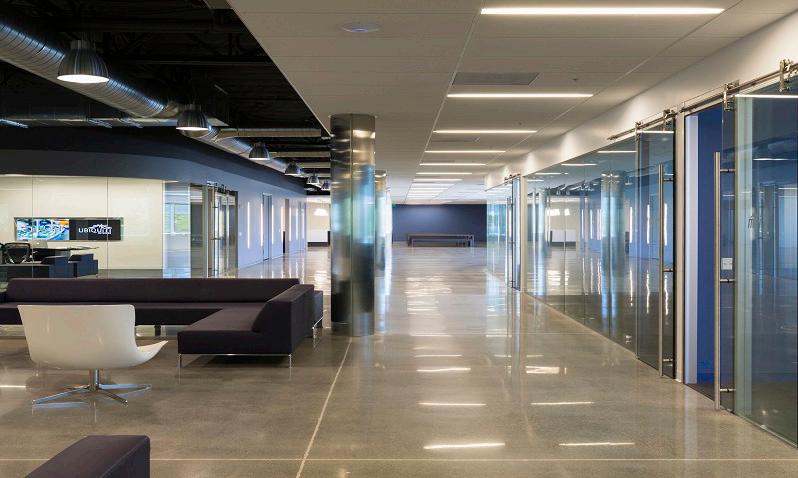
A well-designed floor can provide a wealth of benefts, as its design can help to create a vibrant and engaging customer experience
materials can even offer an enhanced life expectancy, with some lasting equal to the lifetime of the building provided it is properly cared for. The combination of its high durability, low maintenance requirements and minimal need for repair or replacement means that resin flooring offers one of the lowest lifecycle costs of any hard floor covering.
By taking advantage of the creative, hard-wearing and hygienic properties of resin systems, facilities managers can ensure that their locations have eye-catching floors that will reliably support efficient, safe and productive activities over an extended period of time.

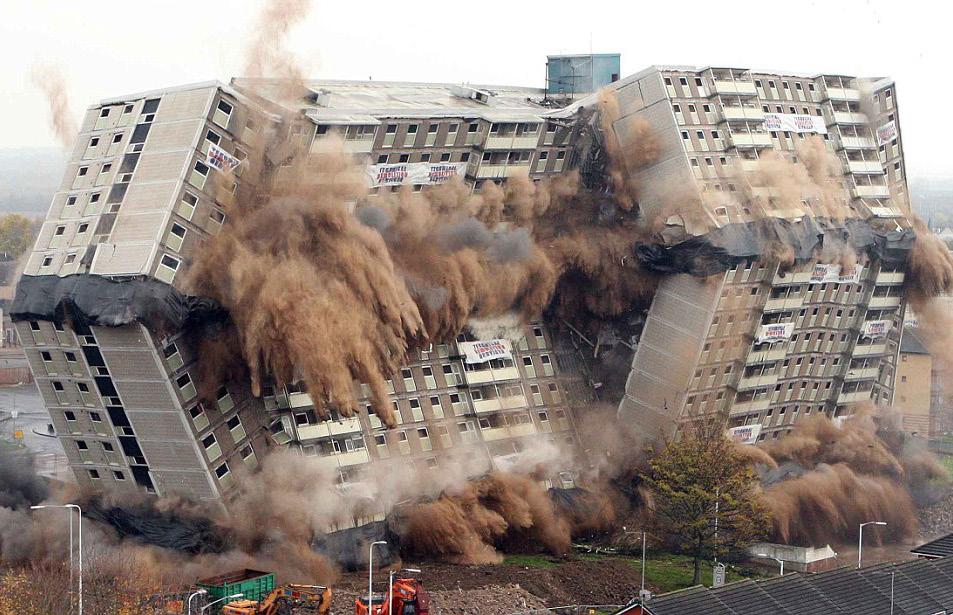
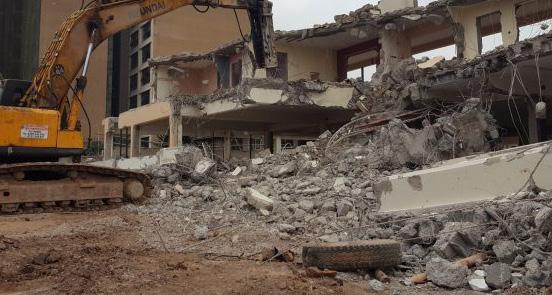
Demolition can be a huge undertaking, requiring a great deal of pre-planning in order to coordinate all facets of a project to minimize the overall impact.
Bringing a tall steel-framed building down into their footprints is a considerable engineering feat since it necessitates overcoming the natural tendency of such structures to topple.The demolition project can therefore be a huge undertaking, requiring a great deal of pre-planning in order to coordinate all facets of the project. Through the course of the project some detours and changes will inevitably occur, but a solid plan and direct course of activities will assist in minimizing the overall impact on project schedule, cost and liabilities.
If the intended use of the site is known, it is helpful to make the contractor aware of that information. The contractor’s expertise and
input at this stage of the project can help with the project’s success. Determining if the demolition contractor will carry the cost and responsibility of utility disconnections is key at this stage. If not, the owner should provide all disconnect documentation to the demolition contractor.
If material from the project are to be reused, the contractor should be made aware as early as possible. The ownership of the salvaged materials should be made clear and the extent of underground removals should be clearly defined. Any hazardous materials should be determined and whether they will have environmental remediation completed by the demolition contractor or by a separate entity. Permits should be secured, alternatively it
should be made clear as to which party will secure permits.
In addition, expected conditions of site at completion of demolition should be clear and conveyed to the contractor prior to the commencement of the task.
The key issues during the planning phase to be taken care of as part of the planning process include fall from height, injury from fall materials, uncontrolled collapse, risks from connected services, traffic management, hazardous materials, noise and vibration, fire and worker involvement during the process of demolition.
Demolition technologies have continued to evolve over the years in order ensure increased efficiency, cost effectiveness, improved safety. From conventional mechanical methods to pneumatic and hydraulic tools, non-explosive demolition, controlled explosives as well as remote controlled demolition systems, minimizing the overall impact on project schedule, cost and liabilities should be the top priority of the method chosen.
Where space and conditions permit, it is often best to use controlled explosive methods as the primary demolition technique for large, tall structures, with mechanical methods used for secondary demolition of the structure and subsequent processing of the debris. In such situations the controlled use of explosives is supremely superior to any other form of demolition, both in terms of safety and speed, as well as efficiency.
It is accomplished in conventional controlled demolitions by the synchronized detonation of numerous small explosive charges, placed adjacent to support columns throughout the building. Through precise timing of the detonations of the hundreds or thousands of explosive packages, interior structures are destroyed ahead of exterior ones, pulling the exterior walls toward the central axis in a classic controlled demolition implosion. Presumably the detonations throughout the interior or exterior could be simultaneous, or marched up the building as it sinks into its footprint.
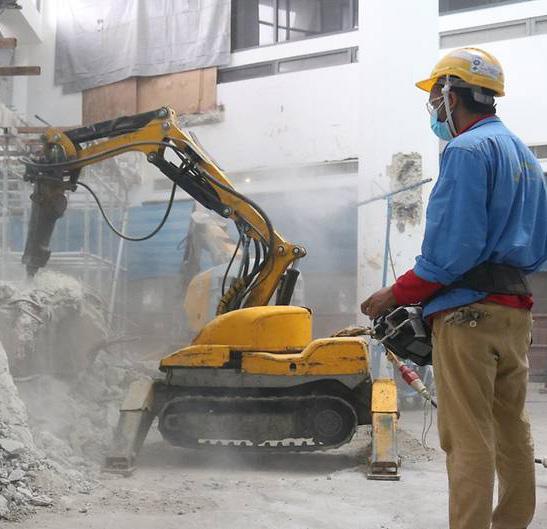
Mechanical demolition involves both the pulling down and the knocking down of the structure by machines. Mechanical demolition uses such machinery as bulldozers, cranes, and excavators, while larger structures involve wrecking balls.
These methods are normally top down methods where the demolition starts from top floor and proceeds towards the ground. For structural projections, such as balconies, canopies and verandas extending beyond the building lines, demolition by hand held tools or the cut and lift process may be a safe solution.
Unlike the Tecorep System that dismantles building from top down, another demolition process, dubbed the “Kajima Cut and Take down Method,” has been developed to break buildings from bottom up for the first time in the world. Under this method, the shape of a building can be very much intact. The method is attracting a lot of attention because all dismantling work is conducted underground,
Minimizing the impact of the project schedule, cost and liabilities should be the top priority of the method chosen for the demolition.
resulting in not only reducing noise and dust but also dramatically improving the rate of recycling disassembled materials. In spite of the challenges facing the demolition industry, a number of companies have continued with the quest to improve and make the process as environmental friendly as possible, minimizing the direct exposure of employees to hazards of demolition as far as practical. In-house and imported design of specialized demolition equipment has assisted in meeting the versatility and durability requirements of the demanding demolition process.
The systematic approach to demolition projects is a team effort involving a number of people who have the responsibilities to make sure that the process is executed according to the plan. Whatever, explosive, mechanical tool and method, or demolition contractor is chosenimproved safety, increased speed and cost savings for the project are key.
A new commercial development by Zenprop,140 West Street, Sandton

Though a structurally-complex project, 140 West Building is both elegant and timeless. And it is this aspect, amongst others, that the project emerged the cream of the crop in the 2018 SAPOA Awards.
The 140 West Street building was the overall winner in the Commercial Office Development category at the 2018 the South African Property Owners’ Association (SAPOA Property Development Awards) for Innovative Excellence. This year’s event was held at the International Convention Centre in Durban, South Africa. Paragon carried out all the architectural design aspects of the project.
A new commercial development by Zenprop, 140 West Street comprises 27 000 m² of P-grade office space in two linked towers on a lush landscaped podium, namely a ten-storey North Tower, a 14-storey South Tower, and eight parking levels. Located in Sandton, the project has received a four Green Star rating from the Green Building Council of South Africa.
The award is a recent addition to a growing list of accolades which Paragon has earned over the years. “We could not be prouder of this building, or more grateful for this award,”
Paragon Project Architect, Kay Hausler, comments. “We wanted to come up with something different and new.” Describing it as a structurally-complex project, Hausler adds that the building is both elegant and timeless.
Implementation highlights
“The original brief from the client was that we should design the building to achieve the highest possible green design rating,” Hausler notes. Taking four years in total, of which the construction phase was two years, the aim was for the building to be sensitive in scale and response to the pedestrian zone. It was to be an iconic building that would function as a head office, while still being considerate of its inhabitants and context.
“We achieved this by incorporating natural elements, planting, designing for human scale, creating a landscape deck on the ground floor, landscaped roof terraces, break-out spaces, and spaces that encourage interaction and the awareness of others in the building,” Hausler explains.
She adds that the client was very open-minded in wanting something “fresh and new, and gave us quite a lot of freedom to explore some somewhat unconventional and custom design elements.” Enriching the internal user experience and the urban environment was achieved by activating the street edge by means of a restaurant; a convenient and beneficial addition to the bustling pedestrian route between the Gautrain Station and the Sandton hub.
Most prestigious celebration of excellence
Hosted by the South African Property Owners’ Association (SAPOA), the awards is the most prestigious programme of its kind within the South African commercial real-estate industry, aimed at defining excellence in the property industry. The awards provide public recognition, as well as setting a benchmark, for top-quality design and functionality. Outstanding contributions from world-class owners, developers, and built environment professionals are showcased at the annual event.

Astoria developer provides world-class facilities in addition to regular features that discerning clients have come to expect of luxury apartments.
Although functional aesthetic appeal is a pivotal requirement for the awards, SAPOA embraces a holistic approach that evaluates various designs, innovation, and efficiency elements, such as social transformation, overall impact, environmentally-sustainable design, design industry and community perception, and interiors that ensure the local commercial real estate sector is on par with international standards, SAPOA Property Development Awards for Innovative Excellence Chairperson, Pieter Engelbrecht, concludes.
































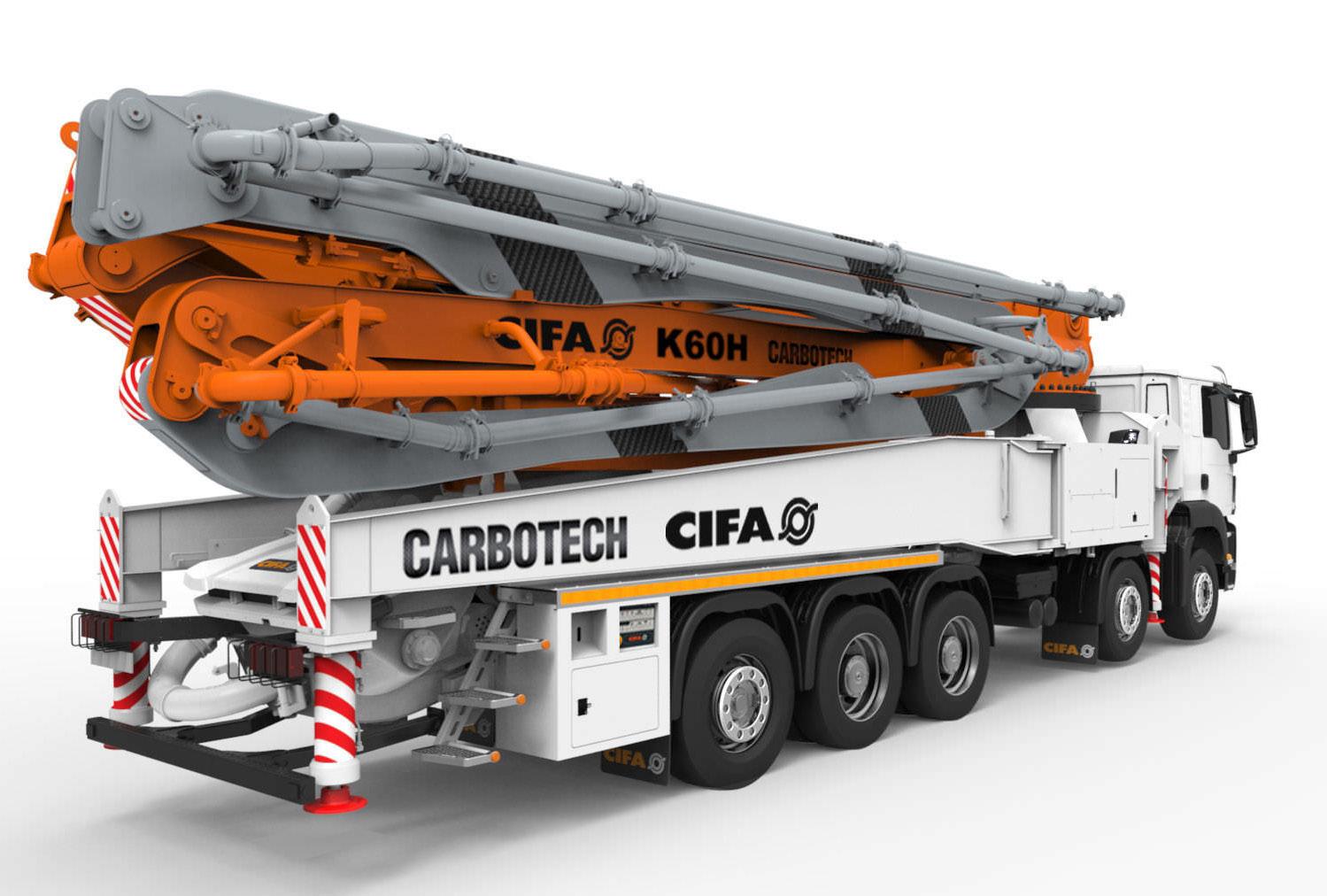
with a lot of potential; that is why they are continuously investing in the continent developing new products like the specific new range of truck mounted pumps; the so-called Classic line, definitively easy to use and maintain at the highest quality level as per European standards.
These kind of truck pumps have already been used for different private and civil construction projects in more countries within the Sub-Saharan Africa territories, such as Djibouti, Nigeria, Ghana, Mauritius, South Africa, Kenya, Mozambique and more
IFA a worldwide concrete equipment supplier from Italy, has had a strong presencein the Sub-Saharan territories for decades; with a wide range of its products spread over all African countries.
CIFA equipment has been used for a while to build the main infrastructures that brought innovation and economic growth to the continent. CIFA has always seenthe African market as a good market

Sales,service, &rentalsof surveyingandmappinginstruments Professionalservicesin landsurveying &mapping



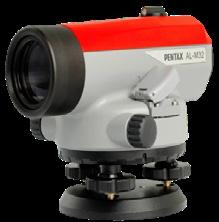
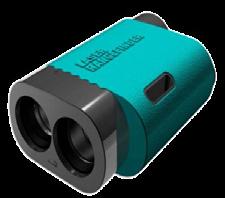

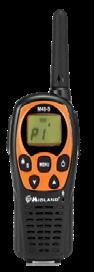

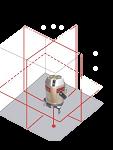

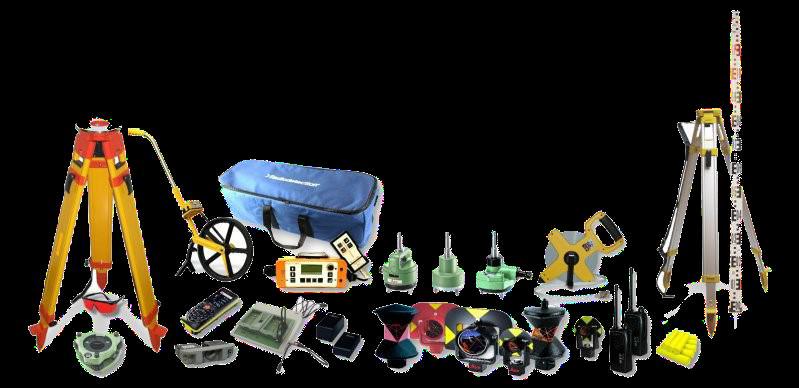
"OurProductRangeincludesGlobalNavigationSatelliteSystems(GNSS),TotalStations, Theodolites,Levels,LaserDistancemeters,Laserlines&Levels,LaserScanners,Copter UAVs/DroneswithCamera/LidarMappingsystems,WalkieTalkie,SurveyAccessories, Printmediasuchasplotpapers, Dura films&TracingpaperandBlueprintpapers”
Moreover, CIFA has boastedits reach in Africa through the enlargement and renewal of distributorship networks seeking to expand its business in growing countries such as: Ethiopia, Nigeria, Kenya, Mauritius, South Africa, Uganda, Mozambique, Ivory Coast, Cameroon, Senegal; and also looking for more dealers in other virgin areas.
This venture will be finalized within 2018, having attained its target of getting within the CIFA partners network, those trading companies already involved with the construction equipment business.


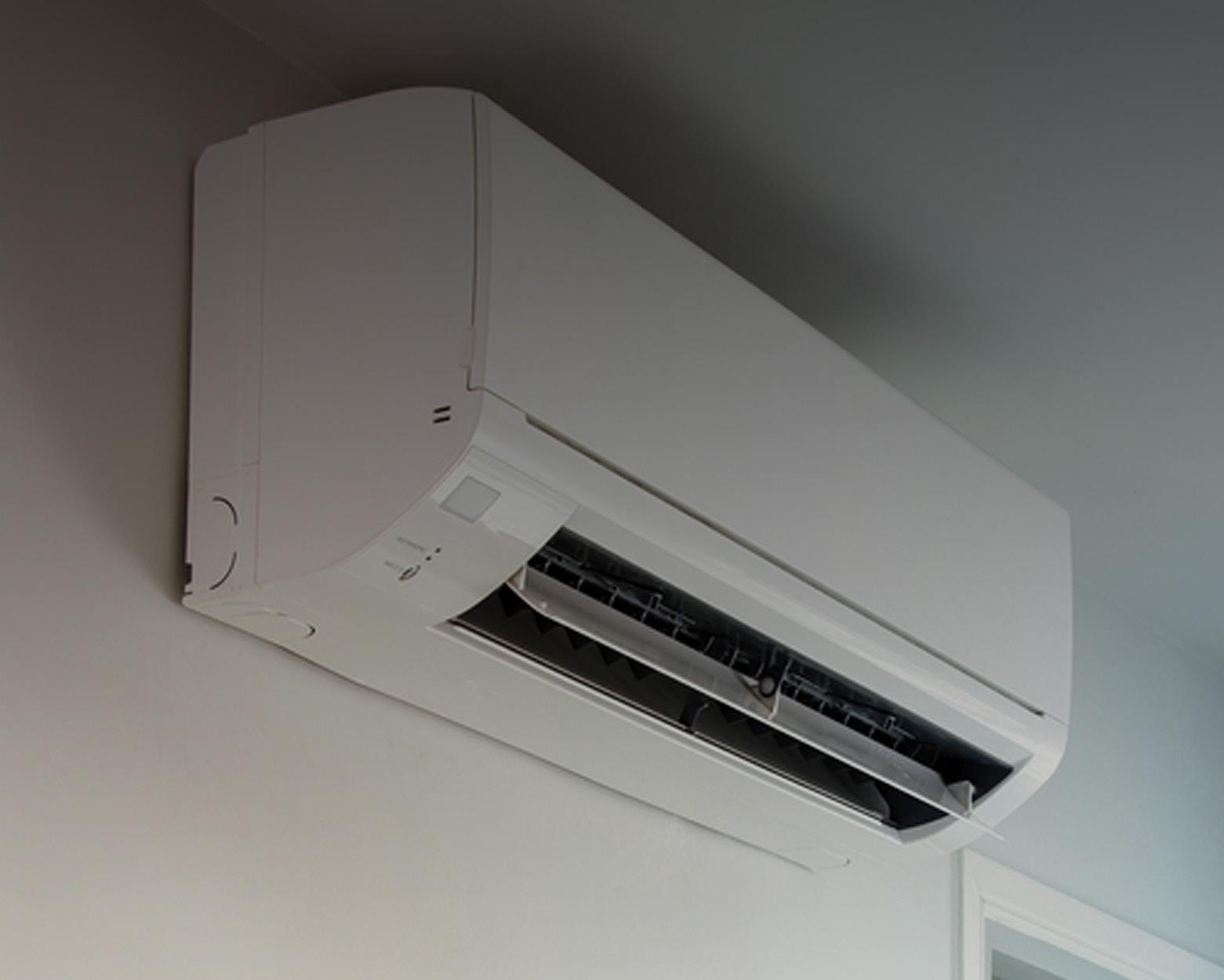
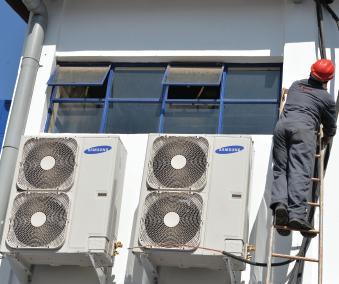
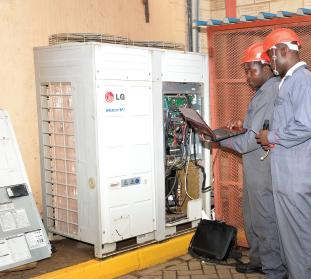
There is more to choosing the right airconditioner for your needs than mere design. But, just how do you figure out which air-conditioner will suit your unique needs?
British Thermal Unit (BTU)
First, you need to understand how much cooling and heating is needed for the space. British Thermal Unit (BTU) is a traditional unit of heat, or thermal energy much like the measurement of a calorie. It is the amount of heat required to raise the temperature of one gram of water by one degree Celsius. When it comes to heating and cooling systems, the measurement is BTU per hour. When choosing an air-conditioner this measurement is expressed in terms of how much heat can be added or removed from the air.
More isn’t always the best either; for example, a unit with a higher BTU than what is required for the room means that the air will cool quickly, but then the unit will be forced to shut off and on again if not equipped with Samsung’s digital inverter compressor. A digital inverter compressor ensures the air conditioner maintains a constant temperature in the room by slowing down and speeding up as needed. With traditional air conditioners, a lower than ideal BTU will also mean your room is unlikely to reach optimal heat or chill.
Robert Larkan, Head of Digital Air Solutions for Samsung South Africa, says it is important to understand the space where it will be used when choosing an air-conditioner. “Calculating the required BTU’s is an essential part of the decision-making process,” he says.
For example, the walls and windows exposed to direct sunlight gain heat during different times of the day which increase the amount of cooling required, but ideal materials, insulation and shaded areas can limit its effect. Addressing the space and not just the floor area is important, as the volume can vary due to different ceiling heights.
“The number of occupants and the activity taking place also makes a difference. Some appliances can increase the levels of heat and you may need to compensate the cooling power,” adds Larkan.
Also consider whether the space you are cooling is open or confined. If the room opens into another space without the option of closing a door, add that space to the calculation.
While this may sound a little complicated, Larkan concludes that these are calculations that your air-conditioner installer will make for you.
It is good to understand what will be considered, so you can make a well-informed decision.
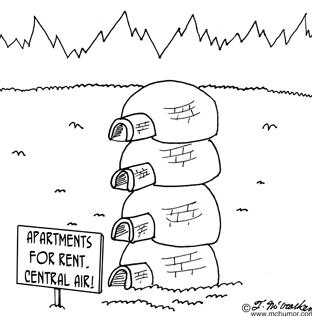
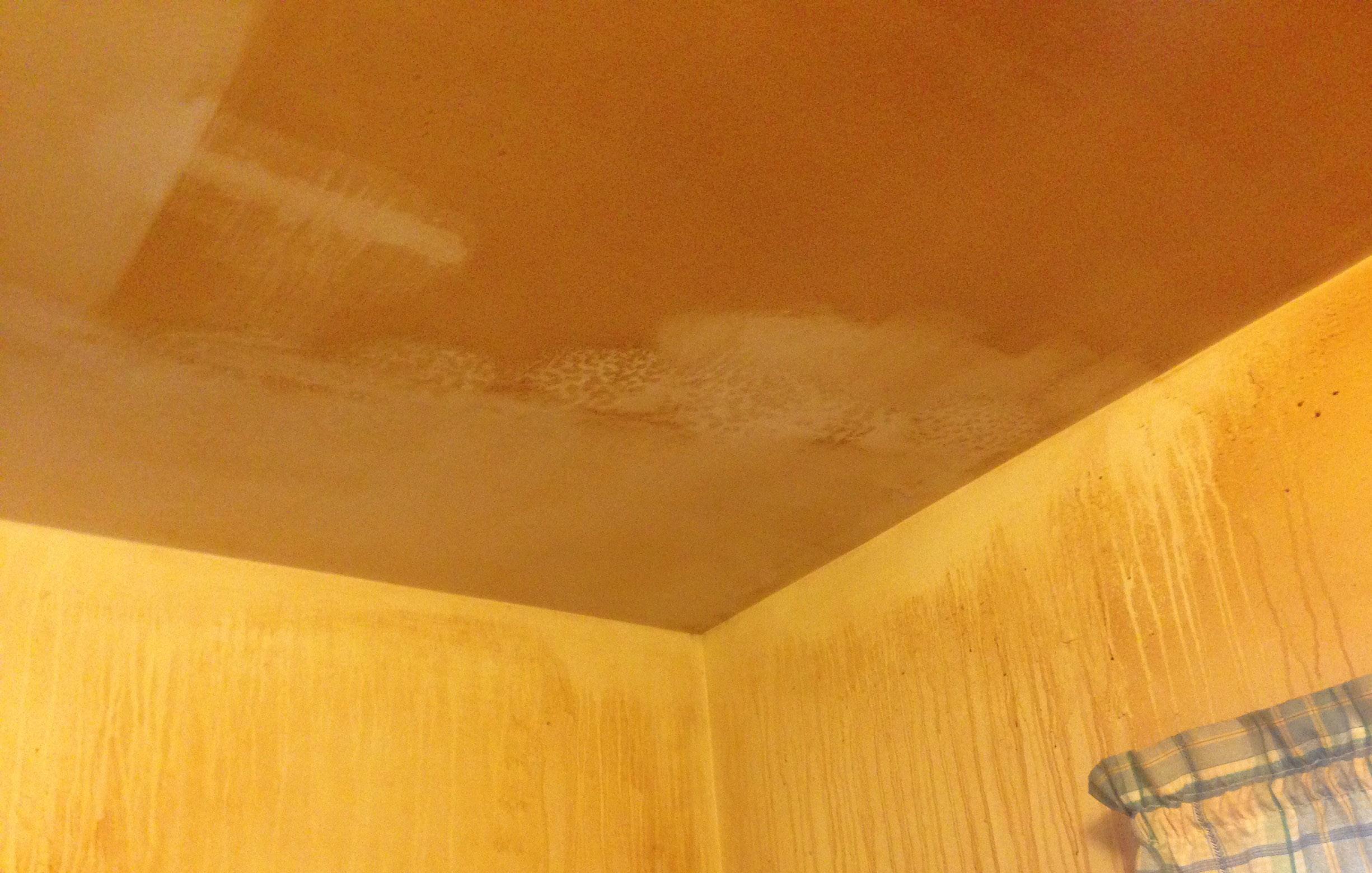
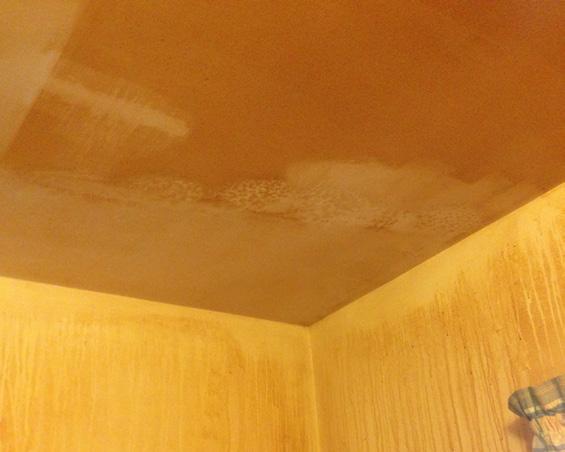
Surfactant leaching, also referred to as exudate staining or weeping, results in unsightly, oily residue on the surface of paint coatings. Largely due to water-soluble properties (surfactants or surface active agents) concentrating on the paint surface, symptoms appear within weeks of first application of the affected product. According to building refurbishment company, Indawo, surfactants are used in paint and, among other properties, allow for easy coating of a surface.
Surfactants influence a range of properties in paint including paint colour and stability, but are not always effective in every application. Surfactant leaching is a paint failure that manifests as either brown or clear sticky, sometimes glossy, spots or streaks.
Barend Engelbrecht, Indawo’s General Manager, says that surfactant leaching can occur with any paint, and is influenced by atmospheric conditions, which could slow down the drying process, conditions conducive for surfactant leaching. These include cooler and wetter weather where there is a lowering of temperatures, an increase in humidity, dew forming on surfaces or misty conditions. Surfactants rise to the paint surface depositing residue prior to the formation of the paint film, which is designed to reduce the risk of surfactant leaching.
“Darker and tint-heavy paint colours are predisposed to surfactant leaching while lighter shades are less affected,” continues Engelbrecht. “Choice of colour, and more importantly, its application is critical to assess the potential for surfactant leaching.”
How can surfactant leaching be avoided?
Use reputable paint manufacturers and a compliant contractor with the status of “approved applicator” with the paint manufacturer.
Never apply paint in low temperatures (below10 degrees Celsius), especially if conditions are expected to plummet overnight. In some cases, surfactant leaching symptoms can be rinsed off with steady, strong stream of water.
Engelbrecht concludes by saying that there is not always cause for alarm. Weathering may remove the stains and surfactant leaching does not affect the coating’s durability. Do not repaint as this may lead to further surfactant leaching on the new coat and affect the adhesion of the newly applied top coat. Rather leave the wall for a short period to allow the coat to dry and adhere to the surface.
If signs are still apparent, contact the paint supplier and the contractor to assess the reason for the paint failure.

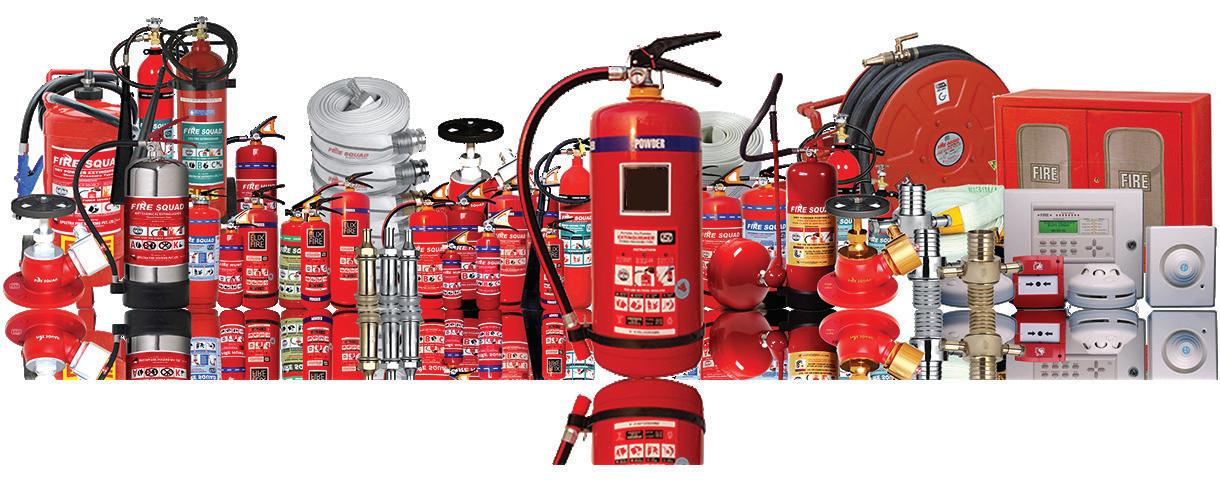
“Better safe than sorry” rings true for restaurant business owners. The prospects of the occurrence of a fire in a commercial kitchen is always a case of “when not if”. The critical step is identifying the inherent risks in a respective fire kitchen and employing appropriate measures to manage them.
It is ghastly to contemplate the colossal losses that a restaurant business owner can incur as a consequence of neglecting critical areas in kitchen fire protection. A business owner can bear huge legal costs of collateral damage to property in the vicinity or evenfatalities or even death of employee or a customer. Moreover, excruciatingly, he can experience loss of potential revenue in tens of thousands of dollars as a result of interruption to business. So, what should a business owner do when faced with this situation?
The most effective approach is first identifying high risk areas, and accordingly mitigating their impact by employing appropriate measures, says Kirstie Ricketts, from Fireco SA, a prominent commentator in South Africa’s fire protection industry. He particularly cites the following as top hazards: deep fryers, ovens, trash cans, fire extinguishers,ventilation systems and lights. These are explained in detail below.
Deep fryers are full of oil, which could cause a
serious fire if proper safety precautions are not taken. All fryers should:
• Be able to automatically shut off in the event of a fire
• Be placed at least 40 cm away from any equipment that produces an open flame
The best way to prevent a fire from occurring as a result of the oven is to:
• Clean the oven regularly - which will ensure there is no build-up of combustible substances
• Only put non-combustible materials in the oven
• Place the oven far away from other equipment to prevent heat transfer
Trash cans should be:
Comprised of non-combustible materials
• Emptied regularly to prevent the build-up of combustible substances
• Kept away from any open flame
• Have a sturdy covering
Commercial kitchens should have at least two fire extinguishers. Keep in mind that:
• One Class K fire extinguisher is necessary as these respond best to grease fires
• A standard ABC fire extinguisher should be available for any other type of fire
• It is necessary for one fire extinguisher to be placed 3 meters from any cooking equipment
• All staff should be trained to handle a fire extinguisher
• All fire extinguishers must be serviced and maintained regularly
Each and every commercial kitchen requires a hood, which is joined to a ventilation system. The ventilation system must be directed to the exterior of the building. The hood and vents should:
• Be sturdy
• Be made from a non-combustible material, such as steel
• Be cleaned and maintained regularly to prevent grease build-up
• Contain grease filters that are easy to remove and clean
• Cover all equipment that produces heat, namely stoves, ovens, fryers, etc.
While it is not likely for lights to cause actual fires, light bulbs can cause injuries in the event of a fire in a commercial kitchen. If a light bulb becomes too hot, the air inside the bulb will expand and cause the bulb to explode. Light bulbs should:
• Be covered using explosion-resistant covers when above or near cooking equipment
In order to manage the abovementioned risks, Ricketts says having an adequate, well-maintained fire suppression system in a commercial kitchen is absolutely crucial. Most importantly, he emphasizes, staff need to be well-acquainted with it.
“During each shift, at least one staff member is required to have access to and be trained regarding gas control valves (or any other fuel valves) in order to shut these valves off in the event of a fire.
“All staff are to be trained with respect to the safety equipment in the kitchen and systematic fire safety and fire prevention training should be provided,” he says.



Recent research has shown that luxury apartments especially in the 1 and 2-bedroom categories are in high demand in Nairobi. These fast-moving units are the preferred choice for young upwardly mobile home owners who are typically single or with young families. They want the convenience of close proximity to their work, educational institutions, healthcare, leisure and other social amenities.
The area most desired is between Ngong Road and Limuru Road, covering Kilimani, Kileleshwa, Lavington, Westlands and Parklands suburbs.
Astoria Apartments, developed by AHCOF Investments (Kenya) Company Limited, is located on Mbaazi Avenue, at the heart of Lavington. The development consists of tastefully designed 1 and 2-bedroom luxury apartments set on one acre. There are 192 units in total spread over three detached 12-storey buildings.
The location is a stone’s throw from The
Junction Shopping Mall, the newly expanded Ngong Road and a host of other conveniences. According to the developer, each apartment is designed to benefit from breathtaking views of the valley offering vistas that encompass the green city scape and accentuate living that is extraordinary.
“Astoria is set to be a path carver, with a multitude of recreational luxuries that will delight its occupiers and help create a fun loving and energetic community,” said by AHCOF.
Features of one Bedroom Apartments
• Bespoke entrance foyer with inbuilt utility area
• Fitted kitchen that maximizes function and design aesthetics
• Spacious dining and lounge area that opens onto a panorama terrace
• Master suite with large windows, maximizing flow of light and air
Features of Two Bedroom Apartments
• Bespoke entrance foyer
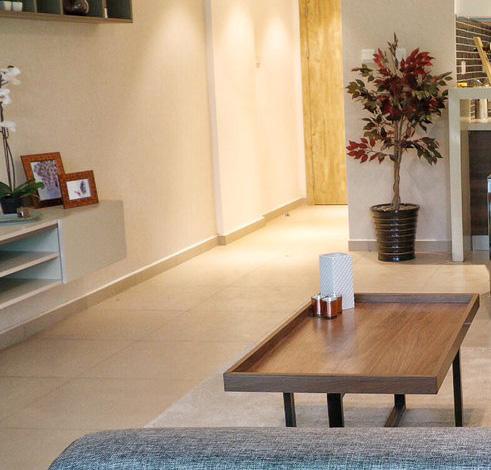

Astoria developer provides world-class facilities in addition to regular features that discerning clients have come to expect of luxury apartments.
• Open plan fitted kitchen featuring a builtin breakfast bar
• Spacious dining and lounge area that opens onto a panorama terrace
• Multi-purpose utility area accessed from the kitchen
• Master suite with ample closet space and private bathroom
• Secondary bedroom featuring large wardrobe and access to shared bathroom
The developer has done everything possible to make Astoria a delightful address to call home by providing world-class facilities in addition to regular features that discerning clients have come to expect of luxury apartments.
These include a resident’s lounge with wraparound heated pool, a fully equipped gym, landscaped Zen gardens, outdoor gazebos

with fire pit, panoramic roof terrace, entertainment deck and a secure parking for residents and visitors. In addition, there is manned security access, access control facility, intercom, satellite TV and fiber optic infrastructure, CCTV surveillance, borehole water supply, water storage facilities and solar water heating. Others include a car wash facility, power back-up for common areas, pressurized fire escape and facilities for management staff.



The 1-bedroom apartments start from Ksh 6.5 million while the 2-bedroom ones start from 10.95 million. Mortgage financing is available.
The project began on 24th July 2017 and is expected to be ready in June 2019.
Architect : Bowman Associates Architects
Quantity Surveyor : Mace YMR
Civil & Structural Engineer : Ngasi Consulting Engineers
MEP Engineer : Emplan Limited
Main Contractor : China Jiangsu International East African Company
Electricity Subcontractor : Radiant Power
Water Subcontractor : Plumbing System
Elevator Supplier : Kone
Borehole Supplier : Sparr Drilling

Lion Place, 4th Floor, Waiyaki Way, P.O. Box 2403-00606 Westlands, Nairobi, Kenya.
Wireless: +254 020 3286000
Mobile. +254 707 963094, +254 786 425729
Email : info@ymr.co.ke
Website: www.macegroup.com/maceymr
We are proud to be associated with AHCOF Kenya on their Astoria Apartments project



Gitutho Associates was established in 1982 by its principal architect, Kamau Njendubut formally registered in March 1983.The Company started off with the construction of an office block in Muranga County,(now the County offices of the County Government of Muranga) its incredible output on the structure was the beginning of the company’s success, synonymous with excellence and reliability.
Arch Kamau Njendu, the founder and Principal of the Firm, studied at the University of Nairobi where he obtained both his bachelor and master’s degrees in architecture. He briefly worked at the Ministry of Public Works in various positions, eventually working with Municipal Council of Mombasa and becoming the first African Chief Architect of the City of Mombasa. He is FELLOW of the Architectural Association of Kenya, the highest privilege bestowed by the Association.
The architect has built a career synonymous with excellence and reliability. He is not only a well-known architect in the fraternity of architects but is also a respected man in Mombasa and among Built Environment professionalsin the national community.
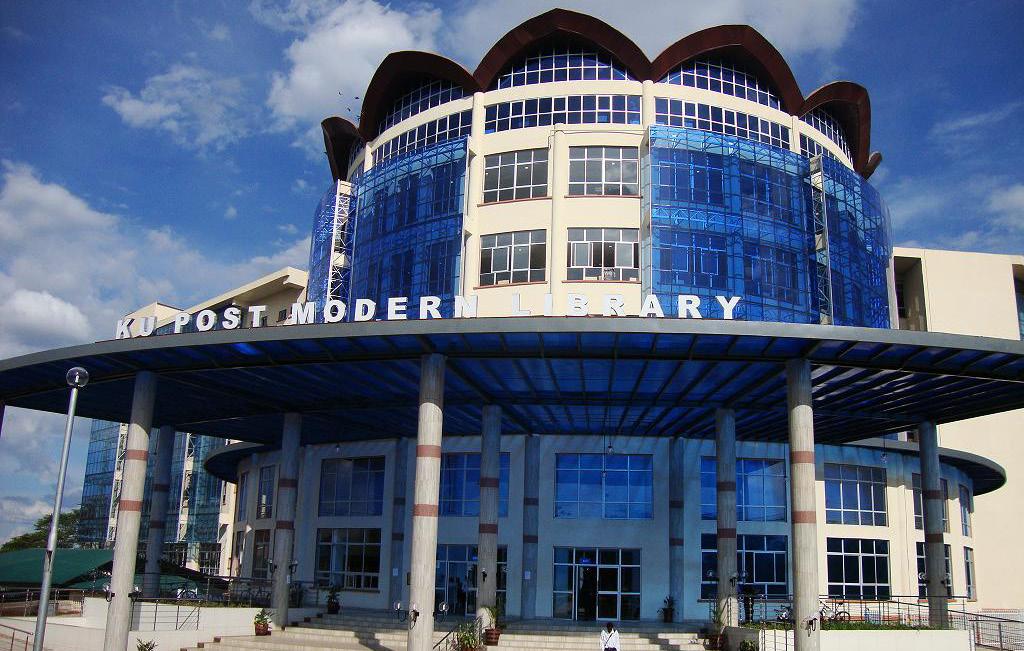
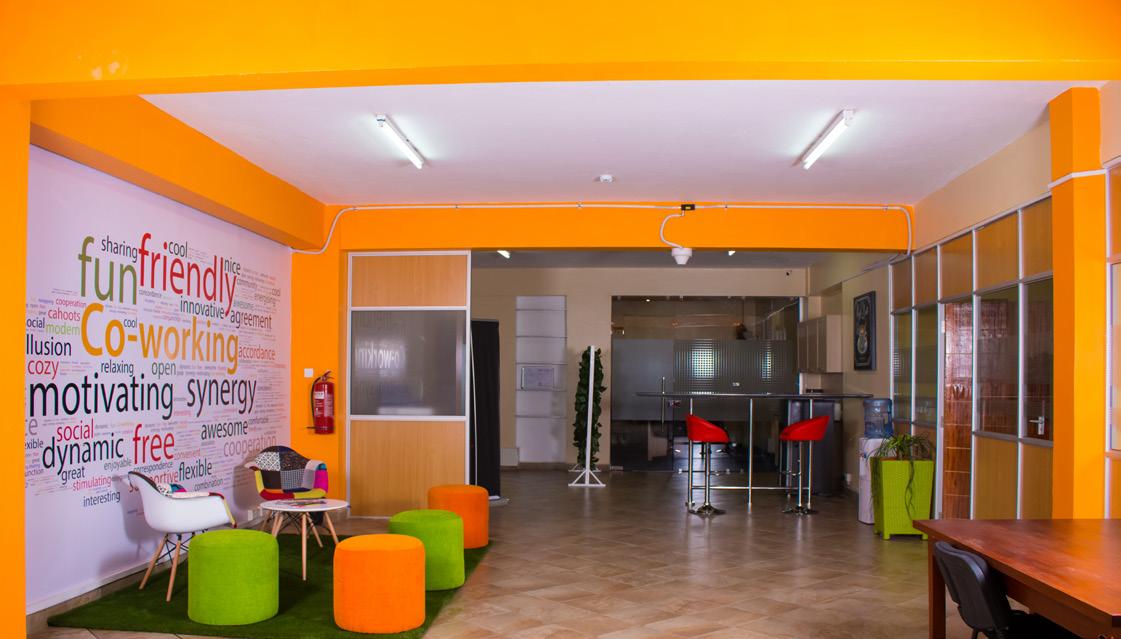
In 2006 December he was joined by his daughter Arch Mugure Njendu who was employed within the Firm as a Graduate Architect. Mugure returned to Kenya after earning her Bachelor of Architecture Degree in WIT, in Boston, MA and University of Miami where she obtained her Masters of Architecture Degree in Suburb and Town Planning. During the eight years she spent in the United States, Mugure worked with various architectural firms including Stirling Brown Architects and Brockhouse Associates.
Gitutho Associates operated under the management and guidance of Arch Njendu until 2010 when the consultancy was rebranded to become Gitutho Architects and Planners Ltd and incorporated Mugure Njendu as a partner in the Business.
Unlike many family practices, the two have worked well together for 12 years, in a partnership framed with respect and confidence in each other’s strengths. Arch Mugure has nothing but praise for her father, who she credits as her mentor and role model through his stoic career.
The amiable architect, who made it to the list of Top 40 Women under 40 during a survey conducted by the Business Daily newspaper in
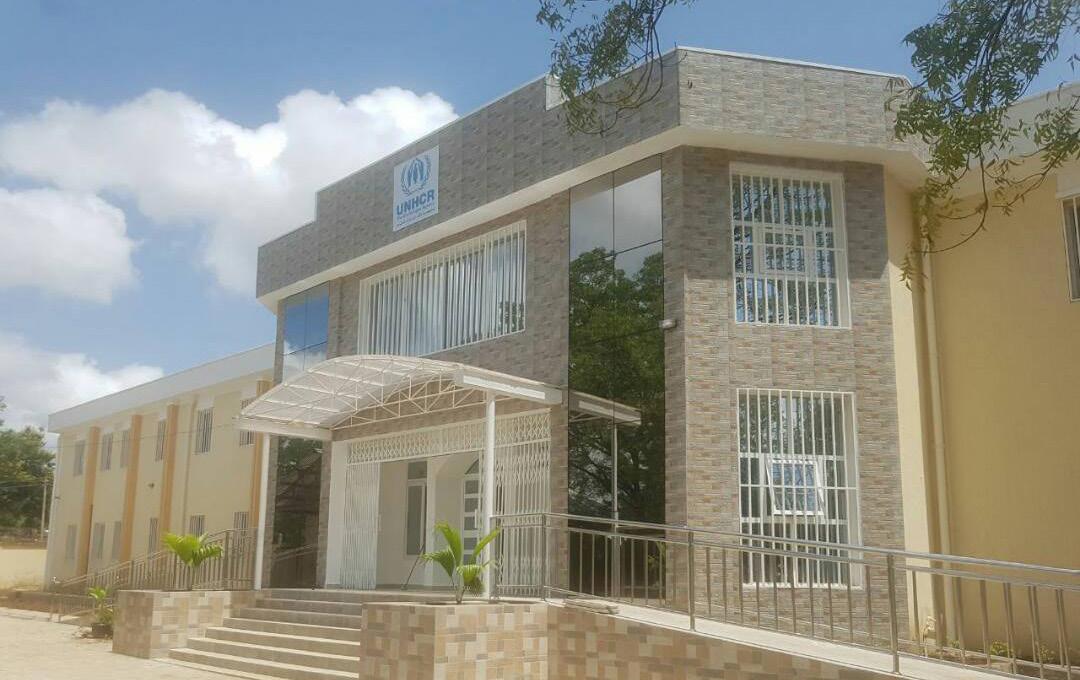
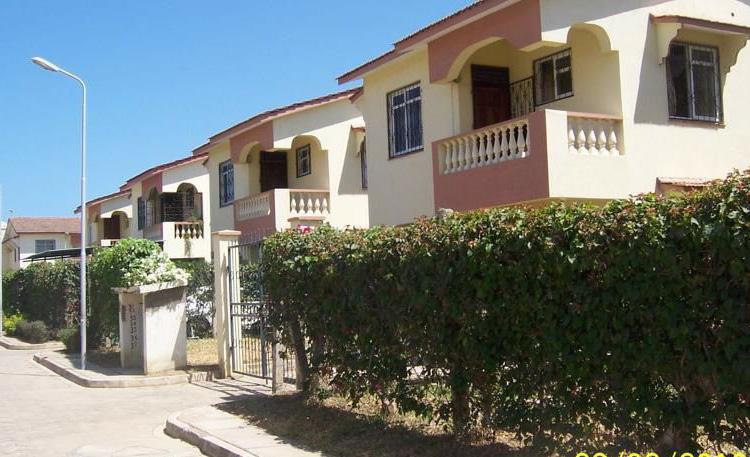
2014, also graduated with a master’s degree in Architecture in Suburb and Town Planning. Naturally, it meant that the rebranded firm would now have expanded capacity to undertake urban and master planning in addition to regular architectural work. The Firm has expanded to undertaking work not just nationally, but in the East African Region.
The company not only judge their achievements by the number and scale of projects done, but also by the attention and commitment the company gives to clients regardless of the scale of the Project, resulting in increased demand from clients.
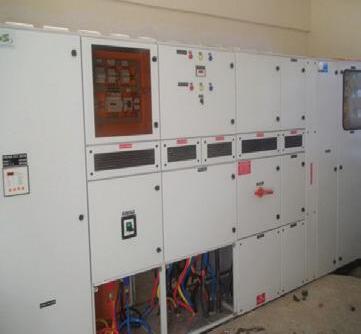
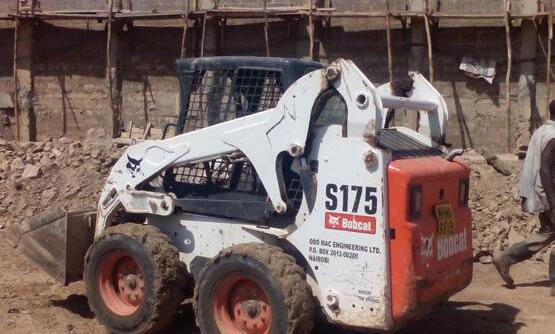
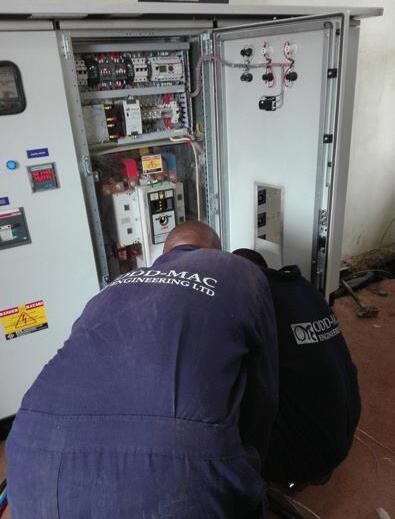

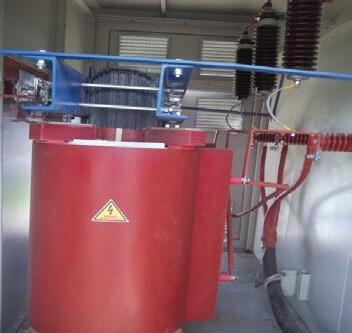

Some of the projects the company has been involved in include; the Muranga County Government offices, Bandari Villas in Mombasa, Consolidated Bank in Mombasa, Mtwapa Heights, the Kenyatta University postmodern library, The Administration Building for University of Embu, interior renovations design for The Bedelle in Runda and The Hive at Westcom Point Building. In the East African Region, their portfolio also boasts the UNHCR Offices in Juba as well as the upcoming One Stop Border Post Project in South Sudan funded by Trademark East Africa.

We are proud to be associated with Gitutho Architects & Partners on their 35th Anniversary.
anthopimech@gmail.com

Gitutho Architects and Planners have a staff of over 20 permanent and short-term employees in both its Mombasa and Nairobi offices. This team of dedicated and focused staff ensures that the organization runs smoothly.
Gitutho Architects and Planners also takes part in mentorship programmes through recruiting architects at a graduate level then nurturing their skills till they acquire their registrations. The firm has proudly mentored, in recent years, the highest scoring examinees in the regulatory examinations set by the Board of Registration of Architects and Quantity Surveyors.
Being a believer in giving back to the community, Arch. Kamau Njendu has served in the board of directors at Star of the Sea Primary School, Holy Ghost Cathedral Mombasa and Ndutumi Secondary School among others and has been involved in various community projects. Arch Kamau Njendu is a fellow member of the Kenya Institute of Management and a life member of Child Welfare Society. He is a husband, a father and grandfather and carries the same consistency and commitment in his personal life, as he does in his professional life.
Gitutho Architects and Planners (formerly Gitutho Associates) boasts 35 years in the construction industry since establishment and only looks forward to more growth and diversity and growth of their portfolio.







Customised insurance solutions for your construction or engineering business.
At FNB Insurance Brokers, we understand the risks in the construction and engineering industry. Our qualified Commercial Brokers conduct a 360° needs analysis of your business before tailoring a short-term insurance solution for you.
As experts in risk management, we offer both asset protection and short-term insurance risk management solutions, so that you’re not underinsured should any unforeseen events result in loss, damage or a delay in production. Our Construction and Engineering solutions not only minimise risk and business interruptions, but also maximise your peace of mind.
So, whether you’re a contractor or sub-contractor in building or civil works, contact one of our Brokers for a unique solution that will protect your business.
How can we help you? Your peace of mind shouldn’t be under construction.