



ASTM E84-24 safety test certified by Middle East Testing Services (MET LAB), Dubai



Provides up to two hours of passive fire protection
Suitable for multiple substrates (Steel, Concrete, wood and gypsum board).

Easy to apply and can be overcoated with the desired shade
Eco-friendly & Low VOC
MANAGING EDITOR
FOUNDING EDITOR
Robert Barnes
Robert Barnes
DEPUTY MANAGING EDITOR
EDITOR - in - CHIEF
Francis Makari
Peter Nyangabyaki
EDITOR - in - CHIEF
PROJECTS EDITOR
Dennis Ayemba
Francis Makari
COUNTRY EDITORS
COUNTRY EDITORS
Uganda - Betty Nabakooza
Nigeria - Boladale Ademiju
Uganda - Betty Nabakooza
South Africa - Jimmy Swira
Nigeria - Boladale Ademiju
South Africa - Delilah Aisu
WRITERS, Pascal Musungu, Anita Anyango, Patrick Mulyungi
EDITORIAL TRAFFIC
CO-ORDINATOR
Thuthu Klaas
WEB & GRAPHIC DESIGN
Gerald Oswald
WRITERS
Kiemo Teddy, Pascal Musungu, Anita Anyango, Patrick Mulyungi
Sales and Marketing Manager
Faith Mburu
GRAPHIC DESIGN
Austin Ombwa
ADVERTISING
Kenya: William Mutama, Lilian Khavosa, Joyce Ndamaiyu, Wendy Kinya
HEAD OF
William Mutama
South Africa: Thuli Nkosi, Winnie Sentabire, Angeline Ntobeng,
ADVERTISING
Kenya: Lilian Khavosa, Fred Okoth
Uganda: Nobert Turiyo, Selina Salumah Namuli
South Africa: Jacqui Nyangabyaki, Tshego Mokonyama, Rachel Molapo
Botswana: Dickson Manyudza, Gerald Mazikana
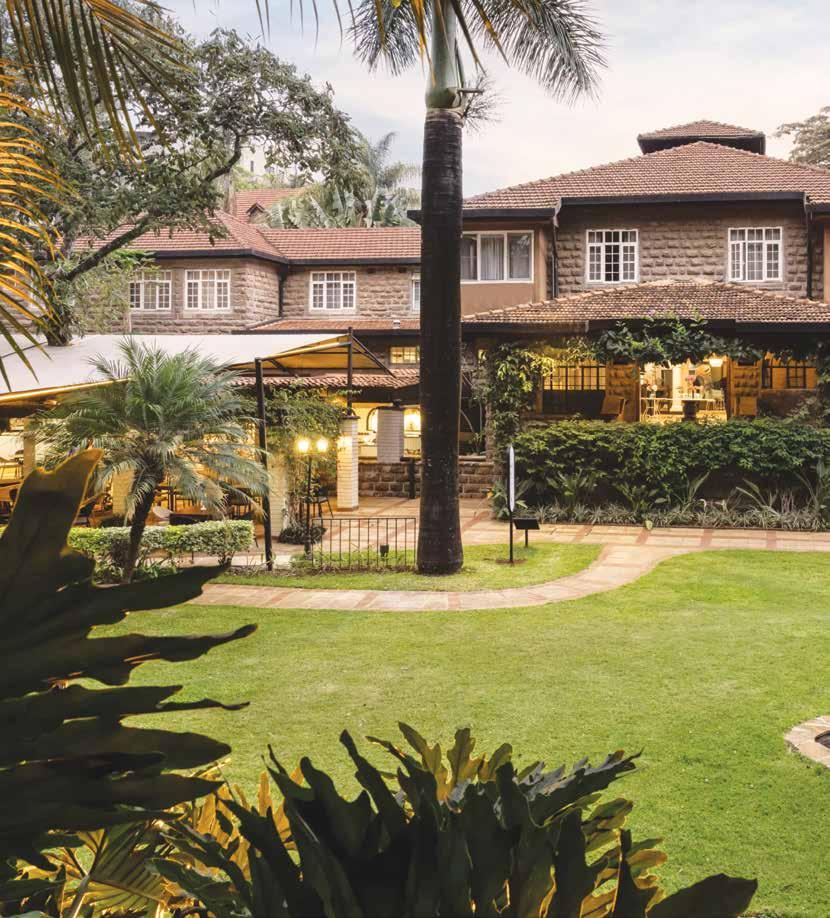
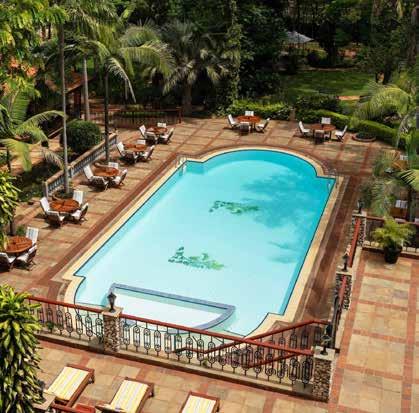
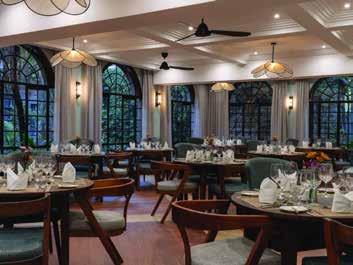
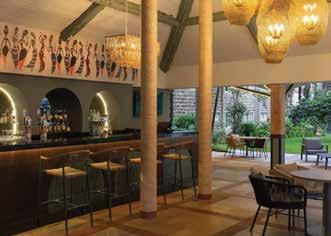
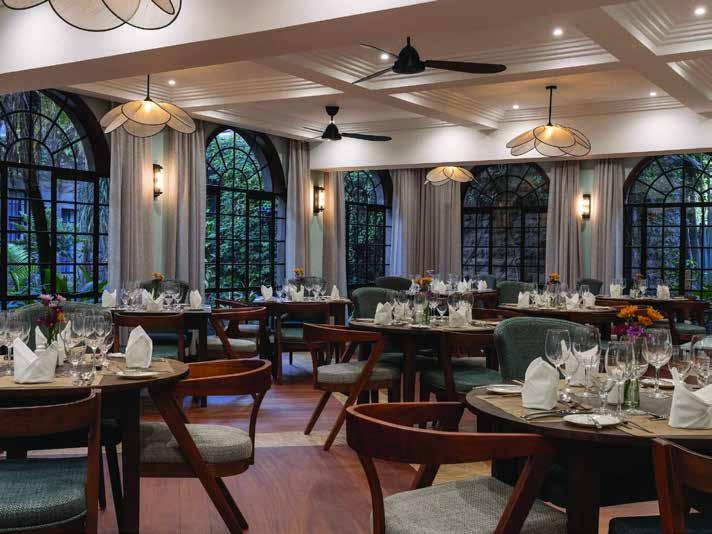
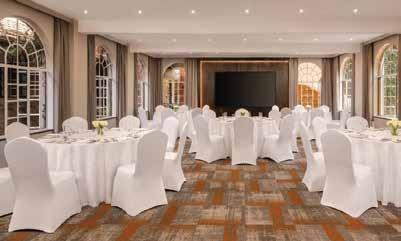
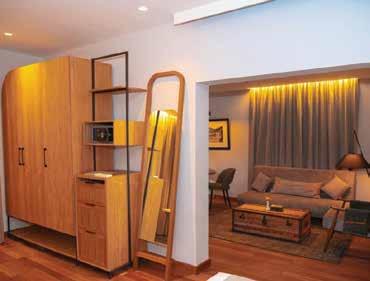
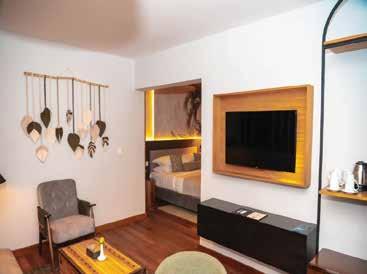
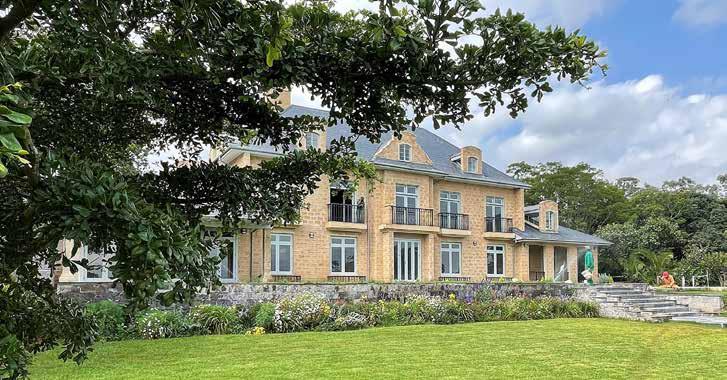
The Fairview Hotel Nairobi, Kenya, has recently undergone a comprehensive refurbishment, marking a new chapter for one of the city’s most iconic hospitality landmarks. Located in Nairobi’s Upper Hill, the Georgian-style property has been carefully transformed into Africa’s first IHG Vignette Collection hotel, blending its rich heritage with contemporary luxury.

Uganda: Nobert Turiyo, Selina Salumah Namuli
Ethiopia: Haimanot Tesfaye, Ruth Girma
Botswana:
Tanzania: Tom Kiage
Malawi: Anderson Fumulani
Ghana: Samuel Hinneh, Caleb Donne Hadjah
Zambia: Susan Kandeke
Zimbabwe: Chiedza Chimombe
Rwanda: Collison Lore
Nigeria: Seni Bello
China:Weng Jie
The editor accepts letters and manuscripts for publication from readers all over the world. Include your name and address as a sign of good faith although you may request your name to be withheld from publication. We reserve the right to edit any material submitted .
The editor accepts contributions for publication from readers. Include your name and address as a sign of good faith although you may request your name to be withheld from publication. We reserve the right to edit any material submitted .
Send your letters to: info@constructionreviewonline.com
Construction Review is published eleven times a year and is circulated to members of relevant associations, governmental bodies and other personnel in the building and construction industry as well as suppliers of equipment, materials and services in Africa, the Middle and Far East. The editor welcomes articles and photographs for consideration. Material may not be reproduced without prior permission from the publisher. The publisher does not accept responsibility for the accuracy or authenticity of advertisements or contributions contained in the journal. Views expressed by contributors are not necessarily those of the publisher.
Construction Review is published six times a year and is circulated to members of relevant associations, governmental bodies and other personnel in the building and construction industry as well as suppliers of equipment, materials and services. The editor welcomes articles and photographs for consideration. Material may not be reproduced without prior permission from the publisher. The publisher does not accept responsibility for the accuracy or authenticity of advertisements or contributions contained in the journal. Views expressed by contributors are not necessarily those of the publisher.
© All rights reserved.
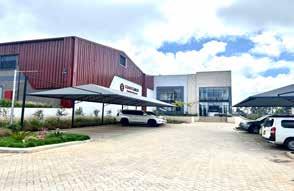
Coast Cables Limited, one of East Africa’s oldest and most respected manufacturers of electrical power cables, has taken a significant step in its growth journey with the construction of a large manufacturing plant, warehouse and offices at Tilisi Logistics Park. The expansion marks a strategic shift aimed at increasing production capacity, improving distribution efficiency, and positioning the company closer to its rapidly expanding customer base.
Beglin Woods Architects (BWA), one of East Africa’s most respected architectural powerhouses, marks 35 years of shaping the region’s built environment. Over three and a half decades, the firm has delivered enduring, innovative designs that blend functionality, sustainability and aesthetic excellence across diverse sectors and landmark projects.
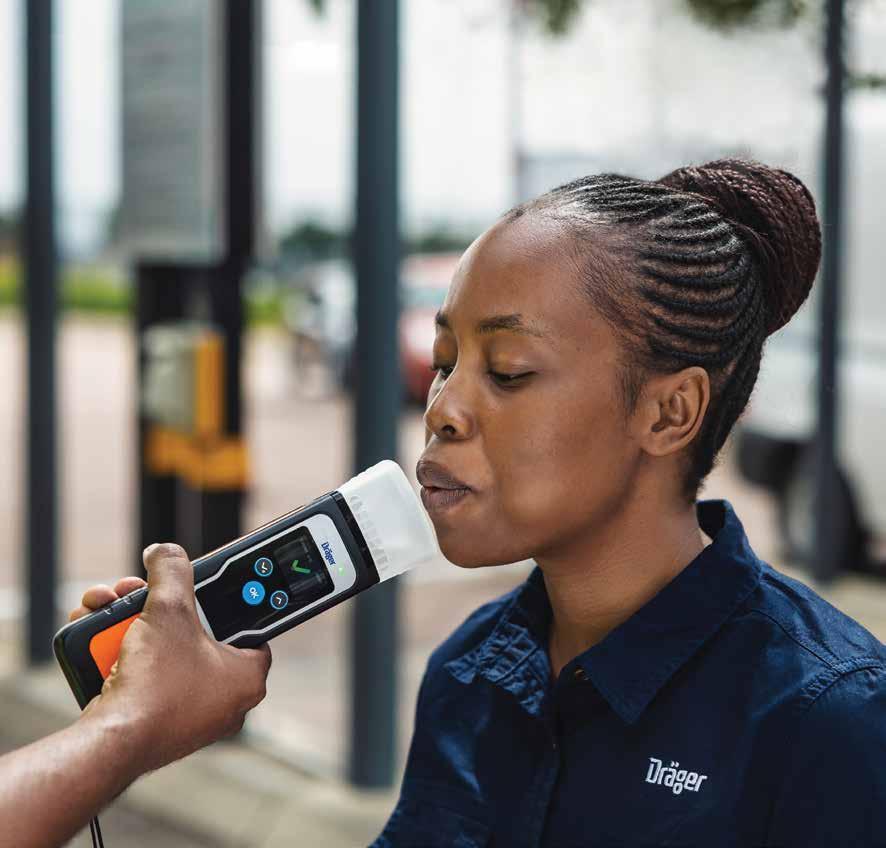
Across Africa’s booming construction sector, a small device is making a big difference. Breathalysers, once associated mainly with roadside policing, are becoming a common sight at site entrances, helping contractors manage risk in an industry where a moment’s impairment can have costly consequences. As projects grow larger and more complex, safety is no longer treated as a boxticking exercise.

South Africa
Mining and Construction News Network
9 Poplar Rd, Riverclub, Sandton
Tel: + 27 83 5061626
Ethiopia
Haymi Advertising Services
22 Mazoria, Genet Bldg 4th Flr., Addis Ababa
Tel: +251 118 955 855,
Cell: +251 930 099 152
Ghana
Image Consortium
1st Floor, The Ecobank Building, Tesano.
Tel: 233(0)30 223 2728 I 233(0)274807127 I +233(0)206299159
Nigeria
Rahma Associates
B23/24, Aishetu Emoewa Plaza, 196, Iju Water Works Road,
Ifako Ijaye Lga,Agege, Lagos.
Tel: +234 1 7347860
Rwanda
Kolline & Hemed Inc., B.P. 3328 Kigali, Rwanda
Zambia Agent Dayflex Limited, Dedan Kimathi Road, Lusaka, Zambia.
Tanzania Woota Publishers
Dar-es-salaam
KENYA BUILDCON International Expo
2026 will take place from 11 to 13 June 2026 at the Sarit Expo Centre in Nairobi, bringing together architects, engineers, developers and suppliers from across the region. The event showcases cutting-edge products, construction technologies, design solutions and engineering services, offering visitors a comprehensive view of industry trends and opportunities. Exhibitors will present innovations that support sustainable building practices and efficient project delivery. The expo serves as a platform for networking, knowledge exchange and business growth, reinforcing Kenya’s position as a hub for construction excellence in Africa. Attendees can engage in live demonstrations, technical sessions and strategic partnerships that drive future development in the built environment.
SOUTH AFRICA INFRASTRUCTURE EXPO
2026 will take place from 9 to 11 June 2026, positioning itself as a key platform for advancing infrastructure development in South Africa.
The event brings together policymakers, engineers, investors and industry leaders to drive dialogue, collaboration and innovation across the sector. With the country’s infrastructure market valued at approximately $193 billion, the expo highlights both urgent needs and emerging opportunities. It aligns with national frameworks such as the National Development Plan 2030 and the National Infrastructure Plan 2050, supporting long-term growth.
Attendees can engage in knowledge exchange, explore new technologies and form partnerships that will shape the future of infrastructure delivery.
SOUTHERN AFRICA ECO INFRASTRUCTURE SUMMIT 2026 will be held in Victoria Falls, Zimbabwe, bringing together policymakers, developers, engineers and sustainability experts to advance environmentally responsible infrastructure across the region. The summit focuses on innovative approaches to resilient design, green construction and climate-conscious development aligned with Africa’s longterm growth priorities. Participants will explore solutions that balance economic expansion with environmental stewardship, particularly in energy, transport and urban planning. The event provides a platform for knowledge exchange, strategic partnerships and investment opportunities, reinforcing the role of sustainable infrastructure in shaping inclusive and future-ready economies in Southern Africa.
Kenya
- Architectural Association of Kenya
- Institute of Quantity Surveyors of Kenya
- Institution of Engineers of Kenya
- Association of Consulting Engineers of - Kenya
- Association of Professional Societies of East Africa APSEA)
- Kenya Property Developers Association
- Institution of Surveyors of Kenya
-Town and County Planners Association of Kenya (TCPAK)
South Africa
- ASAQS - SAICE
- South African Council for the Quantity Surveying Profession
- Khuthaza ( Women for Housing)
- Concrete Manufacturers Association
- Green Building council of SA
- South African Property Owners Association
- Master Builders South Africa
Uganda
- Institute of Surveyors of Uganda
- Uganda Institute of Professional Engineers (UIPE) & Uganda Society of Architects
Botswana
- Institute of Botswana Quantity Surveyors
Ethiopia
- Association of Ethiopian Architects
- Ethiopian Association of Civil Engineers
- Construction Contractors Association of Ethiopia
Zimbabwe
- Zimbabwe Institute of Quantity Surveyors
- Zimbabwe Institute of Engineers
- The Construction Industry Federation of Zimbabwe (Cifoz)
Ghana
- Ghana Institute of Engineers
- Architects Registration Council
- Ghana Institute of Surveyors
- Ghana Green Builders Association
- Ghana Institute of Planners
- Association of Building and Civil Engineering Contractors of Ghana
Namibia
- Institute of Namibian Quantity Surveyors
- Association of Consulting Engineers of Namibia
Tanzania
- Tanzania Institute of Quantity Surveyors
- Construction Regulation Board (CRB)
- Tanzania’s Registration Board of Architects and Quantity Surveyors (AQSRB)
Nigeria
- Association of Consulting Engineers Nigeria
- Association of Professional Women
Engineers Of Nigeria
- Council of Registered Builders of Nigeria
- The Nigerian Institute of Architects
- American Association of Petroleum Geologists Africa Region
- Nigeria Society of Engineers
- Nigeria Institute of Architects
- Building and Construction Skilled Artisans Association of Nigeria (BACSAAN)
Zambia
- Zambia Institute of Architects (ZIA)
- Association of Building and Civil Engineering Contractors (ABCEC).





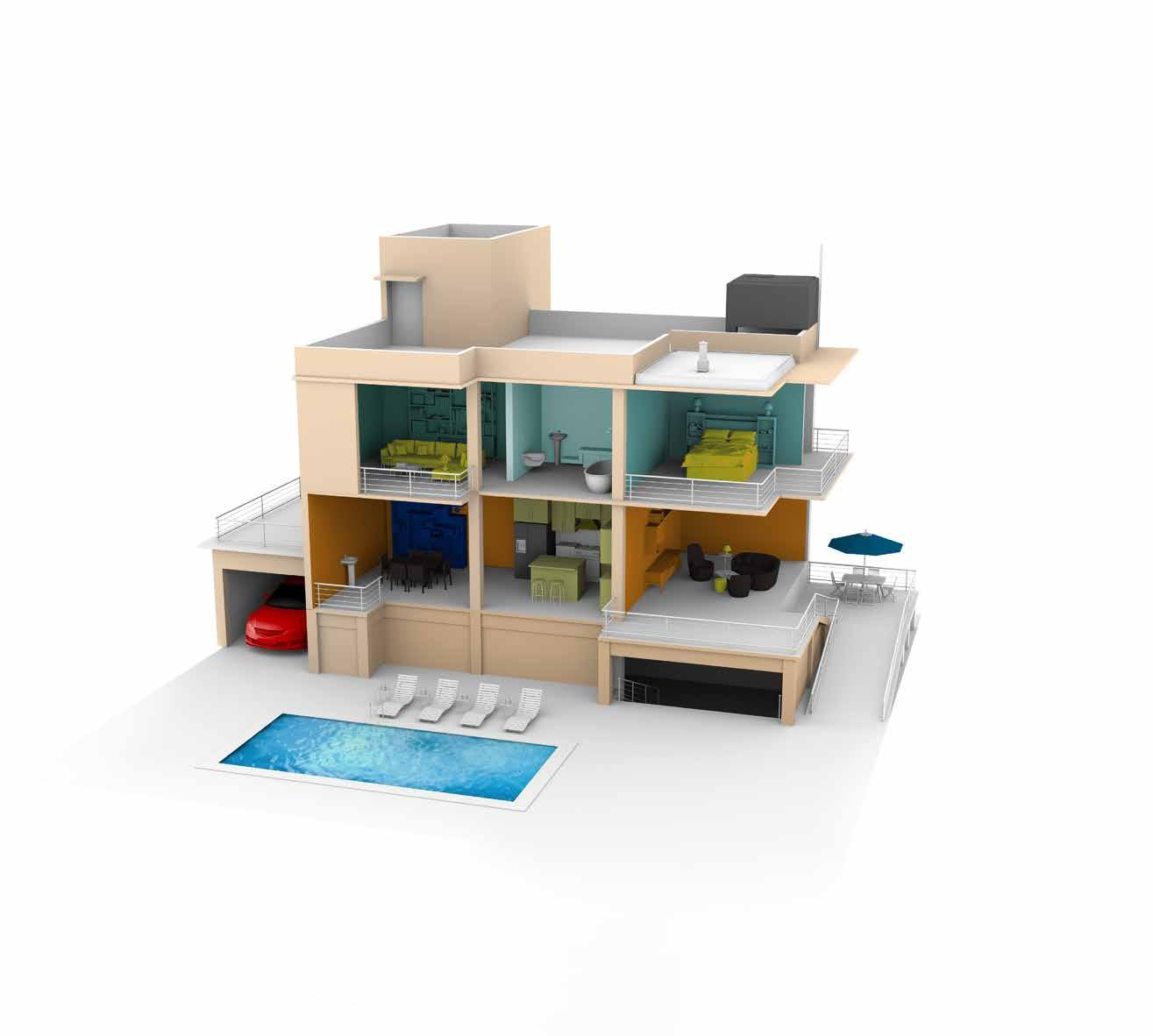
As the skylines of Nairobi, Mombasa, and Kisumu continue to rise, engineering challenges are moving in the opposite direction—deeper into the ground. With prime urban land becoming increasingly scarce, developers are maximizing available space through multi-level underground parking and deep basement construction. However, in Kenya’s diverse geological landscape—ranging from the porous volcanic soils of the Rift Valley to the high-water tables of coastal regions—keeping these substructures dry has become a critical challenge.
Traditionally, external APP (bitumen) membranes and plastic sheeting have been the most common waterproofing methods used in the construction industry. While e ective in principle, these systems are highly dependent on workmanship and site conditions. Today, however, a significant shift is underway. Leading contractors and consultants are moving beyond the membrane and adopting Integral Crystalline Waterproofing (ICW) solutions such as Duracoat Aquatech Duraseal 501.
The increasing adoption of integral waterproofing systems in Kenya is being driven by three major factors:
1. Faster Project Completion
In today’s high-interest-rate environment, time directly impacts project profitability. By eliminating the need for external membrane installation, contractors can cast concrete directly against formwork or shoring systems. This can reduce basement construction timelines by 14 to 21 days, allowing earlier progress to revenue-generating upper floors.
2. Better Durability in Saline and Aggressive Soils
In coastal areas such as Mombasa, chloride-induced corrosion of reinforcement steel remains a major concern. Integral waterproofing significantly lowers concrete permeability, helping prevent salt-laden water from reaching steel reinforcement and extending the service life of the structure.
3. Simpler Quality Control
Monitoring membrane installation across large sites can be di cult and labour-intensive. With integral systems, quality assurance becomes more straightforward. By verifying the correct dosage during batching and ensuring proper placement, compaction, and curing, the risk of human error is substantially reduced.
Best Practices for Successful Implementation
To maximize performance, engineers and contractors should focus on the following key areas:
1. Joint Treatment
While the concrete itself may be waterproof, construction joints, movement joints, and pipe penetrations remain vulnerable points. These should be protected using appropriate waterstops or swell bars to maintain a continuous seal.

By Rajesh Reddy
Although external membranes can provide e ective waterproofing, they often face practical challenges during installation on active construction sites.
A membrane system is only as reliable as its weakest joint or seam. In congested excavations with restricted access, achieving a flawless seal can be di cult. Even small gaps may lead to water ingress over time.
During reinforcement placement, shuttering works, or backfilling operations, membranes are often punctured or displaced. Once leakage occurs, water can travel behind the membrane, making the exact source of the problem di cult and expensive to locate.
The Science Behind Self-Healing Concrete
Integral waterproofing transforms the structural concrete itself into a long-lasting water-resistant barrier. Unlike surface coatings, crystalline systems such as Aquatech Duraseal 501 are added directly into the concrete mix at the batching plant or on-site.
When these active chemicals come into contact with water and unhydrated cement particles, they trigger a catalytic reaction that forms millions of insoluble needle-like crystals. These crystals penetrate and fill capillary pores, micro-voids, and hairline cracks within the concrete matrix.
The Self-Healing Advantage
One of the most innovative benefits of crystalline waterproofing is its ability to self-heal. If minor cracks develop later due to shrinkage, settlement, or thermal movement (up to 0.5 mm), the presence of moisture can reactivate the crystallization process, sealing the cracks automatically.
2. Proper Compaction
No admixture can compensate for poorly compacted concrete or honeycombing. Adequate vibration and placement techniques are essential to achieve dense, monolithic concrete.
3. E ective Curing
Because crystalline reactions depend on moisture, proper curing during the first seven days is vital to support crystal growth and long-term waterproofing performance.
A Holistic Waterproofing Toolkit
While ICW systems are increasingly preferred for deep basements, many projects benefit from combining multiple waterproofing technologies depending on the application:
• Elastomeric Coatings – e.g., Duracoat Aquatech Rainshield for flexible exterior protection.
• Cementitious Coatings – e.g., Aquatech Polyflex or Duralastic for roofs, wet areas, and water tanks.
• Liquid Admixtures – e.g., Aquatech LQ202 for reducing permeability in concrete, plaster, and mortar applications.
The Bottom Line: Return on Investment Over Initial Cost
Although crystalline admixtures may appear more expensive initially than conventional APP membranes, their life-cycle cost is often significantly lower. When savings in labour, shorter construction timelines, reduced maintenance, and avoidance of costly post-construction injection grouting are considered, the long-term return on investment becomes compelling.
As Kenya continues to modernize its built environment, the focus must be on resilience, durability, and smarter construction methods. By integrating waterproofing into the core of the concrete itself, we are not simply building basements—we are building long-lasting infrastructure designed to stand the test of time.

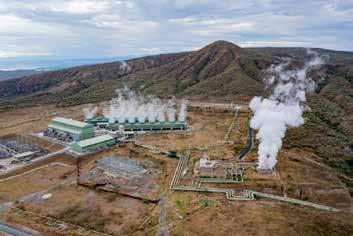
Olkaria VII geothermal power project has stalled following a donor funding dispute that has disrupted procurement, delayed implementation, and raised fresh concerns about financing risks in Kenya’s energy construction pipeline.
The 80.3MW geothermal development, planned in Naivasha within the Olkaria field, had aimed to expand Kenya’s baseload renewable capacity. However, disagreements between the financier and project stakeholders have halted progress, affecting timelines and contractor mobilization. The delay has triggered wider concern across the construction sector, particularly regarding donorfunded infrastructure projects that depend on strict compliance and approval frameworks.
Uganda has appointed America’s Citibank to mobilise financing needed to fund the country's planned US$3.19 billion Standard Gauge Railway (SGR) project. A Ugandan delegation in Washington for the annual IMF and World Bank Spring Meetings met officials from Citibank led by Richard Hodder, the managing director and global head export and agency finance to discuss progress made in mobilising the required financing for the SGR project.
After a prolonged delay caused by unfruitful efforts to secure financing from Beijing, Uganda in 2024 handed the SGR project to Turkish construction firm Yapi Merkezi.
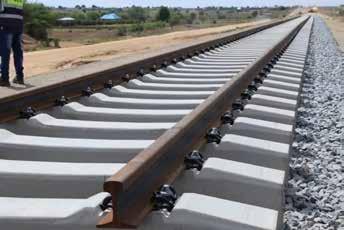
Construction of the Mwanza–Isaka SGR Project reached 63.04% completion in early 2025, with major civil works significantly advanced. However, more recent updates indicate progress has risen to more than 70% in the first quarter of 2026.
Additionally, embankment works surpassed 89%, while bridge and culvert construction exceeded 70%, demonstrating strong execution progress. Track laying, station construction, and installation of electrical infrastructure are also ongoing across multiple sections. Despite earlier weather-related disruptions, authorities have accelerated construction activities to maintain delivery timelines. Consequently, the project remains on track to support full corridor operations targeted toward the late-decade timeline.
The Mwanza–Isaka SGR Project spans approximately 341 kilometres, forming a key segment of Tanzania’s broader 2,000 km standard gauge railway network. Importantly, the line links the Lake Zone to the central corridor and onward to the Port of Dar es Salaam. This connection enhances cargo movement efficiency and reduces transport costs for bulk goods.
Furthermore, the railway is designed to integrate with regional networks connecting Rwanda, Burundi, and the Democratic Republic of Congo. As a result, the project strengthens Tanzania’s position as a regional logistics hub in East and Central Africa. Meanwhile, parallel developments across the region continue to reinforce railway expansion momentum, as seen in Uganda’s financing shift under the $3.19 billion Uganda Standard Gauge Railway Project.
The Mwanza–Isaka SGR Project is expected to play a central role in improving freight and passenger transport efficiency. Notably, the project will reduce reliance on road transport while lowering logistics costs across the Lake Zone.
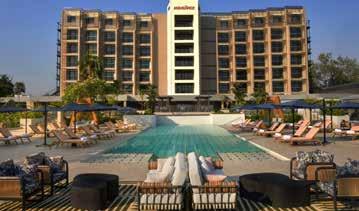
The opening of Mövenpick Hotel Kigali marked a defining milestone for Rwanda’s upscale hospitality market. The transformation of the former Hotel Umubano into a 124-room, fivestar destination demanded a careful balance of global standards, local expertise, and disciplined project execution. Profica was central to this process, taking on the dual role of Project Manager and FIDIC Engineer to steer a complex, high-value refurbishment.
The redevelopment effectively converted an existing hotel shell into a facility aligned with the exacting brand requirements of Accor’s Mövenpick portfolio. From the outset, Profica’s strong in-country presence, combined with its broader Pan-African experience, proved critical. The firm joined the project in November 2021, initially supporting due diligence before progressing through feasibility, design coordination, and construction oversight.







Representing the developer, Kasada, Profica was responsible for guiding the project from early planning through to final delivery. In its capacity as FIDIC Engineer, the firm oversaw contract administration, design management, and quality assurance, ensuring that all works - from structural interventions to final finishes - met the approved international standards required of the Mövenpick brand.
Further strengthening the delivery team, Binneman Menigo joined the project in 2023 as Profica’s Senior Project and Construction Manager for East Africa. Reflecting the firm’s hands-on approach and reliance on in-market expertise, Menigo has been based in Rwanda since 2016, bringing a deep understanding of the local construction environment.
“When I arrived, the hotel was just a shell,” he recalls. “We were still in the design stage, with demolition works and new block work underway. It was a concrete skeleton that needed a full new mechanical, electrical, and plumbing fit-out.” The Principal Contractor, Shelter Group, was subsequently appointed, with works commencing in February 2024 and driving the project steadily towards completion. - By Profica. Image by IGIHE.



















SRobert Erasmus, Managing Director at Sanitech
“The biggest operational challenge underground is not the cleaning of facilities, but the physical removal of waste,” says Robert Erasmus, Managing Director at Sanitech. “Waste often has to be carried by hand or transported using cages or operational equipment that is already under pressure. Our focus with this innovation was to reduce the volume of waste that needs to be removed from site.”
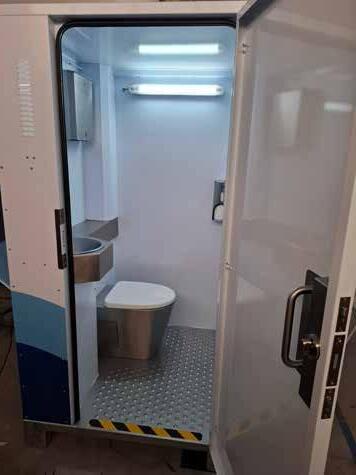
Unlike conventional holding-tank systems, the new unit integrates a compact wastewater treatment process within a single cubicle. This allows waste to be treated where it is generated, significantly reducing the need for manual handling and transport.
“The concept is essentially a mini wastewater treatment plant built into the toilet unit,” Erasmus explains. “Instead of simply storing waste for removal, we are processing it at source to limit what needs to be extracted.”
The prototype has been designed to fit underground dimensional constraints and support typical usage levels in mining operations. “The system is designed around approximately 30 users per day, with treated water reused for flushing,” says Paul de Klerk, Divisional Manager: Water and Waste Treatment Solutions at Sanitech. “The treatment process ensures the water meets general discharge standards, while a portion is safely recycled within the system.” The unit uses membrane bioreactor technology, combining biological treatment, ultrafiltration and UV disinfection to produce high-quality effluent. It operates as a standalone system requiring power, air and a clean water supply and includes remote monitoring capabilities.
“The plant is controlled via a PLC and can be monitored remotely,” De Klerk adds. “If there is a blockage, pump failure or performance issue, operators receive alerts, improving reliability and maintenance response.”
anitech has unveiled a new sanitation prototype designed specifically for the demanding conditions of South African mining environments. Developed in house by Sanitech, the solution treats waste at the point of use, reducing operational pressures, improving hygiene, and supporting worker dignity underground.
Sanitation in mining environments presents a major logistical challenge, particularly when it comes to removing waste. Most existing systems rely on manual extraction and transport using already limited underground infrastructure.
Water reuse is a key sustainability benefit of the design. “We expect to reuse up to 70% to 75% of the water within the unit,” says De Klerk. “This reduces fresh water demand and limits the volume of waste that needs to be removed.” Erasmus says the solution also improves working conditions for both users and service teams.
“Improved sanitation is directly linked to workforce health and wellbeing, but it’s also about dignity and safety,” he says. “By reducing manual waste handling and providing enclosed facilities with handwashing capability, we are creating a safer and more hygienic environment for mine workers.”







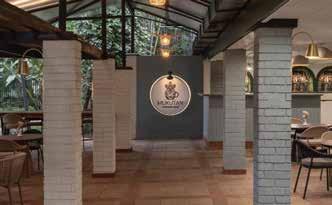


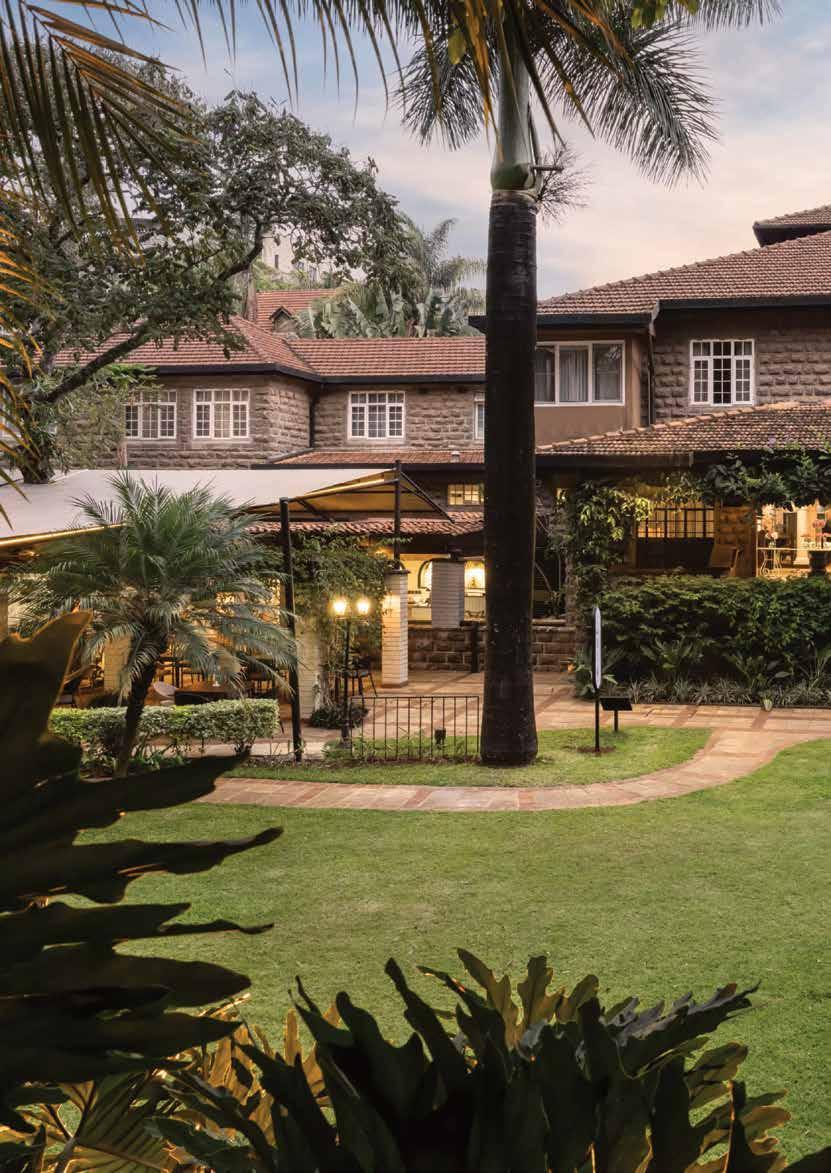
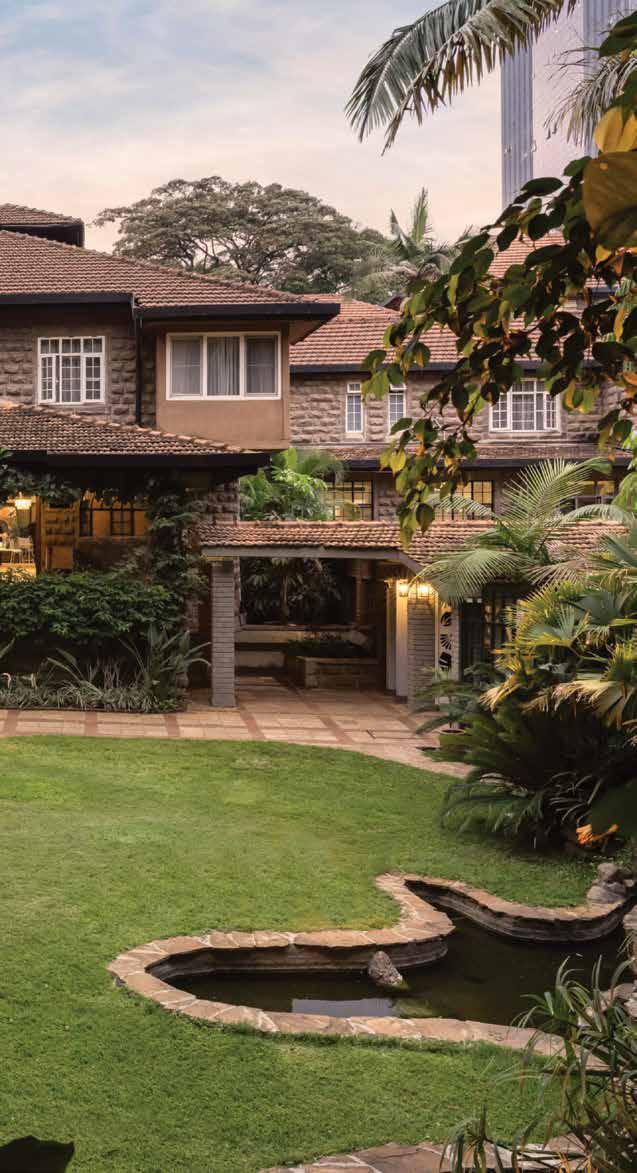

Construction Review: How did you balance the Fairview’s heritage with the "Vignette Collection" standards?
Arch. Hellen Abuko: Vignette Collection offers a platform for independent luxury hotels to join IHG while preserving their identity. The design sought to carefully balance the Fairview Hotel’s colonial heritage with the contemporary hospitality standards by preserving key architectural references while introducing refined, modern comforts. Drawing inspiration from the building’s historic colonial façade and its lush surroundings in Nairobi, the interiors were conceived around the concept of an “urban safari,” blending understated luxury with nature-inspired elements. The result is a guest experience that reconnects visitors with the character of the place while offering a distinctive and contemporary stay.
What were the key materials used to modernize the rooms while keeping their "Old World" charm?
The rooms were modernized through the use of warm natural materials such as timber finishes, textured fabrics, carefully selected to complement the building’s historic character. Furniture pieces, including trunk tables and travel-inspired wallpaper accents, were introduced to reinforce the “urban safari” narrative while maintaining a sense of understated luxury. Paired with soft neutral palettes and contemporary lighting, the design preserves the Fairview’s “Old World” charm while reflecting the surrounding natural landscape of Nairobi.
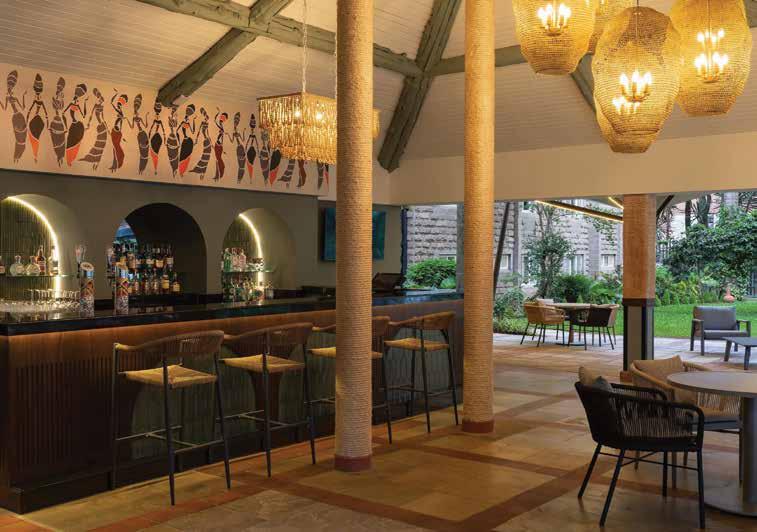
How did design choices contribute to the EDGE Sustainability Certification?
Every design decision from materials to energy systems and furniture was guided by resource efficiency. Energyefficient LED lighting and HVAC systems reduced electricity consumption, while locally sourced and recycled materials, including solid timber flooring, liveedge timber used for furniture, and reused artwork, minimized material waste and enhanced the hotel’s design character.
What is the one design detail you are most proud of in this refurbishment?
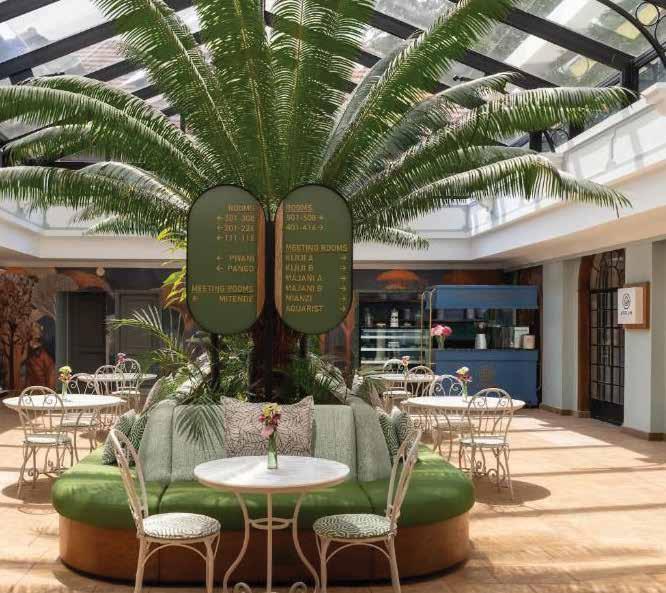
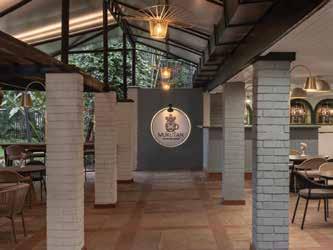
The design detail we are most proud of is the atrium with integrated banquette seating and lush plantings behind it, set against an inviting wallpaper backdrop that echoes the “urban safari” theme. This creates a powerful focal point upon entering from the reception, forming a miniurban piazza that connects seamlessly to the new coffee shop with its coffee cart, while guiding guests naturally toward the restaurants, meeting rooms or guest rooms. This combination of playful, unexpected elements, rich textures, and thoughtful spatial planning makes the space both memorable and inviting.
Hellen Abuko is an Architect at Design Partnership Limited, a leading Nairobi Practice.

YOU SEE THE TRANSFORMATION.
WE SEE THE NUMBERS THAT MADE IT POSSIBLE.

Proud to have delivered Quantity Surveying services on the Fairview Hotel (Vignette Collection) refurbishment in Nairobi.
From feasibility to final account, we help you build with confidence.
Ready to start your next project?
Scan to discover how we can support you.

Construction Review: What was the primary costmanagement challenge in delivering this high-spec refurbishment on a heritage site?
QS. Judy Wanjiku: Working within a heritage building presented unforeseen challenges, particularly the discovery of pre-existing conditions once construction was underway. These conditions had the potential to significantly affect scope, time, and budget. RLB, in collaboration with the project team, carefully assessed each emerging issue and developed cost effective solutions without compromising on the final project’s quality. By maintaining strict financial discipline, we successfully delivered the project within the client’s budget, demonstrating our ability to manage complexity while safeguarding value.
Where did RLB provide value engineering that saved costs without compromising the "Vignette" luxury finish?
RLB provided strategic input on the finishes materials and furniture selections, carefully balancing cost efficiency with the luxury finish required by the brand. Through this approach, we successfully reduced unnecessary expenses while ensuring the client’s vision of a premium, high-end finish was fully realized.

Why is this refurbishment a benchmark for commercial viability in the Nairobi hospitality market?
This refurbishment demonstrates that reinvestment in hotel infrastructure directly aligns with rising demand from various hospitality segments, while also proving that upgraded facilities can command higher occupancy rates and premium pricing by blending established brand trust with the modern guest expectations.
Judy Wanjiku is a Director at Rider Levett Bucknall (RLB) Kenya Office. RLB is a global firm engaged in Cost Management & Quantity Surveying, Project Programming & Program Management, Engineering Cost Management and Advisory.








Kenroid Complex, Tegla Lorupe Rd Nairobi, Kenya.
Tel: 0722 201166
Email: info@samaniconstruction.co.ke

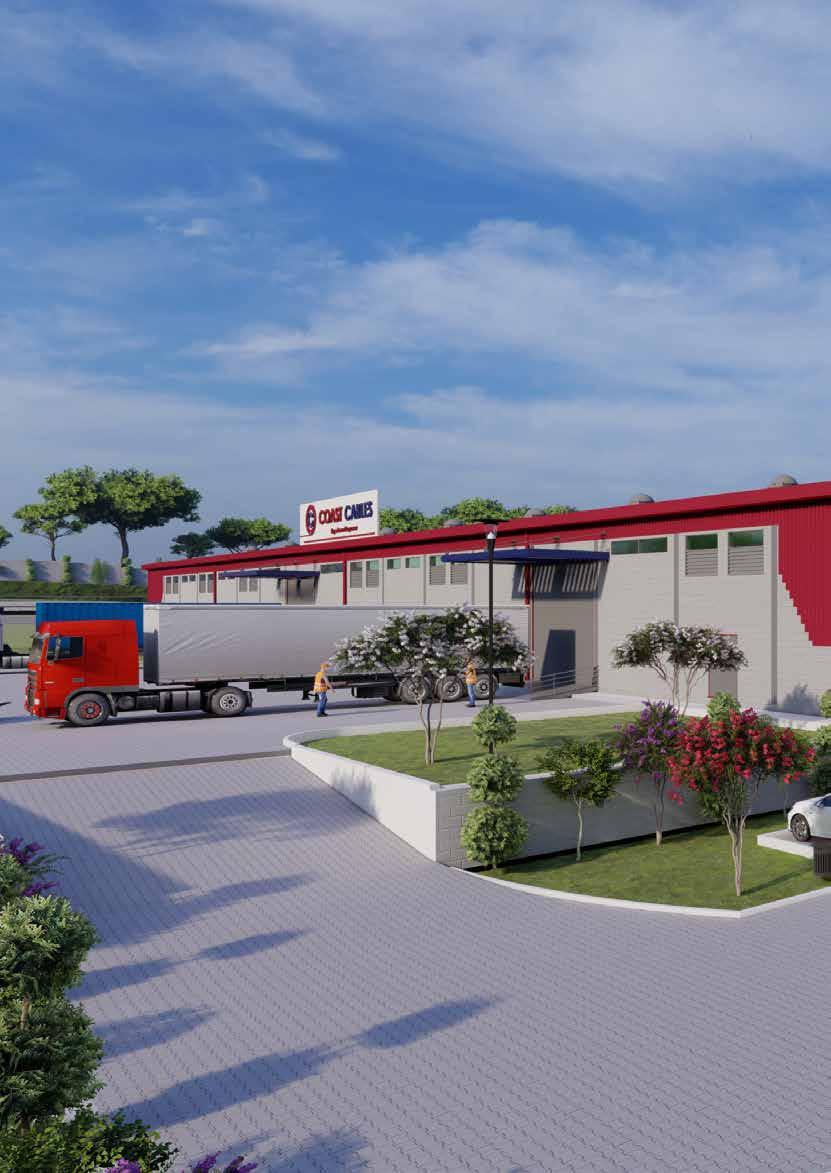

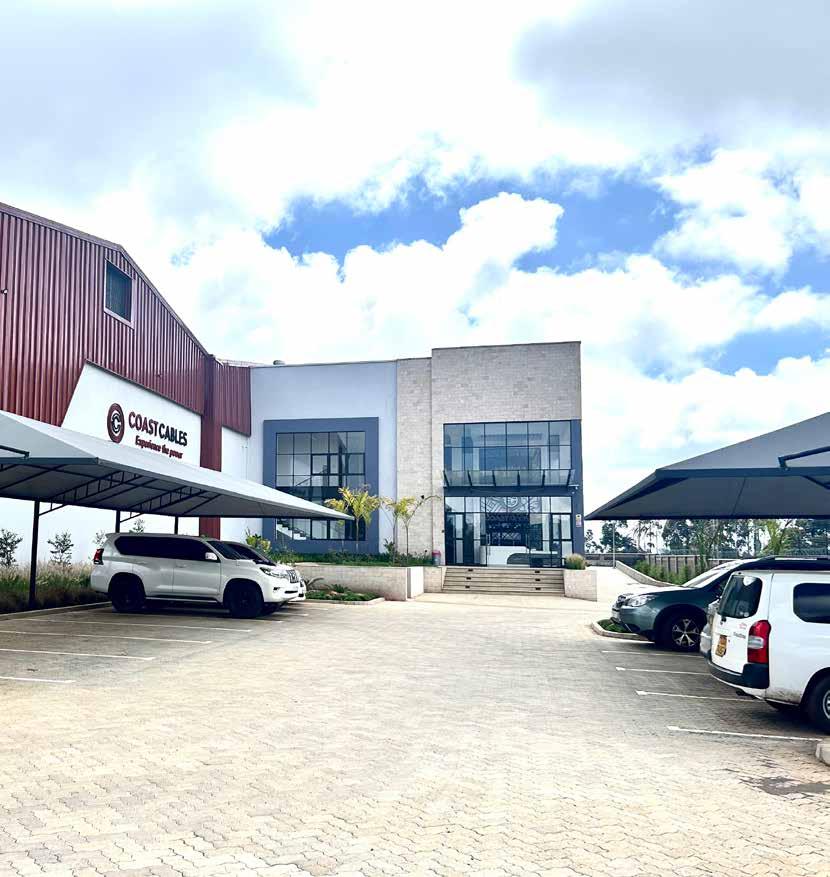
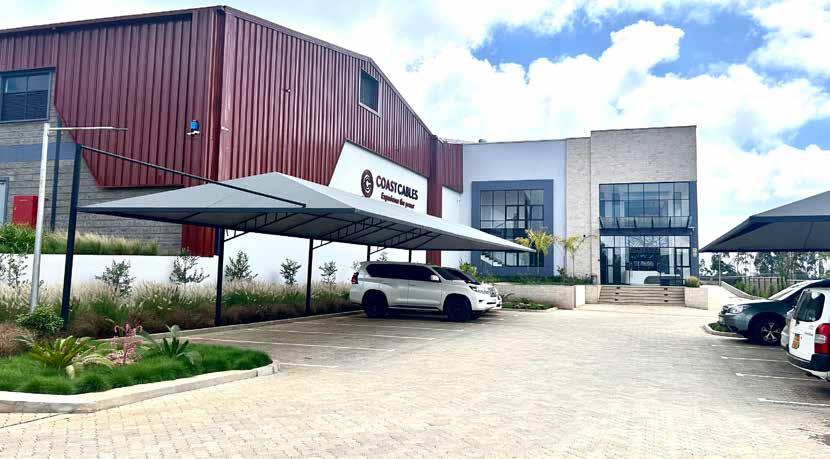
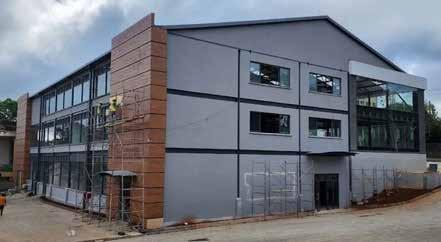
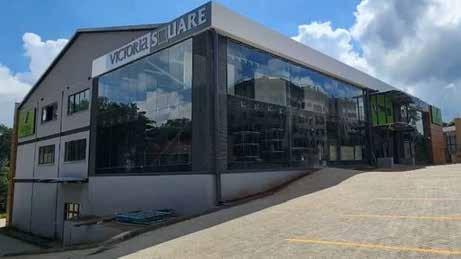
COAST CABLES LIMITED, one of East Africa’s oldest and most respected manufacturers of electrical power cables, has taken a significant step in its growth journey with the construction of a large new manufacturing plant, warehouse and offices at Tilisi Logistics Park. The expansion marks a strategic shift aimed at increasing production capacity, improving distribution efficiency, and positioning the company closer to its rapidly expanding customer base. We spoke to Architect Iqbal Deogun of Spire Studio Architects (pictured) on various aspects of the project.
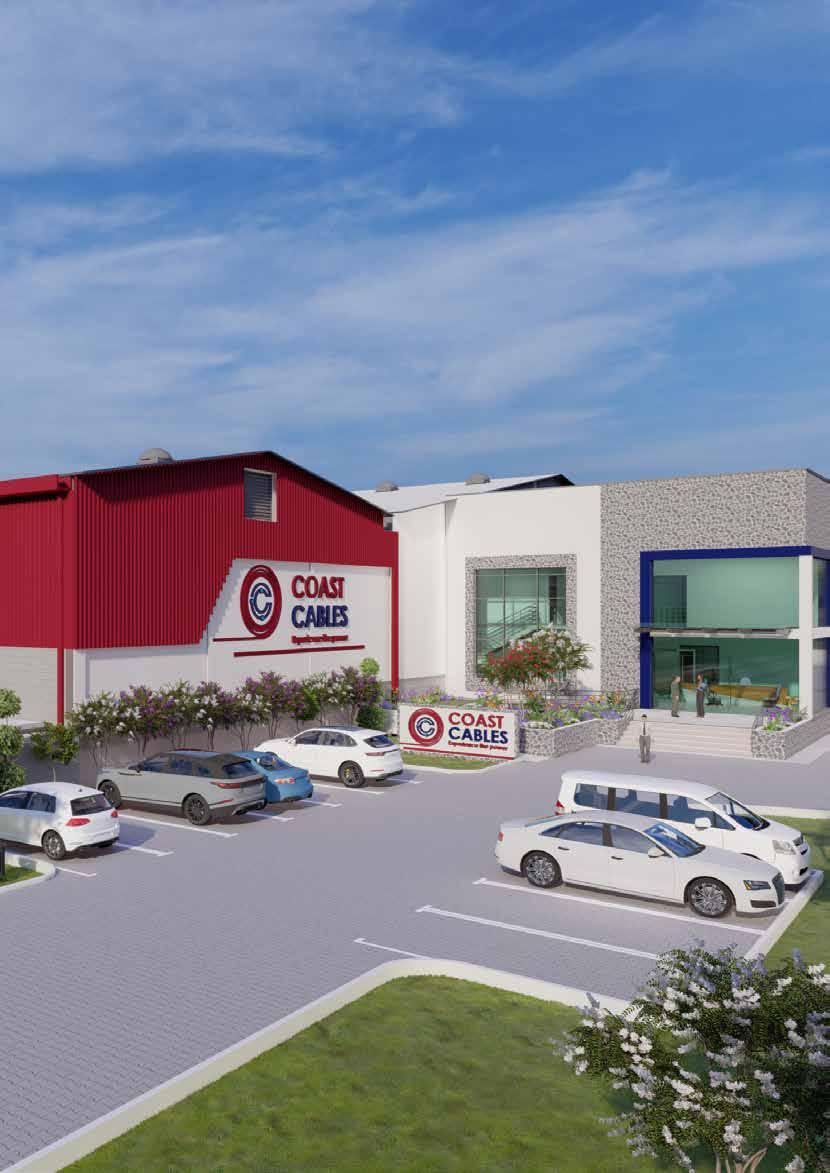
At Tilisi Logistics Park, a new industrial landmark is redefining what a modern manufacturing facility can be. Designed by Spire Studio Architects under the leadership of Iqbal Deogun, the Coast Cables production complex brings together precision engineering, sustainability, and architectural clarity in a project that challenges conventional notions of industrial design.
From the outset, the vision was clear: to create more than just a factory shell. “The goal was to build a future-proof, state-of-the-art facility based on the client’s current and evolving manufacturing process,” explains Deogun. This ambition shaped a design approach that turned traditional industrial architecture inside out. Rather than forcing machinery into a predefined envelope, the building itself was conceived as an extension of the production line. Every spatial decision—from circulation to clearances—was derived from the operational logic of the equipment it houses.
This philosophy is perhaps most evident in the meticulous planning of the production floor. High-capacity cable extruders, each with strict
maintenance envelopes, dictated the internal geometry. By mapping these requirements early in the design process, the team ensured not only operational efficiency but also enhanced safety and comfort for workers. “We ensured that workflow remains efficient and that staff are never cramped against moving parts,” Deogun notes, underscoring the project’s human-centred ethos.
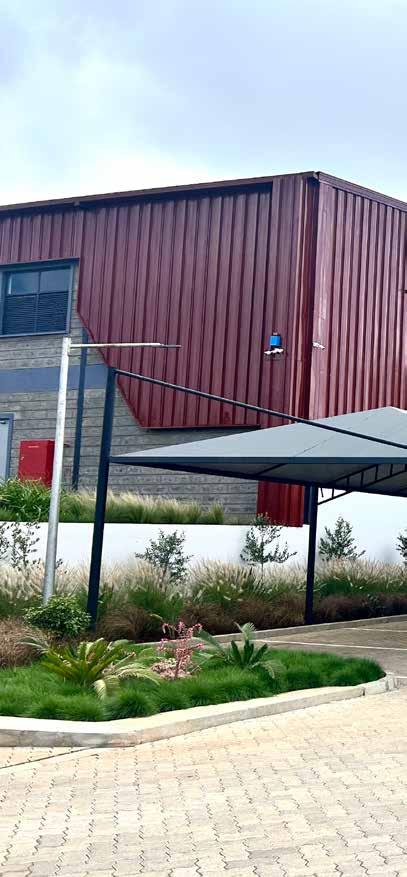
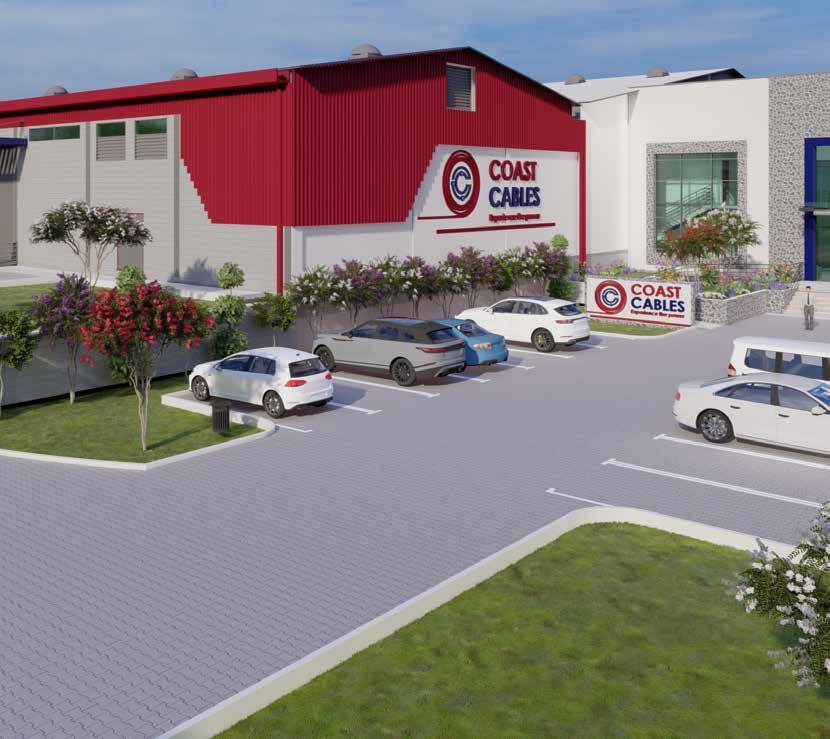
Yet, despite its technical rigour, the Coast Cables facility resists the anonymity often associated with industrial buildings. Instead, it embraces what Deogun describes as “functional art”—an approach where performance and expression are inseparable. The building’s elevation is carefully articulated through contrasting materials and the bold integration of the client’s corporate colours, transforming it into what he calls “a 24/7 billboard.” This deliberate aesthetic move allows the facility to stand out within Tilisi while reinforcing Coast Cables’ brand identity.
The architectural language extends beyond the building envelope into the landscape. Gabion retaining walls, rising up to six metres in response to the site’s sloping topography, provide both structural resilience and visual texture. Their permeability allows natural drainage, while their organic character softens the transition between the industrial complex and its surroundings. “We wanted the building to feel integrated rather than imposed,” says Deogun, reflecting a broader commitment to working with, rather than against, the site.
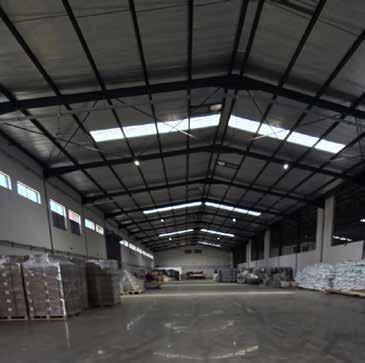
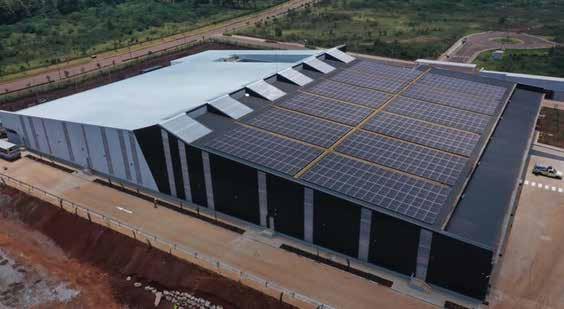
This sensitivity to context is matched by a strong emphasis on sustainability. The facility leverages natural light through polycarbonate skylights, significantly reducing daytime energy demand, while cross-ventilation strategies harness prevailing winds to minimise reliance on mechanical cooling. The roof has been engineered to support future solar installations, positioning the development for a transition to renewable energy. Water

Mr. Vinay Varsani, General Manager, Canton Building & Construction, Main Contractor


Suite #3, Kush Office, Rhapta Road, Westlands, Nairobi, Kenya
Tel: +254 748 454713




Email: info@acrovent.co.ke Website: www.acrovent.co.ke AUTHORIZED


management is equally considered, with permeable paving, efficient sanitary fittings, and integrated drainage systems contributing to a circular approach to resource use.
Beyond environmental performance, the project also reflects a deep engagement with the technical demands of modern manufacturing. The inclusion of machine pits reaching depths of three metres, strategically located power infrastructure, and dedicated zones for lubricants and fluids all point to a design process grounded in collaboration. “We worked directly with machine specialists and engineers to decode the technical specifications of the production lines,” Deogun explains. This close coordination ensured that the building’s “nervous system”—its services and infrastructure—operates with maximum efficiency and reliability.
Such integration proved particularly critical given the broader economic challenges surrounding the project’s delivery. Constructed over approximately one year, with completion in late 2025, the facility navigated a period marked by fluctuating material costs and supply chain disruptions. In response, the design team adopted a highly coordinated approach, centralising communication and maintaining strict adherence to the Tilisi Development Code to avoid costly delays and revisions.
Flexibility, too, was a key driver of the design. The site plan deliberately leaves room for future expansion, while the internal layout incorporates modular systems that allow new machinery to be integrated with minimal disruption. Heavy-duty cable trays and adaptable service routes ensure that the facility can evolve alongside advances in production technology, reinforcing its long-term value.
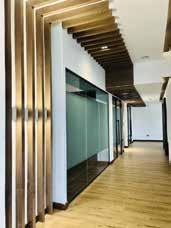
Ultimately, however, the success of the Coast Cables facility lies not only in its technical sophistication but in the experience it creates for its users. For workers, the design offers a departure from the typical “closed box” factory environment, replacing it with a space defined by light, openness, and dignity. For visitors, the journey through the building—from its striking exterior to office spaces overlooking the production floor— reveals a seamless connection between corporate identity and industrial process.
“Our ultimate goal was to create a space that communicates dignity, efficiency, and innovation,” says Deogun. In achieving this, the Coast Cables facility stands as a compelling example of how industrial architecture, when approached with intent and imagination, can transcend its utilitarian roots to become something far more enduring.
COAST CABLES LTD Client
SPIRE STUDIO
Architectural, Project Management, Interior Design
CANTON BUILDING & CONSTRUCTION LTD
Main Contractor
ARK CONSTRUCTION LTD
Main Contractor (Interiors)
DESIGN MATIC MEP
TOWER COST
Quantity Surveyor
CONTINENTAL CONSULTANTS LTD
Structural Engineer
ACROVENT LIMITED HVAC
IET AFRICA LTD
Electrical Subcontractor (Main Works)
SUNASH ELECTRICALS LTD
Electrical Subcontractor (Interior)
KENAL PLUMBERS & BUILDERS LTD
Plumbing Contractor
STEEL STRUCTURES LTD
Steel Subcontractor
TUFAHA AFRICA LTD Landscaping

3rd Floor, The Address Building, Muthangari Drive, Off Waiyaki Way P.O. Box 21073-00100, Nairobi, Kenya.
Tel: 0721 720975
Email: info@arkconstruction.co.ke Website: www.arkconstruction.co.ke
OUR SERVICES
• Mixed-use Developments Multi-family Residential Complexes
• Class A, B Office Buildings Specialty Retail Buildings
• Banking, Insurance & Financial Services • NGOs Hotel, Lodges & Conferencing Facilities
• Recreation & Fitness Centres
• Diagnostic & Healthcare Facilities
• Rehabilitation & Sports Facilities


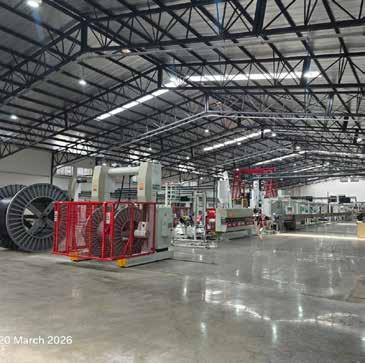
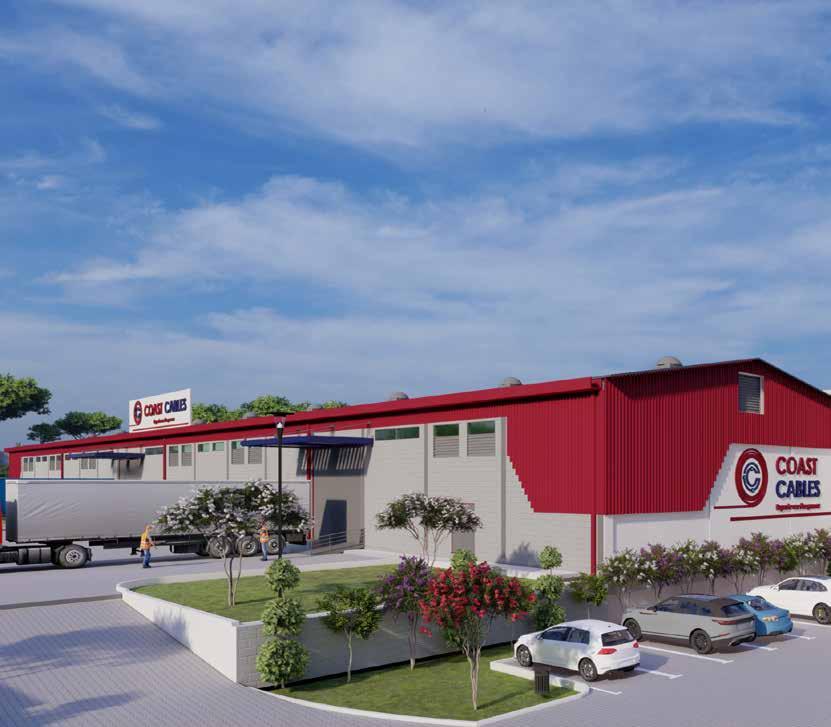
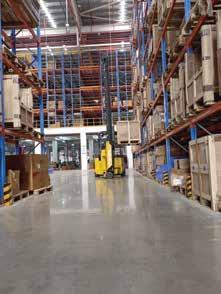
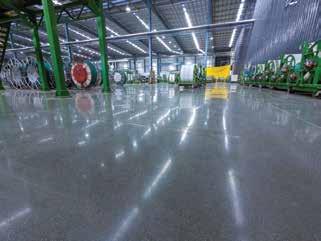
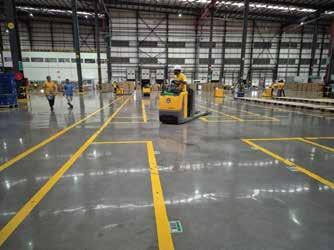


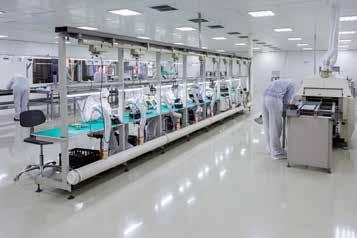

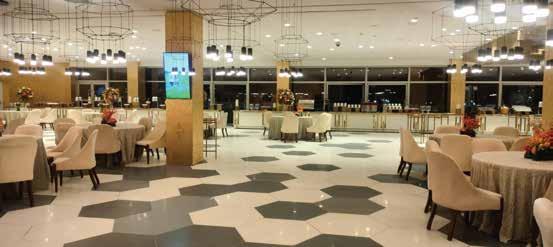
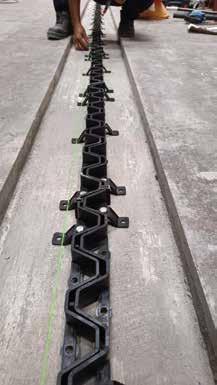
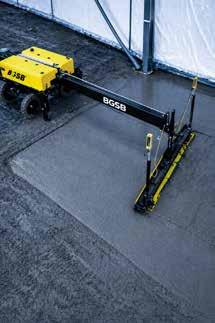
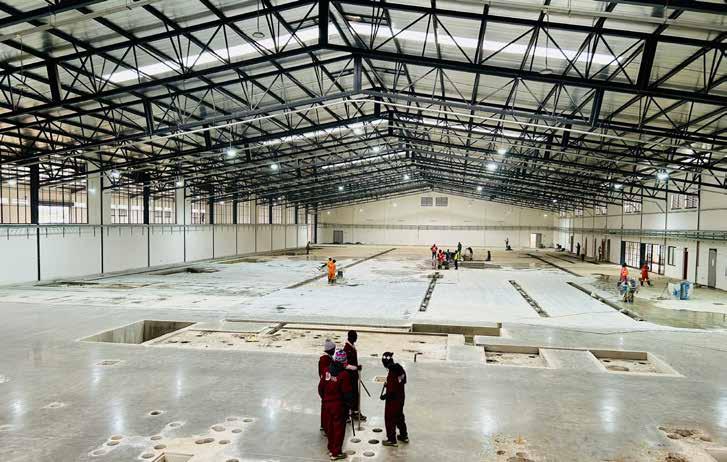
BGSB is a global specialist in engineered industrial flooring systems, delivering high-performance concrete and resin flooring solutions across global markets.
With origins in specialized concrete flooring execution, BGSB has evolved into an international group operating across India, UAE, Africa, and Canada. We deliver end-to-end flooring solutions covering flooring design, engineering, execution, and technical services—ensuring durability, precision, and long‑term performance in demanding environments.
Our systems are engineered to perform under heavy loads, high traffic, and operational intensity, supporting logistics hubs, manufacturing facilities, warehouses, and mission‑critical infrastructure worldwide.

Kenyan developer Mi Vida Homes is betting big on the surging demand for upscale, low-density housing, unveiling 156 Elara, a KES 5.6 billion (USD42 million) development of 156 luxury townhouses in Tatu City, that signals a booming real estate market beyond Nairobi's high-rises.
The project marks Mi Vida's bold entry into Kenya's premium segment, where sales of high-end properties have skyrocketed 28% year-over-year through Q1 2026, driven by affluent buyers seeking space and security amid urbanisation pressures. Prices start at KES 25.6 million for three-bedroom duplexes and climb to KES 44.5 million for four-bedroom triplexes, aligning with Nairobi's premium market averages of KES 150,000–250,000 per square meter for low-density units.
Samuel Kariuki, Mi Vida Homes Chief Executive Officer, framed the launch as a response to evolving aspirations for horizontal luxury in secure master-planned communities like Tatu City, East Africa’s pioneering mixed-use Special Economic Zone. Unlike Mi Vida's prior focus on affordable and mid-tier apartments, 156 Elara spans five acres with duplexes and triplexes centred on Club Elara, a wellness hub boasting a heated pool, gym, and green spaces.
"Our entry into the premium segment with 156 Elara is a deliberate evolution driven by market maturity and growing demand for lowdensity, high-quality homes. This strategic expansion positions us to deliver across affordable, mid-market, and luxury tiers over the next five years," said Mr. Kariuki.
This diversification comes as Kenya's premium housing pipeline grows 35% in the Ruiru-Kiambu corridor, fueled by homeowners making distinct lifestyle choices to live in more serene environments, multinational relocations, and remote work trends. Owner-occupiers are projected to comprise 80% of buyers, with investors eyeing 7-9% annual rental yields from Tatu City's amenityfilled ecosystem, reflecting a shift toward primary residence demand in suburban master-planned communities.
The development bolsters Mi Vida's expansion into Kiambu County, its second project there after Keza Laika, highlighting Tatu City as the engine of growth for real estate in Kenya.
Satellite towns like Kiambu County have attracted increasing real estate investment due to improved infrastructure and lower land costs. Strategically positioned between the two towns, Tatu City is a


well-organised alternative, with 99.7% power uptime, 24/7 potable water, 70km of roads and 110km of underground high-speed fibre.
Tatu City offers far more than infrastructure. Residents of 156 Elara will live just 300 metres from the world’s only urban wildlife sanctuary, with more than 100km of exercise trails, parks and green spaces on their doorstep. Families will also enjoy proximity to leading schools including Crawford International School and Nova Pioneer, alongside a growing range of lifestyle amenities. Tatu City is already home to 110 businesses and conveniences, including banks, Naivas Supermarket, Tamambo by Tamarind Group, and Cascade Kitchens, giving residents immediate access to shopping, dining, and everyday services within minutes of home.
Stephen Jennings, Founder and CEO of Rendeavour, said, ‘Tatu City is already home to more than 7,000 residents, a number that will

triple over the next five years as more families and businesses seek a better way of living and working. Together with partners such as Mi Vida Homes, we are expanding housing options to meet growing demand driven by migration from traditional urban centres and the rapid growth of Tatu City itself. Milestones such as the opening of Wellington College International Kenya, which will welcome 1,500 students from September 2028, will further strengthen Tatu City as Kenya’s leading live-work-play destination.”
As Kenya's upper-middle class expands, projected to add 1.2 million households by 2030 projects like 156 Elara underscore a pivot toward sustainable, family-centric luxury amid a national housing deficit of 2 million units. Mi Vida aims to span affordable to premium tiers over the next five years, positioning itself as a fullspectrum player in a market ripe for institutional investment.
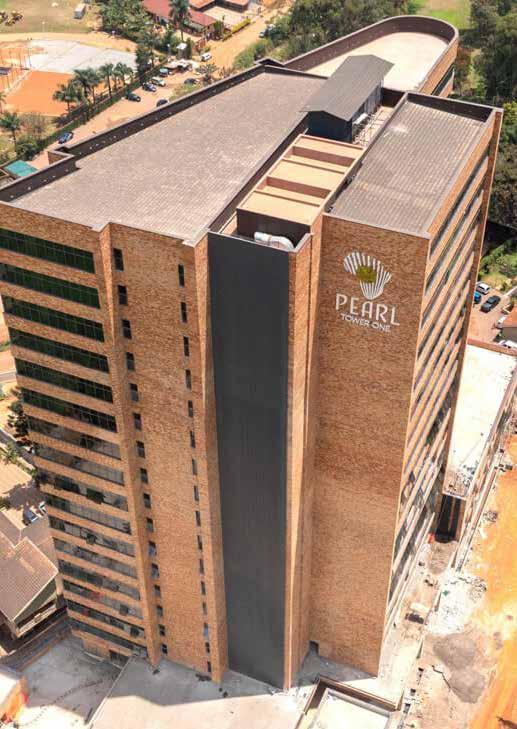
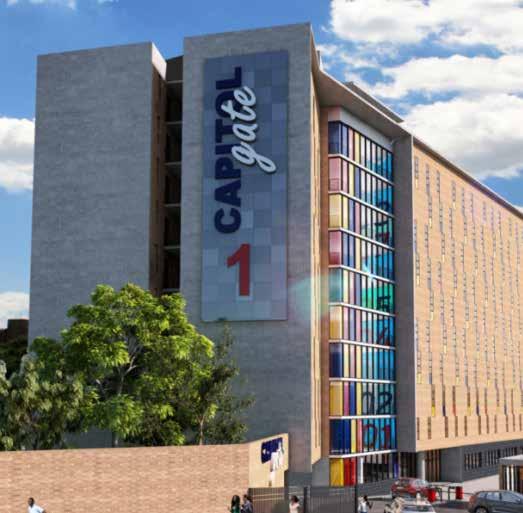
Rising prominently along Yusuf Lule Road, RR Pearl Tower One has swiftly established itself as one of the most recognisable additions to Kampala’s evolving skyline. The 19-storey Grade-A commercial office building marks the first completed phase of the ambitious Pearl Business Park, a flagship mixed-use development by the Ruparelia Group.
Originally known as Pearl Tower One, the building was recently renamed in honour of Rajiv Ruparelia, reinforcing its symbolic and corporate significance within Uganda’s real estate landscape.
The tower was designed by Symbion Uganda Limited, whose architectural approach blends modern commercial efficiency with a distinct visual identity. The building’s façade combines textured brickwork with expansive glazing, creating a balance between solidity and transparency while offering sweeping panoramic views of the city.
Beyond aesthetics, the design integrates energy-efficient systems, including eco-conscious lighting and ventilation strategies aligned with contemporary sustainability standards. The result is a high-performance office environment tailored to the needs of multinational tenants and large institutions.
RR Pearl Tower One delivers approximately 24,000 square metres of premium lettable office space distributed across 16 office floors. The development is supported by robust infrastructure, including high-speed dual-fibre internet connectivity and a comprehensive security system featuring over 170 CCTV cameras.
Parking - a critical consideration in Kampala’s commercial districts - has been addressed through three basement levels
accommodating up to 360 vehicles, complemented by additional overflow capacity within the wider business park.
Vertical circulation is handled by eight high-speed lifts, ensuring efficient movement throughout the building, while 24-hour security further enhances its appeal as a corporate address.
The tower has already attracted a roster of high-profile tenants, most notably the Uganda Revenue Authority, which occupies multiple floors including its Large Taxpayers Office. The presence of such a key government institution underscores the building’s strategic importance.
Other occupants include TotalEnergies, whose workspace interiors - also designed by Symbion - embrace an industrialminimalist aesthetic, demonstrating the flexibility of the building’s interior environments to accommodate bespoke corporate identities.
While RR Pearl Tower One is a landmark in its own right, it represents only the initial phase of a far more expansive vision. The Pearl Business Park master plan, also conceived by Symbion in collaboration with the Ruparelia Group, spans approximately
18 acres and is set to transform the area into a fully integrated urban hub.
Planned future phases include up to ten towers, alongside a fivestar hotel, a shopping mall, healthcare facilities, and residential components - positioning the development as one of East Africa’s most comprehensive mixed-use precincts.
Shaping Kampala’s Next Growth Node
Strategically located in one of Kampala’s most accessible and secure corridors, RR Pearl Tower One reflects a broader shift towards high-density, mixed-use developments that integrate work, lifestyle, and convenience.
As demand for Grade-A office space continues to grow in Uganda, the tower not only meets current market needs but also sets a new benchmark for quality, sustainability, and scale. In doing so, it signals the emergence of a new generation of commercial architecture in the region - one that is both globally competitive and locally responsive.


















www.beglinwoods.com
Nairobi, Kenya.
For more than three decades, Beglin Woods Architects have helped shape Kenya's built environment as well as the wider East African region — balancing innovation with cultural sensitivity, and technical rigor with enduring design integrity.
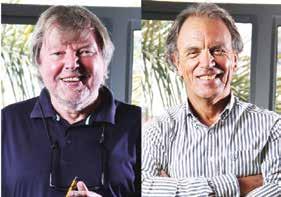
Established in 1991 through the strategic merger of two distinguished architectural practices, Beglin Woods Architects (BWA) was born out of a shared conviction: that architecture in East Africa deserved a higher standard of ambition. The firm’s founders, David Beglin and Simon Woods, each arrived at the partnership with over fifteen years of professional experience in Kenya — a depth of local knowledge that would prove foundational to the firm’s identity and its ability to deliver designs that were as responsive to their context as they were technically accomplished.

Over the four decades that followed, BWA grew steadily in both scope and stature. In 2012, the leadership team expanded to include directors Katherine Mung’au and Kunal Patel — an appointment that signalled not merely a change in organisational structure, but a deliberate investment in the firm’s creative direction and its capacity to engage an increasingly diverse and demanding client base.
At the heart of Beglin Woods Architects lies a design philosophy that refuses to separate beauty from utility. Every project the firm undertakes is guided by three core principles: aesthetic integrity, economic viability, and long-term adaptability. These are not aspirational ideals appended to a portfolio — they are the practical criteria against which every design decision is evaluated.
Central to this approach is the firm’s commitment to material selection. BWA consistently prioritises highquality, low-maintenance materials chosen for their suitability to local climatic conditions. In a region defined by intense equatorial sun, seasonal rainfall, and significant temperature variation, this discipline is not a design preference — it is a professional obligation. The result is an architectural output characterised by durability and longterm performance, buildings that age gracefully rather than deteriorate prematurely.


In an industry undergoing rapid technological transformation, Beglin Woods Architects has positioned itself at the forefront of digital practice. The firm has fully integrated advanced 3D modelling software, drone photography, and virtual reality technologies into its design and client-engagement workflows — tools that have fundamentally altered the relationship between architect and client.
Where once a client might have been asked to interpret a set of technical drawings, BWA now offers immersive, photorealistic visualisations that place clients inside a building before a single foundation has been laid. This approach does more than enhance presentation — it fundamentally improves decision-making, reduces costly design revisions, and deepens client confidence throughout the project lifecycle.


Sustainability, for Beglin Woods Architects, is neither a marketing posture nor a compliance exercise. It is a foundational dimension of the firm’s architectural practice — one that manifests in the careful integration of energy-efficient systems, responsible waste management strategies, and construction methodologies that minimise environmental impact.
The evidence is tangible. The United Nations Office at Nairobi (UNON) in Gigiri — one of the most significant institutional commissions in the firm’s portfolio — is powered entirely by photovoltaic-generated electricity, a distinction that places it among the most energy-selfsufficient facilities of its kind on the continent. Meanwhile, residential developments such as Watermark in Karen and AWF Karen incorporate comprehensive waste recycling systems designed to repurpose water for irrigation — an elegant, site-responsive solution to one of the region’s most pressing resource challenges.


As Beglin Woods Architects looks ahead, it does so from a position of considerable strength. More than thirty years of accumulated expertise, a leadership team of exceptional depth, and a portfolio that spans institutional, commercial, and residential typologies have established the firm as one of the most consequential architectural practices in East Africa.
Yet what distinguishes BWA is not merely the scale of its output, but the consistency of its values. In an industry often tempted by novelty for its own sake, the firm has remained steadfast in its belief that great architecture must serve its users, honour its context, and endure. It is a philosophy that has shaped East Africa’s built environment for a generation — and one that will continue to do so for many years to come.





Chartered Quantity Surveyors

CONGRATULATIONS BEGLIN WOODS ARCHITECTS ON 35 YEARS OF ARCHITECTURAL EXCELLENCE!
Sri Sathya Sai Centre, Waiyaki Way, Nairobi
Phone: 0715 555412
Email: fenwick@fenwick.co.ke
Website: www.fenwick.co.ke
CONGRATULATIONS BEGLIN WOODS ON YOUR 35TH ANNIVERSARY. WE ARE PROUD TO BE ASSOCIATED WITH YOU!
Road A, Off Enterprise Road
Industrial Area, Nairobi
Tel: 020 232 9152/0706186527
Email: uneek@africaonline.co.ke
Congratulations Beglin Woods Architects on your 35th Anniversary. We are proud to be associated with you!

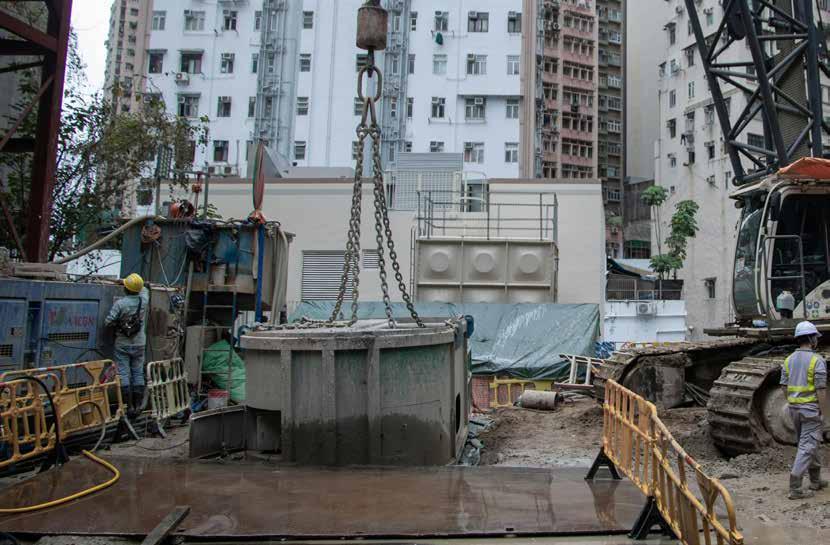
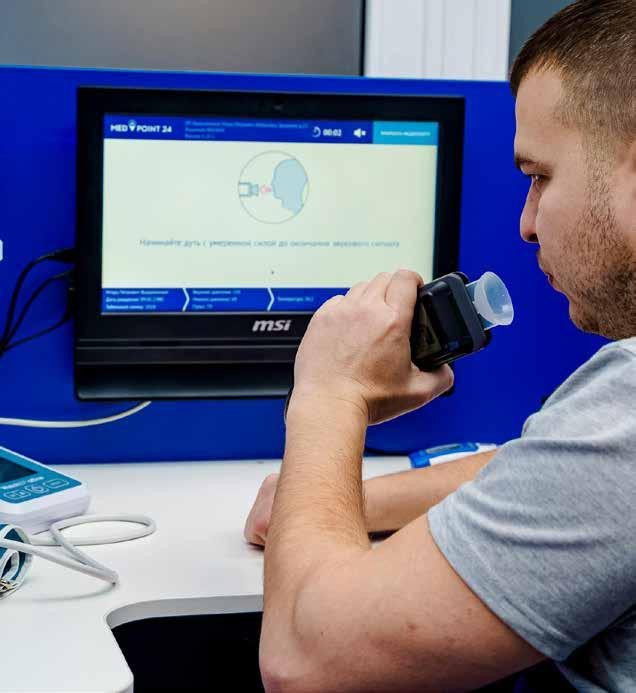
Across Africa’s booming construction sector, a small device is making a big difference. Breathalysers, once associated mainly with roadside policing, are becoming a common sight at site entrances, helping contractors manage risk in an industry where a moment’s impairment can have costly consequences.
As projects grow larger and more complex, safety is no longer treated as a box-ticking exercise. For developers competing for international work, it has become a marker of credibility. Alcohol testing, in particular, is gaining ground as firms seek to align with global standards and reassure investors, insurers and regulators.
Construction sites leave little margin for error. Workers operate heavy machinery, work at height and coordinate across multiple
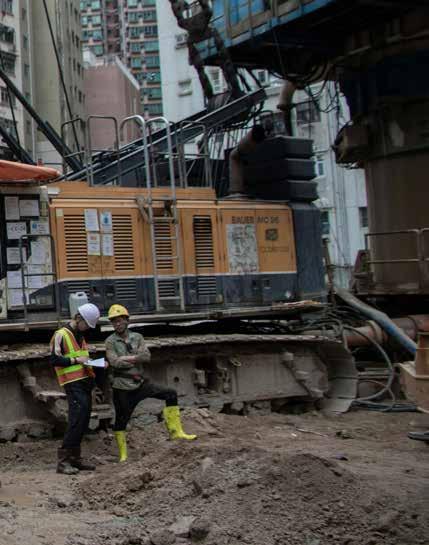
teams, often under tight deadlines. Even small amounts of alcohol can impair judgement and reaction time — raising the likelihood of accidents, equipment damage and delays.
The costs are not just human. Incidents can disrupt timelines, inflate insurance premiums and erode trust with project partners. It is little surprise, then, that zero-tolerance policies are increasingly the norm, especially on projects backed by international financiers.
Regulation across Africa is moving in the same direction, albeit at different speeds. In South Africa, alcohol testing is already embedded in workplace safety practices, particularly in construction linked to mining. Elsewhere, formal enforcement is less consistent but corporate standards are filling the gap.
In Kenya and Nigeria, large contractors—often multinationals— have introduced internal policies aligned with international
frameworks such as ISO 45001. In resource-driven economies like Ghana and Zambia, testing is frequently mandatory on miningrelated projects. The result is a patchwork of enforcement, but a clear overall trend: demand for reliable, auditable systems is rising.
The technology itself has evolved. Early breathalysers were simple handheld tools; today’s versions are increasingly part of broader safety ecosystems.
Fuel cell sensors—now the industry standard—offer a level of accuracy comparable to law enforcement devices, while reducing false positives. Meanwhile, contactless models, popularised during the pandemic, allow for faster and more hygienic testing of large workforces.
More significant still is the integration of breathalysers into site infrastructure. Linked to turnstiles, biometric systems and access

controls, they can automatically deny entry to workers who fail a test - removing discretion and reducing the scope for error. Many systems now feed data into cloud platforms, enabling real-time monitoring and audit-ready reporting.
For large contractors, this shift towards data-driven safety management is particularly appealing.
Africa’s operating environment poses its own challenges. Dust, heat and unreliable power supplies can undermine sensitive equipment. Suppliers are responding with more rugged designs, longer battery life and systems that can operate offline before syncing data later.
Equally important is local support. Companies with established distribution networks are better placed to offer calibration, maintenance and training - services that are often as valuable as the devices themselves.
Several international manufacturers are already active across the continent. Firms such as Dräger, Alcolizer Technology, Lifeloc
Technologies and Intoximeters supply a range of industrialgrade devices, typically through regional partners. For these companies, Africa represents not just a sales opportunity but a chance to establish long-term relationships as the market matures.
Adoption varies across the continent. In Uganda, uptake remains gradual but is accelerating on large infrastructure and energy projects, where international contractors bring global safety practices with them. Pre-shift screening and random testing are becoming more common, though awareness and enforcement remain uneven.
Kenya offers a more structured picture. Gate-based testing is widely used on major sites, often integrated with access control systems. A growing network of local suppliers is helping to support calibration and maintenance, while demand for more advanced, fuel cell-based devices continues to rise.
In South Africa, the most mature market, breathalysers are firmly embedded in workplace safety regimes. Yet their use also highlights legal nuance: test results alone may not suffice in disciplinary cases without supporting evidence of impairment. This has encouraged more rigorous procedures, including proper device calibration and detailed record-keeping.
For contractors, the case for adoption is increasingly straightforward. Fewer accidents mean lower costs, smoother project delivery and reduced insurance exposure. At the same time, visible safety systems can enhance credibility with clients and regulators.
In a competitive market, that matters. Developers bidding for international projects are under pressure to demonstrate not just technical capability, but robust safety management.
Africa’s construction boom - fuelled by investment in infrastructure, energy and urban development - is creating fertile ground for safety technologies. Breathalysers, once a niche addition, are fast becoming standard equipment.
As systems become smarter and more integrated, their role is likely to expand further. For contractors, regulators and suppliers alike, the direction is clear: safer sites are not just desirable - they are indispensable.

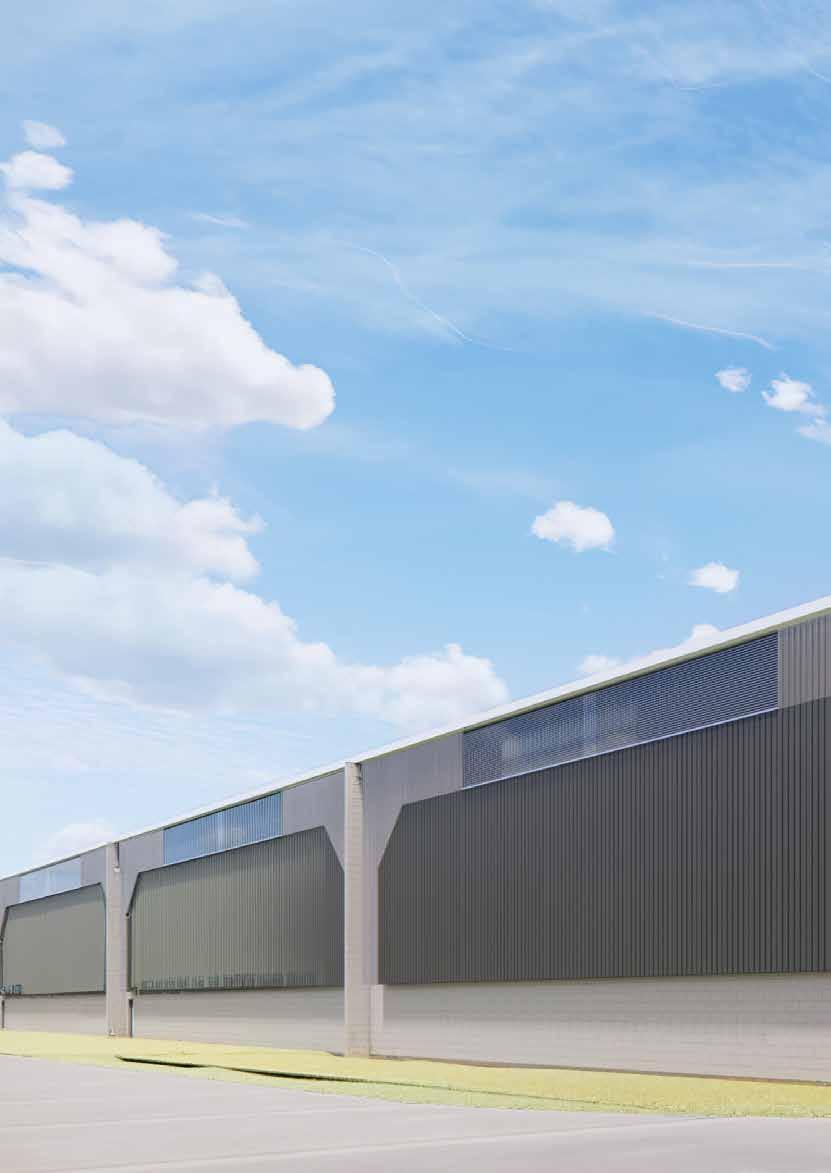
Kenya’s industrial landscape is undergoing a major transformation, driven by the expansion of logistics corridors, special economic zones and manufacturing hubs. Developments such as Tilisi, Export Processing Zones (EPZ), Tatu City and Nairobi Gate Industrial Park are redefining how industrial infrastructure is planned and delivered. Central to this shift is rising demand for Pre-Engineered Buildings (PEB) and modern warehousing solutions that combine speed with strong engineering performance.
As investors move to establish distribution centres, factories and storage facilities, traditional construction methods are being challenged by the need for faster delivery, cost predictability and scalability. PEB systems, supported by advanced steel fabrication, are becoming the preferred solution for developers seeking efficiency without compromising structural integrity.
Pre-Engineered Buildings are factory-fabricated steel structures designed to precise specifications and assembled rapidly onsite. By shifting much of the process to controlled environments, PEB reduces construction time, improves quality control and minimizes material waste.
In Kenya’s fast-growing industrial nodes, time-to-market is critical. Investors cannot afford long construction periods, and PEB enables completion in a fraction of the time—often weeks instead of months. Its modular design also allows seamless future expansion, an important advantage in dynamic industrial settings.
Despite the speed advantage, PEB systems must meet strict engineering standards. Modern fabrication companies use
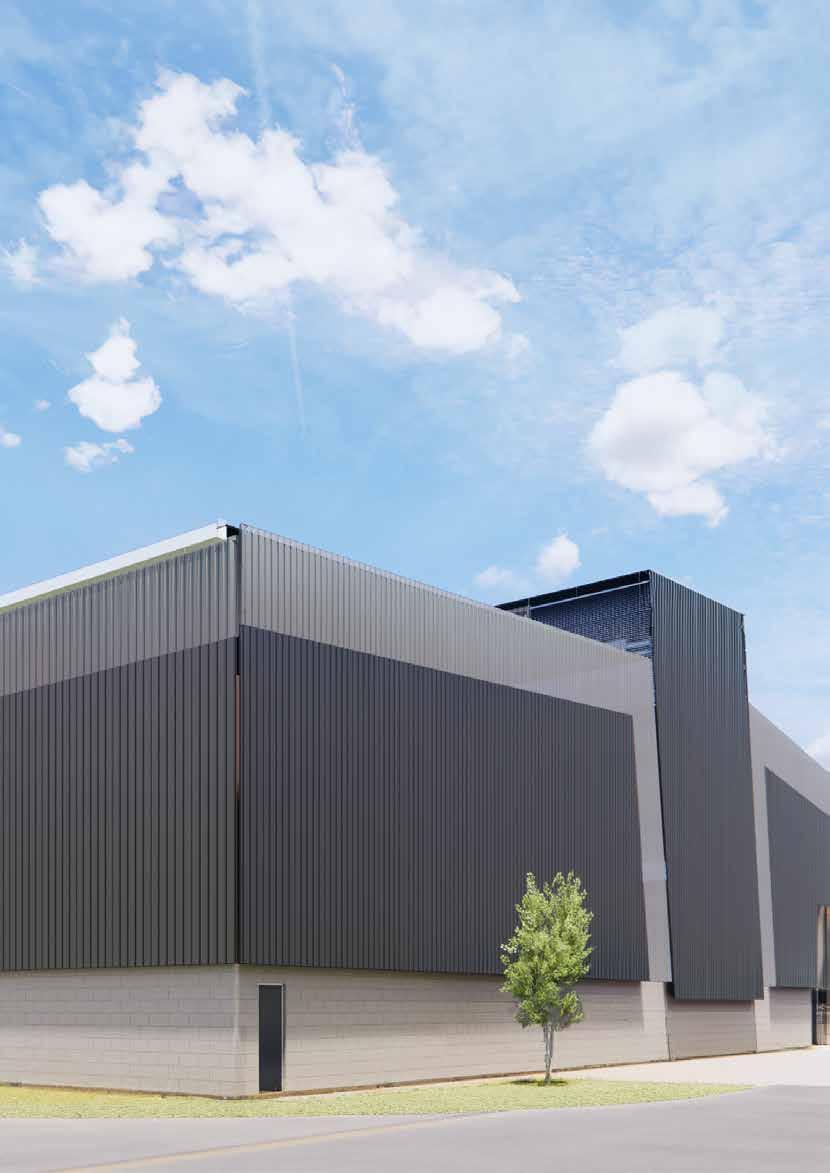
advanced design tools, precision manufacturing and rigorous quality control to meet local and international codes. Industrial warehouses must support heavy loads, large clear spans and operational features like cranes and mezzanine floors. PEB structures are engineered for optimal load distribution and durability. They can also withstand environmental factors such as wind, seismic activity and corrosion, with protective coatings enhancing lifespan and reducing lifecycle costs.
Cost control is a major concern for developers. PEB offers high cost certainty since most components are designed and fabricated upfront, reducing risks of budget overruns. Faster construction lowers labour costs and enables earlier project use, accelerating returns.
Efficient material usage also reduces waste, contributing to both cost savings and environmental sustainability—key advantages in a tightly financed market.

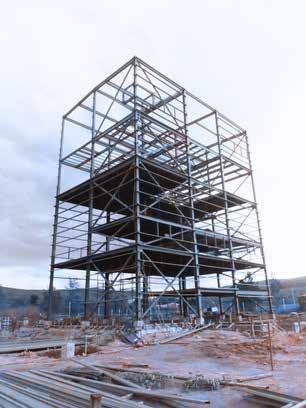
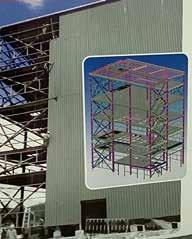
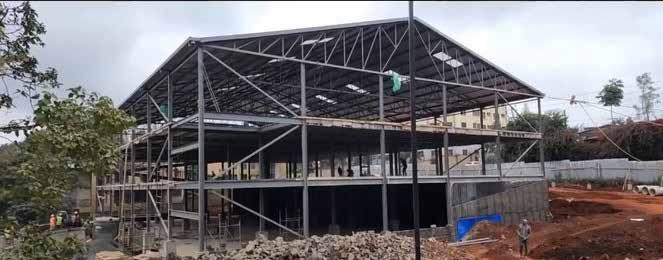
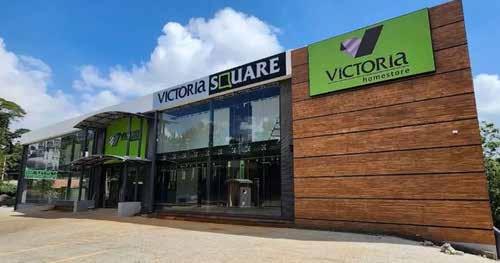
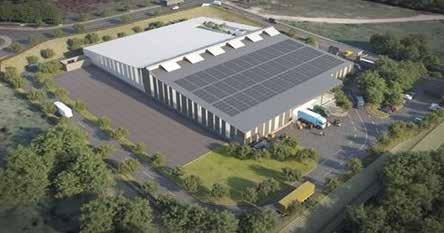
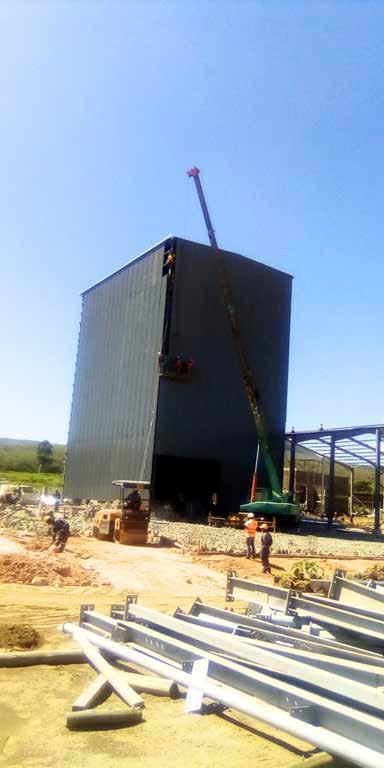
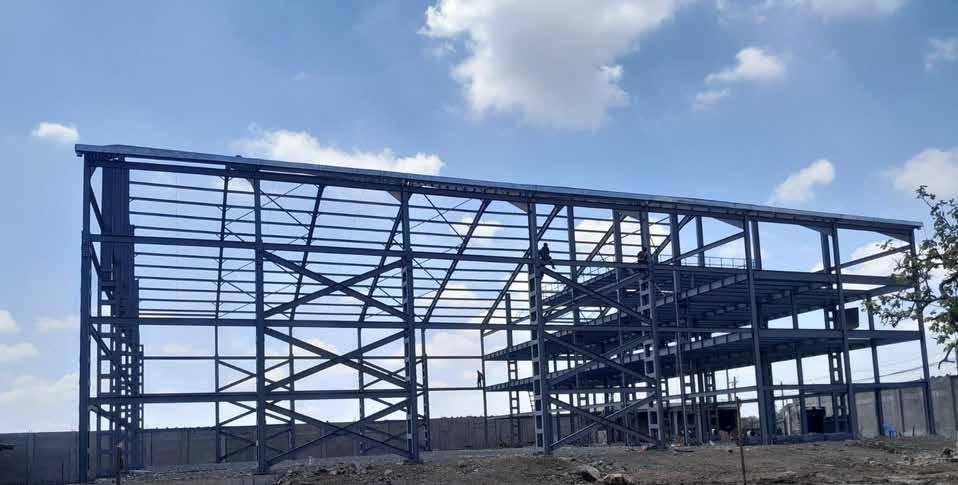
Tononoka Engineering Limited is a premier specialist in PreEngineered Buildings (PEB) and industrial infrastructure. They provide world-class fabrication and structural solutions for large-scale projects like logistics hubs and feed mills, prioritizing durability and rapid deployment.
Skanem Facility- Tilisi

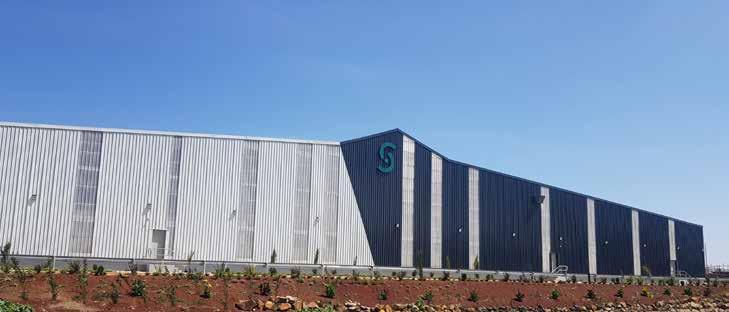
From page 49
Kenya’s role as a regional logistics hub continues to grow, supported by investments in transport infrastructure and the rise of e-commerce and third-party logistics providers. This has increased demand for modern, internationally compliant warehousing.
Developments like Tatu City and Tilisi highlight this trend, offering integrated industrial parks with strategic advantages. Export Processing Zones continue to attract manufacturers focused on efficient production and export. Meeting this demand requires partners capable of delivering high-quality buildings quickly, a role increasingly filled by PEB-focused steel fabricators.
PEB systems are highly flexible and can be customized to meet specific operational needs. Modern warehouses may include temperature control, automated storage, loading docks, offices and integrated utilities—all achievable through tailored PEB designs.
Architectural expectations are also evolving, with developers seeking visually appealing buildings that reflect branding. Advances in cladding, façades and roofing allow PEB structures to meet both functional and aesthetic goals.
Sustainability is gaining importance in industrial construction. Steel is recyclable, and PEB systems reduce waste and energy use during construction. Modern warehouses also incorporate features like natural lighting, ventilation and solar integration, lowering
operational costs and aligning with global standards.
As environmental expectations rise, sustainable construction will become a key differentiator.
Successful PEB projects depend on collaboration among fabricators, architects, engineers and developers. Early involvement of fabrication specialists improves design efficiency, reduces costs and enhances performance.
Reliable supply chains are also essential for timely delivery. Companies with strong manufacturing capacity, technical expertise and project management skills are best positioned to meet growing demand.
The future of industrial construction in Kenya is closely tied to the growth of logistics and manufacturing. As development expands into new industrial zones, demand for efficient, scalable and highperformance buildings will increase.
PEB systems are well positioned to meet this need, offering speed, cost efficiency and reliability. As the industry evolves, integrated approaches combining design, fabrication and construction will become more important. Companies delivering end-to-end solutions with high quality and safety standards will shape the next generation of industrial infrastructure.
In this context, PEB and modern warehousing are not just construction solutions—they are key enablers of Kenya’s ambition to become a regional hub for trade, logistics and manufacturing.
Yassine Chabbaki is the General Manager of Sika Kenya Limited, with overall responsibility for the company’s strategic direction, operational performance, and sustainable growth within the Kenyan market, while supporting Sika’s broader objectives.
In this role, he leads the execution of Sika’s integrated construction chemical solutions portfolio across key market segments, including building finishing, concrete, infrastructure, waterproofing, and industrial construction. His focus is on strengthening Sika Kenya’s market position through value driven solutions, operational excellence, and consistent alignment with Sika Group’s global standards, governance frameworks, and performance principles.
Yassine works closely with commercial, technical, production, and supply chain teams to ensure that Sika’s global innovation capabilities are effectively adapted to local and regional market requirements. This approach enables the delivery of high performance systems that enhance durability, efficiency, safety, and sustainability across diverse construction environments in Kenya.

A strong advocate for technical excellence and quality assurance, Yassine places emphasis on compliance with international and local standards as a foundation for long term asset performance and responsible construction practices. Under his leadership, stakeholder engagement with distributors, consultants, contractors, developers, and institutional partners remains central to Sika Kenya’s approach to market development and project support.
He also prioritizes people development, operational discipline, and a strong health, safety, and environmental culture, ensuring the organization remains resilient, customer focused, and aligned with Sika’s corporate values. Through this leadership approach, Yassine continues to support the advancement of construction quality and sustainable infrastructure development in the region.
There are leaders who wait for the right conditions, and those who build them. In her first year as Managing Director of GVKSiya Zama's Gauteng business, Jabu Serithi has proven that she belongs to the latter.

Stepping into the role in 2025, Serithi inherited a business that had already come through its most difficult chapter, giving her, as she puts it, something many new leaders don't have: the space to build, rather than rescue. She arrived with a clear agenda: nurture the culture, sharpen commercial discipline, and invest in relationships.
The market, however, had its own agenda. A constrained Gauteng pipeline brought intensified competition, margin pressure, and persistent cash flow challenges, particularly on public sector projects. For Serithi, this became a catalyst. "Constraint breeds innovation," she says. "These challenges pushed us to look beyond mainstream construction for revenue opportunities, and that strategic shift is ultimately a healthier foundation for the future."
The MD seat also brought a shift in perspective that Serithi hadn't fully anticipated. A company of GVK-Siya Zama's size and complexity, she discovered, is truly the sum of all its parts.
The support functions working behind the scenes, the teams that close the gaps between the visible, revenue-generating departments and everything that holds the business together, earned a new level of respect. "I don't think one can fully appreciate that until you're accountable for all of it," she reflects.
On the ground, the year delivered a portfolio of projects that speaks directly to what the organisation is capable of, and what Serithi's leadership has helped to unlock.
The completion of Soshanguve Mall is a defining achievement, welcoming 50,000 visitors on its opening day in November 2025 and marking the first time the company delivered a retail development exceeding R1.1 billion in value, a new precedent for the organisation.
Across Johannesburg, the construction business has been shaping the city, from the restoration of 5 Hollard Street, an Art Deco landmark originally completed in 1923, to the ongoing 85 Anderson development for the Deeds Office, which recently
drew a visit from Minister of Public Works and Infrastructure, Dean Macpherson, who emphasised the importance of inner-city rejuvenation, a cause Serithi knows well. Under her leadership, the organisation has helped shape Johannesburg's built environment across multiple landmark projects, with the Transnet partnership in the CBD adding yet another chapter to that story. The picture that emerges is of a business that builds communities as much as it builds structures.
For Serithi, that belief in building with purpose extends beyond the project itself, to the kind of industry she is actively helping to shape. As one of relatively few women leading a major construction business in South Africa, Serithi is deliberate about using that position with purpose. She is candid about the challenges, construction's demands are relentless for everyone, but women continue to carry disproportionate responsibilities outside of work. Her response is to act, and to lead by example from within. "The real work happens in daily practice, in the moments where no one is looking and women are acknowledged as equals," she says. "That is where retention is won or lost."
Looking at the industry more broadly, Serithi identifies skills development and an enabling business environment as the structural fault lines from which all other challenges flow. The skills pipeline, she warns, is moving in the wrong direction, experience walking out the door faster than new talent is coming in. Until the industry addresses both its image and its conditions, that trend is unlikely to reverse.
As year two begins, the tone is one of confidence. The groundwork has been laid, the team has been tested and has delivered, and a diversification strategy is opening doors that mainstream construction alone cannot. "The first year was about understanding the business, the market, the people," she reflects. "Year two is about building. And the team that showed up through one of the harder periods this industry has seen gives me real confidence in what we can achieve."
For an industry that has long needed more leaders willing to think boldly, speak honestly, and build with purpose, Jabu Serithi's first year is a powerful reminder of what principled, people-first leadership can achieve, even in the most demanding of conditions.

Battery energy storage is critical to stabilise SA's energy future

Last year, Spain and Portugal lost up to 60% of their electrical power in mere seconds. The underlying issues exposed tensions between traditional grid infrastructure and the future of energy. It's crucial that SA avoids a similar grid crisis, and battery energy storage systems (BESS) are vital for that transition.
South Africans are very familiar with energy challenges. When local power plants couldn't keep up with the growing demand, the country instituted an energy management strategy called loadshedding, periodically limiting access to electricity.
Eventually, both the public and private sectors started investing in renewable energy sources, and the outcomes have been more than remarkable.
Last year, SA had 8.97 GW of solar PV capacity, 11% higher than in 2023, according to the South African Photovoltaic Industry Association (SAPVIA). Looking back, the shift seemed almost inevitable, says Pervin Gurie, Director, Digital & Systems Division at WEG Africa.
"Sunlight is a big natural resource for South Africa. Even though it took an energy crisis to significantly develop an energy industry around that resource, we're already enjoying major advantages like helping reduce loadshedding, improving energy independence, and supporting economic growth."
However, this revolution is just starting, and there is now an additional concern that needs our attention, Gurie adds. "With capacity rising, now there are more questions about access to power reserves and grid stability."
stability and access question
In late April 2025, parts of Spain and Portugal experienced massive power outages. The causes of these blackouts are still being debated, but the general view is that the grid produced too much power. Critics used the outage to attack renewables, blaming them for creating the instability.
But experts soon dismissed these claims and noted the event instead underscored how traditional grid designs are no longer keeping up with energy innovations. Xavier Daval, Chair of the Solar Commission at the French Renewable Energy Association, wrote in PV Magazine, that the issue was because of grid codes causing inverters to disconnect due to frequency changes in the grid. Saying that grids need to be redesigned, he added that "blaming renewables for Spain's blackout is like faulting the thermometer for the fever."
The above situation underscores that grids will have to catch up with energy innovation, says Gurie.
"An abundance of energy can create issues, but it's a good problem to have. The events in Spain and Portugal reveal the importance of balancing generation with demand. It's a
reminder that the way we operate energy distribution needs to evolve. This shift in perspective has made battery energy storage systems more topical."
Stability through battery storage
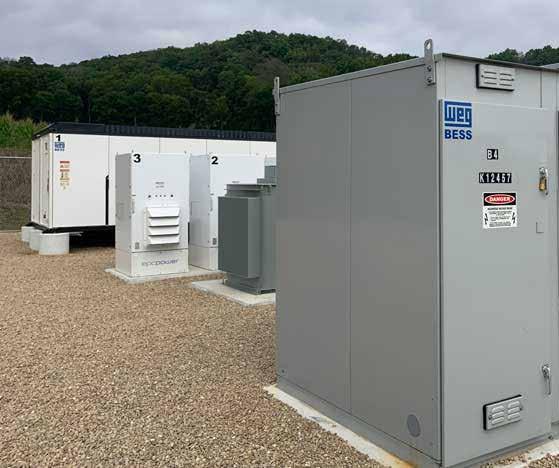
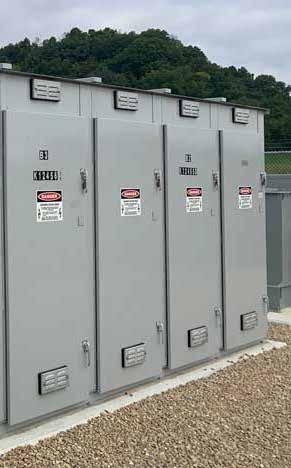
Energy storage is a cornerstone for helping stabilise and upgrade grids, and Battery Energy Storage Systems (BESS) are becoming important facilitators for those outcomes. BESS are large battery systems that plug into local grids, including public utilities, large business premises and community substations. They store energy to be used later, such as during peak periods when grid power becomes pricier, or to inject power when there is insufficient sunshine or wind to drive renewables.
"BESS infrastructure helps take pressure off grids, giving them room to adjust and upgrade without disrupting energy delivery to communities and businesses. BESS helps shave the peaks and reduce the overall load on the grid. These systems let companies do energy stacking to generate and store energy when it's cheapest, use generated energy on tap, and wheel energy into the grid," says Gurie.
The range of BESS solutions supports everything from small to utility-scale sites, and supports industries including mining, agriculture, light and heavy industrial, and commercial. These are enabling large individual businesses, commercial and industrial parks, and entire communities to store and access power reliably without placing stress on the national grid.
But BESS is more than just storage—it's a pathway to modern energy technologies. BESS solutions incorporate Industry 4.0 technologies that modernise energy operations. For example, leading BESS vendors such as WEG also offer digital power management systems to increase control, visibility, and automation of energy systems.
Stabilising the future's energy supply
Abundance in renewables is replacing South Africa's energy shortages. But that abundance will be wasted and even damaging if it cannot be stored and managed. Energy infrastructure and operations must modernise and upgrade. It's here that BESS will play a fundamental role, says Gurie. "Batteries are not just storage. They are the bricks and mortar that we can use to create our modern energy foundation. We are building the capacity to create cheap and abundant energy. Now, we'll start investing in making sure that abundance always serves our needs. BESS is a central part of that investment."
For over 40 years, WEG Africa has been a leader in comprehensive electrical and energy solutions across the continent. As a subsidiary of the global Brazilian OEM WEG, the company offers a wide range of products, including electric motors, gears, controls and automation, digital & systems, utility and standby power generation, transmission and distribution equipment, renewable energy solutions, and EC&I construction.
Headquartered and manufacturing in South Africa, WEG Africa operates through an extensive partner network across the continent, serving industries such as mining, manufacturing, oil & gas, agriculture, cement, steel, and more. The company provides design, engineering, and installation services, collaborating globally to deliver turnkey solutions.
Committed to sustainability, WEG continuously improves processes, reduces environmental impact, and enhances efficiency. As a signatory to the Sustainable Development Goals, WEG integrates sustainability into its operations, delivering reliable solutions for urban, rural, and rugged environments.
Sometimes all it takes is one person to buy into your dream. TANIA SEEGER learned this valuable lesson 23 years ago when a GIBB team member took her under her wing and helped her fly.

Born and bred in East London, Tania spent a lot of time with her father. He was a sports shooter, and she spent Saturdays at the shooting range with him from the age of 9. He allowed her to start shooting – under his supervision – when she turned 12 and she also spent a lot of time in his workshop, moulding bullets from scratch and cleaning guns, sparking her interest in mechanics.
In her teenage years, Tania participated in every cultural and sporting activity she could at school. “Growing up in a limitedincome household (her mother worked for the railways and her father was an electrician for the local municipality), I viewed these activities as an opportunity to find something I was good at so that I could change my situation.”
In 2001, she secretly applied to UCT to do mechanical engineering. She was provisionally accepted, pending her matric results. When the acceptance letter arrived, her father tossed it aside, saying “who’s going to pay for it?”
Tania was devastated. “I applied for bursaries, but nothing came of it. I finally got a job at the Spur Restaurant – somewhat of a tradition for East London teenagers. While having to work as a waiter was a blow to me, it enabled me to live, make connections and pay my own way, which was one step closer towards changing my future.” A chance meeting while working at Spur turned out to be the gateway to realising her dream of becoming an engineer.
GIBB CAD operator, Alison Smith, frequented Spur while Tania was working there. The two got chatting and Alison asked Tania about

While having to work as a waiter was a blow to me, it enabled me to live, make connections and pay my own way, which was one step closer towards changing my future.
her aspirations. “When she heard I was interested in engineering, she offered me the opportunity to spend time at her office to find out about civil engineering and learn to draw.
“I spent my first three months at GIBB working at the office during the day and at Spur at night. It was exhausting and when Alison left the business after those first three months, I suddenly had to take over the entire role. Luckily there’s a special thing about GIBB’s East London office – they treated me like family and cheered me on.”
Tania has had several mentors over the years, from Alison who befriended her at Spur, to Steven Schroeder who recognised her potential. “It took a village to ‘raise’ me, so to speak. In 2004, GIBB agreed to pay for me to study civil engineering at UCT, provided I spent holidays working at the office.”
She graduated with a BSc Eng Civ in 2008 and has since been a stalwart of GIBB’s East London office. Today, she is a Civil Engineer focusing on roads and stormwater systems and remains committed to investing in young go-getters who show potential and a desire to succeed.
Having worked predominantly across major projects in the Eastern Cape, South Africa, Tania has built a strong technical foundation in both design office and site-based roles. She has contributed to national and provincial road upgrades, major rehabilitation works, access roads and large-scale geometric improvements.
Some of the recent projects she has participated in include:
• Assistant Resident Engineer: The rehabilitation of Settlers Way and Penkop Road.
• Design engineer: Improvement of national route R335 between Motherwell (5.6km) and Addo (37.6km).
• Design engineer: Upgrade of national route N2 section 18 between Viedgesville (65.6km) and Mthatha (85km).
• Assistant resident engineer: Upgrading the R72 section 3 and section 4 from Port Alfred to Keiskamma River.
Her advice to young people who feel stuck is to find what they are good at, focus on their strengths and invest in those strengths. “Everything will fall into place from there. I love training people and encouraging them to feel good about themselves: sometimes all people need it for one person to believe in them. That’s how it started for me: one person believing in me and giving me a chance.”
Having worked predominantly across major projects in the Eastern Cape, South Africa, Tania has built a strong technical foundation in both design office and site-based roles. She has contributed to national and provincial road upgrades, major rehabilitation works, access roads and large-scale geometric improvements.
Efficient concrete production with high reliability
Easy and intuitive control system via laptop
Cost-efficient transport in 2 x 40ft. HC containers
Quick and easy assembly leads to minimal foundation work
Behind every modern marvel is a team of experts who take innovation to the next level. In insurance, having a risk solutions partner that understands your business the way you do is crucial to protect it. With over 101 years of experience and being the leaders in specialist underwriting across a broad range of industries, you can be sure we’ll use our technical expertise to offer you quality insurance solutions to protect your business. Santam. Insurance good and proper.
Santam is an authorised financial services provider (licence number 3416). AVIATION/HEAVY HAULAGE/MARINE/TAXI • ENGINEERING/ CONSTRUCTION /CORPORATE