Kenya: William Mutama, Trizah Njoroge, Lilian Khavosa, Fredrick Otieno
Kenya: William Mutama, Trizah Njoroge, Lilian Khavosa, Fredrick Otieno
South
South Africa: Thuli Nkosi, Winnie Sentabire, Angeline Ntobeng,
Uganda: Nobert Turiyo, Selina Salumah Namuli
Botswana
Botswana: Dickson Manyudza, Gerald Mazikana
Ethiopia: Haimanot Tesfaye, Ruth Girma
Tanzania: Tom Kiage
Malawi: Anderson Fumulani
Ghana: Samuel Hinneh, Caleb Donne Hadjah
Zambia: Susan Kandeke
Zimbabwe: Chiedza Chimombe
Rwanda: Collison Lore
Nigeria: Seni Bello
The editor accepts letters and manuscripts for publication from readers all over the world. Include your name and address as a sign of good faith although you may request your name to be withheld from publication. We reserve the right to edit any material submitted .
Send your letters to: info@constructionreviewonline.com
Construction Review is published eleven times a year and is circulated to members of relevant associations, governmental bodies and other personnel in the building and construction industry as well as suppliers of equipment, materials and services in Africa, the Middle and Far East. The editor welcomes articles and photographs for consideration. Material may not be reproduced without prior permission from the publisher. The publisher does not accept responsibility for the accuracy or authenticity of advertisements or contributions contained in the journal. Views expressed by contributors are not necessarily those of the publisher.
China:Weng Jie Published by Group Africa Publishing
Head Office and for all enquiries: Consolidated Bank House, 4th floor, Koinange Street, Nairobi 00100 Kenya, Tel: +254 772642042, +254-20-2213607 Email: info@groupafricapublishing.com
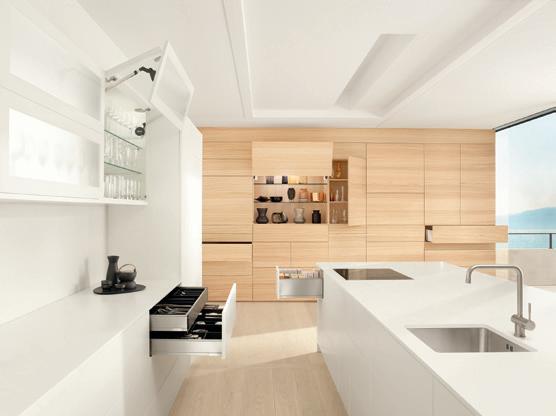
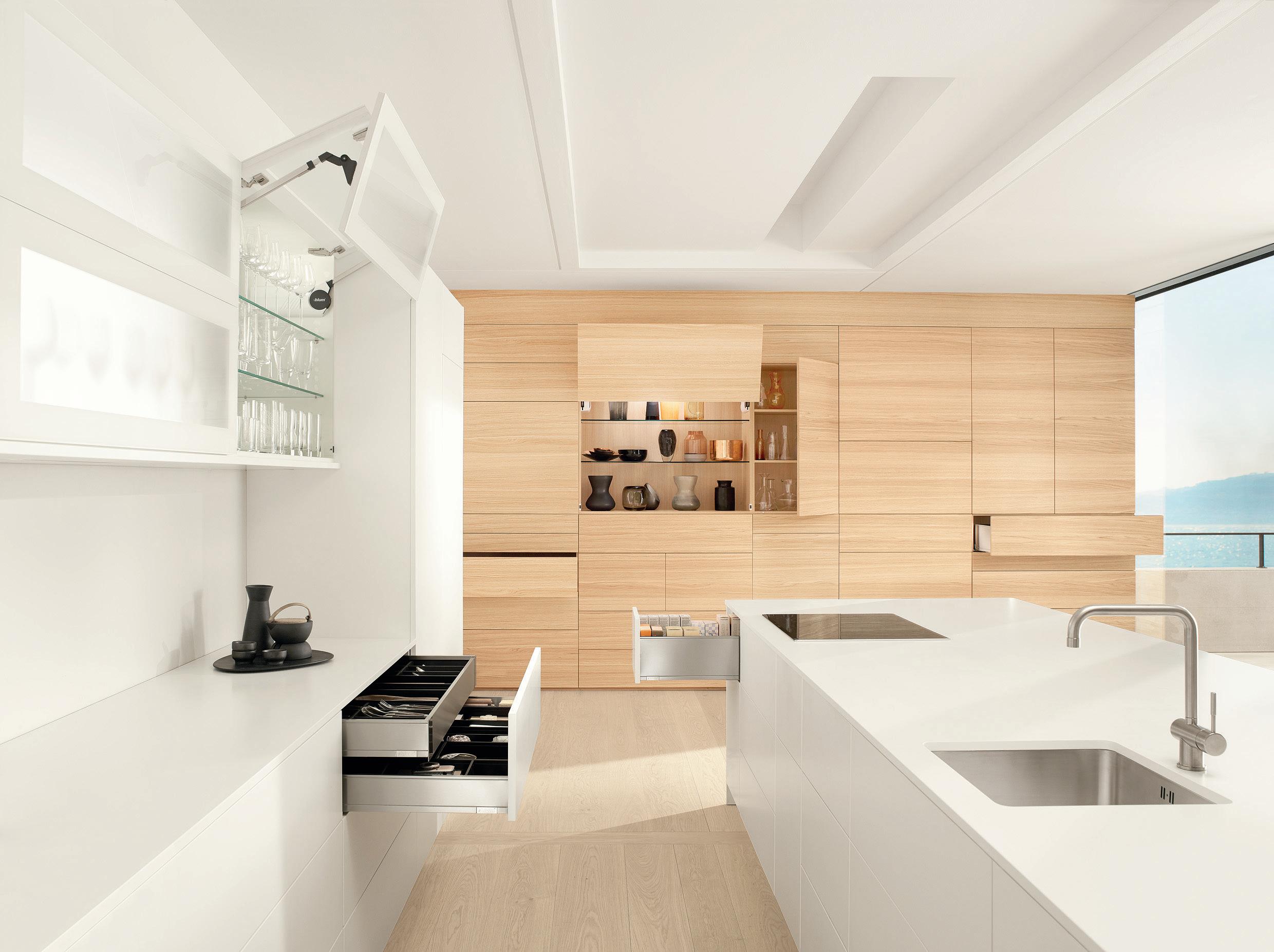
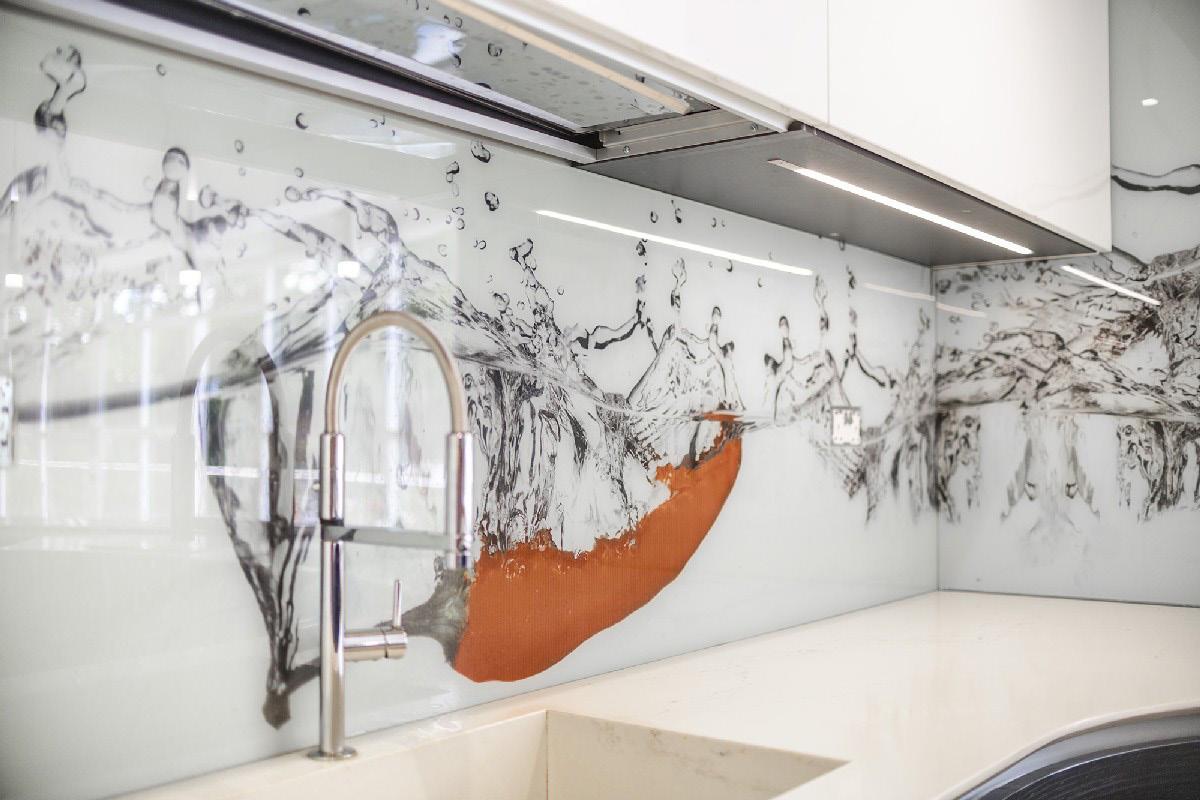
Choosing Modern Kitchen Fittings For A Discerning Home
The introduction of modern kitchen fittings has revolutionized the African market and made it realize that utility and comfort can be incorporated in the same design.
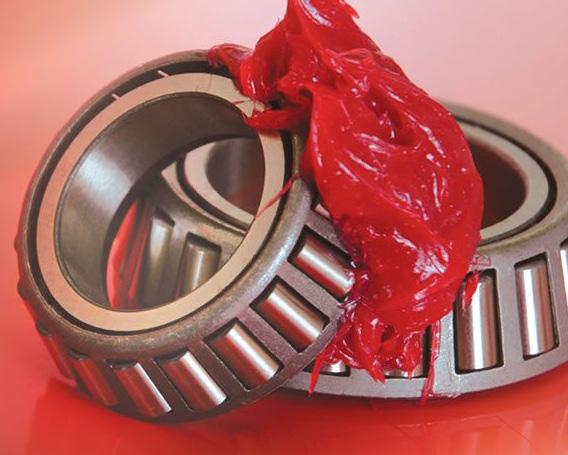
performance Lubricants
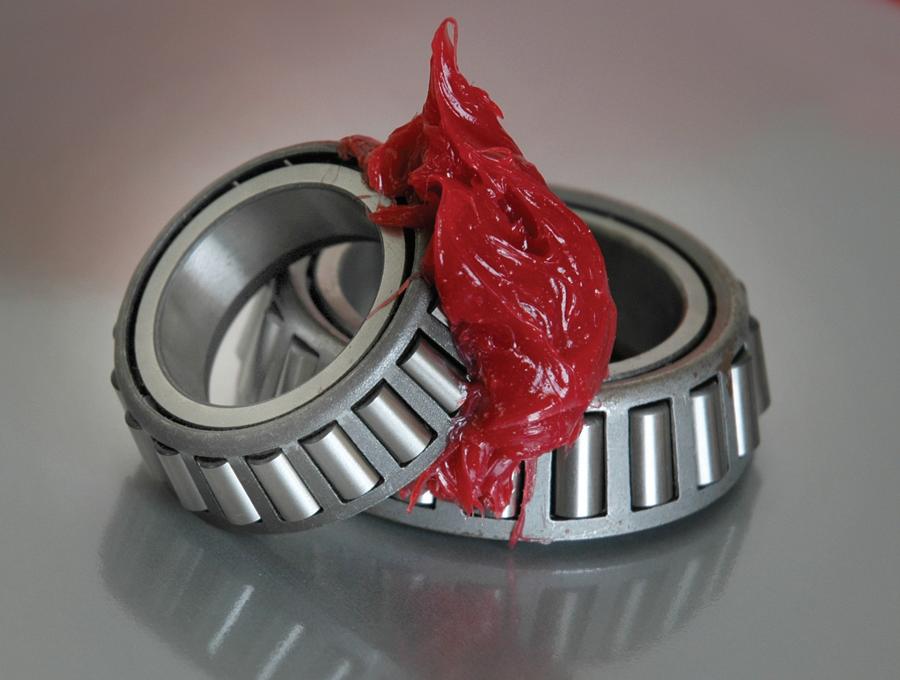
Every maintenance engineer in the continent wants a certain lubricant for a specific job for a piece of machinery’s vital components and moving parts.
Editor's Comment
Africa is ripe for Ready Mix Concrete
Reports of buildings collapsing during construction are all too frequent and suspicion is always cast first on the quality of the mix that was applied by the builders on site amongst a plethora of other ills. This has been blamed on failure to use professionals on site, cost cutting efforts to save on resources and outright negligence. The end result is loss of life and damage to property.
To curb this growing menace, in Kenya last year it was reported that a law was being drafted to make it mandatory for builders to use ready mix concrete on site. The reasons were obvious; RMC offers consistency in quality, lowers wastage and offers better control to the developer amongst other benefits.
In Africa as a whole the construction industry is fast embracing the use of ready mix concrete given its benefits over the traditional method of mixing concrete on site. In addition, as competition between cement producers intensifies, many of them have opted to establish ready mix concrete product lines in order to establish new revenue streams.
As Africa continues to engage in massive infrastructure projects in the near term, the market for ready mix concrete appears to be on an upward trajectory and investment in setting up batching plants to supply RMC is only beginning.
Email: ethiopia@groupafricapublishing.com
Ghana Agent
Image Consortium
1st Floor, The Ecobank Building, Tesano.
Tel: 233(0)30 223 2728 I 233(0)274807127 I +233(0)206299159
Board of Registration of Architects and Quantity Surveyors (BORAQS)
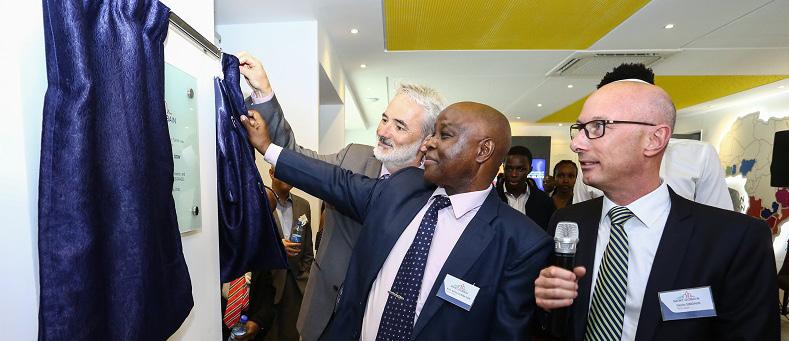
Kenya Architect Nathan Kureba (center) unveils the new Saint-Gobain Experience Centre at 9 Riverside building in Nairobi. With him is SaintGobain Directeur Marketing International Slawomir Szpunar (left) and CFOO Sub-Saharan Africa Denis Simonin (right).
Saint-Gobain opens its experience center in Nairobi
Saint Gobain has opened its experience center at its new representative office in Nairobi. More than a mere showroom, this space will enable the visitor to discover and experience how Saint – Gobain building solutions can make a difference in people’s daily life. Whether it is through digital interactive access points or practical experiences around comfort, it aims to be a place for professionals to network and expand their knowledge of building systems and materials. Throughout the year, thematic events will be organized to tackle specific topics within Kenya’s building and construction industry.
Experiencing comfort
Conceptualized to be informative and engaging, the experience center is fitted with digital access points and practical experiences around comfort.
“We invite visitors to feel, touch, see and hear. Through different experiences to explain sound or thermal transmission, we try to demonstrate how our solutions can have an impact on our daily life,” says Sachin Ramkasoon, Business Development Director for East Africa.
Fuchs lubricants opens a new grease plant in
South Africa
FUCHS Lubricants South Africa has officially opened a US$ 10m grease plant expansion at its factory in Isando, South Africa.
Paul Deppe, Managing Director of FUCHS Lubricants South Africa, said the project has been in the making for almost three years with FUCHS investing in a state-of-the-art grease plant that will manufacture a large variety of specialty grease grades.
Importance and demand for specialty grease
“FUCHS sees the importance and demand for specialty grease growing significantly and wants to be in a position to support this increase in demand from our customers. But importantly, the reason for building the new grease plant is not only for capacity, but to inject new levels of process excellence and quality into our grease manufacturing,”said Mr. Paul.
“As one of the most automated and advanced grease plants in the FUCHS organisation, and indeed the world, we will be looking to export grease from this plant across Africa and to other parts of the world,” he added.
Low Energy Designs to supply 10,000 LED street lights in Lagos
UK-based Low Energy Designs has signed a contract with the Lagos State government for the supply and installation of energy efficient LED street lights.
Under the agreement, Low Energy Designs will provide and install 10,000 street lights in Nigeria’s capital, covering 300km of the roads.
The US $6.9m contract includes the provision of an intelligent control system for real time operation of the LED street lights. The company will also provide its hybrid energy storage system.
The street lighting systems used will be based on a combination of three LED products namely the Phoenix ULTRA, SunBURST and Norrsken.
The solution provider claims its street lighting technology reduces overall energy consumption, lower carbon emissions and allows the customer to be in control of light intensity.
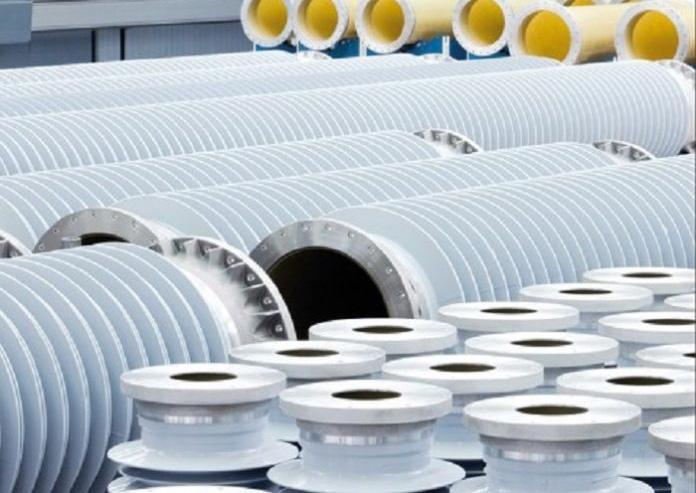
WACKER presents high performance silicones for the transmission and distribution industry
WACKER, the Munich-based chemical company, will make its debut at the 18th African Utility Week (AUW) in Cape Town, South Africa, by introducing several high performance silicones for the transmission and distribution industry.
Products from WACKER chemical company, they produce high-quality silicone coatings for transmission and distribution applications.
The product highlights include the silicone rubber compound POWERSIL® 310 MH as well as the silicone coatings POWERSIL® 552, POWERSIL® 567 and POWERSIL® 577 PLUS.
African Utility Week, one of the leading trade shows for Africa’s power and energy professionals, will take place from May 15th to 17th.WACKER will be exhibiting its POWERSIL® portfolio for the first time this year.
“Africa has always been an interesting market for us with high potential, especially for the insulator business”, says Cyril Cisinski, Managing Director of Wacker Chemicals Middle East, who also heads the African region.
The company’s business with local insulator manufacturers has grown rapidly in recent years.
“The African Utility Week is a great chance for us to present our comprehensive expertise in high-quality silicone coatings for transmission and distribution applications.”He added.
POWERSIL® products
WACKER will introduce several POWERSIL® products at AUW, among them the peroxide curing silicone compound POWERSIL® 310 MH. The ready to use silicone cures to an electrically insulating, highly erosion resistant silicone rubber which can be used for all types of outdoor electrical insulating equipment such as composite insulators, arrester housings and bushings.
SAPVIA welcomes signing of the IPP contracts on clean energy
The South Africa Photovoltaic Industry Association welcomed the signing of the IPP contracts, saying they will indeed boost and revitalize long-term investor confidence, and add 2, 305MW of capacity to the national grid.
Several renewable energy projects are coming online as the government seeks to enhance clean energy production and mitigate the effects of climate change from coal power plant greenhouse gas mission.
According to Happy Khambule, Greenpeace Africa's senior political advisor, given the current renewable energy IPPs that are already in production and in planning including the 27 renewable energy projects that are yet to be signed, at least 100, 000 full-time equivalent jobs would be created, through the current private renewable energy projects alone.
DR. Ric Amansure, an expert involved in research about the impact of renewable energy projects on communities, however urged industry officials to keep communities engaged in the status of renewable energy projects. The expert further warned that locations far away from urban centers posed a risk for the developments.
"Nobody tells the communities that they are shareholders in these projects; that there is a socio-economic development component to the project and they should benefit for 20 years," Said Amansure
NSE collaborates with the Government on the $500,000 projects for rural areas
The NSE, Nigerian Society of Engineers has made a commitment to collaborate with government to deliver selfless engineering services across the country by deploying professional manpower to rural communities with the objective of boosting basic engineering infrastructure through voluntary service in the provision of rural roads, water projects that are guaranteed to foster unity and progress of the country. The identified projects will cost around $500,000.
Speaking at a conferment ceremony that saw 21 engineers conferred in the prestigious Fellowship in Abuja, the President of NSE, Adekunle Mokuolu, pointed out that the conferment of the Fellowship on the awardees marks the commencement of a journey of bearing responsibilities on behalf of the Society as they will play a role in the development projects.
“You will have the responsibility of being a worthy role model, lending mentorship to our Young Engineers Future Leaders, and even our school children that need your inspiration to join the engineering profession. Membership of the College of Fellows comes with the special privilege of sharing in the Fellows platform of the Society’s dedicated chat group,” he said.
HAR
declares East Africa as a potential for small hydropower
Hydropower Association of Rwanda (HAR) has declared East Africa as where Africa’s small hydropower potential lies by 83% with Kenya and Ethiopia leading the neighboring countries respectively.
Speaking at a technical workshop focused on small hydropower opportunities hosted at the African Utility Week, in Cape Town, Dan Klinck, the chairperson of the Hydro-power Association of Rwanda and CEO of East African Power, confirmed the reports and added that Africa’s small hydro-power potential is at 7,3GW
According to Klinck, the African small hydropower market has great potential with East Africa leading the market by 209MW of installed capacity and a potential of 6,296MW. Following in second place is Central Africa with 76MW installed capacity and 328MW potential.
KAM partners with Kenya Power in US $15.5m project to stabilize western Kenya power
Kenya Association of Manufactures, KAM has partnered with Electricity distributor, Kenya Power in investing US $15m in a power stabilization project in Nyanza and Western Kenya.
The project will involve the installation of additional transformers and repair of existing sub stations to curb power outages that have affected power supply in the regions. Kenya Power managing director Ken Tarus says the investment in the distribution infrastructure will ensure that customers are supplied from various points to minimize outages. Through a partnership with the Kenya Association of Manufactures, Mr Tarus said Kenya Power would regularly engage large power consumers through dedicated channels which include Whatsapp groups.
“We will continue engaging with them through the mechanism we have created such as the Whatsapp groups so that every so often we pick up the issues and challenges they experience,” he said.
Despite having an installed capacity of 2,650 megawatts, peak demand is estimated at 1,770 megawatts with some manufactures forced to invest in alternative power generation units to guarantee reliable electricity supply.
“Industries and domestic customers around this region are not getting what they expected because of the challenge of distribution and transmission lines.” Mr Tarus said.
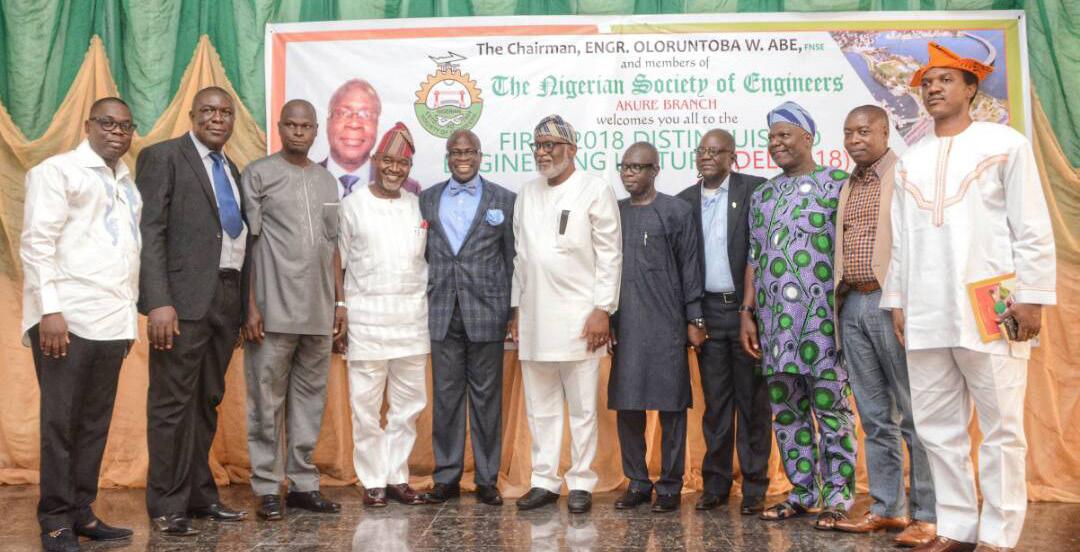
Members of the Nigerian Society of Engineers
5th Annual Affordable Housing Africa
5th Annual Affordable Housing Africa returns once again to Cape Town providing a platform for all key stakeholders to engage at a global level, mobile partners to redefine the role of housing in today’s new urban agenda.
Attend this event to examine the critical issues facing the housing industry, explore how the housing sector can grow in the context of an economic crisis and how to deliver more with less, thereby taking advantage of the unprecedented opportunities in this sector.
The event will highlight case studies from some of the finest and the same time provide an excellent networking platform for the public and private sectors,global professional and industry leaders.
16th - 18th July 2018
Capetown, South Africa
Fire, Security and Safety Expo 2018: Dar es Salaam
Tanzania is witnessing a substantial increase in terms of awareness about fire, security and safety. The rapidly growing demand for fire protection equipment, security products and technologies across the country has significantly contributed towards the growth of the fire, security & safety equipment domains.
According to research, Africa Fire Safety Systems and Equipment market is projected to grow at a CAGR of 10.2% during 2017-2023.This is because of Fast growing of tourism, construction sectors and others.
There is a diverse demand for fire, safety and security equipment, ranging from the smallest of businesses to large corporate and home-users.
Fire, Security and Safety Expo 2018: Dar es Salaam will bring together local and international exhibitors who will showcase their avant-garde solutions, specific transverse and latest technologies, cutting edge innovations, costeffective products and services to meet the requirements of governments, businesses, industrial & commercial entities, aviation, construction infrastructure, e.t.c
Kenya
- Architectural Association of Kenya
- Institute of Quantity Surveyors of Kenya
- Institute of Engineers of Kenya
- Association of Consulting Engineers of - Kenya
- Association of Professional Societies of East Africa APSEA)
- Kenya Property developers Association
- Institution of Surveyors of Kenya
South Africa - ASAQS - SAICE
- South African Council for the Quantity Surveying Profession
- Khuthaza ( Women for Housing)
- Concrete Manufacturers Association
- Green Building council of SA
- South African Property Owners Association
- Master Builders South Africa
Uganda
Institute of Surveyors of Uganda
Uganda Institute of Professional Engineers (UIPE) &
Uganda society of Architects
Botswana
- Institute of Botswana Quantity Surveyors
Ethiopia
- Association of Ethiopian Architects
- Ethiopian Association of Civil Engineers
- Construction Contractors Association of Ethiopia
Zimbabwe
- Zimbabwe Institute of Quantity Surveyors
- Zimbabwe Institute of Engineers
- The Construction Industry Federation of Zimbabwe (Cifoz)
Ghana
- Ghana Institute of Engineers
- Architects Registration Council
- Ghana Institute of Surveyors
- Ghana Green Builders Association
- Ghana Institute of Planners
- Association of Building and Civil Engineering Contractors of Ghana
Namibia
Institute of Namibian Quantity Surveyors
Association of Consulting Engineers of Namibia
Tanzania
- Tanzania Institute of Quantity Surveyors
- Construction Regulation Board (CRB)
Construct Ghana 2018
The 2nd Construct Ghana 2018 will provide an exclusive business platform for companies with the latest technology, equipment and new innovations which would demonstrate its strength and high quality of products across different vertical industries in the construction industry.
Machinery and material manufacturers, local and international will meet under one roof to take advantage of new products, to network and meet potential buyers in a professional environment.
The exhibits will be represented in the following segments with regards to the market needs of the industry, construction materials, Equipments and Hardware machinery, Building tools and Technologies, Electrical engineering, lighting and HVAC, Architectural solutions and MEP
- Tanzania’s Registration Board of Architects and Quantity Surveyors (AQSRB)
Nigeria
- Association of Consulting Engineers Nigeria
- Association of Professional Women
Engineers Of Nigeria
- Council of Registered Builders of Nigeria
- The Nigerian Institute of Architects
- American Association of Petroleum Geologists Africa Region
- Nigeria Society of Engineers
- Nigeria Institute of Architects
- Building and Construction Skilled Artisans Association of Nigeria (BACSAAN)
Zambia
- Zambia Institute of Architects (ZIA)
- Association of Building and Civil Engineering Contractors (ABCEC).
InteliGen 200: ComAp’s Most Advanced Paralelling Generator Controller
Building on the success of the best-selling InteliGen NT and InteliCompact NT controllers, ComAp unveils the InteliGen 200, a new parallel gen-set controller suitable for all standard parallel applications offering a new design, high flexibility and extendibility, whilst maintaining intuitive configuration, operation and compatibility with its predecessors.
For over 25 years, ComAp has been leading the way in providing intelligent electronic control products and solutions for power generation and diesel/gas engines that are highly flexible, intuitive and scalable. In order to reflect the needs of our customers, we continue to expand and refine our product portfolio”, says Jiří Dunovský, Director of ComAp’s Industrial Power Generation division.
“That is why we have developed a new generation of gen-set controller, the InteliGen 200, that represents a scalable solution bringing the best of state-of- theart technology to our customers in a way that reduces complexity and enables intuitive configuration and operation.
Compatibility, Flexibility And Dependability
With all basic functions predefined, customers can easily add and configure necessary PLC blocks themselves using the intuitive PLC editor.
Van Dyck Floors introduces New Generation Luxury Vinyl Floors
Rococo Xtra, the latest addition to the Rococo suite of luxury vinyl flooring products offered by Van Dyck Floors, was launched in March, offering consumers a new generation product with advanced features.
Rococo Xtra offers the same dimensional stability as the rest of the Rococo ranges, which have proven their dimensional stability in South Africa, where temperatures fluctuate.
Rococo Xtra will be supplied in an extra length and width format –1524mm length and 228.6mm width. This coupled with the registered emboss finish and bevelled edges, offers a range that look almost like natural Wood.
The larger plank lengths are popular in spacious homes, offices and commercial installations. Because Rococo is water proof, it can be used in kitchens and bathrooms.
Available in 5 colours
They are available in 5 colours inspired by nature and internationally colour trends, are sure to be well received with both consumers for general renovations and specifiers on larger new developments.
Although Rococo Xtra is only 2.0mm in overall thickness, the reenforced surface treatment (AO9), will ensure that the product stands up to the day to day knocks during its lifespan.
Dynapac Construction Equipment announces its extended product offering by introducing a full range of Light Compaction equipment. The range, including rammers, forward and reversible plates, walk behind and articulated utility rollers, will widen the Dynapac portfolio and offering to its customers.
“It’s great to announce to our customers who were eagerly awaiting the introduction of Dynapac light equipment to the market”, says Seby Joseph, Marketing Manager Light Equipment. He continues, “Our new light compaction range is based on well-known and high quality technology, adding tremendous value to our customers”.
The global Dynapac sales and after-market sales network will fully support customers with technical service, training, parts and warranty support.
Deere introduces new plate compactors for backhoes, compact excavators
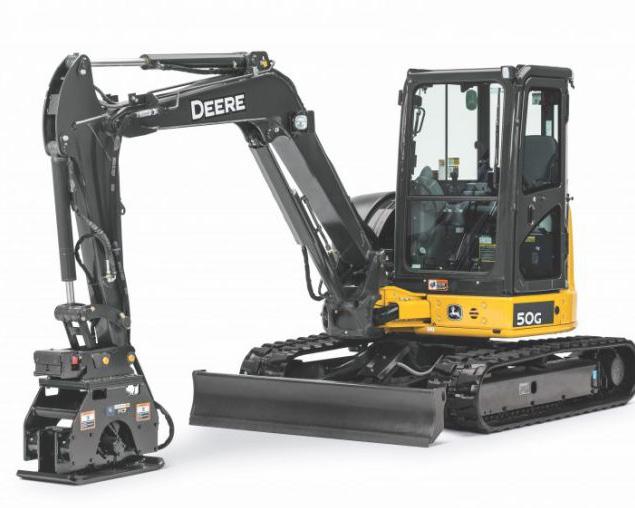
John Deere has introduced new plate compactors for backhoes and compact excavators which enable them to compact soil at high vibratory and impulse forces.
The PC4, PC7 and PC10 each deliver 2,000 revolutions per minute at regulated flow and are geared toward trench, slope and excavation compaction. The compactors are designed with a large eccentric rotating weight positioned farther from the shaft, increasing impulse forces to 4,000 pounds on the PC4, 6,400 pounds on the PC7, and 8,000 pounds on the PC10. The weight’s positioning also leads to better compaction rates in compact granular soils, the company says.
Deere placed the motor inside the compactors’ frame to protect it. The compactors feature oil-splash lubrication for the hydraulic motor bearings, and sealed eccentric bearings, which the company says provides maintenance-free operation.
The compactors are compatible with these Deere backhoe models: 310L, 310L EP, 310SL, 310SL HL, 315SL and 410L. And these Deere compact excavators: 26G, 30G, 35G, 50G, 60G. The company says they are also compatible with most competitors’ models.
The compactors are available in the following widths: PC4, 13 inches; PC7, 18 inches; and PC10, 24 inches. They are the most recent additions to Deere’s Worksite Pro Attachments lineup.
Dynapac Construction Equipment introduces full range of Light Compaction equipment to Africa
Provide proper equipment
Hard hats, protective eyeglasses, safety-toed footwear, and gloves are personal protective equipment that your workers should wear at all times while on the job.
Equipment, such as ladders, that your workers will be using on a daily basis should be safe and up to code. Falls from ladders are all too common on construction sites and can be prevented with the proper inspections and safety practices. Your employees should take the following precautions when using a ladder:
• Inspect ladders for cracked, broken, or defective parts prior to each use.
• Safely position portable ladders so the side rails extend at least three feet above the landing.
• Secure side rails of the ladder at the top to a sturdy support and use a grab device when three-foot extension is not possible.
• When carrying tools, carry them in a belt or consider raising them with a rope.
• Never use the top three rungs, or top two steps of the ladder.
• Have another employee on the ground who can monitor the ladder and worker.
Inspect equipments daily
5 TIPS TO PREVENT FALLS AT CONSTRUCTION SITES
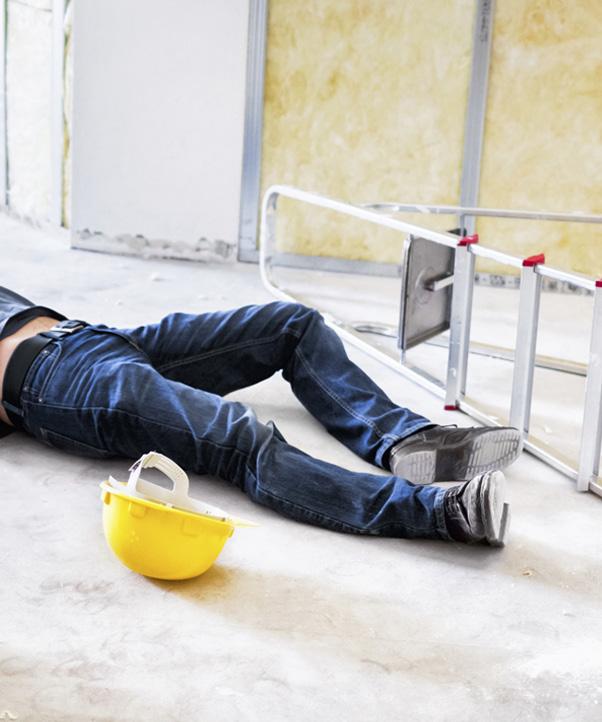
Fall protection and safety is a major concern on construction sites. Whether it’s repairing a roof, building a new home, or constructing the next skyscraper, there are many ways in which workers can be injured. Safety precautions and procedures need to be established to safeguard the lives of your workers — especially when it comes to fall safety.
According to the Occupational Safety & Health Administration, 20.5% of the 4,251 worker fatalities in the private sector in 2014 were in construction, and falls are the leading cause of death in construction.
Falls from ladders, scaffolds, roofs, and other elevated workspaces are preventable. Learn how you can prevent these accidents and protect your workers with our 5 safety tips:
Provide a safe work space
Consider this scenario: Your workers are building a new home and putting the shingles on the roof. Their power cords and tools are being used in the process.
One of the workers is walking across the roof, slips on a cord, and tumbles to the edge of the roof. Instead of a fatal fall happening, the worker is saved by the safety harness and lanyard that he is wearing.
By making it mandatory for workers to wear a safety harness, you can promote a safe workspace and prevent fatal injuries. Almost all sites have unprotected openings, sides and edges, or floor holes at some point during construction. If these sides and openings are not protected, injuries from falls or falling objects may result.
Use at least one of the following whenever you are exposed to a fall of six feet or more above a lower level:
• Guardrail systems
• Safety net systems
• Fall arrest systems
A full, fall prevention and safety plan should be created and implemented before any construction begins on your projects.
Train your employees
Falls and falling objects usually result from unstable working surfaces that are not securely positioned.
By training your employees on how to properly use their tools, equipment, and machinery, you will help decrease the risk of injuries. It is also important to train them on the various safety requirements and procedures as included in your safety plan. Audio and visual presentations can be given to educate employees on the importance of fall protection and procedures. In addition, weekly toolbox meetings with management and workers can be scheduled to keep training and communication ongoing about these safety practices. Communication is key to fall prevention!
Clean up site daily
A clean space is a safe space. Cleaning should be an integral duty of your workers and management team. Work areas should be clean and hazard-free at all times and a clean-up of the entire site should happen at the end of each day.
This will help prevent any unexpected accidents due to negligence. For example, if someone falls over debris left around the construction site and is injured, you may be liable to cover costs associated with the injury.
Before the workday begins, the site manager or other qualified personnel should inspect all machines, tools, and protective equipment at the construction site. Extension cords, drop cords, and electrical tools should be checked and properly grounded.
Check scaffoldings and ladders as well to make sure they are secure to climb and use by your workers. Before workers begin their day, examine their personal protection equipment to ensure that it is properly secured, especially if they will be working at great heights.
Future of Surveying Equipment in Africa
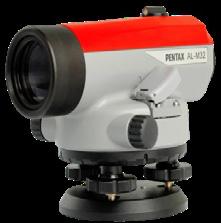
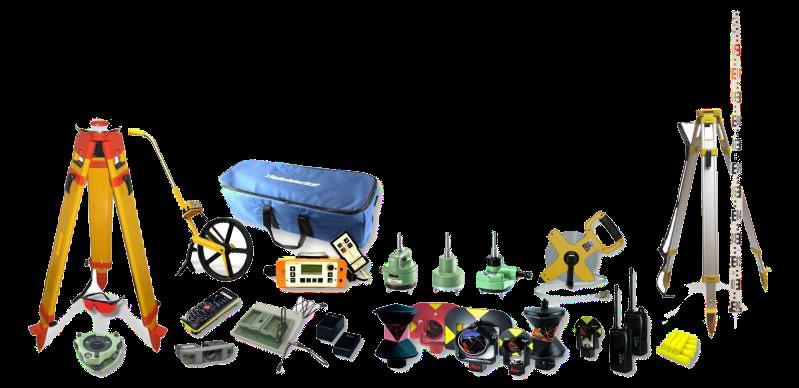
Dave Beattie is the Managing Director of Autobuild Africa (Pty) Ltd which distributes a wide range of trusted surveying equipment. The company is the leading distributor in South Africa of levels, theodolites and surveying accessories. They supply COMNAV, GNSS, Optech Lidar Scanners, Hexcel Heron mobile scanners, Geoallen Total Stations, Precision levels, Theodolites, Lasers and Rotosure measuring wheels. The company roots go back to P J Yelland (Pty) Ltd which was founded in Durban in 1929. Autobuild Africa (Pty) Ltd has supported the South African Surveying Community with great customer service and reliable instruments.
CR: How does Autobuild Africa see the African drones in construction market?
Dave: Drones (correct name UAV’s) are playing a bigger role in the construction market. UAV’s are becoming easier to operate, more affordable and they will soon be a feature on most construction sites. They can be used in all phases of construction. When planning the construction, be it a road, a bridge or a building, the existing ground needs to be surveyed to assist with planning and design.
Then when earthworks start the progress can be measured, cut and fill volumes determined on an ongoing basis. During the erection and at completion of the project, photos and videos taken by UAV can be really useful, to monitor progress and for marketing purposes.
the UAV is launched, flies the area taking aerial photos, and returns. The software then produces a map of the area with contours.
Most UAV’s used for surveying do not have accurate GPS boards, and so prior to flying, a surveyor needs to place highly visible targets, and , using a survey GNSS determine the exact co-ordinates of the targets. These targets are then identified from the photos and used to adjust the resultant maps for scale, tilt etc.
Nowadays, sophisticated small GPS PC boards can be carried by the drone, and used to determine highly accurate positioning of the UAV at the time of each photo.
Drones are playing a bigger role in the construction market and they will soon be a feature on most construction sites.
In most parts of the world the use of UAV’s are strictly controlled, and one needs a qualified UAV pilot to operate them. In practice however, and especially in Africa, UAV’s are already been used extensively, and in many cases regulations do not exist or are ignored.
Producing maps from UAV’s is made relatively simple by the software supplied. On a PC tablet using Google Earth one defines the area to be mapped. The software then plans a flight path,
The other technology is to mount a tiny 3D laser scanner on the UAV, which measures millions of points on the ground, which are similarly used to produce maps. This technology is still relatively expensive.
CR: Which are the most popular survey technologies being applied in Africa currently?
Dave: Conventional surveying using total stations and GNSS are still by far the most used technologies. Both these technologies are improving all the time, and becoming more affordable.
Dave Beattie, the Managing Director of Autobuild Africa (Pty) Ltd
3D laser scanning requires a larger initial outlay, but in many instances, for specific purposes it can be cost effective. For example Gexcel, a research and development company in Europe, has developed a wearable 3D mobile scanner, that can give an accurate 3D plan in real time. So one can for example scan an area 1 day, then a week later scan the same area, and in real time, on a tablet held by the operator, one can see all changes to the area – movement of soil, construction progress etc etc.
CR: What are the challenges in the African market in terms of application and maintenance?
Dave: Access to the internet, poor roads to remote sites, and logistics are some major
challenges. Often a surveyor may experience a problem that requires immediate support from the equipment supplier, but has no cellphone or internet access. The lack of local representation and support also gives its own challenges.
CR: What do you think can be done to overcome these challenges?
Dave: Many of these challenges cannot be overcome without massive investments. Most importers and suppliers who are based in South Africa are now expanding their footprint north into Africa. Autobuild Africa now gets over 50% of our sales from outside South Africa. Due to the distances involved it is important to train users of equipment well to minimize problems and resultant downtime. One challenge close to my heart is affordability.
Sino T300 GNSS by Comnav Technologies Robust, Lightweight, Fully featured GNSS Contact
I have found that prices of products increase rapidly once they leave South African borders. As buyers become more astute this will improve and competition will ensure that prices reduce.
CR: How is the future of survey in construction in Africa looking?
Dave: There is so much development still needed and taking place. Although the construction market in South Africa is slow but stable, there are huge opportunities in other African countries.
As communications – internet and travel improve, so will surveying become easier and more affordable.
Measurement Systems Limited
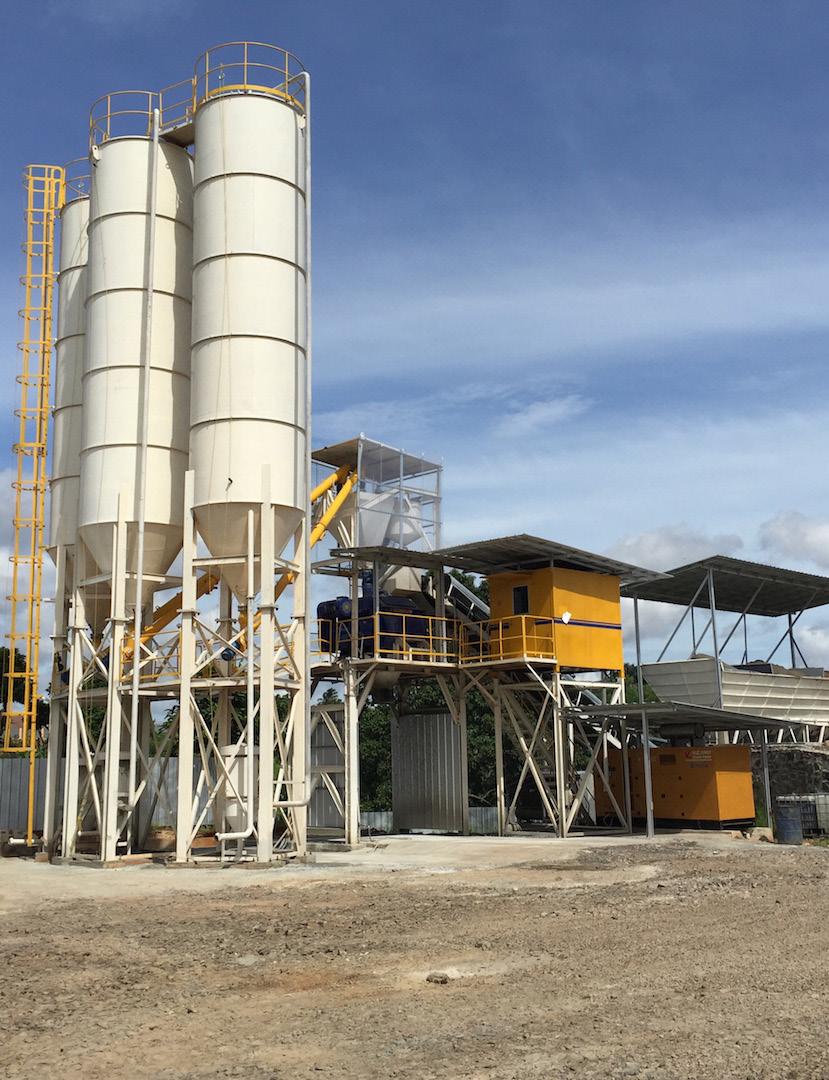
CONCRETE BATCHING PLANTS IN AFRICA
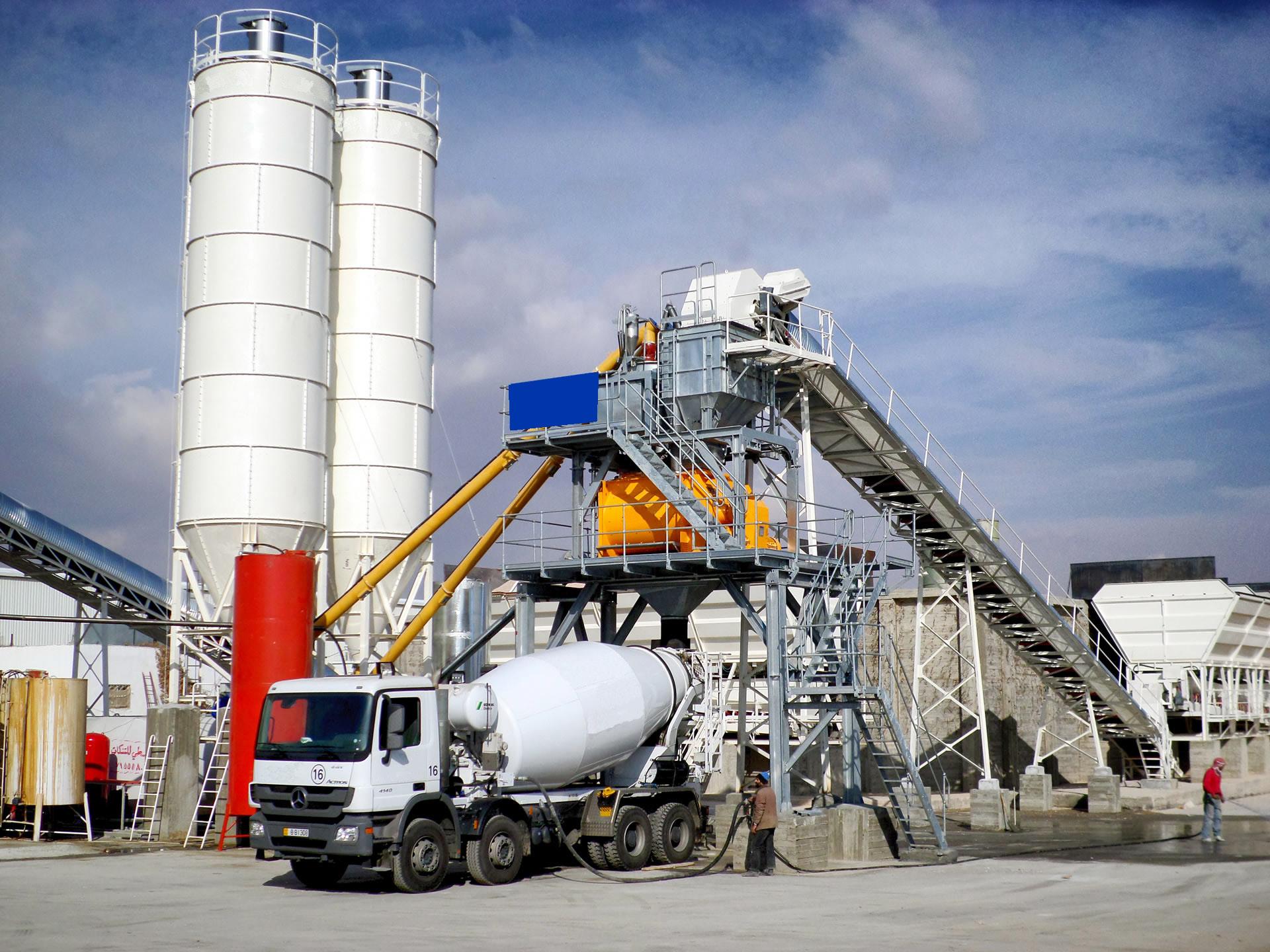
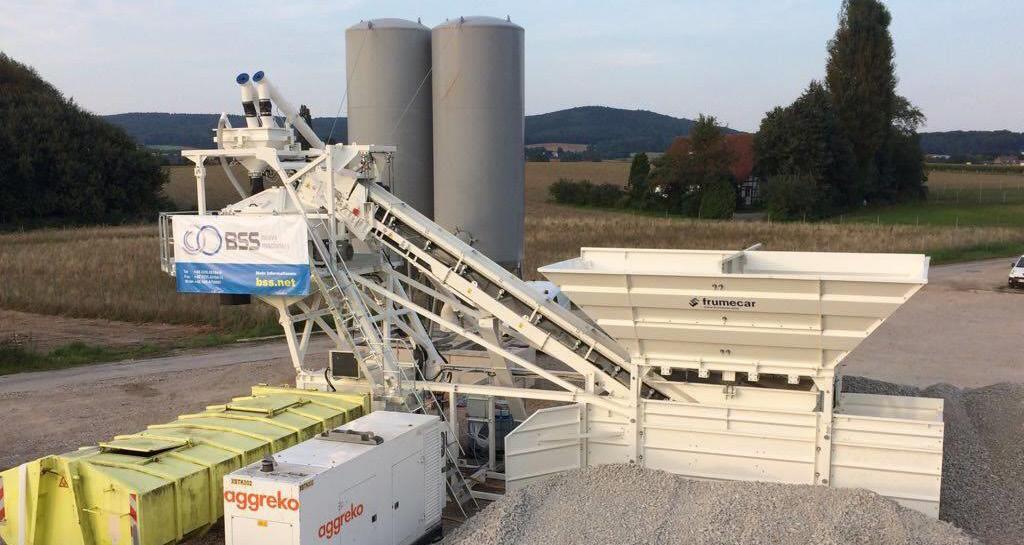
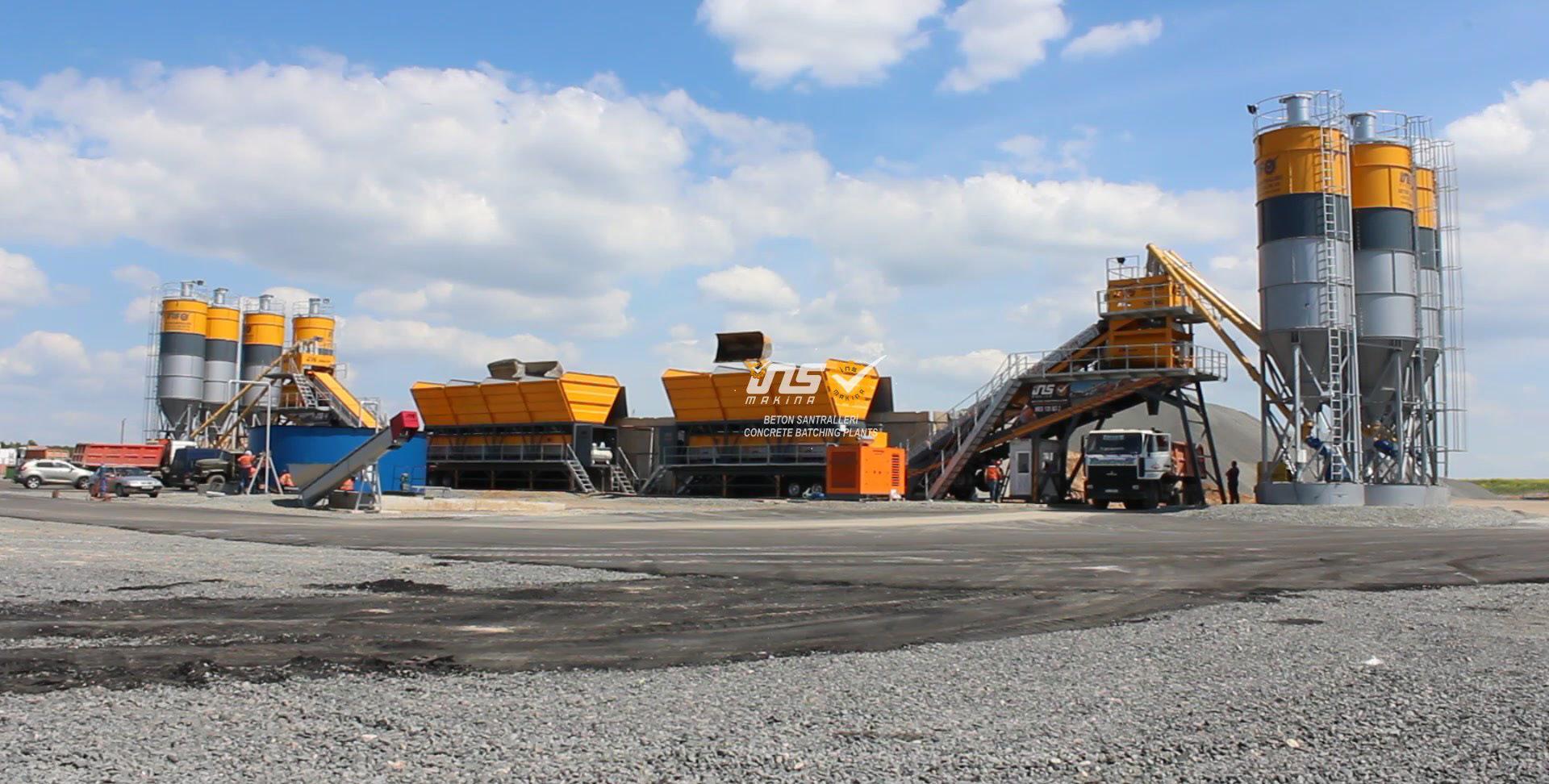
Concrete batching plants in Africa are fast gaining popularity as evidenced by the increase in the use of ready mix concrete supplied to construction sites. The need to control costs, increase delivery times as well as the need for consistency of each concrete batch are just some of the needs that have driven demand.The growth in the concrete batching plant market has been driven primarily by large infrastructural projects but in addition to this there is a growing use of medium sized batching plants in building projects as the need for housing has taken centre-stage in Africa.
Batching plants can today be seen dotting virtually all large infrastructure projects but in addition to this are businesses that have been setup around exclusively providing ready mix concrete to meet the demand from a growing number of office block and housing projects in urban areas. Contractors have come to the realization that costs can be reduced by outsourcing this function and simply ordering ready mix concrete rather than going the more traditional labor intensive way of concrete production onsite. This shift towards outsourcing has been driven by several advantages that are not easy to ignore especially as profit margins in development projects have become leaner.
When Construction Review talked to Solomon Mungai a director of Rhombus Concrete Ltd a Kenyan supplier of ready mix concrete it was evident that the construction industry is trending towards the use of batching plants to supply ready mix concrete to sites as greater awareness of the benefits becomes more appreciated.
Consistency
One of the reasons that we constantly read about buildings collapsing while under construction is due to poor concrete mixes. This is all too prevalent when you consider the number of reported
collapses of projects in the daily papers. One of the main culprits has been failure to allow the concrete enough time to cure, human error on the part of the contractor mixing the concrete on site to the more devious practice of cutting back on the required quantities in the mix by an unscrupulous contractor. For the developer it means costly remedial action and even prosecution in court for negligence especially if there is injury or fatalities involved.
Land
As the value of land grows, so is the final cost of a development project and in order to remain viable it has meant that a developer needs to utilize every square inch of land on a project efficiently
This means that there is no luxury to provide space on site for trucking in sand, aggregate and stocking cement for laborers to mix concrete. The more attractive alternative has become ordering concrete which is delivered to the site on mobile concrete mixers that drive in, and pump the concrete into the required location an activity that is competed in a matter of hours so that sites can remain relatively clutter free.
Pilferage
In a traditional site, pilferage is always a reality. Theft of cement, delivery of less supplies of sand and aggregate by profiteering truckers occurs more often that is realized.
To provide a more reliable concrete mix the use of supplies provided by a batching plant means greater consistency in the mix throughout at a predetermined fixed cost. It also helps do away with pilferage that is all too rampant when you have cement bags stored on site.
Wastage
“There is virtually no wastage when it comes to the supply of ready mix concrete”. Stressed Mr.Mwangi the Business Development Manager for Rhombus whom we also spoke to.
Mixing concrete on site results in a high level of wastage of material whether it is as a result of torn bags of cement or aggregate and sand spilt haphazardly during delivery. This is something that is the bane of any developer who has to foot the cost of such wastage. Concrete produced in a batching plant ensures no wastage and the client only pays for what he ordered.
Meeting Exact Specification
Testing of the concrete at the batching plant ensures that what is delivered to site is of consistent quality and according to specifications whether it involves concrete with a faster curing
time or waterproofing characteristics. Any requirement can be met reliably and consistently for the contractor to ensure that the project is not affected negatively by poor concrete mixes.
Pollution
Concrete batching plants that supply ready mix concrete to sites have meant that there is less pollution of the environment with respect to noise produced by rumbling concrete mixers and the sites are relatively neater having eliminated bags of cement and heaps of sand and aggregate lying around the site.
Setting Up A Batching Plant
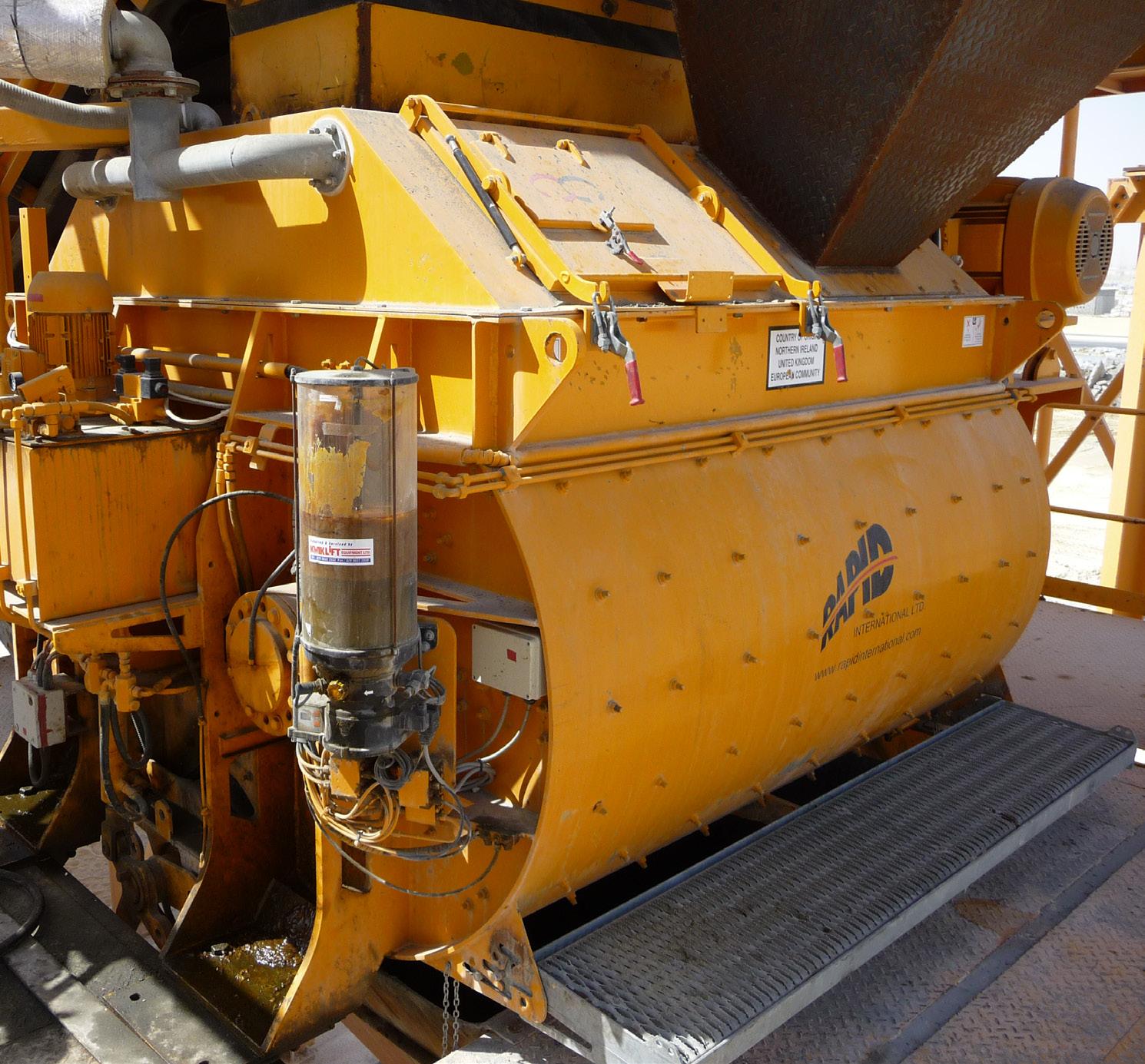
Installing a batching plant requires various activities to take part. These include having a main plant structure, concrete mixer, cement silos screw conveyor, belt conveyor, weighing system, dust removing system, and a control room.
Having a main plant entails construction of a batching plant foundation whereby the installation of the concrete batching plant is assembled in line with the drawing requirements as per the clients request and the construction works cooperate with each other in the installation process.
The concrete mixer installation takes into consideration ancillary projects like power, water rainproof measures and transport corridors of the materials sites to meet the mix requirements to reduce later alteration. Cement silo, through a crane then is hoisted vertically to the foot of the silo foundation to put it in place after which the crane is gradually loosened until it reaches the flat surface of the embedded part.
Installation of screw conveyor follows suit whereby the entrance part of the screw conveyor nears the end of the monitor, fixing the conveyor preliminary according to the import and export position to keep the interface tube in a vertical position.
The growth in the concrete batching plant market has been driven primarily by large infrastructural projects.
The concrete mixer installation takes into consideration of ancillary projects to meet the mix requirements.
Batching plants can today be seen dotting virtually all large infrastructure projects.
SPECIFICATIONS IN ROOFING:
GETTING IT RIGHT THE FIRST TIME
Specifications. The one word that defines the route-map towards the transformation of a professionals dream into reality. They define how to harness diverse interests – some aligned and some competing – on a project harmoniously. From aesthetics, to form, to function and adherence to standards. The project team uses them to talk to each other and to align their individual mandates into a coherent, living whole.
Clear, updated and well written specifications go to the heart of a building industry professional responsibility on a project and when absent can lead to liability. Coupled with actual execution oversight, good specifications are often times the difference between great architecture and the rabbit hole that is failed projects, endless litigation, costs, professional embarrassment, revisions and variations.
The same applies when it comes to that common crowning glory of every building, the roof! Besides the roof’s core functionality of protection from the elements, the roof is often a key design item that defines form and gives character to a building. The choice and application of the roofing solution must therefore be informed and deliberate; then meticulously applied as per specifications and best practices. Out of world-wide experiences, steel industry experts have defined the nine core parameters and considerations involved in defining and specifying a steel roofing solution as per table to the right.
This is apt demonstration that the roof has cross-cutting implications on the structural, environmentalsoundness, aesthetics and even cultural-fit (i.e. design-language)
e.g. MRM’s AZ150, Colourplus PVDF roofing in corrosive marine / industrial conditions
Structural design, building orientation, form & roof slope, choice of profile, fasteners & method of installation.
e.g. MRM’s 0.6mm SAFLOK700 installed as using the High-Wind Load (HWL) system in severe wind zones
ROOFING PROFILE
MATERIAL CHOICE
CHOICE OF GAUGE
Fastener performance & compatibility issues
Effective water shedding vs min. slope/ aesthetics
Load bearing attributes, thermal expansion, onroof installations compatibility – e.g. solar
FINISH (e.g. metalliccolour)
Thermal & “cool” roof consideration/ aesthetics
Choice & application of fasteners
e.g. MRM’s Class4 FIXTITE fasteners in marine zones
Choice & application of fasteners
e.g. MRM’s Class4 FIXTITE fasteners in marine zones
Choice of profile & design, fixing method of on-roof attachments, budget vs performance considerations
e.g. Aluminium has 35% the carrying capacity of MRM’s AZ-coated Steel & twice the thermal expansion.
Choice of finish, “green” design, allied items
e.g. MRM’s 0.5mm NEWLOK in Colorplus metallic Lilac Haze with a Solar Reflectance Index (SRI) of 75
performance of a building. In this regard, the professionals’ role is therefore to meet each of these often non-aligned design challenges using specifications that yield a coherent whole. The best specifications should transcend generalities to encompass
standards and applicable tests, design criteria and minimum performance including warranties and product identifiers. They may even define the installer’s competence and support documentation thereof. They must guarantee results and clearly document deliverables.
Mabati Rolling Mills Ltd (MRM) continues to engage all industry players towards a culture of excellence in specifications in roofing and allied building solutions. Experiences gathered over the 12 African countries in which it’s holding arm, SAFAL Group, operates have enriched it’s product and service development to allow it respond to the most demanding challenges for roofing and allied building solutions. A variety of recently introduced innovations include superior metallic paints to avail cool and more robustly-performing roofs and NEWLOK, a standing seam that is the ultimate in concealed-fix, super lowpitched, on-site profiled long-span roof options. The offering to environmental design enthusiasts includes customlouvres, ridge vents, underlay insulation, sky-lighting and light domes, Ultraspan structures plus roof attachment brackets and rail systems to secure solar solutions or any other on-roof installations all under one roof with full technical and installation support.
We are continuously engaging the industry to realize the immense possibilities of all these innovations through correct specifications. MRM remains an avowed optimist in the potential of our building industry and our collective ability to harness the best technologies world over to answer our local needs; roofing or otherwise. For the professionals, industry-updated, technically-correct, environmentrespecting, heritage-relevant and contractually enforceable specifications should and must continue to be the epitome.
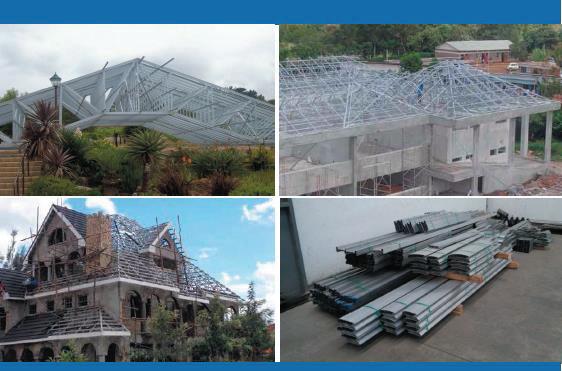
LIGHT GAUGE STEEL TRUSSES
As the great American-German architect, Ludwig Mies van der Rohe aptly noted, “GOD IS IN THE DETAILS”. Each and every time.
Introduces
Our Pre engineered cold formed steel roof trusses manufactured from tensile ZincAl steel of thickness 0.5mm to 2.0mm.
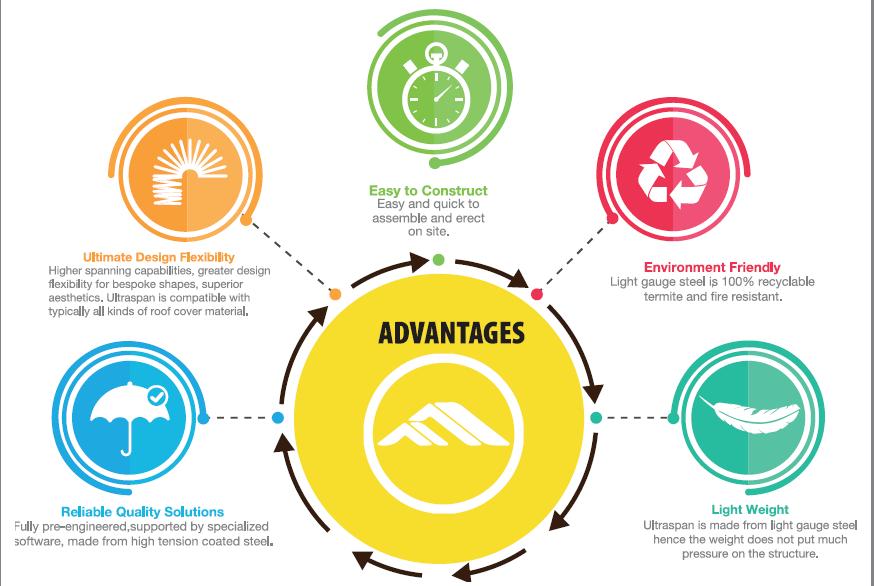
The Light gauge steel truss system is an advanced engineered solution which is quick & easy to deliver and assemble on site.
It offers durability, strength & structural stability.
SOLUTIONS
1. Designed to stringent international design codes.
2. Can design to large spans (slope) in the trusses is possible as per customer requirements.
3. Can be designed for Overhangs.
4. Compatible to all MRM Roof Solutions.
5. Caters to loading requirements of Solar water heating systems / water tanks.
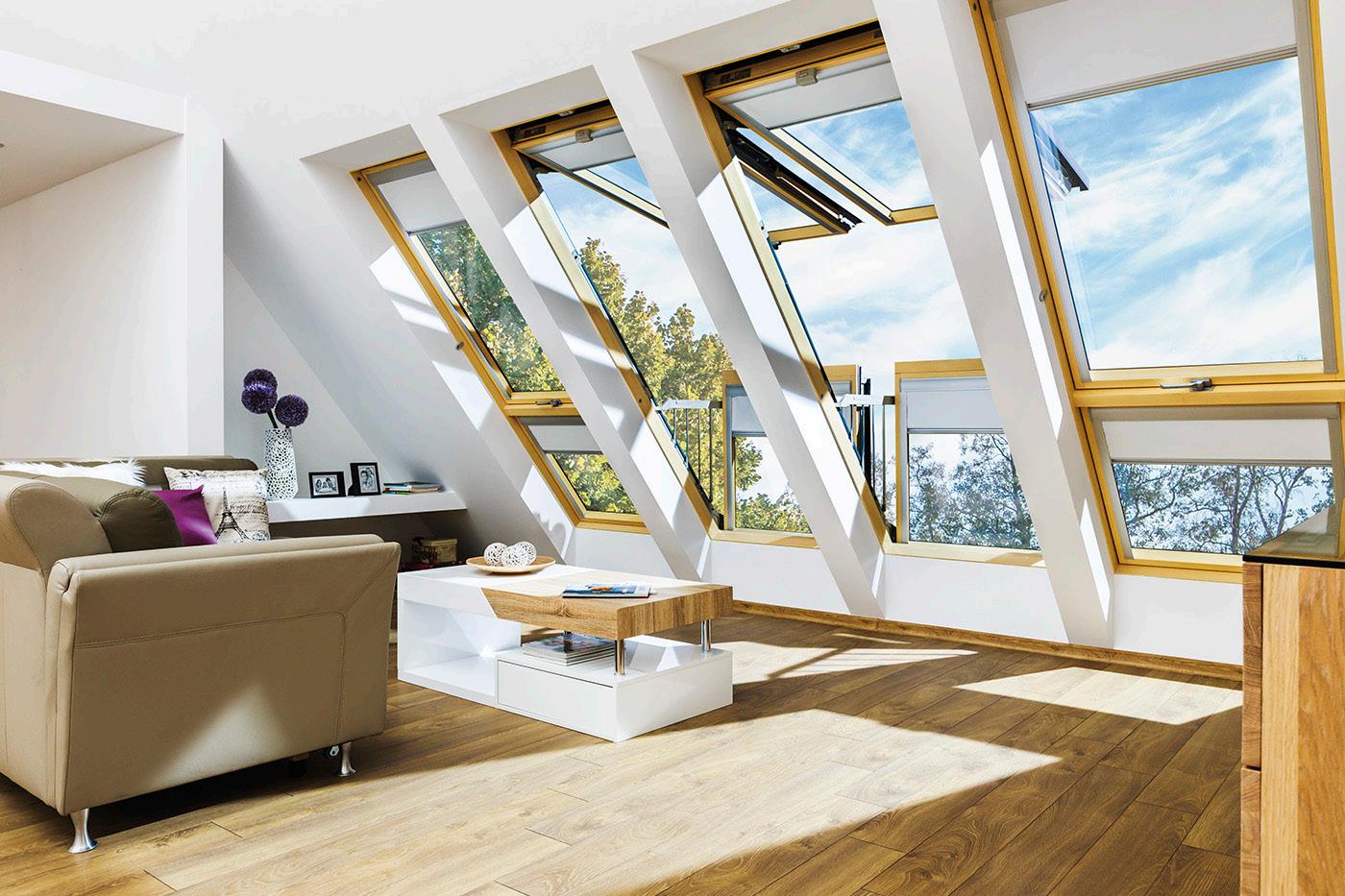
6. Can be designed for Attic.
Choosing Modern Kitchen Fittings For A Discerning Home
Akitchen is the heart of any home which makes it arguably the most important part of the house. It is therefore imperative that the accessories used in the kitchen should be designed for every aspect of life. Africa being an emerging market, it has started to experience new technologies that embody a modern Kenya. The introduction of modern kitchen fittings has revolutionized the African market and made it realize that utility and comfort can be incorporated in the same design. According to Anna Maliboho of Roco in South Africa, Africa has seen a steady increase in the average consumption of products as more and more customers acquire more information and education on how these systems work and why they should use this technology that is readily available to them. This has been made possible by the advent of the internet which makes information readily available for the consumer; as Mr. Philippe Mammone of Ixina in Germany mentions.
However, with every manufacturer looking to capitalize on the emerging African market, the market is now full of products; making the decision to go for a particular product very important. According to Phillip Richards of BluLine in South Africa, The key is to consider the functionality and ensure that everything has been thought through. The next step is to consider the materials and textures as you want the materials used to be authentic and offer that element of texture.
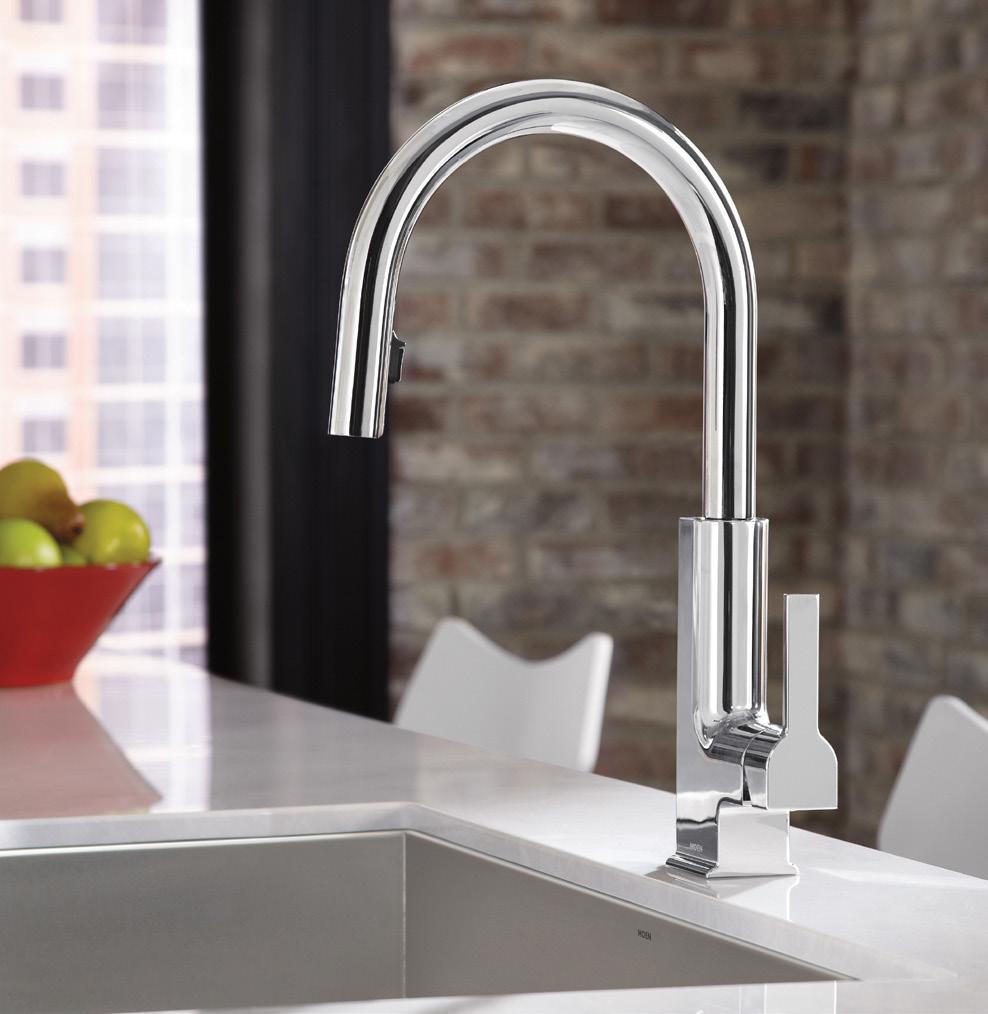
A good kitchen mixer has more to offer than just water, the same applies with kitchen sinks, they should offer you a solution to the mess under your kitchen sink.
Moreover, Mr. Andrea Giorgini Export sales Manager at Veneta Cucine in Italy adds that, the materials have to match perfectly the style of the house, and the designer must have the ability to enhance the space with the right colours, finishes and elements.
Kitchen Mixers & Sinks
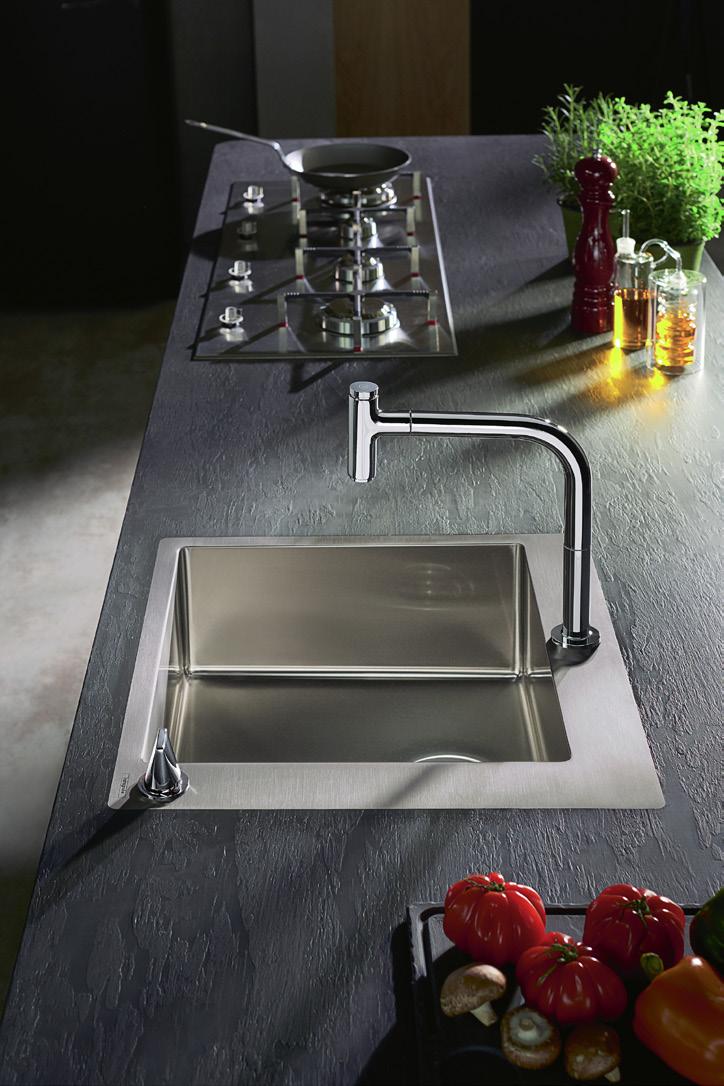
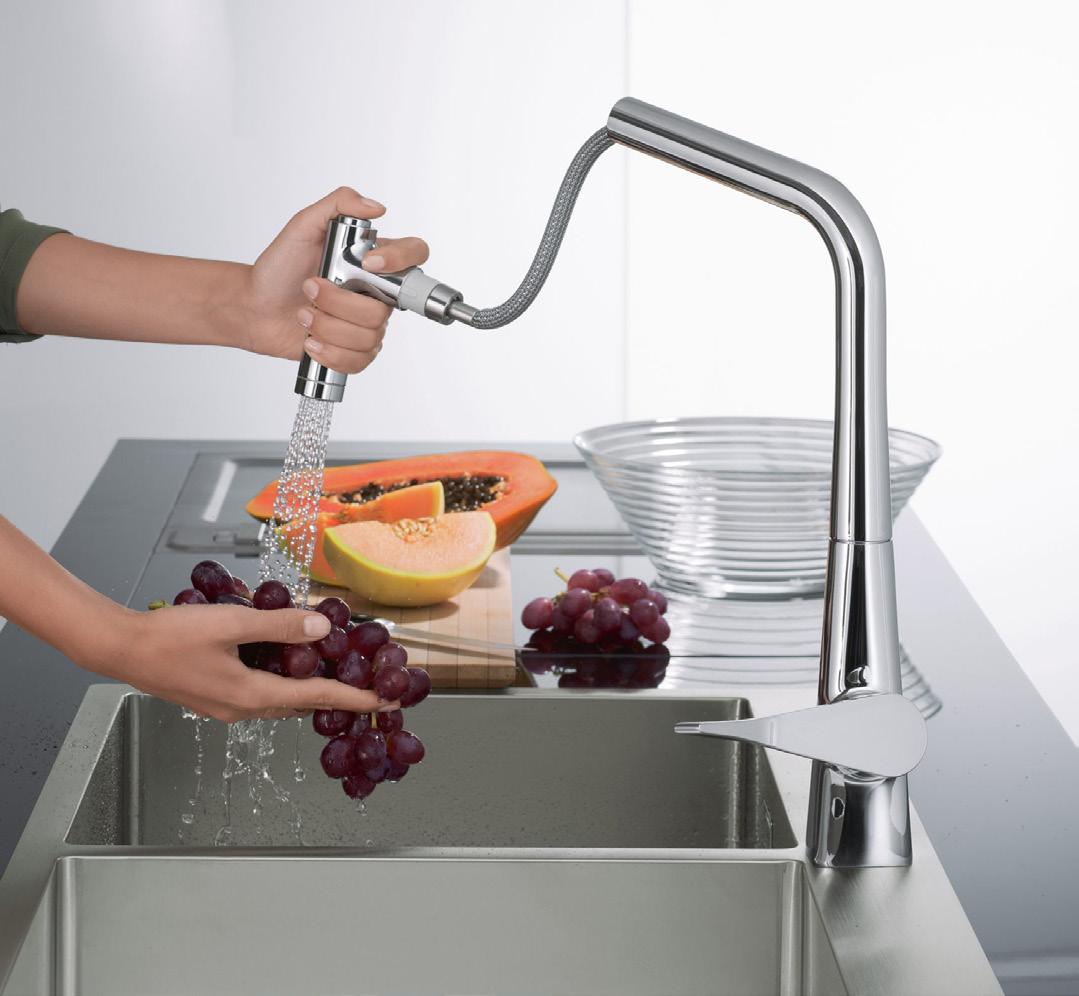
A good kitchen mixer has more to offer than just water, it can be used for instance as a pull-out spout to fill pots or water plants on the cupboard. The same applies with kitchen sinks, they should offer you a solution to the mess under your kitchen sink. Mr. Brian Ombego of Hansgrohe in Germany mentions that, when it comes to selecting the right basin mixer, quality is essential because you do not want to replace your mixer every few years. “Functionality is also paramount; like the select button makes it easier to turn the water on and off, including using the back of your hand or elbow,” he adds.
Kitchen Faucets
A kitchen is the environment where both comfort and functionality have to co-exist. Therefore, when selecting kitchen faucets, it is essential to consult with the designer on which style to adopt. The choice of materials together with the design of the furniture and appliances can match or contrast but always needs to follow a rationality.
According to Emanuela Tavolini, GRAFF Europe Sales Director, good kitchen faucets represent the perfect combination between design and functionality. “Most of our faucets are in fact equipped with a revolving spout and a side spray. The faucets and side sprays provide different kind of water jets to make every day cleaning and rinsing operations easier,” she adds.
Mr. Mohammed Ataya, Vice President, GROHE Egypt, North and West Africa mentions that, there is a personal style and preference for everyone. “Our faucets from the Allure collection have clean, angular shapes and fit right into the growing fascination for faceted shapes in architecture and industry alike, with its amazing ‘Aqua window’. Each of our product is conceived based on our brand values of quality, technology, design and sustainability. Our state-of-the-art portfolio is developed in an integrated innovation process,” he affirms.
Cupboards
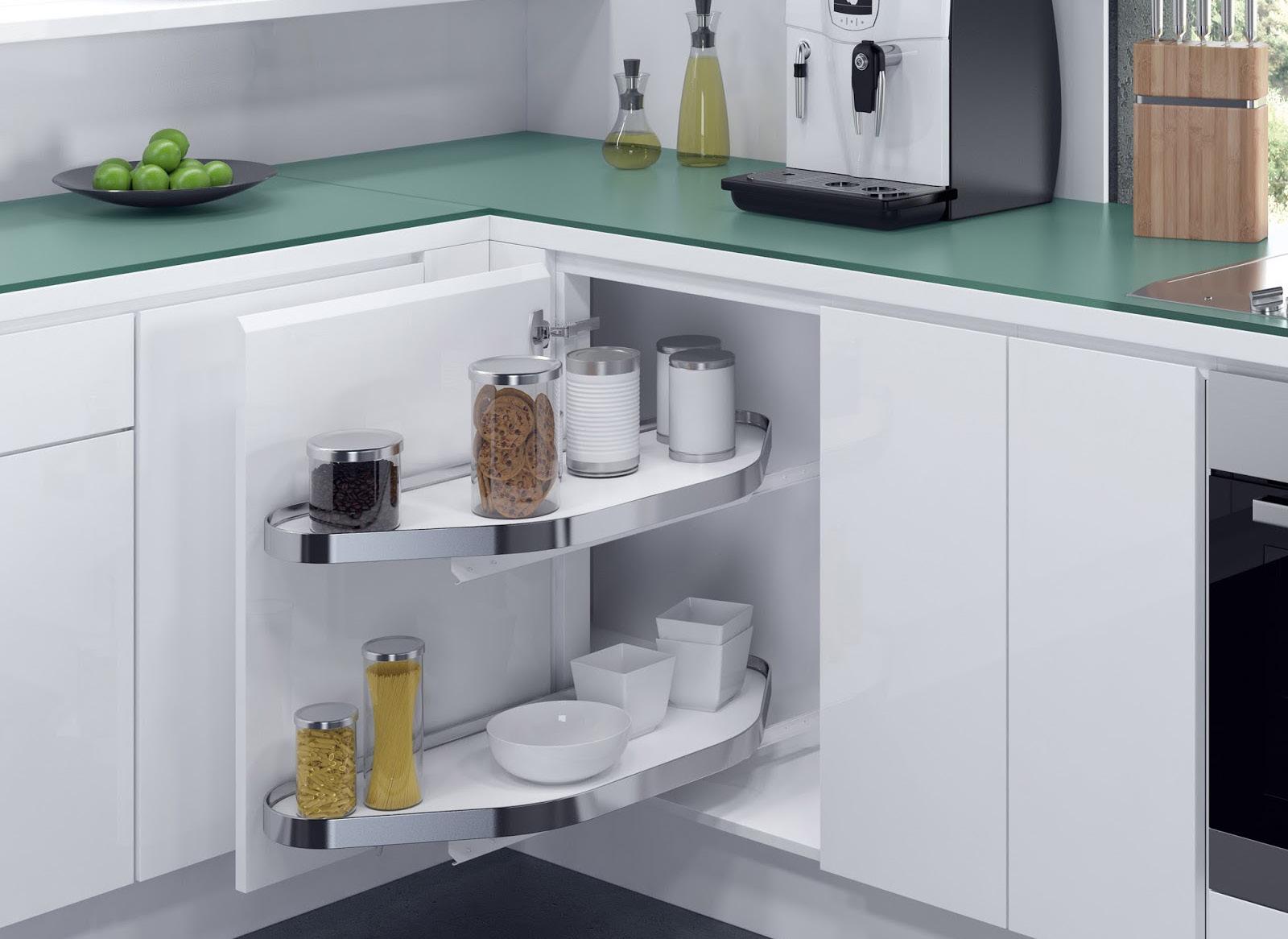
Advancement in technology has revolutionized how people use the kitchen spaces and furniture. With every home accommodating cupboard space, hinges are still the most effective way of articulating cupboard doors. According to Leopold Müllner the Export Manager at TZ Austria, there is a market for high end products. “We handle all the requirements from the market in terms of humid and temperature issues. We have a big range of different supporting materials which are moisture and water resistant and also have a UV resistance property,” he adds.
Ms. Maliboho of Roco mentions that, recent innovations in terms of functionality such as controlled movement of cupboard doors, closing via a dampening system all further add to the end user’s appeal, from Soft-Close mechanisms that prevent banging of furniture, Door to Door Folding Systems that enable space saving especially in smaller kitchens, right through to Push- to-Open hinges and mechanisms that also allow for one touch opening of furniture; not forgetting the AntiSlam Devices which can be fitted to dampen the force of closing surfaces thus preventing damage over time.
“These Slow-Motion and OneTouch technologies offer unrivaled efficacy compared to their counterparts in the market. Although these technologies may not be all new, but the advancement thereof makes our living spaces especially our kitchens to be ergonomically functional, preserve the life of the actual units and make use of space efficient and enjoyable,” she affirms.
New kitchen technologies should allow for infinite design options
Quality is essential when selecting kitchen sinks because you do not want to replace your sink every few years.
Handles
Every good kitchen needs great handles. The right handle selection and positioning can transform the look of your kitchen units, giving them an ultra-modern look.
“When choosing a handle, design certainly plays a primary role, but other aspects such as ergonomics, ease of grip, solid grip, ease of cleaning and absence of edges, should not be underestimated,” mentions Mr. Luca Frigerio of Citterio Giulio SpA in Italy.
Drawers
Kitchens have to withstand the rigours of everyday use. So it is important that they not only look good but are practical too. Modern kitchens not only offer trendy features and sophisticated looks but are also top in terms of functionality. They make everyday kitchen use fun. But buying a new kitchen can also be a bit of a challenge. The kitchen you decide on will last for 15 years or more, and it is often very difficult to keep an overview of the latest product innovations.
Blum from Austria has been investigating the needs of kitchen users around the globe for years and is continuously coming up with new ideas on how to make modern kitchens even more practical. Blum has identified the three key features of a practical kitchen: good workflows, enough storage space and top quality motion.
African designers are constantly looking for ways on how to create African designs. Especially these new technologies allows for infinite design options. According to Johan Joubert, the Managing Director at Grass in South Africa, the first observation in all kitchen furniture is that the only moving component in your kitchen is the hardware that is used. The cupboard and work surface is stationary, and do not determine the lifespan or functionality of the kitchen, but the moving parts give life and character to the kitchen area.
“Apart from good design and enough storage space, when you use quality and well functional products in the operational side of
When choosing a handle, design certainly plays a primary role, but other aspects such as ergonomics, ease of grip, solid grip, ease of cleaning and absence of edges, should not be underestimated.
EXPANDO T
Personalised furniture with thin cabinet fronts
Cooking, eating and living spaces are increasingly merging together. Open plan rooms and specially designed furniture are on trend – your own home must reflect your individuality. This is why new design innovations are in high demand! And new design innovations call for elegant solutions. With its Expando T, Blum offers a uniform fixing system for thin cabinet fronts allowing for thicknesses of just 8 mm for lift systems, doors and
drawers. This results in furniture that can be used throughout your whole living area.
More choice of materials: from wood to Corian
Fronts with remarkably thin designs, in materials such as wood, concrete, natural stone, ceramic or Corian, can make your dreams come true – meaning your new furniture is modern and tailored to you. All thanks to special fronts and Expando T from Blum.
For more information please visit www.blum.com
the kitchen it enhances and makes the time spent in the working area joyful and exciting,” Mr Snehal Bakrania of Hafele East Africa affirms.
Moreover, Tejash Majmudar of Hettich in India, further mentions that, the Avantech thin drawer system with Actro 5D runner is the latest in cutting edge technology. Drawer sides of Avantech are just 13mm wide in anodized aluminium with no holes or cover caps confirming to the puristic design demanded by discerning architects. 5 dimension adjustments can be made without any tools on the specially designed Actro 5D runners. “These are the only concealed runners in the world to offer up to 80kgs of weight carrying capacity,” he affirms.
Hangers
Hangers are used to speed up the installation of drawers in a kitchen. There are different configurations of cabinet hangers. They all do the same thing even though they might look different. Hangers come in pairs: One side screws to the cabinet, and one side screws to the wall. It just a matter of joining the two
parts together to hang the cabinet. According to Xabier Noguera of Indaux in Spain, apart from quality, style and flexibility, hangers also need to have the safety aspect.
Hinges
Hinges are used in every kitchen cupboard. There is a huge choice of types and sizes of hinges that have a variety of uses. Therefore, before replacing a hinge in your kitchen you will need to identify the specific hinge that you will need. According to Mr. Doğukan Çetiner of Samet in Turkey further adds that, North African countries are quite keen on brand and quality compared to other African countries. However, Middle and South African countries have also started to catch up, adding performance into the mix.
Outdoor Kitchen
An outdoor kitchen can be as simple as a grill, table and chairs, or as elaborate as a fully outfitted kitchen complete with built-in appliances and seating. However, according to Sandra Frylén of Roshults in Sweden, an outdoor kitchen should be just as functional as an indoor kitchen. Everything you can have
indoors should be able to be outdoors.
Incorporating interior kitchen ideas to your outdoor setting is a great way to add versatility, value and fun to your home. With so many different types of outdoor kitchens, designing the best kitchen for your family is very important.
Kitchen Appliances
The speed at which technology is developing is neck breaking. Everything now is smart, and the modern kitchen appliances have not been left behind. According to Valcucine in Italy the very first technology is still the human power. The handmade fittings are comparable to a real tailoring approach. “In the luxury sector finishings and details are crucial factors to obtain a modern and personal house,” he adds.
When it comes to choosing the right kitchen appliances for your kitchen, Mr. Burçin Girit of Bosch in Turkey mentions that, the customer has to look up the market to find out the recent trends and their availability.
hansgrohe –the heart of the bathroom and kitchen
Since 1901 Hansgrohe, leading innovator in technology and design has offered high quality, innovative and award winning design products to make the bathroom more functional, comfortable and beautiful. With their two brands, hansgrohe and AXOR, they promise to offer premium bathroom solutions that enriches customers lives – not only through the superior quality of the showers and mixers but also with the same quality backup service and technical support.
The iF awards is a global ranking system where international companies compete on innovation and design. Hansgrohe is currently ranked sixth globally above world renowned brands like Audi, BMW and Apple. Thus meaning that Hansgrohe as a sanitary ware manufacturer leads the industry and stands out head and shoulders above its competitors. Therefore we pride ourselves in the statement: Made by hansgrohe –designed for life.
Leading the industry not only with their designs, but also with innovative technologies like the SelectButton to improve ease of use, the iBox universal basic set making installation and renovation quicker and easier and the EcoSmart technology that requires up to 60% less water – just to name a few. To add a distinctive touch to the bathroom, products are also available in 15 exclusive special finishes in brushed or polished metallic shades. The PVD surface of special finish products is more scratch and detergent resistant emphasizing once again the long-term value of their products.
Hansgrohe’s service is world-class, from project consulting, bathroom planning, on-site service through to aftersales service with replacement products always available through our various channels
Offering bathroom solutions for 117 years, the same values will now also be transferred to high quality kitchen products. Transforming hansgrohe from only the bathroom specialist to the bathroom specialist AND the kitchen pro.
The kitchen has become the heart of every home, the social hub and place
where families spend a lot of time together. The aforementioned has led to new trends, especially when renovating or building, like the open plan kitchen forming part of the house, more colours and granite becoming more and more popular.
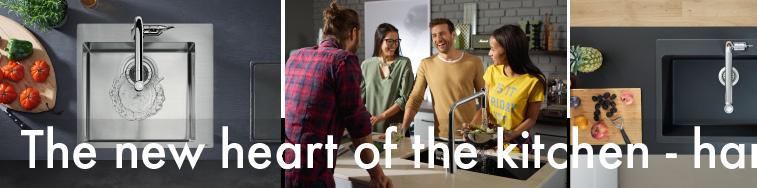
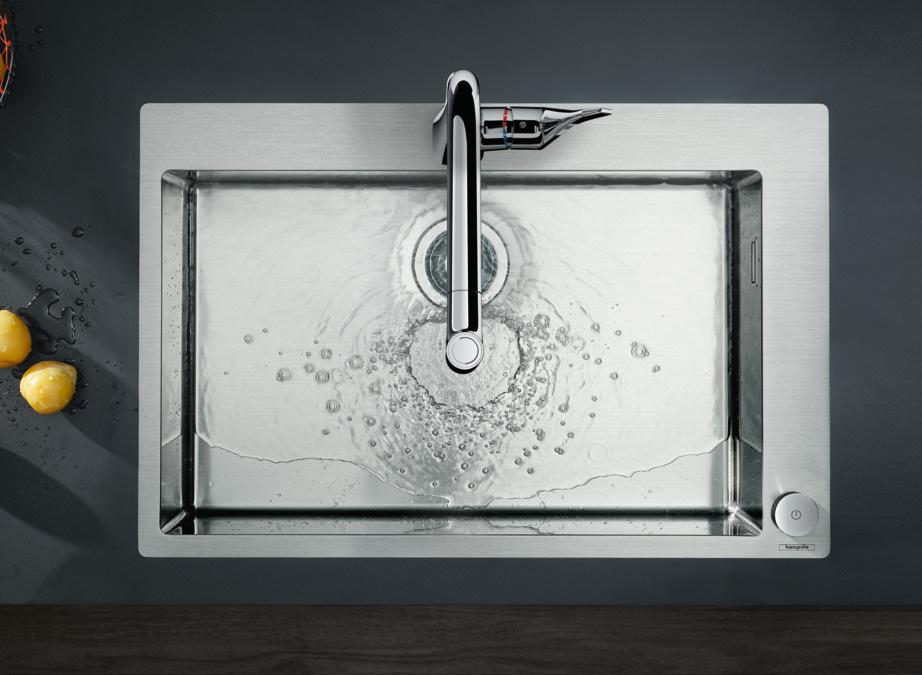
Therefore, hansgrohe quickly became the heart of the kitchen with their new offering of kitchen mixers as well as stainless steel and granite sinks. Whether in combination (sink and mixer) or alone it is the perfect product for your dream kitchen. The minimalistic design blends perfectly with the modern kitchen ambience, it is timeless with the wide design and hand-brushed L-shaped basin rim which makes the sink a real eye-catcher. It also offers individualization through choice of various sizes andthree different granite colours: graphite black, stone grey and concrete grey.
Two sink combis are available with two different, comfortable and intuitive, control concepts along with its perfect blend of look and function. The stand-alone sinks on the other hand offer different options for installation: build-in, under mount or flush mount and can be combined with any kitchen mixer to suit your needs.
Easier control and more freedom of movement is now possible with the new innovative kitchen mixersthat is equipped withthe Select technology and pull-out spout which also include the newest hansgrohe innovation –sBox.It is an inconspicuous flat box, which stows the hoses of the pull-out spray tap, keeping the cabinet under the kitchen sink tidy and adding an extra 20cm to the kitchen mixer hose.
“We are very excited about the expansion of our kitchen range, offering our customers not only high quality solutions for their bathrooms but also for their kitchens. The minimalistic design and aesthetic of the stainless steel and granite sinks will fit perfectly in any modern kitchen but still bring individualization. I truly believe that the new products will bring new life to the market.”Brian Ombego, Business Development Manager Africa
hansgrohe. Meet the beauty of water.
Save Operational Expenses With Comap’s Websupervisor 4.0
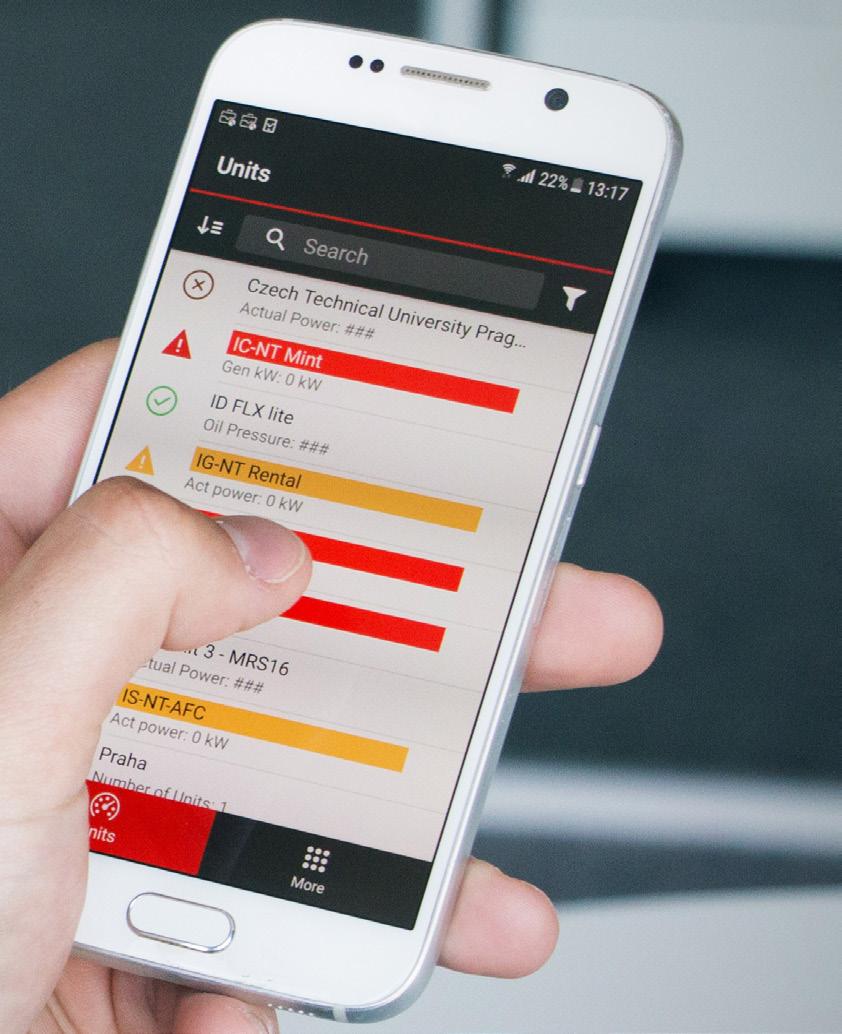
For more than 25 years, ComAp has been leading the way in providing intelligent electronic control products and solutions for power generation and diesel/gas engines. Now, trying to reflect the needs of the customers, it has completed its offer of genset controllers with a cloud-based system designed for remote monitoring and management of controllers via the internet – WebSupervisor 4.0.
The system offers many beneficial features that help optimize revenue for machinery fleets, be it of rental, packager, telecom or cogeneration companies. Providing an easy and instant access from PC, tablet or smart phone, WebSupervisor 4.0 enables 1 to 10000+ gensets to be viewed and individually monitored for all important operation values, bringing to use a set of advanced monitoring and control management tools (such as uptime monitoring, fuel theft monitoring or service scheduling), as well as analytical and reporting tools (fleet performance overview, efficiency improvements, and OPEX optimization).
Immediate access to all important operation values
Using a cloud-based fleet management, the customers can monitor their genset fleet remotely on-line and receive alarm-generated SMS or e-mails(based on programmed parameters) that enable them to identify the immediate status of the generator and react to the issue within a very short time, usually within 5 minutes (for example engine overloading, insufficient cooling). “Thanks to installed GPS card, the geofencing function is also available to ensure that the gensets are used only within the predetermined location thus functioning as asset theft prevention. Monitoring run-hours, fuel level and overall condition of gensets leads to reduced maintenance costs and improved fuel management (fuel theft prevention), are also on the list of WebSupervisor’s monitoring benefits,” says Lukáš Vajnar, ComAp Area Sales Manager.
Analytical and reporting tools for OPEX optimization, failure diagnosis or trend evaluation
WebSupervisor4.0 offers equipment owners many powerful reporting tools. Automated reports allow for convenient monthly summary of fleet revenue performance and costs. Typically used for produced kWh, engine hours and fuel consumed,the reports ensure that maintenance scheduling and asset utilization can be maximized for individual equipment and the whole fleet.The information generated from each controller can be archived on the central server for future analysis, failure diagnosis, operator usage or trend evaluation (controller history download feature). The Sampling Period feature then transforms WebSupervisor from merely a monitoring device to a device with the capacity to log transients and so helps diagnose performance and failure modes.
Specific
user access rights to ensure higher security
The flexible system provides a high level of security, with the central administrator able to determine users’ access rights for specific equipment within the fleet as well as appropriate information.
Higher efficiency of admin tasks thanks to data exchange with business systems Using an application programming interface (API), the system enables data exchange with customer‘s business systems (ERP, CRM, Logistics, BMS, etc.). This can result in the generation of automatic invoicing based on energy consumed, engine run hours, automatic deployment of maintenance teams based on
service data, automatic spare part ordering based on service timers, or alarms or displaying data from other systems all inside the WebSupervisor user interface – all completely configurable for the customer.
Websupervisor 4.0 capabilities proven in practice
The undisputed benefits of WebSupervisor 4.0, and the Lite version, which is complimentary for ComAp customers, have been tested in practice and confirmed by number of customers from around the world, all speaking highly about its capabilities.
“Remote monitoring of the equipment is a vital feature for our company and the unique monitoring capabilities of our controllers provided us with significant advantages compared to other controllers,“says Amr El Katamy, chairman of El Katamy pumps and generators rental company from Saudi Arabia.
“Thanks to alarm signals, we know exactly what is going on with the generator and can send a team to fix it.”
Thanks to its unique features, WebSupervisor has been selected also to ensure the reliable power supply for a night race of Formula One Singapore Grand Prix. “We needed a reliable control system for all 36 gensets,“says Behadir Celim, managing director of Genpower Generator, a company ensuring power supply for the race. “The consequences of failure are extremely big. When you have almost 2 billion watchers all around the world, you really need a world class technical equipment.”
HIGH PERFORMANCE Lubricants
The world of lubrication is one of diversity. Each machine, application and set of operating conditions demands a particular combination of lubricant properties and functions. These demands create the need for a broad spectrum of lubricant formulations.
In Africa lubricants are subjected to greater extremes in operating speeds along with wider temperature ranges. This increases the need for lubricants which can provide long life protection against friction, wear, rust and corrosion. Keeping pace with this technological progress manufacturers succeed where conventional products fail. The result is a full line of products that increase productivity, decrease downtime and extend the life of machinery while providing costeffective and trouble free maintenance.
Rewitec Company based in the central Hesse town of Lahnau any engine has metal friction and by adding an appropriate lubricant you can reduce the friction, reduce wear and by that save money.
He also adds that since the future is all about environment and cost saving, both should be addressed by the available products in the market.
The market constitutes big fleet owners as well as single equipment owners especially from the rental fraternity. Engine lubricants essentially help in reducing friction in engine parts, keep the machinery protected from wear and tear, thus cutting failure and downtime of machinery at job sites.
Every maintenance engineer in the continent wants a certain lubricant for a specific job for a piece of machinery’s vital components and moving parts. The lubricant must reduce friction as well as protect against acids, deposits, water contamination and wear in a range of harsh operating conditions. According to Derk Jan van der Veen marketing manager
Angus Macdonald, Vice President at LE International Ltd mentions that, there are profitable opportunities available in Africa for companies interested in investing in high performance lubricants. Substantial savings can be achieved by significantly reducing maintenance and operating costs by reducing wear, lubricant and energy consumption.
For example, energy savings of between 5-10% are possible by converting equipment to a superior lubricant. By extending lubrication intervals and equipment life, as well as significantly reducing wear, energy requirements, downtime and maintenance costs, the initial cost of LE lubricants is recovered many times over.
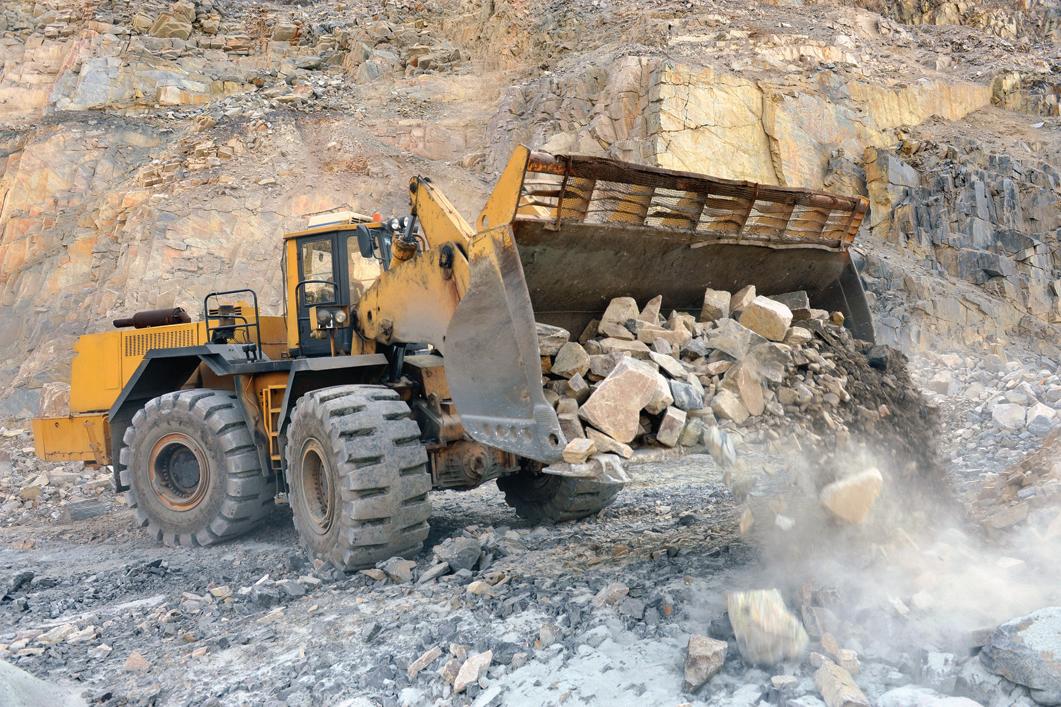
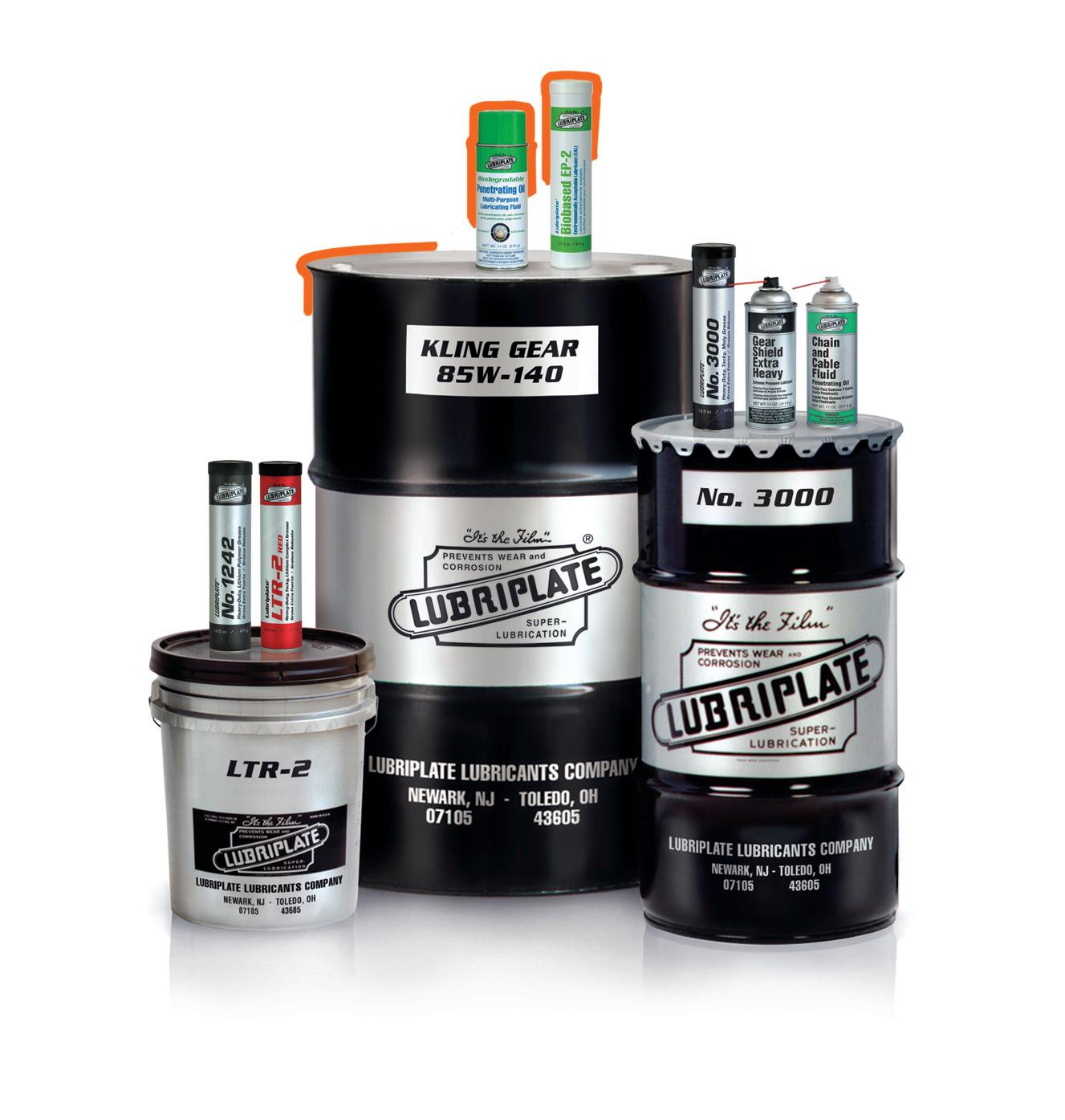
Engine oil being the blood of your construction equipment fleet, long hours and heavy loads take toll on the bearings and other moving parts in your diesel engines. It pays to use the most dependable, highest quality oils, lubricants and coolants to keep your construction equipment working. Therefore, according to Jim Girard of Lubriplate from Newark NJ, in the US, it is highly advisable to purchase lubricants that comply with the Original Equipment Manufacturer’s (OEM) generic lubricant specifications.
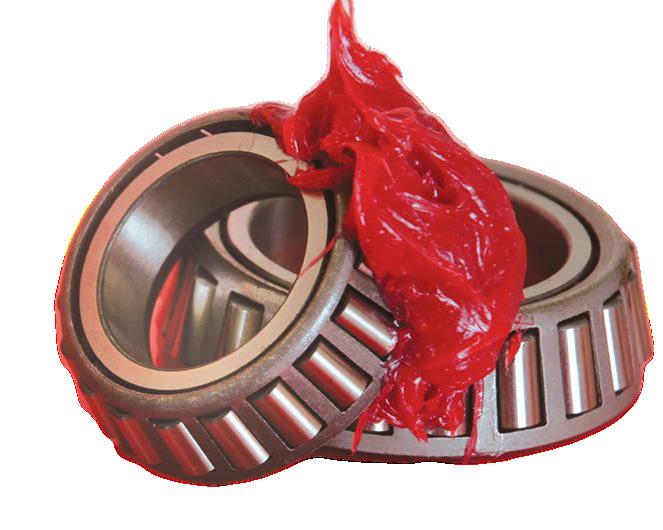
“Lubricants thickened with either aluminum complex or lithium complex and manufactured with heavy base fluids are the most popular products for heavy duty construction equipment. For example, LUBRIPLATE No. 1444 grease is aluminum complex grease with a heavy base fluid and it also contains additive to make it very adhesive. This grease seals out dirt, rocks and other airborne contaminants hence preventing bearing failures,” he adds.
Moreover, according to Robert Chaban of Sentinel Synthetic Corp from the US, 2nd generation of synthetic lubricants are gaining popularity around the world hence an increase in demand.
Lubriplate’s complete line of high-quality, high-performance lubricants has been formulated to deliver unsurpassed performance in a wide range of heavy-duty applications. They meet and exceed the performance specifications of most heavy equipment manufacturers and interchange directly with most OEM lubricants. Available products include...
Heavy-Duty Greases
Heavy-Duty Hydraulic Oils
Heavy-Duty Gear Oils
Greases for Open Gearing
ECO-Friendly Lubricants
Specialty Lubricants
Motor Oils & Transmission Fluids
The African Wastewater Treatment Market
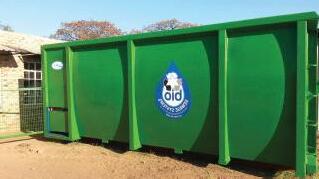
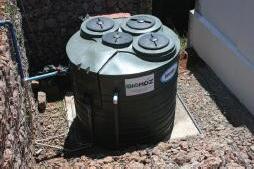
With almost two decades of experience in supplying waste water systems to organisations across Southern Africa, Bio Sewage Systems are now available direct to the end-consumer, enabling you to take advantage of proven technology that can be installed in almost any location, producing clean, clear, odourless water which is suited to a wide range of applications.
They have designed their systems to utilize simple mechanical processes, thus reducing and simplifying maintenance. Most spares parts are available from any hardware store throughout Southern Africa. The secret of their systems efficiency lies in the manipulation of natural processes within the tanks, rather than in expensive and complex pumps and blowers. In the past three years they have installed in excess of 50 plants throughout Southern Africa, and each one boasts positive feedback from the satisfied clients.
To support their commitment to conserving energy, helping to keep the environment healthy and reducing overall water consumption, the end result of their process can be used for irrigation, car washing, game watering holes, garden watering and more. Their multi-stage systems are designed to breakdown waste water using mechanisms inspired by nature, and by using a series of anaerobic, anoxic and aerobic reactors; their
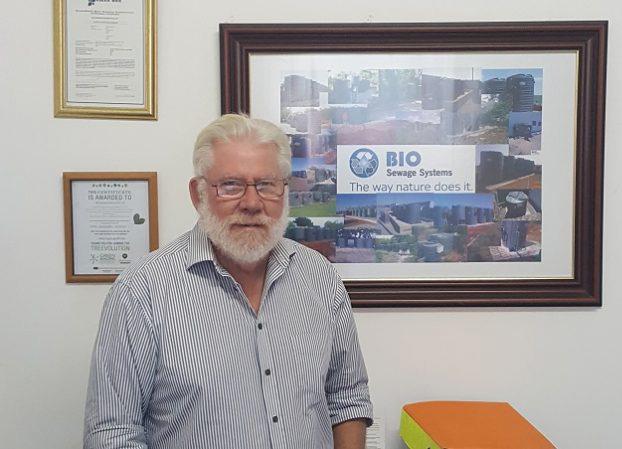
Leon Du Casse is the Managing Director of Bio Sewage Systems Pty Ltd. The company offers innovative waste water treatment solutions that help you to save water and do your part towards saving the planet. Bio Sewage Systems design, manufacture and commission innovative modular and/or mobile wastewater treatment systems for domestic, commercial or industrial application in Southern Africa and Internationally.
systems deliver effective and economical sewage treatment.
Bio Sewage Systems is not only simple, robust and environmentally friendly, but also has numerous benefits which are:
• low energy consumption,
• low plant maintenance; and
• production of clean, clear, odourless water, which is safe to be recycled for purposes of irrigation, watering holes for game, to suppress dust and to wash vehicles.
Construction Review Magazine had an interview with Leon Du Casse, Bio Sewage Systems Managing Director concerning wastewater treatment technology in South Africa and this is what he had to say about the industry.
CR: How does Biosewage see the South African wastewater treatment market?
Leon: The South African market is very big and it is getting bigger, with the population growing and municipalities not being able to keep up with this expansion on infrastructure the smaller wastewater treatment plants are an option on solving this
CR: Which are the most popular wastewater treatment methods being applied in South Africa currently?
Leon: I would think that the most common technology used is Sequential Batch reactors, but there are also many towns that use maturation ponds
CR: What are the challenges in the South African market in terms of installation, application and maintenance?
Leon: There is no shortage of people to do installations throughout South Africa, but there is a problem with the ongoing maintenance on these plants
CR: What do you think can be done to overcome these challenges?
Leon: The powers that be need to take responsibility for running and maintaining these facilities to ensure that the treated water meets the required standards and is reused responsibly
CR: How is the future of wastewater treatment in South Africa looking?
Leon: People are starting to realise that water is a very precious resource and we can’t survive without clean water, and that we need to start to plan for the next fifty years on how we are going to keep up with the fast growing populations needs for water and food.
Acid Brick or Acid Tile Linings
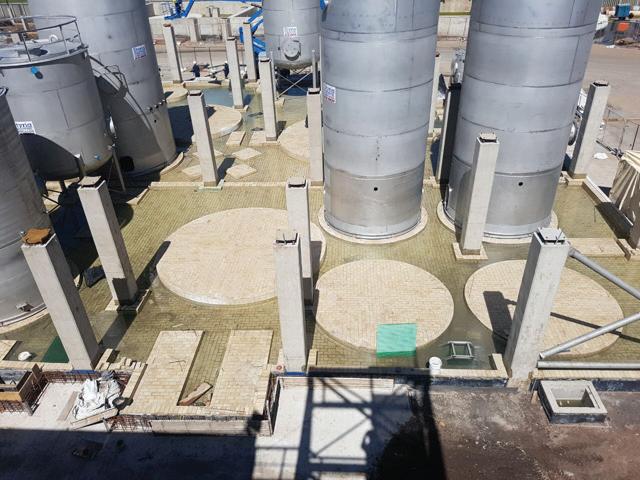
Basically, you are building a tank within a tank, by providing a belt and braces system comprising of a suitable Flexible Membrane (which is in-fact the Corrosion Protection Layer) and an overlay of Acid Resistant Bricks or Tiles that are set and pointed in a suitable acid proof mortar, providing mechanical damage protection to the Membrane, which is traditionally caused from routine maintenance (dropping of valves, pumps & tools etc.) and forklift / truck traffic.
In simple terms, a typical Acid Brick / Tile Lining system comprises of a suitable flexible membrane 1,5 to 2mm thick, Bedding Mortar 6 – 8mm thick, Acid Brick / Tile (15, 25, 38, 51, 65 & 76mm thick) and a Pointing Mortar between 4 – 8mm wide.
According to Vernon Botha the Managing Directorat Verni, it is highly recommended to work closely together with the Civil Design Engineers and Plant Operators to ensure that the correct information is provided upfront on the plant operation and chemical conditions to ensure that a suitable Acid Proofing system is provided. Then to ensure the correct concrete detailing is followed and catered for,
depending on the recommended Acid Brick / Tiling system.
“Most importantly is the placement of expansion joints, we highly recommend the Expansion Joints are formed between the bund wall up-stands, this eliminates expansions joints on the floors, where the acid spill will take place and be left for a considerable period of time,” she adds.
Acid Proofing
When it comes to Acid Proofing, this always tends to be an oversight from design stage and when finally confronted, there is never enough left in the budget to apply a 100% suitable Acid Brick / Tile Lining acid proofing system to accommodate the chemical conditions, temperatures, mechanical damage and special detailing required.
This is when alternate systems are considered, namely; Resin Coatings / Resin Screeds and or FRP (Fibreglass) reinforced Lining systems. This is based on the reduced cost /m2, however it is not always suitable for long-term solutions where there are concentrated acids. Resin screeds and FRP Lining systems have their
places where they can be durable in diluted acid environment, but, where there is high concentrations of acids at high temperatures, there is only one long-term solution and that remains an Acid Brick / Tile Lining system.
Routine Maintanance
It is important to note, that All Acid Proofing systems require routine maintenance which is extremely important to ensure longevity. Expansion joints are the weakest point and need to be regularly maintained. Good housekeeping will ensure the life expectancy of any system.
VERNI offers the service of regularly inspecting the Acid Proofing together with the Plant Managers to ensure any damages are identified and repaired ASAP.
Established in 2001, the company specialises in supply of material and specialist installations of acid proofing and corrosion protection systems for concrete, epoxy and polyurethane floor coatings, resin screeds, concrete repair and structural carbon fibre reinforcing, expansion joint bandaging and sealing and construction chemicals.Verni’s head office is based in Jet Park, Boksburg, Gauteng.
Mitigating Commercial Kitchen Fire Risks
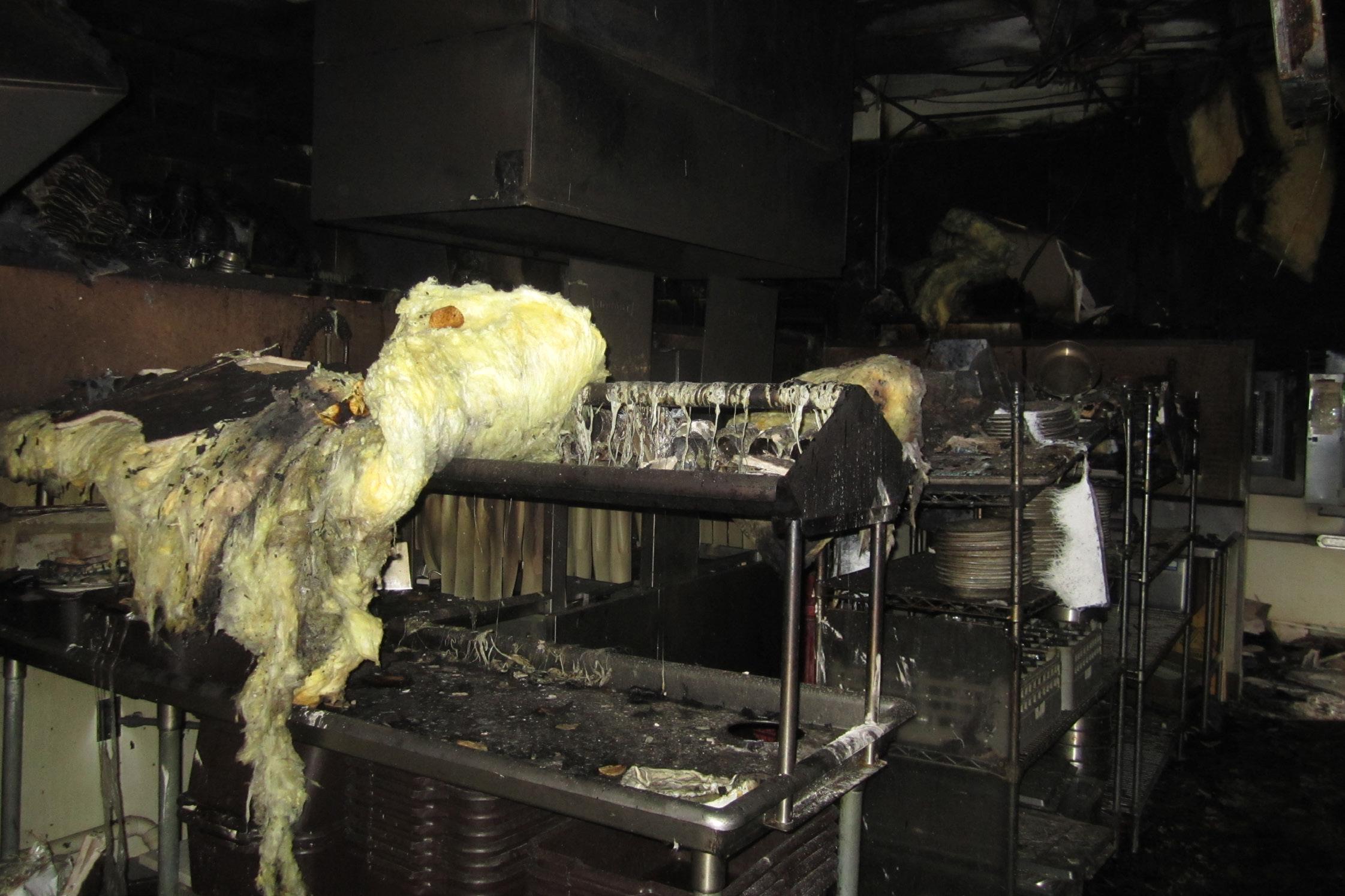
Neglecting best practice in fire suppression can lead to a situation like this
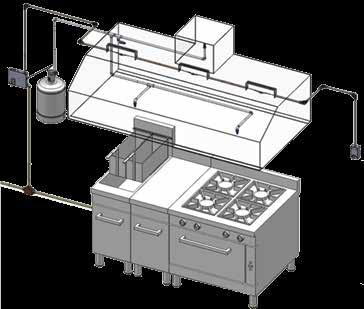
By basing the procurement of fire suppression systems for commercial kitchen purely on low cost, a food business owner could end up paying a very high cost. It is prudent to make a decision that prioritises the safety of the equipment above everything else.
What makes out of control fire in a commercial kitchen very hazardous is that it occurs when least expected. Imagine the agony of seeing equipment in which you, as a discerning food business owner has invested millions to purchase and install being gutted, fatalities to employees and diners, loss of potential revenue to a food business. To add insult to injury, you would bear the burden of expensive unscheduled repair and replacement cost, above and beyond, the prospect of facing litigation for negligence.
The buck stops with the business owner
While the Occupational Health and Safety Regulations make installation of fire protection equipment in business places obligatory, there is no official law in Africa that makes it mandatory to have a kitchen suppression system in a commercial kitchen. However, the entire buck stops with the owner of the business to take full responsibility for consequences of laxity. The good thing
is the risk of fire in kitchens can be managed with the right intervention like fire suppression systems, thanks to modern technology.
Primary sources
It is only thorough assessment of the risks that a company faces that the correct intervention can be sought. Nonetheless, first, it is important to be aware of potential causes of kitchen fire.
In a discussion on how to eliminate fire threats in a commercial kitchen, Kirstie Ricketts of Fireco, a South African fire protection firm, identifies the following as primary sources of blazes in commercial kitchen: the deep fryer, the oven, the trash disposal and the lights. Particularly singling out the risk in fryers, he illustrates, “Fryers, for example, use flammable cooking oil that can result in grease build-up in hoods and ducts. If that buildup ignites, it can quickly cause a fire that spreads through the kitchen and beyond.”
The Dilemma Of Choice
What makes fire safety all the more complicated is that there are a variety of appliances and cooking methods typically used in a confined space. As a result of this situation, clients are faced with the dilemma of choosing a right solution.
The Priority
In its guidance on fire systems, Advanced Fire Suppression Technologies advises: “Normally the first step when selecting a fire system to protect your assets will be to perform a hazard analysis, and identify the equipment to be protected.”
Then, the next step is to find suitable fire suppression equipment and establish whether it meets the required standards. It is worthwhile to purchase the best products, not necessarily the cheapest product. In fact, price should not be the sole determining factor. The initial investment in effective fire suppression equipment might appear forbiddingly high, but the long-term gains are immense, when downtime costs and loss of revenue are taken into consideration.
Current Preference
While preferences vary, indisputably, pre-engineered automatic systems that can both rapidly detect and suppress a kitchen fire before it rages, without manual intervention, are considered most effective. Most
Defender Hpfc.pdf 1 5/15/2018 1:03:06 PM
importantly, it is sensible to choose fire suppression solutions that can be implemented in commercial kitchens that not only meet the new guidelines, but also are fit for purpose.
The Convenience Of One Service Provider
Rickets recommends getting all services from one service provider, encompassing design, installation and servicing of kitchen firesuppression systems, is very convenient. Indeed, considering the level of risks in a typical commercial kitchen, the business would need expertise in consistent hazard classification, performance testing, and service and maintenance guidance.
Demand Set To Grow
Given increasing level of awareness about fire suppression from kitchen owners, coupled with increased vigilance from authorities, one can put their wager on the demand for fire suppression in the commercial kitchen market niche growing in the coming years.
Relating to demand, one big factor is the modern shopping malls are being built in African countries, in which popular food franchise businesses are among the anchor tenants. Hopefully, this will occasion increase in the demand for fire suppression equipment.
Flowcrete: For The World At Your Feet
Flowcrete South Africa is the leading manufacturer of polyurethane, acrylic and epoxy resin floor coatings and specialist adhesives, mortars and grouts across the SubSaharan region.
With manufacturing and commercial centres in Durban, Johannesburg and Cape Town Flowcrete South Africa is well placed to supply a wide range of innovative flooring solutions and specialty chemicals to both commercial and industrial sectors.
From self-smoothing and decorative epoxy resin flooring through to high performance vinyl ester coating and lining systems, Flowcrete South Africa is confident that it has the perfect flooring system to innovatively transform any environment at ground-level.
Flowcrete South Africa's ambitious and dedicated team is inspired by excellence in people, products and service as well as continual innovation and sustainable growth. Flowcrete continues to use its global expertise to introduce environmentally friendly, hygienic and aesthetically attractive floors to create a better and more sustainable world.
Flowcrete has been dedicated to the pursuit of excellence in flooring for
almost 30 years and works globally, in accordance with our Group-wide mission statement, to achieve excellence in people, products and service. As the world's leading specialist flooring company with manufacturing plants across Europe, the Americas, Asia and Africa, a global commercial and sales support team and the backing of a major multinational manufacturing group, Flowcrete are well placed to provide the same high standard of product and service across the globe.
Their research and development laboratories are constantly innovating new products and improving existing ones to ensure that our clients benefit from the best in modern flooring technology.
The manufacturer's commitment is to pioneer greener flooring products that adhere to our policy of environmental protection as well as introducing automated installation methods that keep us at the forefront of our industry."
Flowcrete's international client base is spread across a diverse range of market sectors and includes blue-chip brands such as NASA, Lufthansa Technik, BAA, Nestlé, Kraft, Coca-Cola, AstraZeneca, GlaxoSmithKline, Jaguar, Bentley, BP, LG and Sony as well as Wembley Stadium, O2 Arena and Dubai, Kuala Lumpur and Hong Kong International Airports.
"Pile foundations work can only occur in the affected area when the platform has been fully reinstated and approved for use by a competent person."
MAINTENANCE OF A PILING FOUNDATION
Foundations provide support for structures, transferring their load to layers of soil or rock that have sufficient bearing capacity and suitable settlement characteristics. There are a very wide range of foundation types available, suitable for different applications.
Pile foundations are deep foundations formed by long, slender, columnar elements typically made from steel or reinforced concrete, or sometimes timber. A foundation is described as 'piled' when its depth is more than three times its breadth.
Pile foundations are principally used to transfer the loads from superstructures, through weak, compressible strata or water onto stronger, more compact, less compressible and stiffer soil or rock at depth, increasing the effective size of a foundation and resisting horizontal loads. They are typically used for large structures, and in situations where soil is not suitable to prevent excessive settlement.
Maintenance
As pile foundations carry a lot of load, they must be designed very carefully. A good study of the soil the piles are placed in to ensure that the soil is not overloaded beyond its bearing capacity must be carried out.
Every pile has a zone of influence on the soil around it. Care must be taken to space the piles far enough apart so that loads are distributed evenly over the entire bulb of soil that carries them, and not concentrated into a few areas.
It is recommended to usually group a few piles together, and top them with a pile cap ,a very thick cap of concrete that extends over a small group of piles, and serves as a base on which
a column can be constructed. The load of this column is then distributed to all the piles in the group.
Pile foundation rigs can be 120 tones in weight and 44 meters high, it is critical the rig remains stable while operating and during movement. To ensure rig stability a competent person, engineer should inspect the platform after it has been cWonstructed and approve it for use. The competent person should state in writing the platform’s maximum plant loading capacity and/or the specific equipment that it has been designed to support (see appendix B for a working platform certificate example).
Before using another rig other than the one designed for that platform, verify the rig is suitable for the platform. Due to weight to track area ratios, smaller rigs often have higher bearing pressures than larger rigs. Ensure no pile foundation works occur in areas where other site activities for instance trenching have affected the integrity of the platform. PF work can only occur in the affected area when the platform has been fully reinstated and approved for use by a competent person. The working platform should be monitored and maintained for the duration of the piling work to ensure it does not deteriorate and continues to function as originally designed.
Additionally piling foundation rig should be inspected at least once a year to identify defects and faults. To ensure the PF rig is safe for continued operation it should be inspected and tested based on the rig’s age, usage and known critical wear areas or components. In the absence of verifiable records of previous maintenance, inspection repairs or modifications, the PF rig should be assessed to its suitability from continued service.
•
•
•
•
•
•
•
•
/ With Fronius PV-Genset solution, you can combine your existing diesel generators with photovoltaic technology easily, saving fuel, minimizing energy costs and ensuring a reliable power supply in the process. Contact us pv-sales@fronius.com.
Hi-Tech Decorative Cementitious Surfaces For Prestigious Spaces
Very often people associate lowcost projects with ugly projects. Why can’t a low-cost solution be beautiful?
Ideal Work mission is to create beautiful and innovative surfaces at an affordable price. Having completed impressive projects in over 80 countries world-wide, they are very convinced that it is possible to plan projects with a modern and pleasant design without increasing the budget.
Ideal Work is a European leader in the production and development of decorative
cementitious finishes. With an extensive range of high quality and technologically innovative systems, Ideal Work offers the possibility to create luxurious wall and floor finishes for both interiors and exteriors: residential, tourist, hospitality, commercial, public, private, institutional or cultural.
The decorative concrete is a perfect example. Instead of selling a ready-to-use surface as ceramic tiles manufactured in Europe or in China, it is possible to use local and low cost material as concrete, then train local workers with modern techniques, at the end thanks to Ideal Work products which turns everything
into beautiful, durable and colorful surfaces. All this is possible reducing up to 90% of the costs, creating skilled labor in Africa and giving architects the ability to customize projects in both form and color.
Through passion and know-how, Ideal Work has been able to transform cement that most industrial of materials, into a versatile, adaptable and attractive option for creating very aesthetically pleasing yet durable finishes. Ideal Work also offers certified application skills training and has a full technical and sales support structure for its clients.
20 years of innovative surfaces
Selecting the Right STORAGE SYSTEM for your Warehouse or Cold
Store
By Alan Moule and Ron Bonthuys
This can often be perplexing, with personal experience (or lack thereof), advertising, word-of -mouth recommendations from others including salesmen, and many other influences at work.
For the sake of this article we will consider only unit-load storage ie. Palletised goods, although some of the comments will equally apply to bulk, cartons, small parts, etc.
Considerations
The first major consideration to take is whether you will be making due with existing premises, or do you have the freedom to build a new facility from scratch. If the former, then you are clearly limited to working within the confines and limitations of such premises. With a new build you have the opportunity to plan it right from the start. Huge advantage.
We will assume the latter, although the following will also apply to existing buildings within the limitations mentioned.
The first question to ask is whether the product is to be stored at ambient temperature, or chilled, or frozen?
Other important considerations are type of product, product mix (number of different items, or SKUs), shelf-life or importance of stock rotation, susceptibility to damage, need
Proper planning should be made in the construction of storage systems for warehouses or cold storages.
for order picking of individual items and to what extent, and many others.
How essential is it that you make optimum use of available space?
This refers to volume and not just the square area. If you have very little product, and huge areas to store it, then the simplest solution is to just dump it on the floor. This of course is hugely wasteful and inefficient by any measure you apply. So the next step, almost invariably applicable, is to use racking of some kind. This is where analysis and application of the relevant data is required.
Virtually every new facility is required to squeeze in as much product as possible for obvious reasons and to meet this criteria, there are multiple choices of ‘hi-density’ racking systems available on the market.
How high should you make your building?
Bear in mind, when doing your financial sums, that it is volume you need to consider, not just area, since this is what you’ll ultimately be paying for, especially in the case of cold and freezer stores.The higher the better, from a cost-per-pallet stored perspective.
Common Preferences
The following are some of the systems commonly considered:
• High Bay systems
Many stores around the world use hi-bay Very
Narrow Aisle,VNA rack systems, which can be up to 30metres tall. This is fairly efficient in terms of space utilisation, and moreover allows selective access to every individual pallet. However, flexibility is compromised when the racks are used as the support structure for the building, an increasingly popular application and once built the system is restricted to only the specific size and weight of the loads it was originally designed for.
Such systems are also costly, and involve lengthy construction times, specialised handling equipment, and a high level of automation to work really well. There are medium high systems, up to maximum 15metre high, and operable with free-ranging equipment such as Reach-trucks. These include:
• Double-deep racking
This system is very popular in USA and Australia but is hardly ever used in South Africa, due to the specialised handling arrangements needed, the slow and unwieldy operation, and the fact that every second pallet is behind another one and thus inaccessible until having removed the front one. First-in, first-out (FIFO) is made far more difficult to achieve.
• Drive-in racking
This is commonly used in South Africa for
products where multiple pallets of the same product can be stored with one behind the other in deep lanes on longitudinal rails instead of lateral beams, with little regard for selectivity or product rotation.
Theoretically, it is efficient in terms of space utilisation, in practice drive-in racks are usually ‘honey-combed’ with empty pallet spaces in attempts to respect the need for product or batch rotation.Operation is usually slow and cumbersome with FLT drivers needing to negotiate their way down the narrow lanes, and rack and product damage is high. As above, FIFO is simply not possible.
• Radio Shuttle systems
These are very similar in structural appearance with drive in tracks, consisting of deep lanes to store the pallets on rails, but instead of FLTs needing to drive into the rack, the system function is carried out by remotely controllable trolley-like shuttles which pick the pallet up and transports it as far back into the rack as possible.
Huge advantages over Drive-in are that each level can be a different product, and FIFO is easily achieved by inserting pallets in on one side and out on the other. ‘Honey-combing’ is also avoided by programming the shuttle to ‘shuttle’ pallets forward in the system during downtime ready for extraction at the other end. Shuttle storage is incomparably faster in operation than Drive-in.
• Powered Mobile racking
In this case, conventional adjustable pallet racking is mounted onto electrically powered mobile bases which run on steel rails precision laid and embedded into the floor. The racks are moved laterally by local or remote command to open up an access aisle for the handling equipment only where and when needed. This obviates the need for multiple aisles, which are just wasted space when not being actually used.
A vast advantage over other systems mentioned is the ability to access any single pallet individually at any time anywhere in the system. Moreover the systems remain flexible in terms of adjusting to suit changing needs, and can be used to store virtually any kind of product.
Other options
We have restricted ourselves to the foregoing main methods of rack storage, but those who are familiar with racking systems will be aware that there are other options available such as push-back racking, gravity flow or ‘live’ racks, and others. These however tend to be highly specific in terms of application, can work at only limited heights, seriously restrict product rotation, and are very expensive both to install and maintain.
Alan Moule is an expert from BARPRO and Ron Bonthuys is from SOUTHERN STORAGE-DEXION. Barpro’s and Southern StorageDexion’s experienced professionals are available to advise on all these, and other systems.
GLASS THAT SPELLS CLASS
Impala Glass Industries possesses both the industry experience and skill to retain a leading position in the industry across East and Central Africa. By enabling a strong network of glass industry specialists, they have developed a reputation that has made it a household name.
From a geographical standpoint, Impala Glass Industries Ltd has fostered a wide reach across East and Central Africa, and by working with professionals in the architectural construction sector - such as architects, consultants, interior designers and fabricators - the Company is ensuring an even more broadened footprint in the future.
Due to the Company’s strong network of industry professionals, its respected status continues to manifest in new business opportunities on the solid references of existing customers.
“We ensure that all of our activities in these various regions are in keeping with what we are trying to achieve with Impala brand
awareness,” explains Husein Hebatullah, Managing Director at Impala Glass Industries Ltd. “In order to achieve that, we often participate in exhibitions and events for professionals in our industry such as Architects Meet and many similar both locally and regionally.
“These events are interactive like seminars based on marketing through training approach, as well as trying to connect through social media with our target audience which has been quite successful for us over last couple of years.”
The company began humbly in 1958, opening with a small mirror manufacturing plant and facilities for glass processing. In 1967
there was a major installation for Impala Glass of toughening glass and automatic mirror manufacturing plants. The two plants were the first in Kenya, as well as East and Central Africa and aided the developments which would eventually lead to it becoming a household name.
“Once we were firmly in the market, it was all about looking ahead to build on our Kenyan industrial base. We moved into the realm of automotive products manufacturing in 1974 and by the turn of the century, the Company was ready and waiting with the latest technology and skills needed to be the leading glass processor in Kenya,”adds Hebatullah. Impala Glass’ growth has largely been made possible through a well-trained and sincere
The company’s ability to meet complex specifications and quality is wellrenowned
workforce over the years, committed to the production of quality products to meet customers’ needs.
“Alongside our exceptional employees, our success is intertwined with the support we receive from our dedicated dealers and customers. Combining that with our exceptional new product introduction skills over the years, we have proudly become one of the leading Kenyan brand in the region,” affirms the Managing Director.
Quality Requirements
As a family-owned Company, Impala Glass still retains its family-run feel and is managed by a strong team of professionals that operate under the leadership of Chairman, Mr.Saifuddin Hebatullah.
“We have developed ourselves over the years to provide a range of architectural glass offering, spanning across laminated, acoustic, energy efficient and bullet-resistant options” continues the Managing Director.
“Our team works closely with architects, consultants and contractors in order to ensure that supplies are in line with the specifications and quality for each project we undertake.The aforementioned product range is created through the support of our specialist professional services, including application design support and installation,” adds Hebatullah. He further states that, they most recently obtained a complete solution from design to production and installation of art glass, all found in their Estillo range.
The company’s ability to meet complex specifications and quality is well-renowned, with the Impala automotive manufacturing plant producing windscreens for anything from small cars to huge trucks. Currently its ranges cover more than 700 different windscreens, alongside products that include emergency door and side glasses.
“In order to achieve the best for our brand, we have a continuous improvement process for upgrading our machines and production processes. This includes the addition of new products to our portfolio, such as shower cubicles and a range of office and residential glass furniture,” asserts Mr Hebatullah.
Technological Improvements
Such continuous improvement strategies have been pivotal to the success of Impala Glass during its many years operating within the industry.
“We ensure that our teams are completely up-to-date with the latest technological advancements that we should be aware of. Intertwined with our improvement strategies is the need to monitor the ‘learning and development’ of both management and workforce teams, all of which adds to the culture of excellence that we have successfully developed at Impala Glass,” he says.
When it comes to successful overall Company development, Impala’s experience over the years has ensured the creation of a competent and efficient team to carry forward its renowned reputation. In order to select the correct talent and subsequently retain these members of staff, there are a number of processes in place in its HR department.
“At our company, we believe that knowledge is at the centre of everything we do, and because of that we train our management team to derive knowledge from data and market-specific information that they can implement into their work. They know how to then create plans that will be both sustainable and cost-effective within our
“We have instilled these values into each of our employees and this is how we like to do business. It is important to remember that none of our processes would work without the teamwork that holds us together, a factor that I believe also differentiates us in the market,” affirms the Managing Director.
According to Mr Hebatullah the company’s vision for the future is to continue with their employee-driven process, introducing the best technology and creating quality products for many years to come.
markets of operation, meeting budget targets and at the same time encouraging innovation within our Company,” affirms Hebatullah.
Market Relevance
The innate ability of the company to consistently better itself and its products comes from a policy of investing as much as possible in order to be both, competitive and relevant in the industry.
Within Impala Glass, there is a wellestablished, supply chain management process. Mr Hebatullah mentions that this has immensely assisted in the successful running of the operations and has allowed them to sustain to the promises made to the customer base in both Kenya and regionally. “Without a successful supply chain, our processes could easily halt at ground level and ultimately bring down our performance when it comes to meeting our customers’ needs,” he adds.
The Company is incredibly proud of its internally developed supply chain management processes, having gone through a journey of continuous improvement from its early days with a pencil and paper based system, to a data-driven and ever-evolving.
The team at Impala Glass demonstrates competence, courtesy, credibility, reliability, quality, value for money and perhaps most importantly, responsiveness to market needs.
Impala Glass’ growth has largely been made possible through a well-trained and sincere workforce over the years.