

ASTM E84-24 safety test certified by Middle East Testing Services (MET LAB), Dubai



Provides up to two hours of passive fire protection
Suitable for multiple substrates (Steel, Concrete, wood and gypsum board).

Easy to apply and can be overcoated with the desired shade
Eco-friendly & Low VOC
MANAGING EDITOR
FOUNDING EDITOR
Robert Barnes
Robert Barnes
DEPUTY MANAGING EDITOR
EDITOR - in - CHIEF
Francis Makari
Peter Nyangabyaki
EDITOR - in - CHIEF
PROJECTS EDITOR
Dennis Ayemba
Francis Makari
COUNTRY EDITORS
COUNTRY EDITORS
Uganda - Betty Nabakooza
Nigeria - Boladale Ademiju
Uganda - Betty Nabakooza
South Africa - Jimmy Swira
Nigeria - Boladale Ademiju
South Africa - Delilah Aisu
WRITERS, Pascal Musungu, Anita Anyango, Patrick Mulyungi
EDITORIAL TRAFFIC CO-ORDINATOR
Thuthu Klaas
WEB & GRAPHIC DESIGN
Gerald Oswald
WRITERS
Kiemo Teddy, Pascal Musungu, Anita Anyango, Patrick Mulyungi
Sales and Marketing Manager
Faith Mburu
GRAPHIC DESIGN
Austin Ombwa
ADVERTISING
Kenya: William Mutama, Lilian Khavosa, Joyce Ndamaiyu, Wendy Kinya
HEAD OF SALES AND MARKETING
William Mutama
South Africa: Thuli Nkosi, Winnie Sentabire, Angeline Ntobeng,
ADVERTISING
Kenya: Lilian Khavosa, Fred Okoth
Uganda: Nobert Turiyo, Selina Salumah Namuli
South Africa: Jacqui Nyangabyaki, Tshego Mokonyama, Rachel Molapo
Botswana: Dickson Manyudza, Gerald Mazikana
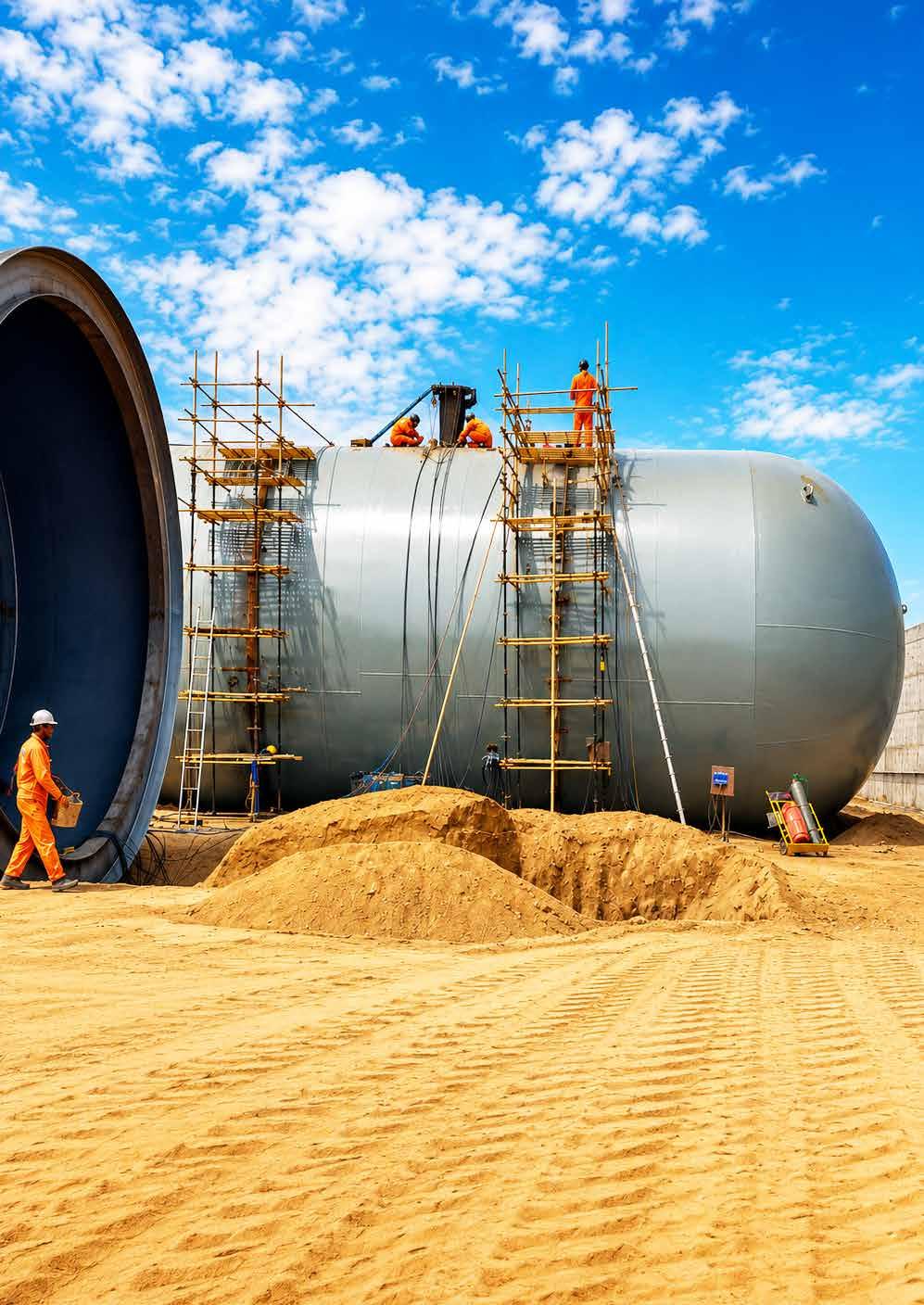
In less than a decade, Bayana Construction Limited has emerged as one of the most intriguing Engineering, Procurement and Construction (EPC) players in East Africa. Operating across infrastructure, energy, oil & gas, and geotechnical engineering, the firm represents a new generation of engineering-led contractors - lean, technically grounded and regionally ambitious.
Uganda: Nobert Turiyo, Selina Salumah Namuli
Ethiopia: Haimanot Tesfaye, Ruth Girma
Botswana:
Tanzania: Tom Kiage
Malawi: Anderson Fumulani
Ghana: Samuel Hinneh, Caleb Donne Hadjah
Zambia: Susan Kandeke
Zimbabwe: Chiedza Chimombe
Rwanda: Collison Lore
Nigeria: Seni Bello
China:Weng Jie
The editor accepts letters and manuscripts for publication from readers all over the world. Include your name and address as a sign of good faith although you may request your name to be withheld from publication. We reserve the right to edit any material submitted .
The editor accepts contributions for publication from readers. Include your name and address as a sign of good faith although you may request your name to be withheld from publication. We reserve the right to edit any material submitted .
Send your letters to: info@constructionreviewonline.com
Construction Review is published eleven times a year and is circulated to members of relevant associations, governmental bodies and other personnel in the building and construction industry as well as suppliers of equipment, materials and services in Africa, the Middle and Far East. The editor welcomes articles and photographs for consideration. Material may not be reproduced without prior permission from the publisher. The publisher does not accept responsibility for the accuracy or authenticity of advertisements or contributions contained in the journal. Views expressed by contributors are not necessarily those of the publisher.
Construction Review is published six times a year and is circulated to members of relevant associations, governmental bodies and other personnel in the building and construction industry as well as suppliers of equipment, materials and services. The editor welcomes articles and photographs for consideration. Material may not be reproduced without prior permission from the publisher. The publisher does not accept responsibility for the accuracy or authenticity of advertisements or contributions contained in the journal. Views expressed by contributors are not necessarily those of the publisher.
© All rights reserved.
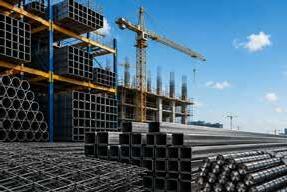
Driven by expanding infrastructure, rapid urbanization, affordable housing initiatives, industrial development and growing private-sector investment, steel has become a critical material shaping the country's built environment. At the same time, advances in local fabrication, stricter quality requirements and evolving procurement practices are transforming how engineers, contractors and developers specify and source steel.
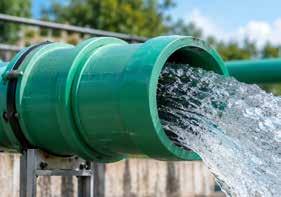
Growing demand for reliable water supply across residential, commercial, industrial and agricultural sectors has placed greater emphasis on well-engineered water piping systems. From pipe selection and hydraulic design to installation quality and long-term durability, every component contributes to efficient, safe and sustainable water distribution throughout a project's lifecycle.
54
South Africa
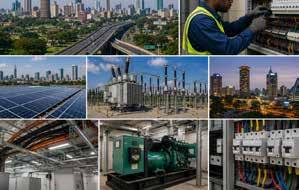
Kenya’s electrical and power systems sector is undergoing rapid transformation, driven by expanding grid infrastructure, accelerating urban development, and rising demand from industrial parks, commercial real estate, and large-scale public facilities. As construction activity intensifies across the country, the need for reliable, code-compliant, and energy-efficient electrical installations has become central to project planning and execution.
Mining and Construction News
Network
9 Poplar Rd, Riverclub, Sandton
Tel: + 27 83 5061626
Ethiopia
Haymi Advertising Services
22 Mazoria, Genet Bldg 4th Flr., Addis Ababa
Tel: +251 118 955 855,
Cell: +251 930 099 152
48
Ghana
Image Consortium
1st Floor, The Ecobank Building, Tesano.
Tel: 233(0)30 223 2728 I 233(0)274807127 I +233(0)206299159
Nigeria
Rahma Associates
B23/24, Aishetu Emoewa Plaza, 196, Iju Water Works Road, Ifako Ijaye Lga,Agege, Lagos. Tel: +234 1 7347860
Rwanda
Kolline & Hemed Inc., B.P. 3328
Kigali, Rwanda
Zambia Agent Dayflex Limited, Dedan Kimathi Road, Lusaka, Zambia.
Tanzania Woota Publishers
Dar-es-salaam
THE 27TH EDITION OF BUILDEXPO
KENYA will be held from 8 to 10 July 2026 at the Carnivore Exhibition Grounds in Nairobi.
Running daily from 10:00 a.m. to 6:00 p.m., the trade exhibition will bring together manufacturers, distributors, suppliers and buyers from the building and construction industry. Organisers expect exhibitors from more than 44 countries, with visitors from Kenya and across the wider East and Central African region.
The exhibition will showcase a broad range of construction products, equipment, machinery and technologies, while providing opportunities for business networking, product launches and discussions on developments shaping the construction sector in Africa.
Kenya
- Architectural Association of Kenya
- Institute of Quantity Surveyors of Kenya
- Institution of Engineers of Kenya
THE 20TH EDITION OF THE AFRICA INTERNATIONAL HOUSING SHOW (AIHS) will be held from 13 to 18 July 2026 at the Transcorp Hilton Abuja in Nigeria. The event will bring together housing developers, real estate investors, construction professionals, government agencies and financial institutions from across the continent.
The programme will include panel discussions on affordable housing, urban development, infrastructure, mortgage finance, alternative building materials and construction technology. An accompanying exhibition will showcase products and services from companies in the construction and real estate sectors, while live demonstrations will highlight new building technologies and smart housing solutions. Organisers say the event is expected to provide a platform for networking, knowledge sharing and discussions on emerging trends and opportunities in Africa's housing and construction industry.
- Association of Consulting Engineers of - Kenya
- Association of Professional Societies of East Africa APSEA)
- Kenya Property Developers Association
- Institution of Surveyors of Kenya
-Town and County Planners Association of Kenya (TCPAK)
South Africa
- ASAQS - SAICE
- South African Council for the Quantity Surveying Profession
- Khuthaza ( Women for Housing)
- Concrete Manufacturers Association
- Green Building council of SA
- South African Property Owners Association
- Master Builders South Africa
Uganda
- Institute of Surveyors of Uganda
- Uganda Institute of Professional Engineers (UIPE) & Uganda Society of Architects
Botswana
- Institute of Botswana Quantity Surveyors
Ethiopia
- Association of Ethiopian Architects
- Ethiopian Association of Civil Engineers
- Construction Contractors Association of Ethiopia
Zimbabwe
- Zimbabwe Institute of Quantity Surveyors
- Zimbabwe Institute of Engineers
- The Construction Industry Federation of Zimbabwe (Cifoz)
SOUTHERN AFRICA ECO INFRASTRUCTURE SUMMIT 2026 will be held in Victoria Falls, Zimbabwe, bringing together policymakers, developers, engineers and sustainability experts to advance environmentally responsible infrastructure across the region. The summit focuses on innovative approaches to resilient design, green construction and climate-conscious development aligned with Africa’s longterm growth priorities. Participants will explore solutions that balance economic expansion with environmental stewardship, particularly in energy, transport and urban planning. The event provides a platform for knowledge exchange, strategic partnerships and investment opportunities, reinforcing the role of sustainable infrastructure in shaping inclusive and future-ready economies in Southern Africa.
Ghana
- Ghana Institute of Engineers
- Architects Registration Council
- Ghana Institute of Surveyors
- Ghana Green Builders Association
- Ghana Institute of Planners
- Association of Building and Civil Engineering Contractors of Ghana
Namibia
- Institute of Namibian Quantity Surveyors
- Association of Consulting Engineers of Namibia Tanzania
- Tanzania Institute of Quantity Surveyors
- Construction Regulation Board (CRB)
- Tanzania’s Registration Board of Architects and Quantity Surveyors (AQSRB)
Nigeria
- Association of Consulting Engineers Nigeria
- Association of Professional Women Engineers Of Nigeria
- Council of Registered Builders of Nigeria
- The Nigerian Institute of Architects
- American Association of Petroleum Geologists Africa Region
- Nigeria Society of Engineers
- Nigeria Institute of Architects
- Building and Construction Skilled Artisans Association of Nigeria (BACSAAN)
Zambia
- Zambia Institute of Architects (ZIA)
- Association of Building and Civil Engineering Contractors (ABCEC).


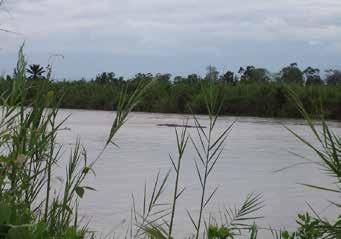
The long-delayed Ruzizi III Hydropower Project has gained fresh momentum, attracting renewed support from international investors despite ongoing security challenges in eastern Democratic Republic of Congo (DRC). Key backers include TotalEnergies and the Aga Khan Fund for Economic Development (AKFED), which are spearheading efforts to bring the project to fruition.
According to Africa Intelligence, recent progress has improved the project's prospects, with the coming months expected to be critical in securing the remaining financing required to achieve financial close.
Ruzizi III is a 206MW regional hydropower project being developed as a public-private partnership involving the governments of Burundi, the DRC and Rwanda, alongside private-sector sponsors Industrial Promotion Services (IPS), the infrastructure development arm of AKFED, and SN Power, which is owned by TotalEnergies. The project is being implemented by Ruzizi III Energy Limited, a special-purpose company established to finance, develop, construct and operate the facility. The hydropower plant will be built on the Ruzizi River, which forms part of the border between Rwanda and the DRC.
Once completed, the power plant will supply renewable electricity equally to Burundi, the DRC and Rwanda, helping to improve energy access, strengthen regional power integration and support economic growth across the three countries. The project is also expected to boost regional energy security, reduce dependence on fossil fuels and support industrial development in one of Africa's fastest-growing regions.
Tanzania is deepening private-sector participation in infrastructure development by opening six strategic road projects worth trillions of shillings to investors under Public-Private Partnership (PPP) arrangements.
The projects, announced through the Tanzania National Roads Agency (Tanroads), will be delivered using a DesignBuild-Finance-Operate-Maintain-Transfer (DBFOMT) model. Under this approach, private partners will finance, construct, operate and maintain the roads before transferring them back to the government at the end of the concession period.
Among the flagship developments is the expansion of the 246km Morogoro–Dodoma highway into a four-lane dual carriageway, strengthening the link between Tanzania's commercial centre and administrative capital. Other projects include the 42km Dar es Salaam Port–Kibaha Expressway, the 10km Dar es Salaam CBD–Julius Nyerere International Airport Expressway, the 384km Handeni–Kiberashi–Chemba–Kwamtoro–Singida road, the Chalinze–Segera–Tanga corridor, and the 27km Kitonga Bypass in Iringa.
The move reflects Tanzania's growing reliance on private capital to accelerate infrastructure delivery while reducing pressure on public finances. The projects are expected to improve connectivity, ease congestion, enhance road safety and strengthen access to key trade and logistics corridors, including routes serving the ports of Dar es Salaam and Tanga.
For the construction industry, the programme presents opportunities for contractors, consultants, financiers and suppliers across highway construction, engineering services, toll-road operations and long-term maintenance. The initiative also highlights the increasing role of PPPs in financing and delivering large-scale infrastructure projects across East Africa.
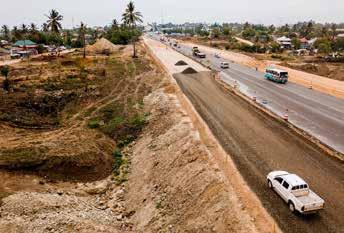

Construction of the Ksh154.2 billion expansion of Jomo Kenyatta International Airport (JKIA) is set to commence following the signing of a contract between the Kenyan government and China Road and Bridge Corporation (CRBC) in June.
The agreement was witnessed by Transport Cabinet Secretary Davis Chirchir and signed by CRBC General Manager Yu Xiaodong and Aviation and Aerospace Development Principal Secretary Teresia Mbaika.
The award follows months of procurement activities initiated after completion of the JKIA Master Plan in February 2026. According to CS Chirchir, more than 40 companies participated in a pre-bid conference held in April, where project requirements and scope were outlined to prospective bidders.
The contract brings clarity to a process that had attracted speculation following reports that the tender had been awarded to another Chinese firm, with claims that a Zimbabwean businessman was involved in the project team. The government subsequently dismissed those reports, as well as claims that the project was valued at Ksh375 billion.
Scheduled for completion within 36 months, the expansion project includes the construction of a new passenger terminal and supporting facilities, modernization of existing infrastructure, improvements to airside and landside operations, and measures aimed at enhancing operational efficiency and passenger experience.
Once completed, the project will significantly boost JKIA's capacity, increasing aircraft arrival handling from 25 to 31 aircraft per hour. Annual passenger capacity is also expected to rise from the current 7.5 million to 22 million, positioning Nairobi's main airport to accommodate growing regional and international air traffic demand.
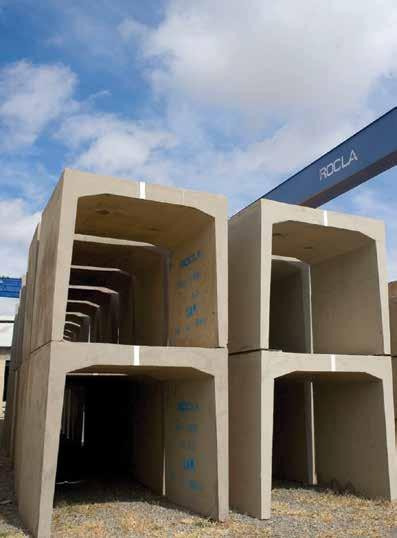
ROCLA is South Africa’s leading manufacturer of pre-cast concrete products.
Surpassing 100 years of product excellence.
• Pipes
• Culverts
• Manholes
• Poles
• Retaining walls

Including other related products within infrastructure development and related

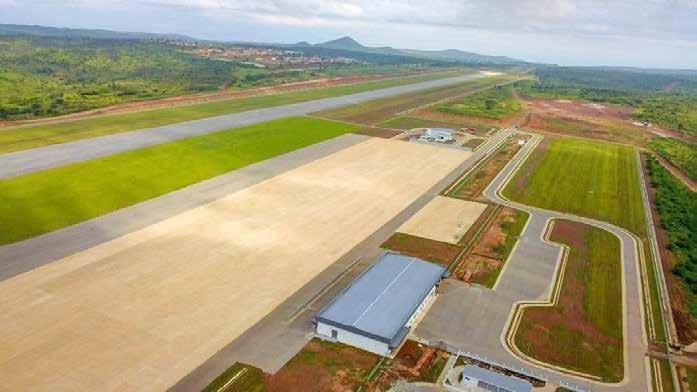
Uganda is on the verge of completing the first phase of the Kabalega International Airport project, with authorities confirming that construction has reached the final stages ahead of the planned handover at the end of July 2026.
According to the Uganda Civil Aviation Authority (UCAA), Phase I of the airport is now 98% complete and remains on schedule for completion by July 31. The announcement was made during the 53rd UCAA Board Air Services Licensing Committee meeting in Kampala by Acting Director General Olive Birungi Lumonya.
With the initial phase nearing completion, attention is already shifting to the next stage of development. Construction of the airport's passenger terminal building, which forms part of Phase II, is set to commence
in July after the contractor takes possession of the site. The terminal is expected to be completed by March 2027 as Uganda accelerates preparations for hosting the 2027 Africa Cup of Nations (AFCON).
Located in Hoima District, Kabalega International Airport is a key component of Uganda's broader infrastructure strategy to support the country's emerging oil and gas industry. The facility is being developed alongside the Kabaale Industrial Park and will provide critical air transport links for the East African Crude Oil Pipeline (EACOP) project.
Construction began in 2019 and was initially expected to take three years. However, the Covid-19 pandemic disrupted works, extending project timelines and increasing implementation costs.
Once operational, the airport is expected to improve regional connectivity by providing direct international access to western Uganda. It is anticipated to support the movement of personnel, equipment and cargo for the energy sector while also strengthening tourism, trade and investment in the region. Improved air access is also expected to unlock opportunities in agriculture and other key industries by reducing travel times and enhancing logistics.
The government is simultaneously pursuing upgrades to several other regional airports, including Kidepo, Arua, Gulu, Kasese, Kisoro and Pakuba, as part of a wider effort to modernise Uganda's aviation infrastructure and expand domestic and international air connectivity.
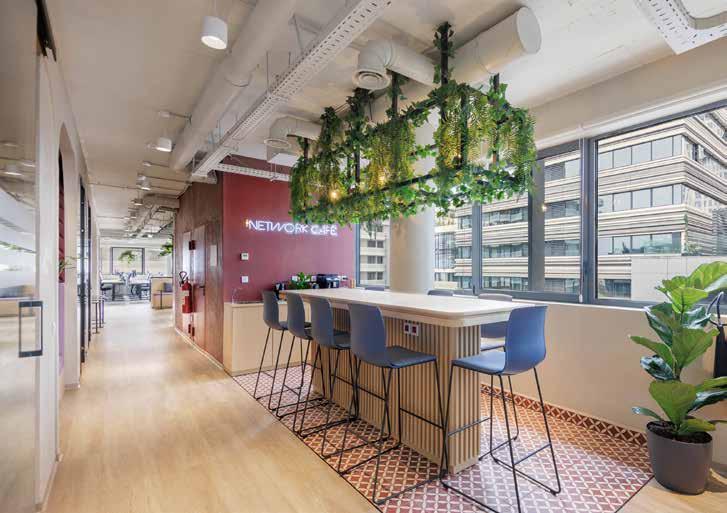
Anew report published by Turner & Townsend reveals that a combination of a rise in demand for premium, highly amenitised Grade A office space and a shortfall in supply in many markets is driving increases in fit-out costs across global cities.
The Global Office Fit-Out Cost Guide 2026, which analyses 58 cities worldwide, highlights how workplace expectations are evolving, with organisations investing in higher quality, more flexible and technology-enabled environments. While the report covers Nairobi, Lagos and Johannesburg, broader real estate evidence shows that similar trends, including a “flight to quality” and an increased focus on ESG and modern office design – are increasingly evident across major African markets. A key driver of rising fit-out costs is the changing role of the office and increased demand from occupiers for higher quality, more amenitised and sustainable workspaces.
With the normalisation of flexible working, businesses are placing greater emphasis on creating environments that bring people together. Offices are no longer just places to work, but spaces designed to support collaboration, social interaction and innovation. This is resulting in higher specification and customisable office fit-outs.
In a digitally enabled world, organisations are designing office spaces that integrate technology into the fabric of the workplace increasing the complexity of fit-out delivery. Across African markets, offices are being tailored to accommodate virtual working environments, including enhanced IT/AV technology and soundproofing. Global economic and political trends are also influencing fit-out costs across Africa. Reliance on imported materials and specialist equipment means many markets remain exposed to currency fluctuations and additional cost pressures.
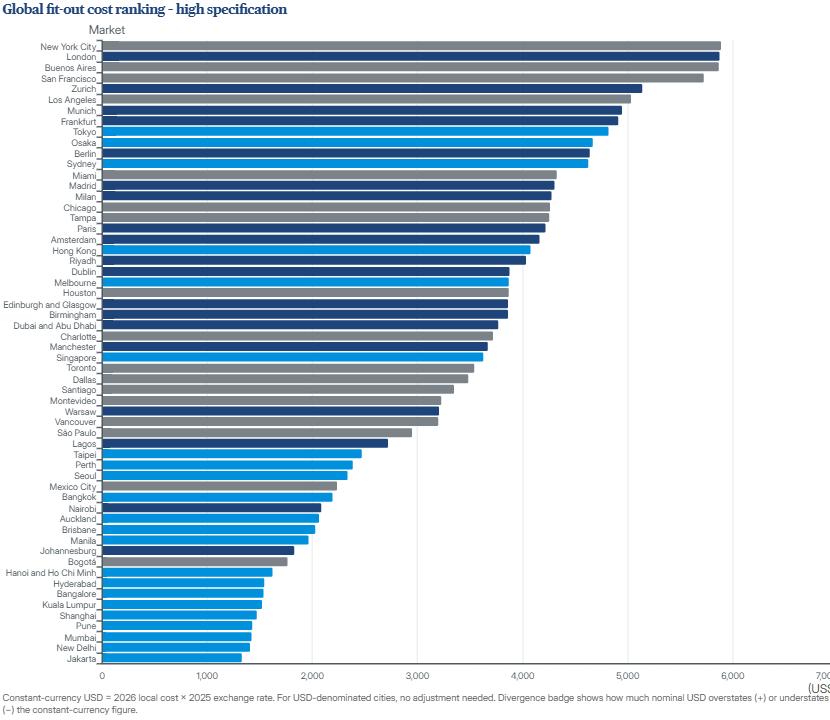
In some markets, these dynamics are particularly pronounced. In countries where the US dollar is the primary construction currency, import duties significantly increase overall project costs. Even with local sourcing of materials, specialist equipment such as mechanical, engineering and plumbing systems can face substantial cost increases. This is one of the factors contributing to variation across the continent, with Lagos ranking as the most expensive African fit-out market, with high specification costs reaching ₦3,774,935 per sqm (approximately $2,718 per sqm).
Land and stock availability is generally not a constraint in African markets, distinguishing the region from many global cities where shortages of premium office space are influencing occupier decision-making. However, in some high-demand locations such as Johannesburg where, on average,(high specification office fitout costs are $2026 per sqm), there are pockets of tightening supply, driven by large occupiers taking up new space, often for
call centres and local offices of multinational organisations. Across the region, markets are often characterised by more subdued occupier demand and an oversupply of space overall. Demand is concentrated in well-located, higher-grade buildings, with location and security playing a defining role in occupier decision-making.
Wendy Cerutti, Head of Real Estate in Africa, at Turner & Townsend, said: “We are seeing the same global shifts in occupier expectations reflected across Africa’s office markets. Organisations are placing greater emphasis on high-quality, amenity-rich spaces that support collaboration, wellbeing and performance. At the same time, the need to balance cost with long-term value is becoming increasingly important, particularly as projects become more complex and expectations continue to rise. For occupiers across Africa, early engagement, clear strategic planning and a strong focus on value will be critical to navigating these decisions effectively.”
Engineering-Led
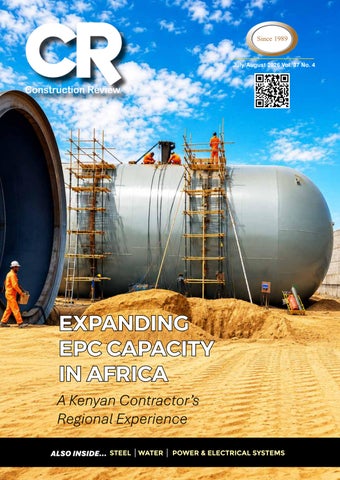
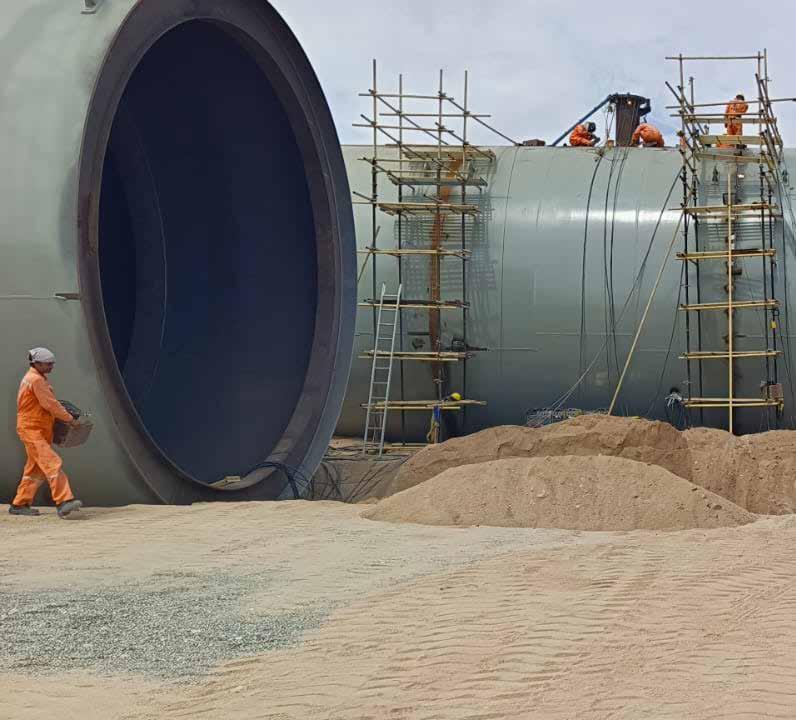
In less than a decade, Bayana Construction Limited has emerged as one of the most intriguing Engineering, Procurement and Construction (EPC) players in East Africa. Operating across infrastructure, energy, oil & gas, and geotechnical engineering, the firm represents a new generation of engineeringled contractors - lean, technically grounded and regionally ambitious.
At the centre of this growth is MAURICE KAGWI (pictured right), a Civil Engineer whose vision for Bayana began long before the company was formally registered. We sat down for an interview with the Engineer to understand what drives this robust growth.
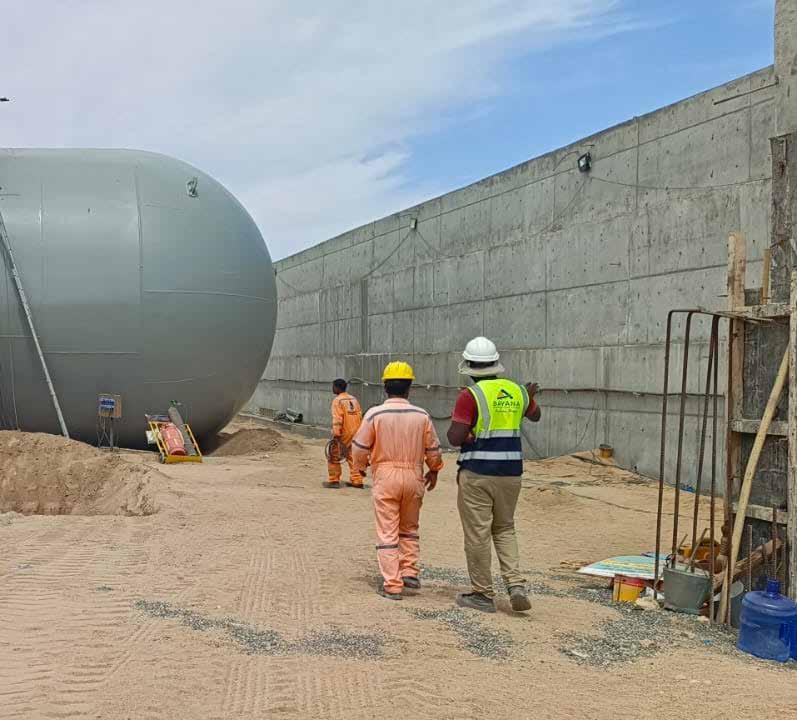
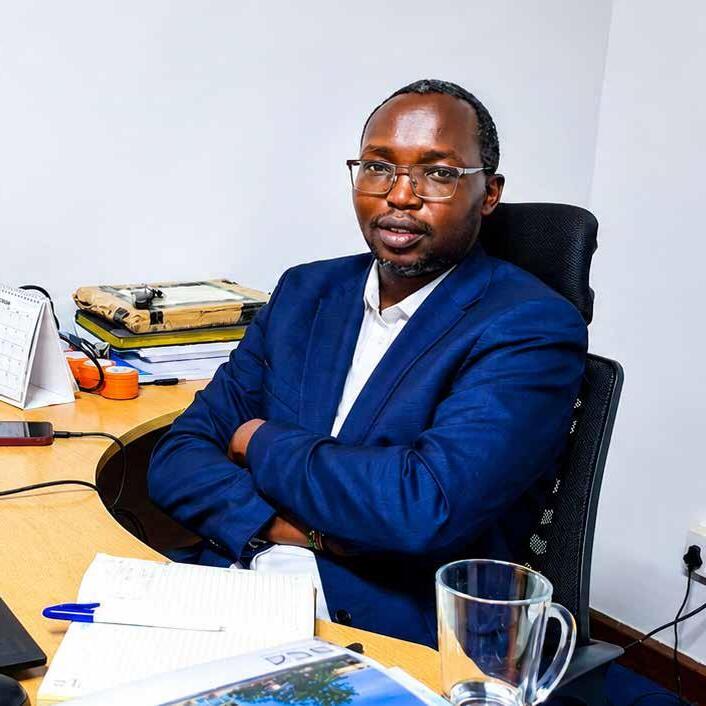
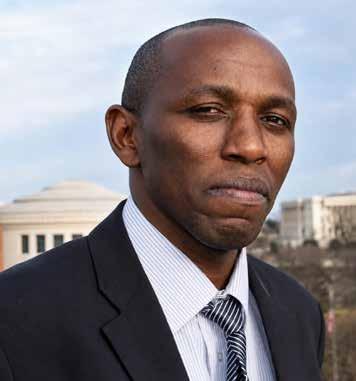
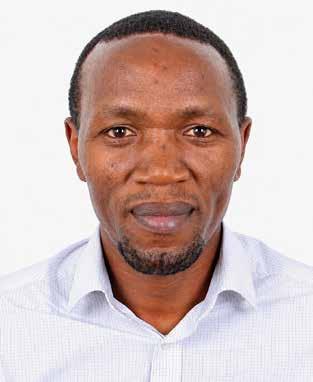
Bayana’s story traces back to 2013, when Kagwi—then a student at the University of Nairobi—began conceptualising the business alongside Engineer Mwangi Wambugu. At the time, Wambugu was already practicing in Canada, where he still works, and the two shared a clear ambition: to build an engineering-driven company capable of addressing gaps they saw in the construction sector in their country Kenya.
“We conceptualised the company in 2013. We wanted to have a local company that is engineering owned and excellence driven,” Kagwi recalls.
Their partnership, complemented by Naftaly Wachira, an aviation engineer also based abroad, gives Bayana a distinctly global outlook. While Kagwi leads operations on the ground, the broader leadership structure brings international exposure and perspective into the company’s work—something that is increasingly valuable in complex, multidisciplinary projects.
The company itself would take shape years later. After graduating and working in industry, Kagwi left employment in 2020 to pursue the venture fully. By 2021, Bayana had begun operations, initially focusing on geotechnical investigations and medium engineering assignments.
The name “Bayana,” meaning transparency, was deliberately chosen to reflect the company’s ethos. “At Bayana, our word is our bond,” Kagwi says, emphasising a commitment to honesty in an industry often criticised for the opposite.

We wanted to have a local company that is engineering owned and excellence driven
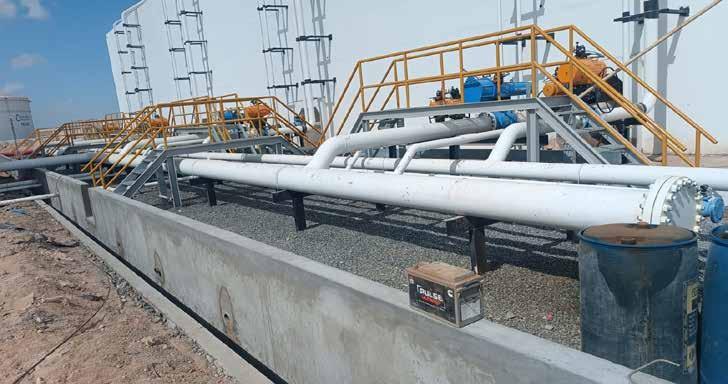
From the outset, Bayana positioned itself differently. Rather than operating as a conventional contractor, it embraced a full Engineering, Procurement and Construction model—an approach that remains relatively underdeveloped in the region.
“EPC is a relatively new concept in our country,” Kagwi explains. “Most of our contractors are only able to execute. They will not design and cost for you.”
By integrating design, engineering and construction under one roof, Bayana has been able to control project outcomes more tightly. The company runs an internal design consultancy that not only develops its own projects but also reviews and valueengineers external designs to improve buildability and cost efficiency.
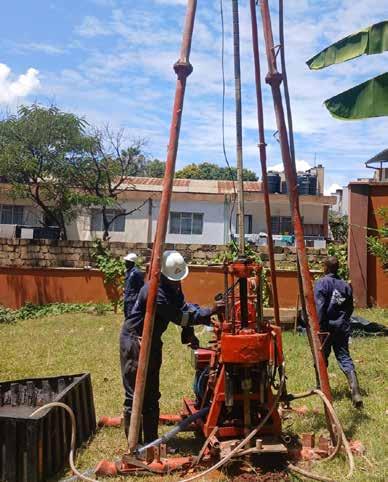
A defining feature of Bayana’s growth has been its focus on geotechnical engineering. In a market where structural failures are often linked to poor ground understanding, this capability has proven both technically and commercially valuable.
“We have seen many buildings collapse… mostly it’s because of the ground beneath them,” Kagwi notes.
The company carries out detailed ground investigations through both intrusive methods, such as drilling and sampling, and non-destructive geophysical techniques. These allow it to understand subsurface conditions before construction begins, reducing risk and optimising foundation designs.
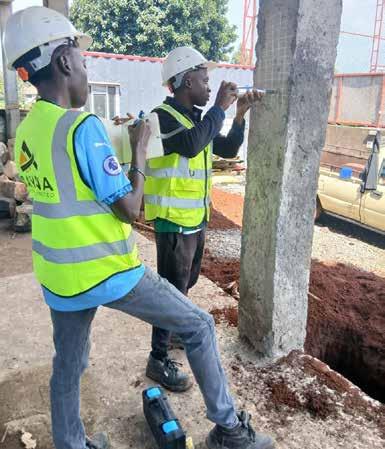
Supporting this work is an in-house laboratory that plays a central role in both testing and design. Materials are analysed, concrete mixes are developed, pavements are designed, and environmental factors such as soil chemistry and water quality are assessed. The lab serves both internal projects and external clients, reinforcing Bayana’s position as a technical solutions provider rather than just a contractor.
While geotechnical work laid the foundation, Bayana has expanded aggressively into energy and environmental engineering—areas that are increasingly critical across East Africa.
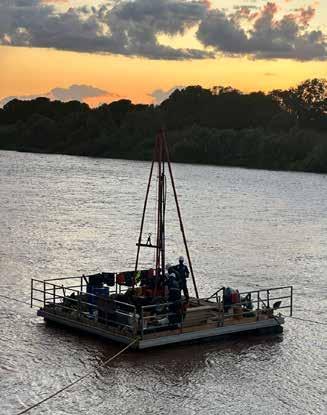
In Kenya, the company has been involved in the Kamburu Dam renewable energy project, where it undertook offshore geotechnical investigations. This type of work requires specialised equipment and expertise, particularly in waterbased environments, and reflects the company’s growing technical capacity.
Bayana has also played a role in the country’s emerging wasteto-energy initiatives. It has conducted feasibility studies and technical investigations aimed at converting urban waste into energy, particularly in Nairobi. Beyond the capital, the company has investigated multiple dump sites across Nakuru, Eldoret, Naivasha, Kisumu and Mombasa, contributing to efforts to transform waste management into a viable energy resource.
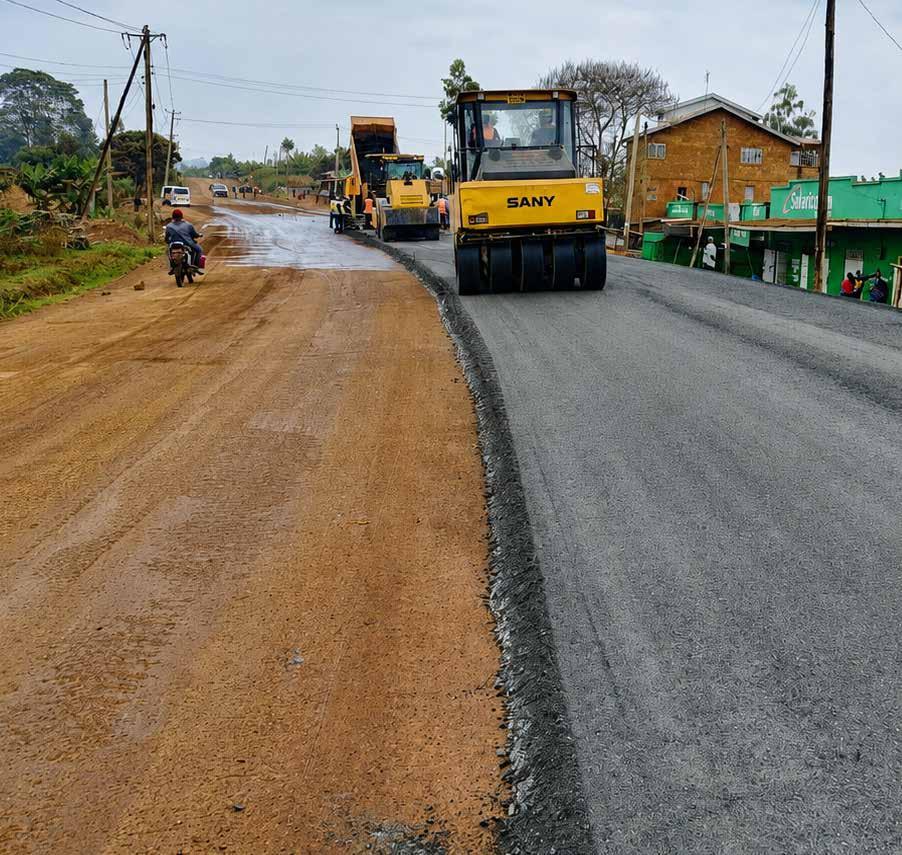


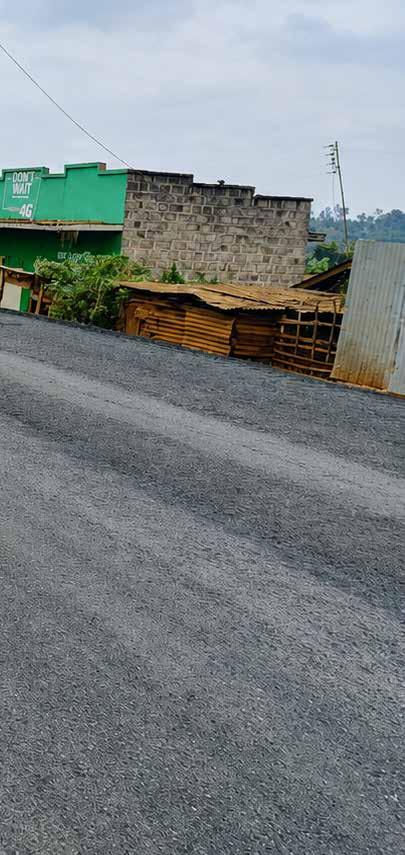

“We have investigated dump sites because the government is now exploring extraction of energy from most of this waste,” Kagwi explains. The company has also played a role in Kenya Pipeline Company infrastructure, including Pump Station No. 22 in Maai Mahiu, where it undertook critical geotechnical investigations as part of the project. This type of work, though often behind the scenes, is essential in ensuring the long-term stability and safety of such installations.
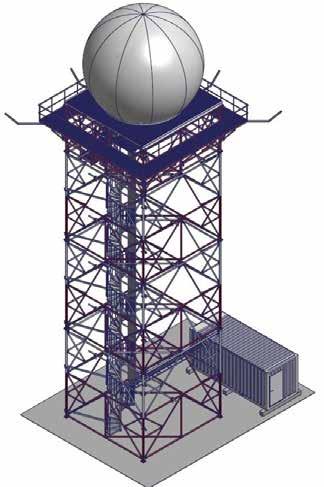
In another technically demanding assignment, Bayana is working with a Finnish partner to install weather monitoring systems across Kenya. The project involves the installation of radar systems and sensors at key locations including Jomo Kenyatta International Airport, Malindi, Eldoret and Garissa, with over 30 installations planned nationwide. While these systems support aviation safety, their significance extends further into agriculture and climate monitoring.
“It is not only for improving aviation - even for farming and agriculture,” Kagwi says, highlighting the broader developmental impact.
Oil and Gas: Entering a Complex Engineering Space
Regionally, Bayana has established a strong presence in oil and gas, particularly in the Horn of Africa with projects in Somaliland and Djibouti. This regional exposure has allowed the company to build experience in diverse operating environments while positioning itself as a cross-border EPC player.
Oil & Gas, with its high technical demands and strict safety requirements, has become one of the company’s defining areas of expertise.
“It is a heavy engineering field,” Kagwi explains. “It involves electrical engineers, mechanical engineers and civil engineers working together.”
He emphasises that these projects require close coordination between multiple disciplines, including civil, mechanical and electrical engineering. Civil engineers handle structural components, pipelines
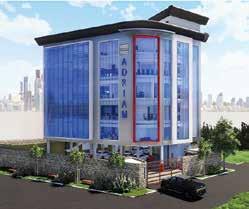
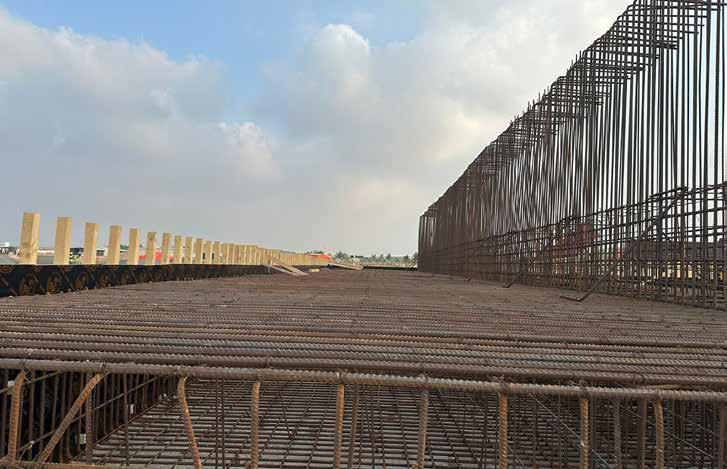

and foundations, while mechanical and electrical engineers deal with pressure systems, automation and pipelines. What sets these projects apart is their sensitivity.
“Such a project requires high level coordination skills. It also requires good know-how,” Kagwi says. “The installations we are installing are very sensitive. Even inertia and movement can affect their functionality.”
This emphasis on precision and coordination highlights why relatively few contractors are able to operate effectively in this space.
The company has been involved in the development of oil and gas terminals in Somaliland, including work linked to the Berbera Port and the East Oil and Gas Terminal. These projects span feasibility, design, and construction, demonstrating Bayana’s ability to operate across the full EPC lifecycle.
“They are now selling gas to Ethiopia, Somalia and Somaliland,” Kagwi notes. “We have helped them come up with those facilities.”
Alongside large-scale engineering projects, Bayana has maintained a presence in community-focused infrastructure. It has delivered schools and hospitals in partnership with organisations such as the Safaricom Foundation and faith-based institutions, and is currently involved in the construction of Ilchalai Primary School in Kajiado.
“We are very interested in society-transforming projects,” Kagwi says, pointing to a deliberate effort to balance commercial and social impact work.
Despite its rapid expansion, Bayana’s growth has been largely organic. Much of its work comes through referrals, with satisfied clients introducing the company to new opportunities. “Those that we work with always refer us,” Kagwi says. “We have always delivered on time, on budget.”
This reputation for reliability has been reinforced by the company’s ISO 9001:2015 certification, achieved in 2025, which formalises its internal quality management systems.
Regional Expansion and the Reality of Doing Business in Africa
Operating across borders has opened up opportunities, but it has also exposed structural
challenges within the region. “The challenges are the African challenges,” Kagwi says, pointing to logistics, trade barriers and high transport costs. “Sometimes it is cheaper to go to trade with Malaysia and China than with your neighbour here.”
Difficulties in moving equipment, importing materials and navigating fragmented markets continue to affect project delivery. Mobilising teams to project sites often involves high travel costs and complex coordination.
Relocating equipment presents an even bigger challenge. In some cases, equipment cannot be moved by road due to security concerns, forcing companies to rely on expensive and often unreliable shipping routes.
“When the project is over, you have to ship equipment back,” Kagwi explains. “You cannot use the road network and shipping is very expensive.”
These constraints, combined with trade barriers and limited regional supply chains, significantly increase the cost and complexity of delivering projects across Africa. Yet Bayana remains committed to expanding into emerging markets, including countries such as the Democratic Republic of Congo, where Kagwi plans to explore in a few months.
“If we all avoid them, then there’s no one to grow them. Challenges we face are our opportunities for growth,” he argues.
As it looks to the future, Bayana is investing heavily in strengthening its technical capabilities. The company aims to become a regional centre for advanced material testing and non-destructive testing (NDT), extending its expertise beyond civil engineering into sectors such as aviation and petrochemicals.
“We want to become the centre of testing excellence in the region,” Kagwi says.
At the same time, it is expanding into specialised areas such as deep foundations, excavation support and offshore engineering, positioning itself for increasingly complex projects. Bayana Construction Limited’s rise reflects a broader shift in the construction industry - one where engineering expertise, integrated delivery and technical credibility are becoming key differentiators.
For Kagwi, the principle behind the company’s growth remains straightforward. “When clients know you understand what you are talking about, they give you trust.”
In a sector where execution ultimately defines success, that trust has become the foundation on which Bayana continues to build.

Founded in 2006, Valuemax will mark its 20th anniversary in September 2026, having delivered transformative ISO solutions to businesses across Kenya and East Africa.
The construction industry faces increasing demands for quality management, environmental responsibility, occupational safety, and information security. ISO cer tification has become essential for construction companies seeking to demonstrate competence, build client confidence, remain competitive, and streamline operational processes for greater efficiency and reduced costs.
+254 722 817 818
info@valuemax.co.ke
3rd Floor, Nanak House, Kimathi Street, Nairobi, Kenya
www valuemax co ke
ISO 9001 Quality Management System Certification
ISO 14001 Environmental Management System Certification
ISO 45001 Occupational Health & Safety Management System Certification
ISO 27001 Information Security Management System Certification
ISO 22000 Food Safety Management System Certification
ISO 27701 Privacy Information Management System Certification
Valuemax Consulting Limited specializes in guiding construction companies through the ISO certification journey. Our experienced consultants deliver end-to-end support, from initial readiness assessments and gap analysis through implementation, internal audits, and successful certification.
We are proud to be working with Bayana Construction Ltd and other leading construction firms across Kenya, Uganda, Tanzania, Somalia and Djibouti to achieve ISO certification.

Bayana's reputation for reliability has been reinforced by the company’s ISO 9001:2015 certification, achieved in 2025, which formalises its internal quality management systems.



In Kenya's competitive architectural landscape, where bold promises often outpace actual delivery, Harmony Design Studio has chosen a quieter — and arguably more powerful — path. Since its founding in 2018, the Nairobi-based practice has built its reputation not on scale alone, but on something rarer: a design philosophy that places the client's lived experience at the very centre of every project, from the first conversation to the final handover.
Peter Murundu (pictured above) framed the firm's identity with characteristic clarity: "Harmony is a firm that combines aesthetic and function. It harmonises them."
Harmony's founding story is one of calculated ambition and hard-won credibility. Co-founded by Peter Murundu and Joshua Apale, the firm spent its early years doing what many young practices wisely do: building carefully, learning voraciously, and letting the quality of their work speak louder than their marketing. Operating initially from co-working spaces and home offices, the team took on referrals, refined their processes, and steadily accumulated a portfolio that today spans interiors, commercial fit-outs, residential projects and educational facilities.
In 2024, Harmony officially stepped into a more visible phase of its growth, moving into its own dedicated office space — a milestone that signals not just physical expansion, but a maturation of identity and ambition.
Murundu's own career arc runs through two of Kenya's most respected architectural firms. His time at Mutiso Menezes International (MMI) gave him exposure to large-scale practice and professional rigour. But it was his subsequent role as the very first employee at Design Partnership Limited (DPL) — where he worked on landmark projects including The Purple Tower on Mombasa Road — that truly forged his philosophy.
"We want the process to be known — how Harmony will literally take you from A to Z, work with you, and give you a product that works for you."



"I got to see the founder build a firm from zero. That was a privilege — and it has actually borne Harmony. We borrowed some principles from him on how to do things."
THE ART OF LISTENING: HARMONY'S CLIENT-CENTRED PROCESS
What genuinely differentiates Harmony is not simply what the firm produces, but how. In an industry where clients frequently feel like passengers in their own projects — handed decisions rather than guided through them — Harmony has made deep client engagement its operational cornerstone. The process begins long before a pencil touches paper. Harmony's onboarding is built around extensive discovery sessions: conversations designed to extract not just a brief, but a vision.
"We tend to interact with the client more and get to understand what it is they really want," Murundu explains. "That first phase is mostly us getting into the client's head — digging out what it is their mind is looking for."
This process culminates in what Harmony calls the Dream Document — a structured framework that captures:
• The client's lifestyle, aspirations and long-term goals
• An honest assessment of market realities and site constraints
• Harmony's own professional recommendations and design vision
"That first phase is mostly us getting into the client's head — digging out what it is their mind is looking for."
• A synthesis document that becomes the shared foundation for the entire project
"We marry these two," Murundu says. "Then we give them a document that represents their vision, our vision, and the final product." The result is a client who feels genuinely seen — and a design team working from mutual understanding rather than assumptions.
Building Information Modelling through Autodesk Revit sits at the heart of the firm's multi-disciplinary workflow.
Harmony treats technology not as a drafting tool, but as a genuine coordination platform. Building Information Modelling through Autodesk Revit sits at the heart of the firm's multi-disciplinary workflow. On any given project, structural, electrical and architectural teams work within a single shared model — catching conflicts in the digital space before they become costly surprises on site.
"Revit is working really well for us," says Murundu. "Electrical engineer plugs in, structural plugs in, architectural plugs in. So if you're proposing a light, you'll see where the beam is."
The firm is also actively incorporating AI-assisted tools into its presentation, image enhancement and design ideation workflows — staying ahead of an industry shift that is already redefining how architecture is practised globally.
For Harmony, sustainability is a foundational design commitment — and one that Murundu argues makes compelling economic sense, not just environmental sense.
"Sustainability is one of our core values," he affirms. "The initial budget might be costly, but it will manage you well in the long run."
The real-world impact is best illustrated by a Gigiri residential project where Harmony specified an extensive solar installation. The result: the client's monthly Kenya Power bill now sits between KES 500 and KES 1,000.
Still a young studio by industry standards, Harmony has assembled a project portfolio of impressive breadth — evidence of a team that brings the same rigour and creativity to a hospitality interior as it does to a commercial development. Highlights from Harmony's growing portfolio include:
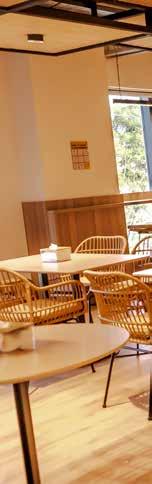
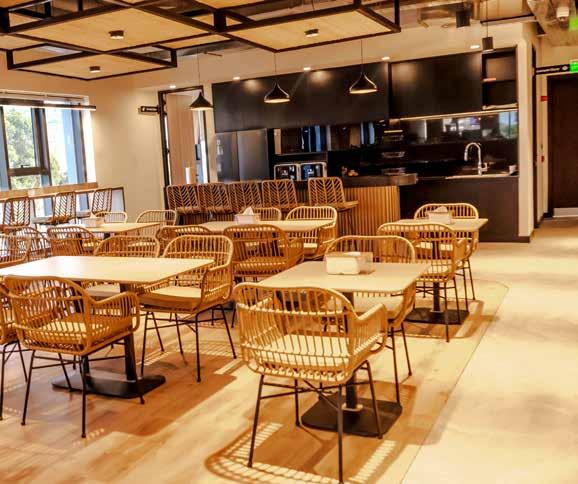
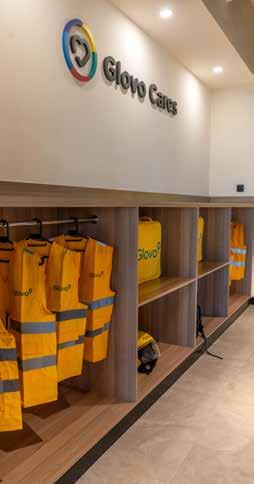
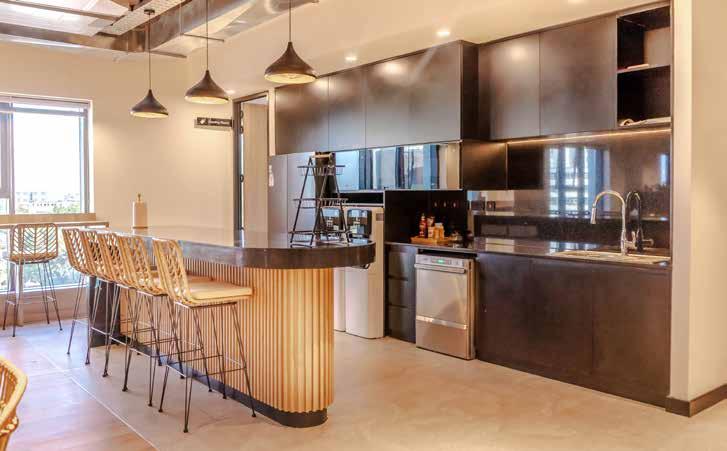
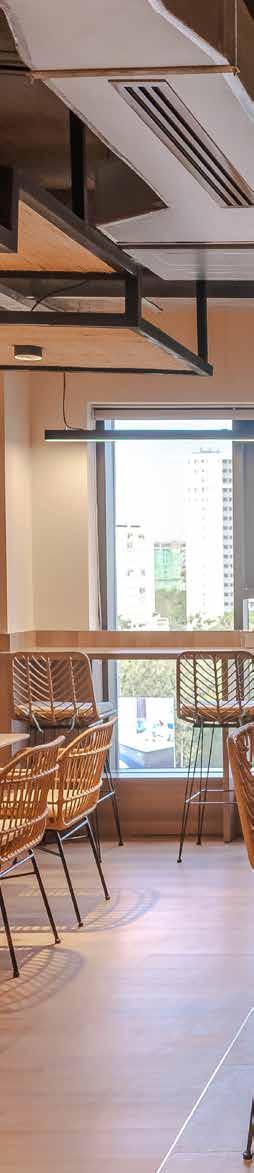
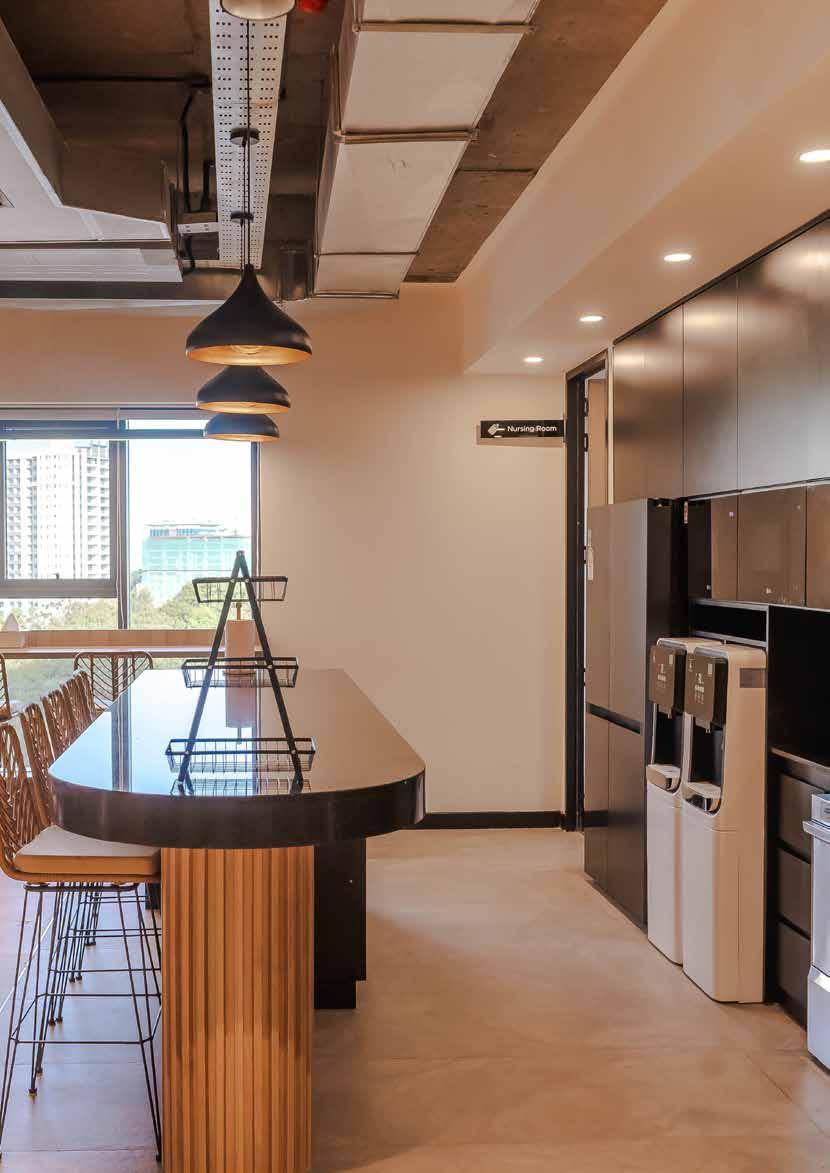
• Glovo East Africa Headquarters — interior fit-out, The Piano Building, Westlands (pictures in this story).
• GEAPP Office — interior design and fit-out, Nairobi
• AICS Nairobi — architectural services
• Proposed Enish Restaurant — The Piano Building, Westlands (hospitality)
• Residential fit-outs and renovations across Nairobi
• Educational facility upgrades and expansions
• Retail and commercial interior design
New and larger commissions remain in the pipeline, with the firm actively expanding its network through professional collaborations, referrals and targeted positioning within Nairobi's rapidly evolving built environment sector.
Ask Peter Murundu where Harmony wants to be in ten years, and his answer reveals something important about the kind of firm he is building. Yes, he wants a stronger portfolio. Yes, he wants larger commissions. But his deepest ambition is generational.
"We would like to be a firm that is recognised for its effective interaction with clients," he says. "And we would want to train graduate architects to become what we have become."
That commitment to mentorship — to widening the pathway for the next generation of Kenyan architectural talent — speaks directly to the values that have shaped Harmony from its earliest days.
Kenya's architectural industry stands at an inflection point: accelerating urbanisation, growing sustainability mandates, increasingly sophisticated clients and a generational shift in how buildings are conceived and experienced. Harmony Design Studio is positioning itself not just to serve that moment, but to help define it.

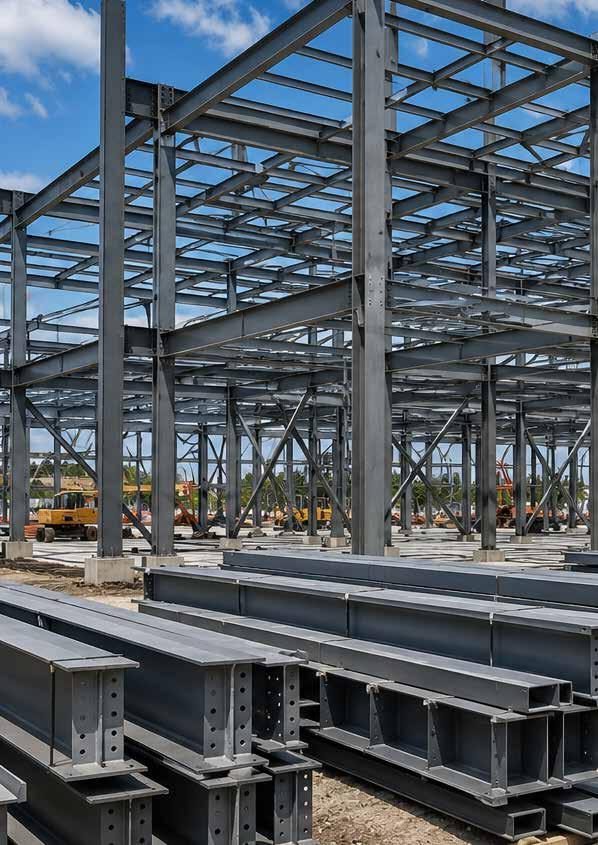
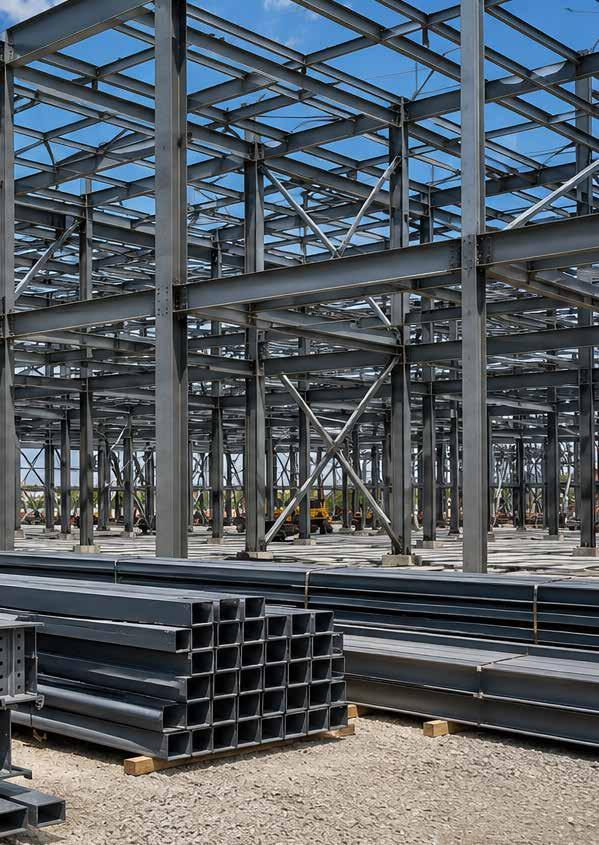
Driven by an expanding infrastructure pipeline, rapid urbanization, affordable housing initiatives, industrial developments, and growing private-sector investment, steel has become one of the most critical materials shaping the country's built environment. At the same time, advances in local fabrication, stricter quality requirements, and evolving procurement practices are transforming how engineers, consultants, contractors, and project owners specify and source steel products.
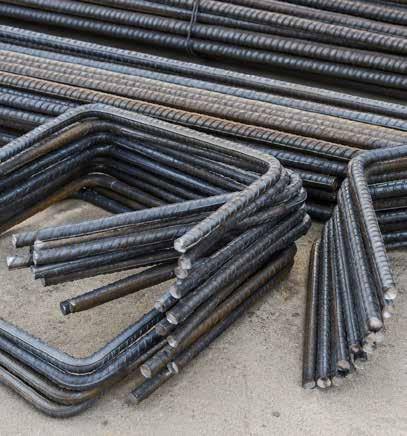
FMany engineers and contractors now require traceability, mill certificates, and independent verification before approving steel for structural use. Despite these efforts, counterfeit steel remains a risk in certain segments of the market, particularly where procurement controls are weak or cost pressures override compliance requirements.
or many years, imported steel products dominated major construction projects in Kenya. Today, however, local manufacturers and distributors have significantly expanded their capabilities, producing and supplying structural tubes, hollow sections, reinforcement bars, galvanized products, roofing materials, and customized fabricated steel components. This growth has reduced dependence on imports while creating shorter supply chains and improved responsiveness to project requirements.
Key market players such as Doshi, Tarmal, Apex Steel, Accurate Steel, Kens Metal Industries and Zenith Steel Fabricators continue to play a pivotal role in supplying steel for both small- and large-scale infrastructure projects. Their offerings span reinforcement steel, structural steel sections and a wide range of tailored solutions for commercial, industrial and residential developments.
Local mills and distributors now support a wide range of projects including commercial buildings, warehouses, industrial plants, logistics facilities, and residential developments. Nevertheless, imports still play an important role, particularly for specialized high-tensile steel, heavy structural sections, and engineered products not yet widely produced locally.
The government's emphasis on local content in infrastructure projects has further strengthened the position of domestic steel producers, while contractors increasingly seek suppliers capable of offering fabrication and value-added services alongside material supply.
As construction activity increases, concerns over quality assurance have become more pronounced. The Government, through the State Department for Industry, has intensified its focus on standardization and enforcement within the construction materials sector, particularly steel, cement, and clinker. According to recent policy direction, authorities have issued strong warnings to manufacturers
and traders dealing in substandard materials, noting that illicit and counterfeit products are flooding the market and undermining legitimate investment in local manufacturing. Cabinet Secretary for Investment, Trade and Industry Lee Kinyanjui has emphasized that such practices deny local producers fair value for their investments and distort competition across the sector.
The government is also advancing measures to regulate pricing and improve quality compliance across the steel and cement value chain, with increased resources being directed toward standardization, testing, and enforcement mechanisms. In consultations with manufacturers of steel, cement, and clinker, discussions have also focused on regulatory reforms and tariff structures aimed at strengthening the sector while promoting fair trade practices.
Compliance with Kenya Standards (KS) specifications and international quality systems such as ISO certification has therefore become increasingly critical. Major contractors now require traceability, mill certificates, and independent verification before approving steel for structural use. Despite these efforts, counterfeit steel remains a risk in certain segments of the market, particularly where procurement controls are weak or cost pressures override compliance requirements.
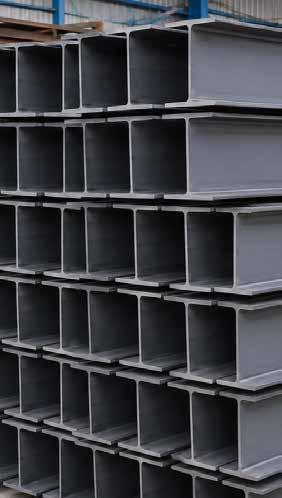
Steel's versatility makes it indispensable across Kenya's construction industry. Structural tubes and hollow sections are widely used in commercial buildings, industrial sheds, warehouses, schools, shopping centres, and logistics facilities. Their strength-to-weight ratio and ease of fabrication make them attractive alternatives to traditional construction methods.
High-tensile steel is increasingly specified for bridges, industrial structures, and heavy-load applications, while mild steel remains the preferred choice for general fabrication, gates, handrails, support structures, and smaller commercial developments.
One notable trend is the growing adoption of pre-engineered steel buildings, particularly in manufacturing and warehousing developments around Nairobi, Athi River, Mombasa and Naivasha. These structures offer faster construction timelines and reduced project costs compared to conventional building methods.
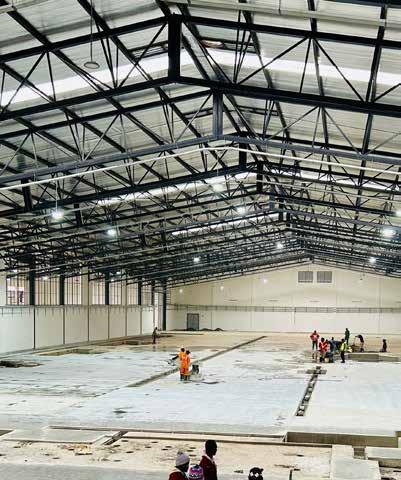
Reinforcement bars remain among the most widely consumed steel products in Kenya due to extensive concrete construction. From highrise residential towers to transport infrastructure, reinforced concrete structures rely heavily on quality steel reinforcement.
Major developments such as the Nairobi Expressway, ongoing elevated sections of the Nairobi roads, and components of the Affordable Housing Programme across multiple counties have generated sustained demand for reinforcement steel. In these projects, the integration of concrete and steel is fundamental to achieving structural integrity, durability, and compliance with engineering standards.
As project complexity increases, contractors are also adopting advanced reinforcement detailing and prefabricated reinforcement solutions to improve efficiency and reduce site waste.
Kenya's diverse climatic conditions present significant challenges for steel structures. Coastal regions, industrial zones, and exposed infrastructure projects require enhanced protection against corrosion.
Pre-galvanized steel and other corrosion-resistant solutions are therefore gaining prominence. Galvanized structural components are increasingly used in transmission infrastructure, industrial facilities, warehouses, pedestrian bridges, and agricultural developments where long-term durability is essential.
The growing focus on lifecycle costs rather than initial construction costs has encouraged developers to invest in higher-quality protective systems that reduce future maintenance requirements.
Modern fabrication technologies are reshaping the steel value chain. CNC cutting, automated drilling, plasma cutting, and computercontrolled fabrication systems now enable greater precision, faster production, and reduced material wastage.
Fabricators serving large infrastructure and industrial projects increasingly offer integrated services that include design support, detailing, cutting, fabrication, surface treatment, and installation. This shift allows contractors to receive ready-to-install components, reducing site labour requirements and accelerating project delivery.
As Kenya's construction sector becomes more sophisticated, demand for these value-added services is expected to grow significantly.
The future of Kenya's steel sector remains closely linked to the country's infrastructure ambitions. Roads, bridges, housing developments,
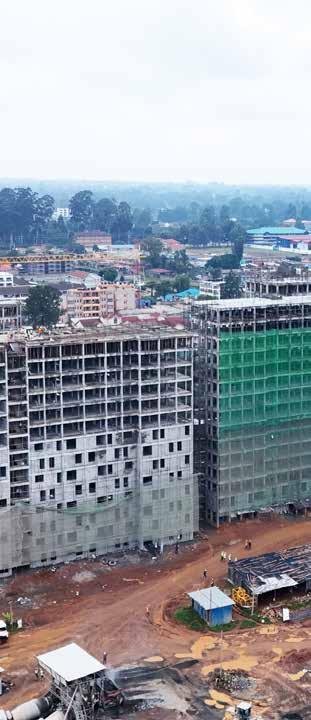

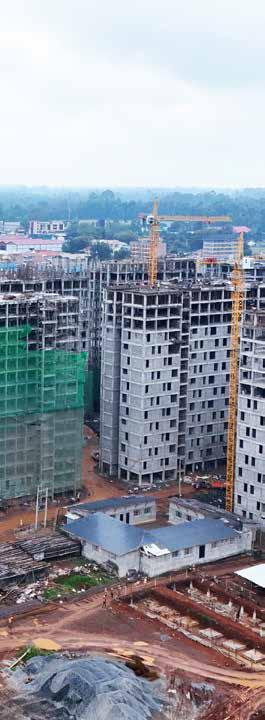
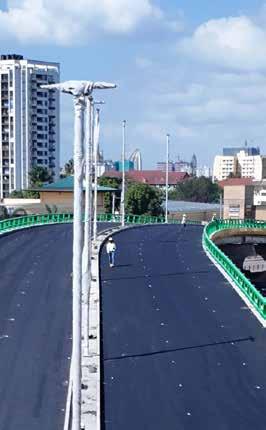
industrial parks, and energy projects continue to generate substantial demand for steel products and fabrication services.
Among the most visible projects are ongoing upgrades along key Nairobi corridors, including improvements associated with the Ngong Road corridor and the Kenyatta Avenue viaduct works aimed at easing urban congestion. Beyond the capital, road construction and rehabilitation projects under the Kenya National Highways Authority (KeNHA), Kenya Urban Roads Authority (KURA), and Kenya Rural Roads Authority (KeRRA) continue to create opportunities for steel suppliers and contractors.
County governments are also investing in drainage systems, bridges, markets, and public facilities that require significant steel inputs. Meanwhile, private-sector developments including logistics parks, manufacturing facilities, data centres, mixed-use developments, and affordable housing projects are further strengthening demand. Supporting this activity is a growing earthmoving and civil works sector. Contractors are increasingly investing in modern equipment fleets, while leasing and equipment-sharing models are becoming more common as firms seek greater operational flexibility.
Kenya's structural steel industry stands at a pivotal moment. Rising infrastructure investment, stronger local manufacturing capabilities, advancing fabrication technologies, and stricter quality requirements are creating a more mature and competitive market. As the country pursues ambitious development goals, steel will remain the backbone of roads, bridges, housing, industrial facilities, and urban infrastructure - supporting not only construction growth but also Kenya's broader economic transformation.
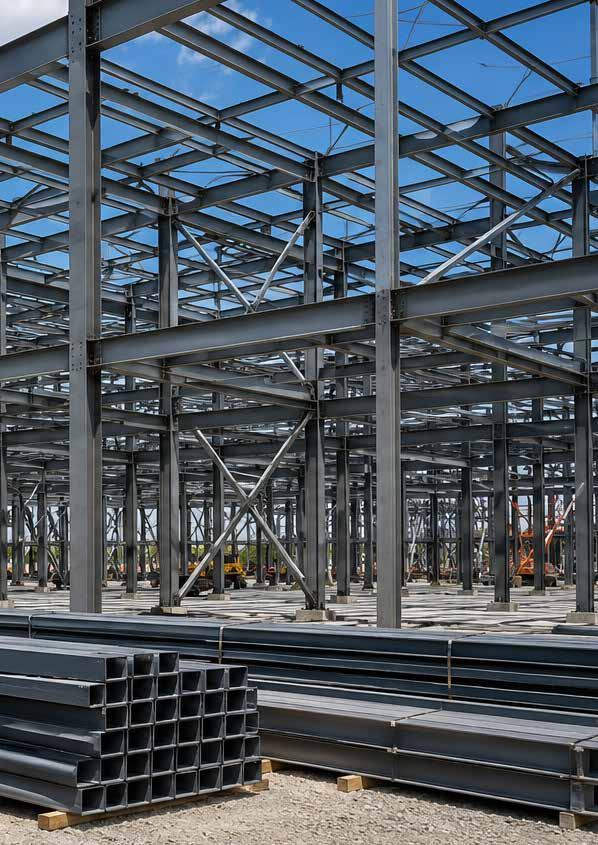
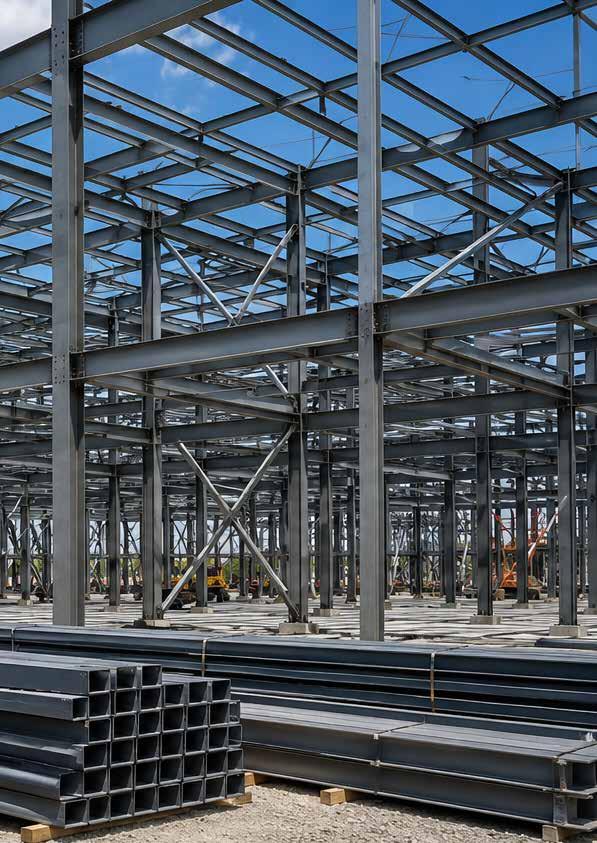
East Africa’s built environment is scaling at an unprecedented pace. Commercial towers are rising higher, industrial parks are expanding, and infrastructure projects are becoming increasingly complex. As projects grow in scale, so too do the responsibilities carried by structural engineers, architects and principal consultants. Against a backdrop of heightened regulatory oversight and stricter quality expectations, one challenge continues to undermine project certainty: structural material variance
Across the Kenyan construction industry, under-gauge steel, shortlength deliveries and inconsistent material properties continue to introduce avoidable risk into projects. When structural steel deviates from design intent, the consequences are immediate and compounding: material fatigue, site rework, programme delays and escalating costs.
In modern structural engineering, certainty is no longer desirableit is fundamental.
Manufacturers that invest in precision production and robust quality management systems are helping restore confidence across the supply chain. Doshi Steel has built its production ecosystem around eliminating uncertainty at the source.
With nearly a century of manufacturing heritage, Doshi Steel anchors its value proposition on dimensional accuracy and material integrity.
At the centre of this system is a defining principle: True Gauge. True Length. Every section, beam, plate, and profile is produced to specification, ensuring alignment between design intent and site execution.
Manufactured under an SGS-certified ISO 9001 Quality Management System and compliant with applicable KEBS standards, Doshi Steel products deliver consistency, traceability and the reliability that modern engineering practice demands.

Design liability leaves zero margin for error. What is specified must be what is supplied. Doshi Steel's commitment to True Gauge and True Length ensures every calculation is built on material engineers can rely on.
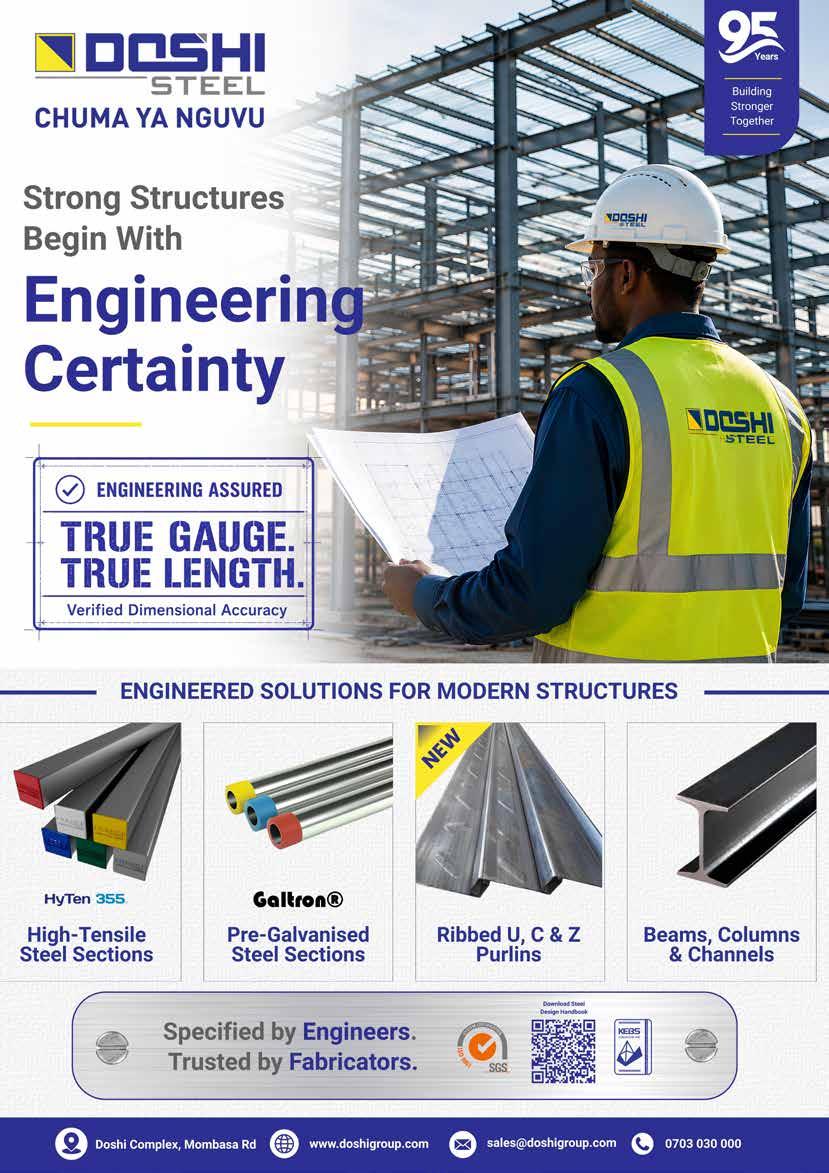
Engineered with diagonal or longitudinal stiffening ribs, Doshi's Ribbed U, C and Z Purlins deliver enhanced rigidity, improved buckling resistance and superior loadbearing performance across long-span applications.

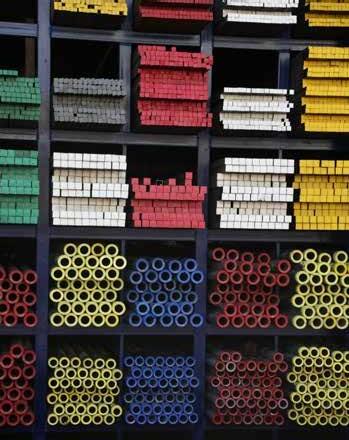
This predictability is reinforced through advanced automated cut-to-length systems, replacing manual variability with computer-controlled precision. The result is consistent dimensional output, improved fabrication efficiency and reduced on-site rework across projects.
Modern construction demands more than strength - it demands optimisation. HyTen 355 high-tensile hollow sections enable lighter structures while maintaining exceptional strength and torsional rigidity. Universal beams and columns support reliable load-bearing performance across longer spans, while precision-calibrated sheets and plates continue to support demanding commercial construction, manufacturing and automotive applications.
Doshi's new Ribbed (Stiffened) U, C and Z Purlins, engineered with diagonal or longitudinal stiffening ribs, deliver improved rigidity, reduced deflection and enhanced buckling resistance over extended spans. Designed for industrial, commercial and agricultural roofing systems, they are also available factory pre-punched to improve installation accuracy, reduce site modification and accelerate project timelines.
As Kenya continues building upward and outward, resilience will depend increasingly on engineering certainty. Before concrete is poured or steel is erected, structural performance is already defined by one factor: the reliability of the material specified. For today's engineers, architects and developers, resilience begins with precision.
And precision begins with True Gauge. True Length.
By specifying Doshi Steel products, consultants gain dimensional assurance, verified mill certification and confidence that structural intent will be delivered exactly as designed.


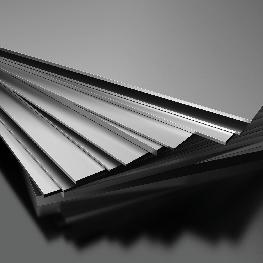
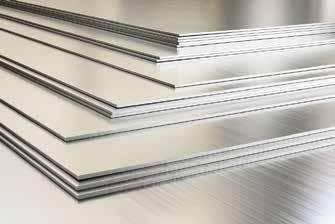
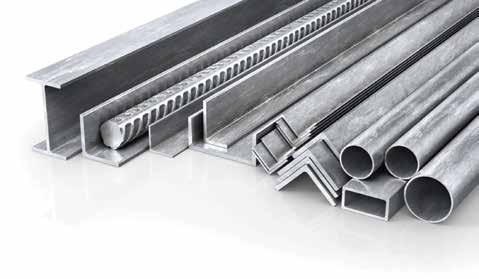

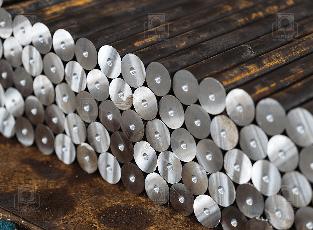
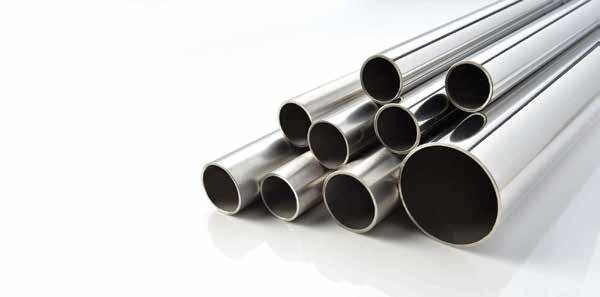


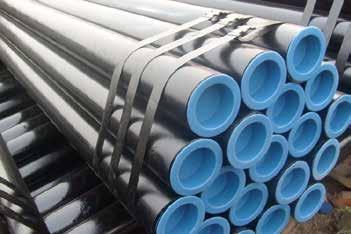
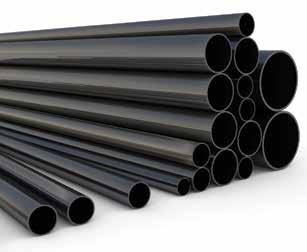
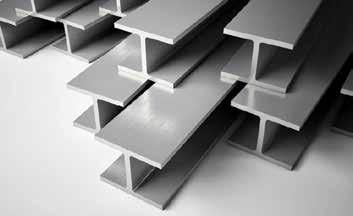
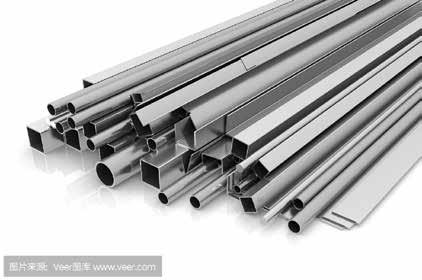
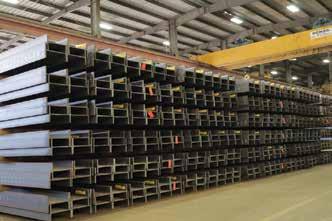
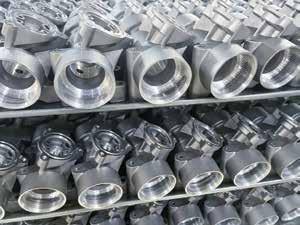


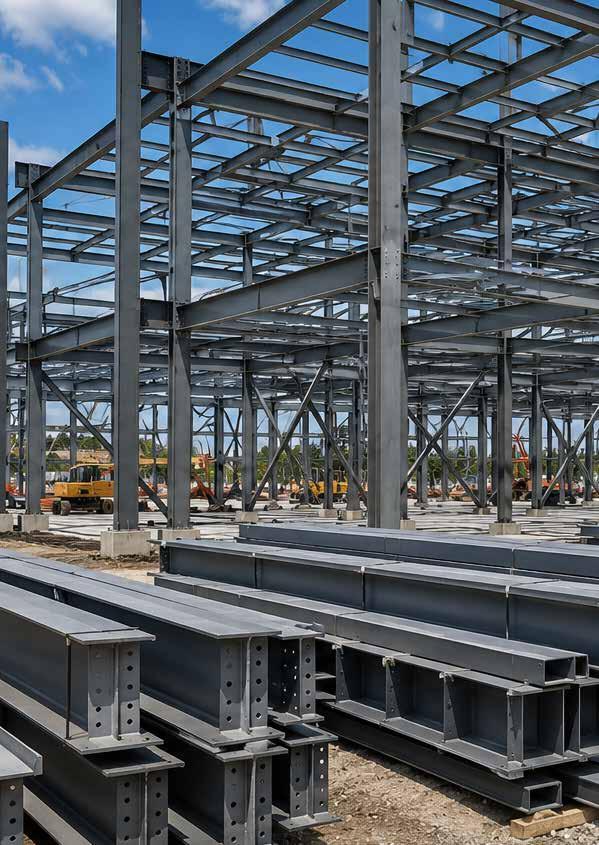
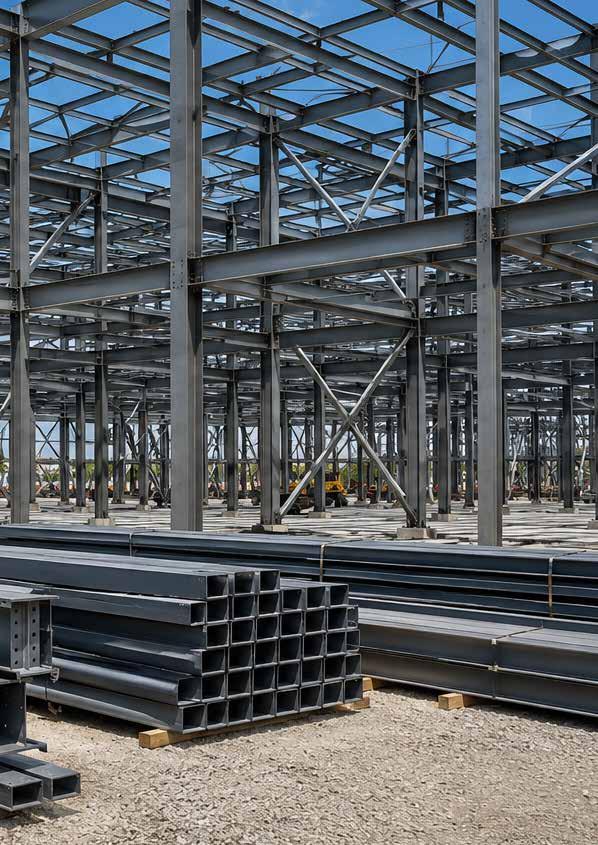
Structural steel is widely used in modern construction because of its strength, durability and versatility. From industrial buildings and warehouses to bridges and high-rise towers, steel forms the backbone of many critical structures. However, even the strongest steel components can fail if they are poorly designed, manufactured, installed or maintained.
Structural steel failure occurs when a steel element or system can no longer safely perform its intended function. This does not always mean a complete collapse. Failure may appear as excessive deflection, buckling, cracking, distortion or weakening of connections. Left unchecked, these issues can eventually compromise the integrity of an entire structure.
One of the leading causes of structural steel failure is design error. Incorrect load calculations, undersized members or poorly detailed connections can create weaknesses that only become apparent after years of service.
The quality of the steel itself also plays a critical role. Manufacturing defects such as internal flaws, inconsistent material properties, laminations or substandard chemical composition can reduce the strength and durability of steel members. The use of uncertified or poorquality steel products increases the risk of premature failure, particularly in heavily loaded structures.
Construction and fabrication defects are another major risk. Poor welding, loose bolts, inaccurate installation and deviations from approved drawings can significantly reduce a structure’s load-bearing capacity.
Corrosion remains a persistent challenge. Exposure to moisture, industrial pollutants and coastal environments can gradually weaken steel sections and connections. This is particularly relevant for structures in humid and marine environments where protective coatings are not adequately maintained.
Overloading can also lead to failure. Buildings are often modified during their lifespan, with additional equipment, storage loads or rooftop installations added without a structural assessment. These changes can place stresses on members beyond their original design limits.
Steel structures may also suffer from fatigue caused by repeated loading cycles. Bridges, cranes and industrial facilities are especially vulnerable as small cracks can develop and grow over time. Fire, explosions, vehicle impacts and other extreme events can also damage steel members and compromise structural stability.
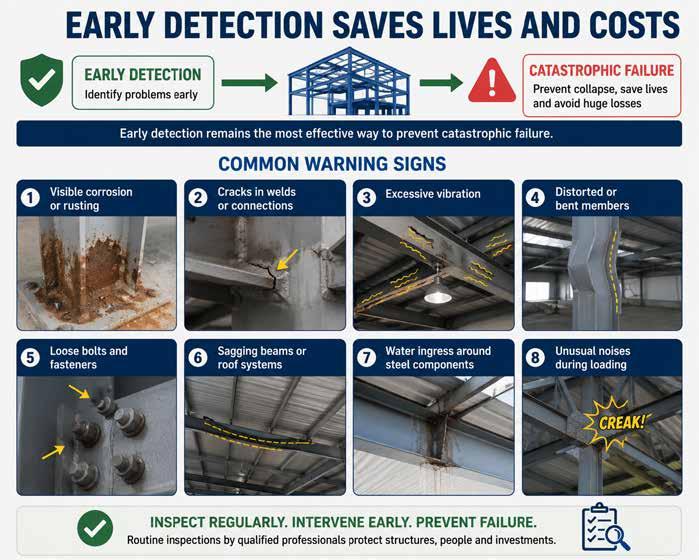
Early detection remains the most effective way to prevent catastrophic failure. Common warning signs include:
• Visible corrosion or rusting
• Cracks in welds or connections
• Excessive vibration
• Distorted or bent members
• Loose bolts and fasteners
• Sagging beams or roof systems
• Water ingress around steel components
• Unusual noises during loading
Routine inspections by qualified engineers can identify these problems before they become critical. Modern technologies such as drone surveys, ultrasonic testing and structural health monitoring systems are increasingly being used to assess steel structures safely and efficiently.
The appropriate repair strategy depends on the extent of the damage and its cause. Solutions may include strengthening members with additional steel plates, replacing damaged sections, upgrading connections or applying improved corrosion protection systems.
However, prevention remains far more cost-effective than repair. Successful steel structures rely on quality engineering design, certified materials, proper fabrication, strict construction supervision and regular maintenance throughout their service life.
As infrastructure and industrial development continue to expand across Africa, ensuring the integrity of structural steel assets has never been more important. With proper design, quality assurance, inspection and maintenance, steel structures can deliver safe and reliable performance for decades while minimizing the risk of costly and potentially catastrophic failures.
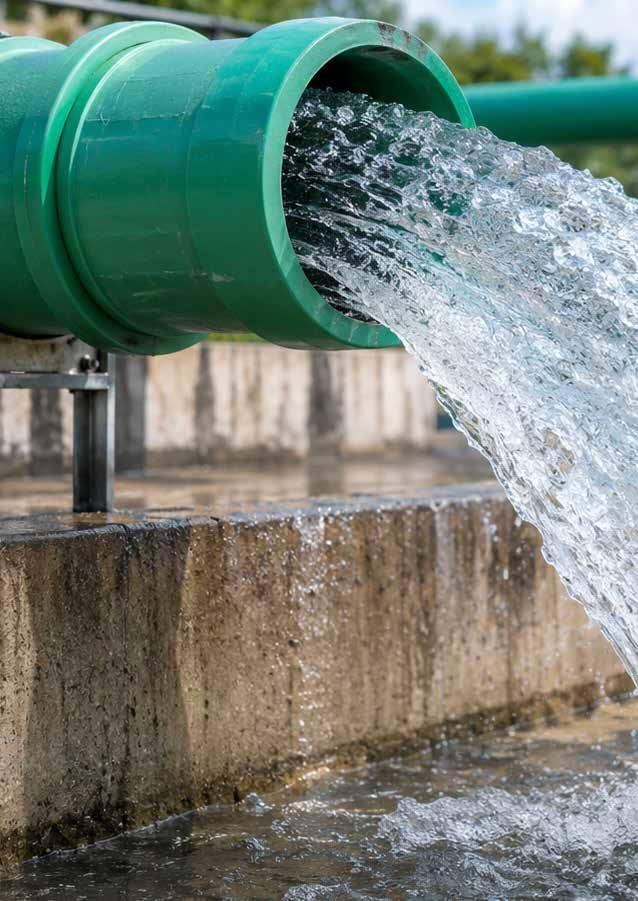
Growing demand for reliable water supply across residential, commercial, industrial and agricultural sectors has placed greater emphasis on wellengineered water piping systems. From pipe selection and hydraulic design to installation quality and long-term durability, every component contributes to efficient, safe and sustainable water distribution throughout a project's lifecycle.
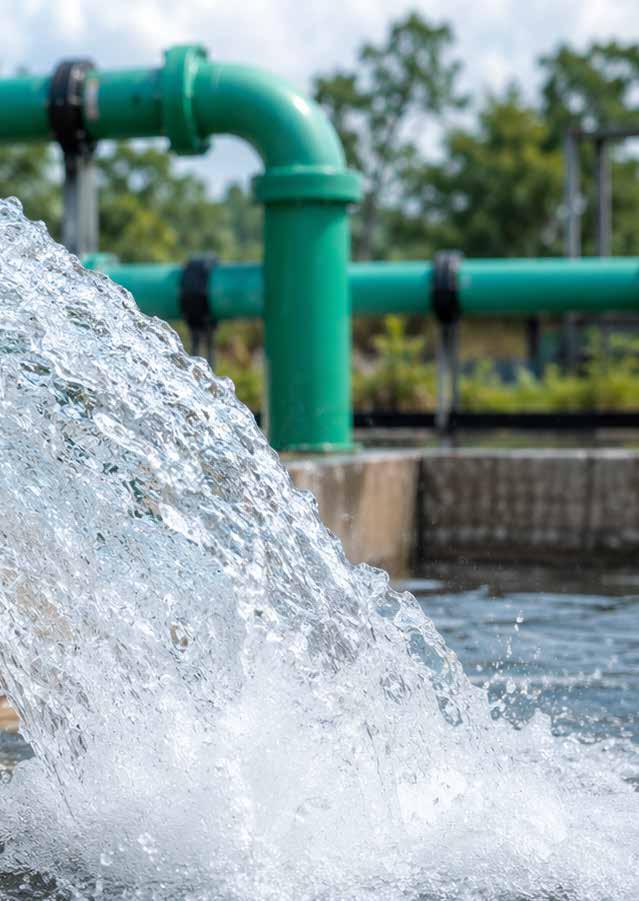
Growing urbanisation, expanding industrial base and increasing reliance on alternative water sources have elevated the importance of well-designed water piping systems. Whether serving a residential development, commercial complex, hospital, manufacturing facility or agricultural enterprise, the performance of a water distribution network depends on far more than simply conveying water from one point to another. Pipe selection, hydraulic design, installation quality, pressure management and long-term durability all play a critical role in ensuring reliable, efficient and safe water supply.
A modern water piping system begins with proper hydraulic design. Engineers must calculate anticipated demand, peak flow rates and pressure losses before determining the appropriate pipe diameters. Undersized pipes create excessive friction losses, resulting in poor pressure at outlets, while oversized systems unnecessarily increase project costs and can lead to stagnation. Careful balancing of flow velocities also minimises water hammer, reduces wear on fittings and extends the lifespan of the entire installation.
Kenya’s construction industry utilises a range of piping materials depending on the application.
For domestic water supply, PVC and uPVC remain popular due to their corrosion resistance, affordability and ease of installation. HDPE (HighDensity Polyethylene) has become increasingly preferred for underground water mains because of its flexibility, excellent impact resistance and ability to accommodate ground movement without failure.
Commercial and industrial buildings often incorporate PPR (Polypropylene Random Copolymer) piping for internal plumbing systems owing to its ability to handle both hot and cold water under pressure. Galvanised steel, once common throughout Kenya, is gradually being replaced because of corrosion concerns and the risk of reduced flow caused by internal scaling.
Material selection should always consider operating pressure, water chemistry, expected service life, environmental exposure and maintenance requirements rather than initial purchase cost alone.
An effective water piping network comprises far more than pipes alone. Pumps, pressure vessels, valves, strainers, filters, non-return valves, pressure-reducing valves, expansion joints, water meters and storage tanks must all operate as an integrated system.
Isolation valves enable maintenance without shutting down an entire facility, while pressure-reducing valves protect downstream equipment from excessive pressures that may damage fittings or appliances. Proper support brackets and anchors are equally important, particularly in multistorey commercial buildings where thermal expansion and vibration can place significant stress on pipework.
Leak detection systems and pressure monitoring are increasingly being incorporated into commercial developments, helping facility managers identify losses before they become costly failures.
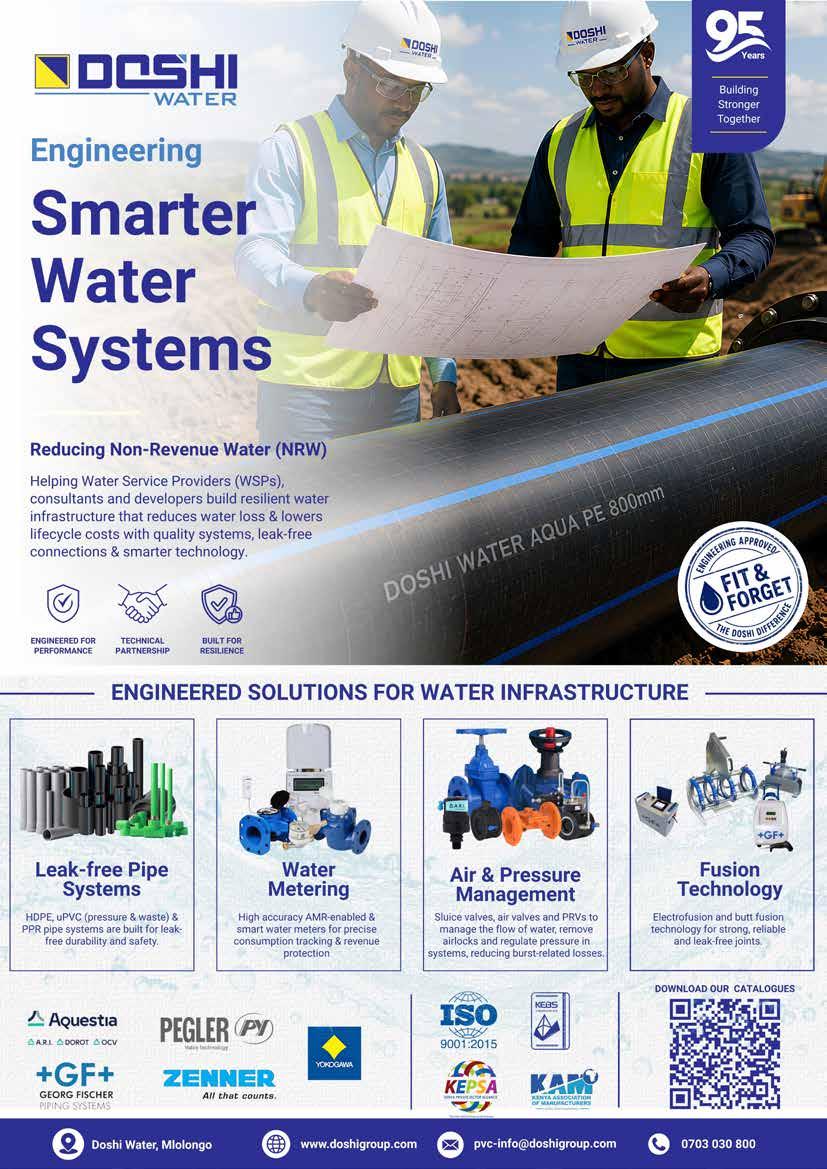
Kenya is investing heavily in expanding its water infrastructure, yet one challenge continues to undermine the sector's progress: nearly half of all treated water never reaches the customer.
According to the WASREB Impact Report 18 released in June 2026, Kenya's Non-Revenue Water (NRW) has risen to 48%; more than double the acceptable sector benchmark of 20%. While water production increased by 9.4%, billed water grew by only 2.3%, highlighting the scale of water being lost before it reaches consumers. The result is reduced utility revenues, higher operating costs and diminished capacity to reinvest in future infrastructure. The next phase of Kenya's water infrastructure will not be defined by producing more water, but by protecting every litre already produced.
Every pipe specification. Every fitting. Every valve. Every joint. Every metre of pipeline. Every installation matters.

Across the market, inconsistent pipe quality, unreliable joints and inadequate pressure management continue to shorten infrastructure life while increasing maintenance costs and operational disruptions. The true cost of water infrastructure is therefore not measured at procurement; it is measured over decades of operation. In reality, the cost of repairing infrastructure will always exceed the cost of engineering it correctly from the start.
As Kenya expands its municipal water infrastructure, lifecycle performance, not simply procurement cost, must become the benchmark for engineering success.
Reducing Non-Revenue Water is not about responding to failures after they occur; it is about engineering systems that prevent failures from happening in the first place. This is The Doshi Difference.
At Doshi Water, we believe resilient infrastructure begins with uncompromising quality. For more than nine decades, Doshi has helped shape Kenya's infrastructure by combining engineering
expertise with globally trusted technologies to deliver dependable solutions built for long-term performance.
Rather than supplying individual products, Doshi Water partners with Water Service Providers (WSPs), utilities, consultants, contractors and developers as an engineering solutions partner, delivering complete, leak-resistant infrastructure systems engineered to improve network reliability from source to consumer.
Working alongside global technology leaders, including Georg Fischer, we combine premium HDPE, uPVC and PPR piping systems manufactured to internationally recognised ISO standards, advanced electrofusion and butt fusion technologies, high-accuracy AMR-enabled water metering, and precision pressure regulating and air valve solutions into integrated engineering systems designed to reduce losses, improve operational efficiency and strengthen revenue recovery.
Quality is never compromised. From locally manufactured HDPE pipes ranging from 16mm to an industry-leading 800mm OD, supporting some of Kenya's largest municipal transmission networks, to precision-engineered fusion technology that creates high-integrity, leak-free joints, every solution is designed with one philosophy in mind: Fit and Forget.
Quality should never be compromised. The cost of getting it right will always be lower than the cost of repairing it later.

Kenya's future water security will not be determined solely by the kilometres of pipeline installed, but by the reliability of every connection beneath the surface. Reducing NRW demands a systems approach that combines quality materials, intelligent metering, pressure management and engineering discipline from design through commissioning.
Engineering smarter water systems is not simply about producing more water - it is about ensuring every drop travels further, every connection performs reliably and every infrastructure investment delivers value long after commissioning. Because the most sustainable water network is not the one repaired most often - it is the one engineered to minimise losses from the very beginning.
That is how resilient water networks are built.
From page 49
With many parts of Kenya experiencing unreliable municipal water supply, boreholes have become essential for residential estates, institutions, industries and agricultural operations.
A borehole water system extends well beyond drilling. It includes the borehole casing, submersible pump, rising main, electrical cabling, control panels, pressure systems, storage tanks and distribution pipework. HDPE pipes are widely used as rising mains because they withstand continuous pumping pressures while resisting corrosion and chemical attack from groundwater.
Water quality should never be assumed. Borehole water frequently contains dissolved minerals such as iron, manganese and calcium, while some regions experience elevated fluoride or salinity levels. Comprehensive water analysis should therefore precede the design of treatment systems, which may include filtration, softening, iron removal, reverse osmosis or disinfection before distribution through the plumbing network.
Even premium piping products cannot compensate for poor workmanship. Incorrect solvent welding, inadequate fusion welding of HDPE, poor joint alignment, insufficient pipe supports and improper bedding of underground pipes significantly increase the risk of leakage and premature failure. Pressure testing before commissioning is essential to verify system integrity. Equally important is flushing and disinfecting potable water systems to remove construction debris and eliminate microbial contamination before occupancy.

Proper pipe routing also avoids unnecessary bends, reduces head losses and simplifies future maintenance.
Water piping systems are long-term infrastructure assets expected to operate reliably for several decades. Specifying substandard pipes or fittings may reduce initial project costs, but often results in higher lifecycle expenses through leaks, water losses, maintenance interruptions and premature replacement.
Inferior materials may fail under pressure, deteriorate under ultraviolet exposure or develop cracks due to poor manufacturing consistency. Likewise, fittings that do not meet recognised quality standards can become the weakest point in an otherwise robust installation.
For engineers, contractors and developers, quality encompasses the entire system—from certified materials and proper hydraulic design to skilled installation, testing and preventive maintenance. Investing in quality at every stage delivers lower operating costs, improved reliability, enhanced water efficiency and greater confidence that the system will continue performing under Kenya’s diverse environmental and operating conditions.
As demand for dependable water infrastructure continues to grow across the country, well-engineered piping systems will remain fundamental to delivering safe, efficient and sustainable water supply for homes, businesses and critical infrastructure alike.
M/s DANYOU ENGINEERING & TRADING
RWANDA LTD, a professionally managed company in Rwanda, Africa, having a team of technocrats with experience in the eld of Sales & Marketing, after sales services, Installation & Commissioning for Oil & Gas, Water & Waste Water and Engineering projects.
+250 785 778 480
Email: -info@danyouengineers.com Website: -www.danyouengineers.com
4th Floor, Makuza Peace Plaza Nyarugenge, Kigali, Rwanda
• G.I gratings& handrails
• Cpvc pipes & ttings
• Ductile iron manholes covers & gratings
• FRP manholes covers & gratings
• Hdpe manholes , chambers
• HDPE tanks
• HDPE bre optics chambers
• GRP tanks
• Hdpe pipes & hdpe ttings
• Hdpe welding machines
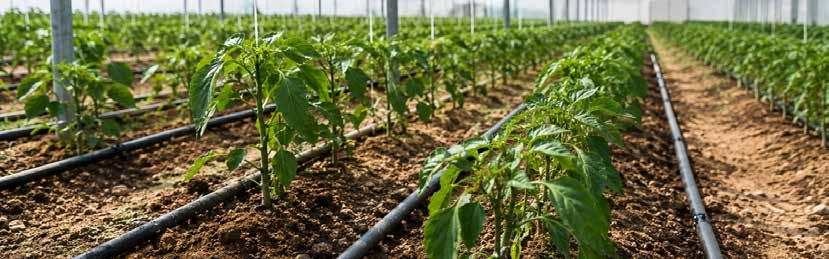
• Irrigation pipings & systems
• PPR pipes & ttings
• Valves
• Ductile iron pipes & ttings
• Fire Fighting pumps & systems
• DG Sets
• Water treatment plants
• Filteration systems
• Water softening systems
• Wastewater treatment systems
• Sewage treatment systems
• Odour control system
• Disinfection systems
• Telecommunication tower
• UPVC pipes and ttings






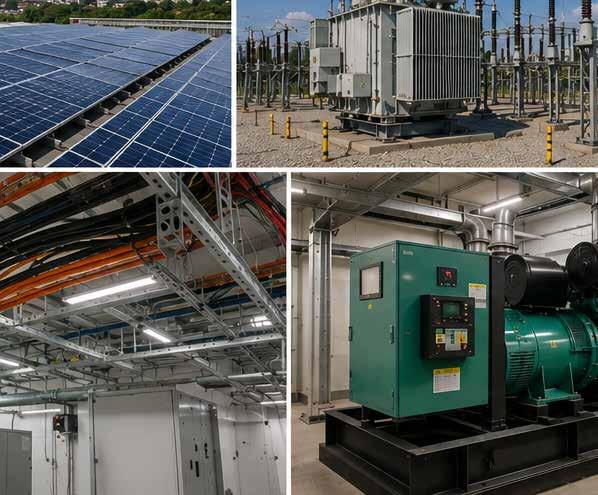
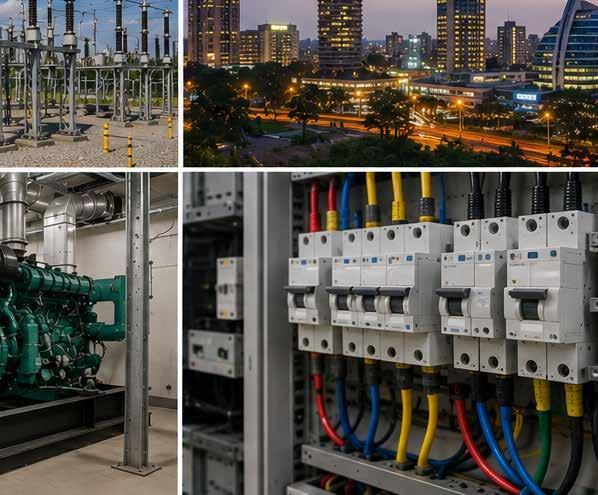
Kenya’s electrical and power systems sector is undergoing rapid transformation, driven by expanding grid infrastructure, accelerating urban development, and rising demand from industrial parks, commercial real estate, and large-scale public facilities. As construction activity intensifies across the country, the need for reliable, code-compliant, and energy-efficient electrical installations has become central to project planning and execution.
Kenya’s ongoing national grid expansion, supported by rural electrification programmes and transmission upgrades, continues to improve power access across urban and periurban areas. This expansion is enabling new developments in real estate, manufacturing zones, logistics hubs, and Special Economic Zones that require stable and scalable electrical infrastructure.
At the same time, demand pressure is rising in major cities such as Nairobi, Mombasa, and Kisumu, where high-density commercial buildings, mixed-use developments, and industrial clusters are increasingly dependent on robust electrical systems capable of handling heavy and variable loads.
A critical component of this growth is the specification and installation of low, medium, and high-voltage power cables. Proper cable selection and sizing are essential to ensure system efficiency, safety, and long-term reliability. Projects are increasingly adopting standards-based designs that account for load forecasting, thermal performance, and environmental conditions.
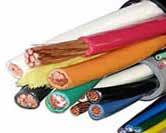
Alongside cabling, electrical containment systems such as conduits, trunking, cable trays, and switchgear assemblies are becoming more sophisticated. These systems are essential in ensuring safe routing, protection, and management of electrical networks in both commercial and industrial environments.
Industrial facilities, including factories, Export Processing Zones (EPZs), and manufacturing plants, represent some of the highest-demand segments for electrical infrastructure. These environments require high-capacity distribution systems, backup power integration, and advanced motor control systems to support continuous operations.
In the commercial sector, malls, office towers, hospitals, and hotels are increasingly integrating complex Mechanical and Electrical (M&E) systems. These include lighting control, emergency power systems, HVAC integration, and smart energy management solutions designed to optimize efficiency and reduce operational costs.
Renewable energy integration has become a defining trend in Kenya’s power landscape. Solar photovoltaic systems, hybrid power solutions, and off-grid installations are now widely deployed in both residential and commercial developments. These systems are particularly important in areas with unreliable grid supply or high energy demand profiles.
Projects are increasingly adopting standards-based designs that account for load forecasting, thermal performance, and environmental conditions.
Energy metering and sub-metering systems are also gaining traction, enabling developers and facility managers to monitor consumption at granular levels. Smart building management systems are increasingly being incorporated into modern developments to improve energy efficiency, automate controls, and enhance operational oversight.
Electrical safety and regulatory compliance remain critical across all project types. Adherence to Kenya Bureau of Standards (KEBS) requirements and statutory approval processes ensures that installations meet minimum safety and performance benchmarks. Contractors and consultants are placing greater emphasis on certified materials, proper earthing systems, surge protection, and fire-safe installations.
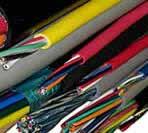
Within this evolving landscape, Metsec Cables Ltd (Doshi Group) sits at the centre of Kenya’s electrical supply chain. Through its extensive range of low and medium-voltage cables and electrical solutions, the company plays a key role in supporting infrastructure, industrial, and commercial projects across the country. Its product portfolio is widely used in power distribution, building wiring systems, and industrial installations, making it a critical enabler of reliable electrical infrastructure in the built environment.
As Kenya continues to invest in infrastructure, housing, and industrialization, the electrical and power systems sector will remain a foundational pillar of growth. The convergence of grid expansion, renewable energy adoption, smart technologies, and stricter compliance standards is reshaping how electrical systems are designed and implemented. In this evolving environment, quality, reliability, and innovation will define the next phase of Kenya’s built environment transformation.
Modern developments are also integrating advanced telecommunications infrastructure, including structured cabling systems and fibre-optic networks. These systems support high-speed connectivity, data transfer, and building automation, particularly in commercial offices, data centres, and mixed-use developments where digital infrastructure is as critical as power supply.
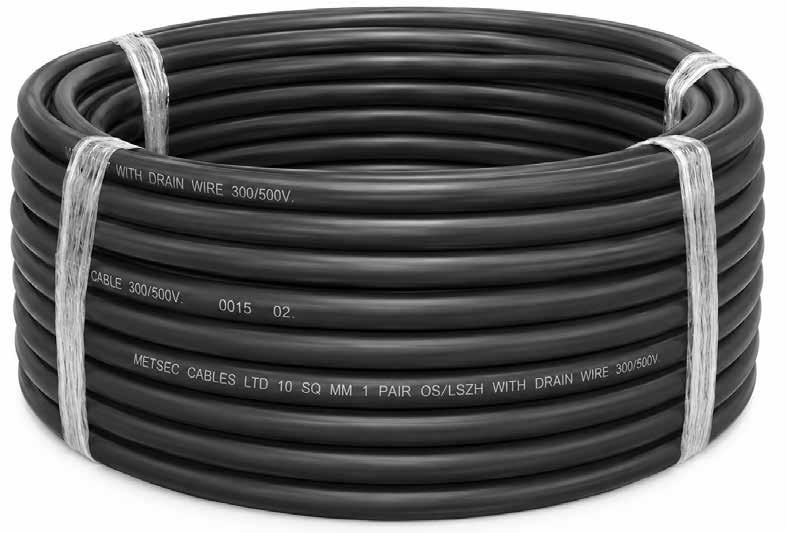
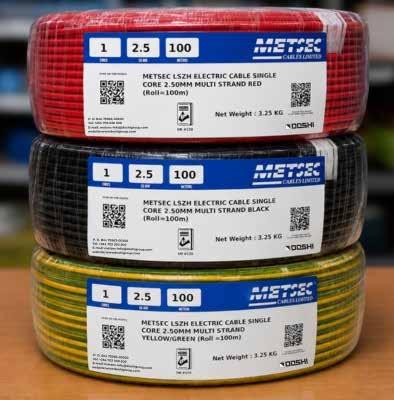
Every modern building depends on an invisible electrical network that sits behind walls, ceilings, shafts, risers and service ducts. When that network is correctly specified, it powers homes, hospitals, schools, data centres, malls and commercial developments safely and reliably. When it is treated as a commodity, it can become one of the most underestimated risks within the built environment.
Across many high-volume electrical markets, a familiar phrase still influences purchasing decisions: “cable ni cable.” The phrase suggests that all cables are essentially the same, provided they contain copper and can carry current. In today’s high-density construction environment, that assumption is no longer acceptable. Fire safety is not only about whether a cable can withstand heat. It is also about how the cable behaves in a fire: whether it contributes to flame spread, how much smoke it releases and whether the gases emitted place occupants, first responders and sensitive building equipment at further risk.
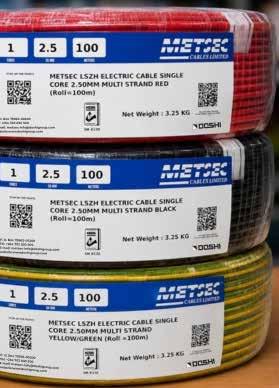
Fire safety does not stop at heat resistance. The right cable specification can reduce smoke, limit flame spread and protect evacuation routes.
This is where Low Smoke Zero Halogen (LSZH) cables play a vital role. In an emergency, visibility and air quality can make the difference between a controlled evacuation and a tragedy. Traditional fire-rated cables focus mainly on circuit integrity. LSZH cables add a broader life-safety dimension by reducing smoke emissions and eliminating halogen-based acidic gases that can compromise breathing conditions and corrode critical electronics.
Backed by the industrial legacy of the Doshi Group, Metsec Cables Ltd has championed a more rigorous approach to electrical safety in Kenya and the broader region. For over a decade, Metsec has supported local manufacturing of LSZH cables and promoted specification standards that reflect the real risks facing modern commercial, residential and institutional projects. Its purpose is simple: to help Africa “Turn It On” safely.
For consultants, quantity surveyors, contractors, developers and facility owners, cable selection should be assessed through four practical performance pillars: preventing initial ignition through well-engineered insulation and sheathing compounds; containing flame
propagation along trays, risers and shafts; preserving visibility during evacuation through low-smoke performance; and reducing corrosive and toxic gas emissions through zero-halogen materials.
As African construction standards continue to evolve and align more closely with global expectations, the conversation is shifting from lowest-cost procurement to whole-life building performance. A cable hidden behind the wall may represent a small fraction of total project cost, but it plays an outsized role in protecting people, preserving asset value and supporting business continuity. Metsec combines local manufacturing capability with ISO 9001 quality management and KEBS Diamond Mark certification to give project teams greater confidence in what is being installed. This matters because quality is not achieved at the point of inspection alone. It is built into each specification, each Bill of Quantities line item and each purchasing decision made before materials ever arrive on site.
Metsec is also strengthening its connection with the construction industry through eyby.com, a digital marketplace designed to make sourcing building materials faster, more transparent and more convenient. Through Eyby, contractors, consultants, developers and trade buyers can discover products, compare suppliers and access a wider range of construction materials in one place.
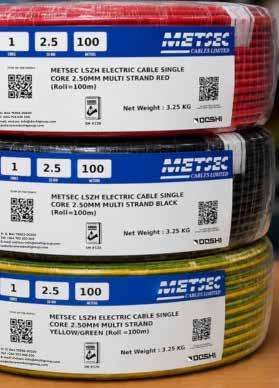
For the electrical sector, this supports better product visibility and more informed purchasing decisions. By combining trusted manufacturing with digital accessibility, Metsec and Eyby are helping construction professionals source quality materials with greater clarity and confidence.
Ultimately, true fire safety is a shared responsibility. Manufacturers must produce to consistent standards. Consultants must specify the right performance requirements. Contractors must install approved materials. Developers and building owners must prioritise long-term performance over short-term savings. Metsec Cables remains committed to partnering with Africa’s construction industry to raise the benchmark for electrical safety and ensure every building is not only powered, but protected — ready to “Turn It On” safely
Metsec combines local manufacturing capability with ISO 9001 quality management and KEBS Diamond Mark certification to give project teams greater confidence in what is being installed.
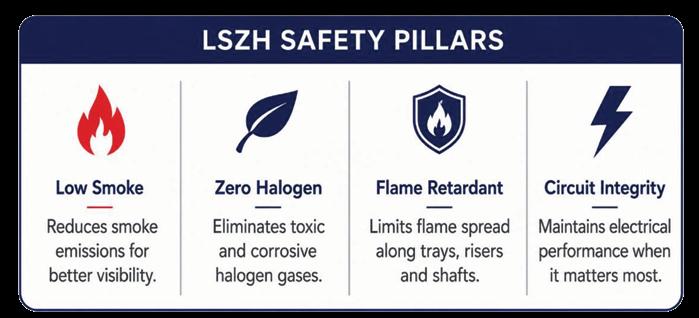

Schneider Electric, a global energy technology leader, has launched Uniflair XCA, a new series of air-cooled and free-cooling chillers designed for the growing demands of AI-driven, highdensity liquid-cooled data centres.
The Uniflair XCAC (air-cooled) and XCAF (free-cooling) series combine oil-free centrifugal compressors, magnetic bearing technology and built-in variablespeed drives to deliver high energy efficiency and operational stability across varying thermal loads and ambient conditions. Featuring a highefficiency spray-type evaporator, the XCA line includes six chiller sizes ranging from 1,200 kW to 2,500 kW. The units use low-GWP refrigerants and support
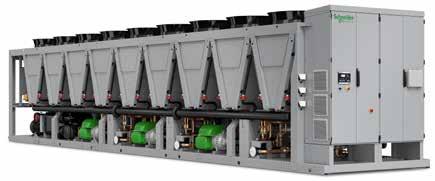
elevated water temperatures, making them well suited to AI-optimised data centres and advanced liquid-cooling environments where sustainability and energy efficiency are critical.
“Energy efficiency, adaptability and reliability are essential components of liquid cooling systems for AI-optimised data
centres,” said Andrew Bradner, Senior Vice President, Cooling Business at Schneider Electric. “With adaptable water operating temperatures and versatile deployment options, the XCA line provides scalability, enhanced performance and long-term peace of mind as data centre complexity continues to rise.”
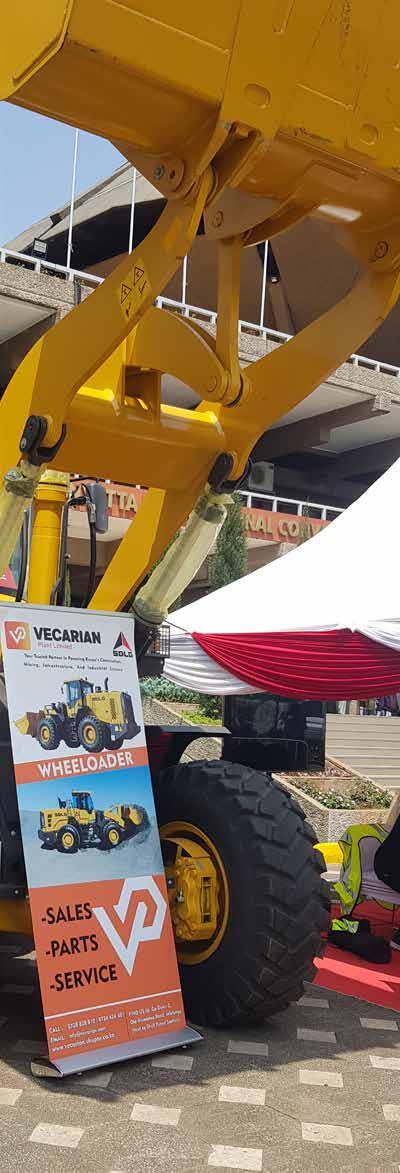
In industries where project timelines are tight, margins are under pressure, and growth opportunities can appear suddenly, having the right equipment can make a big difference. However, for many businesses, especially small and medium-sized ones, buying expensive machinery outright is not always a practical choice.
More companies in construction, engineering, mining, agriculture, and infrastructure support are choosing equipment rental and financing as a smarter way to balance operational needs with financial flexibility.
Equipment rental lets businesses access the machinery they need right away without putting down a lot of capital upfront. This availability keeps cash on hand for other essential operational needs, such as labour, materials, fuel, logistics, and business growth.
“Rental improves liquidity without compromising operational capability,” says Darryn Jacobs, Managing Director at SkyJacks. “Businesses can keep delivering projects safely and efficiently while preserving cash flow for growth and daily operations.”
For industries focused on projects, where timing, productivity, and uptime directly affect profitability, maintaining a healthy cash flow can be just as important as having access to the right equipment. Rentals help companies stay agile and avoid the financial burden that often comes with major capital purchases. This flexibility is even more important in industries where workloads change throughout the year.
Construction projects rise and fall, mining activity fluctuates with market conditions, and agricultural operations often have seasonal highs and lows.
Owning a large fleet of equipment that sits unused during quieter times can lead to unnecessary costs and inefficiencies. Flexible rental agreements help companies match equipment commitments with actual demand, ensuring they have the right machinery available when needed without holding underused assets.
“It creates a more efficient and lower-risk operating model,” Jacobs explains. “Customers gain access to the equipment
they need when activity increases, without the financial strain of owning assets that may not always be fully used.” The benefits of rental agreements go beyond just financial flexibility. Different projects require different equipment strategies. Businesses need solutions that fit their specific operational needs.
To meet this need, SkyJacks provides various equipment access and funding options tailored to different project demands. Short-term hires are perfect for temporary needs like maintenance shutdowns or unexpected spikes in site activity. Long-term rentals offer businesses predictable monthly costs and reliable access to equipment without the burdens of ownership.
For organisations needing a more structured funding approach, SkyJacks collaborates with a leasing provider to create customised finance agreements that match customers’ cash flow needs, business cycles, and overall asset strategies.
“The goal is flexibility,” says Jacobs. “Every business operates differently, and the best solution is one that supports the customer’s operational needs and financial goals instead of forcing them into a one-size-fits-all model.”
For smaller businesses, rentals can be a powerful driver of growth. Winning larger contracts often requires access to specialised equipment, but spending heavily on machinery before securing project revenue can involve significant financial risk.
Rentals reduce that entry barrier by enabling businesses to access necessary equipment without a hefty upfront investment. This capability allows smaller companies to bid for bigger contracts, boost their competitive standing, and scale operations as new opportunities arise.
“Rentals allow businesses to grow responsibly,” Jacobs says. “It gives smaller operators the chance to take on larger opportunities while keeping financial discipline and protecting cash flow.” Rather than buying equipment in anticipation of future work, businesses can expand as project awards are confirmed, reducing risk while positioning themselves for sustainable growth.
The benefits of rental agreements are not just for smaller operators. Larger organisations managing multiple sites, divisions, or seasonal operations can also gain from greater flexibility in capital allocation.
Instead of locking up significant resources in depreciating assets, businesses can invest in strategic initiatives while ensuring access to modern, reliable equipment. Financing solutions also make fleet planning more predictable, improving budgeting accuracy and enabling companies to refresh or expand their equipment in a more organised way. For companies operating in several locations, this flexibility is especially valuable when adapting to changing project requirements or shifting market conditions.
Having access to equipment is only part of the equation. Reliability, safety, and productivity remain equally important factors, making regular servicing and maintenance vital.
Equipment failures can disrupt project schedules, increase costs, and create safety hazards on site. Regular servicing helps minimise these risks by ensuring equipment operates within manufacturer specifications and compliance standards.
“Servicing isn’t just a maintenance function,” Jacobs explains. “It’s a proactive way to improve reliability, extend equipment life, and support safer jobsite performance.”
Many businesses are also seeing the advantages of outsourced maintenance. By leaving servicing, inspections, and
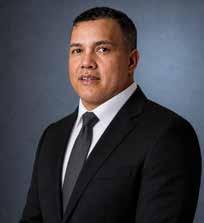
preventive maintenance to equipment specialists, organisations can focus their internal resources on essential operations rather than managing complex maintenance schedules. This approach results in fewer unexpected breakdowns, improved equipment availability, and less operational disruption, all of which directly boost productivity and project success.
Rent or buy: choosing the right strategy While rentals bring many benefits in various situations, ownership still plays an important role in a sound equipment strategy.
“If a business has a long-term, consistent need for a specific asset, high equipment usage, and enough capital to invest, purchasing outright may be the better financial choice,” says Jacobs. “The right decision ultimately depends on usage, cash flow, growth plans, and the company’s overall operational strategy.”
As businesses continue seeking ways to improve efficiency and stay competitive, the discussion around equipment is changing. Many organisations are starting to see the value of flexible access, predictable costs, and professional maintenance support instead of viewing machinery solely as assets to own. In an environment where agility often leads to success, smarter equipment funding strategies help businesses maintain cash flow, enhance productivity, and position themselves for long-term growth.
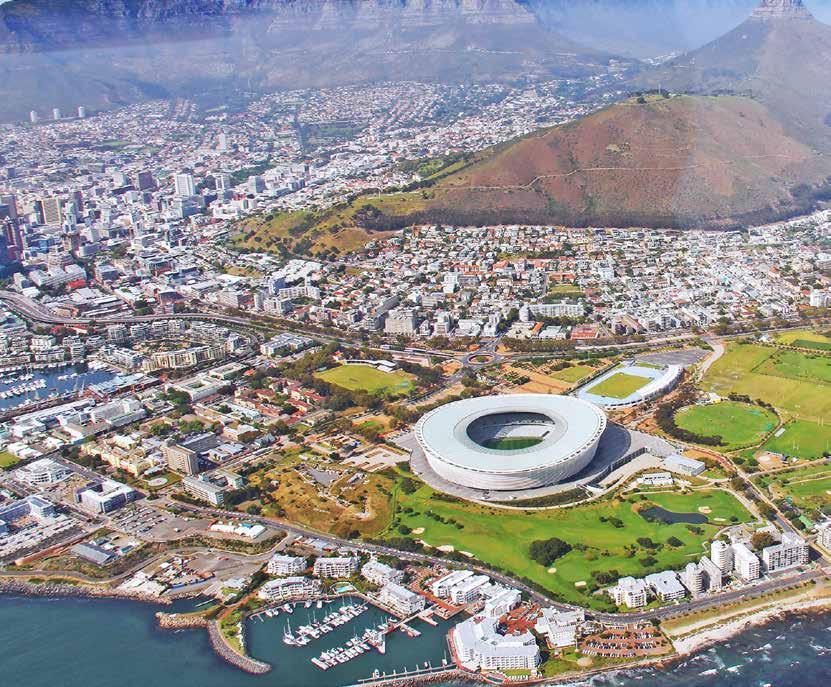
Construction costs across the Western Cape are becoming increasingly unpredictable. Currency volatility, global supply chain disruptions, rising fuel prices and escalating logistics costs are creating uncertainty for contractors, developers, homeowners and businesses alike.
While cost fluctuations have always been part of construction, the current challenge extends beyond rising prices. Increasingly, stakeholders are struggling to predict what projects will ultimately cost by the time they are completed.
"Construction pricing has become far more volatile," says Chandré Abrahams, Chairman, Master Builders Association Western Cape (MBAWC) Marketing Committee and Regional Sales Manager at
Corobrik. "Many building inputs are imported or influenced by global markets, making them vulnerable to currency fluctuations. Combined with local inflation, rising fuel prices and higher logistics costs, it is increasingly difficult to price projects with certainty.”
The impact is being felt across the construction value chain. Steel, aluminium, electrical equipment, mechanical systems, specialised finishes and other imported products remain highly exposed to currency fluctuations and global supply pressures. Even locally manufactured materials are becoming more expensive due to rising transport, fuel and energy costs.
Fuel remains one of the most significant cost drivers. According to Deon van Zyl, Chairperson of the Western Cape Property
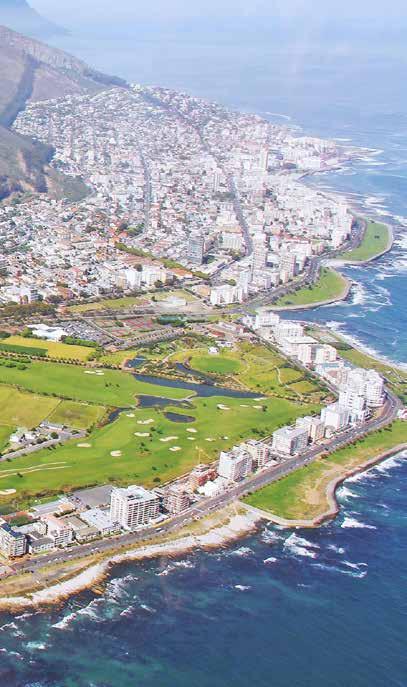


Development Forum (WCPDF), its impact extends far beyond transportation.
"Fuel price hikes affect every stage of the property development process," he says. "The impact is particularly significant in site preparation and civil works, where heavy machinery relies on diesel. These costs ultimately flow through the entire project."
At the same time, supply chain instability continues to disrupt project delivery. Delays in securing critical materials can stall projects, drive up labour and site costs, and expose projects to further inflation. Contractors are also increasingly forced to source alternative products at short notice, adding cost and potential quality or compliance risks.
Van Zyl also points to delays in approvals and decision-making as a growing source of uncertainty, with extended timelines increasing exposure to cost escalation.
The consequences can be severe, including budget overruns, project delays, contractor insolvency, contractual disputes and compromised quality. With margins already tight, even modest cost increases can have significant financial consequences.
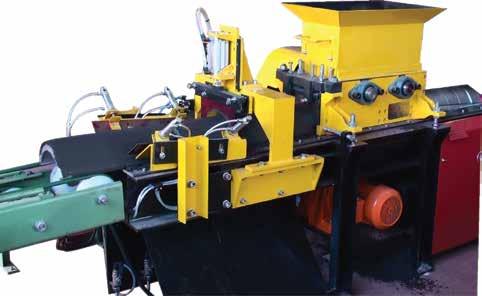
Contractors often bear the immediate pressure, particularly on fixed-price contracts where costs continue to rise after pricing is agreed. However, the impact ultimately flows through
high-risk materials, alternative solutions and supply chain constraints early, allowing risks to be managed proactively."


“Are you cautious about Construction Costs and Contracts? If Yes, You definitely need A Professional Quantity Surveyor”
Quantity Surveyors are the only trained professionals in the construction industry with relevant combined expertise in efficiently undertaking financial, contractual and administrative management of all types of construction developments such as buildings, civil engineering works like roads, public drainage, marine and harbour works or other infrastructure developments such as Electricity power generations and distributions, Water-dams and potable water municipal distribution, petroleum refineries, airports, seaports etc.
Generally, project owners (Clients), project developers (Financing organizations), consulting firms and construction firms are usually curious about turning the client’s idea into reality, hence cautious about how much it could cost and how smoothly it could be done. Therefore an effective planning and management in the financial and contractual aspects is very crucial in order to predict a successful project delivery. In order to ensure that the value for your money is adhered to.
H CONSTRUCTION PHASE: This is the project execution phase where all the planning will pay off.
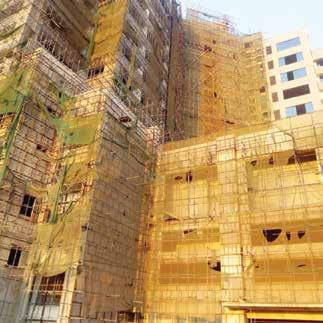
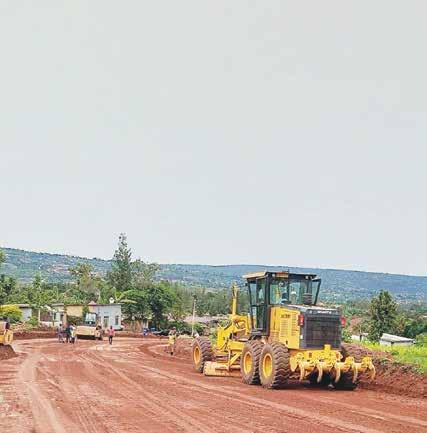
Consulting firms Measurement of executed works, preparation of Interim Payment Certi and advising on contractual matters.
This phase occurs after physical construction has been payments and management of maintenance costs
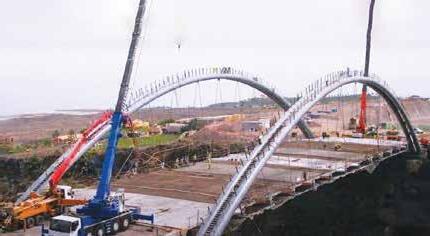
“Are about
Quantity trained construction combined undertaking administrative types such works marine infrastructure as distributions, water refineries,
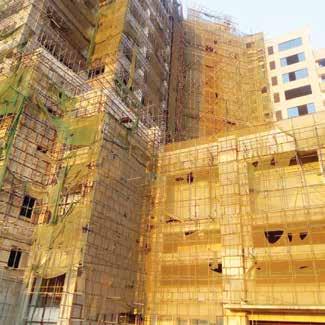
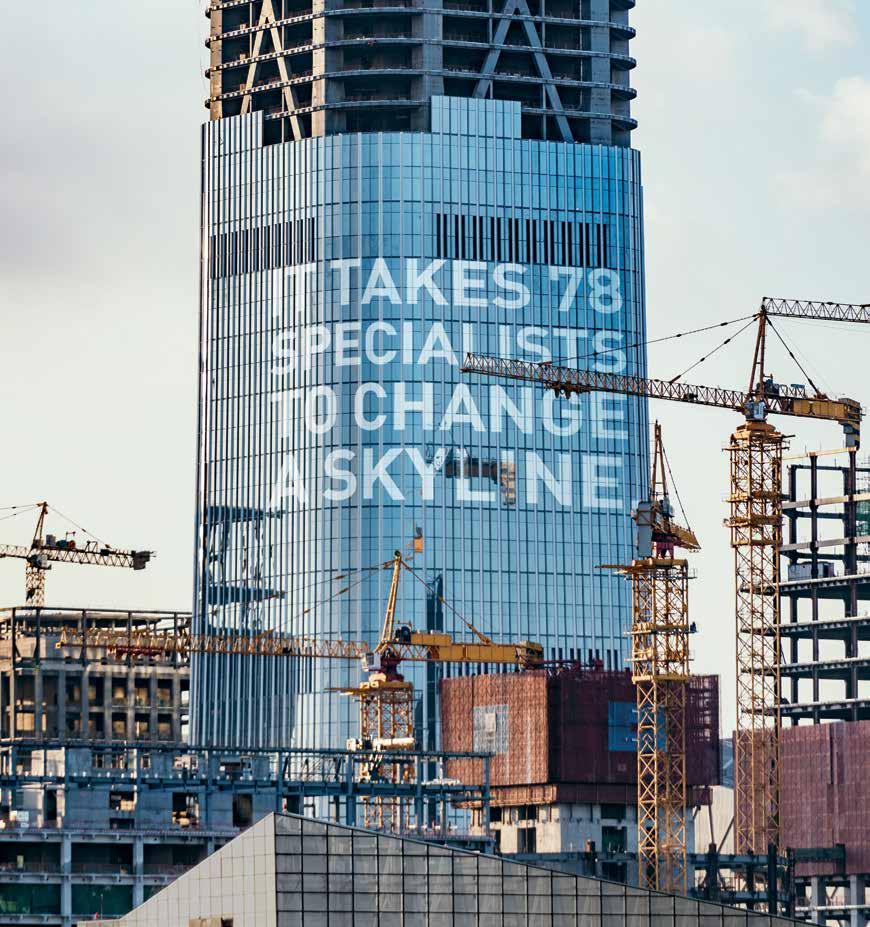
Behind every modern marvel is a team of experts who take innovation to the next level. In insurance, having a risk solutions partner that understands your business the way you do is crucial to protect it. With over 101 years of experience and being the leaders in specialist underwriting across a broad range of industries, you can be sure we’ll use our technical expertise to offer you quality insurance solutions to protect your business. Santam. Insurance good and proper.
Santam is an authorised financial services provider (licence number 3416).