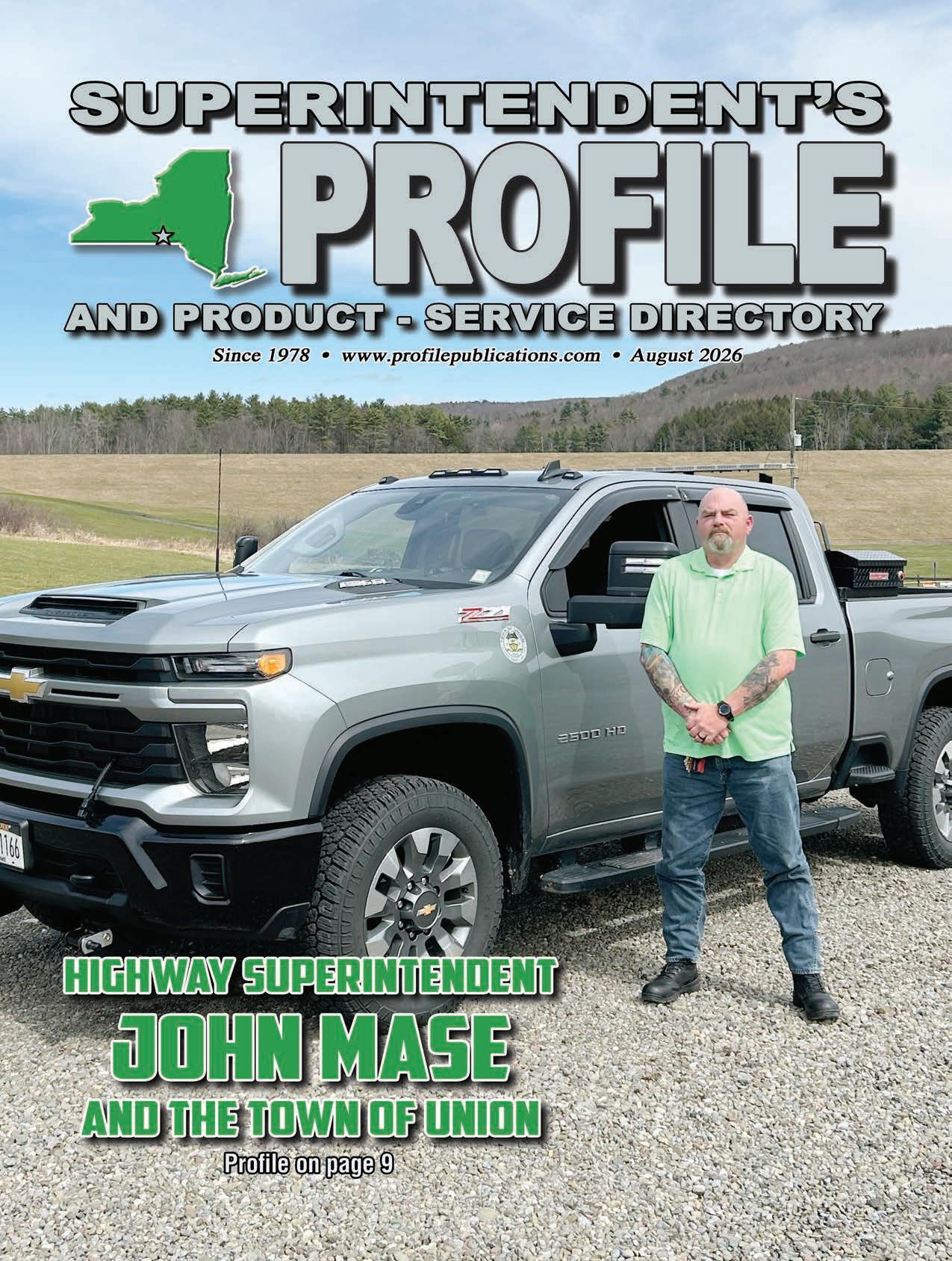
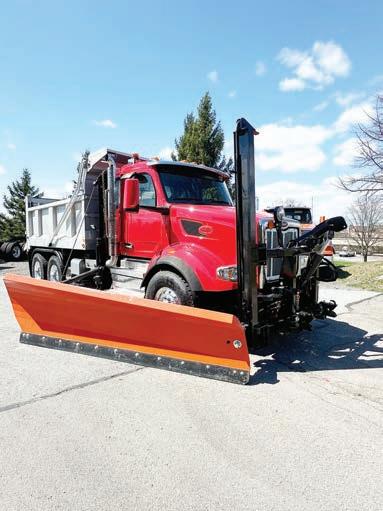
Highway Superintendent John Mace and the Town of Union
STAFF
President/Publisher Edwin M. McKeon Jr.
Editor In Chief Craig Mongeau
Sales Manager Kent Hogeboom
Production Mgr. John Pinkerton
Controller Judith Nixon
Circulation Mgr. Cathy Printz
Sales/Admin. Asst. Deby Hogeboom
Excitement continues to grow for the 32nd Annual N.Y.S. Highway & Public Works Expo, and all signs point to this being one of the biggest and most successful shows in the event’s history.
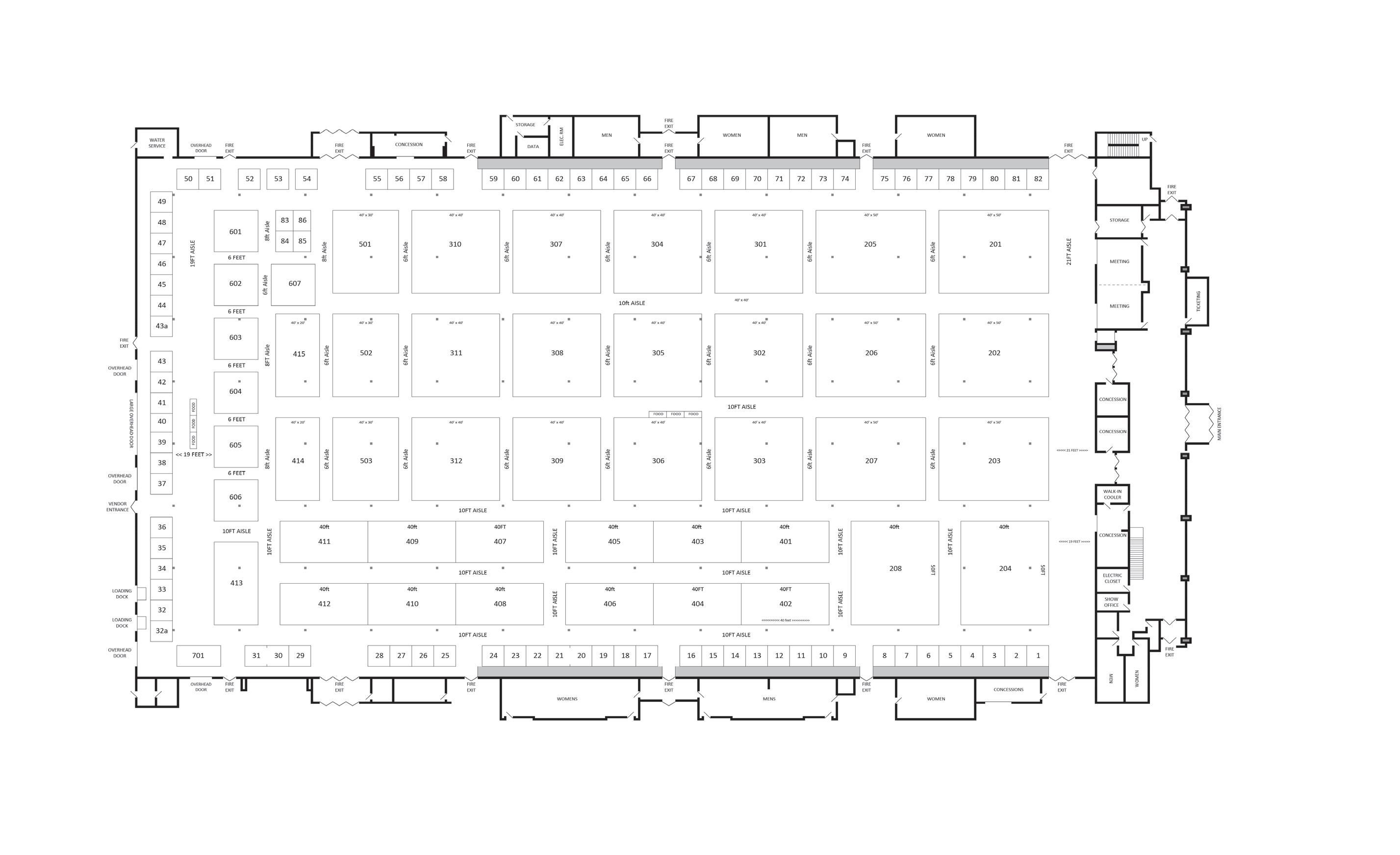
Interest from exhibitors has been exceptionally strong, with exhibit space now 85 percent sold. At this point, only 19 standard 10-ft. by 10-ft. booths and a single 40-ft. by 20-ft. exhibit space remain available, as of late July, making now the time for companies that have been considering participation to secure their place before the show reaches full capacity.
The continued demand reflects the Expo’s reputation as New York State’s premier gathering for highway, public works, municipal and transportation professionals. Each year, the event provides attendees with the opportunity to explore the latest equipment, products, services and technologies while networking with industry peers and manufacturers from across the region.
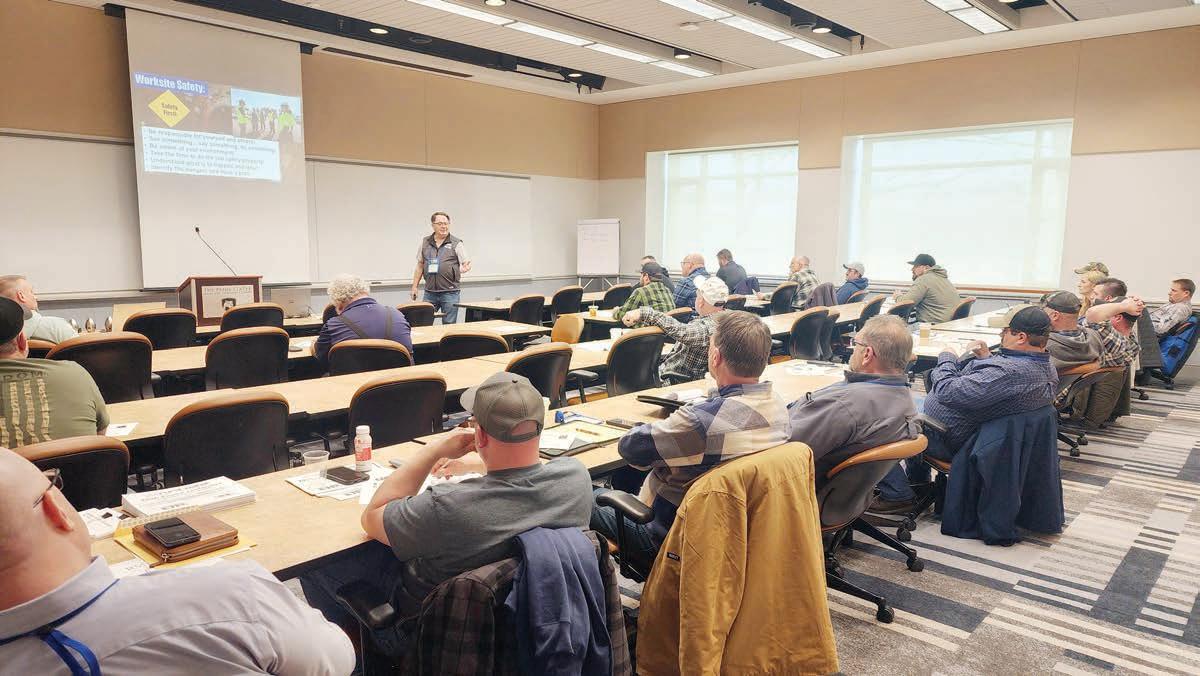
This year’s Expo also will feature several exciting new additions.
Trade Show Manager Amanda Hogeboom-Guilfoyle
Consultant Bob Buckley
Lots of news, products and services throughout! 361 Shoemaker Road Mohawk NY 13407 Phone 518/221-5159 E-Mail - khogeboom@cegltd.com
PRODUCERS OF THE ANNUAL NEW YORK STATE HIGHWAY & PUBLIC WORKS EXPO Amanda Hogeboom-Guilfoyle: General Manager of the NYS Highway & Public Works Show 518-396-7659 email: aguilfoyle@cegltd.com OCTOBER 28, 2026 • SYRACUSE, NEW YORK
Mailed 11 times a year by name, to every Town, County, Village and City Highway Superintendent, Public Works Director and D.O.T. official in NY State.
Subscriptions are available to all interested persons at a cost of $25.00 per year within the USA. To subscribe, send your check, voucher or money order for $25.00 to the address above. Single issues $3.00 each With the exception of Highway Superintendents, Public Works Directors & D.O.T. Officials, material may not be reproduced in any form without the written permission of the publisher.
One welcome change is the addition of a catered lunch provided by Chick-fil-A. Attendees can look forward to enjoying the restaurant’s popular chicken sandwiches and signature waffle fries during the lunch break. Even better, lunch will be free for attendees who pick up complimentary lunch tickets made available through the generous support of our 2026 Lunch Sponsors. We encourage everyone to stop by these sponsors’ booths throughout the day to thank them for helping make this new feature possible.
Leading this year’s lunch sponsorship program are our Gold Sponsors, Allegiance Trucks and Montage Enterprises Inc. Viking-Cives joins the program as our Silver Sponsor, while our Bronze Sponsors include Buyers Products, Charles D. Stahl Sales & Service, Dejana Truck & Utility Equipment, Henderson Products, Hunter Trucks, Milton CAT, Steel Sales Inc., Tenco Industries and Winter Equipment Company.
And perhaps the most exciting new feature will be the debut of the Cash Booth Giveaway. Taking place at 11 a.m., noon and 1 p.m., one lucky attendee will be selected for the opportunity to step inside the cash booth and grab as many prizes as possible. Participants will have the chance to win cash, gift cards and a variety of giveaways generously provided by participating exhibitors.
With exhibit space nearly sold out, new attractions for attendees and an outstanding lineup of exhibitors and sponsors, the 32nd Annual N.Y.S. Highway & Public Works Expo is shaping up to deliver another memorable event. Stay tuned for more details in next month’s issue of Superintendent’s Profile.
Craig Mongeau
BUFFALO
Ken Nye knye@conwaybeam.com (716) 821.9911 x 526
Guy Klass gklass@conwaybeam.com (716) 821.9911 x 524
Larry Hageman lhageman@conwaybeam.com (716) 821.9911 x 515
Ryan Jones, Director of Sales rjones@conwaybeam.com (716) 821.9911 x 507
ELMIRA
Nigel Kellberg nkellberg@conwaybeam.com (607) 733.4606 x 219
ROCHESTER
Corey Kummerow ckummerow@conwaybeam.com (585) 424.4860 x 153
Rob Monaco rmonaco@conwaybeam.com (585) 424.4860 x 110
SYRACUSE
Joe Post jpost@conwaybeam.com (315) 437.2574 x 302
Andy Heinze aheinze@conwaybeam.com (315) 437.2574 x 314
Kurt Hoffman khoffman@conwaybeam.com (315) 437.2574 x 332
WATERTOWN
John Soderquist jsoderquist@conwaybeam.com (315) 788.2180 x 412
www.sourcewell-mn.gov
HBy Lori Lovely PROFILE CORRESPONDENT
Highway Superintendent John Mase and the Town of Union
Although he acquired his position as highway superintendent of the town of Union in Broome County through his own initiative and vast experience, John Mase credits his father, John C. Mase, for his achievement.
“Without him, I may have never chosen highway maintenance as a career path,” he said.
Both father and son worked for the New York State Department of Transportation — the elder Mase for 37 years, the younger for 25. They even worked together one winter before the younger man became a DOT supervisor.
The town of Union superintendent learned much from his father, a bridge repair assistant, that he applies to his current position.
“[He] taught me carpentry and concrete work, as he worked in bridge maintenance for NYSDOT [and] gave me pointers on effectively plowing and salting roads,” said John.
Roadwork
As highway superintendent, John is responsible for maintaining 250 lane mi., all of which are paved, and five bridges. In the winter, his crews cover 15 plow routes, each of which takes three to four hours to
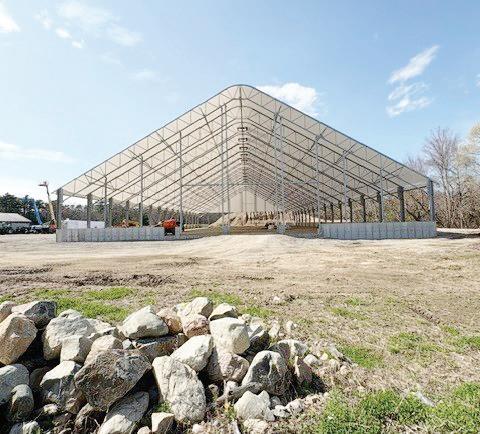
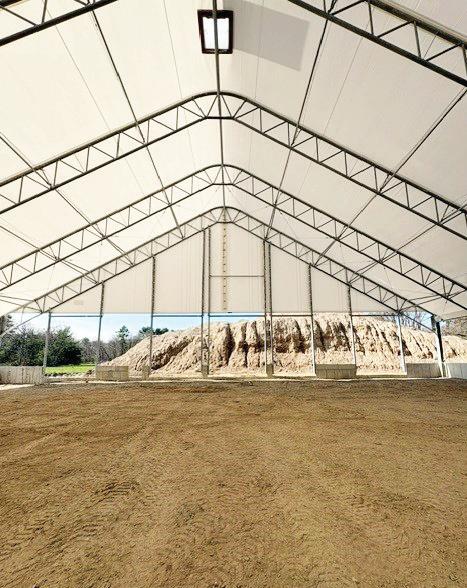
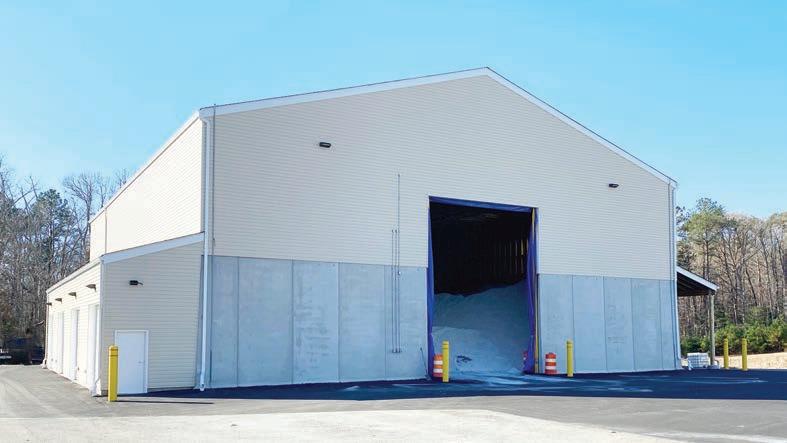
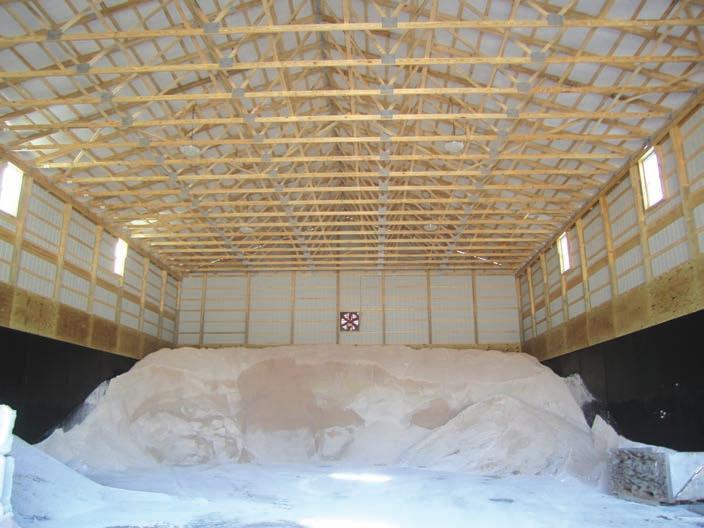
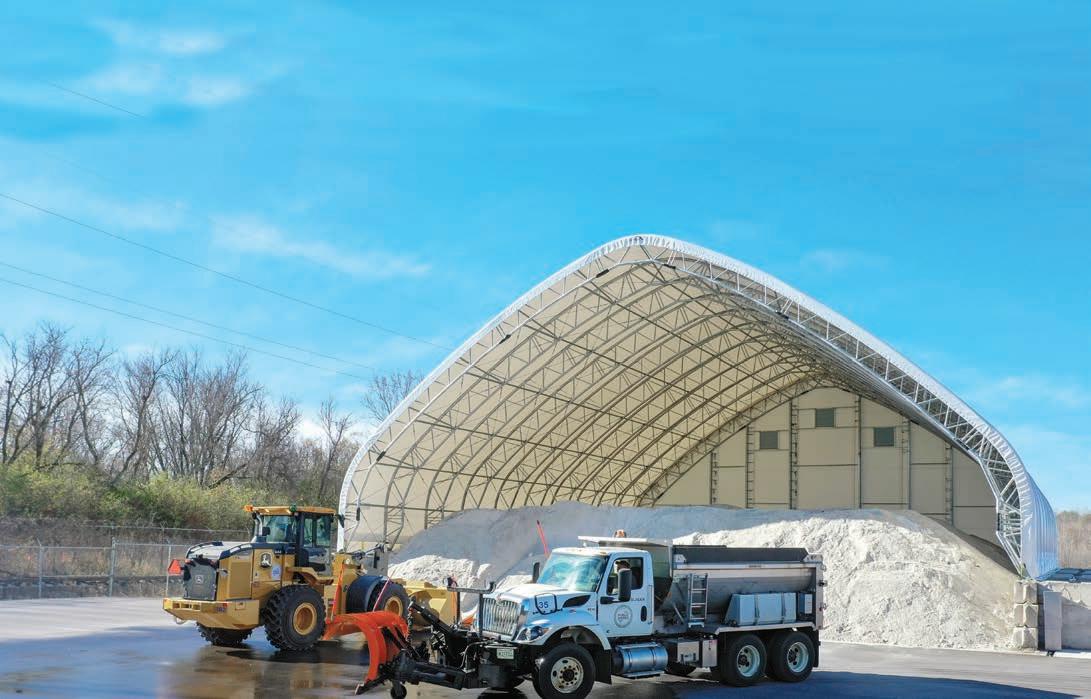
complete. The town has under cover salt storage capacity of 4,500 tons in their salt barn — enough to treat the roads of a town that averages more than 49 in. of snowfall annually.
“My father taught me that no two snowstorms are alike,” John said, adding, “Expect the unexpected.”
John applies his father’s guidance on concrete to the town’s comprehensive paving program. His focus is maintaining street and road stability and longevity through preventive maintenance. During his brief tenure, he and his crew have completed “many paving projects.”
That is made easier because they do all their own paving, he said with pride. They unofficially divide the town into four or five sections, then assess the roads in each section to determine if they need to be paved or micro-paved, which will give them another seven or eight years of life.
“We contract out for that,” he said, “but do all our own paving.”
Curb and gutter damage are addressed before they pave. One contractor wins a bid for the work each year. Once that is completed, crews mill out 5 in. before laying new binder and top.
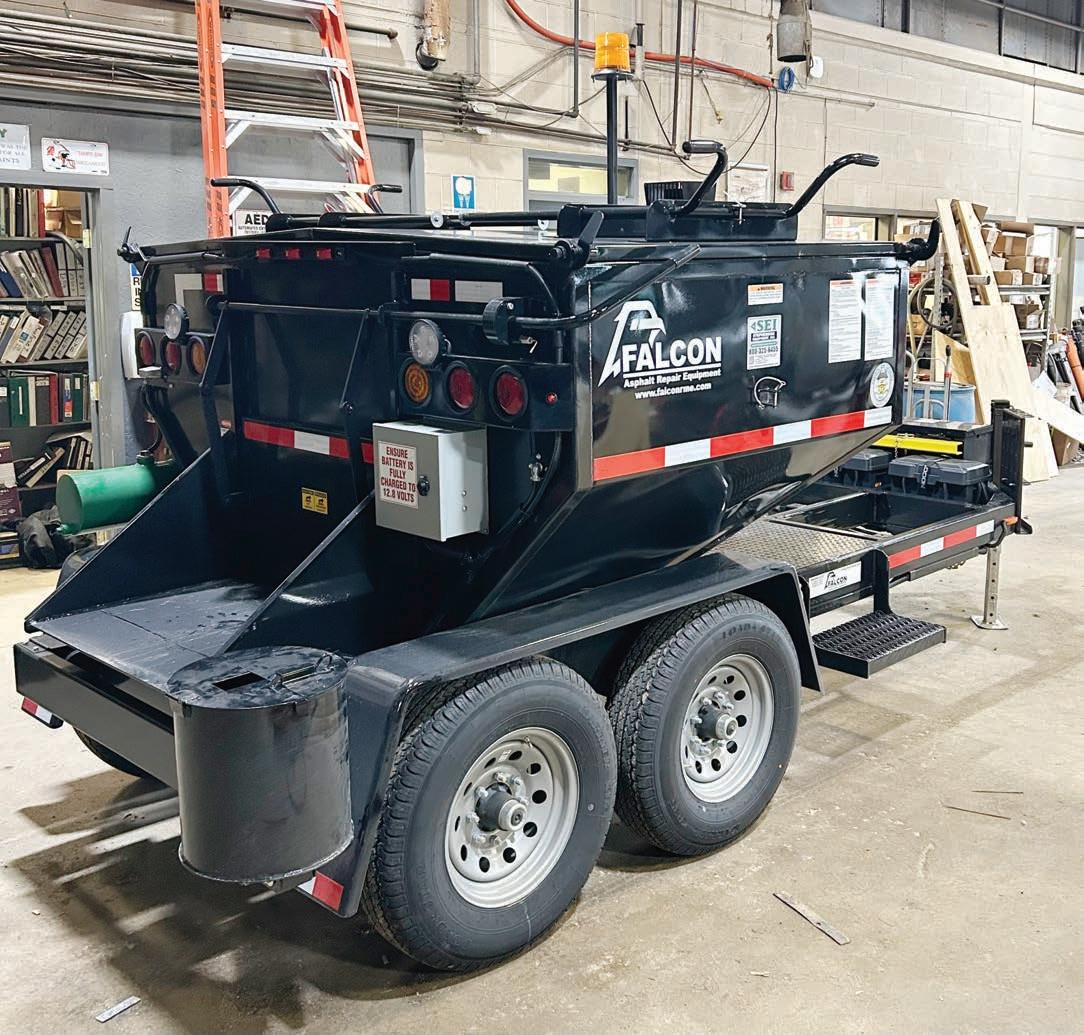
During the winter, they do a lot of patching. The town recently took delivery on a hot box trailer that keeps cold patch warm. This helps ensure pliability with warm cold patch.
continued on page 12
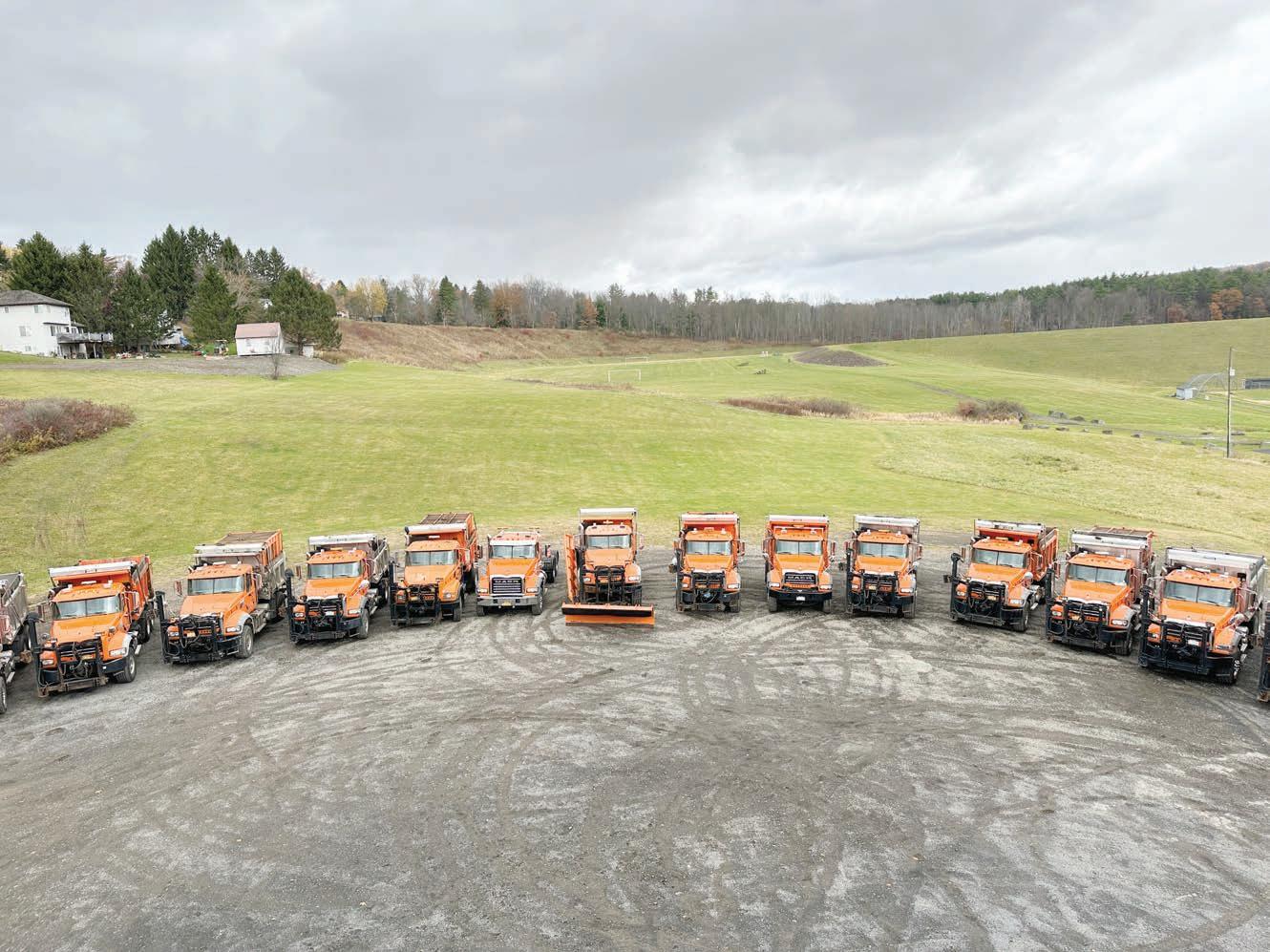
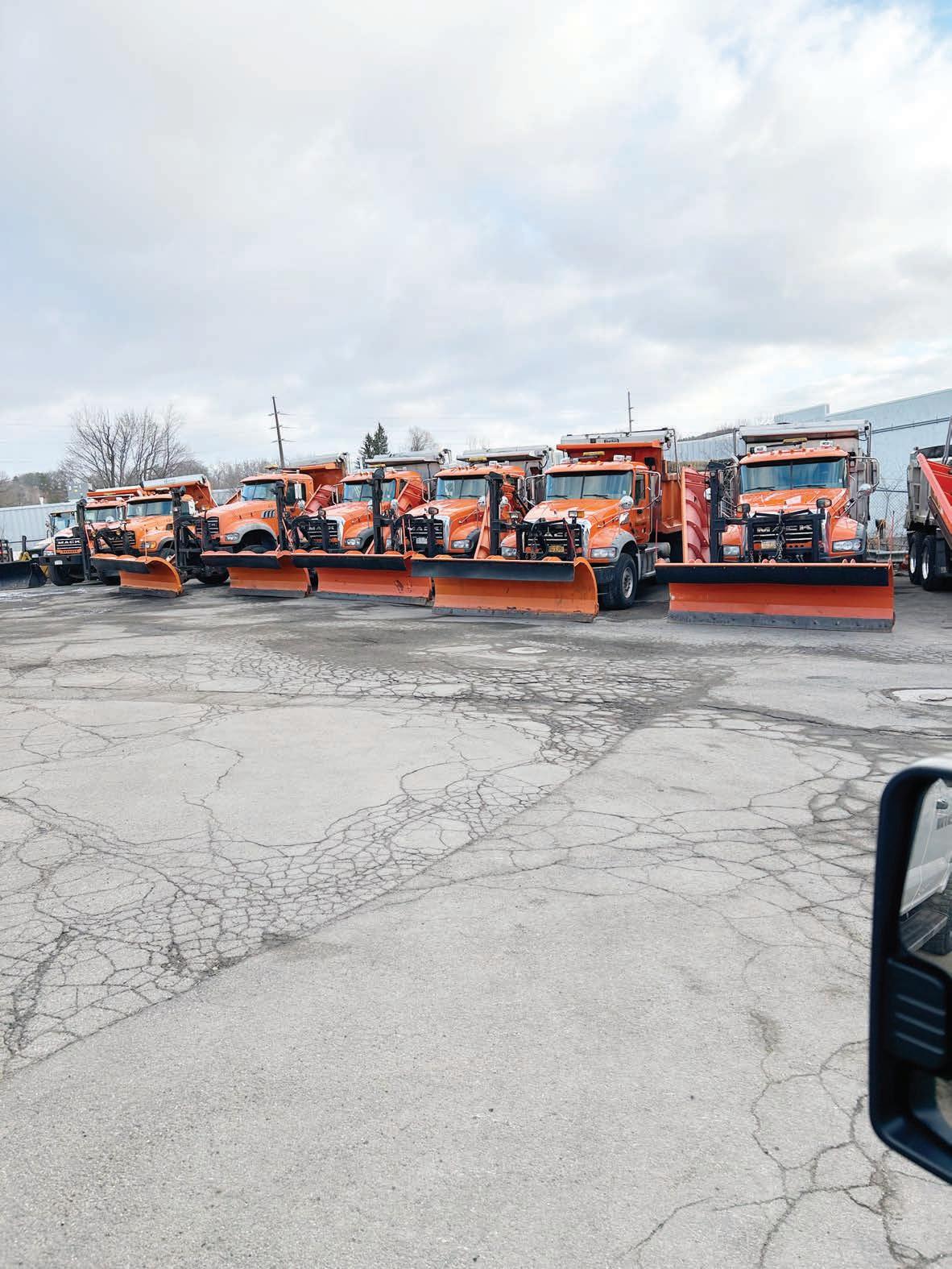
The department is proud of its Mack fleet.This photo was taken at Struble Park.
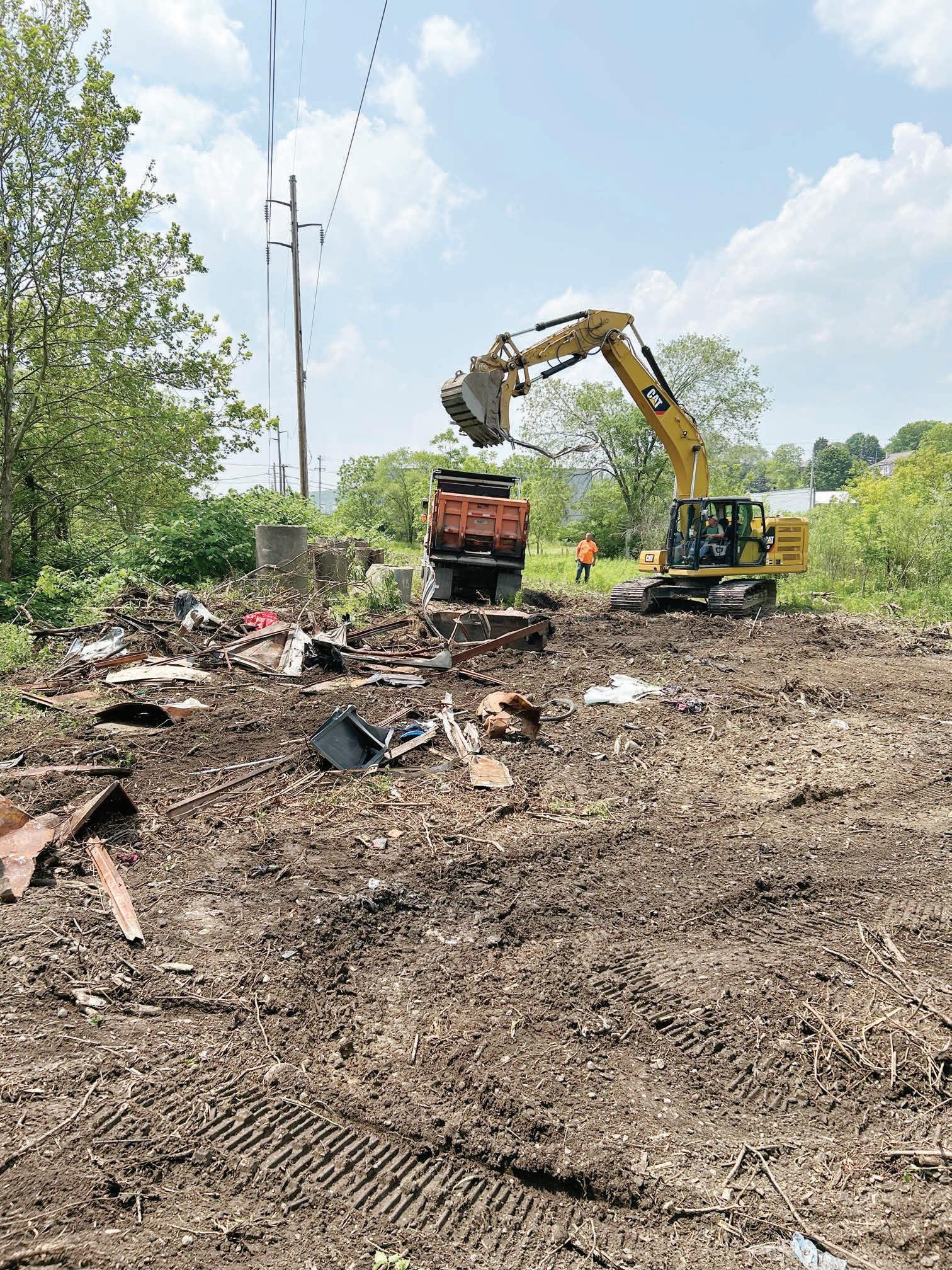
The crew works on a homeless encampment cleanup project on Wayne Street. from page 9
continued on page 16
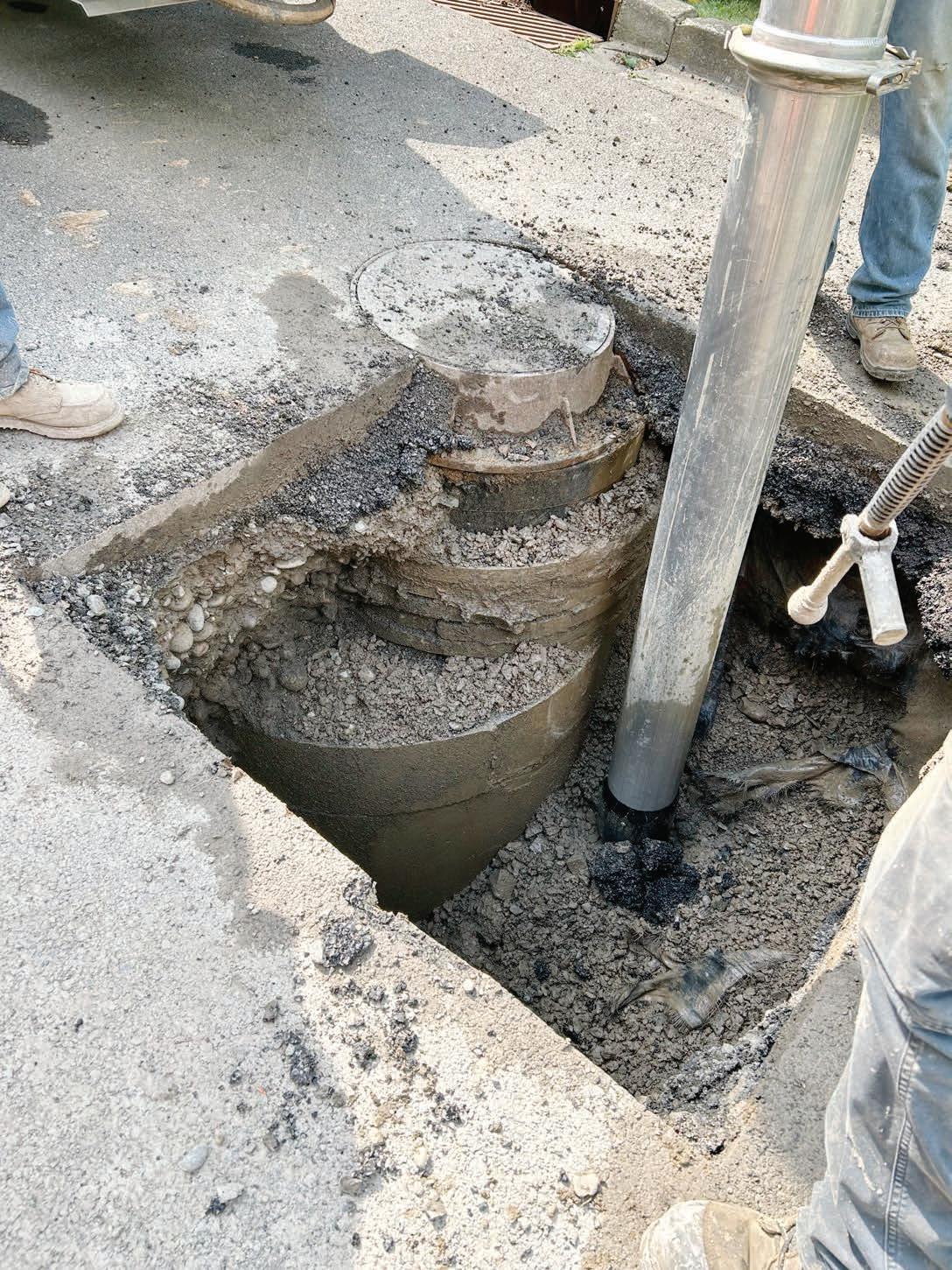
The department performs vacuum excavation to repair a manhole structure on Clearview Street. from page 12
He worked as a safety specialist for a logistics company for two years and did a brief stint as an emergency services specialist at Cornell University, but it was too physical, so he put out applications for other
Changes
In 2017, John was working for NYSDOT. One day, he and a coworker were picking up rubber chunks from tractor trailers along the side of the road when a woman rear-ended their vehicle at a speed of 65 mph. It “messed up my back,” he said. “The doctor advised leaving laborintensive jobs and finding something in management, so I started looking for a job.”
One day, a job showed up on Indeed. On a whim, he applied.
“I got a call within a day,” he said.
After a meet-and-greet with the town supervisor and the head of public works, he had an interview on a Wednesday and received a job offer on Friday.
LATHAM 17 Northway Lane Latham, NY 12110 518-220-9500
BATAVIA
4554 West Saile Drive Batavia, NY 14020 585-344-1931
833-Go2-ALTA AltaEquipNY.com
SOURCEWELL CONTRACT 032119-VCE
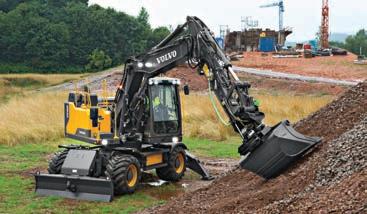
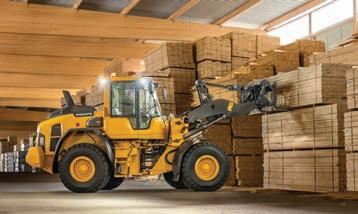
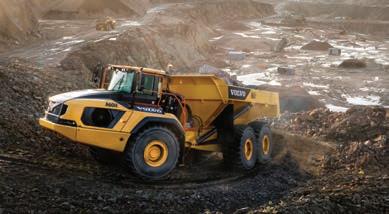
Getting vital services and planned projects completed on time is important to keep costs down. You need high-quality equipment to get jobs done safely and efficiently — and we have an easy-to-use contract solution via Sourcewell.
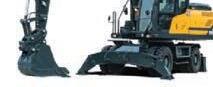
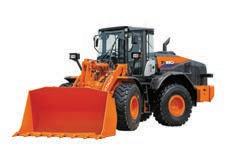
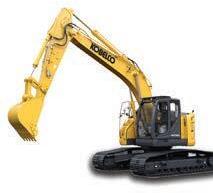
At Alta Equipment Company, we offer creative financing solutions with competitive rates, terms and payment schedules, all while receiving Sourcewell contract pricing and discounts. From powerful crawler excavators and versatile wheeled excavators to fuel-efficient wheel loaders and more, Alta Equipment Company has you covered.
As taxpayers and citizens ourselves, we appreciate your hard work and dedication to keeping our infrastructure projects on track, our roads and bridges repaired, our landfills operating smoothly, and all of the many other services you provide. Work with Alta Equipment Company and Volvo — together we can lower costs and keep you up and running so projects move forward efficiently.
from page 16
John was living in Pine City, where he grew up and where his father still resides. One of the requirements of the job was relocating to Union — which took a while.
“Some [of the new employees] came from other municipalities and had snow and ice experience,” he said.
But perhaps the most important quality he looks for in job candidates is attitude.
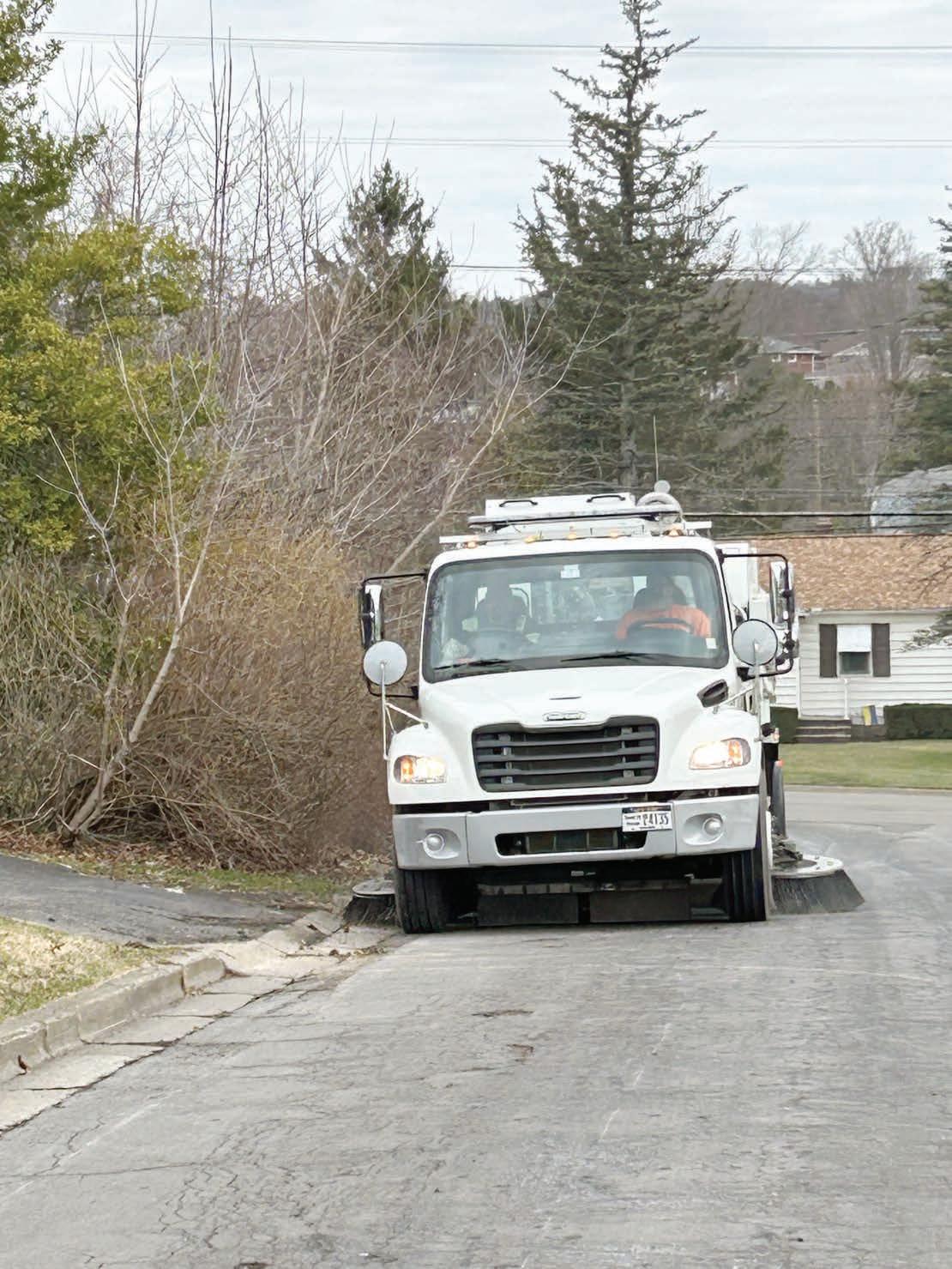
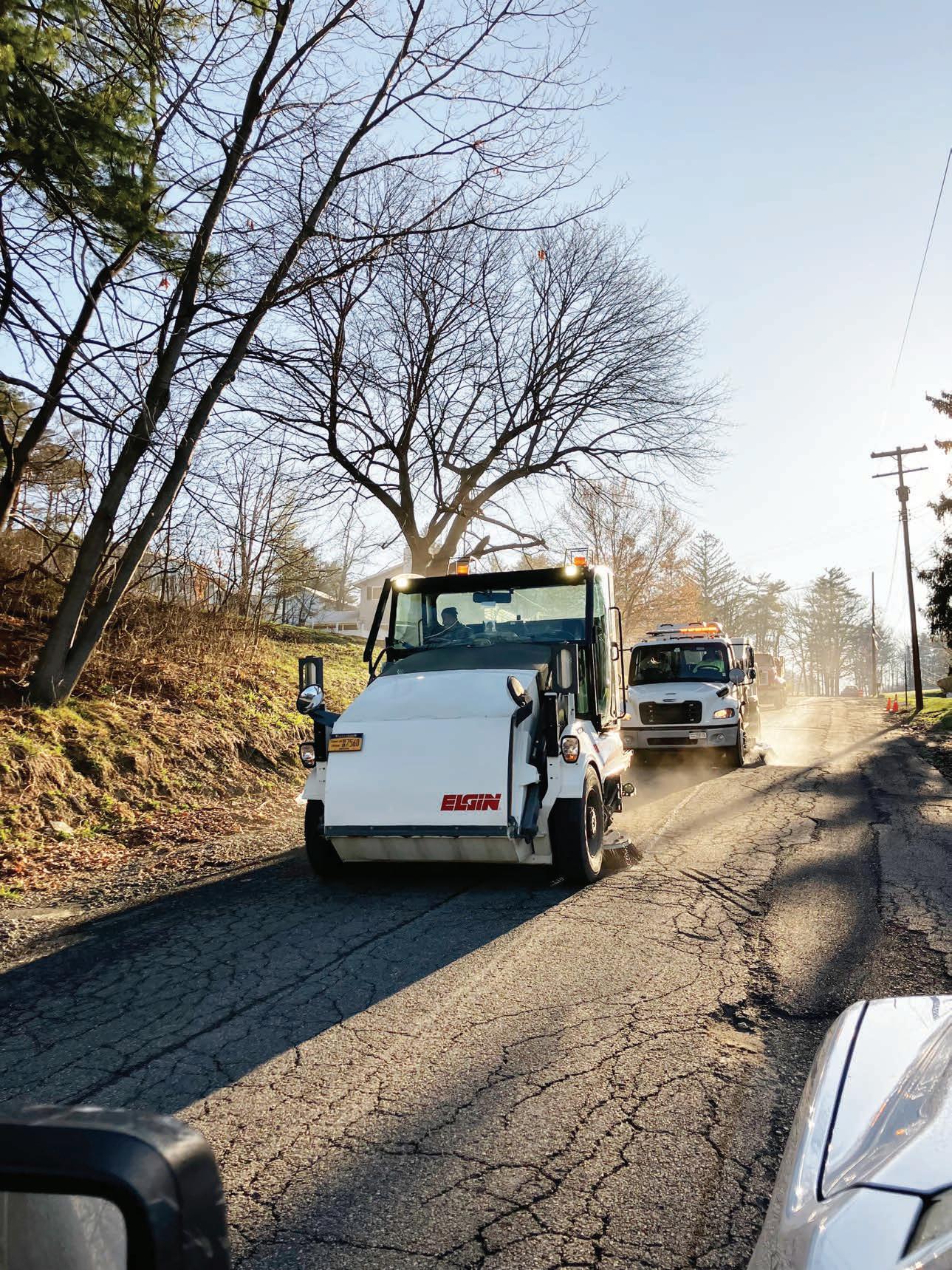
Street cleaning operations takes place on Harding Avenue.
John added they’ll be getting a new backhoe soon, and that while they need two dump trucks, they aren’t lacking any equipment. “We buy a new dump truck every year,” he said.
The Crew
The highway department maintains a full-time staff of 32 who work 6 a.m.-2:30 p.m., Monday-Friday. Key people include:
from page 20 continued on page 30
The highway department maintains a full-time staff of 32 who work 6 a.m.-2:30 p.m., Monday-Friday.
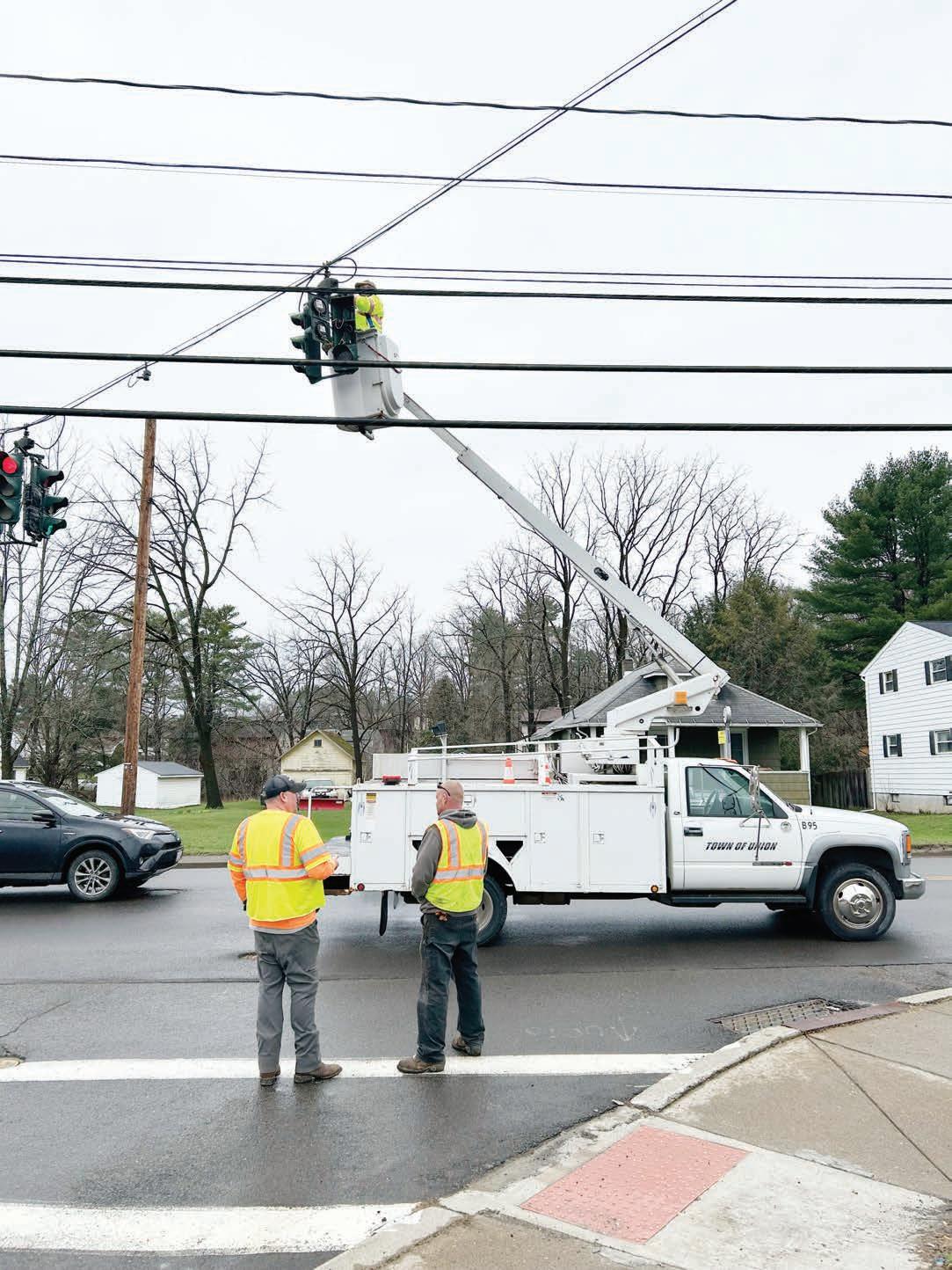
The crew performs traffic light repair at Hooper Road and Pruyne Street.
Sweeping operations commence on Harding Avenue.
The Work
The town’s budget of $6,579,672 is supplemented by CHIPS money in the amount of $493,793.93 and income from renting equipment to other municipalities. This helps maintain the facilities, which include a main garage built in 1953, a storage garage and two stock yards. With plans that include continuing to rebuild and repair the 5,600 catch
That said, there are downsides to the job. One of his least favorite duties is issuing parking tickets when residents park on the street during snowy weather.
“There used to be a law that there was no parking on the streets if we got 2 inches of snow, but now, it’s no parking with any snowfall,” John said.
Using the same system the police use, he issues a warning on the first offense. Second notice is a fine of $40. Third time, it’s a tow.
continued on page 40
The department works on water tower road repair at Kot Road, Johnson City.
Part of the Mack fleet is set up for snow and ice operations. from page 34
Union is located near the Pennsylvania border along the Susquehanna River and is a western suburb of Binghamton.
continued on page 44
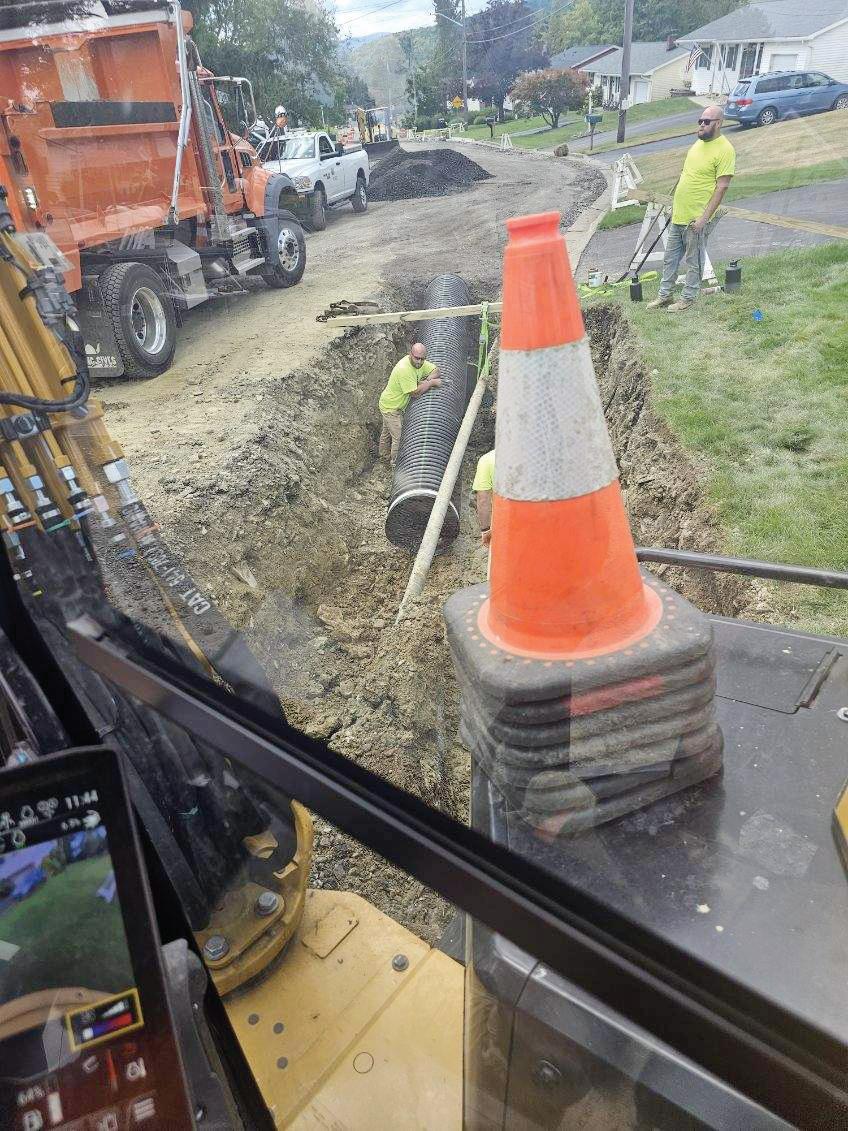
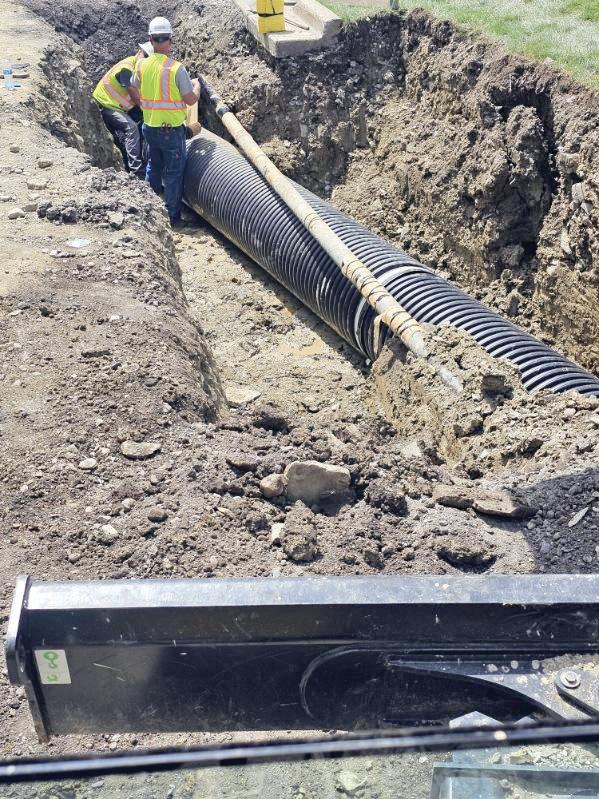
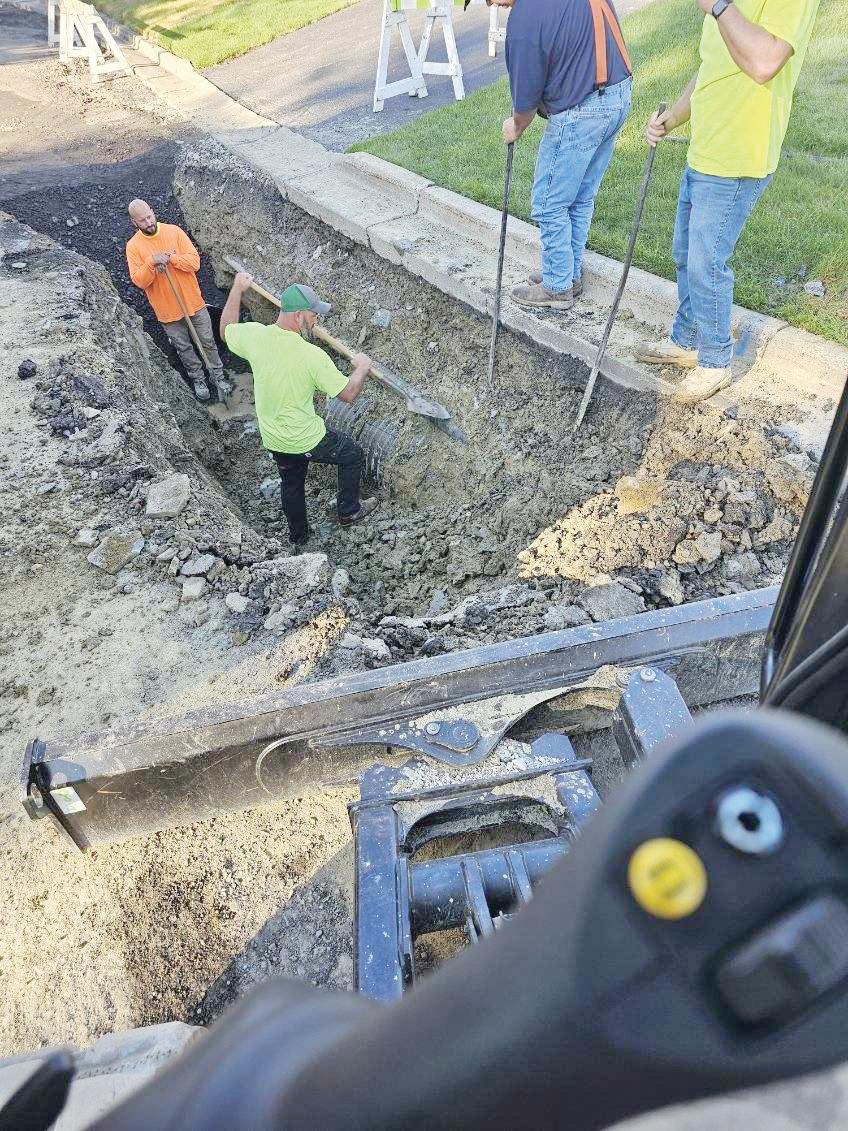
The highway department team replaces an aging drainage pipe.
Superintendent’
Its name came from being the rendezvous point for the Sullivan Expedition — a military campaign ordered by George Washington in response to the Iroquois and loyalist destruction of American settlements in the area. Under the command of General John Sullivan during the American Revolutionary War, troops attacked the four British-allied nations of the Iroquois. General Clinton’s forces united with those of General Poor at the Choconut/Chugnut village near Union during the American Revolution to attack Natives friendly to the British in 1779, destroying more than 40 Iroquois villages, their crops and food store in a scorched-earth campaign.
The town was officially established in 1791 and was known as a “mother town” of the county, although its size was later reduced as other towns were formed.
continued on page 48
Seen here is the department’s new hot box asphalt trailer.
DIESEL ENGINES >
Casey’s
REBUILDS >
Casey’s
beautiful parks, athletic fields and four carousels throughout the town. Other nearby attractions include museums, mansions, the Cutler Botanic Garden and the Ross Park Zoo.
friends and walking his Siberian Husky when he’s not at work.
and is good for my back.”
Florida, so most of the time it’s just him and Mary, whom he met at a fire department bingo fundraiser 35 years ago.
Mary. “He is the poster boy for civil servants if there ever was one. As a leader, he is the kind of guy who would never ask someone to do a task
that he wouldn’t willingly do himself. He meets people at their level. He’s mentored many people, both in his supervisory roles in public works and in the fire service. On a personal note, he is an amazing father to our two adult children, and a caring and considerate partner to me as we come up
Not only does John have a proud wife, but he said his father also is proud of him and tells his friends about the job his son does. That means
As he continues to settle into a new job and a new town, John, a member of the Broome County Highway Association, is making a positive impact on the Union highway department through changes, efficiency and a personal approach. Unsure of how much longer he’ll hold on to his title, he hopes others will remember him as a fair and honest leader after he finally retires — a sort of dedication to the father
Superintendent John Mase’s loyal companion, Ace, is an 11-year-old Siberian Husky. from page 44
www.empireradiator.com
Fuel Tank Restoration and Repair
Radiators, Charge Air Coolers, Oil Coolers
New, Recores, Repairs, Custom Designed aluminum and copper brass
DPF, DOC, and EGR Cleaning
Controlled burn baking and dual forced air and suction ensures all cells are cleaned. Damaged fittings can be repaired or replaced
Burn Off Oven
Complete removal of paint and grease from your parts and equipment.
Fluid Lines
Hydraulic, including steel, AC and Brake lines
Other Services
Aluminum and steel welding. Press brake, mill, lathe, notchers and sheers. Wet and dry sand blasting, caustic boil out, acid and solvent cleaning, high pressure wash.
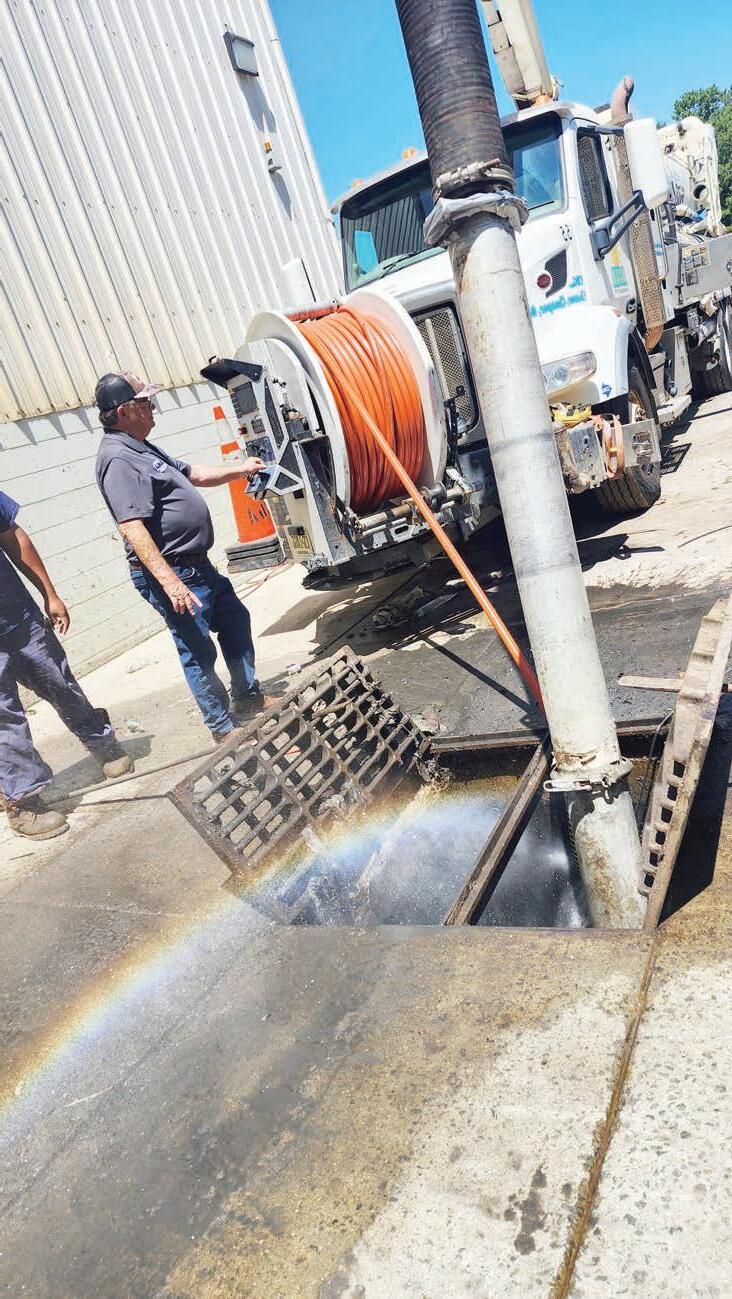
Proper Training Helps Operators Clean Sewers Faster, Using Less Water
KEG Technologies photo
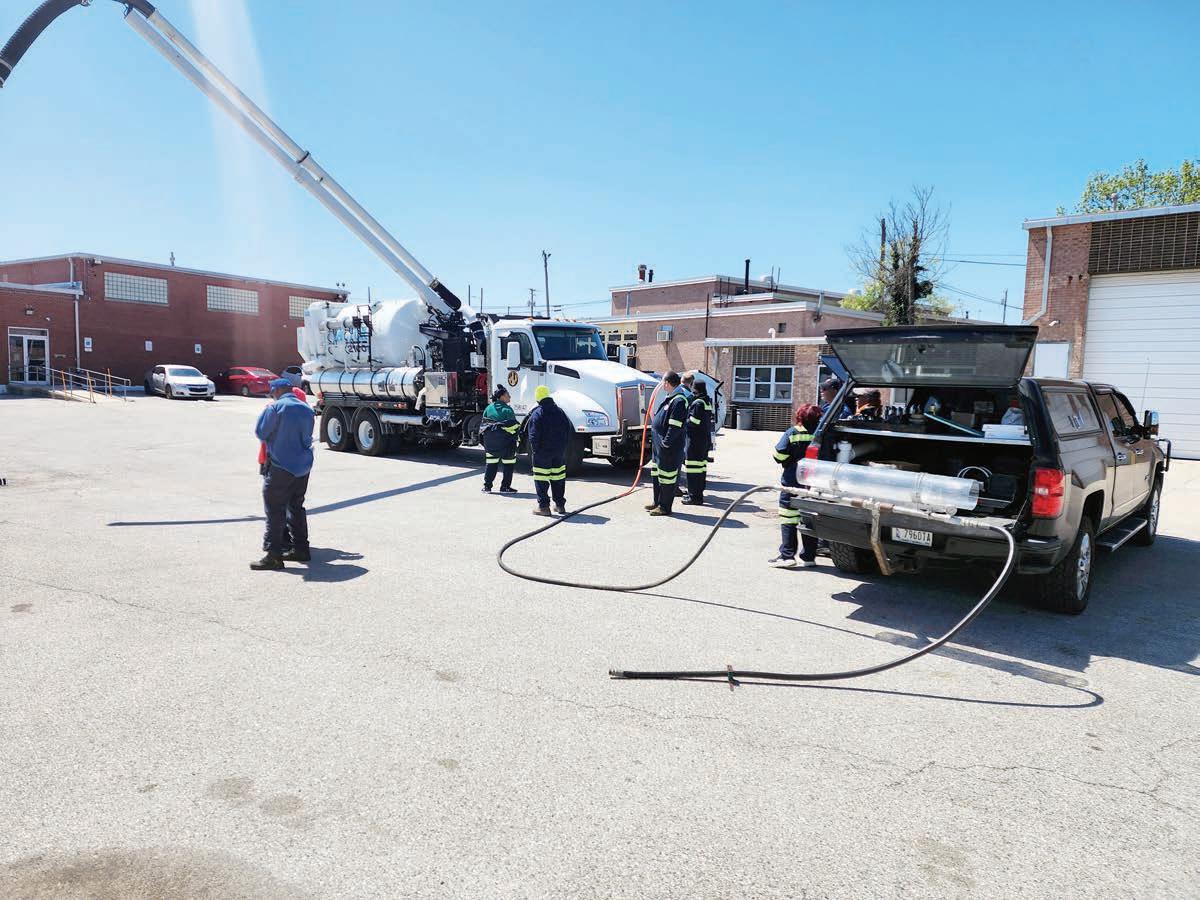
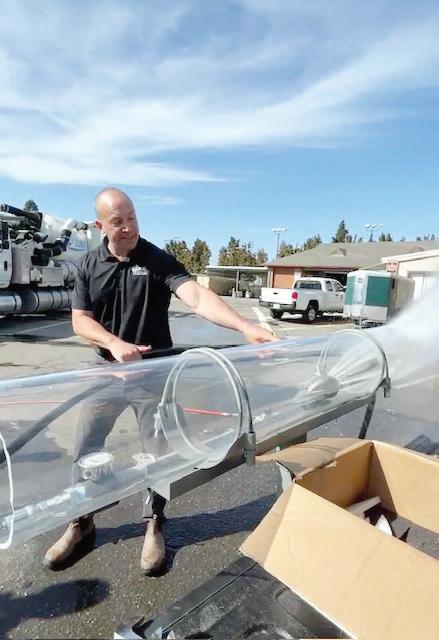
Hands-on training helps operators balance techniques to improve results without unnecessarily taxing the truck or wasting water.
but critical maintenance function that removes grease, sediment, roots, sludge and other debris before those materials restrict flow, create backups or contribute to larger service disruptions.
Although the work depends on a powerful combination of jetter trucks and high-performance nozzles, effective cleaning still comes down to how well the operator matches the equipment to the actual conditions inside the pipe.
That distinction is important because a high-performance sewer nozzle is a lot like a race car. Both are engineered to deliver exceptional results but purchasing one does not automatically provide the knowledge needed to operate it effectively. Someone accustomed to driving a sedan to work every day cannot simply climb into a race car and expect to get the best performance out of it. The driver must understand how to adjust for speed, track conditions and the capabilities of the vehicle.
The same principle applies to high-efficiency sewer cleaning nozzles. Even an advanced Tier 3 nozzle can fall short of its potential when operators do not understand how nozzle selection, water flow, truck
In practical terms, a Tier 3 nozzle is a high-efficiency sewer cleaning nozzle engineered to control the way water moves through and exits the tool, so more of the truck’s available energy is converted into usable cleaning and pulling force rather than being lost to turbulence. Because of that level of fluid, mechanics can make the nozzle seem like the decisive factor, but it is easy to assume that once the right nozzle is installed, the pipe will simply clean itself. In the field, however, the nozzle is only one part of the system.
That is why hands-on operator training alongside the nozzles is so important. The operator still has to dial in the right operating parameters for the specific line being cleaned.
A more effective approach is to find the operating “sweet spot” for the pipe, which requires choosing the best nozzle configuration, flow rate and pressure based on the pipe diameter, hose length, amount of material in the line and other field conditions rather than relying on maximum truck output.
continued on page 56
Finding Sewer Cleaning Sweet Spot
from page 52
“The goal is to help operators understand what the pipe is telling them, so they can lower the RPMs, control the flow and clean the line in one pass instead of forcing the truck to do all the work,” said Dan Story, an experienced trainer and application specialist of KEG Technologies, a Spartanburg, S.C.-based manufacturer of sewer and storm line products.
Story recently demonstrated that approach during a field training session with the city of Pueblo, Colorado. After converting to KEG equipment, the city invited him to spend time with its operators clearing sewer lines and showing them how to get more from the equipment already in service.
The Pueblo crews were initially unsure if the nozzle was working as expected. According to Story, the issue was not the nozzle itself. The operating settings and cleaning technique needed to match the equipment and conditions inside the pipe.
Rather than conduct a classroom-style presentation, Story went into the field with the operators. Together, they worked through actual cleaning scenarios and adjusted the equipment based on what was happening inside each line.
The objective was to demonstrate how changes in RPMs, flow, pressure and nozzle speed affect what is happening underground and how the returning water can give operators the information they need to make better decisions in real time.
Finding the Right Operating Range
Many operators tend to increase the truck’s water pressure and
flow when they encounter difficult cleaning conditions, assuming that running the equipment harder will produce a better result.
“People think running harder and faster means better cleaning, but it doesn’t work that way,” said Story.
Excessive pressure can increase friction loss as water moves through the hose. It also consumes water unnecessarily, placing additional strain on the truck and increasing the risk of forcing water or air into residential sewer connections.
During the Pueblo training, Story showed operators how they could reduce engine RPMs and operating pressure while maintaining a strong enough cleaning force. In one exercise involving a line that was notoriously difficult to clean, the crew limited operating pressure to approximately 1,200 psi and carefully controlled the speed of the nozzle.
Story demonstrated that the operators could control the flow at approximately 35 to 40 gal. per minute and complete the work in one pass.
“An 8-, 10-, or 12-inch sewer pipe never needs more than 40 gallons a minute to clean it,” said Story. “You have to learn to get that flow down to match the size of pipe you are cleaning.”
The correct settings are not necessarily the same for every line. A relatively clean pipe allows the operator to move faster. A line filled with sediment, grease or other material requires a slower approach so the water can break up the debris and carry it toward the downstream manhole.
continued on page 58
KEG Technologies photo
When operators are trained how to find the sweet spot and learn to read the returning water, they can reduce repeat passes, avoid unnecessary wear on the truck, and lower the risk of service disruptions.
Training Improves Nozzle Performance
from page 56
According to Story, nozzle travel speed for typical sanitary sewer cleaning will often fall between approximately 30 and 60 ft. per minute. Operators must adjust within that range based on the feedback they receive from the pipe.
Reading What Comes Back
Because operators cannot directly see what is occurring underground, Story teaches them to pay close attention to the water and debris returning at the downstream manhole.
“If you pay attention to what comes out of that invert, it is telling you how to clean the pipe,” said Story.
The amount of debris, the color of the sediment and changes in the returning flow can all provide information about conditions farther
upstream.
When not much material returns, the operator can increase travel speed. When a heavy volume of debris begins coming back, it is a signal to slow the nozzle and give the water enough time to move that material out of the line.
A sudden change in water color also can be significant. If the returning water changes from light gray to black, for example, it may indicate that the nozzle has entered a belly or low section of pipe, where stagnant water and debris have accumulated.
Continuing to force a large volume of water into that area can fill the low section and push water toward nearby service connections. Story instead advises operators to recognize what the changing water is telling them, allow the system to clear the accumulated water and then continue upstream under controlled conditions.
KEG Technologies photo
The goal is to help operators understand what the pipe is telling them so they can lower the RPMs, control the flow and clean the line in one pass instead of forcing the truck to do all the work.
Clean Going In, Rinse Coming Back
Travel direction is another important part of finding the correct balance. A common practice is to send the nozzle rapidly to the upstream manhole and attempt to remove all the accumulated debris while pulling the hose back. This can leave the operator trying to move a large amount of material at once.
“If you shoot the nozzle all the way upstream and then try to clean on the way back, it is like digging a hole from the bottom up,” said Story. “Not even a bulldozer can do that efficiently.”
Instead, Story teaches operators to clean the line while advancing. Moving at a controlled pace allows the nozzle to loosen material gradually. The existing water flow then acts like a conveyor, carrying the debris toward the downstream manhole rather than allowing it to accumulate behind the nozzle.
“You clean going in,” said Story. “Let it stir the material up and let the flow carry it out. As you come back, you should be giving it more of a final rinse.”
After the primary cleaning has been completed on the way upstream, operators can reduce pressure and rinse the pipe as the nozzle returns. When the speed and flow have been properly matched to the conditions, the line can be cleaned without sending the nozzle through a second or third time. Using water efficiently keeps the truck working longer before the crew must travel to a hydrant to refill the tank.
Proper technique also reduces the potential for blown toilets and other service disruptions. When a nozzle is sent too quickly through a line, debris may accumulate into a large obstruction that traps and compresses air. As that pressure passes a residential service connection, air and water can be forced through the lateral and into the home.
“Ninety-five percent of blown toilets are operator-related,” said Story. “Most of the time it’s not the homeowner’s plumbing. It’s how the line is being cleaned.”
Cleaning gradually on the way into the line, using only the water required for the pipe diameter and responding to changing conditions can help operators maintain control of the process. It also reduces the likelihood that a wall of water or compressed air will be pushed toward a service lateral.
Taking Guesswork Out of Field Adjustments
To help operators identify efficient settings more quickly, Story provides a pressure-and-flow spreadsheet that correlates nozzle jetting, operating pressure and expected water flow.
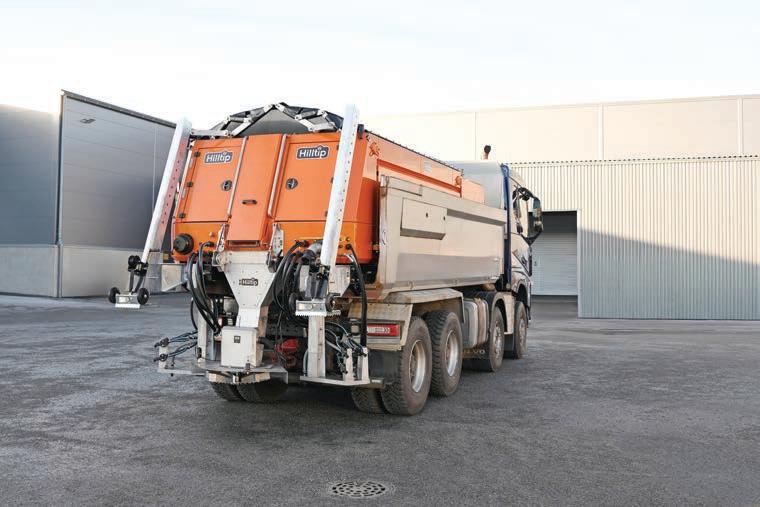
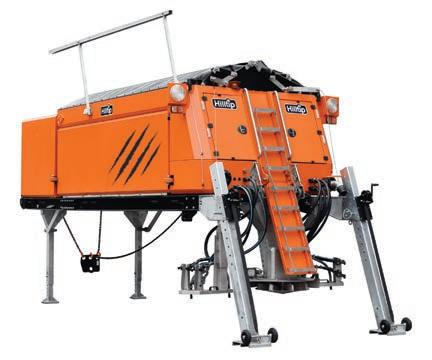
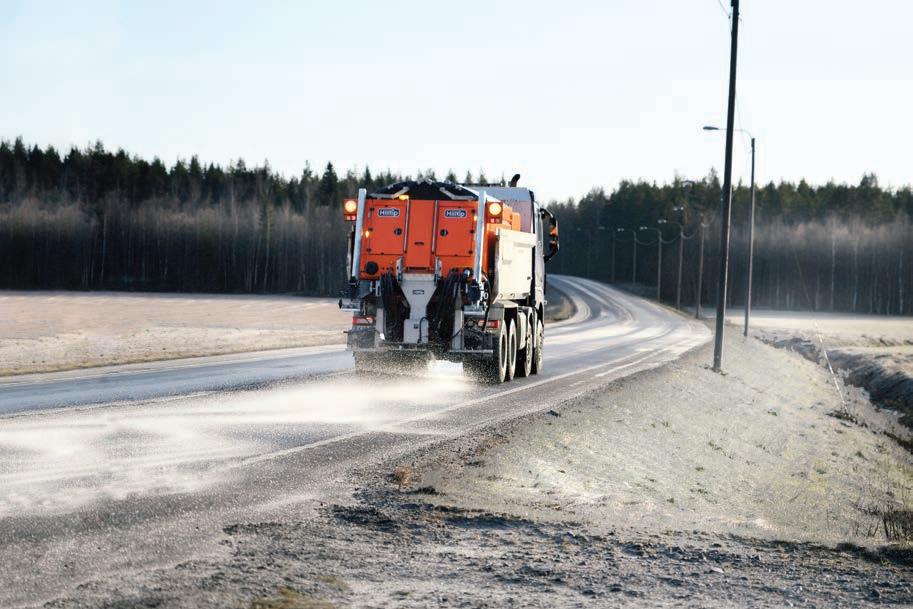
Hilltip introduced its line of IceStriker 8-15 Highway Combi Spreaders, high-capacity truck-mounted spreaders/sprayers engineered to meet the demanding requirements of highway and municipal winter maintenance operations, as well as contractors servicing larger projects.
Available with dry material capacities ranging from 8 to 15 cu. yds., the IceStriker LION also has liquid de-icing, anti-icing and pre-wetting capabilities. It comes standard with lateral liquid tanks, and up to four front-mounted tanks can be added to provide greater capacity. An optional dual spray bar is offered to create a 40-ft. working width for de-icing applications.
The versatile IceStriker LION is available with either hydraulic or 24V/48V electric drive. Additionally, customers can choose between a 20-in.-wide chain conveyor or extra-large dual augers to feed material to the spinner. A stainless-steel inverted-V reduces heavy start-up loads on the augers or conveyor, while the standard automatic vibrator helps material
Other key features include 304 stainless-steel construction, which offers superior corrosion resistance. The spreader is also available with an innovative in-cab adjustment for spreading symmetry, giving operators precise control over material distribution without leaving the cab or manually repositioning the spinner.
The IceStriker LION comes with Hilltip’s Strikesmart controller and exclusive HTrack tracking software, which features the industry’s only GPRS two-way communication channel for unprecedented remote monitoring, management, and reporting capabilities. This control interface works in conjunction with existing central hydraulic systems installed on the chassis.
For enhanced intelligence, the optional Strikesmart Plus controller paired with the TempStriker sensor monitors current and forecasted weather conditions, using the real-time data to recommend optimal material types and application rates
The flexible design of the IceStriker LION 8-15 Combi Spreader is available with numerous options, allowing customers to configure the unit to meet their individual needs. These include an end-of-material alarm system, flip-down ladder with handrails, leg stands with hook lift frame, and a two-piece tarp mechanism for effortless opening and closing.
“From conventional salt spreading to advanced liquid applications, the IceStriker LION is designed to maximize efficiency, performance and operator convenience,” said Craig Sandmann, managing director for Hilltip North America. “It’s a highly durable and reliable design, powered by advanced technology and offered with multiple options to meet the needs of highway operations and many other large-scale winter maintenance operations.”
Finished in high-visibility orange as standard, the spreader is also available in alternative colors to accommodate various
For more information, visit hilltipna.com.
(All photos courtesy of Hilltip.)
The Hilltip IceStriker LION 8-15 Highway Combi Spreader
The IceStriker LION comes with Hilltip’s Strikesmart controller and exclusive HTrack tracking software.
Read the Sewer Pipe, Clean Smarter
from page 58
The chart allows a crew to select a nozzle configuration and determine approximately how much water it will deliver at different pressures. Operators can then compare that information with the pipe diameter and field conditions rather than relying on the assumption that higher RPMs or pressure will always improve cleaning.
The chart can be used with nozzles from virtually any manufacturer, provided the operator knows the nozzle’s jet configuration.
Story said the reference serves as a practical starting tool for finding the sweet spot. The operator still has to watch what is returning from the line and adjust, but the chart provides an informed baseline for setting up the truck.
For Pueblo, combining that information with field instruction helped the crews see their cleaning process differently.
Leon Marquez, wastewater collection supervisor of the city of Pueblo, sent Story the following message after the training:
“I want to commend Dan Story for the great presentation and information he gave to me and my crew in Pueblo Colorado. The techniques and information he instructed helped my crew tremendously to save water, work more efficient, and see our process in a better way. Thank you Dan for the expertise. This is not our first time and hopefully not our last time having you instruct us.”
The Pueblo experience illustrates why the nozzle itself is only one part of the cleaning system. When operators are trained how to find the sweet spot and learn to read the returning water, they can reduce repeat passes, avoid unnecessary wear on the truck and lower the risk of service disruptions.