
Maine Advances Bridge Project Following Master Plan Finish
With the Upper Machias Bay Master Plan now complete, the Maine Department of Transportation (MaineDOT) is preparing to begin the Environmental Impact Statement (EIS) process for the Machias Dike Bridge project, marking the next step in evaluating long-term solutions for the crossing.
MaineDOT participated in the process to provide technical information and context regarding the department’s work, while respecting that the effort was developed and led at the local level. The master plan discussion covered a range of recommendations, including an in-kind replacement of the Machias Dike Bridge.
As required by federal law, an EIS demands all alternatives be considered
based on the purpose and need of the project. The EIS process, expected to begin in spring 2026, will include a detailed evaluation of those alternatives, environmental considerations and opportunities for public input. A project timeline will be shared once that process is formally under way.
In the meantime, MaineDOT and its contractors continue final work on the interim bridge structure. The upgraded temporary bridge is now open to traffic, and the project is expected to be completed by June 2026.
For more information, visit maine.gov/ dot/major-projects/machias-dike-bridgeproject.
Thompson Partners to Distribute Pronar, Screenpod
Thompson Equipment has announced a strategic distribution partnership with 3R-Machinery by Shred-Tech, introducing two globally recognized manufacturers, Pronar and Screenpod, to contractors across Maine, Vermont, New Hampshire, Massachusetts, Connecticut and Rhode Island.
This collaboration strengthens Thompson’s equipment portfolio and helps support contractors working in recycling yards, demolition sites, quarries and factories.
Pronar
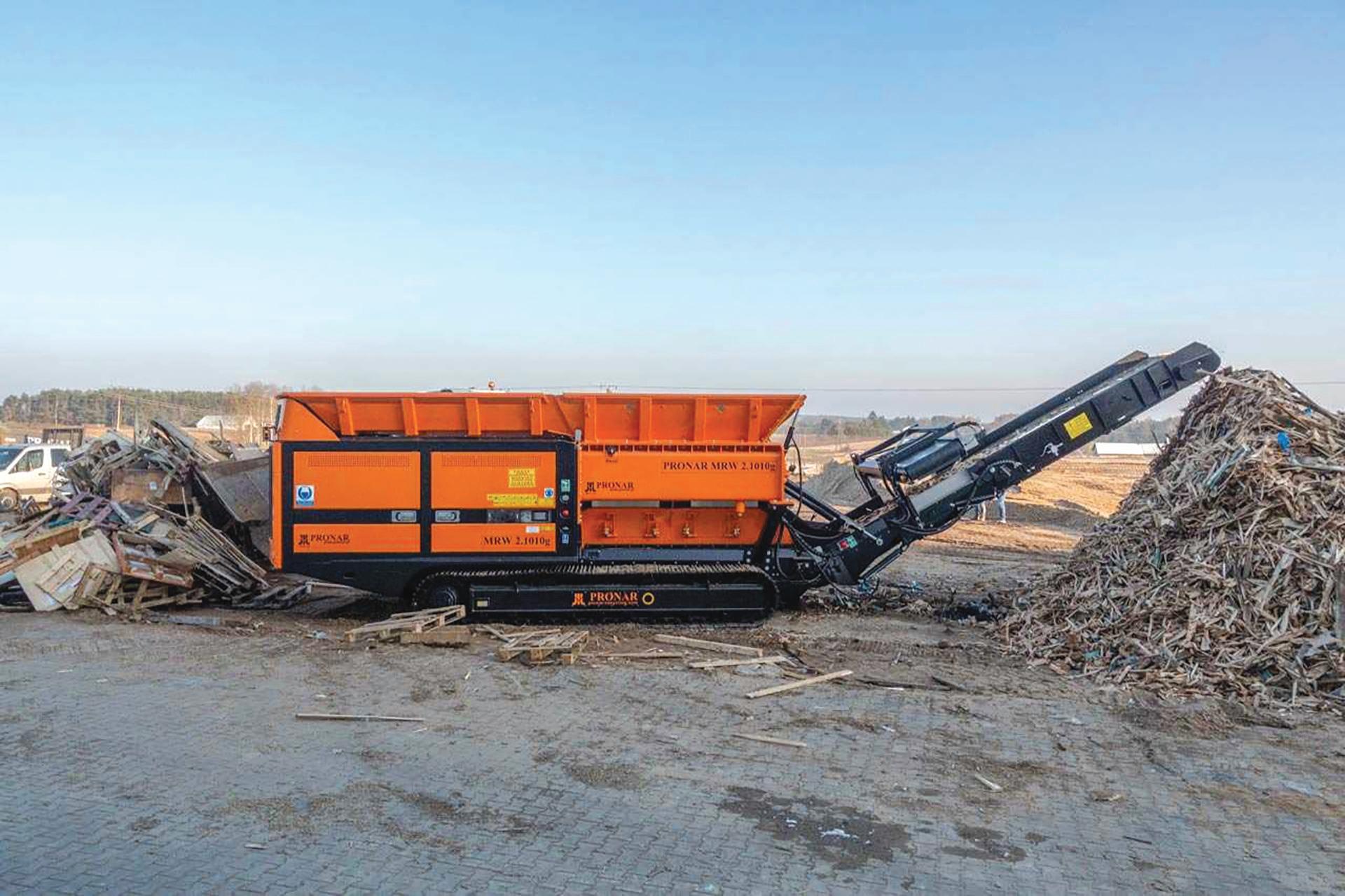
Pronar’s slow-speed, single- and dual-shaft shredders are engineered for heavy-duty material reduction across a wide range of applications. While they are effective for wood waste, construction and demolition debris, their capabilities extend far beyond that. These machines can process diverse and challenging materials, from auto bodies and white goods, to reinforced concrete and wood waste — delivering consistent output across mixed
and often contaminated waste streams.
Unlike high-speed shredders, Pronar’s slow-speed systems reduce the risk of material ejection and operational hazards, offering a safer and more controlled shredding process, according to the company.
Built for durability and versatility, they are designed to handle large, dense and unpredictable loads with confidence. Pronar slow-speed
Pronar’s slow-speed, single- and dual-shaft shredders are engineered for heavy-duty material reduction across a wide range of applications.
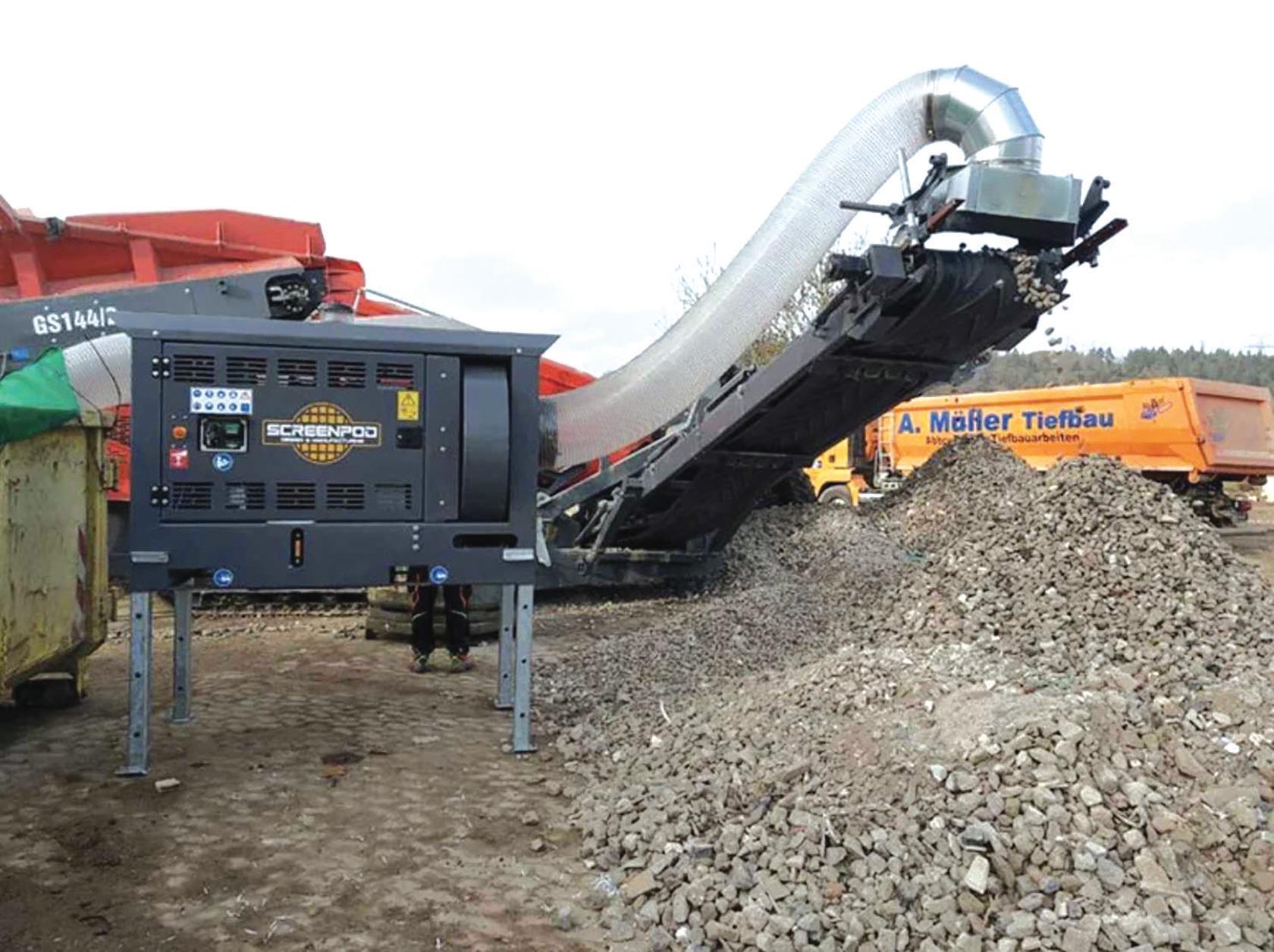
Screenpod’s dust suppression systems, including its widely adopted dust cannons, use atomized water spray to capture airborne particles.
shredders are designed to work with high-speed grinders or shredders to reduce damage to the mill, maximize uptime and keep operations running efficiently, according to the company.
Screenpod
Screenpod’s dust suppression systems, including its widely adopted dust cannons, use atomized water spray to capture airborne particles. This technology helps contractors maintain safer job sites while minimizing environmental
impact and community disruption, an increasingly important factor for quarry and construction operations.
“Bringing Pronar and Screenpod into our lineup is a strong step forward for us and for the producers and contractors we work with,” said Steve Ferris, vice president of Thompson Equipment. “We’re proud to bring these solutions to the region alongside 3R-Machinery and expand into areas where our customers are seeing real growth.”
“We’re proud to partner with Thompson Equipment to expand our recycling equipment distribution across New England,” said J. Allen Hyman, North America business manager of 3R-Machinery by Shred-Tech.
“Their reputation in the aggregate industry is second to none, and together we’re delivering a more comprehensive equipment solution backed by exceptional service.”
For more information, visit thompson-equip.com/.
Thompson Equipment photo
Thompson Equipment photo
MaineDOT logo
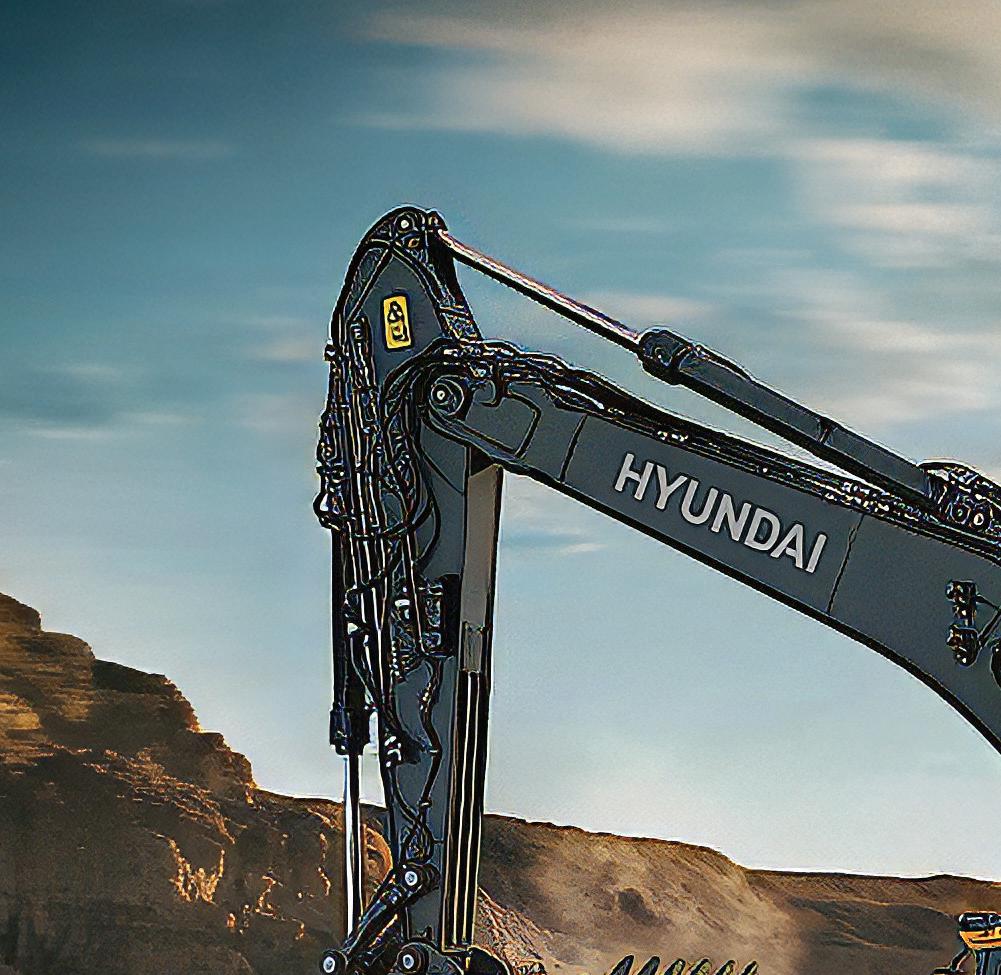
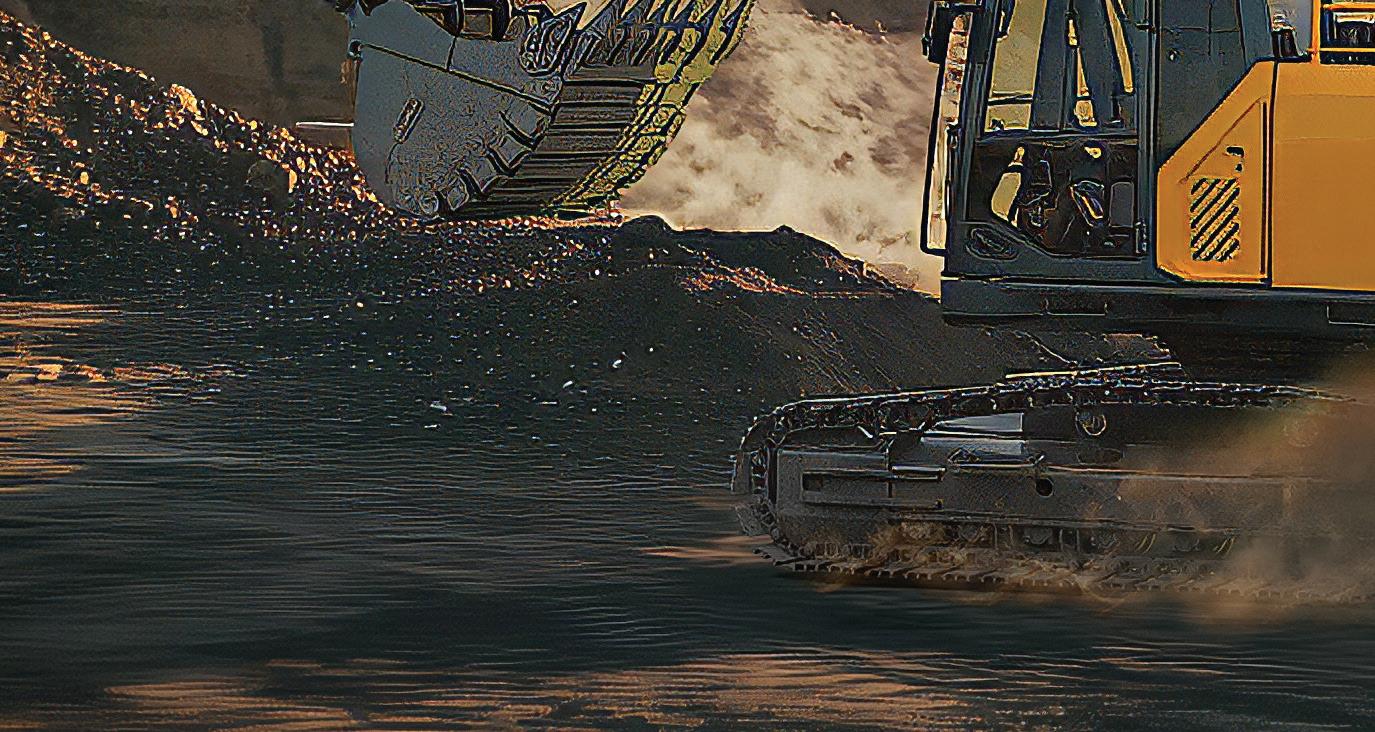
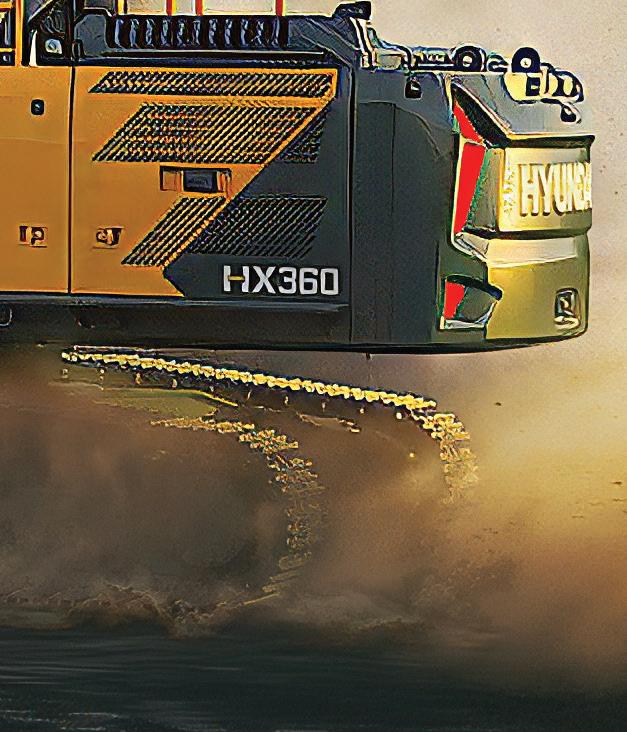
Next Generation HX Excavators







Flexible Rental Fleet Keeps Utility Contractor Moving
trailers can be sourced quickly and delivered where they are needed, without the delays tied to purchasing and preparation. Instead of waiting weeks or months for units to be ready, the team can align equipment with project timelines and mobilize crews without hesitation.
daily operations. When a unit needs service or goes down in the field, coordination is handled quickly, from scheduling repairs to arranging replacements. Communication is consistent, and solutions are delivered without slowing work in progress.
turned around within a matter of days, helping maintain progress in the field without disruption.
Slowing Operations
As operations expanded, project timelines remained tight, with little room for delays in mobilization or execution. By integrating rental into its fleet strategy, the company removed the delays tied to sourcing and preparing equipment for the field. Units could be deployed as work demanded, allowing crews to mobilize without waiting on procurement timelines. That same support also reduced the impact of everyday wear and unexpected downtime
across the fleet. When issues arose, they were addressed quickly, helping keep crews in the
This approach allowed the company to scale to more than 100 rental units supporting operations across multiple regions with- out adding friction to day-to-day execution,
As operations continued to grow, having the right support behind the fleet became just
Working with Premier Truck Rental (PTR), the team has a consistent point of contact and clear communication when needs come up, according to PTR. Whether it is adding trucks and trailers, coordinating replacements or handling maintenance in the field, the process is straightforward and

“PTR is a trusted partner to our fleet operation,” said the vice president of asset management. “With more than 100 rental units in our fleet, we rely on their responsiveness, professionalism and strong equipment availability to keep crews moving,”
Instead of spending time managing maintenance internally, the team can stay focused on the work, confident that the fleet supporting them is backed by responsive service and dependable support, he added.
As the operation continues to scale, that consistency helps manage downtime exposure, reduce disruption and keep crews moving across job sites.