CONNECTIONS Seasons
Spring2026
Letter from the Editors
Dear Reader,
This year, Connections sought to reflect on the passage of time and the poignant changes that the BIPOC community is facing this year. Our theme, Seasons, embodies this ever-changing tide—the cycles that flow through our experiences, the destiny we encounter, and the moments of bloom that follow harsh winters.
Throughout our events, we focused on maintaining community. We entered our sixth year with fresh passion, gaining 7 new members of our editorial team—several who went on to support Connections in specialized roles. Our workshop event in the fall accomplished a cozy space with seasonal treats and brainstorming activities, and our Social Media Chair brought new energy in various team reels, continuing to develop the direction of our internet presence.
This year, we also say goodbye to three seniors who have become the backbone of the Connections team. Responsible for the past four magazine covers, Jess has been invaluable as Art Director, capturing the essence of the theme each year. Anusha’s creativity has shone through in their game ideas for launch and in their last year, bringing adventure to bonding as senior advisor. And finally, our hardworking Editor-in-Chief, Gretchen. She was Copy Editor in her sophomore year, abroad in Europe as Editor-in-Chief her junior year, and has dedicated innumerable hours of work for Connections during breaks, summer, and during her LSAT preparation for the magazine to be as successful as it is. Our season with the seniors we have the opportunity to celebrate this year has come to an end, but their legacy remains in the records they have worked to bring to life. Records we conserve, reference, and publish so that the connections to our families, identities and lives can continue to be shared.
We thank you for picking up this edition of Connections, and we invite you to tumble through these cycles of life as you enjoy the changing of the seasons.
With much love,
Gretchen and Meghan
A Special Note from the Seniors . .
It feels like just yesterday that I went to my first Connections meeting, in the SIMs lab, nervous about not knowing anybody yet excited to contribute. From my first launch in Rapaporte Hall, where I had a taste of the thrill in running a big event, to my final year coordinating and organizing all Connections activities as senior Editor-in-Chief, I’ve gained many wonderful experiences and dear friends through this magazine. I’ve also enjoyed this space for self-expression and had fun exploring each theme that our team has painstakingly chosen. I can only be happy to have loved and learned so much from Connections.
To my upperclassman, who founded this space and taught me everything I know for this magazine; to my fellow seniors, who’ve supported Connections and my work as EIC through everything; to my younger Connections members, who continue to carry the torch and the passion for this magazine we’ve made together—thank you. To Connections, which has been the dream and the soul of my college experience, thank you.
Love, Gretchen Hello Connections team and readers!!
I’m so grateful for this club and the opportunity to create cool art and to contribute to the magazine. This club has been a great part of my time at Brandeis, and I’m sure it wouldn’t have been as fun without you all and this project.
I really enjoyed making art before, but I never had to do so for a client (in this case the magazine and the club members) and when I first came on the team as an editorial team member and then as creative director, I learned how much I enjoyed the process of creating illustrations to convey a specific concept. I loved being a part of this club, and I can’t wait to see where the magazine goes in the future.
Thanks guys!
Love, Jess
To the Connections team & readers of this issue, I joined the copy team of Connections as a junior and wasn’t sure what to expect coming in. But what I found here was a welcoming and creative community full of passion and ideas. What started as an unfamiliar environment quickly became something I looked
forward to week after week, from planning for events together, to picking the magazine theme and reading through submissions. As this year’s senior advisor, I have had the pleasure of working with and getting to know this year’s team of driven, passionate, and warm individuals. Thank you all for making this experience such a joyful part of my time here! I will miss you all greatly, but I know Connections is in good hands. I can’t wait to see what the new seasons will bring to this magazine.
Love, Anusha
Seasons Introduction
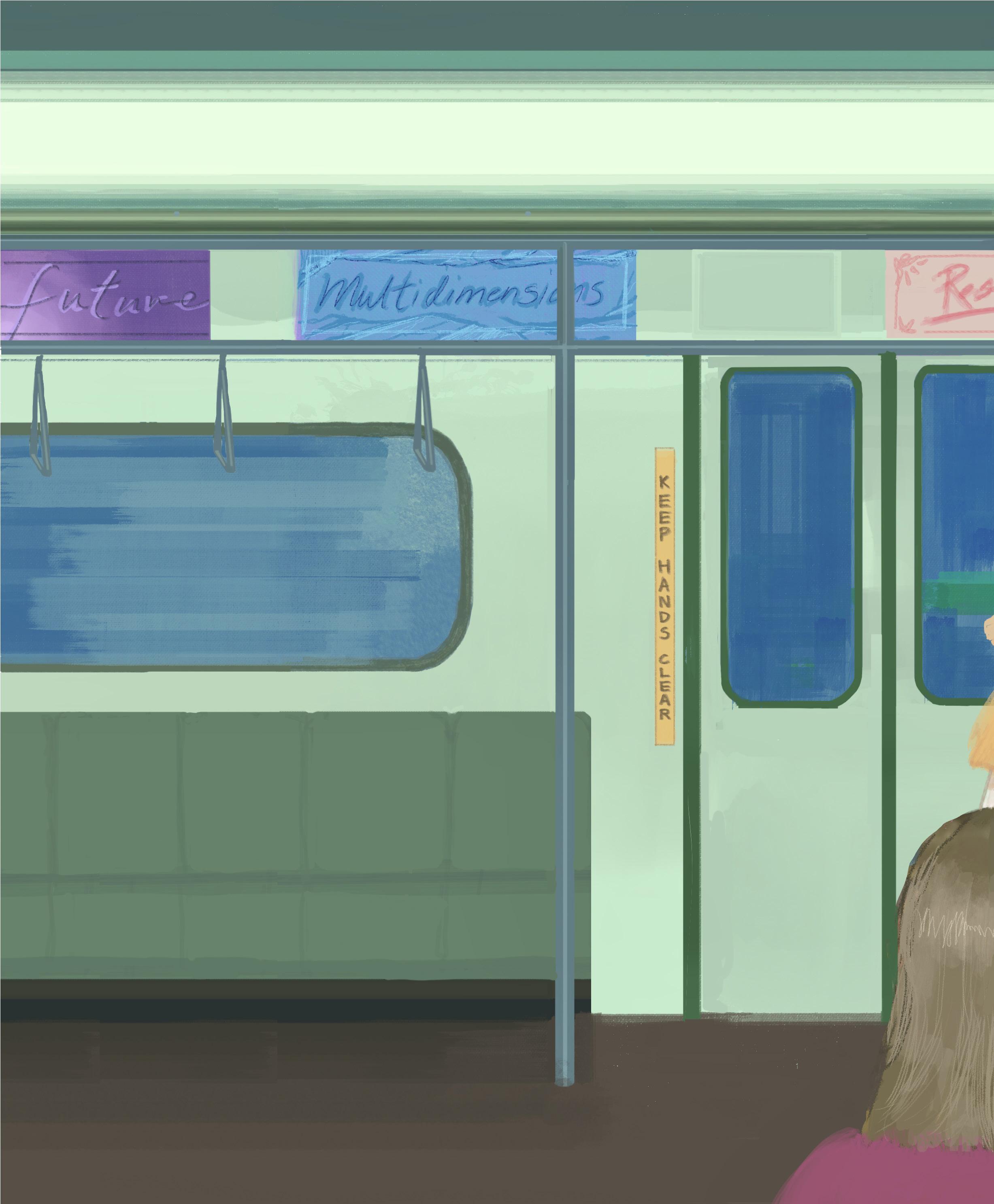
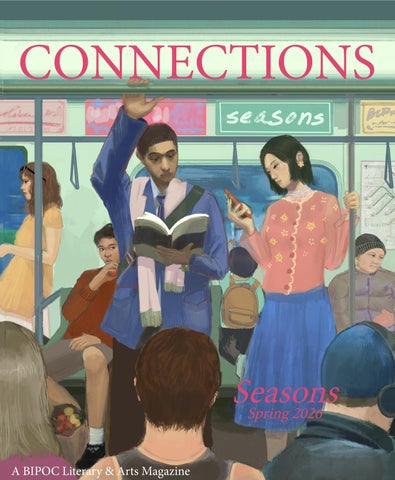
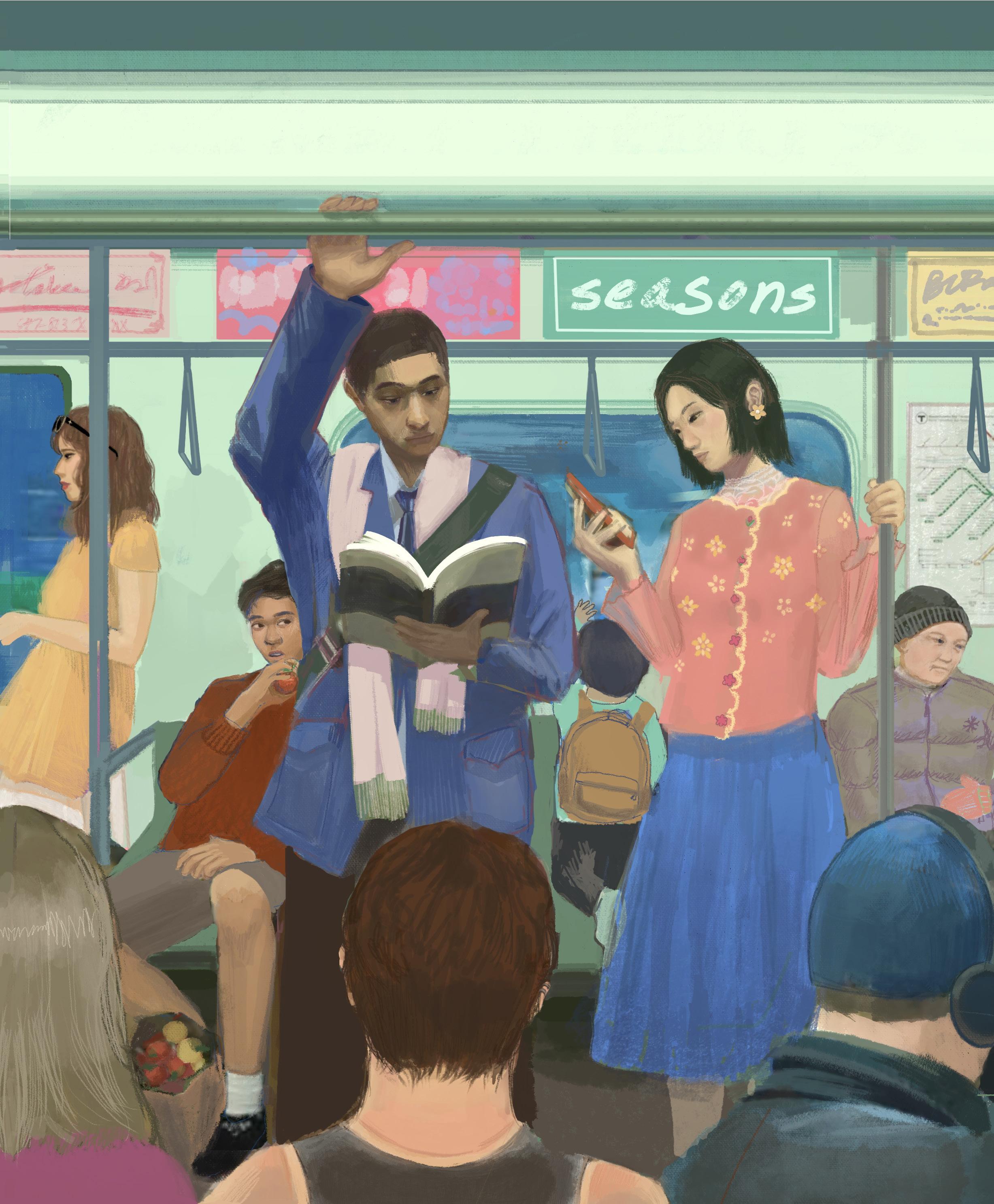
Cover and Theme by Jessica Lin
Seasons was our theme this year, one that encompasses the regularity and omnipresence of change we experience each year. In developing the cover this year, I sketched around seven different draft ideas. Some of them centered around the more common definition of seasons, showing the passing of autumn, winter, spring, and summer through color changing growth and the bare trees we get every year. Others were centered around nature as a whole, showing people at the mercy of larger forces.
The cover that we finally went with was one rooted in concrete reality, while still maintaining a touch of disbelief. This concept depicted people dressed in different seasonal clothing (mitts, scarves, coats for winter, t-shirt and shorts for summer, etc.), all congregating on the T. I wanted to depict that although people can be in the exact same place, everyone is going through a different time, a different season of their life. It felt natural to personify that internal state with clothing representing each season as an outward symbol. With that decided, I went through a few rounds of changes and tweaks to the original draft before landing on the final composition. With feedback from the team, I was able to complete the cover as you see it today. I hope the theme was communicated in a subtle but clear manner through the cover illustration, and that this year’s theme speaks to you like it has to those who submitted their writing and art.
Mission Statement
Connections aims to create a multicultural network of BIPOC artists and writers and illuminate their voices. We are committed to fostering a community where Brandeis students feel empowered and can claim their identities proudly. We hope to be a safe space for students of varying identities and experiences to share their stories, beccause we believe it is our connections that allow us to heal and move forward.


Scan to view our Connections ‘25-‘26 playlist!
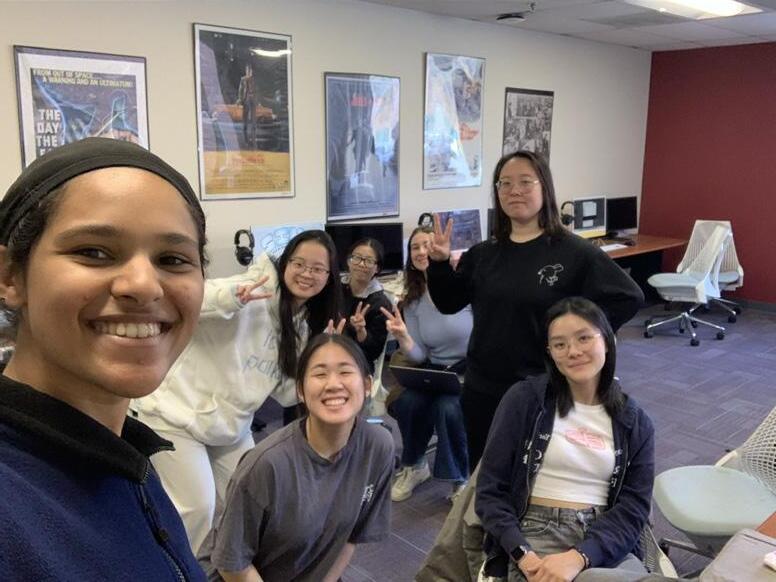
Connections Team
Co-Editors-in-Chief
Gretchen Wang ‘26
Meghan Dodge ‘27
Creative Director
Jessica Lin ‘26
Senior Advisor
Anusha Koshe ‘26
Social Media Chair
You Lin ‘28
Copy Editors
Irene Wu ‘28
Dorothy Ko ‘29, assistant
Copy & Graphics Team
Jessie Pan ‘28
Justin Gao ‘29
Qiutong Lin ‘29
Lan Lan Wang ‘29
Being Button
Shelley Polanco ‘24
Layers of cold seep deep
Between finger and palm and cheek
I wish my plight was unique
Frigid knuckles and bundles
Feet miss the crunch beneath the earth
Dozen slices of orange painting watercolor canvas clouds
Shades of green, slipping through serene breeze
Roots deep and petals prancing, pouncing playful, pruning pieces
Truth that the cold hasn’t ruined
Mud soups clump, caking in flakes in fistfuls
Humid sap, sweet and tender
Thinking trees droop full, thick nectar
Seeking sights, canopies bouncing in sea
Gentle pecks, chips cascade crowns
Slab slides concrete, hand holds knee
Thighs might chafe
Snorts swishing, swirled into sweet laughs
Sand wedged in all crevice
Hold your nose, dive, forget it
Sorbet deserves carnival credit
Short sticky shorts, welding warmth
Water salty, pavement steaming
Wheels whisk by, wheels wade screeching
Giggles rejoicing, pumps pulsing open
Doors rejoining
Oyster’s open
Now it’s pouring
Baptism boiling
Heavy fabrics find folds, heavy hands hurt and hold
Drenched, dry and dormant
Feeling finally, flood gates open
Calm center, knowing Water flows and keeps growing
Joy comes in packs of sugar
Scrape and sip, don’t let simmer
Winter
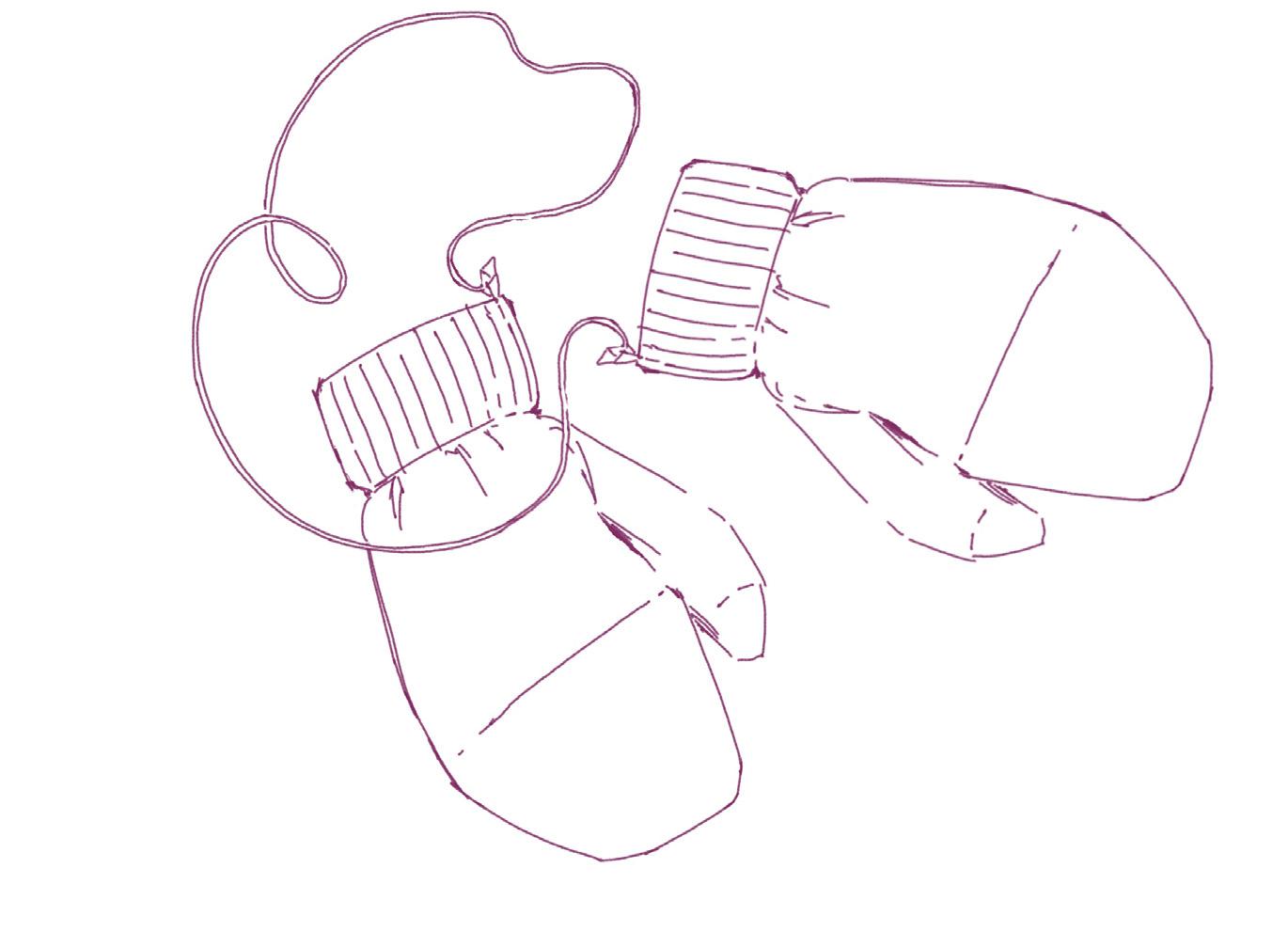
She drives down the road
Vincent Lian
At eleven in the night.
Her GPS’ map is not updated, leading her down an empty void.
She only has one more customer, To sell insurance to.
She drives wonderfully, of course - passed her learner’s permit exam with flying colors. But on her first try: oops, her baby wants to exist. The birth was a success!
Too bad his dad couldn’t hold him that day, for he just returned from China, where a small cough called SARS was spreading. Does he look like his mom, or dad?
He mouthed across the window. Like both, she decided.
‘25
Finding Out What Frozen Things Do in Summer
Anonymous
The snow has melted! What an achievement! It had been winter for so long! But no longer am I solid, I have lost shape. Fearful, glistening, then playful in my new form, fluid but remembering, constantly reminded. I expand, contract, comfortable with my form, I welcome others to my water! I notice them slowly poisoning this new habitat I have made. I am dissatisfied; I do not like my water anymore! I am gaining momentum, hitting rocks left and right, I am starting to brace myself, the warm sun I have grown accustomed to is gone! How will I glisten and play?! Only fear is left! It seems there is no way to slow down this rapid, Class I, II, III, IV, V, Every second I lose my shape, turbulent, churning, angering. I am barreling towards a cliff! I would just like to be snow again, please. From a river into a waterfall, I land, touch down, calm and collected. I slowly re-frost as water will do. Maybe next year I won’t do what frozen things do in summer.
i am cold, like ice i am fragile, like snow i could shatter to pieces i could dissipate, let go your life is a map, the path that converges to what feels like an end but by your side i’m alive
you carry my hope and the candle’s caresse like fog drawn to daylightyou’ve seen my unrest, you love and i believe in your gentle flame a home warm in laughter, how you say my namei’m alive and it glistens the boundless future skies with you by my side, fades long into distance.
smile into your shoulder i dread our goodbye the moments stretch golden as the end stays in sight if i tell you i love you will you believe me this time?
hearth/winter
Anusha Koshe ‘26
amidst a winter wind something is howling.
a wail rings out in the echo of dawn those cold winter mornings of alarm bells and warnings journeys i seek on a crossroads, a choice why does life hurt like dying (i don’t dream to survive)
you hold to your chest on your heart and your grief as i pray for your night i hope for your sleep it’s anyone but me i’m paralyzed in fear too cold to step back too pained to set free i’m alive and it’s frozen the numbness to be the heartache of home the longing to leave.
take one step forward look back one last time your face hides its sorrow as you take in my lies when i said i was happy (would a happy person die?)
time ticks to her rhythm to love is to fall far spiraled from control in winter soft and warm life’s laughs and its joys it yearns to stay close to find you is a gift, once i’m alight and it lifts time’s spell, now broken i can’t follow too far and you’re warm to the touch like waves on the shore don’t leave me alone-
it’s quiet, you’re quiet there’s comfort in your silence like a path candlelit the glow of smiles and our wishes these emotions burn bright in a fireplace we built leave an outside long frozen to a flame loved and warm
and in the sunlight of winter the wind howls our song.
the cliff edge approaches the plummet is long i look down in vertigo the wind wails a song it cries and it screams a requiem for release we’re lost in the dark the one losing their heart and one’s fading far off to dreams far beyond frosted fingertips, my love leaves me blue in the dawn.
you watch me in horror you say please don’t go words hang frozen in air they’re trapped, i can’t hold the weight, what it means i can’t feel i can’t breathe the winter wind’s howling or maybe it’s me.
Departing Qiuhan Lin ‘30
Blizzard winds cradle a lone flower, white lace on blue.
Winter gales tear head from body, sever old from new.
Do collect the pellets as they fall into ruined parts of you.
new year
Anonymous
There are small gouges in the white, chalky walls, right above the corner of the bed. I know that if I fit my fingertips over them and shrunk, seventeen years, eleven years, five –– that they’d line up perfectly. The winter blankets, thick and floral-patterned, are the same. When I press my face into them, they smell of the pan of dried orange peels we keep on the balcony and of the sun, of years and years of being dried on the clotheslines.
I have not been home in a while, Grandfather. How have you been? You’ve been busy, certainly. My grandmother is gone and a new woman sleeps in her bed. My mouth twists to spit out cruel words that I didn’t know I had, hag-thief-whore, but then I blink and I see your gaze on her. And even through the screen I can tell: you look happier than you have been in a long time since grandmother passed, and oh, so, so frail.
When did that happen? How could that have happened? I promise you, yesterday it was summer and the small one was me. I clutch your large hands with my stubby ones as we walk back from school. Your voice is loud and full as you recite silly little rhymes to entertain me, contentedly cradled in your arms. Even as you walk me to the TSA checkpoint, as you furiously blink to hide the teary sheen of your eyes, your shoulders are strong and your back is straight.
Overnight, our Lady Time has lengthened my limbs and taught me something adjacent to temperance. As I’d fallen asleep, I understood that this would happen, stared at her standing at the foot of my bed and chose to shut my eyes nonetheless. But unbeknownst to me, just twelve hours before, she stretched your voice thin and plucked away at your eyes. This I did not foresee –– you are meant to be immortal, everlasting, so what do I do? To whom can I point my fingers, if not the woman who dares to sit on my grandmother’s rocking chair, to whom can I throw the stones to blame?
Do I turn to grandmother, to the empty space on the wooden couch bench, and hold her liable for the way the food in my childhood home is no longer the same? Do I march with a righteous rage into the study that you’ve turned into a mausoleum, and scream at her altar for leaving me behind with a mountain of expectations and no words of comfort or in-
structions on how to even begin? The fury is beneath me, I know, it is the sort of wounded self-pity that you disparaged as an inevitable Western defect after you sent me off into the land of opportunity. But still, it thrums in my veins, every bit of intent without action, every urge to tear down that altar to avoid the shame that comes with staring at solemn eyes of grandmother’s funerary photo and every failure to even near that altar without my back bowing in tears and grief and guilt.
Auntie said that it was bad that you’d chosen to assemble grandmother’s altar within our home, to mix the dead and the living so intimately. That there is too much yin at home as is and that you will regret it, feel it in your lungs and your bones and your stomach as the smoke of the joss paper settles in. So even if I cannot bring myself to, I should tell you to take her altar down for your own good. I should wheedle and plead, because even if I am not your favorite, I am still your youngest baby. I will always be your baby, your San’ya, the little girl who clutched at your hands and looked up at you like you hung the moon and stars, who had all the potential in the world. I swear, I still can be her.
The golden girl has not lost her luster, it’s just a matter of the lighting, the angle of it, although I cannot tell you what kind of lighting or which specific angle quite just yet. The shine is there, just as how there is no chink in the infalliable armor and how the precious jade you named me for has not been swapped out for an American counterfeit. I have remained true to you, to blood and bone and half burnt roots that are buried too deep for me to parse.
I really can’t right now though, muster up that girl or tell you to take down her altar. They’ve, I’ve? carved out my tongue, hollowed out my bones of porcelain and poured in thick concrete instead. Toss me in a river, see if I am more witch than man, more of your flesh and blood than the crude imitation. Look me in the eyes grandfather, as I sink into cold waters, and forgive me for stealing my grandmother’s face with clumsy fingers, for a chin a tad too sharp and hair a touch too light and a temper too much like your own. See me drown and rejoice, or look away as the last of the bubbles rise to the surface, let go of the shame that the little girl you raised turned out like this. I will never blame you, Grandfather, I just wish you’d be angrier with me.
I called you for the New Year and you thanked me. How terrible a feeling, for the man who raised me to be thanking me for a five minute telephone call. How cruel a granddaughter, a child, am I.
It’s not that I don’t want to call you, that I do not want to see you and ask you how your day was, if you’ve been winning in majiang, if you’re eating well, if you’re staying warm, because I know you’re aging I truly do –– it is just that your little girl who had all the potential in the world is currently a bit difficult to find. I’m trying to find her, to grab her and lock her down. I promise that there is a world where I can, where I carve her open from larynx to gut for display, and that world will be this one. If she doesn’t look quite right, I’ll carve her into something close enough. I’ll sand down the anger and buff out the scrapes and once she’s back again I will be allowed to call more. Better yet, I’ll be allowed to come home. I’ll make you proud at some point and everything will be right again, I’m sorry, always sorry, but I just need more time. If the sun will stop rising and if winter slowed its lumbering approach, I’ll make it, win it, just please give me a little more time.
bypassing the seasons
Dorothy Ko ‘29
winter has no hold on me. i live only in sunny days, blue skies, and blooming flowers. winter does not scare me. i am not afraid of the cold, not afraid of blizzards and snowstorms, not afraid of loneliness, and not afraid of my hands burning cold. winter will not come. fall melts right into spring. flowers grow after leaves turn orange and yellow. the leaves do not fall.
It was last autumn when I began to feel the cold. It happened gradually. As I walked home, white, fluffy clouds moved slowly in front of the sun, leaving small patches of shadow sunlight over the earth and my body. The clouds moved slower and slower until stopping at the sun, blocking it completely. I knew the clouds would set in eventually, as they usually do. I knew there was nothing to stop it. I knew from the autumn before.
As my body moved slower and slower as I approached my front gate, I felt my muscles and flesh melt into the grass. I almost made it.
I’lllayherejustawhile.Whilethecloudsmovepast.
Isolated, lonely, and tired.
Secluded, peaceful, and drowsy. The grass wrapped and bound embraced my body to the ground like vines.
The earth looks different when it’s horizontal. The ground—a straight line from top to bottom.
Puffs of clouds from my lungs floated and dissipated into the greyed clouds above. My arms stung tingled, my chest shook, my bones ached for the warmth of my home. Home right there but not quite within grasp.
So cold. So cold. S o cold.
but winter won’t come. i live only in sunny days, blue skies, and blooming flowers. i am unafraid, unaffected, unbothered. i am embraced by warmth! i cannot feel winter.
Snow Story
Gretchen Wang ‘26
There is something peaceful about the thought of dying in the snow. To lie down on the soft surface, so cold you feel nothing but a fuzzy warmth. The world is vast, bleak, and empty, the sky grey, the silence melancholic. I wonder if this is what she thought when she lay down in the snow, curled up like an infant, and went to sleep forever. I wonder what it would’ve been like to join her there, cocooned together, hands linked, eyelids drooping until finally closing in rest.
It is spring, and the air is buzzing with life. I lay in the grass, ants crawling over my wrists. The sun is bright, the sky blue. Edinburgh—yes, we are going to Edinburgh. My bus to the airport is tomorrow. I’ve barely packed. I can’t remember what I’ll need. Beyond, somewhere I can’t see but close, people chat, breaking into loud laughter and pausing for swigs of wine. Further, someone drags their bike across the gravel path in front of the bike shed. Above, dusting the sky, floats a single butterfly. I reach a hand out and catch it in my fist.
They called her Butterfly, so much so that they forgot her real name. Her shoulders were narrow, her stature thin, and her bones delicate like a bird’s. Her voice was calm, like a slow-moving brook. I can’t remember how I first met her. I can’t remember if I really knew her, before she left to die in the snow. They don’t talk to me about her anymore, but it doesn’t mean I don’t think of her, her and the gentle cold.
The butterfly flits weakly against my palm before I tighten my fist and crush it, wilting its wings.
So yes, we are going to Edinburgh. I, and three others that I kind of know but don’t. Some of them have already travelled all over, but I’ve been nowhere. I like the way planes take off, but I don’t like how they take me places I don’t know. I can’t stand the uncertainty, the fear of not liking where I end up and not being able to undo it. The inability to call it quits and leave with no consequences.
But I like that moment. When the wheels leave the ground, and suddenly nothing holds me aloft but the complicated mathematics of a massive hunk of steel suspended. It feels thrilling and terrifying all at once, a moment of extreme certainty. I agreed to Edinburgh, because I wanted to go somewhere. To find a part of my mind that exists outside the snow.
I get on the bus. An invisible hand pushes me forward, as my companions chat and I sometimes answer. It moves me through the crisp spring air as we spill out of the bus and wait for extra security checks, then in the long security line that people duck under the tape to avoid. There are hordes of people, and I feel suspended in the air beside them, some thing not quite synonymous to life. But my companions push me onto the plane, into my seat, and then we are weightless, my stomach swooping in the first feeling of blooming.
Boxy taxis with five seats facing each other, thin walls, carpeted rooms. I trail behind my companions on the windswept streets, up and down, then up again. Overhead, Edinburgh Castle looms, golden-grey and worn. It’s cold, just enough to hurt your nose. I stand on the side overlooking old Edinburgh and stare at the plaza below. Nubby little shapes nudge around, too far away to mean anything.
“Let’s cook for dinner,” one of my companions says, “back at my house.” We’re staying at her’s—her mother’s, to be more accurate. A sweet woman with a lot of stories on her mind, who calls out answers to our idle wondering in the next room when she forgets to pretend she isn’t eavesdropping. In the supermarket, the others are on a mission, and I just wander. They draw me forward, out into the streets, up the slope.
Up Arthur’s Seat, like ants trodding. I eat a hard-boiled egg, but in the seconds I take to bring it to my mouth, the wind has covered it in dust and grit. How hilarious. I laugh and my companions join, the wind whistling in our ears. The sky is blue, the grass stretched across the curve of the Seat green and soft. We lie down and soak in the sun. Back down the mountain, my companions pull me forward again, always two steps ahead. I don’t remember what we do next, only eyes that look at me with exasperation and voices slow-talking in something like concern. I close my eyes.
I close my eyes and find the snowy field she and I walked down, a slim but long stretch wedged between a forest of dead trees and a dark road that cars rarely drove. I reached out for her, fingers bitten red with cold, and she laughed and pulled away. Behind us trailed sunken impressions of our shoes, already filling in with fresh powder. I wanted her to keep my hands warm. They’re so cold, I can’t feel them. Please hold them. Please hold them. She pulls away. She’s still laughing. I look for her everywhere, uncontrollably, though I lost her in the snow. She went into the dark, the sky grey and bleak. If I lie down and sleep, will I finally be released from this torment?
I wake early on the third day. The sun hasn’t yet risen above the horizon, and murky grey light streams through the thickets of trees across from the apartment like half-melted
snow. I put on my coat and slink out of the house like a cat with its tail between its legs. Down the stairs, the uneven, cobbled pavement. Out into the grass and the bleak sky. I walk across the meadows and beyond, past the low stone walls and roads, until I suddenly find myself along a strange path flanked by trees, their shadowy branches obscuring the first rays of light. The wind is stagnant, lingering, numb. And there is finally nothing. No bustle, no spaces, no forces always two steps ahead. Just silence and the cold, the inescapable memory of the snow.
I turn toward the trees, tread into their depths. Beyond, there is only more forest, more leaves. I walk until my ankles grow numb from the cold, before I kneel and finally rest, damp twigs digging into my skin through my jeans.
No bustle, nothing but the cold and stillness of a wintry forest in my ears. Winter in spring.
I close my eyes.
She faded into the dark, lay down in the snow. If I lie down, could I follow? Curl up amongst the trees and the grey light filtering through the leaves, rest my cheek against the undergrowth. Perhaps if I were to do so I would find her on the other side, sleeping still in her soft bed of white, and we would nestle alongside each other, two souls held in the same depth as though one. Or perhaps I would fall eternally through the darkness, chasing an apparition that has long left for a place that does not exist. Falling, forever and ever, no finality in sight.
There is something peaceful about the thought of dying in the snow, to lie down so cold you feel nothing but quiet. She fell away from me that day, to a place I cannot follow. I will always hold her in my heart, but I cannot go.
I open my eyes, slowly, gently. Then I stand, the trunk I hold scraping my skin, and walk away, out down the little path, past the roads and walls.
Outside, the meadows glow with the first rays of sun. Winding along the path, a lone runner rhythmically makes their rounds. Beyond, a dog barks, a car starts at an intersection. I walk across the open space, the wind whipping my hair, my feet sinking into the grass. Back up the slope, to the little black gate that I unlatch and latch behind me.
Through the front door, up the carpeted, thick steps, I open the door to my friend’s house and find everyone in the entryway, standing barefoot in the doorways of the rooms they stayed in last night. They look at each other, then at me.
“Did you go for a walk?” one of them says.
I nod. Then I lay both hands against my neck, fingertips curling at my nape. It’s cold at first, a shock on my skin, but my hands warm over the pulsing heat under my skin.
My hands are warm. It is quiet and gentle. The dewy morning light spills in from the
kitchen window, the sky cloudy and white above.
Spring
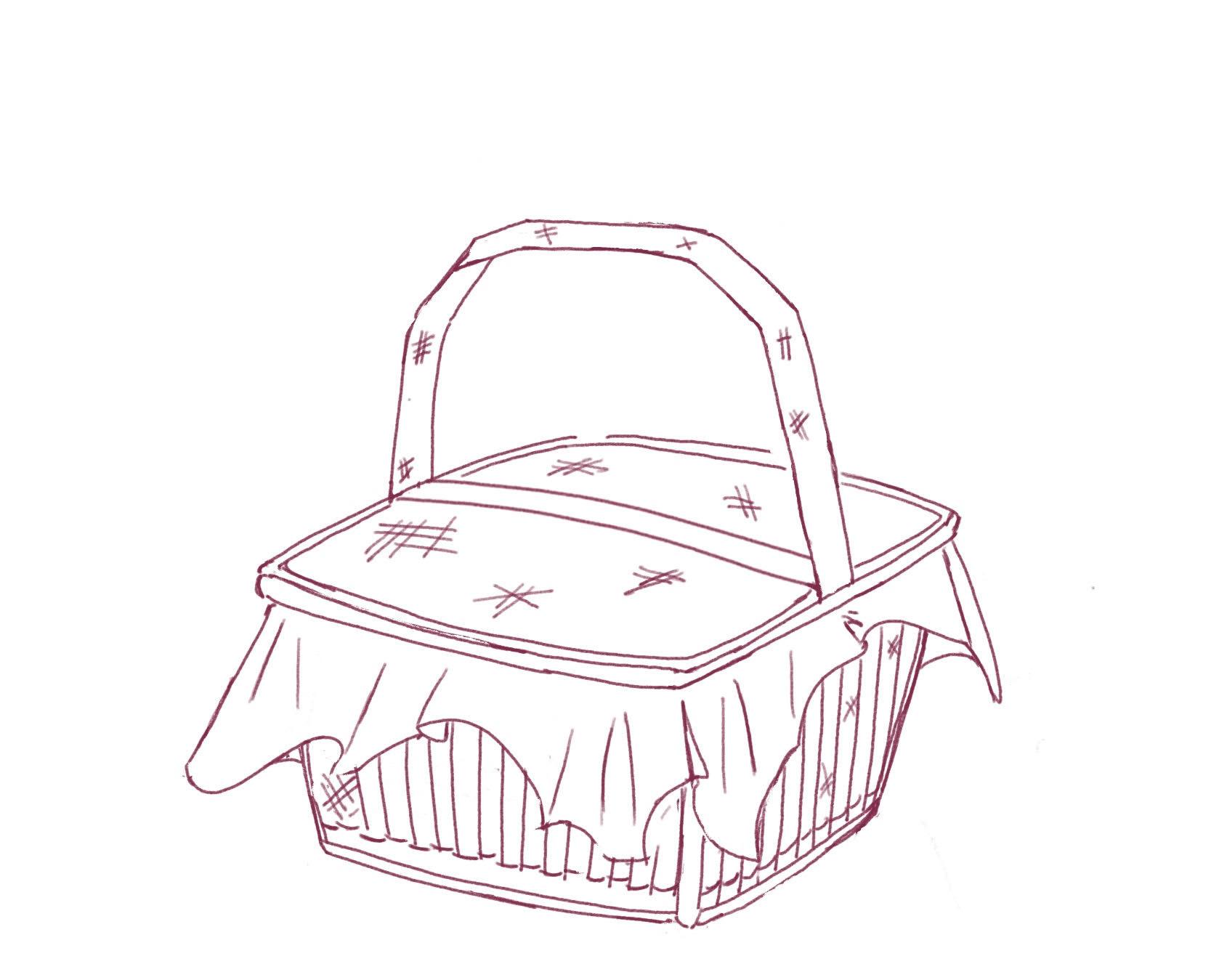
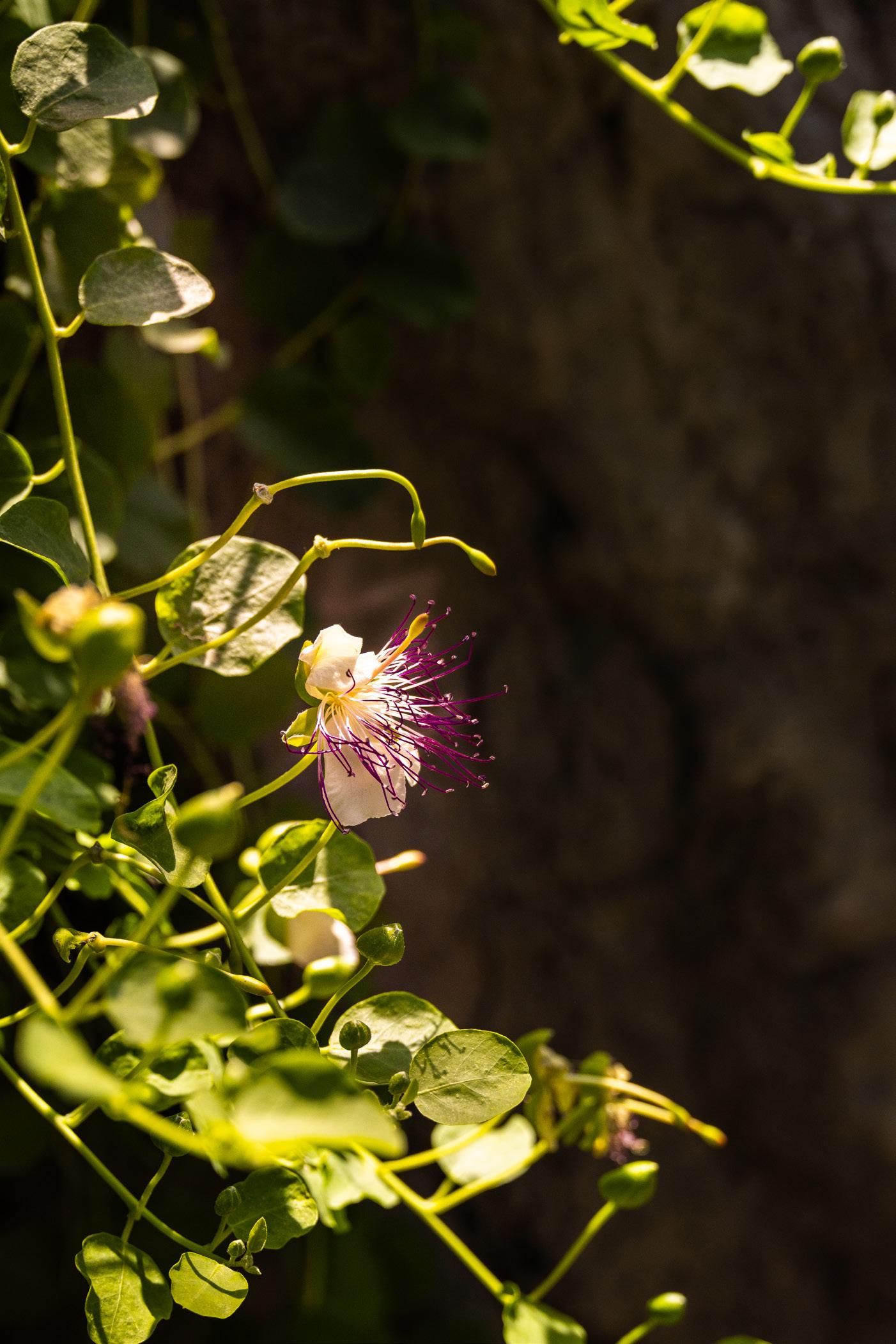
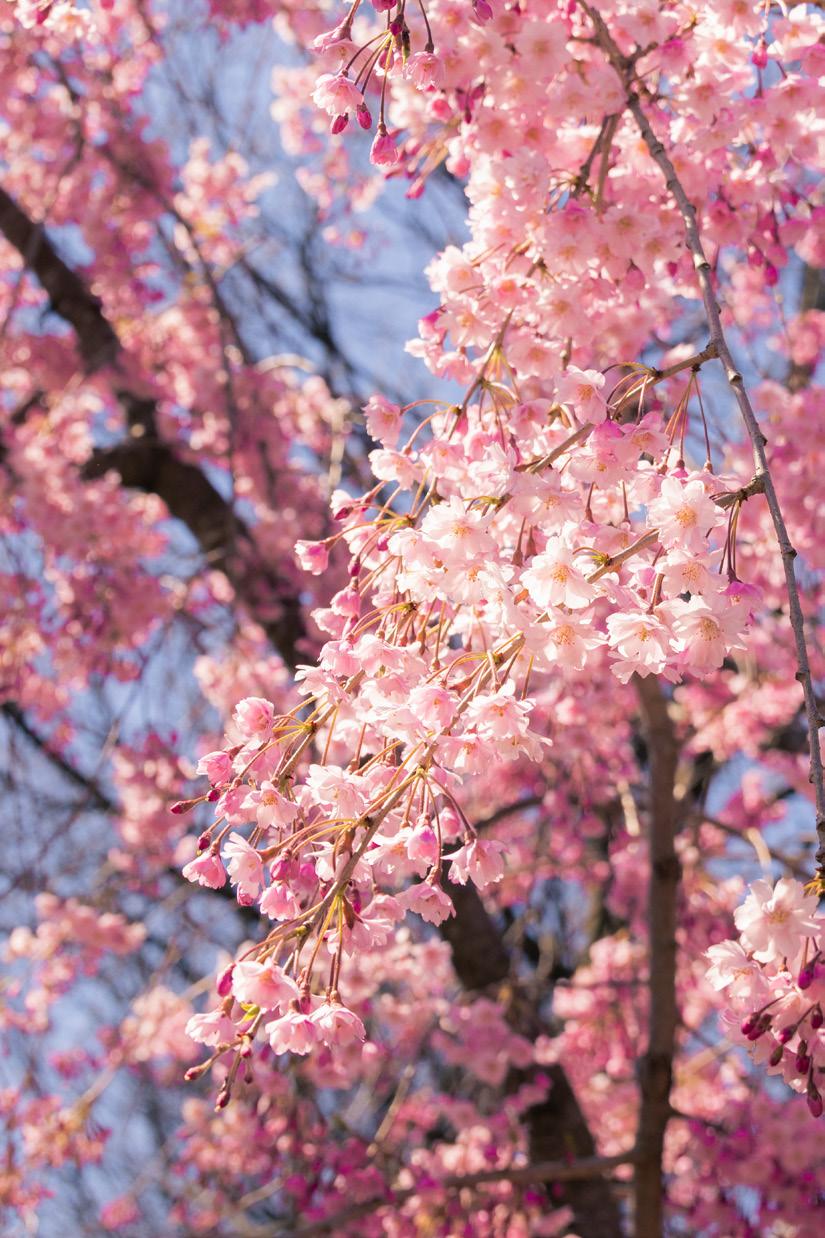
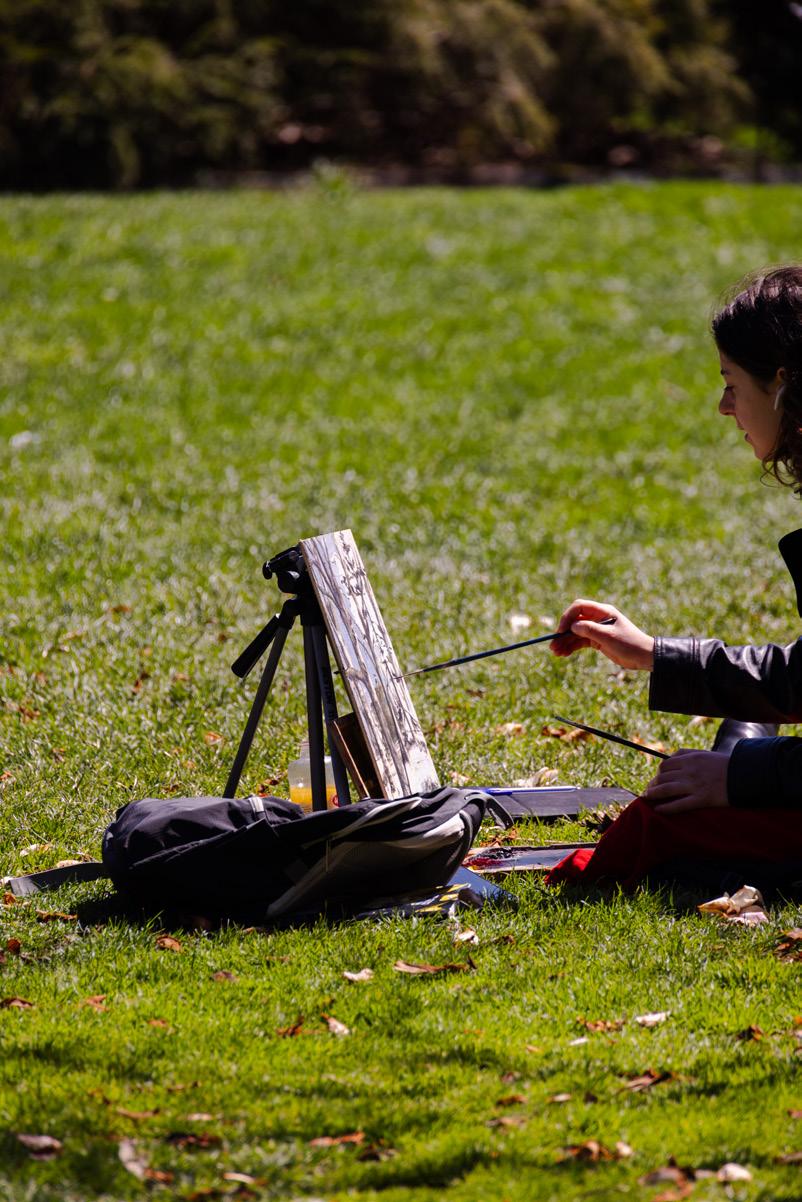
Colors of Spring
Justin Gao ‘29
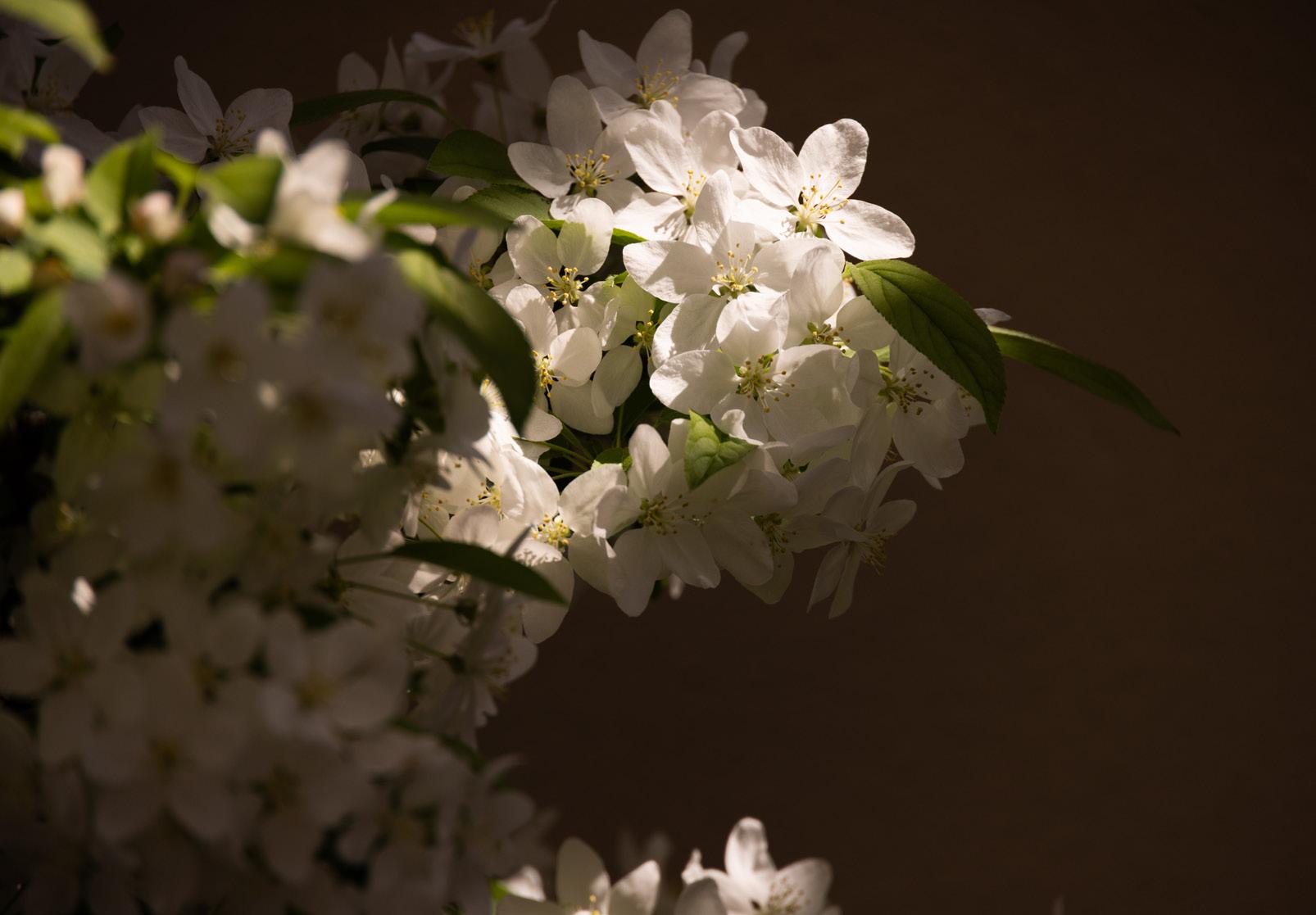
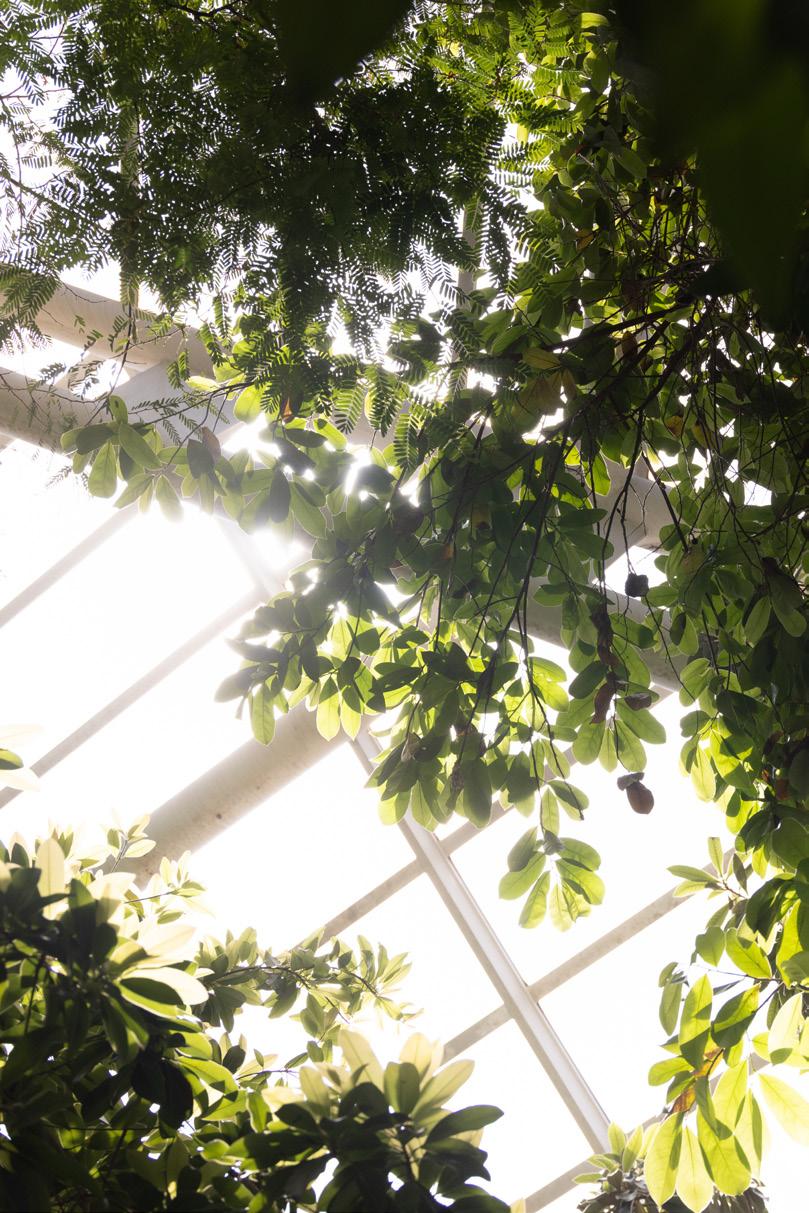
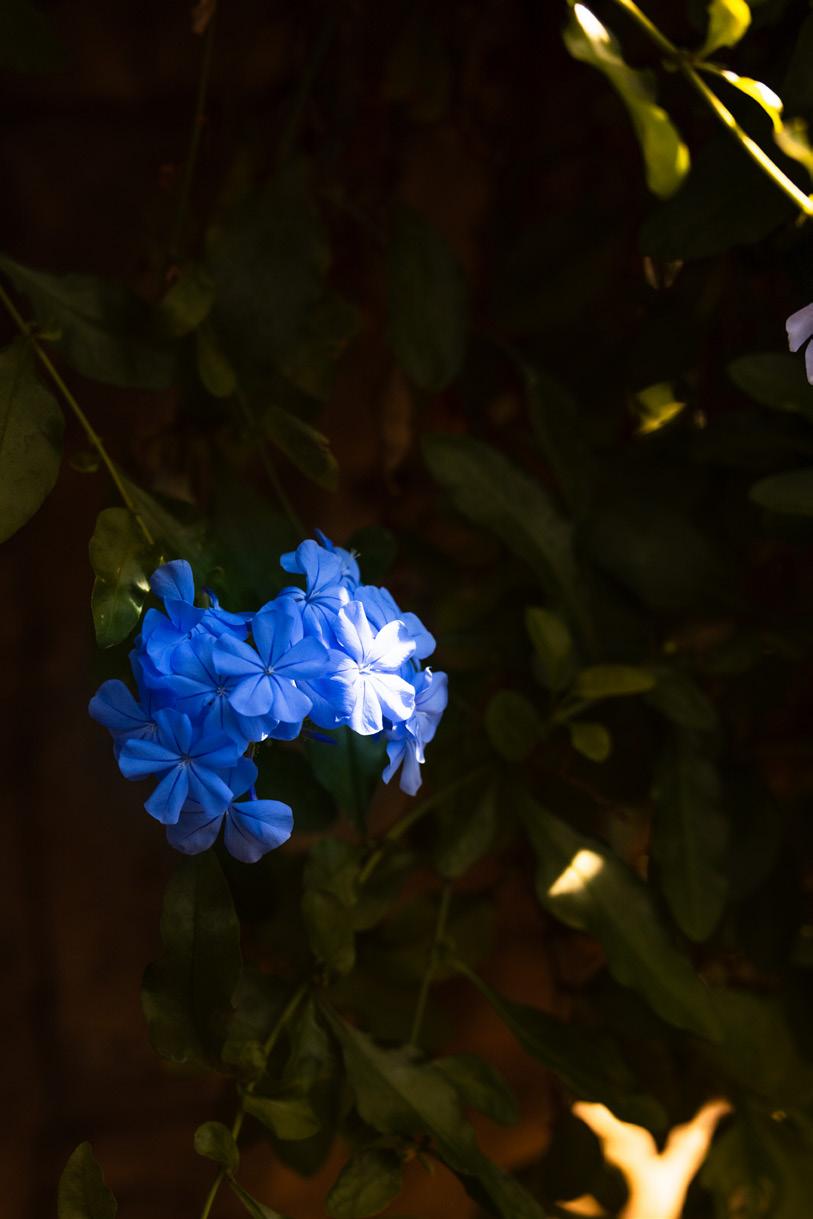
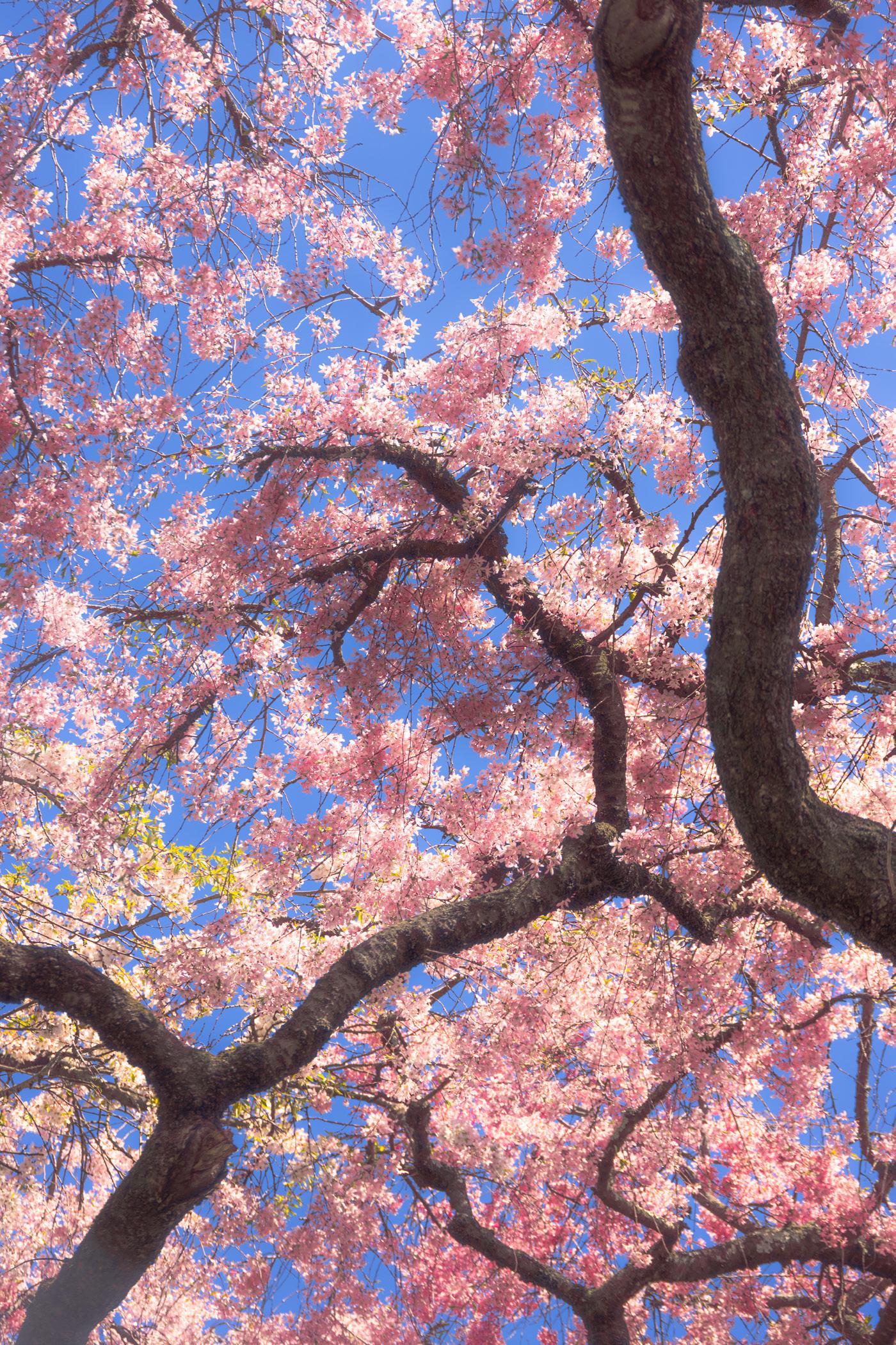
Commander Yi, Through the Seasons
Natalie Zhu ‘25
Yi Xun is born on the first day of spring to his mother’s sobs and his father’s absence.
The midwives mutter amongst themselves in worry as they support the crying madam, while the aging physician does his best to convince the lady to take a look at her newborn.
As the night settles in, candles flicker around the estate with the remains of winter’s biting wind. Lady Yi sleeps fitfully in the master bedchamber, sweating and in pain. Her newborn cries in the opposite end of the household, carried only by a young servant.
The rest of Yi Xun’s first spring passes by similarly, going from a gradual crawl of winter’s frozen grip to summer’s uncomfortable embrace. His father is still gone, fighting wars far, far away. The newborn only sees his mother once or twice in the meantime. She never holds him. –
Three summers later, Yi Xun meets his father for the first time.
Commander Yi looks like the painting in the family hall: a tall, imposing figure adorned in golden armor. His sharp features hold little of summer’s warmth, impassive as his son greets him with a perfect bow.
The servants whisper to themselves about how the young heir looks just like this father.
“A-Xun,” Commander Yi says, the name unfamiliar on his tongue. “Where is your mother?”
The commander’s eyes narrow slightly at the flinch of the child’s shoulders, but Yi Xun speaks before he can say anything else.
“Mother has been ill,” Yi Xun says, voice quiet. Sweat drips down his temple. “She doesn’t want to be bothered.”
“I see,” his father answers, though he doesn’t sound happy. Yi Xun’s finger wrap around the edges of his sleeves as a silence settles, heavy and nervous.
Commander Yi studies the boy and finds that he doesn’t look much like his wife, aside from maybe the nose, but the similarities that must be there between father and son do not help him figure out what to do with a child from a loveless marriage.
“I will be returning to the palace for a banquet in a few days,” Commander Yi says eventually. Yi Xun lifts his eyes as curiosity cautiously flashes across his face, clearly not quite understanding what that meant or what it had to do with him.
Commander Yi allows a small smile to stretch his lips, absentmindedly wondering why he was bothering. After all, he was likely to return to the border within a week’s time with no end date in mind.
“The guards tell me that there’s not much for you to do here aside from your lessons as heir from the tutors. However, you are also the son of the commander of the imperial armed forces. You should learn your way with a sword, at the very least.”
Yi Xun nods, eyes darting to the sword at his father’s waist, gleaming gold.
“The crown prince is around your age,” Commander Yi says as he glances in the direction of the palace. “I will request for the emperor to have you be His Highness’ study partner, and you will train alongside him.”
Not much of this makes sense to the boy, despite his tutors praising him for his intellect at such a young age, but he senses that it’s something important. Plus, this is his famous father who he is meeting for the first time. His mother may seem to hate and long for the man in equal measure, but she said she would lock him out in the chilly night if he disrespected the commander and embarrassed her. Yi Xun had caught a nasty cold last time, so he endeavors to avoid a repeat incident.
“Yes, Father,” Yi Xun agrees easily, bowing once more. “Thank you.”
Commander Yi tilts his head, as he does not know if what he’s doing is really a favor for the boy or actually a curse. He keeps these thoughts to himself, though. “I’ll have your tutors remind you of the proper etiquette in front of His Majesty and the court. You’re dismissed.”
And so, in the last month of that summer, Yi Xun meets Crown Prince Shen Ziyu, who eventually becomes his closest friend and quietest love.
In Yi Xun’s fifteenth autumn, Commander Yi falls in battle.
He finds out when his mother throws a vase at his head just as he comes home. He instinctively dodges, only to flinch when the vase shatters to pieces behind him against the closed door, porcelain crashing next to his shoes. He already knows he made a mistake by moving out of the way.
“You!” his mother screams, pointing wildly at him as her maids and servants cry fearfully around her, prostrating themselves around the ruined room. “You dare to show your face here?! Look at the ruined vase, it’s all your fault!”
“Mother,” Yi Xun says carefully, holding his hands up in front of him. “I’m sorry. I’ll clean up the vase. I only came to greet you.”
“Greet me? You wanted to greet me?” Lady Yi laughs, a hand coming up to hold her head, as if she were suffering a terrible headache. “For what? How can you greet me like there’s nothing wrong when that man is dead?!”
Yi Xun blinks once, twice. His mouth opens but nothing comes out. Somewhere to the side, a servant is quietly weeping.
There’s only one person that his mother ever refers to as “that man”, but how could that make sense? His father was the commander of the imperial armed forces, one of the greatest warriors that the empire had ever seen. Dead?
“What is that stupid face for?” Lady Yi asks, taking another step closer. Reflexively, Yi Xun takes a step back, his back hitting the wooden wall behind him as porcelain shards crunch under his shoes.
“I don’t–I don’t understand,” Yi Xun stammers, eyebrows furrowing as he stares at his mother with wide eyes. He shifts, stepping forward again. “He’s–Father can’t–”
“Get out,” his mother cuts in, eyes wild as she stumbles backwards and away from him, face paling as she looks at him like she’s never seen his face before. “You can’t be here. You’re dead now. Get out!”
“Young master,” someone to the side whispers, an urgent tugging on his sleeve. “Please, the madam is not well.”
“I–” Yi Xun says, but his mother is screaming again as she looks for something else to throw at him, and all the servants around them are trying to get her to calm down and push him out of the room. He’s tripping his way out of the courtyard shortly after, none of his usual grace helping him as his head rings with the cries of his mother behind him.
That man is dead, his mother’s voice says. That man is dead. Your father is dead.
Leaves crunch under his feet as more fall languidly around him, uncaring for the chaos descending around the Yi household. He slips on something and slams into the corner of a wooden beam, and then he’s somewhere sprawled on the stone path in the garden.
He doesn’t notice the pain across his body, nor the northern breeze coming in with winter’s inevitable return.
His father is dead.
–
In the dead of winter, during Yi Xun’s twenty-third year, Crown Prince Shen Ziyu marries Lady Meng Huiying and promises her his eternal love and adoration.
After the banquets and festivities, long after newlyweds have retired to the wedding
chambers, Yi Xun is dragged through the snow by his new vice-commander, Luo Ying.
“It’s cold,” he mutters under his breath as he shivers and stumbles over his own feet after her, vision blurring. “Wait, Luo Ying, I feel like I’m going to throw up.”
Luo Ying yanks him further along the path, merciless. “That’s what you get for drinking in the cold like some idiot.”
Yi Xun tugs her back in retaliation, not that it slows her down much. He’s not sure where his winter cloak is, but his armor is freezing. “Spare me some of your nonexistent kindness. I’ve just had my heart broken today.”
“Your heart has been broken since the marriage was announced four years ago,” Luo Ying rolls her eyes. Her cloak knocks into him, providing him a brief semblance of warmth against the penetrating cold. “Seriously, you can’t keep coping like this. You are the commander of the imperial armed forces with regular contact with His Highness. Are you going to be found drinking after every meeting?”
“A-Ying,” Yi Xun sighs, swallowing back a wave of nausea as he attempts to right himself. He is sobering up unfortunately fast. “Can you blame me for drinking tonight?”
Luo Ying pulls to a stop in front the healers’ courtyard, different from the imperial physicians’ wing, and turns to face him. Despite her harsh tone, her eyes hold little judgment as she studies him. “Will you pull yourself together after tonight?”
Yi Xun smiles, which only causes Luo Ying to frown.
“Your heart is yours to deal with and it’s none of my business,” Luo Ying continues, letting go of his arm to cross hers. “However, you are my commander and my friend. I cannot let you drink away your life. You knew this was coming.”
“Ah, spare me the lecture,” Yi Xun laughs as he dances around her, only swaying slightly. “I know my duties. I promise to drink in moderation after tonight. After all, I would never let His Highness see me in such a sorry state either.”
Luo Ying narrows her eyes at him but doesn’t add anything else. With a short nod, she motions for him to enter the courtyard. “Don’t do any other stupid stuff tonight. I’m heading back.”
“Yes, yes,” Yi Xun waves her off as he walks in. Sometimes, he wonders if she’s the senior officer or him.
A healer greets him quickly, recognizing his face. He’s directed to a bed near a boy wrapped in bandages, dark eyes looking up at him when he draws near. “You’re Commander Yi,” the boy says quietly, tilting his head. There’s something bitter and unforgiving in the boy’s gaze. “Did you drink too much?”
“Sharp senses,” Yi Xun smiles as he sits, nodding his head in greeting. “Greetings to you too, General Xiahou Qian.”
Xiahou Qian purses his lips, something unreadable passing through his face before he nods. “So you know who I am. Are you sure you want to stay in the bed next to me then?”
Yi Xun glances at the empty beds surrounding them, thinking of how fast the healer walked away from this section of the courtyard.
Three weeks ago, the Nine Gates Battalion led by General Xiahou Qian were ambushed in the south. The general was the only survivor. It had taken him a week to awaken from his injuries, and in the last two weeks, the boy had refused to do much other than stare blankly at the falling snow, hearing the distant cheers and fireworks as the world moved on without him.
For some strange reason, Yi Xun feels like a kindred spirit.
“The bed’s free, what’s the problem?” Yi Xun hums, leaning back against the wall. “Tell me, how’s the view from here? Did you see the fireworks tonight?”
Xiahou Qian’s eyebrows furrow, as if he wasn’t expecting the conversation to switch so fast. “... It’s fine. Everyone in the capital could see the fireworks.”
“You’re right, the emperor spared no expense today,” Yi Xun nods, mumbling towards the end of his sentence. “You missed the banquet drama, but let me tell you about what happened. You see, Marquis Meng said that...”
Yi Xun settles into what he does best and talks Xiahou Qian’s ear off for the rest of the night. The boy was quiet at first, but he listened attentively throughout, and was even asking a few questions towards the end. Yi Xun even gets a small smile at one point as the boy slowly relaxes his tense shoulders, sitting back to mirror Yi Xun against the headboard.
The moon is descending back to the horizon when a silence lulls between them, Yi Xun’s voice finally drifting away as the two contemplate the night they just had. Despite having developed a serious habit for talking nonstop these recent years, to his subordinates’ displeasure, this is probably the longest that Yi Xun had ever spoken.
“I never expected Commander Yi to talk so much,” Xiahou Qian mutters to himself in the next second, and Yi Xun muffles a laugh at the vaguely bewildered expression on the boy’s face.
“Is it too much?” Yi Xun smiles. “Luo Ying is always telling me to shut up or she’ll stick her sword in places no swords belong.”
Xiahou Qian huffs out a laugh at that, and despite the bandages around his face, the smile he has makes him look even younger than his eighteen years of age.
“No,” Xiahou Qian says. Yi Xun stills. “It’s been a quiet three weeks. I... appreciated the company, regardless of the lack of substance in some of the conversations.”
Yi Xun raises an eyebrow in mock offense, even as a grin starts to stretch his lips. On
this wintry night where ice formed along the paths of the capital, he had expected little more than to drink his sorrows away before sleeping fitfully into the new day. His heart still ached with a poison that had no cure, but someone was still able to find good company within him.
How truly unexpected.
Later, as the snow melts away and birds slowly return to the gardens, Xiahou Qian is recruited to Commander Yi’s slowly forming squadron.
The wounds of yesterday are still present, but they are no longer bleeding.
In the spring of Yi Xun’s twenty-seventh year, the empire falls, with Emperor Shen Ziyu dying in Commander Yi’s arms, his royal blood staining the commander’s golden armor. Pleas spill from the commander’s mouth, but there is no apology strong enough to dissuade death from taking those that are gone, nor the Heavens from their revenge when their son dies unjustly.
Yi Xun dies as the flowers bloom red in the gardens, and the Heavens revive him with an eternal body, his unforgivable sins carved into his very soul.
cascade
Anusha Koshe ‘26
when the sky is pink in sunset of another day gone by the ebb and flow of sand in an hourglass, so lovely so fragile; when your footsteps cold and frigid in my mind approach this place i loathe to let you in where air stills two seconds longer and you rejoin a departed universe
(it left the train station already, but i came back for you, waiting)
i watch your back as you leave you step firmly to your future and i break in the cacophony of oranges and pinks and blues they streak across the sky; in this canvas i hope the oaths of lovers long forgotten lie safely in dirt graves covered and sealed from the lips that carry secrets the hearts that sing promises that flowers will grow messy and wild and free
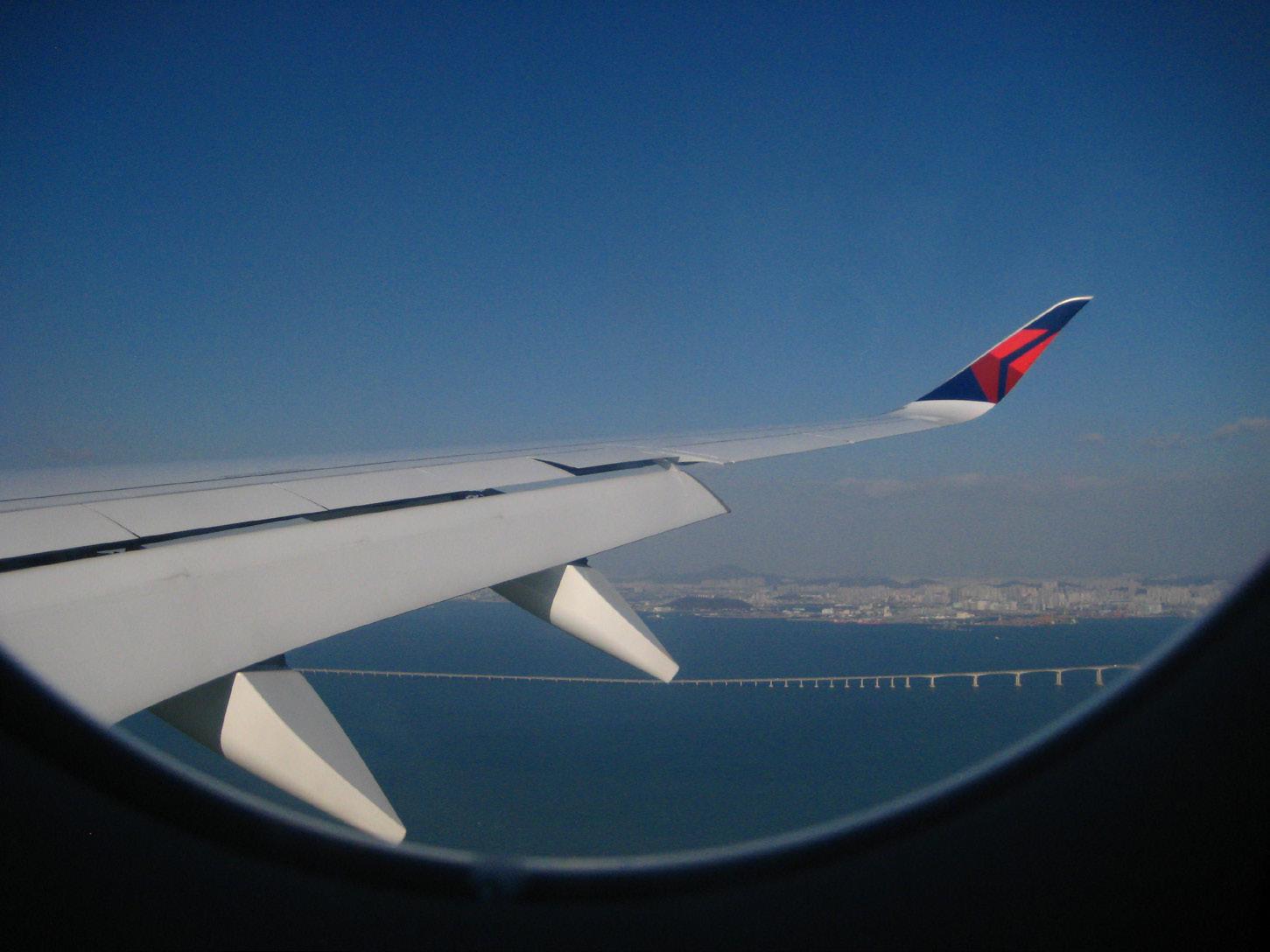
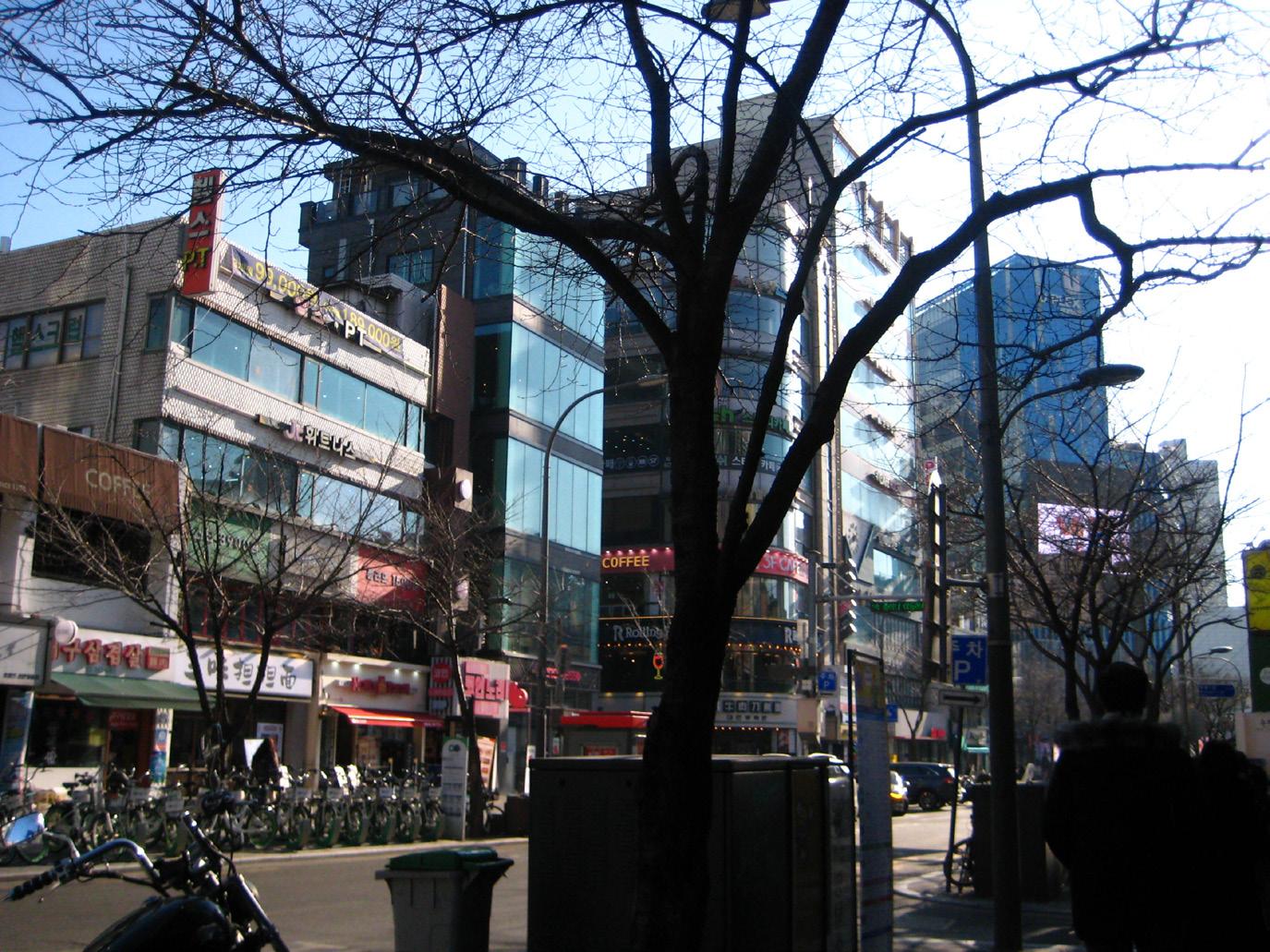
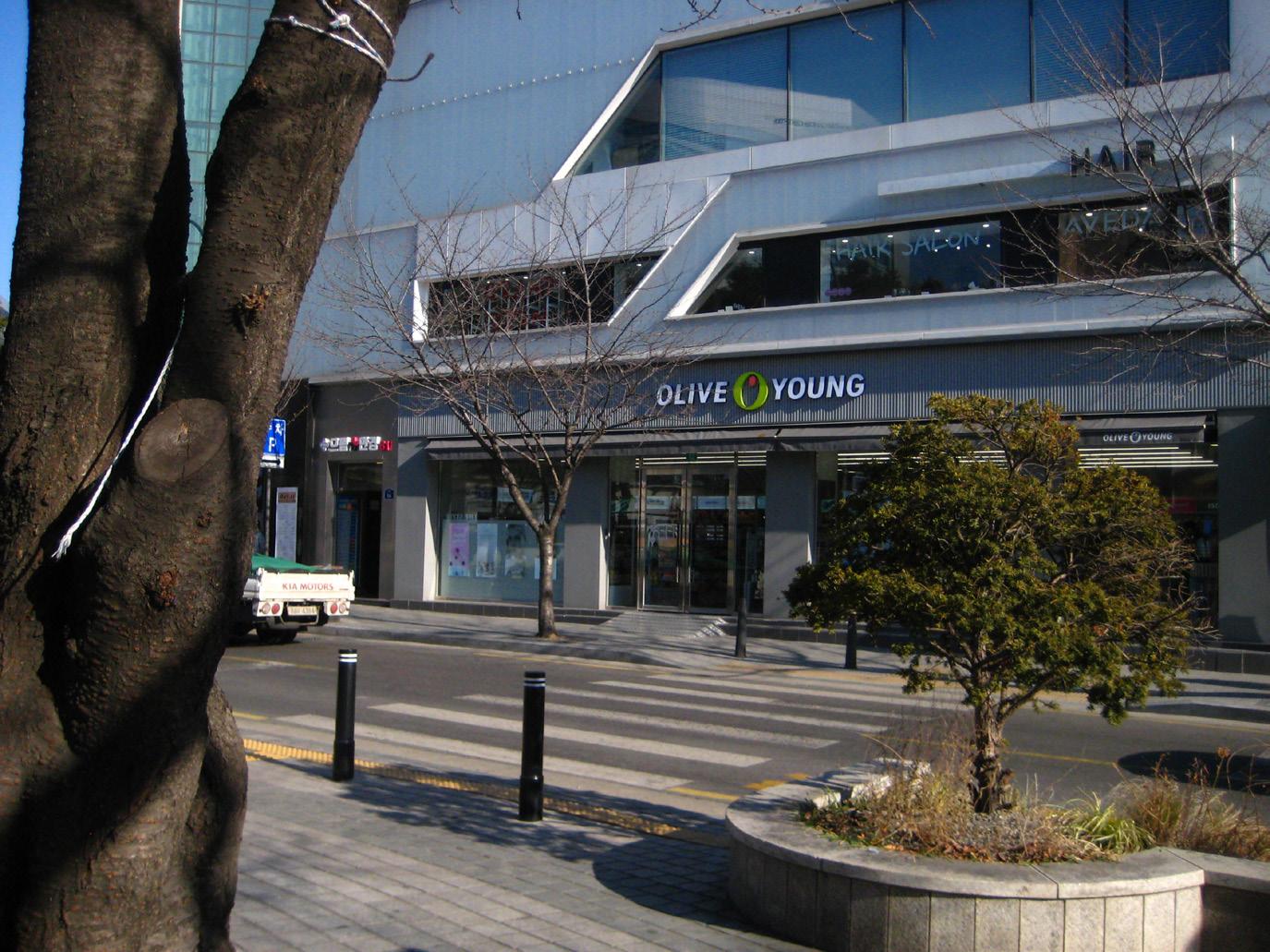
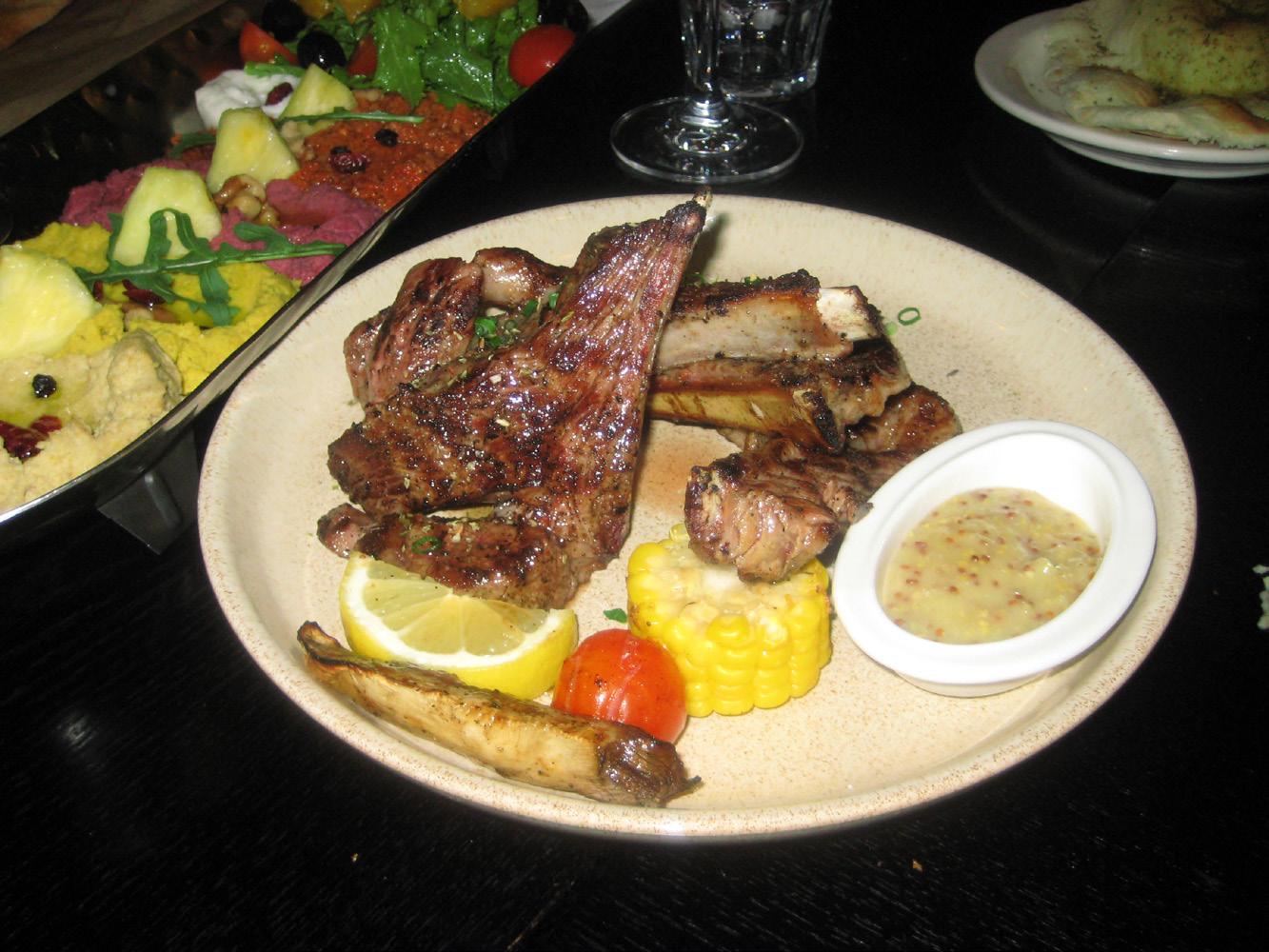
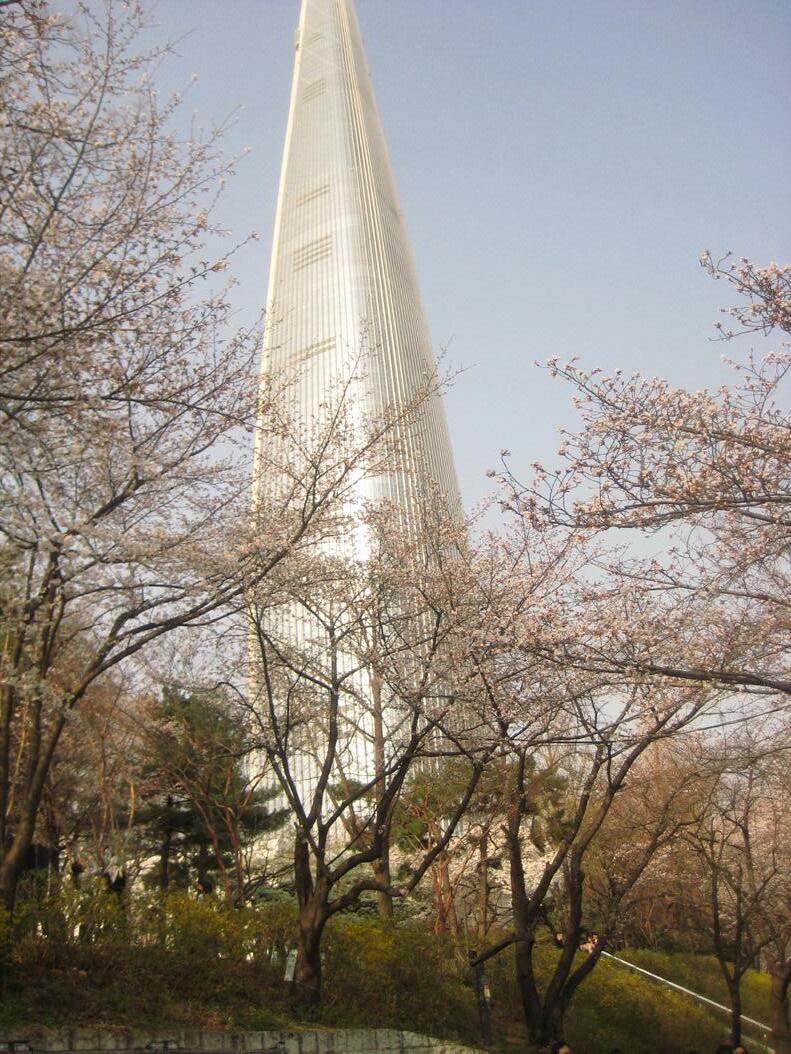
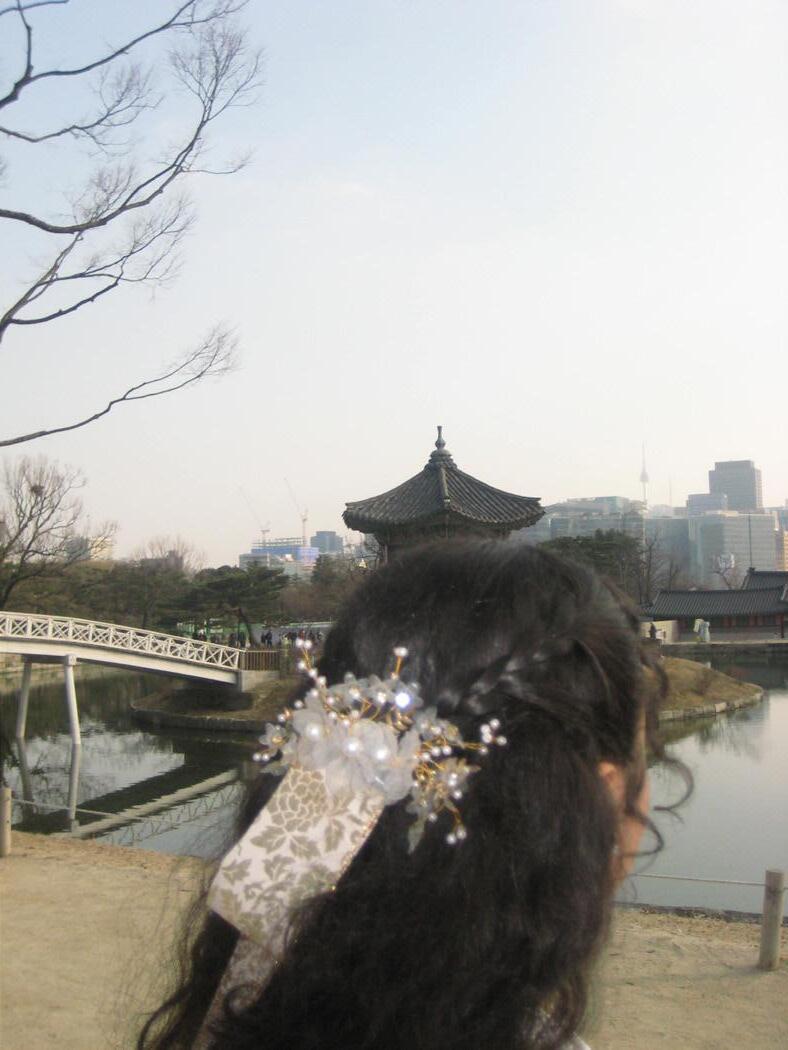
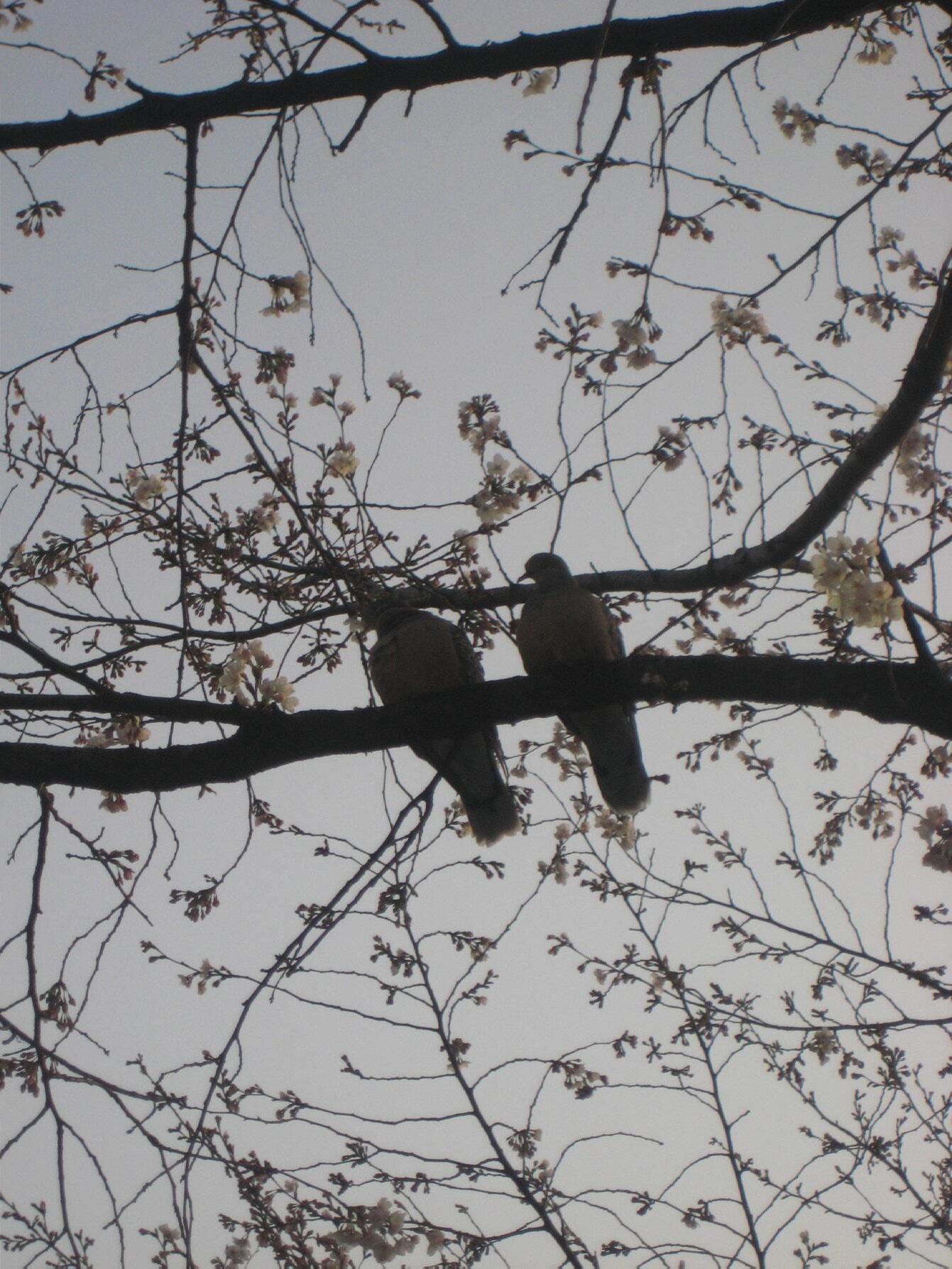
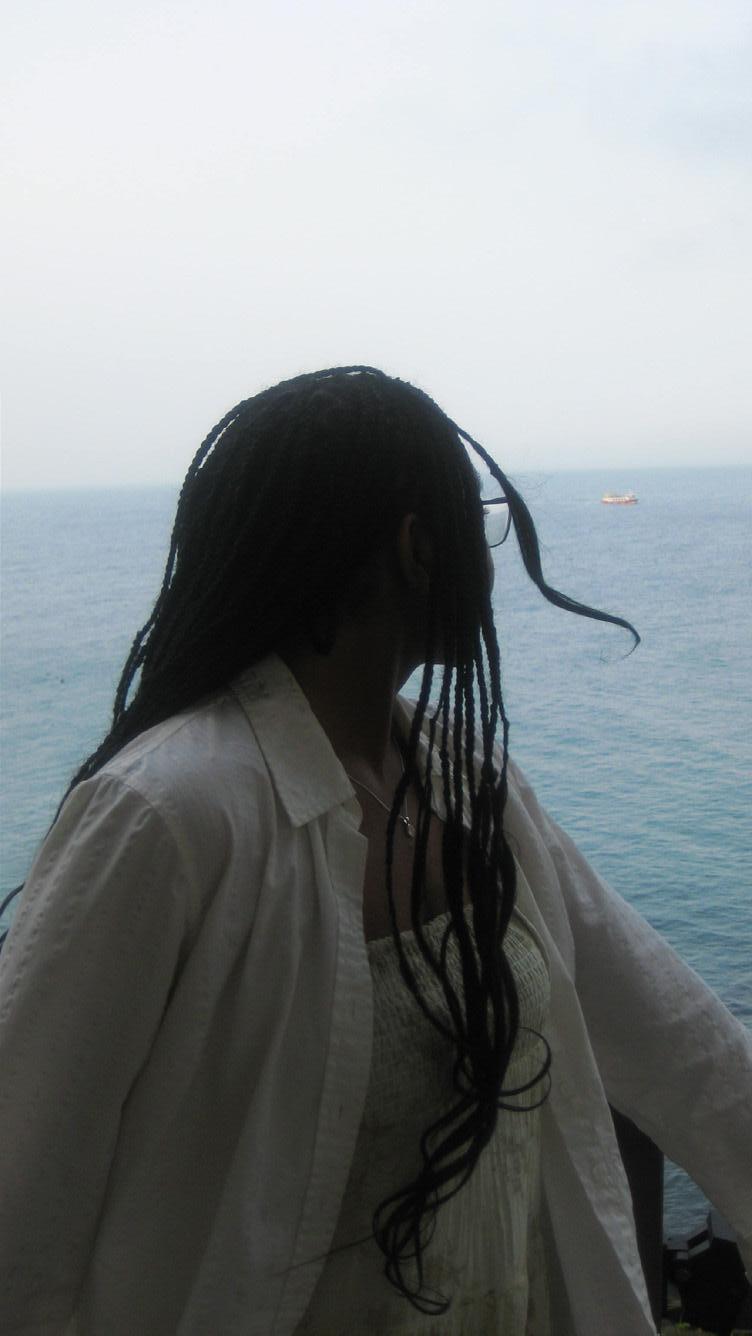
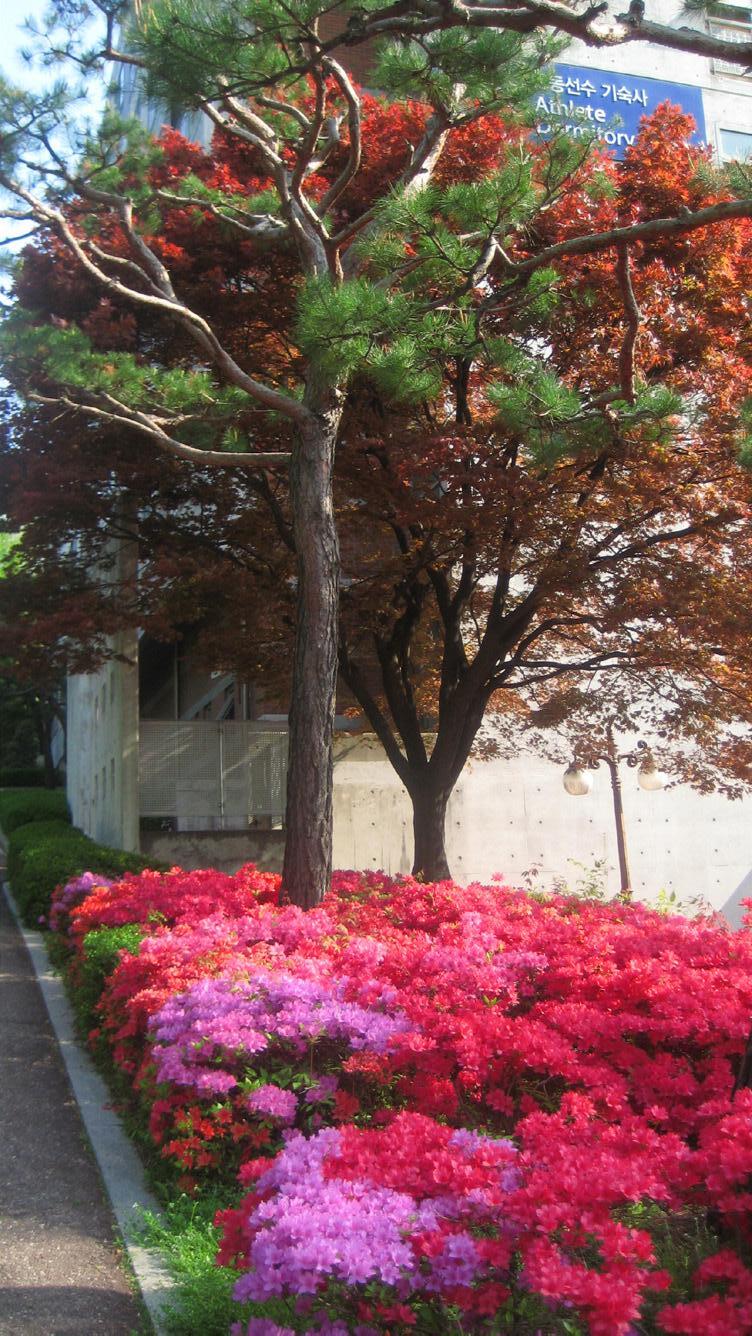
Artist Statement:
All photos are taken on my digital camera during my time abroad in South Korea and are photos that ground me back into that time that I spent and experienced that Spring.
sweet
Ellie Ji ‘28
1. it’s Saturday when i hear the crackles of static from my mother’s old radio i listen to it’s dull murmurs and beats of wood against wood
2. good morning my mother will sing out rhythmically to the pounding of a rolling pin— against butter, against a wood board
3. good morning she tucks the rolling pin away takes out the two whisks that sit in our squeaking old cupboard of old ramekins, cupcake liners, and pitchers
4. cookies for breakfast sweet, sweet, sweet sugar cookies— so i stick my whisks into the soft butter, squishy between the metal and the metal
5. let the whisks spin through the butter the grainy sand sprinkling down from a mason jar above the mounds and folds
6. in comes the egg the crisp crack of the thin shells of an egg—taken straight from the dozen in the carton, in the fridge the yellow, the whites, the butter, they won’t mix
7. it takes some patience to wait for the streaks of yolk to dye the butter from butter yellow to golden yellow
8. sprinkle the flour onto the surfaces so the sweet goop won’t stick
9. trace a finger in the flour in the shapes of daisies, suns, lemons, circles—
10. the buzz of bees outside, the laughs of my mother’s old radio the breeze of, clouds nudging, the laughs of
11. my mother’s old radio and the silence of hummingbirds feeding upon the syrup hung every Saturday morning
12. mother slides out the metal bowl of sugar cookie dough and i say i can declare myself a taste tester
13. wait—so it’ll bake a sweet scent of Saturday sun and sprinkled sugar to be savored slowly
In Full Bloom
Effie Wang ‘29
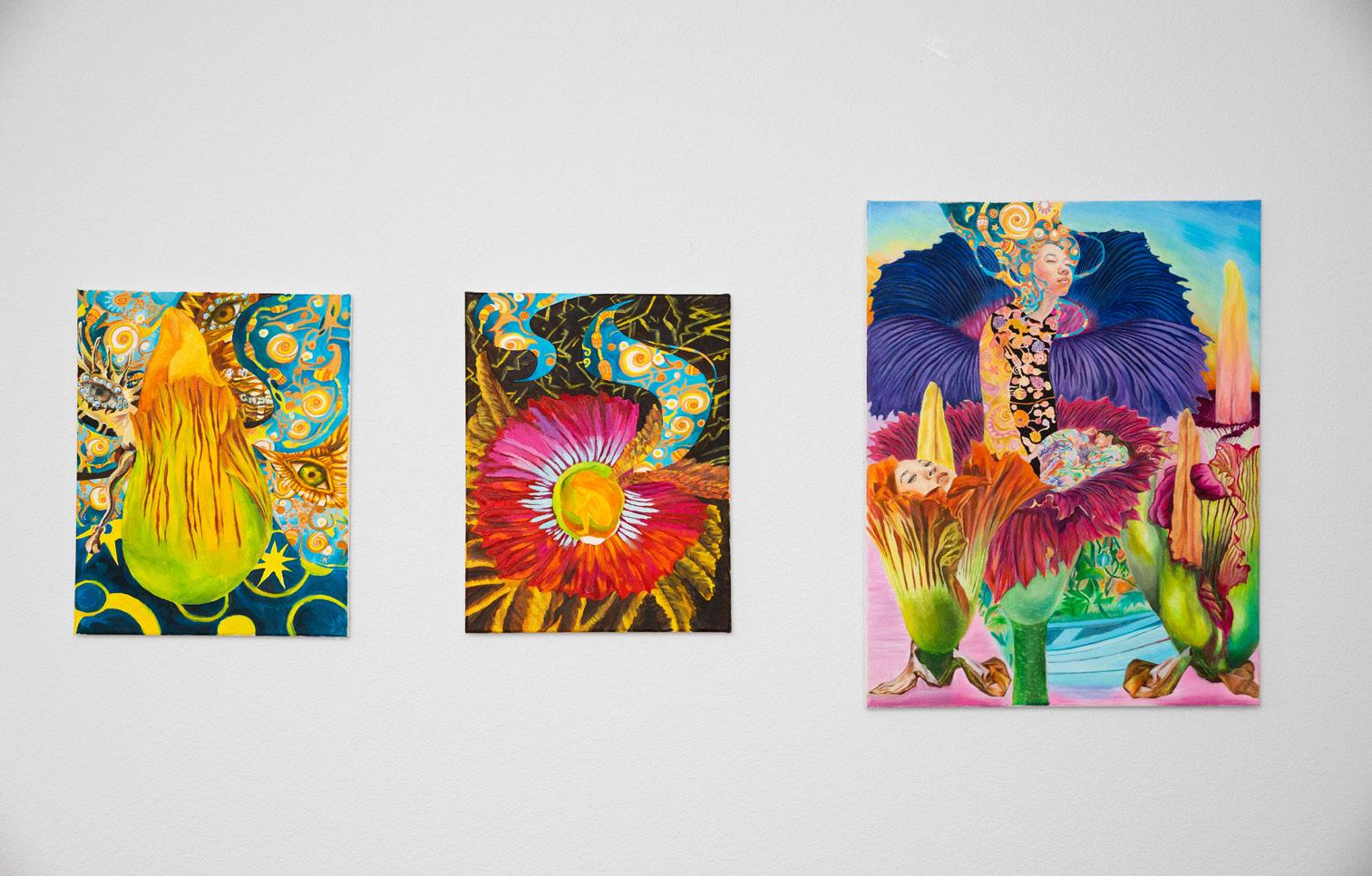
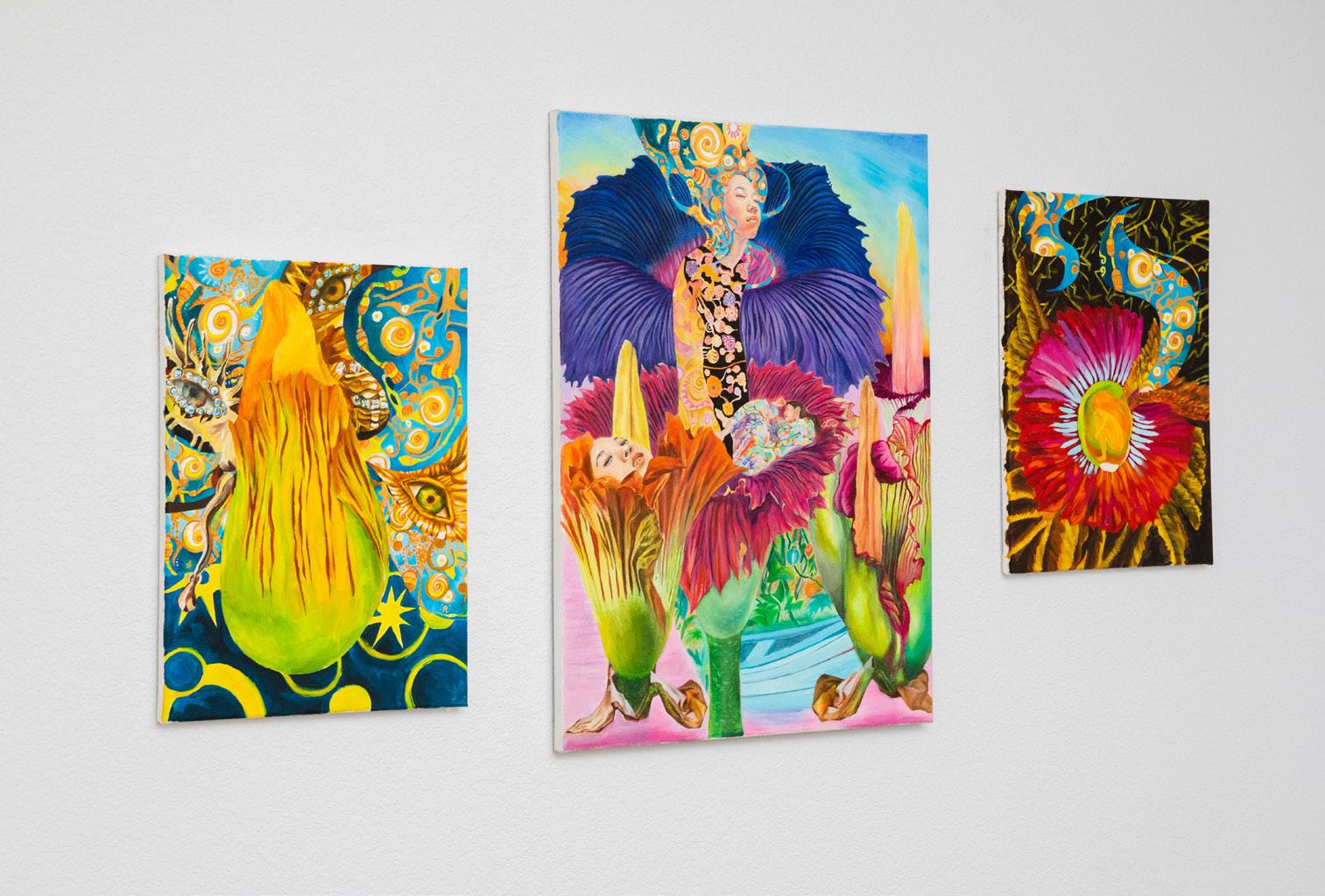
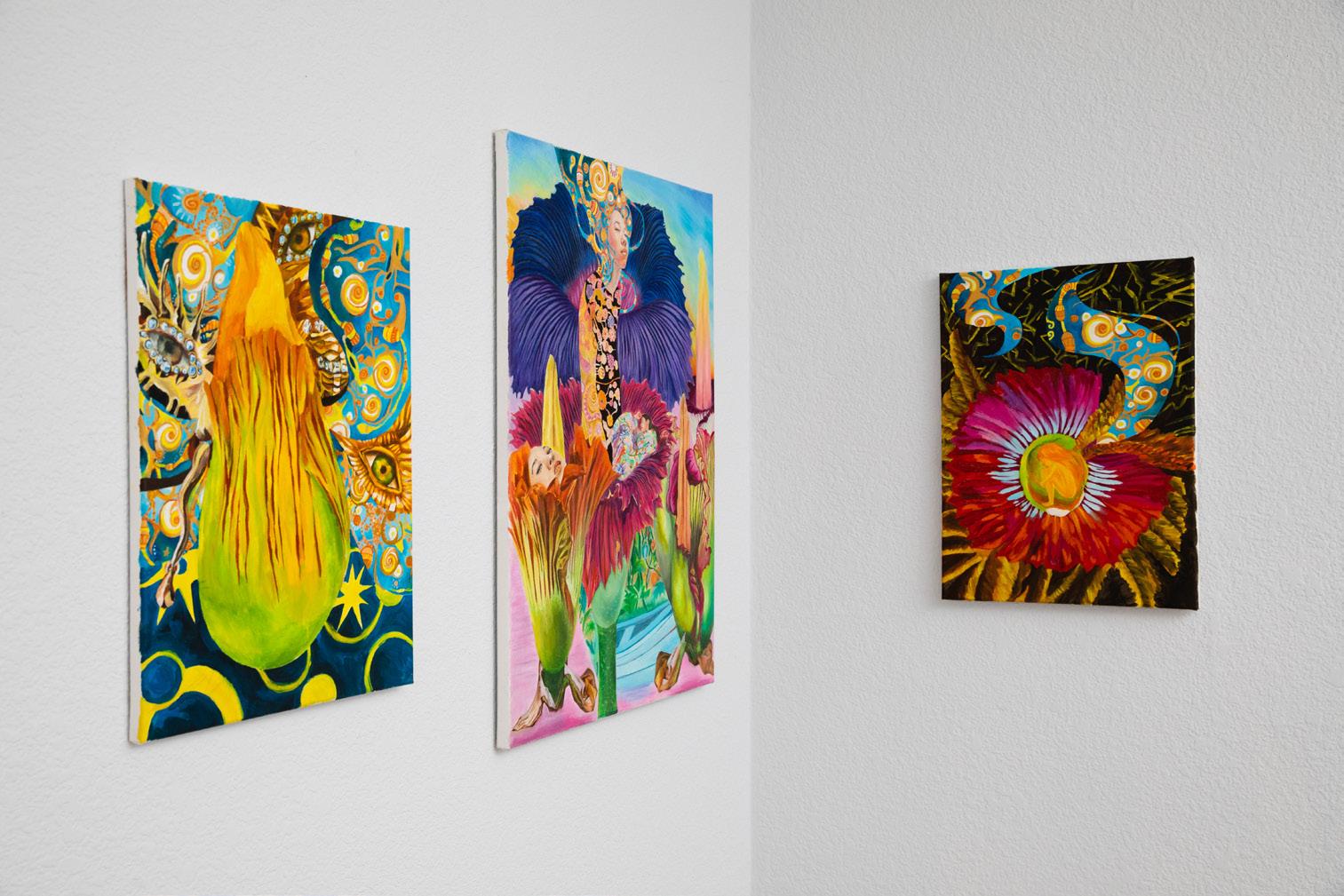
cups, pentacles, the lovers. by a stroke of luck, the salt spilled just right and the strawberries stayed in season. for the universe gave me what blossoms all year-around. for this girl is easier to love than any love poem.
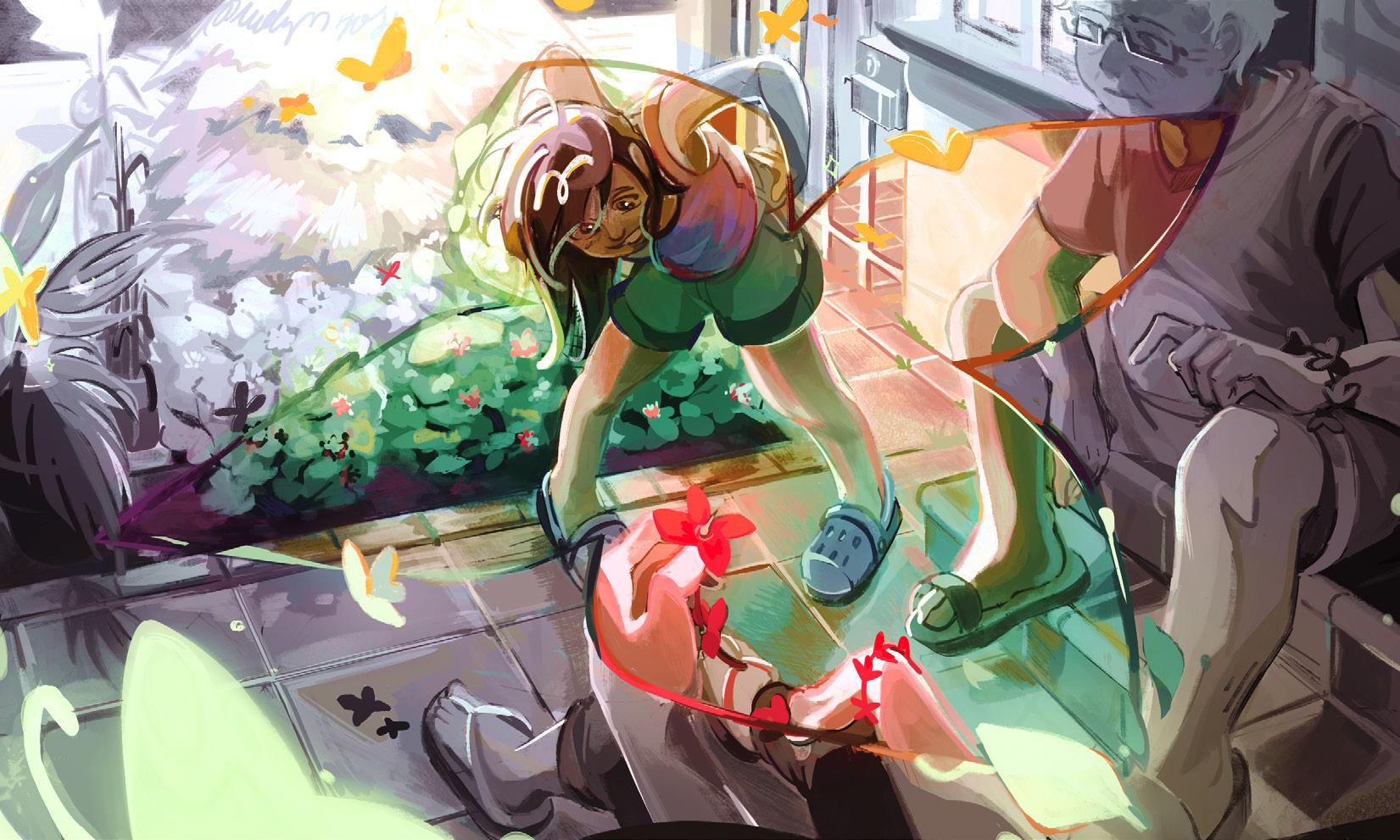
time through flower bracelets
Mey Chen ‘29
Summer
june,year
Tomybestfriend,Summer: sunshine—warm,likeadaydream aglowtanskin
she complains about the way her bangs sweep to the side in the fall wind as the months changed and leaves fell, deciduous, tinting yellow.
i remember the empty streets before thanksgiving, before we left for that lakeside house. i remember how we chased the music playing until the sun set. that late night walk after overalls and pies, for it felt like summer with Summer even when the seasons changed and life lived.
i missed her by daydreams as i headed west, and away, by bantering over what to wear to swing in october. for summer, my ribs fill with love like a breath of humid air. it sticks of peanut butter crackers, and vanilla frosting. lakeside, of leaves, of summer sunshine — this winter, she warms. like a daydream, she loves like a memory, unforgettable by these ways —sheknowsmelikeEl,ilove
around
memories in ember
Justin Gao ‘29
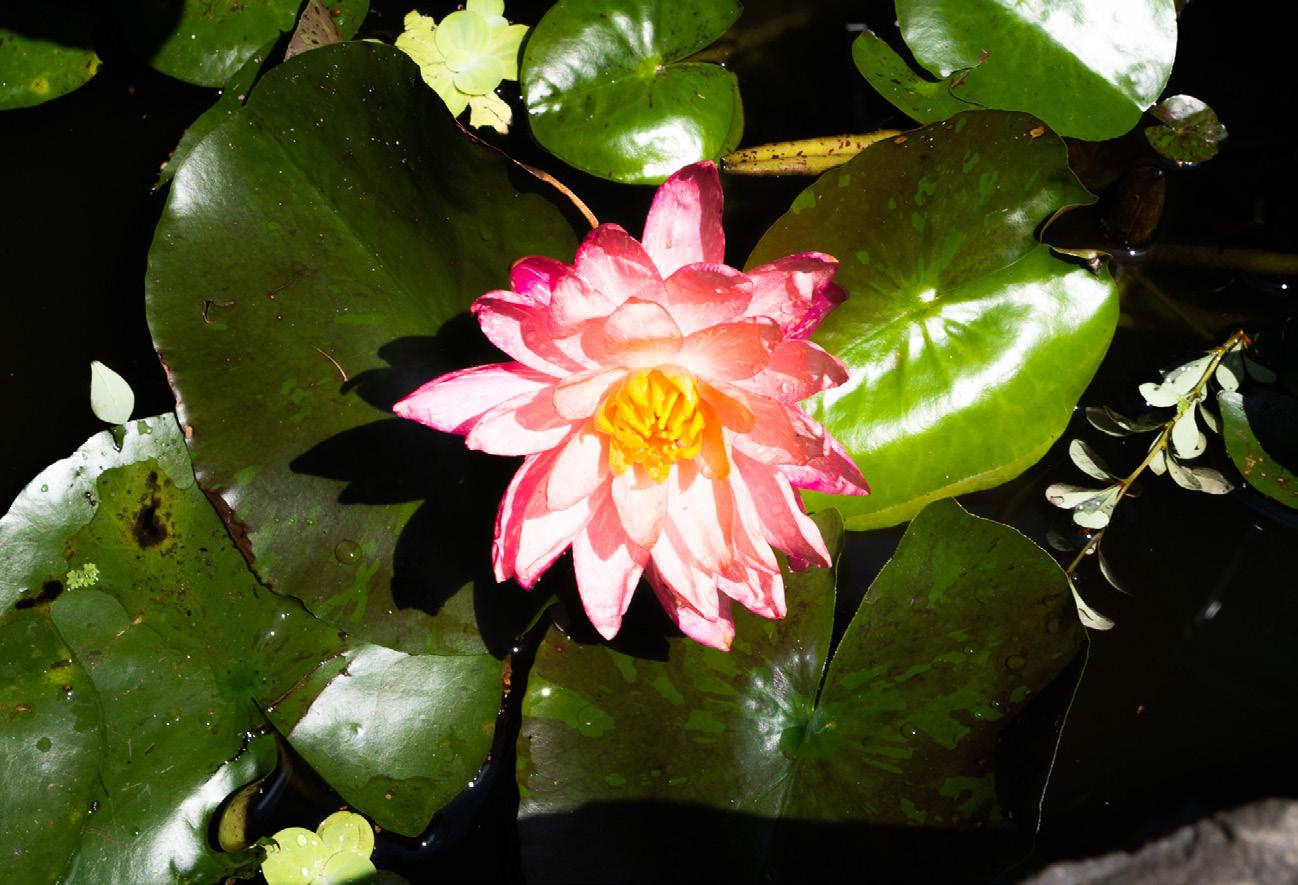
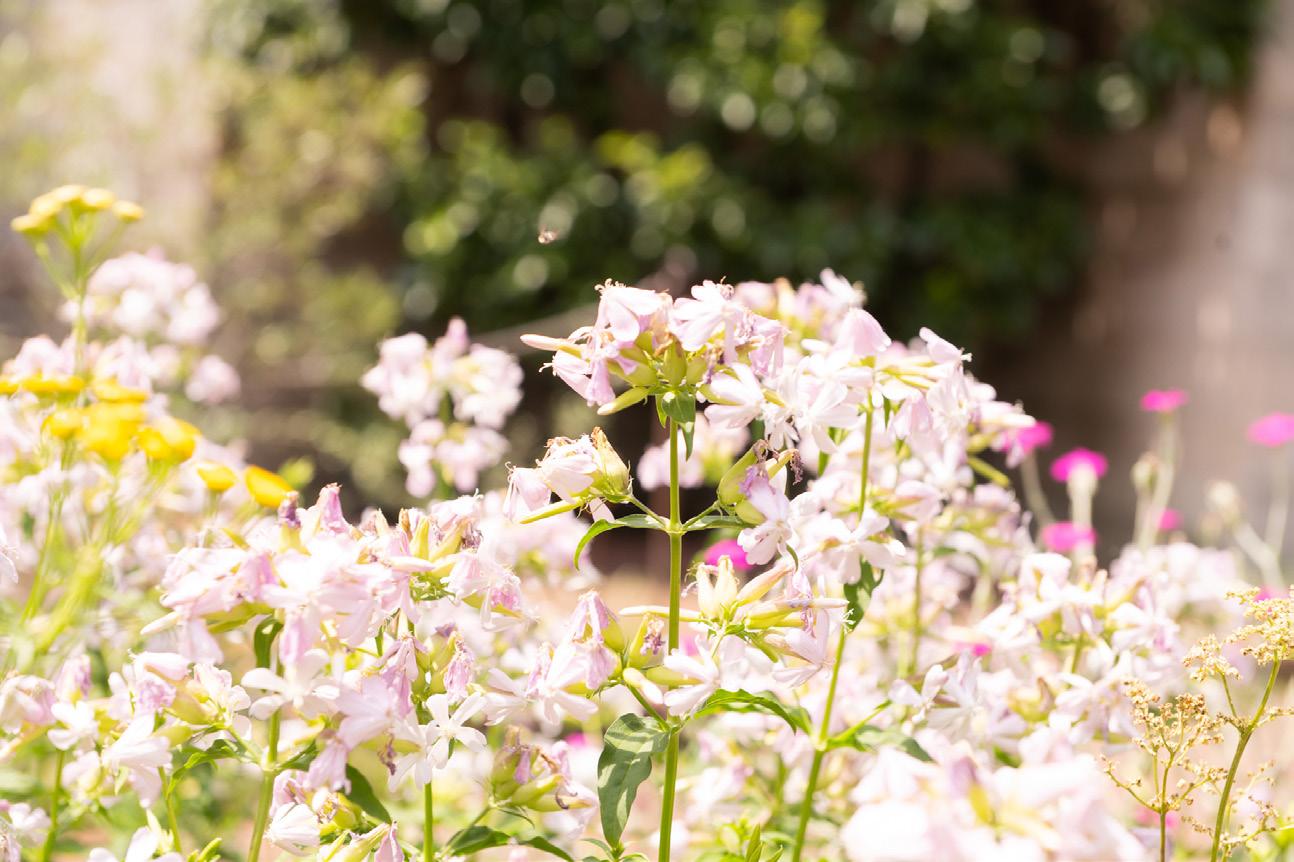
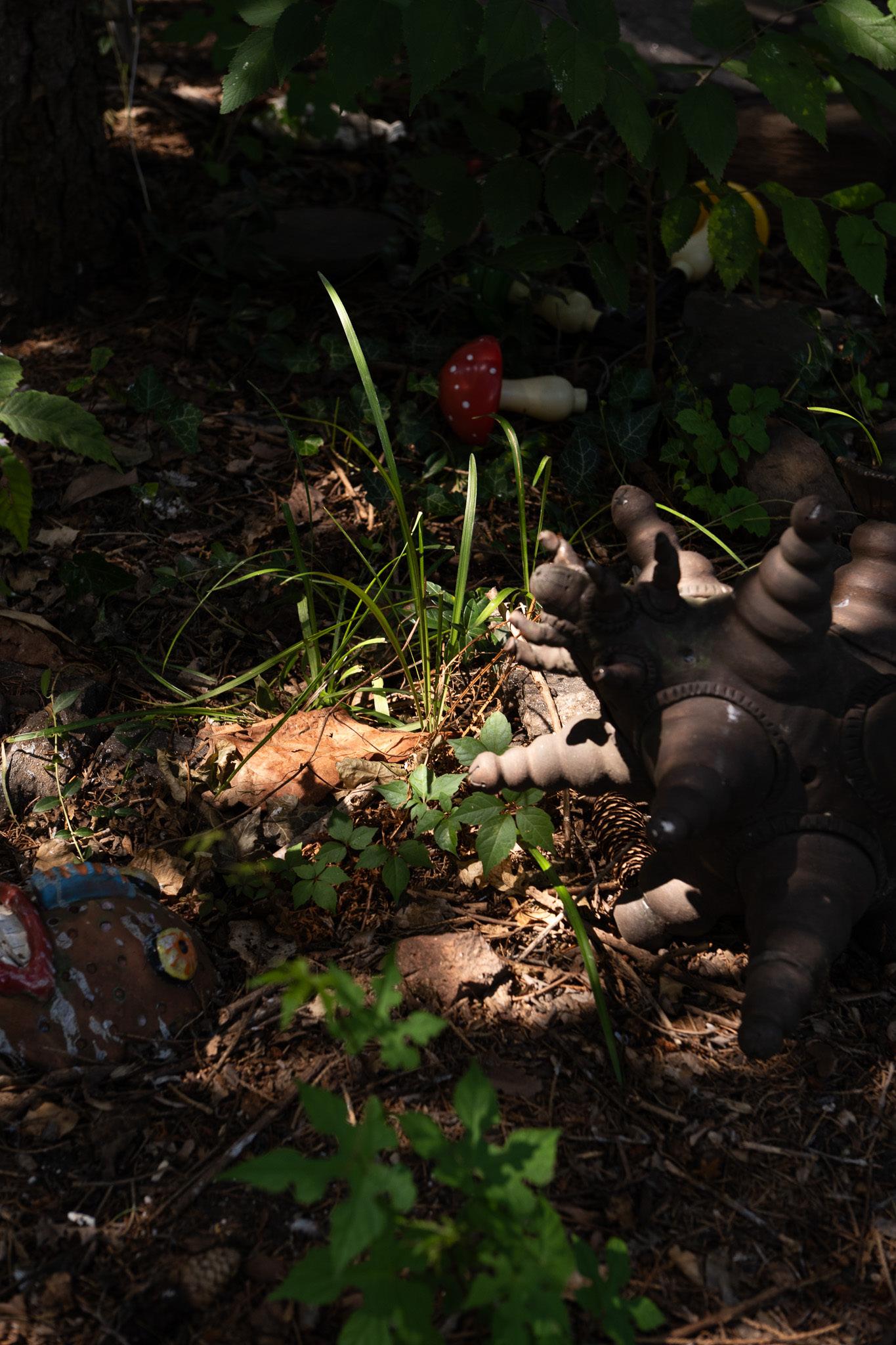
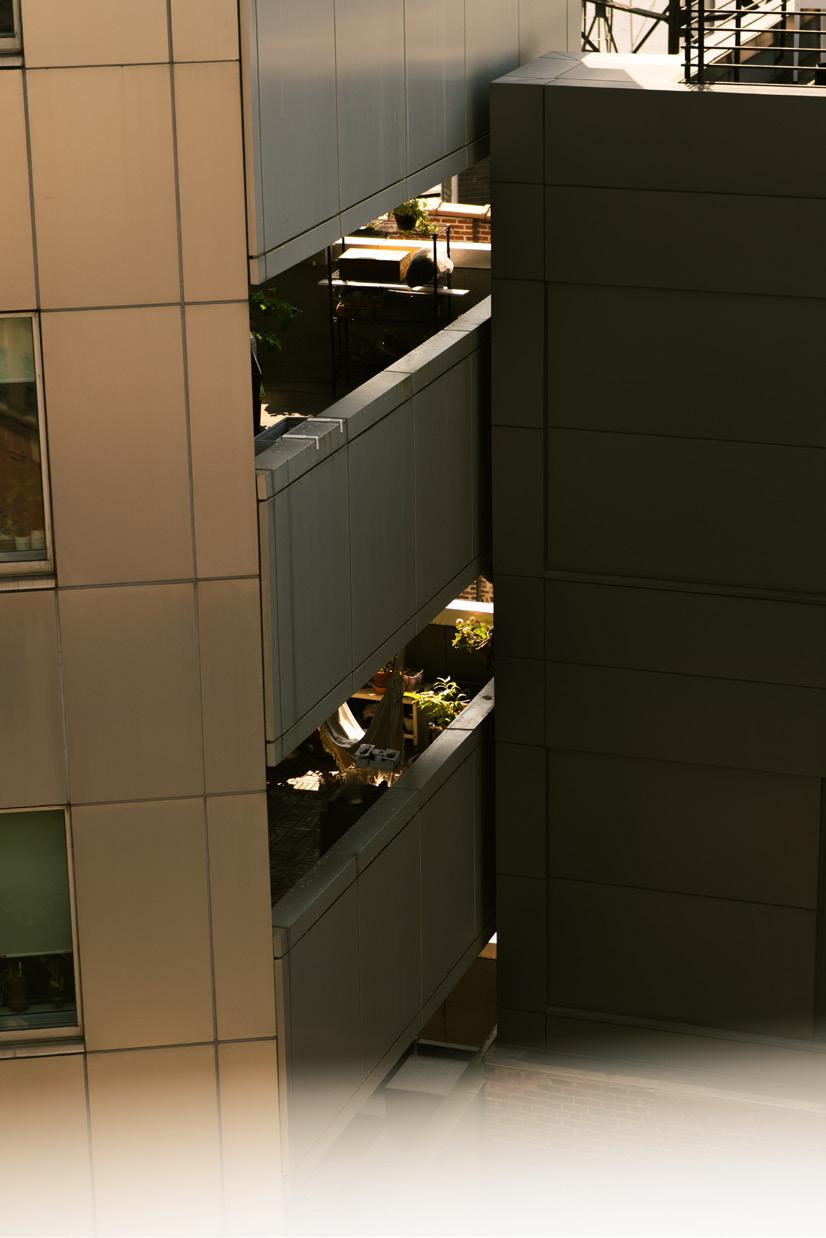
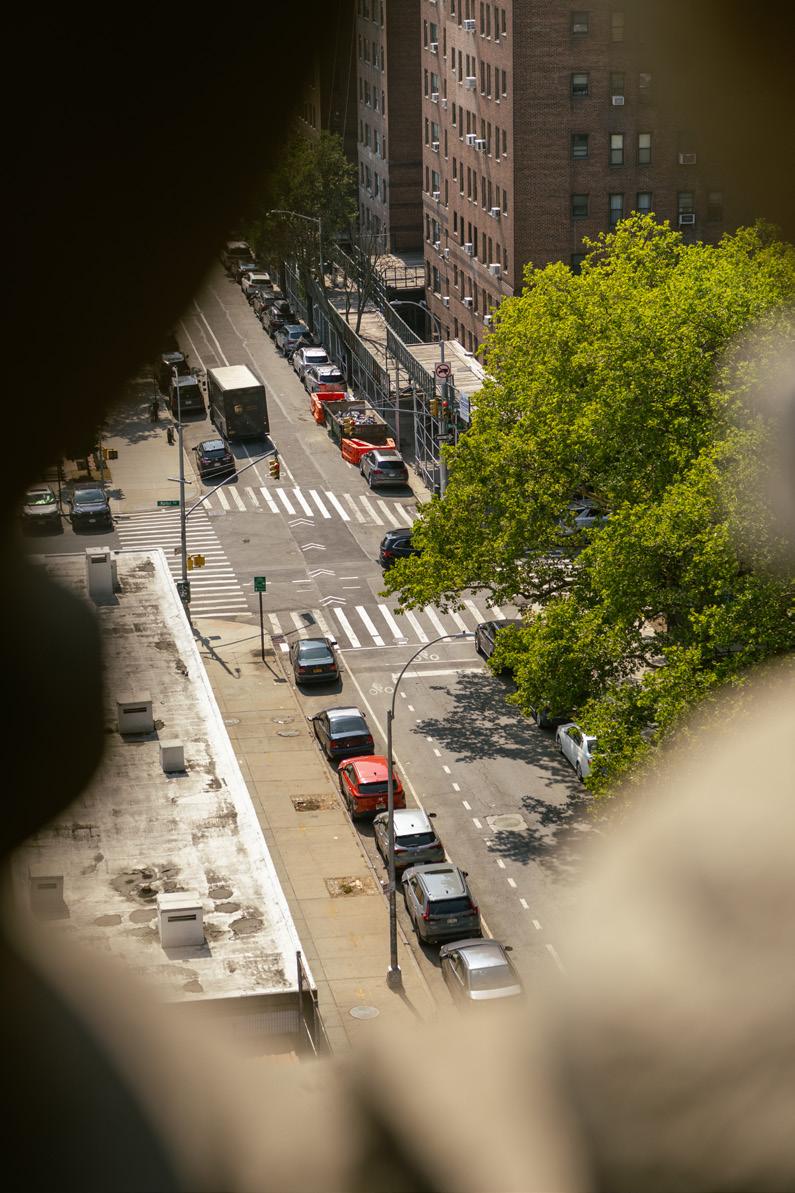
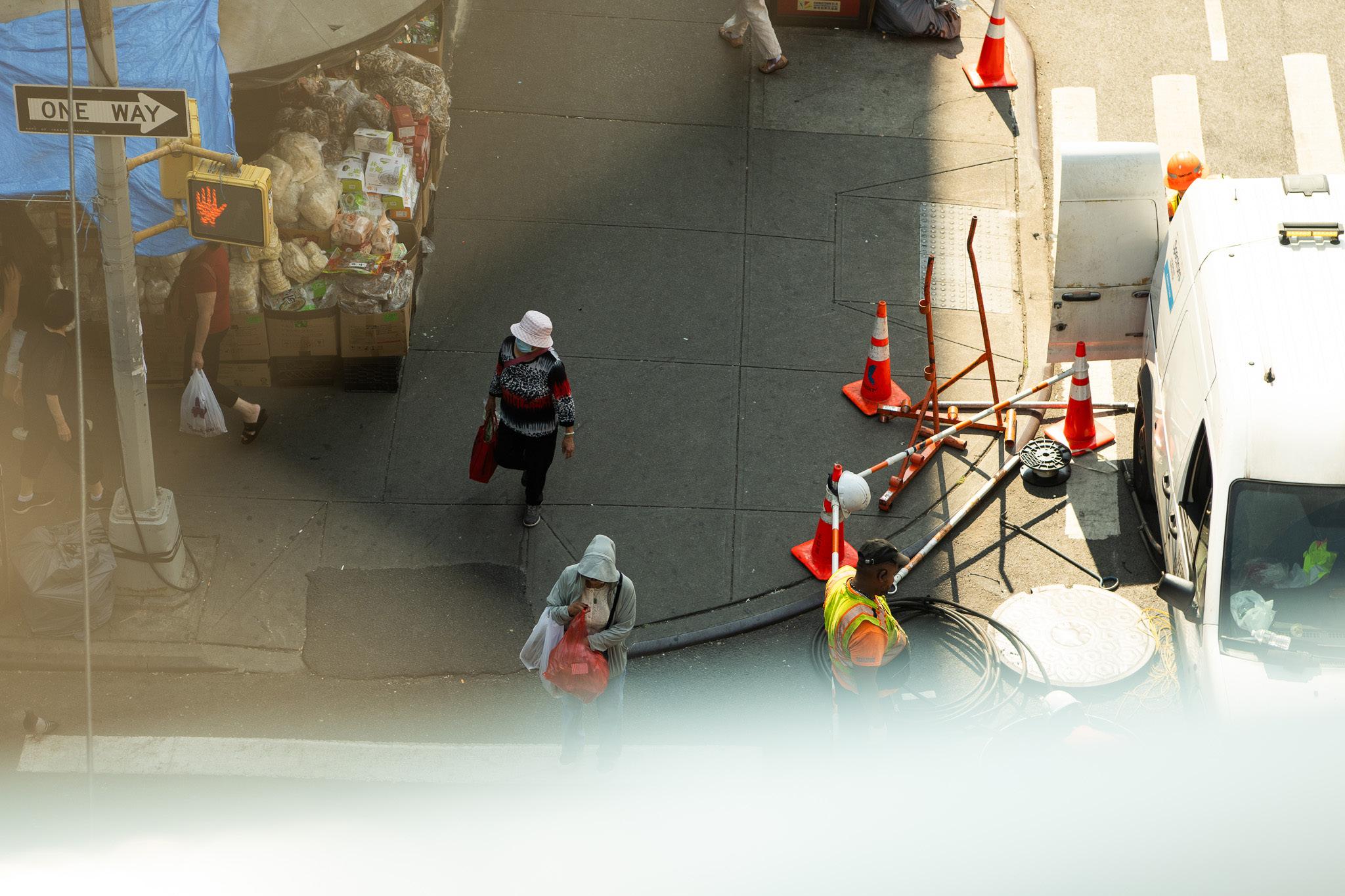
Artist Statement:
Warmth: a tender tapestry woven from the embrace of human connection, the comforting embrace of worn objects, and lastly the quiet glow of pixels encapsulating memories.
Stage Four
Vincent Lian ‘25
Fireflies only have sixty days to glow, But an easy crush can end their light. You held a jar, showing off your tiny captives. Laughing, you held my hand as we ran across the field, the dots lighting up the tall bushes.
On the summer train, you held my hand against blurring scenery, promising we will return next year. You put on a smile, already planning the itinerary. Did you know fireflies have four stages? you announced, munching on a chip. I wanted to hold, to believe the same.
Humans have more than sixty years to live, but a simple crush makes me want to stay. At stage four, the firefly glows brilliantly, but it is also when they die. Yes, they looked the same as last year’s, and I wanted your hand, but by then, you weren’t here.
You gave me my blood then tell me it’s not mine
Natalie Kong ‘26
You make me what I am
There are no words between us – just blood leached down through roots, in golden capillary threads. This iron core supernovae suffered, sublimated, forged, dunked into clarity as a pond.
Pure now clean still blood.
It takes three generations to remake your heart three sheddings to be born the same as you ever were. In a century of rotation, you meet your beginning changed to a net zero, cradled by the same white-hot samsara.
Still, your body melts into trauma into me. I see it woven into you, split down your lineage’s cracks cleanly as spleen qi cleaves your circuitry. Your guts must be tired of it all.
How do I reach for you? Your heart is the sun, beating down, drying me out. Remake your code, crushed by your kidney qi, the depths of the ocean… Where are you hiding? Descend low, low, lower. Below the bounds of want or choice. Beyond qi, blood, organ, bone, what remains of you?
Animated with yearning, longing to become–the sediment stirs, disrupted, laid to rest.
You make me what I am
I am your greatest pride, your bloodiest shame All of your pain, your dreams, breathed into a handful of mud I am you, distilled
This truth will never fade gold does not crack I will only change shape, ever-lasting, rewritten.
Children of the Sun
Zahra Aljiboury ‘27
I’ve always wondered why it’s so hot there. Why is it always scorching hot?
Why, even winters are filled with warm, sunny days? Something so small has always left me so greatly puzzled.
So I asked my mother. I asked her, “Whyisitalwayssohotbackhome?”
She stopped, and then a small smile grew on her face.
She told me that when the earth was formed, Along with its oceans and valleys and deserts, Heaven rumbled and shook the earth
And out fell a small piece of land. It had an abundance of fruits and riches, Luscious greens and dry desert.
Flowing streams and soft sand dunes.
And to it, the earth swore to bear its strongest and bravest to protect her. She was ever so beautiful.
The heart of the earth.
The soul of her soul.
Beaming with radiance.
The land of two rivers. She was named Iraq.
Nobody loved her, my mother said, As much as the sun and the moon.
The moon loved her so fiercely that he would stand right behind the sun, every single day, Patiently waiting for his turn to watch over her.
The moon would gently kiss her waves as they brushed against her shoreline,
And shone down on her lost souls that sought refuge in her late nights.
“What about the sun?” I asked. “Yes,thesun.”
She said that the moon and the sun often argued about who loved her more, but it was never a question. It was always the sun.
The sun’s love for her was infinite. She patiently waits behind the moon for her turn, every single night. All her inhabitants knew when it was the sun’s turn.
Everyone knew because her rays reached every leaf, every unturned stone, every heart that beat beneath her rays, and everything else the moon couldn’t grasp.
Even if you couldn’t see, she said, you still knew. Because you could feel her.
The sun’s warmth radiated like no other. It shone down and embraced the land’s kin with its beaming benevolence. It smiled down on the laughter of children playing. The sun’s love for her was ever growing, And constantly bending all rules and laws and principles known to man. It was unconditional like that of a mother’s.
No matter what, my mother said, Back home, we never have to worry about the sun coming out. No matter how much rain.
No matter how many sandstorms. No matter the number of clouds hanging in the sky–No matter anything.
We knew the sun would not leave us.
That is why, yabinti, it is always so hot back home. Because the sun loves us.
Because we are children of the beautiful sun.
Remembrance of what I can remember
Ellie Ji ‘28
Fornobodyinparticular,butaboutsomeoneIonceloved.
love swells. and my heart is full of melted drinks and a bouquet catching wind, of your lake dock on a summer day (where we lay from morning to night). you are the way the sun rises for then, love forgets time until the sun sets. and —
Repeat: my heart is full. for you are perfect and love is the final glimpse of sun on your eyes. you hold me in a towel, keeping my bare feet from grazing the wildflowers and catching wind — Another summer day: bundled like a bouquet.
we bike the same path of the very first night — Again: on how my legs kick from the suspended swing and you are love when it recalls the way it cradles my legs like you cradling me, softly. and it feels nostalgic.
The first: memory of you i feel
And: love swelled. and my heart was full.
Onmymind, you once loved: In memory, I said: I love you, more than anyone, more than myself, more than the way the sun rises and sets, and the stars drift, like when I wrote you are the moon to my tides. but the water waned like when I said you don’t have to say it back.
I remember pointing at the little dipper and north star though, I can’t remember where we were, or where we are? or where are you even? aside from the fields and shores where you wrote my heart to remember by poems on notes —
Reprise: I don’t remember the notes of the song you wrote me, but there’s a memory of the way you made me love me. and so this is for what I may now give: to loving a remembrance of what I remember, and once loved.
the popcorn zoo
Anonymous
the popcorn zoo was in southern jersey, close by to where my great aunt and uncle lived. it was never sunny there, or if there were times it was, i have no memory. when my family started checking up on my aunt’s health every month, sometimes my parents would take my brother and i to the popcorn zoo on the warmer days while my grandma stayed with my aunt. maybe my uncle came too. here in ocean county, there were forests or miles with trailer parks and gated living communities in between. the occasional wawa. you could smell the shore if you thought hard enough, but really, it was just the cleaning products my aunt used, as she neurotically cleaned every time she knew we were coming. lemon and lavender and the black cherry merlot soap in the bathroom. the linoleum floors under my bare feet, the orientalist paintings on the wall that my aunt claimed authenticity. when it started getting worse, my uncle bought many fish tanks. he kept dozen of fish and upgraded to turtles too. i remember watching them, during the winter when my aunt stopped walking on her own and we didn’t hug my uncle anymore. it wasn’t like the popcorn zoo though. a small zoo with shoddy fences barely separating our fingers from the lions and bears. my dad’s hair turned full grey by then. it was called the popcorn zoo because of the bags of popcorn they would give each guest to feed the deers, goats, chickens, or whatever was tame enough to accept it. i loved all zoos but the popcorn zoo was always gloomy and never crowded and it was the best distraction from the rest of the county, full of old racist white people and endless doctors’ offices. i think it was the popcorn zoo where a horse slobbered up my entire hand. looking at the pictures. i think it was still then i wanted to be a veterinarian, before i quite knew what death was. maybe it was also the popcorn zoo where i approached some baby geese and the mother snapped at me, chasing me back. it smelled like nuts. or i’m making it up. but it felt like cinnamon sugar coated pecans even though i’ve never had them before. i don’t remember if my uncle started coming with us, but most likely, he was watching tv on the leather coach, only getting up to walk his little maltipoo every two hours. the gambling happened when we weren’t there. my grandma barely rested at their house. we would bring bags of food, fruits, bread, and prepared meals that she would restock the fridge with and yell at her sister that she would never get better unless she ate healthier. my aunt would blame and yell back at my uncle and the cycle continued. when i was little, my mom would giggle with me and say it felt like watching a sitcom in real life. that was before it got sad. one of
the last memories i have with my uncle was when he was teaching me how to drive around the roundabout and i did a k-turn for the first time. his dog was on his lap in the passenger seat the whole time. that was the april before i left for college. the last time i went back to the house was that december break in my freshman year of college, when he was in the hospital and we took my aunt and all of her stuff back. changed the passwords and found all the bills unpaid and took what was left of her possessions he didn’t sell. by then, my aunt had lost almost everything, but most of all, her dignity, as she cried every day for the next few months. the last time my mom saw my uncle he had overdosed on the bedroom floor before he was supposed to sign the final divorce papers. the last time my dad saw my uncle was when he got out of the hospital and they met at in a parking lot so my dad could finally give him his dog back as we had been taking care of her for months. i don’t know what happened to the fish and the turtles. i have an image of them in my mind, dead and floating to the top of the tank. i have an image of my aunt when she was plump and not skin and bones now. when she would talk endlessly and i would get annoyed, but now she doesn’t remember anything, her mind going numb and her chinese mumbled and no one will do anything. the popcorn zoo, the dirt staining my shoes, popcorn kernels littered behind me. watching the tigers slink against the fence. bending down to meet the chicks. the only relief we had from the smell of lemon and lavender and black cherry merlot soap in the bathroom.

Fall
Home, for me
Ellie Ji ‘28
ForthehillstoroadsofLosAltos,California:
[A scurry of kids walking after a school day. The candy shop down the block wafting through forever-green trees. Dogs walked by stay-at-home parents.
(Welcome home mat stepped on too many times. Carpet worn under bare feet. Slippers sit unused, their soles sunken)
Sprinklers soak skinny sidewalks. And so shoes sink into compacted gravel not meant to be scuffled. Garage sale signs posted by busy streetlights.
(A suitcase with souvenirs of summer, and palm-sized pictures of Santa Cruz down south)
Coast live oaks are swathed in caterpillars we refuse to touch. Dirt paths swept by bikers.
(Silence amongst the bedroom walls, aside from the slight wind skimming loose papers across a desk. Hamster’s sleeping. Nocturnal)
A white picket fence threads the yard. The sound of a car doing a u-turn, unsuccessfully, about the cul-de-sac.
(The suitcase zipper zips. Chair draped with all beach and pool clothes, the floor is still messy)
Outside, the neighbor’s back with girl scout cookies and dry cleaning again. Local cats sit by porches. Citrus trees, fresh as the salty and bright west coast, linger.
(The scent of smoky sesame oil Mom’s cooking one last time)]
End Of Summer Jessie Pan ‘28
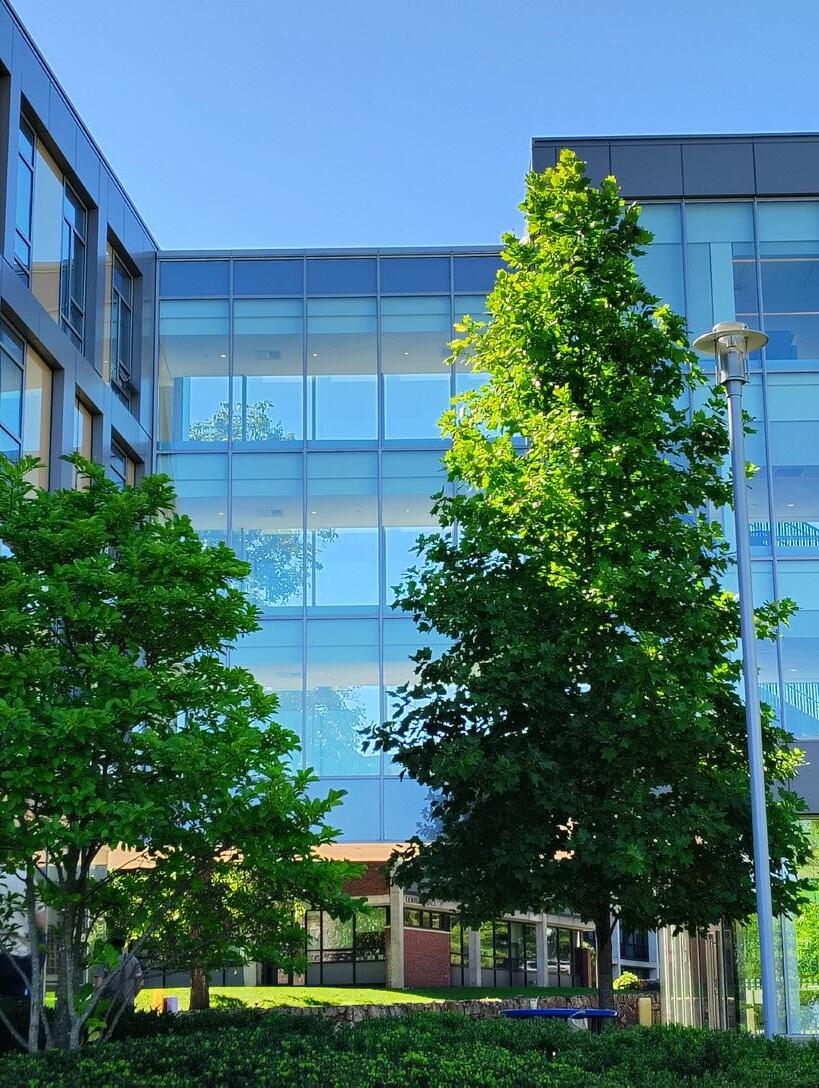
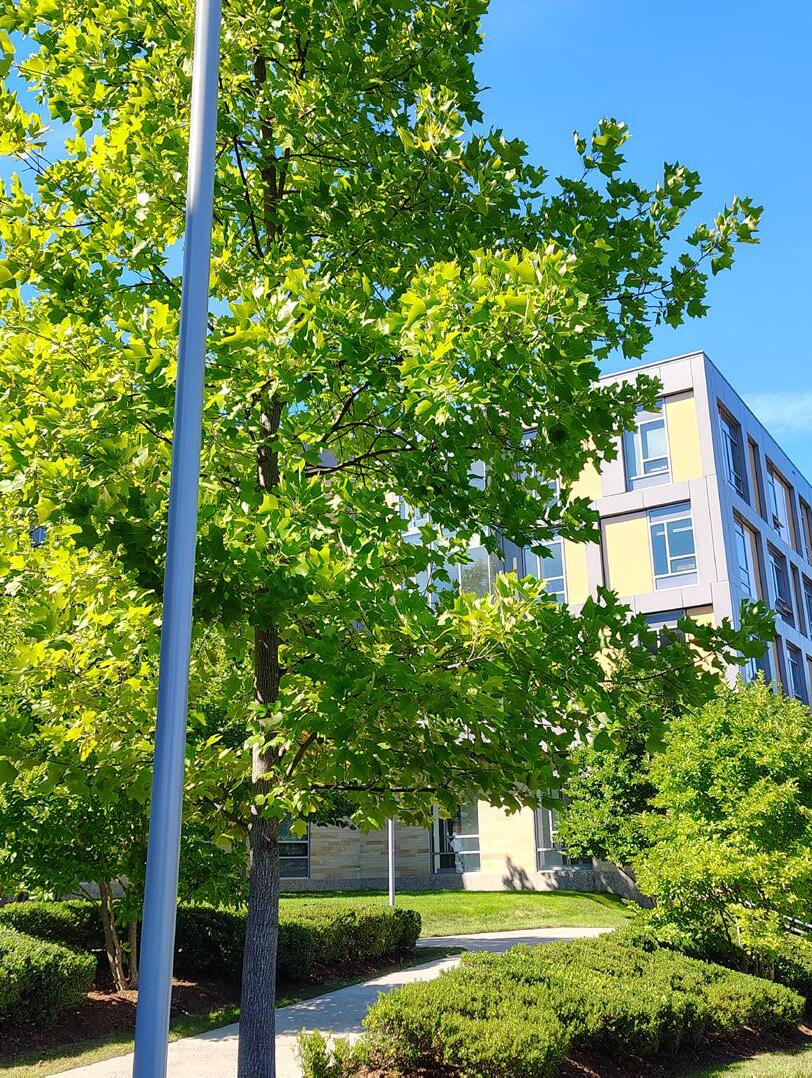
Fall in 4k
You Lin ‘28
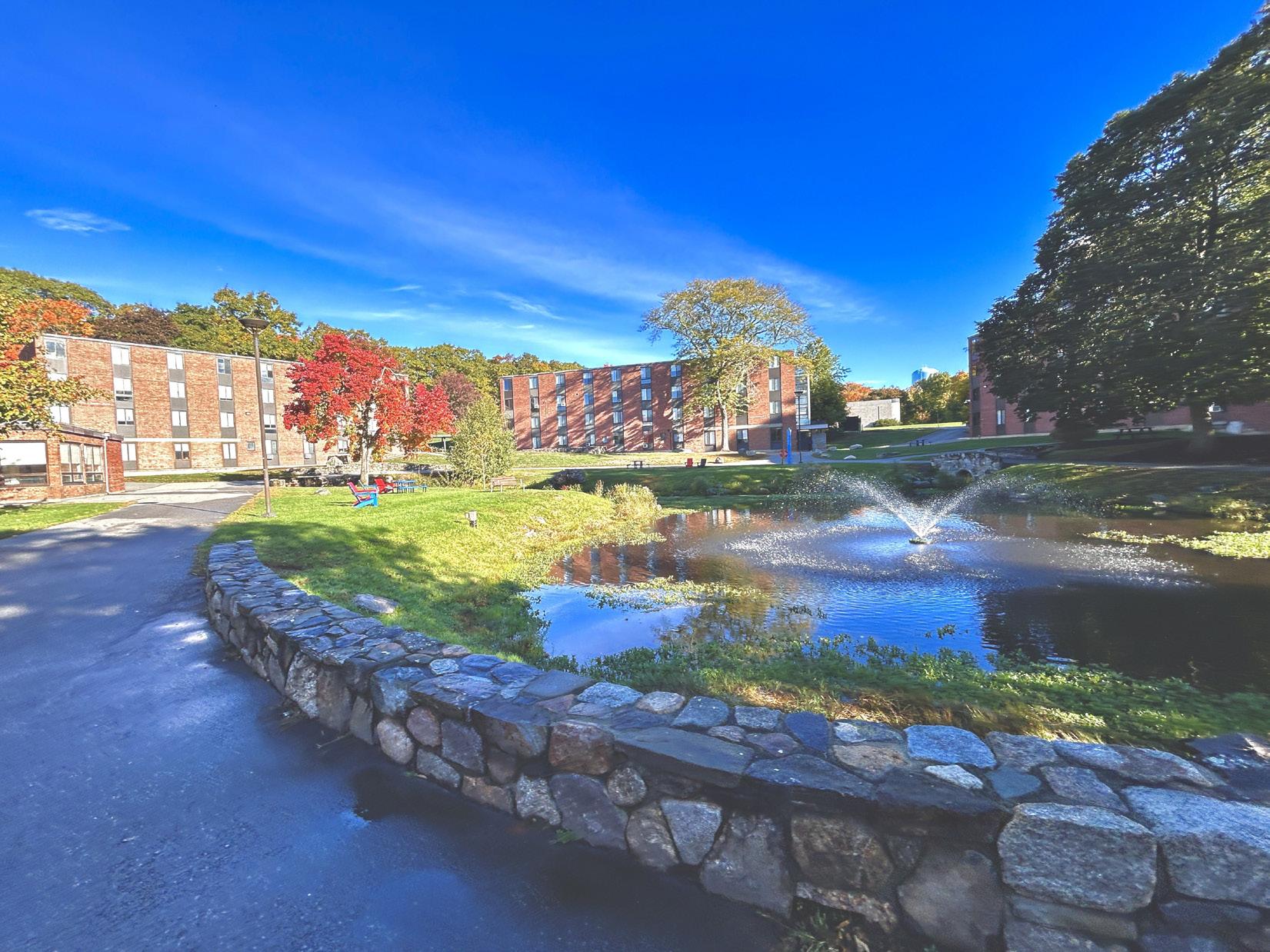
Da Huang 大黄
Jess Li ‘26
When you awake before dawn, dull light spilling through the straw-stuffed gaps in the stone walls of your family’s home, an uneasy feeling sits deep in your stomach as you listen for the telltale noises of your village rousing and find none. Even the roosters seem apprehensive, their calls thin and ragged, as if suffocated by the morning mist.
Your mother has already risen, tying back her silver-streaked hair with a strip of cloth torn from an old coat. Her mouth is pressed into a thin line, and she doesn’t meet your gaze as she says it. “The ducks are dead.”
You immediately know which ones—Old Li’s ducks, mottled brown and white. They waddle like they own the path down by the irrigation ditch, necks held high and beaks snapping at the empty air. Just yesterday you abandoned your post in the kitchen to chase them for fun, and they squawked and scattered, and you laughed until your throat hurt and your sides ached. Now, as you exit the house, only a stale silence hangs over the yard.
Da Huang is not lying at his usual place by the well. The ground there is stamped flat and bare, a circle worn smooth by years of waiting. His rope lies slack, muddy, chewed through, its fibers splayed like a frayed nerve. Your stomach sinks before anyone even says his name.
Your father finds the feathers first—white and brown stuck to the sorghum stalks and plastered to the mud like spilled cotton from a torn quilt. Then there are the bodies: piled wrong, eyes filmed over, necks bent the way living things should not bend.
You try to imagine it as Da Huang must have known it: a blur of white, a sudden beating of wings, the old heat in his blood waking up. Hunger, movement, the joy of the chase— things without words, things that live deeper than rules. He was born to teeth and legs and a nose that pulls him forward. No one ever taught him what belonged to whom. No one ever told him that some lives count on paper and some do not. You think of how he runs when he is free, how the world narrows for him to scent and sound, and you know there is no place in that narrowness for guilt.
Old Li stands with his hands behind his back, face folded in on itself. He does not shout or wave his hands or even raise his voice at all. That is worse. He says how many eggs they would have laid this spring. He says how many mouths they would have fed. He says rules are rules.
You don’t remember when Da Huang came to your house. He has always been there, a yellow shape at the edge of your vision—white teeth bared at strangers, bushy tail wagging in the air when you called his name. He slept curled against the warmth of the stove in winter and panted in the dust in summer. He used to steal sweet potato peels from the kitchen, and your father would kick dust at him and mutter, “Useless,” but his voice was always soft as he said it. He was there as you learned how to throw stones at sparrows without actually hitting them, how to lie belly-down in the shade and listen for snakes slithering through the grass.
They tie a new rope around Da Huang’s neck. The cord is too clean, hemp rough and pale against his tawny fur. He pants, tongue lolling, tail thumping the earth, happy because people are touching him all at once. You want to tell him to be quiet, to sit, to make himself small, as if smallness could save him. He doesn’t know the word for ducks. He doesn’t know the word for rules.
Your mother steps forward to lay her hand, heavy and warm, on your shoulder. “Go inside,” she says quietly, like this is something you can step away from.
But you don’t. You watch as the men argue about compensation, about grain and work points, about whether the county has someone who can do it cleanly. Their voices buzz like flies over a festering wound. The sky lifts into morning, pale blue stretching thin as washed cloth. Smoke crawls out of chimneys and drifts low over the golden fields. Somewhere in the distance, someone laughs. Life insists on itself, stubborn as the weeds you pull from between stalks of wheat.
When they lead Da Huang toward the road, dust billows around his paws. You wonder, faintly, how long he had waited before gnawing himself free, how many nights he lay listening to ducks breathe and water trickle, his body already deciding long before his teeth closed around their necks. He looks back only once, eyes wide and bright, waiting for you to call him home. You can’t. Your mouth is full of dirt and stones and all the things you were never taught how to swallow.
Now the yard feels larger and uncomfortably empty, like a tooth has been pulled and your tongue keeps settling in the gap. The rope is gone—the well stands unguarded, its dark maw open to the cold air. You sweep feathers into a basket and carry them to the edge of the field, where you dump them and watch them snag on thorns, trembling in the breeze. White against brown. Proof that something passed through and could not stay.
That night, you dream of wings beating the air raw, of yellow fur streaked with dawn, of a quiet so loud it presses on your chest until you wake gasping.
In the morning, the roosters crow like always. The fields exhale. Old Li’s path remains empty. Your mother hands you a bowl of thin porridge and says, “Eat.” The steam rises and disappears. You eat. The world does not end. That is the hardest part.
Golden Hour
You Lin ‘28
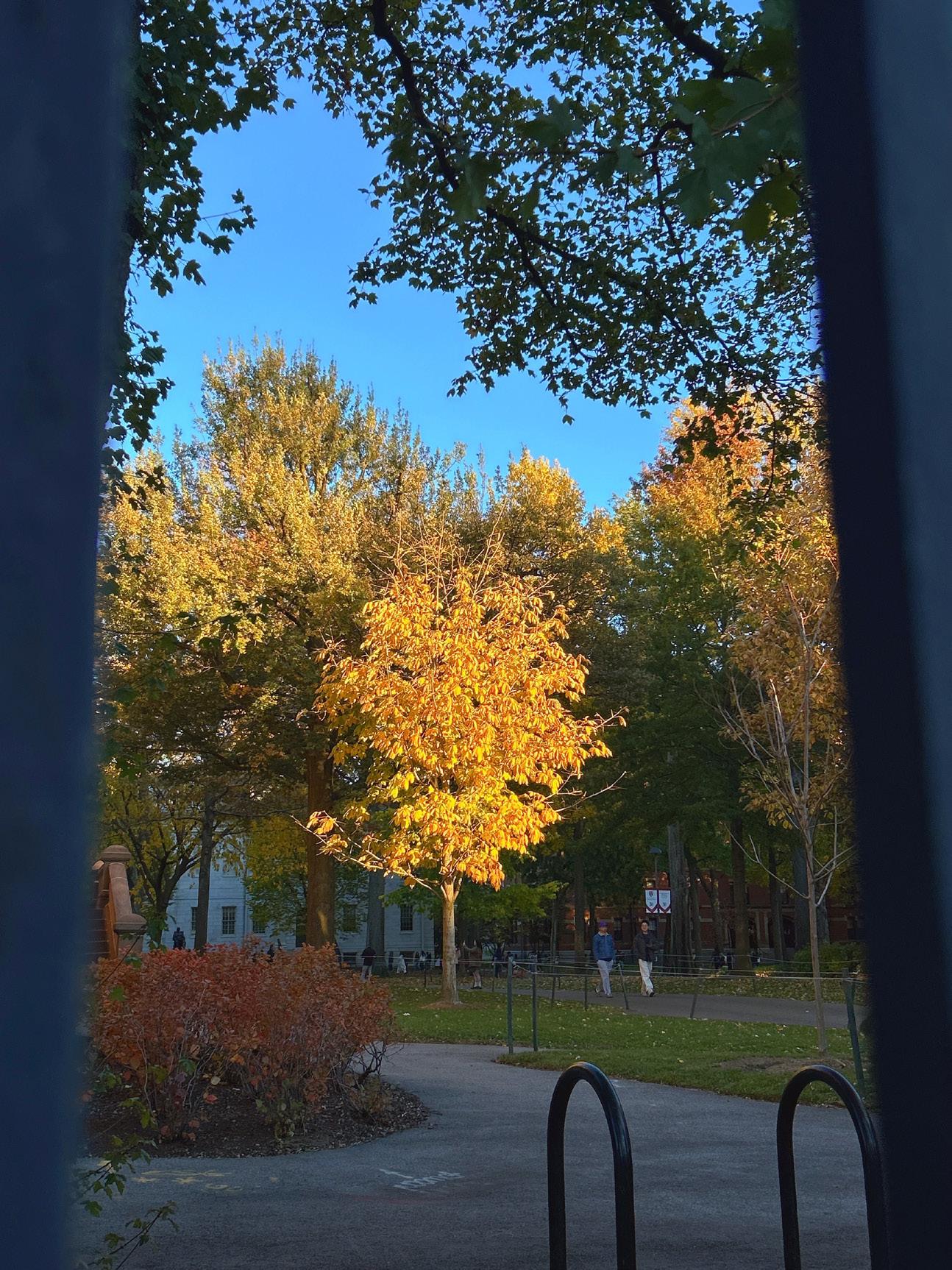
Waiting for Rain
Meghan Dodge ‘27
I used to wait for rain.
I pitied the parched earth we grew up on, Hoping one day the rain would come. So she could flourish, bloom, and be sustained. Because in the rain, I bloomed.
In the center of the twenty eighth season, She went missing. The sky wept for her on the third day, Then the fourth, And the fifth.
I wished for the first time that the rain would not touch the earth.
I wished I could be as omniscient as the heavens which could mourn before me, I wished my manmade cell signal could reach her as the sky did, I wished that the barren trees could have done more to protect her, That I could have found her before the roots of the trees hugged her body, And the soil would be her only warmth. Thoughts of her consumed me as she was being consumed by her own. As I walked through the rain, I was in her shoes.
When I closed my eyes, I could feel the chill in her bones, the sound of the rain and the feeling of her hair like a sticker on her cheeks, the wind whipping through the trees, the burn of salty tears on her eyes, shuffling to face away from the frigid air hurling towards her, her back against the trees, the sun rising and falling behind clouds, day in and day out. Darkness and the pouring rain, light and the pouring rain, darkness again, light again, darkness, light. Again. Waiting for the day the light would not wake her, again. I could feel the physical ache of loneliness, of homesickness; that dull, suffocating, pain in my chest, like an invisible line pulling me in the direction of home. I could feel her mouth slowly drying, at the realization that she would win game of hide and seek she decided to
play. Then her body, begging for her mind to obey the stomach, vision gradually fading in and out, her muscles once strong enough to dive into waters stories high, atrophied. The sound of the cellphone ringing without cessation to end the game, but just waiting for it to die, and waiting to die.
They found her before Halloween. My phone rang and my heart, as prepared as it could be, still dropped. I stood up and moved myself, squatting between shelves of Bach, I whispered over the phone,
“yes, I’m in a good place to talk. ... Yes, I have friends with me.
... Thank you for calling me.”
The rain came once more, As if this time, the heavens were crying for me too. In the twenty eighth season I did not wish for rain again.
pixelated feelings
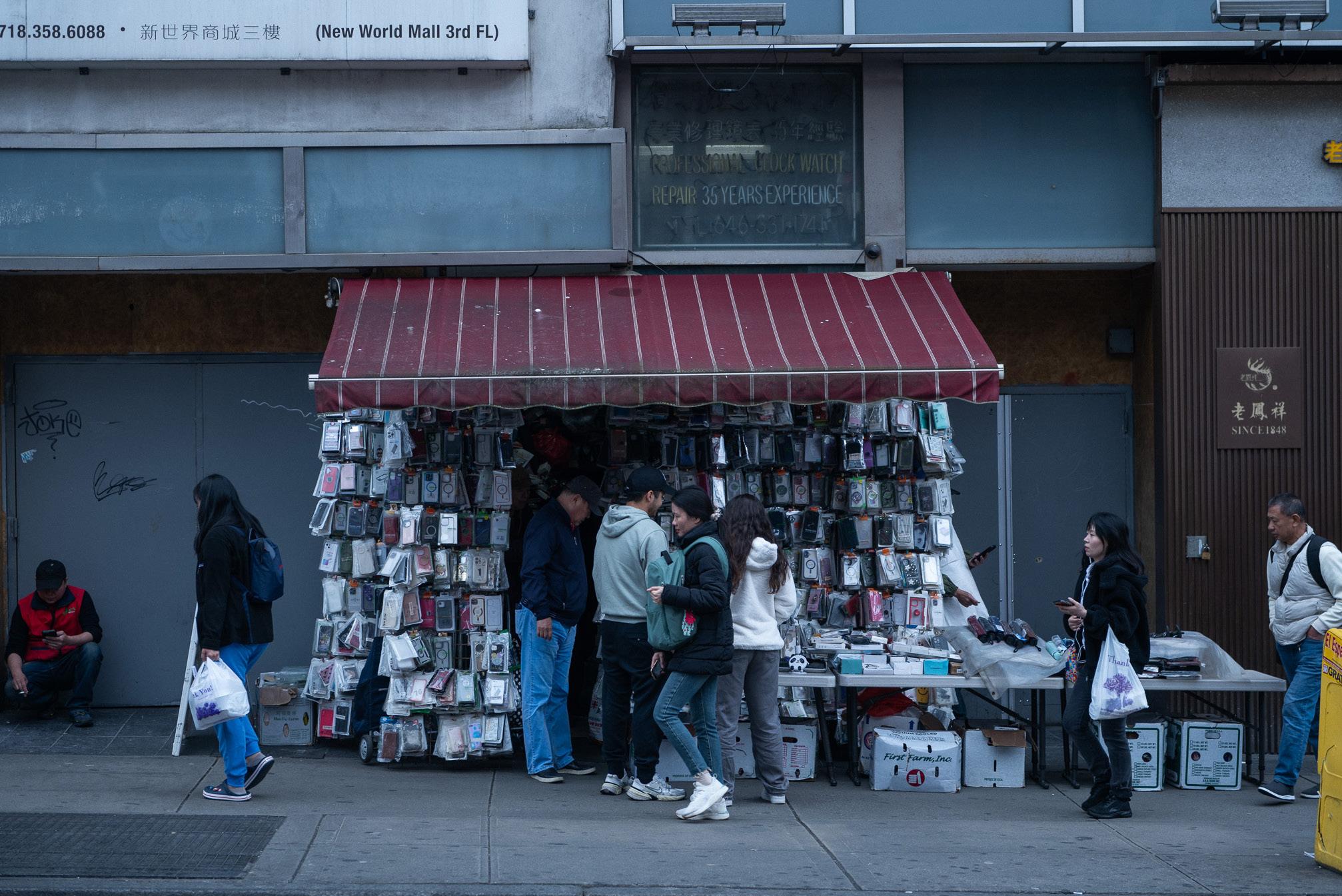
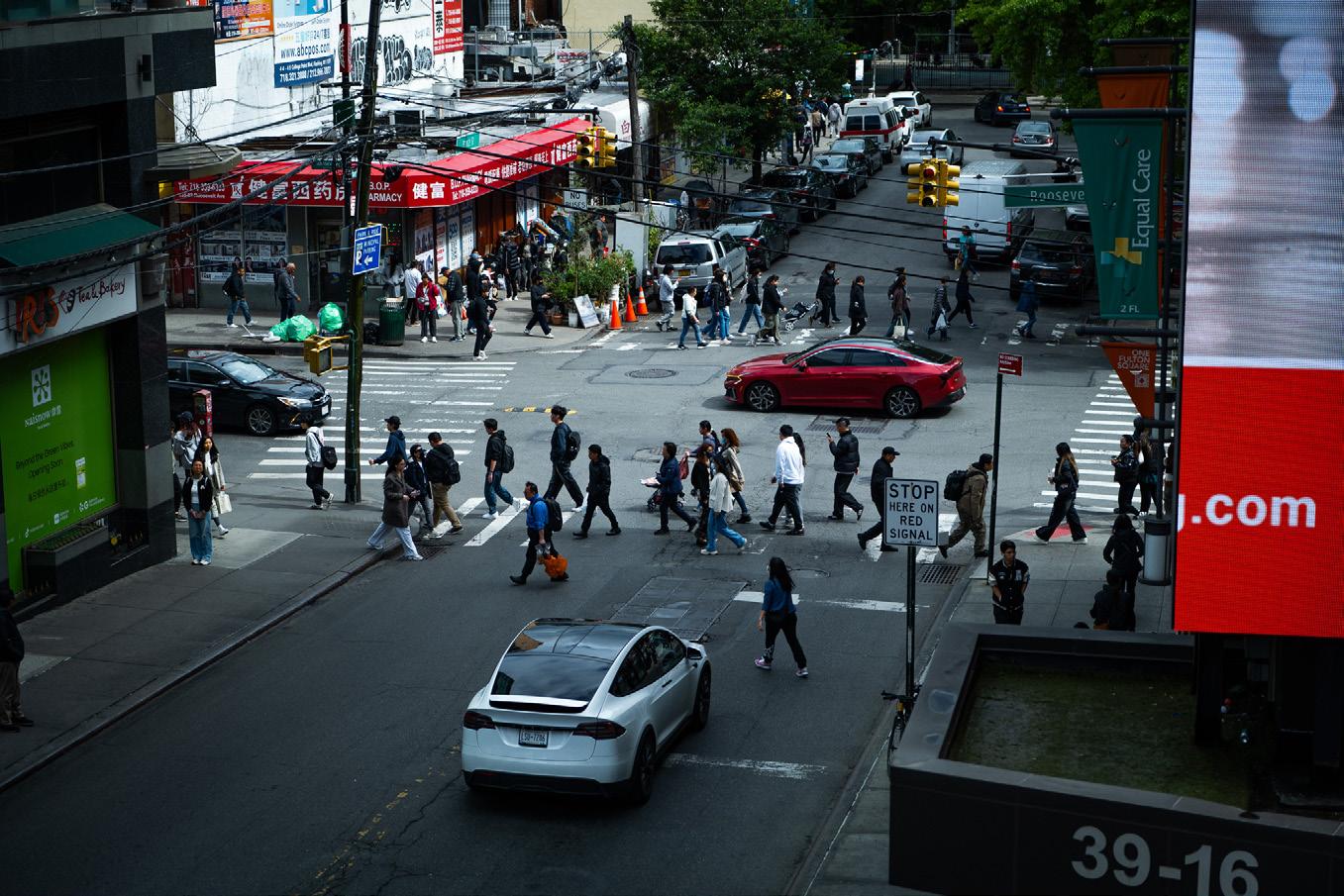
Justin Gao ‘29
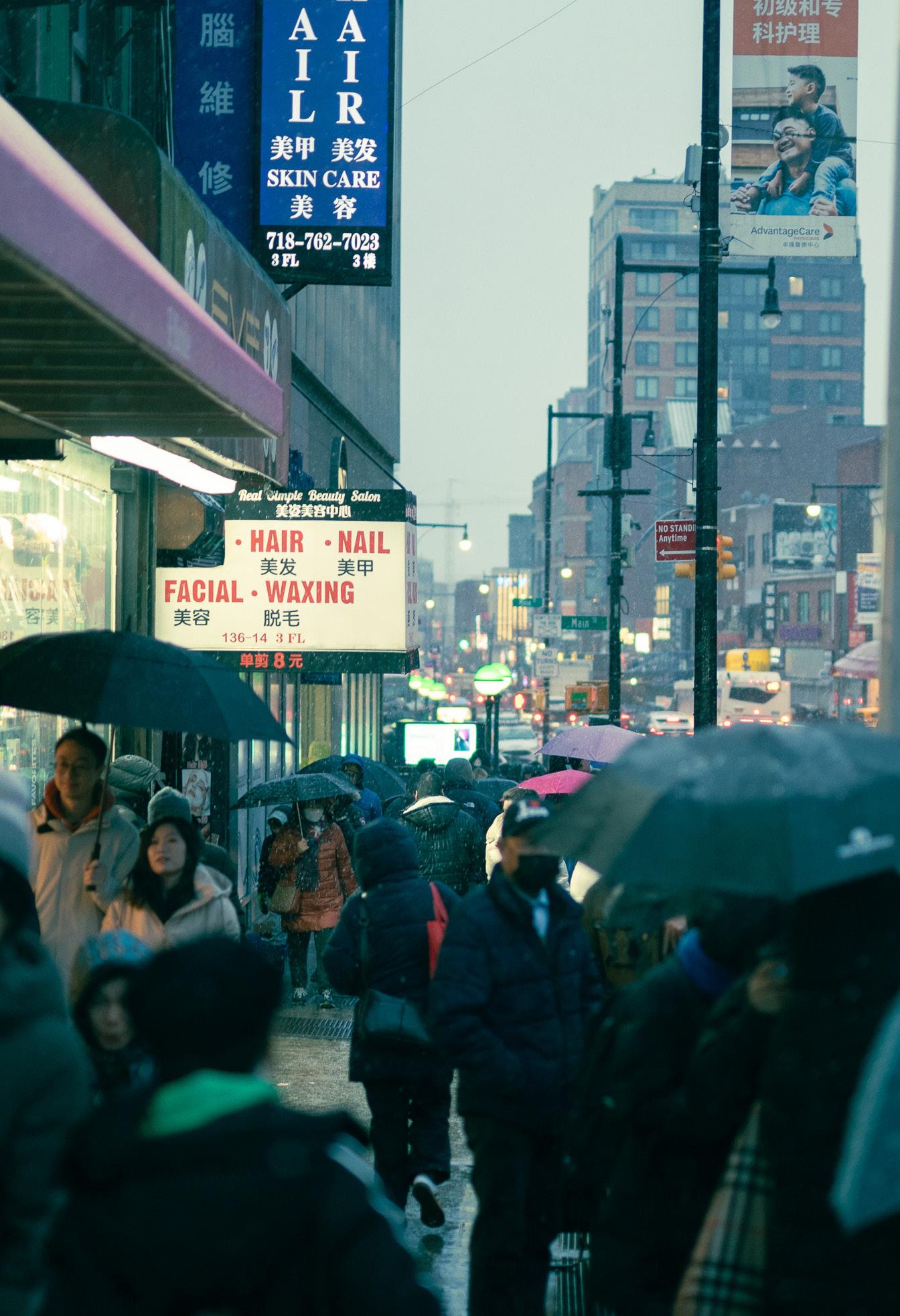
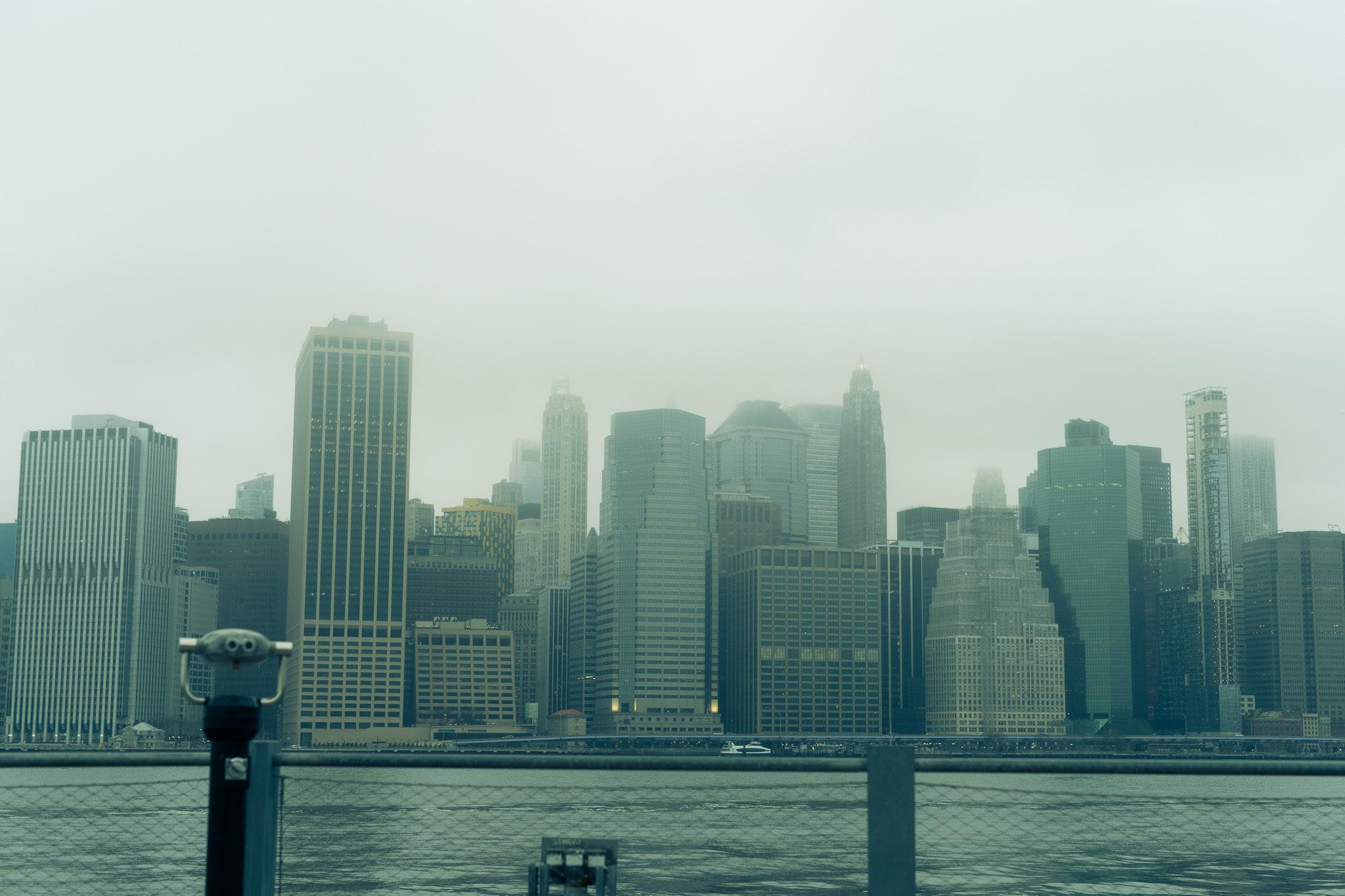
Artist Statement:
A collection of photos of empty attempts in capturing the feelings of Melancholy & Sonder.
In our photo albums, I step over unmarked graves and grieve
the living
Natalie Kong ‘26
Death, dense and weighted, fluttering sediment in our tracks trudged towards eternity,
softening the heavy pitter-patter of a mosquito towards its immortal amber.
Lonesome, squishing steps sink into damp time–
The old rot packed down in strata.
It hums: “shed your rock casting
watch the death of the animus precede the crumbling shell
bliss is calcified peace”
Grown over, crushed, the debris forgets itself.
I am left here. Standing. Watching your body cool – intact snow on glass – I snip and cauterize the warm tissue cords you left tied to me. Its warmth fades fast.
We end as a future perfect crushed between layers of strata, eternal in life.
Rebirth comes in reverberating layers, in music ringing hollow through heavy porcelain conduit
“its clay was once soft too. now it tolls for immortality”
Ozymandias is still great. Was he ever more than sand? To bury these hearts in windswept
dunes, stem this rich and alive blood with the sand of what was. It will crystallize, preserved–
It will be lost–it will live forever–it is alive–it will have been dead for millennia.
Thank You Again,
November
Ellie Ji ‘28
Blonde–
Braided into two. Simply dancinginthe wind of a walk in Shanghai
Night.Midnightroots, allgrownout. Bodymature. Butknottedby childish satin bows
Lilac–
Tan–
Smooth ribbon Paired with deep,yetsoft, cotton
Longsleevesfound at the bottom of mom’s teenagecloset. Rich in crumpledclothes reachedforby mygolden,awake hands
Shoulders bare. Sleevesslipping,
Dark
Violet
bunchedatmywrists slippinga birthmark scar
Blurred Skyandskin shadowedby citylightsof thisThanksgiving photo.Weneighbor the scenic bund and its lingeringscent Salty–River,like beaches too
In Mandarin: Mygrandparentsinsist winter here will be colder than the west coast’s
Warm sand. Shanghaisleeves drape,whilethe spaghetti strapsoftanktopsin myCaliforniasuitcase lightlysiton skin
Bare–Asleep,while Shanghailives nocturnal. And breathesmidnightlike
Sweet
thewayIlay everynight
Brightyellowandtwisting lightsweaveintothe air of downtown noise,andthe citylifeIalwaysmiss when back home
California–
On beaches and inSunlight,Ilive at home. California. Byariverbundand understars,Idance free,andto love
From blonde hair and lilac,thisGirldoesnot belong.Thoughboth Inowcallhome,this November,Iwalkthe river bund and letthelightsseep intomyskin again
Thank you,
Awake
Shanghai
Music
Gretchen Wang ‘26
A bag of things I cannot take where I go
Checklists of places to eat at home
Crumpled syllabi of English readings
Texts from friends to put Exit 8 on in the classroom
Wet orange leaves on stony steps and my 47 song playlist for walking in the fall
Sheet music for disorganized parts, TheLionKing and other movies I never watched
You where I set you down after carrying you across oceans and cities
I’ll pick you up again next to Aaron Copland’s Duo for Flute and Piano
Subtitled to thememoryofWilliamKincaid
Words I read but never understood
So walk me out one last time after I dump these contents on your basement floor
Prone to flooding for reasons you’ve yet to discover and Send me off with another melody from below
Loving the Season but...
Irene Wu ‘28
I fell in love with spring. The greenery, the flowers, the warmth of the sun, the chirps of the birds, the last breath of hibernation, and everything nice. Spring reminds me of what they have in fairy tales. The sun paints my skin comfortably; the wind, strolling by, cradles through my hair—a soft confession of love— and there is spring waiting for me, flowers in hand, the prince that I have been waiting for, finally here to sweep me off my feet.
Spring is also where warmth teeters between the end of winter and the beginning of summer. Spring’s warmth reminds me of heroes after a long journey, getting off the backs of their horses and residing at a nearby village, resting, relieved, and reflecting on their journey until this point.
It’s where I sit in the backyard, staring out into the garden, where all sorts of thoughts bubble up to the surface of my mind. They are the kind of thoughts that thread and loop on repeat until, in the end, it’s just a bundle of knots and tangles that seems impossible to unwind. But the scenery of spring blows those thoughts away, and sooner or later, I find comfort in the warmth that spring has brought me.
Spring is where tiredness is finally swept away, along with the snow. When hibernation comes to a stop, and everything in the wild sings again.
The noises of spring reminds me of an orchestra, everyone gathering together to play, orchestrating its own symphony as birds sing and animals prowl. It just might be the melody that I have been searching for all this time.
But... rose-tinted glasses never last long... and they never do. Spring is disgustingly sweet—sweet in the sense that floral smells clog your nose, leaving your eyes teary as a painful headache settles in for the entire day. Despite my protest, flowers arrive anyways, different ones every morning.
Spring is filled with gloom, the gloom that presents itself with rain. As the down-
pour drowns away sorrowful memories, it leaves me with drenched shoes and clothes as heavy thoughts weigh me down. It’s spring, yet I feel like I am drowning. I kept waiting for spring to be comforting, but it only was when it felt like it; I’m sure spring has better things to do.
Spring is also obnoxiously loud, especially in the mornings. From early morning, before the sun has risen, I can hear birds already conversing outside of my window while I try to sleep.
I only realized it only likes putting on a show. It appears one moment and disappears the next. So I stopped waiting for it and moved on, tired of convincing myself.
I didn’t fall in love with summer; I was told to. My birthday lives there, so everyone insisted that it was meant to be. That summer, for me should feel like home. Skeptical as I was, I decided to give it a chance.
Summer is bright, the brightness that doesn’t even compare to what spring had to offer. It’s the kind of brightness when the sun stretches into the late hours, refusing to let this moment go, clinging on before night engulfs it.
It reminds me of fireworks, loud and bright, yet I feel myself being mesmerized by it, drawn into its beauty whenever color fires up into the sky and pops. It’s the kind of brightness, despite being obnoxiously loud, that almost felt like music to my ears.
Summer is restless. Always moving without a thought or direction in mind. No plans, no schedules, and no to-dos. Summer does what it feels like, when it feels like, always showing up, rather than never.
From strolls on the beach, to dozing off in the living room, with the AC blasting, to spending half of the day outside, sweating while I grow my ongoing gardening hobby. It’s sporadic, reminding me of the sensation of a road trip. There are no destinations in mind for this one, yet it’s the kind of freedom that pulls me to my feet when I am stuck in my head for too long.
Summer is festive. It doesn’t matter what day it is, from holidays, birthdays, everyday for summer is a day worth celebrating. It’s the reminder that each day, good or bad, is always a moment to savor.
From boisterous laughter, to the smell of the grill, and to the splashing of the waves from the beach. Memories that I hold dear to me are only to be haunted by colder thoughts; time only goes by faster, and I only grow older, questioning the unknown of the future. If there is one thing I know, it’s that time is not slowing itself to wait for me.
But... I really wonder if they are really meant to be? If fate was going to make this my happiest ever after, why wasn’t I happy?
Summer wasn’t all too bad... Summer is just sometimes clingy and overbearingly so. From the sweat of my body, to the heat lingering in the air even after the sun sets, the once freedom I was given, now I feel like a bird stuck in a cage with all this heat pouring over me. Like hot tar, suffocating me and burning me alive.
Summer can be furious, when I slip away from its grasp, when I hide myself from its view, their fury obvious when the temperature skyrockets into numbers that have been unseen. When heat waves come banging on my door in demand for an answer. “Why did you leave?” Why did you disappear?” All these whys, and I only feel more exhausted. We would spend hours arguing, past sunset, until the temperature settled at night.
Summer keeps me imprisoned, encaged, trapped, and I only feel tired, tired, and more tired. Everywhere I go, it follows. Every time I try to hide, it throws a tantrum, so I leave. The promise of my freedom now only feels ever so suffocating.
Fall was almost perfect. Almost. I stumbled into them on a stroll, and there our eyes met as sparks popped between us. It’s like those scenes in movies, the OST cued in the background as a new story has begun.
Fall is beautiful. And unbelievably so. The kind of beauty that has me tripping over my feet whenever we meet, my face flustering as my heart races, and my words fumbling over themselves. At this point, I am just here embarrassing myself.
It’s the kind of beauty that drapes over a painting, the one that makes you stop in your tracks in the museum as you stare, enraptured by the beauty. The kind that steals your breath away and leaves you always chasing for more.
Fall is comfortable. All kinds of comfort that words cannot describe. From a warm hug to being buried in layers of blankets in this chilly weather, to bathing in the sun.
It’s the comfort that reminds me that I don’t need to always pretend, to watch how I act, what I say, or what I do. It is when the spotlight is finally off me that I sigh in relief. It’s the comfort where I can finally just be me.
Fall is addictive. From the weather, the colors, and the scenery. It has this glow, wherever it goes. From morning, afternoon, and night, I could never get tired, craving to go outside every day, just to feel the breeze and the sun as I watch leaves turn every shade of color I can imagine.
But... beauty was the only thing that ever mattered for fall. When the leaves start to wither away, drifting away with the breeze as trees become more and more bare. Despite my protest, Fall becomes only more impatient.
Fall only grows colder, colors fading into nothing; it’s the absence that leaves you asking more questions rather than searching for answers. I can only wear more layers, spending my days waiting for a reply, an answer, an explanation of why, while I stand outside, waiting at the spot where we first met.
Fall becomes distant. Distance as silence wedges us further and further apart. I’m sure at this point you have forgotten me.
Fall eventually becomes silent, and I still wait, occasionally at the same spot. Even when there is still no answer from you. I’m not sure where you went, and I am slowly starting to forget you. Your voice, your comfort, and your beauty. Tired of waiting for closure, I move on.
I never liked winter from the start. In fact, I hated winter. I found it almost absurd that people would ever like this kind of weather. My hate dressed in denial, if everyone dislikes winter, then I should too.
Winter is cold, freezing, the icy touch that raises goosebumps all over my skin. The harsh wind, that is supposed to only graze over my skin, cuts through the cold embedded in my soul.
Winter is alone, not lonely, but alone, by themself. Everyone hides from Winter. Life hides, animals slink away, sleeping away the winter cold, plants hide, as they wither and
crack, fading away until spring arrives. People hide when the temperature drops, and the snow and wind start to pick up their pace. They hide behind blankets, layers, and in their homes, far from cold, finding themselves closer to a source of warmth, and I can’t blame them.
But... I don’t think I mind it too much. The more time I spend, the more I feel like I have misjudged this season.
Winter is soft, it’s soft when snow falls and builds. Soft as snow feels fluffy in my hands, under my steps, as it tickles my face and decorates my hair. It’s ever so gentle, an apology for its harsh winds and coldness. It may be cold, but I have never felt warmer, running through the snow and playing in it.
Winter is silent, not the type that leaves you on your own, or the awkward kind where you shuffle your feet and fidget with your hands. It’s the silence that has you mesmerized by your surroundings. It’s you watching your breath as it dances against the cold, or it’s you taking in the winter wonderland as snow covers every vicinity of the area.
Winter is magical. Magical when homes are covered in holiday decorations and lights that light up the coldness. Magical when the holiday spirit echoes through homes, towns, and cities as everyone gets together from all over the place to celebrate. Magical when gifts are exchanged, kindness is shared, and laughter is soft and warm rather than loud.
And I could be biased, and that I prefer Winter’s coldness compared to Spring’s warmth, or that I prefer Winter’s gentleness compared to Summer’s recklessness, or that I prefer Winter’s magic compared to Fall’s beauty. This time, however, I didn’t move on; instead, I stayed, and I plan on staying for as long as winter will go on.
Submission
Writers & Artists
Thank you to all of our wonderful writers and artists who submitted their work for publication in this issue of Connections!
Promise Adeliyi ‘26
Zahra Aljiboury ‘27
Mey Chen ‘29
Meghan Dodge ‘27
Justin Gao ‘29
Ellie Ji ‘28
Dorothy Ko ‘29
Natalie Kong ‘26
Anusha Koshe ‘26
Vincent Lian ‘25
Qiuhan Lin ‘30 (Case Western Reserve University)
You Lin ‘28
Jessie Pan ‘28
Shelley Polanco ‘24
Effie Wang ‘29 (Purdue University)
Gretchen Wang ‘26
Irene Wu ‘28
Natalie Zhu ‘25 (University of Massachusetts Amherst)
Thank you for reading!