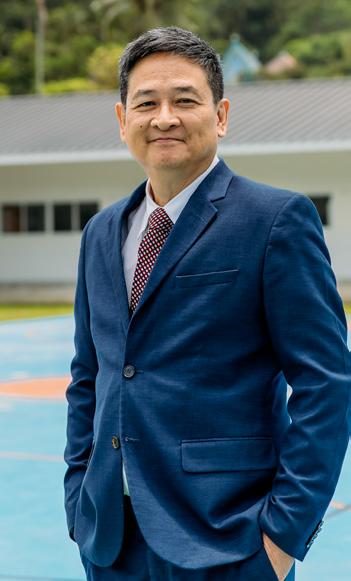
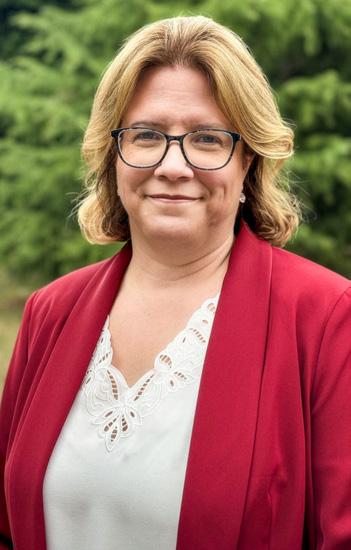
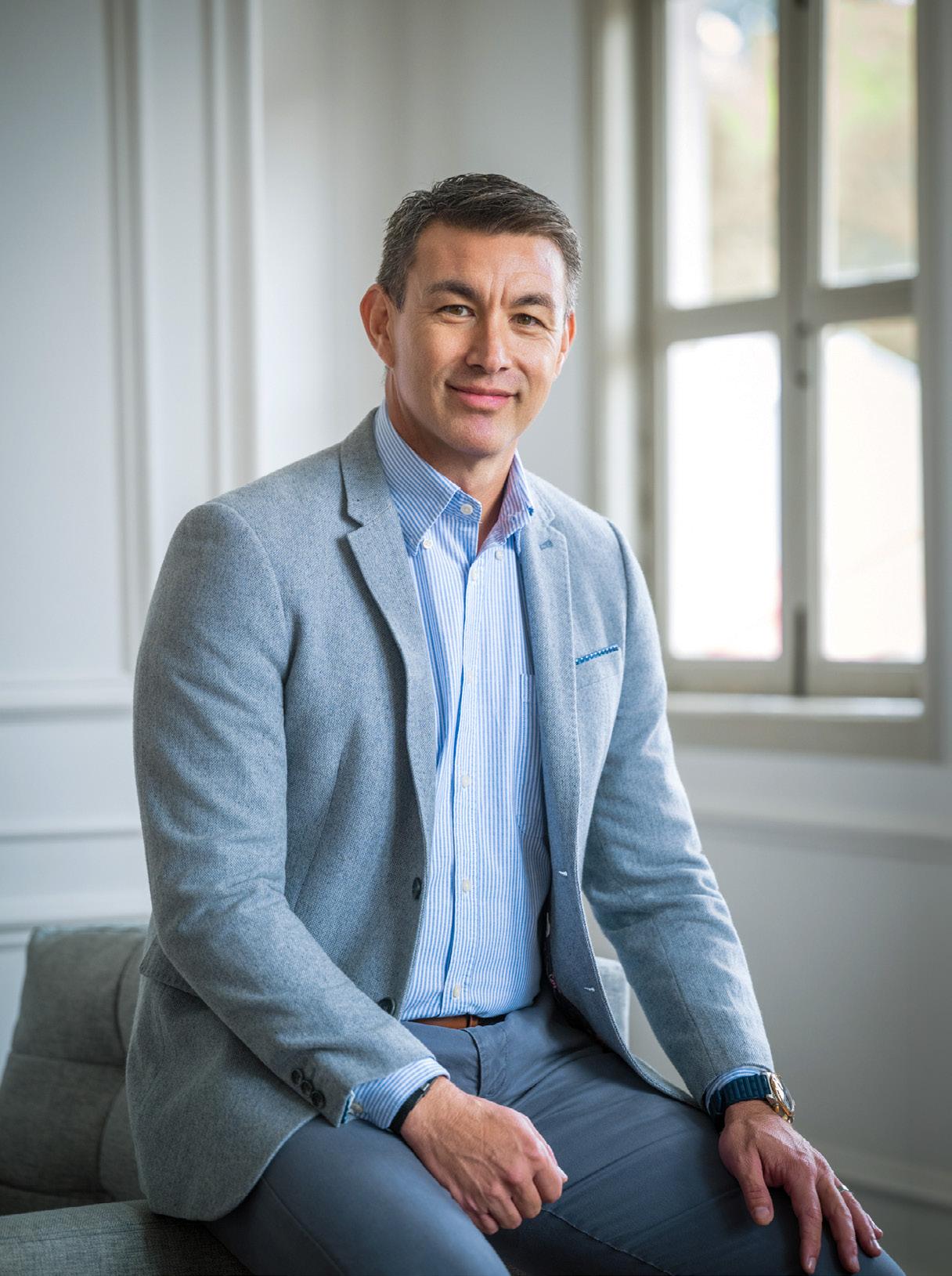
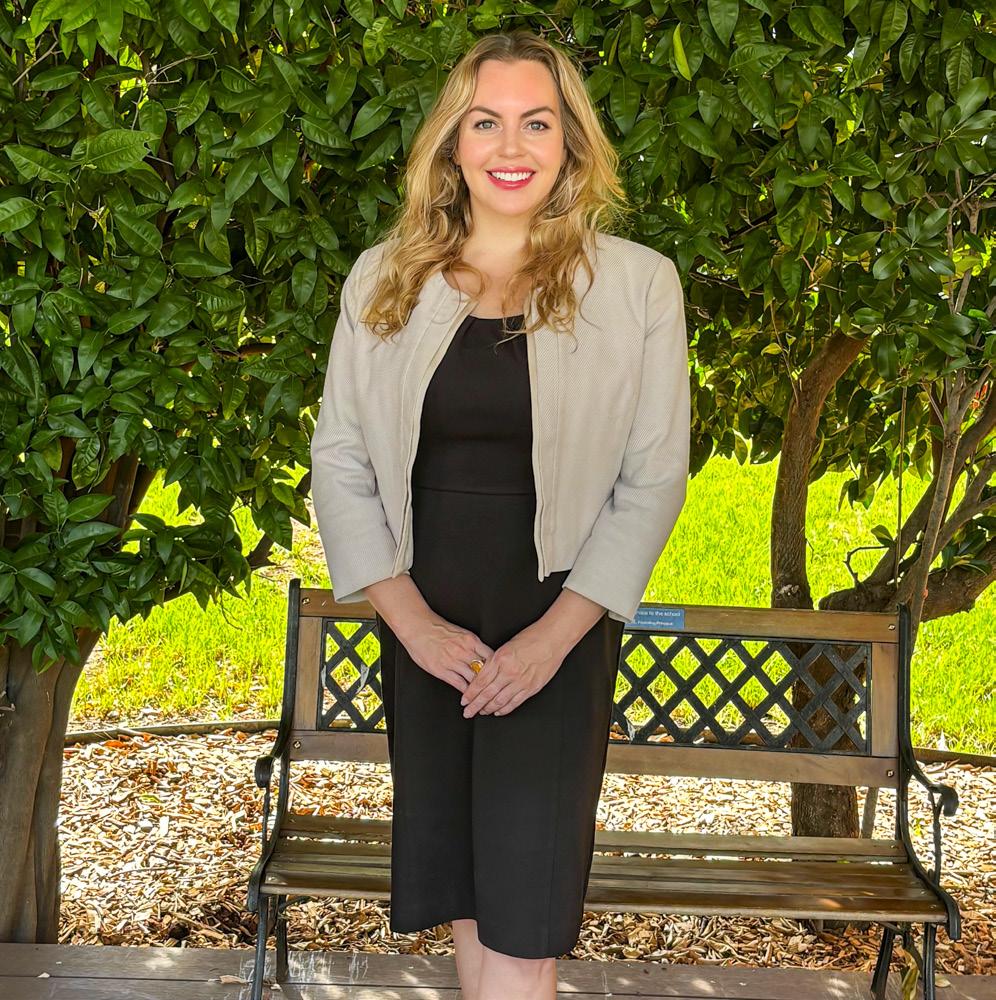
Becky Lovelock Head, Pocklington School Foundation
Blake Roberts Deputy Principal, Vienna International School
Cielo Superticioso EdTech Executive, Victoria School
FEATURING INSIDE
Jessica Walker Deputy Principal Central, West Leadership Academy
Jonathan Mace Head of Senior School, Strathallan School
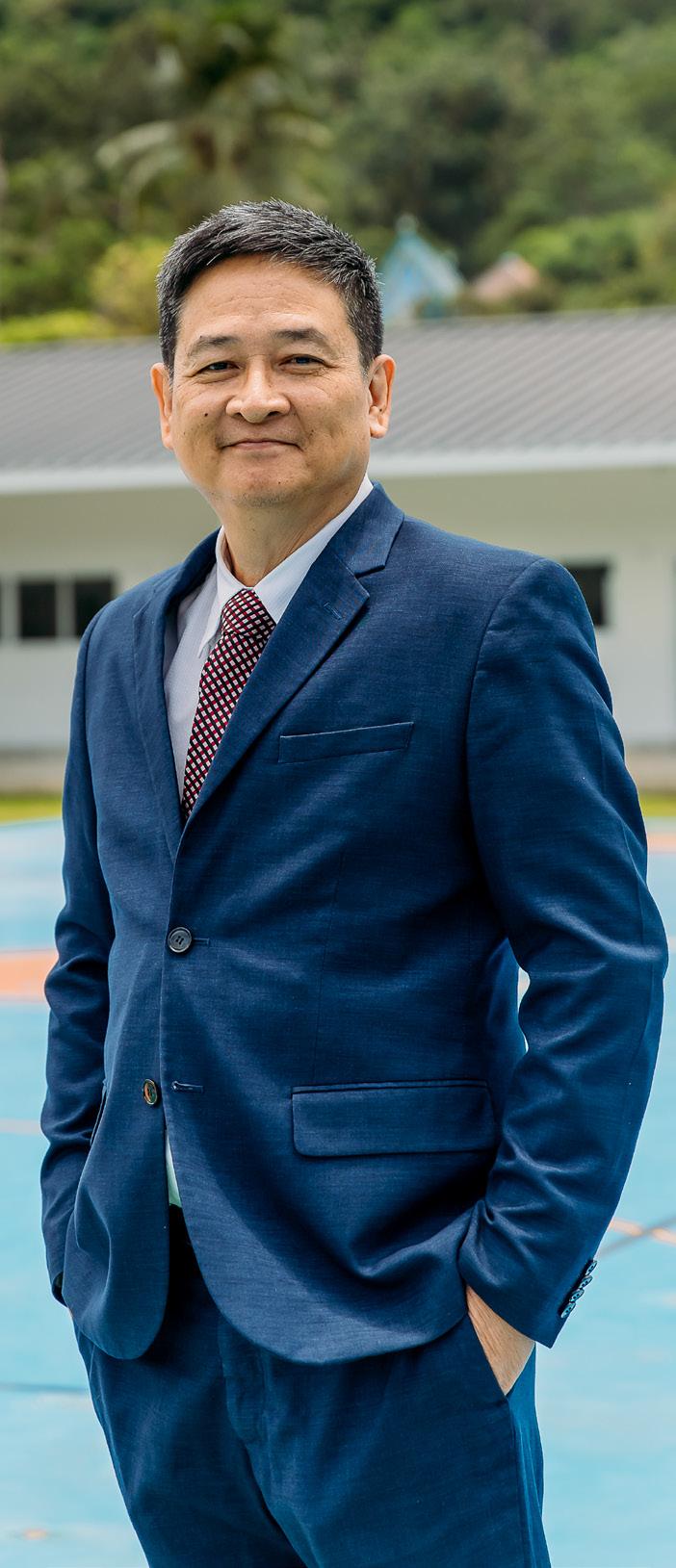
Joseph Thanin Dhammalongkrot International School Leader, Governance Advisor
Managing Editor
Sarath Shyam
Consultant Editors
Dr. John Andrews
Emma James
Andrew Scott
Naomi Wilson
Stanly Lui
Joseph Alex
Art & Design
Charlie Jameson
Sales & Marketing
Jennifer Anderson
Alice Smith
Monica Davis
Anna Elza
K12 Digest www.k12digest.com is a global knowledge sharing digital platform published by Connecta Innovation Private Limited. All rights reserved. The opinions expressed in the content and pictures provided are those of the authors. They do not purport to reflect the opinions or views of Connecta Innovation Private Limited or any of its members and we do not assume any responsibility. The publisher does not assume any responsibility for the advertisements, its content, pictures, and all representation of warranties made in such advertisements are those of the advertisers and not of the publisher. K12 Digest www.k12digest.com is a Free Subscription and Free-to-read digital platform strictly not for sale and has to be strictly for internal private use only. Publisher does not assume any responsibility arising out of anyone modifying content and pictures, printing a copy of this digital platform in any format and in any country and all matters related to that.
When Everything Speeds Up, Leadership Slows Down
We are living in a time where speed is often mistaken for progress. Decisions are expected instantly, change is constant, and the pressure to keep up can feel relentless. Somewhere in this rush, I have found myself asking a simple question: what actually lasts?
In conversations with educators and leaders over the past few months, one pattern stands out. The tools are changing. The expectations are evolving. But the leaders people trust the most are not necessarily the fastest or the most vocal. They are the ones who pause, think clearly, and act with conviction. A recent global leadership study noted that while organizations are investing heavily in digital transformation, trust in leadership is declining. That gap tells a story. Progress without judgment is noise. Growth without integrity is fragile.
This brings us to our cover story. In this issue, Steve Lupton, Head of School at the Australian International School in Singapore, offers a perspective shaped not just by global experience, but by deeply held values. His journey across continents reflects the complexity of modern education, yet what stands out is his clarity. Whether he speaks about artificial intelligence, ethical boundaries, or leading through personal loss within a school community, there is a consistent thread; leadership is not about having all the answers. It is about holding steady when answers are not obvious.
What makes his voice particularly relevant now is this balance. He does not resist change, but he does not chase it blindly either. He reminds us that empathy, courage, and sound judgment are not soft traits. They are, in fact, the anchors that keep institutions grounded when everything else is shifting.
Beyond the cover story, this issue brings together a range of perspectives from educators, thinkers, and practitioners who are navigating similar questions in their own contexts. Each piece, in its own way, reflects the tension between progress and purpose.
As you turn these pages, I invite you to reflect on your own measure of leadership. In a world that keeps accelerating, perhaps the real strength lies in knowing when to slow down, stand firm, and lead with intention.
Enjoy Reading.
Sarath Shyam
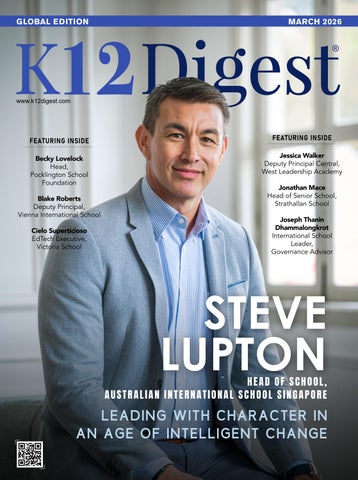
STEVE LUPTON
HEAD OF SCHOOL, AUSTRALIAN INTERNATIONAL SCHOOL SINGAPORE
LEADING WITH CHARACTER IN AN AGE OF INTELLIGENT CHANGE
ACADEMIC VIEWS
REDEFINING RIGOUR IN A DIGITAL AGE
Cielo Superticioso, EdTech Executive, Victoria School
44
BUILDING BRIGHTER FUTURES THROUGH EDUCATION
Jessica Walker, Deputy Principal Central, West Leadership Academy
24
28
CREATING CLASSROOMS THAT MATTER
Blake Roberts, Deputy Principal, Vienna International School
A GREENHOUSE EDUCATION FOR A CHANGING WORLD
Becky Lovelock, Head, Pocklington School Foundation
18
ADMIN PERSPECTIVE
34
DISCIPLINED GOVERNANCE IN AN ERA OF GLOBAL BENCHMARKING
Joseph Thanin Dhammalongkrot, International School Leader & Governance Advisor
TRANSFORMING SCHOOLS WITH VALUESBASED CULTURE
Jonathan Mace, Head of Senior School, Strathallan School
40
STEVE LUPTON
HEAD OF SCHOOL, AUSTRALIAN INTERNATIONAL SCHOOL SINGAPORE
LEADING WITH CHARACTER IN AN AGE OF INTELLIGENT CHANGE
Steve Lupton is the Head of School at the Australian International School (AIS) in Singapore. An experienced international educator and school leader, he has held leadership positions across Australia, the United Kingdom, the United Arab Emirates and now Singapore, bringing a global perspective grounded in strong values and high expectations.
Steve holds a Bachelor of Education from the University of Newcastle and a Master’s in Leadership from the University of New South Wales. Prior to joining AIS, he served as Principal of Repton Abu Dhabi, where the school achieved outstanding inspection outcomes and developed a culture centred on academic excellence, wellbeing and data-informed improvement. He is widely recognised for building high-performance environments rooted in relational trust, clarity of standards and a deep commitment to student flourishing.
Originally from rural New South Wales, Steve was a scholarship athlete at the Australian Institute of Sport before transitioning into education. His background in high-performance sport continues to influence his leadership philosophy, particularly his emphasis on teamwork, accountability and character.
In an exclusive conversation with K12 Digest, Steve Lupton talks about the defining milestones that shaped his leadership journey, the mentors who influenced his philosophy, and the values that anchor his decision-making. He reflects on the growing role of artificial intelligence in schools, the importance of clear ethical guardrails, and why distinctly human qualities such as empathy and courage matter more than ever. He also shares how international schools can balance academic rigour with purposeful innovation, and speaks candidly about leading through profound personal tragedy within a school community.
Could you share key milestones from your career journey that guided your approach to leading an international school community?
Several defining milestones have shaped my approach to leadership, but one of the most significant has been the presence of three exceptional mentors at pivotal stages of my life.
Each of them guided me not only professionally, but personally, helping me to understand that leadership is as much about character as it is about competence. Their influence has had a profound and lasting impact on how I lead international school communities.
My greatest professional mentor is Rob Relton, who was my Head in two different schools, in two different countries, almost ten years apart. That continuity of influence across time and context was incredibly powerful. Rob modelled what it means to be relentless on standards while caring deeply about people. He demonstrated that high expectations and humanity are not opposing forces; in fact, they must coexist if excellence is to be sustainable. From him, I learned how to hold very difficult conversations with clarity and respect, never avoiding challenge but never diminishing dignity. Perhaps most importantly, he taught me that deeply knowing yourself is one of the greatest strengths a leader can possess. Selfawareness creates steadiness, and steadiness
Used well, AI can help teachers differentiate more precisely, provide timely feedback and analyse data in ways that genuinely improve student outcomes
builds trust. That philosophy now underpins how I work with leaders and teachers at AIS as we continue to strengthen both culture and performance.
As Head of School at AIS, what are the most significant educational trends you see influencing K–12 education over the next five years?
Over the next five years, I see three defining shifts.
The first is the growth of personalised learning supported by the effective use of AI. Used well, AI can help teachers differentiate more precisely, provide timely feedback and analyse data in ways that genuinely improve student outcomes. It has the potential to remove administrative friction and give teachers more time to focus on relationships and learning. However, we must tread carefully. Schools
need clear ethical frameworks and strong professional judgement to ensure AI enhances teaching rather than diminishes the craft of it.
The second shift is a stronger focus on moral purpose. Academic excellence will always matter, but we must be equally intentional about developing values and ethical decision-making. The next generation will face complex global challenges, and our responsibility is to equip them not only with knowledge, but with the moral compass to make decisions that serve not just themselves, but humanity more broadly.
The third trend is the increasing importance of distinctly human traits. As technology becomes more powerful, qualities such as empathy, creativity, collaboration and courage become even more valuable. At AIS, we see character development and global mindedness as integral to academic success, not separate from it.
International schools often balance tradition with innovation. How do you ensure AIS maintains its strong academic foundations while embracing change?
Balancing tradition with innovation requires clarity of purpose. AIS has strong academic foundations through its rigorous pathways, including the IB and HSC, and these must remain uncompromising in their standards. Preserving excellence begins with consistent expectations around curriculum, assessment and pedagogy.
Innovation, however, must be purposeful rather than reactive. We embrace change when it strengthens learning, improves wellbeing or enhances community engagement. The key is coherence. Innovation should align with our values and strategic direction rather than distract from them. When staff understand why change is occurring and how it connects to our mission, innovation becomes energising rather than destabilising.
How are AI and emerging technologies impacting teaching, learning, and administrative decision-making at your school?
Artificial intelligence is already having a meaningful impact on teaching and learning, but our approach has been intentional rather than reactive. As part of the Cognita global family, we have partnered with Flint to provide a secure and education-focused AI platform for our schools. What has been particularly important is that this has not simply been a technology rollout. Our Global Education Team, led by Dr Simon Camby, has worked closely with Flint
Learn to work collaboratively, to listen deeply and to embrace discomfort, because growth rarely happens in ease
to design clear academic and safeguarding guardrails within the platform. That ensures AI is aligned to our educational values, curriculum intent and duty of care.
What has been one leadership challenge that tested you the most, and what did you learn from it?
Without question, the greatest professional challenge I have faced was leading a school community through the passing of a student. The
loss of a young person is always deeply tragic, but when it occurs within the school community it becomes intensely visible and profoundly impactful for students, staff, and families. Leading through that period of grief and trauma required a different kind of leadership. It demanded steadiness, compassion and clarity in equal measure. There were no perfect words and no playbook for a moment like that. My responsibility was to ensure that our community felt supported, informed and united.
What I remember most clearly is how instinctive many of the decisions became. In moments of crisis, there is rarely time for extended deliberation. I found myself relying heavily on my values and my sense of what was right for the community in that moment. That experience reinforced an important lesson for me as a leader: when your principles are clear and your intentions are anchored in care for people, you must trust your instincts.
Above all, I learned that in times of deep pain, leadership is less about strategy and more about presence. Being visible, listening carefully and creating space for collective grieving mattered more than anything else. Supporting a community through such trauma was the most difficult experience of my career, and one I sincerely hope others never have to endure, but it strengthened my understanding of what it truly means to lead with empathy and courage.
Beyond your professional responsibilities, what personal values or interests influence your leadership philosophy?
My leadership philosophy is deeply shaped by where I grew up. I was raised in country New South Wales, surrounded by dairy farms, where your worth was measured less by your words and more by your actions. Strong work ethic and integrity were expectations. That grounding has stayed with me. I believe credibility as a leader comes from consistency, humility and doing what you say you will do.
Being a father has also influenced me profoundly. It sharpens my perspective and keeps students at the centre of every decision. I
often find myself thinking not just as a Head of School, but as a parent asking, “Would this be good enough for my own children?” That lens brings clarity and keeps priorities aligned with what truly matters.
Sport has been another strong influence. Being part of teams, both as a young athlete and later in leadership roles, reinforced the importance of a common goal, shared standards and collective responsibility. High-performing teams are built on trust and clarity of role, but they also require care and connection.
Professionally, my deepest interest lies in developing organisational cultures that
allow both staff and students to flourish. I am fascinated by how values, behaviours and expectations shape outcomes. When culture is strong, aligned and purposeful, people thrive. That belief continues to guide how I lead.
What advice would you offer to students today who aspire to become future leaders in education or other global fields?
My advice to students is to focus first on character. Develop integrity, curiosity and resilience. Academic achievement will open doors, but character will determine how far
you go once those doors open. Learn to work collaboratively, to listen deeply and to embrace discomfort, because growth rarely happens in ease.
Never lose sight of your values. Be clear about your moral line in the sand and where you will not compromise. There will be moments in your life when pressure, whether professional, social or financial, will tempt you to step over that line. The leaders who endure are those who hold their ground. Your reputation is built slowly and can be lost quickly, so anchor yourself in principles that do not shift with circumstance.
In a global world, the most effective leaders combine competence with ethics and ambition with empathy. Stay adaptable, remain curious and remember that leadership is less about position and more about influence. Influence is earned through consistency, courage and care for others.
A Greenhouse Education for a Changing World
Becky Lovelock, Head, Pocklington School Foundation
Becky Lovelock is the Head of Pocklington School Foundation, where she champions a holistic, “greenhouse, not hothouse” approach to education. As the first female Head in the school’s 500-year history, she blends rich tradition with forward-thinking innovation, ensuring every pupil is known, valued, and encouraged to thrive in a warm, low-pressure environment.
Becky previously served as Deputy Head Academic at Sydney Grammar School and led major curriculum reforms for the New South Wales Education Standards Authority. Her diverse career spans state, independent, day, and boarding sectors, shaping an adaptable, people-centered leadership style. She holds a Mathematics degree from the University of Bristol and a Master’s in Teaching and Learning from the University of Oxford. Outside of her professional life, Becky enjoys time with her family and walking in the countryside.
In an exclusive conversation with K12 Digest, Becky Lovelock talks about purpose driven leadership, navigating transitions with integrity, and why schools must embrace both tradition and thoughtful innovation. She recalls the formative experiences that shaped her service-oriented mindset and explains how measured risk taking, character development, and strong pastoral systems prepare young people to thrive beyond the classroom. She also shares her perspective on the responsible use of technology and AI, stressing that tools should extend human capability without replacing connection.
Looking back on your journey in education, what moments or decisions have most shaped you as a leader?
I think my biggest pivotal moment came when I was 14, leading a patrol of younger Girl Guides on a night hike. I’d always been afraid of the dark, but their fear was louder than mine, so I focused
in on them. By the end of the evening, not only were they having a ball, but I’d discovered that I’m happiest when I’m doing meaningful things that benefit others. That experience crystallised my service-oriented approach to leadership which is to put people first, focus on purpose, and the courage will follow.
Schools should provide low risk, high support contexts where pupils can try, fail, reflect, and try again
Professionally, I’ve worked across the state and independent sectors, in girls’, boys’ and co-educational settings, and in both day and boarding schools. That breadth has taught me to listen, adapt, and find common purpose in different cultures. I’ve also been fortunate to have other heads be very generous with their time and advice.
Every leadership role comes with its own challenges. What has been one of the most demanding phases of your career, and what did it teach you about leading people?
There have been many challenges across the years. I could mention the obvious ones such as Covid, which had some clear challenges, but to be honest I think that the most challenging phases have been about transitions. Transitions from one leader to another can be challenging for all, as people adapt to new personalities and priorities, and try to read the room. The period just before a transition can also be hugely challenging, balancing the excitement of a new
role with the loyalty you still feel to the place you still work for, and of course in headships there is a very long lead-in time. One of the things I learnt over some of those transitions is how much people want to feel you genuinely care and are driven to want the best for the future of the overall organisation at the forefront of your mind, whether the one you are leaving
Technology and AI are fantastic tools. But we should never forget that they are just that, tools
or the one you are going to. If you clearly communicate that, and make all your decisions from that core aim, then it is easier to lead well.
School education is undergoing significant change. From your perspective, what are the most important shifts happening today, and how should schools respond to them?
We are navigating an era defined by rapid technological change, shifting social dynamics, and a growing recognition that the holistic aspects of our educational offering, such as targeted character development is not “nice to have” but essential. To ensure that our young people are creators of the future, not merely consumers, we need to intentionally cultivate resilience, optimism, oracy, teamwork, performance skills, and physical wellbeing, alongside the strong academics, so that these things become habits that will see them through life.
We also need to re embrace measured risk. Schools should provide low risk, high support contexts where pupils can try, fail, reflect, and
try again. Pastoral systems must be proactive to develop those traits I mentioned above. Being responsive when things go wrong is important, but the core focus of the pastoral team must be to focus on the day-to-day experience for all pupils and how to work on those traits.
Technology and AI are becoming part of everyday learning conversations. How do you see these tools supporting teaching, learning, and decision-making in schools, without losing the human touch?
Technology and AI are fantastic tools. But we should never forget that they are just that, tools. We want and need them to assist us, to extend human capability, but that has to be balanced with not allowing them to replace human connection. Used well, they can sharpen any number of aspects of teaching practice, including formative assessment, personalised
practice, they can surface patterns in learning data, and free teachers from administrative burdens so they can spend more time on the interactions that make a truly successful classroom, that of questioning and feedback, along with genuine productive working relationships. We are currently reviewing the place of screens within our school environment and how to best position them to support, not take over from human thinking. Educated use must be balanced with structured removal, to ensure that the basic skills are still being learnt that will allow pupils to develop the ability to view AI produced material with a critical eye.
Balancing academic excellence with student wellbeing is a growing priority. How do you approach this balance in your leadership philosophy?
I believe that outstanding outcomes are not only possible in a low-pressure environment,
but in many cases, more likely, and more sustainable into the future through university.
“A greenhouse, not a hothouse” is the approach that we take at Pocklington. Academic ambition and wellbeing are not adversaries, but are mutually reinforcing when culture is right. We build sustainable routines, not peaks and troughs; we build small atomic habits, not heroics. We shape a curriculum and co curriculum that develop complementary knowledge, skills, and attitudes.
Practically that means that we have clear expectations that are well communicated, for example our “High Expectations” in the classroom that are aspirational and achievable. Pastoral systems explicitly teach resilience, optimism and reflective habits, along with a family environment where everybody knows everybody in a genuine and caring way, driven by staff who model calm warmth, candid feedback and belief in each pupil’s potential.
Outside your professional role, what personal values or interests help you stay grounded and influence the way you lead?
My immediate family is my foundation. My husband, Charlie, and our children, Em and Max, remind me daily that the whole can be greater than the sum of its parts! I’m happiest outdoors, walking (usually with our dogs), and I find quiet joy in simple, therapeutic hobbies, such as cross stitch and baking, which help me slow down and be present.
I try to spend time “on the balcony” as well as “on the dancefloor”: walking the site, pausing to watch, and asking what others might see. As the poet William Henry Davies
wrote, “What is this life if, full of care, we have no time to stand and stare.” And a piece of advice I return to often is: “Everyone you meet is fighting a battle you know nothing about. Be kind always.” Kindness, perspective, and presence: those are my anchors.
What advice would you offer to students and young professionals who aspire to meaningful leadership roles in education or other fields?
Find your purpose. I am a huge believer in finding work that serves others, as that will sustain you when challenges arrive.
Keep your eyes out for measured risks you can take. Work hard on whatever is directly in front of you and don’t plan too far ahead, but always keep your eyes on what opportunity might appear on the periphery of your vision and volunteer!
Learn from other leaders. Leaders you work for and leaders you haven’t worked for. Always invite candid feedback, and ask leaders how they think, make decisions and prioritise, not just what they do. Take every conversation and interaction as a learning experience, both of what to do, and sometimes of what not to do!
Guard your perspective. Moving to be the decision maker rather than the persuader you were as a deputy is a big change. Make time to “stand and stare” and check in with yourself that you are comfortable with the decisions you are making.
Be kind, always. Remember: “Everyone you meet is fighting a battle you know nothing about”. Kindness builds trust, unlocks collaboration, and is the foundation of lasting influence.
Building Brighter Futures through Education
Jessica Walker, Deputy Principal Central, West Leadership Academy
Hi Jessica. With over two decades of experience in finance and investment, what sparked your passion for emerging markets and sectors, and how did you develop your expertise in this area?
My early career in finance and investment banking exposed me to how interconnected global markets truly are. I became fascinated by emerging sectors because they sit at the intersection of risk, innovation and opportunity. Whether analysing infrastructure, technology, or
resource markets, I was drawn to understanding long-term structural change rather than shortterm market noise. Developing expertise came from doing the hard work—deep analysis, understanding macroeconomic drivers, and constantly reading beyond my immediate role. Over time, I learned that emerging markets reward those who are curious, disciplined and willing to think independently. That mindset has stayed with me and now shapes how I approach educational leadership, always looking ahead to what’s next.
Students should graduate not feeling overwhelmed, but empowered to innovate, lead and advocate for responsible change in their communities and industries
Jessica Walker is an Australian educational leader and former finance professional with over two decades of experience spanning investment markets, strategic analysis and secondary education. She currently serves as Deputy Principal at Central West Leadership Academy, where she leads curriculum innovation and student wellbeing initiatives. Jessica holds qualifications in Education, Economics and is passionate about empowering regional students with global opportunities. Her work focuses on sustainable school improvement, financial literacy and futurefocused learning. A strong advocate for women in leadership, she brings analytical rigour and relational leadership to every role she undertakes.
Recently, in an exclusive interview with K12 Digest, Jessica shared insights into her passion for emerging markets and sectors, sparked by her early career in finance and investment banking. Jessica believes schools should play a key role in addressing global issues like climate change and sustainability, equipping students with knowledge and agency. She also shared her personal hobbies and interests, future plans, words of wisdom, and much more. The following excerpts are taken from the interview.
What do you love the most about your current role?
What I love most is the ability to influence culture and direction. As a Deputy Principal, I am in a position where strategic thinking meets daily impact. I can shape curriculum innovation, strengthen wellbeing frameworks, and support staff to grow professionally, all while keeping students at the centre. There is something incredibly meaningful about working in a regional community and knowing that the decisions we make today genuinely expand opportunities for young people tomorrow. It is both a privilege and a responsibility.
What role should schools play in addressing global issues like climate change and sustainability?
Schools have a moral obligation to equip students with both knowledge and agency. Climate change and sustainability are not abstract global issues; they are lived realities that will shape our students’ futures. Schools should embed sustainability across curriculum areas, encourage critical thinking, and foster problem-solving skills. More importantly, we must cultivate hope and action. Students should graduate not feeling overwhelmed, but empowered to innovate, lead and advocate for responsible change in their communities and industries.
How do you think schools can better support student mental health and wellbeing?
Mental health cannot be an add-on initiative; it must be embedded into school culture.
This means creating psychologically safe classrooms, equipping teachers with traumainformed practices, and ensuring consistent systems of pastoral care. It also requires listening to students. Young people need connection, purpose and belonging. Schools that prioritise relationship-based approaches, early intervention strategies and strong family partnerships see better outcomes. Wellbeing and academic achievement are not competing priorities, they are deeply interconnected.
What’s a book or resource that has had a significant impact on your thinking recently?
James Clear’s Atomic Habits has had a powerful impact on me. Its emphasis on small, consistent actions over dramatic change aligns strongly with both leadership and personal growth. In education, we often aim for large reforms, yet sustainable improvement comes from disciplined, incremental progress. The idea that identity drives behaviour has also influenced how I lead, culture shifts when people see themselves differently, not just when policies change.
If you could travel anywhere in the world, where would you go and why?
I would love to travel through Scandinavia, particularly Finland and Norway. I am deeply interested in how their education systems balance academic excellence with wellbeing and equity. Experiencing those cultures firsthand,seeing how community, design and sustainability are woven into daily lifewould be both professionally inspiring and personally enriching.
Having worked in finance and now leading in education, I see how empowering financial knowledge can transform generational outcomes
What’s one thing you’re passionate about outside of education?
I am passionate about financial literacy and wealth building, particularly for women. Having worked in finance and now leading in education, I see how empowering financial knowledge can transform generational outcomes. I enjoy property investment and long-term financial strategy, not simply for wealth creation but for the freedom and security it provides families.
Where do you see yourself in the next 5 years?
In five years, I see myself leading at a system or whole-school level where I can influence strategy across curriculum, wellbeing and innovation. I am particularly interested in integrating emerging technologies responsibly within schools and strengthening pathways for regional students. My focus will remain on building sustainable systems that outlast individuals.
Looking back on your career, what advice would you give to someone just starting out in school leadership?
Develop depth before chasing titles. Credibility in leadership comes from competence and integrity. Invest in understanding teaching and learning, build strong relationships, and learn to make decisions under pressure. Leadership is not about authority; it is about influence and service. Most importantly, protect your energy. This is long-term work, and sustainable leadership requires resilience, reflection and clarity of purpose.
ACADEMIC VIEWS
Creating Classrooms That Matter
Blake Roberts, Deputy Principal, Vienna International School
Your career has spanned various roles within international education. What key experiences shaped your journey from classroom educator to Deputy Principal at Vienna International School?
The transition from the classroom to senior leadership was less of a departure and more of a natural evolution, significantly accelerated by my transformative time at Chadwick International. It was there that I first truly experienced a culture where leadership isn’t defined by a title, but by action and initiative. I was consistently
supported and encouraged to lead from whatever position I held, which normalized the transition to formal administration and gave me the confidence to scale my impact.
Beyond the leadership opportunities, the people I worked with there were incredible. Spending half a decade working alongside some of the most talented teachers in the IB world served as a benchmark for what I believe we should all be striving for in our daily practice. They showed me that being a great educator isn’t just about following a framework, but about a restless aspiration to be better for your
Spending half a decade working alongside some of the most talented teachers in the IB world served as a benchmark for what I believe we should all be striving for in our daily practice
Dr. Blake Roberts is an experienced educational leader currently serving as the Secondary School Deputy Principal at Vienna International School. He holds a Doctorate of Education in Leadership from Virginia Commonwealth University, where his research focused on enhancing organizational health through performance evaluation and strategic feedback. His diverse professional journey has spanned multiple sectors and regions, including work in public and private schools in the United States, as well as international schools in South Korea and Austria.
With a career dedicated to driving strategic growth and strengthening student support systems, Blake has successfully led major institutional initiatives, such as the full restructuring of the Learning Support department and the implementation of restorative behavior frameworks. Formerly a Director of Professional Learning for SENIA, an international inclusion organization, he has launched global certification programs for educators and helped organize flagship international conferences.
In an exclusive conversation with K12 Digest, Blake talks about the evolution of his leadership journey from the classroom to senior administration and the defining experiences that shaped his philosophy of leading from any position. He reflects on building a culture of care within a globally diverse school community, strengthening inclusion through restorative practices and Universal Design for Learning, and ensuring that student wellbeing and academic excellence go hand in hand. He also shares his perspective on the rapid pace of global change, the importance of institutional identity, and the responsible integration of artificial intelligence guided by ethical standards such as the EU AI Act.
students every single day. That standard of excellence is something I carry with me now in my role at Vienna International School, where I try to foster that same sense of “leading from wherever you are” within our own faculty.
Vienna International School serves a highly diverse and globally mobile community. What unique opportunities and challenges come with leading in such an environment?
Leading at VIS is an incredible privilege because we aren’t just teaching global citizenship; we are actually living it. With over 80 nationalities and 120 languages represented on campus, the real opportunity here is the daily collision of perspectives. Our students don’t just read about international relations, they negotiate them every day in the cafeteria and the classroom. By bringing all these voices together, we have the chance to build a community that reflects the world we actually want to live in. This aspiration is deeply rooted in our school’s history and our longstanding connection to the United Nations community in Vienna, as we strive to model the same values of peace, diplomacy, and mutual respect. It’s a space where cultural nuance is a lived reality, giving our students a head start in becoming the kind of empathetic, adaptable leaders the world needs.
The challenge, however, is ensuring a sense of belonging and continuity for families who are often in transition. It requires us to be more than just a school; we must be a stable “home base” that provides a consistent value system and a high level of pastoral care to support students through the unique pressures of a mobile lifestyle.
The IB framework emphasizes inquiry, global citizenship, and critical thinking. How do you ensure these principles translate into meaningful day-to-day learning experiences for students? We move beyond the theoretical by embedding these principles into the “how” of our teaching instead of just focusing on the “what.” This means moving away from rote memorization and toward a culture of questioning. In our classrooms, you will see students tackling realworld problems such as analyzing climate data or debating ethical dilemmas in history. This requires them to apply critical thinking in realtime.
To make this inquiry truly effective for everyone, we are increasingly implementing Universal Design for Learning (UDL) practices. By providing multiple ways for students to engage with a topic and express what they know, we ensure that inquiry isn’t a “one size fits all” process. We prioritize student agency and allow them to lead their own investigations, which naturally fosters a sense of responsibility toward their global community. When a student sees that their work has relevance outside the school gates, global citizenship ceases to be a concept and becomes a lived experience.
Artificial intelligence and emerging technologies are reshaping education. How are you integrating AI thoughtfully within your school’s academic and administrative practices?
At VIS, we view AI as an essential tool for literacy rather than a shortcut to be feared. We are currently collaborating with other EU-based schools to share best practices and ensure our
approach is at the forefront of international education. We are also letting the EU AI Act inform our next steps, ensuring that as we move forward, we are aligned with the latest ethical and regulatory standards.
We are continuing to develop a robust AI Policy that focuses on thoughtful integration within our teaching. The goal is to help students understand how to use these tools responsibly to enhance their research and creative processes while maintaining strict academic integrity. Our goal is to ensure that while the technology evolves, the human element of education remains the primary driver.
In your view, what are the most pressing challenges facing international schools today, and how should leaders respond to them?
The most significant challenge is the rapid pace of global change, which often outpaces traditional curriculum cycles. We are preparing students for a workforce and a world that is increasingly unpredictable, but I believe the real differentiator for a school is its sense of identity. A lot of schools seem to lose focus on this, yet being able to truly live by your mission and understand who
you are is what sets a school apart in a very competitive market.
As leaders, we have to respond by prioritizing this authenticity alongside adaptability. We need to move toward more interdisciplinary learning and treat emotional intelligence as a core competency rather than a “soft skill.” Furthermore, we have to address the growing mental health crisis by integrating wellbeing into the very fabric of our academic programs. It can’t be treated as an extracurricular addon; it has to be part of our identity and how we operate every day.
Leadership in schools often requires balancing academic excellence with student wellbeing. How do you personally approach that balance?
I believe that academic excellence and wellbeing are not competing interests; they are intertwined. In my daily work at VIS, student wellbeing is not just a secondary focus, it is integral to everything I do.
A student who feels seen, safe, and supported is inherently better equipped to take the intellectual risks necessary for high achievement.
My approach is rooted in relational leadership. I believe that leadership is built on the quality of the connections we have with our staff, students, and parents. By leading with a
We are preparing students for a workforce and a world that is increasingly unpredictable, but I believe the real differentiator for a school is its sense of identity
“culture of care,” we ensure that our pursuit of results never comes at the cost of a student’s sense of self-worth. When we prioritize these relationships and celebrate growth, resilience, and curiosity as much as we celebrate grades, the excellence follows naturally.
Beyond your professional responsibilities, what interests or values keep you grounded, and what advice would you offer students and aspiring educators looking to build a meaningful career in education?
I find my balance by staying connected to the world outside the school gates. Living in a city as culturally rich as Vienna is a constant source of inspiration; I’ve particularly leaned into the local coffee house culture, which provides a perfect space for reflection. Whether I am out
exploring the city’s history or simply enjoying the outdoors, those moments help me maintain a clear perspective. They remind me that while our work is vital, it is also important to stay curious and present in our own lives.
My advice to anyone entering this field is to never lose sight of your “why.” Education is a marathon of the heart, and it is easy to get bogged down in the logistics. I truly believe that to be a great educator or student, you must never stop exploring the world and learning from other cultures and perspectives. For students, I encourage you to be brave enough to fail, because that is where the most profound learning actually happens. For aspiring educators, remember that your greatest impact won’t be the specific content you deliver, but the way you made your students feel about their own potential.
Disciplined Governance in an Era of Global Benchmarking
Joseph Thanin Dhammalongkrot, International School Leader & Governance Advisor
Educational leadership today demands more than academic oversight. It calls for disciplined governance, strategic clarity, and the ability to navigate financial, technological, and global complexity. Joseph Thanin Dhammalongkrot has spent over three decades operating at this intersection.
With leadership and advisory experience across more than ten institutions in Thailand’s private and international school sectors, his career includes senior roles at Saint Dominic School, Don Bosco School, SBS International School Chiang Mai, and Saint John Mary International School, along with quality assurance oversight within the Sarasas Affiliated Schools network. His work has spanned institutional governance, operational restructuring, curriculum modernization, ESL integration, and digital transformation initiatives.
Formed within the Catholic educational tradition, Joseph approaches leadership as enterprise stewardship rather than campus management. He advocates measured modernization, scalable academic systems, and governance alignment that protect institutional identity while ensuring long-term sustainability.
In an exclusive conversation with K12 Digest, Joseph discusses sustainable school leadership in an age defined by financial pressure, global competition, and rapid technological change. He highlights the importance of protecting academic standards while managing growth, leading institutions through complex transitions, and aligning governance with long-term credibility. He also shares his perspective on global benchmarking, portfolio positioning across campuses, and the disciplined integration of AI to strengthen operational efficiency without compromising educational integrity.
You have held senior leadership roles in international education. Looking back, what key experiences or turning points have most shaped your philosophy as an educator and leader? My leadership philosophy was shaped not by a single defining event, but by repeated moments where institutional sustainability, academic
integrity, and financial pressure intersected. One particularly formative experience occurred when I was encouraged to increase admissions despite clear academic readiness gaps. While short-term enrollment growth would have strengthened revenue, it would also have introduced long-term academic and reputational risks.
Compromising standards for immediate financial relief weakens long-term valuation and stakeholder confidence
In that moment, the decision was not merely about student intake; it was about institutional positioning. A school’s brand equity is built on trust, outcomes, and consistency. Compromising standards for immediate financial relief weakens long-term valuation and stakeholder confidence. Choosing disciplined enrollment control reinforced my conviction that sustainable growth must be strategically managed, not opportunistically pursued.
Across multiple institutions—ranging from international campuses to predominantly Thai academic environments—I have consistently evaluated institutional health through four lenses: governance alignment, academic performance, financial sustainability, and brand credibility. That integrated perspective has
shaped my leadership approach. For a single campus or a group of schools, resilience depends on protecting standards while designing growth structures that can scale responsibly across a portfolio.
As someone who has led during periods of change, how do you approach transition while maintaining stability and confidence within a school community?
In multi-campus environments, transition is rarely isolated to one variable. Ownership shifts, senior leadership turnover, or market repositioning often occur simultaneously. In such contexts, stability must be engineered, not assumed.
My first priority during transition is institutional mapping. I assess governance clarity, financial exposure, enrollment trends, faculty retention patterns, and stakeholder sentiment across campuses. Only after understanding these dynamics do I introduce structural adjustments. Visibility remains essential, but presence alone is insufficient; leaders must communicate a coherent strategic framework that links operational decisions to long-term direction.
In one transition period, I engaged representatives from culturally diverse parent communities before implementing changes. International school groups operate within varied cultural expectations regarding discipline, communication, and academic rigor. Listening across these segments reduced resistance and strengthened alignment. At the group level, coherence across campuses requires cultural sensitivity combined with consistent standards.
AI integration must support differentiated instruction, datainformed decisionmaking, and institutional responsiveness, while preserving academic rigor
Over time, I have learned that sustainable transition is not about dramatic reform. It is about disciplined governance, transparent communication, and structured continuity planning. When stakeholders understand both the immediate actions and the long-term vision, confidence stabilizes across the organization.
International K–12 education is evolving rapidly. What are the most significant challenges and opportunities facing school leaders today?
The most significant shift facing educational leaders today is the transformation from institution-based competition to global comparative benchmarking. Schools are no longer evaluated solely within their local markets. Parents assess curriculum pathways, digital integration, university placement outcomes, and institutional branding across borders.
When intervention frameworks are embedded institutionally, they reduce long-term risk, strengthen academic outcomes, and protect institutional credibility
For multi-campus groups, this environment demands strategic differentiation. Not every campus should mirror the same positioning. Some may operate as premium academic hubs, others as growth-market campuses, and others as specialized pathway institutions. Portfolio clarity strengthens brand identity and prevents internal cannibalization.
Digital transformation and artificial intelligence represent both operational and competitive variables. Technology adoption is no longer optional, yet indiscriminate implementation creates fragmentation and cost inefficiency. The challenge lies in aligning digital investment with measurable academic impact and operational efficiency. AI integration must support differentiated instruction, data-
informed decision-making, and institutional responsiveness, while preserving academic rigor.
The opportunity for forward-looking school groups lies in disciplined modernization. Institutions that integrate technology strategically, maintain governance coherence, and align campus identity with market demand will remain competitive. Those that chase trends without structural clarity risk diluting both resources and reputation.
How do you see AI transforming teaching, learning, and school leadership?
Artificial intelligence represents not simply a pedagogical tool, but a structural shift in how
institutions allocate time, human capital, and decision-making processes. Over three decades in digital education, including ICT leadership, system development, and institutional evaluation, I have observed multiple waves of technological disruption. Each wave required governance adaptation.
AI will increasingly automate routine administrative functions, enhance data analytics, and support differentiated instruction. For school groups, this creates an opportunity to improve operational efficiency across campuses, optimize faculty deployment, and strengthen data-informed strategy.
However, technology must remain subordinate to institutional mission. Governance frameworks, usage protocols, and professional development structures are essential to prevent dependency and protect academic integrity. Conceptual thinking and ethical reasoning cannot be outsourced to algorithms. When implemented with disciplined oversight, AI becomes a multiplier of human capacity rather than a substitute for it.
For group leadership, the strategic question is not whether to adopt AI, but how to integrate it responsibly while preserving institutional identity and educational depth.
What achievement are you most proud of?
I am most proud of designing structured academic support frameworks that were replicable across contexts. In several institutions, I observed that struggling students were often viewed as isolated cases rather than systemic indicators. Instead of addressing issues individually, I developed structured literacy and language
intervention models that could be implemented consistently.
In Thai primary education, targeted early literacy intervention improved foundational competencies over successive semesters. In international contexts, ESL integration models strengthened language proficiency, reducing academic vulnerability and increasing retention stability. These were not isolated successes; they were system designs capable of adaptation across campuses.
What makes these initiatives meaningful is their scalability. Educational equity requires systems, not sporadic effort. When intervention frameworks are embedded institutionally, they reduce long-term risk, strengthen academic outcomes, and protect institutional credibility.
What core values guide your decisionmaking?
In complex organizational environments, clarity is more valuable than authority. While I enter strategic discussions with a defined direction, I subject major decisions to structured consultation. Diverse expertise strengthens institutional resilience.
Constructive disagreement has frequently refined my decisions. Governance in a multicampus environment requires collective intelligence, not unilateral assertion. When professional dialogue is disciplined and transparent, implementation becomes more sustainable.
Authority alone does not produce durable outcomes. Shared accountability, ethical consistency, and strategic coherence ensure that institutional progress outlasts individual leadership cycles.
Transforming Schools with ValuesBased Culture
Jonathan Mace, Head of Senior School, Strathallan School
Jonathan Mace is Head of Senior School at Strathallan School in Scotland, a leading independent coeducational boarding and day school. Prior to this promotion, he held the Senior Deputy Head post at the school having moved north of the border in 2022 from his Housemaster position at Cheltenham College. Jonathan, following his Economics undergraduate degree at the University of Durham, started his teacher career at St Edward’s Oxford before moving to teaching and management roles in several independent schools including Warwick, Malvern and Warminster.
Recently, in an exclusive interview with K12 Digest, Jonathan shared valuable insights into his journey and perspectives on education. Jonathan emphasized the importance of human-centered teaching and learning, believing AI should support rather than replace human relationships in education. He also shared his favorite quote, future plans, words of wisdom, and much more. The following excerpts are taken from the interview.
Hi Jonathan. How did you transition from teaching to senior leadership?
I transitioned into senior leadership in 2022 when I moved from my Housemaster role at Cheltenham College to the Senior Deputy Head & Head of Boarding position at Strathallan School in Scotland. In September 2025 I was promoted to the Head of Senior School at Strathallan.
I started my career in education rather by accident than by design when I saw an advert on the student union board at Durham University for a Graduate Assistant post at St Edwards’ Oxford. When I turned up for interview (unsure as to what the job really entailed!) they also
needed someone to teach some Economics and be a resident tutor in one of the boarding houses. The rest is history as they say but since my superb and fondly remembered introduction to the world of independent education at St Edwards’ I haven’t looked back moving through a range of academic and pastoral management roles before the move into senior leadership in Scotland.
What do you love the most about your current role?
There is a real variety to my role straddling both the day-to-day running of the school and wider involvement in longer term strategic decision
AI can, and does, act as exciting adaptive and supportive facilitator to teaching and learning but it is addition to, rather than ultimately a replacement of, the human relationships that underpin truly effective teaching and learning
making as part of the school’s Executive. I have always enjoyed the unpredictability and energy of working with young people and most days present situations which need collective nuance and thought to navigate and resolve. I also really enjoy the development of the teams that I work with, particularly in terms of fostering a culture and ethos that empowers others to develop professionally and to drive forward initiatives in their respective areas of school life.
How do you see AI changing teaching/ learning in schools (UK/global)?
Teaching and learning is, and will always remain at its core, human centered. To access pupils, and to allow them to flourish and discover who they really are, they need to be known and seen as individuals. AI can, and does, act as exciting adaptive and supportive facilitator to teaching and learning but it is addition to, rather than ultimately a replacement of, the human relationships that underpin truly effective teaching and learning. I often refer to the ‘double helix’ of school culture for the pupils-
how the academic and intellectual journey of an individual pupil is intertwined with their sense of belonging and care that results from high quality pastoral systems. For this ‘double helix’ to be strong and prominent in a school it must be built around the human traits and nuances that AI as a wholly discrete entity cannot provide.
Do schools need more focus on mental health? How to balance?
This is not necessarily about ‘more’. Schools can invest, and put into place, all the systems and procedures that budgets allow but if a truly embedded culture of wellbeing does not pervade the school then the effectiveness of such initiatives and structures becomes limited.
A ‘lived’ values-based culture, and one where each individual pupil feels that they truly belong in the environment and have an awareness and understanding of the support around them allows them to discover more readily who they are. The values-based culture at Strathallan, which pervades all areas of school life, but particularly the proactive approach to wellbeing, was one
Learn to distil the noise to get the heart of the true reasoning or motivation behind a given situation or decision-making point
that immediately struck a chord when I first visited the school and one that I am proud to be part of.
If you could travel anywhere, where’d you go & why?
I think it would have to be somewhere that combines two of my passions- golf and wine! So, Australia/NZ, South Africa or South America- all parts of the world I would love to go to but to date haven’t had the opportunity to do so. I love adventure and exploring and if I could tie this in with a few rounds of golf and discovering some off the beaten track vineyards that would be a dream ticket!
What book/resource shaped how you lead people?
I wouldn’t say there was one specific book that has informed my leadership thinking significantly more than another. I love reading and would say that continued engagement across a range of subject areas (both fiction and non-fiction) acts both as a vehicle to relax outside of a work setting whilst also providing me with the opportunity to reflect and learn from a professional perspective. With regards to the latter, it can sometimes be the unlocking of a thought process from what would appear to be (on the surface) a completely unrelated book, genre or topic.
What is your favorite quote?
“For the growing good of the world is partly dependent on unhistoric acts; and that things are not so ill with you and me as they might have been, is half owing to the number who lived faithfully a hidden life, and rest in unvisited tombs.” George Eliot, Middlemarch
If you could have dinner with any educator (past/present), who’d it be?
I have always been interested in the development of character and was fortunate a few years ago to complete my Masters in Character Education with the Jubilee Centre for Character and Virtue at the University of Birmingham. At the heart of this study was to gain a deeper understanding of Aristotelian Virtue Ethics and how, as educators, we can develop frameworks and approaches to foster intellectual, moral, civic and performance virtues within our school settings and the young people in our care- “we are what we repeatedly do”. To have dinner with Aristotle, particularly given the current global climate and political dynamics, would no doubt be a timely and engaging occasion, particularly in terms of the exploration of moral and character informed leadership.
Where do you see yourself in the next 5 years?
I am always open-minded to opportunities, but I very much expect I will still be in school leadership and education.
Looking back on your career, what advice would you give to someone just starting out in school leadership?
Don’t rush to assume you are ready for the next step up on the leadership ladder. Learn to distil the noise to get the heart of the true reasoning or motivation behind a given situation or decision-making point. The ability to ask the right questions and actively listen to the answers given is a nuanced skill but always anchor pupils, and schools ultimately being places of education and learning, at the centre of decision making.
INDUSTRY PERSPECTIVE
Redefining Rigour in a Digital Age
Cielo Superticioso, EdTech Executive, Victoria School
Can you share your journey into educational technology and what inspired you to focus on EdTech within the school environment?
I didn’t initially set out to work in educational technology, as I am a teacher by profession. My first step into the tech space came during a sabbatical from teaching in 2018, when I began freelancing and joined UpUp Technologies. There, I gained valuable skills and insights into how technology could be applied to solve real-world challenges, which sparked a deeper interest in the role of innovation in education.
I have always been fascinated by how learning can be transformed when students have the right tools. Early in my career, I saw technology bridging gaps for learners who might otherwise be left behind, and that experience truly inspired me. At Victoria School, the opportunity to align innovation with our mission of preparing students for the future was compelling. It has been about finding ways to make education more engaging, equitable, and ultimately more human.
At Victoria School, what have been some of the most impactful digital initiatives you have led or supported, and what measurable outcomes have they achieved?
One initiative I am particularly proud of is our blended learning model. By combining digital platforms with traditional teaching, we have seen students take greater ownership of their learning.
Cielo Superticioso is an EdTech Executive at Victoria School, where she leads digital transformation initiatives that enhance teaching, learning, and assessment. With a career rooted in educational innovation, she has championed projects that integrate technology into classrooms while preserving the school’s tradition of academic rigour. Her leadership has driven the adoption of blended learning models, adaptive assessment systems, and responsible applications of artificial intelligence, resulting in measurable improvements in student engagement and teacher effectiveness.
Guided by principles of empathy, inclusivity, and collaboration, Cielo works closely with educators to build confidence in new tools and foster a culture of continuous growth. She believes technology should serve pedagogy, not overshadow it, and is committed to ensuring equitable access for all learners. Beyond her professional role, she values lifelong learning and curiosity, encouraging students and young professionals to embrace change and pursue education as a journey of discovery. Her vision is to empower future-ready learners through innovation grounded in human connection.
In an exclusive conversation with K12 Digest, Cielo reflects on her transition from classroom teacher to an EdTech leader and the lessons she carried with her along the way. She also shares her perspective on the real challenges schools face today, including equity of access, screen time concerns, and supporting educators through change. With a strong belief that technology must serve pedagogy, she discusses the responsible use of artificial intelligence, the importance of protecting student data, and why empathy and collaboration remain central to digital transformation.
Engagement levels have increased, and teachers have more flexibility to differentiate instruction. Another major step forward for Victoria School was the introduction of a digital assessment system. It has streamlined processes for teachers and provided real-time insights into student progress. This has been a game changer for both teaching and learning, enabling more responsive and informed decision-making.
School education is evolving rapidly. In your view, what are the biggest challenges schools face today when integrating technology effectively into classrooms?
Schools everywhere are grappling with how to integrate technology effectively. The challenges range from ensuring equity of access to
Technology should support educators, not replace them. That principle guides every decision we make regarding AI integration
supporting teachers who may feel overwhelmed by new tools. There is also the question of screen time and ensuring that technology enhances learning rather than distracts from it.
At Victoria School, we have addressed these challenges by investing in professional development and establishing clear frameworks for purposeful use. It is about ensuring that technology supports pedagogy, not the other way around.
How is artificial intelligence influencing teaching, learning, and assessment in your context, and how do you ensure its use remains responsible and studentcentred?
Artificial intelligence is already reshaping education in powerful ways. We are using adaptive platforms that personalise learning for each student, which is incredibly exciting. At the same time, I remain focused on responsibility, ensuring AI systems are transparent, student data is protected, and teachers remain at the centre of the process.
Technology should support educators, not replace them. That principle guides every decision we make regarding AI integration.
As an EdTech Executive, how do you balance innovation with the traditions and academic rigour that institutions like Victoria School are known for?
Victoria School has a strong reputation for academic rigour, and I see innovation as a way to amplify that tradition rather than replace it. Digital tools can open new avenues for collaboration and creativity, but we continue to emphasise critical thinking, discipline, and the teacher–student relationship.
My leadership style is rooted in empathy and inclusivity. Not every educator feels comfortable with technology, so I make it a priority to meet people where they are
Innovation and tradition do not have to be in conflict. When implemented thoughtfully, they can complement each other and strengthen the overall learning experience.
What leadership principles guide your work when driving digital transformation among educators who may have varying levels of comfort with technology?
My leadership style is rooted in empathy and inclusivity. Not every educator feels comfortable with technology, so I make it a priority to meet people where they are. Building trust, offering structured support, and celebrating small wins are essential. Digital transformation is not about imposing change. It is about co-creating a shared vision with teachers and students and ensuring that everyone feels part of the journey.
Outside of your professional role, what interests or values shape your perspective on education, and what advice would you offer to students and young professionals aspiring to work in the EdTech space?
Outside of my professional role, I am a lifelong learner. I value curiosity and the courage to ask questions, even when the answers are not obvious. That perspective shapes how I see education. It should empower students to take risks, think critically, and embrace change.
For young professionals entering the EdTech space, my advice is simple: stay grounded in pedagogy. Technology is powerful, but it only truly matters when it serves the learner.