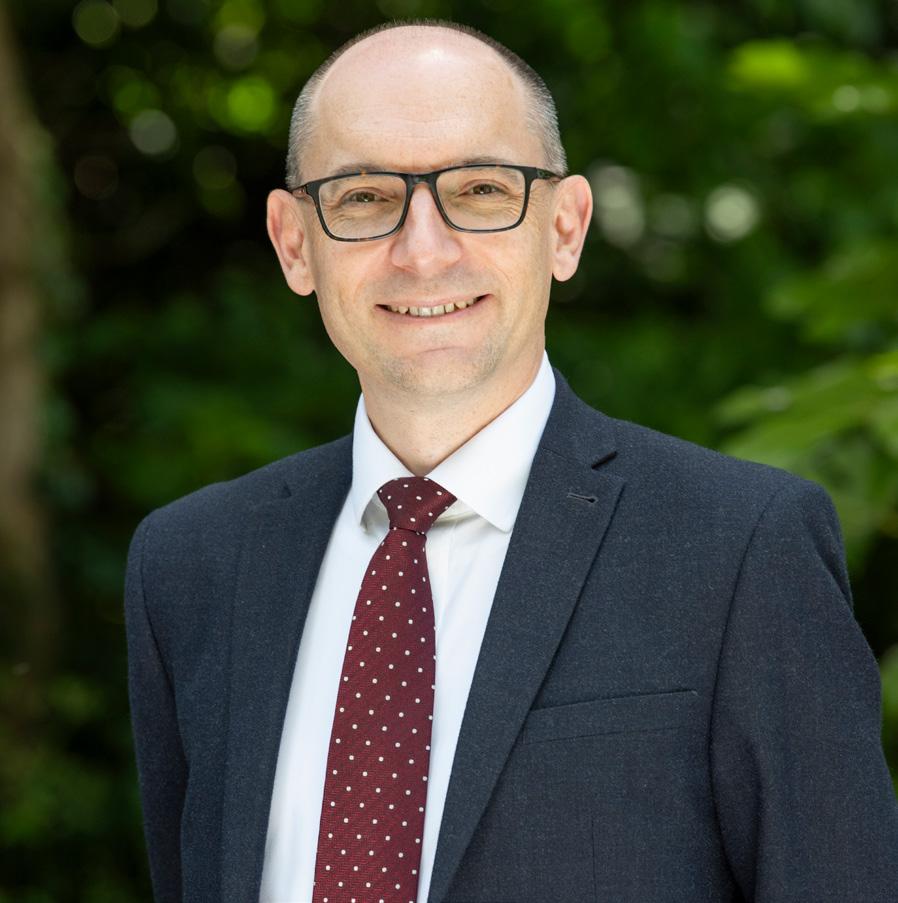
Dan Wood Chief People Officer, University of the West of England (UWE Bristol)
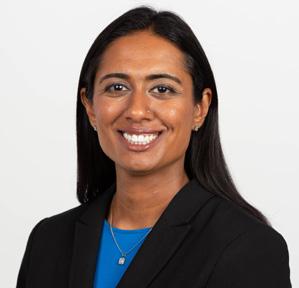
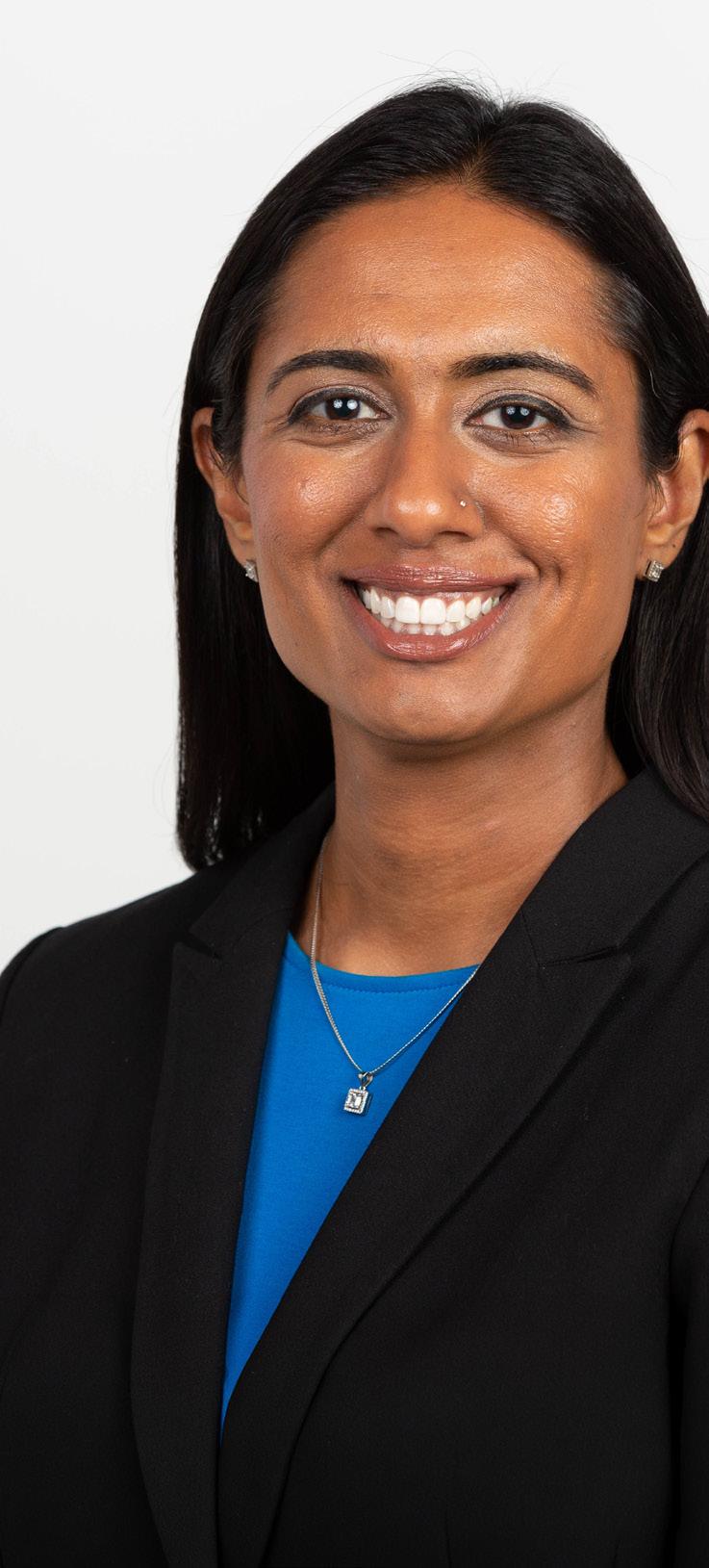
Dr. Aarti Dhupelia CEO, One Million Degrees
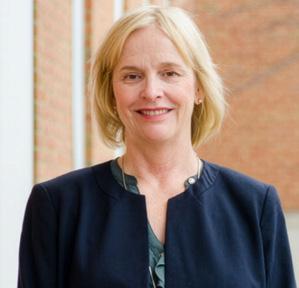
Dr. Helen Ismael Dean of Social Sciences, London College of Contemporary Arts (LCCA)
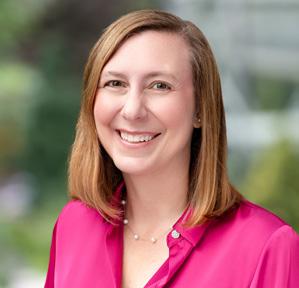
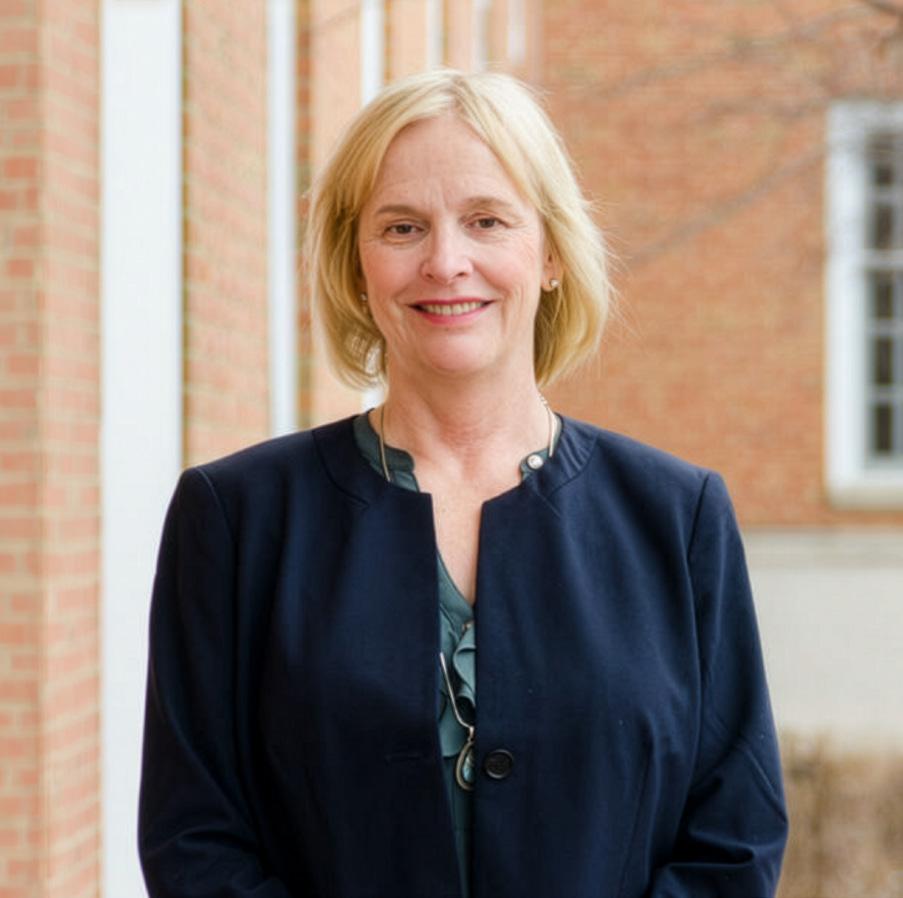
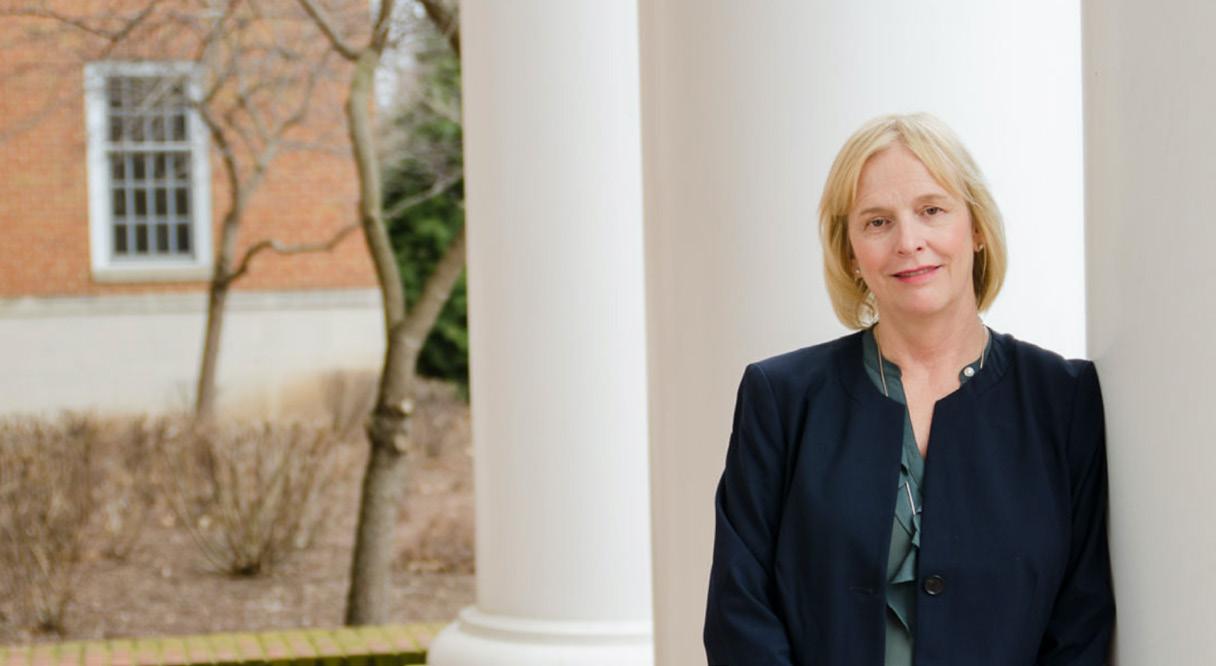
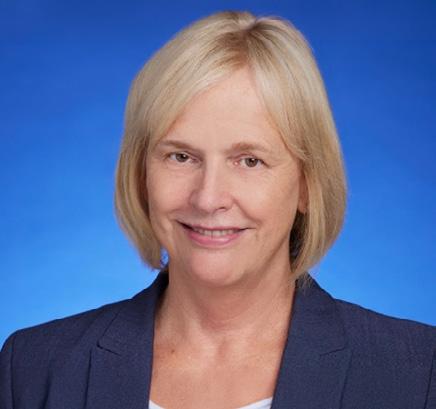
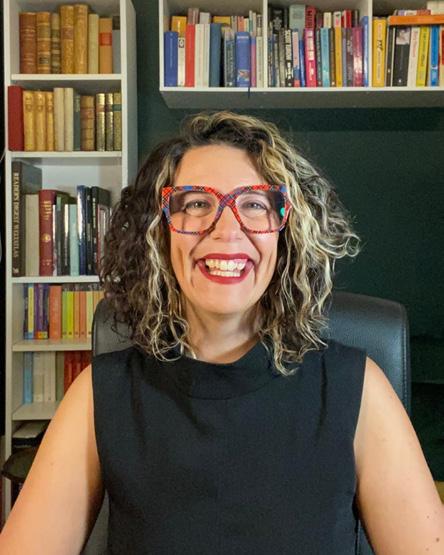
Dr. Miri Firth Associate Professor and Academic Lead for Assessment, University of Manchester
FEATURING INSIDE
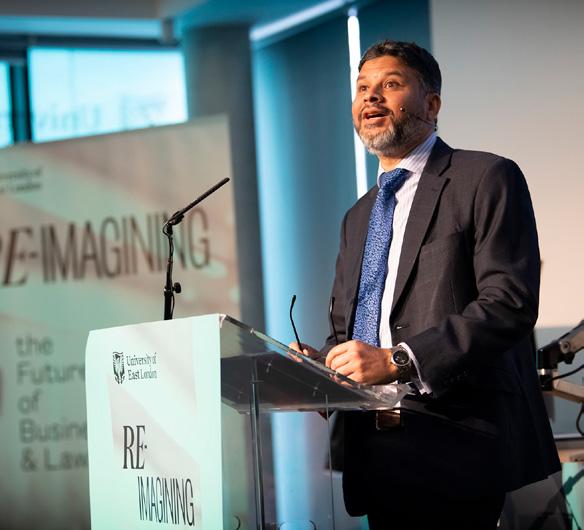
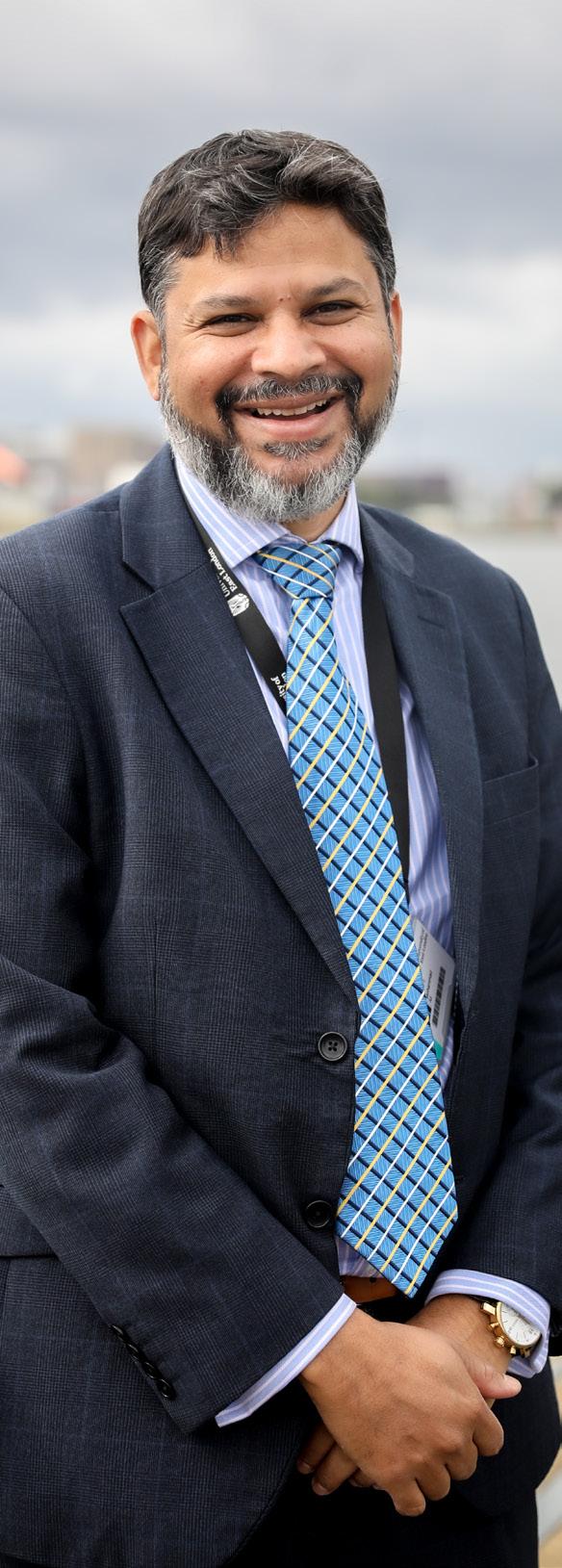
Professor Mohammad M. Ali Pro Vice-Chancellor, Anglia Ruskin University
Ruth Bauer President, InsideTrack
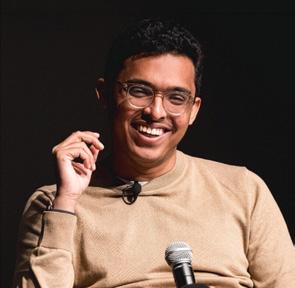
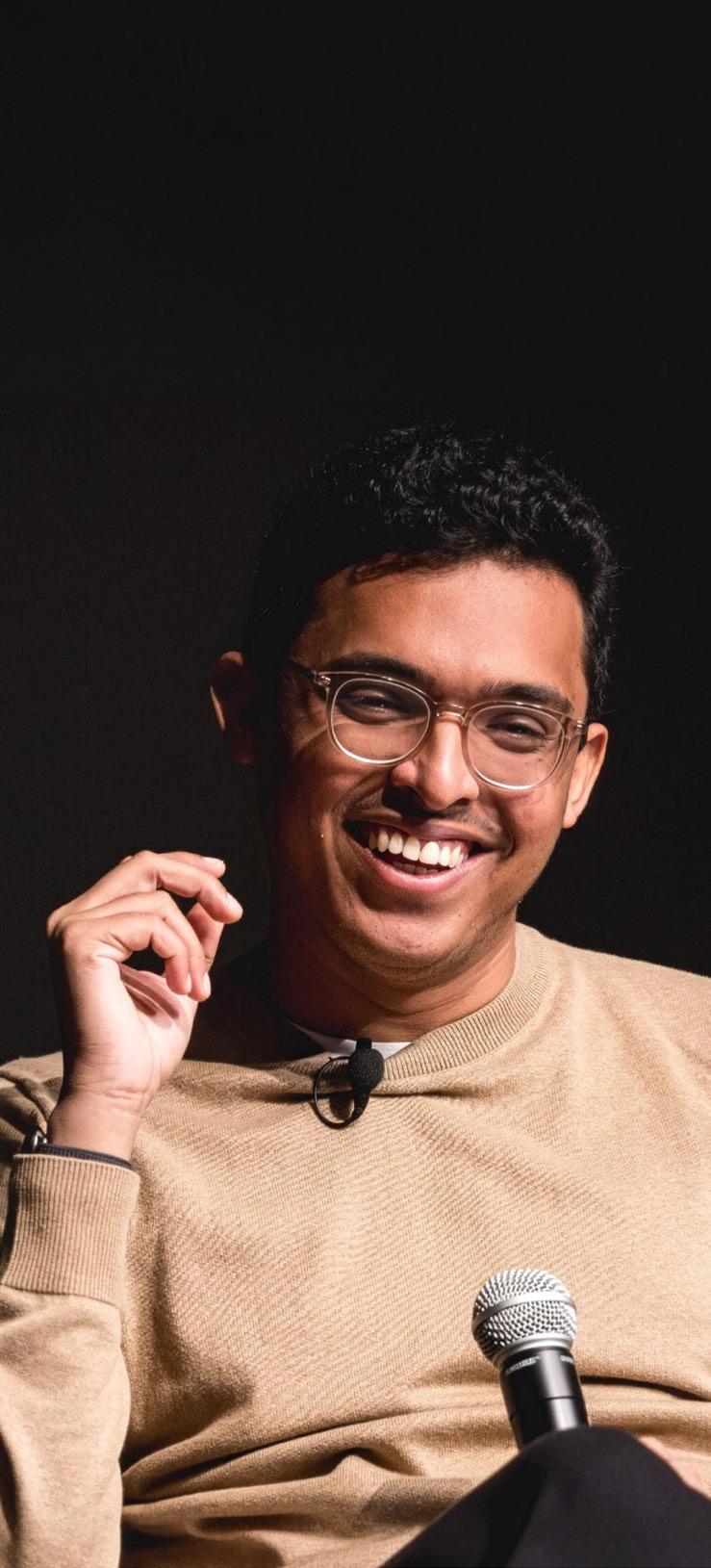
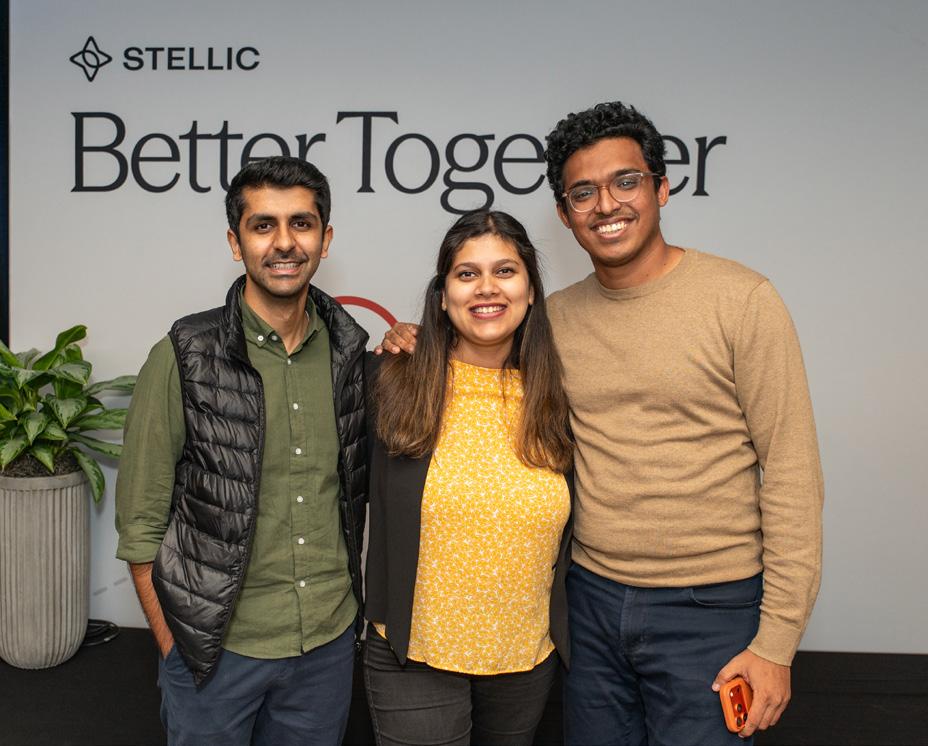
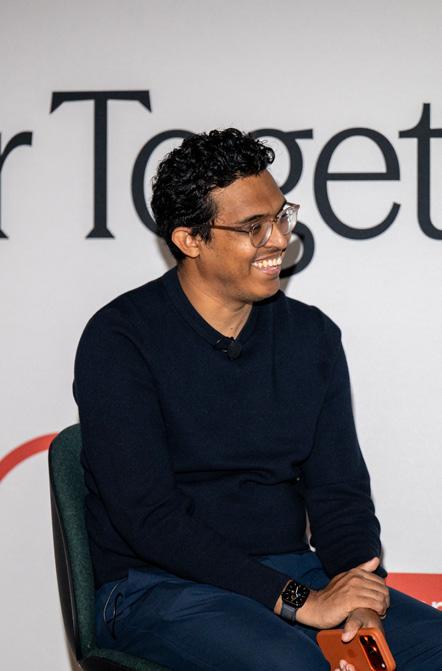
Sabih Bin Wasi Founder & CEO, Stellic
Wendy Colby Vice President & Associate Provost, BU Virtual and Institute for Excellence in Teaching & Learning, Boston University
Managing Editor
Sarath Shyam
Consultant Editors
Dr. John Andrews
Emma James
Andrew Scott
Naomi Wilson
Stanly Lui
Joseph Alex
Creative Consultants
Charlie Jameson
Edwards Gonzalez
Branding & Marketing Partnerships
Jennifer Anderson
Alice Smith Lucy Jones Anna Elza
International Partnerships admin@highereducationdigest.com
Americas Europe Middle East & Africa Asia-Pacific Follow Us On www.linkedin.com/company/ highereducationdigest www.facebook.com/HigherEducationDigest
Higher Education Digest www.highereducationdigest.com is a global knowledge sharing digital platform published by Connecta Innovation Private Limited. All rights reserved. The opinions expressed in the content and pictures provided are those of the authors. They do not purport to reflect the opinions or views of Connecta Innovation Private Limited or any of its members and we do not assume any responsibility. The publisher does not assume any responsibility for the advertisements, its content, pictures, and all representation of warranties made in such advertisements are those of the advertisers and not of the publisher. Higher Education Digest www.highereducationdigest.com is a Free Subscription and Free-to-read digital platform strictly not for sale and has to be strictly for internal private use only. Publisher does not assume any responsibility arising out of anyone modifying content and pictures, printing a copy of this digital platform in any format and in any country and all matters related to that.
When Research Became a System, Not a Scorecard
For years, research was judged by what could be counted. Papers published. Citations earned. Rankings climbed. It was clean, measurable, and, in many ways, incomplete. Somewhere along the way, we began mistaking output for impact.
I have often found myself reflecting on conversations with academic leaders who quietly admit that their most meaningful work never made it to a headline journal. It lived instead in partnerships, in policy influence, in communities changed. Today, that quiet truth is becoming harder to ignore. According to recent global estimates, a significant share of publicly funded research never translates into realworld application. Not because the ideas lack merit, but because the systems around them are fragmented.
This is where the conversation is shifting. Research is no longer a straight line from hypothesis to publication. It is an ecosystem, shaped by funding models, institutional support, ethical frameworks, infrastructure, and, most importantly, collaboration.
Our cover story this month brings that shift into sharp focus. In our conversation with Professor Michael Goodsite, we see a leader who is not just thinking about research outcomes, but about the conditions that make meaningful research possible. His work across strategy, infrastructure, and the broader research value chain reflects a deeper understanding of what modern research demands. From his early motivations to his views on the future of research infrastructure, and his practical advice for early-career researchers, the interview offers both clarity and direction at a time when the rules are being rewritten.
Beyond the cover story, this issue of Higher Education Digest brings together a range of voices exploring how institutions are adapting to new expectations. You will find perspectives that challenge, ideas that provoke, and insights that stay with you long after you turn the page.
If there is one takeaway from this month, it is this: the future of research will not be defined by what we produce, but by how well we build the systems that make great work possible. And that is a future worth paying attention to.
Enjoy Reading.
Sarath Shyam
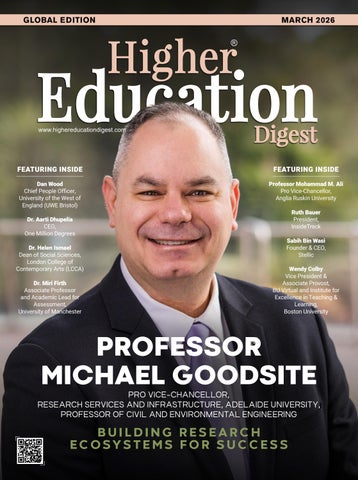
PROFESSOR
MICHAEL GOODSITE
PRO VICE-CHANCELLOR, RESEARCH SERVICES AND INFRASTRUCTURE, ADELAIDE UNIVERSITY, PROFESSOR OF CIVIL AND ENVIRONMENTAL ENGINEERING
BUILDING RESEARCH ECOSYSTEMS FOR SUCCESS
COVER STORY
MENTOR’S MANTRA
ARCHITECTING EXPERIENCES THAT REDEFINE LEARNING
FOSTERING A CULTURE OF DATA LITERACY
Professor Mohammad M. Ali, Pro Vice-Chancellor of Anglia Ruskin University
Susan Metzger Gracia, Senior Associate Director of Data Literacy, Northeastern University
INDUSTRY PERSPECTIVE
AN INCUBATOR, BUT FOR COLLEGE COMPLETION IDEAS
Ruth Bauer, President, InsideTrack
CHAMPIONING COMMUNITY COLLEGE STUDENT SUCCESS
Dr. Aarti Dhupelia, CEO, One Million Degrees
REVOLUTIONIZING EDUCATION WITH EDTECH SOLUTIONS
Sabih Bin Wasi, Founder & CEO, Stellic
ACADEMIC VIEW
36
HOW A STARTUP MINDSET INSPIRES INNOVATION IN HIGHER EDUCATION
Wendy Colby, Vice President & Associate Provost, BU Virtual and Institute for Excellence in Teaching & Learning, Boston University 28
LEADING WITH INTEGRITY AND PASSION IN HIGHER EDUCATION
Dr. Helen Ismael, Dean of Social Sciences, London College of Contemporary Arts (LCCA)
EMPOWERING CHANGE THROUGH EDUCATION AND COMMUNITY
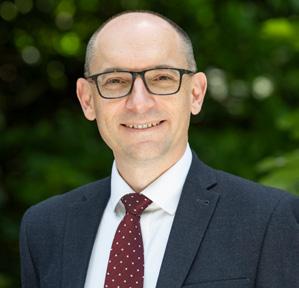
Dan Wood, Chief People Officer, University of the West of England (UWE Bristol) 42
RETHINKING ASSESSMENT THROUGH CHOICE AND PURPOSE
Dr. Miri Firth, Associate Professor and Academic Lead for Assessment, University of Manchester 60
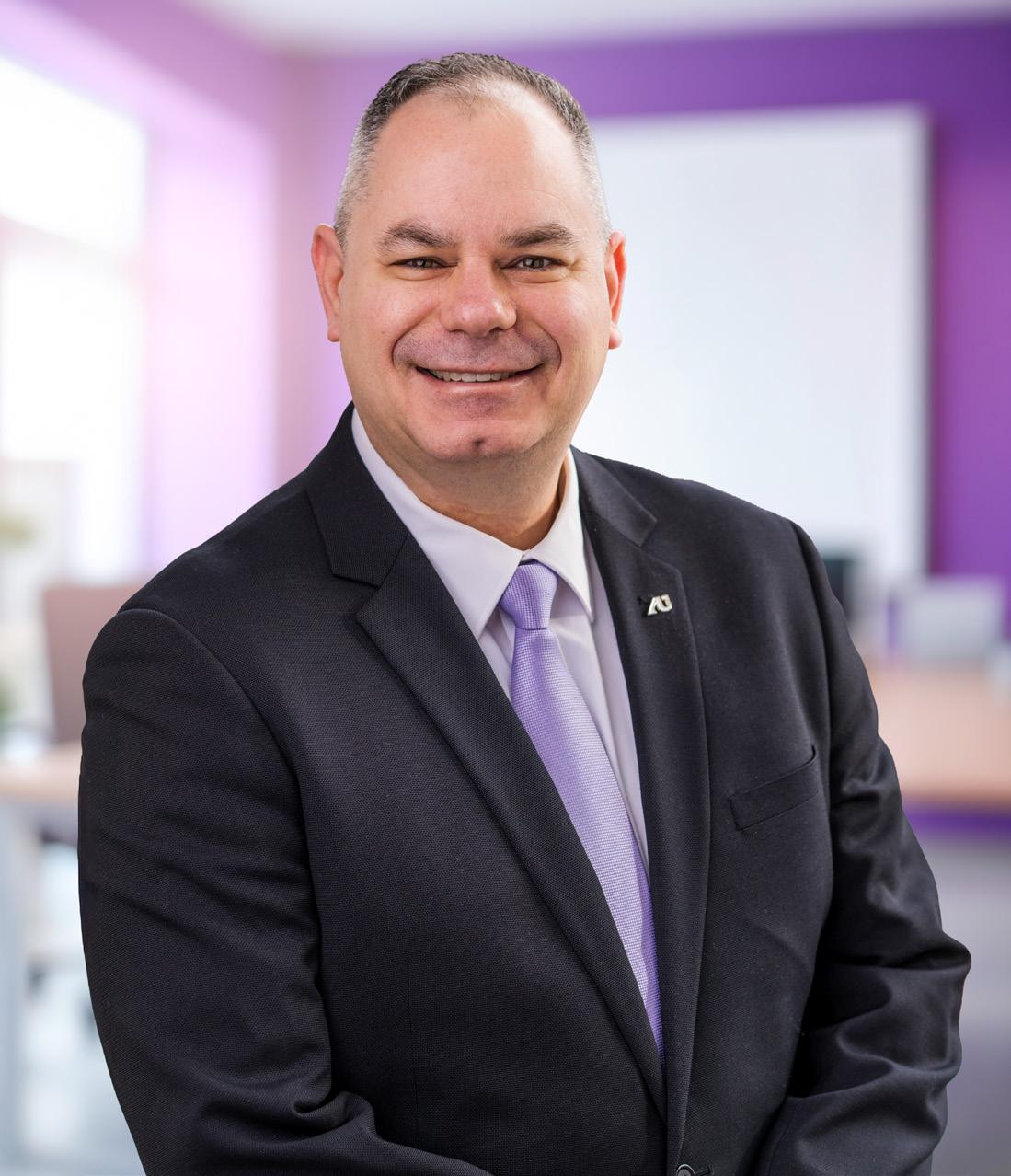
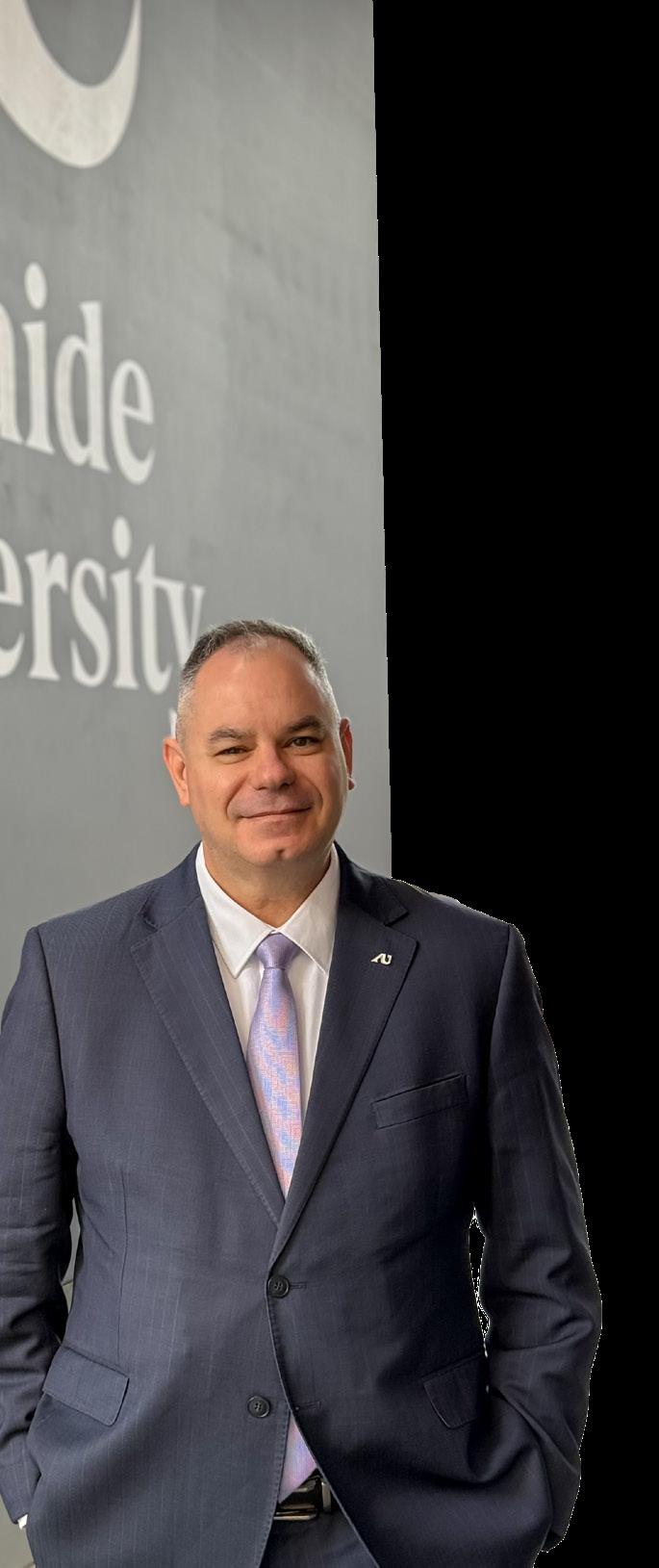
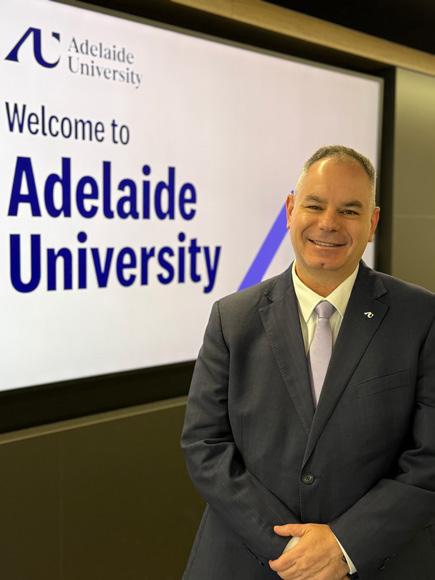
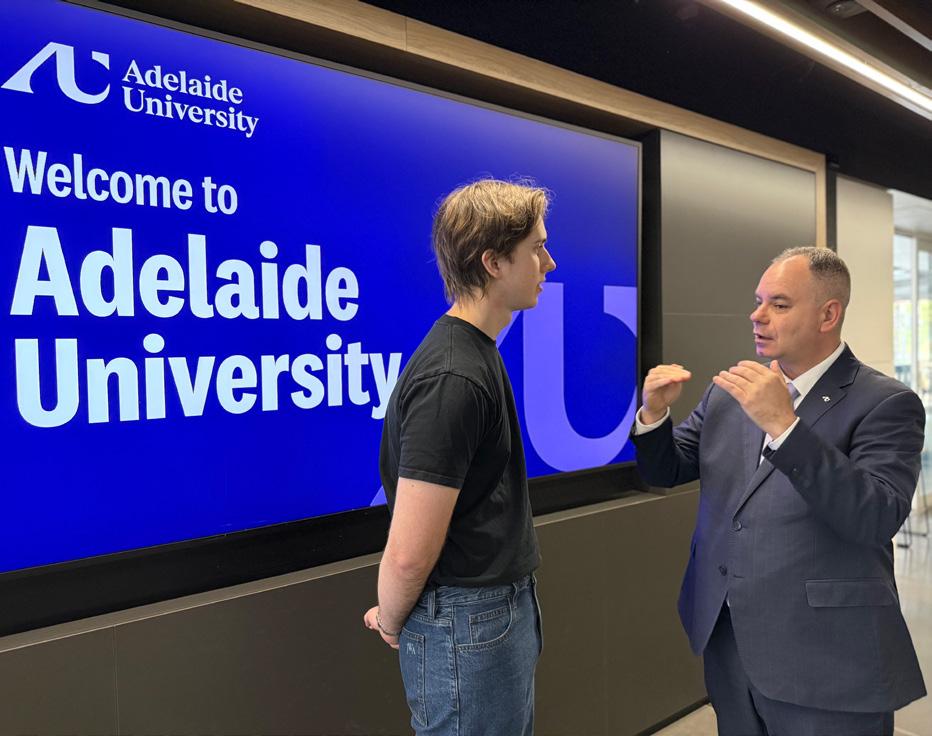
PROFESSOR MICHAEL GOODSITE
PRO VICE-CHANCELLOR, RESEARCH SERVICES AND INFRASTRUCTURE, ADELAIDE UNIVERSITY,
PROFESSOR OF CIVIL AND ENVIRONMENTAL ENGINEERING
BUILDING RESEARCH ECOSYSTEMS FOR SUCCESS
Professor Michael Goodsite is Pro Vice-Chancellor, Research Services and Infrastructure at Adelaide University and a Professor of Civil and Environmental Engineering. He works across research strategy, enabling services and infrastructure to support excellent, ethical and impactful research across the research value chain and is a member of the University’s Research and Innovation Executive Leadership Team. He serves on national boards and was recognised as one of five recipients of South Australia’s 2025 Positive Role Model Awards for ‘Educating and Researching for Impact’. Michael has held senior academic and executive roles in Australia, USA and Denmark, and is a Chartered Professional Engineer and Engineering Executive. Recently, he has been recognised as one of the top 50 Voices in Higher Education 2026.
In an exclusive interview with Higher Education Digest, Professor Goodsite shared what first drew him into research, what he thinks will define the next phase of research infrastructure, and the practical habits that help early-career researchers build sustainable, high-impact careers. The following excerpts are taken from the interview.
What first sparked your interest in research and academia?
It started with curiosity. I wanted to understand how ideas become evidence, and how evidence becomes practice. In engineering, that pathway can be very direct. Ask the right question and you can improve safety, strengthen resilience, reduce pollution, and make systems work better for people and nature.
Over time, I became equally interested in what sits behind great research. Why do some teams thrive? Why do some institutions consistently translate discovery into outcomes that matter? For me, that is the research ecosystem question. Culture, capability, infrastructure, and partnerships all contribute to shaping whether brilliant individuals can do their best work together.
My own path began in civil engineering, then postgraduate study in environmental engineering, then climate and environment, and later an MBA in global management. That mix took me into programmes where science, policy and real-world systems meet. In that kind of work, collaboration is essential if you want impact. I have also held academic leadership and research management roles in Denmark, the USA and Australia, which gave me an on-the-ground view of what strong ecosystems look like.
What has kept me in higher education is the combination of discovery and service. You contribute to knowledge, but you also help build conditions where students, early-career researchers and professional colleagues can do excellent work and grow into their potential.
What do you enjoy most about your current role?
I enjoy seeing the “invisible architecture” of research support show up in tangible ways. A
well-designed service, a clearer process, or the right piece of infrastructure can quietly remove friction. Suddenly a team can move faster, work more safely, and make better decisions with more confidence.
The other thing I value is the span of the work. I get to work across the full research lifecycle, from the first grant idea through to the impact story. Sometimes that is creating a secure data environment so a collaboration can proceed responsibly. Sometimes it is simplifying a process, so researchers spend more time on discovery. Sometimes it is bringing partners in early, so translation is built in from the start.
It is energising because it is consequential. When capability, infrastructure, culture, and relevance align, researchers can be ambitious, ethical, and impactful. Professional staff are a vital part of that story too because research is a team enterprise.
Five years from now, what will define research infrastructure?
More networked, more digital and more sustainability focused. Research questions are becoming increasingly data-rich, interdisciplinary, and time-
As more disciplines adopt advanced analytics and AIenabled workflows, secure and scalable compute and data environments will be as fundamental as laboratories and instrumentation
sensitive. As more disciplines adopt advanced analytics and AI-enabled workflows, secure and scalable compute and data environments will be as fundamental as laboratories and instrumentation.
We are also moving towards collaboration at scale, with more shared platforms and multiinstitution consortia. That raises the importance of interoperability. Researchers need systems that support responsible data sharing and method reuse, while meeting expectations around integrity, privacy, and security.
Resilience will matter more too. Cyber security is no longer a specialist concern. It is core to continuity, reputation, and trust. And recent disruptions have shown how vulnerable research can be to supply chain constraints for critical assets, from specialised reagents to high-end instrumentation.
Researchers drive positive change when they codesign questions with communities, industry, and government, and when evidence is translated into decisions that improve lives
Sustainability is shifting from aspiration to operational reality. Energy intensity, lifecycle costs, and responsible procurement will increasingly shape investment decisions. Institutions that get this right will reduce environmental impact, improve reliability, and strengthen their social licence to operate.
Where is the biggest opportunity for researchers to drive positive change?
It is working across boundaries. The challenges that matter most rarely sit neatly within one discipline or one institution. Researchers drive positive change when they co-design questions with communities, industry, and government, and when evidence is translated into decisions that improve lives. For me, the strongest combination is excellence and
purposeful collaboration. That means rigorous methods, clear ethics and strong integrity, paired with respectful, two-way engagement.
The researchers who will thrive are impact literate. They can do discovery, but they can also communicate clearly, support implementation, evaluate outcomes, and use emerging tools such as AI responsibly.
What has influenced your thinking most?
A few frameworks have been particularly helpful.
Thomas Kuhn’s ‘The Structure of Scientific Revolutions’ is a reminder that progress is not
always linear. Paradigm shifts often come from reframing assumptions rather than refining the same model.
Donald Stokes’ ‘Pasteur’s Quadrant: Basic Science and Technological Innovation’ has also shaped how I think about strategy. It validates use-inspired basic research. You can pursue fundamental questions while staying attentive to real-world needs.
I also return regularly to strategic reviews and roadmaps on national research infrastructure, research integrity, and open science. They connect high-level ambition to practical choices about investment, governance, and capability.
Mentoring early-career researchers: what actually helps?
I try to keep it practical and empowering.
1. Clarify identity and direction. Help people articulate what they do, why it matters, and what a realistic plan looks like across publications, funding, collaborations, and time.
2. Mentor and sponsor. Mentoring matters, but so does sponsorship. Create opportunities for early-career researchers to lead, present, and be visible in decision-making forums.
3. Build capability as part of the job. Leadership, communication, ethics, project management, and responsible engagement are not optional extras. They are part of doing excellent research well.
Excellence and relevance are foundational. Relevance is often related directly to impact, but purposeful research tends to show up across the entire pathway, from discovery through to application.
What is your favourite quote?
“Chance favours the prepared mind”, often attributed to Louis Pasteur. Breakthroughs can look like luck, but they usually come to people and organisations that have built the capability to recognise what matters and act on it.
What are some of your passions outside of work? What do you like to do in your time off?
Outside work, family and close friendships keep me grounded. I try to stay active and get outdoors whenever I can. I also enjoy reading beyond my immediate professional interests, especially history, public policy, and biographies. If I get a quiet hour, you will often find me with music on and a book in hand, or in the water for a swim, or out SCUBA diving.
What advice would you give to earlycareer academics or professionals aspiring to leadership roles in higher education?
I have five pieces of advice.
1. Know your purpose and values. They keep you steady under pressure.
2. Learn how universities work. Strategy, budgets, governance, risk, and people leadership turn good intentions into outcomes.
3. Be reliable and generous. Do excellent work, communicate clearly, and help others succeed.
4. Own your development. Seek mentors and sponsors and take stretch opportunities that build breadth.
5. Stay connected to the communities you serve. Leadership is a privilege. Keep listening, keep learning, and be a great teammate every day.
Architecting Experiences That Redefine Learning
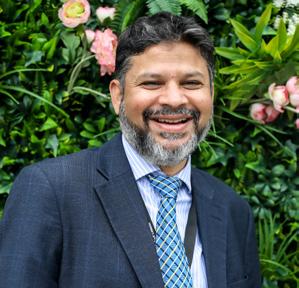
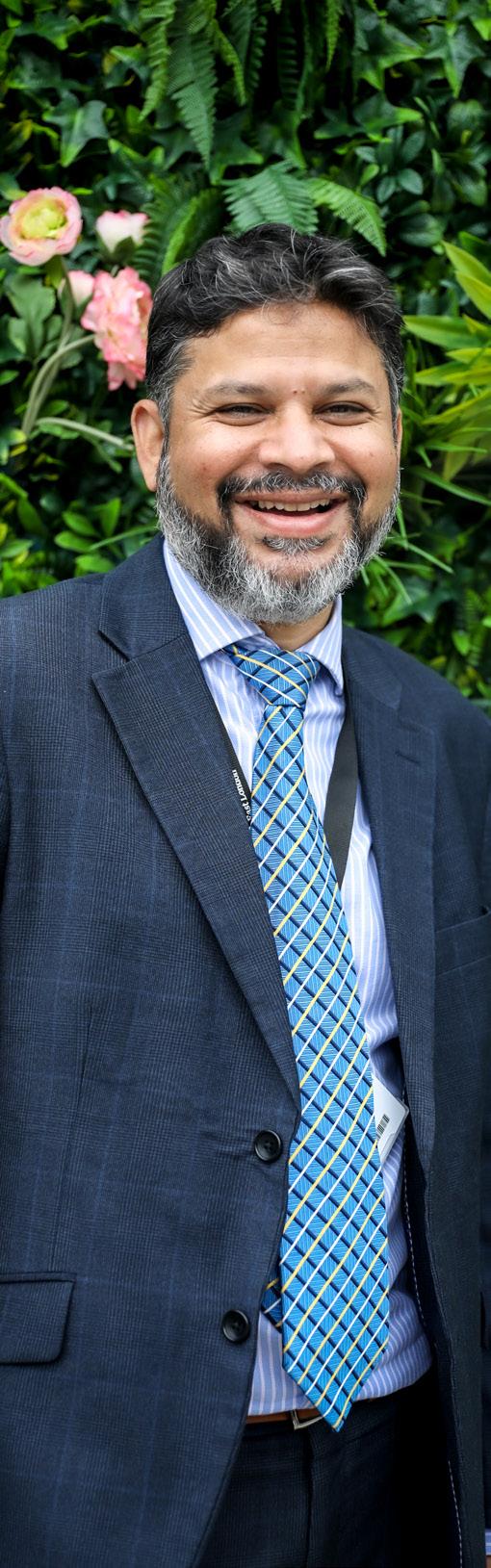
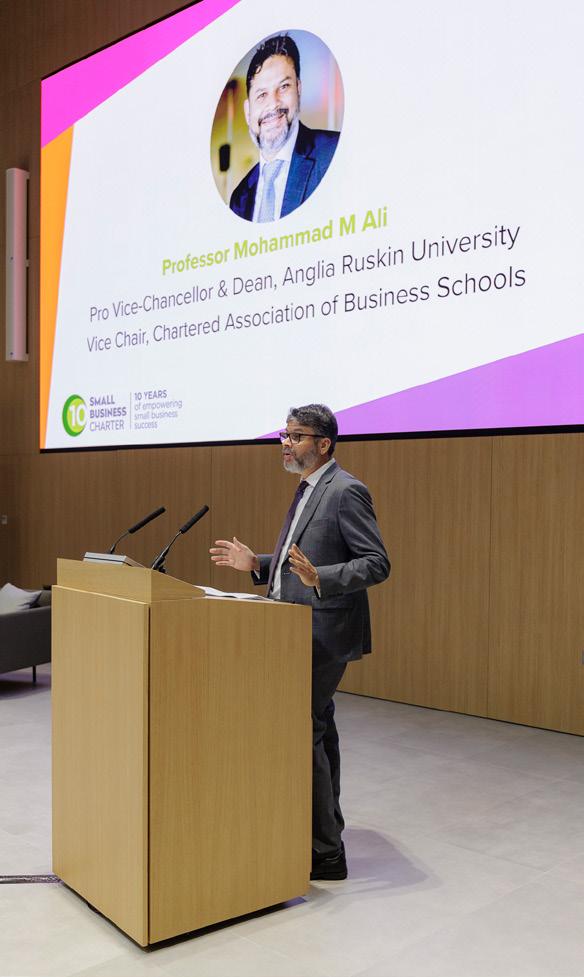
Professor Mohammad M. Ali, Pro Vice-Chancellor of Anglia Ruskin University
Professor Mohammad Ali serves as Vice Chair, Board Member, Pro Vice-Chancellor, and Dean at Anglia Ruskin University, bringing over 25 years of experience across higher education, automotive, business, law, and governance sectors. A seasoned leader, he is recognised for his strategic oversight, governance expertise, and consistent success in driving institutional growth and transformation. In his executive and board roles, Professor Ali has been instrumental in shaping policies, strengthening governance frameworks, and fostering collaborations between academia, industry, and government. His work reflects a deep understanding of corporate governance, strategic planning, risk management, and stakeholder engagement. He holds a PhD in Business Forecasting, a Master’s in Business Performance Management, a Bachelor’s in Mechanical Engineering, and an Executive Certificate in Management and Leadership.
In this insightful conversation with Higher Education Digest, Professor Ali talks about his transformative journey from the automotive industry to academia, and the lessons learned along the way. He discusses the evolving identity of universities, the growing integration of AI and digital learning, and the importance of designing education that bridges theory with practice. Professor Ali also shares his leadership philosophy rooted in coaching, collaboration, and continuous learning. Below are the excerpts of the interview.
Bridging academic relevance and industry demand isn’t just a nice-to-have anymore; it’s a question of survival and purpose
You’ve bridged industry and academia, and risen to senior leadership roles. Could you reflect on three pivotal moments or decisions that shaped your career path?
Reflecting on my path, it feels less like a straight line and more like a series of connected leaps of faith. If I had to trace the route, three moments stand out as true turning points.
The first was the decision to trade my hard hat for a student backpack. I was a Supply Chain Manager in the automotive sector, comfortable in the hum of the factory floor. When the chance for a full-time Masters came up, it felt like a moment of rebellion against the routine. But stepping back into the classroom with real-world experience in my pocket was transformative. I fell in love with that environment so deeply that when a bursary for a PhD in Business
Forecasting was offered, I embraced it. That decision—to leave a stable career for doctoral research—fundamentally rewired my identity. It also planted the seed that I didn’t want that relationship with universities to end when my PhD did.
The second pivotal moment came not long after I stepped into my first major leadership role as the Head of the Department. I remember sitting in my new office, surrounded by strategic plans and budget reports, and having a sudden, clear realisation: my impact was no longer just about my own research or teaching. I was no longer just an academic in an ivory tower; I felt like an architect of experience for thousands of students – suddenly my work had a clearer heartbeat. That shift in perspective became my compass. It ignited a passion to move beyond theory and build tangible, lasting value - to
create learning experiences that were not just educational, but truly transformative for every student who walked through our doors.
The third defining leap was a more personal transformation towards a coaching-oriented leadership philosophy. After completing my executive coaching certification, I initially saw it as just another tool for the toolkit. But the real transformation began when I started practicing “coaching with a small ‘c’”—not as a formal process, but as my daily ethos. I made a deliberate choice to lead by asking questions, and this is where I learnt the value of unlocking potential and capability. It changed my entire understanding of impact. My role as a leader was to create the space and conditions for others to grow, innovate, excel, and to make a difference one conversation at a time. It was perhaps the most humbling and rewarding pivot of all.
Looking back, the common thread isn’t a specific skill or title. It was the willingness to repeatedly step away from comfort and trusting that the stretch would be worth it – and each time it was. If there’s a through-line to my story, it’s this: stay curious, be willing to be uncomfortable, and use whatever platform you have to build practical, lasting value for students and society. Together, they’ve charted the course of this wonderfully unexpected journey.
From your vantage point in UK and global business schools, what are the most urgent challenges universities face today, especially in bridging academic relevance and industry demand?
The most urgent challenge for universities is a fundamental identity crisis. We’re operating
in a world that’s changing at lightning speed, while our structures often move at the pace of a glacier. Bridging academic relevance and industry demand isn’t just a nice-to-have anymore; it’s a question of survival and purpose.
I see this play out in a few critical areas:
First, we’re grappling with the very nature of knowledge itself. I was once speaking with a brilliant lecturer, and I asked how they were embedding AI into their course. Their answer was both funny and profound: “I’m asking AI to teach me how to teach AI to my students.” That moment perfectly captures the shift. Knowledge is no longer a scarce resource we guard in libraries; it’s a ubiquitous current flowing all around us. Our role is transforming from being the “sage on the stage” to understanding that the value-add is facilitation: guiding critical thinking, ethical judgement, and applied problem solving. We must now teach students how to navigate, critique, and apply this flood of information—to turn data into wisdom and tools into capability.
This leads directly to the second challenge: the agility of our curriculum. Too many
AI and data analytics have moved from being shiny new toys in the corner to being part of the very plumbing of business schools
programs are like detailed maps for landscapes that have already eroded. We’re often sending graduates into the world with a “skills gap” because the traditional, multi-year curriculum cycle can’t keep up with the real-time evolution of business and technology. The solution isn’t just to “update courses”; it’s to co-create them. This means building a permanent seat at the table for industry partners—not just on advisory boards that meet twice a year, but in the ongoing design of projects, micro-credentials, and learning modules that reflect what’s happening on the ground right now.
Finally, to make this co-creation work, we must tackle the incentive structures that hold us back. There’s a recurring friction. For companies, the question is always, “What’s the ROI on my time collaborating with a university?” For our faculty, the question is too often, “Will this industry engagement count toward my research output?” We’ve built a system where true partnership can feel like an extra burden for both sides. We need to become more nimble and redefine what “impact” means. It’s not just a publication in a prestigious journal; it’s a research insight that becomes a new policy, a
I can see AI agents acting as personal tutors—a digital mentor that knows a student struggled with the concept of ‘break-even analysis’ in week three and can gently reintroduce it in a new context in week eight
product, or a teaching case that shapes the next generation of leaders. We must champion and reward this translation of knowledge.
In short, the universities that will thrive are those that become more porous and collaborative. They’ll see their campuses not as ivory towers, but as dynamic hubs where students, researchers, and industry practitioners converge to co-create value. My experience has shown me that this isn’t a simple fix, but a necessary cultural shift—one that requires us to be constant learners, just like the students we serve.
How are AI, data analytics, and digital learning technologies influencing how you design programmes, assessments, and teaching in your faculty? What’s changed and what’s still aspirational?
You know, it’s fascinating. AI and data analytics have moved from being shiny new toys in the corner to being part of the very plumbing of business schools. They’re not just subjects we teach; they’re becoming the environment in which we teach. This has led to some profound shifts in how we think about our programs.
What’s changed is our design philosophy. We used to ask, “Should we add an AI module?” Now, the question has flipped. In our recent portfolio transformation at Anglia Ruskin University, we’re asking, “How is AI woven into the fabric of this module?” It’s less about a special topic and more about a fundamental tool, like a calculator or a library. We’re designing with AI in mind from the very first sketch.
This shows up in two ways. First, in how we teach. Lecturers might use an AI to role-play a difficult stakeholder in a negotiation class, creating a dynamic scenario that changes based on the student’s inputs. Or they might use a live analytics dashboard to show a marketing cohort how their simulated campaign is performing in real-time. It’s using AI to teach.
Second, and more importantly, it’s in how students learn. We’re now asking them to use generative AI to draft a business plan, then tear that draft apart to find its flaws and biases. This is using AI to learn how to use AI—critically and ethically. The biggest operational challenge, without a doubt, has been getting our faculty comfortable and skilled in this new world. It’s
a massive, but essential, training undertaking.
Now, for what still feels aspirational— though I believe it’s just over the horizon. I have a vivid picture of what’s next.
I can see AI agents acting as personal tutors—a digital mentor that knows a student struggled with the concept of ‘break-even analysis’ in week three and can gently reintroduce it in a new context in week eight. This isn’t about replacing us; it’s about giving every student a 24/7 learning partner that scales a lecturer’s attention.
I imagine using Augmented Reality to bring a case study to life. Instead of just reading about an ethical dilemma in a pharmaceutical company, a student could put on AR glasses and literally walk through a virtual factory, spotting safety issues and having to make real-time decisions. It’s about creating visceral, emotional learning that a textbook can never provide.
And through it all, that core value remains non-negotiable: human skills will continue to matter. Our goal is that “bilingual fluency”— ensuring our graduates are just as eloquent in the language of data as they are in the language of people and purpose.
I think often of a project where students used predictive analytics to optimise a hospital’s patient flow. The model was brilliantly efficient. But then we asked the hard questions: How do you explain this algorithm to a frightened family? How do you override its recommendation in a true emergency? The model provided the optimal path, but it was the human in the loop who had to navigate the ethics, the empathy, and the communication. That’s the space we’re preparing them for. The tech handles the computation; our job is to develop their judgment.
You have led major strategic initiatives. Which initiative are you most proud of, and what leadership lessons did you learn from driving it?
You know, when I look back at the various initiatives, the one that truly stands out isn’t a single project, but a central theme that has defined my approach: the move from designing courses to architecting experiences. I have led on various comprehensive portfolio transformations at various institutions where it is not just a curriculum refresh; but the aim always is to inspire a cultural shift to embed technology, personalisation and a practicebased ethos into our very core. For example, the practice-based centres like the Marketing & Strategy Lab we built with Amazon Web Services at UEL. That lab became the physical heart of our philosophy. I remember the early days—it wasn’t just about securing the funding or the hardware. The real magic happened in those messy, cross-disciplinary meetings with faculty, IT wizards, and industry mentors, all arguing over the best way to build a space where theory met practice.
This same principle of building bridges was critical when I led the industry engagement strategy at Anglia Ruskin. I learned that strategic leadership is less about broadcasting a vision and more about curating a chorus of voices. We actively brought external leaders into our decision-making rooms, not as guests, but as partners. There were moments of friction, of course, where academic tradition met business pragmatism. But by truly listening and adapting, we didn’t just create more relevant programmes; we sparked a genuine culture of innovation. It taught me that influence is often more powerful than authority.
And while these tangible initiatives are what you see on the brochure, the legacy I’m perhaps most proud of is the one you can’t hold: cultivating the leadership teams behind them. In every institution, I’ve focused on assembling and mentoring groups of colleagues who’ve grown to become the organisation’s true competitive advantage. Seeing them flourish and drive change long after I’ve moved on is the ultimate reward.
So, if I were to distill the leadership lessons from this journey, it would be this: shared purpose and adaptability are your compass and your map. Whether you’re building a multimillion-pound lab or redesigning a degree, success hinges on empowering your colleagues, staying flexible in your execution, and never losing sight of the “why”—which is always, ultimately, about creating lasting value for our students and their future.
Outside of your academic and strategic work, what personal values or interests motivate you? How do you balance professional demands with personal renewal or reflection? That’s a great question, because it gets to the heart of what fuels the work in the first place. To make sure I can lead effectively and be present for those who depend on me, I’ve come to embrace the airplane oxygen mask analogy: you have to secure your own before you can help others. For me, that “oxygen” is faith. It is the foundational layer from which everything else—my values, my resilience, my purpose— draws its breath.
My truest compass comes from moments of quiet prayer and religious reflection. It’s in that solitude, in conversation with the Almighty,
that I find the clarity to ask the most important questions: Am I living my principles? Am I the person I am called to be, especially when under pressure? This daily practice of alignment is what centres me. It’s not just about finding answers, but about grounding my ambition in service and humility, reminding me that my work is part of a larger purpose.
This spiritual foundation is what allows me to fully show up for my most important earthly anchor: my family. I have a lovely, incredibly supportive wife, and our partnership is a blessing I cherish. She’s the person who tells me both what I need to hear and what I want to hear. And with my two children, my main hobby is essentially whatever their “flavour of the week” is! Whether it’s a new video game, a sport, or a bizarre craft project, diving into their world is the ultimate reality check and a guaranteed source of joy. It forcibly pulls me out of the strategic clouds and grounds me in what’s real and immediate.
Sustainable leadership, I believe, starts with a sustainable leader whose strength is drawn from a deep, personal well
When I do get a sliver of “me-time,” you’ll likely find me on a good run through the park. There’s something about the rhythm of running that creates the headspace I need to process everything. And yes, I’ll confess the academic in me never truly clocks out—I’m always either buying / downloading a book or in the middle of a book, which feels less like work and more like a conversation with another mind.
This sense of connection, rooted in my faith, naturally extends beyond my front door. My involvement in the charity sector— from food banks to refugee settlement—isn’t an add-on; it’s an act of faith in action. It’s a practical expression of my beliefs and a powerful reminder of our responsibility to the wider community, which constantly keeps my own professional challenges in a healthy perspective.
Sustainable leadership, I believe, starts with a sustainable leader whose strength is drawn from a deep, personal well. By protecting that
time for spiritual and personal connection, I can return to my professional life not just refuelled, but realigned and recentred.
For students or early-career professionals eyeing careers at the intersection of business, technology, and academia, what three pieces of advice would you offer them today?
That’s a great question, and it takes me right back to my own crossroads. For anyone starting out at this exciting intersection, the path isn’t a straight ladder—it’s more like building a portfolio of experiences. If I had to distil it down, my advice would centre on three things: mindset, method, and meaning.
First, trade in the idea of a ‘job for life’ for the mindset of a ‘portfolio careerist.’ The roles you’ll have in five years probably don’t even exist today. So, become a relentless, curious learner. This isn’t just about formal qualifications; it’s about constant, intentional upskilling. Follow your curiosity down rabbit holes, whether that’s a online course on a new coding language, a podcast on behavioural economics, or a book on AI ethics. Your career security won’t come from a title, but from your ever-evolving and unique combination of skills.
Second, get your hands dirty. Theory without practice is just a rumour. Don’t just learn about supply chain analytics—find an internship where you can help a local business optimise its inventory. Don’t just study marketing funnels; use low-code tools to build one for a real product. I’ll never forget a student who used a class project on predictive modelling to help a local charity forecast donation patterns. That handson experience didn’t just look good on a resume; it taught her how to translate complex data into a human story, which is where the real magic happens. Seek out problems, not just positions.
Finally, and this is the one that truly separates great careers from good ones: never underestimate the power of human connection. In a world obsessed with AI and algorithms, your most durable skill will be your ability to communicate, collaborate, and lead. I’ve seen brilliant technologists struggle because they couldn’t explain their idea to a non-technical CEO, and I’ve seen empathetic leaders accelerate projects because they knew how to build trust. Work on your storytelling. Practice giving and receiving feedback gracefully. Becoming ‘bilingual’—fluent in both the language of technology and the language of people—is your ultimate career multiplier.
Your journey will be defined less by a single grand plan and more by how you respond to key moments—a failed project, a new industry shift, a chance conversation. Stay curious, be proactive in seeking challenges, and always remember that your technical expertise opens the door, but your human skills decide how far you go.
Looking ahead 10 years: how do you envision the role of business schools evolving? What will define success for institutions, faculty, and graduates in that future?
Looking ahead a decade, I see a business school that has successfully shed its skin as an ivory tower to become something far more vital: a dynamic nerve centre for the economy and society. I’m fundamentally optimistic because our core mission—to develop talent and create knowledge that solves problems— is more critical than ever. But the institutions that thrive will be those that undergo a
profound identity shift, from being standalone educators to being the central node in a vibrant, integrated ecosystem.
Imagine a campus where the boundary between the lecture hall and the boardroom is virtually erased. Academic rigour remains our bedrock, but it now wears a practical hat. Here, a professor’s research on sustainable supply chains isn’t just published in a journal; it’s simultaneously tested and refined with a consortium of corporate partners, and those live findings directly shape a student’s project the very next week. This isn’t just “industry engagement”; it’s a continuous loop of cocreation where businesses and scholars learn with each other, not just from each other.
To reach this future, however, we must first be honest about the two formidable challenges holding us back. First, the UK’s financial model for higher education is structurally broken. The fee cap amidst soaring inflation has created a survival mindset, forcing institutions to focus on efficiency savings when we should be making bold investments for the future. Second, we have a critical perception problem. We’ve become a political pawn and have been too passive in telling our own story. We can no longer assume society understands our value; we must proactively and powerfully demonstrate it.
To navigate this, we must adopt a longterm, expansionary mindset. This means being brutally honest about our challenges— asking if our cost base is growing faster than our revenue streams—while also boldly investing in our people and our future. We can learn from global counterparts: from the philanthropic fundraising models in the USA to the deep industry integration and
investment model in Australia, to long term planning in Singapore where they plan with a 70-year horizon, not just a political cycle.
So, what will define success in 2035?
For Institutions: Success will be impact and agility. It will be measured by how our research solves real-world problems, how quickly we can update programs for the AIdriven economy, and how we contribute to societal goals. It means having the courage to lead on issues like academic freedom and EDI, and creating a culture of psychological safety where our greatest asset—our people—can thrive, innovate, and even fail forward.
For Faculty: The role will evolve from a pure lecturer to a facilitator and ecosystembuilder. Success will be their ability to blend rigorous scholarship with practical impact, to teach students not just what to think, but how to learn, adapt, and lead with ethics in a world of constant change.
For Graduates: They will be successful if they possess the earlier-mentioned “bilingual fluency”—the ability to speak the language of data and technology as eloquently as the language of people, purpose, and ethical leadership.
Ultimately, the future is not something that happens to us. It’s something we build. It requires moving from endless conversations to a disciplined cycle of Dialogue, Decision, and Delivery. If we can do that—if we can rebuild our financial models, reclaim our narrative with pride, and focus on our core purpose of educating for a better world— then business schools won’t just survive; we will become the true vanguards of progress we are meant to be.
How a Startup Mindset Inspires Innovation in Higher Education
WendyColby, Vice President & Associate Provost, BU Virtual and Institute for Excellence in Teaching & Learning, Boston University
Wendy is Vice President and Associate Provost at Boston University, where she leads BU Virtual and the Institute for Excellence in Teaching & Learning, two units united by a mission to drive academic innovation and digital transformation for student and faculty success. BU Virtual partners with BU’s schools and colleges to expand and diversify academic offerings through a dynamic online portfolio for working professionals worldwide, while the Institute fosters innovative teaching, faculty collaboration, and interdisciplinary excellence. Together, these efforts advance high-impact learning experiences on campus and beyond.
With over 25 years of global experience in higher education, Wendy has led the design and growth of programs that align academic excellence with institutional impact and differentiation. Her expertise spans strategic management, program creation, and online education, from concept to delivery, guided by a strong belief in technology’s power to transform learning.
In this insightful conversation with Higher Education Digest, Wendy shares her perspectives on the evolving landscape of higher education and the leadership principles that drive her work. She discusses how innovation, collaboration, and human connection can transform teaching and learning and highlights the vital role of research universities in addressing global challenges, the impact of AI on academic rigor, and the importance of aligning purpose with progress. Below are the excerpts of the interview.
You have led initiatives at public and private institutions, edtech firms, and now at Boston University. Could you walk us through two or three turning points in your career that deeply shaped your philosophy in higher education?
Over the course of my career, in public and private universities, within edtech and
in a variety of senior leadership roles in corporations and institutions, I have come to believe that education is most powerful when it meets learners where they are, in the rhythm of their lives or work, and connects to a broader purpose. That perspective did not happen in one defining moment but has evolved through a series of experiences that continue to enrich and inform my work in higher education.
Whether we are supporting first generation students, reaching underserved populations or helping working professionals advance in their careers, the mission remains constant: to expand value, access, equity and impact for all
I began my early career at an edtech startup in Silicon Valley, an experience that influenced how I think about innovation, leadership and the pace of change. That early exposure to entrepreneurship instilled in me a deep appreciation for mission clarity, the conviction that every decision, from design to product market fit to delivery, should tie back to a clear purpose. It also taught me that great ideas only matter if they translate into meaningful value and impact. These lessons remain relevant today, reminding me that universities, like startups, must stay curious, responsive, studentfocused, and willing to evolve.
My time in industry, working in fast-paced corporate environments, brought me to nearly every region around the world. You learn to work strategically, navigate complexity, understand markets and customers in different contexts, make decisions in real-time, and lead
teams with compassion and purpose, through ambiguity. You are accountable for results, you gain an instinct for experimentation, and you learn what it means to scale, using data and technology to improve outcomes. You also learn a lot about culture and how critical the human connection is in everything we do.
Some of my most meaningful and rewarding experiences have come from working inside of schools and universities around the globe. In Guanajuato, Mexico, I once was part of a team awarding certificates in software development and engineering to students who had come from all over the country. This piece of paper, for so many of these students, was their lifeline to a future. On another occasion, I hosted academic leaders from schools across Europe at our university in Paris to develop a global online MBA program. This was before online MBAs were common and it was a testament
AI agents and intelligent tutors have the potential of helping faculty and administrators open up capacity for what matters most: critical thinking, mentorship, creativity and judgment, collaboration and connection
to the power of partnership, working across boundaries, leveraging new technologies, and collaborating in a multicultural and multilingual way to deliver a truly distinct offering.
I like to say that I have sincerely loved all of my jobs, and I feel fortunate that I have been able to see education through a variety of different lenses, from K12 to corporate learning to higher education, from the outside in, and the inside out. Whether we are supporting first generation students, reaching underserved populations or helping working professionals advance in their careers, the mission remains constant: to expand value, access, equity and impact for all.
Many institutions today are struggling with enrollment shifts, financial pressures, and changing student expectations. In your view, what is the greatest challenge facing research universities today, and how should they respond?
There are many pressures facing higher education today, as universities confront powerful forces of change – shifting demographics and enrollment patterns, questions about affordability and value, the rise of alternative credentials, financial pressures, rapid technological advancements, especially AI, and evolving expectations from students, employers and society.
For so many years, the university model has been remarkably resilient. But today, learners are more diverse, mobile, and outcome oriented, and they expect education that is flexible, relevant, affordable and connected to meaningful lives and careers. Meanwhile, we have many societal problems we are facing;
from climate and health to global inequities that demand new forms of knowledge creation and collaboration.
The question is not whether higher education still matters, it does. It is how it must evolve to remain vital and thrive.
Research universities play a critical role in this evolution. We are the places that fuel discovery, drive innovation, and societal progress. How should we respond? For every university, the starting point may be different. I think the path forward lies in innovation and partnership. How can we better connect learning to real-world impact? How can we redesign our curriculum for the future? How can we embed interdisciplinary, industry-focused, experiential lifelong learning into our programs? How can we leverage our research strengths to address global challenges while offering flexible, personalized and applied learning pathways to support learners in reaching their goals?
As we look into the not-to-distant future, I think universities will increasingly become conveners of ecosystems, accelerating collaboration with other universities, and with industry, government, communities, technology leaders and global entities to sustain, scale and preserve academic relevance and excellence.
With BU’s new Institute for Excellence in Teaching & Learning emphasizing AI, how do you see AI and other emerging technologies transforming both online and in-person instruction over the next 5 to 10 years? How do you balance innovation with academic rigor?
Over the next decade, I see AI and emerging technologies reshaping the way we deliver
higher education; not by replacing human instruction, but by amplifying it. The most impactful transformations will come from how these tools enable more personalized, data-informed, human-centered learning experiences, whether online or in person.
In the classroom, we are already seeing how AI can help faculty tailor instruction, inspire new forms of reflection, automate routine assessment and feedback, and offer insights into student engagement. AI agents and intelligent tutors have the potential of helping faculty and administrators open up capacity for what matters most: critical thinking, mentorship, creativity and judgment, collaboration and connection.
At the same time, we cannot lose sight of academic rigor. AI is not a shortcut, but a tool that encourages us to think about instruction and learning in new and different ways.
At the Institute for Excellence in Teaching & Learning at Boston University, we are working closely with faculty and students to develop the fluency and frameworks to use these tools ethically, responsibly and creatively. Ultimately, the goal is not to make learning faster or easier, but more meaningful, equitable and future-ready. If we get this right, AI will not diminish the human element of education, it will make it stronger.
In leading BU Virtual and IETL, what is one project or result you’re most proud of? What leadership practice or decision was essential in making that possible?
I think that lasting impact comes from the ability to bring people together to build something that endures beyond any single
project. At BU Virtual, this has meant creating the conditions for innovation: inventing new approaches, assembling diverse teams, fostering collaboration across schools and disciplines, and designing the structures that make new models possible at scale.
Through this work, we’ve developed not only new approaches to online program design and student engagement but also shared platforms and tools that are advancing online and hybrid learning experiences across the university. Our “online at scale” model represents a new approach to online education at an R1 university: rather than simply moving residential programs online, we’ve built a model that enables new programs at an affordable price point to new learner segments, still working in close collaboration with award-winning faculty to bring distinction and to reach new learners all over the globe.
Similarly, at the Institute for Excellence in Teaching and Learning, which we reimagined this year, we set out to create a magnet for teaching and learning innovation. We knew we needed a bolder vision and more strategic approach to impact teaching and learning across a large and diverse faculty. Early work has focused on convening the incredible teaching talent we have across the university, elevating exemplary practices, and mobilizing initiatives that drive greater student and faculty success for all in a rapidly changing world.
Equally important, we have worked in close partnership with faculty, deans and administrators, ensuring that innovation in teaching and learning is recognized as essential to our core academic mission and prosperous future.
To what extent do your personal values influence your strategic decisions? And do you have habits or interests outside of academia that help renew your energy or inspire creativity?
I love this question. My approach to leadership has always been shaped by how I experience the world beyond work, through poetry and photography (to name just a few). Each of these teaches me to slow down, to notice, and to embrace a moment. In poetry, which was introduced to me at a young age through my mother (a poet), I learned the power of language; how a poem invites discovery and
understanding and can create a spark in people in surprisingly magical ways.
Photography, which was also a passion for my grandfather, taught me to look for perspective, to frame complexity, and to appreciate the interplay between light and shadow. “Stop and notice,” he would tell me, sometimes just at the crest of a wave or the petal of a flower.
This all informs how I lead teams, design strategy, build relationships, try new approaches, listen, learn, and make decisions. Today, when I need a little nourishment, I simply walk outside my office at Boston University to the esplanade on the Charles River. You might guess that I
have captured quite a few photos from those excursions.
For students or early-career professionals interested in a future in higher education or edtech, what advice would you share? What mindset or skillset will be most critical in the coming decade?
I always hesitate to give advice. The world is advancing so quickly, and each of us must find our own path and learn to problem-solve in new ways. What inspires me most about the students and career professionals I work with is their passion, ambition, commitment, and curiosity. If I were to share a few reflections, they would center on breadth, resilience, and perspective. Seek as much experience as you can across disciplines, understand strategy, markets, and customers. Learn how to build new programs, products and solutions that meet
What inspires me most about the students and career professionals I work with is their passion, ambition, commitment, and curiosity
real needs. Know what it means to operate with a scarcity mindset, as we often become most creative when resources are limited. Contribute to a team and learn to lead one, even if only through influence, and understand your culture and how to make things happen. Work in organizations both large and small. Take a few risks. Say yes to opportunities that stretch you. And wherever you go, help build a positive and inclusive culture; that’s what sustains teams through change.
Innovation in higher education happens through influence, not authority. The pace of change means your experience will continually evolve. Be ready for that. The startup world, where I began, teaches you to be a little bold and that success depends on adapting and pivoting, on meeting learners, colleagues, and partners where they are and where they’re headed. Nothing is static, and that’s what makes the journey so rewarding.
Wa n t t o S e l l o r fi n d
I nve s t o rs f o r yo u r
B u s i n e s s ?
ACADEMIC
VIEW
Leading with Integrity and Passion in Higher Education
Dr. Helen Ismael, Dean of Social Sciences, London College of Contemporary Arts (LCCA)
Dr. Helen Ismael is the Dean of Social Sciences at the London College of Contemporary Arts (LCCA), where she drives strategic direction and academic excellence across Business and Hospitality Management programmes in partnership with the University for the Creative Arts. A distinguished academic with a PhD in Marketing from Brunel University, Dr. Ismael is recognised for her visionary leadership and unwavering commitment to transforming education through innovation and integrity. Her international lecturing experience in Paris, Cairo, and Dubai reflects her global perspective and dedication to fostering cross-cultural learning in higher education.
She is deeply committed to creating inclusive, supportive, and inspiring learning environments where both students and staff can thrive. Known for her approachable and collaborative style, she leads with integrity, empathy, and purpose. Her philosophy is simple: when people feel valued and empowered, excellence naturally follows.
In this insightful conversation with Higher Education Digest Magazine, Dr. Ismael reflects on her academic journey, her approach to leadership, and the vital role of digital transformation and AI in redefining employability and higher education. Below are the excerpts of the interview.
Could you walk me through your journey, from your doctoral work in marketing to your current deanship at LCCA? What were the turning points or decisions that shaped your path? My journey began with a PhD in Marketing at Brunel University, where my research explored
the influence of Paralympic endorsement on consumer purchase intentions. That experience not only deepened my understanding of marketing and consumer behaviour but also strengthened my passion for inclusive representation and education. I am deeply grateful to my PhD supervisor, who was a
Rather than viewing AI as a disruption, institutions must embrace it as an opportunity to enhance creativity, critical thinking, and problem-solving
fantastic mentor and supported me through all the ups and downs of my doctoral journey.
I started my academic career as a lecturer, where I found fulfilment in guiding students and shaping learning experiences that connect theory to practice. As I progressed into leadership roles, I became increasingly focused on academic quality, student success, and staff development. I have also been fortunate to work with inspiring leaders who mentored me, encouraged my growth, and provided the guidance I needed to progress in my career. The turning point came when I recognised the broader influence I could have through strategic leadership.
Today, as Dean of Social Sciences (Business and Hospitality) at LCCA, I’m proud to lead
programmes that blend creativity, innovation, and industry relevance to prepare students for meaningful and successful careers.
Under your leadership at LCCA, what accomplishments are you most proud of, and how have you approached the challenges encountered along the way? Under my leadership at LCCA, one of my proudest achievements has been nurturing a culture of collaboration, innovation, and academic excellence across the School of Social Sciences. A recent highlight was leading my team in the development of a new degree programme, a project my team approached with remarkable dedication and creativity. Their collective effort and commitment were
I believe academic excellence and industry responsiveness are not competing priorities but complementary forces when combined, they produce confident, capable, and futureready graduates
key to the programme’s successful design and validation, a milestone that stands as a testament to our shared vision for quality, innovation, and student-centred learning.
We have also made significant progress in enhancing student satisfaction, retention, and engagement by embedding inclusive teaching practices, strengthening pastoral support, and integrating employabilityfocused learning across our Business and Hospitality Management programmes. I am especially passionate about supporting students from widening participation backgrounds, ensuring they receive the encouragement and opportunities needed to thrive both academically and personally.
The greatest challenge has been navigating change, particularly harmonising diverse teaching approaches and rebuilding resilience in the post-pandemic landscape. I addressed this through transparent communication, empowering staff with professional development opportunities, and fostering a culture of trust and collaboration. This experience reaffirmed my belief that transformative education is only possible when teams work together with shared purpose and when both staff and students are supported to grow and succeed.
In your view, what are the most significant emerging trends or pressures in UK higher education today? How should institutions adapt strategically to stay relevant?
The UK higher education sector is at a pivotal moment, shaped by shifting student expectations, global competition, and rapid technological change. One of the most significant pressures is
the growing demand for employability, students now expect their education to provide not only knowledge but a clear pathway to meaningful careers. Alongside this, digital transformation continues to redefine how we teach, learn, and assess, creating expectations for flexibility, accessibility, and innovation in academic delivery.
Artificial Intelligence (AI) is perhaps the most transformative development of all. It is reshaping the skills employers value, influencing research practices, and redefining the future of teaching and assessment. Rather than viewing AI as a disruption, institutions must embrace it as an opportunity to enhance creativity, critical thinking, and problem-solving. Integrating AI literacy and ethical understanding into curricula will be vital to preparing graduates for the modern workforce.
To stay relevant, universities and colleges must remain agile, industry-connected, and student-centred. By embedding employability, digital fluency, and AI readiness into their strategic priorities, institutions can ensure they not only keep pace with change but lead it, equipping graduates to thrive in an increasingly digital, global, and dynamic world.
How would you describe your leadership and decision-making style? How do you nurture and motivate faculty and staff, particularly within business and hospitality disciplines?
I would describe my leadership style as supportive, approachable, and people-centred. I believe in leading through collaboration and trust rather than authority, and I maintain
an open-door policy that encourages honest dialogue and shared problem-solving. My approach is friendly, assertive and professional, I see myself not only as a leader but also as a mentor who listens, guides, and empowers others to reach their full potential.
I make decisions confidently and lead by example, demonstrating the values I want to see reflected across my team. I couldn’t lead a department without them; they are the most important part of everything we achieve. Working across disciplines that bridge creativity and business requires understanding and appreciation of different perspectives, and I strive to create an environment where every voice matters. I prioritise professional development, celebrate achievements, and ensure my team feels valued and supported. When people feel respected and inspired, they bring their best selves to work and that’s what truly drives success.
Your role involves leading business programmes. How do you ensure academic rigour is maintained while keeping the curriculum aligned with industry needs and the evolving expectations of employers?
Balancing academic rigour with industry relevance is at the heart of my leadership approach. Within both our Business and Hospitality Management programmes, I ensure that the academic foundations remain robust, rooted in critical thinking, research, and theory, while continually evolving to reflect current and emerging industry trends. This balance is achieved through close collaboration with employers, guest speakers,
industry partners, and professional bodies, who provide valuable insights into the skills and competencies graduates need to thrive.
We regularly review and update our curricula to incorporate real-world learning, case studies, and practical assessments that mirror industry practice. At the same time, we uphold strong academic standards through quality assurance processes, staff development, and reflective teaching practices. Ultimately, I believe academic excellence and industry responsiveness are not competing priorities but complementary forces when combined, they produce confident, capable, and futureready graduates.
Outside
your academic and administrative responsibilities, are there personal interests, values or causes that inspire or sustain you?
How do they influence your approach to work?
Outside of my academic and administrative responsibilities, I am guided by a deep sense of honesty, trust, and respect for people from all walks of life. I genuinely believe my purpose in life is to support others in realising their potential whether that means helping students cross the graduation stage or empowering colleagues to progress in their careers. Seeing people grow, achieve, and find confidence in their abilities is what truly motivates me.
Beyond work, I enjoy cooking, socialising, travelling, and spending quality time with my family and friends, I enjoy experiences that allow me to connect with people, explore different cultures, and continually learn from the world around me. These moments keep me
grounded and remind me of the importance of balance, empathy, and human connection. They also inspire my leadership approach, which is rooted in authenticity, care, and a genuine desire to make a positive impact.
What advice would you offer to aspiring students or early-career professionals who hope to build a meaningful career in the intersection of business, marketing, or creative industries? Are there mindsets or skills you consider essential?
My advice to aspiring students and early-career professionals is to stay curious, adaptable, and
committed to lifelong learning. The worlds of business and marketing are evolving rapidly, driven by technology, data, and the growing influence of AI. Success now depends not only on technical skills but also on creativity, emotional intelligence, and the ability to think critically and ethically in a fast-changing environment.
Develop strong communication skills, embrace collaboration, and cultivate resilience to adapt, learn, and keep moving forward even when challenges arise. The most successful professionals are those who remain openminded, proactive, and willing to evolve as the world around them changes.
ACADEMIC
VIEW
Empowering Change through Education and Community
Dan Wood, Chief People Officer, University of the West of England (UWE Bristol)
Dan Wood is Chief People Officer at UWE Bristol, leading people, culture and transformation for 4,000 staff and 40,000 students. A principled, people-first leader, he aligns strategy, systems and culture to build trust and make a positive impact at scale. Over two decades across higher education, healthcare, policing and the voluntary sector, he has led large-scale change, advanced equity and strengthened civic partnerships. He previously held senior roles in health and policing, as well as leadership roles in charitable organisations locally, nationally and internationally. He is a Fellow of the CIPD, RSA, CMI, the Institute of Leadership and the Society of Leadership Fellows at Windsor Castle.
Recently, in an exclusive interview with Higher Education Digest, Dan shared insights into his background, expertise, and leadership approach. Dan discussed his role in aligning strategy, systems, and culture to build trust and drive positive impact. He emphasized the importance of civic leadership, staying current with the latest developments, and the need for leaders to work on themselves and their relationships to build resilience. Dan also highlighted his values-driven approach to leadership and shared advice for aspiring leaders, including prioritizing usefulness over optics and showing moral courage. The following excerpts are taken from the interview.
Please tell us about your background and areas of expertise.
I’ve spent twenty-odd years working out how institutions can serve people better. I came up through public service: youth leadership first, then teaching, health, policing, higher education and the voluntary sector. Now I’m Chief People Officer at UWE Bristol, where I combine strategy, systems
and culture together, so the university works for real people day to day. My work runs from organisational design and leadership standards to equity and belonging, people services and largescale transformation. Service is my bloodstream. I stay engaged in the civic space as well, because institutions behave better when they’re porous to the communities they serve.
Leadership, for me, has always been about enabling creativity to flourish collectively and connecting the arts and humanities with the broader questions shaping society
What do you love most about your current role?
Being close to what matters. Universities change life chances and local economies; they’re escalators of social mobility. I enjoy turning good intentions into working practice: a process that stops wasting time, a leadership programme that actually shifts behaviour, data that nudges us towards fairer decisions. That everyday competence, crafted by colleagues, beats any headline. And we do get our moments: graduations that fizz with pride, research that lands with impact in the world, partnerships that make a difference on real-world challenges.
What are the most significant challenges facing leaders today?
We’re leading in a fog of overlapping crises in our world from tight finances, tech disruption, shifting demographics, frayed trust and polarisation. The temptations are familiar: perform certainty or hide behind opacity. The task is keeping principles firm and keeping methods flexible. Brittle things break; resilient things bend and return. That asks leaders to work on themselves and their relationships, so teams can hold their nerve without losing honesty or hope. A route map that can change; a compass that doesn’t.
What role does civic leadership play in shaping organisational culture and values?
A decisive one. Civic leadership is where values meet consequences. Chair a youth body, steward a community foundation, work with the police on inclusion—you encounter the lived afterlife of policy. Culture becomes a pattern of choices
that must make sense to the public. Universities are anchor institutions; we should think outsidein and act for public value. Done properly, civic leadership makes a university more porous, more trustworthy, more useful. It turns values into habits and habits into reputation. Staff feel proud, students feel they belong, and partners experience the institution not as a castle on a hill but as a shared civic space for the common good.
How do you stay current with the latest developments in your field?
By staying curious rather than fashionable. I read across borders, swap ideas with colleagues, students and partners, and run small, low-risk experiments to see what works. “New” isn’t automatically best; I treat trends as hypotheses, who benefits, what’s assumed, what’s missing? Our UWE values—enterprising, ambitious, collaborative, innovative and inclusive—push me to learn in public: pause, reflect, admit bias, share credit, change my mind when evidence points elsewhere. The aim is usefulness, or turning good insight, wherever it comes from, into fairer, more human practice for public value. When evidence is mixed or context differs, I try to always say so and adjust. I share early and think out loud, invite critique, ask awkward questions, and let the world mark my homework which can be bracing, humbling, efficient!
A mentor or role model who has shaped you—and the advice that stuck?
Two leaders changed my trajectory. One gave me my first executive role, and, more importantly, his trust. He taught me that courage and compassion travel best as a pair, and that
I aim to lead at system level whilst keeping a grounded understanding of the reality of frontline work: delivering people and culture transformations that matter, convening across sectors where progress actually lives, and staying close enough to operations to keep it real
supporting people publicly whilst coaching them privately creates loyalty that moves mountains. Another pushes me to think and act boldly, big ideas, local impact—and to measure leadership by how many others you help to rise. From both I’ve learnt the long view: set a clear direction, hold your nerve, and stay the course with determined, wise patience. Adjust tactics without losing purpose. The abiding advice is simple: decide bravely, listen humbly, let credit travel, and see good work through.
Your favourite quote—and why?
“For us, there is only the trying. The rest is not our business.” That’s from East Coker. Written during the Second World War, it’s a humbling, freeing reminder that leadership is integrity in the attempt. It’s a gentle antidote to ego and anxiety. We control effort, not outcome. Show up, do the work, learn out loud, and let results follow the craft. It’s got me through more than a few difficult decisions.
A book or resource that inspires you?
I’m drawn to works that help us see afresh. Brené Brown’s Atlas of the Heart clarifies the emotional landscape that so often sits beneath people challenges. Gareth Morgan’s Images of Organization shows how every metaphor illuminates and distorts, an argument for plural ways of seeing. Burrell and Morgan’s Sociological Paradigms and Organisational Analysis reveal the worldviews and assumptions behind our theories and methods. And Eckhart Tolle’s The Power of Now offers a radically simple discipline of presence. I love writing that helps us notice differently; ourselves, others and the systems we build.
Long-term career aspirations—how do you see your leadership evolving over five years?
I want to deepen my impact leading institutions that serve the public good. I’m motivated by learning, human rights, justice, good
governance, healthcare, community cohesion and internationalism, and by the conviction that universities can be engines of trust in a defining era for humankind. I aim to lead at system level whilst keeping a grounded understanding of the reality of frontline work: delivering people and culture transformations that matter, convening across sectors where progress actually lives, and staying close enough to operations to keep it real. The hope is straightforward: pair practical ethics with audacious purpose and leave the place better than I found it. I am wanting to continue to grow and develop in a direction that enables me to maximise positive impact and public benefit.
What advice would you give aspiring leaders on a similar path? Choose usefulness over optics. Be an integrator across disciplines. Show your workings, invite dissent, and change your mind when better evidence arrives. Set standards bravely; help people meet them kindly. Culture change is a thousand acts of congruence, repeated until normal. Protect compounding habits including learning, moral courage, compassion, respect. Know what matters, stay flexible, seize chances that let your values do real work. Hire for difference; surround yourself with doers, coaches and challengers. Start small, deliver visibly, let trust snowball. And remember the plain wisdom: learn how to get things done and then help others do the same, especially when it costs.
INDUSTRY
PERSPECTIVE
An Incubator, But for College Completion Ideas
Ruth Bauer, President, InsideTrack
California faces a mounting caregiving crisis — one driven by a rapidly aging population, growing demand for longterm care and a shrinking workforce. Over the next decade, the state is set to experience a 59% spike in adults 65 and older, while the number of working-age adults stays nearly unchanged.
This will result in a record-high dependency ratio and introduce steep challenges to care workers, many of whom lack formal training in essential caregiving skills. As a result, the state is partnering with the Center for Caregiver Advancement to offer training programs at no cost to equip care workers with the skills needed to provide high-quality in-home care.
At a time when learners and workers face mounting barriers to stability and economic progress, we have to innovate under pressure by experimenting, adapting quickly and finding ways to deliver greater impact with limited resources
Ruth Bauer White is the president of InsideTrack, a student success coaching nonprofit that has served over 3.6 million learners since 2001.
The solution increases their earning potential while also alleviating many of the caregiving pressures.
It’s exactly the type of strategic partnership — one aimed at upskilling workers in service of solving a significant problem — that landed the nonprofit in an exciting new R&D innovation
incubator called the “Coaching Lab.” It’s designed to test, evaluate and scale emerging practices that help more students complete their education and more workers thrive in their careers. The goal is to serve as a proving ground for funders, higher education leaders, workforce boards and training providers to see
Everyone is being asked to do more with less as federal and state funding tightens alongside growing demand for a reskilled workforce. We need solutions and we need them
now
in action emerging services and approaches that deliver measurable results and can be replicated across communities.
Ideally, the lab will bridge the gap between innovation and evidence — providing the resources, expertise and infrastructure needed to pilot these initiatives.
At a time when learners and workers face mounting barriers to stability and economic progress, we have to innovate under pressure by experimenting, adapting quickly and finding ways to deliver greater impact with limited resources. Our aspiration is to evaluate promising approaches in real-world settings and accelerate the spread of solutions that work.
Perhaps the greatest challenge facing our sector is that too many proven practices with the power to change lives stall out because they lack either the evidence or the funding to scale. But we’ve seen firsthand how coaching can help young adults persist and thrive. The lab aims to build on that kind of proven impact by creating an engine to test, refine, and grow solutions — elevating what works so that philanthropy, nonprofits, and policymakers can make datadriven decisions.
The launch comes as colleges face declining enrollment and financial uncertainty. It’s a time of rising demand for proven strategies to boost student persistence and workforce success — paired with growing uncertainty around both public and philanthropic investments in higher education and training.
According to a recent survey from the Lumina Foundation and Gallup, more than 40 percent of college students have considered stopping out within the past year. Meanwhile, workforce boards and training providers face mounting pressure to demonstrate measurable
impact while serving populations experiencing growing economic hardship. Everyone is being asked to do more with less as federal and state funding tightens alongside growing demand for a reskilled workforce. We need solutions and we need them now.
Among some of the other initiatives included in the first round of the lab are a partnership between Cuyahoga County and the Ohio National Guard, funded by Maycomb Capital, which pairs scholarship benefits with up to four years of one-on-one success coaching to help Ohio National Guard members complete a certificate or degree. The problem it solves? In Ohio, just 24 percent of Army and Air National Guard members have an associate degree or higher.
Another initiative in the lab, backed by the Schultz Family Foundation and Pinterest, establishes a Youth Mental Health Corps to support youth mental health in schools while also giving more than 500 young adult on-ramps into behavioral health careers. The problem it solves? One hundred and twenty-two million Americans live in communities that lack mental health services.
The lab also includes an initiative in Kentucky aimed at helping adult learners earn degrees and credentials that lead to strong career opportunities, and an initiative from the workforce development board of Ventura County to expand career pathways via coaching.
Like other R&D incubators, the lab will help colleges, states, workforce boards, and nonprofits pilot strategies that improve persistence and completion and test and scale new approaches to worker success. At the end of the day, it’s about translating innovation into meaningful outcomes for learners, workers and communities.
INDUSTRY
PERSPECTIVE
Championing Community College Student Success
Dr. Aarti Dhupelia, CEO, One Million Degrees
Hi Aarti. What motivated you to pursue a career in education, and how have your passions evolved over time? My motivation to pursue a career in education is deeply personal and professional.
Personally, I’m the daughter of South Asian Indian immigrants who came to the U.S. from Uganda over 50 years ago, and they have the classic immigrant story of arriving with one suitcase and $50 in their pockets - AND their education - which set them up for successful careers and economic prosperity. So they
always told me that people can take anything from me – houses, cars, money, even people –but that once I was educated, education is the one thing no one can take away from me. So that initially lit the fire of the importance of education in me.
I got excited about education as a career during college while tutoring and teaching students from under-resourced communities, and seeing how different their public education was from mine and I built a passion for wanting to bridge that opportunity gap.
In a moment where people are demanding ROI from college more than ever, I genuinely believe we can transform millions more students’ lives through stronger outcomes in community colleges nationwide
Dr. Aarti Dhupelia is the Chief Executive Officer of One Million Degrees (OMD), a nonprofit that empowers community college students to succeed in school, work, and life. Before joining OMD, Aarti served as Executive Vice Chancellor and Chief Student Experience Officer at City Colleges of Chicago (CCC), where she oversaw student services and success partnerships across all seven colleges and worked to strengthen enrollment and outcomes. She previously served as Vice President for Undergraduate Education and Founding Dean of the Undergraduate College at National Louis University (NLU), where she led the rapid scaling of innovative efforts to drive equity in bachelor’s degree attainment and employment.
Recently, in an exclusive interview with Higher Education Digest, Aarti shared insights into her career in education, One Million Degrees’s mission, and the challenges facing education leaders today. She also shared her role models, favorite quote, future plans, peals of wisdom, and much more. The following excerpts are taken from the interview.
As for my passion for community colleges specifically, personally I always remember my mom enrolling at our local community college to help her re-enter the workforce back in the 1980s, and it made a huge difference for our family at that time. Professionally, as I have spent more time working in higher education over the past decade and have observed the lack of affordability, accessibility, and professional focus of so many four-year institutions, I have concluded that community colleges are too often overlooked and underestimated as viable paths to economic mobility. In a moment where people are demanding ROI from college more than ever, I genuinely believe we can transform millions more students’ lives through stronger outcomes in community colleges nationwide.
What sets One Million Degrees from other organizations working in the college success space?
I chose to join OMD because the mission aligns perfectly with what I care most about as an education leader.
First, I’m a huge believer in the power of community colleges as the largest-scale opportunity in higher education to drive equity in education and workforce outcomes, and OMD stands apart from most other organizations in this space through its focus on partnering with community college systems.
Second, OMD is unique in that its approach to student support is holistic: it delivers a comprehensive, research-backed model that integrates personal coaching, financial support, and career readiness into one comprehensive approach.
Third, OMD works in trusted partnerships to get the work done, knowing that one organization can’t do it all alone – partnering with higher education
Supporting students today requires more than ensuring they earn a credential; it means providing a launchpad to lifelong opportunity
institutions and employers to meet student and employer needs – and I believe this collective effort creates more opportunities for students and more talent pipelines for employers than any one organization would achieve on its own.
And most importantly, what truly makes it powerful is that it works; randomized control trials have shown measurable gains in graduation outcomes. I’ve been fortunate enough to see this impact at scale in my previous role at City Colleges of Chicago, and prior to that when I was at National Louis University, I vividly recall meeting a soon-tobe graduate who told me OMD was the reason he had made it through college. And now, I’m focused on continuing that success.
What do you believe are the most pressing challenges facing education leaders today, and how can we address them?
Our work at One Million Degrees offers a unique window into the student journey— from enrollment through completion and into transfer or employment outcomes.
Student well-being is at an inflection point. Across the country, colleges are contending with growing mental health challenges and basic needs insecurity that pose real barriers to persistence and completion for students. Forward-thinking higher education institutions, like City Colleges of Chicago and the University of Illinois System, are leading the way—expanding campus mental health infrastructure and forging innovative partnerships with food banks and local organizations to combat student hunger and ensure stability. These efforts underscore a
simple truth: academic success cannot exist without basic needs security.
At the same time, questions of affordability and return on investment are intensifying. College costs continue to rise, even as public confidence in higher education declines. Students and families are asking a fair question: “Will this pay off?” Community colleges are at the heart of the answer—offering high-value, career-connected pathways that serve as engines of economic mobility. Supporting students today requires more than ensuring they earn a credential; it means providing a launchpad to lifelong opportunity. The OMD model bridges education, employers, and community partners to equip learners with the skills, confidence, and networks they need to thrive in the modern workforce.
Finally, we cannot ignore the lingering academic and enrollment gaps left in the wake of the COVID pandemic. K–12 systems are working hard to help students recover lost learning, but higher education must act with equal urgency to meet those same students as they enter or return to college. The learning disruptions of the pandemic didn’t end at high school graduation and continue to shape students’ confidence, preparedness, and persistence in college.
What role do you see technology playing in advancing equity in education, and how have you leveraged it in your work?
Technology, used thoughtfully, can be a remarkable equalizer. It helps us to see students more clearly — to anticipate more quickly when they need help, to connect them with resources
faster, and to expand access to the kinds of career tools that open doors to opportunity. But technology isn’t a substitute for human connection. Instead, we need to think about it as a tool to help make that connection more impactful. When used with intention, it helps us build systems that are not only more efficient, but more humane — ones that recognize the complexity of students’ lives and help us to better meet them where they are.
How do you stay current with emerging trends and innovations in education?
I stay current by reading every day, and by engaging with and listening to students (in fact, I’m starting my next year of coaching OMD students later this month), and by listening to students, staff, employers, supporters, and peers across sectors. I try to stay active in local and national professional networks I’ve been a part of. Trends matter, yes, but real innovation happens when you combine research with the lived experience of the people you serve.
What do you believe are the key characteristics of a successful education leader?
Has a clear Why and Vision - does the work with authentic commitment to positively impacting students and communities, and has a clear vision of a day when all students have equitable access to opportunities and are empowered to achieve their personal and professional goals.
Leads with heart (care), head (think), and hand (do) - centers people and their humanity and dignity, and pays attention to thoughtful strategy and disciplined execution alongside ensuring accountability for results.
Believes in the power of collaboration - this work is complex and we must come together and partner within and across organizations to make meaningful progress.
Operates with transparency - recognizes that not everyone will agree with them but takes the time to listen to input, to explain the Why of major decisions, and to move forward thoughtfully and openly with a willingness to adjust along the way as needed. This builds trust across the team and with external stakeholders.
Have you had any mentors or role models who have influenced your career path?
Yes, absolutely! I’m obsessed with the topic of leadership and believe it’s something all of us can always get better at. I am constantly observing and learning from other leaders to see what aspects of how they lead are tools I want to try to add to my leadership toolbox. And I’ve been extremely fortunate over the years to have many role models be supportive bosses and mentors along my path.
For example, Greg Darnieder, former leader at the US Department of Education and Chicago Public Schools, is someone I’d consider one of the founders of the postsecondary access and success movement in K-12 education, and when I worked for him he instilled in me the importance of data-informed practice as a foundation of driving transformational and sustainable improvements in student outcomesand it shows when you look at gains in Chicago and nationwide on measures like FAFSA completion and college enrollment.
Former Secretary of Education and former CEO of CPS Arne Duncan taught me
As leaders, we sometimes overthink and over-complicate solutions, when a simple “What do you think?” conversation with a student or group of students can guide us
something during my first week at CPS which I still remember, which is that while there are often contextual guardrails we must respect and operate within, we should also be courageous and open-minded to think about, if we were designing a solution from scratch with a blank sheet of paper and without guardrails, what would we do? This might lead us to think more outside the box and not be too bound by the current state. Then we can consider those ideas alongside the current state context to build robust solutions for the students we serve.
President Nivine Megahed at National Louis University is one of the most innovative leaders I have ever met. She taught me to be more comfortable sitting in the messy, to recognize that success is built on a mountain of failures, and to not wait for things to be perfect before trying because we can also learn and adjust to better achieve our mission.
What is your favorite quote?
Tim Quinn was an educator in K-12 and higher education, and he spent many years training rising school system superintendents and other senior education leaders. I heard him speak just as I was entering my education leadership career in 2007, and I wrote down something he said then, which remains my favorite quote today: “Your calling is when great passion and your great gifts intersect with your perception of the greatest needs in the world.” It’s a remarkable statement to help people reflect on their Why, and are they spending their time doing the things they feel in their heart they should be doing. And it has helped me stay consistently motivated to persist through challenges because I believe that the work I do is needed in the world and that I bring strengths to advance the mission.
Chancellor Juan Salgado at City Colleges of Chicago authentically centers caring for humans and communities as the core of what our work is all about. He models treating everyone the way he and every one of us would want to be treated - with care, respect, and empowerment.
What are your long-term career aspirations, and how do you see yourself evolving as a leader over the next five years?
My aspirations are less about me and more about community impact. I’d like to see One Million Degrees become the best community college student success partner nationwide, accelerating thousands of students on pathways to economic mobility. As a result of our collaborations with community colleges, I envision a future where we dramatically drive up community college student completion, transfer, and employment outcomes across the nation. This will come from scaling our program model with more college partners, continuing to innovate and strengthen our program in areas such as career-connected learning, transfer advising, and data-informed and technology-enabled practice, and solidifying ourselves as an employer partner of choice in Chicago and beyond. I want to help scale models that work and influence how our country supports community college learners to realize their personal and professional purpose and achieve economic mobility.
What advice would you give to aspiring education leaders looking to drive transformational changes?
My advice for aspiring education leaders is mult-faceted:
• Start with clarity on your “why.” If you know why this work is important to you and what impact you’re trying to achieve, it will help you focus your solutions on the ultimate objective, and it will help you get through the inevitable challenging moments you’ll face.
• Ask students what they think as you design solutions. They are the people we are working for, in service of, so their perspective should be at the center. As leaders, we sometimes overthink and over-complicate solutions, when a simple “What do you think?” conversation with a student or group of students can guide us.
• Lead with data. You move what you measure, so be careful to measure the few things that really matter, then build the systems to measure them regularly, then build the structures to support teams to take action on what the data is telling them and to learn and share with each other what’s working. You’re setting a common bar for success then empowering educators to personalize their solutions based on the needs of their local students/communities. And once you leave, these systems and structures of measurement will exist even as local strategies to achieve desired outcomes may evolve - it is a sustainable model.
• If you want to go fast, go alone, but if you want to go far, go together. Recognize that education work is complex, and no single person or organization has all the solutions - if anyone did, we wouldn’t see the low attainment levels and large equity gaps we see nationwide. Prioritize building a great team, and lean into interdependence with partners who share your vision and values and who bring complementary strengths - together you can accelerate your impact.
Don’t wait for perfect conditions to act. Transformation takes courage, consistency, commitment to continuous learning, and the belief that change is possible when people come together around a shared mission.
ACADEMIC VIEW
Rethinking Assessment Through Choice and Purpose
Dr. Miri Firth, Associate Professor and Academic Lead for Assessment, University of Manchester
Dr. Miri Firth PFHEA is an Associate Professor and Academic Lead for Assessment at the University of Manchester. A Principal Fellow of Advance HE, she is nationally recognised for her leadership in employability education and flexible assessment. She has co-authored national guidance for the QAA and Advance HE, led Manchester’s award-winning Assessment Toolkit, and chaired the AGCAS Creative Industries Task Group representing over 200 professionals nationally.
Her research on “optionality in assessment” has influenced universities across the UK and beyond, promoting fairness, inclusivity, and student choice. A sought-after thought leader, she has delivered keynotes for the OECD, Advance HE, Jisc, and Times Higher Education. Driven by her philosophy of “future-ready education,” Dr. Miri connects employability, creativity, and social responsibility. She also serves as a governor for Edge Hill University Students’ Union and Delamere School, curates the Future Ready Education newsletter, and volunteers with CISV.
In this conversation with Higher Education Digest, Dr. Miri discusses how AI is reshaping academic integrity,howchoiceenhancesinclusionwithoutcompromisingrigor,andwhypurpose-driveneducation remains essential for preparing future-ready graduates. Below are the excerpts of the interview.
Your career has spanned employability education, assessment design, and leadership at Manchester. What key moments shaped your focus on vocational pathways and flexible assessment?
My early years teaching in hospitality and events management opened my eyes to how
disconnected traditional assessment could feel from the realities of work. I saw exceptional students struggling to express their creativity or applied skill within rigid formats. That drove me to explore vocational and flexible pathways where assessment becomes a learning tool, not just a measurement. Over time, this evolved into my national work on
Optionality thrives in programmes where learning outcomes are broad enough to be met through multiple formats, such as reports, presentations, or digital artefacts, without compromising standards
optionality in assessment, now adopted by more than two dozen universities, and my ongoing mission to ensure every student can show what they know, in ways that reflect the skills employers value.
Optionality in assessment is gaining traction. Where does it work best and where do you draw the line to protect academic integrity and comparability? Optionality thrives in programmes where learning outcomes are broad enough to be met through multiple formats, such as reports, presentations, or digital artefacts, without compromising standards. The line is drawn where choice risks fragmenting cohesion or fairness. We have to preserve
comparability through transparent marking criteria and staff calibration. My principle is that flexibility should enhance, not dilute, rigour. Choice, when designed thoughtfully, can make assessment both more authentic and more inclusive.
How are AI tools changing assessment design and feedback at Manchester? What guardrails or design principles do you recommend? At the University of Manchester, AI is reshaping how we design assessment and feedback in line with our Manchester 2035 vision for “flexible, personalised and digitally enabled learning.” We are using AI not to replace educators but to extend their capacity.
What concerns me is when AI or metrics overshadow the human side of education, the relationships, reflection, and care that truly drive learning. Technology should serve pedagogy, not replace it
To offer timely, adaptive feedback and to identify where students may need additional support. In my role as an Associate Fellow for Advance HE, and expert for Kortext’s Teaching and Learning Advisory Panel I am also leading national workshops and discussion on AI for education. My focus in these roles is on designing learning that strengthens human judgment, creativity and ethical reasoning.
You helped build an Assessment Toolkit and contributed to national guidance on student choice. What outcomes have you observed so far? The Assessment Toolkit now supports over 6,000 staff and 40,000 students at Manchester, and it has transformed practice by bringing together research, exemplars, and student voice in one place. Across the UK, the optionality framework developed with York, UCL, and Imperial has helped universities implement student choice with confidence. The most rewarding outcome has been the cultural shift, from assessment being a compliance exercise to a creative, collaborative practice grounded in pedagogy and inclusion.
The University of Manchester champions social responsibility. How does that ethos influence your approach to employability and curriculum design within Manchester Institute of Education?
Social responsibility is integral to how we prepare graduates for the world. I design curricula that foreground equity, sustainability,
and purpose, encouraging students to consider not just what they can do, but why it matters. Through initiatives like the AGCAS Creative Industries Task Group, I work with national partners to ensure employability in the arts and education is not only about jobs, but about contribution, diversity, and social impact.
You’ve engaged widely with sector bodies and podcasts. What trends in higher education most excite you and which ones worry you?
I’m inspired by the move toward lifelong learning and modular pathways that allow people to build their education around life, not the other way round. I’m also excited by the growing recognition that employability is about identity, adaptability, and citizenship. What concerns me is when AI or metrics overshadow the human side of education, the relationships, reflection, and care that truly drive learning. Technology should serve pedagogy, not replace it.
Outside work, what personal interests or values keep you grounded and do they influence how you mentor students and early-career academics?
I’m happiest near the coast, at art exhibitions, or volunteering with creative projects that bring communities together. Those spaces remind me that learning and belonging go hand in hand. Mentoring for me is about helping others find their voice, especially those who’ve been overlooked or underestimated. The same values that ground me personally, integrity, creativity, and empathy, are the ones I try to model professionally every day.
INDUSTRY
PERSPECTIVE
Revolutionizing Education with EdTech Solutions
Sabih Bin Wasi, Founder & CEO, Stellic
Hi Sabih. What drives your passion for EdTech and education, and how do you think it can be leveraged to create positive change?
My passion for EdTech comes from a deep belief in the power of education to change lives and the potential of technology to make that power accessible to everyone. Education is one of the most effective tools we have for social mobility. It opens doors, expands
opportunity, and shapes futures. Yet too often, the people who could benefit the most from it face the highest barriers. My personal mission has always been to reach as many people as possible as deeply as possible, and education is one of the most scalable ways to do that.
Technology plays a critical role in unlocking that potential. It acts as an equalizer by removing complexity, lowering barriers, and surfacing opportunities for learners who might
Technology acts as an equalizer by removing complexity, lowering barriers, and surfacing opportunities for learners who might otherwise be left behind
Sabih Bin Wasi is the founder and CEO of Stellic, a student success platform transforminghowuniversitieshelpstudents plan and achieve their academic goals. What started as a personal frustration with course planning evolved into a drive to reimagine how institutionssupportstudentsthroughtheirmost consequential years. Under Sabih’s leadership, Stellic has grown from a student-built prototype at Carnegie Mellon University to a comprehensive enterprise platform used by 80+ universities. As a lifelong learner at heart, he continues to approach every challenge with curiosity, creativity, and a deep belief in the power of higher education to transform lives.
Recently, in an exclusive interview with Higher Education Digest, Sabih shared insights into his passion for EdTech, Stellic’s mission to transform student success in higher education, and his views on leveraging technology to promote equity and access in education.Heemphasizedtheimportanceof understandingtheuniqueneedsofstudents and institutions, and highlighted Stellic’s holistic approach to student success, which combines degree planning, audit, and advising tools into one unified system. Sabih also discussed the role of AI and machine learning in shaping the future of education, and the need for EdTech companies to approach the education sector with a deep understanding of its culture and values. The following excerpts are taken from the interview.
otherwise be left behind. Most students aren’t going to spend hours digging through course catalogs or mapping every possible path — and they shouldn’t have to. When technology does that work for them, it levels the playing field. It ensures that every student, regardless of background or starting point, can make the most of their education.
That belief is what drives me every day. EdTech isn’t just about better systems or smarter tools — it’s about creating lasting impact. It’s about giving more people the chance to succeed, and building pathways that make that success not just possible, but inevitable.
Please tell us about Stellic, its mission and vision. What sets it apart from other market competitors?
At Stellic, our mission is simple but ambitious: to make every student a success story. That means more than just helping students graduate — it’s about ensuring they have an unforgettable experience, transformational growth, and real readiness for life after college. If we can deliver those three outcomes at scale, we’ll have achieved what we set out to do. Our goal is to bring that kind of impact to 10 million students and beyond.
We don’t spend much time thinking about “competition” because, at the end of the day, everyone in this space is working toward the same mission: making higher education better. We see ourselves as one of many contributors to that effort. What makes Stellic stand out is how we approach the problem. Our platform combines the degree planner, audit, and advising tools into one unified system, giving students, advisors, and administrators a single source of truth. That means less time chasing
Used thoughtfully, AI frees up time, enhances clarity, and gives institutions the capacity to focus on what matters most: guiding students, unlocking potential, and helping them succeed
information across disconnected systems and more time focused on meaningful progress.
This holistic approach, paired with the pace of innovation we bring to solving institutional challenges, is what makes Stellic unique. We’re constantly evolving our platform to remove barriers, connect people and data, and make student success not just possible, but expected.
What role do you think AI and machine learning will play in shaping the future of education, and how can EdTech companies leverage these technologies?
AI and machine learning will absolutely shape the future of education but at Stellic, we see them as tools, not solutions. Like the internet or other transformative technologies before it, AI’s real impact won’t be measured by what it can do today, but by the direction it’s headed. Its potential to fundamentally change how we work, learn, and make decisions is enormous. We believe the most meaningful outcomes will come when AI is additive to the work already happening, not a separate layer on top of it.
Our goal isn’t to build standalone AI products that sit on the sidelines, it’s to embed intelligence directly into the workflows that already power student success. When AI is woven into those core experiences, it stops feeling like a novelty and starts becoming an invisible force that makes everything simpler, faster, and more effective. Ultimately, AI should make education more human, not less. Used thoughtfully, it frees up time, enhances clarity, and gives institutions the capacity to focus on what matters most: guiding students, unlocking potential, and helping them succeed.
How do you think EdTech can be used to promote greater equity and access in education?
Equity in education starts with clarity. When students understand where they are, what’s ahead, and what’s possible, they’re empowered to move forward no matter their background or circumstance. Too often, learners get stuck not because of ability, but because the systems meant to support them are confusing and difficult to navigate. EdTech can change that by connecting people and data in ways that make progress visible, guidance accessible, and choices clear.
At Stellic, we’re focused on building tools that make education more transparent and collaborative. That might mean showing how one course can open new opportunities, or helping advisors quickly spot where a student might need support. When information flows freely and decisions are easy to understand, students feel confident, advisors feel effective, and institutions see stronger outcomes.
In the end, technology should make education simpler, fairer, and more personal. When every learner can see a clear path forward, and every advisor has the insights to guide them, equity stops being an aspiration and becomes a reality.
What role has mentorship played in your career development, and how do you mentor others?
Mentorship has been one of the most transformative influences on my career. In fact, Stellic is named after my own academic advisor — someone who fundamentally shaped how I think about purpose, impact, and applying my skills to work that matters. Good mentors don’t just give advice; they help you see possibilities
you might not have seen on your own. They’re also one of the fastest ways to learn. Mistakes are inevitable, but learning from the experiences of others can help you avoid many of them and move forward faster.
I also believe mentorship is about teaching people how to think, not telling them what to do. Some of the most valuable lessons I’ve learned came from mentors who had completely opposing views. That forced me to weigh different perspectives, challenge my assumptions, and make my own decisions — something I think is essential for growth. In my own mentoring, I try to do the same. I focus on principles rather than prescriptions and share examples of what I call “unconstrained excellence,” helping people imagine what truly great outcomes look like so they can aim higher and achieve more.
How do you stay informed about emerging trends and innovations in EdTech?
For me, it starts with curiosity. I treat every conversation as an opportunity to learn, whether it’s with fellow founders, higher ed leaders, or our partners. That curiosity pushes me to ask questions beyond how institutions are using Stellic. I want to know what else they’re exploring, what’s exciting them, and what new ideas they’re watching. Those real-world perspectives from people solving problems every day are often the most valuable insights I get.
I also carve out time to step away from dayto-day operations and immerse myself in new thinking by attending conferences. They’re opportunities for deep, focused conversations and for seeing emerging ideas up close.
Education isn’t a two- or threeyear project, it’s a space where meaningful impact takes time. If you’re looking for quick wins, you’ll likely be disappointed
Attending one or two each quarter helps me connect the dots, spot new opportunities, and stay ahead of where education trends are heading.
What are some key characteristics of successful EdTech entrepreneurs, in your opinion?
The best EdTech entrepreneurs know how to adapt to the unique world of education. Higher ed isn’t just another industry, it has its own culture, values, and ways of working. The people and institutions in this space care deeply about their mission, and if you come in trying to apply a purely corporate or traditional startup playbook, you’ll almost always miss the mark. You don’t need to come from an education background, but you do need to respect it and learn how it operates from the inside out.
It’s also essential to recognize that the people you’re engaging with — faculty, advisors, administrators, presidents — are driven by a purpose far deeper than profit. Their work is about shaping lives, expanding opportunity, and creating impact. Entrepreneurs who understand that and align with that purpose build stronger partnerships, design more meaningful solutions, and ultimately create products that truly resonate.
What
is your favorite quote?
It’s hard to choose just one, but two quotes have stayed with me throughout my journey.
The first is a Persian saying: “This too shall pass.” It’s simple but grounding. In great times, it’s a reminder to stay humble and not take success for granted. And in tough times, it’s a reminder that challenges are temporary and that another period of prosperity is always ahead.
The second is from an iconic Apple ad: “The people who are crazy enough to think they can change the world are the ones who do.” Every time I hear it, it reignites my ambition and reinforces my belief that thinking big is the first step toward creating meaningful change.
What are your long-term career aspirations, and how do you see yourself evolving as a leader over the next five years?
Right now, my focus and aspiration are centered entirely on serving Stellic’s mission. As our team grows, our impact grows, and the scale of what we’re trying to achieve expands, my role as a leader has to evolve with it. One of my biggest priorities over the next few years is to build a culture where everyone has both the autonomy to do their best work and a shared understanding of what success looks like and how to achieve it. If we can align those two things — individual excellence and collective
direction — we’ll unlock a truly multiplicative impact, where the whole is far greater than the sum of its parts.
Personally, I also want to stay close to the work that excites me most: reimagining our platform and finding ways to bring its value to millions more students. That’s how I see the next phase of my growth, as a leader who not only builds an environment where people thrive but also helps shape the future of the product and the impact it can have.
What
advice would you give to someone looking to start a career in
EdTech investing or education leadership?
My biggest piece of advice is to approach this space with a long-term mindset. Education isn’t a two- or three-year project, it’s a space where meaningful impact takes time. If you’re looking for quick wins, you’ll likely be disappointed. But if you’re driven by the idea of shaping lives, expanding opportunity, and solving deep, complex challenges, the work is incredibly fulfilling.
It’s also one of the few fields, healthcare being another, where you can align real economic value with real purpose. Whether you’re investing or stepping into a leadership role, staying connected to that deeper “why” is essential. It’s not just about spreadsheets or transactions, it’s about whether the problems you’re tackling truly inspire you and whether the solutions you’re backing make a meaningful difference. When you connect what you do to what drives you, you’ll not only be more effective, you’ll find far greater fulfillment along the way.