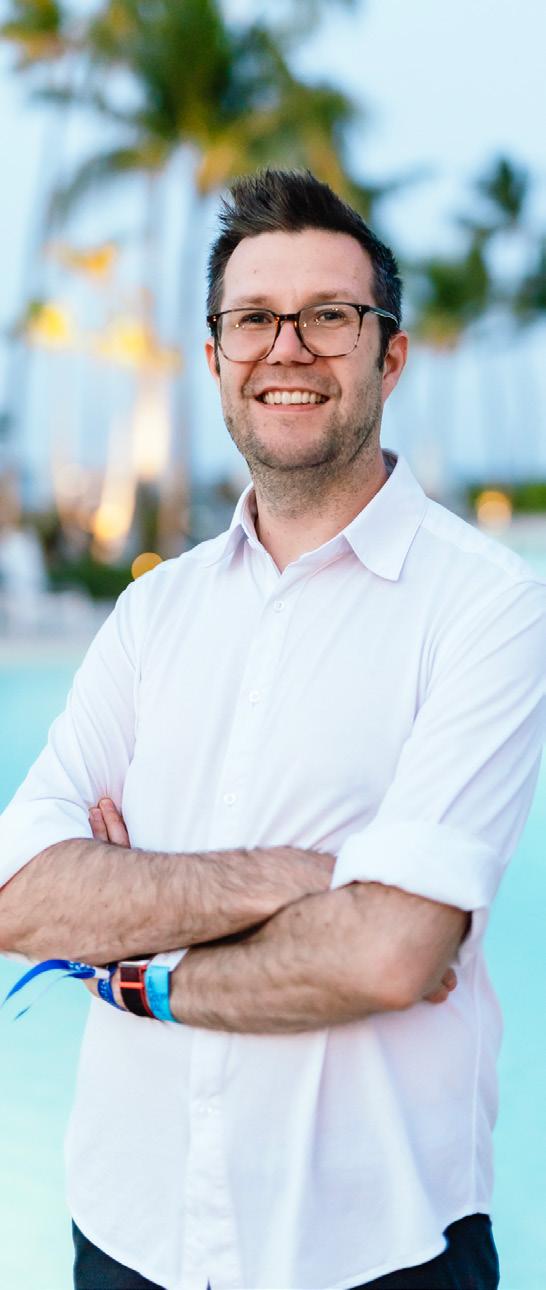
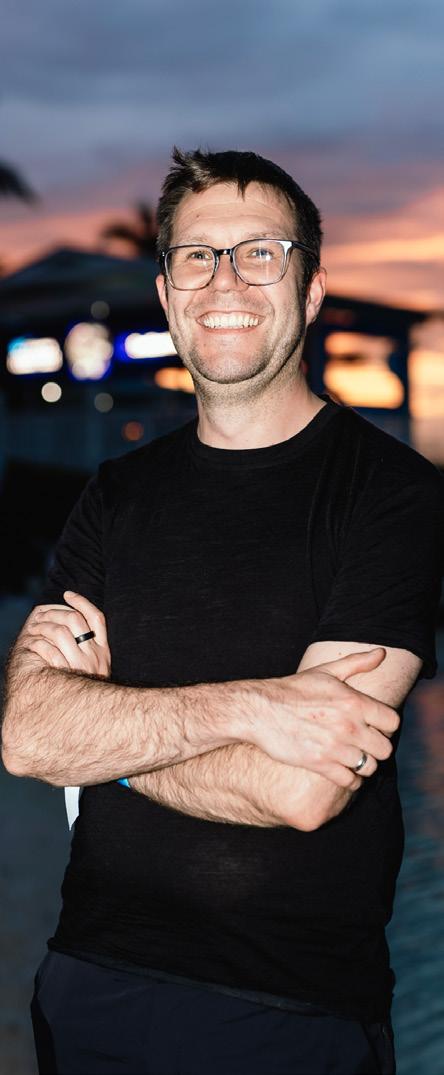
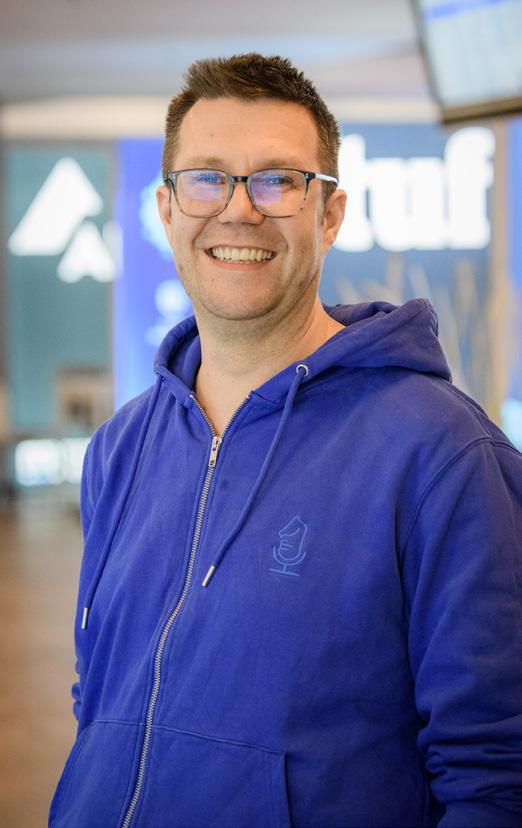
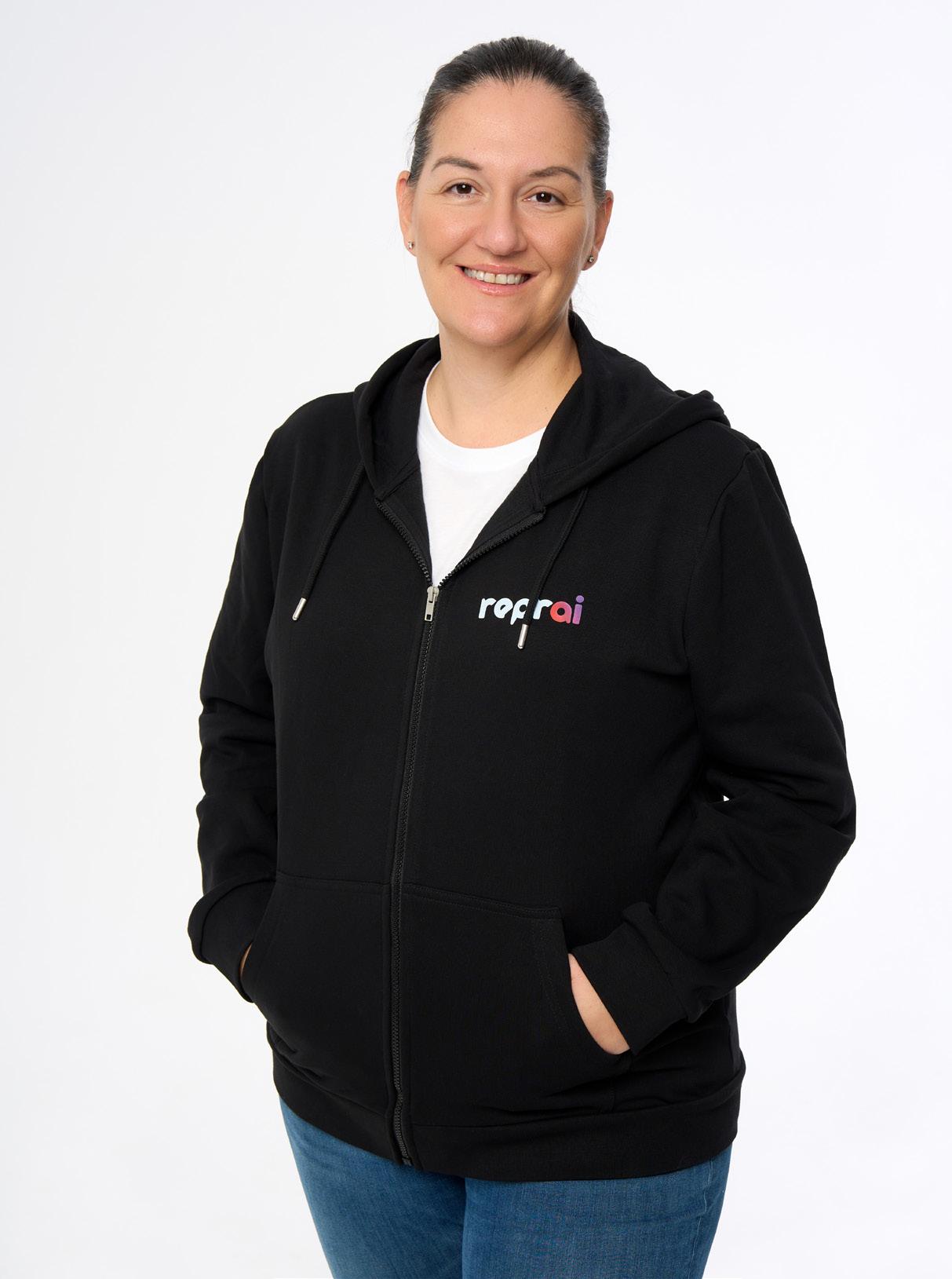
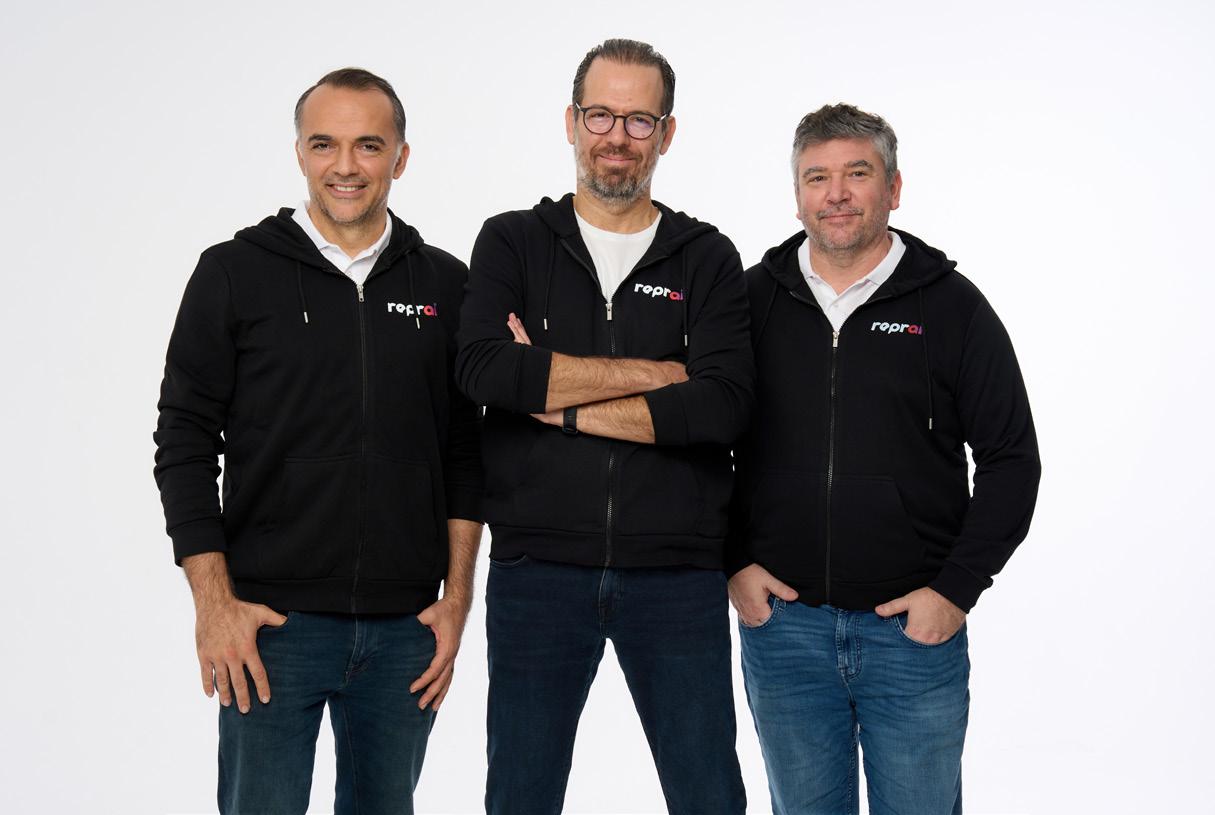
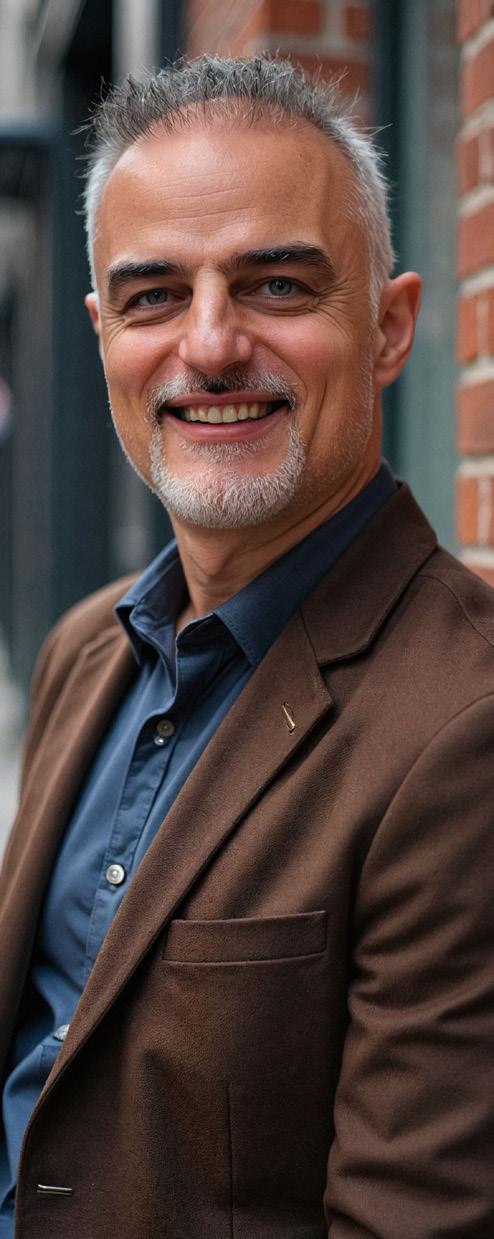
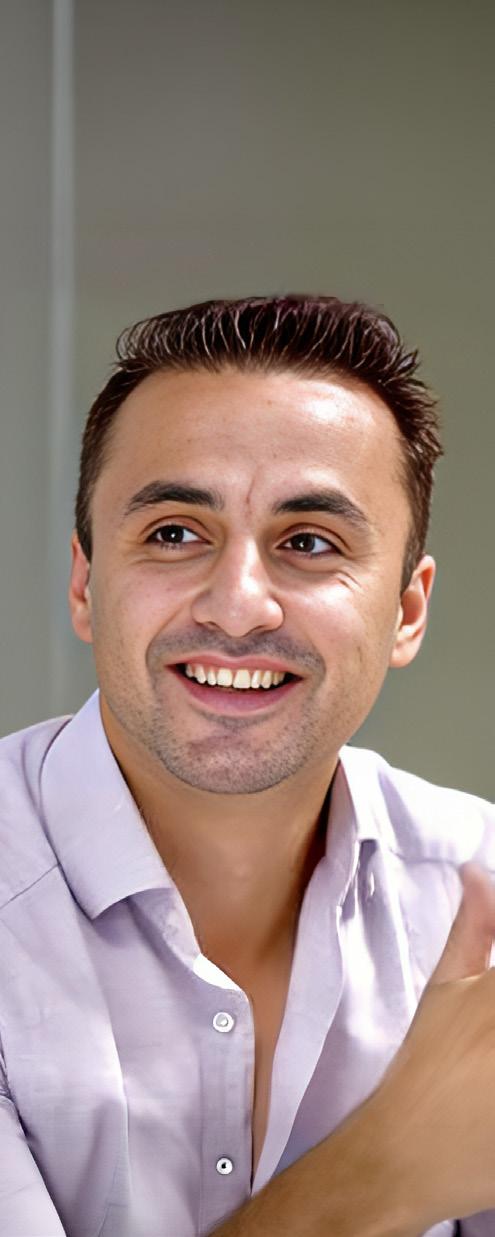
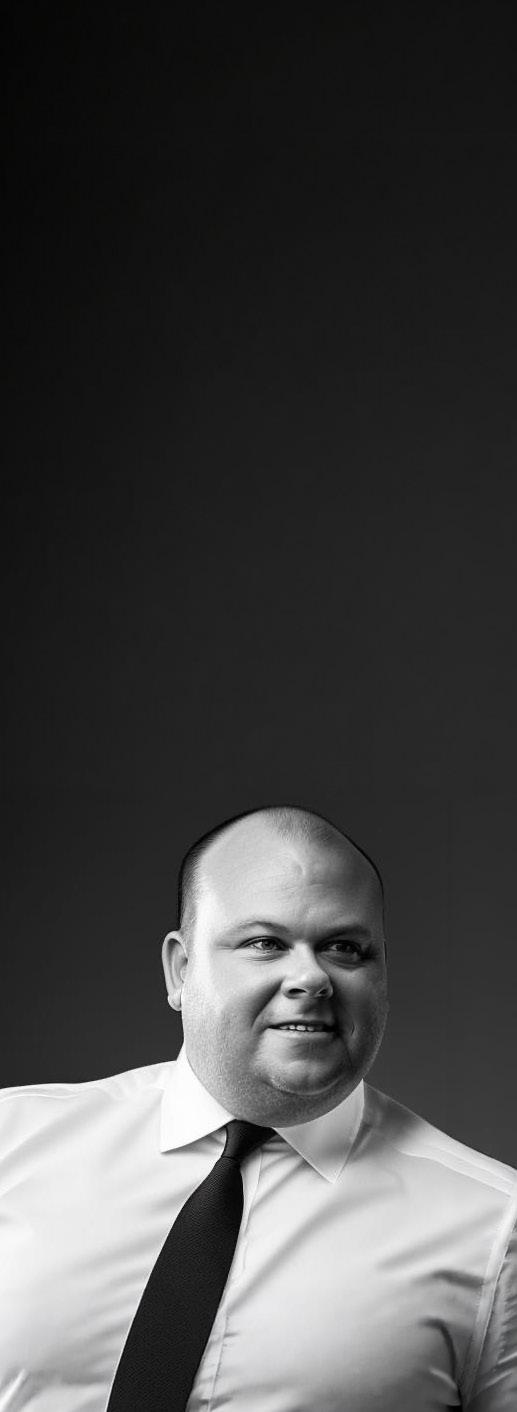
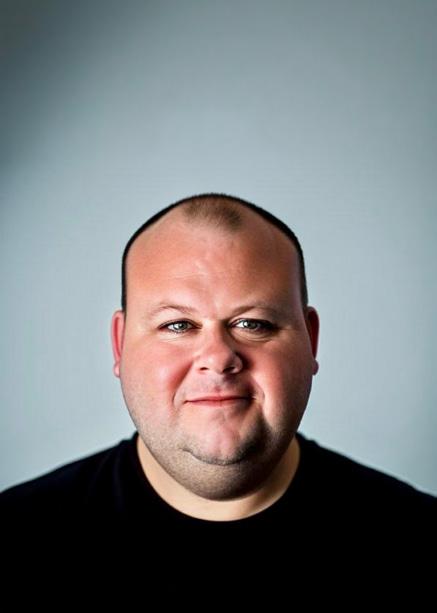
Asst. Vice President, Enterprise Data Architecture, Sun Life
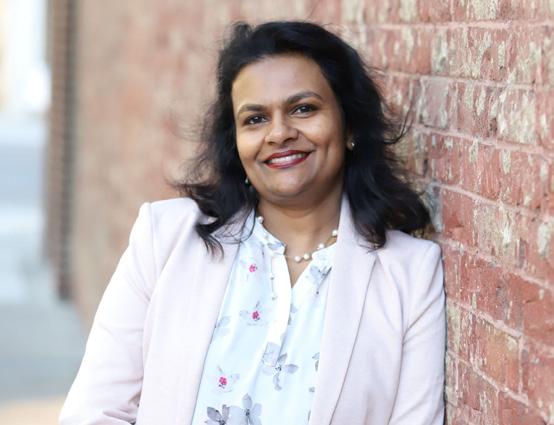
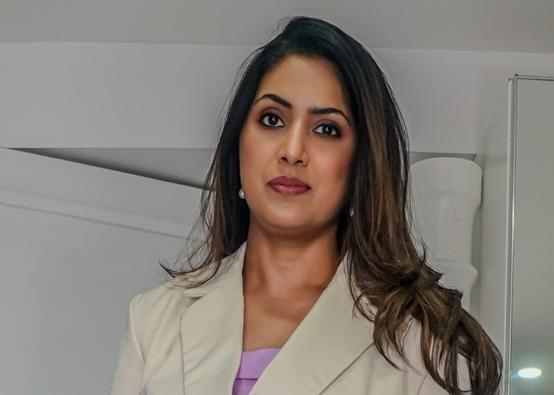
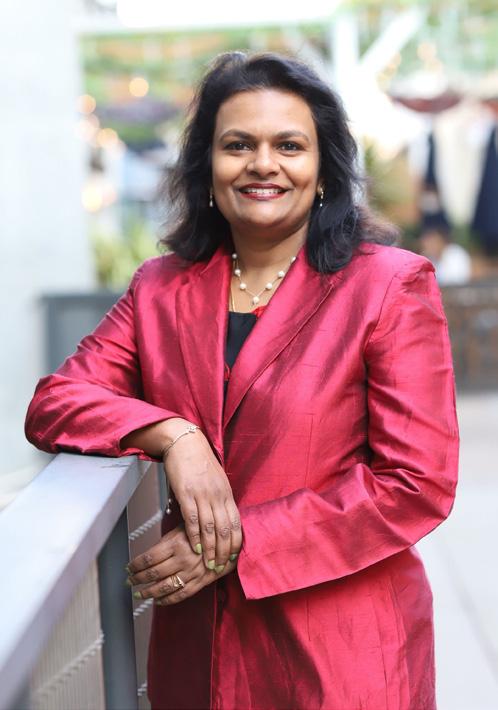
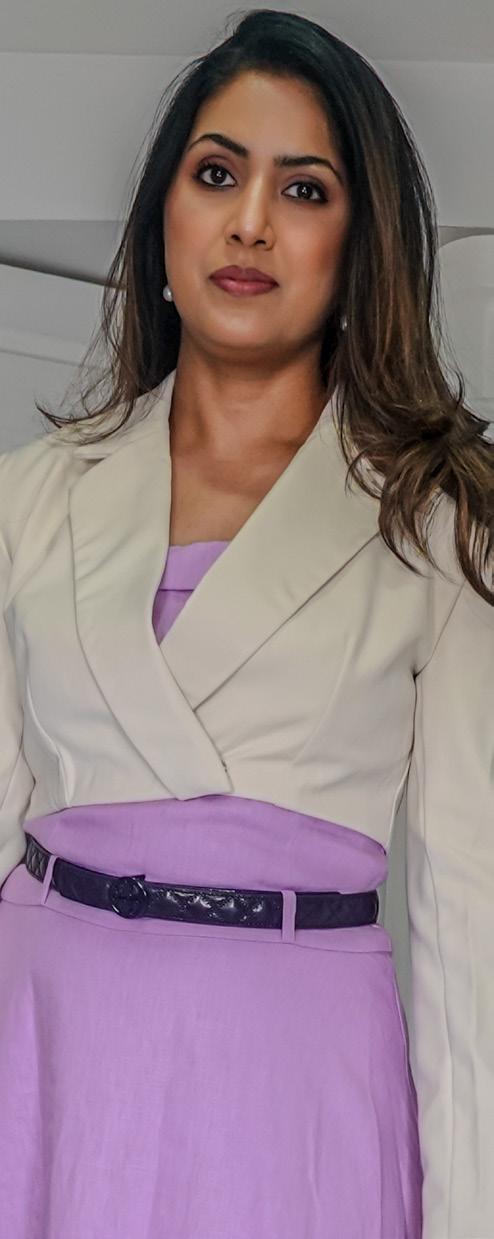
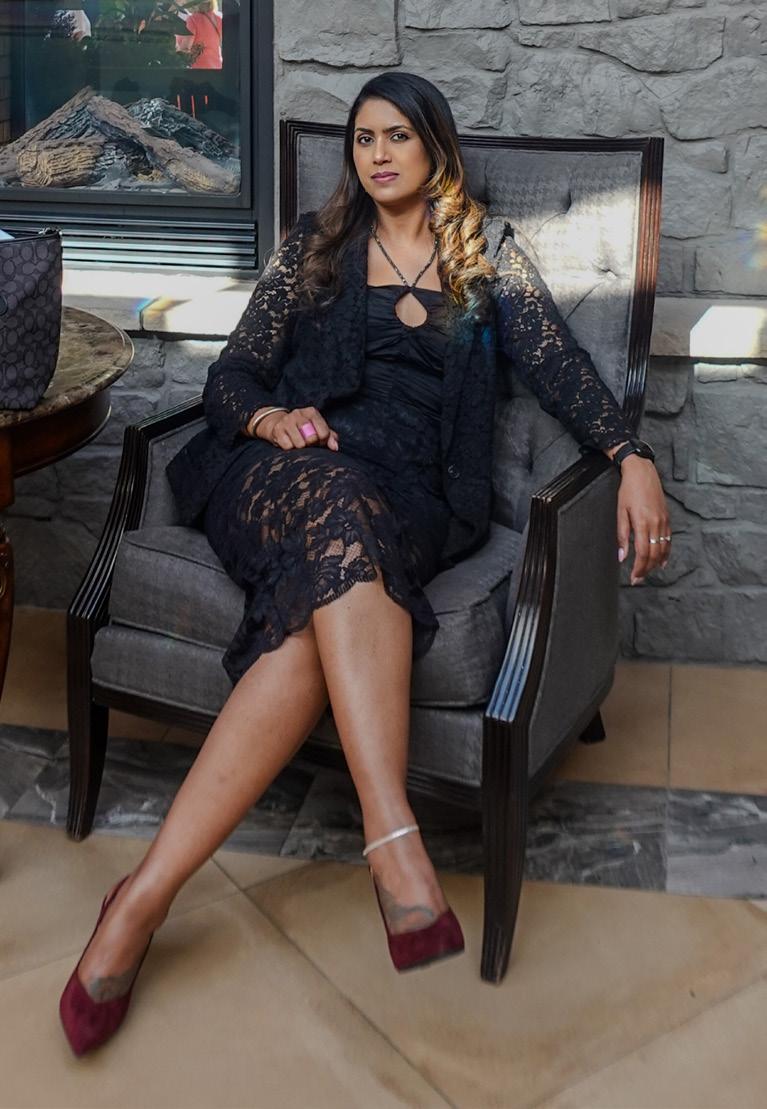
Manju Abraham Former Vice President of Engineering, Primary Storage, HPE
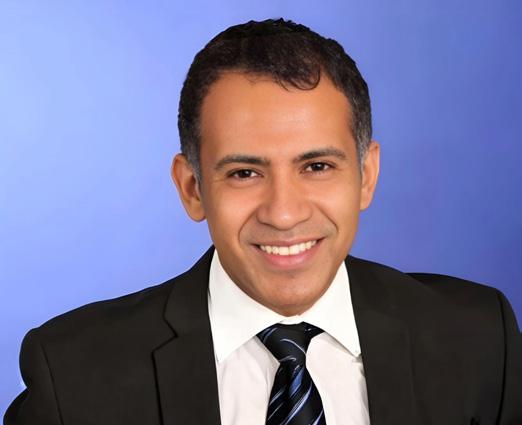
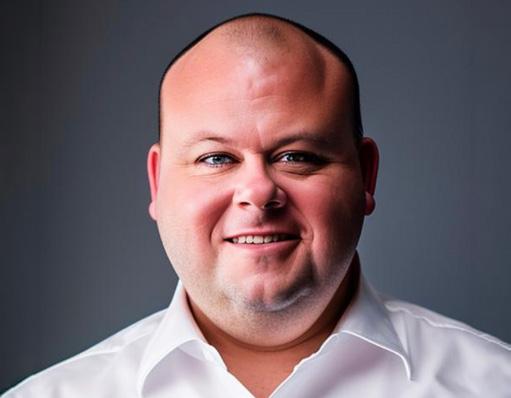
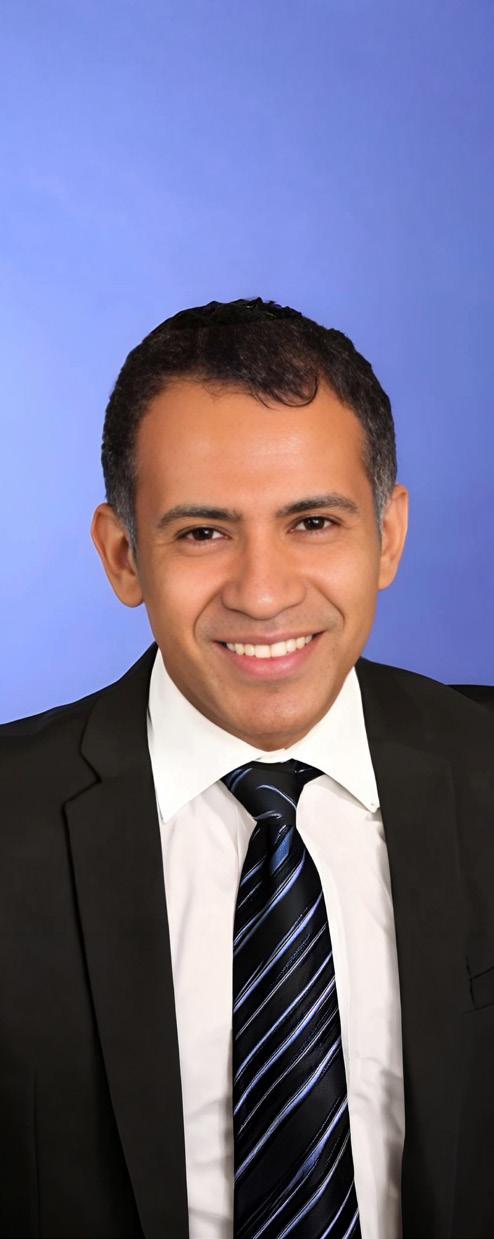
Mohib Rahmani Head of IRIS UK (Data & AI), Associate Partner, Argon & Co
FEATURING INSIDE
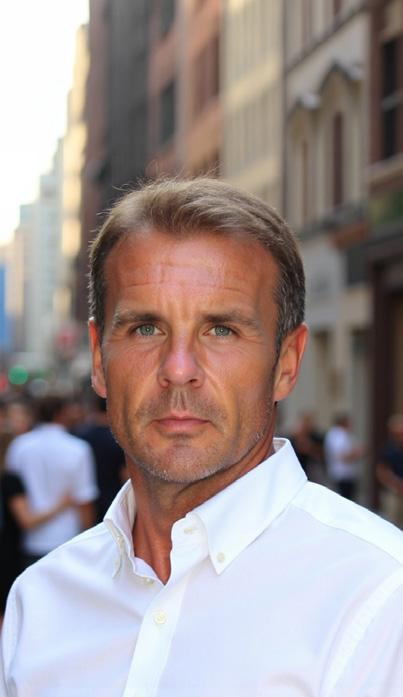
Naveen Kumar Managing Partner, Digital Coalesce
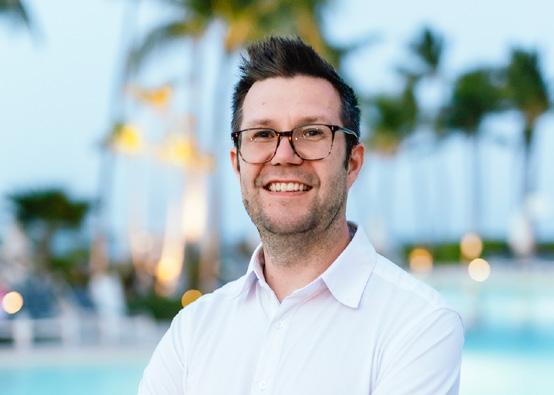
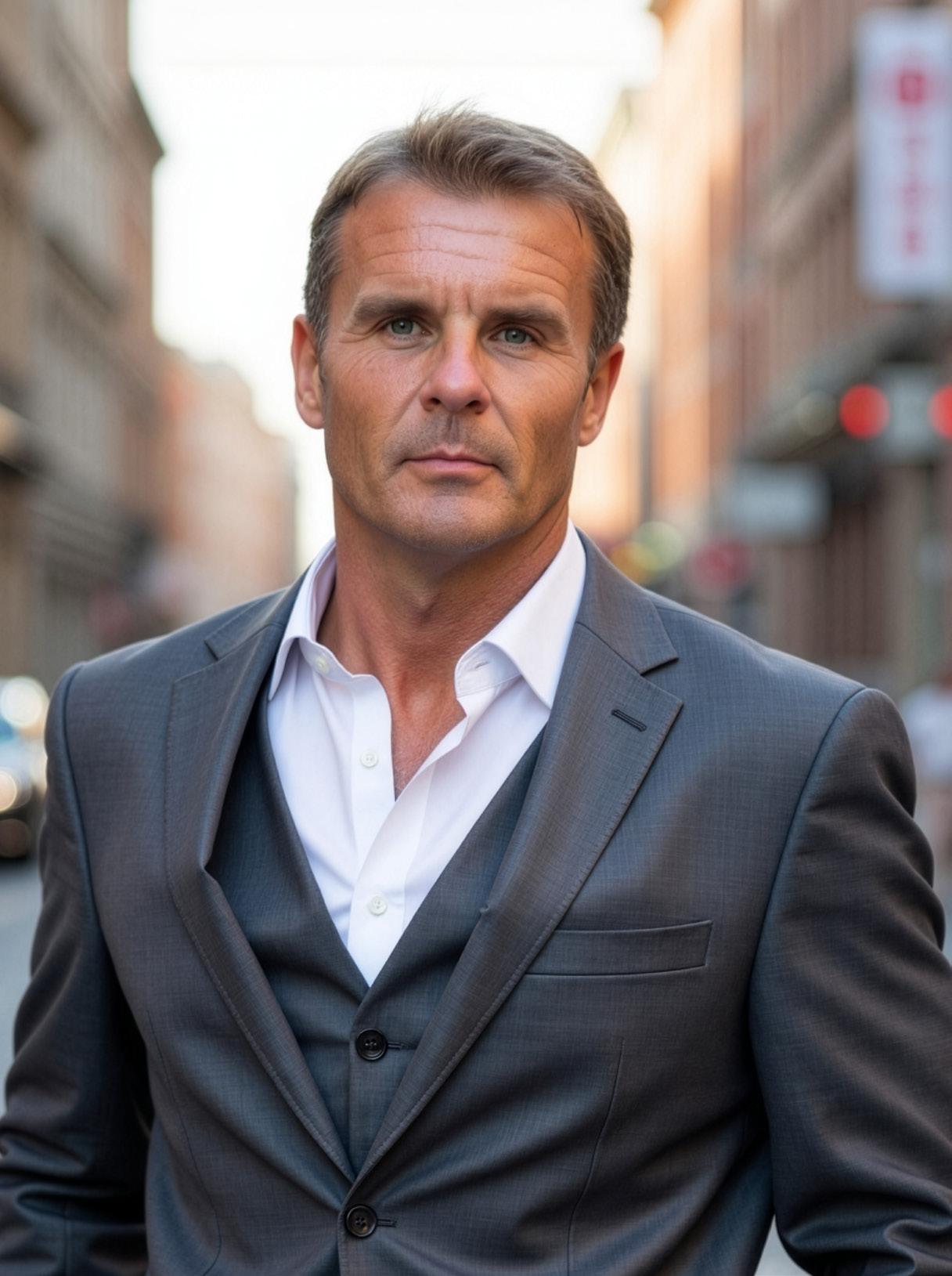
Nick Edwards Group Chief Digital Officer, The AA
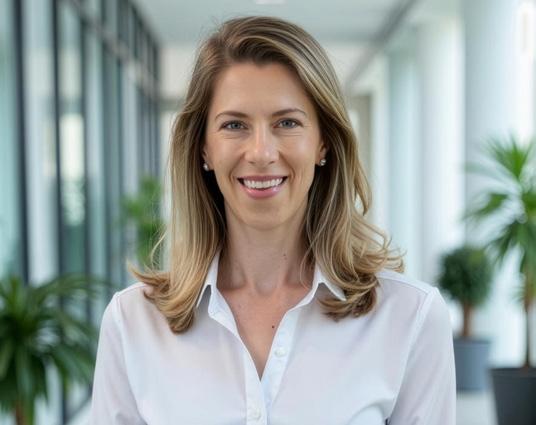
Pauline Ozols Director, KPMG LLP
CHAMPIONING AI-DRIVEN INNOVATION
Managing Editor
Sarath Shyam
Dr. John Andrews
Emma James
Andrew Scott
Sabrina Samson
Keith Alexander Consultant Editors
Naomi Wilson
Stanly Lui
Steve Hope
Shirley David Creative Consultants
Charlie Jameson
Louis Bernard
Branding & Marketing Partnerships
Jennifer Anderson
Monica Davis
Jessica Edword
Rachel Roy
Anna Elza
Stephen Donnell
Cathy Chen
Free Subscription
Free Subscription www.digitalfirstmagazine.com
International Partnerships
Americas Europe
Middle East & Africa Asia-Pacific
admin@digitalfirstmagazine.com
Follow Us On www.linkedin.com/company/ digitalfirstmagazine www.facebook.com/digitalfirstmagazine
Digital First Magazine www.digitalfirstmagazine.com is a global knowledge sharing digital platform published by Connecta Innovation Private Limited. All rights reserved. The opinions expressed in the content are those of the authors. They do not purport to reflect the opinions or views of Connecta Innovation Private Limited or any of its members or associates. The publisher does not assume any responsibility for the advertisements and all representation of warranties made in such advertisements are those of the advertisers and not of the publisher. Digital First trademark is owned by DFG Digital First Infotech Pvt Ltd. and Connecta Innovation Pvt Ltd. has permission to use Digital First brand name. Digital First Magazine www.digitalfirstmagazine. com is a Free Subscription and Free-to-read digital platform strictly not for sale and has to be strictly for internal private use only. Publisher does not assume any responsibility arising out of anyone modifying content and pictures, printing a copy of this digital platform in any format and in any country and all matters related to that.
When Innovation Starts Delivering
For years, experimentation has been the safe space in enterprise technology. Try AI. Pilot the cloud. Explore digital. It sounded progressive, even ambitious. But over time, experimentation became a comfort zone. Projects began with energy, but often ended without clear results. I’ve seen this happen more than once. Teams start strong, but somewhere along the way, the purpose becomes unclear.
That phase is coming to an end. Today, organizations are not judged by what they try, but by what they achieve. Many AI initiatives, for instance, still struggle to move beyond pilot stages. This is not because the technology is
lacking. It is because the focus on outcomes is missing. Businesses now expect technology to deliver real value. Better decisions. Faster processes. Meaningful customer impact. And they expect it without delay.
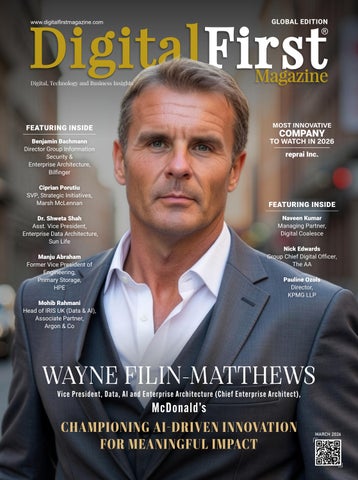
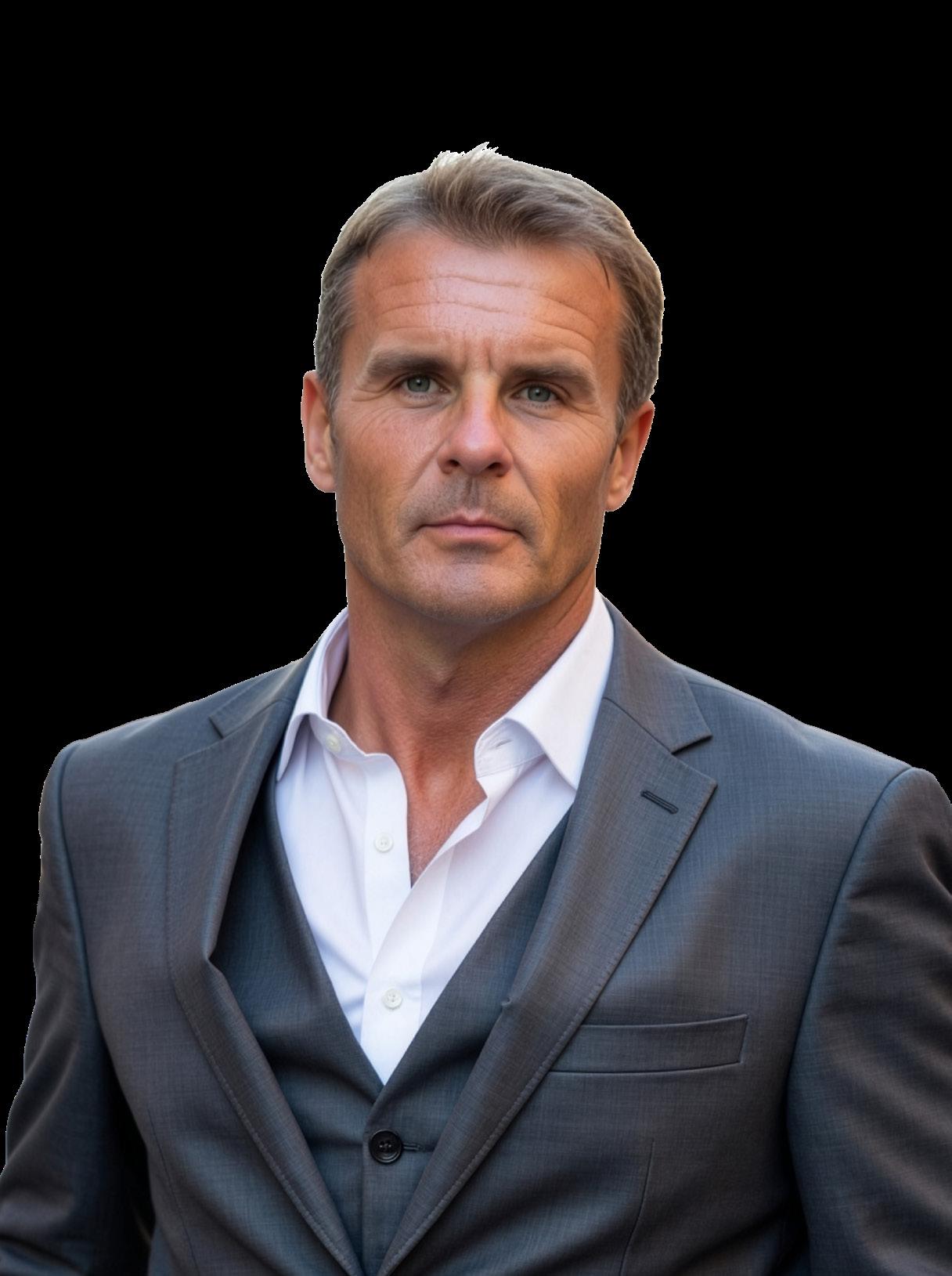
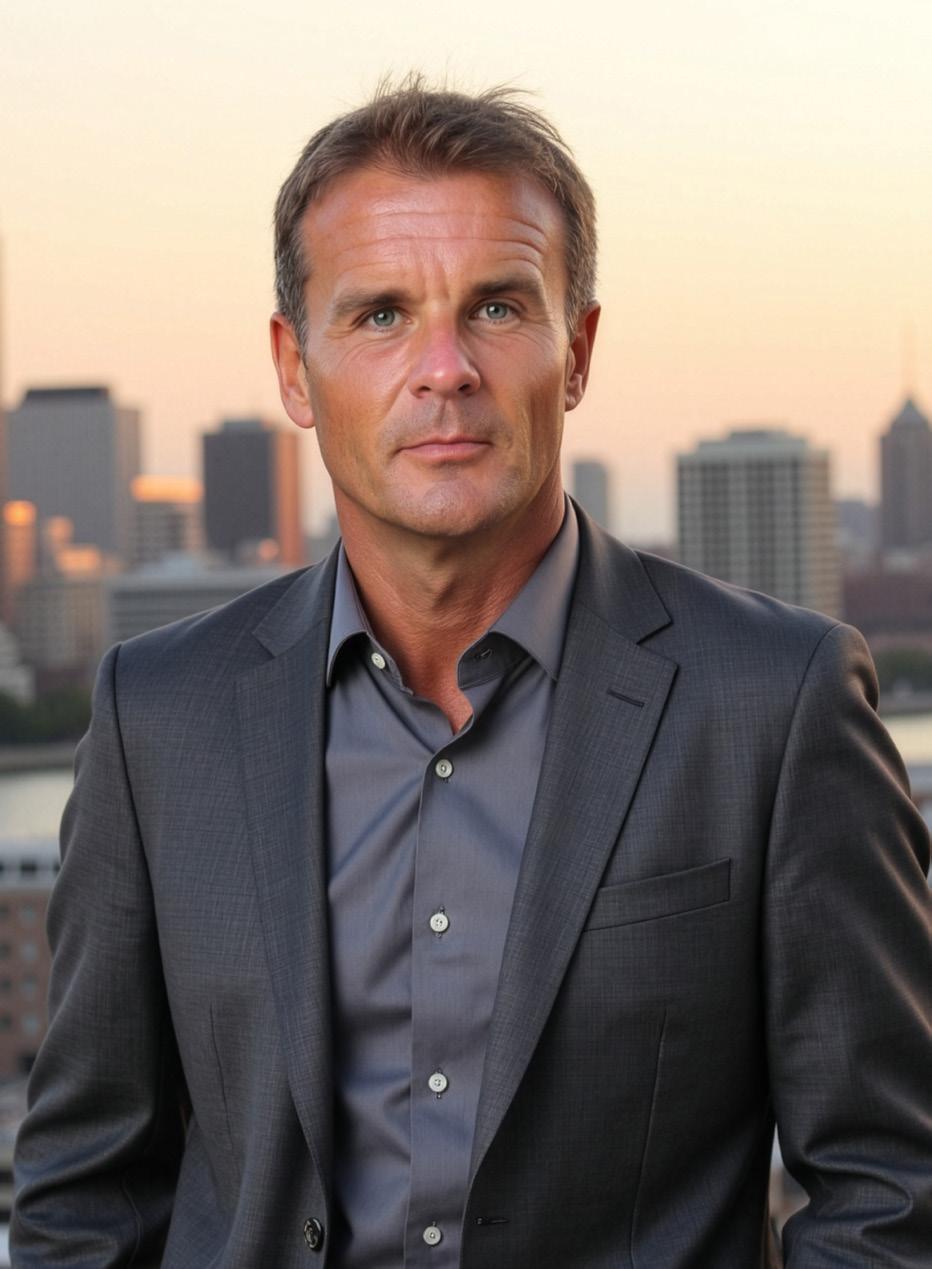
This shift is central to our cover story featuring Wayne Filin-Matthews, Vice President, Data, AI and Enterprise Architecture at McDonald’s. With close to four decades of experience, Wayne brings a rare combination of strategic thinking and practical execution. In our conversation, he speaks about the importance of governance, responsible AI, and aligning technology with long-term business goals. What stands out is his clear focus on getting things done. Not just ideas, but results that hold value over time.
This edition of Digital First Magazine brings together perspectives that speak to this moment. Leaders, experts, and practitioners share insights that go beyond surface-level optimism. The conversations are grounded, practical, and relevant to the challenges many organizations face today.
The message is simple. Technology must prove its worth.
As you read through this issue, I hope you find ideas that you can act on. Because in the end, progress belongs to those who not only start well, but finish with purpose.
Enjoy Reading.
Sarath Shyam
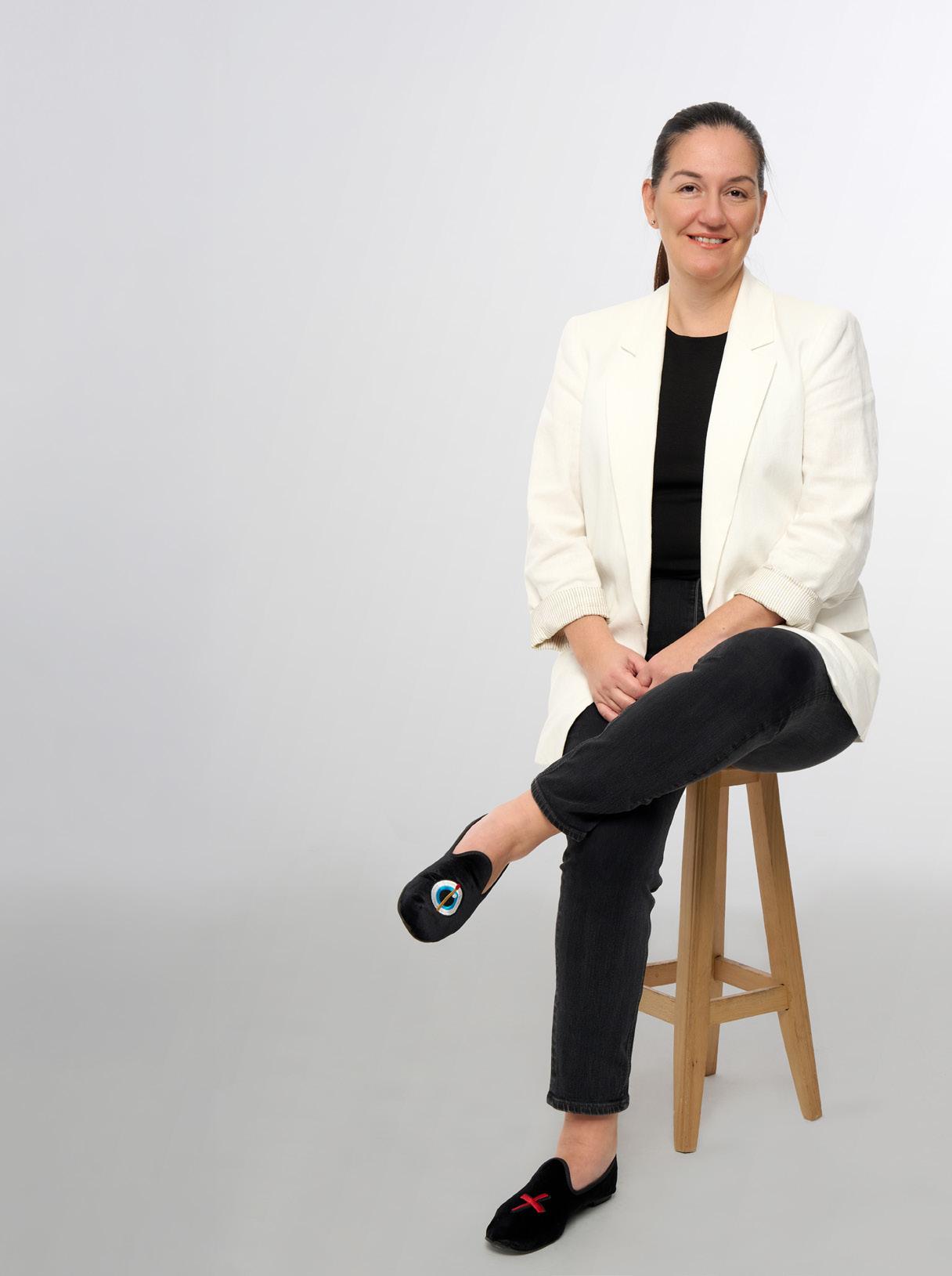
Didem Aral, Founder and CEO
Building A Strong Security Culture From The Inside Out
Benjamin Bachmann, Director Group Information Security & Enterprise Architecture, Bilfinger
LEADER’S INSIGHTS
Building a Legacy of Empowerment and Inclusion in Tech
Manju Abraham, Former Vice President of Engineering, Primary Storage, HPE
Crafting Data-Driven Solutions for Tangible Impact
Mohib Rahmani, Head of IRIS UK (Data & AI), Associate Partner, Argon & Co
Reimagining Customer Experience in the Digital Age
Nick Edwards, Group Chief Digital Officer, The AA
56
62 66
WAYNE FILIN-MATTHEWS
Vice President, Data, AI and Enterprise Architecture (Chief Enterprise Architect), McDonald’s
Championing AI-driven Innovation for Meaningful Impact
With almost four decades of experience in the Software and IT industry, Wayne Filin-Matthews is a proven leader in business transformation and managing Enterprise Architecture and CTO practices. He excels at both strategy and execution, consistently delivering value and driving implementation by managing senior technical teams. Wayne has a strong record of technical accomplishment, developing architecture policy, and implementing enterprise solutions that add stability and value. As an experienced technology strategist and communicator, he provides strategic guidance to help customers maximize the value of their IT investments, enhancing processes and offering thought leadership.
Recently, in an exclusive interview with Digital First Magazine, Wayne shared profound insights into his four decades in the Software and IT industry. He revealed his enduring passion for business transformation through technology, driven by a desire to see measurable results and align IT with long-term business strategy. He emphasized the importance of governance, responsible AI, and fostering a culture of effective DevOps. Looking ahead, he sees Artificial Intelligence as the most significant trend shaping the industry in the next 5-10 years, particularly focusing on AI ethics, orchestration, and governance at scale, alongside the ongoing digital transformation. He also shared his personal hobbies and interests, future plans, words of wisdom, and much more. The following excerpts are taken from the interview.
COVER STORY
Hi Wayne. What drives your passion for transforming businesses and delivering value through technology?
With almost four decades in the Software and IT industry, my passion for transforming businesses through technology is driven by a deep-seated desire to see tangible, measurable results. I am passionate about technology and architecture and enjoy translating complex technical capabilities into business outcomes that create real value. My focus has always been on aligning IT with a company’s business strategy, not just for the immediate future, but for the long-term as well. There is immense satisfaction in helping others achieve their goals and in driving excellence that benefits our customers.
What do you love the most about your current role?
What I love most about my current role as VP, Data & Architecture at McDonald’s is the
opportunity to shape and execute a unified AI strategy for such an iconic global brand. I am responsible for overseeing everything from predictive analytics and personalized ordering to supply chain optimization. This new role allows me to advise senior leadership and lead distributed teams, which is something I have always enjoyed. It’s a chance to drive significant, positive change and embed artificial intelligence across all facets of the business, from operations to the customer experience.
What are some of the most significant challenges facing Enterprise Architects today, and how can they be addressed?
Enterprise Architects today face several significant challenges. One of the biggest is the need to adopt new technologies safely and effectively, ensuring that every investment supports both business growth and manages cyber risks.
THERE’S OFTEN A “FEAR OF EXPERIMENTATION” WITHIN ORGANIZATIONS THAT CAN STIFLE INNOVATION, AND IT’S A HURDLE THAT MUST BE OVERCOME
There’s often a “fear of experimentation” within organizations that can stifle innovation, and it’s a hurdle that must be overcome. Furthermore, the cultural and political changes required to adopt new architectures, like microservices, are often more challenging than the technical aspects. To address these challenges, a focus on governance and responsible AI, with structured frameworks and scalable architecture, is essential. It is also critical to foster a culture of effective DevOps to truly realize the benefits of new technologies and to have leadership that understands how to balance innovation with oversight.
As technology continues to evolve, what do you see as the most significant trends shaping the industry in the next 5-10 years?
Looking ahead, the most significant trend that will shape the industry in the next 5-10 years is undoubtedly Artificial Intelligence. My current role is a testament to the importance of AI, and my work has increasingly focused on AI ethics, AI orchestration, and governance at scale. The ongoing shift to digital-based work and the broader digital transformation of industries will also continue to be a major force.
As someone who’s passionate about technology and innovation, what book or article has had a significant impact on your thinking?
While I am an avid reader and always learning, there isn’t one single book or article that I would say has had a singular, significant impact on my thinking. Rather, my philosophy has been shaped by a continuous process of learning and engagement with new ideas and technologies.
Looking back on your career, what accomplishment are you most proud of, and how has it shaped your approach to leadership?
Looking back on my career, I am most proud of my work in driving high-level technology strategy for large, global organizations and leading significant digital transformation initiatives. My experience has taught me the importance of encouraging and supporting my teams to be constant learners, especially in a fastpaced field like AI. My approach to leadership is centered on translating complex technical ideas into measurable business outcomes and empowering others to achieve their own goals.
What’s your favorite way to start the day, and how does it set the tone for your productivity?
I believe in starting the day with a clear set of priorities. This focus allows me to set a productive tone for the rest of the day and ensures that I am directing my energy towards the most impactful tasks.
What are some of your passions outside of work? What do you like to do in your time off?
While my work is a great passion of mine, I also enjoy taking time to disconnect and recharge. Spending quality time with my family and friends is very important to me. I also enjoy following the latest developments in technology and exploring new ideas, even in my time off.
What is your biggest goal? Where do you see yourself in 5 years from now? My biggest goal is to continue to drive innovation and transformation in the IT industry. In the
FOCUS ON UNDERSTANDING THE “WHY” BEHIND THE TECHNOLOGY – HOW IT CAN BE USED TO SOLVE REAL-WORLD PROBLEMS AND CREATE BUSINESS VALUE
next five years, I see myself continuing to lead at the intersection of business and technology, helping organizations harness the power of data and AI to create a better future for their customers and employees.
As the IT industry continues to evolve, what advice would you give to young professionals looking to build a career in technology?
For young professionals looking to build a career in technology, my advice is to cultivate
a mindset of continuous learning. The IT industry is constantly evolving, so it’s essential to stay curious and be adaptable. Don’t be afraid to experiment and learn from your failures.
Focus on understanding the “why” behind the technology – how it can be used to solve real-world problems and create business value. Finally, develop your communication and leadership skills; the ability to articulate your ideas and work effectively with others is just as important as technical expertise.
Building A Strong Security Culture From The Inside Out
Benjamin Bachmann, Director Group Information Security & Enterprise Architecture, Bilfinger
Hi Ben. Can you tell us about your early career experiences and how you got started in cybersecurity?
Honestly, my journey into cybersecurity wasn’t what you’d call a straight line. After finishing school, I deliberately didn’t study computer science—mainly because all my friends did. Instead, I went for industrial engineering with a focus on electrical engineering. But it was always clear that I’d end up in IT somehow. Let’s face it: Once you get that IT itch, it never really goes away.
I started my career right away as a working student in IT roles. My first real job was at a
chemical company, where my task was to help outsource all the decentralized helpdesks— one per site—to a single global provider. I had the pleasure of setting up incident, problem, and change management processes (without actually knowing what any of those terms meant at the time). Let’s just say BMC Remedy and I became very close friends. Half my week was spent in the main office in Hanau, and the other half somewhere in Europe, discovering local canteens and IT chaos.
After that, I joined a major outsourcing provider (EDS, which became HP), mostly doing support and later architecture for service
Security isn’t just about ticking boxes or keeping auditors happy— it’s about making the world a little safer, one tough decision at a time
Benjamin Bachmann is CISO and Director of Security & Architecture at Bilfinger. Known for making complex cybersecurity topics accessible—even for non-techies—he brings a mix of humor, strategic thinking, and a passion for building strong security cultures. Ben is the creatorandhostofthe“InfosecTheaterPodcast,” where he explains security topics in a way that’s “oma-approved.” Beyond the office, you’ll find him in the garden, at the oven with his legendary sourdough, or wrangling his kids. His mission: to make the world a little safer—and a lot more understandable. Preferably before breakfast.
Recently, in an exclusive interview with Digital First Magazine, Ben shared insights on his career journey in cybersecurity, the importance of building a strong security culture, the role of artificial intelligence in cybersecurity, personal hobbies and interest, future plans, words of wisdom, and much more. The following excerpts are taken from the interview.
management tools. That’s also where I picked up my first taste for building things from scratch. I then moved to Logica (which later became CGI), starting with service management projects, until most of my bosses left—which turned out to be my big opportunity. I jumped in and built up the security practice for central Germany from the ground up.
Then came Capgemini, where I basically repeated that journey on a bigger scale, building
out security for the entire DACH region— luckily, with a bit of help from my former EDS and CGI colleagues. Two more consulting firms and a lot of “learning by doing” later, I landed my first CISO gig at Ströer.
Now, for over a year, I’ve been leading global security and enterprise architecture at Bilfinger. These days, when I get involved in projects, it’s usually as a management consultant, a coach for CIOs, or sitting on steering committees— sometimes all at once. It’s never boring, and honestly, I wouldn’t want it any other way.
What do you love the most about your current role?
It‘s the people. As CISO I get to work with an incredible range of personalities—from engineers on the ground to C-level decision makers who’d probably rather be anywhere but a security meeting. I love these conversations, even (or especially) the challenging ones. Every day is a new chance to learn something from someone, and sometimes even teach a thing or two.
But what really keeps me going is the opportunity to actually make a difference. Security isn’t just about ticking boxes or keeping auditors happy—it’s about making the world a little safer, one tough decision at a time. I get to help shape how a company like Bilfinger sees security—not as an obstacle, but as an enabler for everything else. That’s both a privilege and a responsibility I take seriously.
And, to be honest, I do enjoy that people are willing to listen—at least sometimes! In this job, you quickly learn that you can only move things forward if you connect with people, build trust, and make security something they want to care about. That’s the real magic for me.
How do you think organizations can mitigate the risks associated with employees being the “weak spot” in cybersecurity?
Realistically, you can’t. At least, not completely. Humans will always be the wild card in any security setup. We can train, we can raise awareness (one of my favorite topics, by the way), and we can do our best to build a strong security culture—but at the end of the day, someone will always click the wrong link, open the wrong attachment, or pick up that suspicious USB stick.
The real trick isn’t pretending you can train away all risk. It’s creating an environment where people aren’t afraid to speak up. My main message is: If something feels off, report it. No blame, no finger-pointing—just let us know. Security isn’t about perfection, it’s about catching the mistakes before they turn into disasters.
That’s why the best organizations aren’t just the ones with the most training—they’re the ones where people feel safe asking questions, flagging concerns, and admitting when something might have gone wrong. Because, let’s be honest: In the end, culture eats policy for breakfast.
What’s your perspective on the role of artificial intelligence and machine learning in cybersecurity, and how do you see these technologies evolving? Artificial intelligence is already changing the cybersecurity game—on both sides of the fence. The same tools that help us detect threats faster, automate responses, and hunt for anomalies are also available to attackers. In other words: every step forward we take, the bad guys can take too.
Some of the most valuable threat intelligence and practical tips come not from glossy reports, but from real conversations in Signal groups, chats, and good old-fashioned peer-to-peer exchange
Right now, I see the biggest practical benefits in the Security Operations Center, especially for first-level analysts and threat hunting. AI can sift through mountains of alerts, spot patterns we might miss, and handle the kind of repetitive tasks that would put any human to sleep. That frees up people to focus on the tougher, more creative problems.
Are we heading for an all-powerful AGI defending our networks? Personally, I’m skeptical. At the end of the day, most of today’s AI is just a very good text (or data) autocomplete—super helpful, but still a tool, not a replacement for expertise or judgement.
For now, it’s about smart augmentation, not magic. The best results happen when humans and machines work together—each doing what they do best.
What skills or qualities do you think are essential for success in cybersecurity leadership?
The real magic in cybersecurity leadership isn’t found in the latest tech or buzzwords— it’s about understanding people. If you can’t communicate in a way that resonates with your audience, you’ll never get buy-in, no matter how brilliant your solution is. It’s crucial to actually see people and treat them as individuals, not just as “users” or “risks.”
A good security leader always keeps the balance: it’s never just about technology, but the classic trio—people, organization, and tech. If you only focus on the technical side, you’ll lose the battle before it begins.
Keeping a cool head under pressure is also a must. The day something hits the fan (and it will), your ability to stay calm and think clearly is what everyone around you will remember.
Add to that a healthy curiosity for both technology and business—you don’t have to be an expert in everything, but you need a working understanding of all the moving parts.
And last but not least: a dash of that classic consultant’s superpower—projecting confidence even when you have no idea (yet) what you’re facing. Sometimes, that’s half the job: figuring it out as you go, together with your team.
How do you stay up-to-date with the latest threats and vulnerabilities, and what sources do you rely on for information?
My best source? That’s easy—my SOC team. It’s literally their job to stay ahead of the curve, and they’re pretty good at keeping me on my toes. I always say: If you want to know what’s happening out there, ask the people on the front line.
Beyond that, I rely heavily on my network. Over the years, I’ve built up a web of connections with CISOs and security professionals from all over the world. Some of the most valuable threat intelligence and practical tips come not from glossy reports, but from real conversations in Signal groups, chats, and good old-fashioned peer-to-peer exchange.
Of course, I still scan the usual suspects— industry news, advisories, and vendor reports— but nothing beats the insights you get from a community that’s seen it all before breakfast.
Who has been a significant influence or mentor in your career, and how have they helped shape your professional journey?
I’ve been lucky to have a few really strong role models along the way. Early in my career, one
of my first bosses, Thorsten Mildeberger, set the tone for what true leadership can look like. He taught me that empathy isn’t a “nice to have”— it’s the foundation. For him, the team always came first, and he lived that value every day. I learned quickly that even in IT, people matter more than processes.
Later on, at Logica (and later CGI), I had the privilege to work with Volker Schmidt. Watching him juggle an enormous group of people—keeping everyone together, winning and retaining clients, satisfying the higher-ups, and still never losing his sense of humanity— was something special. Volker showed me that you can drive business and deliver results without ever forgetting the people who make it all possible.
Both taught me that leading with empathy and integrity isn’t just good for the team—it’s good for business. I try to bring a little of their approach into my own leadership style every day. To this day, I still ask myself from time to time: What would Thorsten do? Usually, the answer is: Care first, process second. Works surprisingly well Security—and in life.
What are some of your passions outside of work? What do you like to do in your time off?
Outside of work, my world pretty much revolves around my family. If I’m not chasing after my kids, you’ll probably find me in the garden, trying to convince my tomatoes, chilis, and peppers to grow straight (or at least not
fall over in the first wind). There’s something satisfying about nurturing things—maybe it’s not so different from building a good security team.
I also have a slightly obsessive relationship with my sourdough starter. After all these years, it feels like part of the family. Baking bread is my way to disconnect and recharge—and sometimes, my kids join in for a flour fight.
And when I’m not gardening or baking, you’ll catch me hosting the “Infosec Theater Podcast.” It’s my chance to bring cybersecurity down to earth, make it understandable—even for my grandma. Because, let’s face it, security should be for everyone.
What are your long-term career aspirations, and how do you see yourself evolving as a leader over the next five years?
If there’s one thing I’ve learned, it’s that careers rarely follow a straight line—and I actually like it that way. Lately, I’ve really enjoyed working with startups, advising a few on the side and learning from their energy and speed. Maybe my future holds more of that—helping new ideas and companies grow, and hopefully making security a bit less painful for everyone involved. Who knows, I might even join a startup full-time one day.
On top of that, I’m politically active and deeply interested in how digital topics shape society. So, there’s a part of me that wouldn’t mind ending up in a parliament somewhere, working on digital policy from the inside. I like to keep my options open; after all, no
one ever put “CISO” in their kindergarten dream journal either.
No matter where the road leads, I want to keep evolving as a leader—staying curious, listening to new voices, and building bridges between technology, business, and people.
What advice would you give to organizations looking to build a strong cybersecurity culture?
Let’s start with the basics: There’s no such thing as a free lunch in cybersecurity. If someone tells you they have the solution to all your security problems—they’re lying. Security is never just one product, one training, or one policy away.
The real key to a strong culture is enabling people, not just preaching at them. Support them technically where it makes sense—if there are risky websites, don’t hand out a list and hope for the best. Block them. Use technology to take the load off your people wherever possible, so they can focus on what really matters.
But don’t stop there. Make security something people actually want to engage with. As I like to say on the Infosec Theater Podcast: “If security feels like watching paint dry, you’re doing it wrong.” Security has to be approachable, relatable—even a little entertaining—if you want it to stick. The best culture happens when security becomes a natural part of how everyone works, not just an extra hurdle.
Above all: Be honest about what you can and can’t control. Empower your people, use smart technology, and remember—there’s no magic bullet, just good habits, a bit of humor, and continuous improvement.
Wa n t t o S e l l o r fi n d
I nve s t o rs f o r yo u r
B u s i n e s s ?
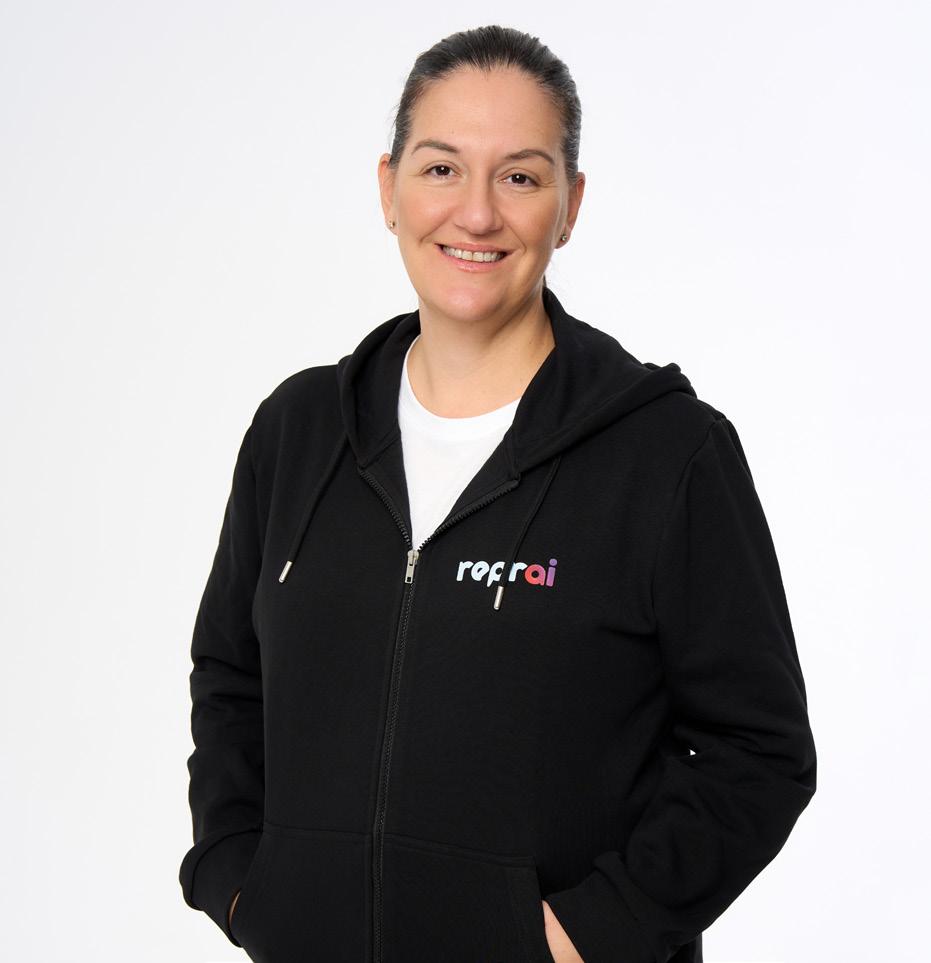
Reinventing Pharma Marketing Through AI-Powered Solutions reprai Inc.
In an industry where relationships have long been built face to face and promotional models have changed slowly, reprai Inc. entered the market with a different conviction. Founded in 2024 and headquartered in Wilmington, Delaware, the emerging B2B technology company set out to rethink how pharmaceutical organizations engage healthcare professionals. Its mission is straightforward but ambitious: use intelligent automation and personalized digital outreach to transform how pharma communicates, educates, and supports HCPs at scale.
At a time when most pharmaceutical companies had already invested heavily in omnichannel platforms, CRM systems, and
content engines, the real challenge was not infrastructure. It was effectiveness. Engagement was happening, but it was not translating into consistent, scalable impact. Field teams were limited by time, access, and operational pressure. Healthcare professionals, on the other hand, were navigating an overload of fragmented, often non-contextual interactions.
For Founder and CEO Didem Aral, that tension was impossible to ignore. “In the early days, the gap was not a lack of data or channels, it was the inability to turn engagement into consistent, scalable impact,” she explains. The industry had tools, budgets, and data. What it lacked was alignment between intent and attention.
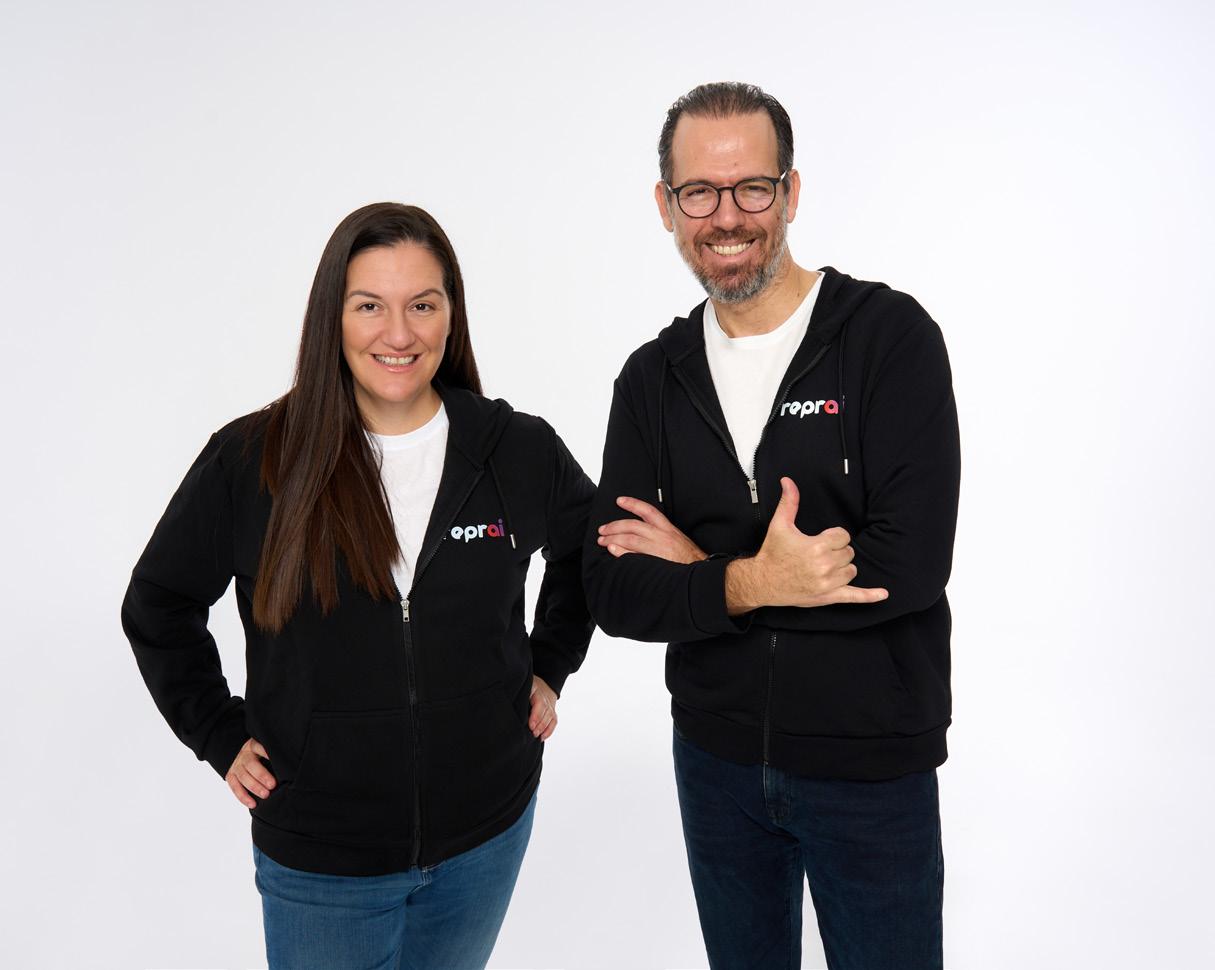
Didem Aral, Founder and CEO
reprai’s AI-powered platform is designed to digitize and automate traditional promotional efforts while preserving relevance and personalization
Aral observed what she describes as “a structural disconnect between what companies wanted to communicate and what healthcare professionals were actually able or willing to receive.” That disconnect, she says, was not simply operational. It was strategic. It reflected an outdated reliance on human sales models
in a healthcare environment that had become increasingly digital, time-constrained, and selective.
That realization became the foundation for reprai’s creation. But the goal was never to remove human expertise from the equation. Rather than replacing human expertise, the
company set out to amplify it. Its AI-powered platform is designed to digitize and automate traditional promotional efforts while preserving relevance and personalization. The focus is not on volume, but on precision and timing, ensuring that outreach aligns with the realities of modern clinical practice.
Where Pharma Expertise Meets
Scalable Intelligence
reprai did not emerge from a single founder’s idea scribbled on a whiteboard. It was shaped at the intersection of two worlds that rarely integrate seamlessly: pharmaceutical commercial operations and enterprise-grade technology development. That convergence defines how the company thinks, builds, and positions itself.
The leadership team brings experience across pharma marketing, medical engagement, commercial strategy, and AI-driven technology infrastructure. From the pharmaceutical side, they understood the daily realities of access limitations, compliance complexity, and field execution pressure. From the technology side, they knew how artificial intelligence and data architecture could be operationalized at scale, not just discussed in theory.
That dual lens shaped reprai’s entry into the market. It was not launched as a tech experiment looking for a problem. It was built around a clear operational gap; one the founders had experienced firsthand.
At the center of that effort is Founder and CEO Didem Aral. With nearly 25 years of experience in marketing and the creative industries, her career spans both traditional brand building and digital transformation. She has worked with
global organizations such as Johnson & Johnson, Mattel, Bayer, Novo Nordisk, and Takeda, navigating complex brand ecosystems long before AI became a boardroom priority.
Her background in medico-marketing and HCP engagement gave her a close view of how pharmaceutical communication actually works, not how it appears on strategy slides. Together with co-founders Ozhan Ozturk, Cihan Sahin, and Charles Randall, she brought together expertise across enterprise technology, commercial operations, and regulatory environments. The result was a strategic and technological backbone designed specifically for the needs of modern pharmaceutical marketing and sales operations.
Guided by this leadership team, reprai’s solutions integrate artificial intelligence and data insights into workflows that were once manual, costly, and fragmented. The platform supports real-time audience segmentation, individual-level personalization, analytics, and built-in compliance features tailored for highly regulated pharma environments. The focus is not novelty. It is practicality, scale, and measurable performance.
Aral’s leadership extends beyond the company itself. She serves as an Advisor to WeConnect International and as an Expert at Primary Venture Partners, contributing to inclusive innovation and founder growth. Her involvement reflects a broader philosophy about building ecosystems, not just companies.
Rewriting the Pharmaceutical Engagement Playbook
For decades, pharmaceutical engagement followed a familiar script. Reach, frequency,
and depth of interaction were constrained by the time and access of field teams. Scaling high-quality engagement required proportional increases in cost and headcount.
The model was also episodic. Interactions occurred during scheduled visits or campaign cycles, not necessarily when healthcare professionals needed information most. Scientific exchange does not operate on campaign calendars. Yet promotional models often did.
Personalization, despite investments in CRM systems and data infrastructure, remained largely at the segment level. Translating data insights into meaningful, individual engagement proved operationally slow and complex. On top of that, content adaptation, channel coordination, compliance review, and reporting created heavy manual workflows. Strategic thinking was frequently overshadowed by execution logistics.
In Aral’s view, these were not minor inefficiencies. They were structural constraints. The traditional playbook was designed for access and scale in a pre-digital era. As healthcare professionals began to expect ondemand, relevant, and flexible interaction, those constraints became more visible.
“I usually explain it at a mission level rather than through a single product,” Aral says. For her, reprai is not defined by a feature list. It is defined by intent. She adds, “reprai is committed to transforming the promotional landscape for pharmaceutical companies with AIpowered technology ensuring communication with healthcare professionals happens more effectively and efficiently than ever before.”
That mission translates into practical capabilities. The platform enables intelligent
engagement and operational solutions that help pharma teams deliver the right scientific and promotional value, to the right HCPs, at the right time, without the limits of traditional capacity. Instead of replacing human expertise, it extends it. Instead of increasing workload, it restructures it.
Aral’s long-term vision is measured and ambitious at the same time. “Our long-term vision is to become the sector-standard AI technology provider for pharma and life sciences companies, powering how the industry engages, informs, and supports healthcare professionals at scale,” she explains.
It is a vision rooted not in disruption for its own sake, but in disciplined modernization. As pharmaceutical companies reassess how they connect, educate, and compete in an increasingly digital healthcare environment, reprai is positioning itself not just as a tool provider, but as a strategic partner in reshaping engagement for the years ahead.
Designing Engagement Around the HCP
The core of reprai’s model is a shift in perspective: instead of asking how to push more communication into the market, the company asked how engagement could fit naturally into a healthcare professional’s day.
Its AI representative is designed to operate at scale, but from the HCP’s point of view, the experience feels personal and seamless. It is not about logging into yet another platform. It is about interacting with an always-available AI sales representative embedded within the pharmaceutical company’s own ecosystem. Interactions are asynchronous. Physicians can
As pharmaceutical companies reassess how they connect, educate, and compete in an increasingly digital healthcare environment, reprai is positioning itself not just as a tool provider, but as a strategic partner in reshaping engagement for the years ahead
engage between patients, after clinic hours, or during dedicated research time without waiting for a scheduled visit or navigating multiple portals.
The value lies in relevance and immediacy. Instead of fragmented touchpoints, HCPs engage through a single intelligent interface that delivers contextual information in real time, within the brand environment they already know and trust.
Personalization, however, comes with responsibility. “Personalization in pharma cannot follow the same playbook as other
industries. It has to operate within strict medical, legal, and regulatory boundaries. From day one, we approached this not as a marketing technology challenge, but as a compliance-first engagement infrastructure,” Aral explains. That philosophy shaped the architecture. Guardrails are built into the system. Workflows reflect regulatory realities. Automation does not bypass oversight. It reinforces it.
Concerns about automation are natural in an industry built on human relationships. Aral acknowledges that hesitation directly. Many leaders worry that technology could dilute
Recently, reprai has secured $1 million in funding, signaling early investor confidence in its model and market direction
authentic connection. She understands why.
“Historically, automation in many industries has been associated with volume over value. Our approach is the opposite,” she says.
The difference begins with who initiates the interaction. Engagement through reprai is HCP-initiated and on demand, not campaigndriven and interruptive. That subtle shift changes the dynamic from intrusion to utility.
Relevance replaces repetition. Communication adapts based on specialty, interests, and prior exchanges, making interactions feel contextual rather than standardized.
At the same time, automation handles operational tasks such as information requests, material distribution, and follow-ups. That frees field teams to focus on higher-value conversations where personal expertise matters most. Technology, in this model, strengthens human engagement rather than competing with it.
Turning Data into Direction
Pharmaceutical companies are not short on data. They have invested heavily in CRM systems, omnichannel tools, and analytics platforms. The challenge has rarely been collection. It has been clarity.
reprai’s platform connects engagement data across interactions and translates it into decision-ready insights. Instead of isolated metrics, teams see patterns. They understand which healthcare professionals are most relevant for each interaction, which scientific topics resonate most, and which channels drive meaningful response. The difference is not only visibility. It is actionability.
Insights are linked directly to execution. Decision-makers can move quickly from analysis to targeted outreach without navigating layers of manual coordination. Strategy becomes more responsive, less reactive.
Adoption, however, required careful leadership. In an industry where face-toface engagement has long been considered the gold standard, introducing AI demanded a thoughtful narrative. Aral and her team reframed the conversation. The technology was positioned as an extension of field representatives’ capabilities.
Rather than competing with human engagement, it expands reach, ensures continuity between visits, and adds responsiveness where time constraints naturally limit access. Early pilot programs played a critical role. As teams began to observe improved access, faster response cycles, and sustained engagement between inperson interactions, skepticism gave way to curiosity. Curiosity evolved into acceptance.
Change did not happen overnight. It happened through evidence. By linking data to tangible outcomes, reprai demonstrated that intelligence at scale does not erode relationships. It strengthens them when applied with discipline.
Building the Intelligence Layer for Hybrid Pharma
Recently, reprai has secured $1 million in funding, signaling early investor confidence in its model and market direction. The capital accelerated product development and market expansion. It also validated a broader thesis about the future of pharmaceutical engagement. “The investment made us stronger and more equipped to move toward that ambition,” Aral shares. Scaling the platform, deepening partnerships, and refining its infrastructure have become immediate priorities.
Yet Aral’s vision extends beyond engagement as a standalone solution. She sees reprai evolving into a foundational AI infrastructure layer that supports hybrid pharmaceutical interaction models. As digital and human engagement continue to converge, companies will need a unified intelligence layer that connects planning, execution, and optimization across channels.
“Our long-term vision is to operate as the intelligence layer that powers how pharma plans, executes, and optimizes HCP interaction end-to-end,” she says. The ambition is not about replacing existing systems. It is about making them smarter and more cohesive.
Success, in Aral’s view, would be measured in cultural as well as operational terms. It would mean shifting pharma engagement from episodic, human-capacity-bound interaction to continuous, intelligent, and scalable connection. It would mean creating what she describes as “a real customer experience in pharma,” one that is no longer constrained by visit frequency or campaign cycles.
In that future, scientific exchange becomes an ongoing, on-demand dialogue rather than a scheduled event. Pharmaceutical teams remain central to the relationship, supported by intelligence that anticipates needs and responds with precision.
As hybrid engagement becomes the norm across life sciences, reprai is positioning itself not just as a participant in that shift, but as one of its architects. And in doing so, it offers a glimpse of what pharmaceutical communication could look like when technology is aligned not only with efficiency, but with purpose.
Building a Legacy of Empowerment and Inclusion in Tech
Manju Abraham, Former Vice President of Engineering, Primary Storage, HPE
Hi Manju. What inspired you to pursue a career in engineering, and how did your upbringing as the daughter of two rocket scientists influence your path?
Growing up as the daughter of two rocket scientists in India, engineering was more than a career path—it was the fabric of our daily lives. My parents were pioneers at the Indian Space Research Organization (ISRO), my mother is the first woman rocket scientist in India. I vividly remember how each rocket launch or mission, whether successful or not, became
a shared family moment. These were not just technical milestones; they were stories of vision, resilience, and national pride that I was a part of.
I saw firsthand how their pioneering work shaped the dreams of a developing nation and fueled a spirit of self-reliance. Discussions around the dinner table revolved around problem-solving, scientific breakthroughs, learning from failure and raising the bar to improve continuously; optimistic, even when things didn’t go as planned. That deeply
My greatest joy comes from coaching and empowering engineers and emerging leaders—creating a safe, inclusive space where they can take risks, grow, and stretch beyond what they thought possible
Manju Abraham is a dynamic Engineering Executive with 25+ years of experience leading high-impact, global teams across HPE, Delphix, NetApp, and HP. She is known for delivering enterprise software and infrastructure products withexcellence,drivinglarge-scaletransformations, and enabling repeatable, high-quality outcomes. Manju began her career as a scientist at ISRO and has since led innovation across compute, storage, networking, and virtualization domains. A passionate advocate for women in tech, she mentors emerging leaders, champions inclusive leadership, and serves on multiple nonprofit boards focused on women’s empowerment and charity. ManjulivesintheBayAreawithherfamily,grounded by purpose and driven to lead with impact.
Recently, in an exclusive interview with Digital First Magazine, Manju shared insights on the role of engineering leaders evolving in the next 5-10 years, personal hobbies and interests, her favorite quotes, future plans, words of wisdom, and much more. The following excerpts are taken from the interview.
As AI, automation, and distributed systems redefine the way we work and live, engineering leaders must harness these forces not just to drive innovation, but to elevate human potential
influenced me, not just to admire the power of engineering, but to respect the journey of trial, error, and innovation.
Academically, I excelled - curious, quick to learn, and fascinated by how things worked. I devoured books, asked endless questions, and loved building things. But more importantly, I saw how education and technical excellence gave women, like my mother and my aunts, a strong voice, and the freedom to make choices for themselves. Financial independence was a powerful motivator, and following in the path they pioneered, engineering seemed like the most natural path to achieve both intellectual fulfillment and personal agency.
I was determined not only to follow in my family’s footsteps but also to chart a path that would allow me to shape technology and people at scale. Engineering became my toolkit, leadership my compass, and purpose my fuel.
What did you love the most about your role as VP of Engineering in technology companies like HPE and Delphix?
What I loved most about being a VP of Engineering at companies like HPE and Delphix
is the privilege of leading brilliant, global teams toward bold, shared goals. There’s something deeply fulfilling about bringing diverse minds together to solve complex technical and organizational challenges, while building a culture where innovation thrives.
My greatest joy comes from coaching and empowering engineers and emerging leaders— creating a safe, inclusive space where they can take risks, grow, and stretch beyond what they thought possible. I see my role as both a builder and an unblocker—removing friction, aligning teams and organizations to common goals, and enabling fast, focused execution so we can deliver outstanding results together. This helps me transform organizations and improve the culture of excellence and accountability.
It’s not just about delivering products; it is about nurturing people and potential at scale.
What do you believe are the most significant challenges facing engineering leaders in the tech industry today?
Engineering leaders today face the enormous challenge of navigating rapid technological
change while maintaining clarity, purpose, and alignment. The acceleration of AI, cloud, and data-driven innovation means we must constantly evolve our teams, architectures, and ways of working. But the hardest part isn’t just the tech—it’s leading people through ambiguity, building high-performing, inclusive teams, and fostering psychological safety so innovation can thrive. Balancing velocity with quality, empowering engineers while meeting business goals, and staying grounded in ethical, humancentered leadership in the midst of disruption are the real tests of modern engineering leadership.
The modern engineering leader must be a technologist, a strategist, a coach, and a culturebuilder—all at once.
How do you see the role of engineering leaders evolving in the next 5-10 years?
The engineering leaders of the future won’t just ship code—they’ll shape the culture, conscience, and competitiveness of their organizations. The biggest and most significant disruption in recent decades is happening with AI. For it to be as promising a tool to take the world and humanity towards a positive future as painted by those leading the charge, it takes ethical, empathetic leadership with foresight and guardrails on how this can impact the life of the common man. In the next 5–10 years, the role of engineering leaders will evolve dramatically—from being primarily technical execution leaders to becoming visionary architects of resilient, AIaugmented organizations, leading with clarity, compassion, and conviction.
As AI, automation, and distributed systems redefine the way we work and live, engineering leaders must harness these forces not just to drive innovation, but to elevate human potential. We’ll be called to build inclusive, resilient teams that thrive amidst change, to create cultures that blend velocity with thoughtfulness, and to embed
ethics and responsibility into every product we bring to life. The future belongs to leaders who can unite purpose with performance—those who lead not just with technical excellence, but with vision, empathy, and a deep commitment to making technology a force for good.
Is there a particular person you are grateful for who helped get you to where you are?
I’ve been fortunate to be surrounded by extraordinary people throughout my lifefamily, friends, and leaders who have each shaped and supported me in unique ways.
I am most grateful for my mother. From her, I inherited a relentless drive for excellence, deep integrity, and the strength to persevere through any challenge. She modeled what it means to lead with purpose and heart. My father gave me a practical, grounded mindset and a commitment
to serve those around me. Together, they, and my extended family of scientists, engineers, and community leaders instilled in me the belief that no goal is too ambitious and that giving 100% in everything you do is non-negotiable. Their influence is the foundation for how I lead, work, and live today.
What are some of your passions outside of work? What do you like to do in your time off?
Outside of work, I’m deeply passionate about giving back and building strong, supportive communities. I serve on the boards of several nonprofits dedicated to women’s empowerment, STEM education, and humanitarian aid, and actively collaborate with organizations that
I’m deeply invested in developer productivity platforms and observability, because engineering teams need the right tools to innovate rapidly and securely
share this purpose to create a lasting impact in our communities. I dedicate much of my time to mentoring and coaching both women and men, and find real joy in watching them grow into their potential. It is my way of building a legacy that extends beyond business impact, one rooted in compassion and empowerment. I recharge through travel, hiking in nature, and exploring art through painting. These pursuits keep me grounded, inspired, and connected to the beauty of the world and the people in it.
What is your favorite quote?
I have many favorites quotes that I work hard to live by.
“Leadership is not about being in charge. It is about taking care of those in your charge.” — Simon Sinek
“Do the best you can until you know better. Then when you know better, do better.” — Maya Angelou
Which technology are you investing in now to prepare for the future?
I’m investing in technologies that not only drive innovation but also build resilient, ethical, secure, and scalable systems for the future. That includes AI/ ML, not just as powerful tools for automation and intelligence, but as technologies that must be approached with responsibility and guardrails. I am focused on modern, cloudnative infrastructure that can support massive scale, including distributed systems, data mesh architectures, and intelligent storage. I’m deeply invested in developer productivity platforms and observability, because engineering teams need the right tools to innovate rapidly and securely. At the core, I prioritize technologies that support sustainability, equity, and access—
because the future we’re building has to work for everyone.
What is your biggest goal? Where do you see yourself 5 years from now?
My biggest goal is to continue driving meaningful change in the tech industry by fostering inclusive leadership and shaping the next wave of innovative technologies that empower businesses, communities, and individuals alike. In five years, I see myself coaching the next generation of leaders, especially women, to help them rise into senior roles and lead initiatives that break down barriers in STEM and engineering, advocating for equity in the tech space. I also envision myself overseeing or advising on the development of transformative AI and data solutions that make a positive impact on society, while still staying grounded in principles of compassion, empathy, and sustainability. My legacy will be not just what I built, but who I empowered.
What advice would you give to women in engineering looking to advance in their careers?
Believe in your voice, your value, and your vision. Don’t wait to be invited—pull up a chair, speak up, and lead. Surround yourself with people who lift you higher, and don’t be afraid to take risks or fail forward. Find mentors and sponsors but also be one for others. Technical excellence is important, but so is building relationships, communicating your impact, and learning how the business runs. Own your story, ask for what you deserve, and never underestimate the power of showing up with authenticity, curiosity, and resilience. You belong, and the world needs your leadership.
Leading the Charge in Data Management
Pauline Ozols, Director, KPMG LLP
Hi Pauline. What sparked your interest in pursuing a career in data analytics and AI and what experiences have shaped your professional journey so far?
While exploring graduate degree programs, I initially considered tax and law but kept encountering the growing significance of data. This led me to pursue an MS in Analytics, and my career in data analytics has flourished ever since.
What do you love the most about your current role?
I am fortunate to work with fantastic colleagues who are not only professional, hardworking,
and dedicated but also genuinely good-hearted individuals. Many of them have become close friends, and for that, I am incredibly grateful.
What do you believe are the most significant challenges facing organizations in terms of data-driven decision making?
One of the most significant challenges organizations face in data-driven decisionmaking is the formalization of data responsibilities to ensure accountability. While investment in technology and assignment of data-oriented responsibilities is common, these often do not translate into performance reviews
I see the role of data analytics evolving through the continued federation of capabilities and further integration into business processes, ultimately becoming part of business as usual (BAU)
Pauline Ozols is a Data & Analytics Consultant at KPMG LLP, where she leads enterprise data management programs and supports clients from strategy development to operationalization. She is an active member of World Leaders in Data & AI and a certified trainer in the EDM Council’s DCAM framework. Pauline has also contributed to thought leadership and publications on data valuation. She resides just outside of Chicago with her daughter and two dogs.
Recently, in an exclusive interview with Digital First Magazine, Pauline shared insights into the role of data analytics evolving in the next 5-10 years, personal hobbies and interests, future plans, words of wisdom, and much more. The following excerpts are taken from the interview.
or metrics, causing individuals to remain focused on their primary job functions. Additionally, there is a crucial need for organizations to commit to enhancing data literacy to drive cultural change.
How do you see the role of data analytics evolving in the next 5-10 years?
I see the role of data analytics evolving through the continued federation of capabilities and further integration into business processes, ultimately becoming part of business as usual (BAU).
Is there a particular person you are grateful for who helped get you to where you are?
Throughout my career, I have found insights or taken advice from various leaders. I continue to benefit from the guidance of great mentors who provide perspectives and encourage my personal and professional growth.
How do you stay upto-date with the latest trends and technologies in your field?
I regularly read various articles and focus on vendors that provide solutions in my field of data analytics. I have never regretted attending networking or industry events, as they always provide new connections and valuable learning opportunities.
Leaders must be accountable and capable of evaluating situations from all angles to effectively guide individuals, teams, programs, or functions
How do you approach leadership and team management, and what qualities do you believe are essential for effective leadership?
In my approach to leadership and team management, I emphasize professionalism and set appropriate expectations for those at different career stages. I trust my team to deliver high-quality work on time and provide guidance and support to help them grow. Leaders must be accountable and capable of evaluating situations from all angles to effectively guide individuals, teams, programs, or functions
What are some of your passions outside of work? What do you like to do in your time off?
Outside of work, I enjoy spending time with my family, particularly engaging in activities with our young daughter. I read, garden, and stay active through running and ice skating. Additionally, I am passionate about supporting military veterans through nonprofit work.
What is your biggest goal? Where do you see yourself 5 years from now?
In the next five years, I aim to achieve a senior level within my current firm, expand my professional network, and deepen my industry and domain expertise. I aspire to speak at more industry events.
What advice would you give to professionals looking to transition into data analytics roles?
For professionals looking to transition into data analytics roles, my advice is to recognize that it is a vast and rapidly evolving field, so it’s crucial to find your niche.
Hi Ciprian. What drives your passion for delivering transformative solutions?
Solutions solve problems. It takes science and art to address issues pertaining to technology, processes and/or people and convert problems into benefits. Most of the technology and process transformations rely on a lot of science (and creativity, for that matter). People changes demand a huge amount of art (and some science) to overcome and implement. My expertise accumulated over the decades in delivery, operations and technology experience helps me lead the technology and process portion of the transformations. The passion for Change
is driven by the excitement to accompany the people in their transformational journey: perceive and convey awareness of the change, instill desire to change, perfect methods to transfer the knowledge to support the change, refine the ability to use that knowledge in the new, changed context and finally reinforce the good behaviors and habits.
What do you love the most about your current role?
In my current role I am privileged to have a 360 view of the Company as a whole, instead of a functional, geographical or divisional point of
AI/ML has been around for a long time and has already shaped the ability of businesses to go beyond the deterministic and predictable approach into probabilistic and non-deterministic realm
Ciprian Porutiu is a project manager by trade and an alliance cultivator by passion. His Electrical Engineering studies guided his love for precision in science while the desire for connecting people was driven by the conviction that people’s hearts and minds transform the world, not technology. Having forged his first leadership skills in the nonprofit sector (refugee shelters fleeing from war), his passion for creating value worth delivering later took him to Finance and Insurance. Pendulating between US and Europe, he refined the ability to strike that balance between science of efficient repeatable processes and art of establishing partnerships for success.
Recently, in an exclusive interview with Digital FirstMagazine,Cipriansharedinsightsontheroleof AI/ML in shaping the future of business operations, personal hobbies and interests, favourite quote, future plans, words of wisdom, and much more. The following excerpts are taken from the interview.
view. In this capacity I have access to and the joy of working in the most various initiatives: from a global re-branding of a multi-century set of businesses to a complex M&A, from the launch of a new product to a global privacy regulatory implementation. The adrenaline rush of a steep learning curve in a new domain, establish new relationships while leveraging existing ones allows me to stay nimble and humble: every day I learn a new thing from someone that knows better than me. That keeps me curios (professionally) and happy (personally).
What role do you think AI/ML will play in shaping the future of business operations?
AI/ML has been around for a long time and has already shaped the ability of businesses to go beyond the deterministic and predictable approach into probabilistic and non-deterministic realm. Think of the systems of fraud and anomaly detection that leveraged AI/ML for some time now. One of the main differences with the latest flavor of Generative AI leveraging small and large language models is the democratization of its use as well as the exponential applicability given the mass exposure. It’s another tool (although superperformant) in the organizations’ toolkit that can’t be ignored in the race to competitiveness. At the same time though it is a paradigm shift in the road to defining the role of humans in using and governing (or being governed by) Artificial Intelligence and its powerful implementations.
How do you empower teams to achieve their goals and take ownership of their work?
I read a few years back a book recommended by one of my mentors (thanks Miloje Stevanovic) called “The Ownership Quotient” by James Heskett,
W. Earl Sasser and Joe Wheeler. The crux of the message was synthesized in the principle of prioritizing value vs effort that multiplies the benefits on all sides of the equation: a customer-owner served by an employee-owner in collaboration with a partner-owner delivers 1,000 times more value than conscious and deliberate effort. The idea behind it is that we rely on a fraction of human capabilities when we tell the people what to do. An empowered and individual demands value (as a customer), delivering the highest value demanded (as a colleague) in the best way possible (partner).
Understanding the vision of the company we are working for, embedding it in a culture of collaboration and co-ownership are the first steps in empowering my colleagues in doing their best!
What personal or professional philosophies have contributed to your success, and how have you applied these principles in your career?
The “benefit of the doubt” is one of my favorite personal and professional principles I adhere to. The world is a complex soup, no one knows with precision what’s thrown in it, let alone what impact will have in the ultimate tasting contest. As such, I always found that judging a book from their cover is not the best way to achieve wisdom and learn from it. Give people credit, even when circumstances or “common sense” would advise against it. It doesn’t mean I am a fool or led by naiveté, but as we walk in one direction, everyone has a choice to start with the left or with the right foot: I choose the right one (credit) and then adjust! So far, this
Understanding the vision of the company we are working for, embedding it in a culture of collaboration and coownership are the first steps in empowering my colleagues in doing their best!
investment has returned so far handsome gains, personally and professionally!
This allowed me to build my success, knowledge and relationships with the help of the people that feel empowered to reciprocate! Et voila, the world is a better place.
How do you stay up-to-date with the latest technologies and trends?
I am a curious person, and while I have a technology base at the start of my career, I am no longer involved in day-to-day technology management. I had to make choices to gain more skills in business and operations. Maintaining a flexible mind and current about technology is as much an imperative as exercising and keeping up with the physical demands through sport and living an active life! I listen to several favorite podcasts and read books that deal with applied technology as well as borderline science fiction. What I really like though is to combine the networking aspect with free ranging conversations on technology topics in small events around a table in virtual or in-person format.
What are some of your passions outside of work? What do you like to do in your time off?
I love classical music and when I can, I enjoy a local concert that breaks the monotony and the pace of everyday life (at work and at home). And when I have a chance, although I’m not an expert rider, I like to let myself imagine on a Montana cattle farm while riding a horse!
Traveling and exploring new and old cultures is another passion of mine and my family, limited only by the time and funds available.
What is your favorite quote?
I don’t have a favorite quote, per se. But Heraclitus never misses the point: “The Only Constant in Life is Change.” If you expect in your professional or personal life things to stay as planned, you’re in for a bumpy road. Plan for change and leverage it since “… life is not getting better by chance; it gets better by change” (Jim Rohn).
What are your long-term career aspirations, and how do you see yourself evolving as a leader over the next five years?
No one knows! I aspire to learn and inspire others! That said, skills to lead people through change and transformations will only be in more demand. I love working with people and inspiring others to become leaders, and leaders of leaders. Owners (of our destiny) become leaders and leaders inspire change. My career ambitions include inspiring leadership-ownership in as many people as possible!
What advice would you give to aspiring leaders in your field?
Be curious and a learner your whole life! And remember that leaders inspire people, they don’t manage technology or offices. Those who inspire and motivate people move mountains 1000x faster than any Quantum computer can!
Driving Business Value through Responsible AI Innovation
Dr. Shweta Shah, Asst. Vice President Enterprise Data Architecture, Sun Life
What inspired you to focus on responsible AI, data ecosystems, and sustainable innovation in your career?
My journey began in academic research, where I studied neural networks through a mathematical lens. But the turning point came unexpectedly— from observing my pet parrot, Romeo. His behaviors sparked my curiosity about cognition, decision-making, and the environmental impact of digital systems. That led me to explore how AI learns, consumes resources, and scales. I began asking deeper questions—not just about model performance, but about their footprint and fairness. Over time, this evolved into a
broader commitment: to build systems that are not only intelligent and scalable, but also ethical and sustainable.
What excites you most about your current work in enterprise architecture and data strategy?
What energizes me is the ability to apply a systemsthinking approach—rooted in mathematics and abstraction—to some of the most complex challenges enterprises face today. I see architecture not just as a blueprint, but as a decision calculus: balancing risk and value over time across data, technology, and organizational layers.
By treating content as a firstclass citizen and linking its quality to measurable business value and model performance, we’re moving toward AI systems that are not only scalable and intelligent— but also explainable, secure, and responsible by design
Dr. Shweta Shah is an enterprise AI and data architectknownforblendingmathematicalclaritywith strategic foresight. With 15+ years of experience, she builds systems that scale technically and shift how organizations think. Her frameworks—like Content Quality Management (CQM) and synthetic data readiness—help CISOs, CDAOs, and architects make smarter, cross-functional decisions. A PhD holder and patent author in intelligent AI agents, Shweta operates at the intersection of AI, sustainability, and digital strategy. Whether mapping IT investments to business outcomes or designing GenAI governance models, she builds with intelligence, trust, and longterm value in mind.
Recently, in an exclusive interview with Digital First Magazine, Dr. Shah shared insights on her career journey, passion for responsible AI, personal role model, future plans, words of wisdom, and much more. The following excerpts are taken from the interview.
A key part of my work has been developing a content quality management (CQM) framework for unstructured data—enabling organizations to assess and govern the fitness of content flowing into GenAI systems. It’s where my passion for structure, semantic rigor, and sustainability converge. By treating content as a first-class citizen and linking its quality to measurable business value and
model performance, we’re moving toward AI systems that are not only scalable and intelligent—but also explainable, secure, and responsible by design.
I’m most excited when I can connect dots between disciplines—architecture, data science, economics, and environmental impact—and turn that synthesis into something actionable and future-ready.
How do you view the future of AI and its influence across industries?
AI is becoming foundational to how industries make decisions—shifting from predictive models to adaptive systems that operate in real-time and across modalities. But with this growth comes a need for deeper governance and environmental accountability. As someone with a background in both mathematical modeling and agent-based systems, I see potential in designing AI that’s not only context-aware but sustainability-aware—able to reason about risk, fairness, and resource impact. The next phase of AI innovation will require architects and leaders who can balance ambition with responsibility.
How do you stay current with emerging technologies and maintain your research edge?
I stay grounded by reading both academic research and real-world case studies. I also write frequently—it helps me test and sharpen ideas. Lately, I’ve been publishing on topics like content quality for GenAI, knowledge
graph-driven architecture, and the carbon footprint of digital systems. Writing is part of my thinking process. I also stay connected with peer communities and engage in crossindustry dialogues, which helps bridge innovation with operational reality. Content Quality management is the latest one that ties deeply to everything we are feeding to GEN AI based systems.
What has been one of your most defining professional experiences so far?
One pivotal experience was designing a future-ready architecture that brought together capabilities like content governance, synthetic data generation, and business-aligned metadata—enabling scalable and responsible AI adoption. What made it meaningful wasn’t just the technical achievement, but the mindset shift it drove: content was no longer treated as an afterthought, but as a strategic input into AI systems. This framework is now influencing how unstructured data is governed and activated at scale in the context of AI readiness.
The next phase of AI innovation will require architects and leaders who can balance ambition with responsibility
Start by treating
your data
and
content
systems as living, governed ecosystems— dynamic over time, with dependencies that can be modeled and optimized
If you could meet someone well-known in your field today, who would it be and why?
I’d love to have a conversation with Dr. FeiFei Li. Her work on human-centered AI blends deep technical expertise with ethical reflection. I’d be particularly interested in discussing how to embed long-term sustainability and explainability into large-scale AI deployments in enterprise settings. Her perspectives on responsible innovation would be incredibly valuable for the kinds of systems I help design.
Who has made a lasting impact on your journey?
Beyond academic mentors and professional allies, I always come back to my mother’s influence. She didn’t have formal training in STEM, but she deeply understood the power of education and independence. Her encouragement helped me pursue my PhD and follow a non-linear path that blended mathematics, design, and AI. She taught me
kindness, empathy, resilience, and that’s the foundation of everything I do.
What practices help you stay resilient and focused?
I approach resilience as a function of balance and perspective. I carve out time for thinking, often using quiet mornings to journal or map out systems visually. I also make time for nature and creativity—cooking, walking, even observing “Romeo”, my parrot. These slow moments recharge me. I’ve also learned not to chase every trend, but instead to ask: does this align with my values and the systems I believe in?
Where do you see yourself in the next five years?
In the next five years, I see myself helping business and technology leaders treat IT not just as infrastructure, but as a strategic enabler— something that drives business value with intent. I want to champion the mindset that data is not
just a by-product of operations, but a business asset with measurable impact. My goal is to continue innovating through architectural frameworks that make AI, analytics, and automation more composable, governed, and sustainable. I’ve always been drawn to the idea of running IT like a business product—with clear outcomes, ownership models, and built-in agility. Whether through enterprise leadership or broader ecosystem influence, I want to shape how organizations architect not just for scale, but for strategic adaptability.
What guidance would you give to organizations trying to build scalable, trustworthy AI ecosystems?
Start by treating your data and content systems as living, governed ecosystems—dynamic over time, with dependencies that can be modeled and optimized. Scalable AI isn’t just about building powerful models; it’s about engineering the scaffolding beneath them. That includes structured content, traceable metadata, and robust lifecycle governance.
From a mathematical lens, I think in terms of systems optimization and constraint modeling: how do we maximize value while minimizing risk, drift, and unintended outcomes? Architecture becomes the space where trade-offs—performance, explainability, sustainability—are made visible and manageable. Use it to encode trust through design, not enforcement.
And don’t leave sustainability or fairness as late-stage concerns. These are constraints that need to be modeled upfront, just like compute budgets or regulatory boundaries. Ultimately, trustworthy AI ecosystems are co-designed across functions— where technical, business, and sustainability goals are treated not as competing variables, but as parts of the same equation.
Empowering Teams, Driving Lasting Impact
Naveen Kumar, Managing Partner, Digital Coalesce
Hi Naveen. What drives your approach to building strategic relationships, and how do you prioritize relationship-building in your work?
For me, building relationships comes naturally— it’s one of the most important foundations of how I work and lead. I’ve found that investing time early on to build genuine, trust-based connections pays off exponentially down the line. Whether it’s with colleagues, clients, cross-functional partners, or stakeholders, these relationships create a strong foundation for collaboration, problem-solving, and long-term success. When challenges arise or fast decisions
are needed, having those trusted relationships already in place can make all the difference. It’s not just about networking—it’s about creating meaningful, mutually beneficial connections that help everyone succeed.
What do you love the most about your current role?
What I enjoy most about this role is the ability to navigate through coordinated chaos— finding clarity amid complexity, aligning moving parts, and helping teams stay focused and forward-moving, even when things feel fast-paced or ambiguous.
Technical skills matter, of course, but I’ve found that the best team members are those who are not only great at what they do but also elevate those around them
Naveen Kumar is an accomplished and pragmatic executive with over 20 years of experience driving business transformation and operational excellence across global, matrixed organizations. He has a proven ability to build world-class teams, lead highimpactinitiatives,andnavigatecomplexenvironments with agility and vision. He is a trusted strategic advisor with a unique blend of industry (JPMorgan, Citigroup, IBM) and consulting (KPMG) experience, bringing deep expertise in business, technology, and operations. Naveen is adept at fostering meaningful relationships with stakeholders at all levels, including C-suite executives and external partners.
Naveen is renowned for leading large-scale global programs, delivering fiscal transparency, and championing ROI-driven decision-making. Skilled in optimizing capital investments, streamlining infrastructures, and leveraging vendor partnerships to drive innovation and performance. He is also a recognized thought leader and industry speaker, with features in the Financial Post, National Post, Don River Inc., and more. Recipient of numerous awards for excellence from both clients and peers.
Recently, in an exclusive interview with Digital First Magazine, Naveen shared insights on the role of technology in driving business innovation, personal hobbies and interests, his favorite quote, future plans, words of wisdom, and much more. The following excerpts are taken from the interview.
My goal is to be the kind of leader who creates clarity amidst chaos, connects people and purpose, and consistently delivers impact through collaboration and innovation
What role do you think technology plays in driving business innovation, and how do you stay current with emerging technologies?
I see technology as a powerful enabler of business innovation—especially in environments that are complex, fast-moving, or constantly evolving. It helps bring structure to chaos, streamlines decision-making, and opens up new ways to deliver value. But for me, the real innovation happens when technology is combined with strong relationships and crossfunctional alignment. That’s where I thrive— navigating the chaos, connecting the dots between people and platforms, and creating clarity out of complexity.
How do you approach leadership development and team-building, and what qualities do you look for in team members?
I approach leadership development and team-building with a strong focus on trust, empowerment, and alignment. To me, leadership is about creating an environment where people feel safe to take initiative, speak up, and grow. I invest time upfront to build strong relationships, understand individual motivations, and create clarity around purpose—because when teams feel connected and aligned, they perform at a higher level, even in complex or fast-changing environments.
When building teams, I look for qualities like adaptability, curiosity, accountability, and a collaborative mindset. Technical skills matter, of course, but I’ve found that the best team members are those who are not only great at what they do but also elevate those around them. They thrive in ambiguity, stay solution-focused, and aren’t afraid to roll up their sleeves. I believe in nurturing leadership at all levels, and I actively create space for team members to step up, lead initiatives, and grow into broader roles over time.
What personal or professional philosophies have contributed to your success, and how have you applied these principles in your career?
One of my core philosophies is that strong relationships are the foundation of long-term success. I believe that trust, empathy, and clear communication are not ‘soft skills’—they are strategic advantages. I’ve consistently invested in building genuine relationships across teams, functions, and organizations, and that has enabled me to drive alignment and get things done even in high-pressure or ambiguous situations.
Another guiding principle for me is to embrace complexity rather than avoid it. I’ve found that real value is often created in the ‘coordinated chaos’—those messy, fast-moving spaces where leadership, clarity, and connection matter most. I thrive in those moments by staying grounded, bringing people together, and creating structure where needed.
Lastly, I believe in continuous growth— not just for myself, but for everyone I lead. I encourage curiosity, experimentation, and reflective learning. Whether I’m mentoring
a team member or leading a transformation initiative, I always bring a mindset of learning, agility, and purpose.
What are some of your passions outside of work? What do you like to do in your time off?
Outside of work, I’m passionate about staying curious and connected—to people, experiences, and ideas. I’m an avid Formula 1 fan and a lifelong enthusiast of cars and automotive design. I love the precision, strategy, and high-performance mindset that Formula 1 represents—it mirrors a lot of what I value in leadership: speed, adaptability, and teamwork under pressure. I also enjoy traveling, exploring new cultures, and staying active through hiking and wellness practices. Whether it’s spending time with family and friends, diving into a great book, or recharging through a weekend drive, I value the balance these passions bring and the fresh perspective they give me when I return to work.
What is your favorite quote?
“True leadership is not about being the best. It’s about making everyone else better.” – Unknown
What are your long-term career aspirations, and how do you see yourself evolving as a leader over the next five years?
Over the next five years, I aspire to continue evolving as a strategic leader—someone who not only drives outcomes but also builds strong, empowered teams that thrive in complexity. I see myself stepping into broader leadership roles where I can influence organizational direction, shape culture, and guide large-scale
Be genuinely curious about people, listen more than you speak, and focus on how you can add value without expecting something in return
transformation efforts. My goal is to be the kind of leader who creates clarity amidst chaos, connects people and purpose, and consistently delivers impact through collaboration and innovation.
I’m also deeply committed to mentoring and developing future leaders. Long-term, I want to be known not just for what I achieved, but for how I helped others grow, succeed, and lead in their own right. Whether that’s in an executive role or through building high-performing crossfunctional teams, I see leadership as a platform for multiplying impact—and that’s the path I’m excited to keep building.
What advice would you give to aspiring leaders looking to build strategic relationships and drive business growth?
My biggest advice to aspiring leaders is to invest in relationships before you need them. Strategic relationships are built on trust, not transactions—and that takes time, intention, and consistency. Be genuinely curious about people, listen more than you speak, and focus on how you can add value without expecting something in return. Those early investments will become the foundation for collaboration, influence, and growth later on.
Also, never underestimate the power of alignment—between people, priorities, and purpose. Driving business growth isn’t just about setting ambitious goals; it’s about creating clarity in complexity and connecting the right people to the right problems. When you focus on building trust, fostering transparency, and staying grounded in shared goals, strategic growth becomes a team sport—not a solo pursuit.
Crafting DataDriven Solutions for Tangible Impact
Mohib Rahmani, Head of IRIS UK (Data & AI), Associate Partner, Argon & Co
Hi Mohib. What drives your passion for using data and AI to drive transformation and impact?
I’ve always believed that data and AI are more than just tools. They’re enablers of better work. The idea that we can make decisions faster, improve the quality of daily tasks, and free
people up to focus on what truly matters is what gets me out of bed in the morning. I’ve seen first-hand how a well-designed model can turn hours of manual work into minutes of insight. That kind of impact is hard to ignore. It’s practical, it’s powerful, and it helps people do their jobs better.
The supply chains of the future will be more adaptive, more transparent, and more resilient because of how AI supports human judgment
Mohib Rahmani is the Head of IRIS UK and an Associate Partner at Argon & Co, where he leads the Data and AI team. A former operations leader turned consultant, Mohib helps global businesses use data and AI to solve real problems across supply chain, manufacturing, and planning. With a hands-on approach and a background in industry, he bridges strategy with delivery, always focused on impact. He’s also a passionate advocate for ethical innovation and co-founder of a charity supporting orphans in Afghanistan.
Recently, in an exclusive interview with Digital First Magazine, Mohib shared insights on the role of AI in shaping the future of operations and supply chain management, personal hobbies and interests, his favorite quote, future plans, words of wisdom, and much more. The following excerpts are taken from the interview.
What do you love the most about your current role?
It’s the people and the purpose. At Argon & Co, I get to work with incredibly bright and grounded colleagues, all focused on helping clients solve real problems. As Head of IRIS UK, I have the chance to shape how we bring data and AI into operations in a way that’s actually useful. I love the mix of strategy and hands-on delivery, and I enjoy building things that last. Whether it’s a proof of concept or a full AI solution, I’m always thinking about how to make it work for the person using it day to day.
What role do you think AI will play in shaping the future of operations and supply chain management?
AI is already changing the game. From planning and scheduling to risk management and supplier evaluation, we’re moving from reacting to predicting. The real opportunity is in augmentation. AI can handle the heavy lifting and number crunching, leaving people with clearer decisions and more time for high-value work. I don’t see it as a replacement, but as a partner. The supply chains of the future will be more adaptive, more transparent, and more resilient because of how AI supports human judgment.
What do you believe are the most important qualities or characteristics for a leader to possess in order to drive meaningful change?
Empathy comes first. You need to understand the people you’re leading, what challenges they face, and what motivates them. Then
comes clarity. You have to paint a simple, compelling picture of where you’re going. And finally, courage. Change is never easy. You have to be willing to make tough calls and stand by them, even when it’s uncomfortable. I’ve learned that consistency and trust matter just as much as vision.
How do you stay current with the latest developments in data and AI, and what sources do you rely on for information?
I split my time between reading, building, and talking to people. I follow researchers and practitioners on platforms like Substack and LinkedIn, read papers from conferences like Gartner or ACL, and listen to podcasts that bring AI back to real business problems. But the best learning comes from doing. Running pilots with clients or exploring a new model with my team often teaches me more than any article. I also make time to connect with peers and academics who are doing exciting work in this space.
What are some of your passions outside of work? What do you like to do in your time off?
I love gardening. It’s slow, grounding, and gives me space to think. I also spend a lot of time with my two daughters, who are my greatest teachers in curiosity and patience. Outside of that, I co-founded a charity supporting orphans in Afghanistan, and that remains close to my heart. I enjoy classical music, the occasional game of chess, and staying active through sports. Anything that keeps me moving or thinking gets my vote.
I’d like to continue building out our Data and AI capabilities across Europe, helping more businesses unlock the practical value of AI. As a leader, I want to keep creating space for others to grow, to experiment, and to challenge ideas
What is your favorite quote?
“Try not to resist the changes that come your way. Instead, let life live through you.” — Rumi.
This quote speaks to the mindset I try to carry into my work and life. Change is constant, and whether it’s a shift in technology or a challenge in life, I believe in embracing it with purpose and patience. It reminds me to stay open, stay grounded, and trust the process.
What are your long-term career aspirations, and how do you see yourself evolving as a leader over the next five years?
I want to be known for doing work that matters. Not just for clients, but for the people inside the organisations we help. I’d like to continue building out our Data and AI capabilities across Europe, helping more businesses unlock the practical value of AI. As a leader, I want to keep creating space for others to grow, to experiment, and to challenge ideas. If I can look back in five years and see a team that’s thriving, clients who’ve transformed how they work, and solutions that are still delivering value, I’ll be proud of the path I’ve taken.
What advice would you give to leaders looking to harness the power of data and AI to drive business results?
Start small but start strong. Focus on one real problem with clear business value and solve it well. Don’t chase trends. Instead, build your foundations, get your data in shape, and empower your teams to explore and learn. Above all, stay close to the people on the ground. If your AI solution doesn’t help them, it’s not a solution.
Reimagining Customer Experience in the Digital Age
Nick Edwards, Group Chief Digital Officer, The AA
Hi Nick. What drives your passion for digital transformation?
My passion for digital transformation is rooted in curiosity and a deep desire to solve problems that genuinely matter to people. I didn’t come from a traditional tech background, having started my career in frontline customer service, working in branches. I became fascinated with the tools we used and how they could be improved to better serve customers. This curiosity led me to advisory roles, then to inhouse digital functions, and eventually to
leading digital transformation at a FTSE 100 bank for a decade.
For me, digital transformation is more than just implementing technology. It’s about using it to make life easier, more efficient, and more human for the people we serve. At The AA, that means giving drivers confidence and support through innovation. We are reimagining how a brand like The AA, with so much heritage & expertise, serves modern drivers. Whether it’s making it twice as fast to report a breakdown via our app, embedding AI into roadside and
Digital transformation is more than just implementing technology. It’s about using it to make life easier, more efficient, and more human for the people we serve
Nick Edwards is the Chief Digital Officer at The AA, the UK’s leading automotive support organization. He joined there three years ago from Lloyds Banking Group, where he led large-scale transformation ventures. He lives in London and has a passion for travelling outside of work.
Recently, in an exclusive interview with Digital First Magazine, Nick shared insights on the role of data and analytics in driving business decisions, his approach to staying ahead of the curve in digital trends and technologies, his favorite quotes, future plans, words of wisdom, and much more. The following excerpts are taken from the interview.
call centre operations, or pioneering connected car technologies, every initiative reflects our commitment to blending digital innovation with human care.
Seeing how data and tech can directly impact people’s safety and convenience on the road continues to inspire me every day.
What do you love the most about your current role?
What I enjoy most about my role as Group CDO at The AA is the unique opportunity to modernise and digitally scale a heritage brand that is deeply trusted by millions of UK drivers. We are fundamentally transforming how we engage with members, how we deliver roadside assistance, and how we anticipate driver needs in a rapidly evolving automotive landscape.
This role allows me to combine strategic leadership with a hands-on approach to innovation. From replatforming our mobile app and embedding AI across our operations to launching connected car products like Vixa, I get to work on initiatives that genuinely improve lives. I also love the collaborative spirit at The AA. We have built strong cross-functional teams that are aligned with our business units, enabling innovation that’s grounded in customer value and operational impact.
What role do you think data and analytics play in driving business decisions?
Data and analytics play a fundamental role in driving nearly every key decision at The AA and enable us to move from being reactive to proactive, whether it’s predicting breakdowns before they happen or delivering more personalised insurance offerings. For instance,
My advice: stay grounded in purpose, foster crossfunctional collaboration, and build a culture where innovation can thrive at every level of the organisation
our connected car platform, Vixa, leverages live vehicle data and machine learning to provide customers with real-time insights into their vehicle health, helping them avoid unexpected issues.
We also use data to optimise customer journeys and cross-sell opportunities, improving how we serve our members while growing the business. Internally, AI is helping us refine call centre operations by generating transcripts and coaching support, which enhances customer service and efficiency. In our Driving School app, we use generative AI to create hyperpersonalised content for instructors. Across all these touchpoints, data is the engine behind better, more impactful decisions.
How do you stay current with the latest digital trends and technologies?
Staying ahead in digital innovation requires constant learning, strategic partnerships, and cultivating the right environment within the organisation. I surround myself with talented, forward-thinking teams who bring fresh ideas and challenge the status quo. We also work closely with leading technology providers like AWS, Microsoft and Google to ensure we are integrating best-in-class tools and frameworks. I’m also out and about a lot – breakfasts and dinners to meet, mingle and listen to others is key in a role like mine.
At The AA, we have institutionalised innovation through initiatives like AA-X, our dedicated innovation arm. This ensures we are not only responsive to industry changes but actively shaping them. We are also exploring academic collaborations, including our partnership with UCL on AI. Internally, we run coaching hackathons and use real-time
dashboards to upskill teams and promote a culture of continuous learning. These combined efforts help keep us ahead of the curve.
Can you share a book, podcast, or resource that has had a significant impact on your thinking?
Moving from PLC to a Private Equity backed business, I read Two and Twenty to really understand how Private Equity is different to a public company and how I would need to adapt myself to work with our sponsors who are brilliant at backing us to transform The AA. I’ve just re read Good To Great as it’s a bit of a theme for us right now.
What are some of your passions outside of work? What do you like to do in your time off?
Travel. I work hard and put in the hours, but I like down time to get away, recharge and think and I do that best away from home. So, I try to get away as much as I can, to far-flung destinations or a trip somewhere in the UK but for me it’s essential to recharge and experience different cultures and ways of doing things.
What is your favorite quote?
So many right? I’ll pick two. I think Henry Fords ‘Whether you think you can or you can’t, you’re probably right’ talks a lot to mindset and determination, I instinctively believe in being capable to get things done even if the path there is nonexistent at the time. Second will be fictional from The West Wing, President Jed Bartlett once said ‘It’s not that I don’t know, it’s just I haven’t learned yet’. So true, you may not know, but go learn and with today’s technology there’s no reason you can’t.
What are your long-term career aspirations, and how do you see yourself evolving as a leader over the next five years?
The next five-year period is shaping up to be a really exciting time at The AA as we see today’s innovations making the lives of the drivers we serve easier and more efficient. Our strategic implementation of AI across the business will of course continue to be a huge part of this and I am particularly excited about the expansion of our connected car offering, which will only become more relevant and exciting in a connected, electrified future.
For my own career, I am most excited by the breadth and depth of expertise at The AA. In addition to the amazing team here, we have welcomed a lot of brilliant talent into the company this year, and I very much look forward to working alongside colleagues old and new to leverage and scale our digital capabilities to create confidence for drivers, now and into the future. I see myself in a role that spans both technology and operations, really connected to the business but intimately involved in the technology backbone – that’s where I play best and know I can put together great teams to make things happen!
What advice would you give to aspiring digital leaders?
My biggest advice is to stay curious, customerfocused, and open to learning from every part of the business. At The AA, our most impactful digital innovations have come from blending real customer insight with emerging technologies. This ranges from enhancing our mobile app, to launching AI solutions, and developing our connected car platform,
Vixa. None of that would have been possible without a deep understanding of our members’ needs and the ability to work collaboratively across teams.
Aspiring digital leaders should embrace nonlinear career paths. I began in customer service, driven by a desire to understand and improve the tools we were using. That same curiosity and willingness to engage across disciplines has been critical at The AA, where digital transformation is embedded into every part of our strategy.
Digital leadership at The AA means thinking beyond code or platforms. It’s about anticipating what drivers will need next, and creating solutions that build trust, resilience, and long-term value. My advice: stay grounded in purpose, foster cross-functional collaboration, and build a culture where innovation can thrive at every level of the organisation. Finally, in a world where machines will do more and more, remember the emotional intelligence side of business, that will be a standout quality in the years to come – and finally, have some fun!